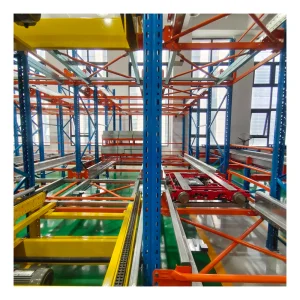
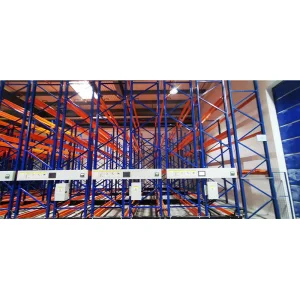
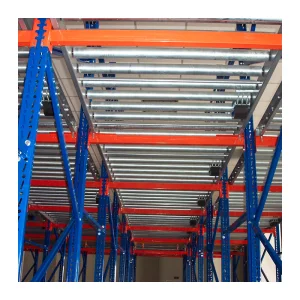
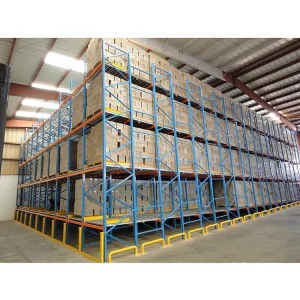
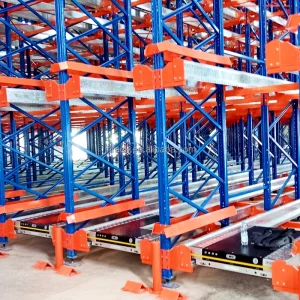
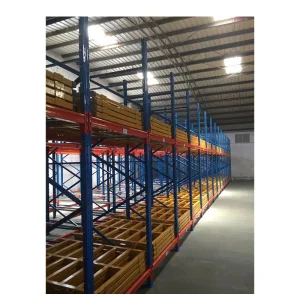
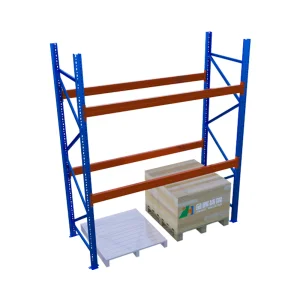
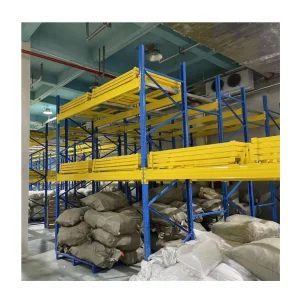
4-Way Shuttle Racking Supplier & Suppliers

Next-Generation Automated High-Density Storage Solutions for Global Warehousing

14+
Years Industry Experience
18,600㎡
Modern Production Area
68
R&D Engineers
$16M
Annual Export Revenue

Strategic Evolution of the 4-Way Shuttle Racking Industry

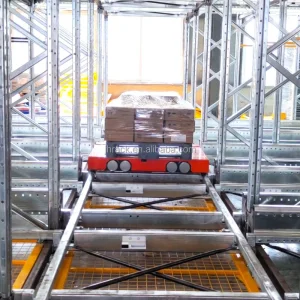
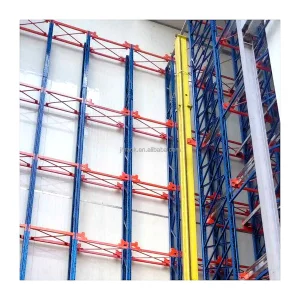
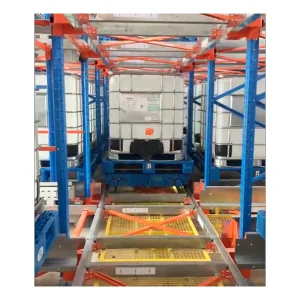
In modern industrial logistics, static floor storage has transitioned into intelligent, dynamic vertical space management. The evolution of warehouse space utilization is spearheaded by the transition from traditional drive-in or selective racking systems to advanced autonomous solutions, most notably the 4-Way Shuttle Racking System. While traditional 2-way shuttles are restricted to linear movements, the 4-way shuttle functions on two horizontal axes. This multidirectional capability enables shuttles to traverse lanes and crosswise aisles without manual forklift intervention, reshaping the throughput capability of modern warehouses.

Information Gain: Unlike standard crane-based AS/RS systems which are rigid, expensive to modify, and susceptible to single-point failures, 4-way shuttle networks operate with modular scalability. If one shuttle requires maintenance, others automatically balance the workload, preventing operational bottlenecks in critical e-commerce fulfillment and distribution environments.

Global Procurement Demands: Why Enterprise Buyers Prioritize 4-Way Shuttle Systems

Global supply chain executives face unprecedented challenges: rising urban real estate costs, volatile labor pools, and tightening delivery times. The search for a reliable 4-way shuttle racking supplier is no longer just a purchasing task but a strategic infrastructure decision. Enterprise buyers from cold chain operations, food and beverage distributors, and third-party logistics (3PL) providers focus on several key ROI variables when evaluating global racking suppliers:

  • Energy Conservation in Cold Chain: High-density automated systems decrease the volume of chilled space, generating savings of up to 35% in utility costs.
  • Modular Extensibility: Systems must allow the physical fleet size (number of shuttles) to scale independently from the physical rack architecture.
  • WMS & WCS Software Interoperability: Modern material handling demands open API structures that seamlessly bind shuttle movements with enterprise management databases.
  • Seismic Resilience: Global applications require specific structural calculations to satisfy local building codes (e.g., FEMA, EN 1998, or AS4084).

China Factory 4.0: Supply Chain Resilience & Structural Superiority

Dongguan Jinhui Storage Equipment Co., Ltd. serves as an industry benchmark in the integration of structural fabrication and automated logistics logic. Located in the manufacturing hub of South China, Jinhui utilizes an advanced 18,600-square-meter facility dedicated to raw material forming, high-tolerance welding, and automated surface treatment. Working closely with over 980 supply chain partners, Jinhui ensures continuous steel sourcing and manufacturing resilience, even during volatile market cycles.

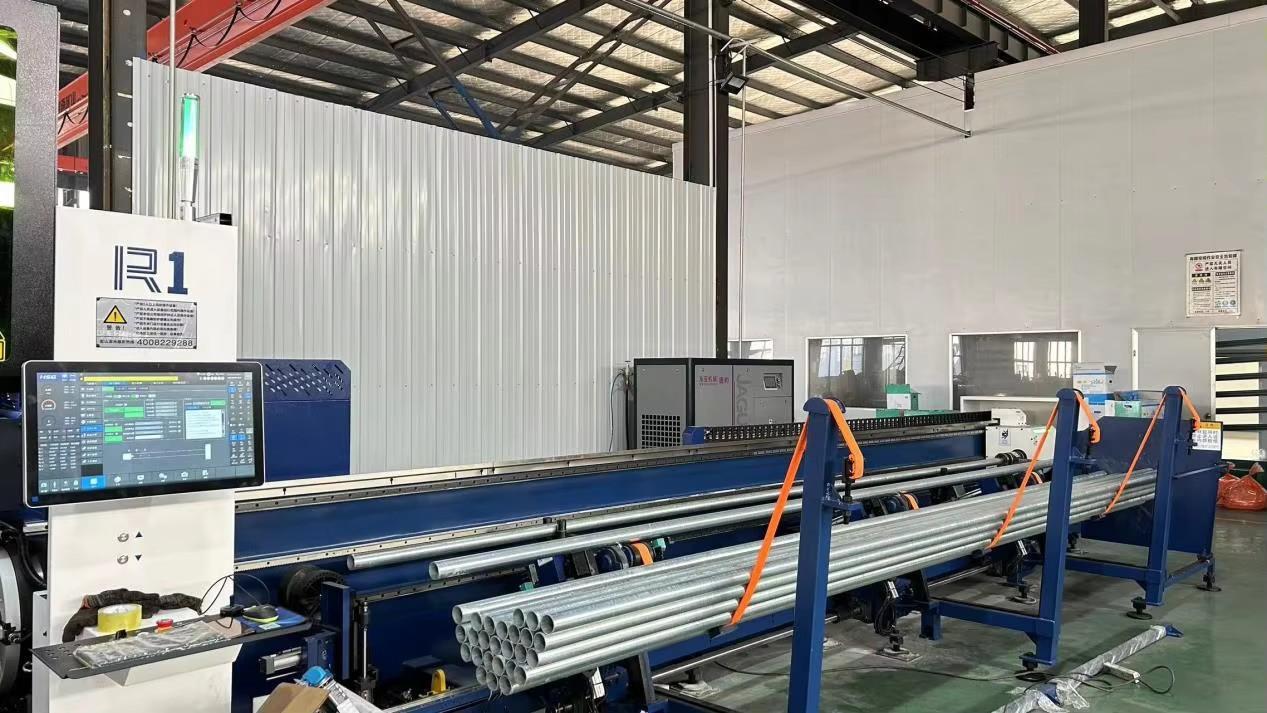
To assure physical integrity in demanding automatic environments, Jinhui maintains an engineering team comprising 68 R&D engineers who supervise every custom installation layout. In 4-way systems, racking tolerances are measured in millimeters; minor deviations can disrupt optical shuttle tracking and vehicle alignment. Jinhui meets these requirements through automated laser cutters, CNC punches, and robotic weld units that assure consistency across every upright beam and guide rail.

Traceable Production & Advanced Testing Infrastructure

A comprehensive walkthrough of Dongguan Jinhui's manufacturing processes, material validation, and advanced engineering equipment
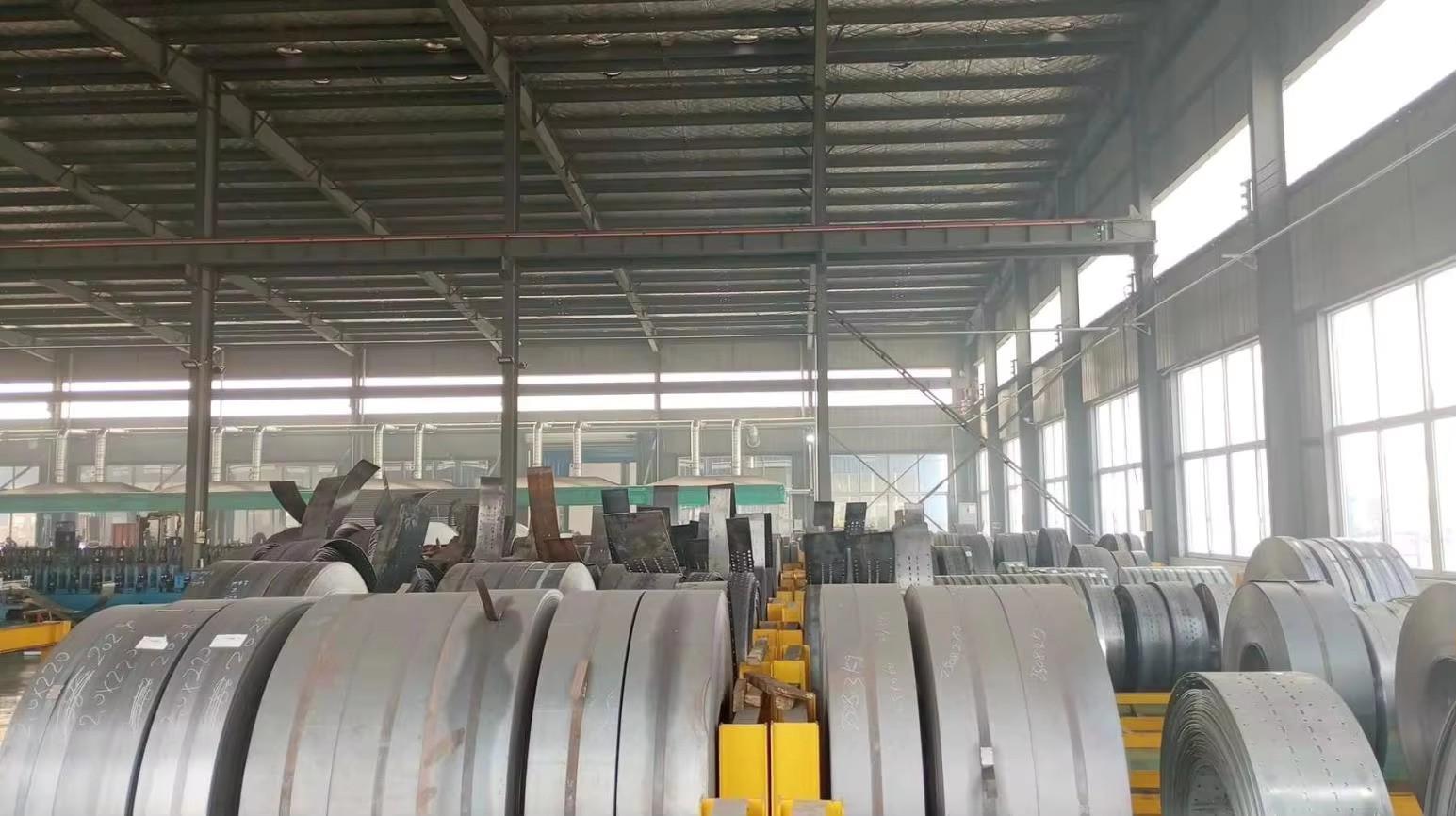
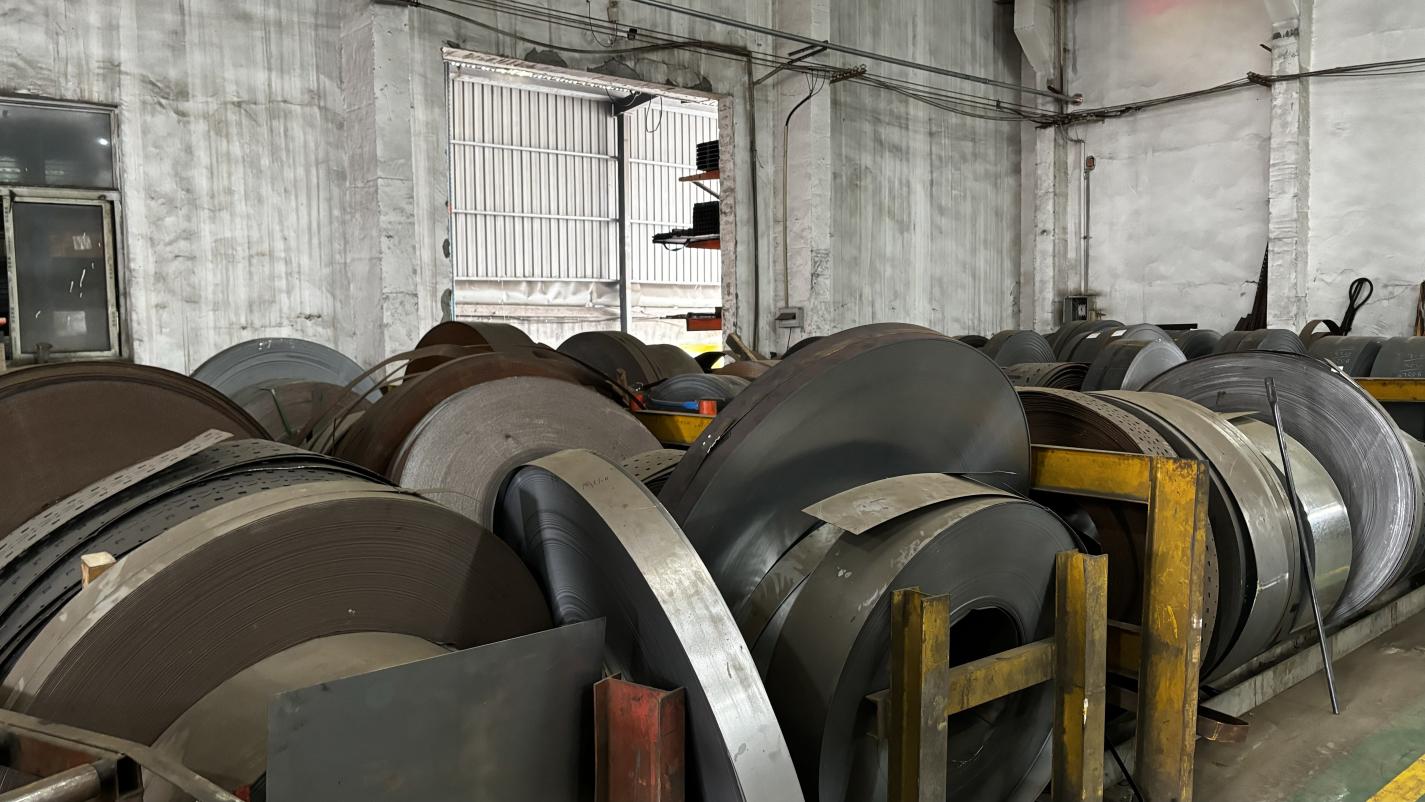
Raw Material Selection
Raw Material
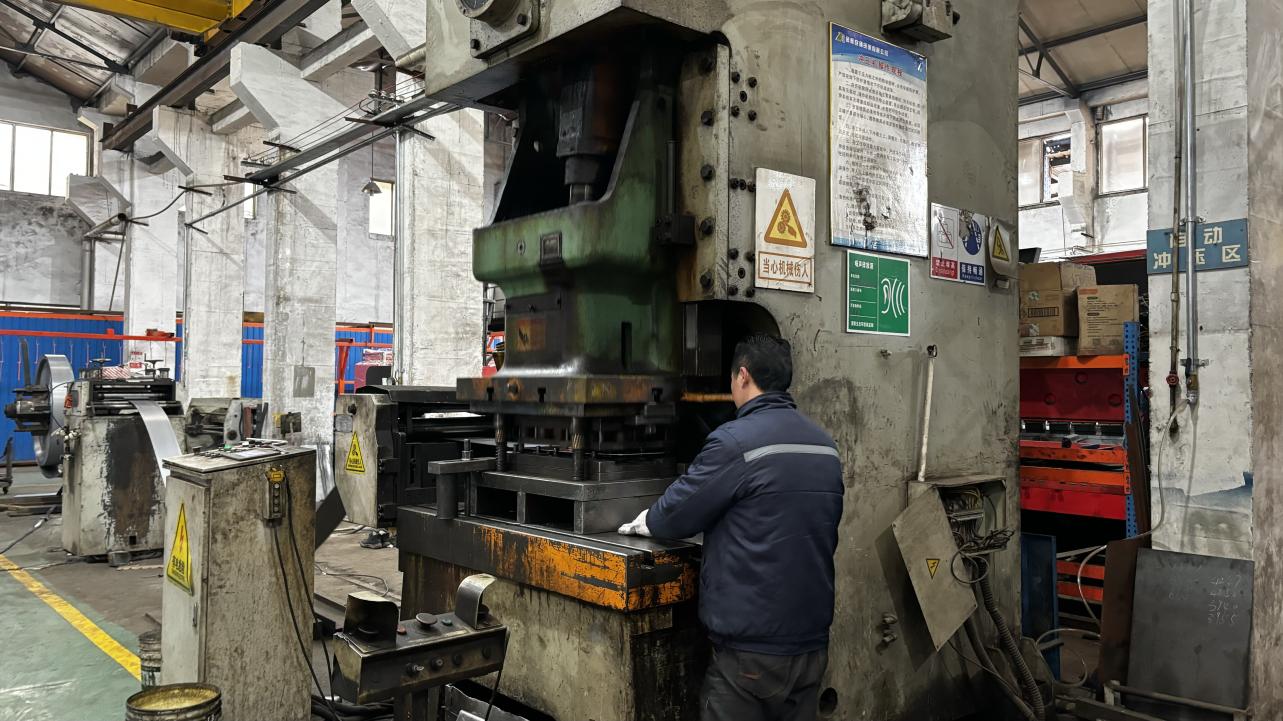
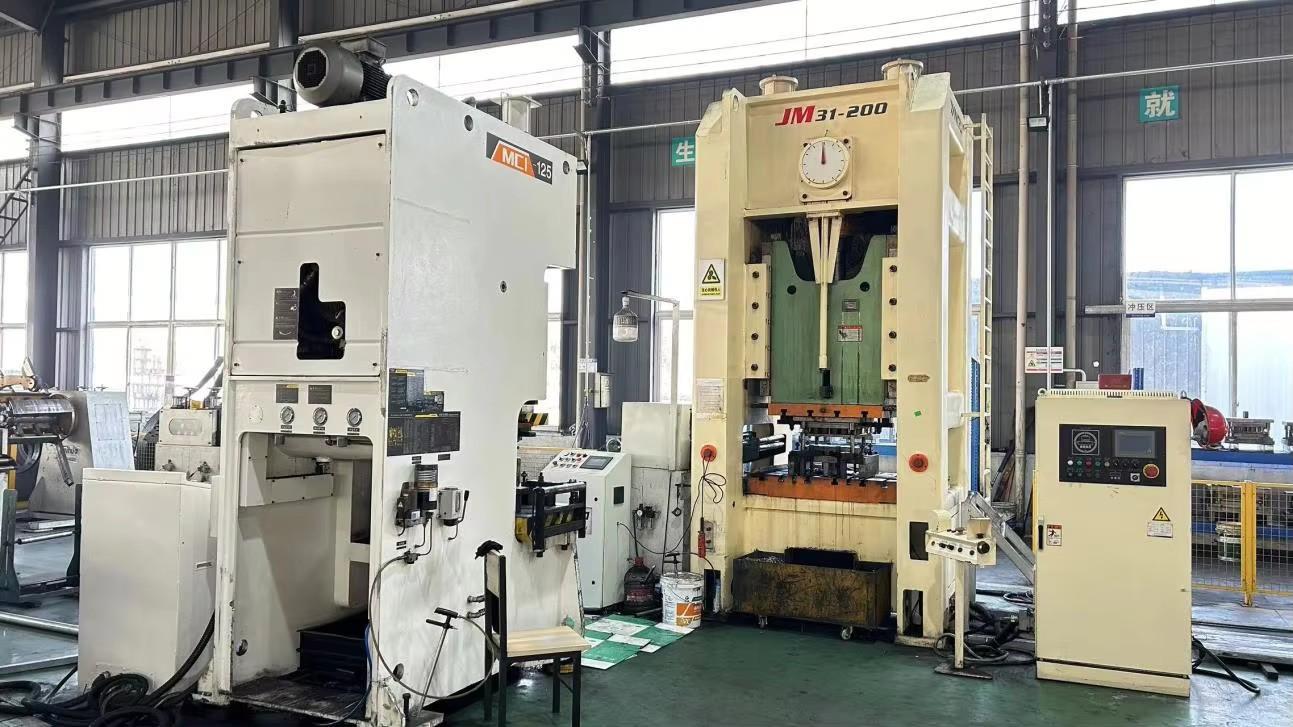
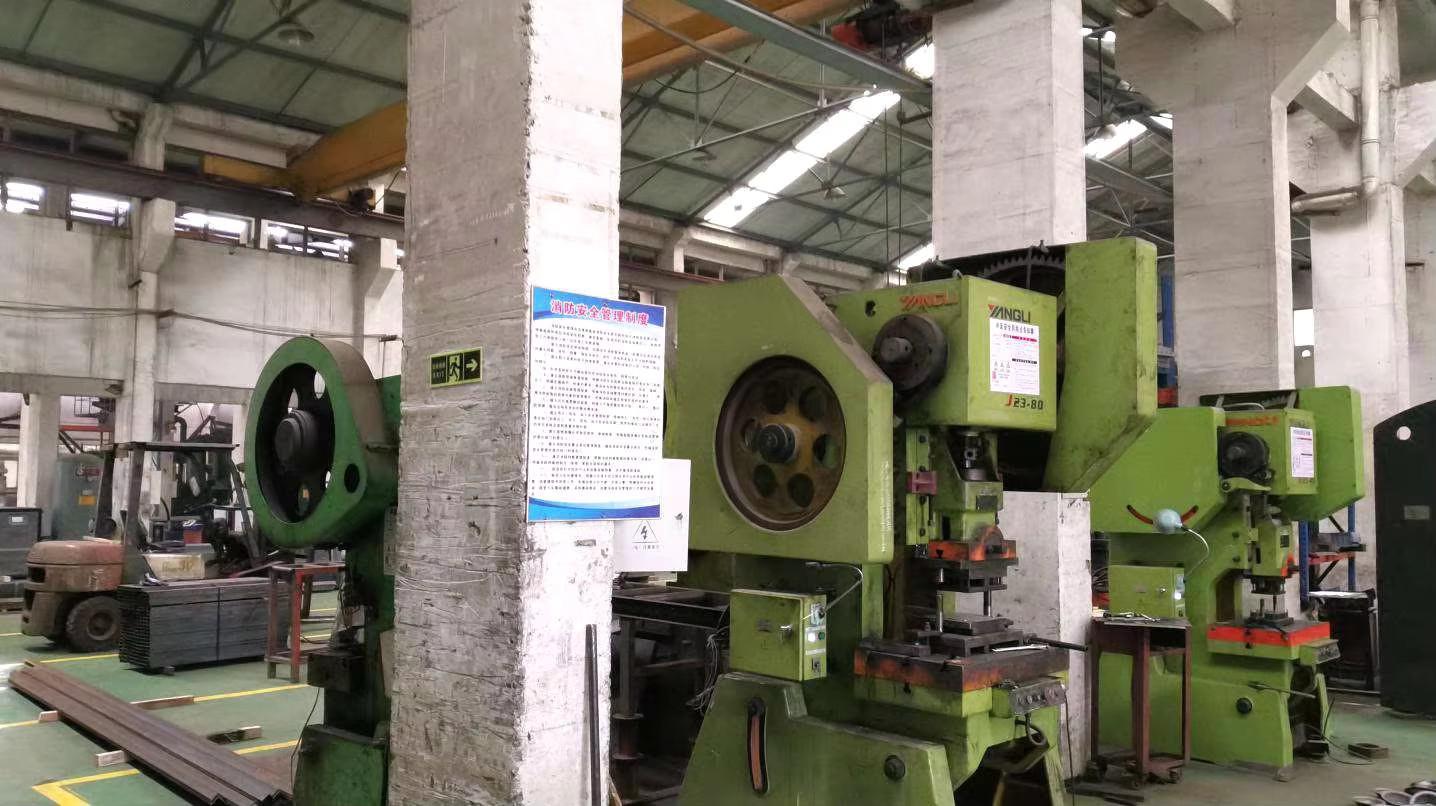
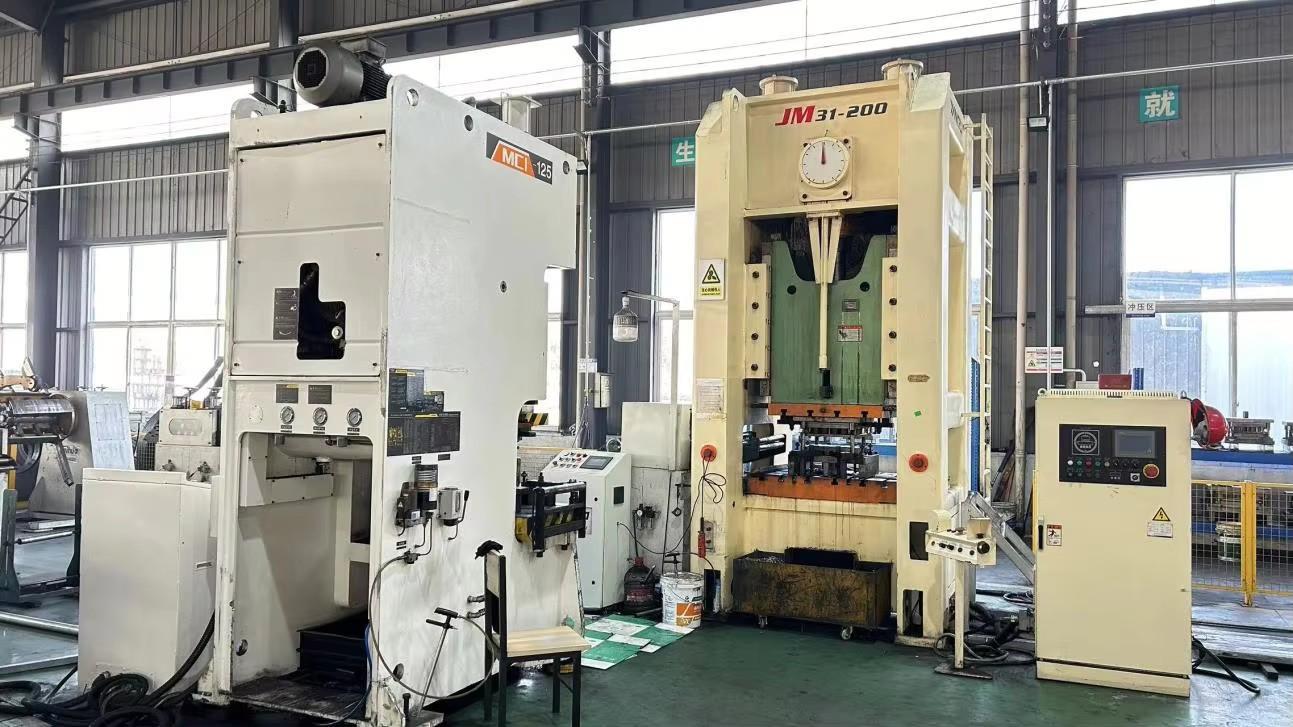
High Precision Pressing
Pressing
Precision Profile Cutting
Cutting
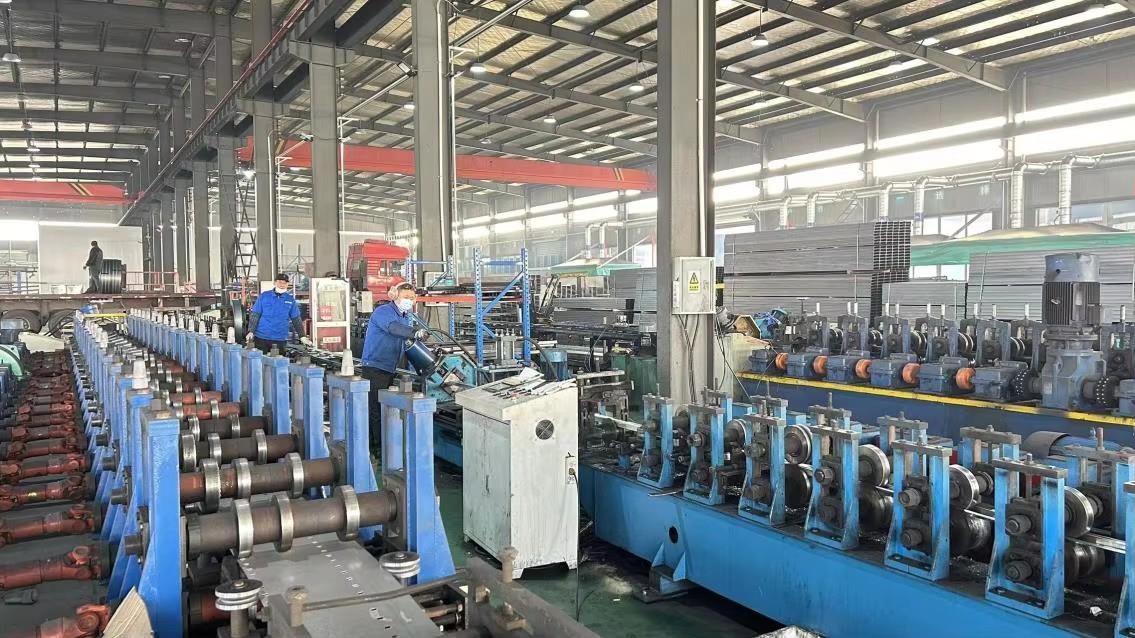
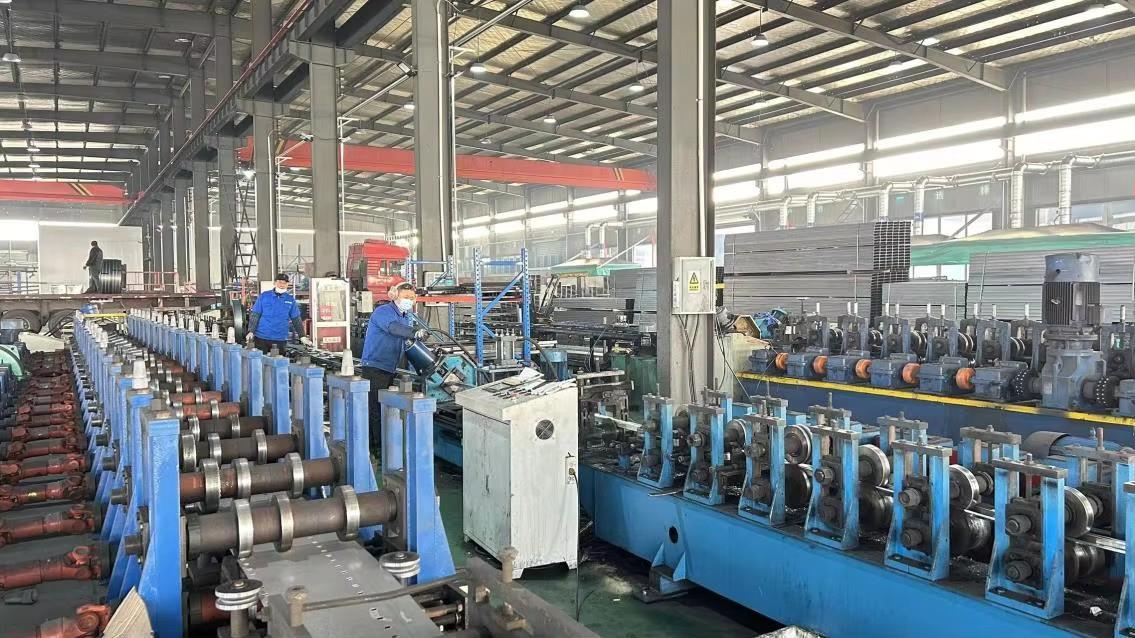
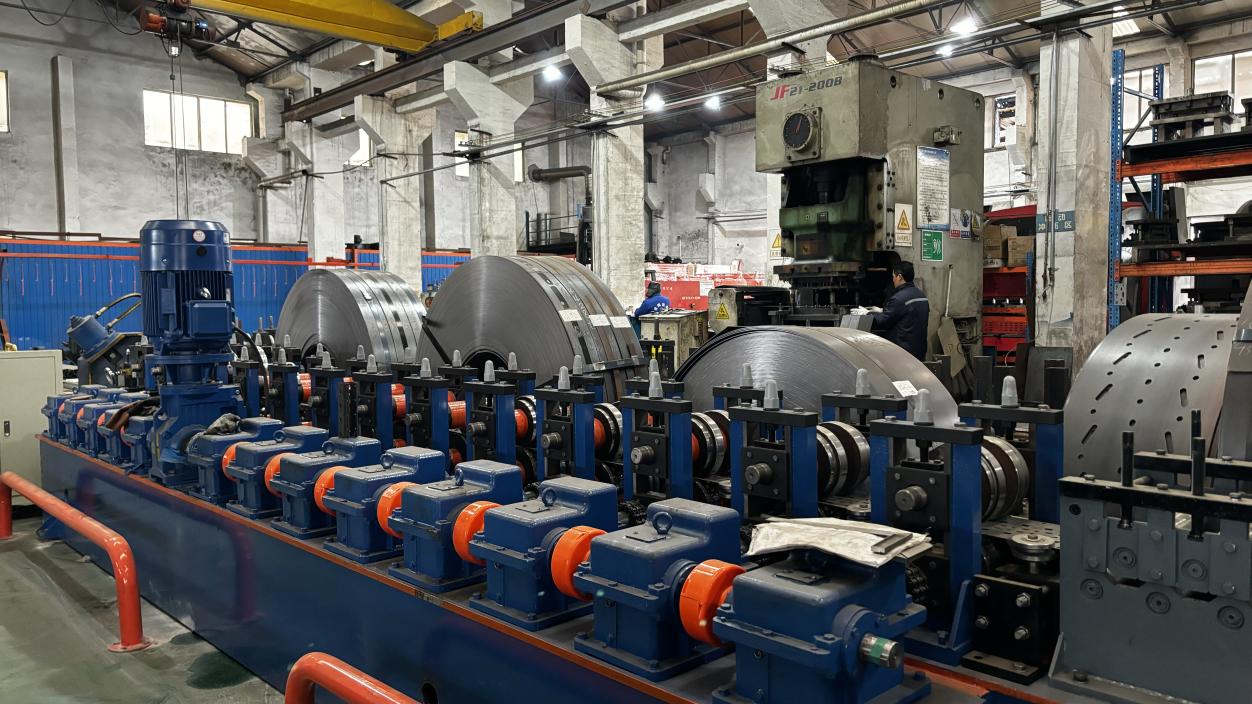
Bending and forming processes
Bending and Forming
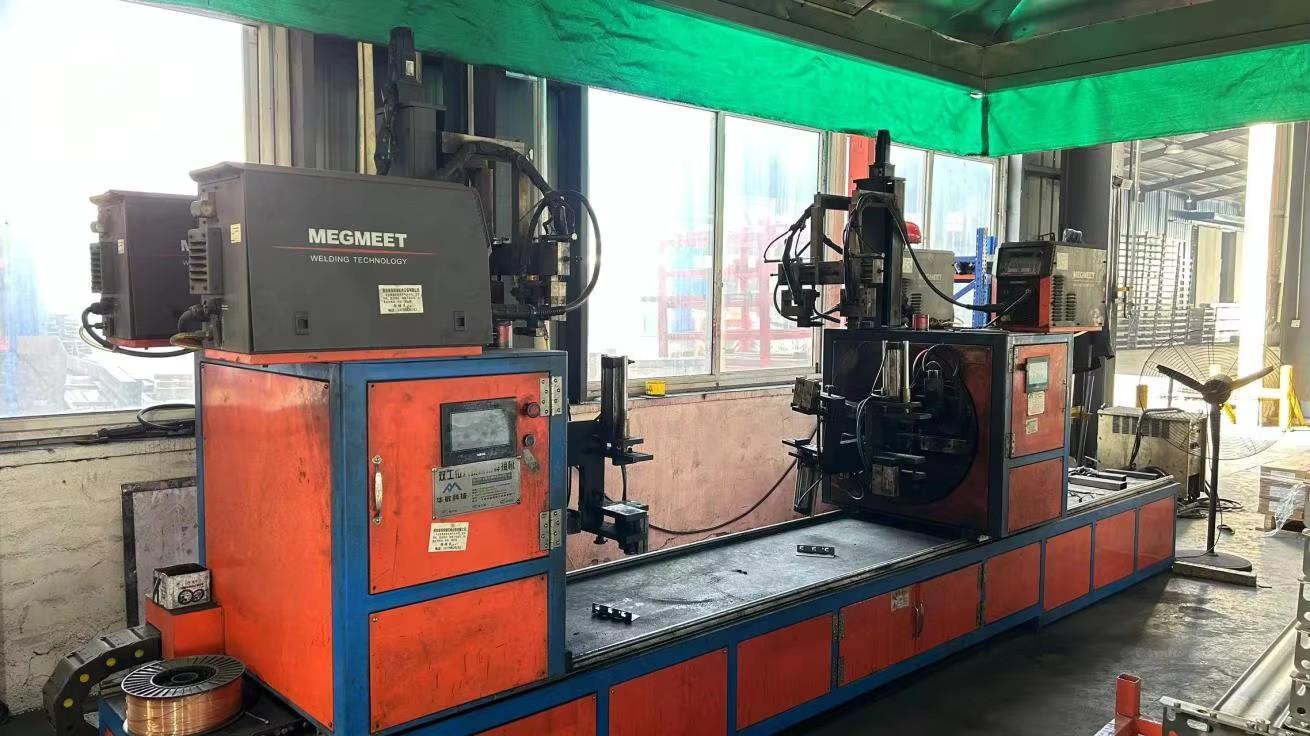
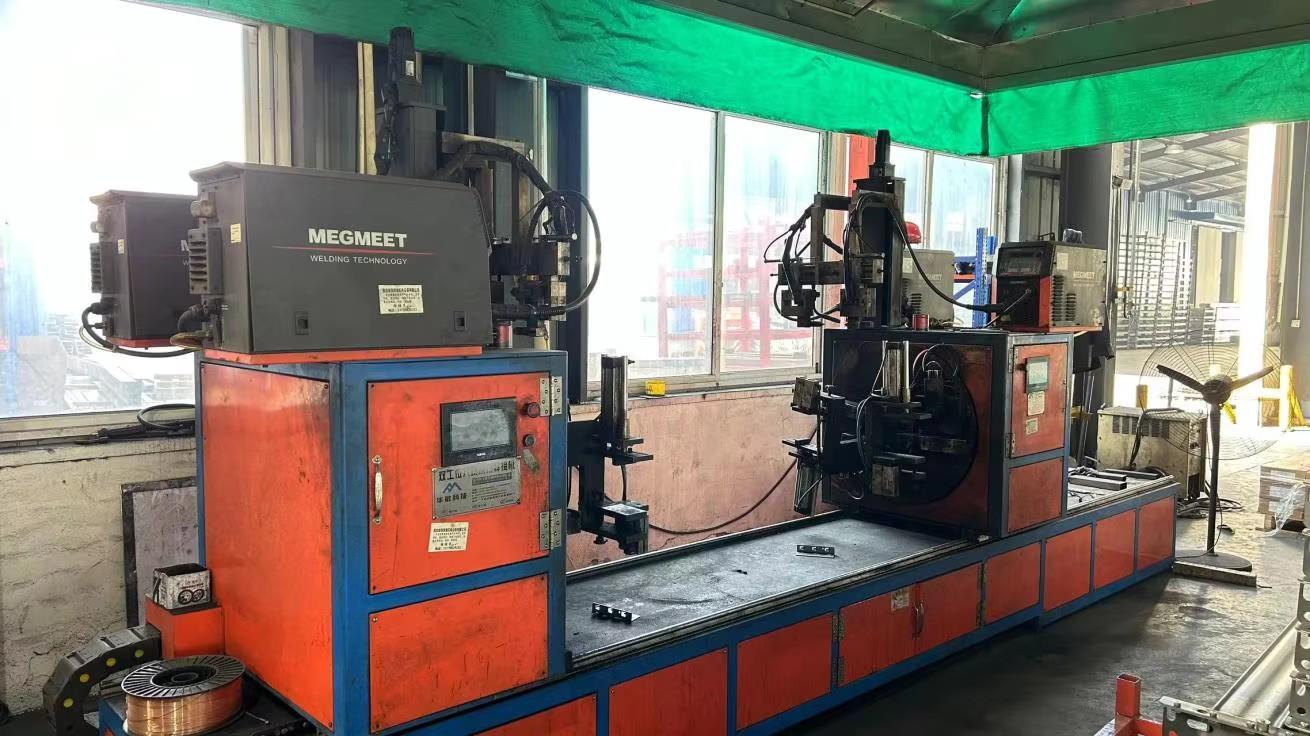
Automatic welding line
Automatic Welding Machine
Surface polishing machine
Polishing Machine
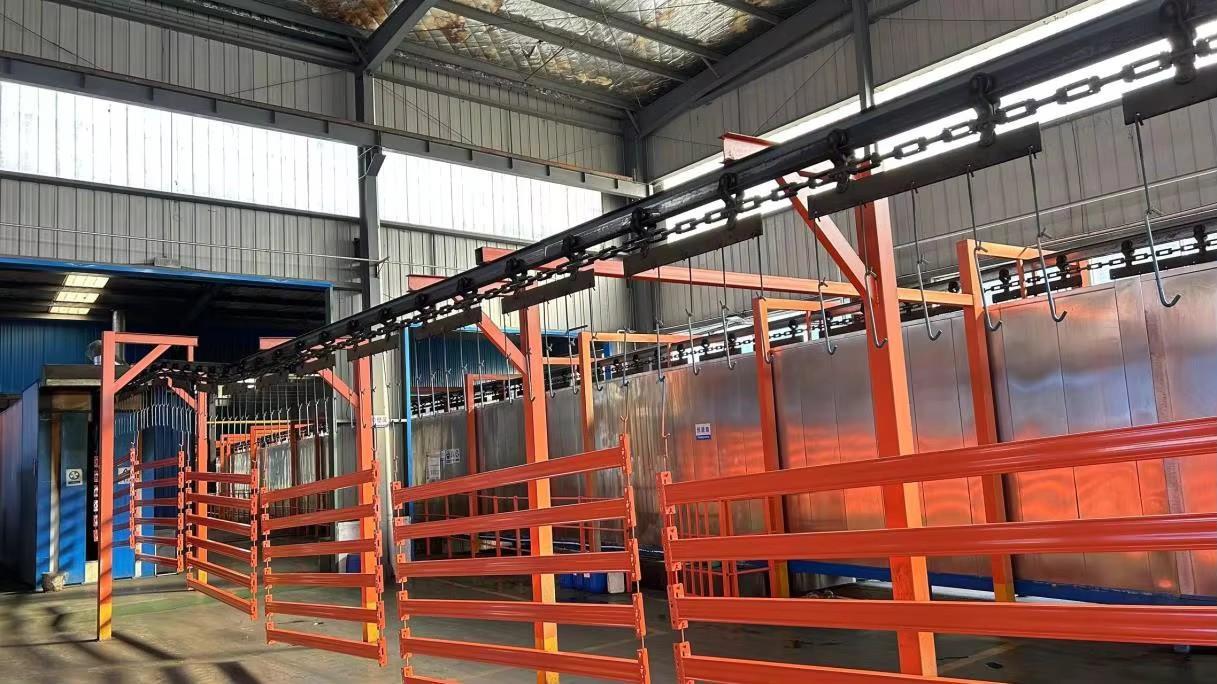
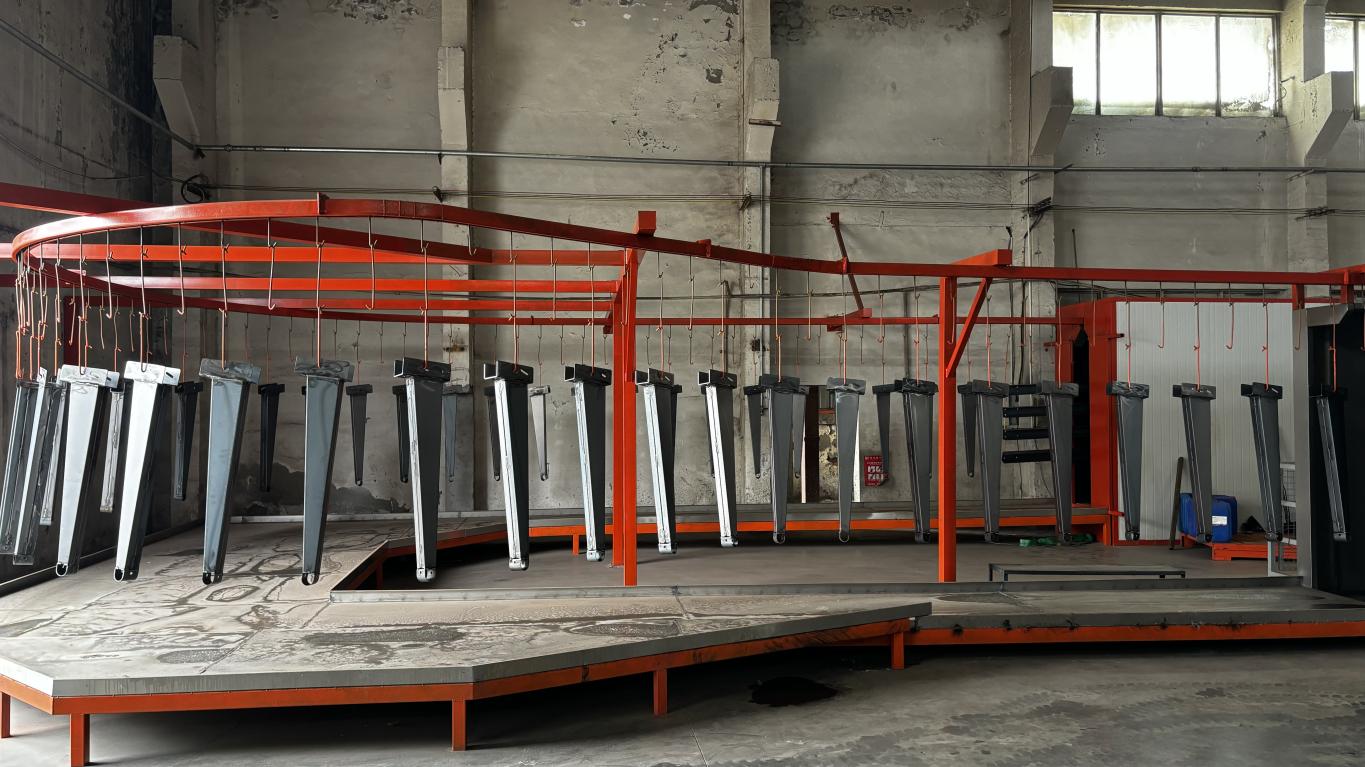
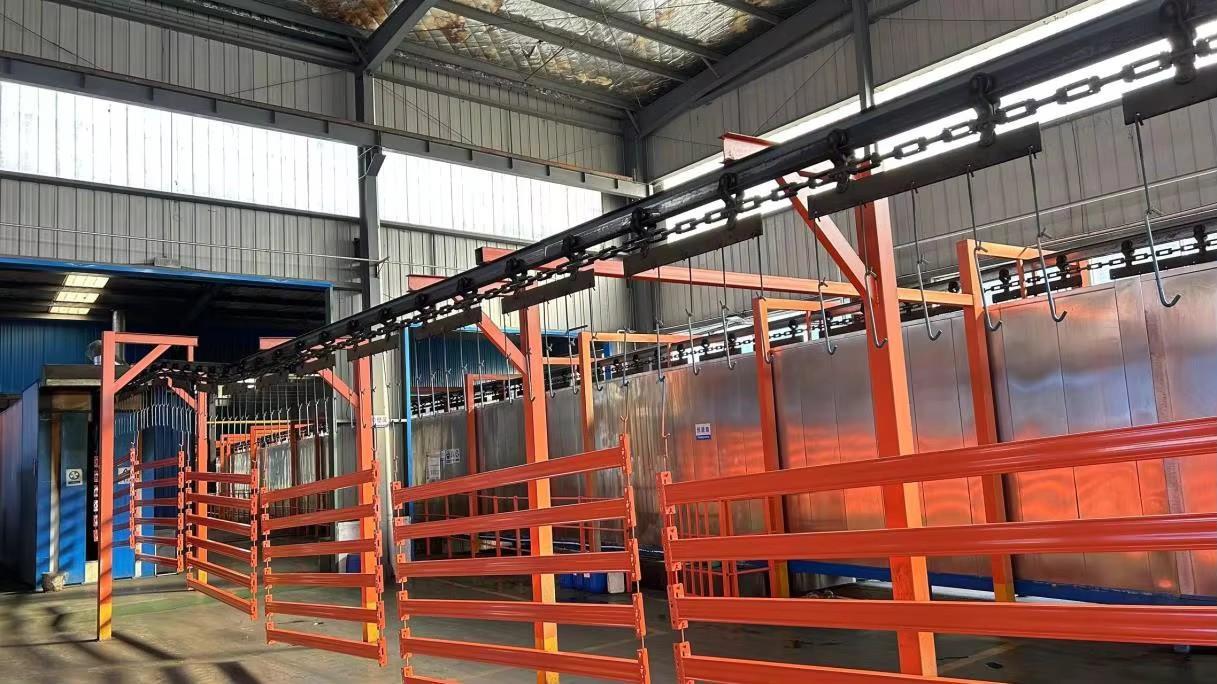
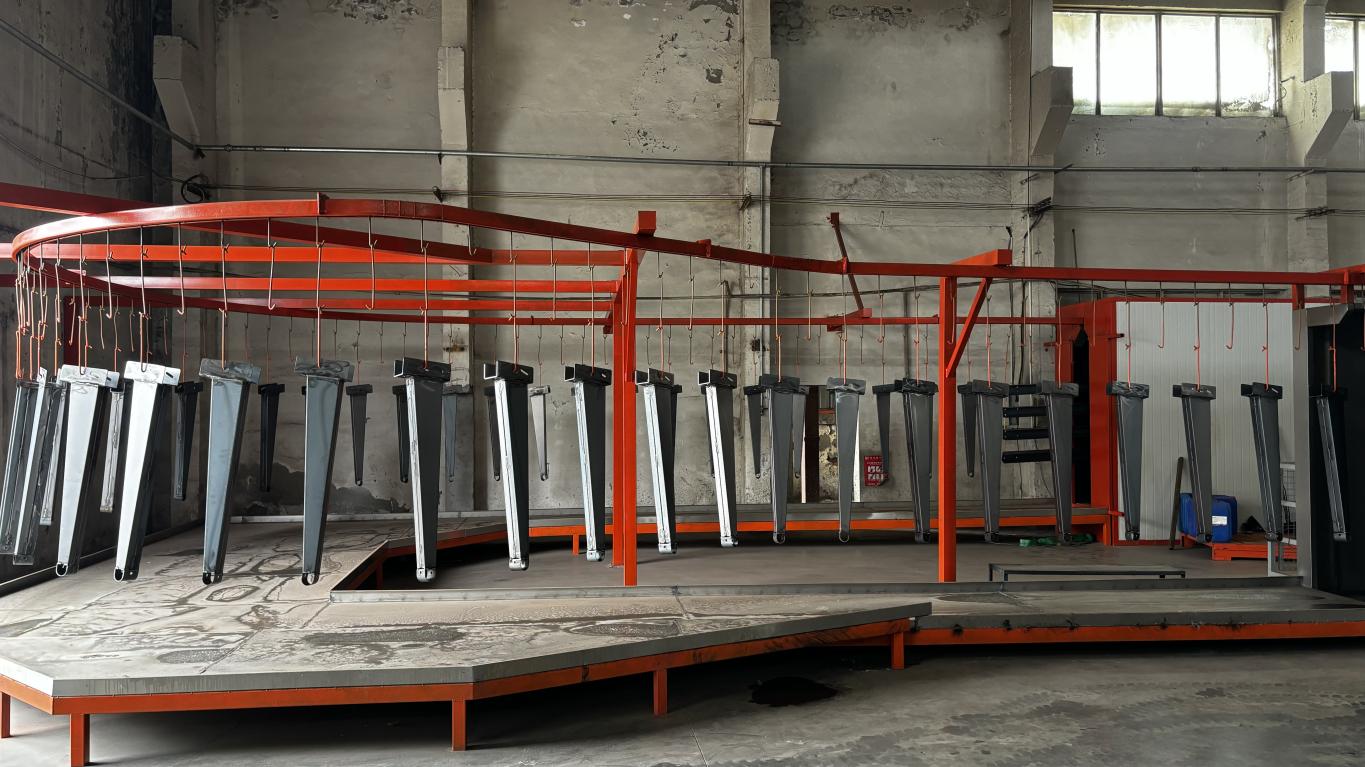
Eco-friendly painting production line
Painting Production Line
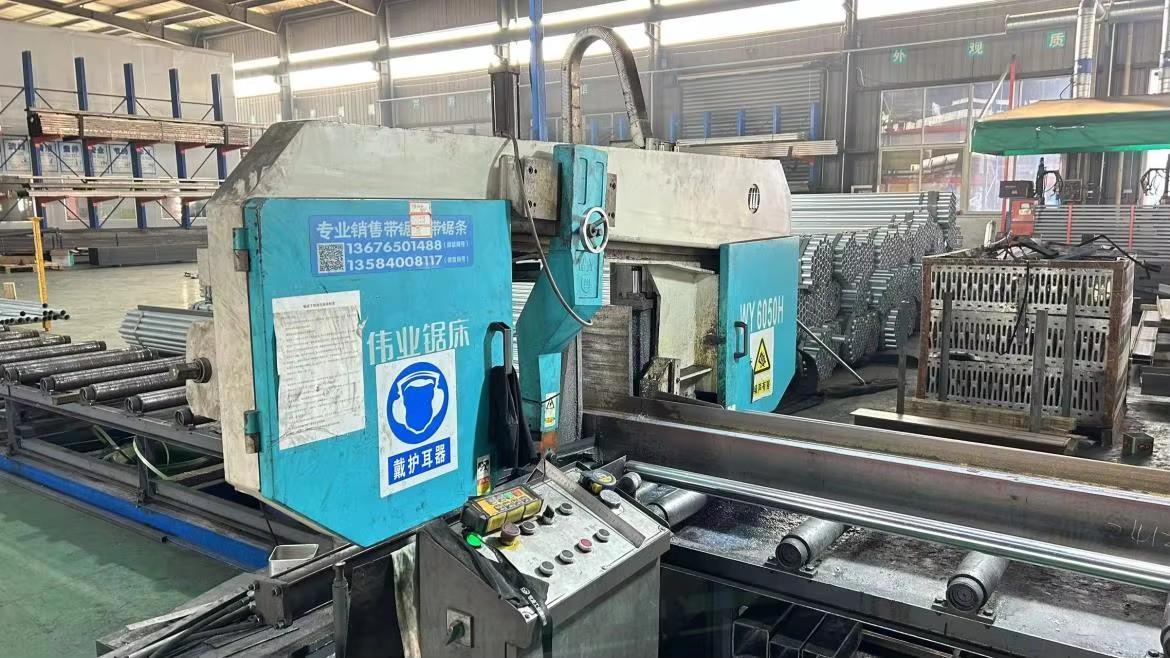
Profile Sawing Cutting
Cutting
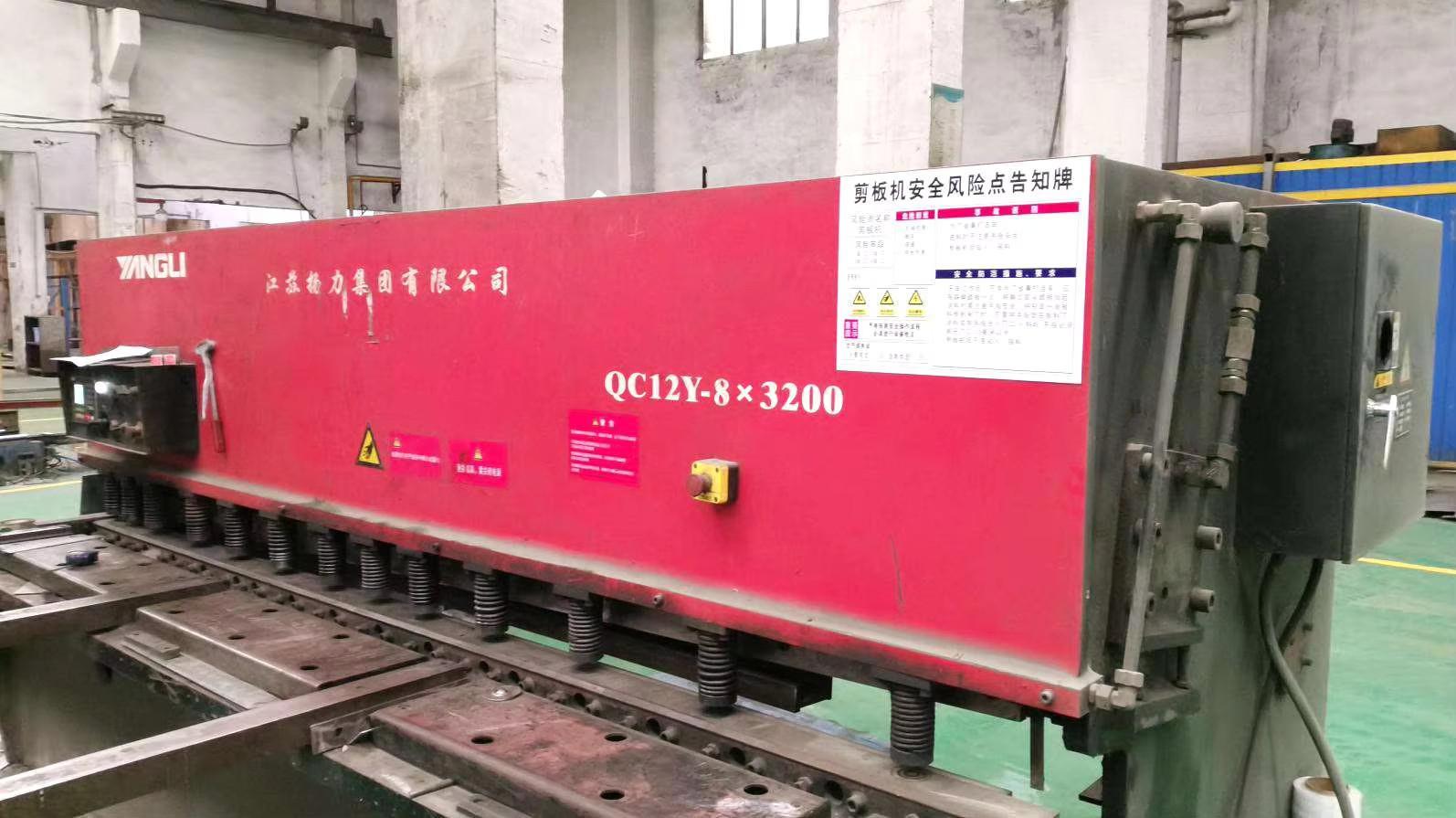
High speed plate shearing
Plate Shearing
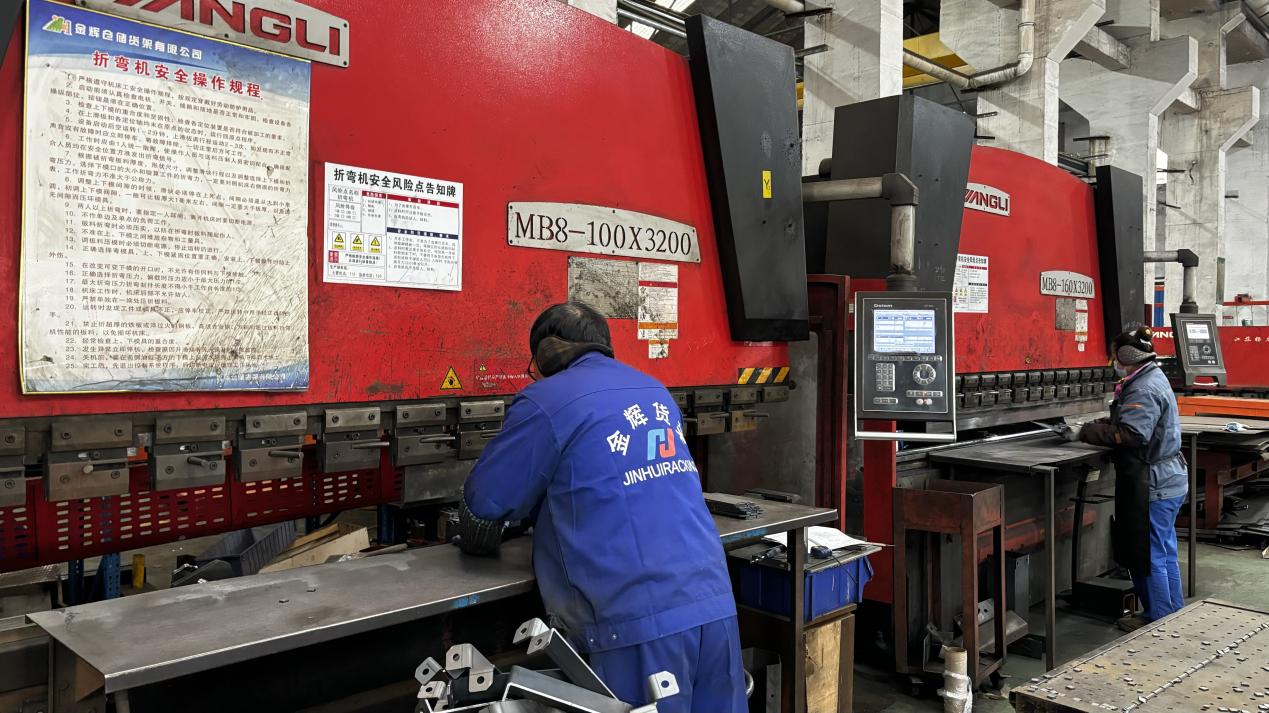
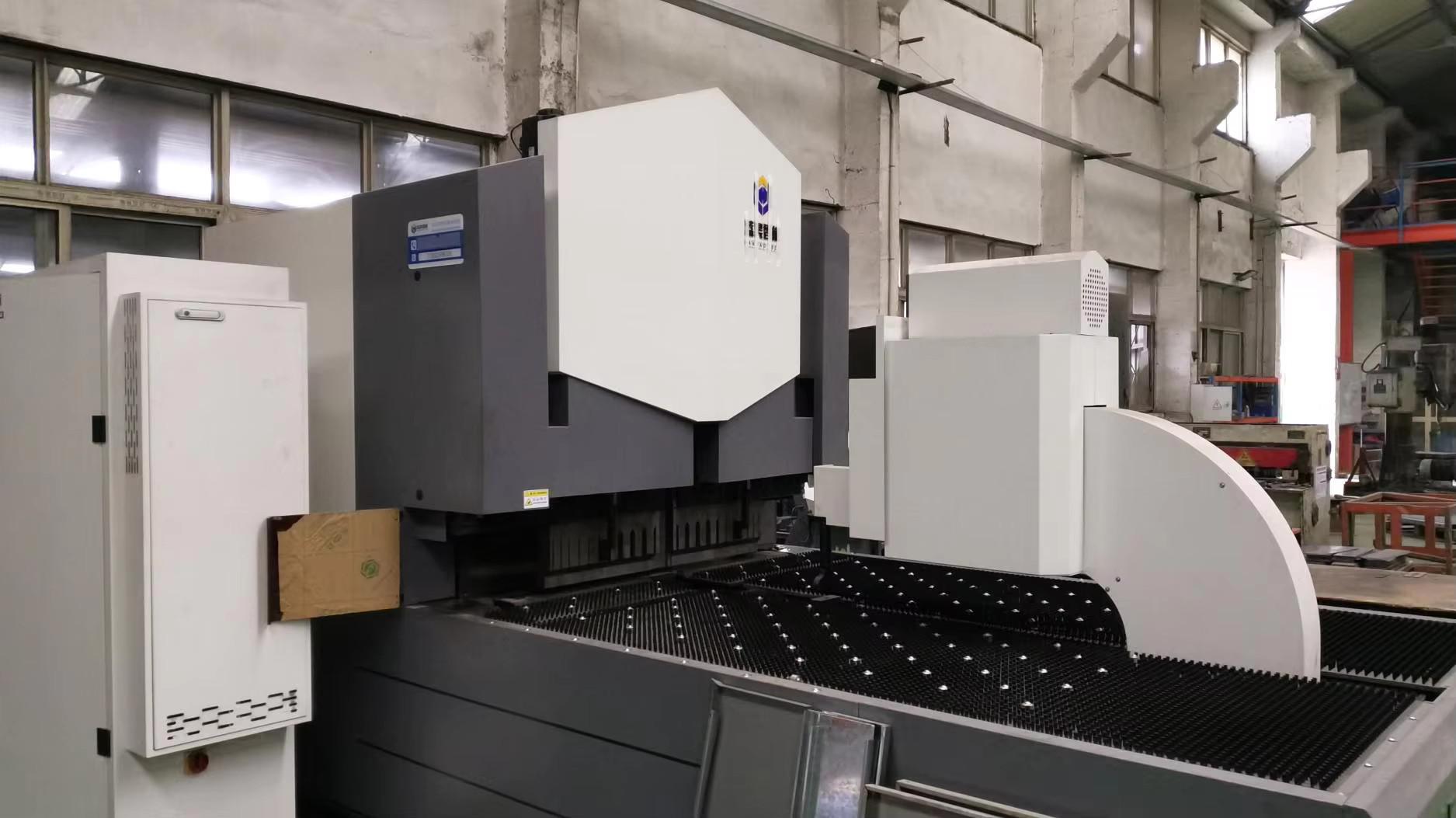
Sheet metal plate bending
Plate Bending
CNC punching machine
Punching
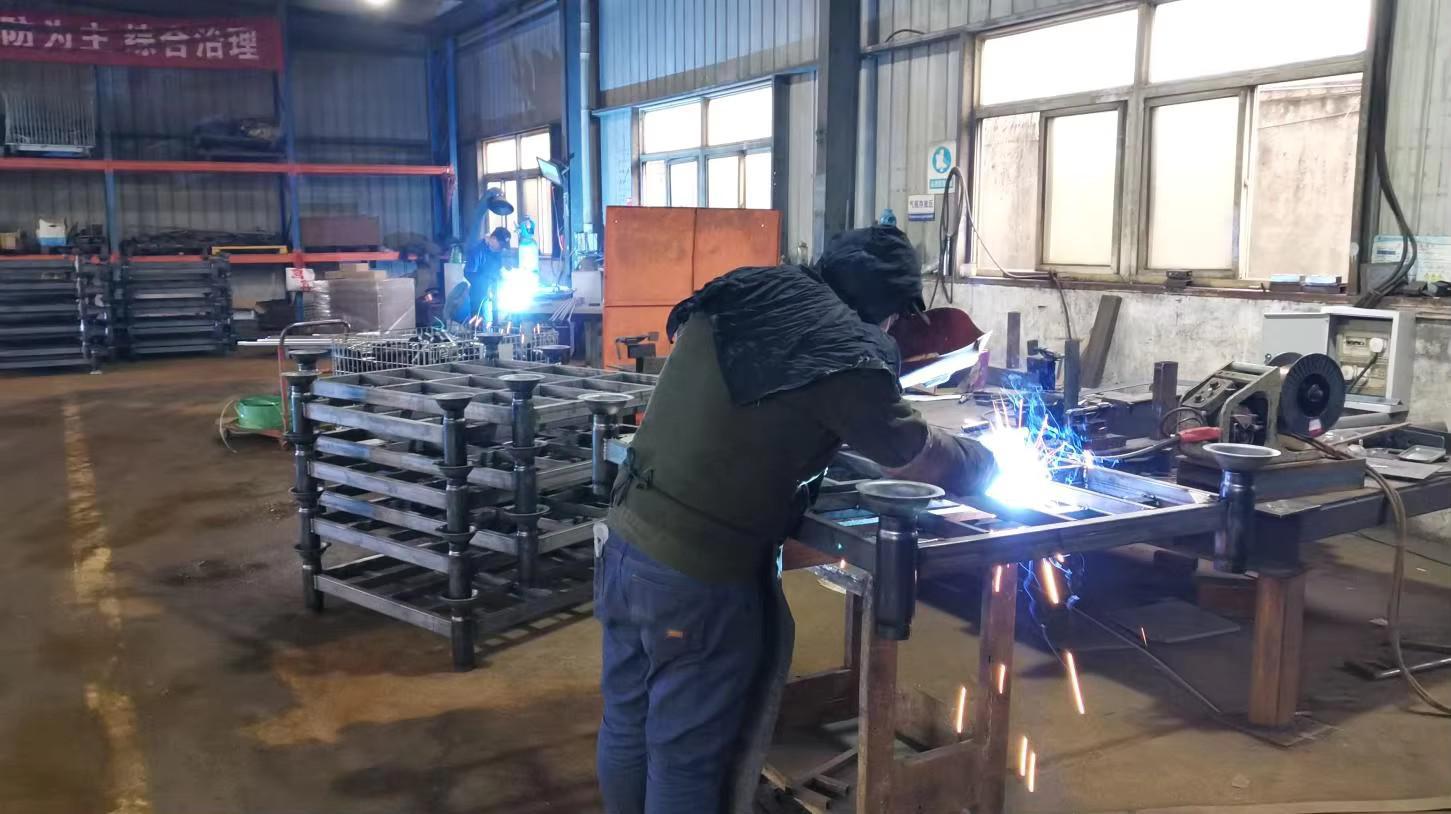
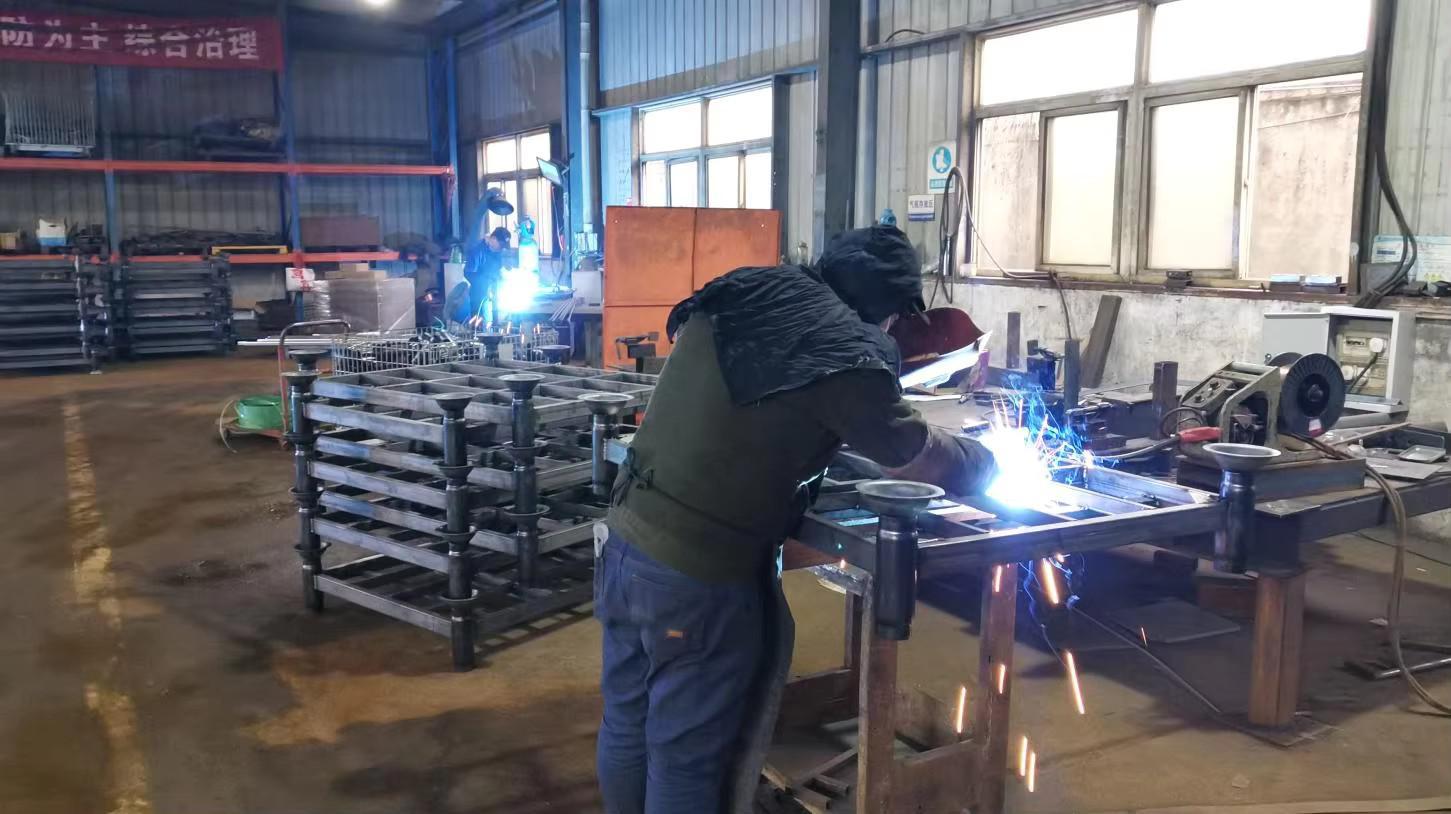
Manual refinement welding
Welding
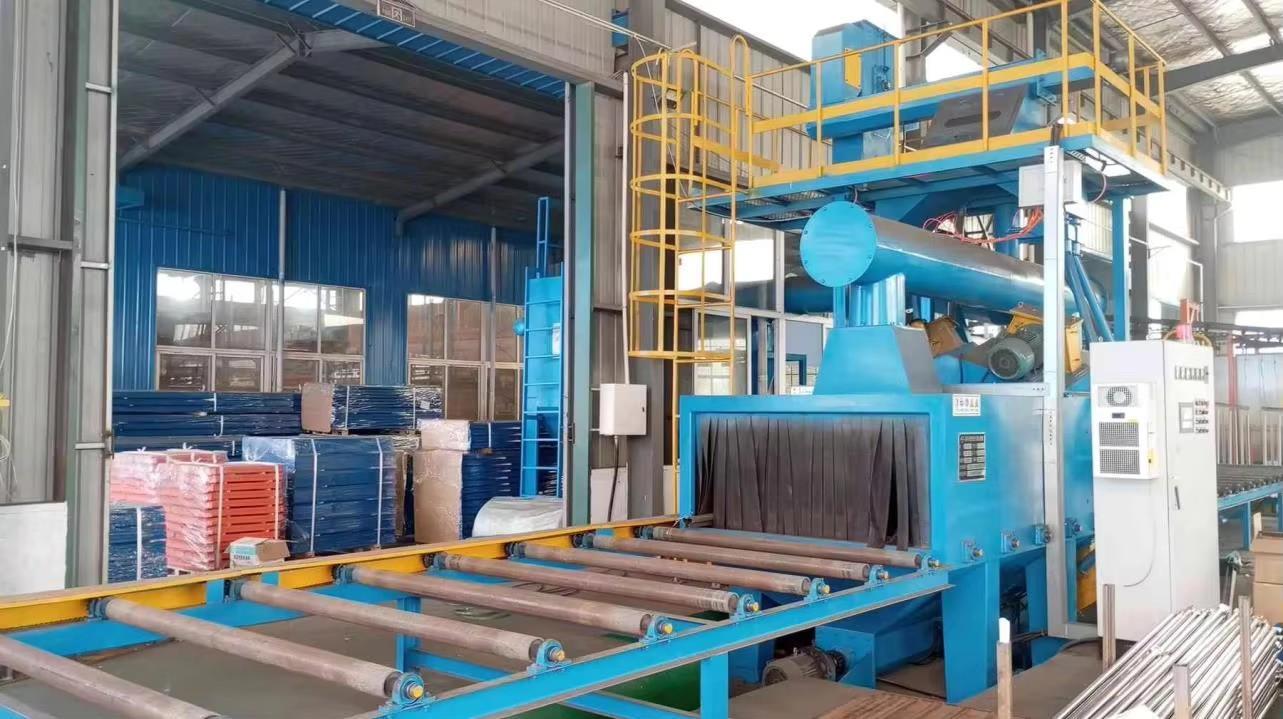
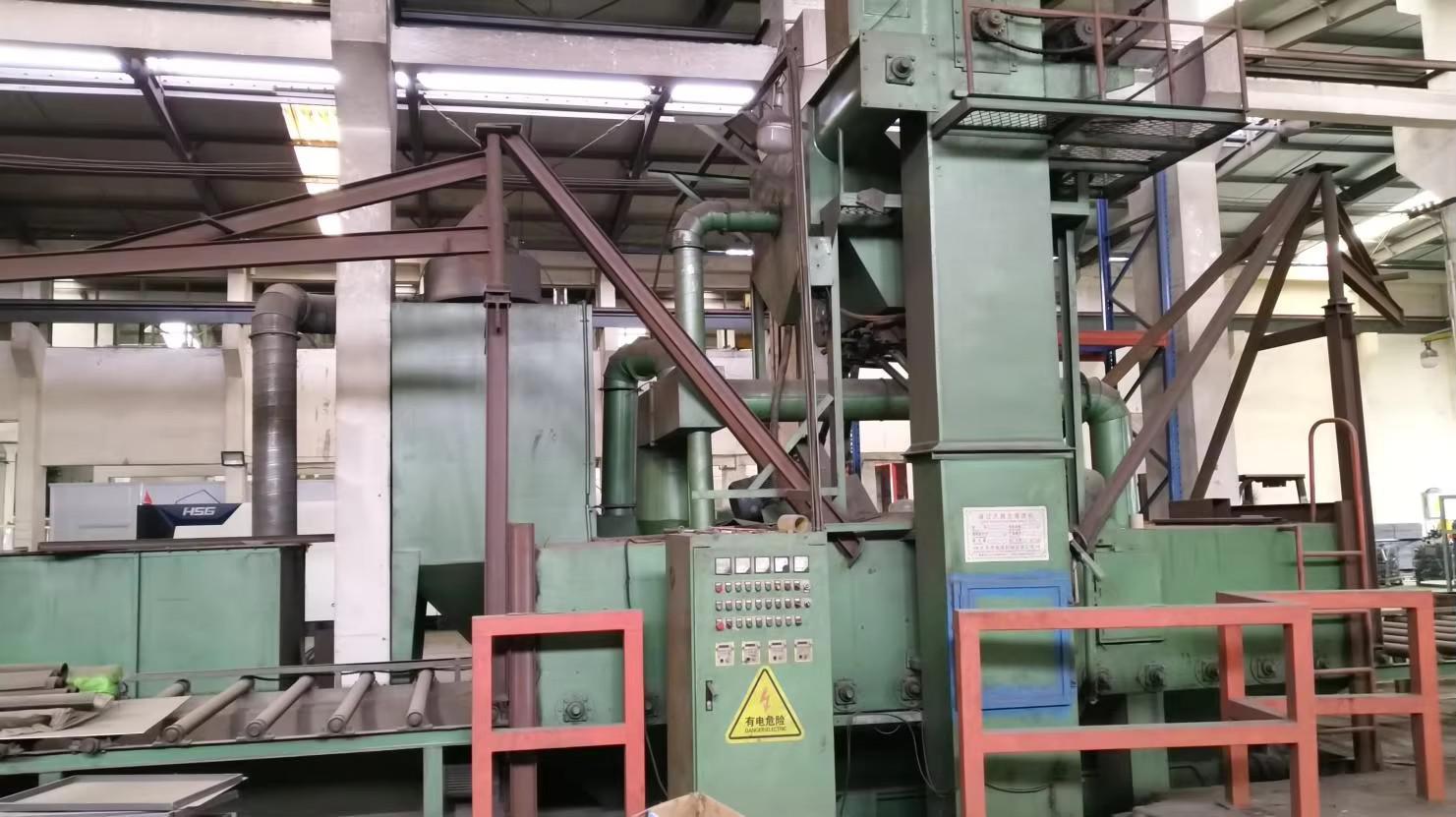
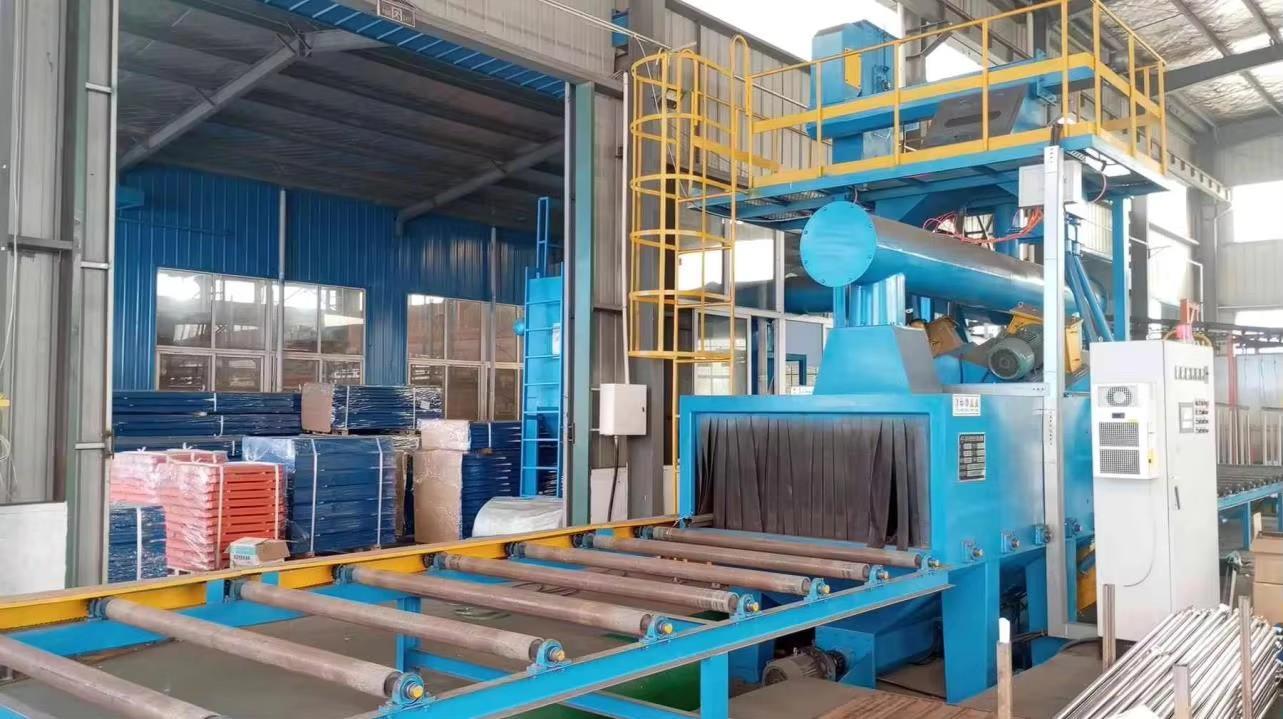
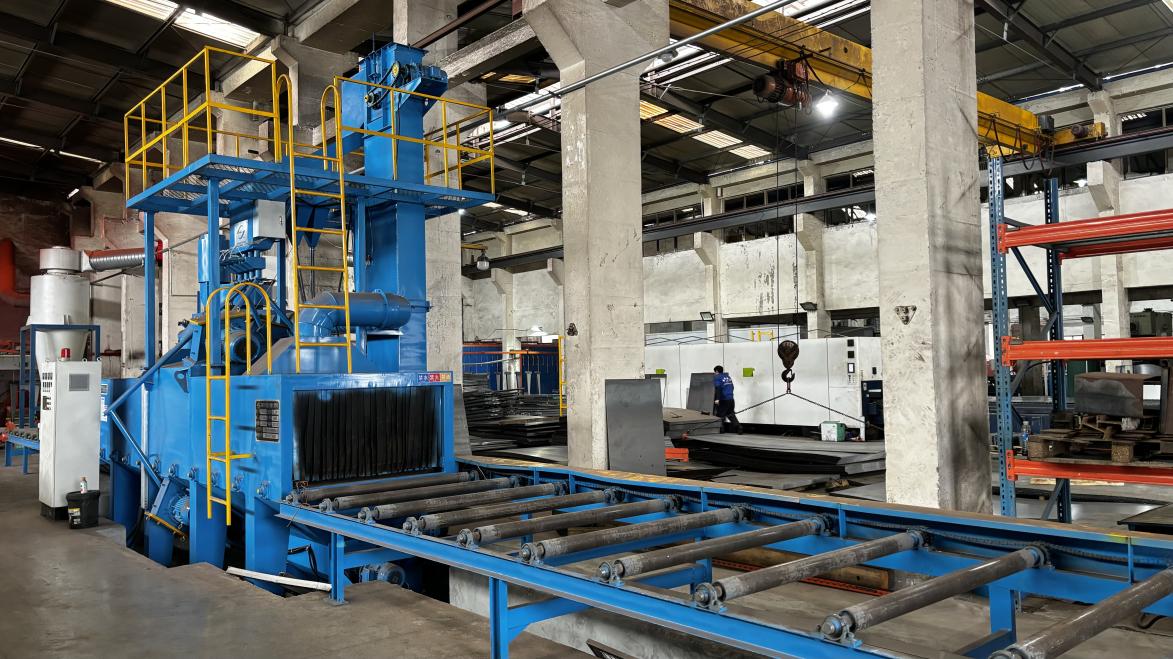
Shot blasting machine surface prep
Shot Blasting
Surface treatment coating
Coating
Heavy duty pressing machine
Pressing Machine
Automated Sawing Machine 1
Sawing Machine 1
Automated Sawing Machine 2
Sawing Machine 2
Structural frame welding robot
Automatic Welding Machine
Weld seam polishing station
Polishing Machine
Epoxy powder coating curing line
Painting Production Line
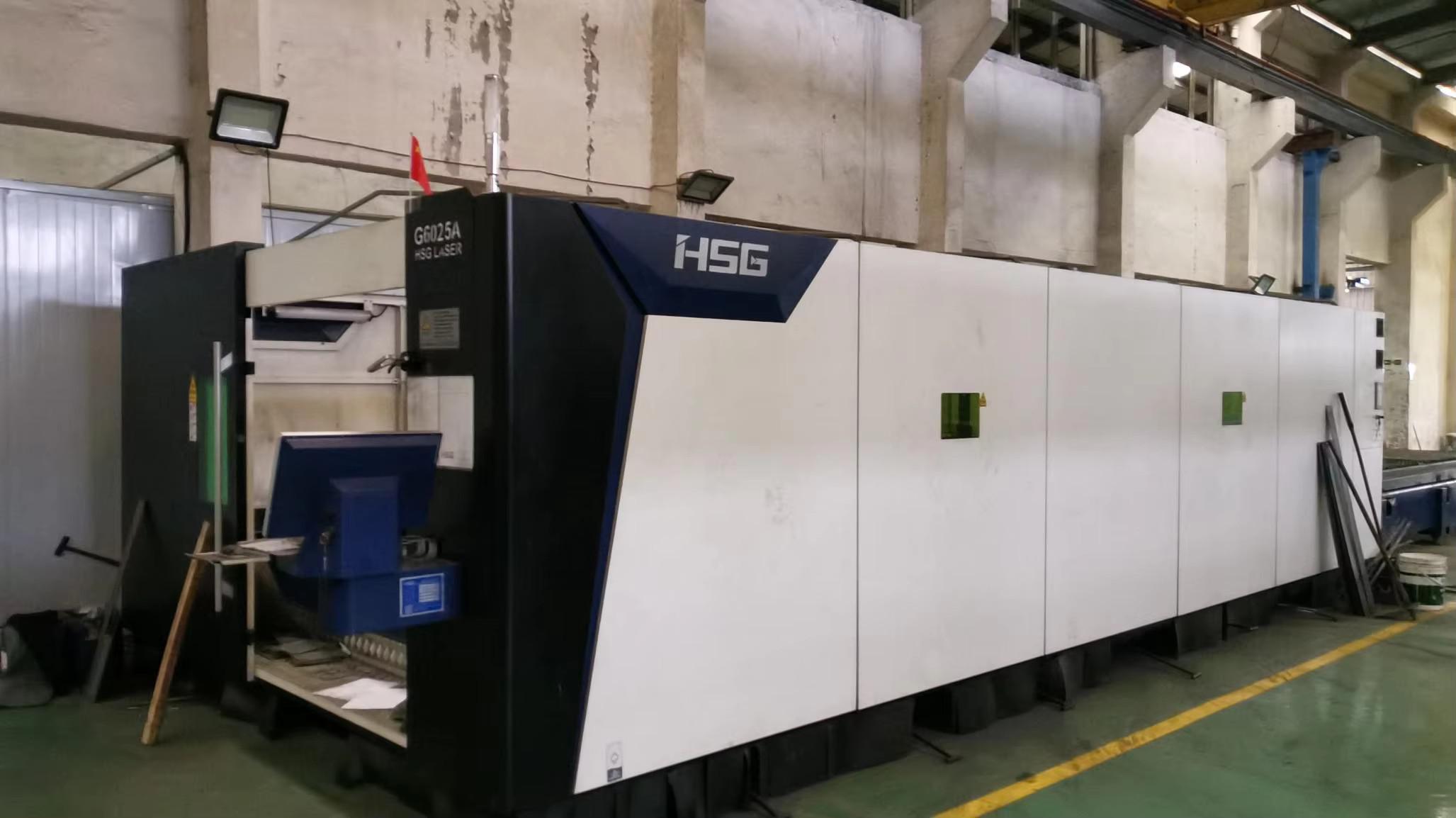
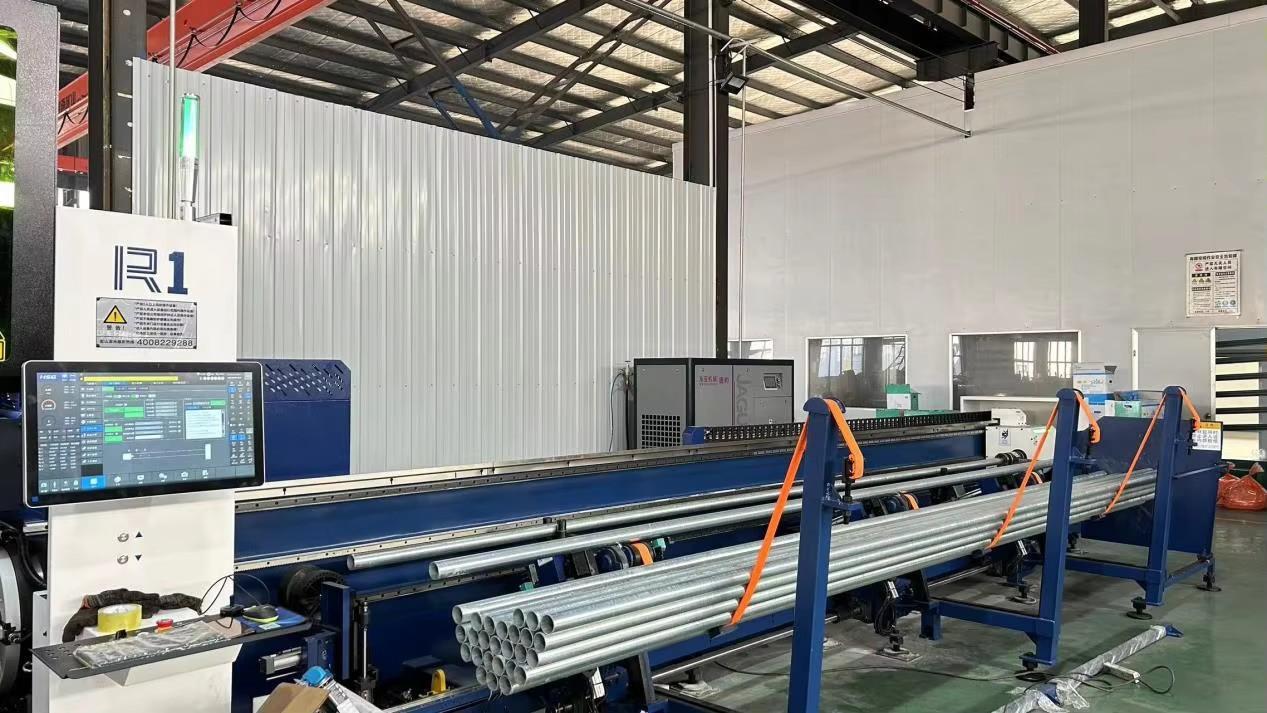
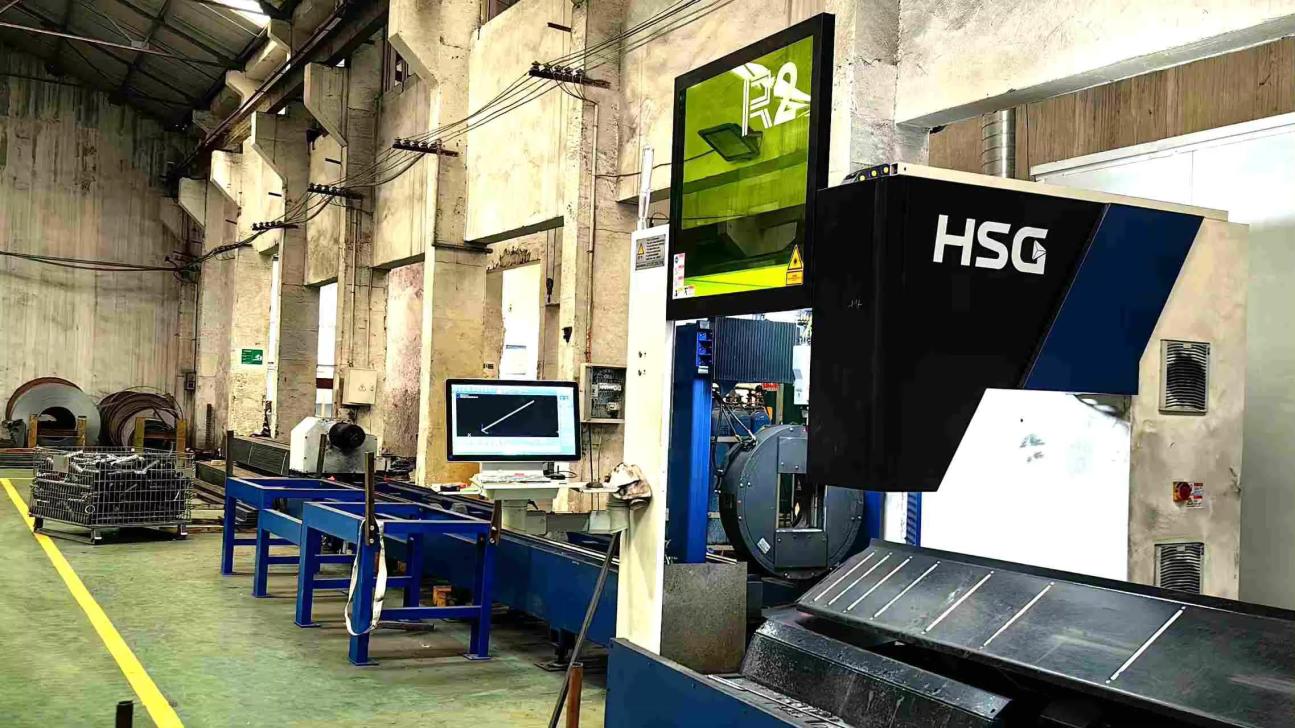
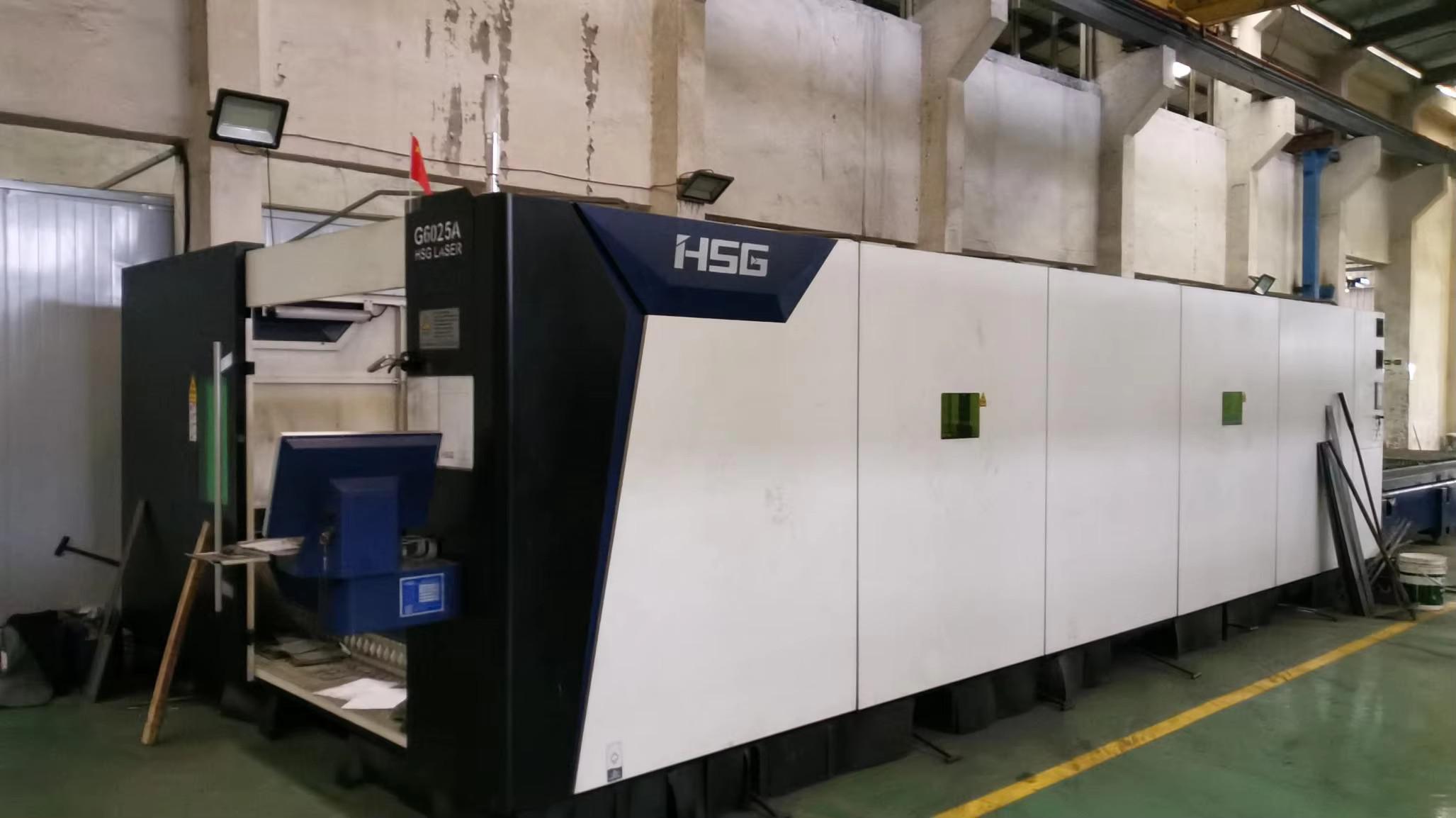
Fiber laser cutting machine
Laser Cutting Machine
CNC flame cutting machine
Flame Cutting Machine
High speed cutting machine
Cutting Machine
Laser cutter details
Laser Cutting Machine
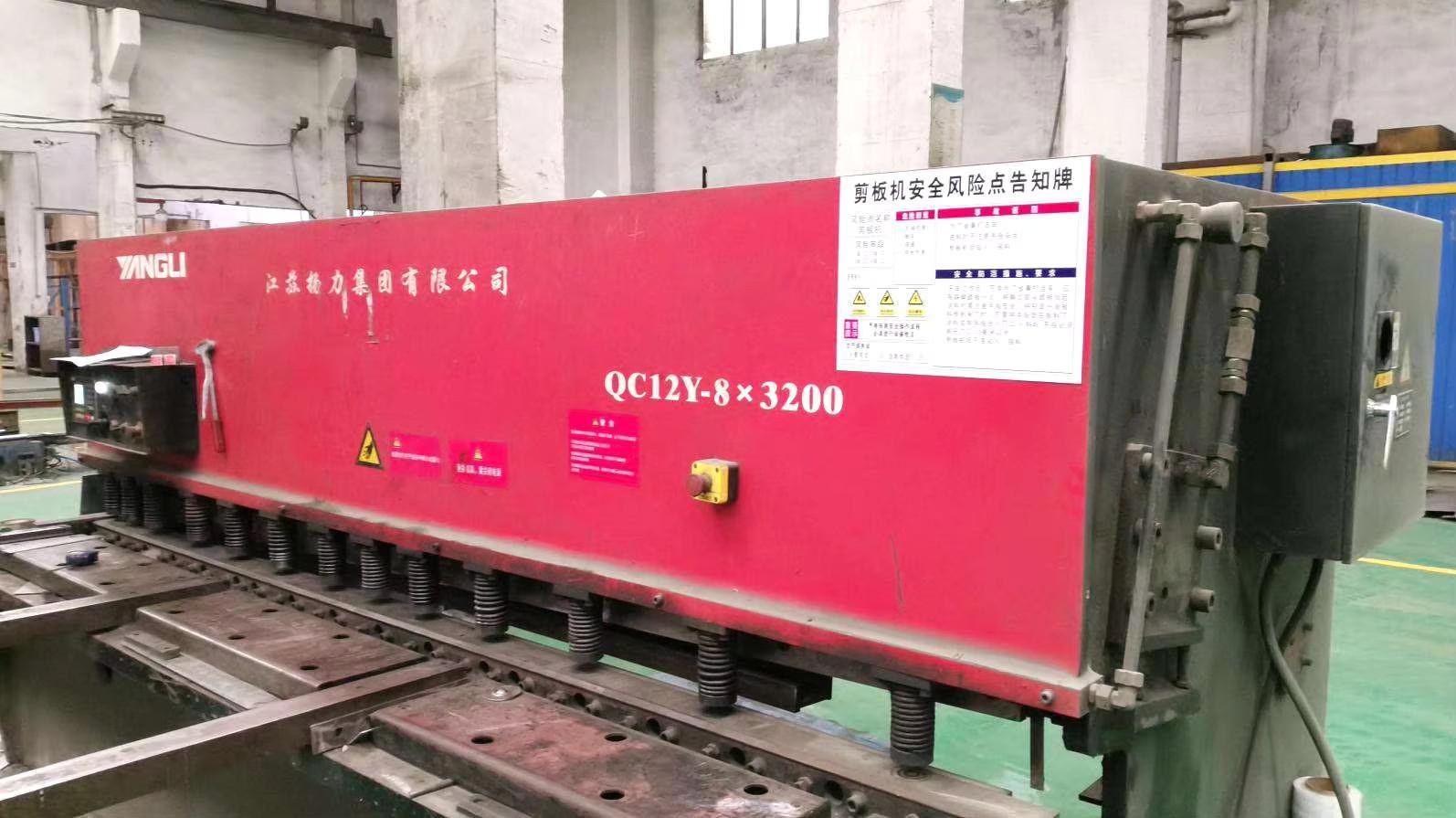
Sheet shearing machine
Plate Shearing Machine
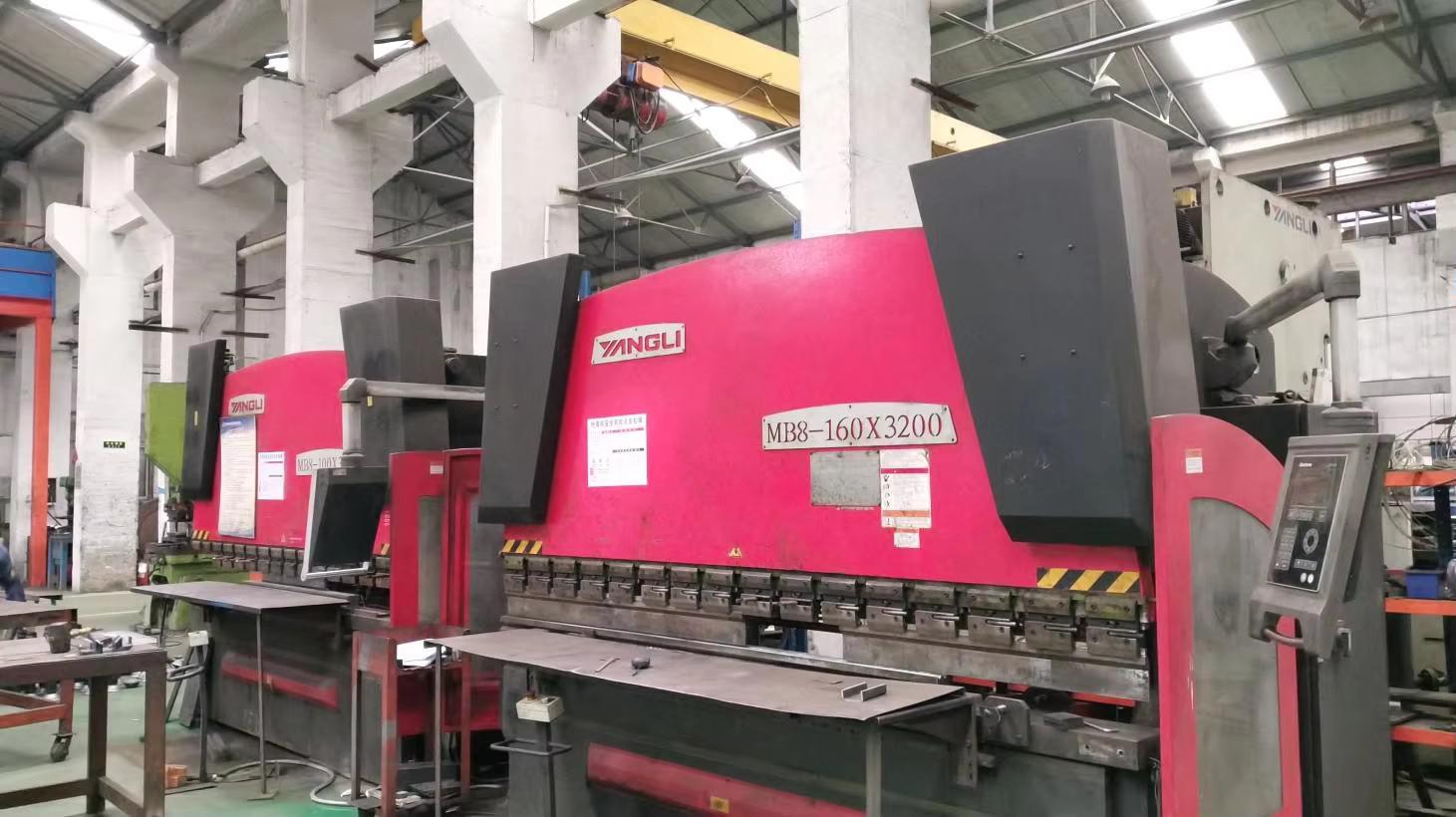
High pressure bending press
Plate Bending Machine
Frame punching lines
Punching Machine
Semi-automatic continuous punching line
Semi-Automatic Punching
Component welding station
Welding Machine
Structural shot blasting machine
Shot Blasting Machine
Powder coating spray line
Powder Spray Production Line
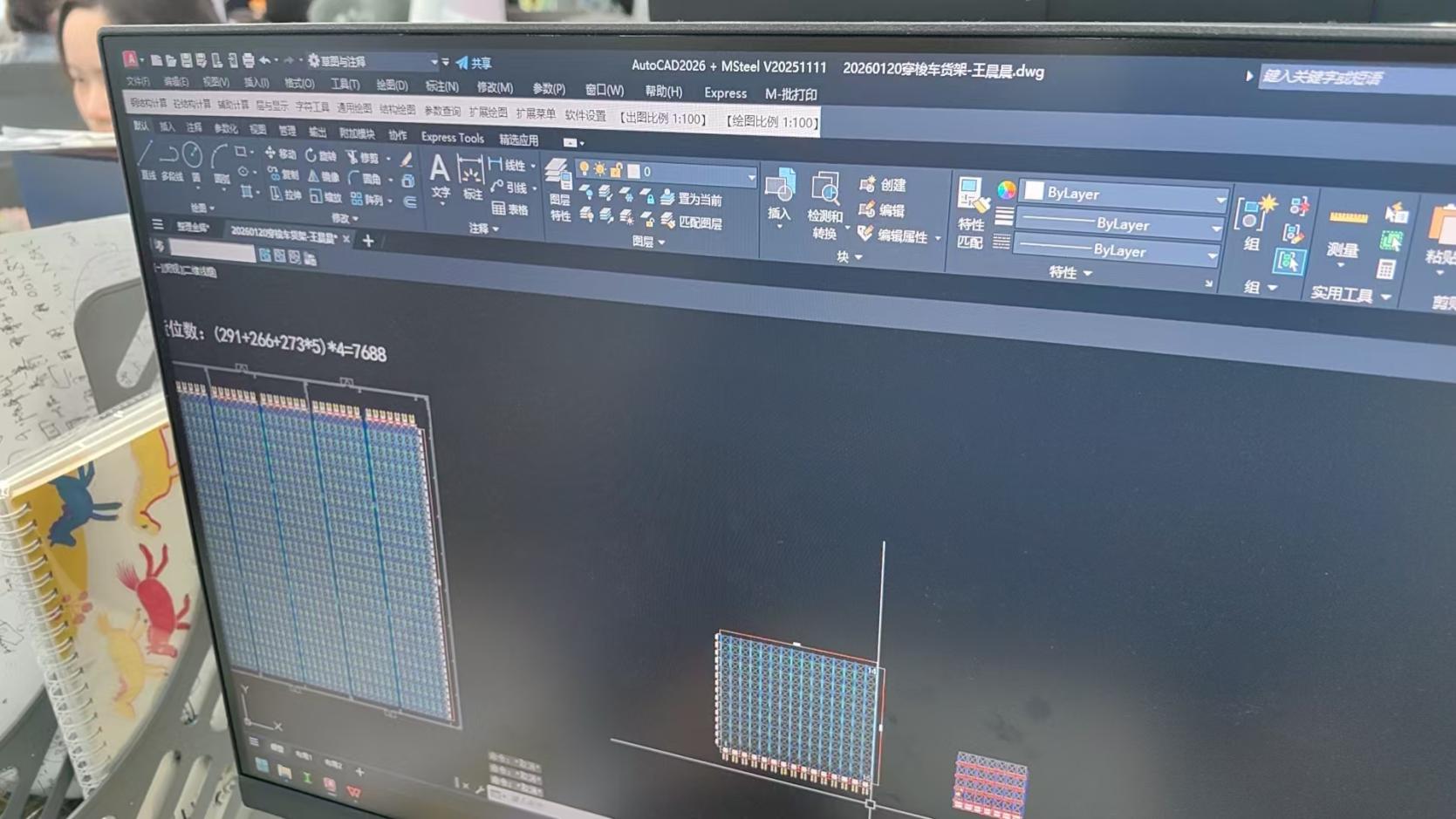
Custom structural system layout
System Designing
Steel chemistry and hardness testing
Raw Materials Inspection
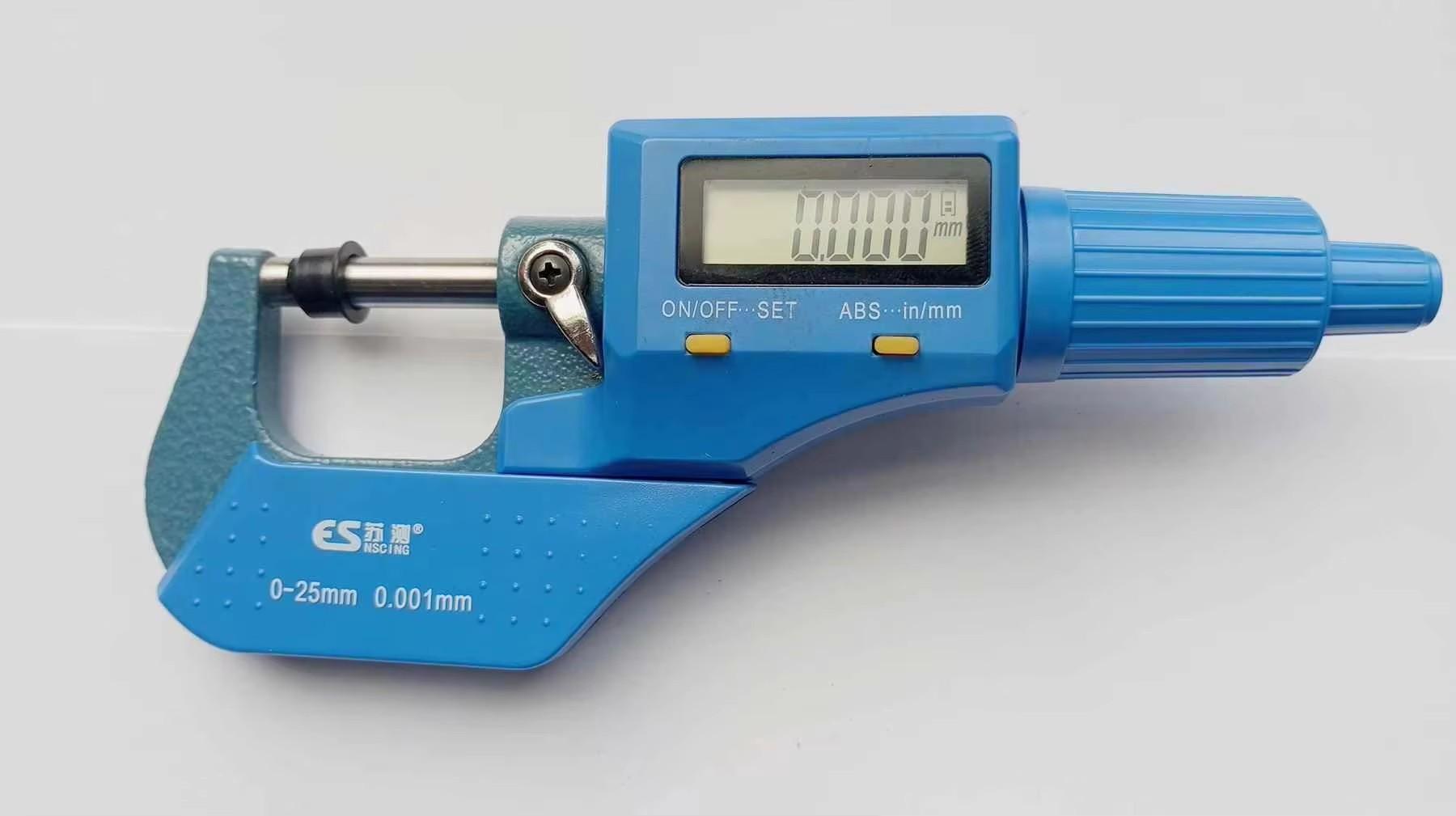
Micrometer tolerance validation
Micrometer Measurement
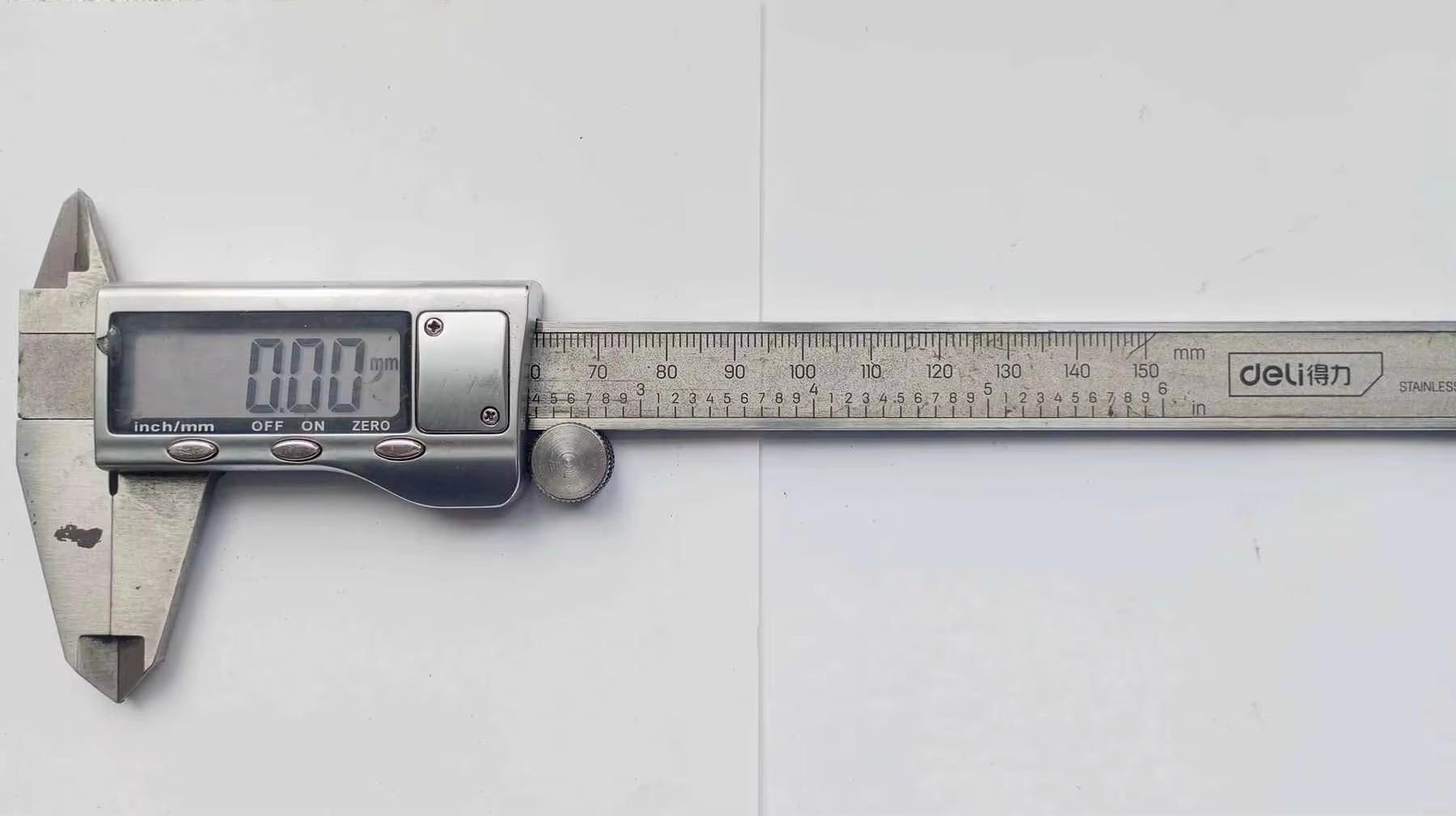
Vernier caliper physical checks
Vernier Caliper Inspection
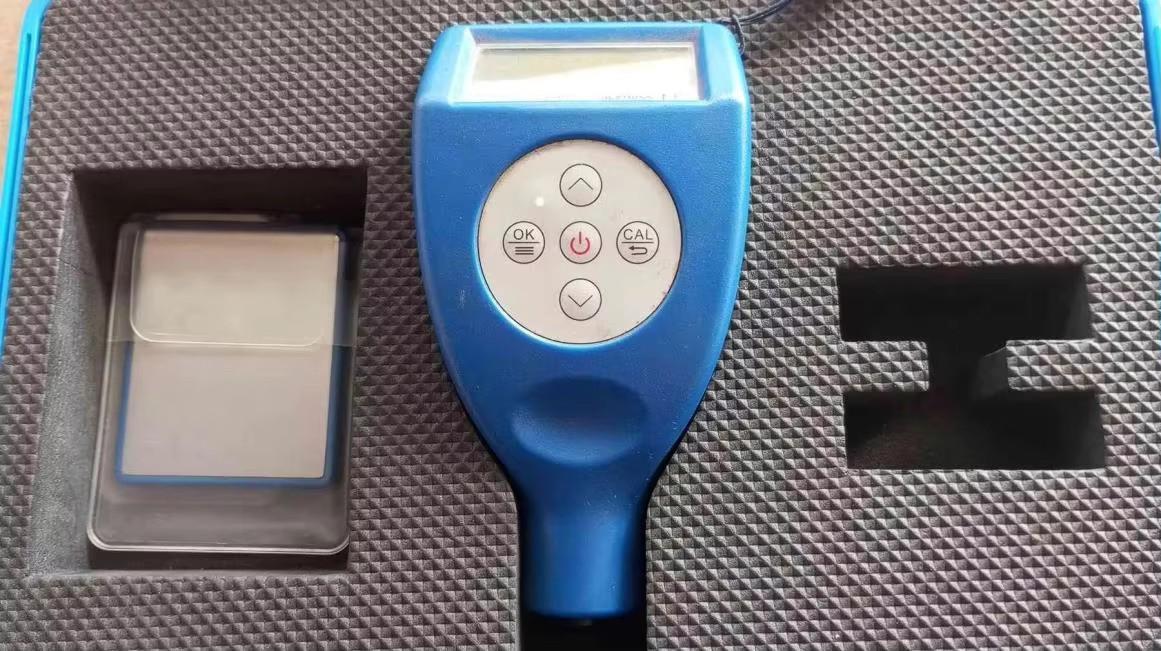
Powder coating thickness gauge test
Coating Thickness Gauge

Localized Application Scenarios: Translating Engineering into ROI

A 4-way shuttle system is highly adaptable, but its maximum efficiency is unlocked when tailored to specific warehouse conditions. Let's analyze how the architecture performs across distinct logistics industries:

  • Cold Storage & Deep-Freeze Distribution: Operating at temperatures as low as -25°C, lithium-battery powered 4-way shuttles require specialized low-viscosity lubrication and condensation protection. By maximizing the density of storage spaces, cooling systems require less energy to keep food or pharmaceutical goods at critical storage temperatures.
  • FMCG and Beverage Production: High-turnover storage utilizing FIFO (First-In, First-Out) operations relies on deep lane configurations. 4-way shuttles rapidly retrieve pallet units and reposition them for outgoing freight docks, ensuring minimal shipping delays.
  • Automotive Parts Distribution: Heavy, variable-size pallet configurations demand robust load stability. Jinhui's ISO 9001 certified components handle heavy-duty loads while accommodating fluctuations in distribution demands.

Total Structural Quality Assurance: The Jinhui Standard

At Dongguan Jinhui, security is a non-negotiable metric. Our physical quality management cycle is supervised by 46 specialized quality inspectors. Each product batch undergoes a series of validation tests:

Before transport, raw components are cross-checked using micrometers and vernier calipers to verify consistent wall thickness and connector alignments. Finished assemblies undergo physical weight tolerance testing, welding point fatigue checks, and powder-coating thickness analysis. These quality validation processes protect structural systems against long-term wear and degradation under continuous industrial load demands.

Technical & Sourcing FAQ: 4-Way Shuttle Racking Systems

Expert answers to the most common structural, operational, and procurement questions

What are the primary differences between 2-way and 4-way radio shuttle systems?
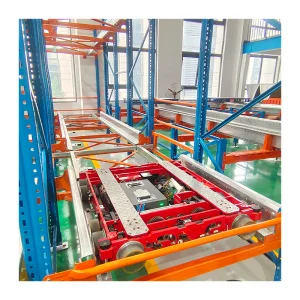
A 2-way shuttle moves exclusively in a linear path down a designated lane, requiring forklifts to relocate the shuttle vehicle to other aisles. A 4-way shuttle moves along both longitudinal rails and cross-aisle tracks. It changes aisles autonomously via vertical lifts or built-in wheel rotation systems, facilitating fully automated operations without forklift operators having to enter the racking structure.
How does Jinhui verify structural stability and load capacities under AS/RS conditions?
Our design process incorporates Finite Element Analysis (FEA) to simulate dynamic forces, structural stress, and potential seismic activities. Our quality control division employs 46 certified inspectors who monitor steel grading, weld penetration, and dimensional accuracy using vernier calipers and digital micrometers to ensure alignment with international standards like ISO 9001.
Can Jinhui's shuttle racking systems be utilized in cold room applications?
Yes, our heavy-duty steel structures are treated with industrial-grade powder coatings designed for sub-zero environments, performing reliably at temperatures down to -25°C. These systems are commonly integrated into automated cold storage facilities for food, beverage, and pharmaceutical storage.
What level of structural tolerance is required for automated 4-way shuttles?
Automated shuttles require high accuracy to avoid navigation and alignment errors. Jinhui limits rack rail deflection tolerances within 1/1000 or as specified by automated vehicle guidelines, utilizing robotic welding and CNC punches to maintain consistent structural dimensions.
Does Jinhui support OEM & ODM customization requests for unique warehouse layouts?
Yes, Jinhui employs a dedicated team of 68 R&D engineers to create tailored rack heights, lane depths, and load tolerances according to WMS configurations. Over the past year, we introduced 126 new design upgrades to meet customized storage specifications for global clients.

Ready to Optimize Your Warehouse Capacity?

Consult with Dongguan Jinhui's structural engineers to design a custom high-density layout for your automated warehouse operations.

All 4-Way Shuttle Racking Products