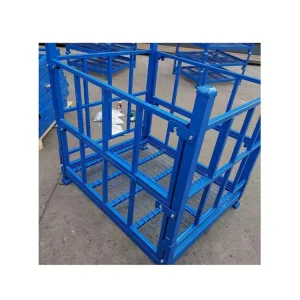
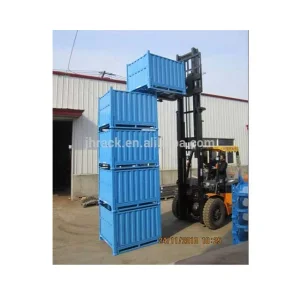
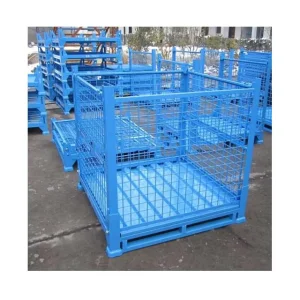
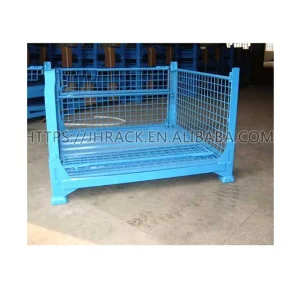
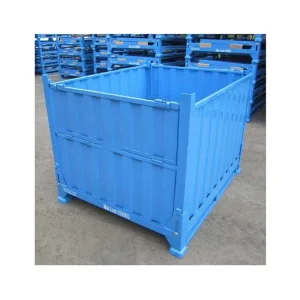
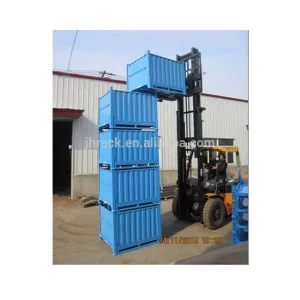
Heavy-duty, stackable, and collapsible structural steel containers designed to optimize logistics workflows and maximize space efficiency.
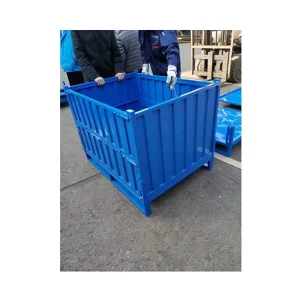
Analyzing high-density structural optimization, load capacities, and automation compatibility in global material handling ecosystems.
Modern commercial warehousing operations face unprecedented land costs and structural demands. Logistics hubs, distribution centers, and industrial manufacturers are actively moving away from legacy wooden and single-use plastic crates in favor of engineered steel storage containers. This transition is not merely an operational choice but a fundamental strategic pillar driven by space optimization, mechanical safety, and rigorous ESG carbon mitigation metrics.
From stackable steel crates to automated guided vehicle (AGV)-compatible container bases, industrial metal storage designs are shifting toward heavy-load configurations that maintain mechanical shape stability under multiple layers of high vertical pressure. Our products are specifically calculated to match these requirements, supporting up to several tons of static loading without risk of wall-bulging or weld failure.
Standardized steel containers serve as the modular units of the modern supply chain. Interoperability with standard forklifts, automated storage and retrieval systems (AS/RS), pallet lifters, and overhead cranes requires manufacturing tolerance precision down to the millimeter level. When structural profiles deviate by even a minor margin, automated systems risk mechanical sensor failure or physical jam-ups.
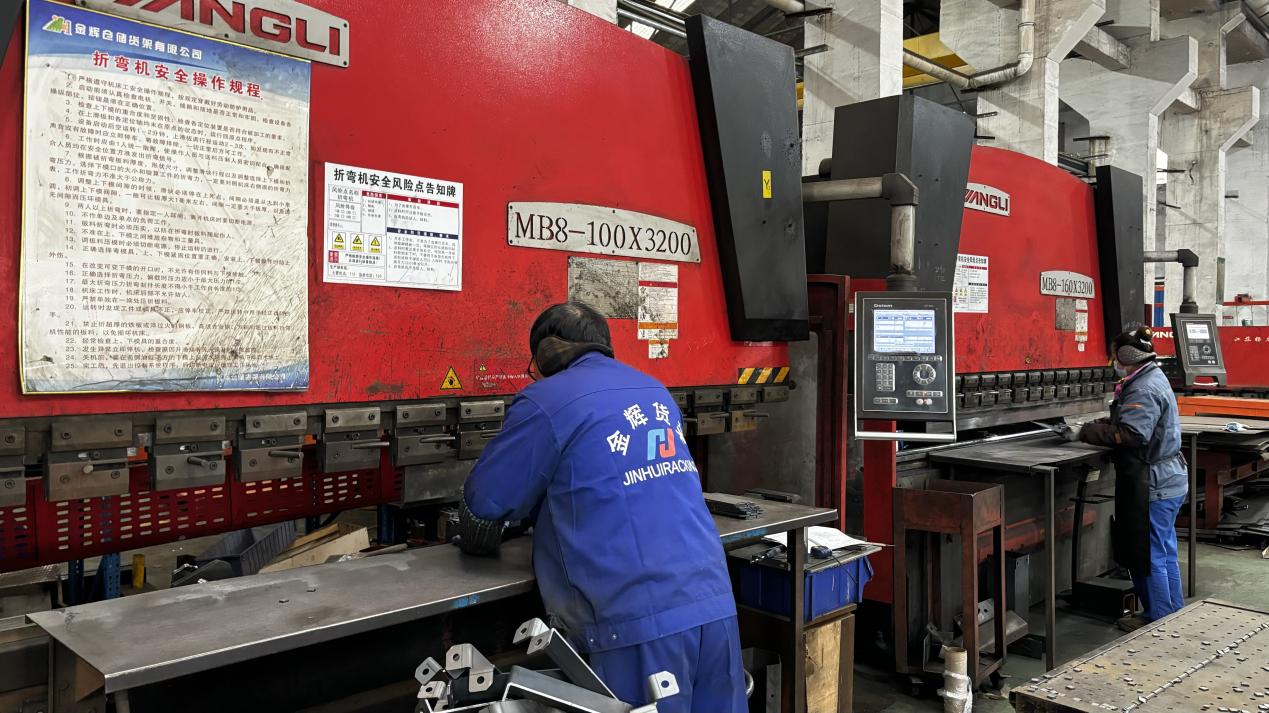
Through robust robotic structural design and advanced sheet bending technologies, Dongguan Jinhui ensures that each structural member, corrugated panel line, and mesh wire spacing conforms precisely to international standards. This delivers stable interfaces for seamless material movement across global shipping lanes and high-rack automated warehouses.
A premier global industrial manufacturer supplying professional warehouse shelving and custom structural metal containers since 2017.
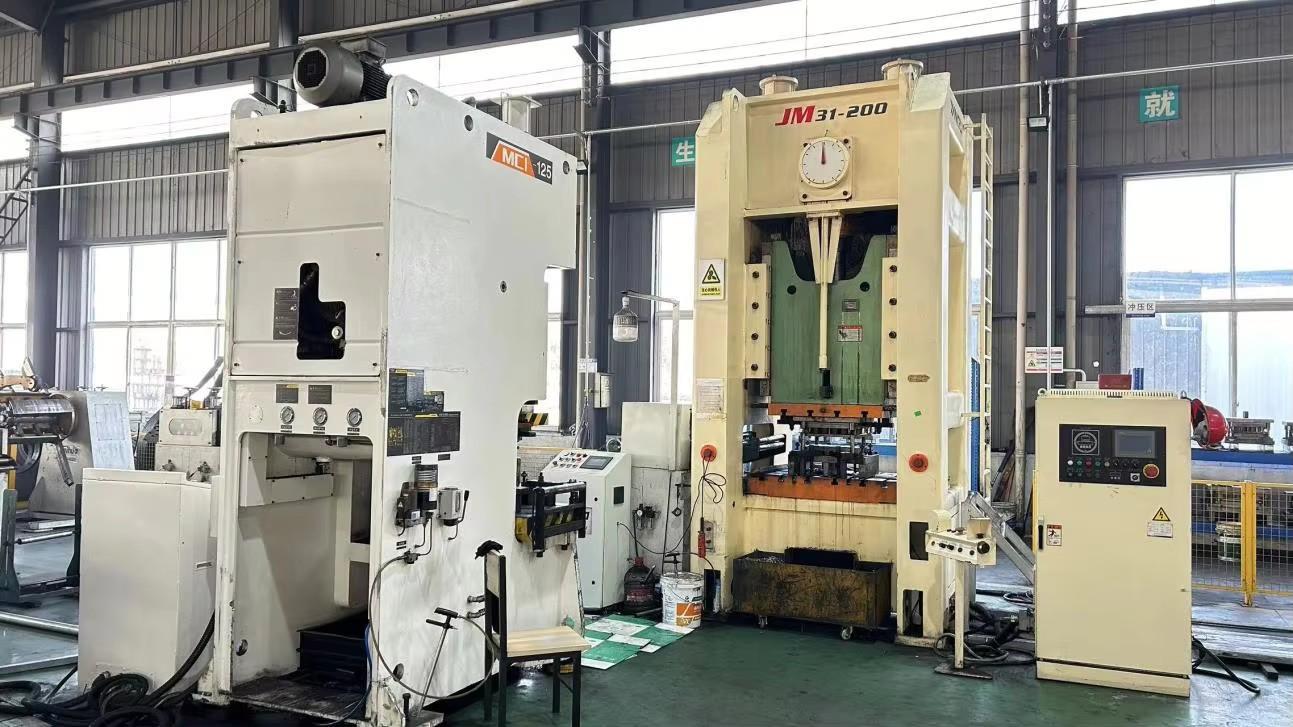
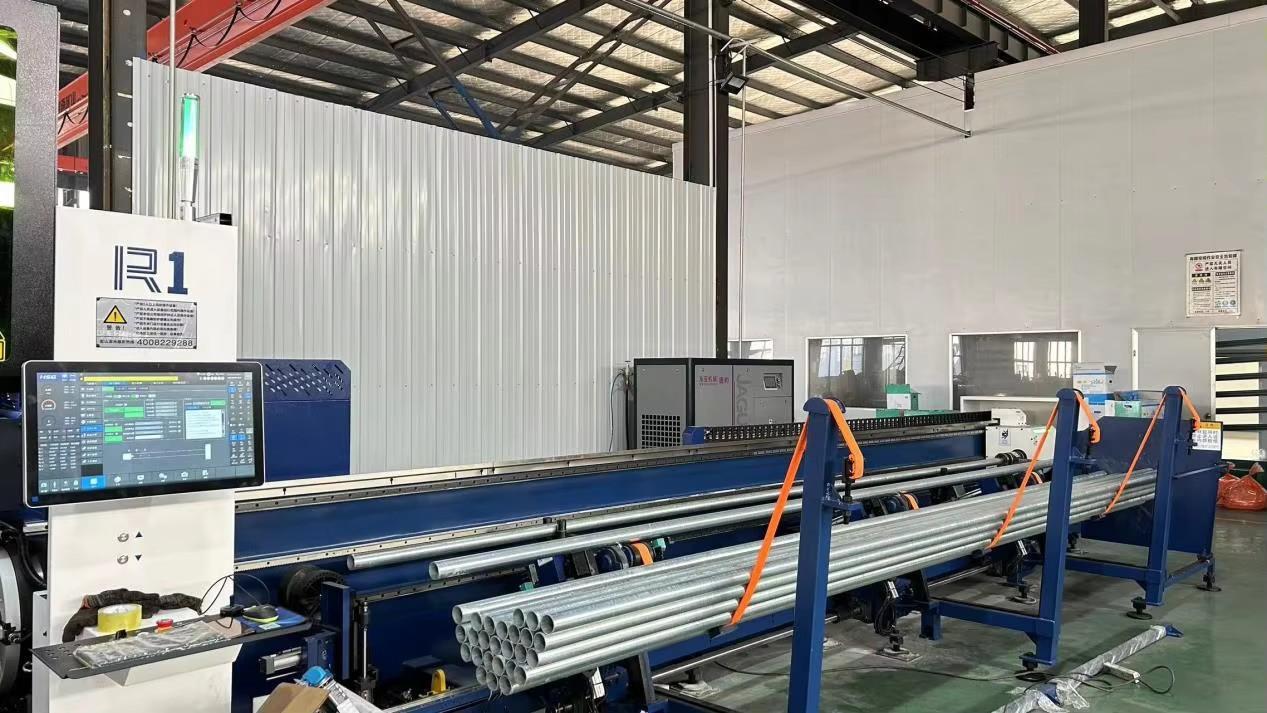
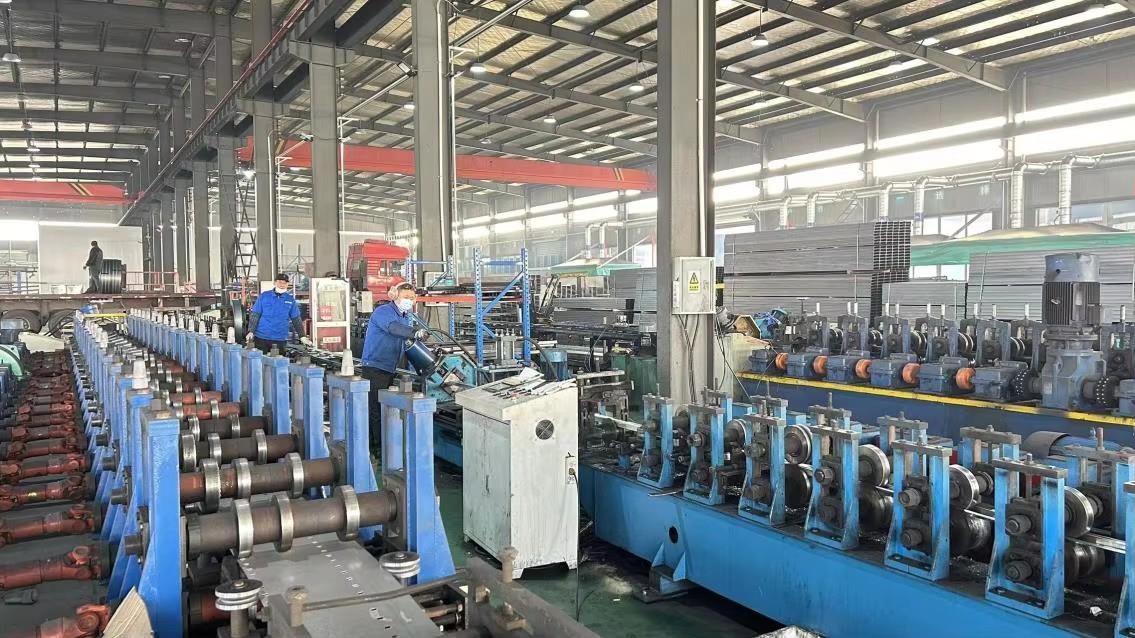
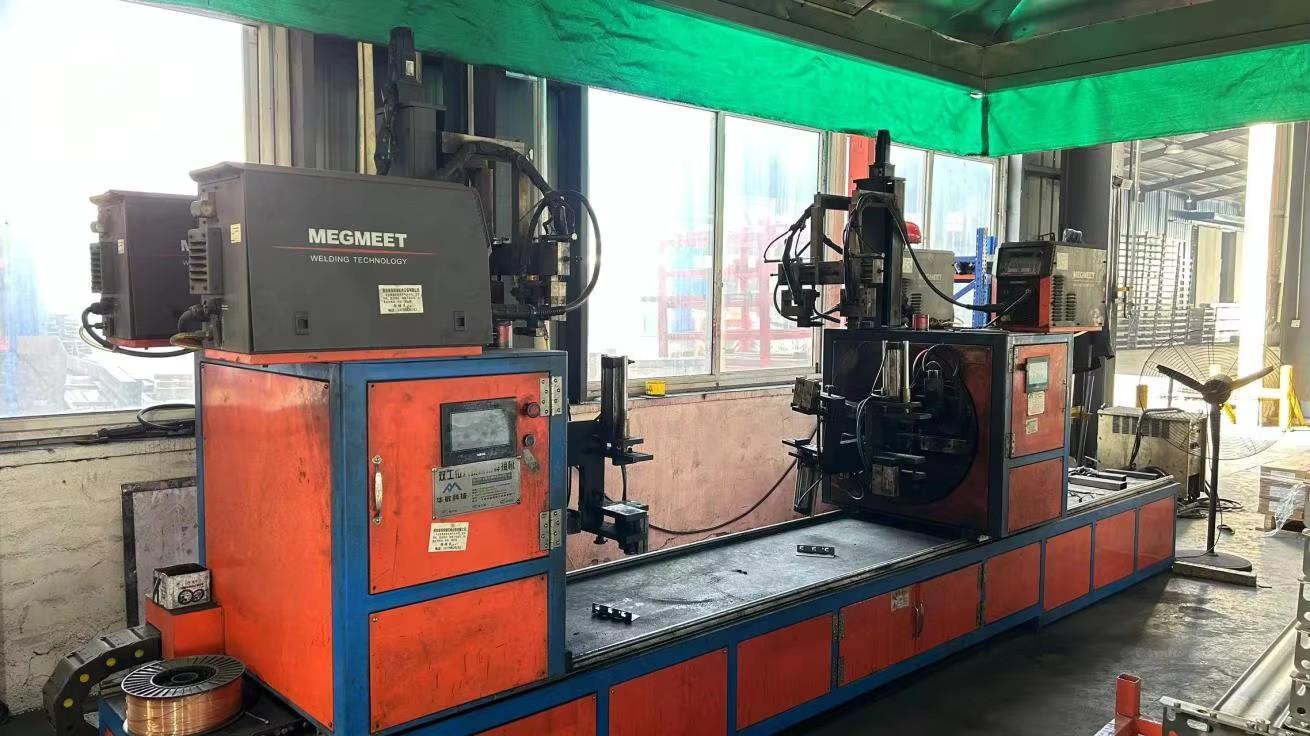
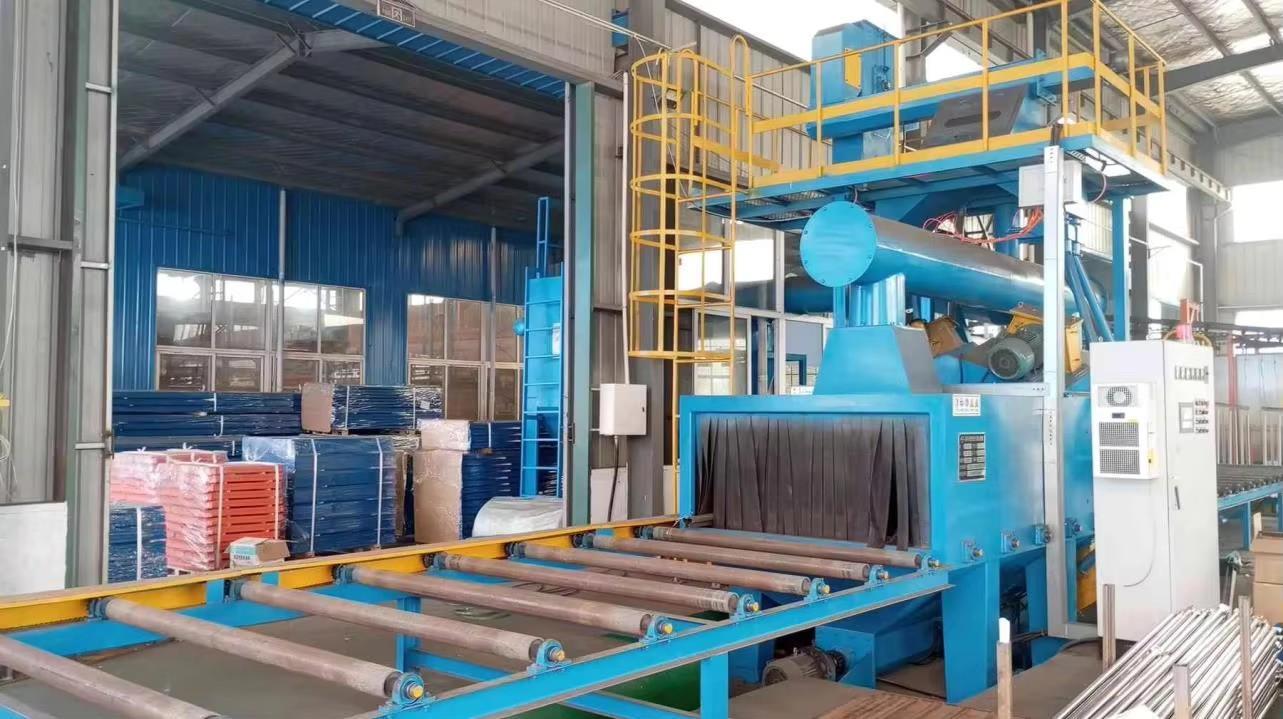
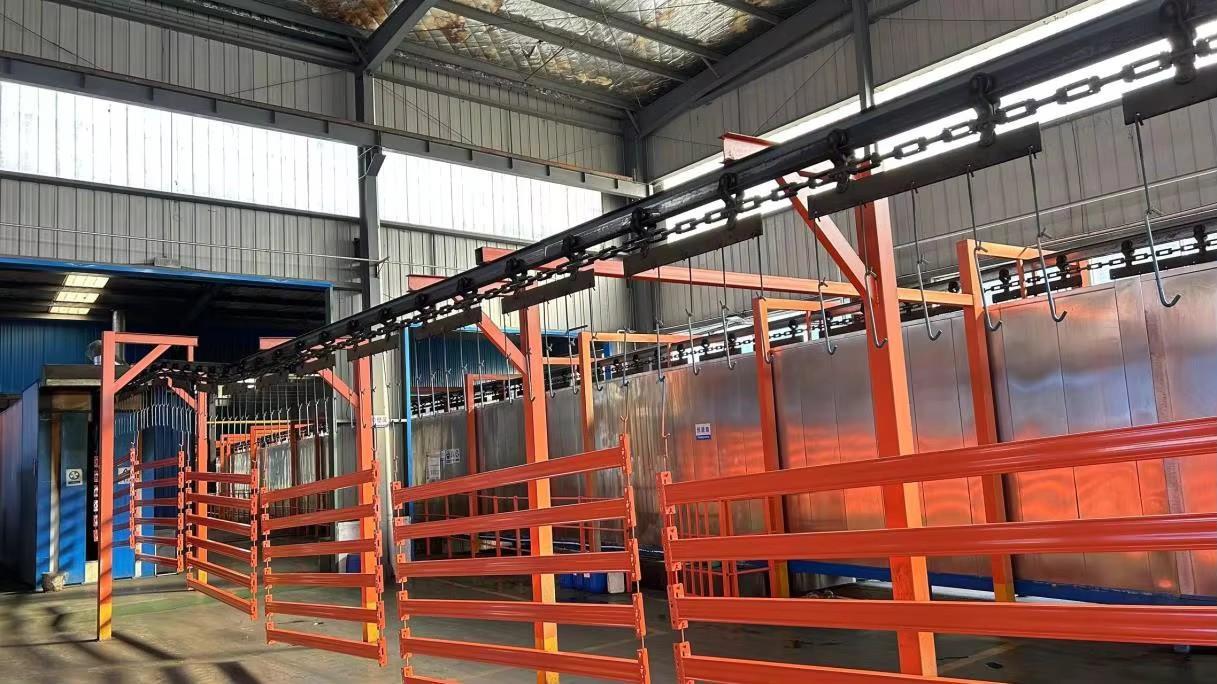
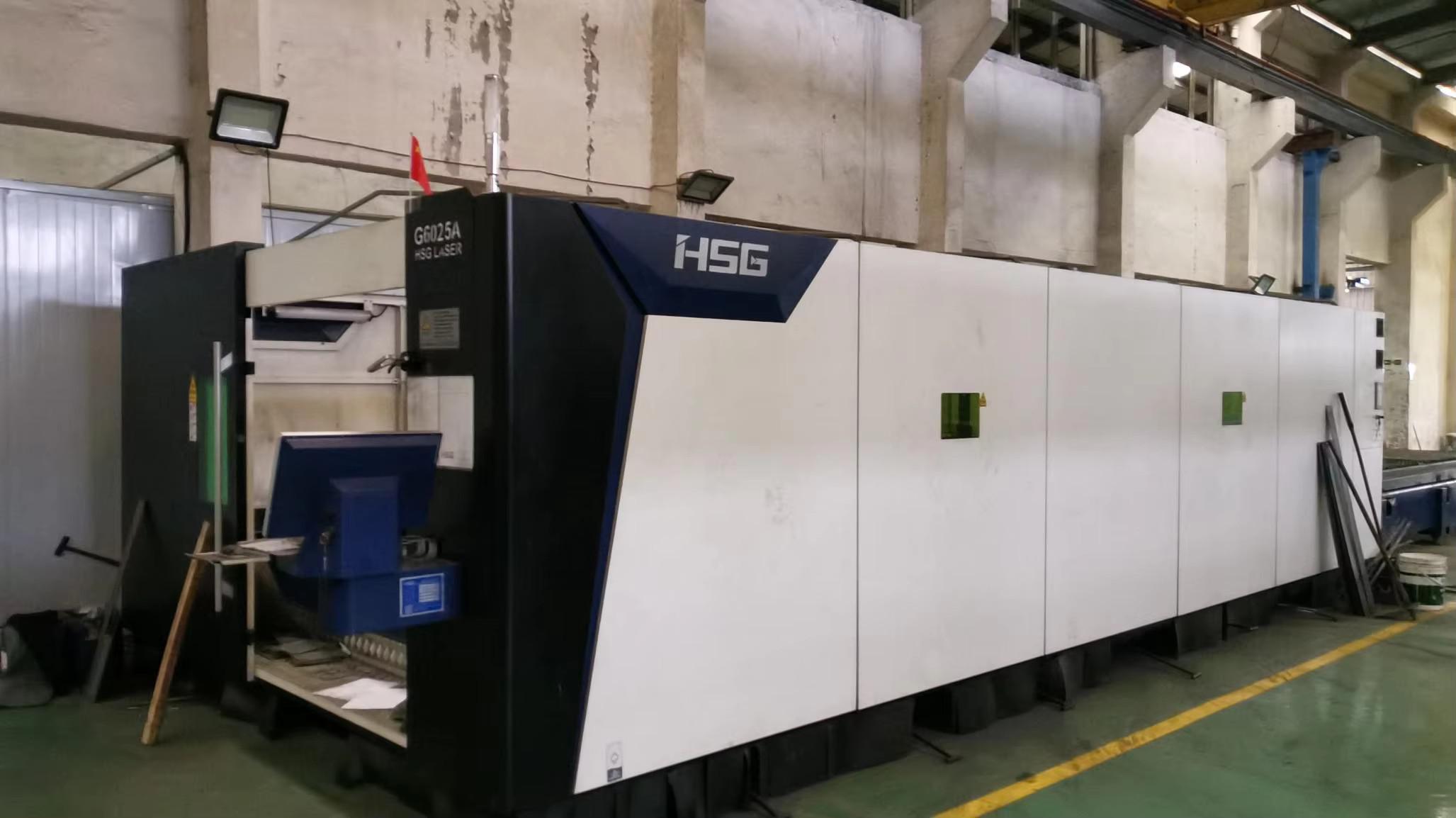
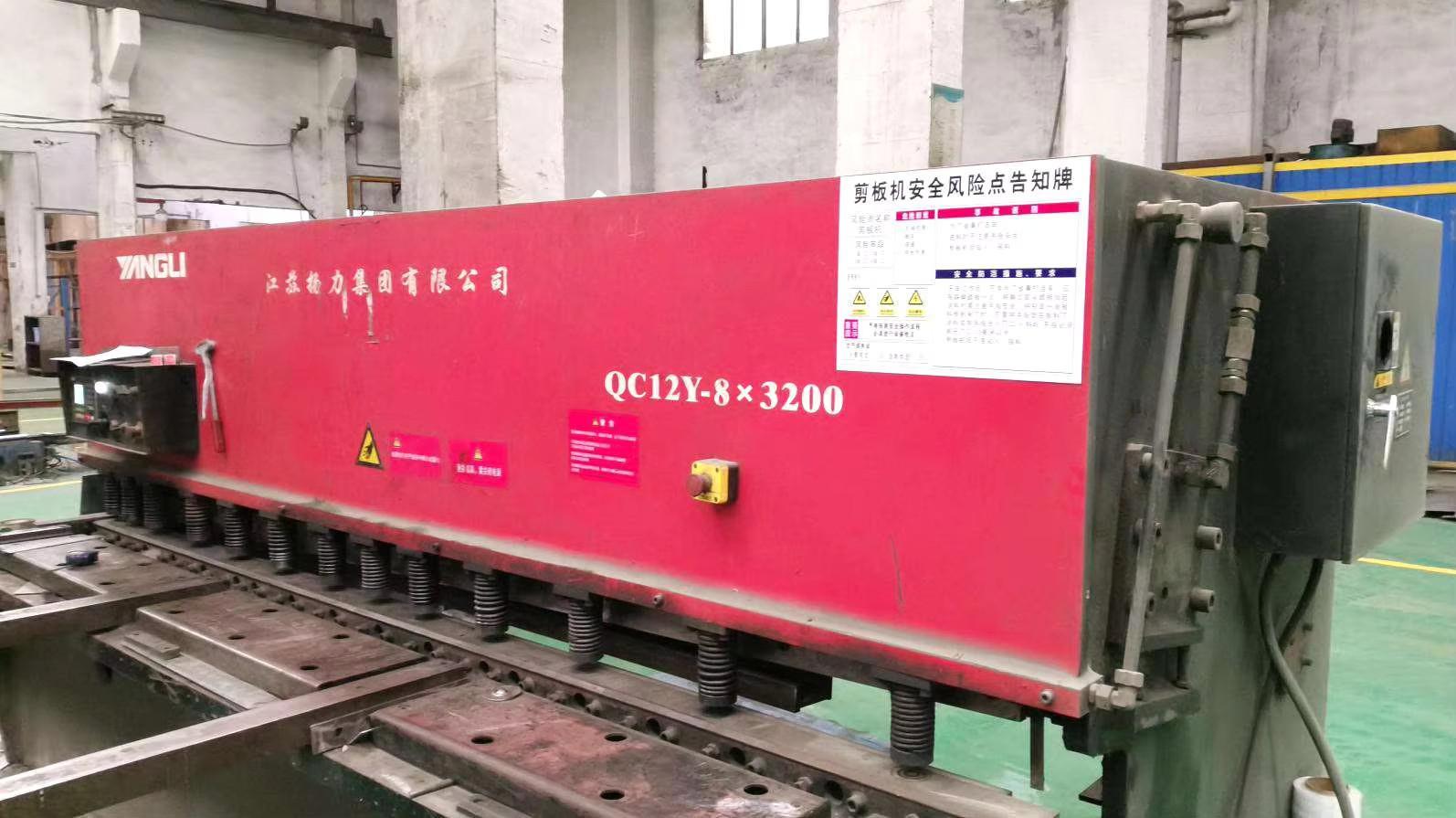
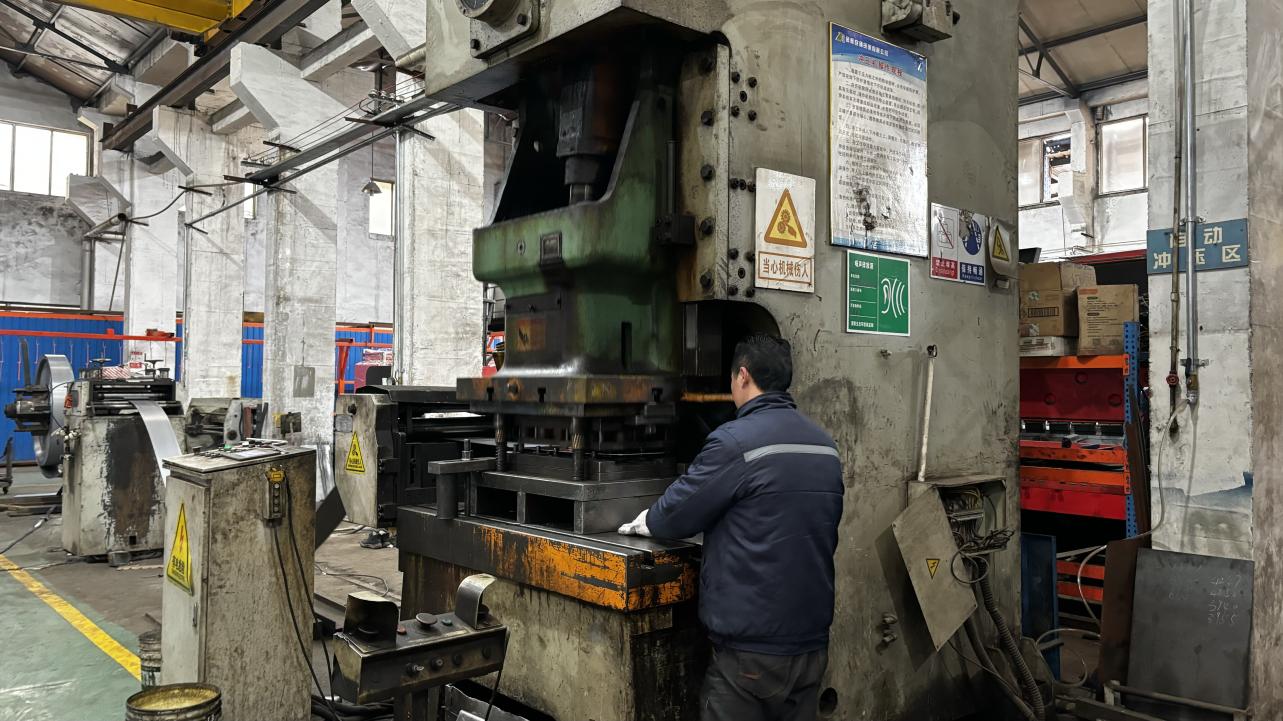
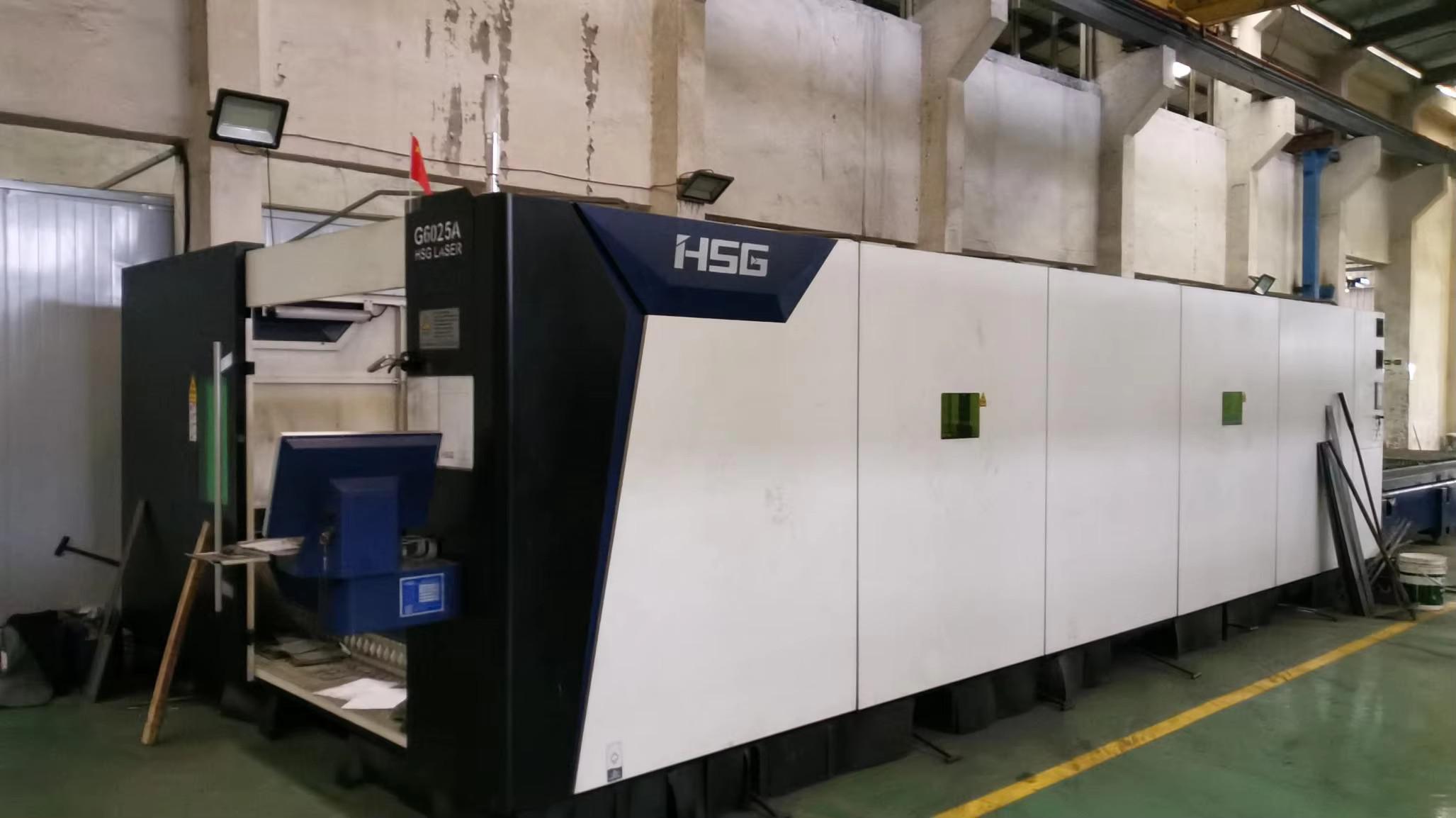
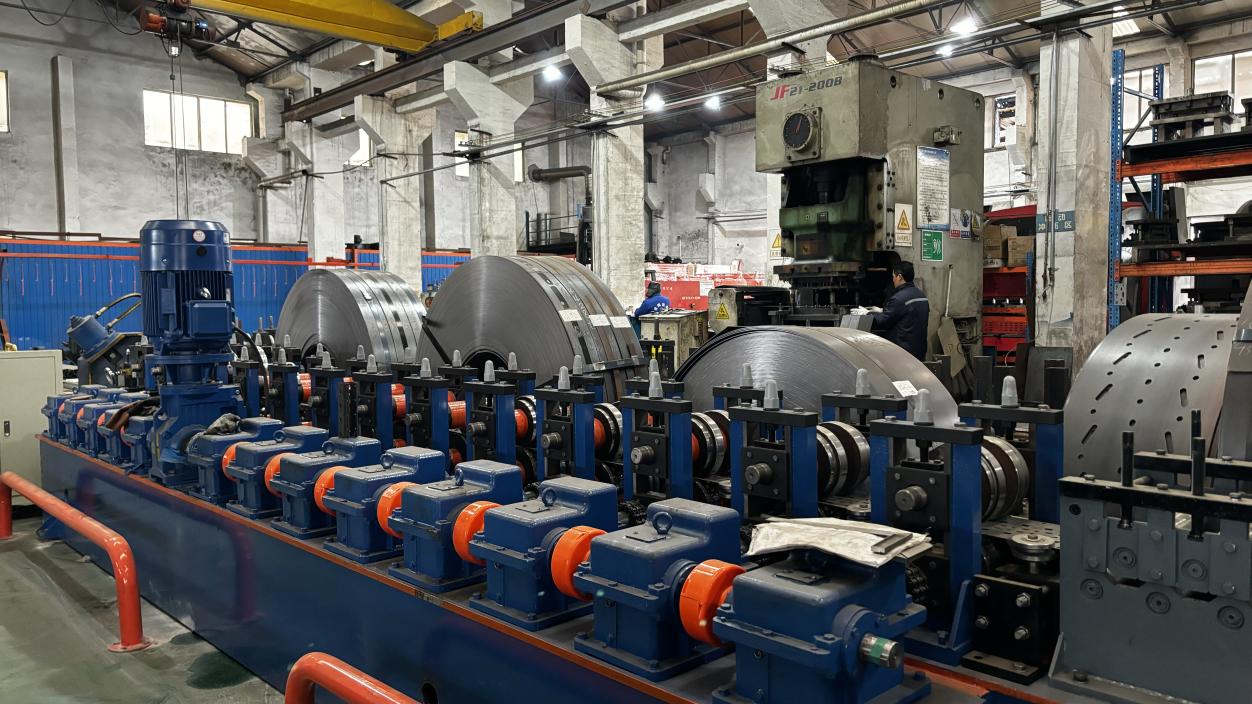
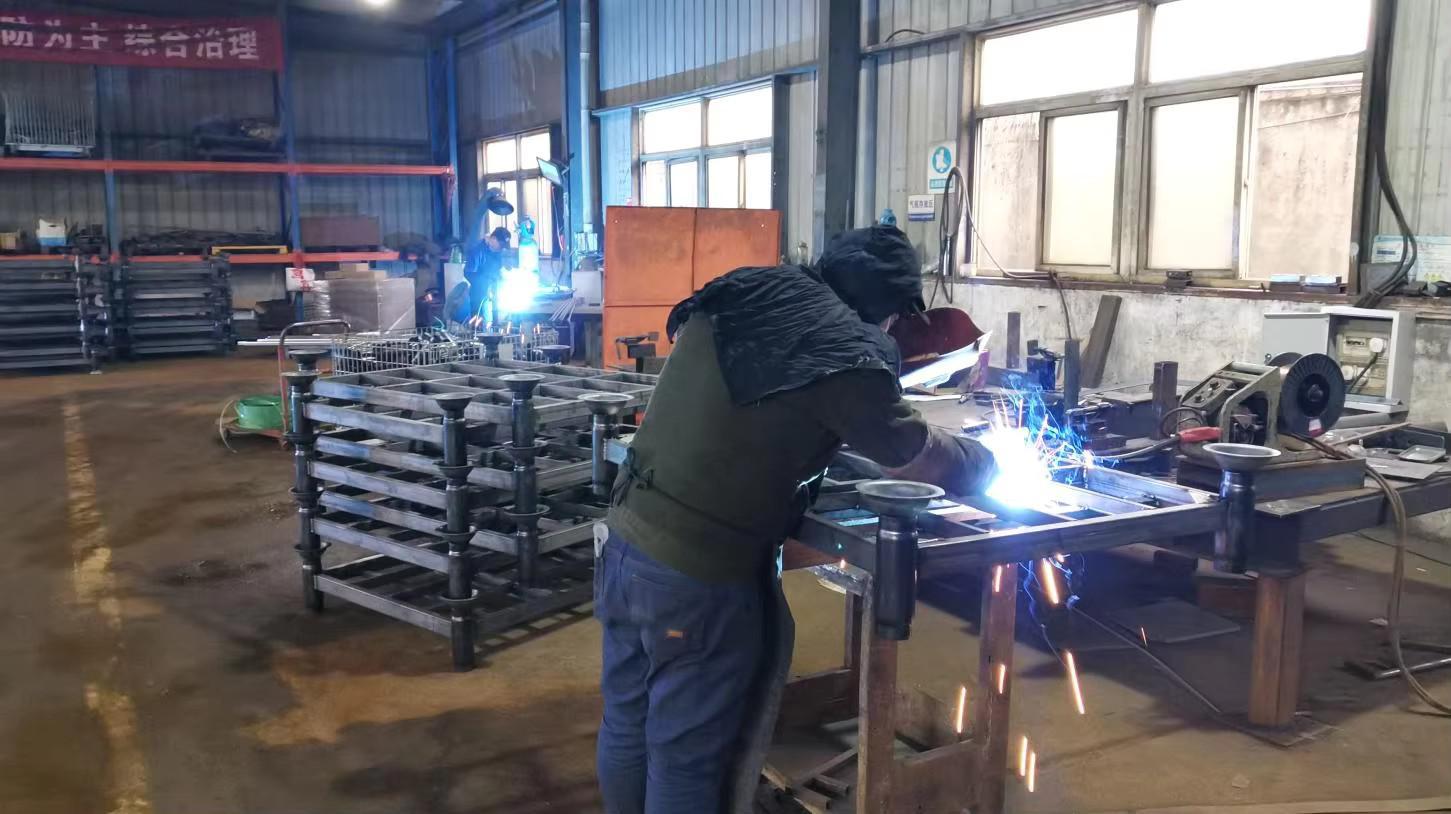
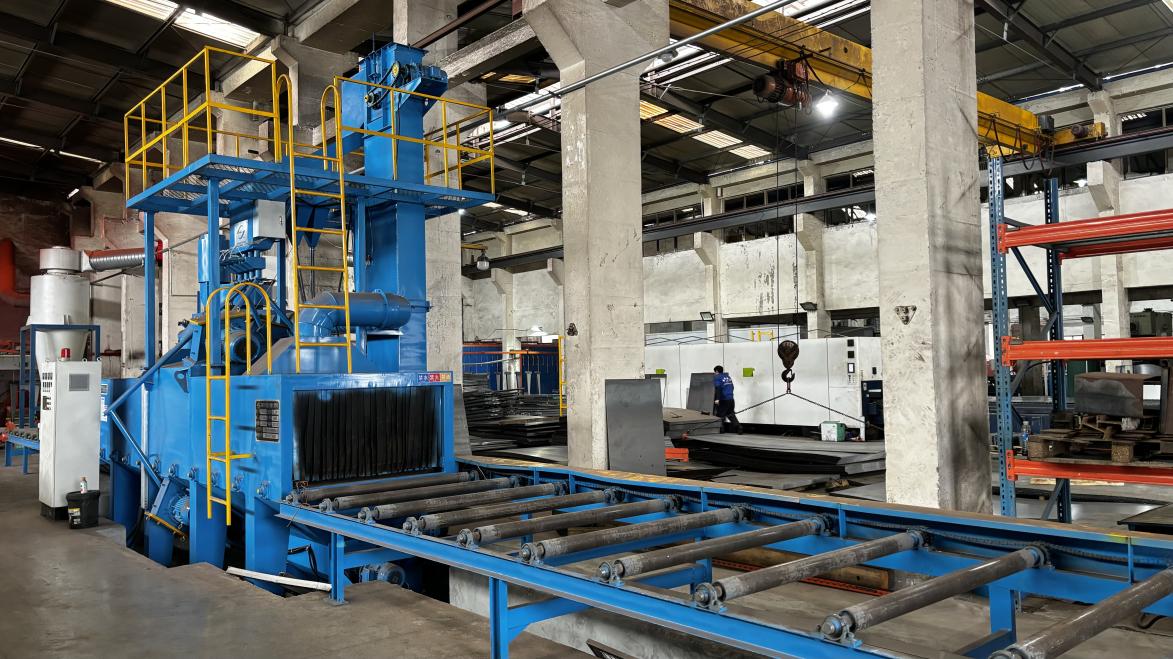
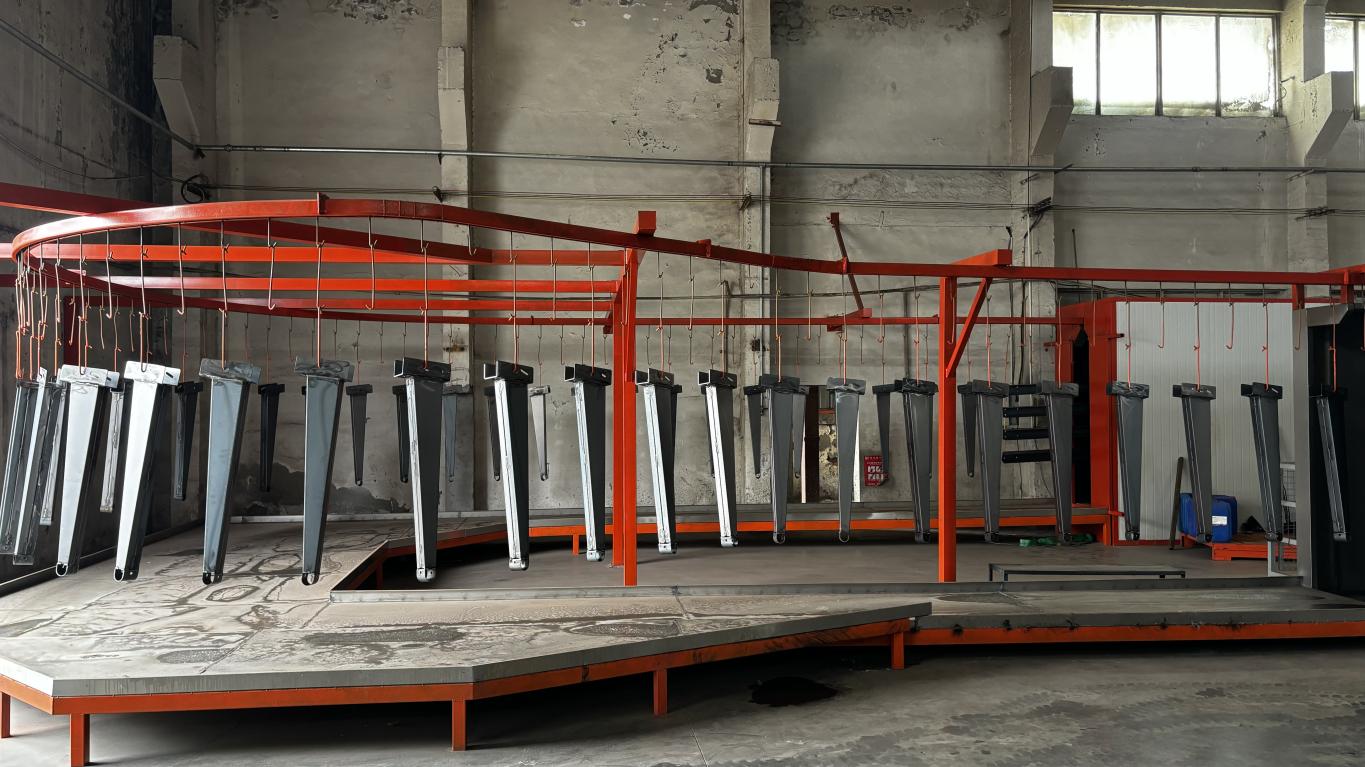
Established in 2017, Dongguan Jinhui Storage Equipment Co., Ltd. has developed into a leading Chinese manufacturer of high-quality warehouse storage solutions and industrial racking systems. Headquartered in the manufacturing hub of Dongguan, our advanced manufacturing facility covers an extensive footprint of over 18,600 square meters. Our factory is equipped with automated structural production lines, high-precision laser cutters, multi-axis CNC punching presses, robotic arc-welding systems, and automated powder coating lines.
With 8 years of dedicated export experience and 14 years of industry manufacturing knowledge, Jinhui serves a wide client base including warehouse distributors, third-party logistics (3PL) providers, automotive parts factories, large industrial retailers, and e-commerce fulfillment hubs worldwide. We operate in strict compliance with the ISO 9001:2015 quality framework, employing a dedicated team of 46 experienced quality inspectors. Backed by 980 supply chain partners, we ensure stable steel pricing, quick production turnarounds, and reliable delivery parameters.
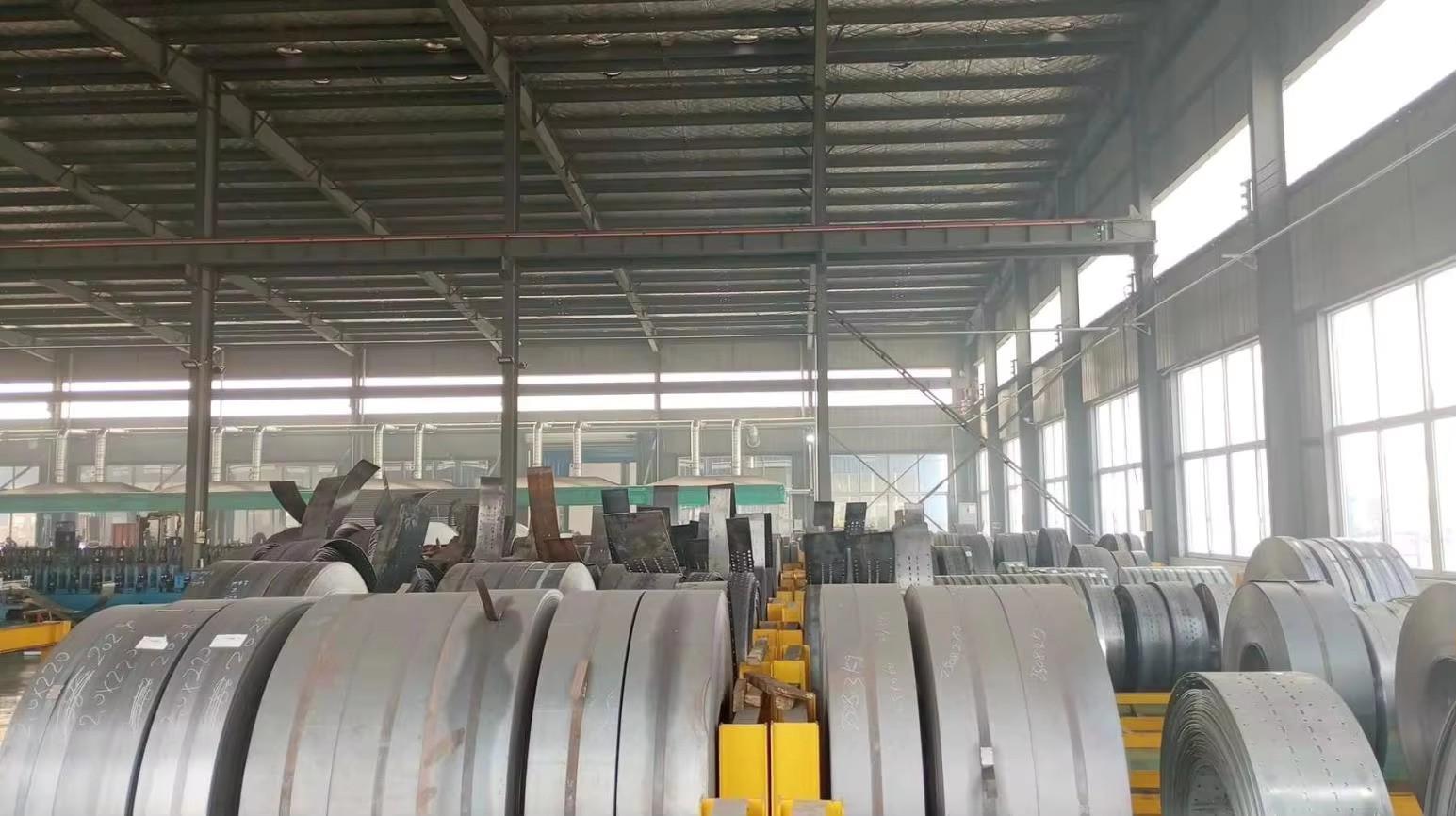
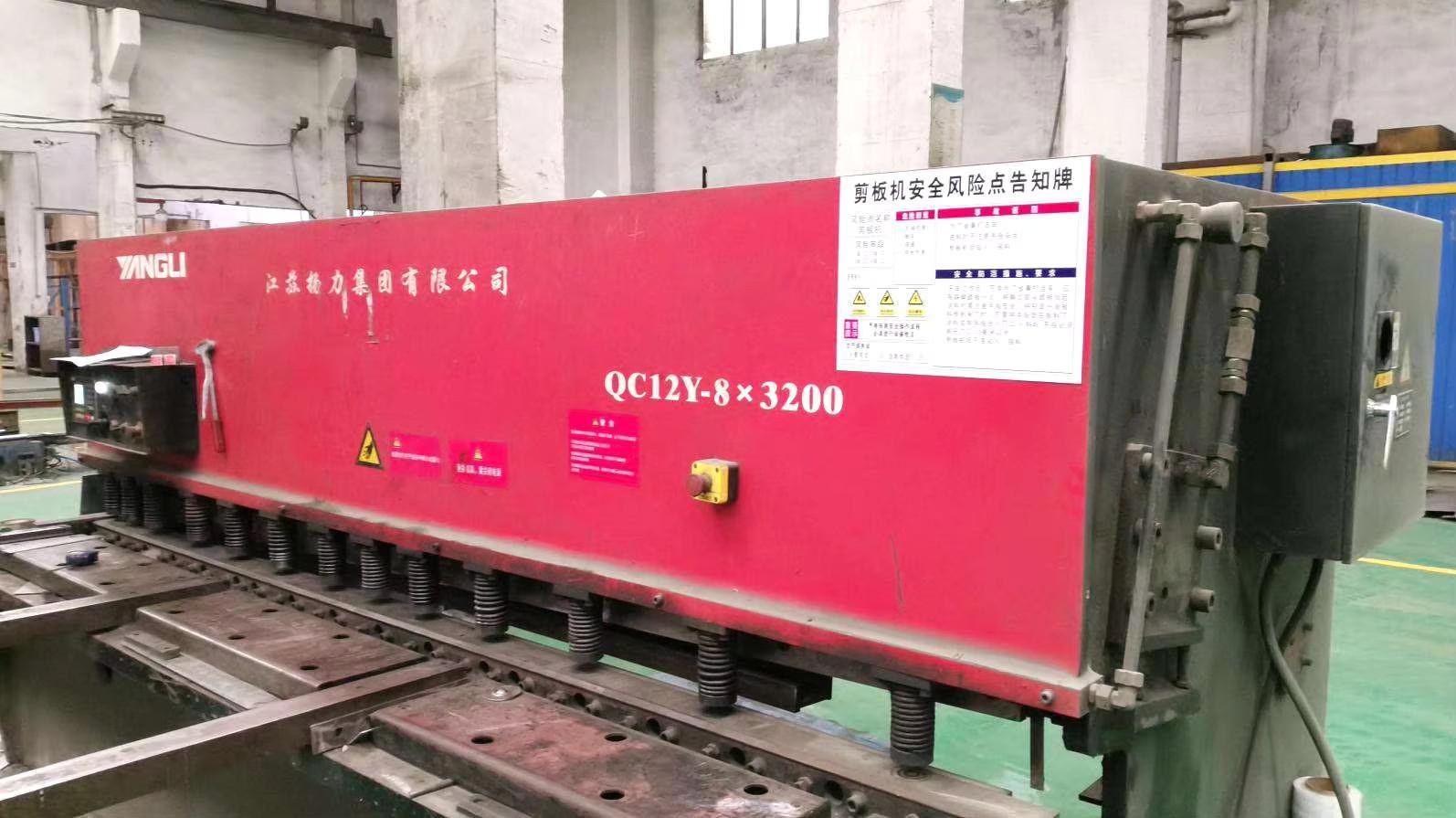
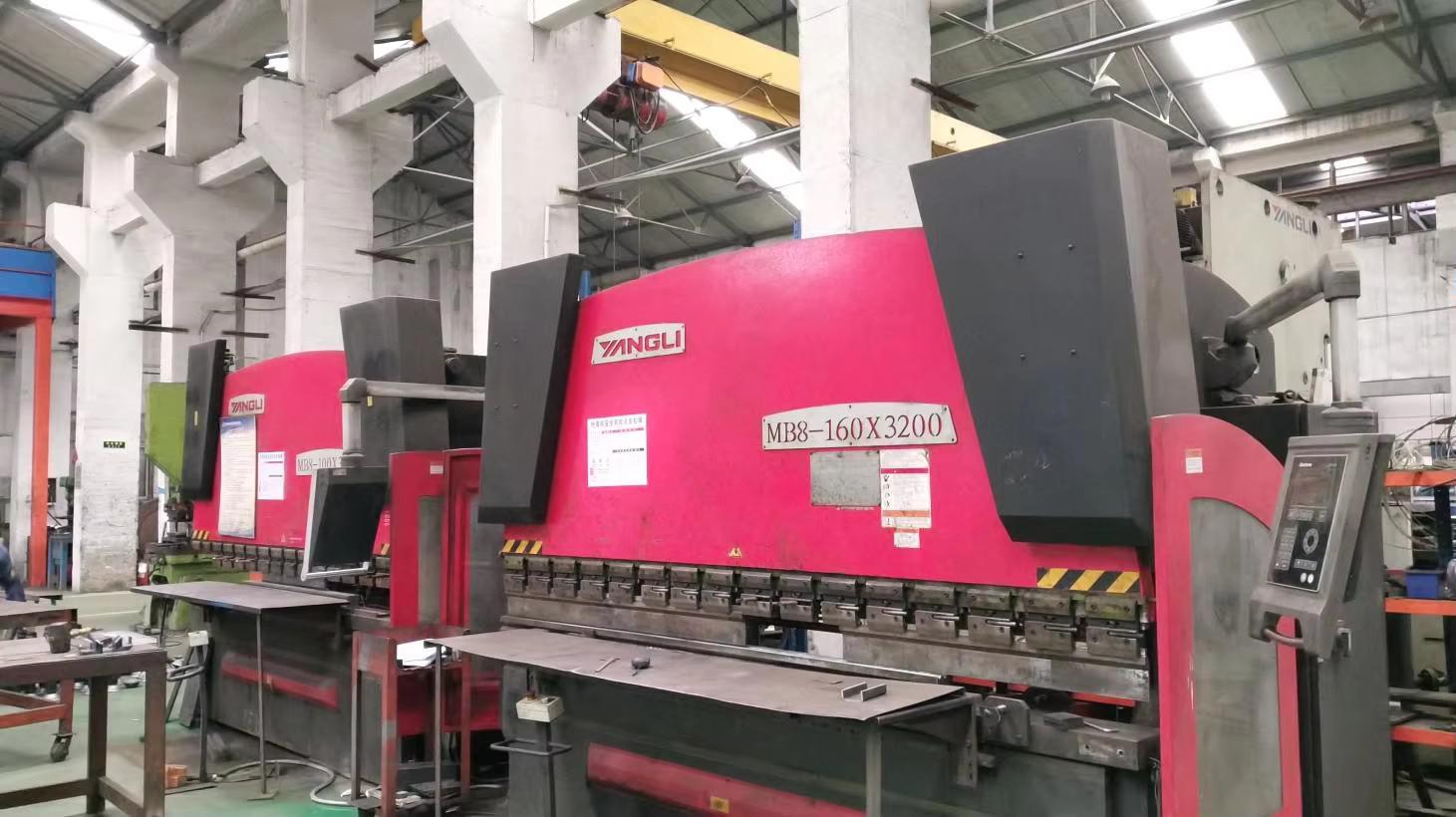
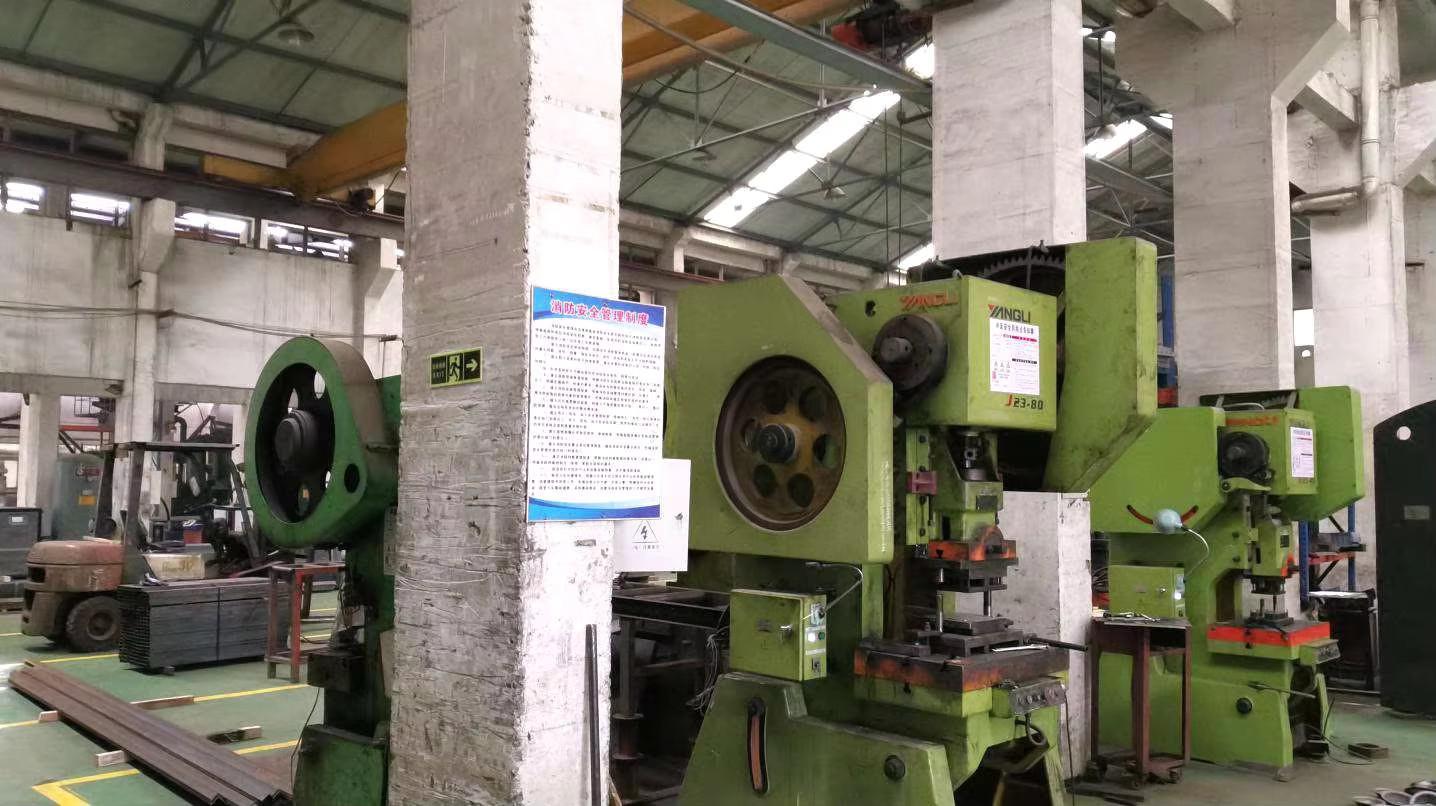
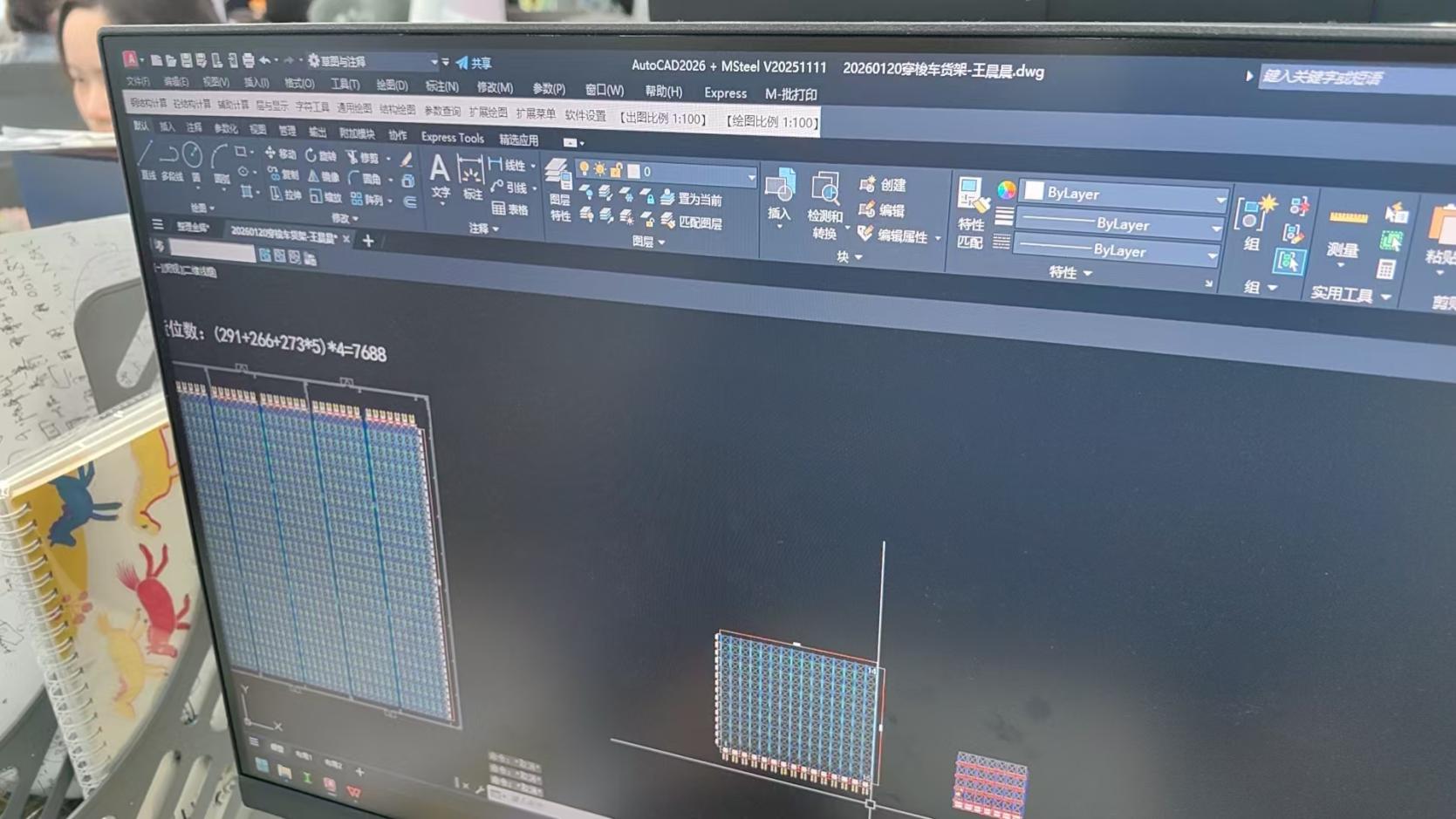
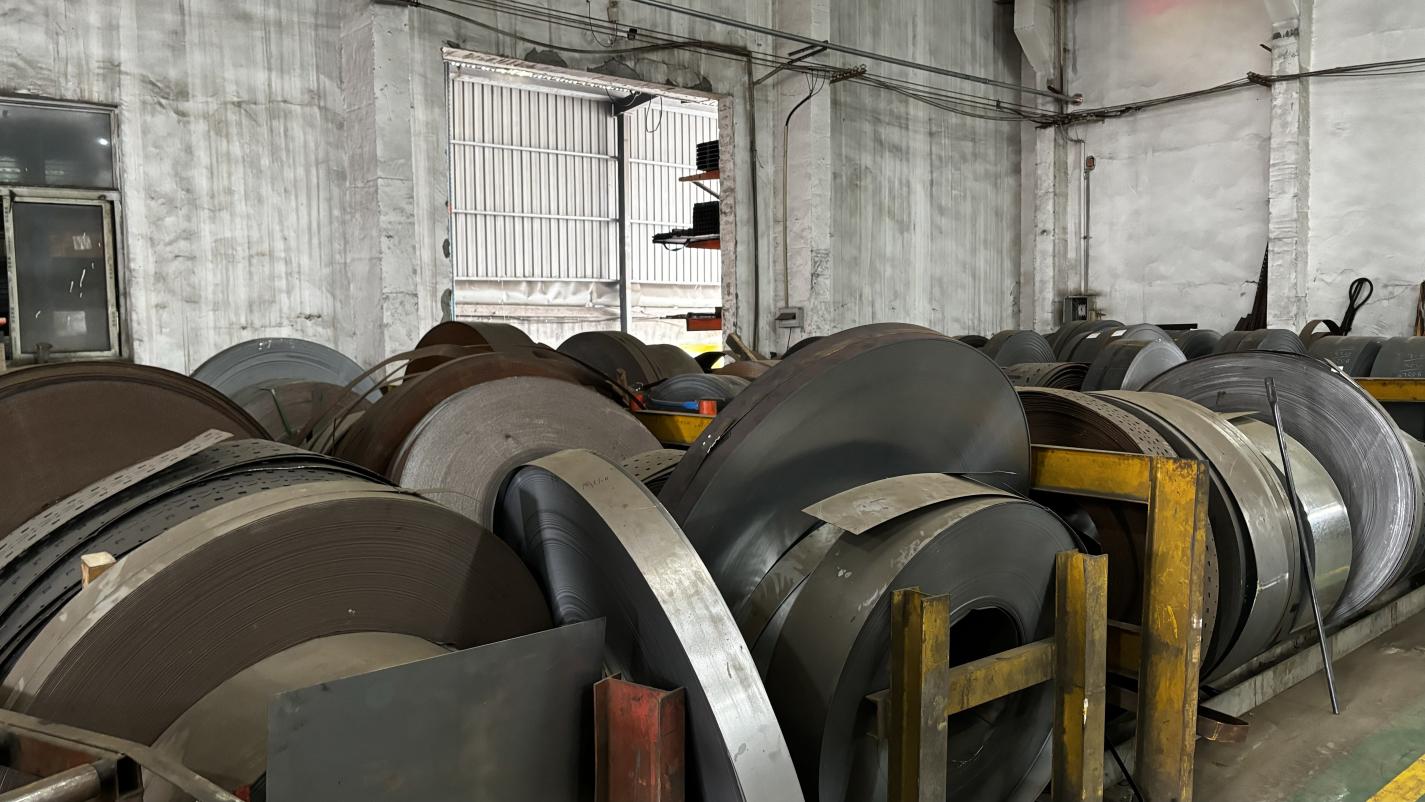
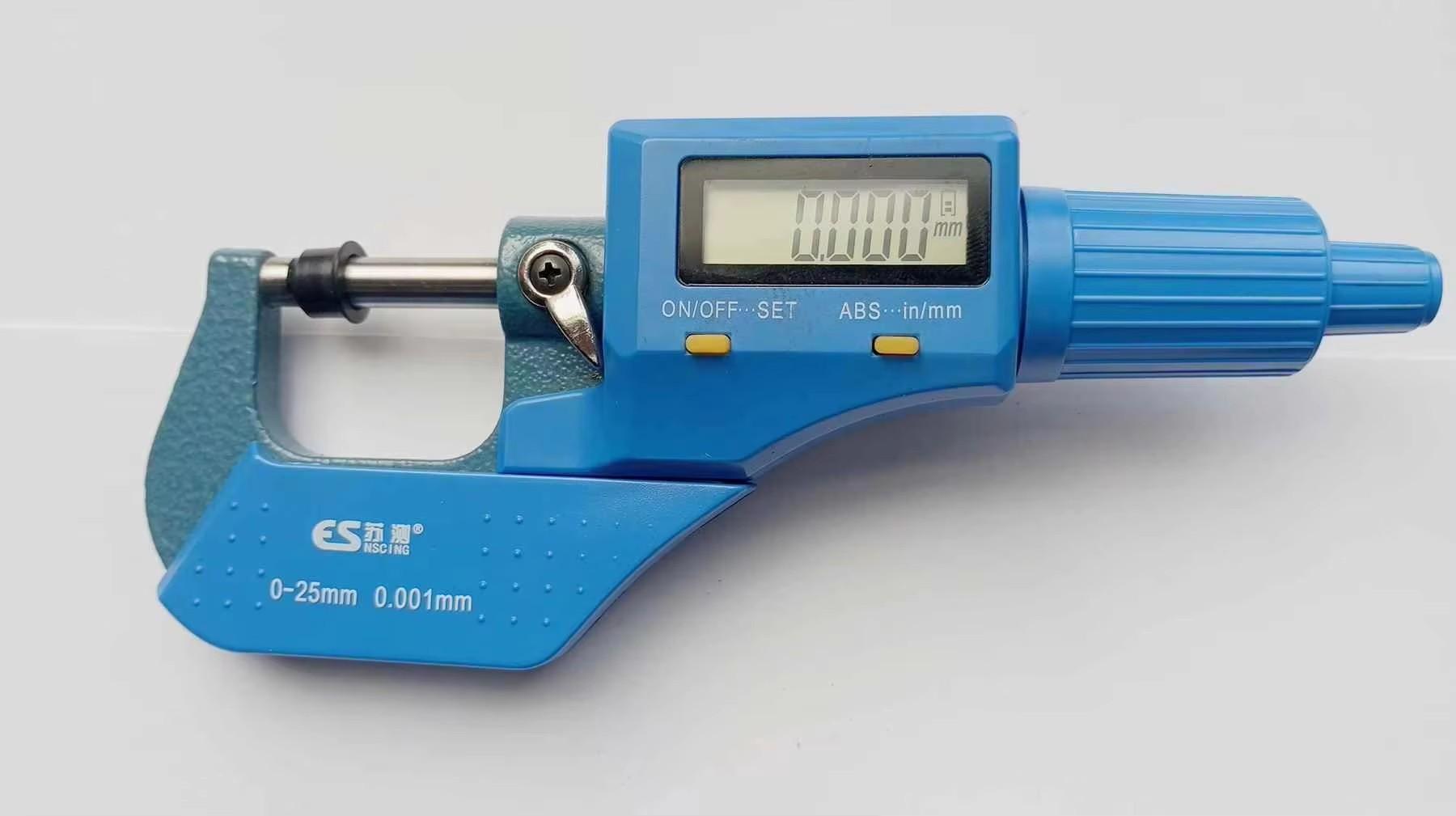
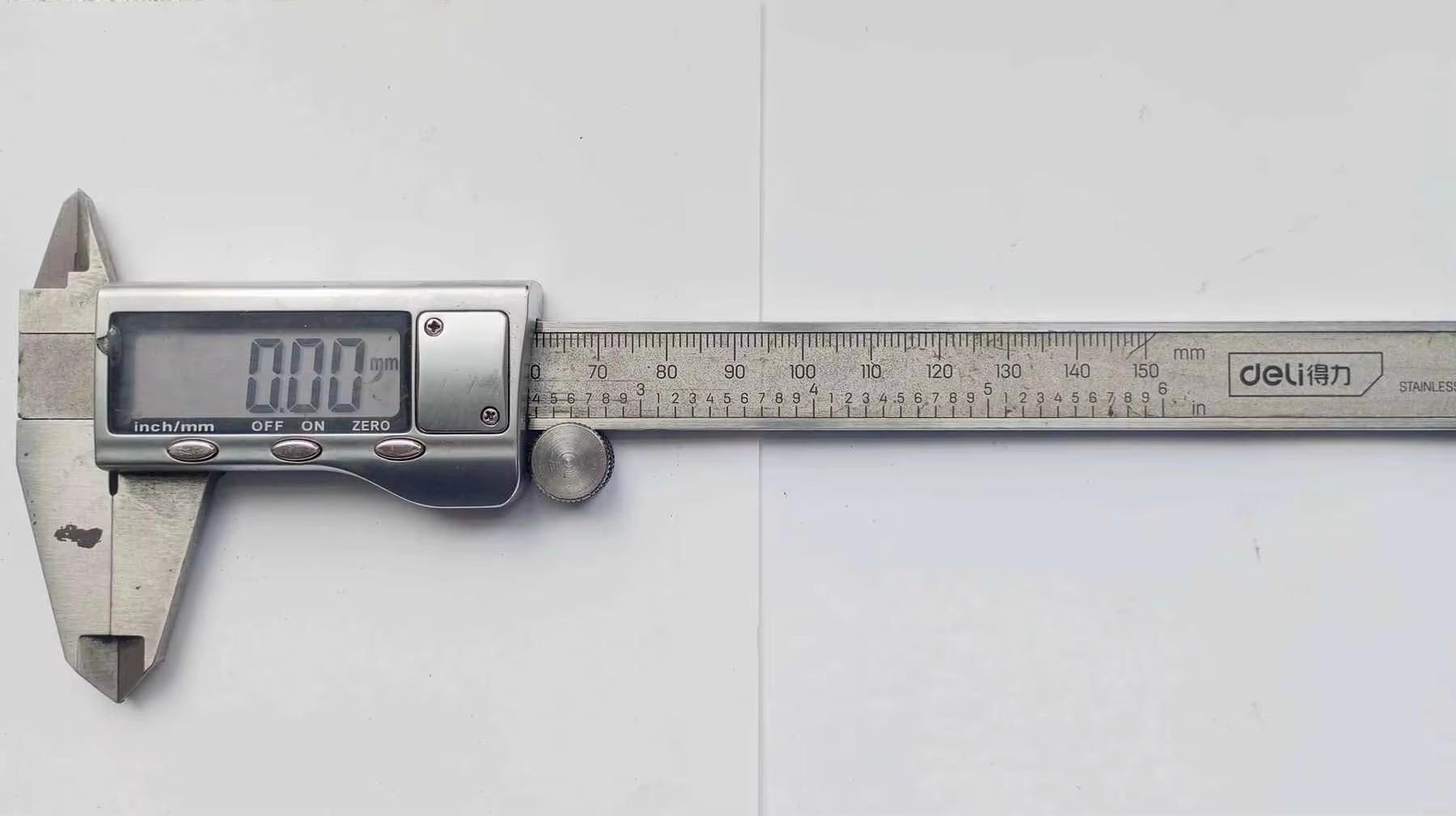
Explore our heavy industrial manufacturing steps, raw material processing, robotic assembly lines, and high-precision quality control verification.
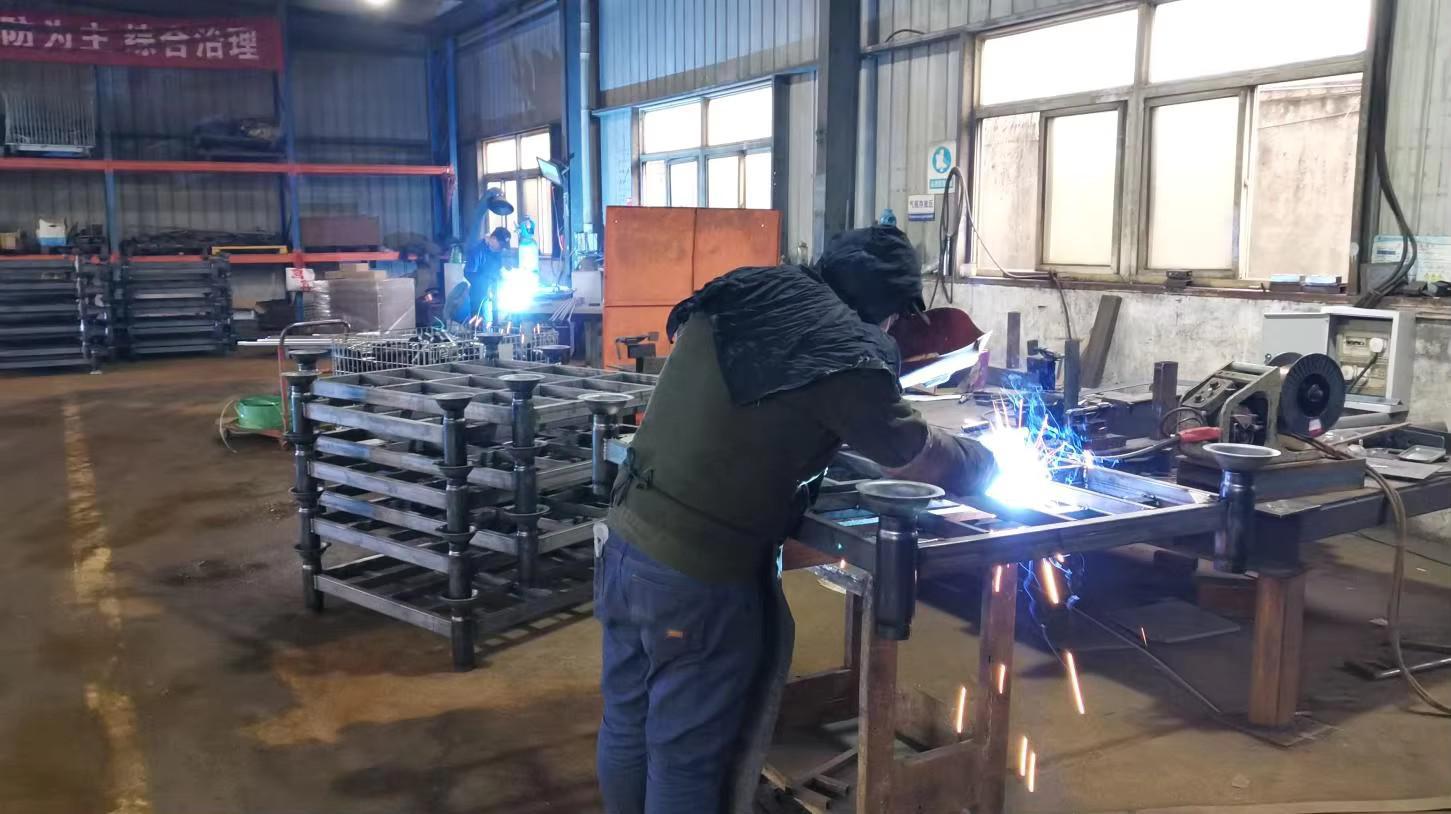
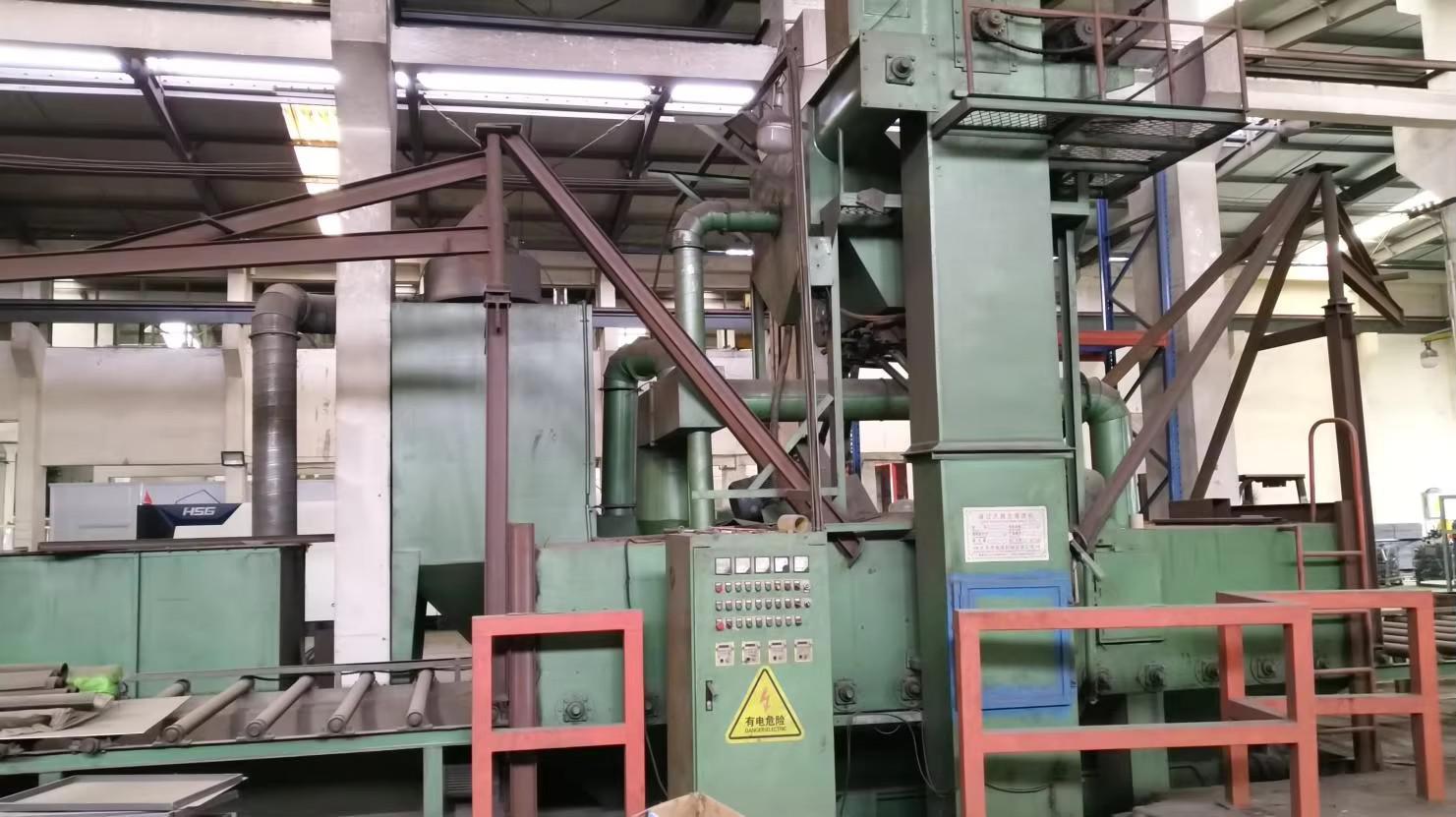
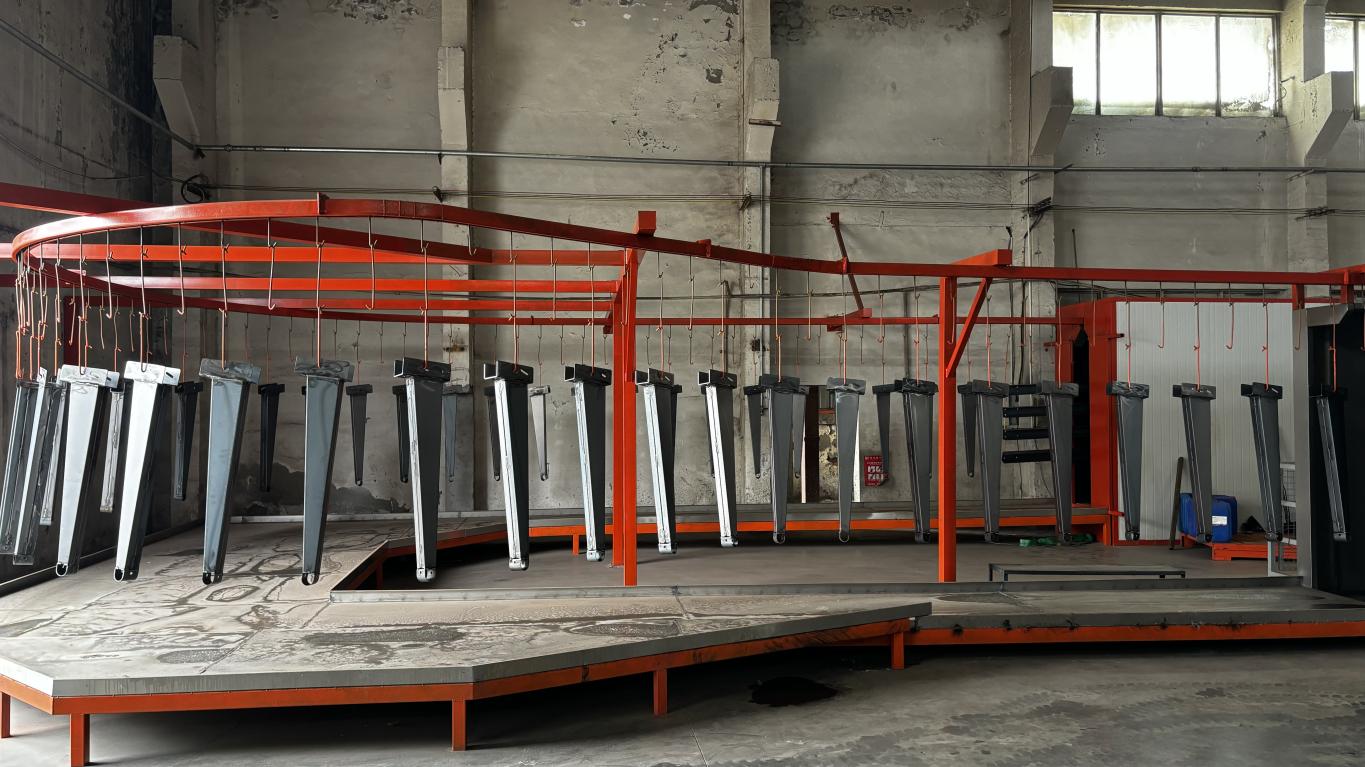
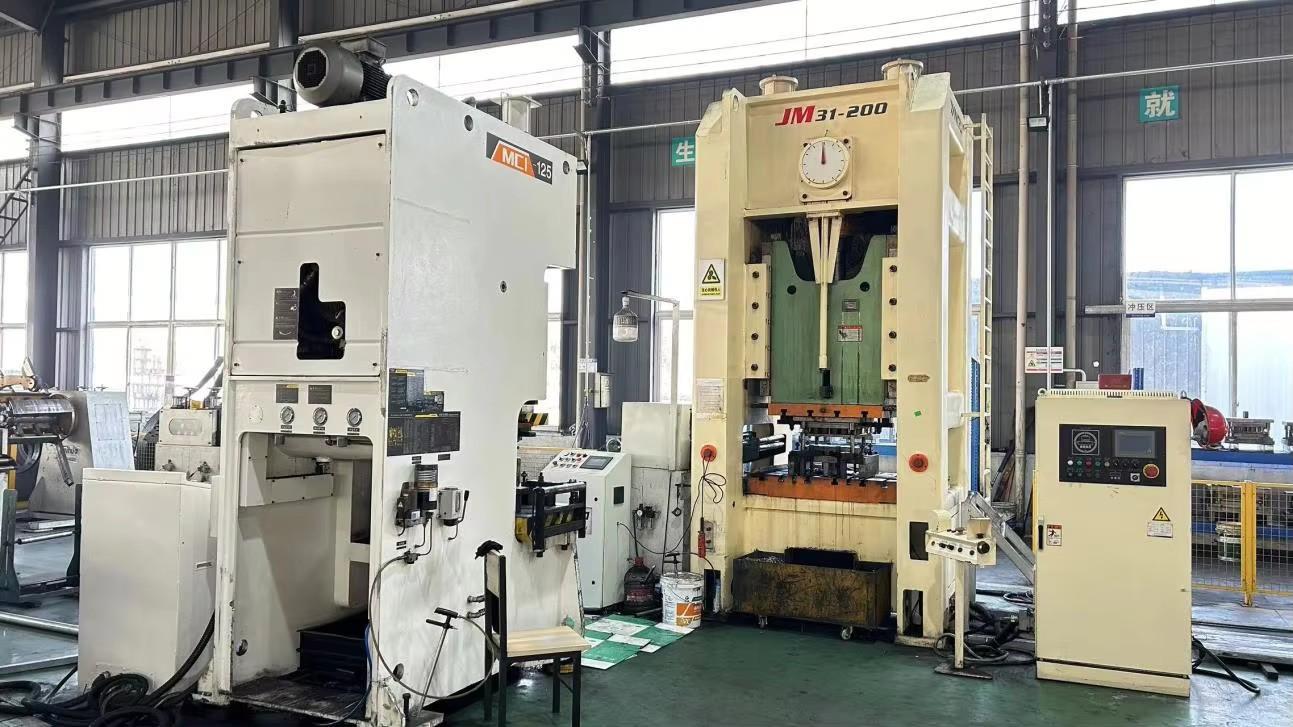
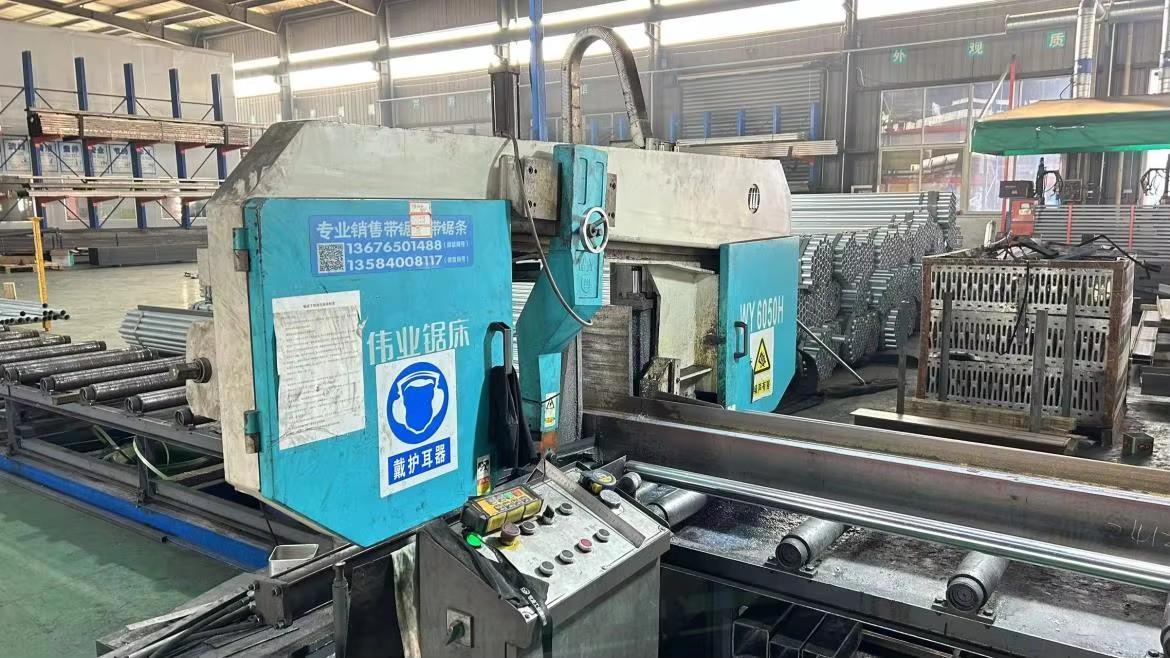
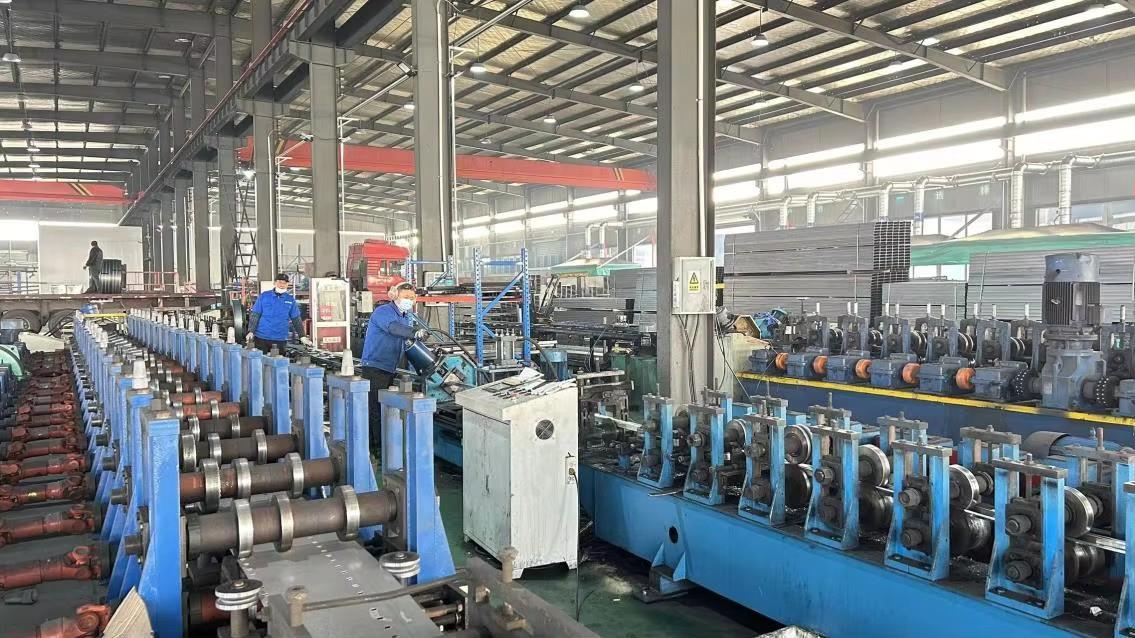
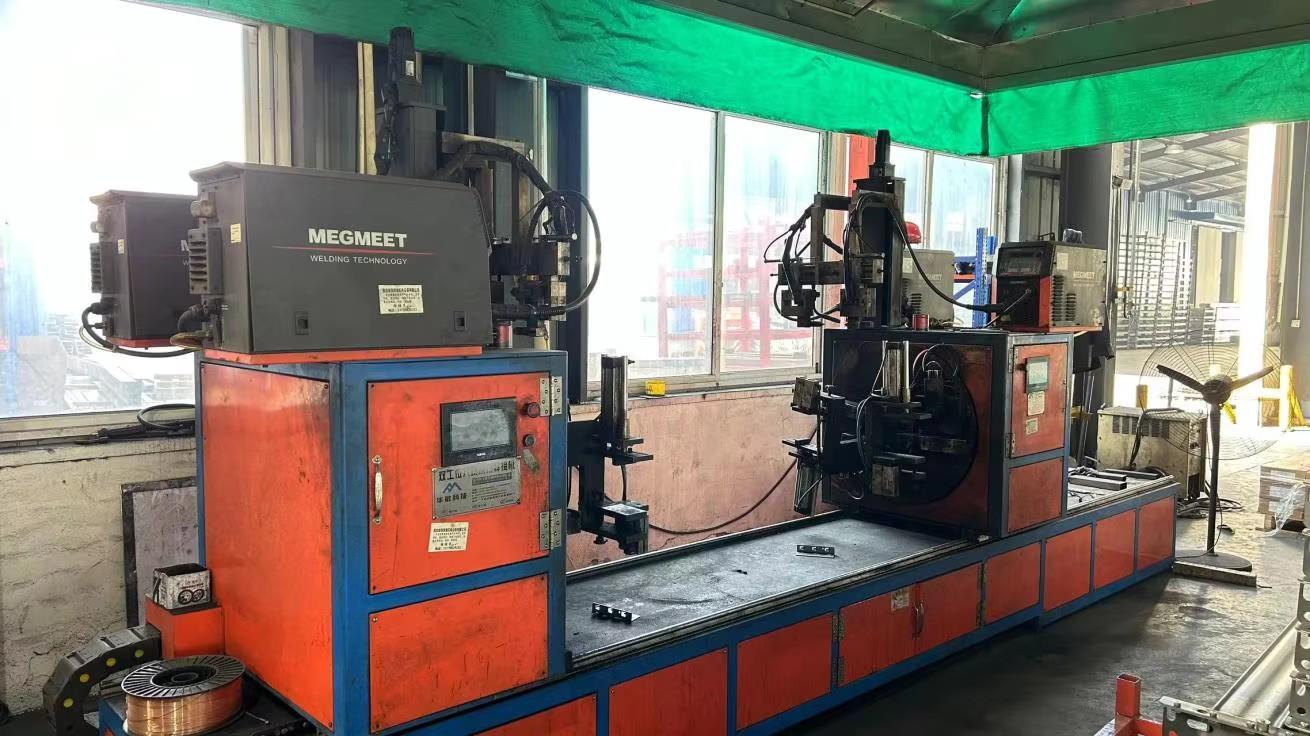
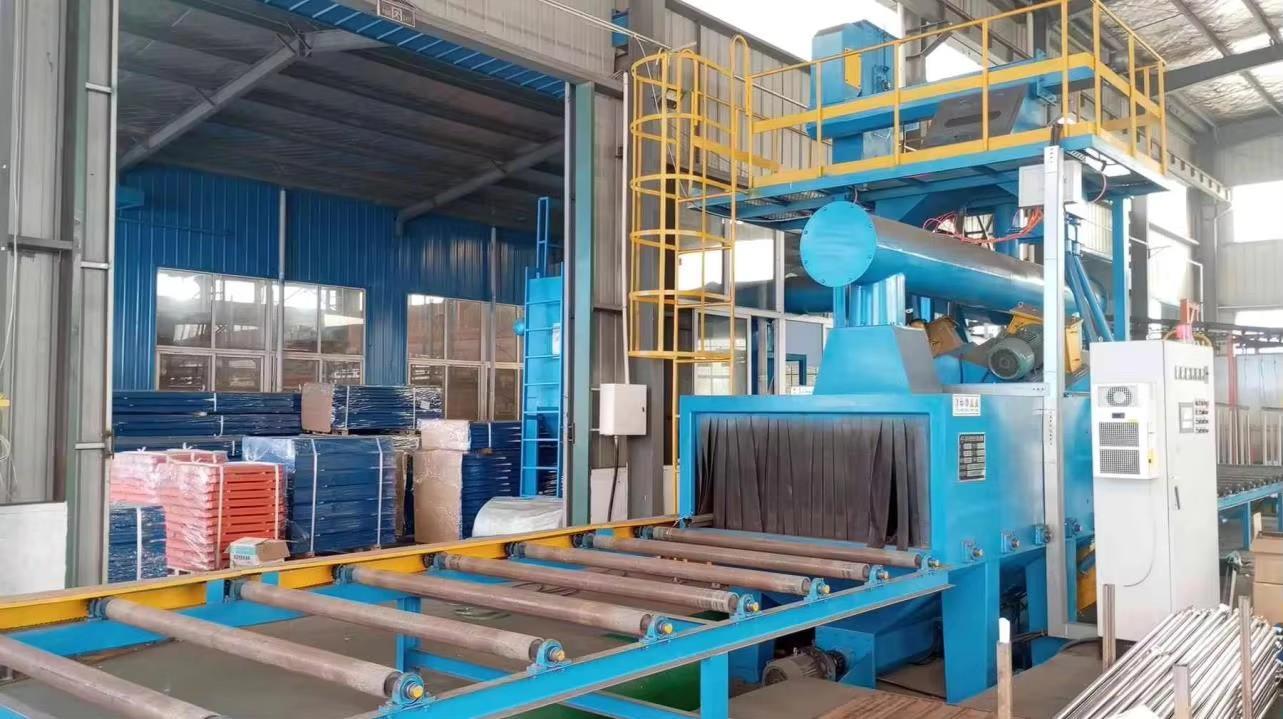
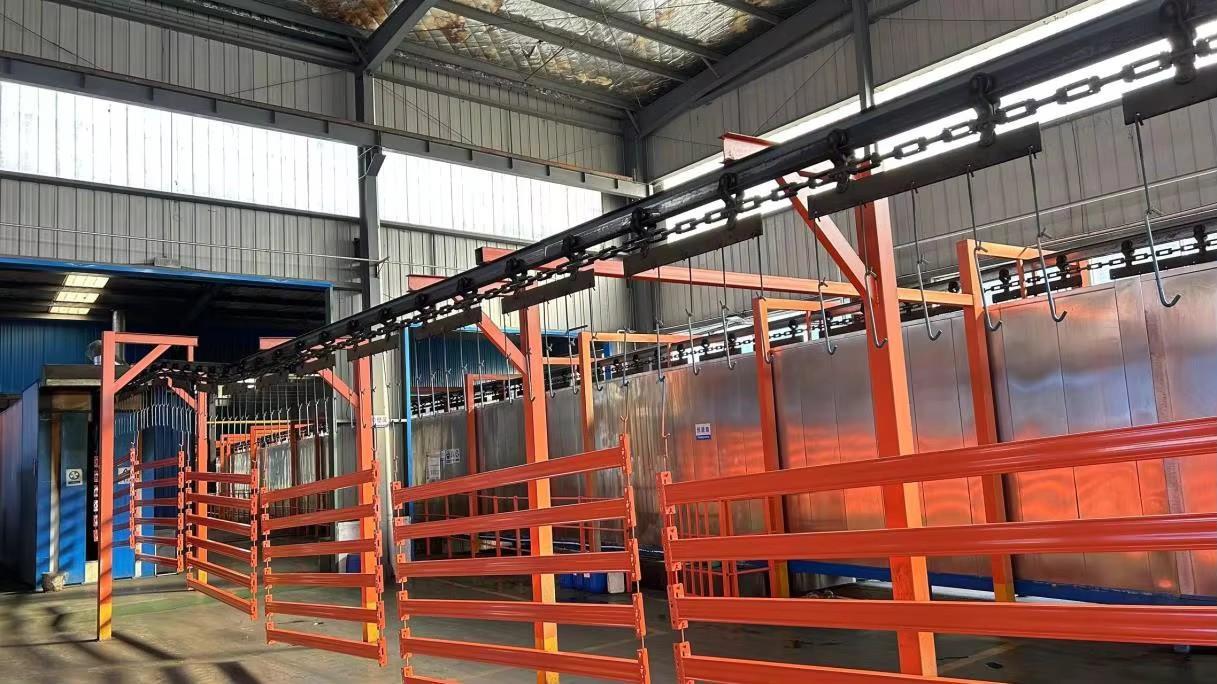
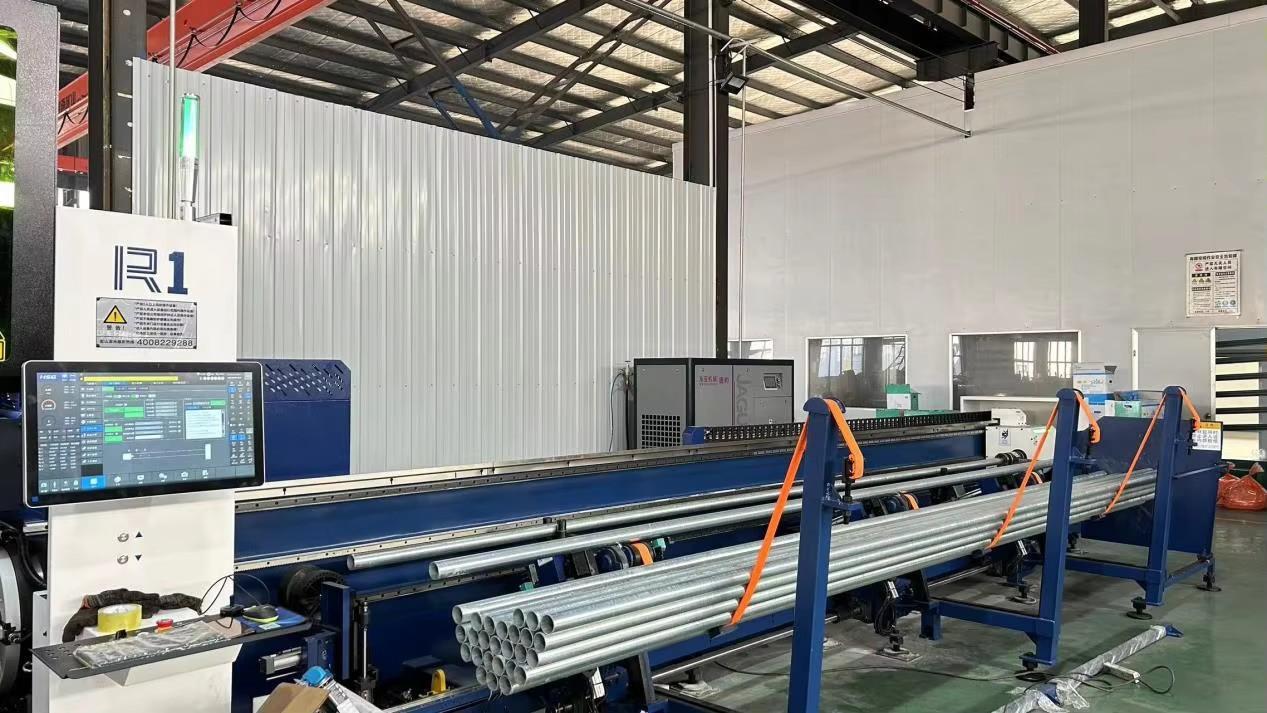
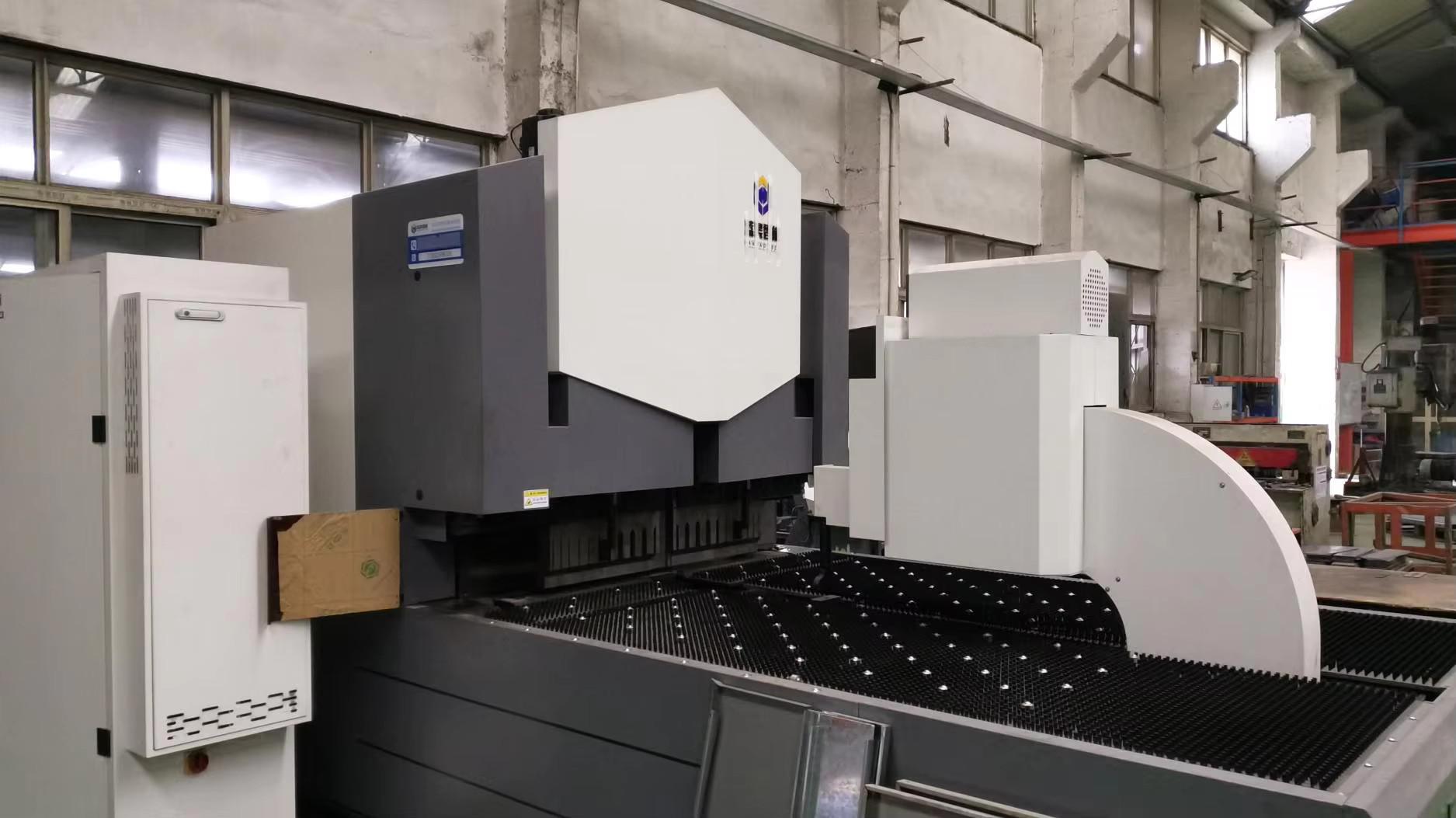
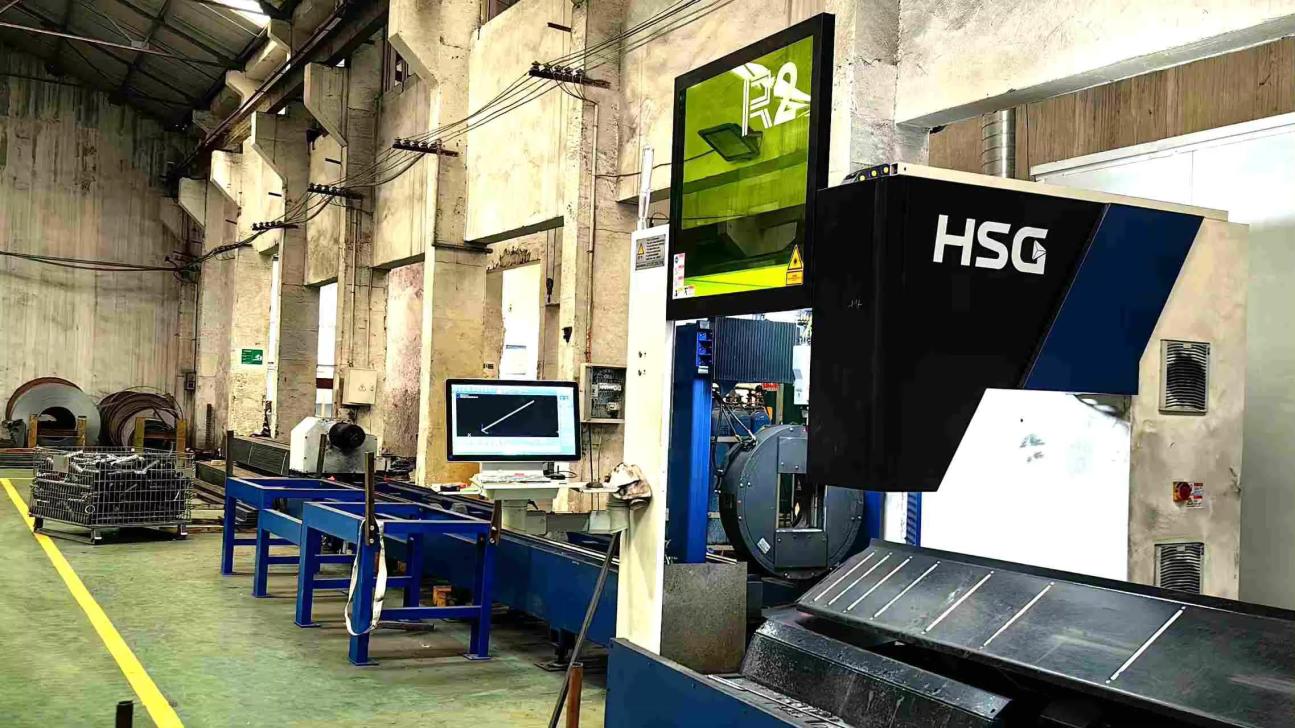
Leveraging geographical manufacturing hubs, downstream material pricing agreements, and integrated vertical supply networks.
Our manufacturing plant in Dongguan sits directly at the heart of the world's most dense hardware engineering ecosystem. This proximity allows Jinhui to operate with high supply chain resilience, sourcing certified Q235B cold-rolled steel profiles directly from China's premier national steel mills. With over 980 vetted upstream partners, we mitigate raw material price fluctuations through long-term hedging options. This ensures that our customers receive stable pricing guarantees and are protected from sudden market spikes.
Furthermore, local material processing allows Jinhui to move designs from the drawing board to full manufacturing cycles in exceptionally tight windows. Automated sheet metal slitting, continuous roll forming, and stamping operations happen under one roof, reducing internal processing waste and eliminating intermediate freight costs. We transfer these cost-efficiencies directly to our clients through competitive FOB and CIF terms.
Exporting structural steel and wire containers requires rigorous spatial engineering to prevent high transport fees. Our engineers design collapsible and stackable metal containers with volume optimization in mind. When collapsed, these containers pack flat, maximizing container space during international ocean freight. An optimized nested profile allows logistics companies to return empty containers at a fraction of the cost of rigid, non-collapsible boxes.
Additionally, Dongguan's proximity to deep-water shipping gateways including Shenzhen Port, Guangzhou Nansha Port, and Hong Kong allows for flexible routing. We coordinate container loading directly at our factory dock, reducing port-side delays and facilitating smooth customs clearance through professional documentation compliance.
How customized structural steel containers and racking configurations perform in real-world industrial environments.
Automotive parts are notoriously heavy, oddly shaped, and highly sensitive to surface abrasions. In assembly plants across Europe and North America, our heavy-duty steel corrugated panel containers are deployed on production lines. By adding customized internal dunnage, thermoformed plastic dividers, and protective textile liners, these containers protect machined engine blocks, transmissions, and suspension knuckles during transport between casting plants and main assembly tracks.
Heavy-gauge steel bases allow fork trucks to lift multiple tons, while the structural rigidity of the corrugated panels prevents container deformation under high acceleration forces on transport trucks.
Standard storage solutions quickly degrade when exposed to sub-zero temperatures and high-humidity washdown procedures. Our hot-dip galvanized and custom epoxy powder-coated wire mesh containers are engineered to withstand extreme temperatures. The open mesh pattern allows for optimal airflow, facilitating fast cooling cycles in blast freezers. Standard liquid accumulation points are completely eliminated, minimizing bacterial harbor risks and ensuring compliance with local food safety inspections.
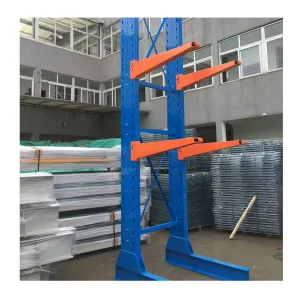
Modern distribution hubs run on throughput speed and rapid sorting cycles. Our stackable selective pallet racks and customized metal containers integrate seamlessly with autonomous mobile robots (AMRs) and conveyor belts. High dimensional precision prevents automated sensor disruptions, allowing robotic lifters to grasp, stack, and move loaded containers efficiently.
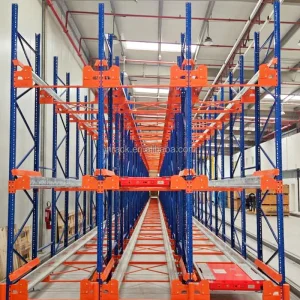
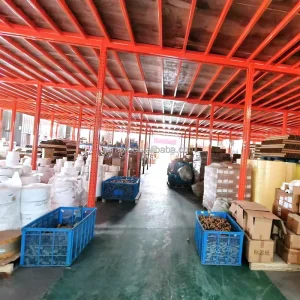
For high-capacity facilities, we engineer multi-tier mezzanine floors and radio shuttle racking systems. These systems triple existing floor capacity without expanding the physical building footprint.
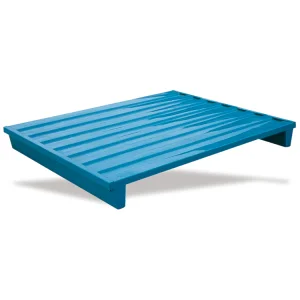
From foundry castings to mineral extracts, heavy bulk materials require resilient storage systems. Our thick-walled sheet metal pallet boxes handle harsh, repetitive impact loading without structural fatigue. They feature reinforced corner posts and under-base skid runner bars to withstand heavy use in mines, recycling plants, and heavy machinery workshops.
Delivering structural safety through rigorous load-cell testing, finite element analysis (FEA), and international certifications.
At Dongguan Jinhui, engineering safety is paramount. Our R&D team consisting of 68 design engineers utilizes finite element analysis (FEA) to simulate load distributions, seismic forces, and structural stress points. This scientific design phase ensures each profile is optimized for yield strength, safety factors, and material durability before manufacturing begins.
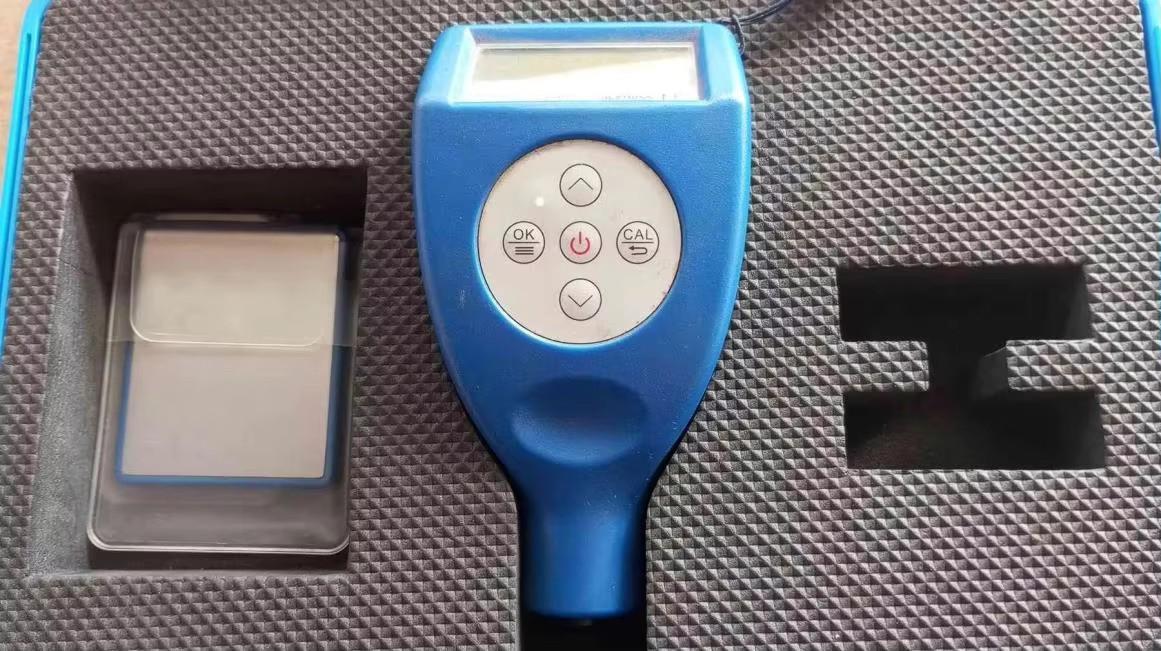
Our quality control process is supported by 46 inspectors who perform raw material chemical analysis, welding penetration testing (ultrasonic and dye-penetrant checks), coating thickness inspection (micrometers and electronic gauges), and ultimate load capacity testing. We verify that each weld meets structural load capacities, preventing catastrophic shear failures on high-bay pallet racks.
We build our warehouse solutions to meet regional regulatory frameworks, ensuring easy local site certifications. Our products comply with:
Our surface finishes are treated with thermosetting epoxy-polyester coatings, providing excellent impact resistance, UV protection, and salt-spray corrosion resistance in coastal logistics hubs.
Answers to critical questions regarding raw materials, load capacities, customizations, and shipping logistics.
We construct our containers using premium Q235B carbon steel (equivalent to ASTM A36 / S235JR). This grade offers an optimal balance of yield strength, ductility, and weldability. To prevent structural deformation under heavy loads, we roll-form structural corrugated profiles into the sheet metal walls. This dramatically increases the moment of inertia without adding unnecessary weight. The base structures are further reinforced with channel runners and heavy-duty corner plates to distribute static downward forces evenly.
Yes. Our designs are engineered according to the specific structural codes of the destination country. For Australia, we calculate rack configurations to comply with AS4084. For Europe, we follow EN 15512 / FEM guidelines, and for the Americas, we meet the RMI specifications. We provide complete calculations, structural drawings, and material certificates to support your local building permitting and safety audits.
For standard warehouse environments, we apply an electrostatic thermosetting epoxy-polyester powder coating (thickness typically between 60 to 90 microns). For high-humidity, cold-chain, or outdoor applications, we recommend hot-dip galvanizing (HDG) conforming to ISO 1461. This process deposits a durable zinc-alloy barrier layer that provides electrochemical self-healing protection against corrosion.
Our standard production lead time is 20 to 30 days from deposit receipt, depending on order size and customization requirements. The typical MOQ is one 20-foot GP container, which allows us to maximize packaging efficiency and reduce ocean freight costs per unit. However, we also support smaller trial runs for custom engineering projects.
Yes. Our engineering team of 68 design engineers specializes in OEM & ODM customization. We provide comprehensive CAD drawings, 3D layouts, and structural calculations based on your warehouse blueprints, lift equipment specifications, and load characteristics. We also offer free structural design consultations to help optimize your floor space and storage configurations.
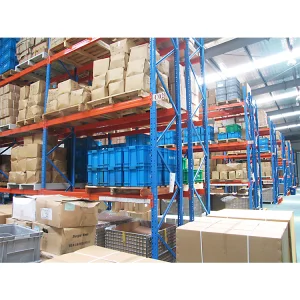
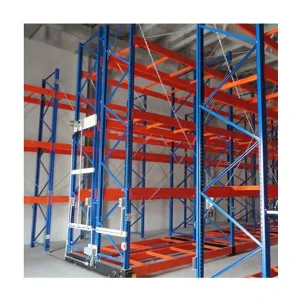
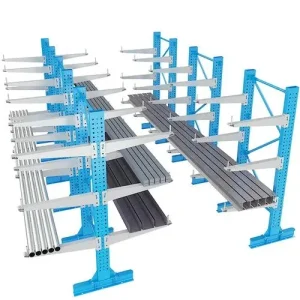
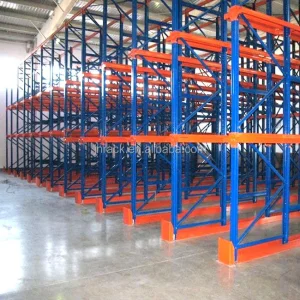
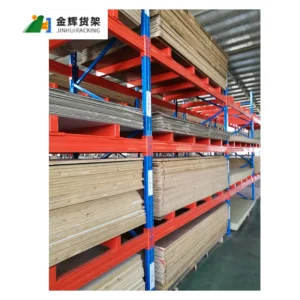
Premium warehouse systems designed for high-density vertical storage, radio shuttle logistics, and heavy load carrying capabilities.
 Jinhui Storage Equipment