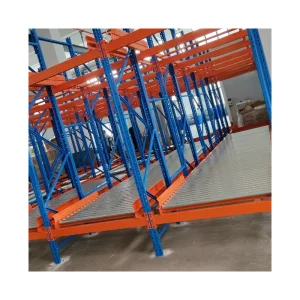
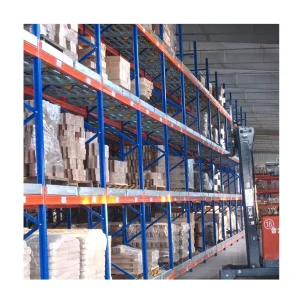
Explore our premium selection of heavy-duty pallet flow and gravity storage racking systems designed to optimize warehouse storage space, streamline logistics, and support high-throughput operations.
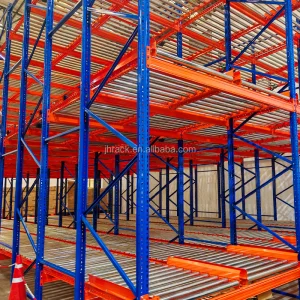
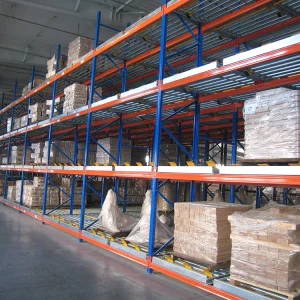
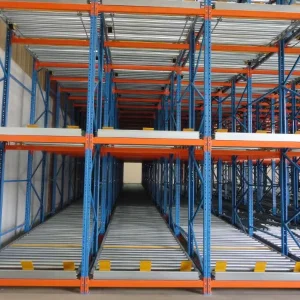
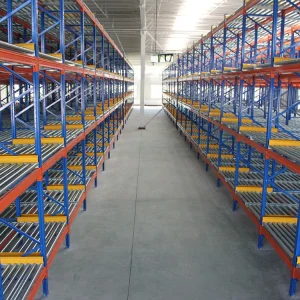
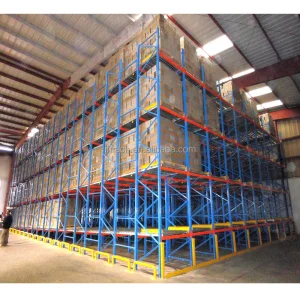
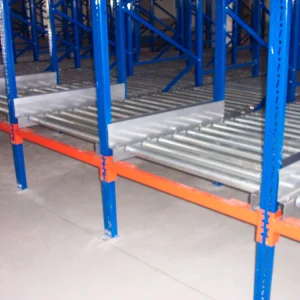
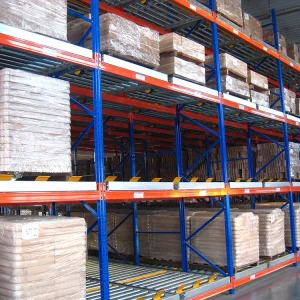
In modern high-velocity fulfillment landscapes, optimization of horizontal and vertical footprint is not merely an operational metric, but a significant competitive advantage. Globally, distribution facilities face unprecedented upward pressure on real estate costs, alongside rising consumer expectations for short delivery lead times. In high-density settings like cold storage warehouses, food & beverage processing hubs, and pharmaceutical distribution networks, gravity-fed pallet flow systems have become the primary method for maintaining continuous FIFO (First-In, First-Out) stock rotation.
Procurement officers and warehouse design engineers face complex challenges when sourcing gravity-driven storage systems. Industrial operators require racking layouts that eliminate structural bottlenecks, lower energy consumption, and reduce lift-truck transit distances. Modern high-density storage relies on gravity-fed flow lanes, which reduce travel paths and lower carbon footprints by removing mechanical drives from the primary material handling path. This approach allows operations to maximize cubic utilization while maintaining immediate pick-face accessibility.
Maximizing cold-room density reduces thermal envelope loss. Pallet flow layouts cut energy overheads by up to 35% compared to selective racking systems, allowing rapid product turnover at sub-zero temperatures.
Ensures absolute product rotation compliance for perishable goods. The gravity flow mechanism forces pick-lane replenishment from the loading aisle to the picking aisle, avoiding expired inventory write-offs.
By separating loading traffic from picking traffic, operations run concurrently without path conflicts. Travel times drop by 40%, and vehicle fuel consumption or battery cycles are significantly reduced.
Pallet flow racking systems rely on dynamic gravity principles, requiring precise mechanical tolerances to operate reliably. Structurally, gravity-fed systems must handle dynamic kinetic loads without structural failure, component warping, or pallet runaway hazards. Proper system design requires balancing lane inclination angles, roller configurations, and braking deceleration technologies.
In addition to structural considerations, pallet compatibility is critical for system reliability. Varying pallet conditions, bottom-deck configuration (e.g., GMA, Euro, block, or stringer styles), and deflection characteristics significantly affect movement speeds down the gravity lane. Standard systems use a structural slope of 3% to 4%, depending on load weight and roller friction parameters. Deceleration is managed by centrifugal speed controllers, which keep pallet descent under 0.3 meters per second to prevent high-impact collisions at the pick face.
| Engineering Parameter | Technical Standard Specification | Key Operational Impact |
|---|---|---|
| Typical Lane Incline | 3% to 4.5% (approx. 1.7° to 2.6° pitch) | Ensures reliable self-starting flow while preventing high-impact collisions at the pick face. |
| Steel Material Grades | High-Tensile Structural Steel (Q235B & Q355B equivalent) | Provides high load-bearing capacity and prevents vertical deflection under continuous loading. |
| Dynamic Speed Control | Centrifugal brake rollers installed at 1.5m to 2m intervals | Controls descent speed to under 0.3 m/s, preventing kinetic runaways and product damage. |
| Pallet Weight Capacity | 500 kg to 1,500 kg per pallet position | Accommodates heavy-duty industrial storage requirements across diverse logistics sectors. |
| Roller Configuration | Polycarbonate rollers, split metal rollers, or full-width steel rollers | Ensures compatibility with different pallet types (wooden, plastic, or metal). |
| Safety Exit Separators | Foot-operated or automatic weight-release mechanisms | Separates the lead pallet from subsequent loads to allow safe, pressure-free retrieval. |
Dongguan Jinhui Storage Equipment Co., Ltd. is a professional manufacturer specializing in warehouse storage solutions and industrial racking systems in China. Since its establishment in 2017, the company has been dedicated to providing high-quality storage equipment for warehouses, factories, logistics centers, supermarkets, and distribution facilities worldwide.
Our manufacturing facility covers over 18,600 square meters, equipped with advanced automatic production lines, precision laser cutting machines, CNC punching equipment, robotic welding systems, and powder coating lines. With strict production management and continuous innovation, we provide reliable and cost-effective storage solutions for customers across different industries.
Jinhui offers a comprehensive range of products including selective pallet racks, heavy-duty warehouse racking, longspan shelving, mezzanine floor systems, drive-in racks, cantilever racks, mobile shelving, steel platforms, wire mesh containers, and customized storage solutions. Every product is designed to maximize warehouse efficiency, improve space utilization, and enhance operational safety.
With an annual export revenue of approximately USD 16 million, our products are exported to more than 50 countries and regions. We have accumulated 8 years of export experience and 14 years of industry experience, serving customers with professional technical support and efficient international trade services.
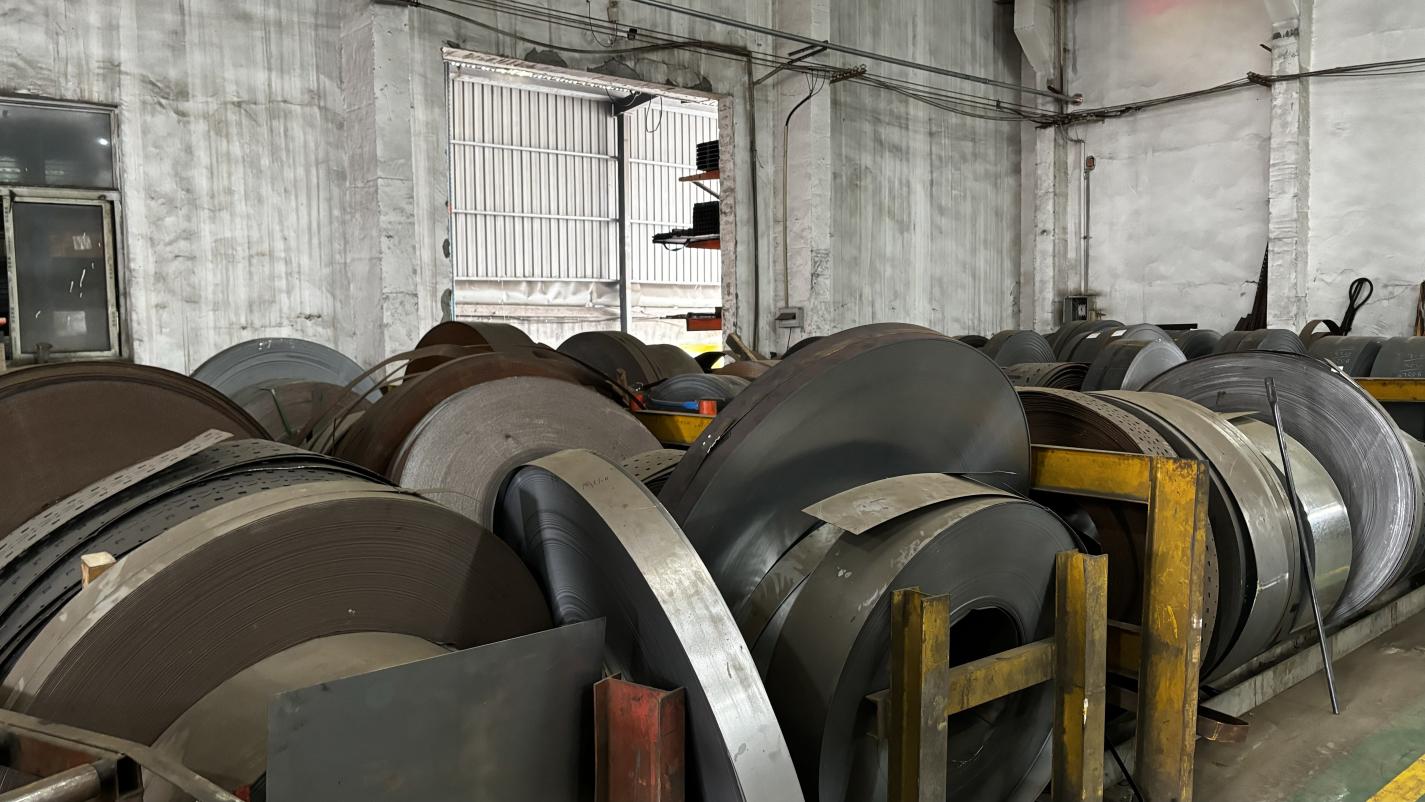
Our modern production processes are designed to ensure consistent structural strength and precision fit. We manage the entire fabrication cycle, from high-tensile raw material selection to automated final powder coating, ensuring compliance with international warehouse standards.
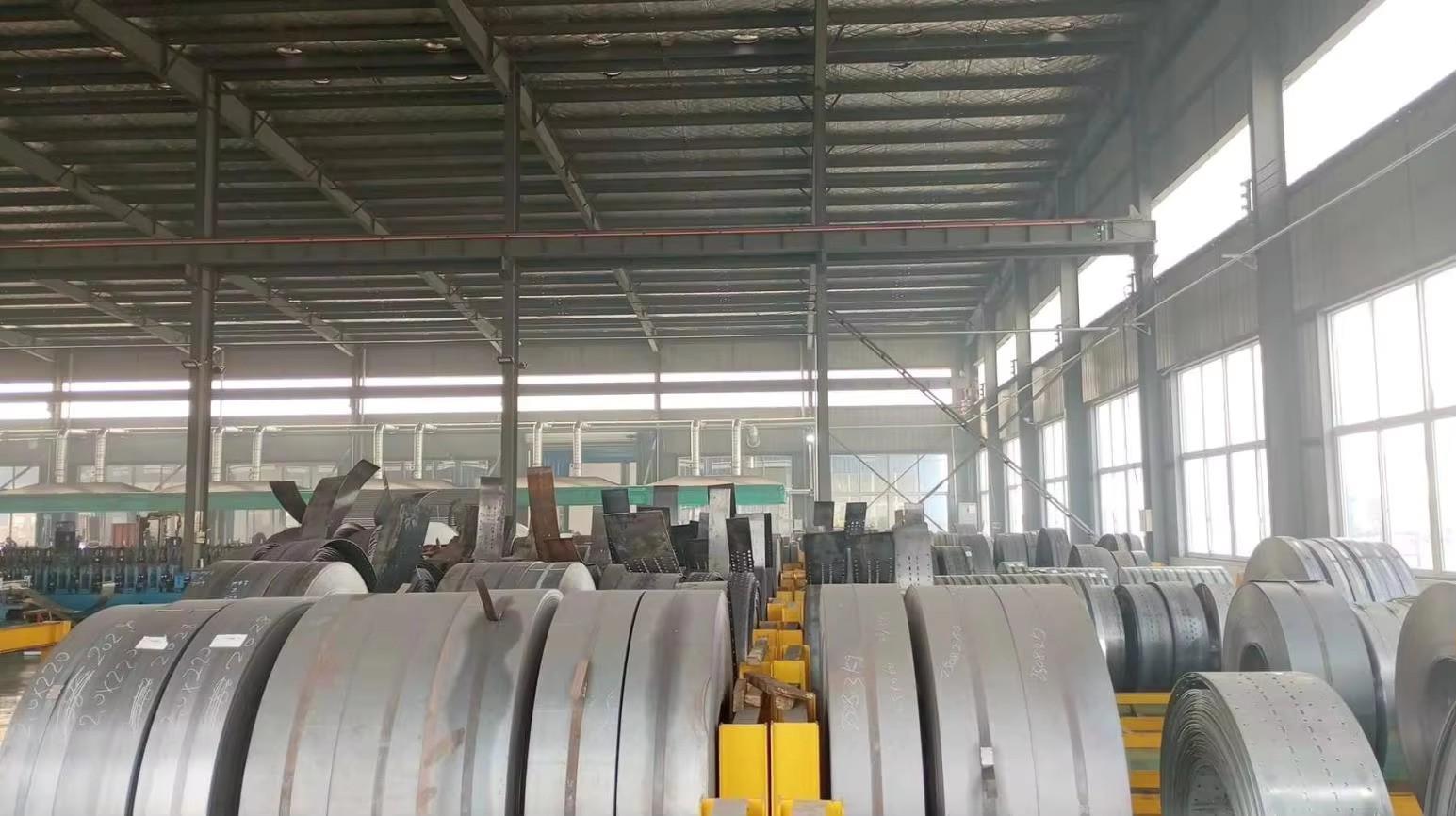
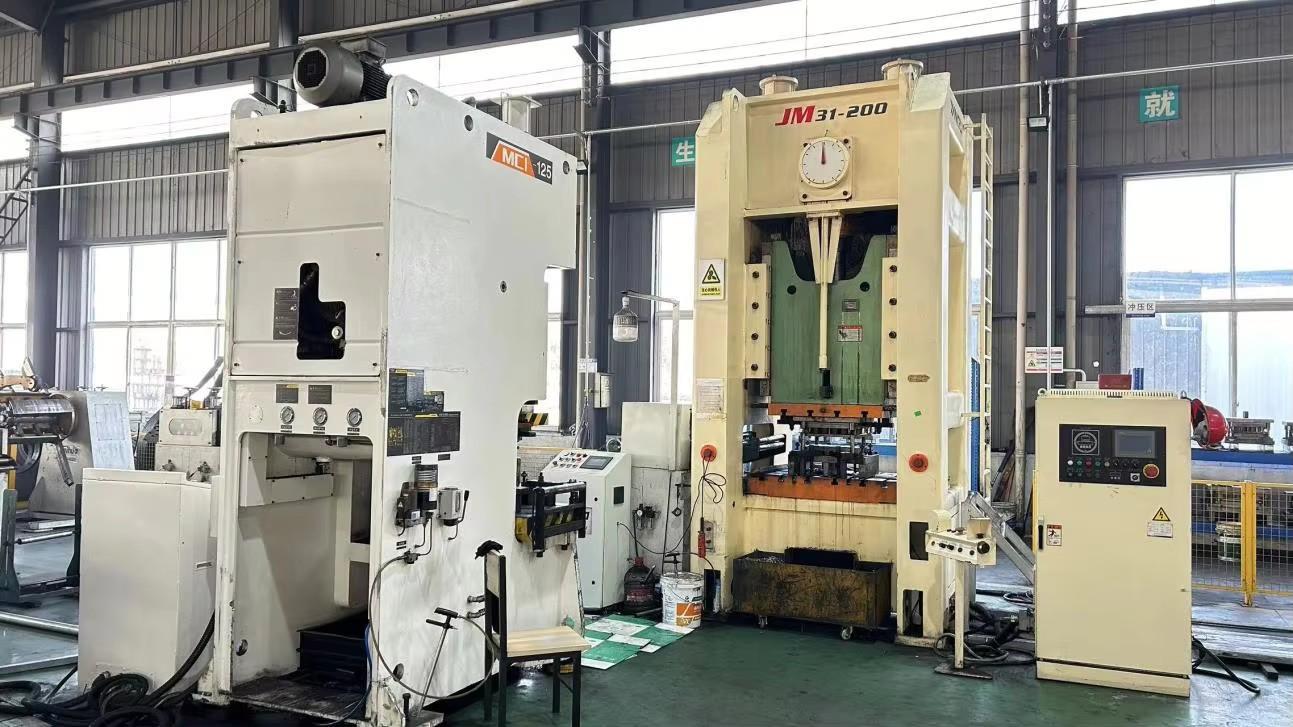
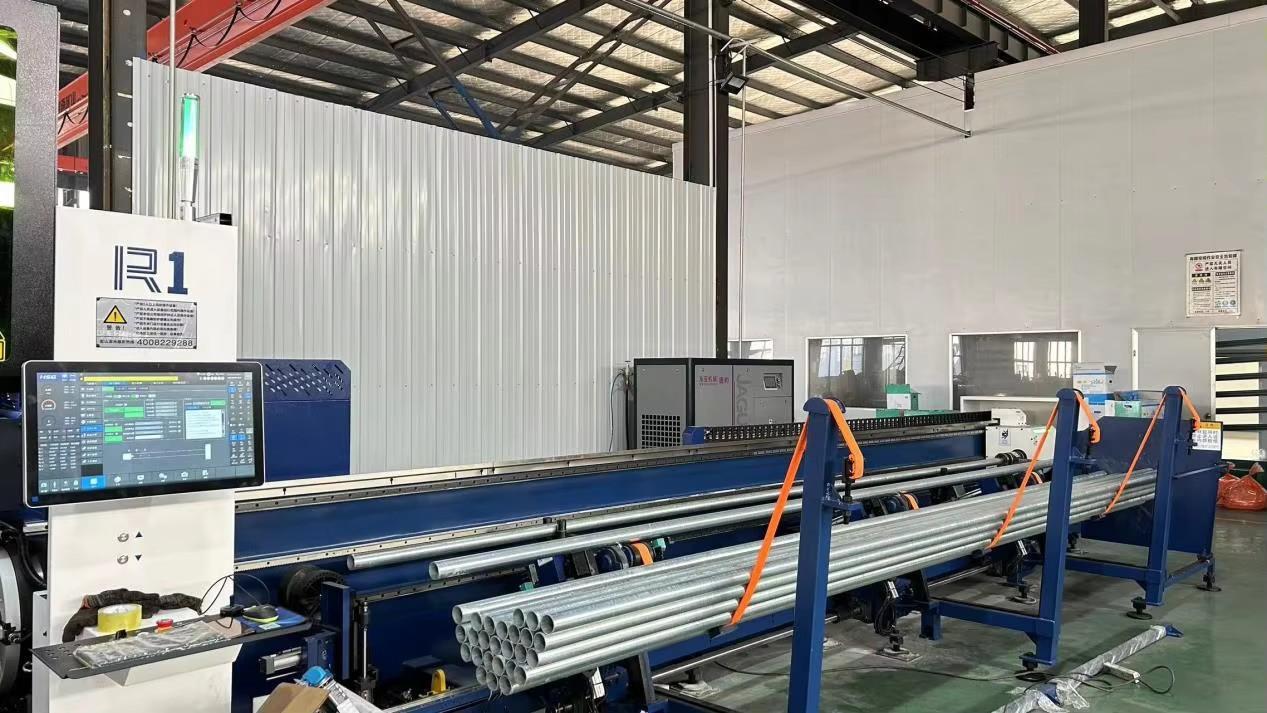
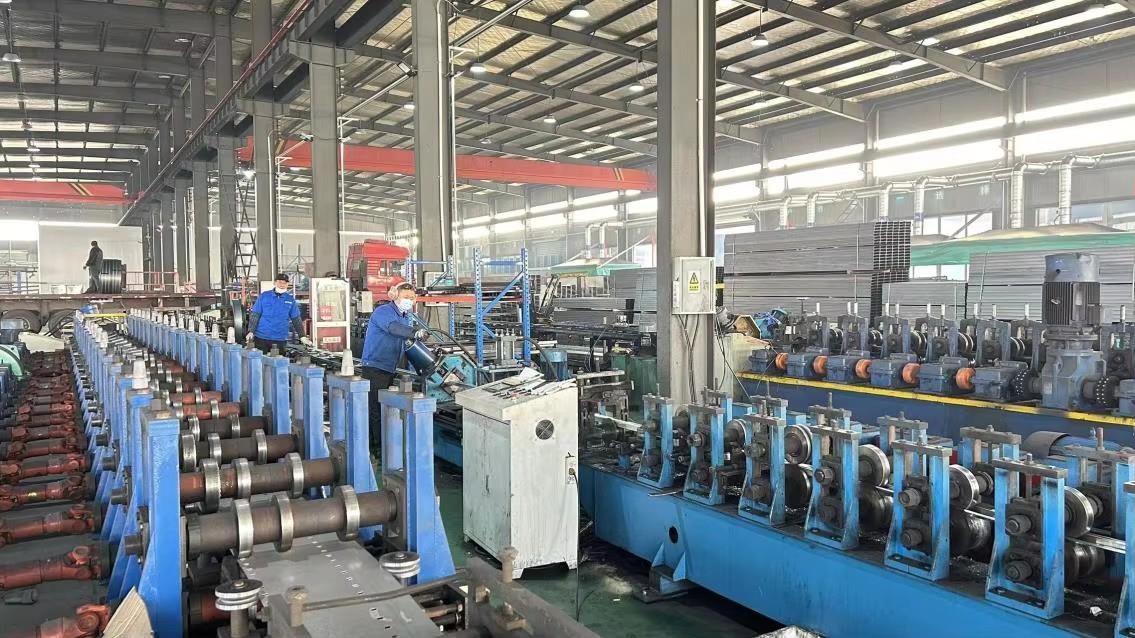
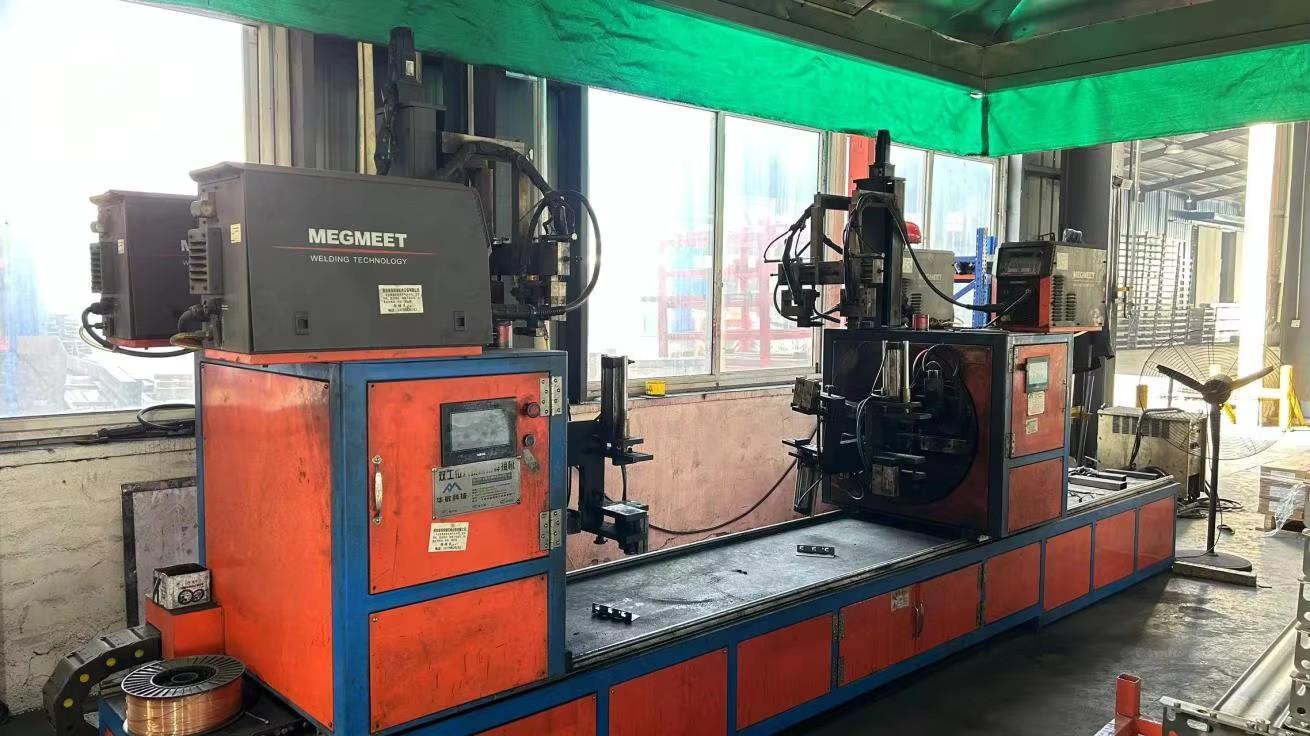
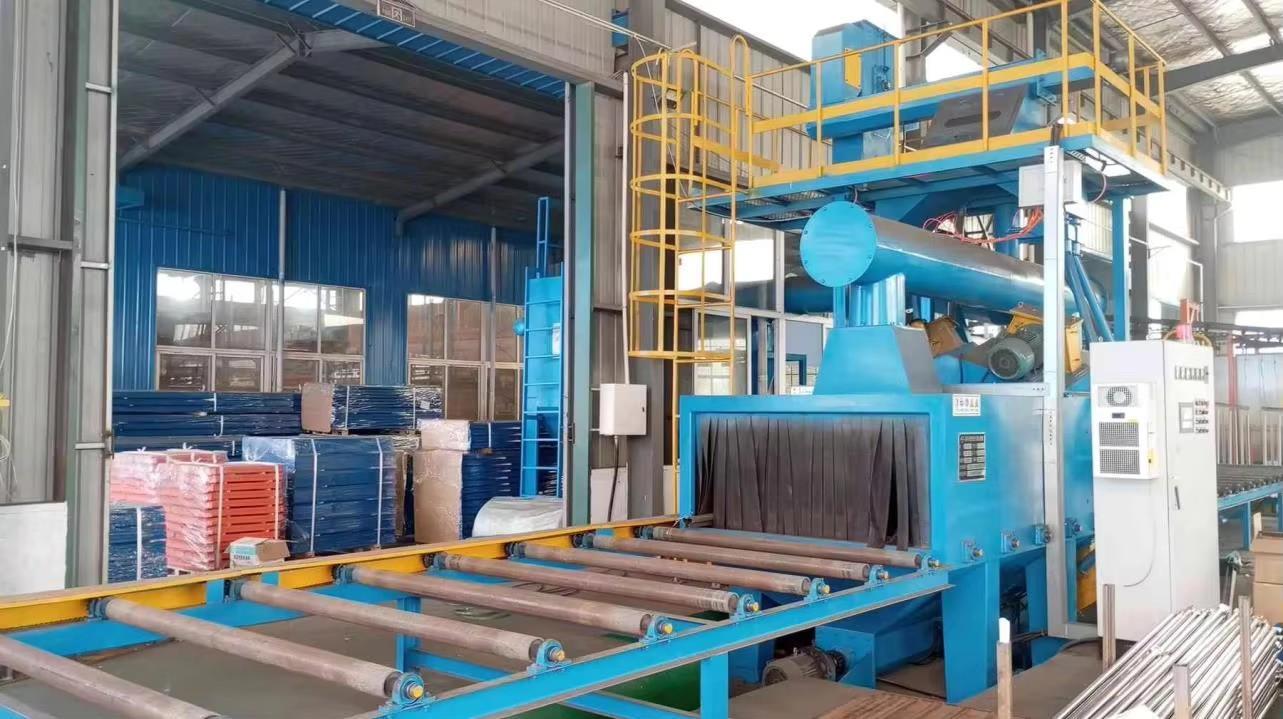
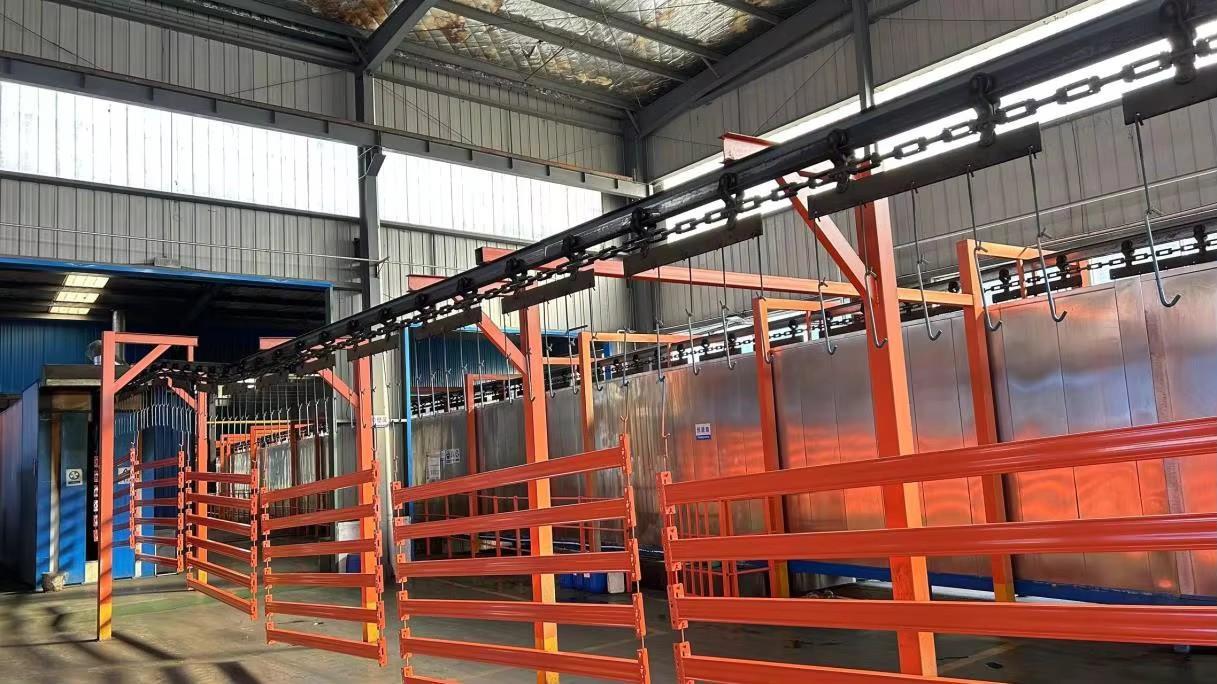
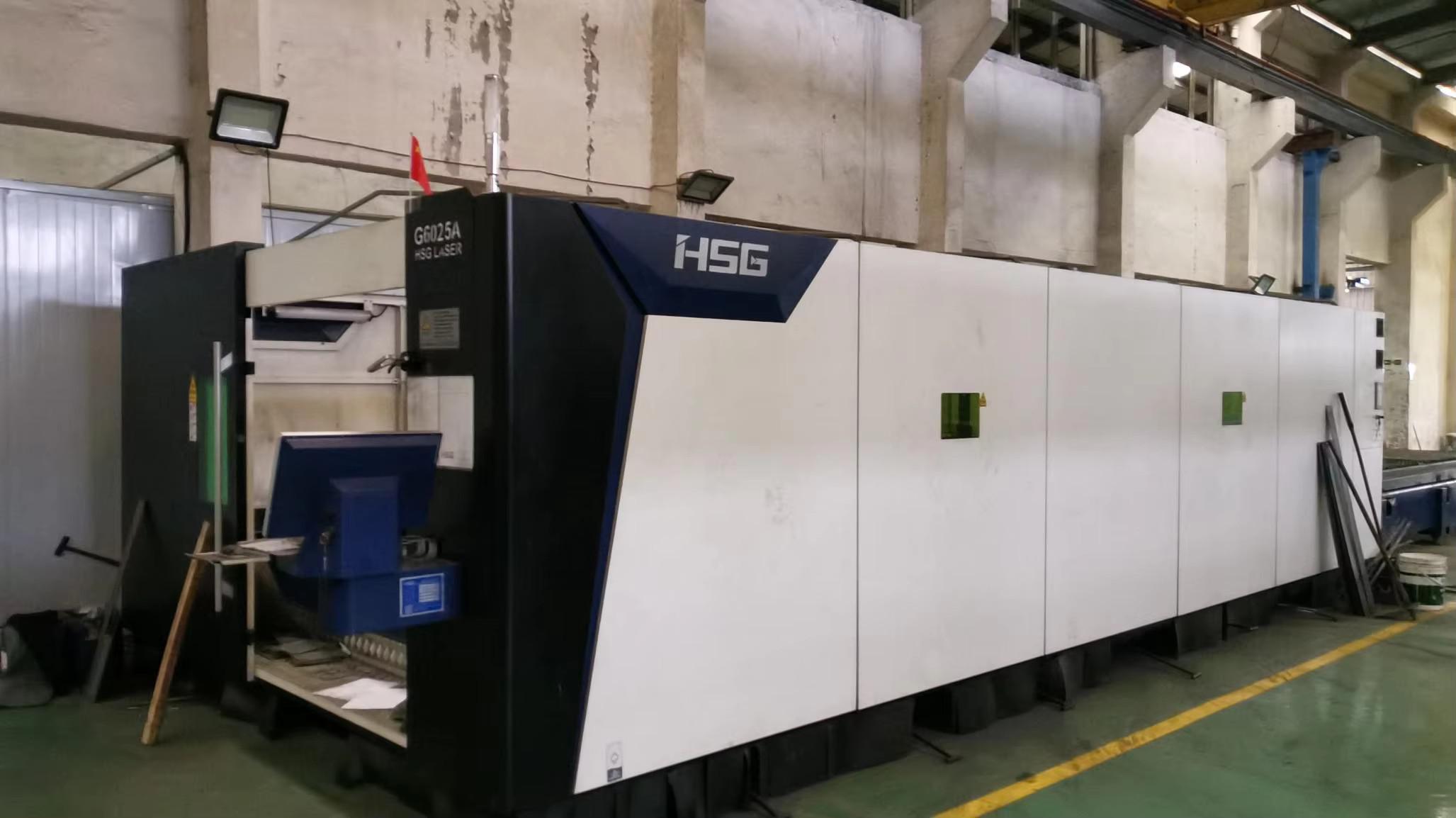
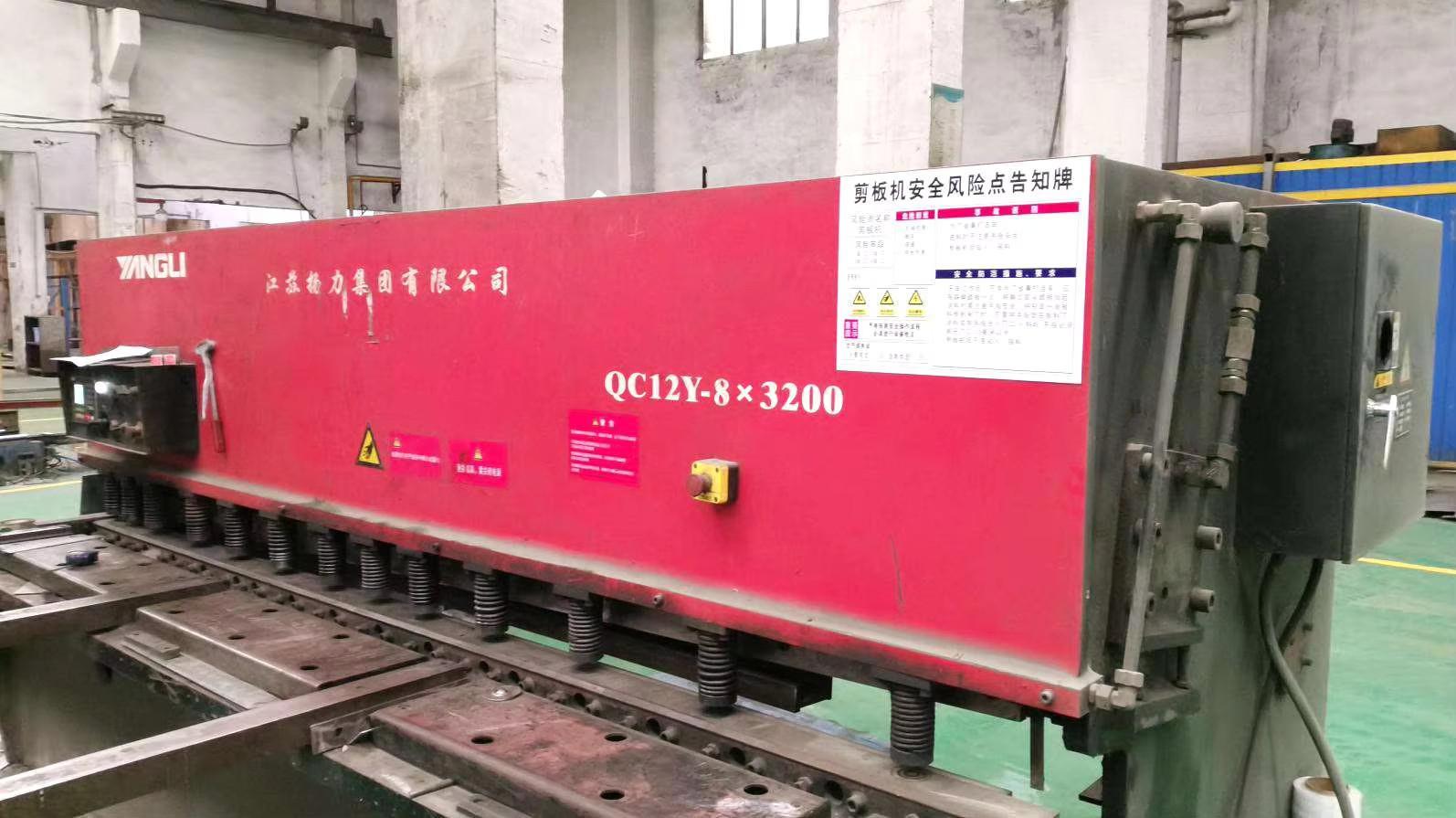
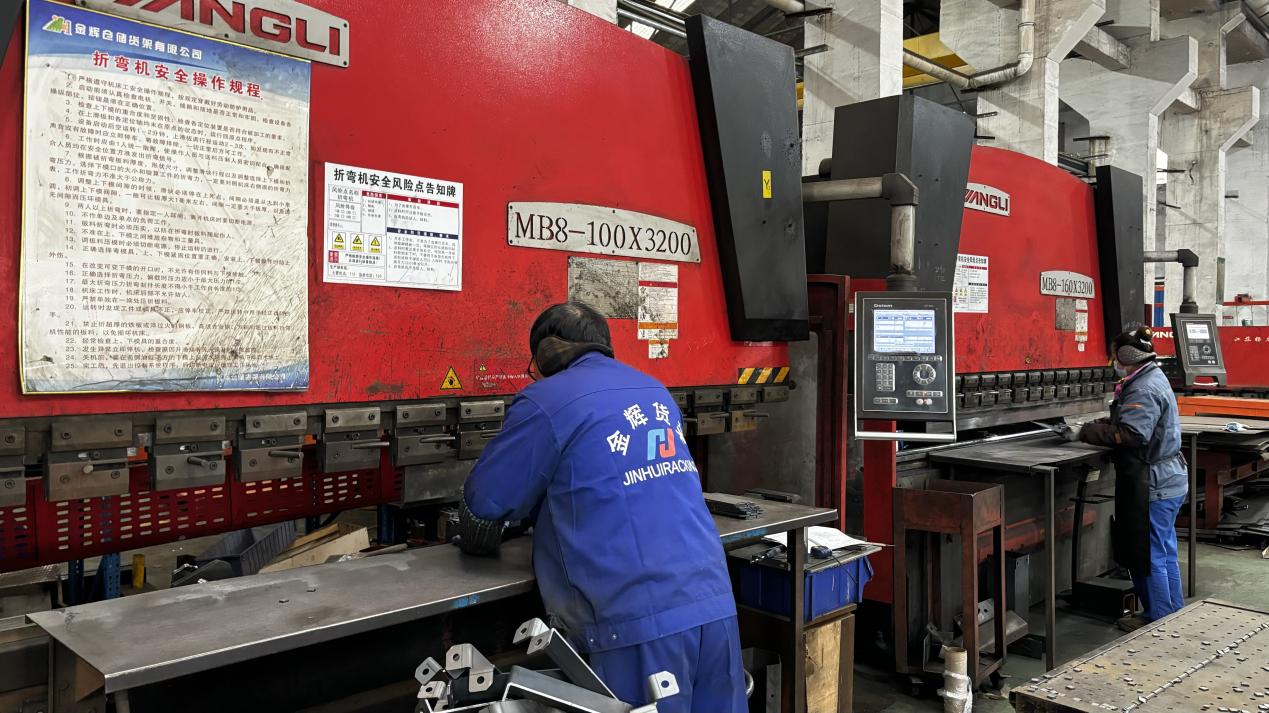
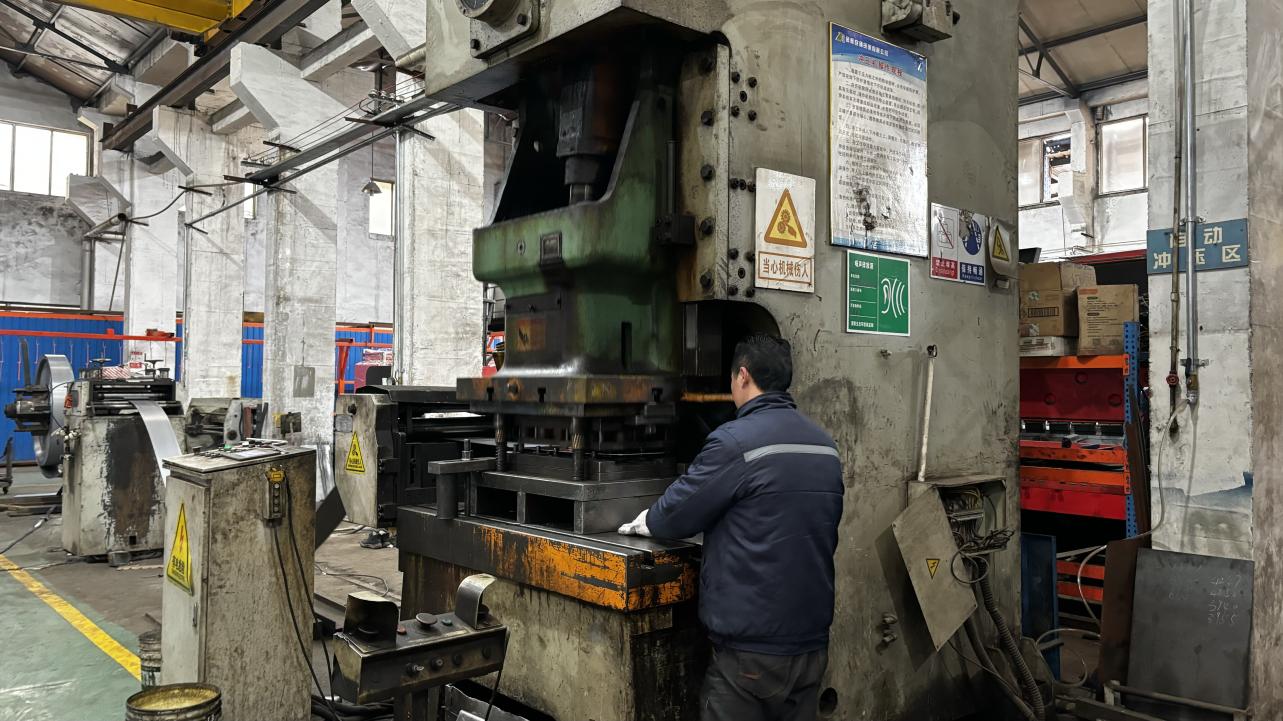
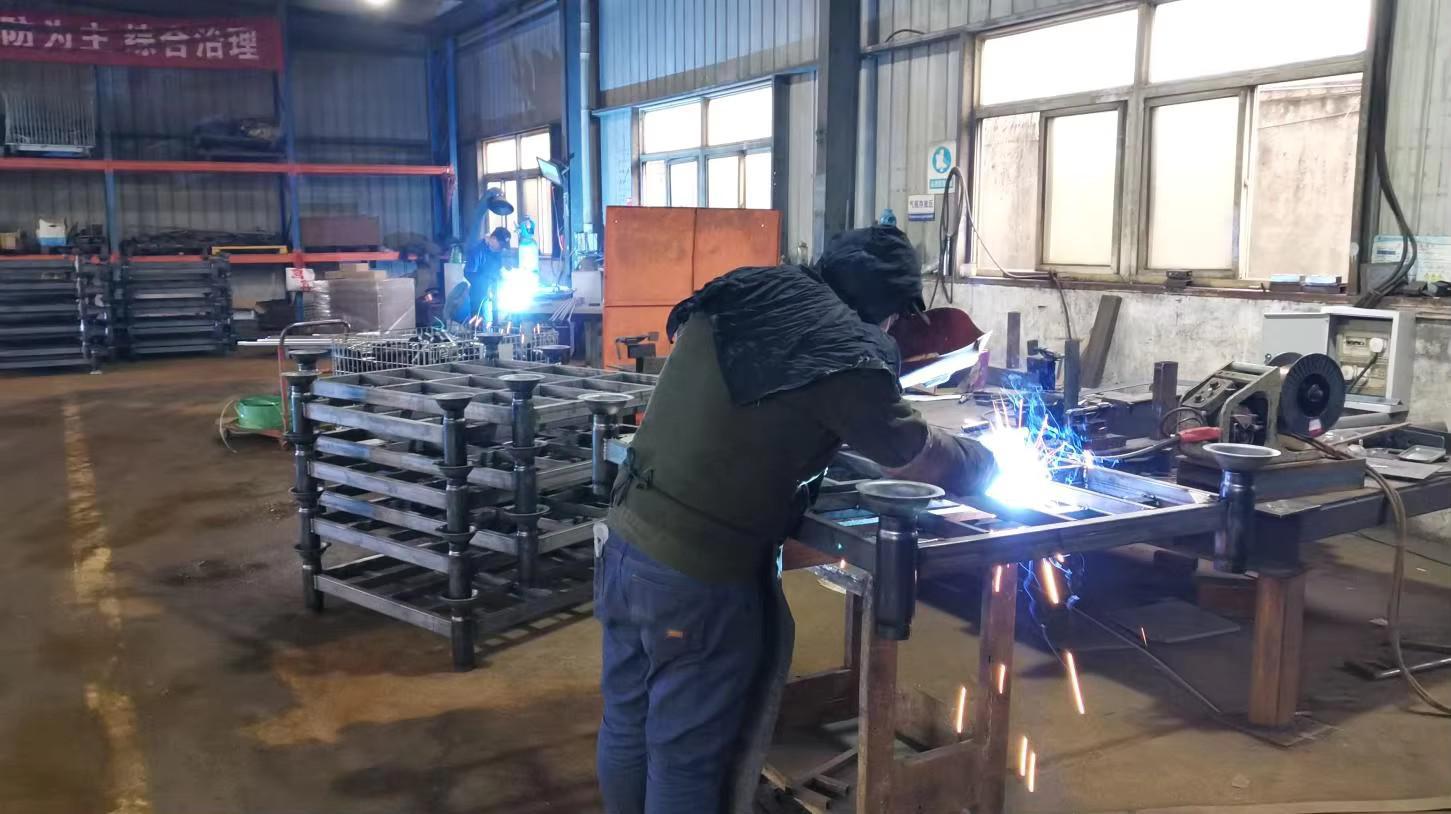
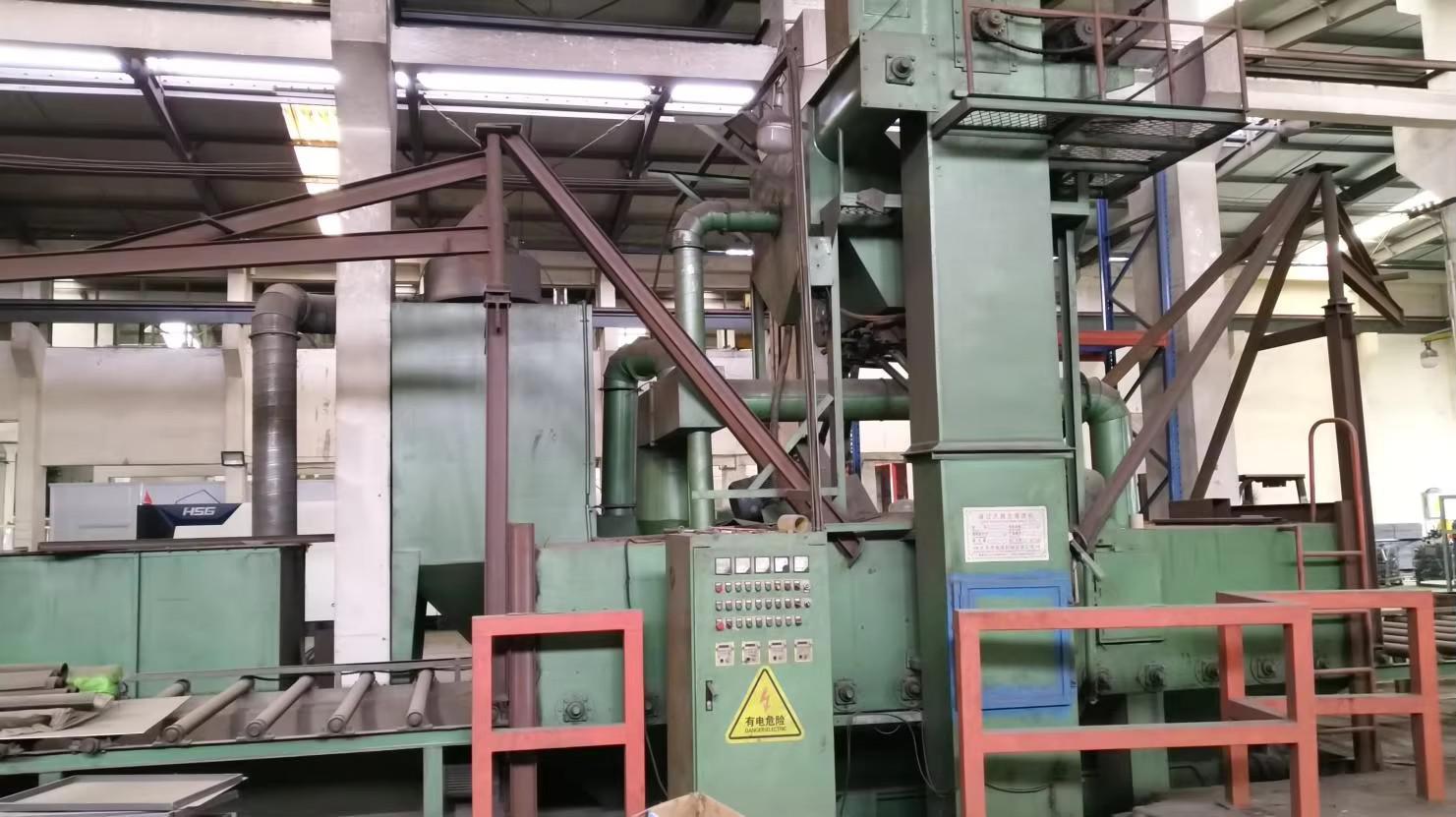
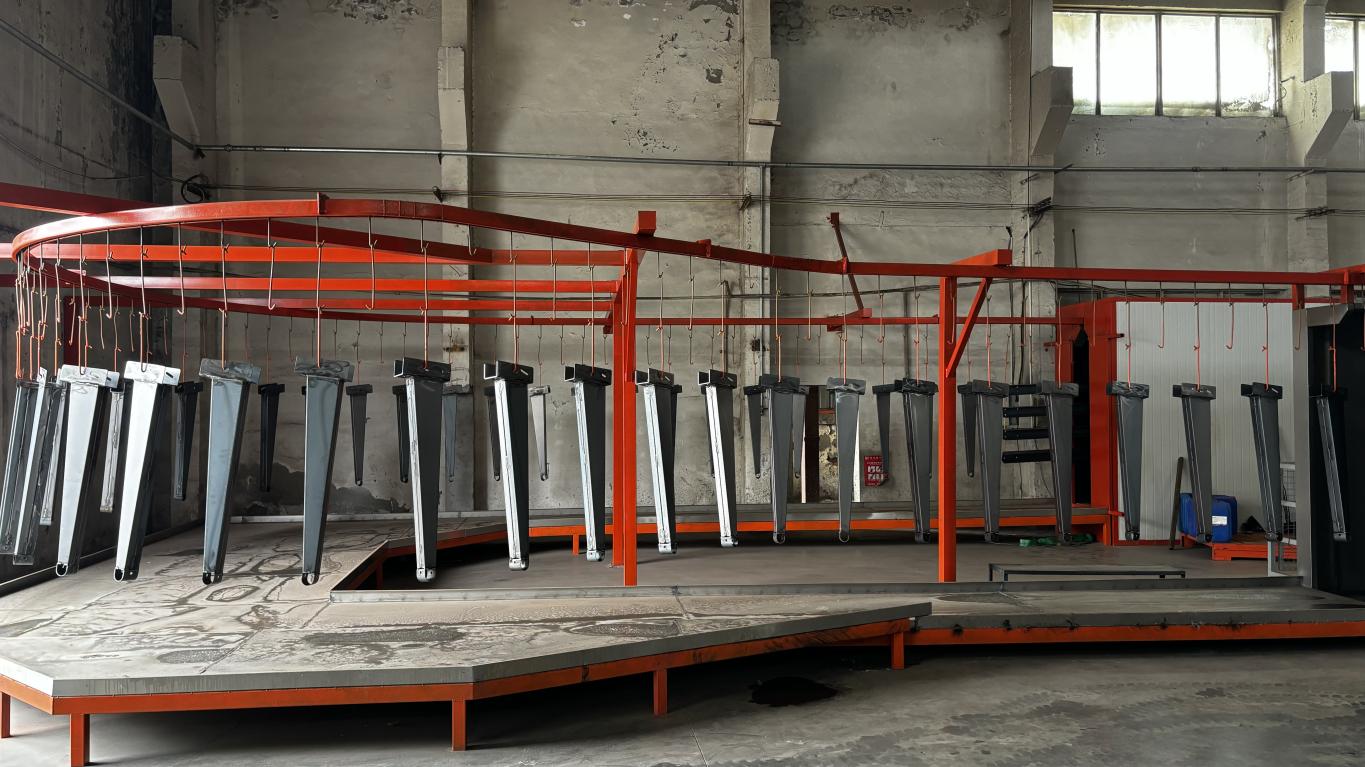
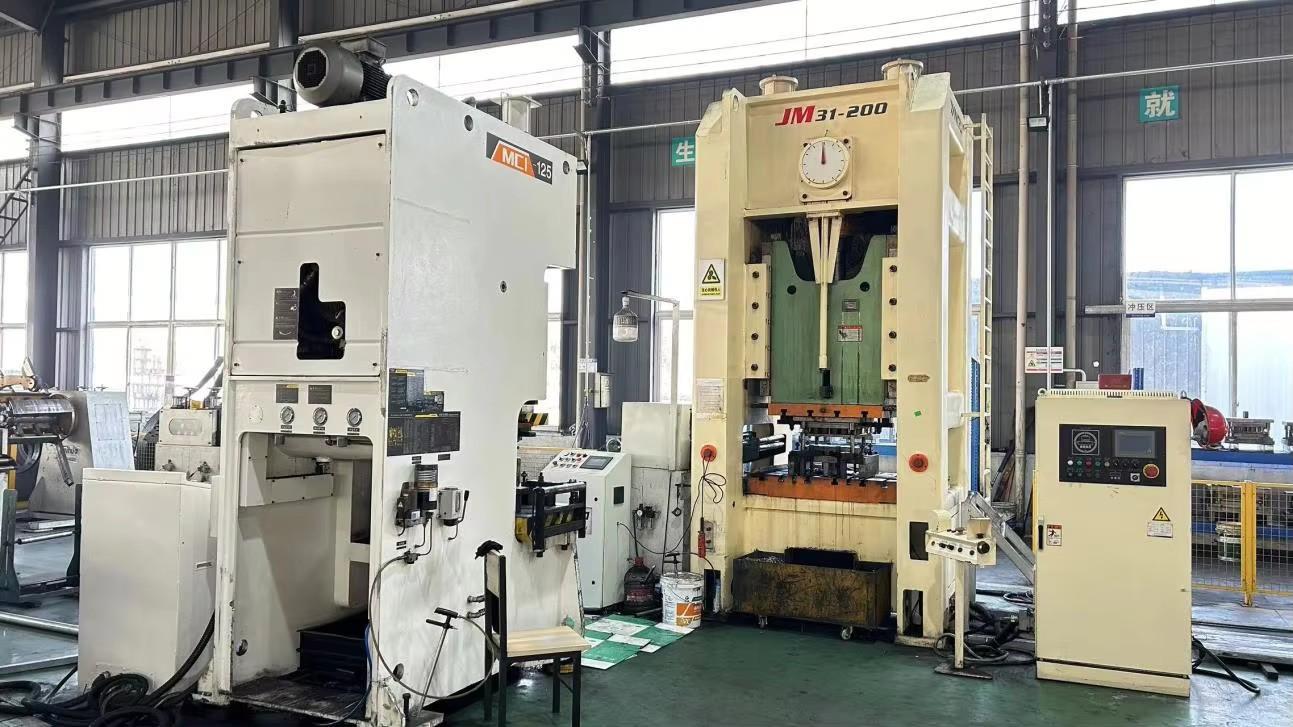
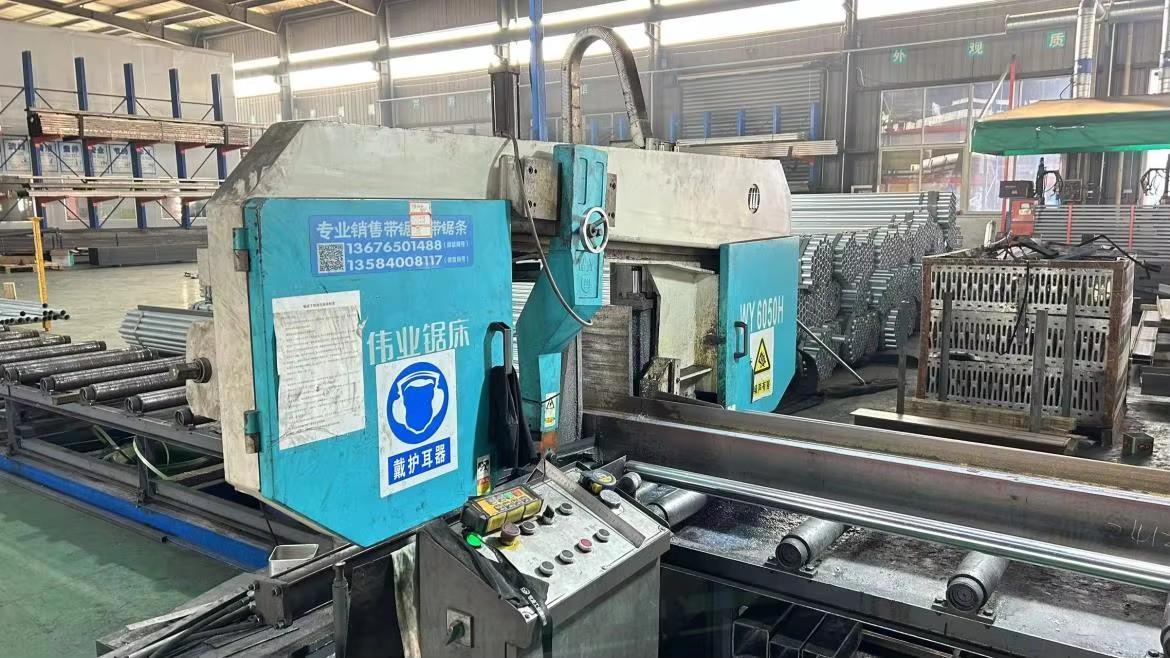
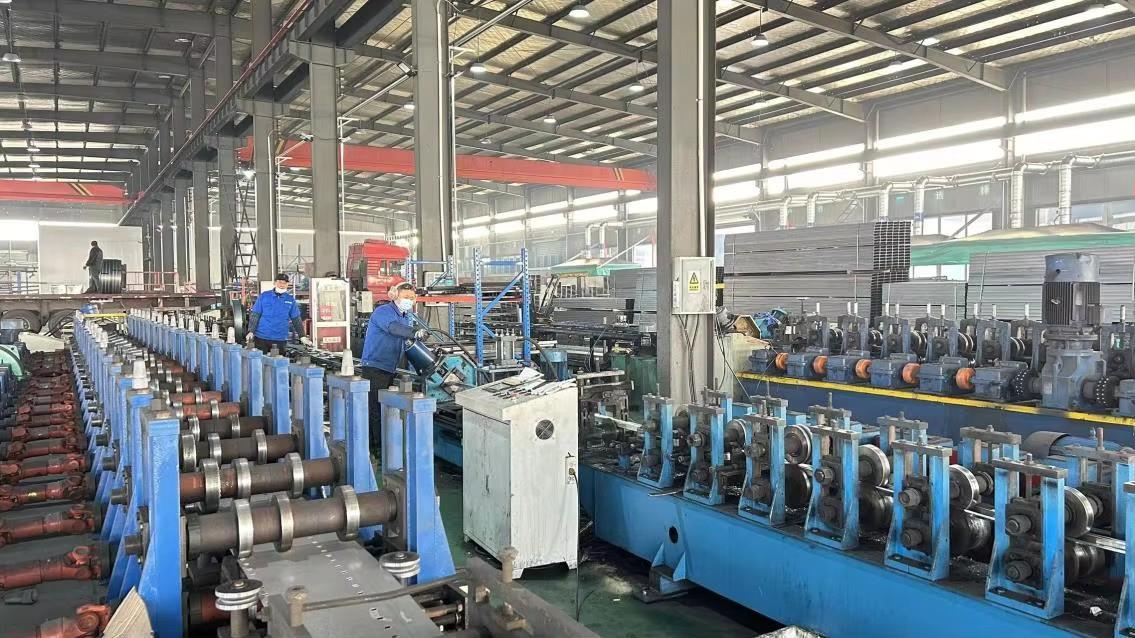
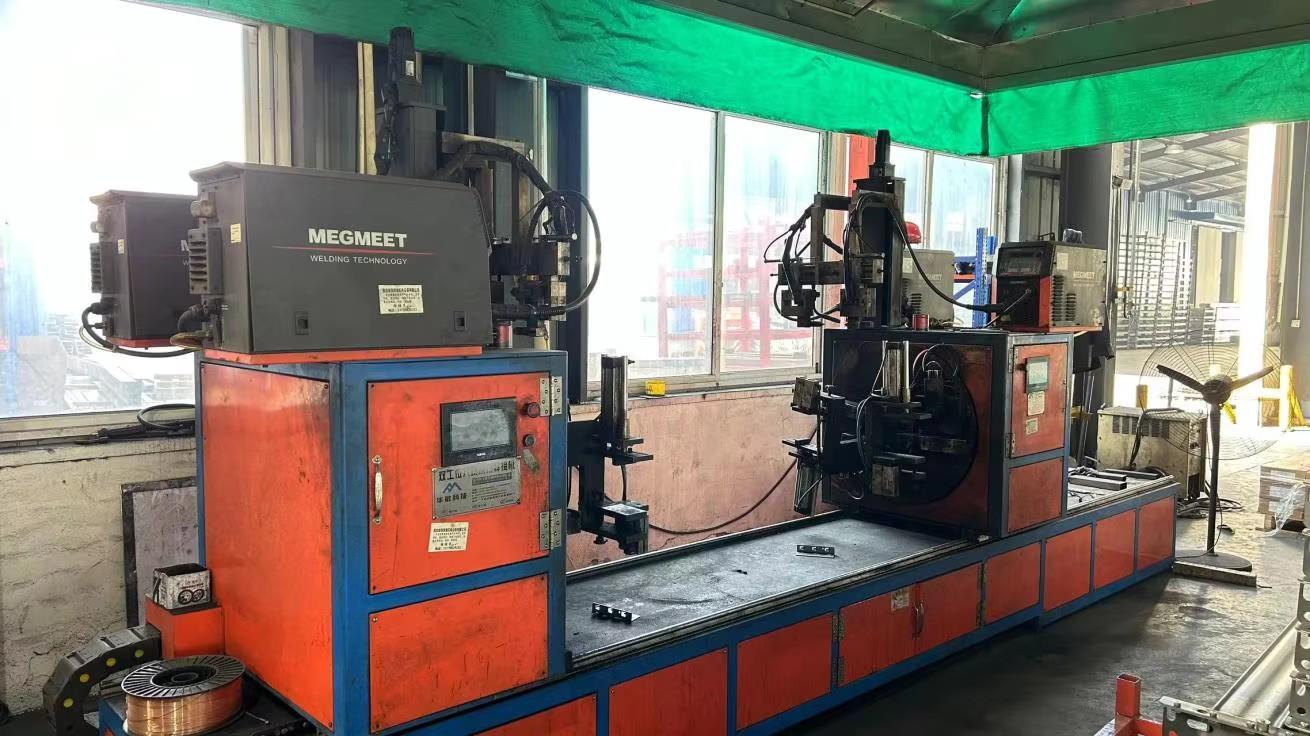
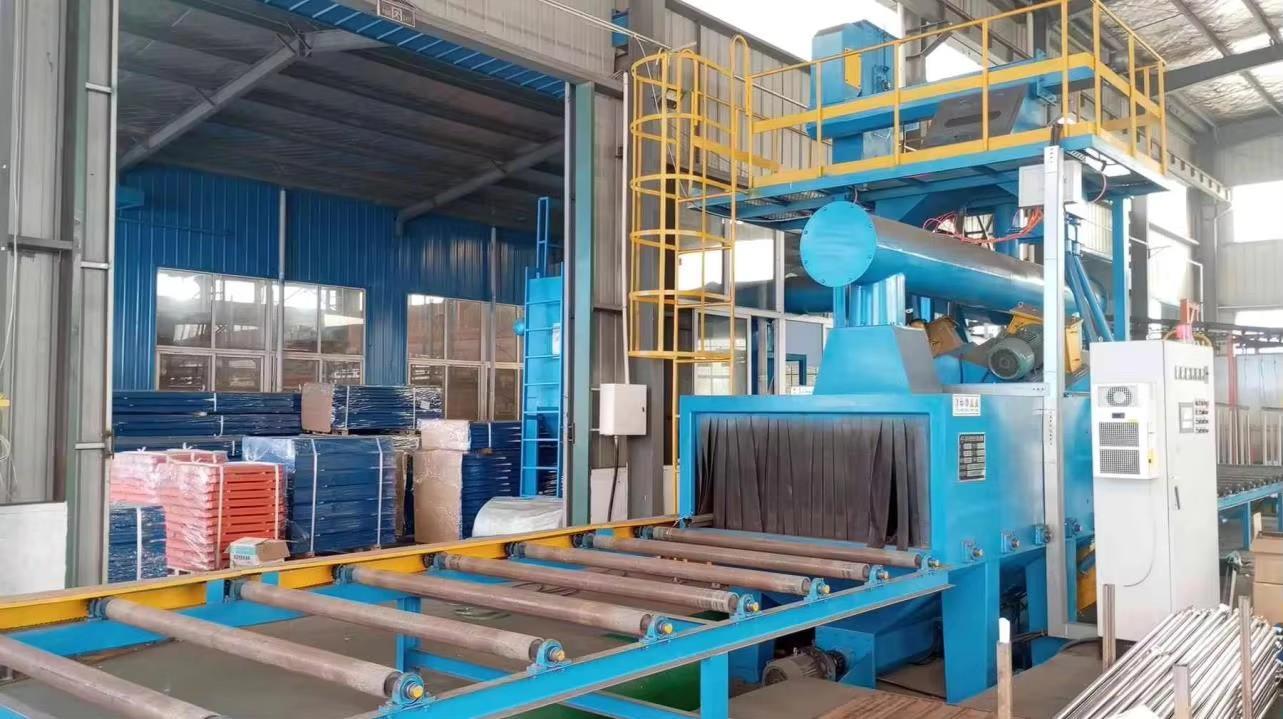
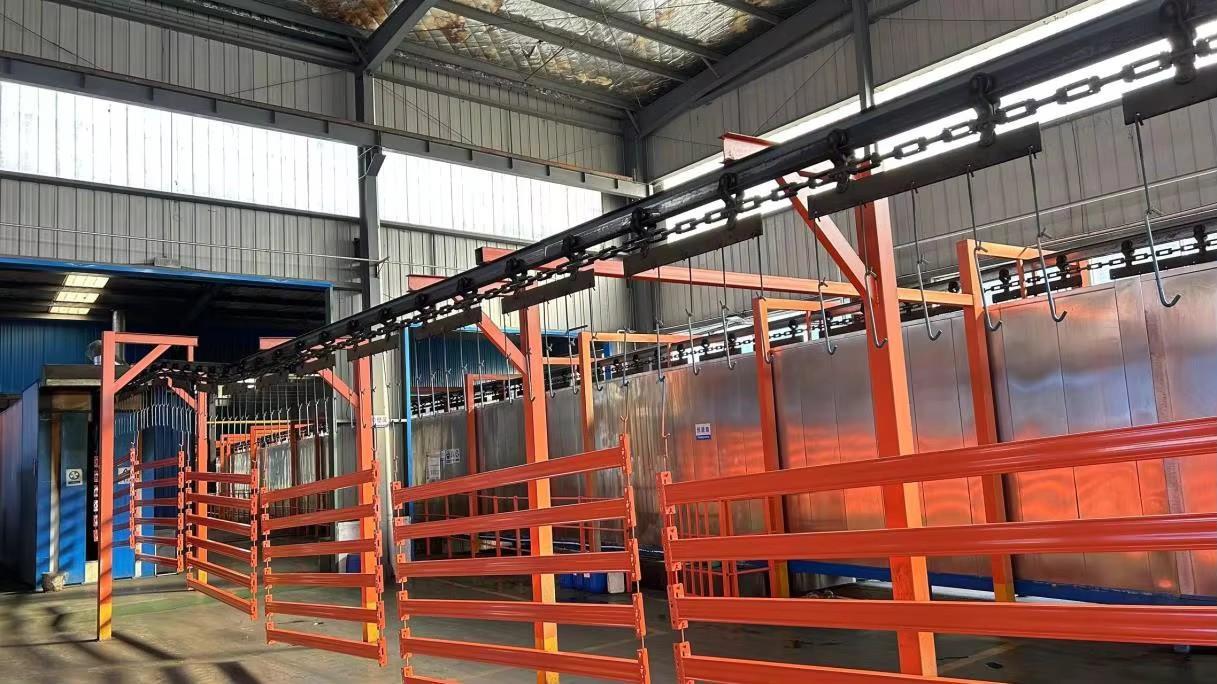
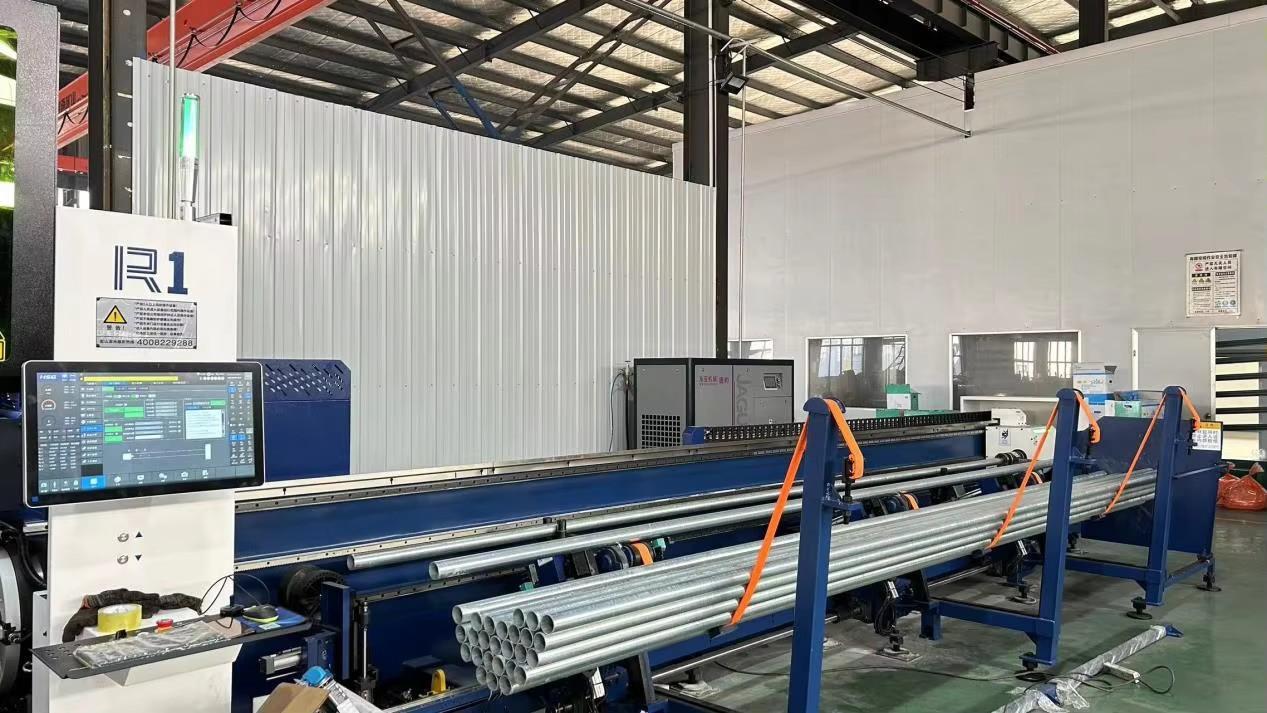
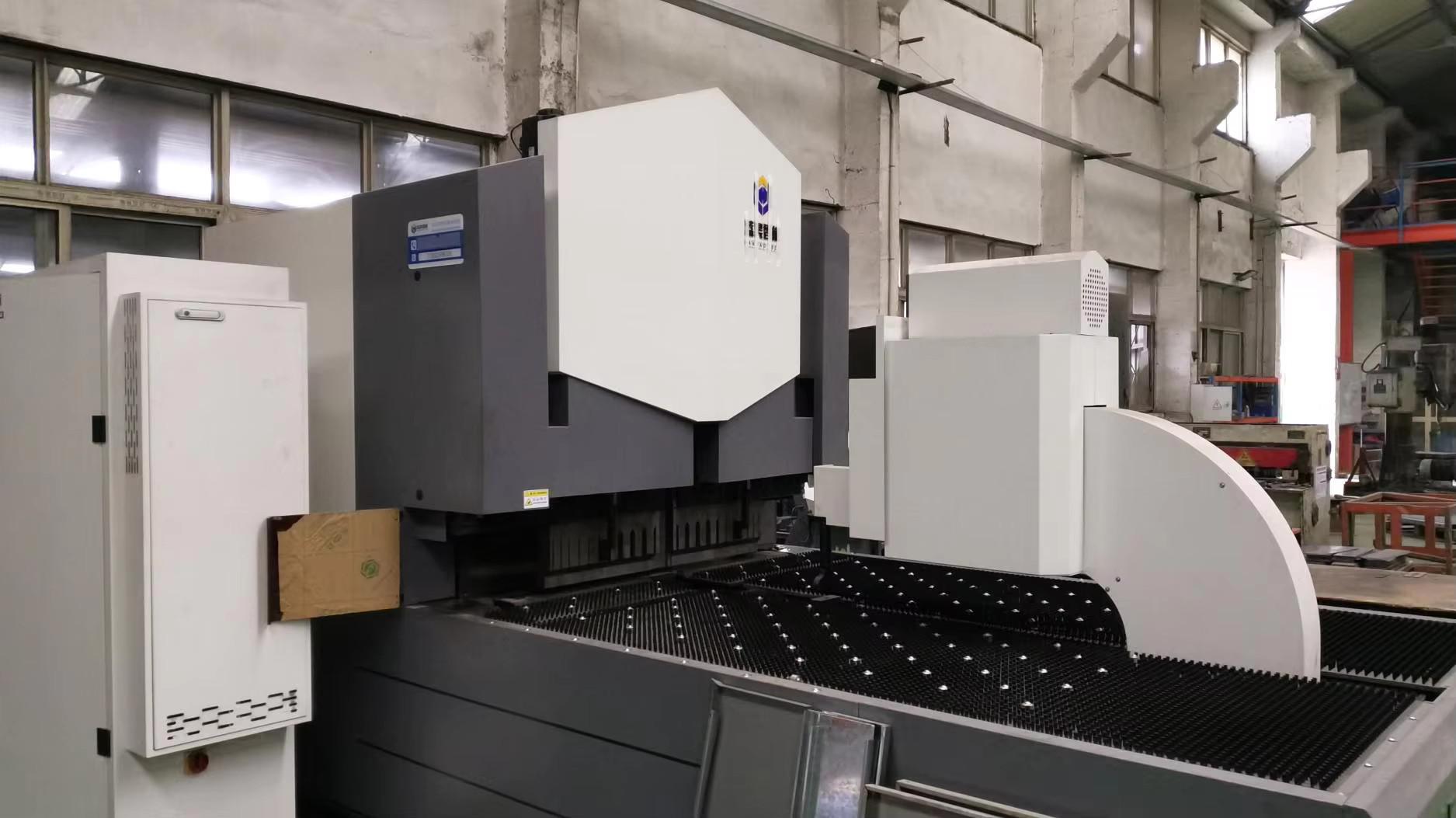
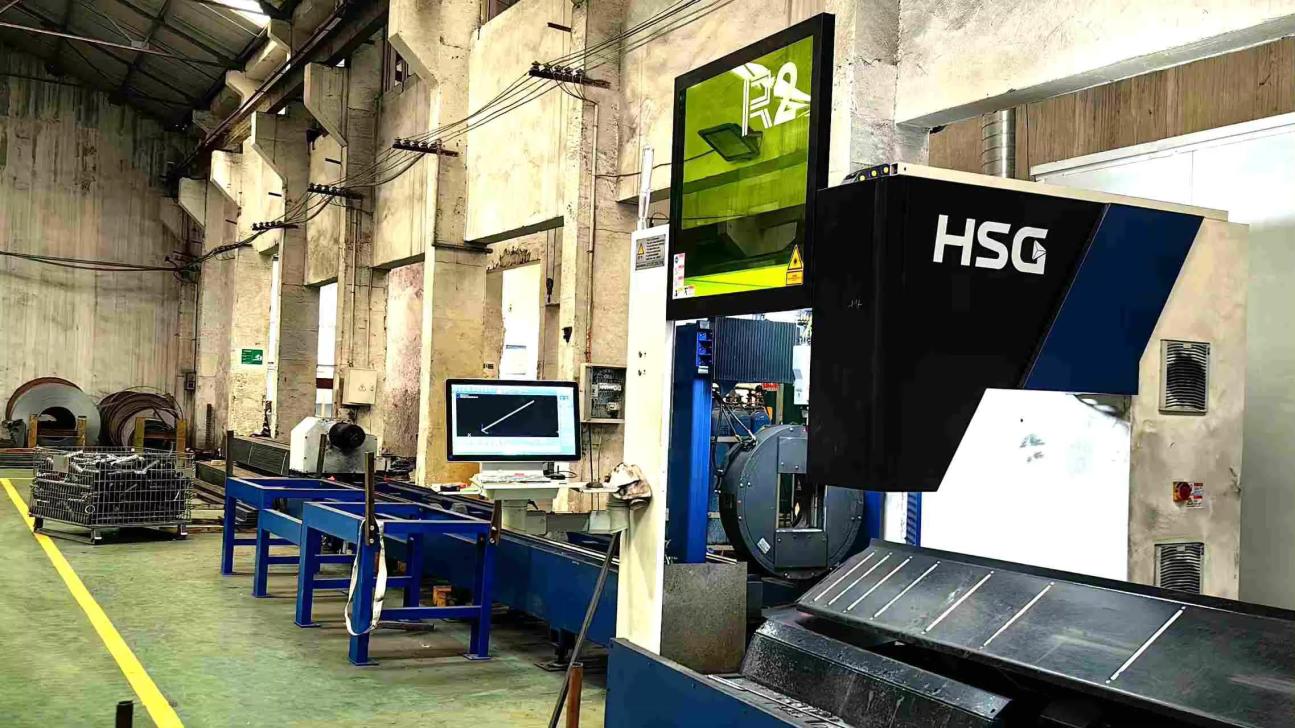
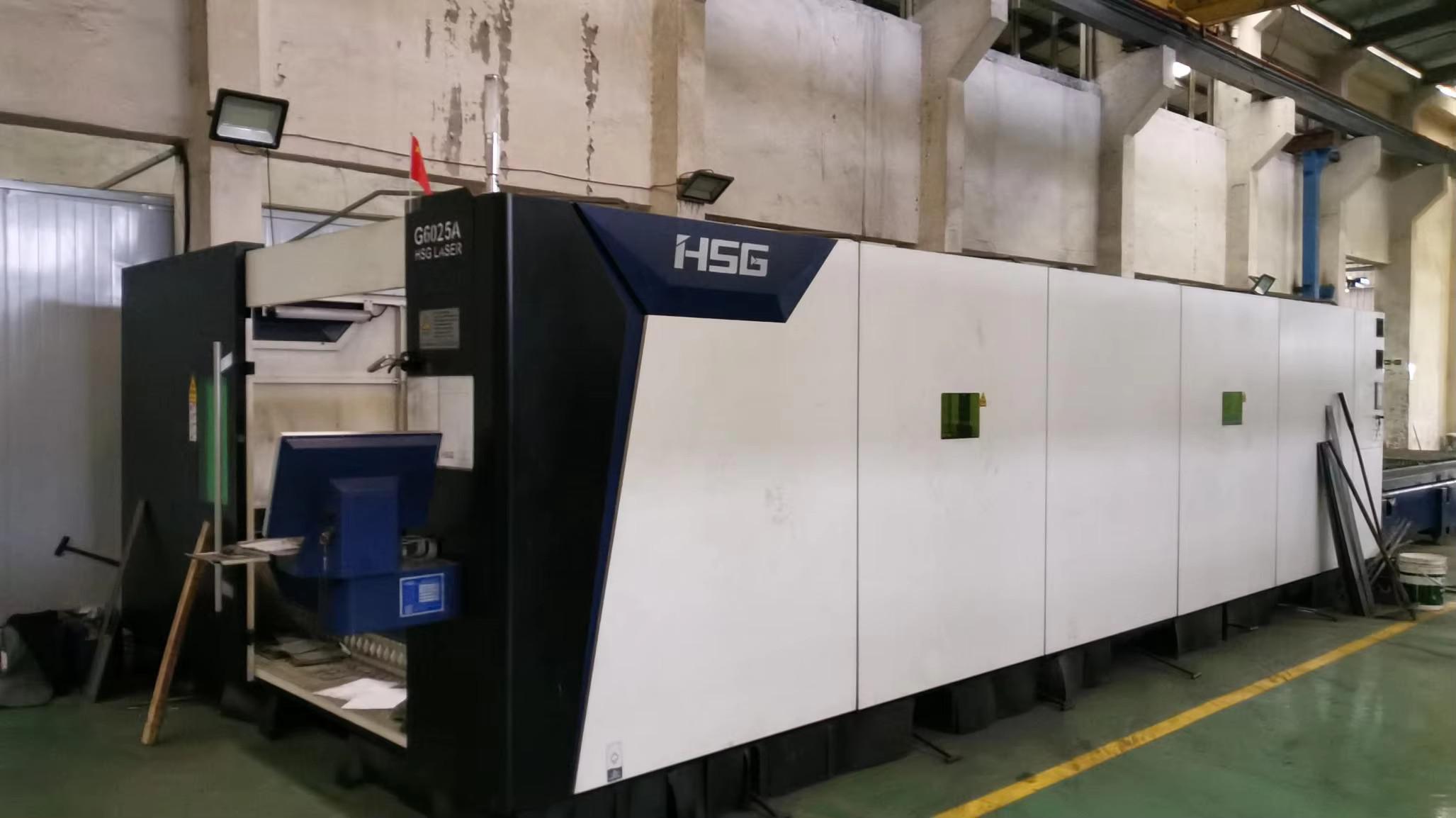
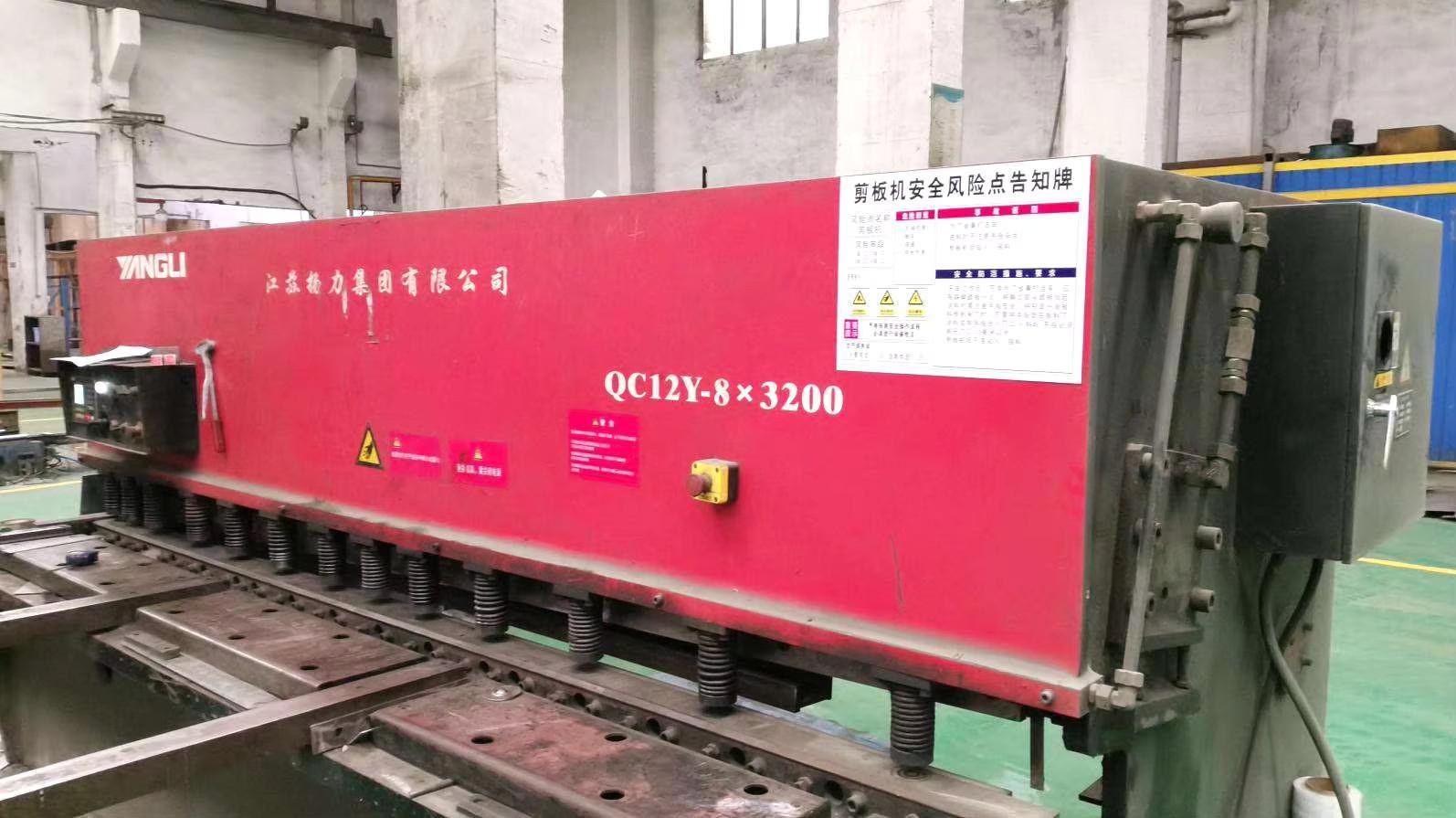
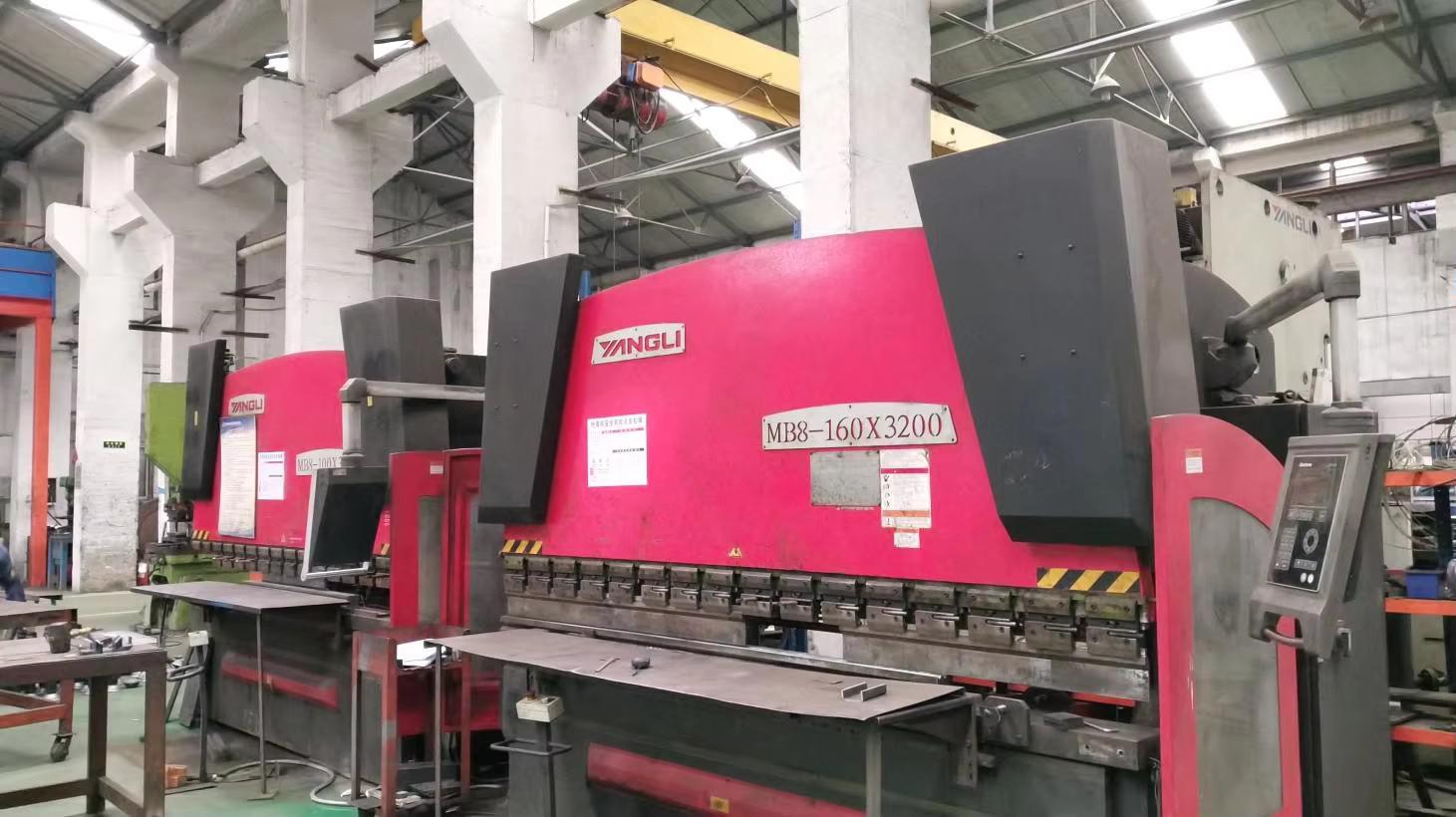
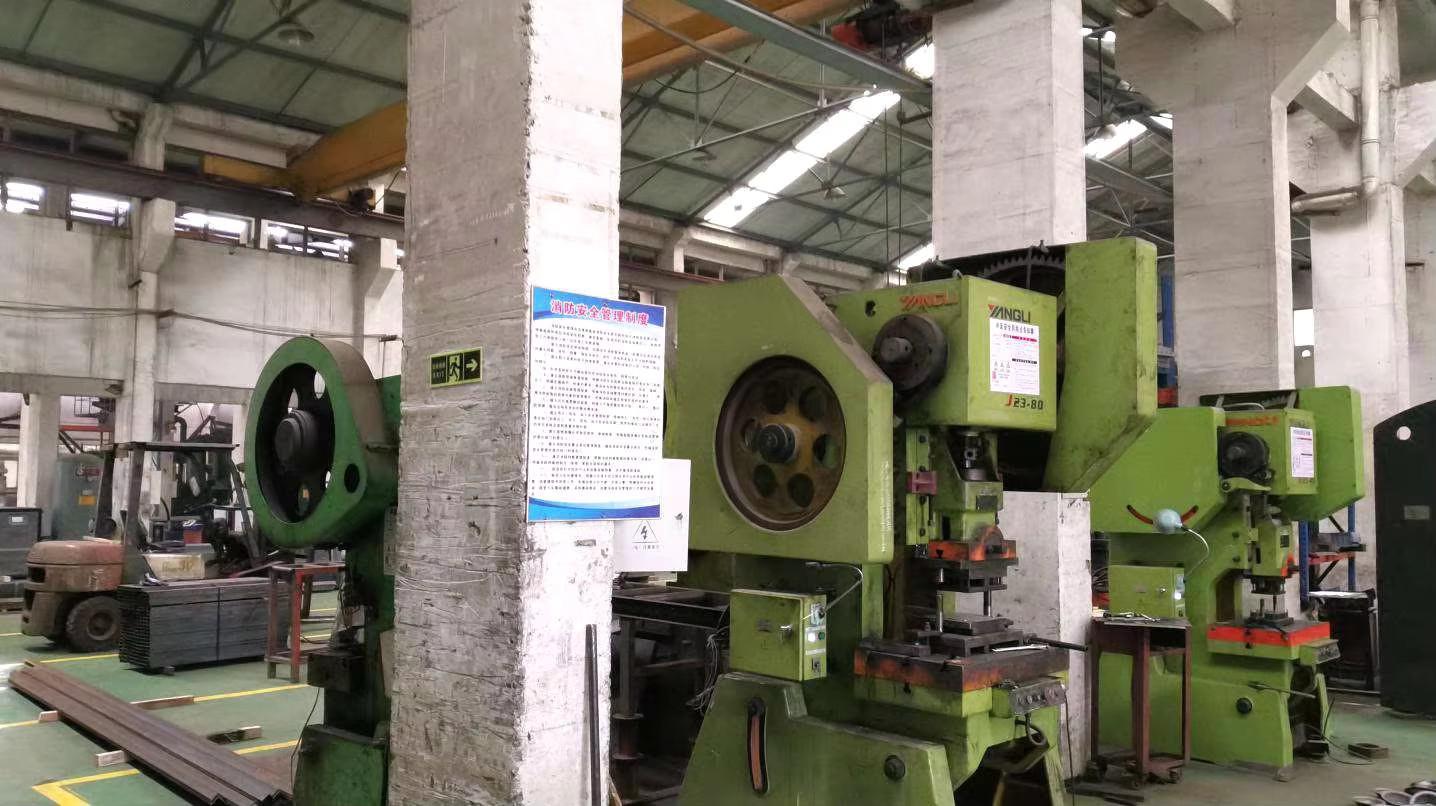
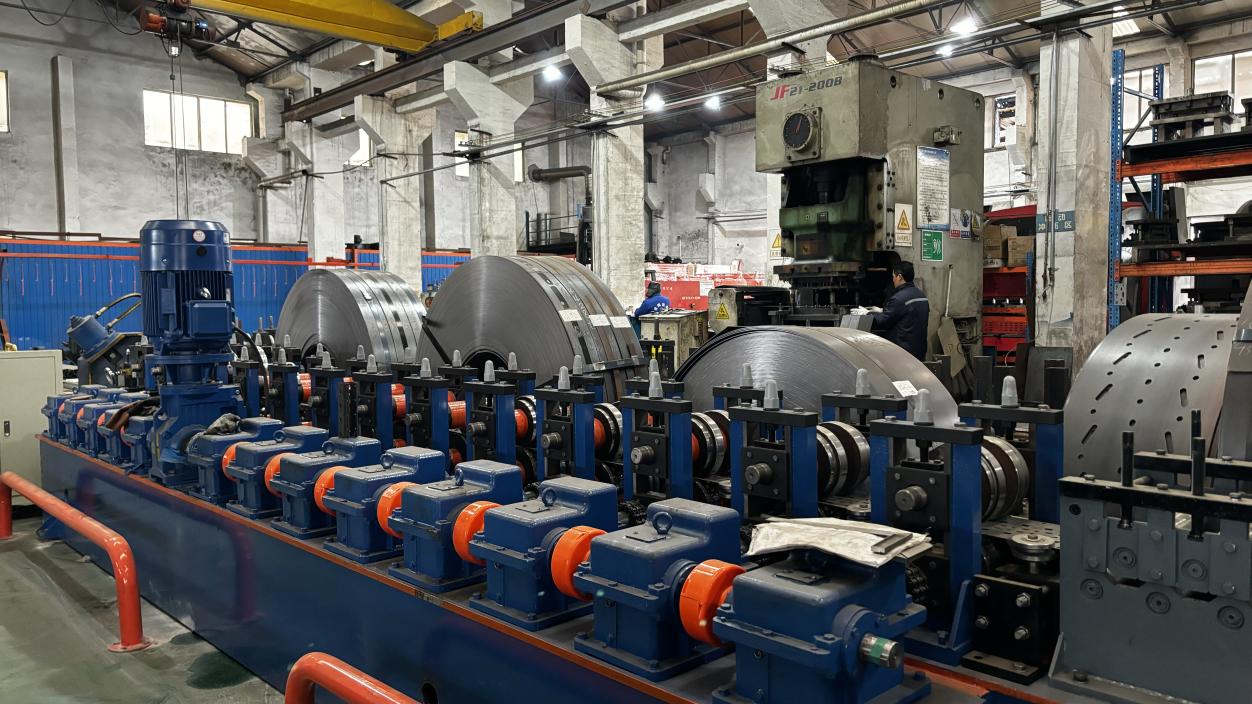
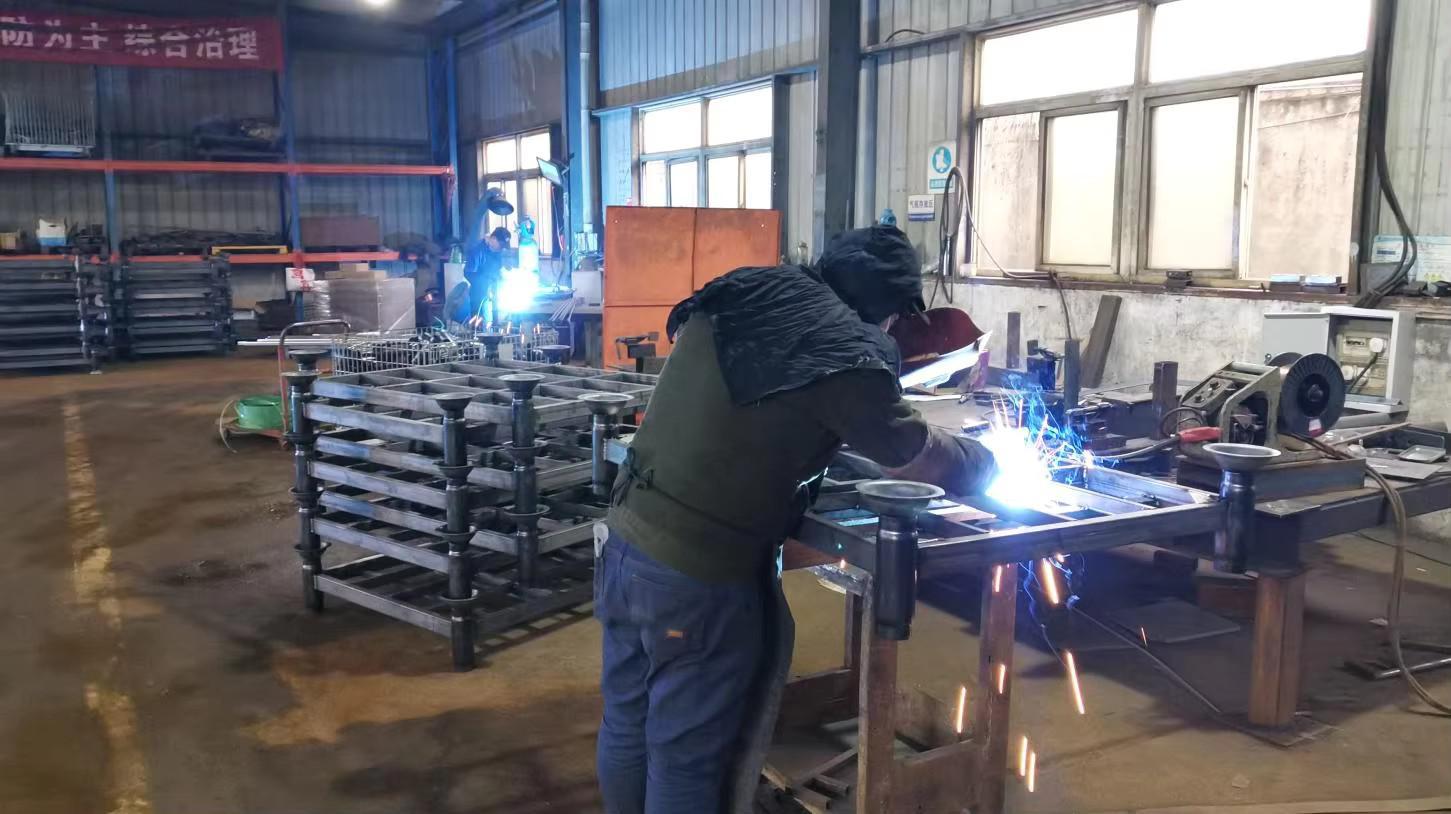
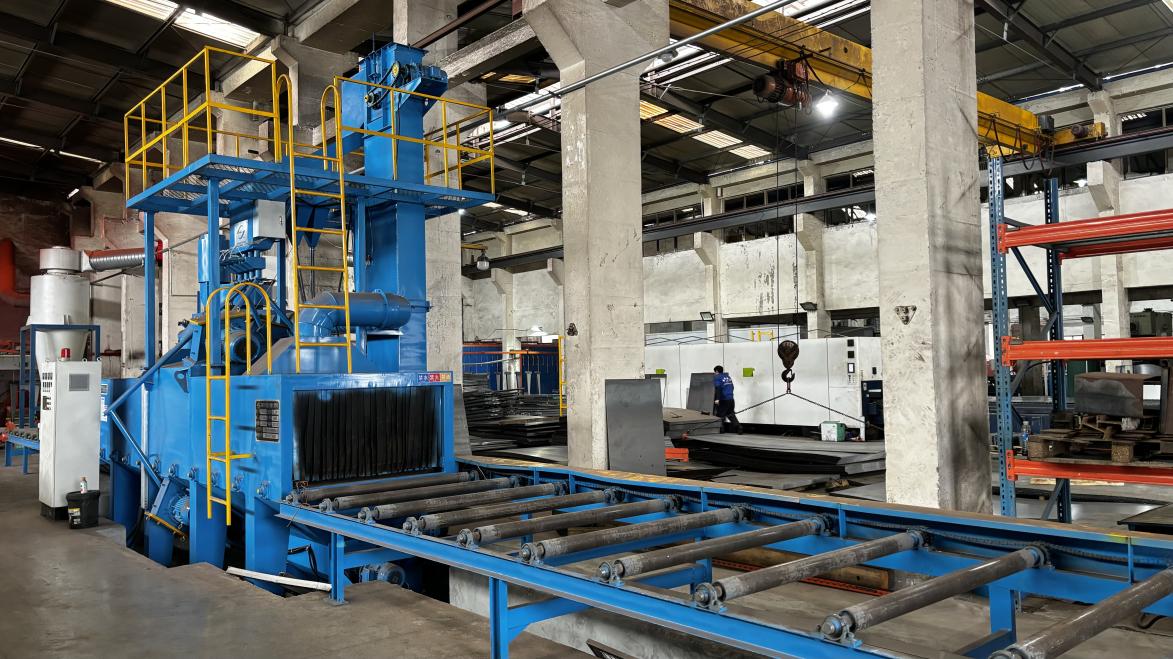
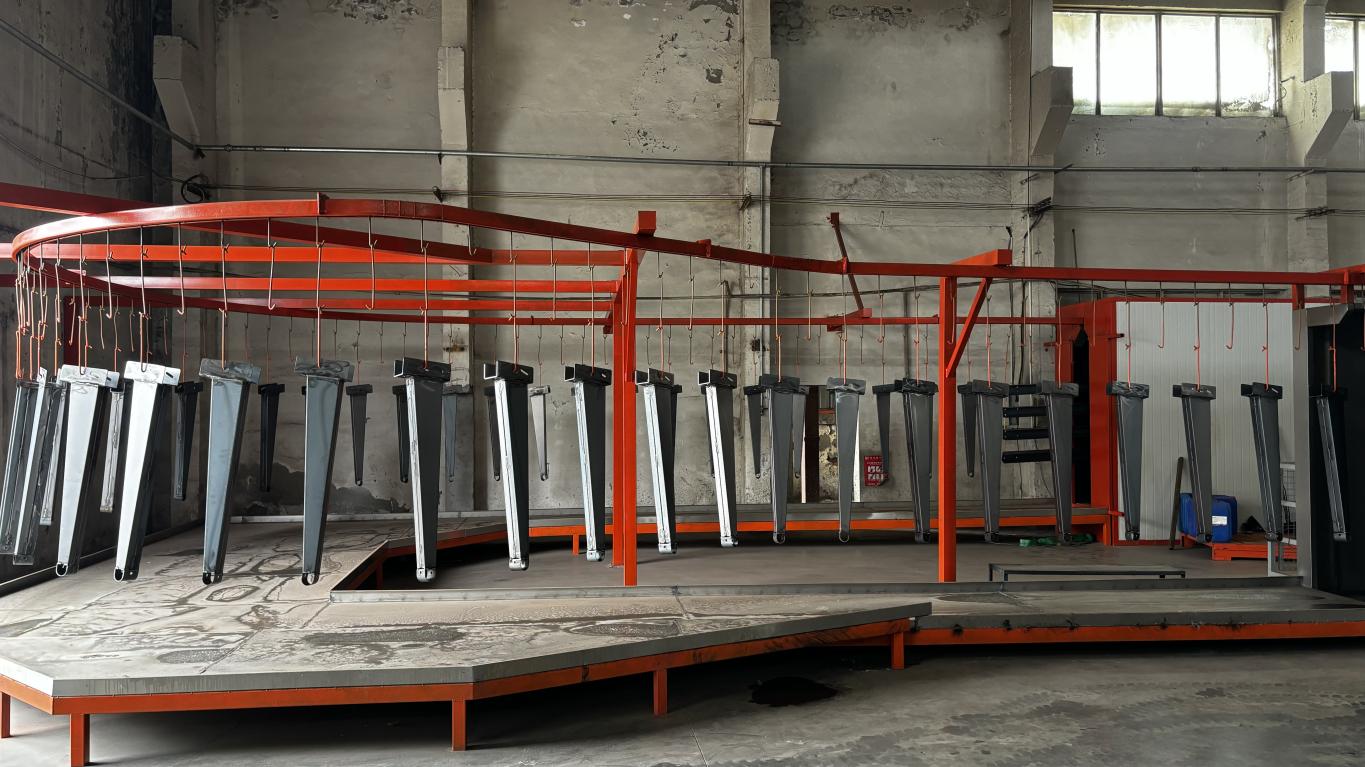
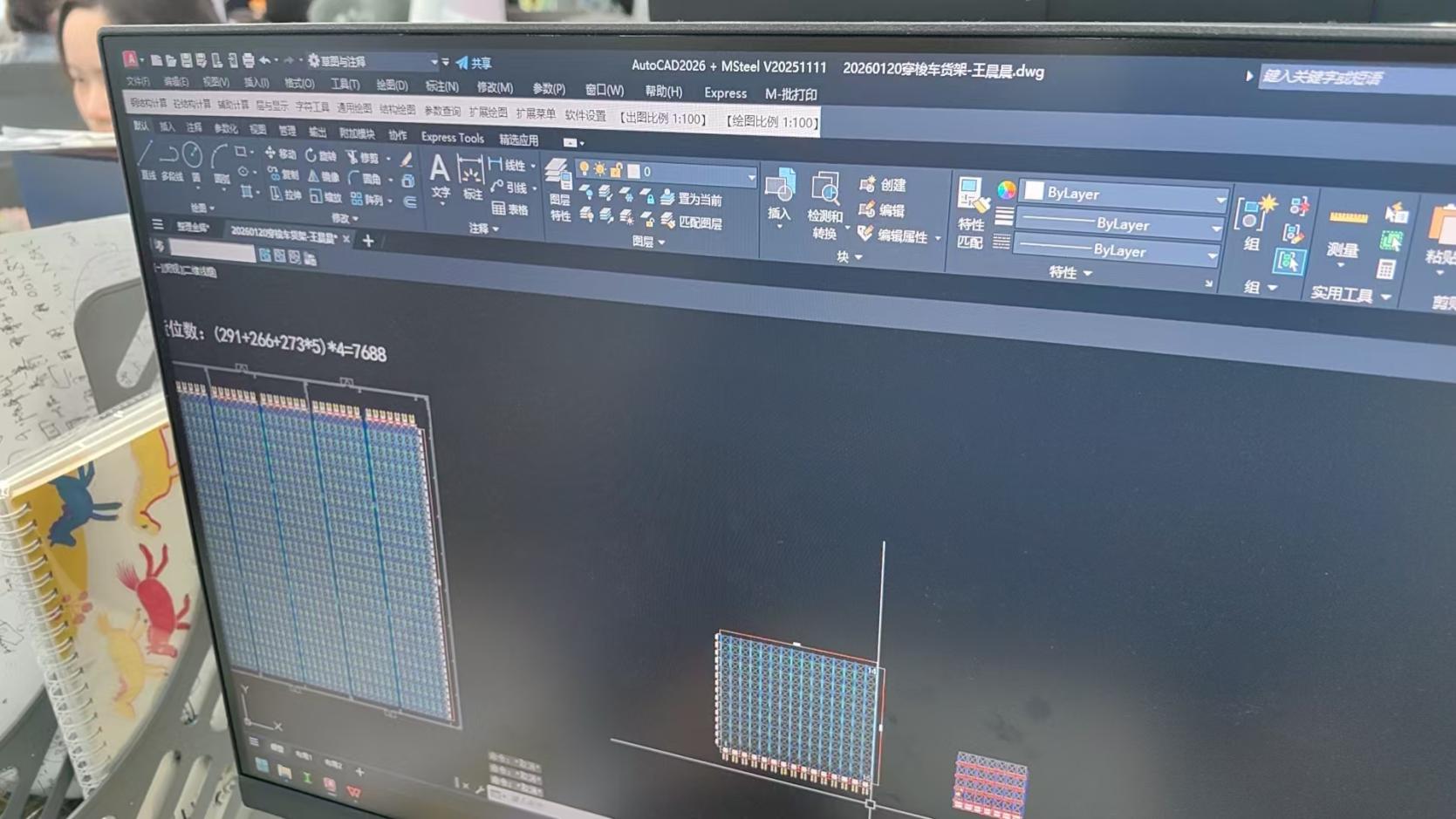
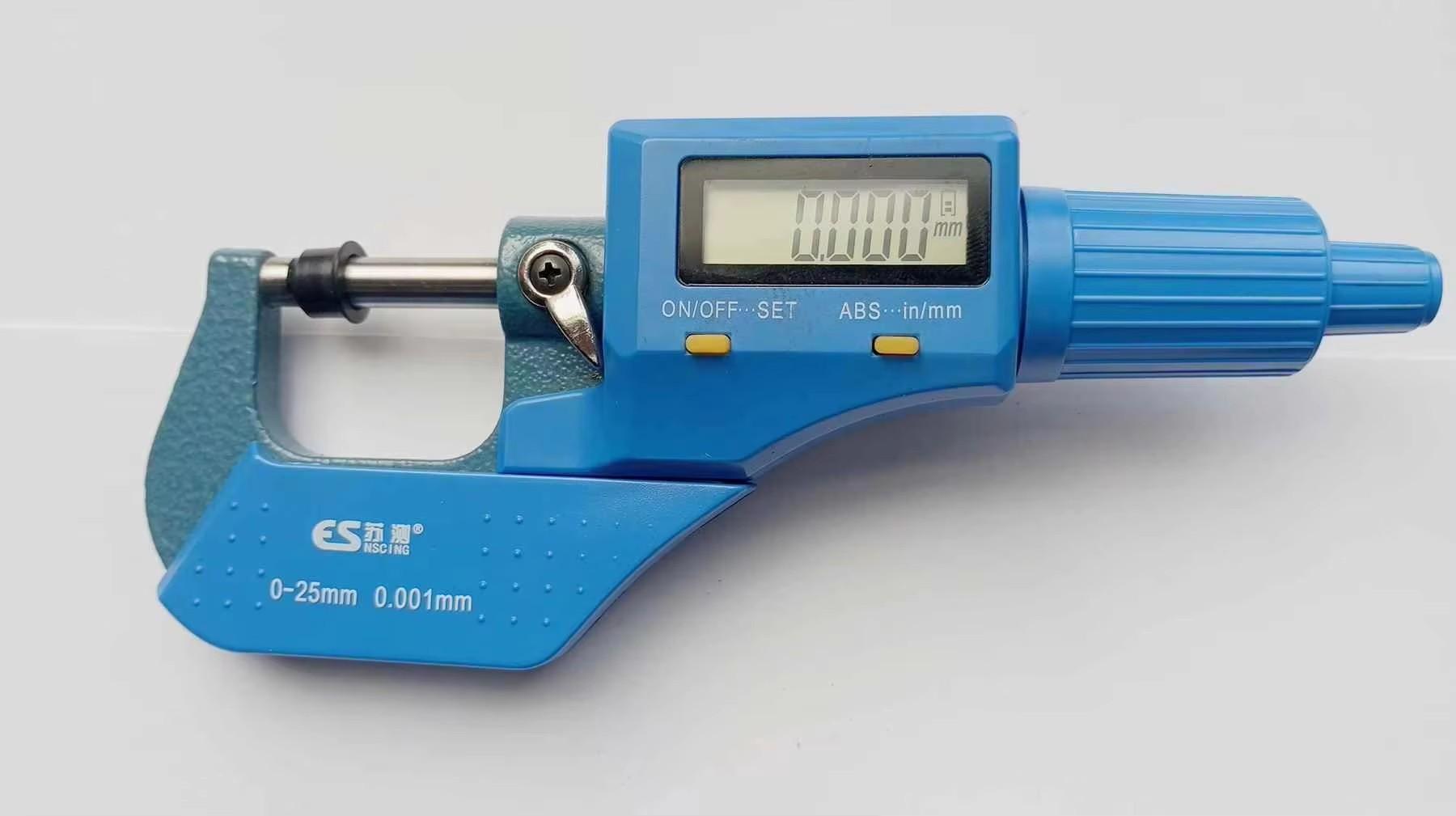
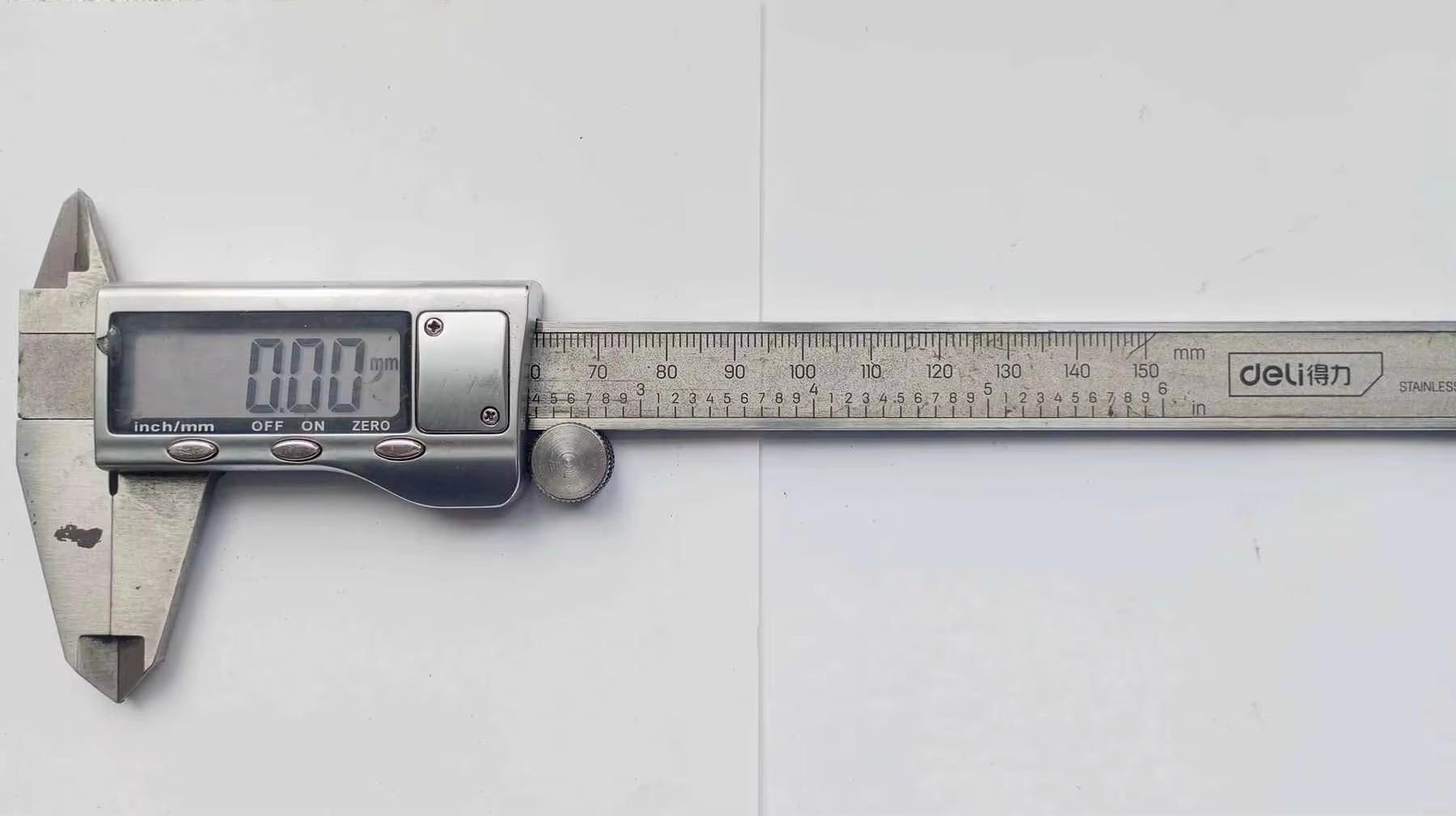
Quality is the foundation of our business. Our factory operates under a strict quality management system with ISO 9001 certification. Every production process is monitored carefully, and finished products undergo load capacity testing, dimensional inspection, coating thickness measurement, and welding strength inspection before shipment. Our professional quality control team consists of 46 experienced inspectors, ensuring consistent product quality and customer satisfaction.
We inspect raw materials upon arrival, verify intermediate punch holes for alignment, check dynamic track velocity on our test slope, and perform non-destructive testing on crucial structural joints. This systematic testing prevents on-site configuration issues and ensures safety under dynamic loads.

Supported by over 980 supply chain partners, we maintain stable material sourcing and efficient production schedules, allowing us to deliver projects on time while maintaining competitive pricing.
Our major customers include warehouse solution distributors, logistics companies, industrial manufacturers, retailers, wholesalers, engineering contractors, and e-commerce fulfillment centers across Europe, North America, Southeast Asia, Australia, South America, and the Middle East.
Jinhui has established a strong research and development team with 68 R&D engineers, providing OEM & ODM customized solutions based on warehouse layout, load requirements, and operational needs. Last year, our engineering team successfully launched 126 new products and upgraded storage solutions, demonstrating our continuous commitment to innovation.
Industrial storage design is shifting from static structures to dynamic, smart ecosystems. At Dongguan Jinhui, we are developing ways to integrate pallet flow lanes with automated guided vehicles (AGVs) and autonomous mobile robots (AMRs). Future designs will focus on smart components that monitor system performance in real time.
Integrating sensor-equipped rollers to monitor lane deceleration trends and identify rolling deviations or maintenance needs before they affect operations.
Adopting low-VOC, high-durability thermosetting powder coatings that resist abrasion from heavy pallet use, especially in cold storage environments.
Developing adjustable roller spacing to accommodate multiple international pallet types, reducing the need for system reconfigurations.
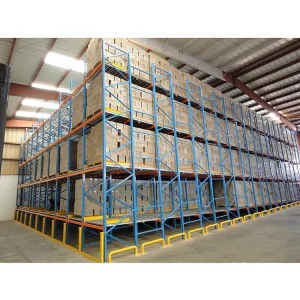
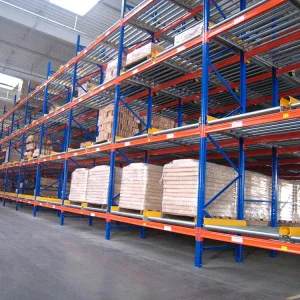
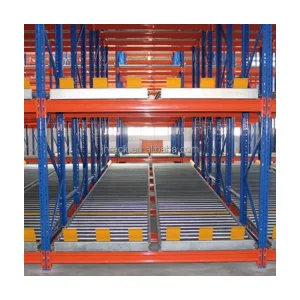
Explore our range of customizable, high-density storage configurations built for various warehouse layouts and load capacities.
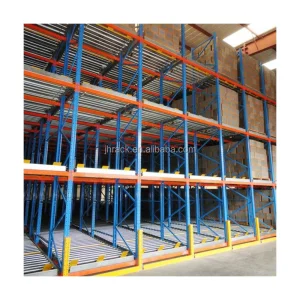
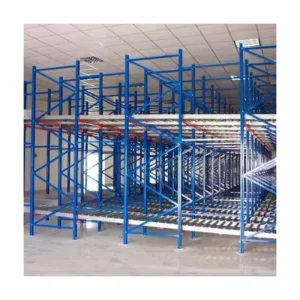
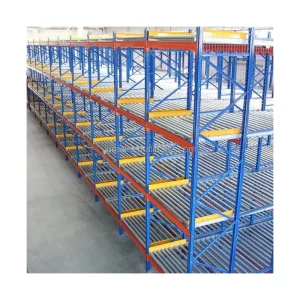
Find answers to common technical, design, and procurement questions about our dynamic gravity flow racking systems.
 Jinhui Storage Equipment