Pallet storage remains a pivotal aspect of logistics and supply chain management. According to a recent report by the Warehousing Education and Research Council, the global pallet market is projected to reach $104.4 billion by 2026. This significant growth underscores the increasing importance of effective pallet storage solutions globally. Industry experts emphasize the need for optimized space and efficient inventory management.
Renowned pallet storage expert, John Smith, once stated, "A well-structured pallet storage system can transform the efficiency of warehouse operations." This perspective resonates as businesses look for innovative storage solutions. The complexity of pallet configurations can create challenges, yet it also opens up opportunities for improvement.
As companies transition to modern practices, many face difficulties in scalability and adaptability. Reflecting on advancements, the need for tailored solutions becomes evident. Hence, as we delve into the top pallet storage solutions for global buyers in 2026, it is crucial to analyze current trends and potential bottlenecks. Understanding the right logistics technology can make a significant impact on overall performance.
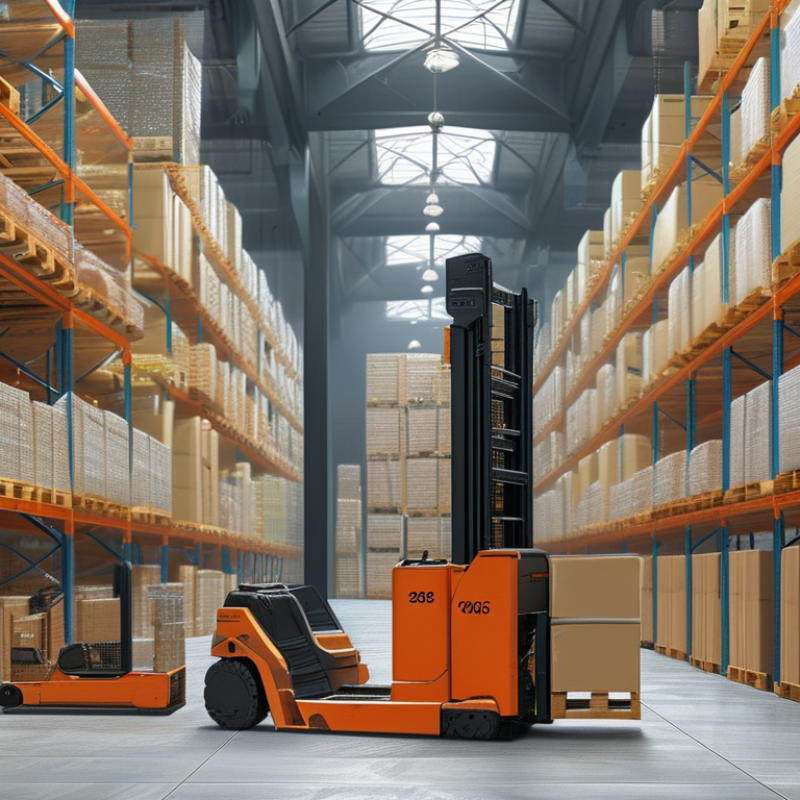
As we look ahead to 2026, pallet storage solutions are evolving rapidly. The demand for automated systems is rising. These systems promise efficiency and accuracy. Robotics in warehousing can reduce manual labor. This shift allows workers to focus on complex tasks. However, companies must ensure the integration process is smooth. Unexpected issues can arise with automation.
The trend towards sustainability is significant. Eco-friendly materials are becoming more popular in pallet design. This focus on the environment can enhance a company's reputation. Buyers are looking for solutions that minimize waste. It's essential to evaluate the overall lifecycle of pallet products. Not all "green" options are cost-effective initially. Long-term savings might be a more crucial factor.
Maintaining flexibility in storage solutions is vital. Adjustable racking systems offer adaptability for various pallet sizes. As inventory fluctuates, the ability to adjust will save space and money. Investing in training for staff on these new systems is also essential. Well-informed employees will make the transition smoother. Consider consulting with industry experts to avoid common pitfalls in this evolving landscape.
In the fast-paced logistics industry, efficient pallet storage systems have become crucial for operations. According to the latest industry reports, effective pallet storage solutions can increase warehouse space utilization by up to 40%. This improvement is significant, especially for businesses working with limited storage areas. The design of these systems often emphasizes versatility and scalability, allowing warehouses to adapt to changing inventory needs.
Key features of these solutions include adjustable racking systems. These systems provide flexibility, enabling businesses to rearrange their layouts based on inventory size and shape. Advanced technologies like pallet flow systems also enhance efficiency. These designs facilitate first-in-first-out inventory management, reducing the risk of stock obsolescence. However, some facilities may struggle with implementing these systems. Training personnel on proper usage remains a challenge in maintaining operational efficiency.
Another important aspect is the incorporation of automation technologies. Automated guided vehicles (AGVs) can streamline the picking process, further improving throughput. But with increased automation comes the need for consistent maintenance. Failure to monitor machinery can lead to costly downtimes. These reflections highlight that while efficient pallet storage systems offer significant benefits, careful planning and management are essential to fully realize their potential in modern warehouses.
Pallet storage solutions are crucial for efficiency in warehouses. A comparative analysis of global pallet storage brands reveals key trends and innovations shaping the market. For 2026, the focus is on durability, space optimization, and adaptability to various load types. According to industry reports, the global pallet market is projected to reach USD 80 billion by 2025. This growth emphasizes the need for robust and effective storage solutions.
Materials matter. Many brands are shifting toward lighter yet stronger materials. This approach reduces costs while enhancing load capacity. For instance, plastic pallets are gaining traction due to their resistance to moisture and contamination. However, they can be more expensive upfront compared to wood alternatives. Users should evaluate their specific needs carefully.
Investing in technology assists in optimizing pallet management. Automation and data analytics can enhance inventory accuracy. However, the adaptability of these systems remains a challenge for some businesses. Not every operation can seamlessly integrate high-tech solutions. Balancing investment and practicality is essential for sustainable growth in pallet storage.
As sustainability becomes a primary focus, modern pallet storage solutions are adapting to meet environmental concerns. Various reports indicate that around 40% of logistics companies prioritize sustainable practices in their operations. The shift towards eco-friendly materials is evident, with an increasing number of businesses opting for recyclable pallets and storage systems that minimize waste.
Recent data shows that implementing sustainable pallet solutions can reduce carbon footprints significantly. For instance, companies that adopt reusable pallets may decrease their environmental impact by as much as 30%. Innovative systems now integrate energy-efficient technologies, further enhancing their sustainability profile. However, some organizations struggle to fully commit to these practices, often citing costs and logistical challenges related to transitioning to greener alternatives.
Moreover, while many companies are keen on adopting better practices, they often fall short in execution. An industry survey found that only 25% of firms actively progress towards their sustainability goals. Issues such as inconsistent supply chain management and limited knowledge about available eco-friendly options hamper efforts. Reflecting on these challenges, it's clear that the path to truly sustainable pallet storage requires ongoing effort and a commitment to continuous improvement.
The landscape of pallet storage is undergoing significant transformation. Advances in technology are redefining efficiency and space management. According to a recent report by the Material Handling Industry of America (MHIA), automated storage systems can improve inventory accuracy by up to 99%. This level of precision is crucial in a global market where every mistake can cost money and time.
Each innovation introduces new challenges. While automated guided vehicles (AGVs) and robotics reduce labor costs, they require expensive initial investments. Many organizations face difficulties in adapting workforce skills to operate new systems. For instance, a study by the Warehouse Education and Research Council (WERC) revealed that 30% of warehouses lack the necessary skills to manage automation effectively.
Sustainability also plays a critical role in pallet storage solutions. Eco-friendly materials and energy-efficient systems are essential. Reports indicate that up to 70% of buyers prioritize sustainability. However, the transition to greener options can be complex and may not yield immediate benefits. Balancing sustainability with efficiency is an ongoing challenge for organizations aiming to stay competitive in the ever-evolving market.
: They can increase warehouse space utilization by up to 40%. This is crucial for businesses with limited areas.
Automation improves efficiency but requires consistent maintenance. Neglecting machinery can lead to costly downtimes.
Adjustable racking systems allow layouts to be rearranged based on inventory size and shape.
Sustainable solutions can significantly reduce carbon footprints. Companies adopting them may decrease their impact by 30%.
Costs and logistical issues often hinder the transition to greener alternatives.
Training personnel is essential for operational efficiency but often presents significant challenges in many facilities.
Automated systems can improve inventory accuracy by up to 99%. Precision is crucial in the logistics industry.
Many lack the necessary skills to manage new systems. This gap can hinder the effectiveness of automation.
It is complex and requires ongoing commitment and effort. Many companies struggle to execute their sustainability goals.
Approximately 70% of buyers prioritize sustainability in their choices. However, transitioning can be daunting.
The article titled "2026 Top Pallet Storage Solutions for Global Buyers" explores key advancements and trends in pallet storage systems leading up to 2026. It highlights emerging trends in pallet storage, emphasizing the need for efficiency and the integration of sustainable practices. The piece analyzes essential features that define high-performance pallet storage solutions, ensuring optimal space utilization and accessibility.
Furthermore, it underscores the importance of sustainability in modern pallet storage practices, advocating for eco-friendly materials and processes. Technological innovations, such as automated systems and smart inventory management, are also discussed as pivotal in shaping the future of pallet storage. This comprehensive overview serves as a guide for global buyers looking to implement effective and sustainable pallet storage solutions in their operations.
Jinhui Storage Equipment