Warehouse efficiency can significantly impact business success. Mezzanine Storage has emerged as a solution to optimize space and enhance operations. According to a report by the Material Handling Industry of America (MHIA), efficient space utilization can increase storage capacity by up to 100%. This means businesses can handle more inventory without expanding their footprint.
Mezzanine Storage offers multiple benefits. It maximizes vertical space, allowing for additional floors of storage. This can lead to a 50% increase in usable storage area. Moreover, it improves workflow efficiency. Employees can access goods quickly, reducing picking times. In a sector where every second counts, these enhancements are crucial.
However, Mezzanine Storage is not without its challenges. Some businesses may face initial installation costs and structural assessments. Regular maintenance is also necessary to ensure safety and compliance. Evaluating these factors is essential for organizations looking to implement this storage solution. Balancing the advantages and potential drawbacks can lead to informed decisions in optimizing warehouse operations.
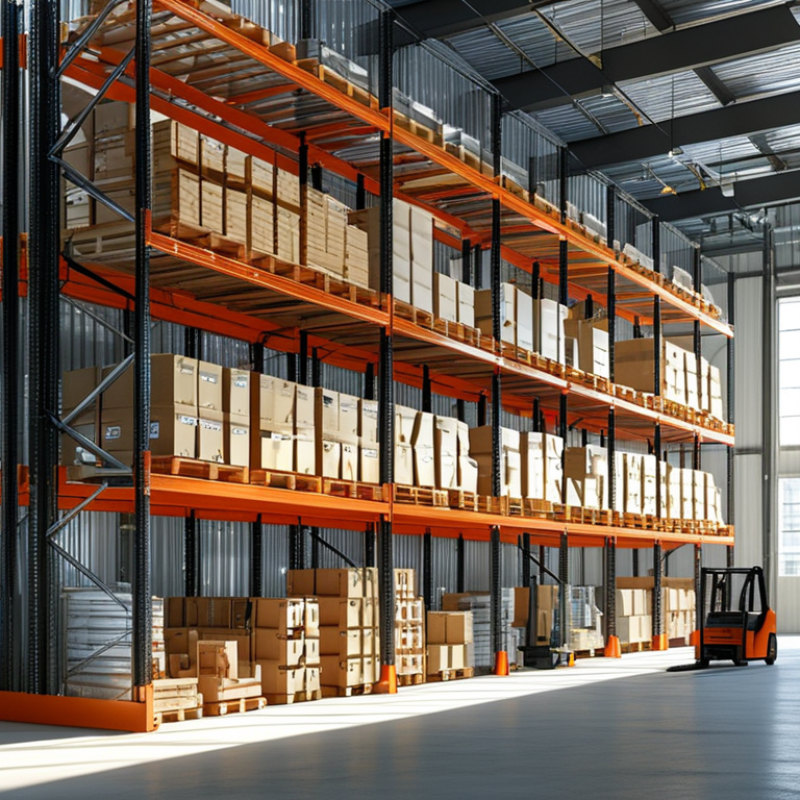
Mezzanine storage is a versatile solution growing in popularity among warehouses. It maximizes vertical space, allowing businesses to utilize areas that usually remain empty. This type of storage can significantly enhance inventory management by providing additional levels for storing goods. By optimizing space, warehouses can accommodate larger inventories without expanding their footprint.
Implementing mezzanine systems can be complex. Choosing the right configuration is crucial. Each warehouse has unique dimensions and needs. Therefore, careful planning is necessary. Professionals in the field can provide valuable insights into the appropriate design and materials for efficiency and safety.
While mezzanine storage offers numerous benefits, there are potential drawbacks. Cost and installation time may deter some businesses. Regular maintenance is also essential to ensure safety compliance. Employees must be trained on navigating these elevated areas effectively. Balancing the benefits and challenges requires thoughtful consideration.
Maximizing space efficiency in a warehouse is crucial for smooth operations. Mezzanine storage offers a smart solution. It utilizes vertical space that often goes unused. By adding platforms, businesses can create additional storage areas without the need for costly expansions. This creative use of space can lead to better organization and faster access to stock.
Imagine a warehouse filled with tall racks. The ceiling is high, yet valuable space remains untapped. Mezzanine systems effectively bridge this gap. They provide room for bulk items or seasonal stock. Workers can retrieve items more quickly, which boosts productivity. Furthermore, a well-planned mezzanine can enhance safety by keeping heavy items off the ground.
Despite the advantages, there are challenges. Proper design and load assessments are needed to ensure stability. Sometimes, workers might find it difficult to adapt to new layouts. Regular training can help mitigate these issues. Mezzanine storage can be a game changer, but businesses must approach it thoughtfully. Emphasizing efficiency while fostering adaptability can make a significant difference.
Mezzanine storage offers a practical solution to enhance inventory accessibility in warehouses. By utilizing vertical space, businesses can create additional floor levels. This method allows for better organization of products. Improved layout leads to increased efficiency in picking orders. Workers can quickly locate items without the hassle of navigating cluttered aisles.
Utilizing mezzanine levels can sometimes complicate processes. Workers may feel overwhelmed if they are not trained properly. It’s essential to ensure that safety measures are in place. Proper signage and designated pathways help guide movement. A clear understanding of how these systems work improves productivity. Focus on training staff for optimal use of vertical space.
Inventory management systems can benefit from mezzanine storage. With a well-structured approach, access rates improve significantly. However, challenges may arise in maintaining order. Regular audits are necessary to keep track of inventory placement. Mezzanines can streamline workflows but require constant evaluation. Balancing accessibility and safety is crucial for continued success.
Mezzanine storage systems present significant cost-effectiveness for warehouses. These systems allow for vertical expansion without the need for expensive renovations. By utilizing overhead space, businesses can store more products in the same footprint. This reduces the cost per square foot of storage. Companies avoid the high expenses associated with relocating to larger facilities.
Implementing mezzanine systems can seem daunting at first. There might be concerns about structural integrity or safety requirements. Nevertheless, professional guidance can help navigate these challenges. Additionally, the initial investment in a mezzanine might raise eyebrows. However, the long-term savings often outweigh these costs. The result is a more organized warehouse that enhances operational efficiency.
Moreover, mezzanine storage is versatile. It can be adapted to various warehouse needs. From shelving to custom layouts, options are plentiful. However, some businesses may overlook integration with existing systems. This oversight can lead to inefficiencies. Regular assessments and updates are vital for maximizing the benefits of mezzanine storage.
This chart illustrates the top benefits of implementing mezzanine storage systems in warehouses, rated on a scale from 1 to 10. As shown, increased storage capacity, cost-effectiveness, and efficient space utilization are highly valued advantages.
Mezzanine storage solutions can significantly enhance safety and organization in warehousing. By creating additional tiers, they maximize vertical space. This method reduces the risk of clutter, ensuring a safer working environment. Employees can navigate the warehouse more easily, minimizing accidents. Using mezzanines wisely leads to better inventory management.
Tip: Always keep pathways clear. A clear route is essential for safety. Avoid overcrowding mezzanine levels. This can lead to potential hazards and operational inefficiencies.
Incorporating load-bearing mezzanine structures allows for better organization of products. It helps categorize items based on frequency of use. Placing popular items within easy reach reduces retrieval time. However, regular audits are crucial to maintain organization and prevent chaos. A poorly organized area can lead to frustration and wasted time.
Tip: Implement color-coded systems for categorization. Use bright colors to quickly identify locations. This strategy helps in quick identification and improves overall workflow efficiency. Creating a visual guide keeps the space engaging and user-friendly.
: Mezzanine storage is a system that utilizes vertical space in warehouses for additional storage.
It creates extra storage areas, enabling quicker access and better organization of stock.
Yes, challenges include design requirements and worker adaptation to new layouts.
It's important to assess load stability and ensure safety standards are met.
Yes, it reduces costs by maximizing space without the need for expensive renovations.
Very versatile. It adapts to different needs with options for shelving and layouts.
They can be a concern, but long-term savings usually outweigh initial investments.
Regular assessments and updates help ensure effective integration with current systems.
Training helps workers adapt better to changes, increasing overall productivity.
Critical. Thoughtful planning contributes to efficiency and worker safety long-term.
Mezzanine storage offers a versatile solution for maximizing space efficiency in warehouses, allowing businesses to optimize their vertical space without the need for costly expansion. By incorporating mezzanine structures, companies can significantly enhance inventory accessibility, making it easier for employees to retrieve and organize products. This added layer not only improves workflow but also ensures that items are stored in a systematic manner.
Moreover, the cost-effectiveness of implementing mezzanine storage systems is a key advantage, as they require relatively low investment compared to traditional storage methods. Safety and organization are also prioritized, as these structures can be designed with proper safety protocols in mind, reducing the risk of accidents in busy warehouse environments. Overall, mezzanine storage serves as an effective and efficient warehousing solution that meets diverse operational needs.

Jinhui Storage Equipment