Choosing the right shelving units can significantly impact your storage efficiency. With various options available, it’s essential to consider your specific needs. Whether you need them for a home, office, or warehouse, the right shelving can help create an organized space.
Different shelving units serve different purposes. For instance, heavy-duty shelves are ideal for garages while decorative shelves enhance living rooms. It’s not just about aesthetics; functionality plays a crucial role. You might find that an attractive unit doesn’t hold up under weight. This situation requires careful evaluation of materials, sizes, and designs.
Investing time in research can lead to better choices. Understand your space limitations and storage requirements. You may realize that what seemed perfect at first, might not fit well in your room. Thoughtful consideration will guide you towards units that not only fulfill your needs but also add value to your environment.
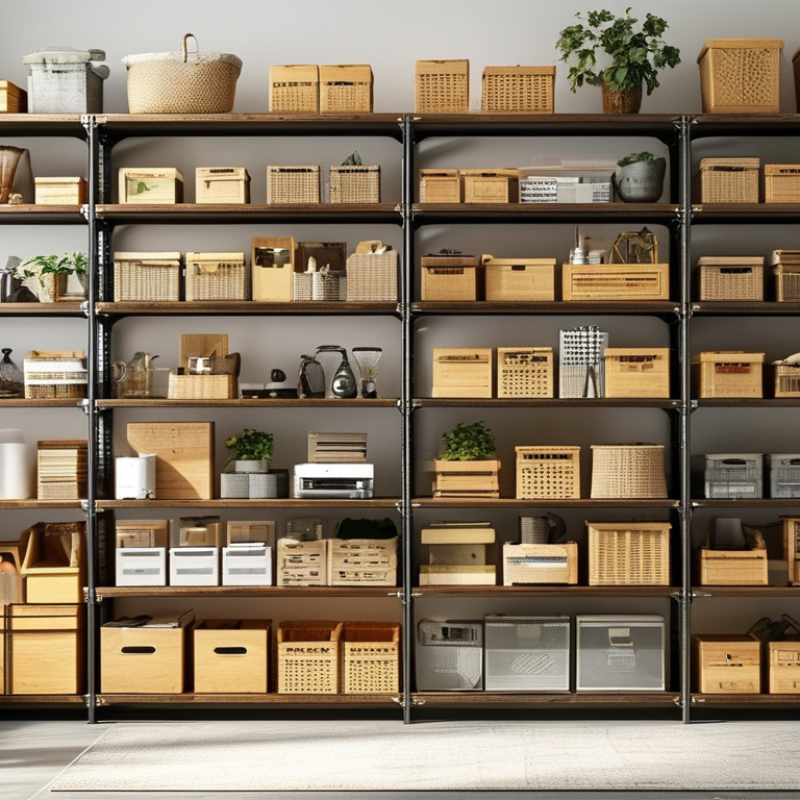
When selecting the perfect shelving units, several key factors can enhance your decision-making process. Consider the available space in your home or office. A comprehensive study by the American Institute of Architects suggests that utilizing vertical space can increase storage efficiency by up to 30%. Measure your walls, taking into account ceiling height and surrounding furniture to determine the ideal shelving size.
Material choice significantly affects durability and aesthetics. Studies indicate that wooden shelves can carry more weight than metal counterparts and offer a warmer look. However, metal shelving can be more suitable for specific environments like garages or workshops due to their resistance to moisture and chemicals. Think about the weight capacity you need for your shelves. Choose materials that can hold your items securely without sagging.
When it comes to design, functionality should not be sacrificed for style. Open shelving provides easy access but may require more frequent cleaning. On the other hand, closed storage can hide clutter but might limit accessibility. Reflect on your preferences and how you plan to use the shelves.
Evaluate the specific needs before making your purchase. Make a list of what items you need to store. This will help in selecting a unit that meets your practical demands while maintaining an organized space.
When selecting shelving units, understanding the types available is crucial. There are several main categories: adjustable shelves, floating shelves, and heavy-duty racks. Adjustable shelves allow for customization. You can change the height based on your needs. They work well in both kitchens and offices.
Floating shelves provide a modern aesthetic. They save floor space and are ideal for displaying decor. Consider the weight limit when choosing these units.
Heavy-duty racks are perfect for garages or warehouses. They offer an excellent solution for storing bulky items. These shelves can hold a significant amount of weight, but their sturdiness may affect spatial arrangements.
It’s important to assess your specific requirements before making a choice. Reflect on the type of items you plan to store. Think about accessibility and the shelf’s intended location. You might need shelves that can bear added weight or are easily adjustable. Overlooking these details could lead to frustration later. Achieving the right balance of functionality and style is essential for long-term satisfaction.
Assessing the space and dimensions for shelving is crucial for creating a functional area. Start by measuring the height, width, and depth of the space you intend to use. Make sure to take into account any obstructions like doors or windows. This ensures the shelving unit fits well and doesn’t disrupt the flow of the room.
Consider the items you plan to store on the shelves. Heavier items will require sturdier units. You’ll need to balance aesthetics with functionality. Analyze how often you access these items. Shelving should be convenient, not a hassle.
Remember to leave some room for adjustments. This allows for future changes in storage needs. Space planning involves trial and error. Take the time to visualize various arrangements before making a selection. In some cases, custom units may be necessary for irregular spaces. Explore all options before deciding.
When selecting shelving units, material plays a crucial role in functionality and aesthetics. Wood is a classic choice, offering natural beauty and strength. However, it can be susceptible to moisture and may warp over time. Consider using sealed finishes to enhance durability. Metal shelving is durable and often more modern in appearance. It can handle heavy loads but may not blend into every décor. Rust can be a concern, requiring periodic maintenance.
Plastic shelving provides a lightweight alternative. It's resistant to moisture and easy to clean, making it ideal for kitchens or garages. However, it may lack the sturdiness of wood or metal. A potential downside is that it may not support heavy items as effectively. Choosing the right material often comes down to your specific needs and environment. Think about where the shelves will be used. Reflect on the items you plan to store and the overall style of your space. Balancing aesthetics and function is key.
When selecting shelving units, budgeting is crucial. Start by determining how much you can spend. Shelving options vary widely, from basic designs to custom builds. Set a realistic budget that considers installation costs and future needs. Sometimes, spending a little extra can provide better long-term value.
A practical approach to budgeting is to list essential features. Consider durability, size, and material when comparing costs. Metal shelves may be pricier than wood but can last longer. Evaluate if you need adjustable shelves or specific types for certain items. It’s easy to overlook these factors, but they make a difference.
When exploring options, consider used shelving units. They can be significantly cheaper and still meet your needs. Inspect for damage before purchasing. Alternative arrangements, like DIY shelves, can also save money. However, take care to ensure stability and safety. Reflect on your choices to ensure they're not just cost-driven but functional for your space.
: Measure your available space carefully. Utilize vertical space for more storage efficiency.
Wooden shelves are typically more durable and offer a warm look. Metal shelves resist moisture and chemicals better.
Ensure the materials can hold your items without sagging. Consider your storage needs and select accordingly.
Open shelving offers easy access but needs frequent cleaning. Closed shelving hides clutter but may limit accessibility.
Assess what items you plan to store. This helps you choose a unit that suits your practical demands.
Common types include adjustable shelves, floating shelves, and heavy-duty racks. Each serves different storage needs.
They allow customization of height based on needs. This flexibility is useful in various settings, like kitchens or offices.
They save floor space and provide a modern look. Ensure they can support the weight of decorative items.
Use them for bulky items, especially in garages or warehouses. Be mindful of their impact on spatial arrangements.
Reflect on your preferences and needs. This balance is crucial for long-term satisfaction with your shelving choices.
Choosing the best shelving units for your needs requires careful consideration of several factors. It's essential to assess your space and dimensions to ensure the shelving fits your environment effectively. Various types of shelving units are available, ranging from adjustable models to fixed designs, each suited for different purposes. Additionally, the material options for shelving units come with their pros and cons, impacting durability and aesthetics.
Budgeting is another critical aspect, as cost-effectiveness plays a significant role in selecting the right shelving solution. By evaluating these factors, you can find shelving units that not only meet your functional requirements but also align with your financial constraints, ultimately enhancing your organization and storage capabilities.

Jinhui Storage Equipment