In today’s fast-paced logistics environment, a well-organized warehouse is crucial for success. One effective method is the Pallet Flow System. This system enhances storage efficiency and minimizes handling time. It allows goods to flow smoothly from the loading area to storage and finally to fulfillment.
Integrating a Pallet Flow System can significantly optimize operations. However, careful planning is necessary. Factors like product type, load weight, and shelf height must be considered. These elements influence how effectively the system performs. It's not just about installation; it's about creating an adapted workflow. Regular assessments and adjustments are vital for maintaining efficiency.
Ultimately, while a Pallet Flow System offers many benefits, it requires ongoing reflection and adaptation. Warehouse managers should regularly review their processes and make necessary tweaks. This approach ensures that the system remains effective in a rapidly changing business landscape. Prioritizing these factors can lead to increased reliability and productivity within warehouse management.
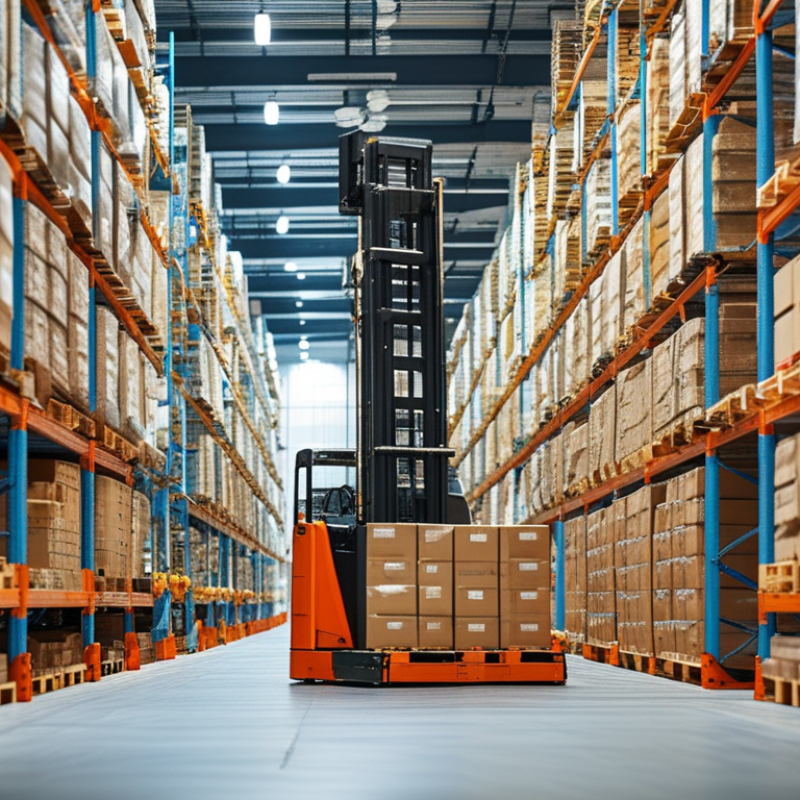
Pallet flow systems are essential for efficient warehouse management. They streamline the storage and retrieval process. Understanding the basics can significantly improve your operations. These systems utilize gravity to move pallets through inclined tracks. This design enhances accessibility and maximizes space.
When implementing a pallet flow system, consider these tips:
A pallet flow system is essential for maximizing warehouse efficiency. It relies on gravity to move pallets down inclined tracks. This design minimizes handling costs. According to a recent industry report, warehouses using pallet flow systems can achieve up to a 30% increase in storage density. This efficiency can halve the time spent on pallet retrieval.
Key components include the aisle design, flow rails, and braking systems. A well-designed aisle allows easy access and flow. Flow rails must be durable and able to withstand heavy loads. Reports suggest that improper rail maintenance can lead to increased downtime. Regular checks are vital, yet often overlooked by management. Braking systems control the speed of pallet movement. This prevents damage to both goods and structures, but a lack of proper calibration can result in costly accidents.
Investing in employee training is also critical. Workers must understand how to operate these systems efficiently. Research indicates that well-trained staff can reduce order-picking errors by over 20%. Simplifying complex systems can boost productivity. Each component should work seamlessly together to prevent bottlenecks. Small misalignments in parts can create significant delays. Regular audits of the system’s components are necessary to identify these issues before they escalate.
Implementing a pallet flow system can significantly enhance warehouse efficiency. Start by assessing your space. Measure aisles and available square footage. Understand how your products move in and out. This initial analysis will guide your design and layout.
Choose the right material. Select durable, high-quality components that can withstand heavy loads. Pay attention to weight capacity and flow direction. The design should minimize bottlenecks. Workers benefit from clear pathways and organized loading areas. Training staff on proper usage is also vital. They must understand how to load and unload efficiently to avoid accidents.
Regular maintenance is crucial. Check for wear and tear on rollers and tracks. Schedule periodic inspections. Gathering feedback from employees can highlight areas for improvement. Sometimes, adjustments are needed based on real-world use. Experiment with different configurations to see what works best. Each warehouse is unique, and flexibility is key for ongoing efficiency.
Managing a pallet flow system effectively comes with its own set of challenges. Inventory rotation is one major issue. Many warehouses struggle with maintaining a first-in, first-out method. McKinsey reported that 65% of warehousing errors stem from inefficient inventory practices. When products remain too long, they can expire or become obsolete. This leads to wasted resources and increased costs.
Another common challenge is the maintenance of equipment. Pallet flow racks require regular inspections to ensure they function efficiently. If neglected, small issues can escalate quickly. A report from the Warehousing Education and Research Council (WERC) noted that poorly maintained equipment can lead to a 30% drop in productivity. Many warehouses overlook this, focusing solely on inventory rather than infrastructure.
Finally, training staff properly is crucial. Many workers might not fully understand the importance of pallet flow systems. According to a recent survey, 47% of warehouse employees reported insufficient training on inventory management systems. Such gaps can lead to errors that ripple through the operation. Reflecting on these issues is essential. Efficient warehouse management relies not just on technology, but also on well-informed staff and proactive maintenance.
Measuring the efficiency of pallet flow systems is essential for optimal warehouse management. Key metrics include inventory turnover rate, order picking accuracy, and space utilization. Each metric provides insights into how well the system performs. High turnover rates suggest effective stock control. Accuracy in order picking minimizes errors, reducing costs.
Implementing a few practical tips can enhance performance. Regularly assess your inventory levels to avoid excess or shortages. This helps streamline operations and reduces wastage. Additionally, train staff on best practices in system use. Well-informed employees contribute to smoother workflows.
Another critical aspect is layout design. Ensure that your pallet flow system is organized logically. This minimizes travel time for workers, increasing productivity. Combining these metrics and strategies will help you identify areas for improvement. Efficient systems not only save time but also make better use of resources. Investing in these foundations pays off in the long run.
| Metric | Description | Recommended Value | Actual Value |
|---|---|---|---|
| Throughput Rate | Total number of pallets moved through the system per hour | 200 pallets/hour | 180 pallets/hour |
| Space Utilization | Percentage of pallet flow system space that is used | 90% | 85% |
| Maintenance Downtime | Total time spent on system maintenance per month | Less than 2 hours | 3 hours |
| Order Picking Accuracy | Percentage of orders picked correctly from the pallet flow system | 99% | 97% |
| Cycle Time | Average time taken to pick an order | 5 minutes | 6 minutes |
: A pallet flow system uses gravity to move pallets down inclined tracks in a warehouse.
It can increase storage density by up to 30% and reduce pallet retrieval time significantly.
Key components include aisle design, flow rails, and braking systems for optimal function.
Improper rail maintenance can increase downtime. Regular checks help prevent operational disruptions.
Well-trained employees can reduce order-picking errors by over 20%, improving overall accuracy and productivity.
Assess aisle measurements, product flow, and choose durable materials to avoid bottlenecks.
A logical layout minimizes travel time and helps in making better use of available space and resources.
Key metrics include inventory turnover rate, order picking accuracy, and space utilization for optimal management.
Feedback can highlight real-world issues and suggest adjustments for better efficiency and safety.
Small misalignments can create significant delays, impacting overall workflow and efficiency.
The article "Pallet Flow System Tips for Efficient Warehouse Management" provides a comprehensive overview of how to optimize warehouse operations using Pallet Flow Systems. It begins by explaining the fundamentals of these systems, which facilitate the smooth movement of pallets through gravity-driven rails, enhancing inventory management and order fulfillment. Key components essential for an efficient Pallet Flow System, such as flow lanes, equipment configuration, and safety features, are discussed in detail.
To achieve effective implementation, best practices including proper layout design and regular maintenance are highlighted. Additionally, the article addresses common challenges, such as inventory discrepancies and system congestion, while offering practical solutions. Finally, it emphasizes the importance of metrics to measure the efficiency of Pallet Flow Systems, ensuring that warehouses can continuously improve their operations and meet growing demands.

Jinhui Storage Equipment