Drive-In Storage is changing how people and businesses use space worldwide. Customers want more than a locked unit. They want to park beside the door, unload quickly, and avoid carrying heavy boxes through long corridors. Small details matter. A wide turning lane matters, too.
Mordor Intelligence’s Self-Storage Market report identifies continued global growth, supported by urbanisation, business mobility, and limited household space. The FEDESSA European Self Storage Annual Survey also records rising facility supply and steady customer demand across European markets. In the United States, the Self Storage Association’s demand research shows millions of households using rented storage. These figures reveal opportunity, but they do not make every facility equal.
Ken Nitzberg, a longtime self-storage executive, is often credited with the practical observation: “Self-storage is a real estate business, not a storage business.” That principle guides this ranking. The top 10 Drive-In Storage options are assessed through location, vehicle access, unit design, security, climate control, pricing clarity, operating quality, and customer experience. Regional differences are unavoidable. A low-cost site may have poor lighting. A premium facility may offer excellent access but limited availability. No ranking is flawless. Weather, traffic, insurance terms, and local demand can change the user experience quickly. This guide therefore combines published industry evidence with practical evaluation. Readers should still inspect access lanes, door height, lighting, drainage, and contract terms before choosing a facility. Convenience is visible. Reliability takes closer inspection.
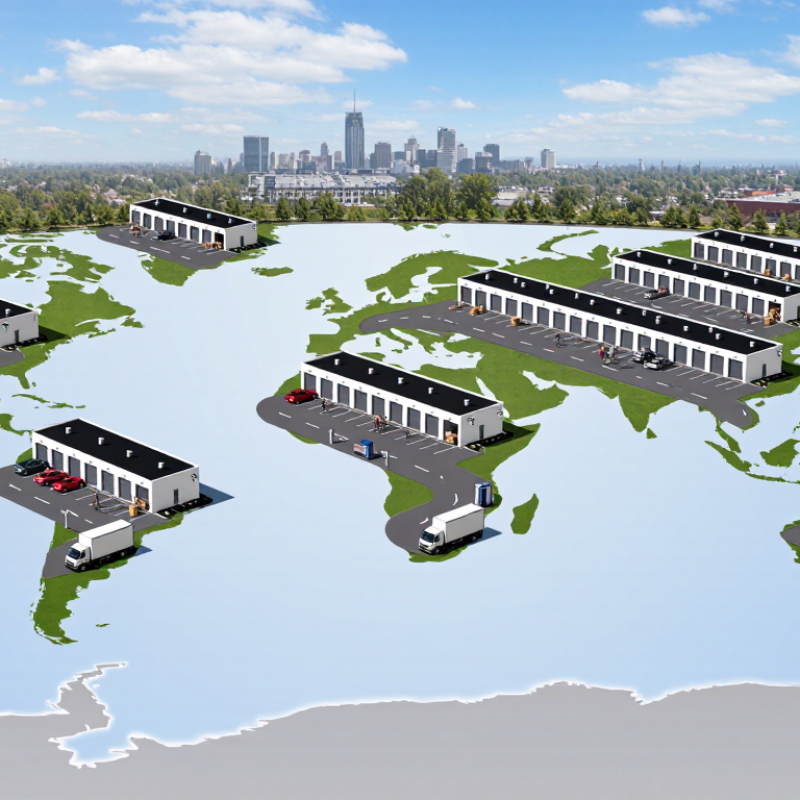
Drive-in storage means more than parking beside a door. Access, unit size, security, and vehicle fit determine whether a facility works. The ten most practical options include ground-level storage bays, container units, covered vehicle spaces, RV garages, boat sheds, motorcycle rooms, climate-controlled drive-up units, farm-equipment bays, commercial loading units, and oversized industrial spaces.
A small motorcycle unit may need only a wide door and a dry floor. A delivery van needs greater turning space, stronger lighting, and a taller entrance. RVs and boats require long bays, higher clearance, and enough room to open side compartments. Measure the vehicle with mirrors, racks, trailers, and loading angles included. A stated unit size can mislead when internal pillars reduce usable space.
Security should match the stored property. Look for controlled entry, visible cameras, perimeter lighting, individual locks, and clear visitor procedures. Climate control helps electronics, documents, and sensitive materials, but it does not replace water protection. During a site inspection, check drainage after rain, door tracks, reversing space, and emergency access. Small flaws matter.
A perfect worldwide ranking is difficult. Local construction standards, weather, and vehicle habits change the best choice. One facility may offer excellent security but poor turning clearance. Another may provide generous space with weak lighting. Ask for a real vehicle-fit test before signing. Take measurements twice. Mistakes happen.
What Are the Top 10 Drive-In Storage Options Worldwide?
A credible global ranking needs a clear starting point. SSA’s 12.6 million U.S. renter-household benchmark offers a useful demand reference. It helps estimate how many renters may need convenient storage access. However, it should not represent every country. Housing density, vehicle ownership, climate, and rental habits vary widely.
I would rank each drive-in storage option across six measurable areas: drive-up convenience, unit availability, price transparency, security controls, weather protection, and customer experience. Drive-up convenience would receive the highest weight. A customer should reach the door without carrying boxes across a large parking lot. A dry, well-lit lane matters. So does enough turning space for a van. Each facility would receive documented scores from site visits, published prices, customer interviews, and local occupancy data.
The benchmark would establish the demand score, while regional evidence would adjust it. For example, a dense city may value compact units more than wide vehicle access. A storm-prone area may require stronger drainage and sealed doors. Operators should also disclose access hours, camera coverage, insurance terms, and possible fees. No model is perfect. That weakness matters. A facility can score well on convenience yet perform poorly during heavy rain. I would review rankings every year, because prices, vacancies, and renter needs change. A transparent method is more useful than a polished list with unexplained scores.
The top ten drive-in storage options vary by access, size, and intended use. Small drive-up units suit seasonal boxes and tools. Medium units handle apartment contents or office files. Large units fit furniture, equipment, and short moves. Ground-level modular units offer simple loading without lifts. Private garages provide better protection for vehicles, motorcycles, and valuable equipment.
Steel containers remain practical worldwide. Standard containers work for household goods and durable stock. High-cube containers add useful vertical space. Portable containers can sit at a residence or worksite, but placement rules differ. Enclosed vehicle garages protect cars from sun, rain, and dust. They need enough clearance for mirrors, doors, and loading equipment. Shared warehouse bays support pallets, business inventory, and regular deliveries. Climate-controlled warehouse cages are better for paper, electronics, fabrics, and sensitive materials.
A reliable choice starts with a physical inspection. Check door height, turning space, drainage, lighting, locks, and camera coverage. Ask how staff manage pest control and water leaks. Container floors may feel dry while hidden condensation damages cartons. I have seen customers overestimate storage height and underestimate aisle space. That mistake becomes expensive during loading. A warehouse may offer stronger handling support, but access could be limited to scheduled hours. A private garage feels convenient, yet ventilation and fire protection require careful review. My ranking is not universal. Local weather, insurance terms, transport distance, and the frequency of access can change the best option.
| Rank | Storage option | Typical dimensions | Approximate floor area / capacity | Vehicle access | Best suited for | Typical worldwide use | Key considerations |
|---|---|---|---|---|---|---|---|
| 1 | Standard drive-up self-storage unit | 3.0 × 3.0 m to 3.0 × 6.0 m; common nominal sizes are approximately 10 × 10 ft and 10 × 20 ft | 9–18 m²; approximately 22–45 m³ at a 2.4 m clear height | Car, van, or small truck can usually stop directly at the roll-up door | Household goods, furniture, appliances, tools, and small business stock | Common in North America, Europe, Australia, and major urban markets in Asia | Convenient loading; security, ventilation, moisture control, and permitted-use rules vary by facility |
| 2 | 20-foot intermodal storage container | External: approximately 6.06 × 2.44 × 2.59 m; internal: approximately 5.90 × 2.35 × 2.39 m | About 13.9 m² and 33 m³ internal volume | Access is normally through two end doors; positioned by crane, trailer, or reach equipment | Equipment, construction materials, agricultural supplies, archives, and long-term inventory | Widely used worldwide where land-based container storage is permitted | Strong and weather-resistant, but condensation, corrosion, local planning rules, and delivery access must be assessed |
| 3 | 40-foot high-cube container | External: approximately 12.19 × 2.44 × 2.90 m; internal: approximately 12.03 × 2.35 × 2.69 m | About 28.3 m² and 76 m³ internal volume | Truck delivery and crane or specialized handling are generally required for placement | Large inventories, commercial equipment, building materials, and seasonal stock | Frequent in ports, industrial zones, rural properties, and logistics areas | High volume per unit; requires a long, level placement area and sufficient overhead clearance |
| 4 | Private lock-up garage | Typically 2.4–3.0 m wide × 4.8–6.0 m deep; height commonly about 2.1–2.4 m | 12–18 m²; generally suitable for one vehicle plus household items | Direct front-door access; usually suitable for cars and light vans | Vehicles, motorcycles, furniture, hobby equipment, and personal belongings | Common in the United Kingdom, Europe, Australia, and mixed residential developments | May offer better privacy and access than shared storage; check restrictions on vehicle maintenance and business use |
| 5 | Drive-in warehouse unit | Approximately 50–250 m² per unit; clear internal heights commonly range from 4 to 8 m | 200–2,000 m³, depending on floor area and clear height | Vehicle enters through a large sectional or roller door; suitable for vans and selected rigid trucks | Wholesale stock, pallets, trade inventory, machinery, and small distribution operations | Common in industrial estates and urban-edge logistics parks worldwide | Higher capacity and operational flexibility; loading height, turning radius, fire safety, and power supply are important |
| 6 | Pallet-access mini-warehouse bay | Approximately 20–100 m²; clear height commonly 3–6 m | 60–600 m³; pallet capacity depends on racking and aisle layout | Drive-up loading door or shared loading apron; forklifts may be required | Retail replenishment, import stock, e-commerce goods, and contractor materials | Used in urban logistics centers and small-business storage facilities across many regions | Efficient for palletized goods; confirm floor loading, dock level, forklift availability, and delivery-hour rules |
| 7 | Open-sided container shelter | Common bays are approximately 6–12 m wide × 6–15 m deep; height often 3–6 m | 36–180 m² of covered floor area | Direct drive-in access from one or more open sides; suitable for trucks and equipment | Boats, trailers, agricultural machinery, timber, scaffolding, and weather-tolerant goods | Particularly useful in rural, coastal, construction, and industrial areas | Lower cost than an enclosed building, but provides limited protection against dust, wind-driven rain, theft, and temperature changes |
| 8 | Drive-in agricultural or farm shed | Approximately 100–1,000 m²; clear height commonly 4–8 m or more | 400–8,000 m³ depending on building size and internal stacking | Large vehicle doors or open fronts accommodate tractors, trailers, and rigid trucks | Machinery, hay, feed, fencing, tools, and non-perishable agricultural supplies | Common in agricultural regions of Europe, the Americas, Australia, Africa, and Asia | Requires suitable land, drainage, fire controls, and ventilation; not all goods are suitable for unconditioned storage |
| 9 | Vehicle and equipment storage bay | Approximately 30–150 m²; door height commonly 2.4–4.5 m | 90–900 m³; capacity varies with vehicle dimensions and maneuvering space | Drive-through or drive-up access for cars, vans, trailers, boats, and light commercial equipment | Fleet overflow, classic vehicles, motorcycles, trailers, and seasonal equipment | Used near airports, marinas, transport hubs, residential edges, and industrial estates | Verify turning circles, door clearances, floor strength, insurance requirements, and whether mechanical work is allowed |
| 10 | Temperature-controlled drive-in storage room | Approximately 20–200 m²; clear height commonly 3–6 m | 60–1,200 m³; usable capacity depends on airflow and racking requirements | Vehicle access through insulated doors; loading may be direct or via a temperature-controlled dock | Food, pharmaceuticals, flowers, chemicals, documents, and temperature-sensitive products | Found in food distribution, healthcare logistics, export hubs, and large metropolitan markets worldwide | Higher operating cost; temperature range, humidity control, backup power, monitoring, and regulatory compliance are essential |
Note: Dimensions and capacities are typical planning ranges based on commonly used storage formats and standard container specifications. Actual measurements, clear heights, access rules, loading limits, climate controls, and permitted uses vary by location and facility.
What Are the Top 10 Drive-In Storage Options Worldwide?
Drive-in storage performs differently across regions. A practical global shortlist includes urban drive-up units, suburban vehicle-access units, container storage, warehouse bays, climate-controlled units, business storage, household storage, document rooms, vehicle storage, and mixed-use facilities. Each option suits a different customer and access pattern. A tradesperson may need a ground-floor 10-by-20-foot unit, while a household may prefer a smaller, climate-controlled room.
FEDESSA’s European Self Storage Annual Survey records 9,575 facilities across its dataset. This provides a useful benchmark for comparing mature European markets with North America, Australia, and emerging Asian markets. European sites often operate on smaller footprints and face tighter urban constraints. North American facilities generally offer broader drive-up access, larger plots, and more vehicle-friendly layouts. The U.S. Self Storage Association’s 2024 demand research also highlights continuing household and business demand, although occupancy and pricing vary sharply by city.
The comparison is not perfectly clean. Some reports count facilities, while others measure rentable space or revenue. That difference can distort rankings. Industry reviews from major property consultancies consistently identify location, access hours, security systems, occupancy, and local supply as key performance indicators. In practical terms, the best facility may have wide turning lanes, bright lighting, keypad entry, and weather-protected loading areas. Small details matter. A ten-minute loading delay can change customer satisfaction. Regional data remains valuable, but operators should test assumptions against actual traffic, unit sizes, and customer interviews.
The best drive-in storage choice depends on cost, climate, business use, and insurance needs. Urban roll-up units offer quick vehicle access, but monthly prices can be high. Rural steel units usually cost less and suit equipment, furniture, or seasonal stock. Container storage works well for short-term business use. However, moisture control deserves careful inspection. Covered vehicle bays protect vans, boats, and recreational vehicles from intense sun or rain. Outdoor fenced lots are cheaper, yet they provide fewer weather protections.
Climate-controlled drive-in warehouses suit electronics, documents, and temperature-sensitive inventory. They cost more, but stable humidity may reduce damage claims. Flood-aware facilities raise units above ground and improve drainage. They can be valuable in coastal or storm-prone regions. Seismic-resistant buildings serve areas with frequent earthquakes. Ask about structural inspections and emergency access. Modular drive-in units support growing businesses because space can expand gradually. Insurance requirements may change as inventory grows.
Match the facility to the risk.
A business-focused logistics yard may include loading doors, lighting, cameras, and longer access hours. These features can support commercial operations, but they also increase fees. For expensive tools or stock, choose strong locks, recorded access, and verified coverage terms. Standard policies may exclude water damage, vehicle contents, or business interruption. Read every limit before signing. I have found that advertised prices rarely show all access and protection costs. No option is perfect. Inspect drainage, door clearance, ventilation, and fire systems in person. Confirm local compliance and keep an updated inventory with photographs.
They include urban drive-up units, suburban vehicle-access units, container storage, warehouse bays, climate-controlled units, business storage, household storage, document rooms, vehicle storage, and mixed-use facilities.
Score drive-up access, availability, price clarity, security, weather protection, and customer experience. Convenience should receive the greatest weight.
Customers can stop beside the unit door. Wide lanes, bright lighting, and turning space reduce carrying time.
A large renter-household benchmark can estimate demand. It should not represent every country because housing and vehicle habits differ.
Dense cities may favor compact units. Suburban markets often support larger units and easier vehicle access.
Container storage or a ground-floor warehouse bay may work well. Check moisture control, loading access, and changing insurance needs.
Climate-controlled drive-in units suit electronics, documents, and temperature-sensitive goods. Stable humidity may reduce damage risks.
Inspect drainage, door clearance, ventilation, fire systems, lighting, and camera coverage. Visit during rain if possible.
Not always. Ask about access charges, insurance, deposits, and protection fees before comparing monthly prices.
Probably not. Prices, vacancies, weather performance, and customer needs change each year. The method itself needs review.
This guide explains how to evaluate Drive-In Storage options by focusing on practical access, unit size, security features, and vehicle compatibility. It establishes a consistent ranking method using a U.S. benchmark of approximately 12.6 million renter households, then examines ten common storage formats, including drive-up units, portable containers, private garages, and larger warehouse spaces. Each option is assessed according to convenience, capacity, accessibility, and suitability for different storage requirements.
The comparison also considers differences between North American and European markets, drawing on a European dataset covering thousands of facilities. Readers will learn how to select storage based on budget, climate, business use, moving frequency, and insurance needs. Whether the priority is fast vehicle access, weather protection, long-term organization, or commercial flexibility, the guide provides a practical framework for comparing options and choosing a solution that fits the user’s space, security, and transportation requirements.

Jinhui Storage Equipment