China Top Push-Back Storage Rack Suppliers?

Time:2026-09-27 Author:Liam
0%

China’s push-back rack market includes manufacturers with different levels of engineering support, production capacity, and export experience. Finding the right partner takes more than comparing prices. Push-Back Storage systems use inclined lanes and nested carts to move pallets toward the aisle, so design choices affect daily operation. A poorly matched layout can restrict access, create awkward replenishment, or waste valuable space. The details matter. Load dimensions, pallet quality, forklift type, and aisle width all deserve attention before requesting a quotation.

This guide explains how to assess China-based suppliers using practical criteria: rack design capability, material specifications, quality checks, installation guidance, and after-sales communication. Ask for drawings that show bay dimensions, operating clearances, and the intended pallet configuration. Request clear information about steel grades, surface treatment, rated loads, and inspection procedures. A polished brochure is useful, but it cannot replace technical documents or direct answers from the supplier. Even then, no checklist removes every uncertainty. Site conditions differ, and a design that works well in one warehouse may need adjustment in another. Compare suppliers carefully, verify claims with evidence, and involve a qualified warehouse professional before finalizing a system. The aim is not to name a universal winner, but to help buyers make a more informed shortlist.
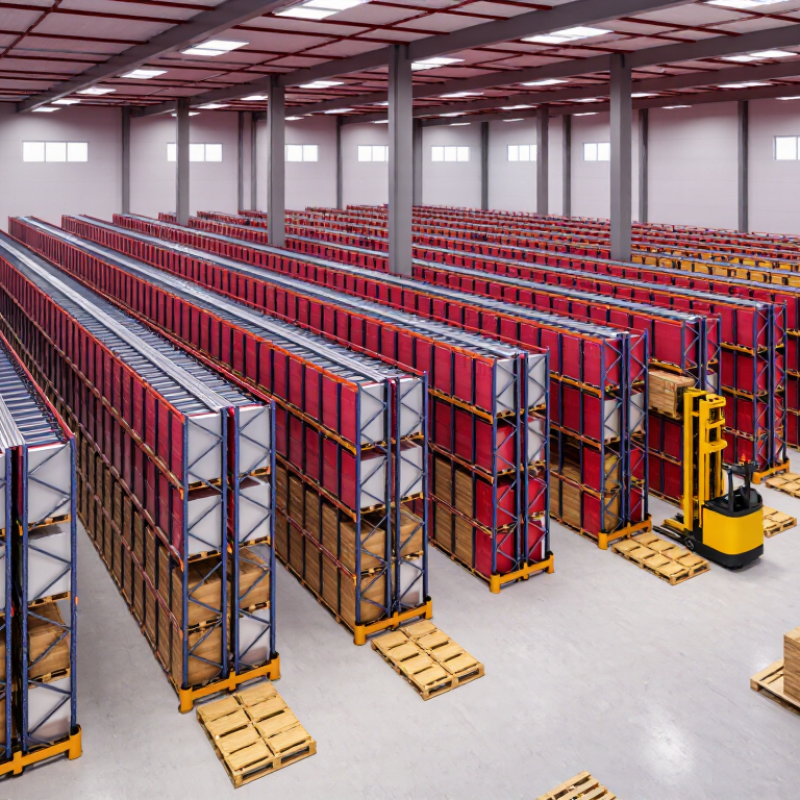
China Top Push-Back Storage Rack Suppliers?

What Push-Back Storage Racks Are and How They Work

Push-back storage racks are pallet systems designed to store several loads deep in one lane. They typically use nested carts or rollers on inclined rails. A forklift places a pallet at the front and gently pushes earlier pallets deeper into the lane. When a pallet is removed, the next one moves forward by gravity. Simple in principle.

This arrangement follows last-in, first-out access: the most recently stored pallet is usually picked first. Each lane can hold one product type, which helps keep similar goods together. Operators need clear loading rules, because placing a different product in the same lane can create picking errors. Forklift drivers also need room to align pallets and avoid striking the rack structure.

Push-back racks can make better use of floor space than many single-deep layouts, especially when inventory turns in batches. They are not ideal for every operation. Product rotation may be limited, and deep lanes can hide stock from a quick visual check. In practice, the first layout is rarely perfect. Reviewing pallet dimensions, load weights, and daily pick patterns before installation helps reveal problems early. Routine checks should look for damaged carts, rails, and upright frames. A small obstruction can affect pallet movement.

Key Applications and Benefits of Push-Back Racking

Push-back racking suits warehouses that handle several pallets of the same product. Each lane stores pallets on nested carts, which move backward as new loads enter from the front. Forklift operators can retrieve the newest pallet first, so the system works best for last-in, first-out inventory. Fewer aisles can free useful floor space.

It is commonly used for packaged foods, beverages, building materials, and seasonal stock. In cold stores, denser storage may reduce the space that needs cooling. Less forklift travel. That can make replenishment smoother during busy shifts, especially when pallet sizes and loads are consistent.

The trade-off is lower access to individual pallets than in selective racking. A lane may need to be cleared before an older load is reached. That detail is easy to underestimate. Before installation, managers should check pallet condition, load limits, aisle geometry, and forklift compatibility with a qualified rack designer. Regular inspections matter too; damaged carts or rails can disrupt movement and create handling risks. A careful layout matters.

How to Evaluate Push-Back Rack Suppliers in China

When evaluating push-back rack suppliers in China, ask for drawings that match your pallet dimensions, beam levels, aisle width, and required lane depth. A capable supplier should provide load calculations for the proposed configuration, not just a catalog capacity. Request material specifications, weld inspection records, coating details, and installation tolerances. Ask for proof. Check whether sample parts fit cleanly and whether beams, carts, and stops move without binding.

MHI’s 2024 Annual Industry Report says 55% of surveyed supply-chain professionals planned to increase technology investment. That finding is not rack-specific, but it highlights why storage equipment must work with broader warehouse plans. Ask suppliers how they validate cart travel, pallet overhang, and load distribution under real operating conditions. Confirm which standard or test method supports their design, and have a qualified engineer review the documents for your market. Visit a production site if possible; inspect weld consistency and traceability rather than relying on polished photos. I would also request references for installations with similar loads and temperatures. One weak point in many comparisons is after-sales support: get written spare-part lead times, warranty scope, and installation responsibilities before comparing prices.

Supplier Capabilities, Product Options, and Customization

Push-back rack suppliers should be evaluated on more than price and quoted storage capacity. Ask whether they can review pallet dimensions, load weights, forklift clearances, and floor conditions before recommending a layout. Good proposals include clear drawings and load information for each rack level. Details matter.

Product options often include different lane depths, cart arrangements, frame heights, and beam configurations. Many systems store several pallets deep, with carts moving along inclined rails as operators load and retrieve stock. The right depth depends on product turnover and pallet consistency, not just available warehouse space. A small variation in pallet size can affect smooth movement.

Customization may cover bay widths, aisle layouts, protective guards, and finishes suited to the operating environment. Share actual SKU dimensions and the heaviest expected pallet, rather than an average estimate. Request installation guidance and inspection documentation, too. These checks make comparisons more reliable. Still, a custom design is not automatically better; extra depth can reduce selectivity and complicate access. I would verify the proposed configuration with warehouse staff who use the forklifts daily, since their turning patterns often reveal problems that drawings miss.

Push-Back Rack Configurations: Pallet Positions and Carts per Lane

A common push-back rack configuration uses one fewer cart than pallet positions in a lane. For example, a four-position lane typically uses three carts. Actual designs vary with the rack layout, load requirements, and supplier engineering.

How to Verify Suppliers and Compare Quotes Before Buying

When screening push-back storage rack suppliers, verify that their engineering team understands your pallet dimensions, forklift type, and aisle layout. Ask for drawings that show beam levels, cart travel, upright spacing, and anchoring details. Request documented load ratings for each configuration, not just a general capacity figure. Details matter. A capable supplier should explain how loads move through the rack and what operating limits apply. Ask for recent project references with similar pallet weights and warehouse conditions. If possible, inspect a finished installation or review clear photos of the carts, rails, and welds. A polished quotation alone proves little.

Compare quotes line by line. Check whether each includes design work, materials, surface finish, delivery, installation, and commissioning. Confirm the quoted capacity matches your actual pallet load, including any uneven or overhanging goods. Ask what testing or inspection records are supplied, and how replacement carts or parts are handled. Even a detailed drawing can miss a real aisle constraint, so have your site measurements checked before approval. Record assumptions in writing, such as floor flatness and forklift clearance. The lowest price may exclude important work; request revised quotes using the same specifications, quantities, and delivery terms before comparing totals.

FAQS

What is a push-back storage rack?

It stores several pallets deep in one lane using carts or rollers on inclined rails. Simple, but not magic.

How does pallet movement work?

A forklift pushes each new pallet deeper into the lane. When a pallet is removed, the next one rolls forward by gravity.

Which pallet is usually picked first?

Push-back racks usually follow last-in, first-out access. The newest pallet is at the front, ready to be picked.

Should different products share one lane?

Each lane works best with one product type. Mixing products can cause picking errors, especially when stock is hard to see.

When are push-back racks a good fit?

They can save floor space when inventory moves in batches. They may be less suitable when frequent access to older stock matters.

What details should be checked before choosing a layout?

Provide actual pallet dimensions, the heaviest load, forklift type, aisle measurements, and floor conditions. Average estimates can miss awkward overhangs.

How should suppliers’ quotes be compared?

Check design work, materials, delivery, installation, and commissioning line by line. Use the same specifications for each quote. Details matter.

What should be checked after installation?

Inspect carts, rails, upright frames, and pallet movement regularly. I would also ask warehouse staff to test forklift turns; drawings can miss things.

Conclusion

Push-Back Storage racks use nested carts or rollers on inclined lanes, allowing operators to load and retrieve pallets from the same aisle. Each newly loaded pallet pushes the previous one deeper into the lane, while gravity moves the remaining pallets forward as stock is removed. This arrangement can increase storage density and reduce forklift travel, making it useful for warehouses handling multiple pallets of similar products, especially where space is limited and inventory turnover is predictable.

When evaluating suppliers in China, consider their engineering experience, manufacturing capabilities, material specifications, load ratings, safety features, and quality-control processes. Ask about lane depth, pallet dimensions, available configurations, finishes, and customization options to ensure the system suits your building and operating needs. Before purchasing, verify supplier information, review technical drawings and inspection records, and compare detailed quotes on an equivalent basis. A careful assessment of product suitability, service support, delivery terms, and total project cost can help you select a reliable solution.

Liam

Liam

Liam is a dedicated marketing professional with a profound expertise in the industry, where he excels at highlighting the unique advantages of our core products. With a keen understanding of market trends and consumer needs, Liam frequently updates our company’s professional blog, providing......