Mobile Storage Solutions give businesses a practical way to keep tools, stock, and project materials close to where work happens. A contractor may need lockable storage beside a changing job site. A retailer may need seasonal inventory without leasing another permanent room. The right setup can reduce repeated trips, protect useful equipment, and make limited floor space work harder. Small gains matter.
Options can include containers, mobile shelving, or storage units delivered to a business location. Choosing well starts with a simple review: what must be stored, how often it moves, and who needs access? Measure doorways, loading areas, and available ground space before ordering. Check ventilation, weather resistance, access controls, delivery terms, and ongoing costs with the provider. Details count.
These solutions are not a cure-all. A poorly placed unit can obstruct deliveries, while unused capacity can become an avoidable expense. Security needs also vary by location and by the value of stored goods, so a standard lock may not be enough. Businesses should compare providers, confirm service limits in writing, and revisit the arrangement as needs change. The best choice is not always the largest or newest unit. It is the one that fits daily operations, keeps items accessible, and remains manageable over time. Even a good plan can miss something; leave room to review it.
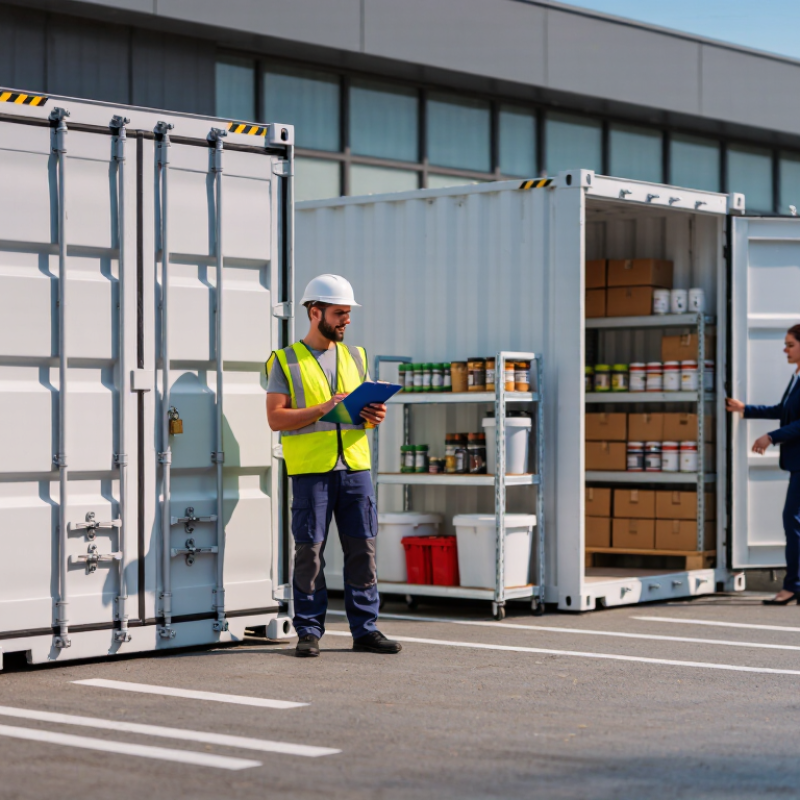
Mobile storage solutions are containers, cabinets, carts, or shelving systems designed to move with changing business needs. Some remain on wheels inside a building; others are delivered to a worksite and relocated when needed. The right setup depends on what must be stored, how often staff need access, and whether items stay indoors or outdoors.
A contractor might keep tools in a lockable mobile container near a renovation area, then move it as work progresses. In an office, rolling cabinets can carry files or supplies between departments. These systems can reduce repeated trips across a site. Small details matter: check door widths, floor strength, turning space, and how the unit will be secured. Measure twice.
Mobile storage is not automatically a better fit. A large container may block a delivery path, while an overloaded cart can be difficult to steer safely. I have seen storage plans overlook the route between the unit and the point of use. That is easy to miss on paper. Review the route with the people who will use the equipment, and consider weather exposure, access control, and how frequently contents need to be retrieved.
| Solution type | What it is | How it is moved | Common business uses | Practical considerations |
|---|---|---|---|---|
| Portable storage container | A secure, enclosed container delivered to a site for temporary or ongoing storage. | Usually transported by a delivery vehicle and left in place until pickup or relocation. | Storing tools, inventory, documents, or equipment during renovations, seasonal demand, or site work. | Check site access, ground conditions, permitted placement, security, and protection from weather. |
| Storage trailer | A road-going trailer used as temporary storage, often positioned at a business or work site. | Can be towed between locations by a suitable vehicle or carrier. | Staging goods for distribution, holding materials at a project site, or adding temporary capacity. | Allow for turning space, safe loading access, parking requirements, and any applicable transport rules. |
| Vehicle-mounted storage unit | Lockable storage fitted to a work vehicle, such as a van, truck, or service vehicle. | Moves with the vehicle as staff travel between jobs or customer locations. | Carrying tools, parts, safety equipment, and frequently used supplies for mobile teams. | Consider vehicle payload limits, secure mounting, organization, and access to stored items. |
| Mobile shelving or racking | Shelving or racks on wheels or tracks that can be repositioned within a workspace. | Rolled or shifted within a building; typically not intended for road transport. | Organizing stock, files, supplies, or tools where internal storage layouts need to change. | Check load ratings, floor capacity, aisle access, and whether units have brakes or locking mechanisms. |
| Reusable transport bins | Durable, stackable containers used to store and move goods through a business operation. | Carried by staff or moved using carts, pallet jacks, or forklifts, depending on size and load. | Moving parts, products, or supplies between work areas, facilities, or delivery points. | Choose a suitable size and material; confirm stacking stability and compatibility with handling equipment. |
Mobile storage solutions bring storage closer to where work happens or make stored items easier to move. The right option depends on the items being stored, how often they move, the available space, and site or vehicle constraints.
They include containers, rolling cabinets, carts, and shelves that move as business needs change. Some stay indoors; others go to worksites.
Retailers can stage seasonal stock or returns. Construction teams can keep tools near active work, while offices move files between departments.
Keeping supplies near the work area can reduce repeated trips. A nearby toolbox helps. Poor placement can add extra handling.
Measure doorways, turning space, and floor strength. Check delivery access, ground conditions, weather exposure, and secure access.
Businesses can add temporary capacity for busy periods, then move or remove it when demand eases. Avoid committing to extra space too soon.
Label boxes on two sides. Keep frequently used supplies near the doors, leave a clear loading path, and update a simple inventory sheet.
No. Items needing stable temperature or humidity may need another setup. Check ventilation and weather protection before storing sensitive goods.
Do not choose a unit based only on capacity. A full container can become a locked pile; I would review the access plan again.
Mobile Storage Solutions are flexible, relocatable units that give businesses secure, convenient space for equipment, inventory, documents, or project materials. They can be delivered to a chosen site, positioned where needed, and moved as operations change. This makes them useful for both temporary demands and longer-term storage needs, without requiring a business to commit to building permanent facilities.
By keeping items close to where work happens, mobile storage can help reduce unnecessary handling, improve organization, and make better use of existing premises. Businesses may use it during renovations, seasonal peaks, events, or day-to-day operations. When choosing a solution, consider the amount and type of space required, access and placement, security features, weather protection, delivery arrangements, flexibility, and overall cost. Matching these factors to practical business needs helps ensure the storage is useful, accessible, and suitable as requirements evolve.

 Jinhui Storage Equipment