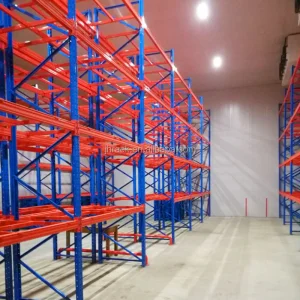
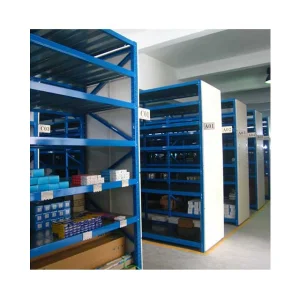
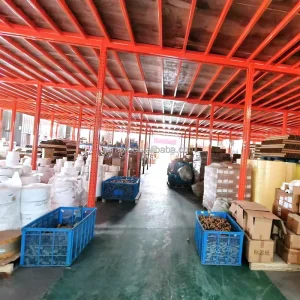
Explore our foundational range of heavy-duty structural steel platforms, custom mezzanine systems, and high-density racking models engineered to support extreme structural loads.
Analyzing macro trends in modern supply chains and the engineering realities of industrial space utilization.
The global logistics infrastructure is undergoing a fundamental structural transition. Driven by rapidly increasing industrial land valuations, skyrocketing construction expenses, and the critical growth of e-commerce distribution nodes, operations managers can no longer expand horizontally. Space maximization is now a strict vertical requirement. Standard storage formats are being phased out in favor of high-capacity, engineered systems designed to support significant structural loads while remaining flexible and responsive to variable material handling equipment.
In high-throughput environments—such as temperature-controlled food preservation centers, high-volume pharmaceutical depots, and heavy manufacturing component warehouses—the physical storage system is the foundation of operational reliability. A failure in structural integrity or an inefficient spatial design ripples through the supply chain, creating operational bottlenecks and safety hazards. High-capacity racking systems, structural steel mezzanine platforms, and dynamic flow configurations must be designed with tight engineering tolerances. This ensures they can withstand static loads, continuous dynamic stress from material handling equipment, and, in many regions, seismic activity.
At the same time, regional safety regulations (such as Europe's EN standards, the Rack Manufacturers Institute (RMI) standards in North America, and globally recognized CE certifications) dictate strict compliance paths for raw material traceability, structural testing, and load declarations. For global enterprises managing complex supply networks, partnering with a manufacturer that possesses deep vertical integration—ranging from raw material sourcing and mechanical simulation to computerized powder coating and load capacity verification—is a critical risk-management decision.
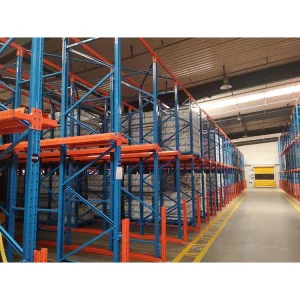
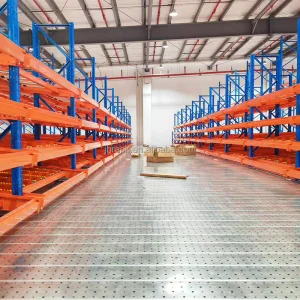
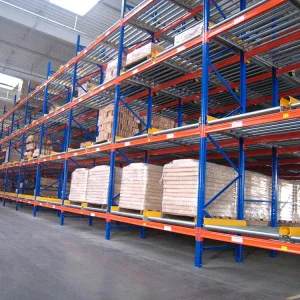
Maximizing spatial volume by extending heavy-duty racking columns up to 15+ meters, reclaiming valuable airspace while maintaining structural stability.
Adhering to strict CE and ISO quality management guidelines to guarantee safety, material accountability, and load-bearing performance under stress.
Integrating semi-automated elements like radio shuttles or gravity flow beds to transition traditional static facilities into agile fulfillment hubs.
A benchmark manufacturer of high-capacity storage structures, driving logistics efficiency through advanced materials science and strict engineering control.
Established in 2017, Dongguan Jinhui Storage Equipment Co., Ltd. has developed into a leading designer and manufacturer of heavy-duty industrial storage rack networks and steel mezzanine structures in China. Drawing on over 14 years of industry experience and 8 years of international export operations, Jinhui manufactures systems that integrate into complex logistics environments. Our engineering and production facilities span a dedicated area of 18,600 square meters, enabling the scale and control required for large-scale industrial projects.
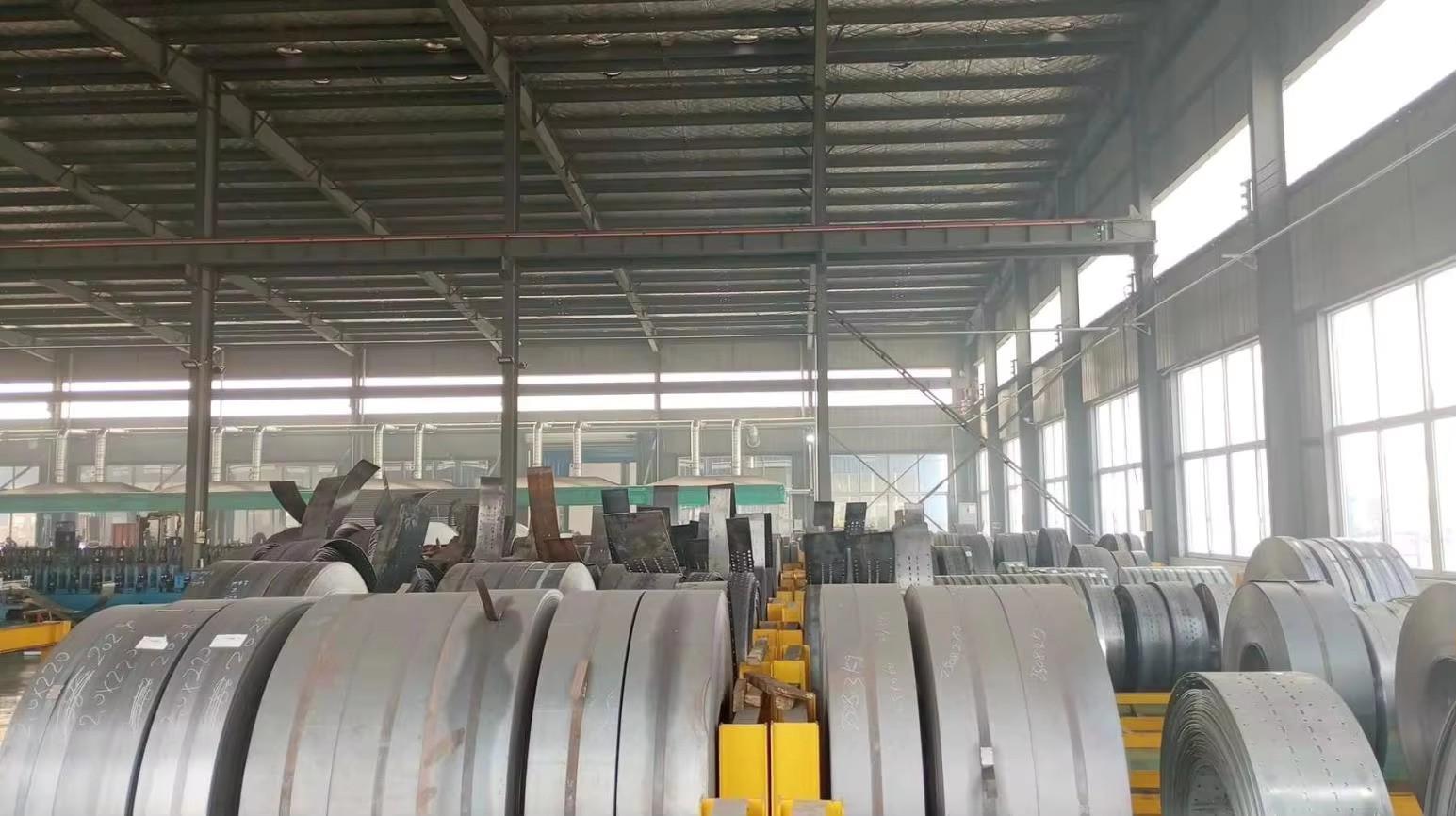
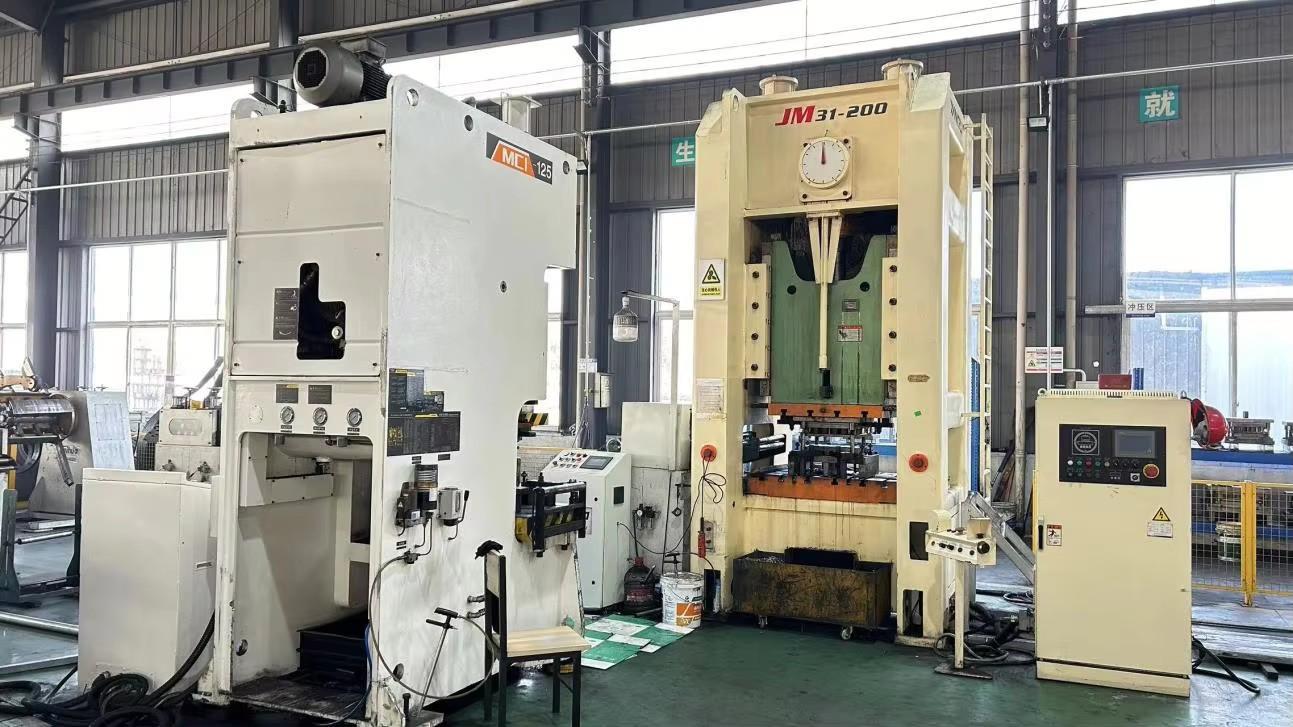
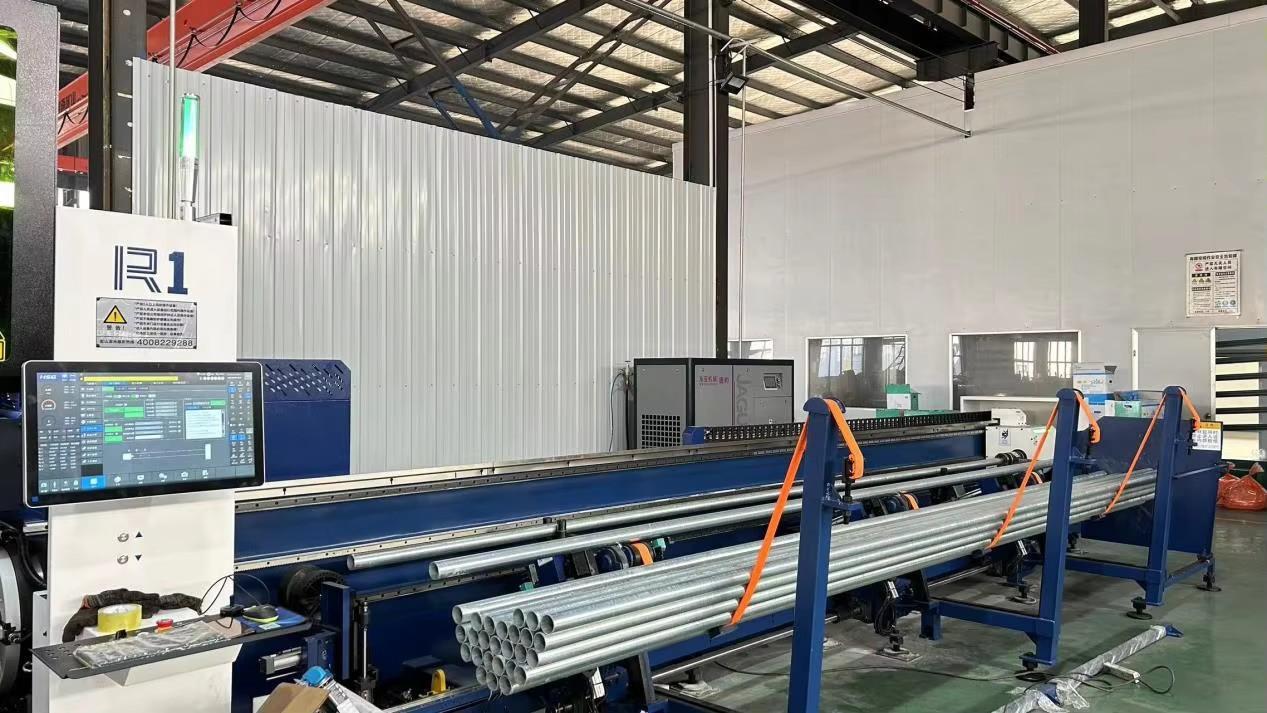
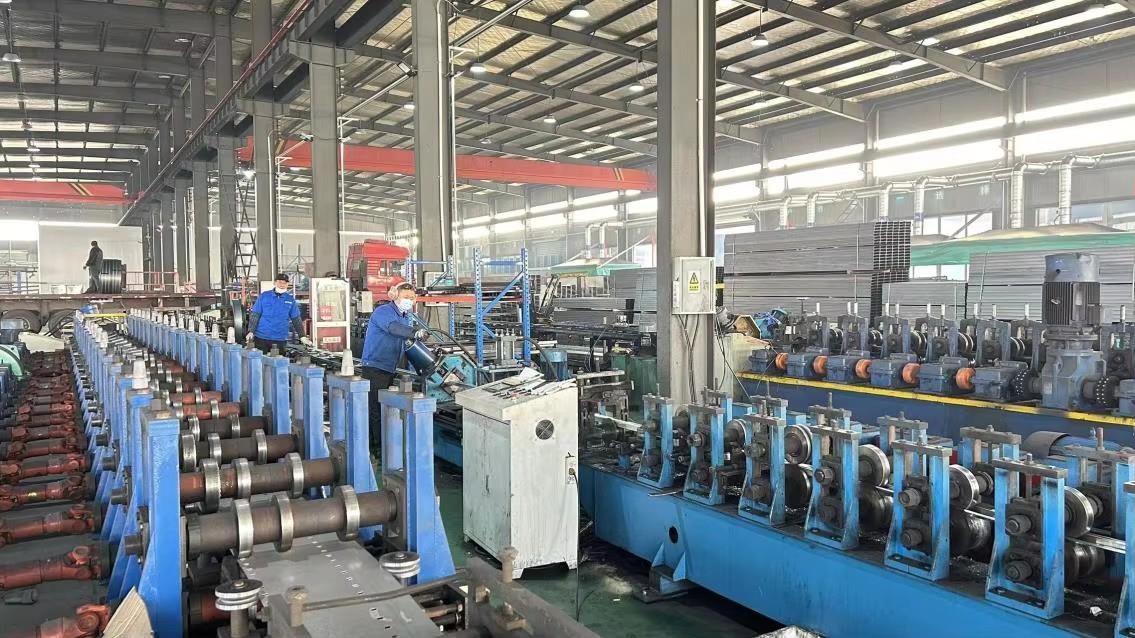
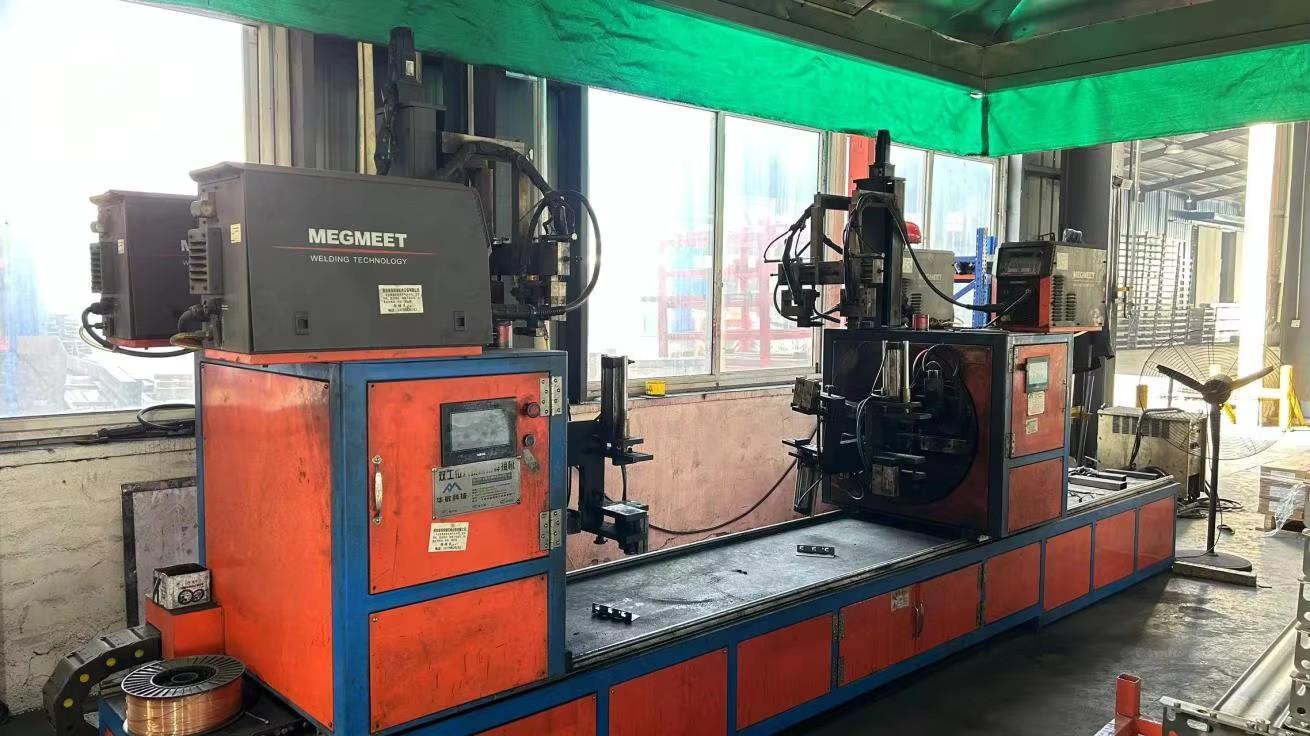
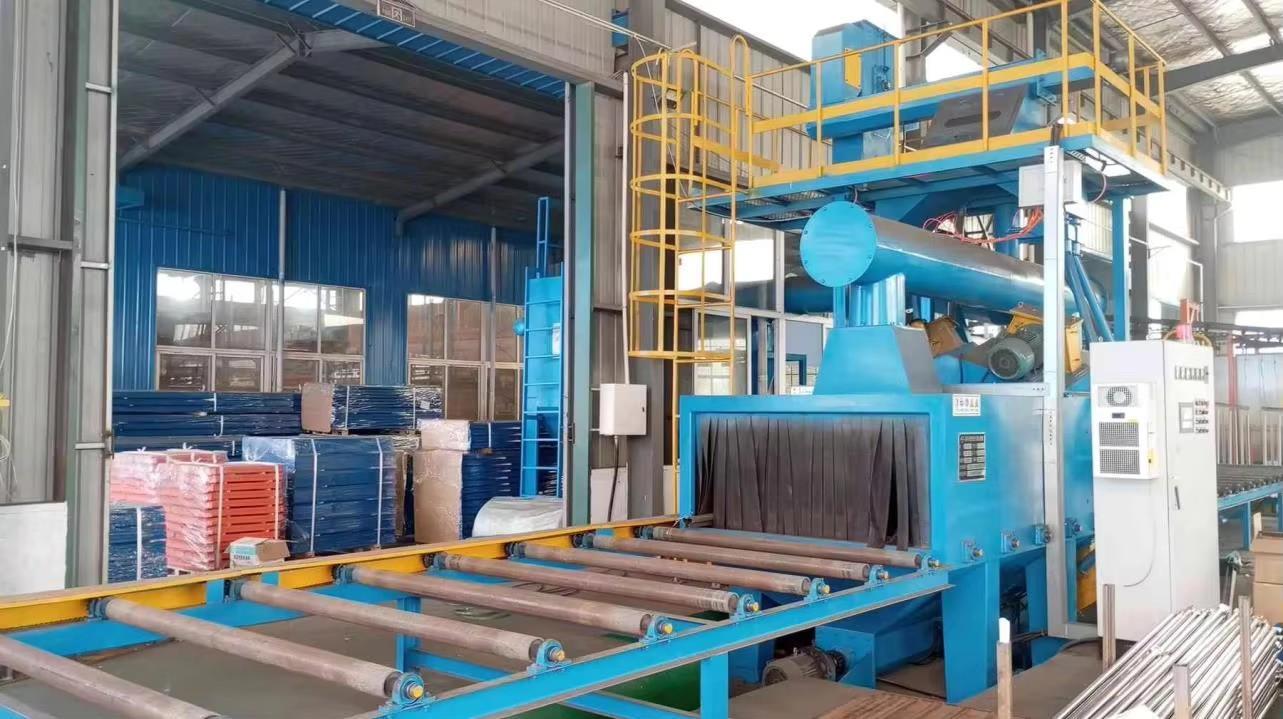
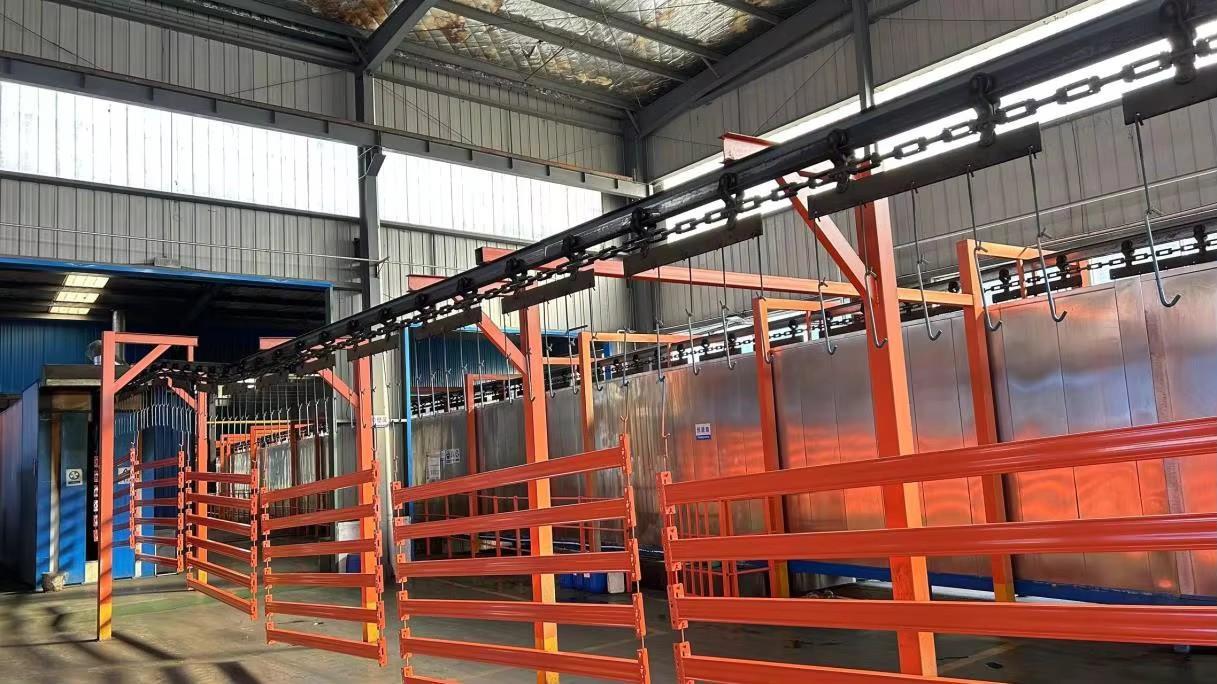
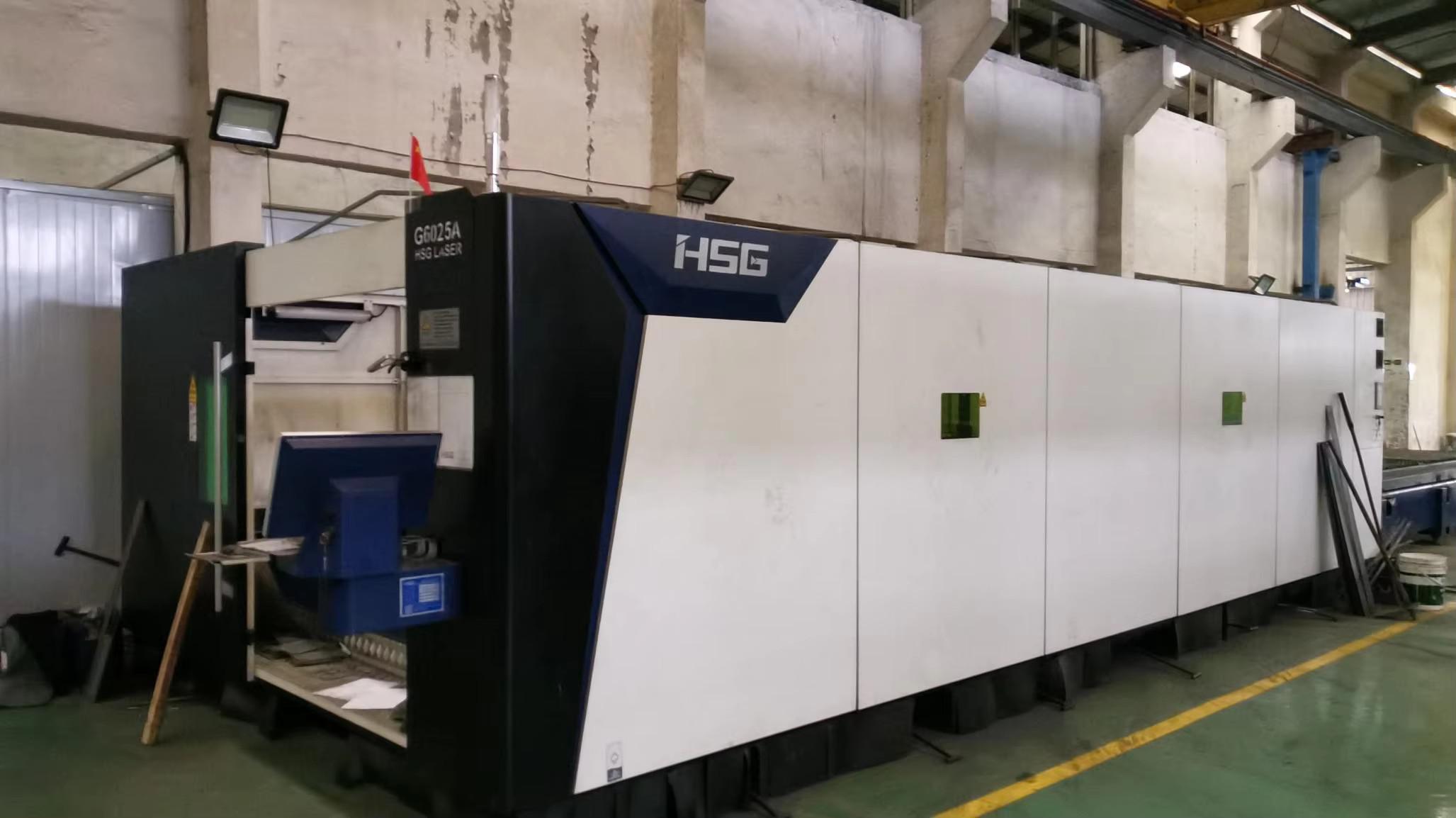
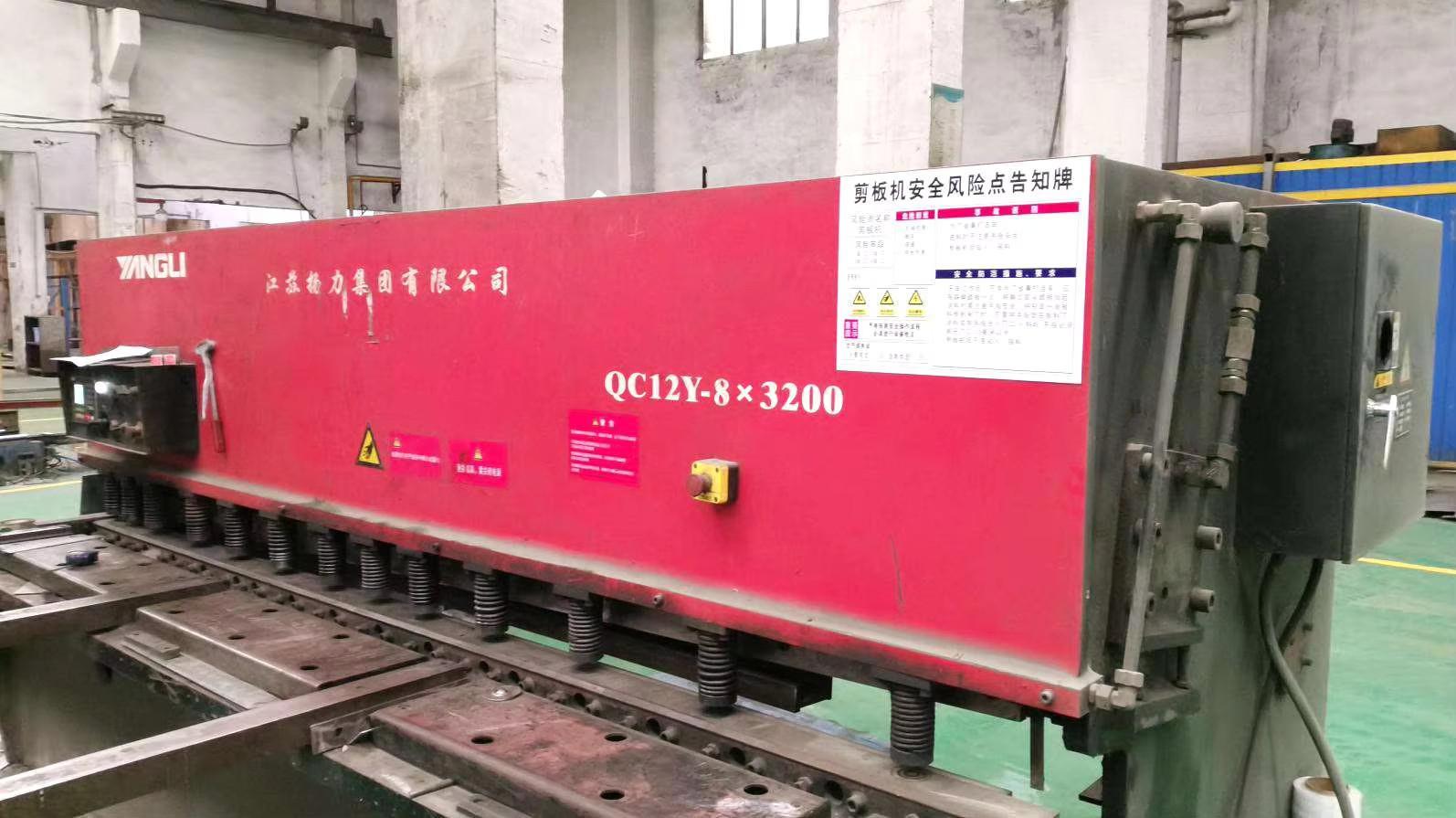
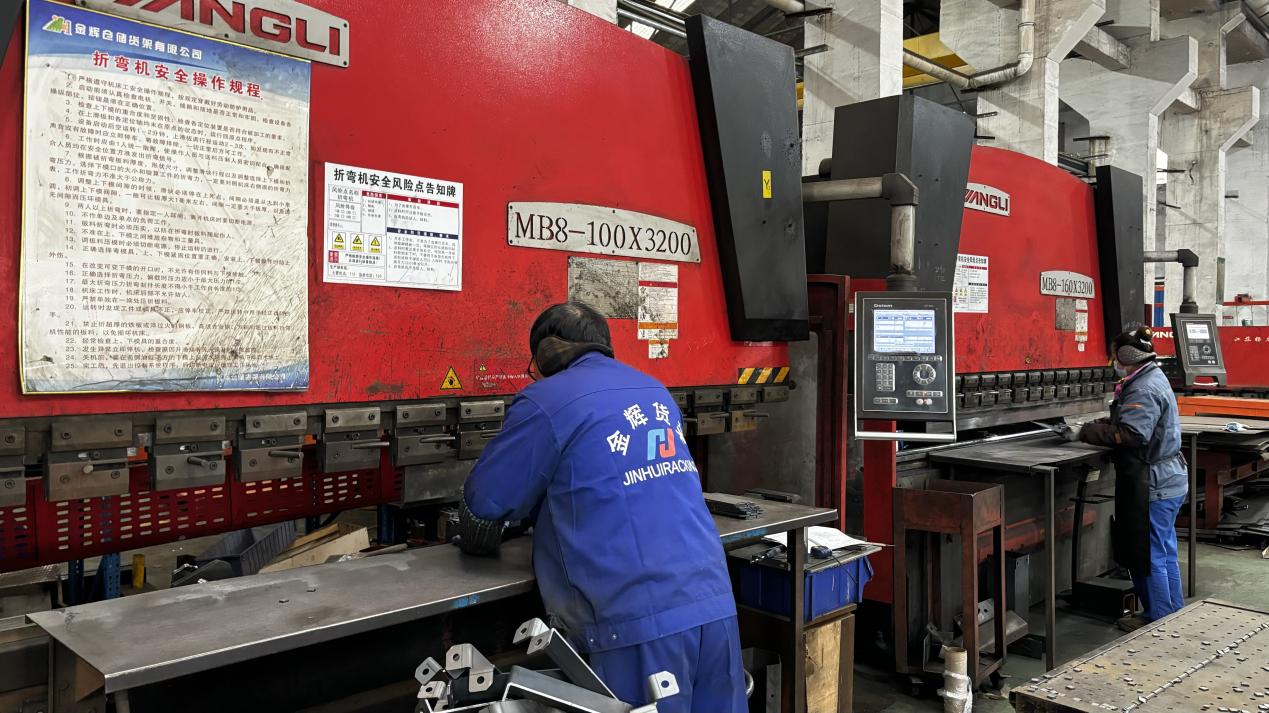
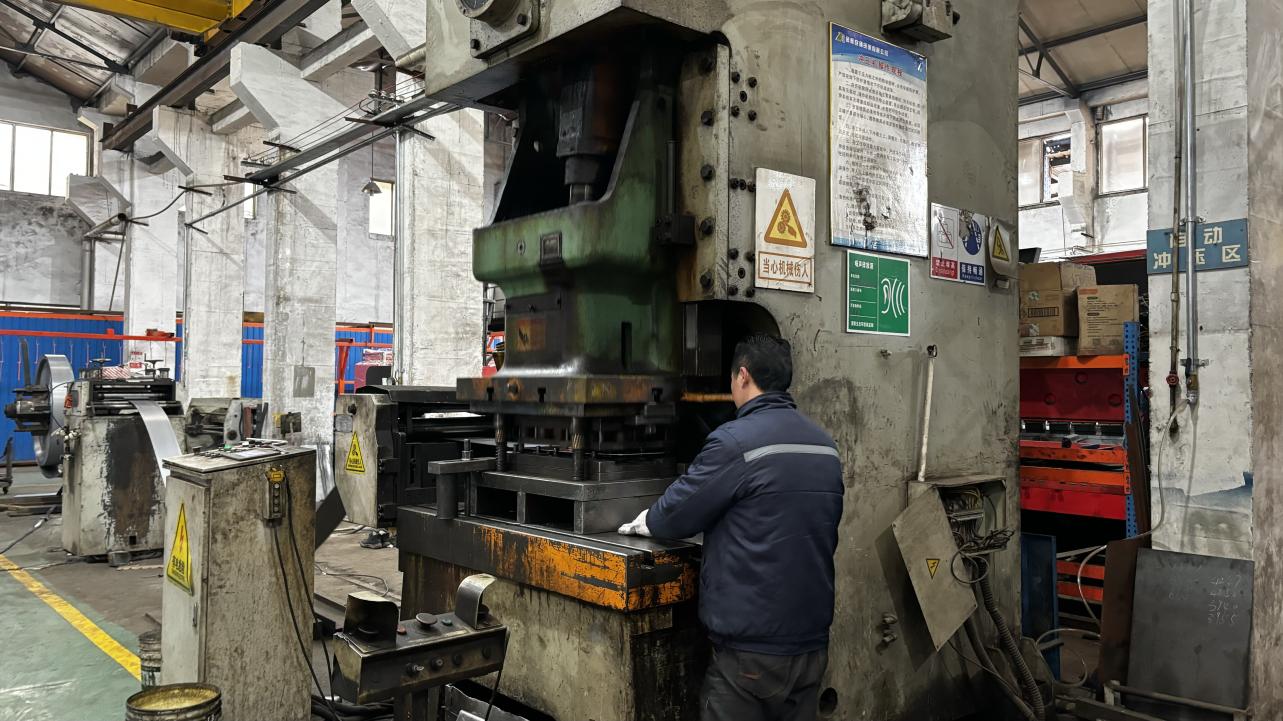
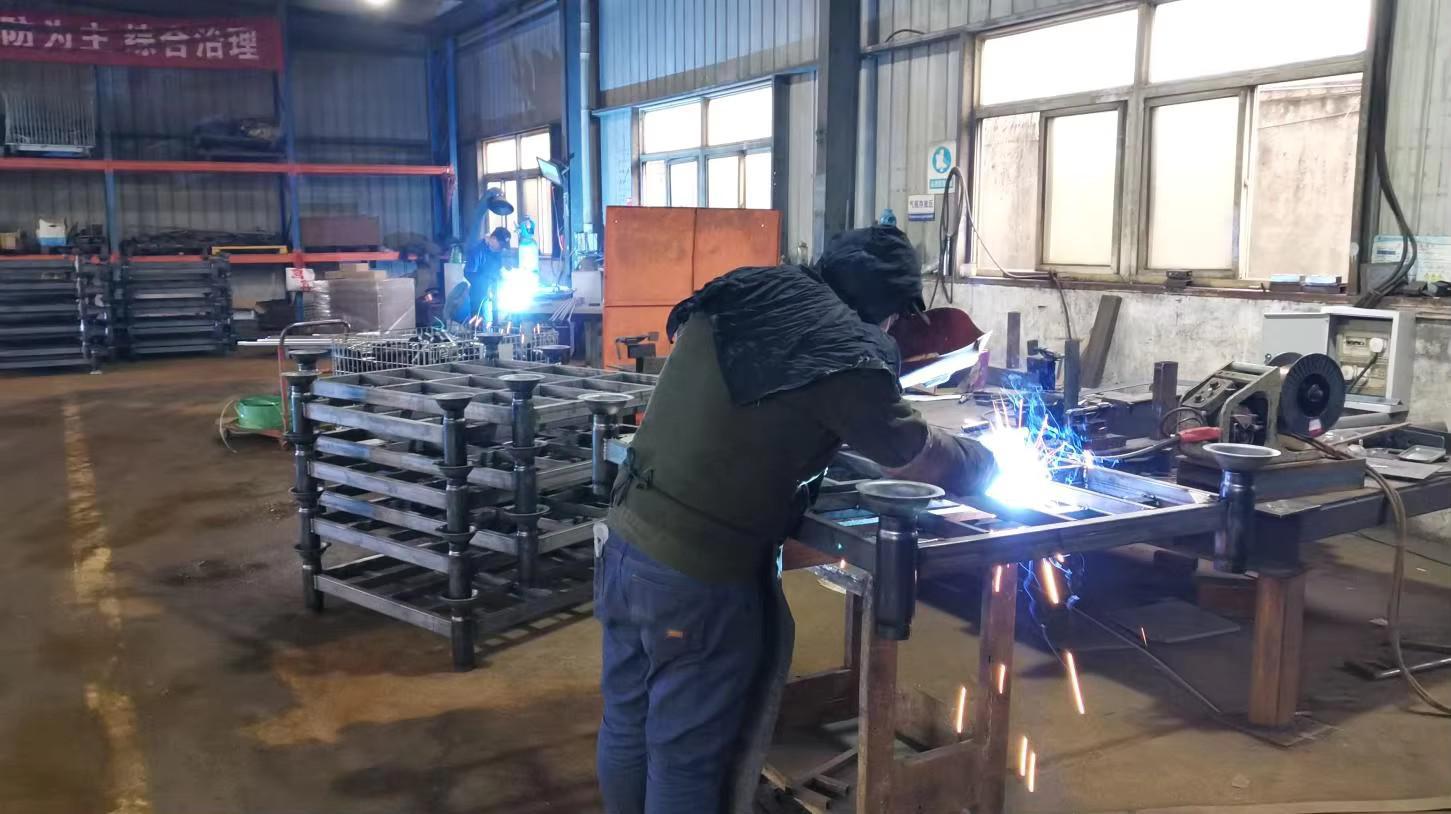
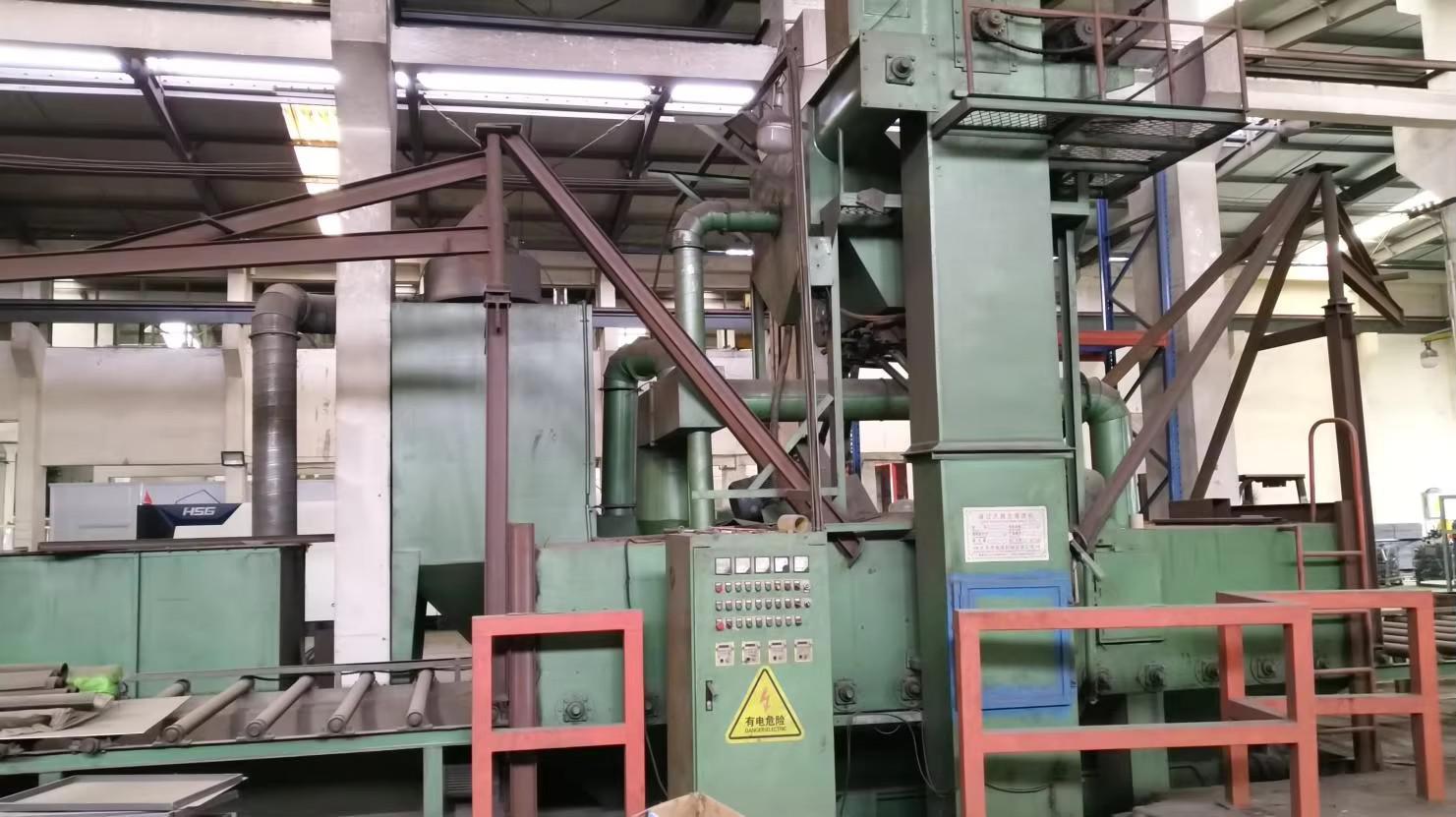
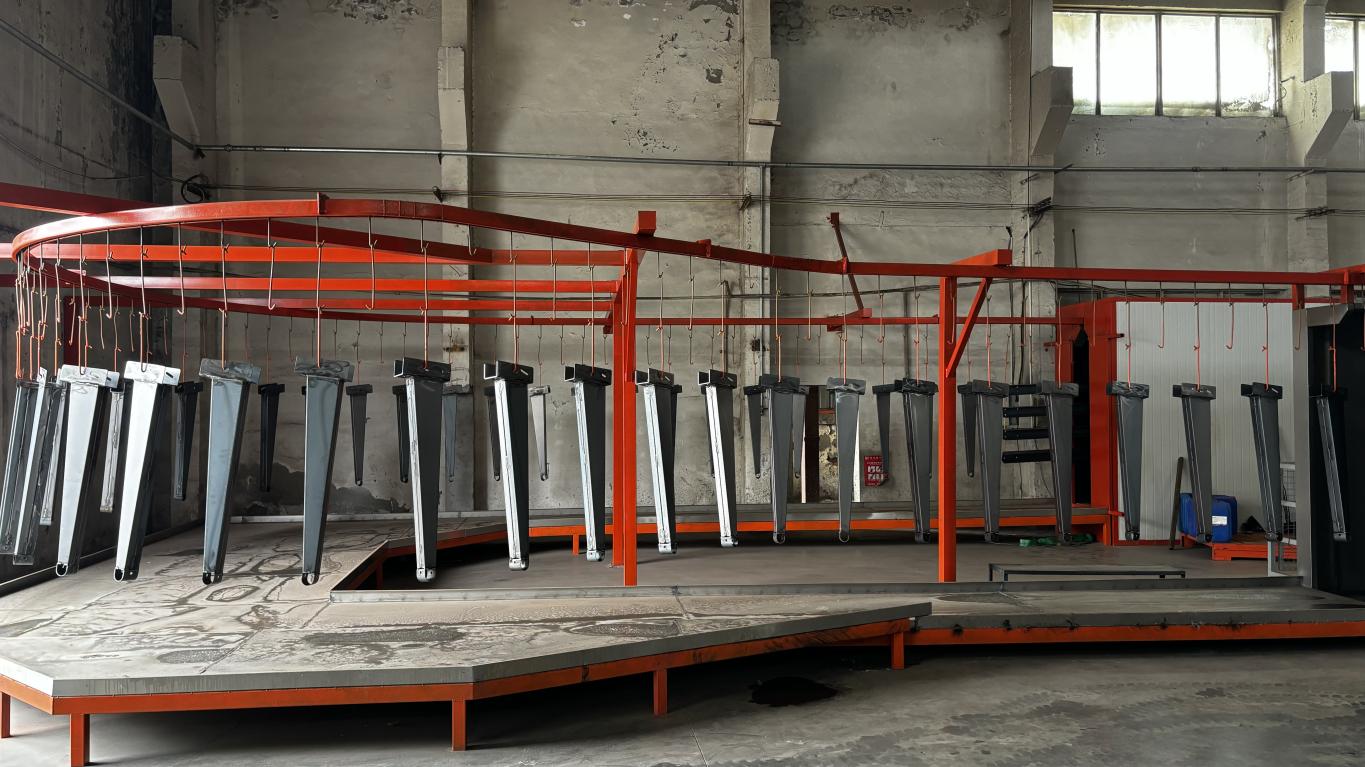
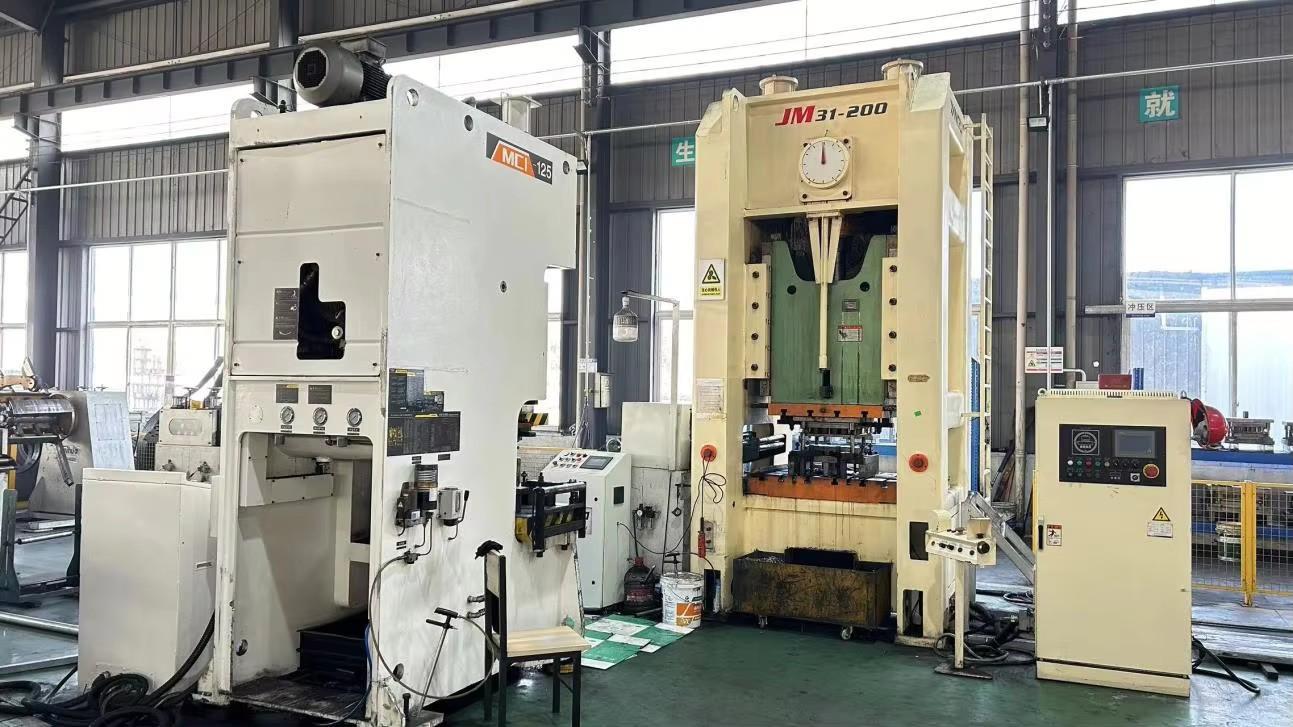
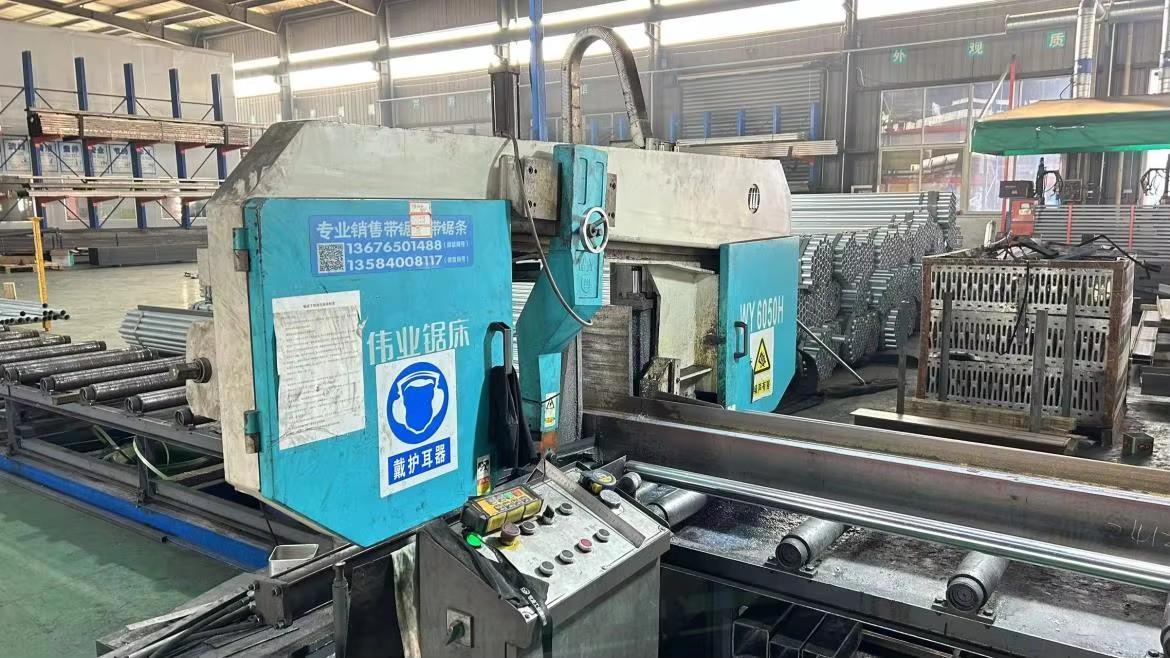
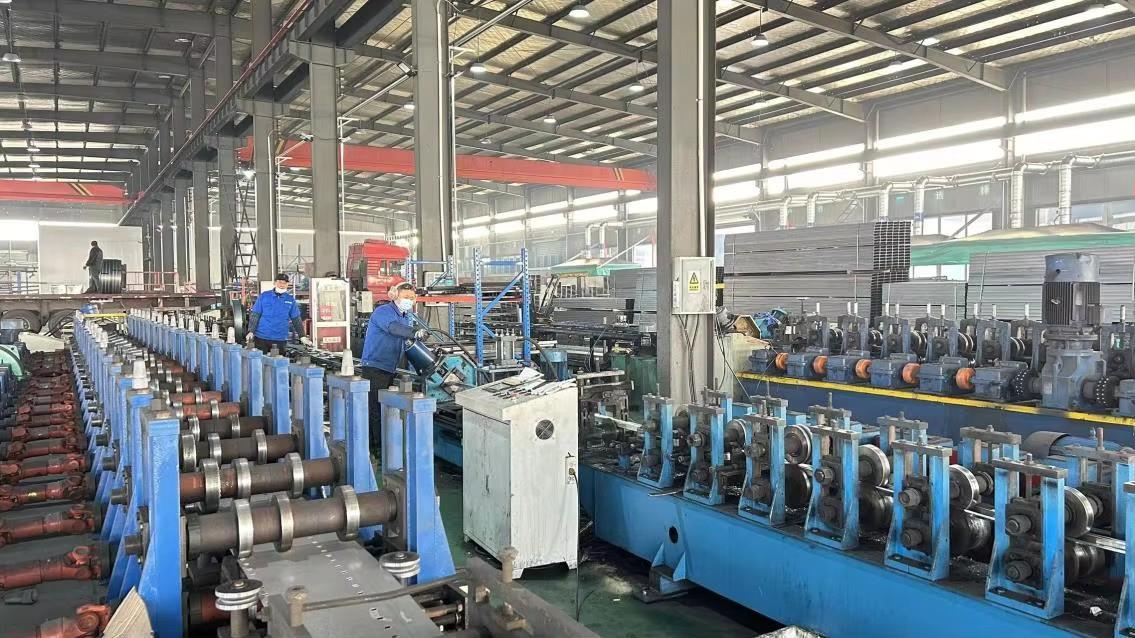
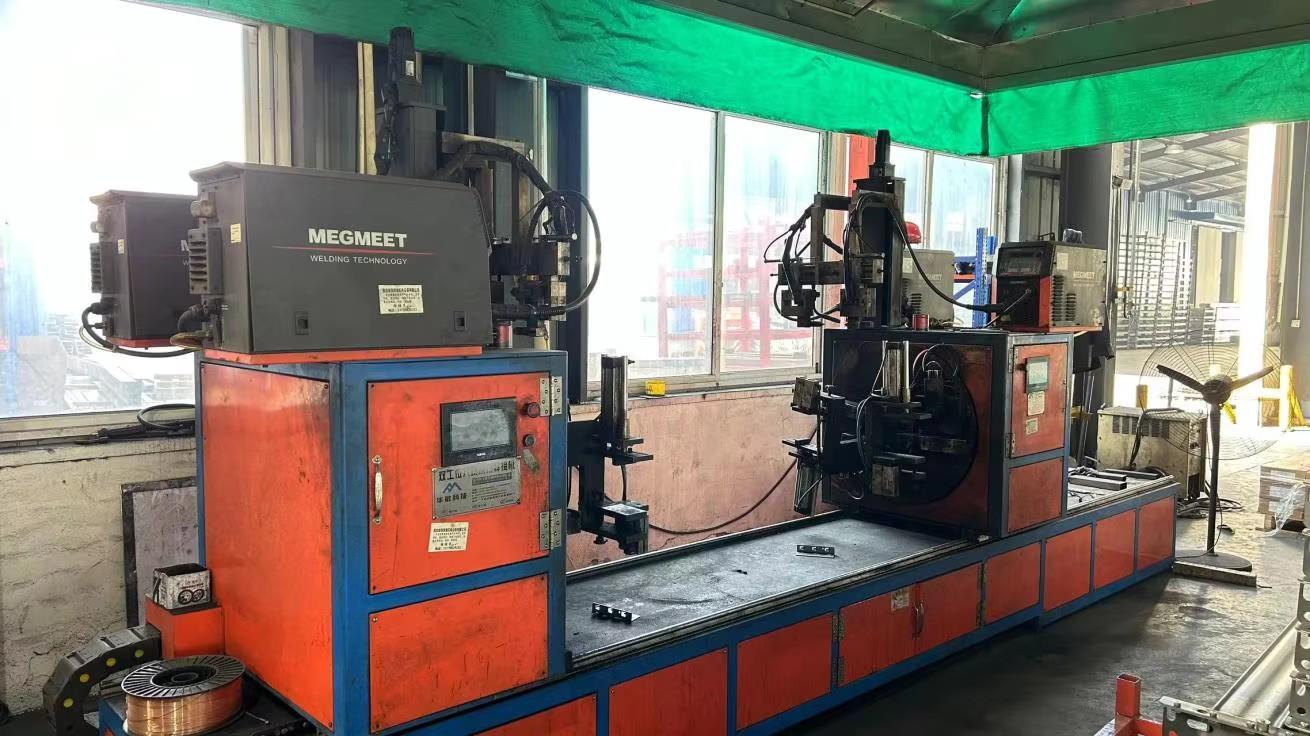
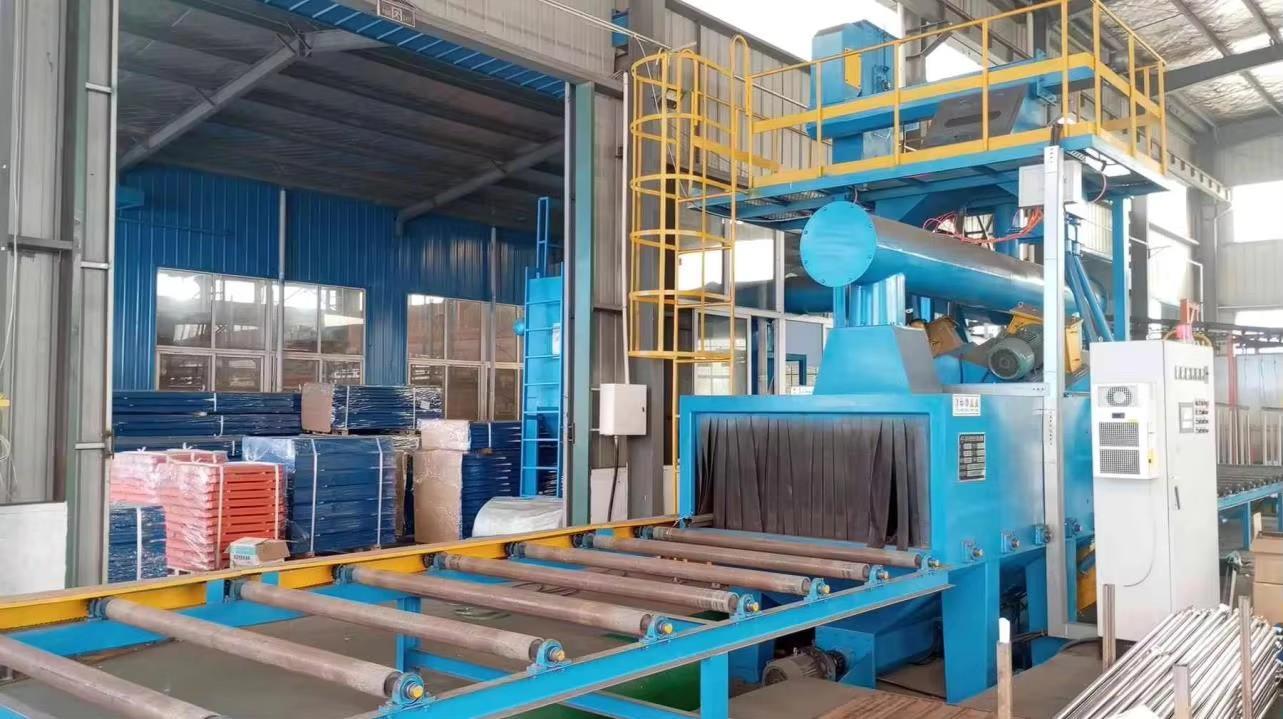
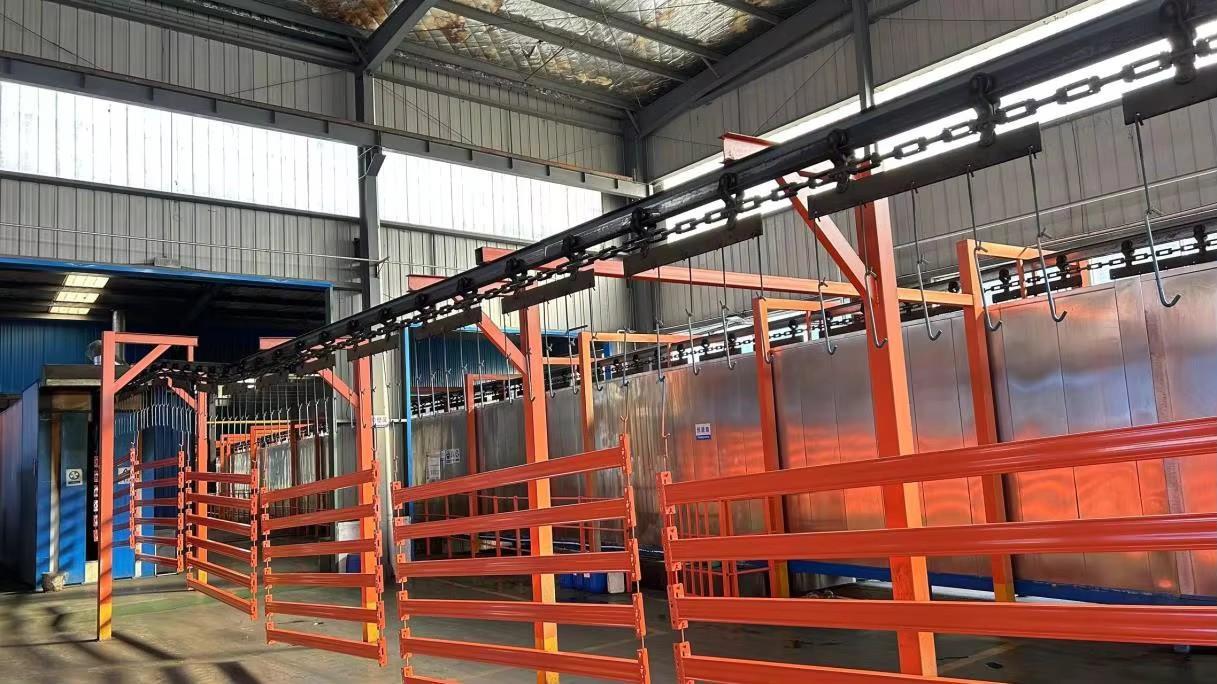
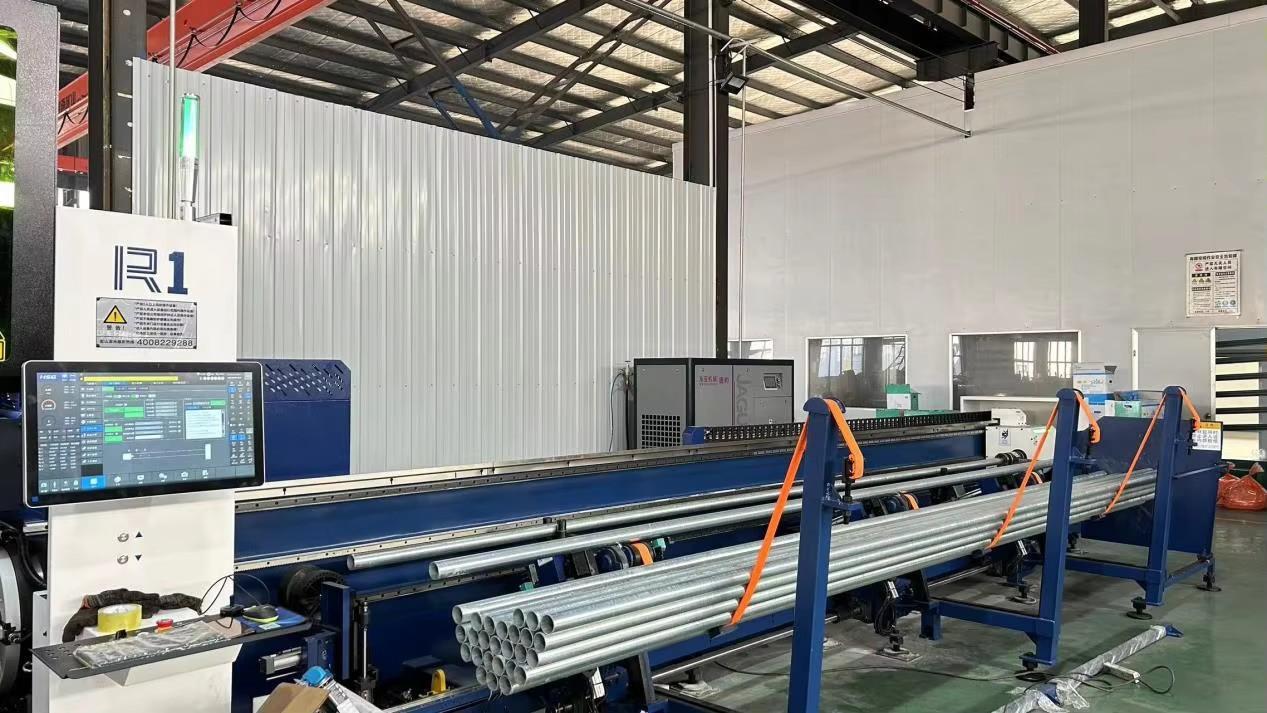
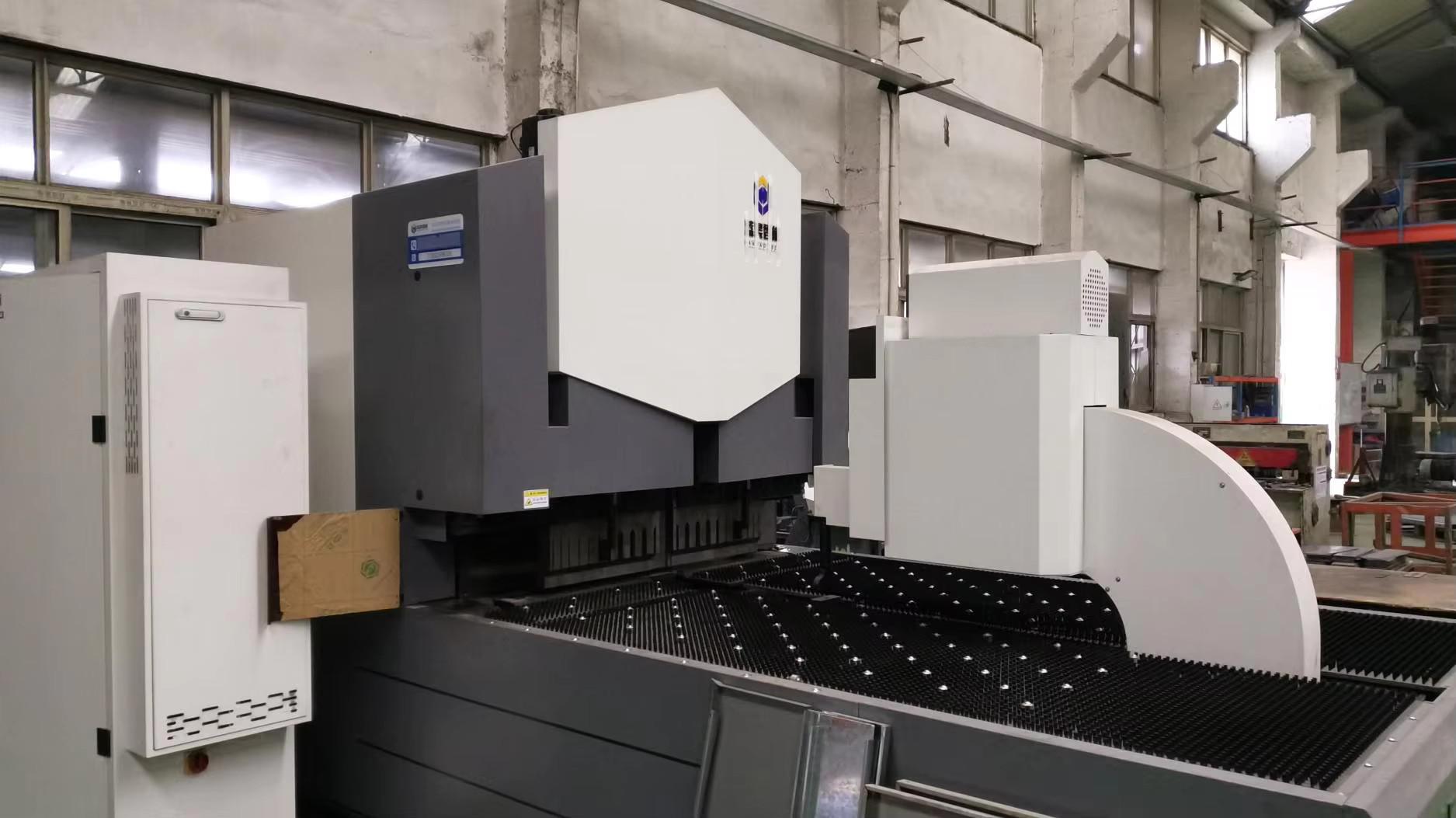
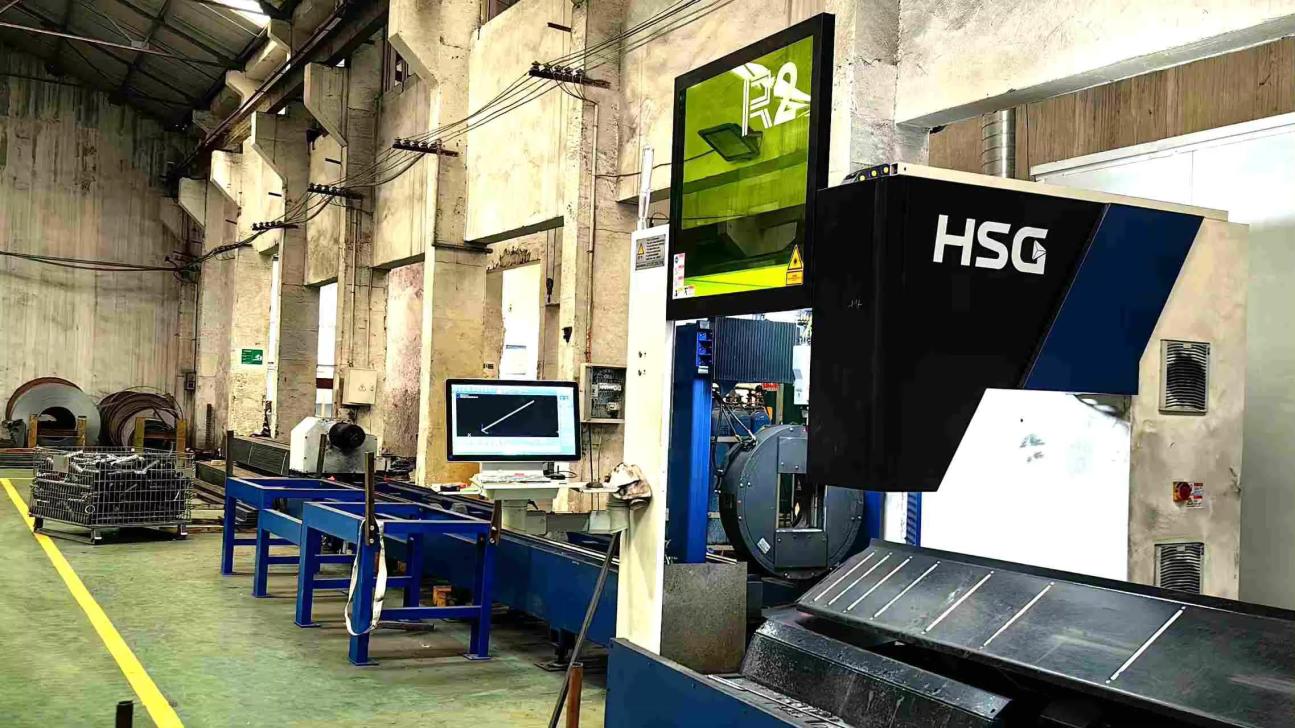
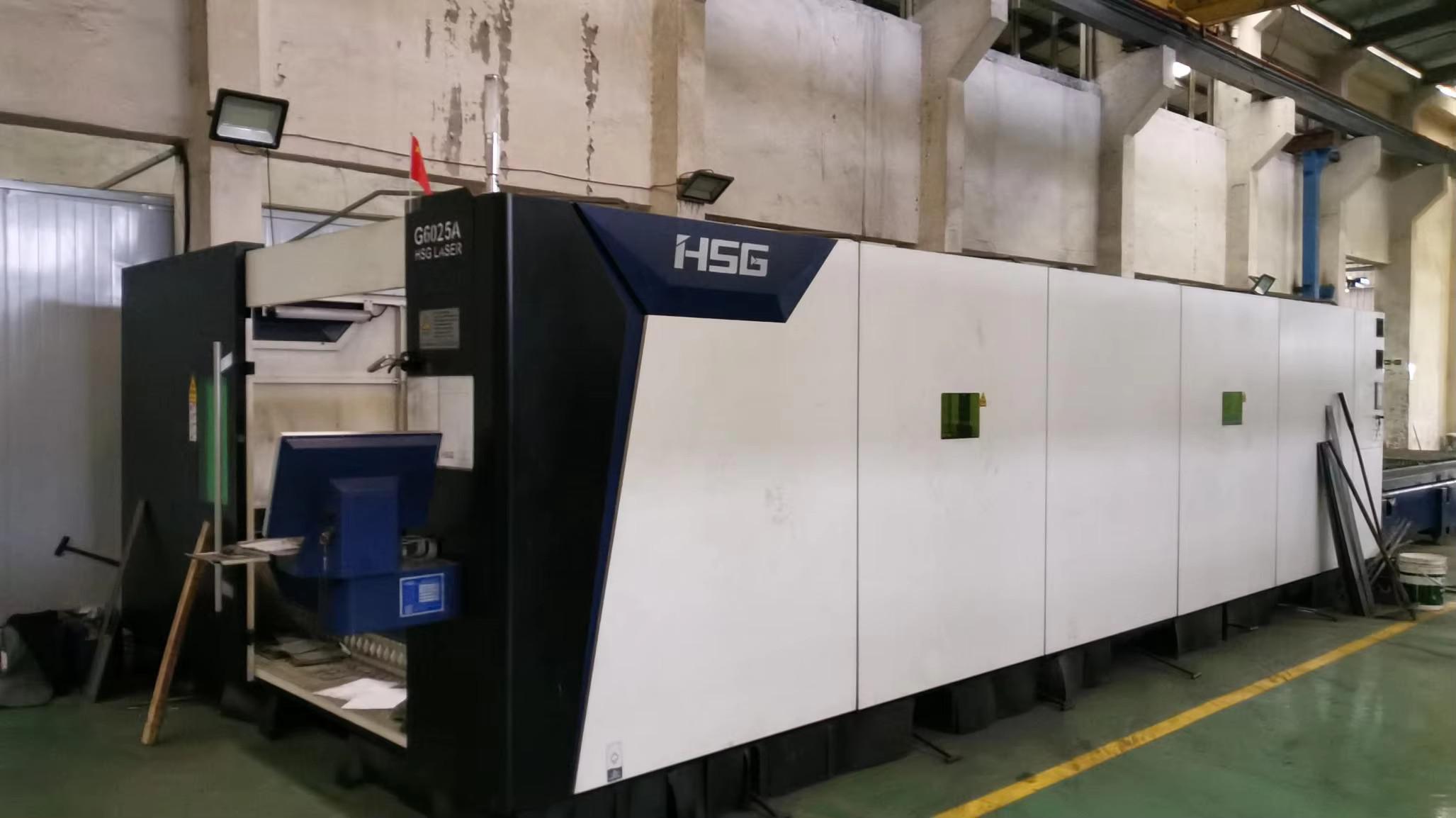
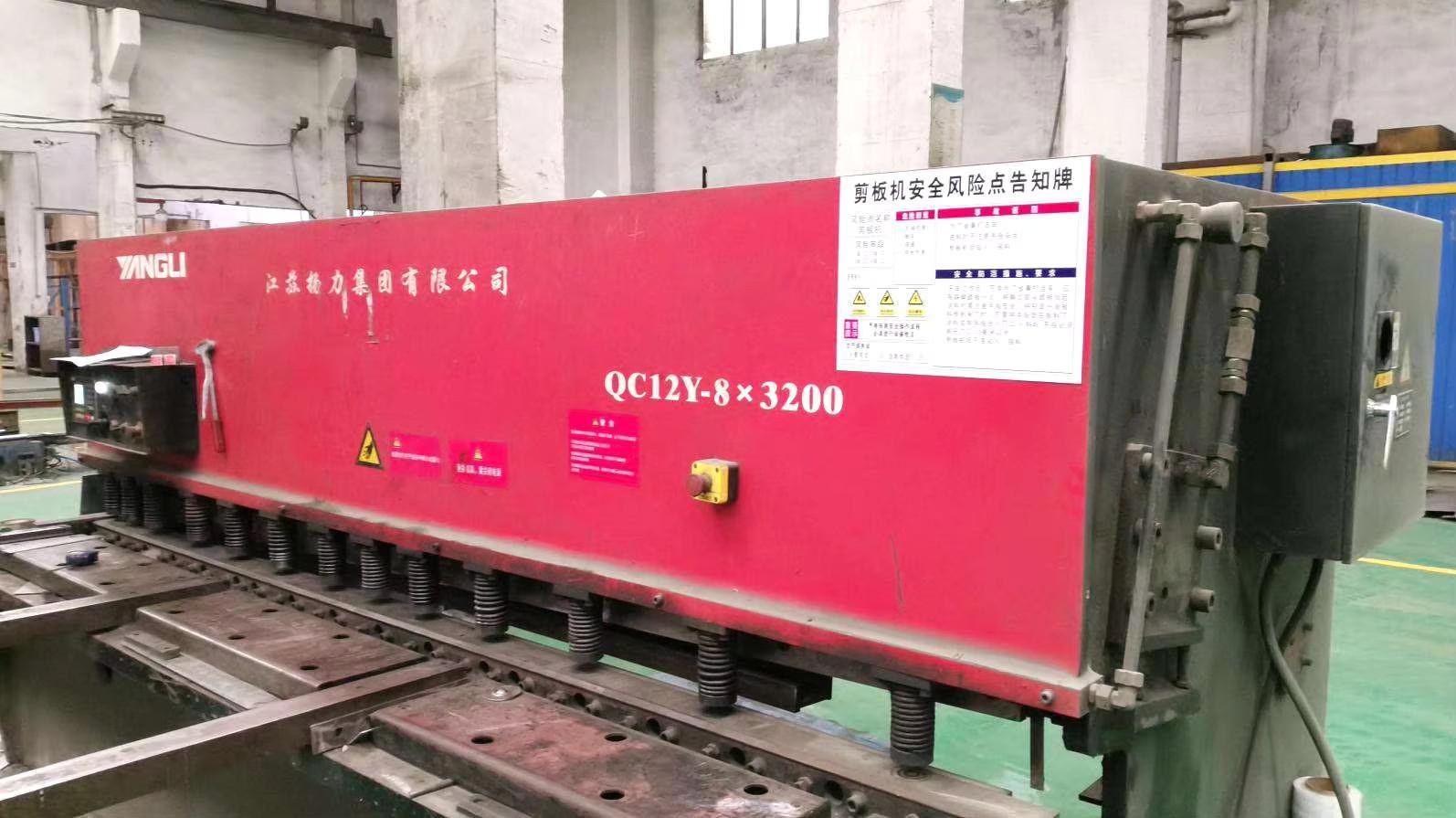
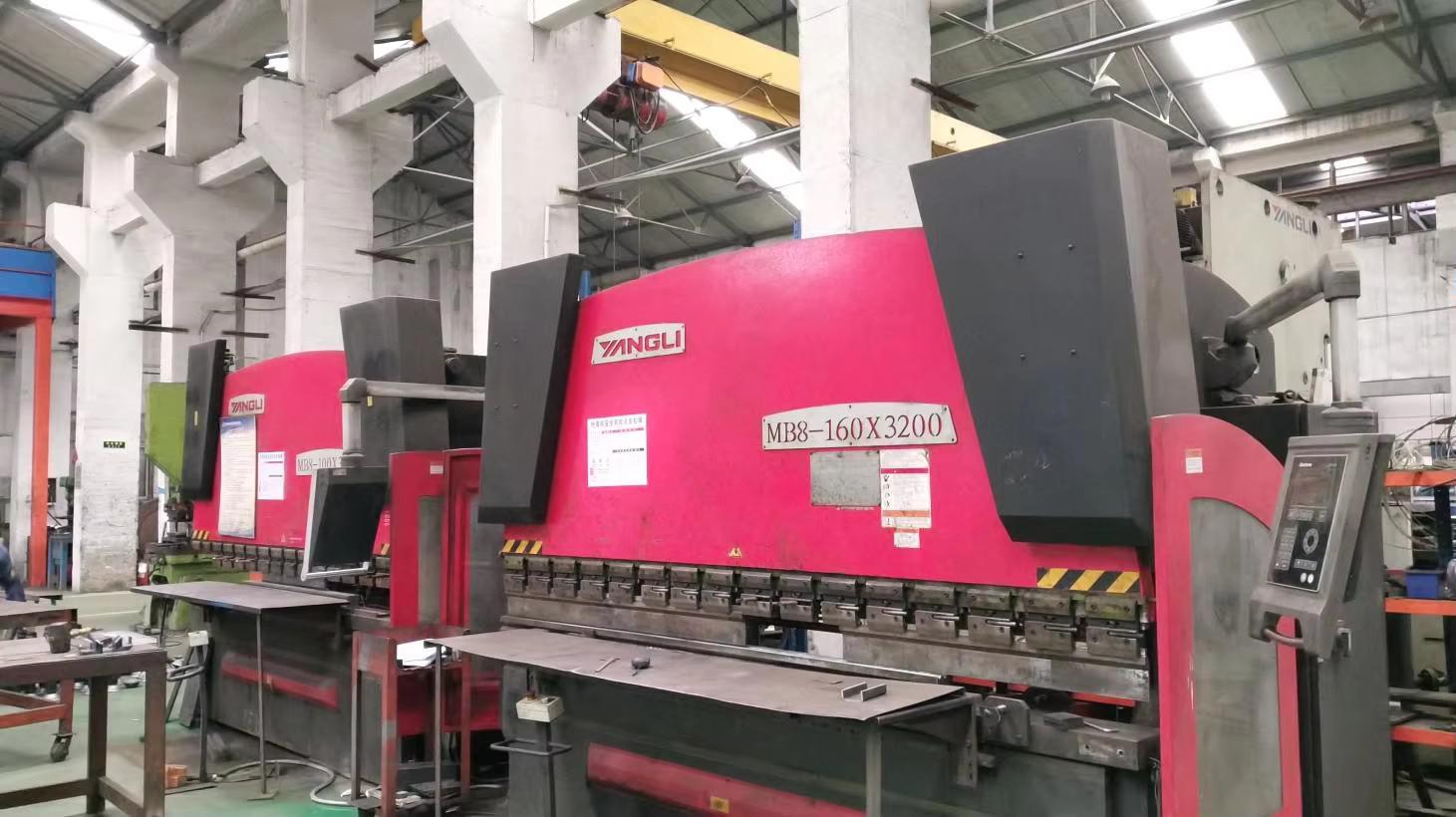
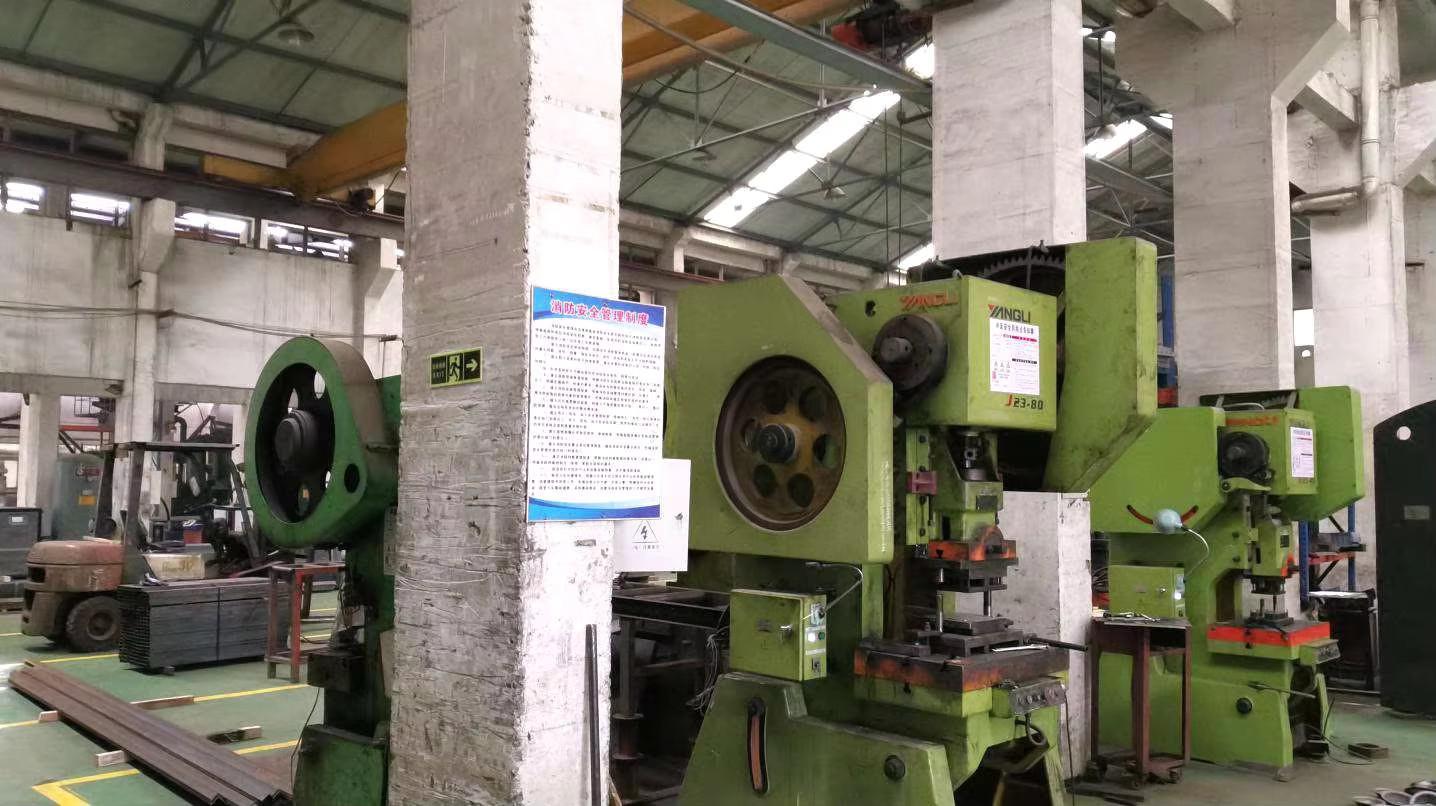
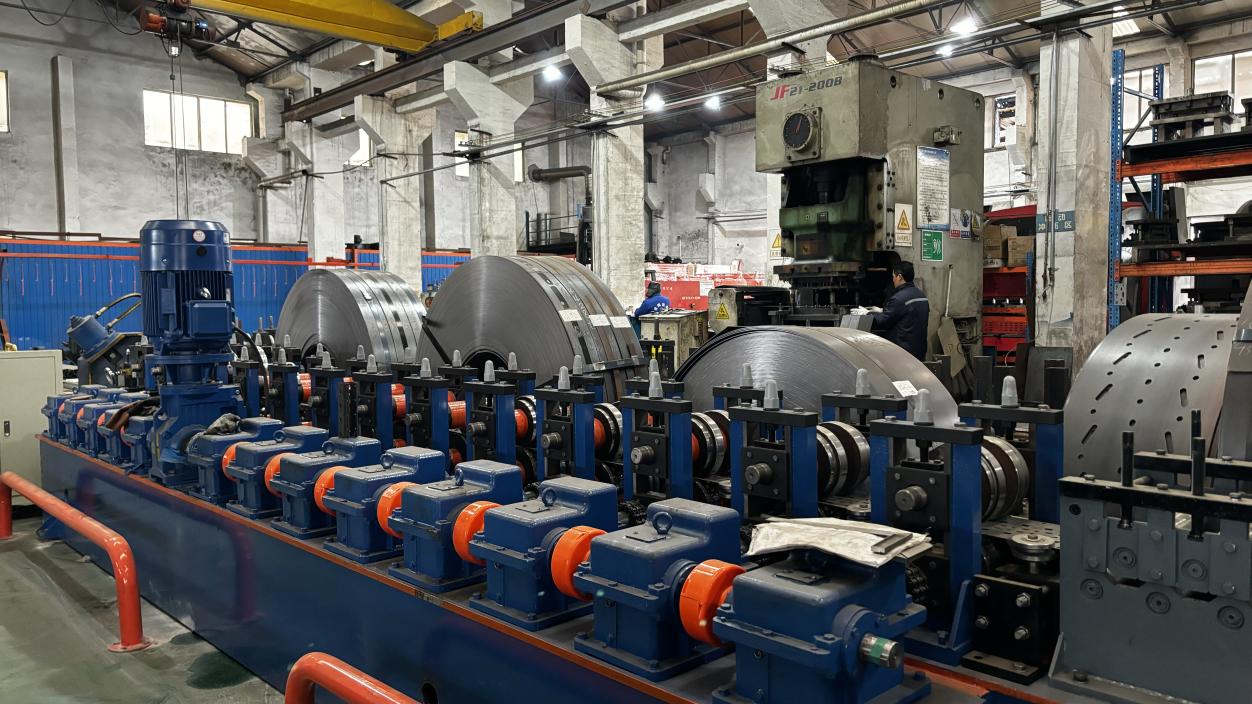
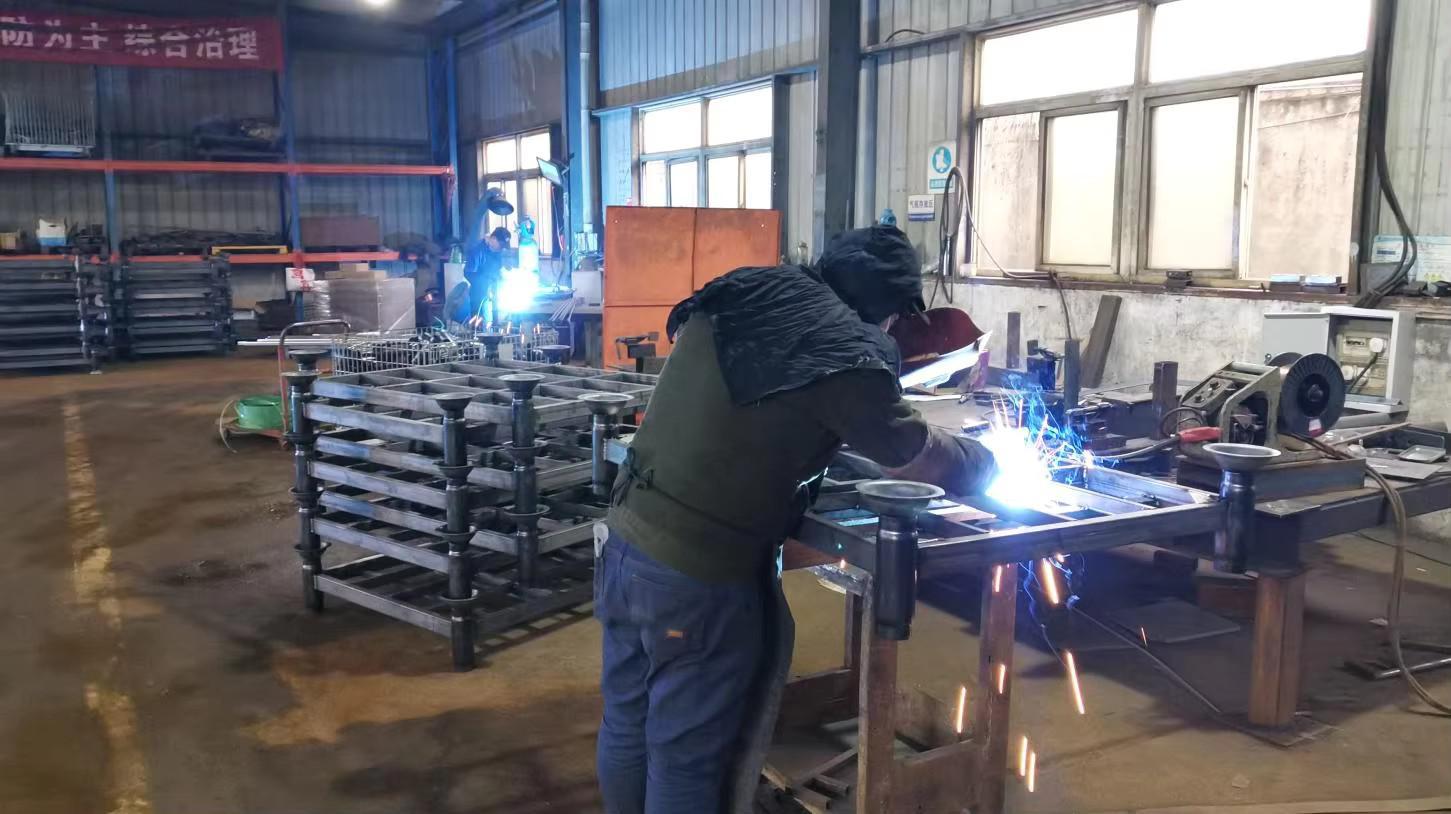
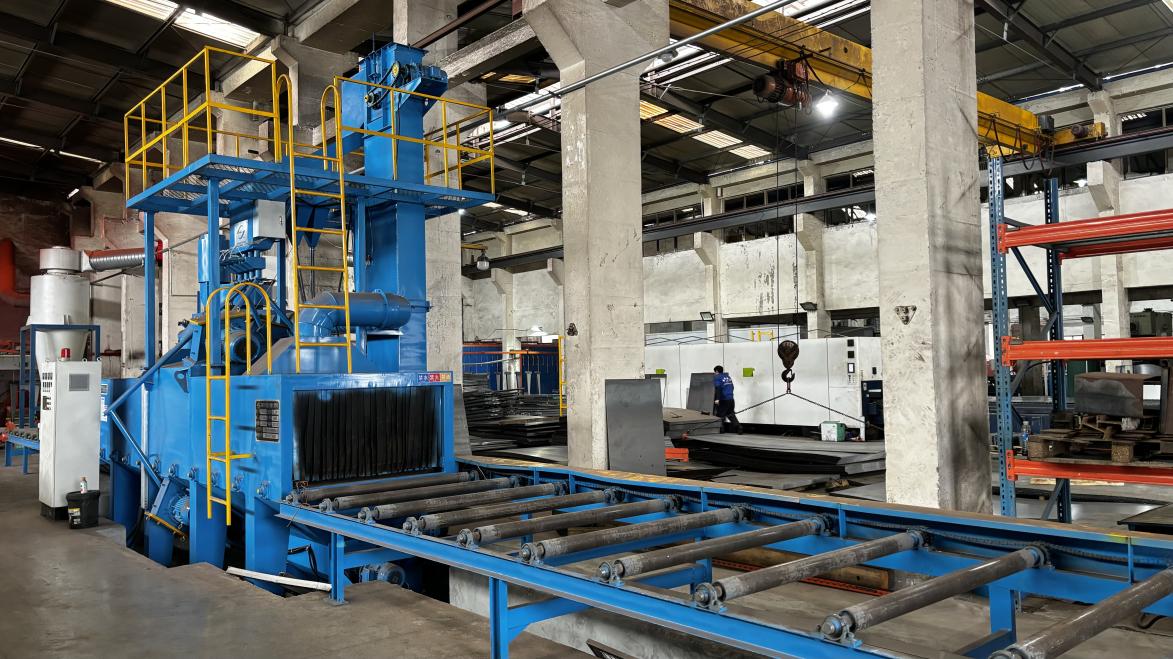
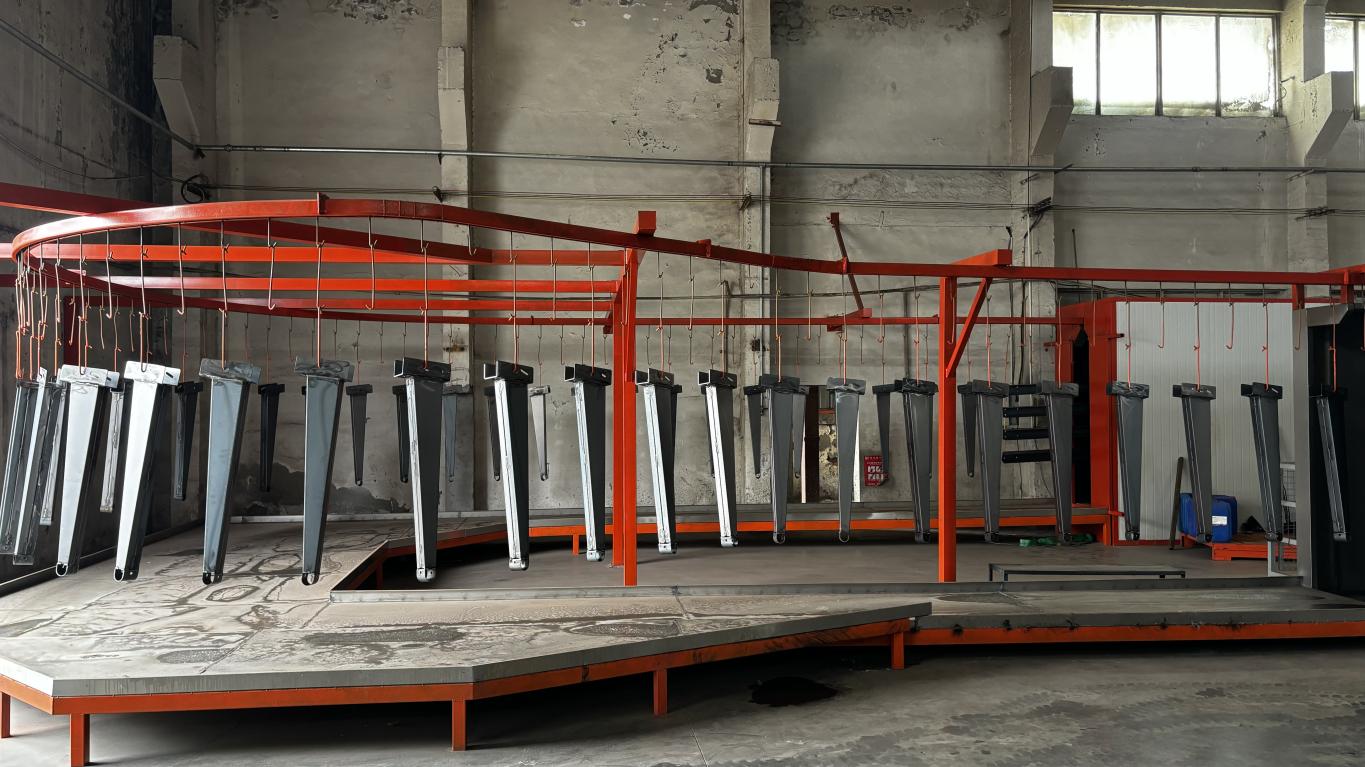
Jinhui’s engineering capabilities are built around our advanced machinery and a dedicated workforce. Our manufacturing facility uses automated production lines, including CNC punching configurations, precision laser cutting setups, robotic welding systems, and automated electrostatic powder coating lines. These machines translate engineering plans into structural steel elements with high structural integrity. Our manufacturing supply chain is supported by over 980 validated raw material partners, ensuring consistent material quality and production timelines even during volatile global market cycles.
Jinhui maintains a professional engineering and research department staffed by 68 R&D engineers. This team handles product customization (OEM & ODM services), converting structural challenges into safe, cost-efficient rack designs based on local building codes, soil composition, and handling requirements. During the previous fiscal year, Jinhui developed and delivered 126 new designs and updated storage projects, supporting clients in logistics, retail, cold storage, and heavy manufacturing.
From metallurgical verification to computer-controlled powder curing: How we secure structural integrity at every stage.
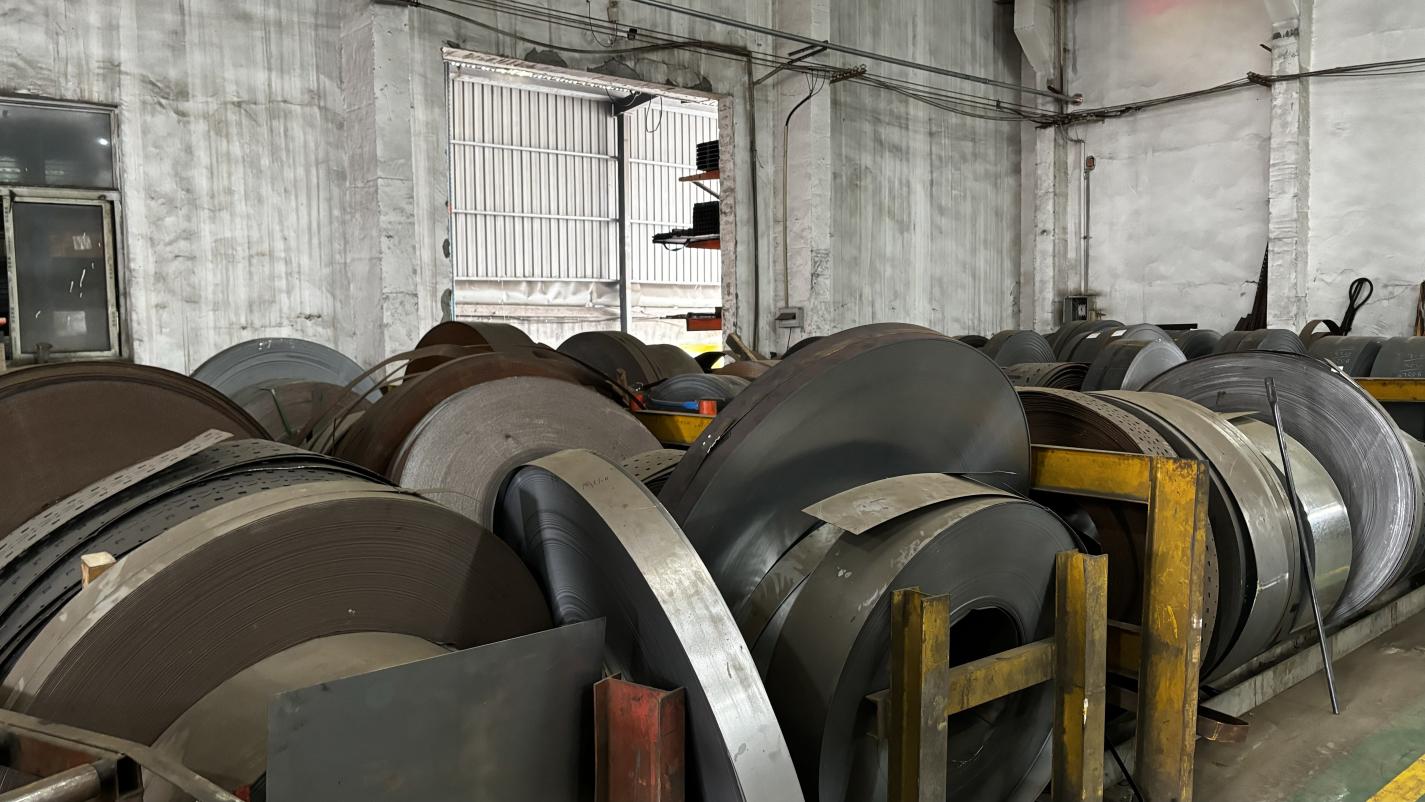
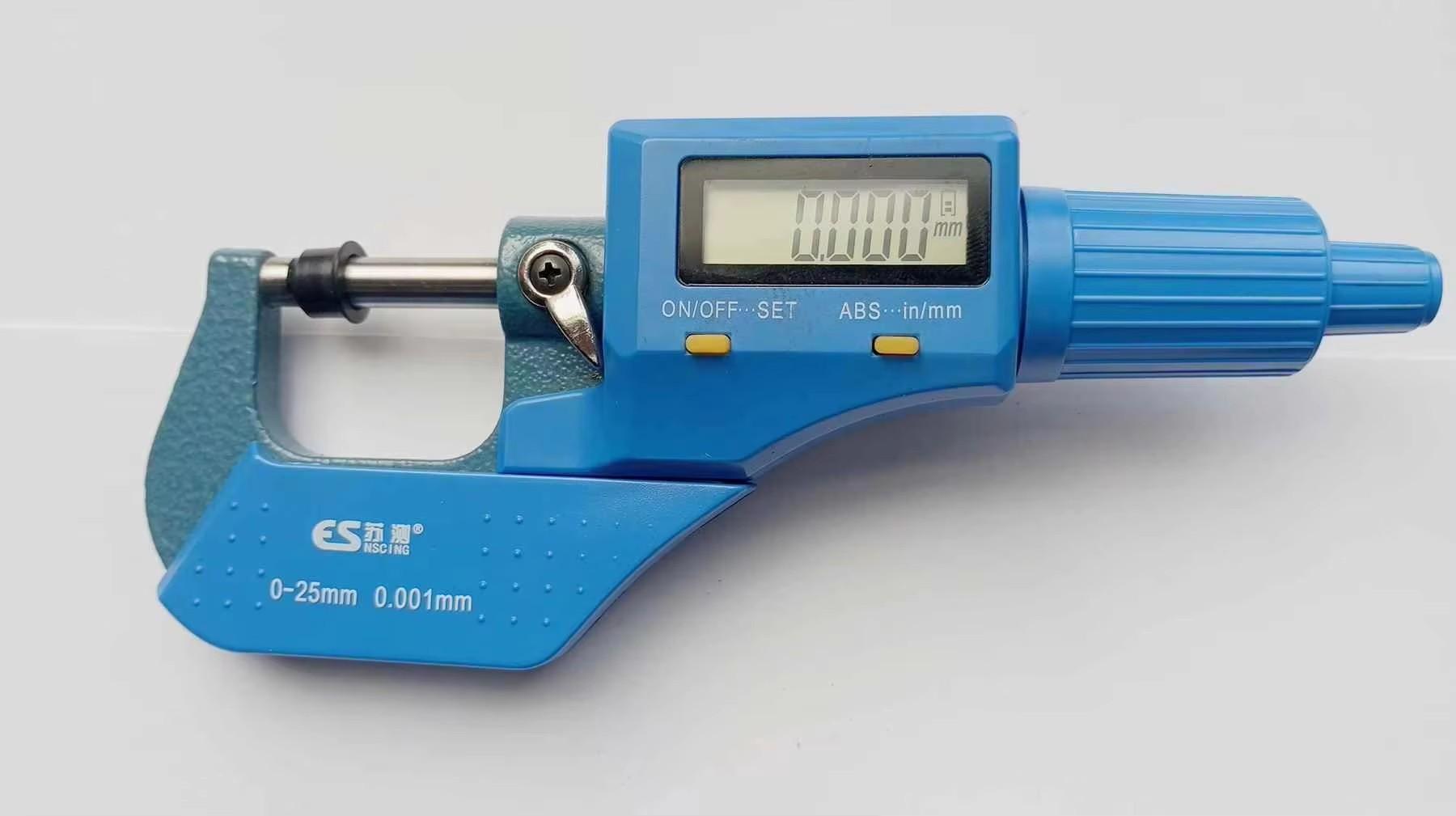
For high-capacity structural platforms and tall pallet racks, structural performance under load is a critical safety consideration. Jinhui operates under a strict quality management system certified to ISO 9001 standards. We employ a dedicated quality assurance division comprising 46 experienced quality inspectors. These specialists inspect all operations, from initial raw material receipt through profile rolling, welding validation, coating thickness testing, and final structural load capacity verification.
Adapting high-density storage technologies for future automation, AI orchestration, and low-carbon construction standards.
The next phase of material handling optimization centers on integrating static rack frameworks with dynamic automation. Traditional industrial racking is shifting from a simple steel support structure to an active component of automated storage and retrieval systems (ASRS). By integrating structural steel elements with high-density, multi-directional shuttle technologies and automated guided vehicles (AGVs), modern warehouses can achieve higher storage density per cubic meter while reducing the operational footprints required by manual forklifts.
Jinhui’s long-term research is focused on three strategic technological pillars:
Targeted engineering configurations designed to solve specific spatial, thermal, and operational challenges across industries.
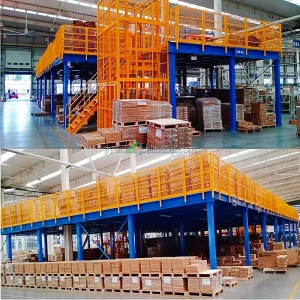
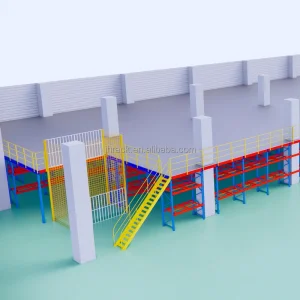
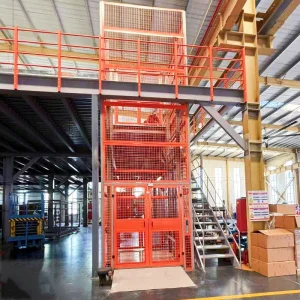
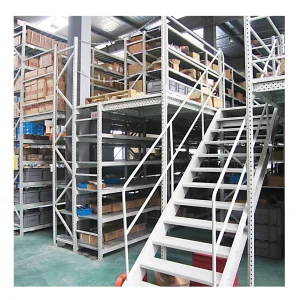
Multi-tier mezzanine platforms designed with integrated lifts, high-speed conveyors, and localized picking bays to handle high-frequency SKU volumes and high human-operator density.
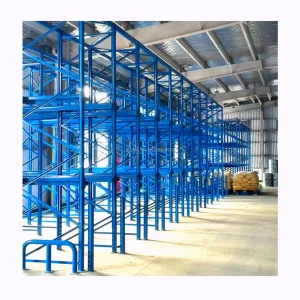
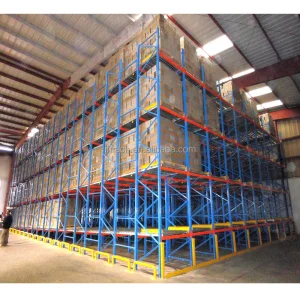
Drive-in and Radio Shuttle racking configurations constructed from low-temperature-tolerant structural steel profiles, preventing structural embrittlement down to -30°C.
Heavy-duty, non-standard structural steel cantilever configurations designed to securely support concentrated, irregularly balanced static loads, such as engine blocks and chassis panels.
Key information regarding structural load tolerances, international certifications, and technical design criteria.
CE certification indicates that a structural steel racking system meets European safety standards, including EN 15512 (Steel static storage systems - Adjustable pallet racking systems - Principles for structural design). It certifies that the manufacturer has used traceable raw materials (such as standard Q235B or Q355B structural steel grades), applied certified welding processes, and verified structural safety tolerances. This documentation is essential for satisfying insurance requirements, local building authority permits, and industrial workplace safety inspectors within the European Economic Area.
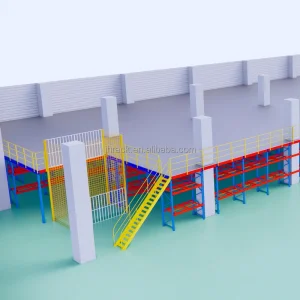
A structural steel mezzanine platform provides access to vertical space by building distinct intermediate flooring levels. This design creates work areas, offices, or parts picking stations without requiring a new building extension. Standard Selective Pallet Racking is best suited for palletized forklift handling. A mezzanine platform, by comparison, can increase usable floor space by 100% to 200% at a lower capital cost than building additions, making it an efficient option for multi-SKU operations, sorting centers, and light assembly plants.
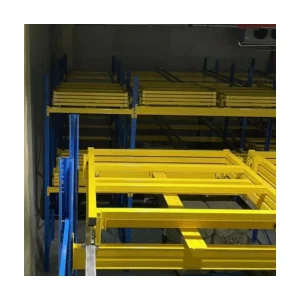
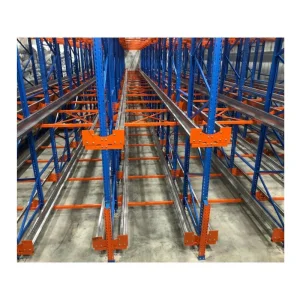
Radio Shuttle racking is a semi-automated system that uses a motorized cart to transport pallets along rails within deep storage lanes. This design reduces the need for forklifts to enter the racking structure, lowering the risk of structural damage. It operates under both FIFO (First-In, First-Out) and LIFO (Last-In, First-Out) models, maximizing storage density and safety. This system is suitable for high-density storage applications, such as cold stores and bulk food distribution facilities.
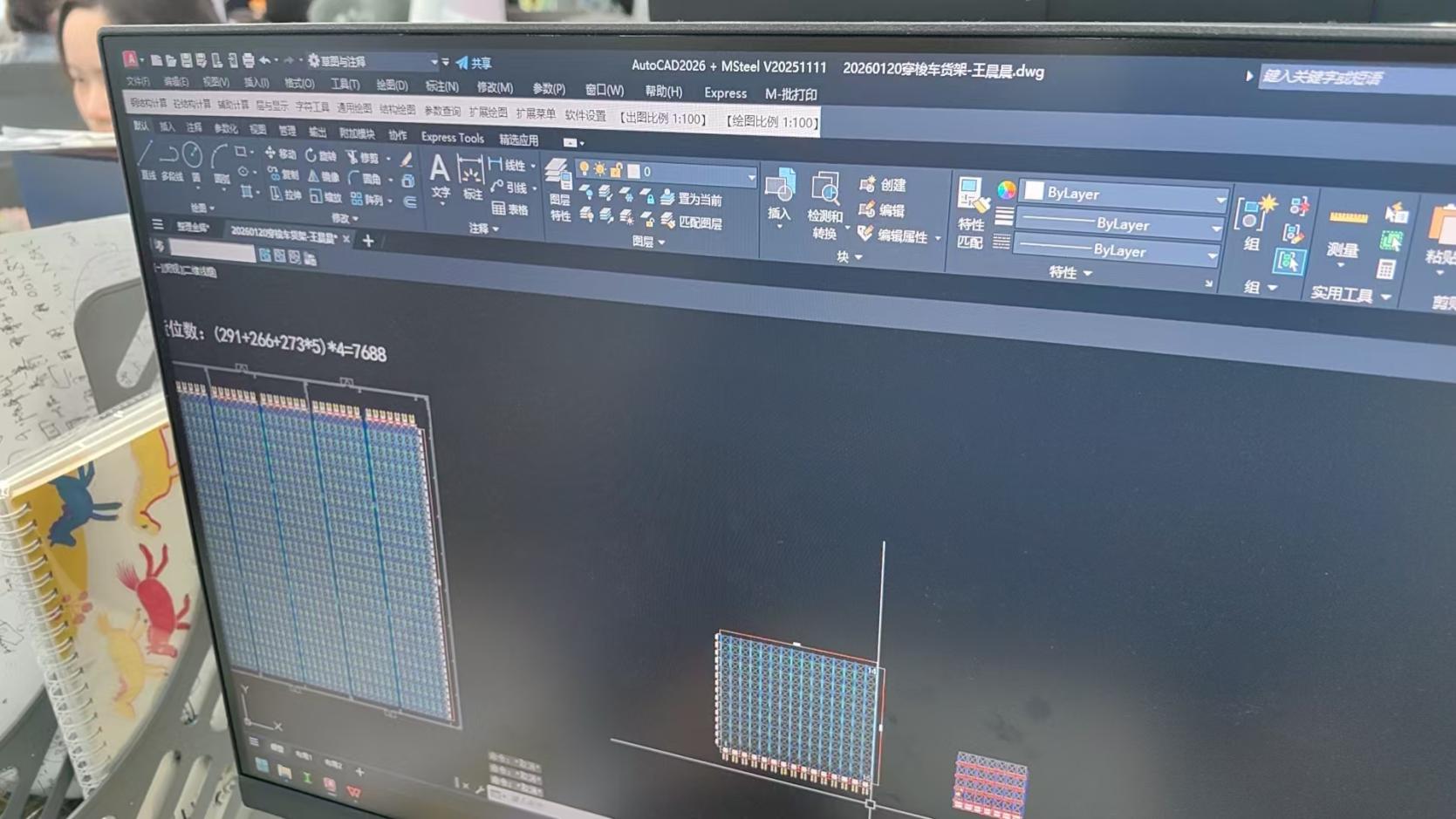
We use finite element analysis (FEA) software to model structural loads, incorporating safety factors that account for dynamic impact forces from forklift operations, local wind loads (for outdoor installations), and regional seismic parameters. We verify these engineering designs through physical testing of structural components under load in our testing labs. Here, we measure weld integrity, beam deflection under maximum load, and ultimate mechanical failure limits.
Jinhui's technical team designs structural racks for specific load dimensions, pallet weights, and forklift turning radii. We configure rack heights to match available clearances, customize upright widths for varied mechanical stresses, specify specialized deck types (such as wire mesh or solid steel plates), and finish frames in specific RAL powder colors to meet corporate safety designations or operational zone coding.
Engineered structural racking options designed for high-density, multi-tier, and semi-automated intralogistics applications.
 Jinhui Storage Equipment