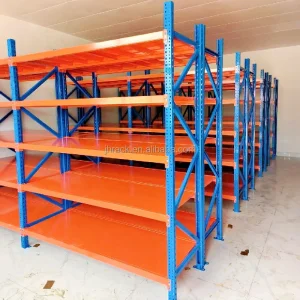
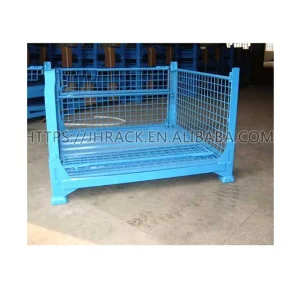
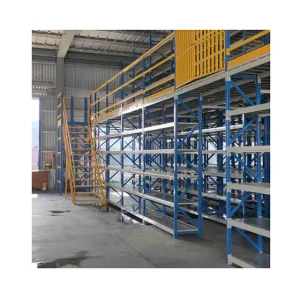
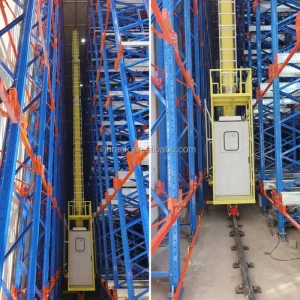
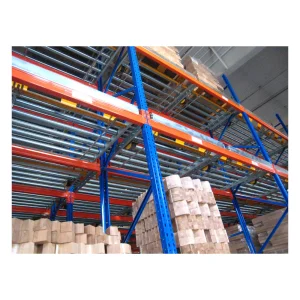
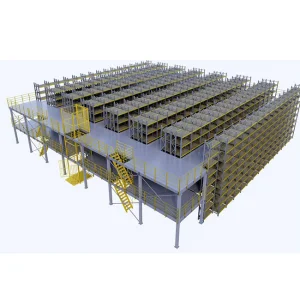
China Best Multi-Tier Storage Factories & Exporter

High-Density Structural Mezzanines, Automated Racking & Heavy-Duty Modular Storage Engineered for Global Compliance & Operational Efficiency

Industrial Multi-Tier Storage Systems: The B2B Sourcing Guide

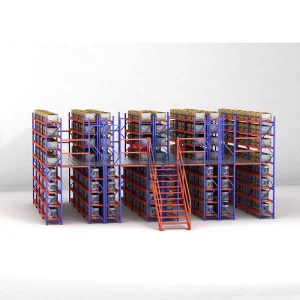
Modern global logistics networks face a critical real estate bottleneck: skyrocketing warehouse land acquisition and lease costs. To optimize footprint efficiency, distribution centers and production facilities are turning away from horizontal expansion and focusing on vertical integration. Multi-Tier Storage Systems, including rack-supported mezzanine floors and multi-level pick modules, represent the pinnacle of high-density vertical organization.

Key Sourcing Fact: A properly configured industrial mezzanine system can double or triple usable floor space without structural changes to the primary building envelope, resulting in an estimated ROI payback cycle of 12 to 18 months relative to traditional facility expansion.

Dongguan Jinhui Storage Equipment: Corporate Profile & Advanced Engineering Capabilities

Established in 2017, Dongguan Jinhui Storage Equipment Co., Ltd. has developed into a leading high-integrity manufacturer specializing in heavy-duty warehouse storage solutions. Leveraging 14 years of industry experience and 8 years of global export expertise, our engineering teams design, manufacture, and ship durable steel platforms, AS/RS automated warehouse solutions, and multi-tier structural projects across Europe, North America, Southeast Asia, Australia, South America, and the Middle East.

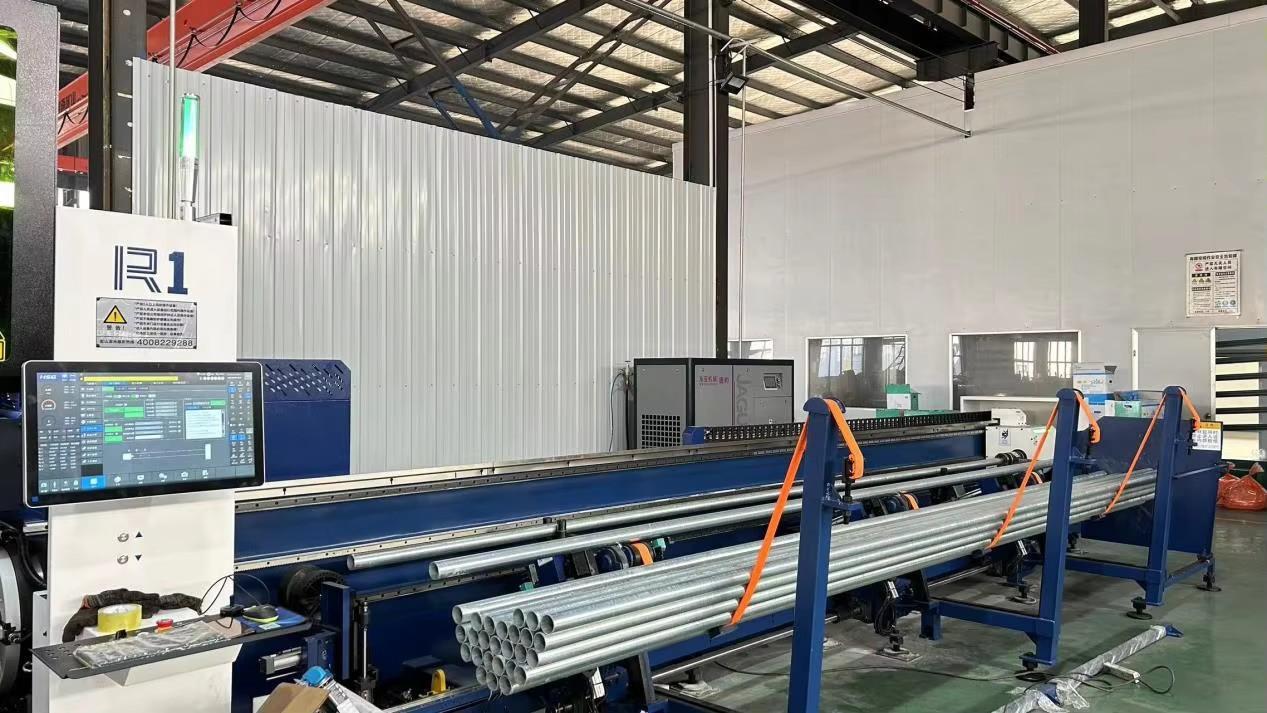
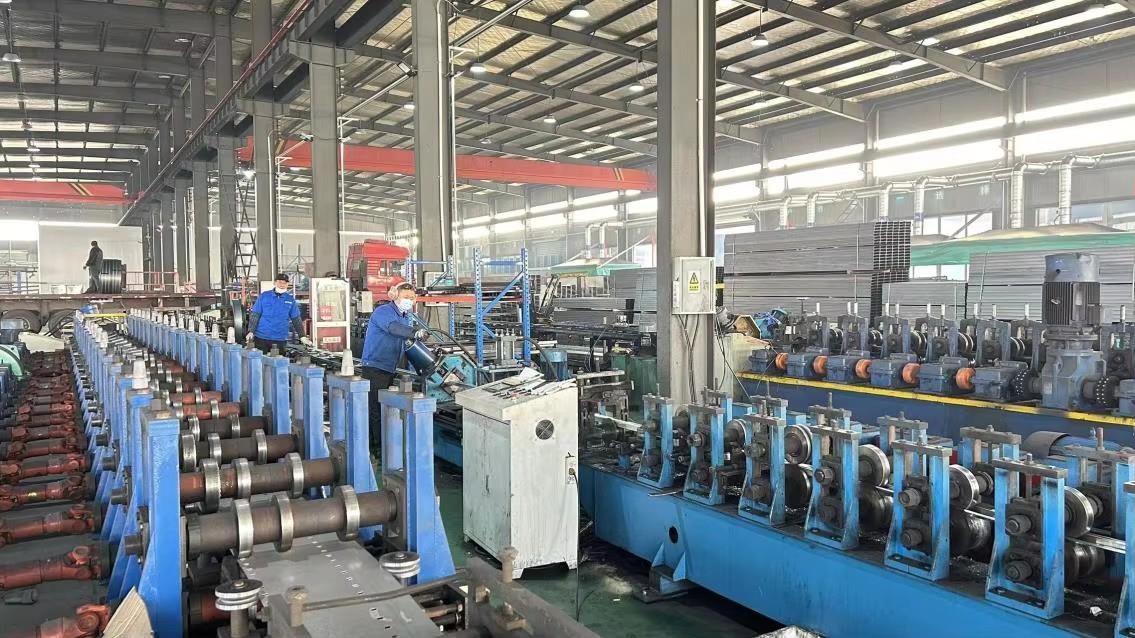
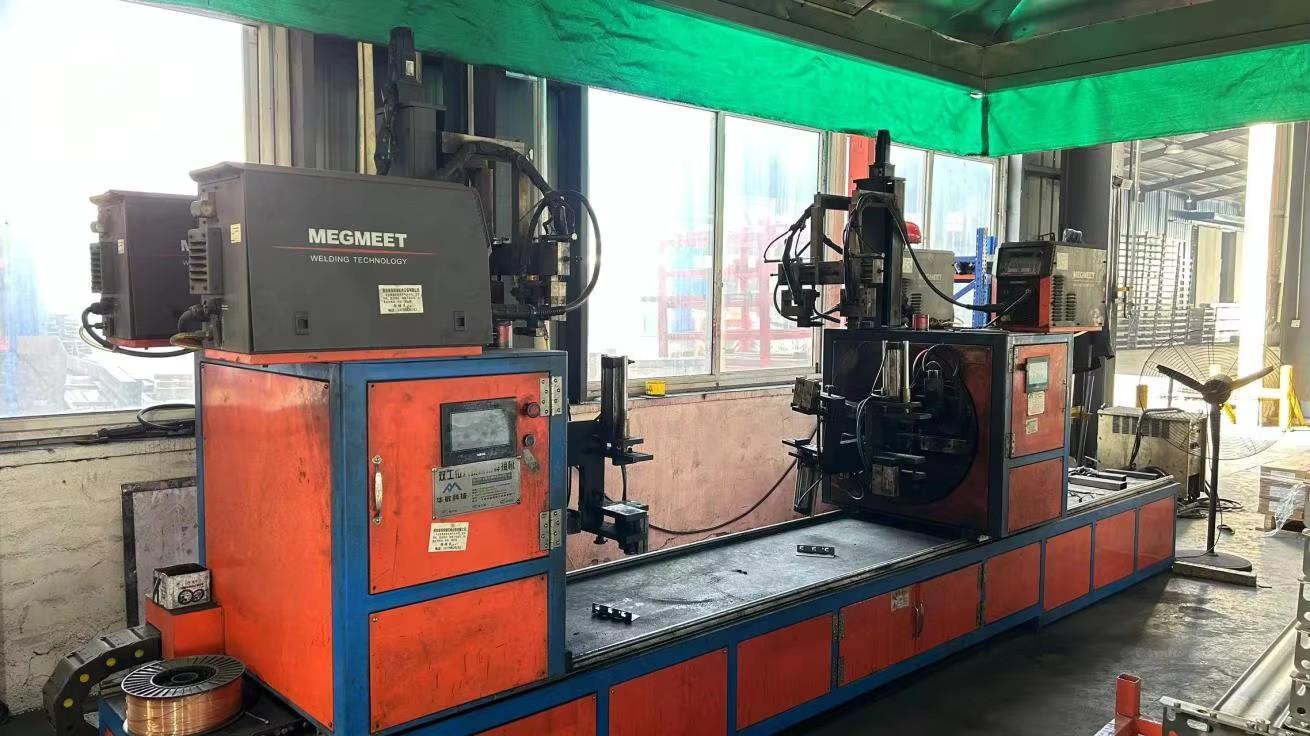
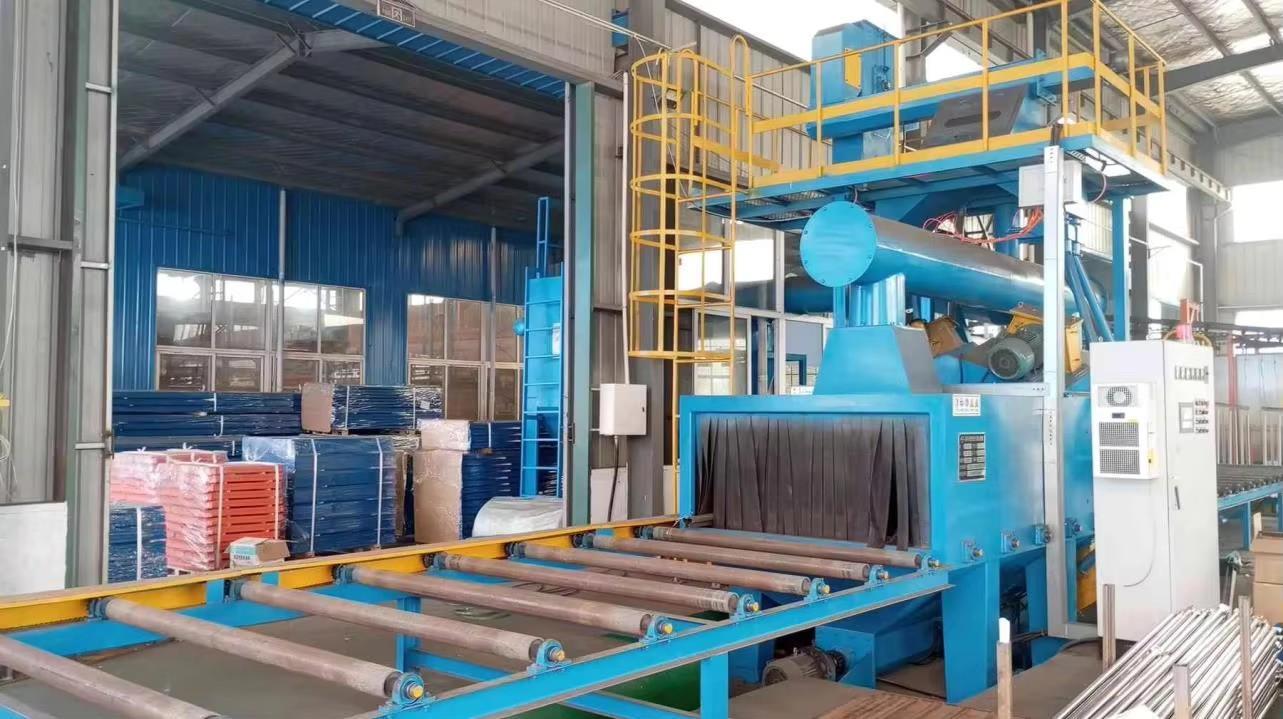
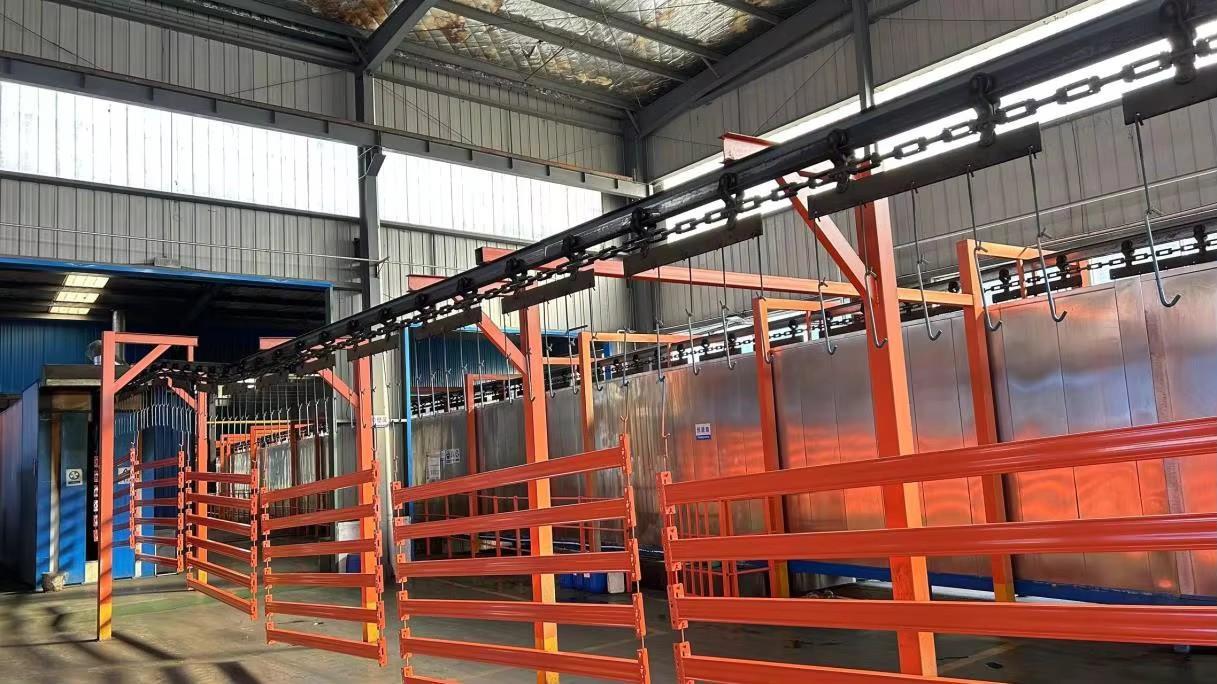
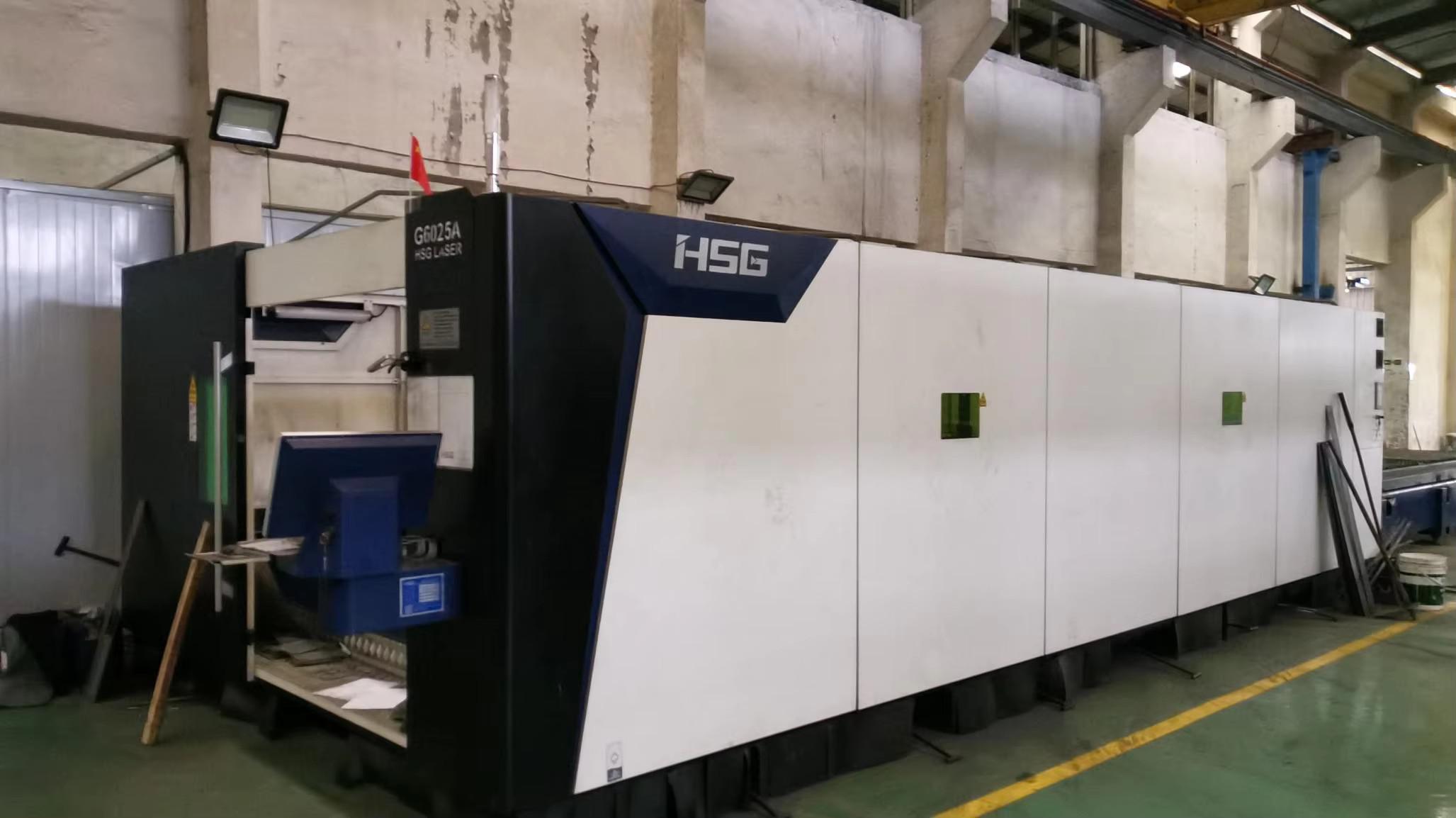
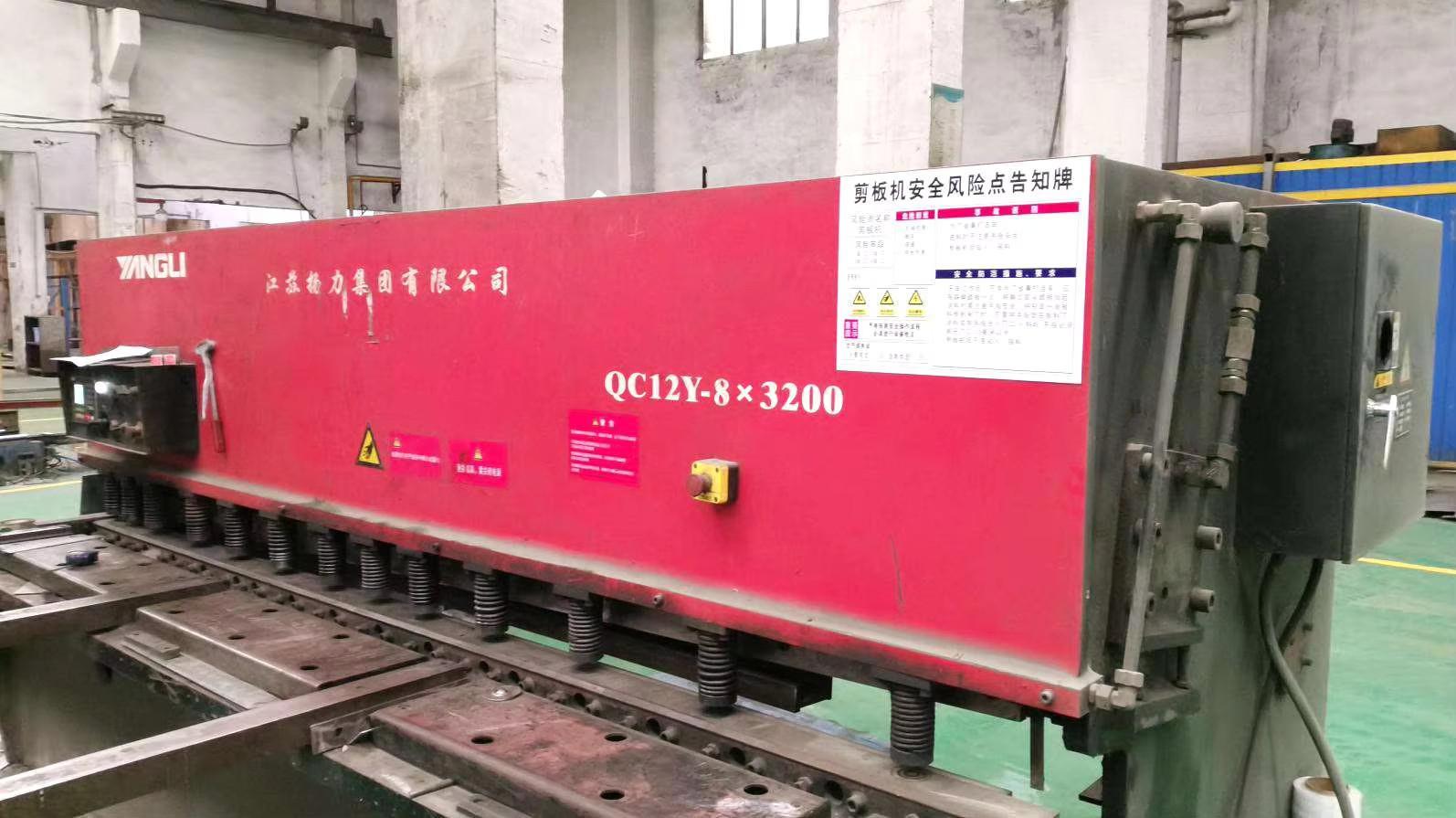
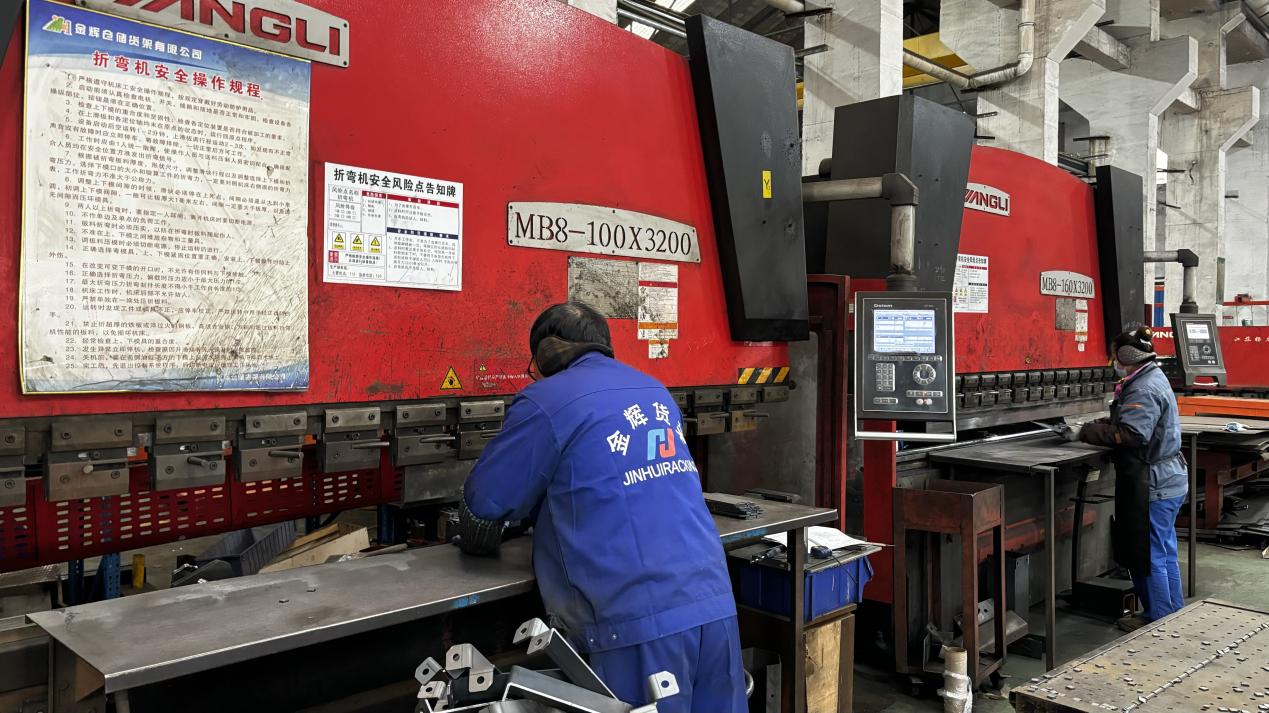
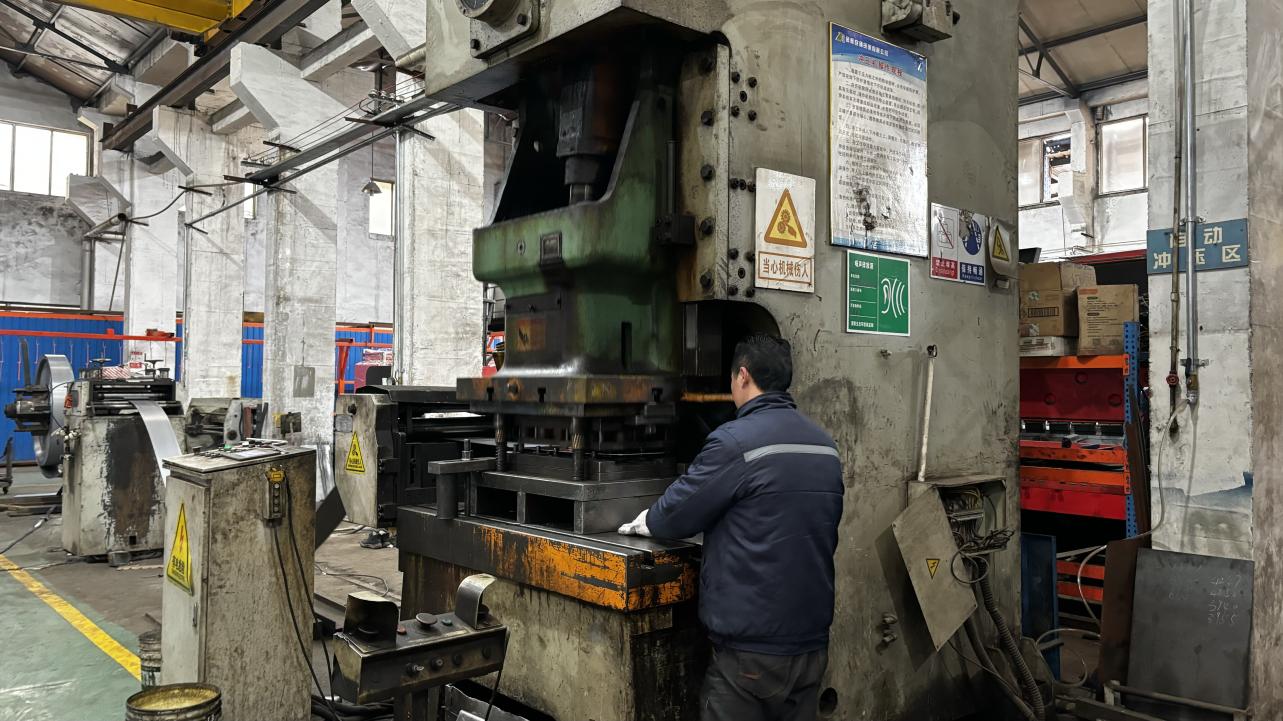
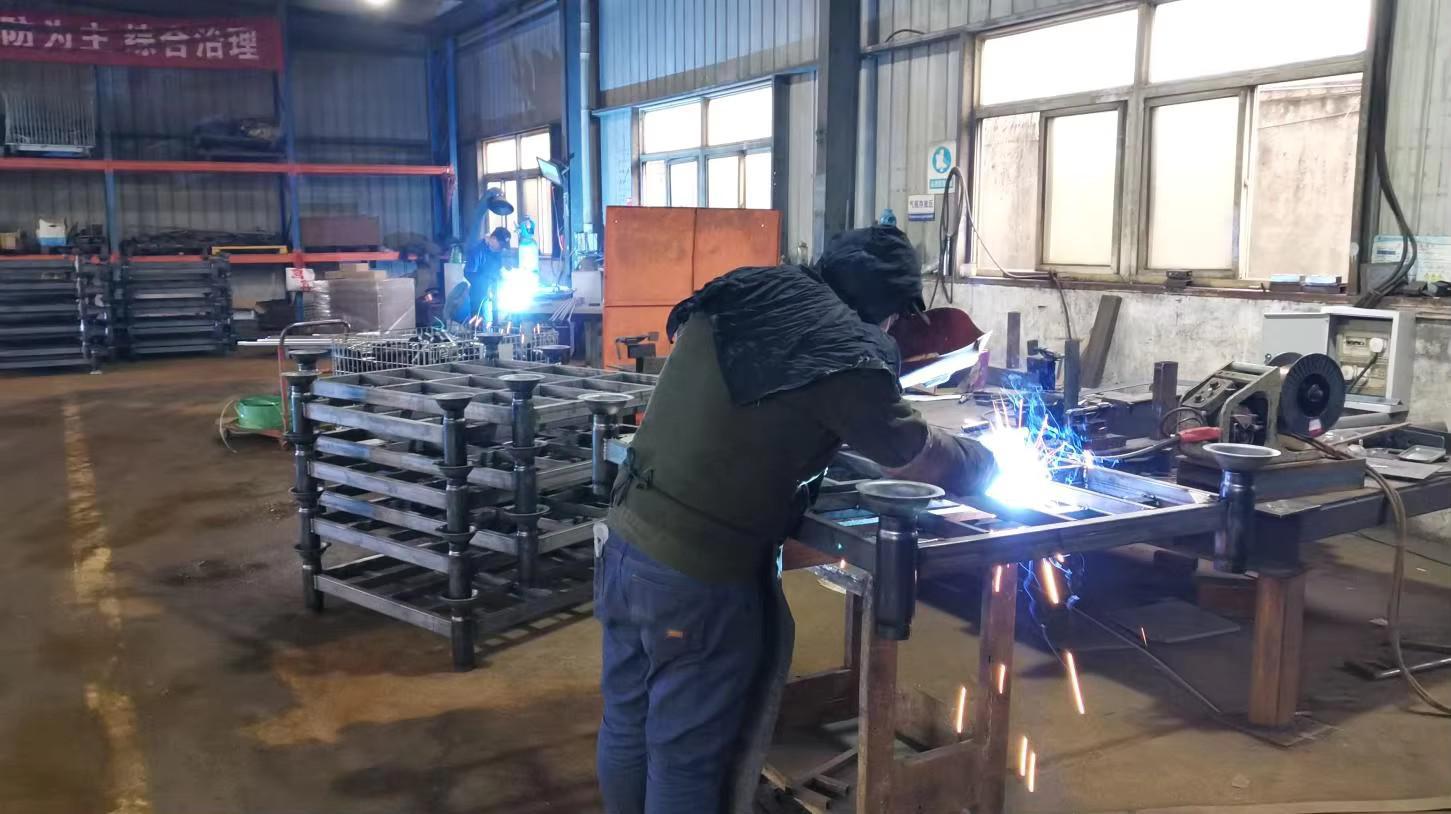
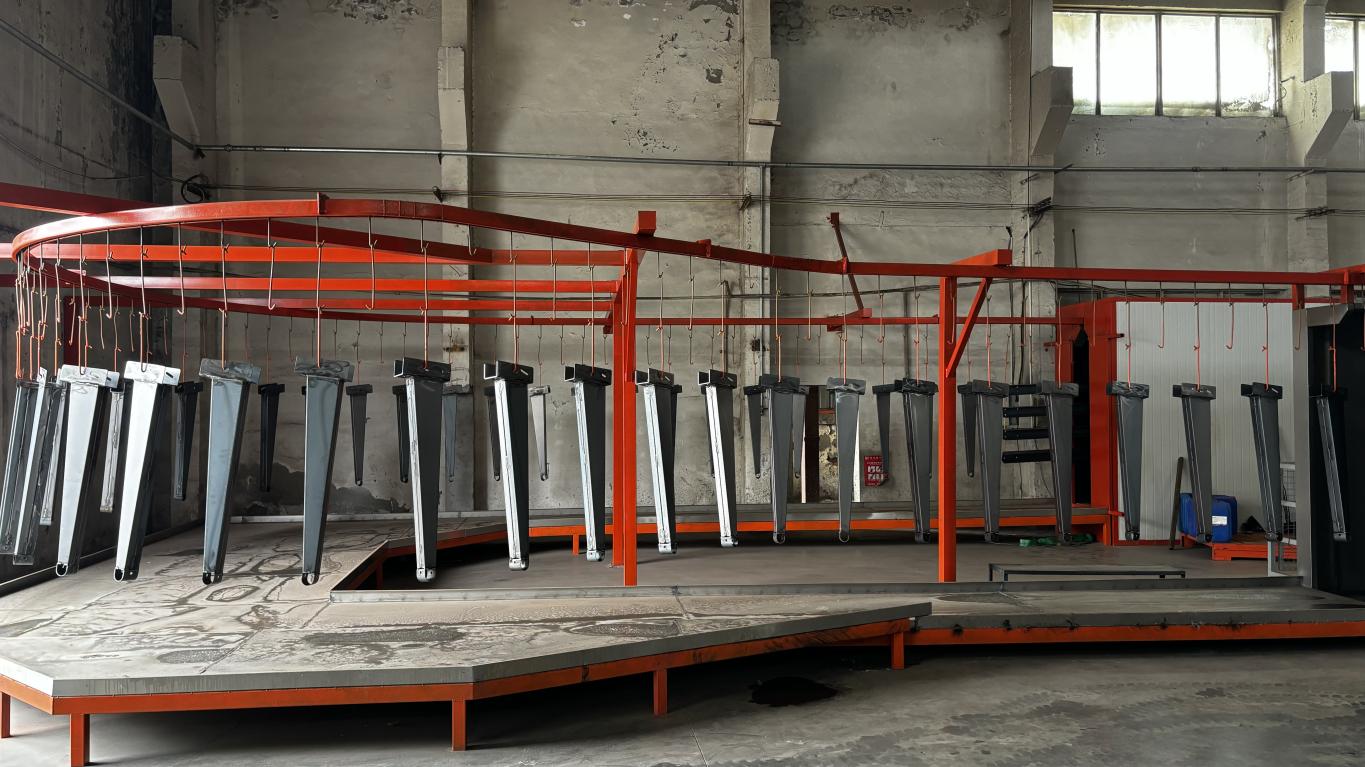
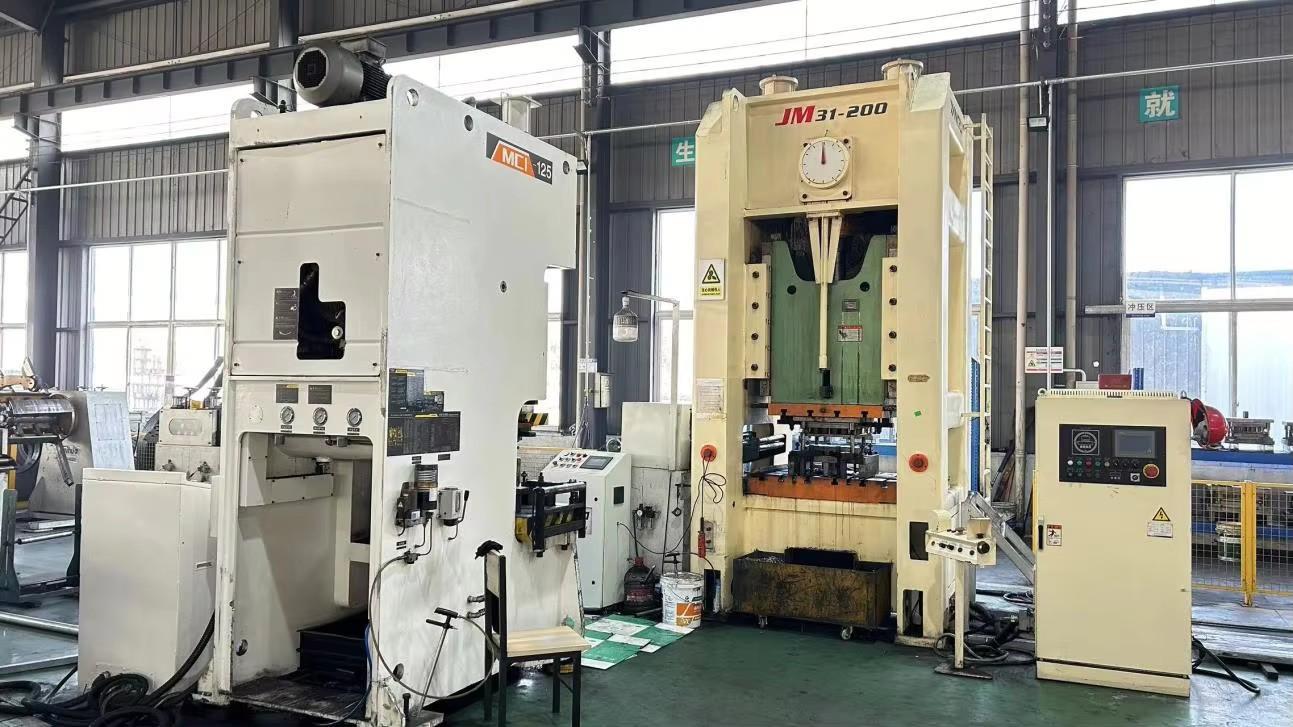
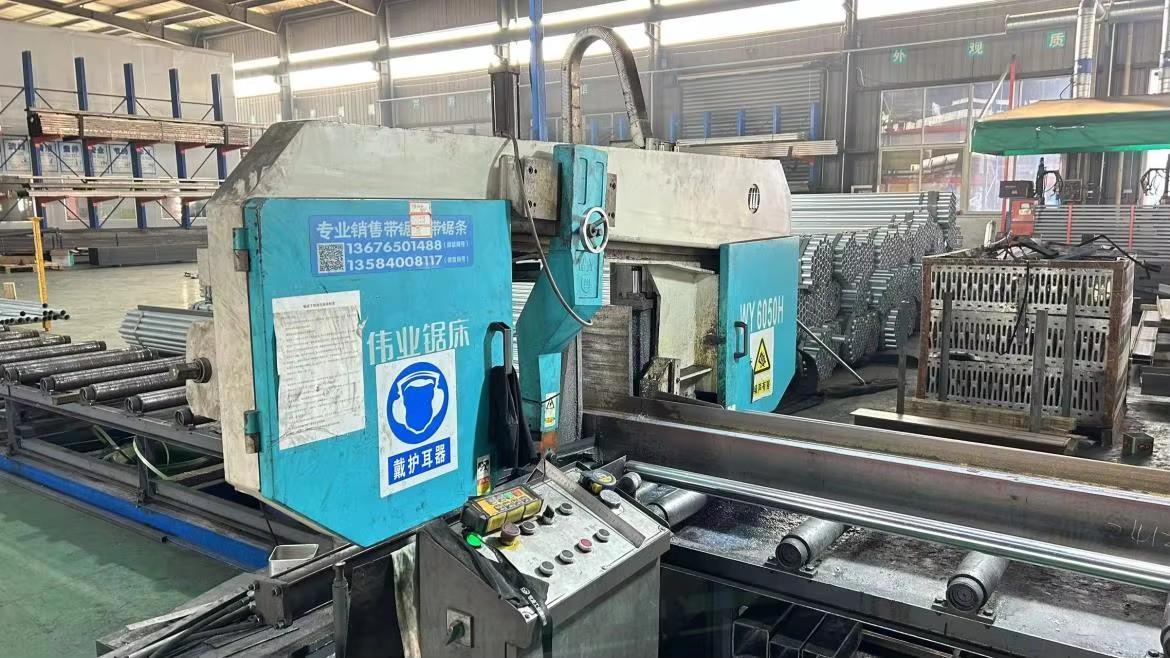
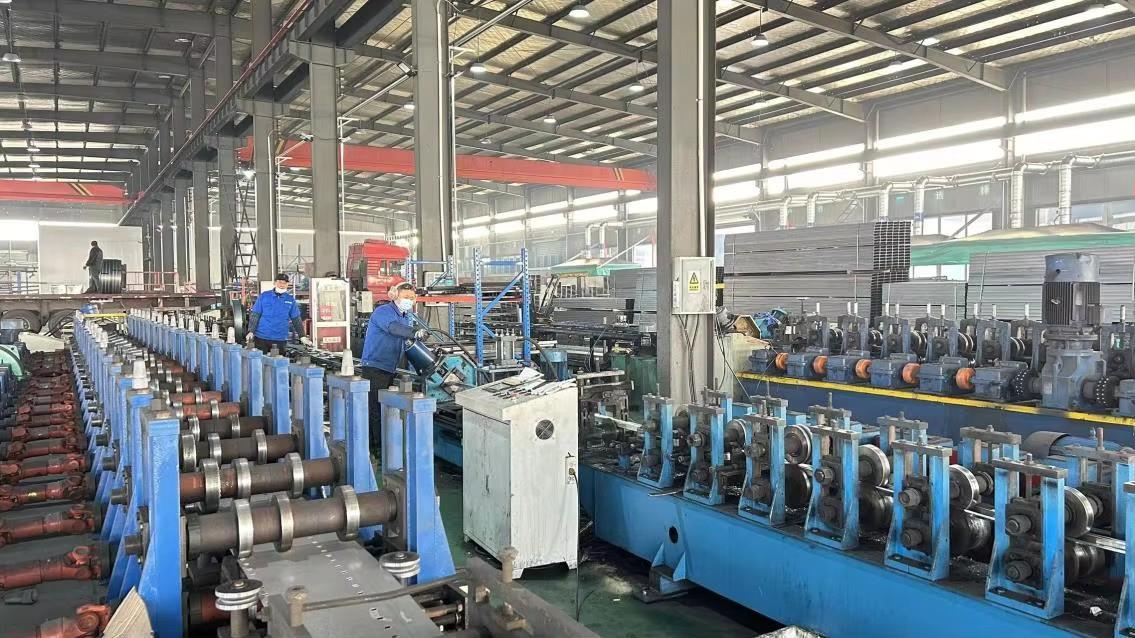
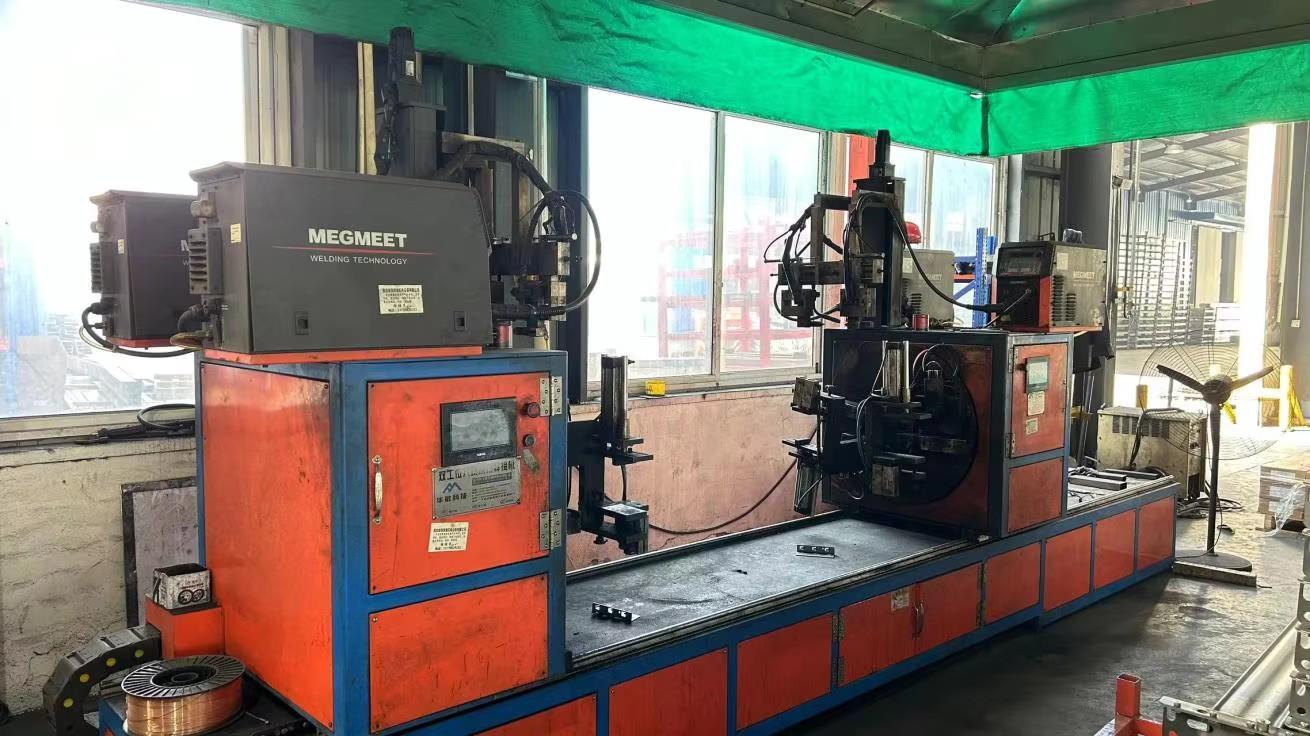
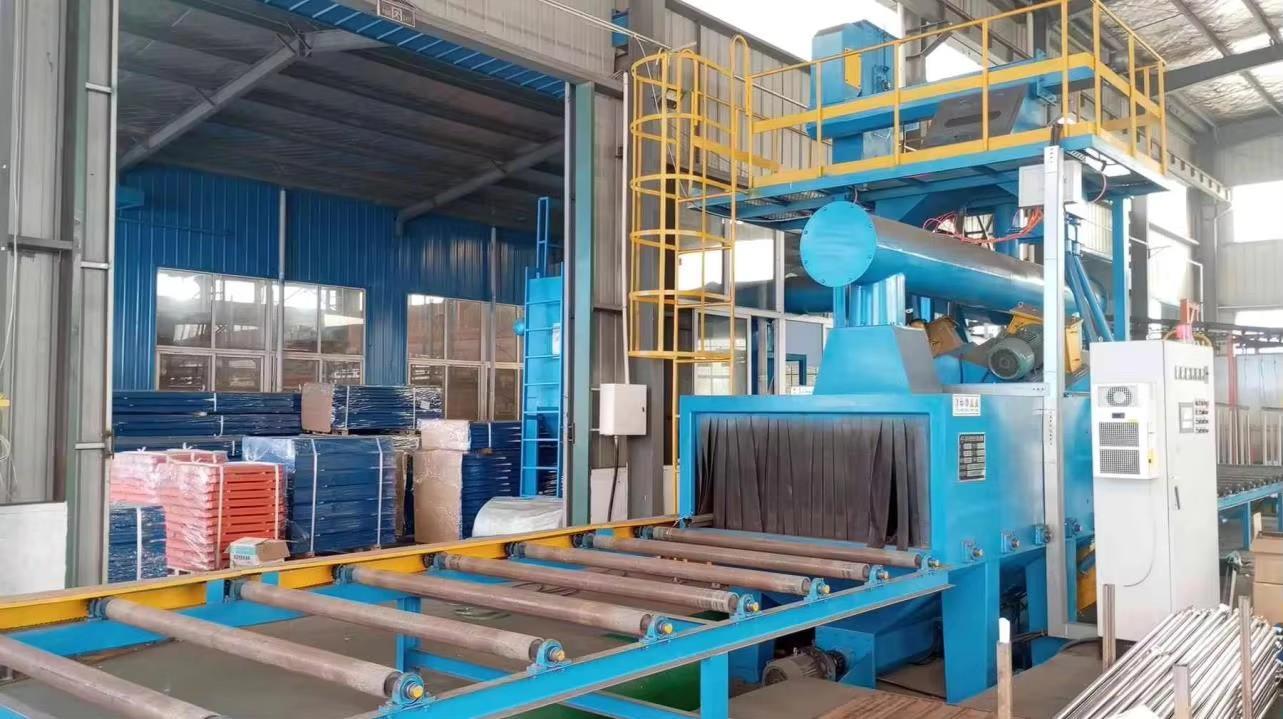
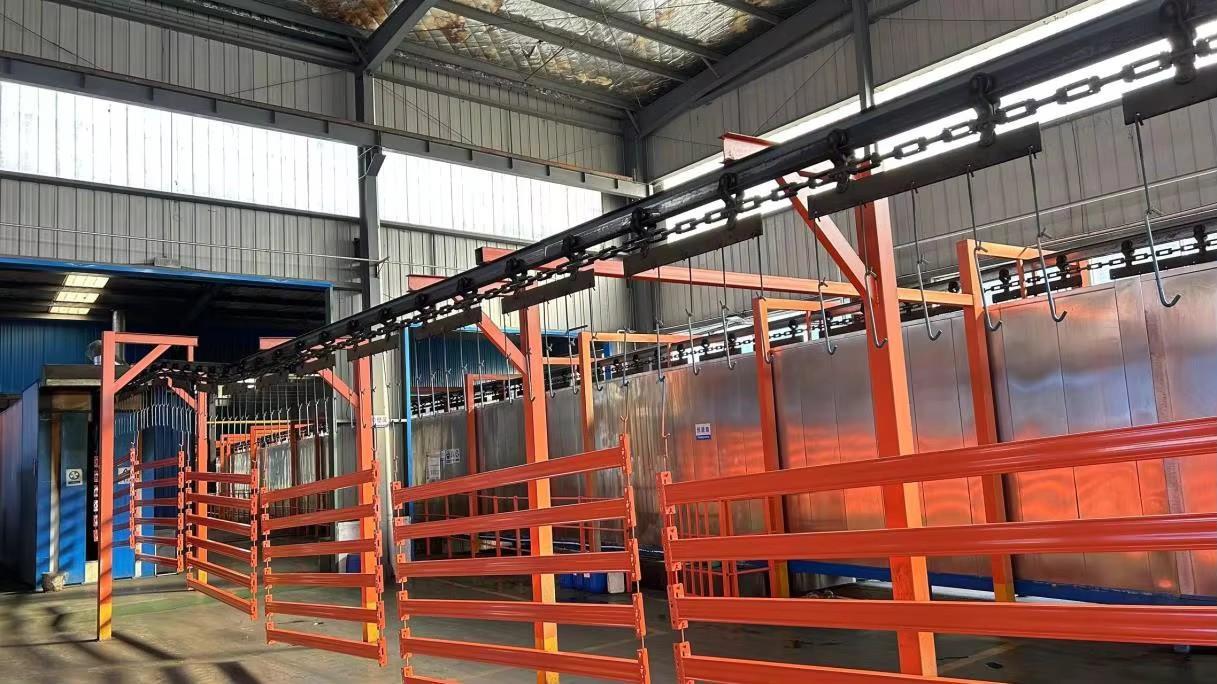
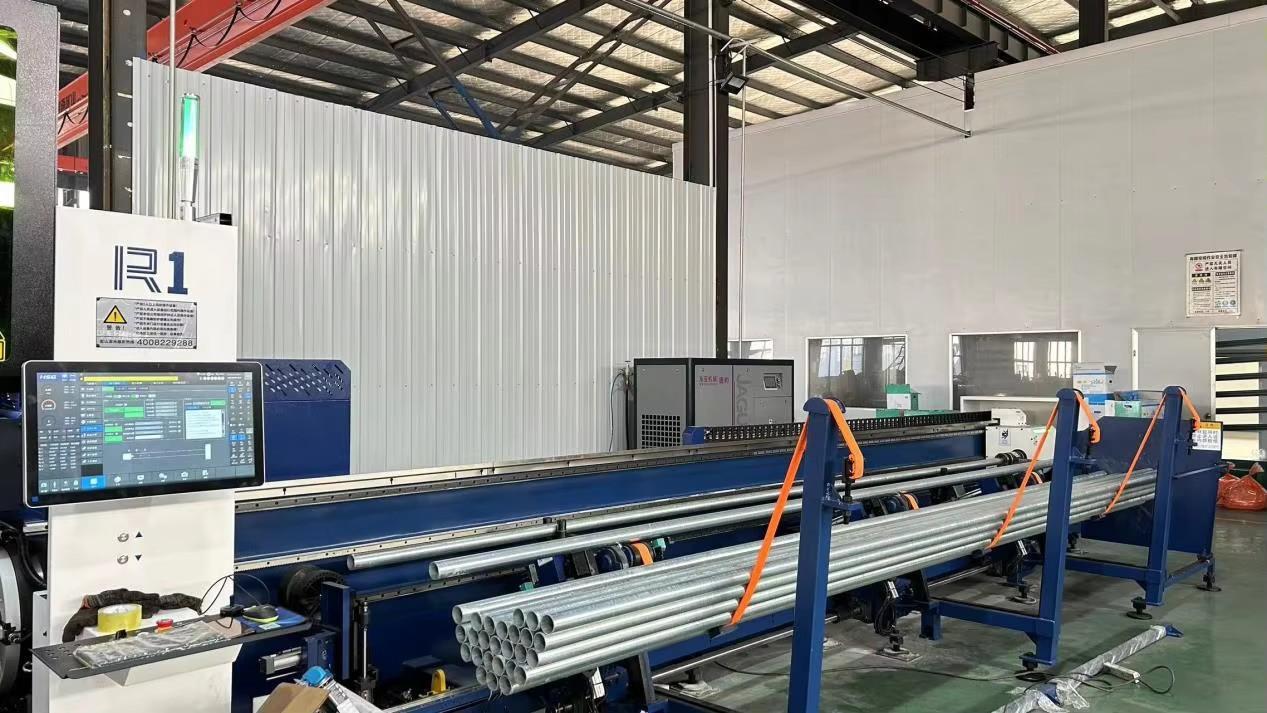
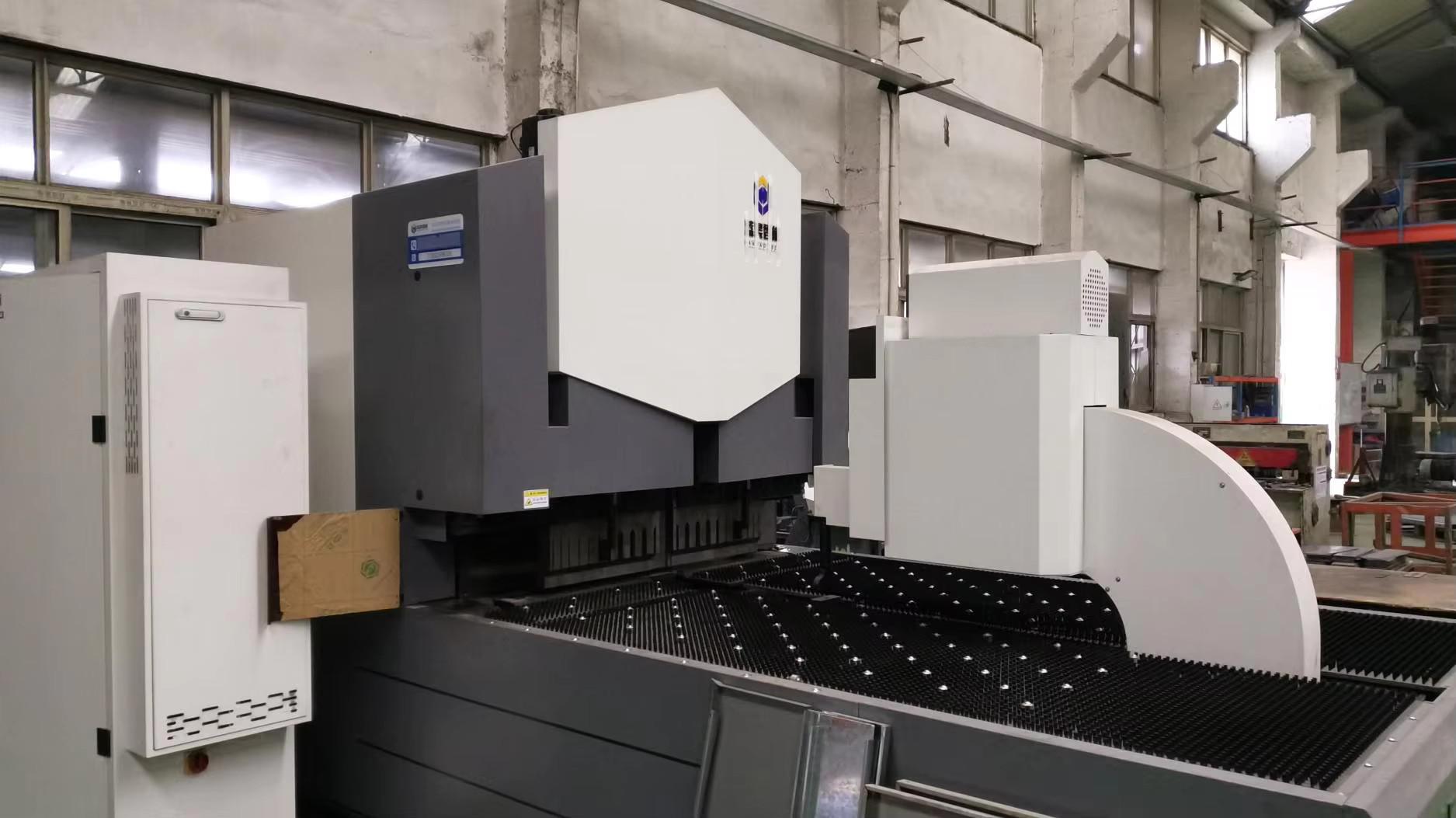
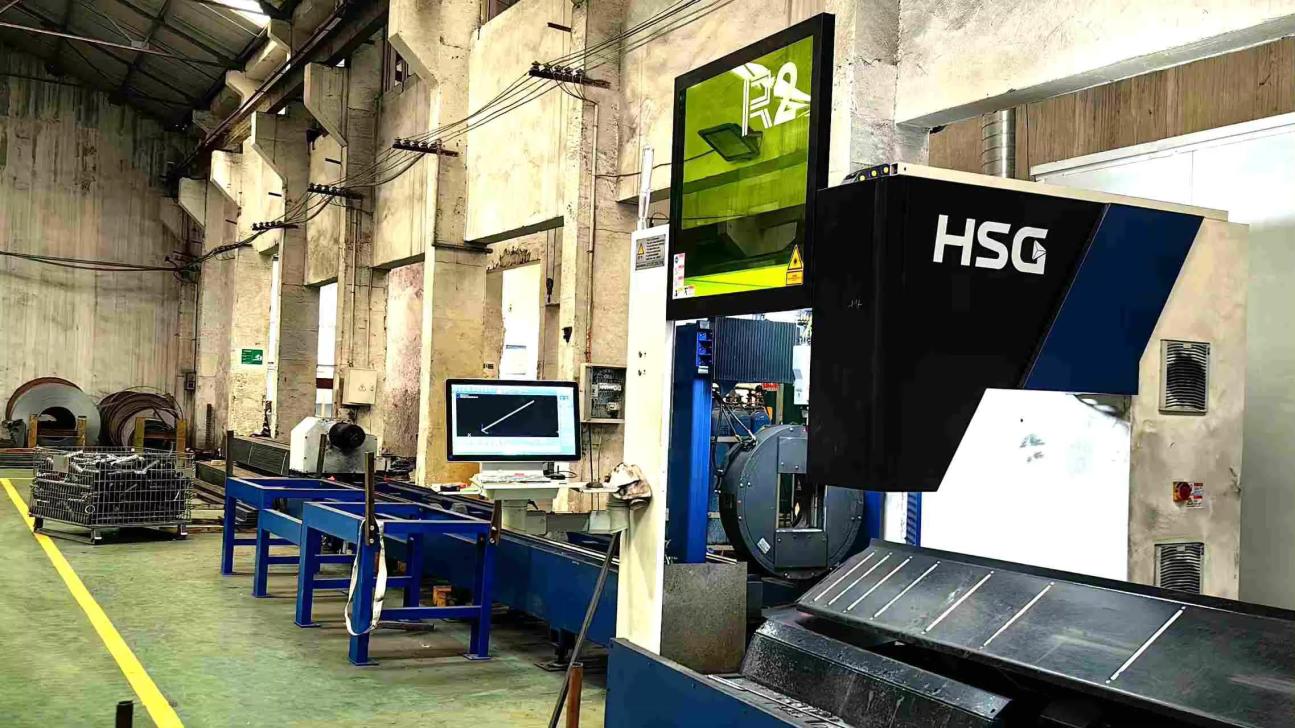
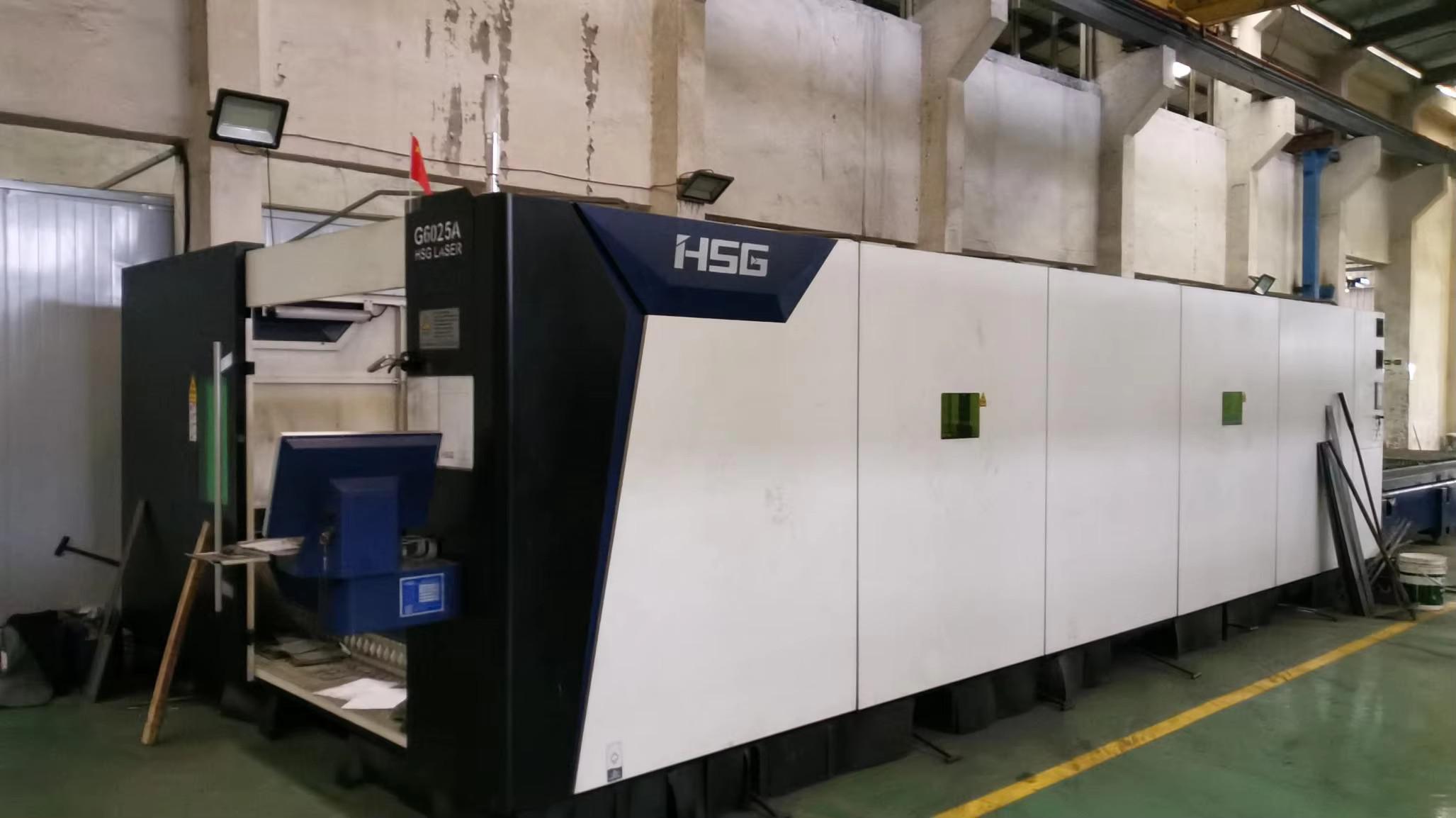
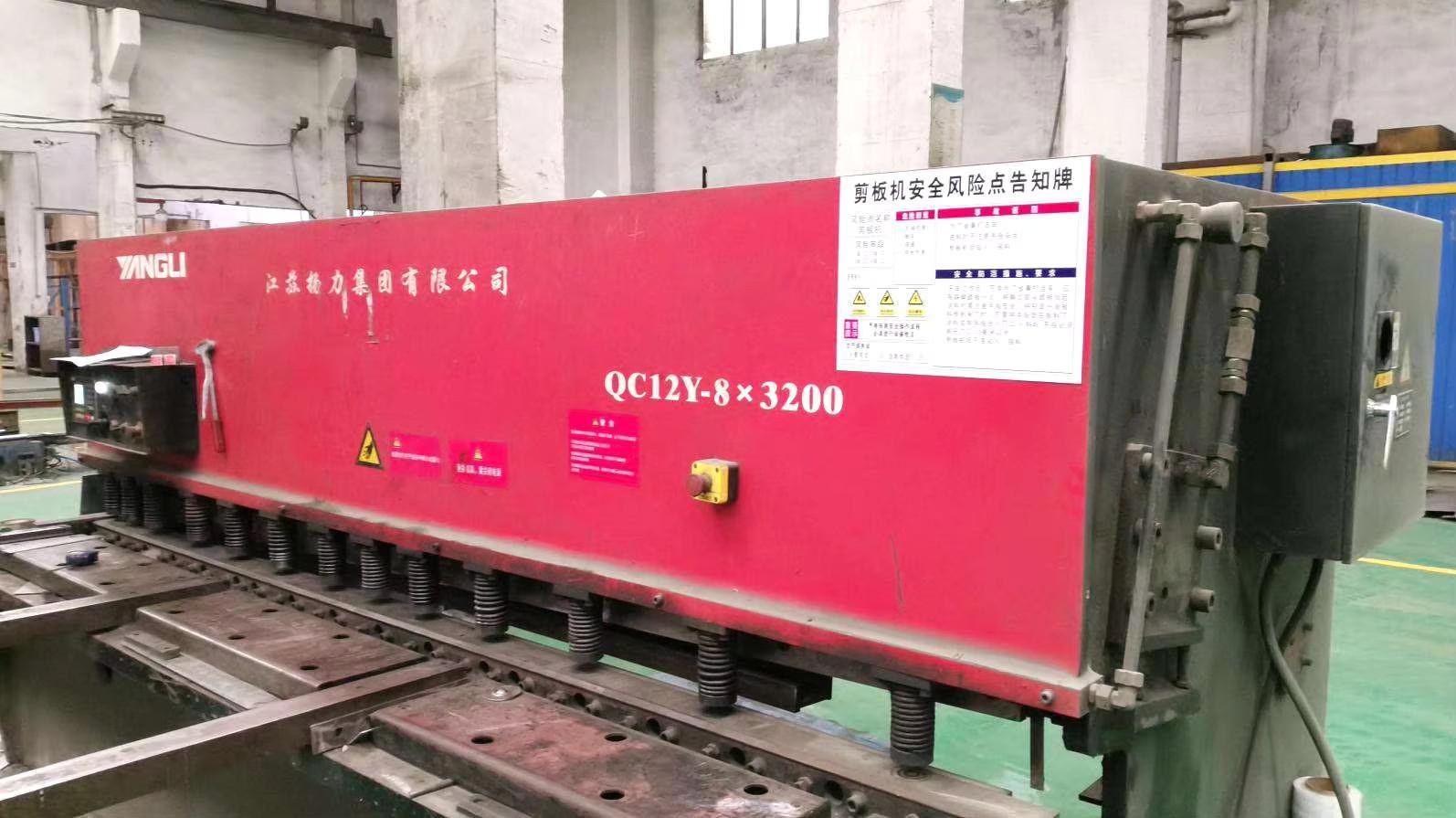
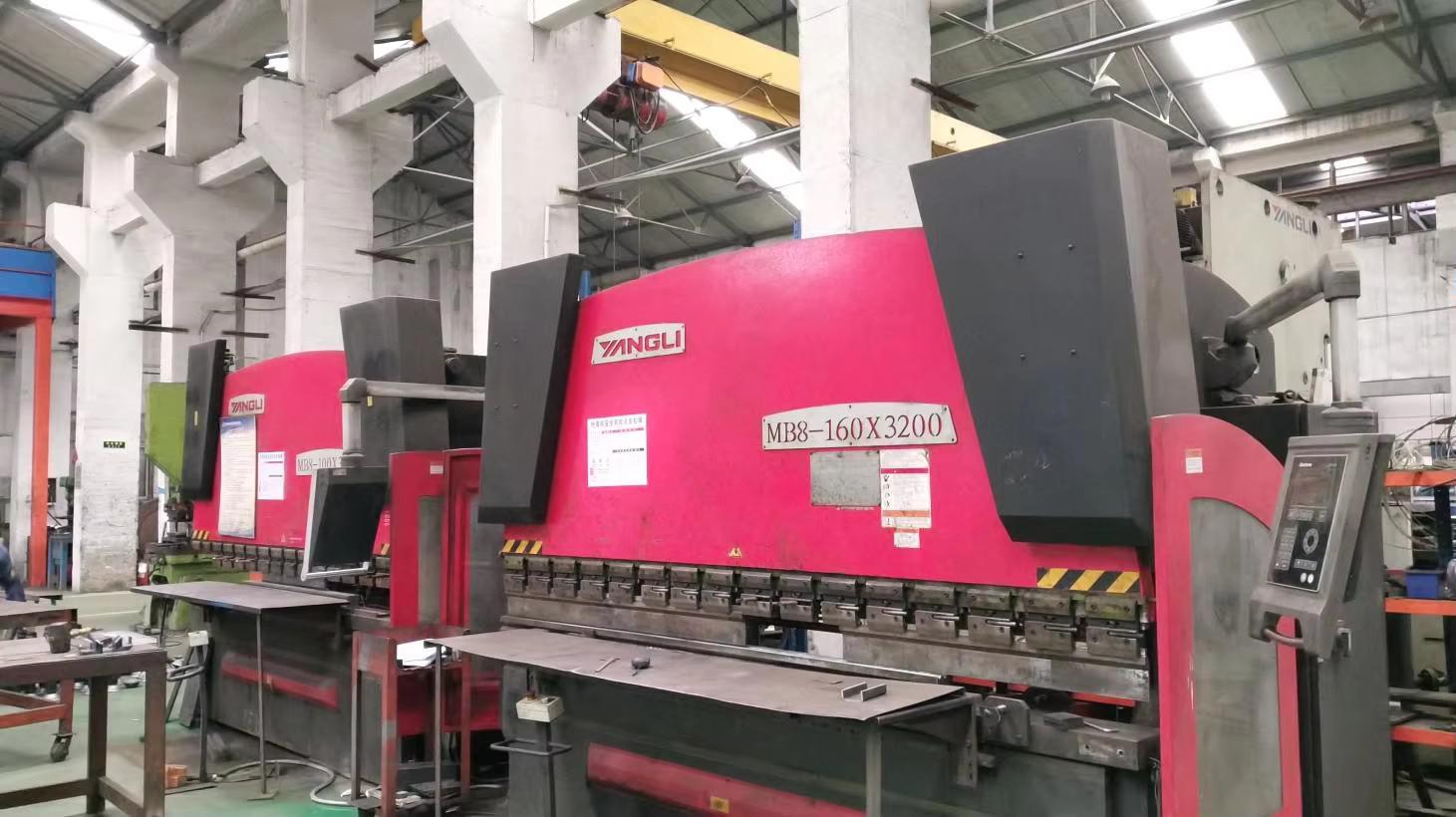
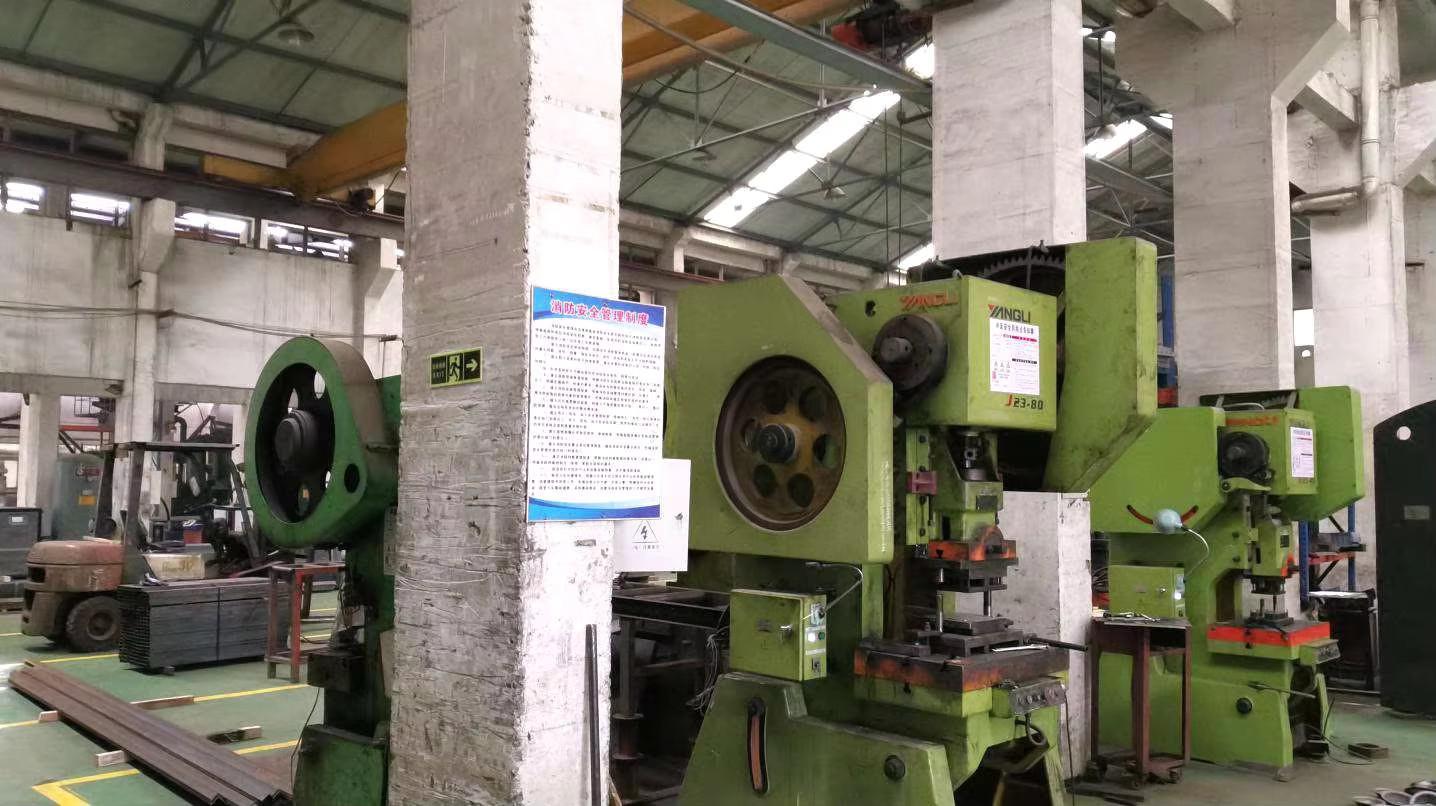
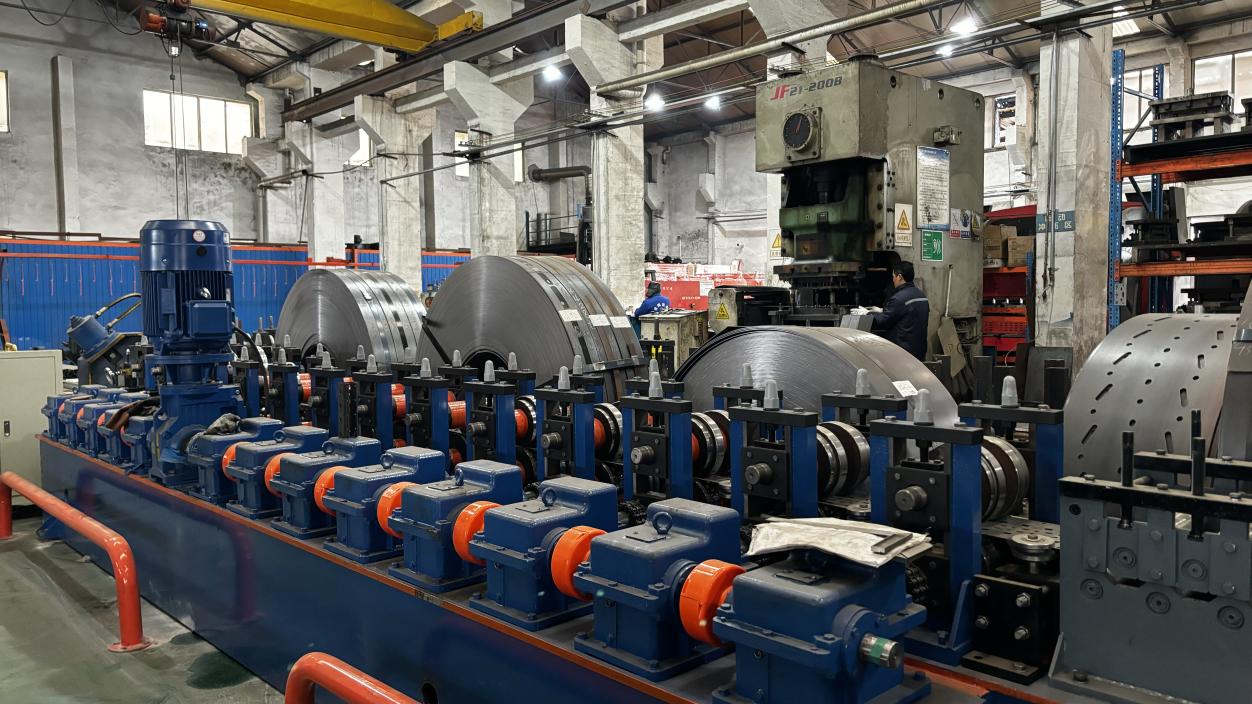
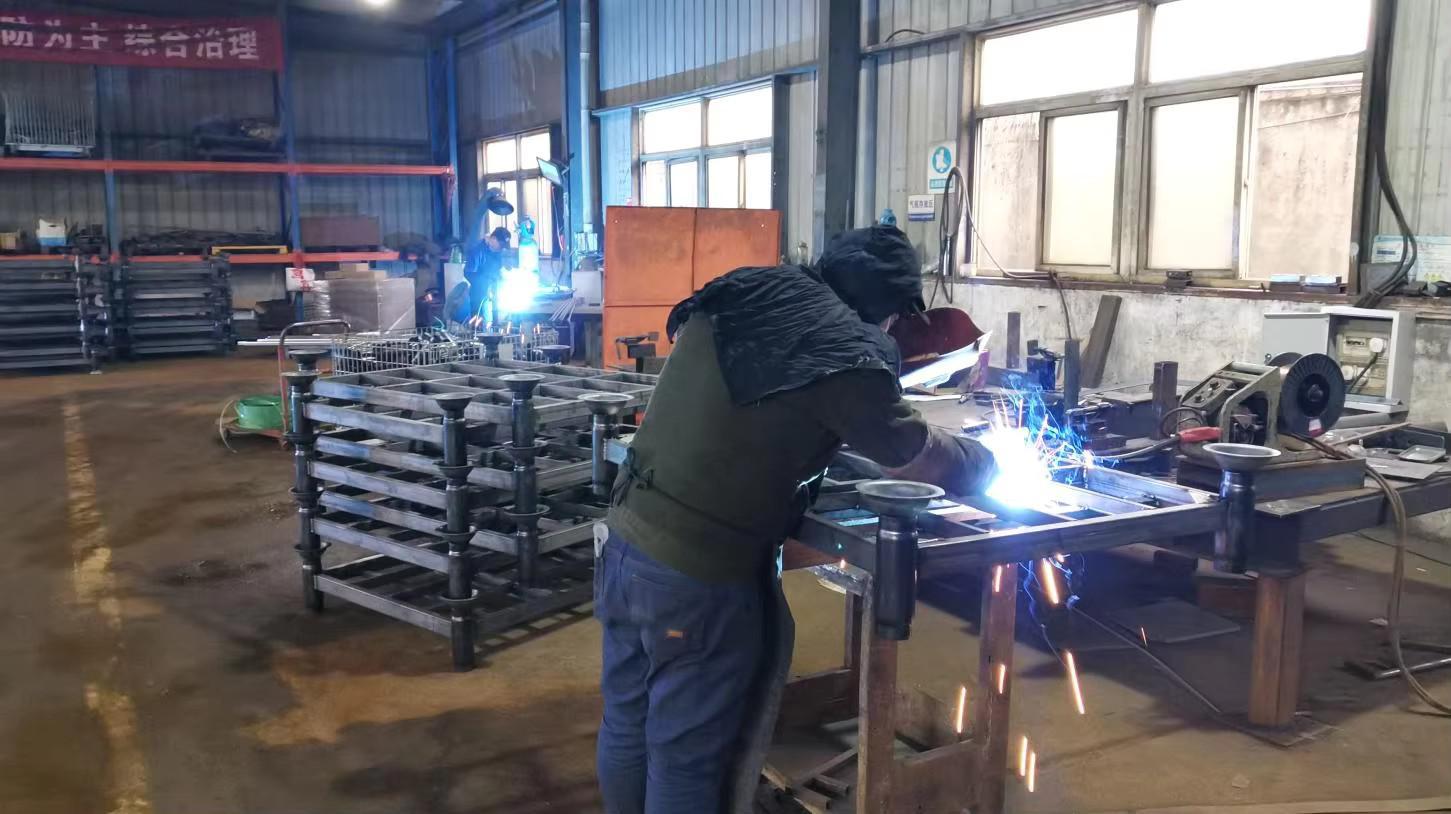
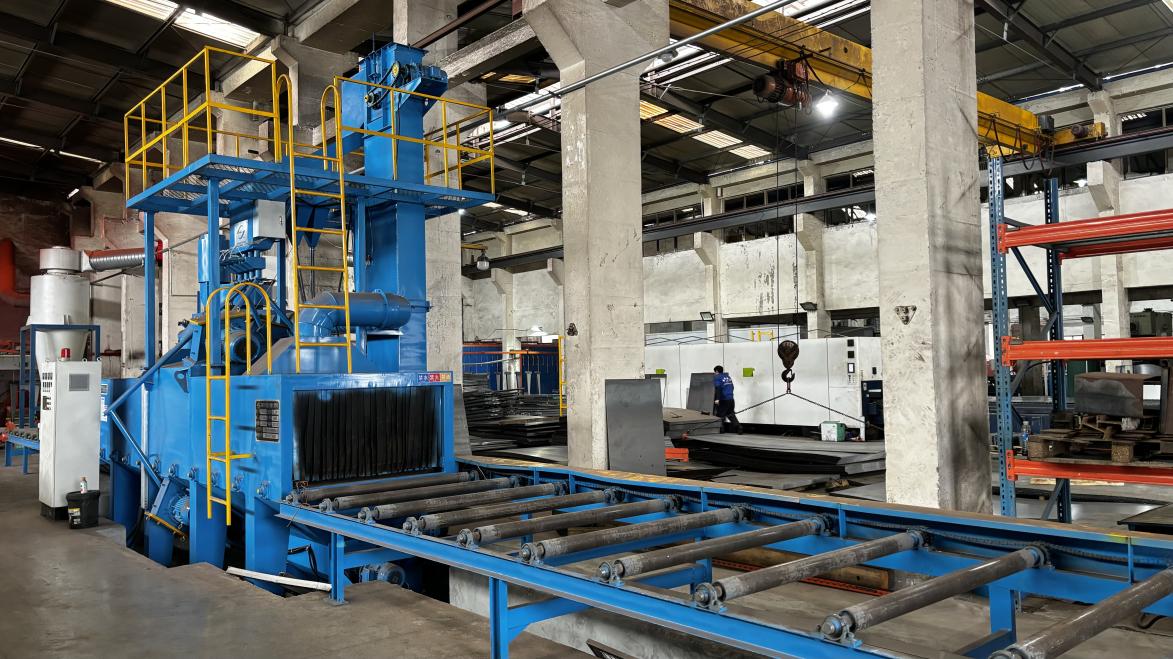
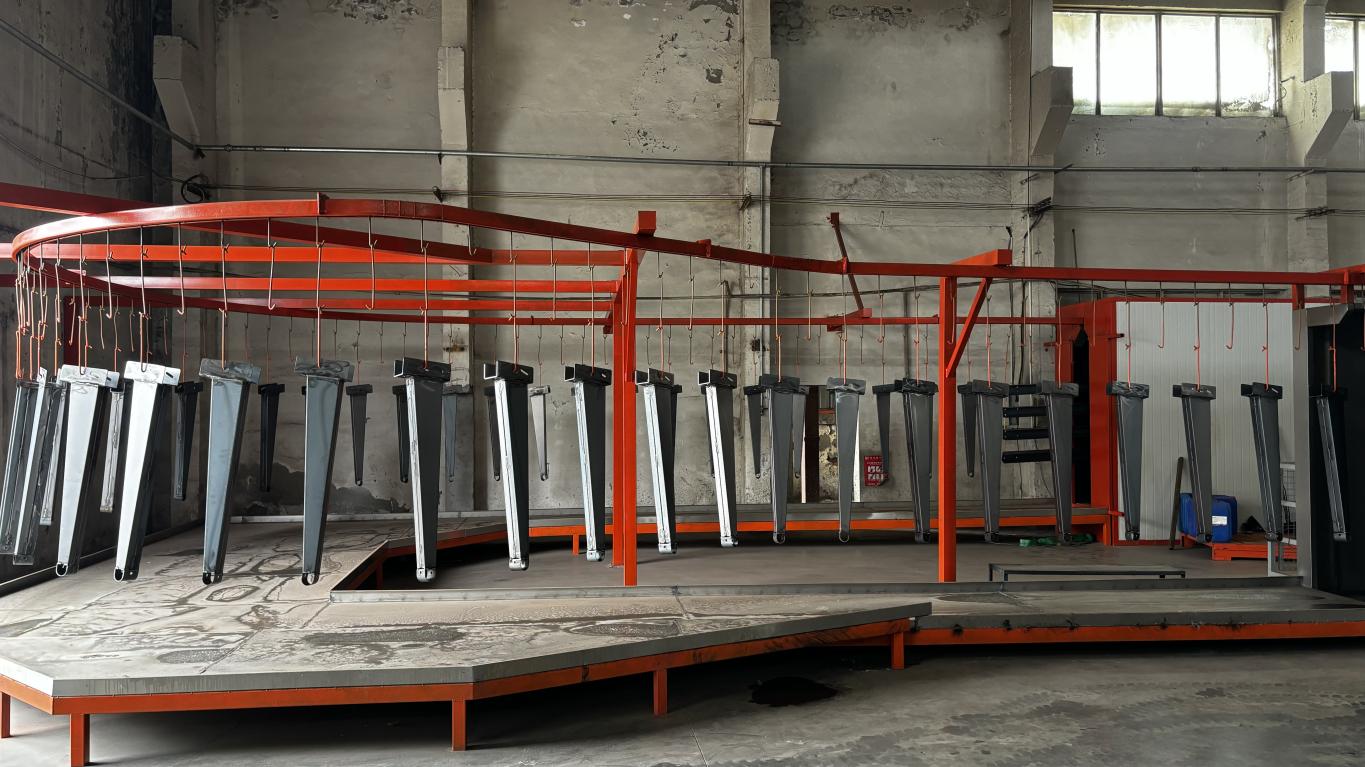
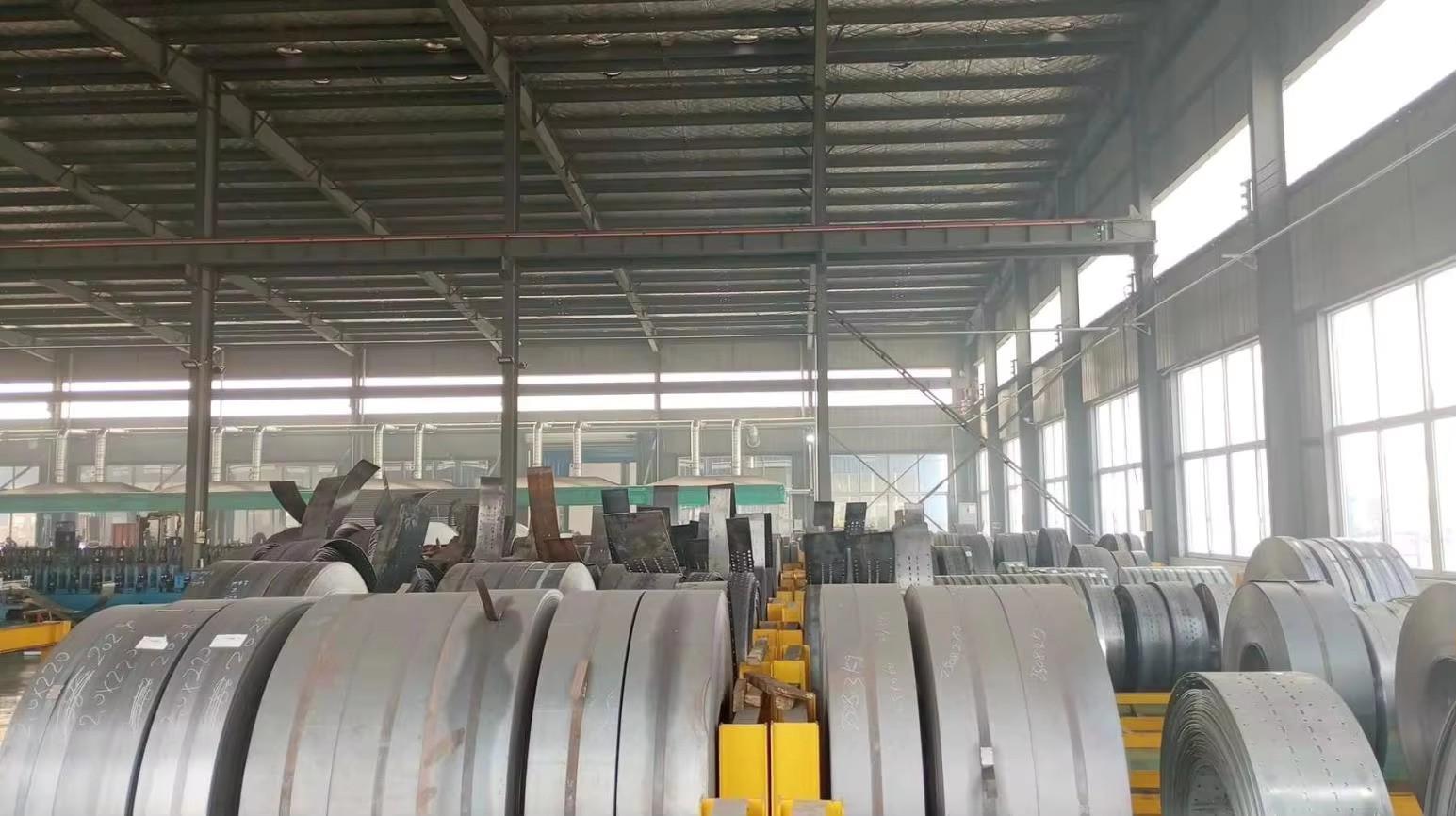
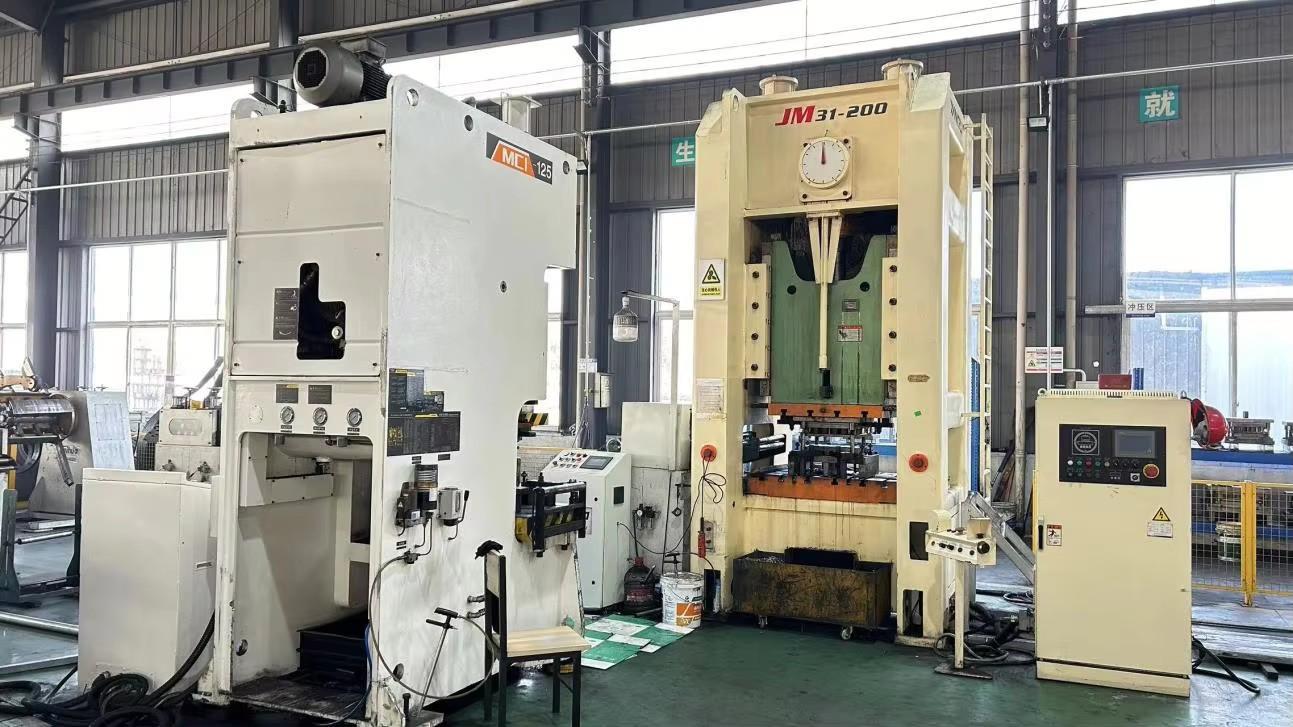
Operating out of our modern 18,600 square meter manufacturing facility, Jinhui controls the entire vertical fabrication process. We employ high-precision laser cutters, automated CNC punching arrays, robotic MIG welding cells, and electrostatic powder coating lines. Underpinned by a robust network of over 980 supply chain partners, we ensure stable raw material procurement, allowing us to maintain predictable production schedules and deliver highly competitive pricing structures.

Standardization and Structural Compliance (E-E-A-T Guarantee)

In B2B industrial infrastructure procurement, reliability isn't just about weight limits; it's about structural compliance. Uncertified racking structures pose catastrophic liability risks for enterprise operators. Dongguan Jinhui addresses this through strict design and material compliance, manufacturing under certified ISO 9001 quality management pathways.

Every engineering project is modeled using finite element analysis (FEA) to calculate dynamic, static, wind, and local seismic loads. We conform to international structural standard frameworks to ensure building inspector approvals worldwide:

Region Applicable Design Standards Compliance Highlights
Europe / UK EN 15512, FEM 10.2.02 Strict safety factors for deflection, column buckling, and beam connector testing.
North America RMI (MH16.1), AISC 360 Specific structural calculations for cold-formed steel and dynamic load ratings.
Australia / NZ AS 4084-2012 Rigorous testing for upright impact resistance and portal frame stiffness parameters.

Understanding the China Supply Chain Advantage

Purchasing multi-tier storage racking directly from premium Chinese factories like Dongguan Jinhui provides decisive pricing, engineering flexibility, and capacity benefits:

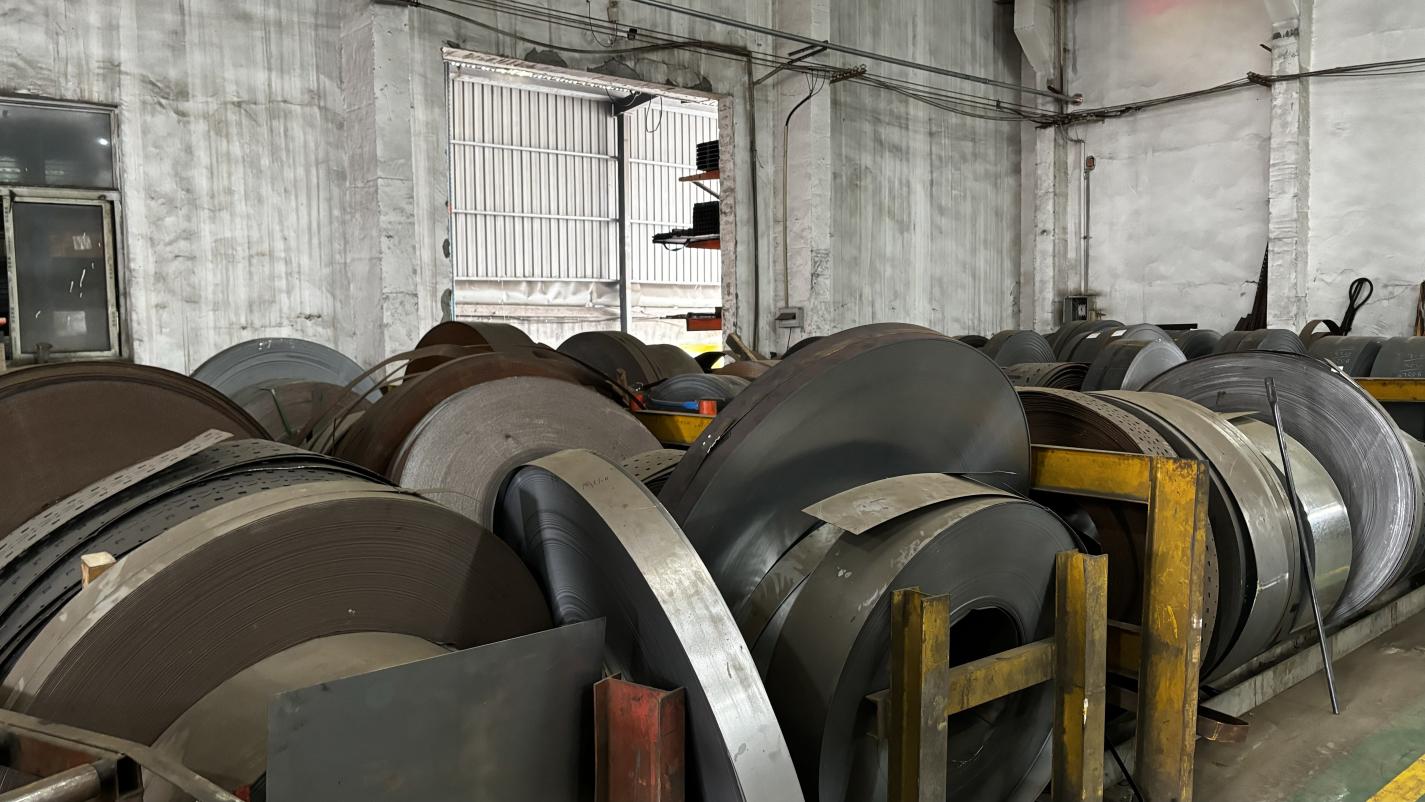
  • Raw Material Control: Access to structural-grade Q235B and Q355B high-tensile carbon steel directly from major state mills. These steel grades are hot-rolled and tension-leveled to guarantee precise yield strength limits.
  • Advanced Anti-Corrosion Options: From high-durability epoxy powder coatings to specialized hot-dip galvanized (HDG) finishes, Jinhui protects structural steel against aggressive humidity, coastal atmospheres, and sub-zero cold storage operations.
  • OEM / ODM Design Iteration: Supported by a dedicated research and development team of 68 R&D engineers, we customize profiles, bracing types, stairs, safety gates, and flooring types (steel grating, checker plate, MDF) to meet exact logistics requirements. In the previous year alone, our engineers designed and validated 126 customized configurations.
14+
Years Industry Exp.
Solid expertise in heavy-duty racking engineering.
8+
Years Export Exp.
Serving logistics projects in 50+ countries.
18,600m²
Factory Floor Area
Modern, automated production facility.
USD 16M
Annual Export Volume
Proven supplier capacity for multi-scale projects.
46
QC Inspectors
Strict load, weld, and coating testing regimes.
980+
Supply Chain Partners
Guaranteed raw material and logistics coordination.
68
R&D Engineers
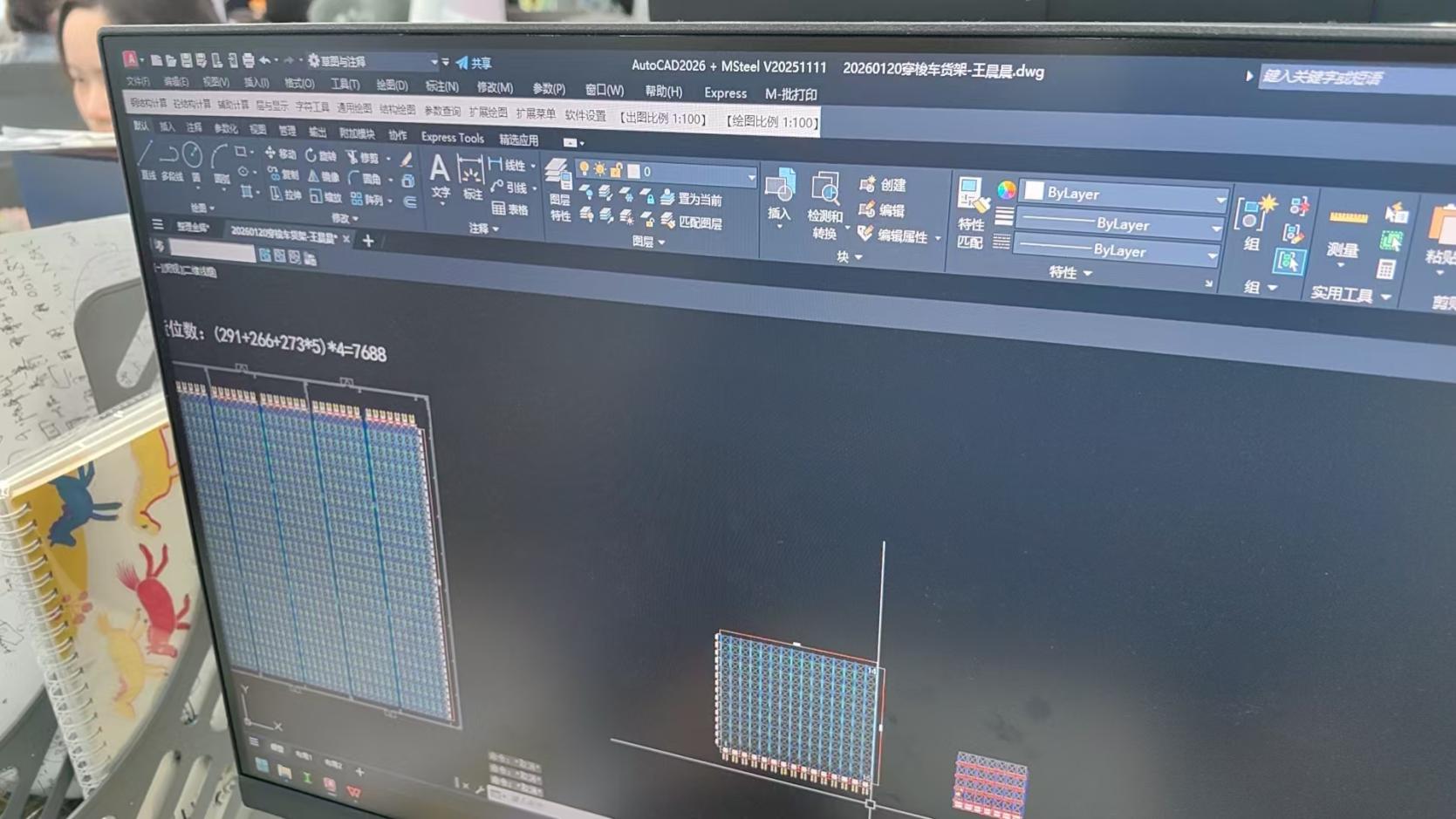
Dedicated CAD / Solidworks customized design layout.

Inspection Protocol

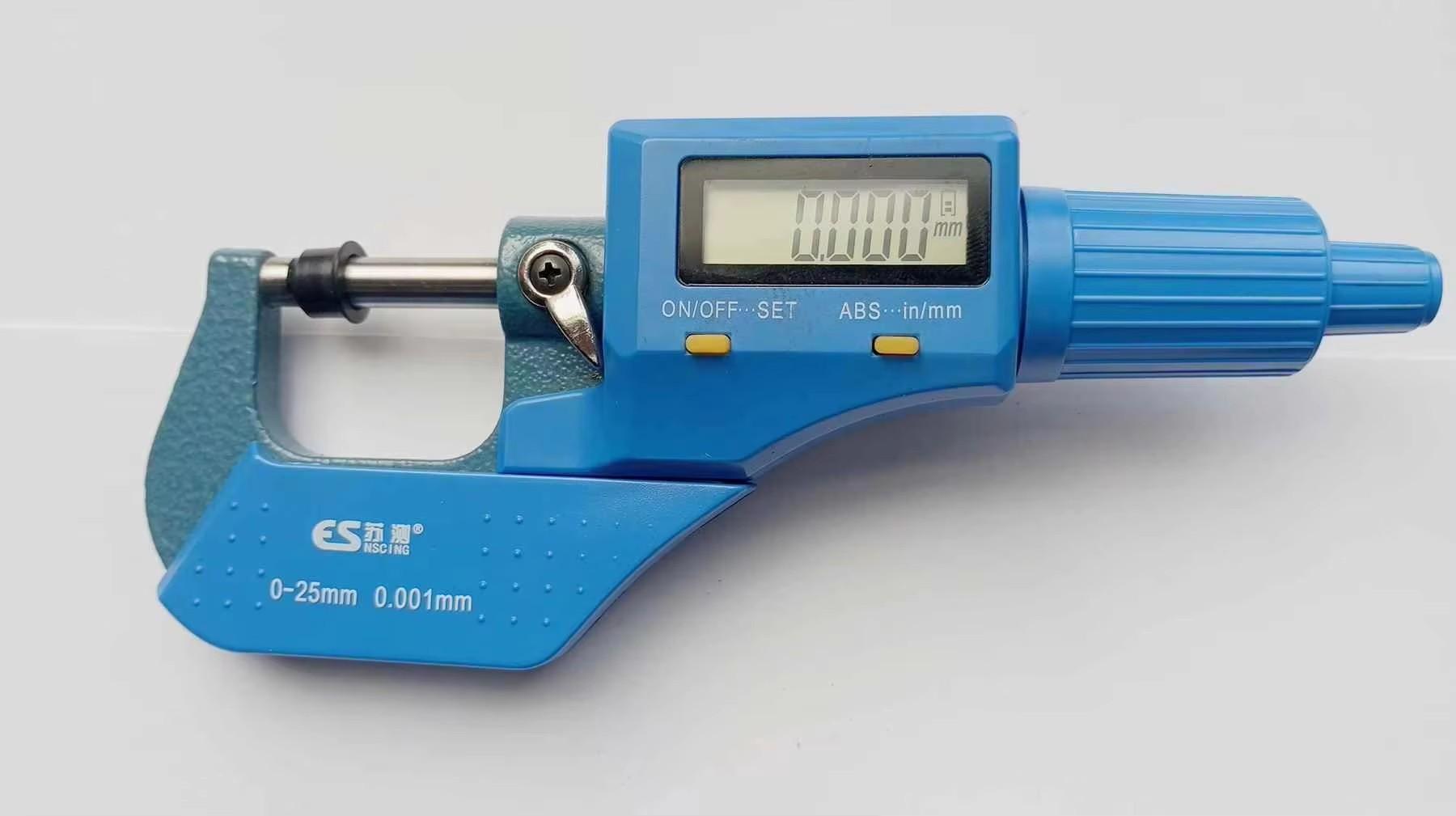
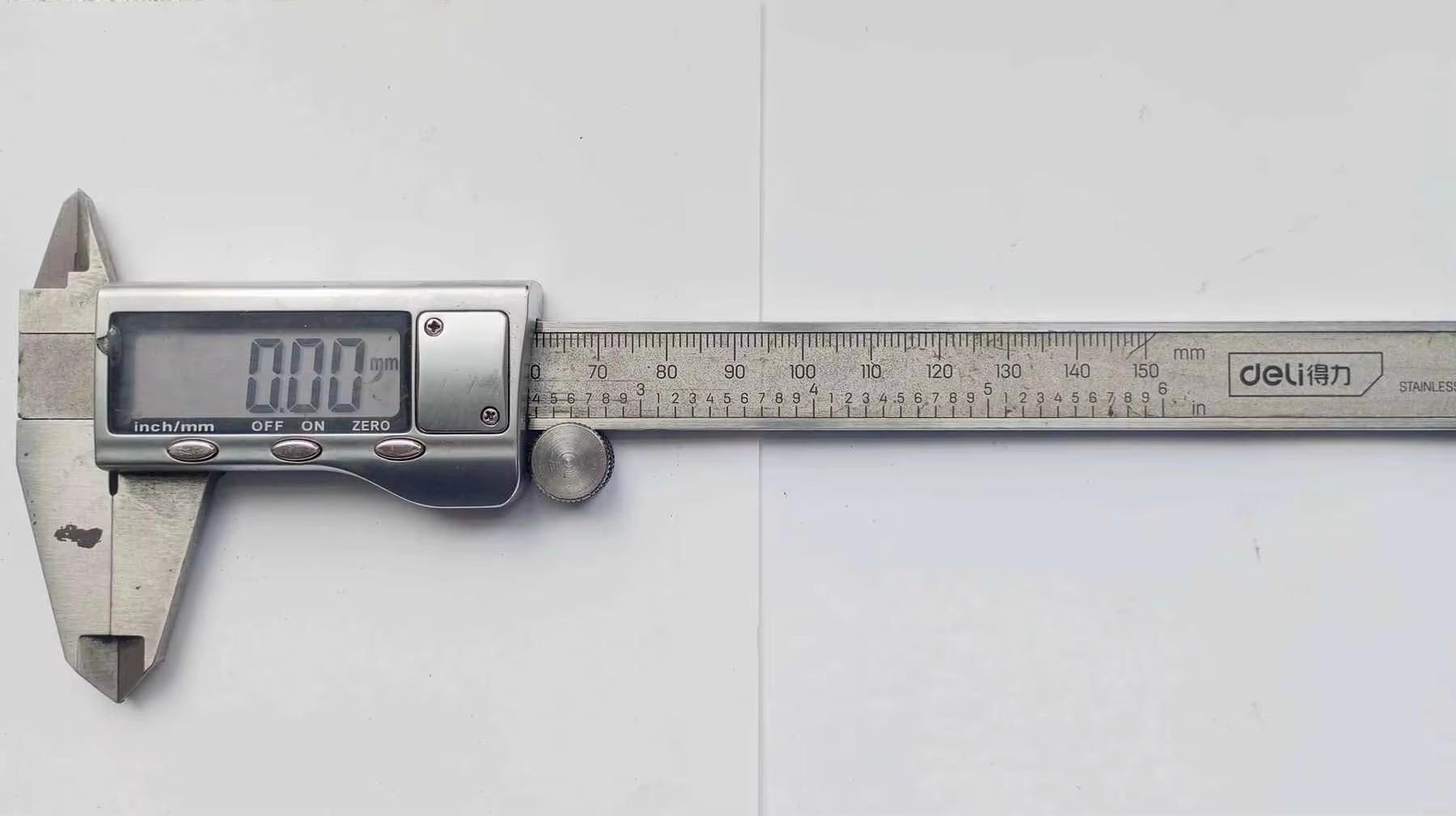
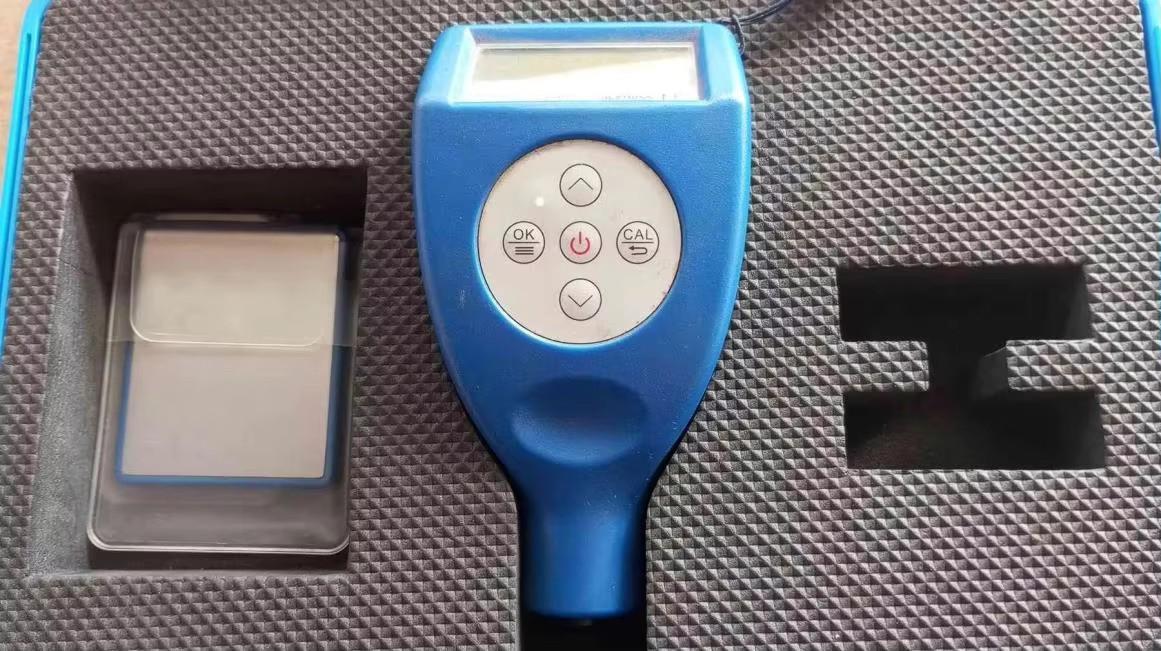
Our quality assurance framework encompasses load capacity testing, dimensional tolerance inspection, electrostatic coating thickness measurement, and ultrasonic welding strength inspection prior to packing and seaworthy wood-crate or metal-banding containerization.

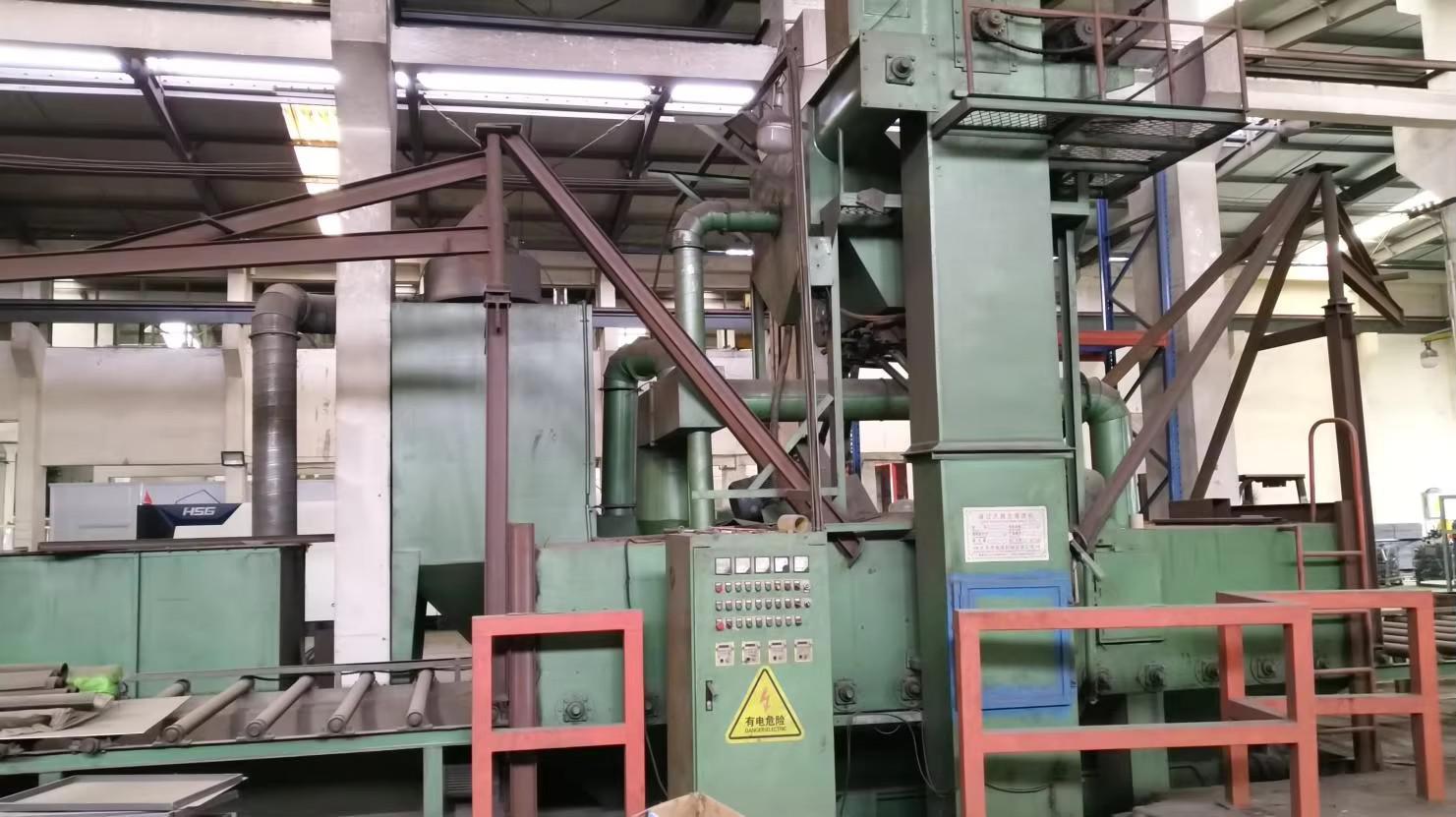
Advanced Manufacturing & Quality Control Capability

Explore our state-of-the-art production workflow, where precision engineering meets rigorous quality control standards.
Local Compliance, Installation, and Fire Protection

Simplifying complex global logistics infrastructure procurement with field-proven solutions.

Building Permit Coordination

Building inspectors in the EU and NA require structural calculation packets. We provide comprehensive stress-strain documentation and verified PE (Professional Engineer) stamps in local jurisdictions to streamline building permits.

Fire Safety & NFPA Compliance

Multi-tier mezzanine designs restrict sprinkler coverage. Our platforms integrate wire mesh decks and structural vertical run-through channels specifically mapped out for high-pressure ceiling sprinklers and ESFR system requirements.

Global Installation Network

While we supply comprehensive step-by-step CAD installation schematics and hardware kits, Jinhui coordinates with localized, licensed mechanical assembly contractors to facilitate physical build-outs at your facility.

Key Industry Development Trends (2025–2030)

The industrial shelving and mezzanine sector is shifting rapidly toward automated material handling integration. Multi-tier configurations are no longer static structural components; they serve as critical access decks for autonomous mobile robots (AMRs) and AS/RS vertical cranes. Designers must plan floor-loading tolerances to withstand the continuous shear forces exerted by automated machinery. At Jinhui, we ensure all floor panels undergo cyclic dynamic loading assessments to prevent metal fatigue over decades of continuous operation.

B2B Procurement Guidelines for Global Sourcing Managers

When sourcing multi-tier structures from China, prioritize clear structural specifications. Do not request simple per-ton pricing. Require your supplier to provide structural calculations outlining deflection ratios (such as L/240 or L/360 tolerances). Specify your forklift drive-aisle dimensions, clear heights under beams, and soil load-bearing capacities (sub-grade data). Providing this technical data early allows our 68 R&D engineers to optimize steel profile dimensions and prevent expensive design revisions.

Frequently Asked Questions

Technical and logistical insights from Jinhui's engineering and project management teams.

Q1: What is the main design difference between a rack-supported mezzanine and a structural steel mezzanine?
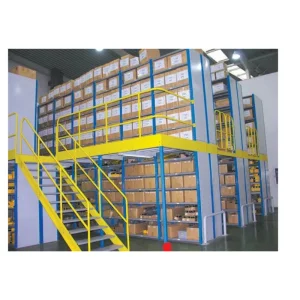
A rack-supported mezzanine utilizes the upright columns of pallet racks or longspan shelving underneath to support the upper platform floor, making it highly cost-effective for picking-intensive operations. A structural steel platform utilizes heavy-duty wide-flange hot-rolled H-beams and square hollow structural sections (HSS) columns to create large open spans underneath, allowing forklift movement, manufacturing machinery, or packing lines to operate unobstructed.
Q2: How does Jinhui guarantee safety and load compliance during structural engineering?
We use finite element analysis (FEA) software to simulate specific load conditions (including uniform distributed loads, concentrated point loads, dead loads, and seismic conditions). Our factory operates under ISO 9001, and our team of 46 quality control inspectors runs load tests, checks structural weld penetrations, and verifies that raw steels meet ASTM, EN, and AS/NZS material yield limits.
Q3: How do you address local fire protection codes (e.g., NFPA) for export projects?
To satisfy local municipal fire requirements, we customize the platform flooring. Instead of solid timber/MDF, we can supply high-open-area steel wire mesh decking or perforated steel plank panels. These designs allow overhead fire sprinkler water to penetrate to the lower floor levels and comply with local NFPA codes.
Q4: What raw steel grades are used, and how do you prevent corrosion?
We exclusively use premium high-tensile structural steel from Chinese tier-1 mills, predominantly Q235B and Q355B (equivalent to S235JR and S355JR European standards). For standard dry warehouses, components are treated with high-adhesion electrostatic epoxy powder coating. For cold storage, humid regions, or chemical plants, we offer hot-dip galvanizing to ensure long-term corrosion protection.
Q5: Can you provide customized OEM/ODM layouts for warehouses with irregular columns?
Yes. Our R&D department of 68 engineers designs bespoke layouts. We request DWG/DXF files of your warehouse layout, including obstacles like building columns, fire doors, and electrical panels. Our engineering team designs custom column grids, cut-outs, and stair placement to maximize safety and space utilization.
Q6: What is the typical lead time and shipping configuration for a multi-tier project?
Following design sign-off and material approval, typical manufacturing takes 25 to 35 days. Racking frames are flat-packed and secured with steel banding to minimize transit damage. Platforms and heavy beams are placed on custom skids, allowing easy unloading at the destination port or distribution center.