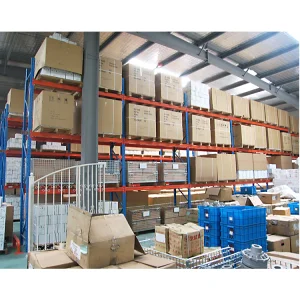
China Top Customizable Racks Exporter & Exporters

Empowering global enterprise logistics with High-Load, Multi-Scenario Industrial Storage Systems. Precision Engineered for Warehouse Maximization.

Comprehensive Custom Racking & Storage Solutions

Founded in 2017, Dongguan Jinhui Storage Equipment Co., Ltd. is an industry-leading manufacturer and developer of commercial-grade storage solutions. Our state-of-the-art manufacturing facility extends across 18,600 square meters, utilizing automation technologies to optimize every step of production. Supported by a robust network of over 980 supply chain partners, we sustain stable, high-throughput operations that deliver structural integrity, compliance, and budget optimization for projects worldwide.

With an annual export volume reaching USD 16 million, Jinhui serves international distribution centers, logistics operators, manufacturing plants, and e-commerce companies across Europe, North America, Southeast Asia, Australia, and the Middle East. Over our 8 years of export operations and 14 years of industry research, we have optimized our workflow to provide engineering consulting, OEM/ODM manufacturing, and installation guidance.

Global Quality Assurance

Quality represents the structural baseline of our operations. The Jinhui factory is audited and certified under ISO 9001 standards. Before container loading, every production lot is subjected to a rigorous QA sequence: loading testing, structural fatigue analysis, coating adhesion verification, and welding integrity tests.

  • ISO 9001:2015 Quality Management
  • Raw Material Mill Certifications
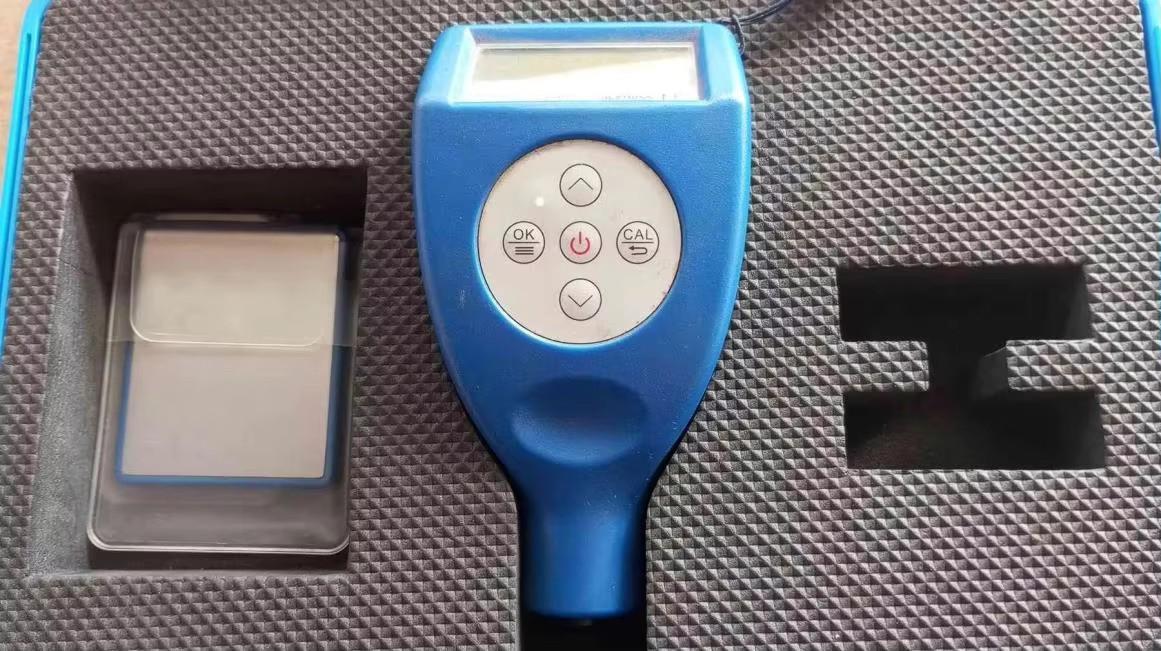
  • Full Coating Thickness Audits
  • Comprehensive Static Loading Analysis
18,600+
Sqm Production Base
$16M+
Annual Export Volume
46
QC Inspectors
68
R&D Engineers

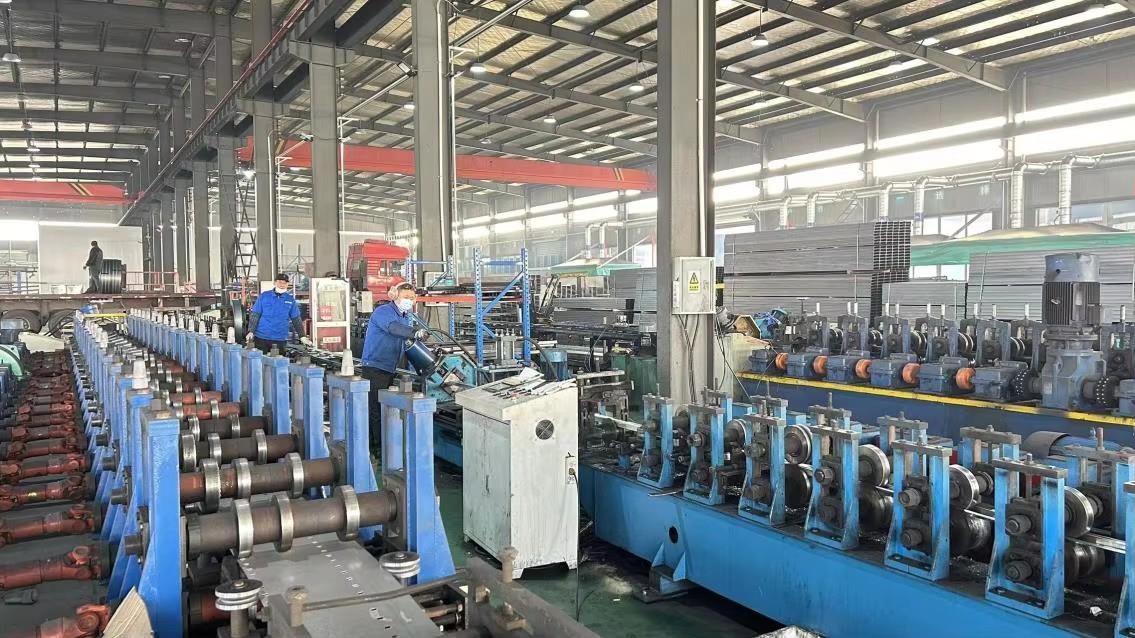
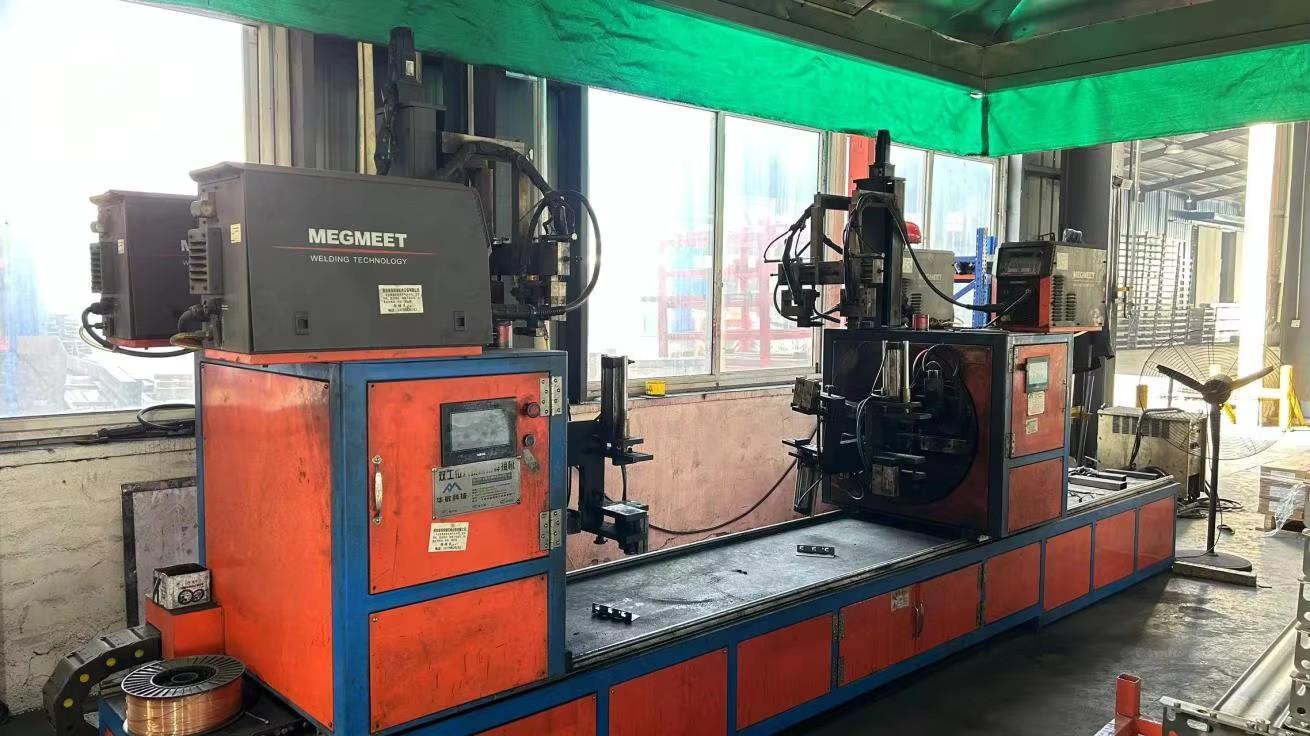
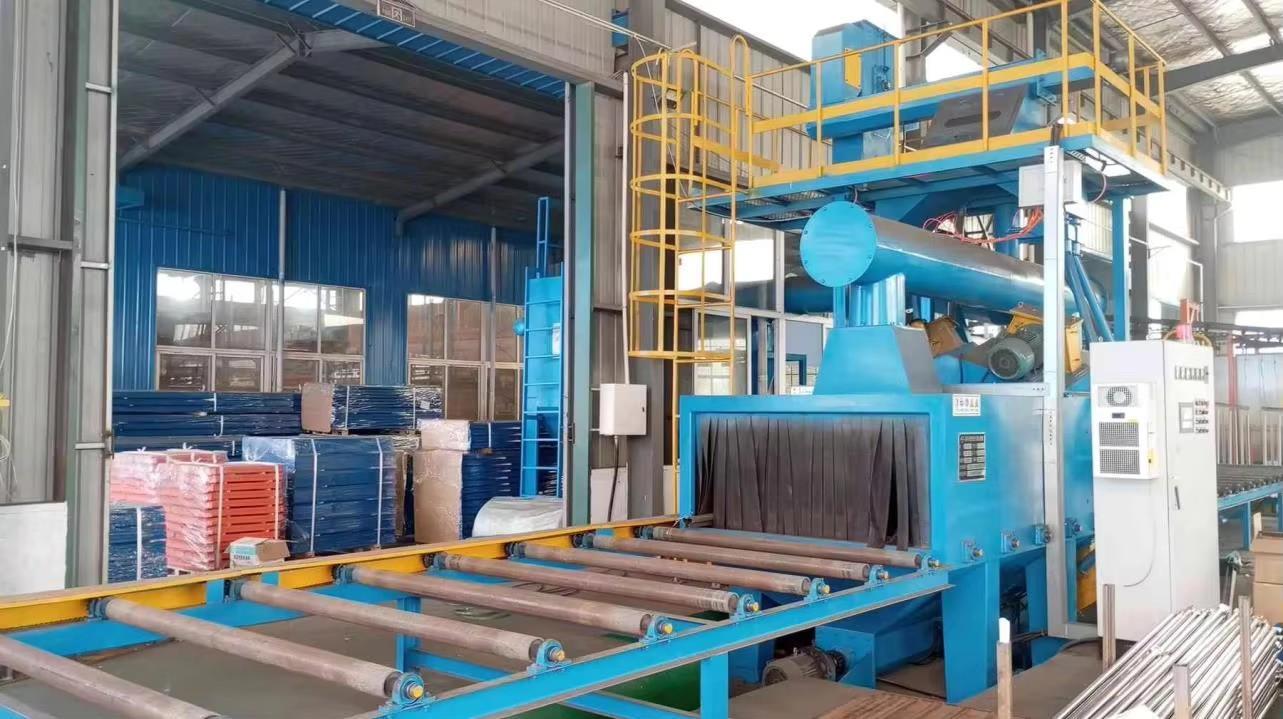
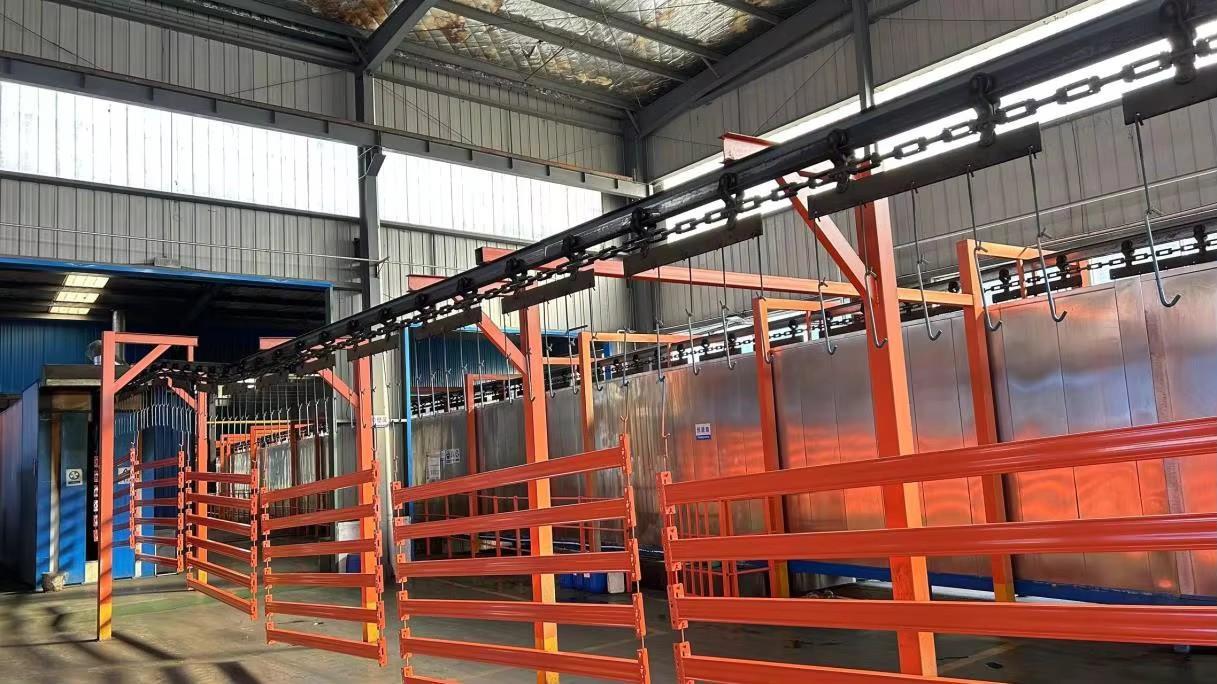
Factory 4.0: Modern Manufacturing Processes

How raw steel is transformed into high-precision, load-certified storage architecture through 35 sequential phases.
Primary Fabrication & Welding Lines

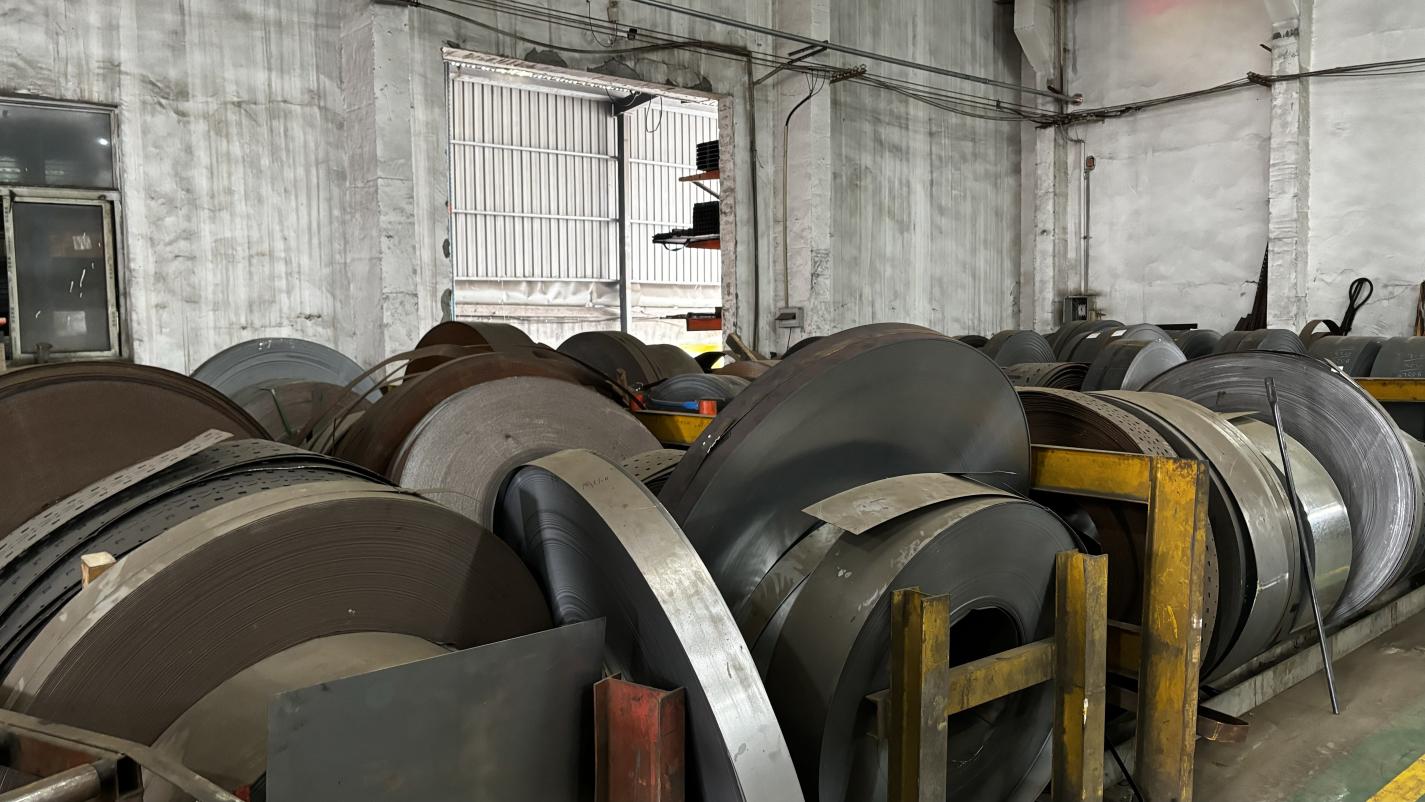
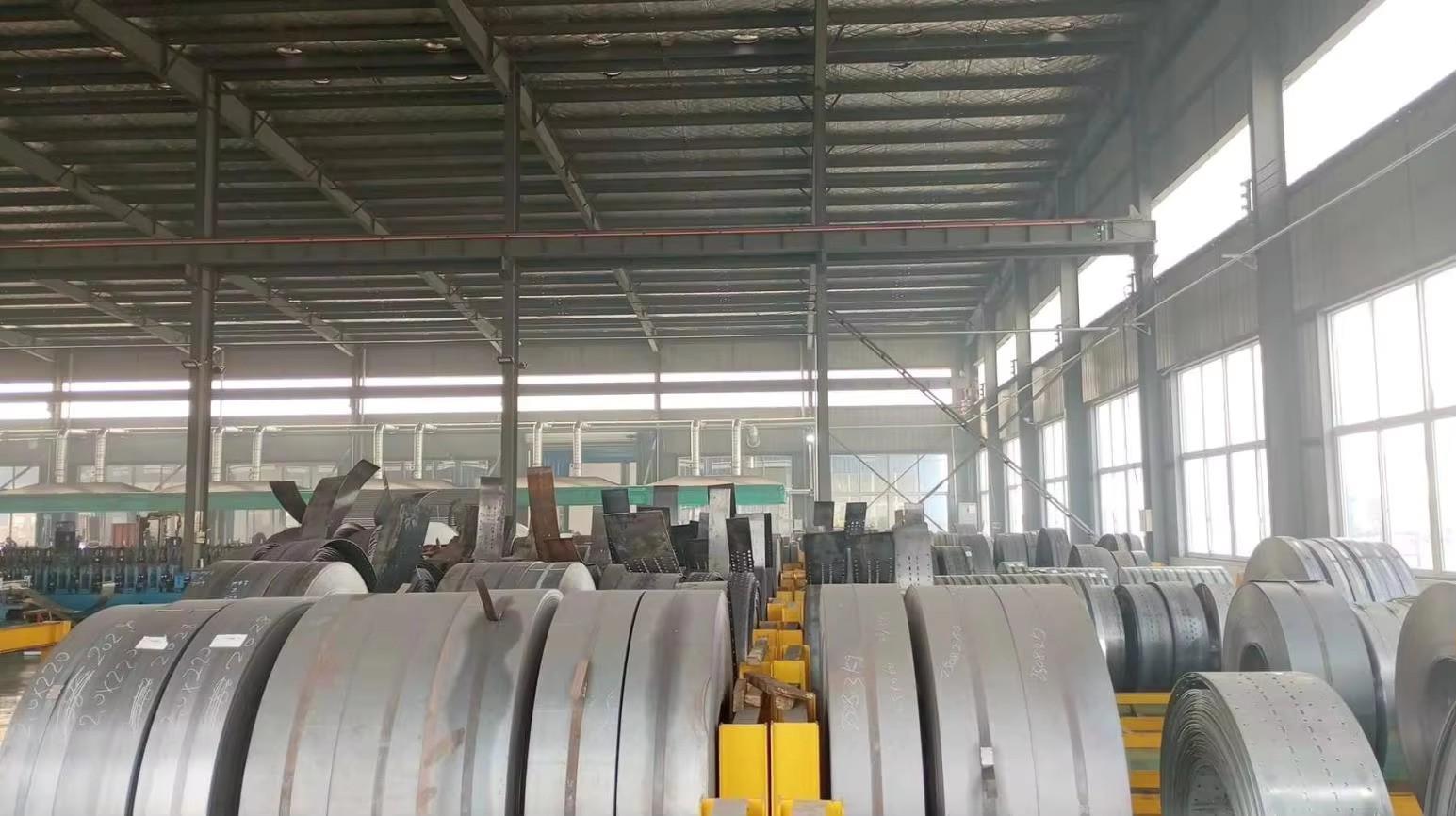
Raw Material Inspection
Raw Material Sourcing
Pressing Process
Precision Pressing
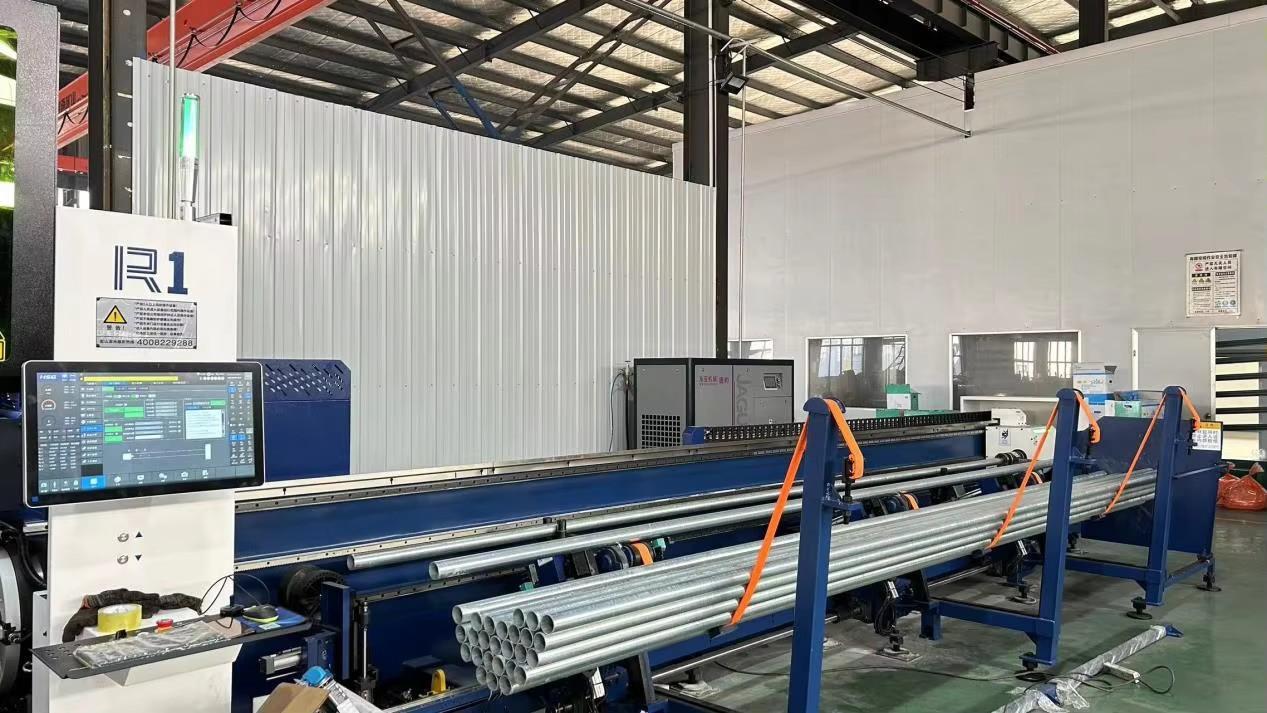
Cutting Process
Structural Cutting
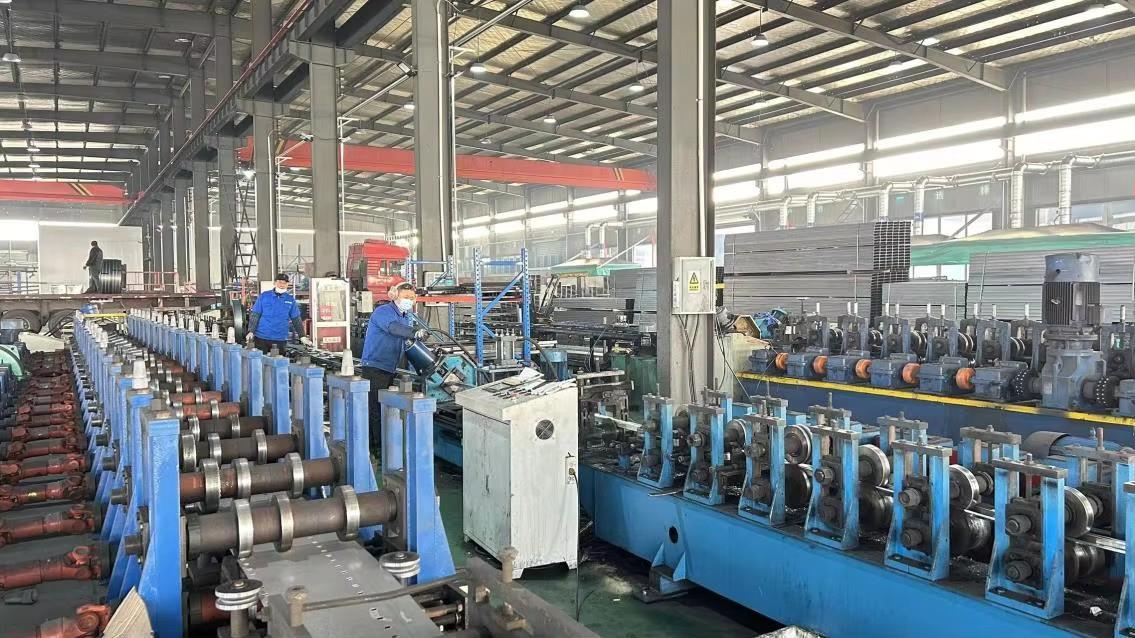
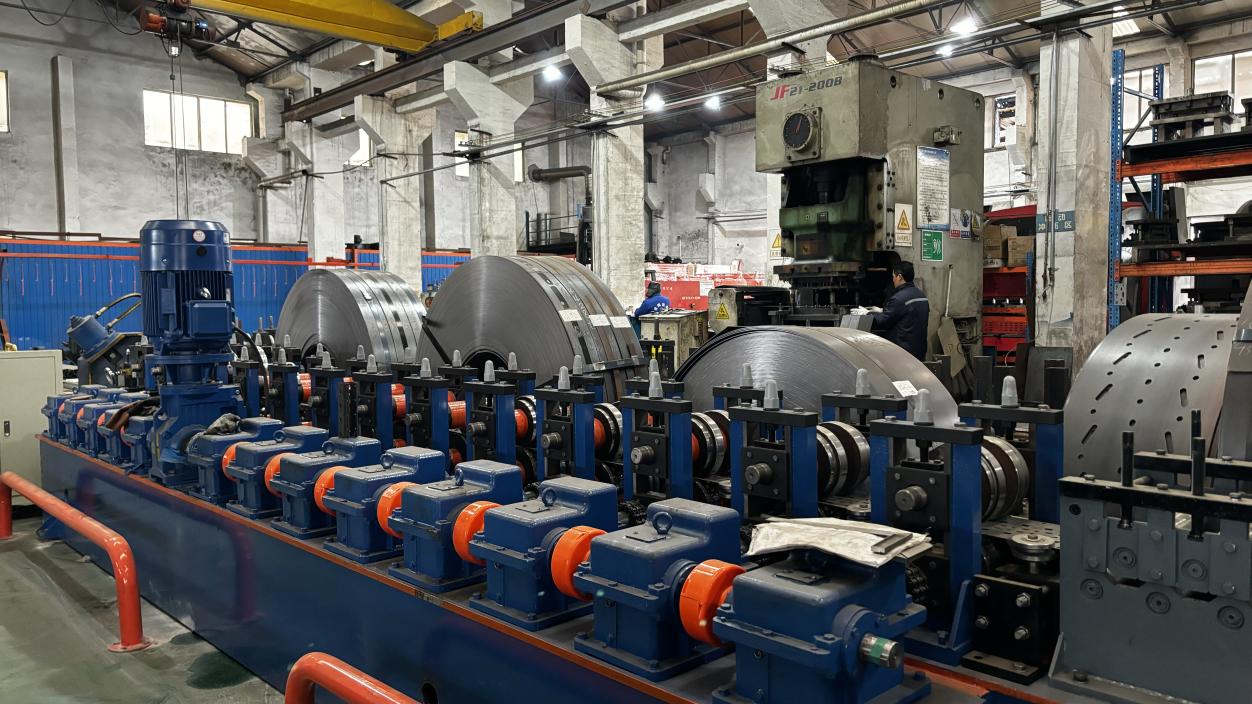
Bending and Forming
Cold-Form Roll Bending
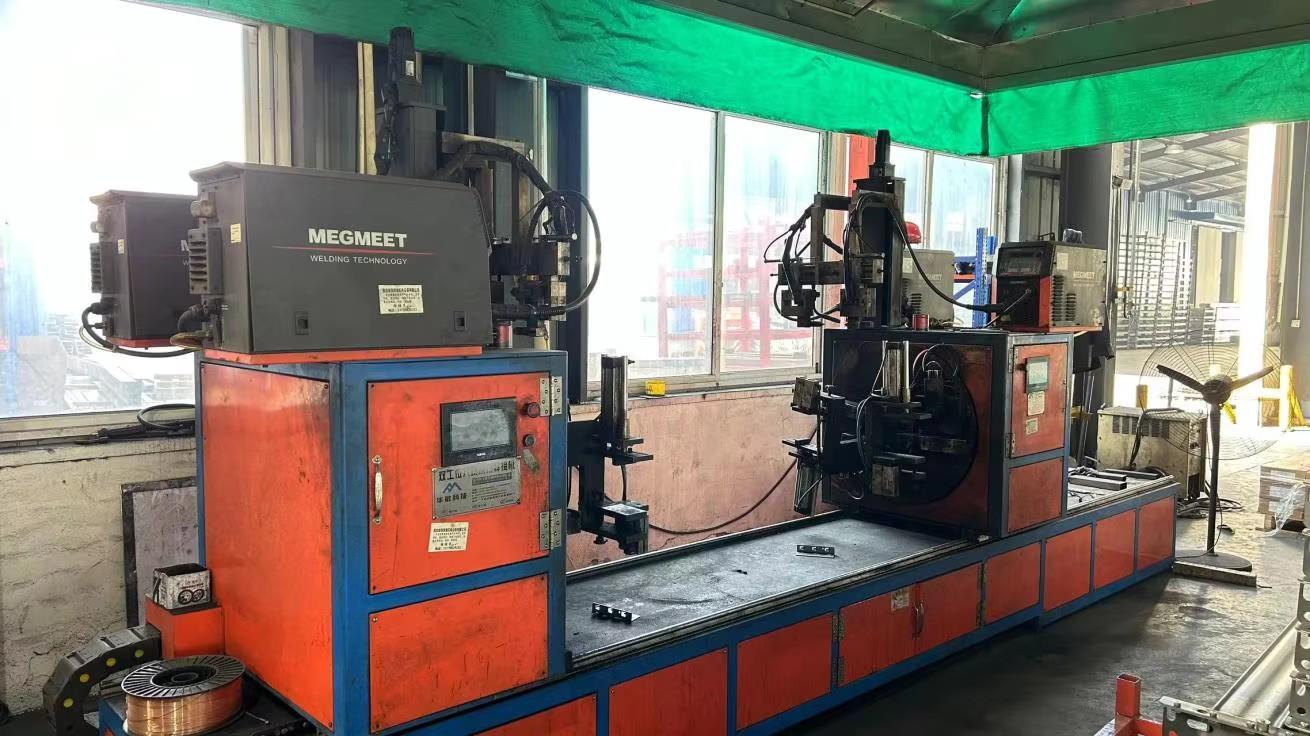
Automatic Welding Machine
Robot-Assisted Welding
Polishing Machine
Surface Polishing
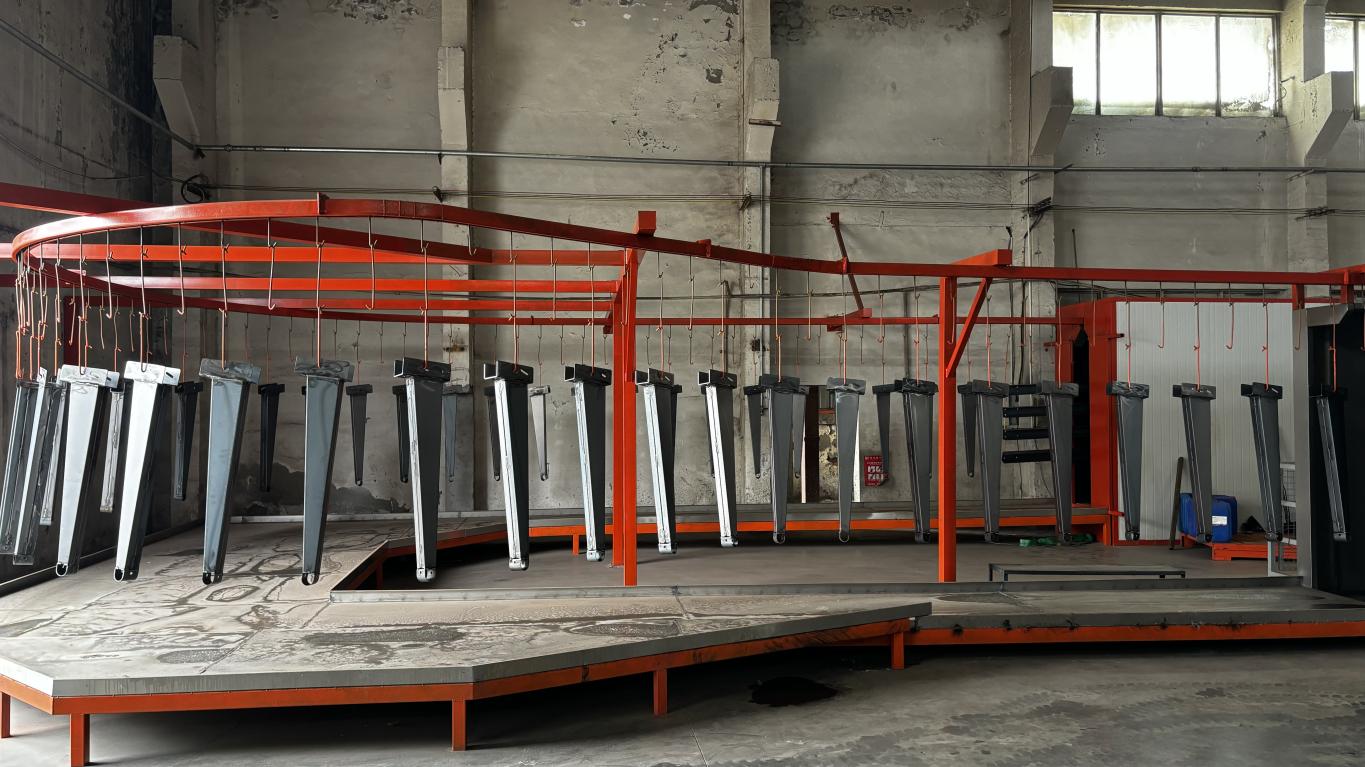
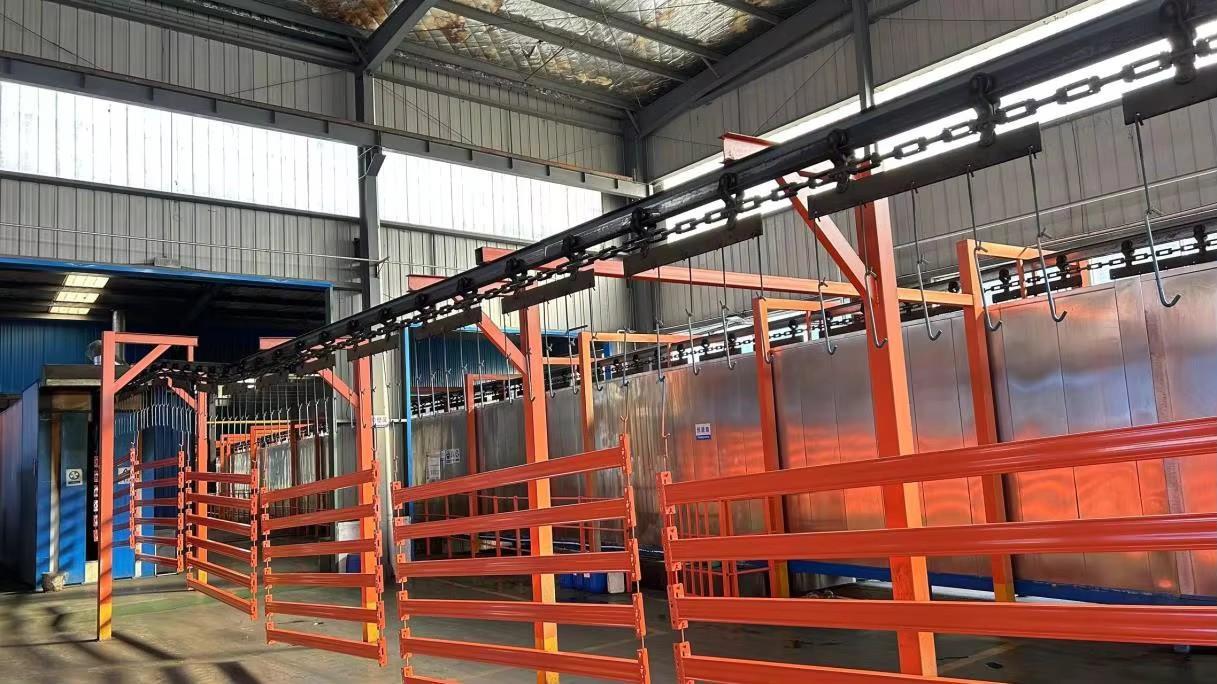
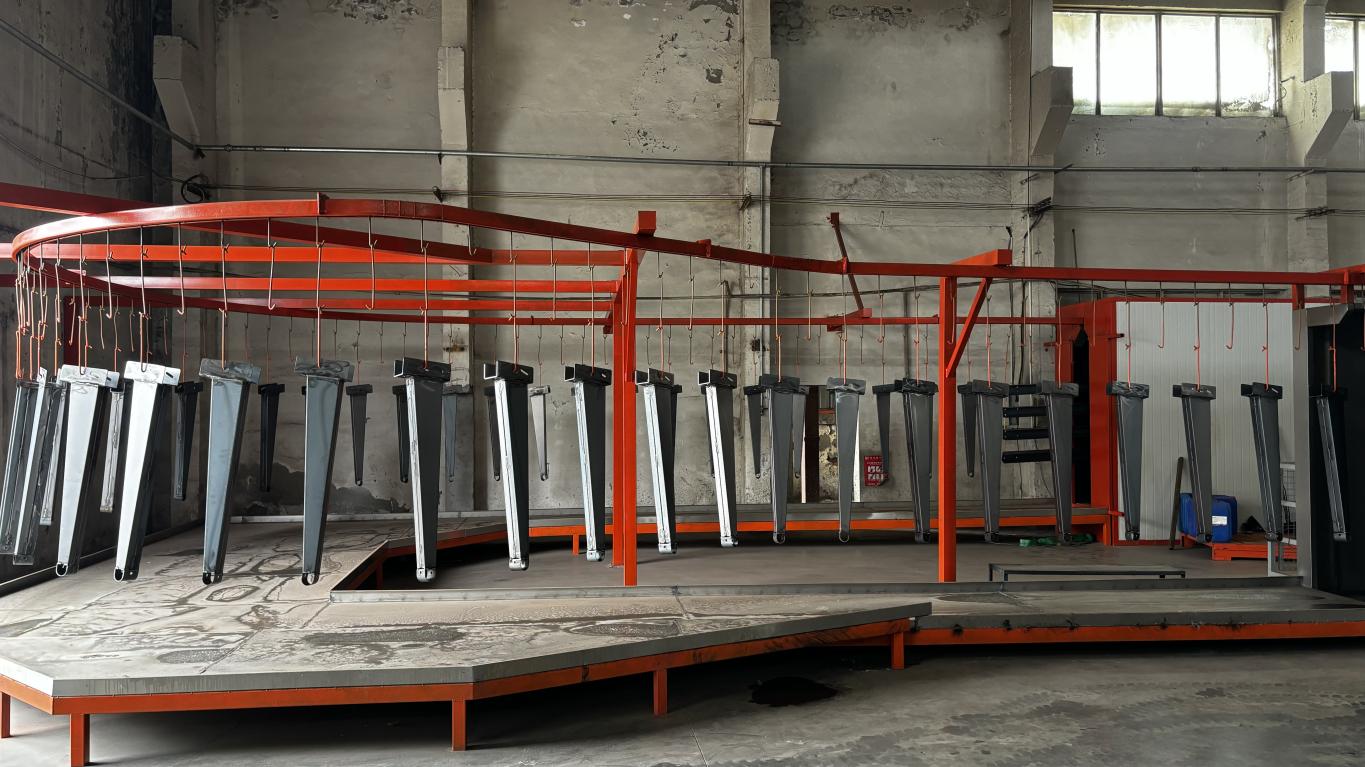
Painting Production Line
Electrostating Powder Spraying
Cutting
Profile End Cutting

Sheet Metal & Punching Division

Plate Shearing
Plate Shearing
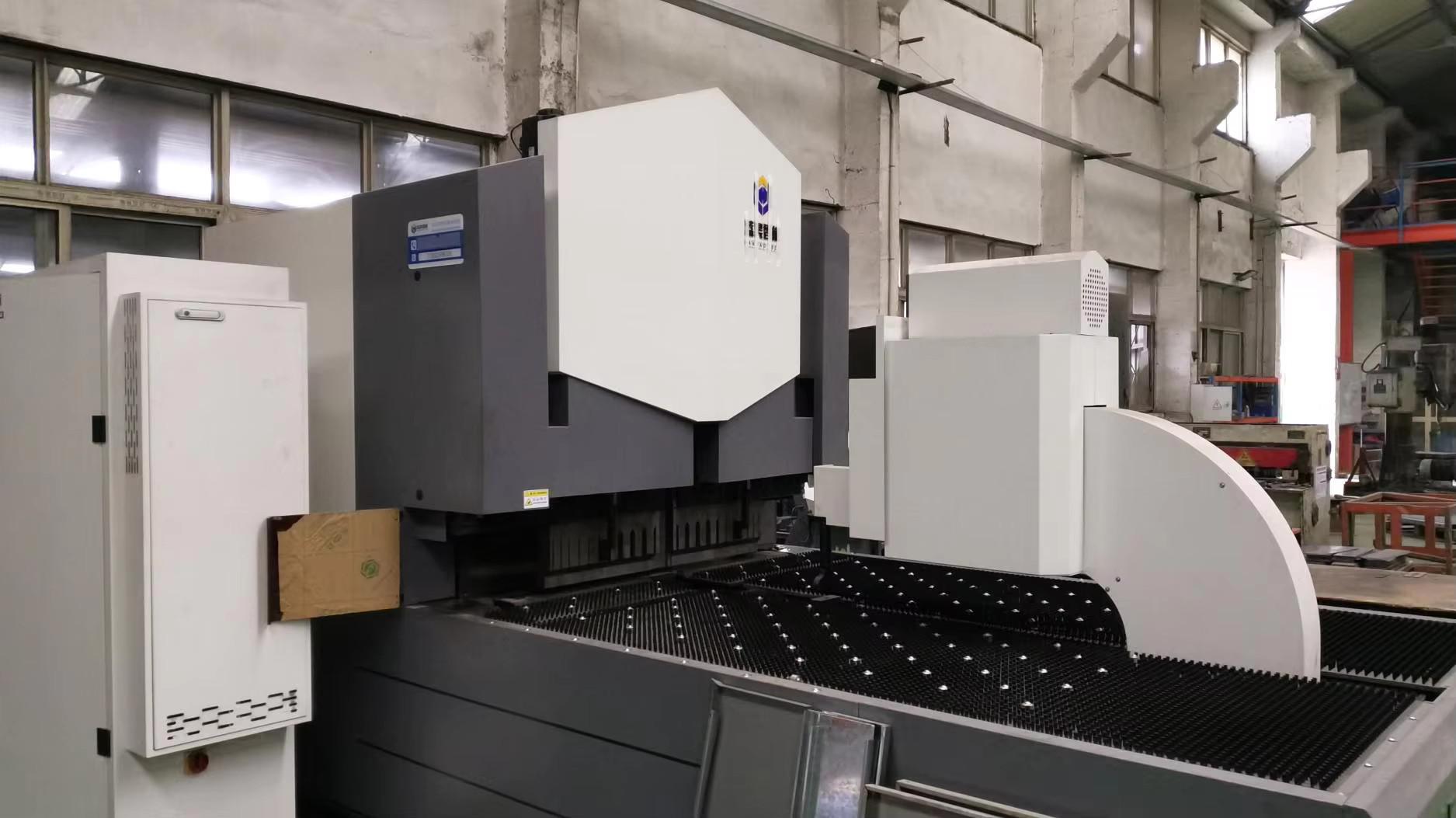
Plate Bending
Plate Bending & Stiffener Pressing
Punching
Continuous Upright Punching
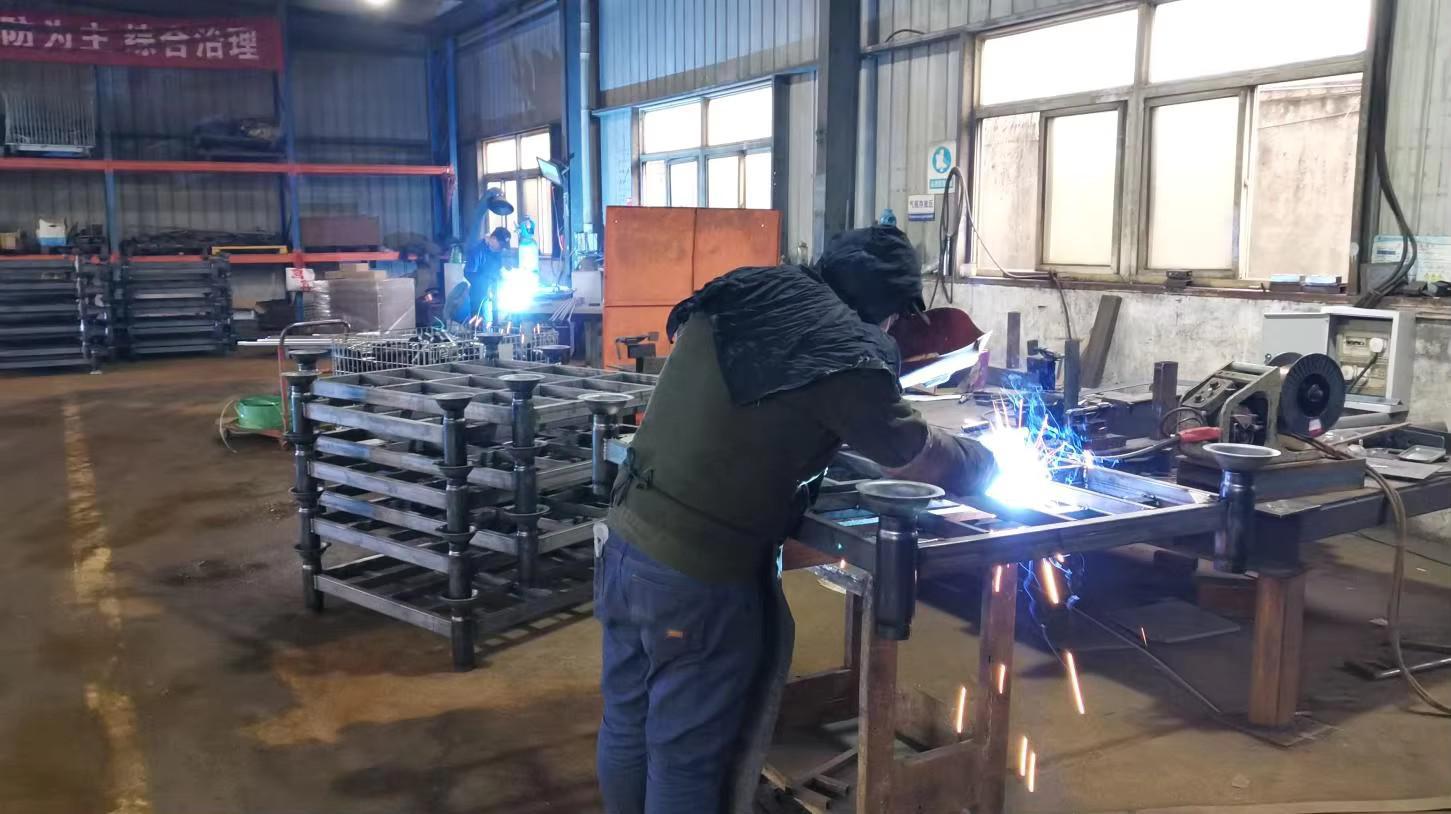
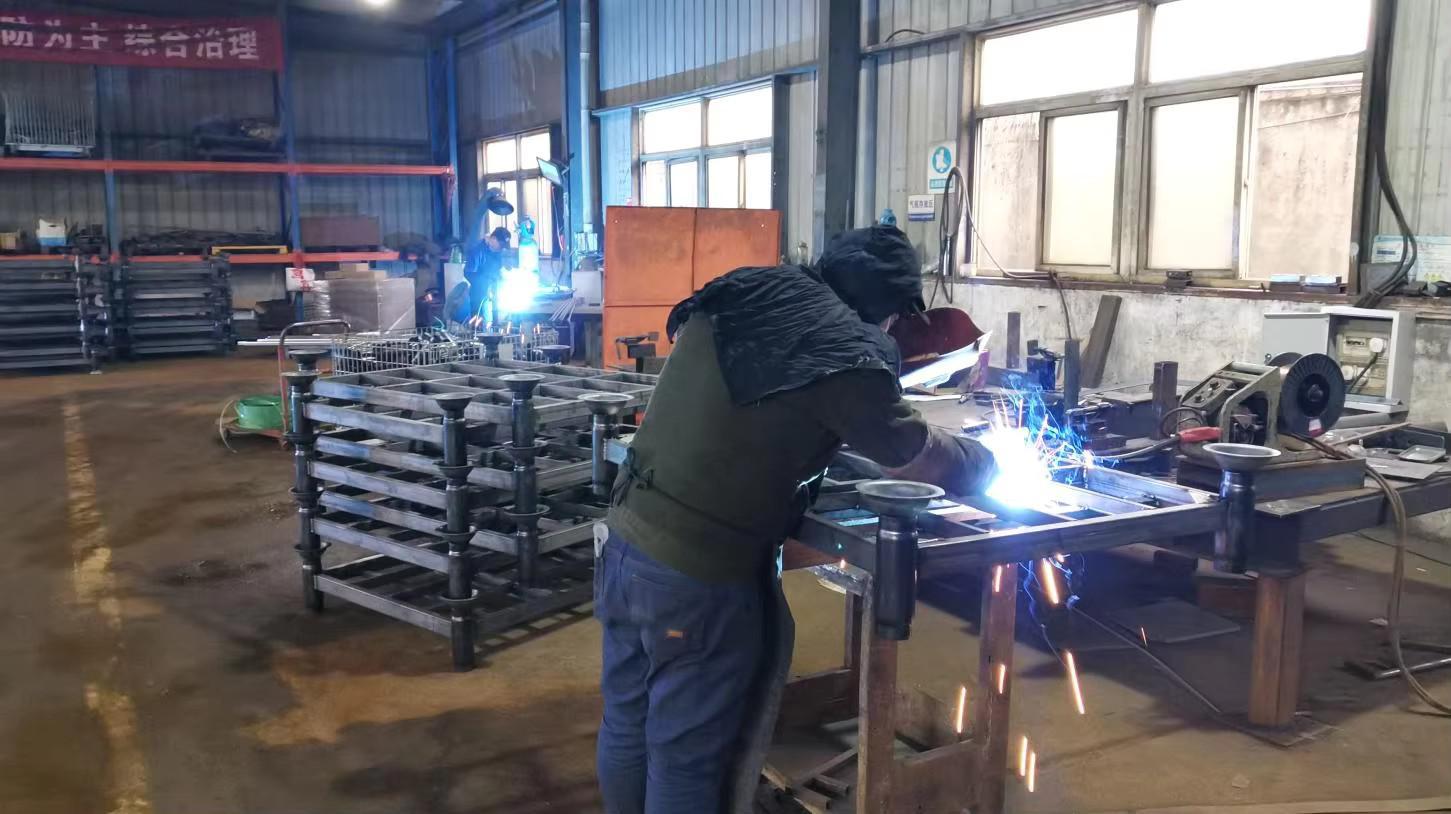
Welding
Structural Component Welding
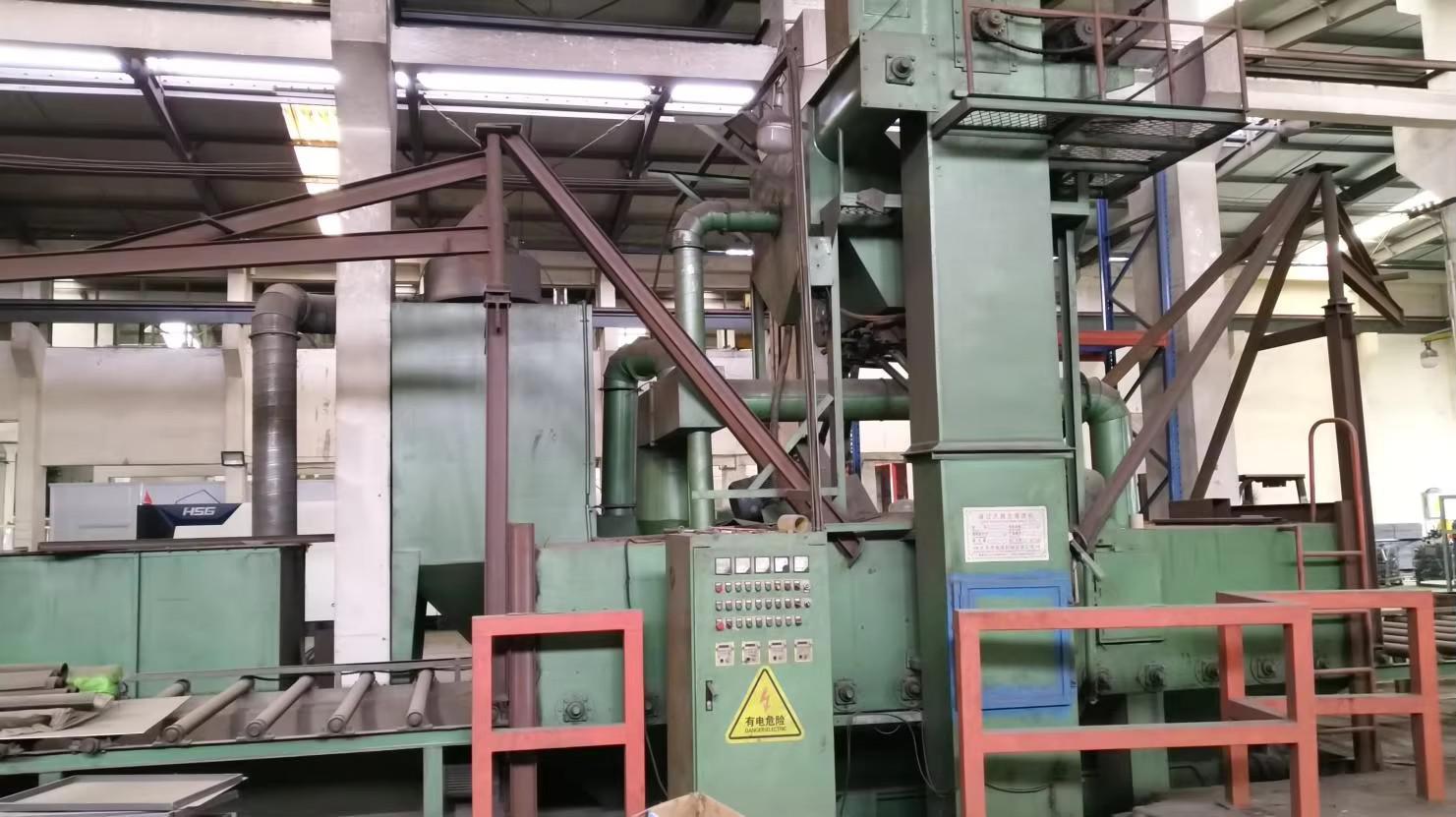
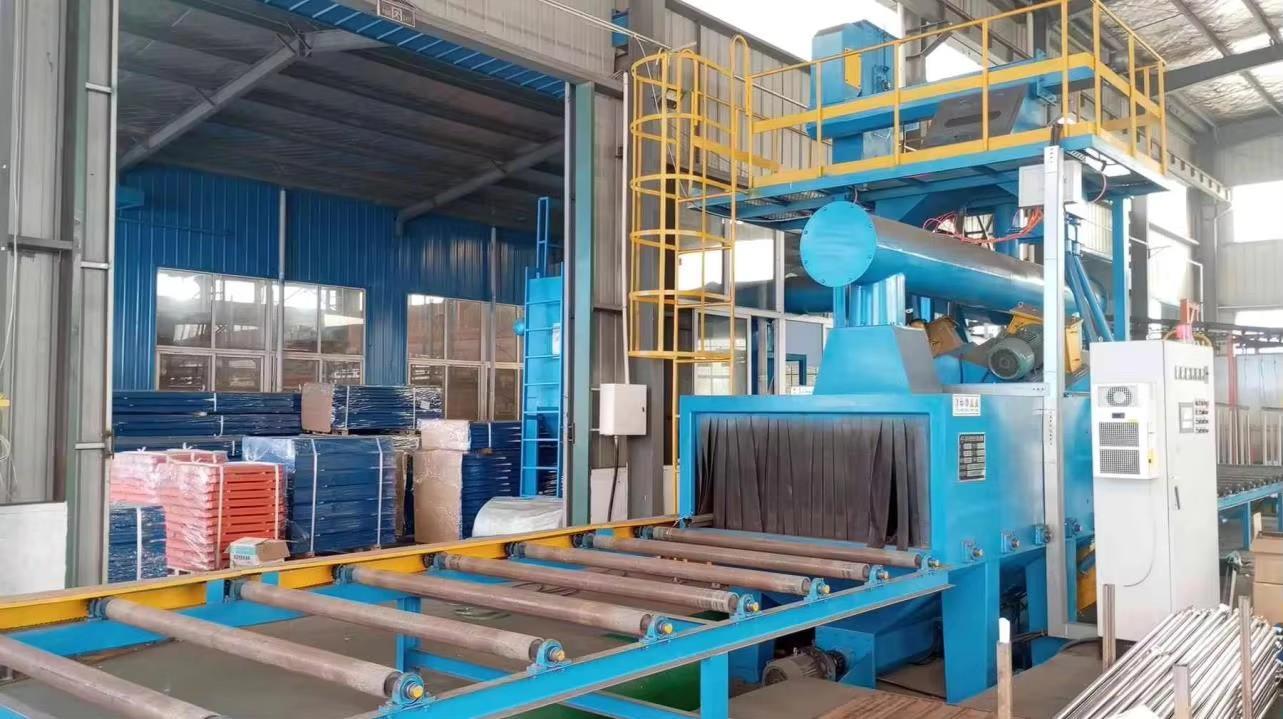
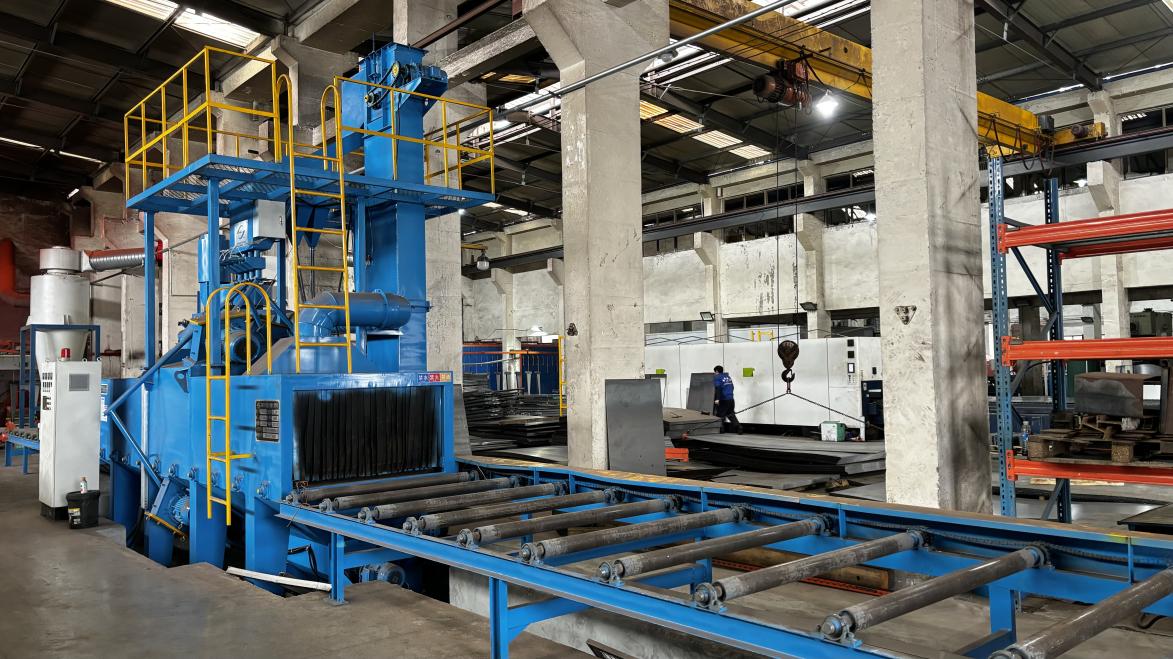
Shot Blasting
Abrasive Shot Blasting
Coating
Thermosetting Coating Line
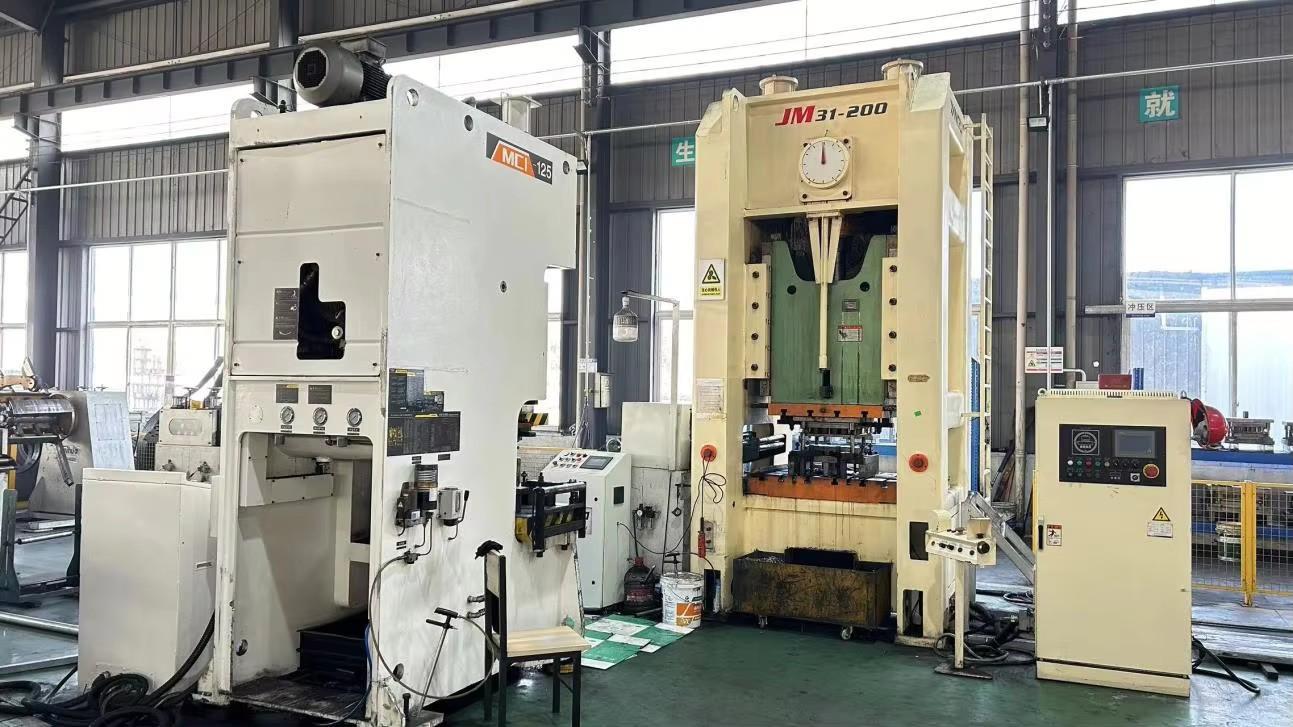
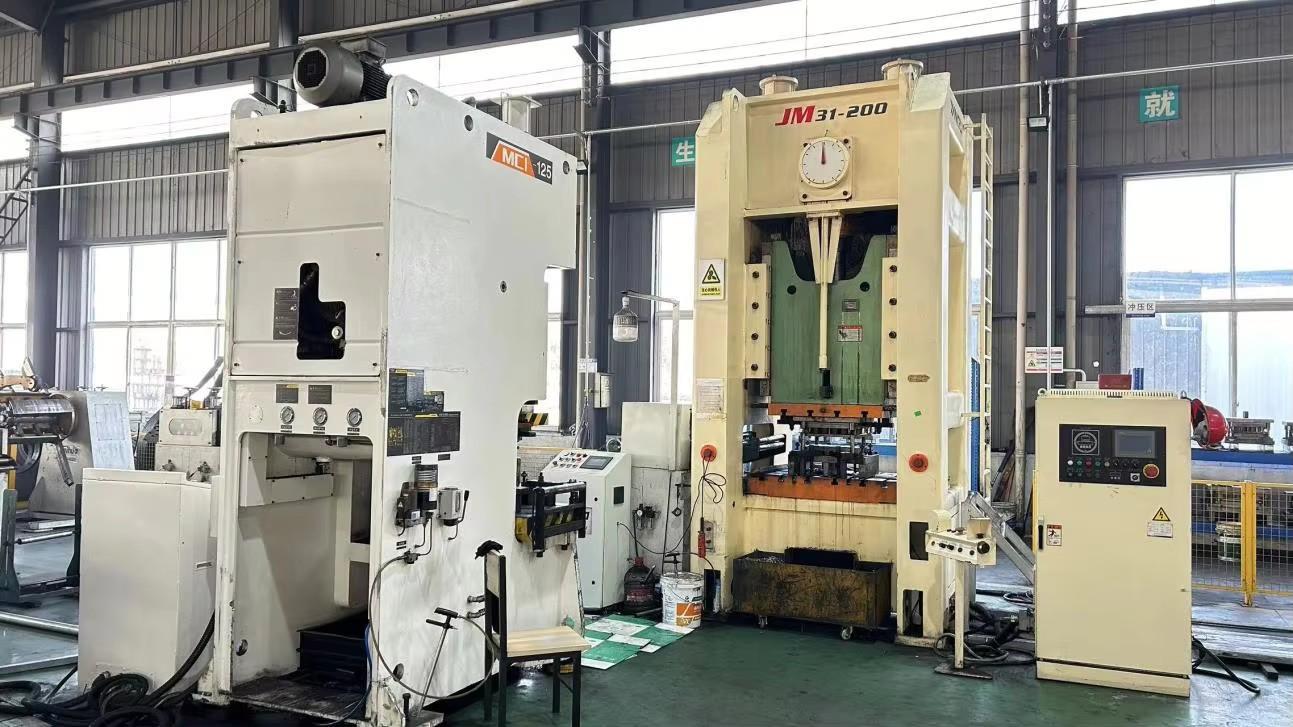
Pressing Machine
High-Tonnage Pressing Systems
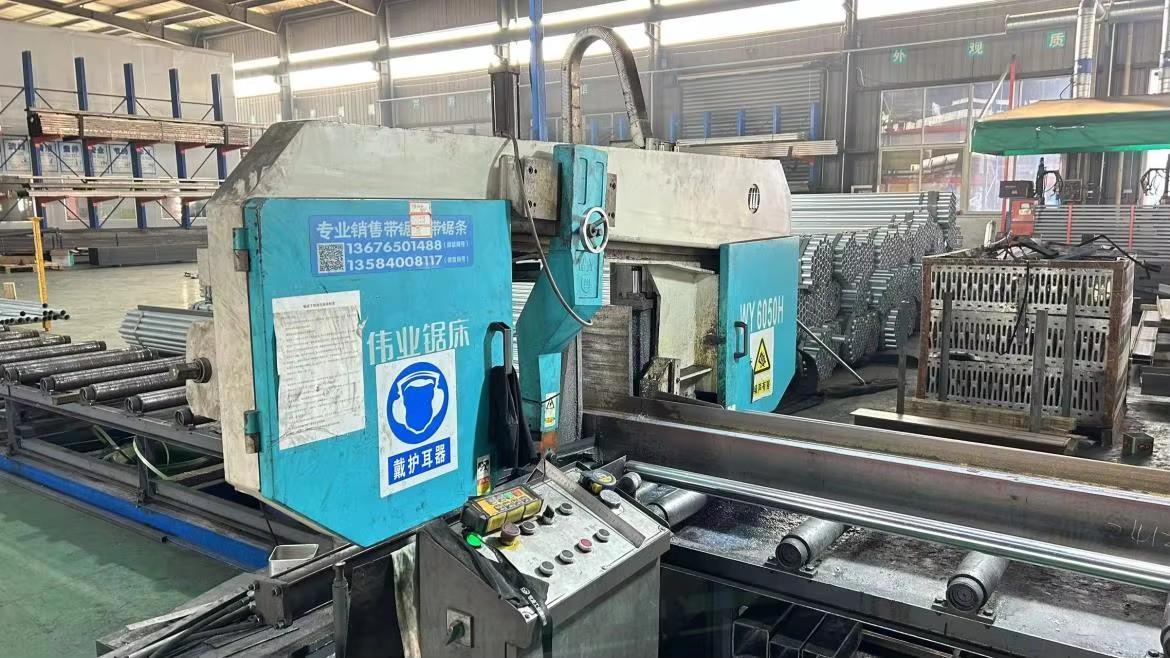
Sawing Machine 1
Mitre Sawing Machine 1

Precision Machining & Automation Equipment

Sawing Machine 2
Heavy Profile Sawing 2
Automatic Welding Machine
Integrated Robotic Weld Unit
Polishing Machine
Rotary Micro-Polishing
Painting Production Line
Continuous Powder Spray Booth
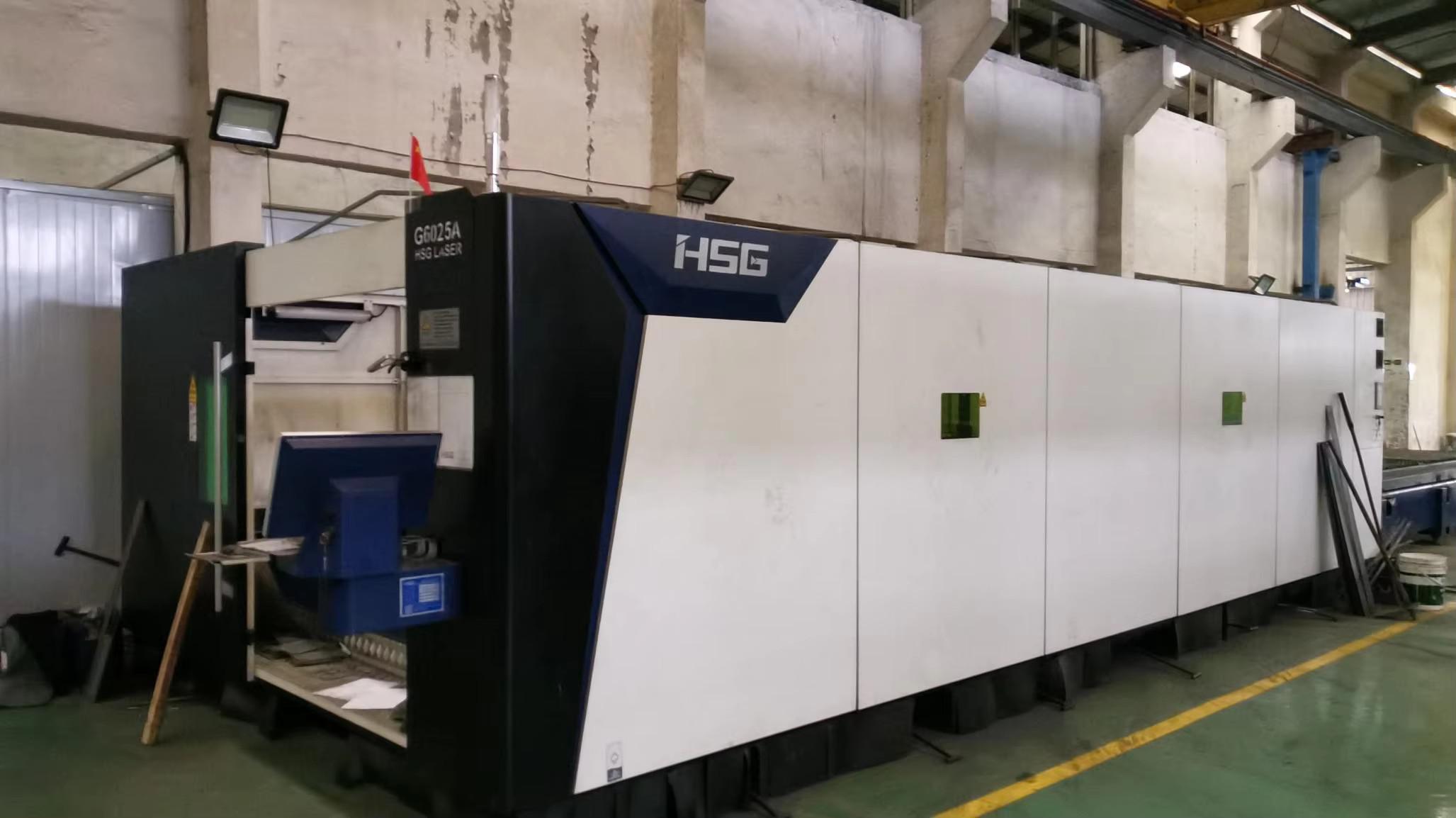
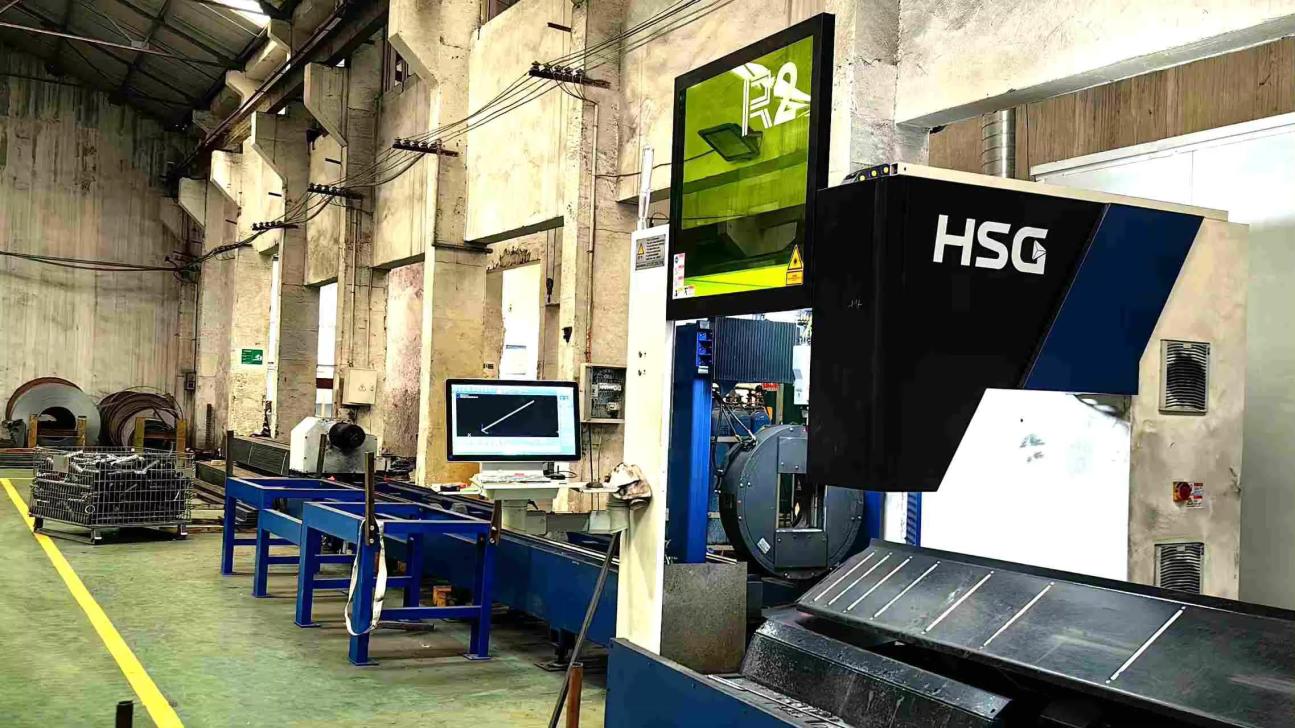
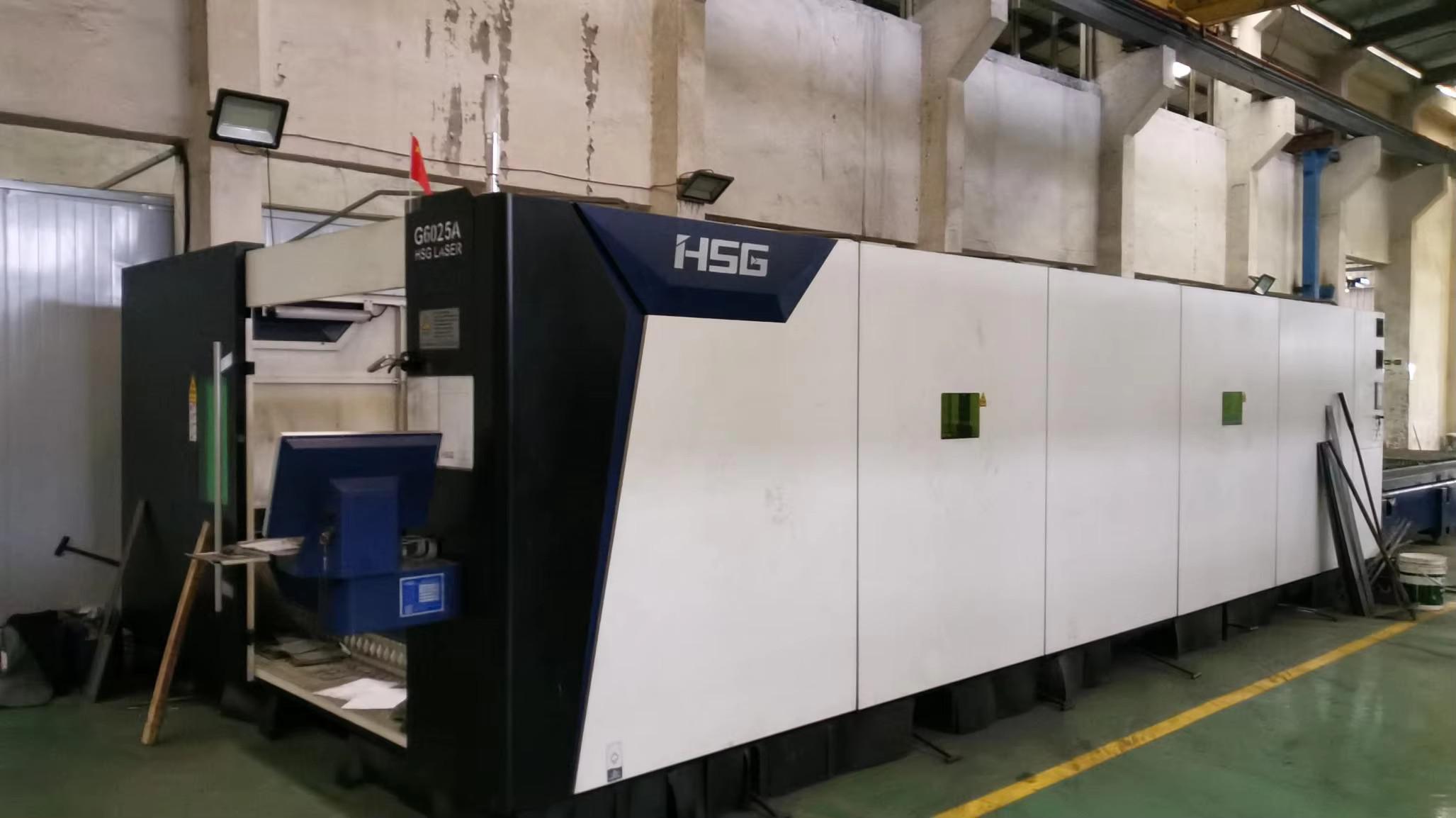
Laser Cutting Machine
CNC Fiber Laser Cutting
Flame Cutting Machine
Thermal Oxy-Fuel Cutter
Cutting Machine
Mechanical Cold Sawing
Laser Cutting Machine
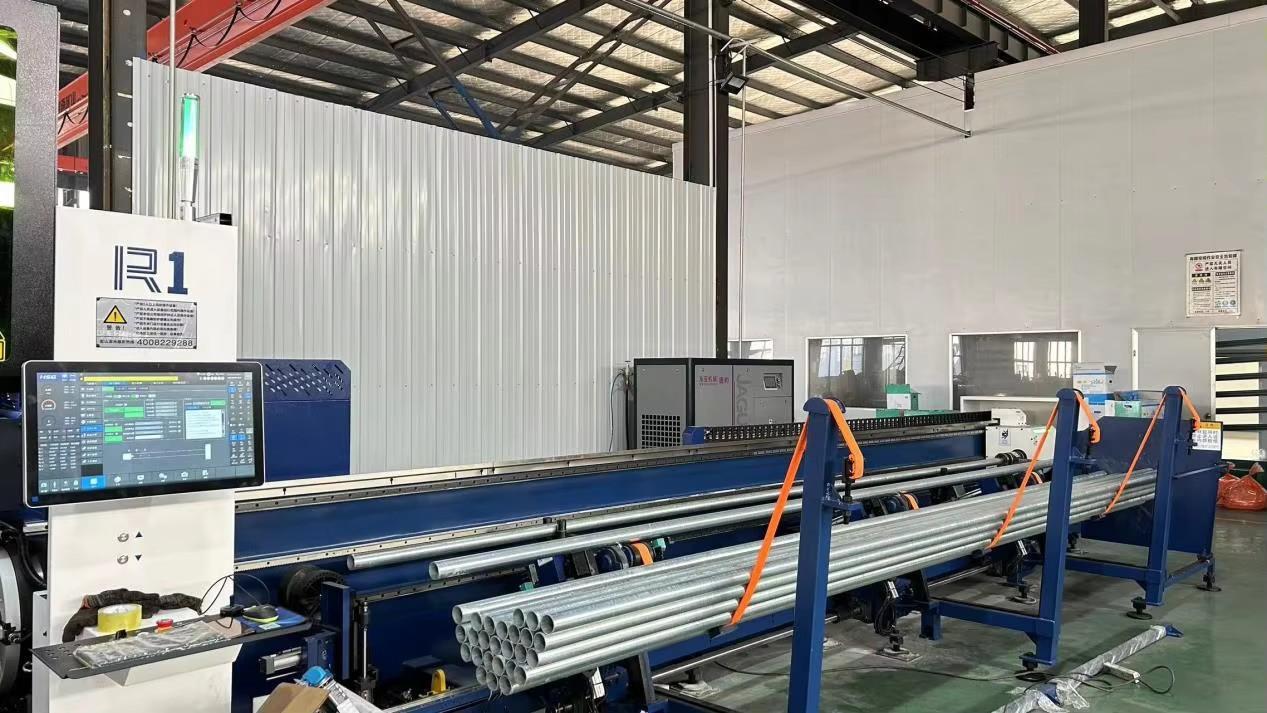
High-Speed Laser Tube Processor

Metal Forming & Powder Spray Finishes

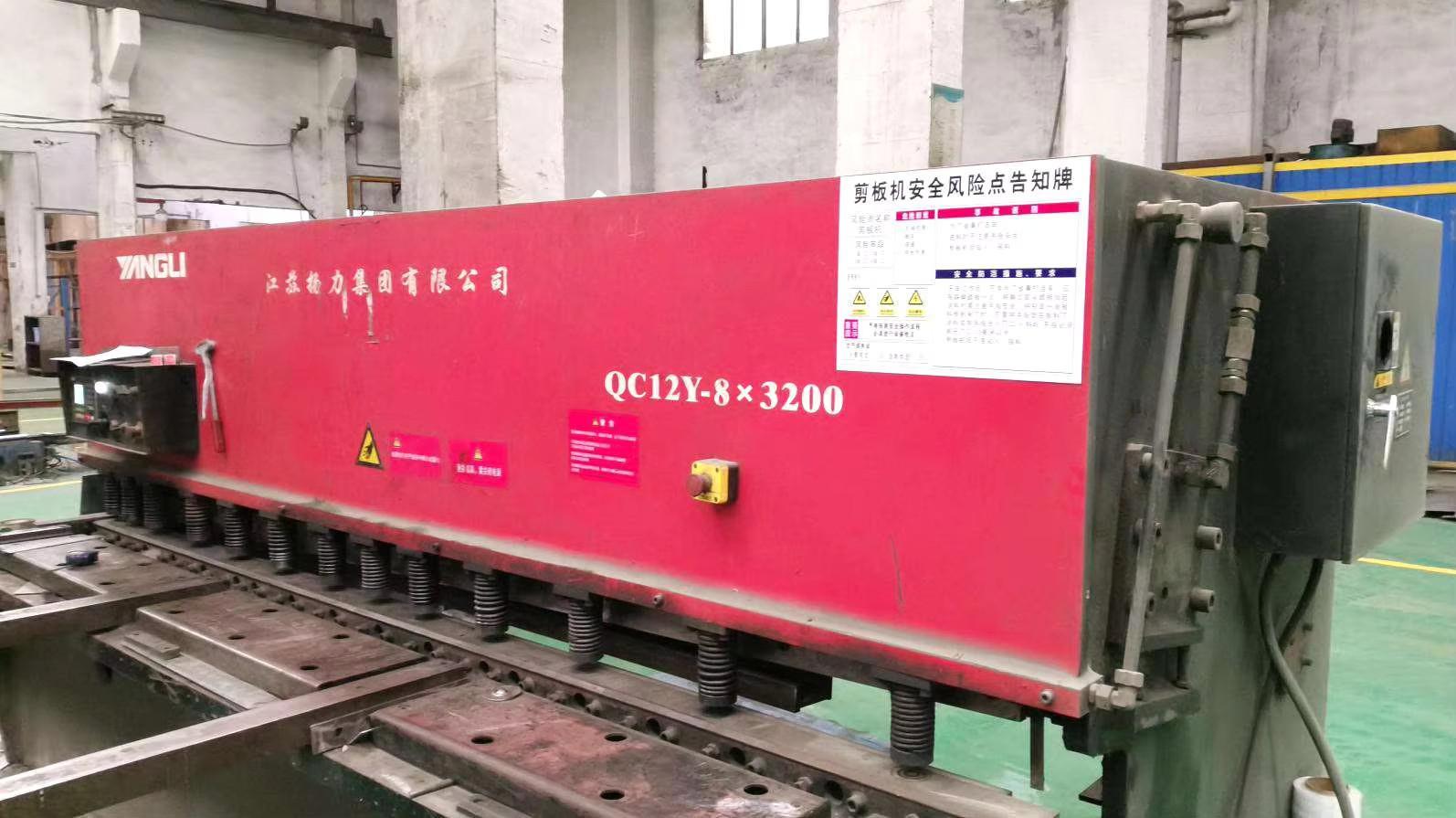
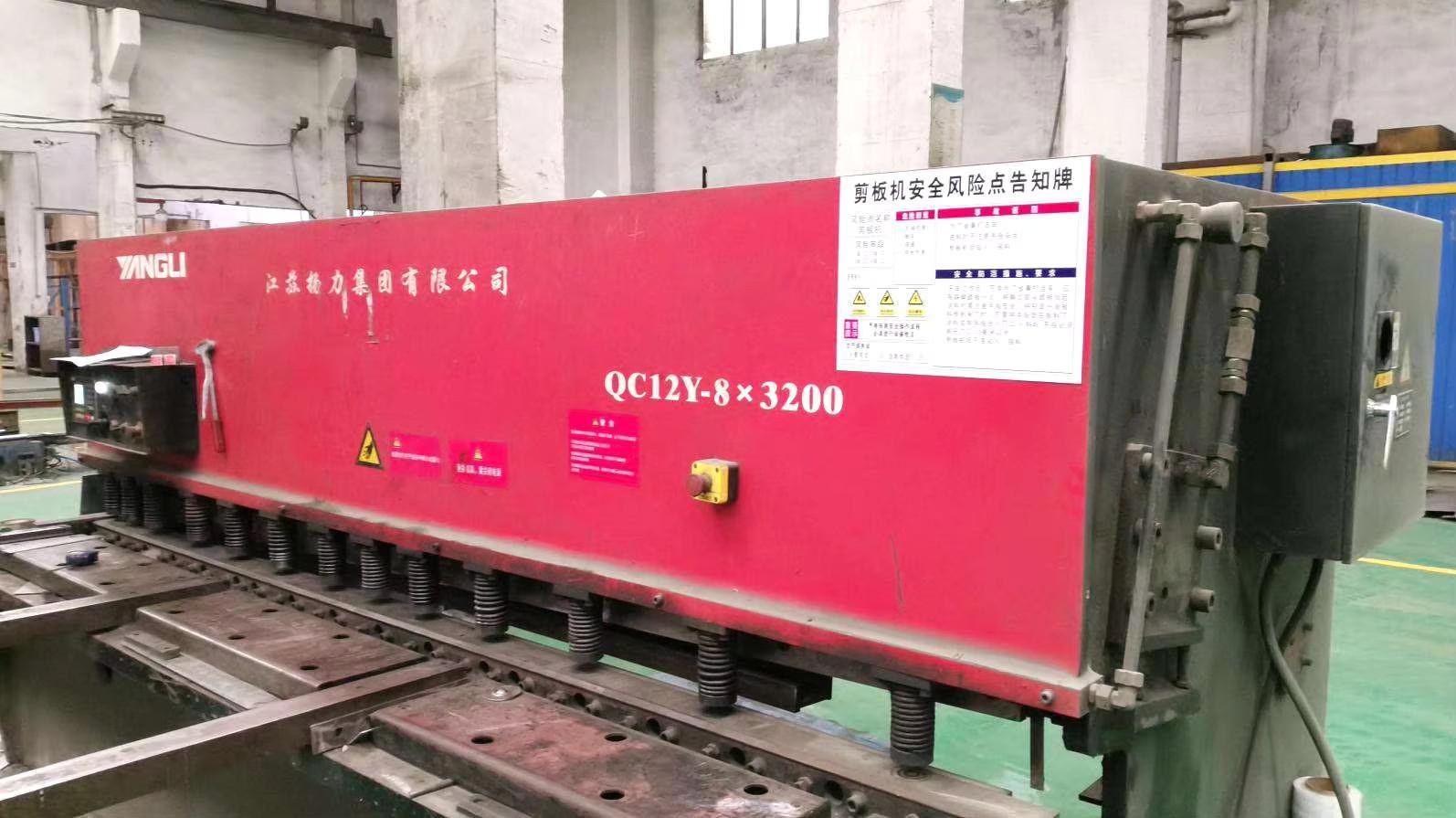
Plate Shearing Machine
Heavy Plate Shearing Unit
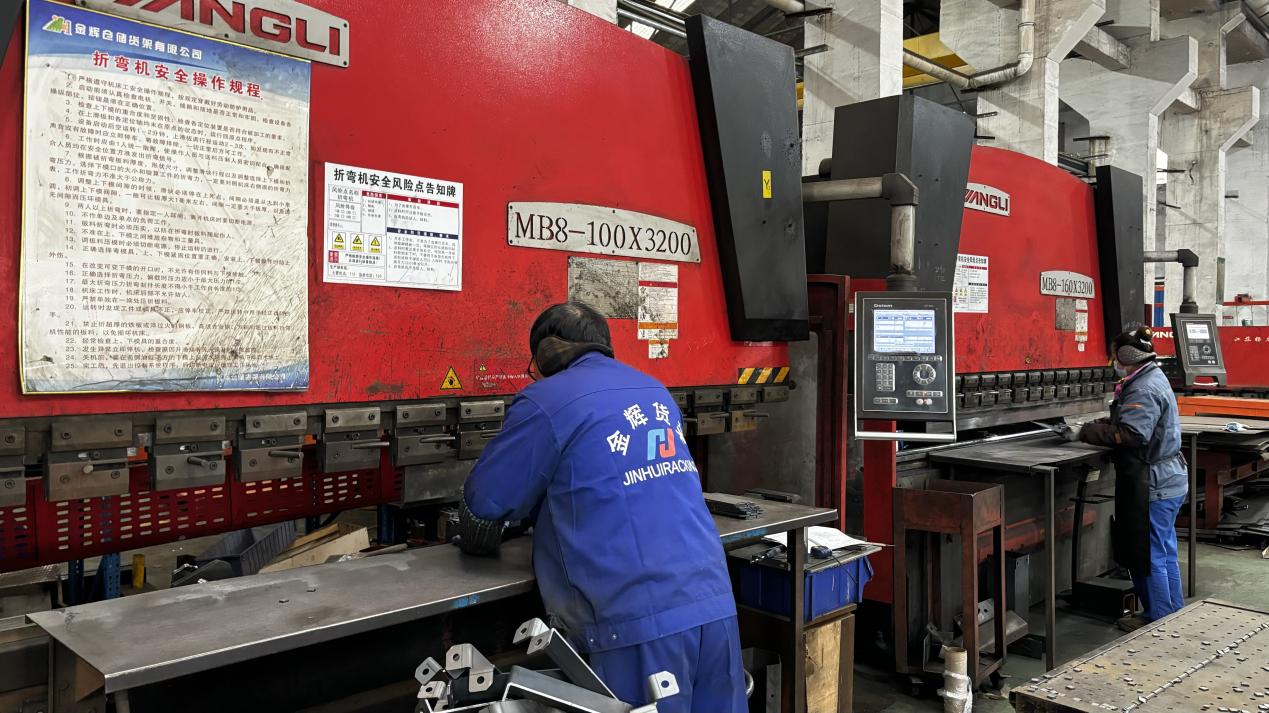
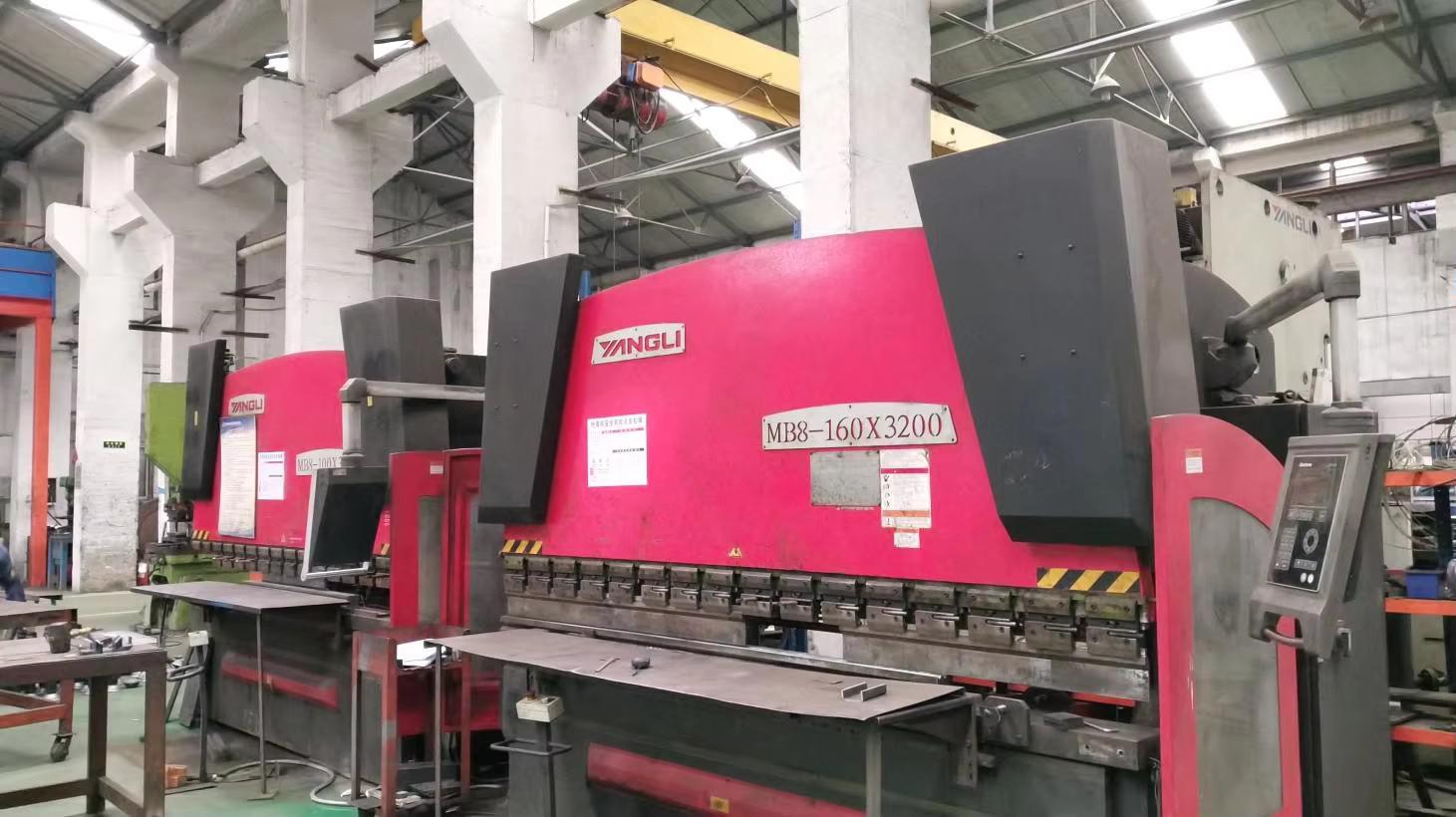
Plate Bending Machine
CNC Brake Press Forming
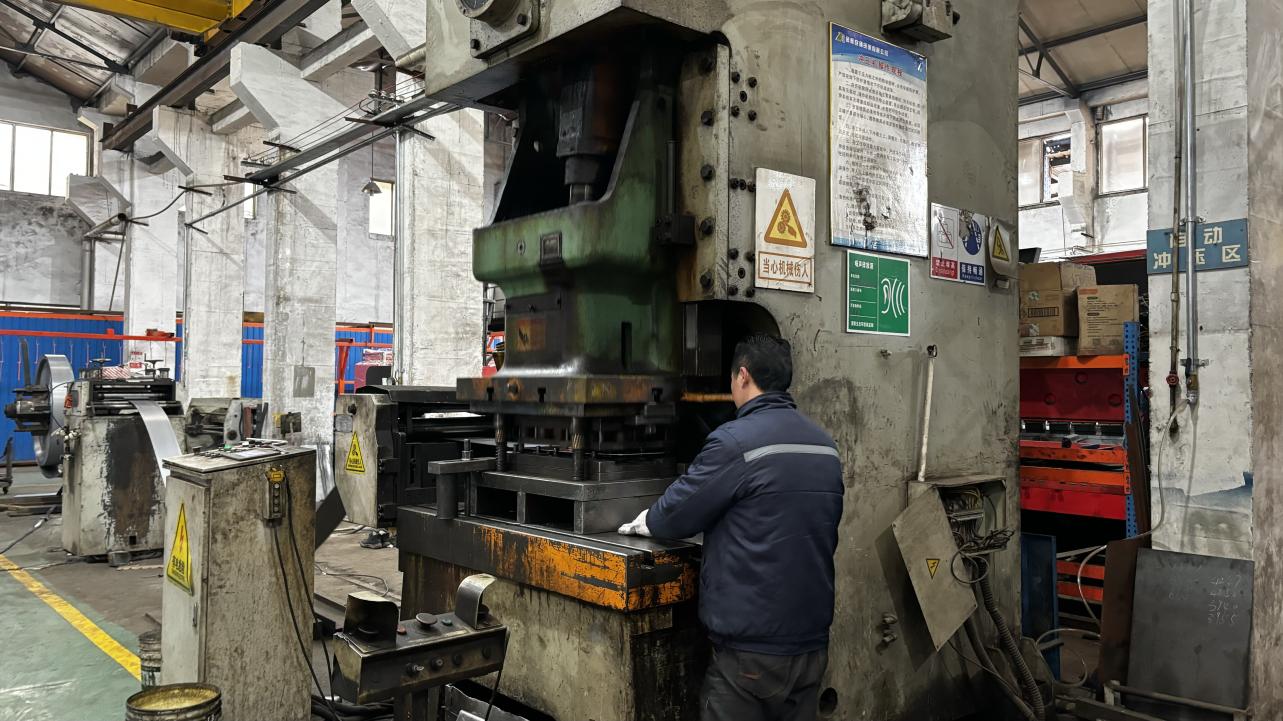
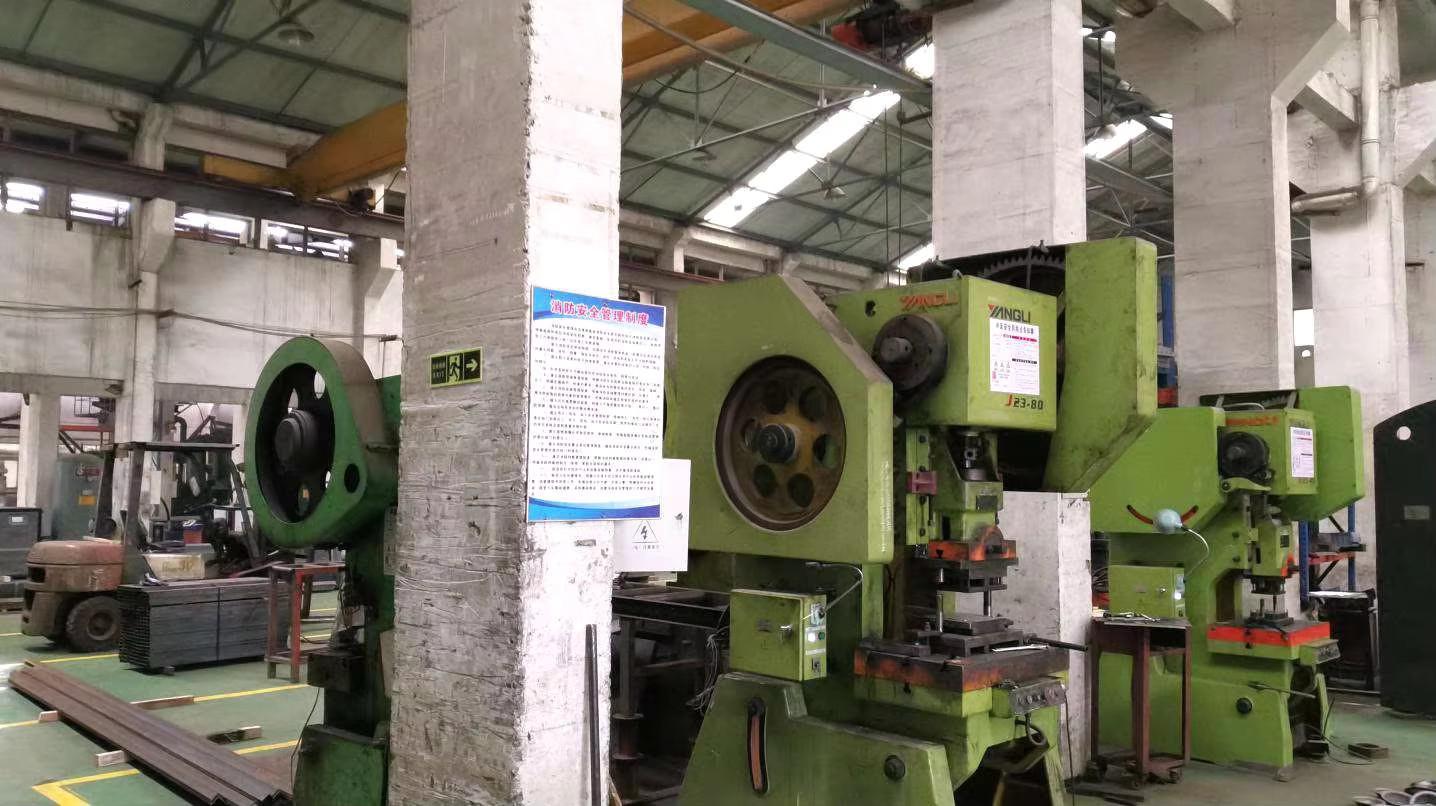
Punching Machine
Mechanical Turret Punch
Semi-Automatic Continuous Punching Production Line
Automatic Coil Feed Punch Line
Welding Machine
Manual Structural Welding
Shot Blasting Machine
Continuous Tunnel Shot Blasting
Powder Spray Production Line
Multi-Cyclone Powder Recovery Booth
Designing
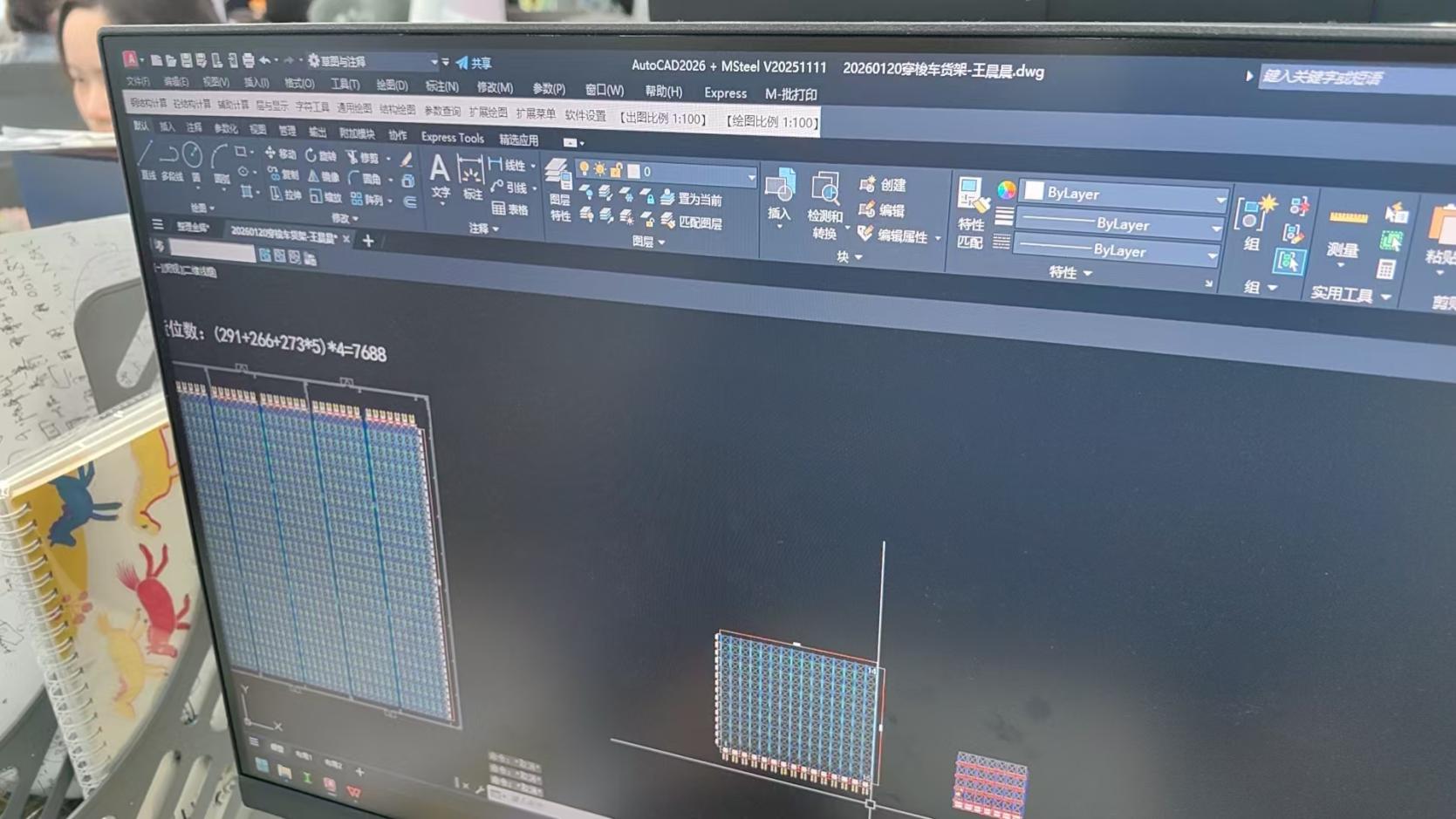
CAD Layout & FEA Structural Design

Strict Material & Dimensional Quality Control

Raw Materials Inspection
Chemical & Yield Strength Testing
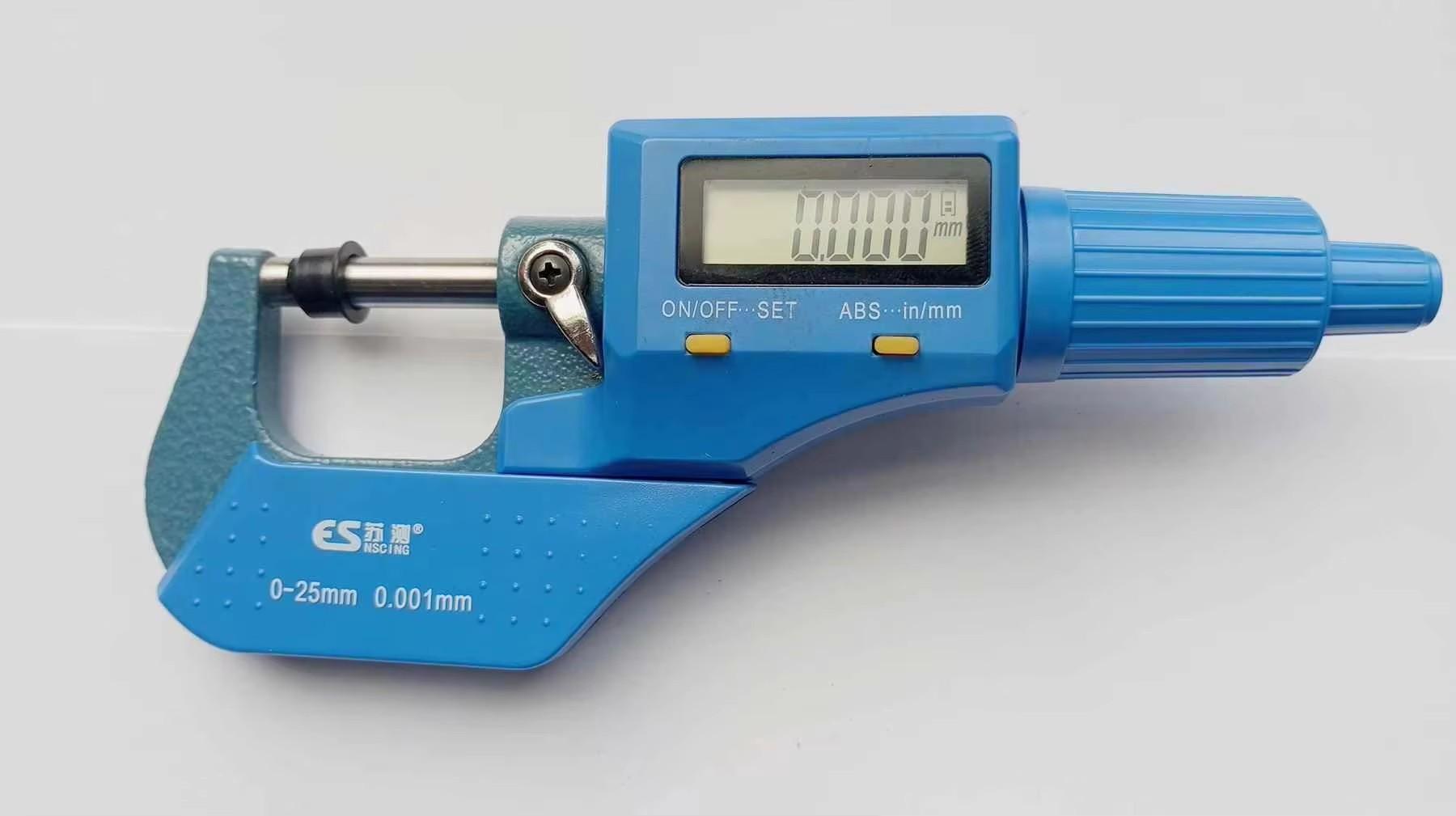
Micrometer Measurement
Micrometer Calibrated Thickness Testing
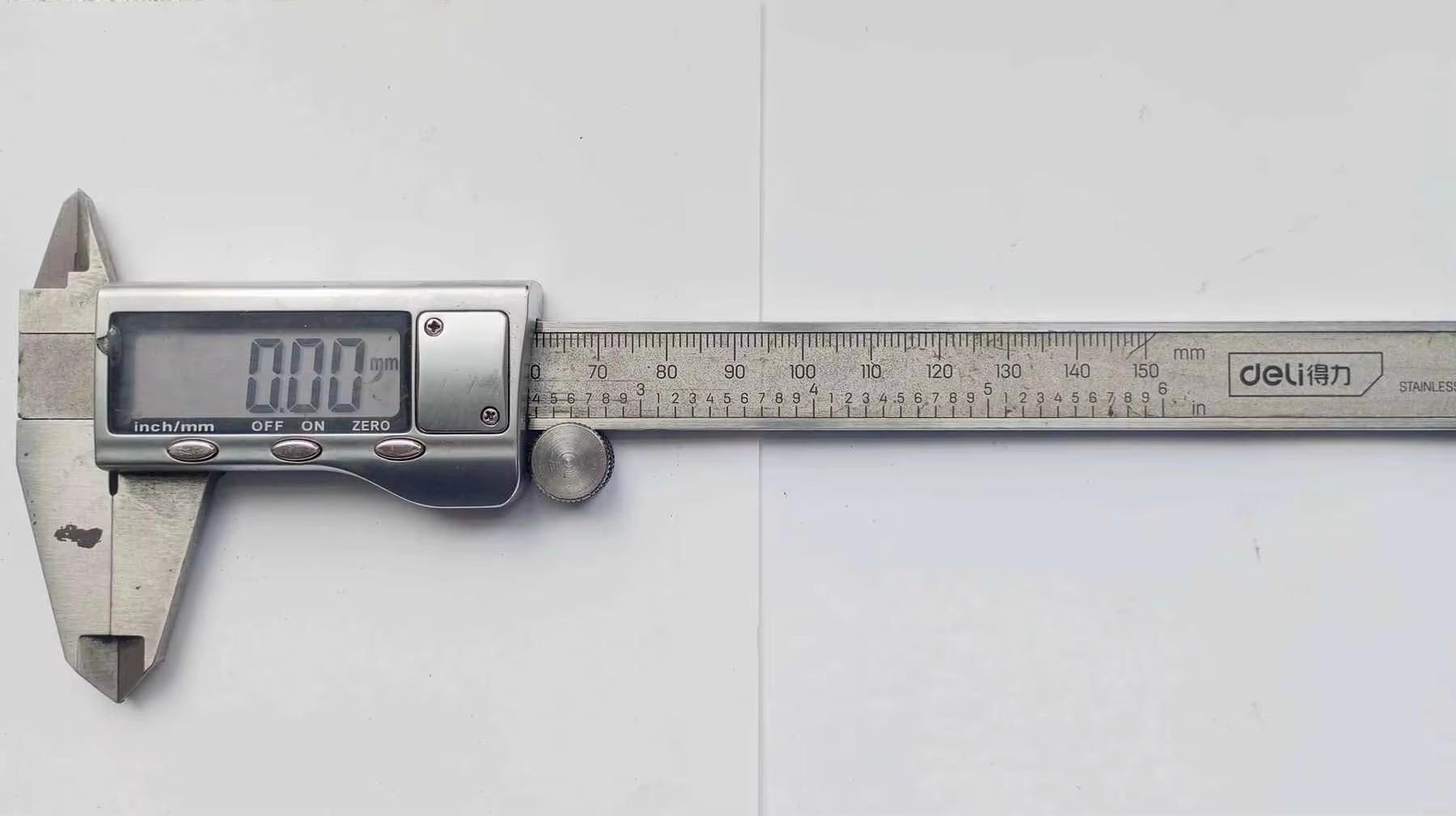
Vernier Caliper Measurement
Pitch & Punch Alignment Verification
Thickness Gauge Audit
DFT Coating Thickness Gage Auditing

Whitepaper: Industrial Storage Engineering

Evaluating the mechanics, safety standards, and space optimization structures in global fulfillment centers.

I. Macro-Industry Solutions

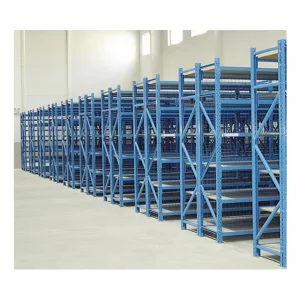
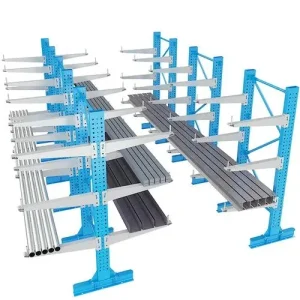
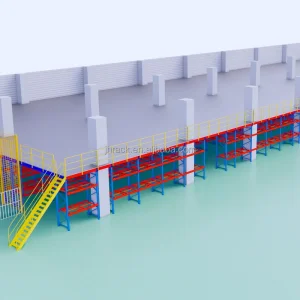
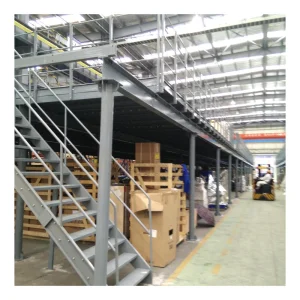
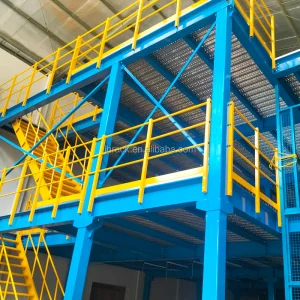
Industrial warehouse spaces are shifting from static footprint configurations to volumetric density optimization. Advanced structural layout approaches prioritize building height limits, concrete slab load metrics, and structural compatibility with automated materials handling equipment. Implementing mezzanine platforms and high-bay cantilever systems can double structural capacity without expanding the physical foundation of the facility.

II. Localized Safety Standards

Managing global distribution lines requires adherence to international structural guidelines. Structural designs are calculated to resist local seismic conditions and floor loading limits. Our design processes utilize finite element analysis (FEA) to confirm safety factors align with EN 15512 (European standard), RMI codes (North America), and AS4084 (Australian steel storage standards), verifying performance in industrial applications.

III. Supply Chain Resilience

Material sourcing and supply chain control prevent delivery delays. Using automated manufacturing lines (such as automated punching, cold roll forming, and robotic welding) stabilizes production throughput and ensures consistent dimensional tolerances. Close integration with major raw material producers minimizes price volatility and supports stable supply lines during global freight disruptions.

Technical Design Principles and structural Safety

Modern industrial operations require storage solutions that deliver reliable load capacity under regular use. The structural design of high-density steel frames depends on structural dynamics, including seismic load resistance, upright design, and beam deflection ratios. At Jinhui, we manufacture using structural grade Q235B and Q355 hot-rolled steel, giving our systems the yield strength required to support high load limits.

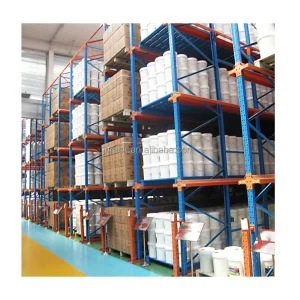
During cold roll forming, our computer-controlled lines create profiles with precise corner radiuses to prevent local buckling. In selective and drive-in systems, upright columns feature structural ribs along their length to improve torsional stiffness. Horizontal and diagonal bracing patterns are calculated to direct vertical loads toward the concrete slab, reducing structural sway and dynamic shear stress during loading operations.

Technical Engineering: The Evolution of Intelligent Intralogistics

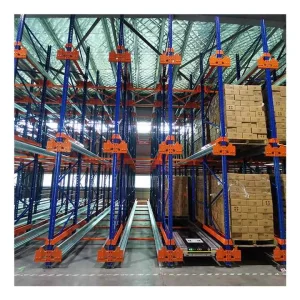
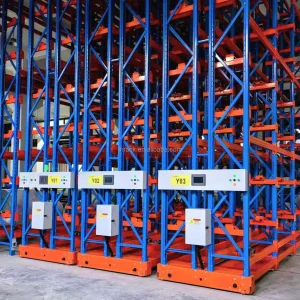
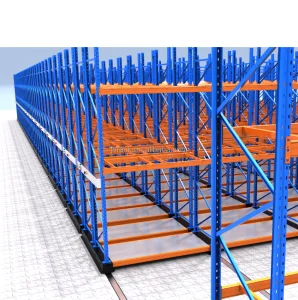
Modern distribution warehouses are transitioning toward semi-automated or fully automated systems. The integration of Radio Shuttle Systems (FIFO/LIFO), Automated Storage and Retrieval Systems (AS/RS), and electric mobile racks allows operators to reduce aisle footprints while maximizing vertical storage space. Jinhui's manufacturing processes are calibrated to meet the tight tolerances required by automated shuttles and crane systems, reducing track wear and preventing positioning faults.

For operations using FIFO (First-In, First-Out) setups, we manufacture automated pallet systems with precise incline profiles, reliable speed controllers, and high-performance separator assemblies. In cold storage facilities, our corrosion-resistant mobile racking systems operate down to -30°C. These systems feature specialized low-temperature powder coatings and high-performance lubricants, helping cold chain operators optimize space utilization and lower energy costs per pallet position.

Technical FAQ: Structural Storage Systems

Addressing standard technical, structural, and procurement inquiries from warehouse engineers and global purchasers.

1. What steel grades do you utilize for heavy-duty systems, and what are their structural limits? +
We primarily use Q235B and Q355 structural steel from leading national mills. Q235B provides a yield strength of 235 MPa and is suitable for standard structural configurations and light to medium-duty racking systems. Q355 has a yield strength of 355 MPa and is used for heavy-duty columns, long-span beams, and high-bay setups. These materials ensure that structural designs meet global engineering standards.
2. How does Jinhui ensure compliance with localized standards like RMI, FEM, and AS4084? +
Our engineering team performs structural design calculations using localized parameters. We evaluate local environmental factors, seismic activity zones, soil classifications, and slab properties. We utilize Finite Element Analysis (FEA) to confirm that beam deflection, connector tightness, and column buckling resistance comply with European FEM 10.2.02, American RMI, and Australian AS4084 codes.
3. What surface finishes are applied for anti-corrosion protection in sub-zero cold rooms? +
For cold storage and high-moisture environments, we apply a thermosetting epoxy-polyester powder coating over an iron phosphate pre-treatment layer, or we use hot-dip galvanized steel (compliant with ASTM A123/A123M). The galvanized coating provides sacrificial protection, preventing rust even when surfaces are subjected to physical wear from forklifts.
4. What is the typical lead time for custom storage systems and engineering drawings? +
Initial layout drawings and structural analysis models are provided within 48 to 72 hours of receiving facility layout dimensions. Once drawings are approved and the deposit is received, manufacturing typically takes 20 to 30 days. Production timelines are supported by our automated fabrication machinery and raw material partnerships.
5. Do you offer OEM/ODM services, and what structural customizations are supported? +
Yes, our R&D group of 68 engineers supports extensive OEM and ODM customization. We design and manufacture custom frame heights, profile thicknesses, beam configurations, shelf materials (wire mesh decking, steel panels, wood composites), and specialized colors. We also adapt structural connections to integrate with existing racking systems.
6. How are shipping and logistics managed to prevent damage to coated surfaces? +
All system uprights and beams are wrapped with high-density air-bubble film, secured with heavy-duty strapping, and placed on protective wooden pallets. Corner guards are installed at critical impact points. Each export bundle is weighed and tagged with structural part numbers for identification at the job site.