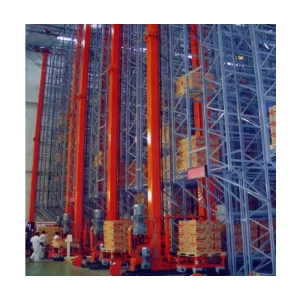
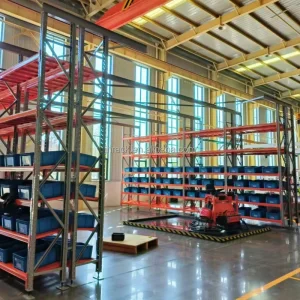
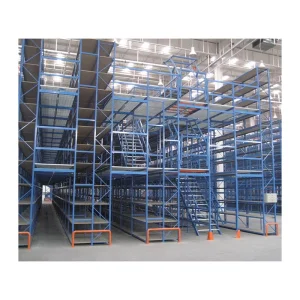
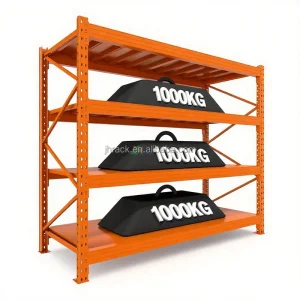
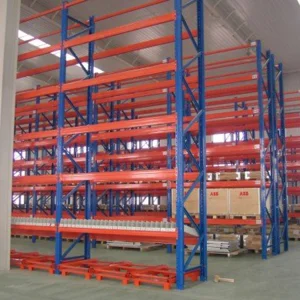
Explore our structural engineered racking systems designed to minimize floor footprints and maximize vertical cubic capacity.
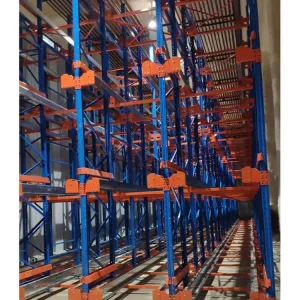
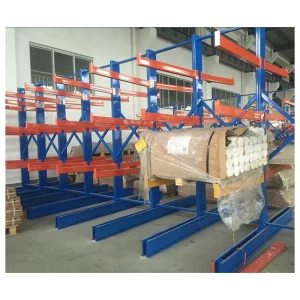
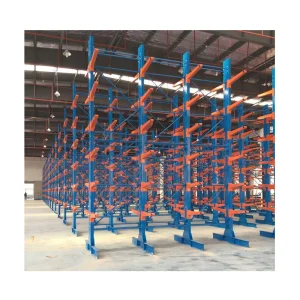
How Modern Distribution Centers and Manufacturers Leverage Precision Engineering to Resolve Space Constraints and Elevate Operational Velocity.
In the current macroeconomic environment, industrial real estate optimization has shifted from a cost-reduction initiative to a strategic survival mechanism. Skyrocketing warehouse rents, labor shortages, and customer demands for hyper-fast fulfillment cycles are forcing enterprises to re-engineer their spatial footprints. High-Density Storage Systems (HDSS) represent the frontier of this transformation, providing the mechanisms to transition from traditional horizontal warehouse layouts to dense, vertical, and automated configurations.
As a premier industrial manufacturer, Dongguan Jinhui Storage Equipment Co., Ltd. (operating since 2017, backed by 14 years of industry engineering experience) designs structures that resolve these fundamental challenges. Modern logistics requires structural integrity that survives demanding duty cycles. Whether dealing with selective pallet racking, gravity flow systems, or fully integrated Automated Storage and Retrieval Systems (AS/RS), high-density structures require rigorous compliance with global safety standards and precision steel manufacturing.
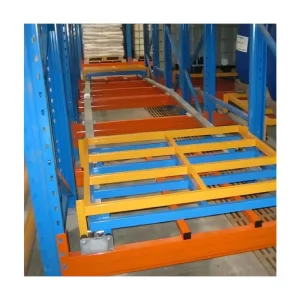
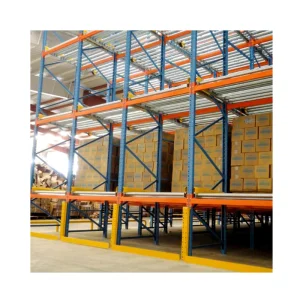
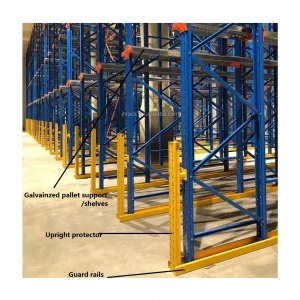
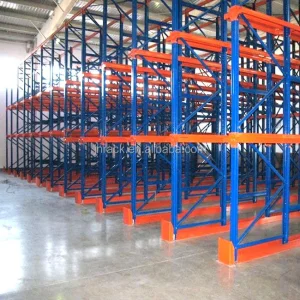
By migrating from standard selective systems (which typically yield 40-50% cubic utilization) to advanced systems such as Drive-In, Push-Back, or Radio Shuttle systems, facilities can increase total pallet density by up to 85% without expanding their building footprints. This dramatic spatial reclamation yields immediate reductions in energy costs, land tax, and carbon footprints.
The structural science behind high-density racking: cold-rolled profile parameters, load tolerances, and surface finishing protocols.
The safety and lifespan of any high-density storage facility depend heavily on materials engineering. At Jinhui, we utilize high-tensile structural steel (primarily Q235B and Q355B grades) sourced from China’s leading state-owned steel plants. Raw steel must meet strict chemical composition thresholds before entering our production line, ensuring optimal yield strength and elongation capabilities under variable temperatures (such as cold storage settings down to -30°C).
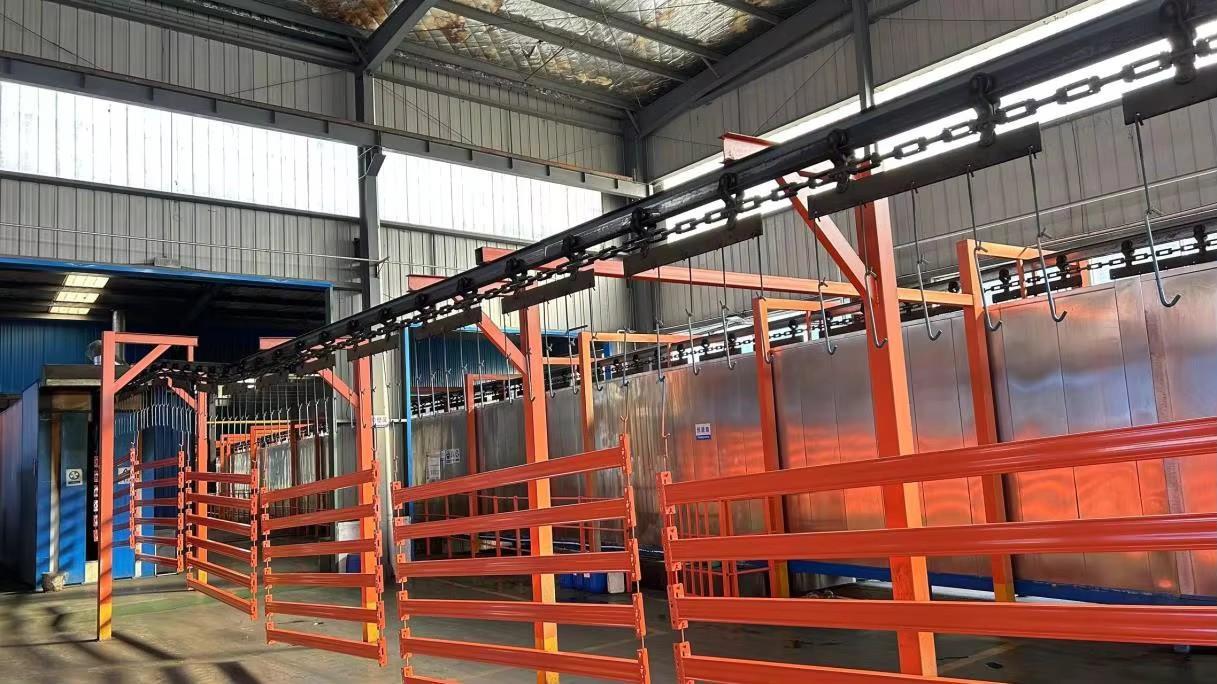
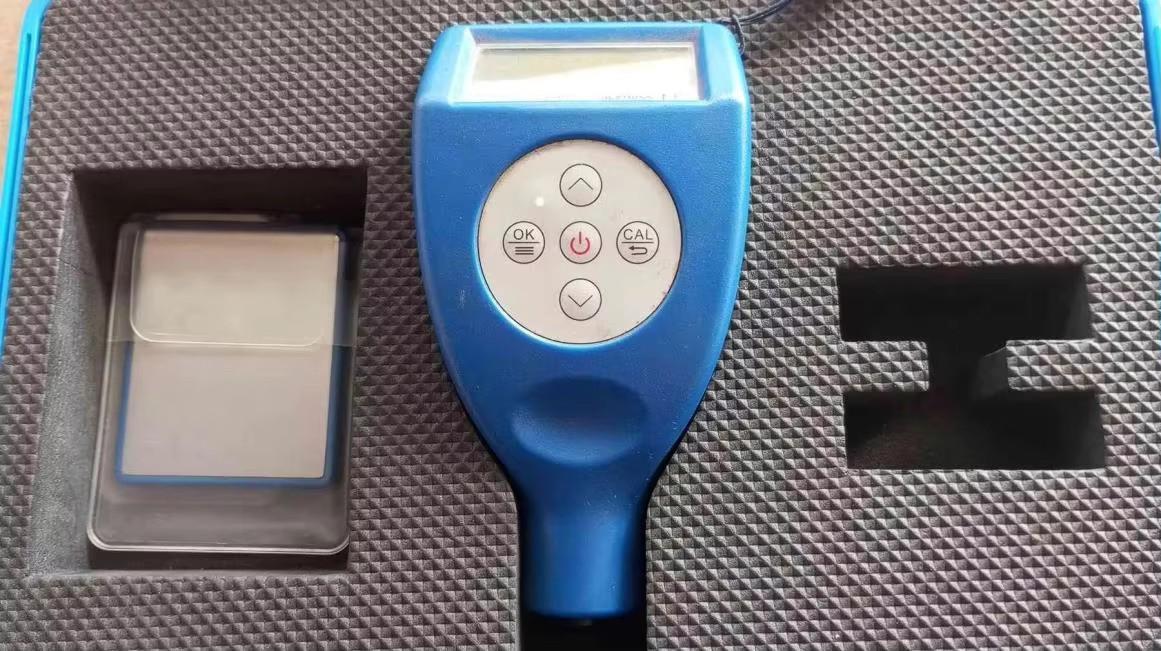
All upright columns undergo precision cold roll-forming, creating complex profile structures with multiple load-bearing bends to increase structural stiffness. Our beam-to-column connections feature patented safety locks to prevent accidental forklift dislodgement. The surface is treated via an advanced electrostatic powder coating production line using non-toxic epoxy-polyester formulas cured at 200°C. This ensures a consistent coating thickness (60-80 microns) that prevents oxidation and provides high impact resistance.
| System Type | Space Utilization | Access Type (LIFO/FIFO) | Optimal Application Scenario | Load Capacity (per Pallet) |
|---|---|---|---|---|
| Selective Pallet Racking | Low (~40%) | FIFO (First-In, First-Out) | Highly fragmented SKUs, direct forklift access to every unit | 500kg - 4000kg |
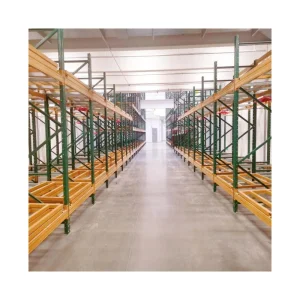
| Drive-In Pallet Racking | High (~65%) | LIFO (Last-In, First-Out) | Bulk storage, low SKU count, high quantity per SKU | 500kg - 1500kg |
| Push Back Pallet Racking | Medium-High (~70%) | LIFO | Multi-pallet deep storage, rapid staging zones | 500kg - 1500kg |
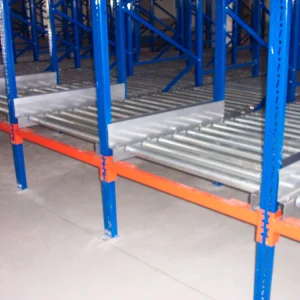
| Radio Shuttle System | Extreme (~85%) | FIFO or LIFO | Semi-automated high throughput, food distribution, cold storage | 500kg - 2000kg |
| Automated AS/RS Systems | Maximized (~95%) | FIFO / Optimized WMS | High-throughput distribution hubs, e-commerce, 24/7 operations | Up to 3000kg |
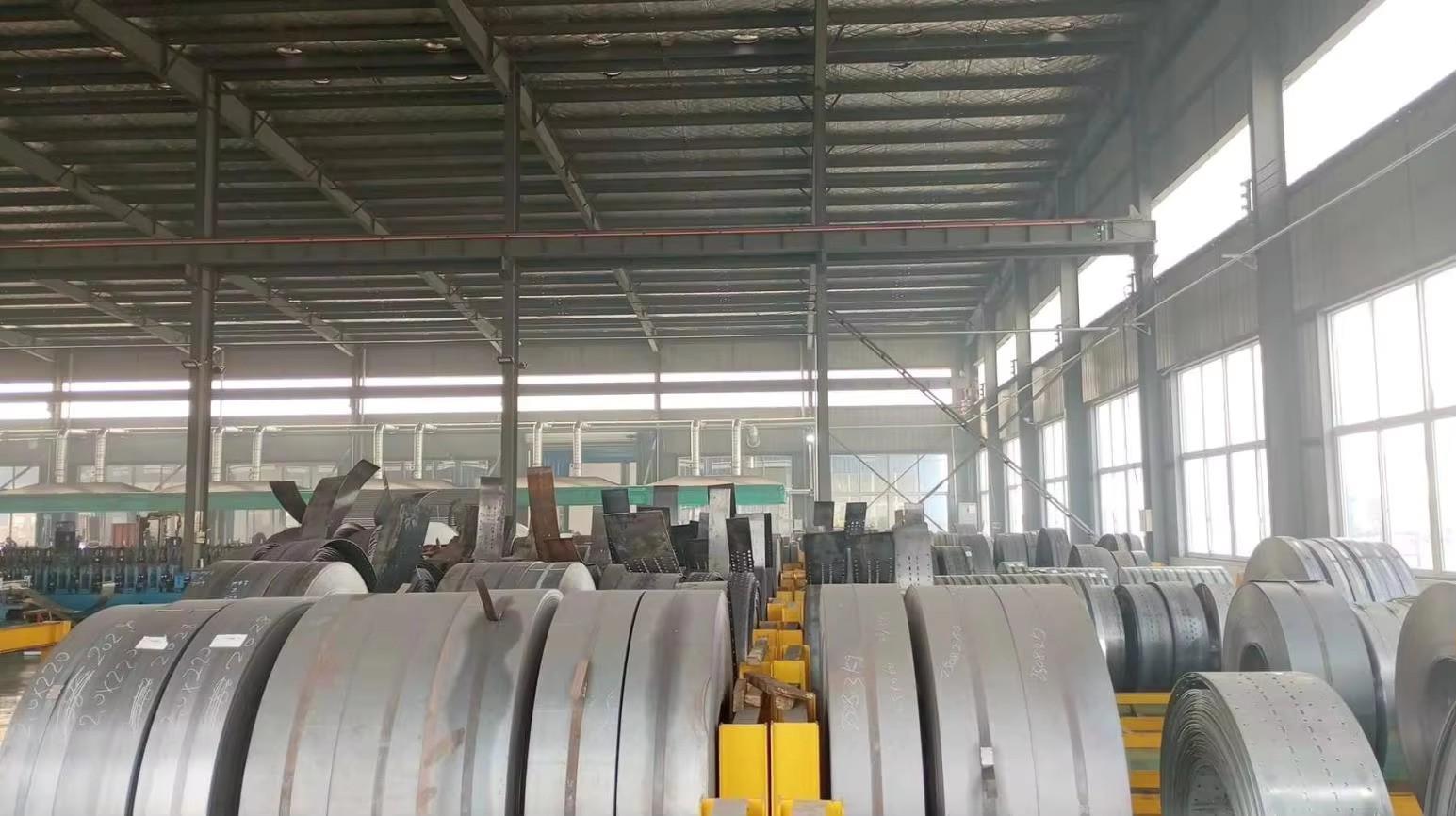
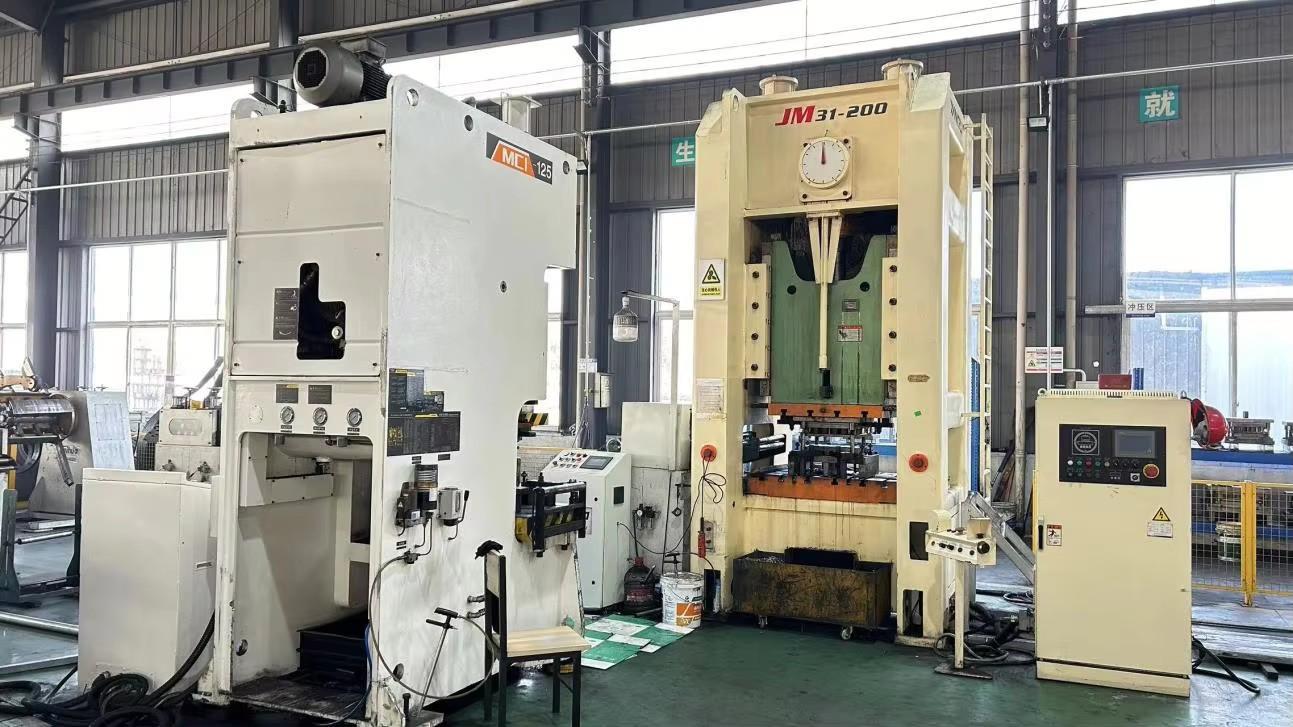
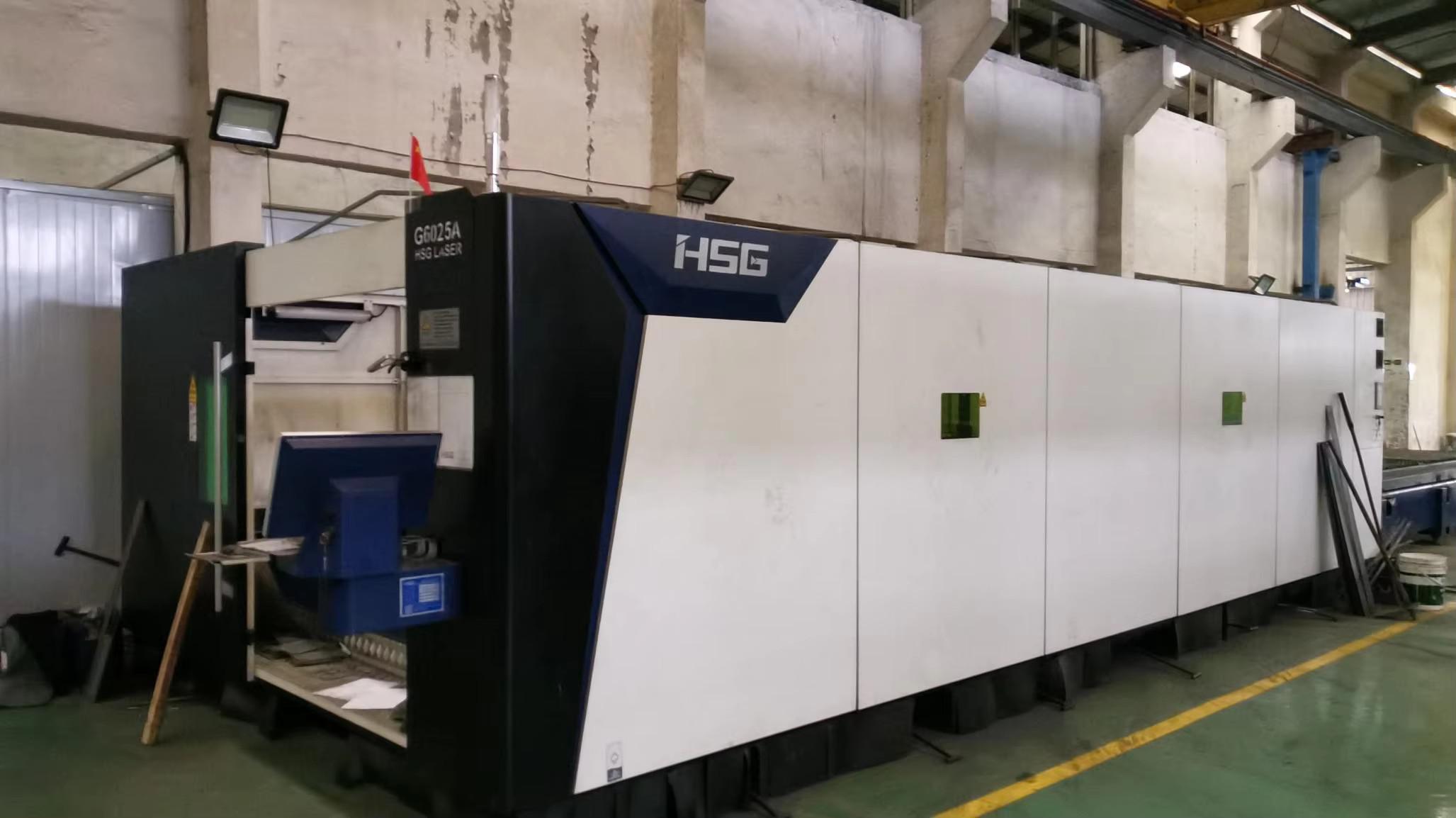
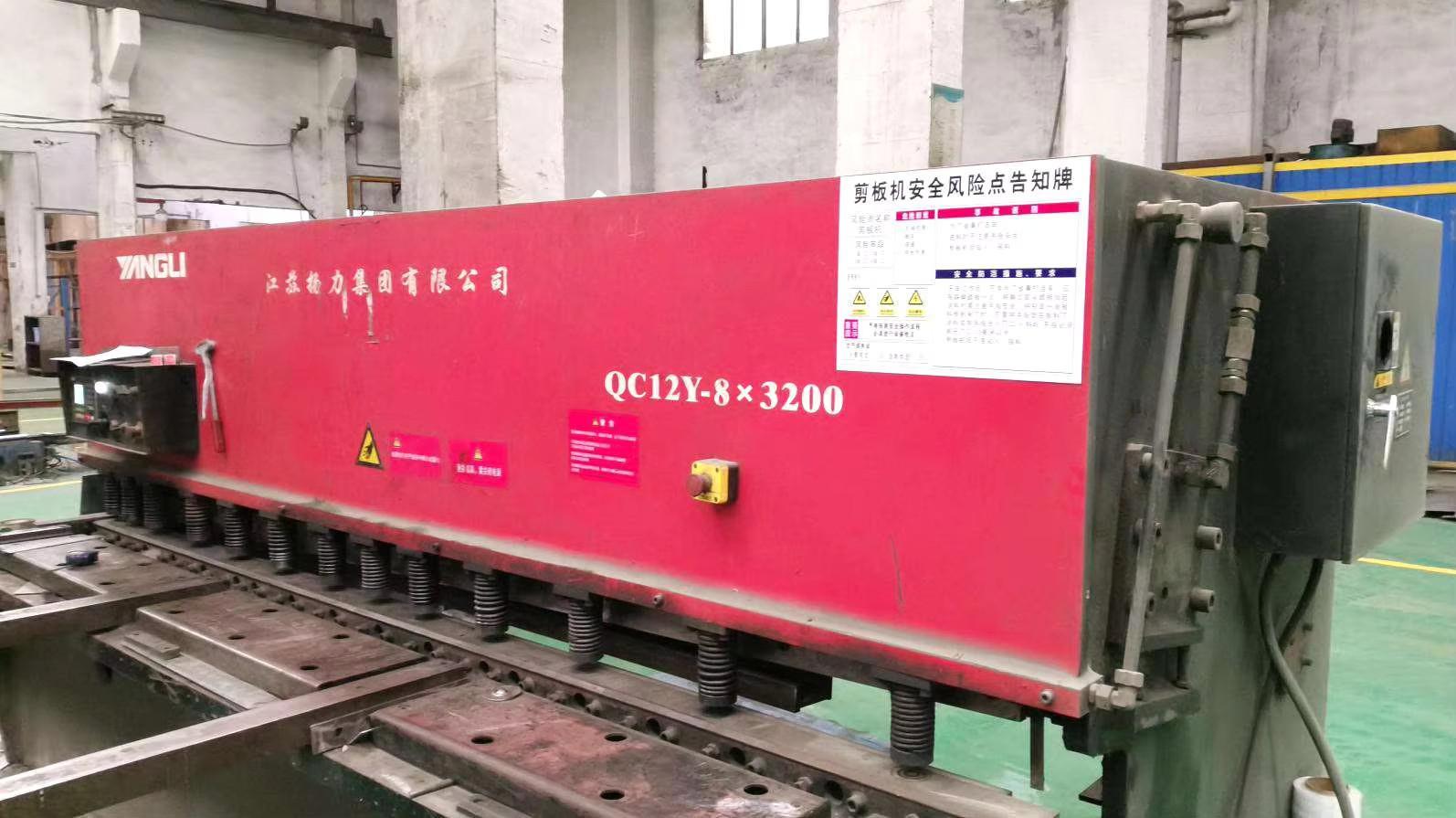
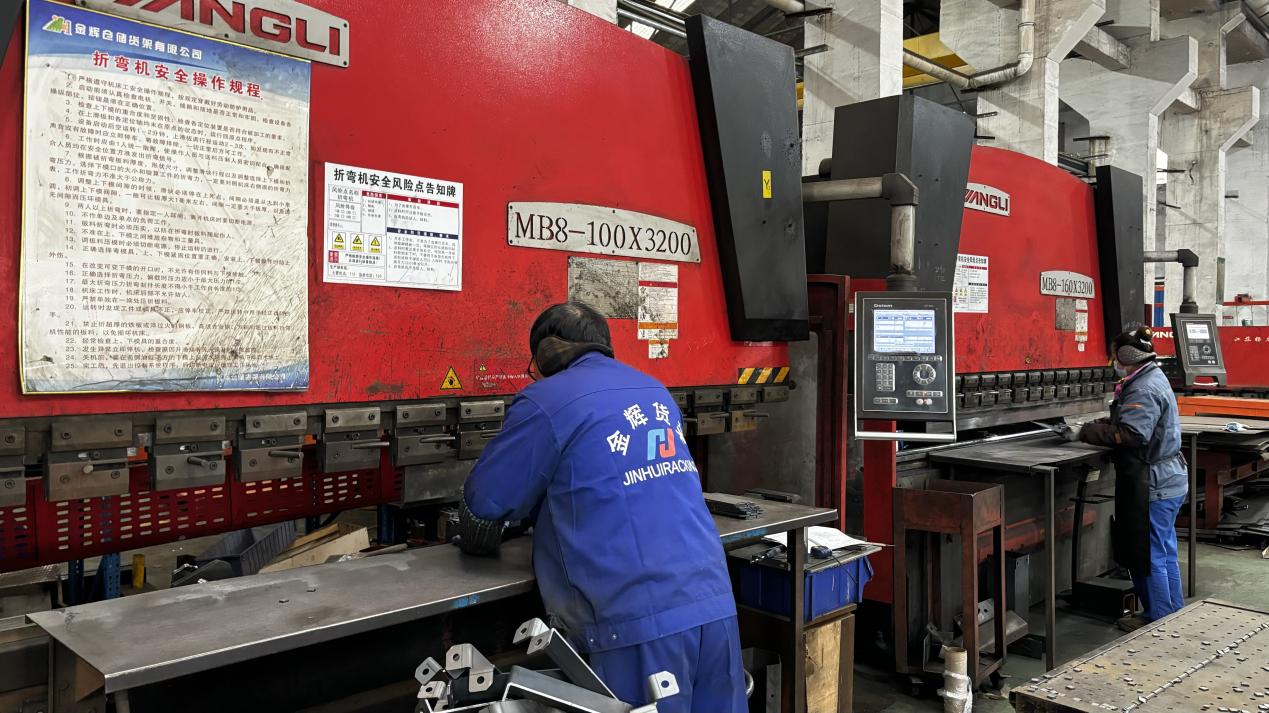
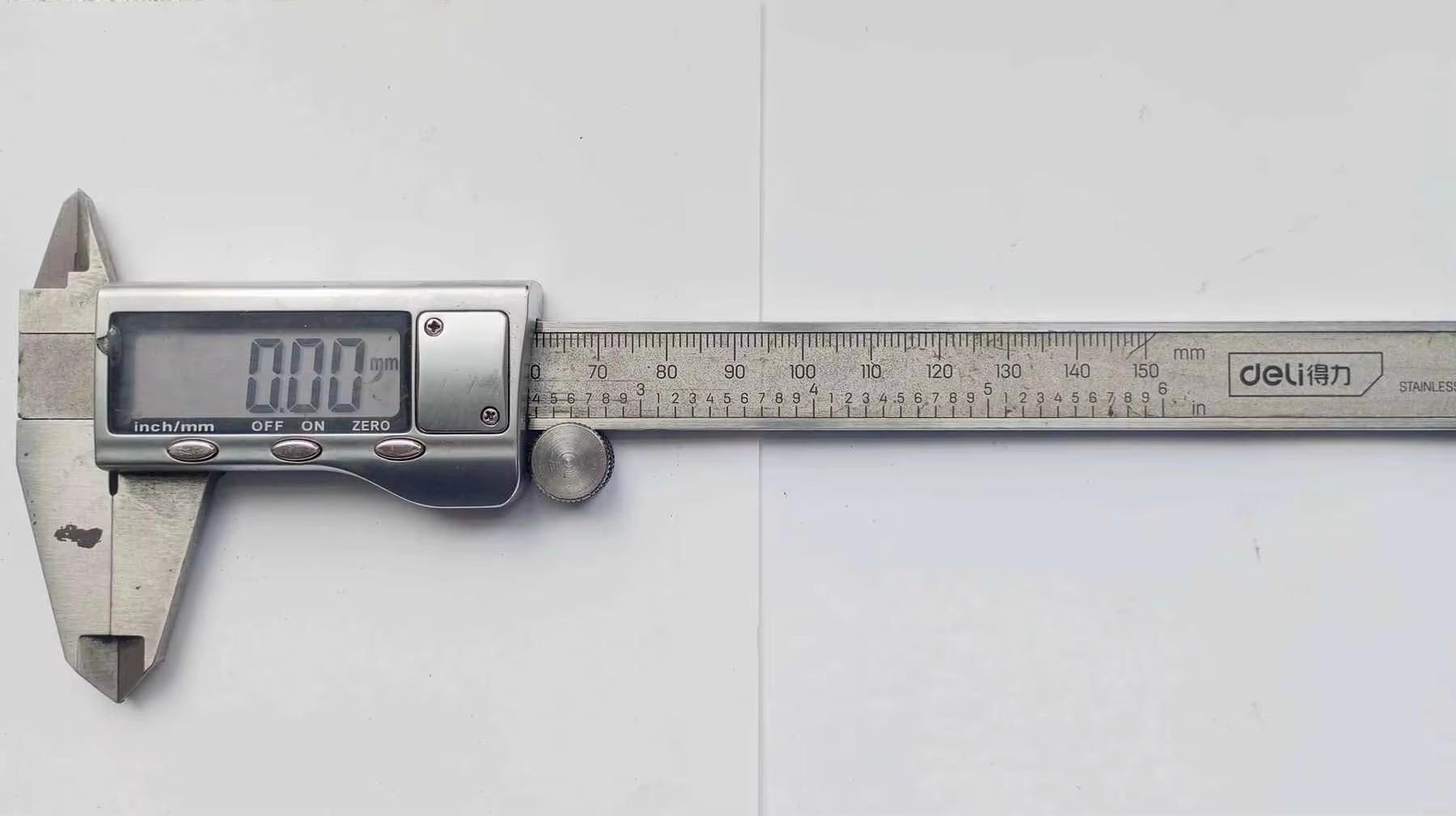
A step-by-step tour inside our 18,600 sqm facility. We maintain ISO 9001 compliance, utilizing robotic welding and advanced mechanical measurement testing.
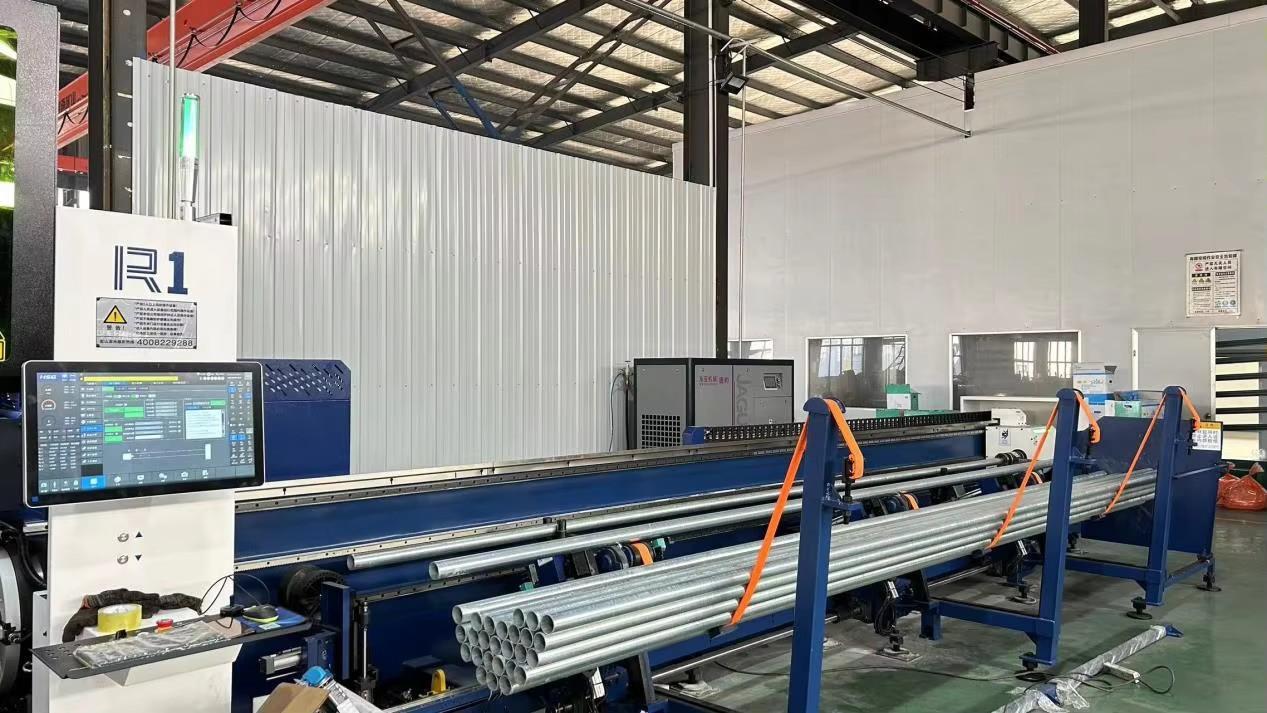
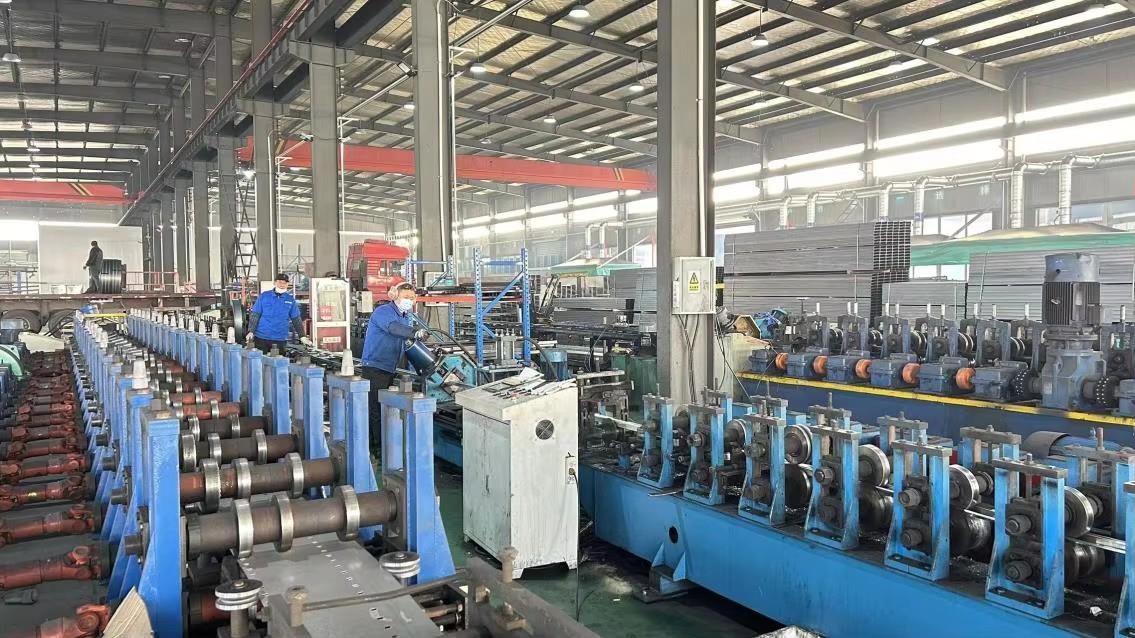
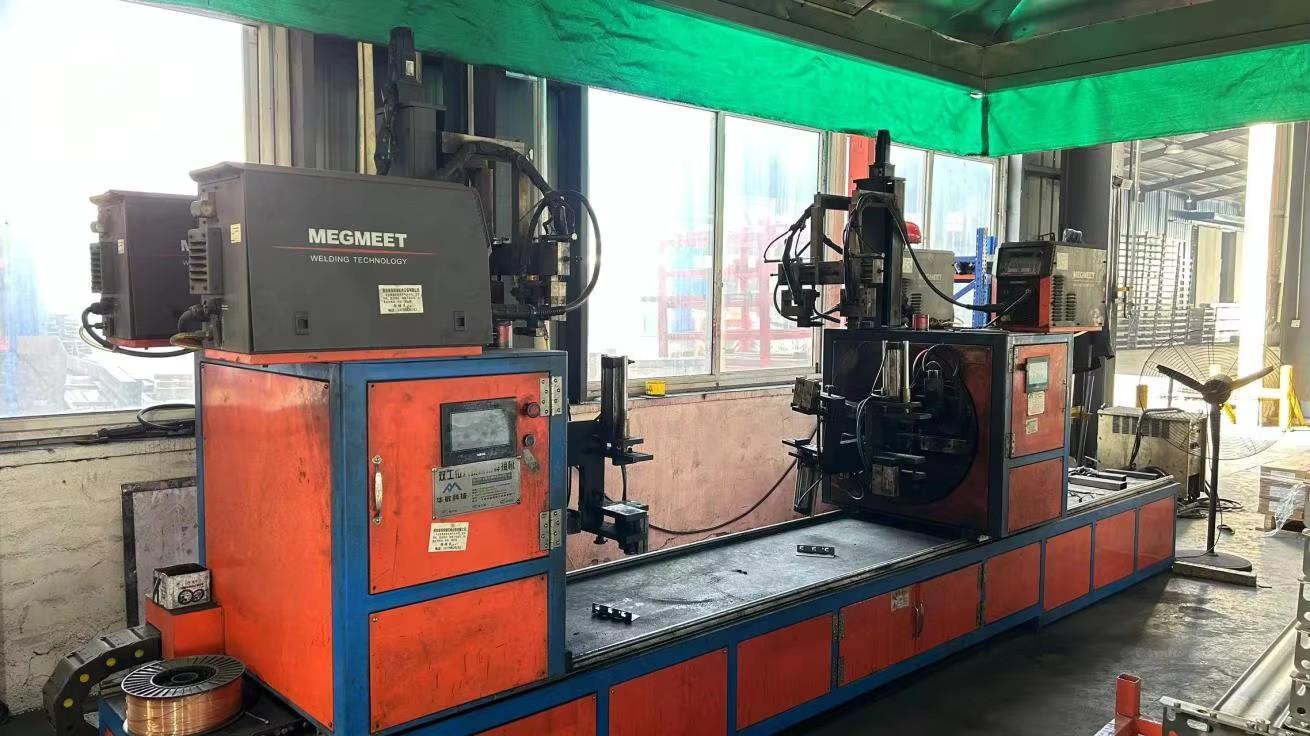
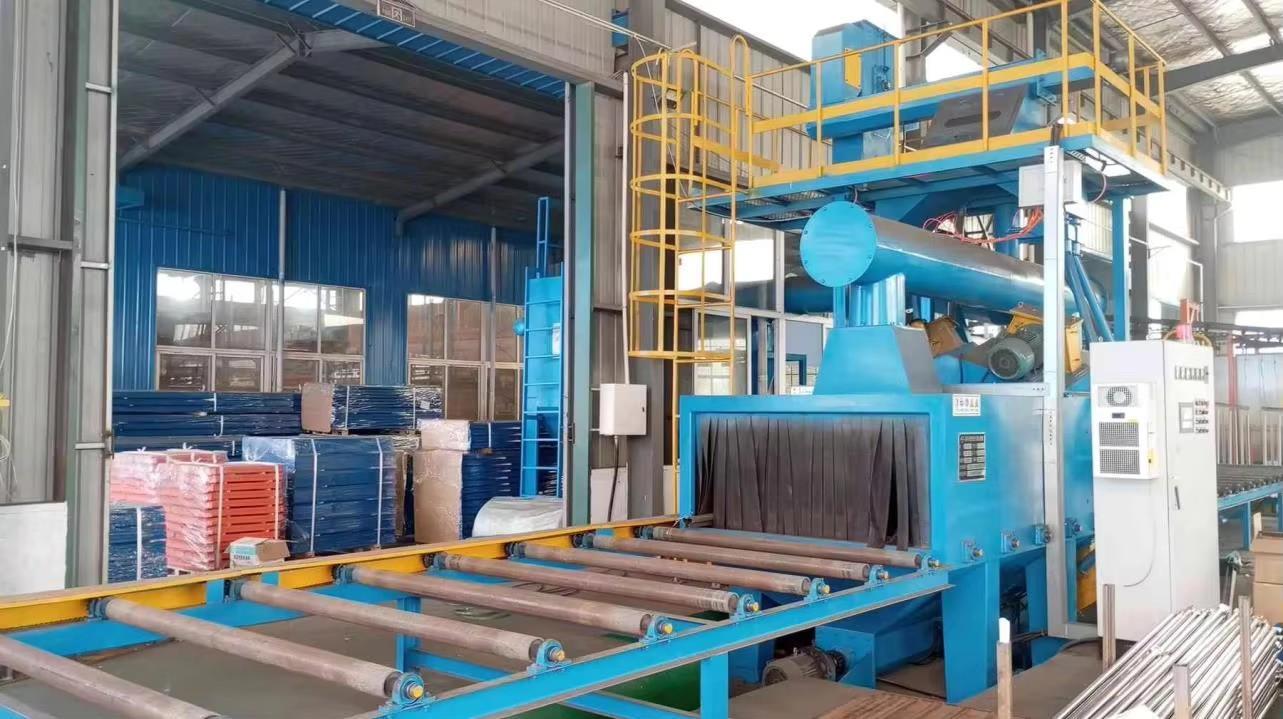
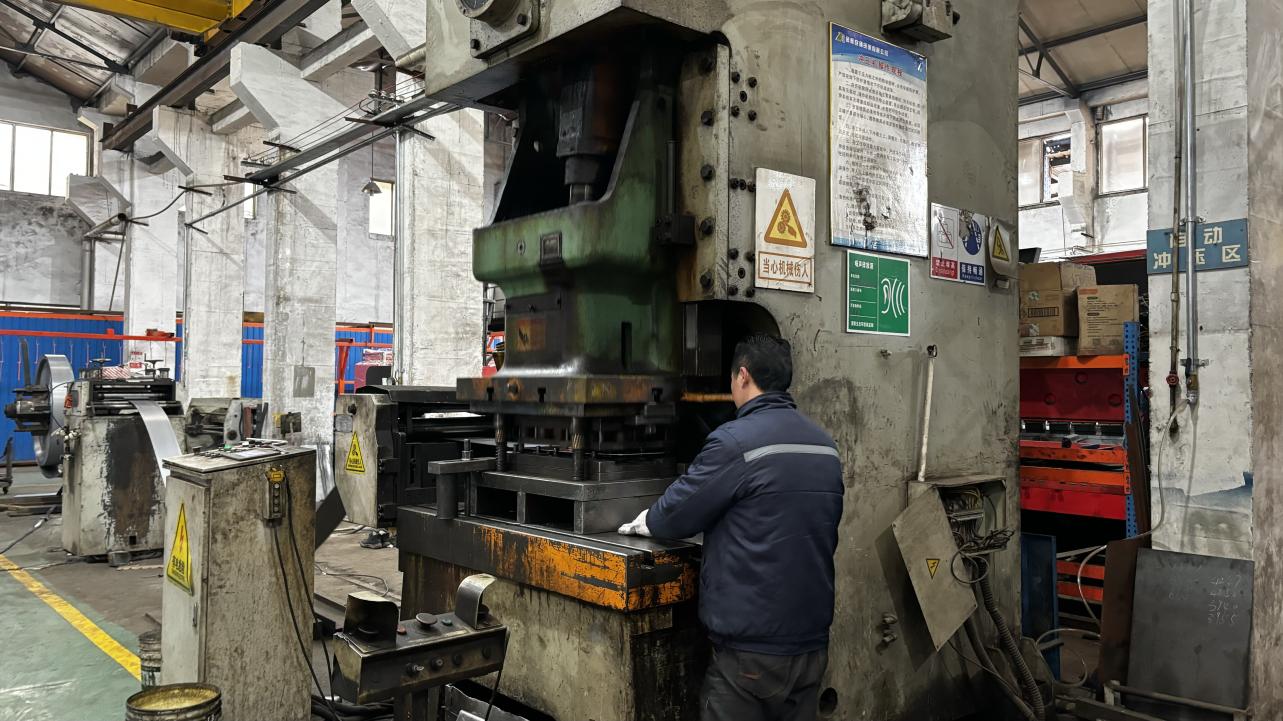
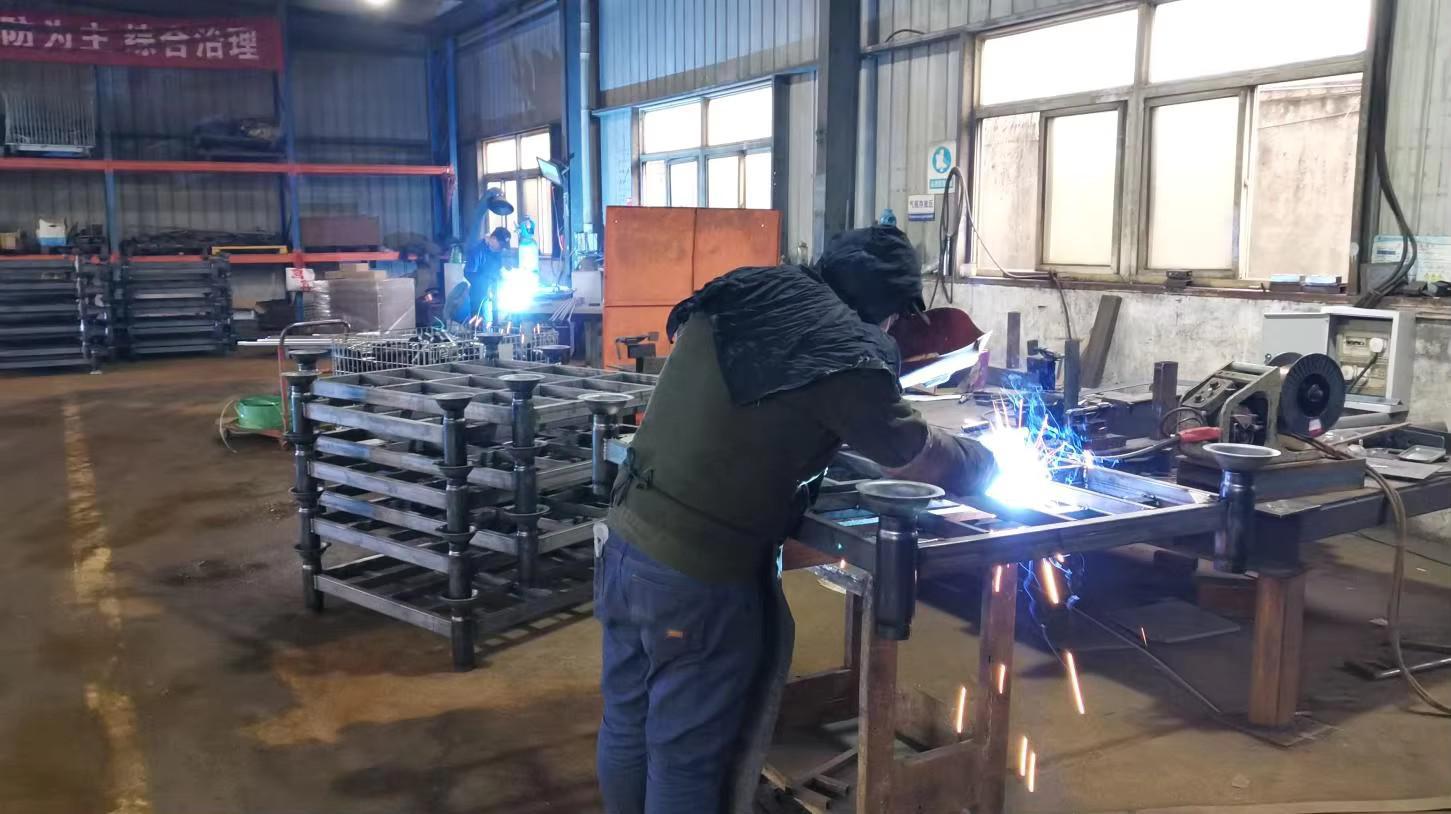
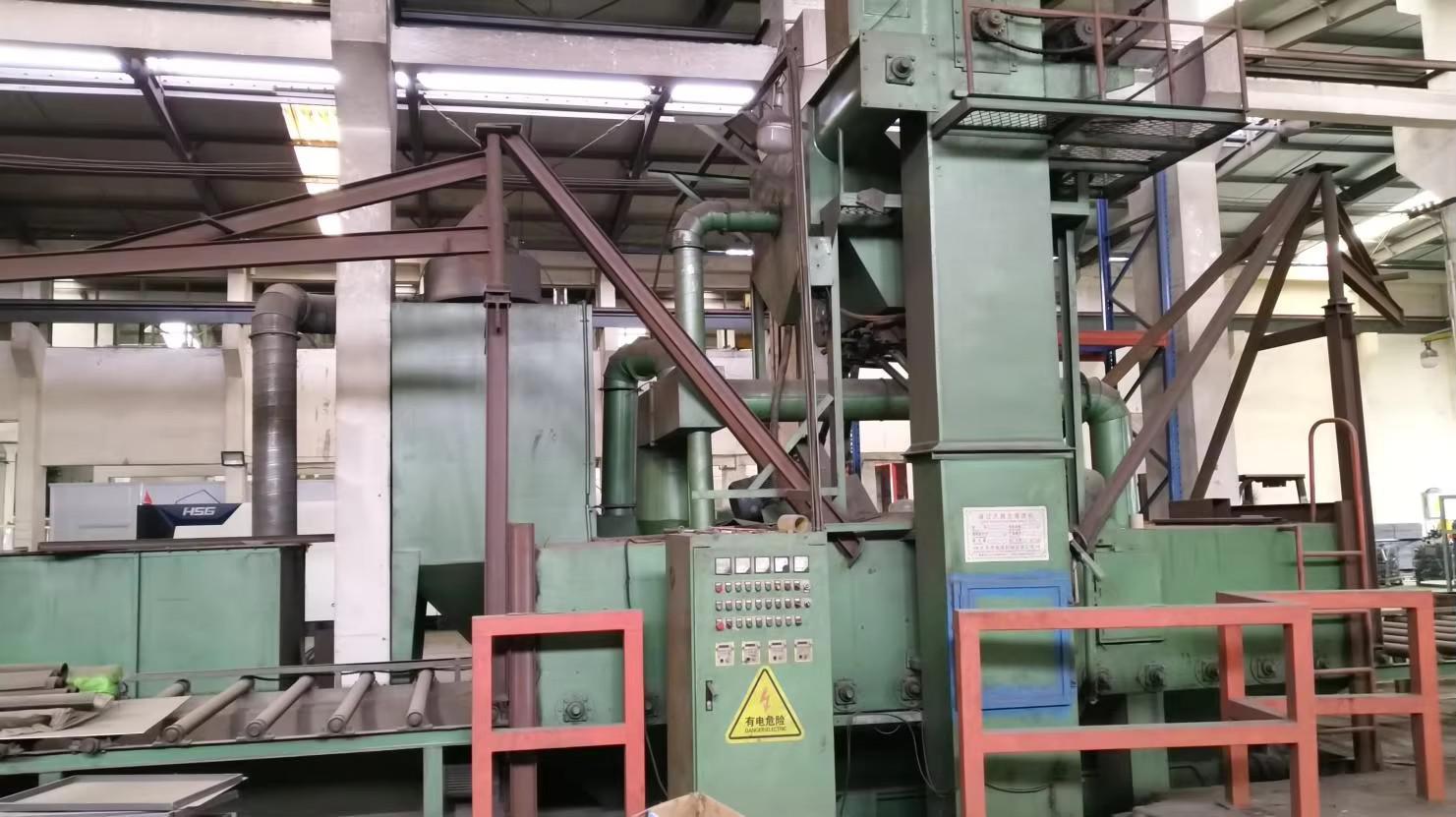
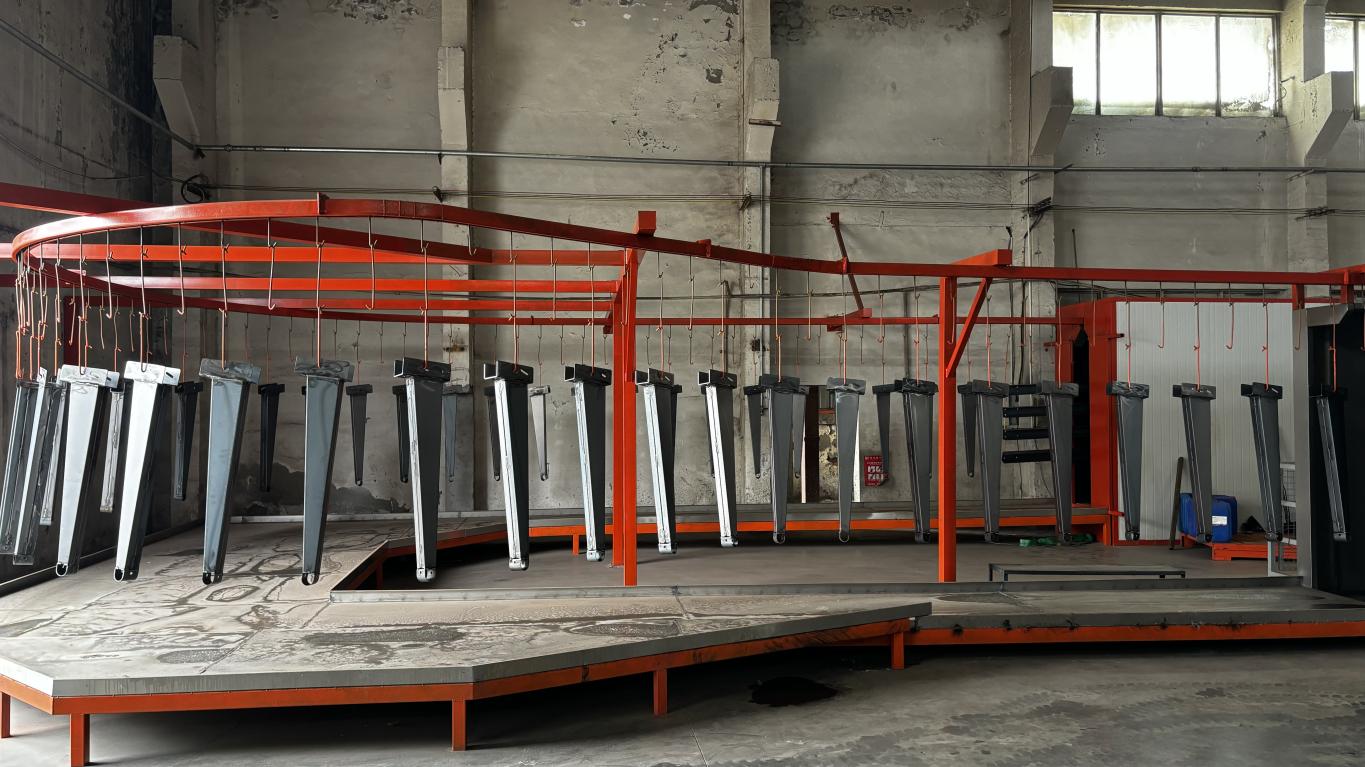
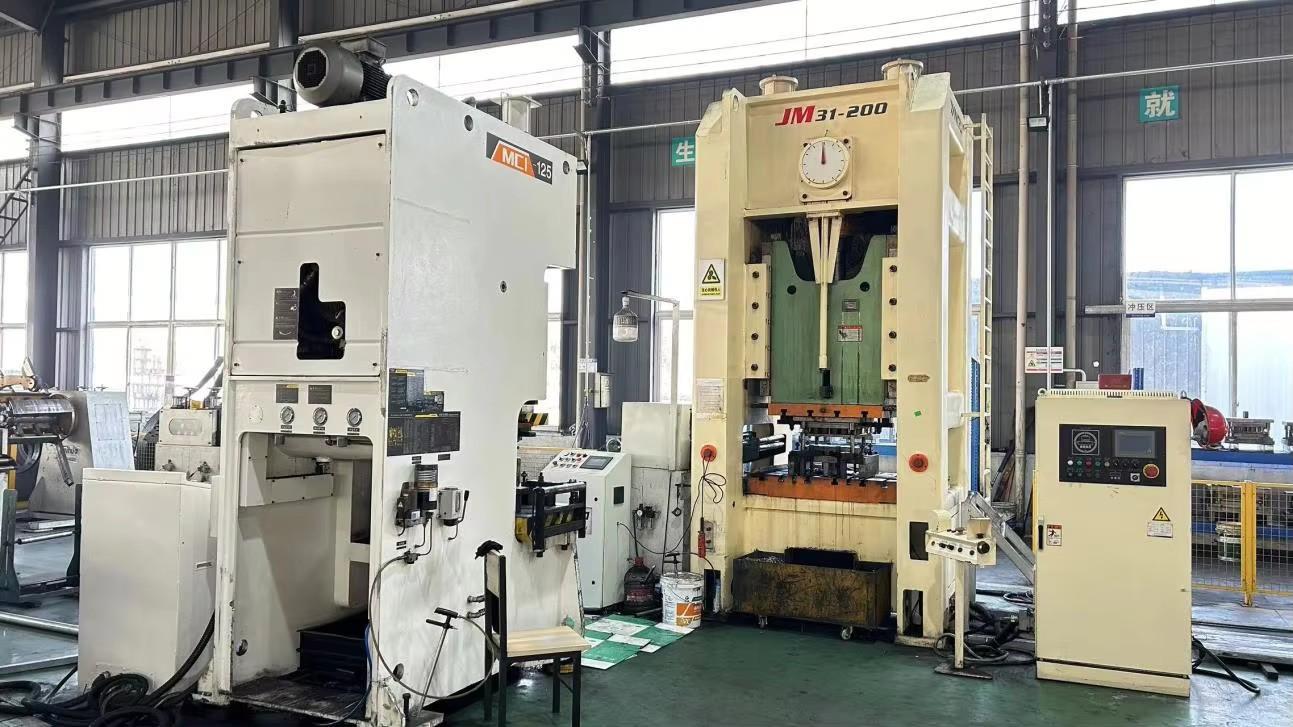
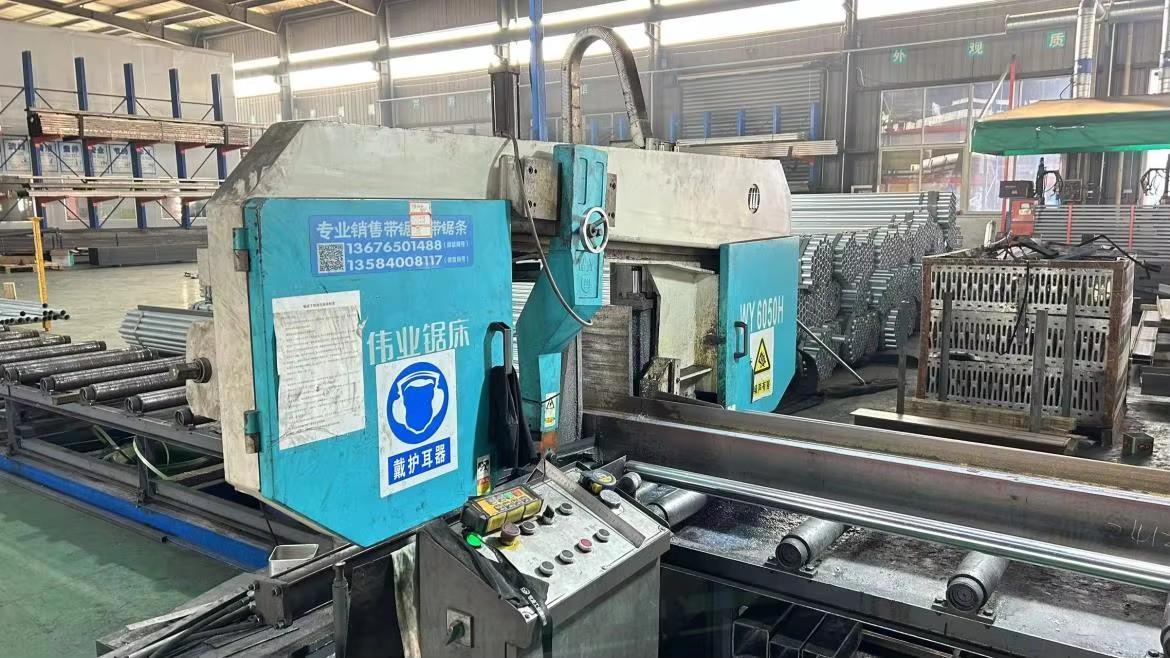
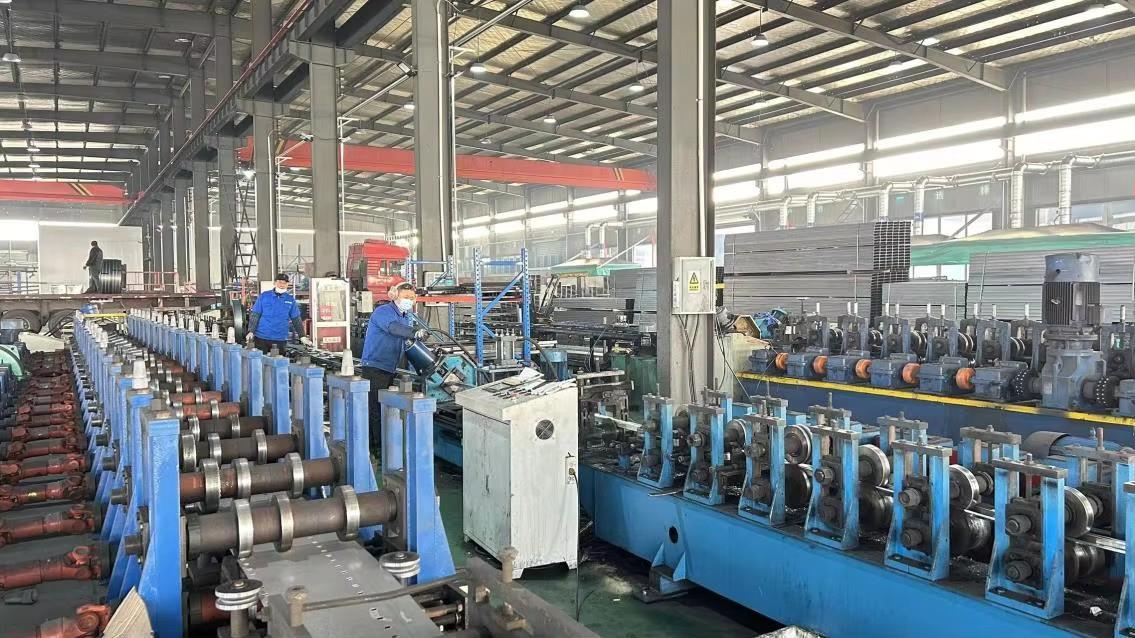
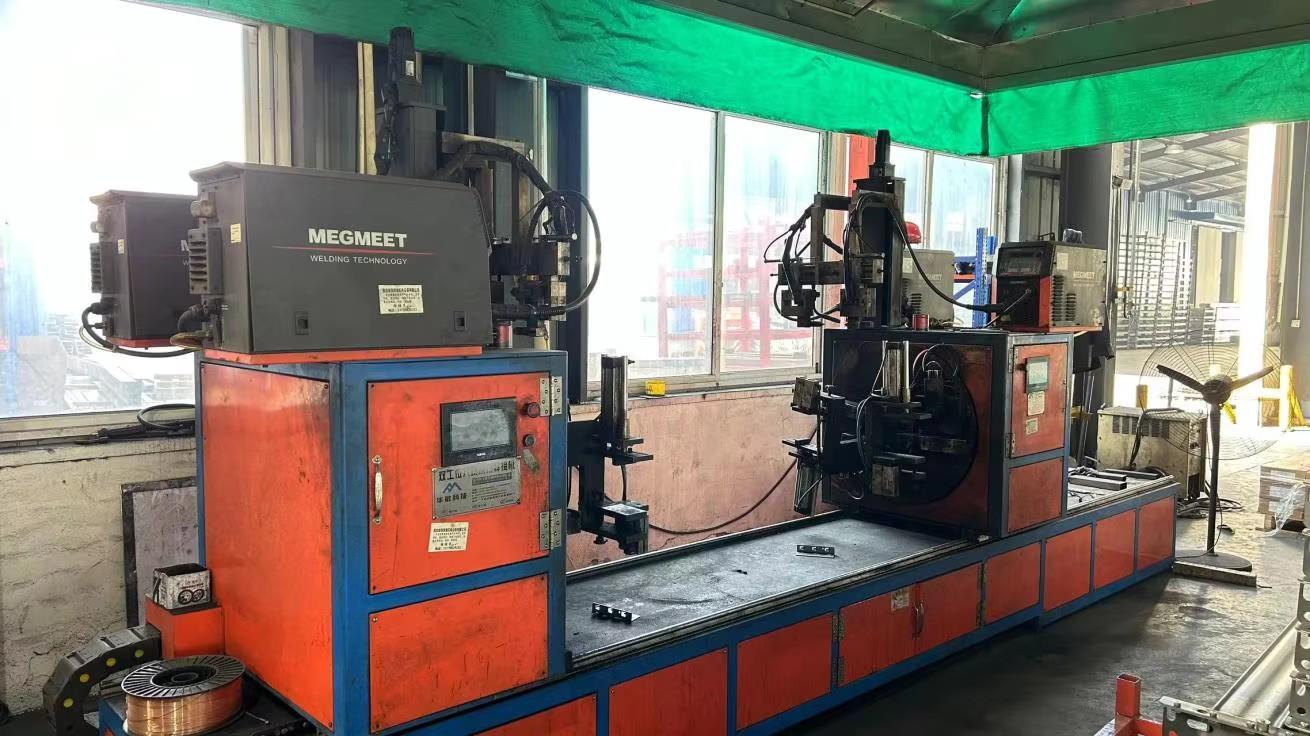
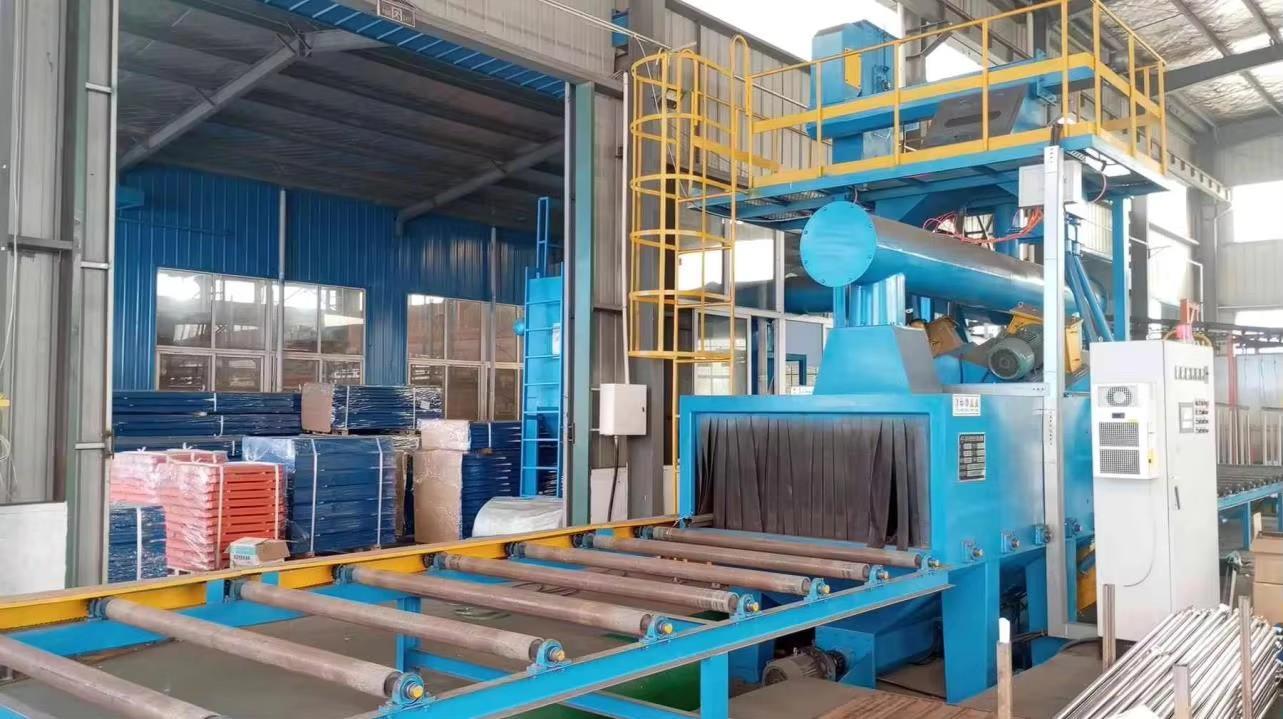
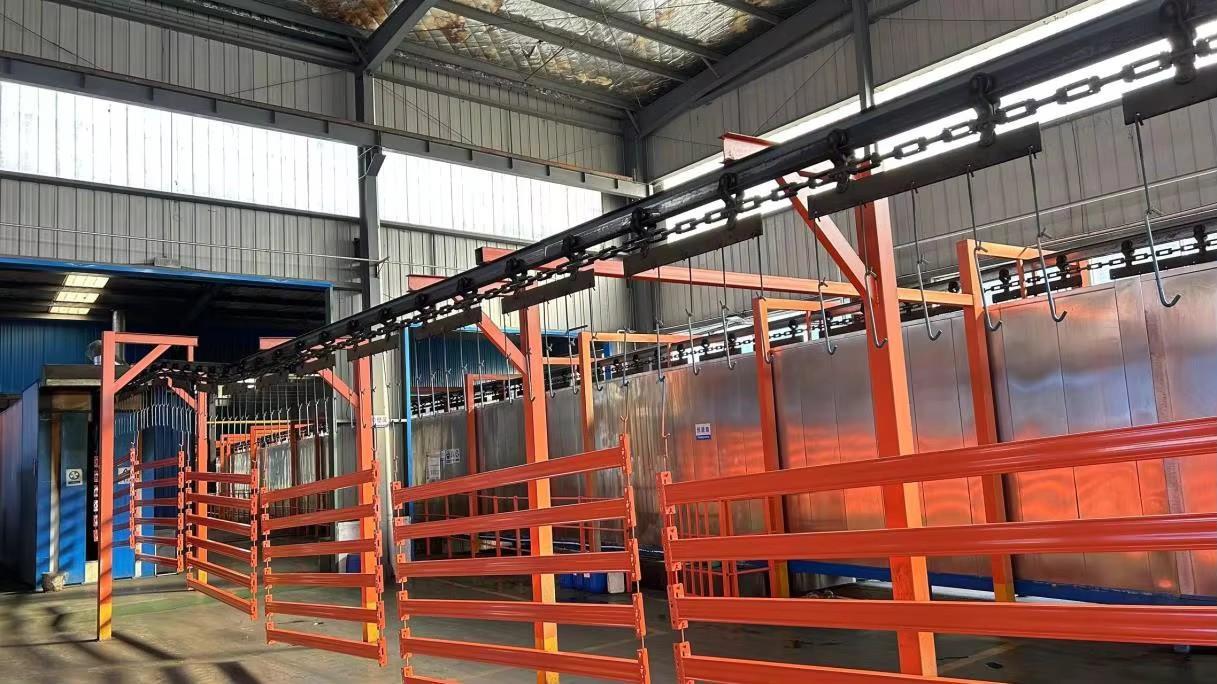
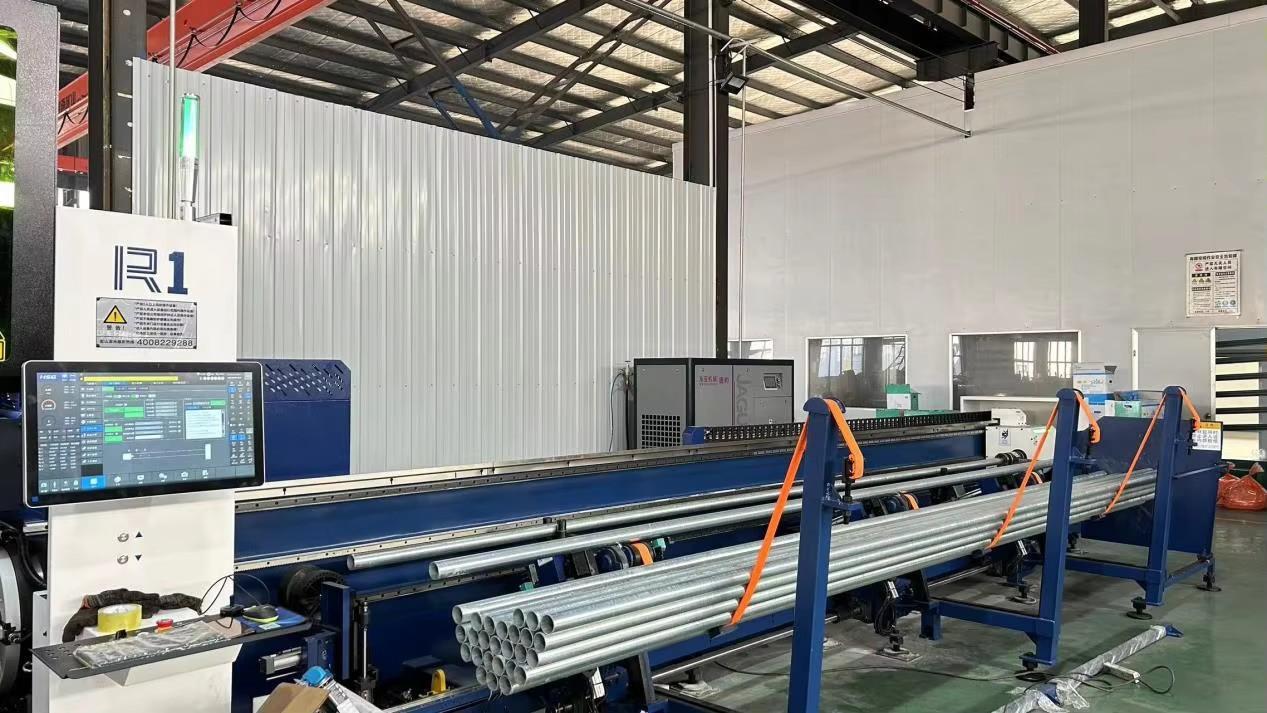
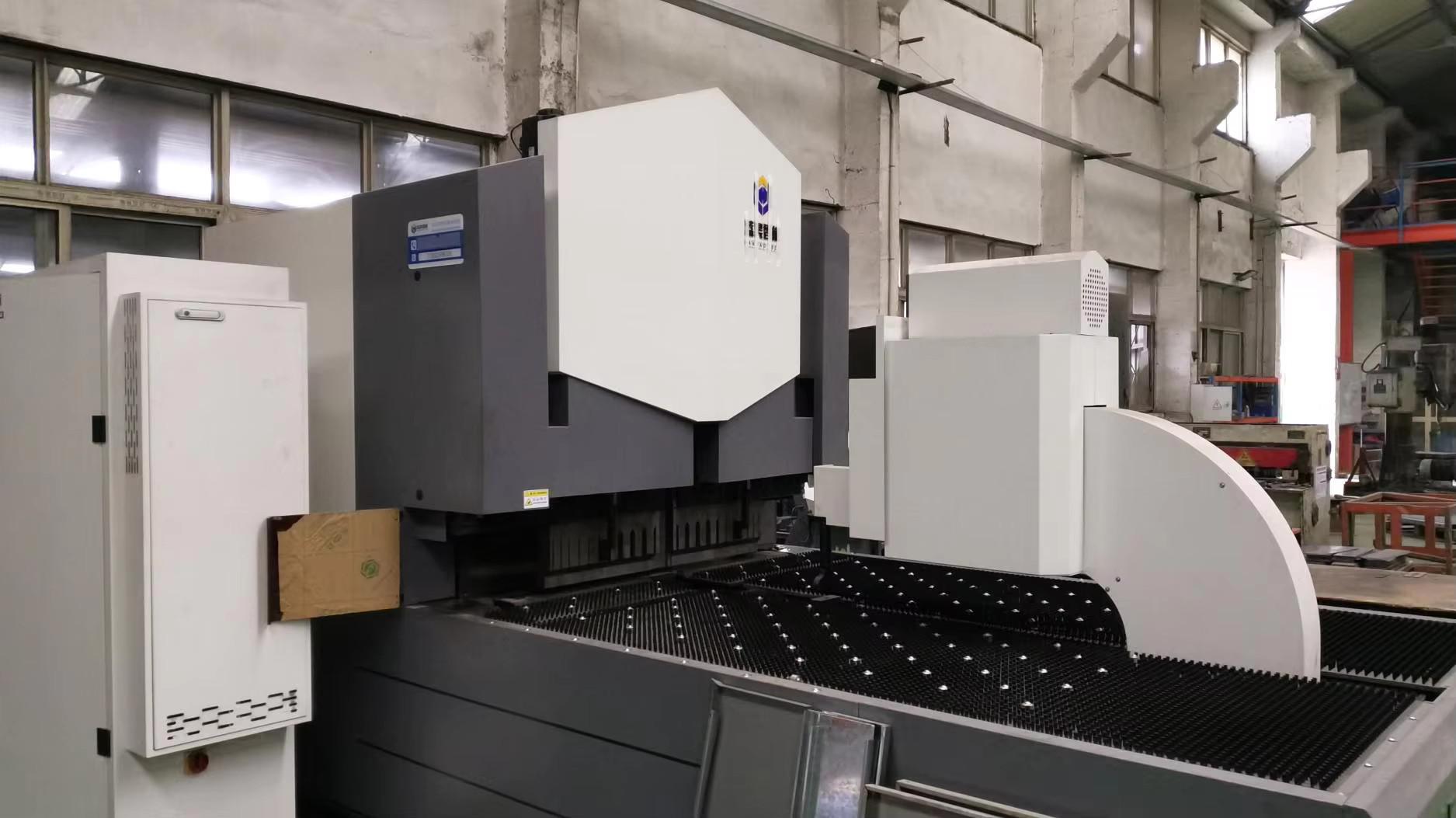
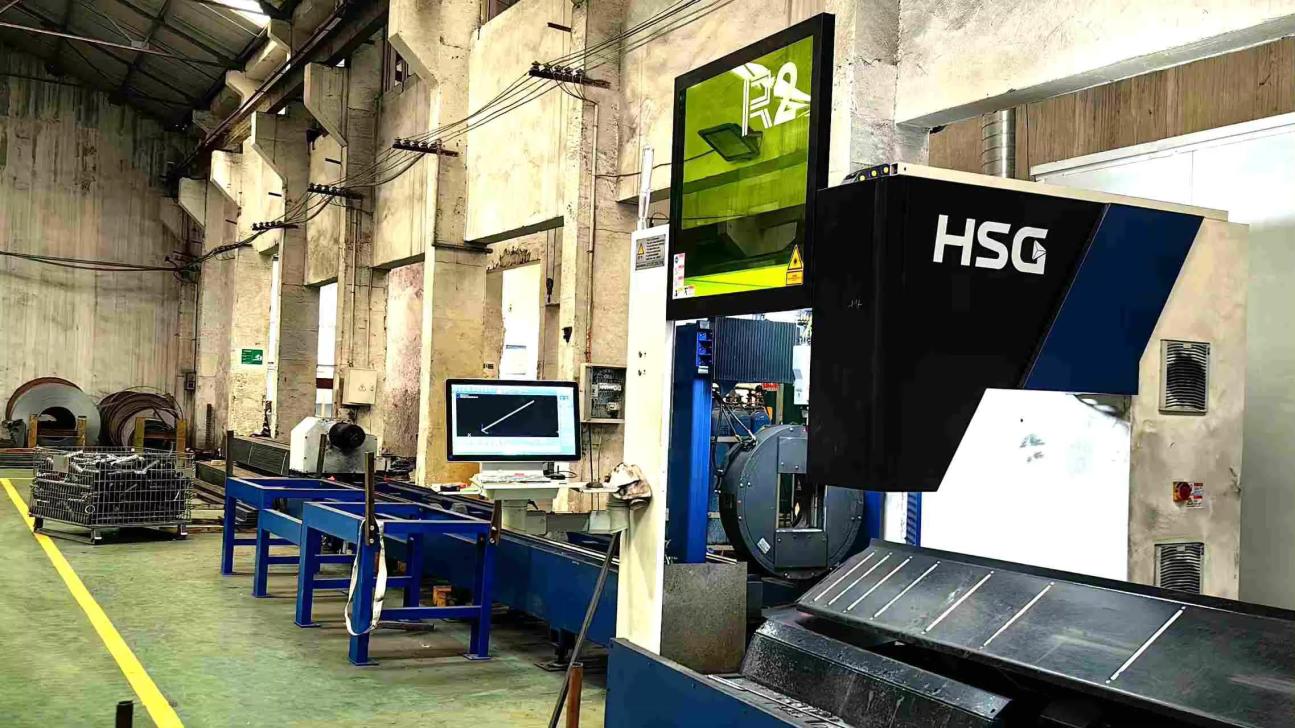
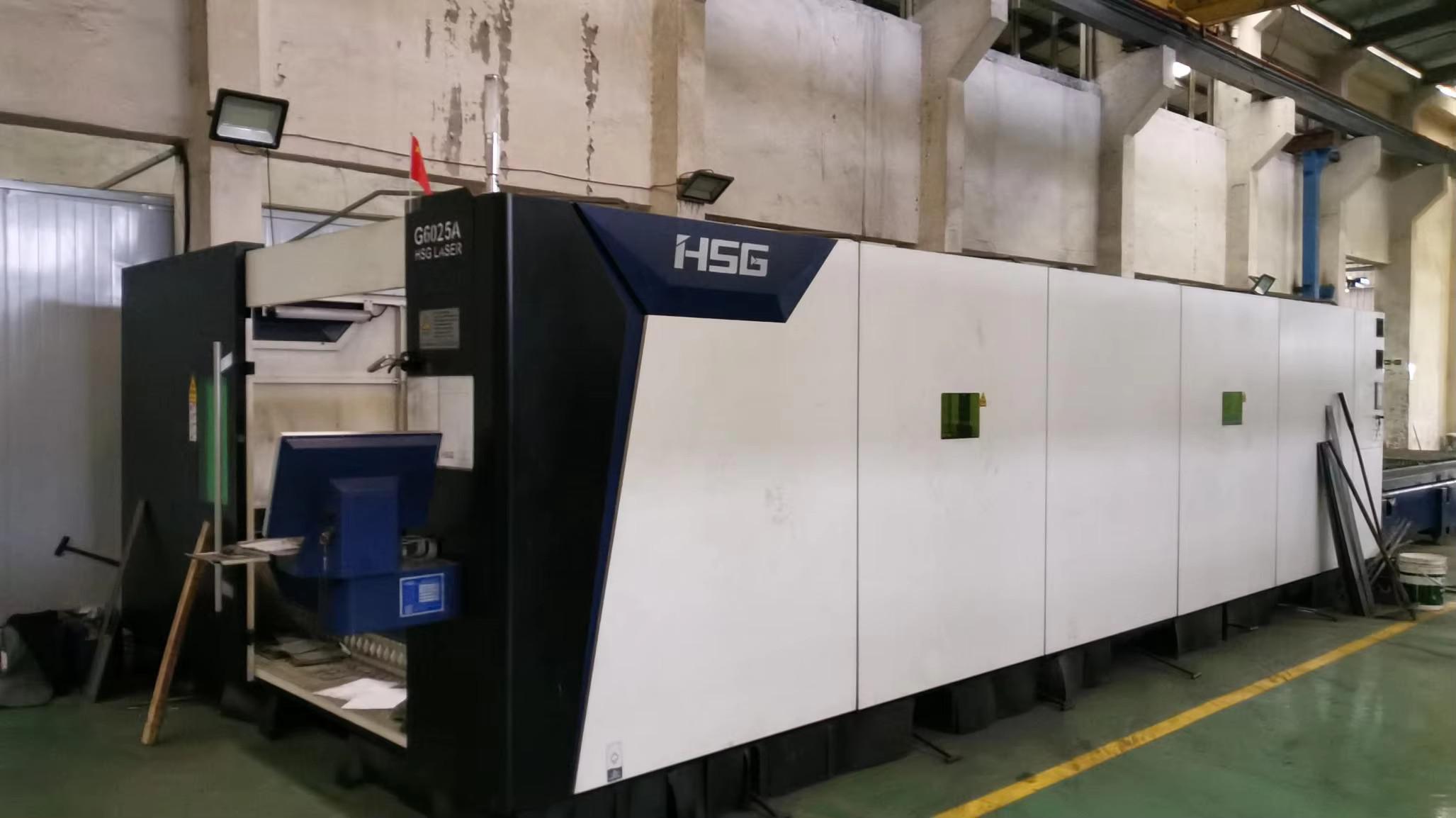
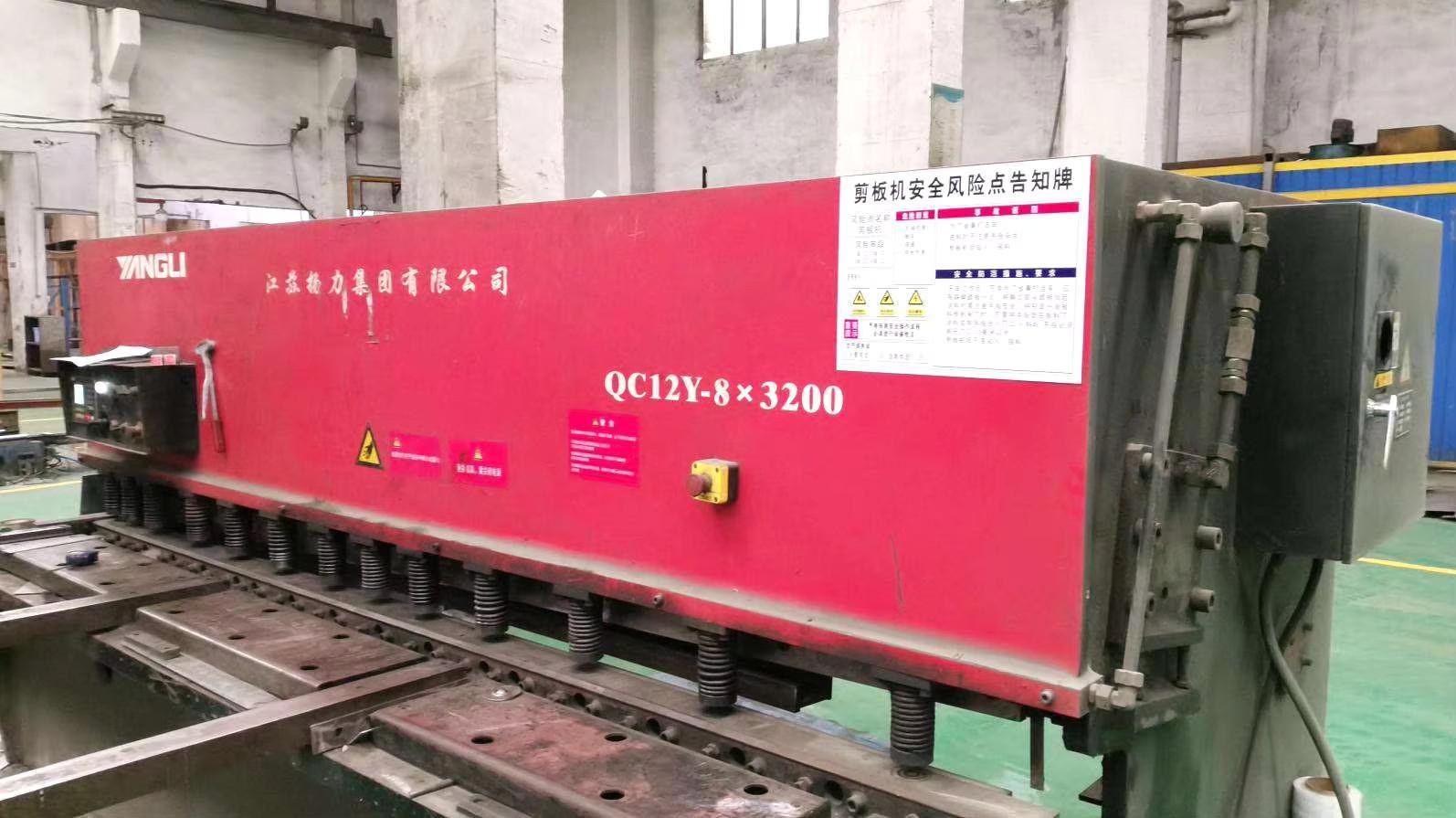
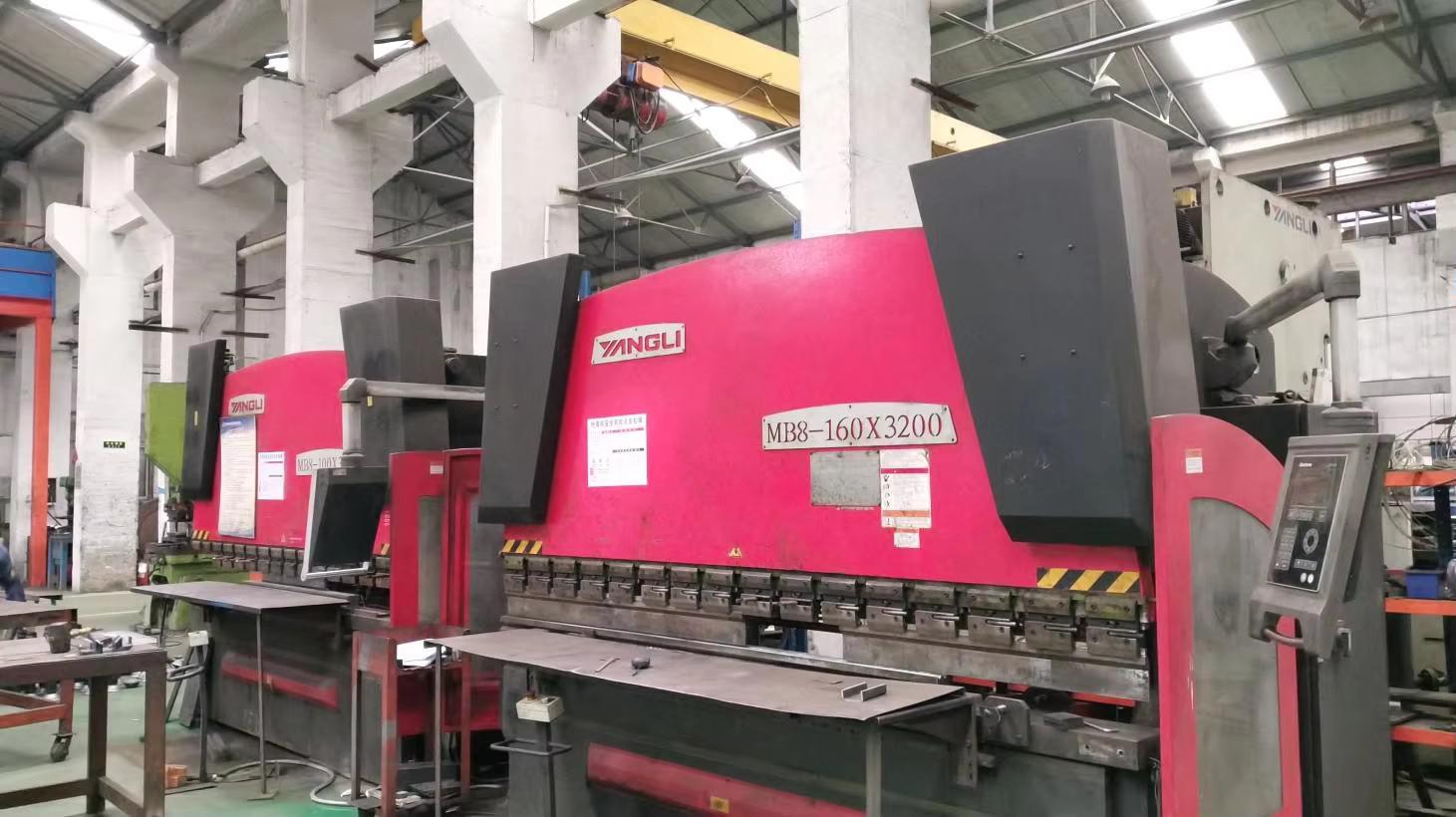
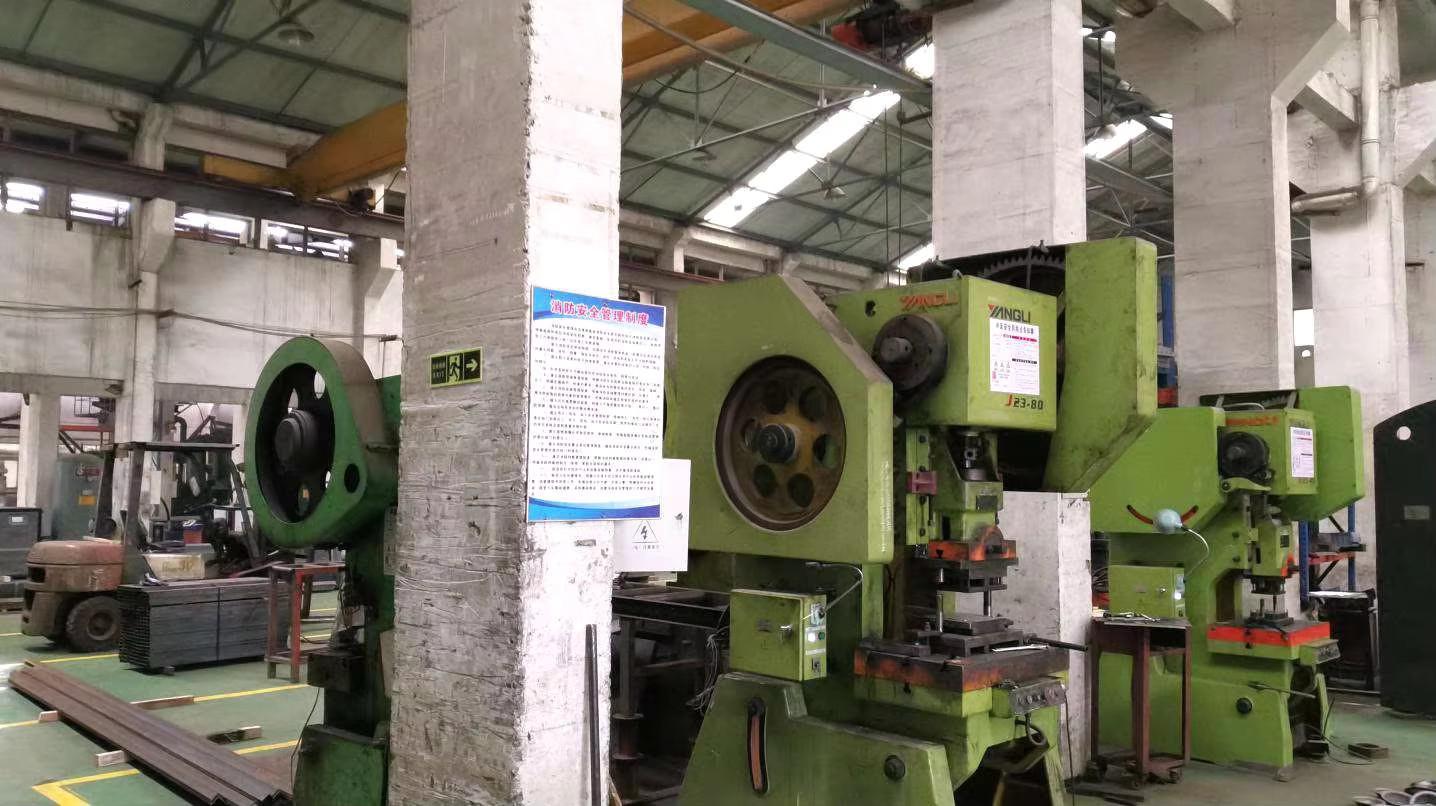
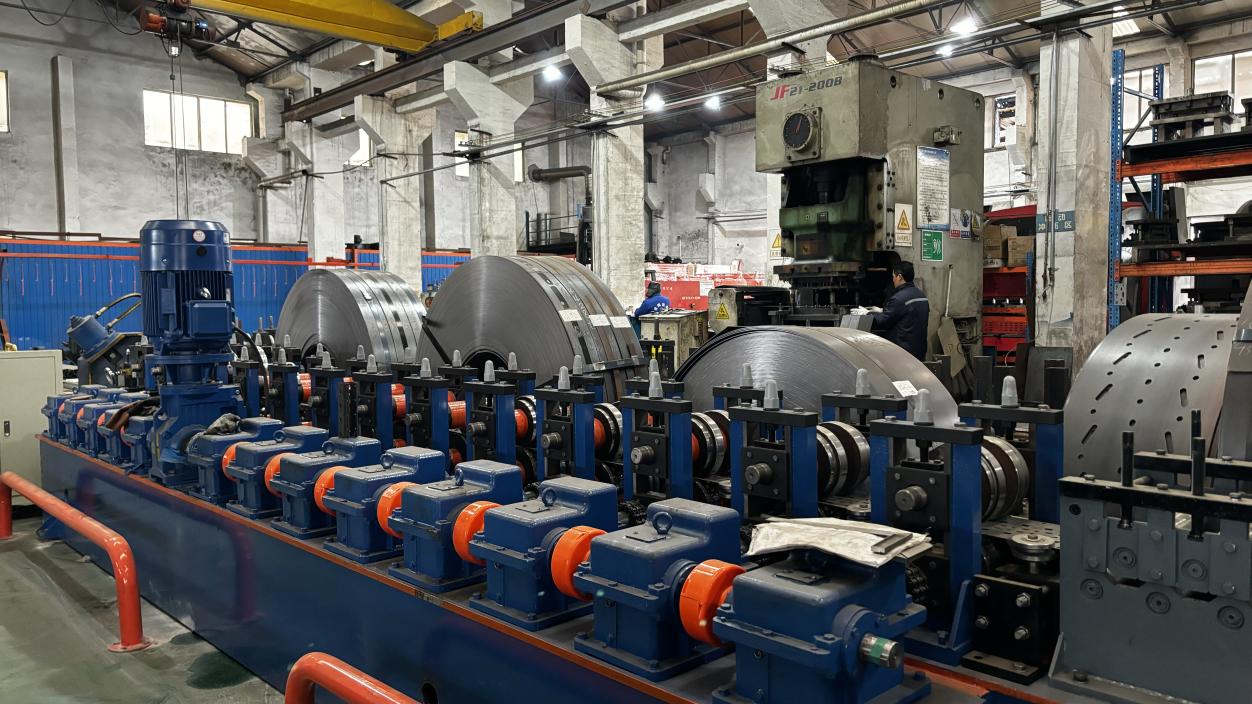
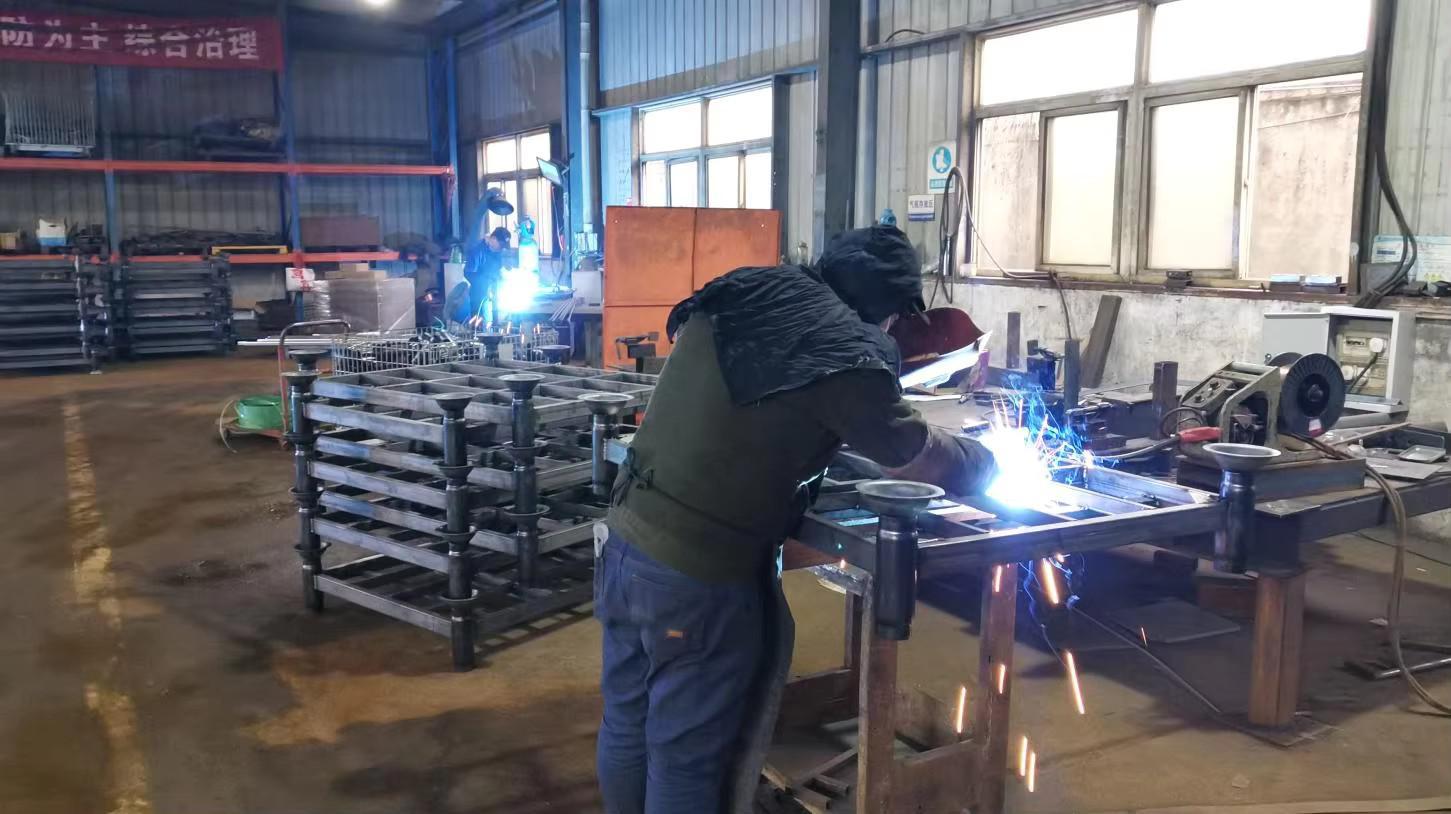
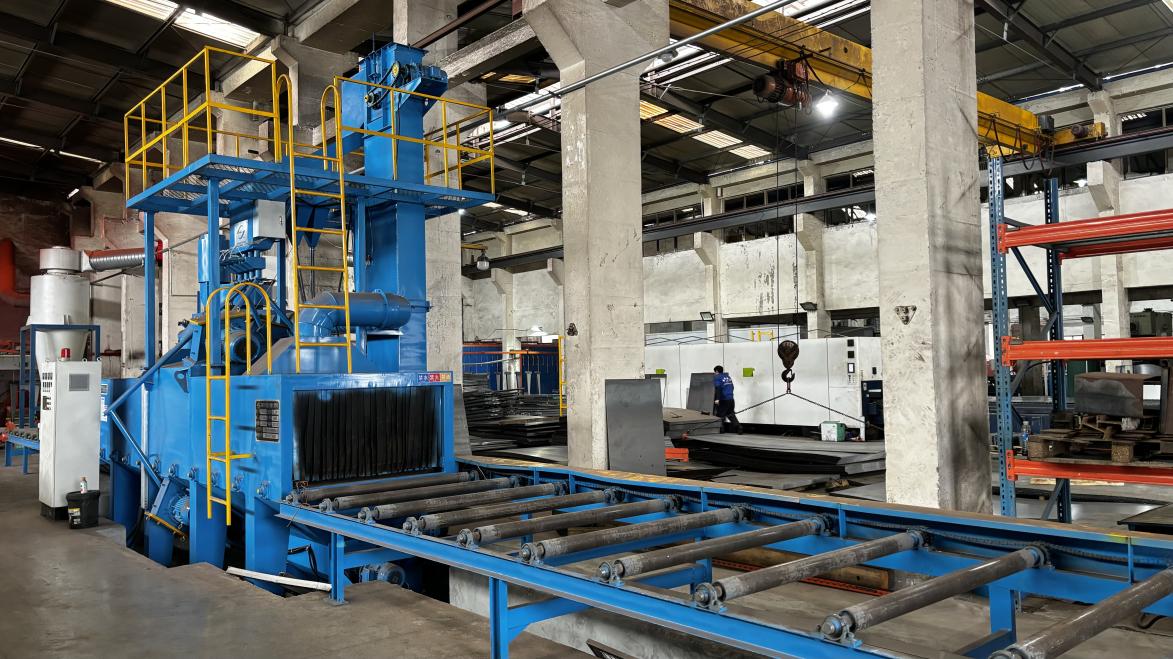
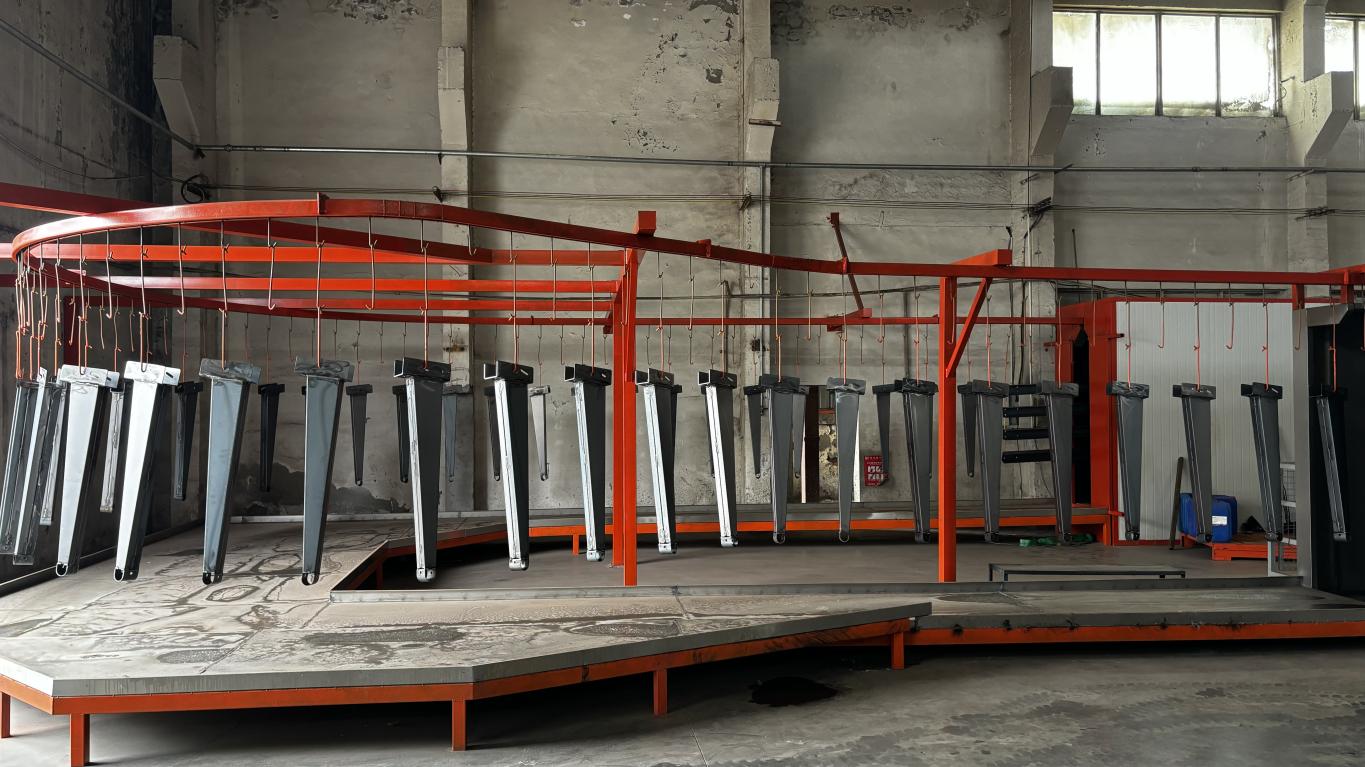
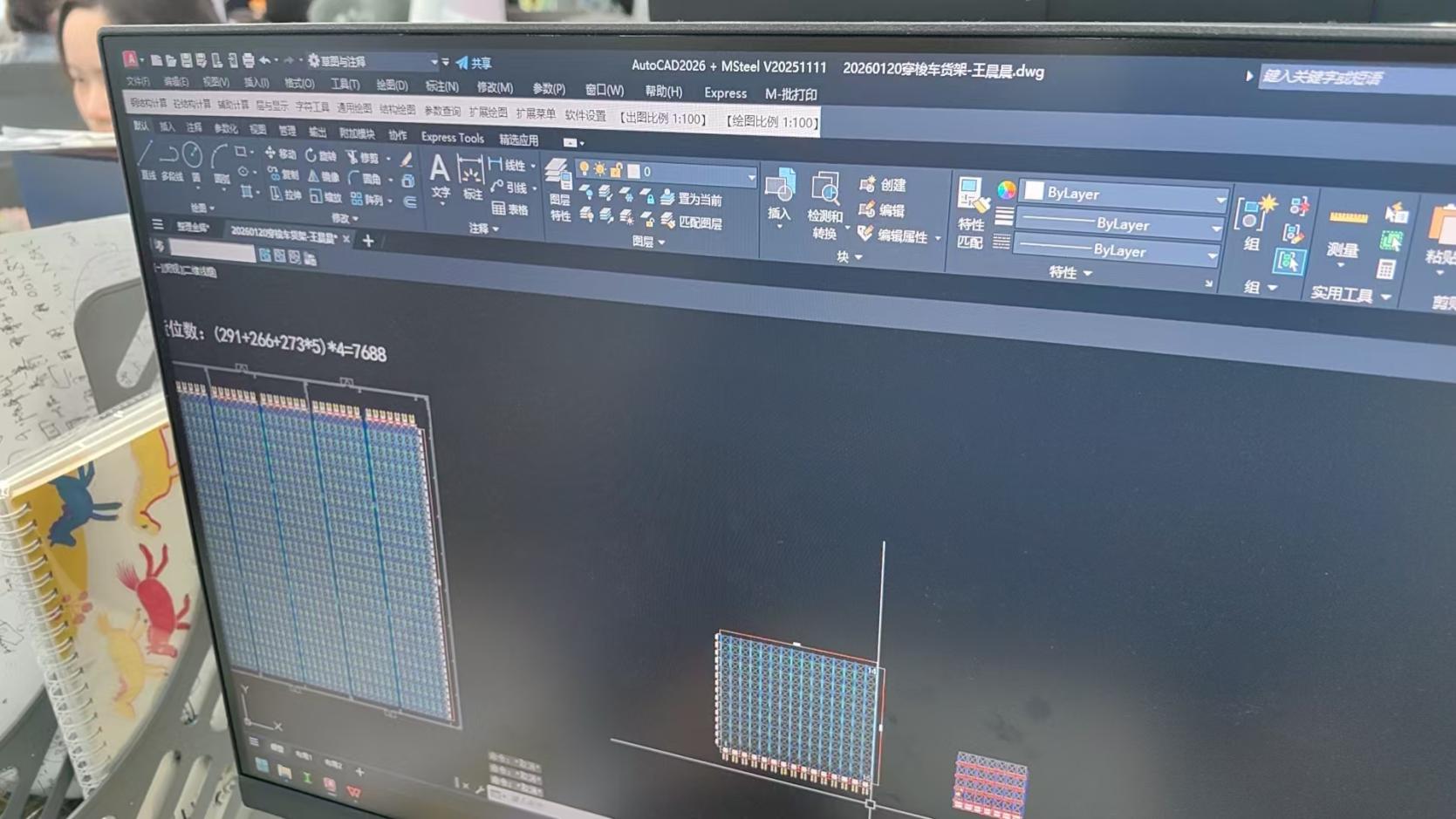
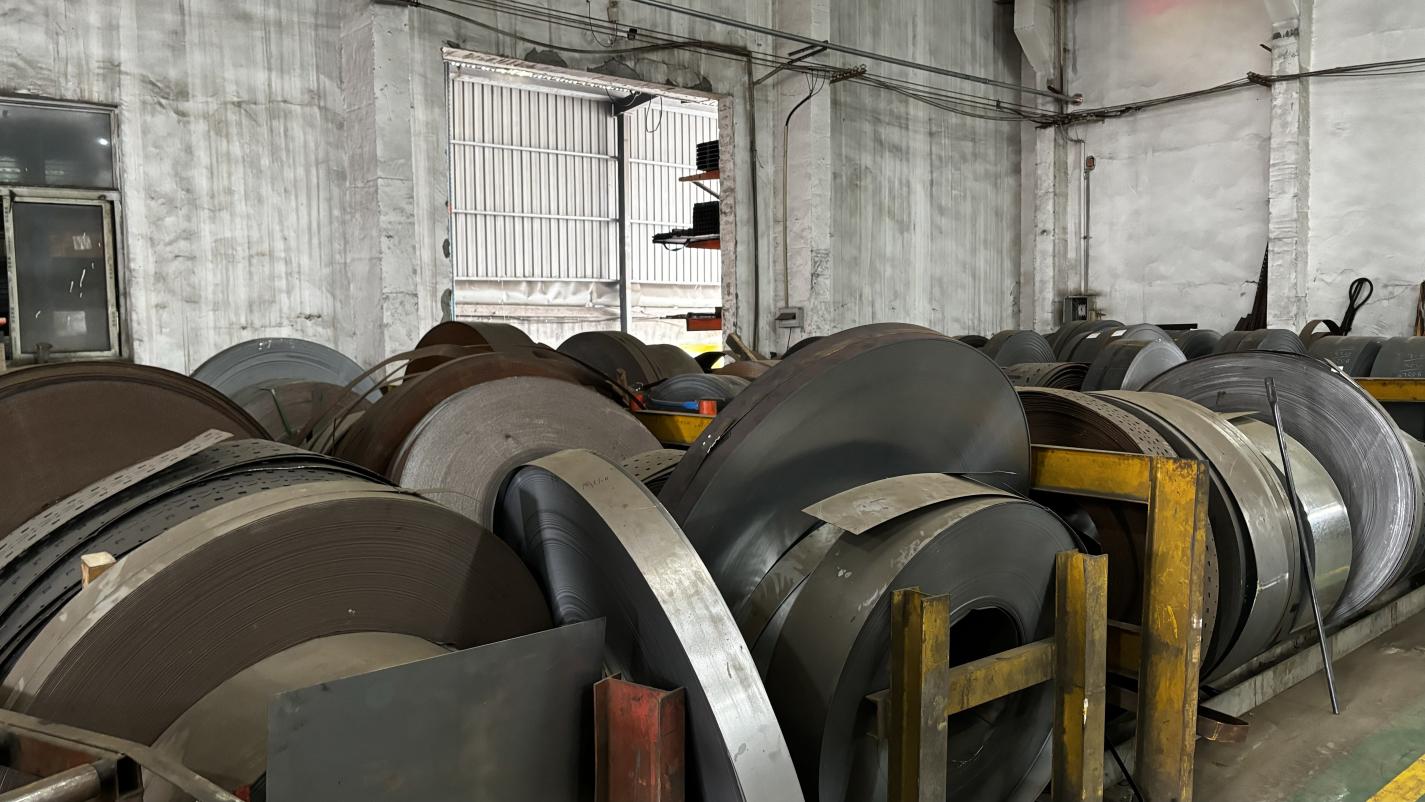
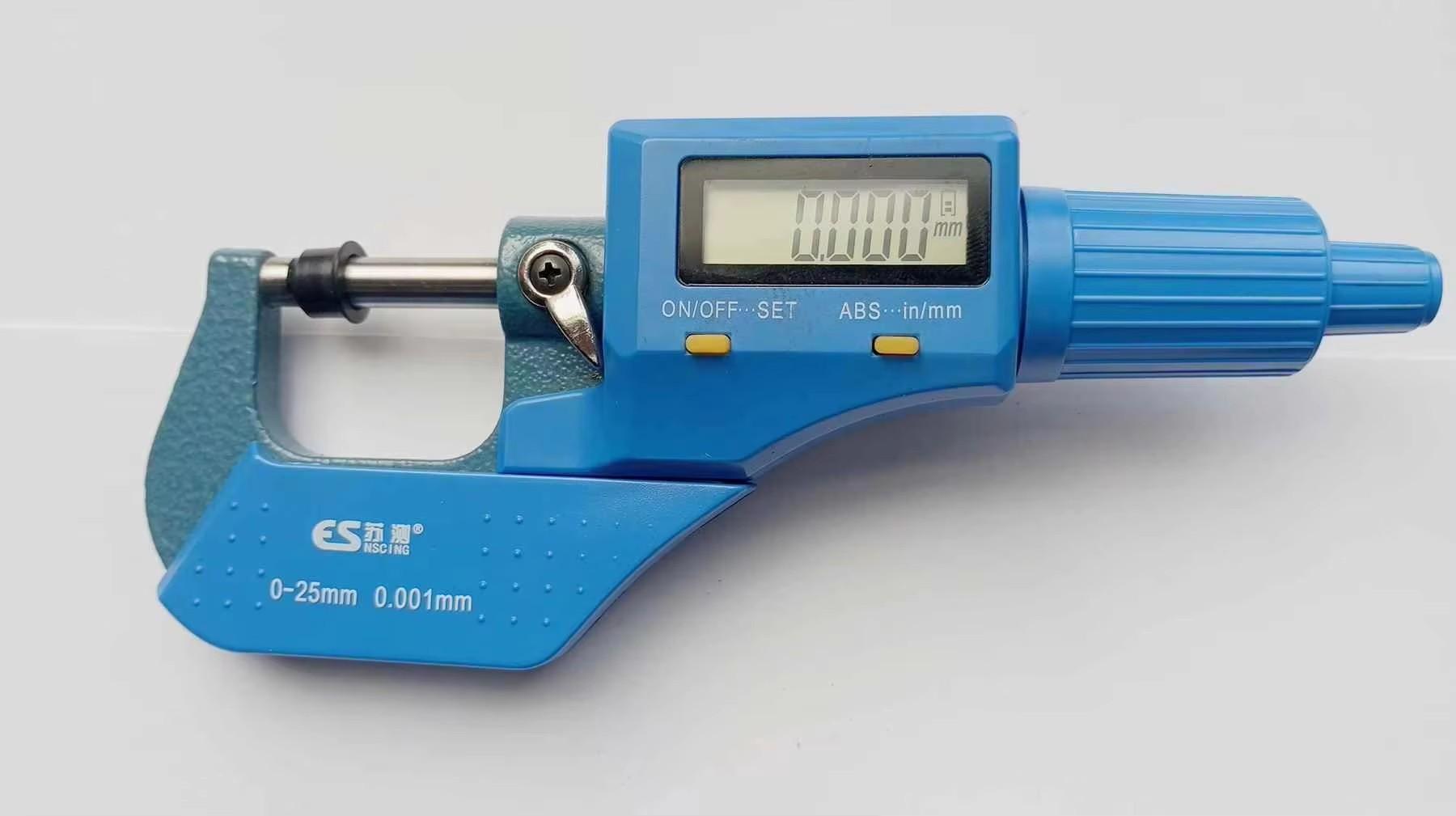
Ensuring compliance across diverse global regulatory landscapes with robust structural testing and supply-chain flexibility.
We strictly engineer systems to comply with structural integrity codes worldwide, including the RMI (Rack Manufacturers Institute) standard in the United States, and FEM 10.2.02 regulations across European Union countries. Every solution undergoes Finite Element Analysis (FEA) to ensure safe weight capacity limits.
Our operations leverage collaborations with over 980 supply chain partners, guaranteeing steady access to structural raw materials even in volatile market situations. This structural elasticity enables our factory to fulfill massive volume orders within tight shipping schedules.
Quality represents the bedrock of our company's philosophy. With 46 dedicated QA/QC inspectors checking every step—from incoming steel coil thickness gauges, robotic welding joint depth, to finish paint consistency, we ensure zero manufacturing deviations are shipped.
Bridging traditional heavy-duty steel fabrication with smart sensors, robotic shuttle integration, and carbon-neutral green initiatives.
The future of spatial inventory management lies in structural flexibility and automated optimization. Industry 4.0 paradigms require that steel structures seamlessly interface with automated hardware and control software. Over the next decade, the racking industry is moving toward "smart racks" embedded with load-sensor telemetry and structural stress monitoring devices to preemptively warn of overloads or forklift impact fatigue.
Additionally, sustainable warehouse standards demand that manufacturers reduce the carbon footprint of structural raw materials. Jinhui is actively exploring lower-emission steel sourcing and optimizing the thermal efficiency of powder curing lines. These green initiatives align with the carbon reduction goals of our multinational partners across North America and Europe, establishing a future-proof distribution strategy.
Answers to critical questions regarding engineering certifications, installation support, and wholesale supply chains.
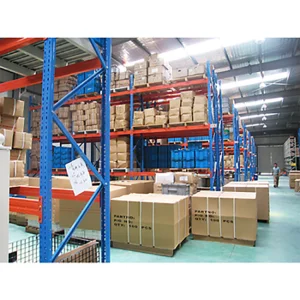
High-capacity systems designed for demanding logistics infrastructures and diverse pallet layouts.
 Jinhui Storage Equipment