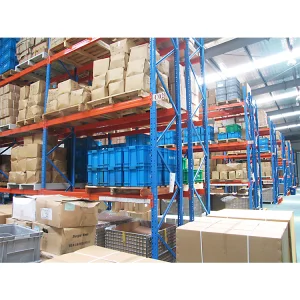
In modern supply chain architecture, spatial economy is directly correlated with profitability. As global land values escalate and logistics hubs face constraints in horizontal expansion, the dynamic optimization of vertical storage volume has evolved from a operational preference to an engineering imperative. Last-In, First-Out (LIFO) storage configurations represent the pinnacle of high-density spatial strategy, specifically engineered to support deep lane management, maximize volumetric utilization, and minimize structural warehouse corridors.
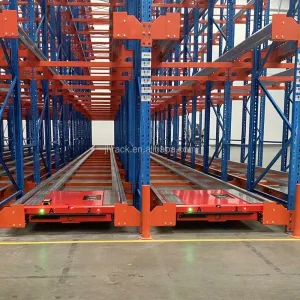
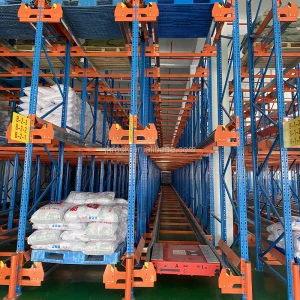
LIFO configuration systems—ranging from mechanical push-back racks to automated high-density radio shuttle configurations—address a distinct operational profile. These systems are highly effective when dealing with homogeneous inventory profiles, batch production runs, and materials with extended shelf lives that do not require FIFO validation.
For enterprise procurement officers and supply chain directors, selecting the correct manufacturing partner is crucial. Operating from the industrial core of southern China, Dongguan Jinhui Storage Equipment Co., Ltd. has designed, fabricated, and exported high-durability racking configurations since 2017. Benefiting from 14 years of design expertise and an 8-year international export history, Jinhui combines high-grade structural metallurgy with ISO-certified testing procedures to deliver high-quality storage solutions for demanding logistics profiles.
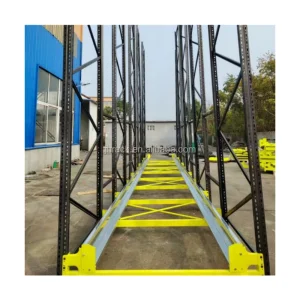
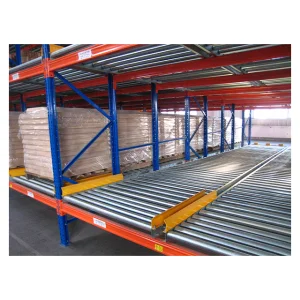
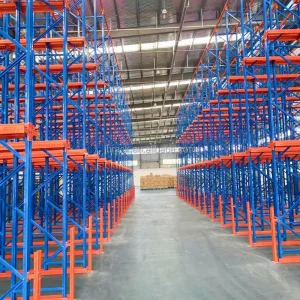
Enterprise procurement teams prioritize structural resilience, load compliance, and long-term mechanical safety. In cold-chain logistics, industrial chemical processing, bulk consumer packaged goods (CPG) distribution, and heavy manufacturing component staging, space is at a premium. Running a cold storage warehouse requires substantial energy; cooling unused access aisles is inefficient. LIFO configurations resolve this issue by consolidating inventory lanes up to 6 pallets deep (using push-back technology) or up to 30+ pallets deep (utilizing automated shuttle systems).
Additionally, international procurement requires compliance with stringent regulatory standards. Racks installed in seismic areas must feature engineered baseplates, thicker upright columns, and robust bracing configurations. Dongguan Jinhui addresses these structural requirements by utilizing high-tensile structural carbon steel (Q235B and Q355B) and providing certified compliance with major structural codes worldwide.
| LIFO System Type | Depth Capability | Selectivity Index | Optimal Use Cases |
|---|---|---|---|
| Push-Back Racking | 2 to 6 Pallets | Medium-Low | Cold-storage, CPG distribution, medium-volume SKU management. |
| Drive-In Racking | 5 to 10+ Pallets | Low | Bulk structural commodities, agricultural storage, raw chemicals. |
| Radio Shuttle System | Up to 30+ Pallets | High Density / Low Selectivity | Automated high-throughput facilities, multi-batch manufacturing. |
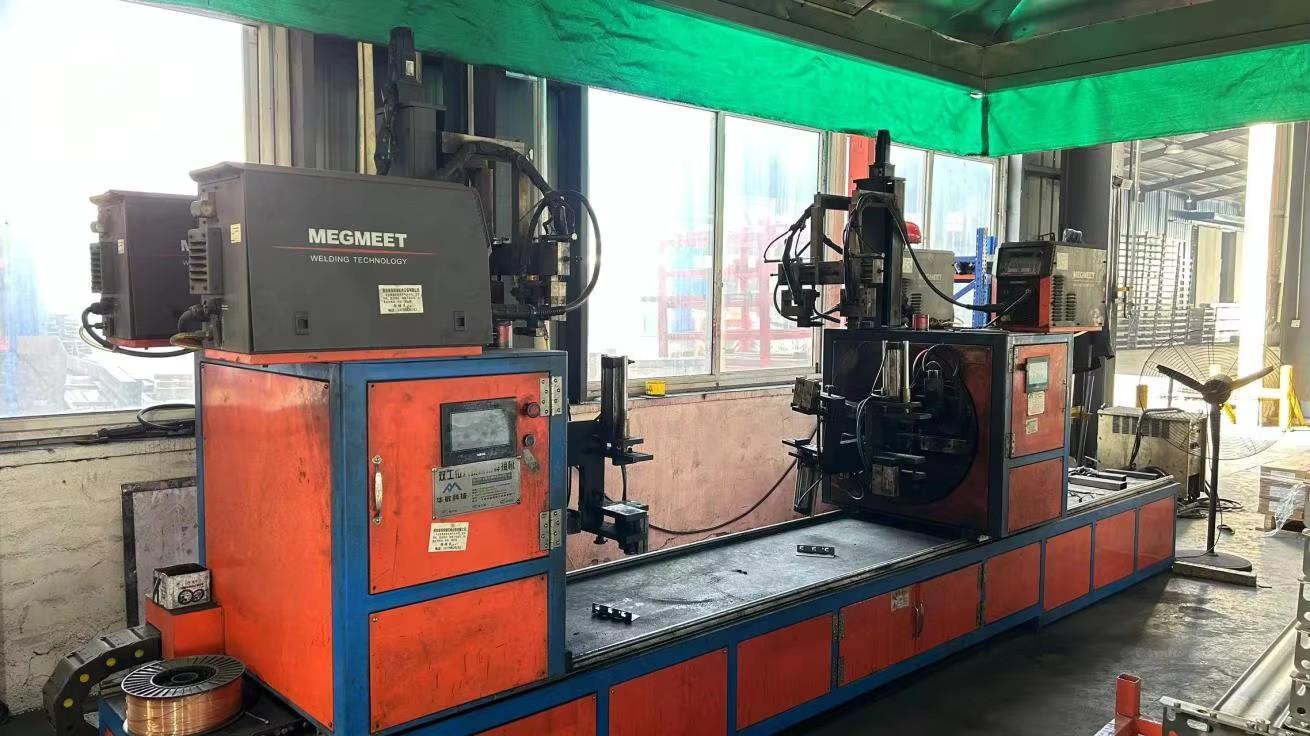
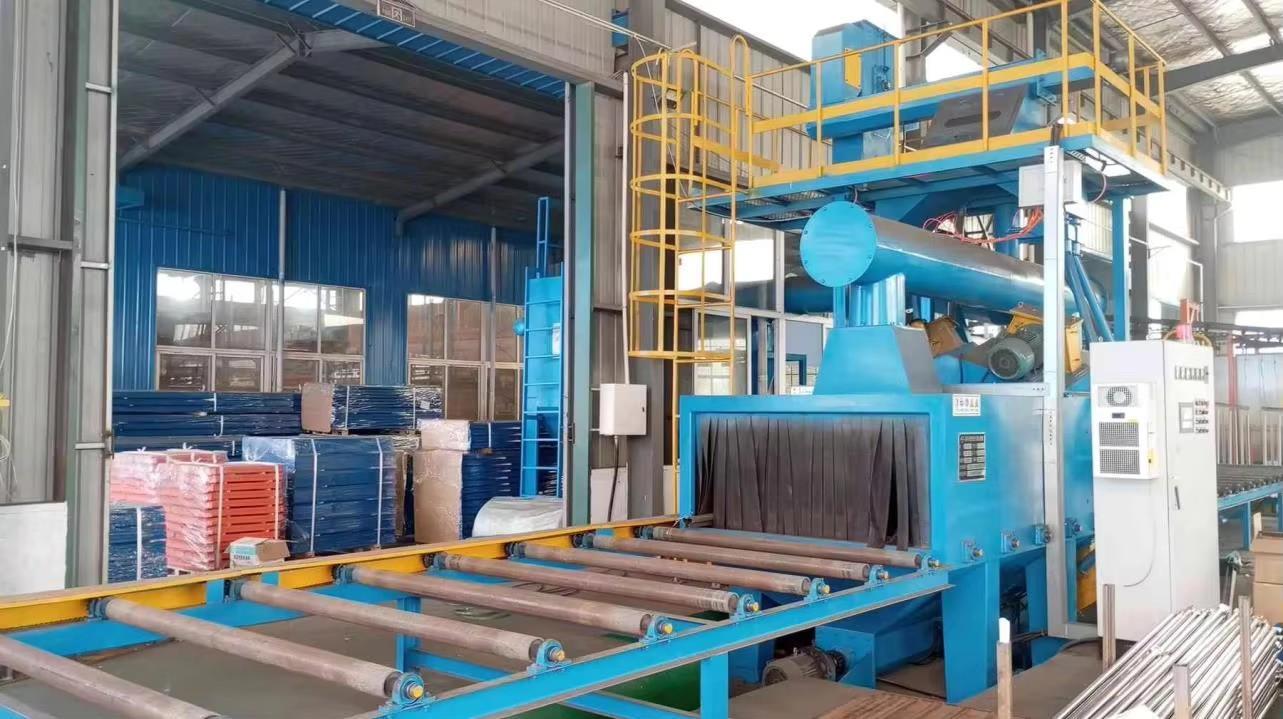
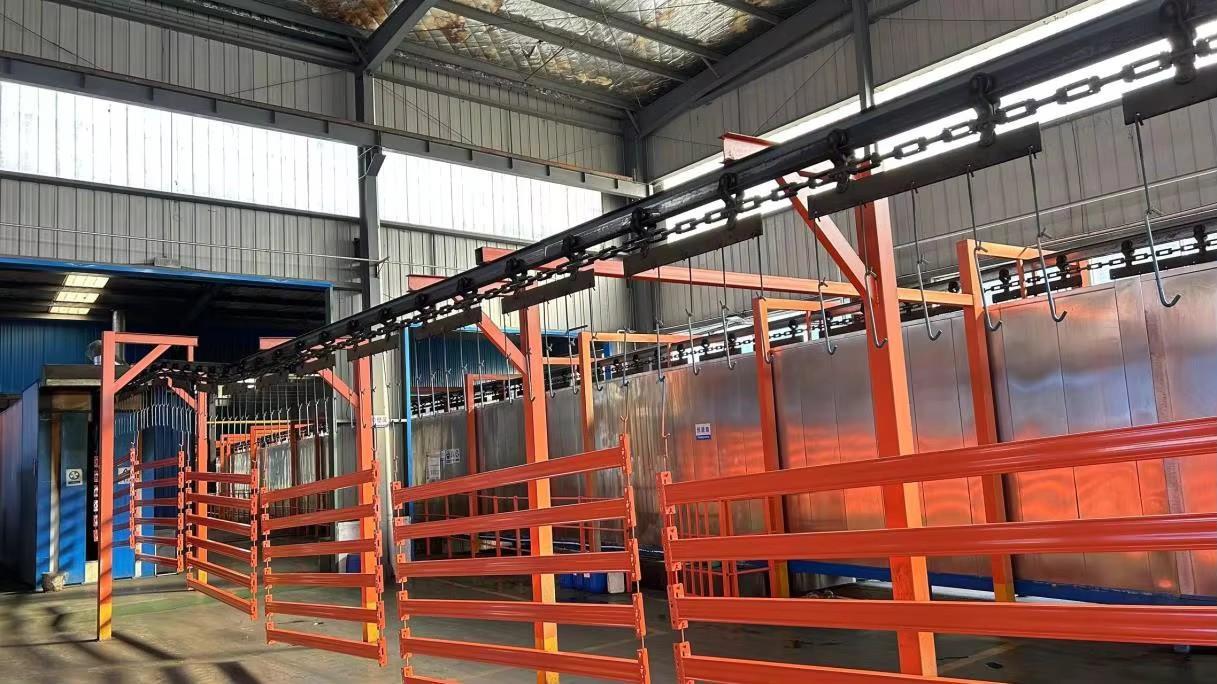
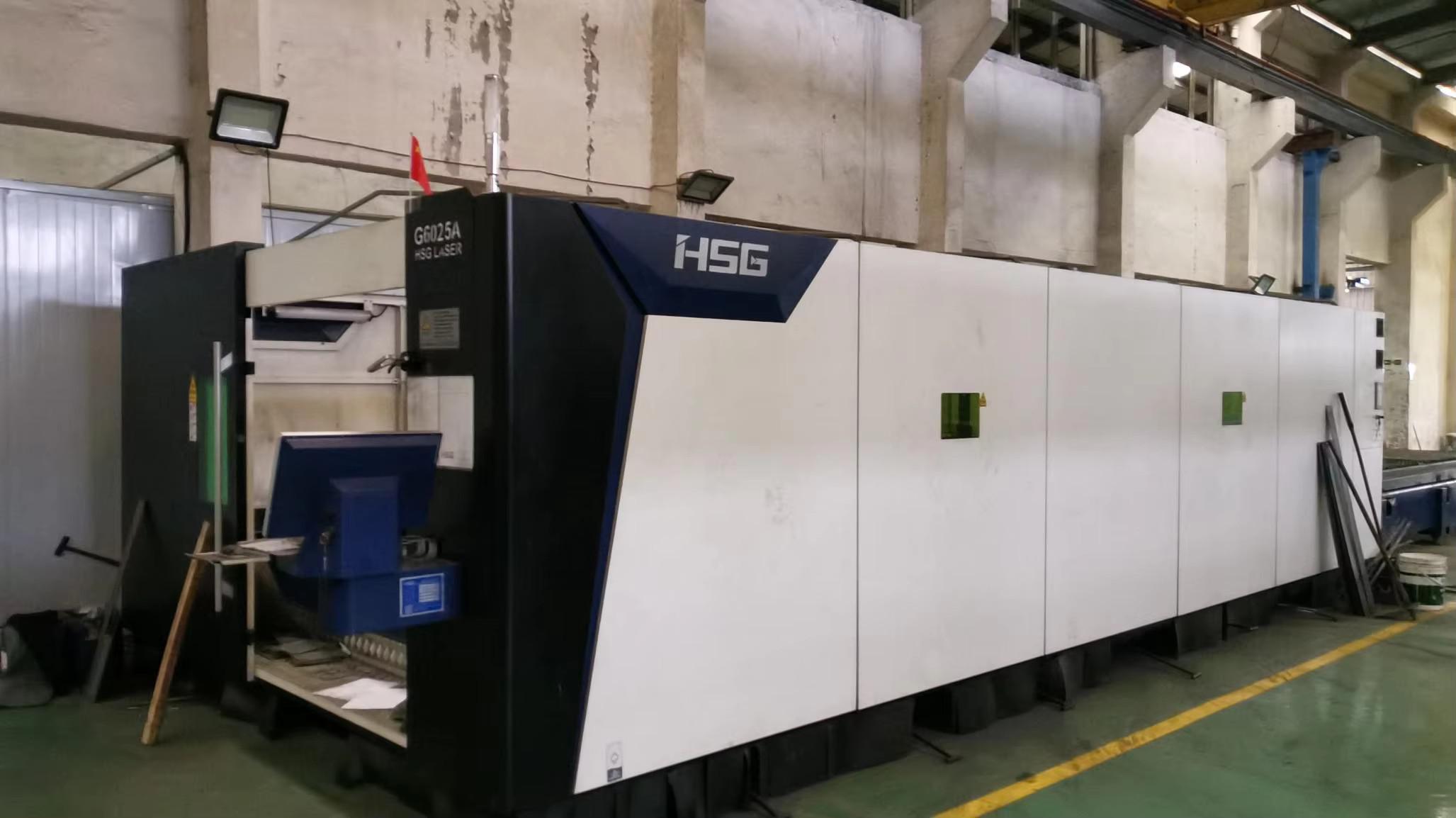
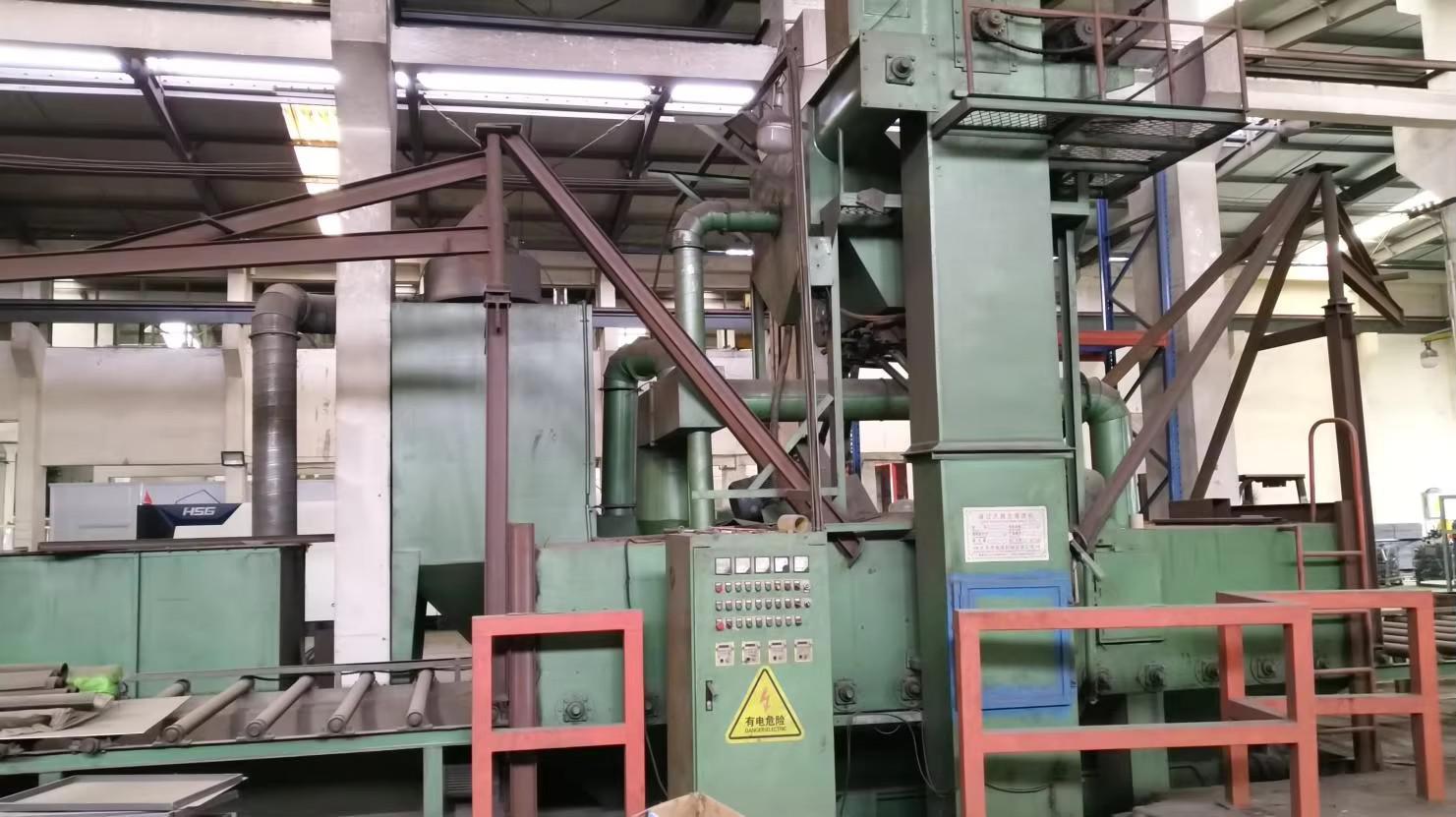
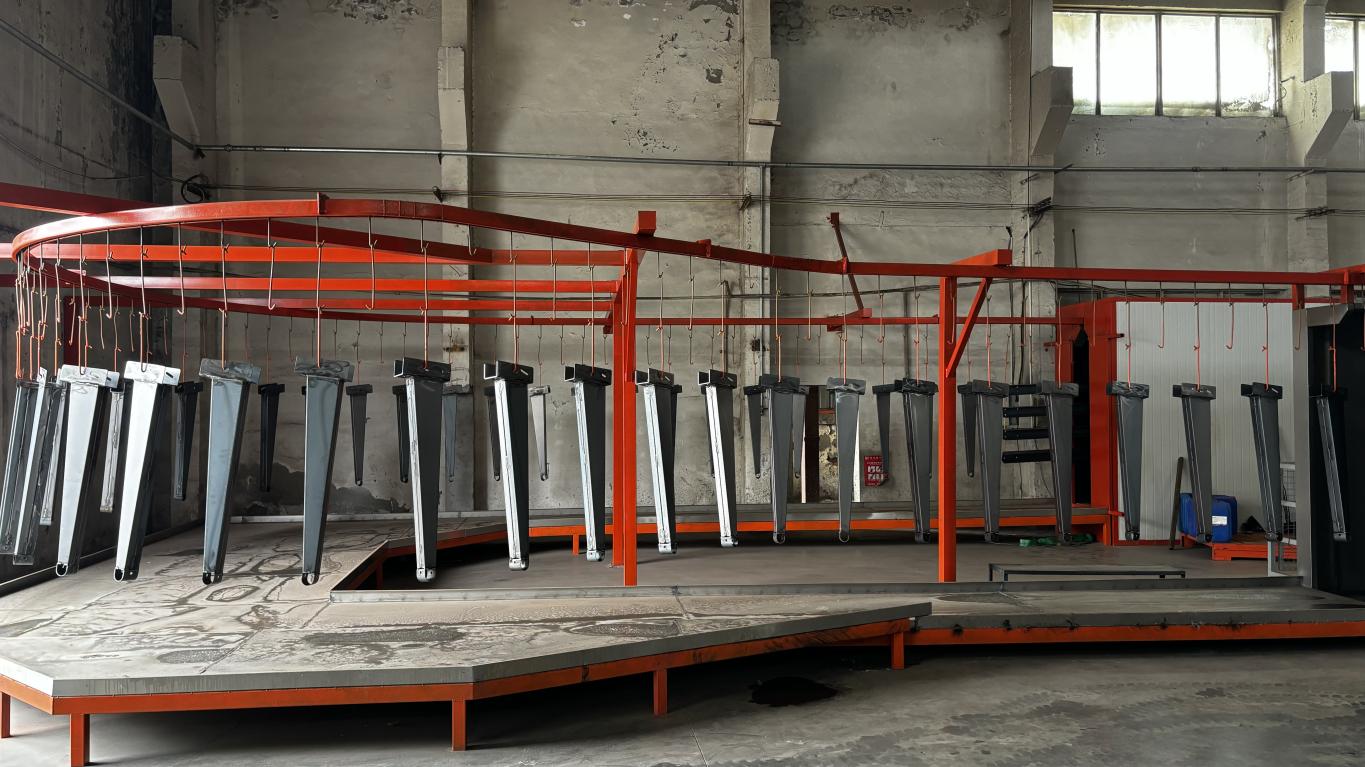
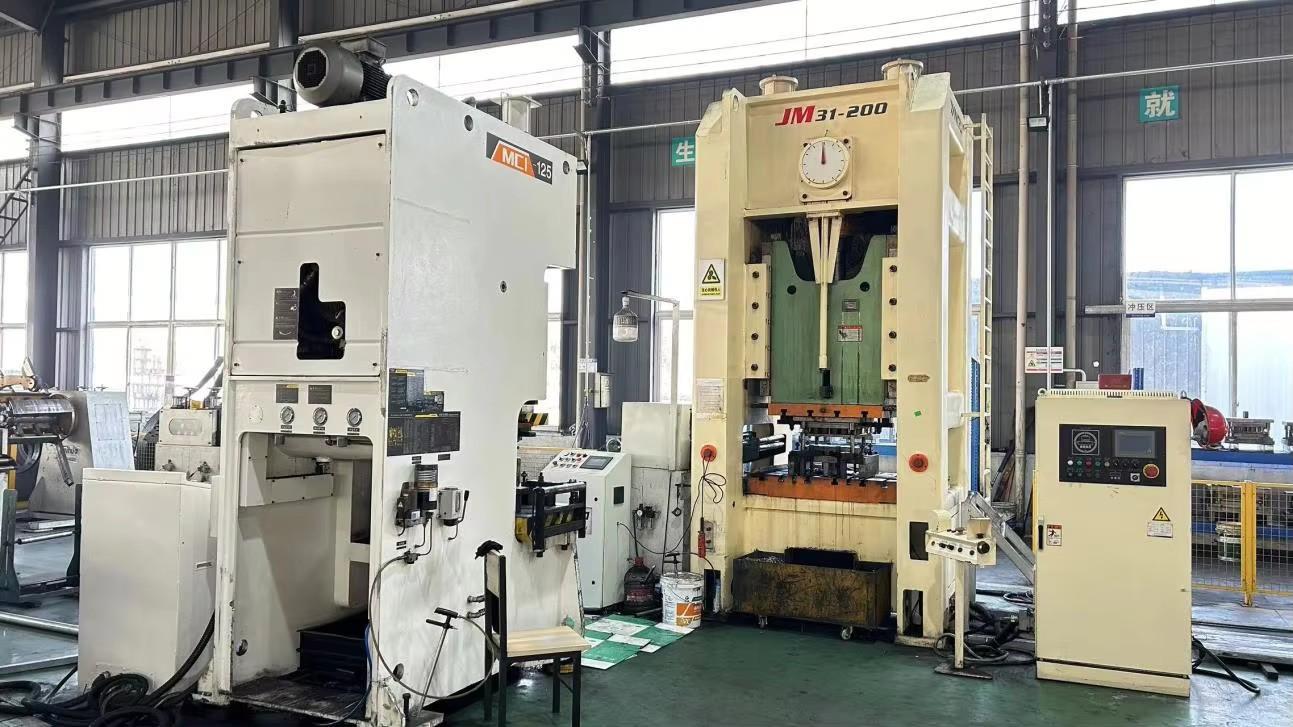
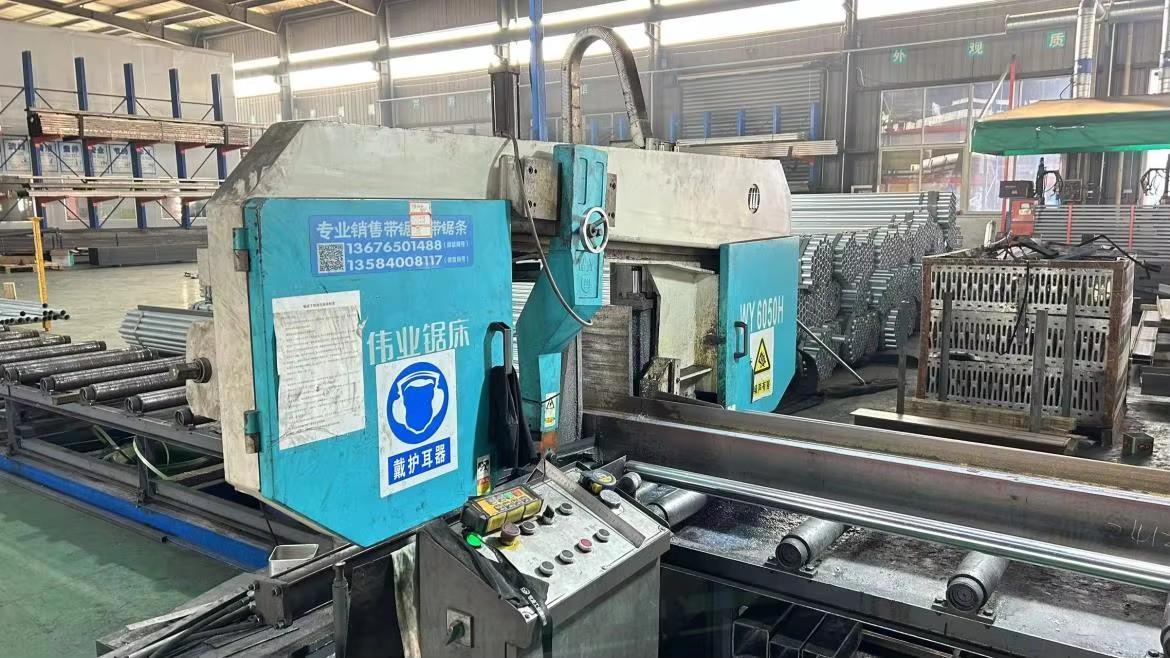
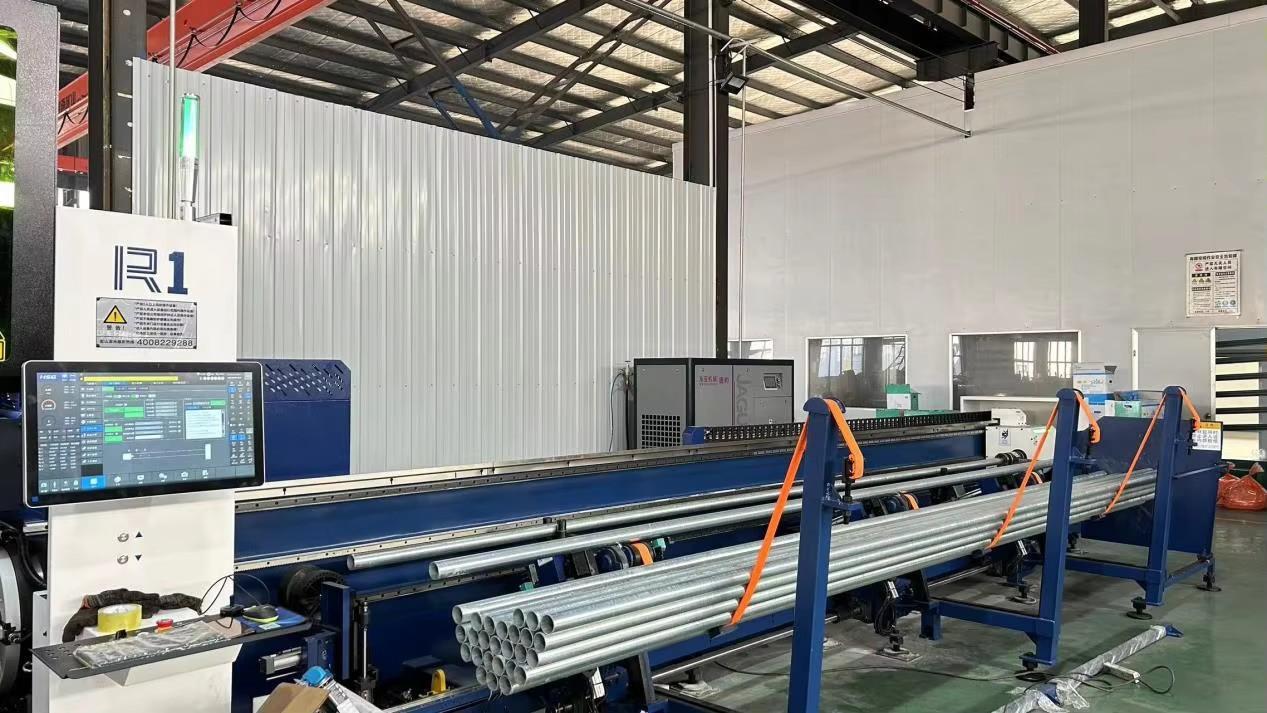
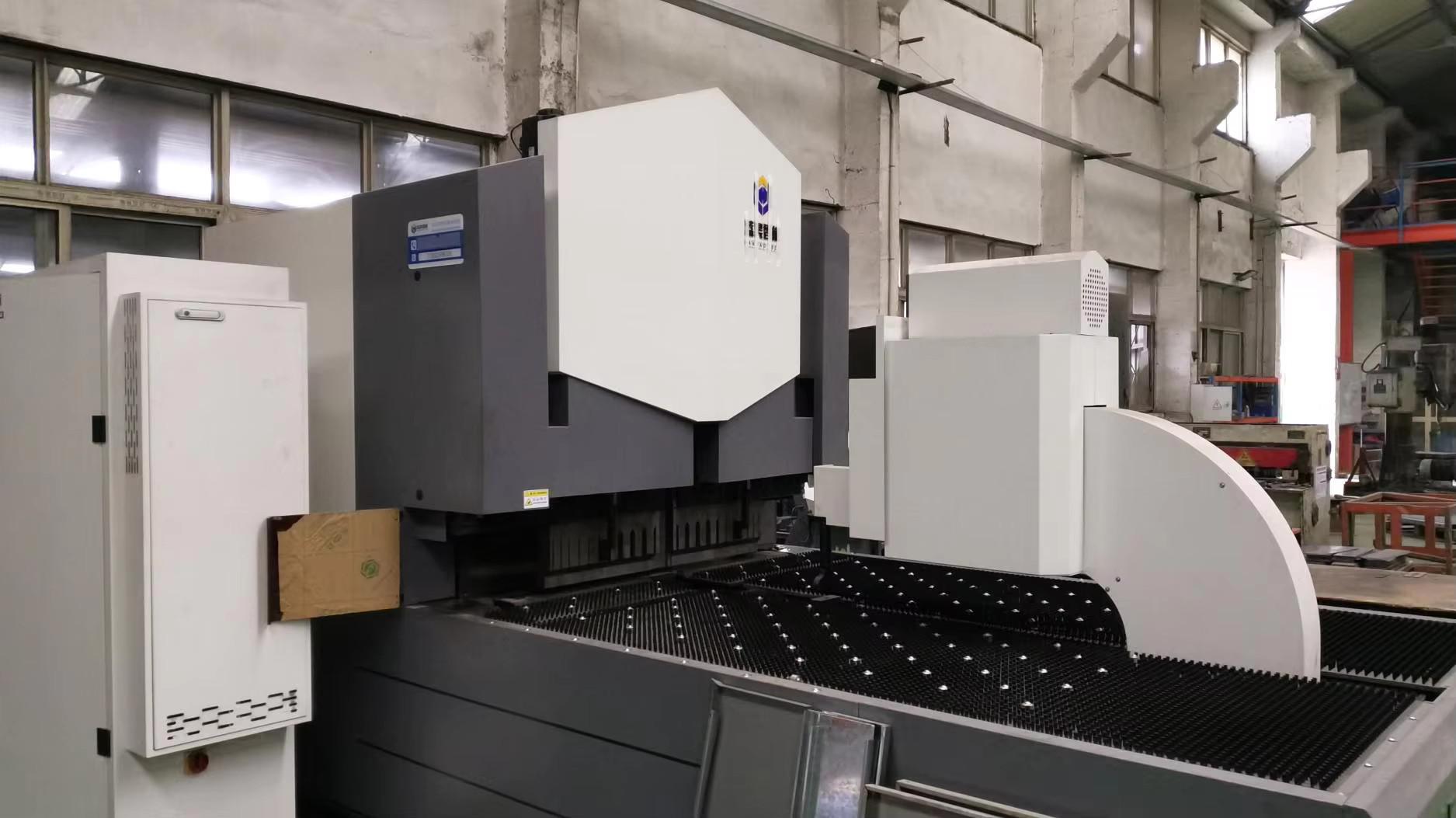
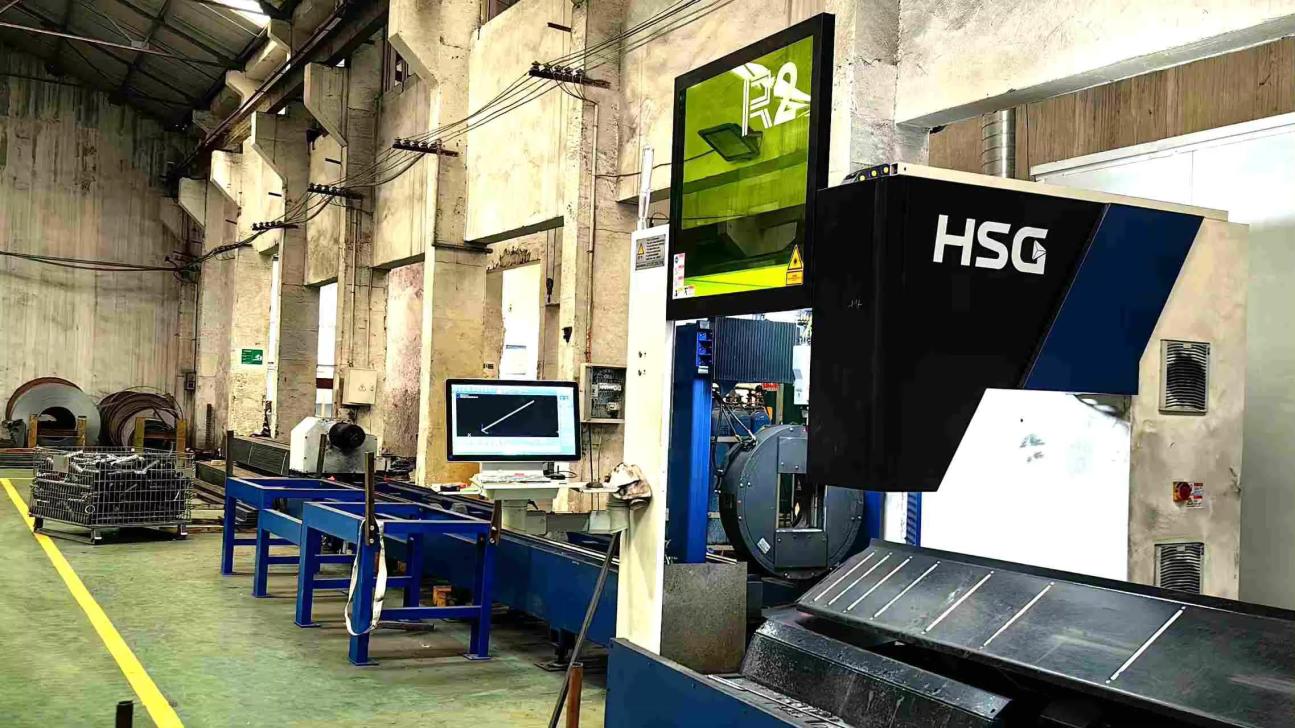
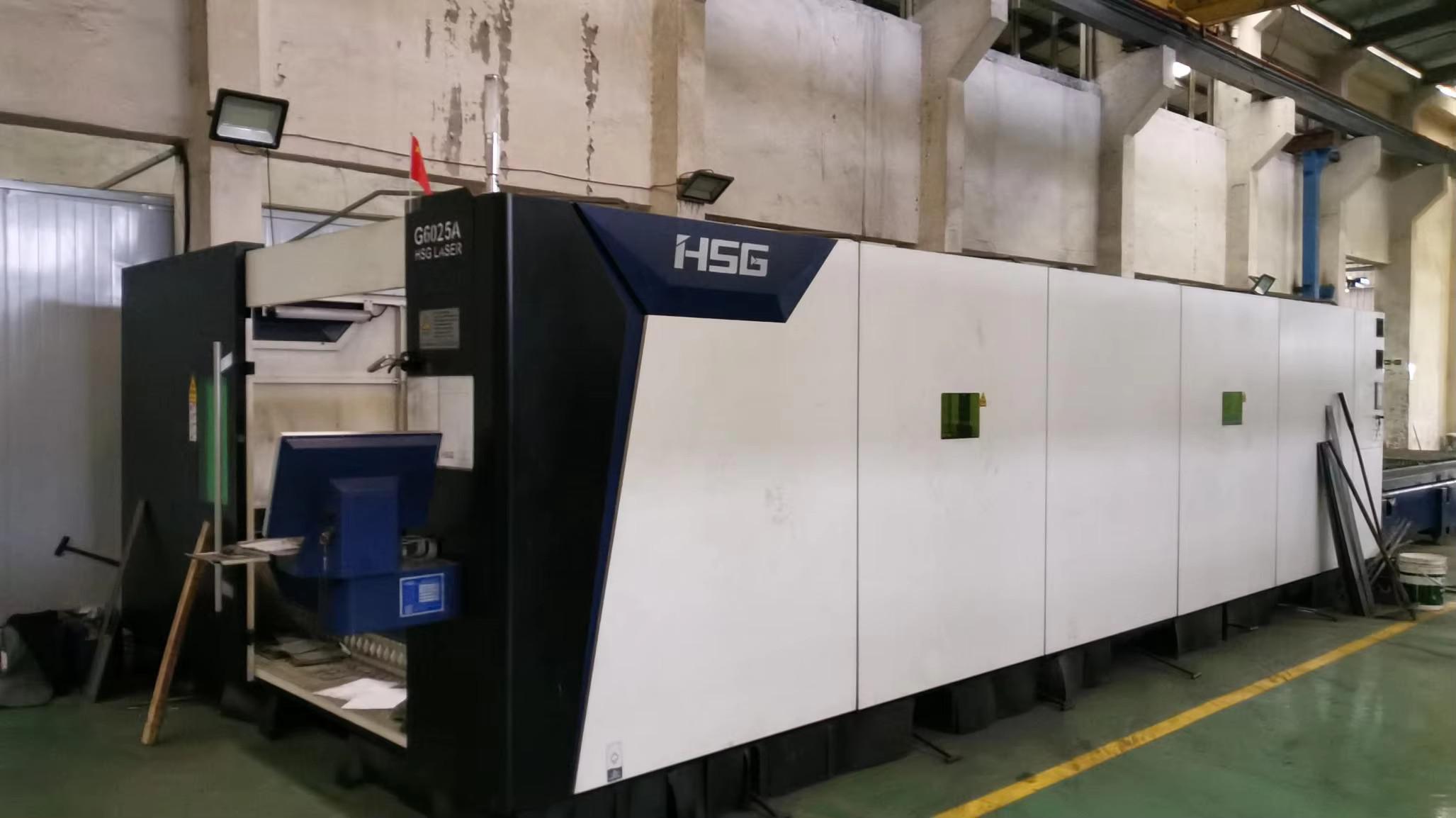
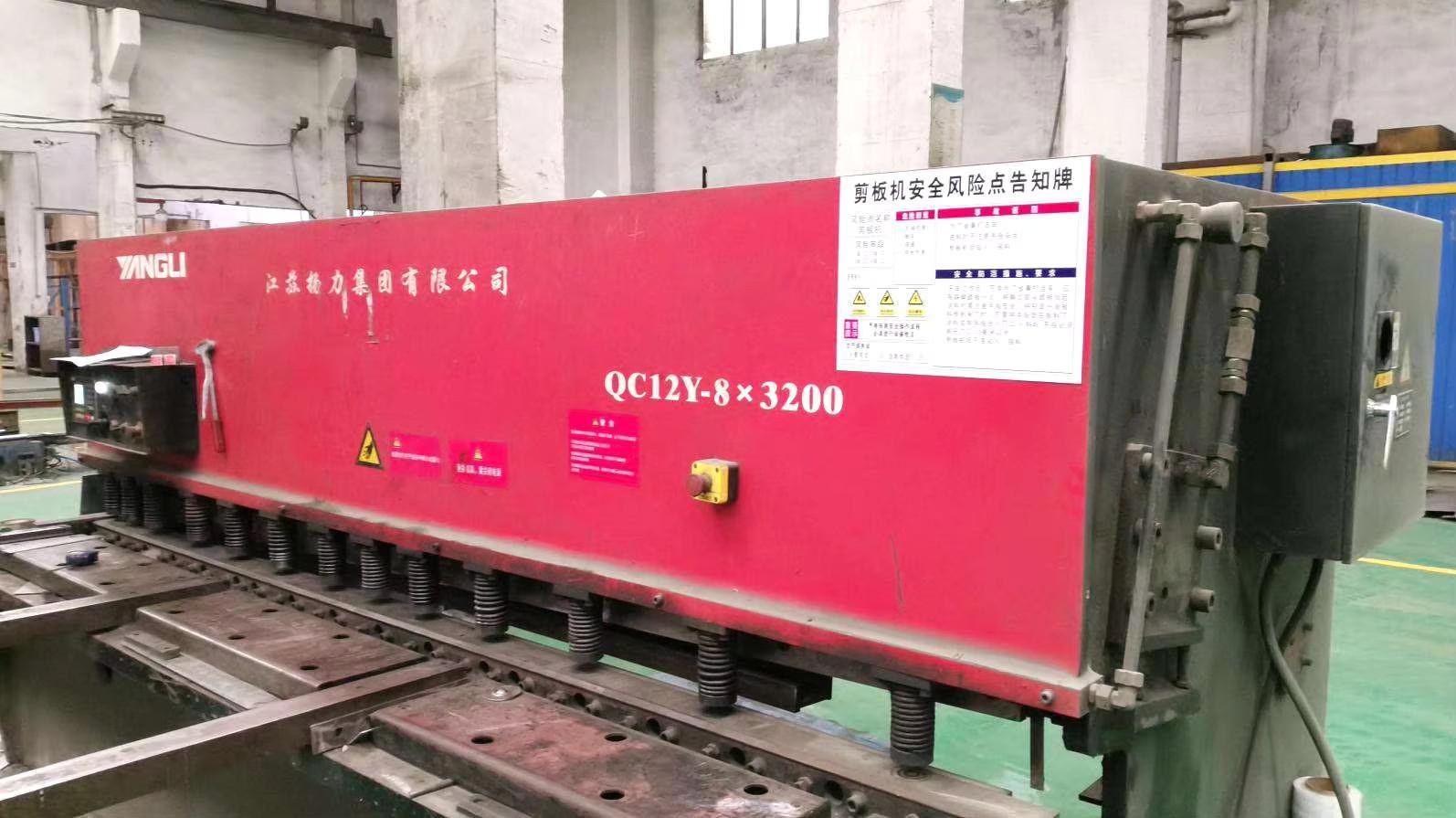
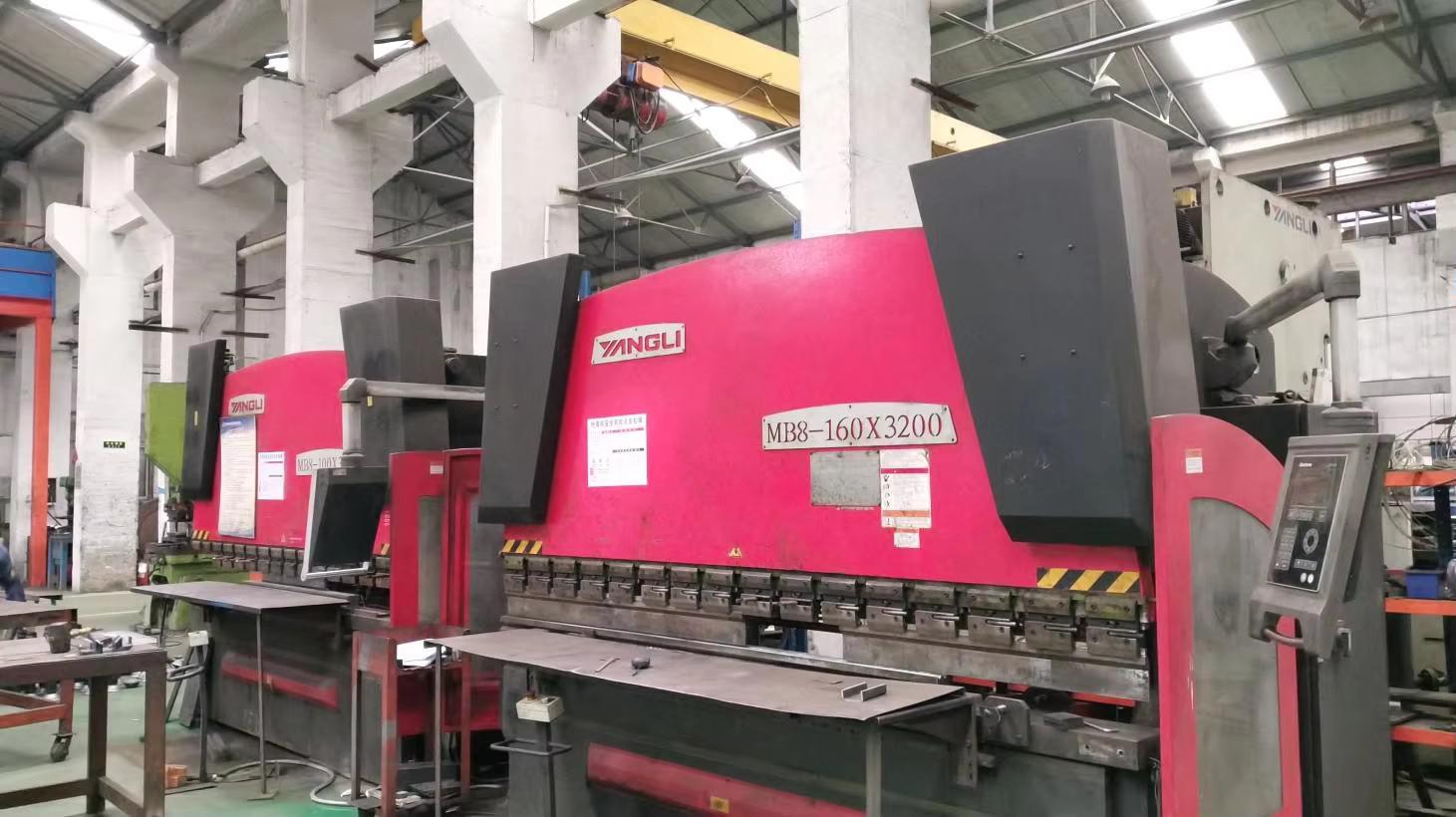
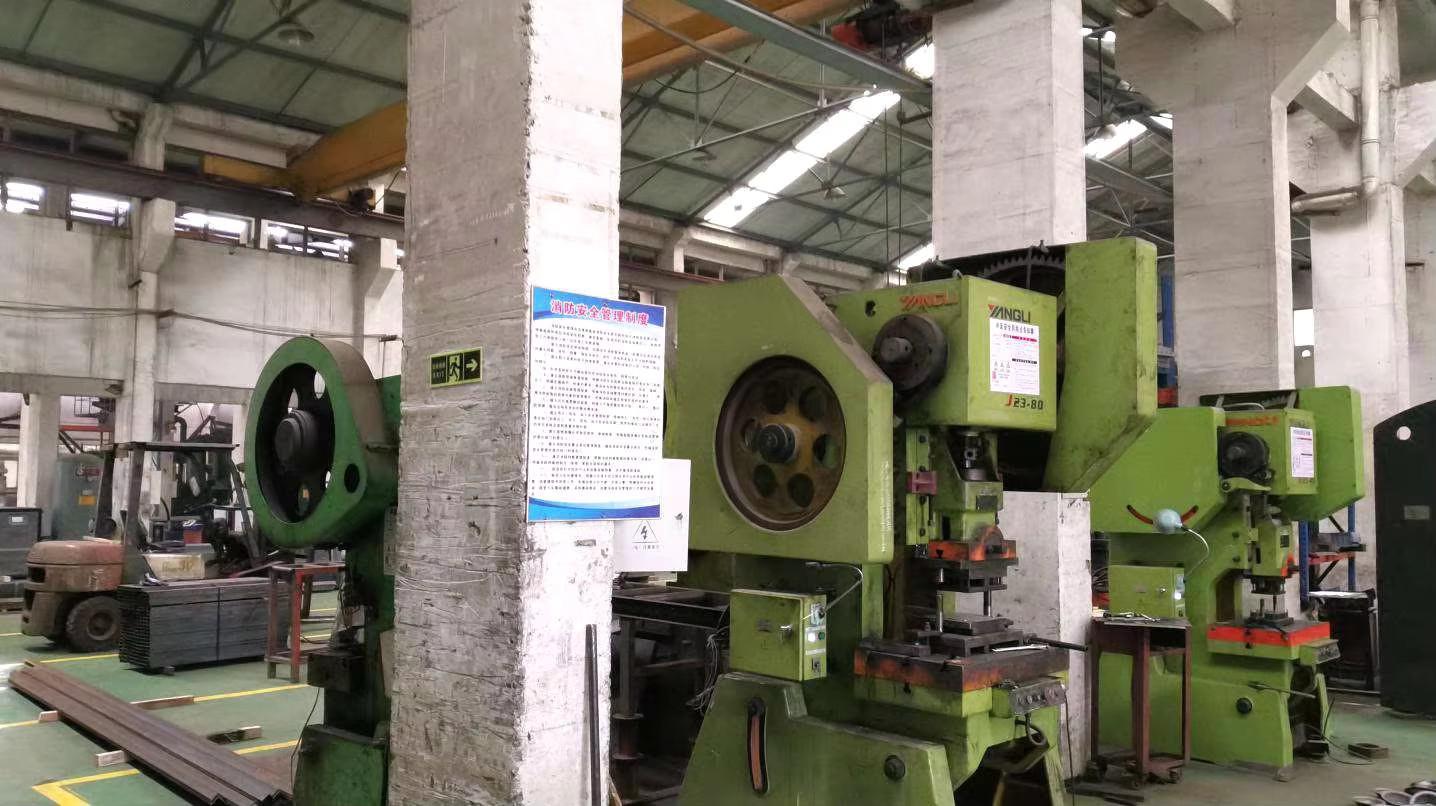
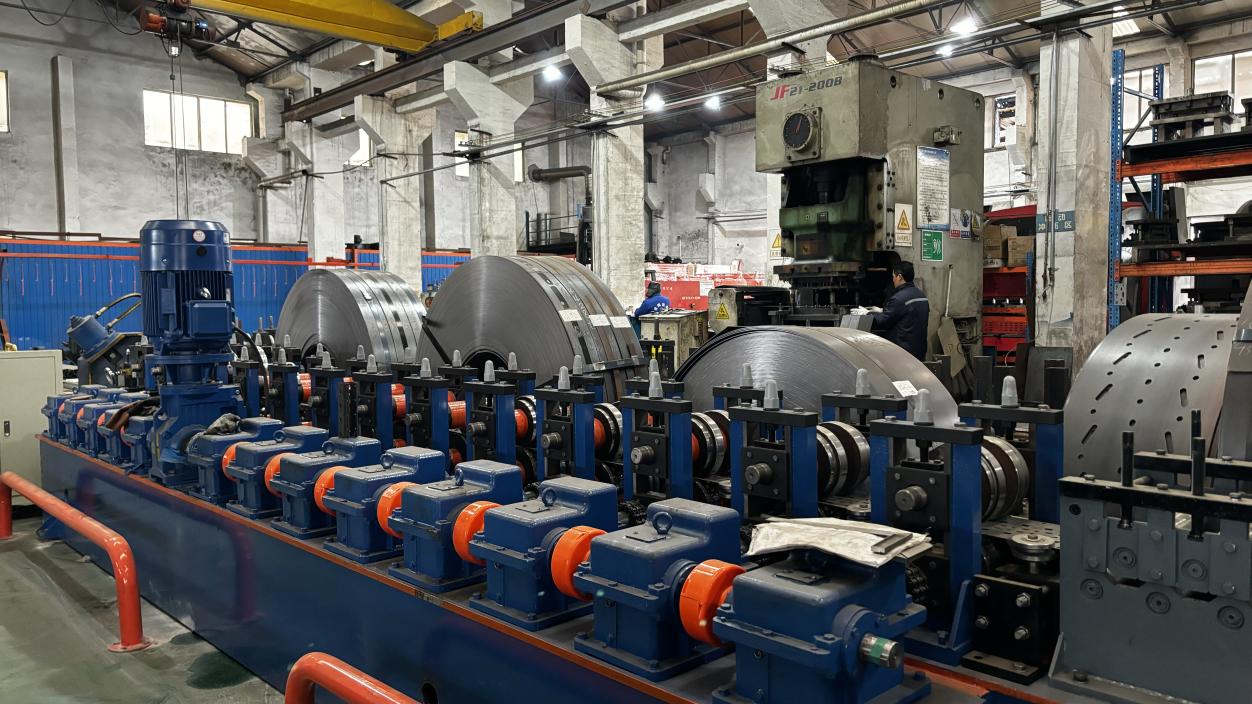
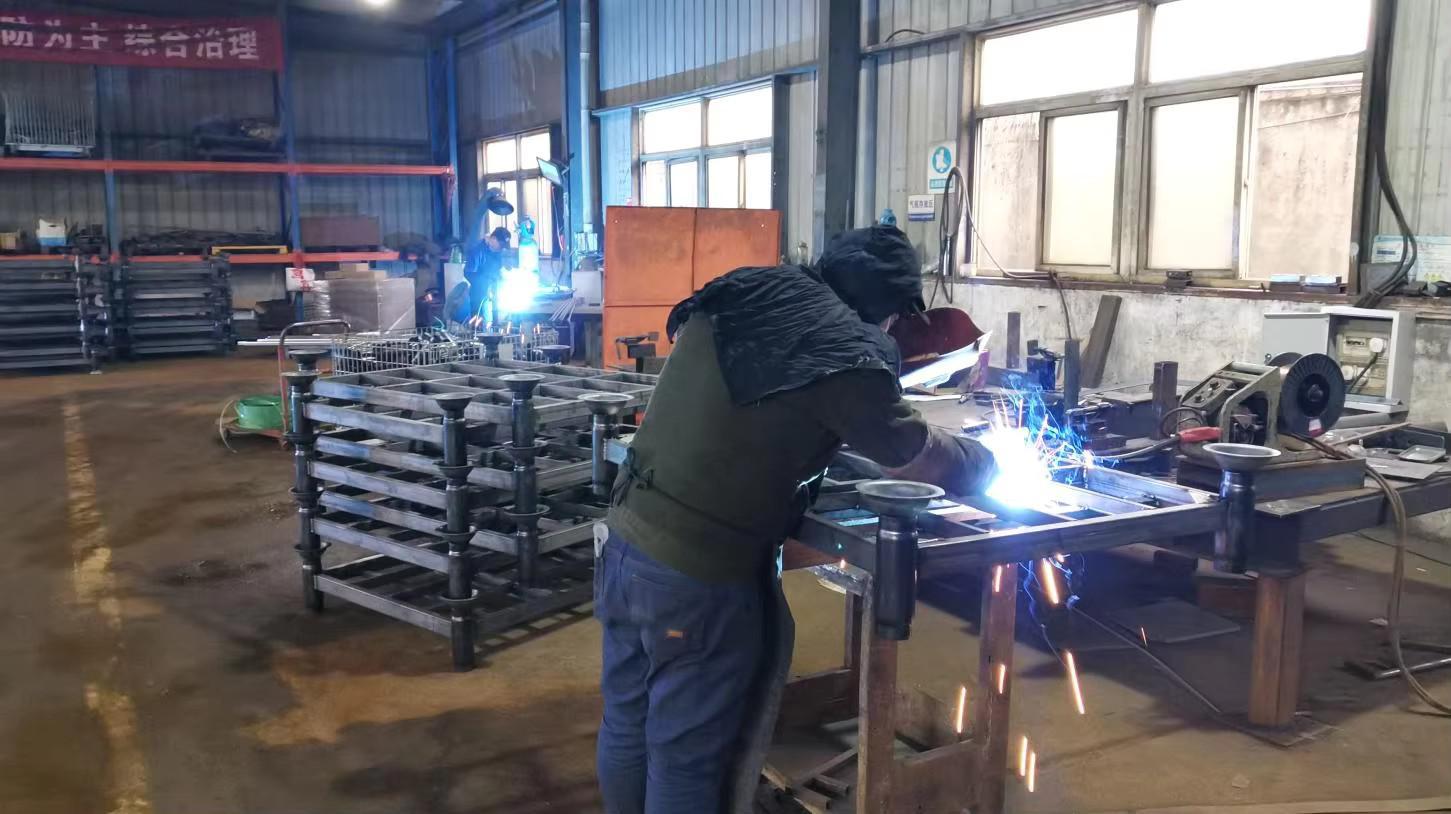
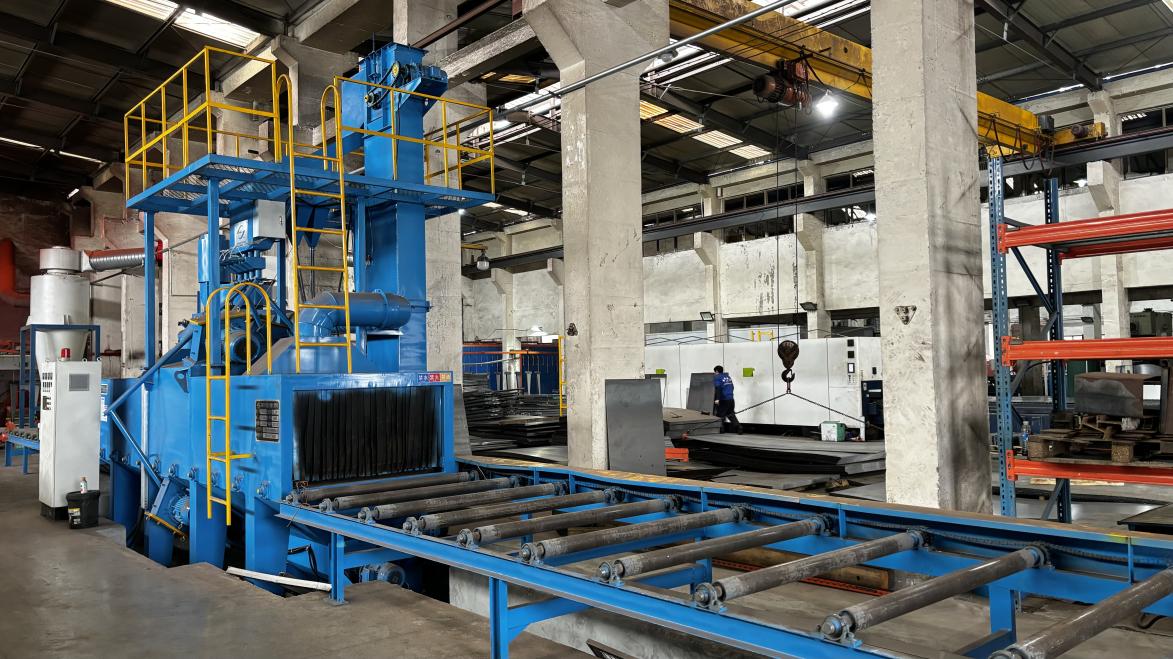
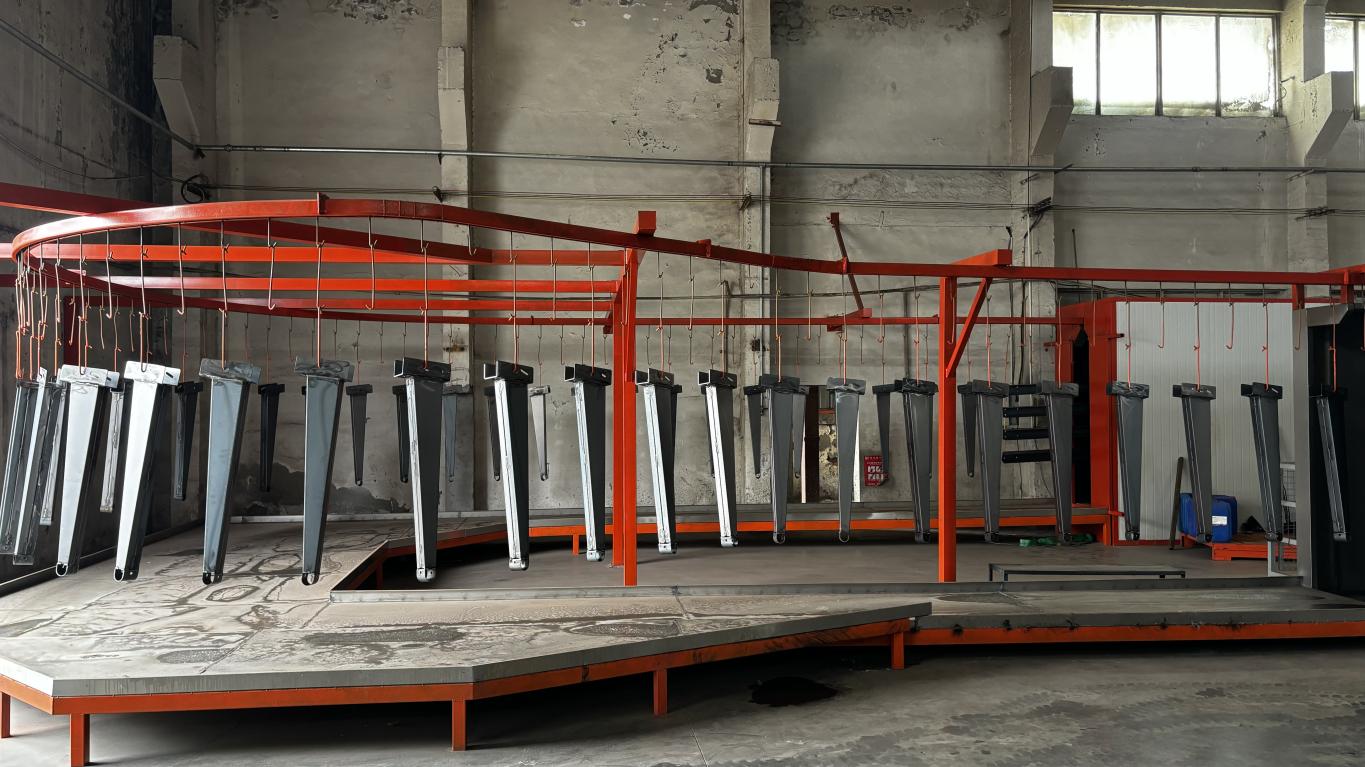
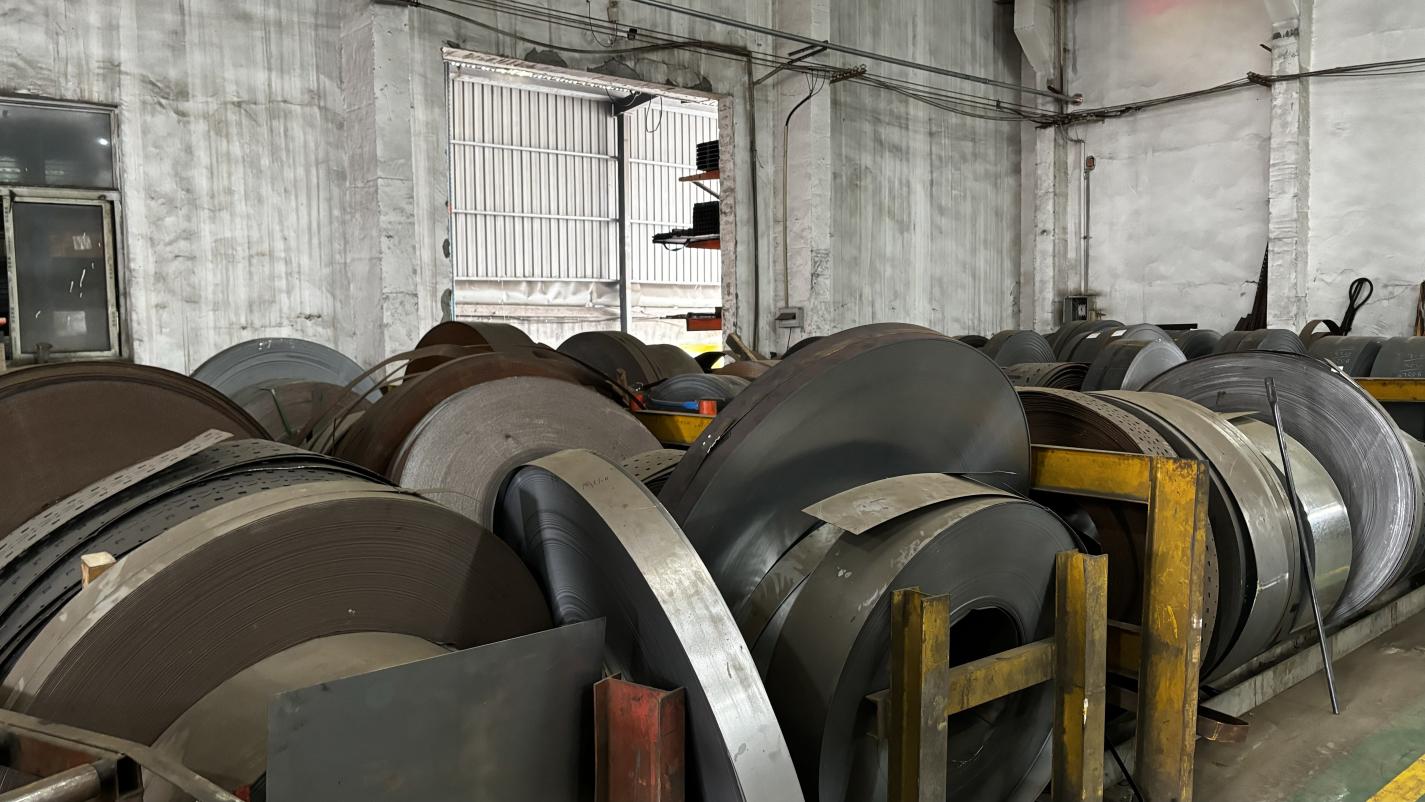
Dongguan Jinhui Storage Equipment Co., Ltd. operates a 18,600+ square meter manufacturing facility equipped with advanced production machinery. The factory processes structural steel utilizing precision CNC punching equipment, automated robotic welding systems, laser cutters, and multi-stage powder coating lines. Underpinned by a network of over 980 supply chain partners, Jinhui guarantees material availability and project timelines even during volatile pricing cycles.
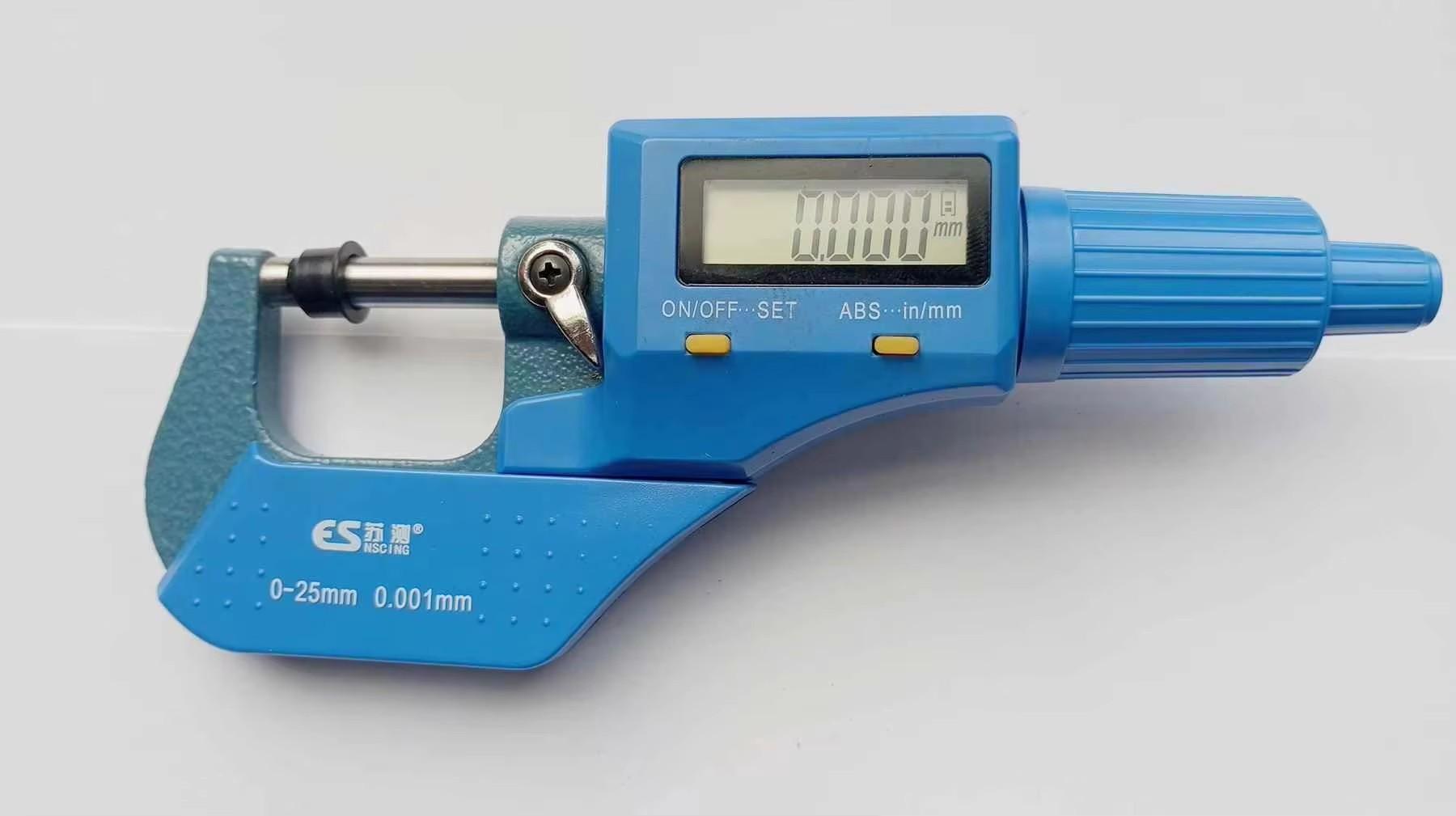
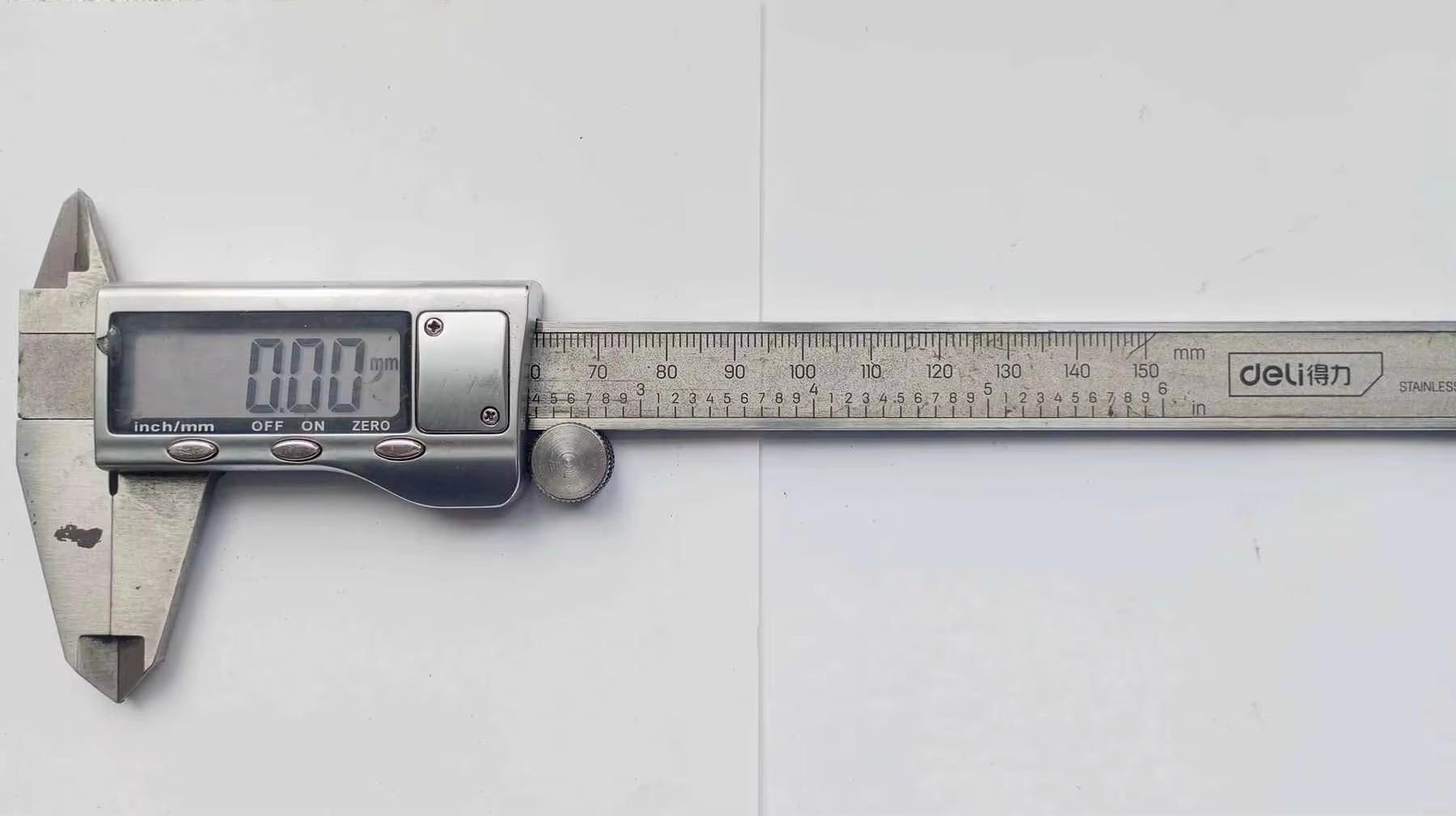
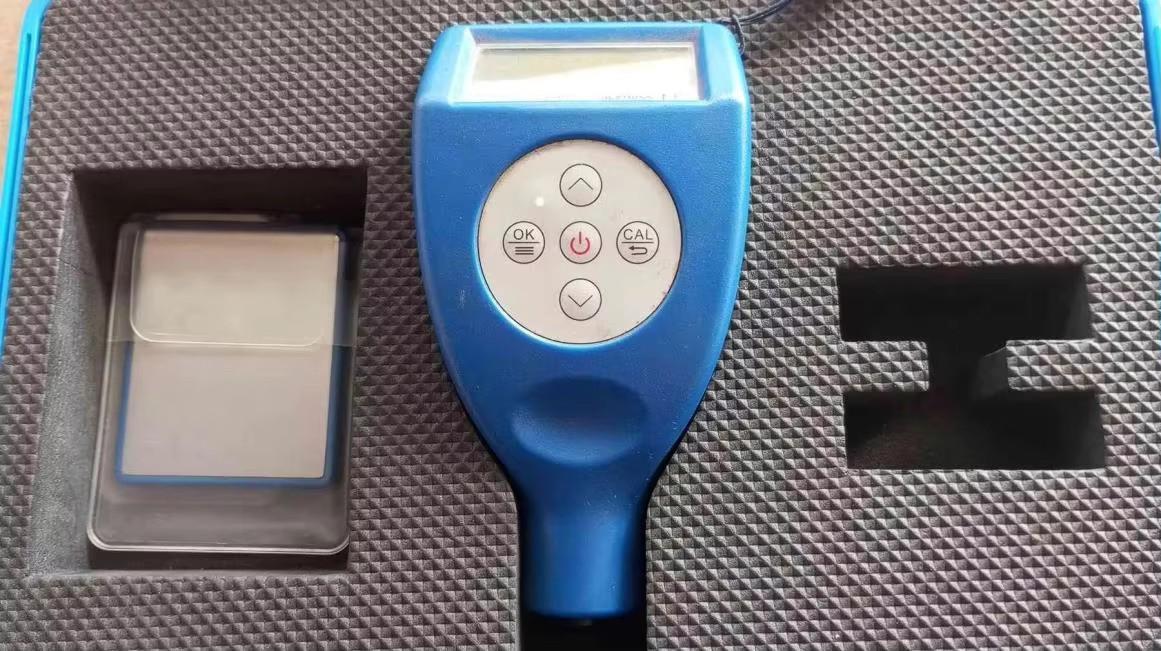
Quality assurance is maintained through strict structural protocols. Before shipping, finished structural components undergo thorough inspection protocols executed by 46 experienced QC inspectors. The QA processes include load-capacity testing, dimension inspections, coating-thickness measurements, and welding strength checks. This systematic quality-control framework ensures that every installation conforms to the structural load requirements specified during design phases.
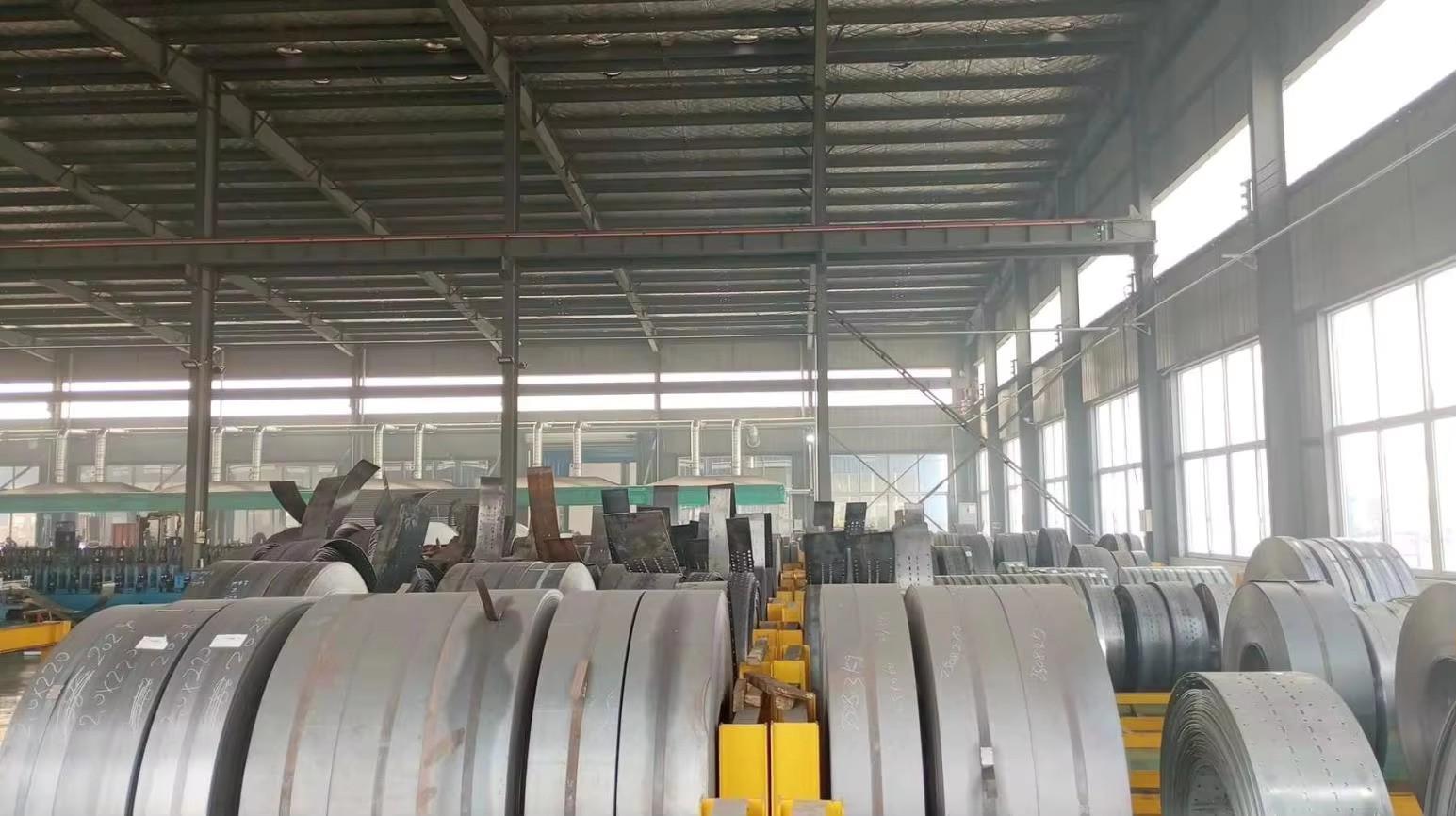
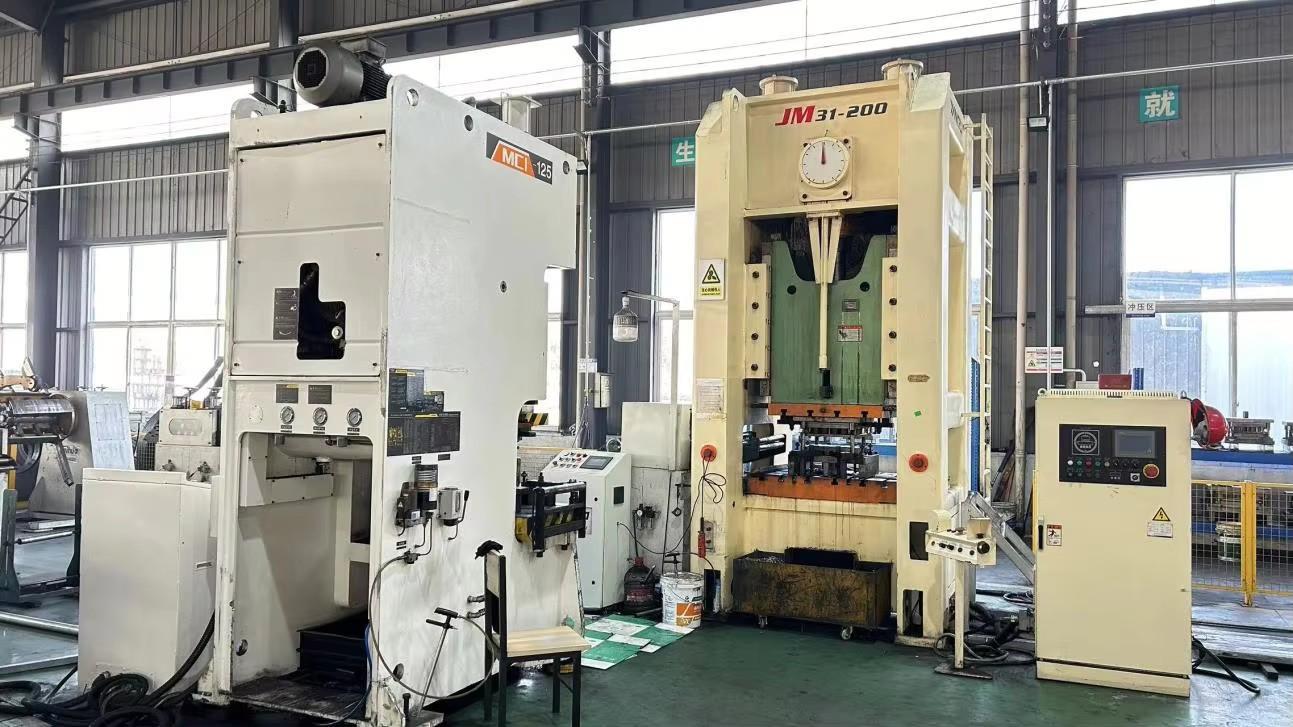
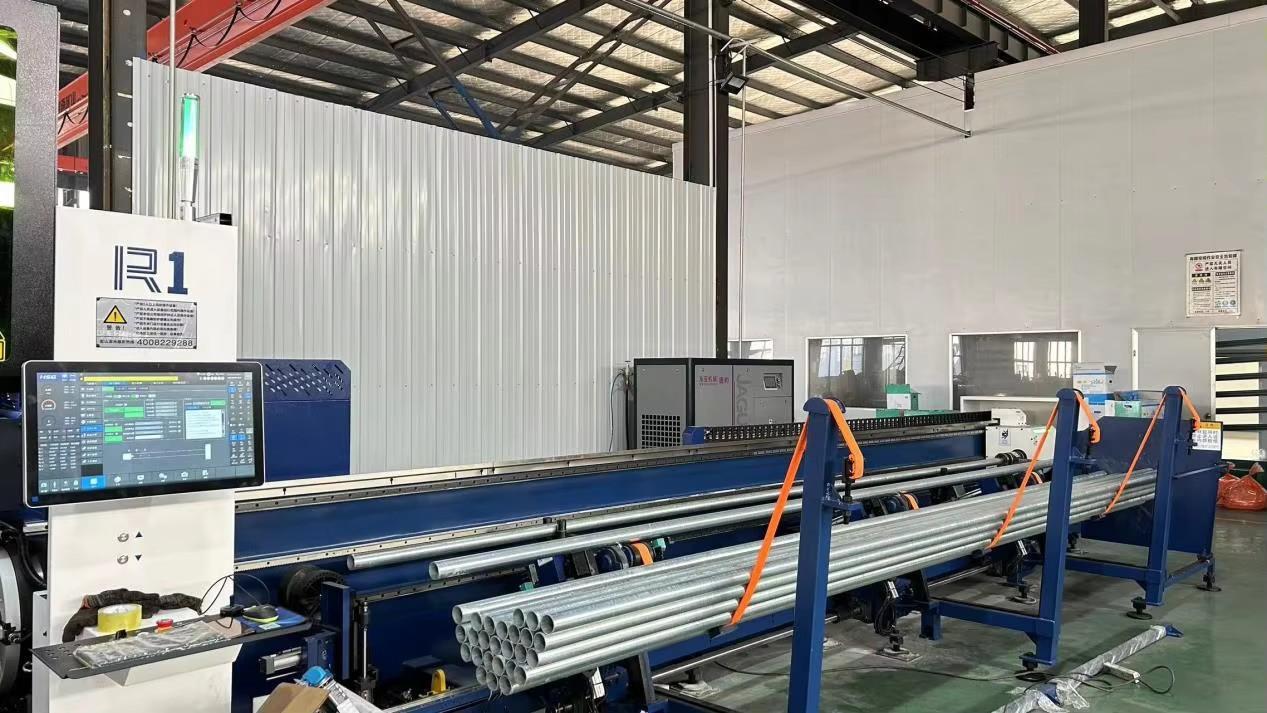
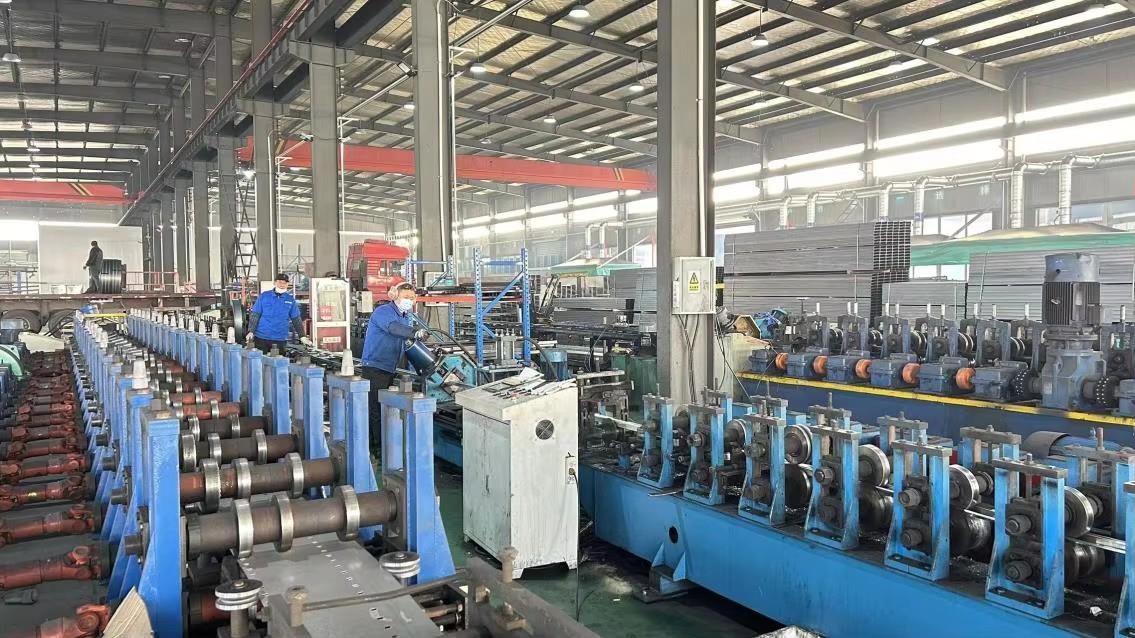
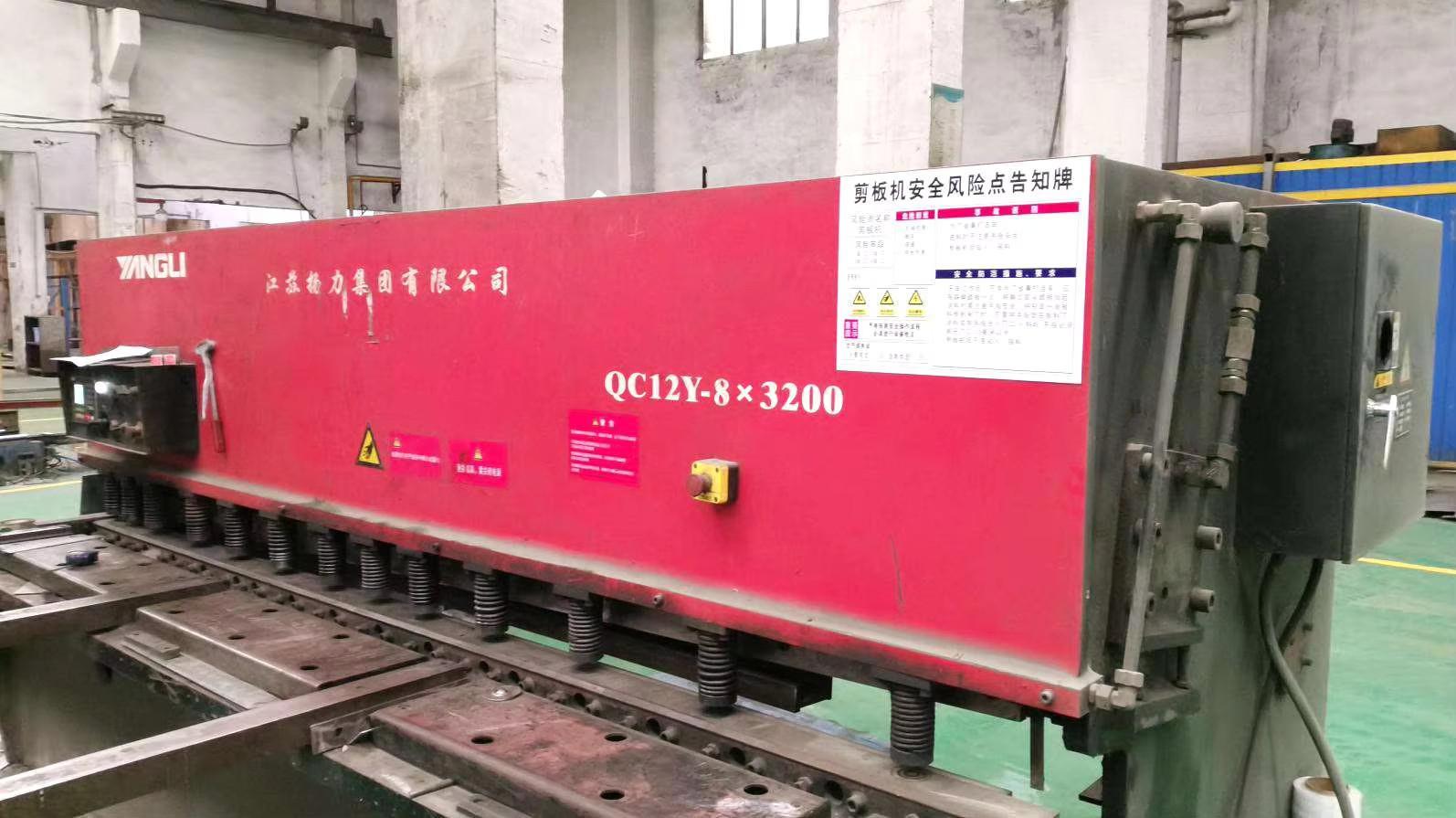
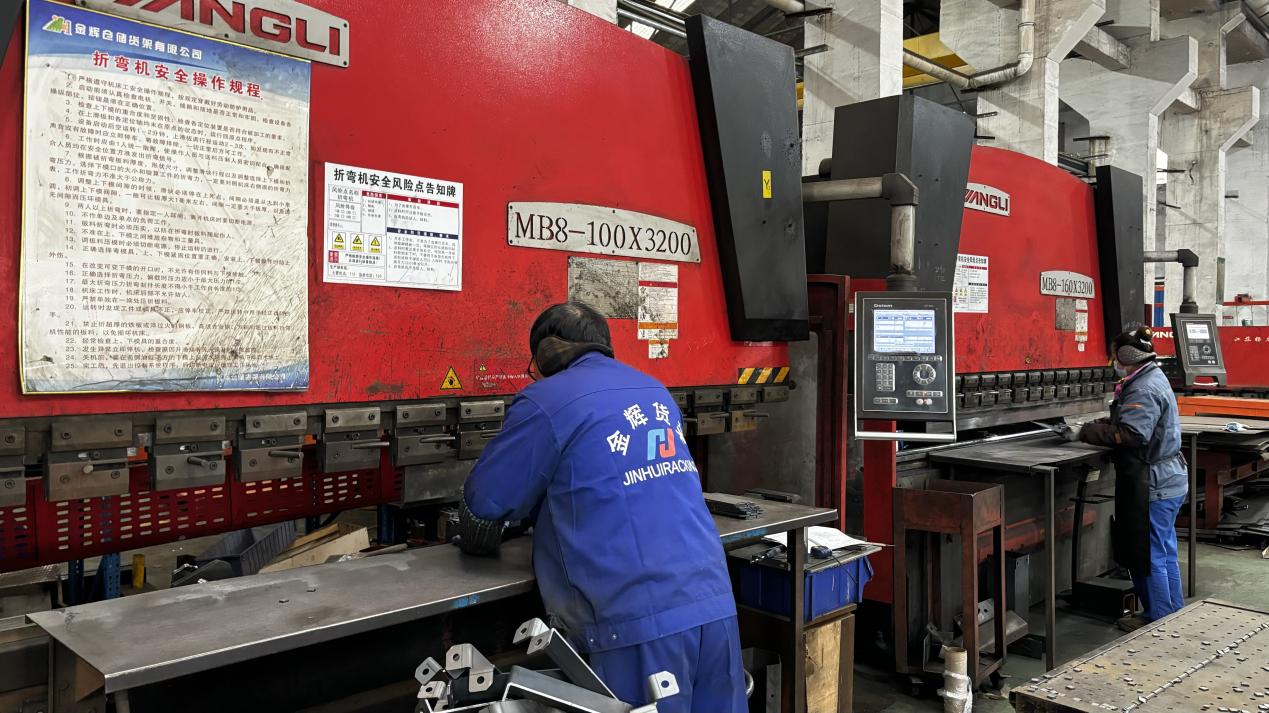
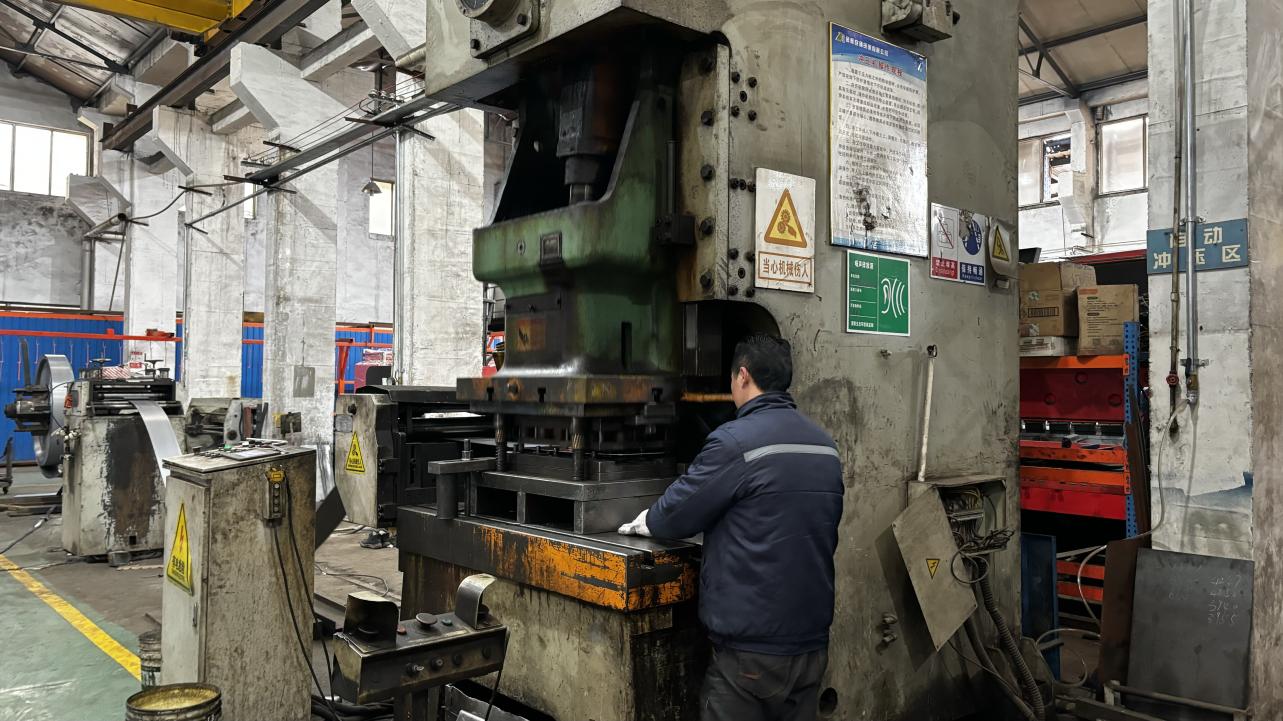
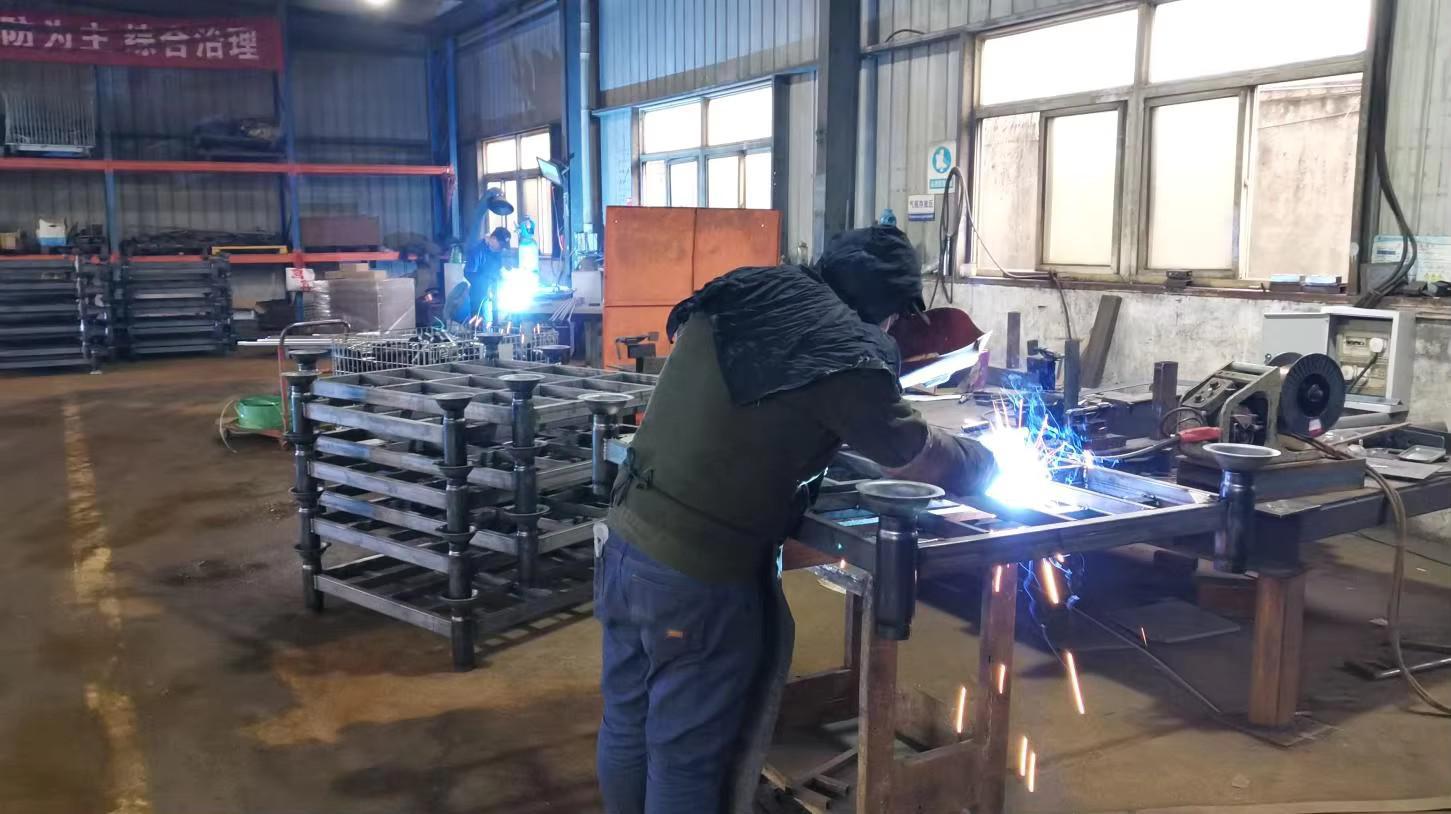
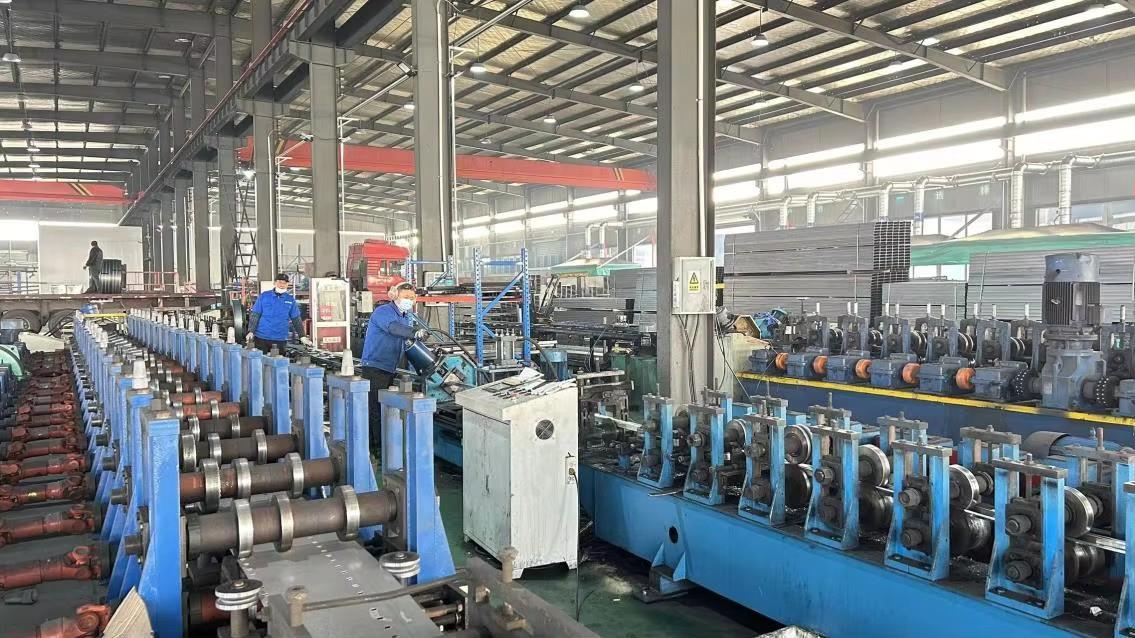
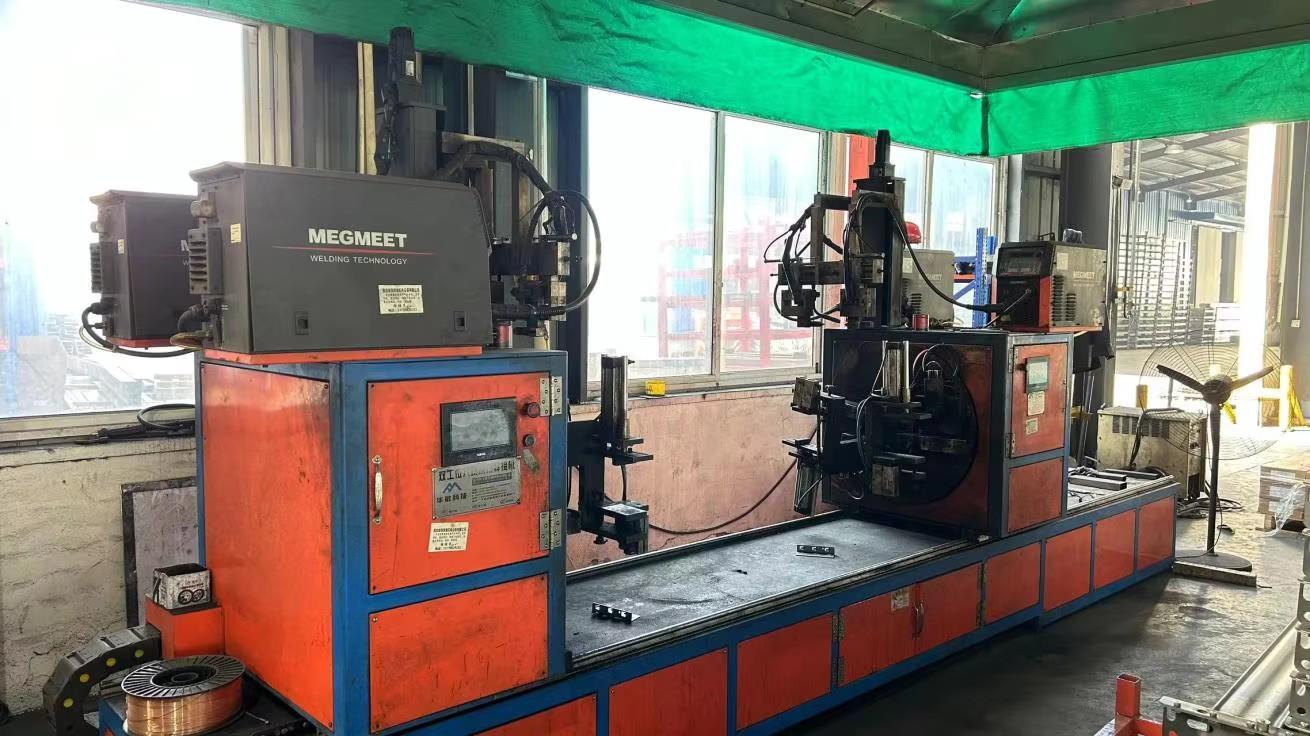
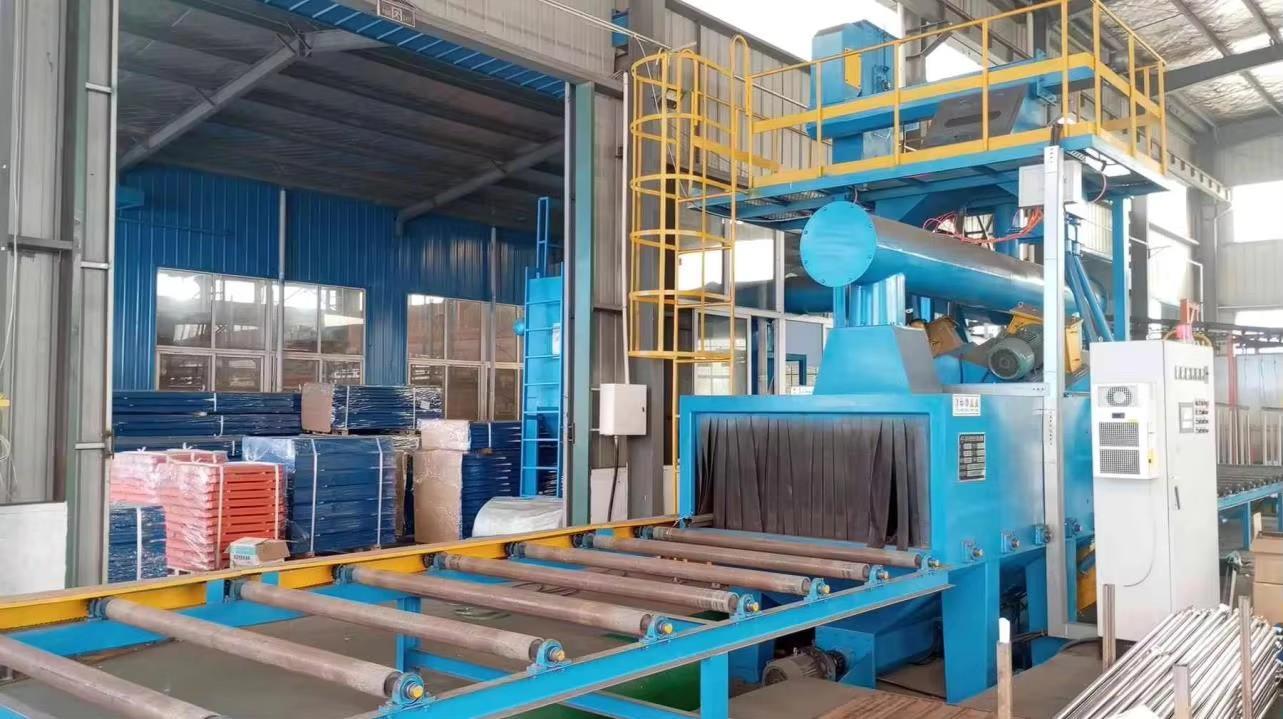
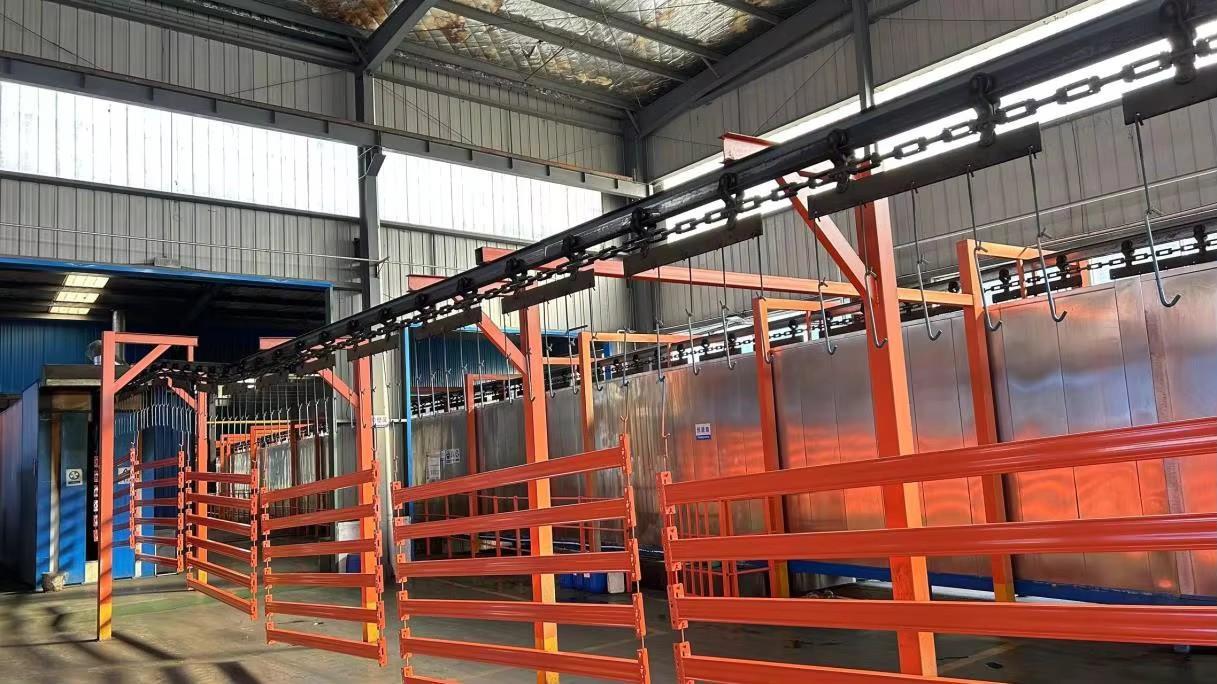
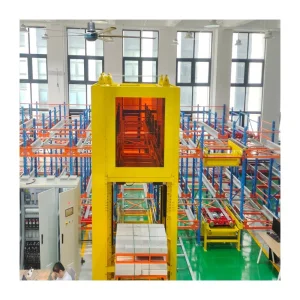
The integration of smart technology with structural steel is reshaping modern warehouse storage. Tomorrow's LIFO solutions rely on mechanical tolerances that facilitate semi-automated or fully-automated storage and retrieval systems (AS/RS). Our ongoing research focuses on improving the connection between automated shuttle equipment and mechanical rails. As global supply chains prioritize energy efficiency, structural designs must balance material conservation with high load limits.
Dongguan Jinhui exports industrial storage systems to over 50 countries, including North America, Europe, Southeast Asia, Australia, South America, and the Middle East. Operating in these markets requires understanding and adhering to localized construction and structural engineering regulations.
Industrial racking is a structural element subject to local building codes. In the European Union, designs follow FEM 10.2.02 and standard EN codes for structural safety. In the United States, installations adhere to guidelines set by the Rack Manufacturers Institute (RMI), which define design practices for structural carbon steel. Similarly, projects in Australia must comply with Australian Standard AS4084-2012.
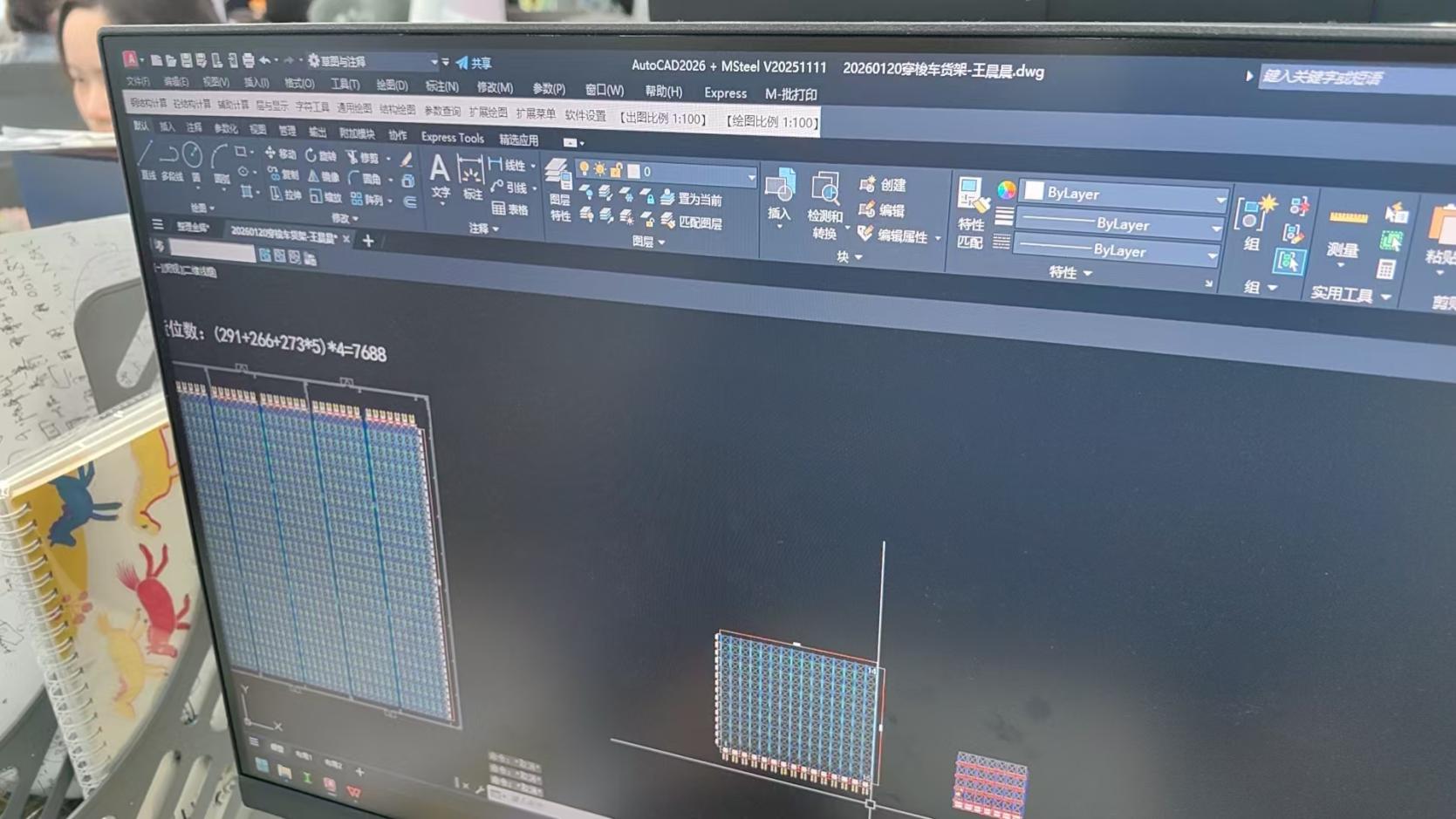
We employ 68 R&D and structural design engineers to ensure global project compatibility. By using advanced structural engineering software, our design team calculates appropriate metal gauges, column widths, and baseplate configurations for local structural loads, environmental factors, and seismic requirements.
 Jinhui Storage Equipment