Engineered structural platforms and high-load industrial racking units optimized for distribution efficiency and structural reliability.
Analyzing key real estate constraints, automation integration, and the structural engineering trends defining global supply chain operations.
Global logistics hubs face unprecedented industrial real estate costs. Stacking storage systems allow organizations to maximize cubic utilization, increasing storage capacity by up to 200% without expanding their physical floor footprint.
Modern warehousing requires integration with Automated Guided Vehicles (AGVs) and Autonomous Mobile Robots (AMRs). Heavy-duty racks are now engineered with micro-tolerances to allow seamless mechanical interfacing.
Seismic certifications, EN 15512 standards, and FEM structural calculations are now standard globally. Manufacturers must provide rigorous test data to guarantee compliance with regional occupational safety regulations.
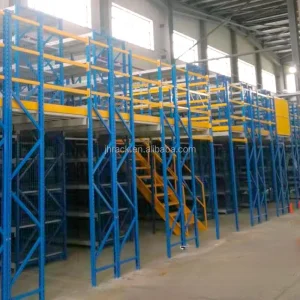
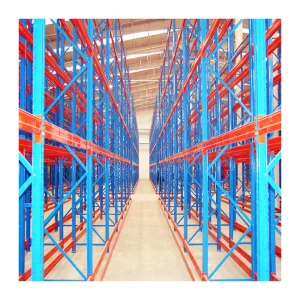
In standard Selective Pallet Racking, the floor space utilization sits at roughly 35-40%. By upgrading to dynamic solutions like Push-Back Racking or Drive-In Racks, structural density increases to 60-70%. Integration of Multi-Level Mezzanines can further multiply total usable surface area, reducing the amortization period of distribution center real estate assets by up to 42%.
Configured architectures built to withstand heavy dynamic stresses while delivering reliable material flow metrics.
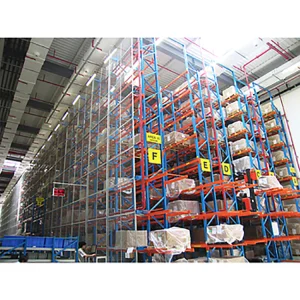
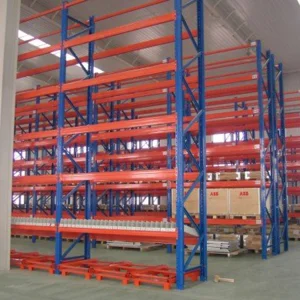
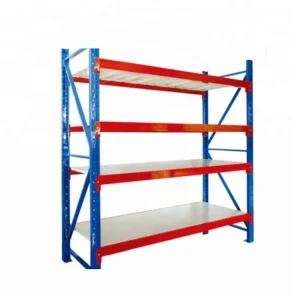
Providing 100% selective accessibility to every pallet location. Ideal for operations with high SKU counts, fast-moving items, and variable pallet heights. Engineered using cold-rolled Q355B structural steel to maintain stiffness under maximum load ratings.
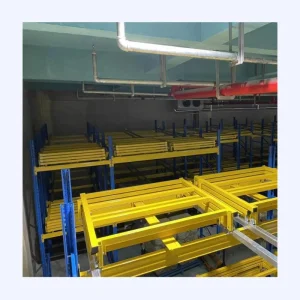
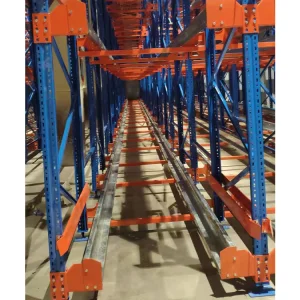
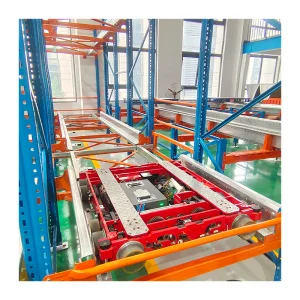
Integrating semi-automated radio shuttles within deeply channelized racking systems. This structure reduces access aisle space requirements to zero, using electric shuttle carts to retrieve and deliver pallets directly to the main transit aisle.
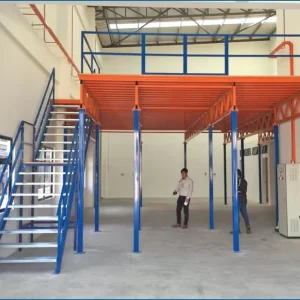
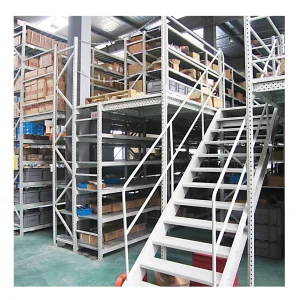
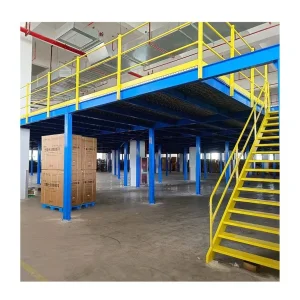
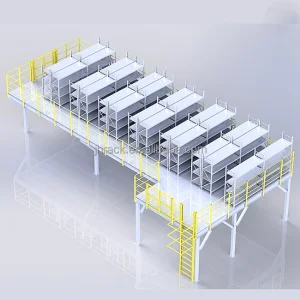
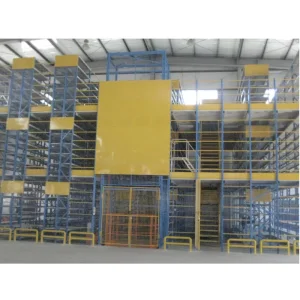
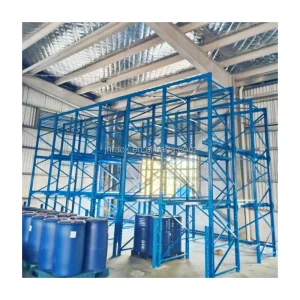
Engineered multi-level work platforms and rack-supported mezzanines that transform overhead clearance into functional warehouse storage space. Complete with integrated handrails, safety gates, staircases, and heavy-duty structural columns.
How the demands of global distribution infrastructure drive advanced materials science and rack mechanical testing.
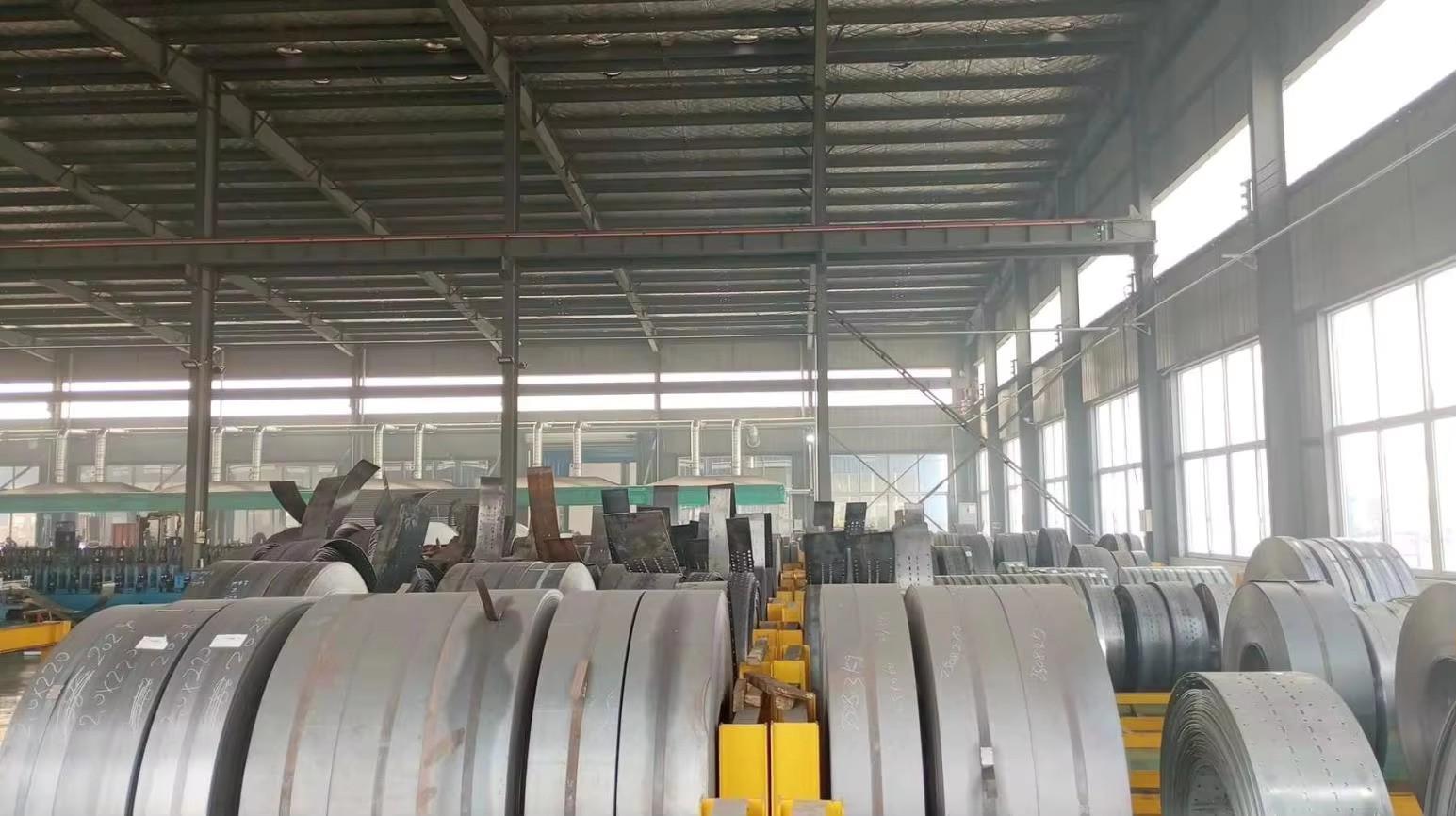
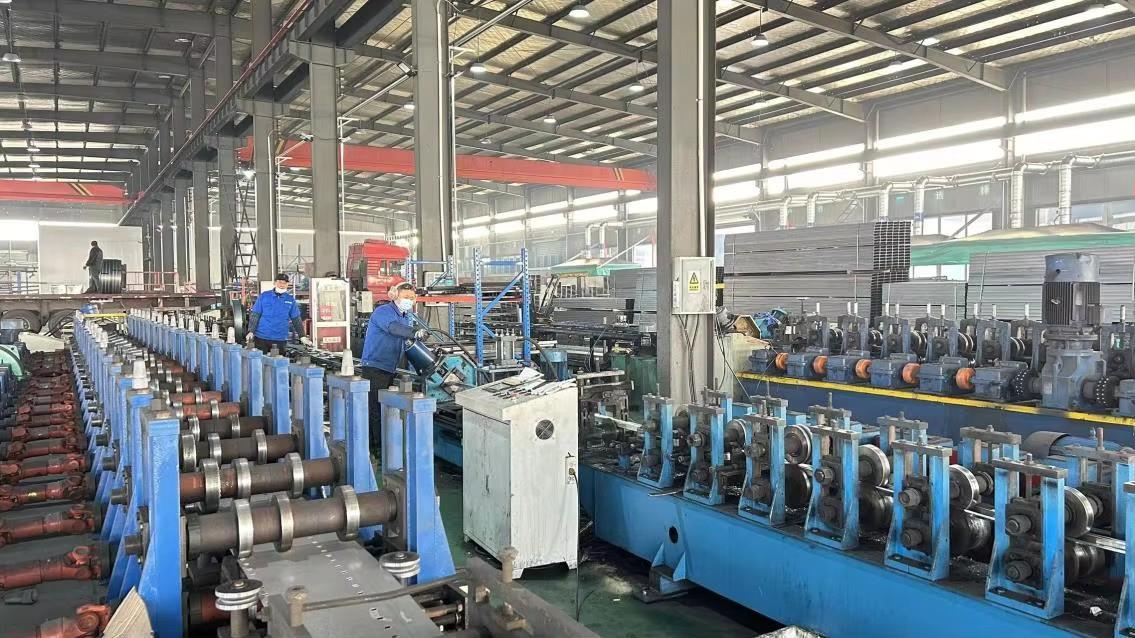
The standard in structural steel manufacturing is transitioning from Q235 carbon steel to Q355B high-tensile steel for heavy-duty components. This material upgrade delivers superior yield strength, allowing uprights and load-bearing beams to support high static loads with reduced self-weight, lowering transit and installation costs while strengthening structural safety coefficients under seismic stress.
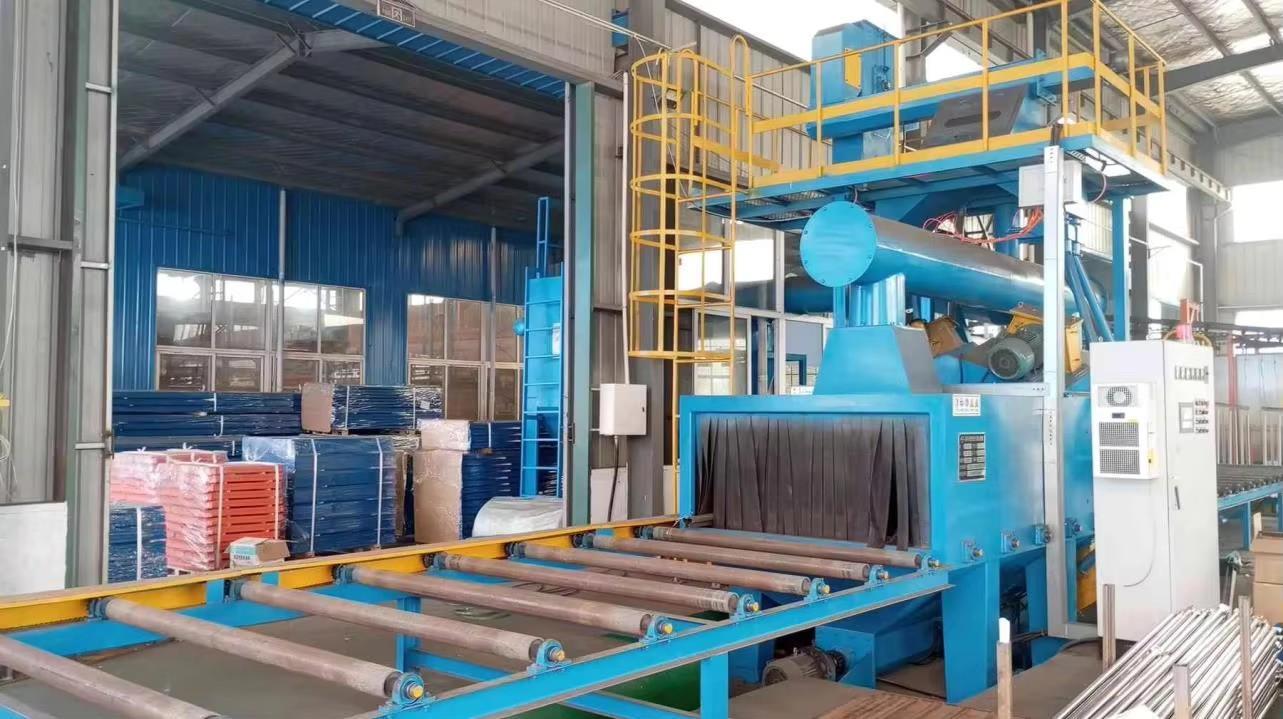
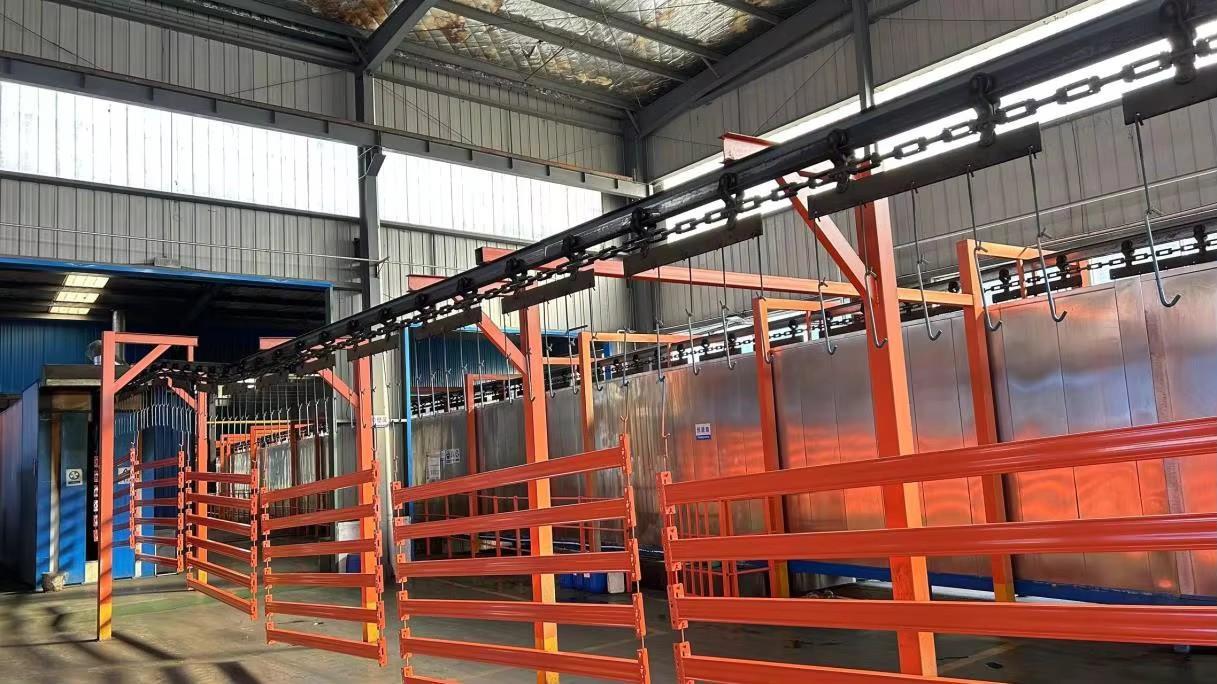
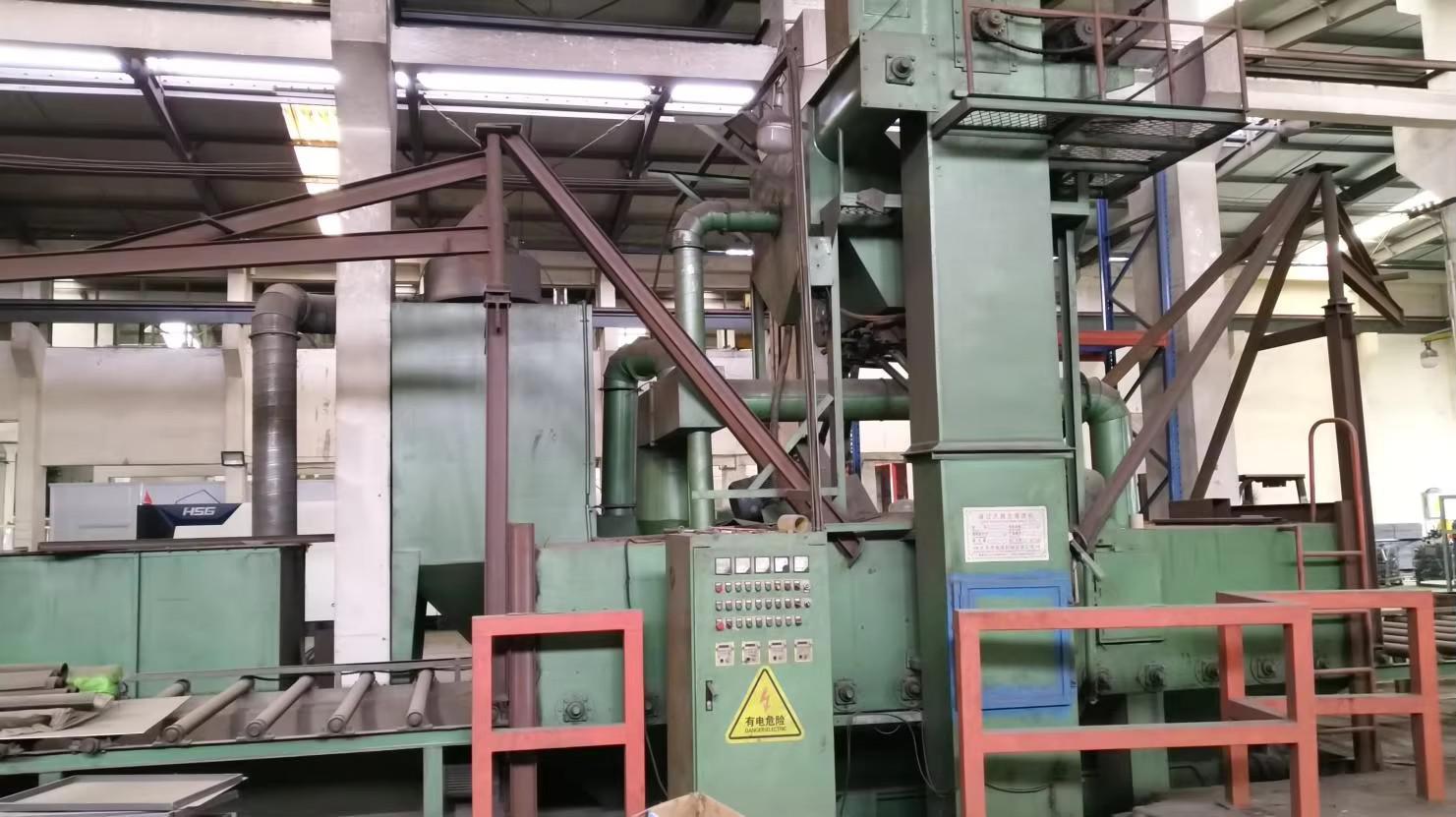
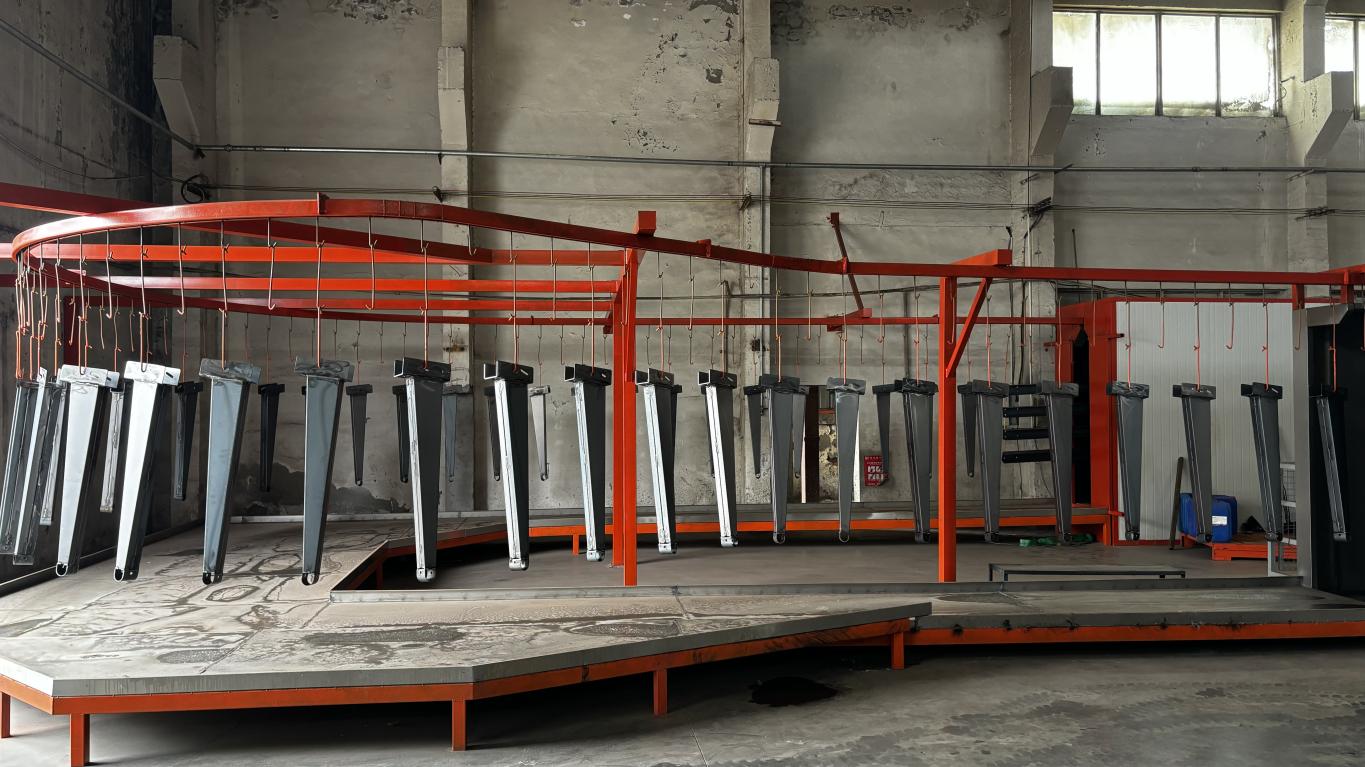
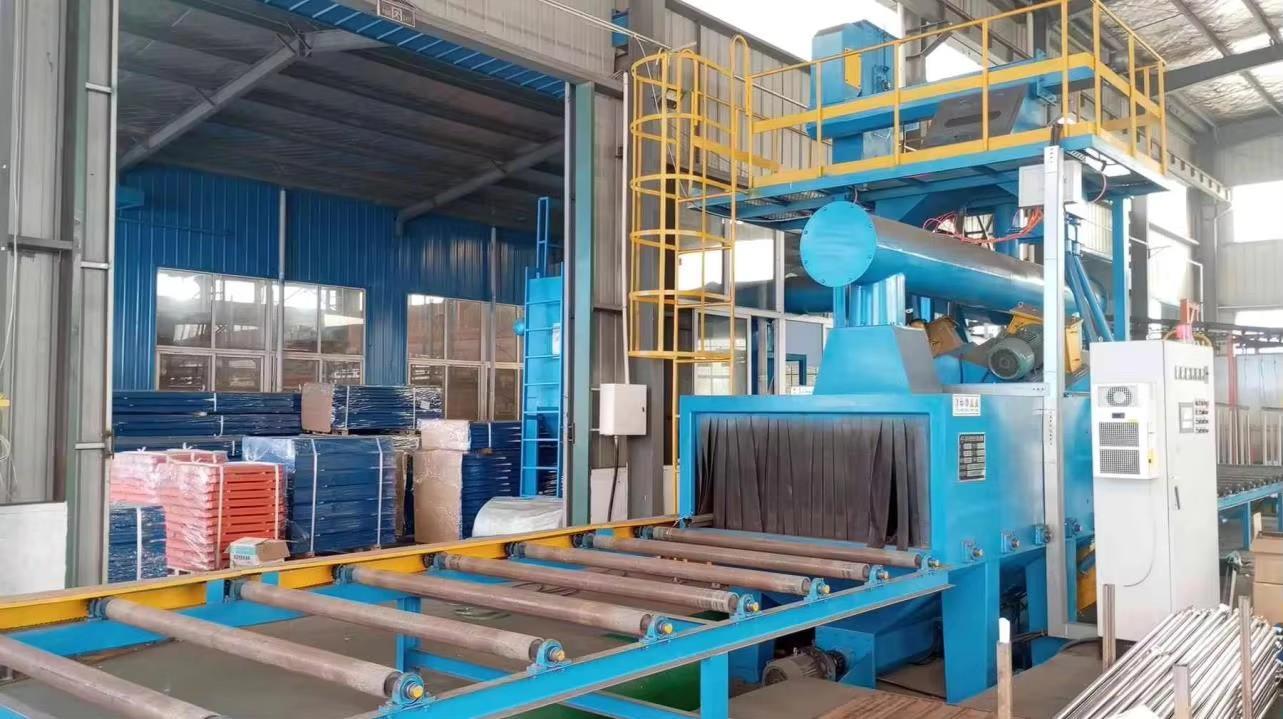
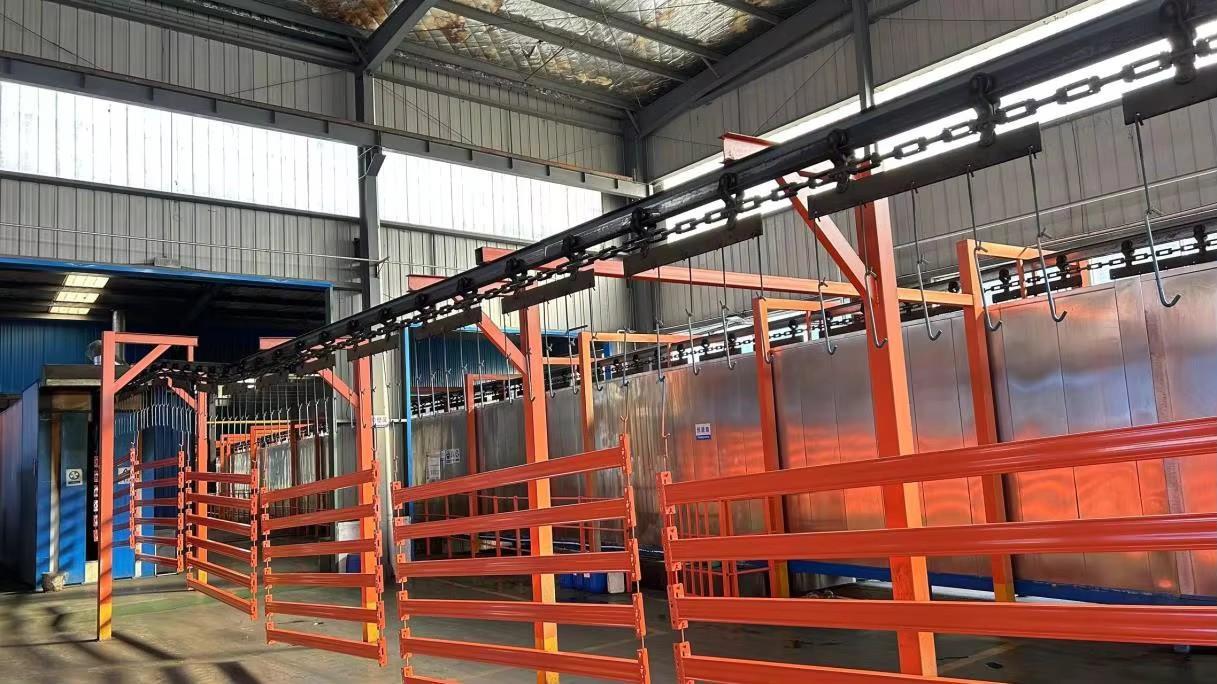
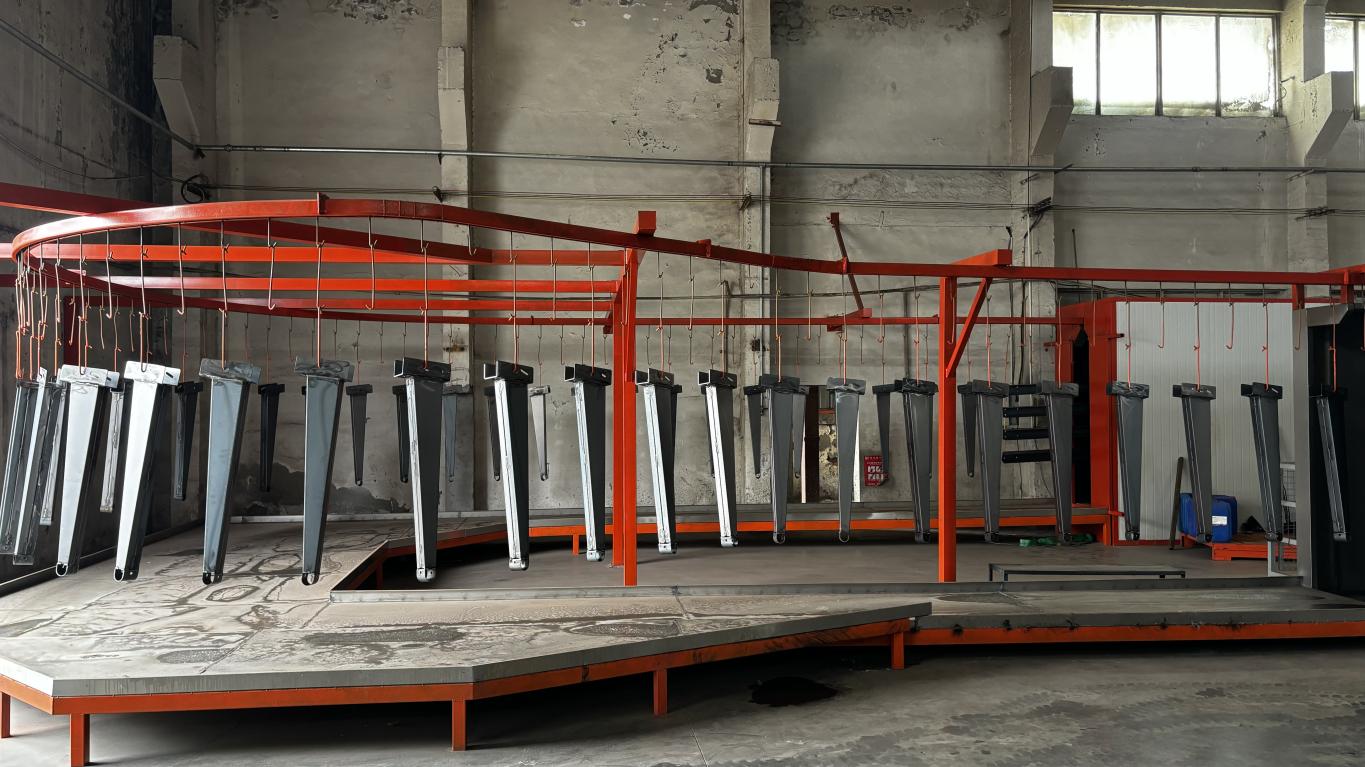
To resist corrosion and mechanical chipping, components undergo multi-stage chemical pretreatment, including degreasing and phosphating, followed by electrostatic application of epoxy-polyester powder coating. Cured at 200°C, the resulting cross-linked polymer skin offers excellent impact resistance, chemical stability, and long-term durability in ambient or cold-chain warehousing conditions.
Fixed structures are being replaced by modular systems featuring boltless beam connectors with safety locks. This enables rapid vertical adjustment of shelf intervals in 50mm or 75mm increments. Modular layouts allow distribution centers to restructure their internal configurations quickly as their product profiles and logistical needs shift.
The transition toward cyber-physical warehouse systems where storage racking acts as a key mechanical component in a digital framework.
Racking systems engineered to +/- 1.5mm tolerances. Crucial for automated storage and retrieval systems (AS/RS) where high cranes operate at speeds up to 240 meters per minute.
Integrating strain gauges and vibration sensors inside major structural columns. Real-time load metrics are transmitted to WMS systems, identifying load imbalances or structural collisions instantly.
Using digital twins and Finite Element Method (FEM) software to model custom rack behavior in dynamic earthquake and high-wind environments before building components on-site.
Tailored structural configurations designed to resolve complex, sector-specific warehousing challenges.
Racks are constructed using low-temperature impact-resistant steel alloys that retain mechanical toughness at temperatures as low as -30°C. Optimized layouts support airflow circulation, reducing energy costs in refrigerated facilities.
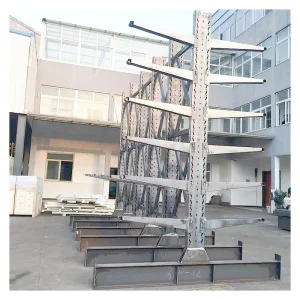
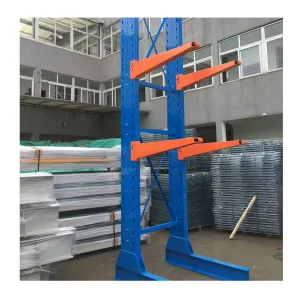
Long-span cantilever systems and heavy-duty structural platforms configured to store irregular, heavy loads like chassis components, exhausts, and engines without mid-bay column obstructions.
Complex multi-level mezzanine systems designed to maximize vertical picking zones. Incorporates integrated high-speed chutes, spiral conveyor openings, and multi-tier pedestrian catwalks.
A Professional Manufacturer Specialize in Warehouse Storage Solutions & Industrial Racking Systems in China.
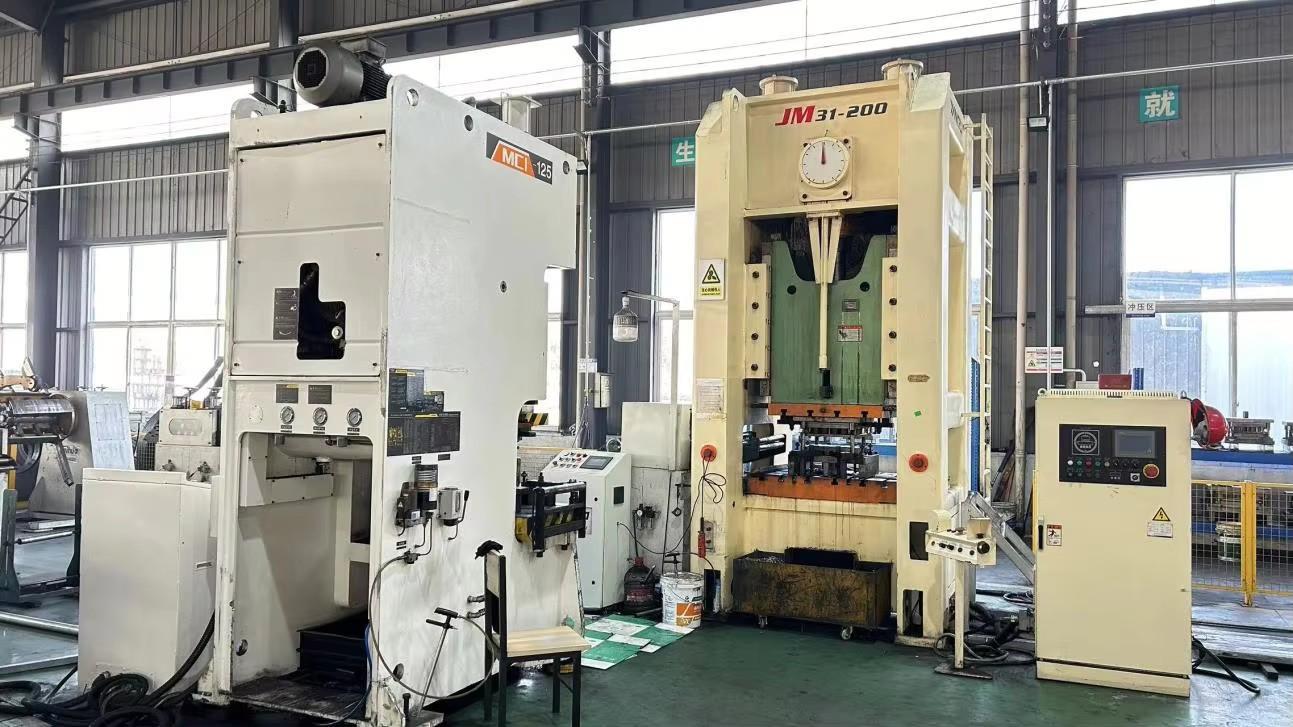
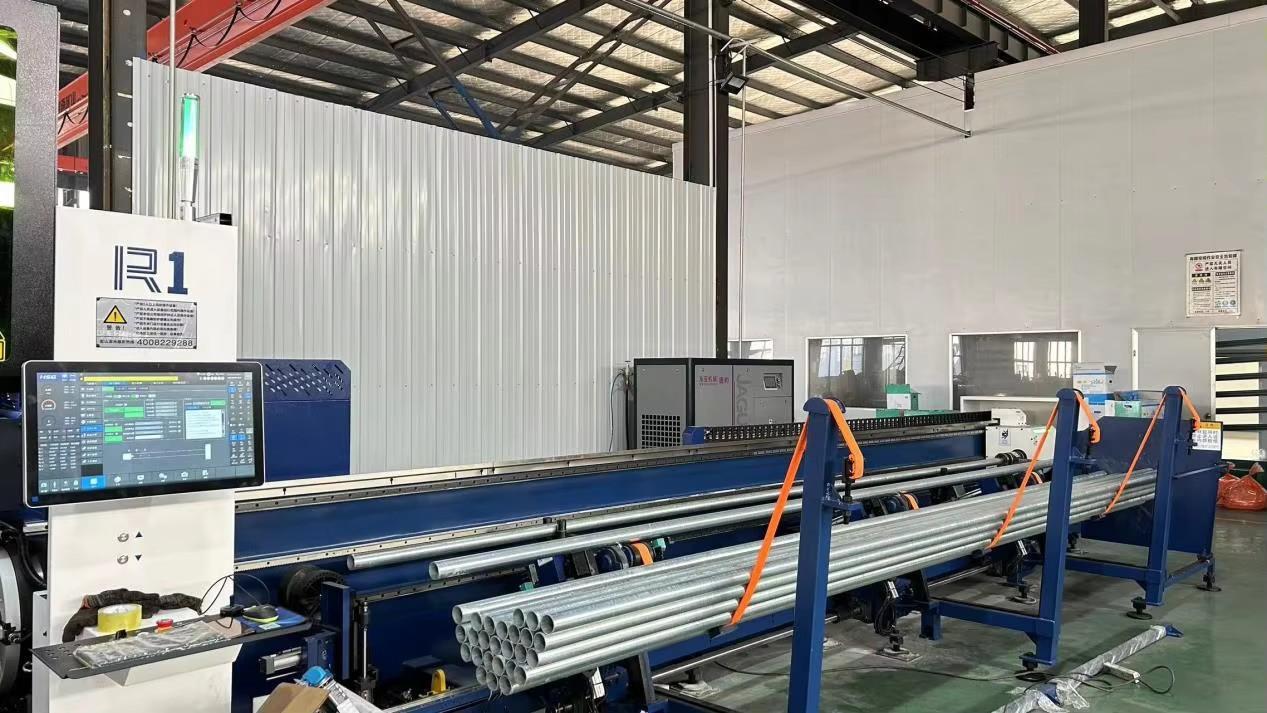
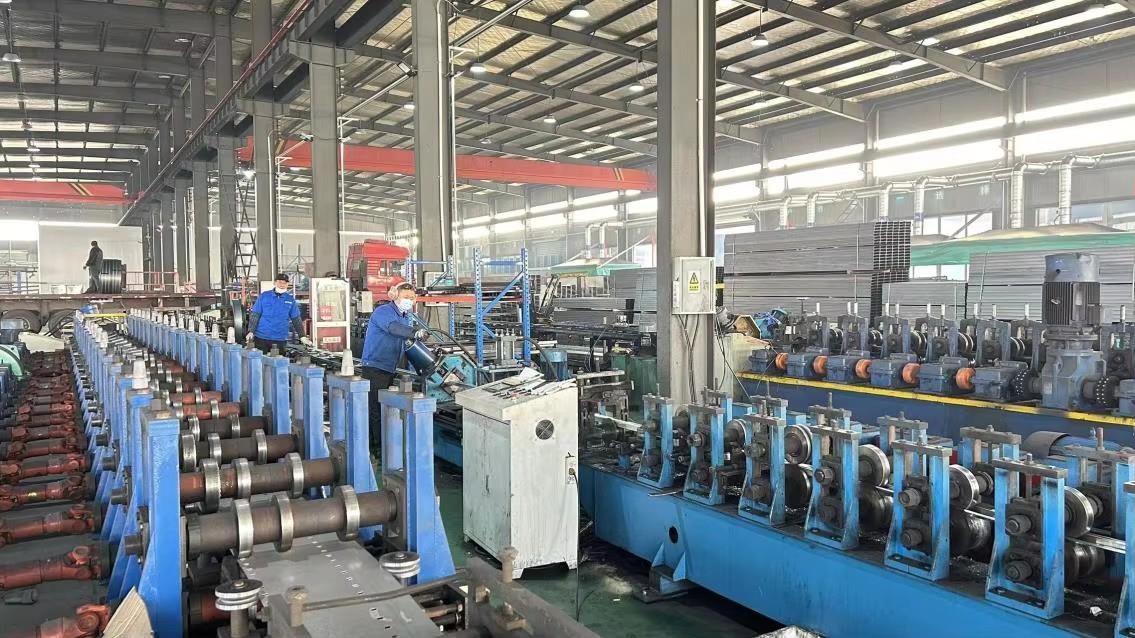
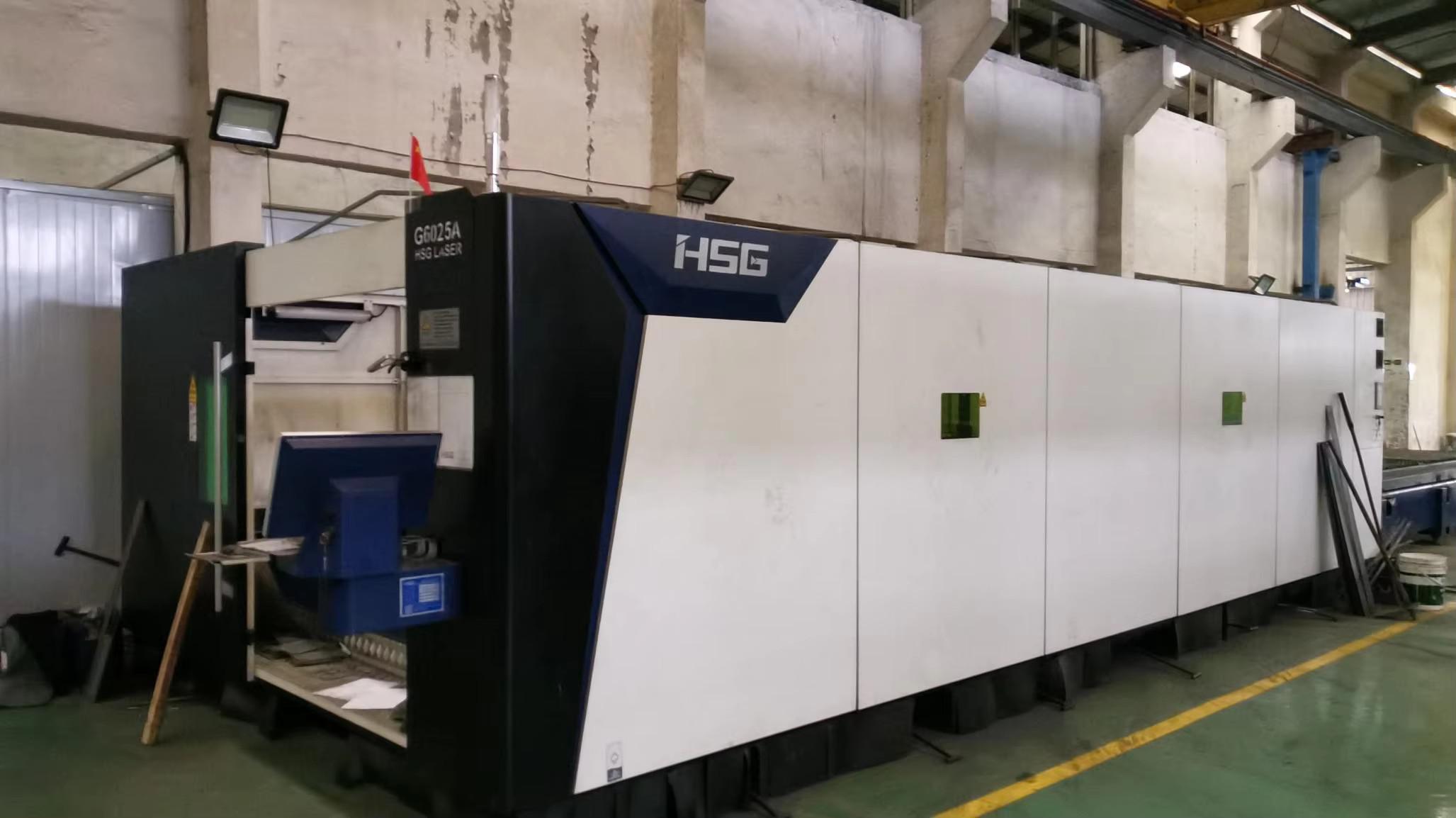
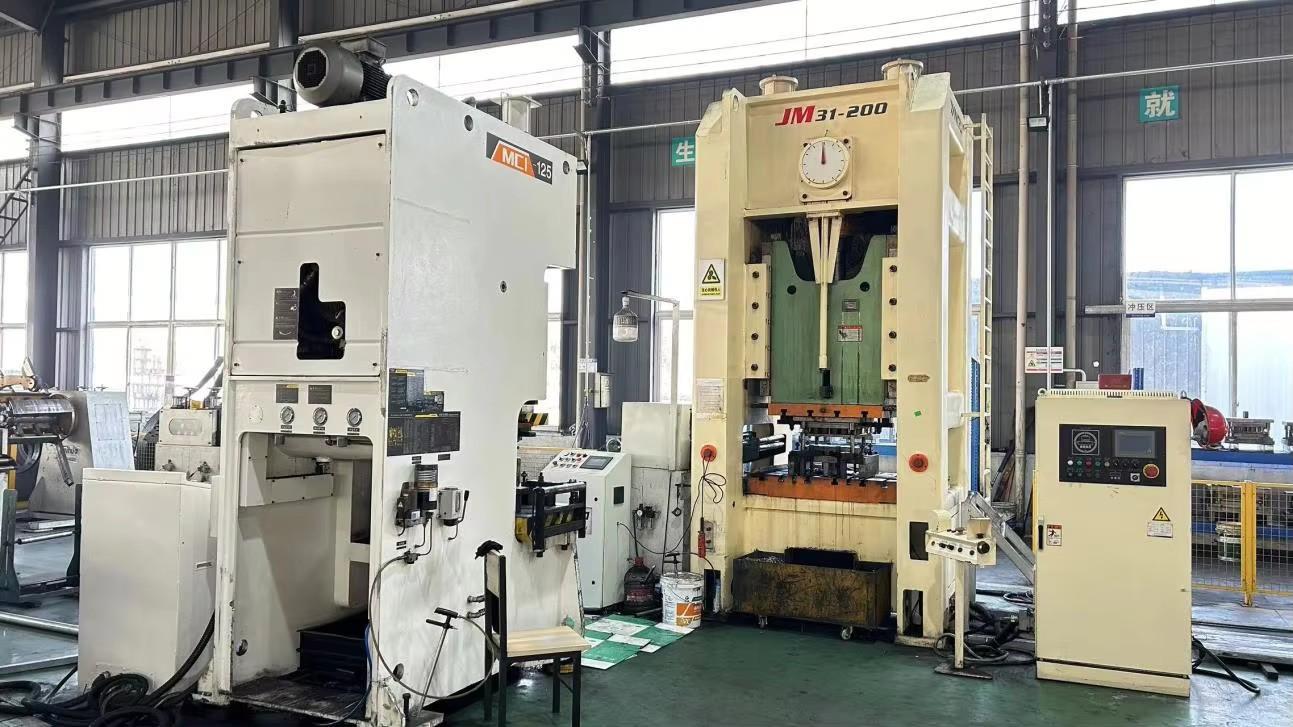
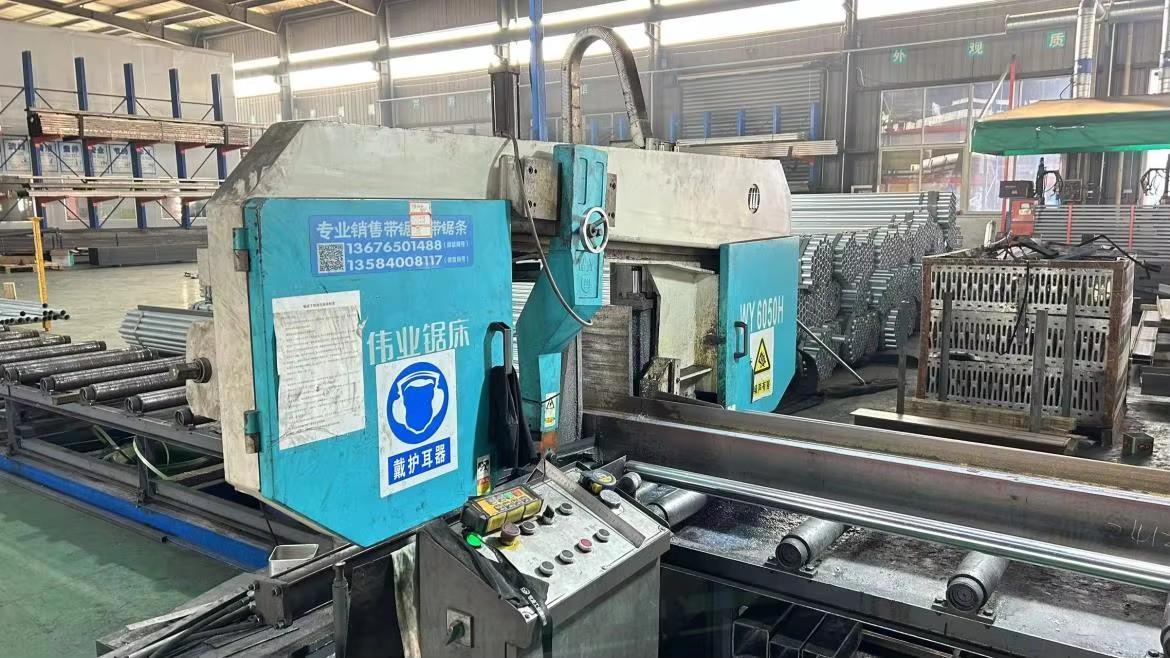
Established in 2017, Dongguan Jinhui Storage Equipment Co., Ltd. has established itself as an innovative force in the manufacturing of heavy-duty industrial storage systems. Operating from a state-of-the-art facility spanning over 18,600 square meters, the company handles complex warehouse design, engineering, and mass production under a single roof. Our annual export revenue stands at approximately USD 16 million, distributing structural racks and storage solutions to more than 50 countries and regions worldwide.
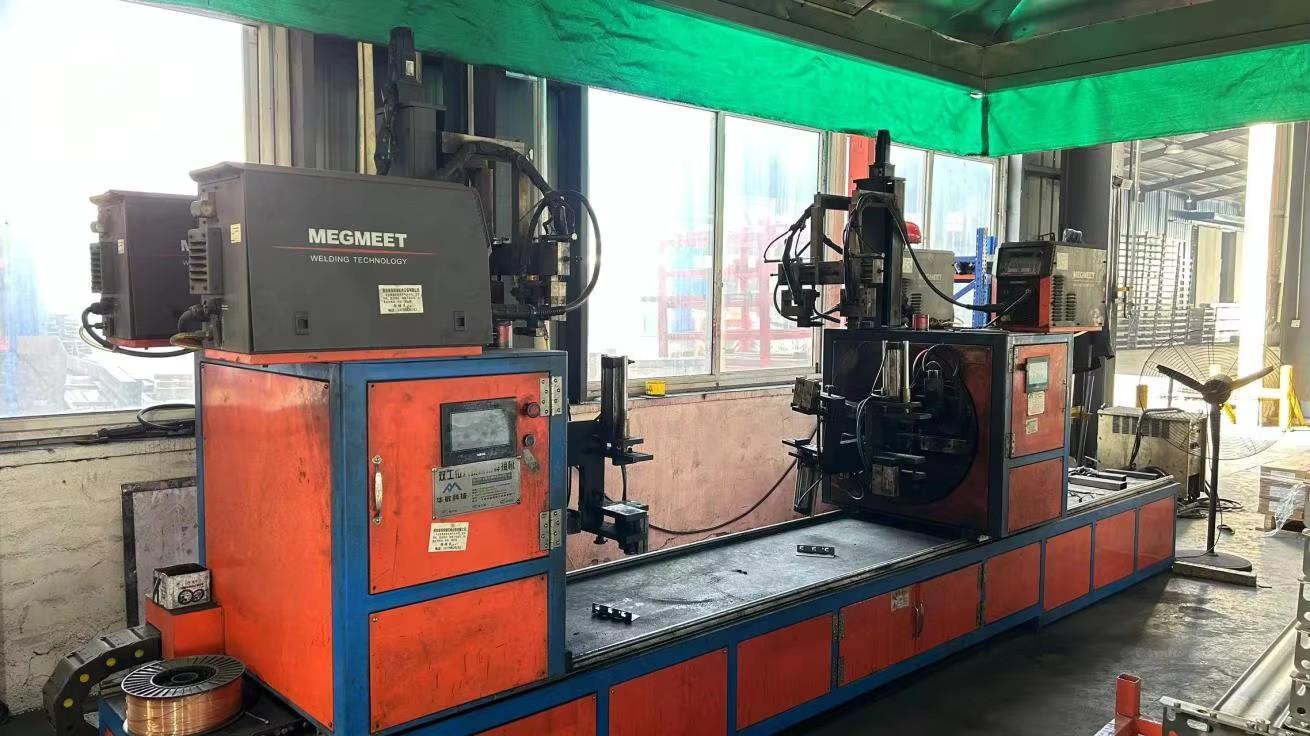
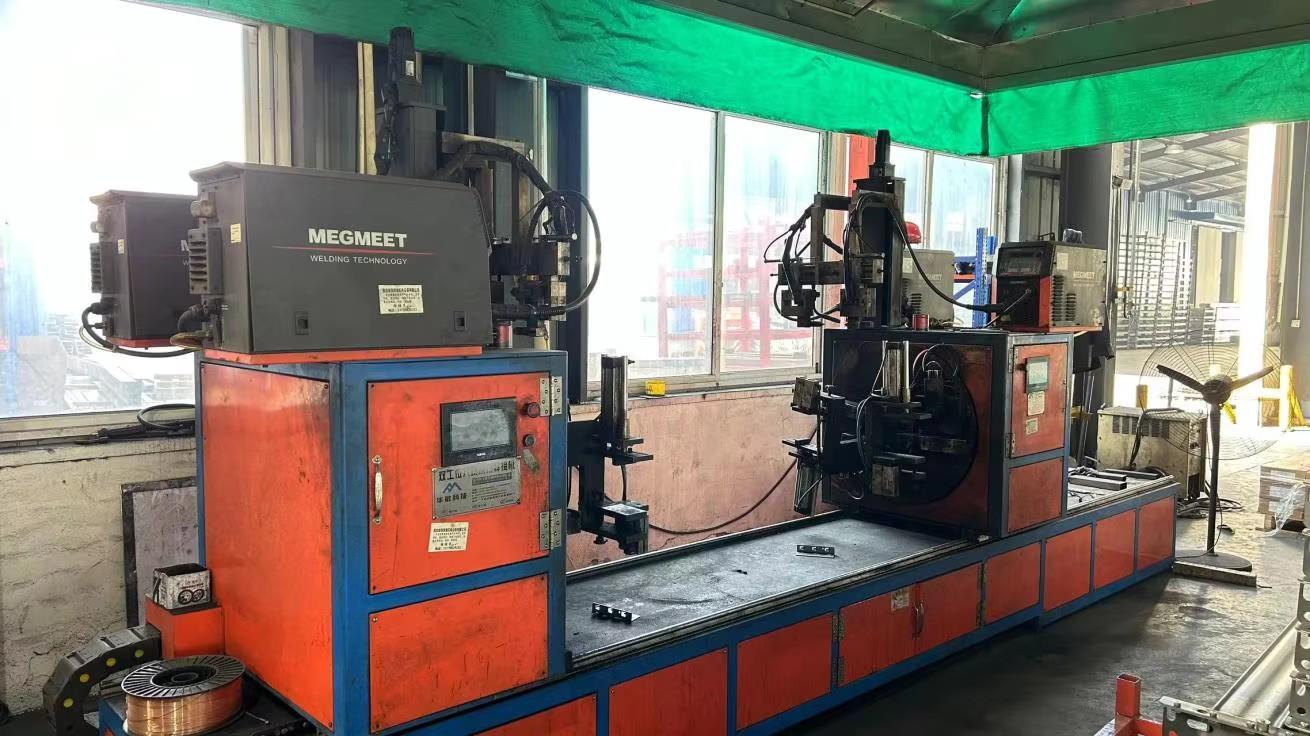
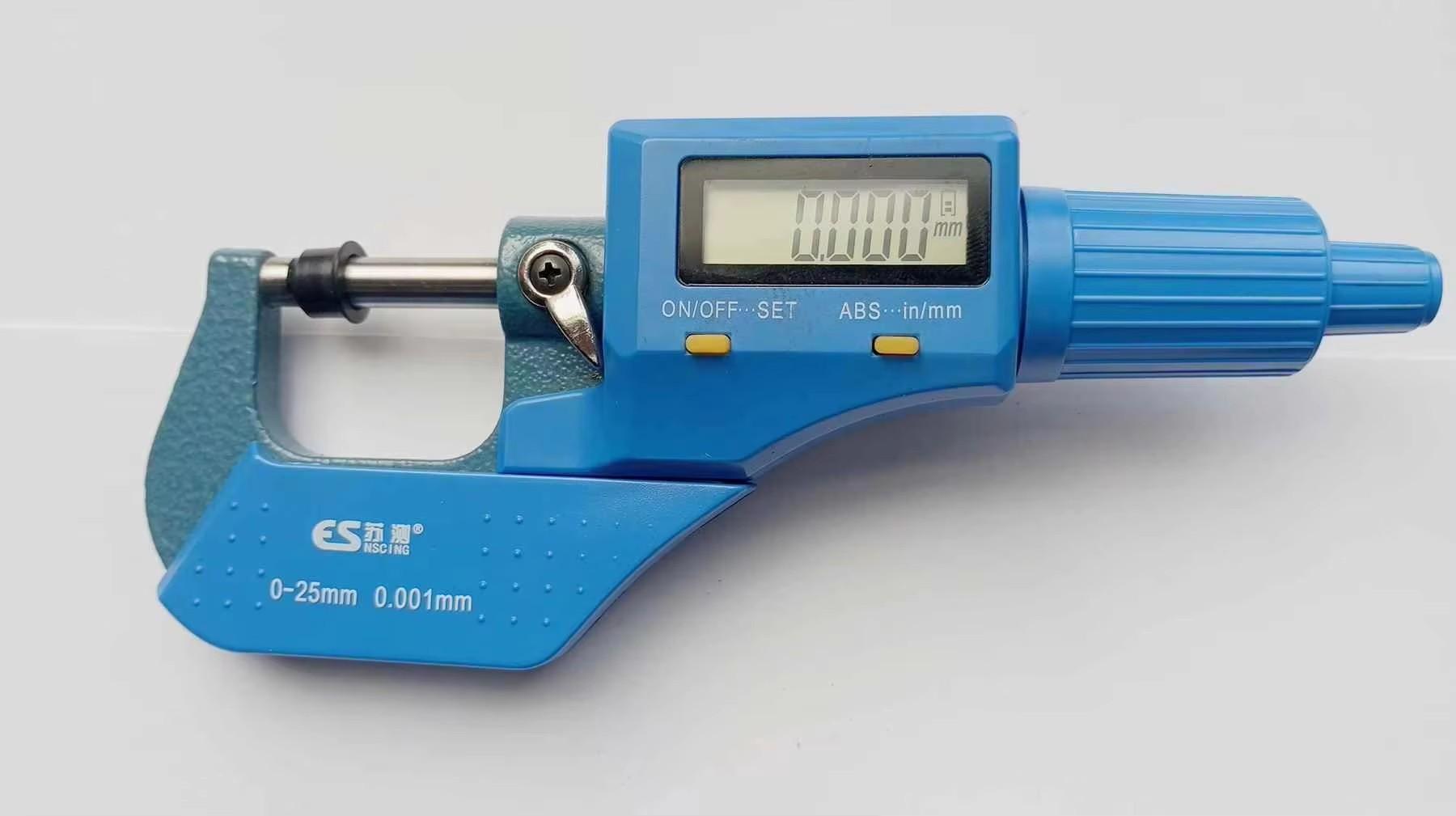
With 14 years of industry experience and 8 years of export expertise, our engineering and commercial teams resolve warehouse space constraints for industrial manufacturers, 3PL providers, and e-commerce distribution networks. Jinhui operates in strict compliance with ISO 9001 standards. Product safety is verified through comprehensive load capacity testing, weld integrity inspections, and precise coating thickness measurements overseen by our internal quality control department of 46 experienced inspectors.
Innovation is key to our manufacturing strategy. Our R&D division, comprising 68 design engineers, delivers custom OEM & ODM racking solutions tailored to specific layout requirements and regional building codes. Last year alone, this team introduced 126 new and upgraded storage products, confirming our position as an agile manufacturer capable of meeting the changing needs of modern logistics.
Supported by a verified network of over 980 supply chain partners, Jinhui guarantees stable sourcing of high-grade raw steel, reliable hardware, and eco-friendly coatings. This strong supplier foundation ensures predictable lead times, steady production schedules, and competitive pricing for large-scale industrial projects.
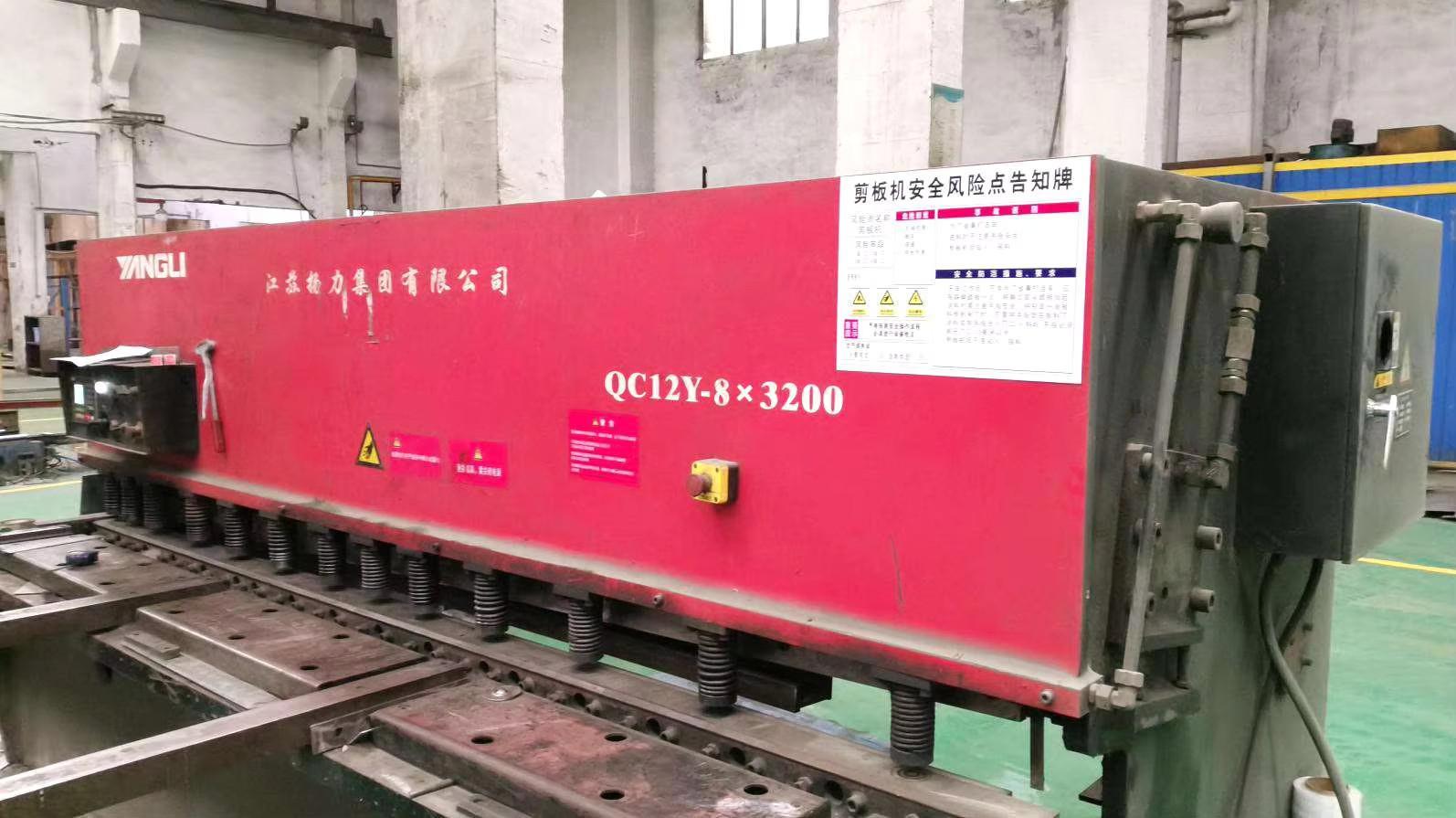
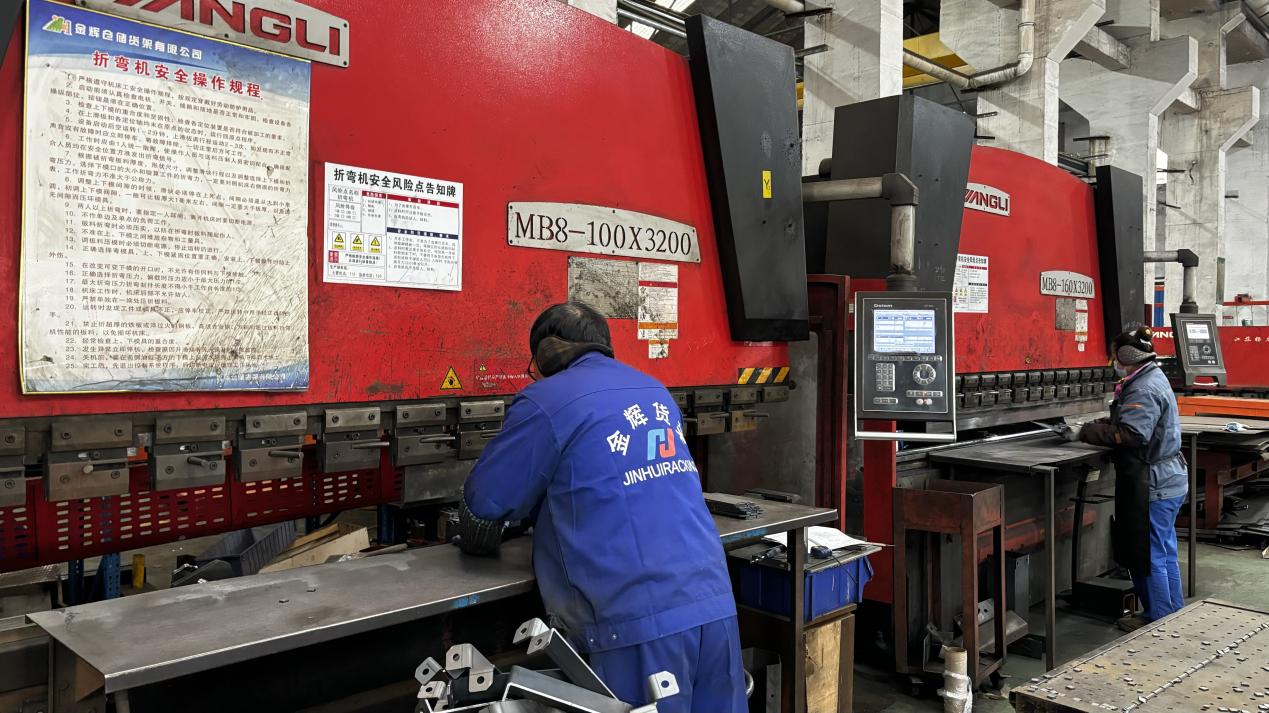
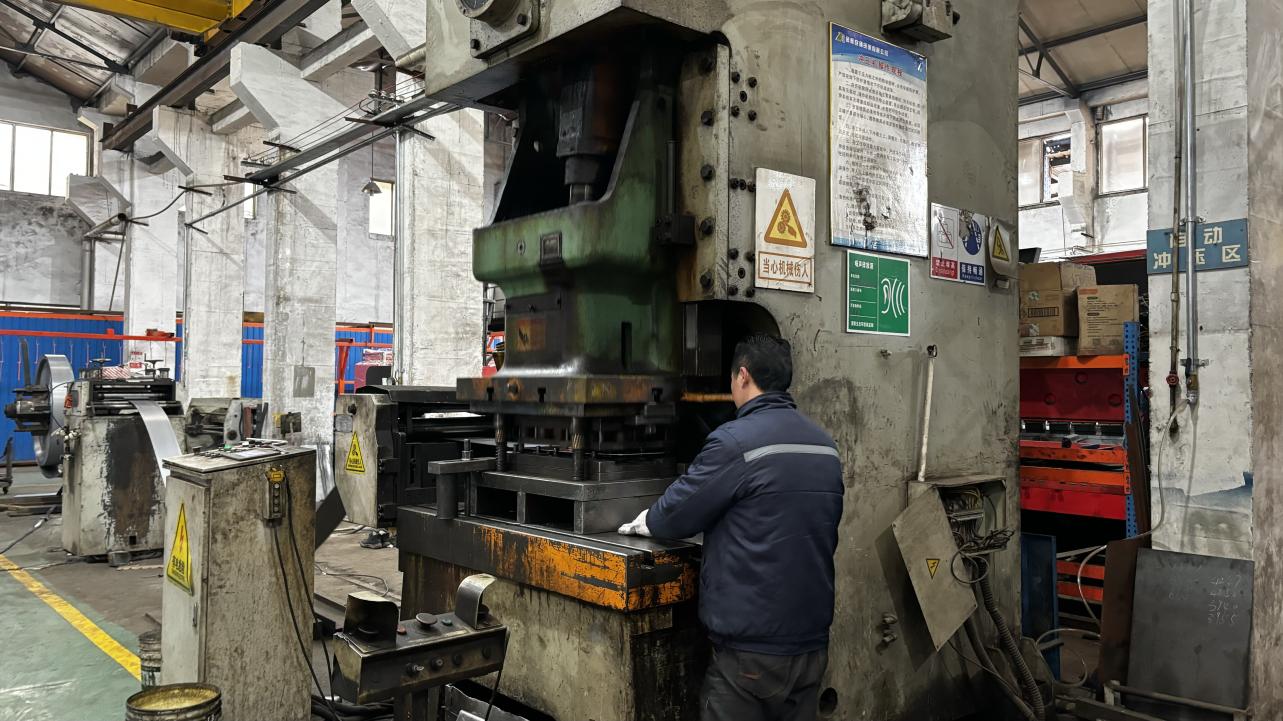
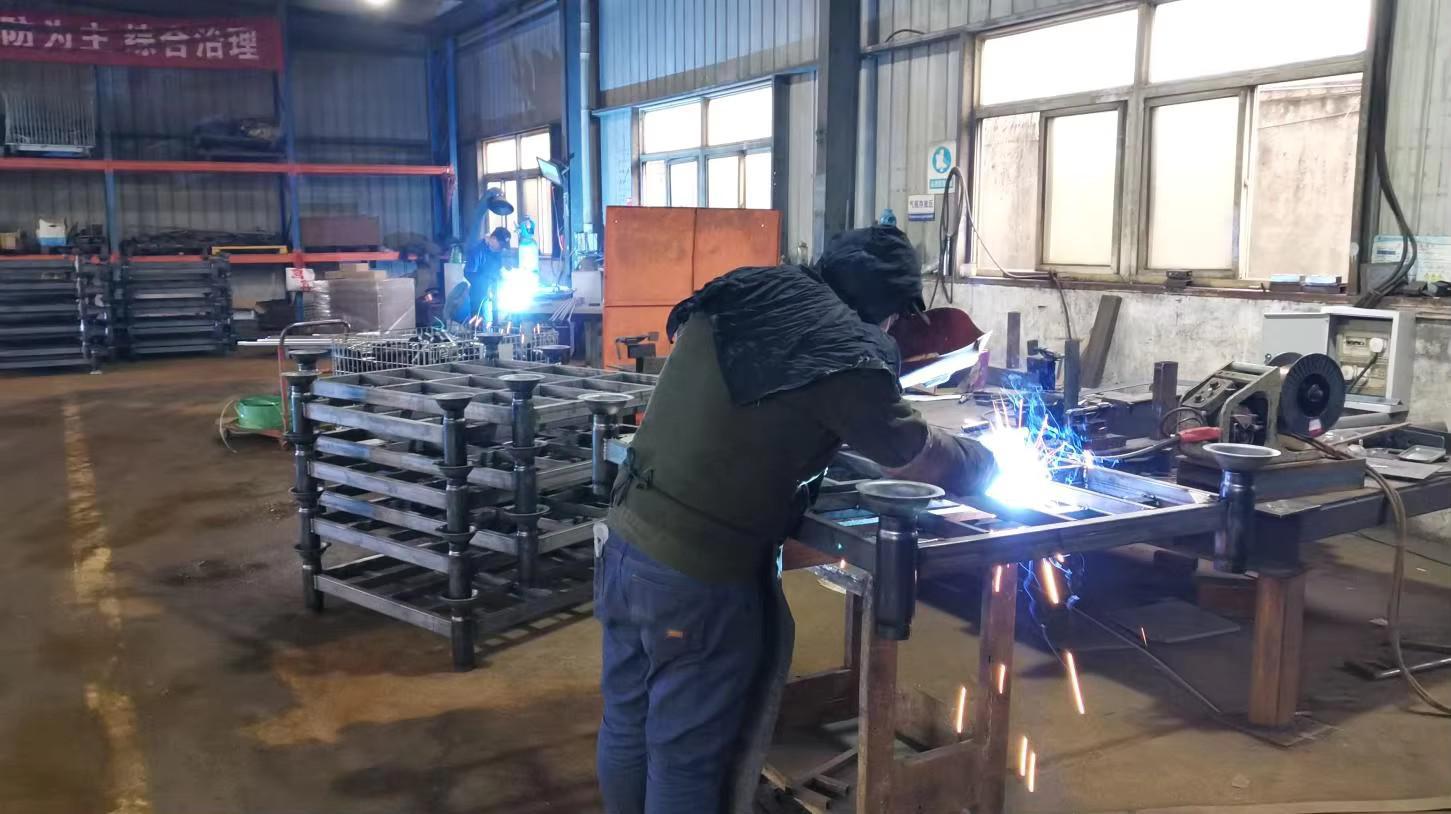
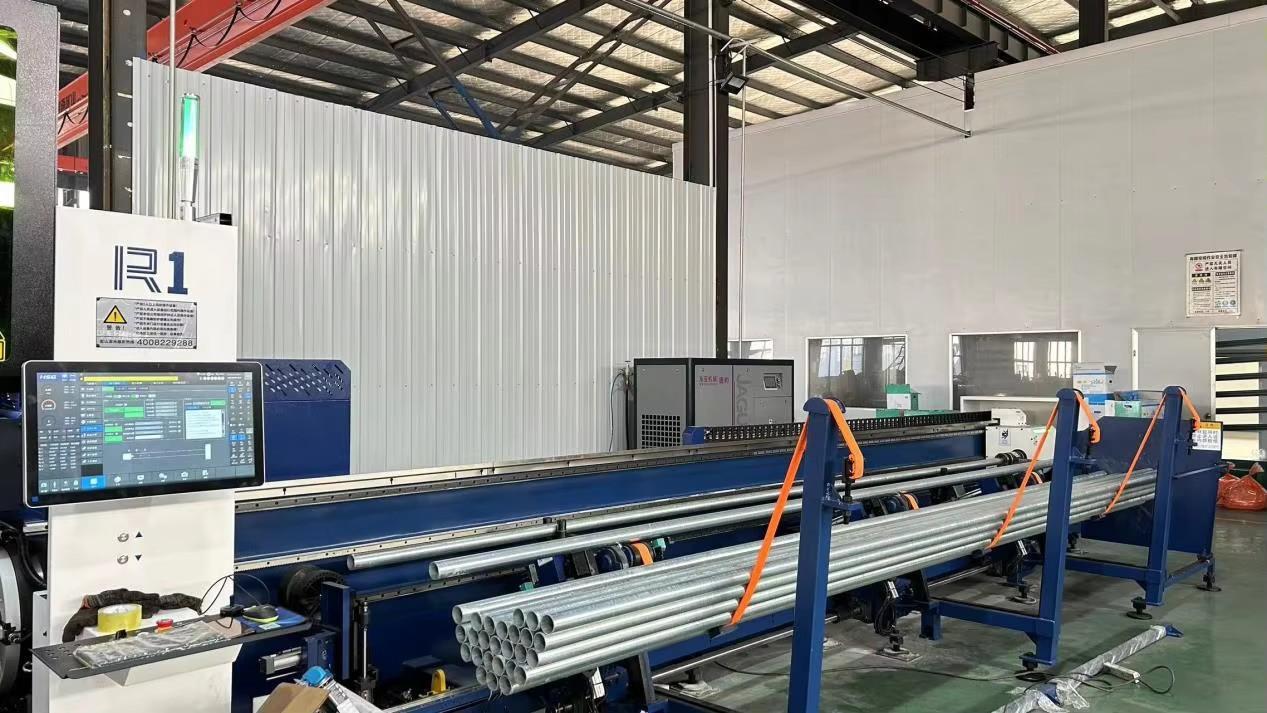
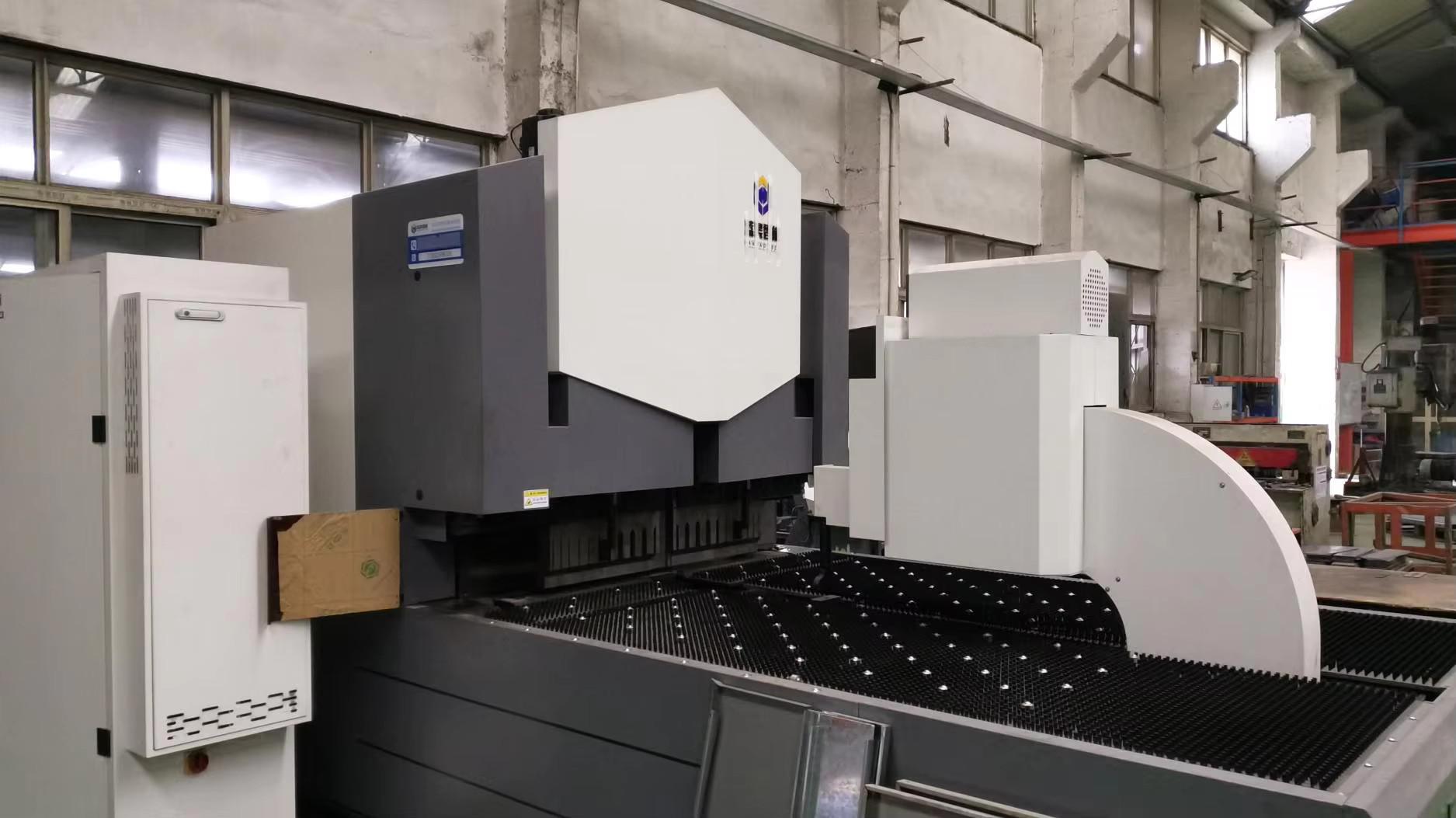
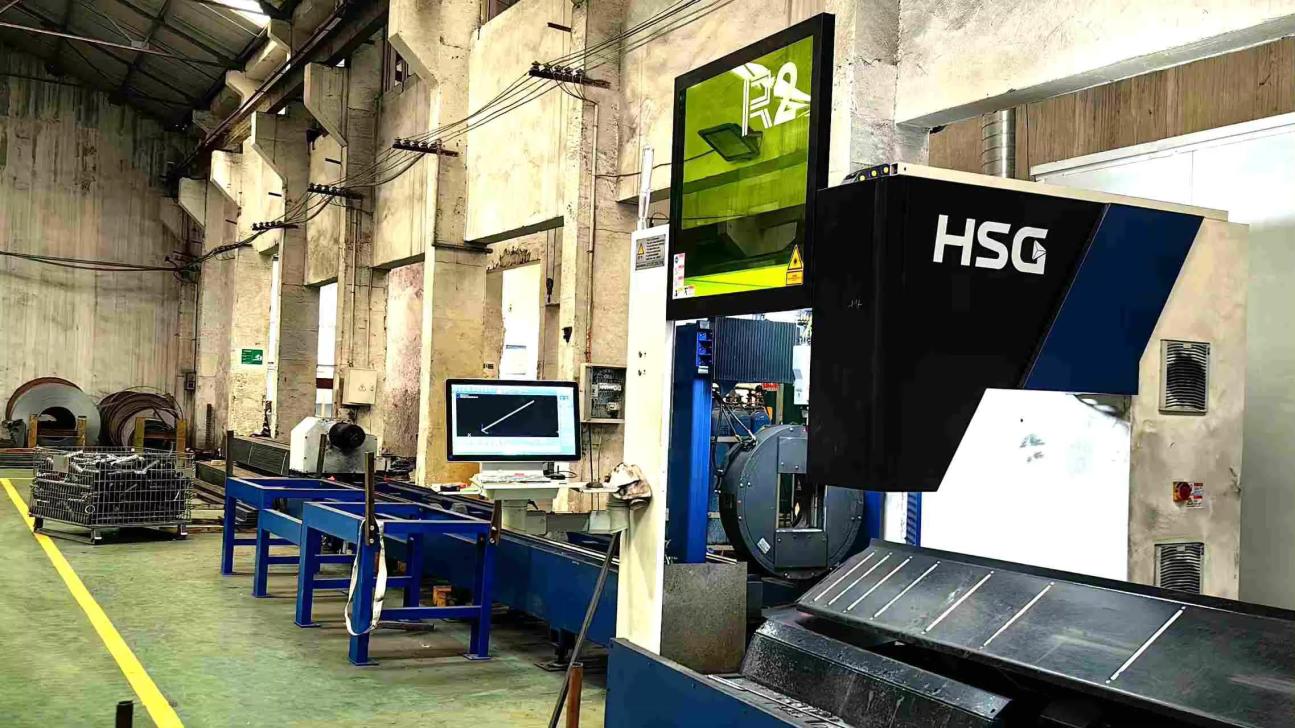
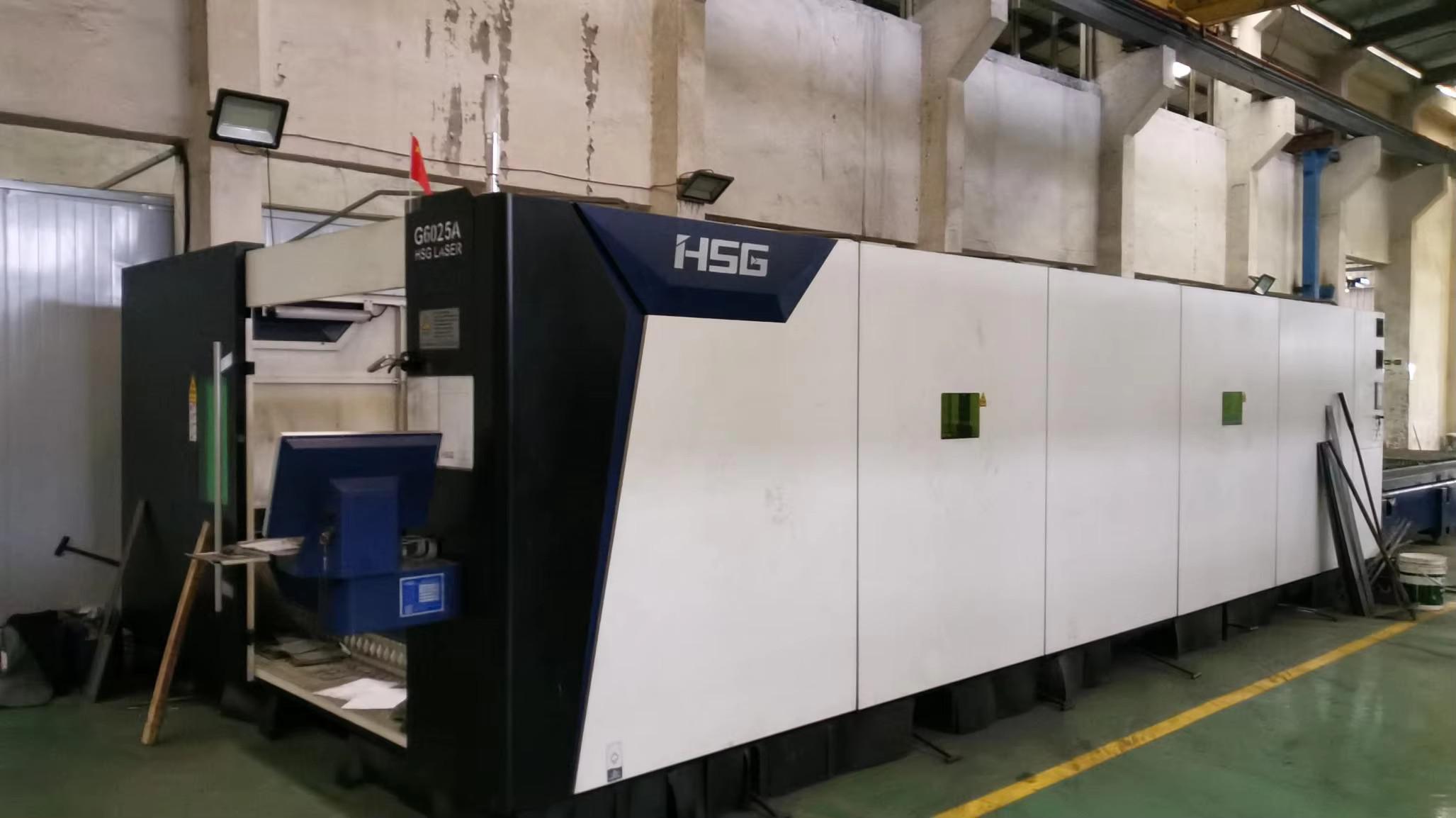
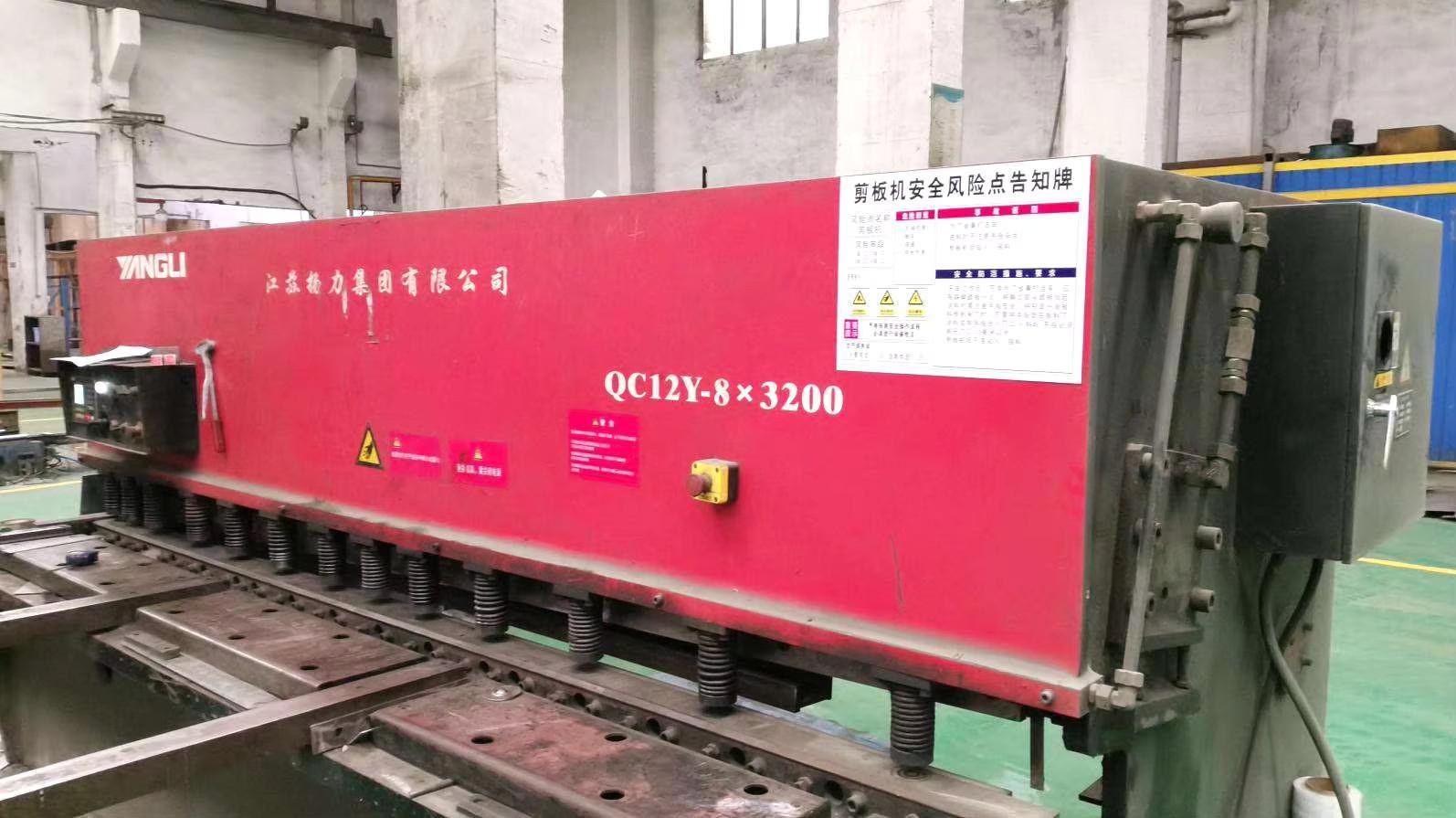
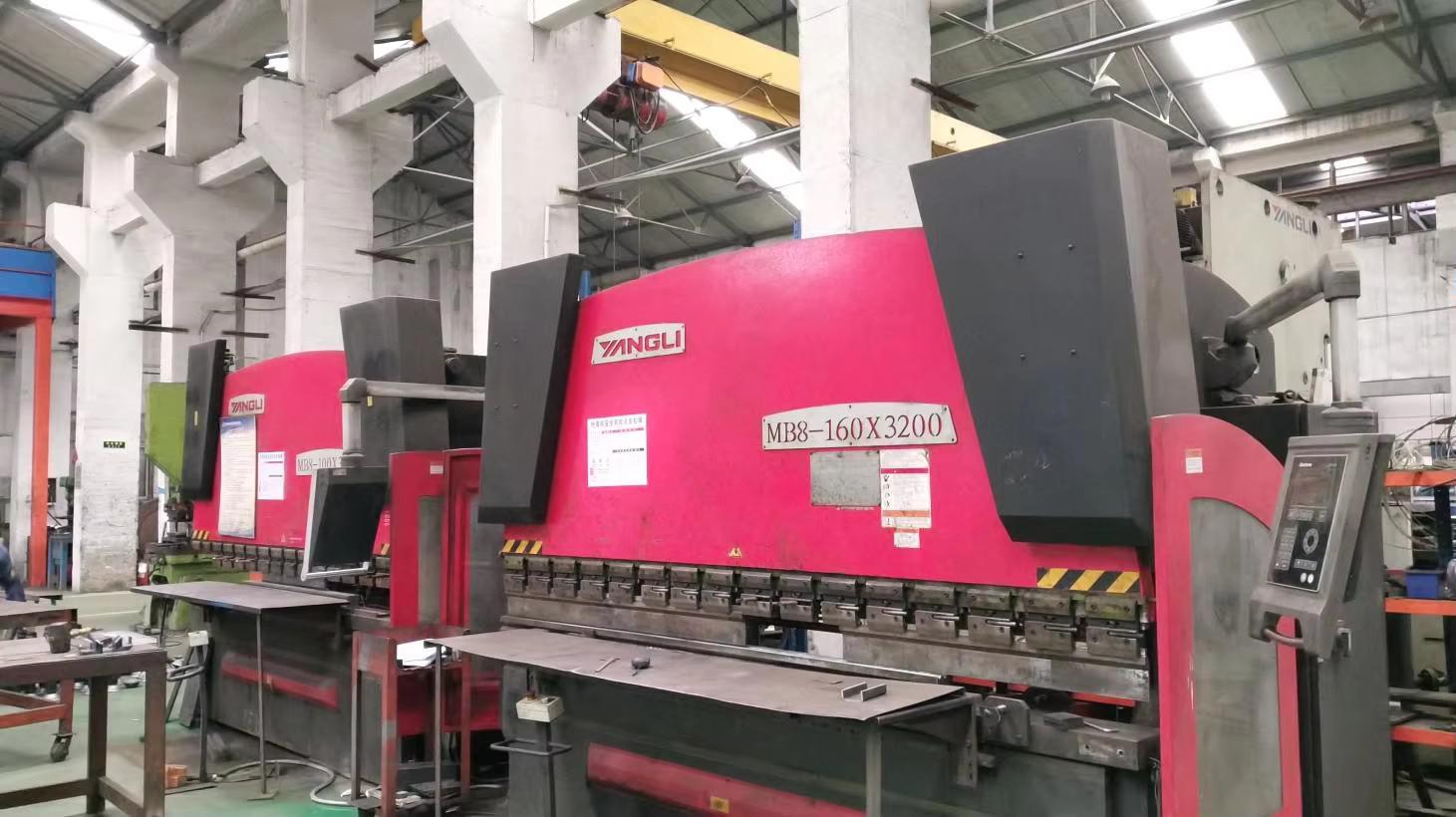
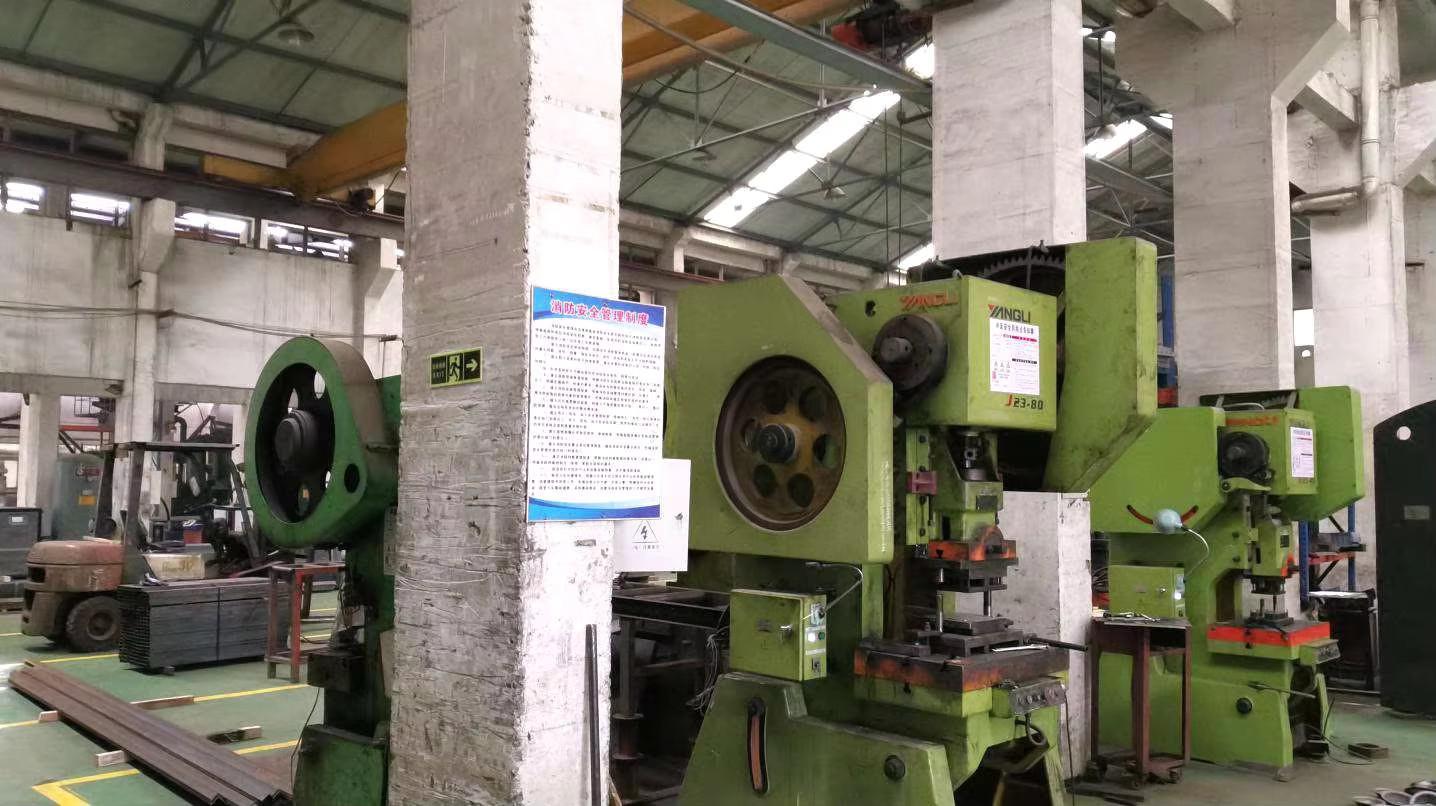
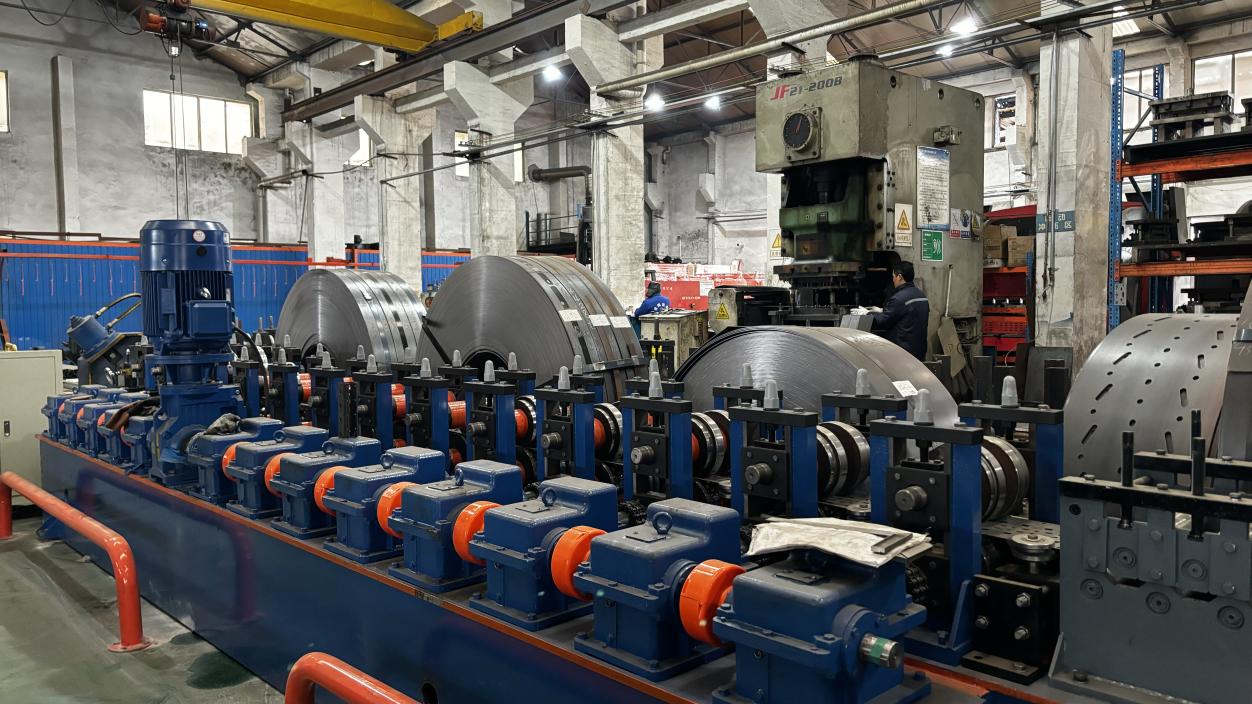
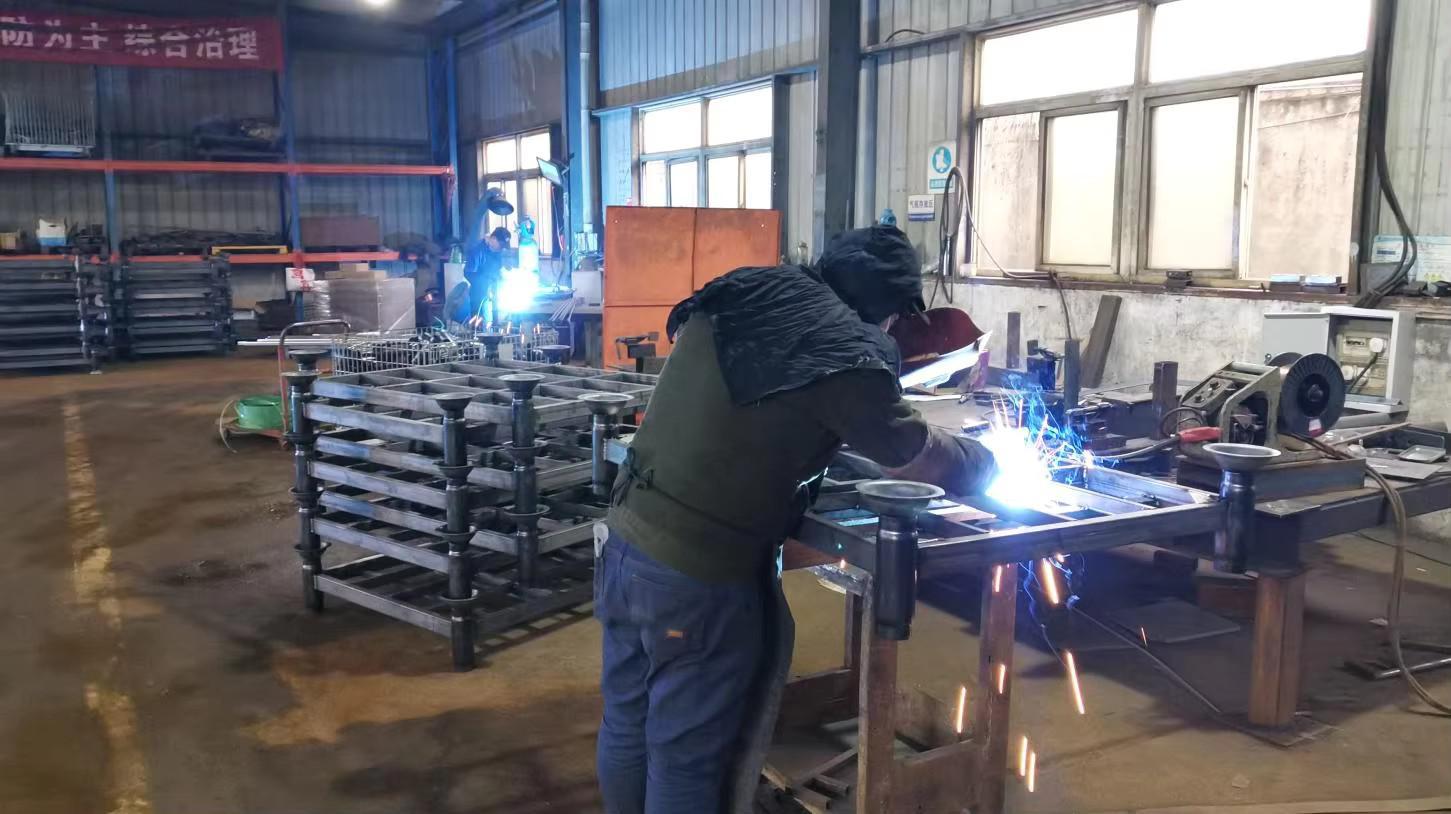
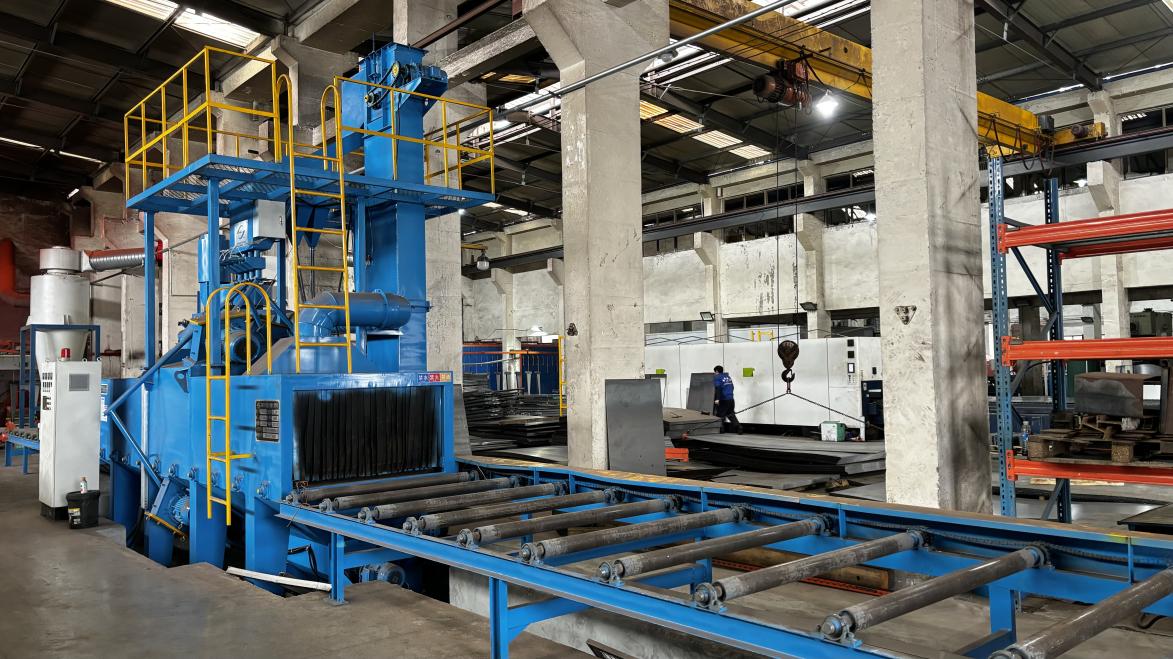
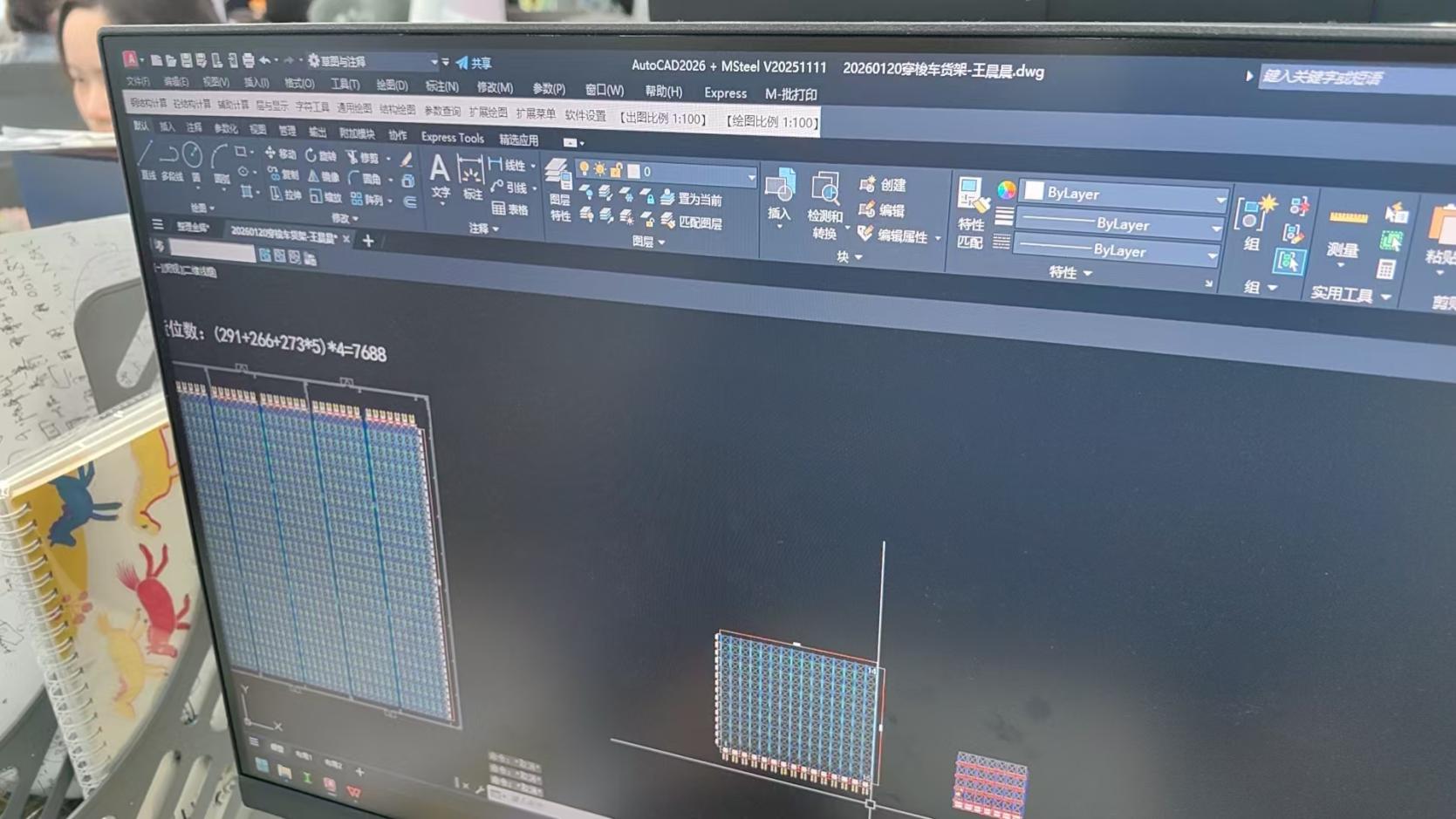
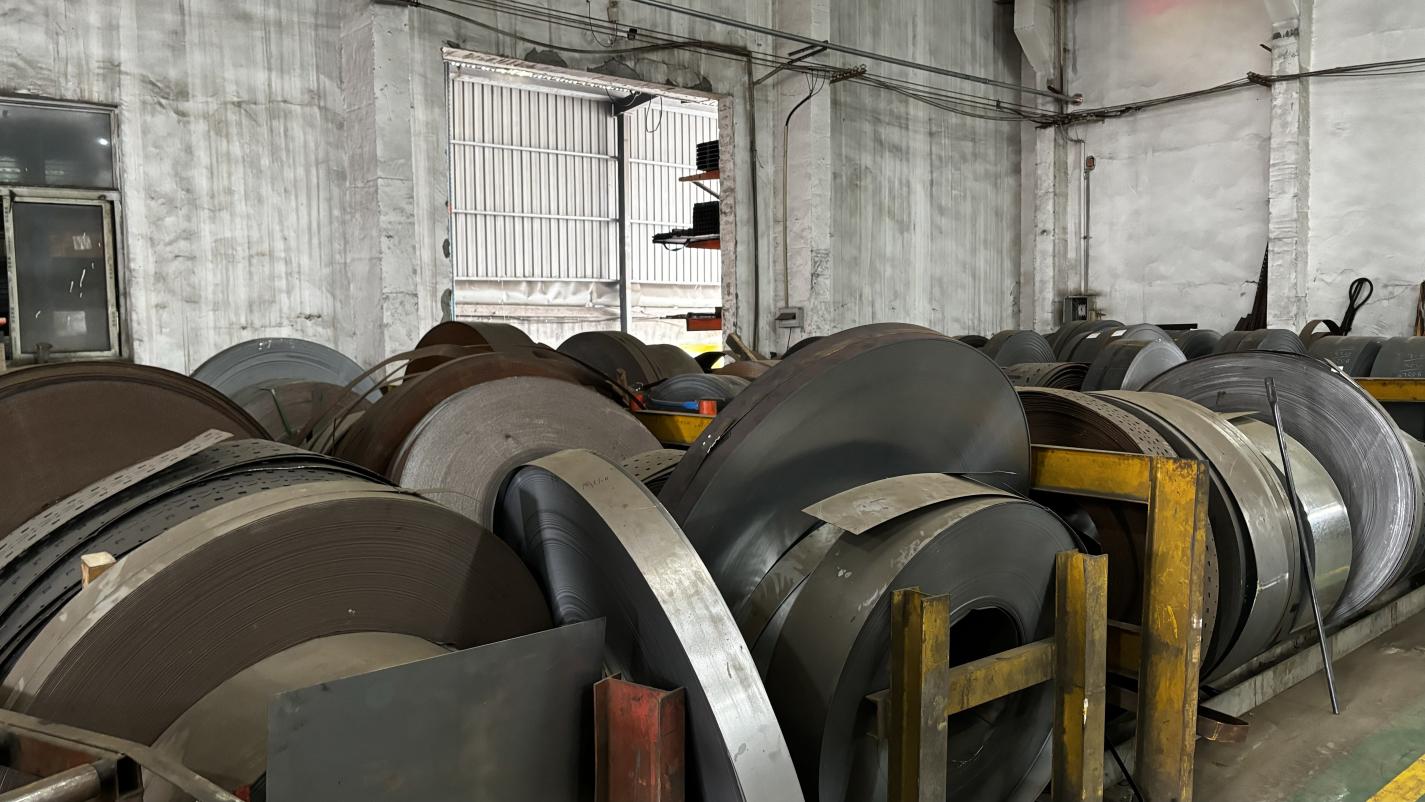
Witness the step-by-step transformation of structural steel raw materials into high-precision, load-tested warehousing infrastructure.


In-depth structural assessments, manufacturing compliance details, and planning answers for distribution center layouts.
Engineered storage platforms and warehouse automation equipment built for structural durability and high-throughput distribution environments.
 Jinhui Storage Equipment