High-durability structural configurations optimized for maximum volumetric utilization and international industrial safety compliances.
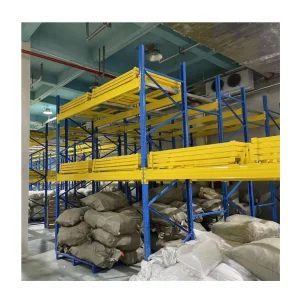
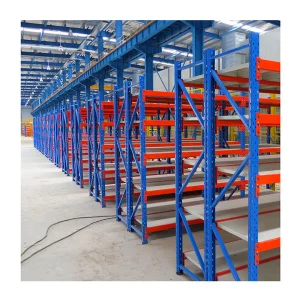
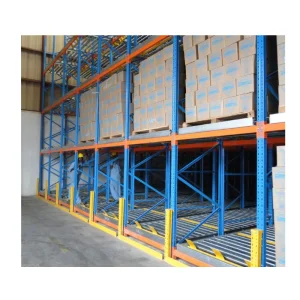
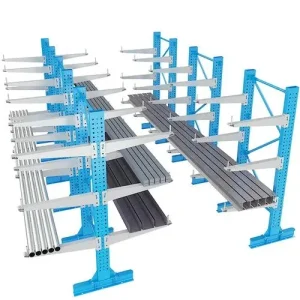
Dongguan Jinhui Storage Equipment Co., Ltd. has established itself as an engineering-driven manufacturer of premium warehouse storage solutions and high-capacity industrial racking systems in China. Strategically situated in Dongguan's manufacturing hub, our state-of-the-art facility occupies more than 18,600 square meters of highly optimized production space.
We operate automated structural fabrication lines, integrating CNC precision punching, automatic laser profiling machines, robotic multi-axis welding systems, and continuous electrostatic powder coating arrays. Every heavy-duty steel structure is fabricated utilizing high-grade steel profiles to assure exceptional load-bearing resilience and mechanical stability.
In the modern global supply chain network, industrial warehouse facilities must operate at optimal density and maximum structural safety. Modern global logistics demand steel storage systems capable of handling varying heavy load configurations while maintaining structural resilience under seismic, operational, and thermal variations. Companies demand specialized structural steel configurations such as cold-rolled steel coils matching high-tensile specifications (Q235B and Q355B grades) to prevent structural deflection, collapse, or premature fatigue.
Strategic procurement managers prioritize E-E-A-T credentials when evaluating Chinese exporters. Sourcing raw materials from verified tier-1 steel mills like Baosteel ensures chemical and metallurgical consistency. System compatibility is a major concern: racking configurations must seamlessly interface with Automatic Guided Vehicles (AGVs), Automated Storage and Retrieval Systems (AS/RS), and traditional material handling equipment like reach trucks and order pickers.
International regulations like the Rack Manufacturers Institute (RMI) standards in North America and FEM 10.2.02 codes in Europe govern the allowable stresses, deflection limits, and structural integrity of industrial racking. Procurement strategies must align with these local safety parameters to prevent compliance challenges. Standardized surface finishes, such as durable electrostatic powder coating and hot-dip galvanizing, are critical to resist oxidation in high-humidity distribution centers and sub-zero cold chain logistics complexes.
Jinhui addresses these demands by offering custom thickness parameters, rigid baseplate engineering, precision upright configurations, and robust connection beam connectors. This engineering-focused design methodology minimizes maintenance costs, prevents warehouse downtime, and protects operational staff.
| Racking Type | Standard Steel Grade | Standard Loading Capacity | Best Applied Operational Flow | Optimal Warehouse Height Limits |
|---|---|---|---|---|
| Selective Pallet Racking | Q235B / Q355B Cold Rolled | 500 - 4,000 kg / Level | FIFO (First-In, First-Out) | Up to 12 Meters (Standard) |
| Double-Deep Pallet Rack | Q235B High Tensile Steel | 1,000 - 3,000 kg / Level | FILO (First-In, Last-Out) | Up to 10 Meters (Specialist Forklift) |
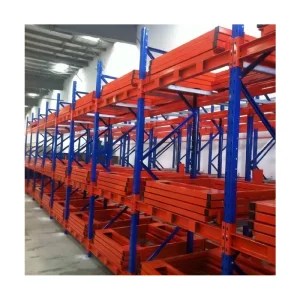
| Drive-In & Drive-Through | Q235B Heavy-Duty Channel | 1,000 - 2,500 kg / Position | LIFO or FIFO Options | Up to 11 Meters |
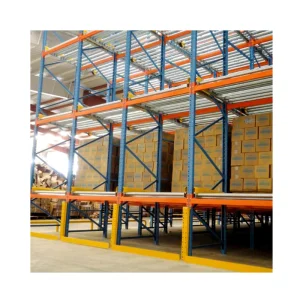
| Push-Back Racking Systems | Q355B Structural Steel Alloys | 500 - 1,500 kg / Pallet Lane | FILO (First-In, Last-Out) | Up to 9 Meters (Multiple Deep) |
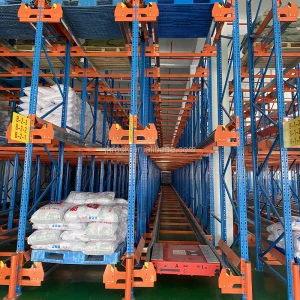
| Radio Shuttle Racking | Q355B Reinforced Rails | 1,000 - 2,000 kg / Pallet Position | FIFO / LIFO Hybrid | Up to 22 Meters (High Bay) |
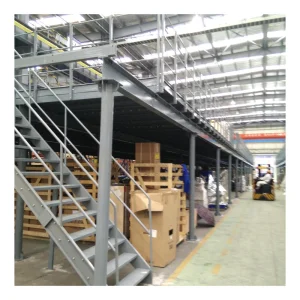
| Structural Steel Mezzanine | Hot-Rolled Structural Profiles | 300 - 1,500 kg / Square Meter | Multi-Level Access (Manual/Cart) | Flexible (Depending on Ceiling) |
Engineered configurations designed to resolve core throughput and safety challenges across diverse industrial segments.
Maximizes vertical cube utilization through ultra-narrow aisle (VNA) and automated AS/RS racking. Integrates multi-tier mezzanine floors to triple packing floor area in fast-moving e-commerce hubs.
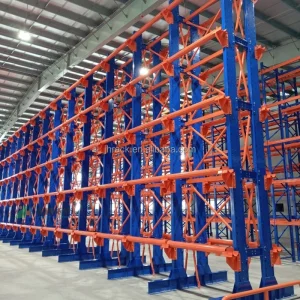
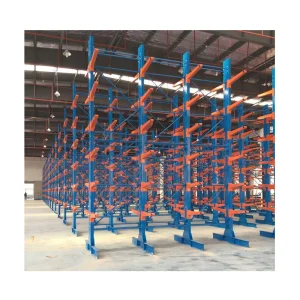
Heavy-duty structures engineered with roll-formed uprights and high-capacity beam designs. Features custom steel pallets, cantilever steel frames for long profiles, and heavy plate storage units.
High-density dynamic racking configurations—specifically Radio Shuttle and Drive-In—designed to reduce the footprint footprint inside refrigerated warehouses, minimizing energy costs per cubic meter.
The structural performance of Jinhui warehouse storage configurations begins with modern material science. Standard raw steel components are formed from high-quality cold-rolled steel coils, exhibiting high yield strengths (minimum 235MPa for Q235B and 355MPa for Q355B). Structural designs undergo Finite Element Analysis (FEA) testing using advanced simulation modeling to evaluate maximum stress distribution, critical buckling loads, and potential structural weakness under seismic force scenarios.
We are driving the integration of semi-automated and fully automated storage systems. Automated warehouse solutions, including Radio Shuttle systems and AS/RS vertical stackers, are engineered in-house by our team of 68 specialized R&D engineers. By integrating sensors, PLCs, and robust structure interfaces, our systems reduce forklift collision risks and achieve dynamic operational speed.
Our coating processes apply a robust anti-corrosive layer of thermosetting epoxy-polyester powder. This coating undergoes pre-treatment surface preparation steps, including abrasive shot blasting (to clean the steel down to white metal) followed by automatic powder deposition and curing at high temperatures. This ensures excellent surface adhesion, high impact resistance, and durability against scuffing from heavy steel pallet handling.
Looking to the future, our engineering division is developing ultra-high-density storage technologies. These include lightweight steel structures designed with cold-formed, thin-walled, high-strength steel profiles, and automated crane racking platforms designed to integrate with AI-managed warehouse execution systems.
Comprehensive overview of Jinhui's manufacturing steps, precision machining, and specialized QA instruments.
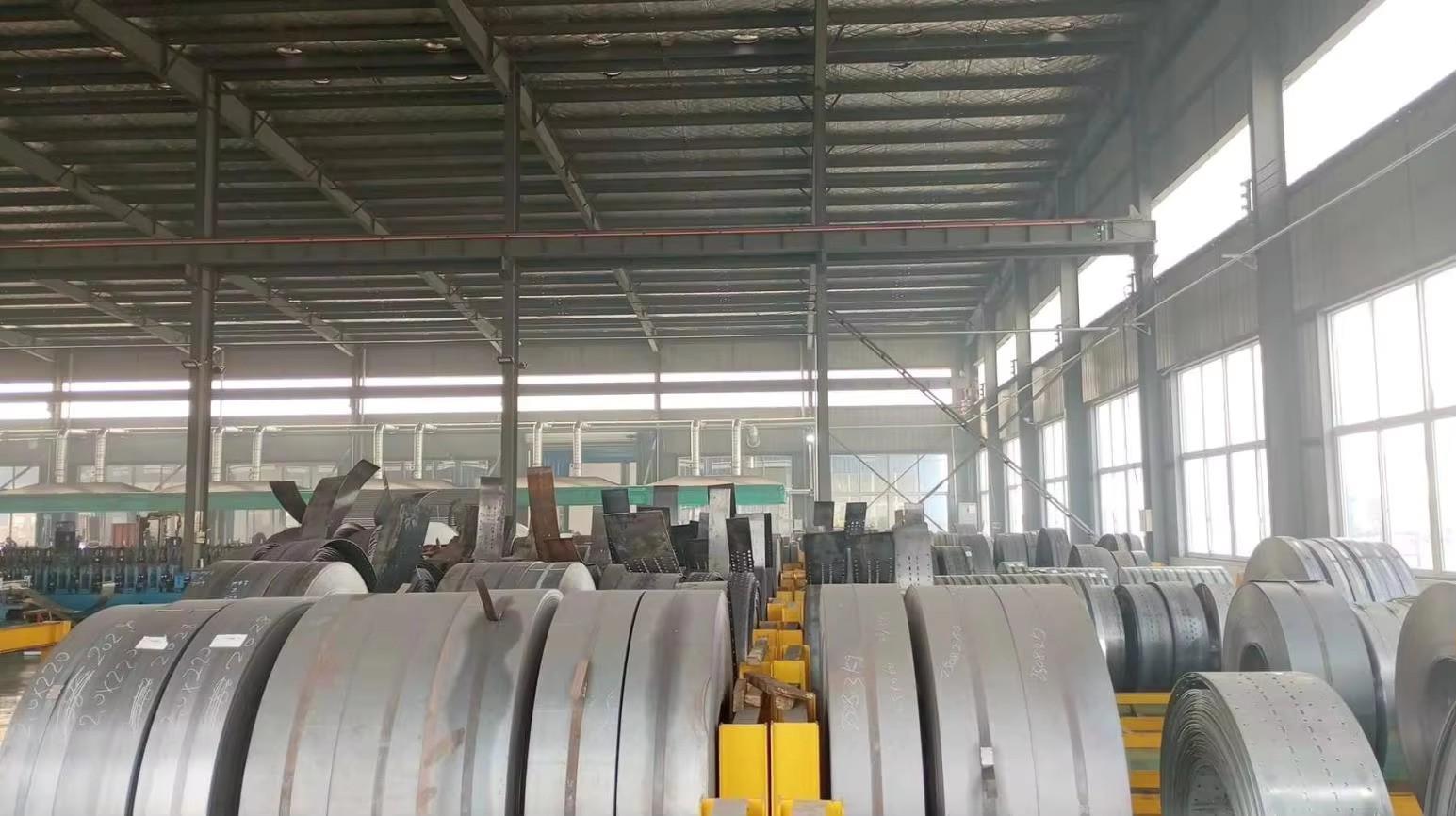
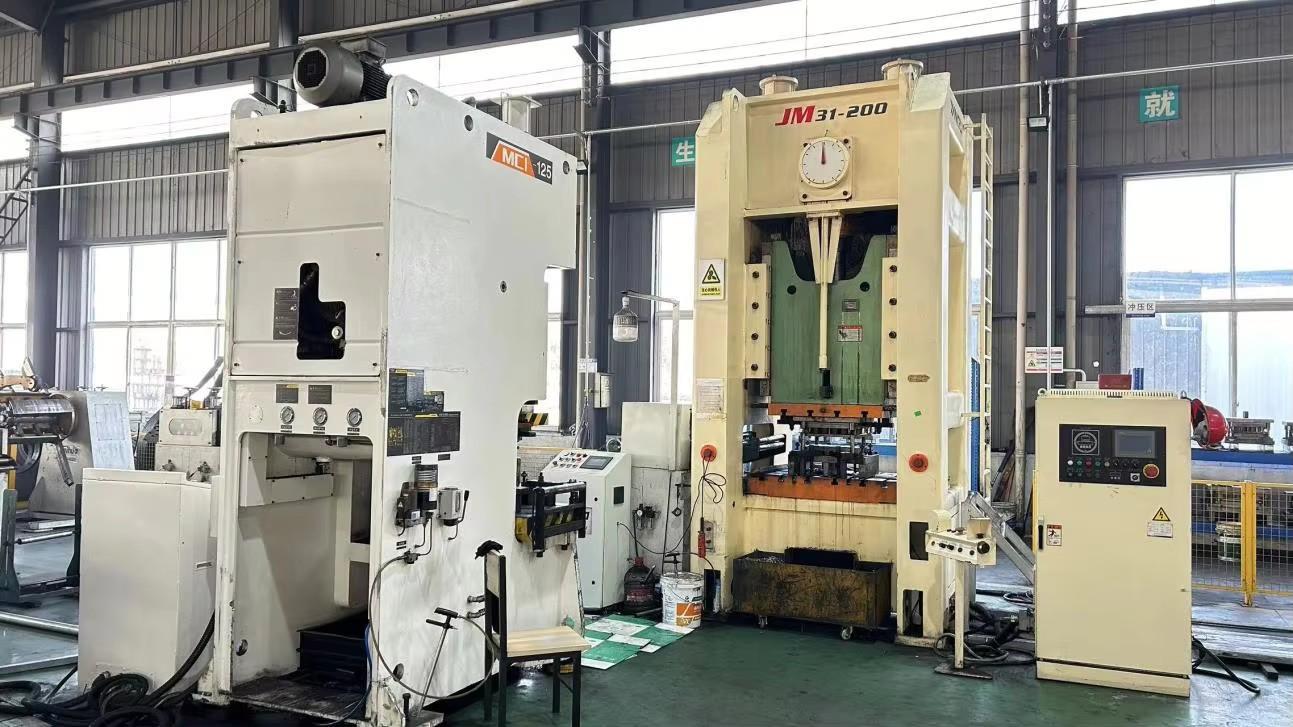
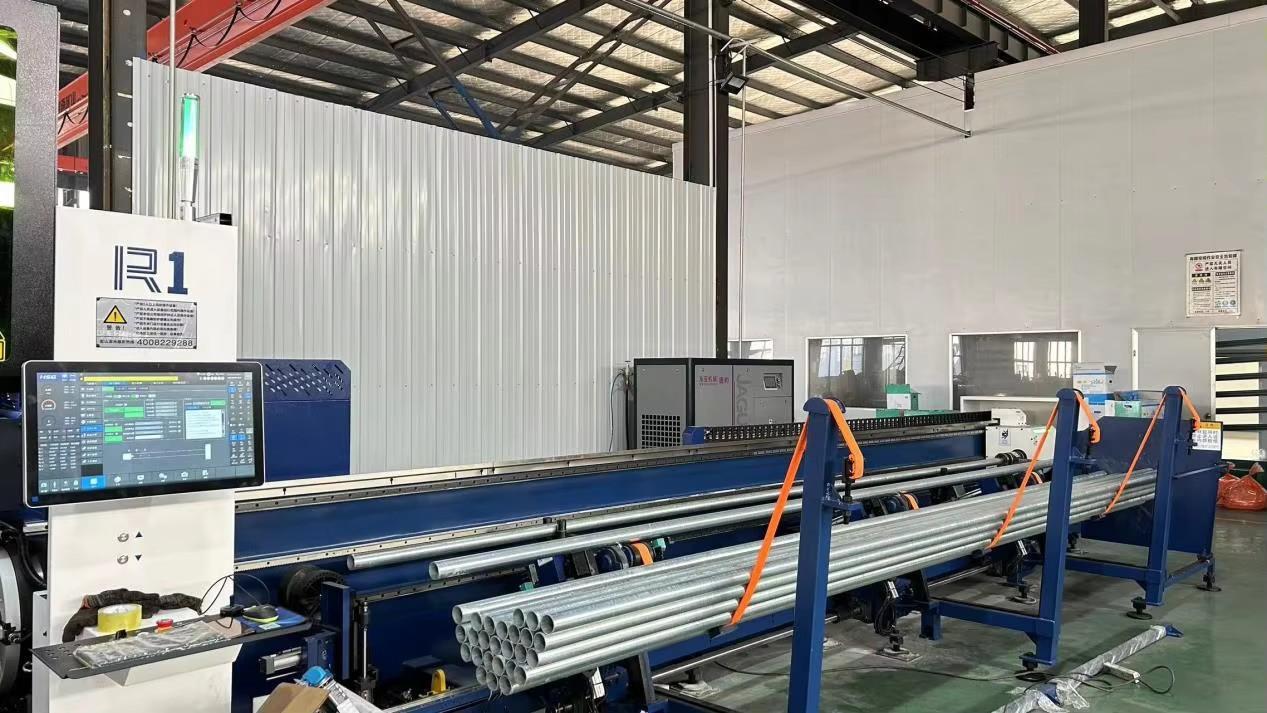
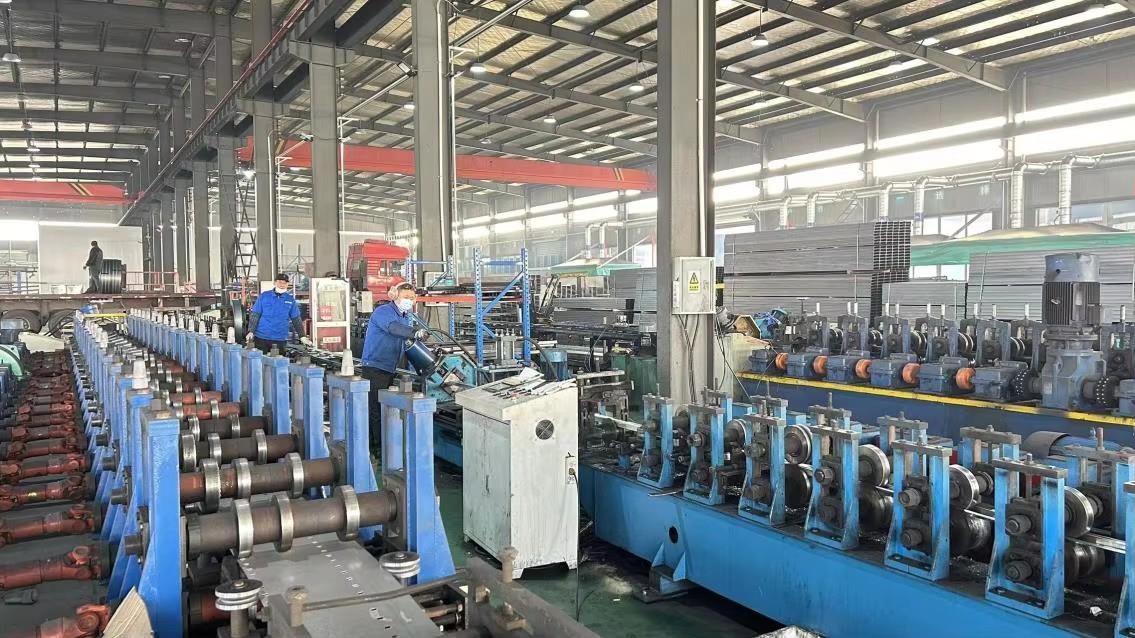
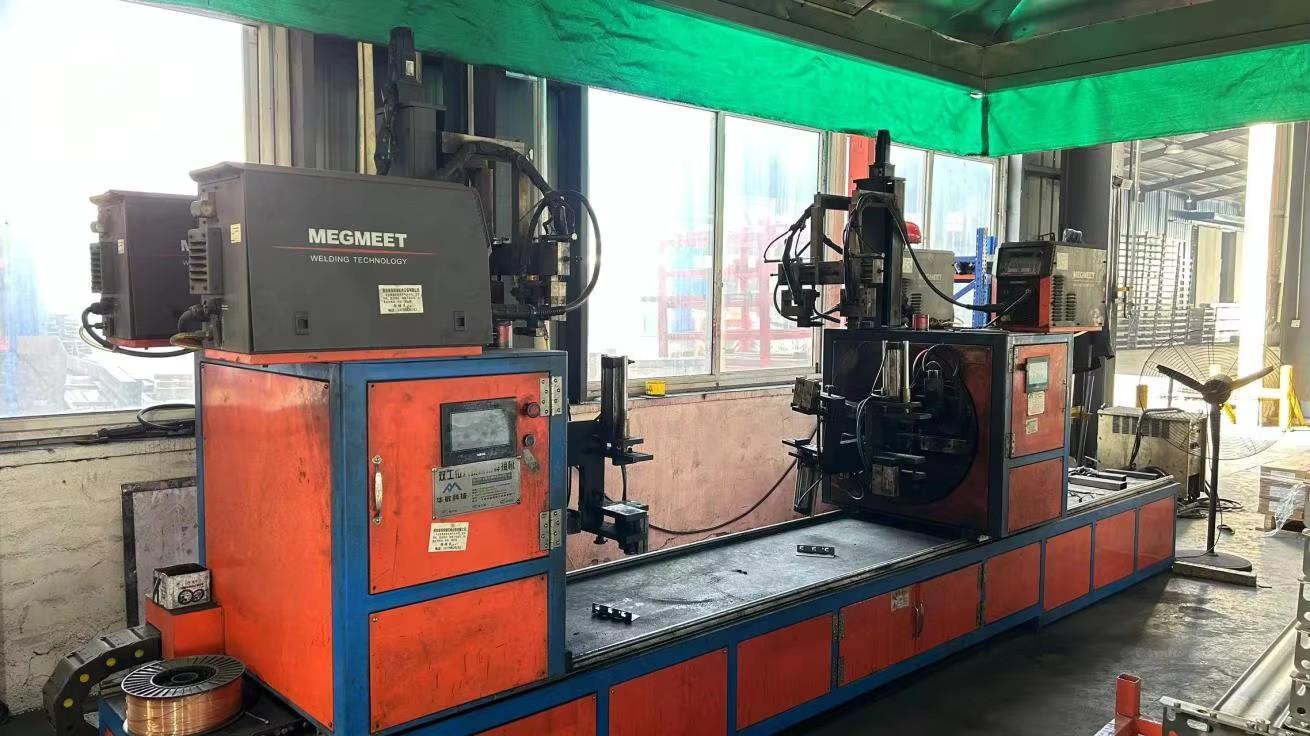
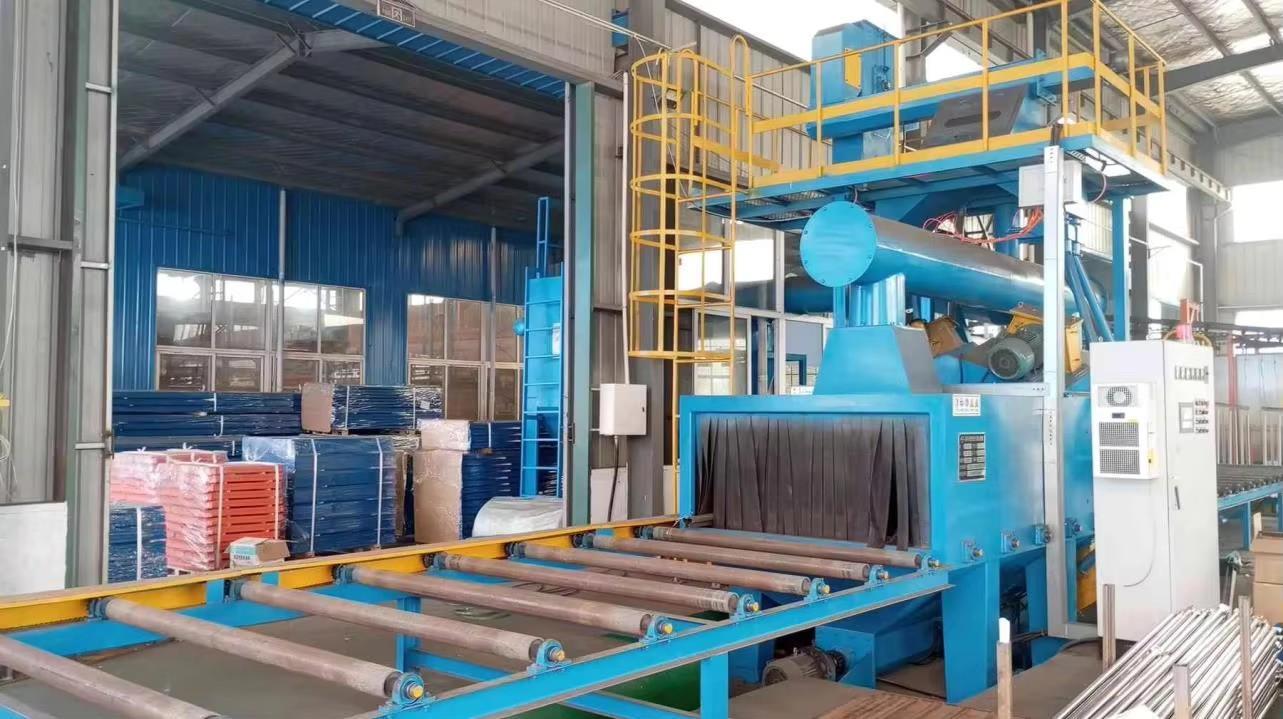
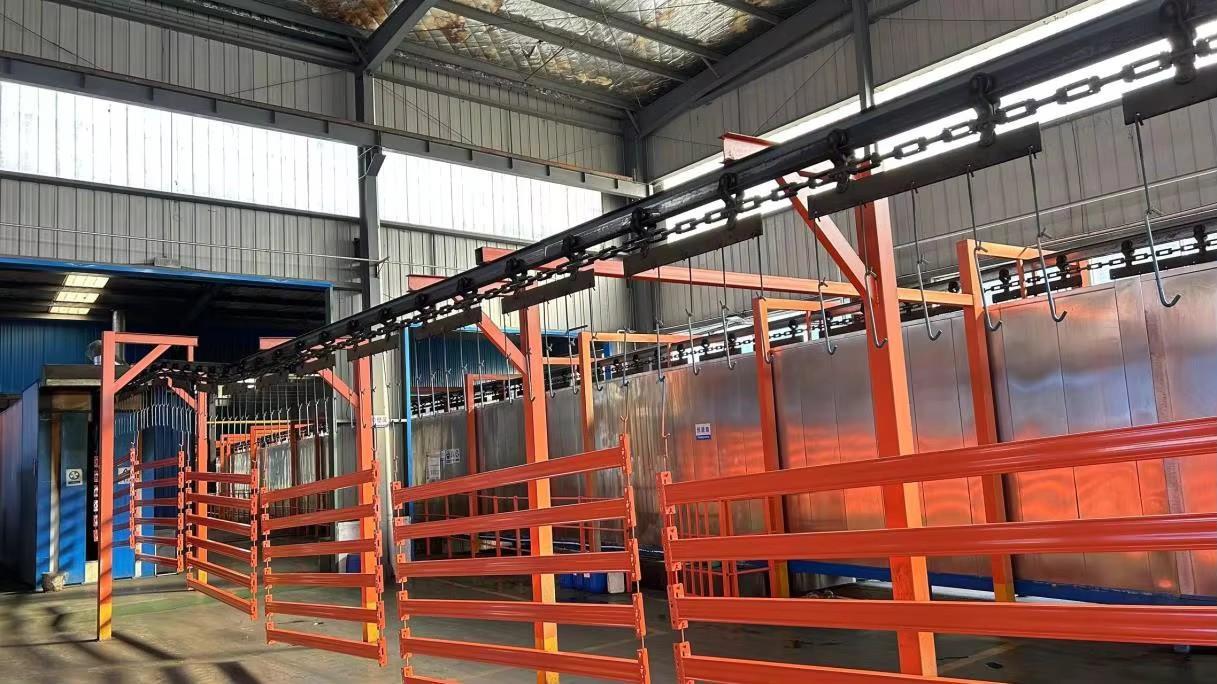
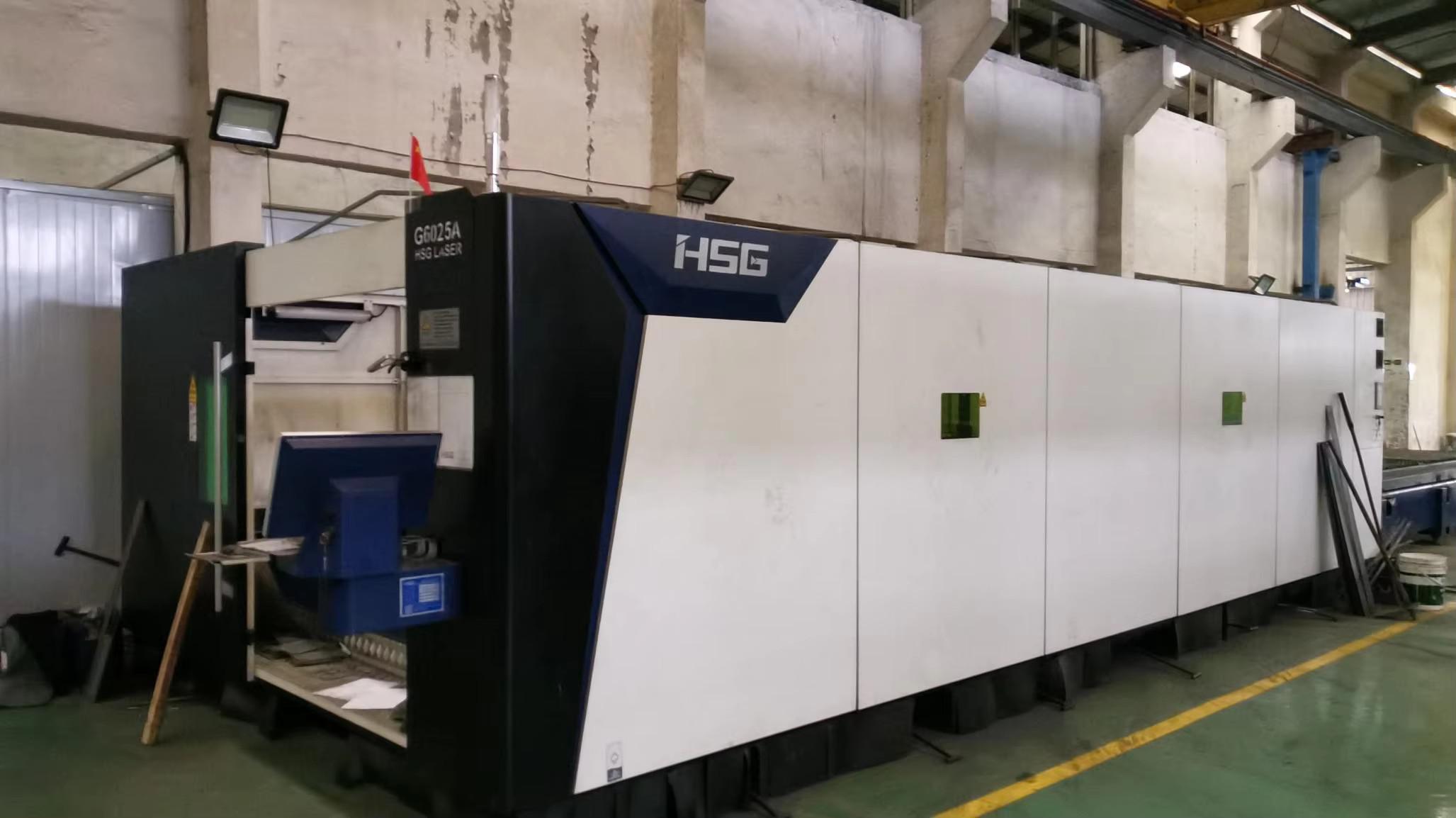
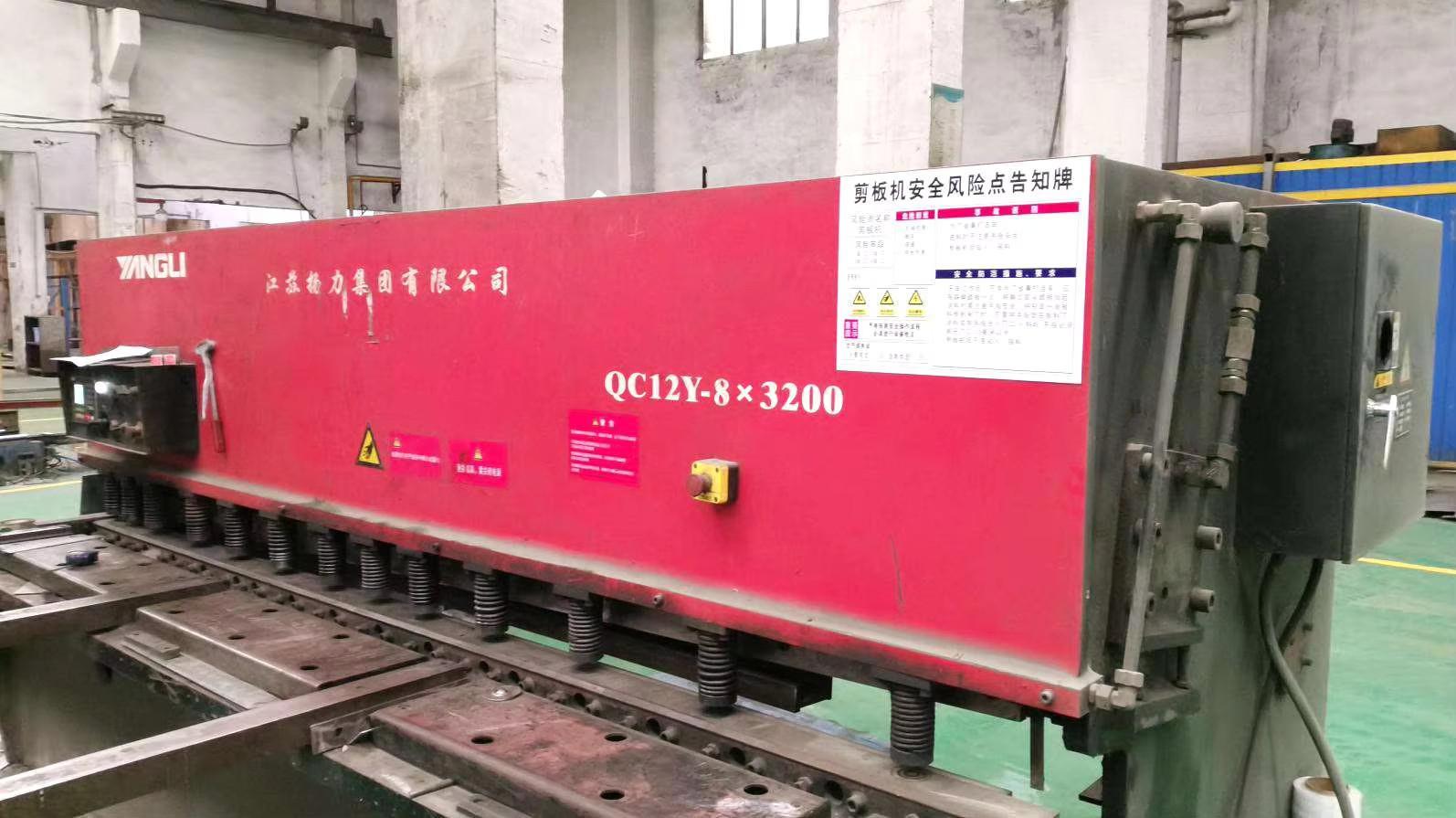
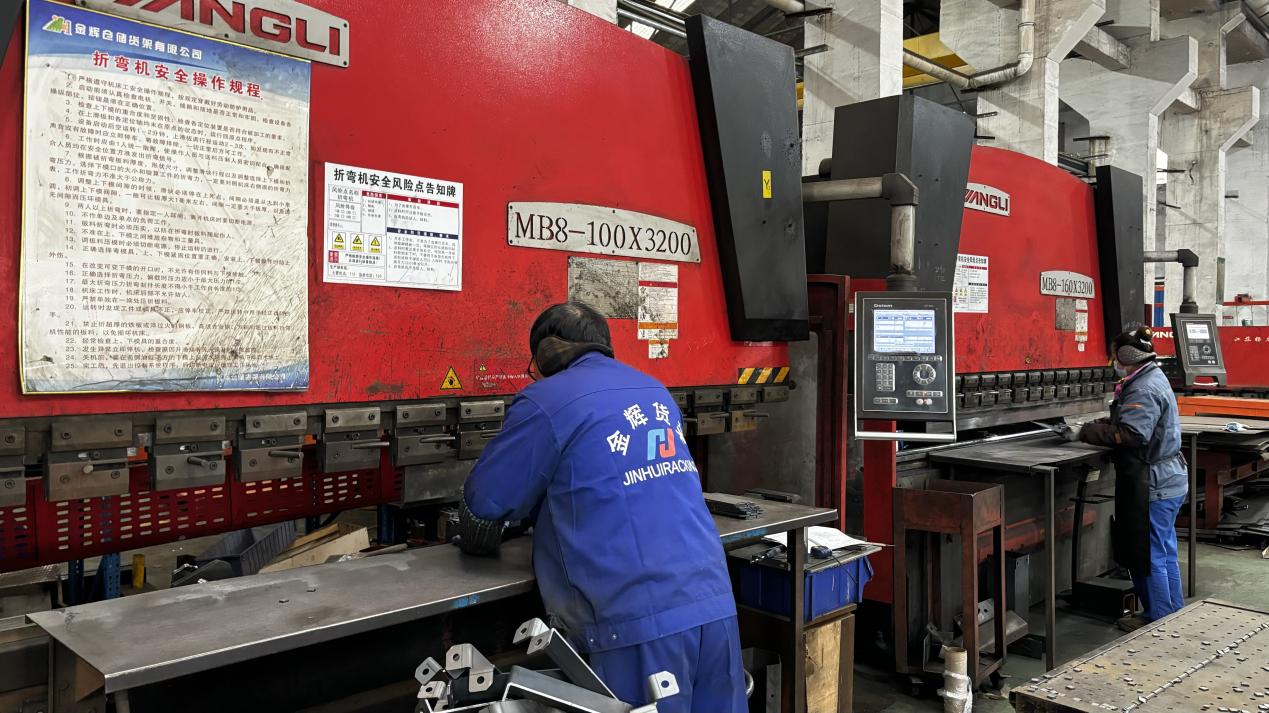
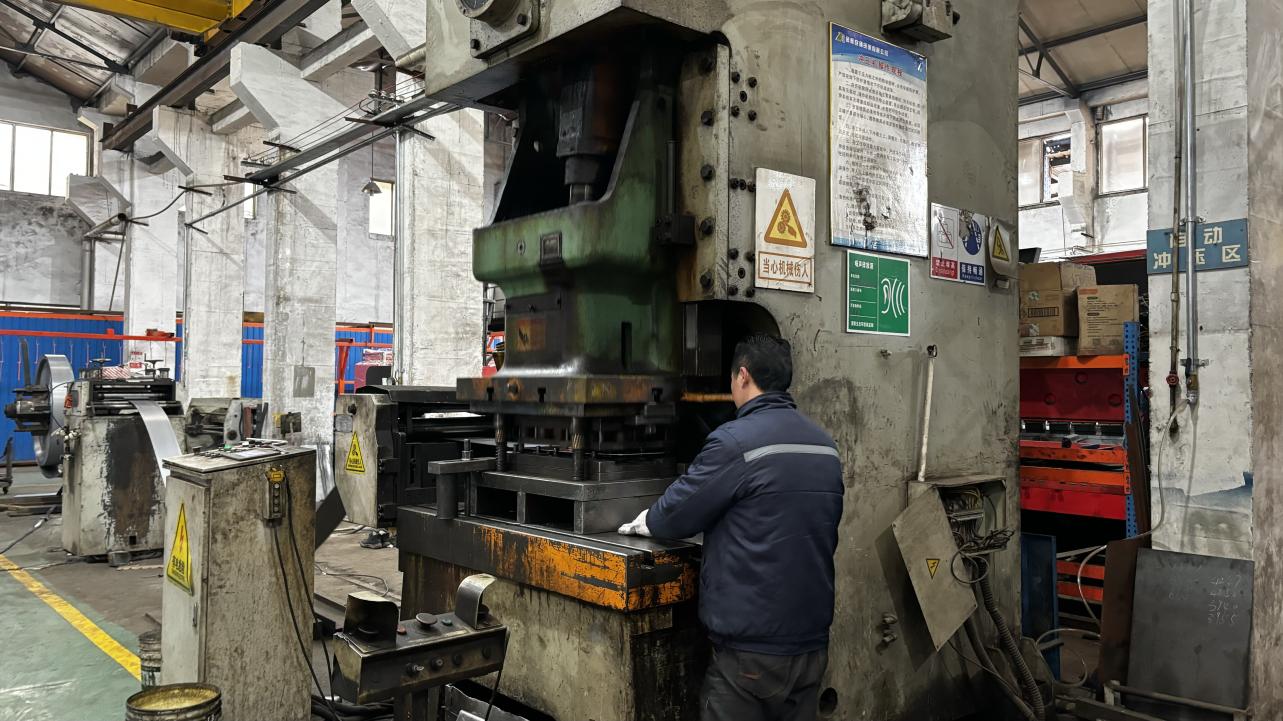
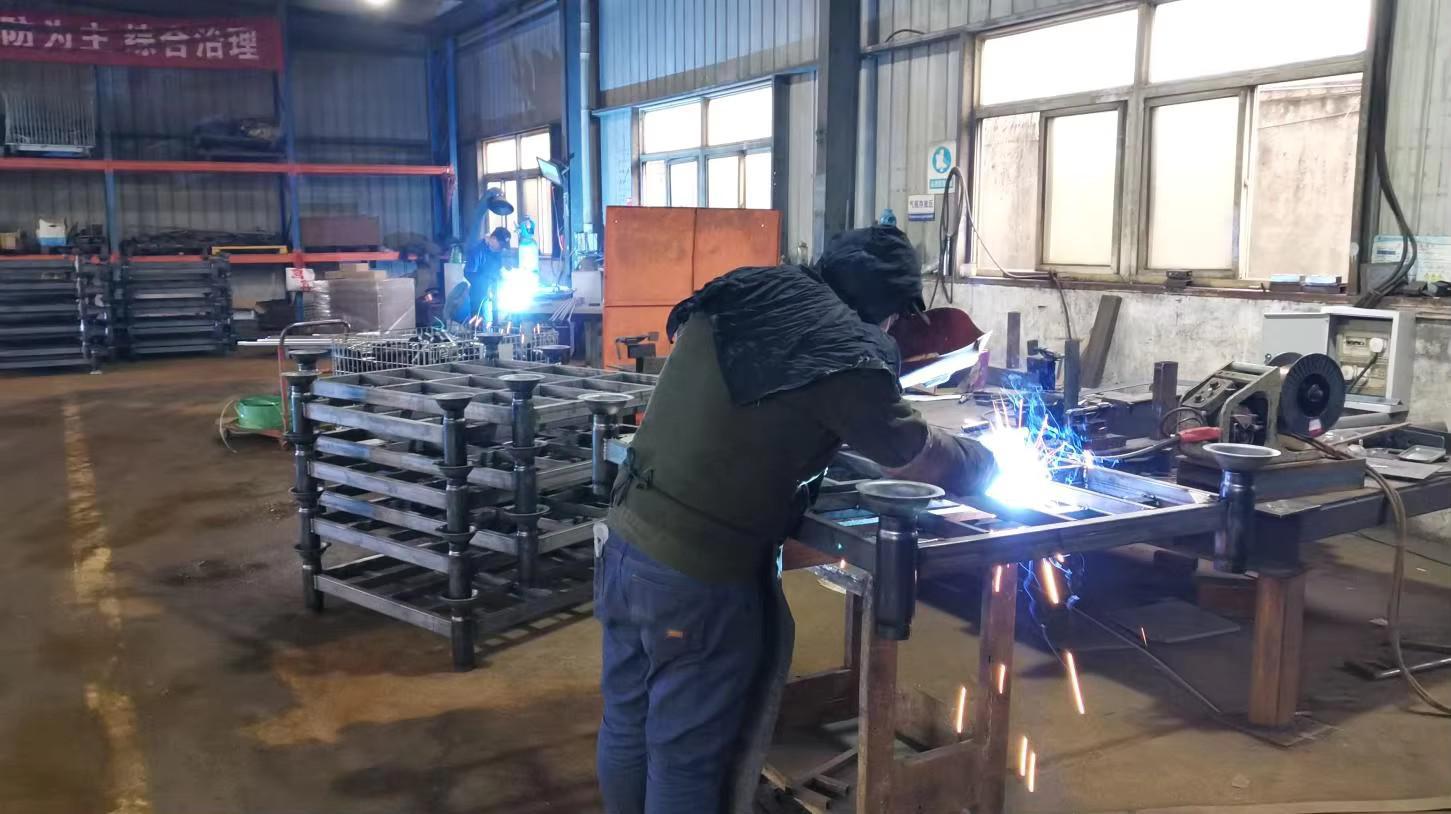
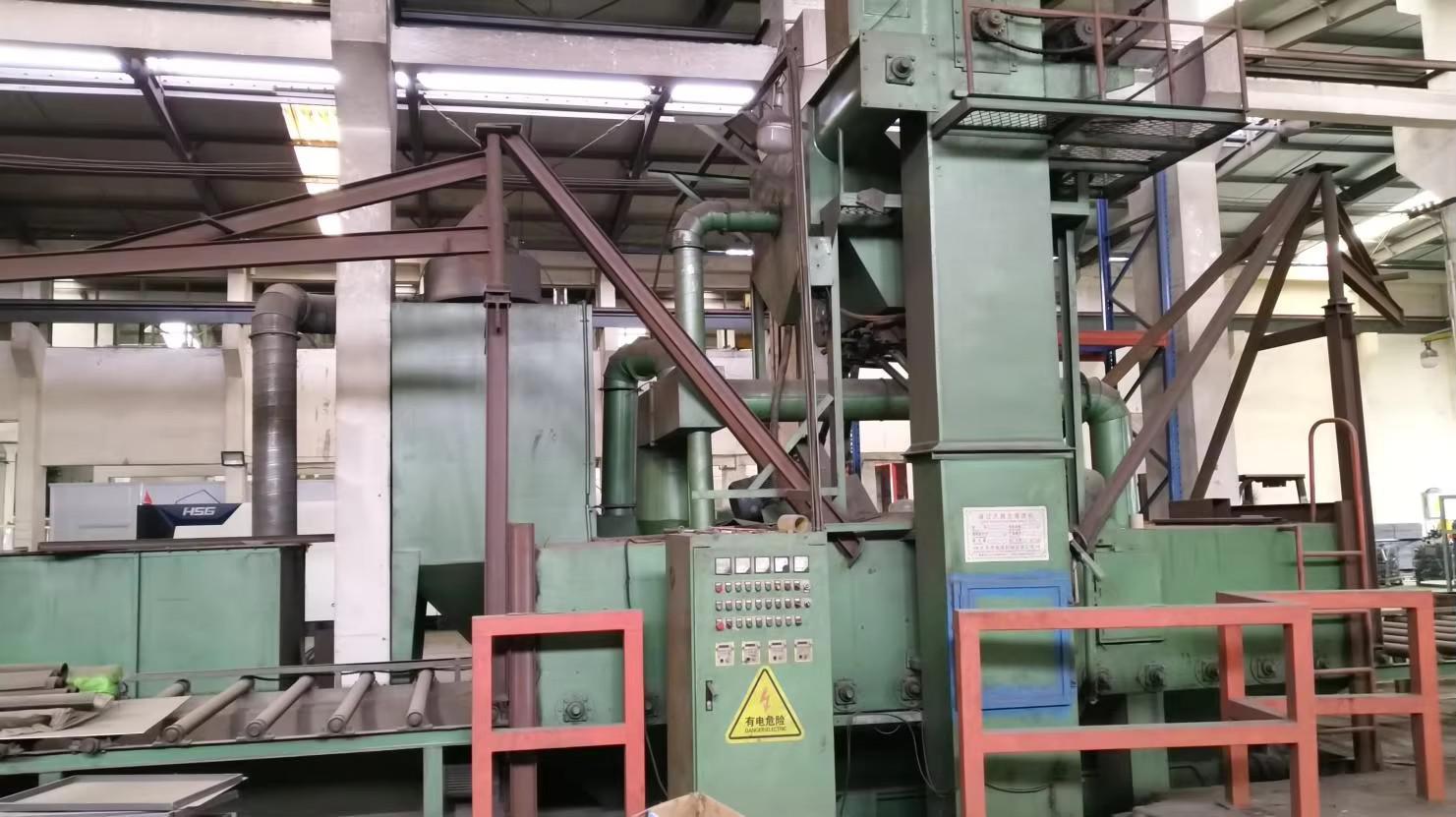
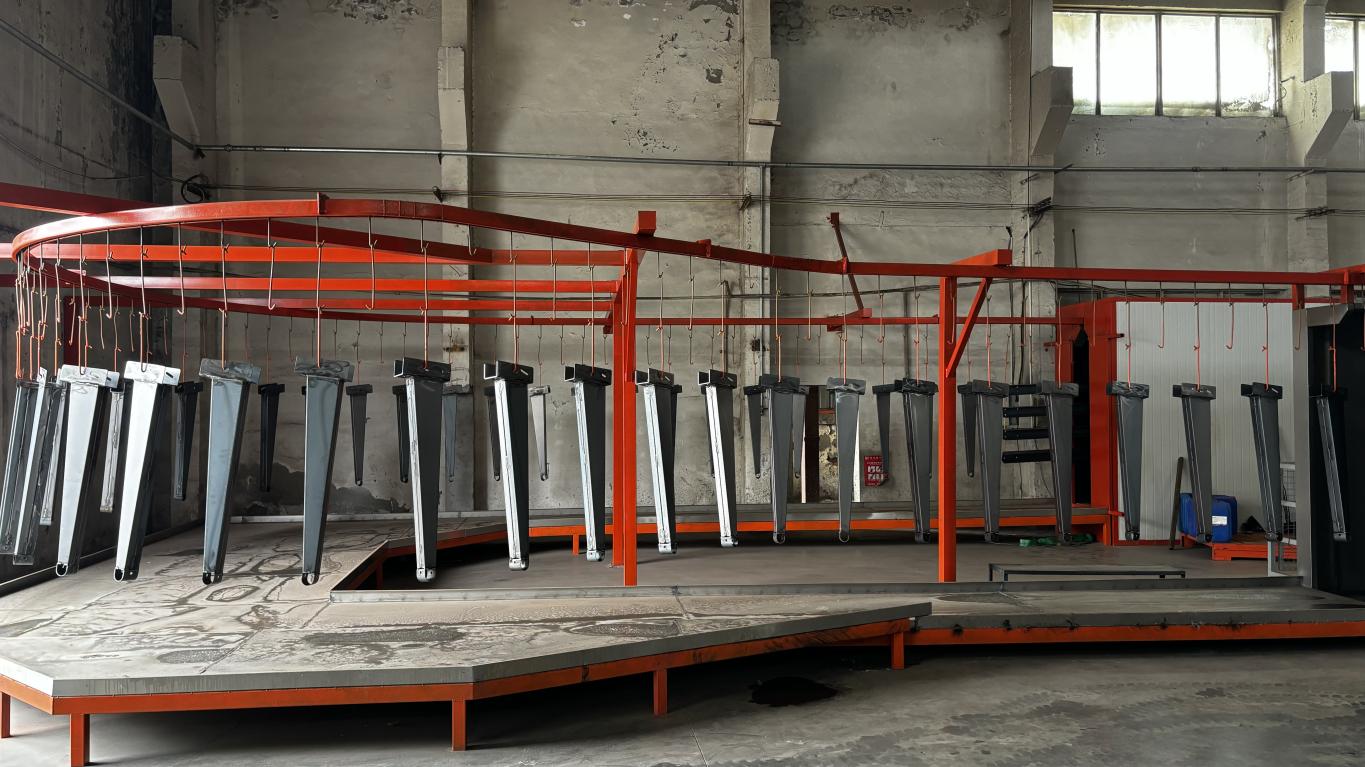
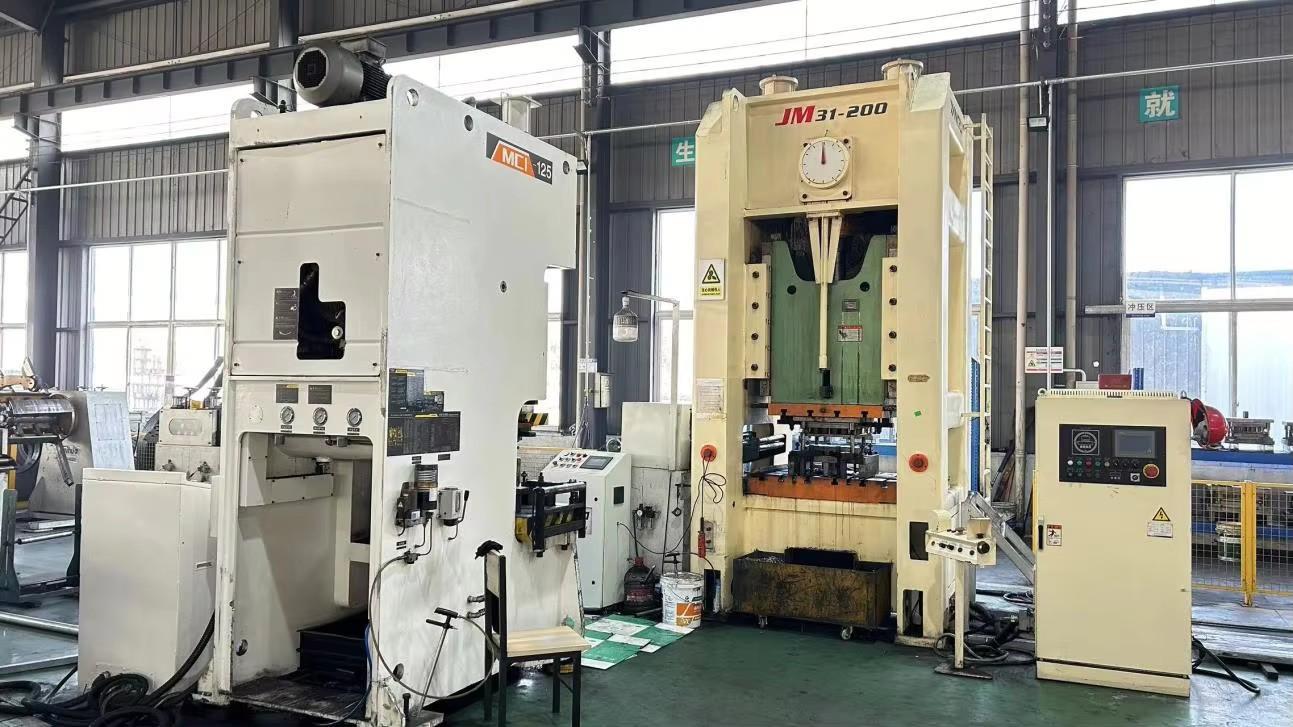
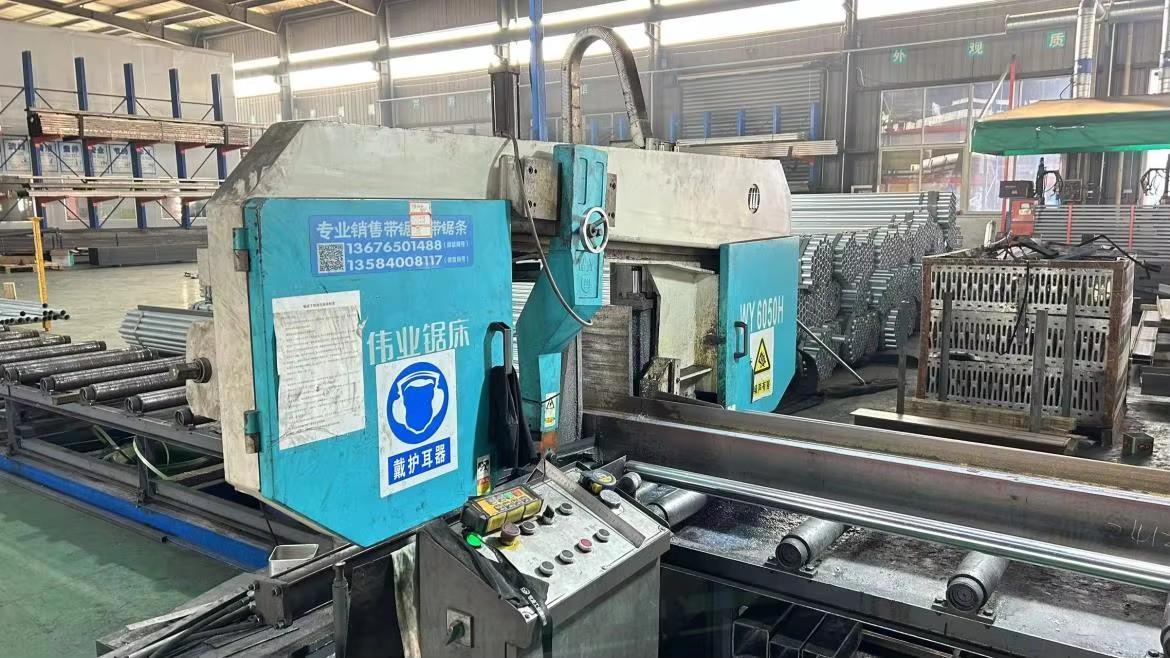
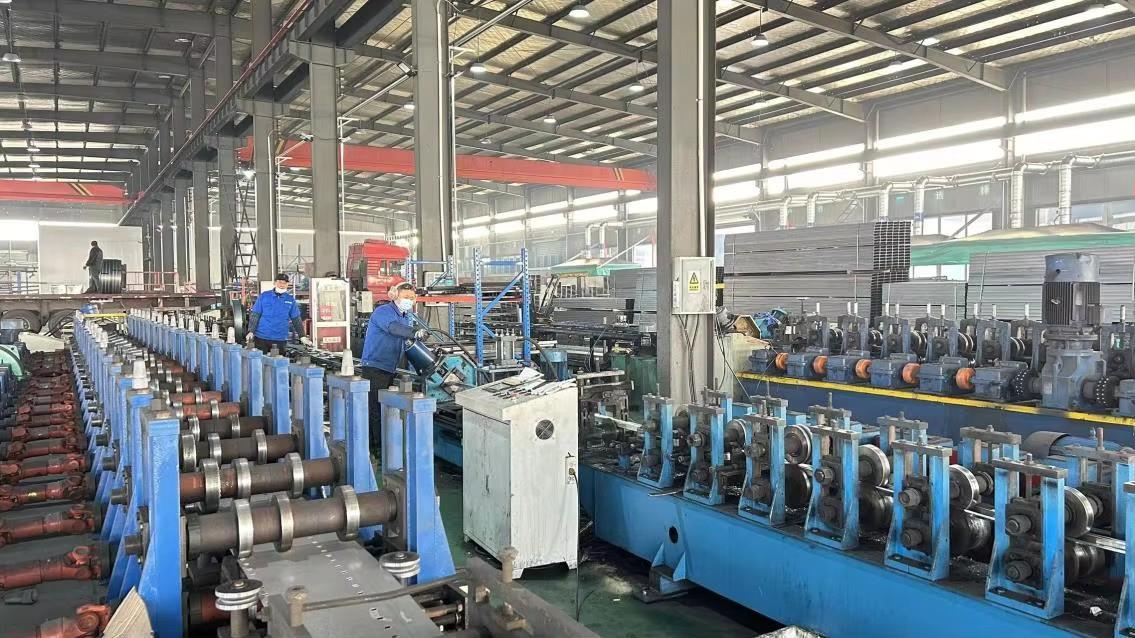
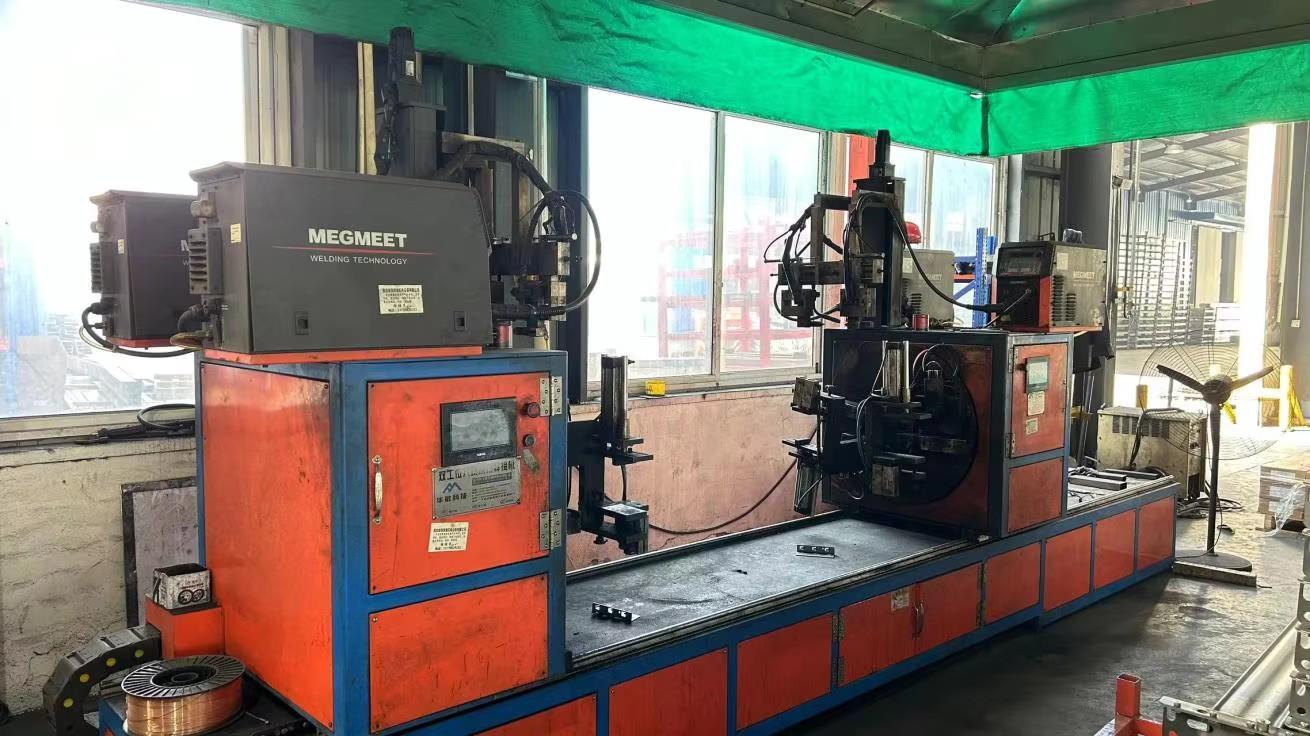
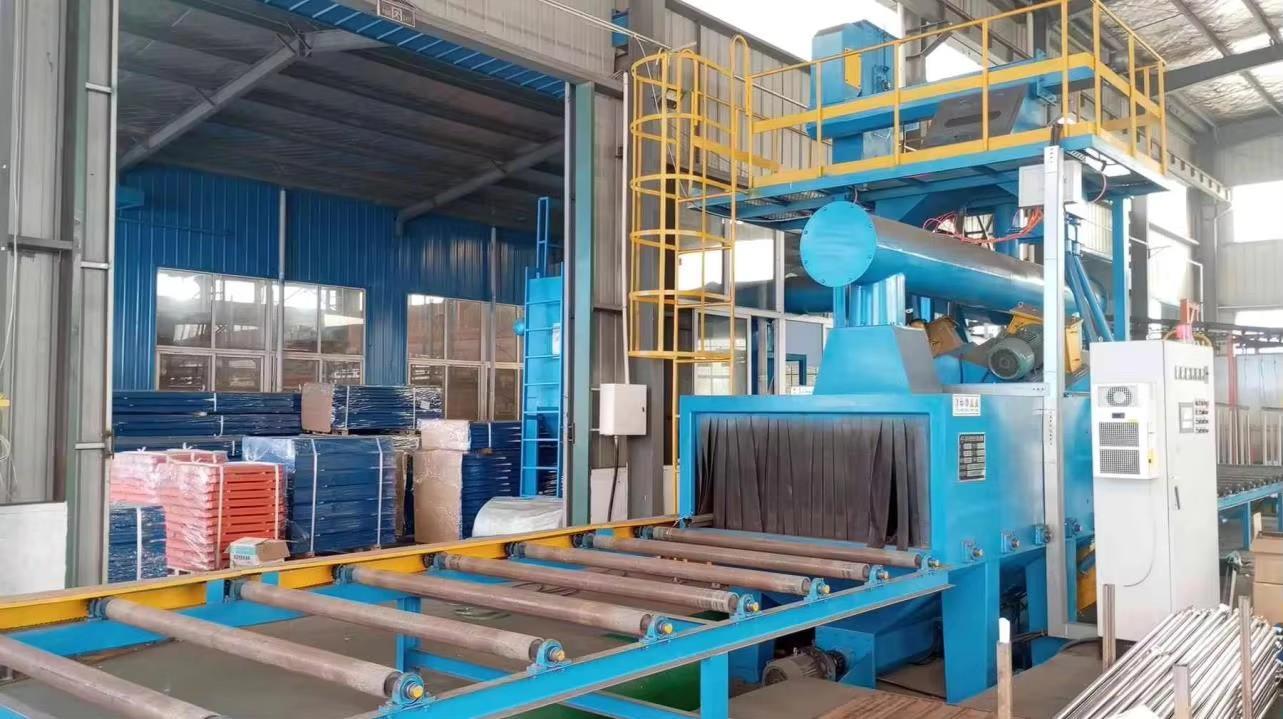
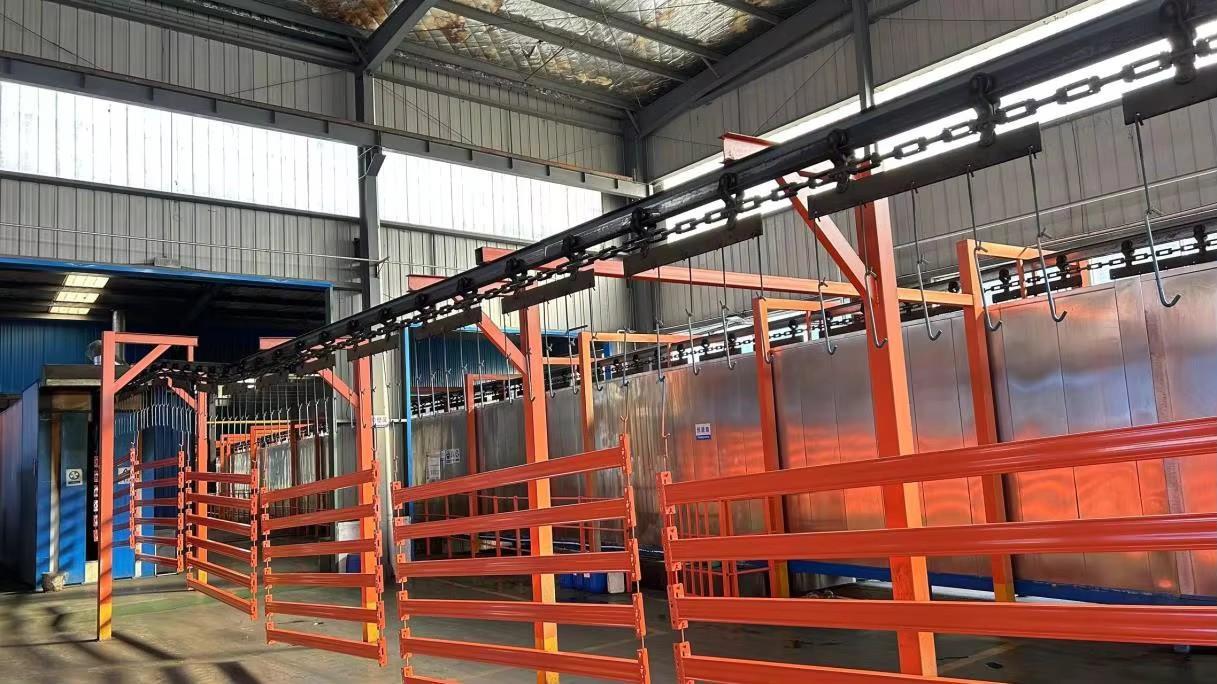
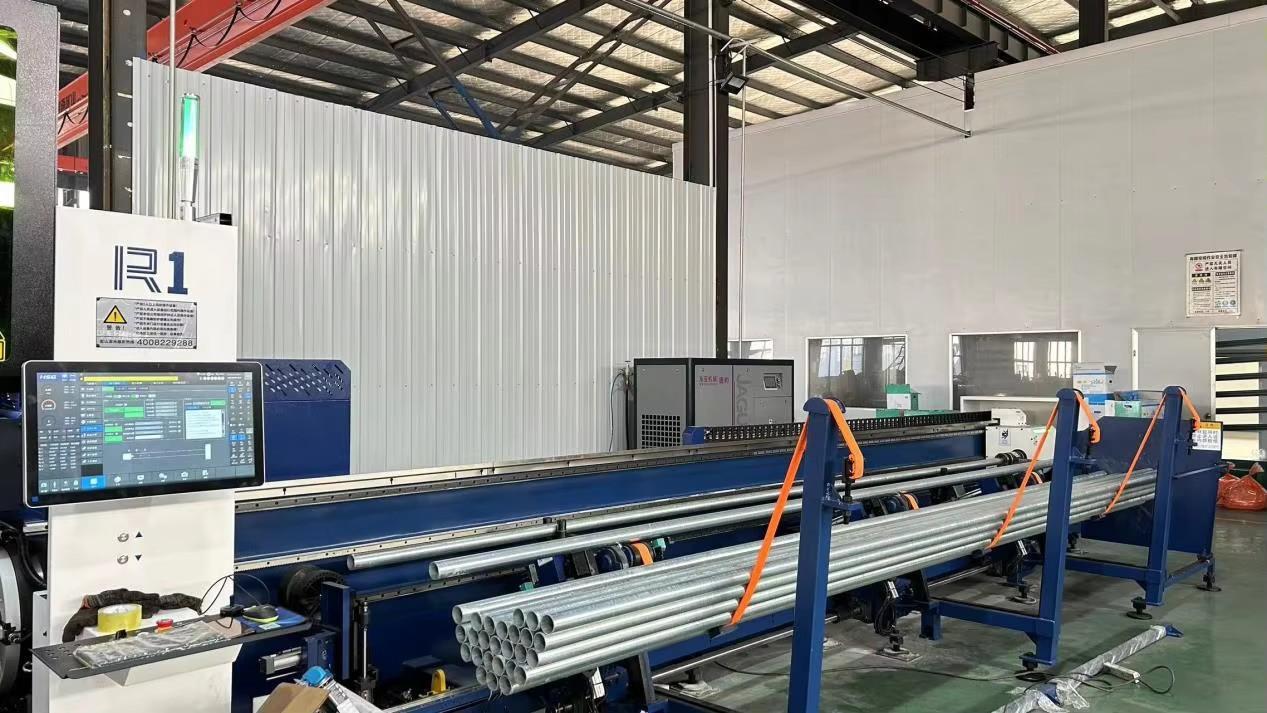
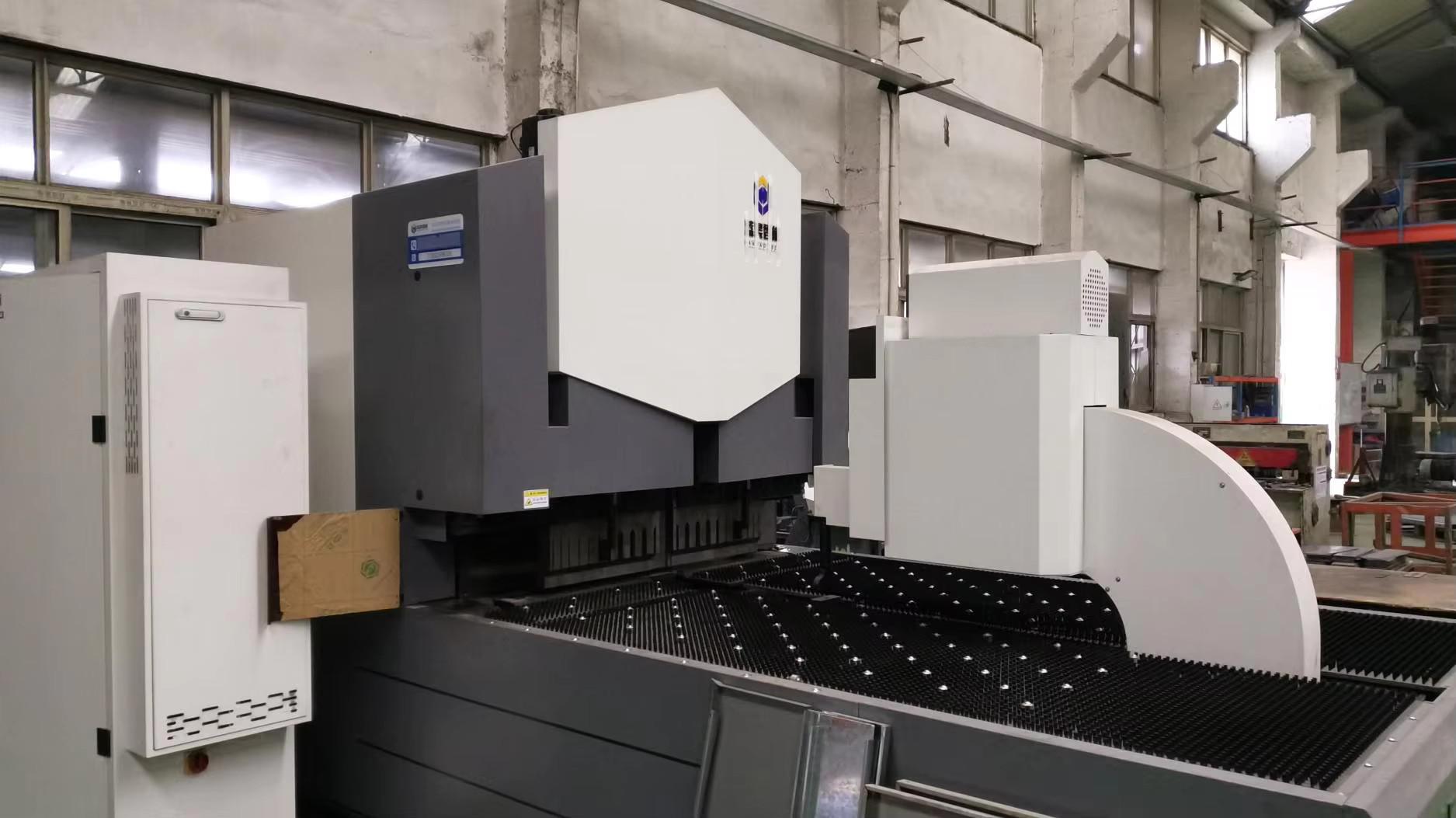
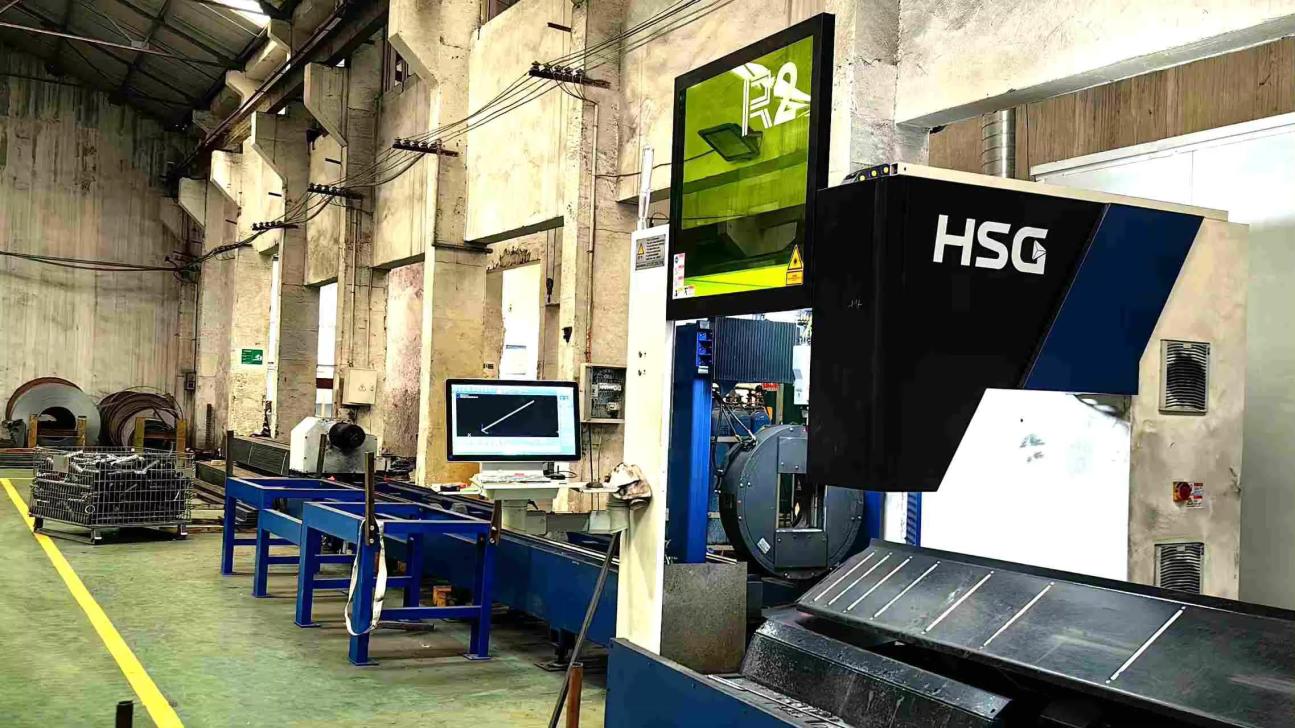
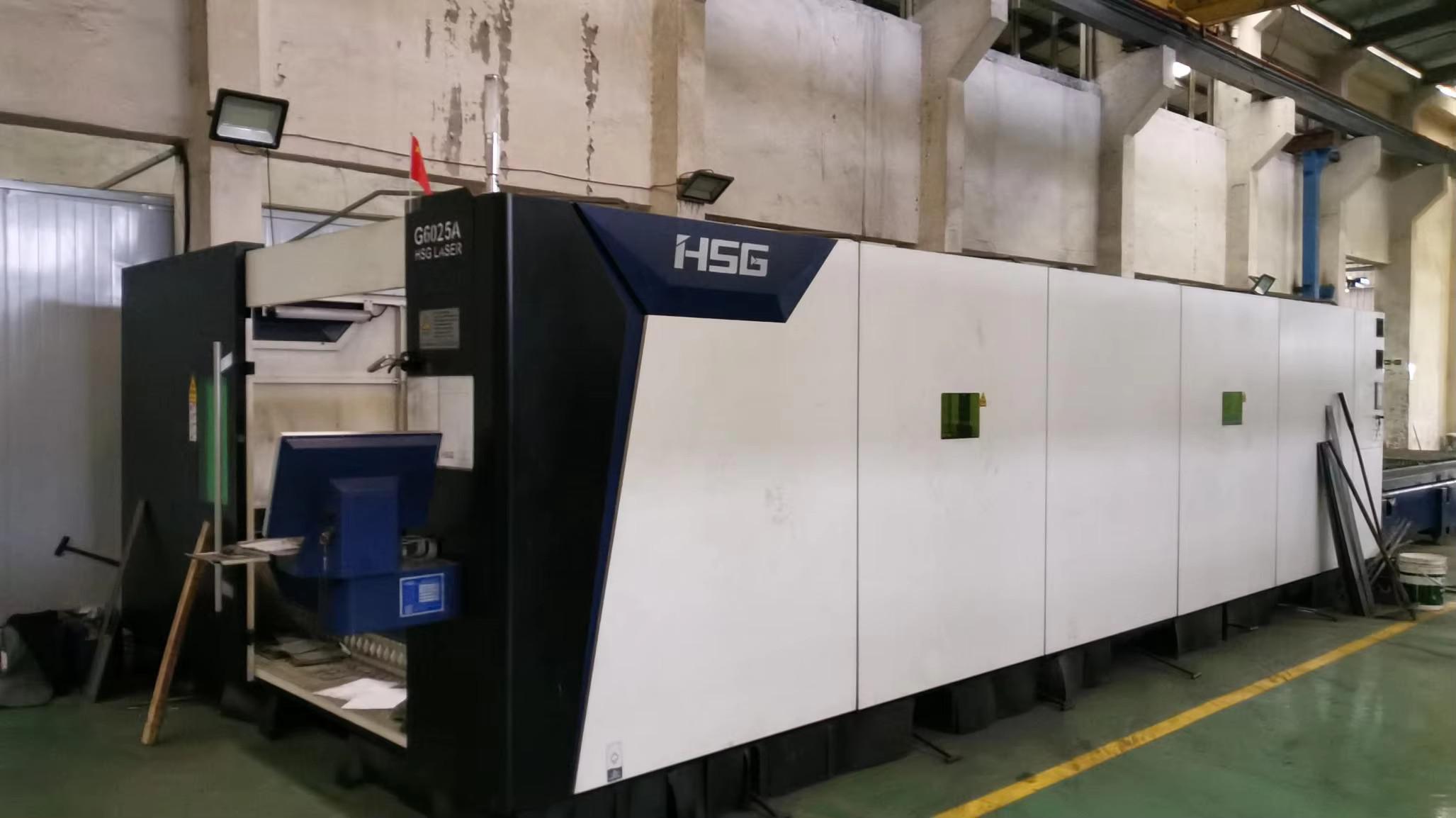
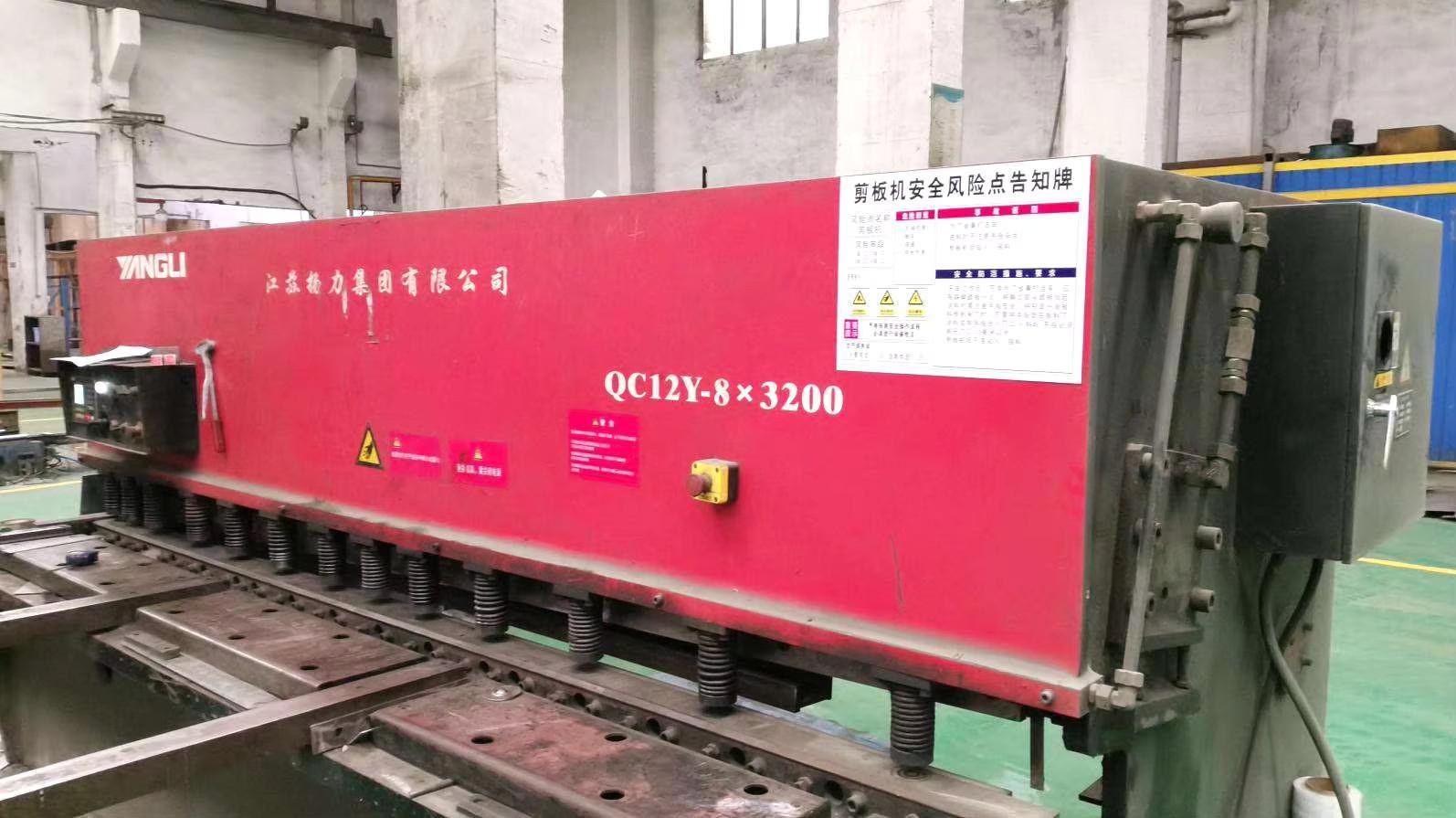
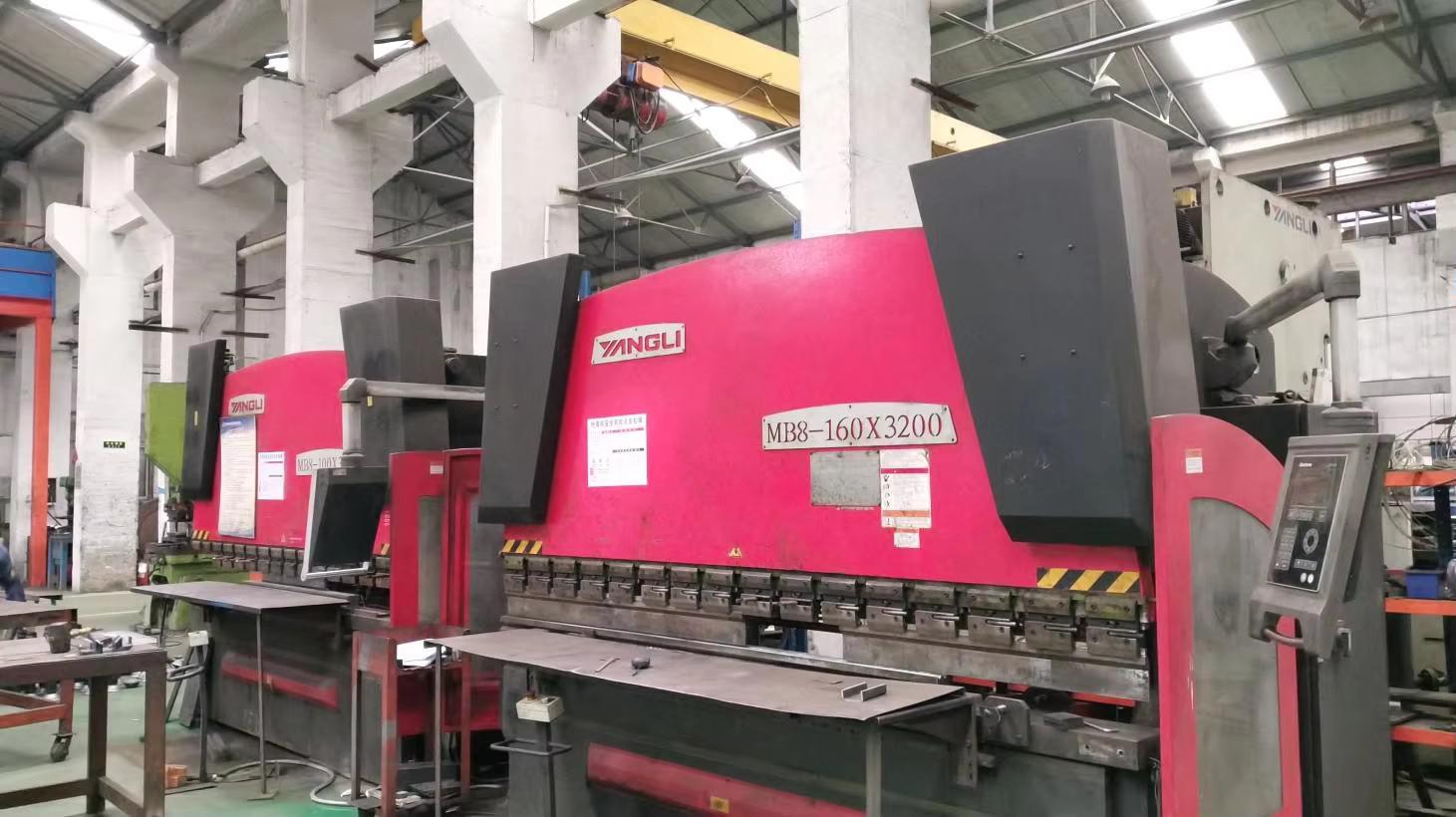
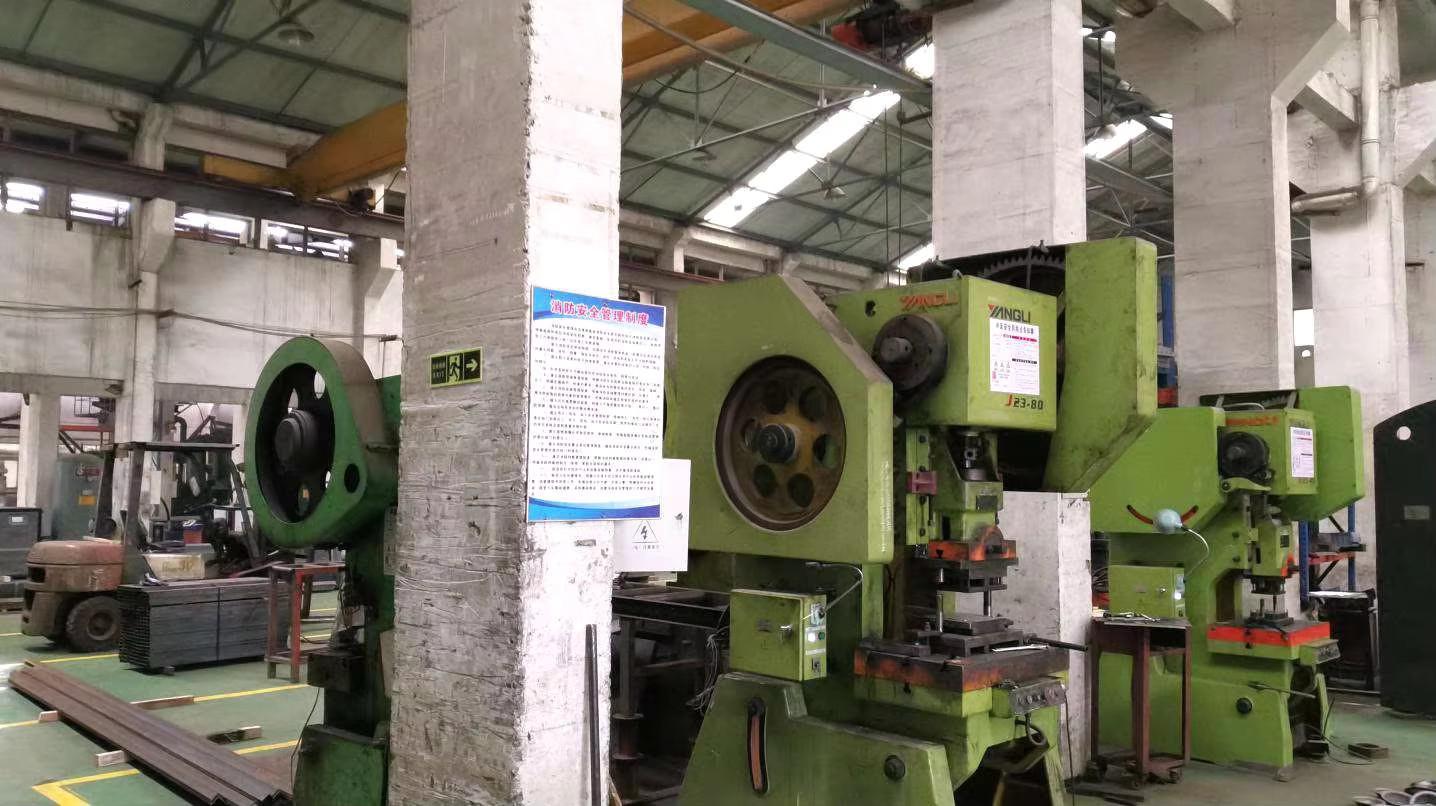
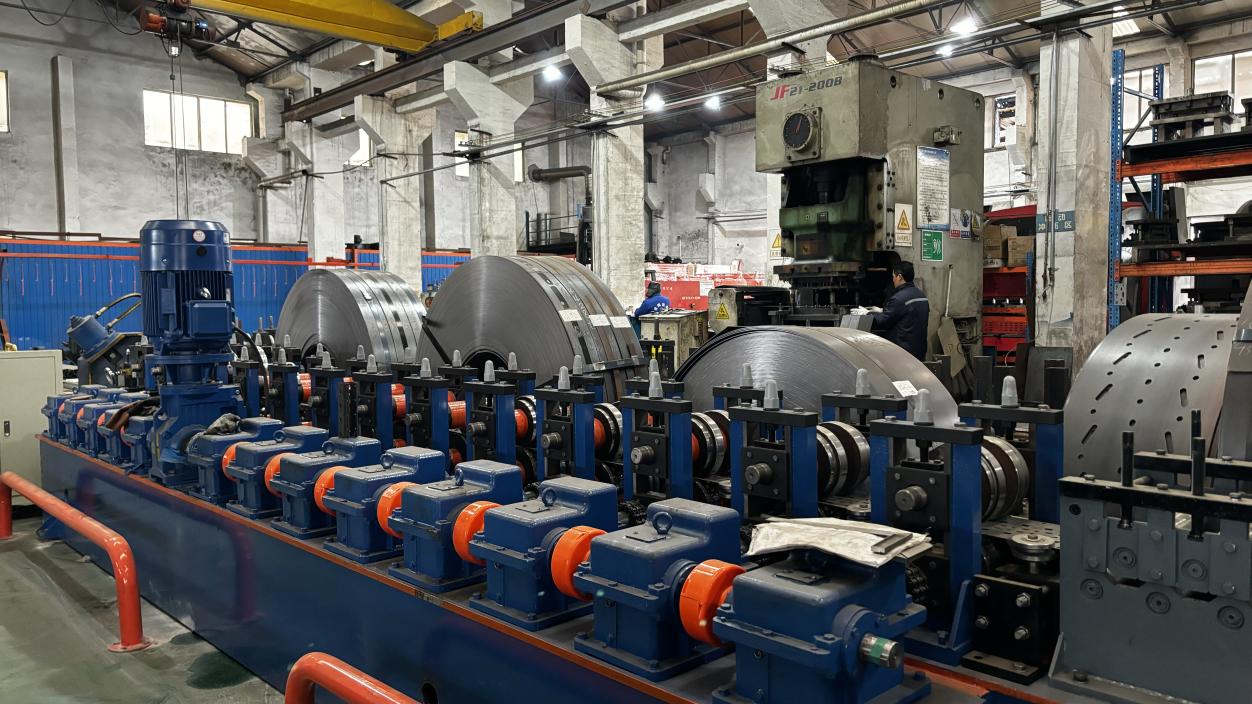
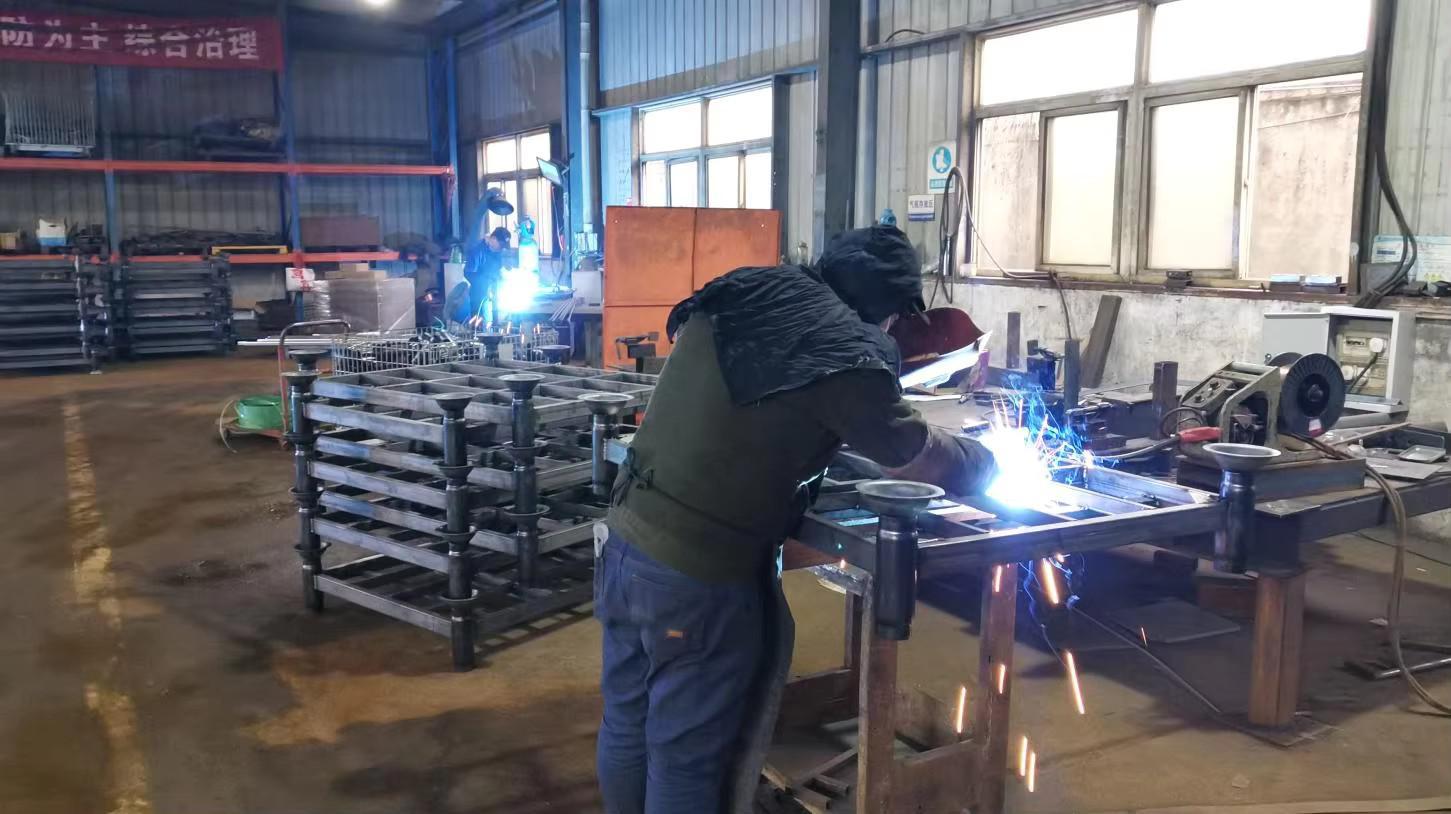
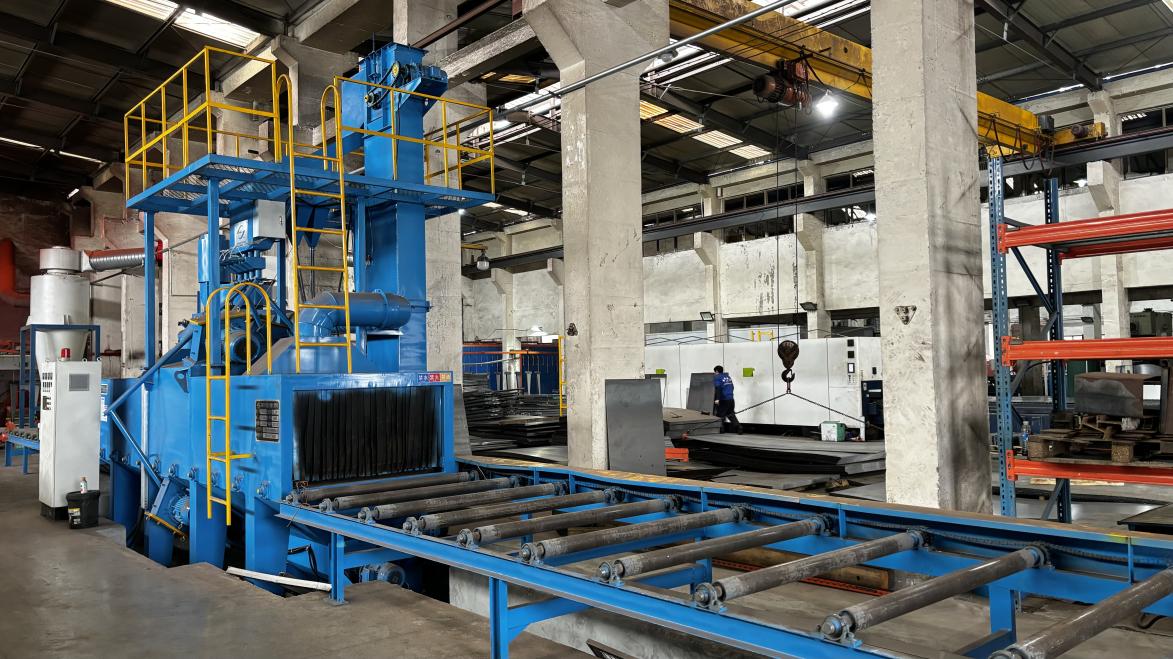
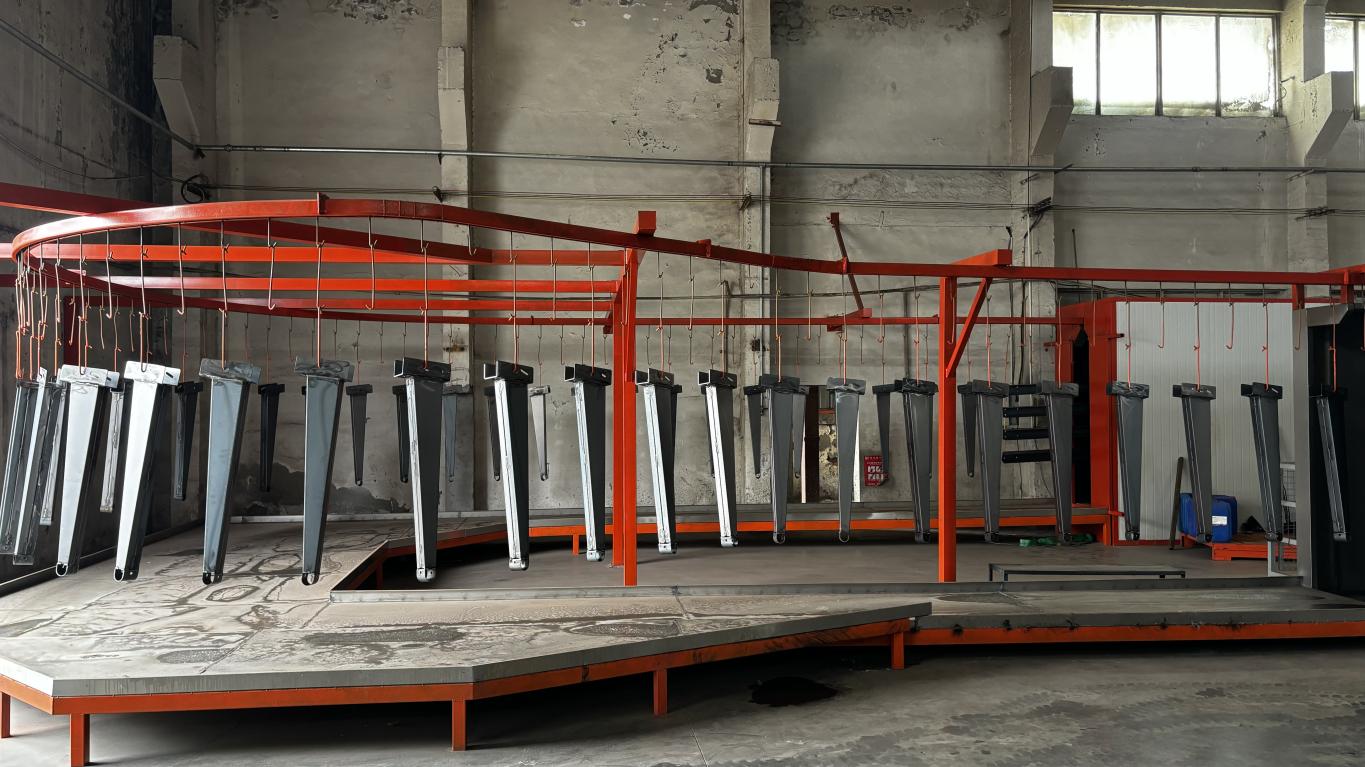
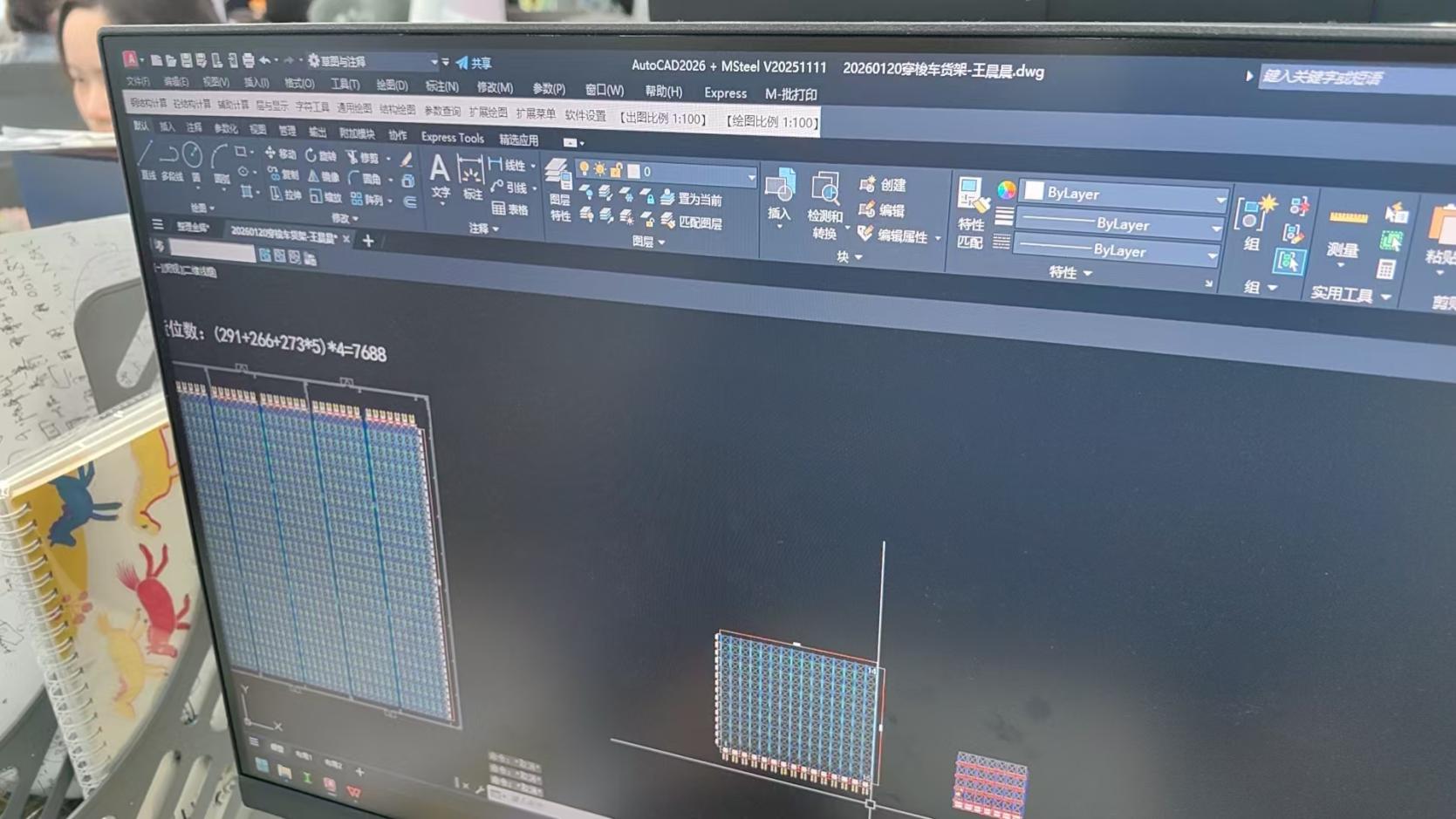
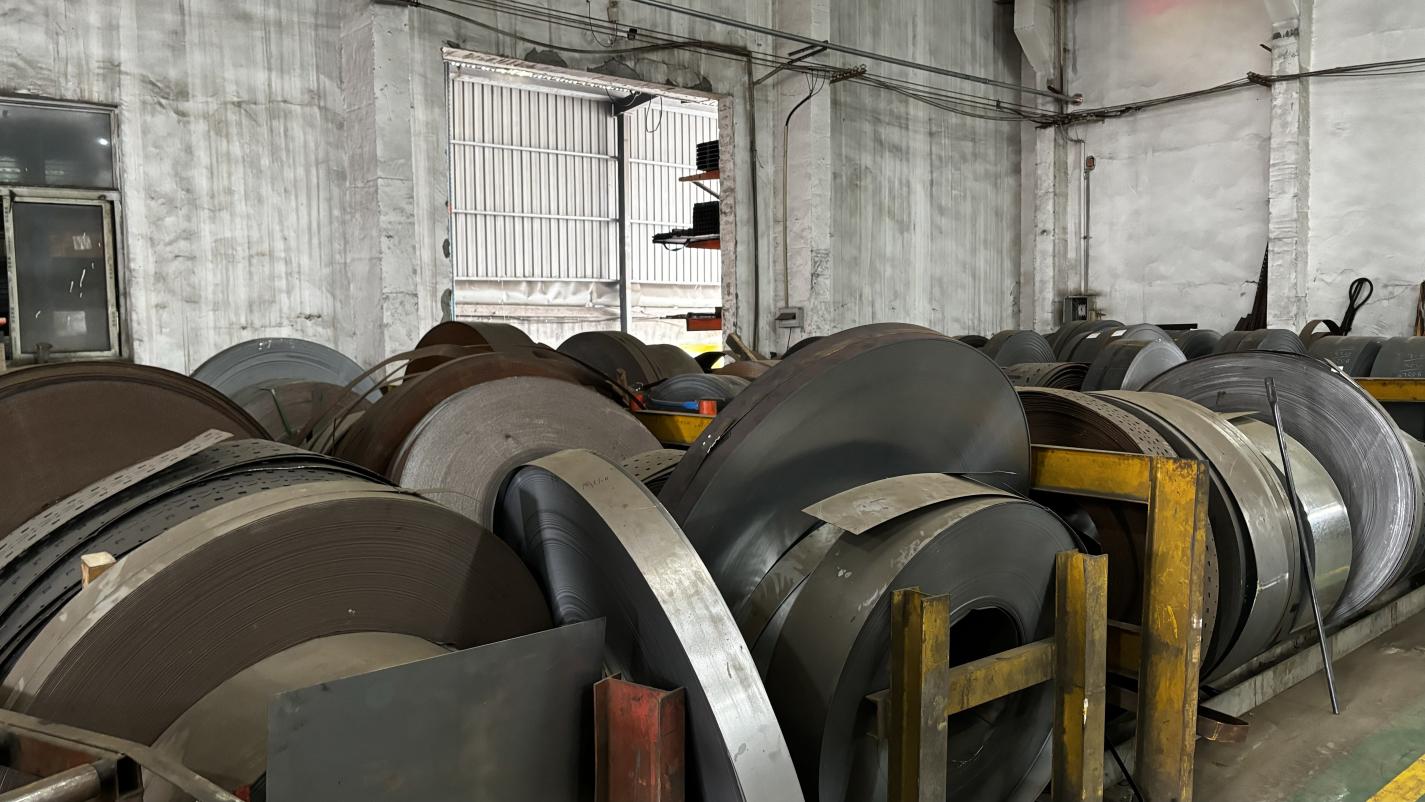
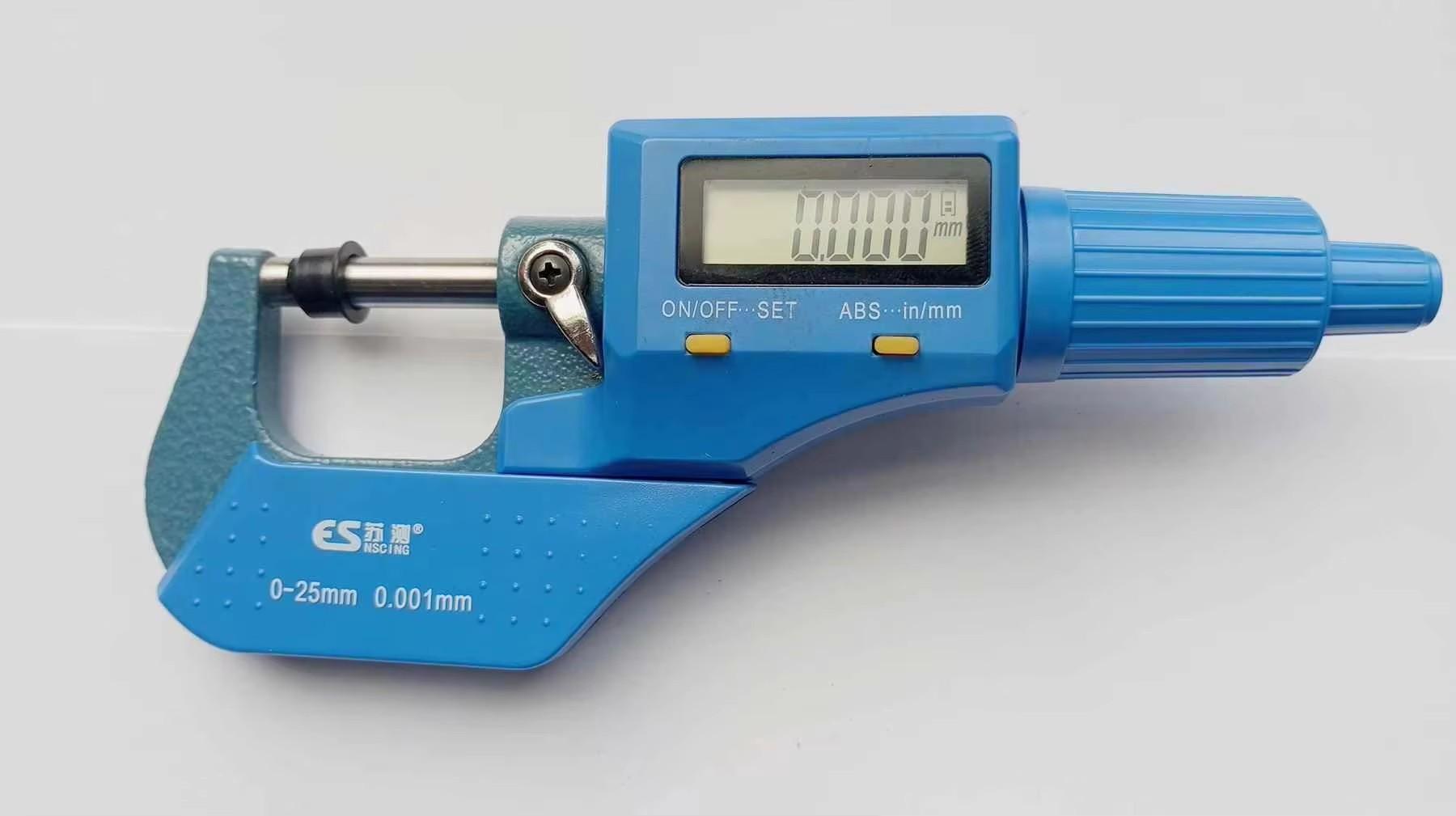
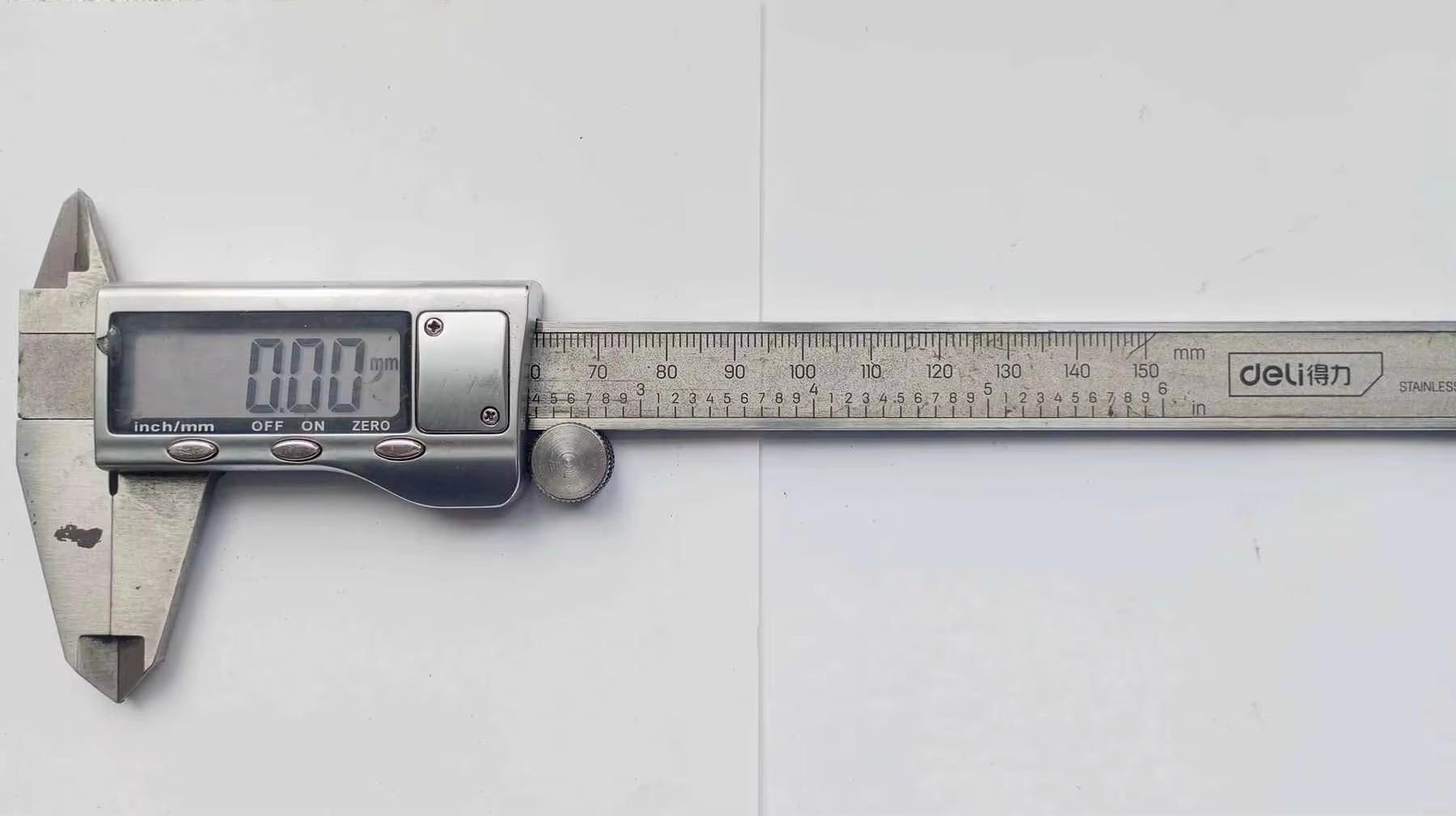

Exporting industrial storage racks to over 50 countries requires strict compliance with international mechanical codes. Jinhui projects are designed to meet standard testing criteria, including Europe's FEM 10.2.02 (design criteria for static steel pallet racking), the United States' RMI specifications (Specification for the Design, Testing and Utilization of Industrial Steel Storage Racks), and Australia's AS4084-2012 standards. This ensures that Jinhui racking structures are engineered to perform reliably under varied load conditions and seismic regulations.
Our quality assurance department consists of 46 certified inspectors. Every step—from raw coil sourcing to final packaging—is monitored. Structural steel profiles undergo load tests, dimensional checks, thickness analysis, and welding joint inspection. Standard mechanical checking methods are detailed in our factory protocol:
Raw materials undergo chemical composition testing to ensure the correct percentages of carbon, manganese, and silicon, which determine the yield strength of the steel. Weld structures are monitored using non-destructive testing (NDT) to prevent structural failure at critical joints. Final powder coatings are tested using digital thickness gauges to verify consistent protection against wear and oxidation.
Our logistics team leverages an established network of 980+ supply chain partners to handle international freight coordination, customs clearance, and container packing. Steel structural components are bundled using custom wood frames and thick plastic wraps to prevent surface scratching and mechanical shifting during ocean transport.
Answers to common structural engineering, procurement, and shipping questions for logistics operators.
To provide an accurate design and quote, our engineering team needs the complete layout drawing (CAD or PDF showing columns and obstacles), pallet dimensions (width, depth, load height including cargo), maximum load weight per pallet, forklift model specifications (to determine minimum turning radii and aisle clearances), and the desired temperature range of the facility.
We use specialized software to analyze upright frame designs against target seismic zoning. Our structural calculations model dynamic seismic loads based on local building codes. Solutions include upgrading baseplate footprints, increasing anchor bolts, using thicker steel columns, and adding custom cross-bracing setups.
Q235B has a yield strength of 235 MPa and is widely used for standard pallet racking, platforms, and light-to-medium-duty storage. Q355B has a higher yield strength of 355 MPa, making it suitable for ultra-tall structures, heavy-load beams, high-density Radio Shuttle rails, and automated high-bay racking systems.
For cold rooms (down to -30°C) and corrosive environments, we recommend either hot-dip galvanized steel components (offering long-term surface protection) or specialized low-temperature powder coatings. These maintain finish adhesion and resist cracking under thermal contraction.
Yes. With 68 R&D engineers, we provide complete OEM and ODM design services. We customize color schemes to match your brand, stamp structural load capacity markings, and package systems with custom labels for distribution networks.
Our packing team uses wood-blocking, cardboard protectors on edges, and plastic strapping. Long upright profiles are bundled together, and small connection components are packed in heavy-duty wooden crates. This packaging ensures structural steel products arrive undamaged.
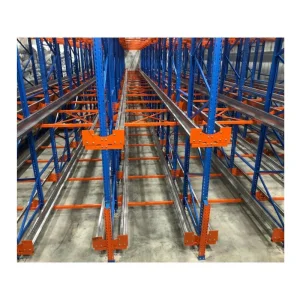
High density storage and shuttle rack systems engineered for distribution centers requiring high throughput velocity.
 Jinhui Storage Equipment