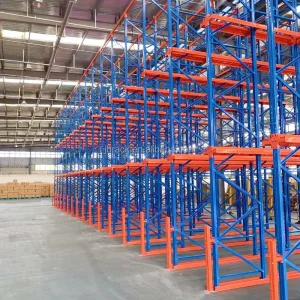
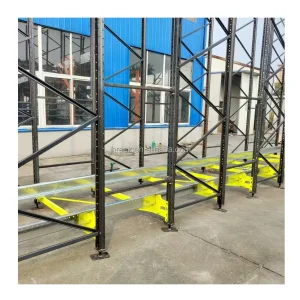
Engineered high-density storage platforms built for heavy-duty operational capacities.
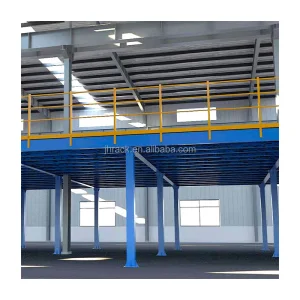
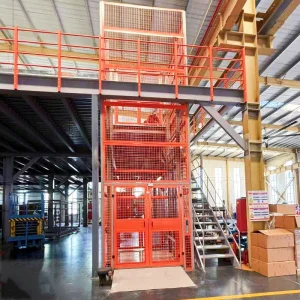
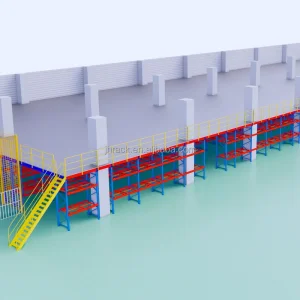
Understanding structural engineering parameters to maximize spatial efficiency in global supply chains.
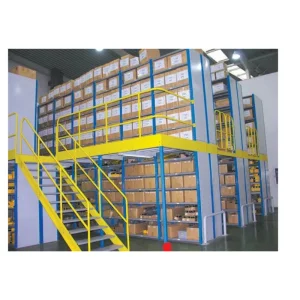
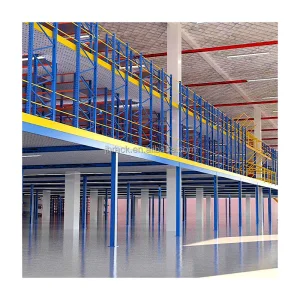
Industrial warehousing is undergoing a paradigm shift driven by urban property premium inflation, skyrocketing land acquisition costs, and the rapid growth of localized e-commerce distribution centers. Within this framework, expanding horizontally is no longer financially viable. The optimization of the vertical cubic volume of a facility via multi-tiered mezzanine racking systems has transitioned from an optional space extension method to a primary architectural priority.
Dongguan Jinhui Storage Equipment Co., Ltd., established in 2017, operates at the core of this industrial engineering domain. With over 14 years of design and production expertise within the material handling sector, our manufacturing infrastructure delivers structural steel mezzanine floors, rack-supported elevated lofts, and multi-tier picking platforms engineered to withstand demanding operational conditions. Backed by 980 supply chain partners and certified under ISO 9001:2015, Jinhui guarantees that every structural system we manufacture adheres strictly to global industrial safety guidelines.
The shift toward automated, modular, and structurally sustainable storage interfaces.
Modern supply chains demand highly flexible infrastructures. Static, welded permanent structural configurations are being phased out in favor of bolted structural steel mezzanine frames. This modularity allows international distributors to dismantle, expand, or relocate systems as supply chains evolve, significantly reducing capital expenditure risk.
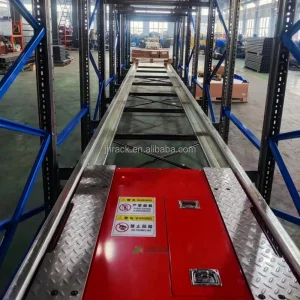
Automated Guided Vehicles (AGVs), Autonomous Mobile Robots (AMRs), and Automated Storage and Retrieval Systems (ASRS) are increasingly integrated with multi-tier floor platforms. Modern mezzanines must be engineered for dynamic structural responses, precise floor flatness (FF/FL tolerances), and custom path layouts to ensure seamless robotic operation.
With corporate carbon targets standardizing globally, suppliers are sourcing lightweight high-tensile structural cold-formed steel. These materials reduce the overall dead load of the mezzanine system, saving money on concrete foundation retrofitting while lowering the embodied carbon footprint of the facility.
Addressing engineering complexity, regional compliance barriers, and structural safety.
One of the most frequent errors in mezzanine procurement is failing to define the dynamic requirements of the floor deck. While static shelving requires standard uniformly distributed load (UDL) calculations, facilities deploying heavy rolling hand jacks, pallet trucks, or AGVs generate localized point loads and wheel shear strain. Jinhui's structural engineers custom-design floor decking options—ranging from structural steel plates and bar gratings to high-density resin-board composites backed by corrugated steel underlayment—to handle these dynamic forces safely.
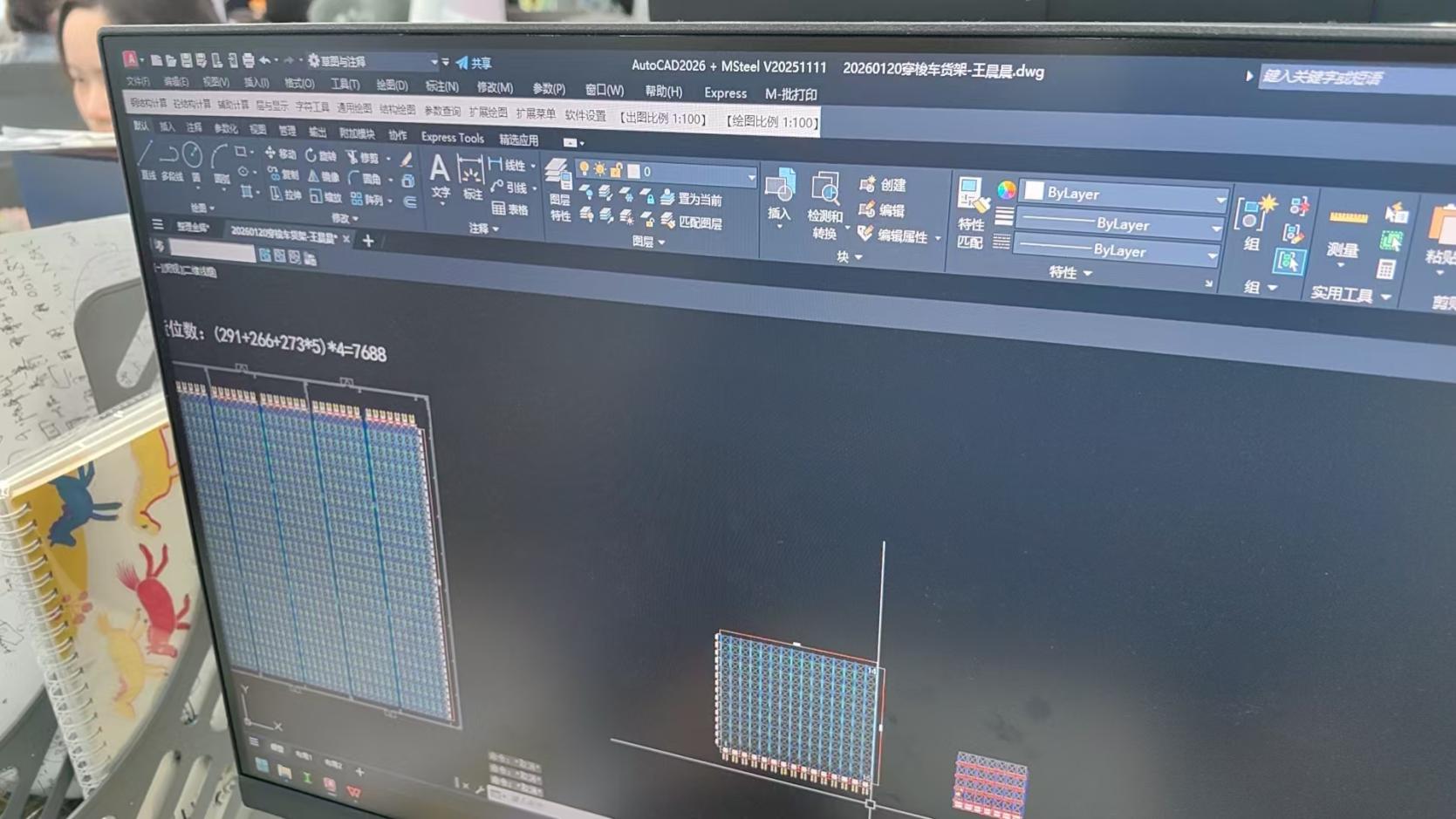
For installations in active seismic zones (such as parts of North America, Japan, and Italy), structural integrity relies on complex seismic calculations. Under international building standards (like IBC 2021 and AS4084), structural engineers must size column cross-sections, baseplate profiles, and diagonal brace systems to account for regional horizontal acceleration coefficients. Jinhui leverages automated finite element analysis (FEA) modeling to simulate seismic forces, ensuring your installation meets local building safety regulations.
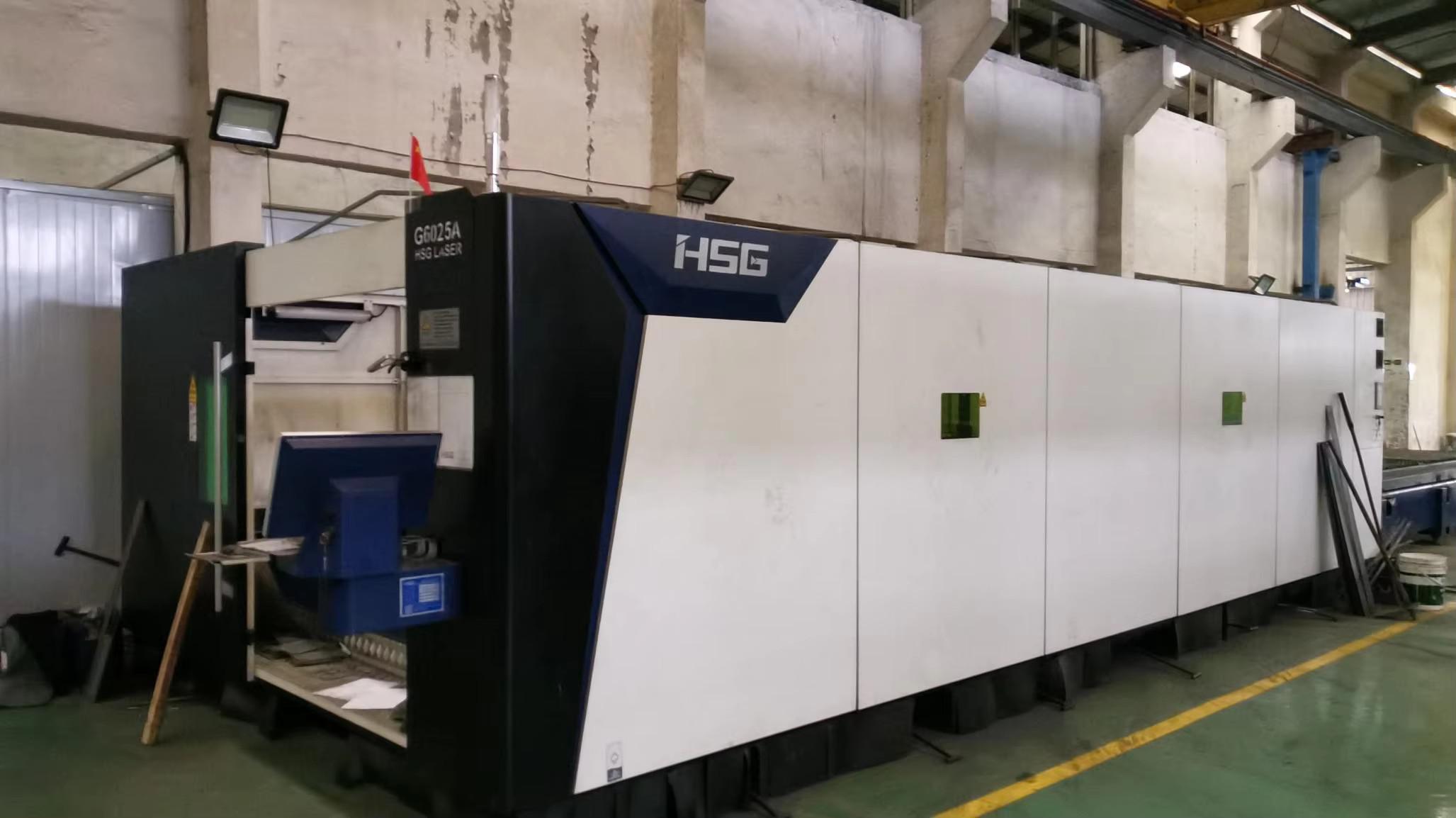
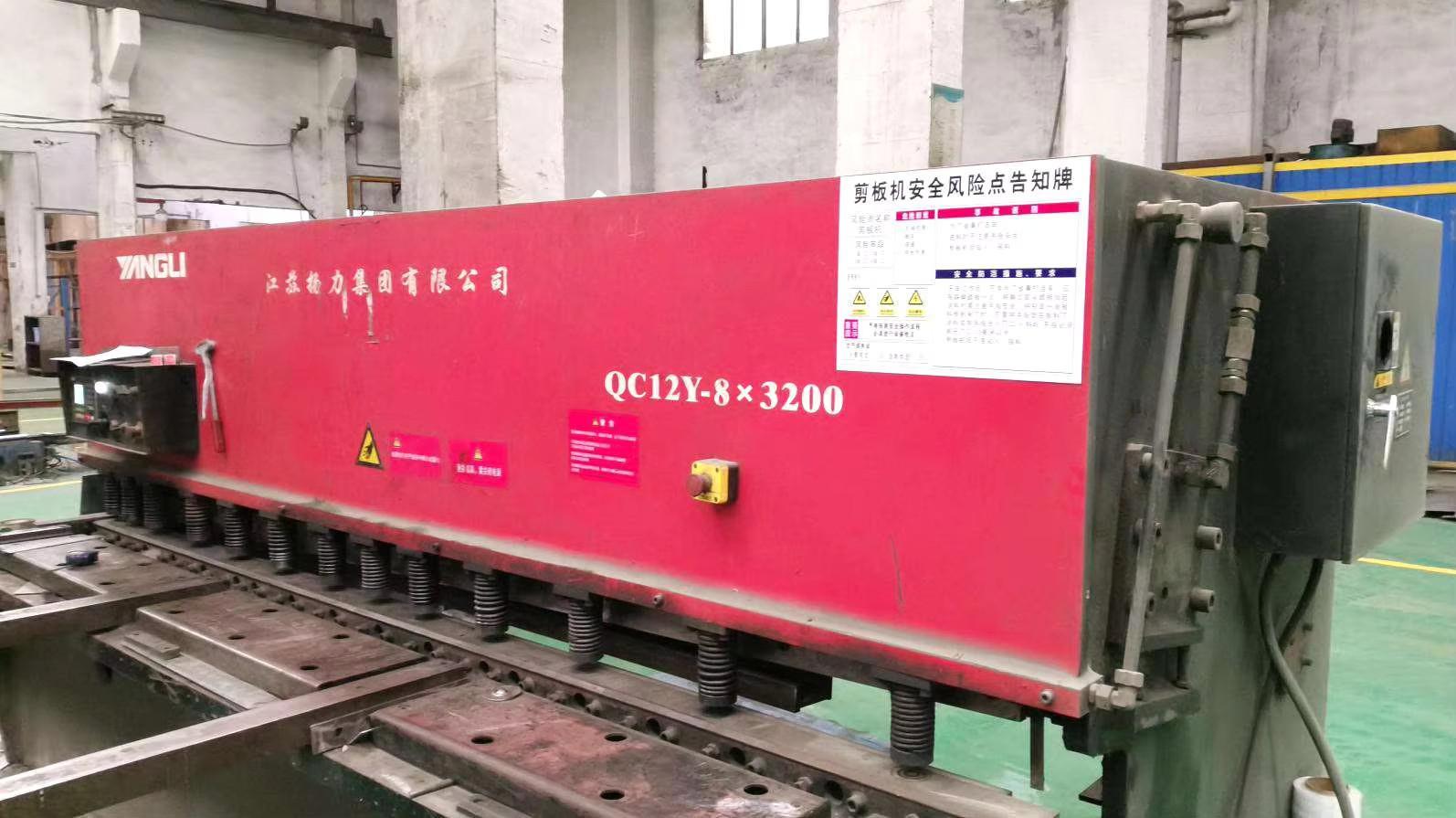
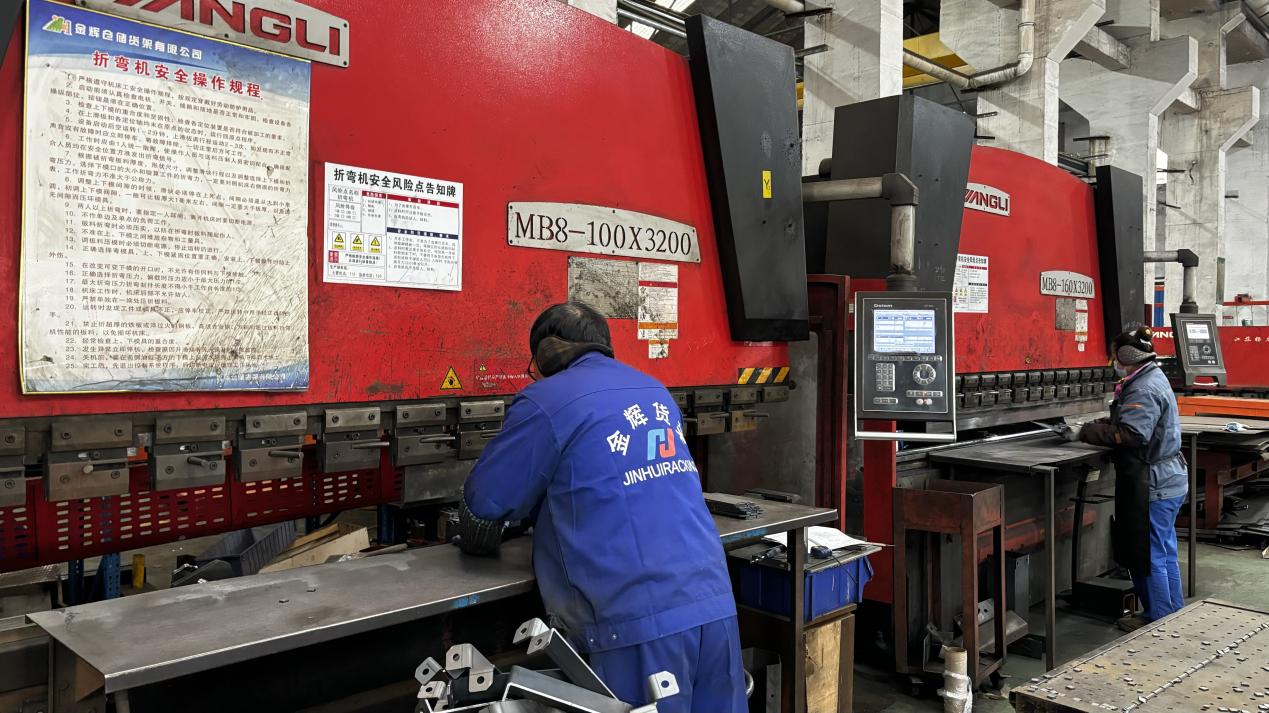
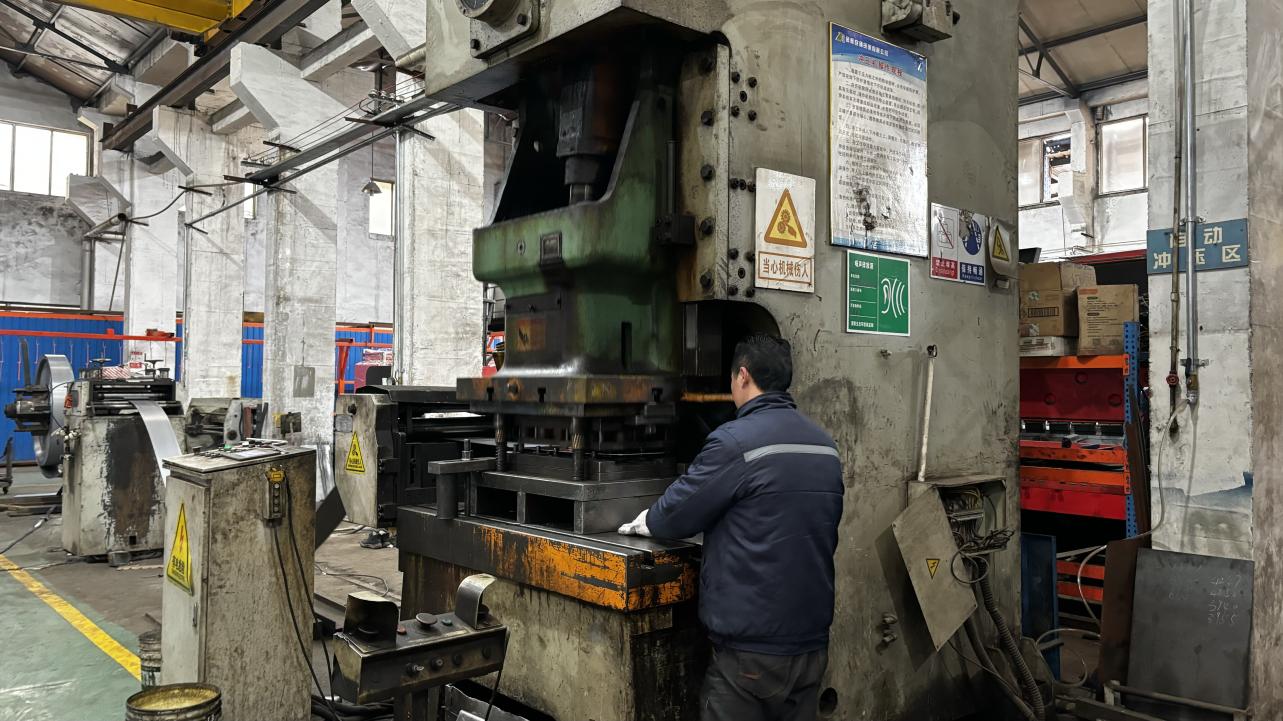
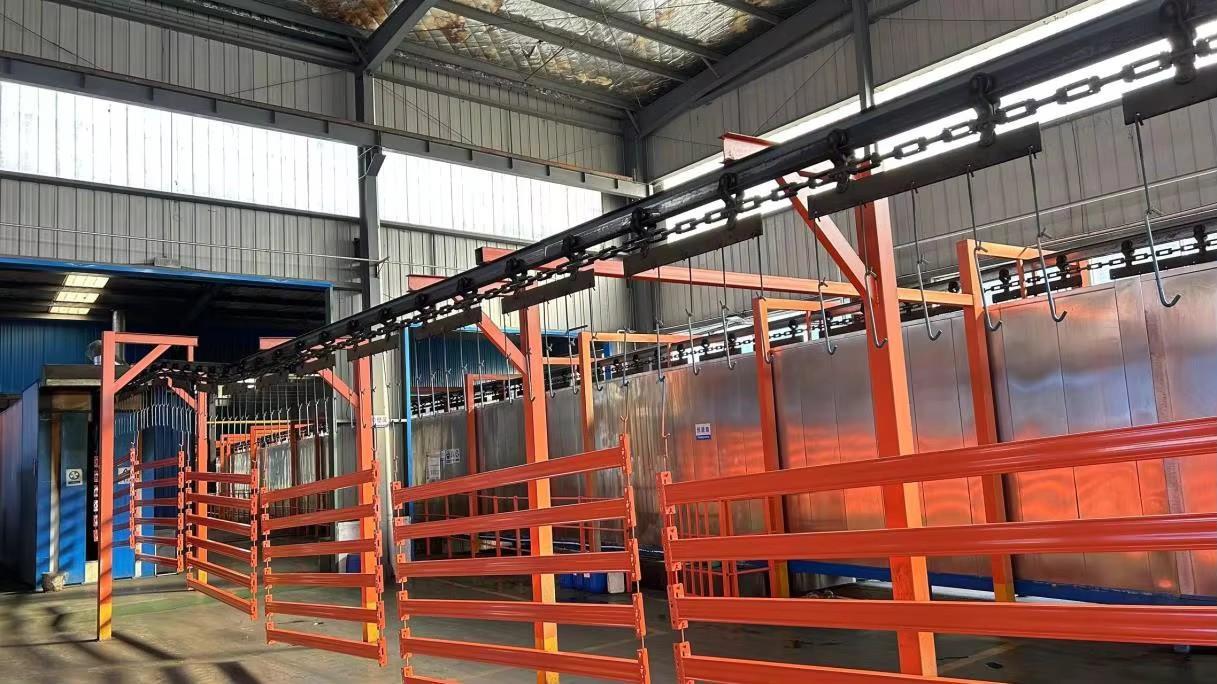
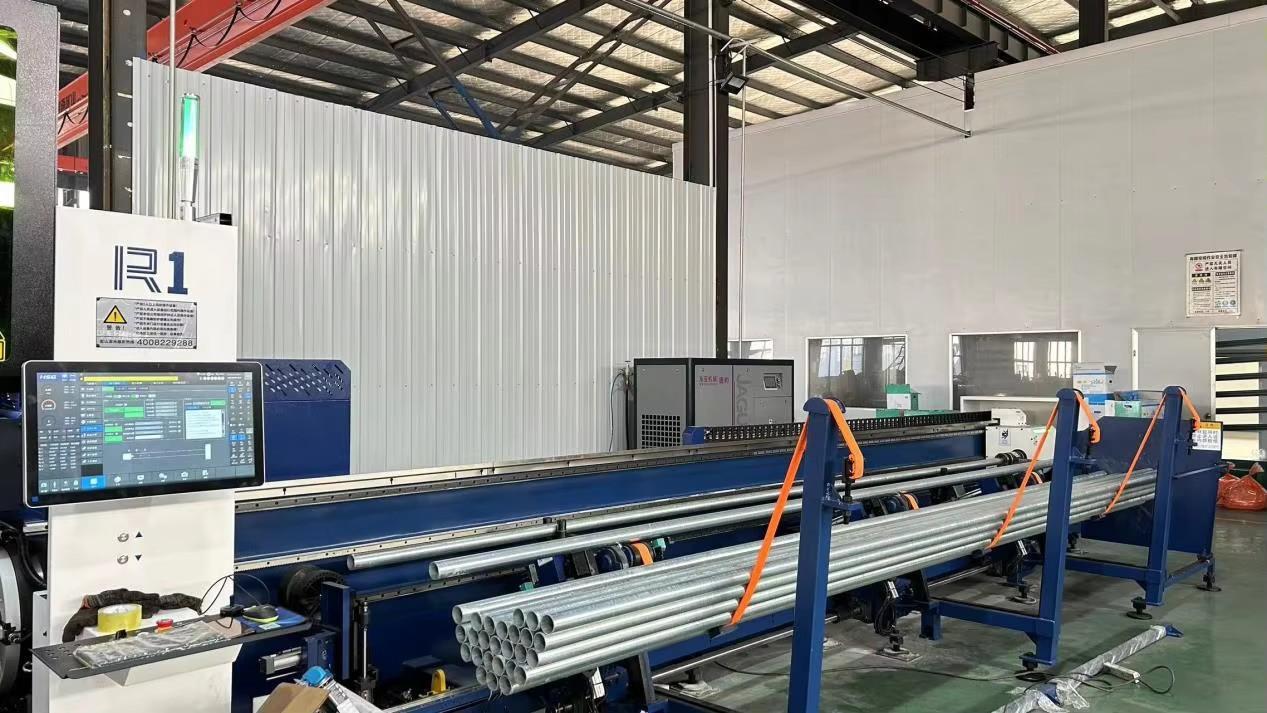
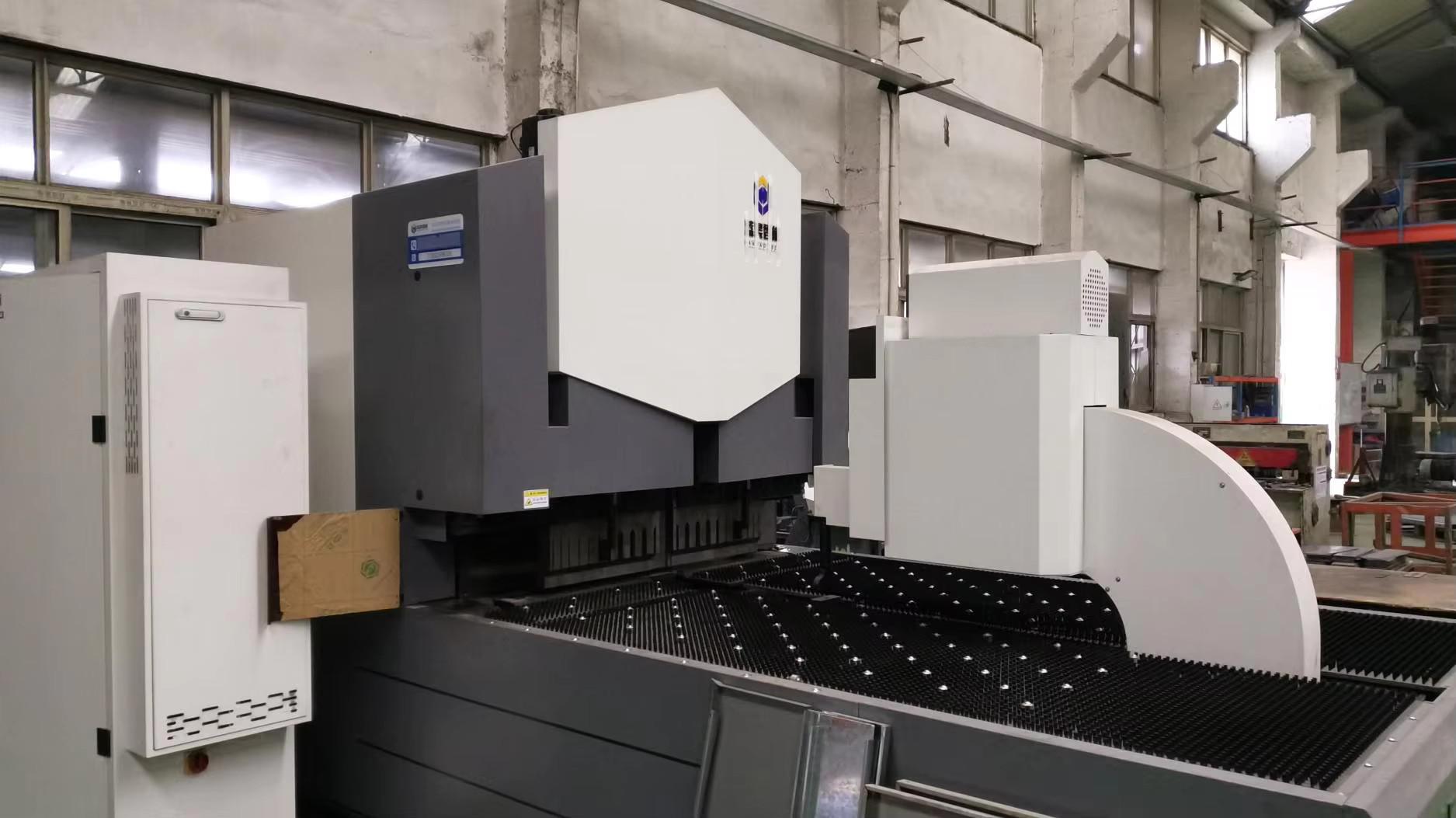
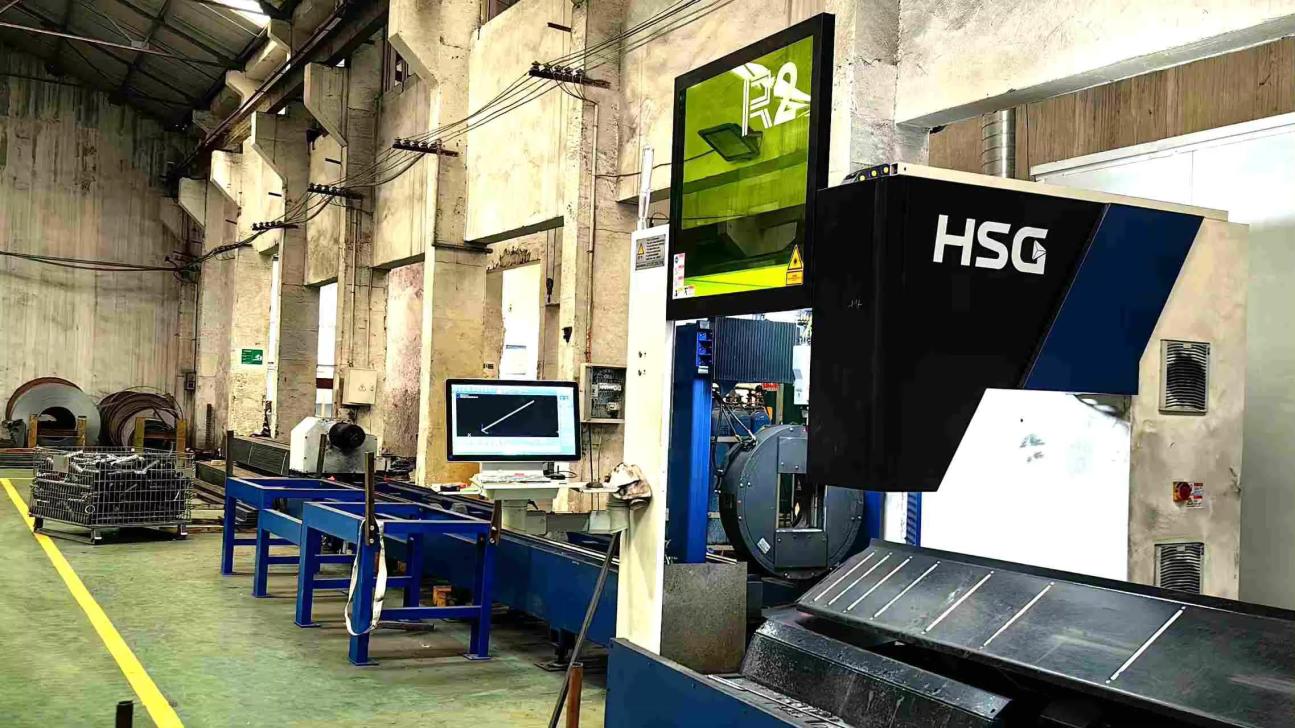
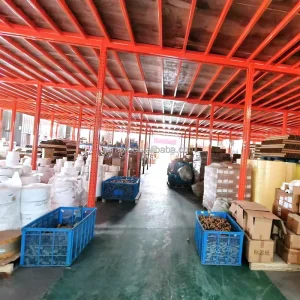
Inside Dongguan Jinhui’s 18,600 sqm Advanced Production Facility.
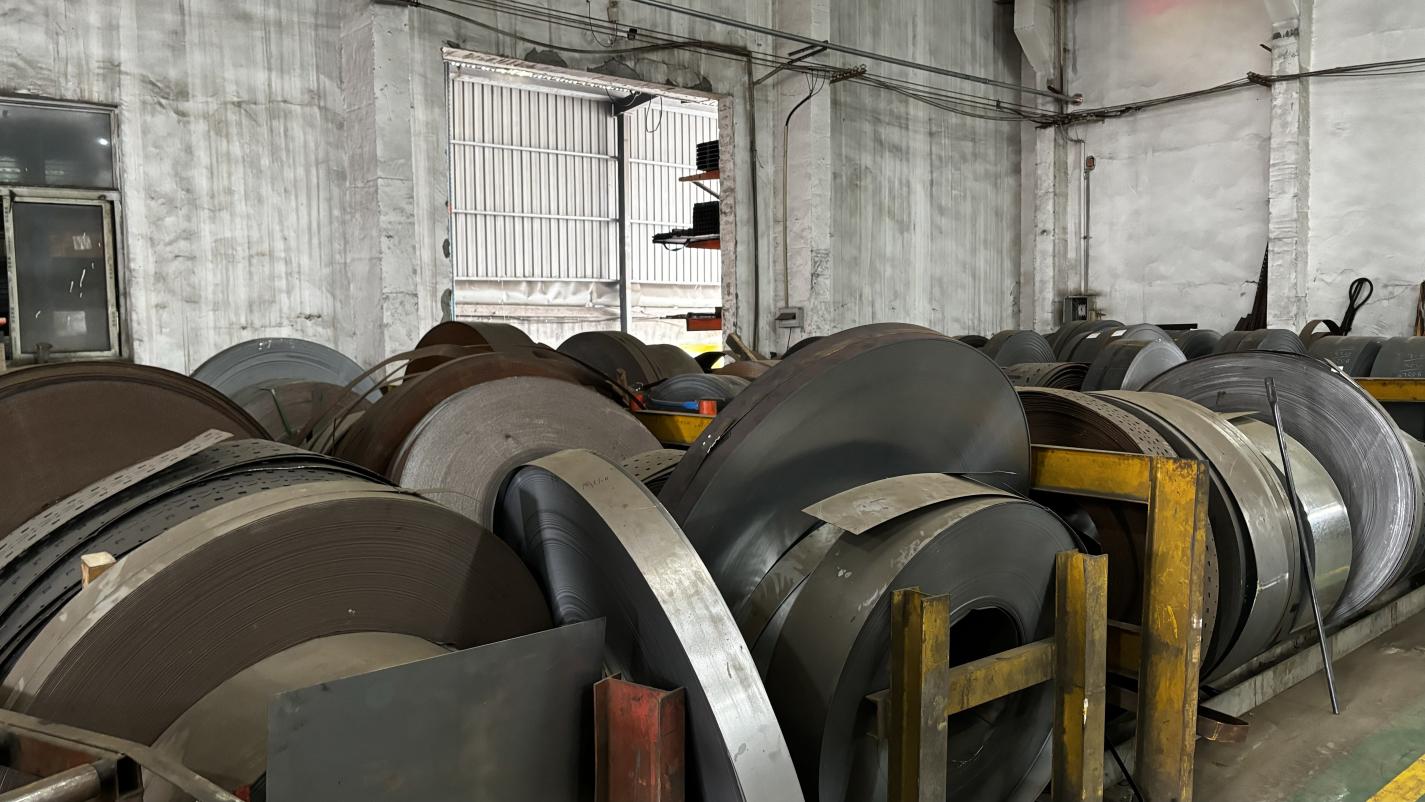
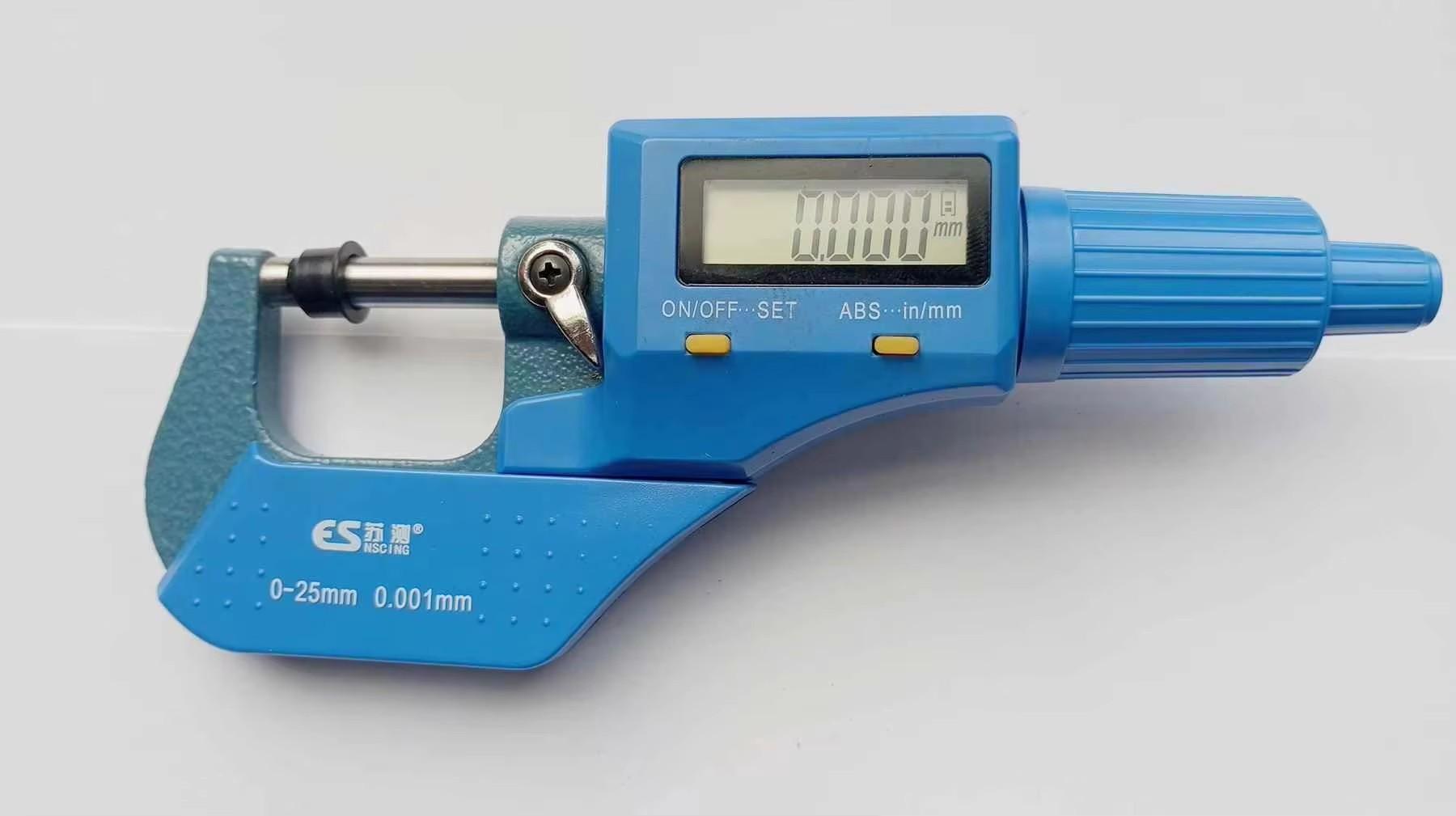
Our quality control strategy relies on advanced manufacturing technology. Featuring precision CNC punches, automated structural welding lines, and rigorous inspection protocols overseen by 46 experienced quality inspectors, we maintain a reliable, high-standard production process.
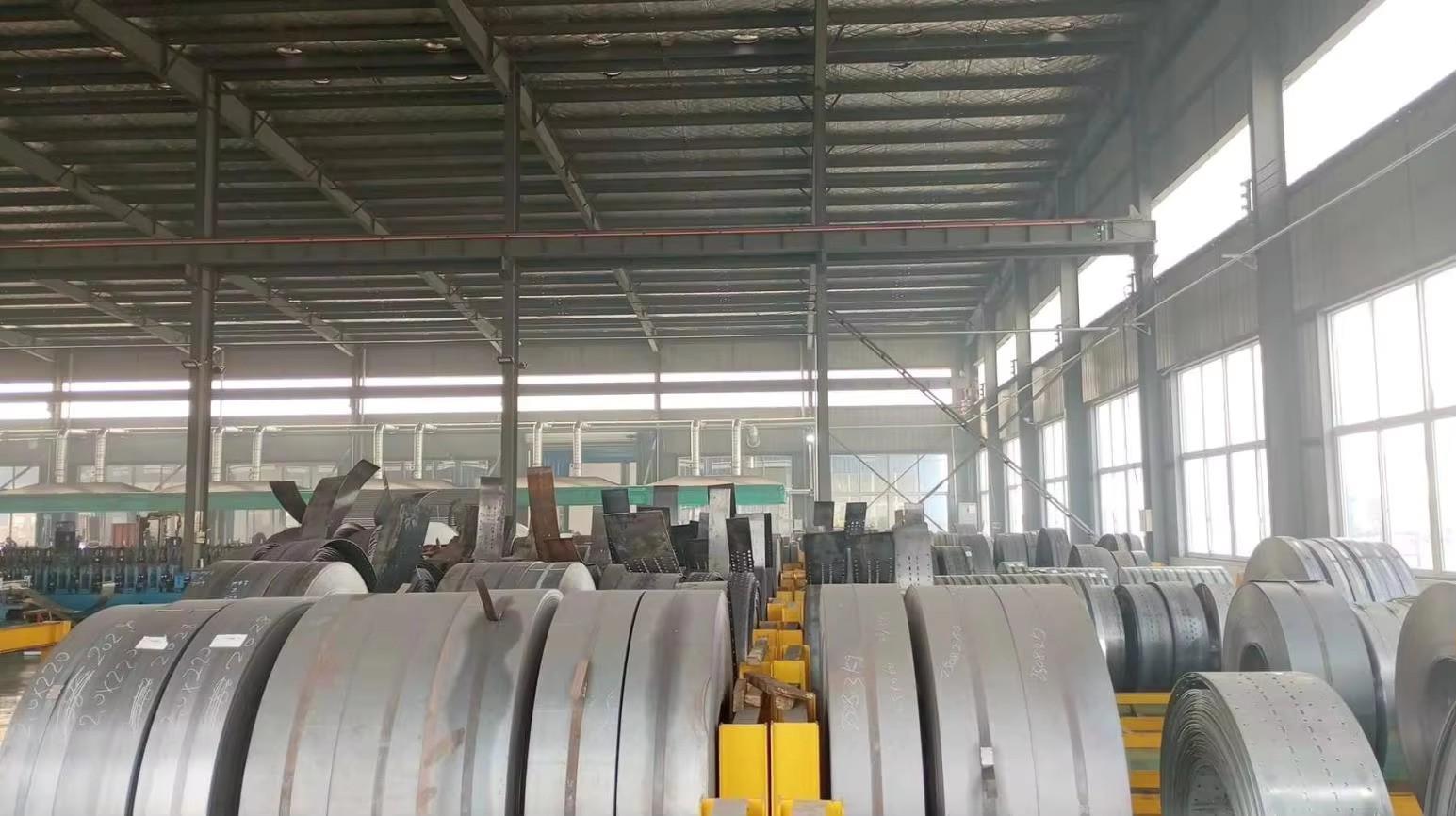
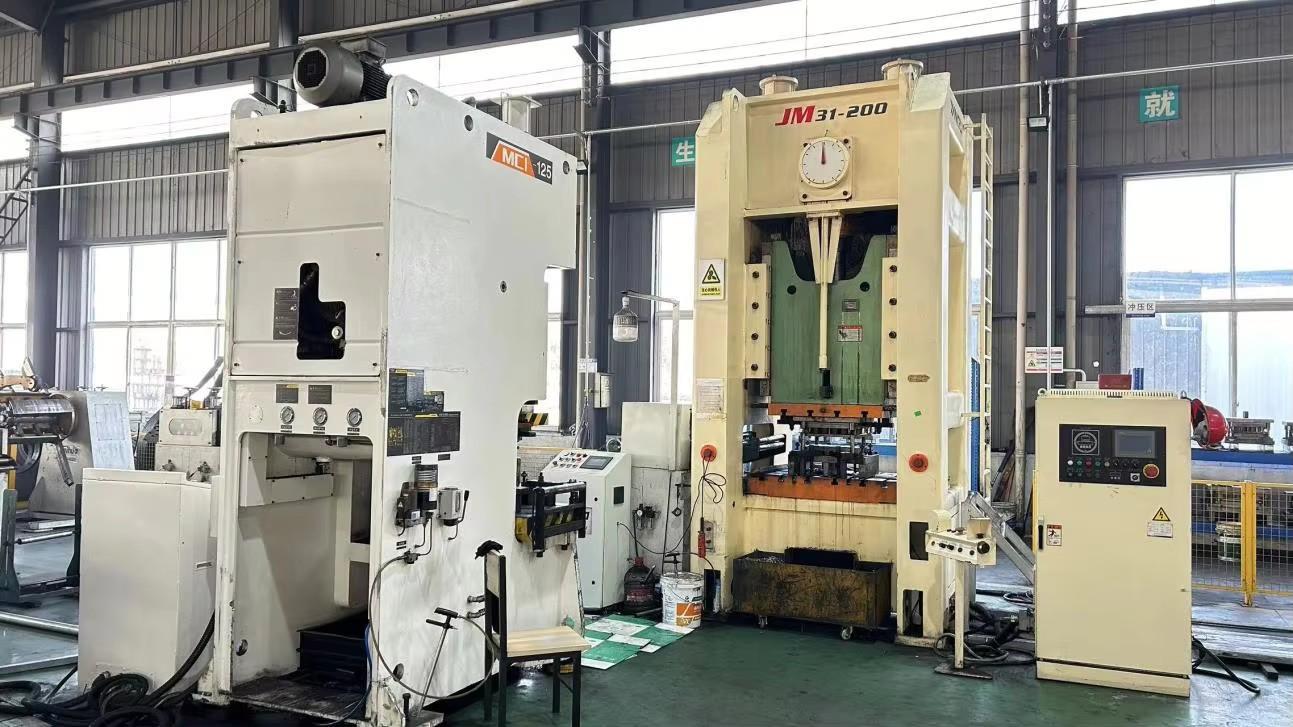
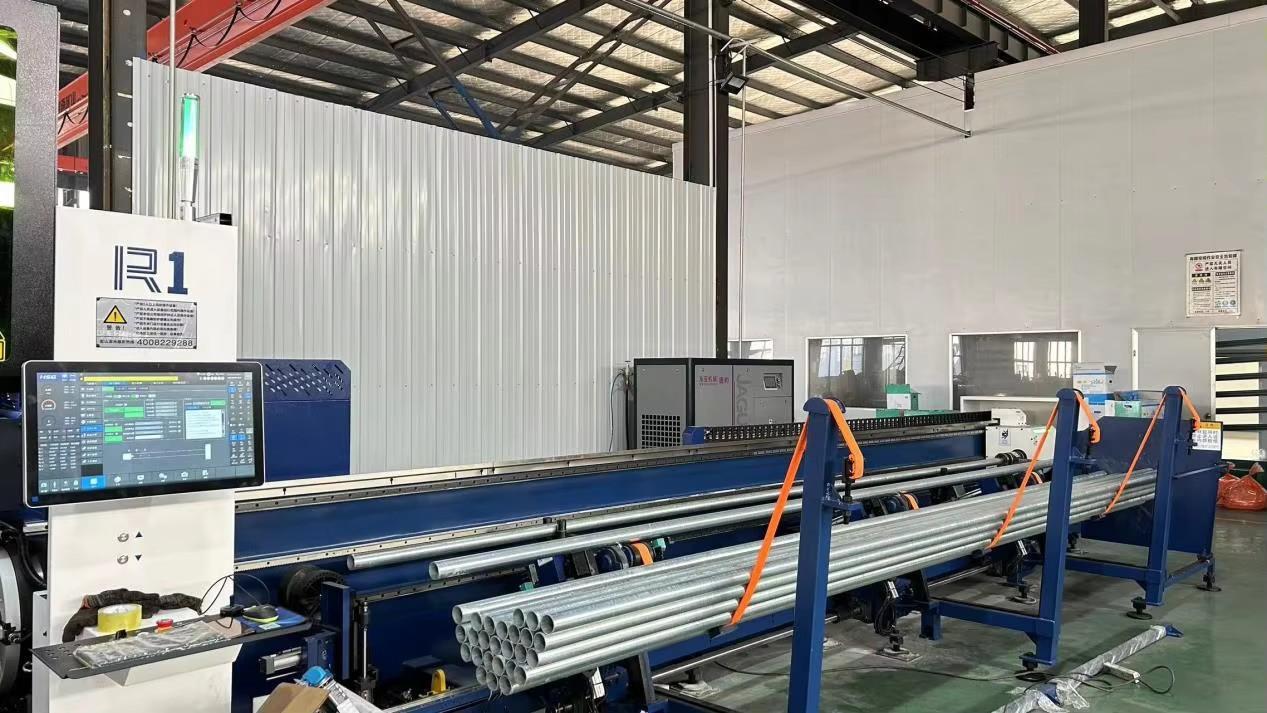
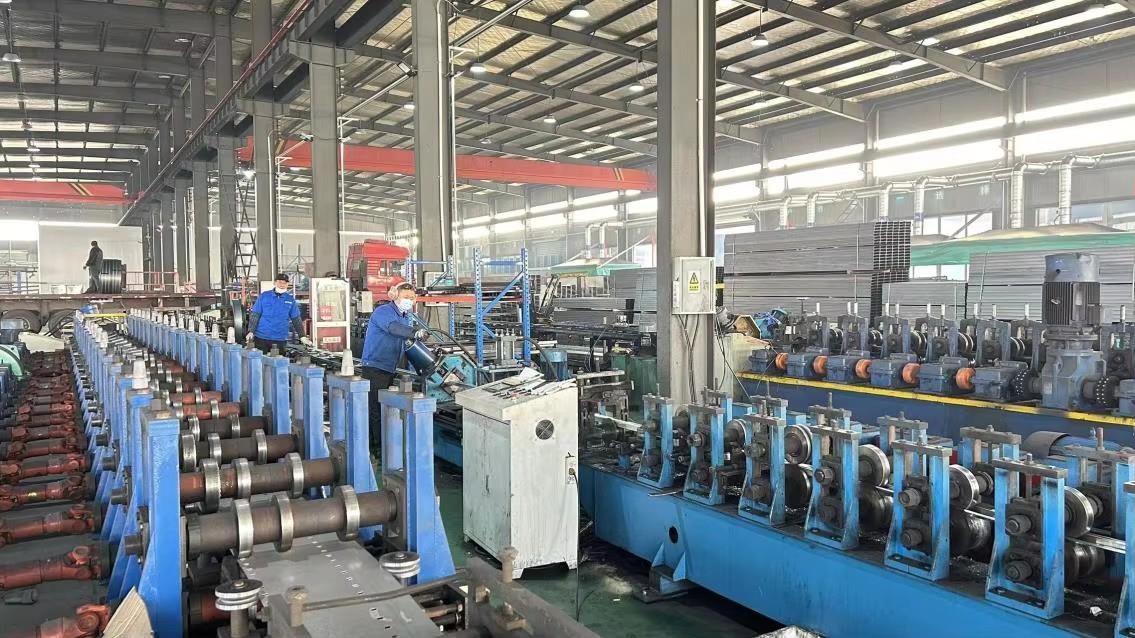
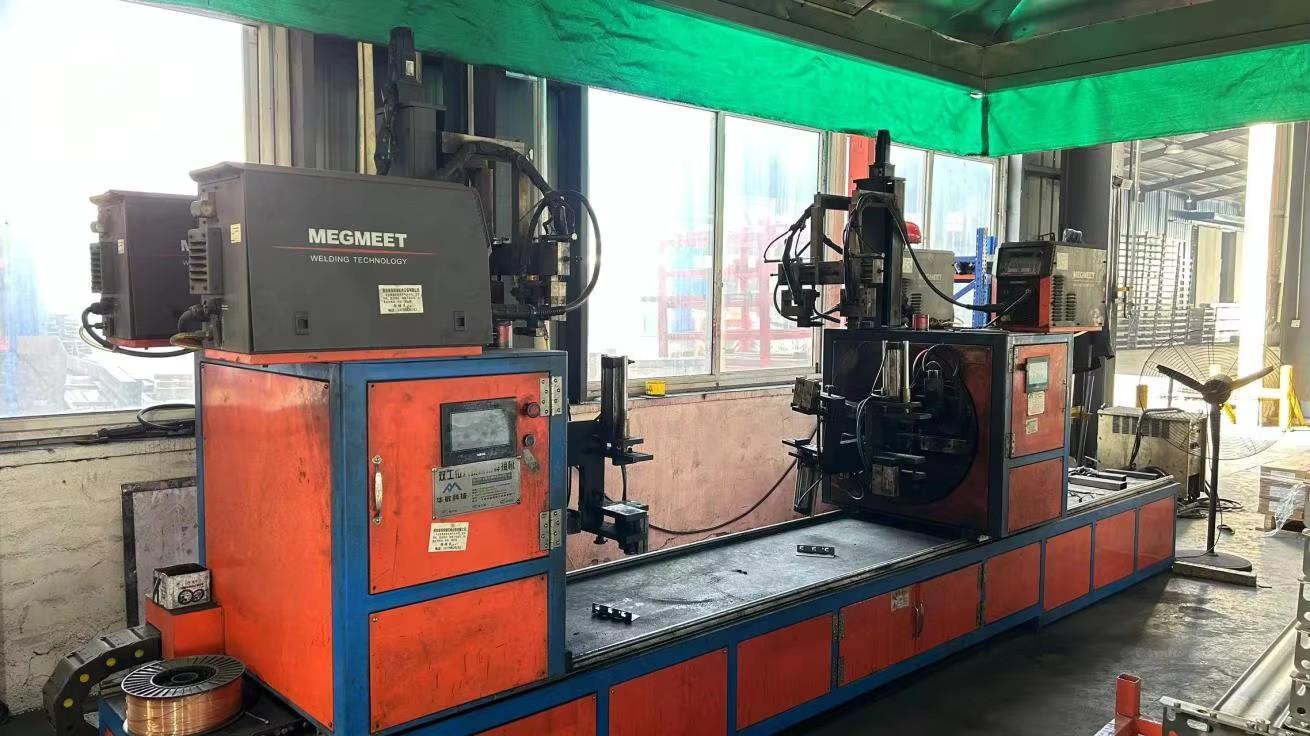
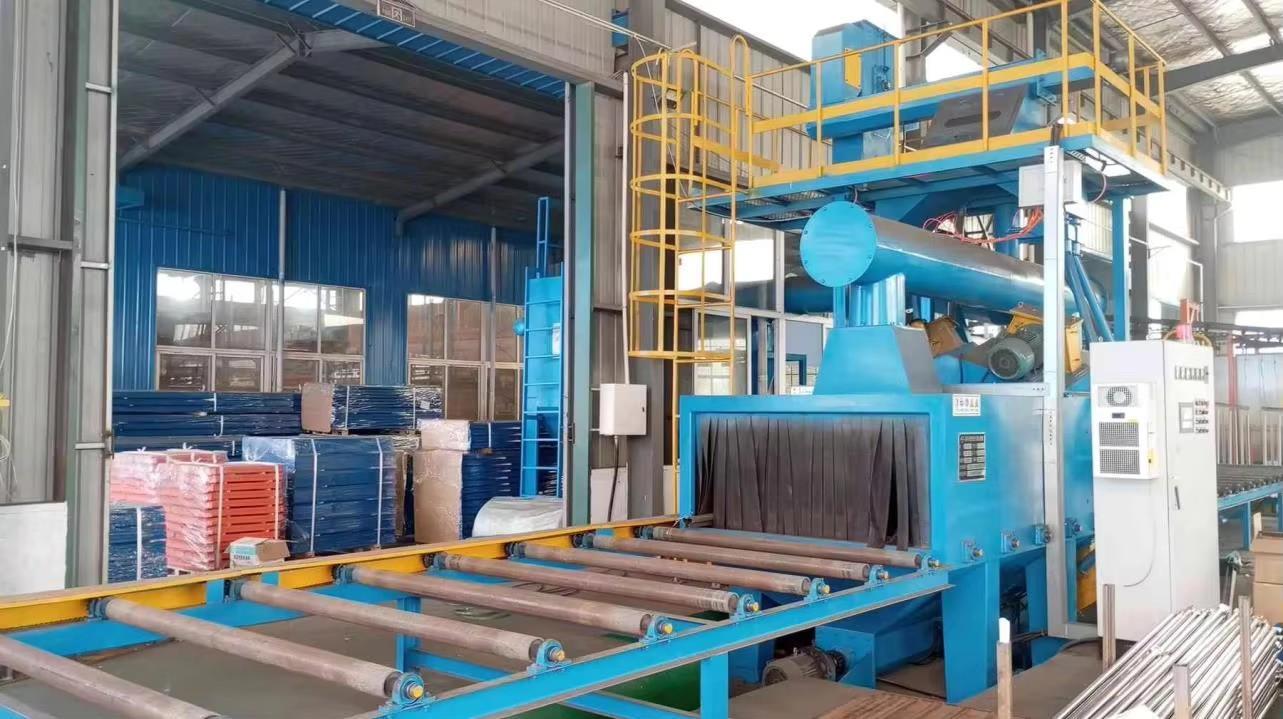
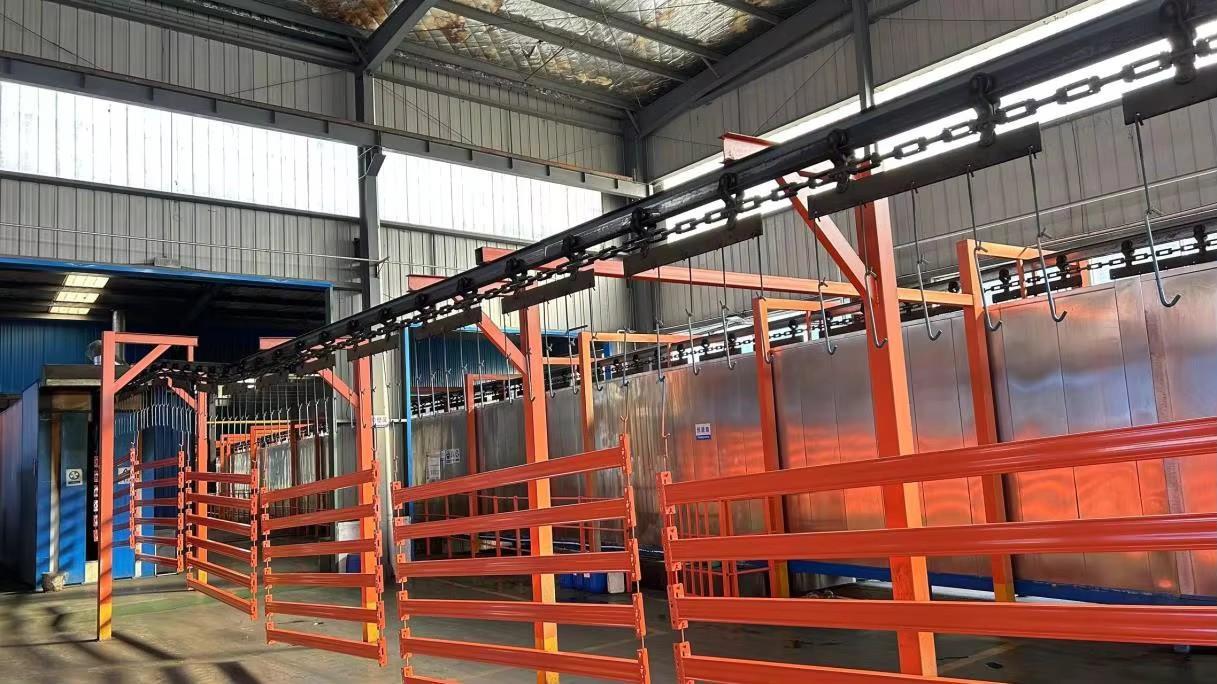
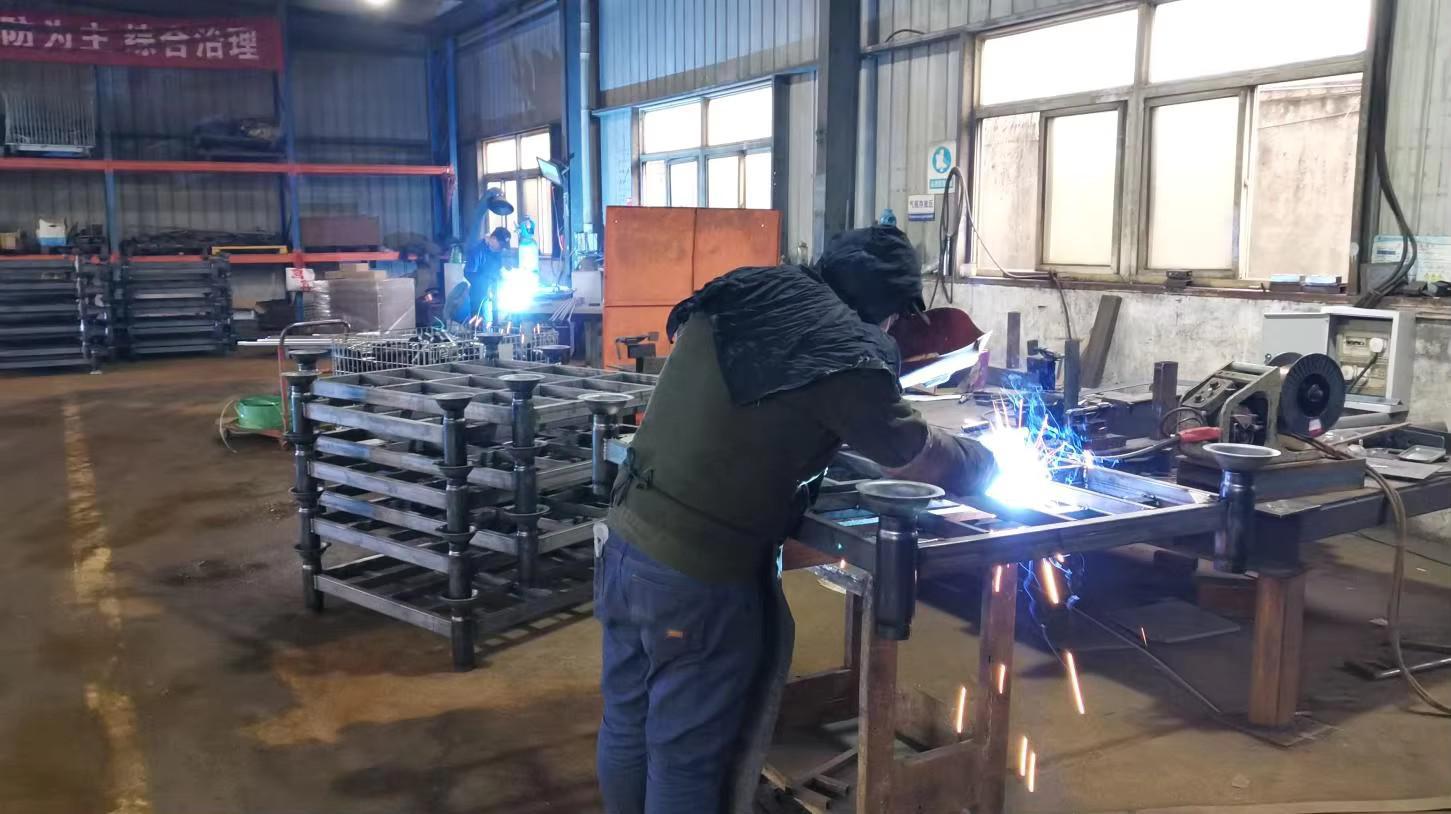
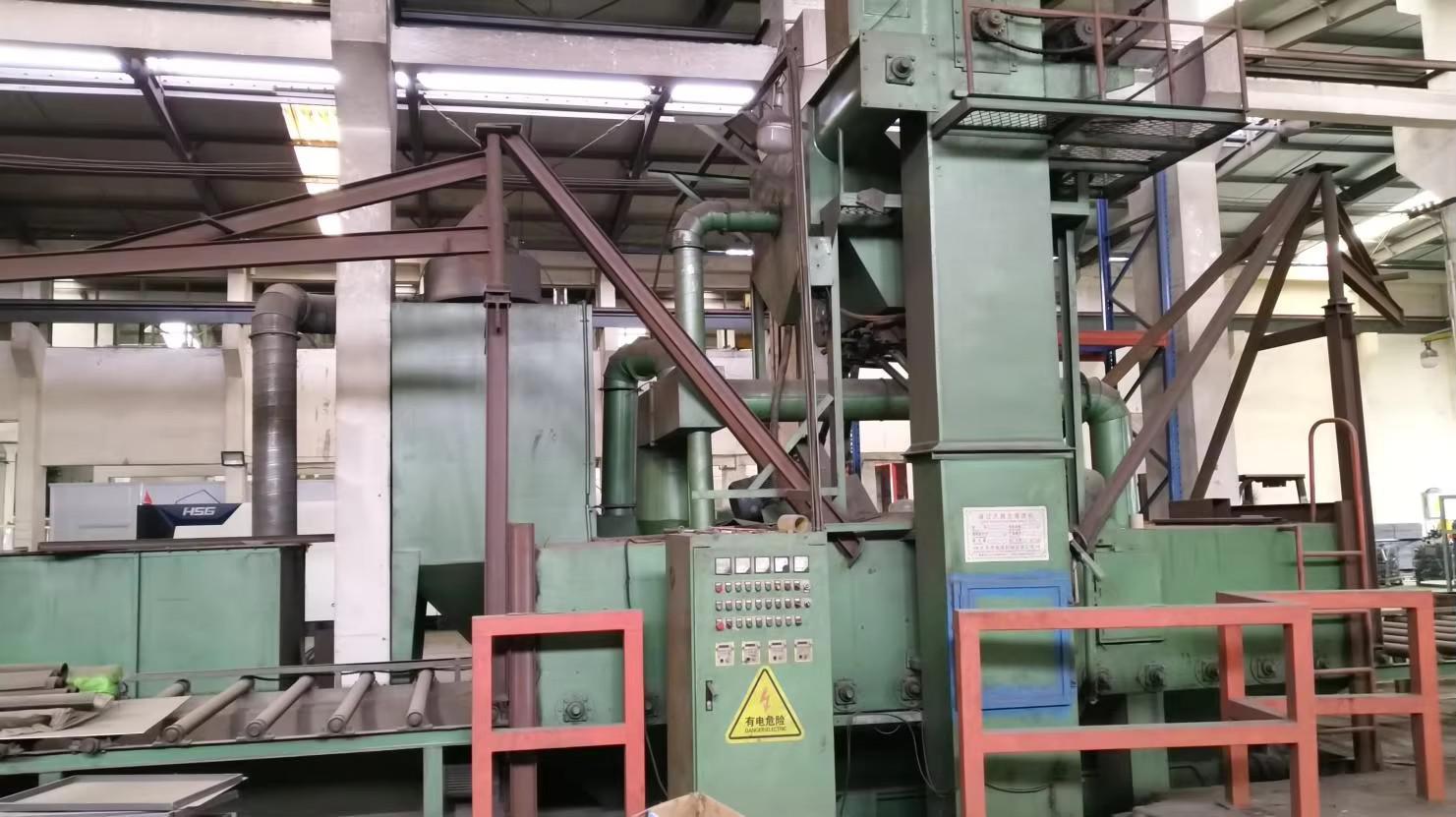
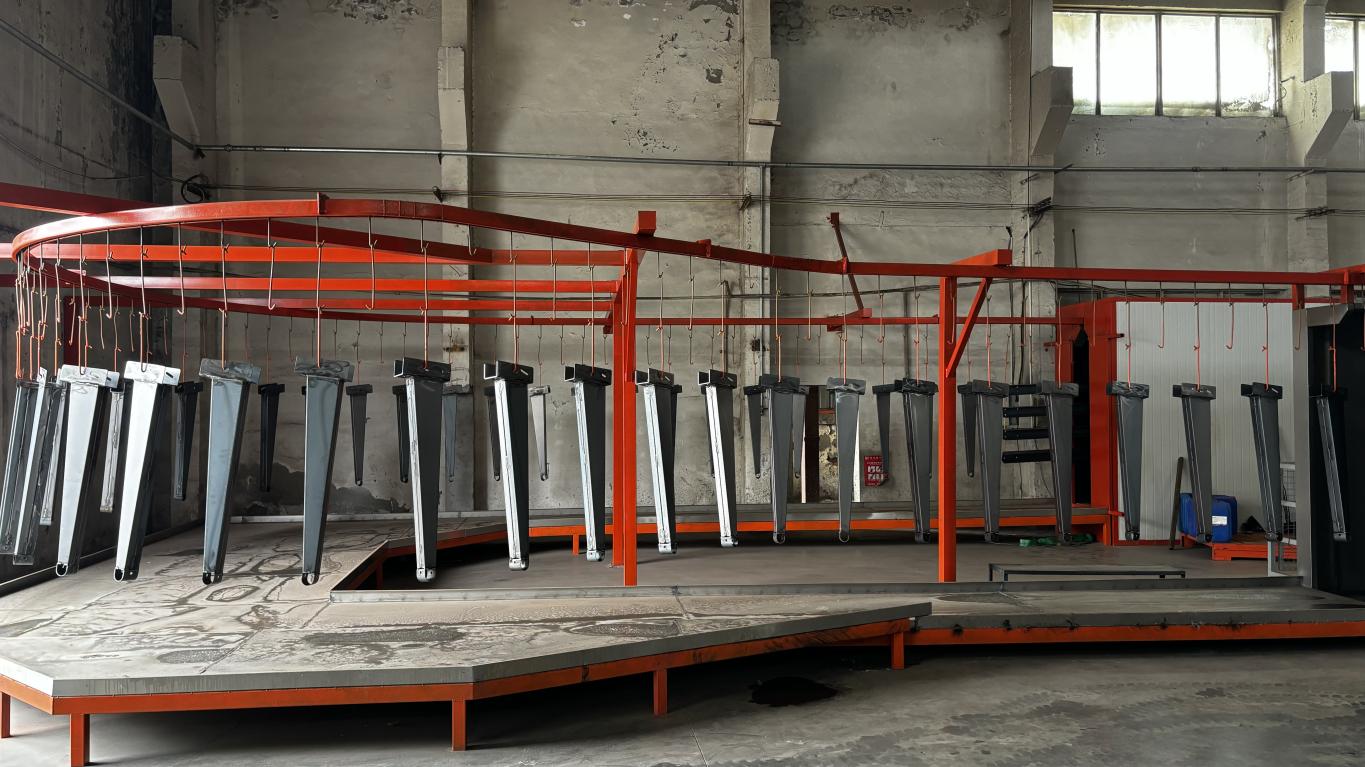
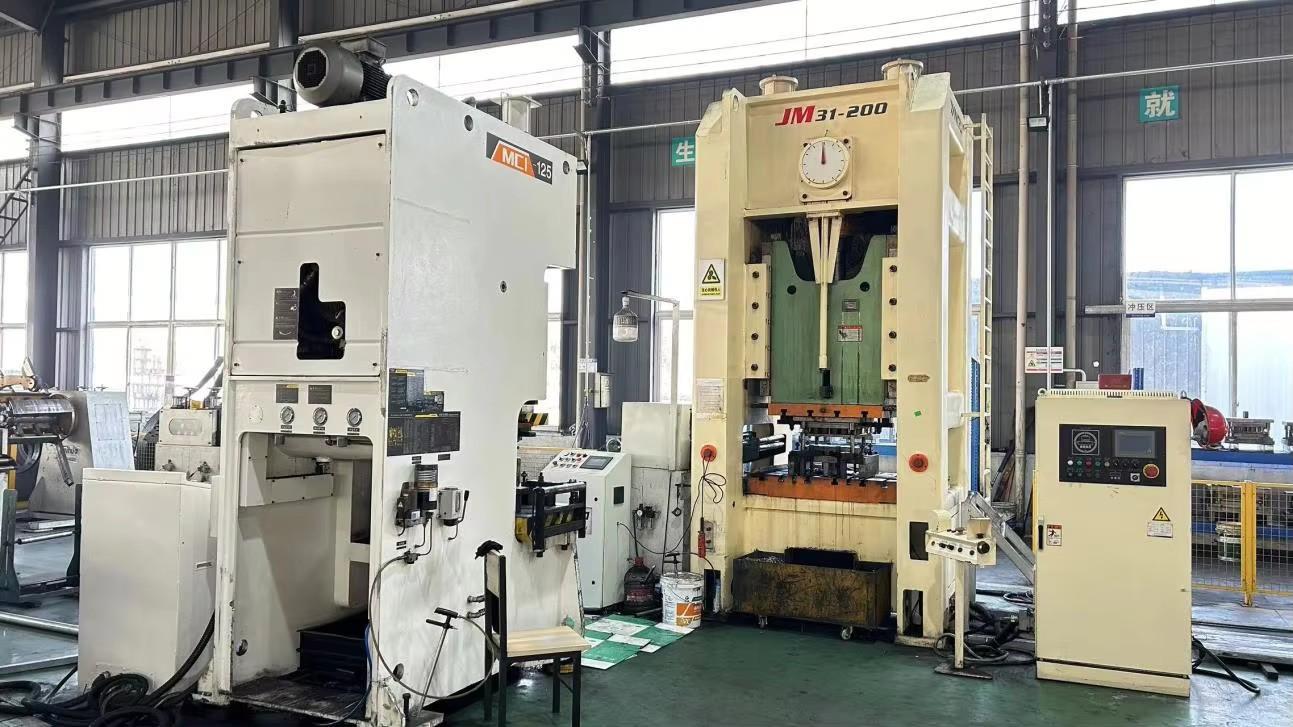
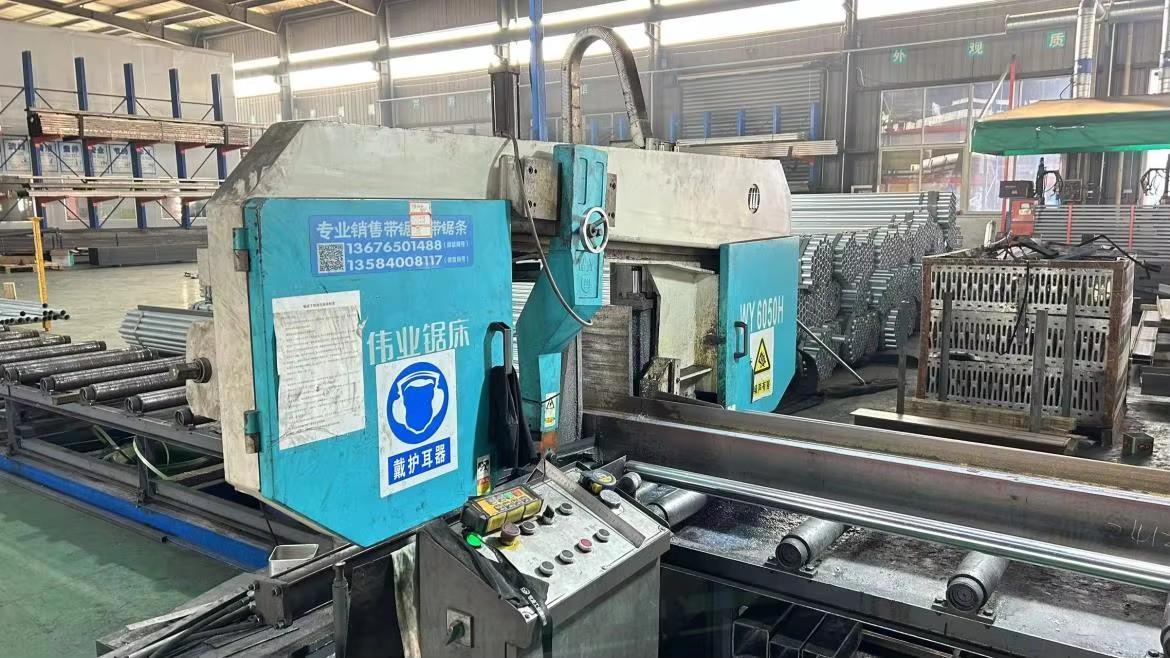
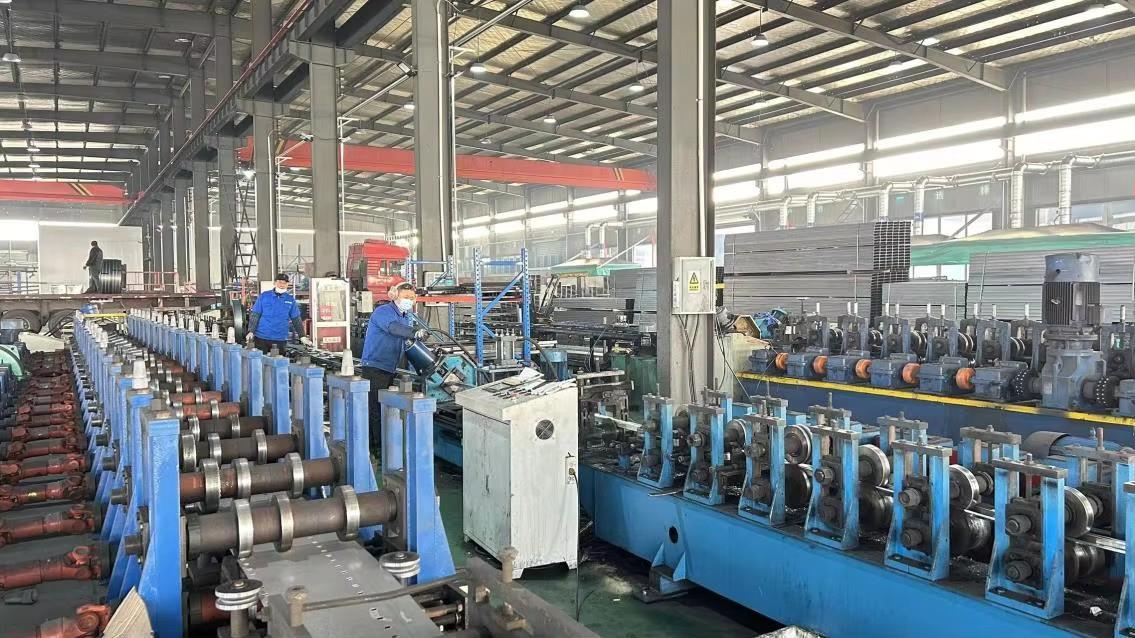
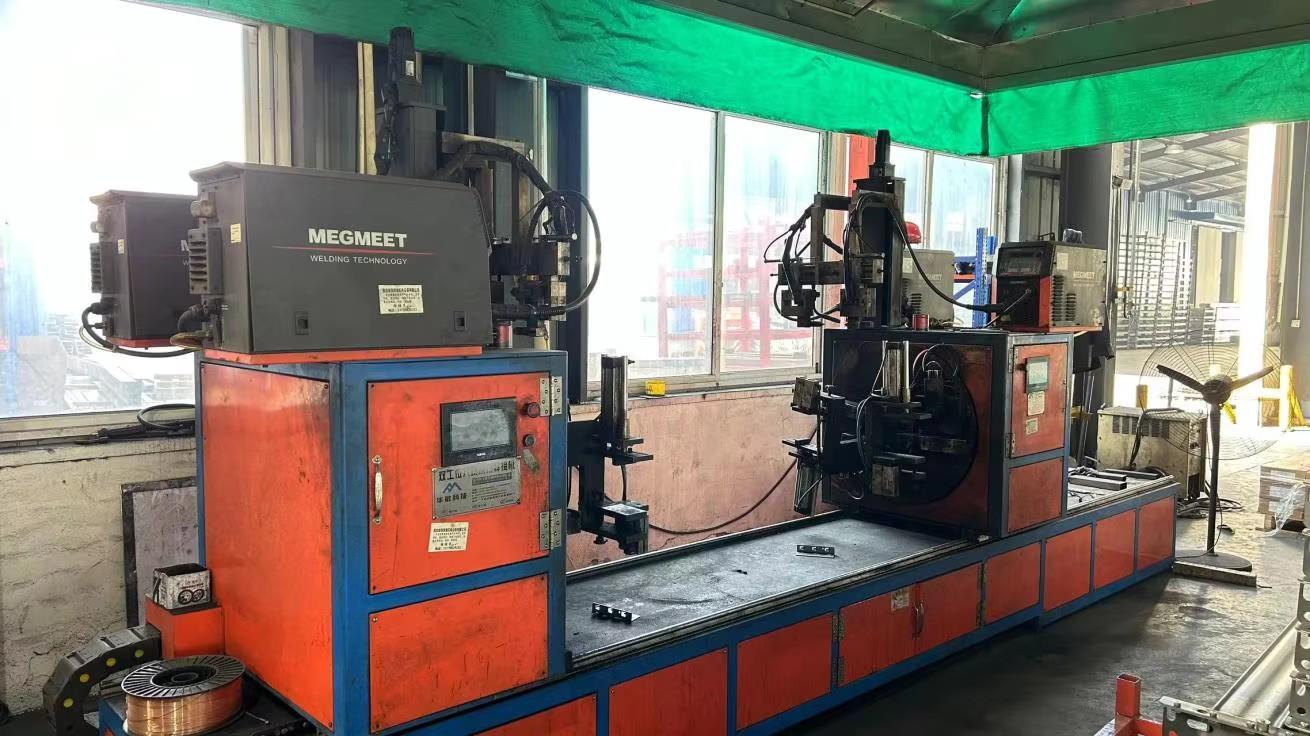
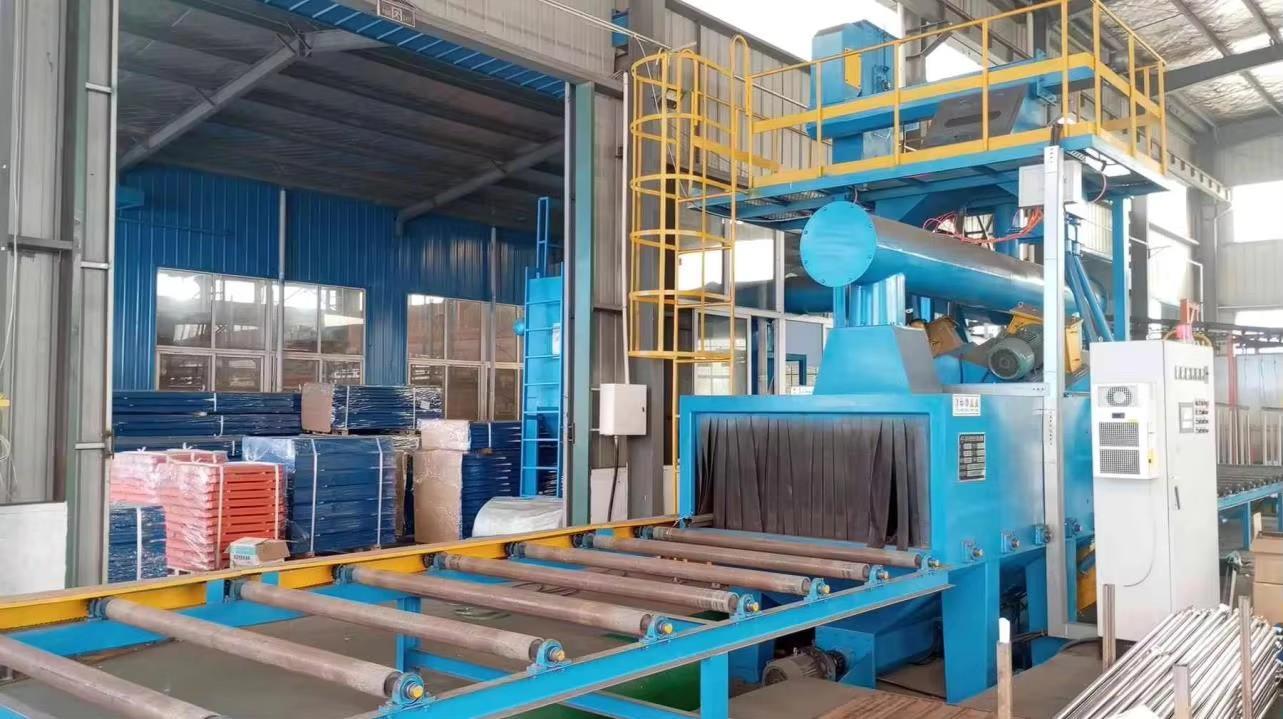
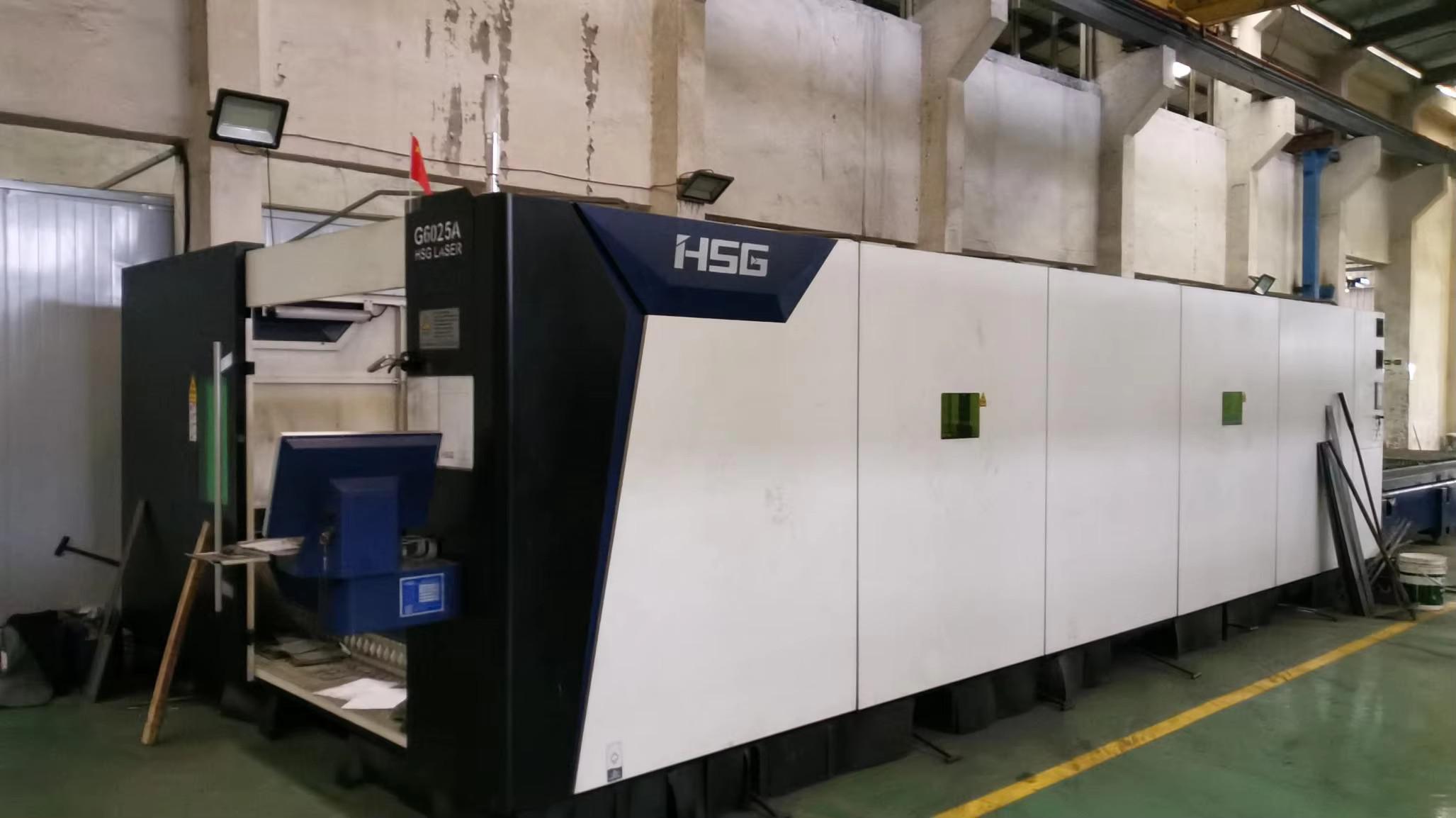
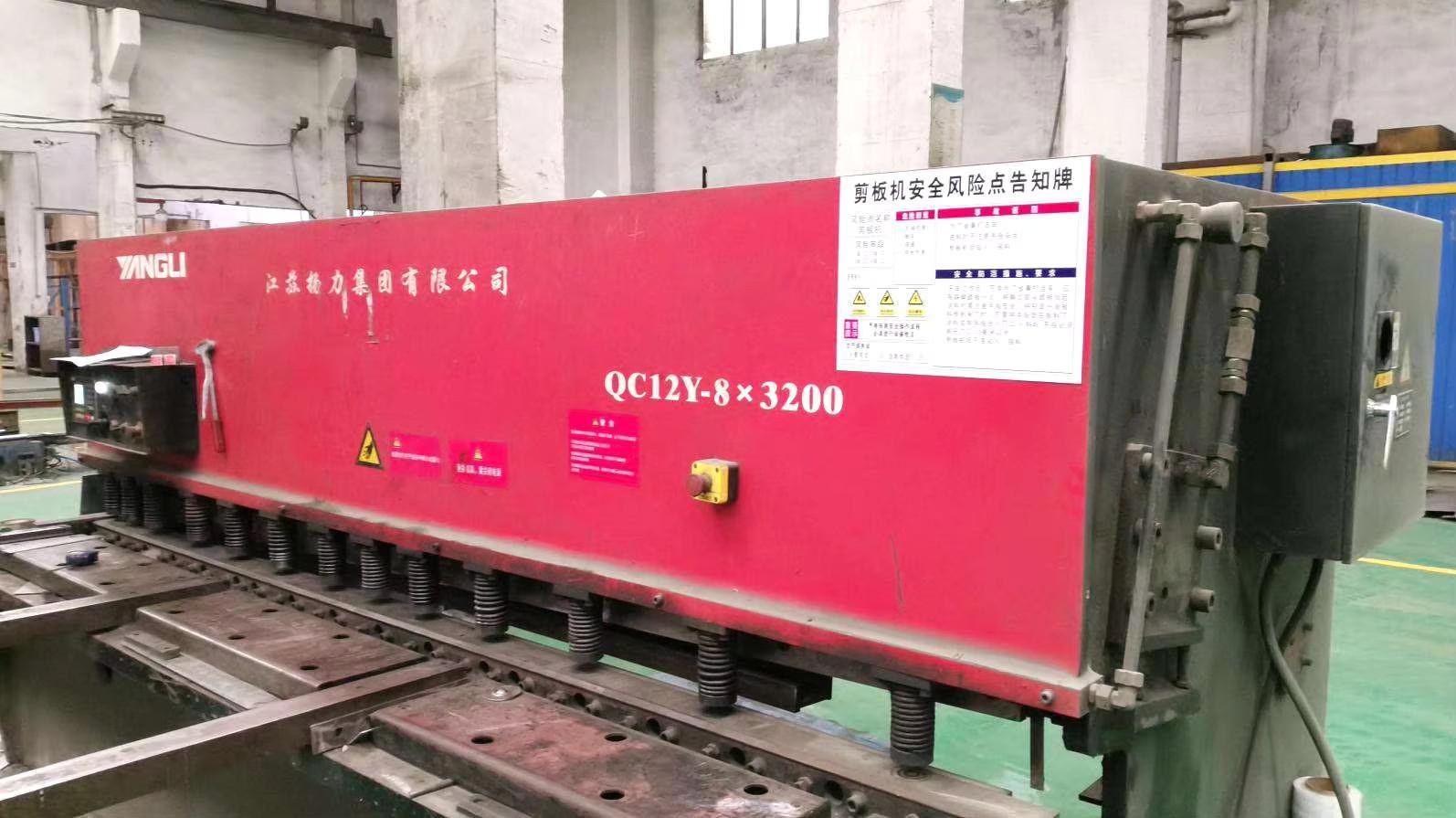
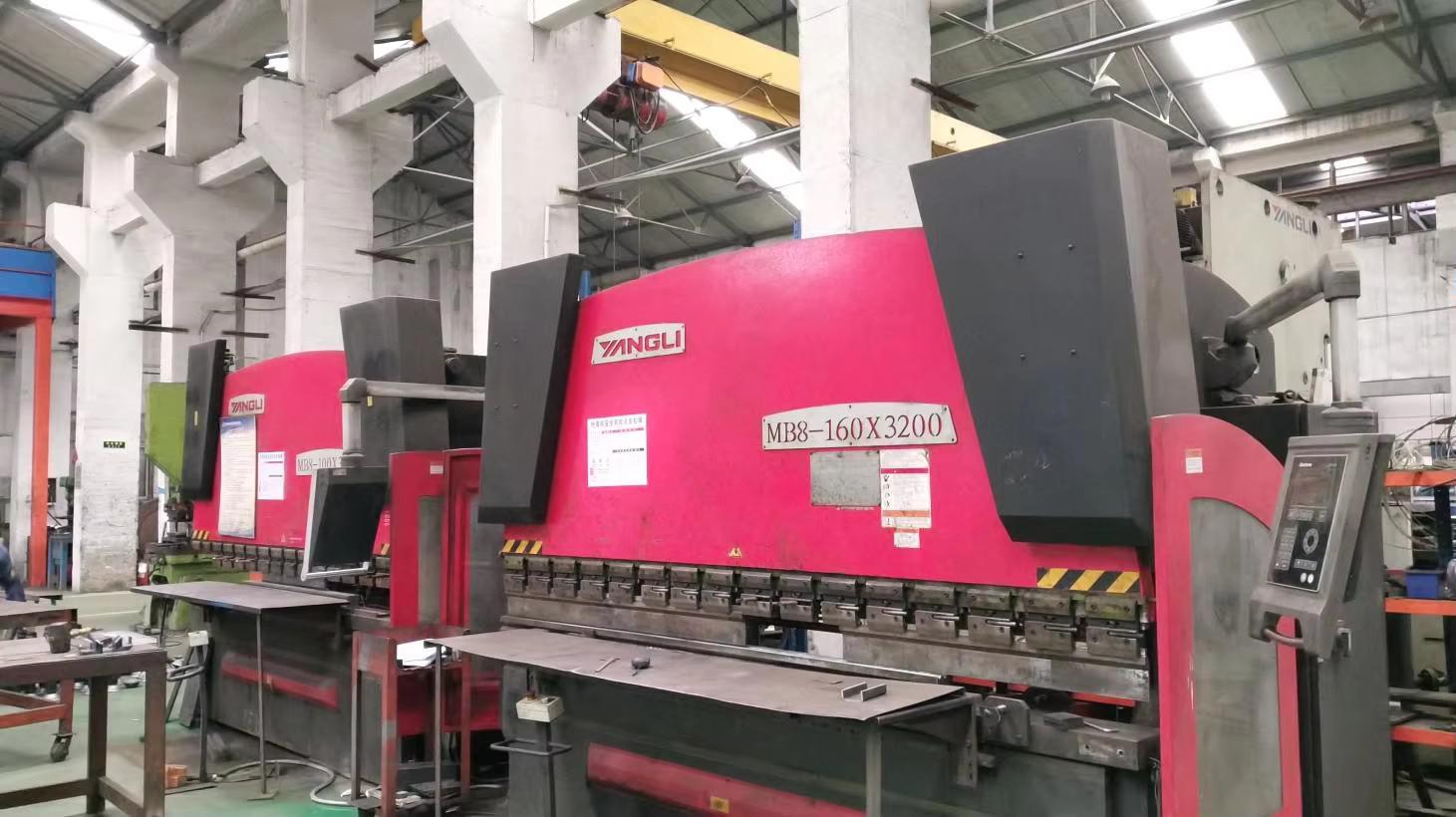
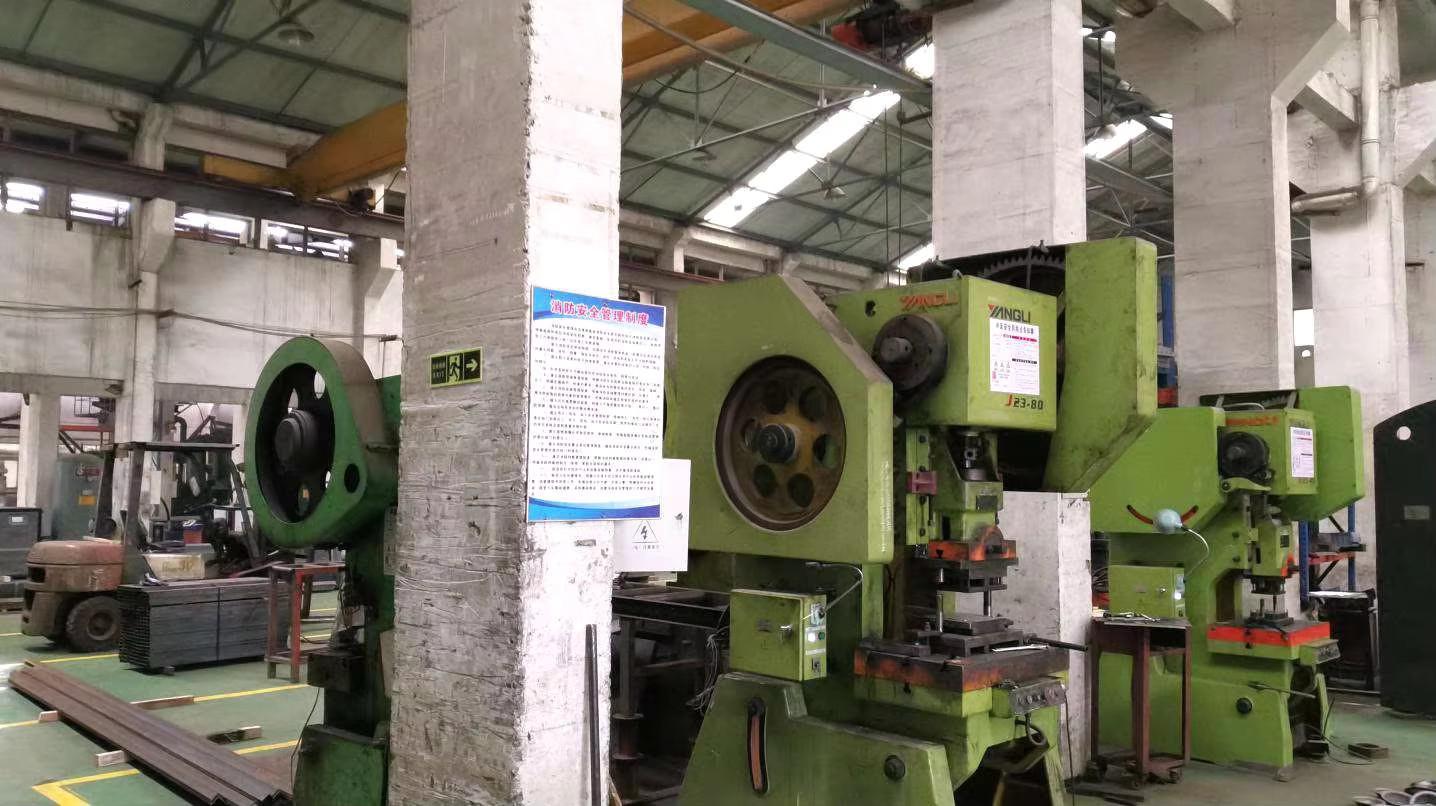
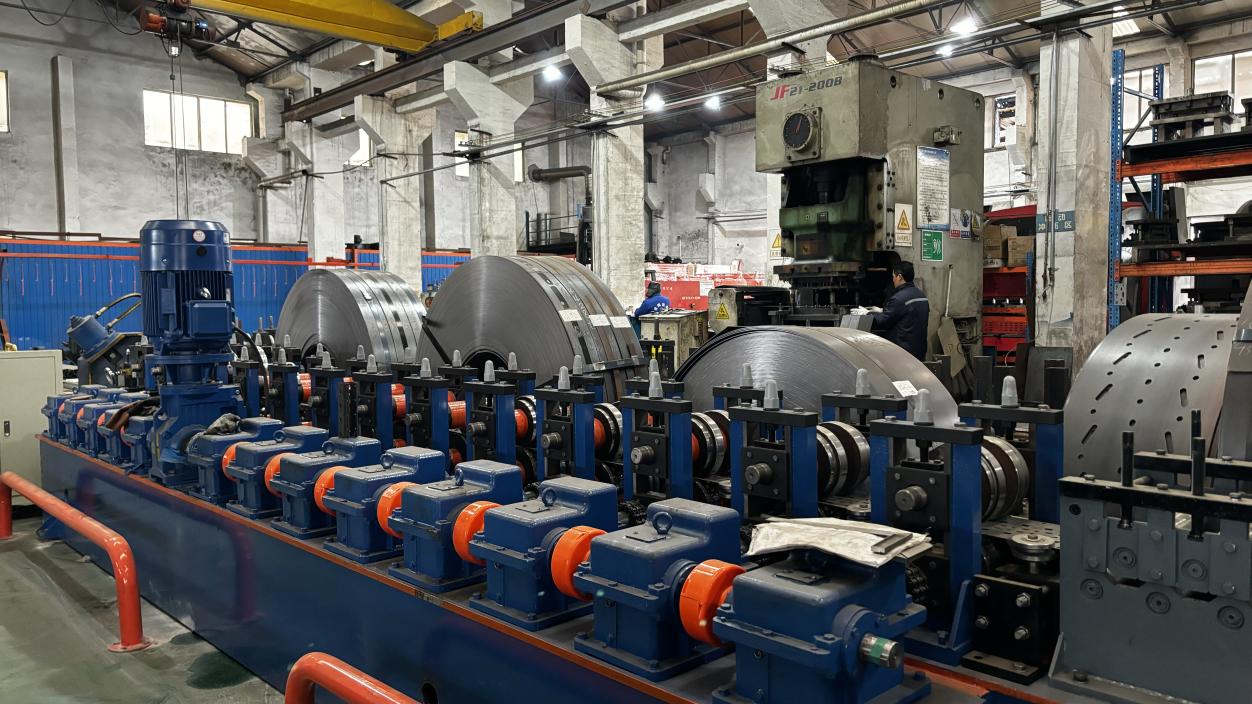
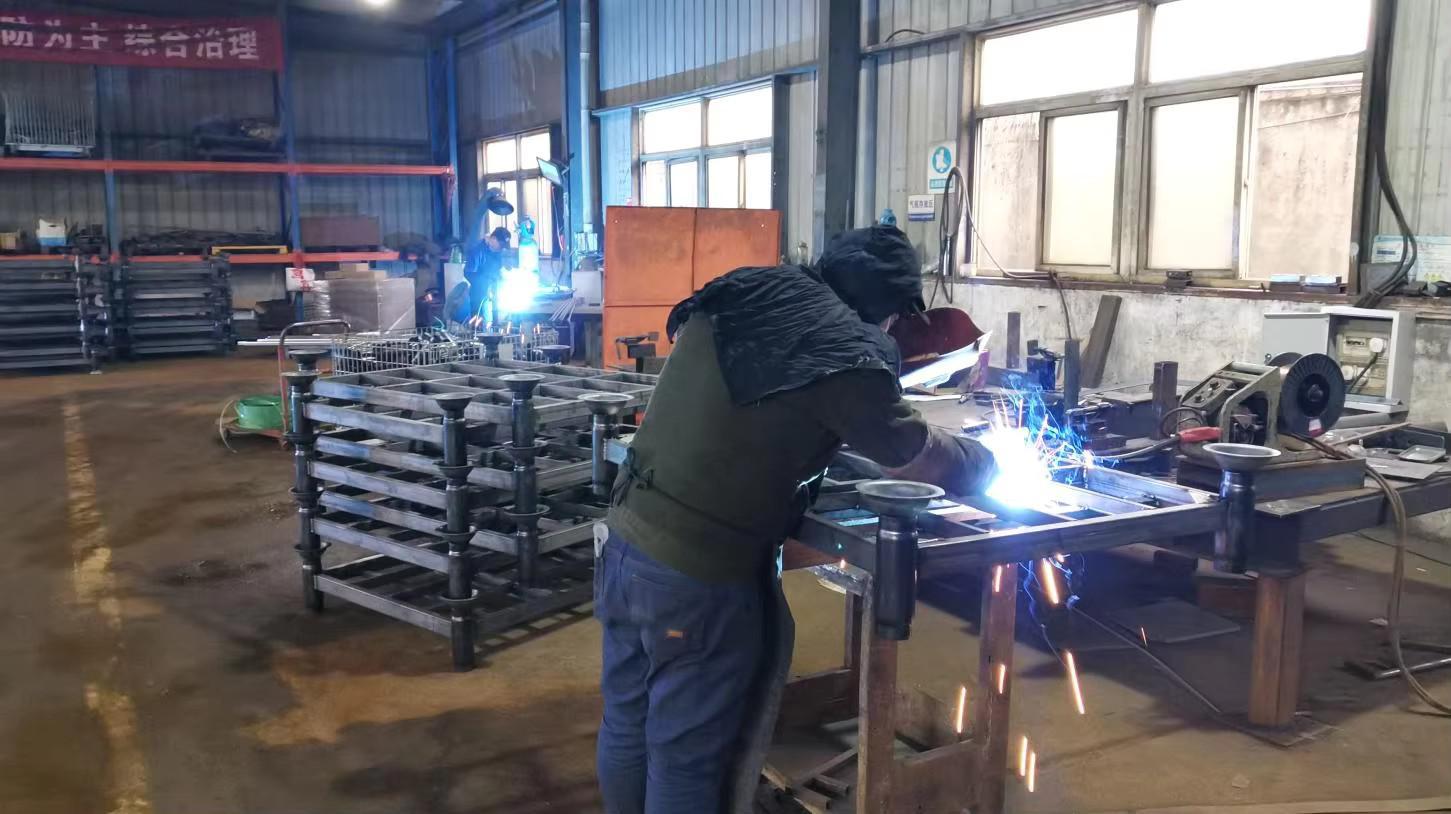
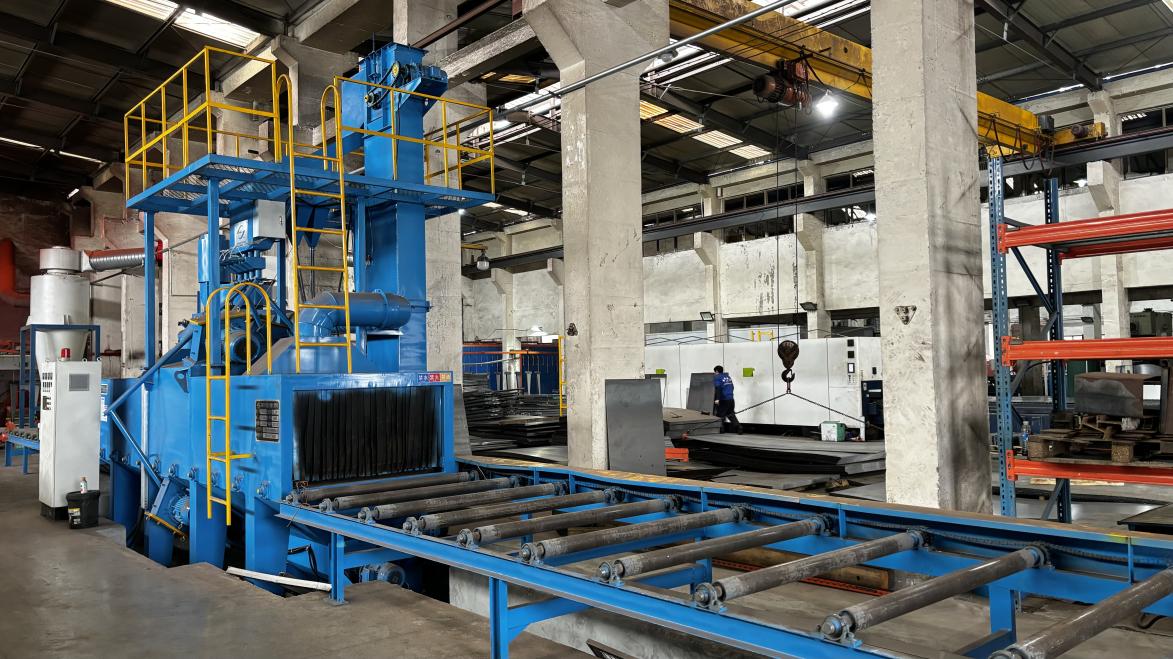
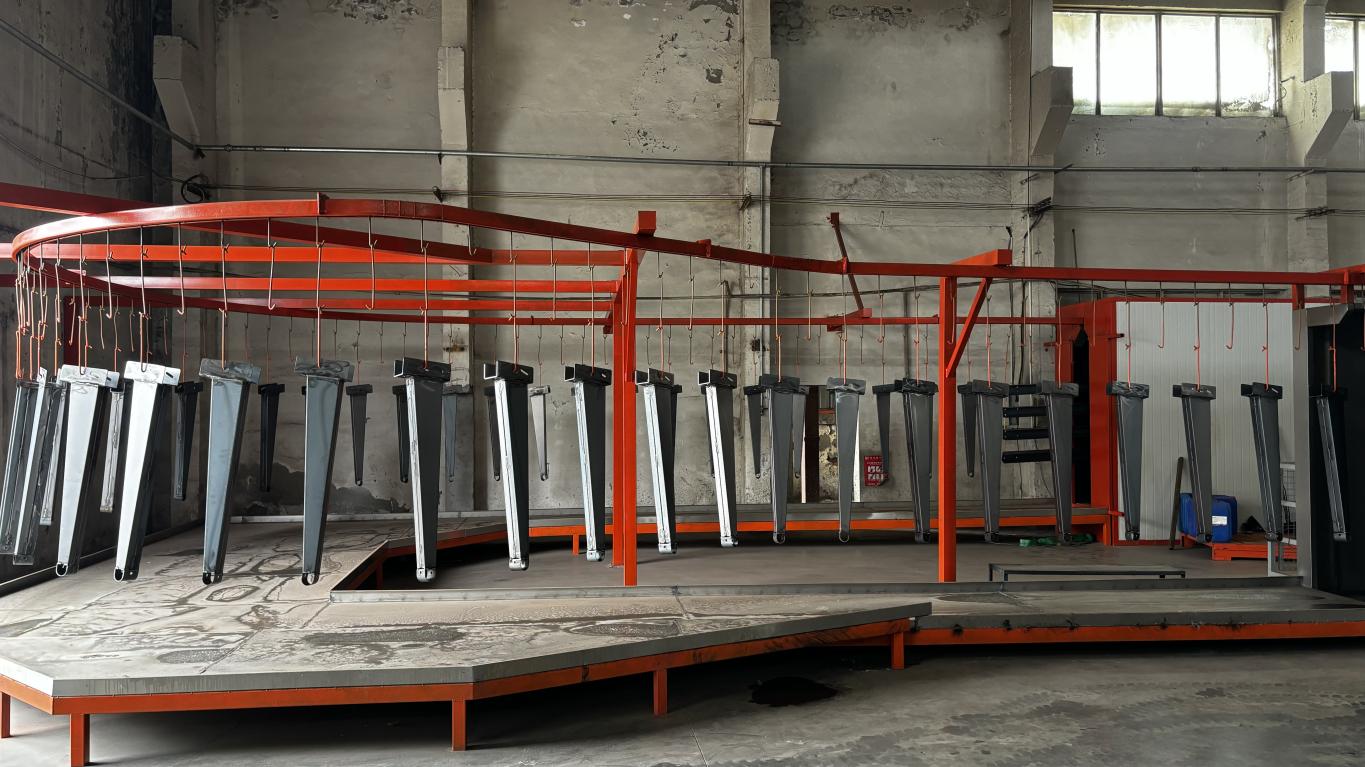


Jinhui's commitment to materials science, smart warehouse integration, and structural safety.
To help modern logistics centers scale efficiently, our 68 R&D engineers continuously work to improve structural load-to-mass ratios. Last year, the engineering team designed and launched 126 upgraded storage solutions and new products, focusing on the following core areas:
We are optimizing member cross-sections using high-yield steel grades like Q355B. This R&D focus creates profiles that handle higher loading stresses with less steel mass, minimizing static structural dead weight on concrete floor slabs.
We are engineering sensor-ready mezzanine joints. By prepunching connection points for load cell strain gauges and vibration telemetry sensors, plant operators can monitor structural stresses and load distributions in real time via their WMS dashboards.
We are standardizing our designs to meet international building regulations, including US RMI/ANSI specifications, European FEM standards, and Australian AS4084 requirements. This ensures smooth permitting and compliance for global projects.
Ensuring global projects meet local building permits, safety codes, and load standards.
Deploying a mezzanine system internationally requires strict adherence to local building codes. In the European Union, designs must meet Eurocode 3 structural steel parameters and carry CE markings. In the United States, structural designs must comply with the International Building Code (IBC) and utilize calculations certified by a registered Professional Engineer (PE).
Dongguan Jinhui supports international trade by providing comprehensive structural calculation calculations, detailed material specification sheets, and 3D CAD models. Our engineering team partners with local distributors and engineers to verify that seismic ratings, stair tread details, handrail heights, and fire exit placements meet regional fire protection and workplace safety (OSHA/CE/AS) requirements.
Expert technical answers to common engineering, procurement, and design questions.
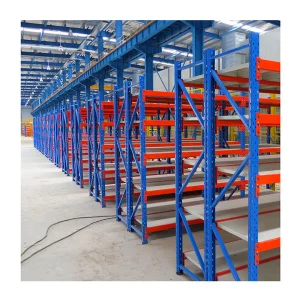
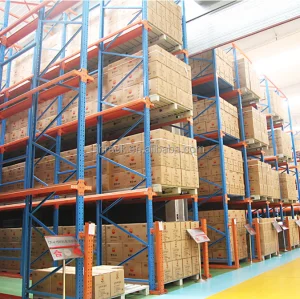
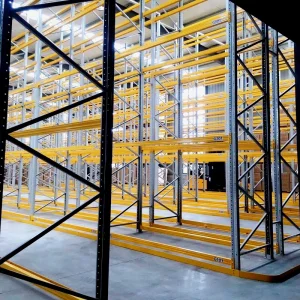
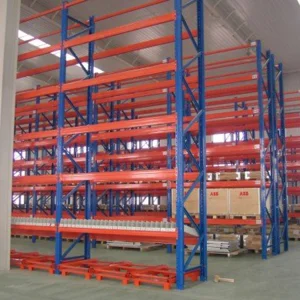
Heavy-duty structural storage configurations engineered to maximize floor-to-ceiling space.
 Jinhui Storage Equipment