Engineered to optimize volumetric space utilization, streamline inventory flow, and support high-density industrial logistics.
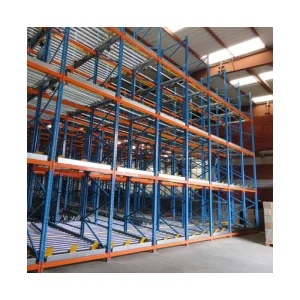
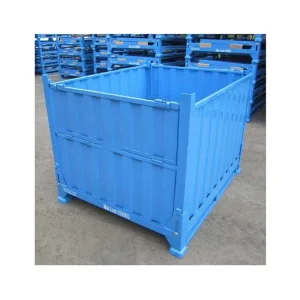
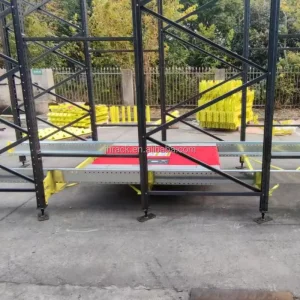
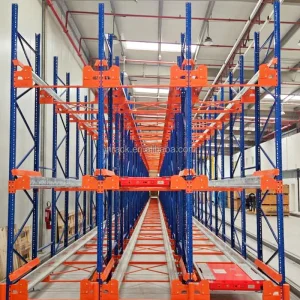
Understanding the tectonic shifts in logistics engineering, industrial land costs, and dynamic supply architectures.
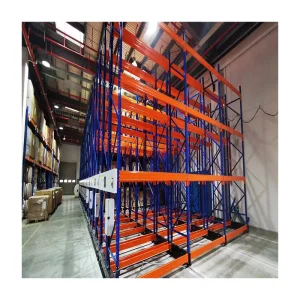
Traditional welded racking systems lock operations into fixed configurations. Modular racking enables quick physical expansion, adaptive shelving re-spacing, and rapid system reassignment.
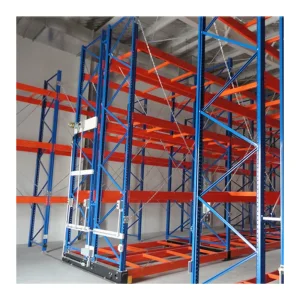
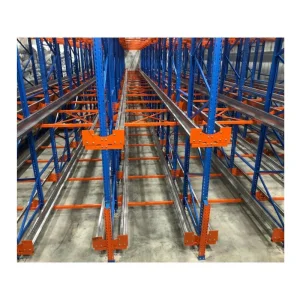
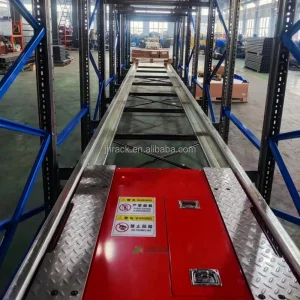
Compatibility with AS/RS, autonomous guide vehicles (AGVs), and smart radio shuttles is essential for high-throughput fulfillment hubs and modern manufacturing plants.
Meeting stringent international standards (e.g., FEM 10.2.02, RMI MH16.1) ensures safety in seismically active zones and keeps operational risk to a minimum.
As the international logistics community pivots toward automated, high-density warehousing, the standard selector pallet rack has evolved. Today, supply chain leaders require Modular Racking Systems that can adapt to changing stock keeping units (SKUs), support automation, and provide reliable load-bearing metrics. The convergence of global e-commerce demands and high industrial land costs has forced structural changes in warehouses worldwide.
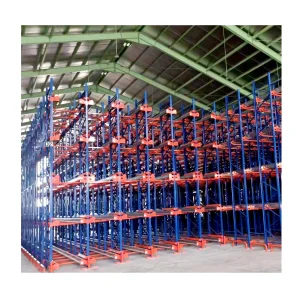
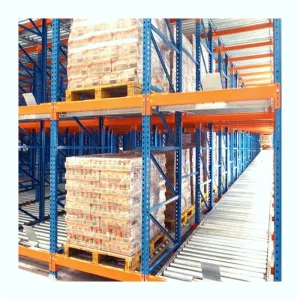
Modern materials handling solutions demand components that can transition from basic static pallet storage to semi-automated gravity flow or fully automated radio shuttle configurations without requiring complete structural overhauls. Factories must deploy smart logistics racking systems designed for structural agility, offering low maintenance and high uptime across standard, cold-storage, and hazardous environments.
A leading OEM & ODM manufacturing powerhouse delivering high-performance structural warehousing systems globally.
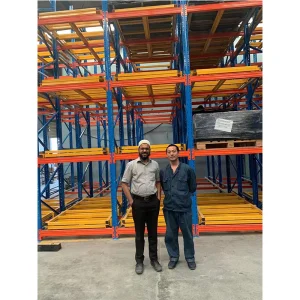
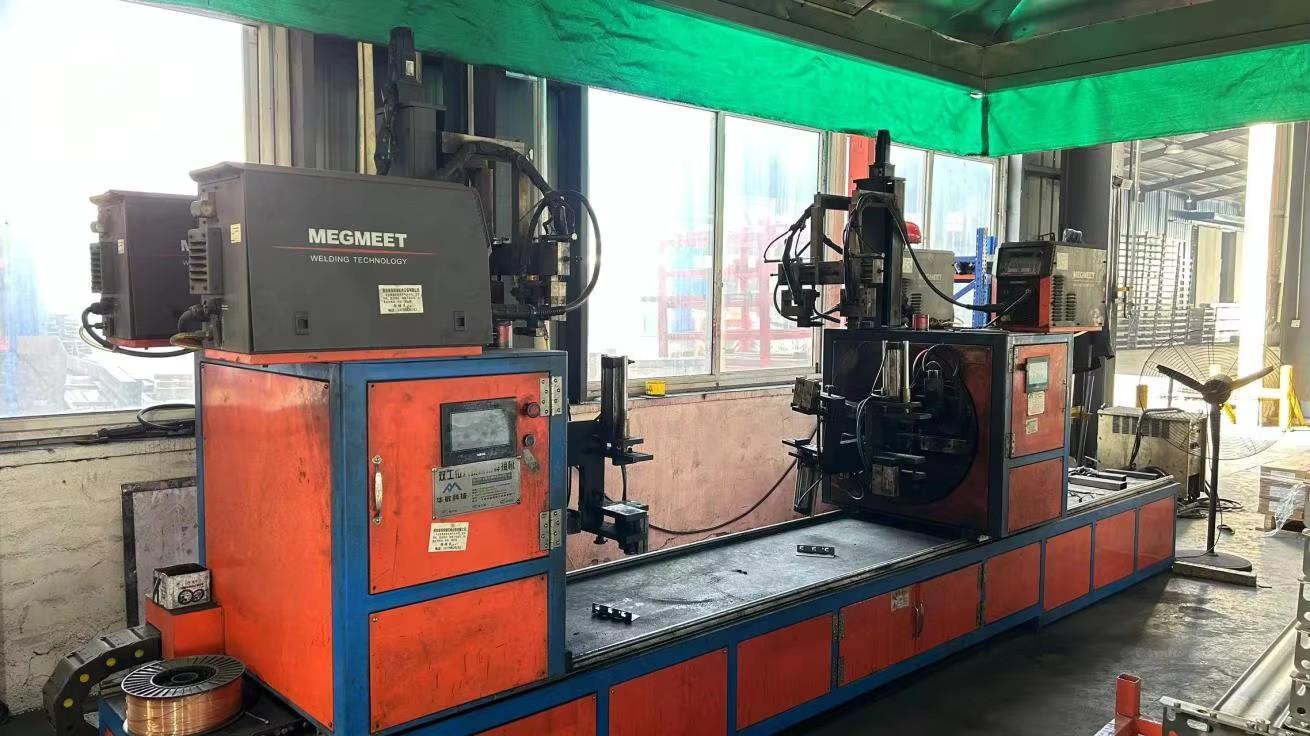
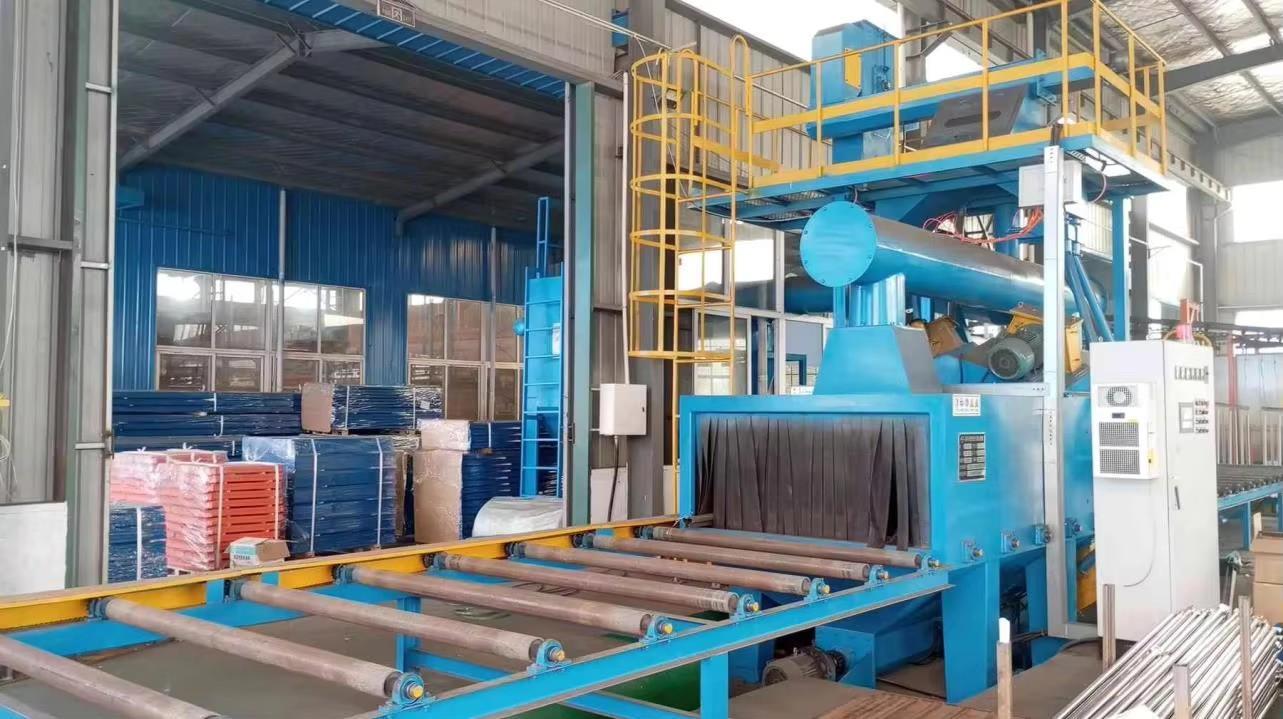
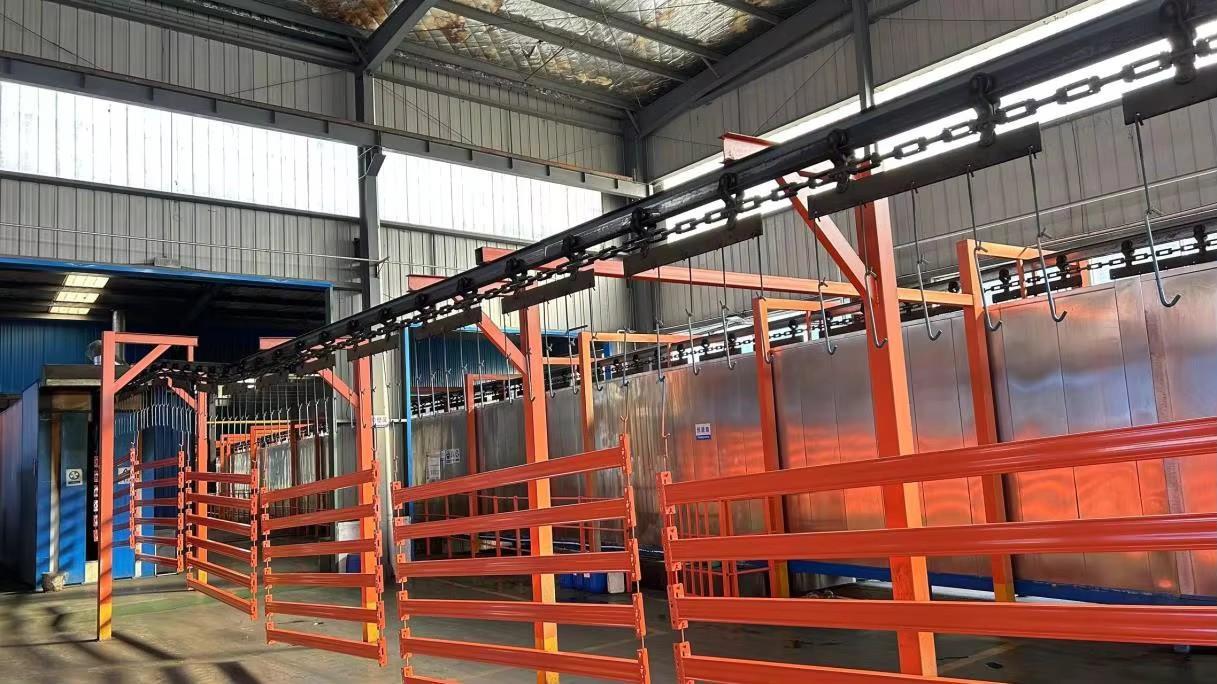
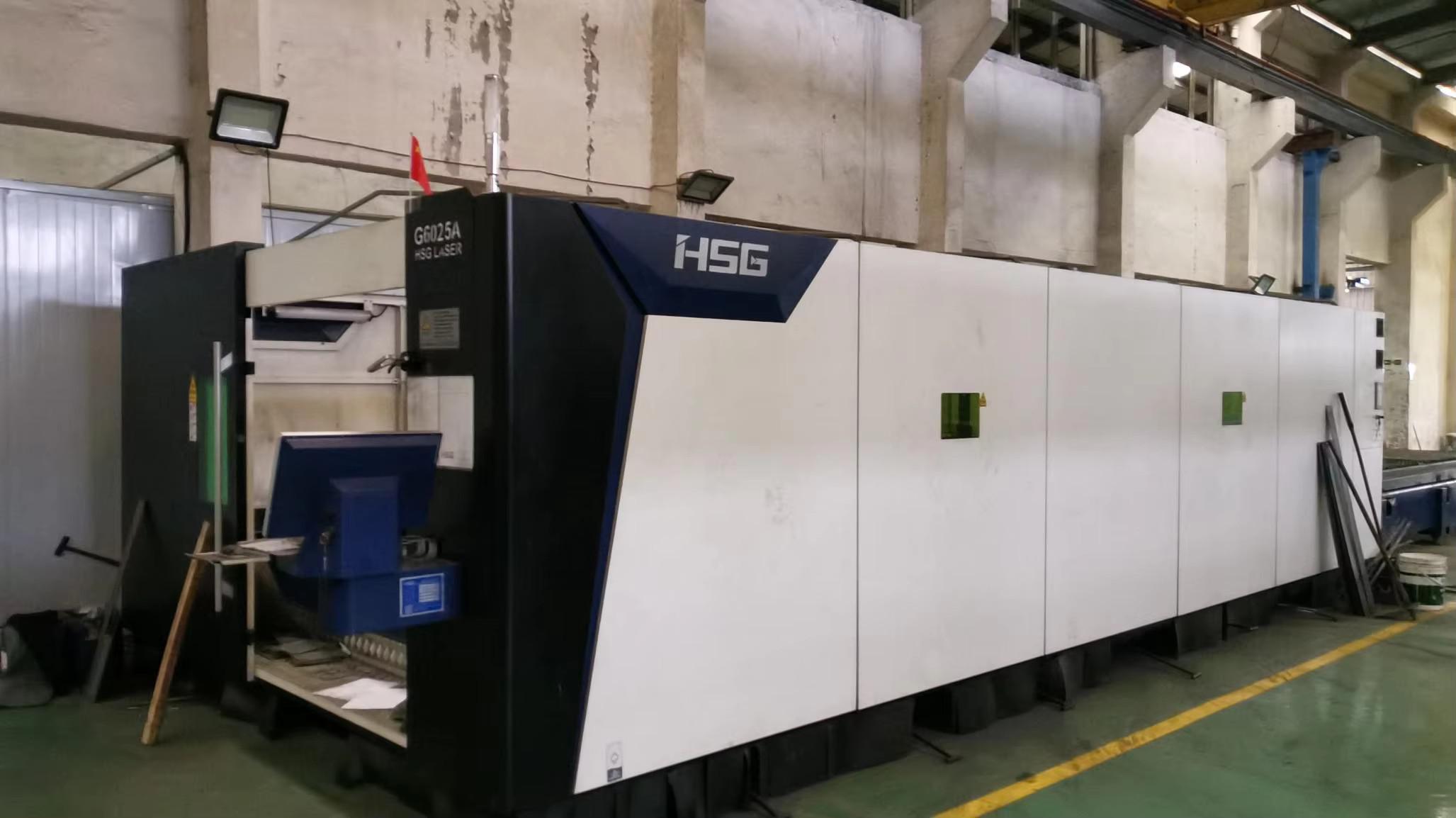
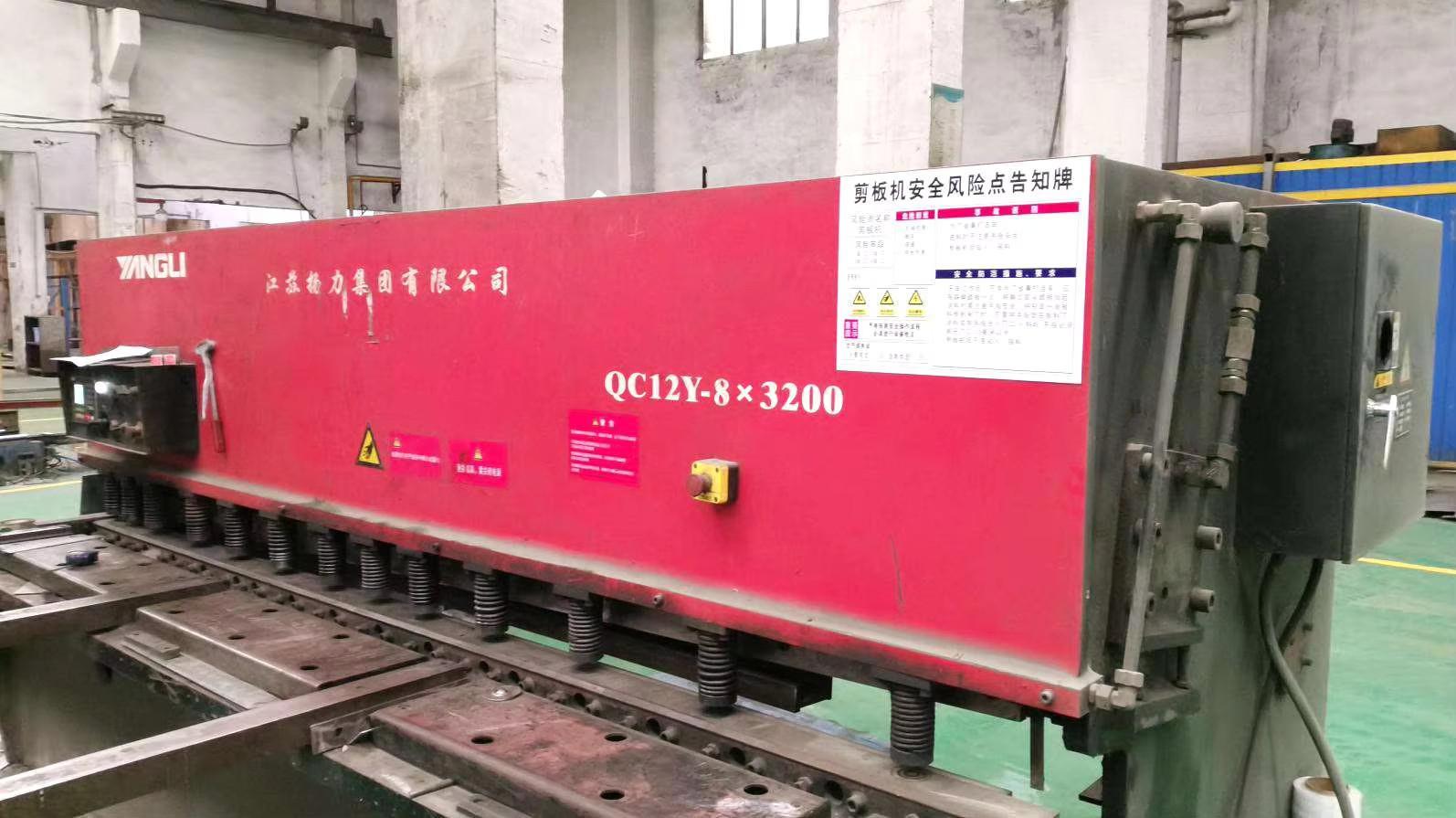
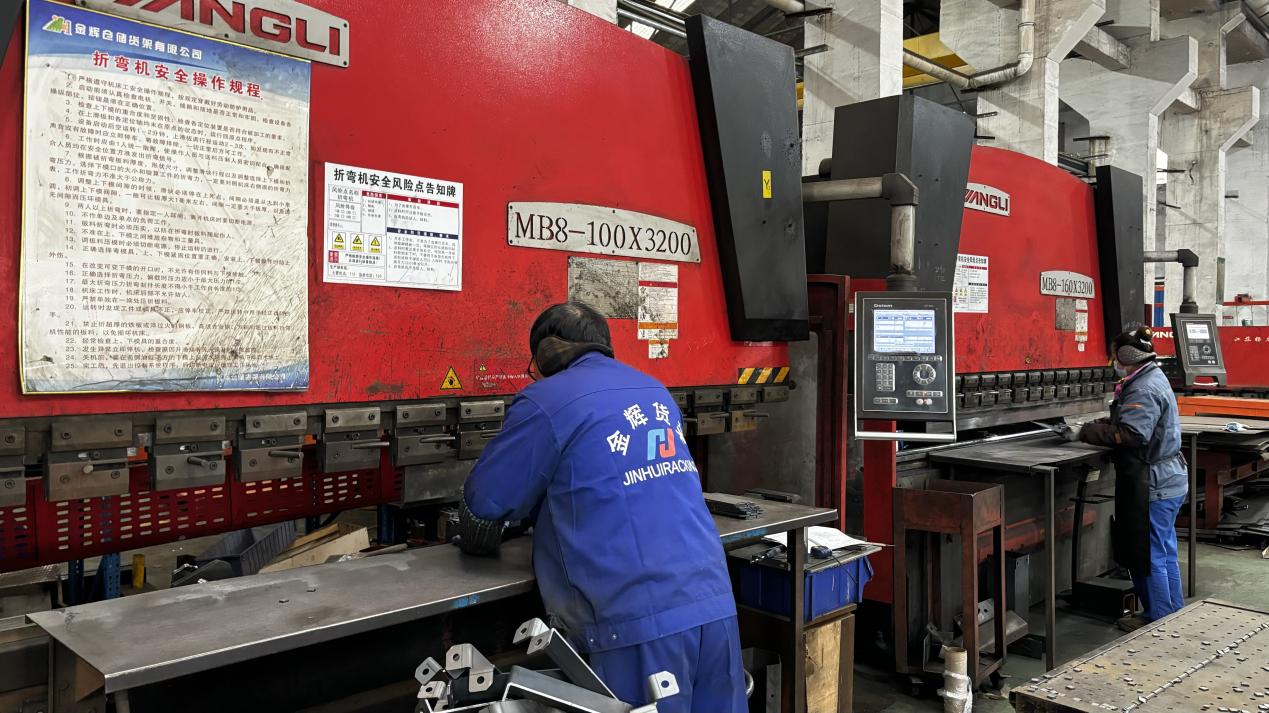
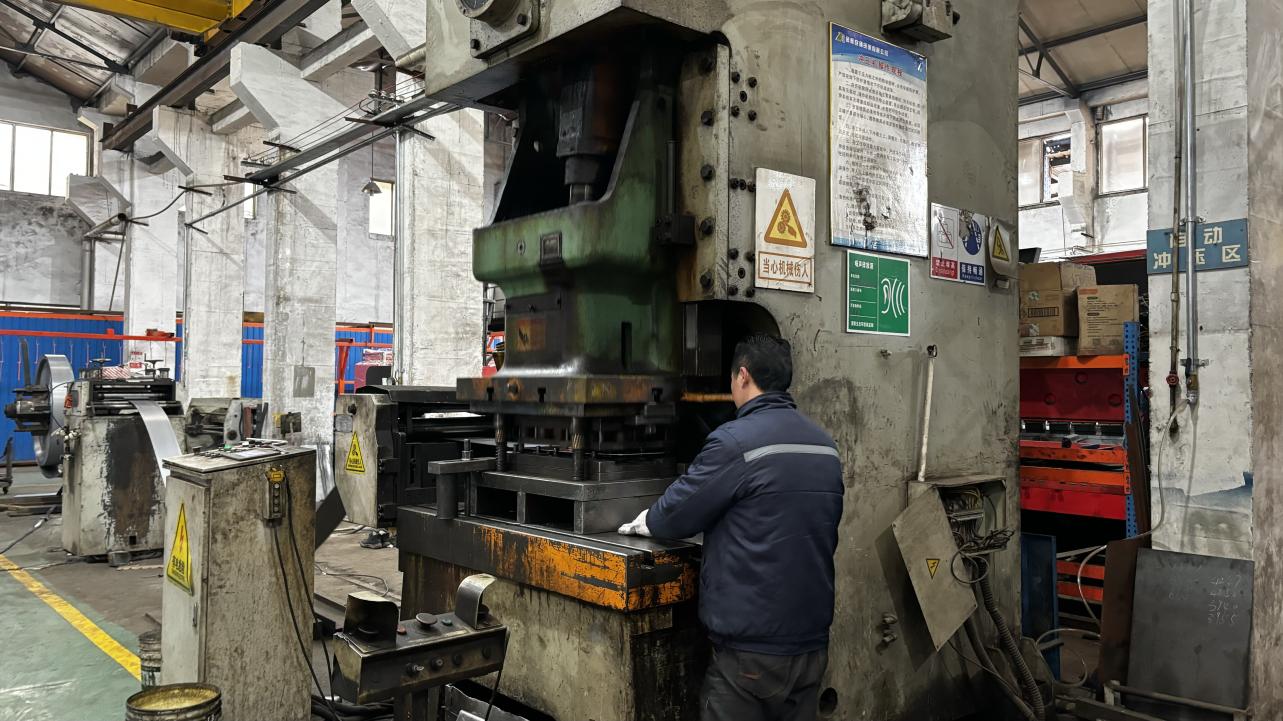
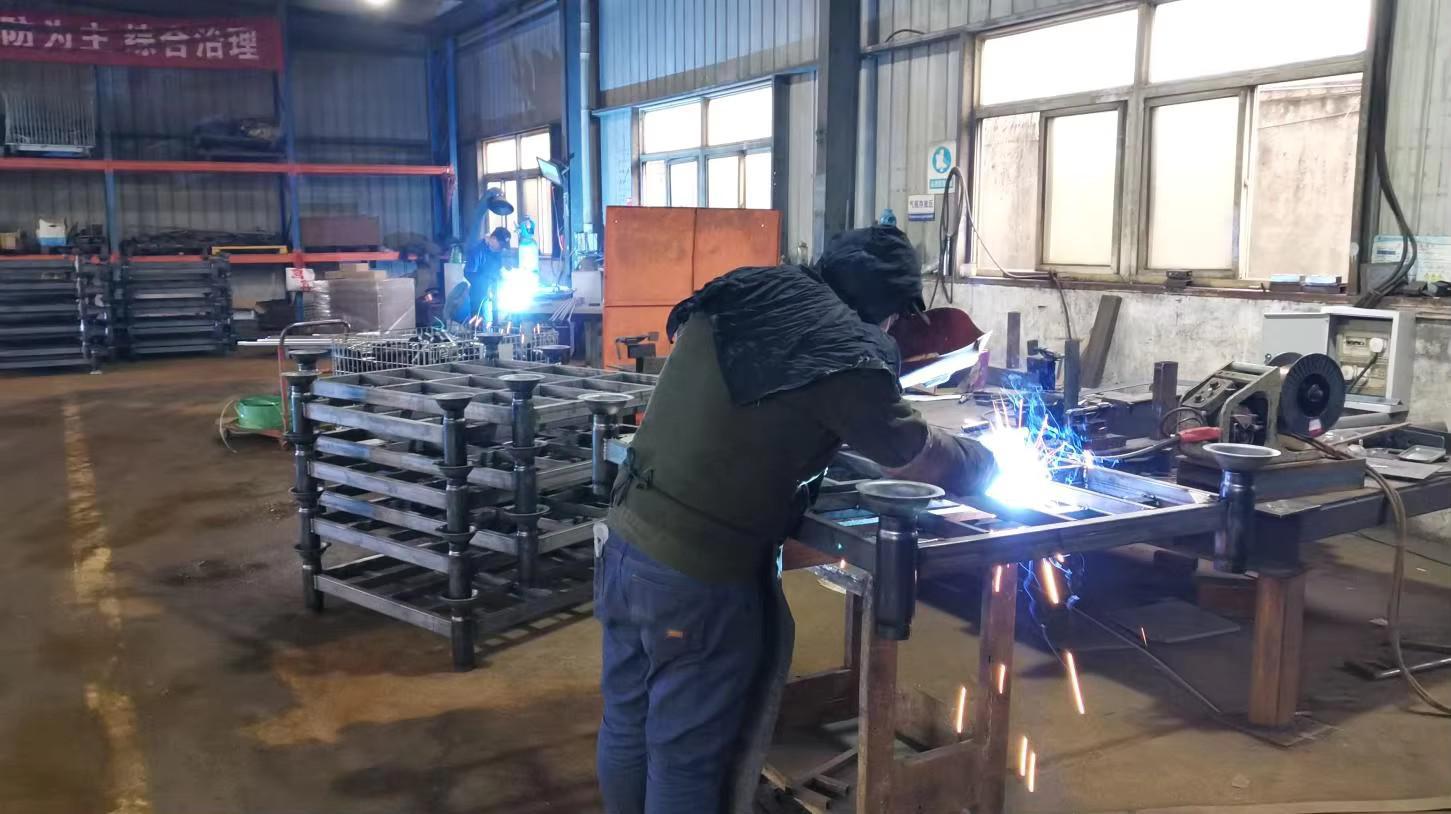
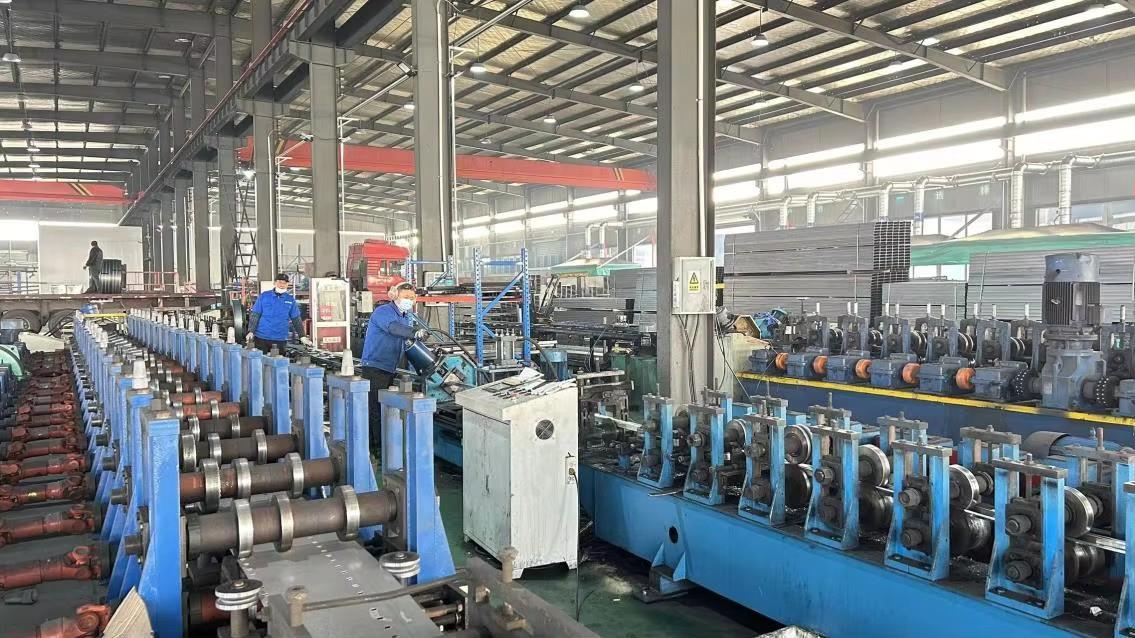
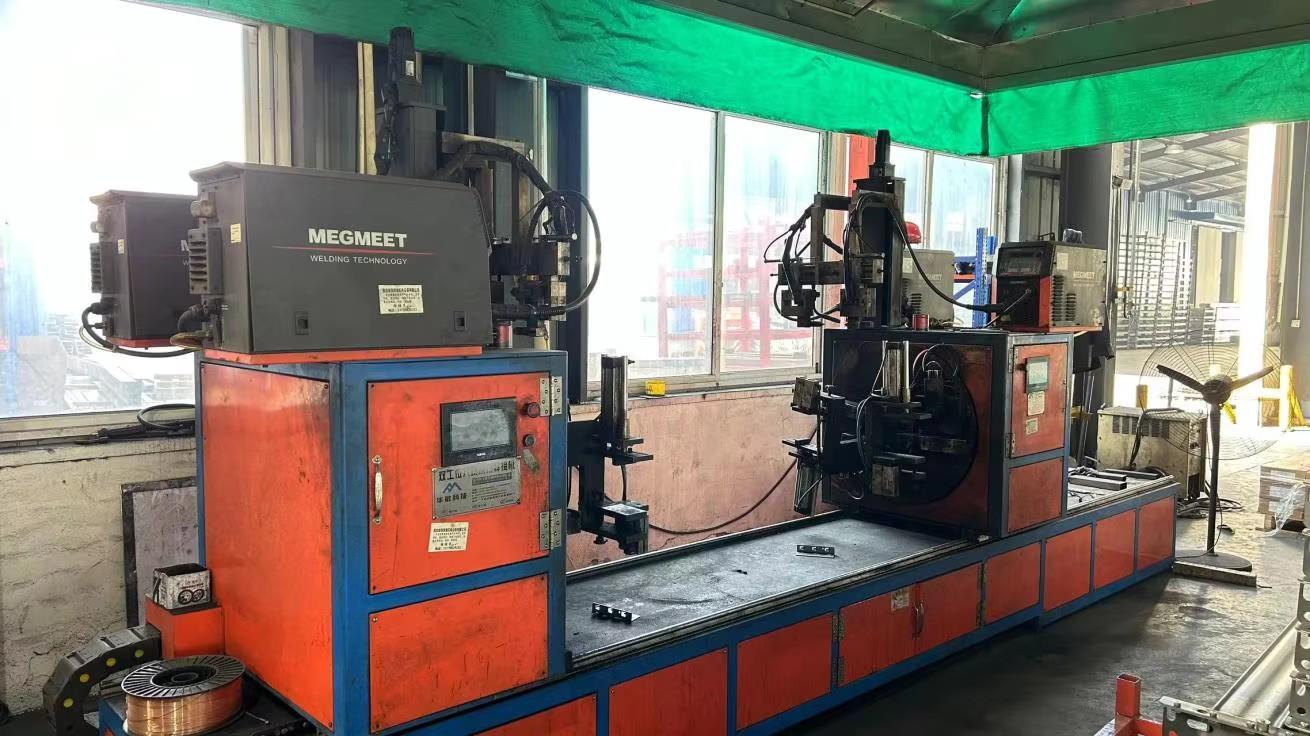
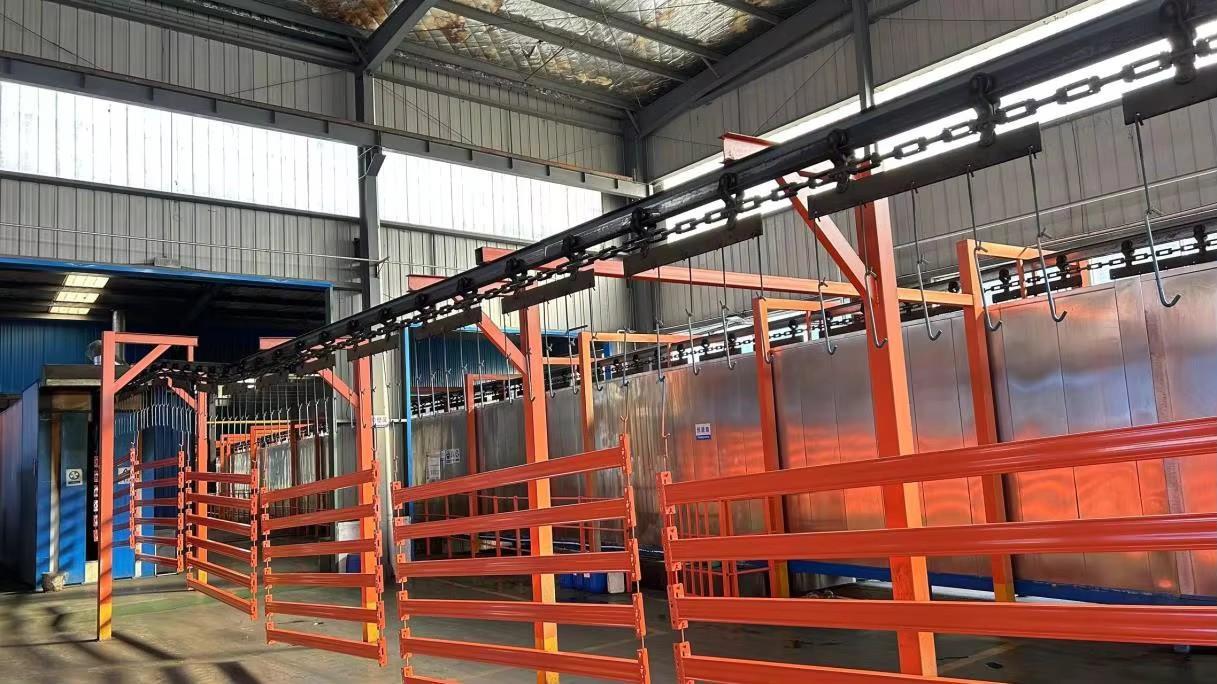
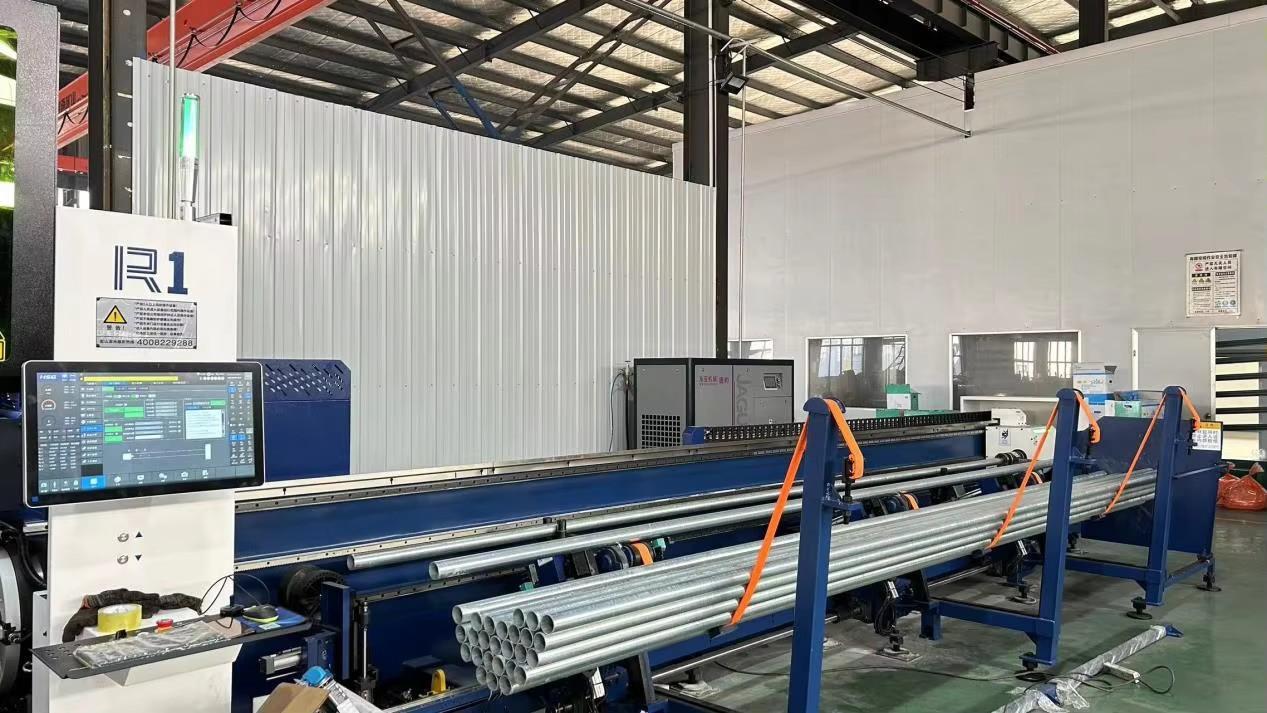
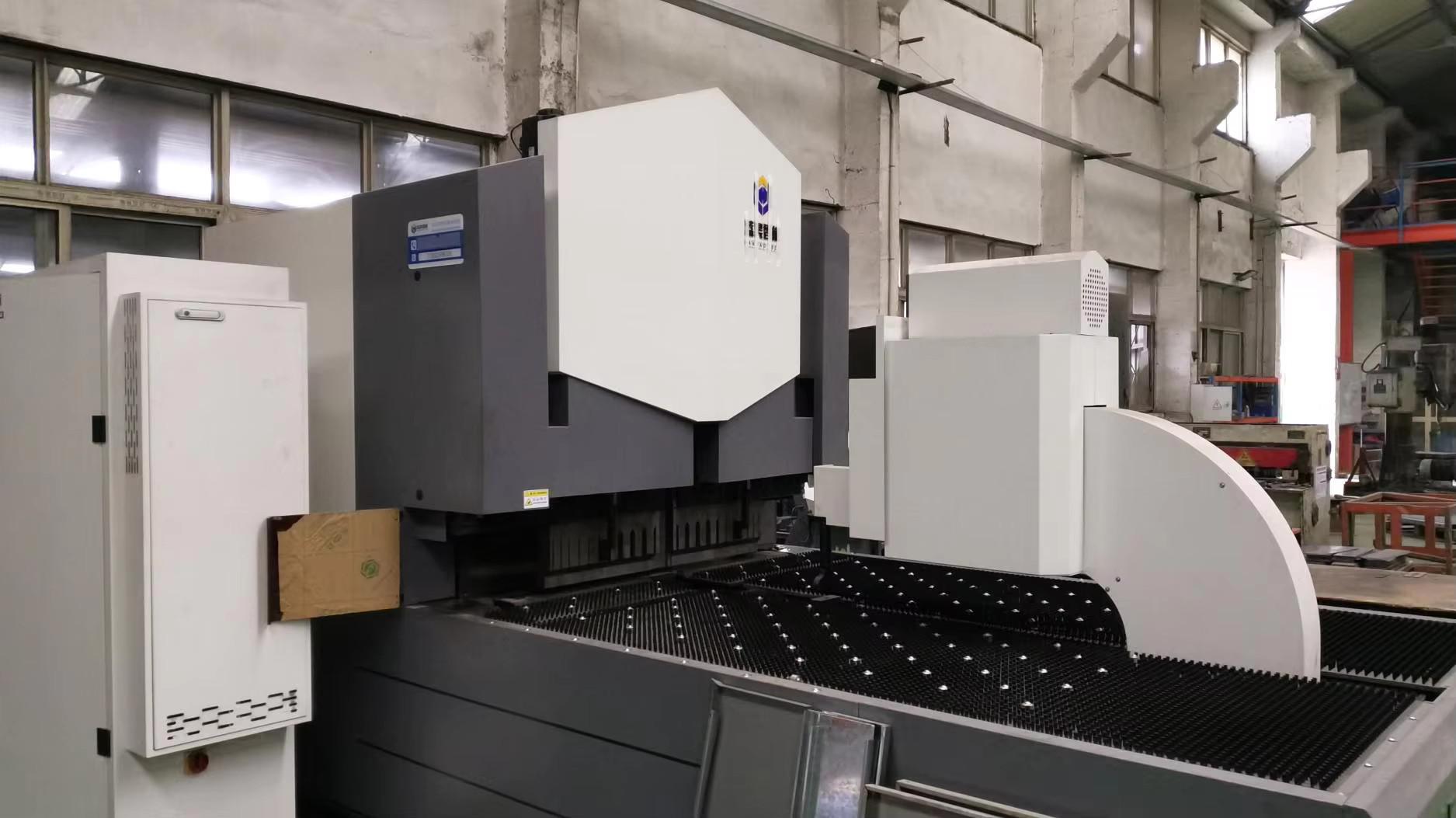
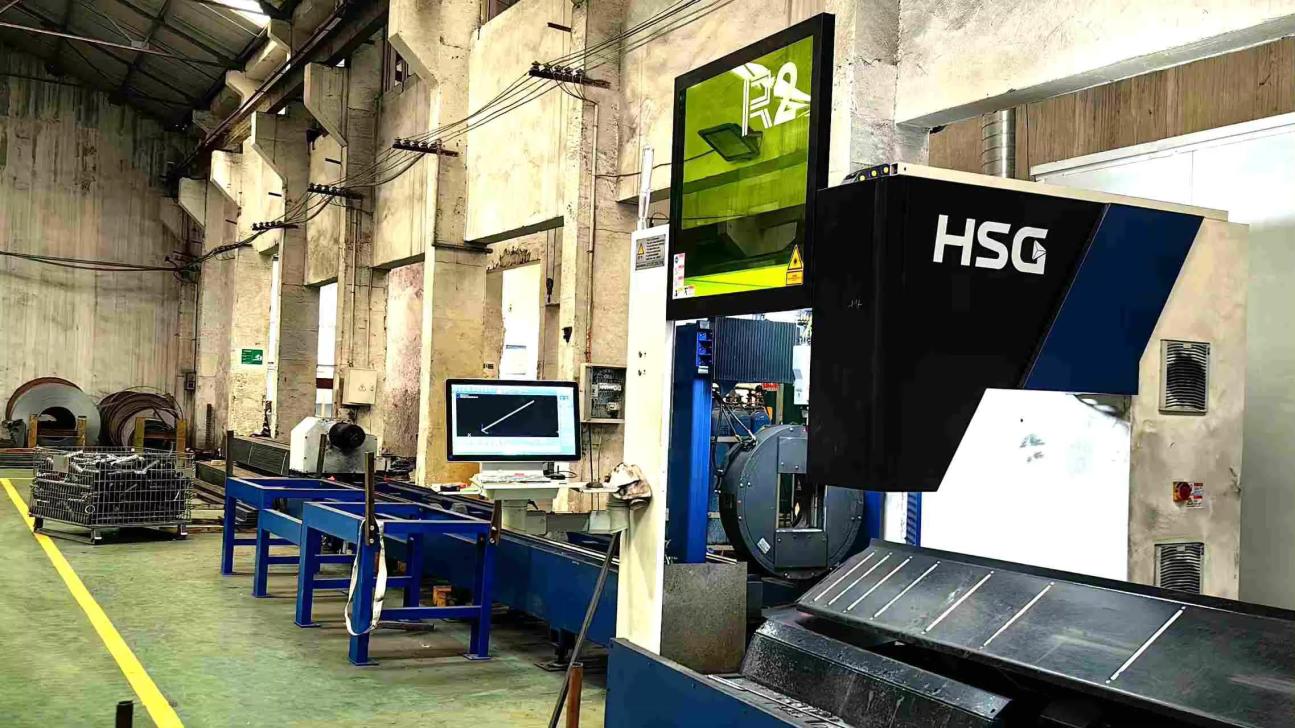
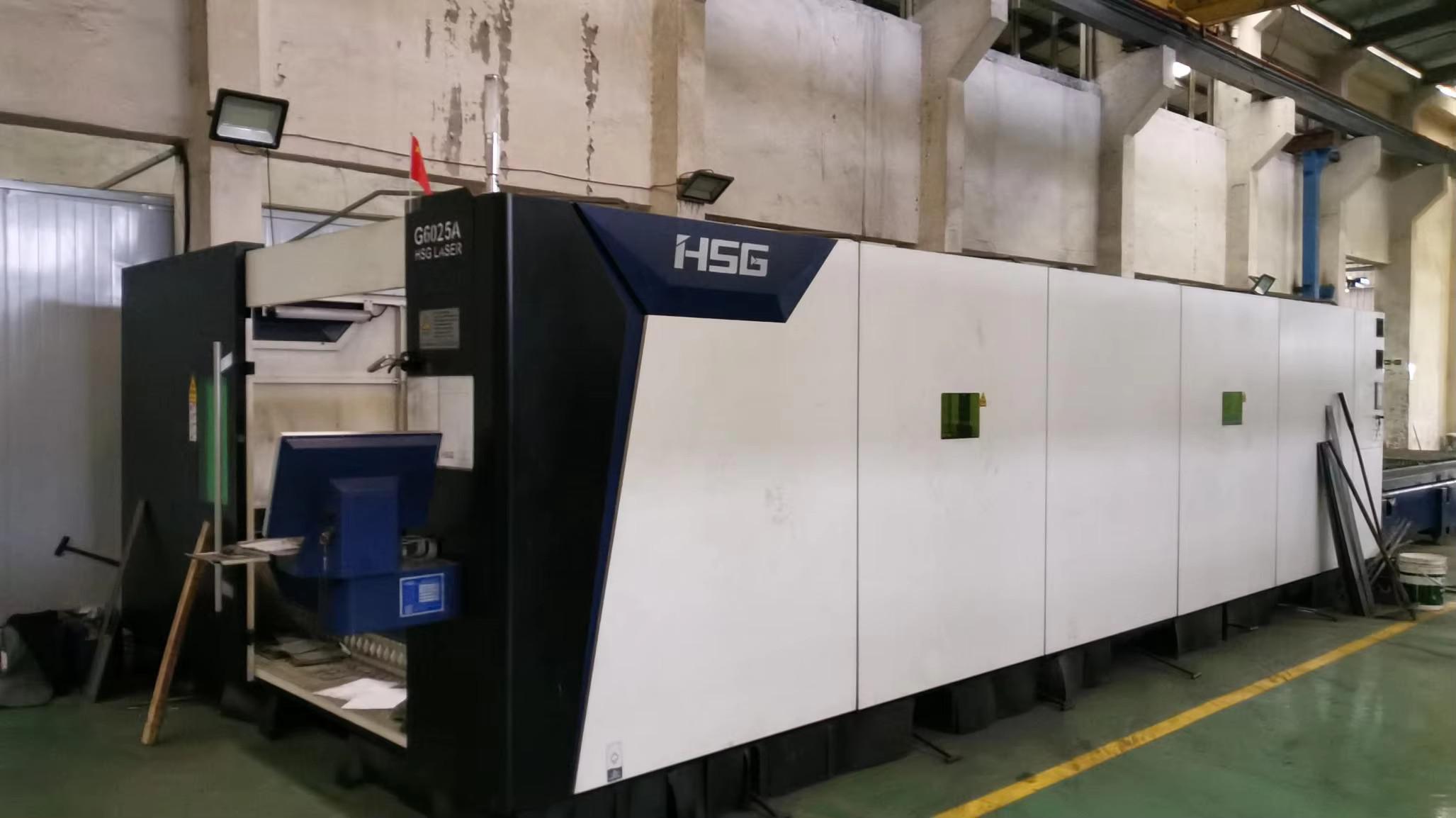
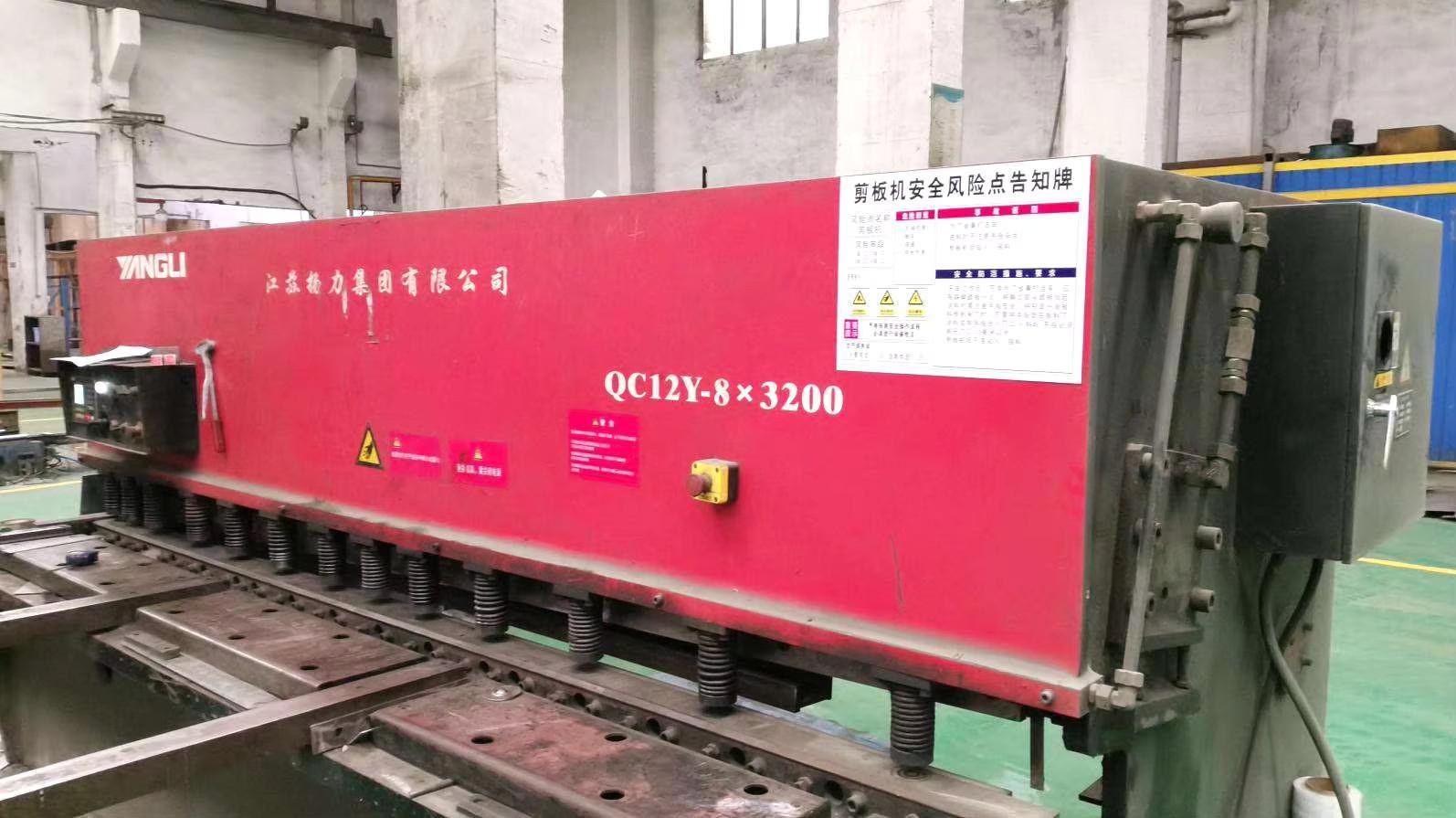
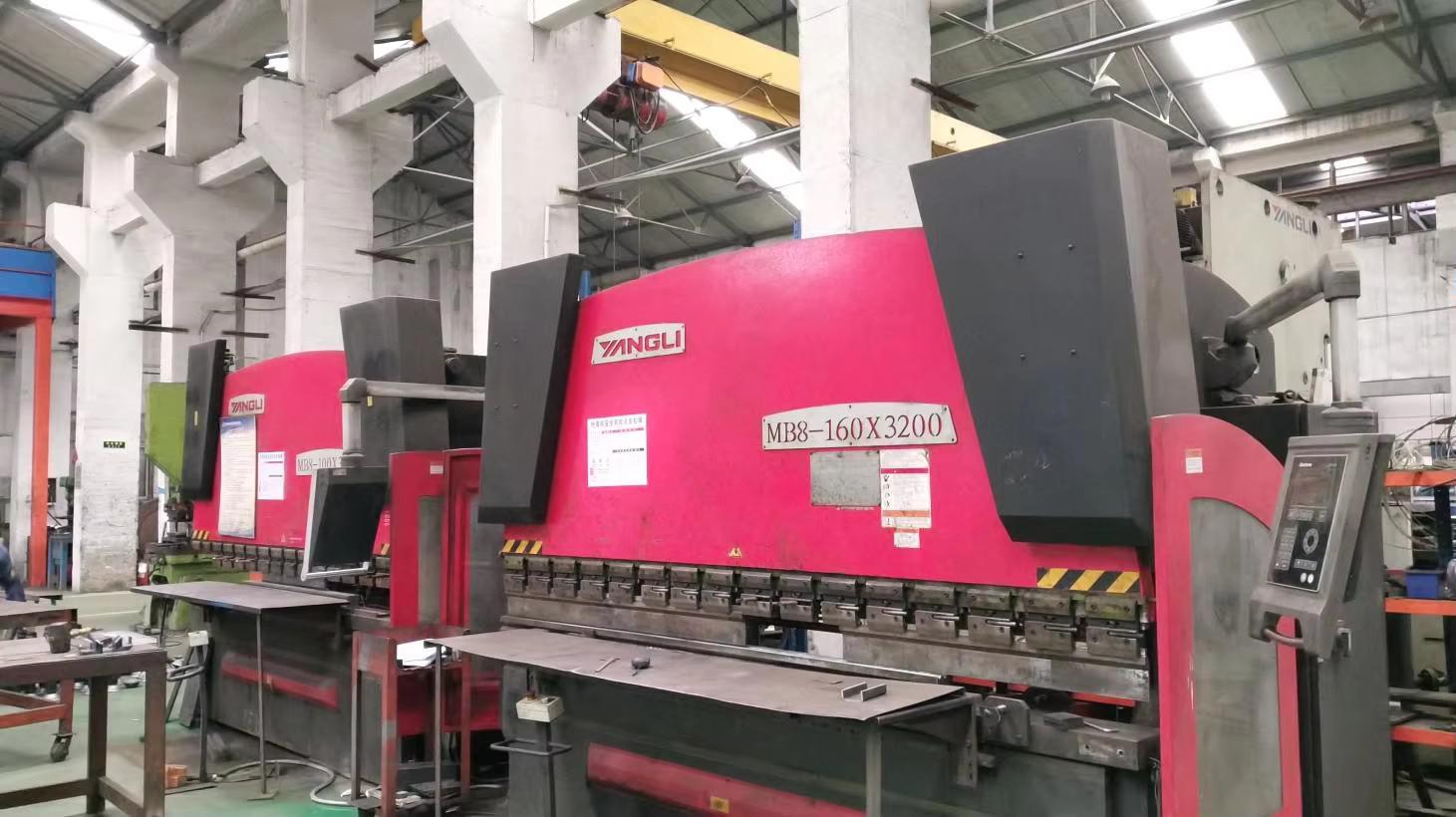
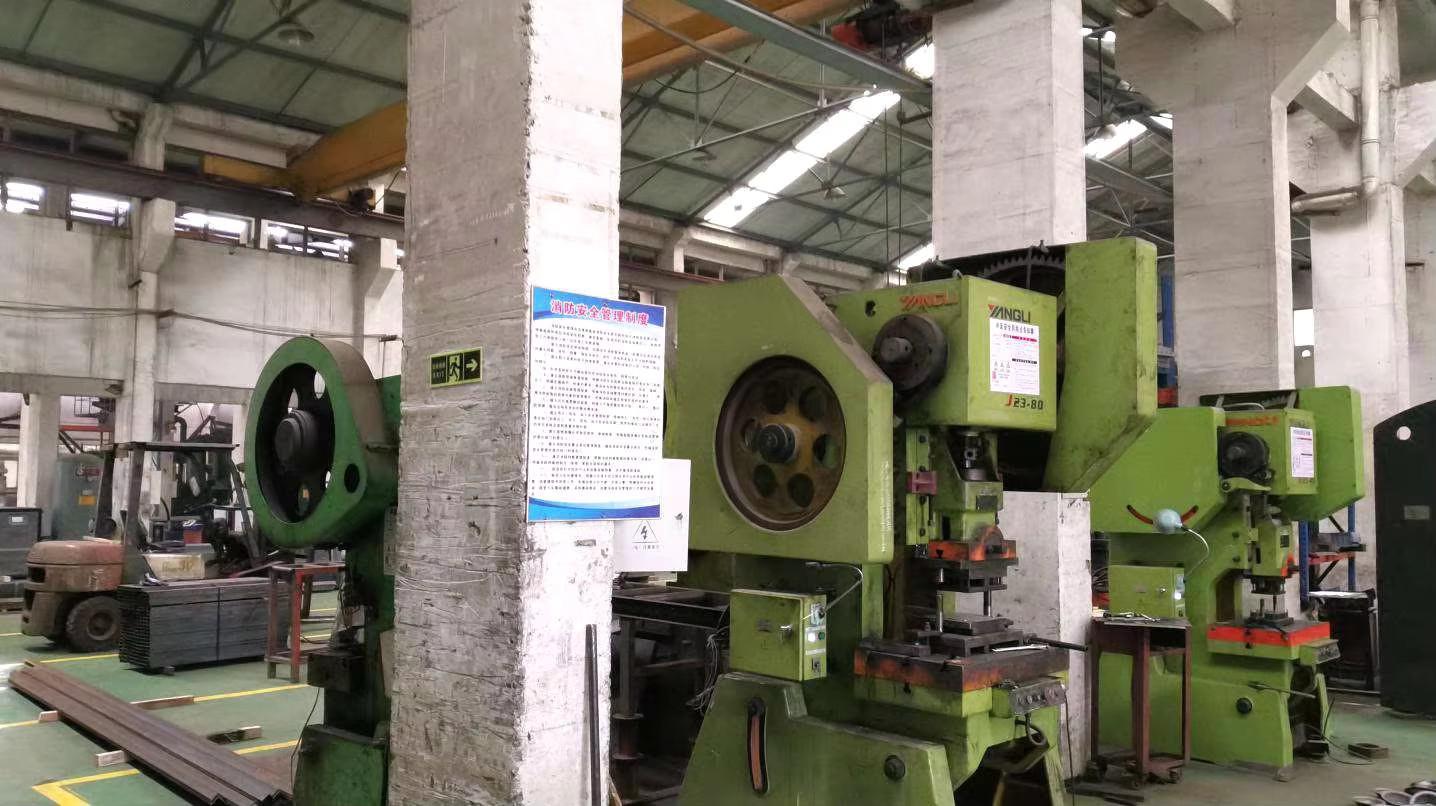
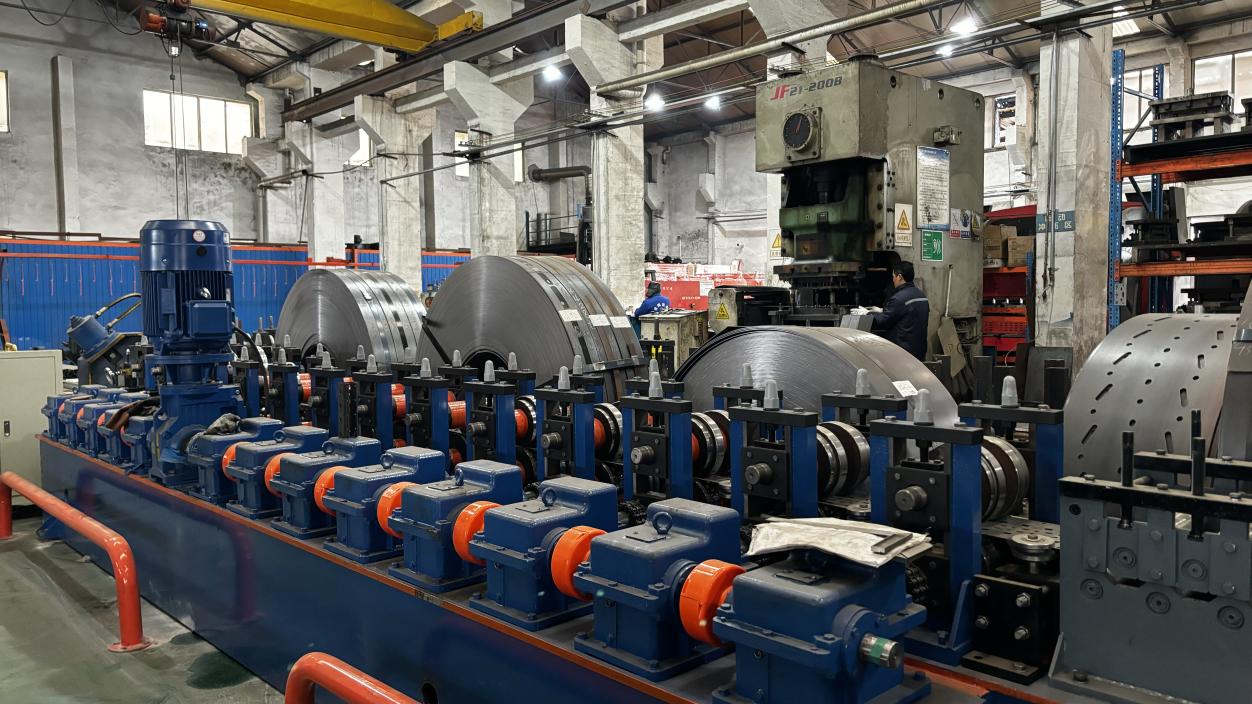
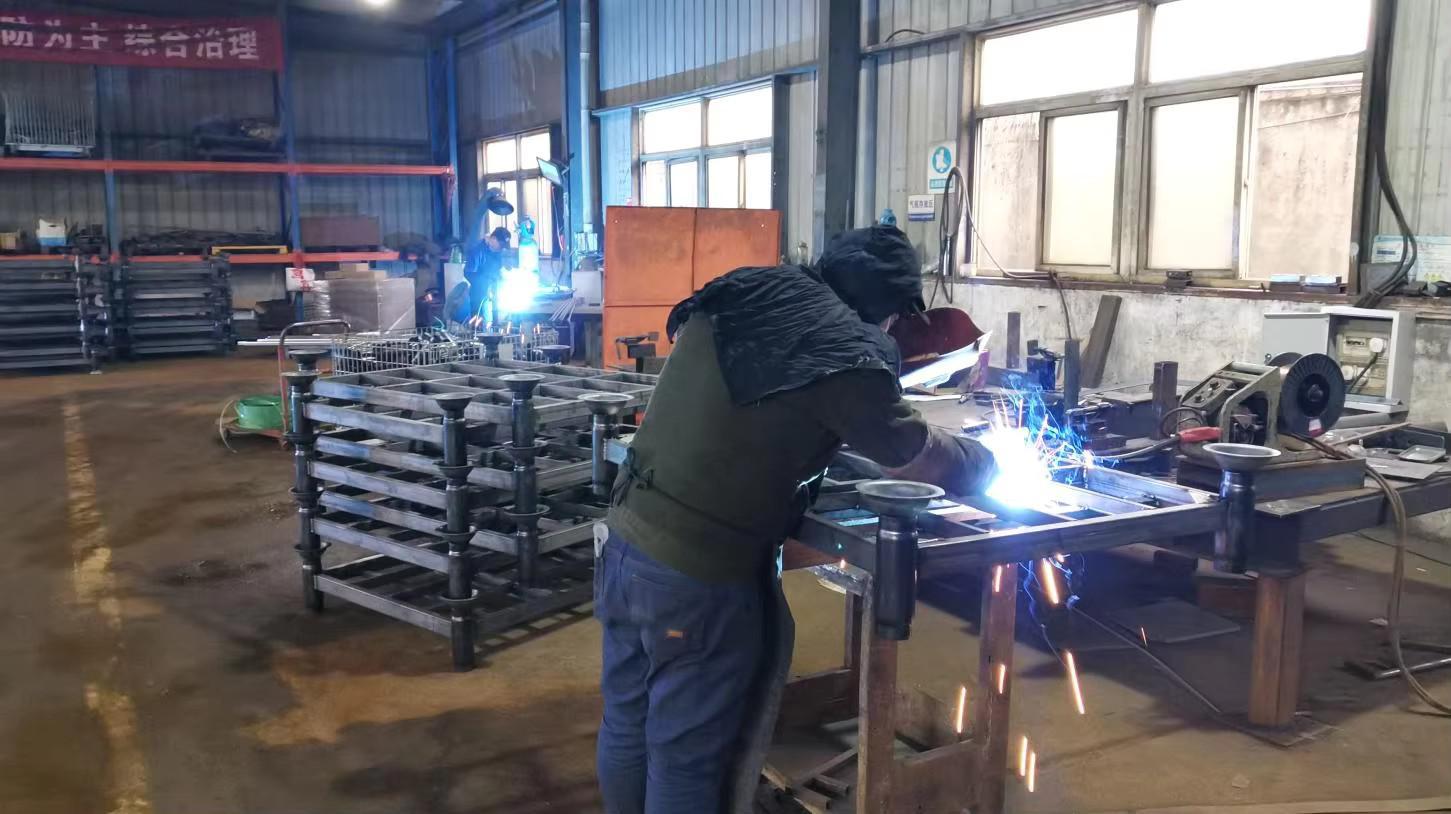
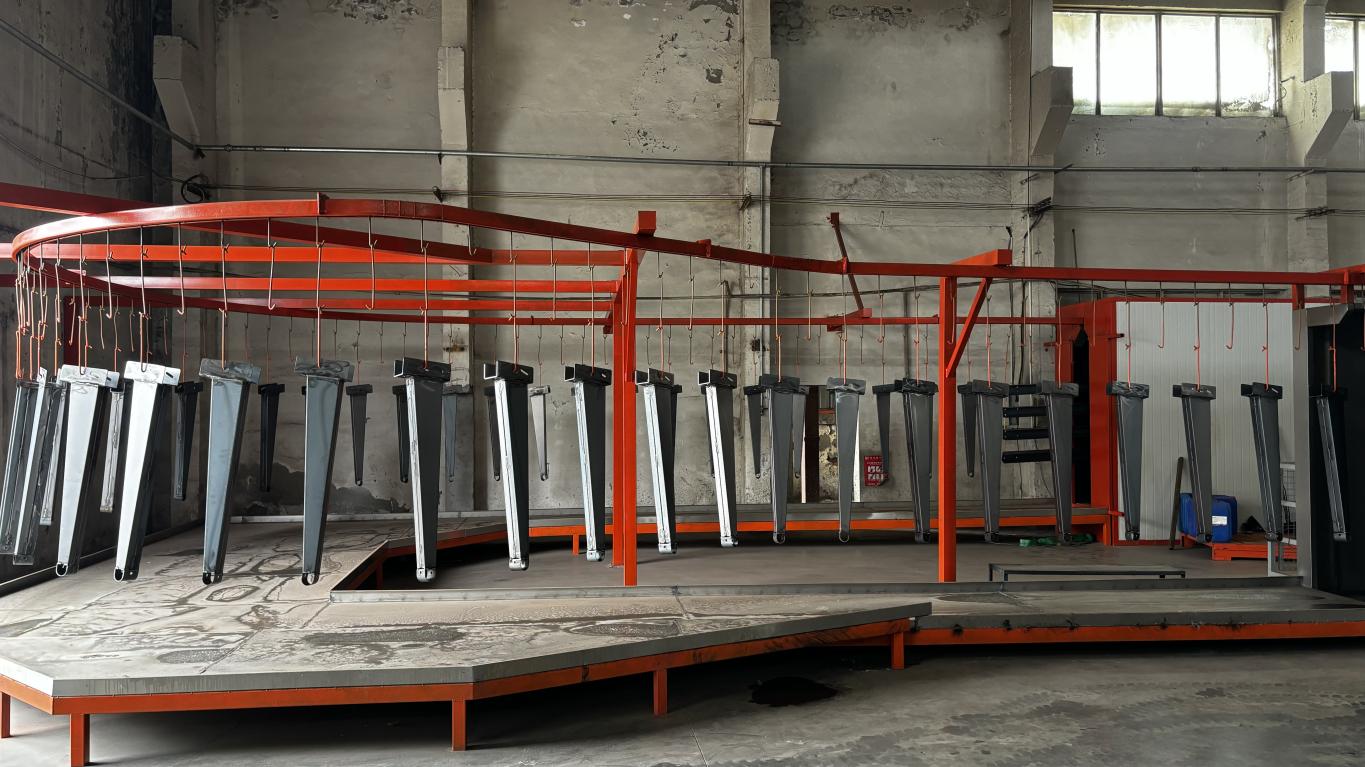
Established in 2017, Dongguan Jinhui Storage Equipment Co., Ltd. has established itself as an authoritative manufacturer specializing in high-grade warehouse storage solutions and industrial racking systems. Nestled in the manufacturing hub of Dongguan, China, the facility spans over 18,600 square meters and operates advanced automated production lines, precision laser cutting machines, multi-stage CNC punching equipment, structural robotic welding systems, and integrated electrostatic powder coating lines.
Jinhui’s engineering capacity includes an annual export volume reaching USD 16 million across 50 countries and regions. With 8 years of dedicated export experience and 14 years of design and manufacturing history, Jinhui serves a wide client base: warehouse solution distributors, third-party logistics (3PL) providers, industrial manufacturers, retail chains, and e-commerce fulfillment centers across Europe, North America, Southeast Asia, Australia, South America, and the Middle East.
How structural engineering, IoT connectivity, and automation are defining the next generation of logistics hardware.
The boundary between static shelving and dynamic mechanics is dissolving. Modern modular racking must serve as the structural framework for AS/RS stacker cranes, shuttle carts, and vertical elevators. Jinhui is leading this trend by manufacturing racks with tighter tolerances. Our robotic welding processes keep deviations below 1mm, which is essential to prevent shuttle disruptions in high-density automated warehouses.
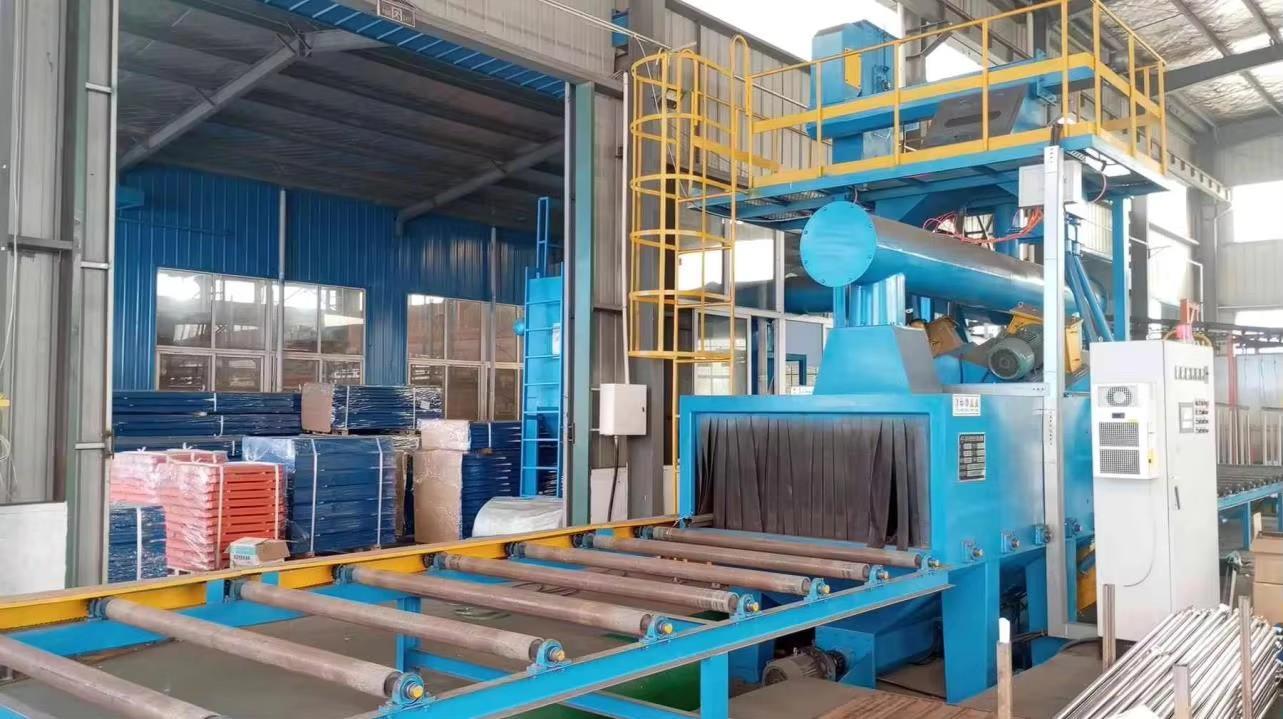
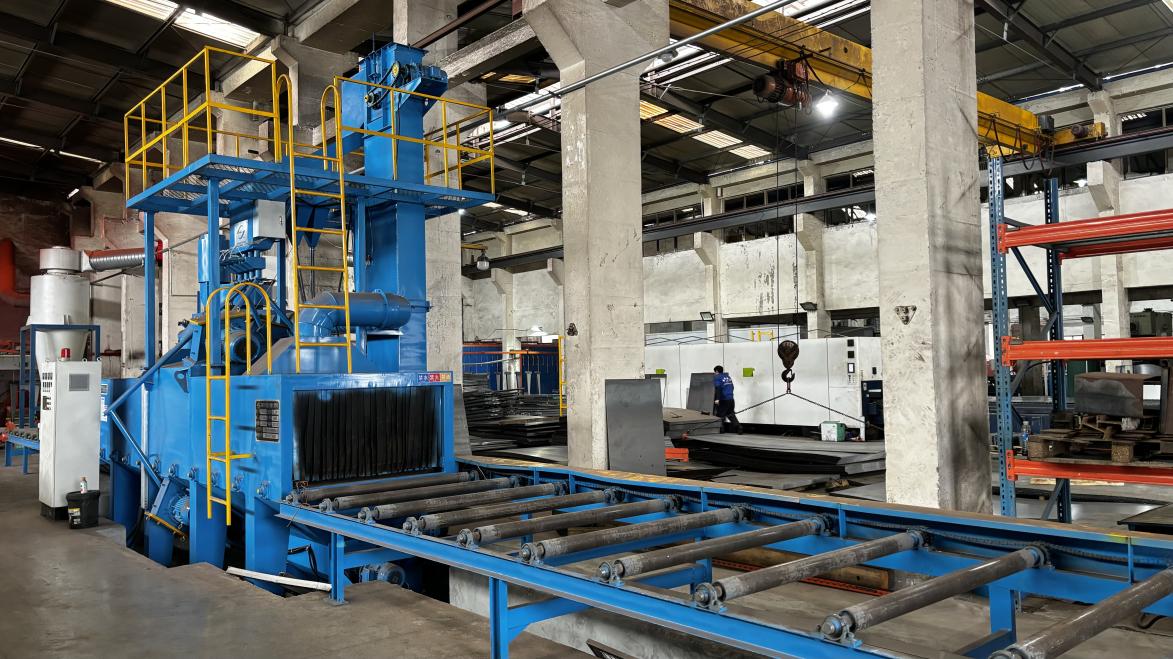
With global cold chain logistics expanding rapidly, modular systems must withstand temperatures down to -30°C without undergoing steel embrittlement. Using high-quality Q235B and Q355B carbon steel alongside specialized powder coatings protects structural integrity. Jinhui's multi-stage shot blasting and paint line ensures powder adhesion that prevents corrosion and peeling in high-moisture, sub-zero facilities.
The future of safety management lies in smart racking systems. By integrating strain gauges and load-cell sensor matrices into rack uprights, warehouse managers can monitor real-time beam deflection and structural stress. This technology alerts teams to overload risks before structural deformation occurs, minimizing operational accidents and prolonging equipment lifespan.
How cluster efficiency, material sourcing, and scale enable high-quality production with short lead times.
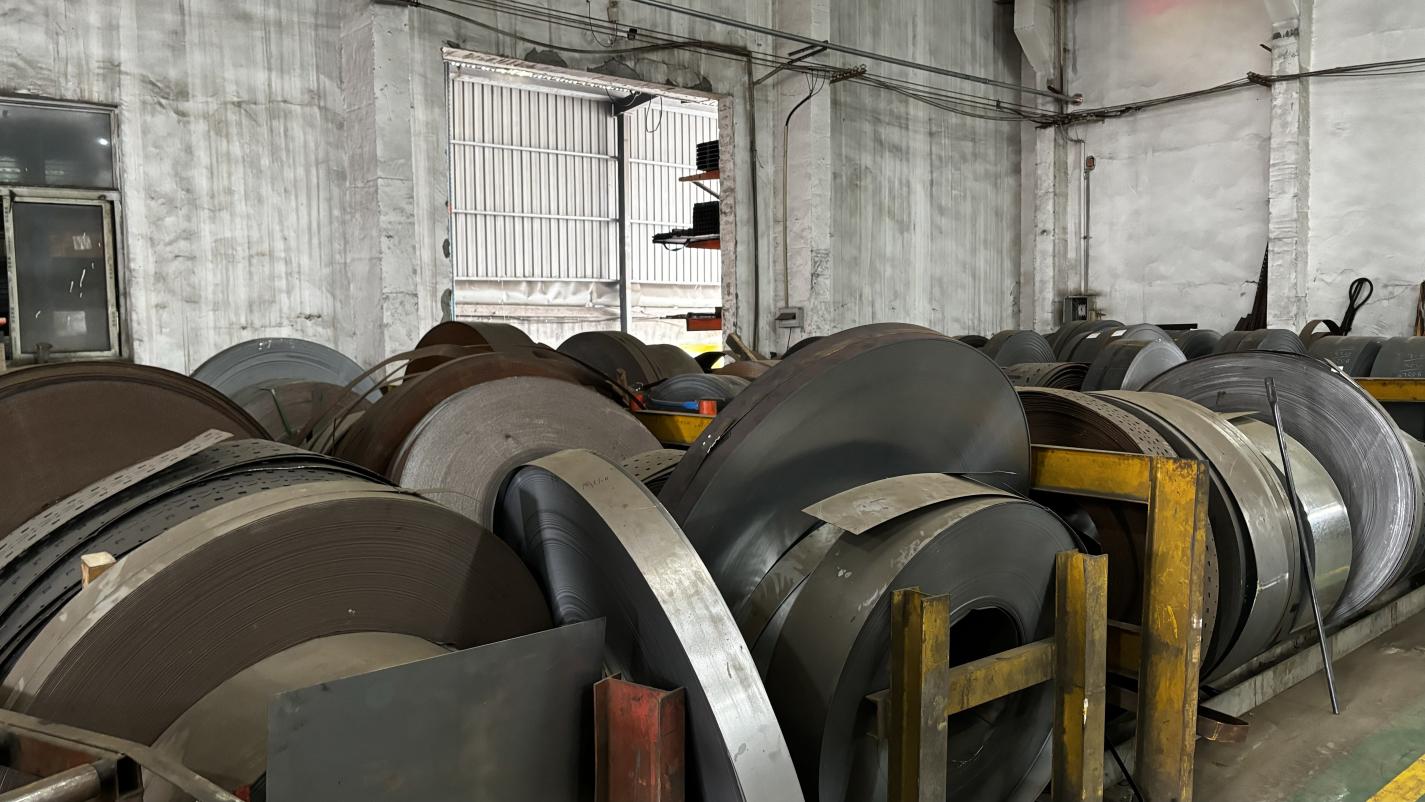
Manufacturing industrial steel storage racking requires consistent raw materials and reliable production control. Jinhui’s operations benefit from a network of over 980 verified supply chain partners. This network ensures a reliable flow of premium structural steel coil, high-tensile hardware, and specialized powder coat resins, allowing Jinhui to remain competitive through fluctuating market conditions.
This supply chain integration, combined with localized logistics networks in the Pearl River Delta, reduces production lead times by 20% to 30% compared to Western competitors. Instead of dealing with fragmented suppliers for custom roll-formed profiles and fasteners, Jinhui controls the fabrication process end-to-end. This internal capacity allows us to offer custom OEM and ODM solutions, with our 68 R&D engineers launching 126 new or upgraded storage products within the past fiscal year alone.
Ensuring site safety, operational compliance, and structural integrity across international jurisdictions.
Industrial warehousing systems are load-bearing structures that require careful engineering validation. In the event of structural failure, liability and safety risks are severe. Jinhui enforces quality assurance via a dedicated team of 46 experienced QC inspectors who monitor materials and tolerances from raw steel receipt to final packaging.
| Compliance Region | Certification Standard | Core Operational Focus |
|---|---|---|
| Europe (CEN) | EN 15512 / EN 15620 / FEM 10.2.02 | Structural safety, tolerance limits, and dynamic load testing for pallet racking. |
| United States (RMI) | ANSI/RMI MH16.1 | Seismic design, cold-formed steel member testing, frame stability, and collision resistance. |
| Australia | AS 4084:2012 / AS 4084.1:2023 | Steel storage racking code, structural tolerances, safety testing, and inspection guidelines. |
| Global Systems | ISO 9001:2015 | Quality management systems covering fabrication, welding, coating, and documentation traceability. |
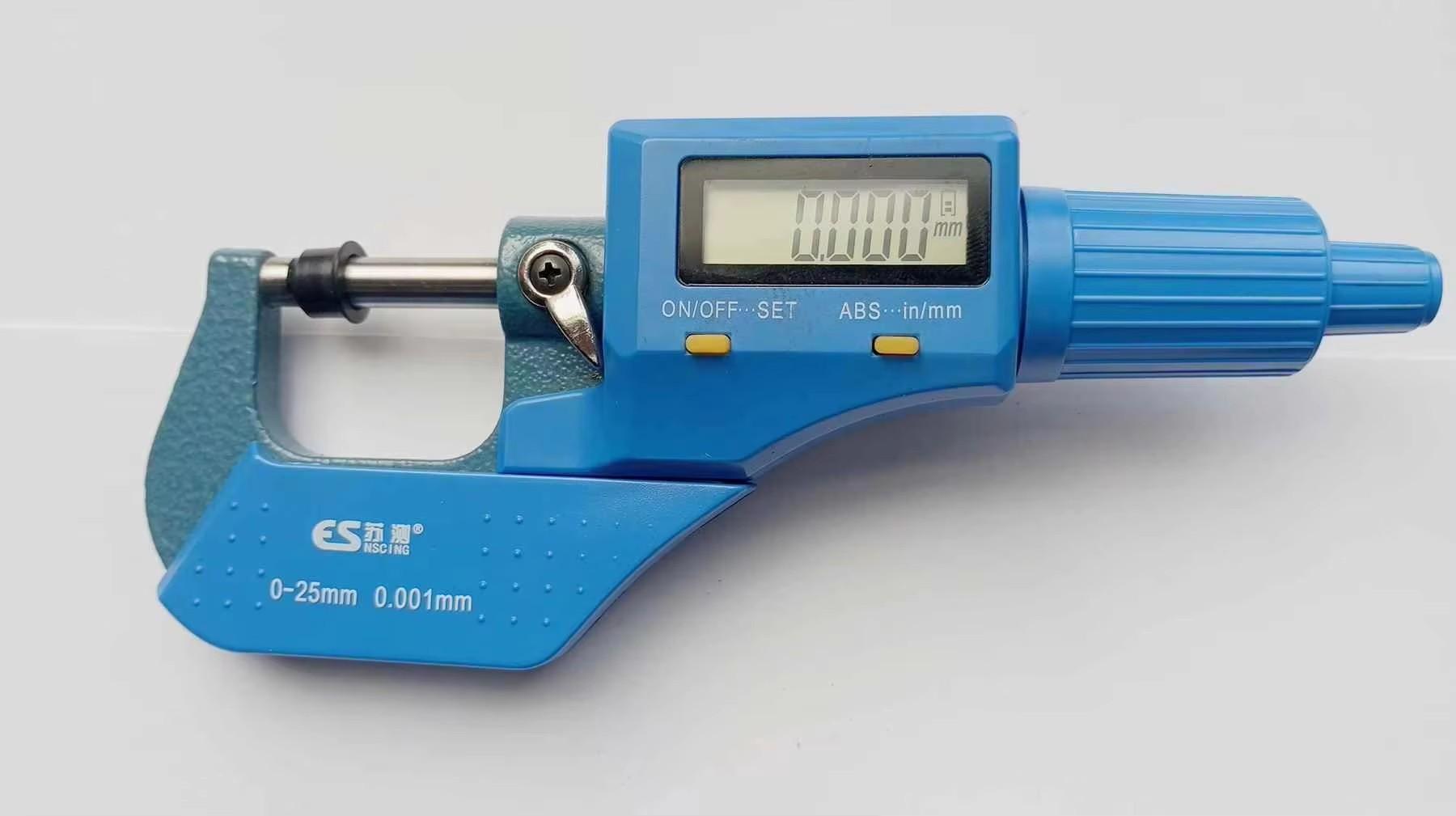
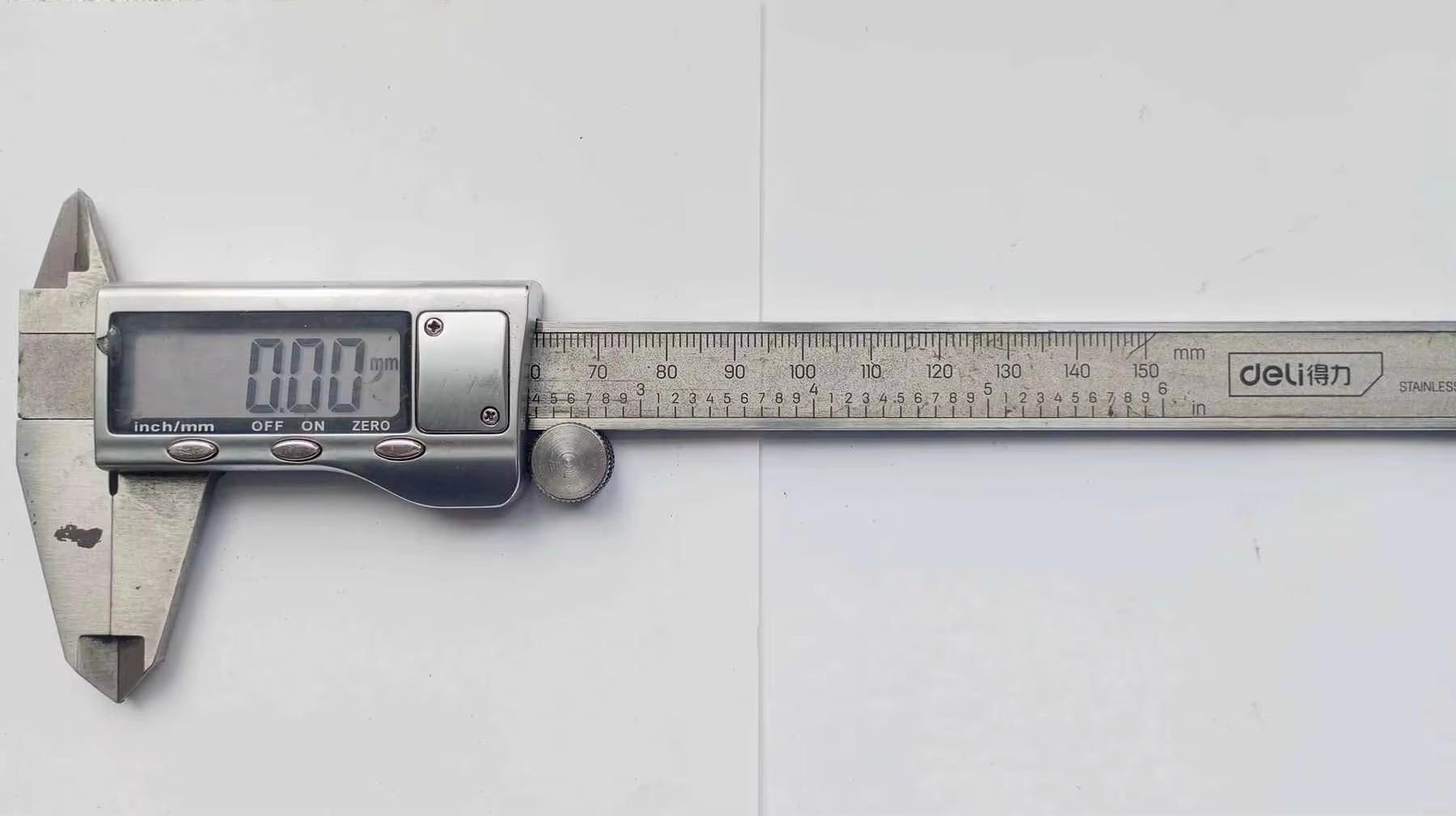
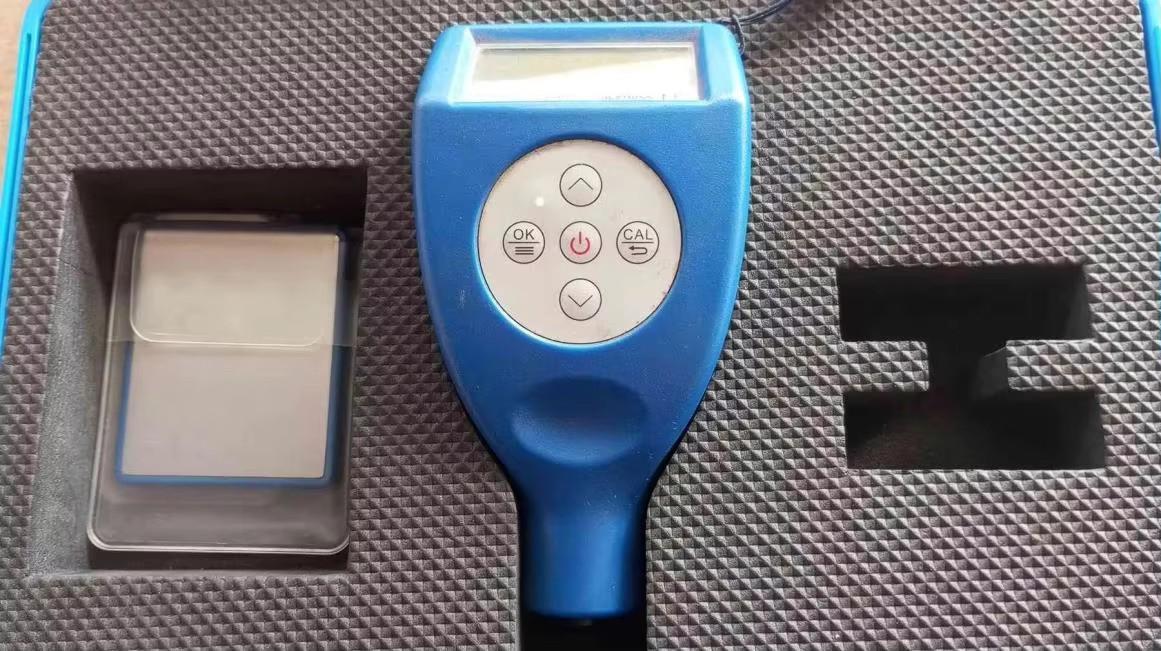
Jinhui’s testing protocol goes beyond standard dimensional audits. Our QA processes include: load capacity testing, micro-level weld penetration tests, paint thickness profiling, and raw material chemical assays. This rigorous approach ensures Jinhui products comply with local building regulations and safety standards, giving distributors and end-users confidence in the systems they deploy.
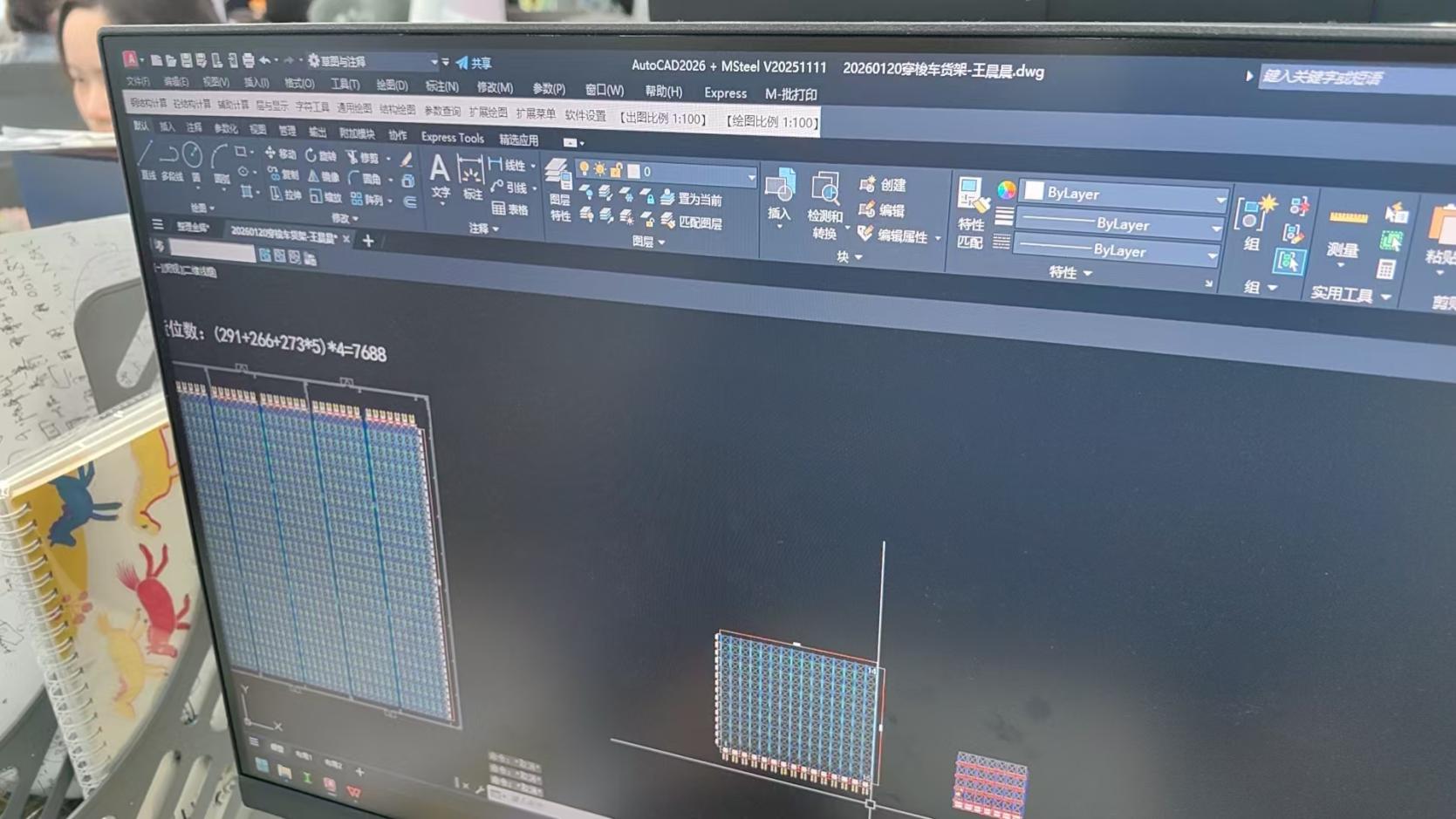
A step-by-step look at Jinhui's manufacturing process, from raw steel processing to final quality verification.
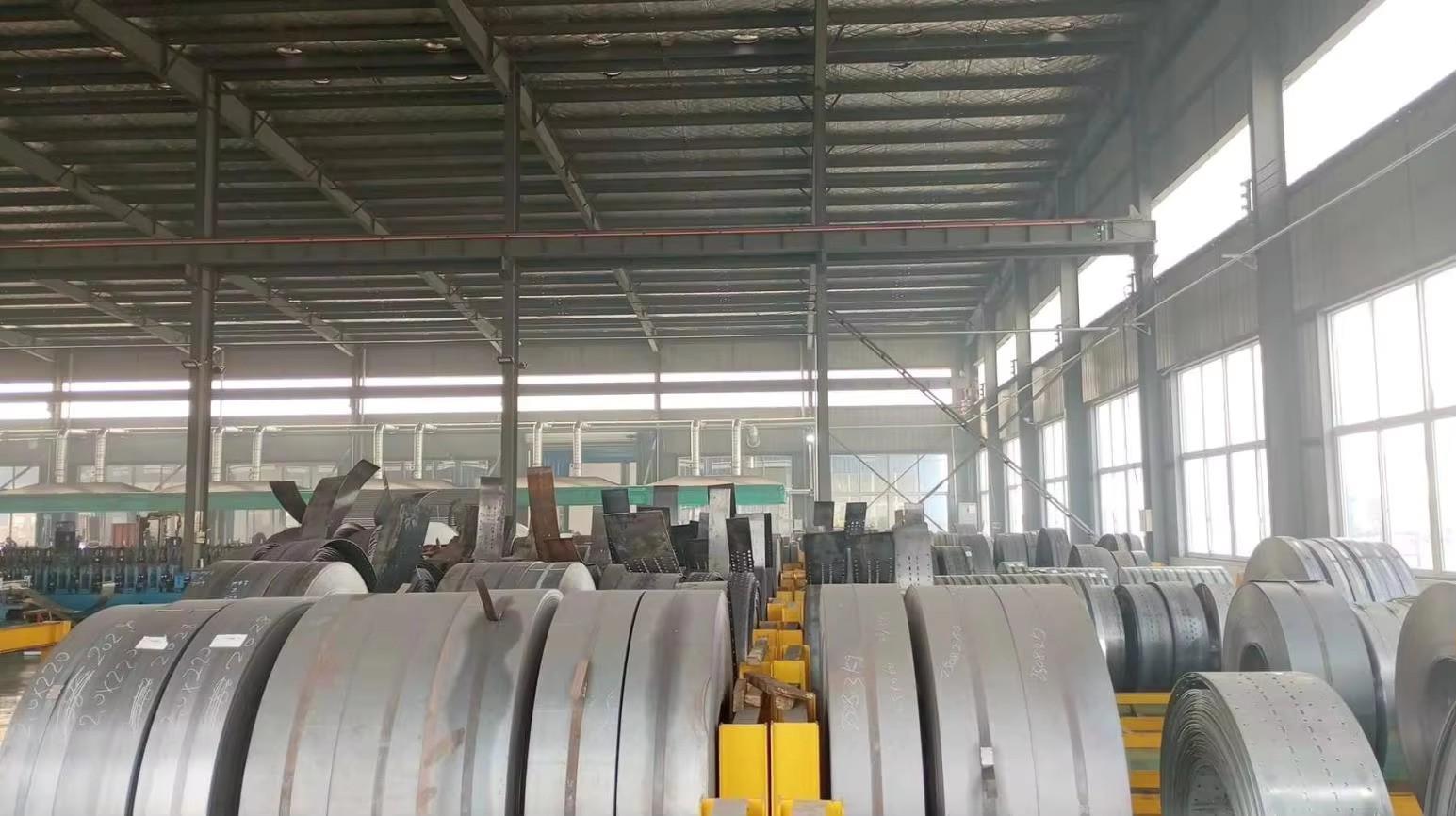
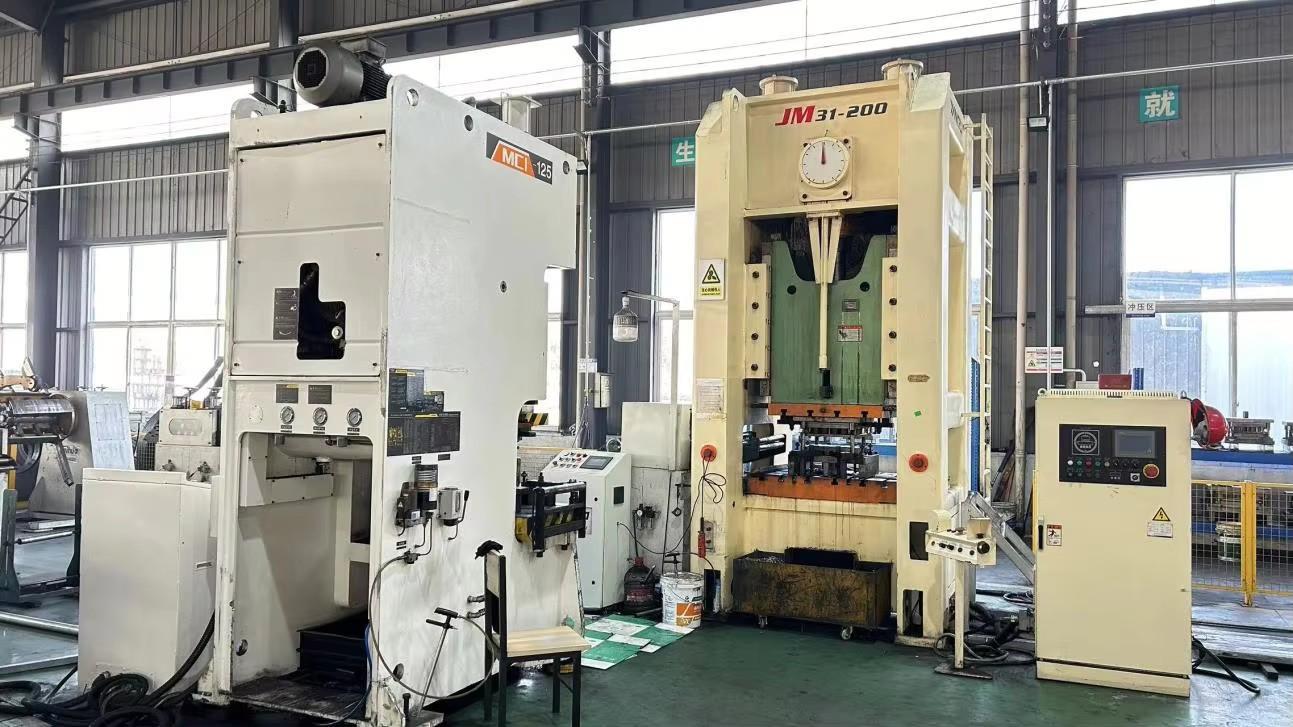
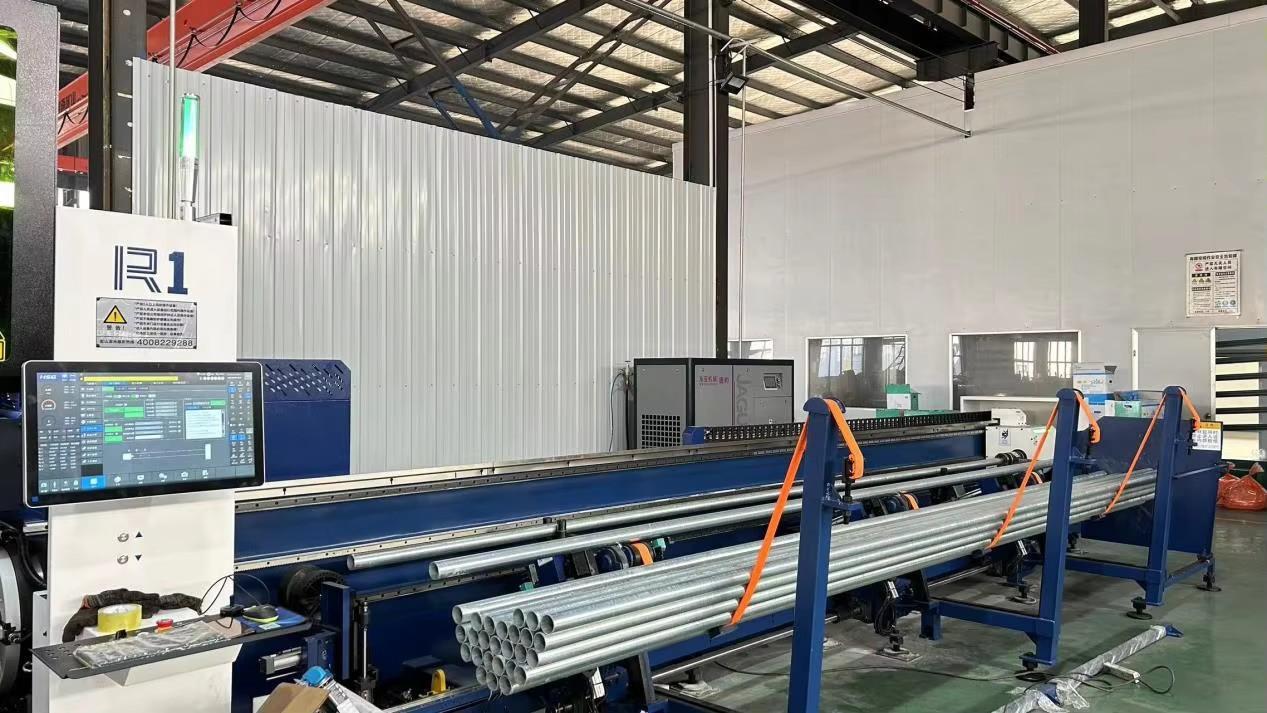
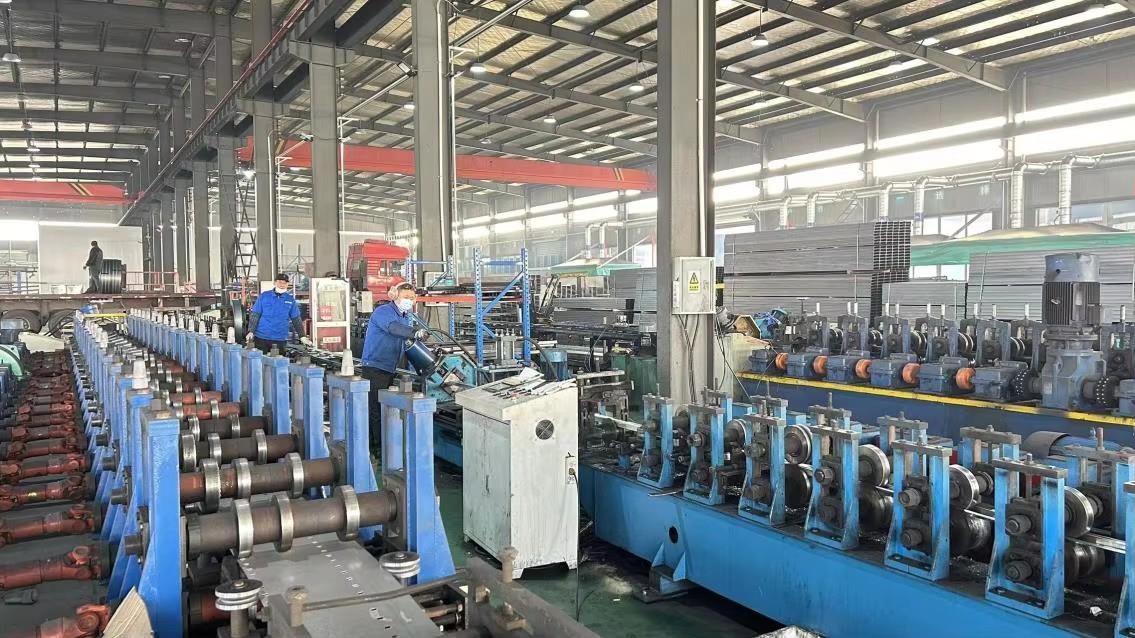
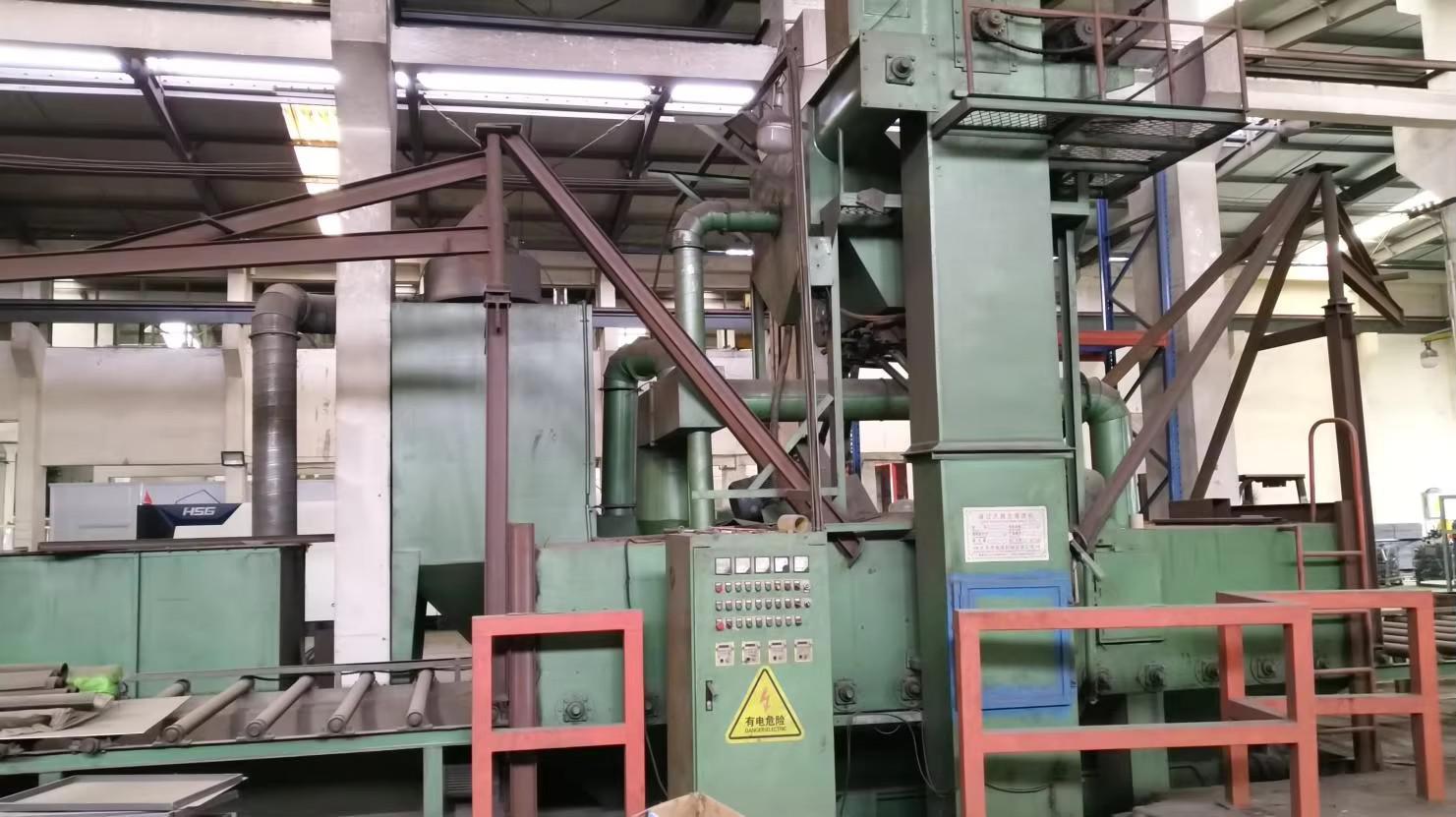
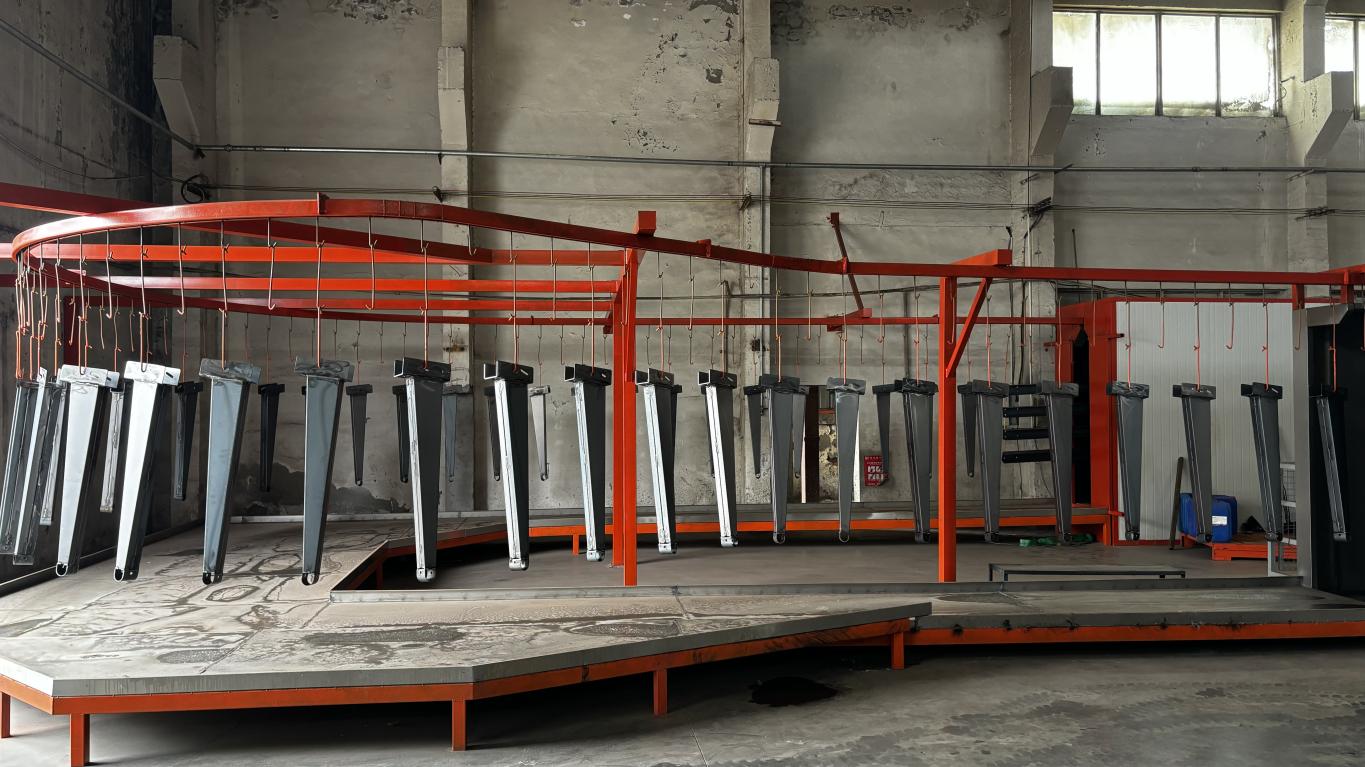
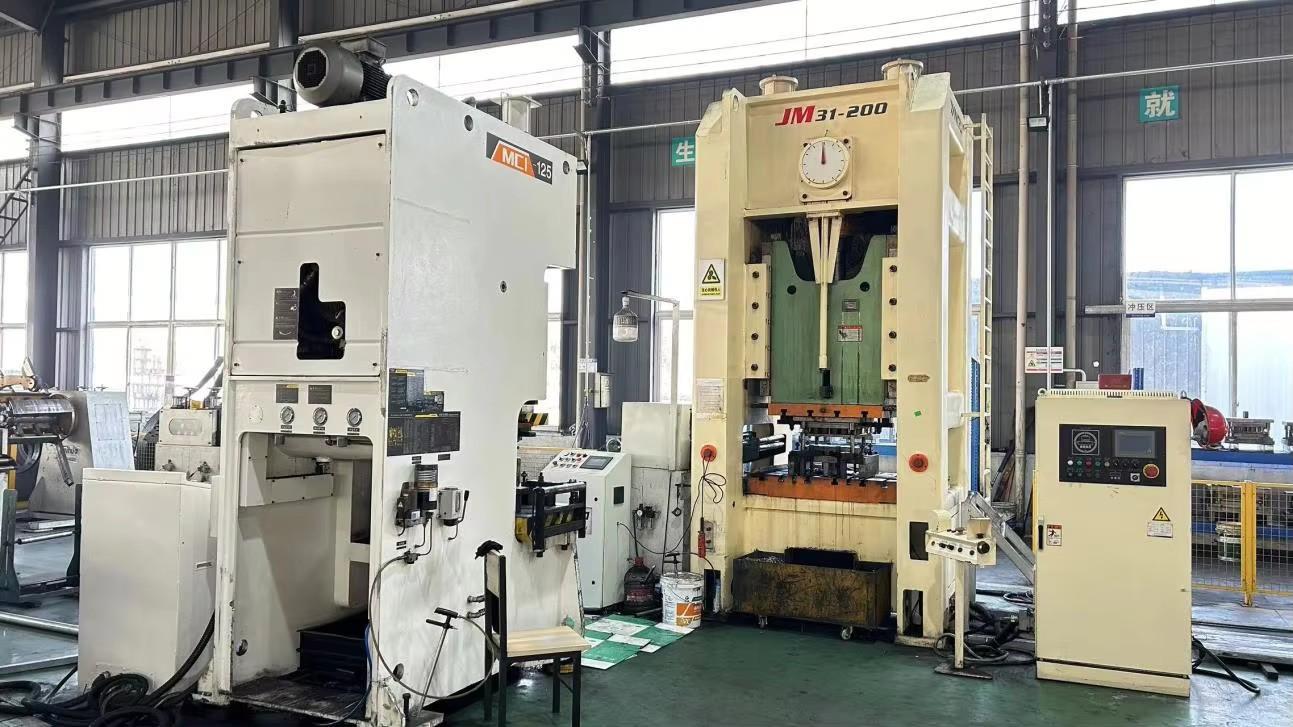
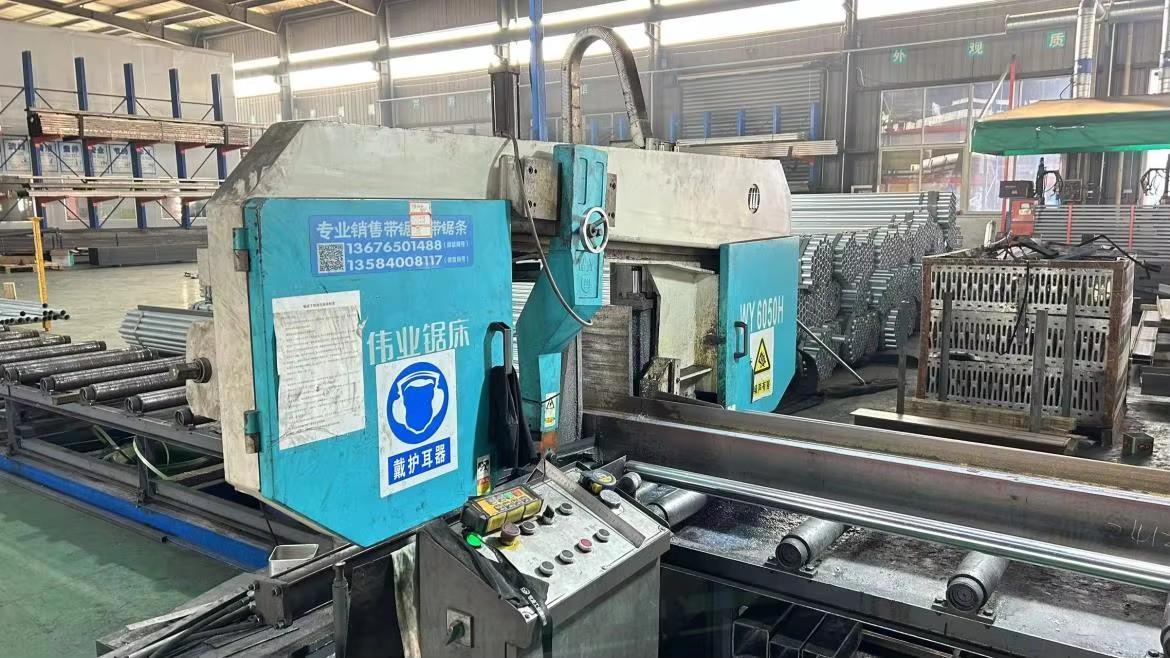
How Jinhui configures modular racking architectures for specific geographic and operational requirements.
Modular storage systems are used in diverse global markets, each with its own regulatory and environmental requirements:
By analyzing site conditions before production, Jinhui's engineering department customizes frame connections, baseplate widths, and powder specifications to ensure the racking system performs reliably in its local environment.
Technical answers to common questions about selection, design limits, and regulatory compliance.
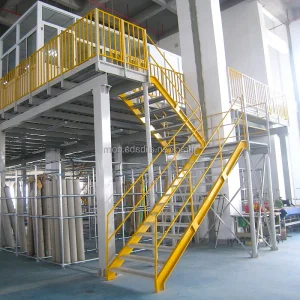
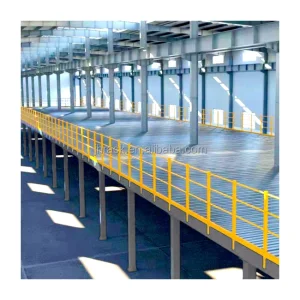
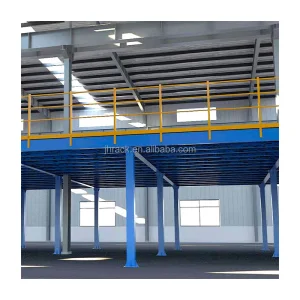
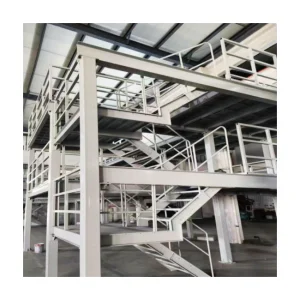
Engineered structural platforms and custom steel mezzanine systems designed to maximize vertical footprint efficiency.
 Jinhui Storage Equipment