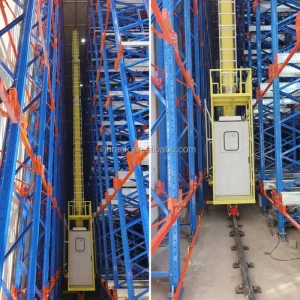
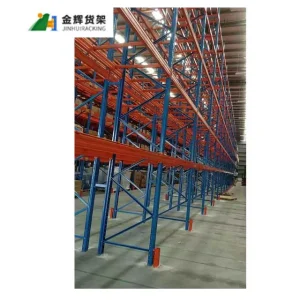
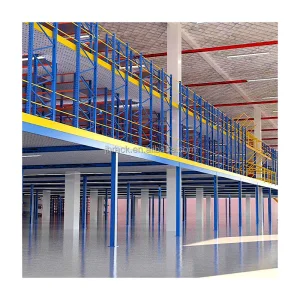
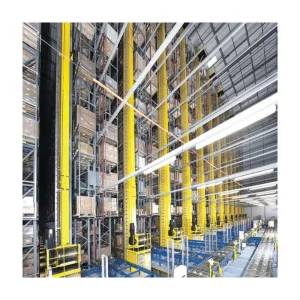
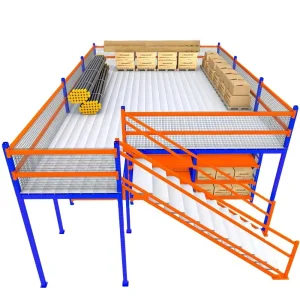
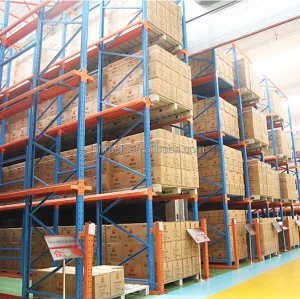
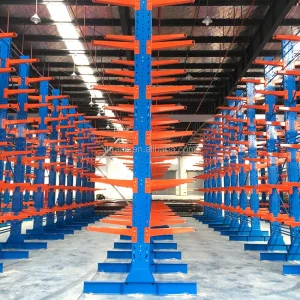
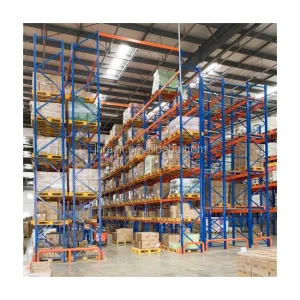
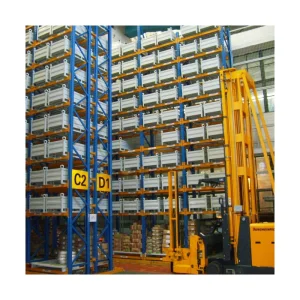
High-efficiency, heavy-duty industrial pallet racking solutions tailored for modern global logistics networks
In the dynamically shifting landscape of global supply chain management, warehousing space has evolved from simple inventory storage locations into high-value logistical nodes. Maximizing spatial yield while maintaining safe, high-speed accessibility is the premier challenge for warehouse planners today. Among the array of high-density storage configurations, Push-Back Storage Racking Systems stand out as an exceptionally versatile solution. By merging the best features of selective pallet racking and drive-in systems, push-back storage offers optimized storage density without compromising retrieval speeds.
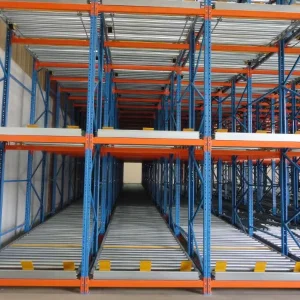
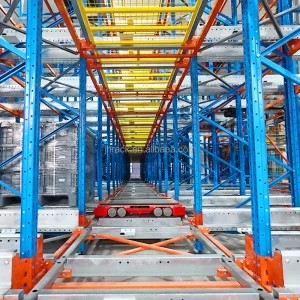
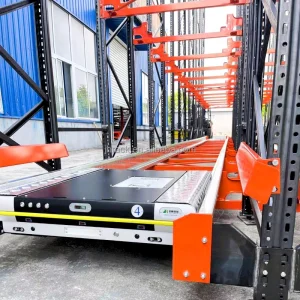
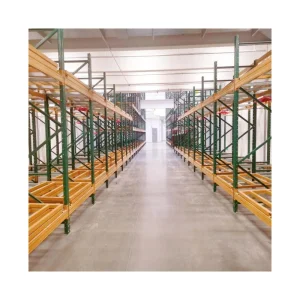
Operating on a Last-In, First-Out (LIFO) inventory management framework, push-back racking uses a series of nested rolling carts resting on sloped structural rails. When a forklift operator deposits a pallet, it pushes back the preceding pallet, exposing the nested cart beneath. This gravity-assisted mechanical movement eliminates the need for forklifts to drive deep inside the racking lanes, significantly reducing structural damage risks and warehouse cycle times.
Compared to selective systems, a professionally engineered push-back storage layout can increase storage capacity by up to 75% to 90%, depending on the lane depth configuration (typically 2 to 6 pallets deep).
As international trade volumes surge, procurement managers face stringent requirements regarding regulatory compliance and engineering standards. A premium racking system is no longer judged solely on raw steel weight; instead, structural elasticity, precise loading tolerances, and certified safety factors dictate vendor choices. Large logistics hubs in Europe and North America demand adherence to certifications such as ISO 9001, FEM 10.2.02, and EN 15512 codes.
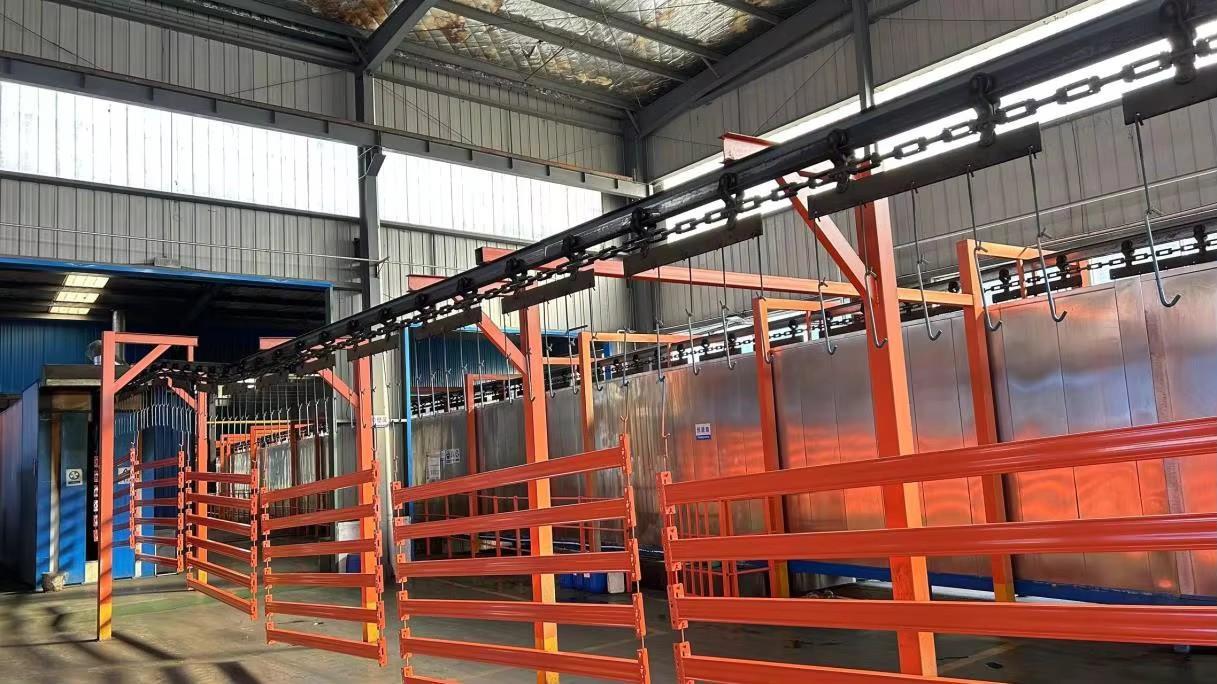
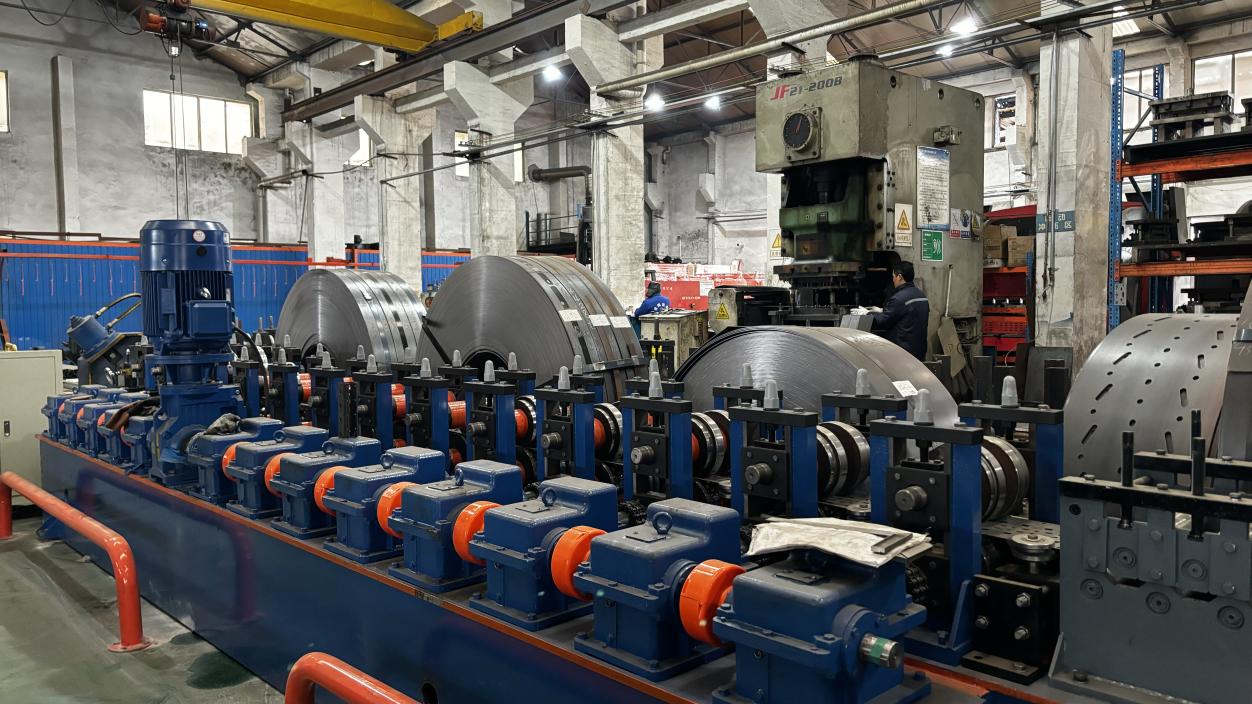
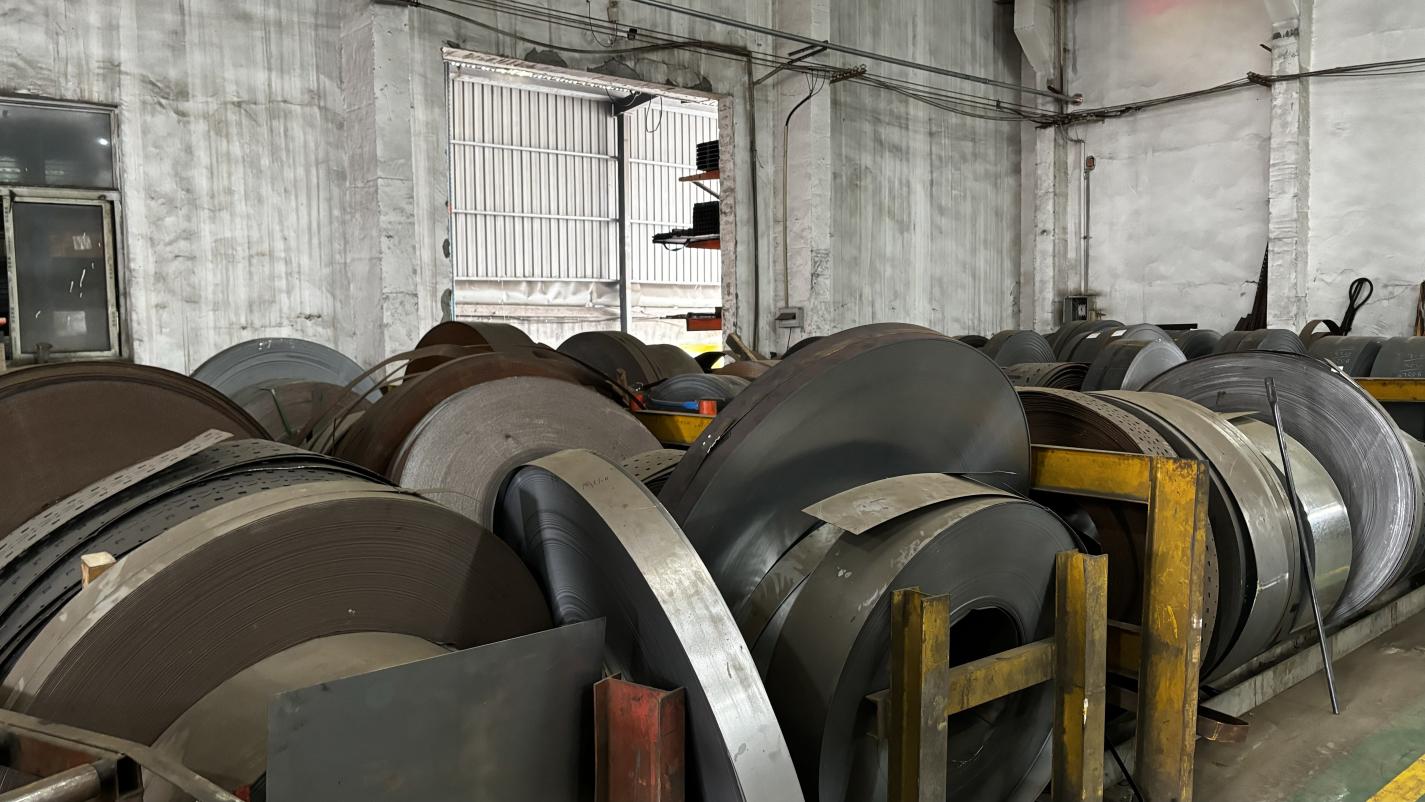
Procurement professionals must thoroughly evaluate the metallurgy of suppliers. Cold-rolled structural components, automated precision welding, and electrostatic powder coating are not options—they are critical milestones that guarantee the durability of the system under continuous stress. Global logistics providers now look for integrated suppliers capable of managing everything from engineering design and seismic analysis to localized regulatory filings.
Established in 2017, Dongguan Jinhui Storage Equipment Co., Ltd. has grown to become a leading global designer, manufacturer, and exporter of advanced industrial warehousing equipment. Over the years, the company has successfully integrated deep technical expertise with global logistics supply chains, offering standard and custom storage systems that drive efficiency for distribution hubs, industrial plants, cold chains, and retail networks worldwide.
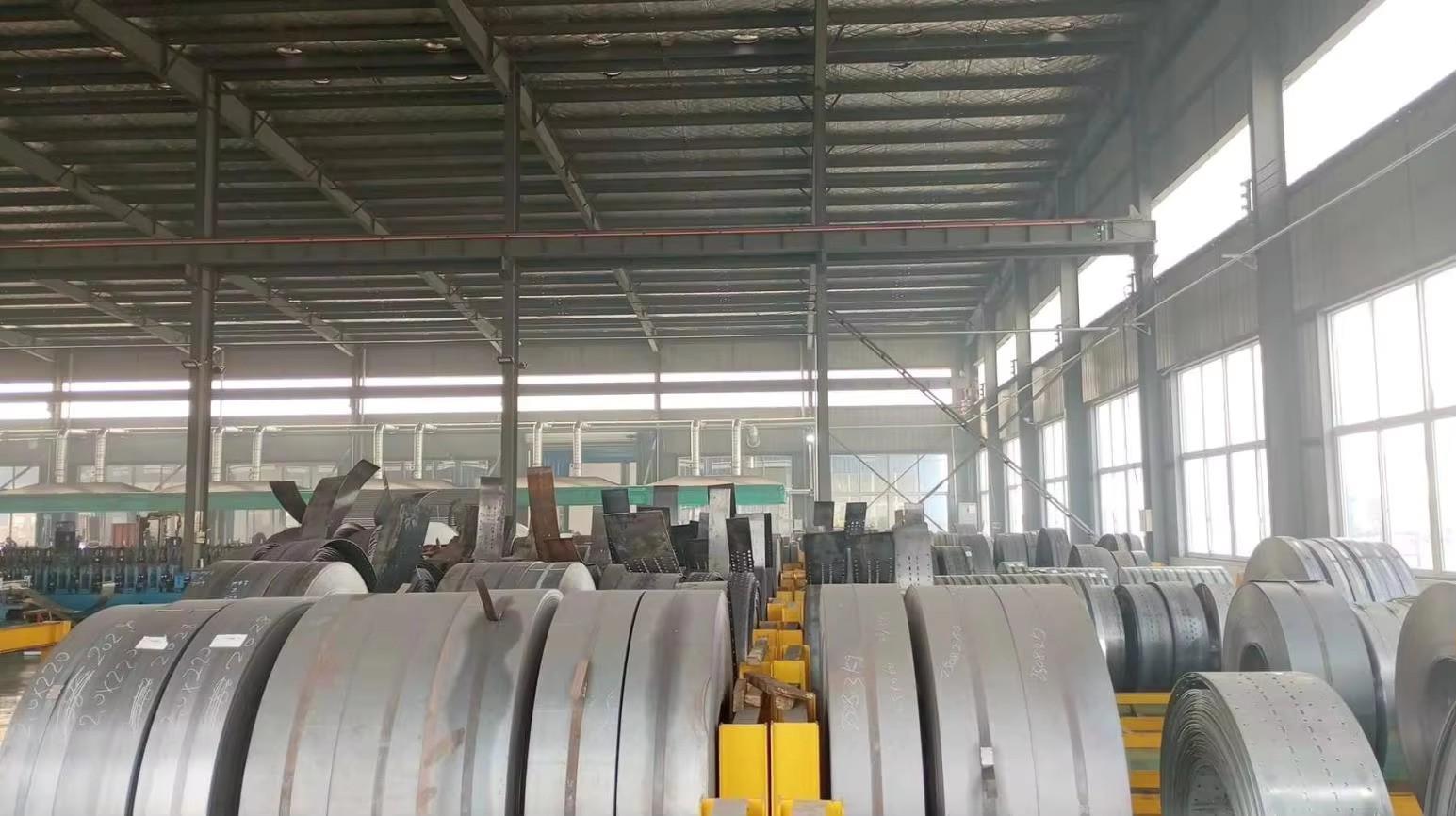
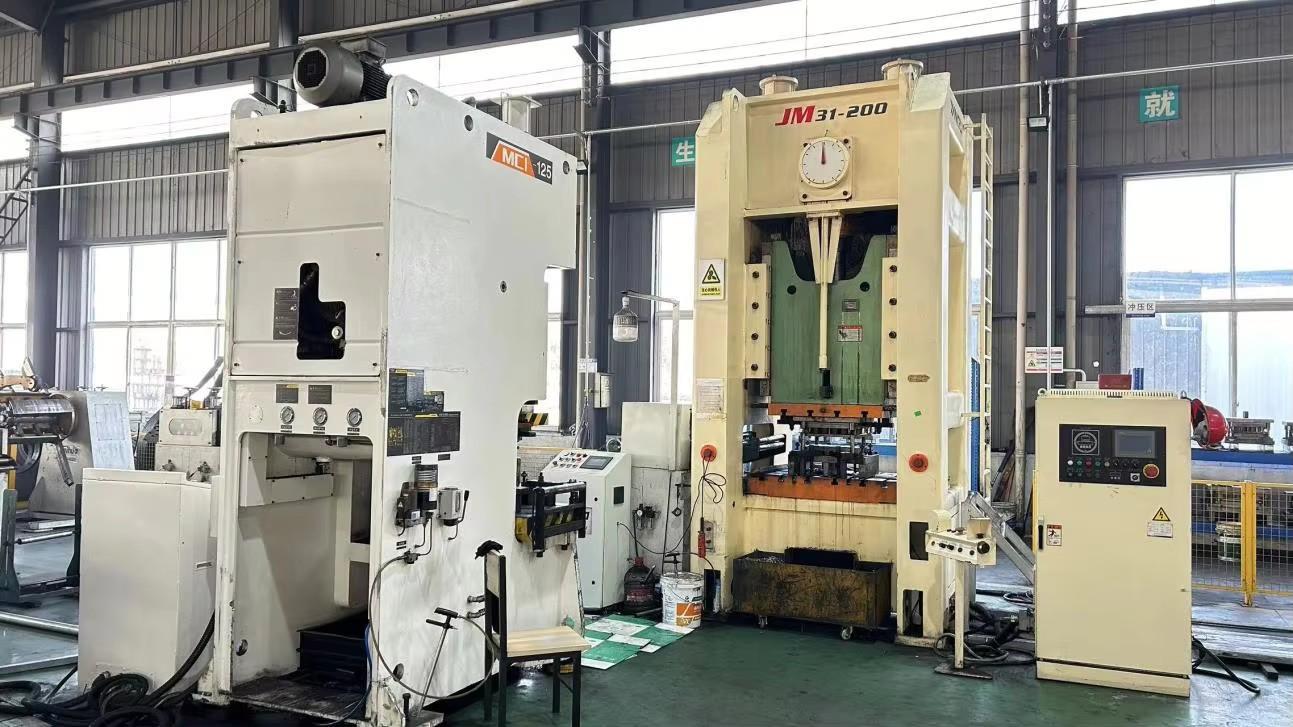
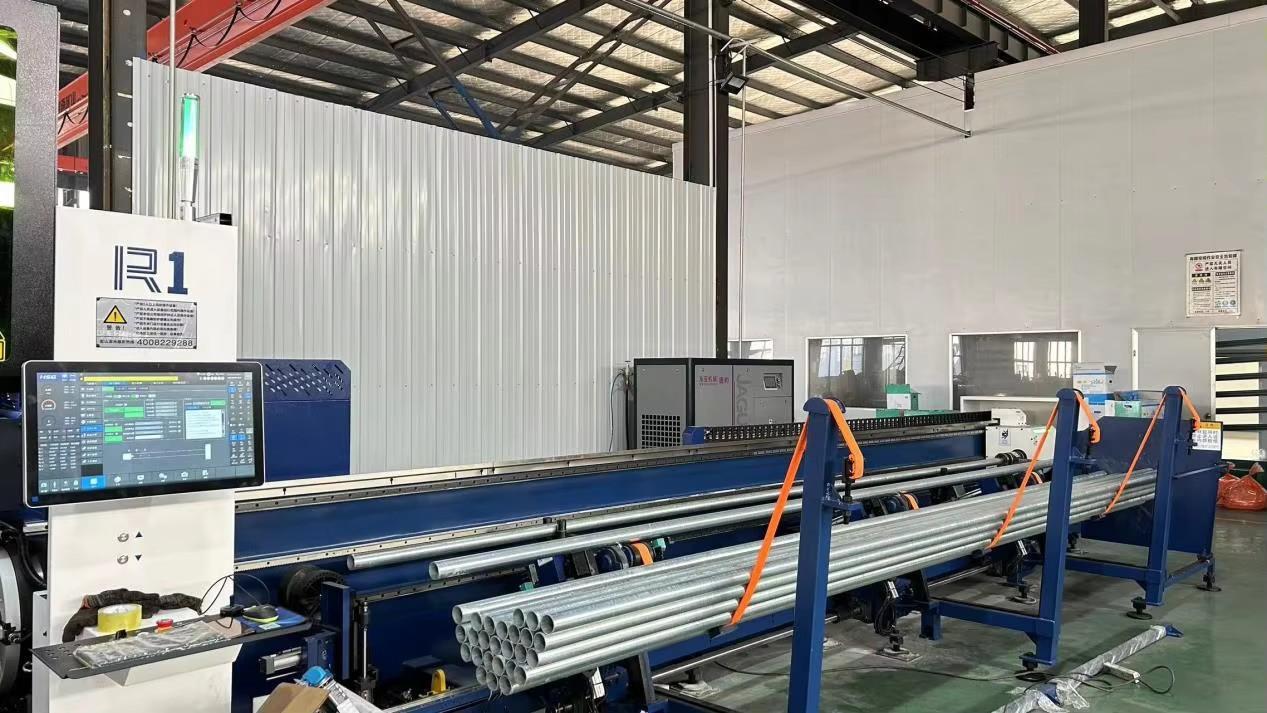
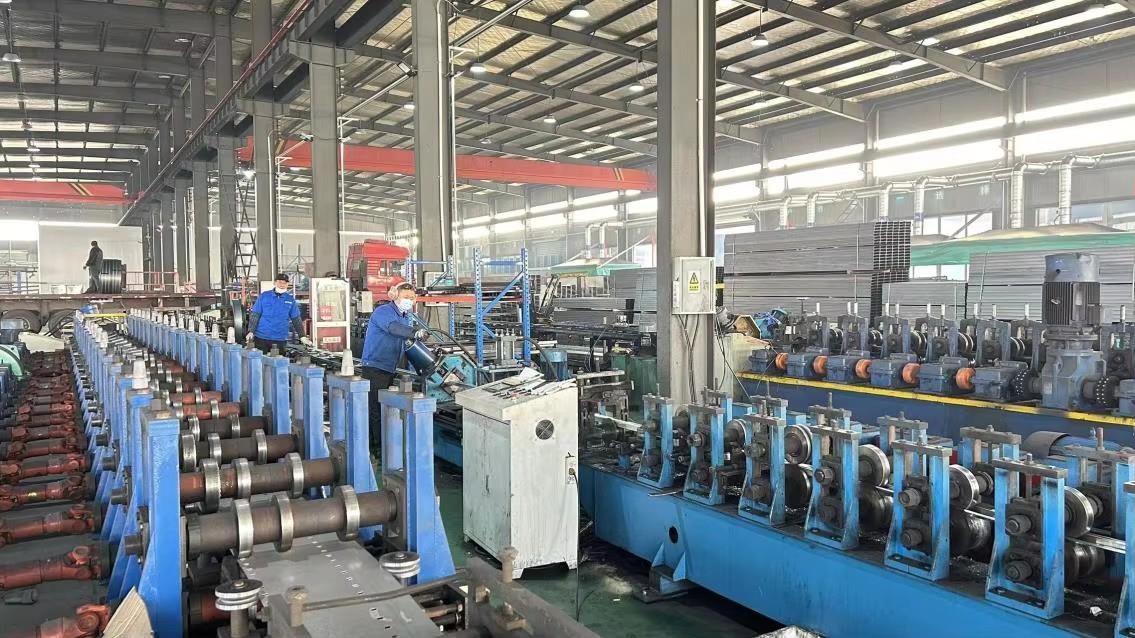
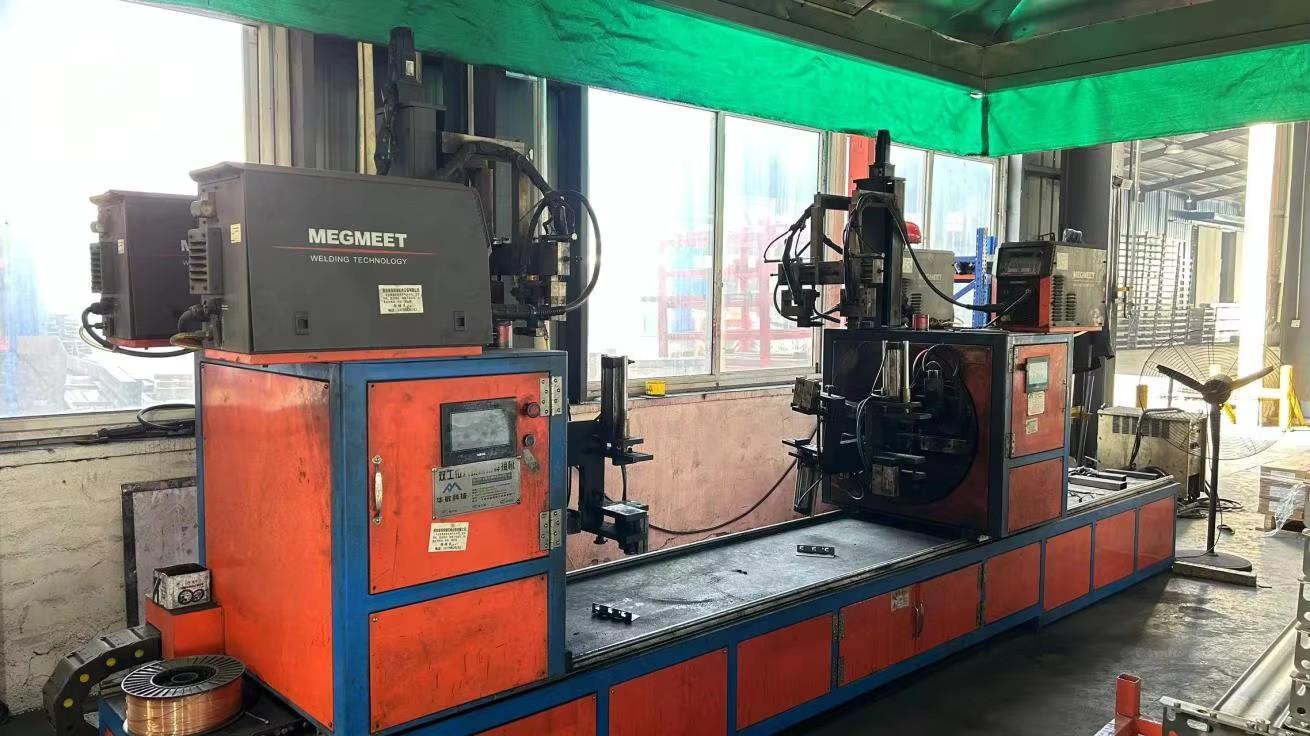
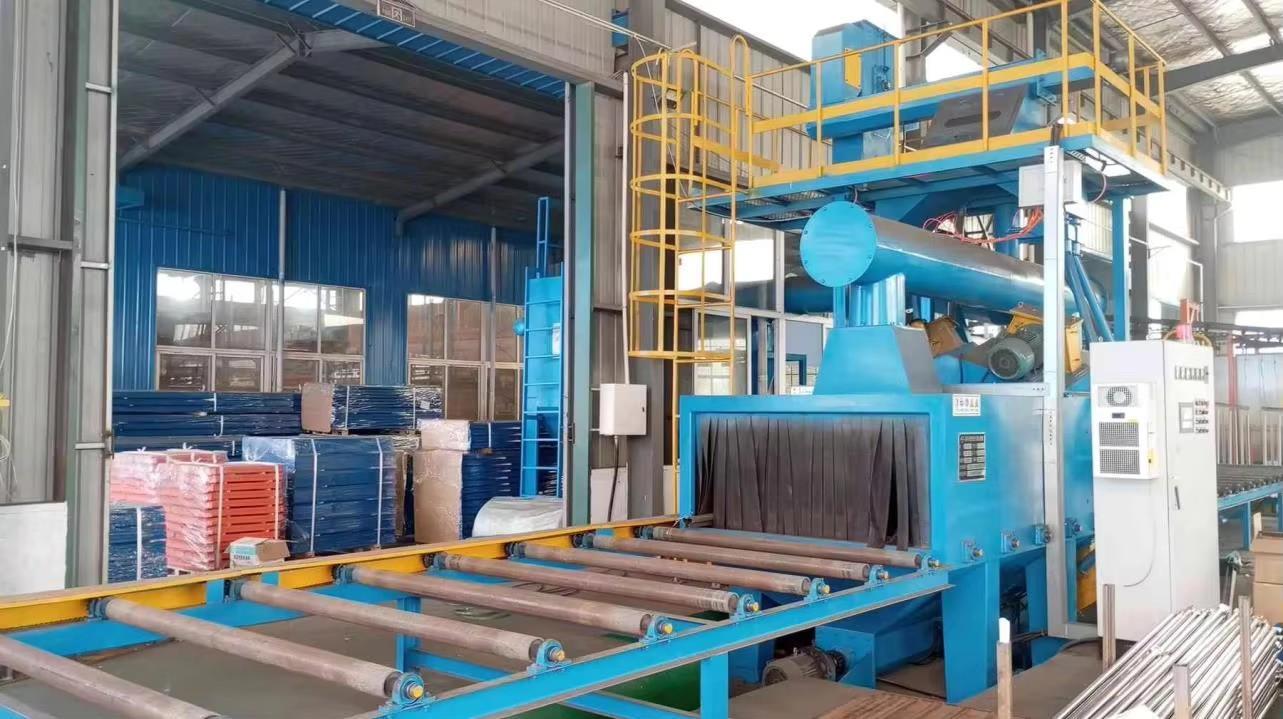
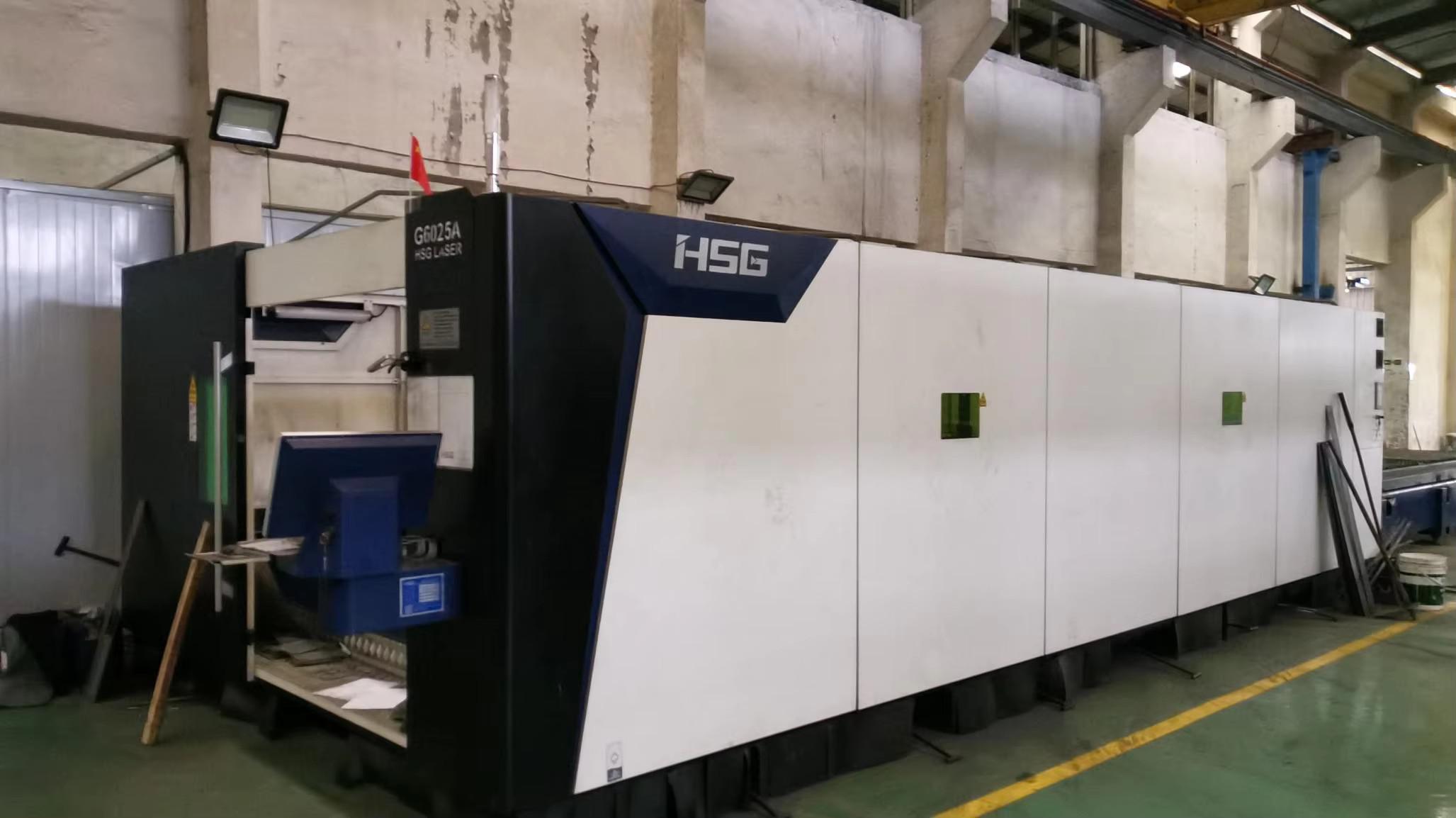
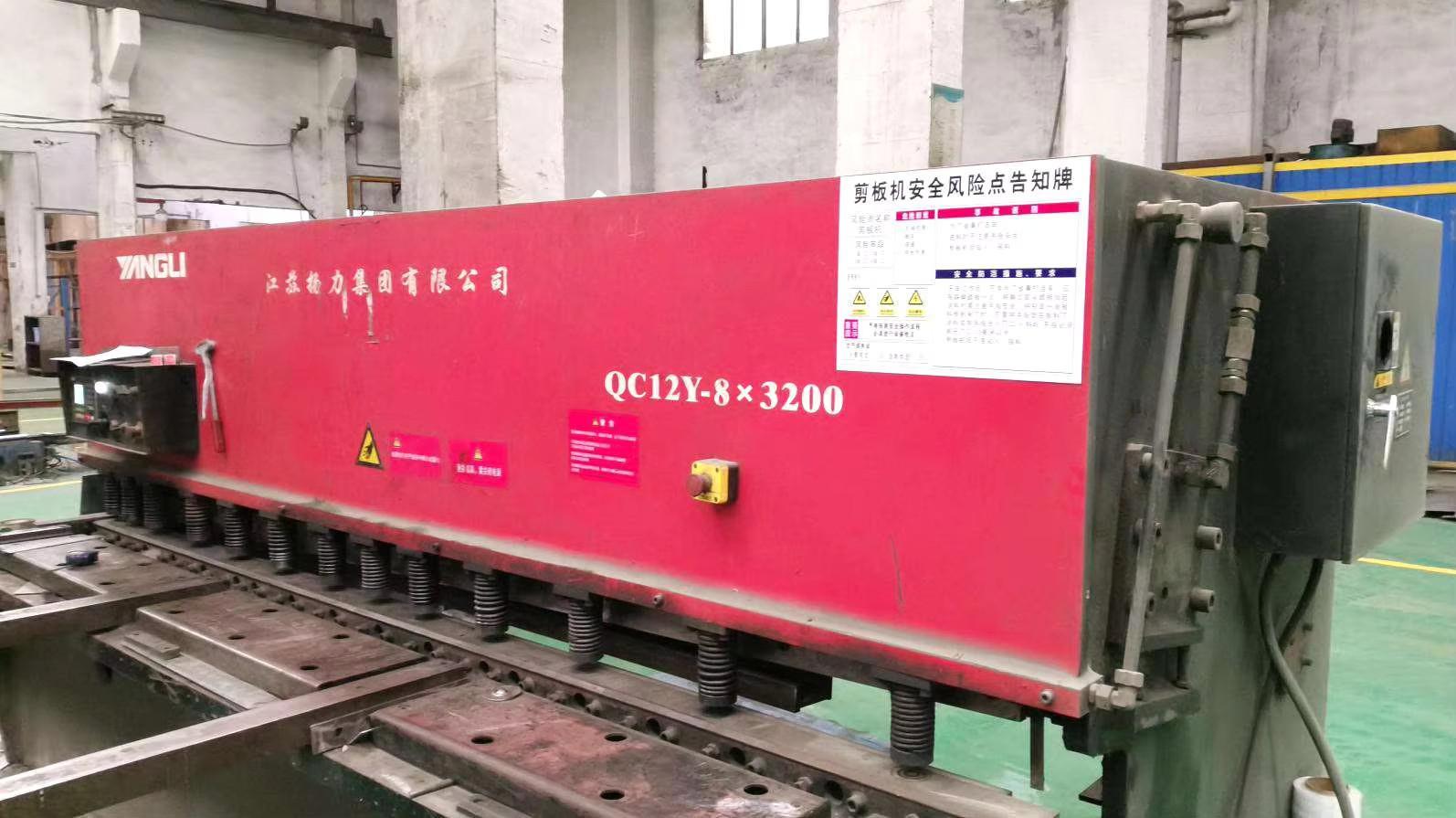
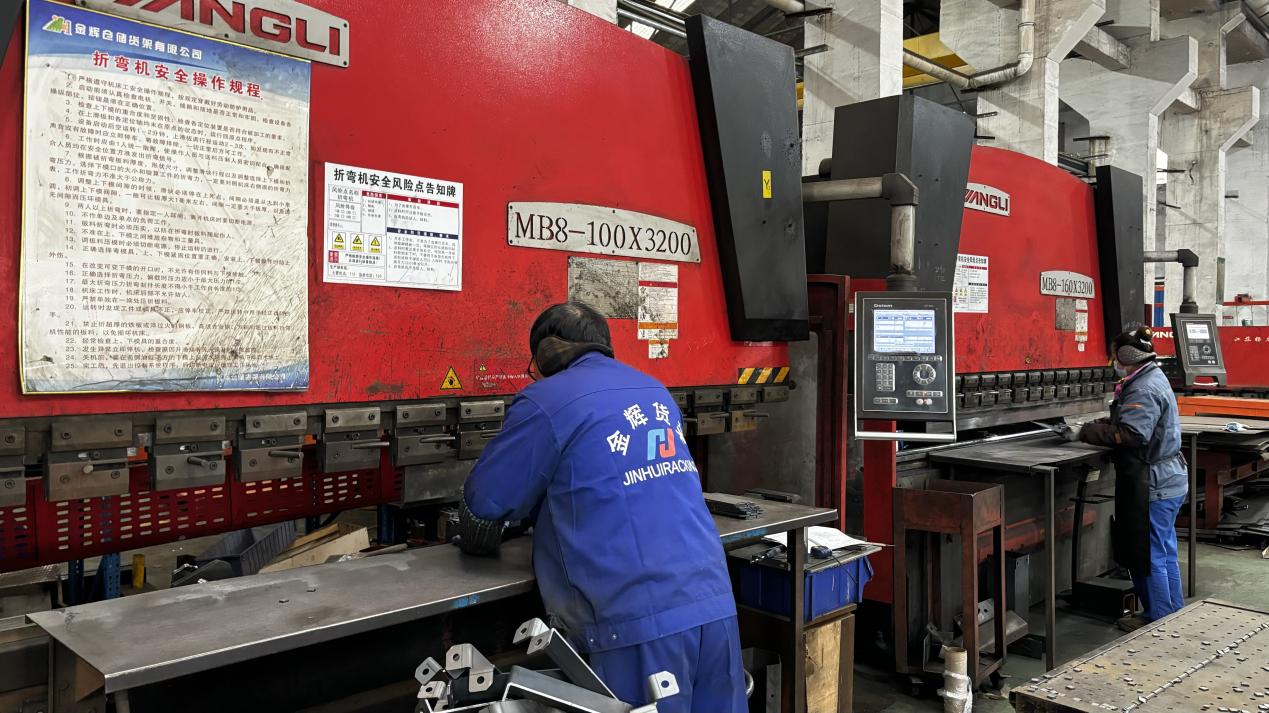
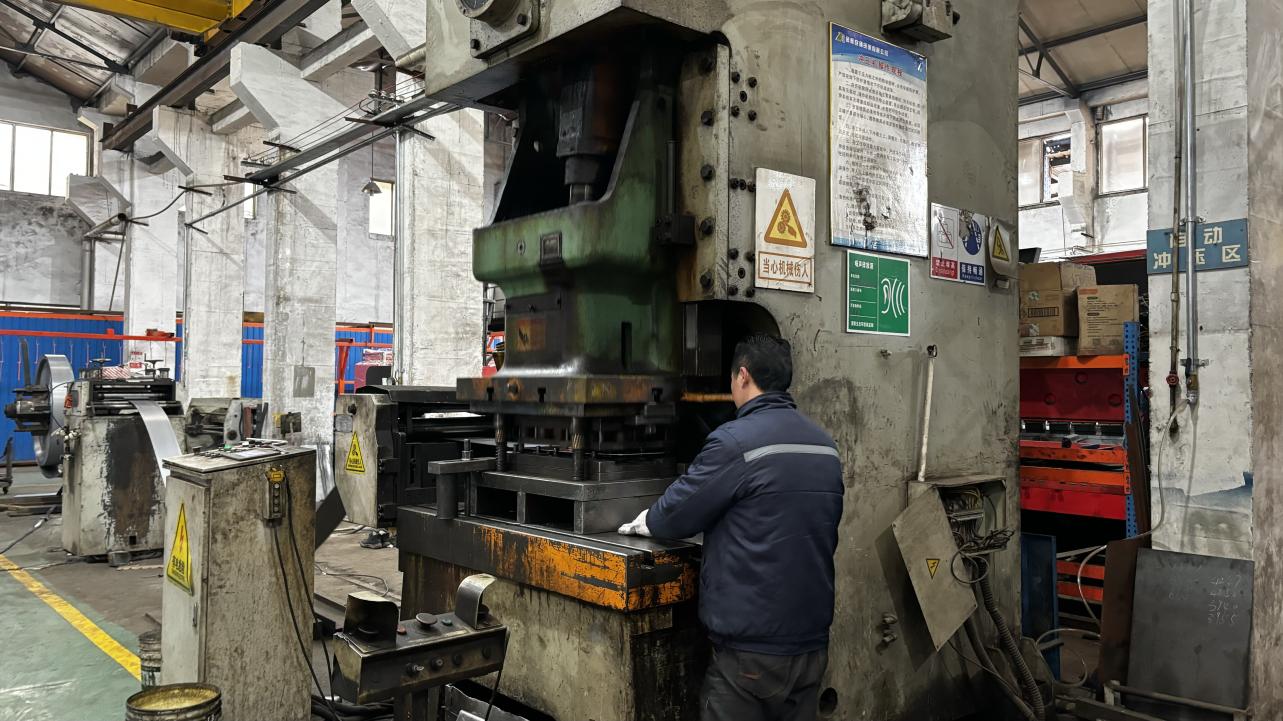
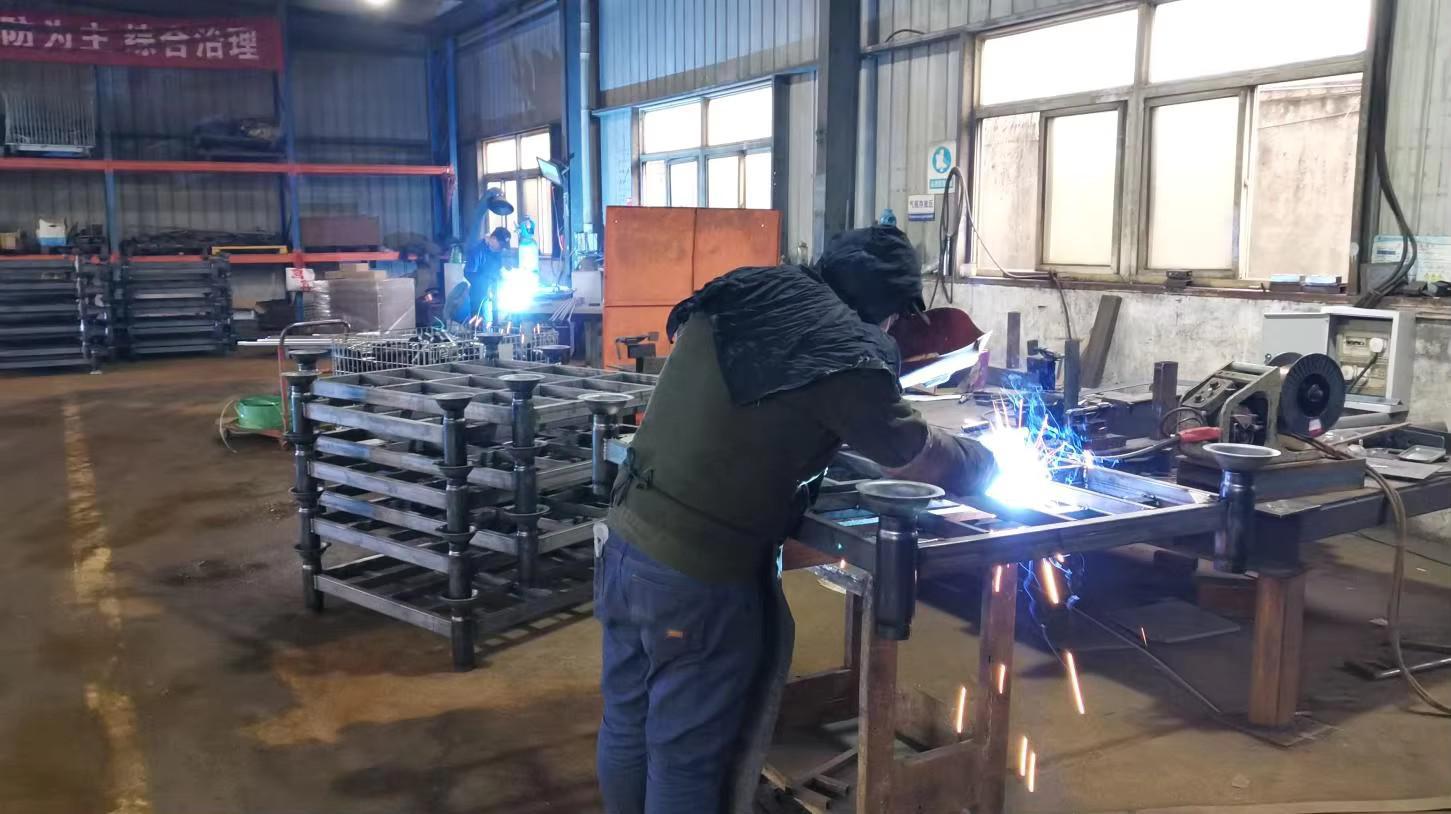
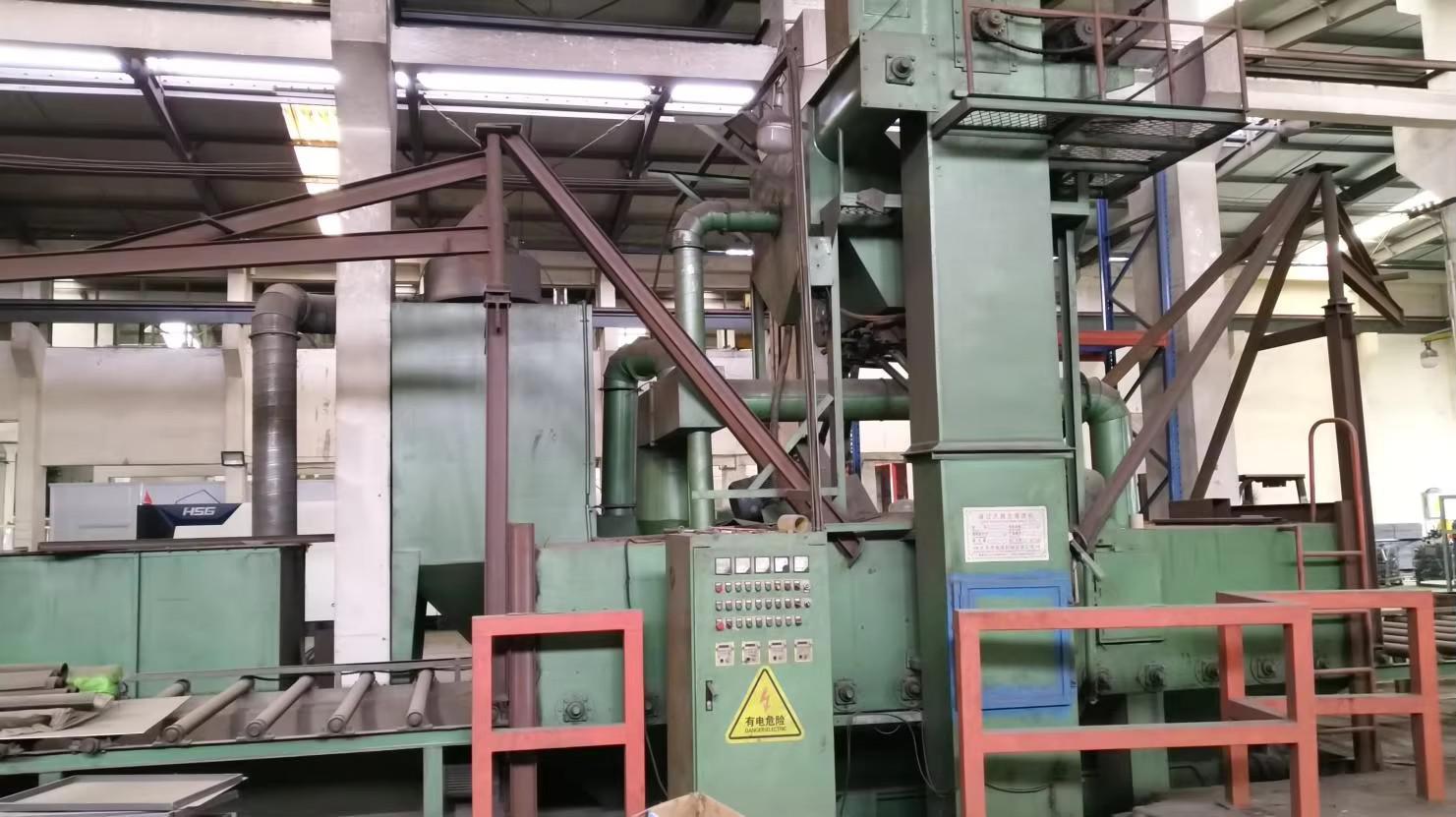
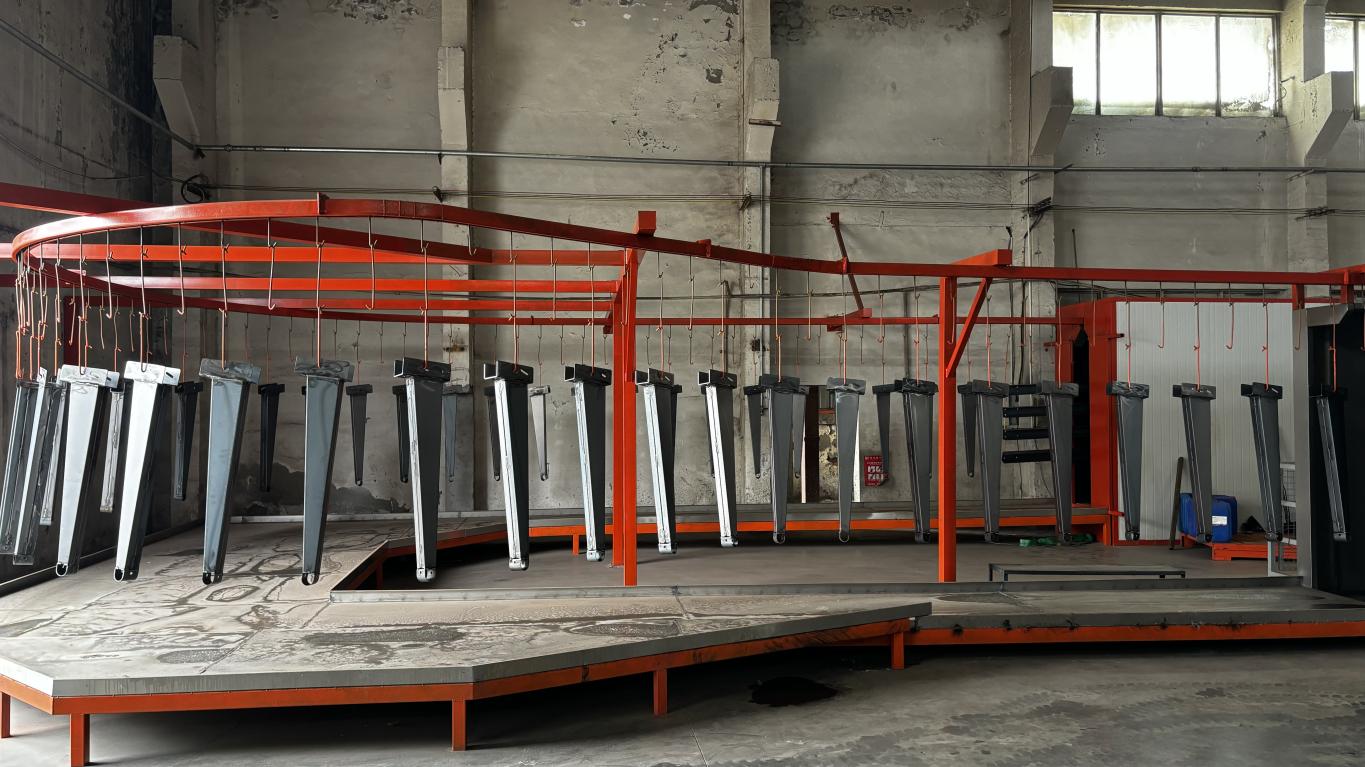
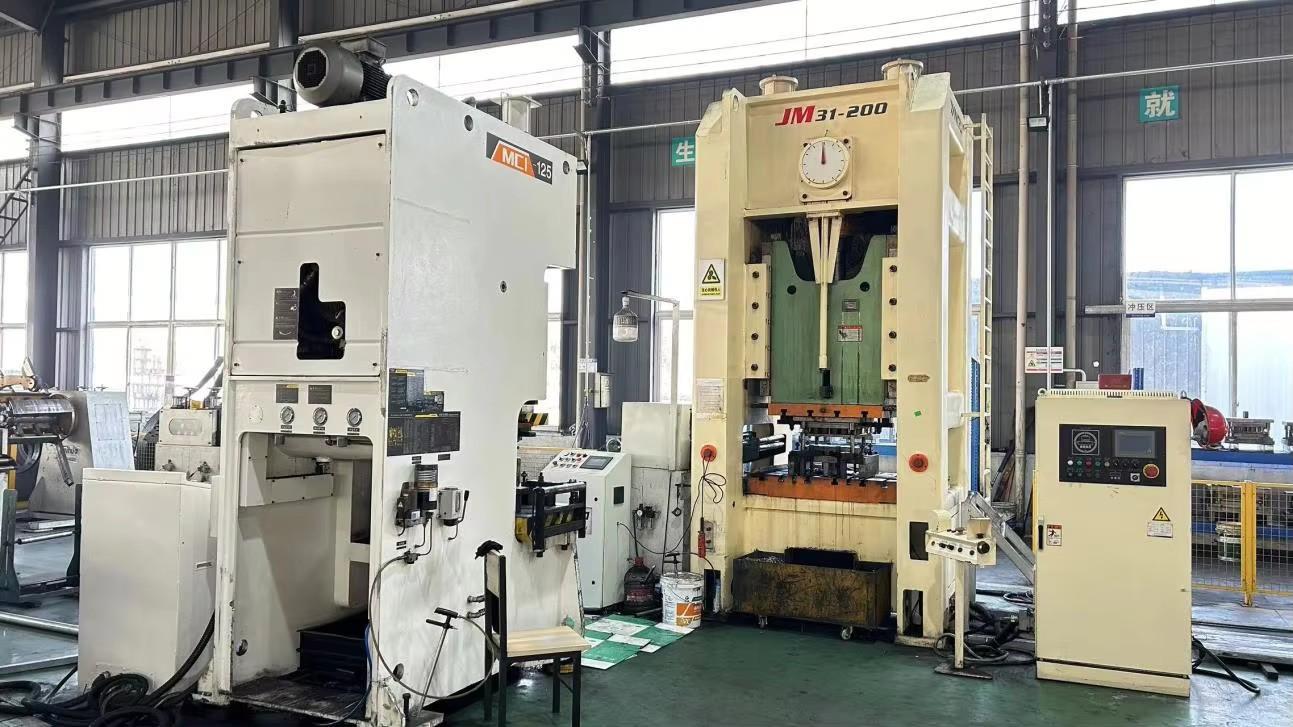
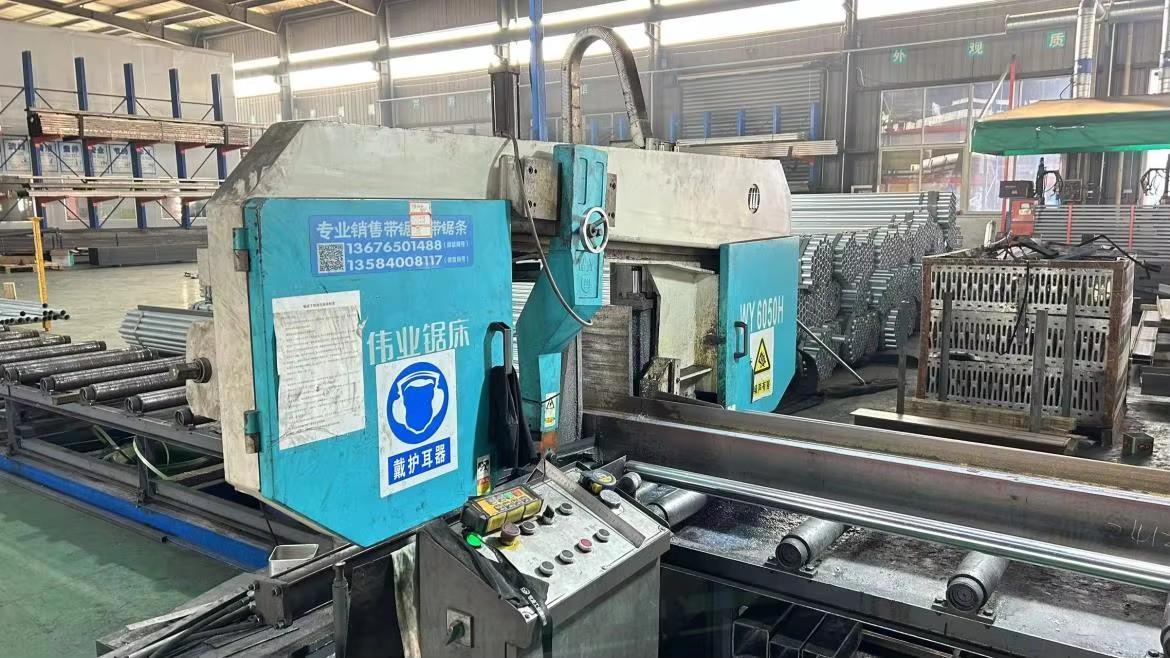
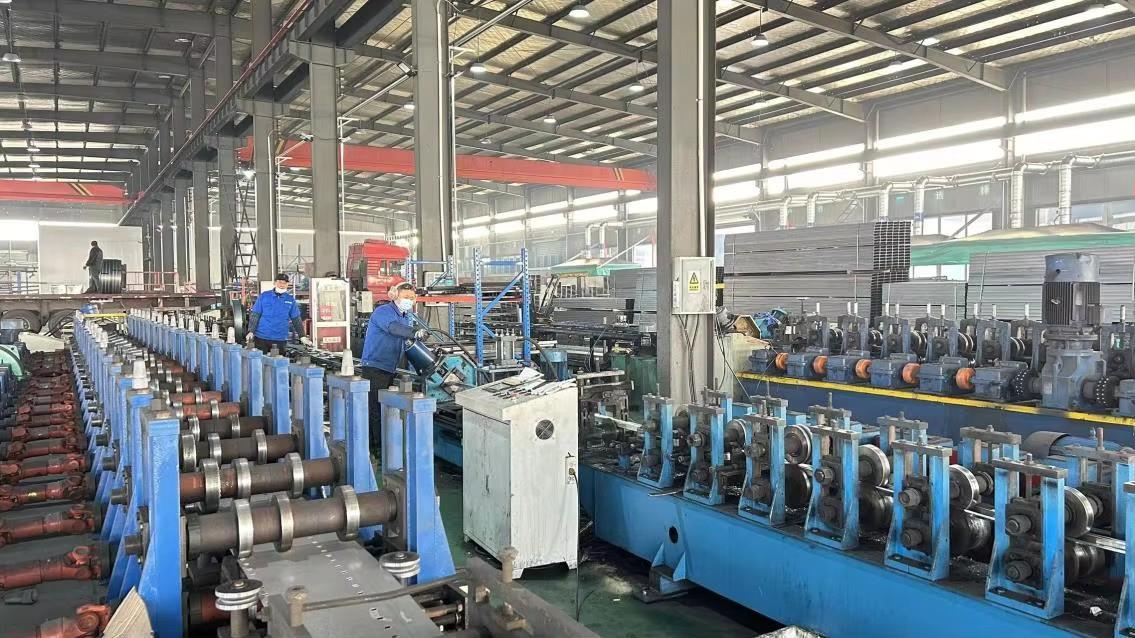
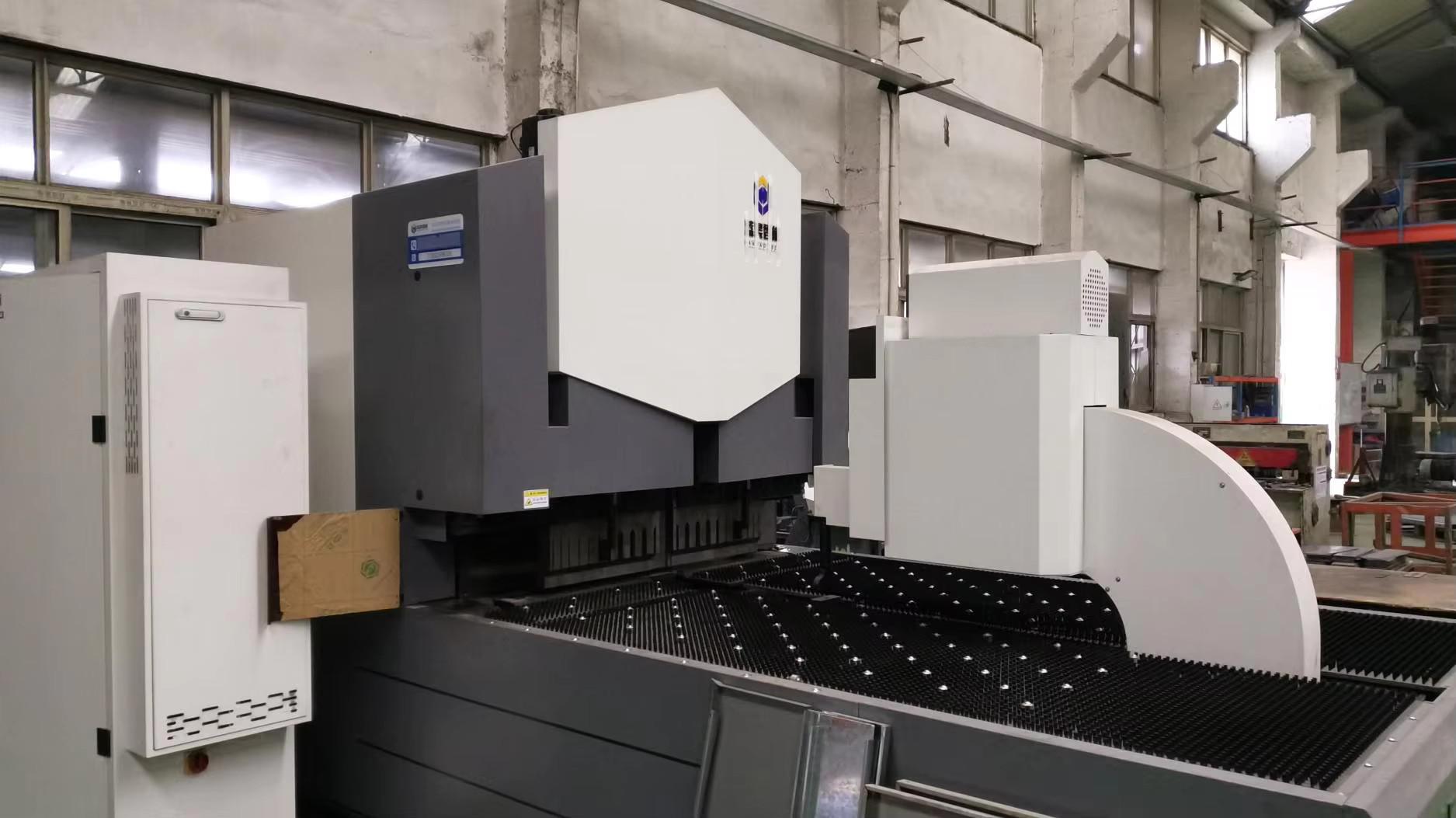
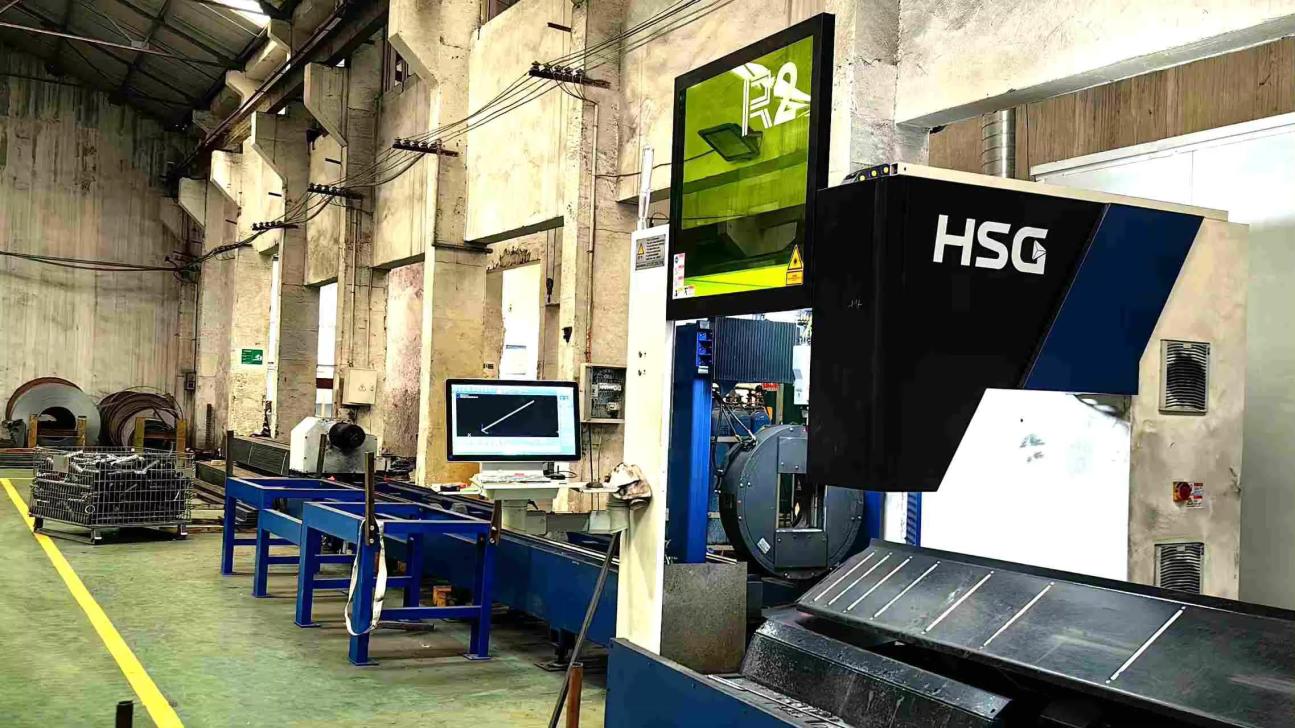
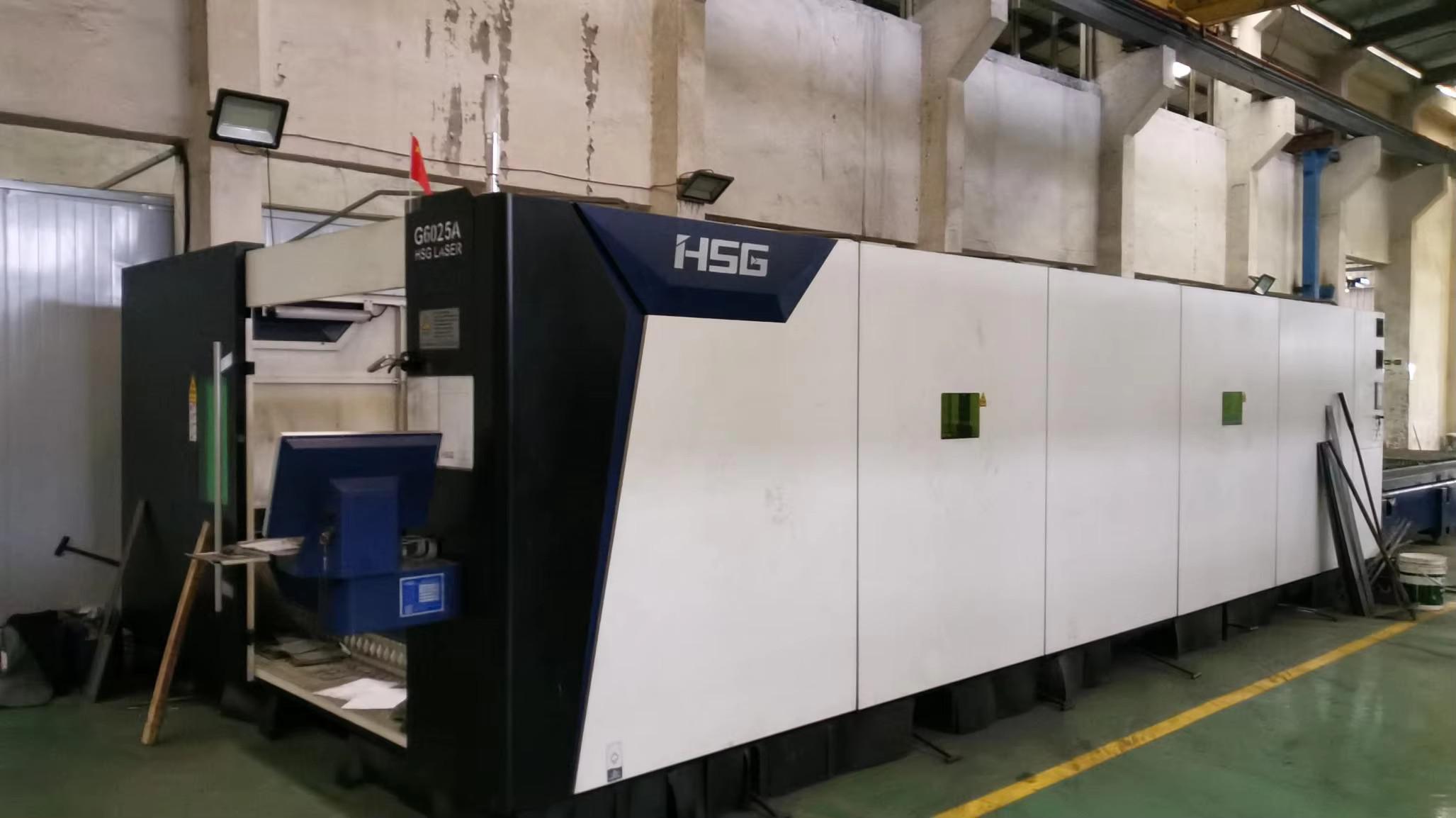
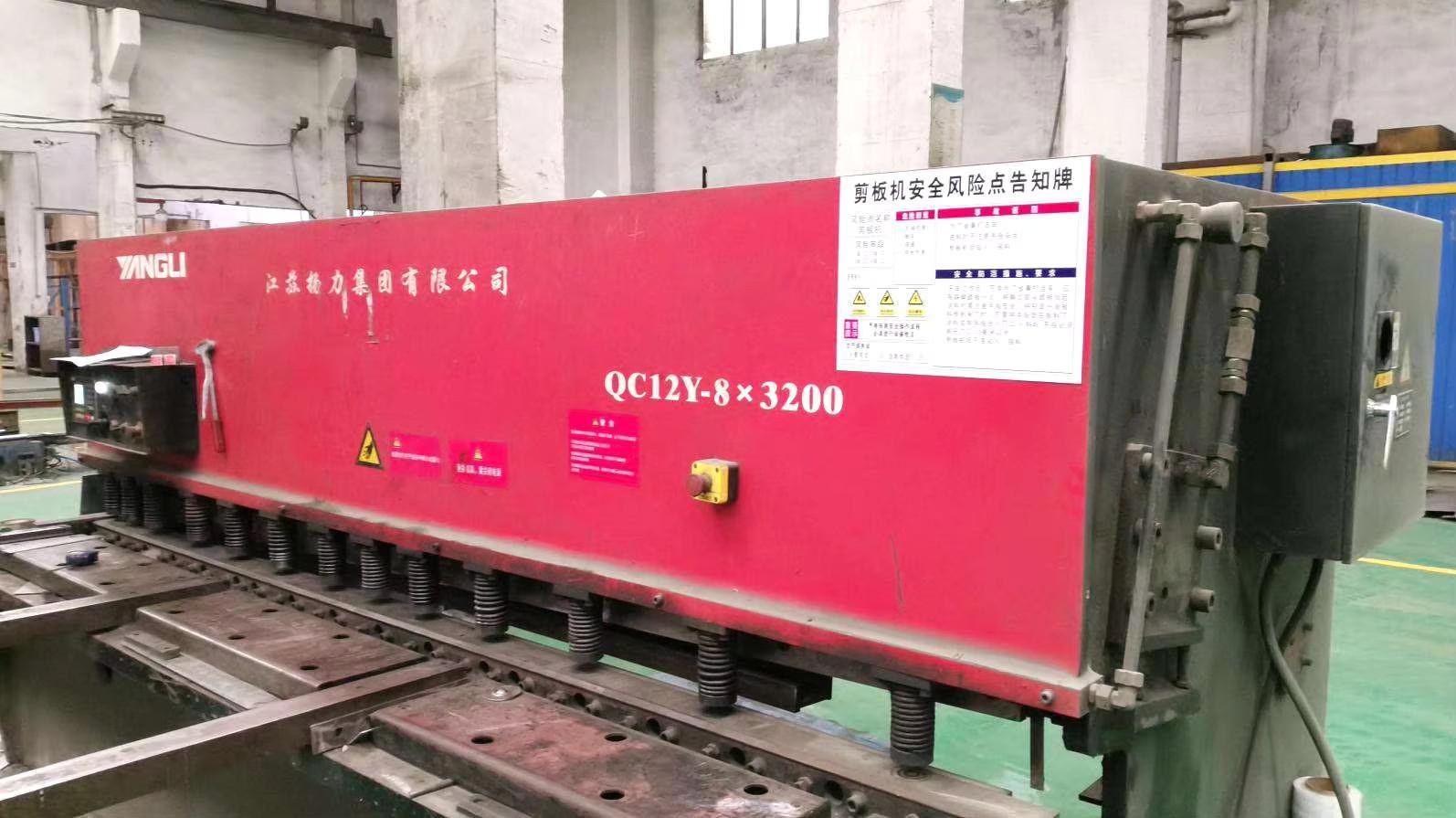
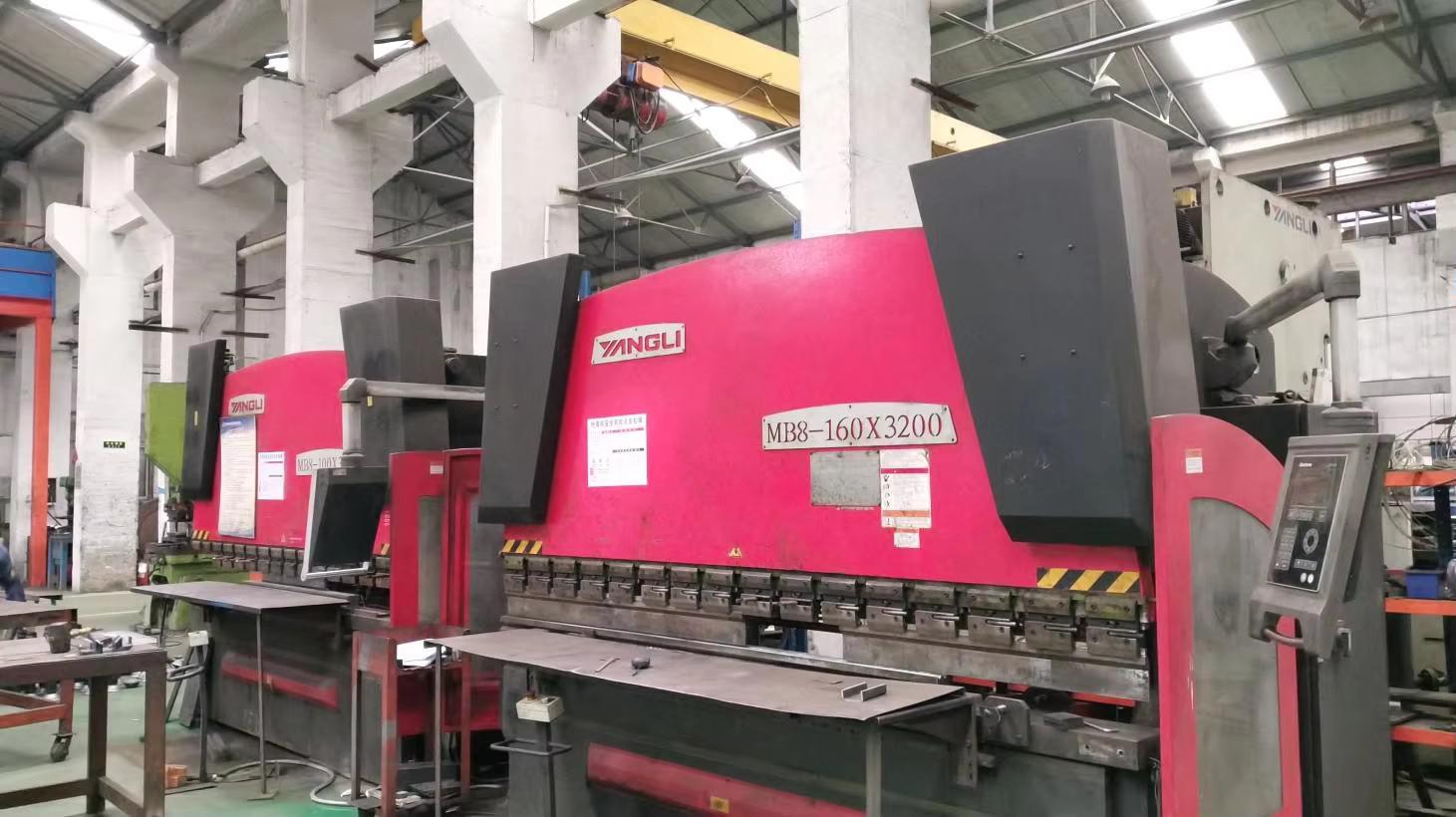
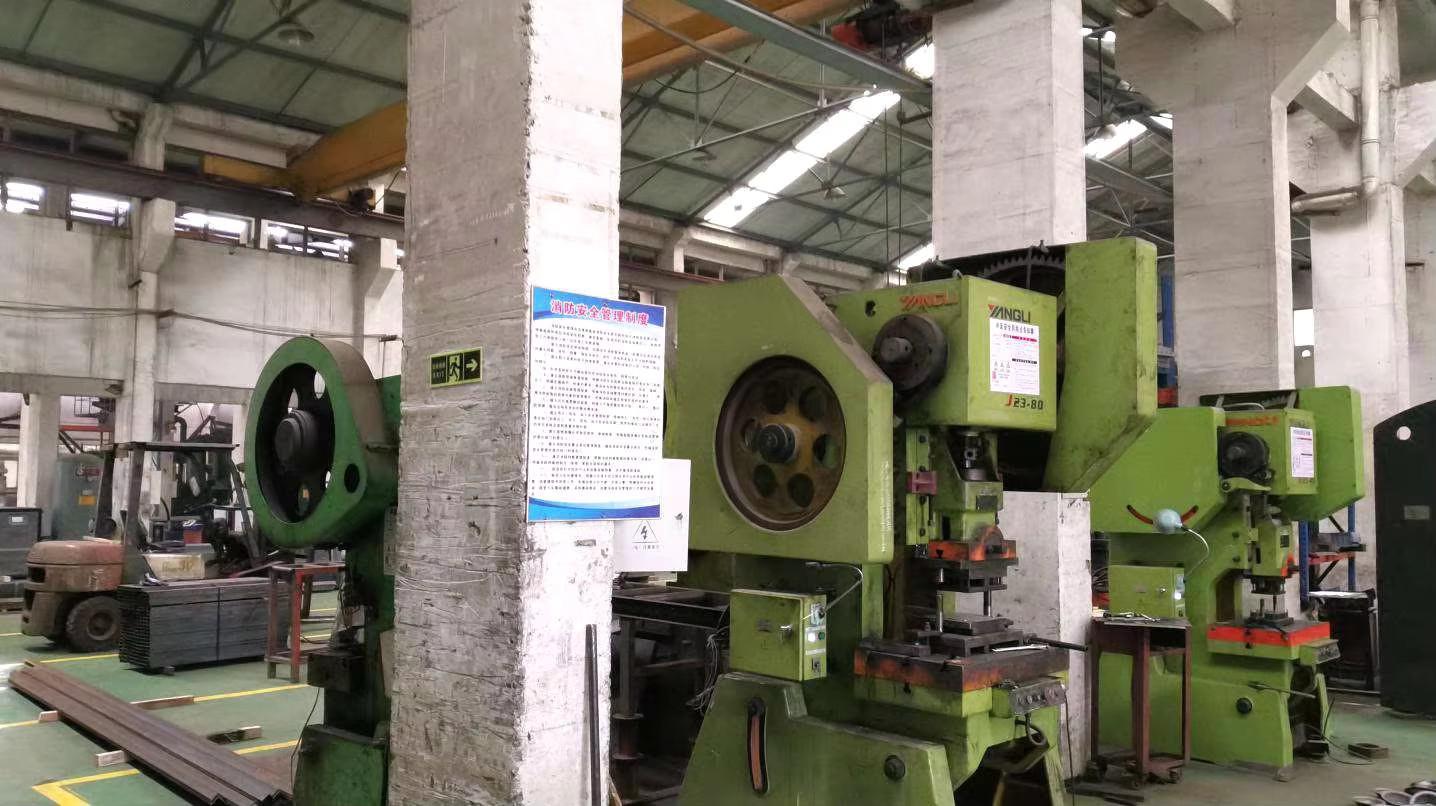
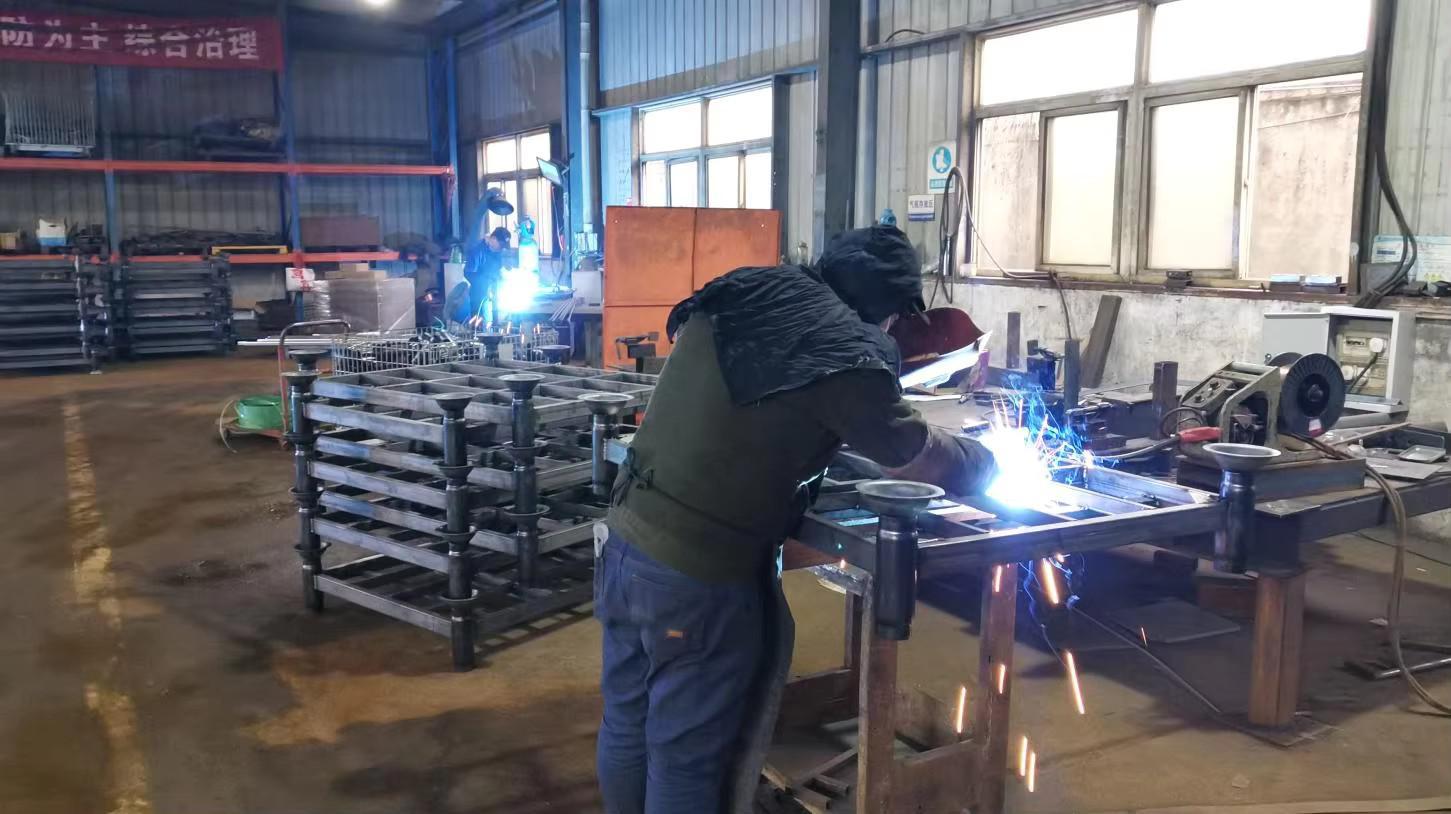
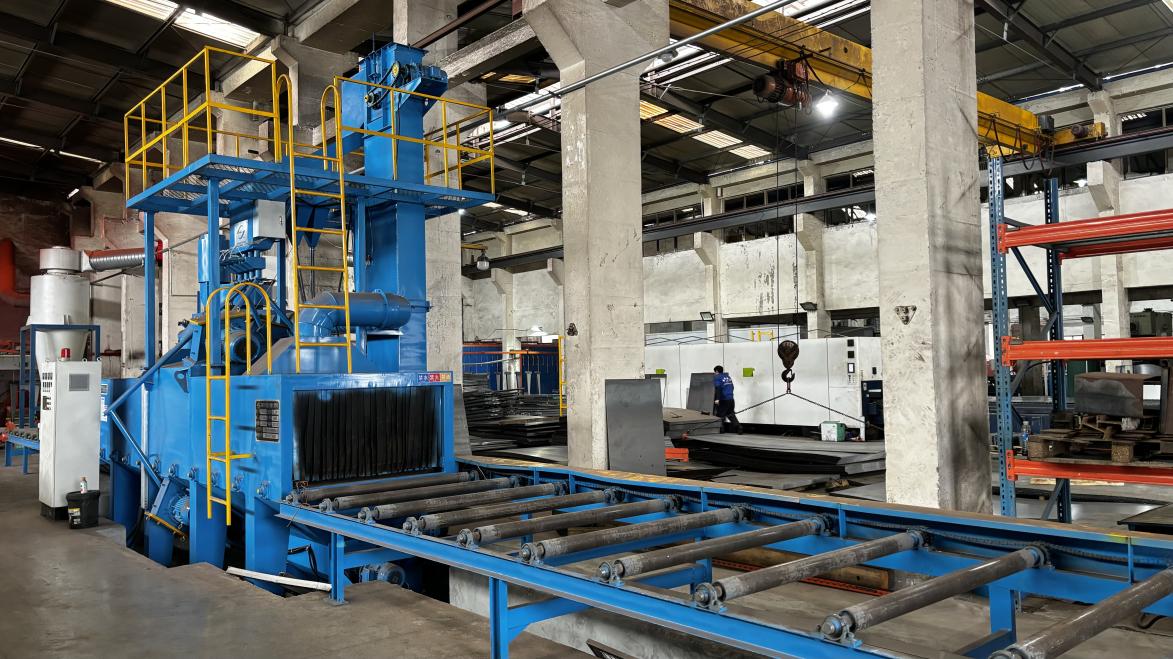
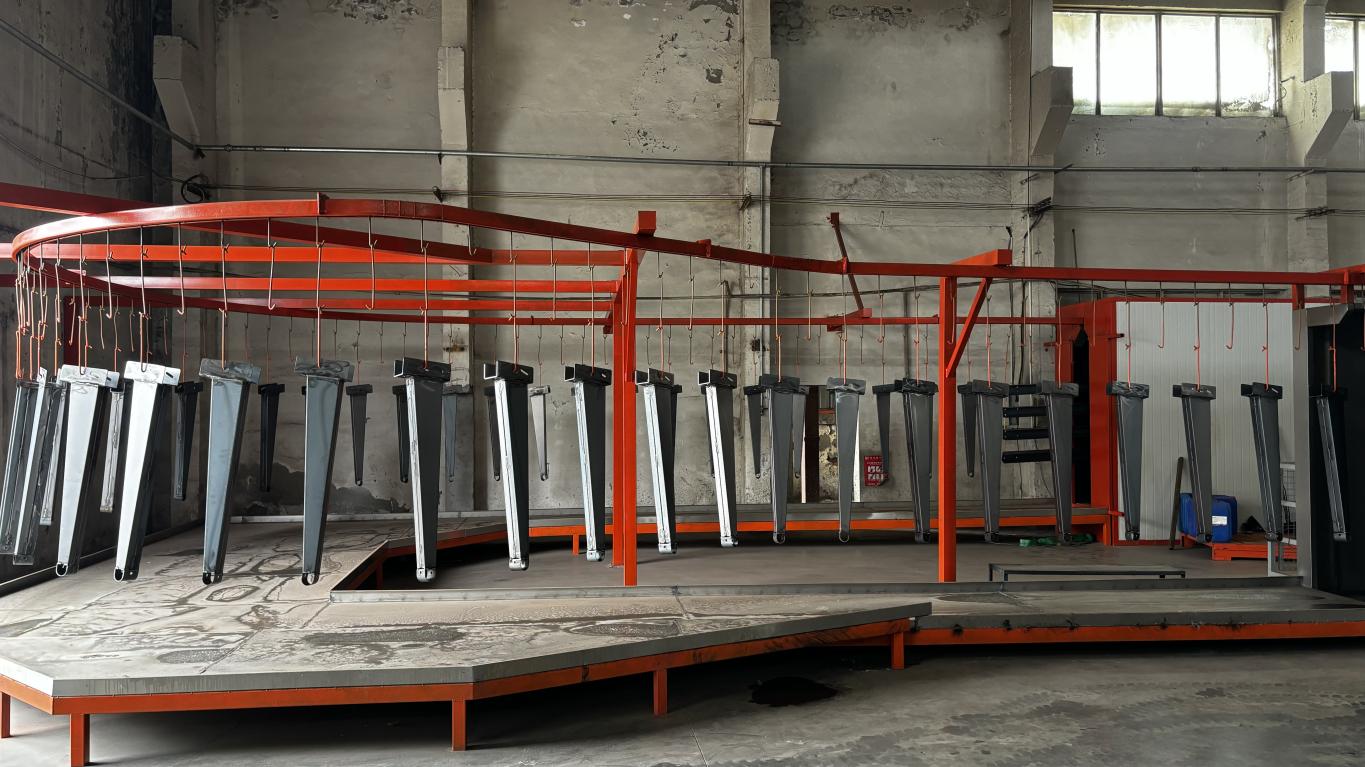
Operating from a state-of-the-art facility covering over 18,600 square meters, Jinhui is outfitted with specialized machinery including advanced automatic production lines, precision laser cutting machines, CNC punching systems, robotic welding cells, and electrostatic powder coating lines. This extensive manufacturing backbone ensures production speed, structural precision, and surface finish durability.
Jinhui boasts a massive network of over 980 supply chain partners, guaranteeing steady material sourcing and stable product costs even during volatile steel markets. Our products are exported to more than 50 countries across Europe, North America, Southeast Asia, Australia, South America, and the Middle East, serving distribution centers and heavy industry plants. Last year alone, our innovative engineering team developed and upgraded 126 storage systems, aligning with emerging automation trends.
At Dongguan Jinhui, raw steel is transformed through a carefully monitored sequence of 18 manufacturing phases, ensuring structural soundness and load consistency. The factory operations are certified under the ISO 9001 quality management framework.
Every step—from raw material sizing to automatic robotic welding and finish curing—undergoes verification by our team of 46 experienced quality inspectors. Testing protocols encompass structural load capacity validation, precise dimensional inspection, coating thickness measurements, and welding strength checks.
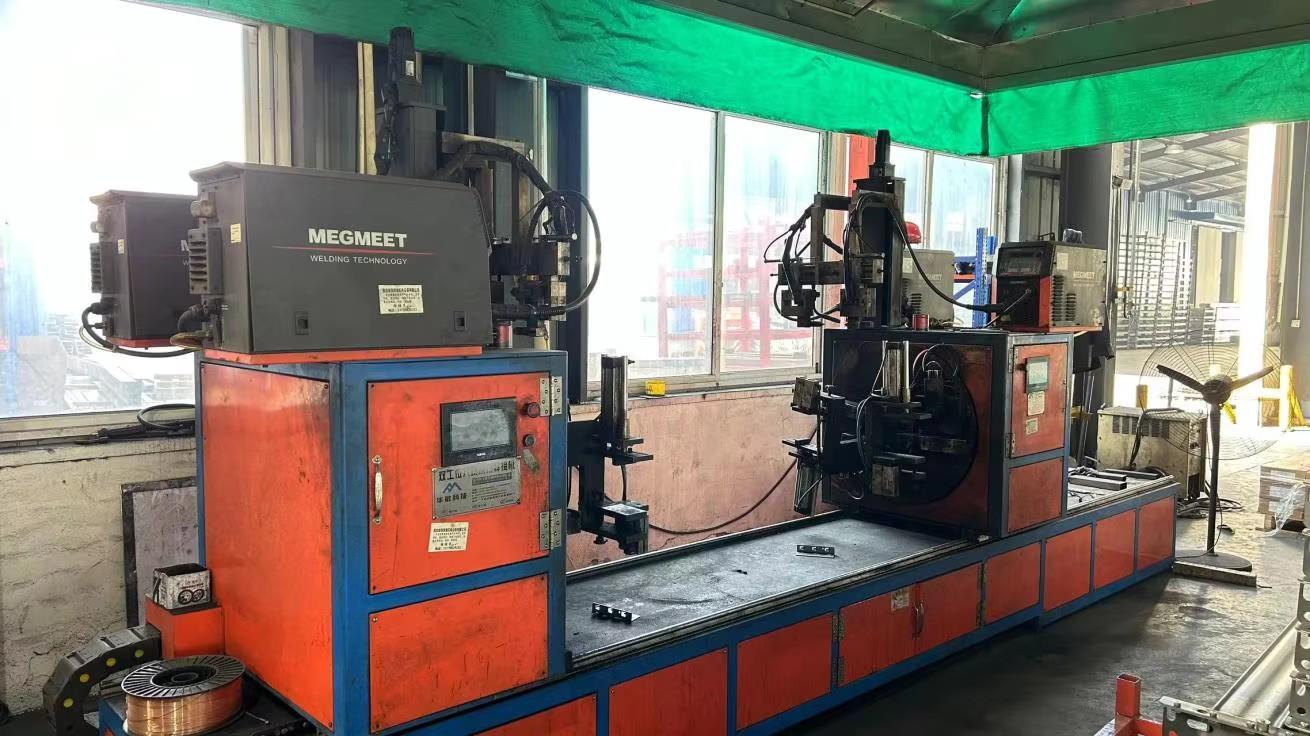
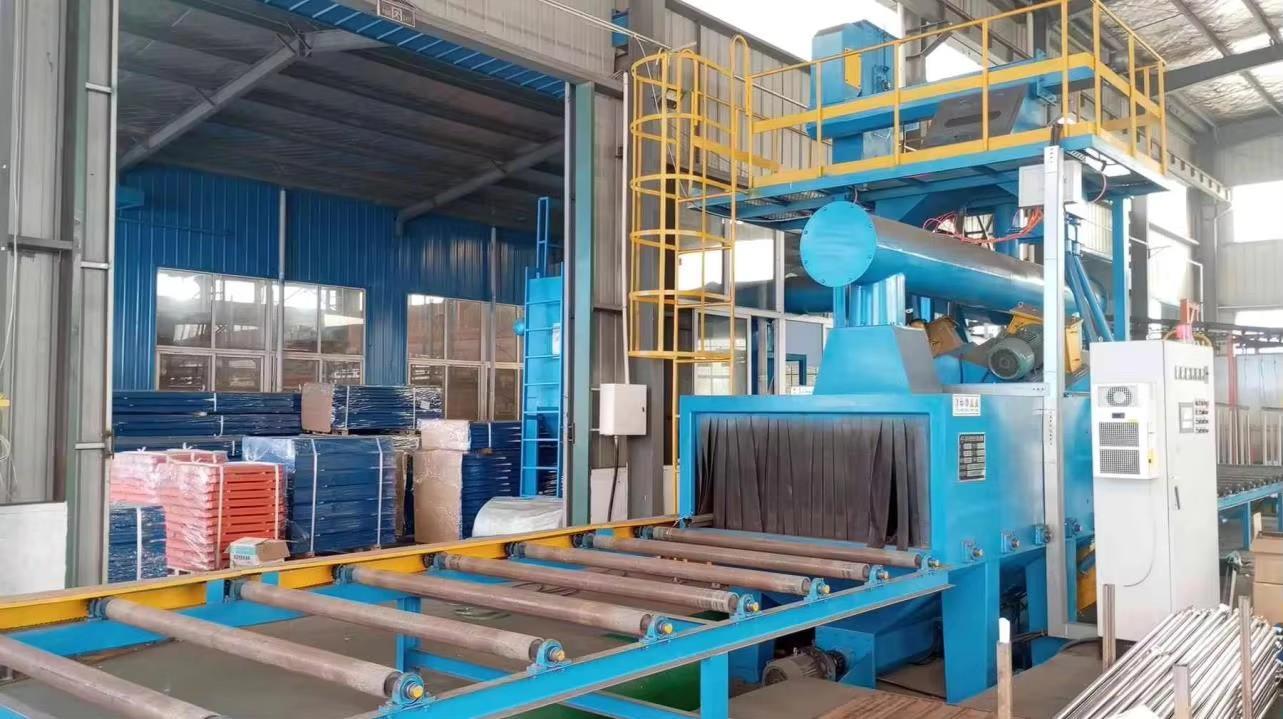
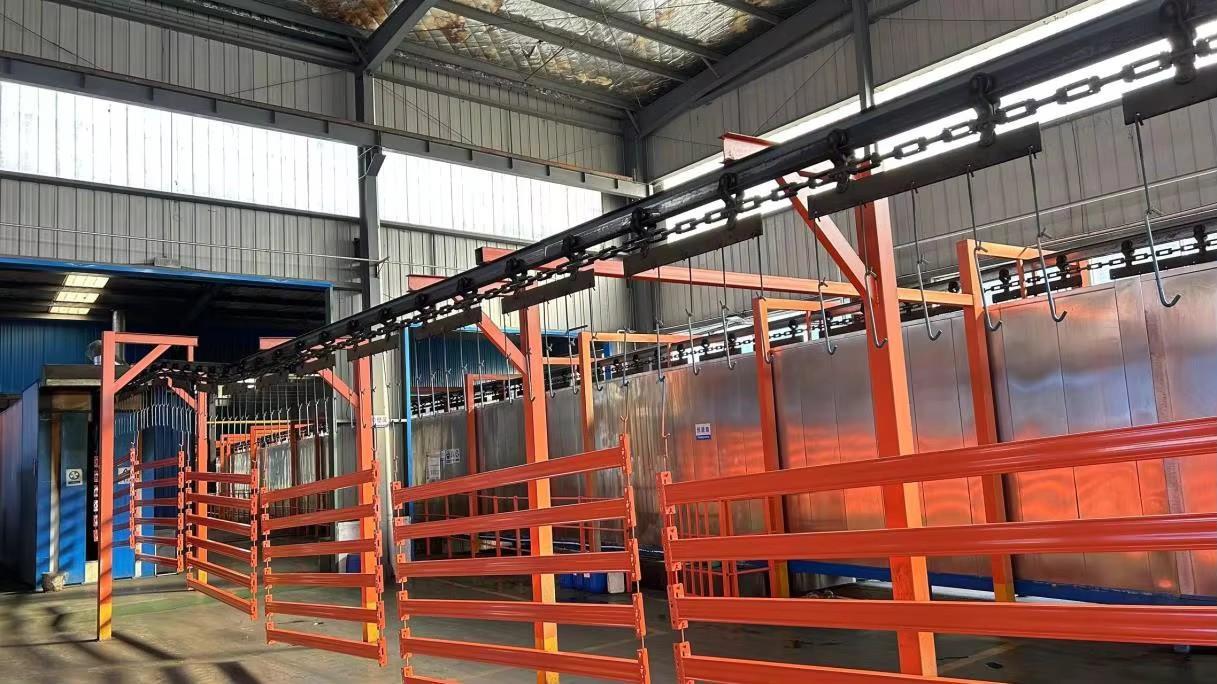
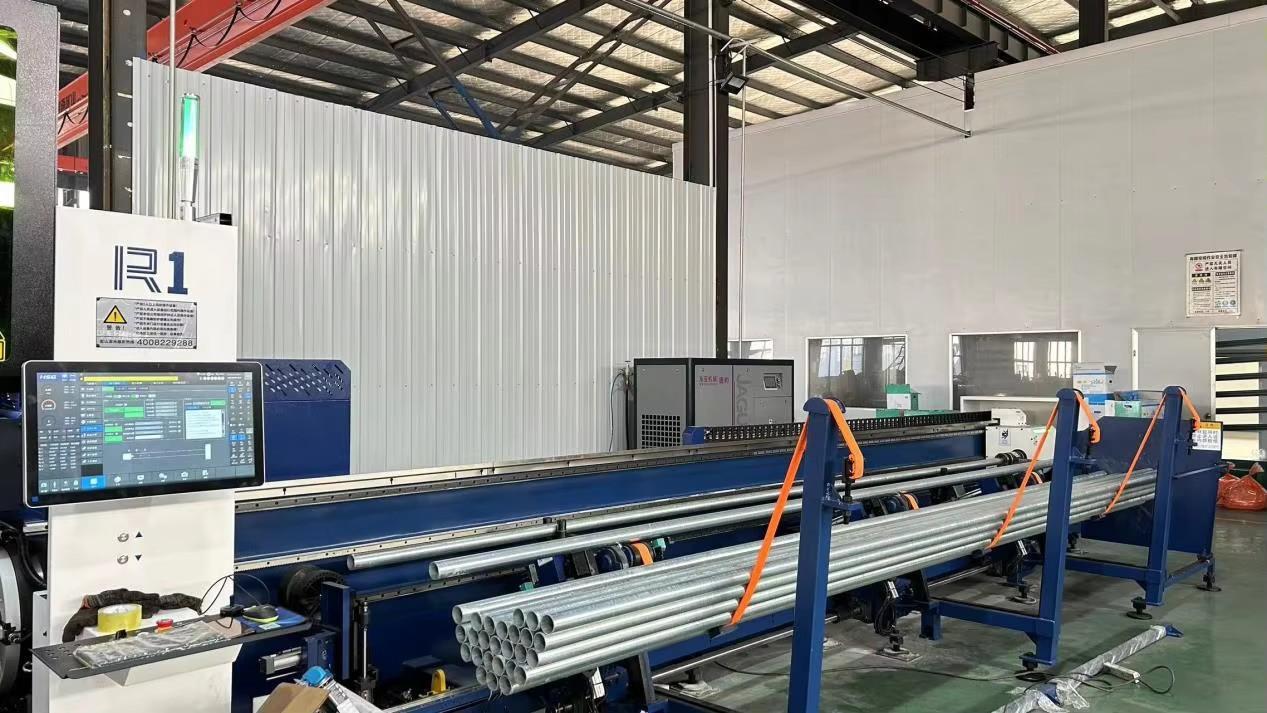
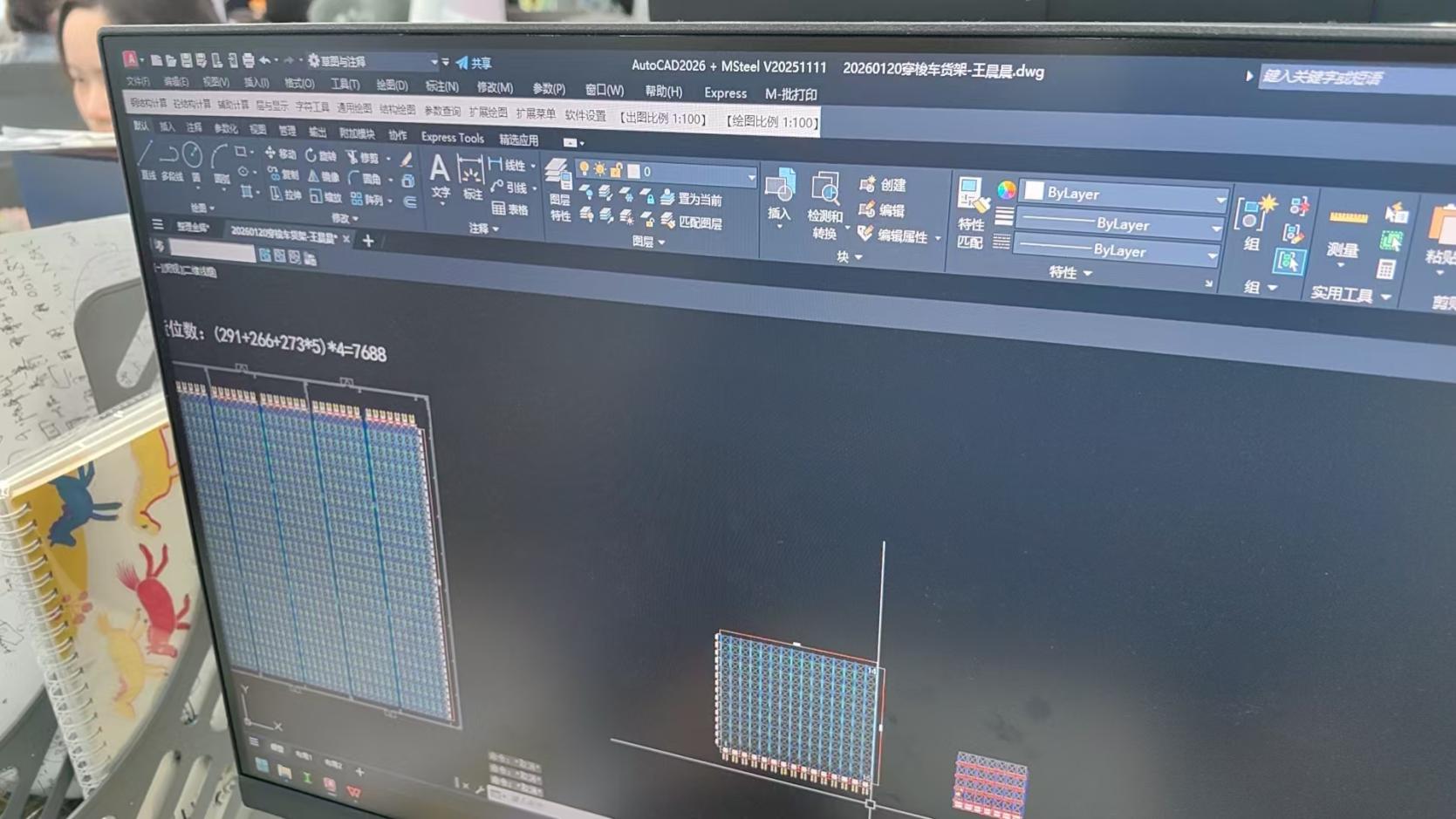


When evaluating push-back system layouts, spatial calculation is critical. Designers use detailed structural calculations to determine rack pitch, slope percentage (usually 2% to 3% gradients depending on target load weights), roll speed profiles, and braking assemblies. Let's compare standard racking technologies to illustrate how push-back storage impacts key operating factors:
| Storage System Type | Density Level | Selectivity Rate | Pallet Access Format | Fulfillment Profiles | Structural Damage Risk |
|---|---|---|---|---|---|
| Selective Racking | Low (1x Base) | 100% (Immediate) | FIFO / LIFO | High SKU, Low Volume | Moderate |
| Push-Back Racking | High (2x - 3x Base) | Low to Moderate (by lane) | LIFO (Last-In, First-Out) | Medium SKU, High Volume | Very Low |
| Drive-In Racking | Very High (3x - 4x Base) | Very Low (per aisle) | LIFO (Last-In, First-Out) | Low SKU, Bulk Storage | High (Forklift Enters Rack) |
| Pallet Flow (Gravity) | Extreme (Up to 20 Deep) | Low (by lane) | FIFO (First-In, First-Out) | Expiration-Sensitive Goods | Low |
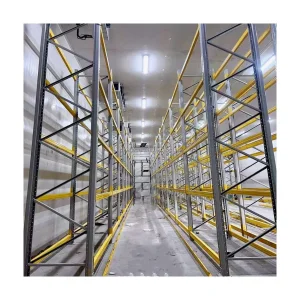
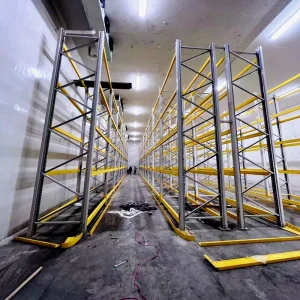
Push-back storage is a key efficiency driver across diverse markets. In cold storage distribution hubs, heating/cooling energy costs represent a significant operational expense. Maximizing building volume occupancy reduces the footprint requiring temperature management, directly lowering overheads. Push-back systems are highly effective here because the mechanical nested carts function reliably in temperatures as low as -30°C without requiring specialized electric components.
For food and beverage distributors with medium-duration shelf life items, a 3-deep or 4-deep push-back system allows batches to be grouped efficiently by lane. This consolidates inventory footprints while ensuring pick faces remain continually stocked via gravity feed.
As warehousing transitions toward Industry 4.0, push-back storage racks are increasingly paired with smart tracking systems. Integrating RFID chips within custom pallet stops allows logistics managers to monitor inventory age and track cart position in real time. Standard gravity-fed lanes are also being augmented with electronic sensors to verify pallet entry, warning operators if a pallet is misaligned on the nesting carts. These hybrid innovations provide the reliability of passive gravity mechanics alongside the data visibility of digital supply chains.
Expert technical insights regarding push-back storage engineering, procurement, and deployment safety
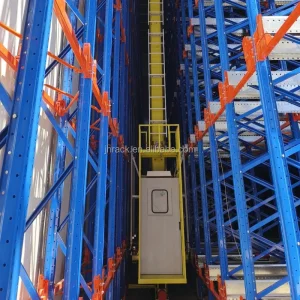
Industrial-grade warehouse racking and smart retrieval systems for modern storage spaces
 Jinhui Storage Equipment