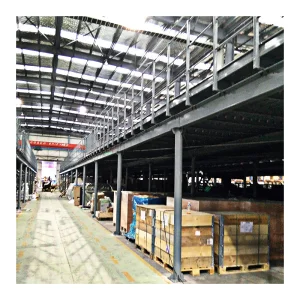
In an era dominated by supply chain uncertainties, rising real estate costs, and rapid omnichannel fulfillment demands, global enterprises are forced to re-evaluate their space optimization strategies. High-density storage is no longer merely a structural necessity; it is a critical driver of logistics velocity, operational safety, and overall capital efficiency.
When sourcing warehouse structural infrastructure, procurement officers and structural engineers face a complex dilemma: balancing the total cost of ownership (TCO) with structural integrity. Opting for cheap, sub-standard racking compromises facility safety, exposing operations to devastating collapses, compliance penalties, and long-term liabilities. Conversely, overpaying for local European or North American systems restricts capital availability for automation projects.
As a leading hub for advanced steel manufacturing, China has bridged this gap. Leading manufacturers now supply ISO-certified, CE-compliant, and American Standard teardrop systems that offer an unbeatable balance of cost-efficiency and premium engineering. Through advanced metallurgy, robotic welding, and automated powder coating, modern Chinese racking suppliers deliver systems that match or exceed Western performance metrics at a highly optimized price point.
Established in 2017, Dongguan Jinhui Storage Equipment Co., Ltd. has established itself as an authoritative manufacturer and global exporter of high-capacity warehouse racking systems.
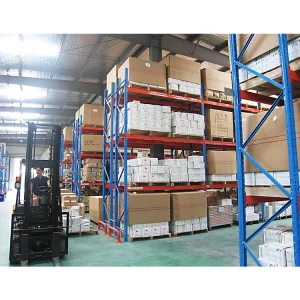
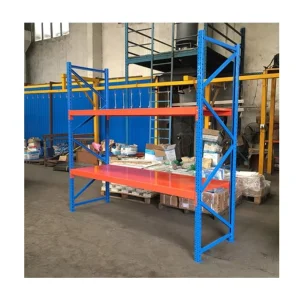
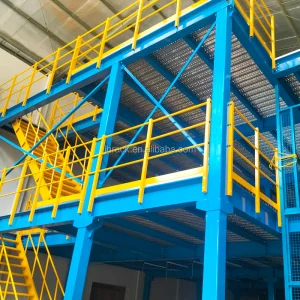
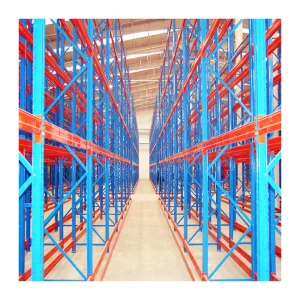
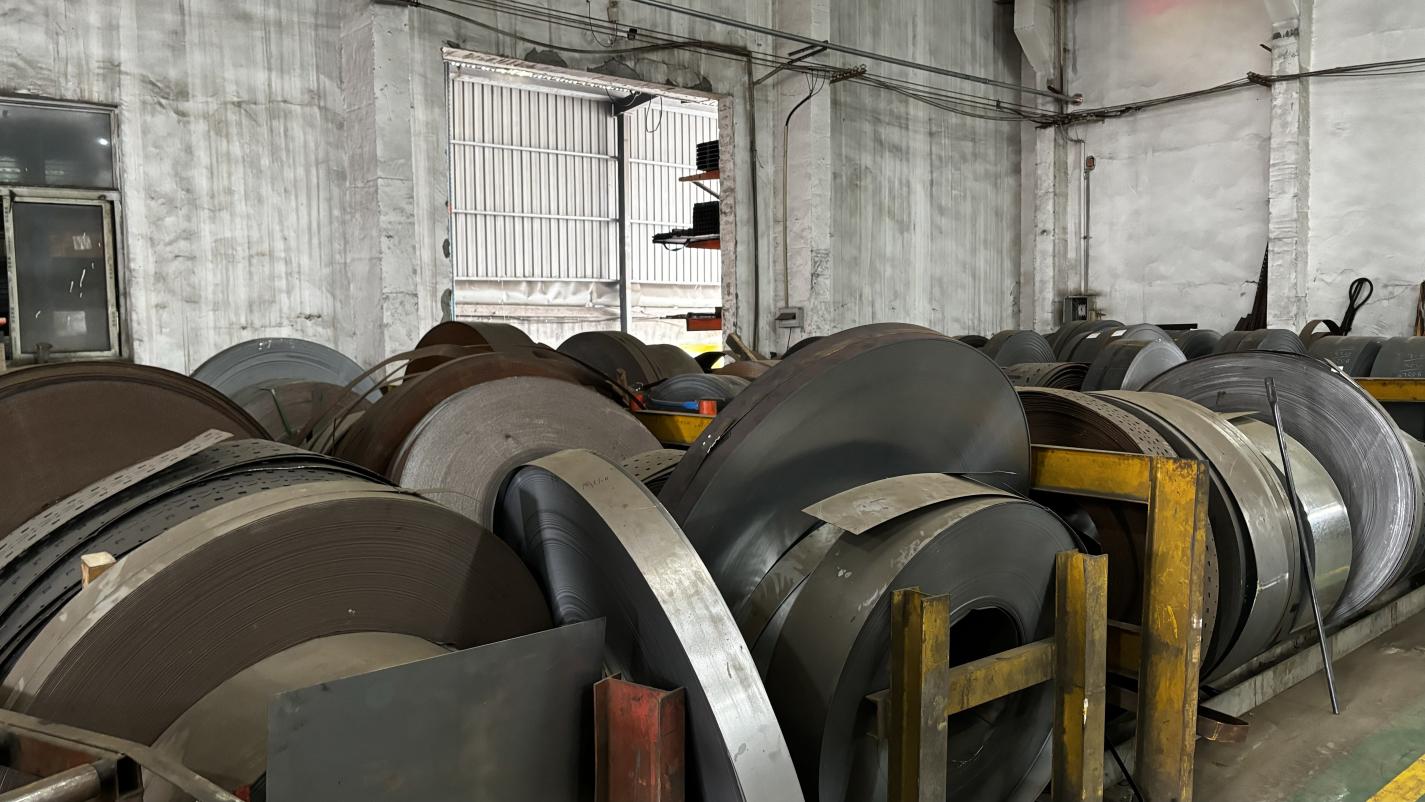
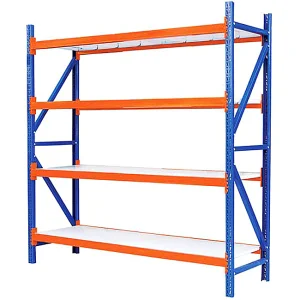
Operating from a state-of-the-art facility spanning over 18,600 square meters, Jinhui manufactures heavy-duty selective pallet racks, structural mezzanine floors, drive-in systems, cantilever structures, and highly specialized automation-compatible racking. Leveraging a robust raw-material supply chain backed by over 980 partners, we ensure uninterrupted production, consistent metallurgical quality, and highly reliable project delivery schedules.
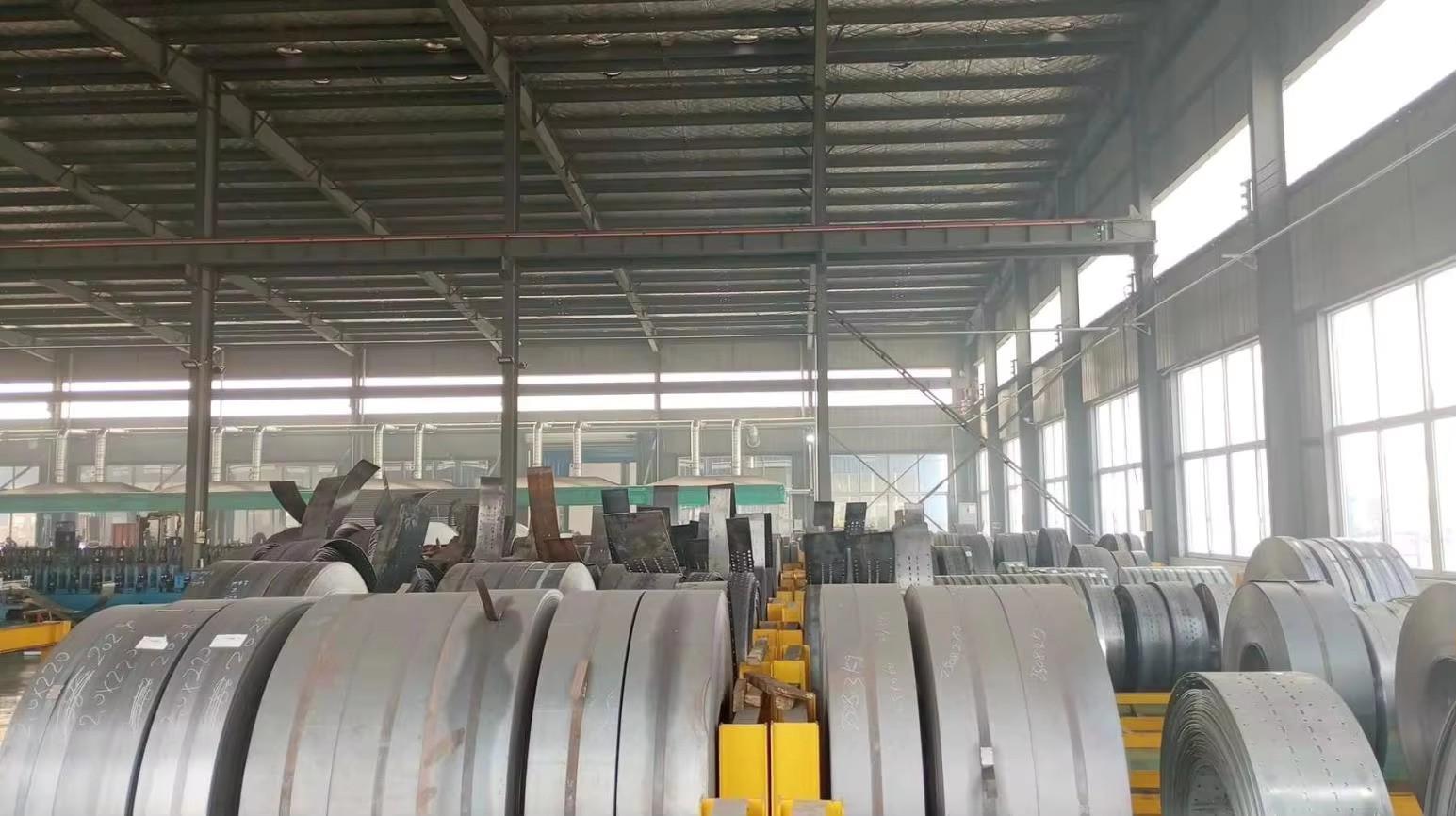
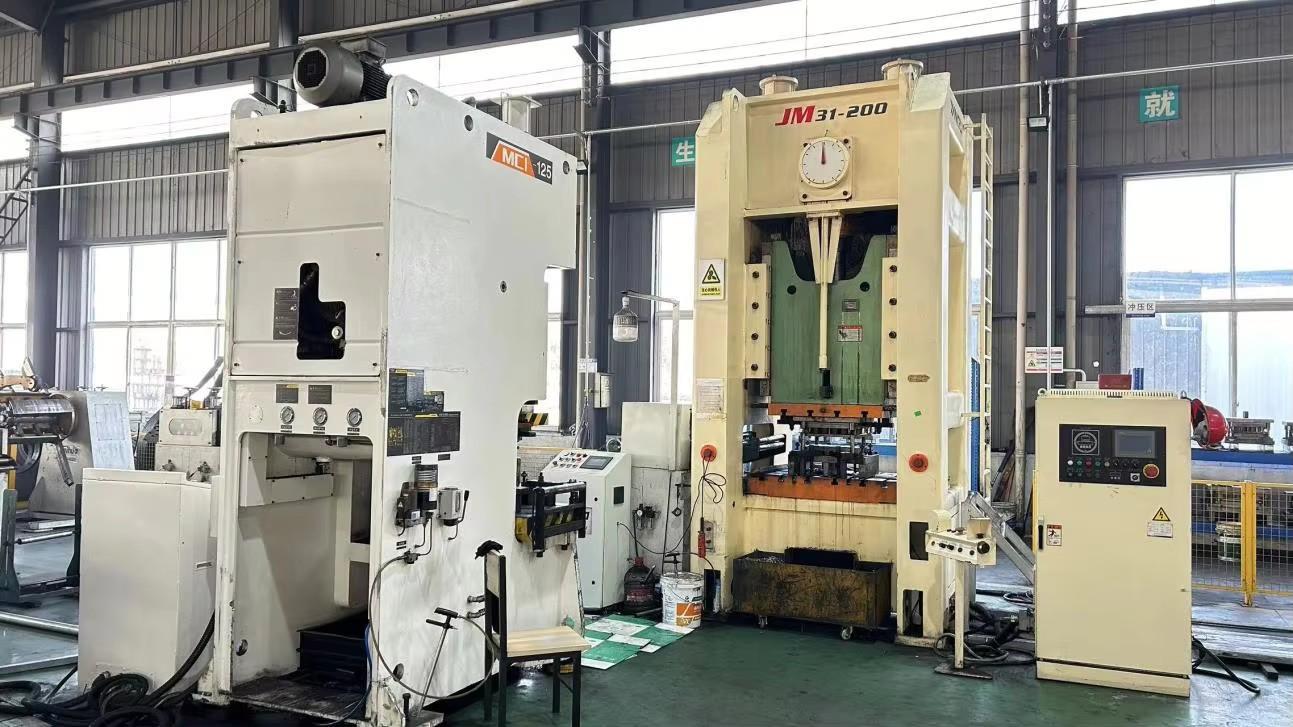
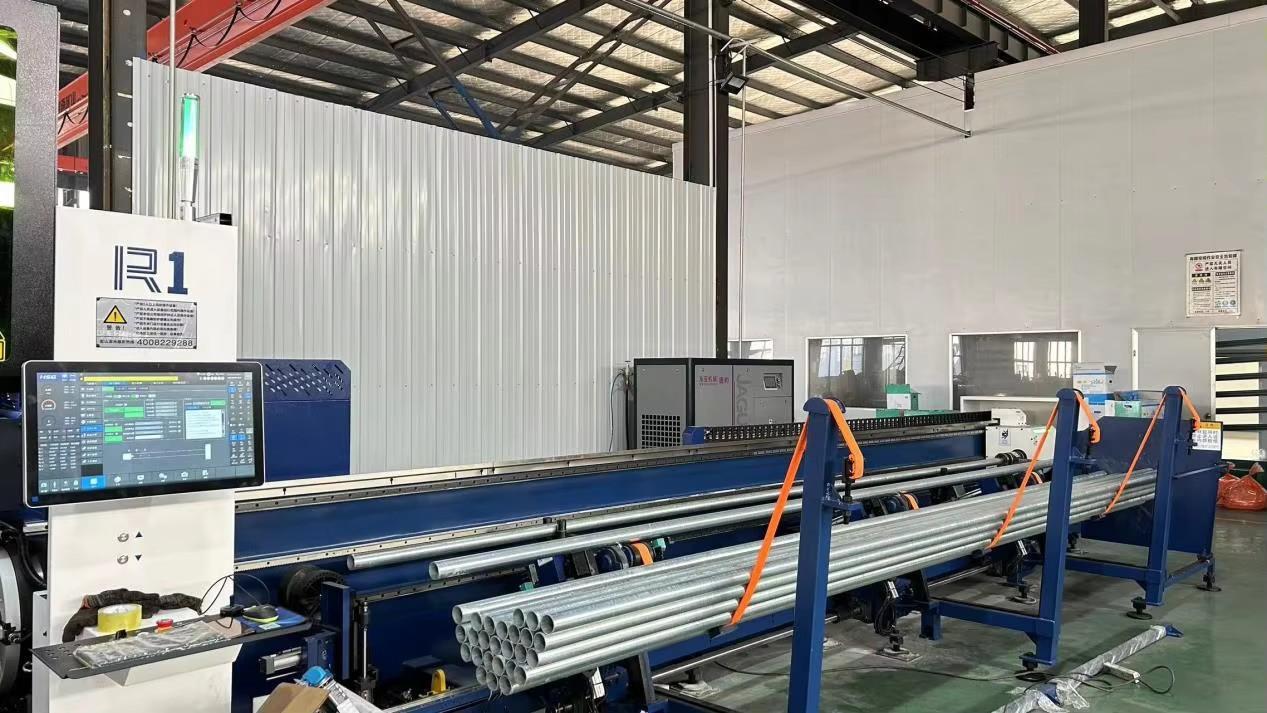
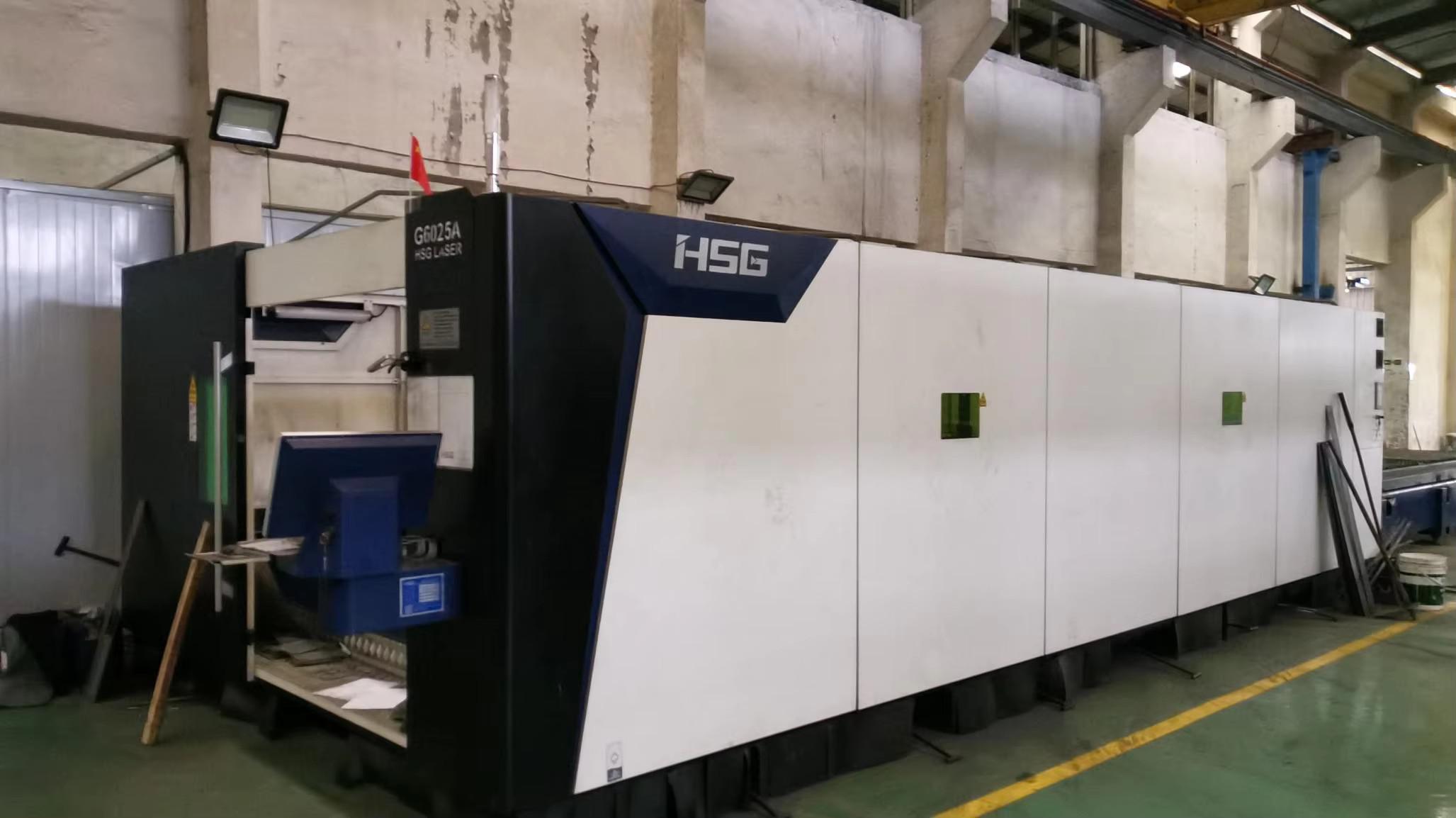
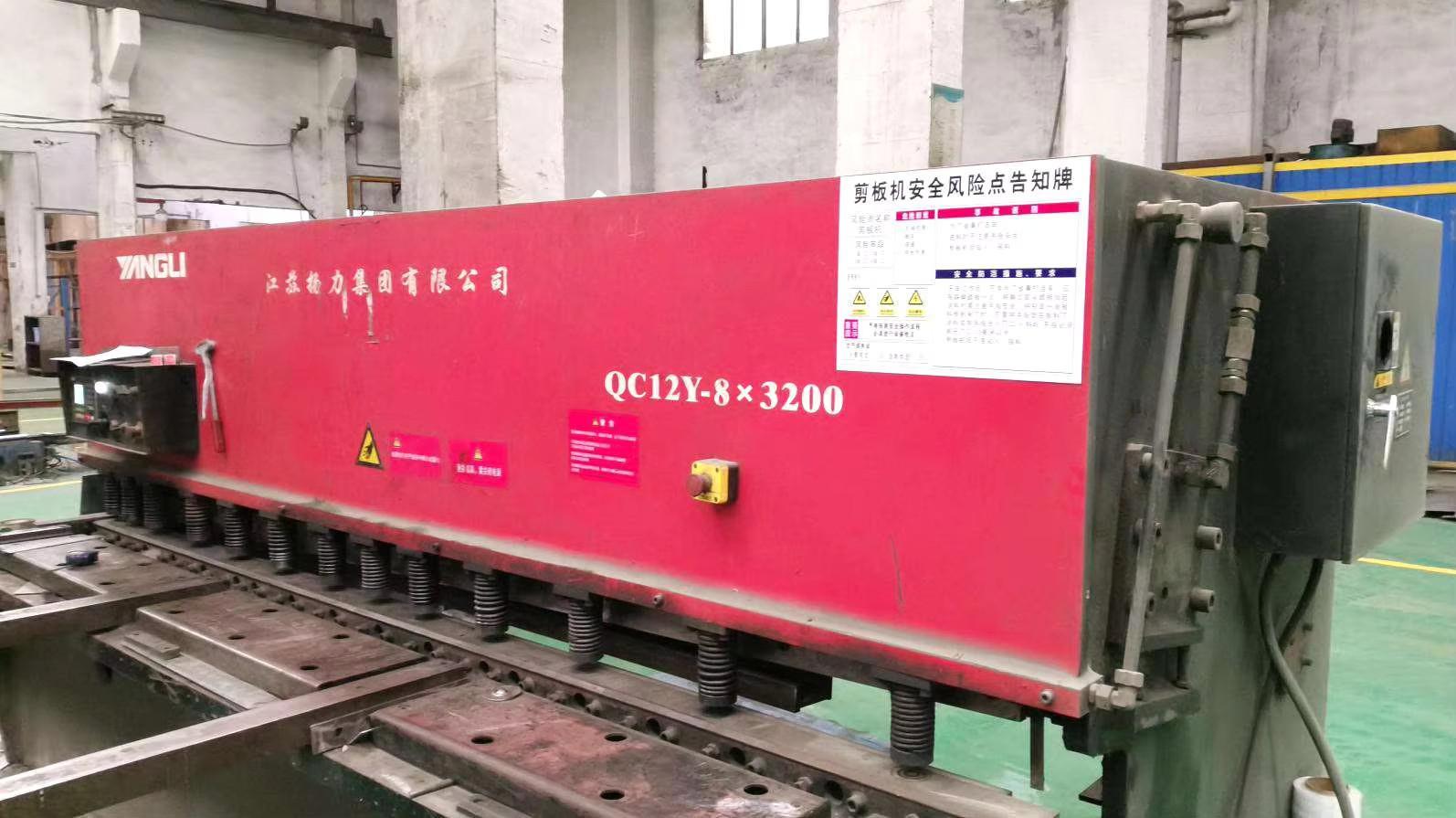
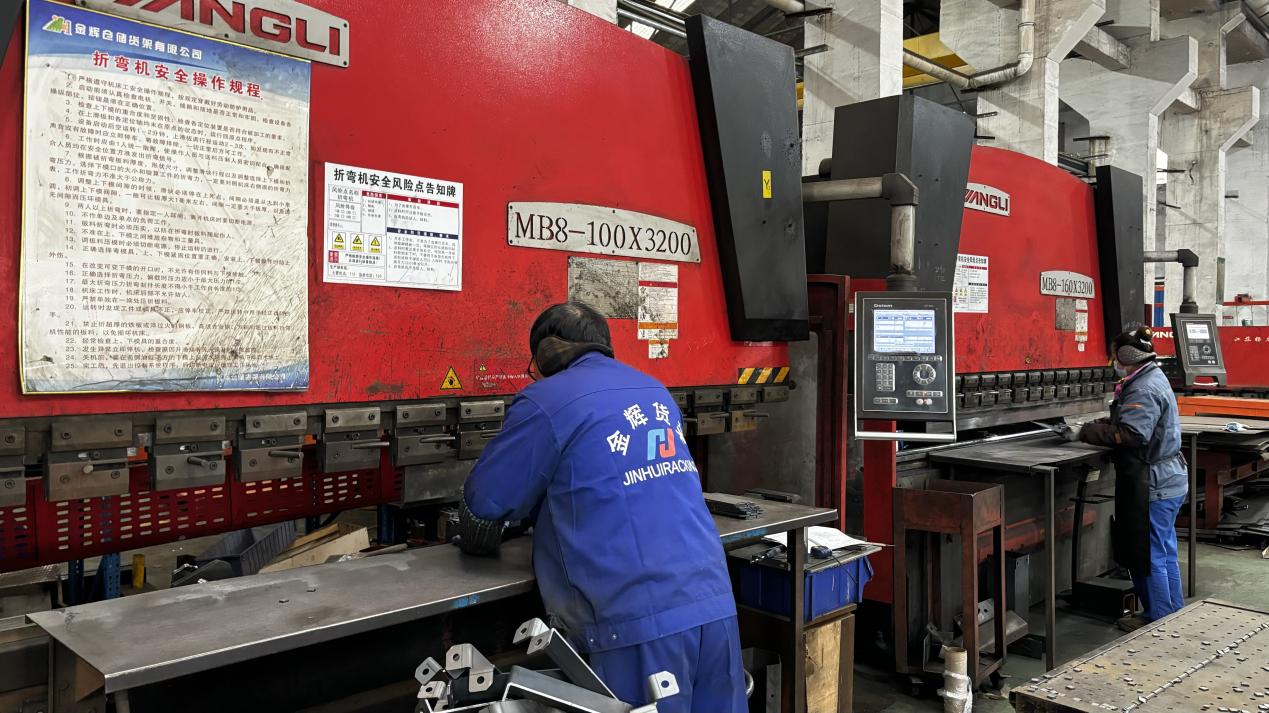
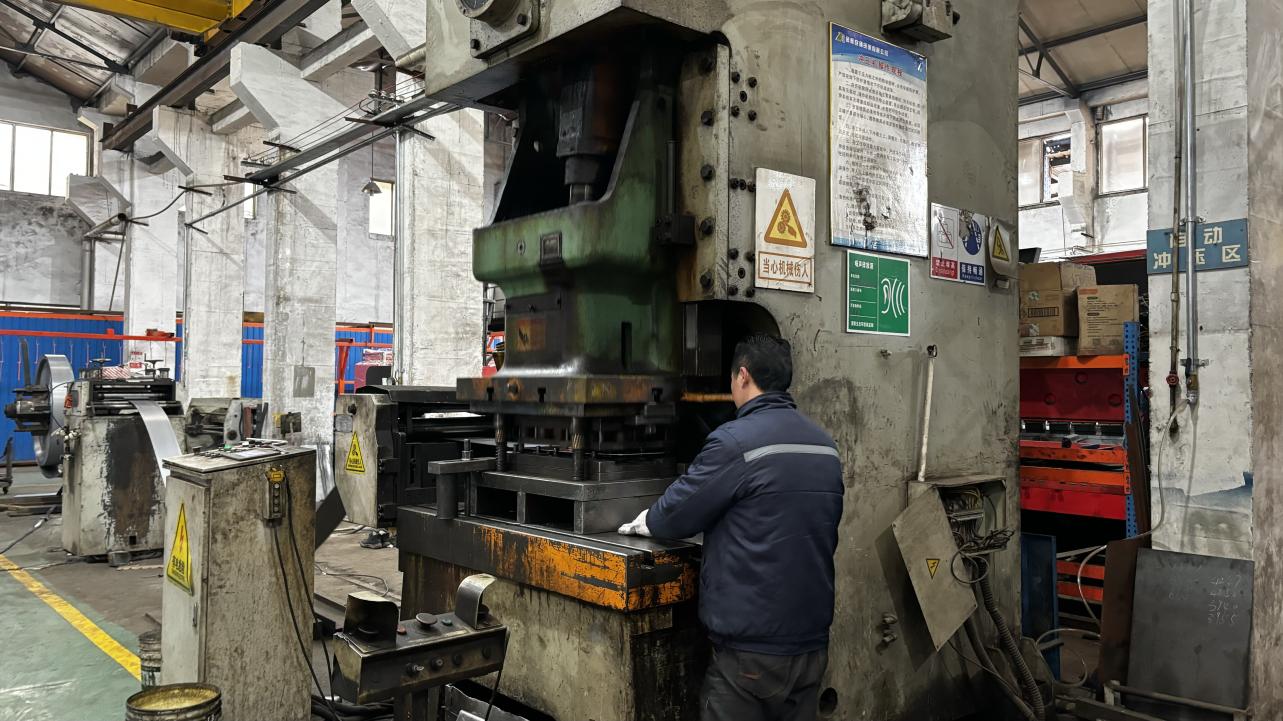
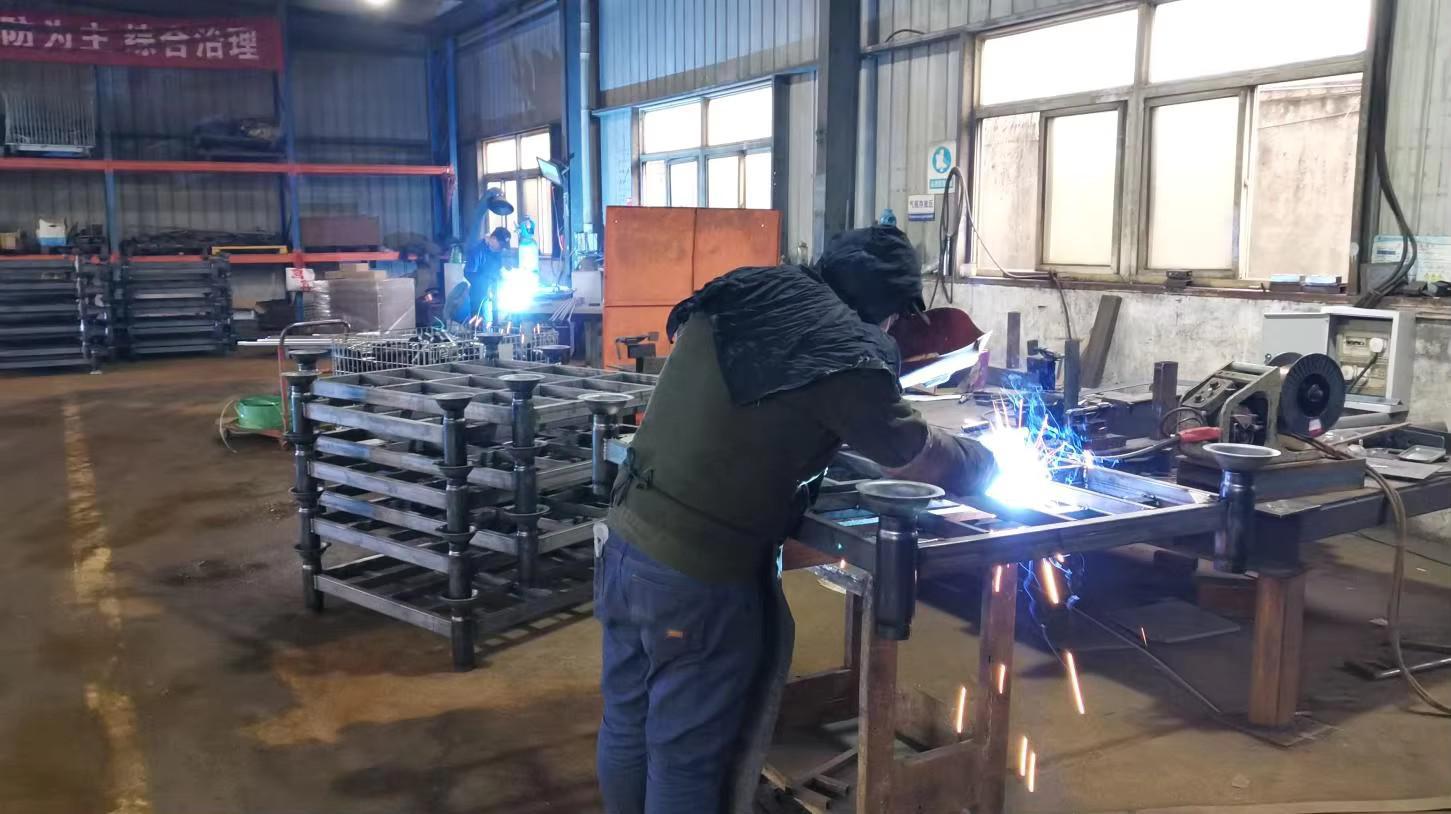
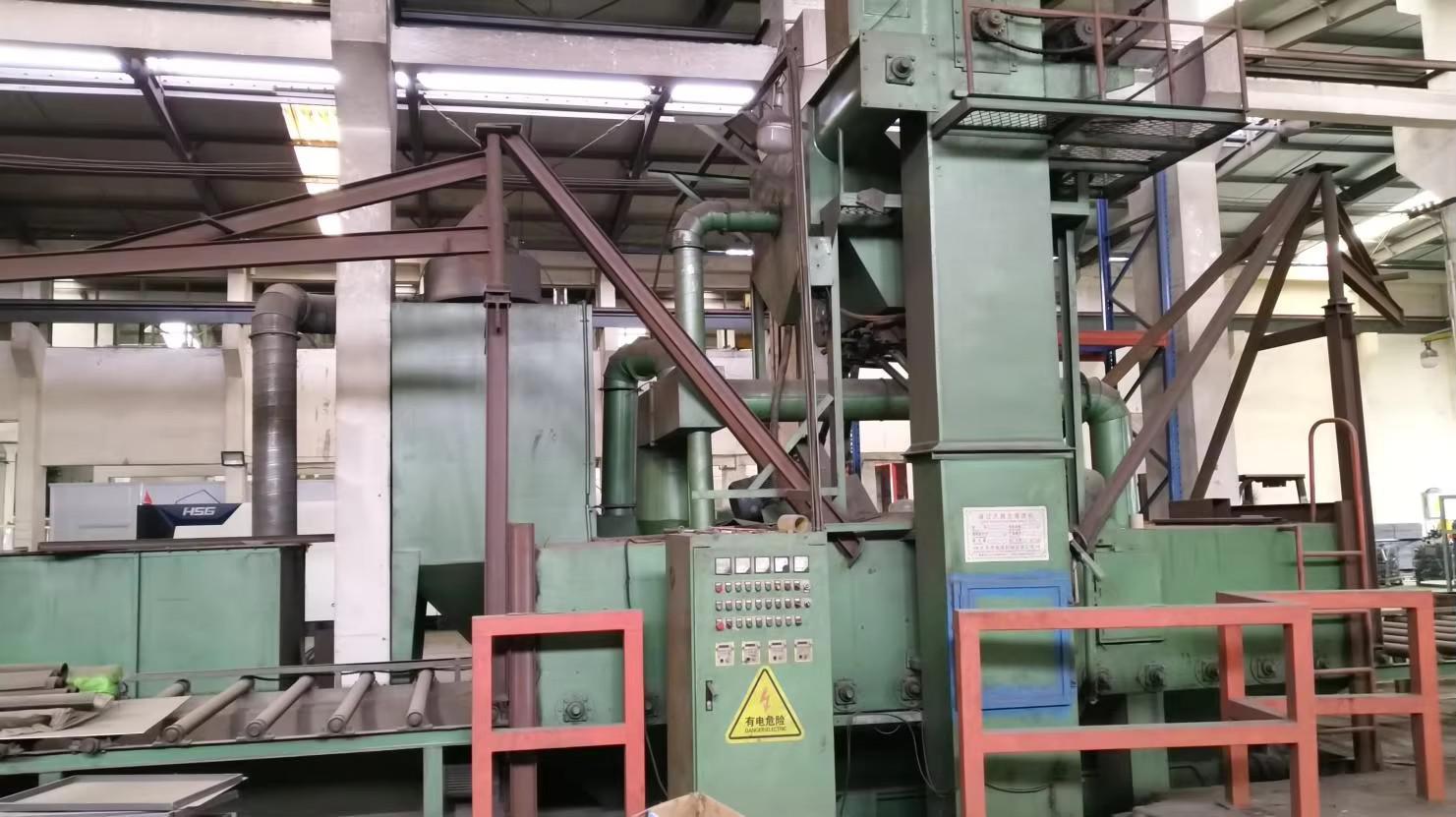
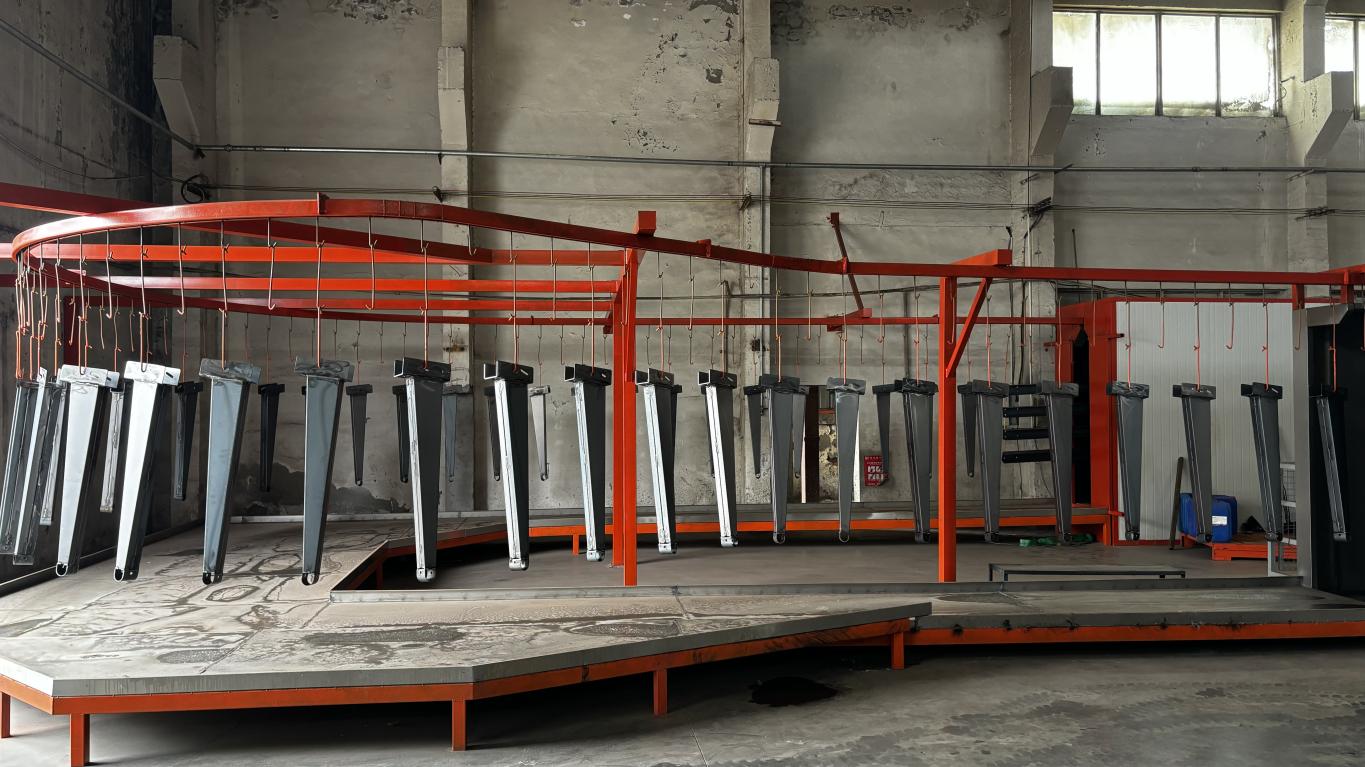
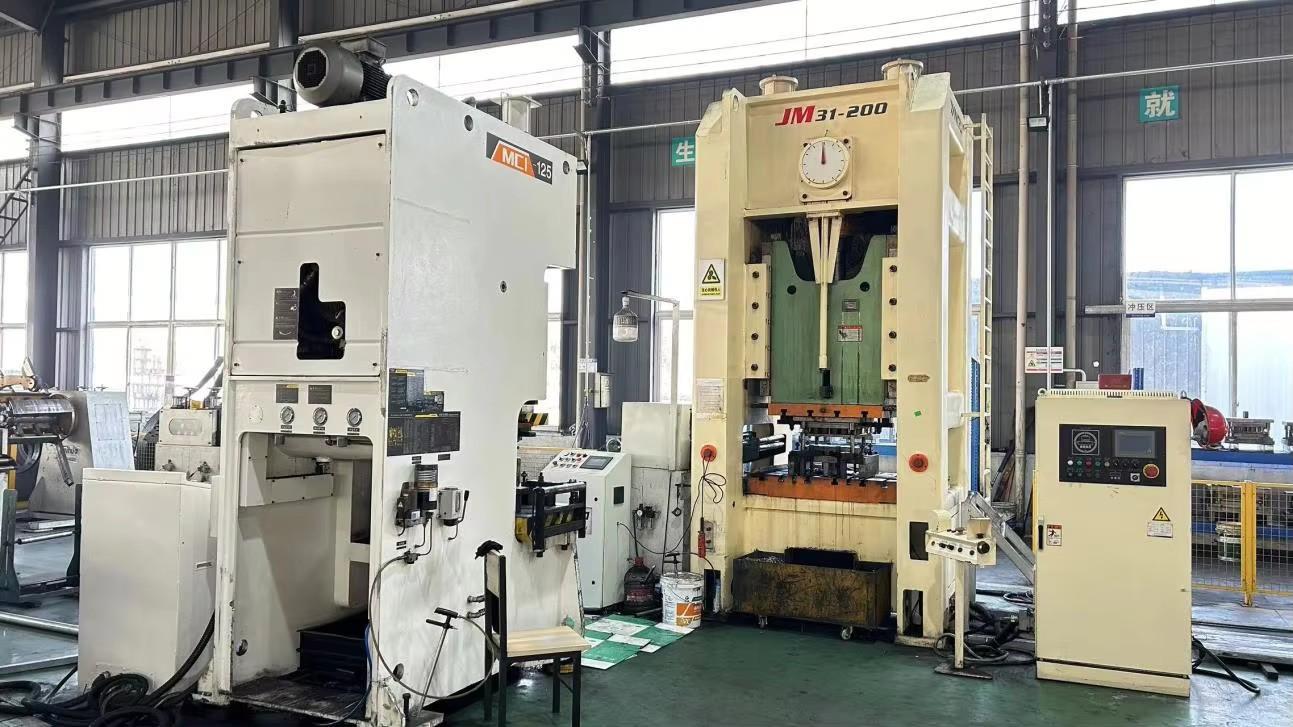
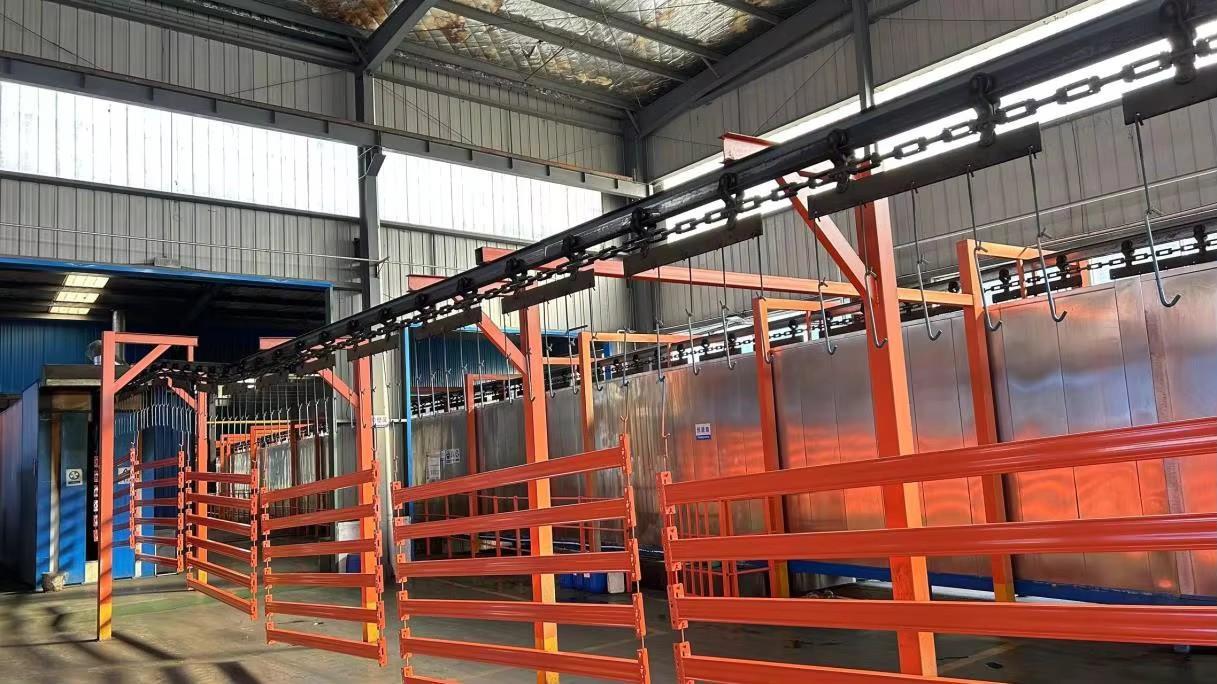
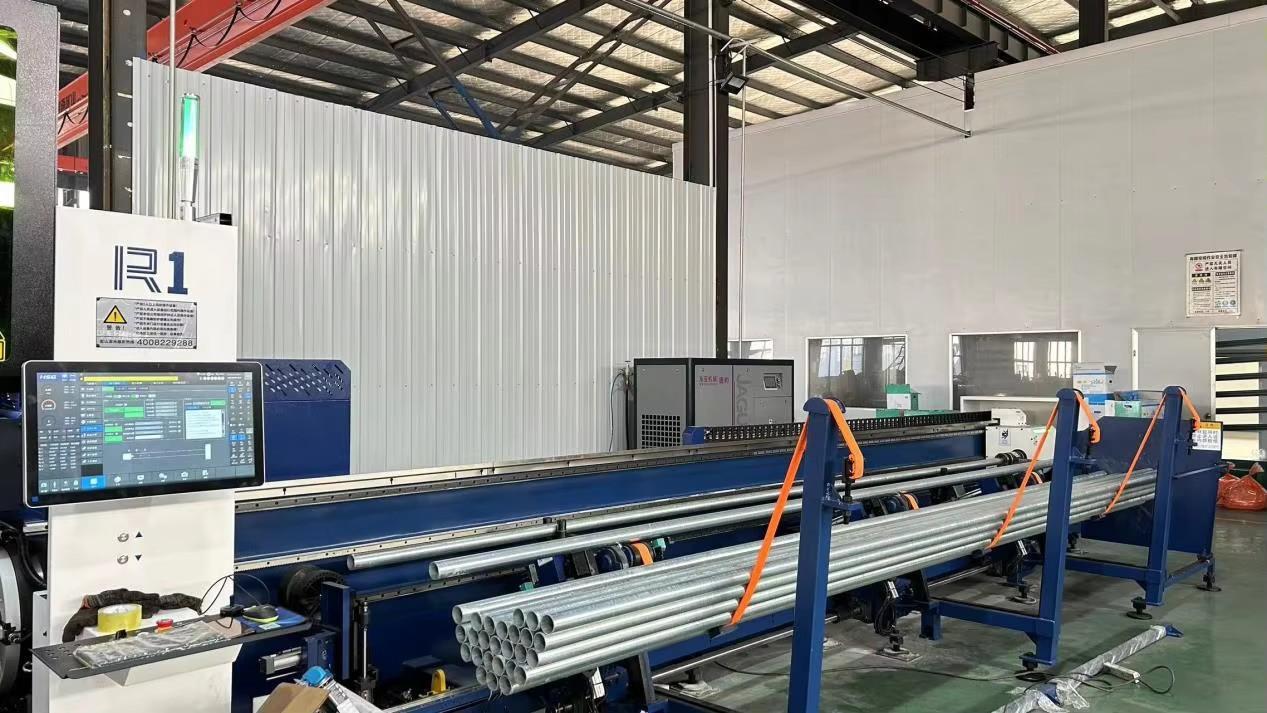
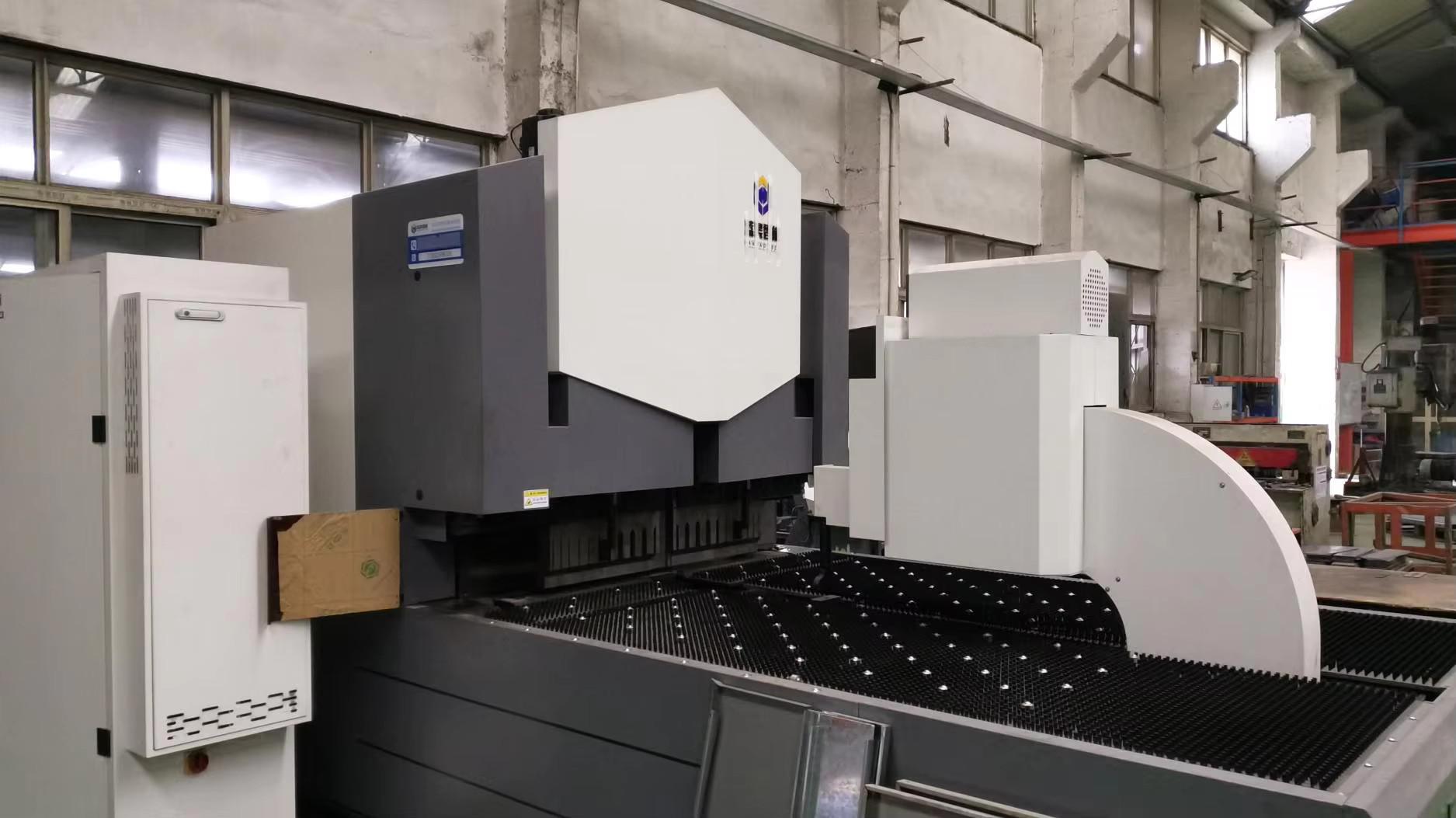
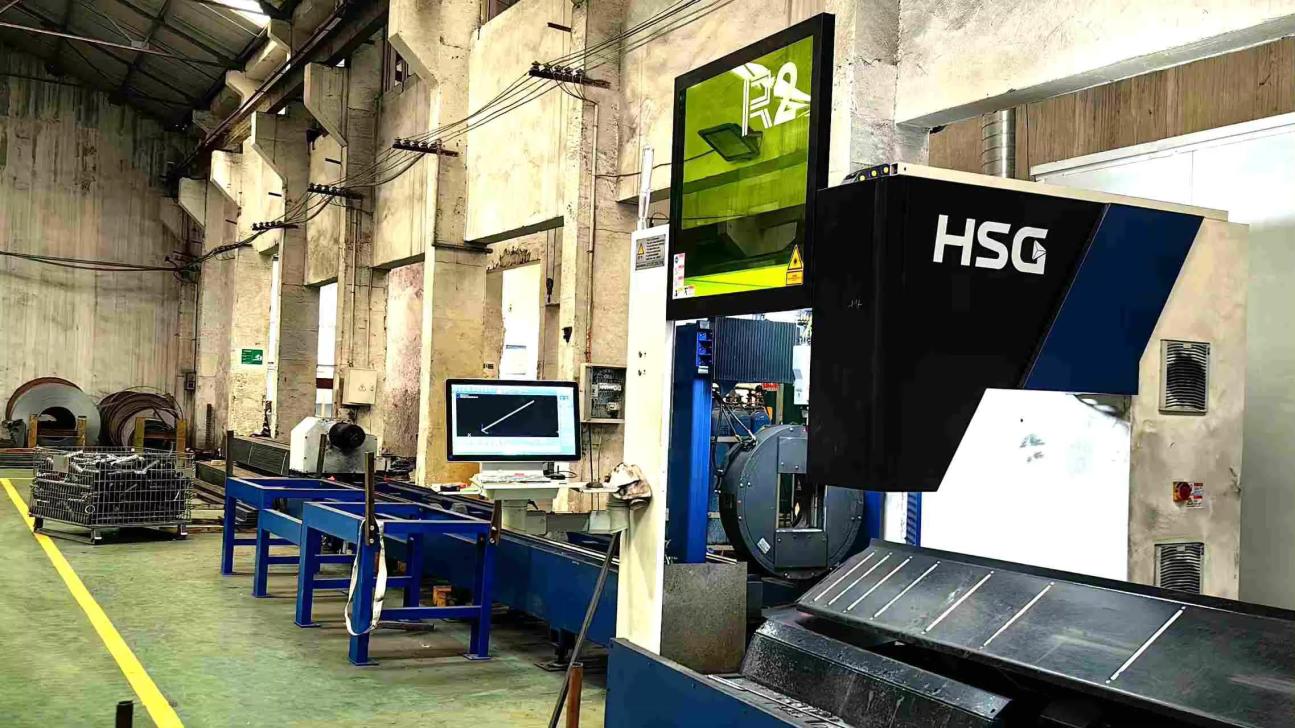
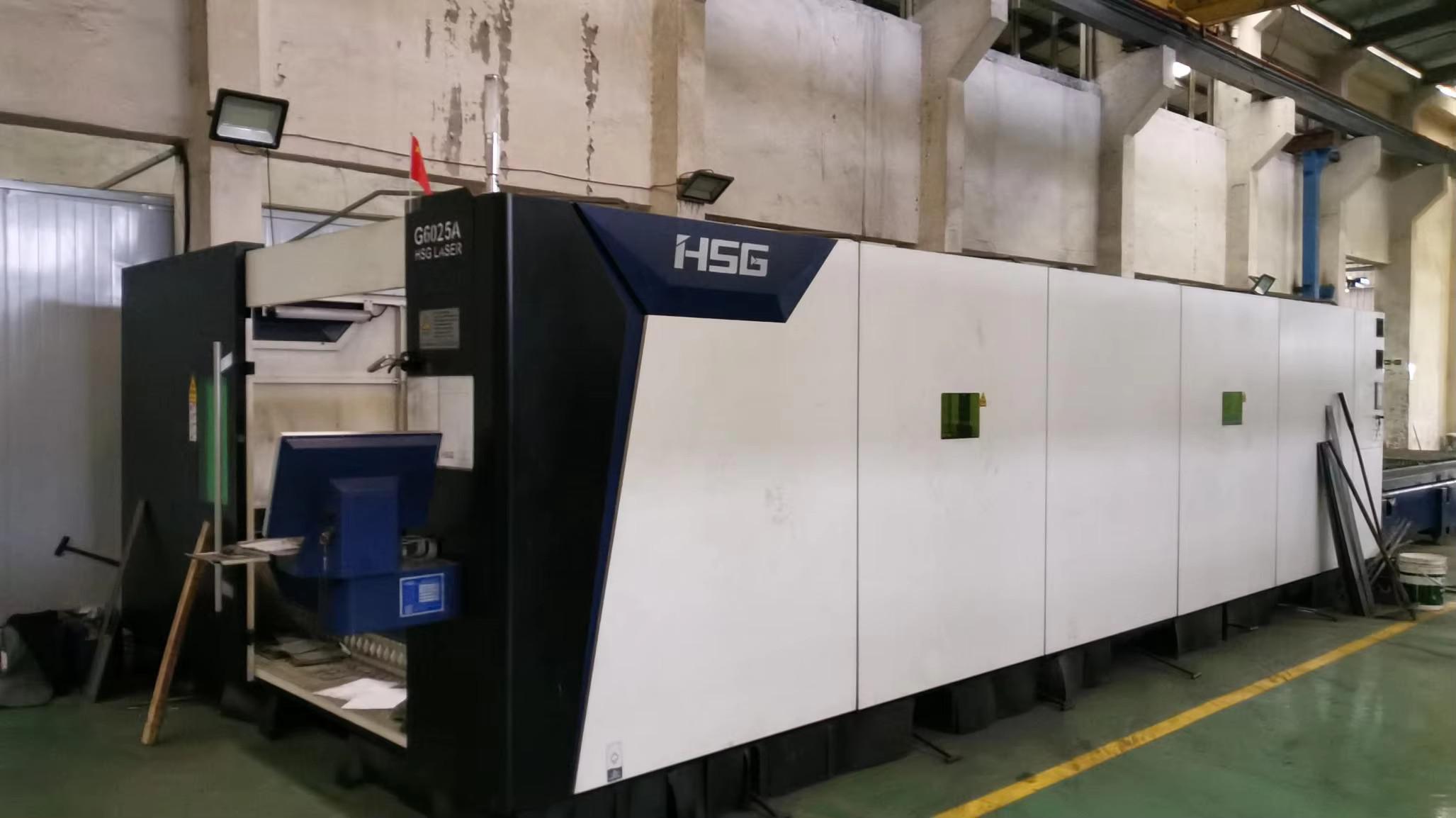
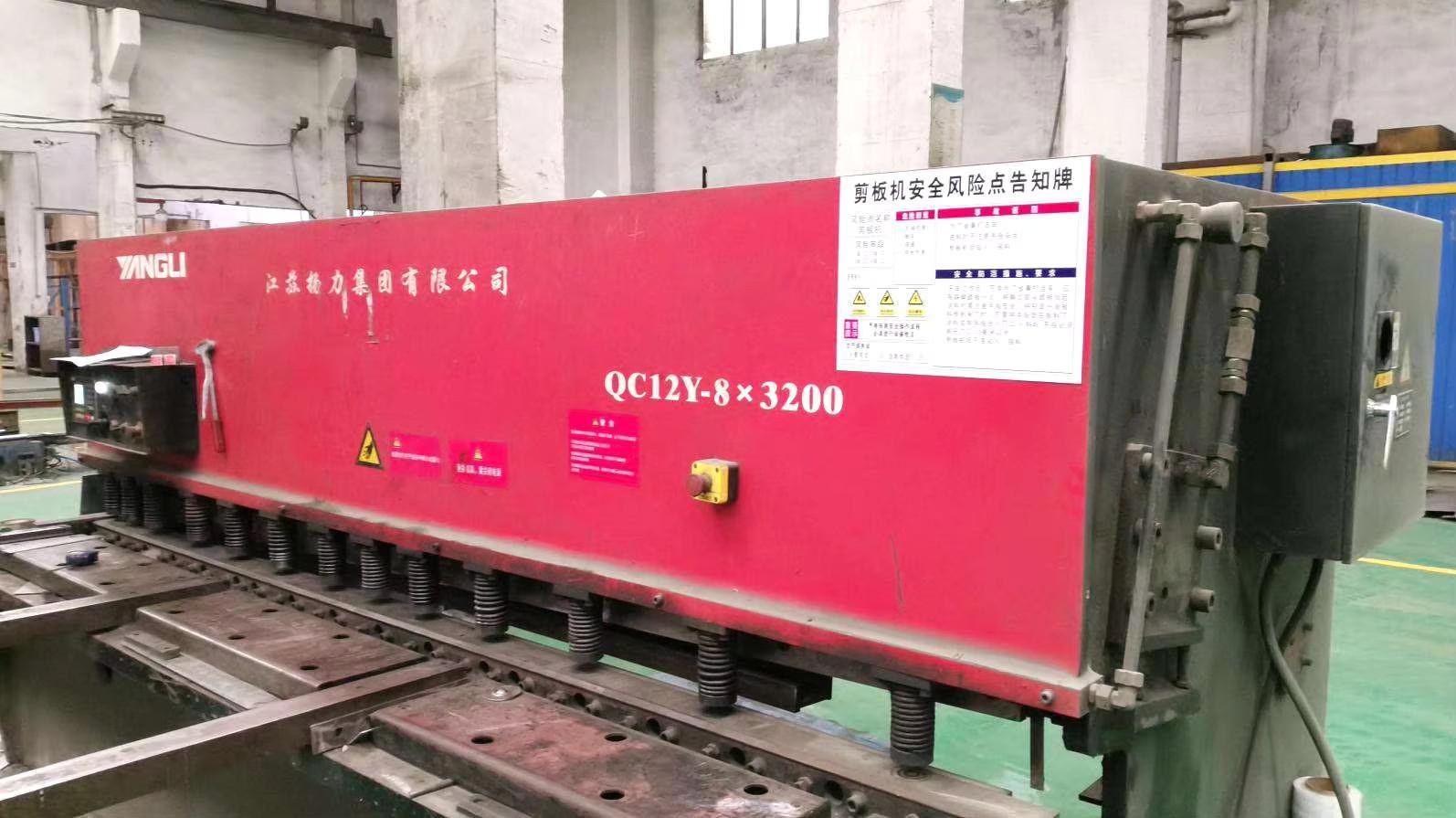
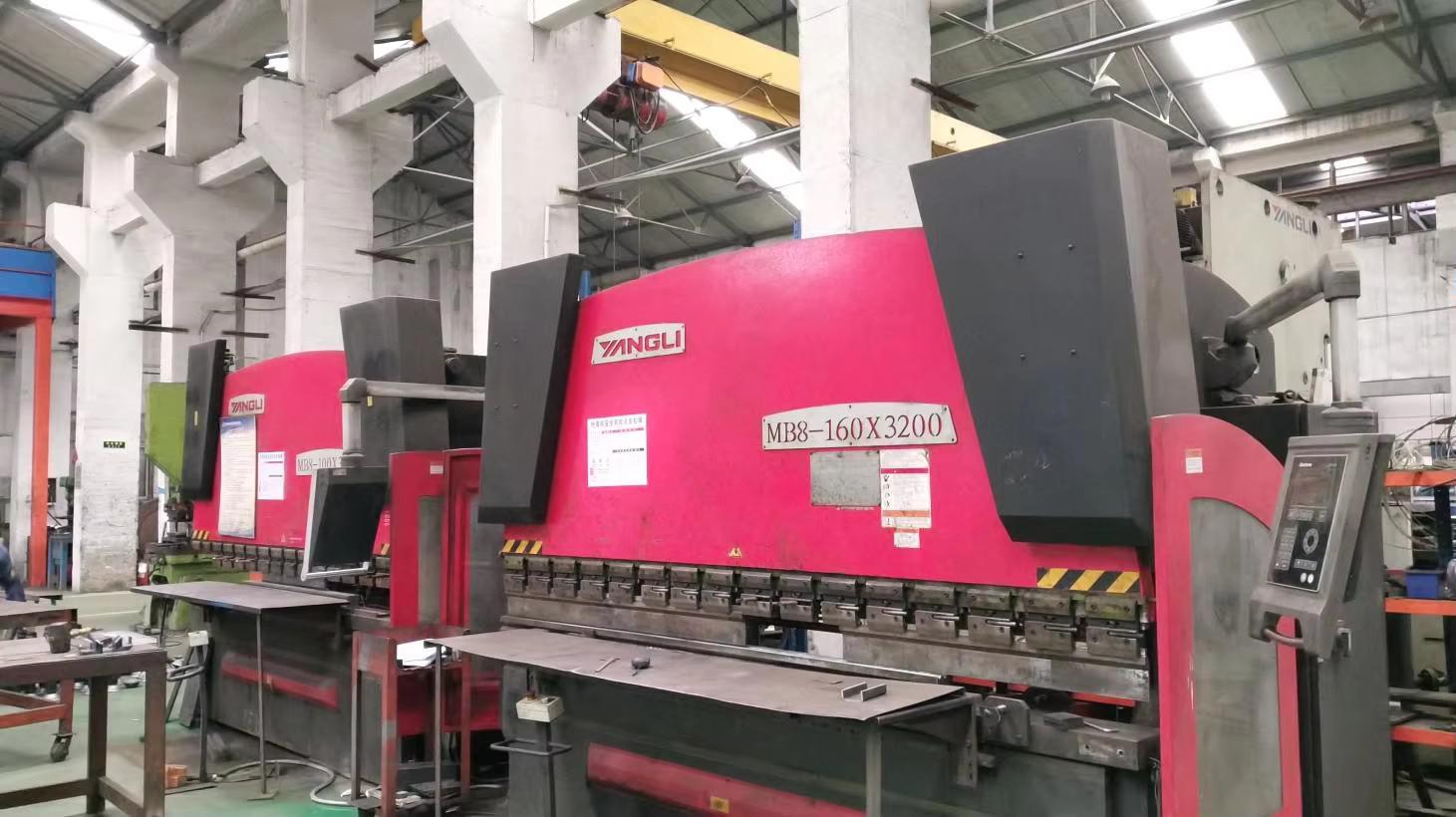
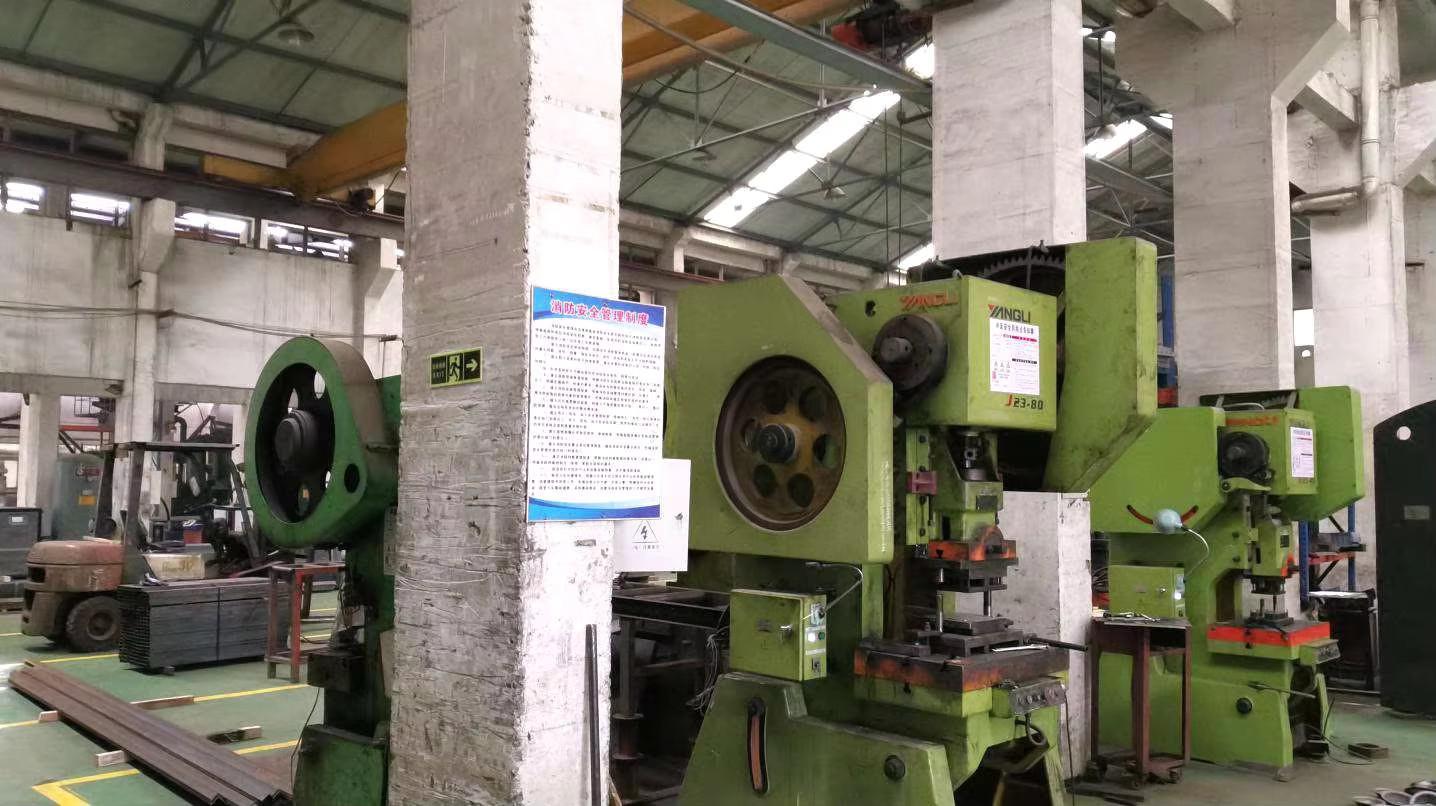
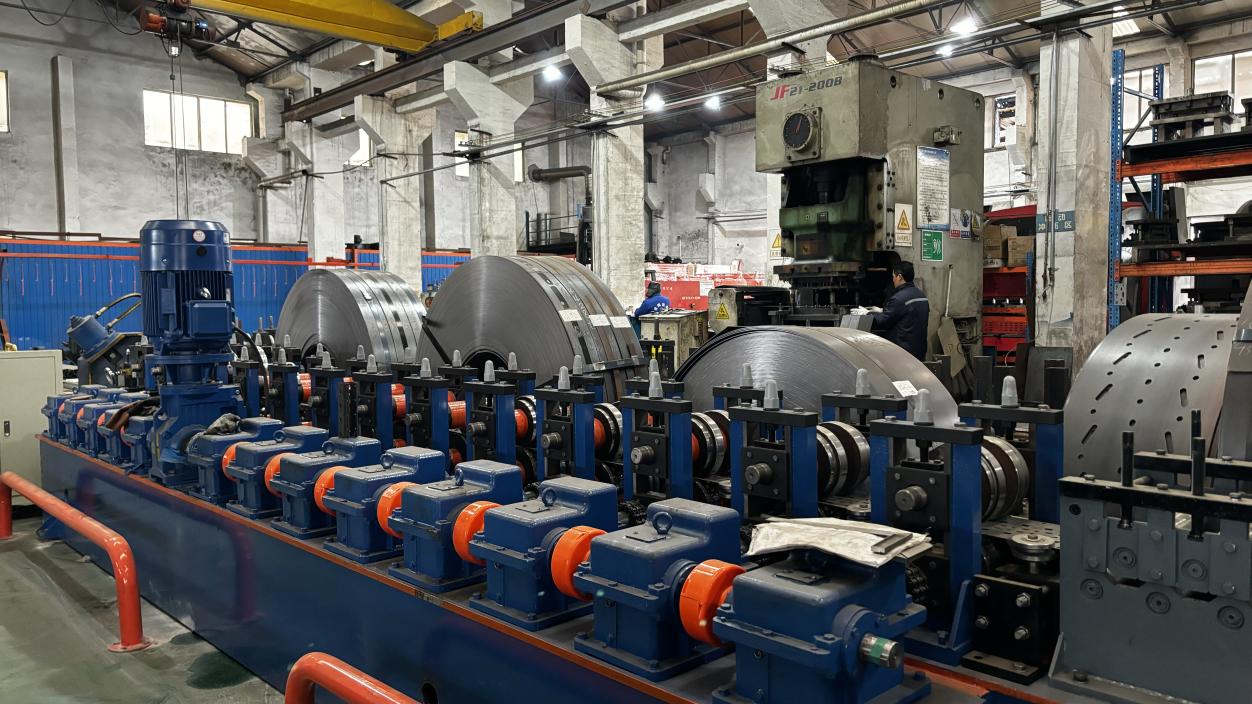
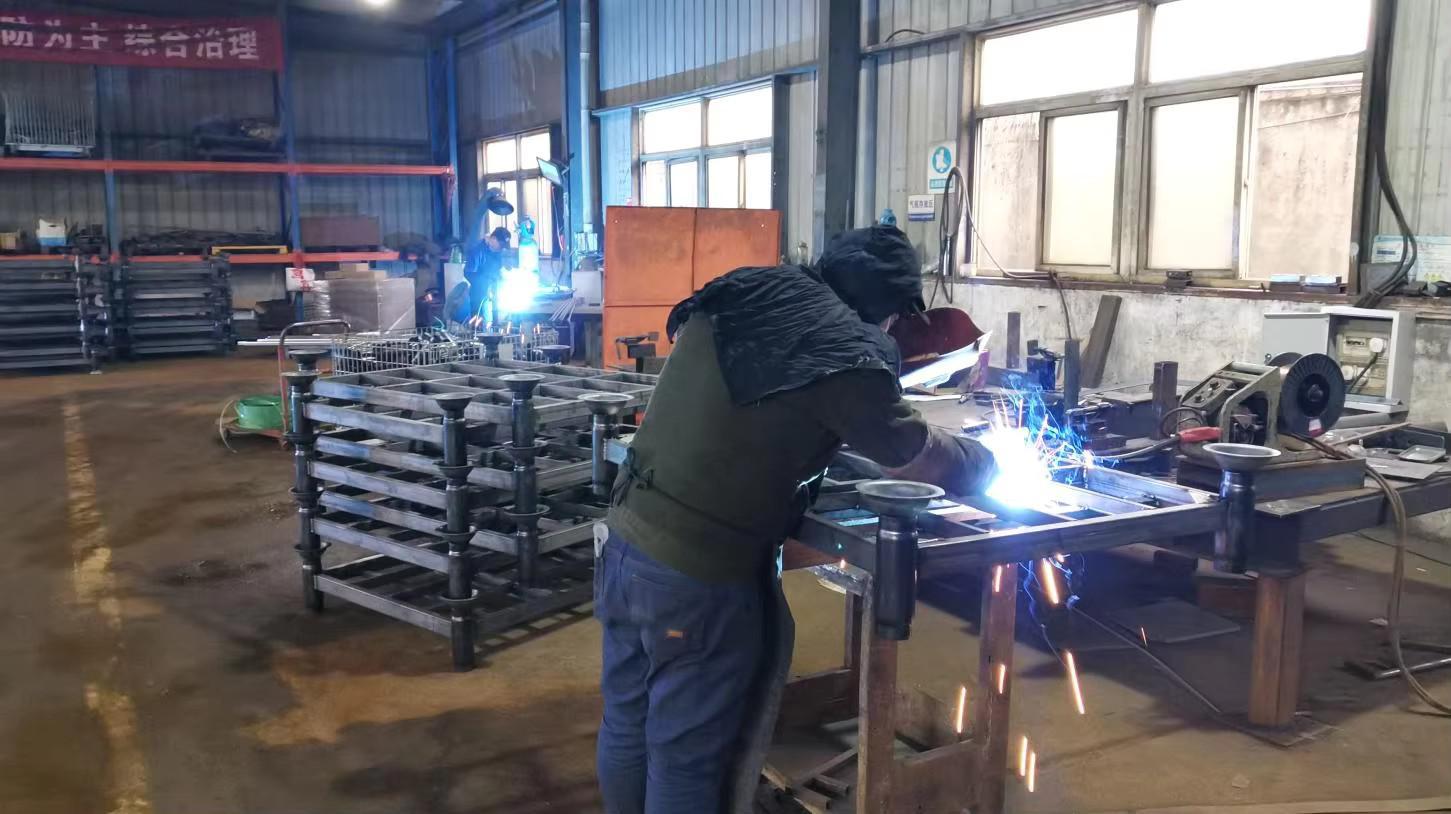
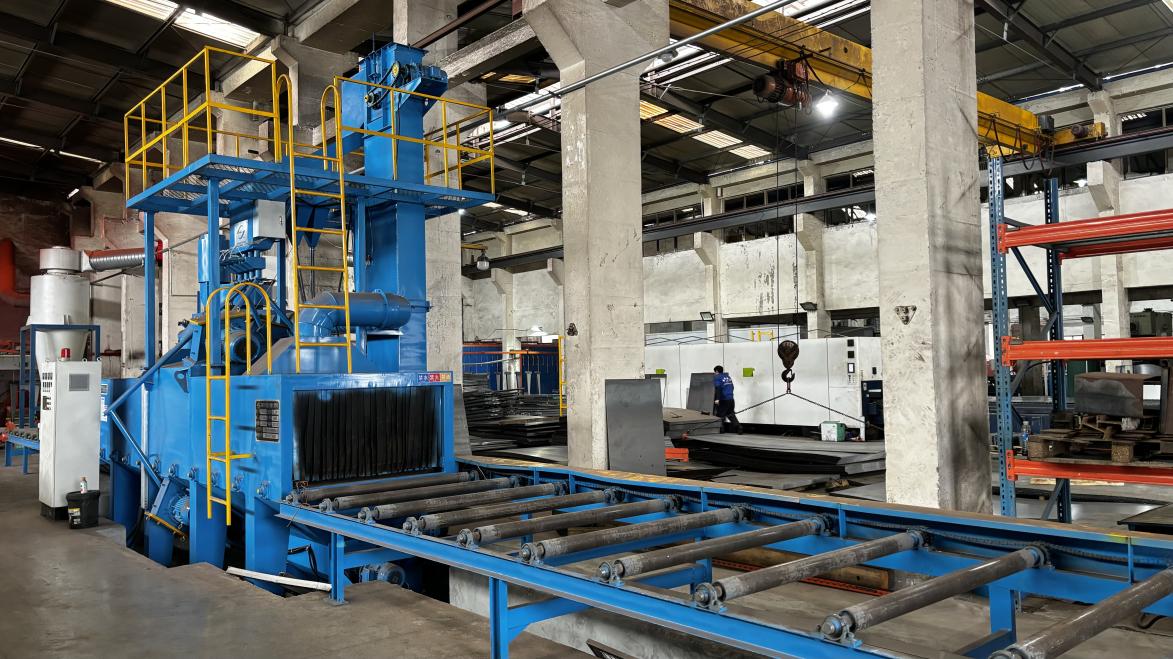
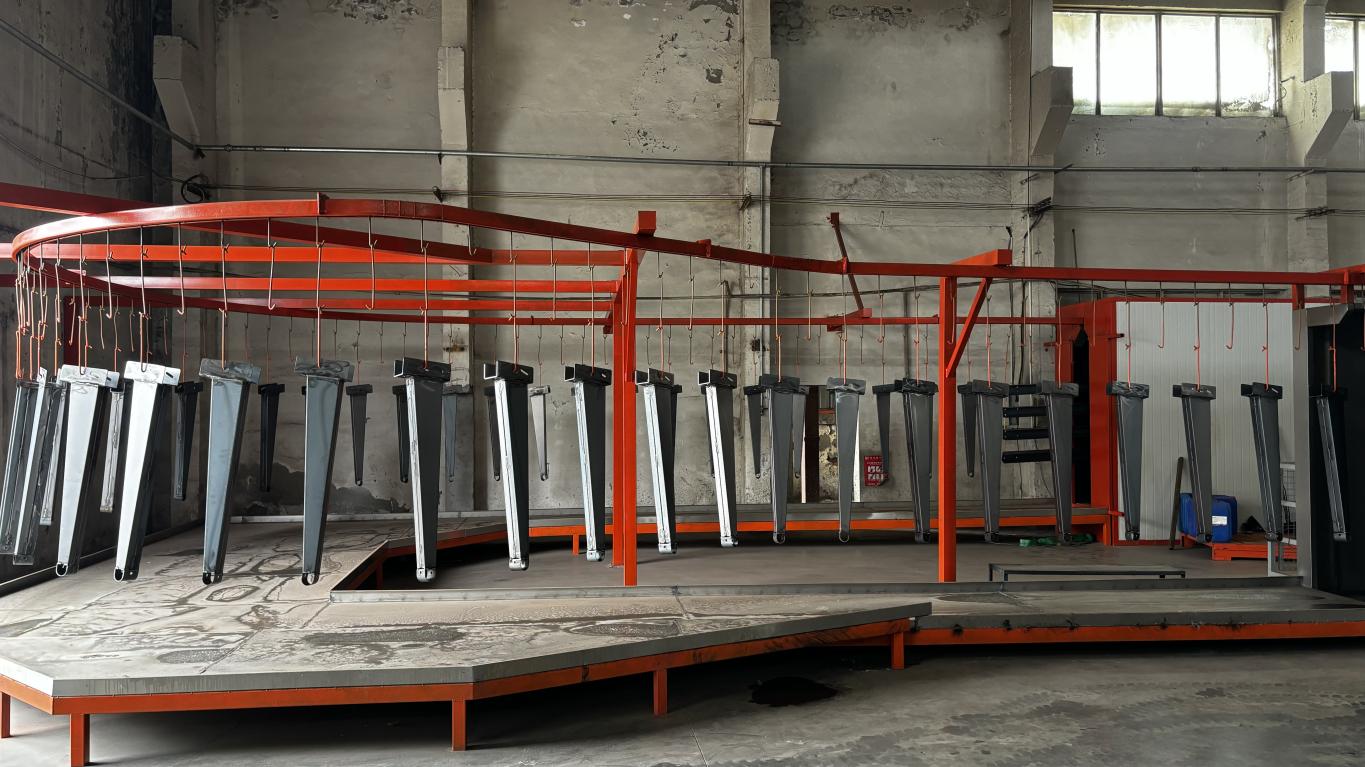
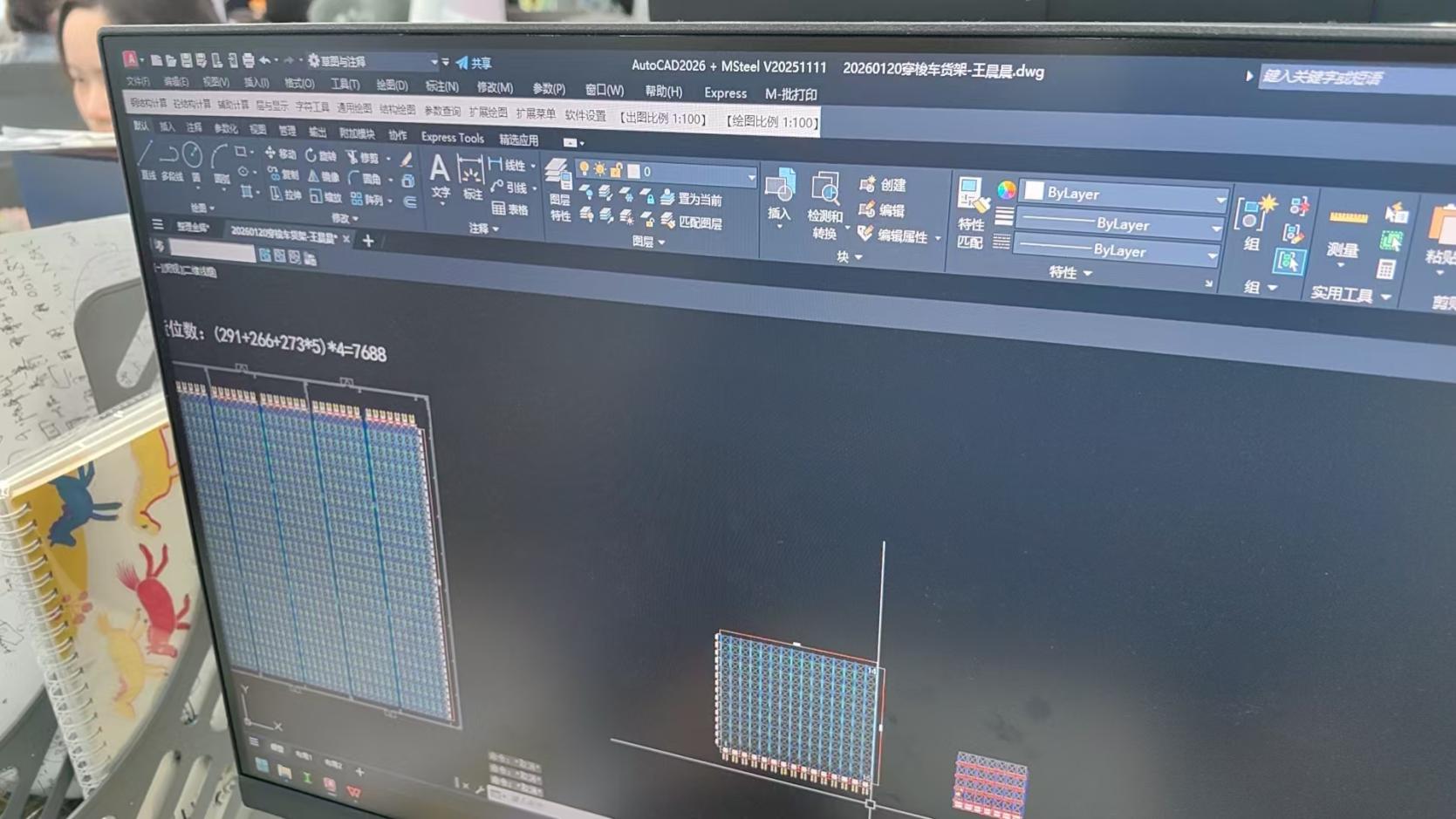
Jinhui utilizes advanced industrial production machines to ensure dimensional precision, high structural integrity, and flawless finishes across every beam and upright frame.
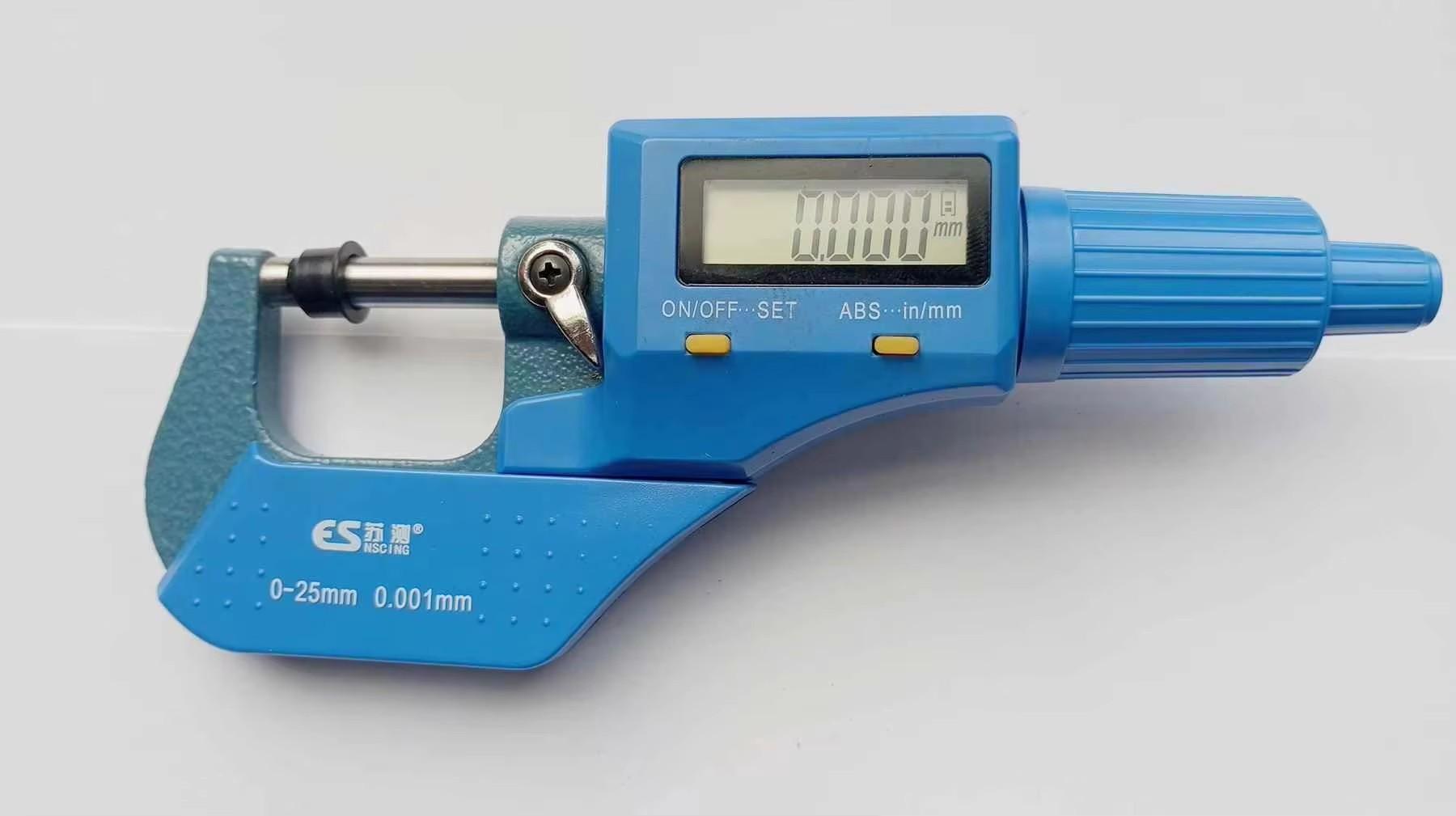
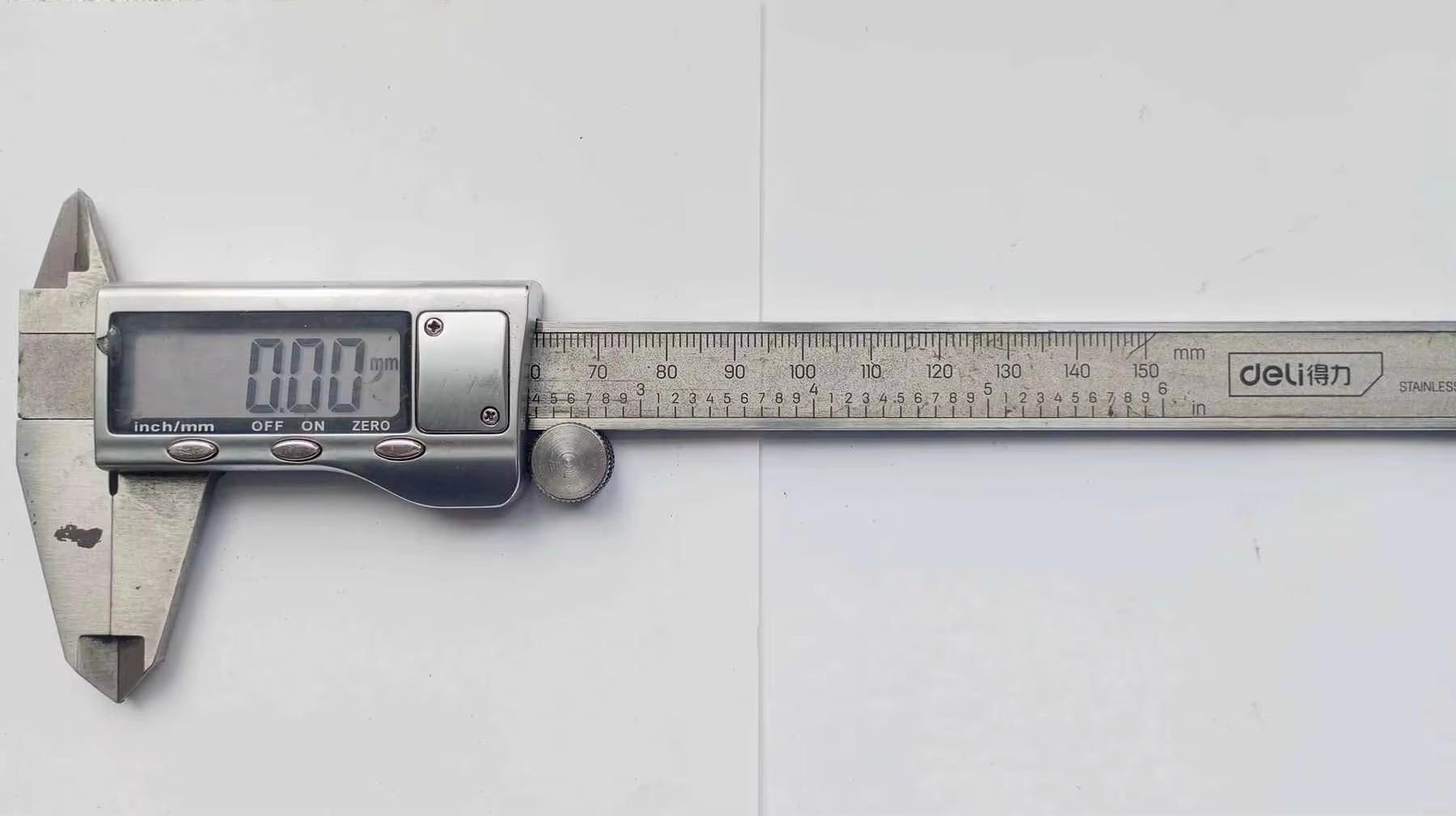
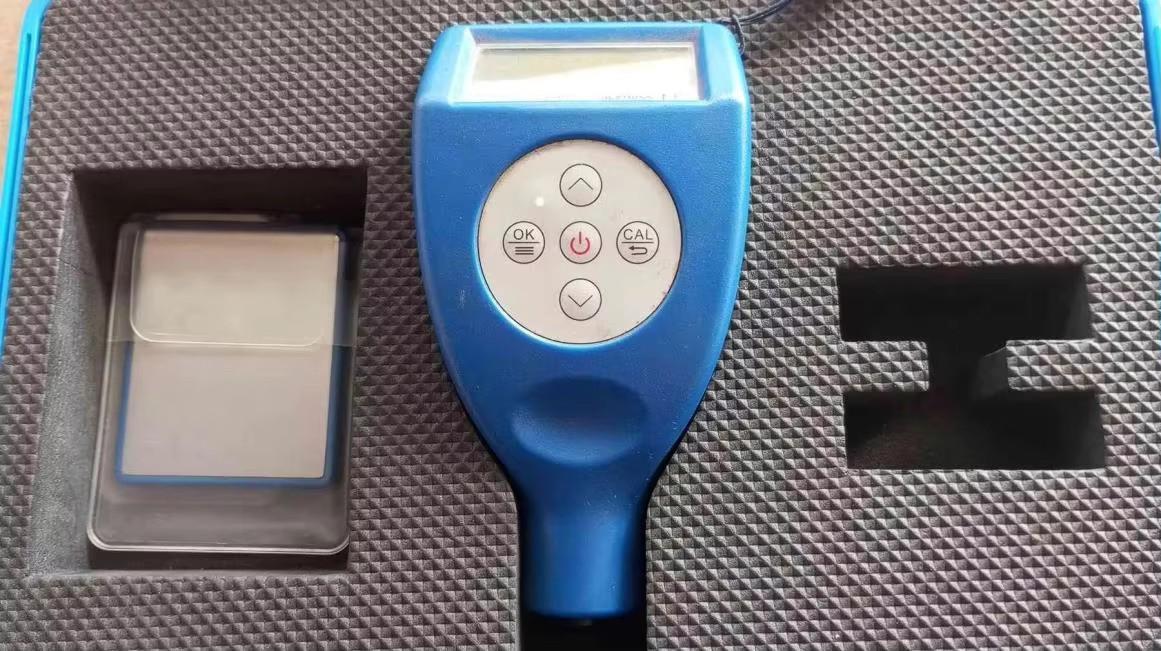
Our quality assurance framework is managed by 46 experienced quality inspectors. Each batch of raw structural steel (primarily Q235B and Q355B grades) undergoes strict tensile testing, chemical composition analysis, and dimensional verification. Finished racking components are subjected to rigorous physical inspections, including load capacity tests (up to 150% rated limit), weld penetration testing via ultrasonic or visual inspection, and dry film coating thickness measurement to prevent long-term corrosion.
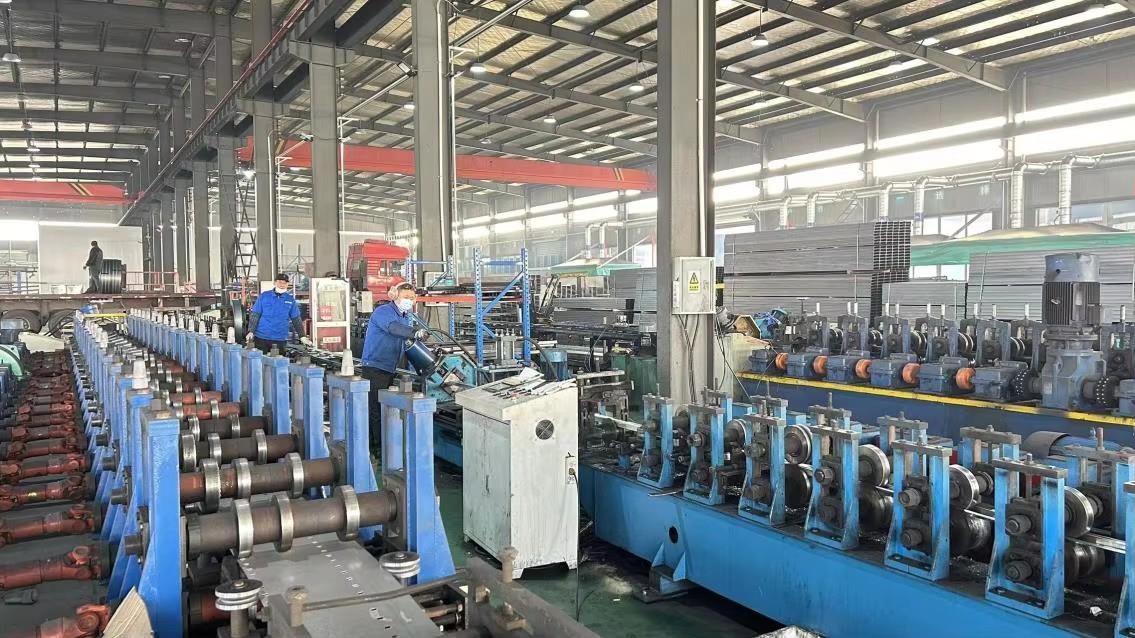
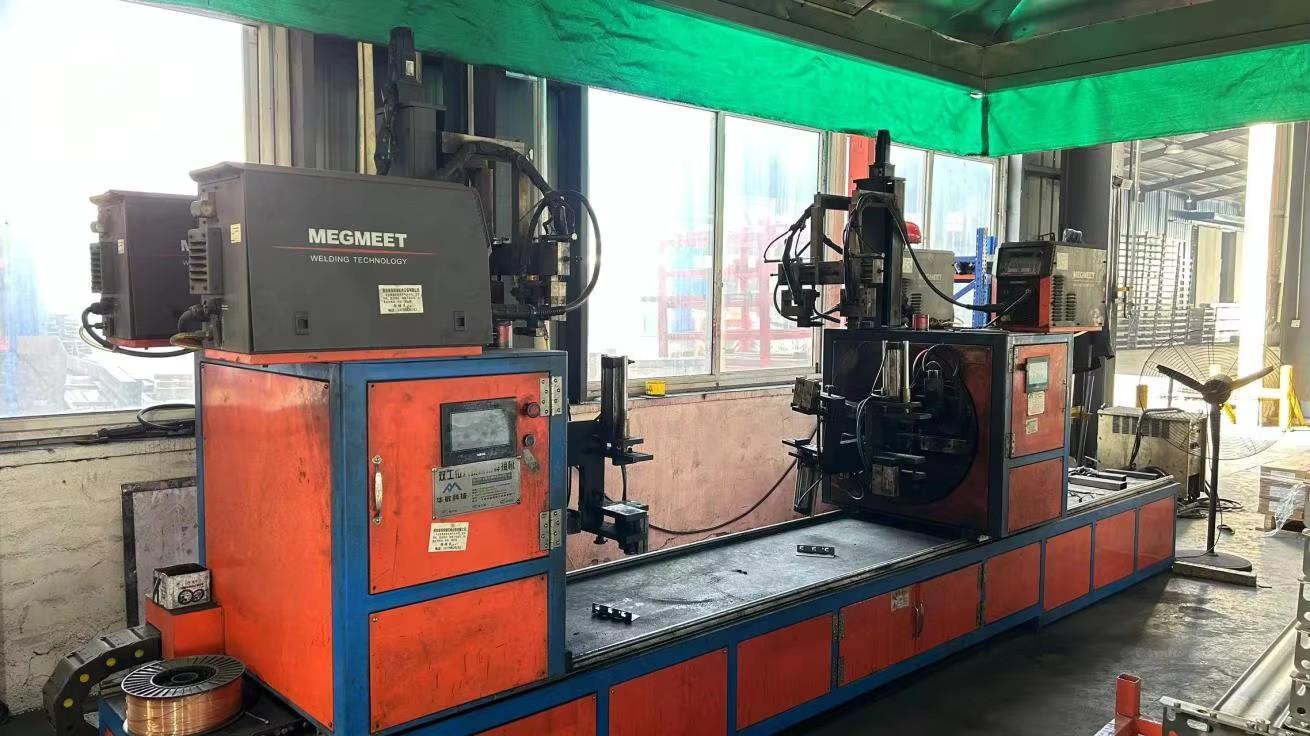
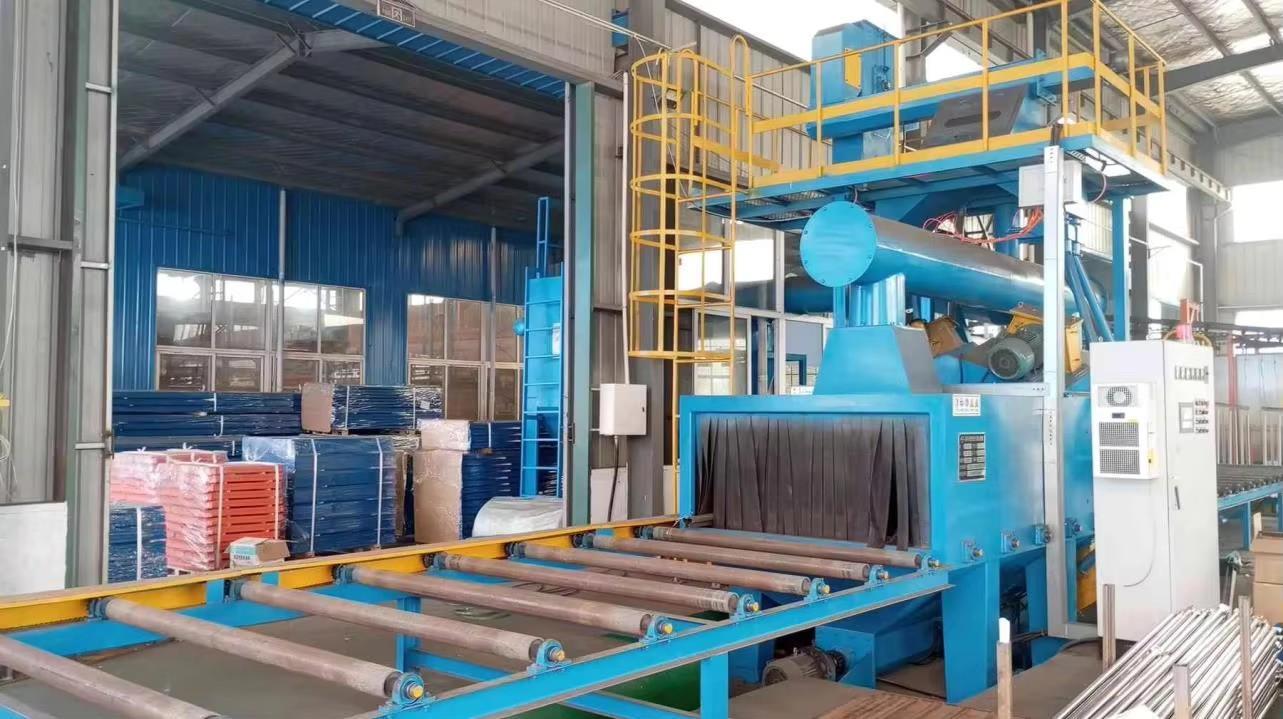
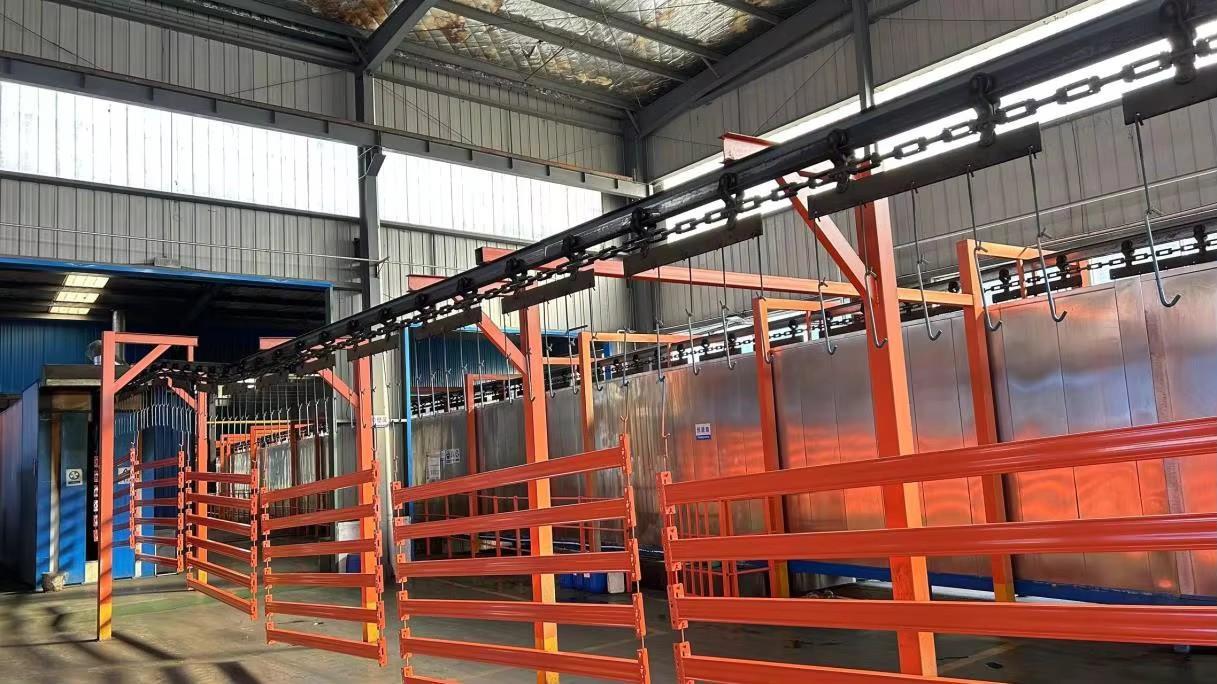
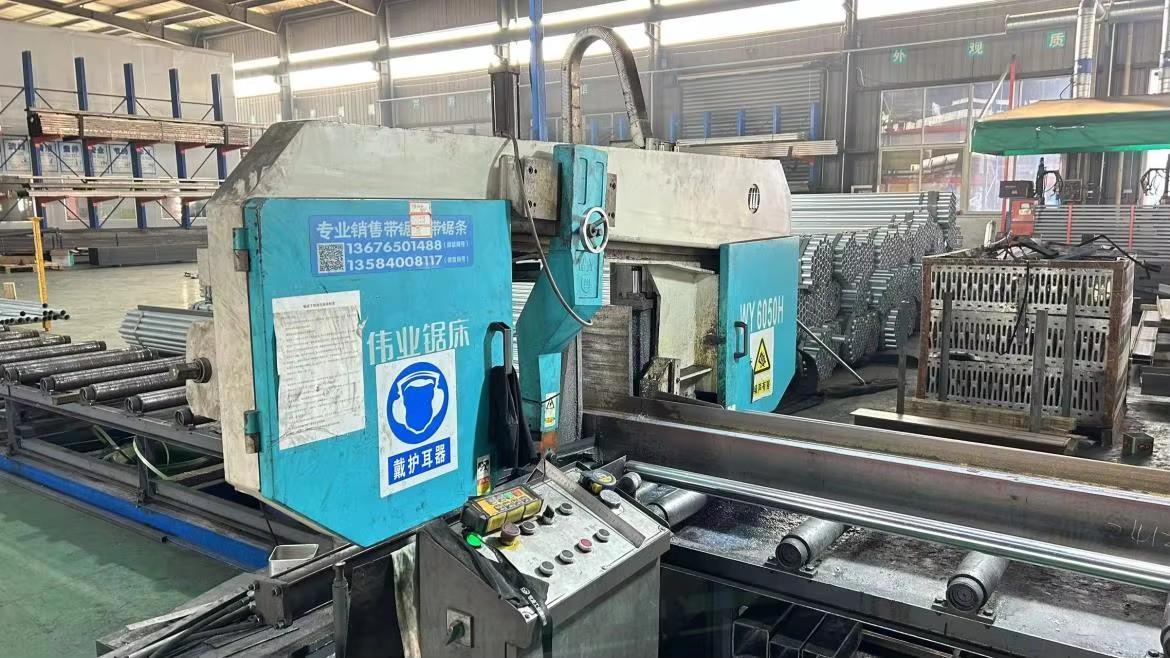
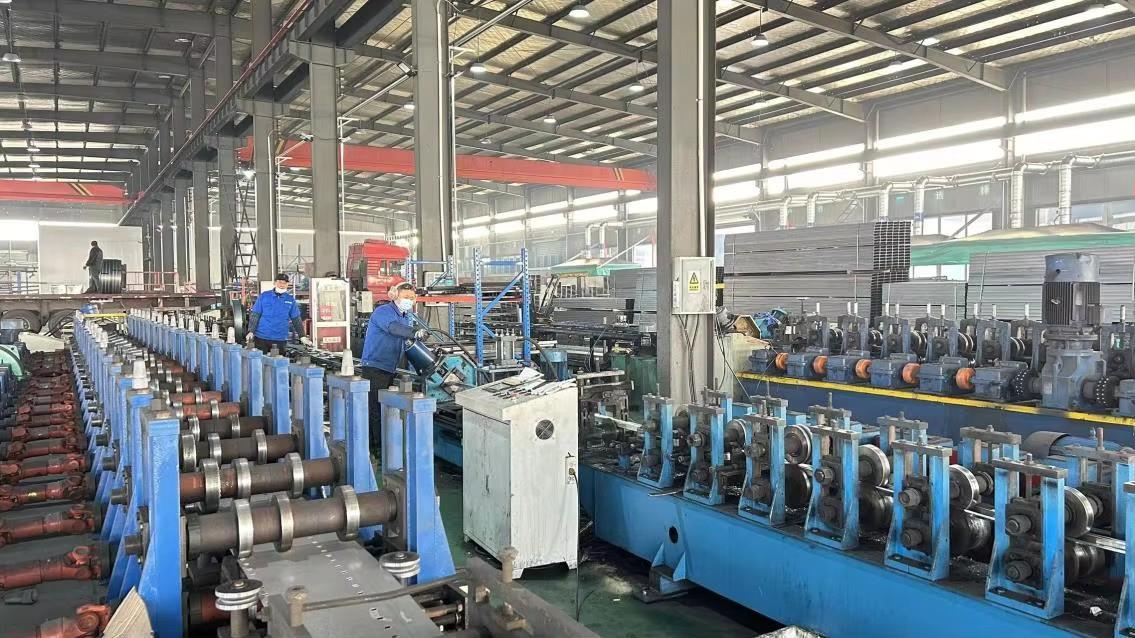
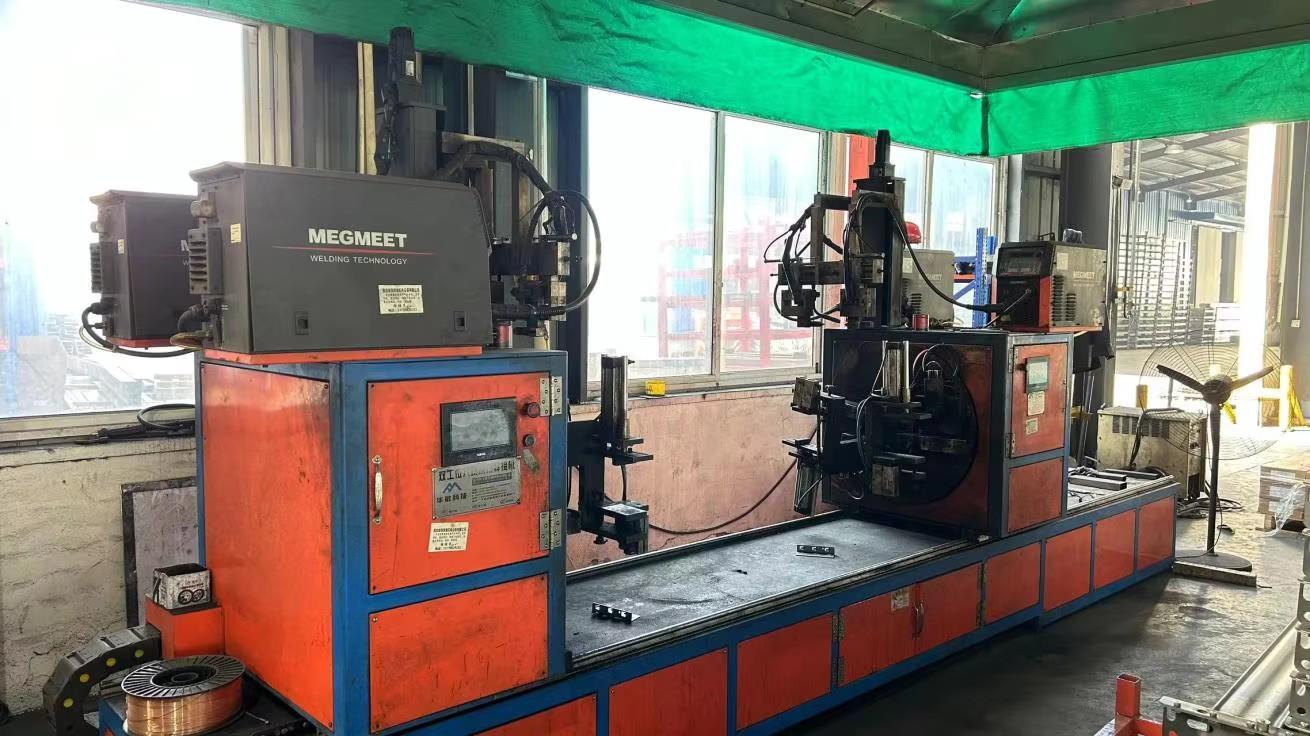
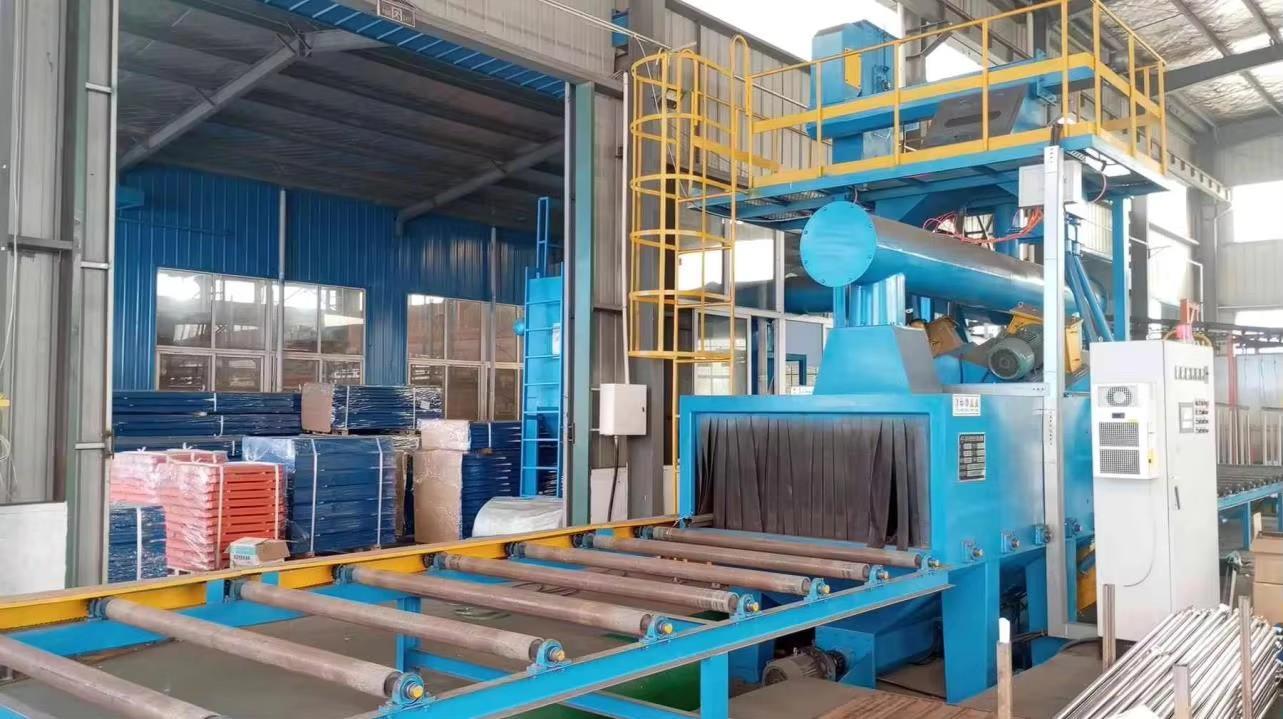
Standard racking solutions rarely meet the distinct operating criteria of varying vertical sectors. We provide engineered structural designs tailored to specific market verticals.
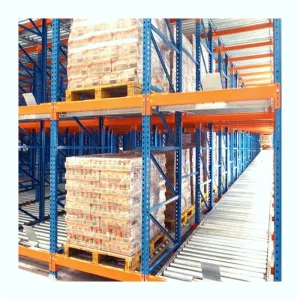
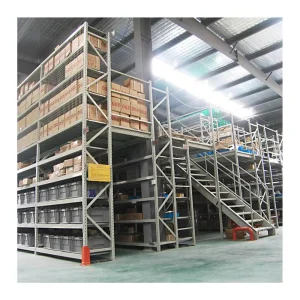
High stock rotation rates require pick-friendly setups. We deploy multi-tier mezzanine floors and Carton Flow systems that maximize vertical pick levels, reducing travel times for order selectors.
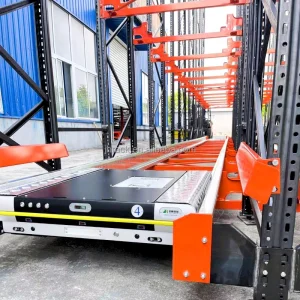
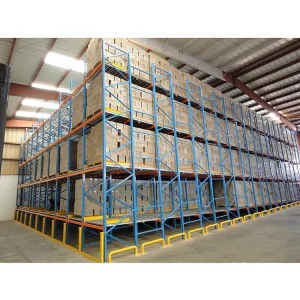
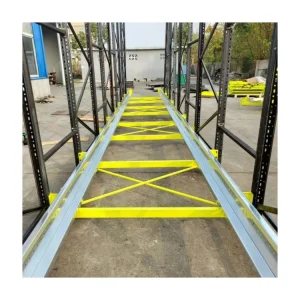
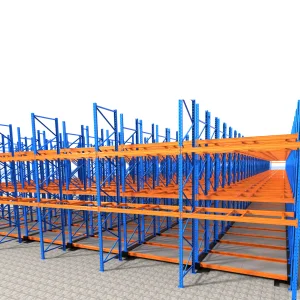
Cooling empty volume is incredibly costly. Our automated pallet shuttle systems and drive-in configurations maximize storage density, lowering the refrigeration footprint per pallet position.
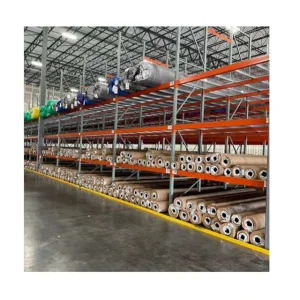
Heavy automotive parts and mechanical assemblies demand high load capacities. Our custom heavy-duty selective systems are engineered with reinforced steel columns to handle loads over 2,000 kg per level.
The warehouse storage landscape is transitioning rapidly from static structural steel frames to smart, automated, and dynamic storage ecosystems.
To maintain a leading edge, Jinhui's engineering department focuses on compatibility with automated storage and retrieval systems (AS/RS). This technology integration roadmap outlines the transition paths for warehouses seeking to upgrade:
| Storage Class | Structural System | Selectivity vs Density | Ideal Automation Integration | Efficiency Impact |
|---|---|---|---|---|
| Class 1: Static | Selective Pallet Racking, Teardrop, Longspan | 100% Selectivity / Low Density | Manual forklifts, barcode scanning | Baseline (Standard throughput) |
| Class 2: Semi-Dynamic | Gravity Flow, Push-Back, Drive-In | Low Selectivity / High Density | Pneumatic dampers, brake rollers | +40% storage density vs. Class 1 |
| Class 3: Semi-Automated | Radio Pallet Shuttle Systems | FIFO/LIFO configurable, High Density | Programmable remote shuttle carts | +70% throughput, lower forklift damage |
| Class 4: Fully Automated | AS/RS Integrated Stacker Cranes | Optimized Selectivity & High Density | WMS-integrated robotic shuttle tracks | +150% throughput, 24/7 dark operation |
A physical collapse of warehouse racking carries catastrophic risks. We implement rigorous engineering calculations to meet regional structural safety standards.
Our structural engineers utilize Finite Element Analysis (FEA) software to model structural behavior under varied loads, wind pressures, and regional seismic hazards. Jinhui products comply with globally recognized regulatory frameworks:
Get authoritative technical insights to guide your next warehouse infrastructure upgrade.
Q235B and Q355B represent standard Chinese carbon structural steels. Q235B has a yield strength of 235 MPa and is widely used for light to medium-duty warehouse shelving. Q355B has a higher yield strength of 355 MPa (similar to ASTM A572 Grade 50) and is used for heavy-duty selective pallet racking, structural mezzanine uprights, and projects in high seismic zones.
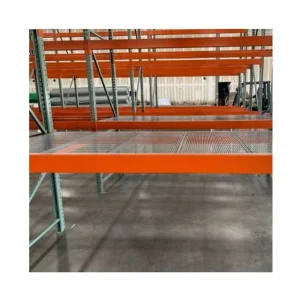
Yes. Our American Standard teardrop pallet racks are manufactured to match the standard teardrop punch configuration used in North America. This design allows our uprights, beams, and wire mesh decks to integrate with most other teardrop systems.
Our electrostatic powder coating line applies an even layer of thermosetting epoxy polyester powder. This is cured at high temperatures to form a durable, impact-resistant finish. Testing confirms the coating effectively resists scratching, humidity, and chemical exposure, preventing sub-surface oxidation.
We calculate structural load capacity using physical load testing and Finite Element Analysis (FEA) structural modeling. Standard profiles undergo physical compression tests to measure deflection limits and ultimate failure thresholds, ensuring a safety factor of 1.5 to 2.0.
 Jinhui Storage Equipment