Engineered to maximize overhead capacity, optimize space utilization efficiency, and support multi-ton bulk cargo loads.
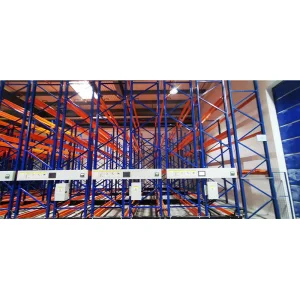
An authoritative analysis of warehousing paradigms, space utilization pressures, and steel structural innovations.
In the modern era of hyper-fast fulfillment and skyrocketing industrial land costs, maximizing volumetric efficiency is no longer an option—it is a critical survival metric. Global supply chains face unprecedented challenges, forcing logistics centers, cold rooms, and manufacturing facilities to stack higher and denser. Stacking storage racks have evolved from simple passive iron frames into dynamic, highly engineered structural systems that adapt to intense floor configurations and load variations.
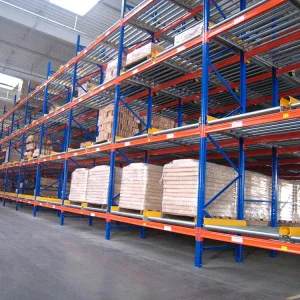
By shifting from broad horizontal storage footprints to vertical stacking arrangements, organizations can reclaim up to 85% of underutilized cubic space. This volumetric reclamation is particularly vital in cold storage applications, where thermal energy consumption is direct-coupled with room volume. Storing multi-tier palletized cargo safely requires structural steel profiles capable of enduring cyclical loading, thermal fluctuations, and seismic vibrations.
The global material handling industry is undergoing a digital and structural shift. Leading exporters are aligning their engineering metrics with structural standards such as European FEM 10.2.02, Australian AS4084, and North American RMI codes. Key structural design trends include:
A Comprehensive Profile of Production Power, Quality Verification Systems, and Global Supply Chain Agility
Established in 2017, Dongguan Jinhui Storage Equipment Co., Ltd. has established itself as an authoritative manufacturer and exporter of heavy-duty industrial storage racks and structural platforms. Operates from an advanced, integrated manufacturing center spanning more than 18,600 square meters, Jinhui handles complex engineering requests from warehouse distributors, logistics systems developers, industrial manufacturing facilities, and global fulfillment hubs.
Jinhui’s engineering core is supported by 68 expert R&D engineers, who deliver customizable OEM & ODM solutions based on precise warehouse configurations, dynamic floor capacities, and local safety codes. Over the past fiscal year alone, this specialized engineering department engineered and deployed 126 new structural storage models and updated storage configurations, maintaining the brand’s technical leadership.
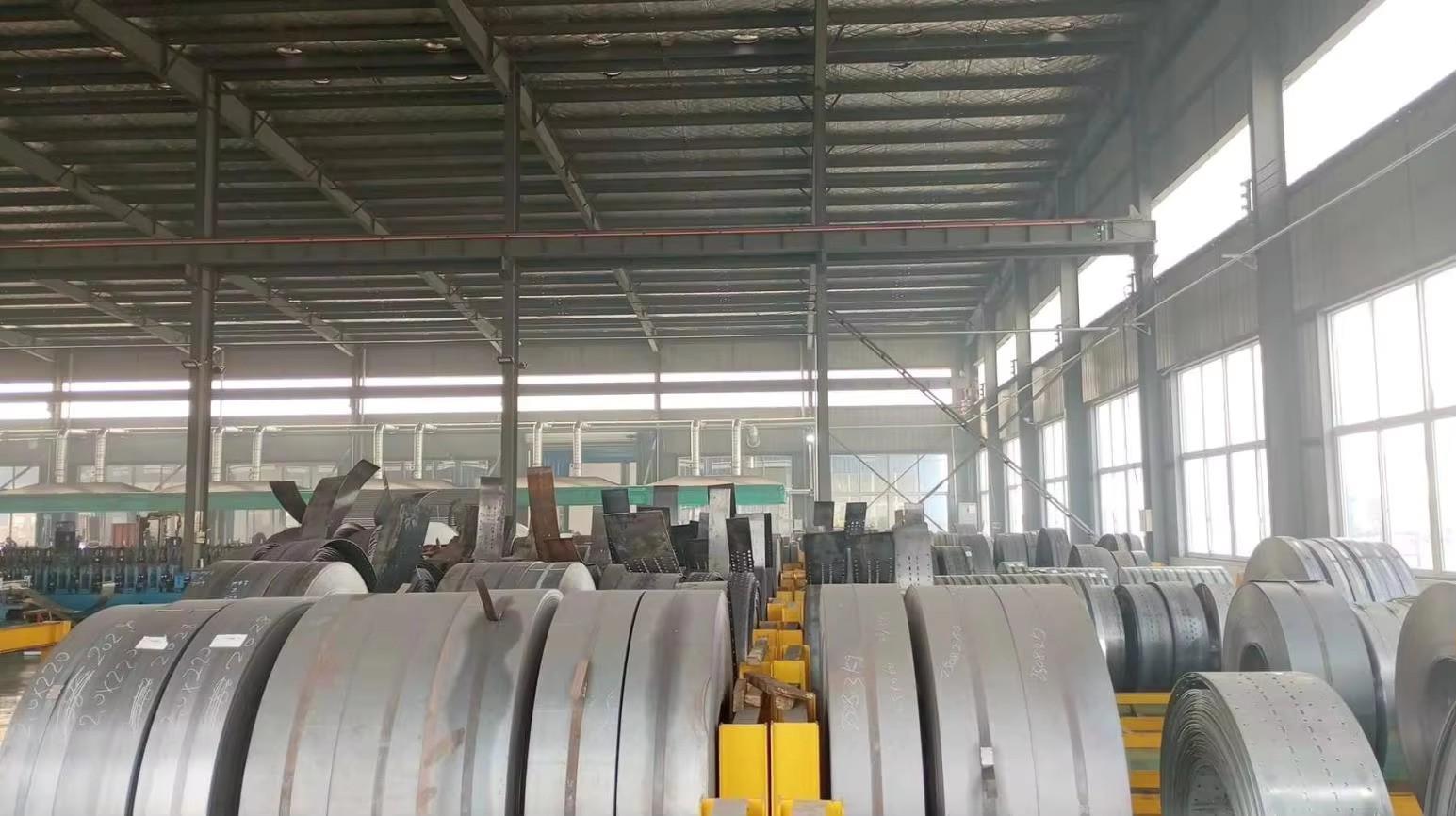
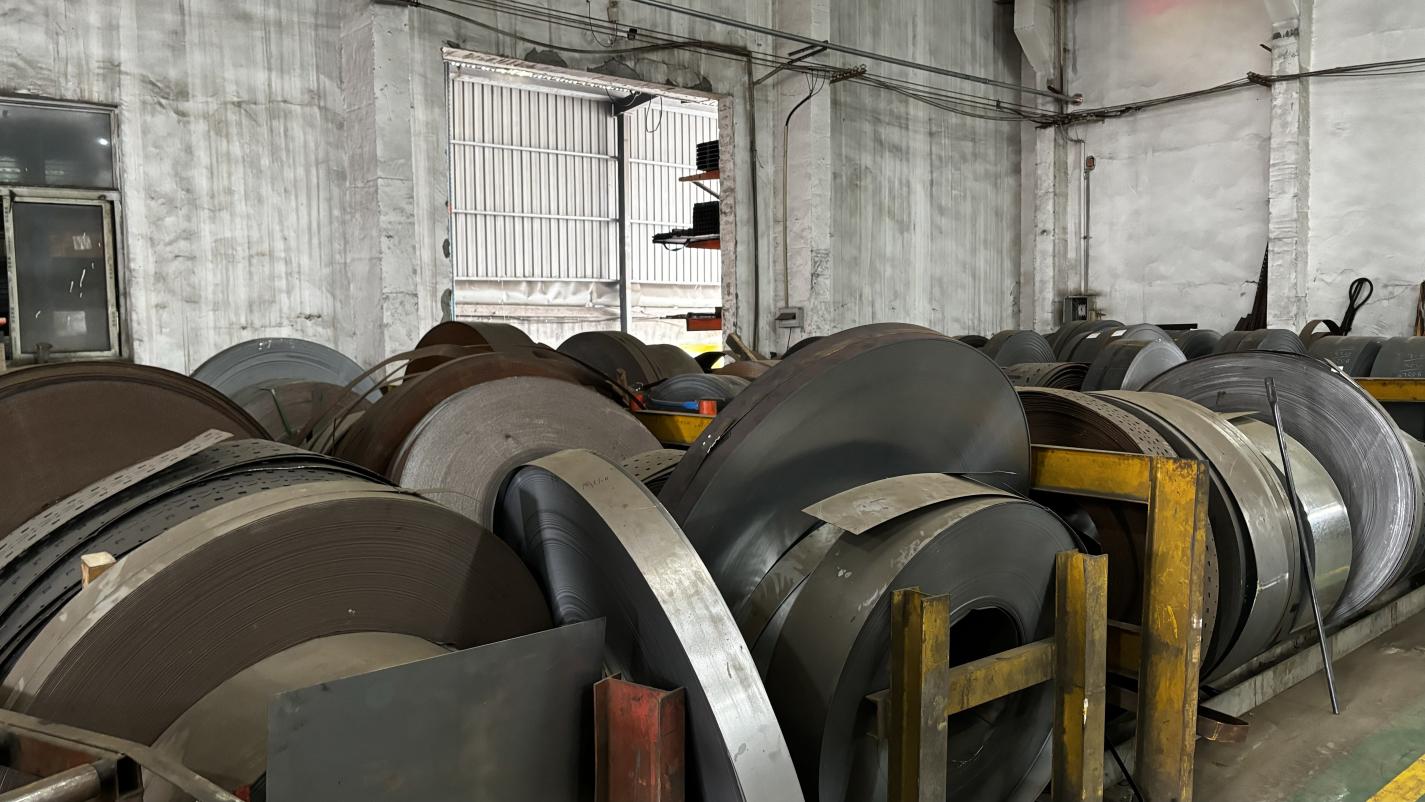
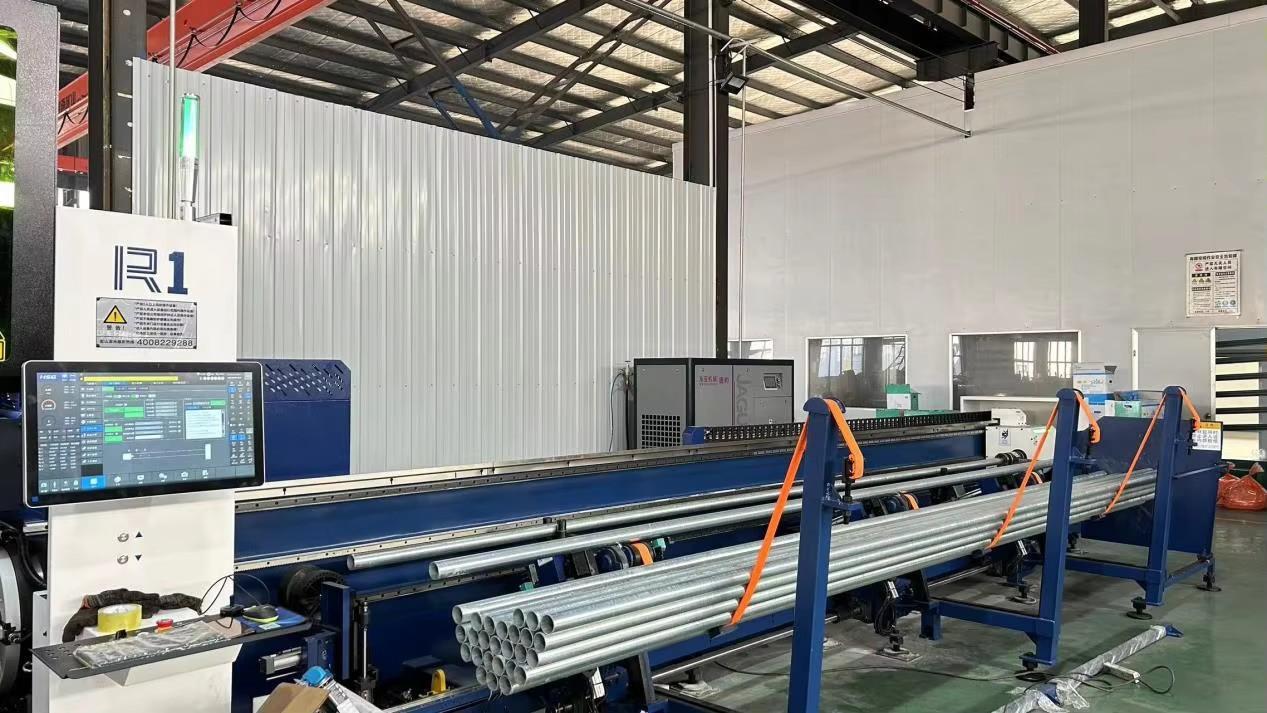
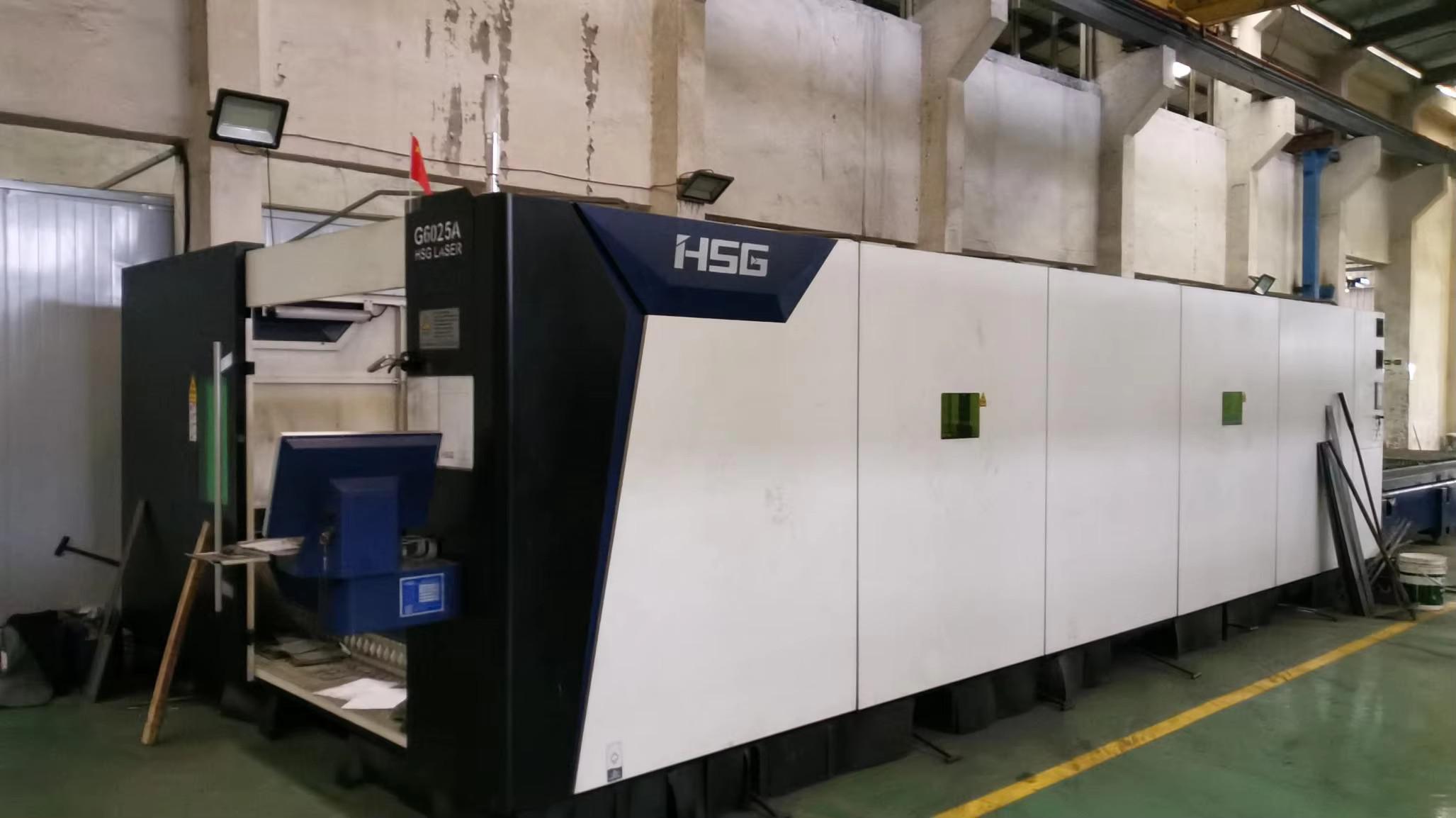
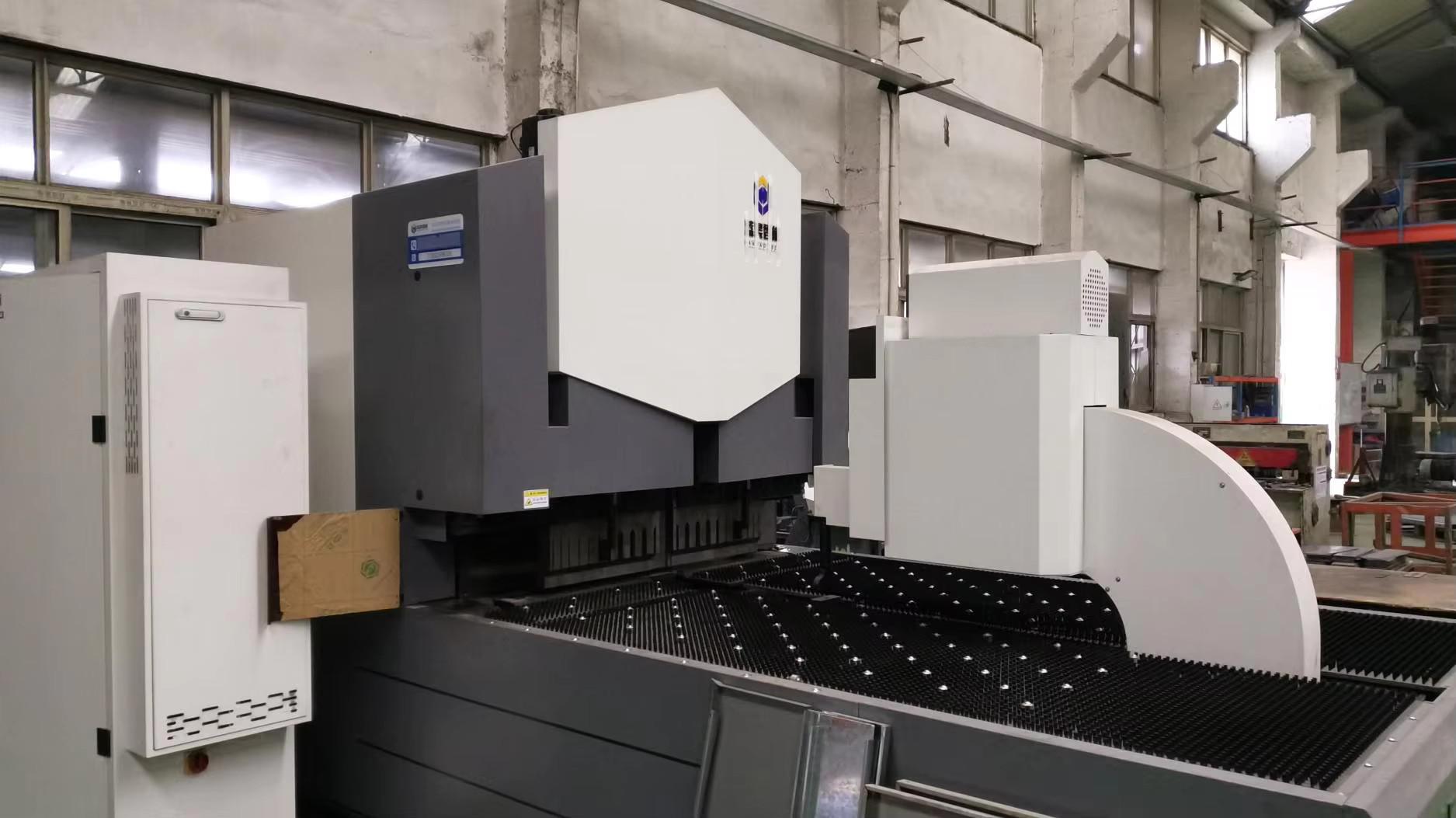
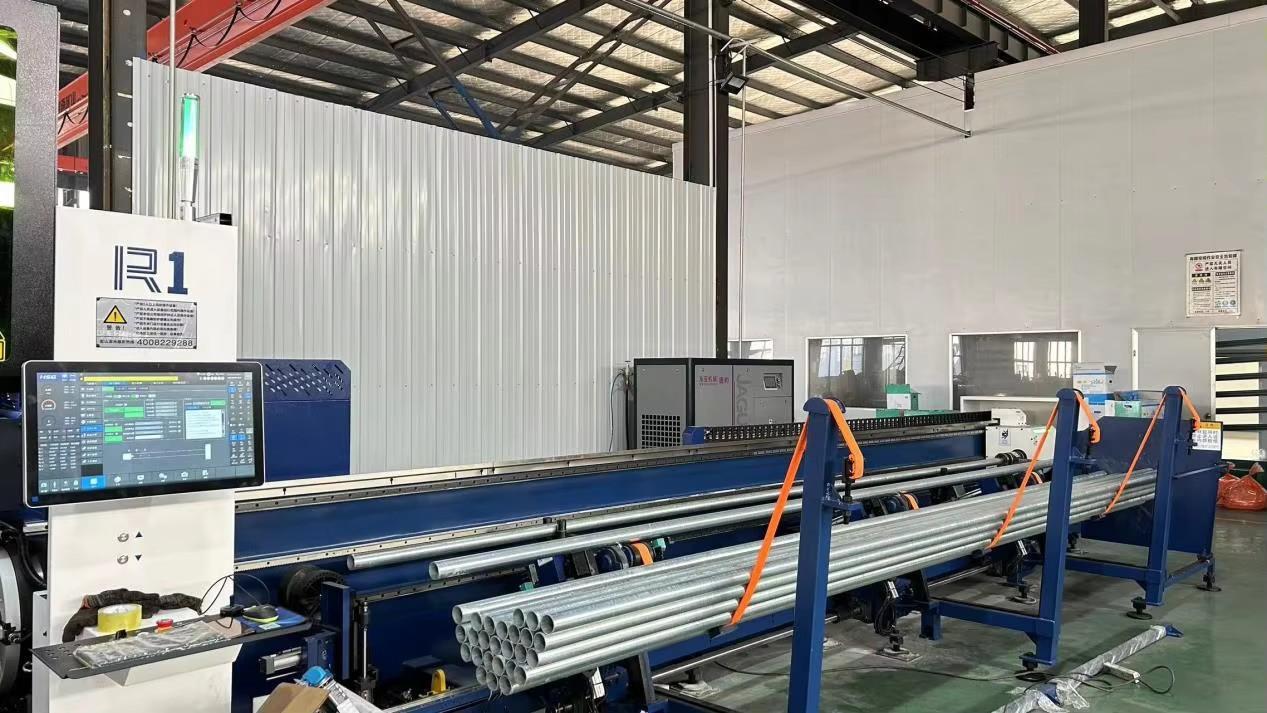
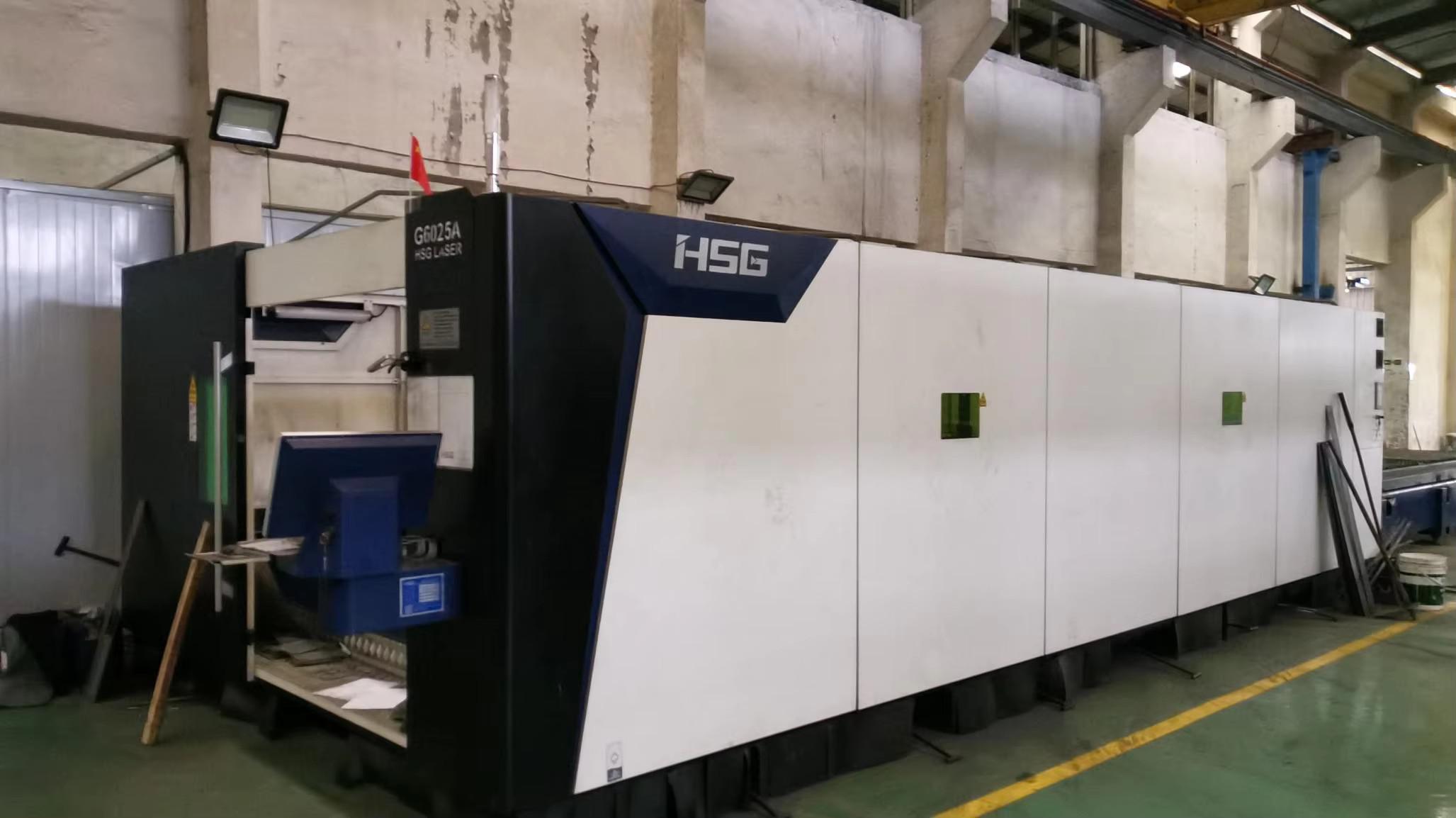
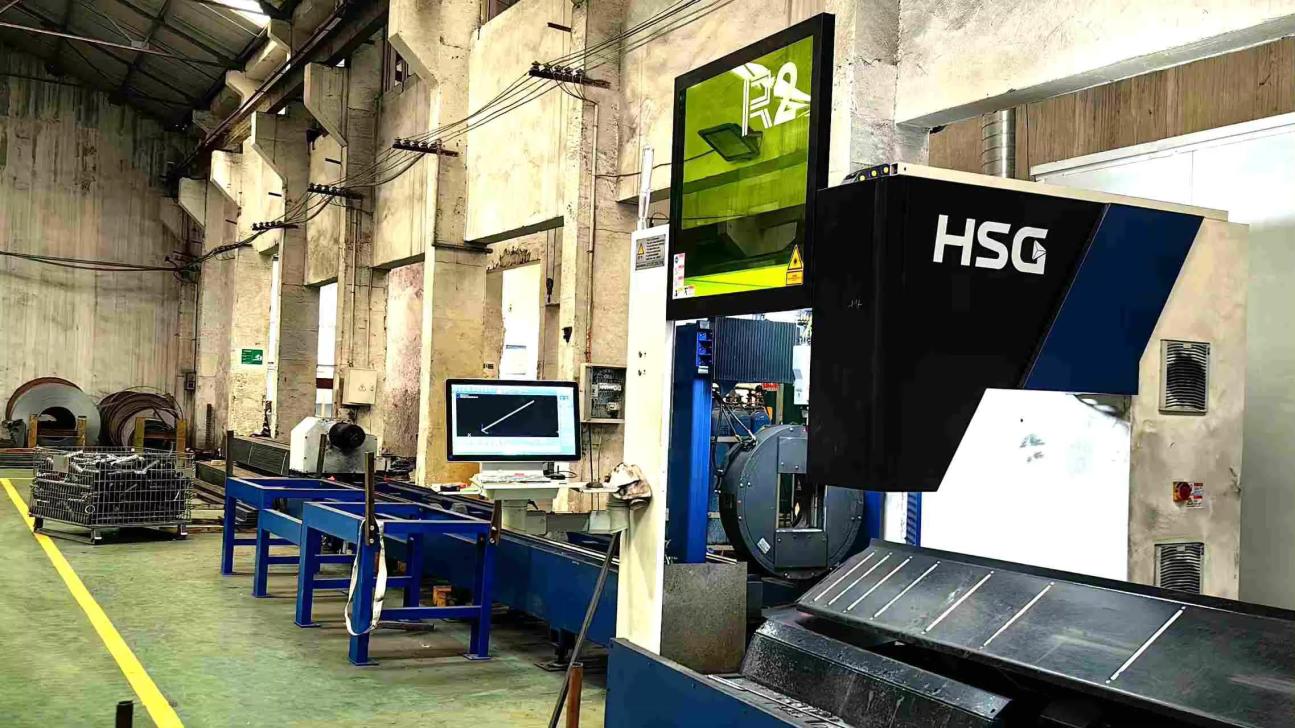
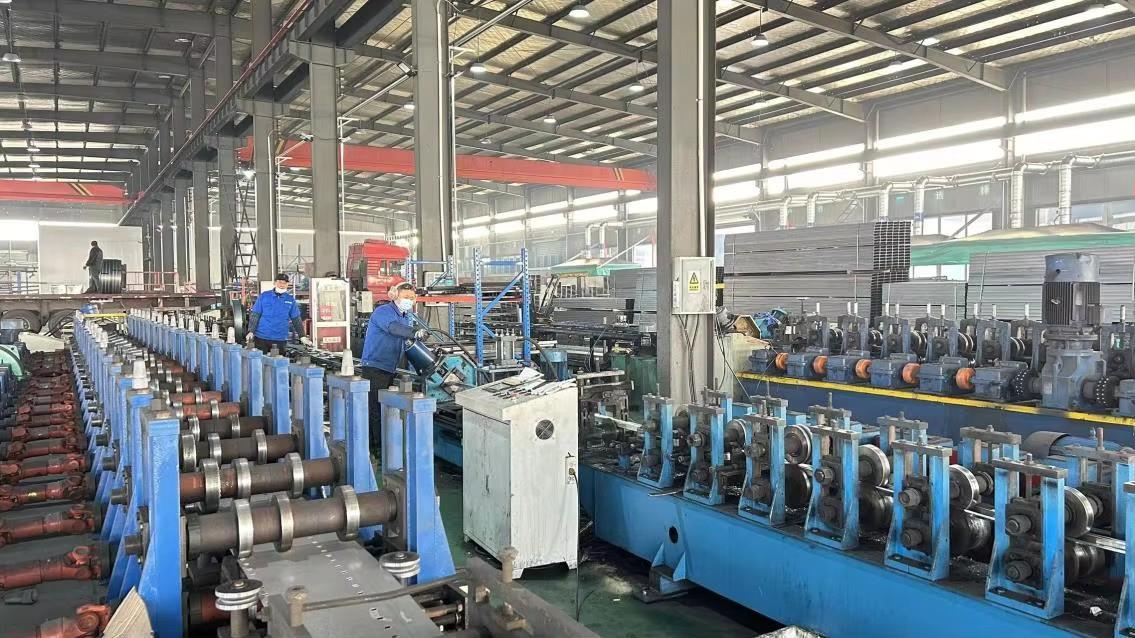
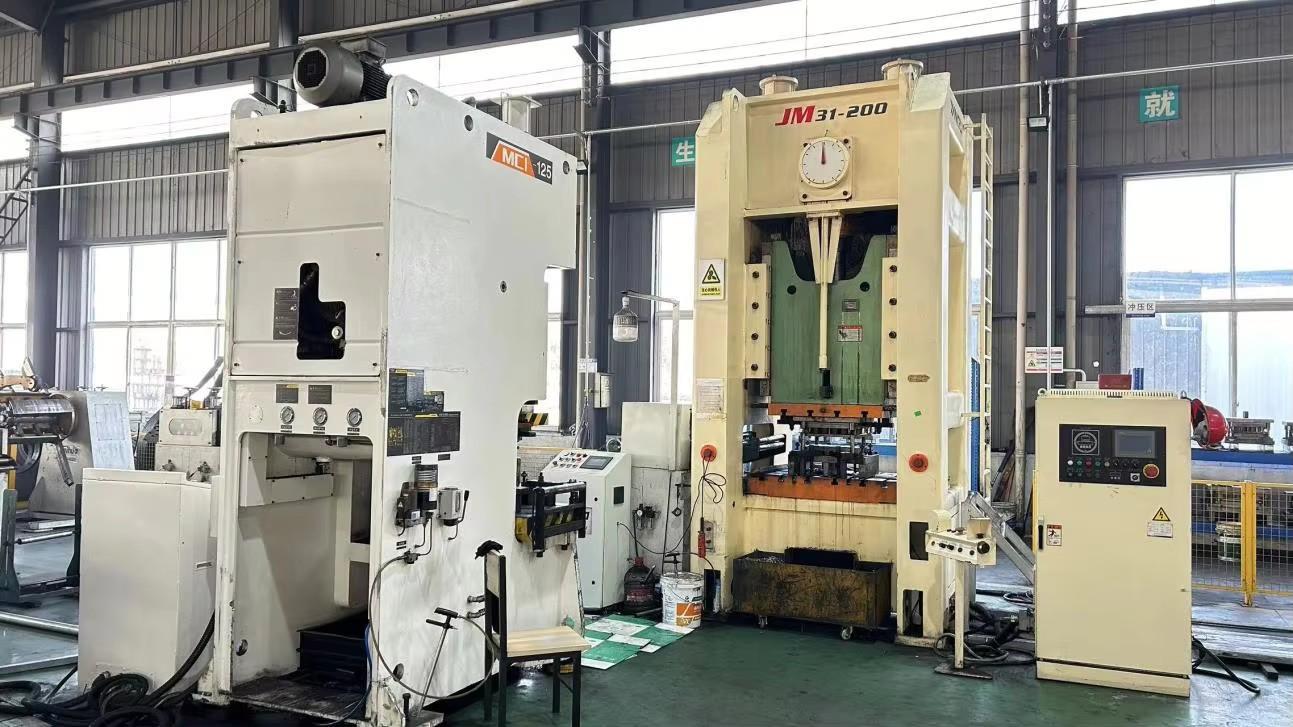
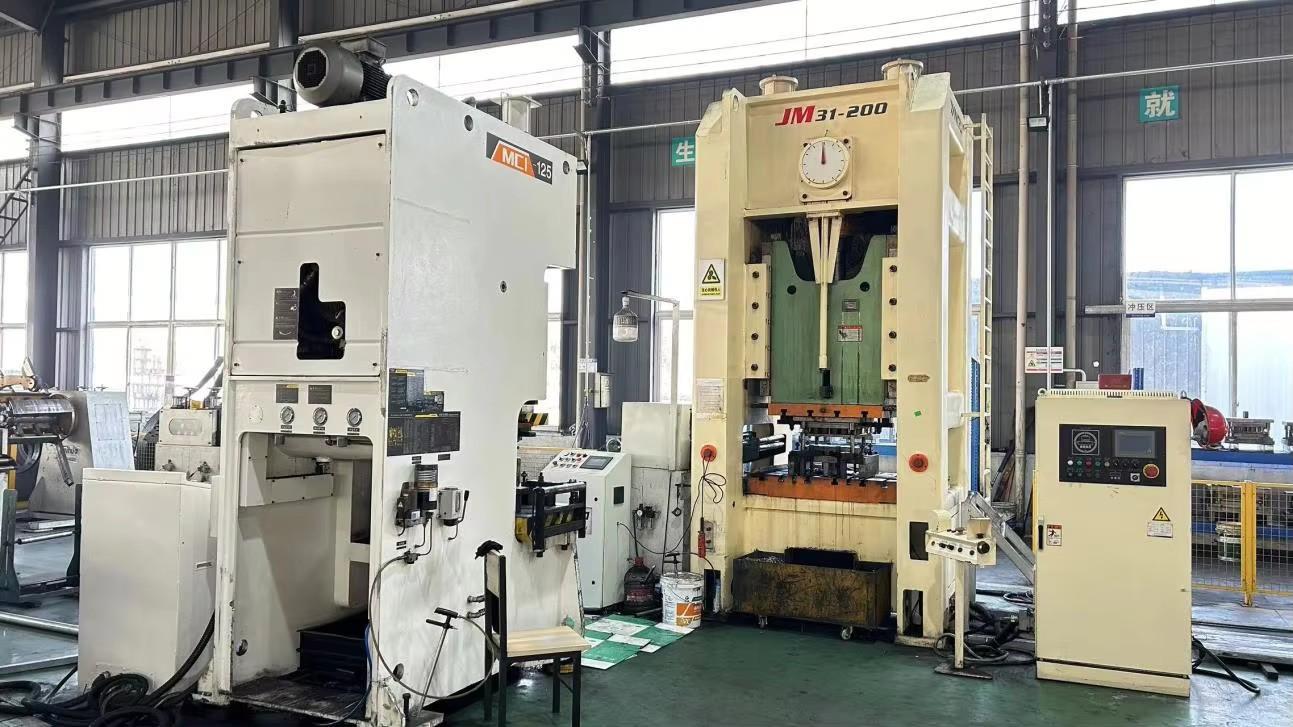
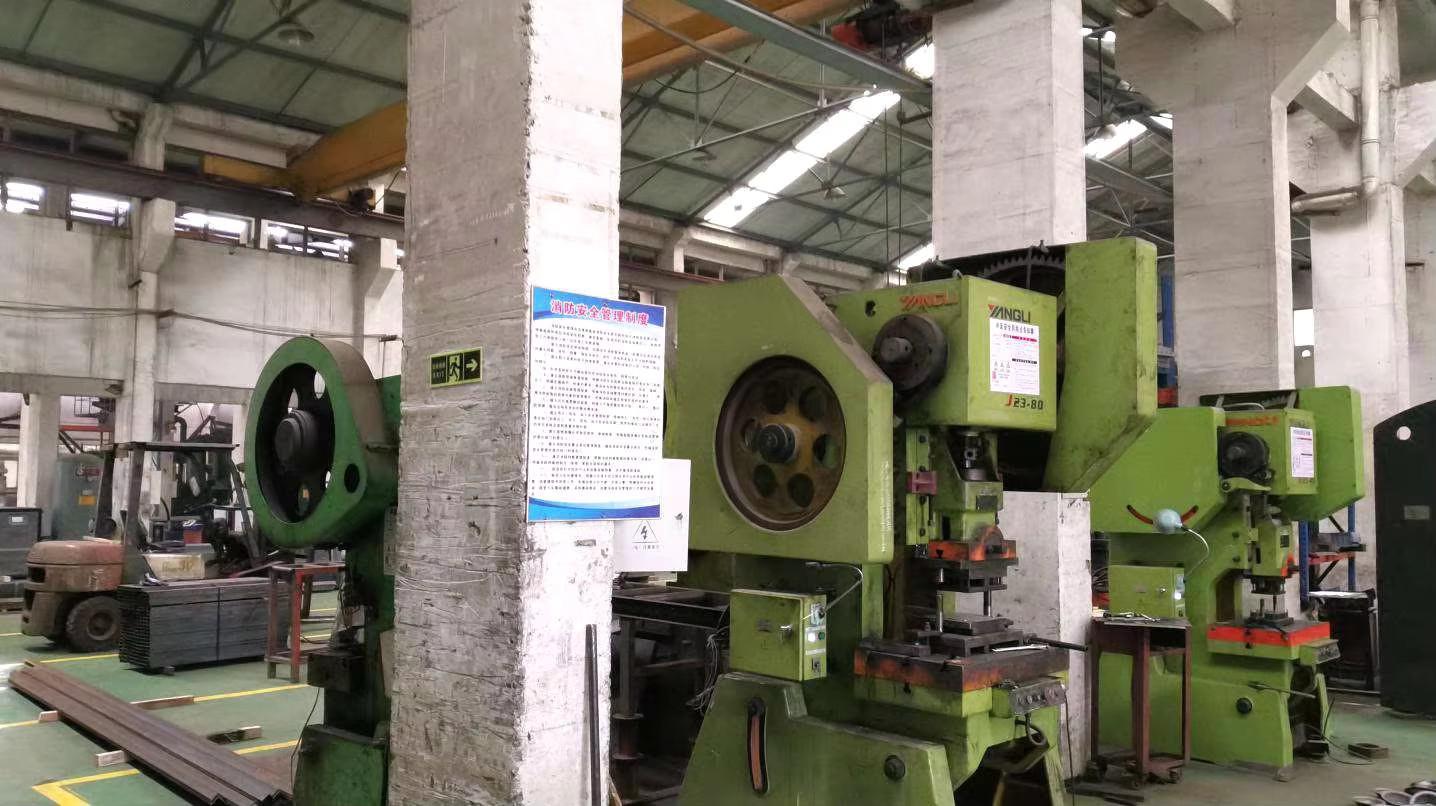
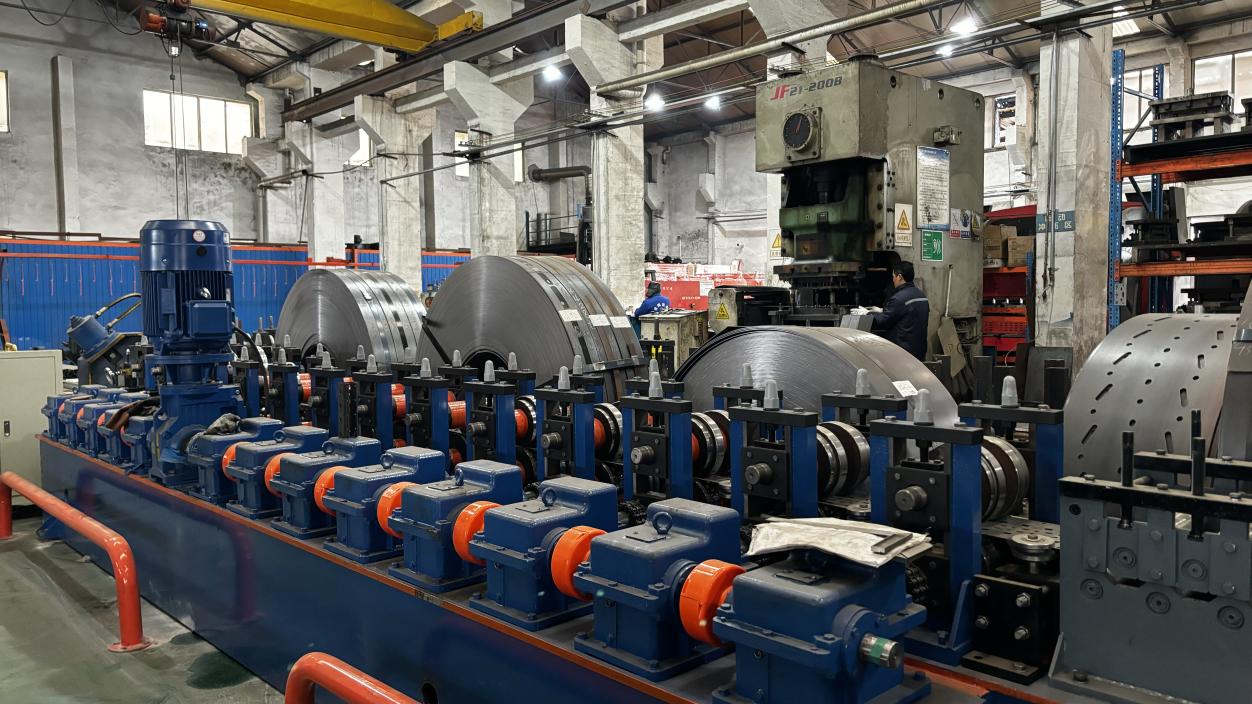
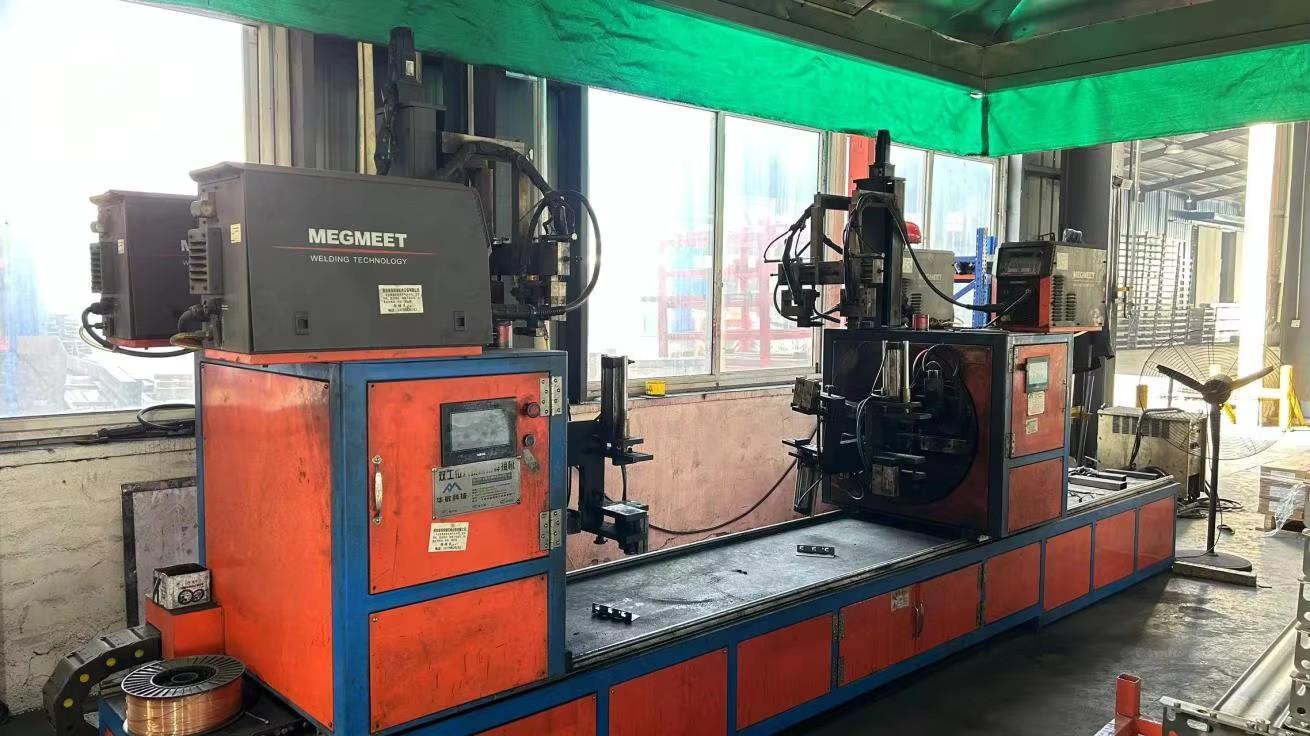
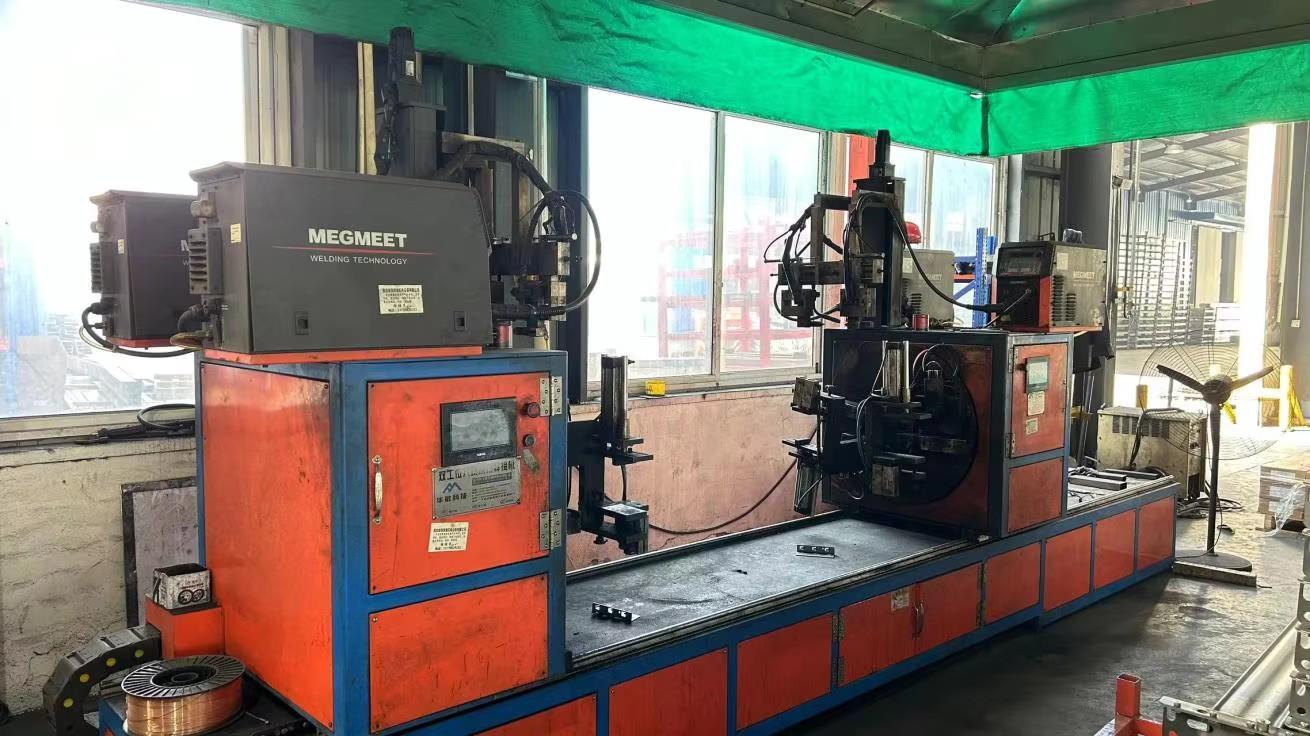
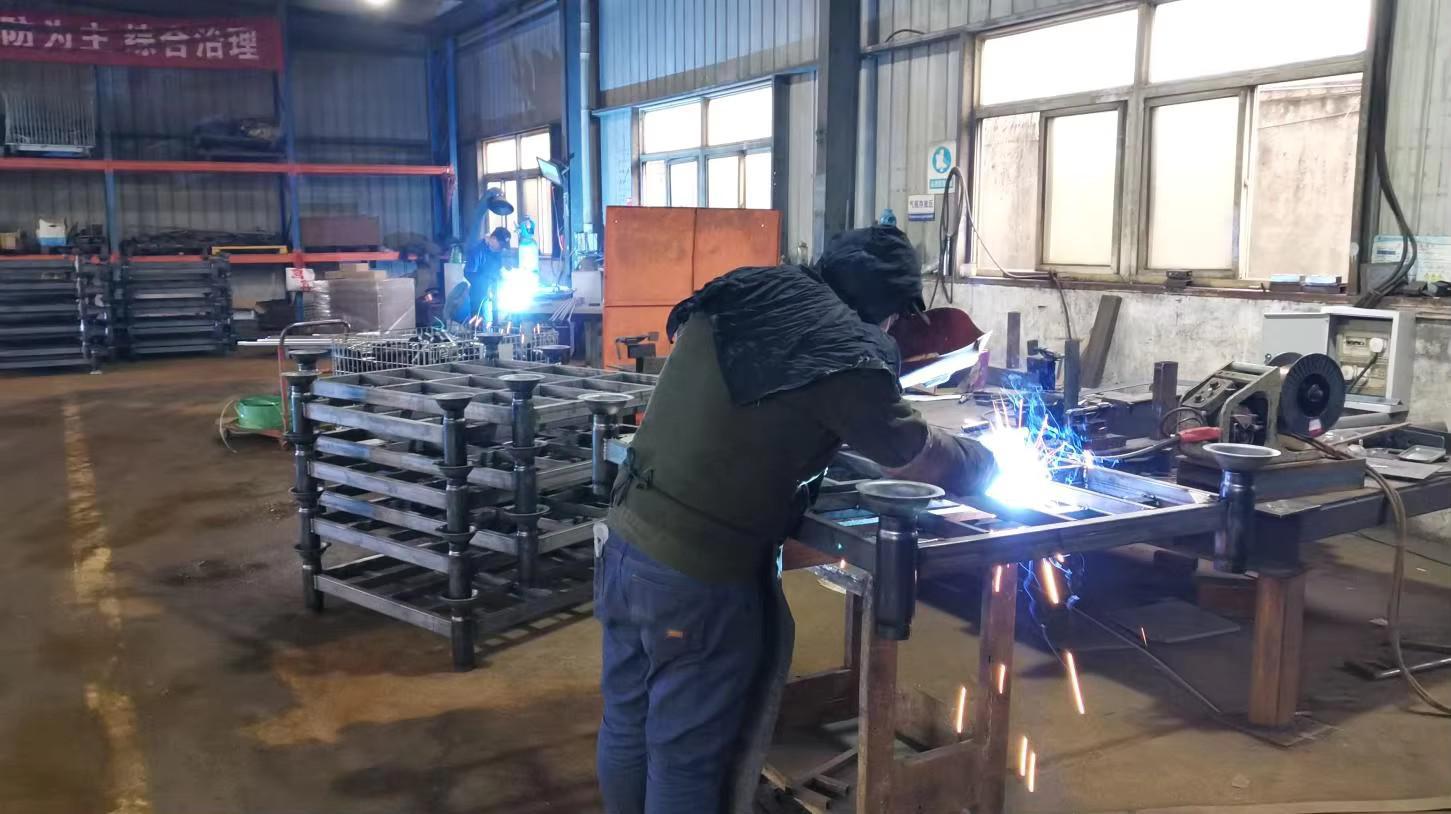
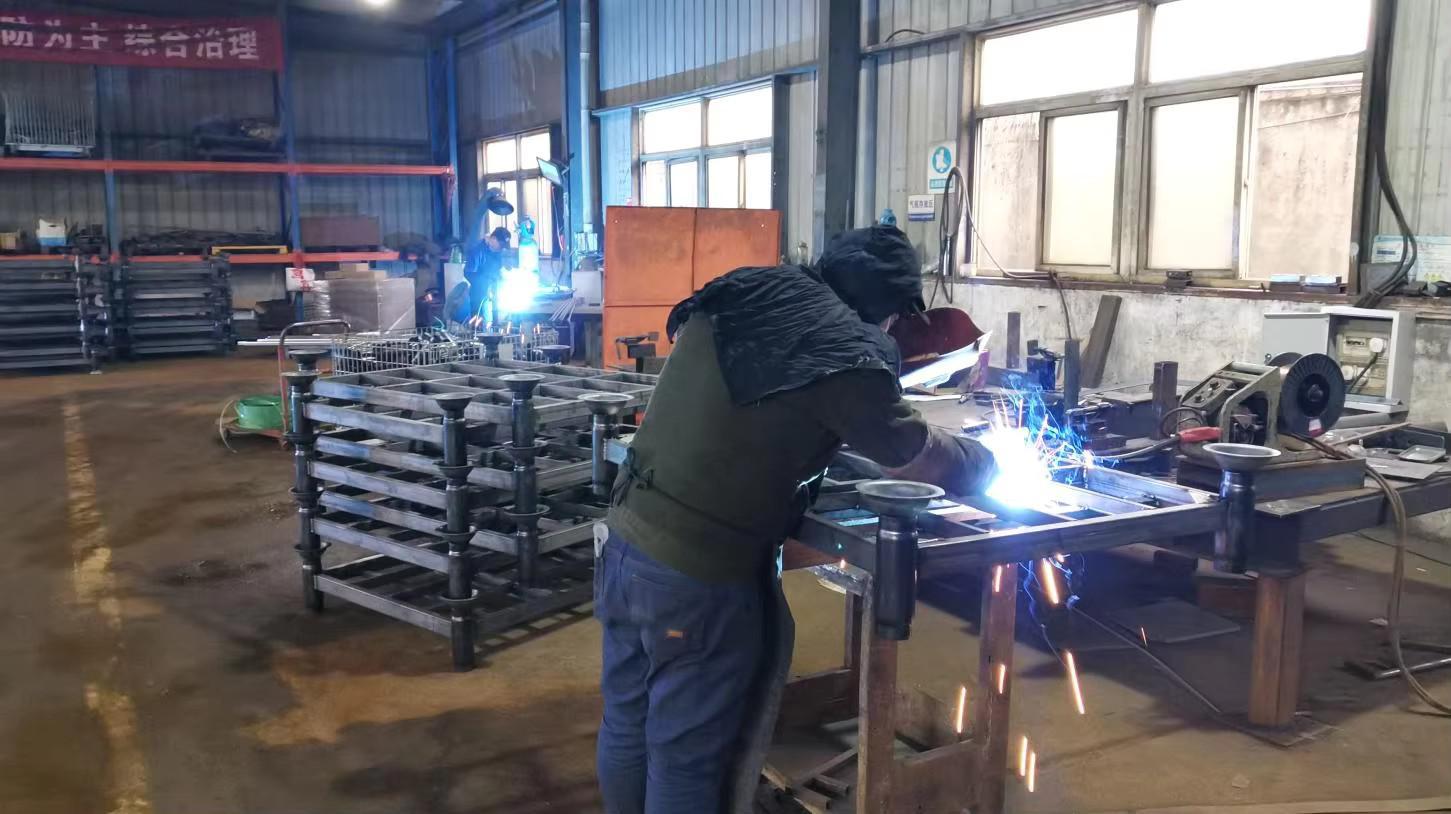
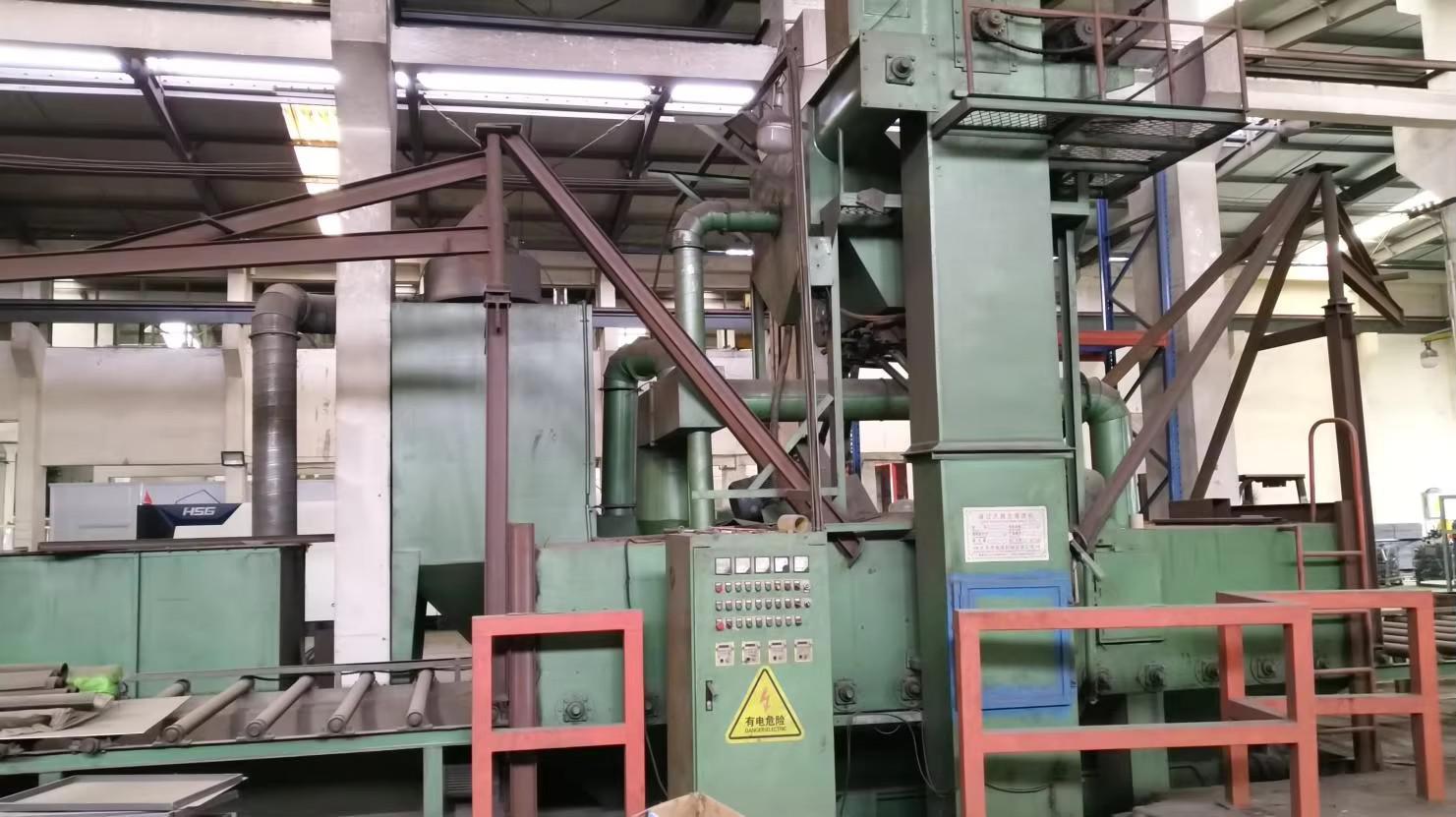
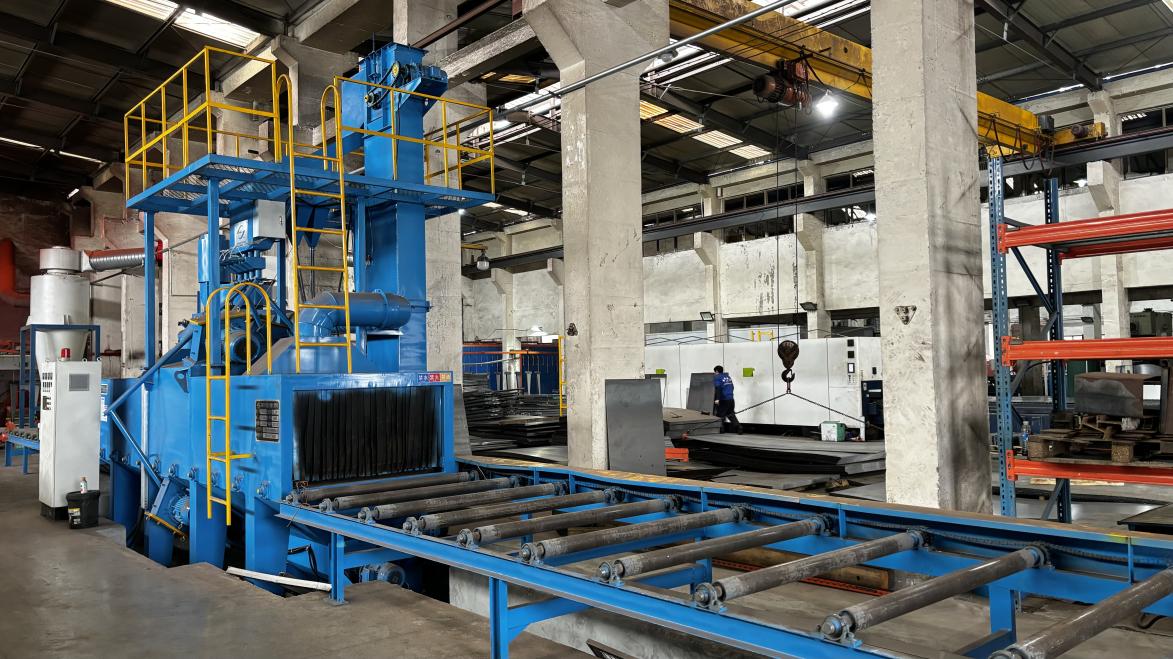
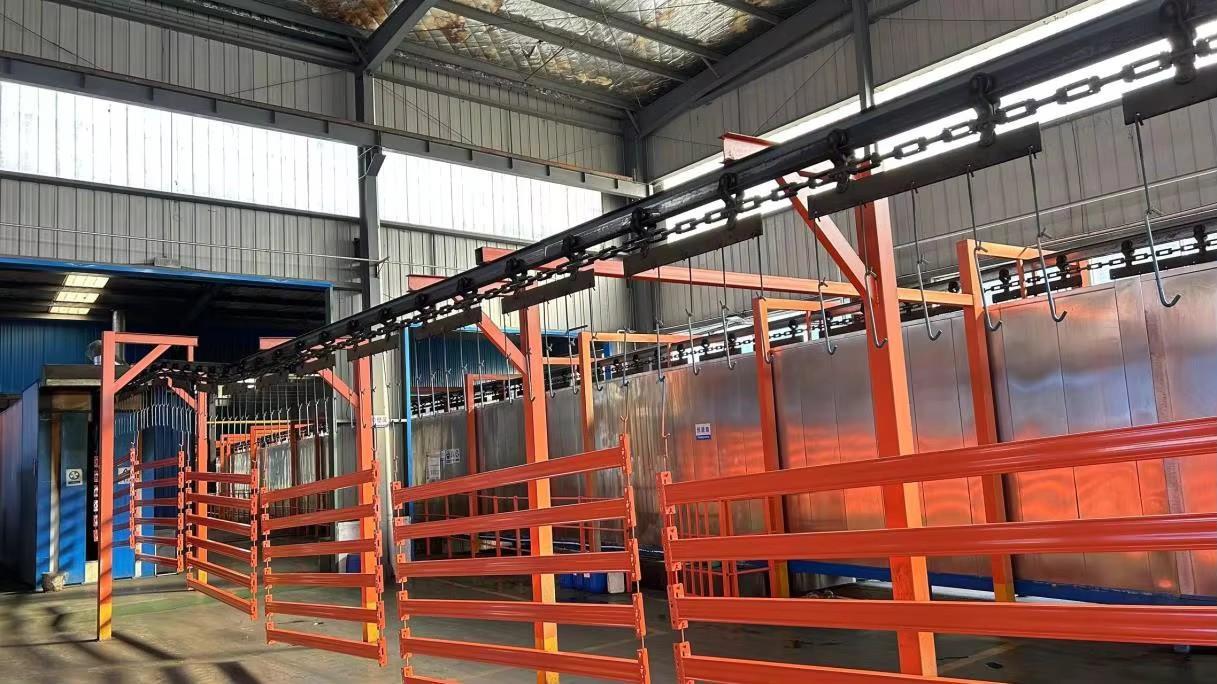
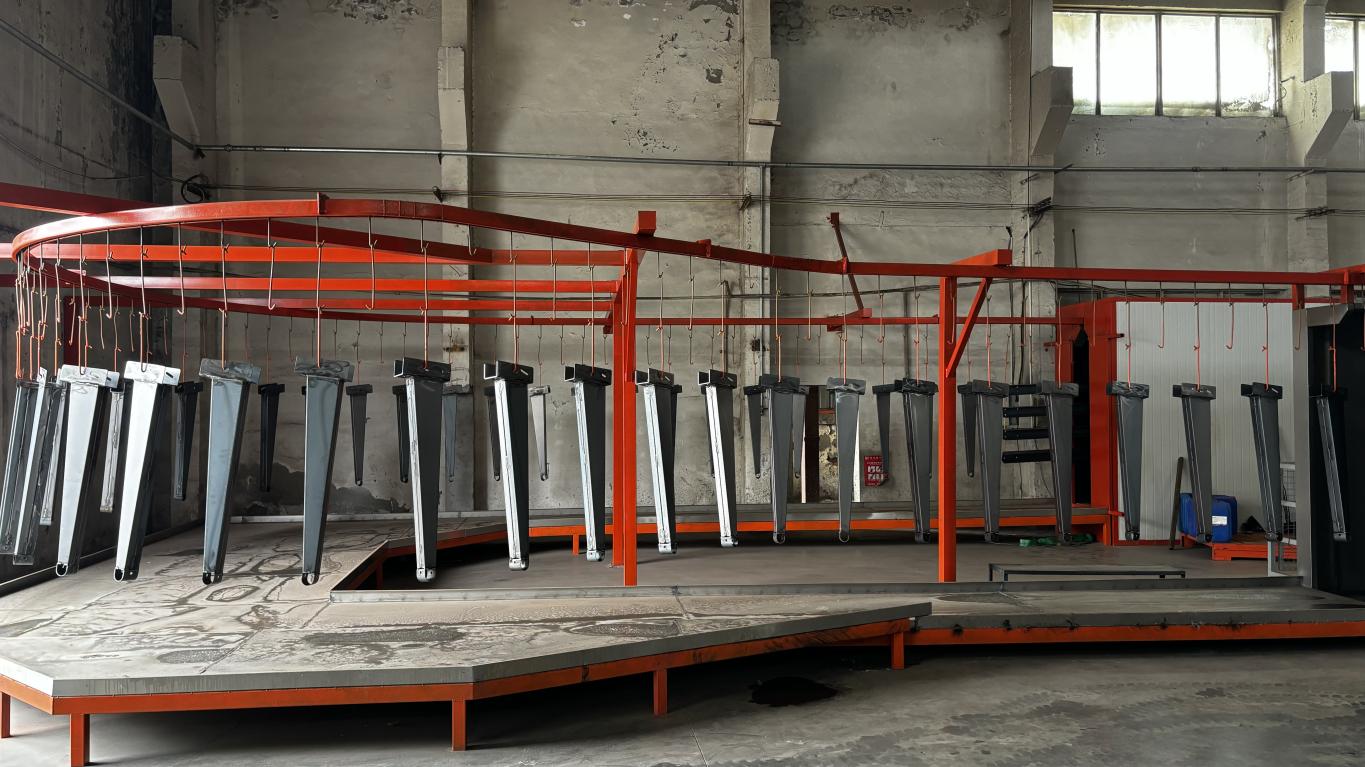
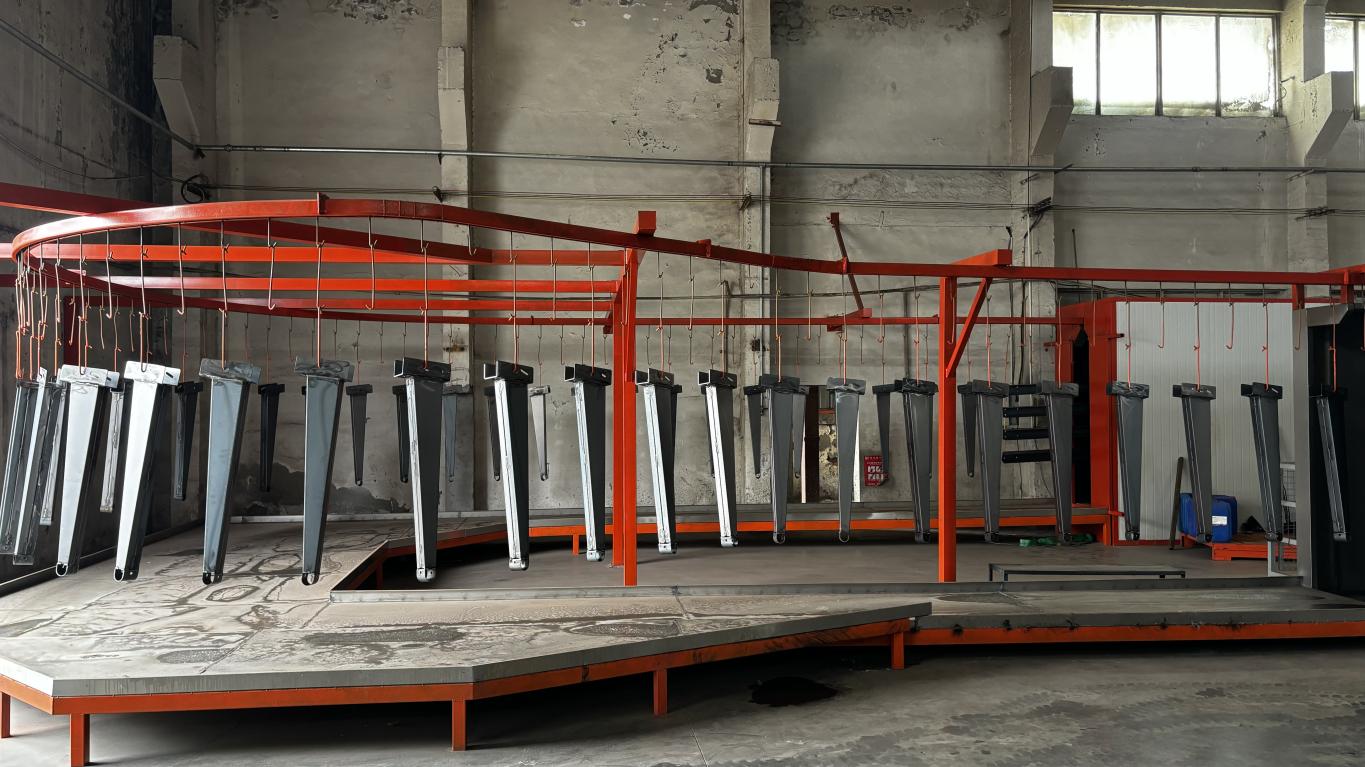
Quality is guaranteed through systematic quality management structures, verified by ISO 9001 and CE certifications. The production facility is equipped with automated fabrication lines, precision laser cutters, CNC stamping arrays, multi-axis welding robots, and automated electrostatic powder coating lines.
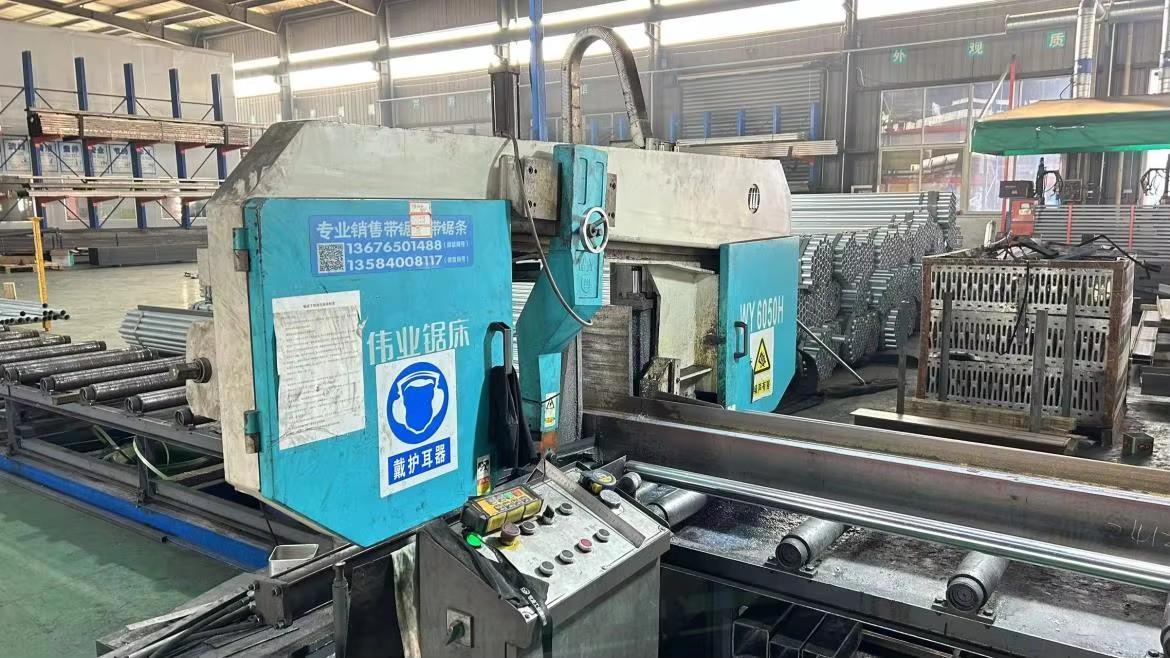
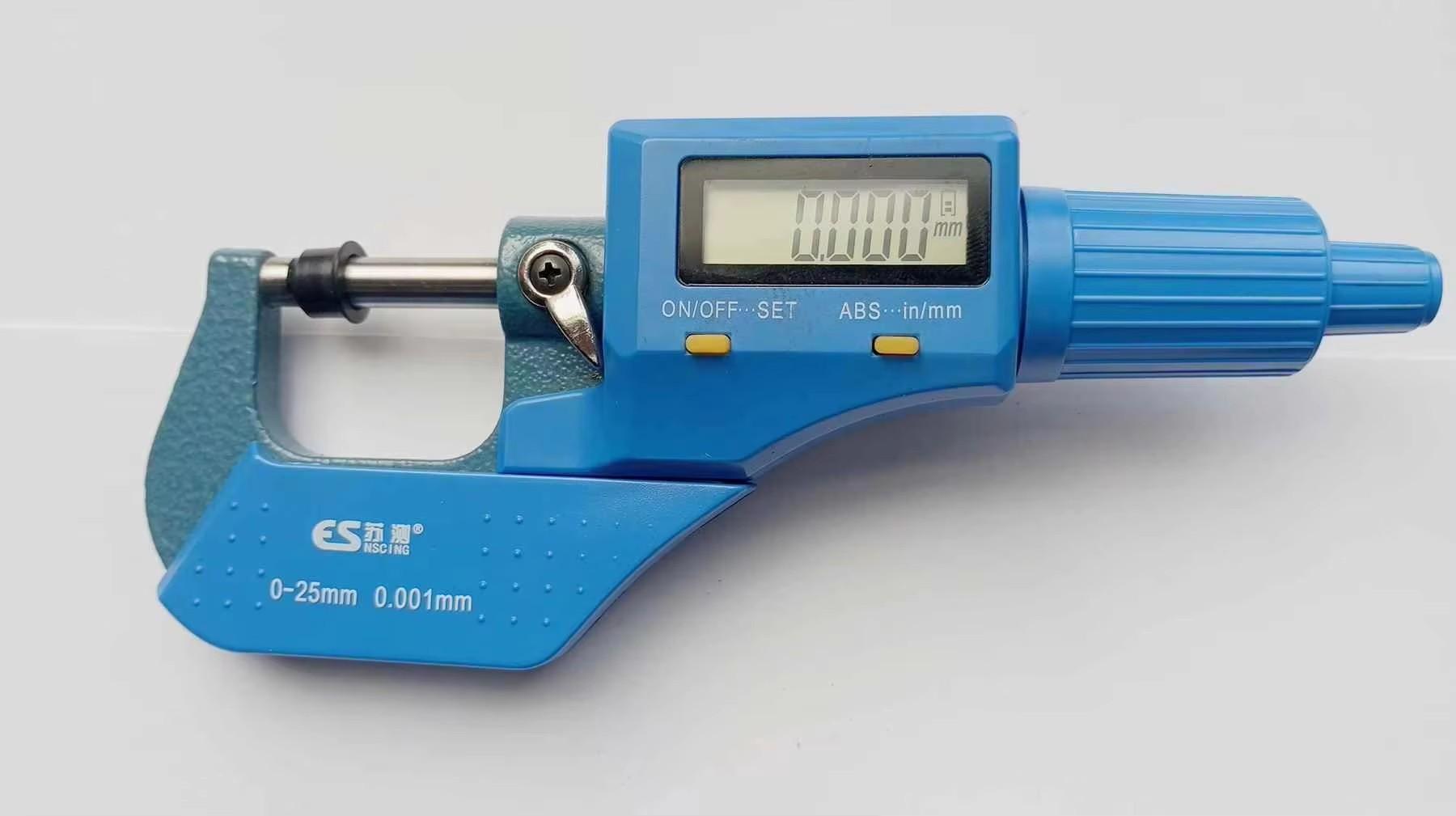
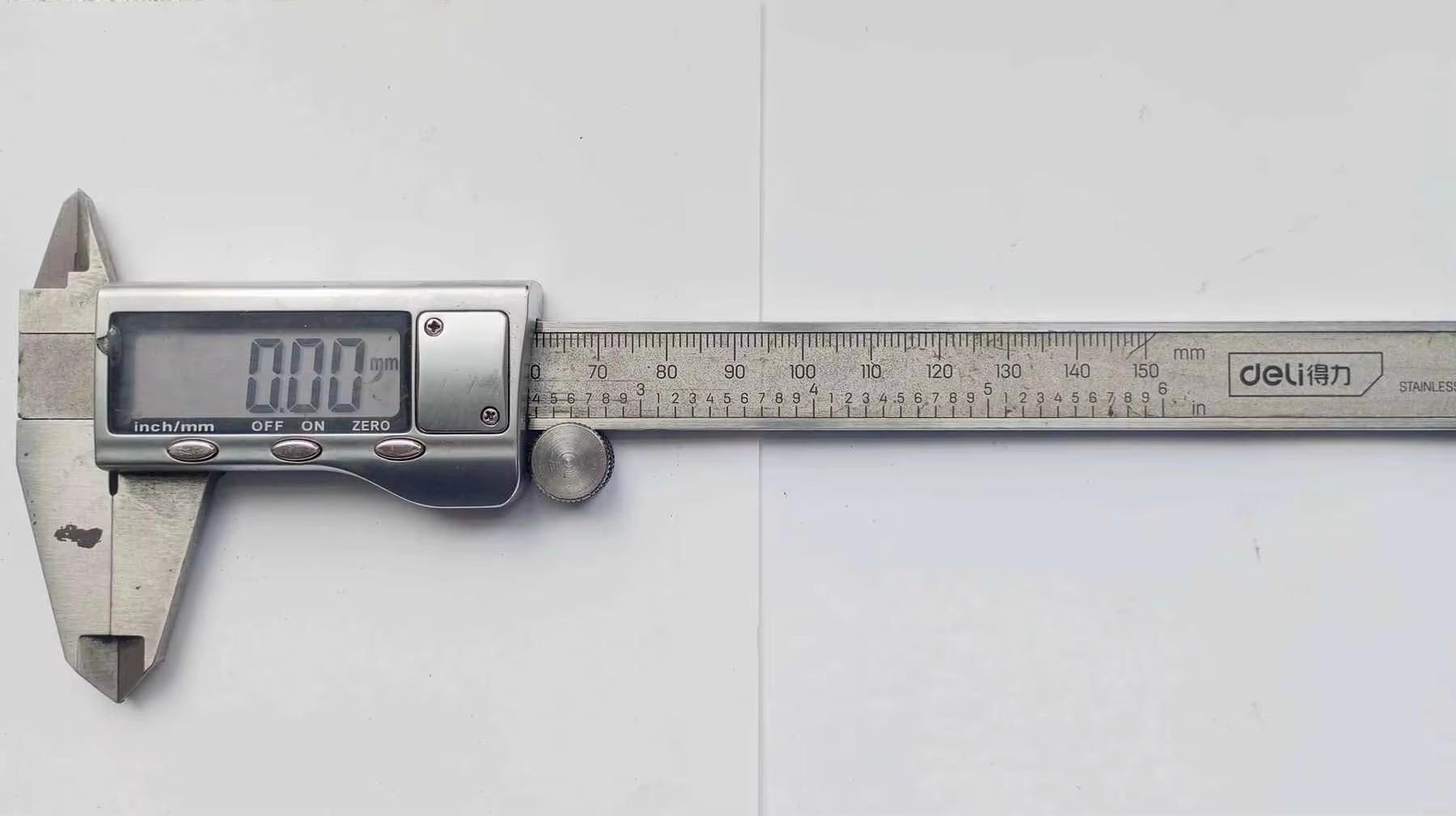
Jinhui’s rigorous quality division includes 46 experienced quality controllers who manage materials inspection, dimensional tolerances, coating thickness, weld penetration, and final load-capacity verification before container loading. Powered by a network of over 980 supply chain vendors, Jinhui guarantees timely deliveries and stable material sourcing even during volatile global trade periods.
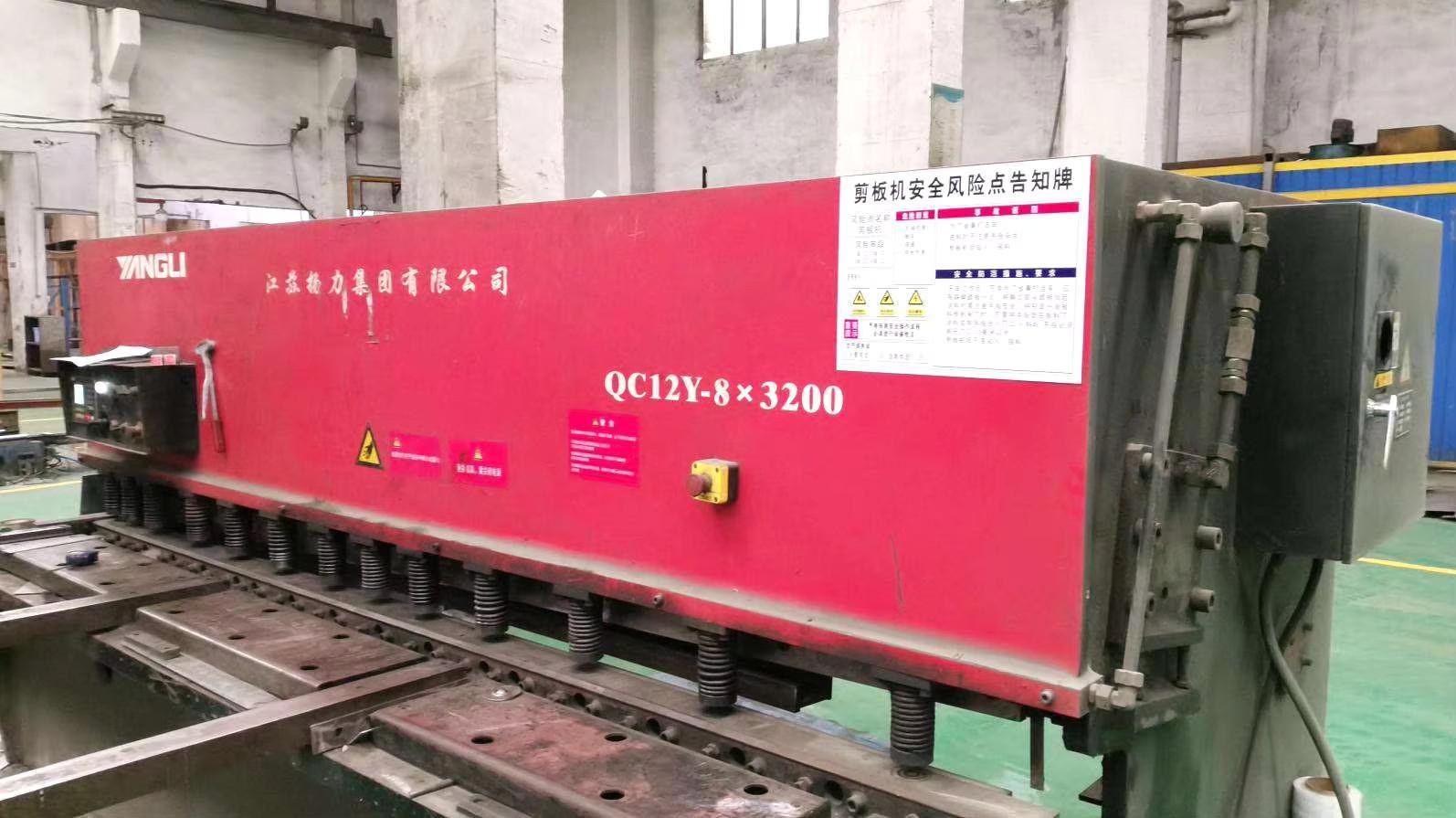
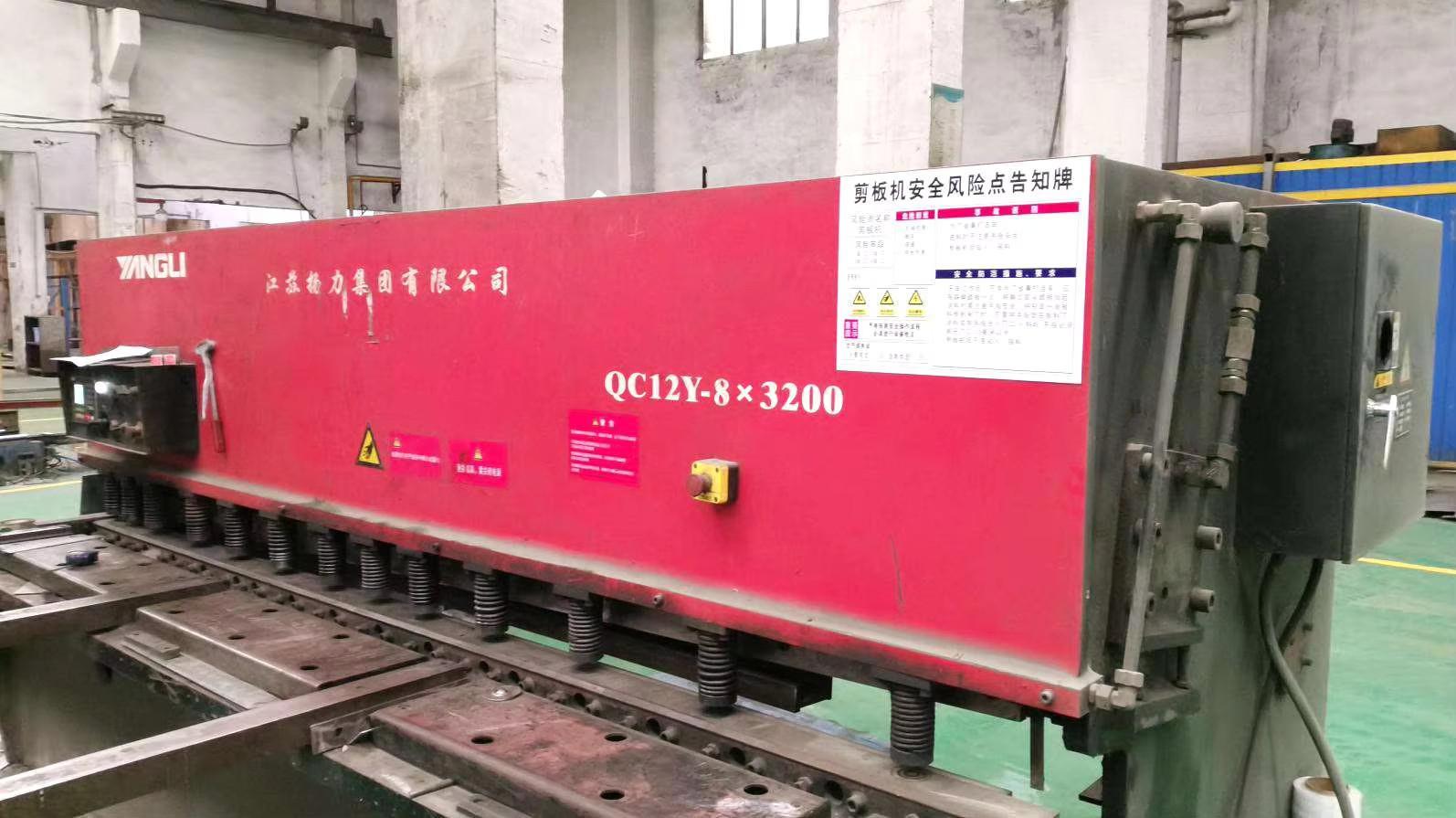
Every industrial rack is manufactured through computerized forming machines, automated welding networks, and multi-point metrology inspections.
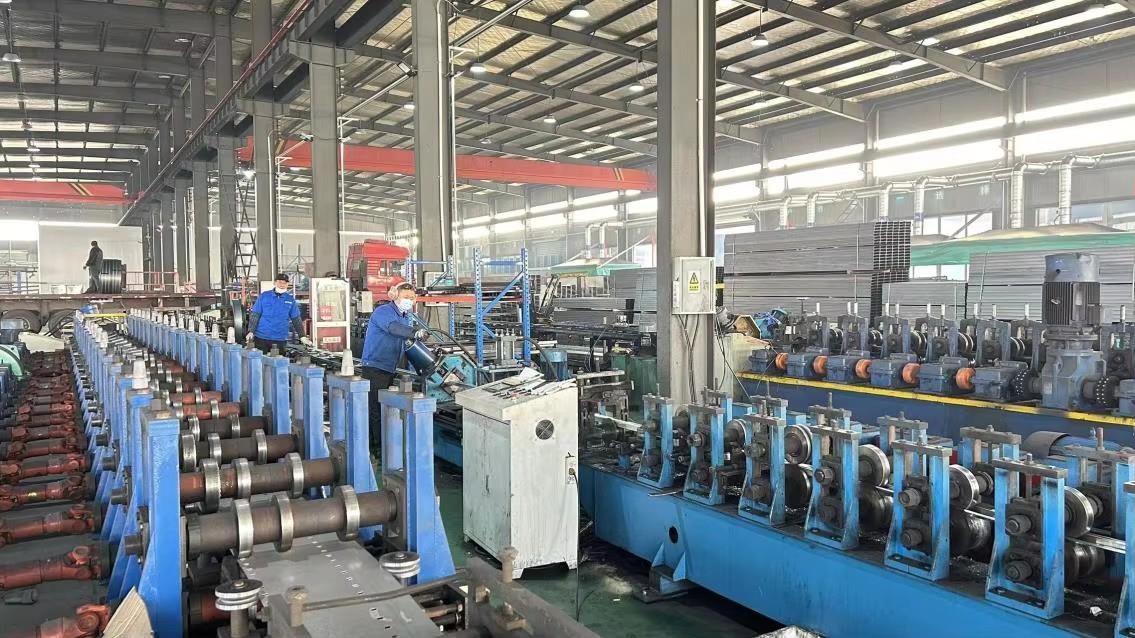
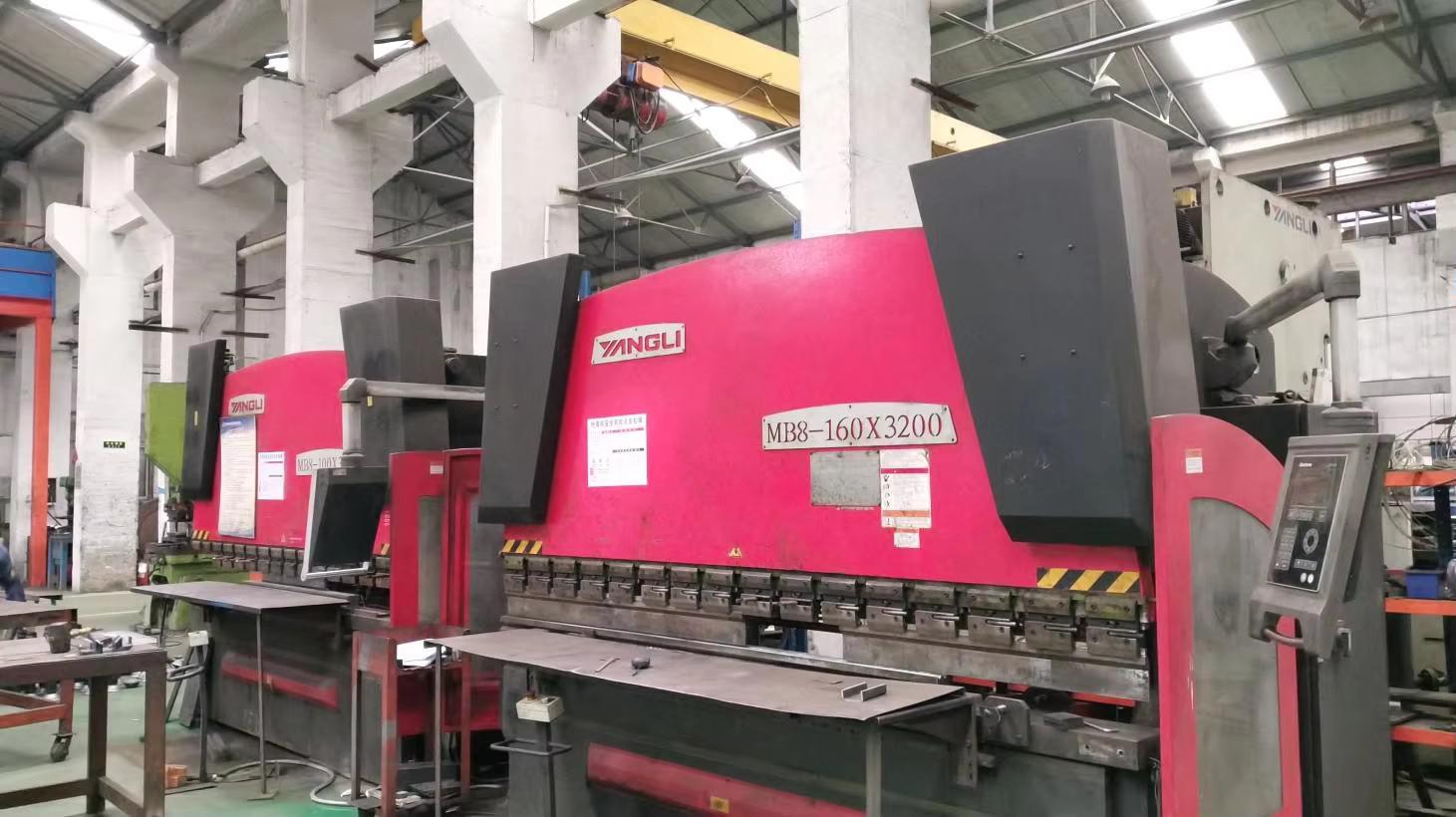
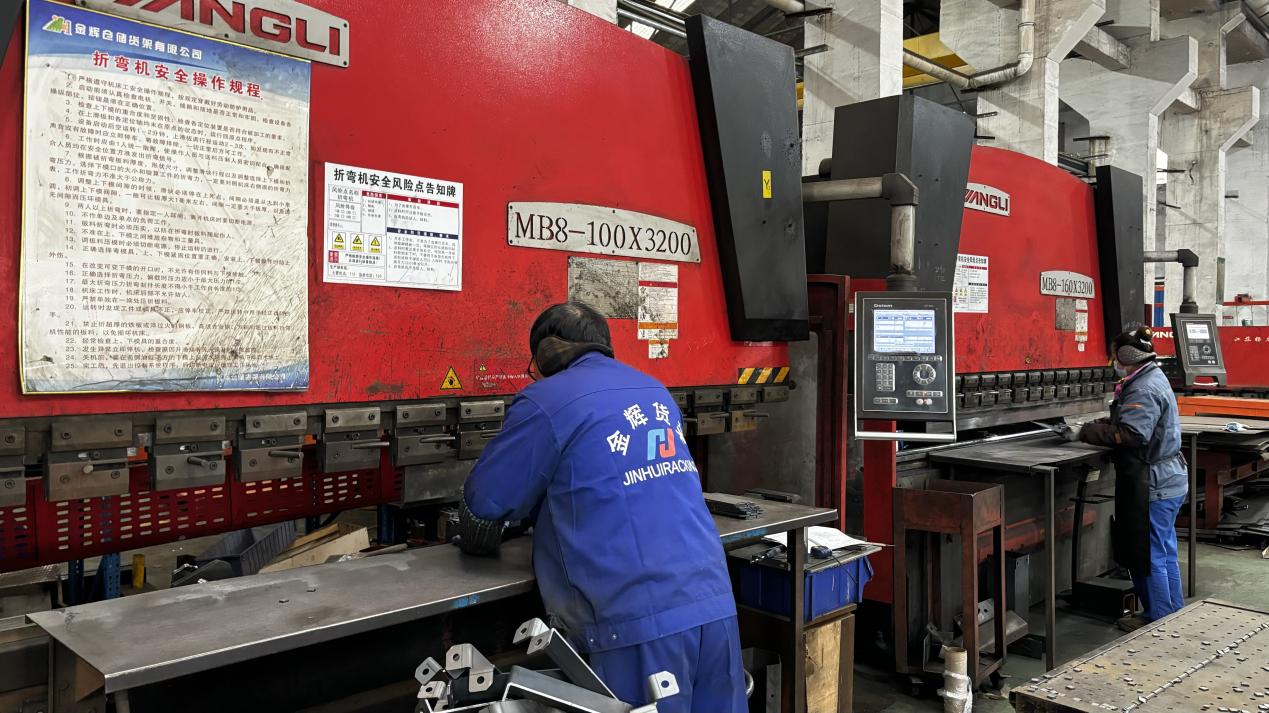
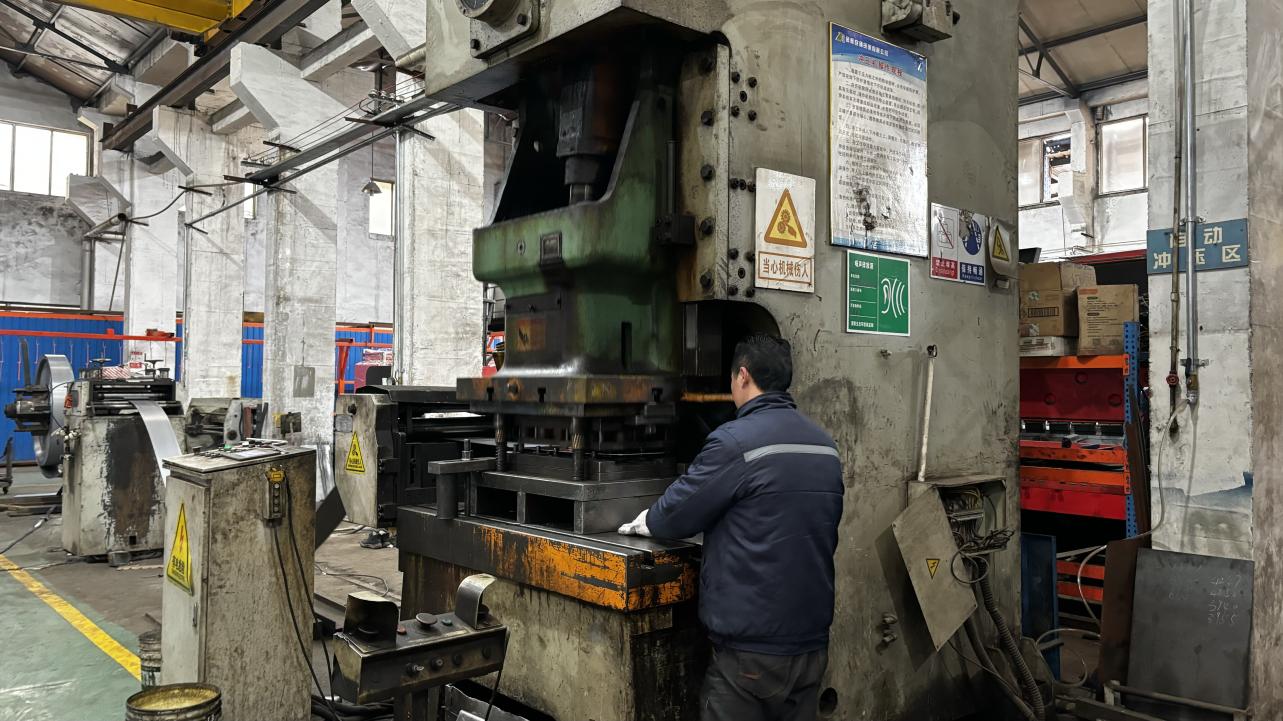

Analyzing how different racking solutions solve sector-specific floor issues, extreme conditions, and fast cycle times.
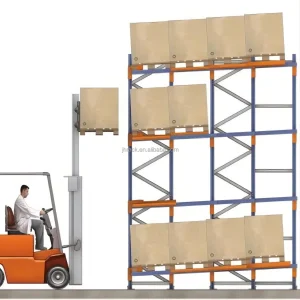
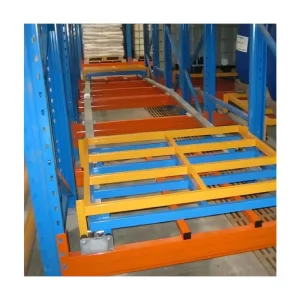
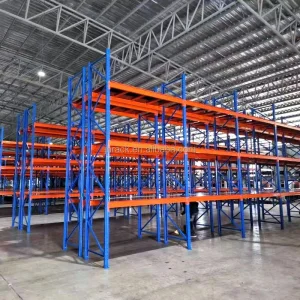
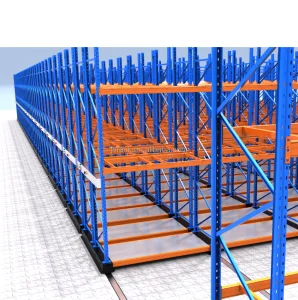
Cold rooms operate at high cost-per-cubic-meter. High-density structures like Drive-In Racking and Electric Mobile Racks minimize access aisles, cutting energy costs by up to 50% while maintaining the capacity needed for perishables.
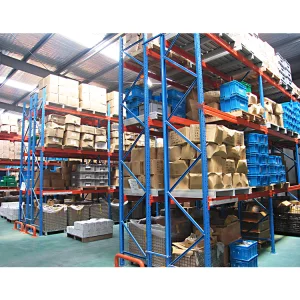
E-commerce depends on fast throughput. Systems like Gravity Flow Racks and Push-Back Pallet Racking support First-In, First-Out (FIFO) and Last-In, First-Out (LIFO) flows, accelerating processing times for rapid dispatch.
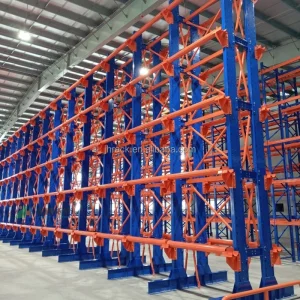
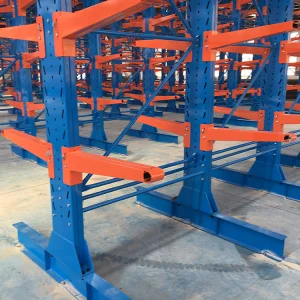
For oversized, irregular materials like steel stock, tubing, and cable reels, Cantilevered Racks built from cold-rolled Q235B steel provide clear loading decks with no front upright column restrictions.
The transition from manual material positioning to automated logistics, smart tracking, and dynamic shuttle platforms.
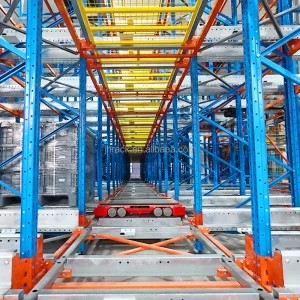
The pinnacle of modern high-density warehouse storage is the integration of 4-way shuttle technology within structural steel racks. Unlike traditional forklifts that require wide access aisles, autonomous shuttles move inventory horizontally and vertically through the rack framework. This reduces labor overhead, minimizes rack damage from vehicle collisions, and yields the highest storage density possible in high-volume distribution networks.
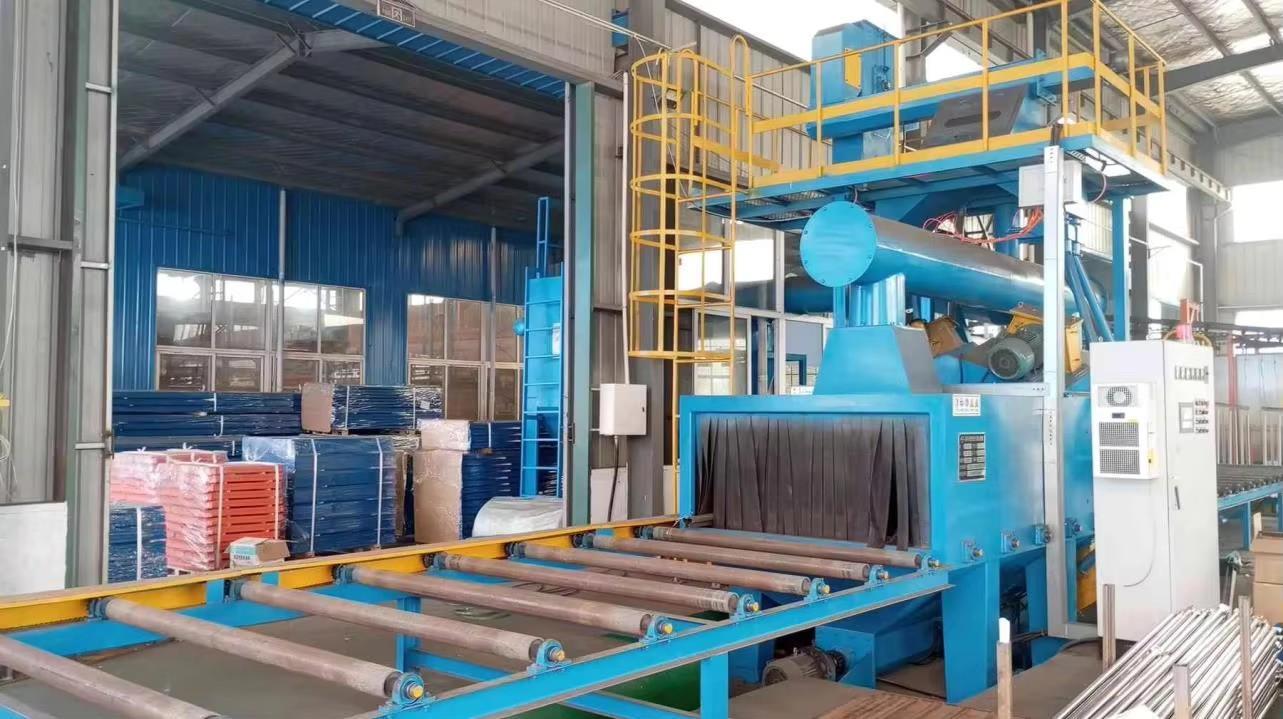
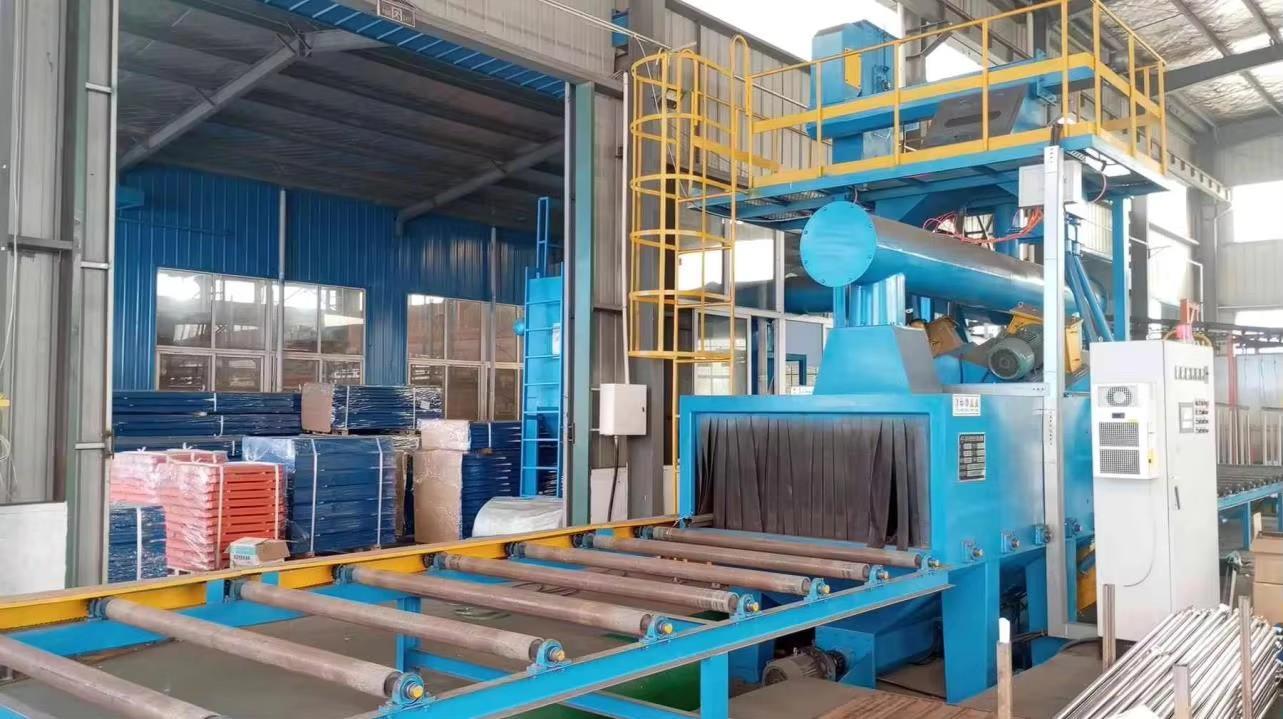
Standard steel racks in cold environments run the risk of rust due to condensation during temperature fluctuations. Advanced manufacturers apply specialized electrostatic epoxy-polyester powder coatings to a dry thickness of 60-80 microns. Coupled with an initial hot-shot blast cleaning, this guarantees high rust resistance and structural durability down to -30°C.
A checklist for supply chain directors, procurement leads, and facility engineers evaluating industrial steel storage systems.
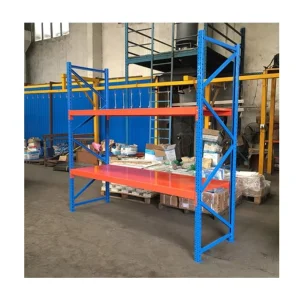
Selecting the right racking system requires evaluating structural steel quality, load calculations, and design safety margins. Buyers should consider these parameters:
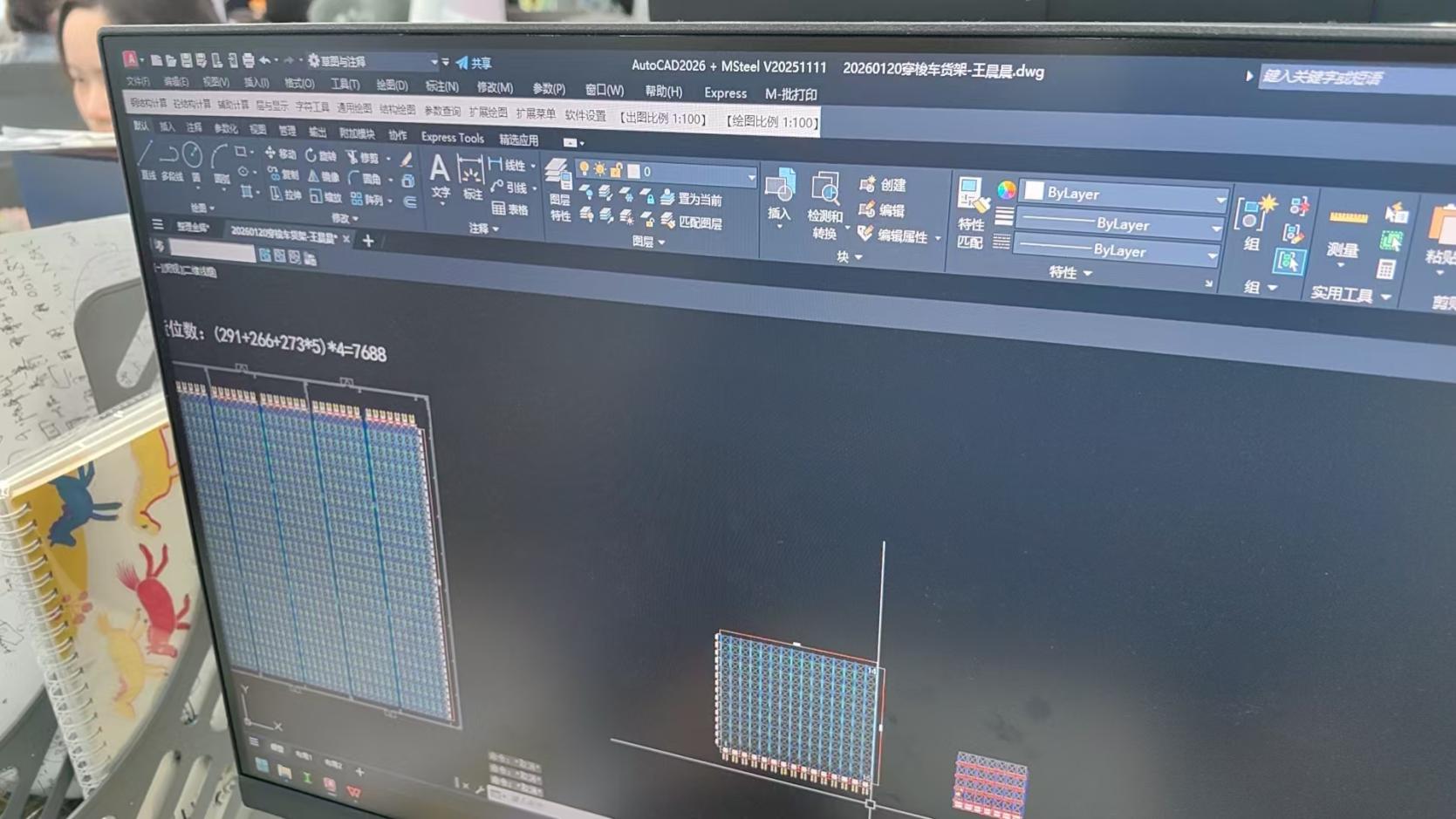
Partnering with experienced manufacturers like Jinhui gives buyers access to custom design engineering. With 68 R&D specialists, Jinhui models layouts using CAD tools to match specific load capacities, safety clearances, and seismic codes.
Jinhui’s large production capacity, supported by 46 QC inspectors and 980 supply chain vendors, ensures project timelines are met. The company’s $16 million annual export volume demonstrates its experience in handling global shipping and customs requirements.
Technical answers to common questions about industrial racking selection, material properties, load safety, and installation.
Explore our specialized range of heavy-duty, adjustable, and automated racking systems engineered for high-density applications.
 Jinhui Storage Equipment