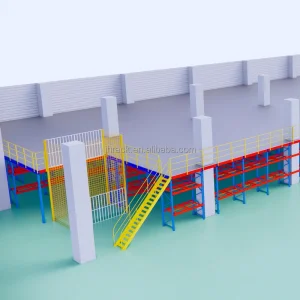
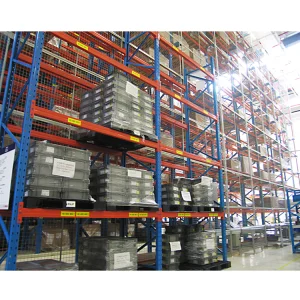
Explore our heavy-duty engineering solutions built to maximize volumetric capacity, enhance picking speed, and ensure operational safety.
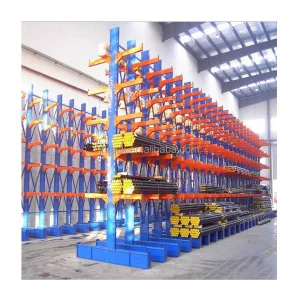
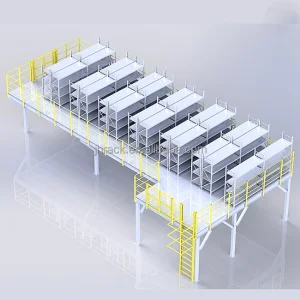
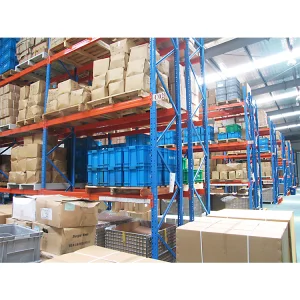
How global industries leverage advanced high-density racking to counter soaring land costs and complex supply chain distributions.
As industrial spaces worldwide face premium lease hikes and structural transitions, corporate procurement demands have shifted from basic shelving structures toward intelligent, dynamic spatial optimizations. Multi-tier mezzanine installations, automated electric radio shuttle platforms, and highly customizable cantilever units form the backbone of modern raw material warehouses, cross-docking facilities, and cold storage chains.
China has emerged as the premier manufacturing and engineering powerhouse for storage systems, providing global enterprises with high-tensile carbon steel products that conform strictly to international structural codes. Selecting a reliable manufacturer requires deep scrutiny of production capabilities, structural deflection limits, weld integration standards, and automated electrostatic powder coating metrics.
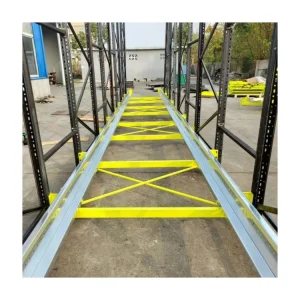
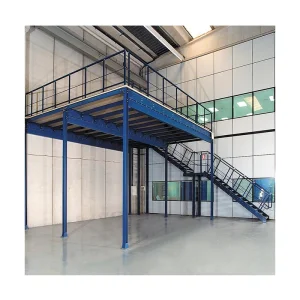
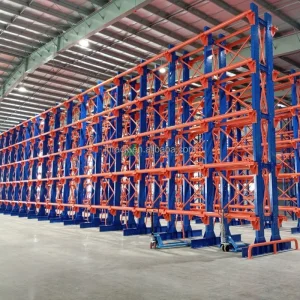
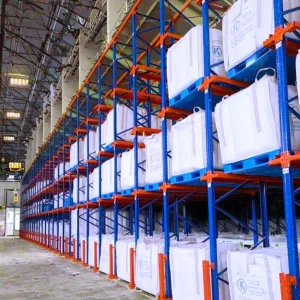
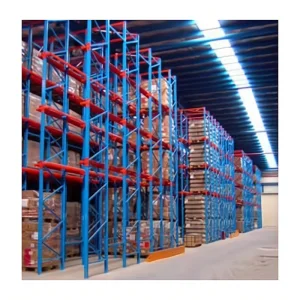
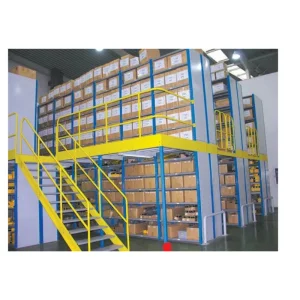
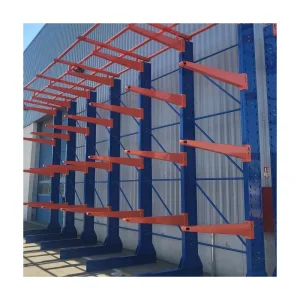
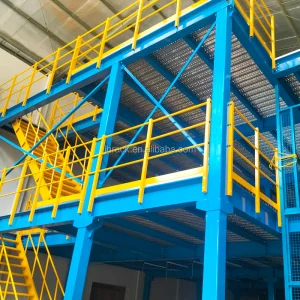
Different industries present unique engineering demands. Cold store supply chains require high-density structures like Drive-In Racking or Pallet Shuttle Systems that maintain high yield strength under sub-zero temperatures. Conversely, heavy machinery and construction components demand high-load Cantilever Systems that allow linear structural stability without vertical obstructions. For modern e-commerce fulfillment operations, multi-tier steel mezzanines provide the perfect solution for mixed manual picking operations.
Sqm Production Facility
Years Industry Experience
Annual Export Revenue
Quality Inspectors
A global leader in structural engineering, automated manufacturing, and heavy-duty storage system exportation.
Established in 2017, Dongguan Jinhui Storage Equipment Co., Ltd. has positioned itself at the cutting edge of industrial storage rack fabrication. Leveraging over 14 years of industry expertise alongside 8 years of direct international trade execution, our company engineers robust physical architectures that empower enterprises to maximize floor area utilization.
Our advanced manufacturing complex spans across more than 18,600 square meters, utilizing highly integrated automation pipelines. This includes high-precision laser cutting suites, CNC punch presses, automated structural roll-forming lines, multi-axis robotic welding cells, and automated electrostatic powder coating installations. We translate high-grade Q235B and Q355 structural carbon steel into highly dependable, durable, and certifiable storage products.
With an annual export turnover exceeding USD 16 Million across more than 50 countries, we understand the logistical requirements of major global markets including North America, Europe, Southeast Asia, Australia, and the Middle East. Whether executing high-volume OEM manufacturing orders or delivering bespoke ODM systems designed from the ground up, Jinhui serves as a reliable supply partner.
A detailed look into our state-of-the-art production workflow, detailing quality checkpoints from raw material to finished product.
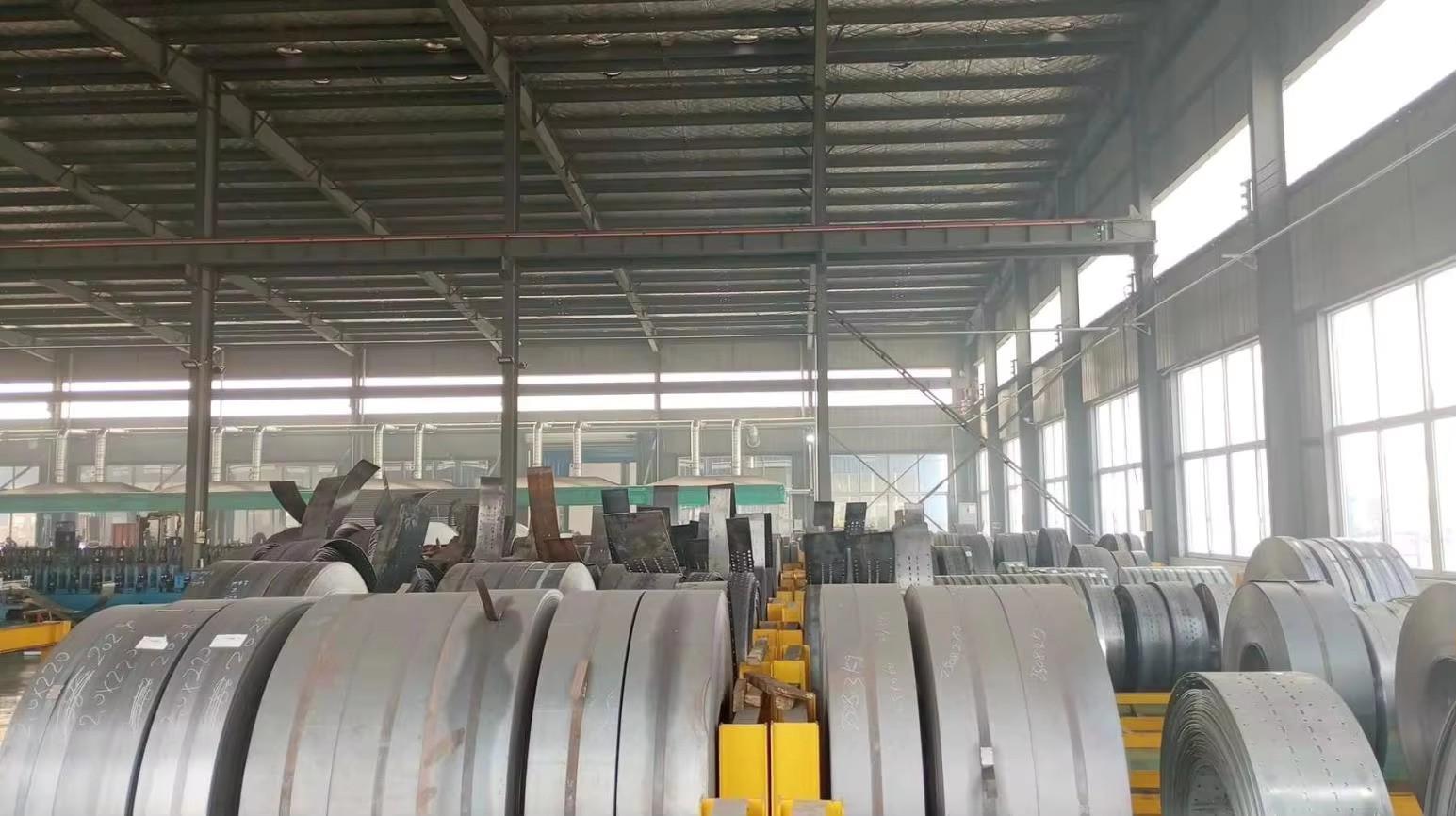
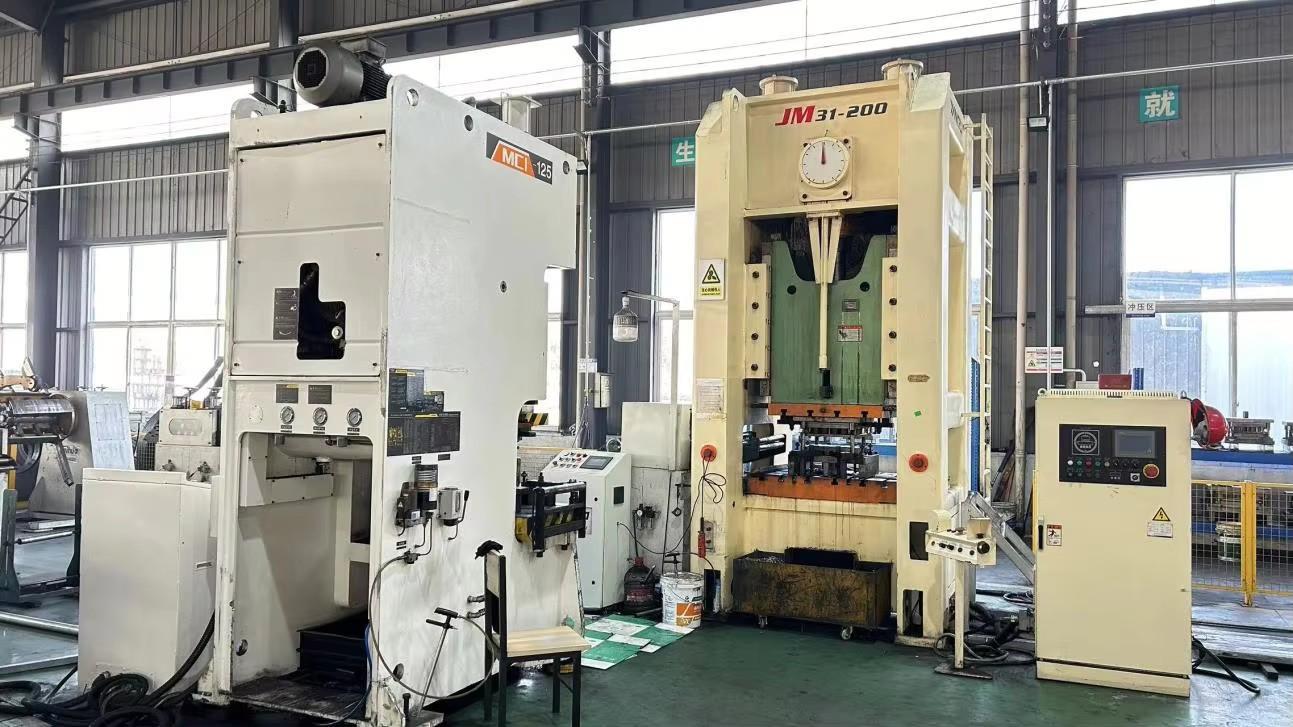
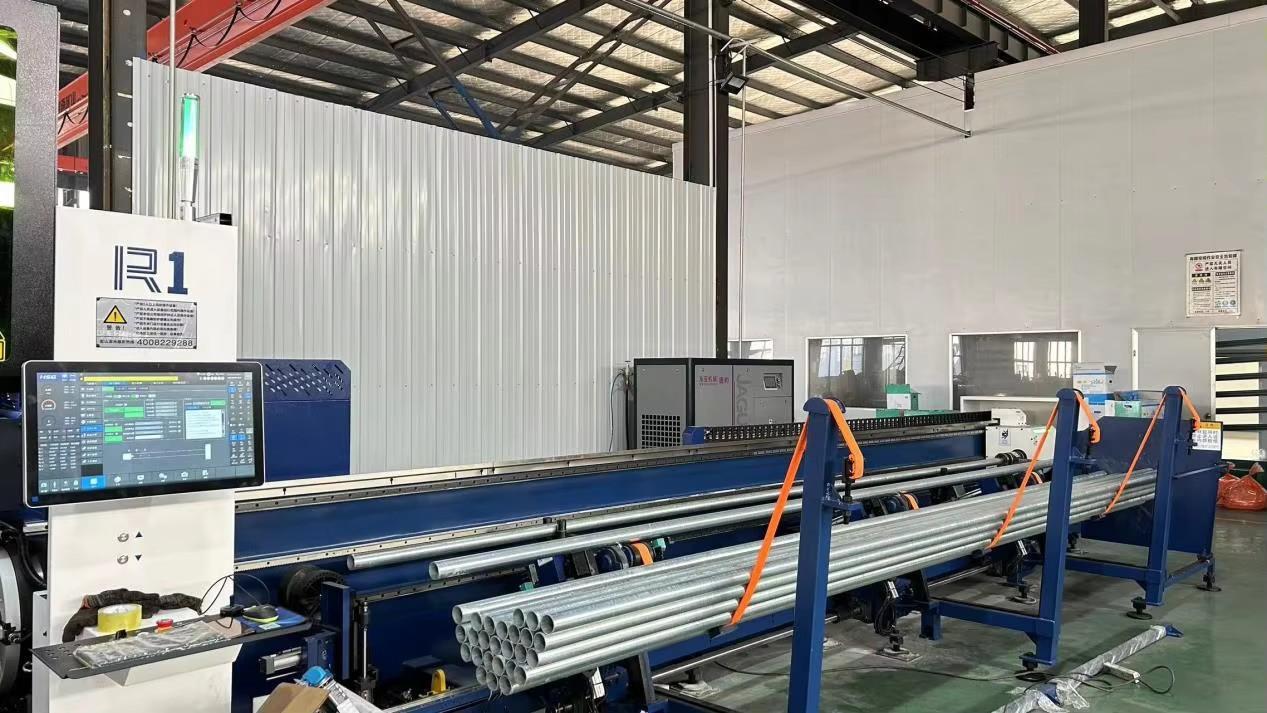
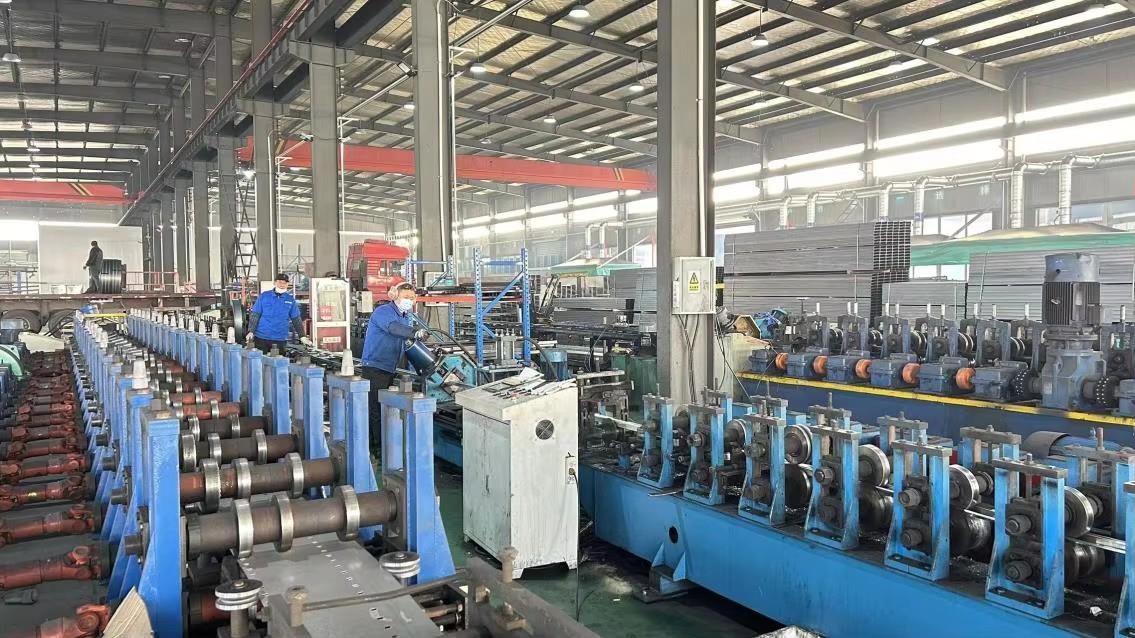
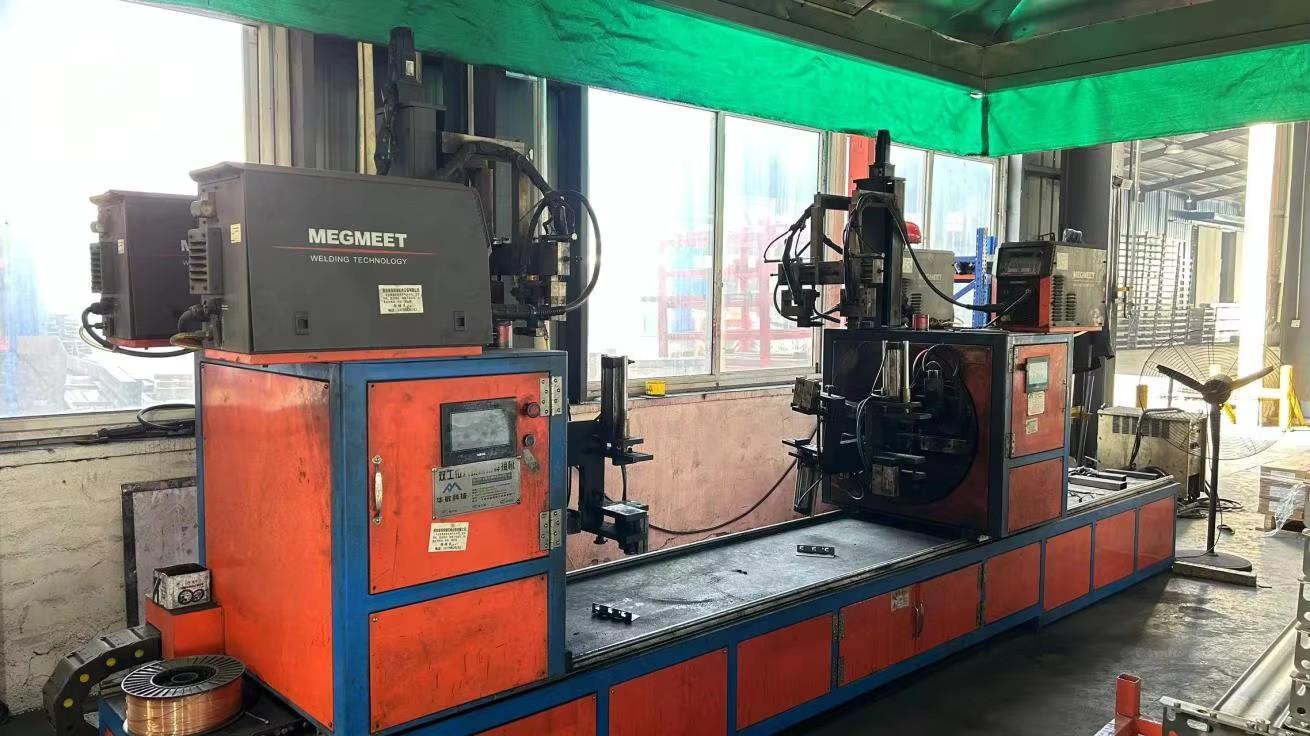
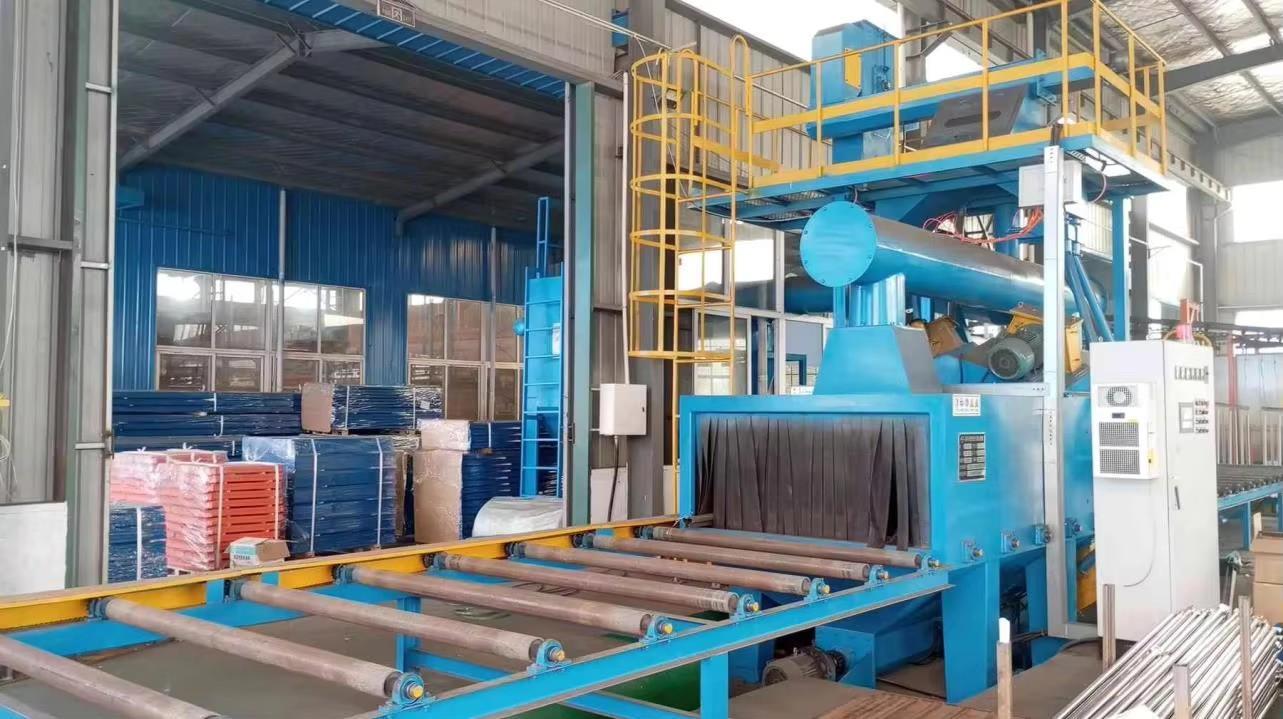
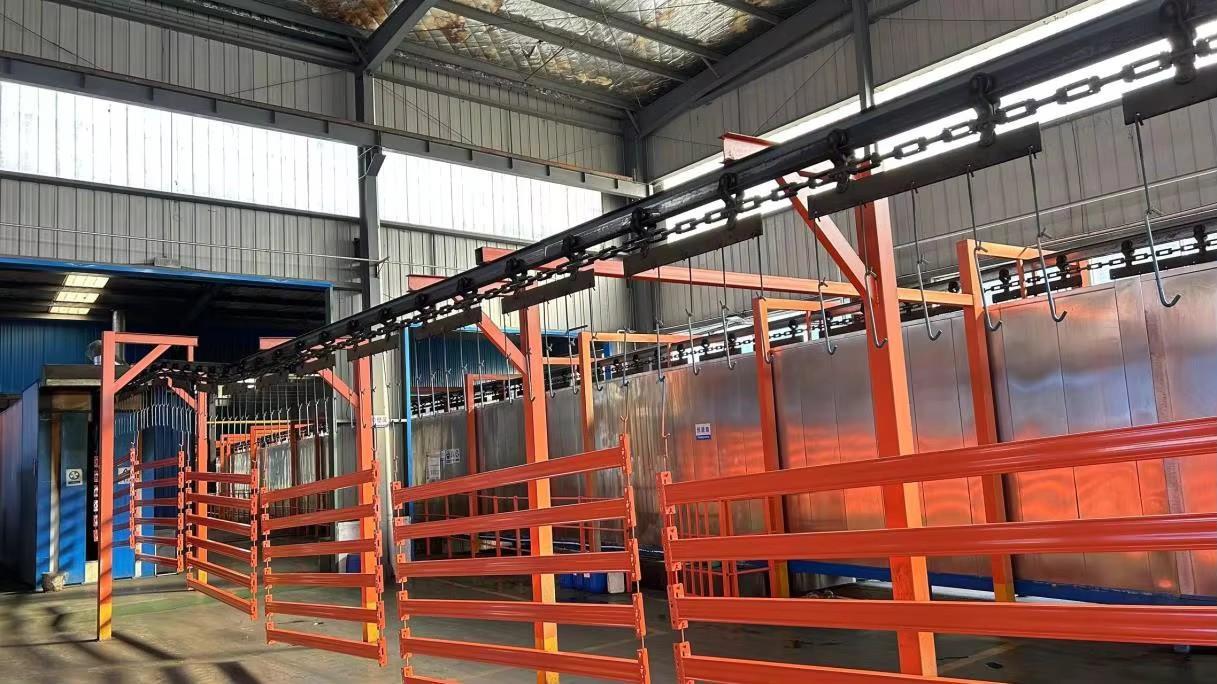
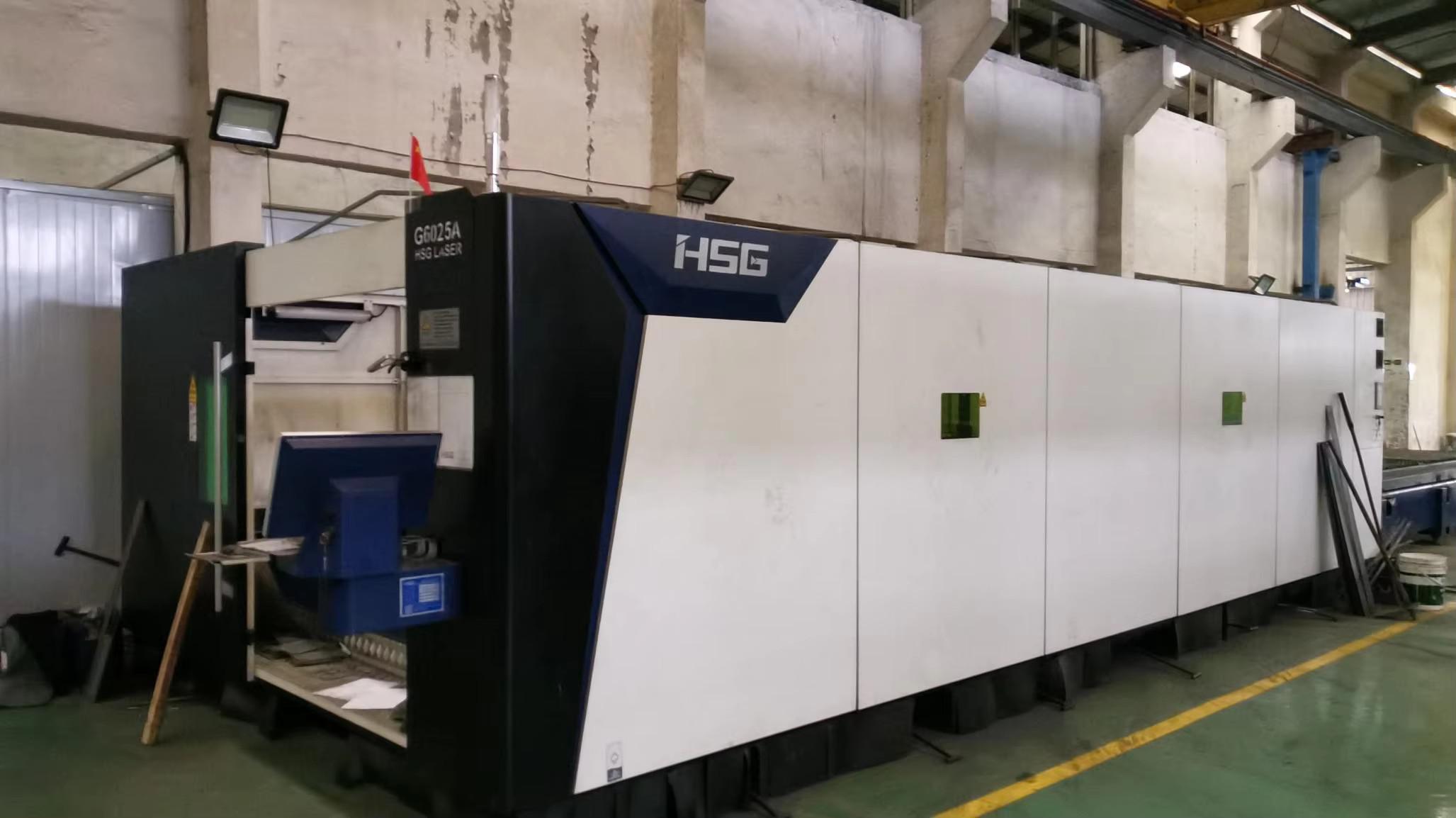
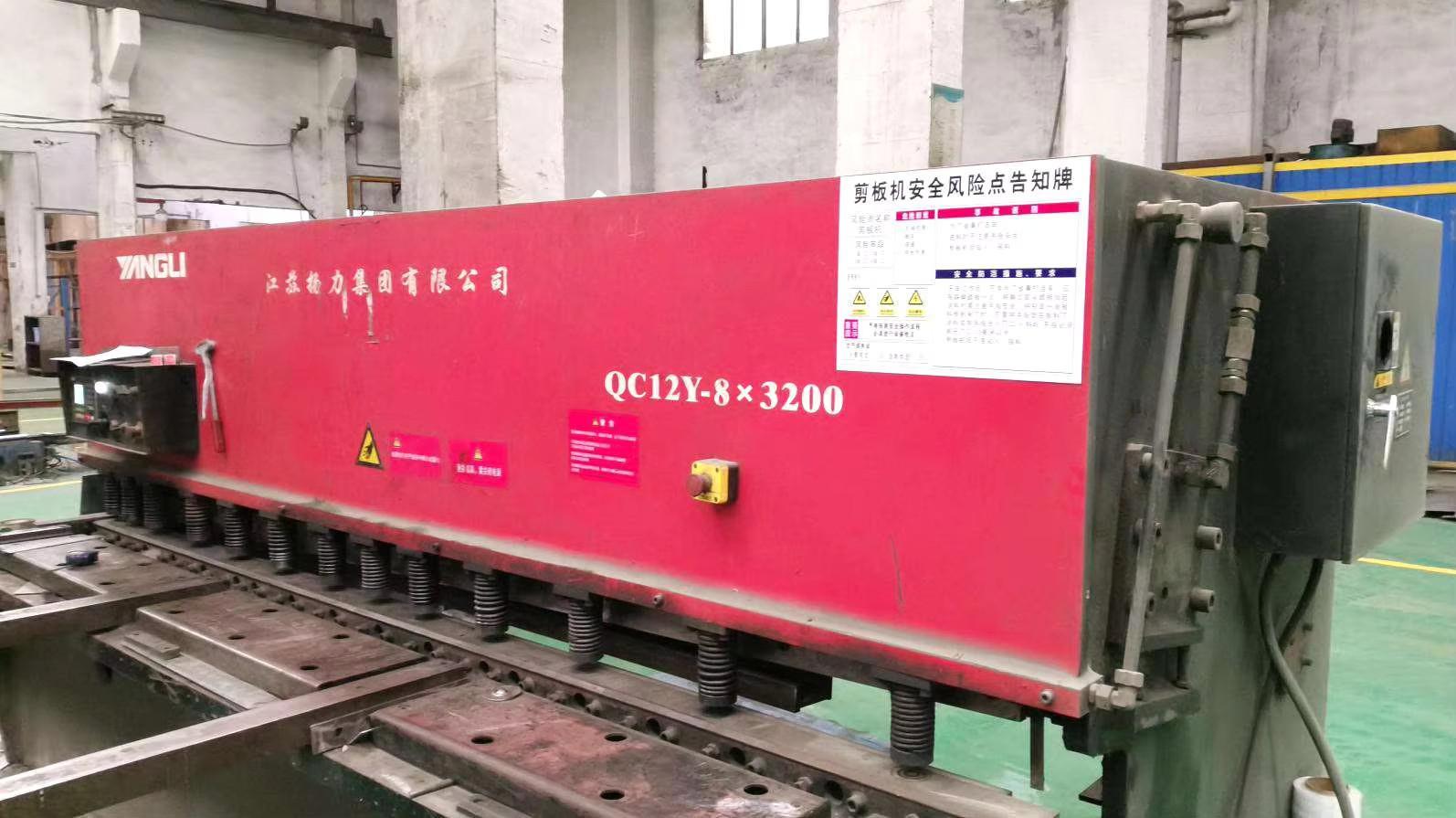
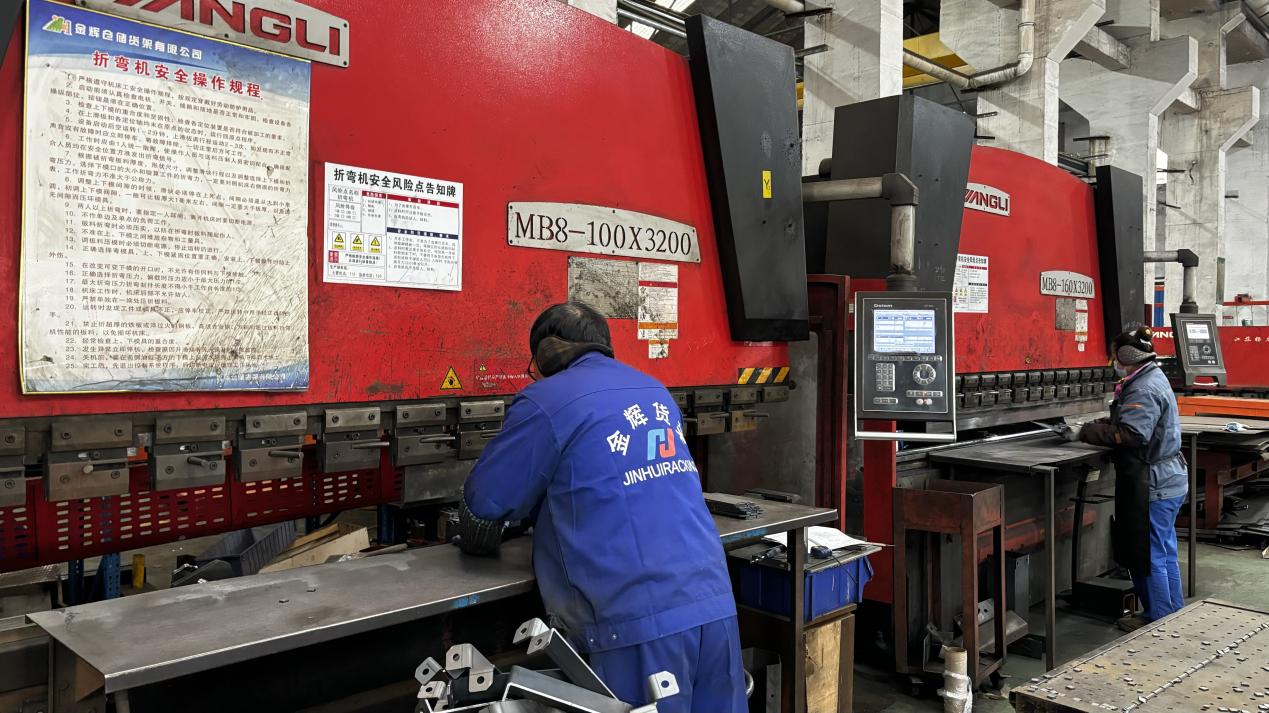
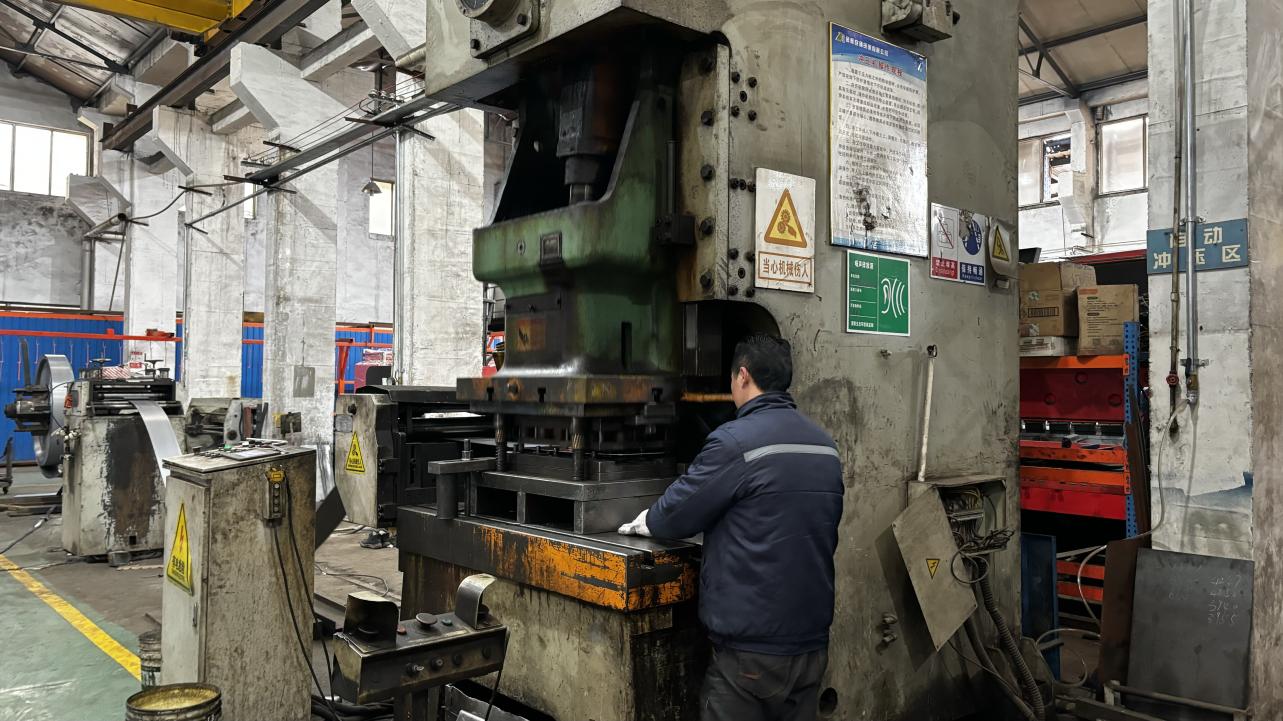
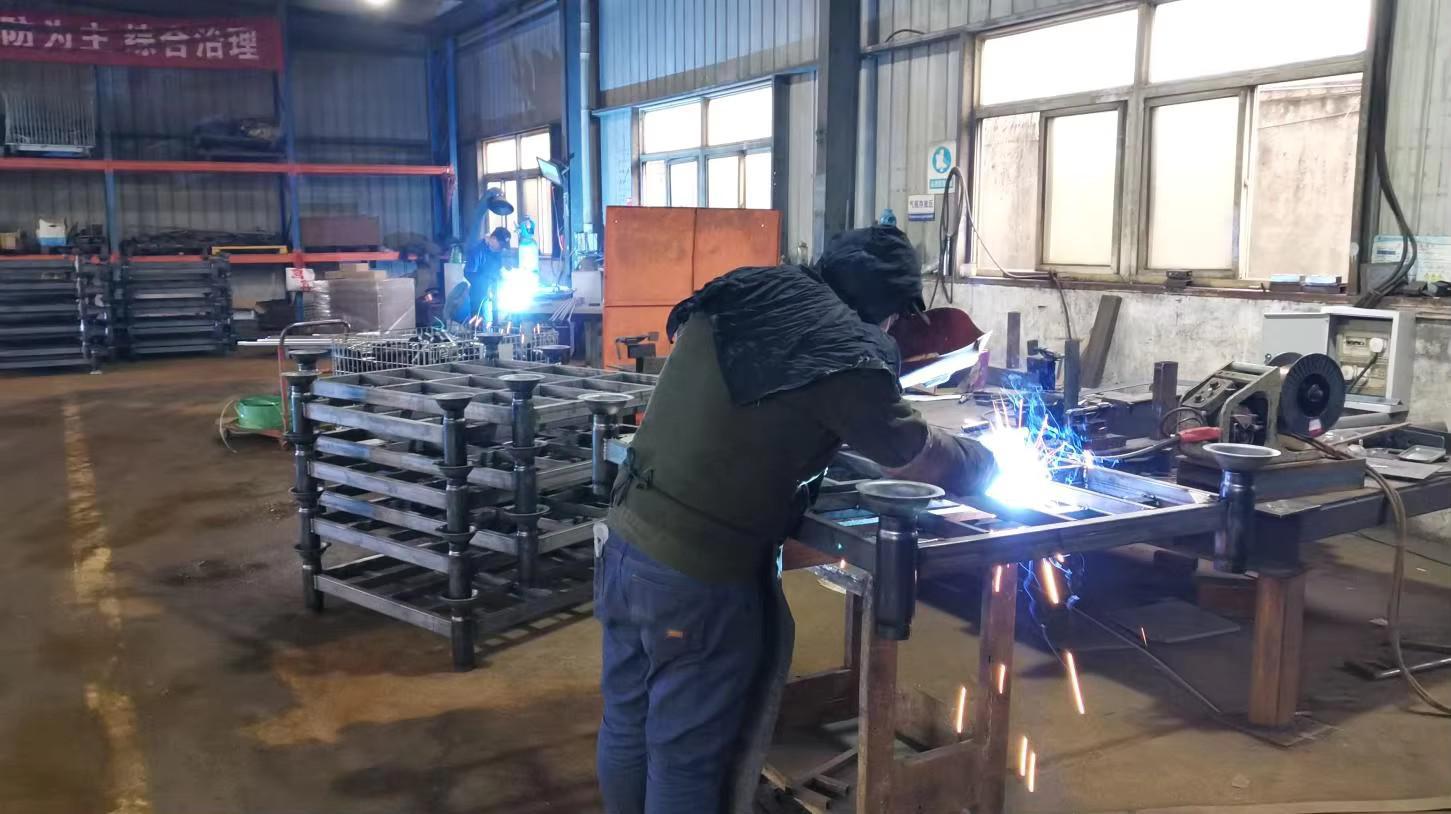
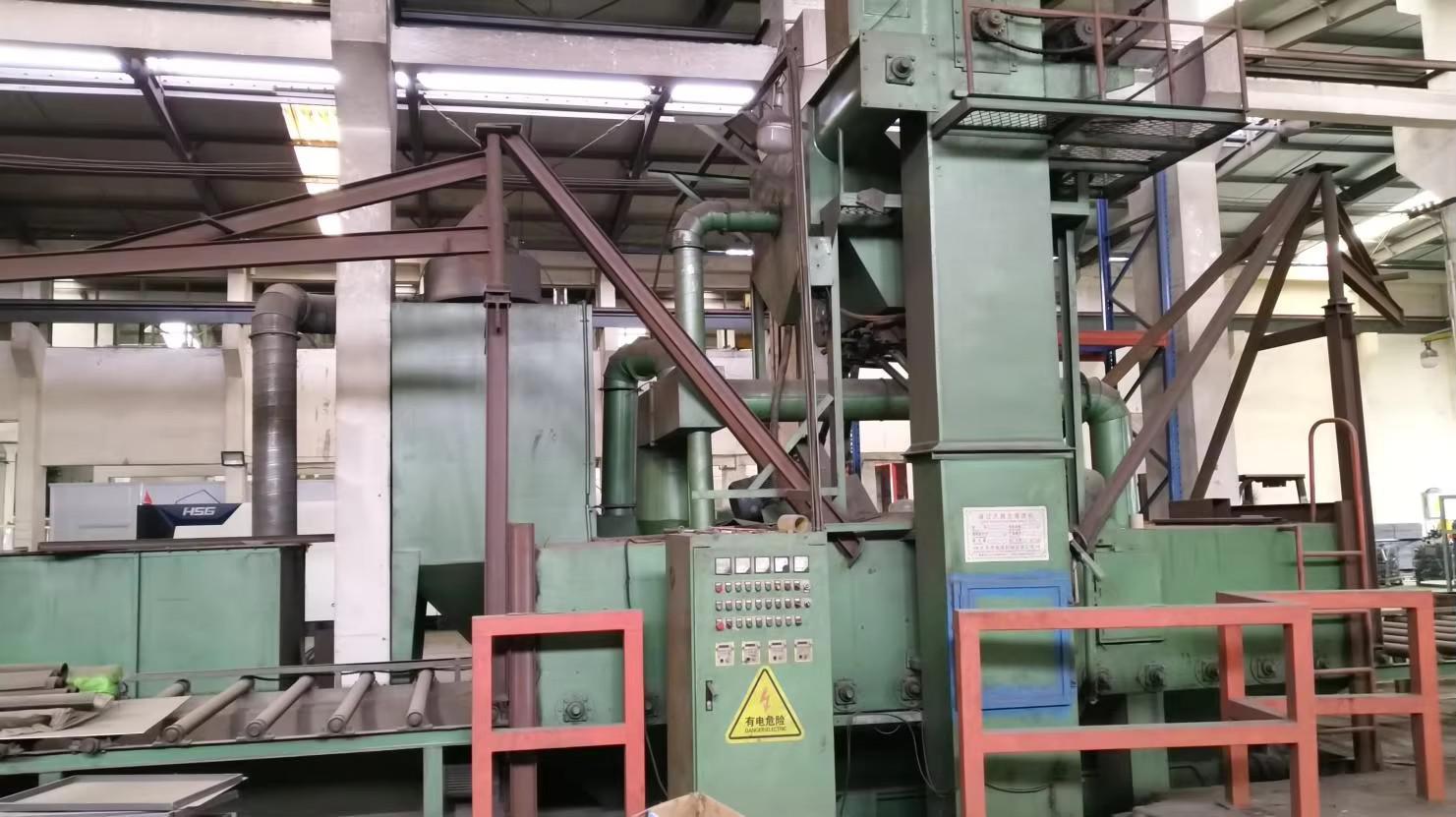
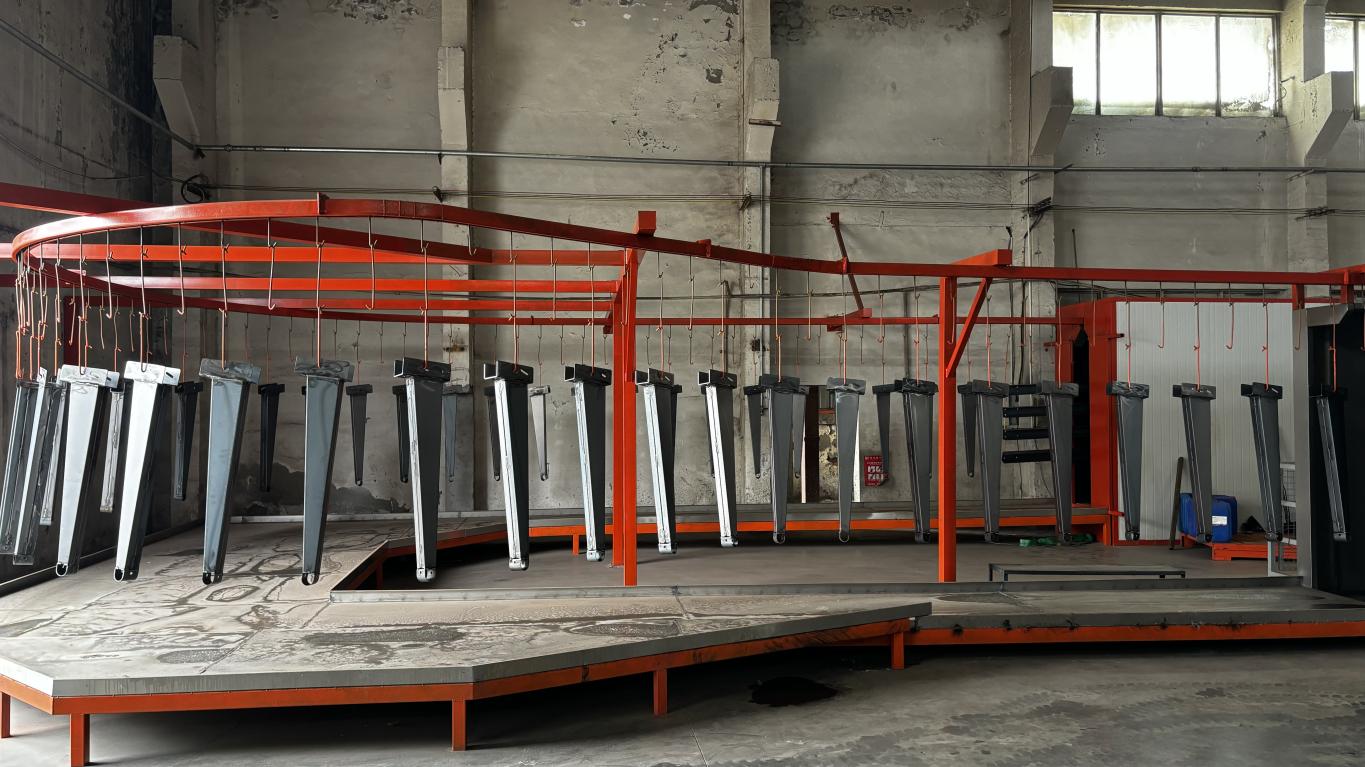
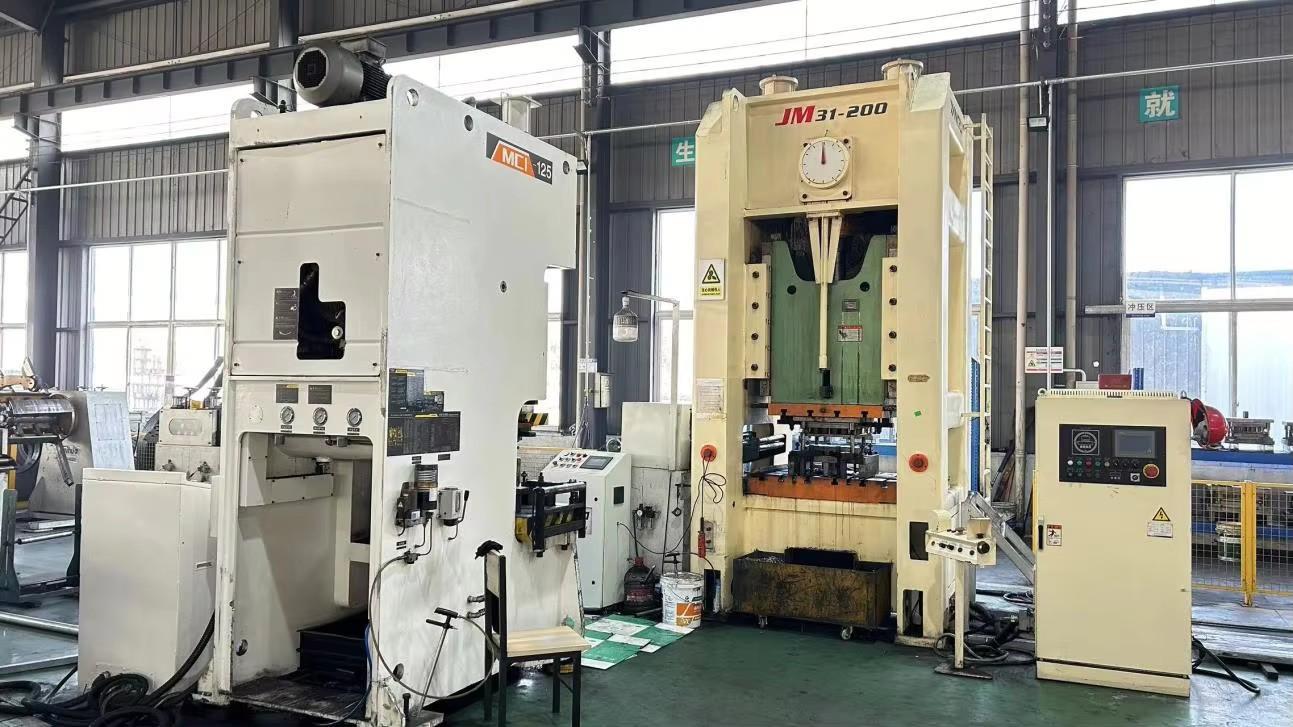
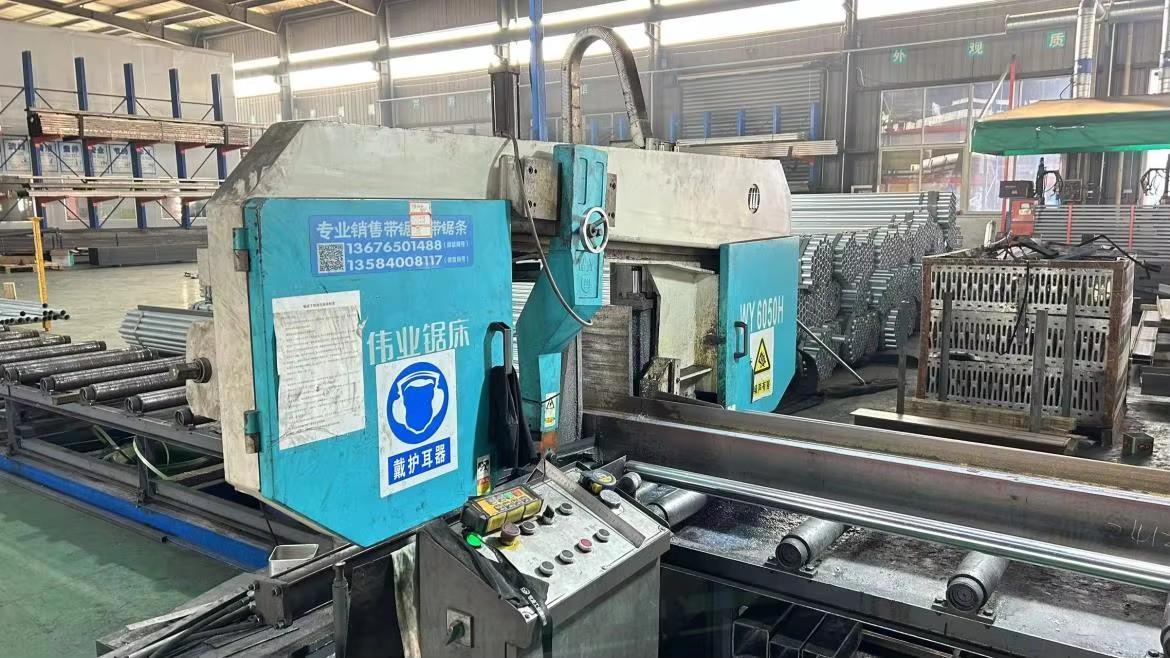
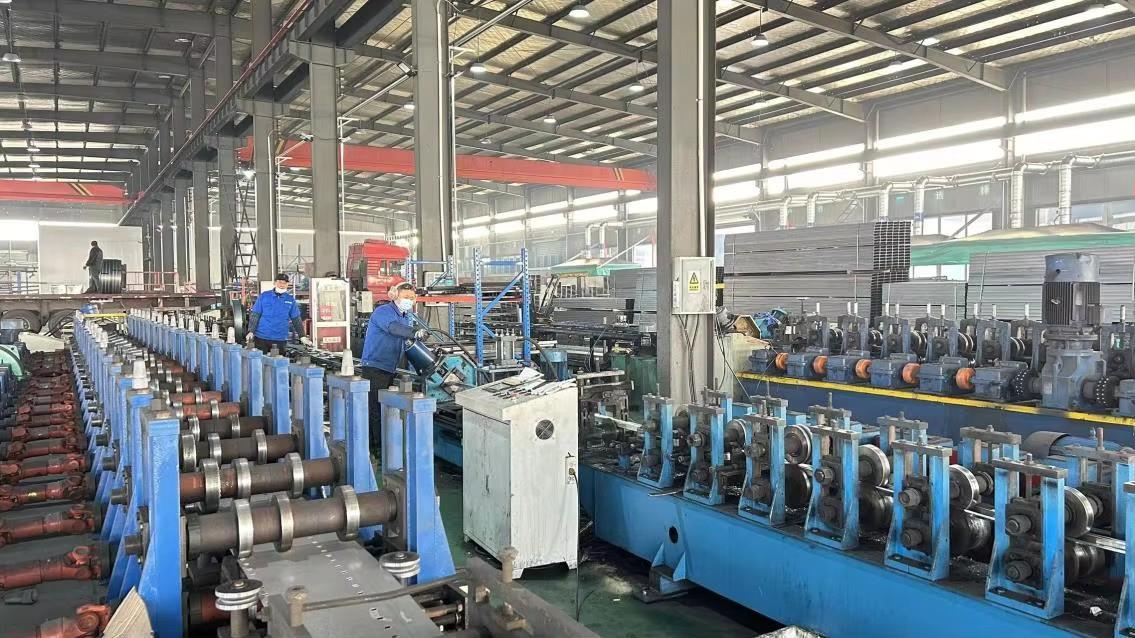
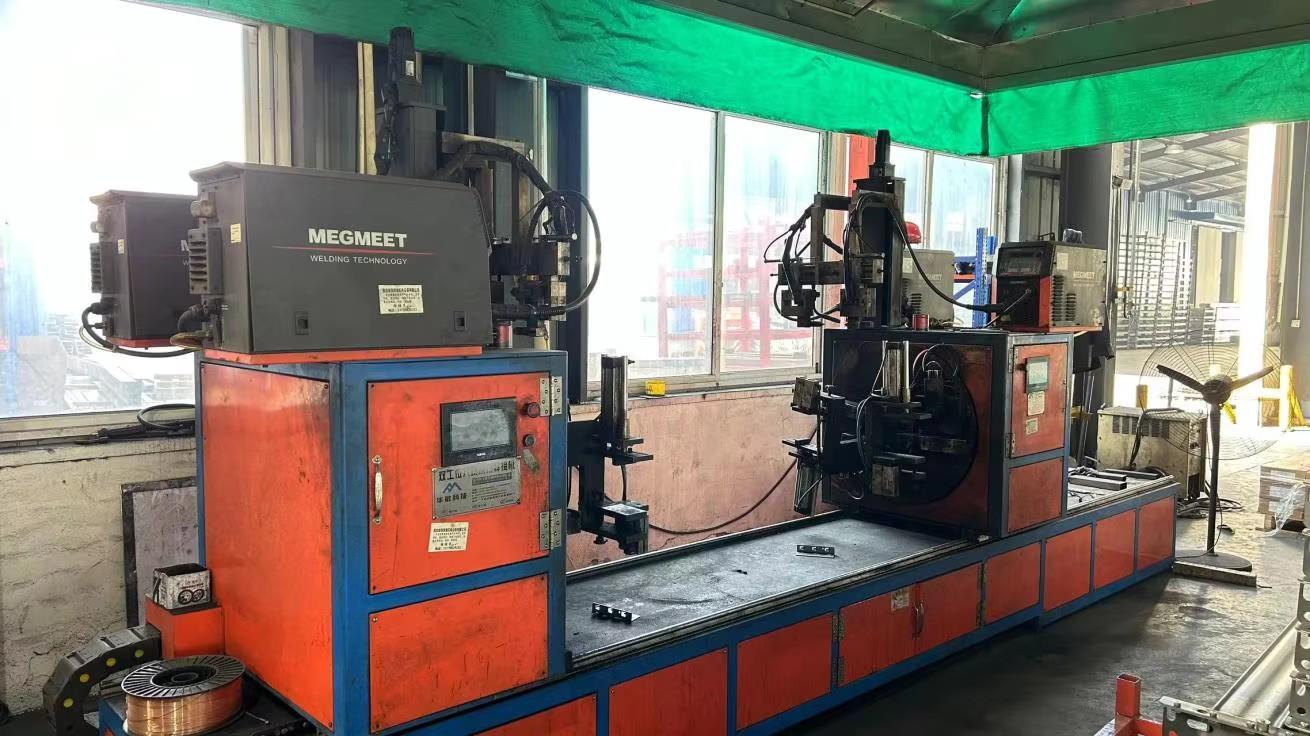
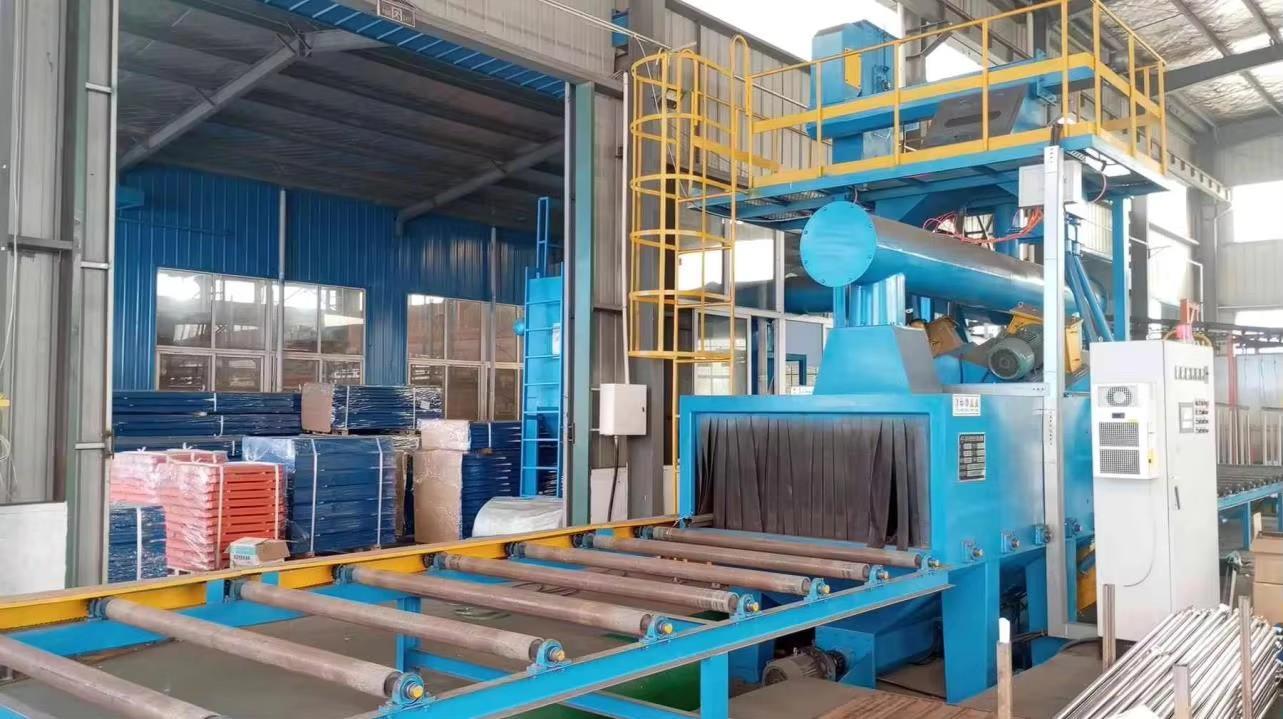
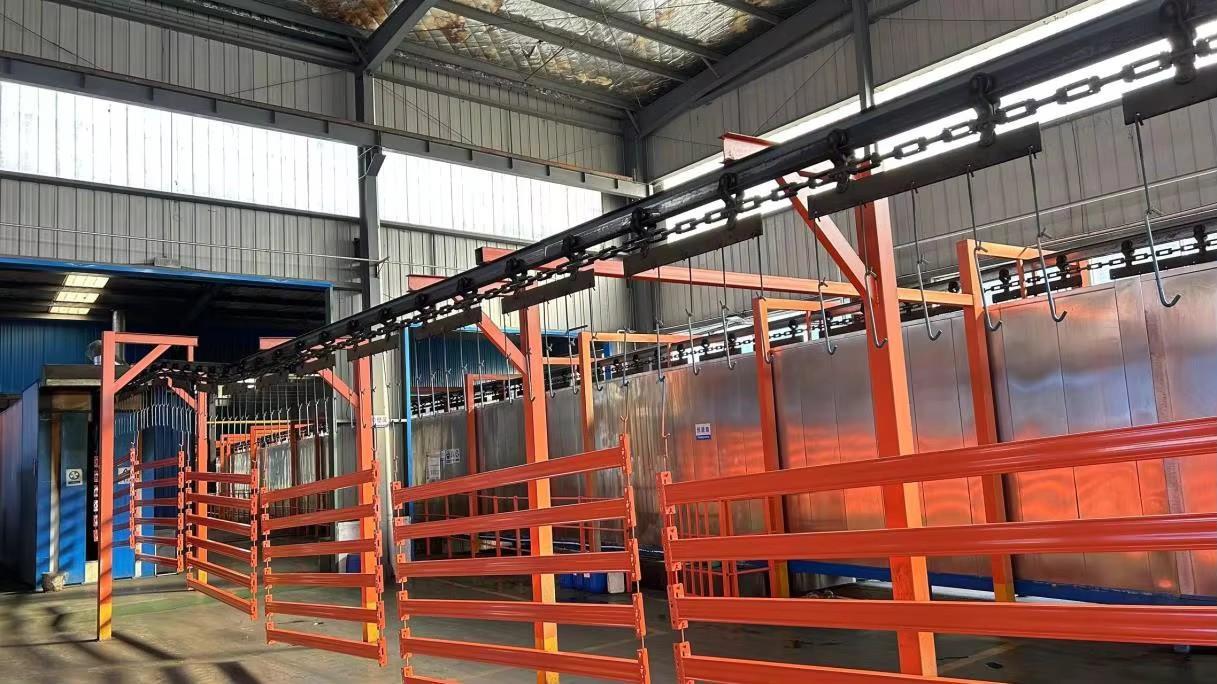
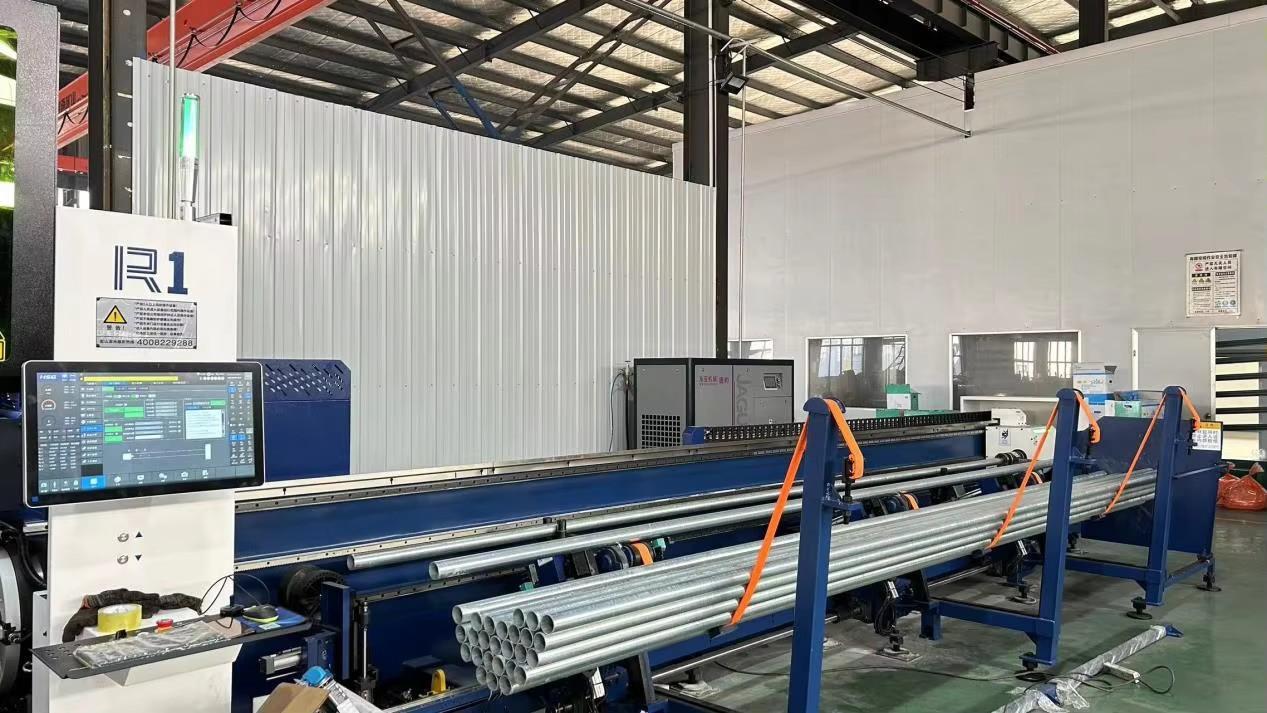
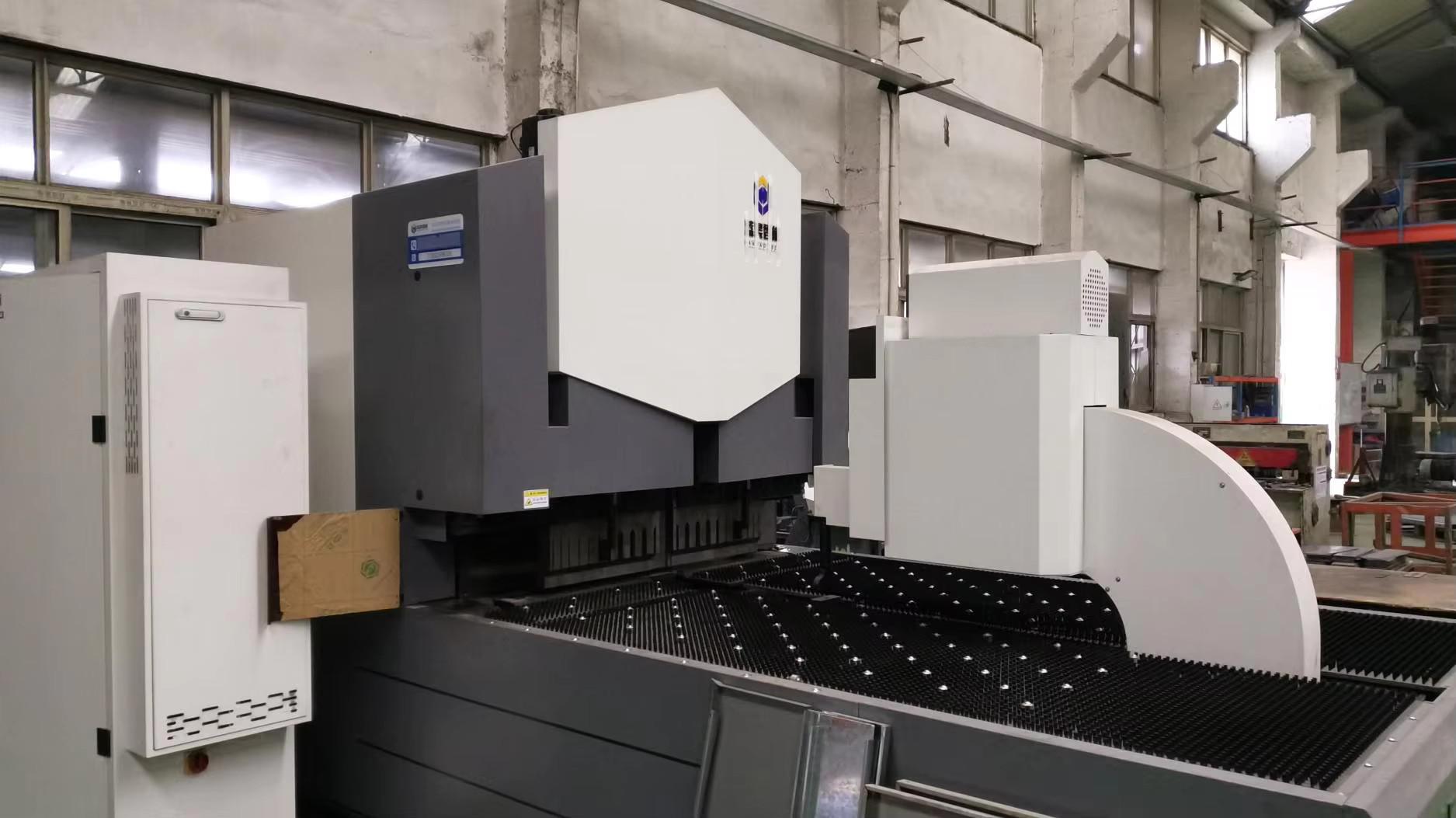
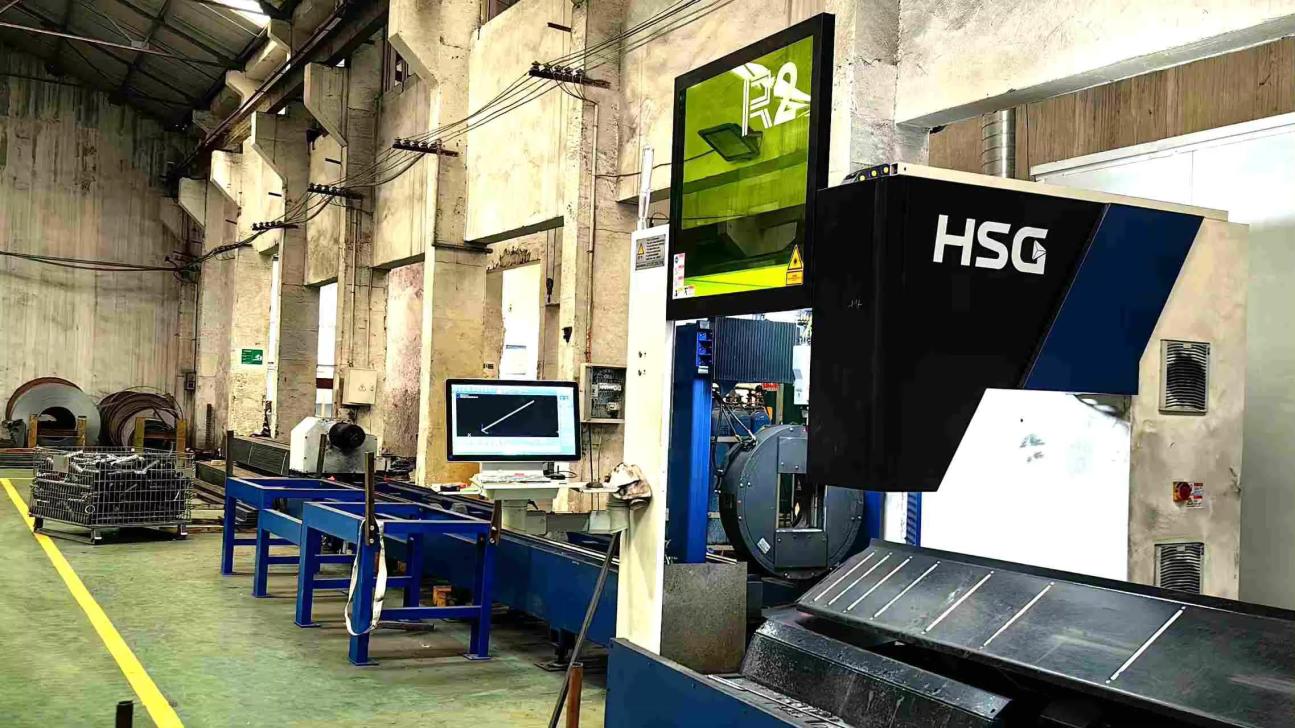
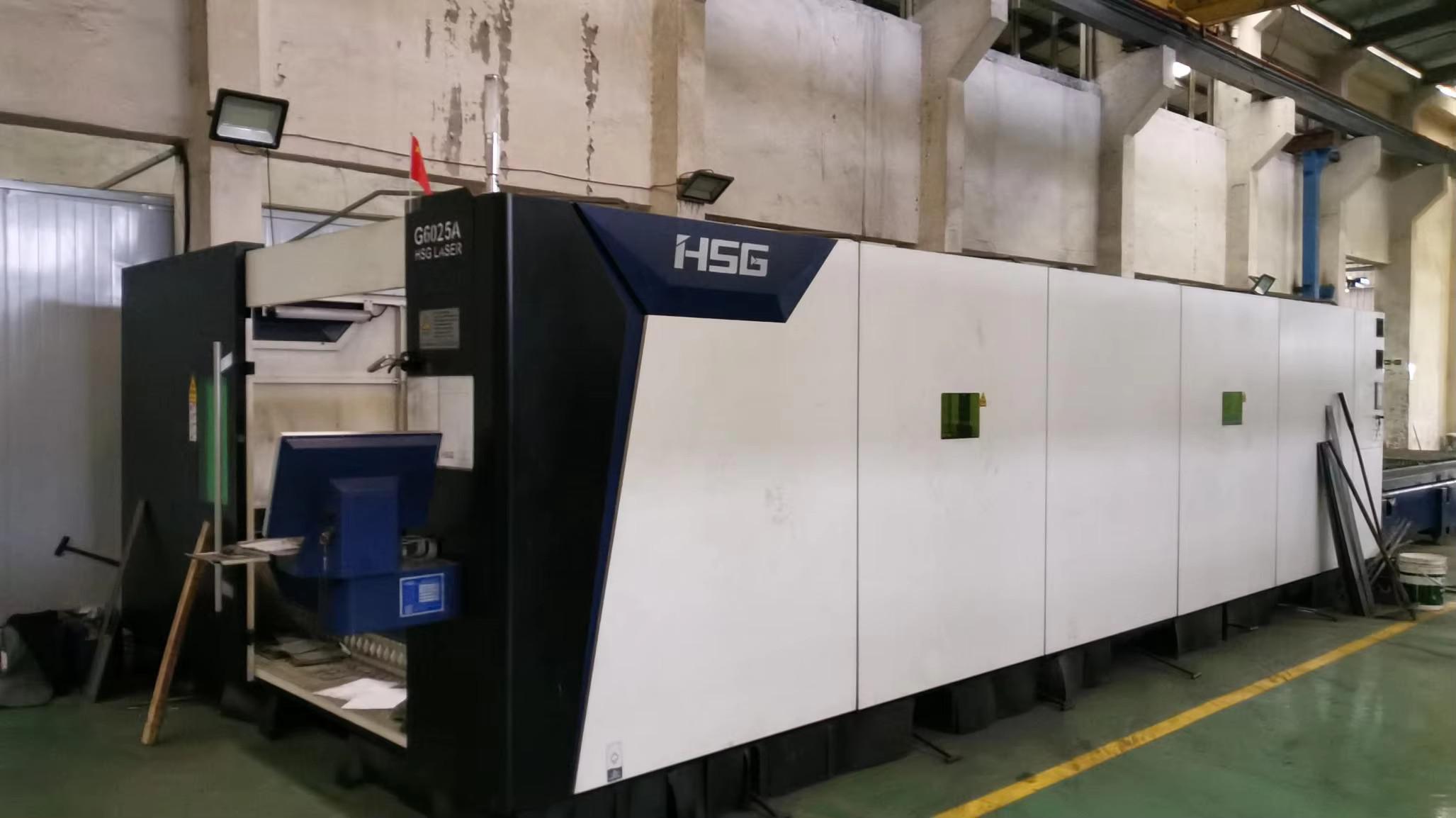
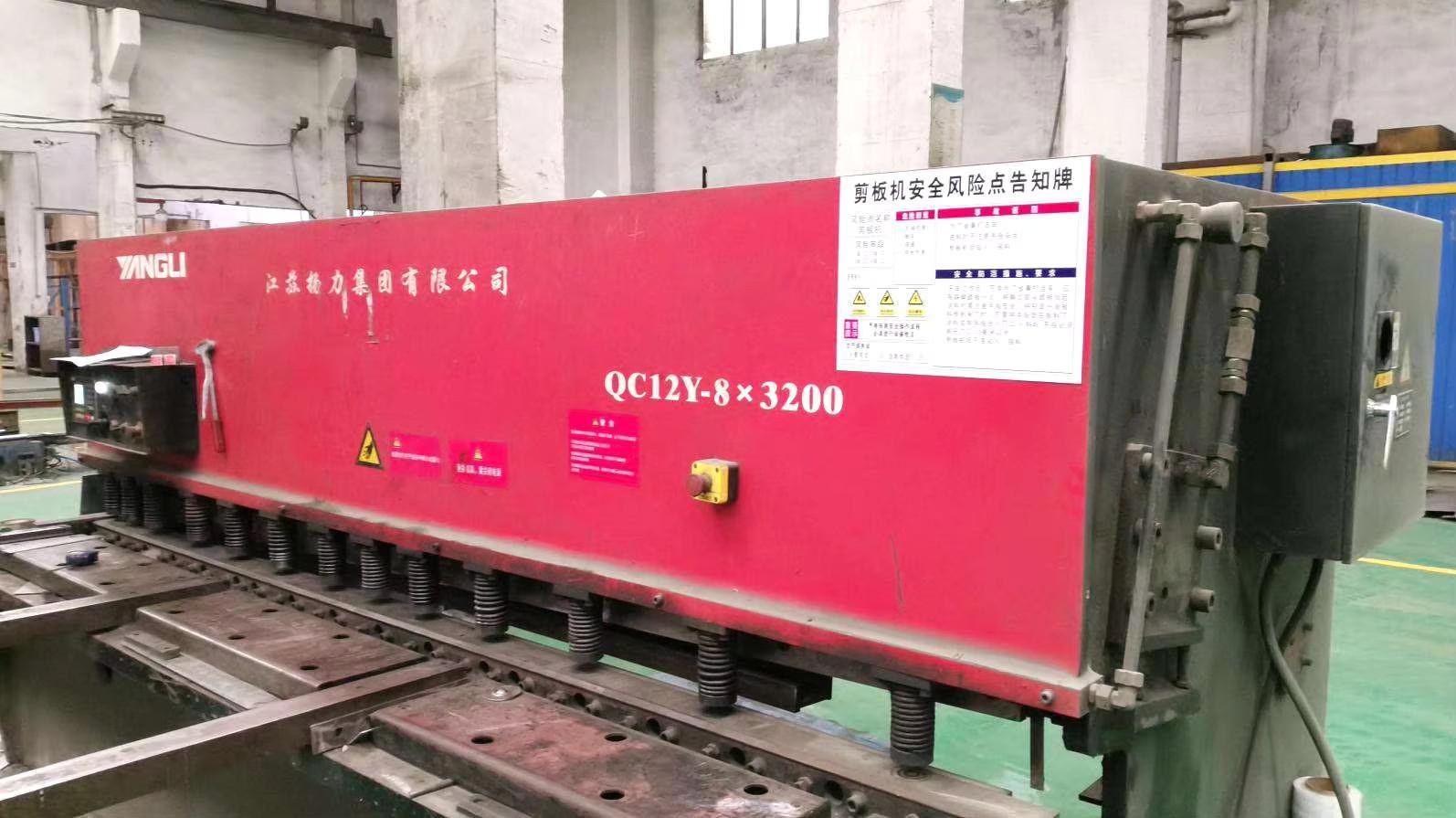
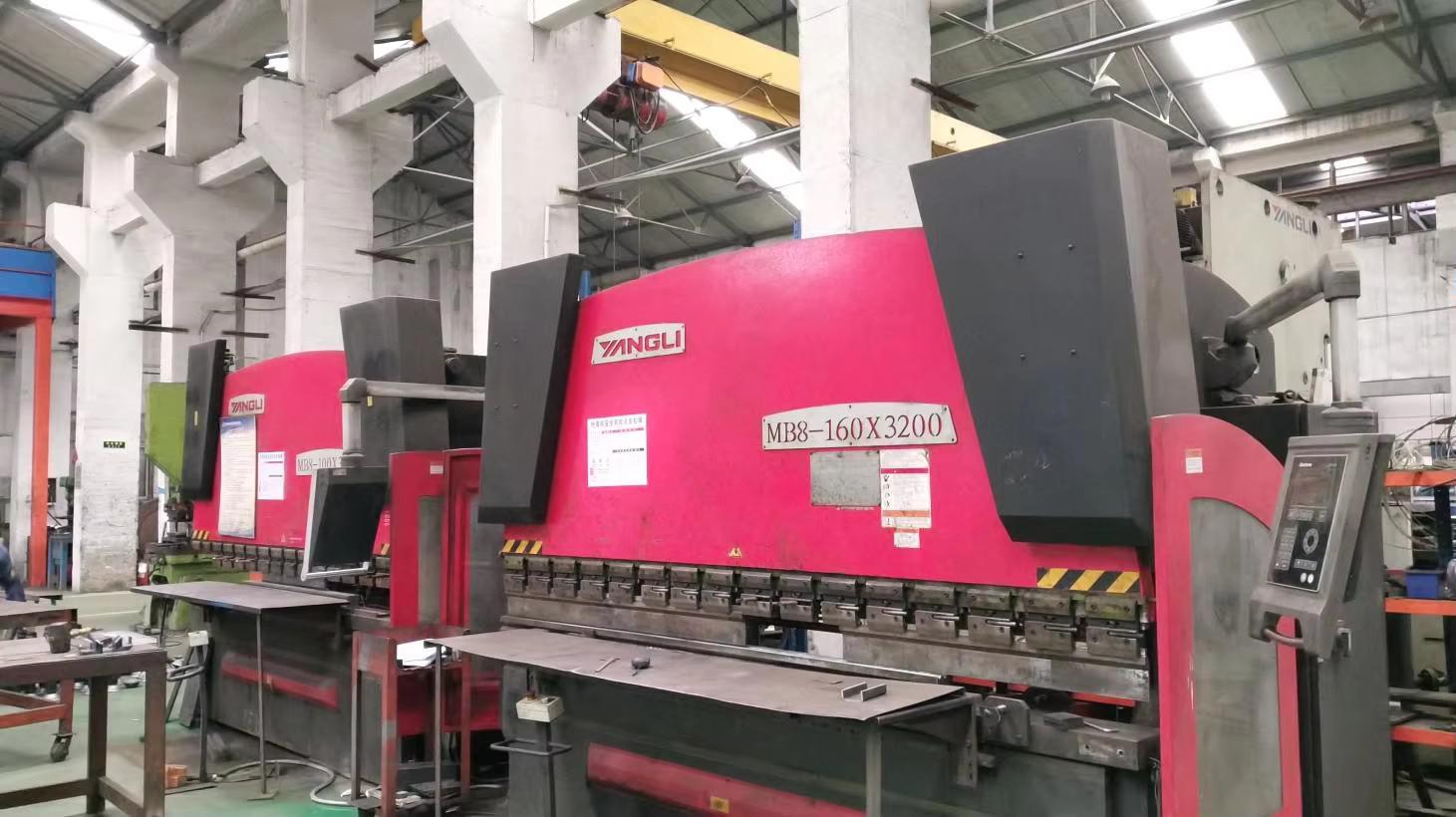
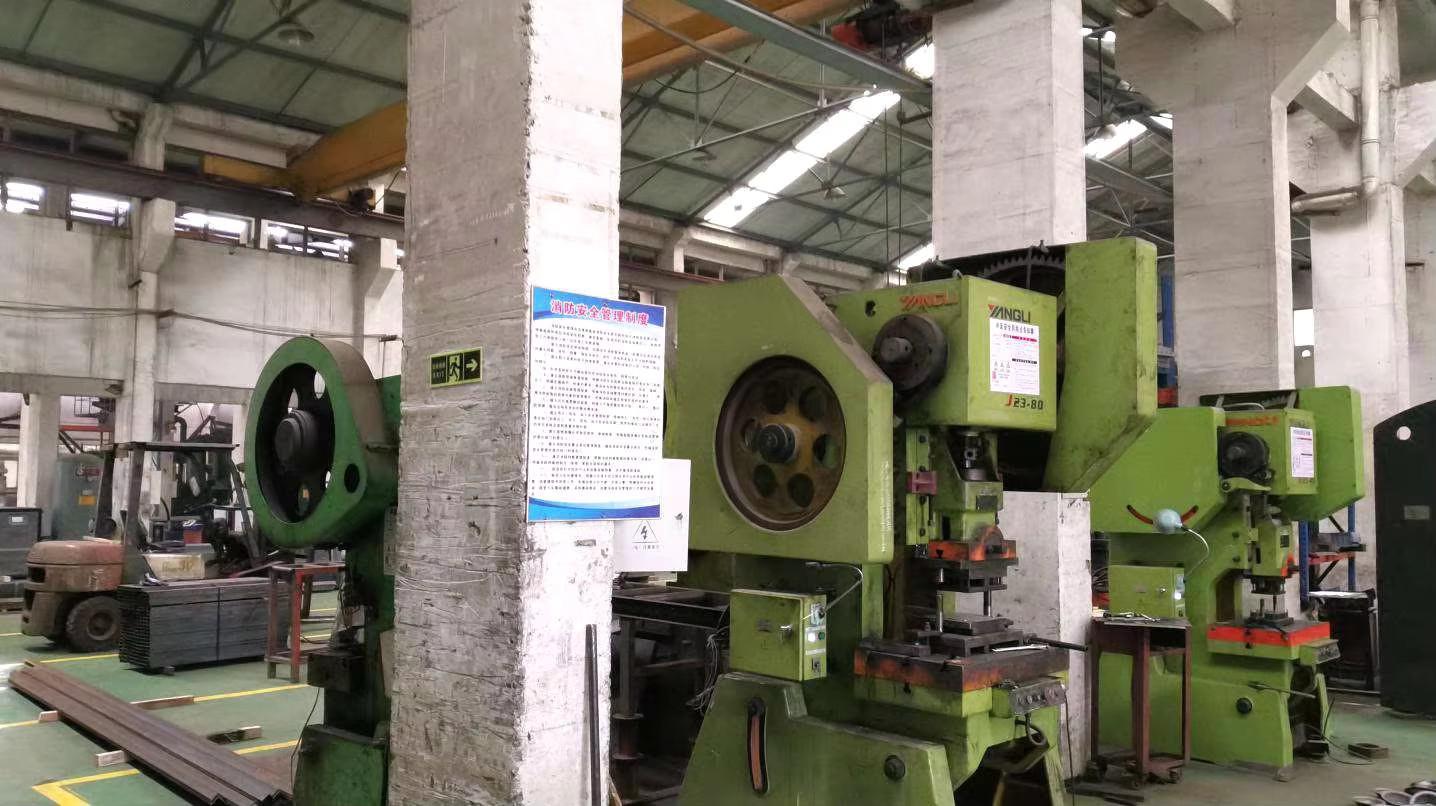
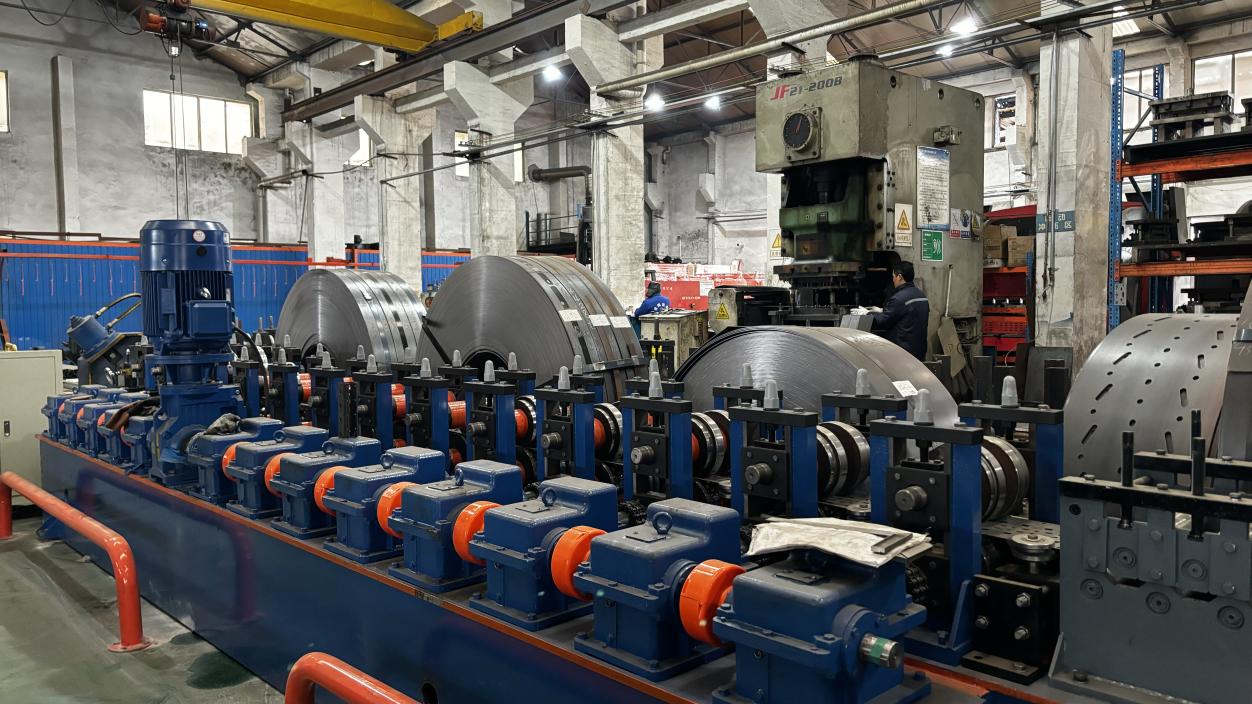
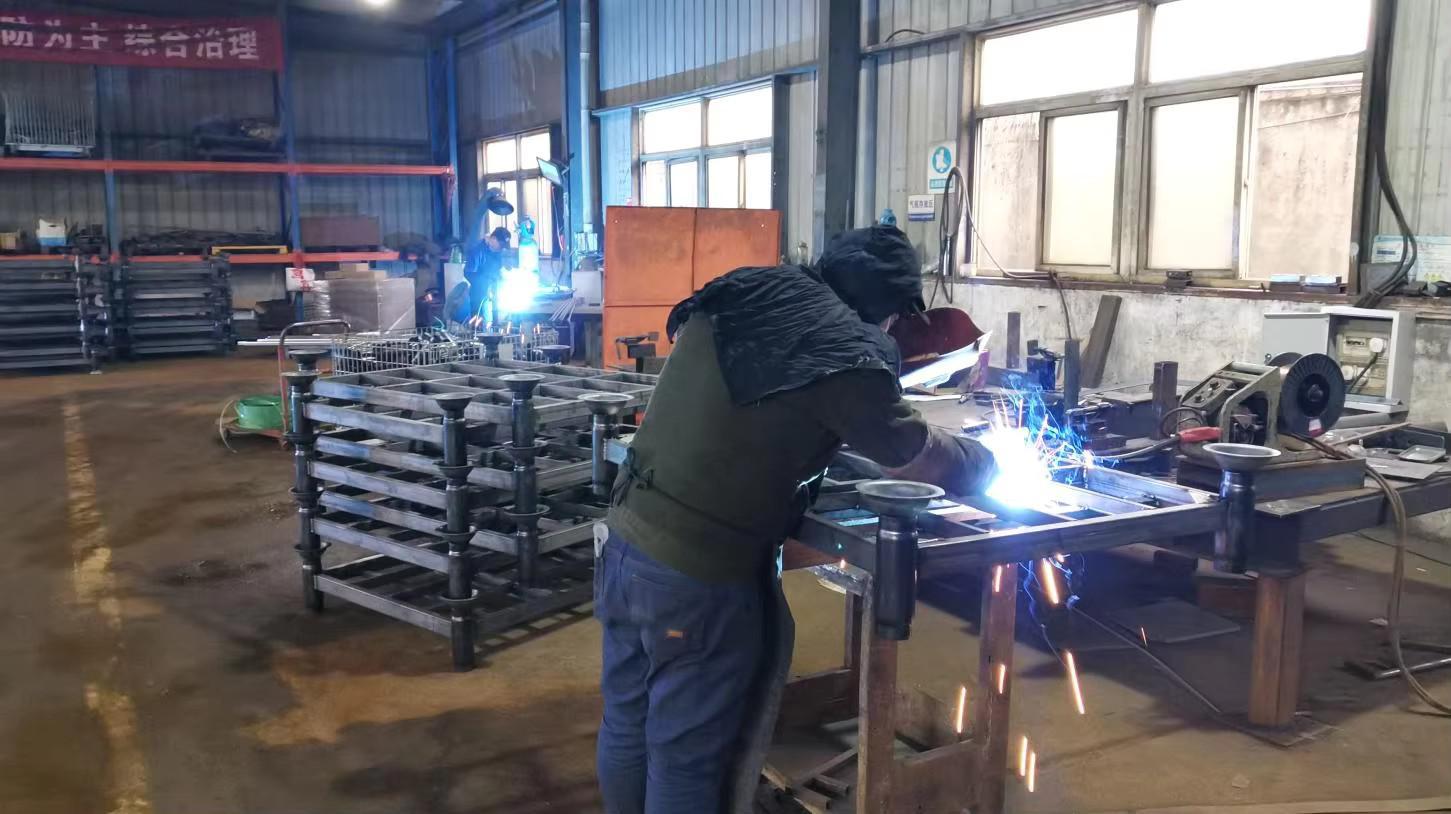
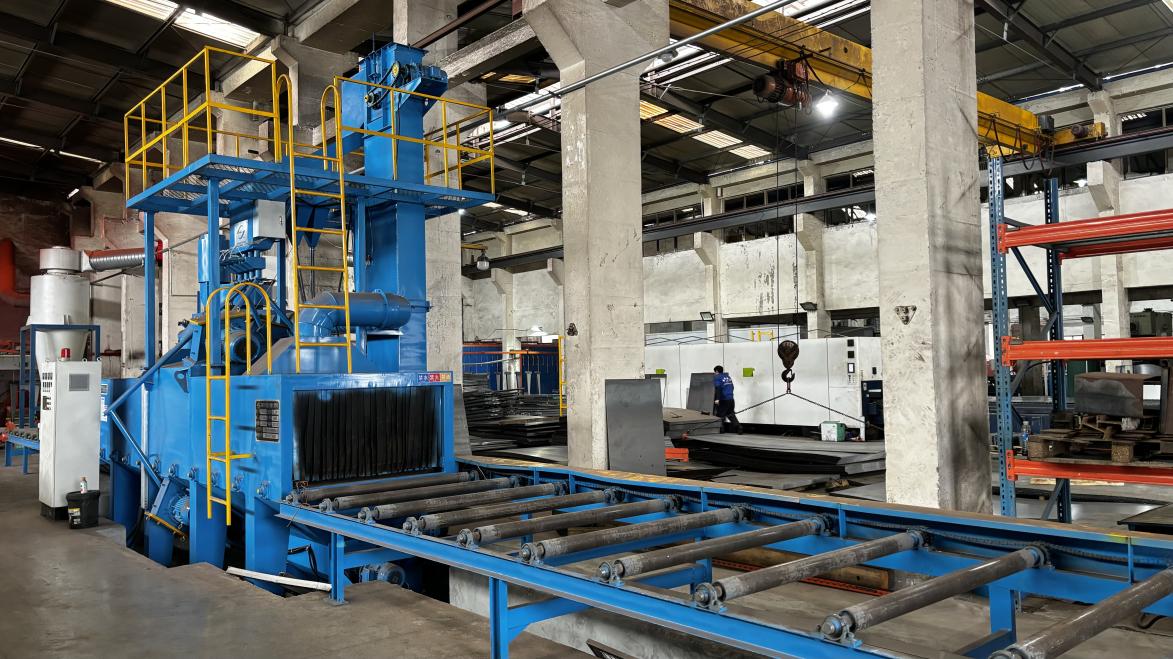
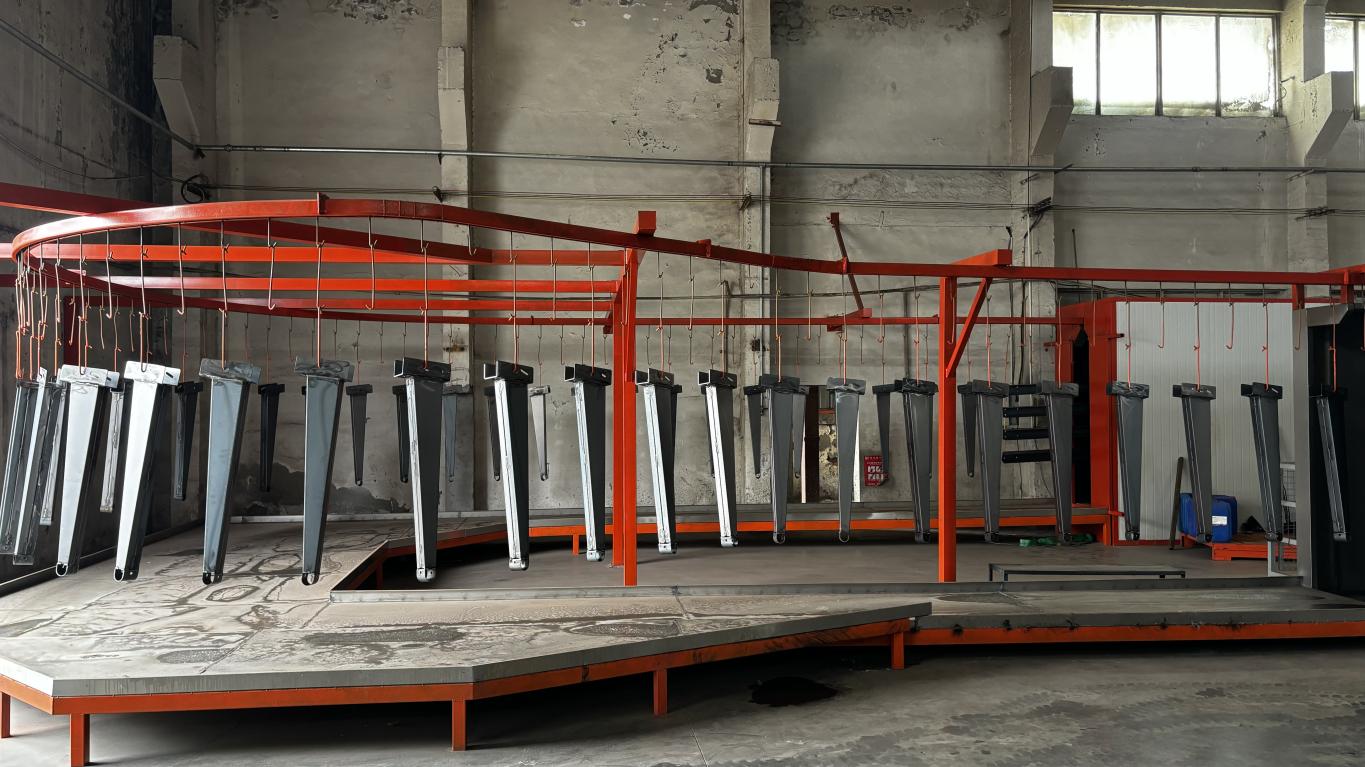
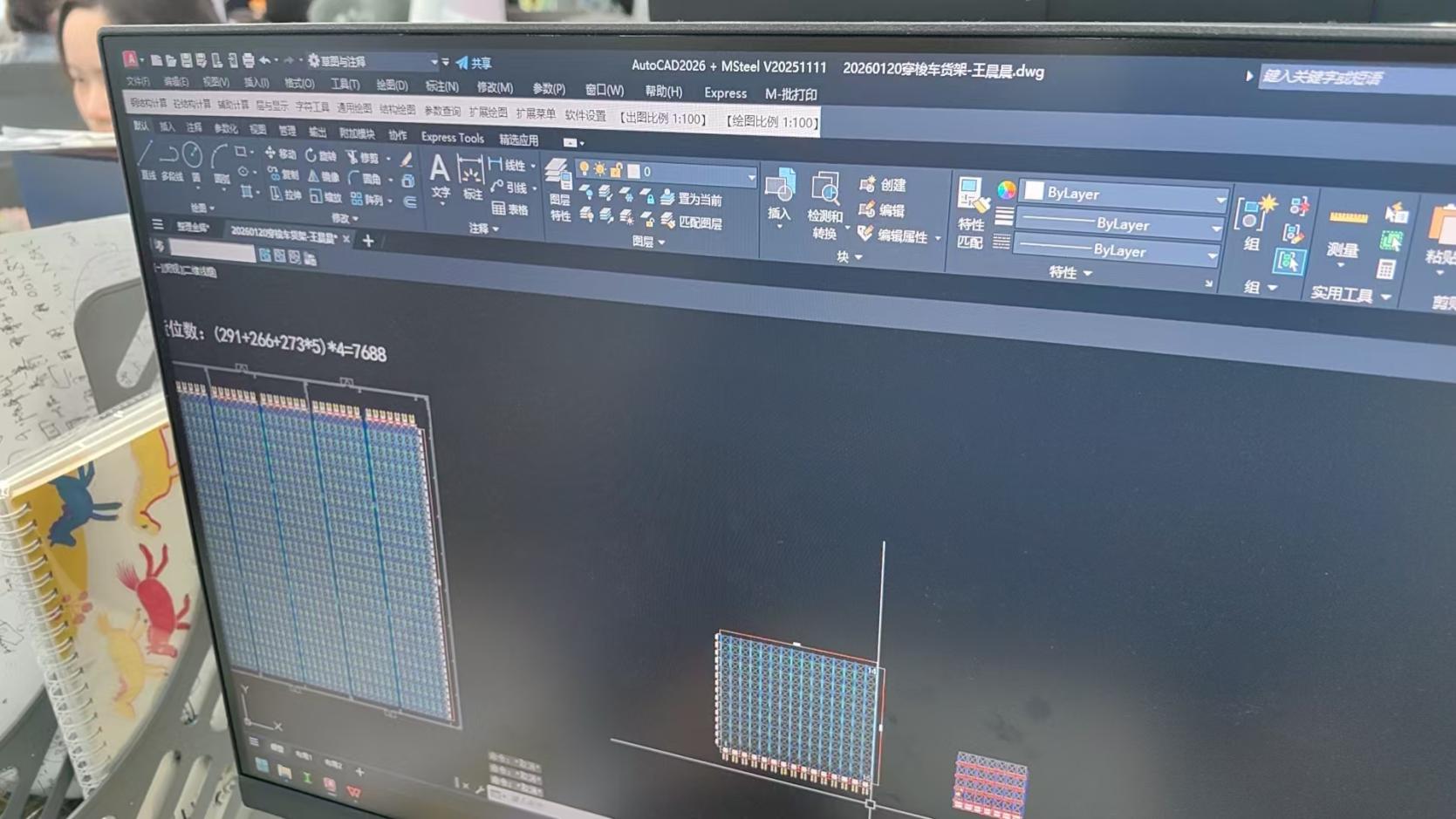
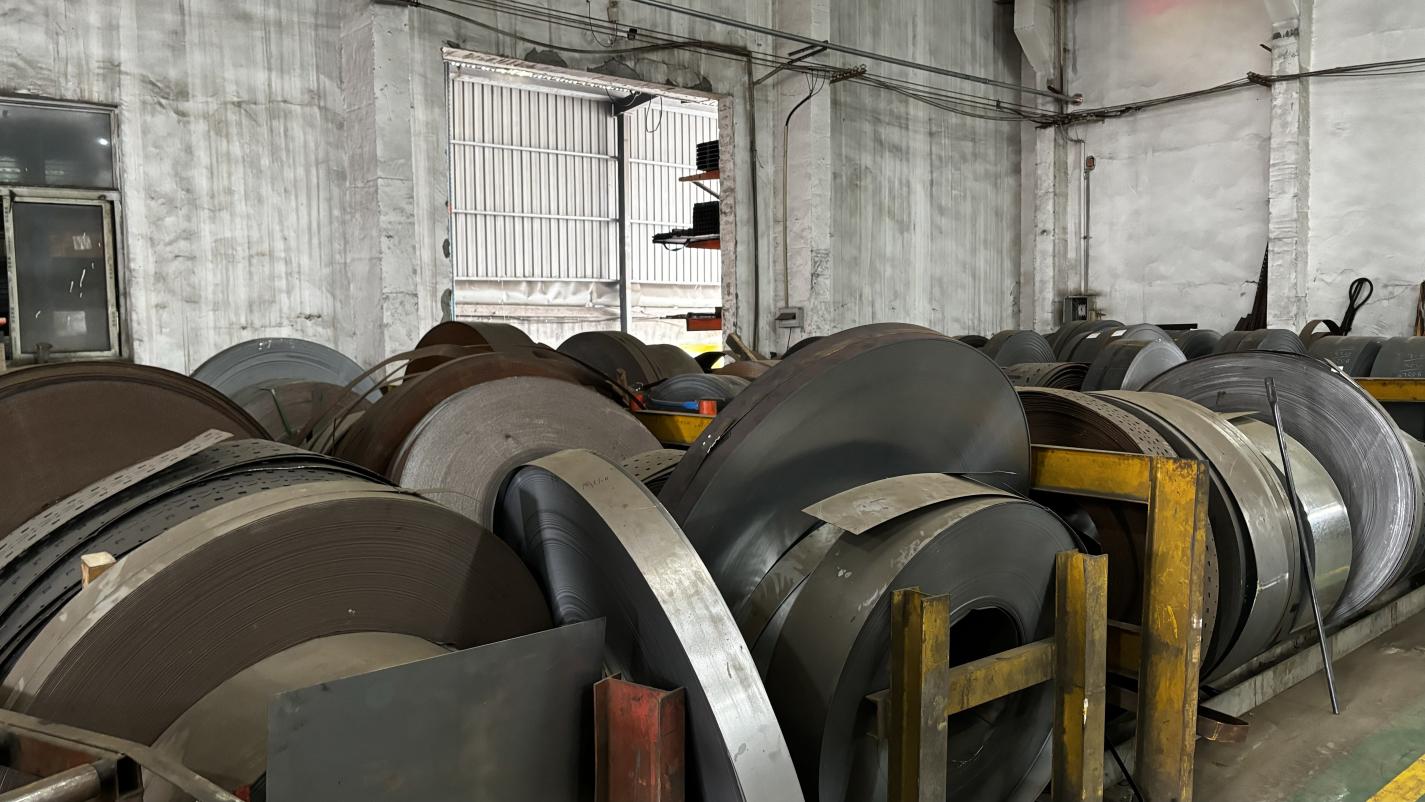
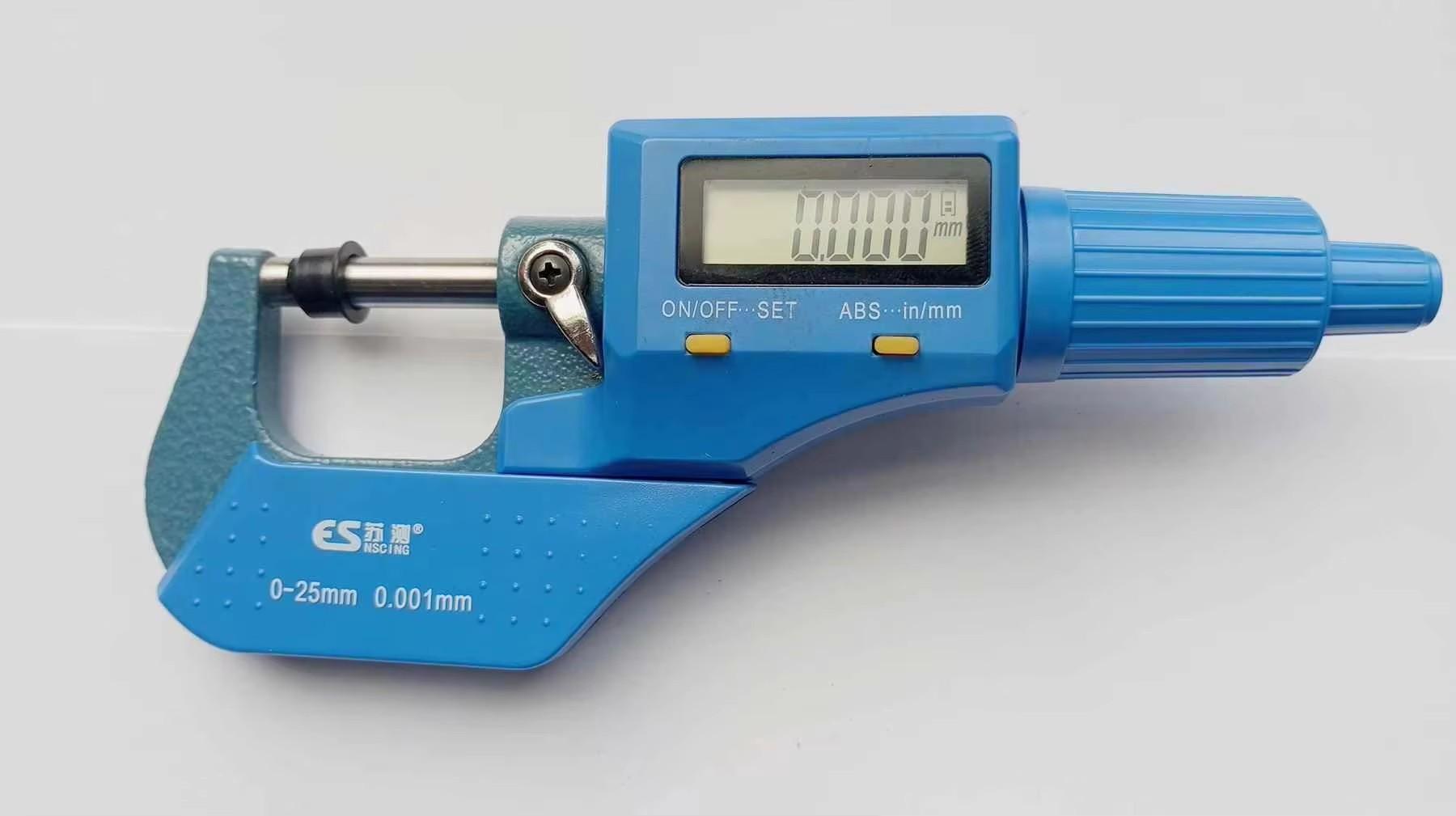
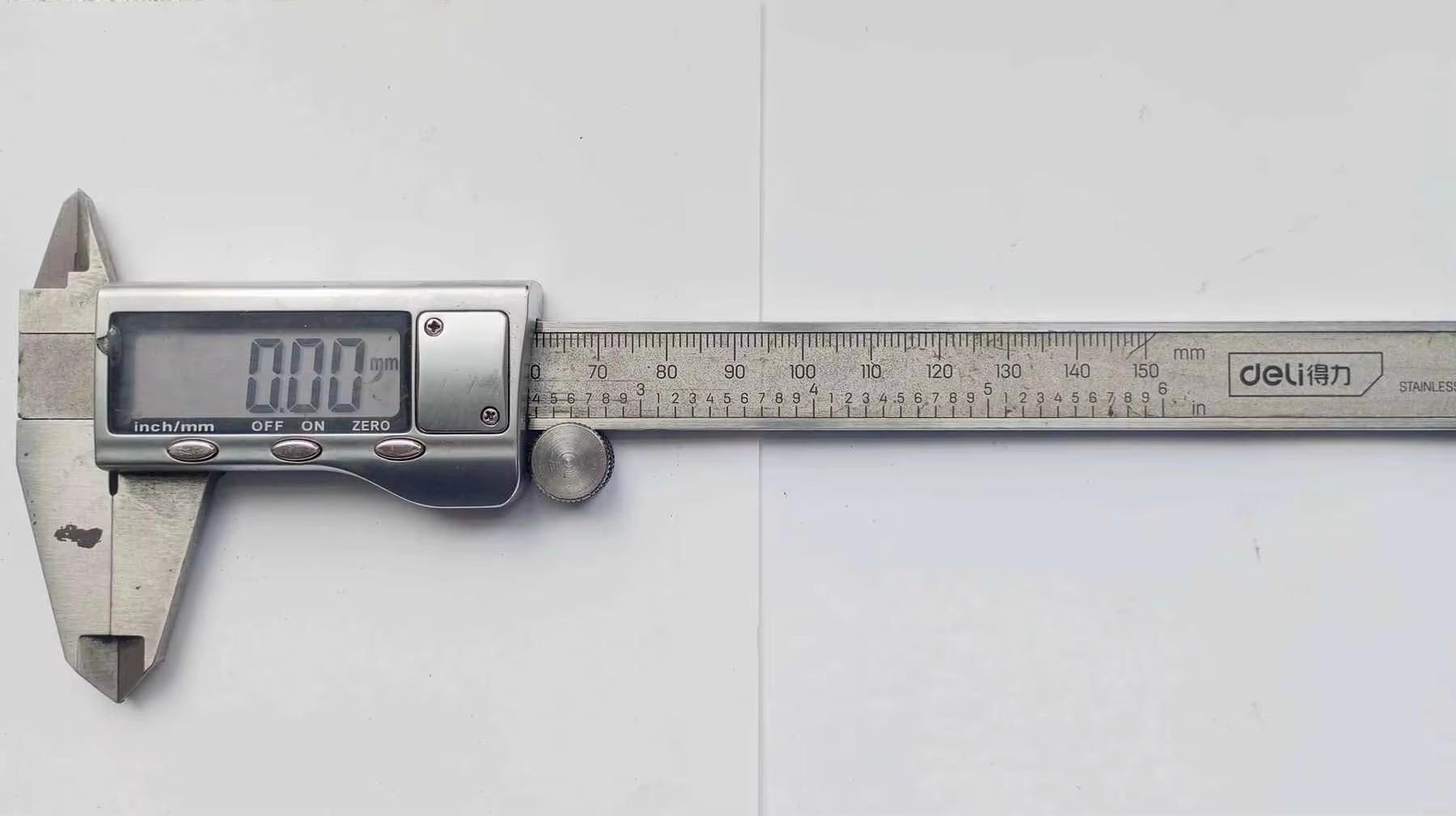
Key technical criteria global industrial procurement directors must analyze before ordering heavy-duty structures from China.
High-yield storage structures rely on quality base steel. Jinhui sources premium Q235B and Q355 grade carbon steel. Q355 provides higher yield strength (355 MPa) compared to standard Q235B (235 MPa), making it ideal for tall, high-bay warehouses and seismic-prone regions. Sourcing teams should request mill test certificates (MTC) to verify chemical compositions (Carbon, Manganese, Silicon) and mechanical performance indices.
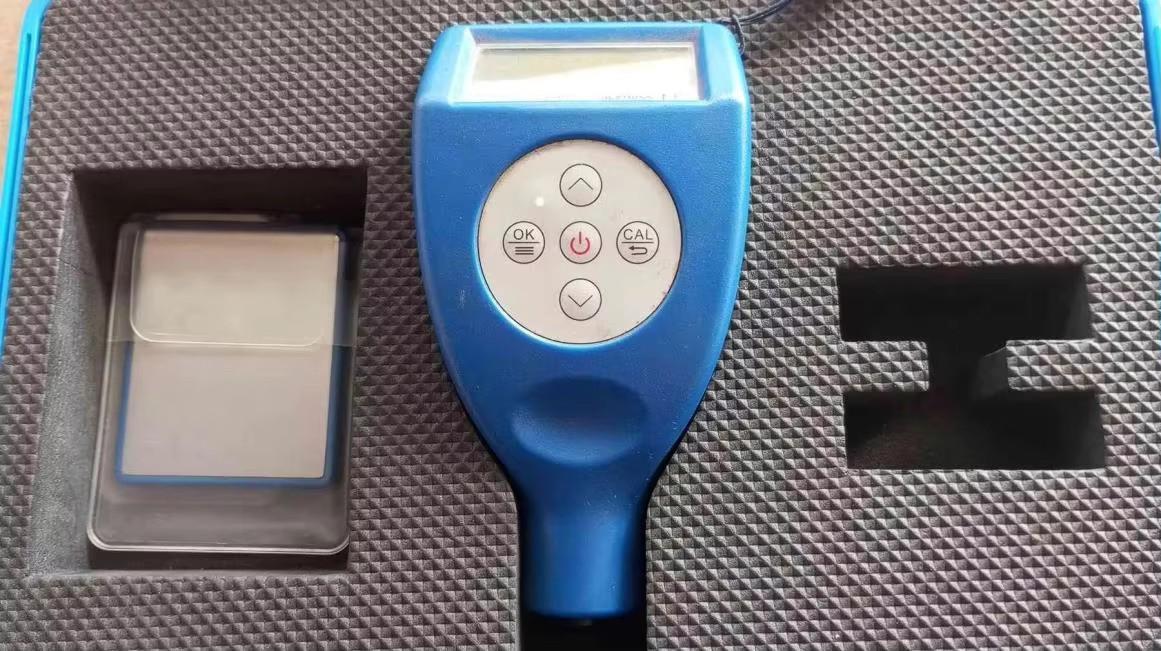
Industrial settings expose racking to moisture, chemical gases, and physical abrasion. Our electrostatic powder coating process deposits an even layer of epoxy-polyester powder. This is baked at high temperatures to achieve a coating thickness between 60 to 90 microns. This prevents rust, matches FDA sanitation guidelines for food warehouses, and resists peeling under impacts.
Quality control is critical for safety. Our facility operates an ISO 9001 certified program. We deploy 46 dedicated QC inspectors to monitor fabrication. They check for weld defects, verify dimensional tolerances, and run physical load capacity tests. This ensures our racking safely holds heavy industrial components.
Adapting physical racking to meet the needs of automated mobile robots (AMRs), self-driving vehicles, and digital twins.
Modern logistics relies heavily on automation. Automated Storage and Retrieval Systems (AS/RS) require tighter manufacturing tolerances than manual racking. A deflection or tilt of even a few millimeters can cause sensor errors or system collisions.
Jinhui's manufacturing lines use precise CNC roll-forming to ensure our frames meet these strict tolerances. This allows seamless integration with automated guided vehicles (AGVs), laser-guided forklifts, and radio shuttle carts. Our engineering team designs these systems with durable baseplates and column guards to protect your automation investment from accidental impacts.
By combining smart warehouse software with high-density steel platforms, companies can optimize inventory control, speed up order picking, and lower long-term labor costs.
Our structures comply with European, American, and Australian industrial standards, ensuring safe permitting and structural stability.
Our products meet EN 15512 and FEM 10.2.02 structural standards. This covers design details like beam-to-upright connection play, design margins, and load testing protocols, allowing smooth approval across the EU.
For US and Canadian markets, our racking conforms to RMI (Specification for the Design, Testing and Utilization of Industrial Steel Storage Racks) guidelines, focusing on structural calculations, safety features, and seismic design factors.
We follow Australian standard AS4084-2012, which sets rules for tolerances, testing methods, structural analysis, and safety signs. This ensures our installations in Australia meet all local workplace safety regulations.
Clear, direct answers to common questions about industrial storage racks, compliance, shipping, and customization.
Explore our heavy-duty industrial systems, designed for high-density storage, manual sorting, and heavy material handling.
 Jinhui Storage Equipment