Explore our core selection of heavy-duty, high-performance structural systems engineered for modern industrial warehousing.
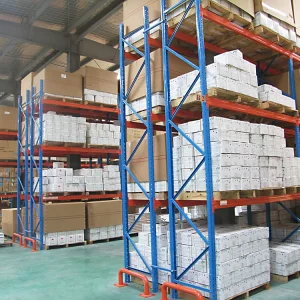
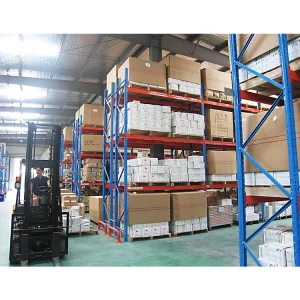
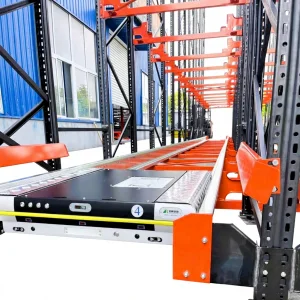
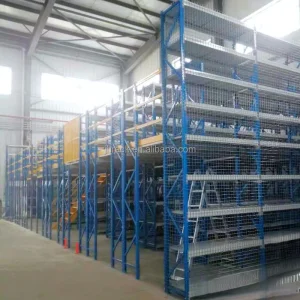
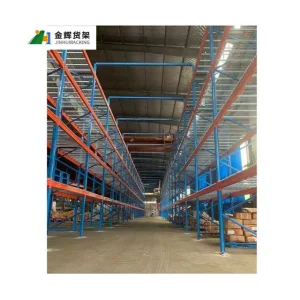
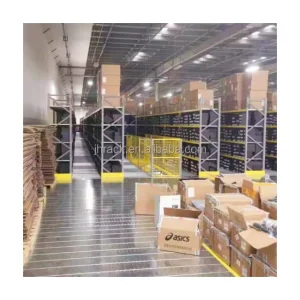
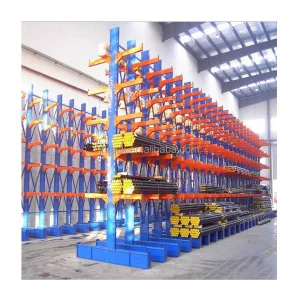
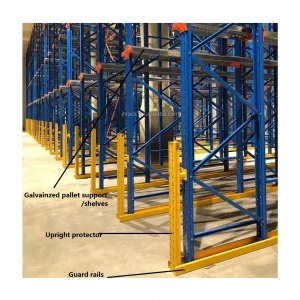
In the era of hyper-velocity commerce, static warehousing is no longer sufficient to sustain demanding supply chain throughput. Today’s industrial landscape demands smart, high-density space configuration models capable of maximizing cubic volume while preserving flawless inventory flow. Dynamic Racking Systems represent the pinnacle of this evolution. Unlike traditional static selective racks, dynamic systems leverage gravity, mobile components, and automated shuttles to transition warehousing from a manual staging format into an active, high-throughput component of the supply chain.
As global logistics pipelines face unprecedented structural disruptions, leading organizations are transitioning to high-density dynamic topologies—such as Pallet Flow, Push Back, Radio Shuttle, and Electric Mobile Racking. These systems achieve up to an 85% improvement in volumetric utilization relative to conventional setups. Implementing these storage matrices reduces operational overhead, increases labor safety, and ensures structural resilience against dynamic load variances and seismic forces.
“Operational efficiency is not merely about storing more inventory; it is about accelerating the velocity of inventory through space without compromising structural integrity or human safety.”
The global warehousing market is experiencing a profound paradigm shift driven by three primary variables: skyrocketing industrial land valuation, labor scarcity, and the rise of multi-channel distribution. Logistics managers are no longer viewing warehouses as simple storage nodes; they are engineering them as automated profit engines. The transition from LIFO (Last-In, First-Out) to strict FIFO (First-In, First-Out) workflows is critical for perishable foods, pharmaceuticals, and temperature-controlled cold storage facilities.
Furthermore, environmental sustainability frameworks (such as ESG objectives) require lower energy consumption per cubic meter of stored goods. Dynamic storage options, like electric mobile racking, compress the footprint, reducing the required cooling volume in freezer applications by up to 40%. Consequently, this cuts refrigeration power consumption, aligning operational cost reduction directly with sustainability.
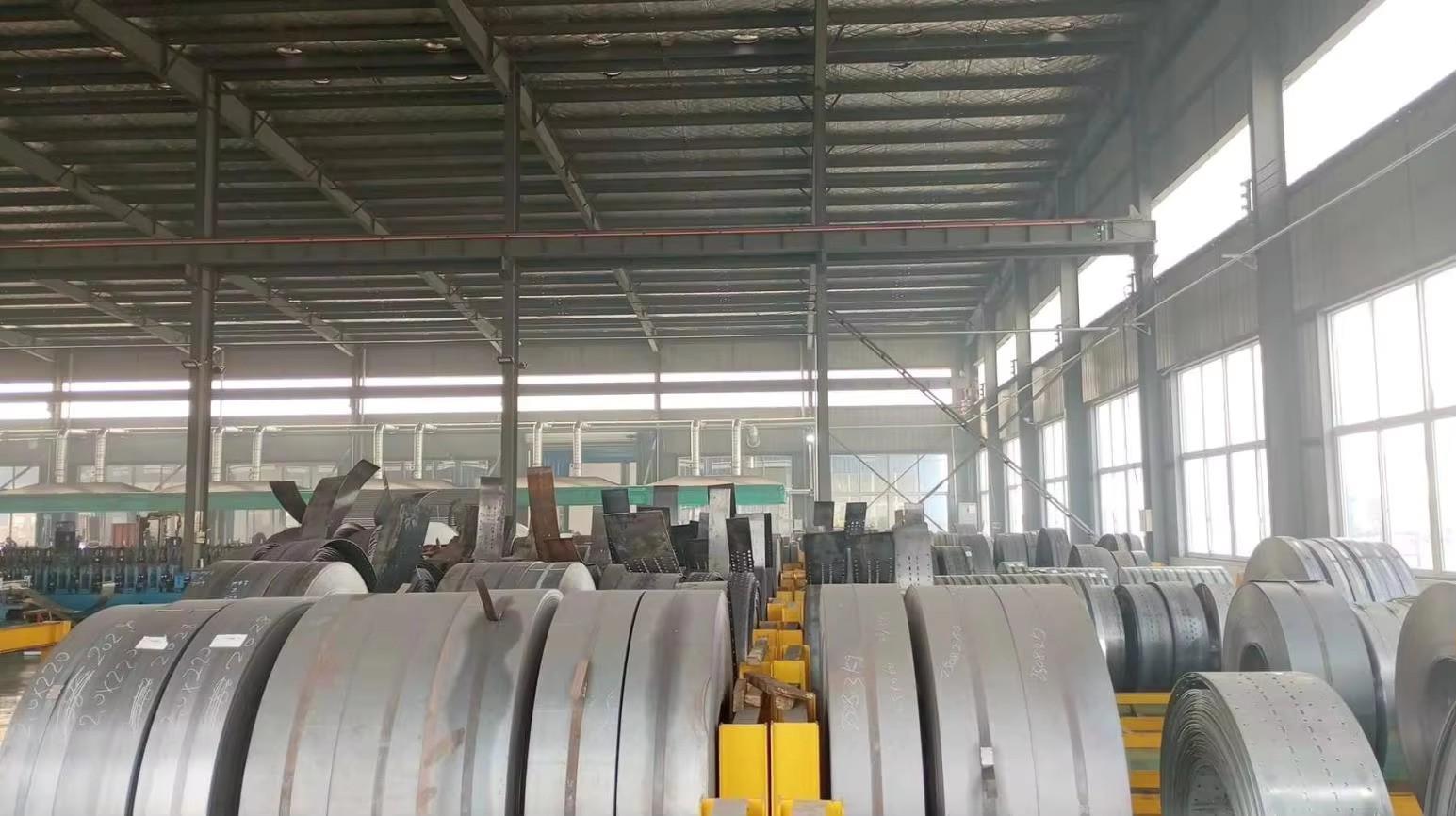
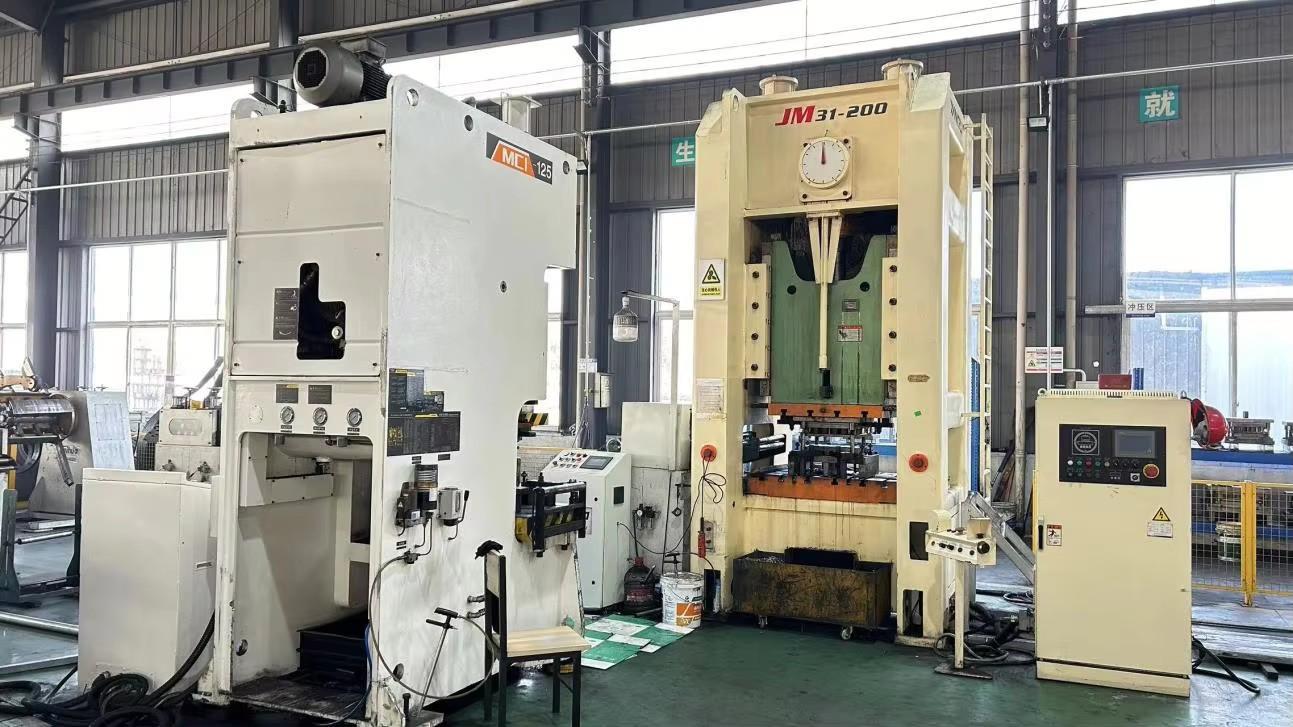
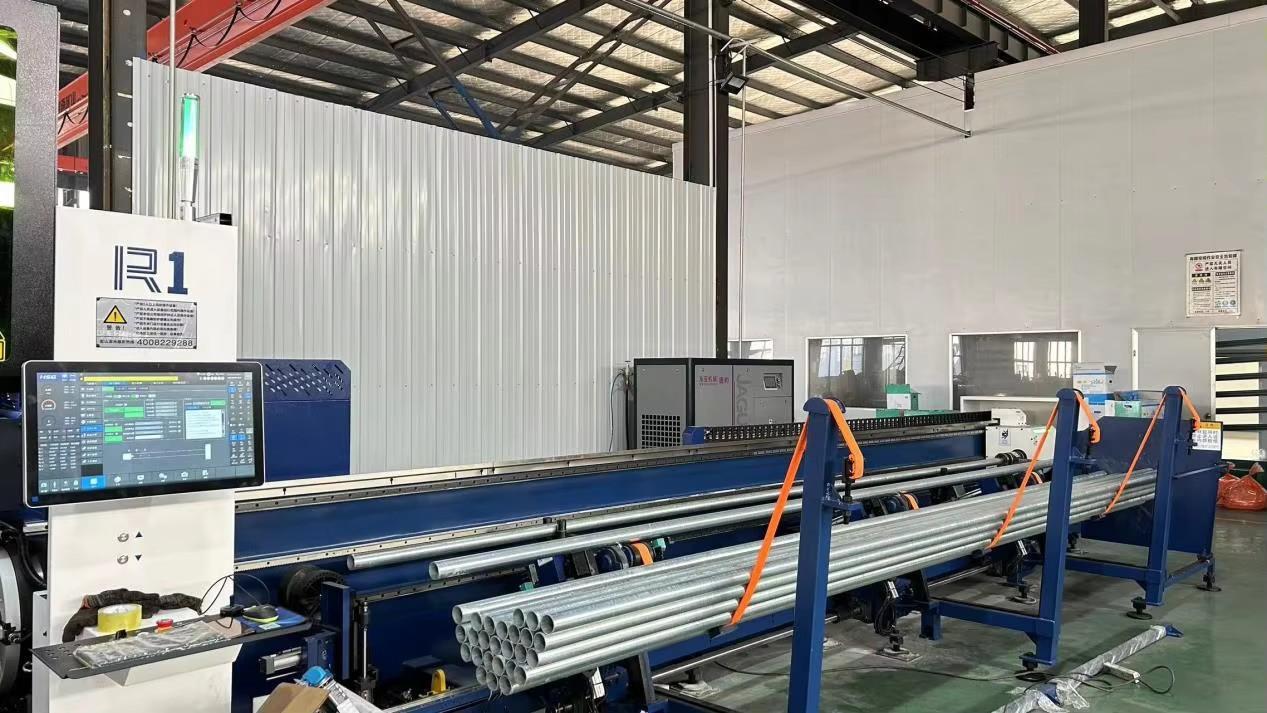
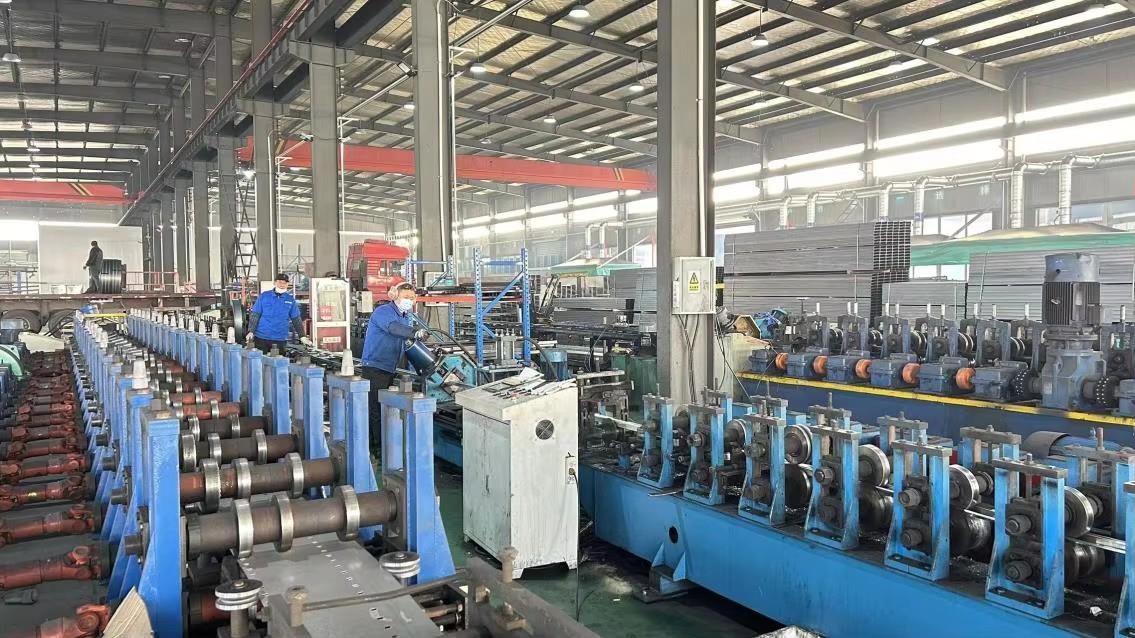
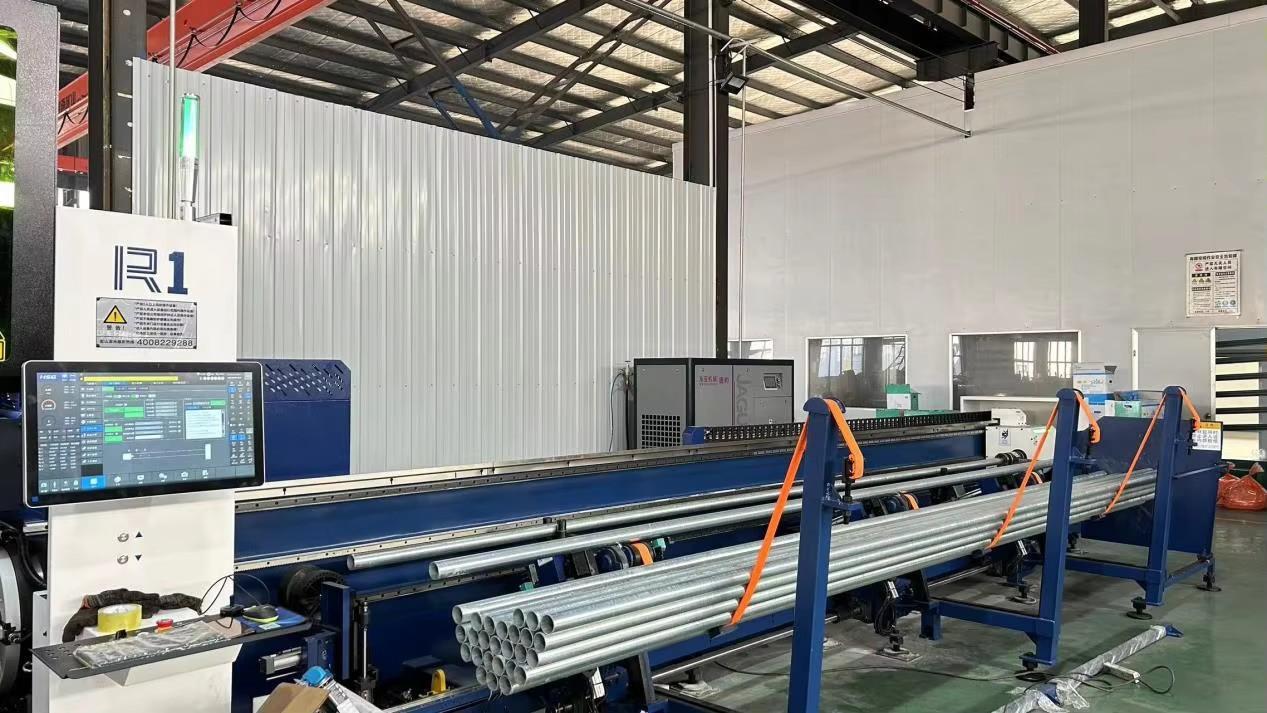
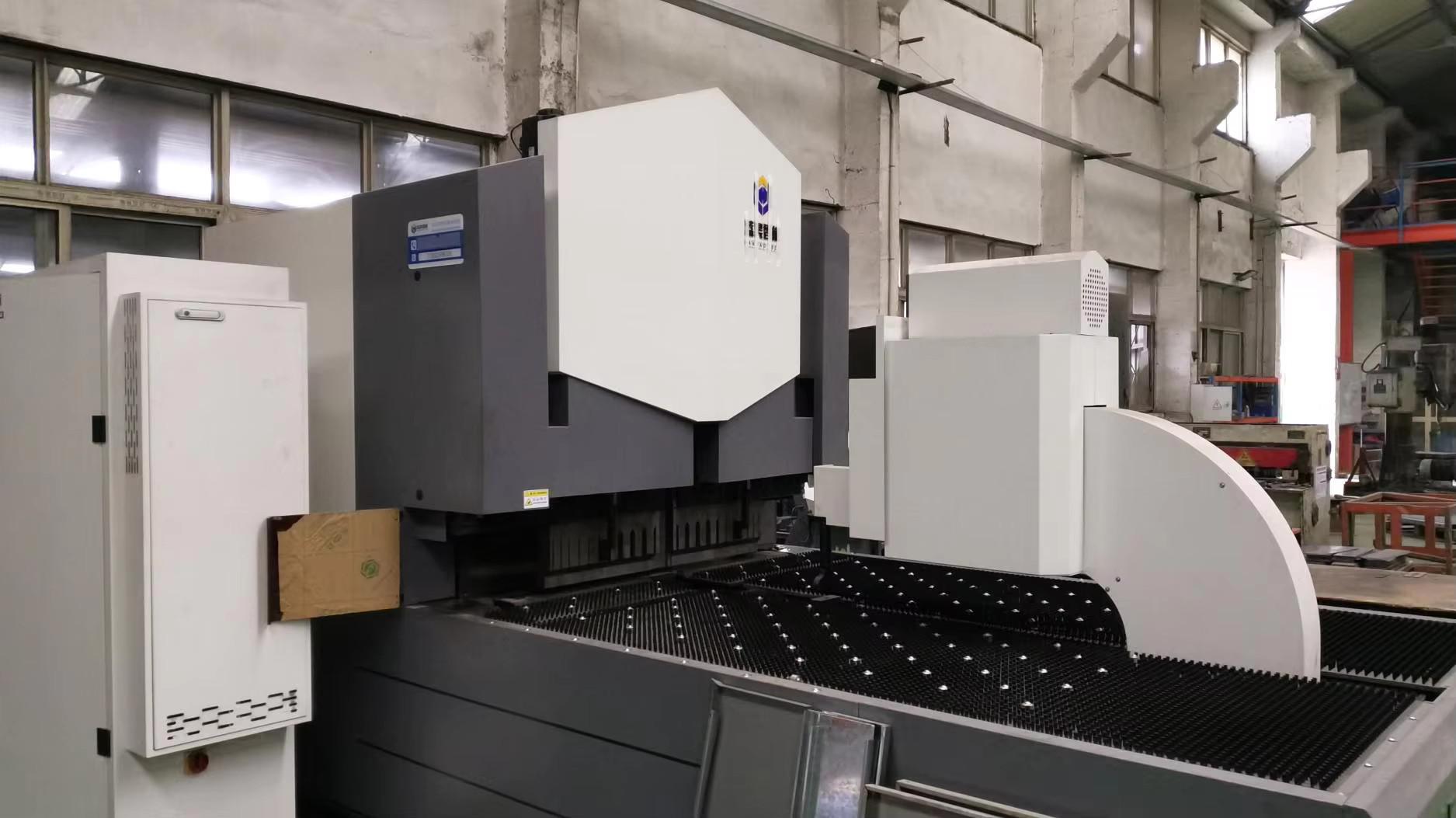
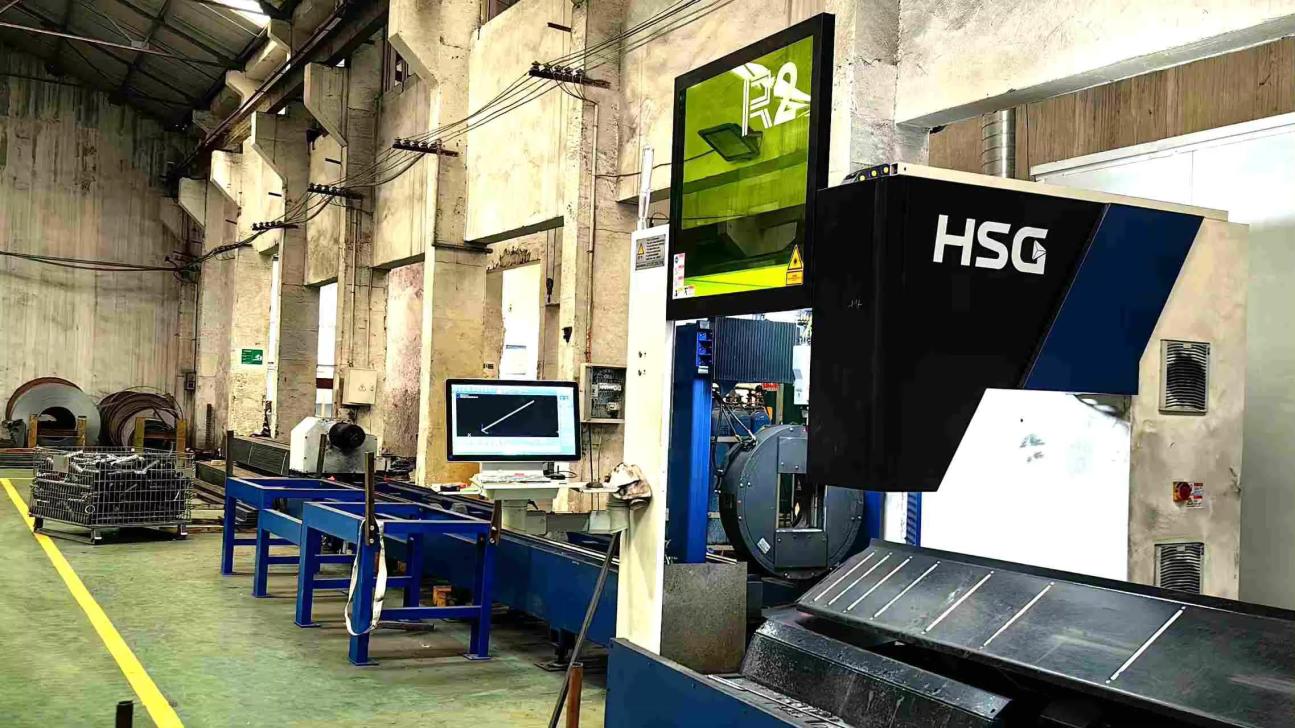
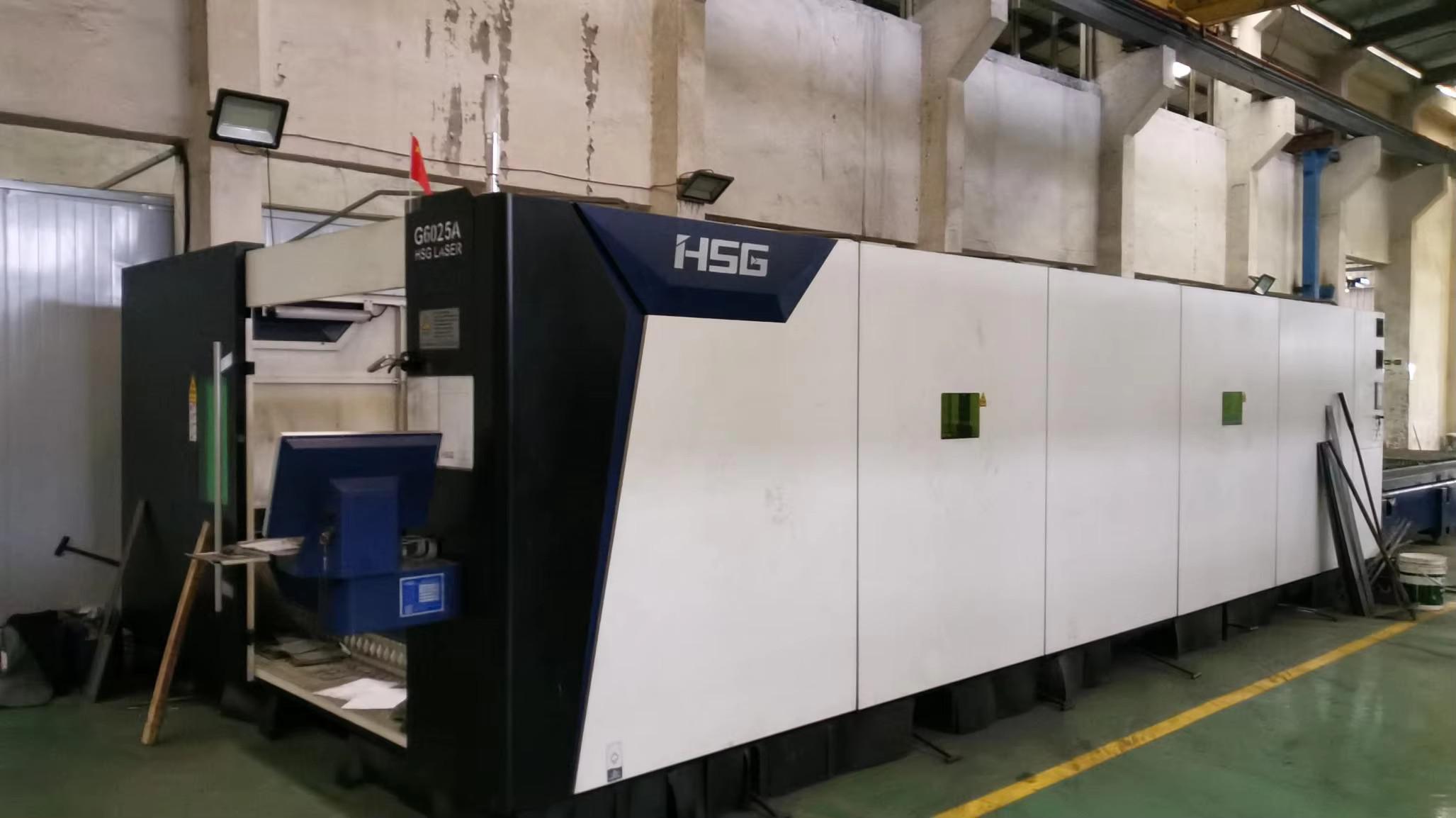
At the center of global manufacturing innovation is the transition to intelligent, highly automated factories. Dongguan Jinhui Storage Equipment Co., Ltd. has pioneered this integration within the industrial racking sector. Operating a state-of-the-art facility covering over 18,600 square meters, Jinhui utilizes advanced Industry 4.0 manufacturing processes to guarantee consistent high-tolerance quality and unmatched supply chain resilience.
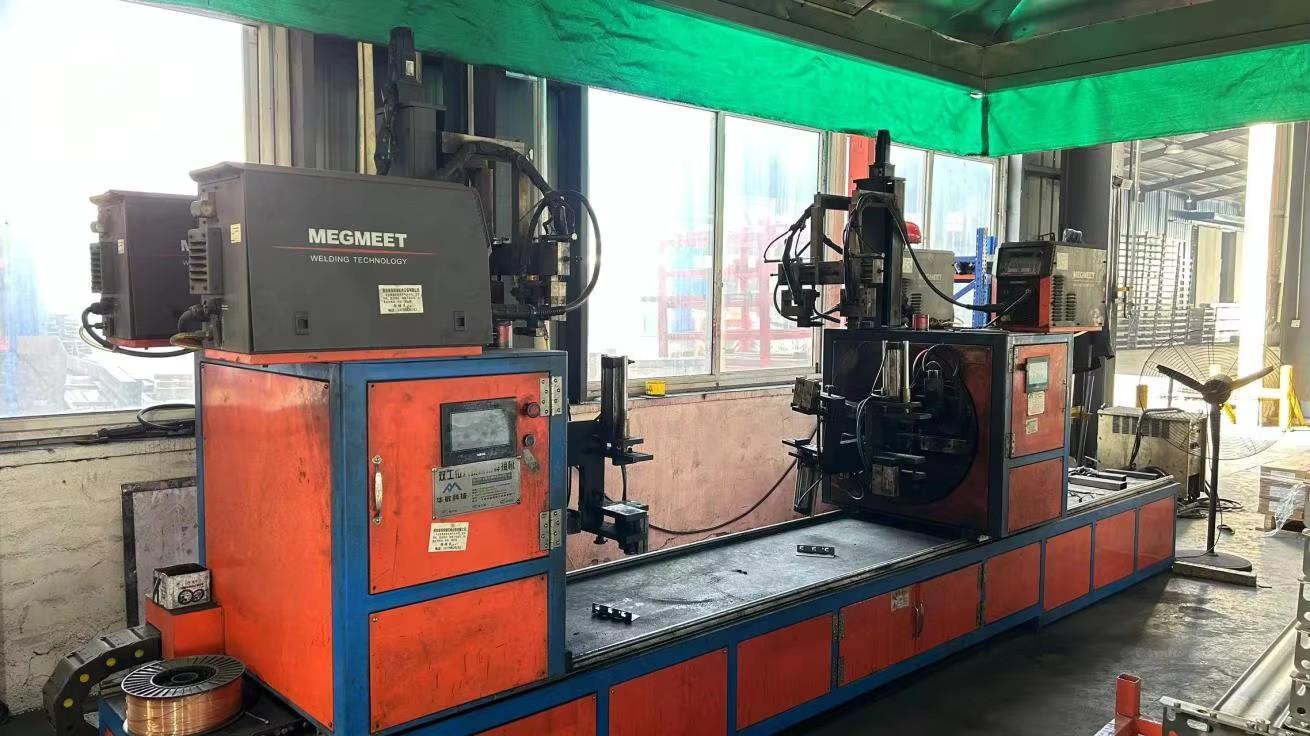
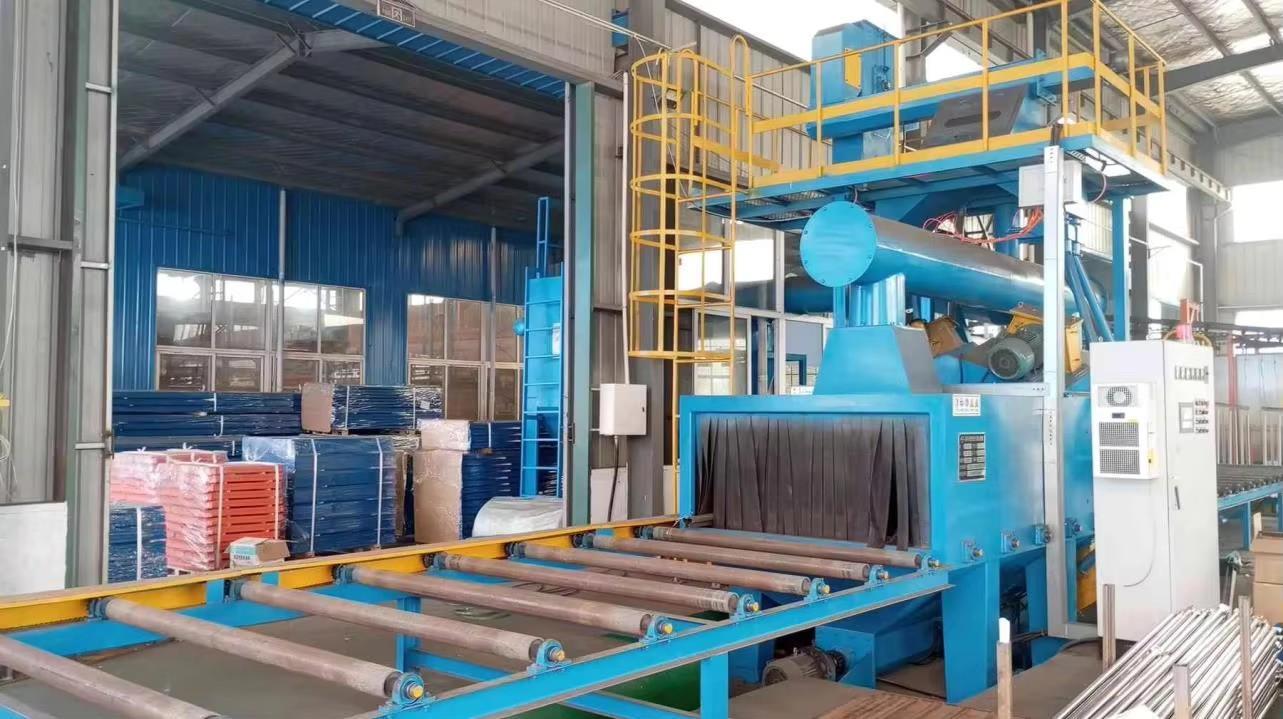
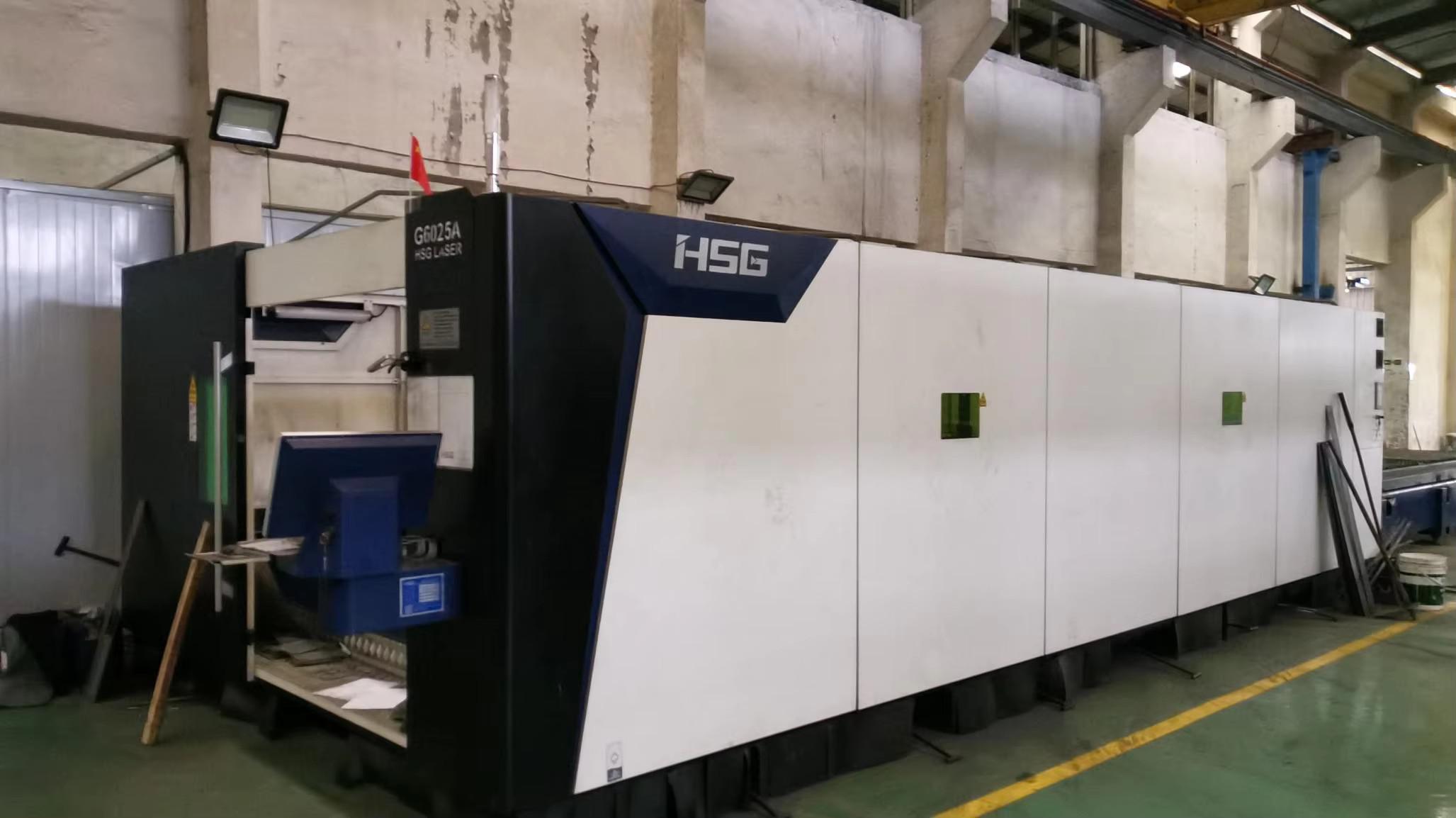
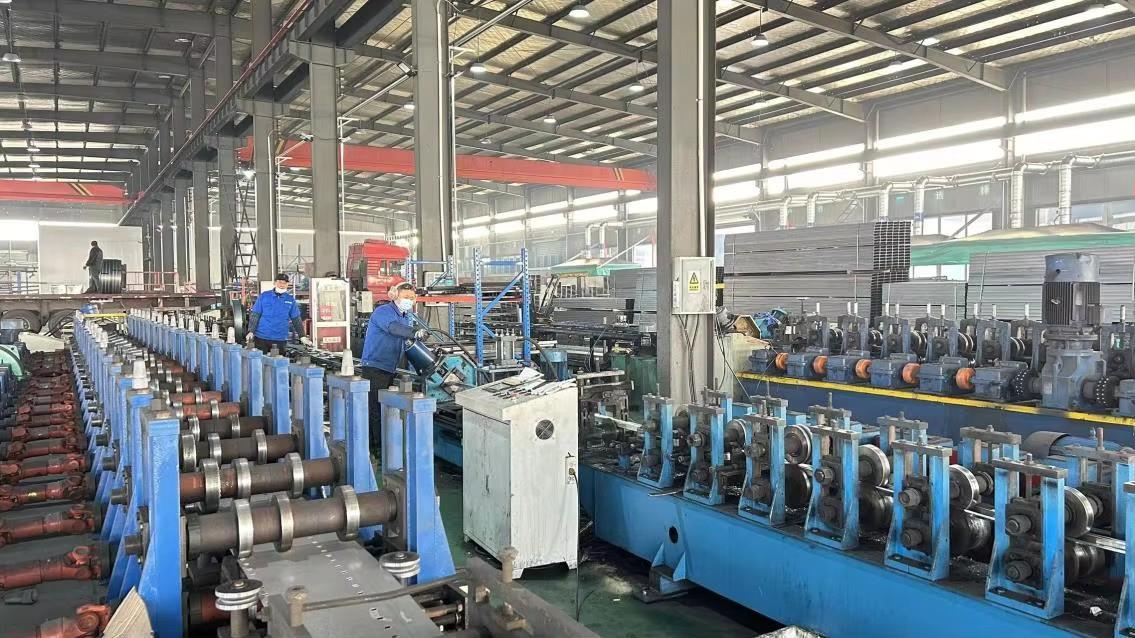
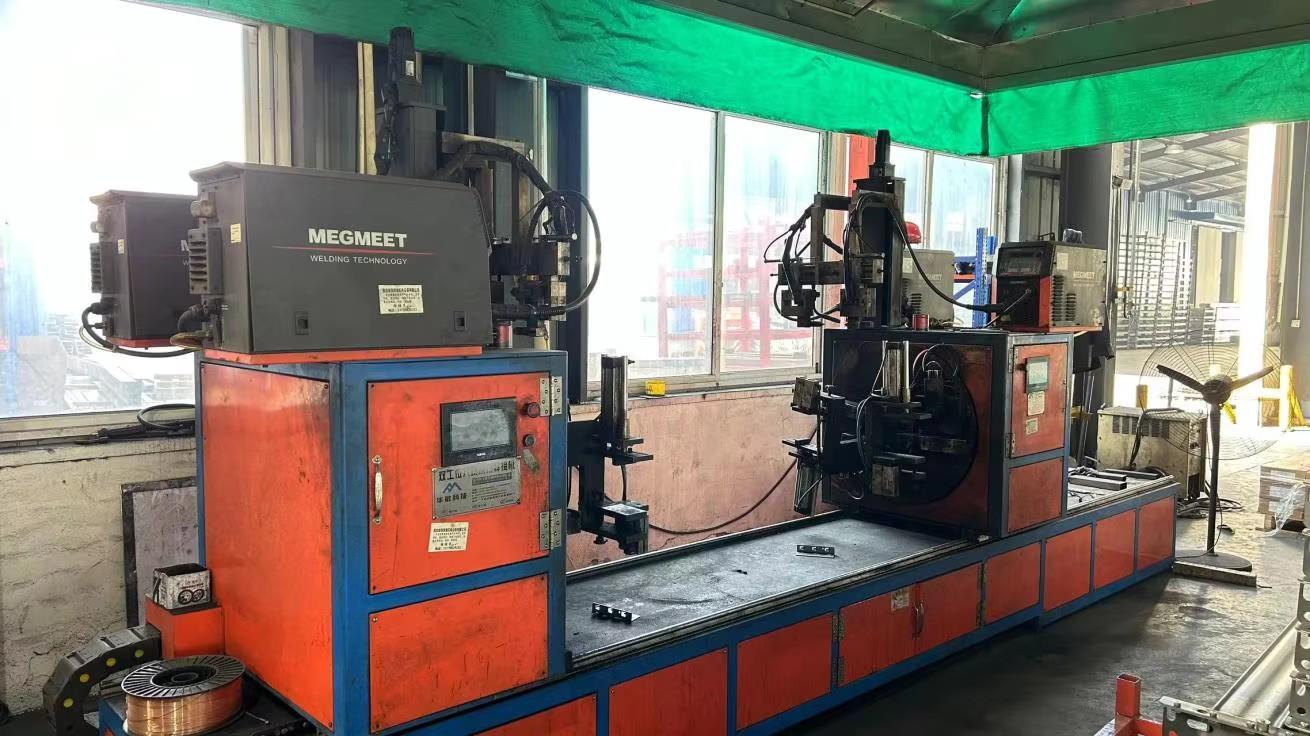
Our factory features high-precision laser cutters, robotic welding cells, and automated rolling mills that form steel profiles with sub-millimeter precision. By integrating our material procurement with over 980 vetted supply chain partners, we insulate our operations against raw material volatility and secure stable sourcing of premium Q235B and Q355 structural steel. This industrial capacity enables Jinhui to consistently fulfill large-scale global projects on time and at competitive prices, securing our position as a premier global exporter.
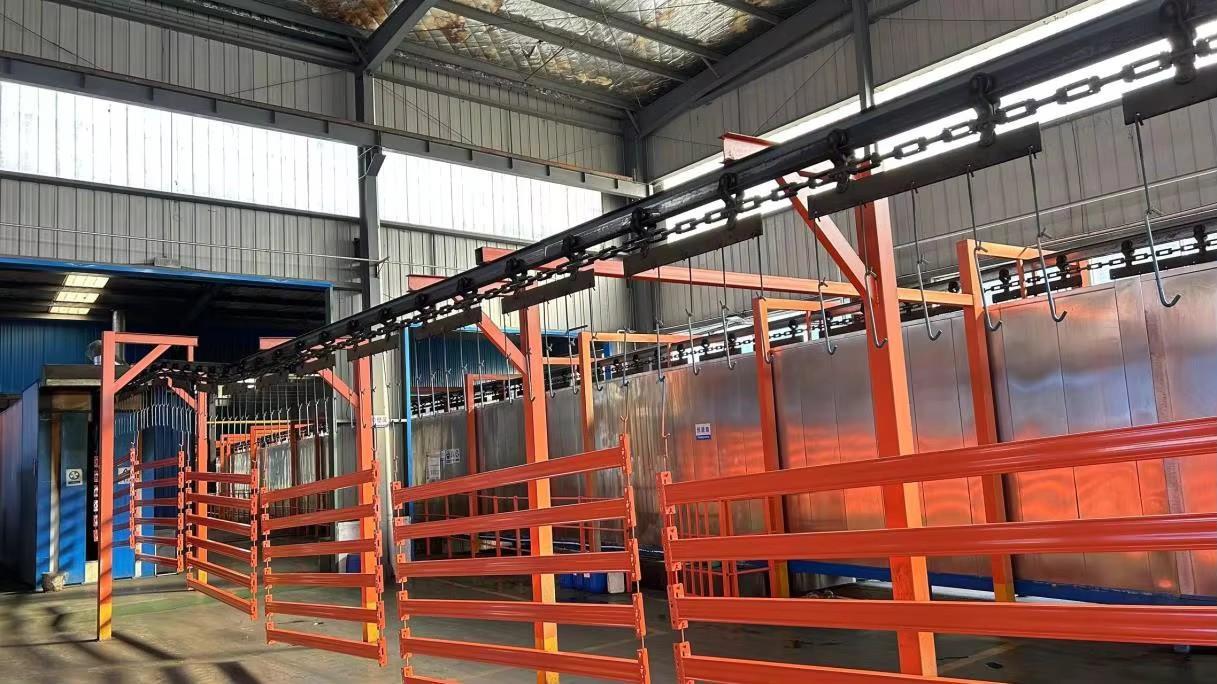
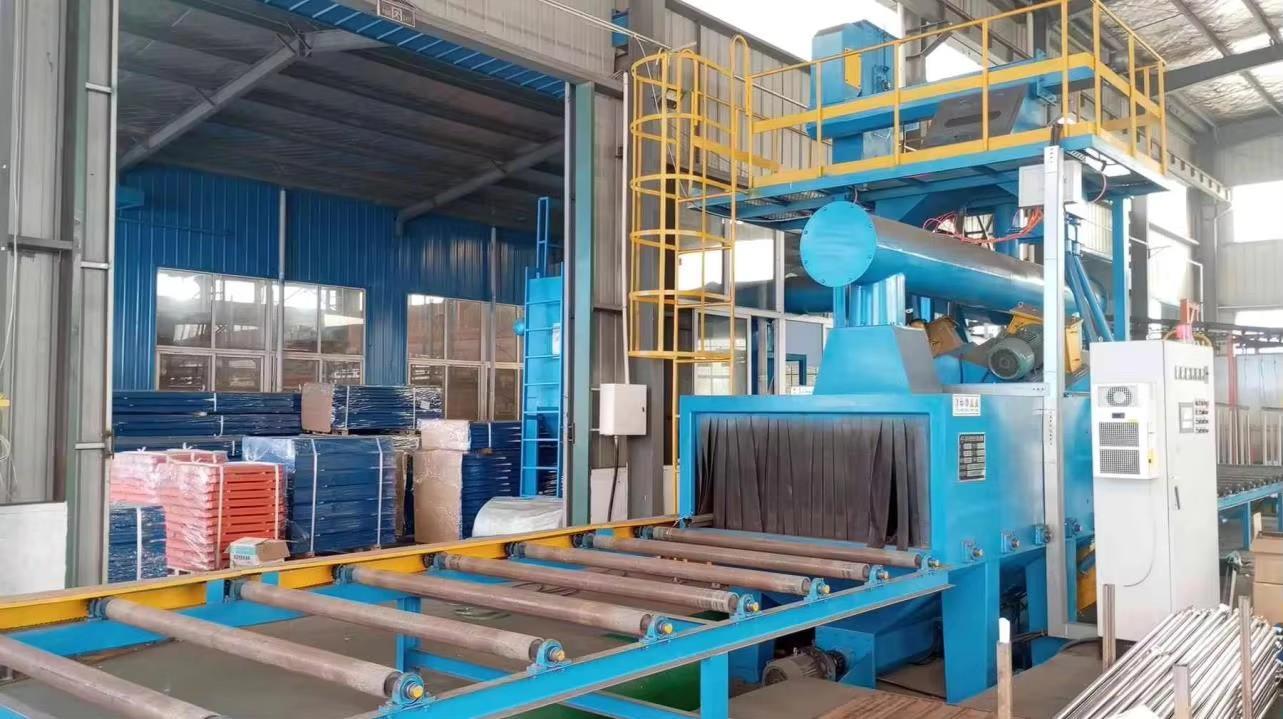
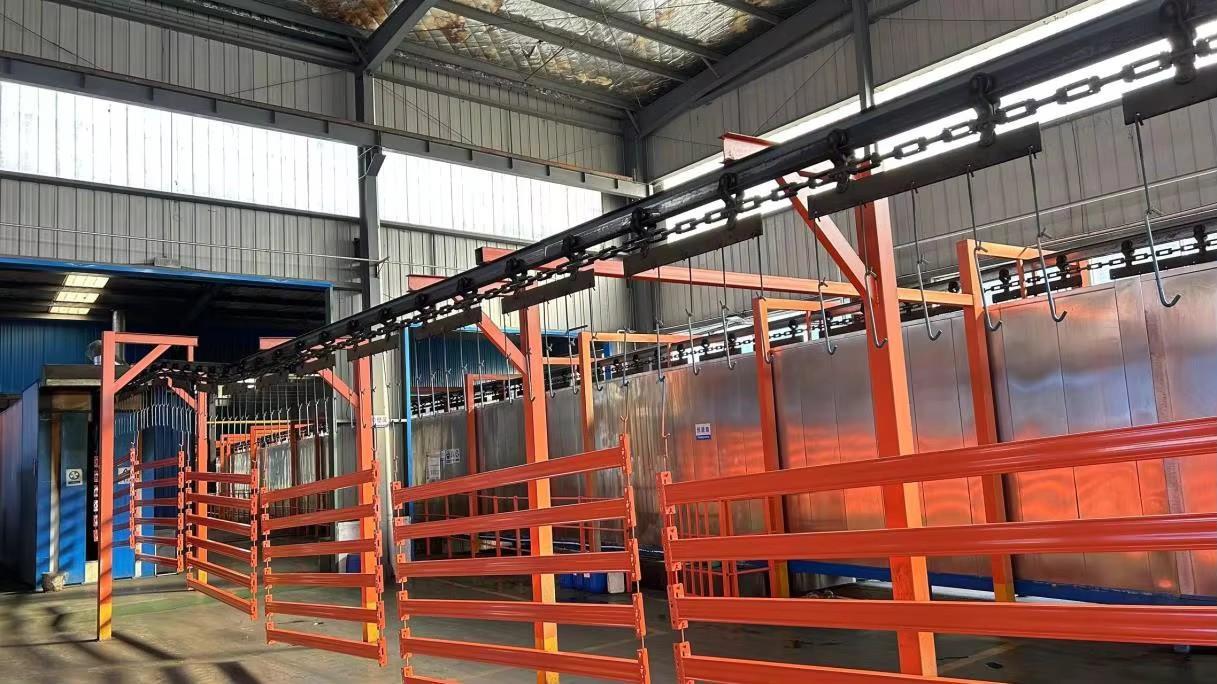
A comprehensive overview of our automated production floor, engineering, testing processes, and high-precision tools.
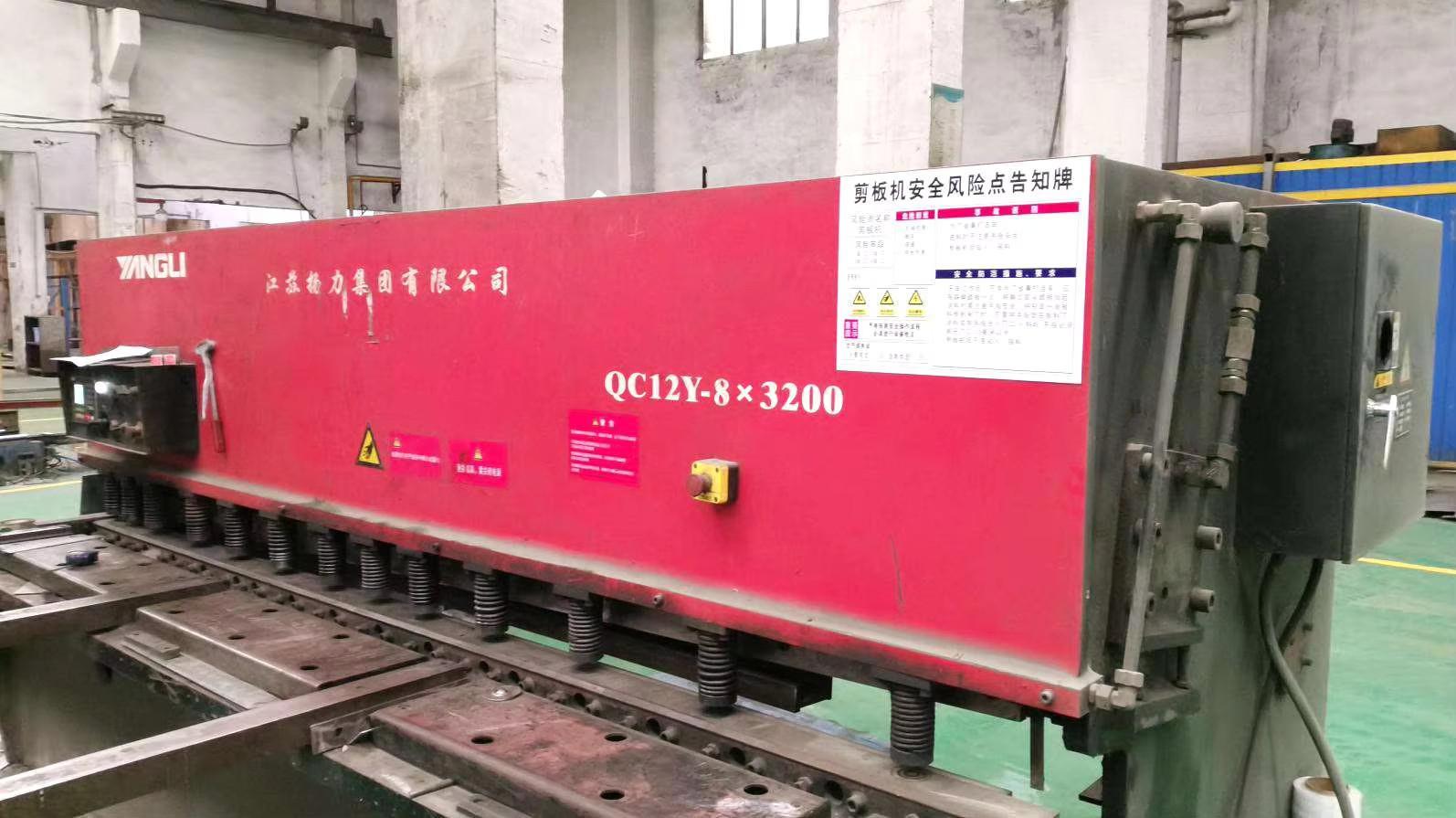
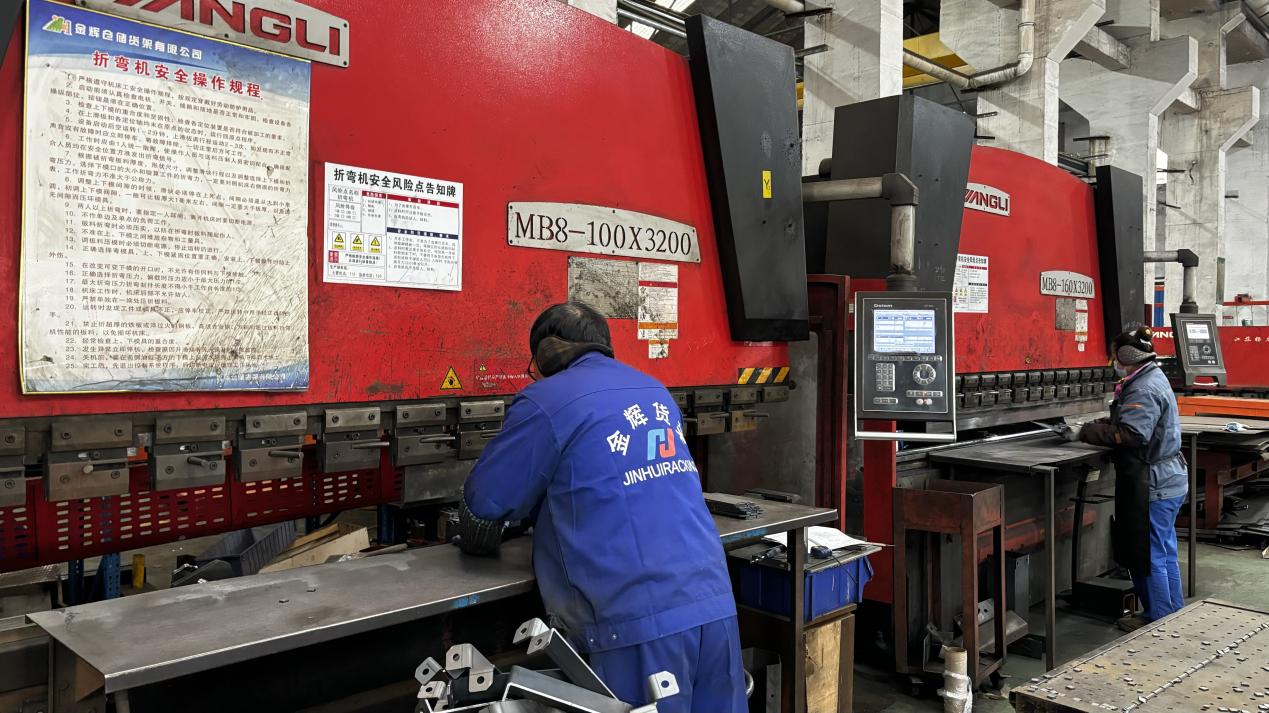
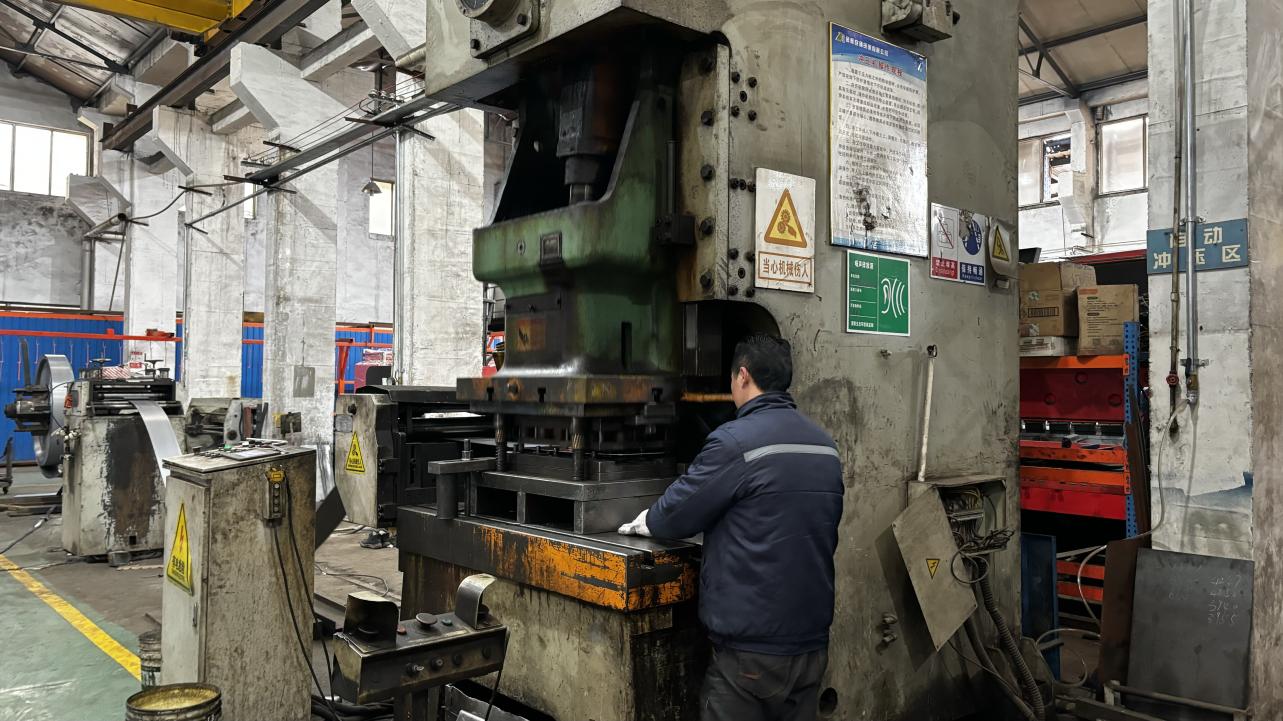
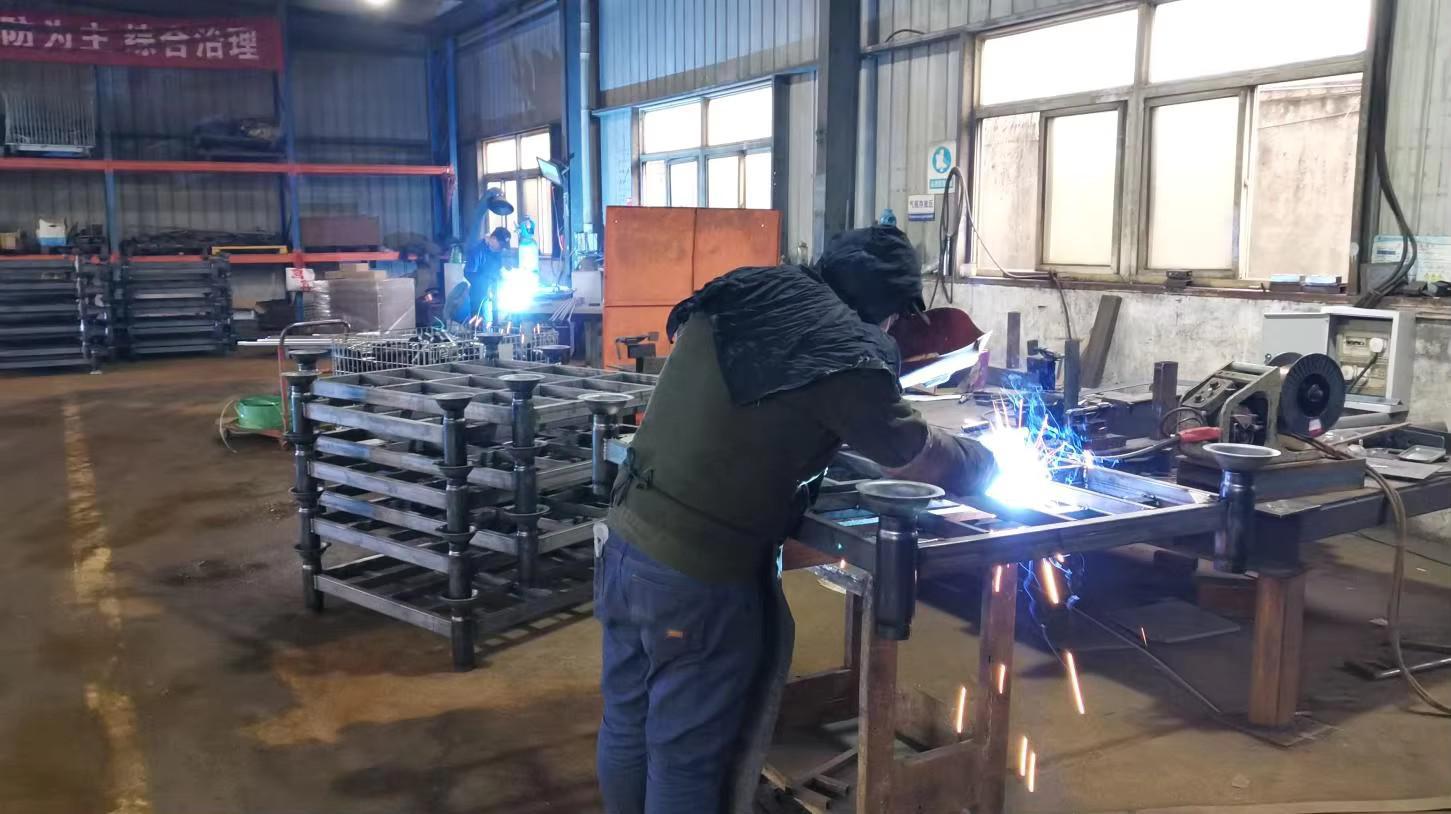
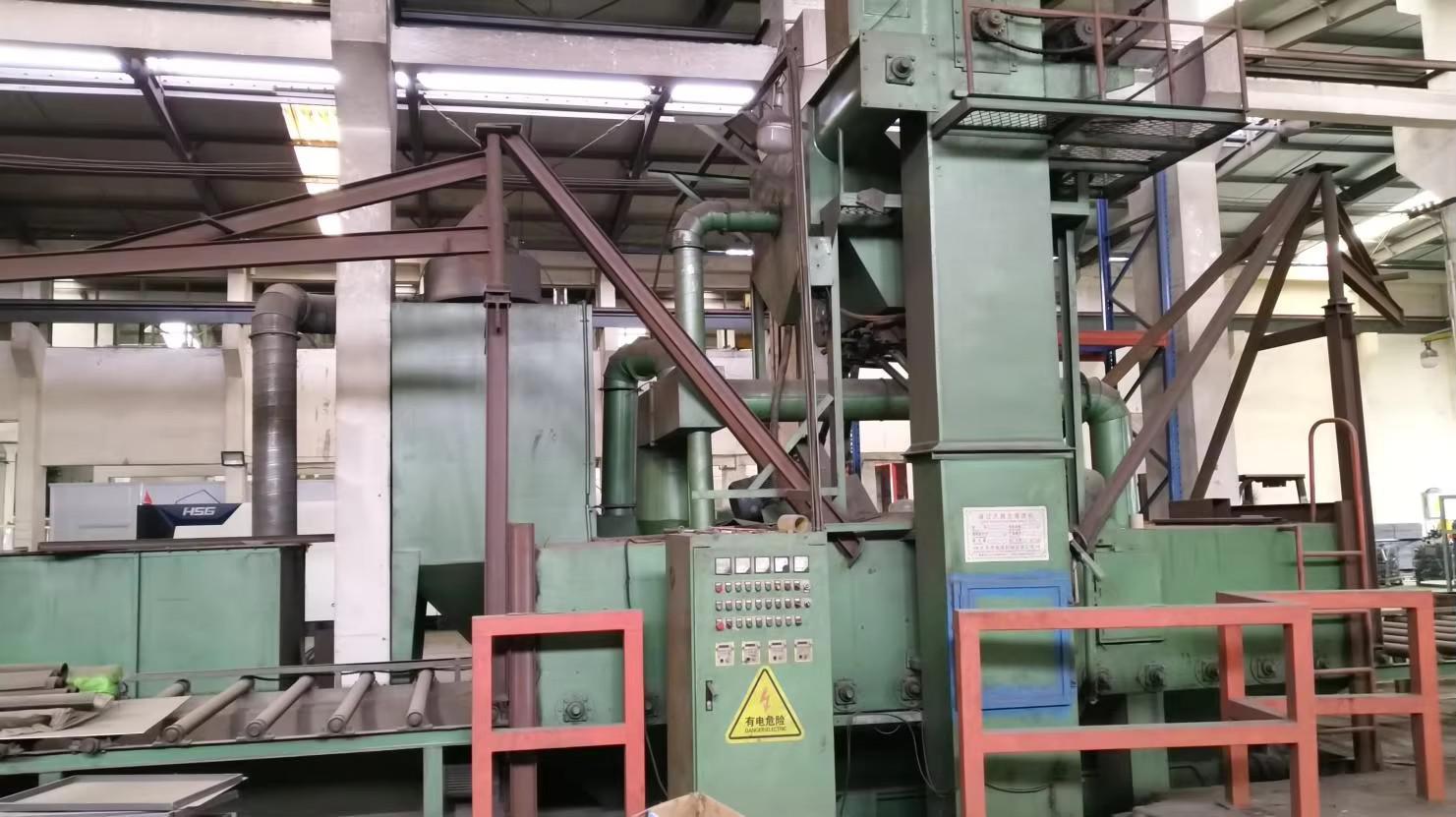
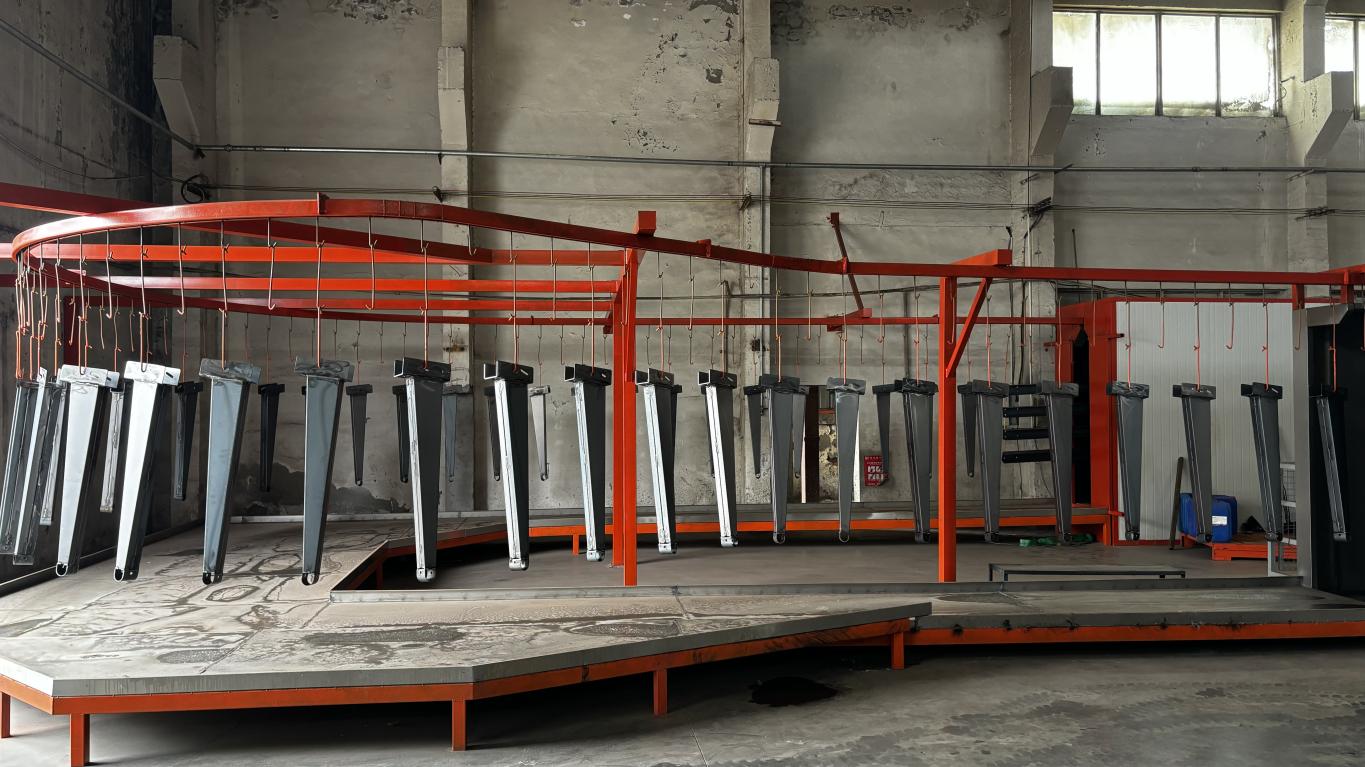
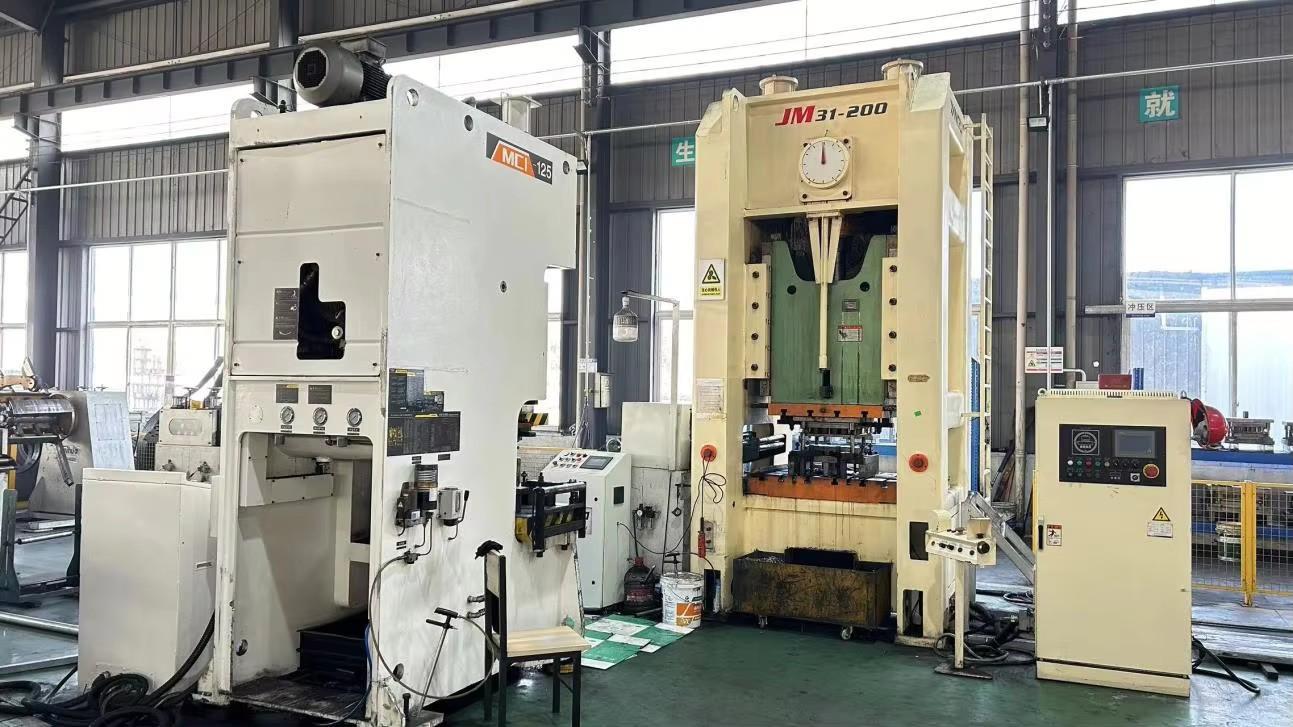
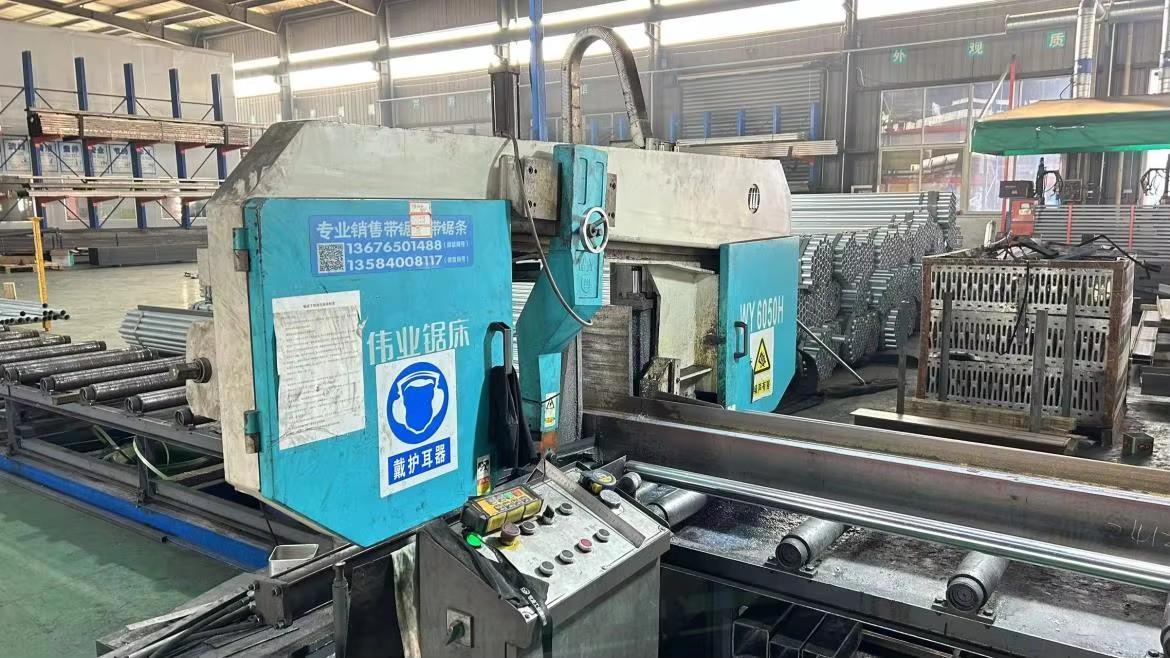
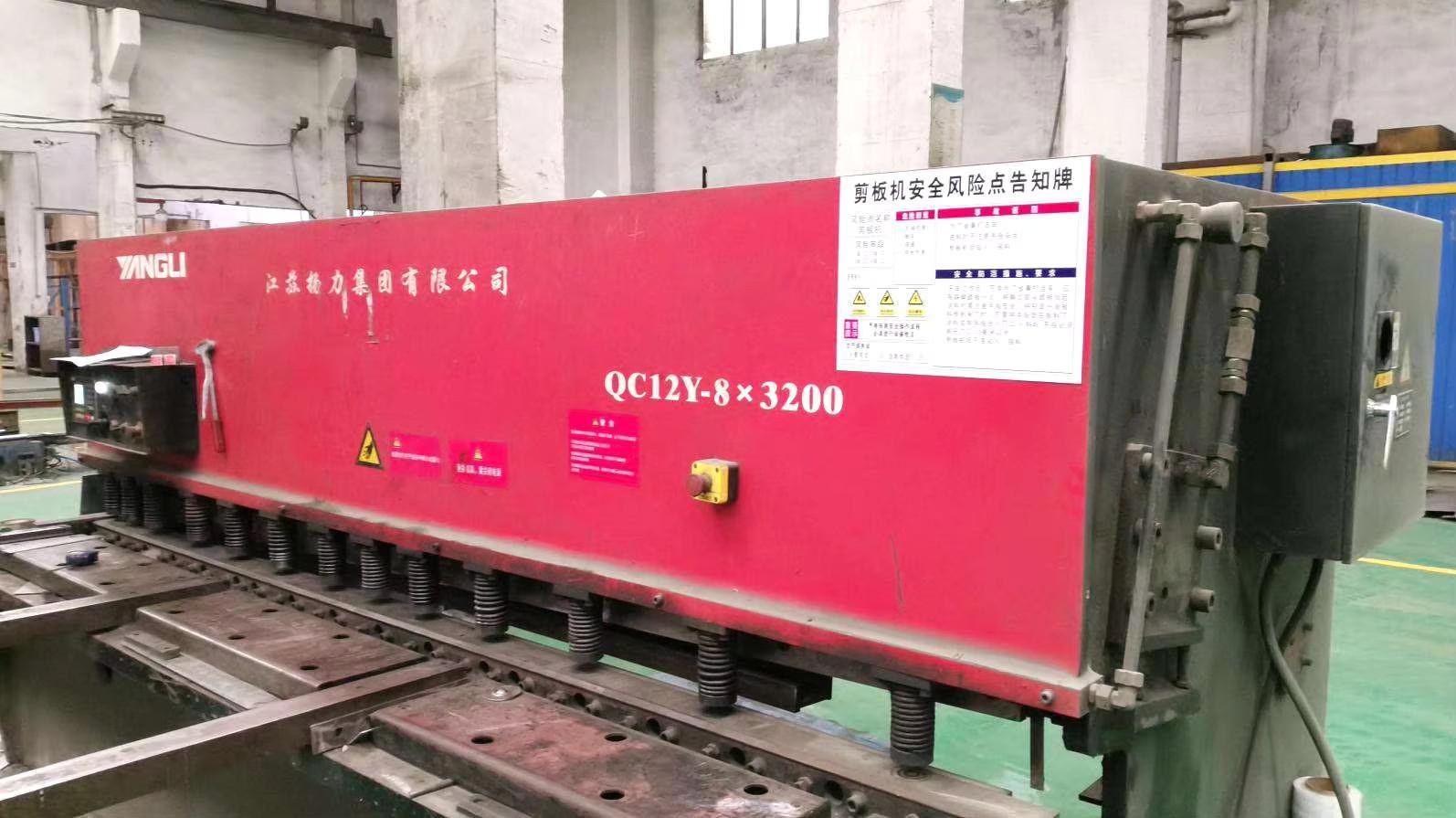
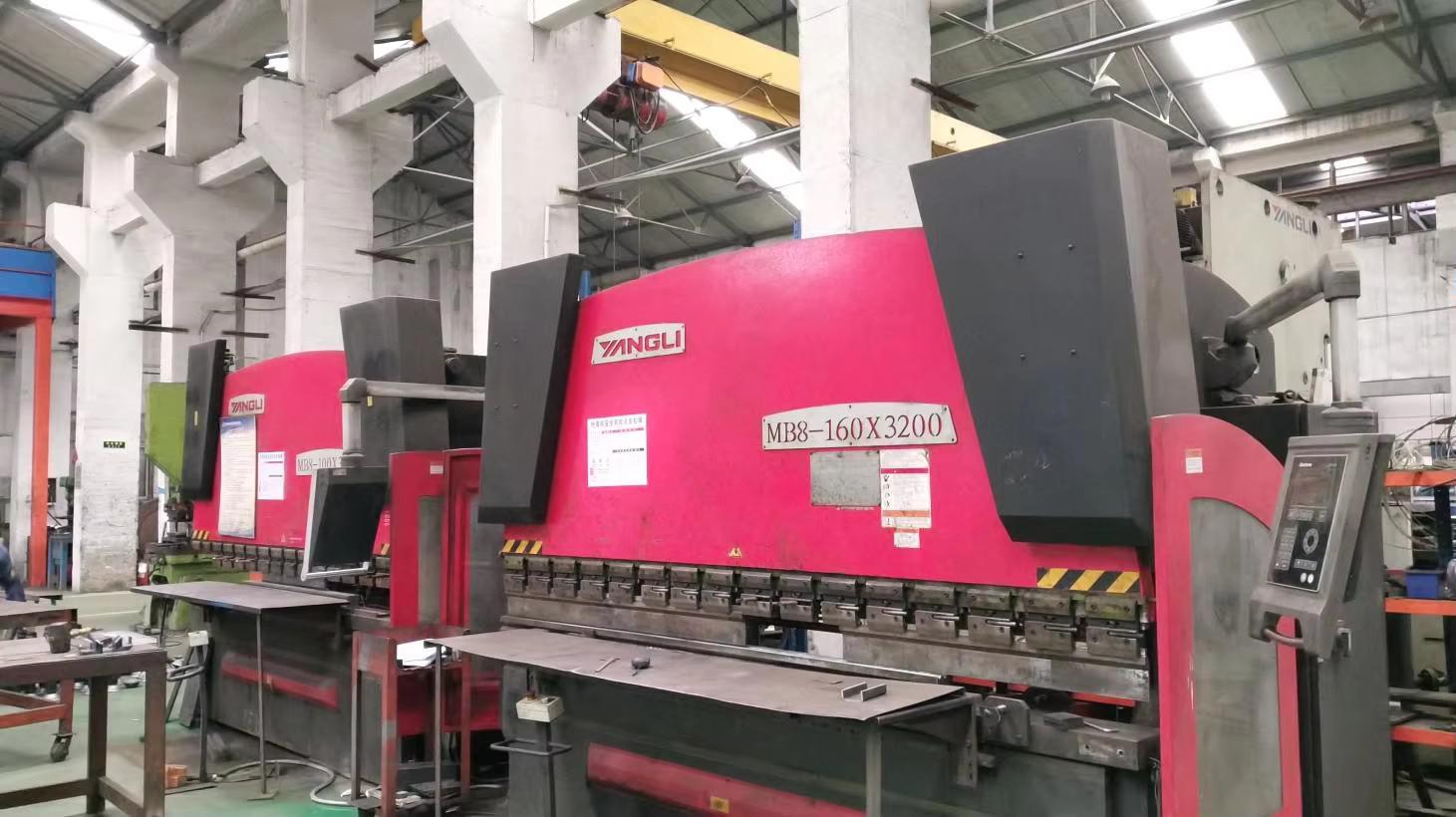
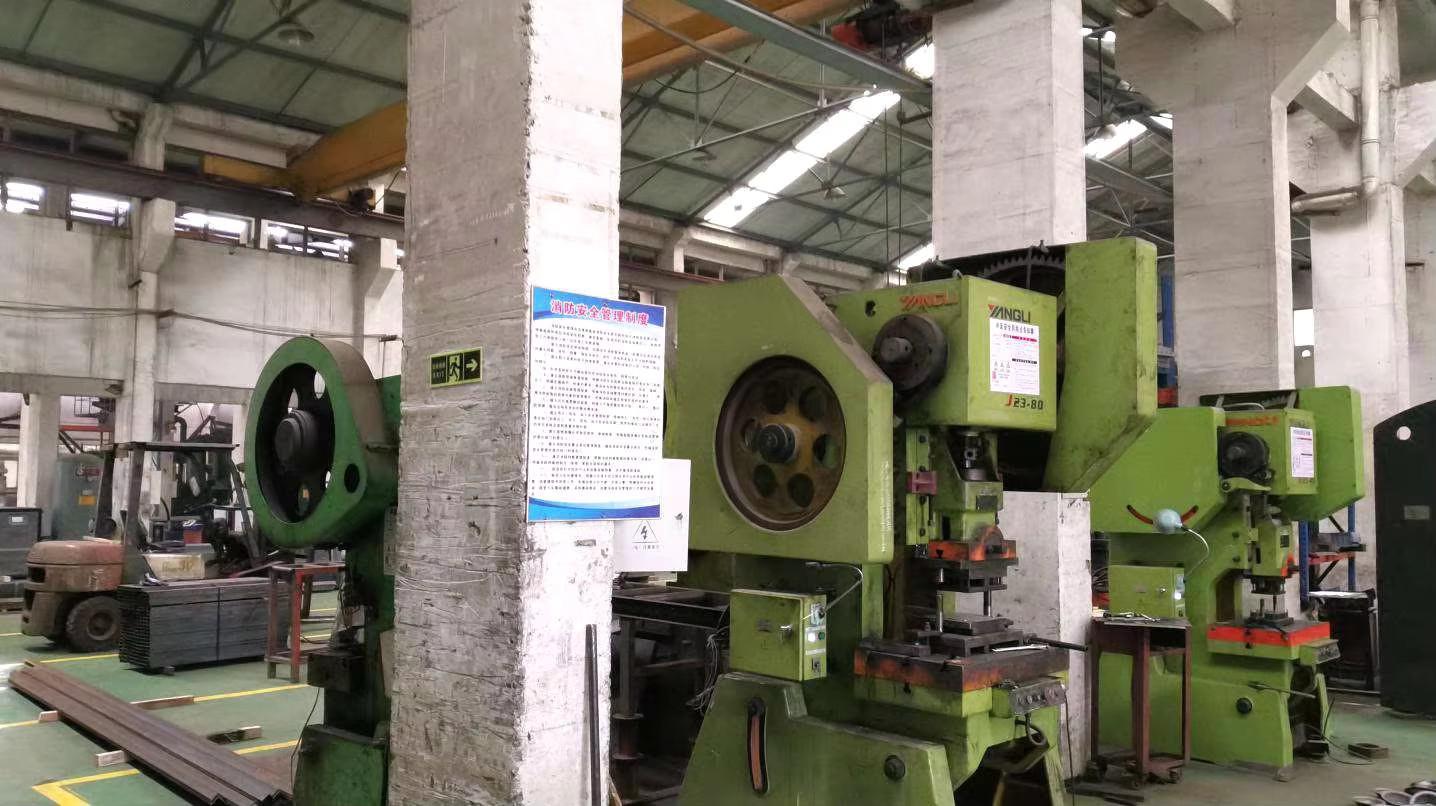
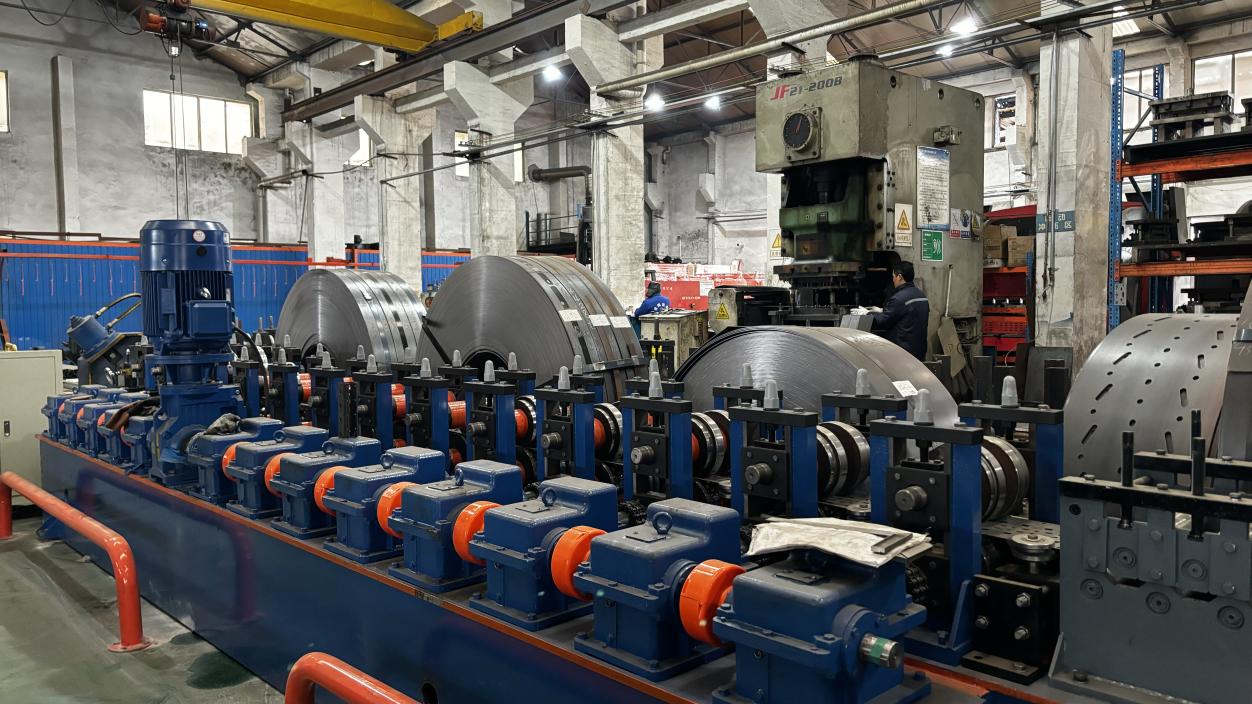
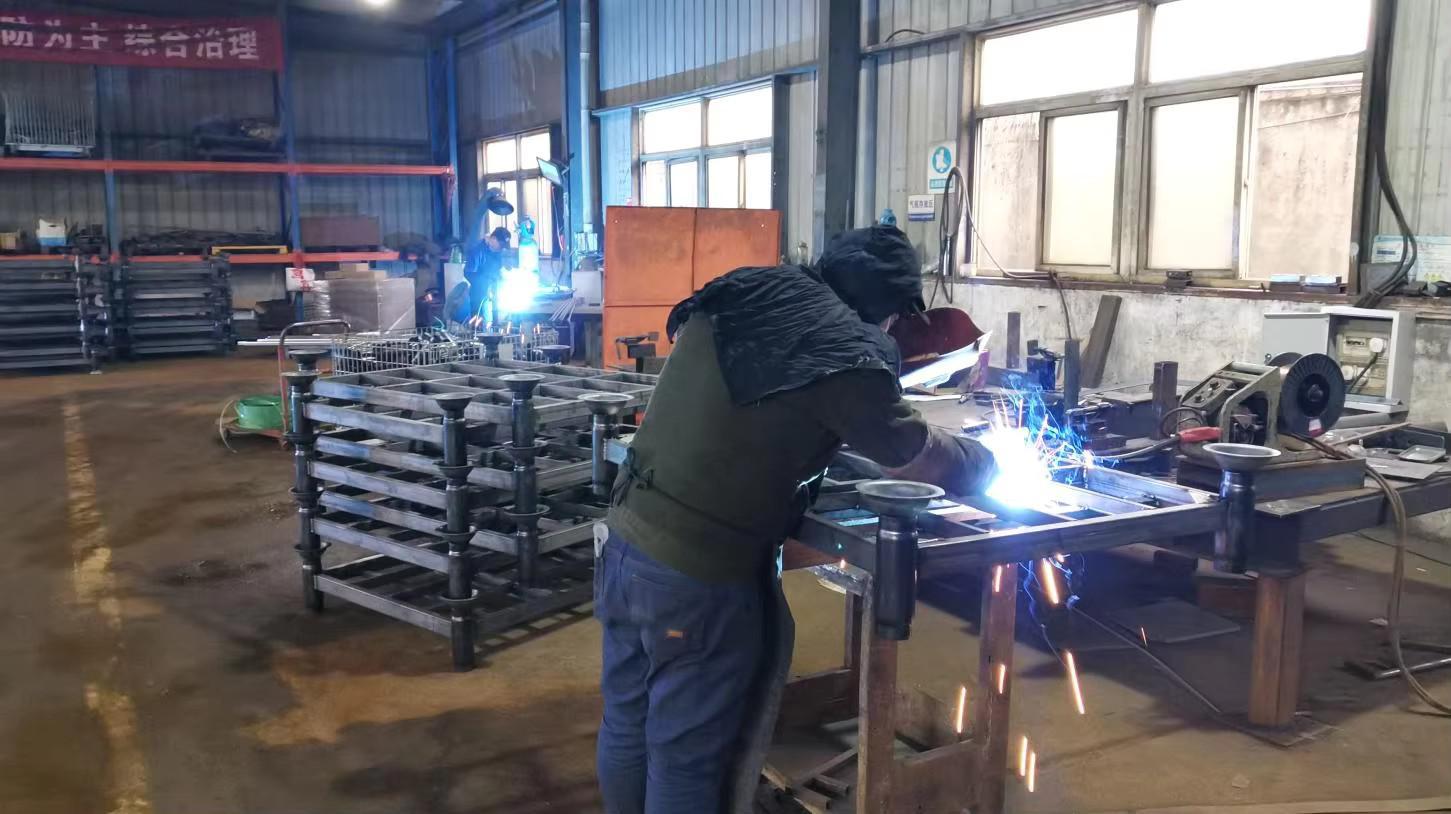
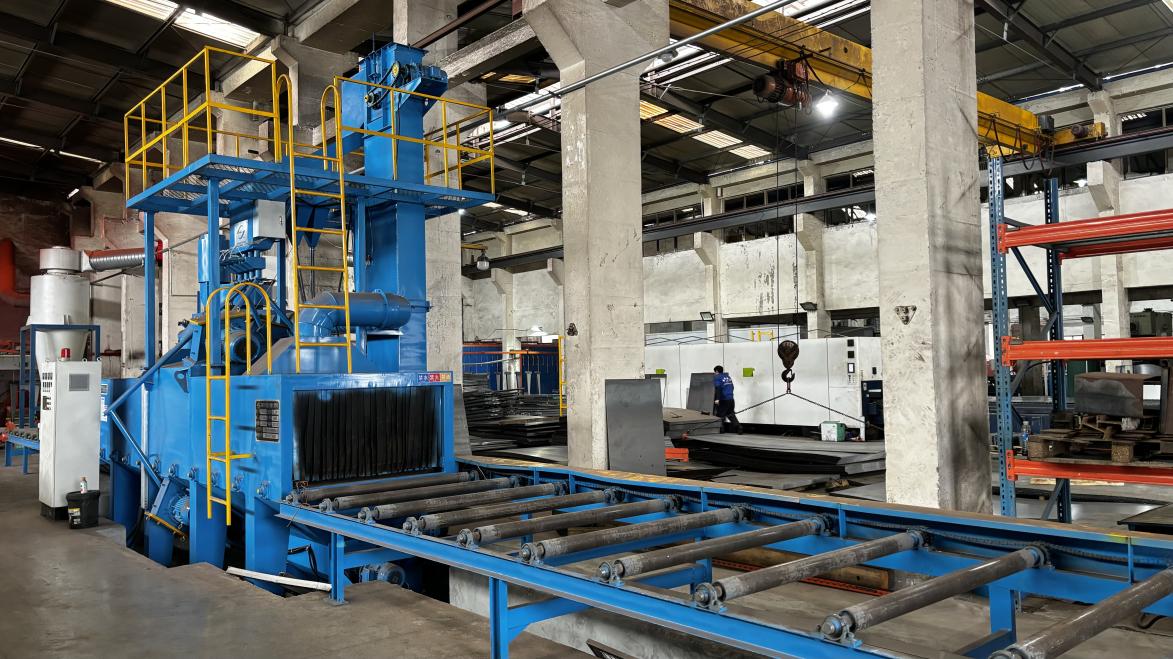
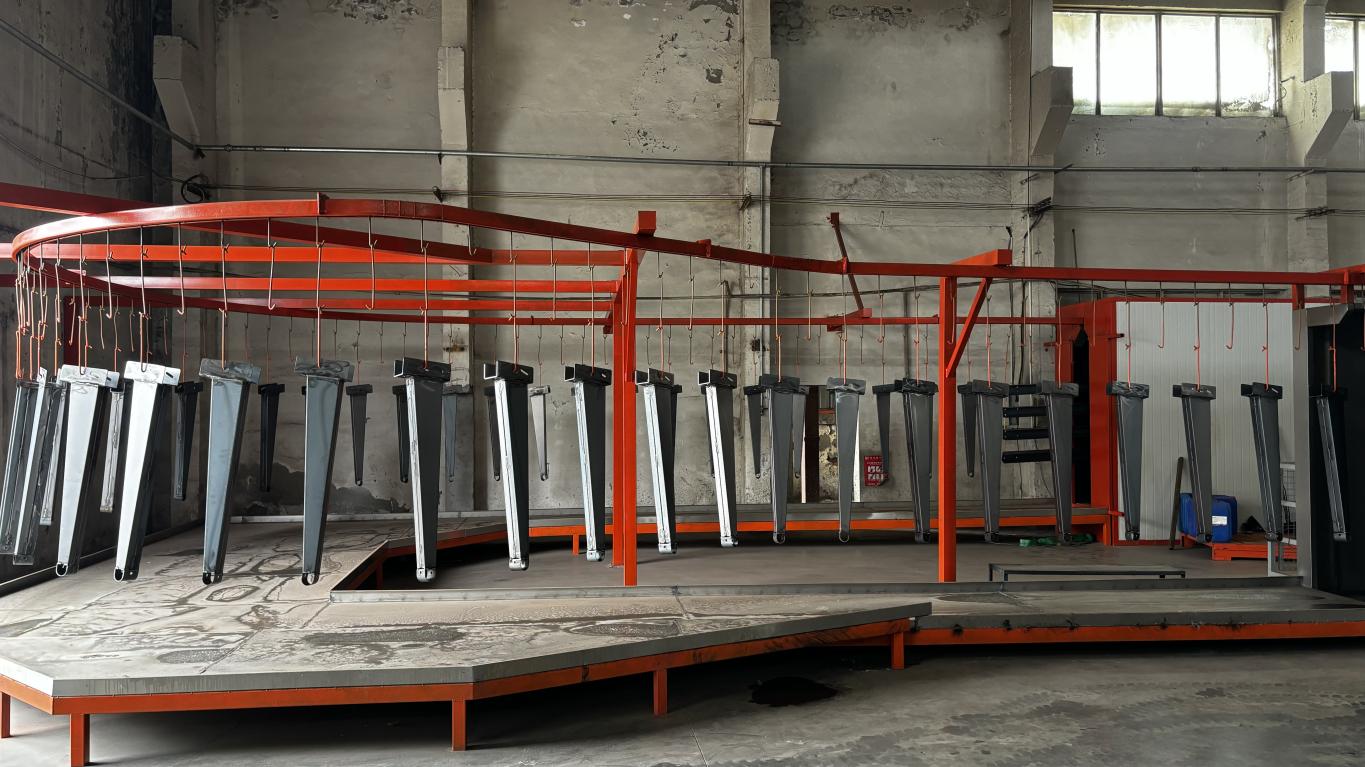
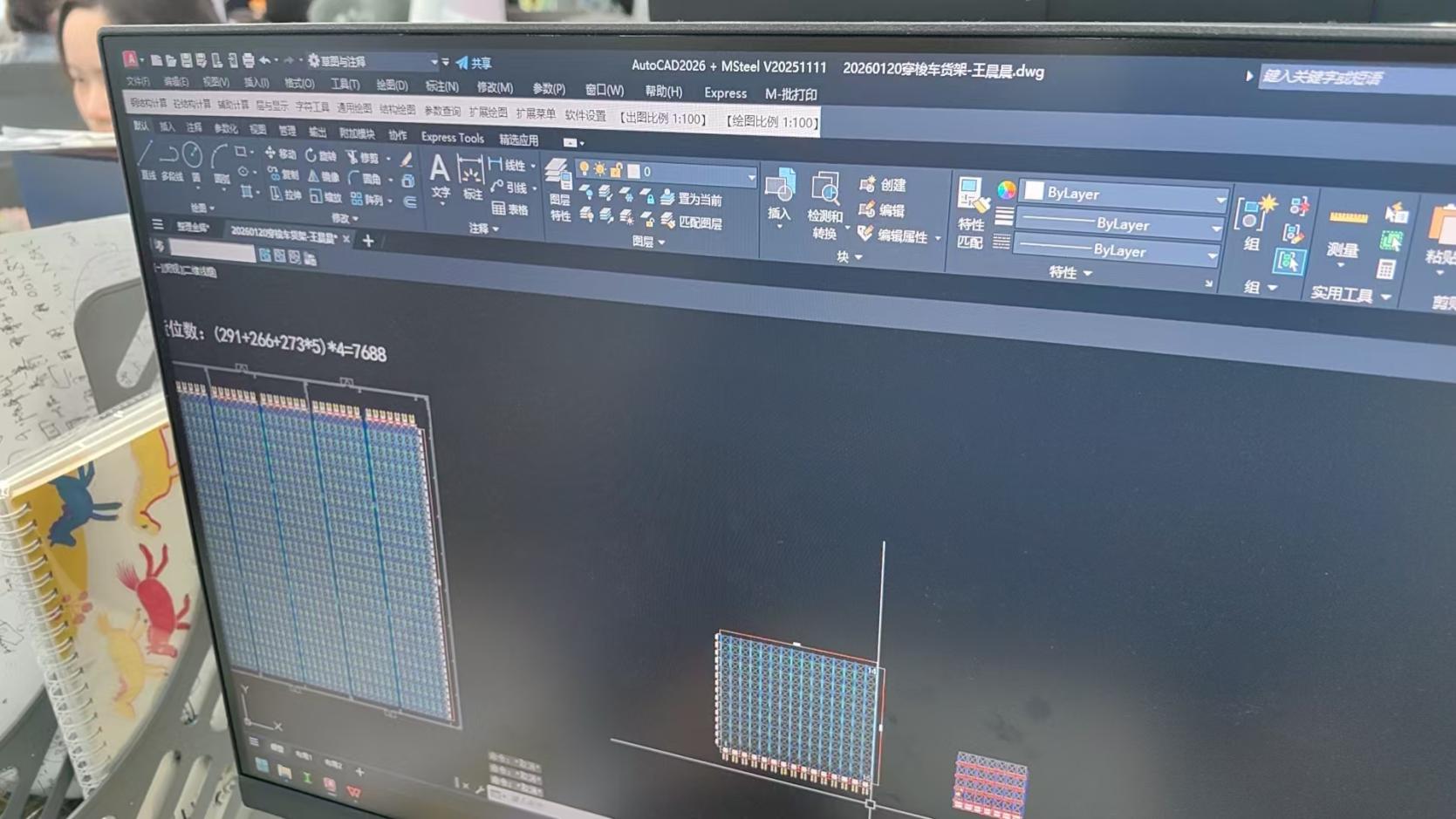


For enterprise procurement officers, purchasing dynamic racking systems across international borders presents complex challenges. Structural safety, local compliance, and vendor accountability are primary concerns. Racking systems are major load-bearing steel structures; engineering failures can result in substantial financial loss, operational disruption, and serious safety hazards.
International standards like the European EN 15512 and the American RMI (Rack Manufacturers Institute) guidelines govern safe design and load configurations. Jinhui ensures full compliance through rigorous engineering standards. Every production run undergoes extensive verification, including structural finite element analysis (FEA), weld strength inspections, and physical load testing. Backed by our team of 46 quality inspectors, our QA program ensures that all shipped components meet international safety codes.
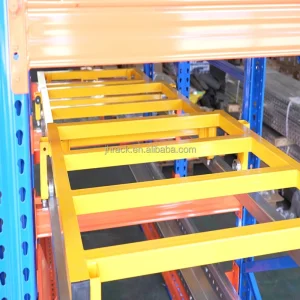
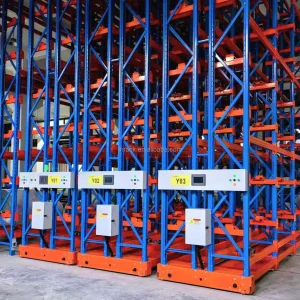
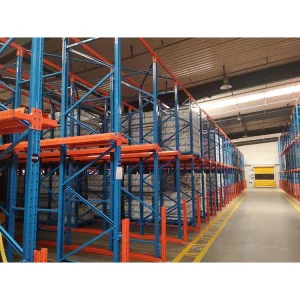
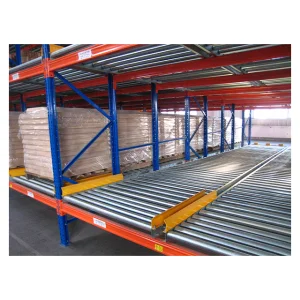
Dynamic racking systems are highly versatile, with configurations tailored to specific operational requirements:
Our Quality Control department works to ensure that all dynamic storage equipment exceeds international loading specifications. We utilize a structured 4-step verification framework:
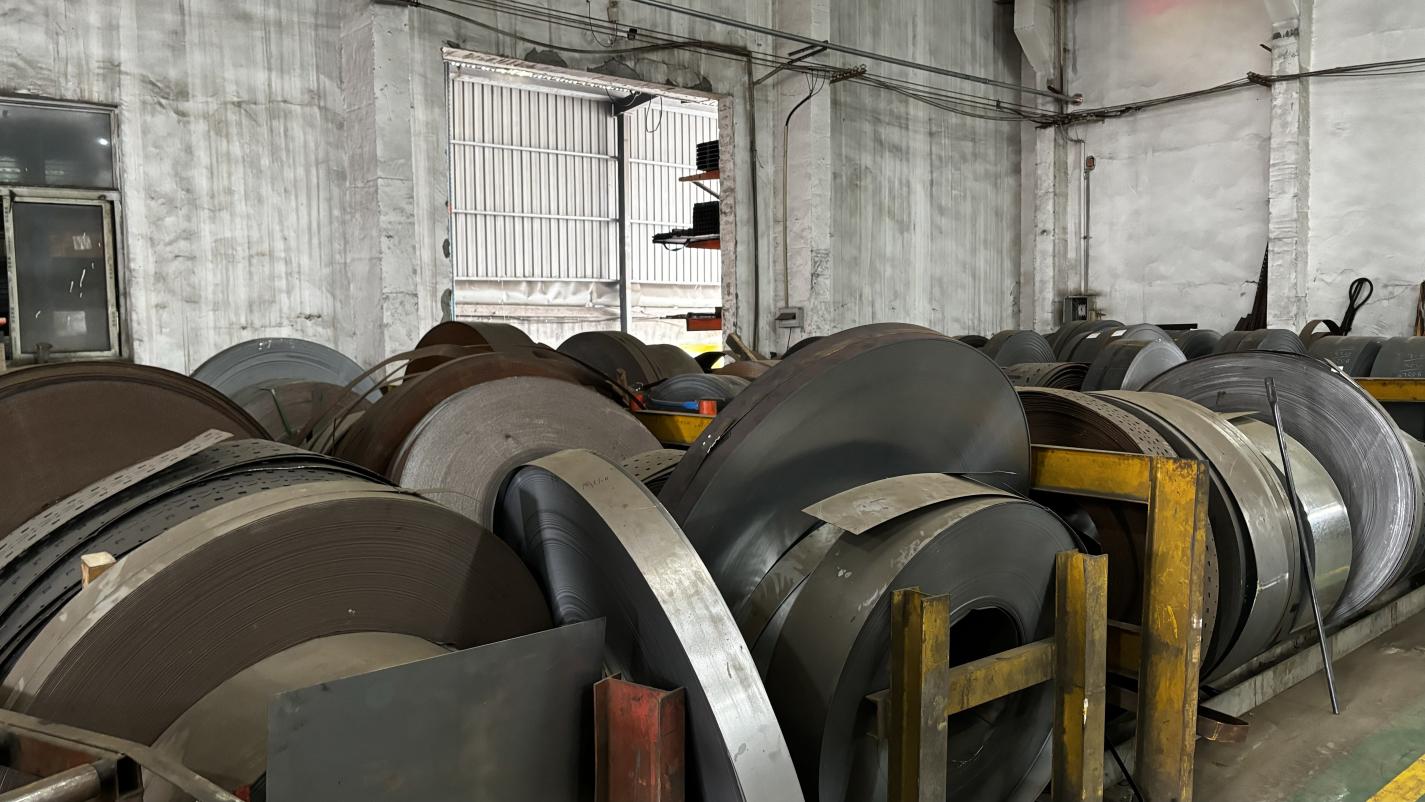
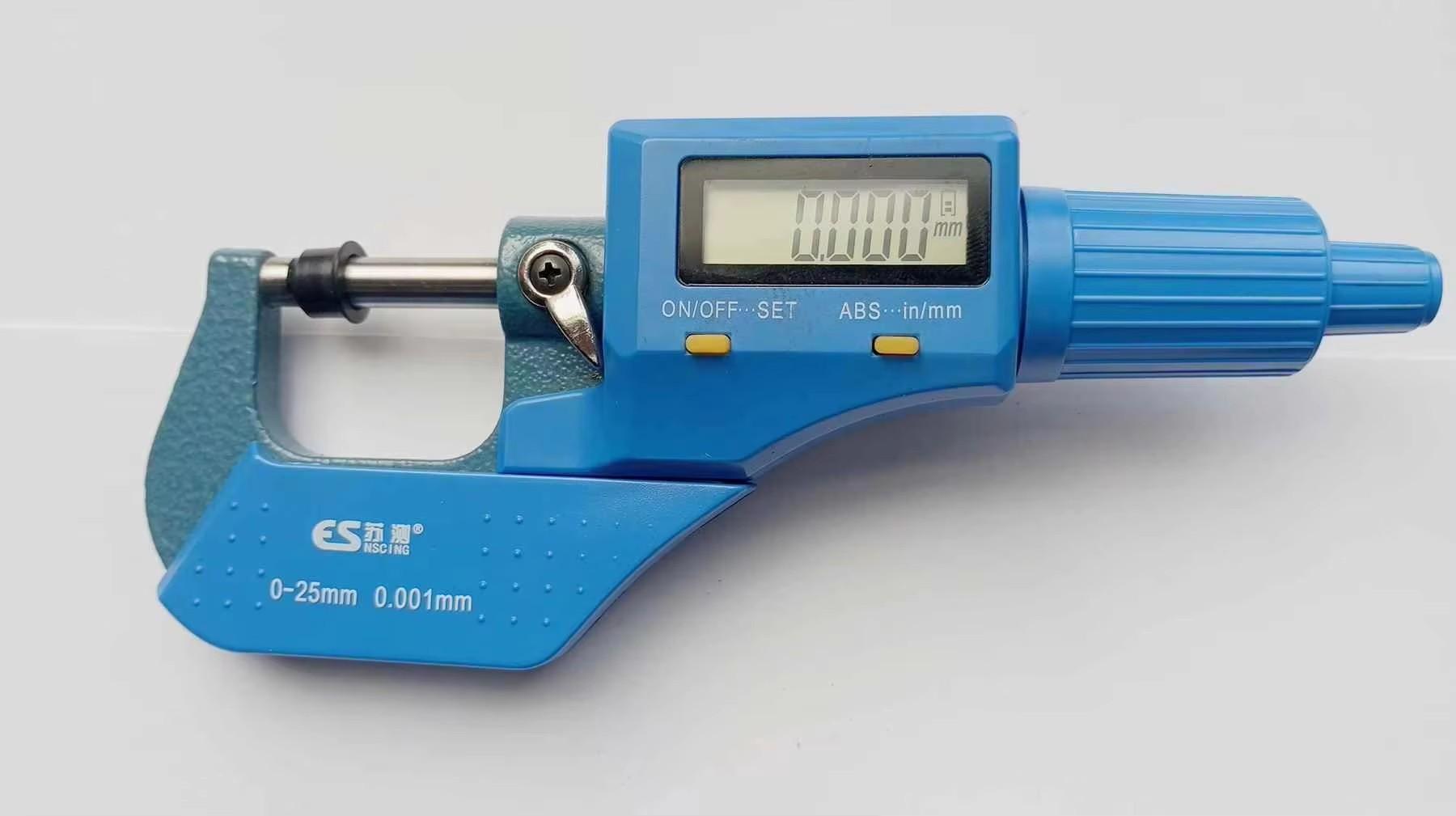
1. Material Inspection: Calipers and micrometers verify material thickness before production. We verify mill sheets and perform testing on all incoming steel.
2. Dimensional Verification: Precision tolerance checks are performed on rolled profiles, ensuring squareness and alignment.
3. Weld Diagnostics: Penetration and strength testing of robotic weld joints prevent failures under dynamic loading.
4. Surface Finish: Digital thickness gauges monitor the electrostatic powder coating, confirming thickness levels to prevent rust in damp or refrigerated environments.
Technical advice from our R&D engineering department to help guide your system design and procurement decisions.
Answer: The choice depends on inventory rotation needs. FIFO (First-In, First-Out) configurations, such as gravity pallet flow racks, feed pallets from the rear loading aisle and retrieve them from the front, ensuring strict rotation. This layout is ideal for date-sensitive items. LIFO (Last-In, First-Out) configurations, such as Push Back racks, use a single aisle for loading and unloading, storing pallets on nested carts. This setup works well for high-density storage of non-perishable goods with fewer product variants.
Answer: Our engineers use Finite Element Analysis (FEA) software to simulate seismic forces based on local building codes (such as RMI in the US and EN 1998 in Europe). We design systems with custom steel column profiles, heavy-duty baseplates, and reinforced cross-bracing to absorb and distribute seismic energy safely.
Answer: Key considerations include pallet dimensions (including bottom runner direction), maximum weight per pallet, forklift clearance heights, and battery charging cycles. Our design team coordinates these values with clients to optimize lane depth and cycle speeds.
Answer: We recommend either hot-dip galvanized steel or a low-temperature powder coating. Hot-dip galvanization provides superior, long-term corrosion resistance for environments down to -30°C by preventing surface rust from humidity cycles.
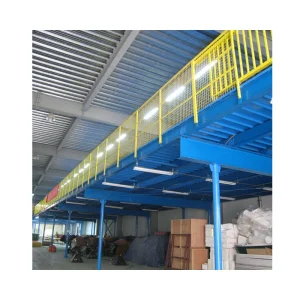
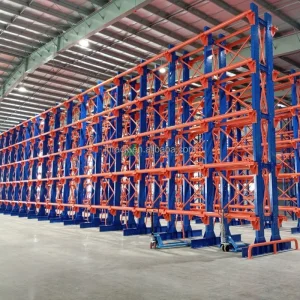
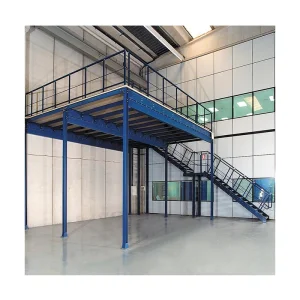
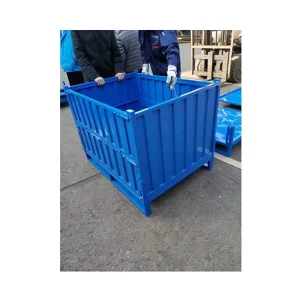
Maximize your vertical storage density and organize irregular loads with our structural steel mezzanine floors, push-back lines, and mobile rack options.
 Jinhui Storage Equipment