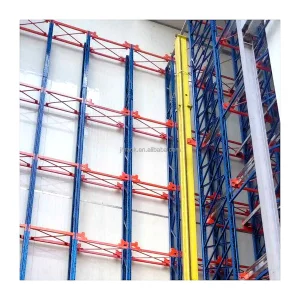
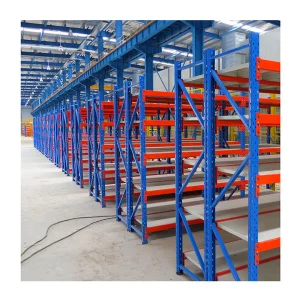
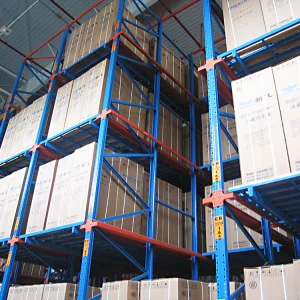
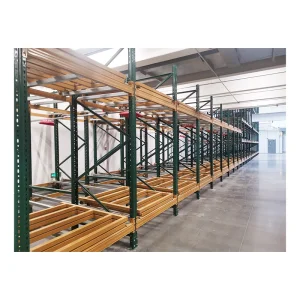
Advanced dynamic storage solutions engineered to maximize density and throughput in modern Italian logisitics networks.
The Italian logistics and manufacturing sectors are undergoing a massive transition driven by the requirements of Industry 4.0 (Piano Transizione 4.0) and intense spatial constraints. In regions such as Lombardy, Veneto, and Emilia-Romagna, industrial land prices have skyrocketed. This premium on real estate has forced warehouse operators to abandon traditional selective racking and look vertically to high-density solutions.
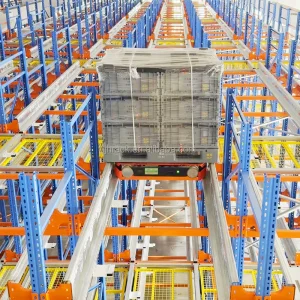
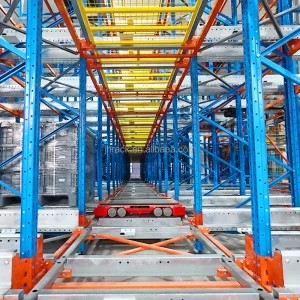
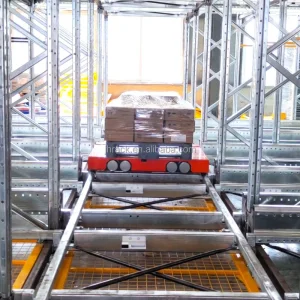
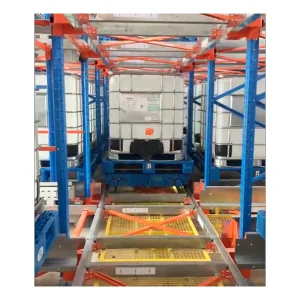
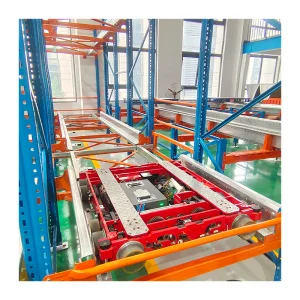
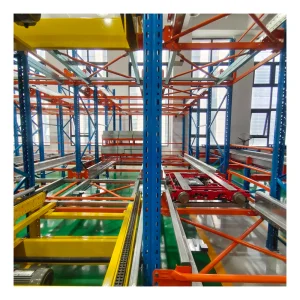
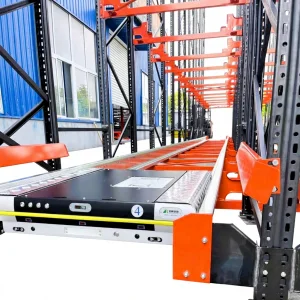
Unlike conventional drive-in systems or 2-way shuttle systems (which can only travel along the X-axis), modern 4-way shuttle racking introduces transverse capabilities along both the X and Y axes. The autonomous shuttles navigate deep lanes, switch aisles dynamically, change levels via integrated vertical lifts, and interface directly with local Warehouse Management Systems (WMS). The result is up to a 90% increase in storage capacity compared to standard selective racks, coupled with a dramatic reduction in operational costs.
Additionally, the scarcity of manual labor in specialized environments like sub-zero cold chains and pharmaceutical depots is accelerating the push toward autonomous material handling. By deploying high-rigidity structures, precision steel tracks, and intelligent shuttle units, Italian businesses can achieve complete darkness operations (lights-out warehousing), reducing thermal leakage in refrigeration units and safeguarding warehouse personnel.
Proven production capabilities and global engineering expertise that support complex supply chains across Italy and Europe.
Italy's diverse economy features highly concentrated industrial clusters. The flexibility of our customizable 4-way shuttle systems translates directly into optimized performance for these specific local scenarios:
From cured meats and dairy in Parma to large-scale retail distribution in Milan, cold chain storage requires absolute density to lower cooling costs. Our smart design 4-way systems are rated to operate continuously at temperatures as low as -25°C. Shuttles are equipped with low-temperature lithium batteries and hermetically sealed electronic enclosures to prevent condensation failure. High-density layouts maximize refrigeration volumes, reducing thermal footprint and power consumption.
Italian fashion relies on highly agile distribution centers dealing with rapid seasonal changes, diverse SKU assortments, and omni-channel e-commerce demands. A 4-way shuttle racking system integrates flat-pack storage and hanging garment structures, utilizing WMS/WCS middleware to handle dynamic SKU profiles. Shuttles optimize inventory picking using FIFO or LIFO criteria to support fast stock rotations.
Pharmaceutical logistics demand absolute tracking precision and strict temperature controls. High-density multi-deep systems must maintain constant air circulation while organizing goods. The dynamic positioning of the 4-way shuttle allows it to retrieve specific batches without disrupting surrounding pallets. This supports strict batch verification, shelf-life monitoring, and seamless connection to pharmaceutical ASRS ecosystems.
Automotive supply chains operate on strict Just-In-Time (JIT) schedules. The components are heavy, bulky, and structurally sensitive. Our heavy-duty racking configurations can easily sustain pallet capacities ranging from 1,000kg to 1,500kg per position. Structural steel uprights and beams are rolled to tight tolerances to support the dynamic load of traveling shuttle carts moving at speeds up to 1.5 m/s.
A 4-way radio shuttle system is not merely structural steel; it is a unified robotic logistics machine. To achieve smooth operations, the mechanical and electronic layers must operate in perfect unison.
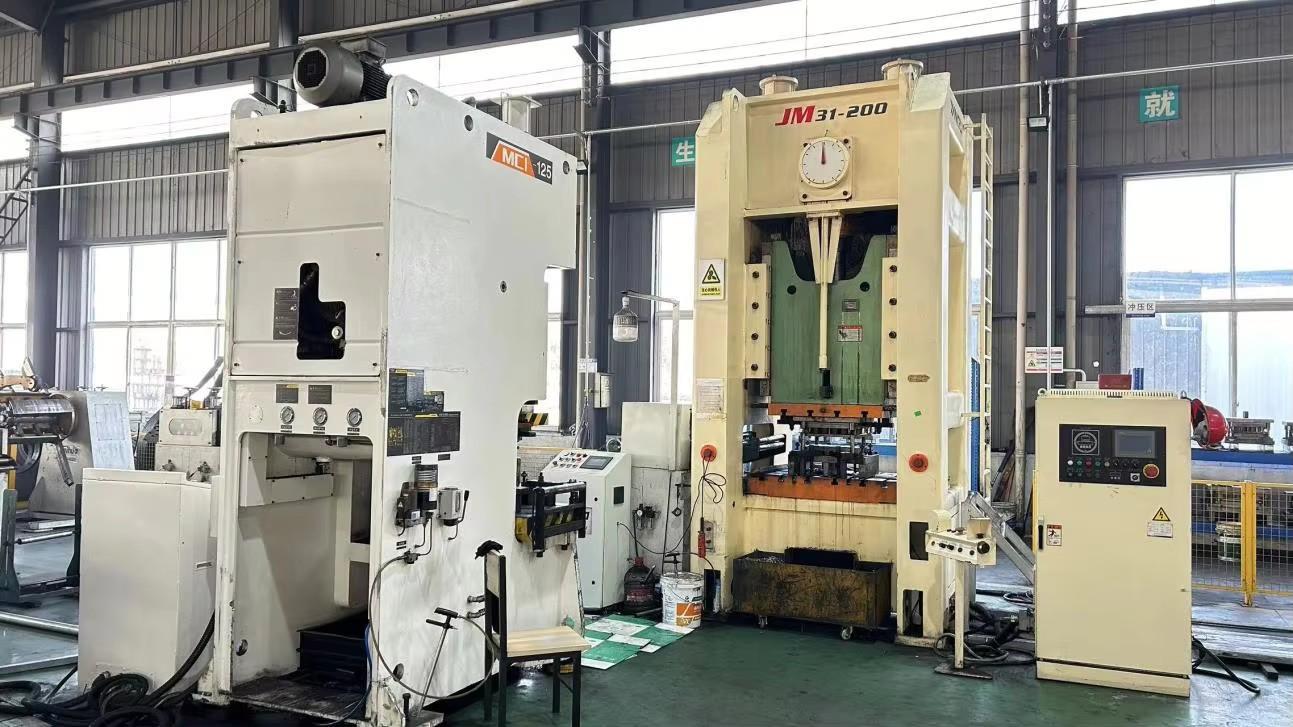
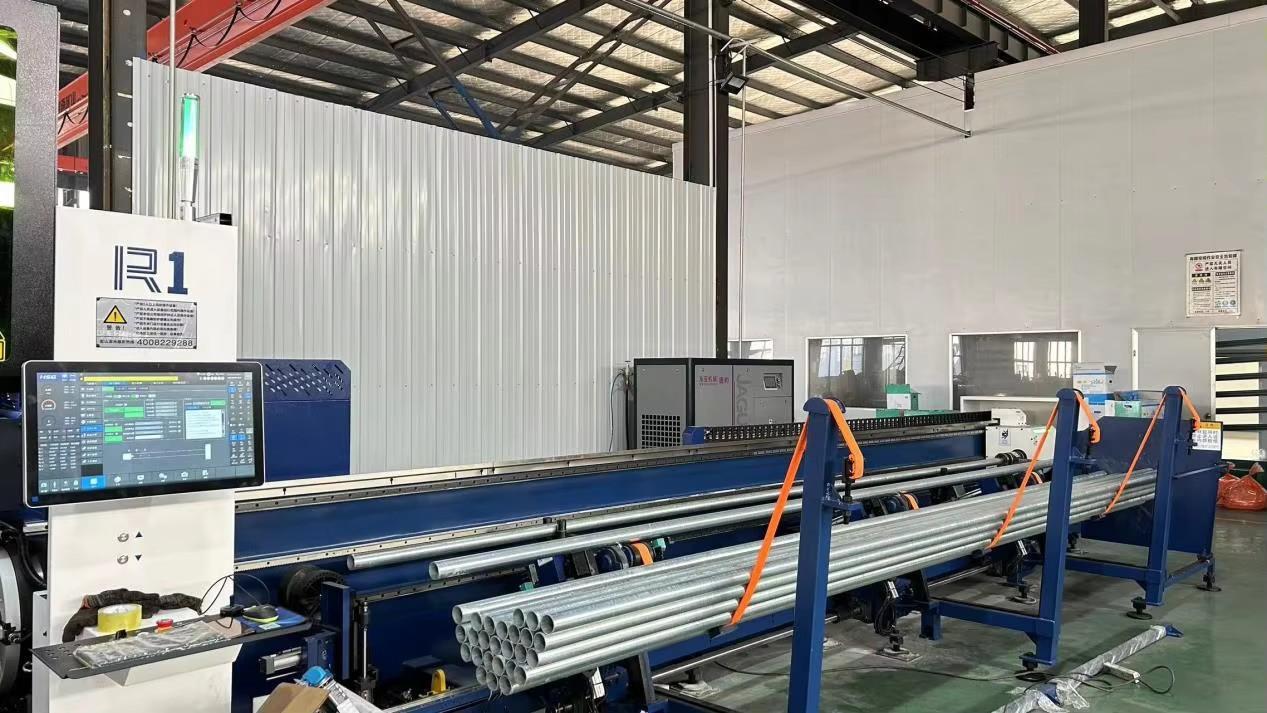
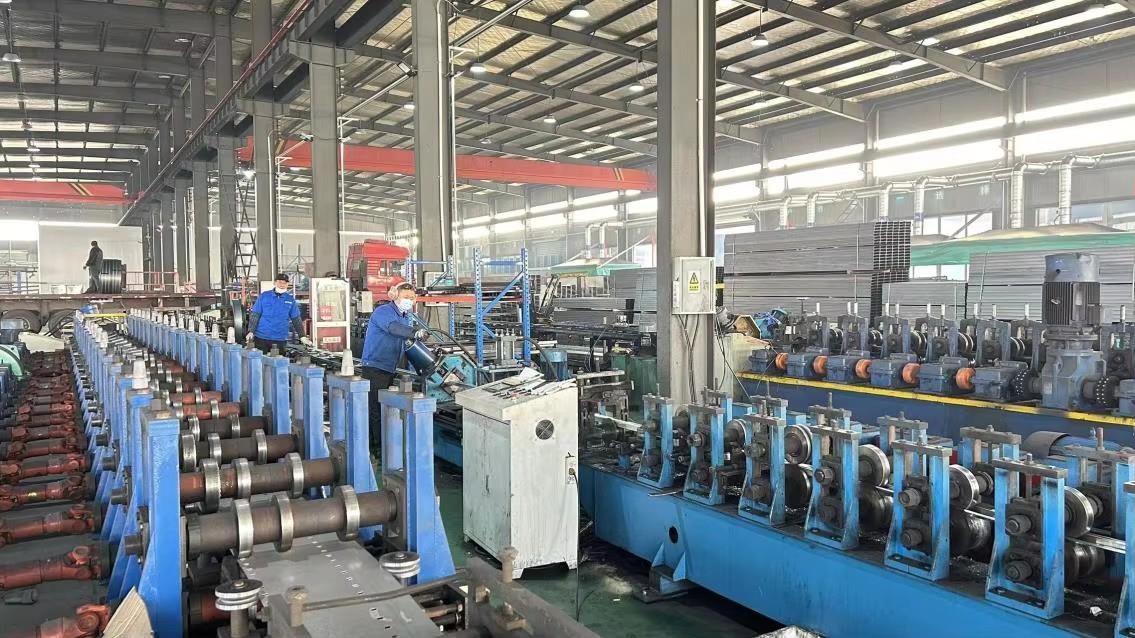
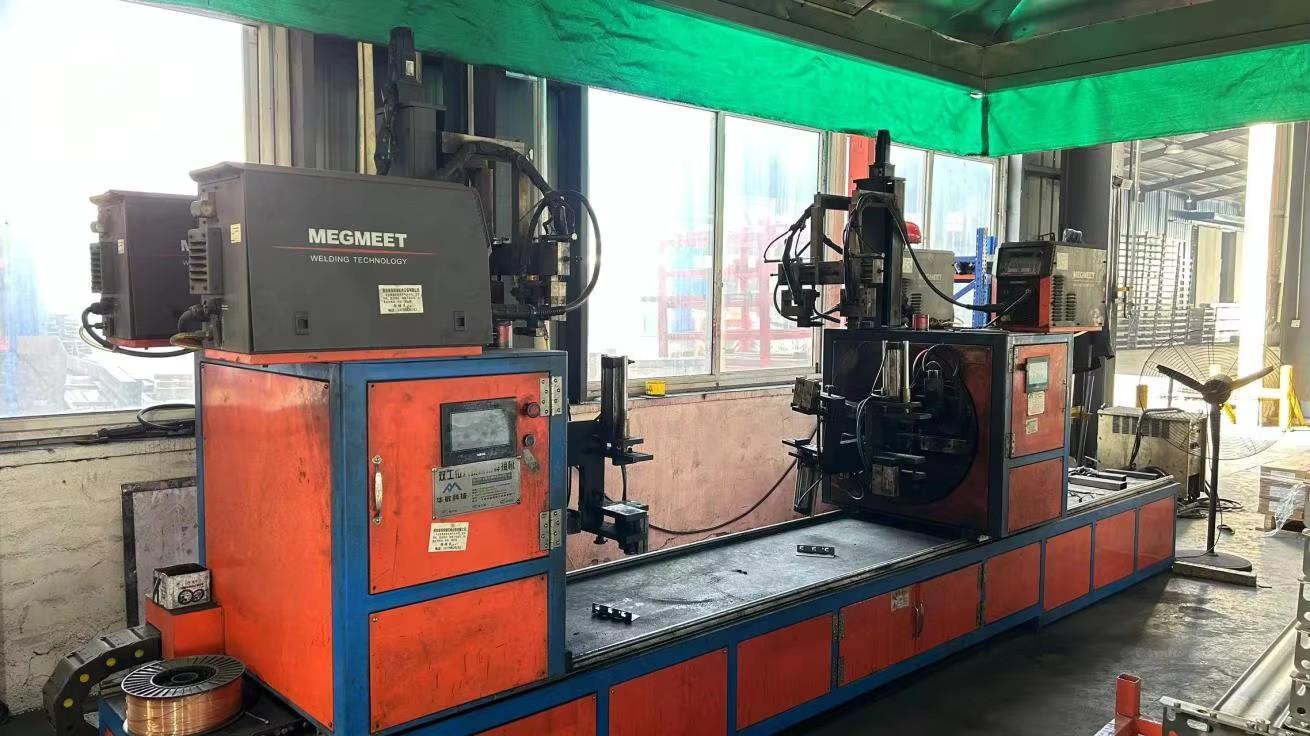
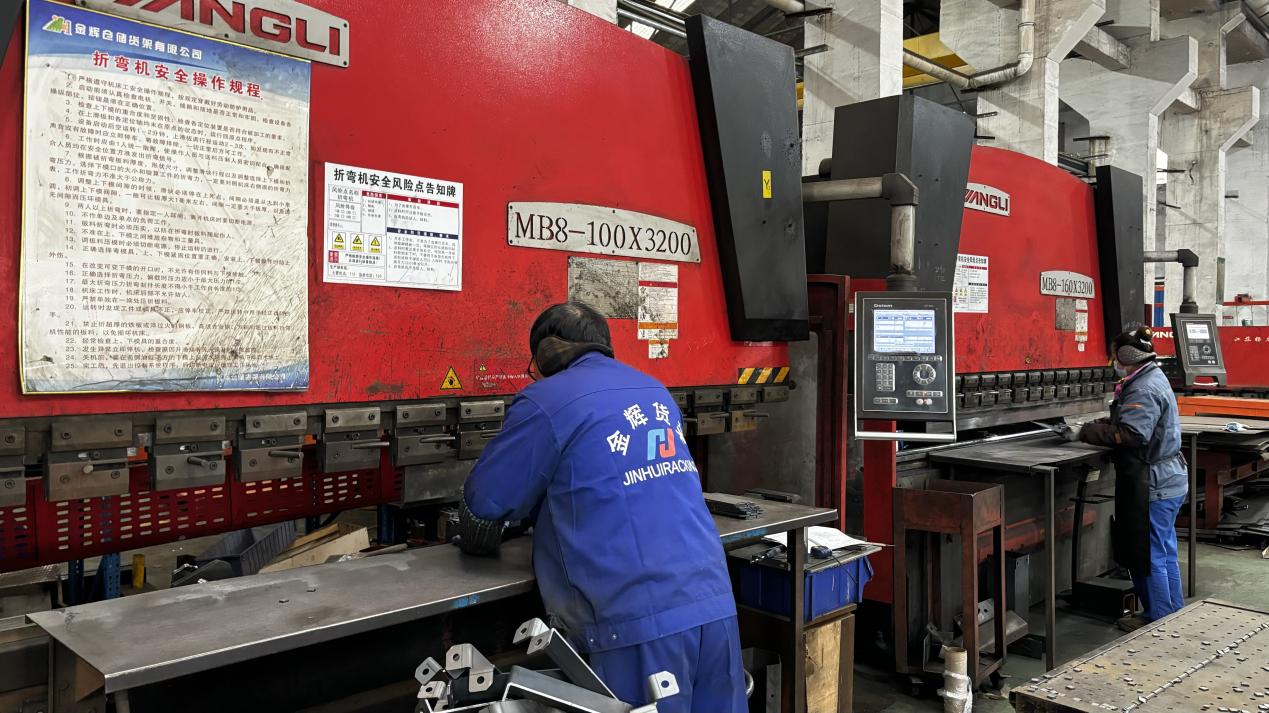
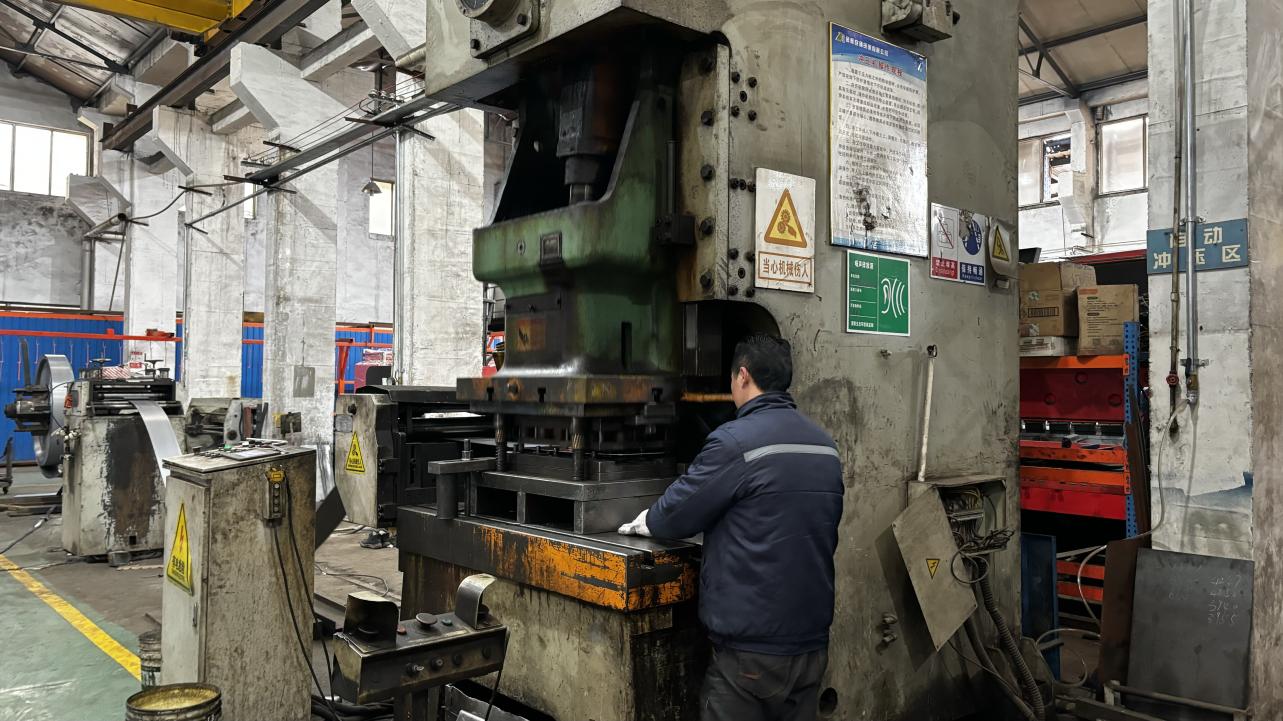
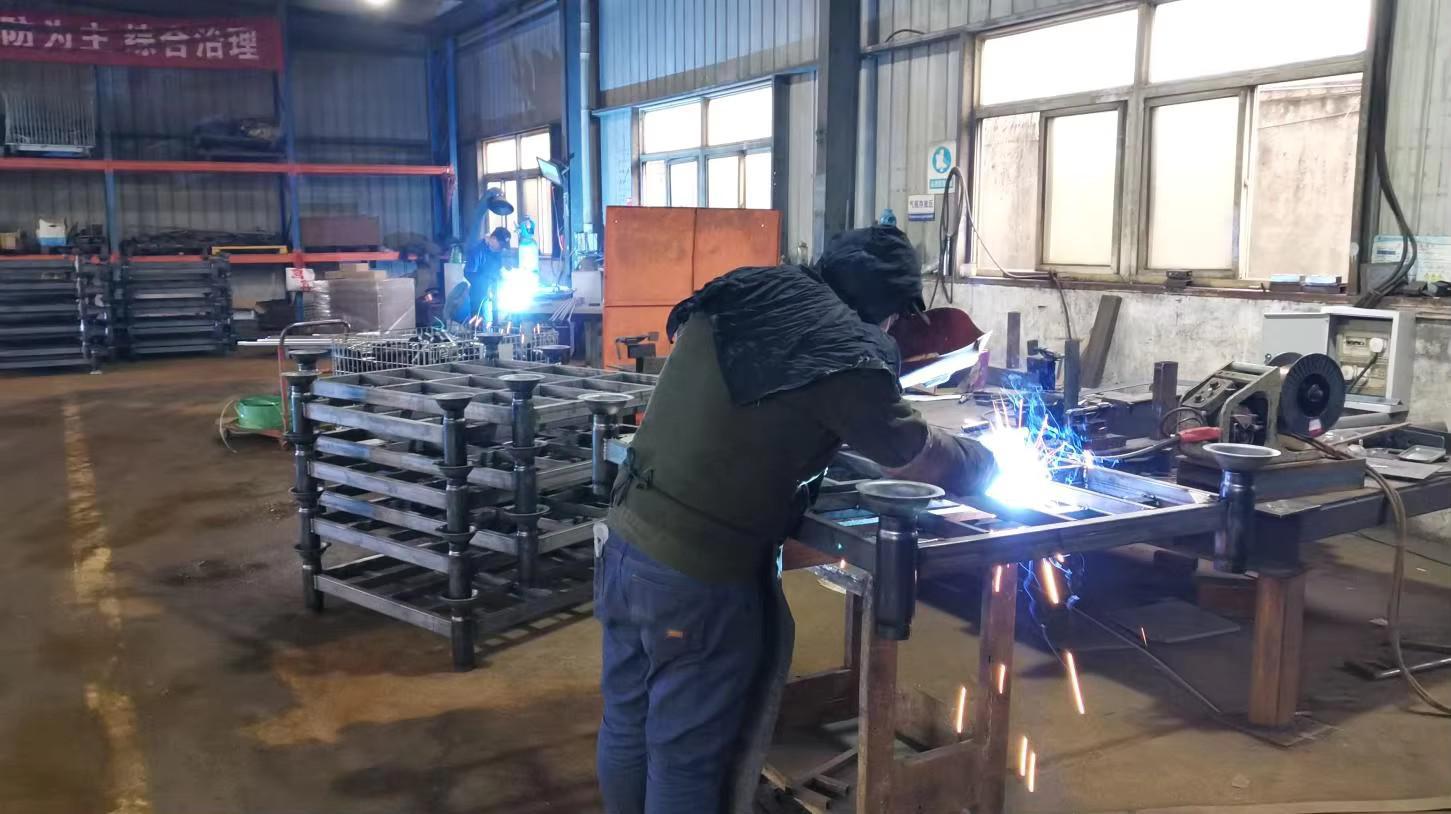
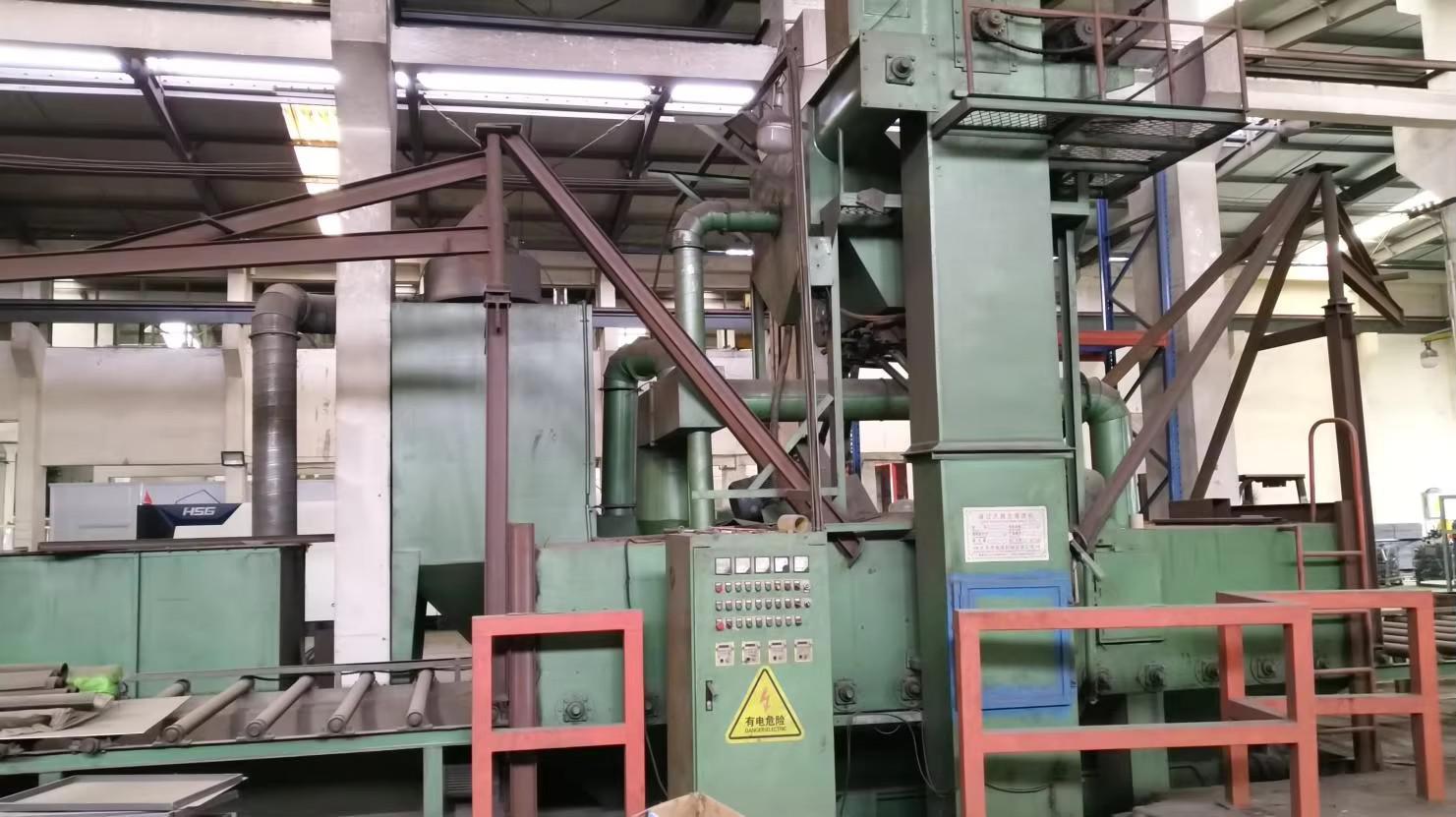
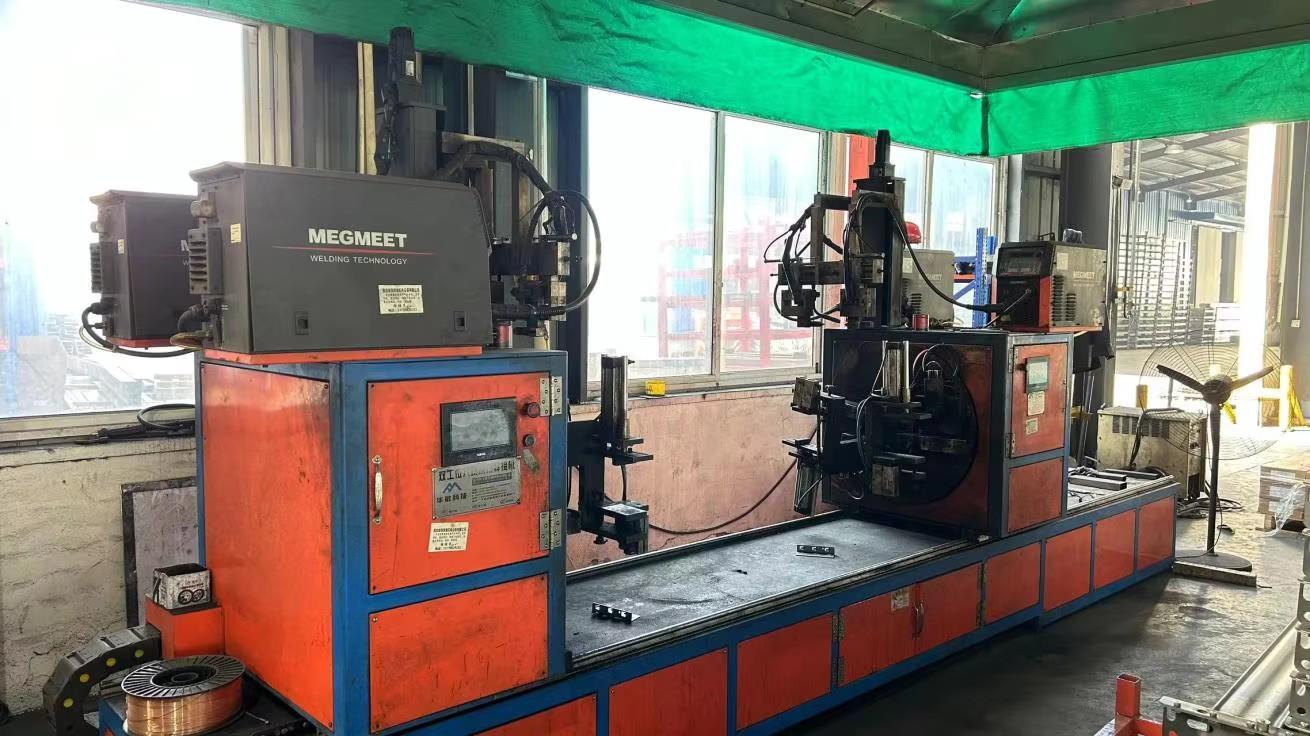
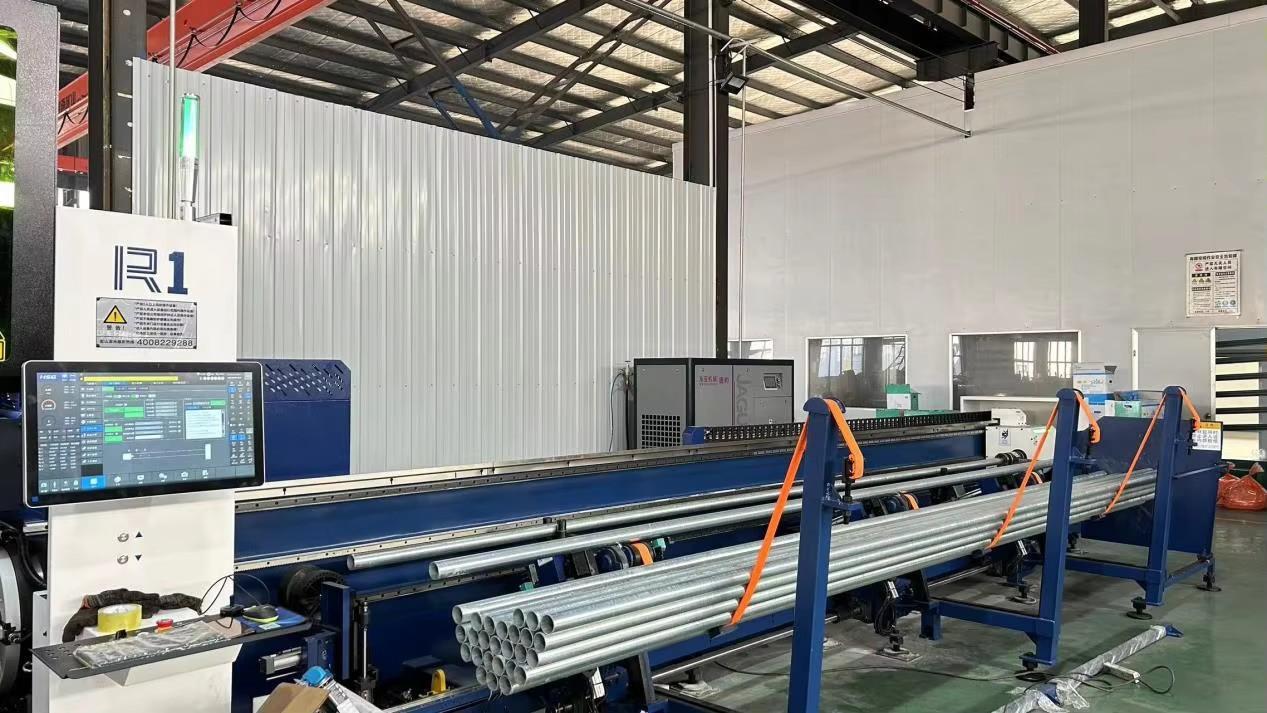
Standard racking tolerances are not sufficient for robotic shuttle corridors. A deviation of just a few millimeters over a 50-meter run can cause the shuttle to stall or lose navigation alignment. Dongguan Jinhui utilizes automated cold-rolling production lines and advanced laser welding systems to ensure track straightness tolerances within ±1mm. High-strength steel grades such as Q235B and Q355B (equivalent to European S235JR and S355JR) are utilized, ensuring structural stability under high static and dynamic loading.
Each shuttle is equipped with multiple navigation modules:
Since parts of Italy (such as the Apennines and northeastern regions) are highly seismic, storage racks must be designed in accordance with European structural code EN 15512 and seismic guideline FEM 10.2.08. Jinhui engineers custom-design baseplates, diagonal bracing, and frame configurations to withstand local peak ground accelerations (PGA), keeping automated payloads safe during seismic events.
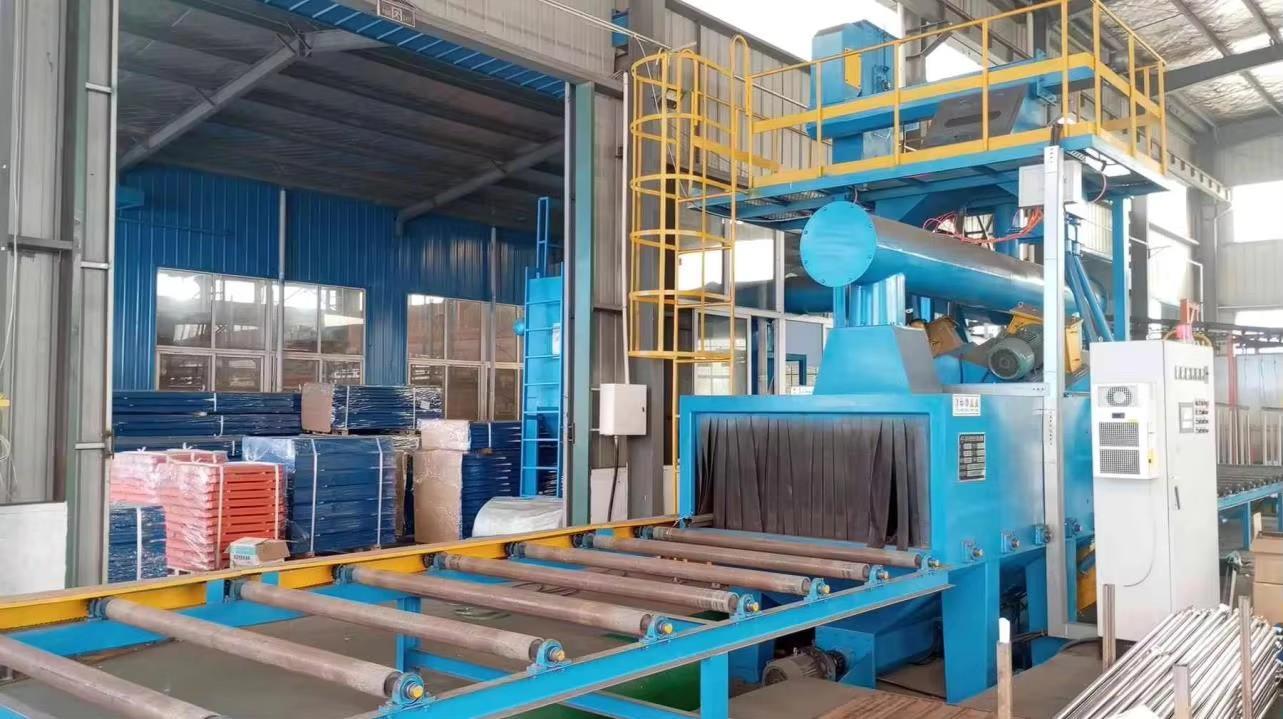
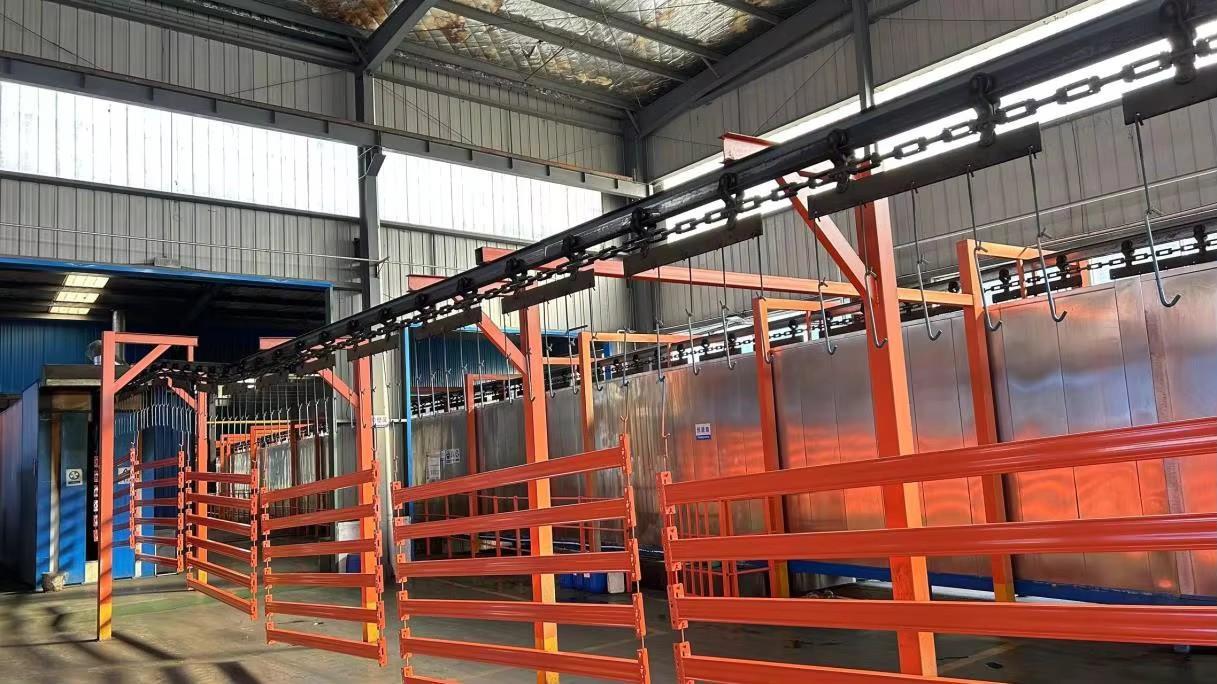
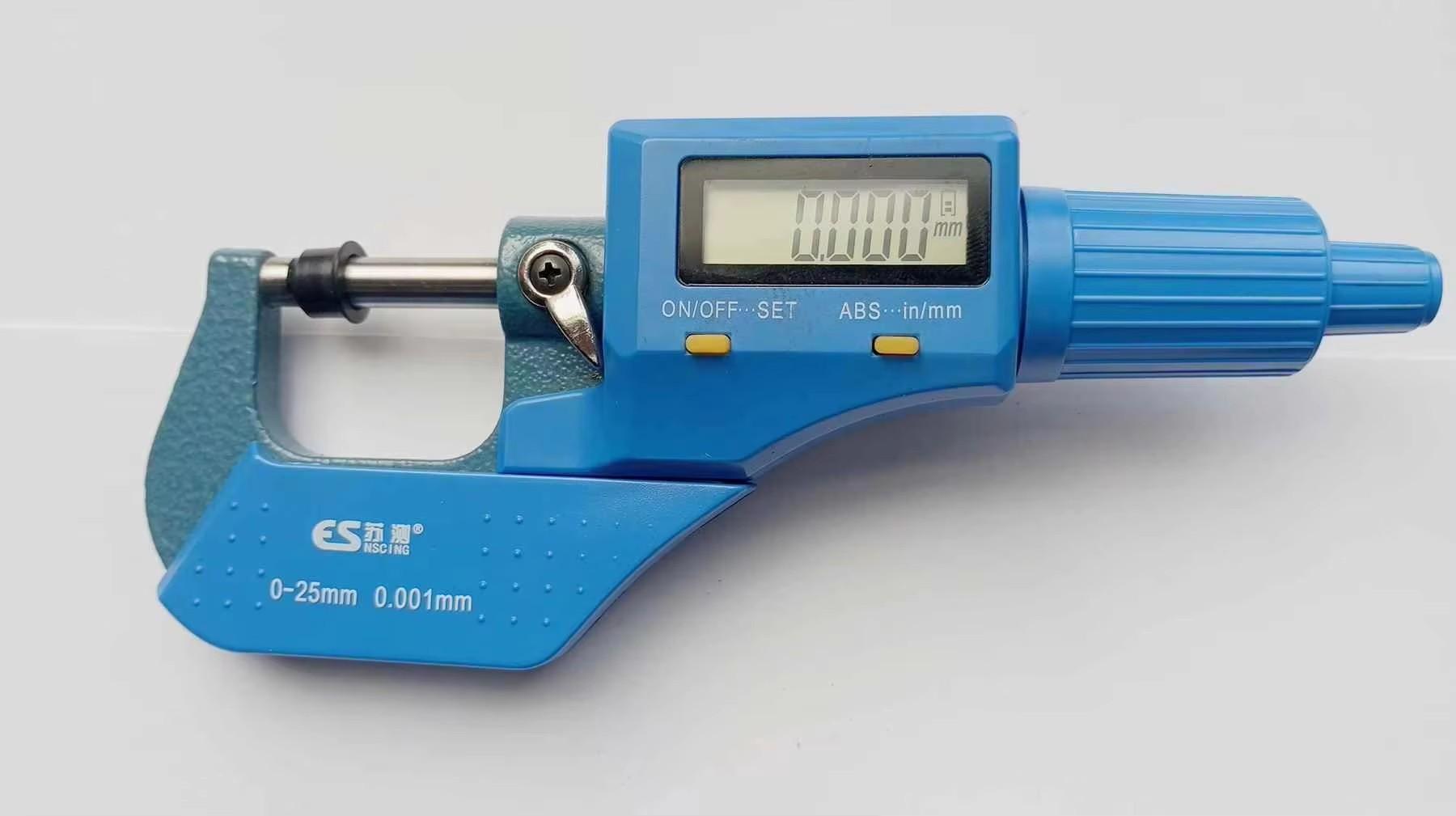
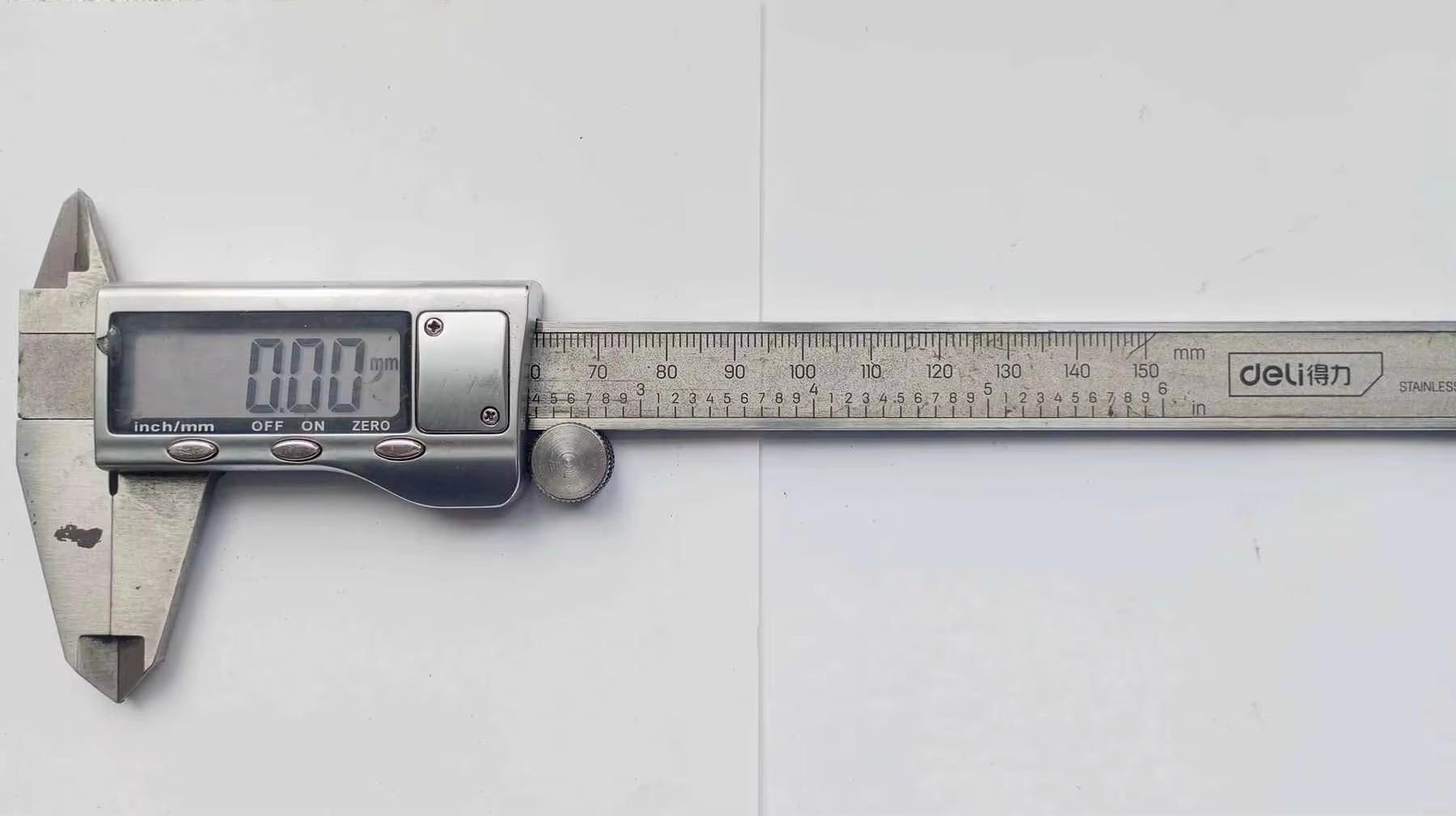
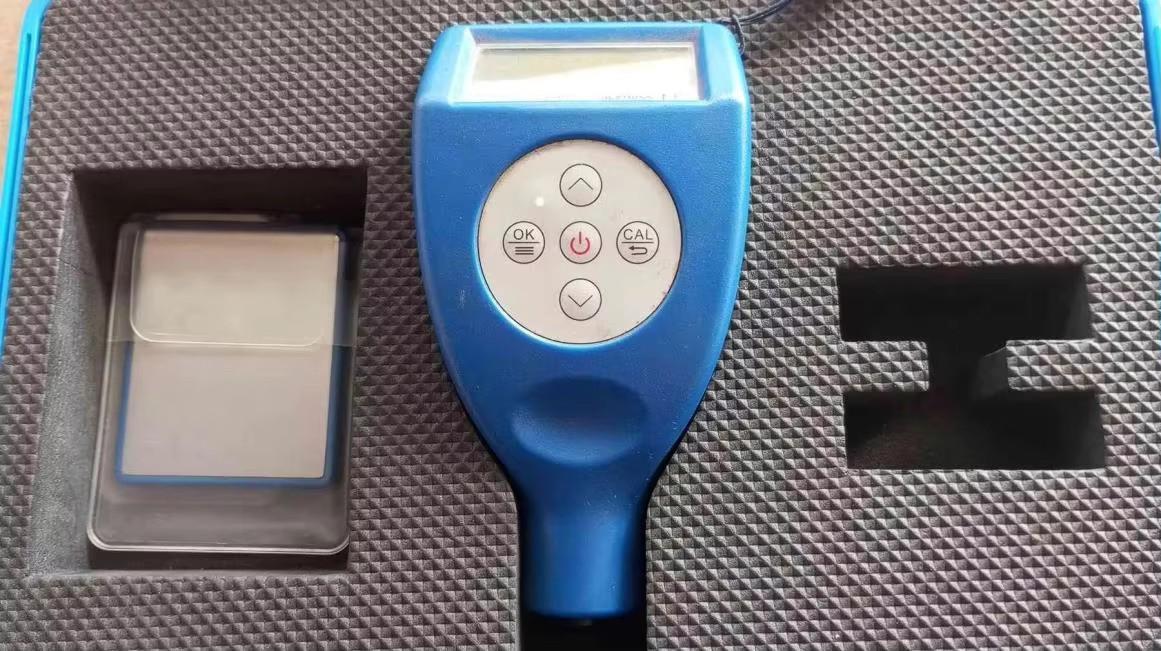
Our 18,600m² state-of-the-art facility utilizes precision technology at every stage of production to guarantee long-term stability and high reliability.
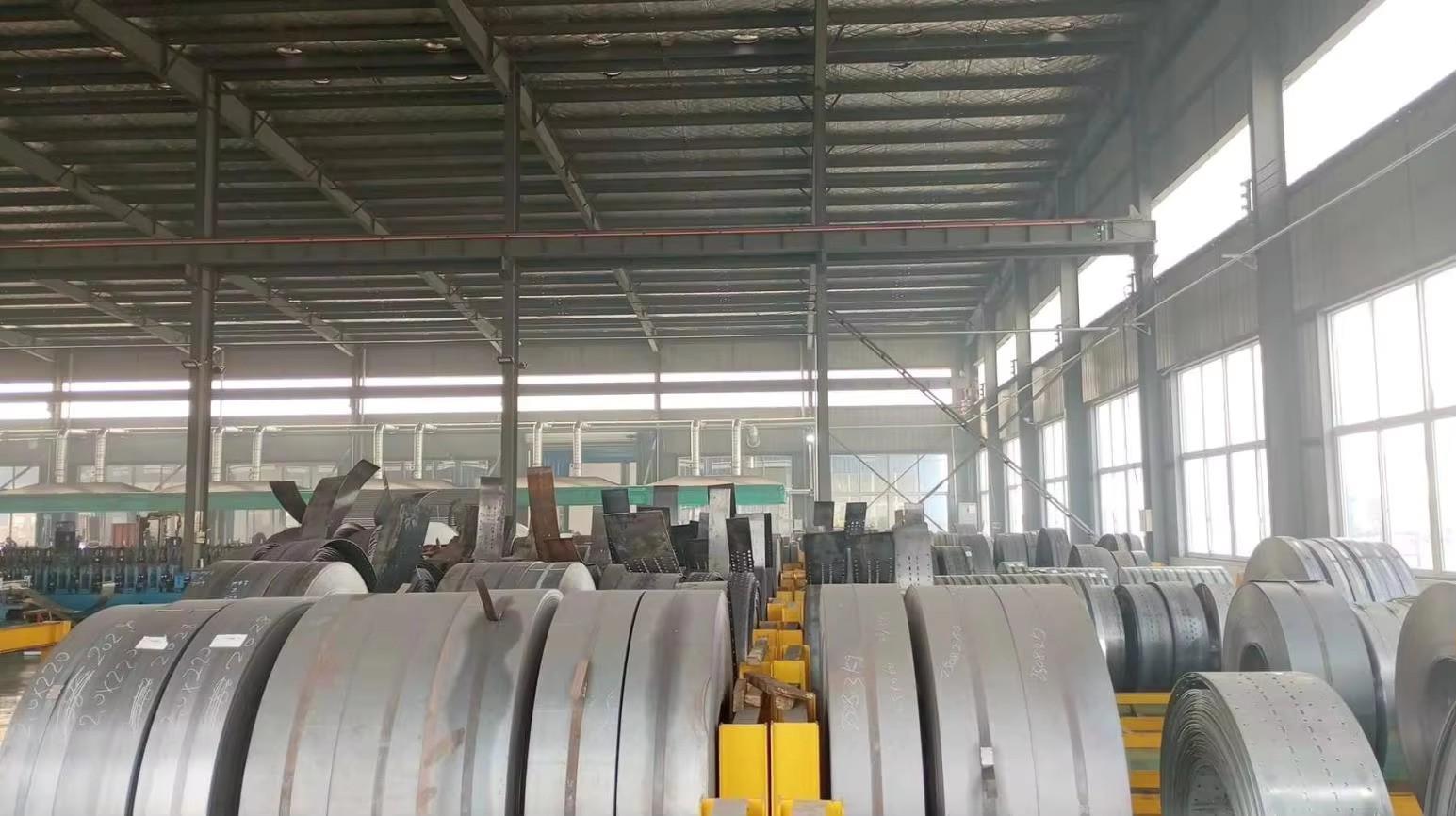
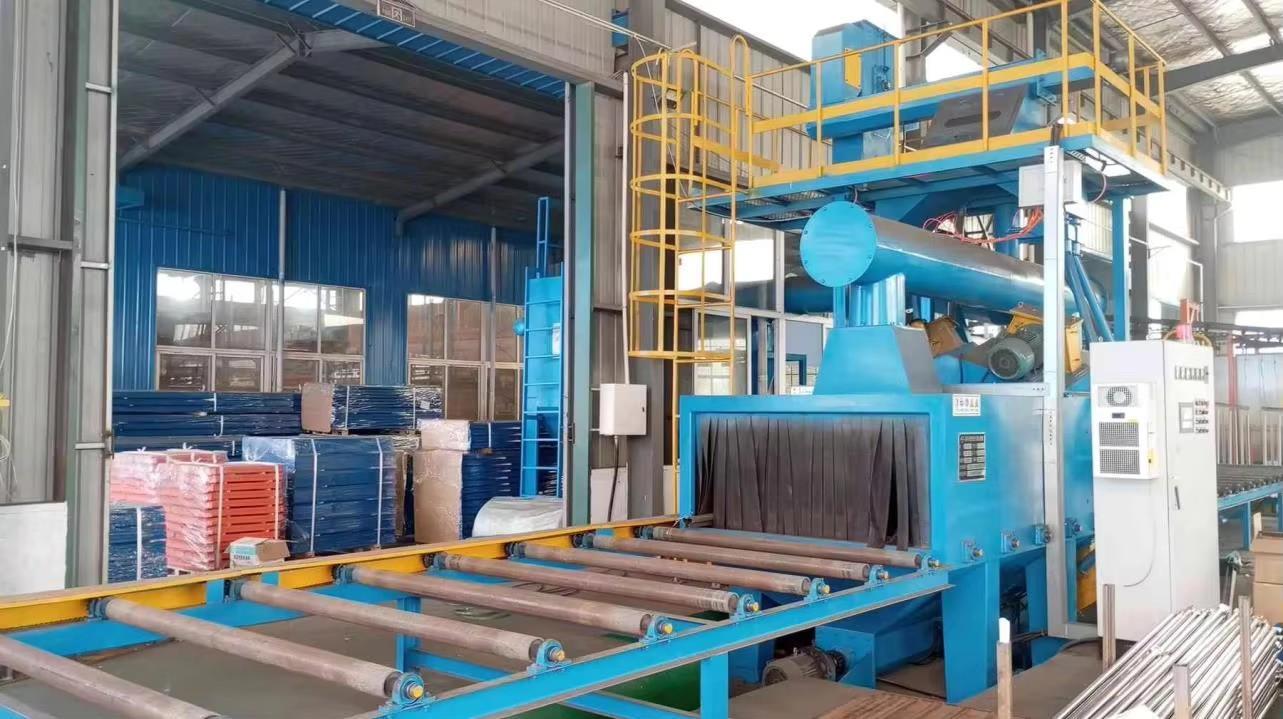
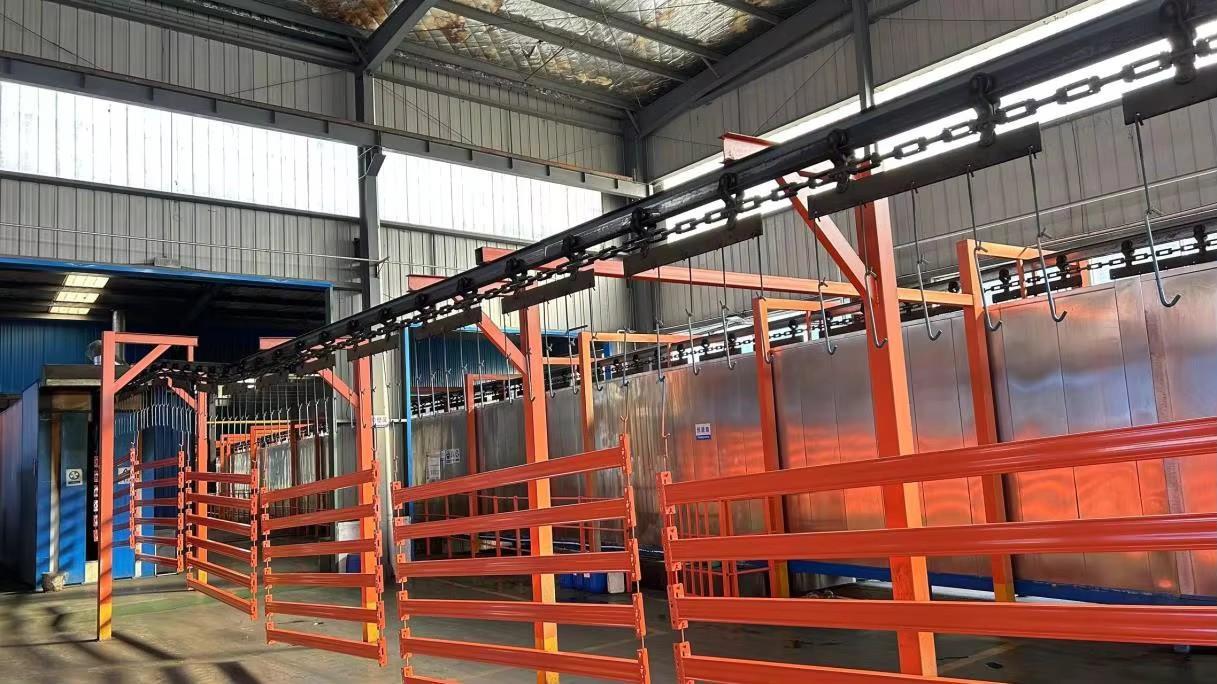
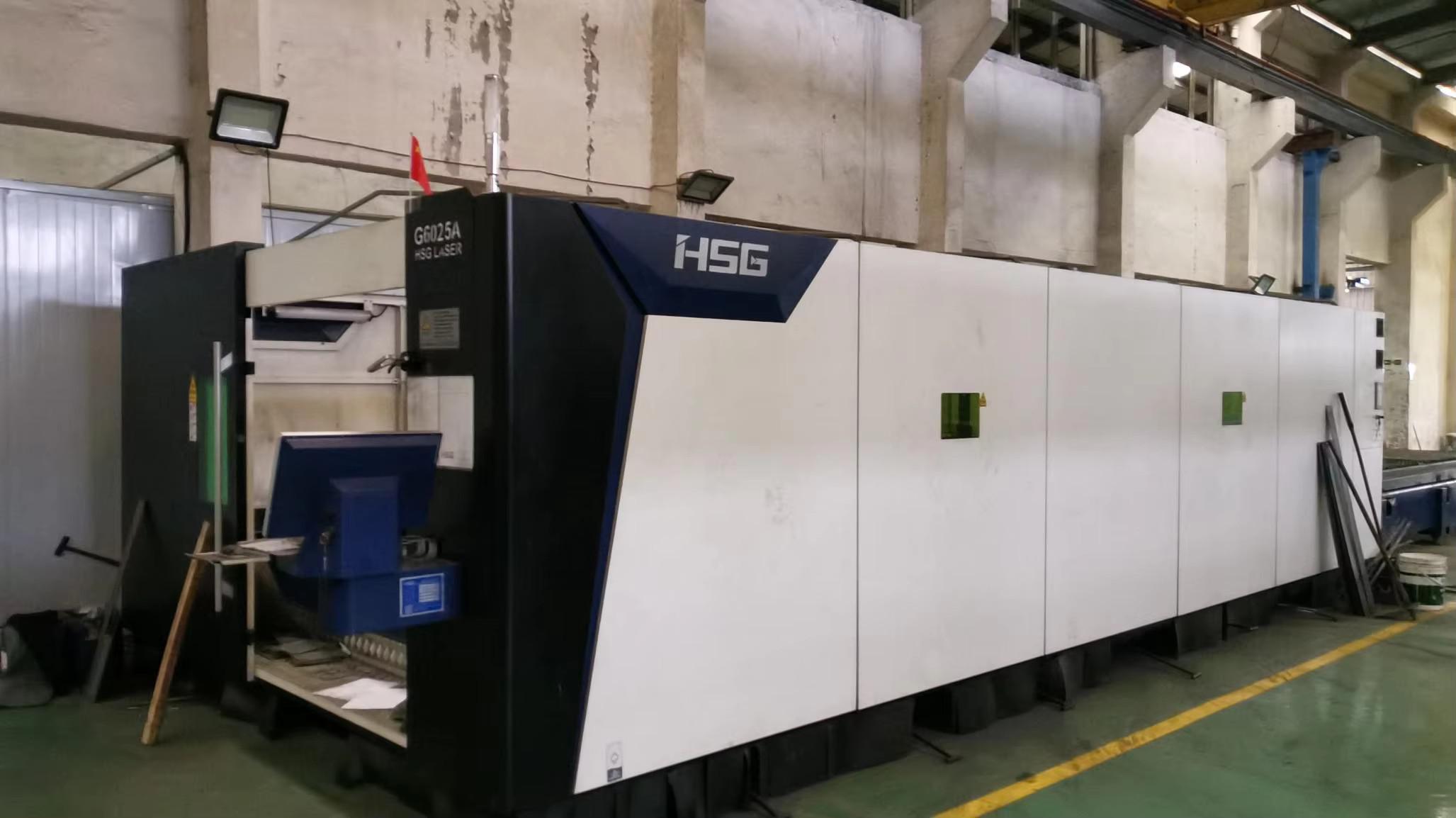
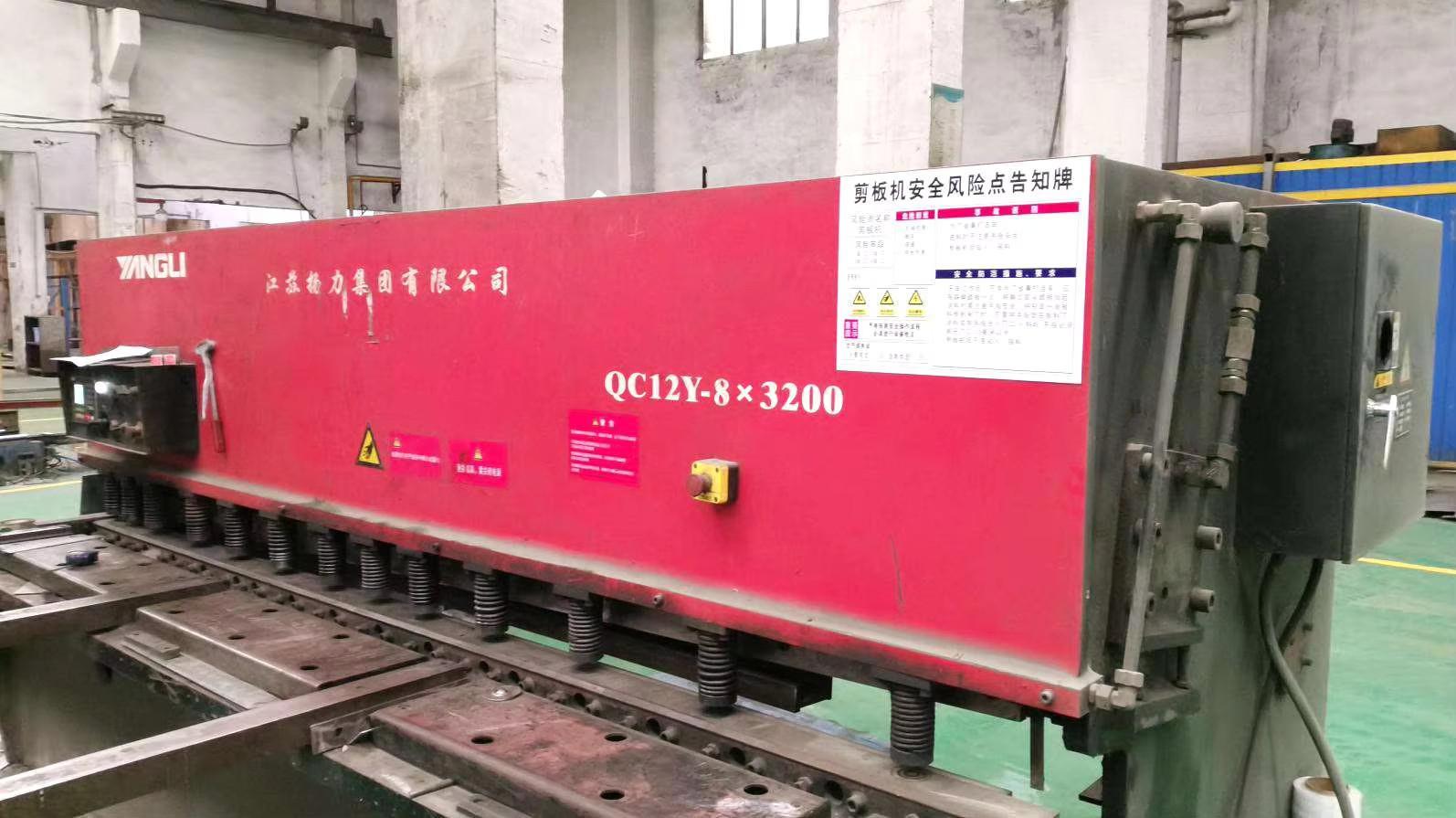
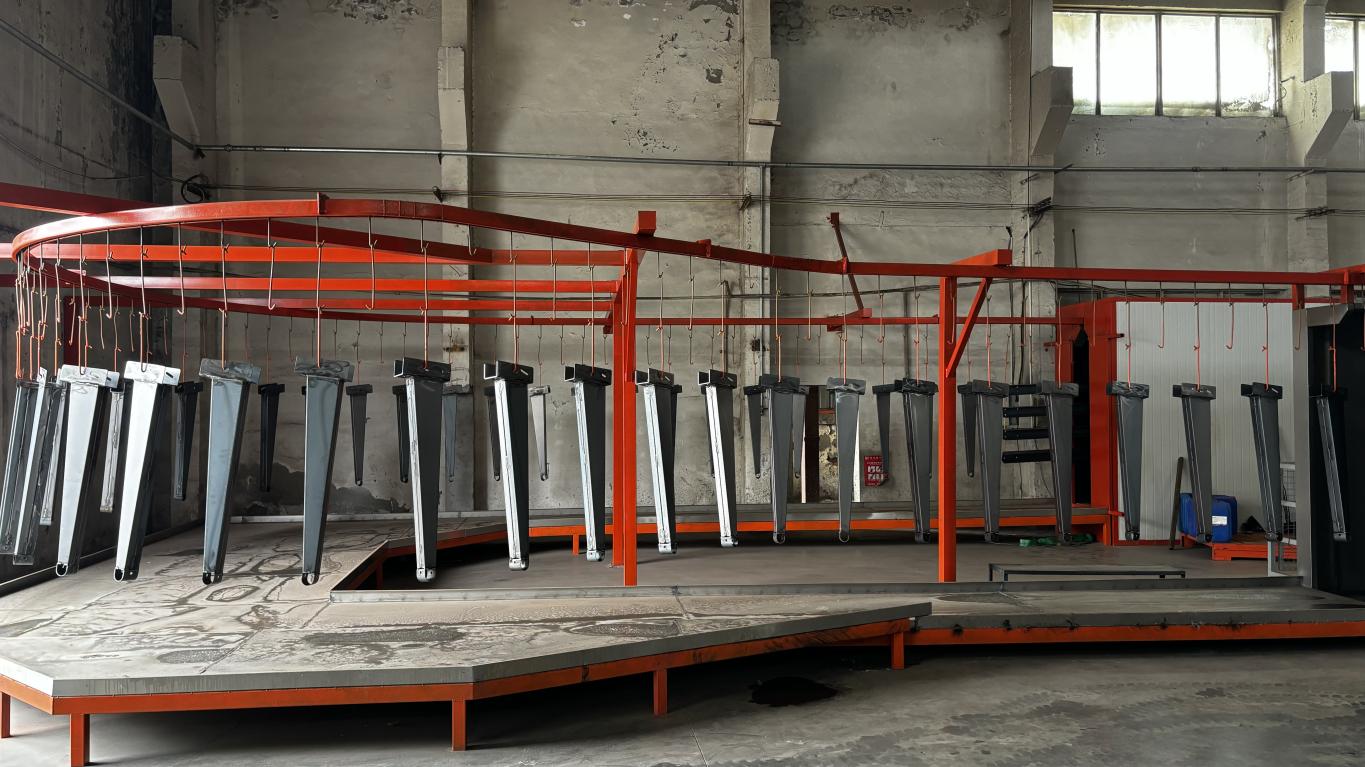
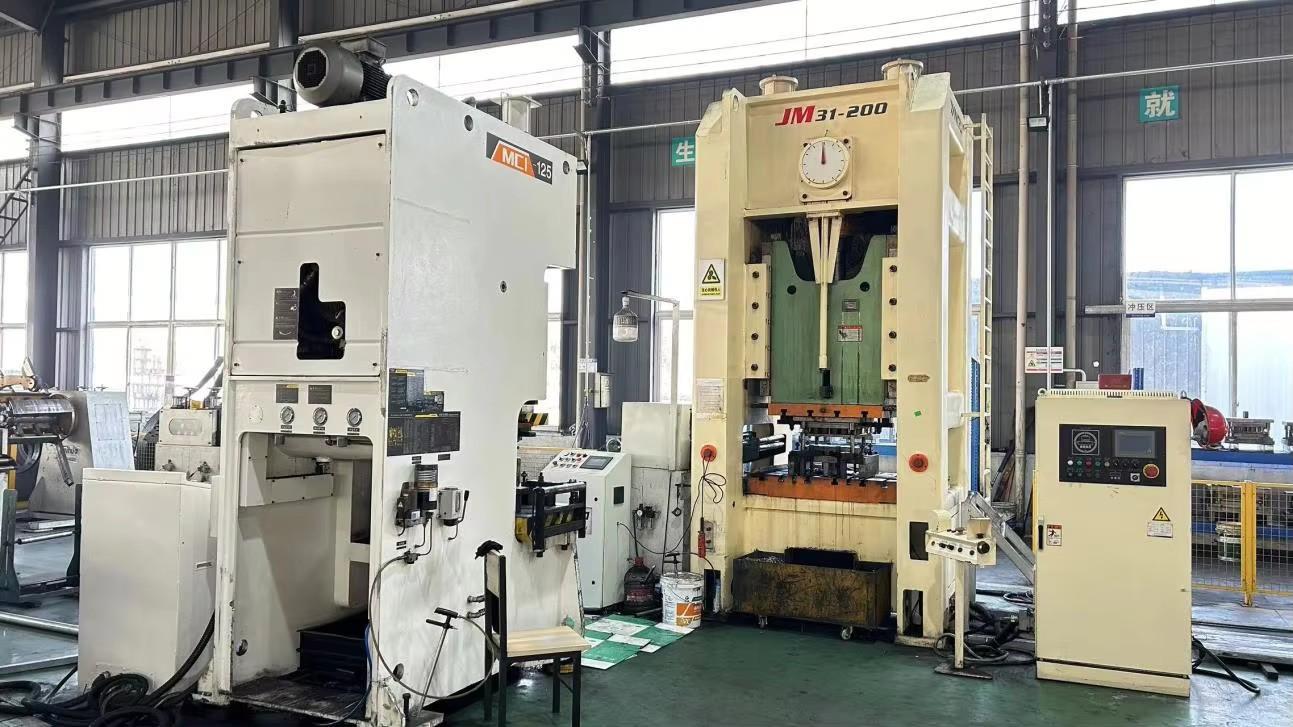
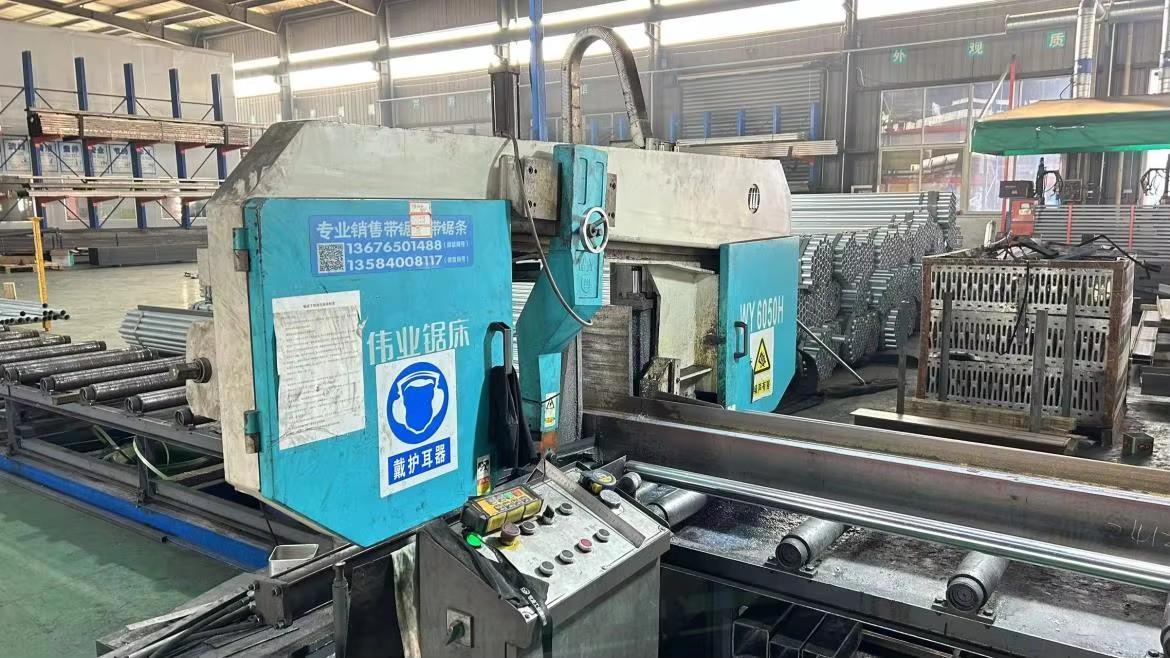
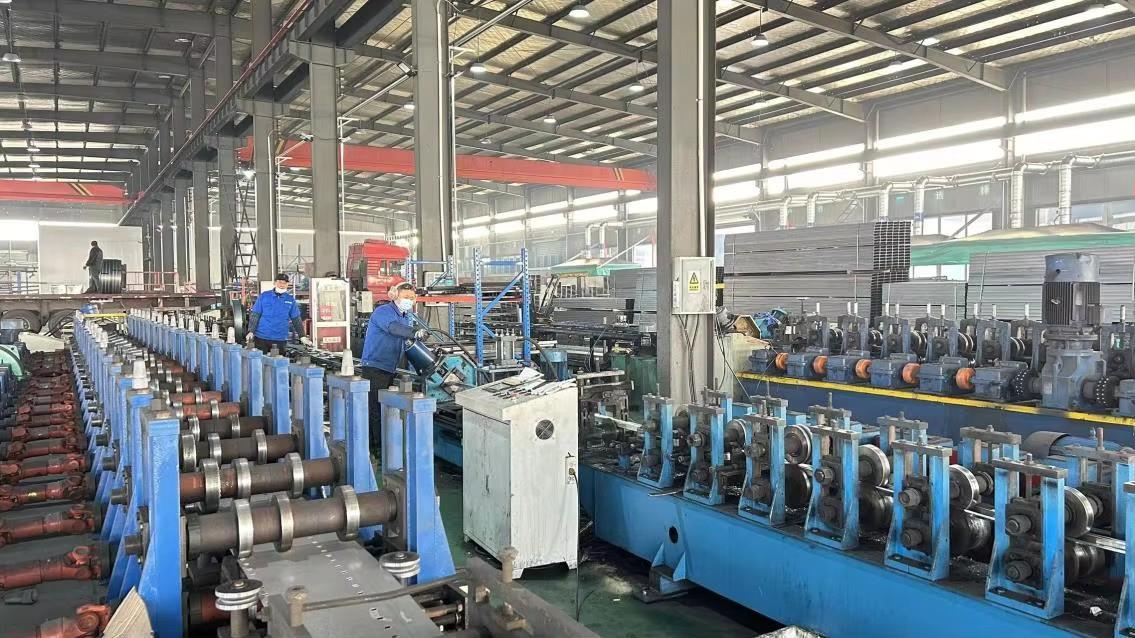
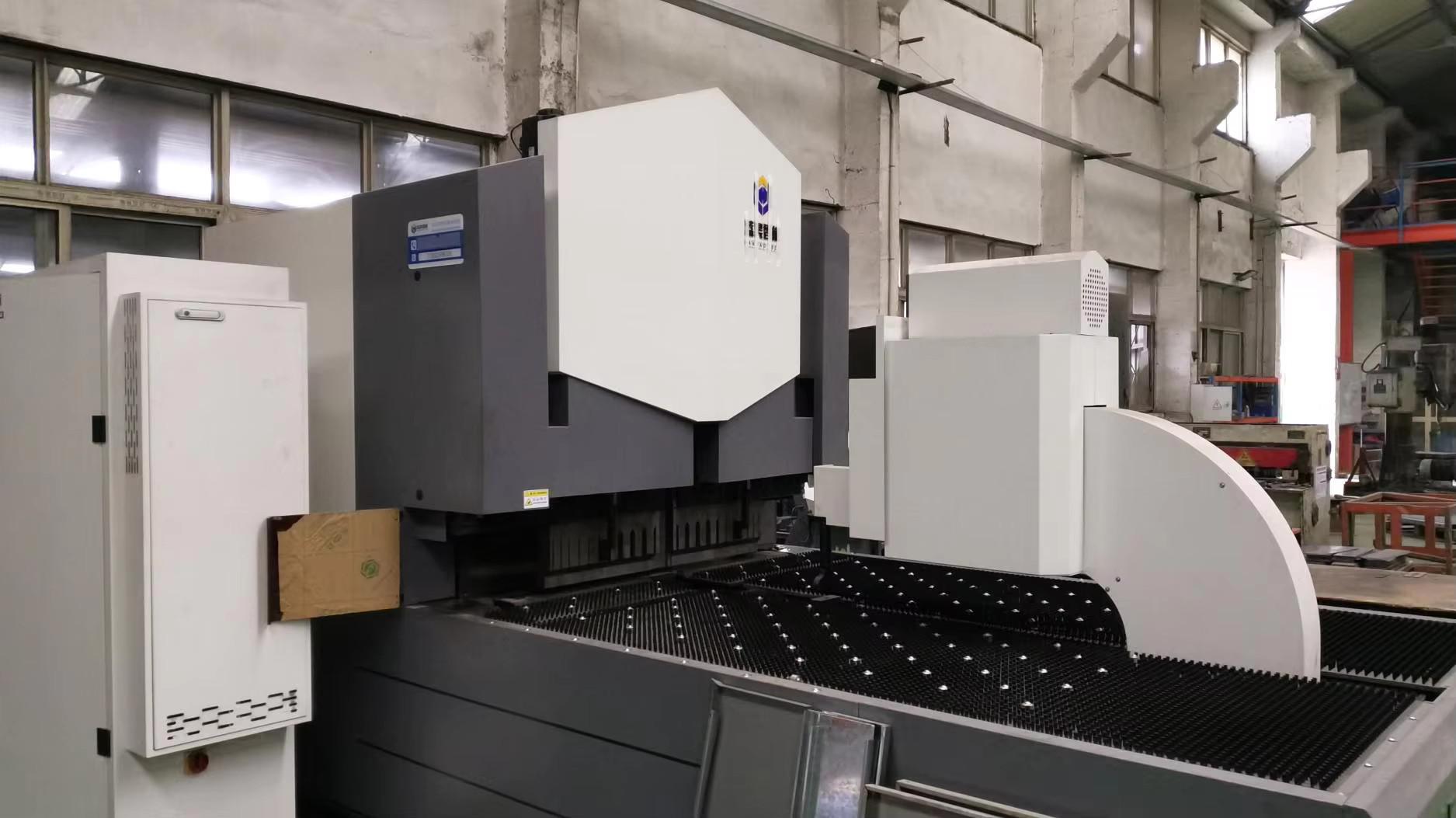
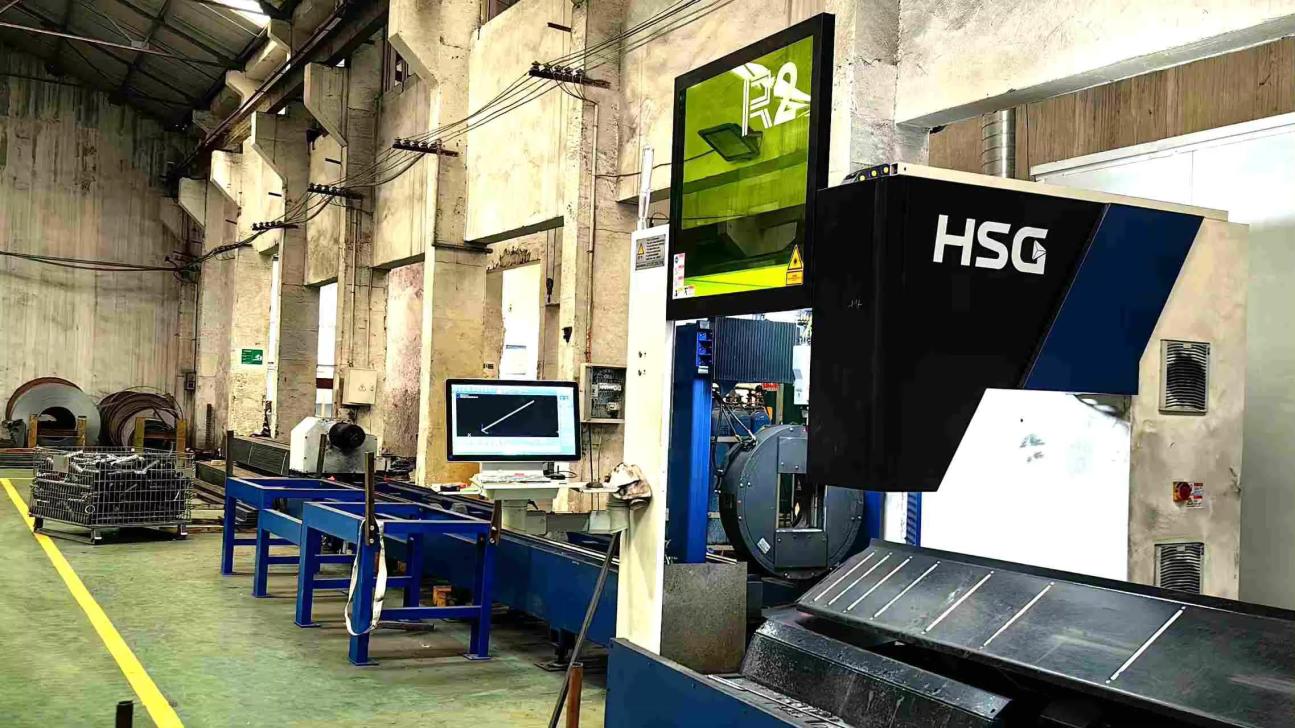
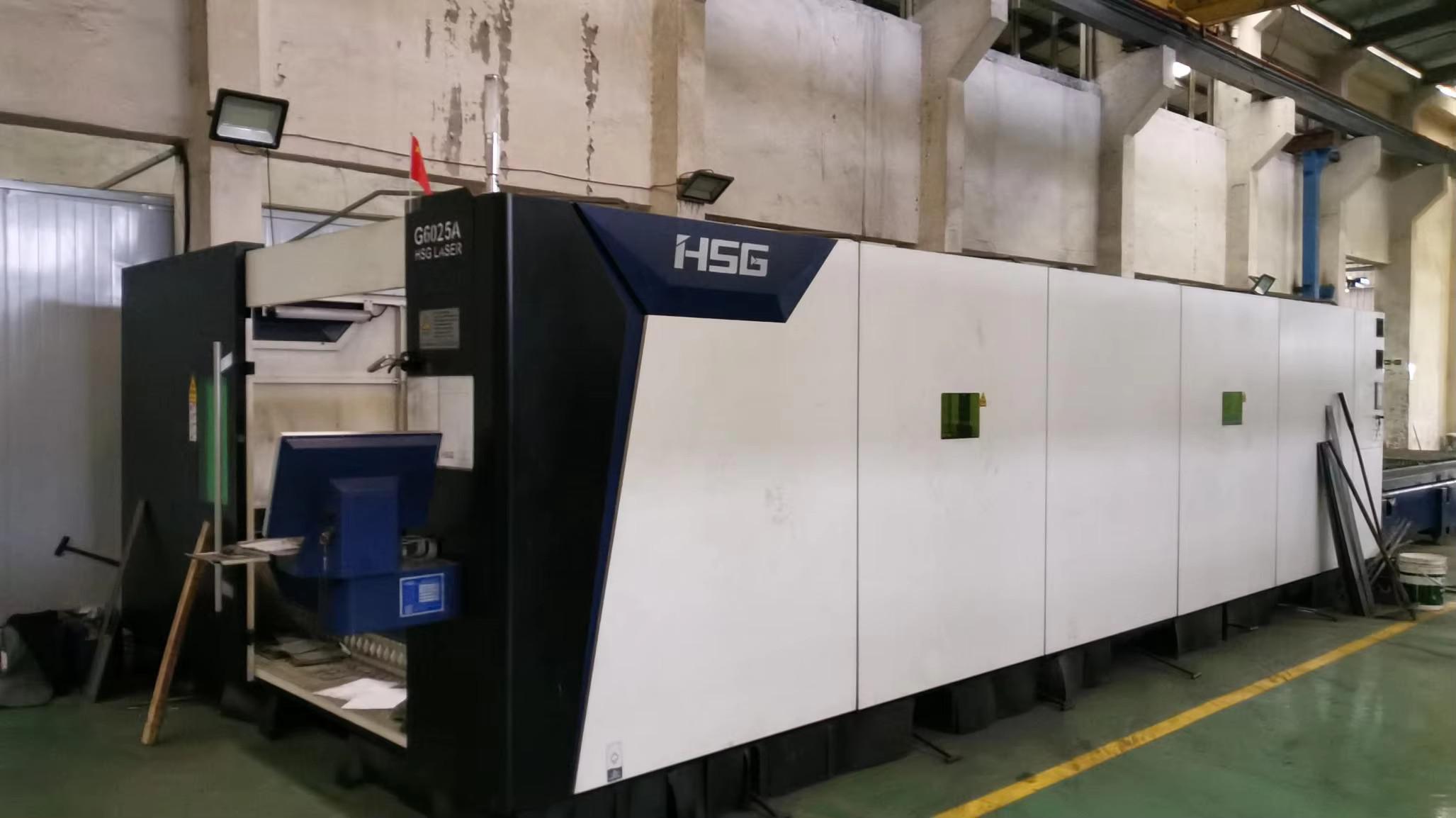
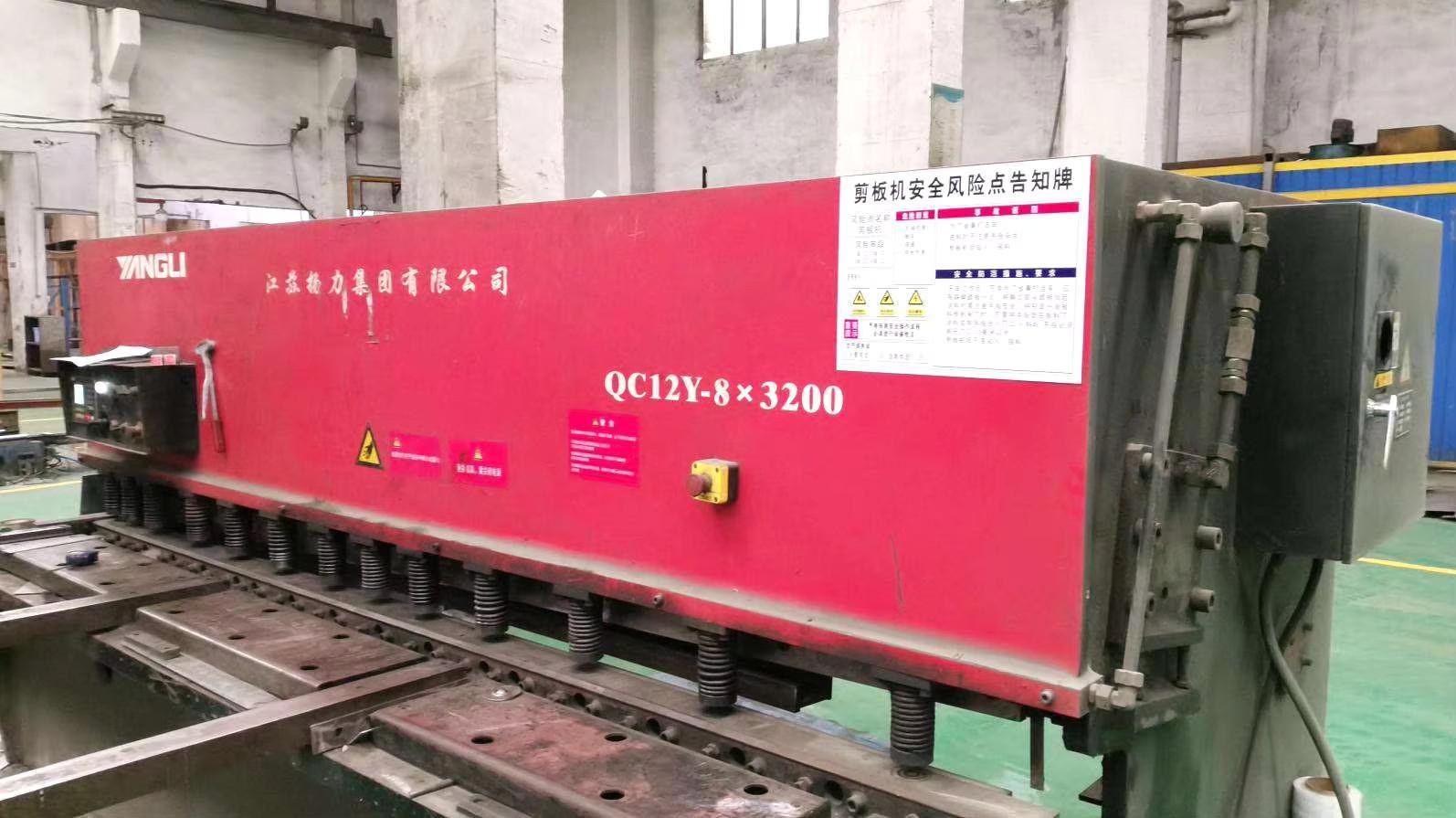
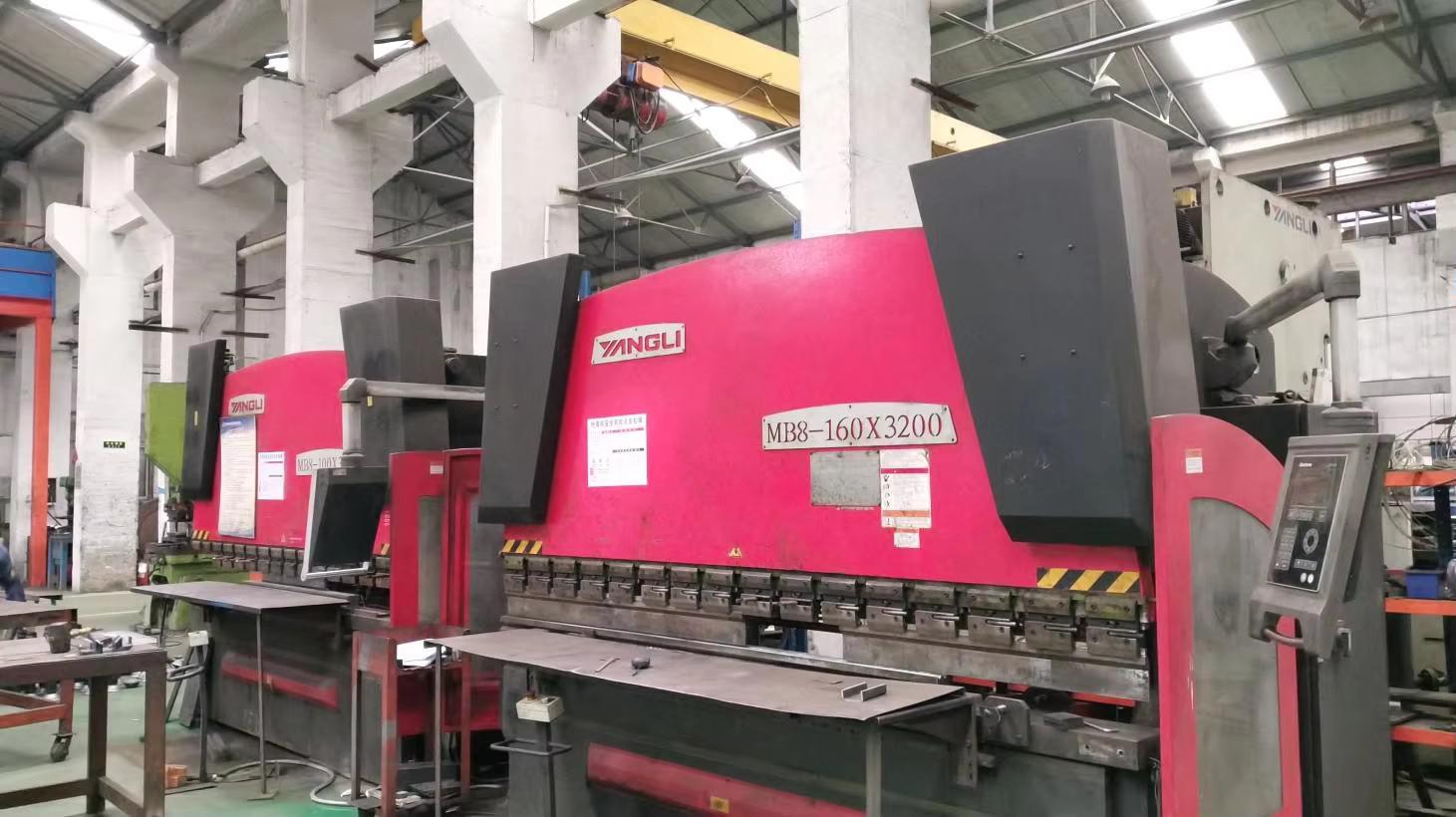
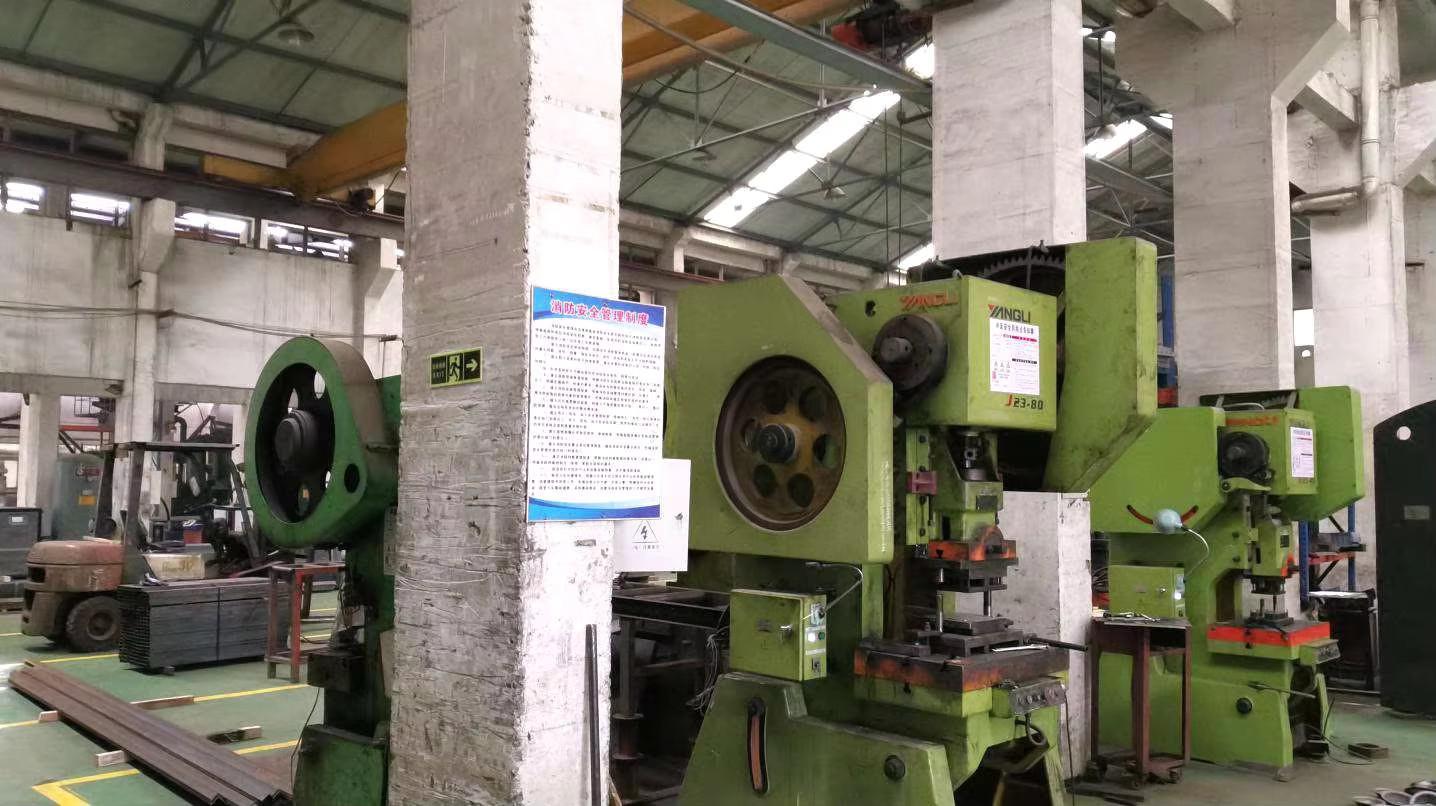
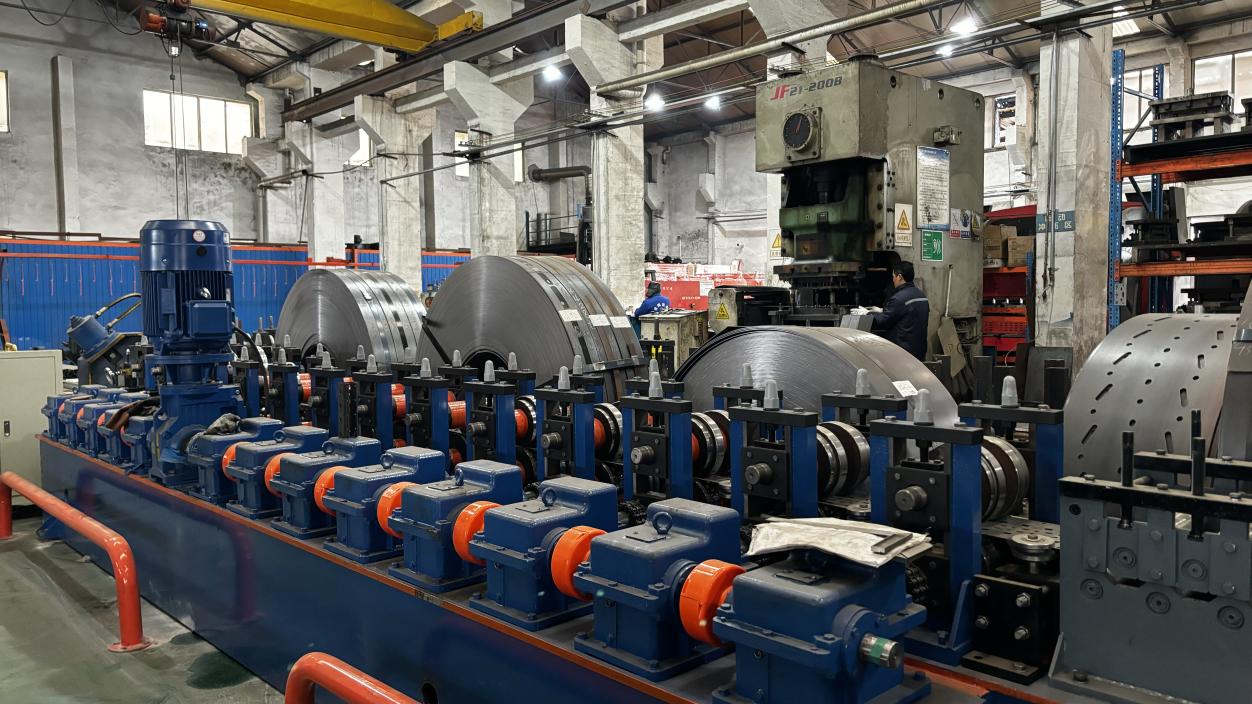
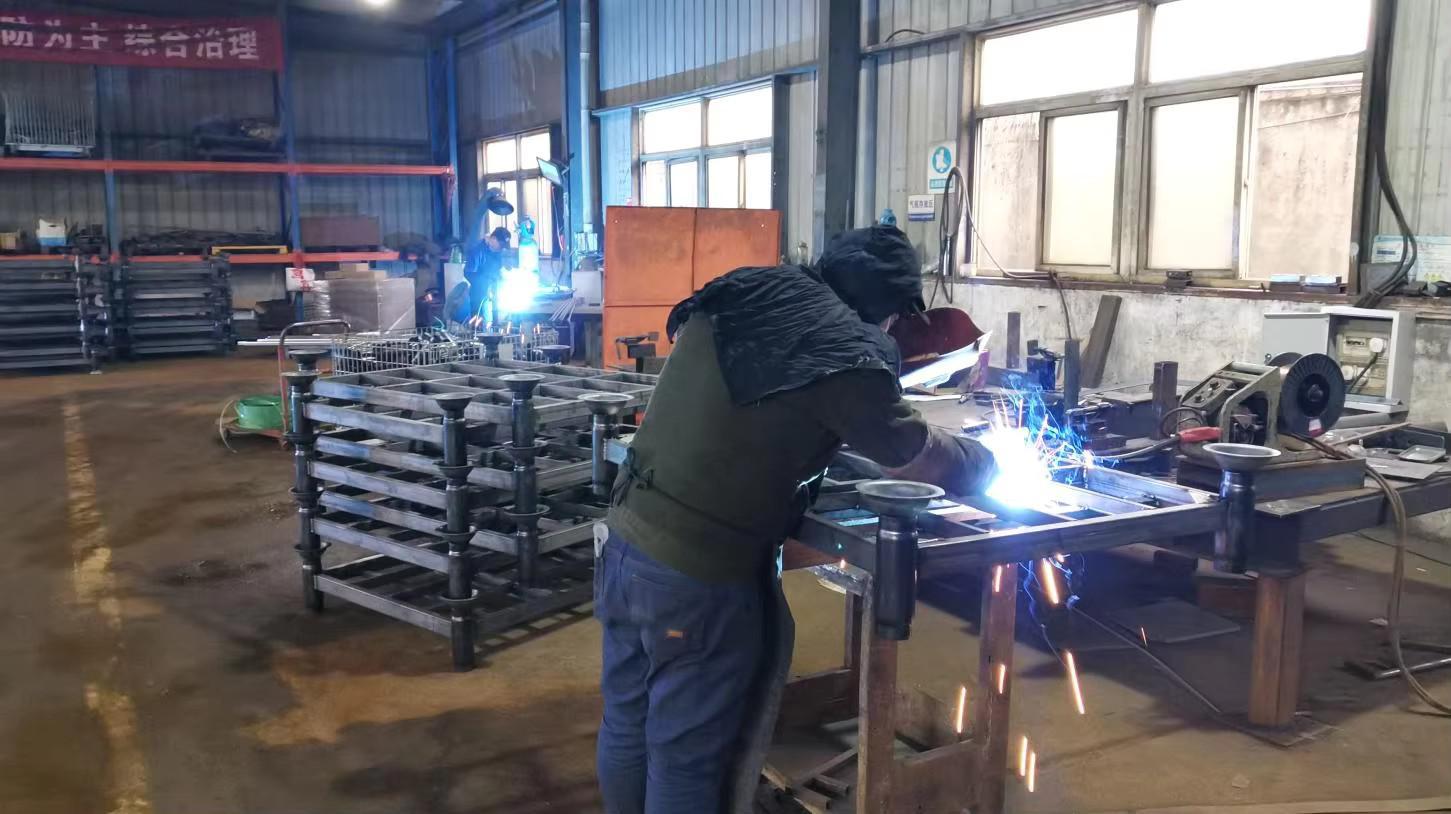
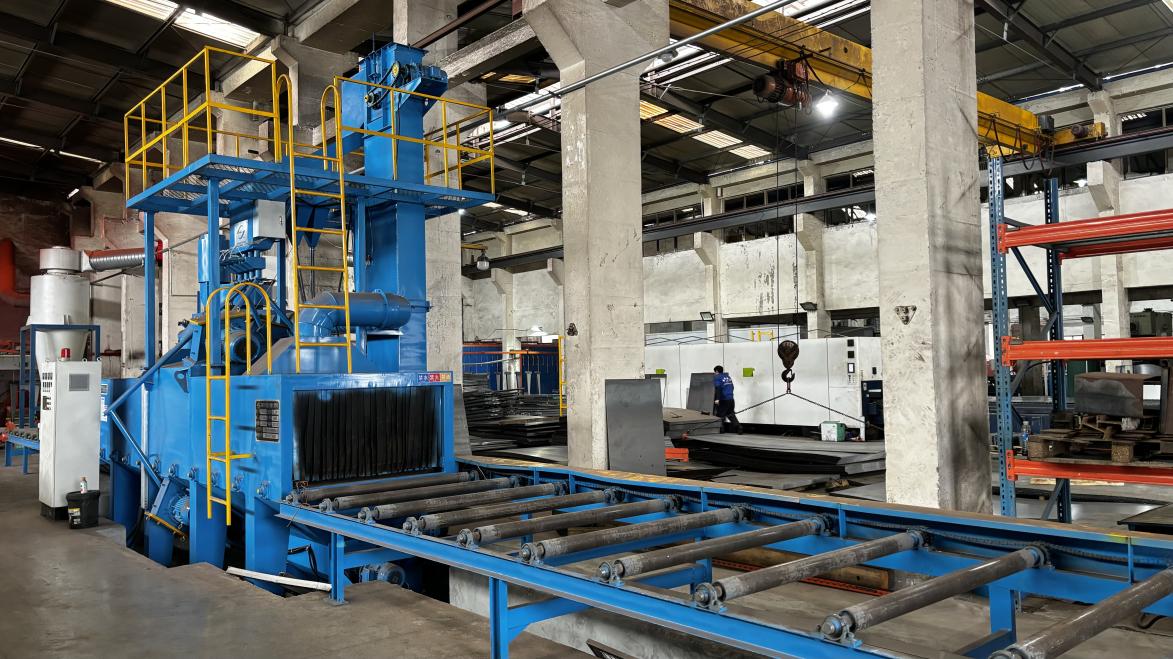
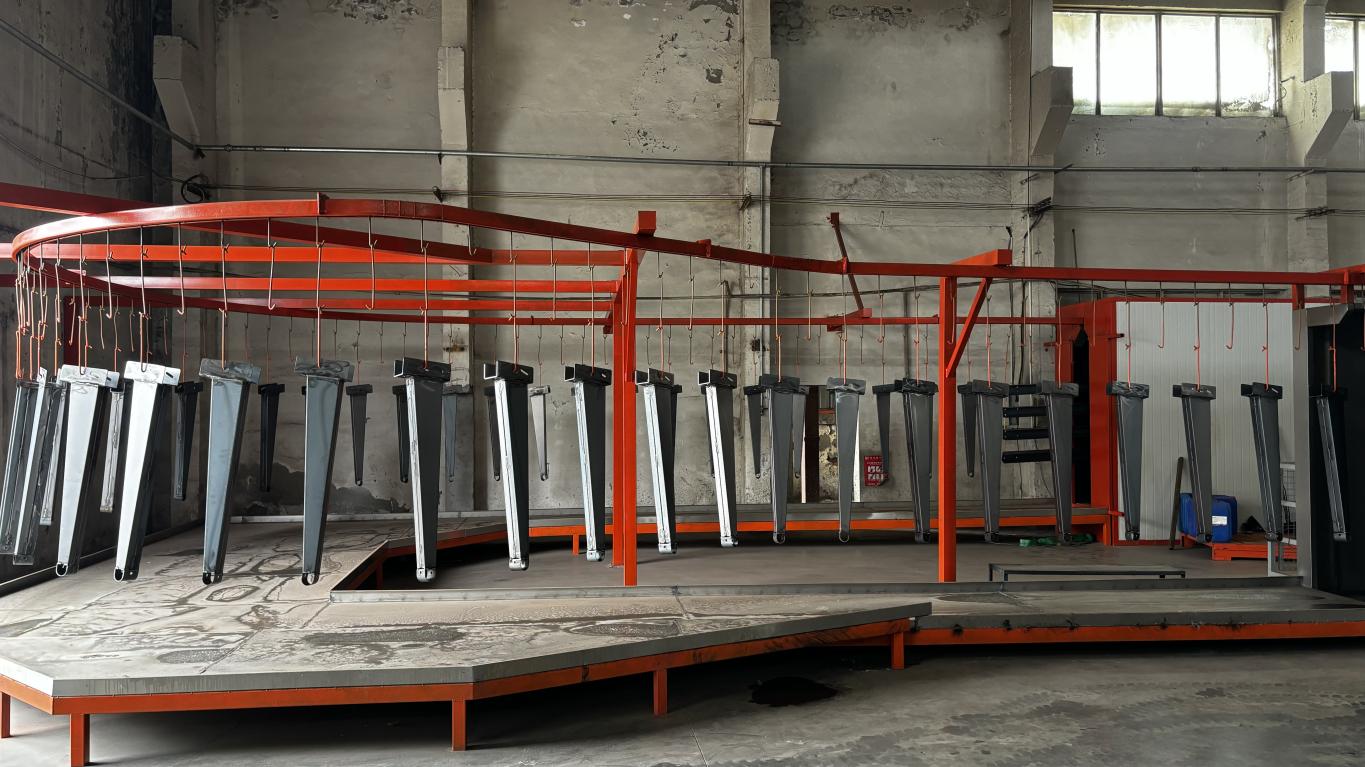
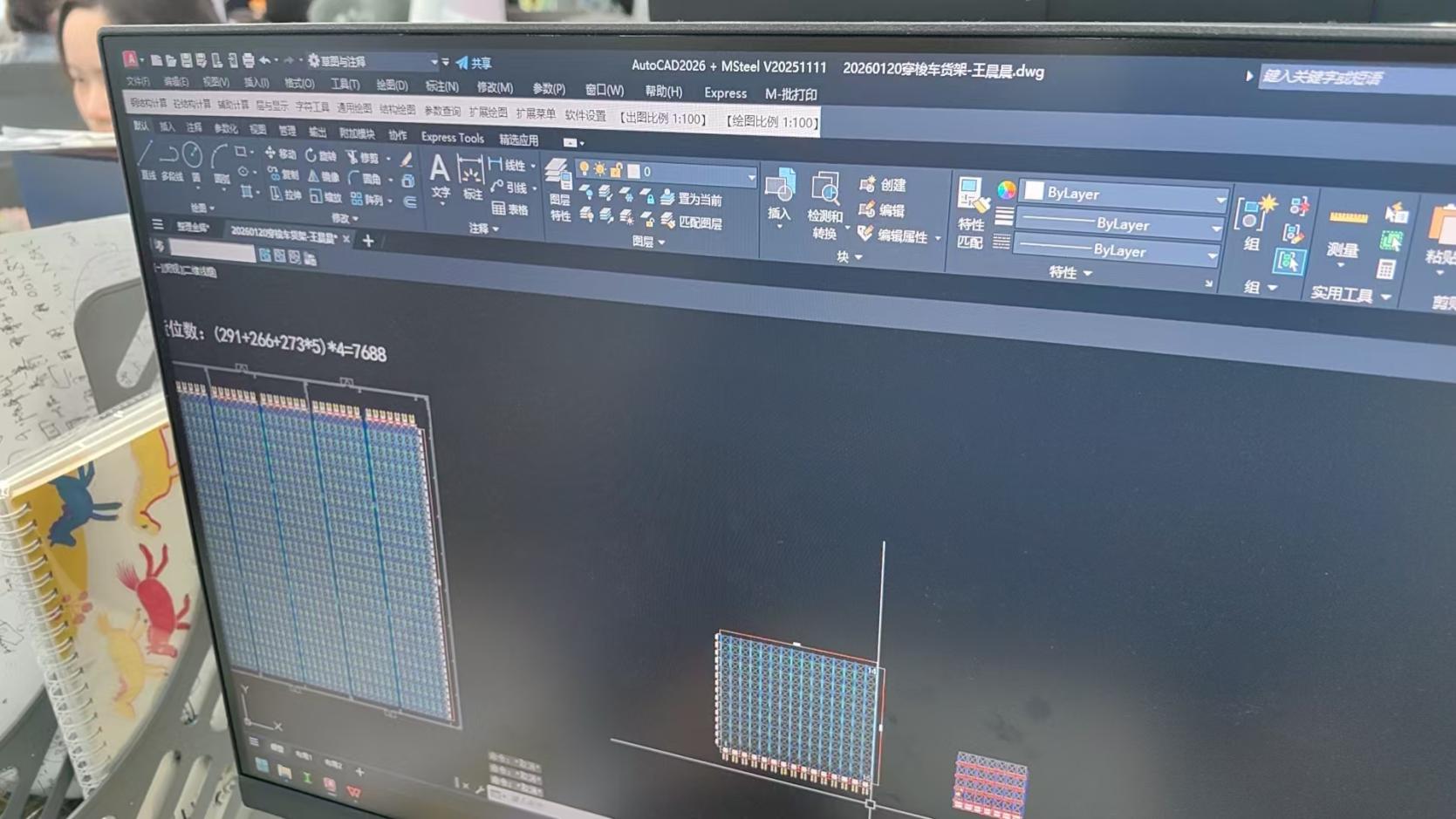
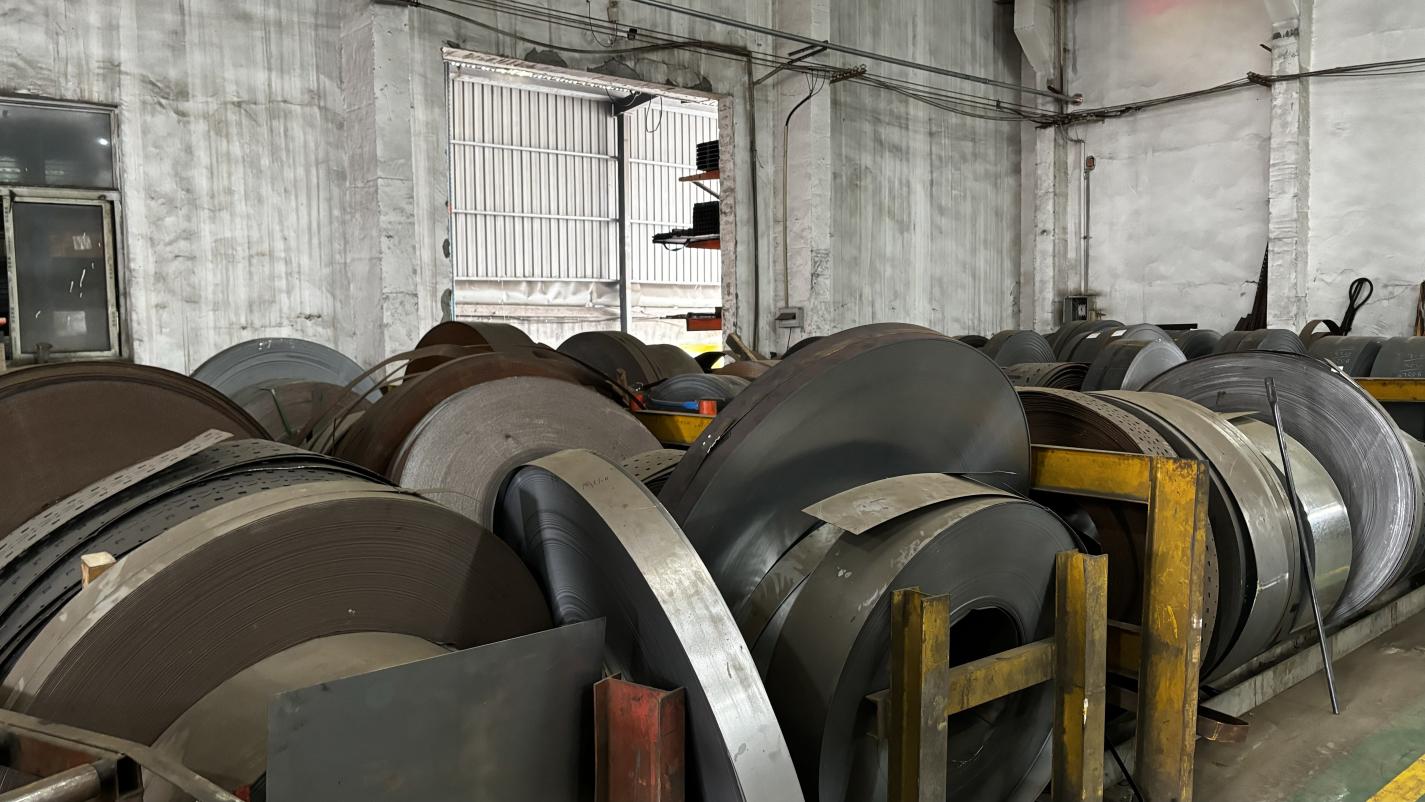
The global logistics market requires agile manufacturing, reliable delivery times, and cost efficiency. Partnering with a premier Chinese exporter like Dongguan Jinhui Storage Equipment Co., Ltd. provides distinct advantages:
Our facility spans over 18,600 square meters and is backed by a robust network of over 980 supply chain partners. This ensures we can lock in raw material prices even during volatile market cycles. From high-grade cold-rolled coils to specialized mechanical components, our production schedule is protected from disruptions, translating directly into shorter lead times for projects in Genoa, Trieste, or Naples.
With a specialized engineering hub featuring 68 R&D engineers, we continuously upgrade our racking profiles, guide rails, and dynamic interfaces. In the last fiscal year alone, we introduced 126 product upgrades. We provide detailed 3D design models, structural stress calculations, and seismic simulation layouts tailored specifically to each client’s warehouse footprint.
Every structural section destined for Europe undergoes loading capacity tests, dimensional checks, coating thickness tests, and weld integrity inspections. With an internal team of 46 experienced quality inspectors, we monitor each step from raw coil feeding to final container packing. Operating under strict ISO 9001 quality protocols guarantees that structural components arrive onsite ready for precise, hassle-free installation.
Exporting structural steel systems to Italy requires strict adherence to European regulations and local building codes. Safety, engineering calculations, and localized support are non-negotiable for system sign-off.
Italian regulatory bodies and local engineers require structural calculations according to Eurocode 3 (EN 1993) and specific racking codes like EN 15512 and EN 15620. Our engineering division compiles detailed structural calculation reports, analyzing load configurations, seismic parameters, and structural deflections. We utilize advanced FEA (Finite Element Analysis) software to verify that the uprights, beam joints, and rails can withstand simulated seismic shifts.
The 4-way autonomous shuttle units must carry the CE marking and conform to the Machinery Directive 2006/42/EC, the Electromagnetic Compatibility Directive 2014/30/EU, and the Radio Equipment Directive 2014/53/EU. We ensure all exported robotic units are CE-certified, complete with the Declaration of Conformity and detailed user/maintenance manuals written in Italian or English.
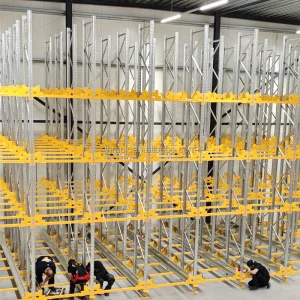
To facilitate execution, we coordinate with localized installation teams throughout Italy. Whether it is a project in Verona, Florence, or Bari, we supply comprehensive installation drawings, precision guide jigs, and real-time remote technical support. This team approach guarantees that the physical installation conforms to the strict dimensional tolerances required by high-speed shuttles.
Detailed technical answers to common queries regarding automated warehouse racking design, imports, and installation in Italy.
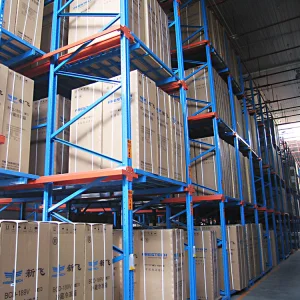
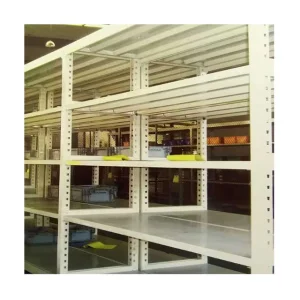
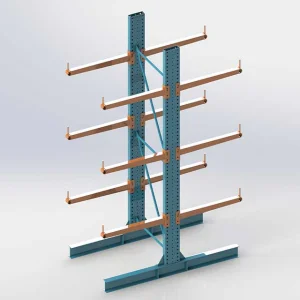
Explore our full line of heavy-duty, selective, ASRS, and specialty racking systems designed to meet various industrial configurations.
 Jinhui Storage Equipment