Advanced automated systems and heavy-duty configurations deployed in leading distribution centers throughout the UAE.
How regional strategic initiatives shape structural storage demands across the Middle East.
The United Arab Emirates stands as the primary logistics gateway linking European, Asian, and African markets. Driven by structural roadmaps including the Dubai Economic Agenda (D33) and Abu Dhabi Industrial Strategy, the country has transformed from a trading port into a high-capacity manufacturing and distribution base. Major developments in free zones such as Jebel Ali Free Zone (JAFZA), Khalifa Industrial Zone Abu Dhabi (KIZAD), and Dubai South demand engineered warehouse systems that maximize structural cubic volume while preserving operational speed.
Furthermore, the region's climate requires unique engineering considerations. The combination of intense summer heat (ambient temperatures exceeding 45°C) and high humidity in coastal zones necessitates robust anti-corrosion finishes. Storage structures must stand up to rigorous indoor climate control systems, notably in the rapidly expanding cold storage facilities dedicated to pharmaceutical distribution and food security programs.
In the UAE, industrial shelving is subject to rigorous technical requirements. System designs must address local wind load dynamics, high-frequency loading profiles, and specific seismic parameters defined by the Dubai Municipality. Every racking installation must integrate with overhead fire suppression systems (such as ESFR sprinklers compliant with NFPA 13 standards) to secure municipal civil defense approvals.
Jinhui Storage Equipment's production metrics and capabilities serving global supply chains.
Industrial-grade configurations calculated for safety, durability, and stress tolerance.
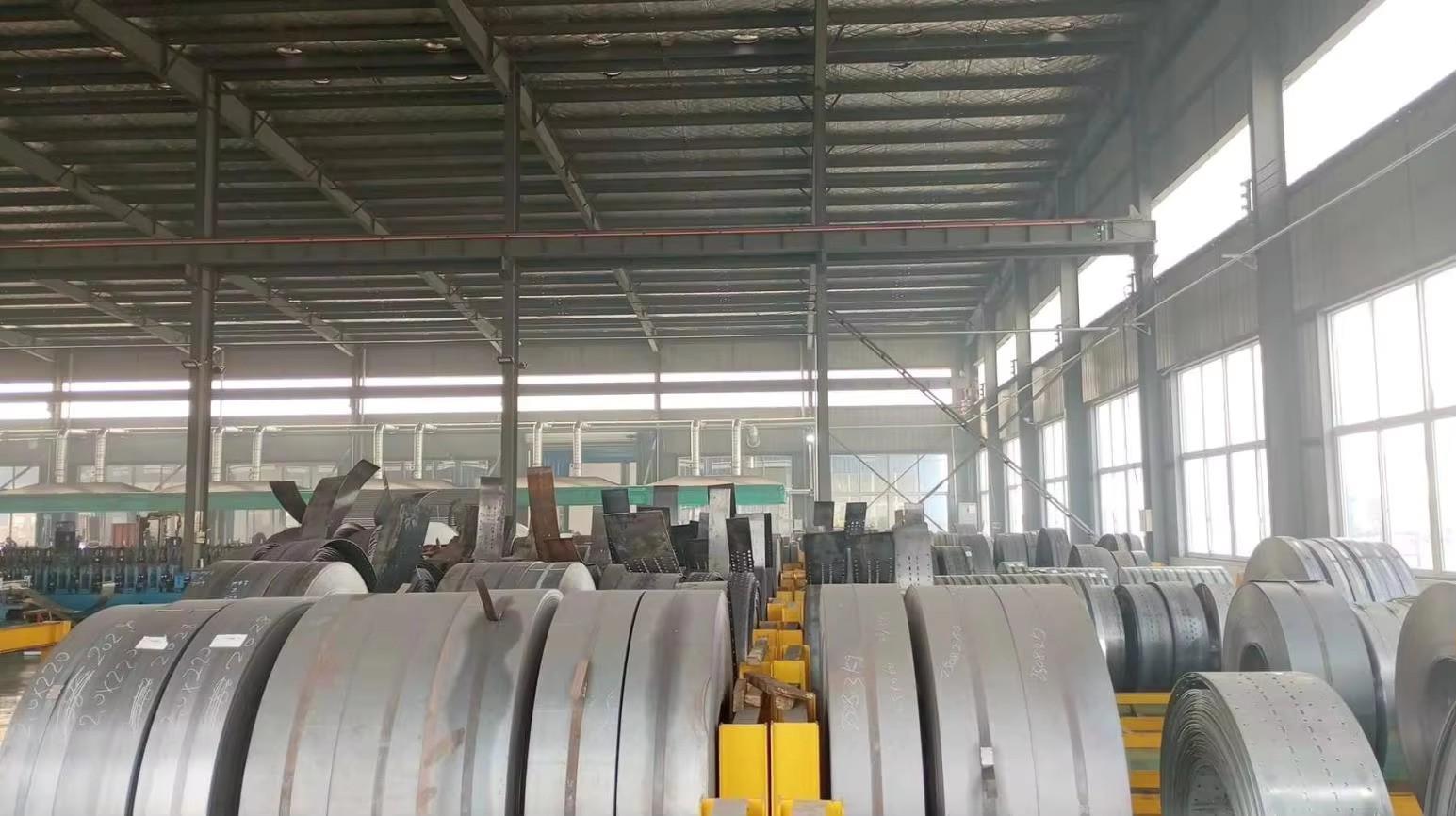
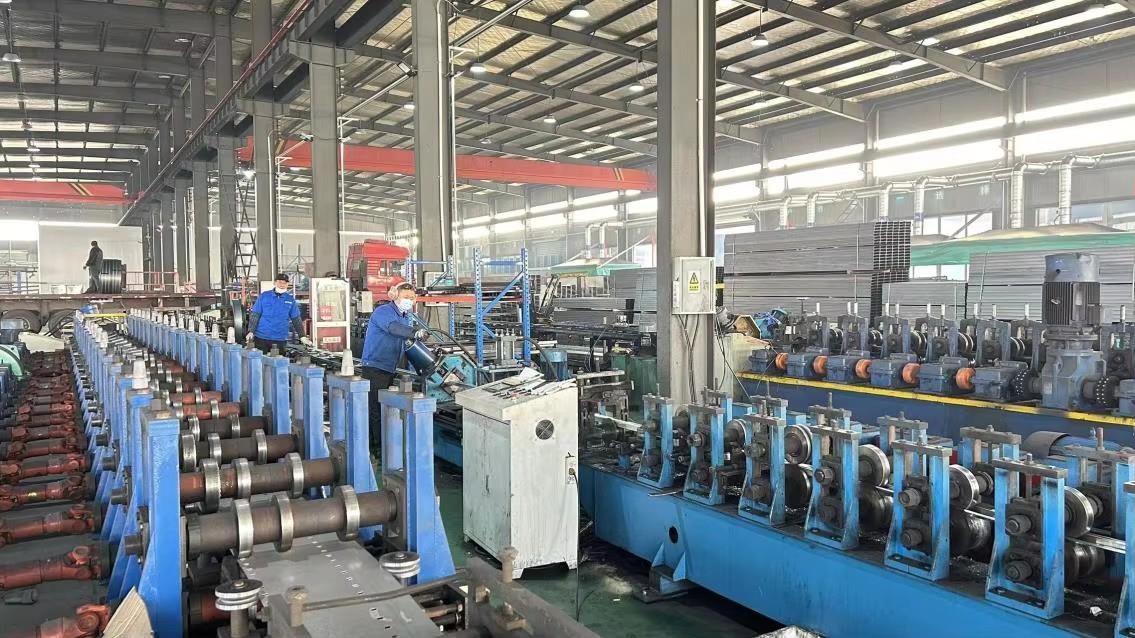
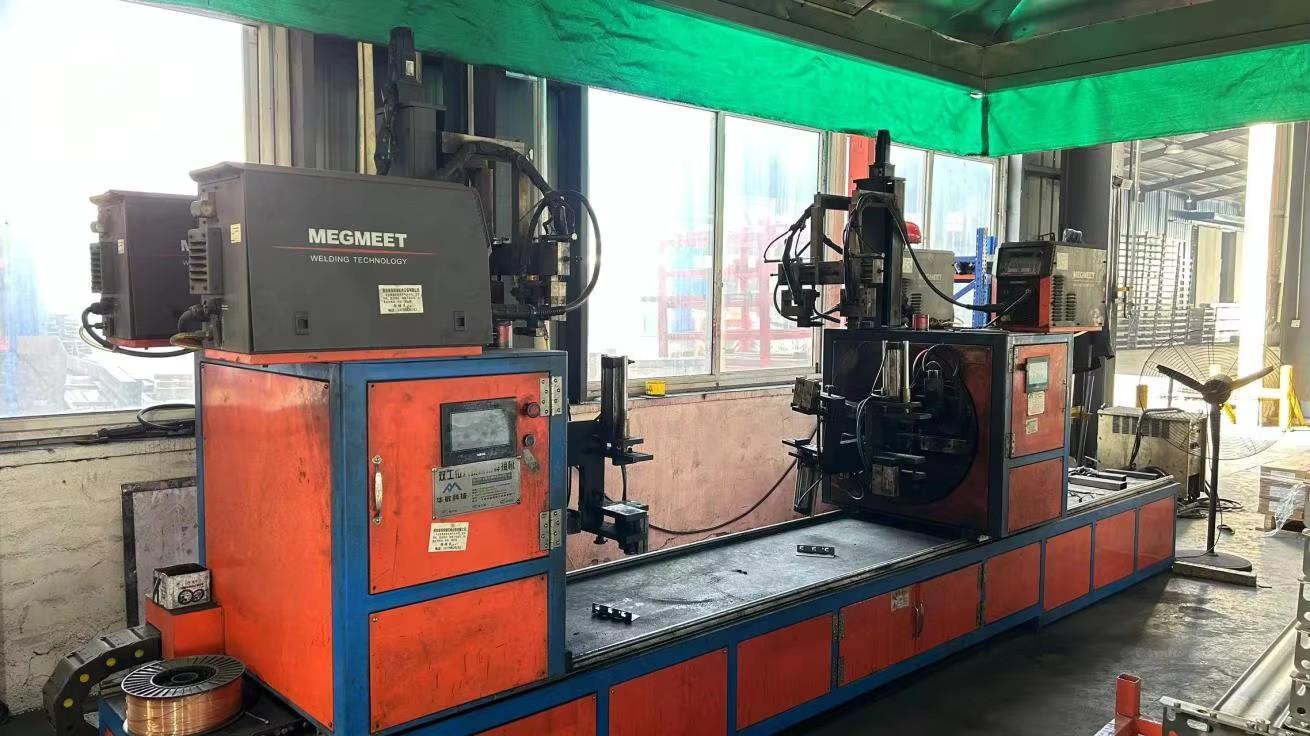
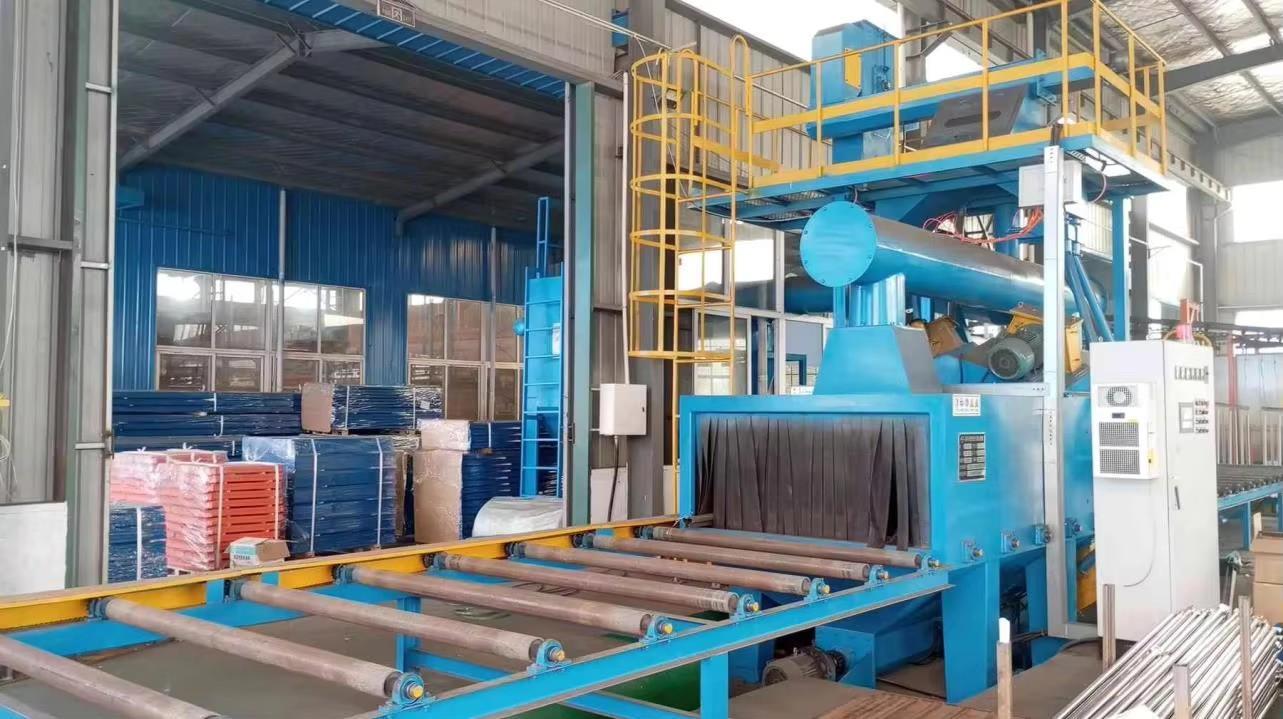
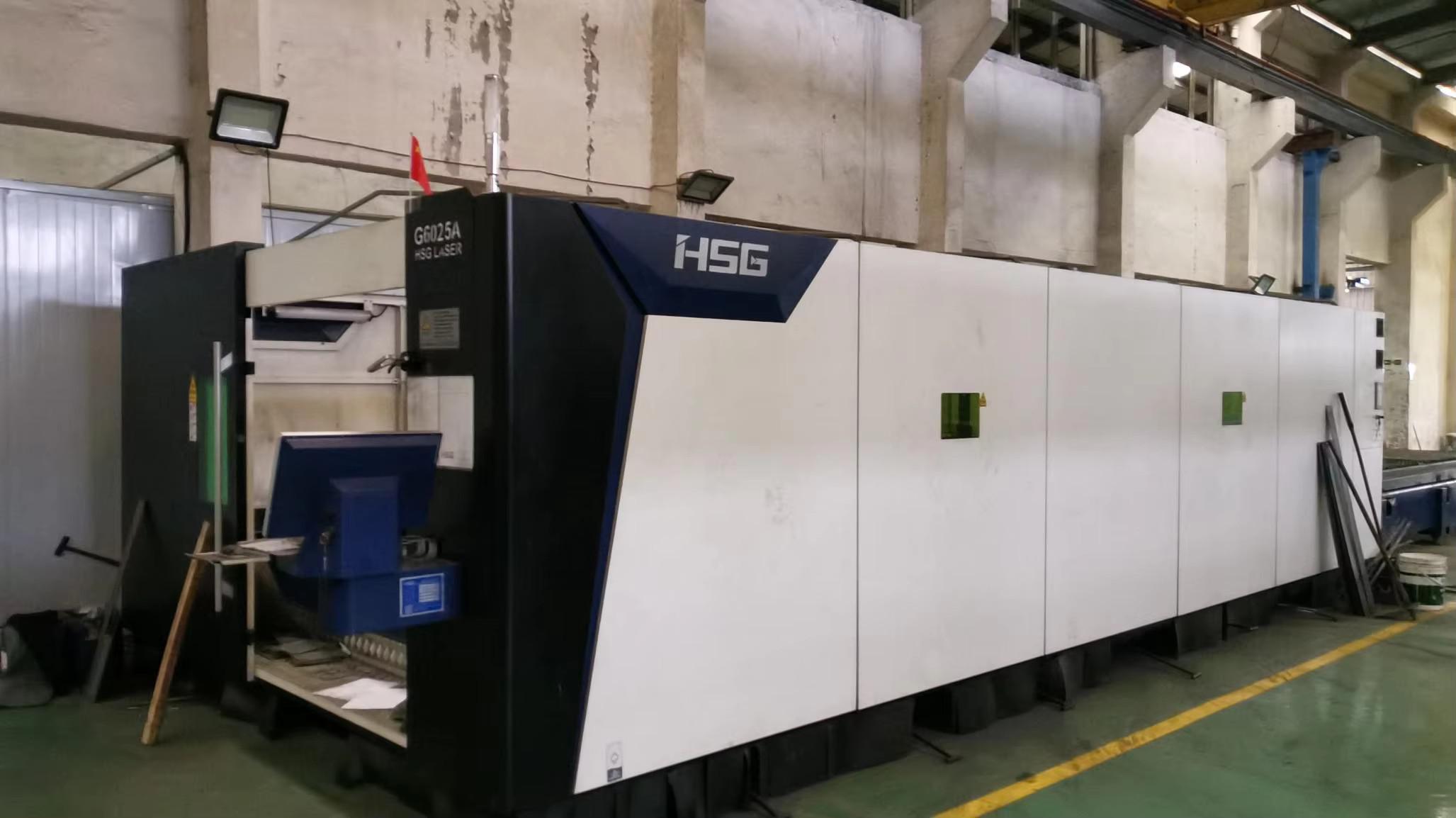
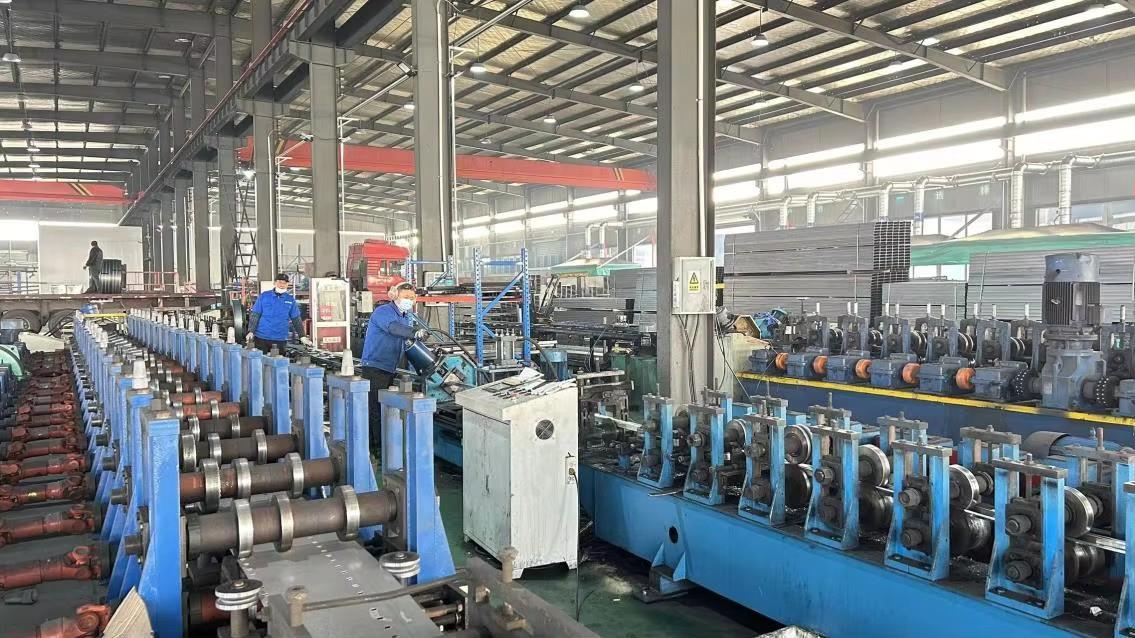
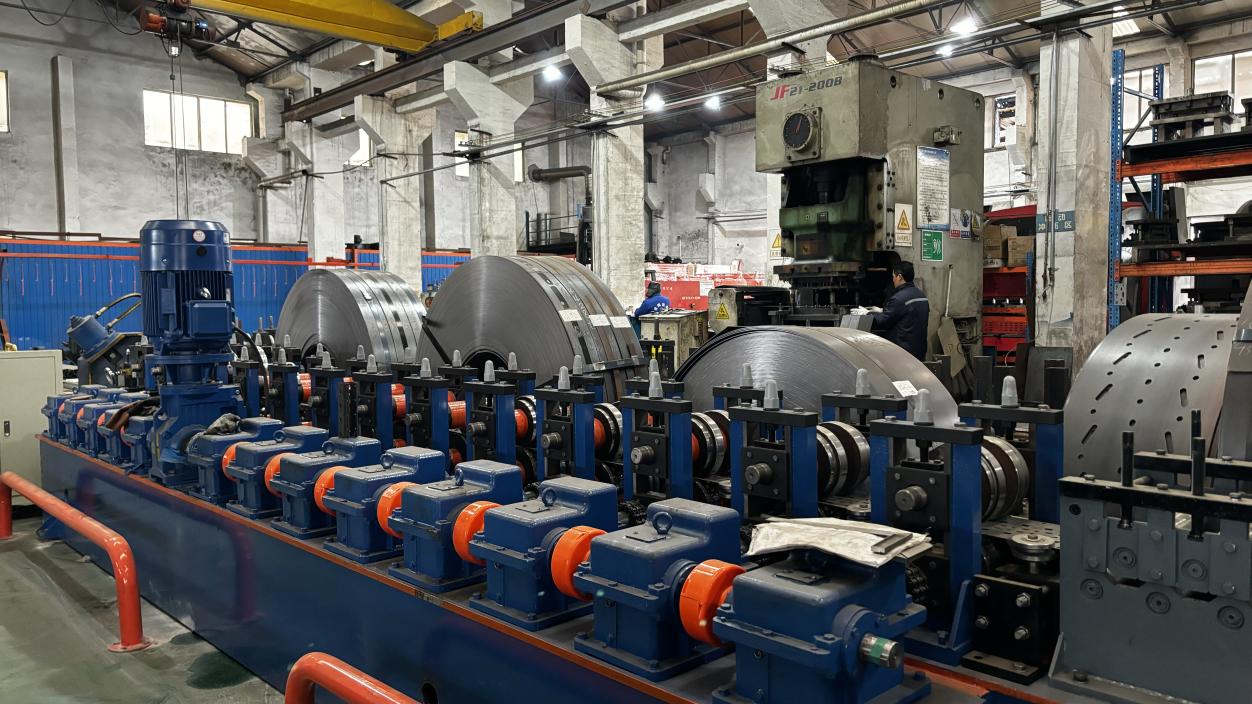
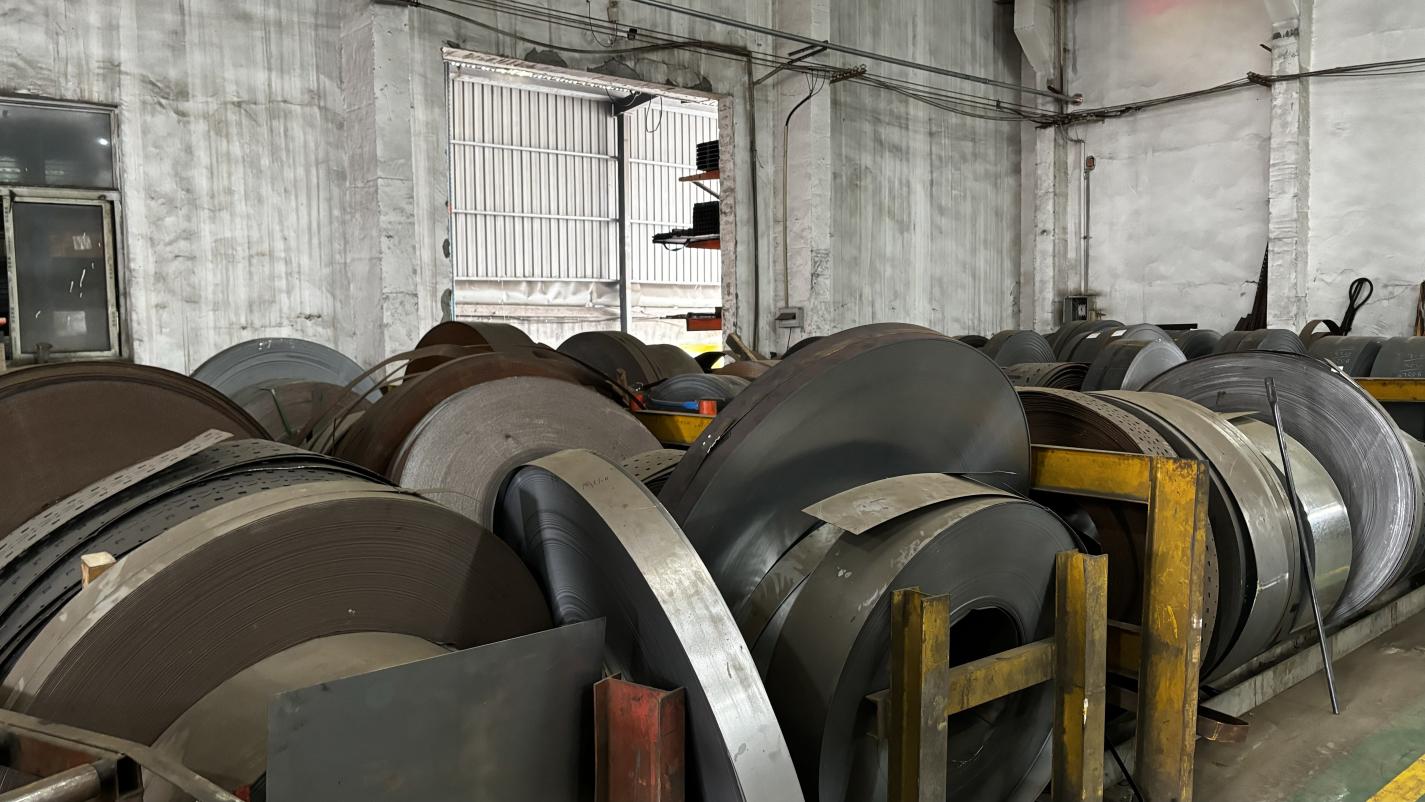
Our systems utilize certified Q235B and Q355B structural steel profiles, manufactured using automated cold-roll forming lines. These steels offer excellent yield strength and structural ductility, which are vital for supporting heavy pallet storage configurations under continuous loading cycles.
All system load capacities are designed to meet international standards, including the European FEM 10.2.02 guidelines, EN 15512 specifications, and the Rack Manufacturers Institute (RMI) engineering codes. This compliance ensures high safety factors and dependable performance under load.
To satisfy municipal engineering requirements in Dubai and Abu Dhabi, our structural calculations account for local seismic load zones. Designs incorporate thick baseplates, heavy duty anchoring expansion bolts, and rigid bracing configurations to manage lateral displacement forces.
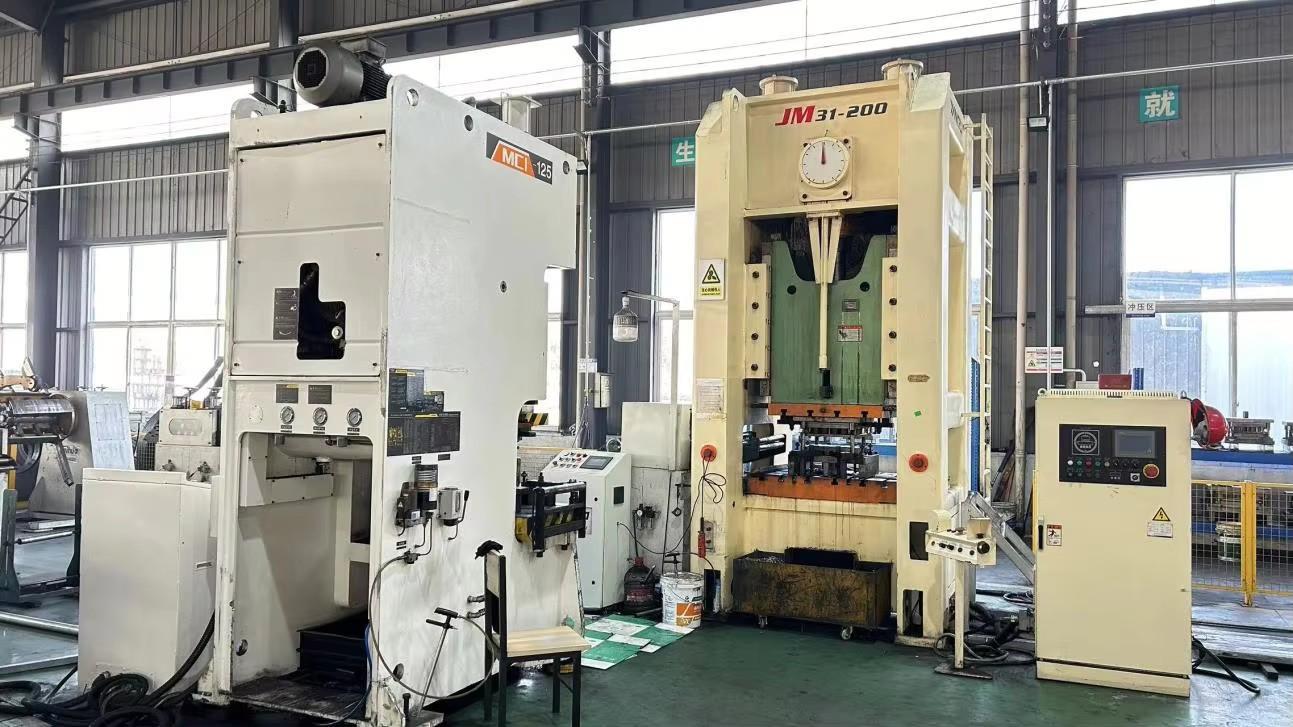
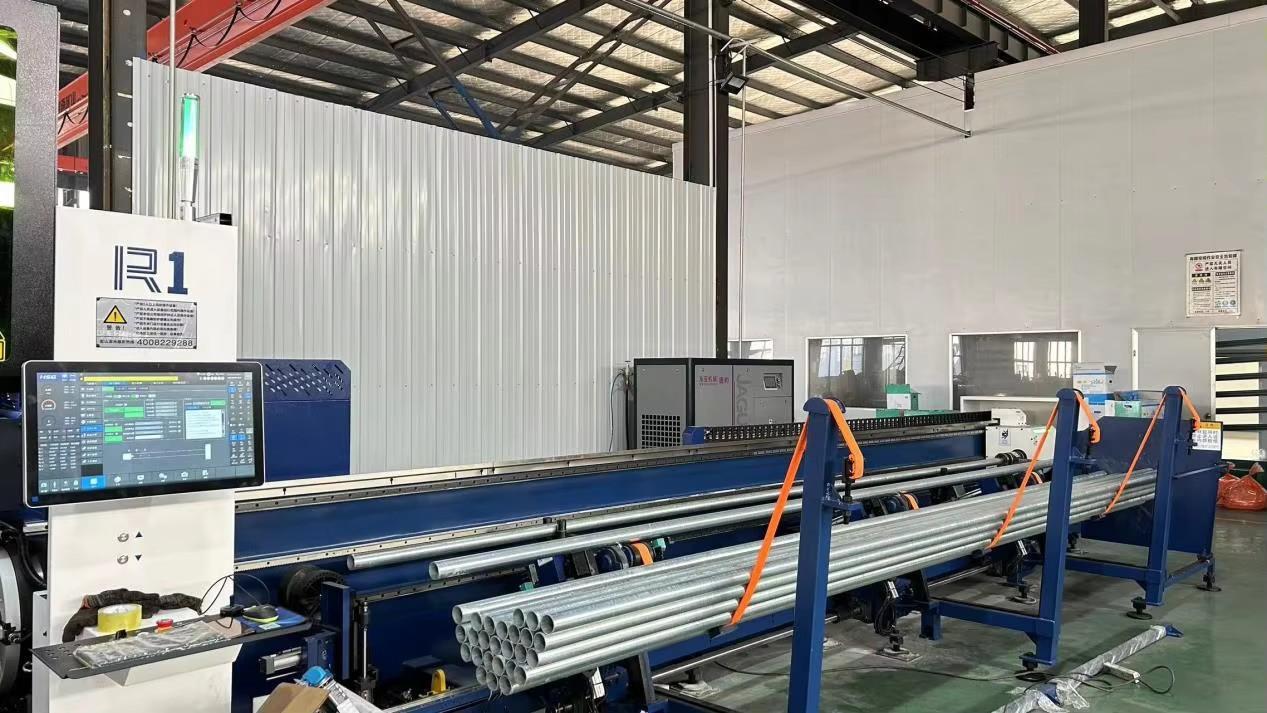
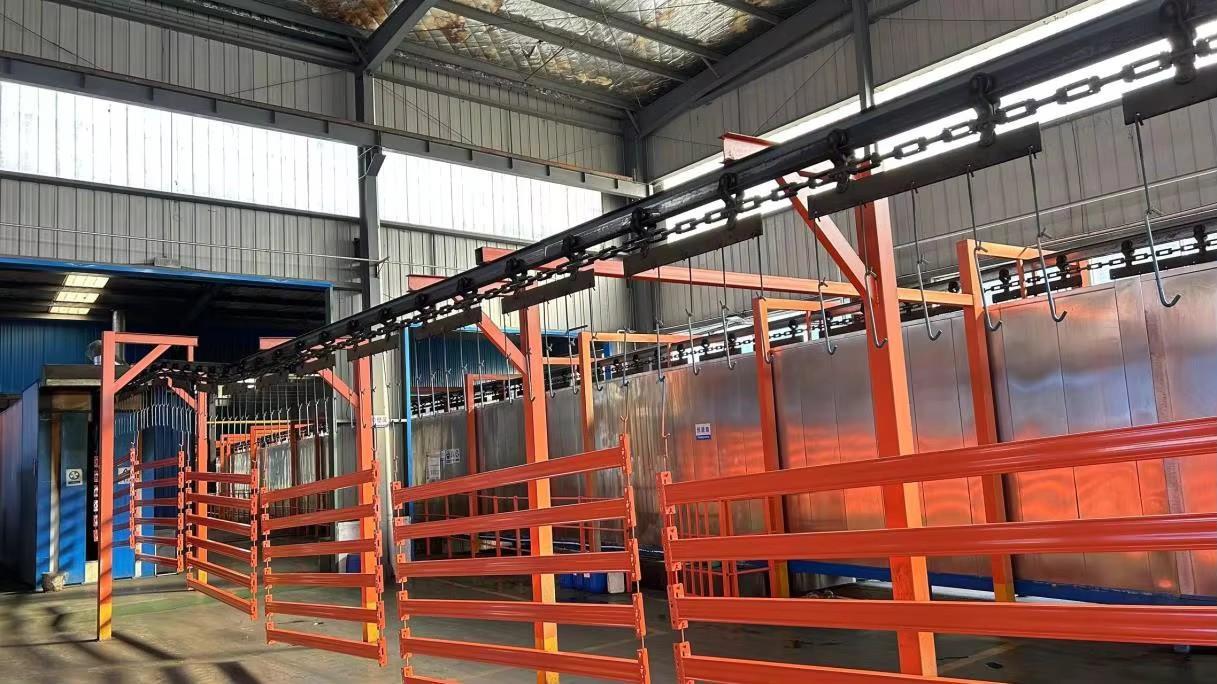
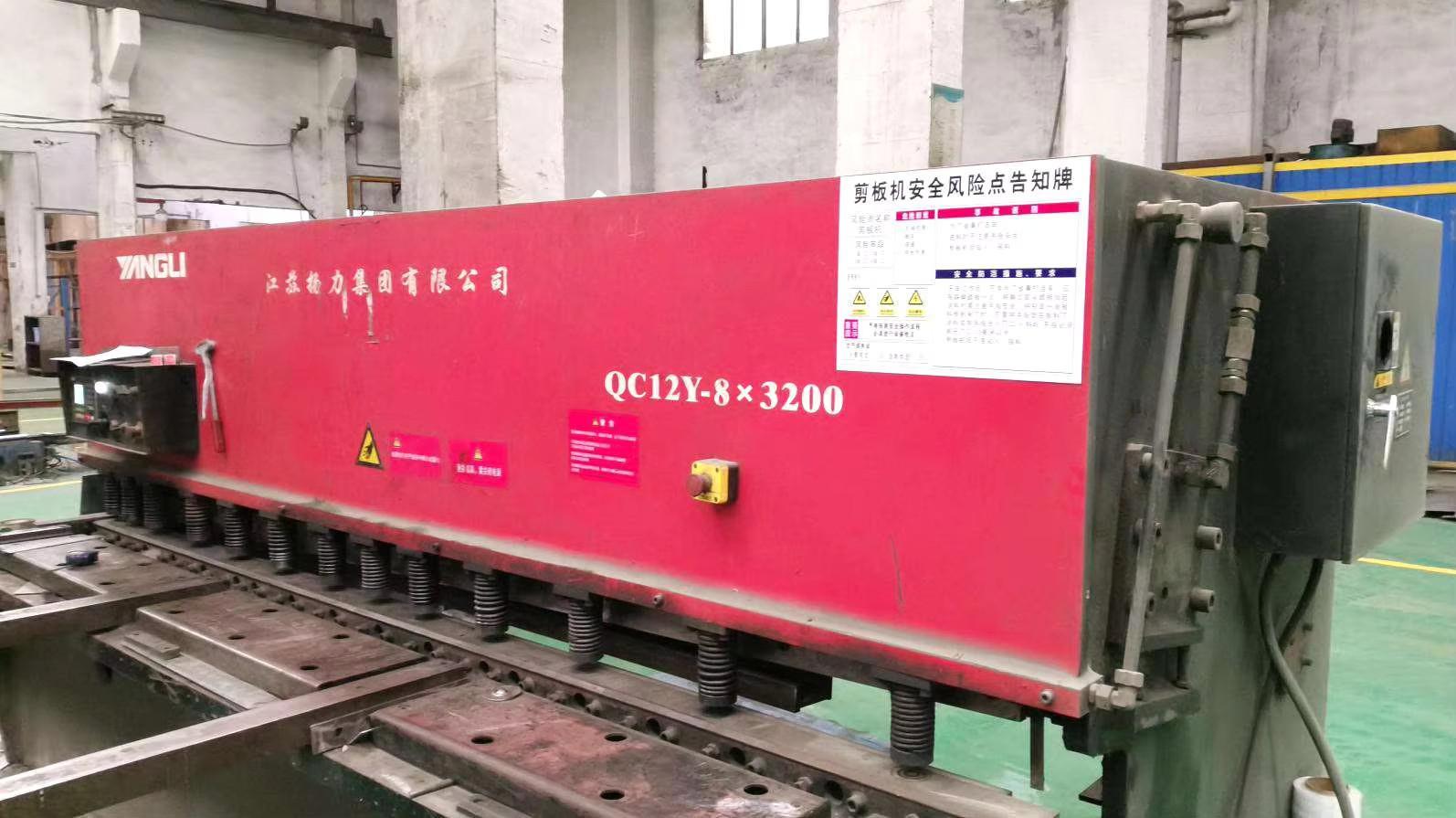
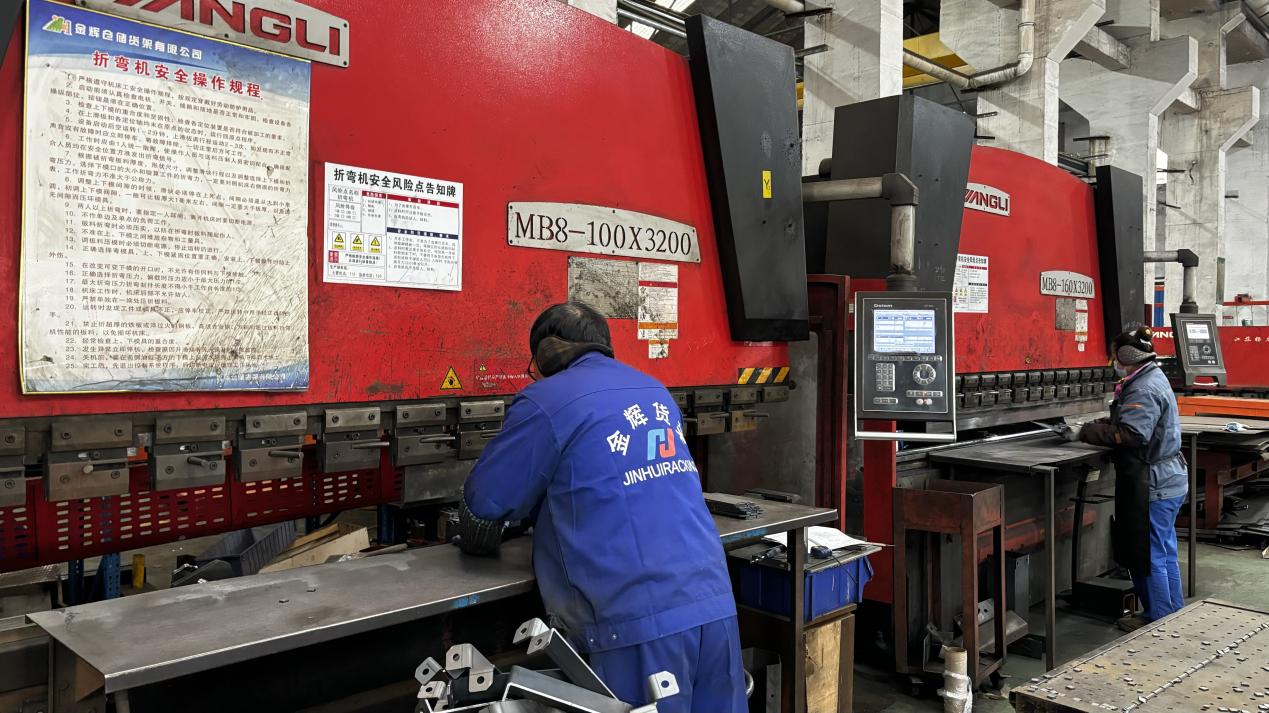
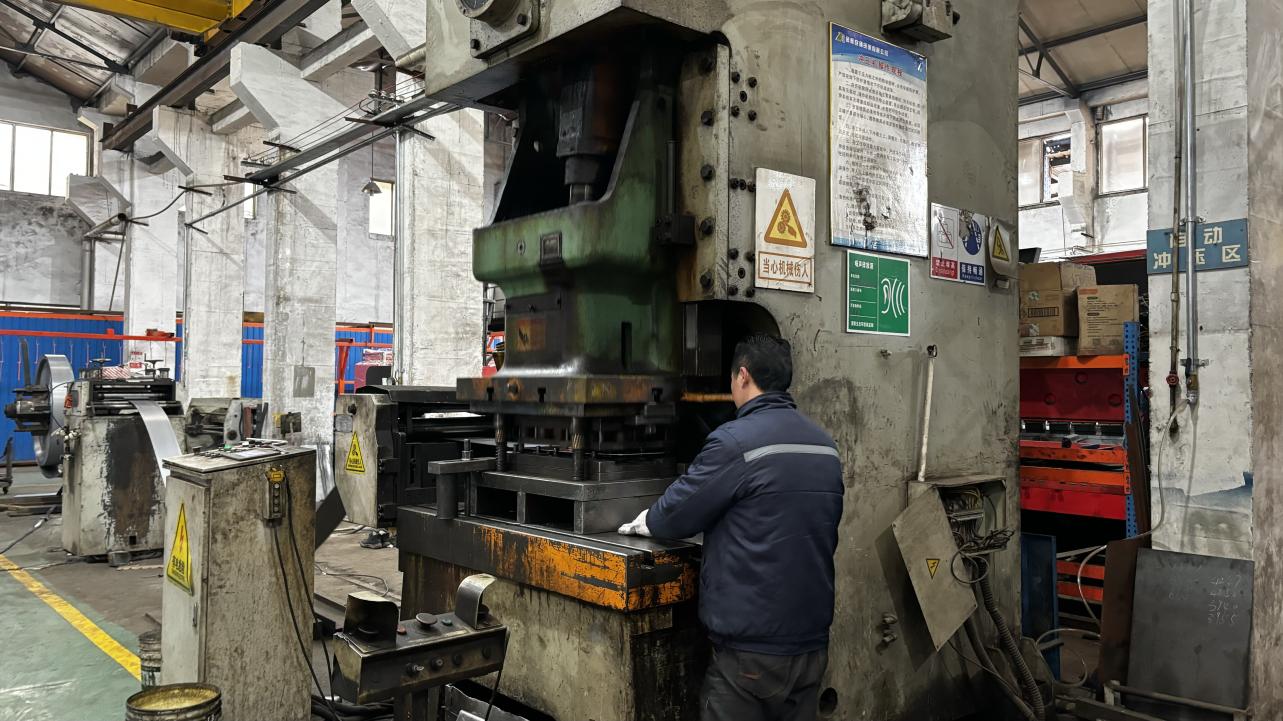
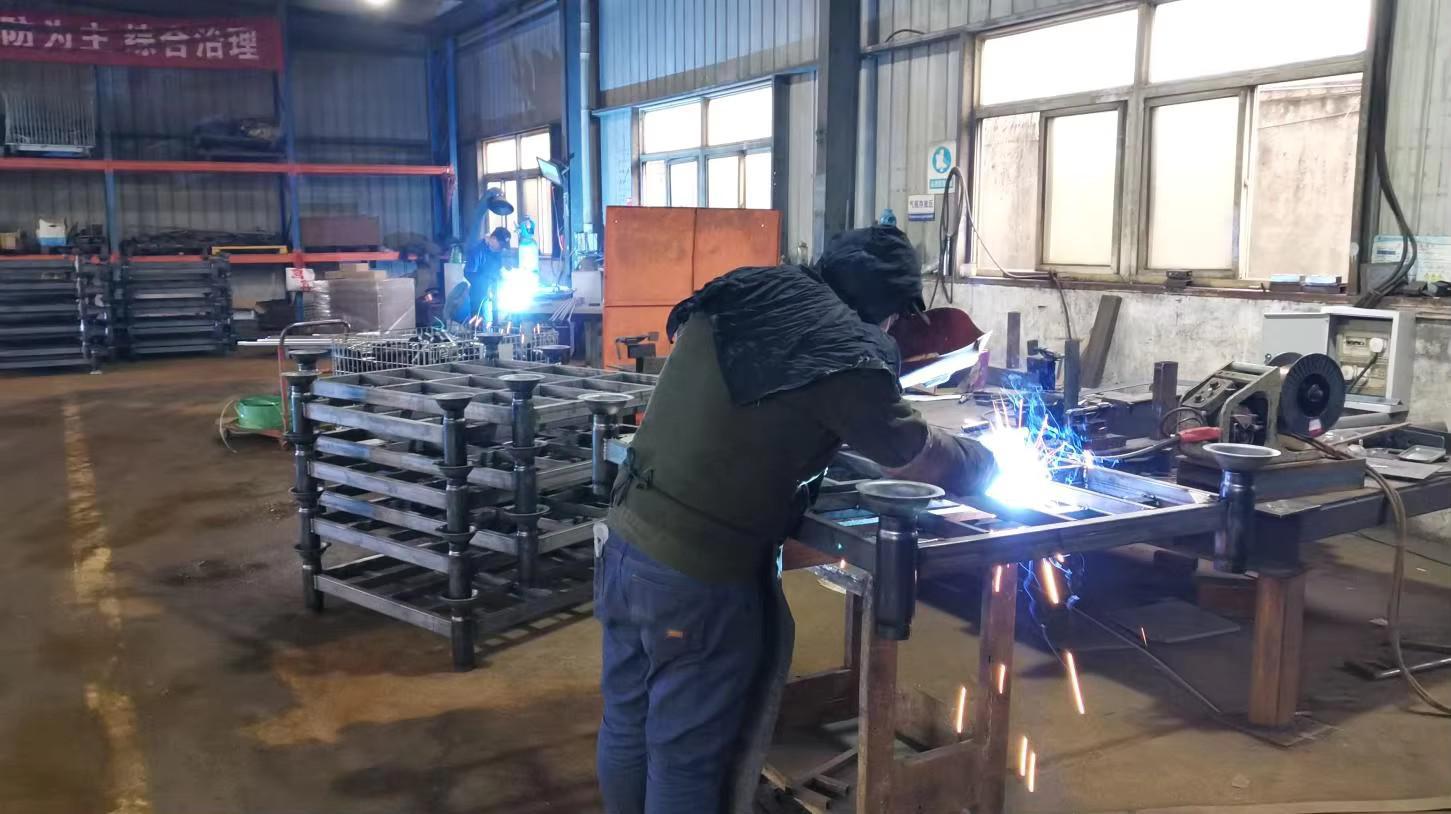
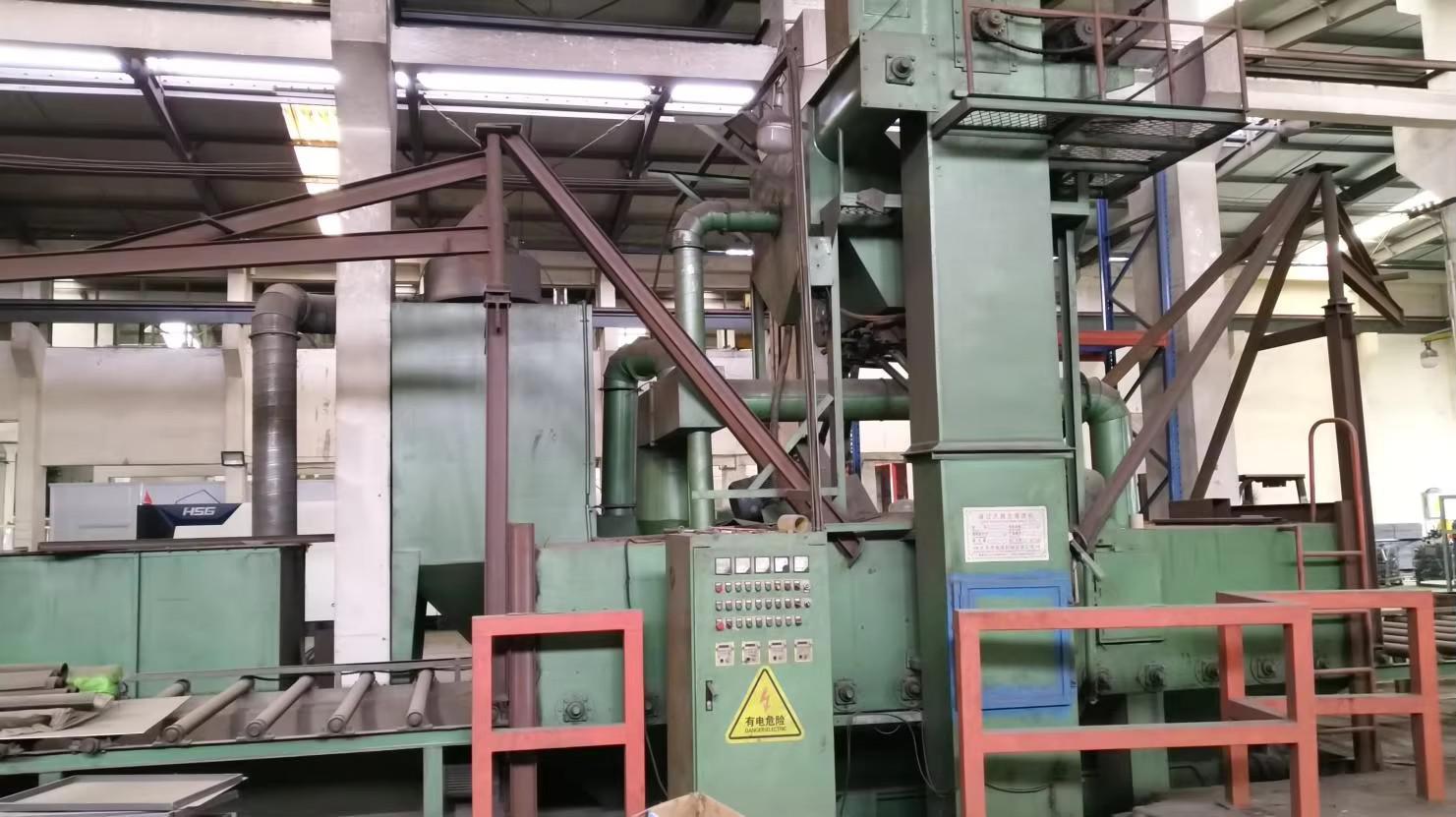
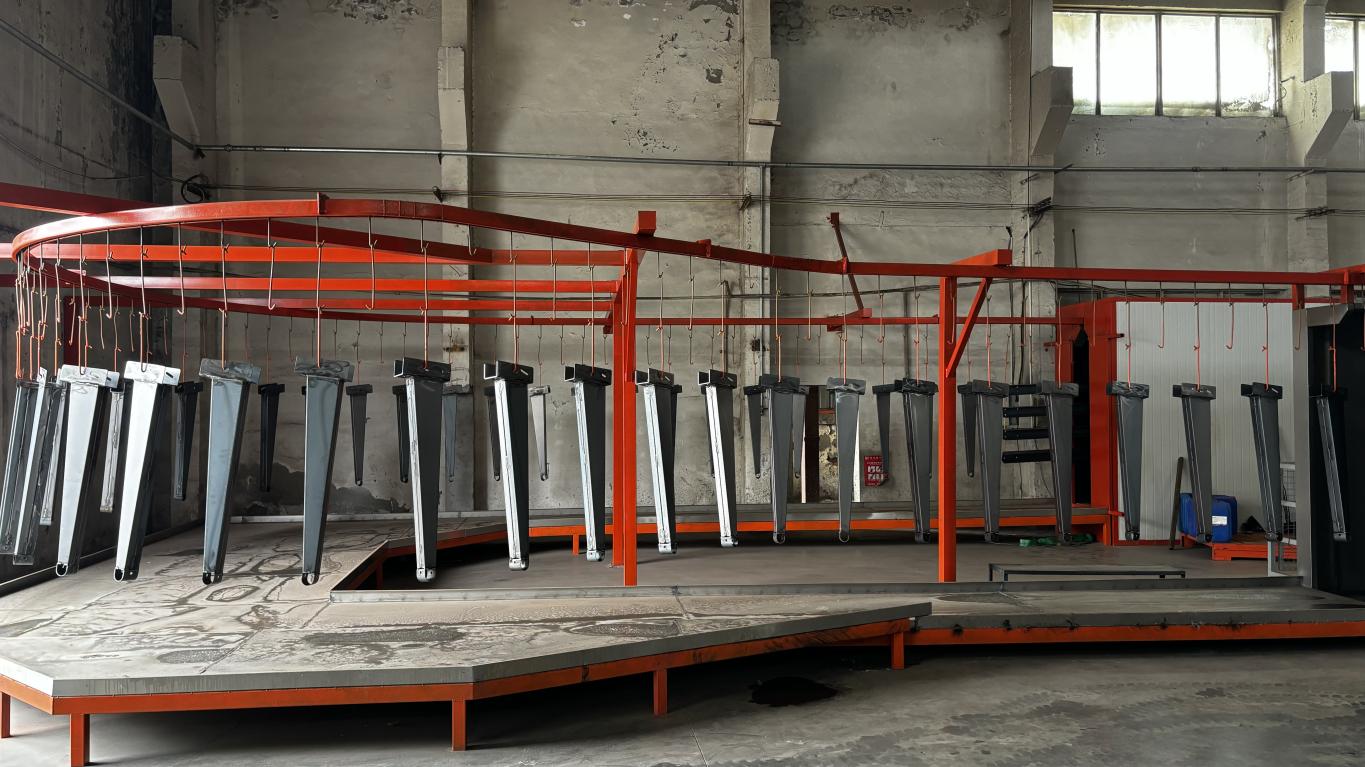
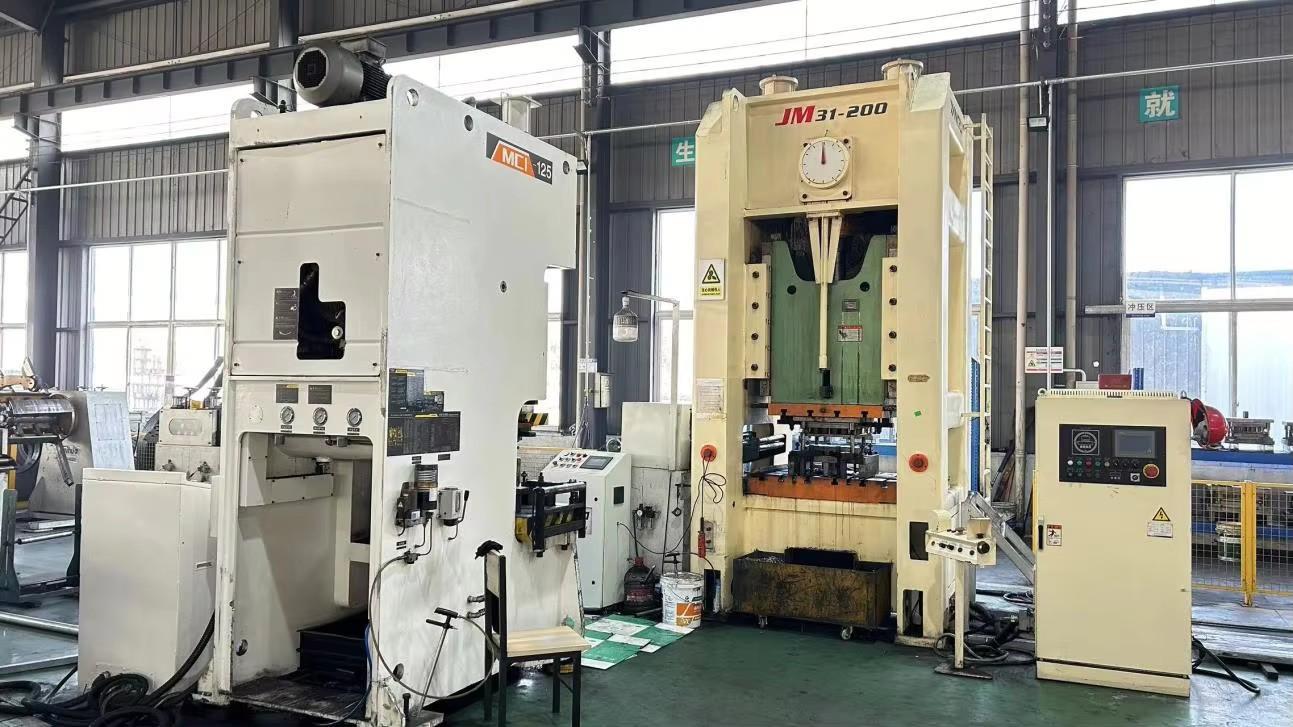
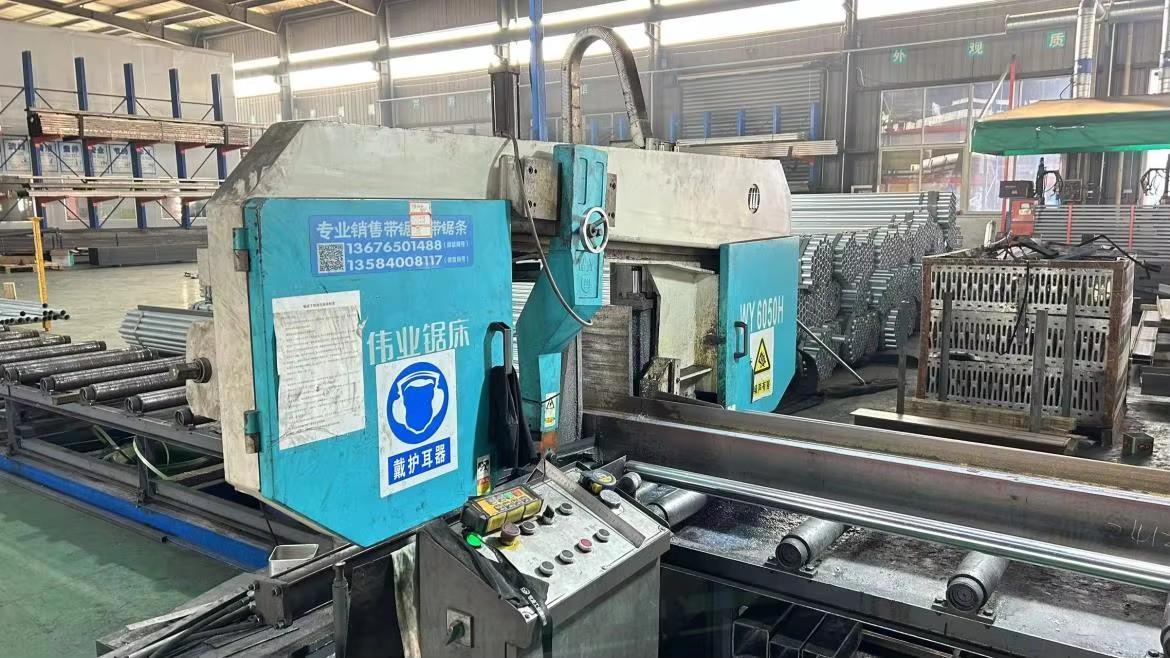
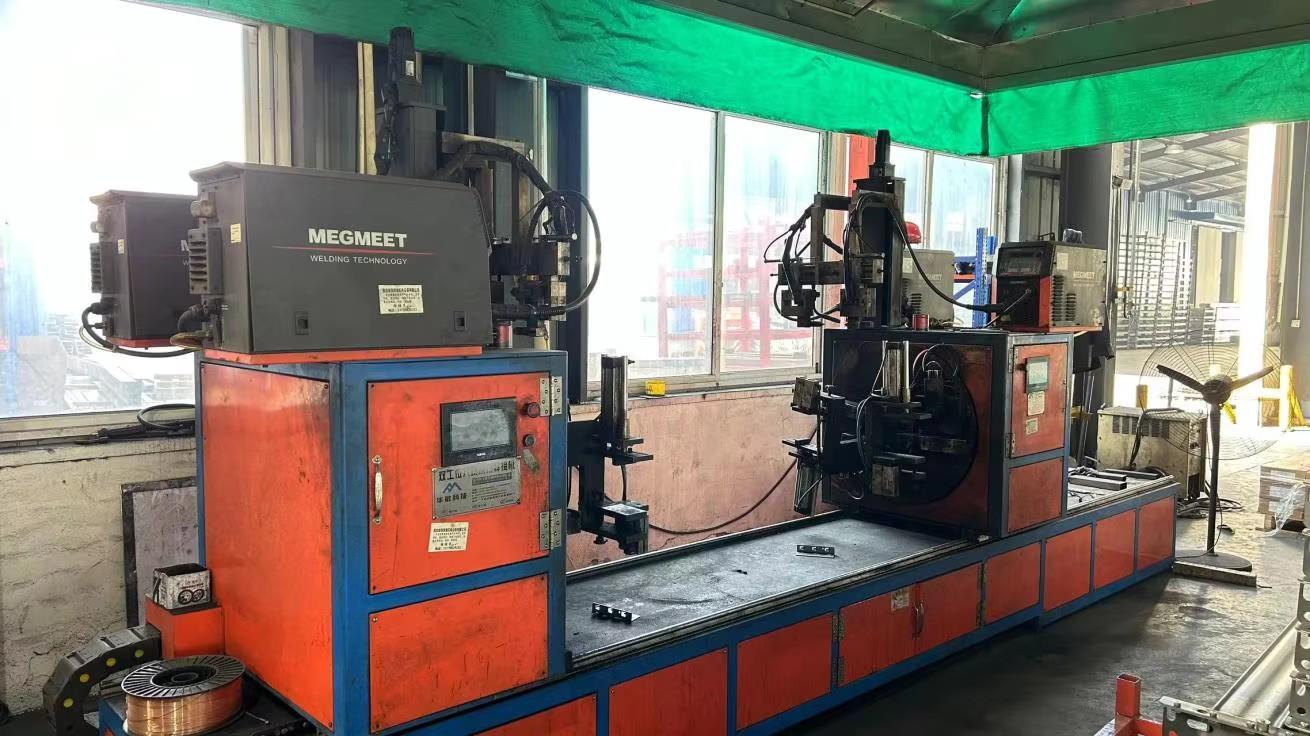
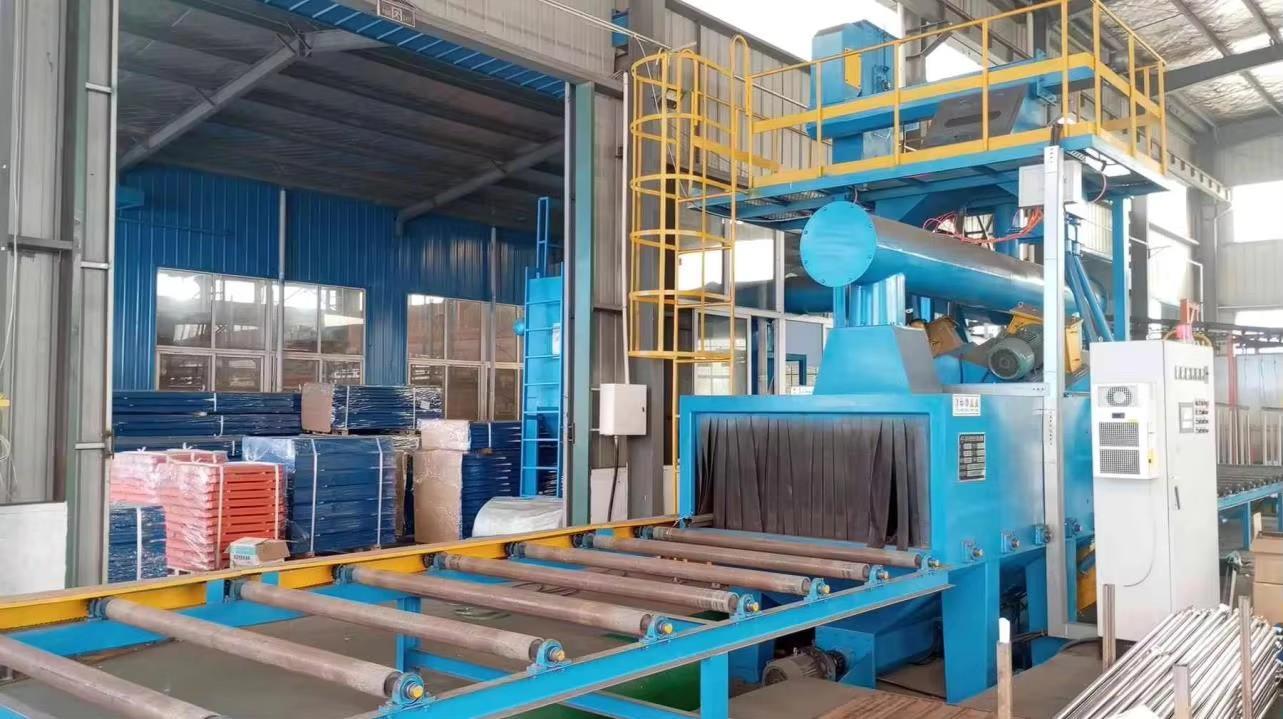
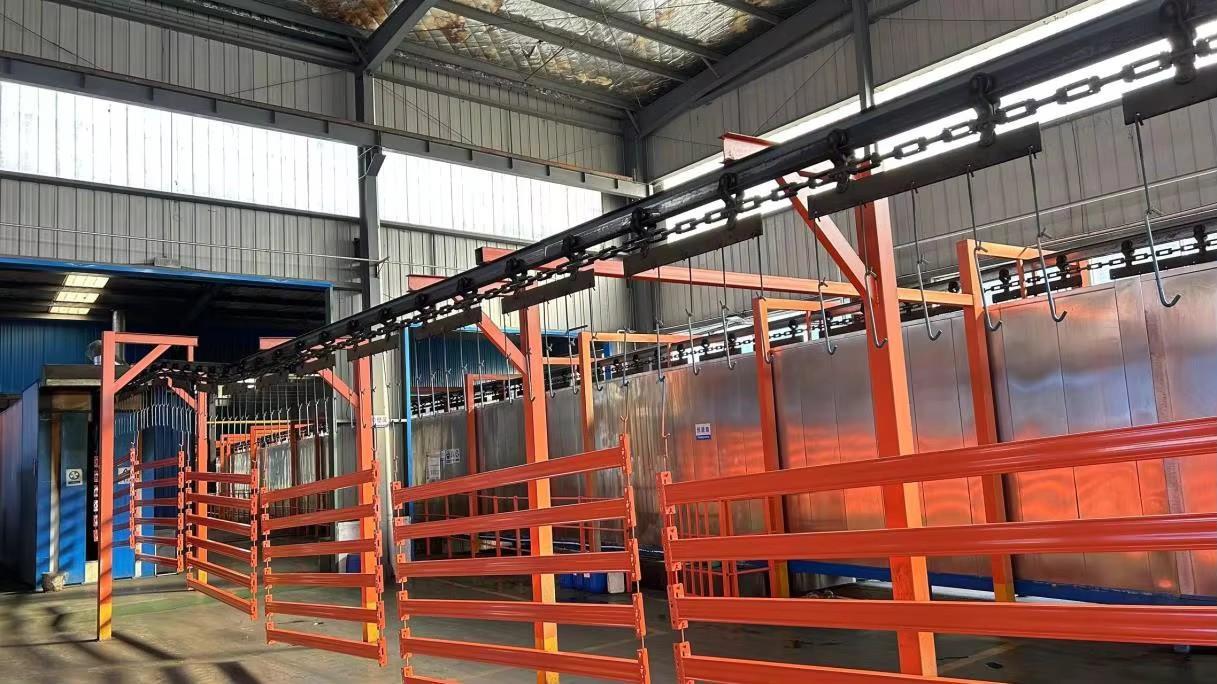
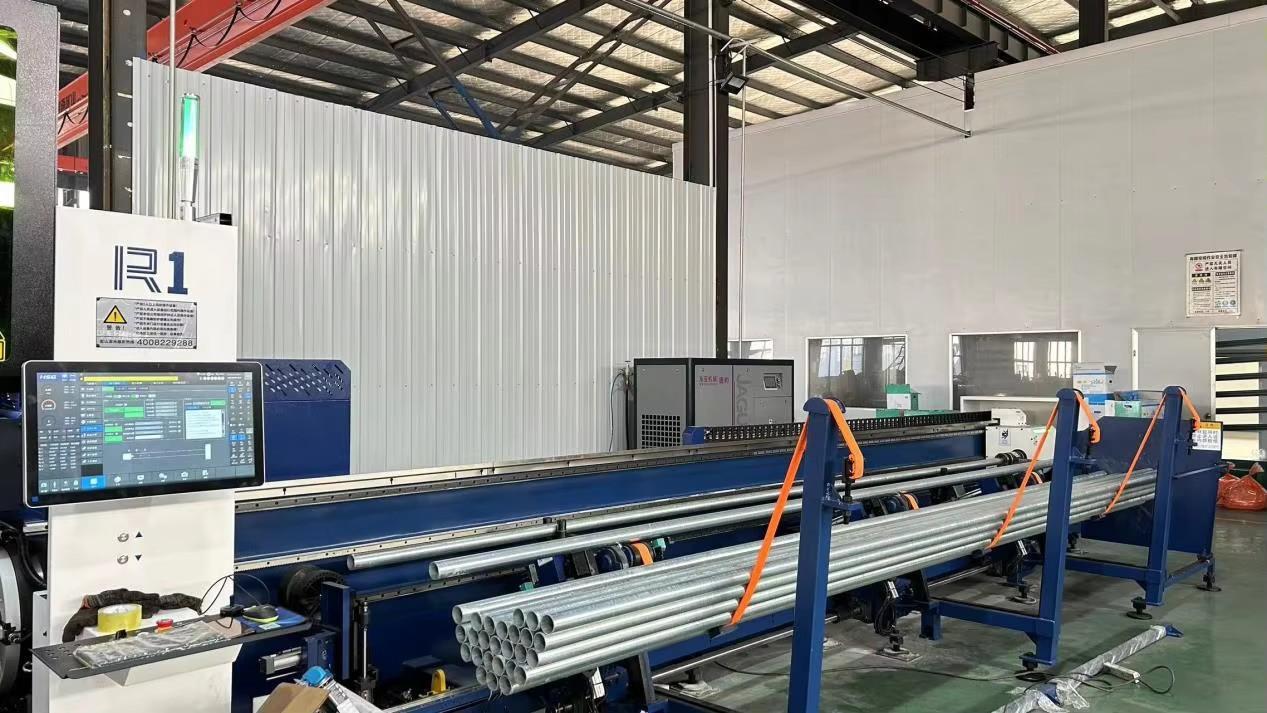
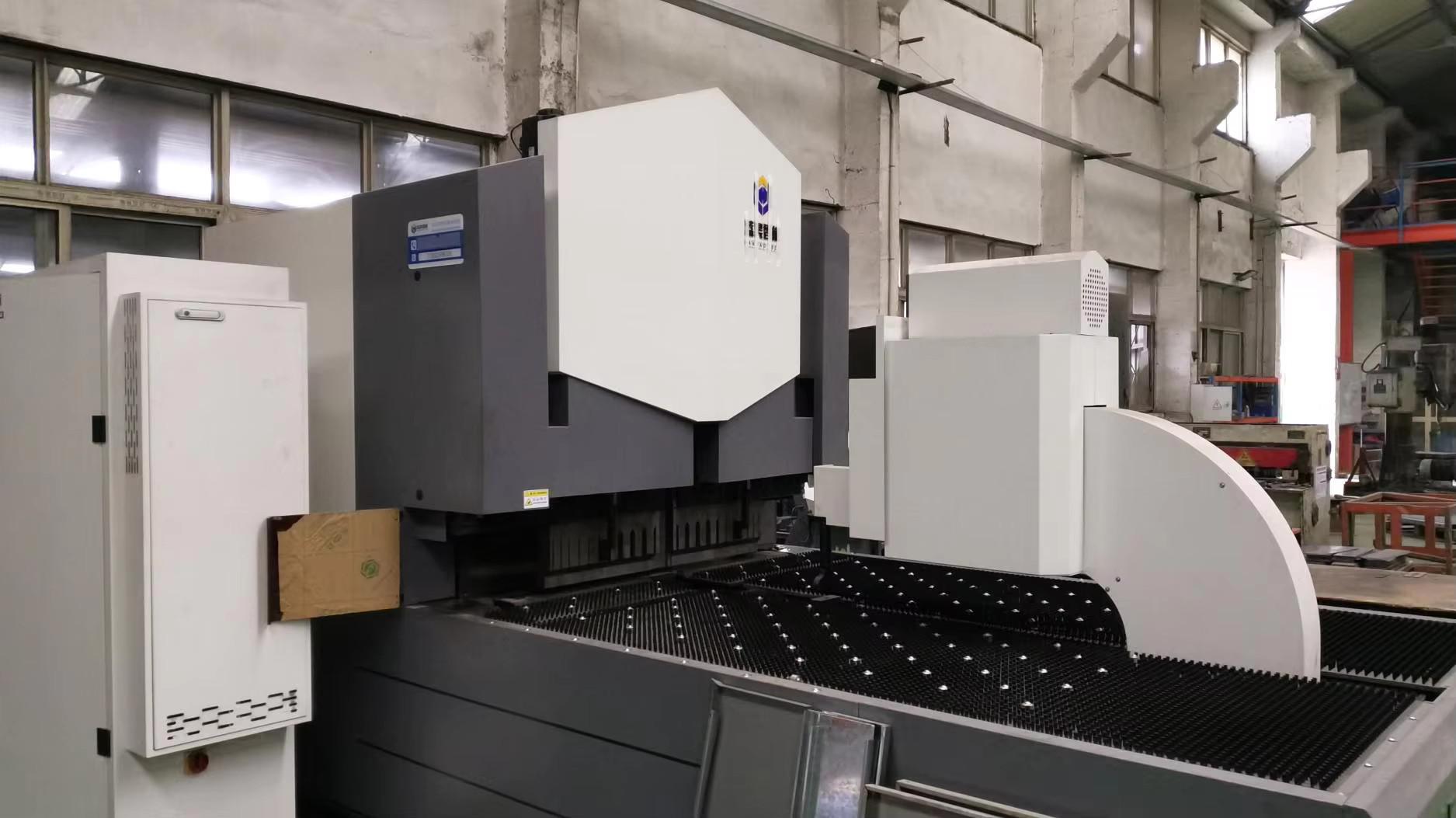
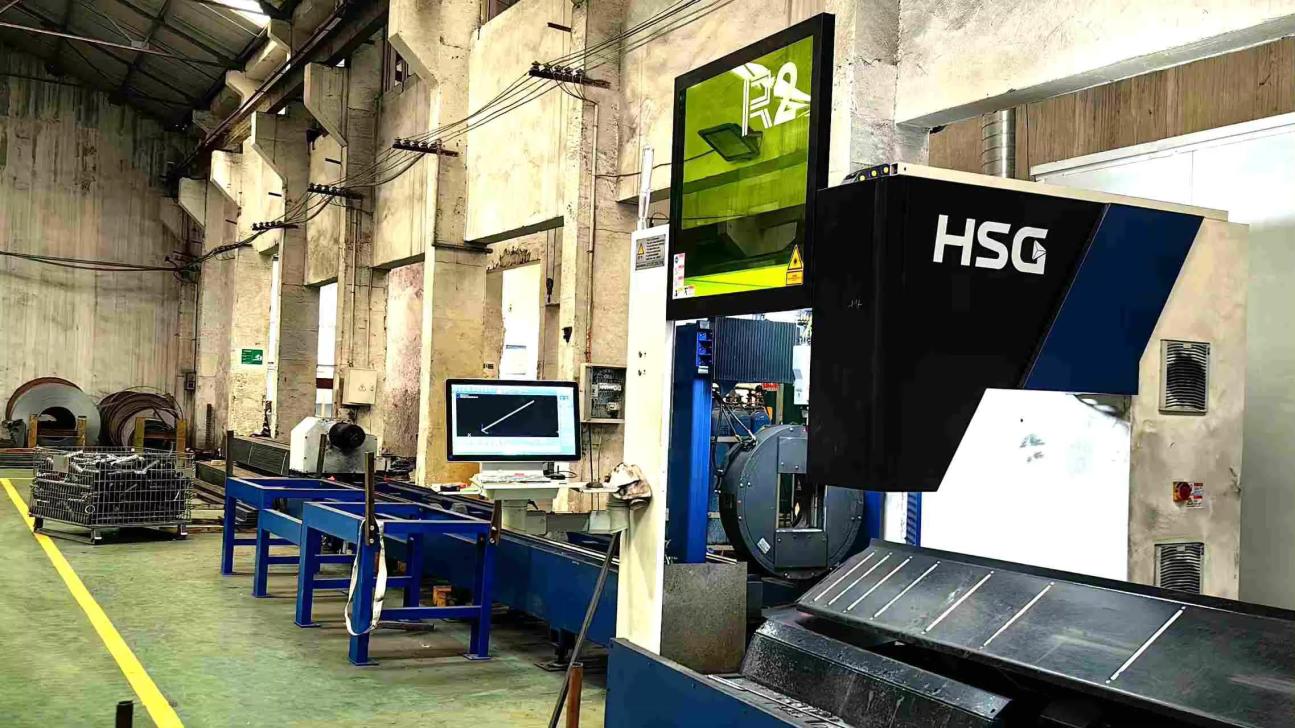
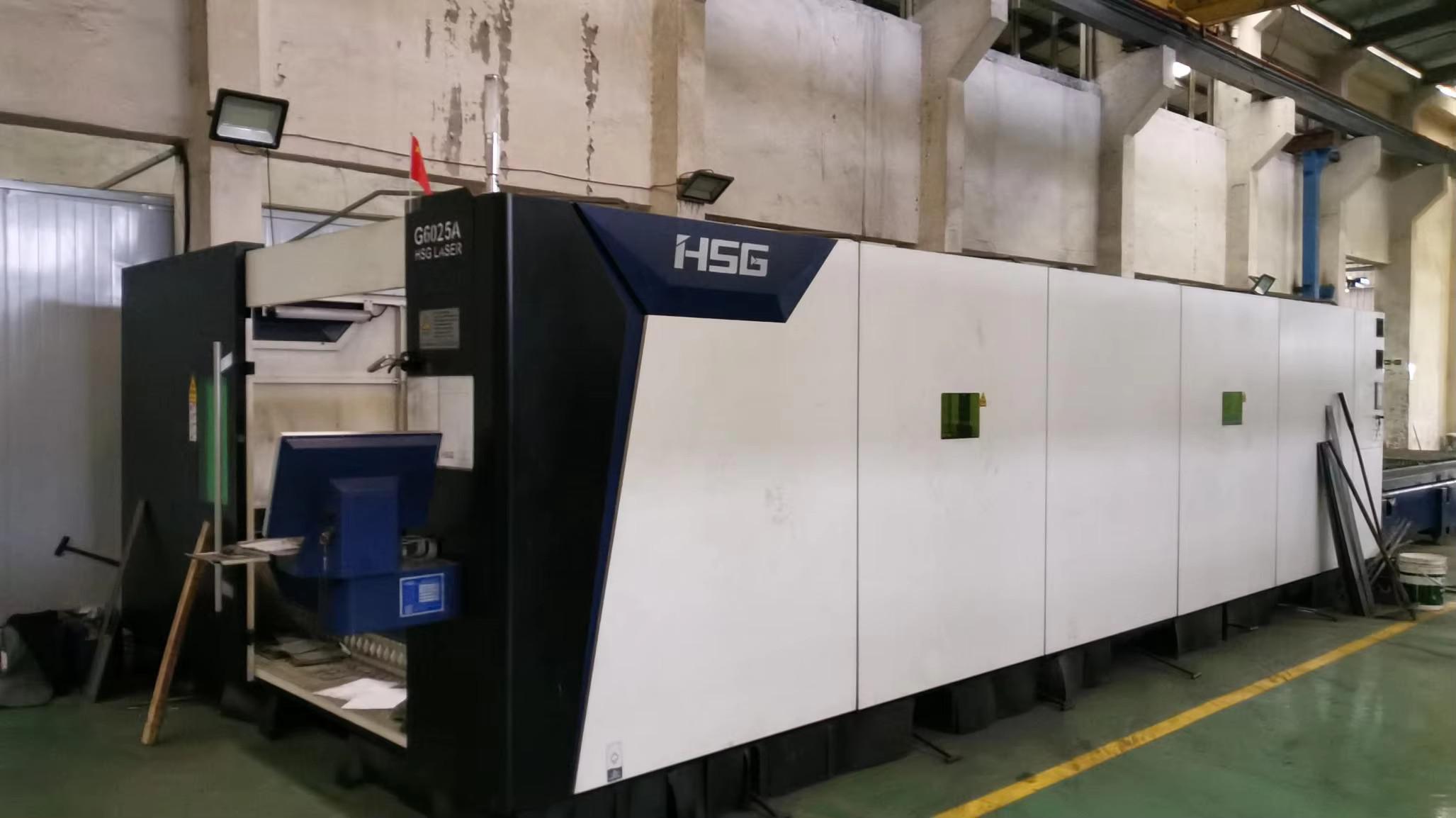
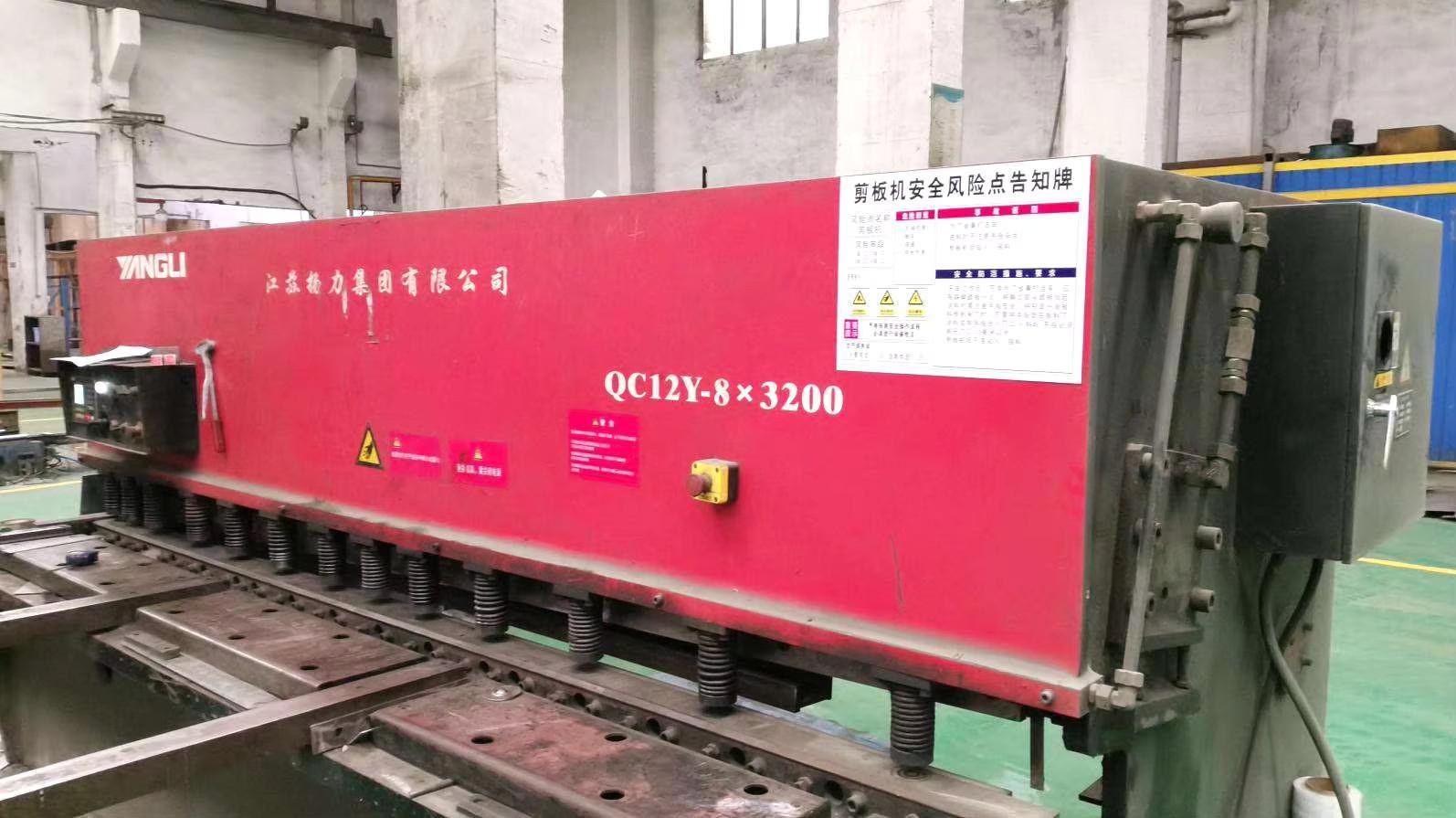
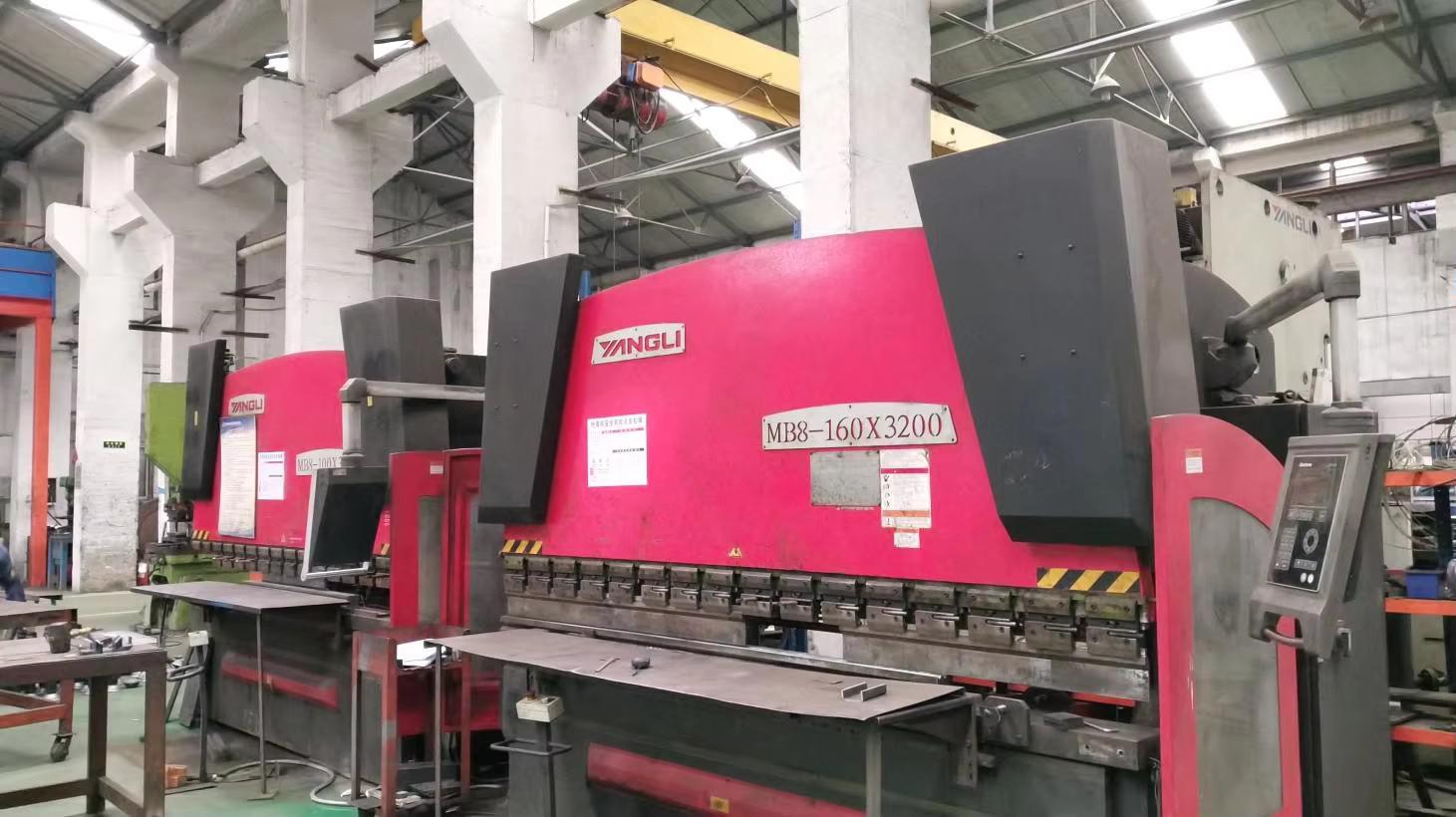
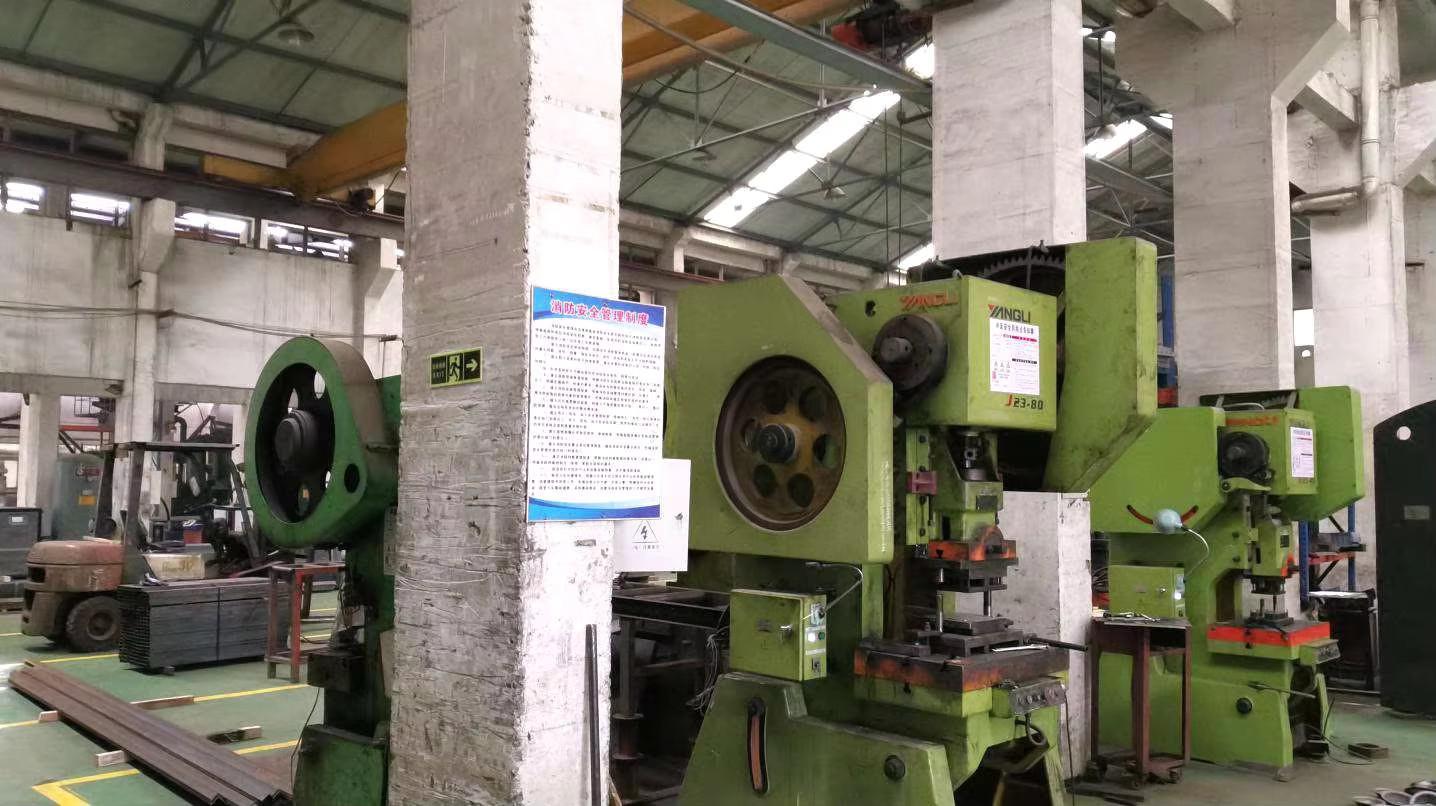
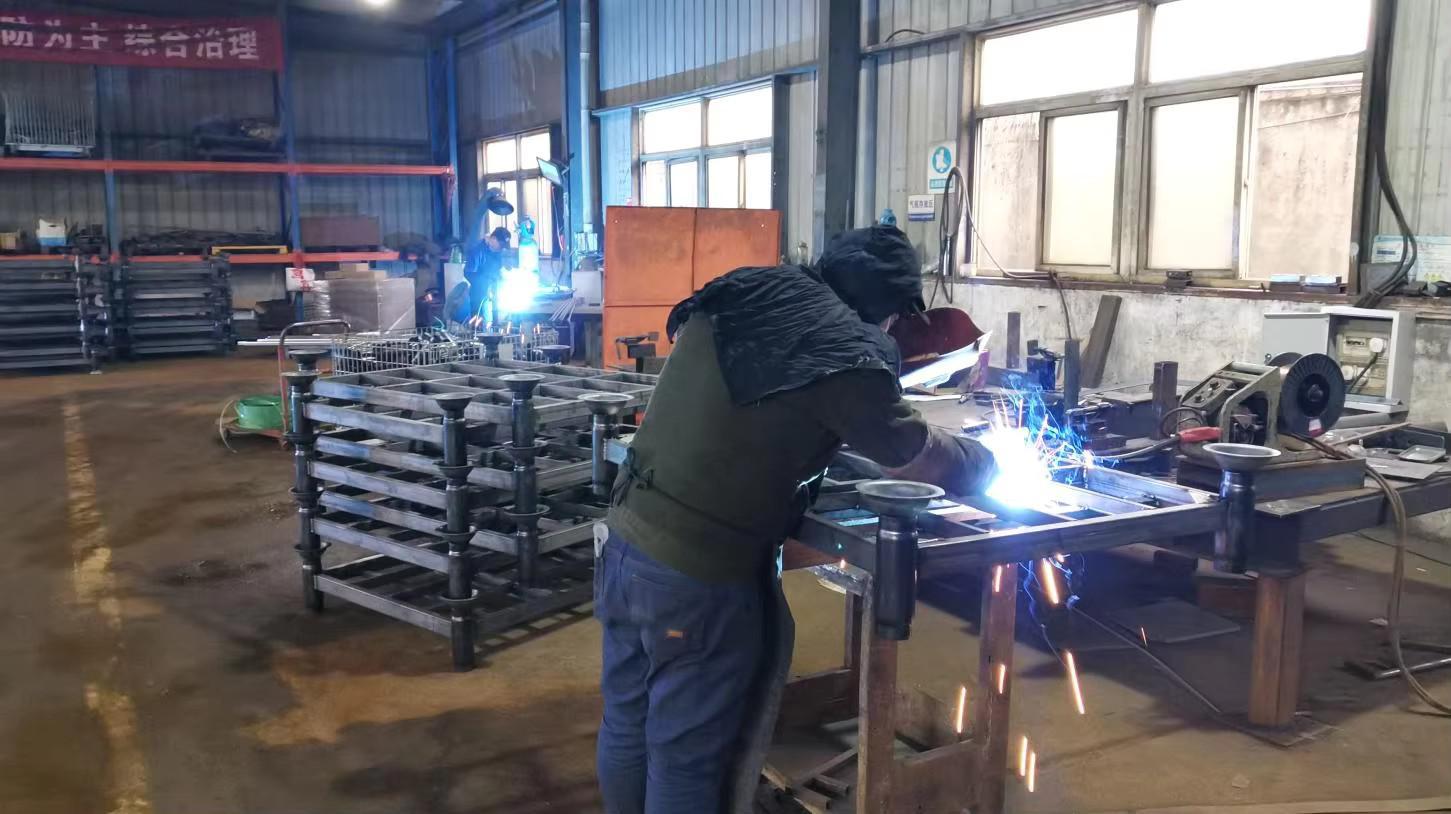
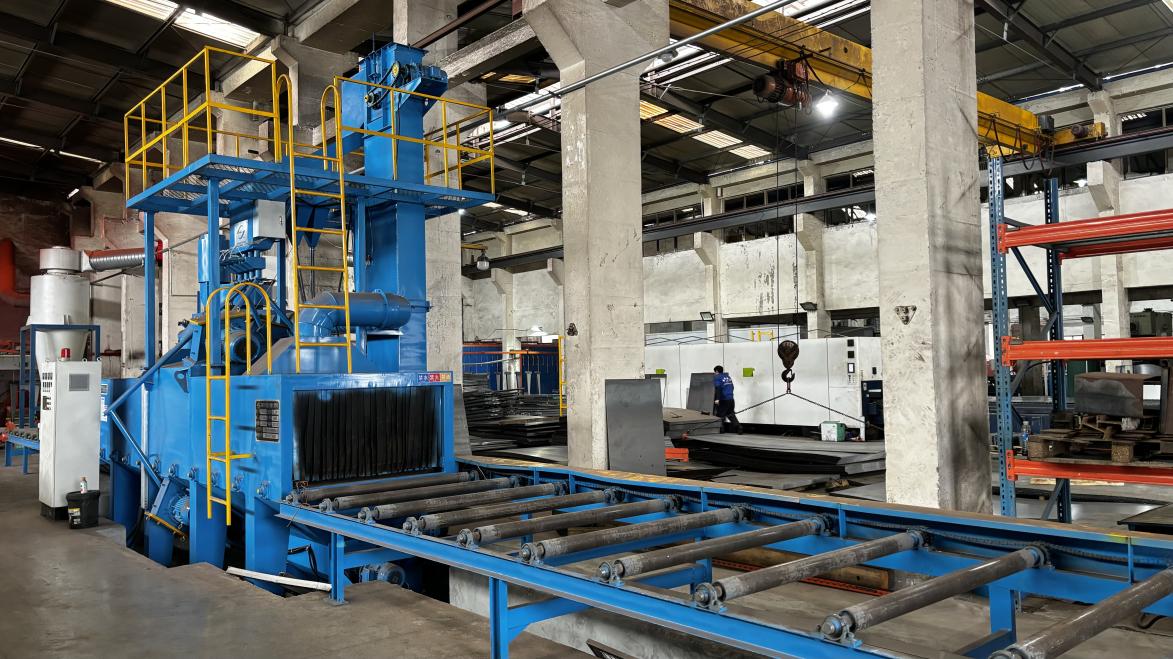
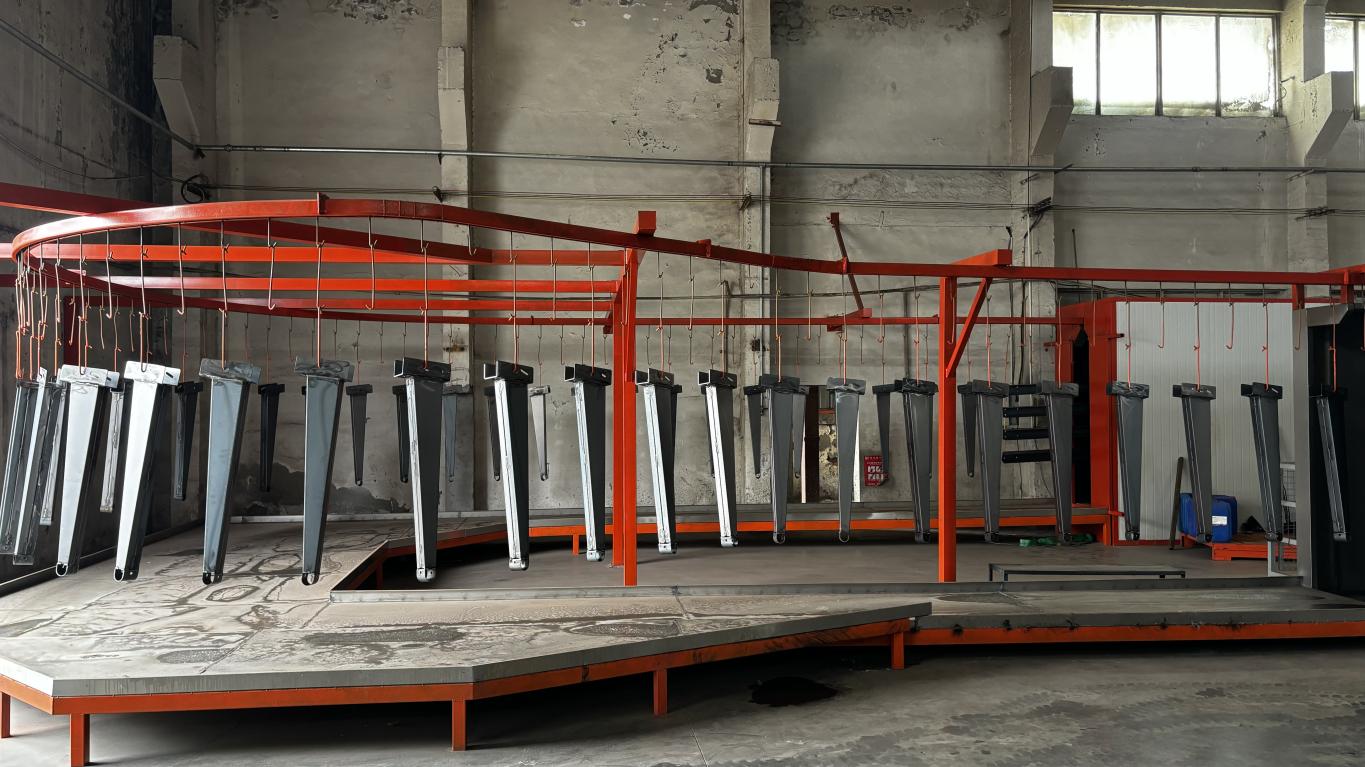
From certified raw material inspection to automated powder coating and load-bearing testing, every process is conducted within our 18,600 sqm production facility.

Targeted warehousing configurations optimized for local humidity, load levels, and cold supply chains.
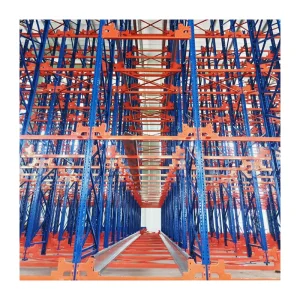
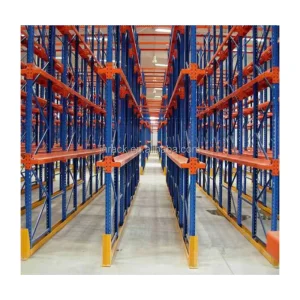
High-density shuttle systems and AS/RS platforms operating at temperatures as low as -30°C. Essential for UAE pharmaceutical hubs and fresh food import distribution centers, these designs utilize low-temperature resistant steel grades that retain mechanical ductility in extreme cold environments.
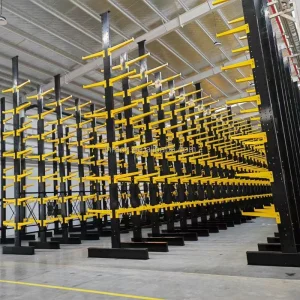
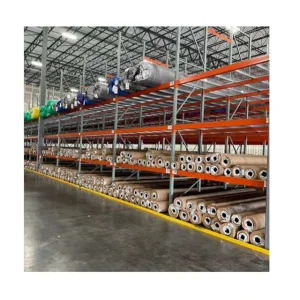
Configured with cantilever supports and reinforced uprights, these racking systems are built for storing pipe bundles, heavy coils, steel plates, and automotive assemblies. Engineered to safely manage dense, uneven structural loads, they are widely used in the industrial areas of Mussafah and Jebel Ali.
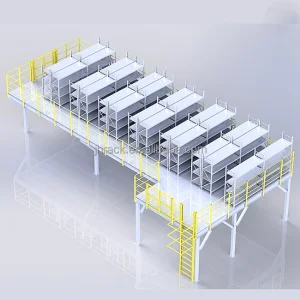
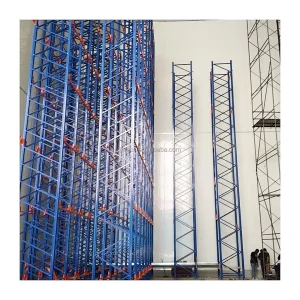
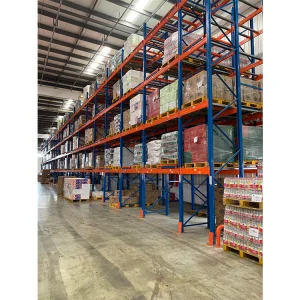
Utilizing Very Narrow Aisle (VNA) and multi-tier mezzanine layouts, these systems maximize overhead space and clear vertical heights up to 15 meters. Our structures are fully compatible with wire mesh deck accessories and steel safety barriers, supporting safe and rapid stock retrieval in busy fulfillment centers.
Detailed oversight and verification procedures designed to ensure consistent structural performance.
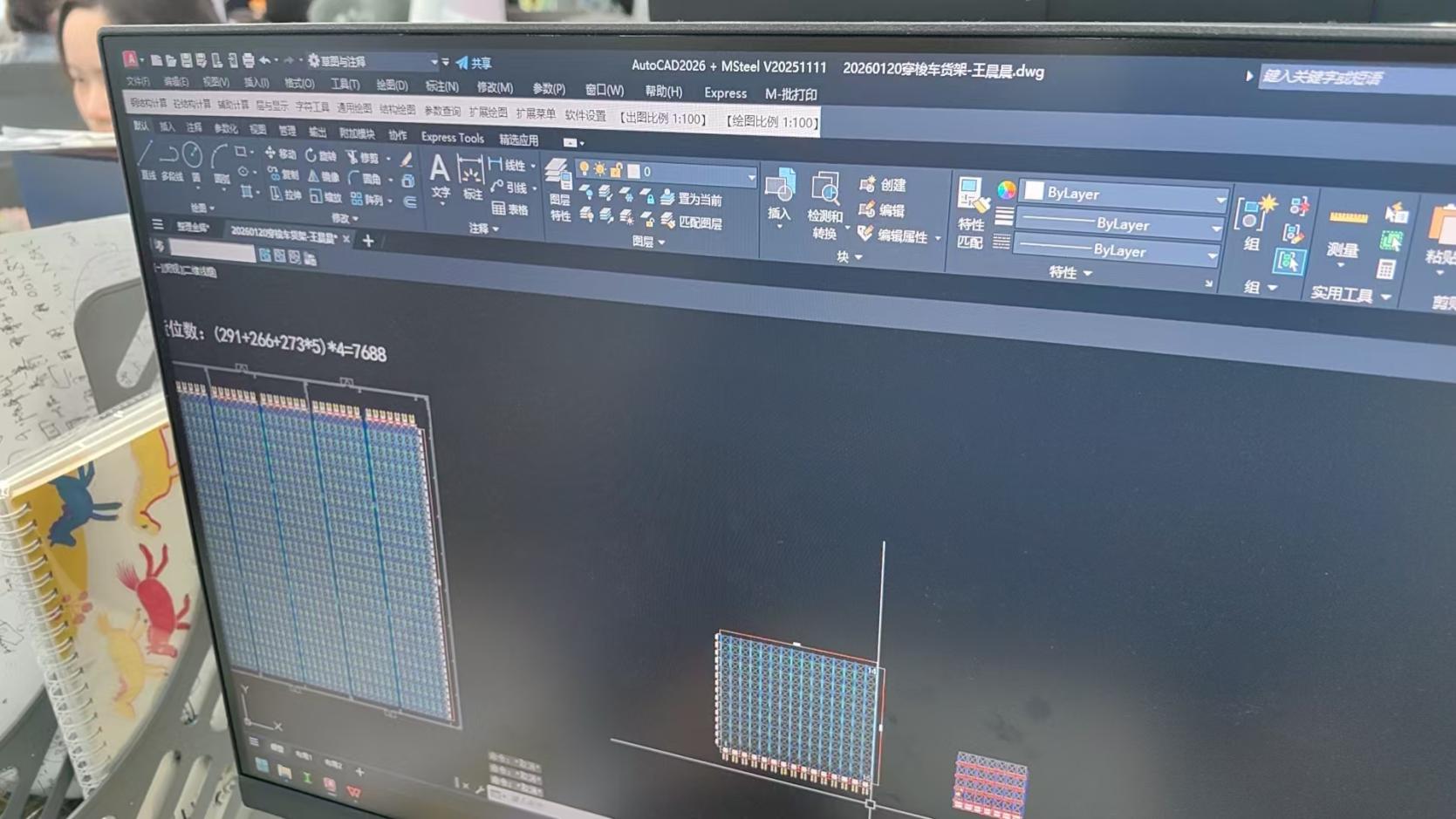
At Jinhui Storage Equipment, product reliability starts with structural engineering and material analysis. Our 68 R&D engineers utilize Finite Element Analysis (FEA) software to model stress distribution, elastic deformation, and buckling limits across all components before production begins. This engineering process ensures the load capacities of our beams and upright frames meet high safety standards.
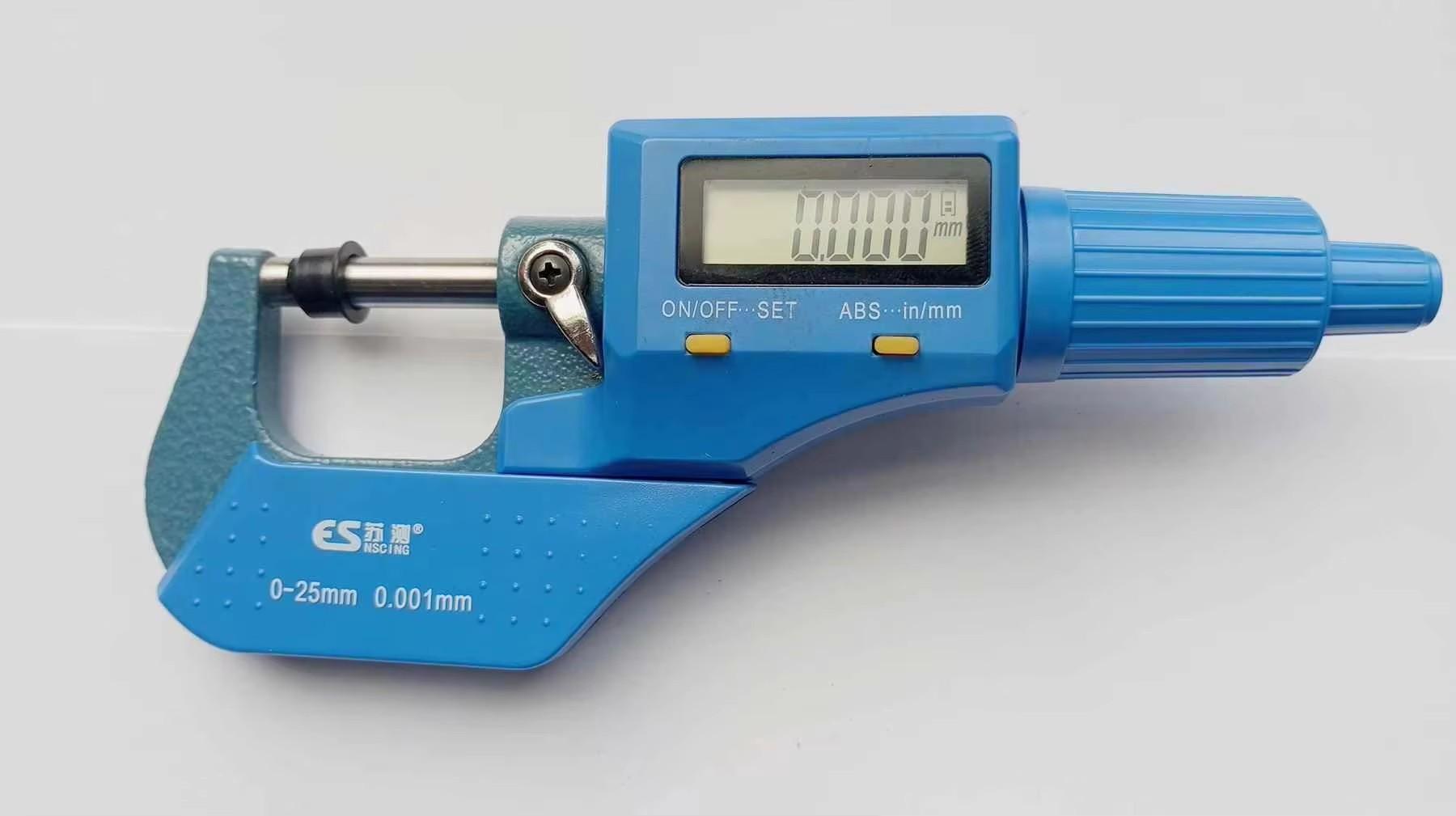
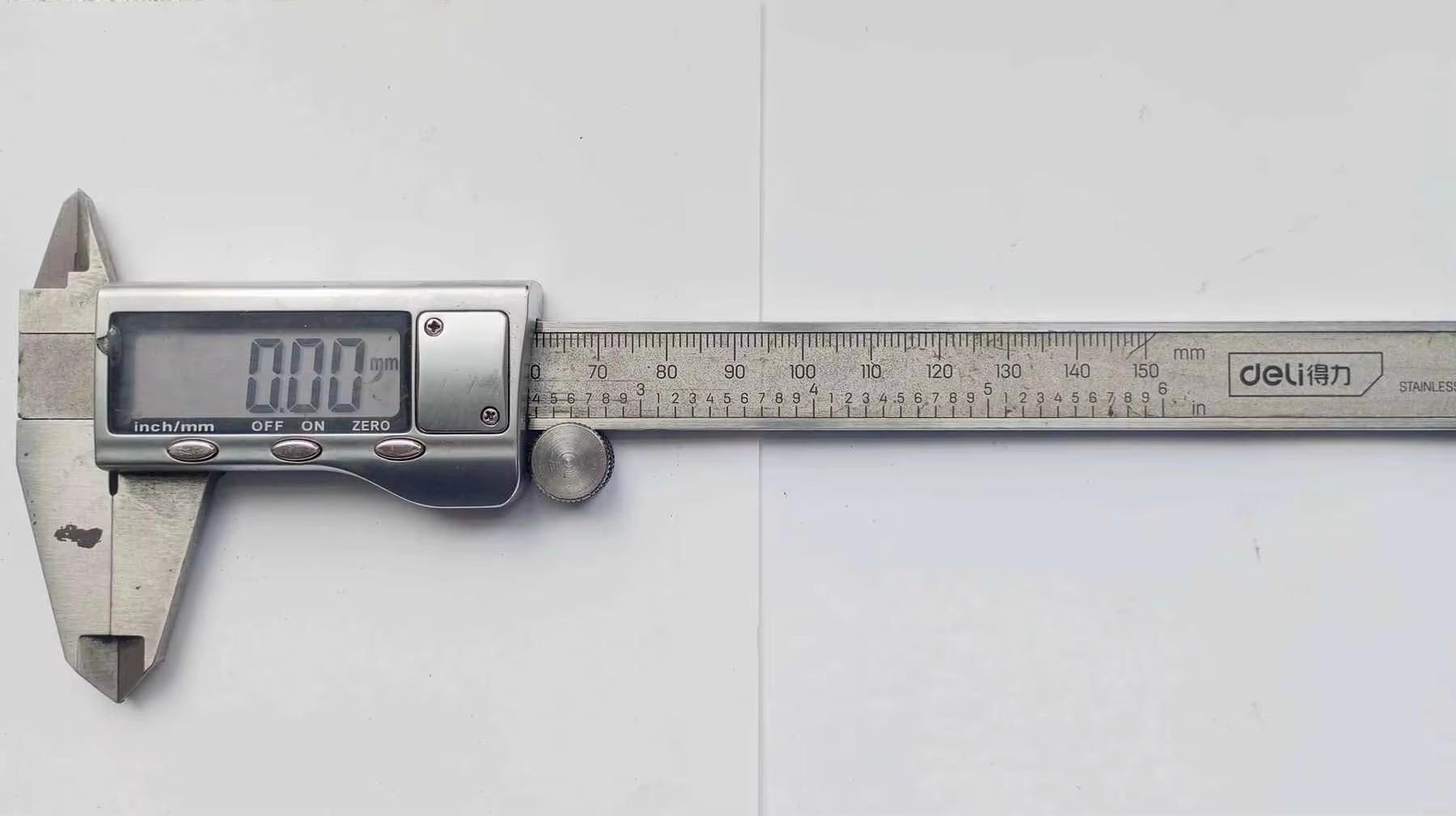
Our quality control department, featuring a team of 46 dedicated inspectors, manages inspection procedures at every manufacturing stage. From chemical analysis and testing thickness tolerances of incoming steel coils to measuring weld penetration and checking finish quality with dry film thickness gauges, each production batch is verified. Standard physical inspections include drop weight impact checks and actual deflection testing under load.
Industrial structural configurations engineered for distribution warehouses, industrial operations, and manufacturing plants.
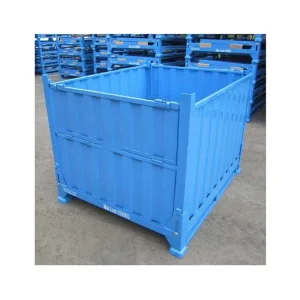
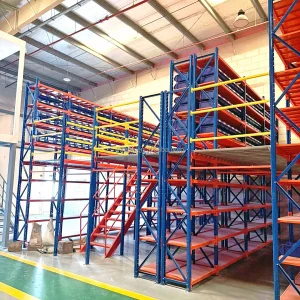
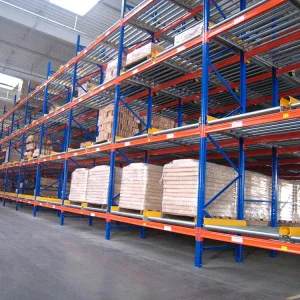
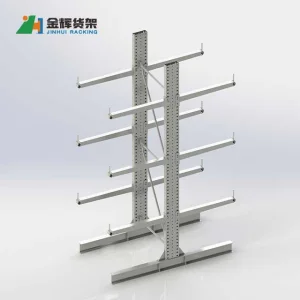
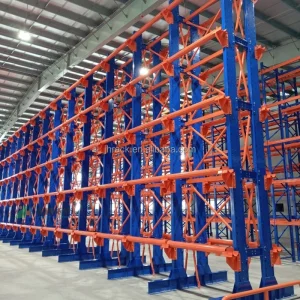
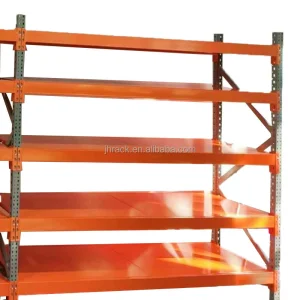
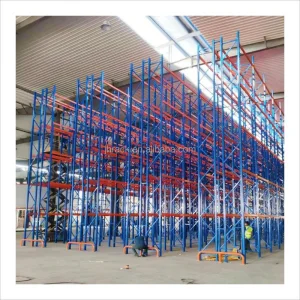
Industrial components and specific dynamic racking layouts engineered for complex storage challenges.
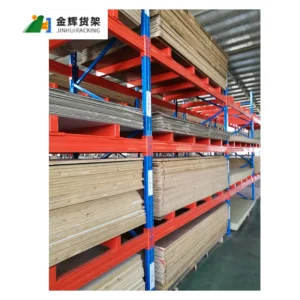
Developing racking systems designed for seamless integration with automation and IoT-enabled warehouse technologies.
Modern logistics centers rely on coordination between software and hardware. Our pallet shuttle systems utilize precise positional configurations and rack tolerances to support reliable shuttle operation. We ensure our structural systems integrate smoothly with third-party Warehouse Management Systems (WMS) and Warehouse Control Systems (WCS).
To support high-density storage safety, we design our upright frames and beam sections with load distribution margins. Continuous engineering research focuses on structural connection resilience, ensuring that our systems withstand repeated loading impacts from lift trucks and AGVs.
Answering engineering, installation, and compliance questions regarding heavy-duty racking systems in the GCC region.
Contact our structural engineering team today to review your layout and receive a detailed CAD plan and pricing estimate.
Send Inquiry Now Jinhui Storage Equipment