Premium structural steel racking solutions engineered for high performance, immediate implementation, and compliance with strict space optimization targets.
Analyzing the space optimization requirements and land constraints in the Kanto region's primary logistics nodes.
The Tokyo Metropolitan Area, housing the world's most dense urban economy, faces distinct storage challenges. With prime logistics hubs situated across Tokyo Bay, Koto-ku, Ota-ku, Kawasaki, and Yokohama, warehouse real estate commands premium rental rates. Consequently, multi-tenant logistics properties and vertical warehouse platforms have become the regional standard.
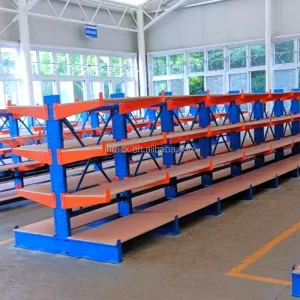
Longspan shelving serves as a crucial bridging technology between light-duty shelving and heavy structural pallet racking. Standard facilities demand systems that can maximize clearance height while facilitating fast, manual picking or semi-automated material handling. The expansion of e-commerce fulfillment centers across the Kanto plain has triggered an urgent need for multi-tier systems and heavy-duty steel shelving. These setups must support high load limits, easy reconfiguration, and compliance with local municipal safety and seismic codes.
Deploying heavy-duty industrial storage in Tokyo requires deep integration with regional logistics workflows. This includes sizing columns to align with Japanese standard T11 pallets (1100mm × 1100mm) and choosing steel coatings that resist humidity in bay areas. Dongguan Jinhui Storage Equipment Co., Ltd. addresses these demands by engineering customized longspan and heavy-duty storage configurations tailored for Japanese facility dimensions.
How Jinhui storage systems are structurally engineered to withstand Japan's high-seismic requirements.
Our engineering team designs upright profiles and bracing patterns to meet regional seismic acceleration limits. We calculate load distributions based on expected peak ground acceleration (PGA) values in Tokyo Zone 1.
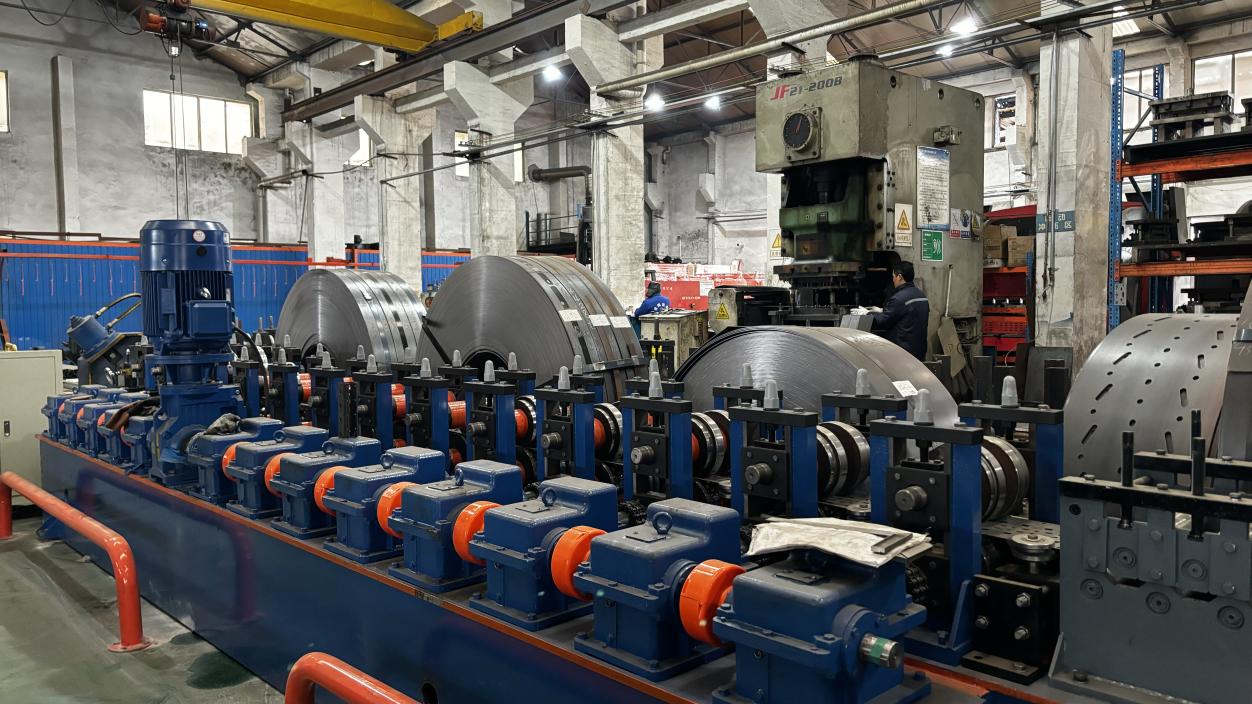
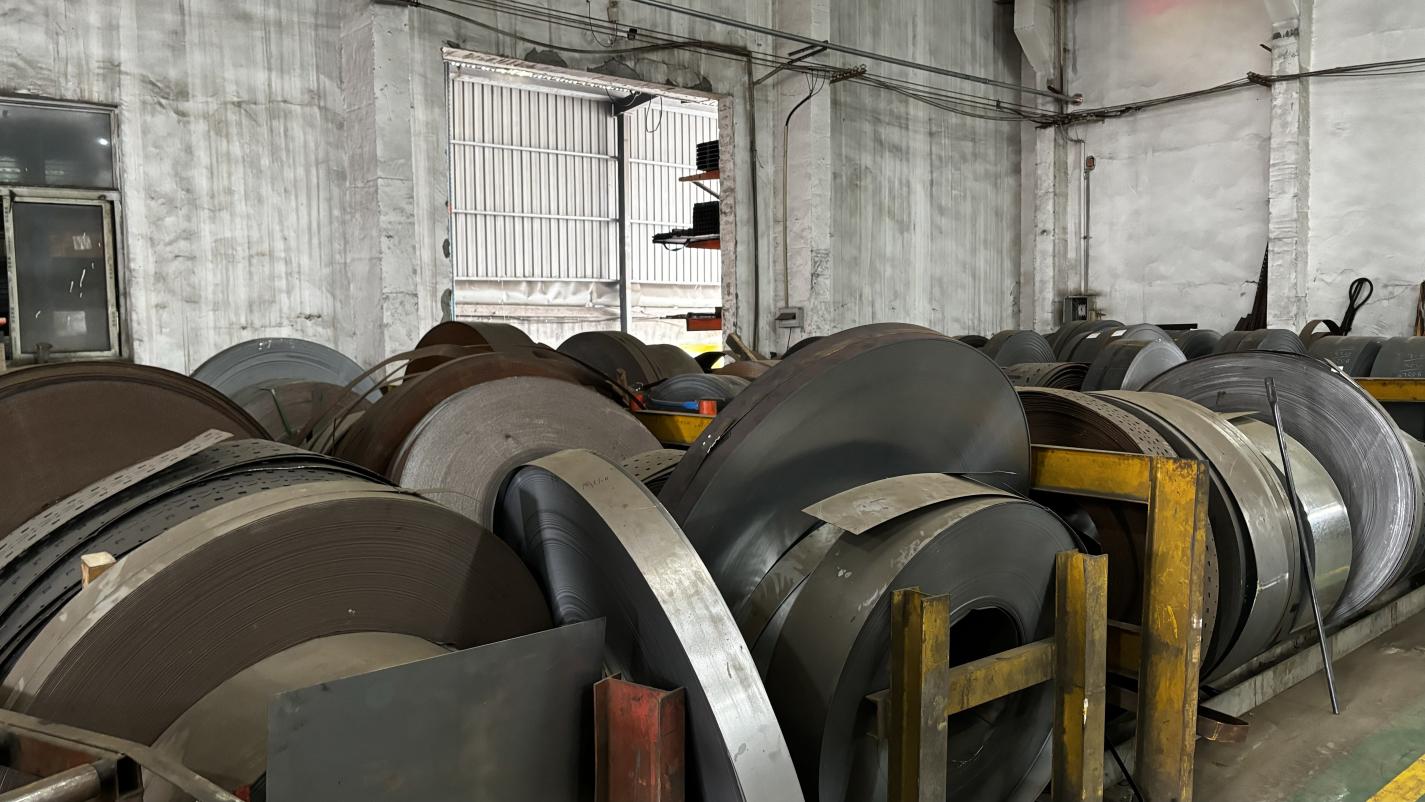
We use Q235B and Q355 structural steel coils. These materials are formed using computer-controlled cold roll lines to maintain uniform steel thickness and consistent yield strength throughout the upright columns and beams.
Our components undergo testing that replicates the dynamic shear and bending stresses specified in Japanese industrial standards. This process ensures stability under full rated loads during seismic events.
Capitalizing on Dongguan Jinhui’s advanced production and direct shipping channels to Tokyo Port.
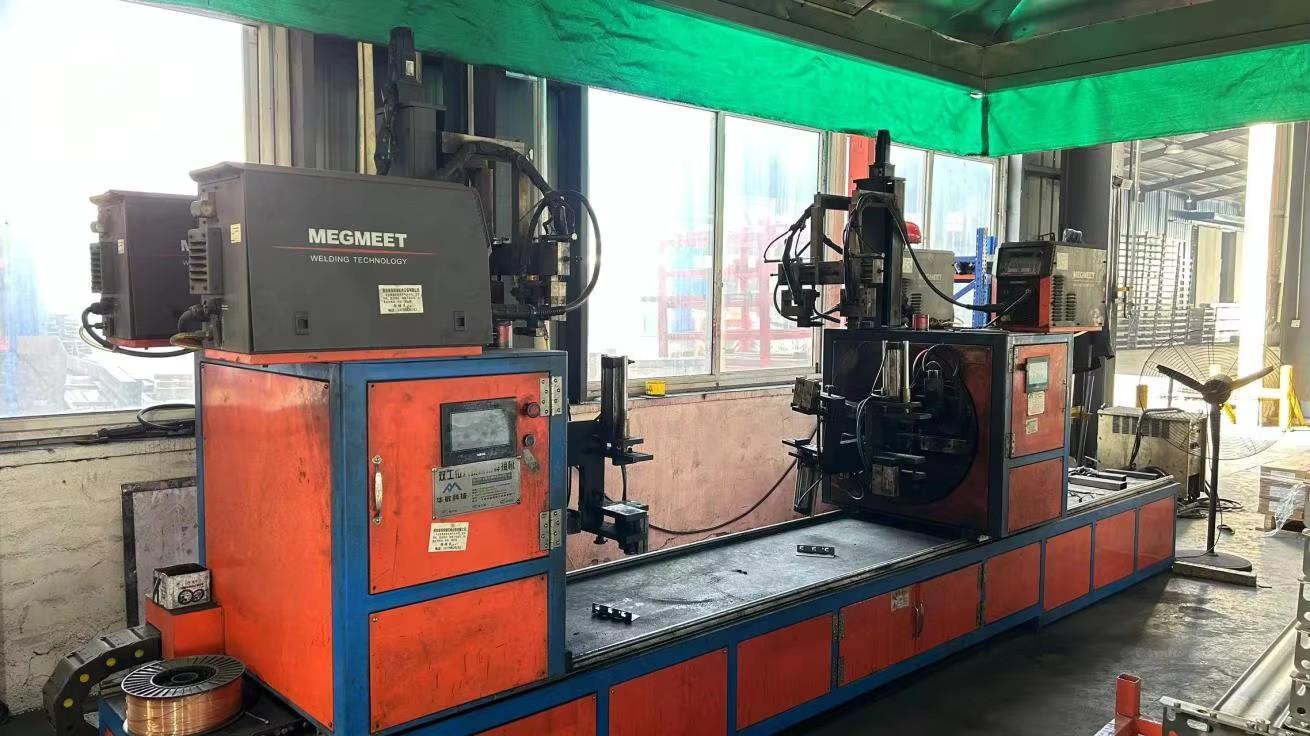
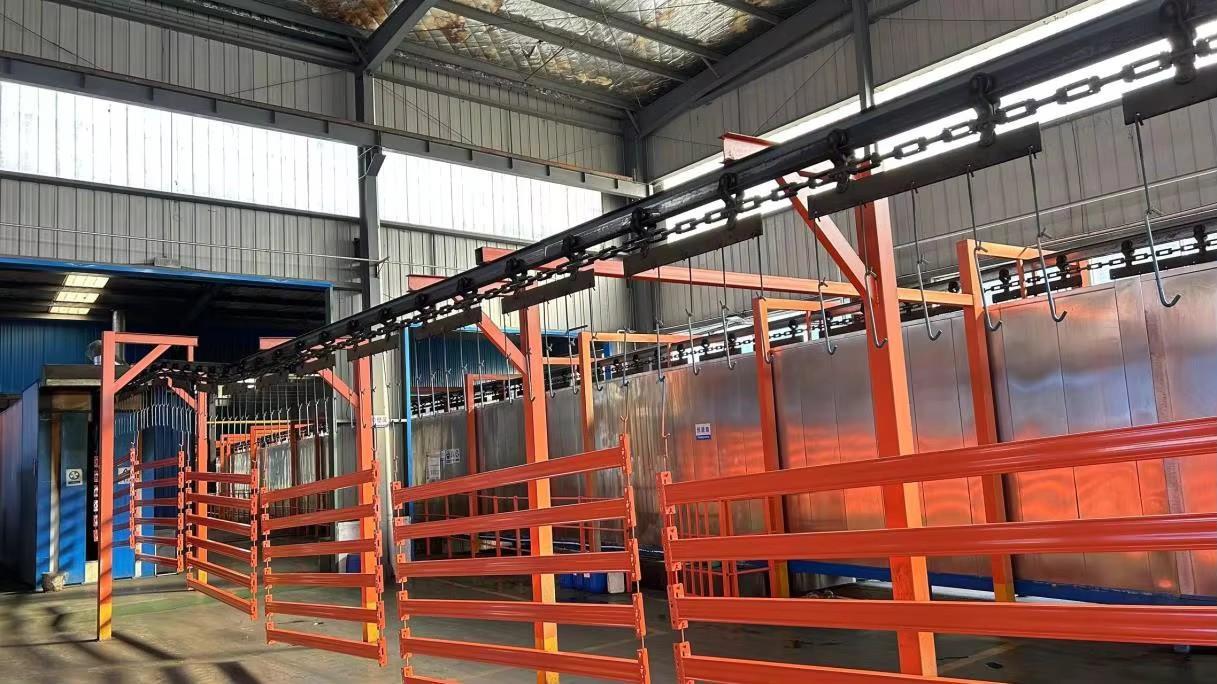
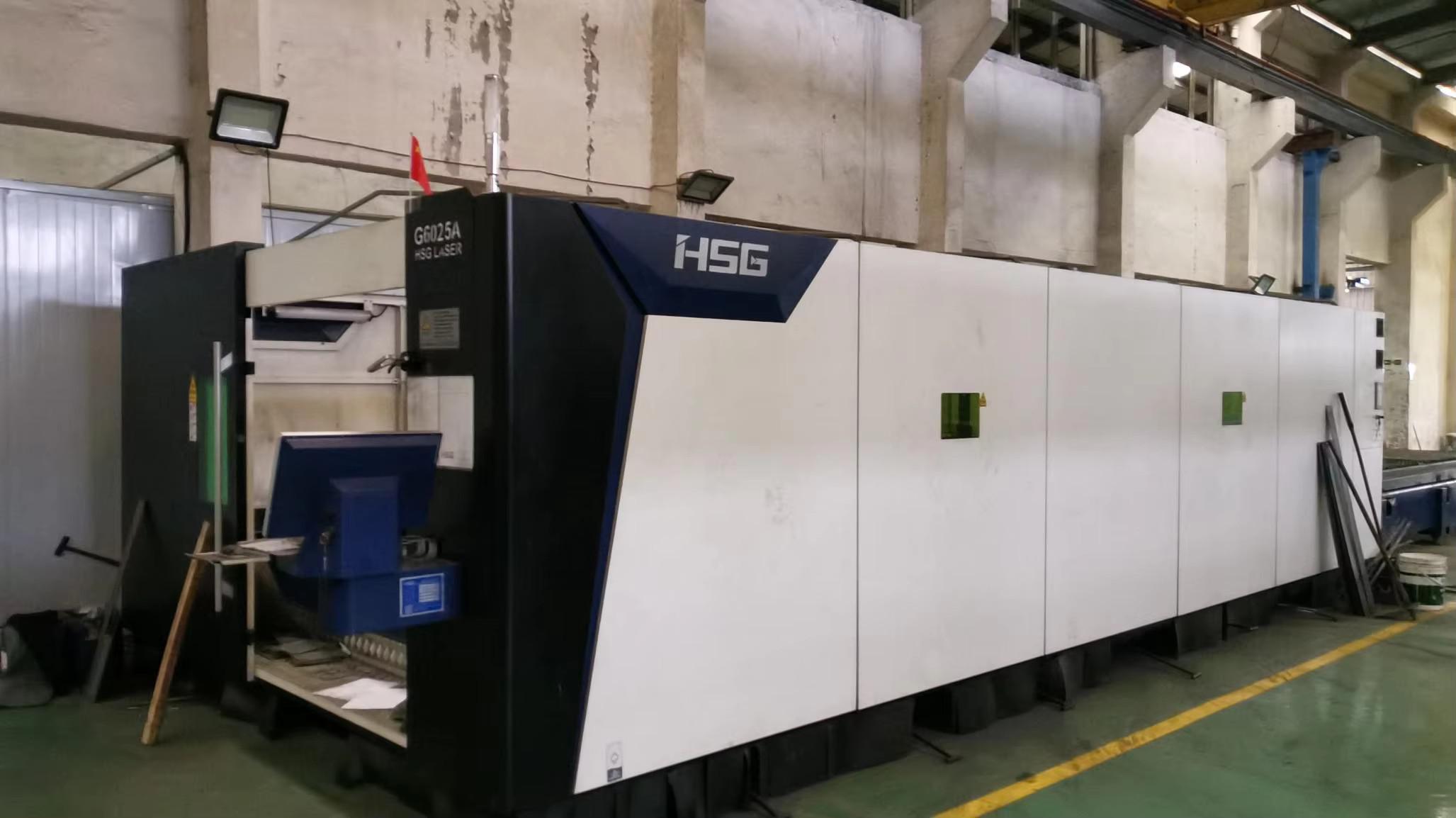
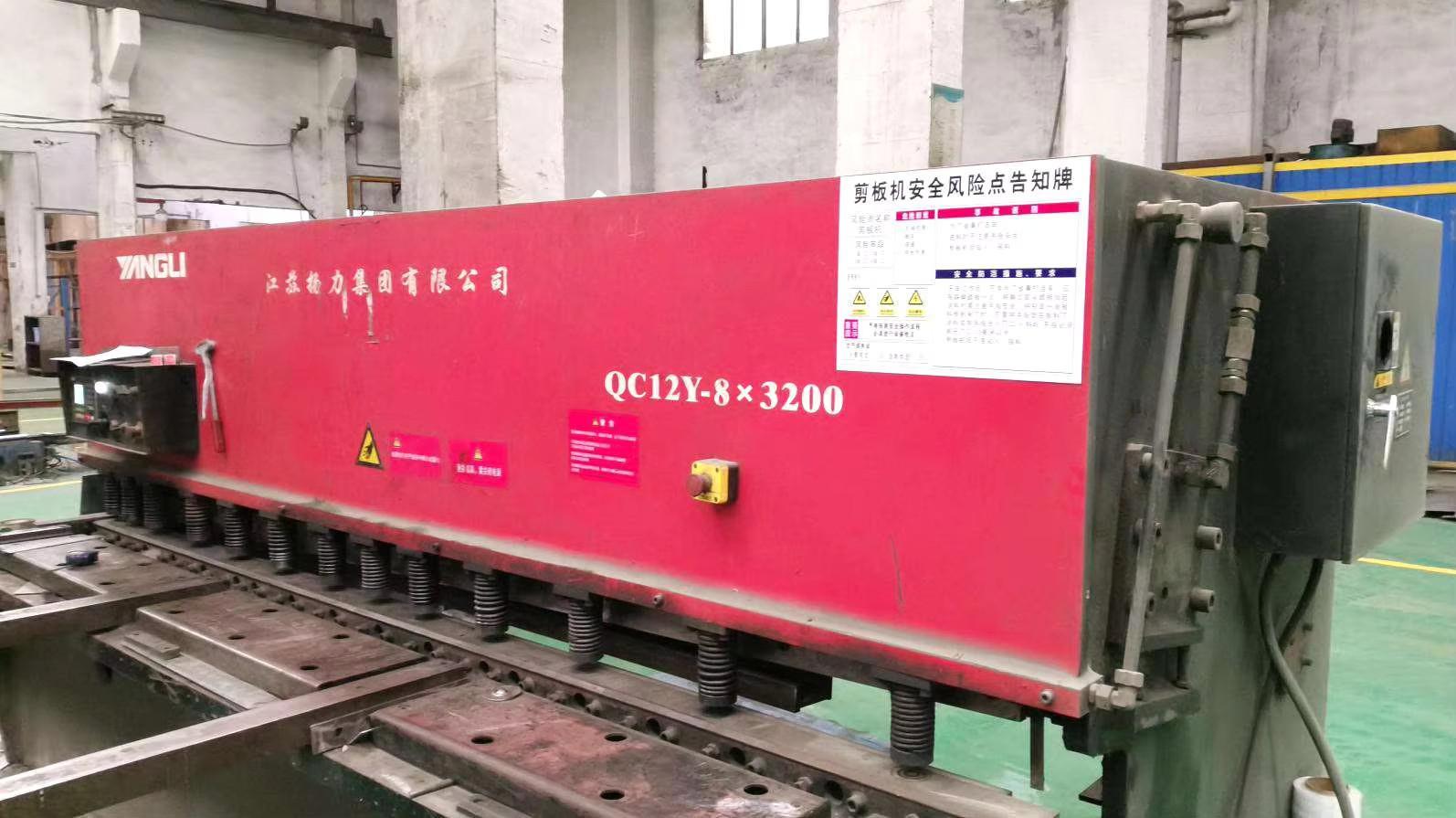
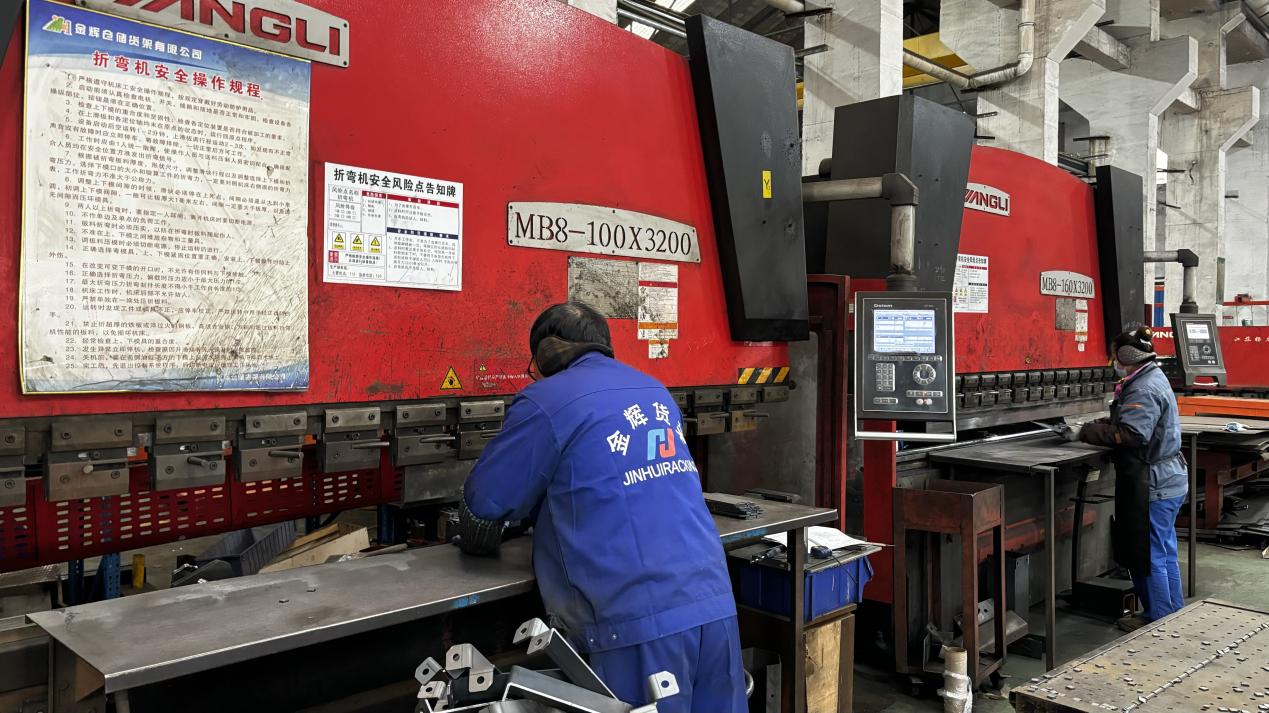
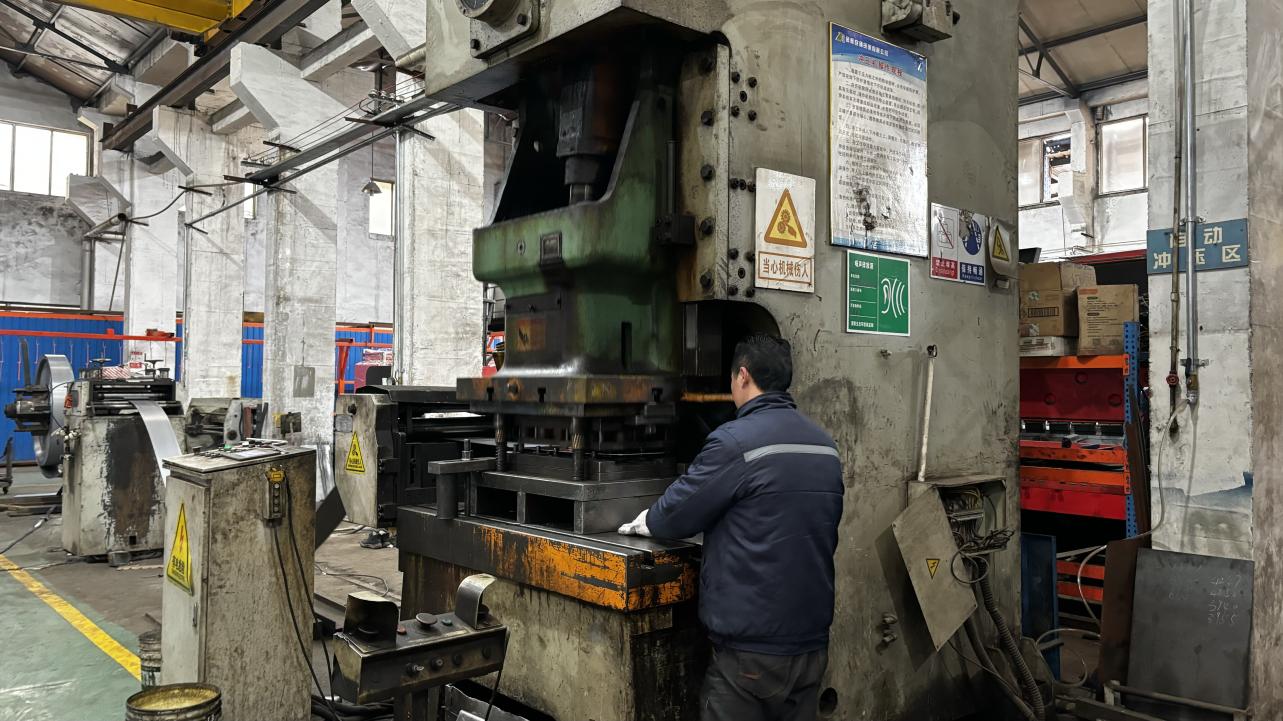
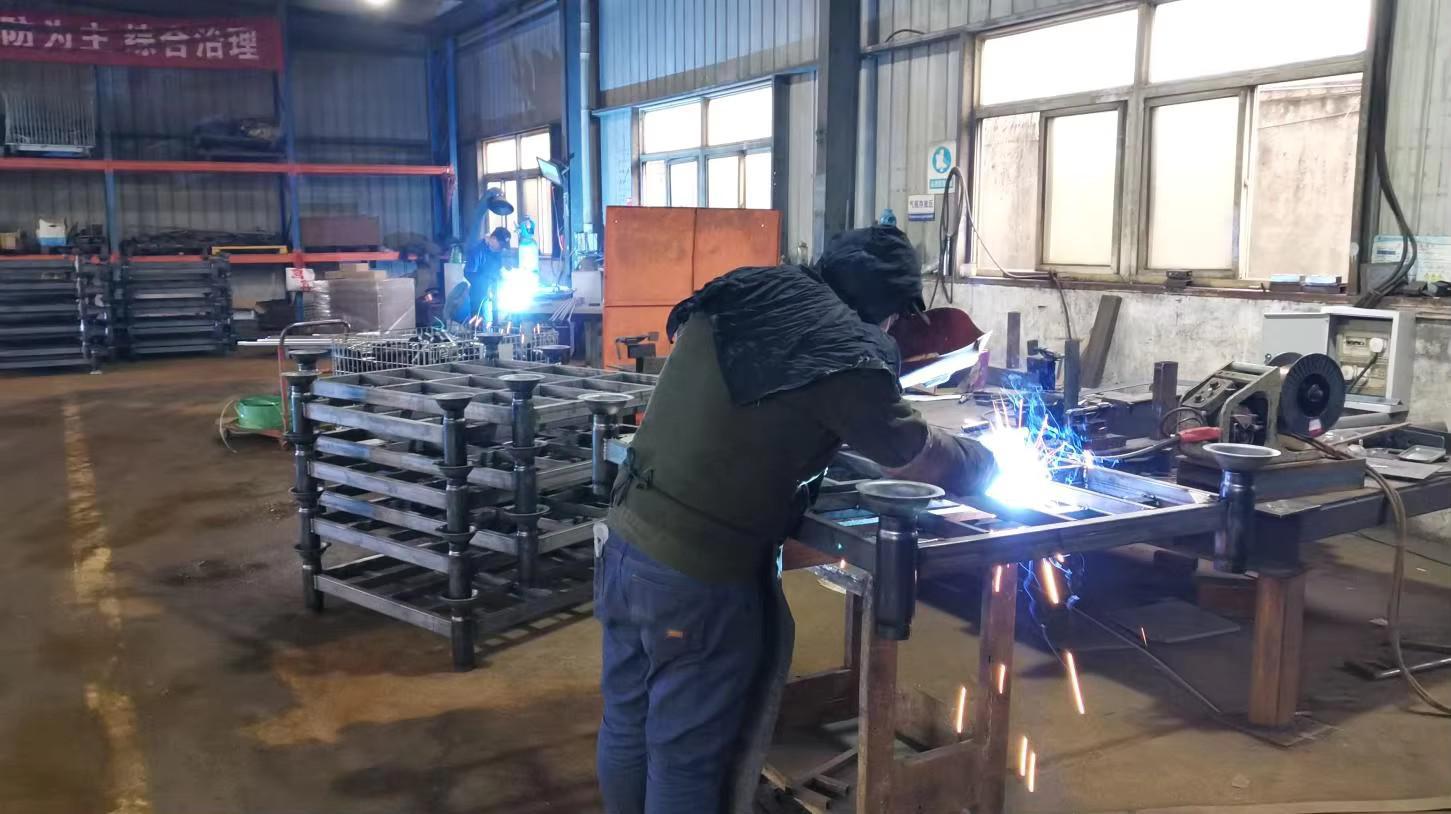
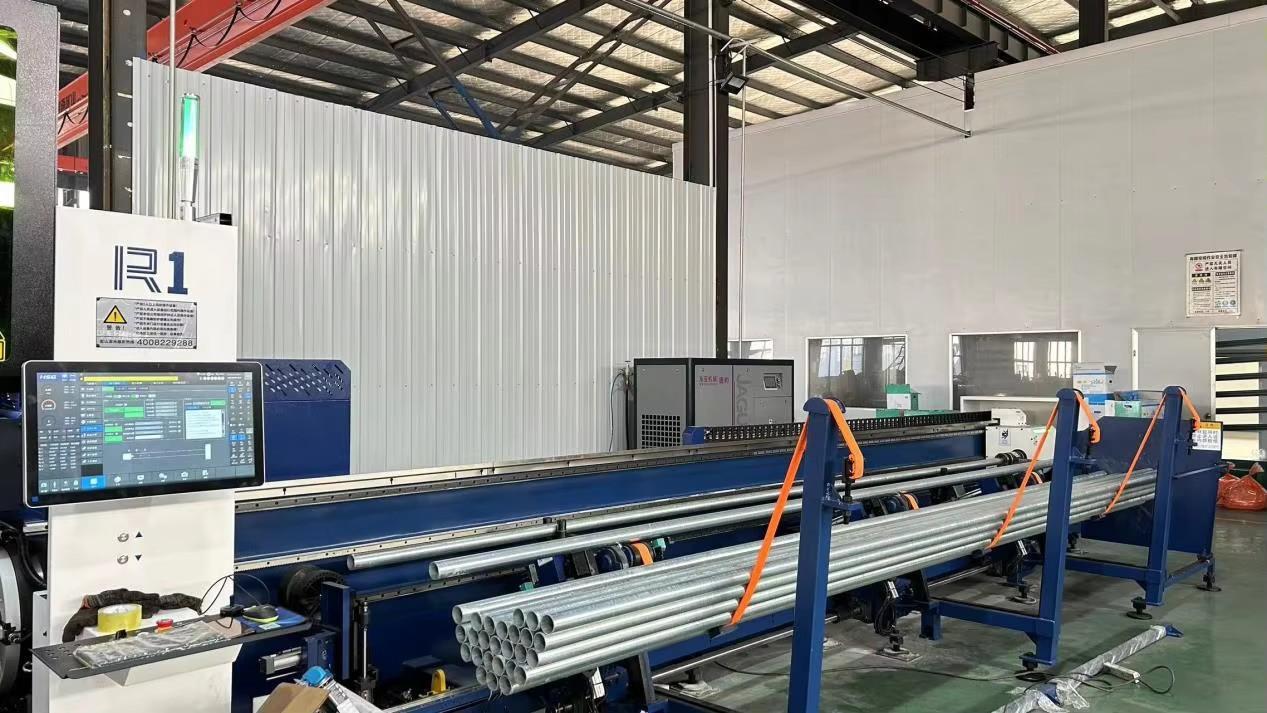
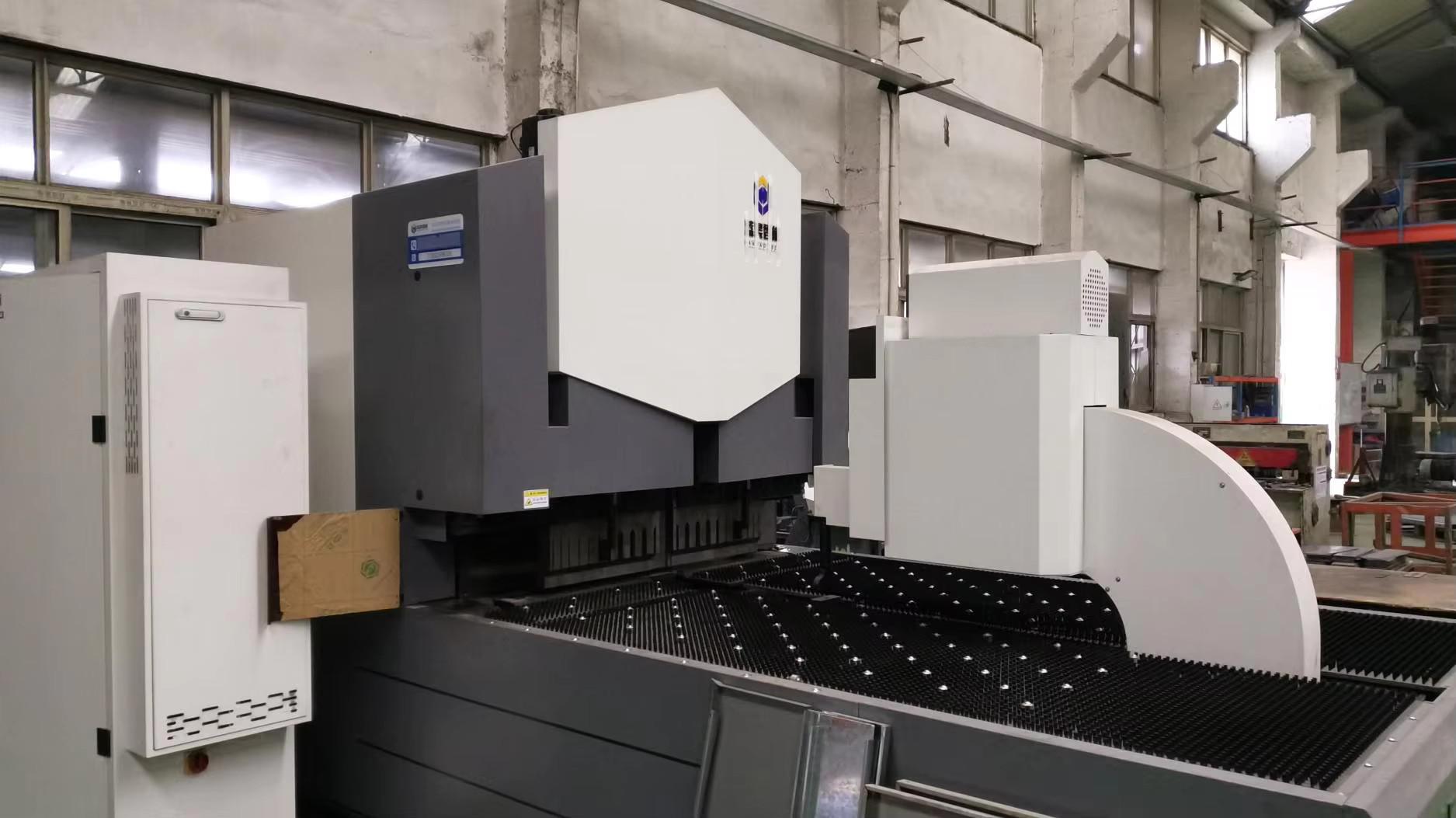
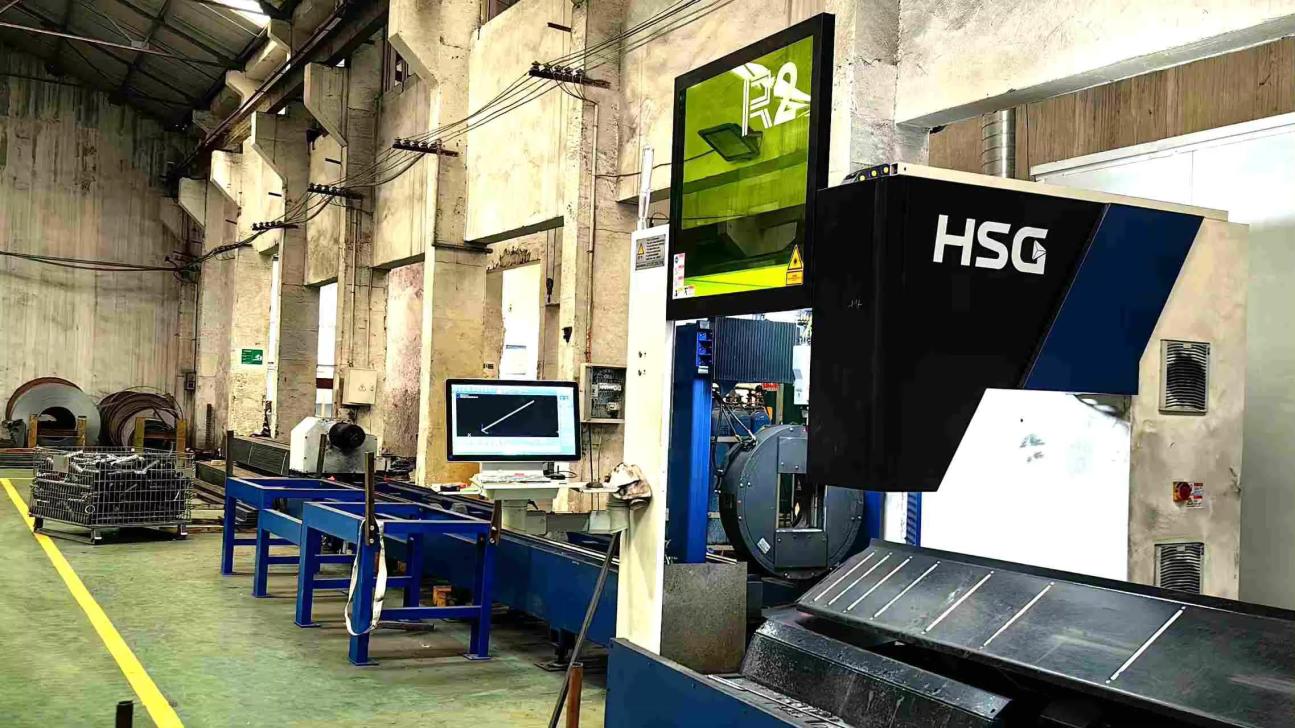
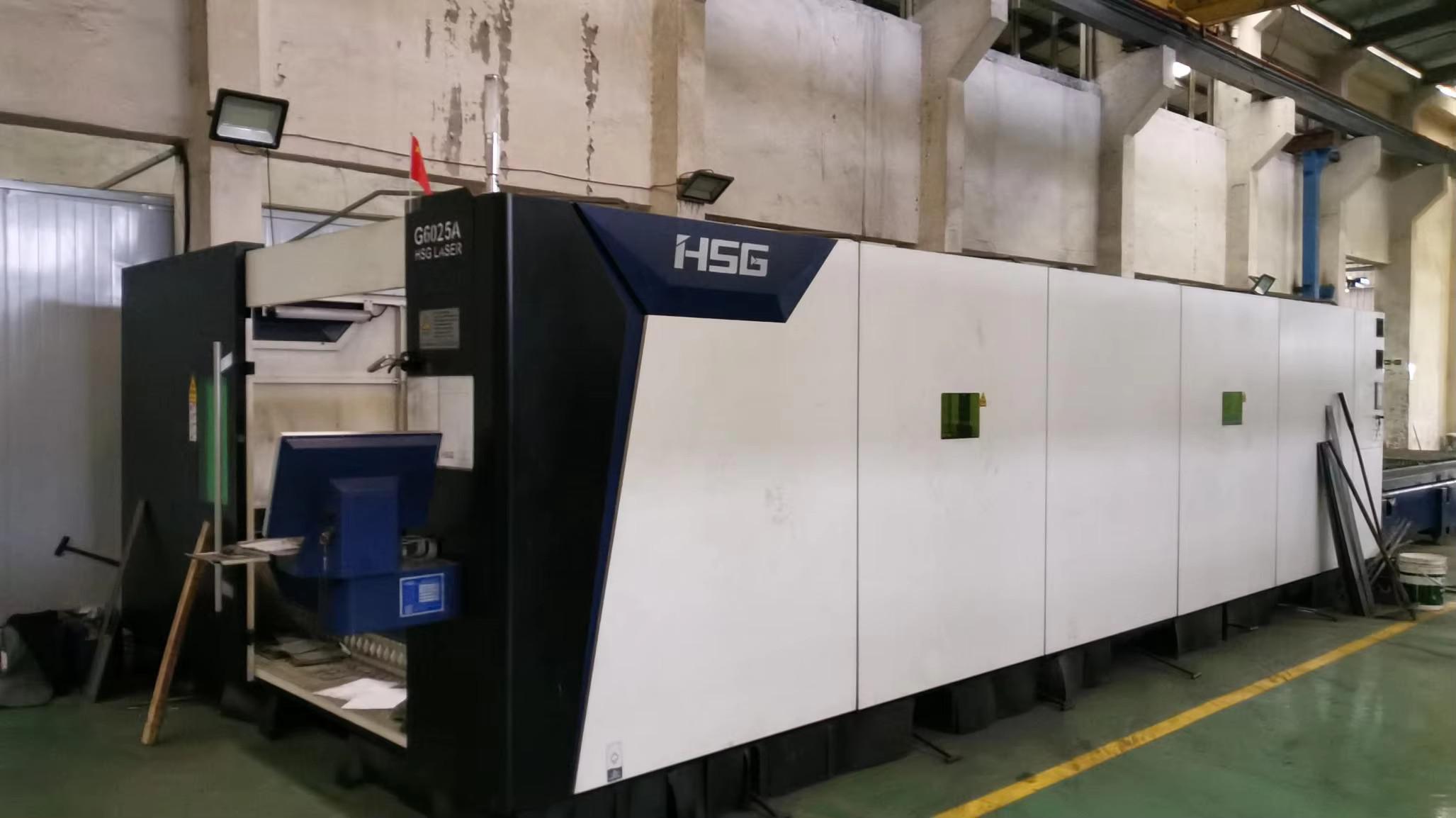
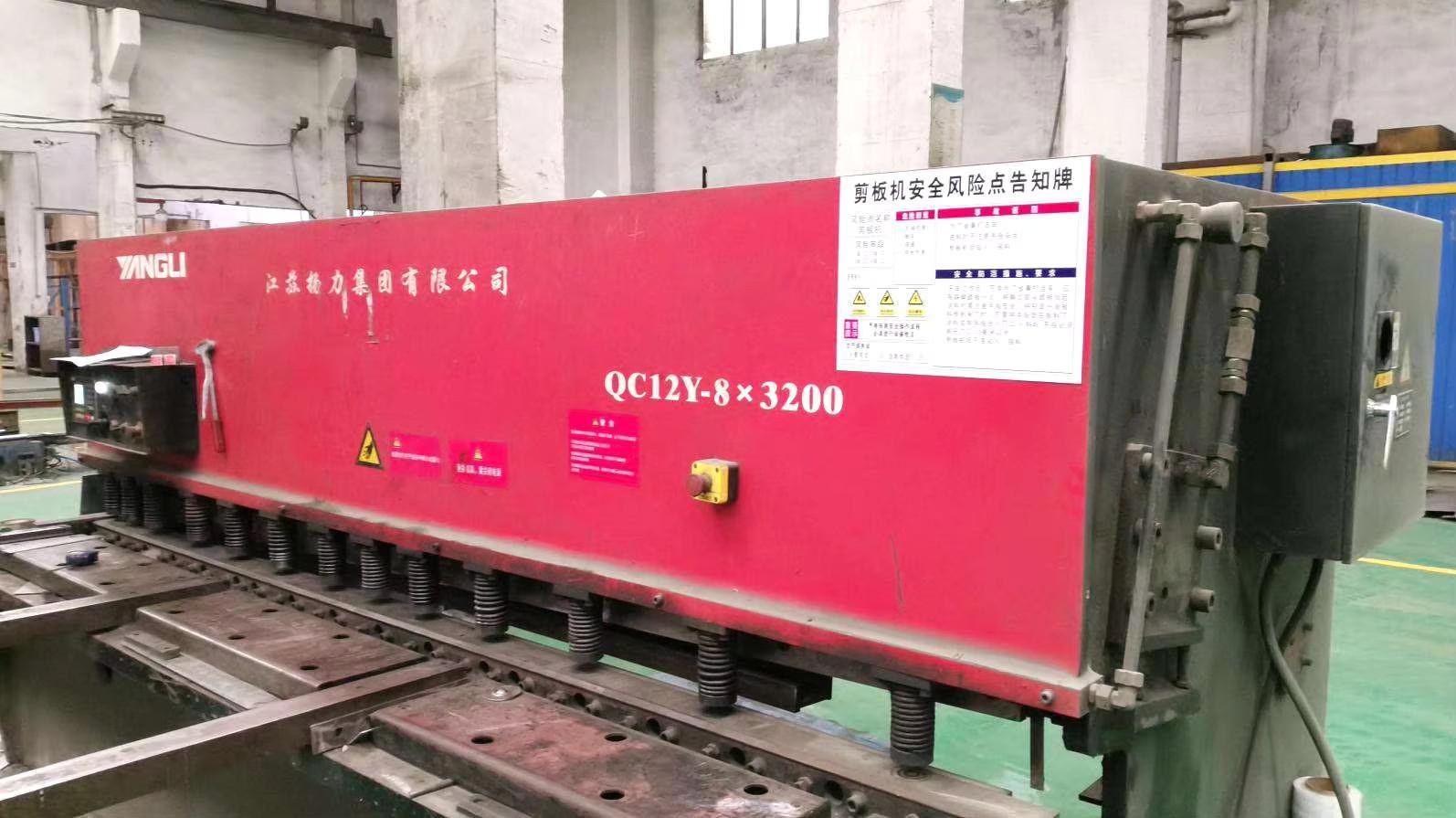
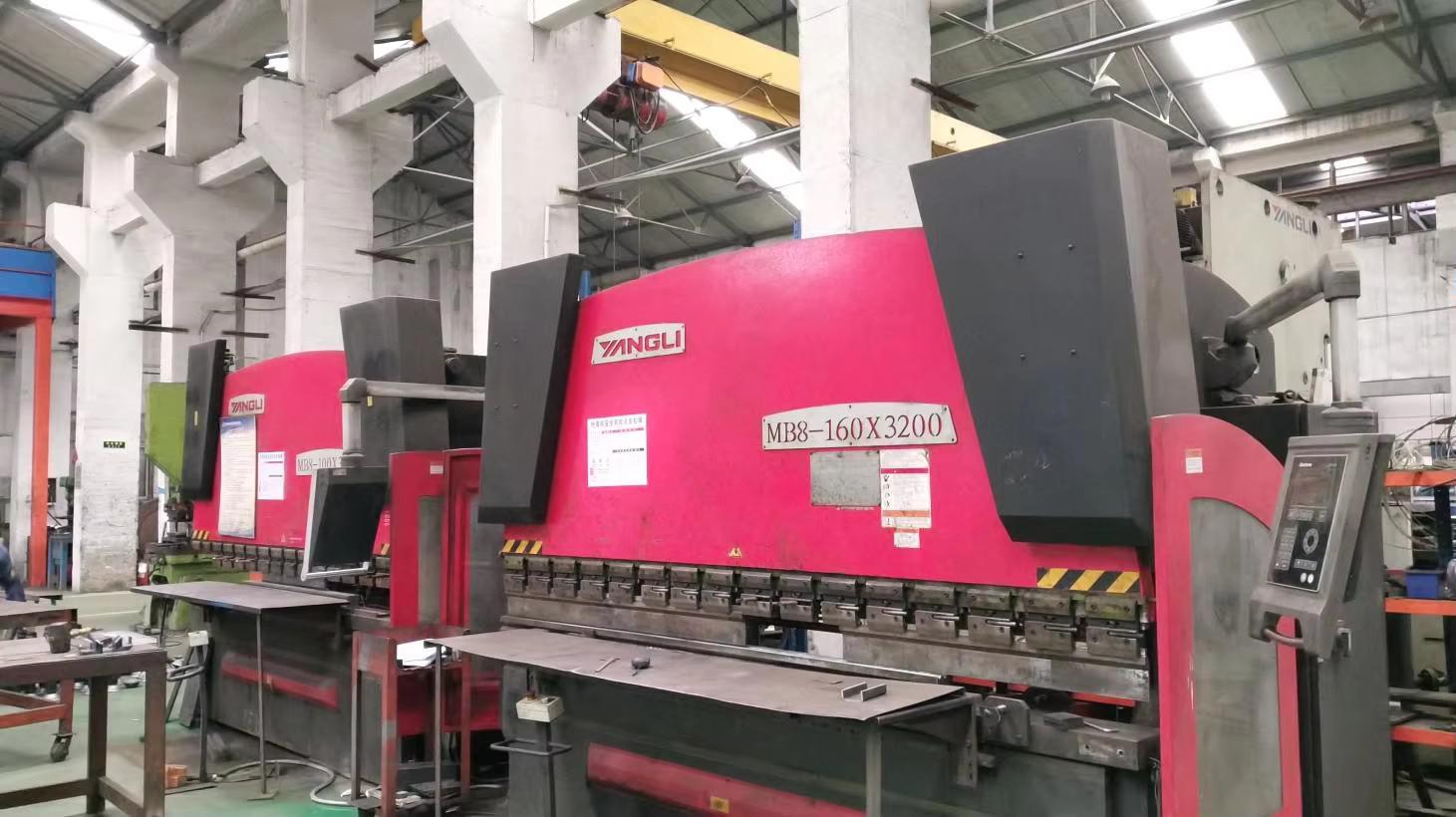
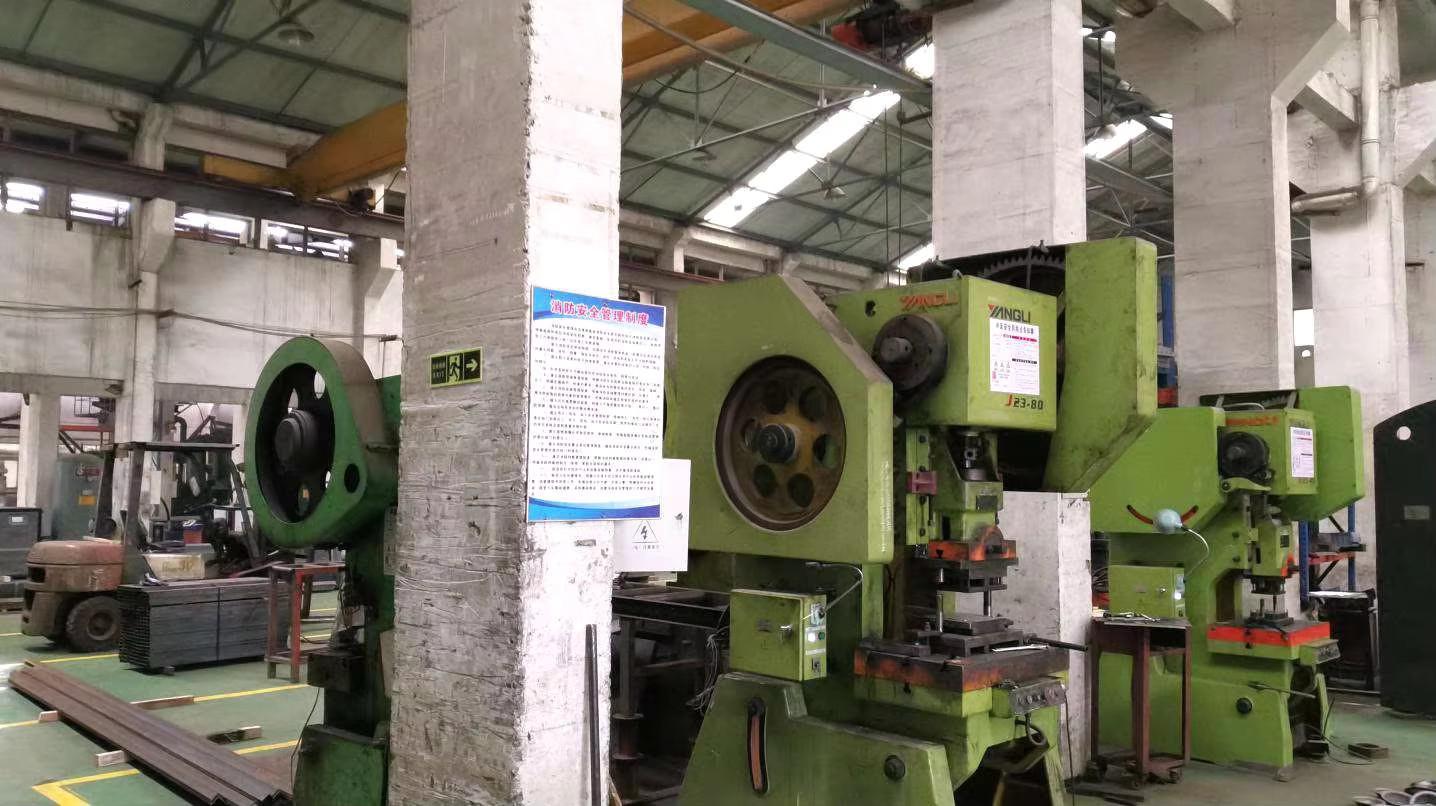
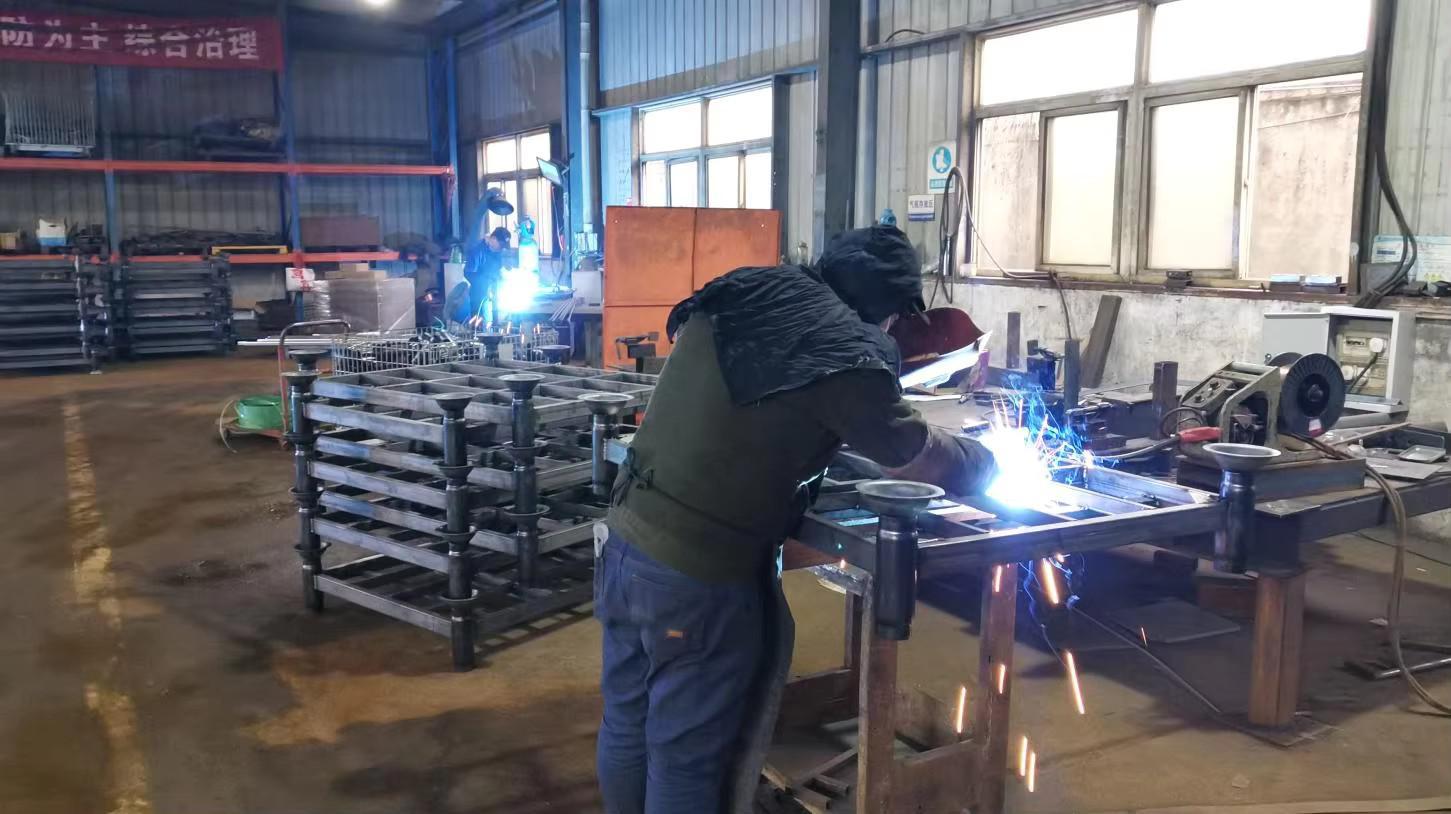
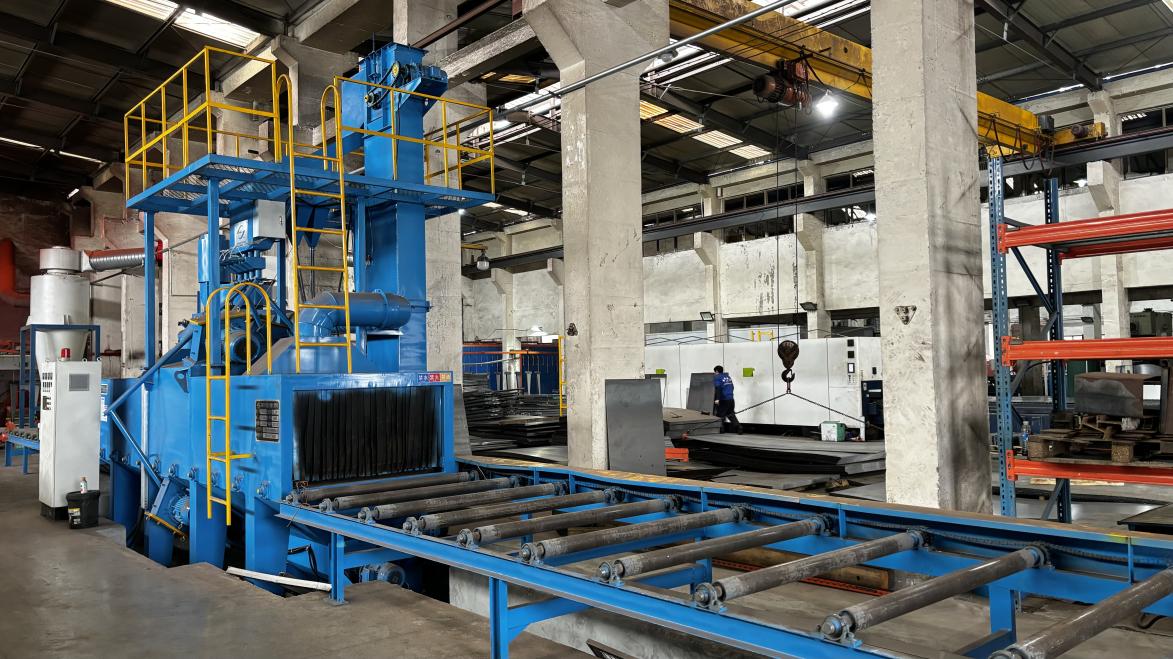
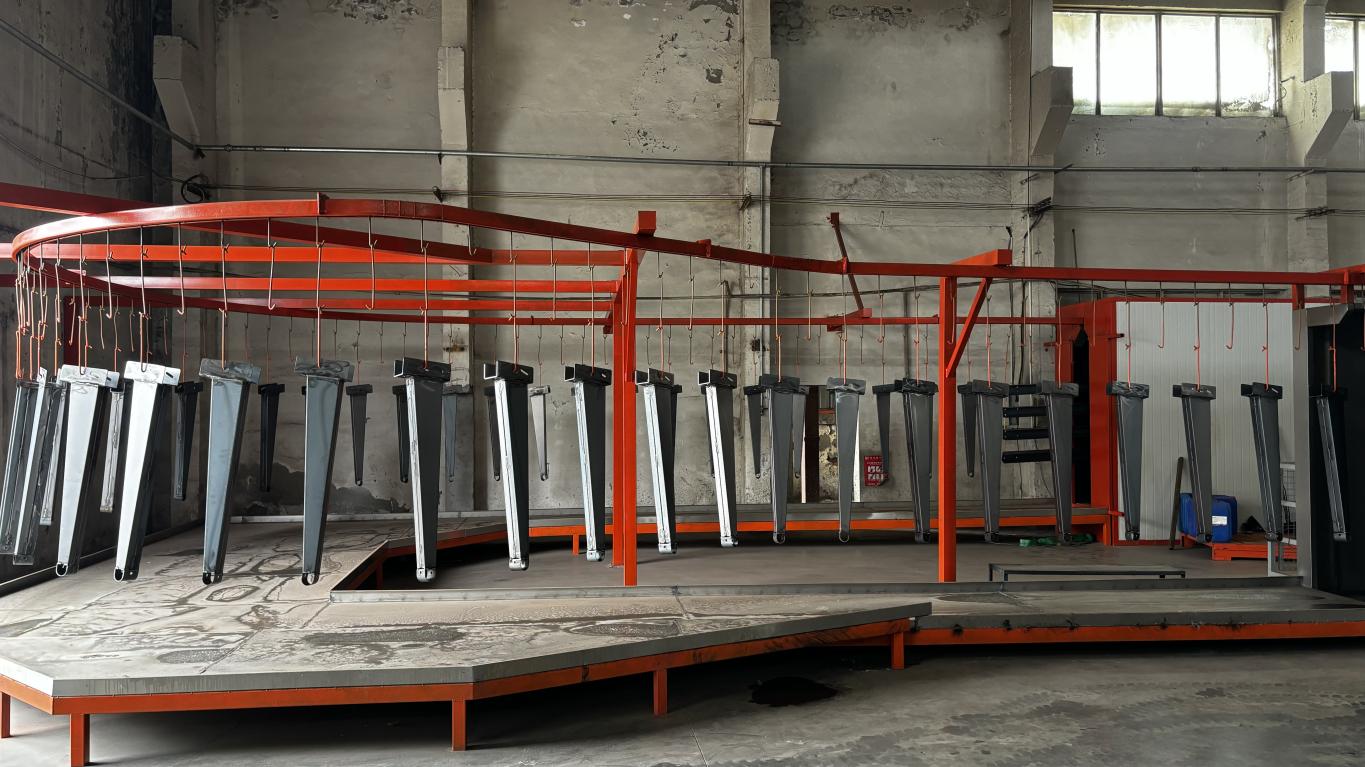
Operating out of Dongguan, the manufacturing heart of Guangdong, our factory utilizes high-precision laser cutting, CNC punching lines, robotic welding setups, and electrostatic powder coating plants. By sourcing raw materials through a network of over 980 supply chain partners, we ensure stable steel pricing and consistent production timelines.
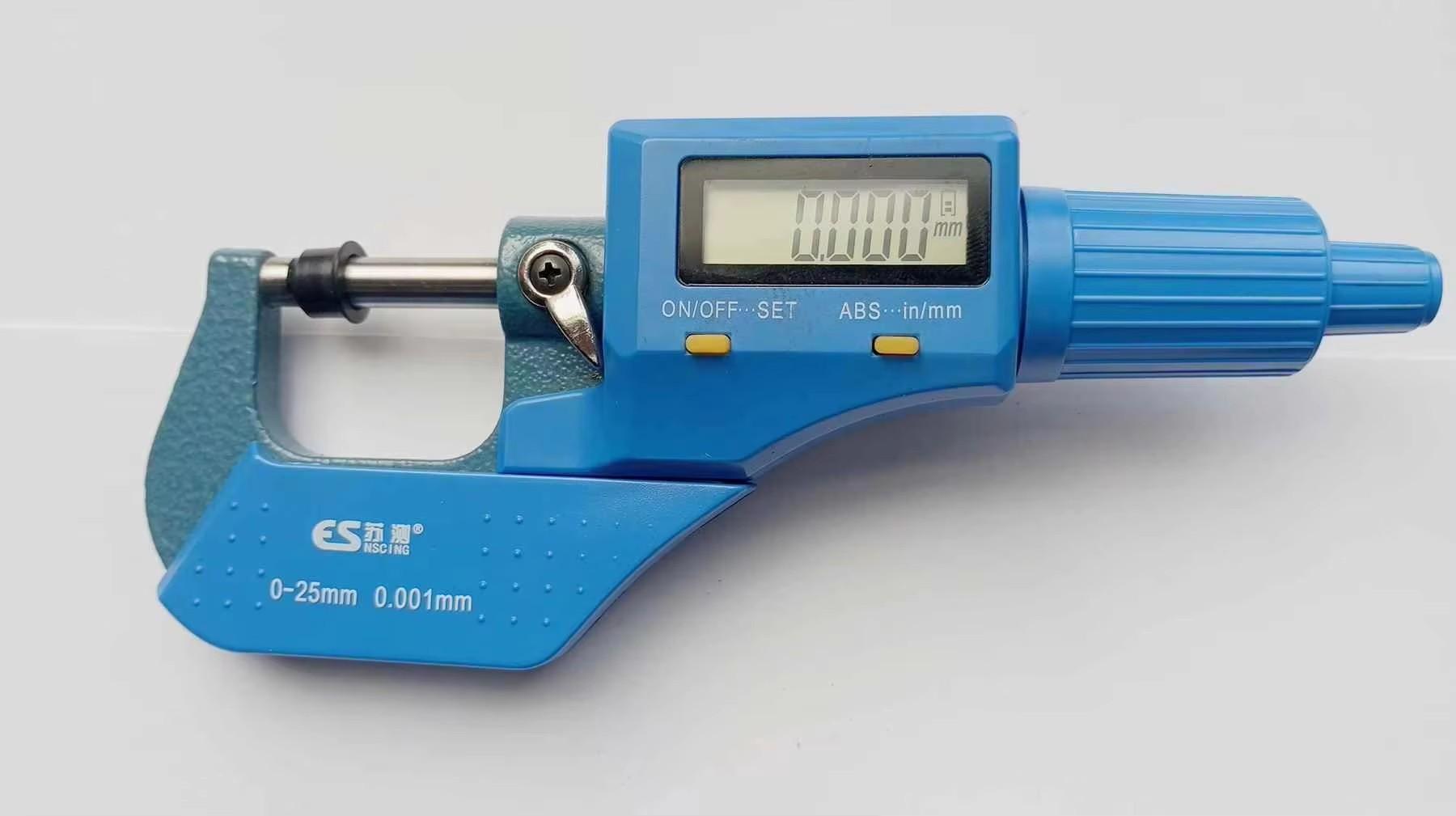
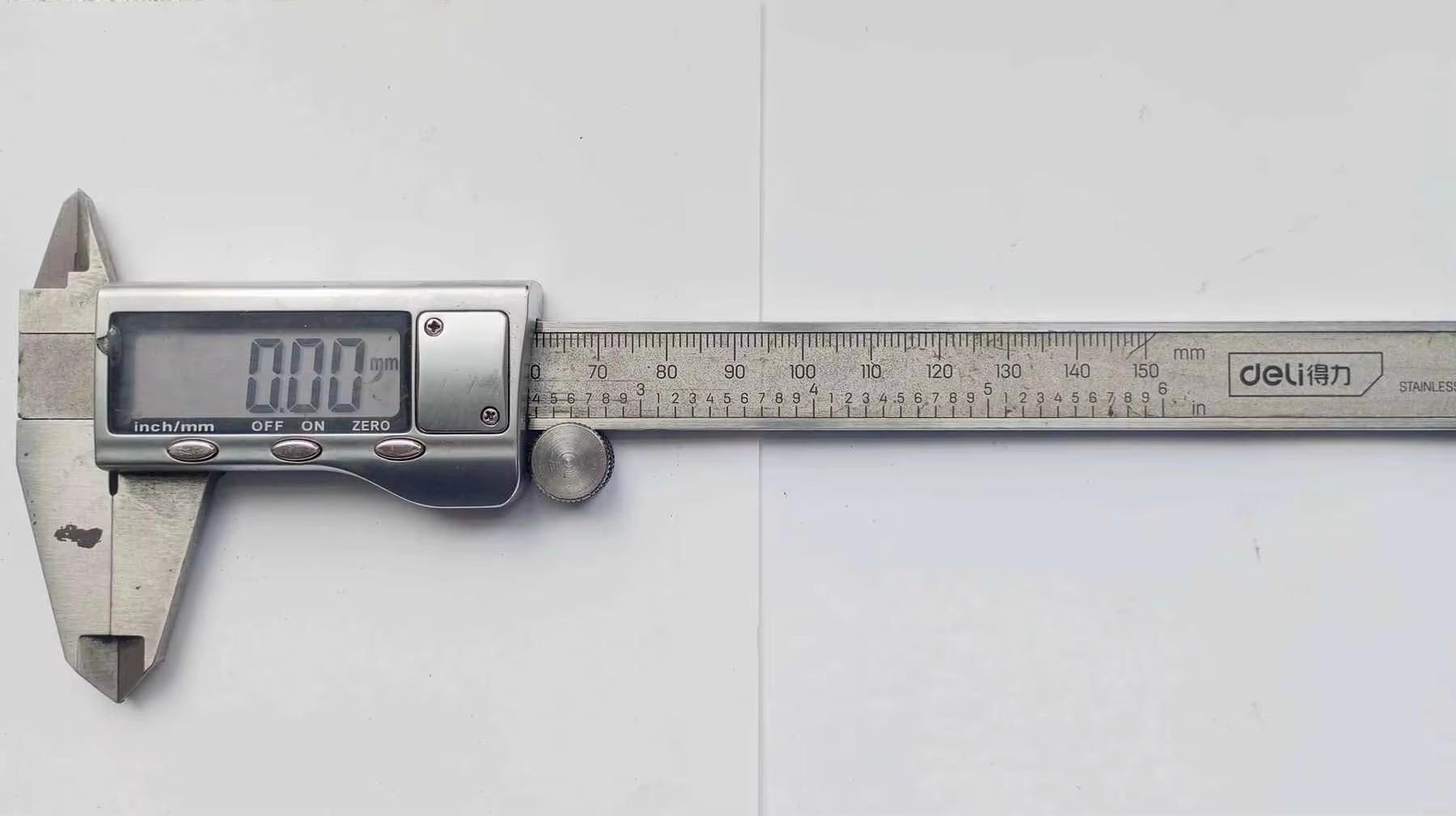
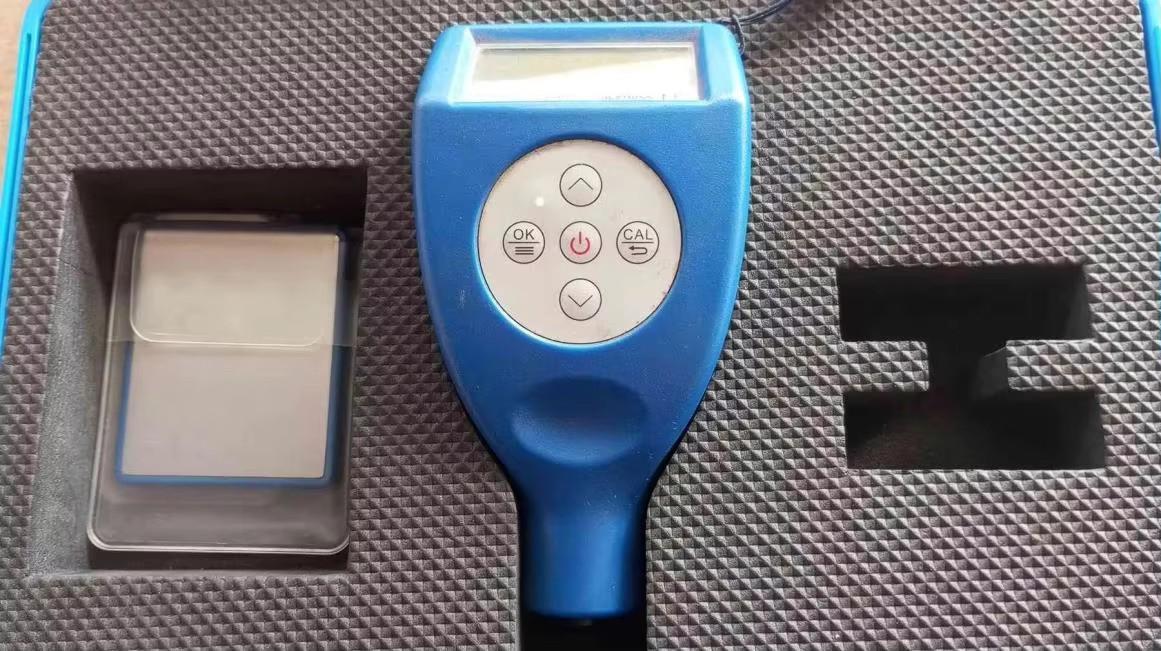
Our quality control team includes 46 inspectors who monitor every step of production. We verify raw material certifications, check welding penetration, measure coating thickness, and perform load capacity tests to meet ISO 9001 standards before shipment.
Shipping from our facility to Tokyo Port takes approximately 4 to 6 days in ocean transit. We manage container loading to protect powder-coated uprights and beams from marine humidity and physical damage. This ensures the structural components arrive clean and ready for installation.
We provide full documentation for customs clearance at Tokyo Port. This includes detailed packing lists, material certificates, and structural CAD drawings to help local installation teams meet Japanese warehouse safety regulations.
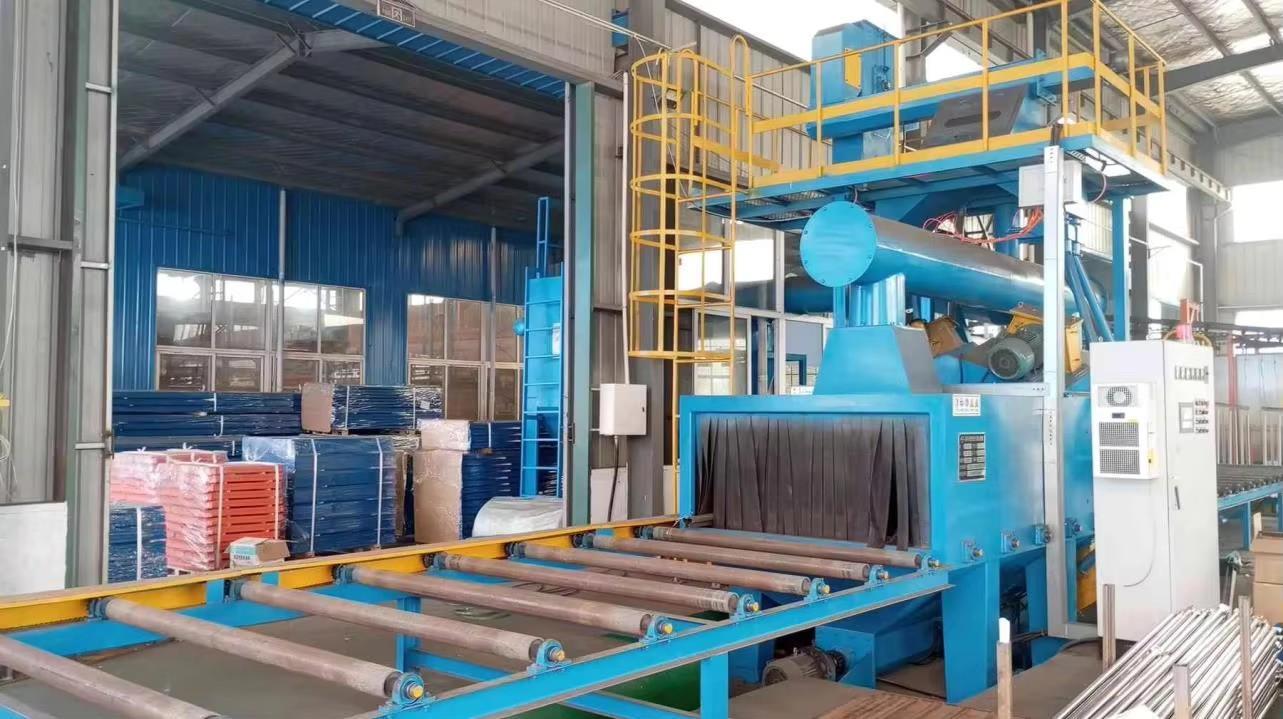
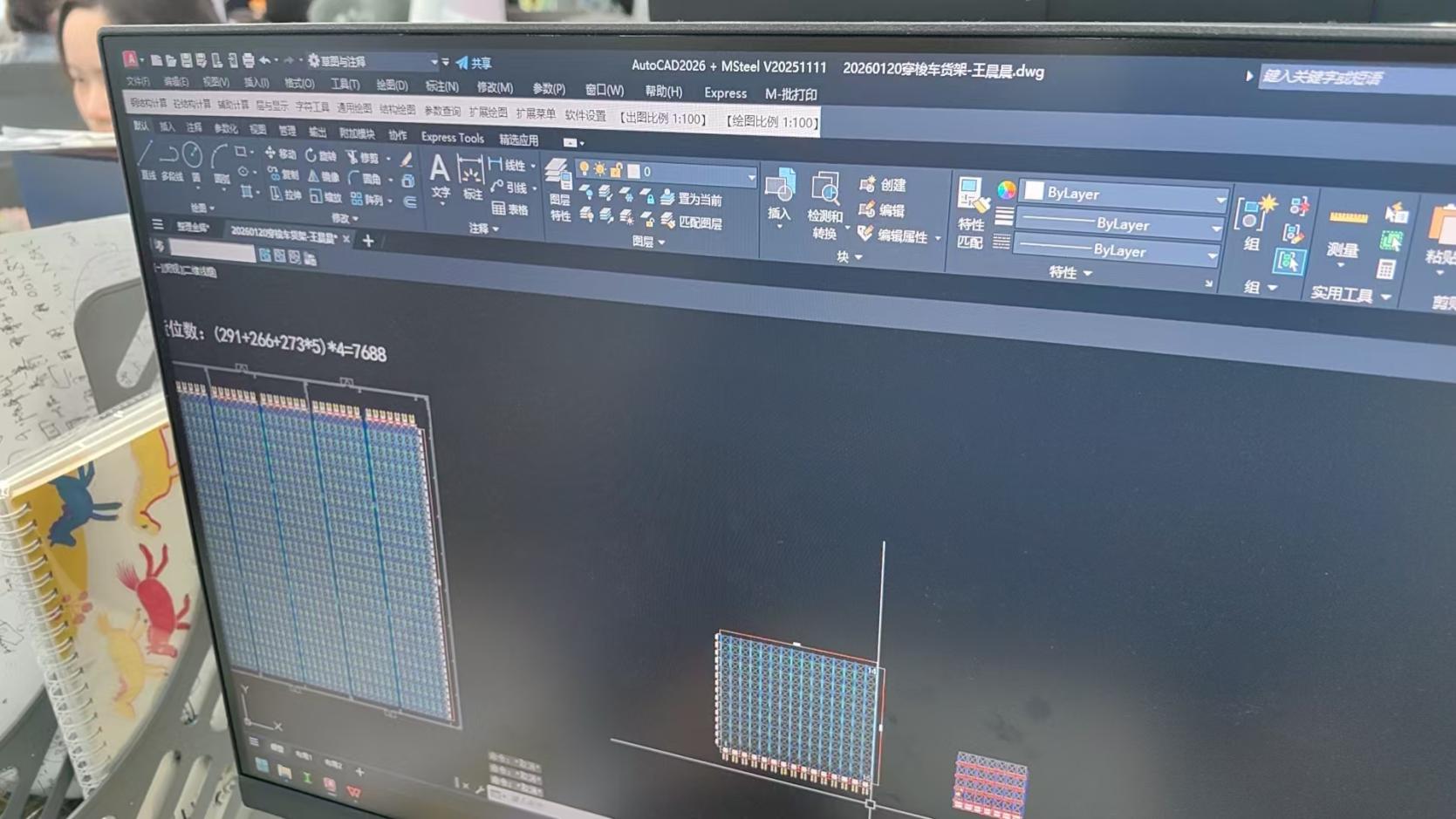
A step-by-step tour of our manufacturing facility, demonstrating our quality control checks and automated production lines.
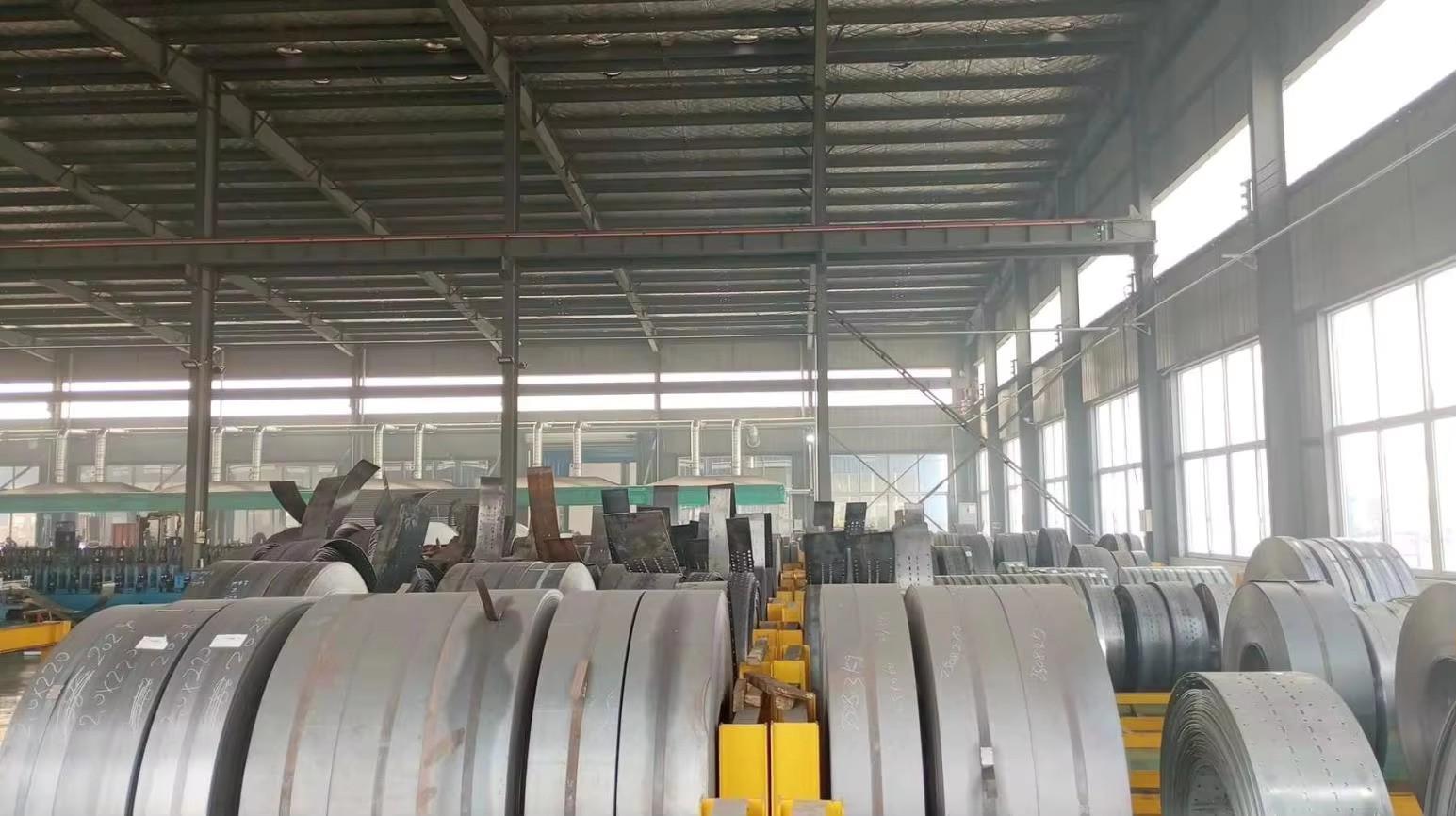
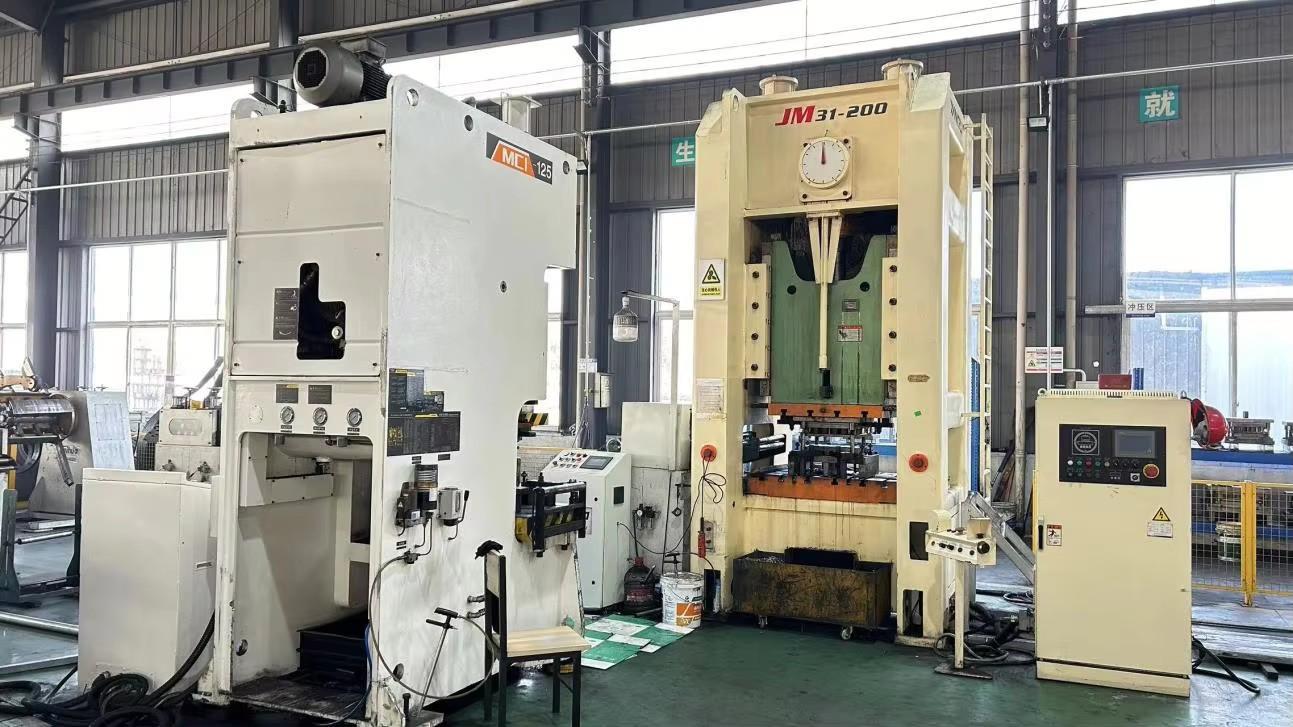
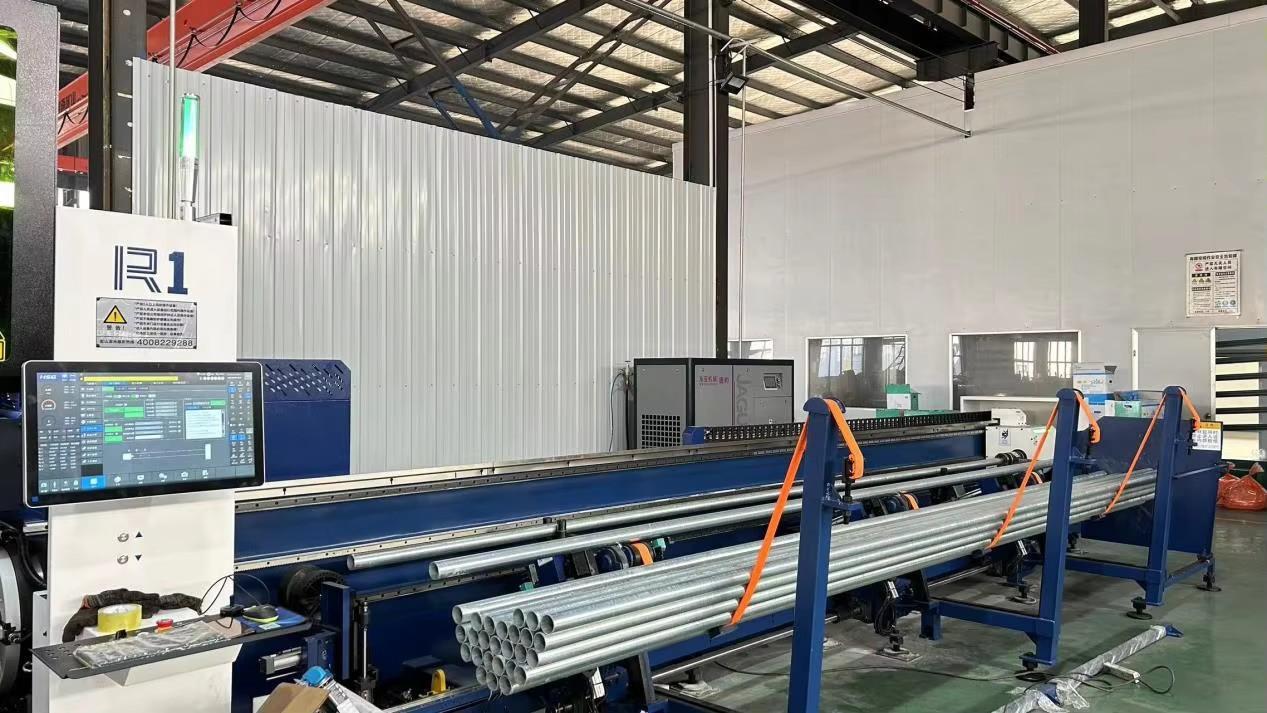
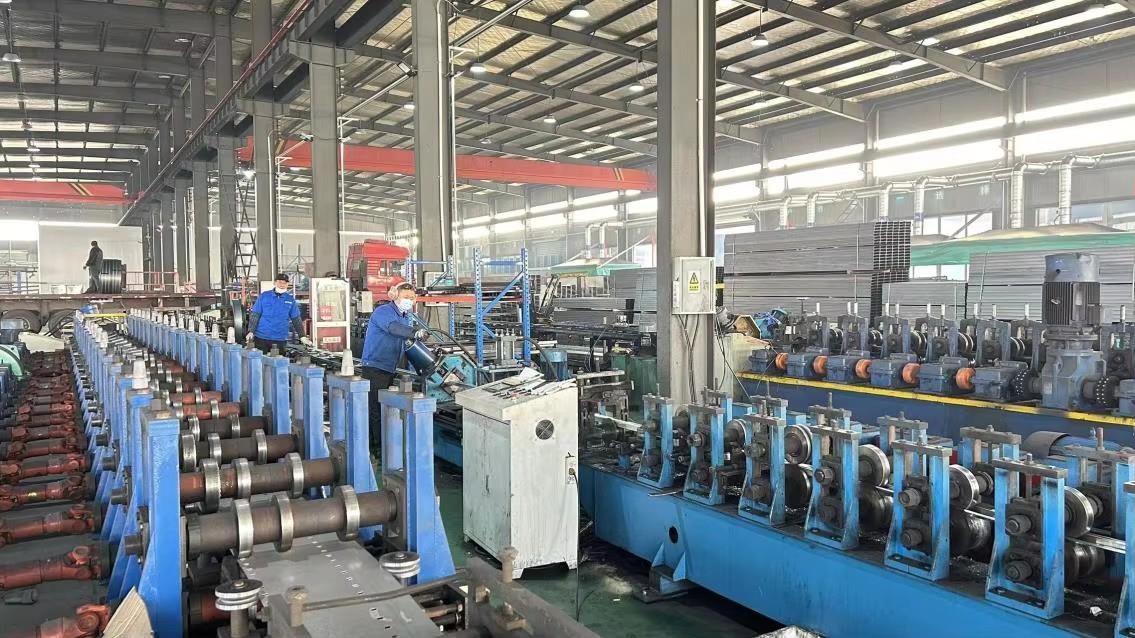
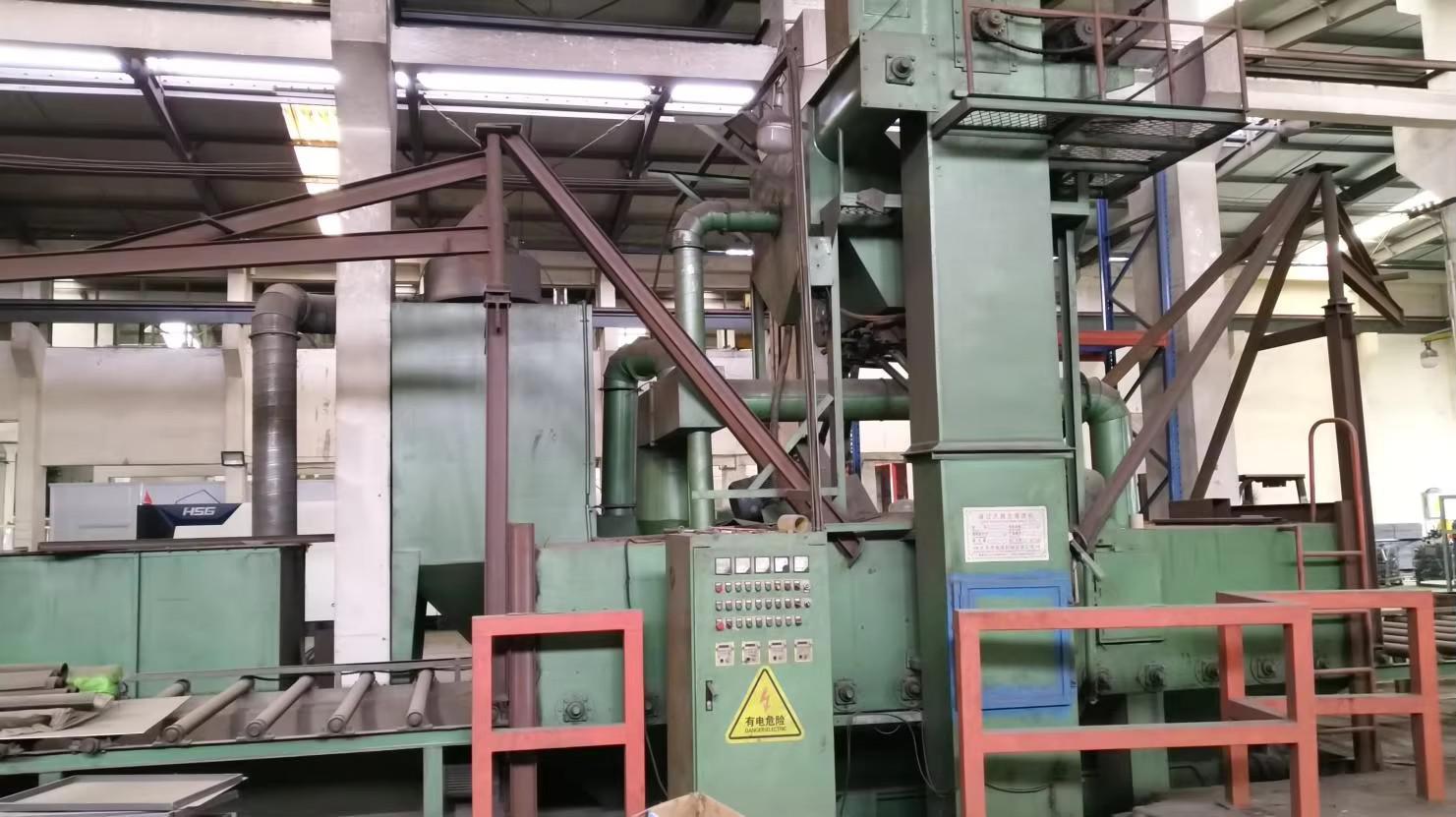
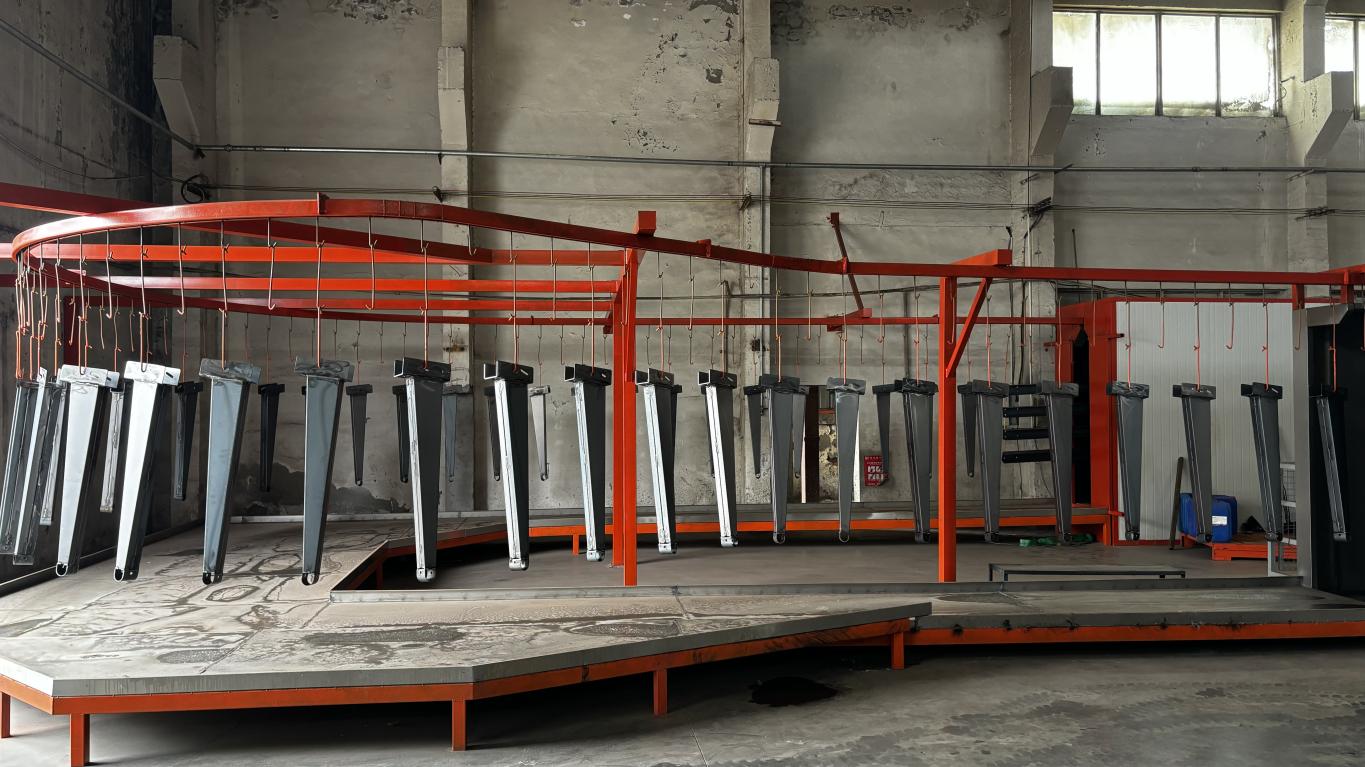
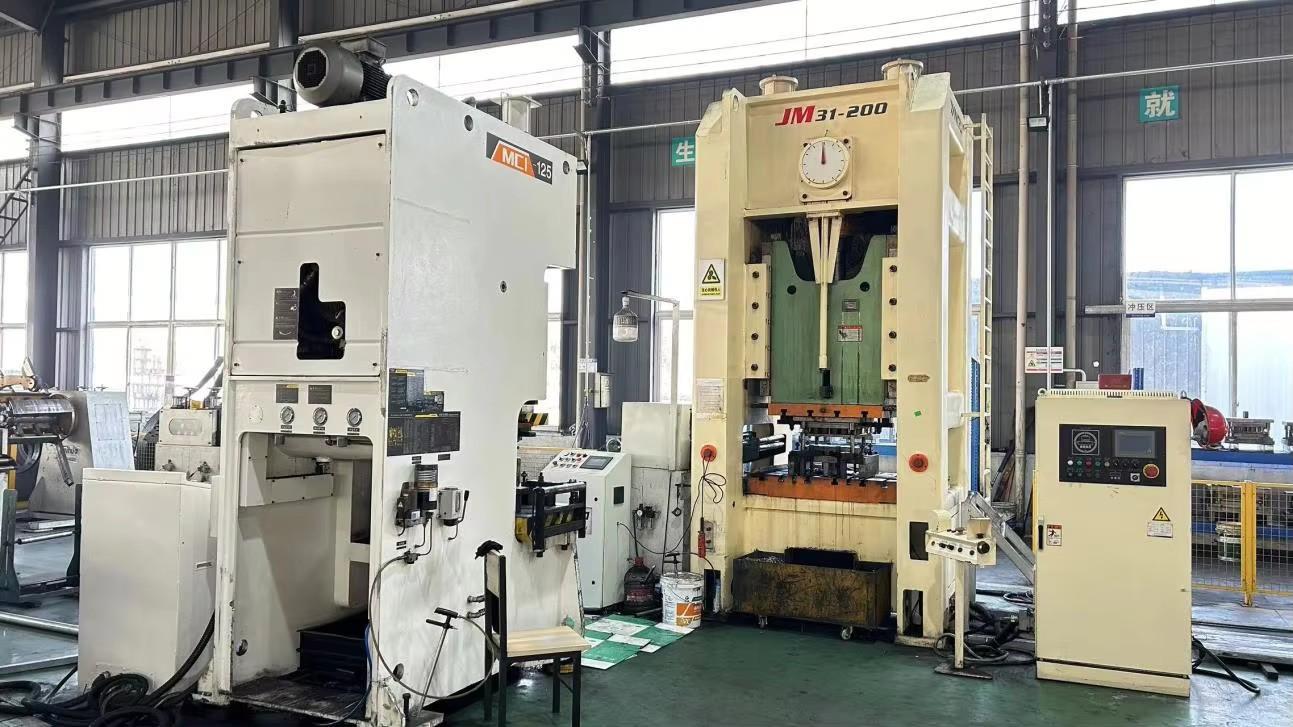
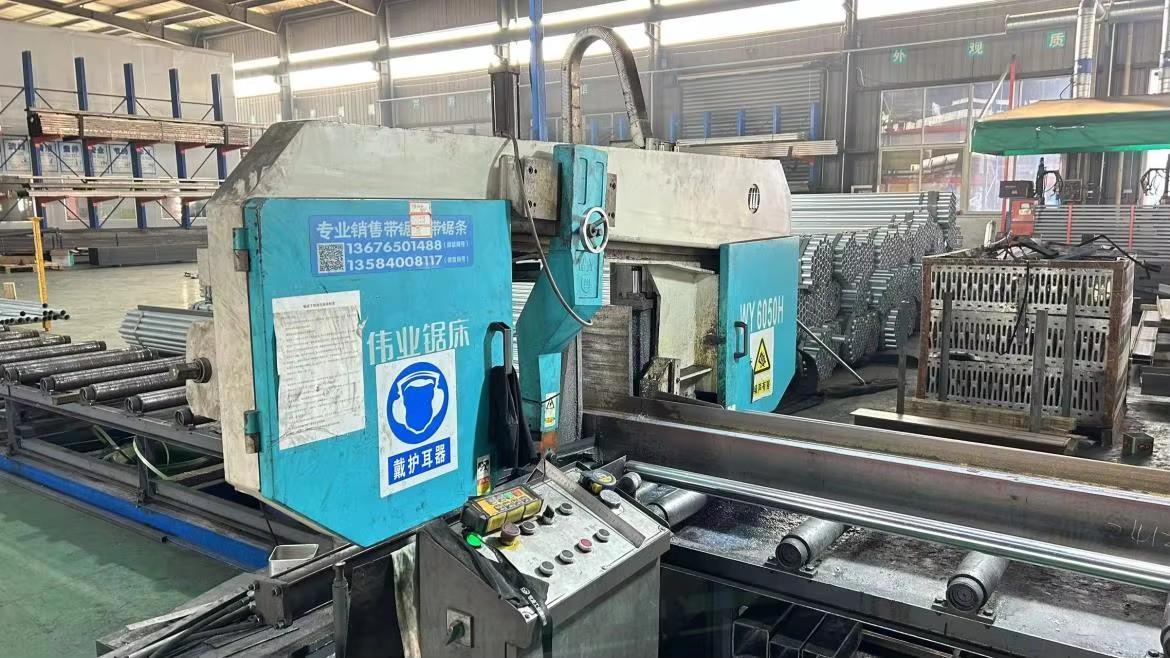
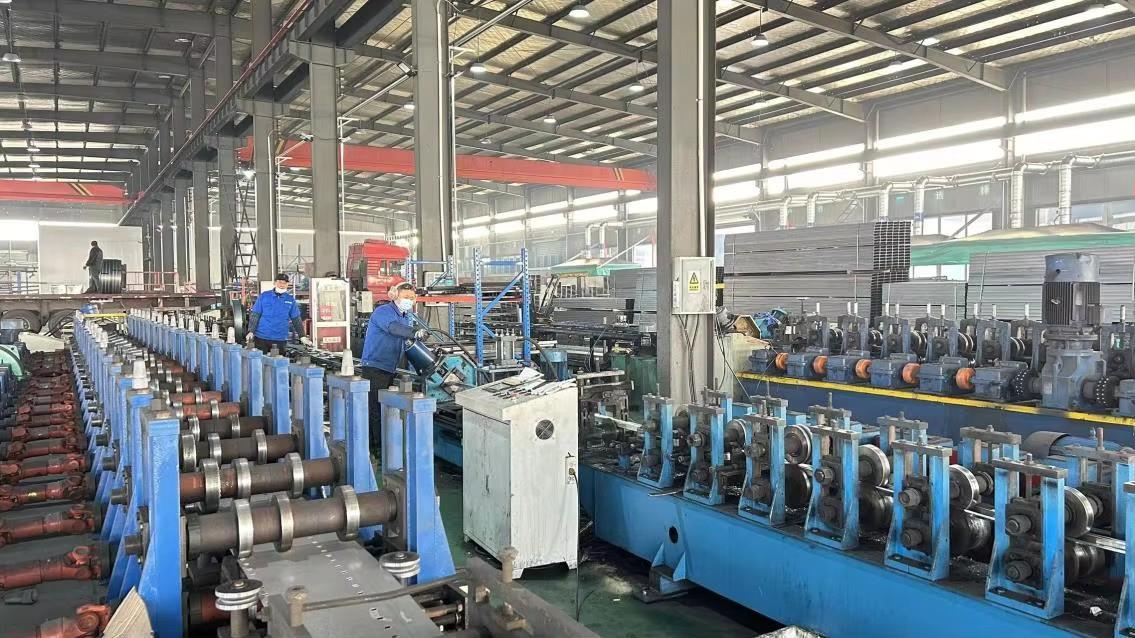
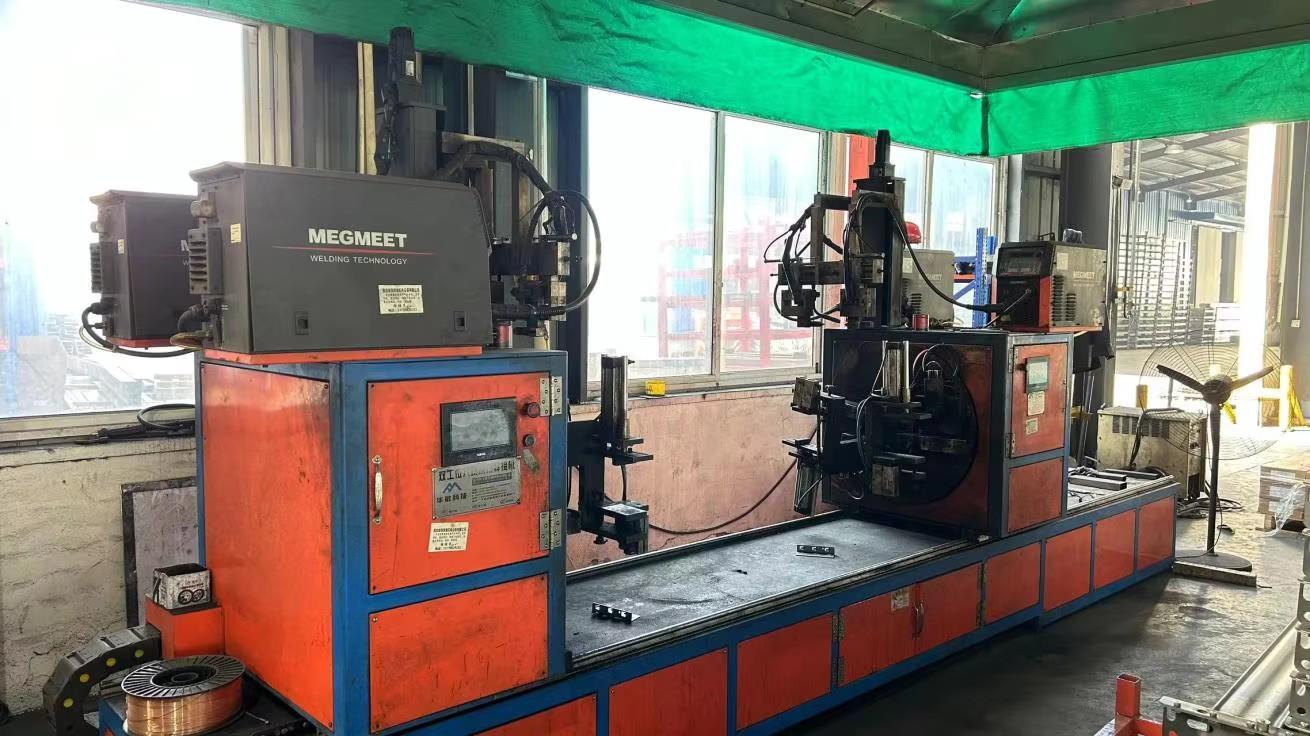
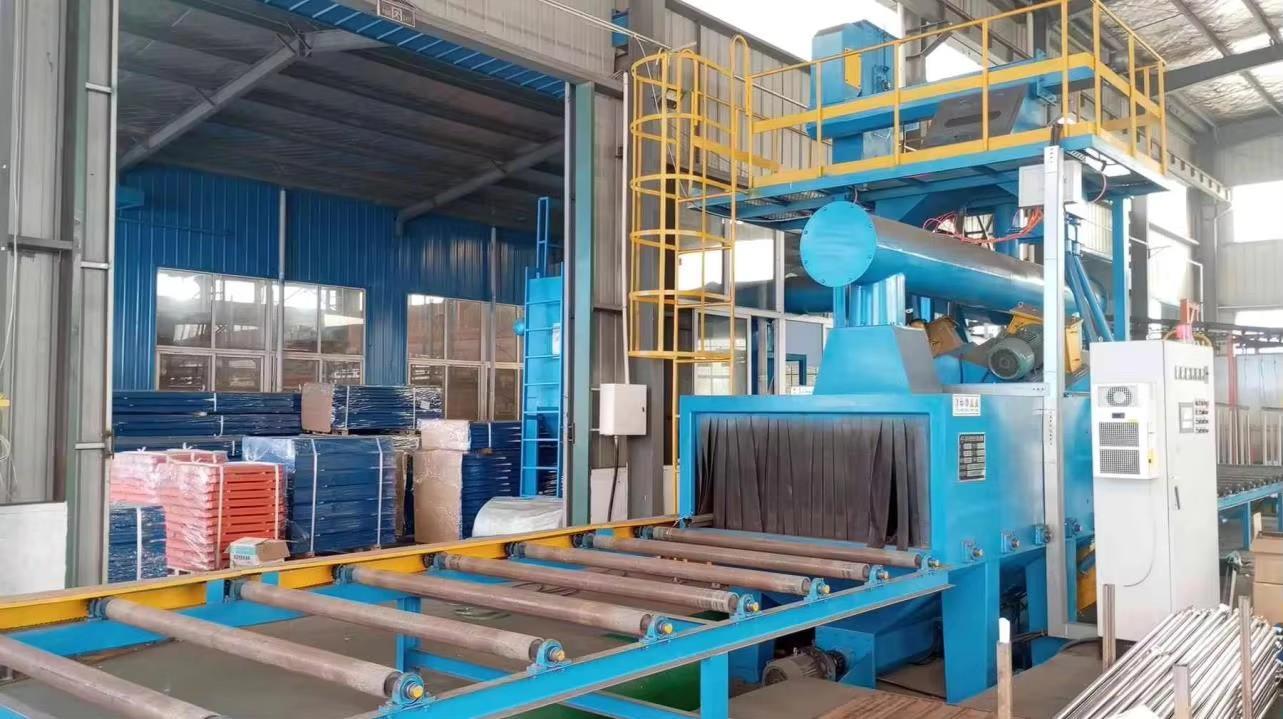
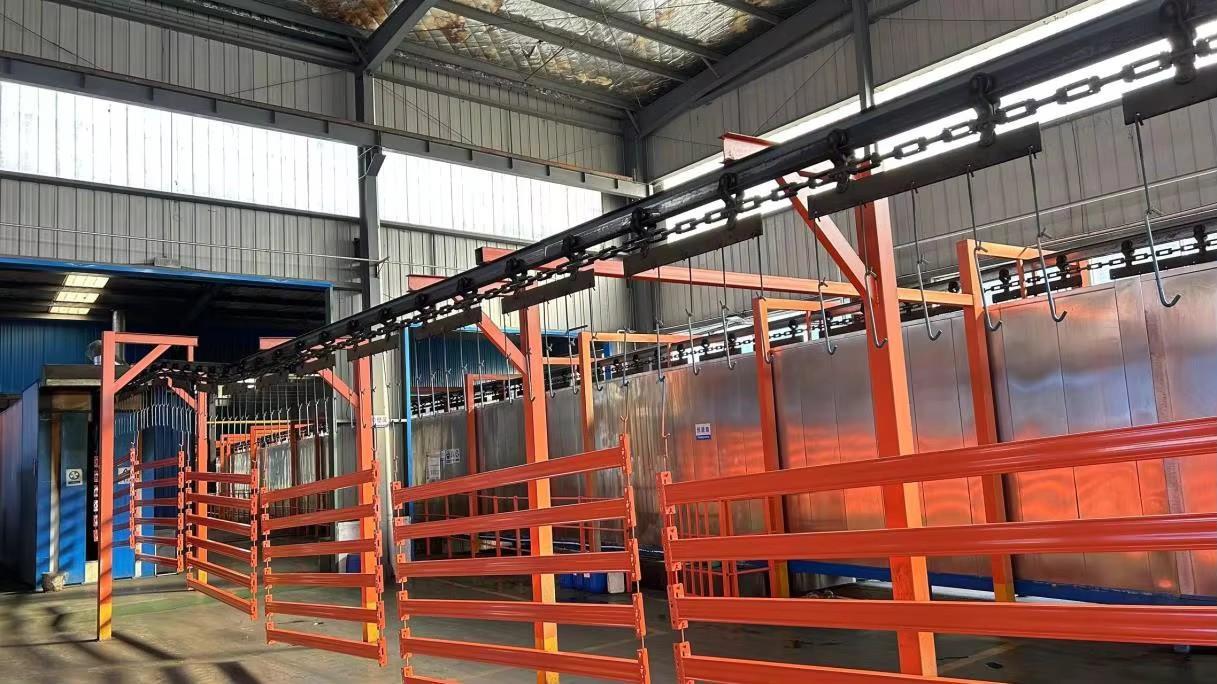
The transition from traditional storage shelves to automated warehousing structures in Japan's logistics sector.
Rising labor costs and worker shortages in Tokyo's logistics hubs drive the demand for smart automation. Modern warehousing relies on integrating standard longspan and pallet racking with Automated Guided Vehicles (AGVs), Autonomous Mobile Robots (AMRs), and robotic picking arms.
These automated systems require racking layouts designed with precise tolerances. Our manufacturing process uses laser-guided punching to maintain column alignment within fractions of a millimeter. This structural consistency ensures reliable navigation and picking for robotic warehouse systems.
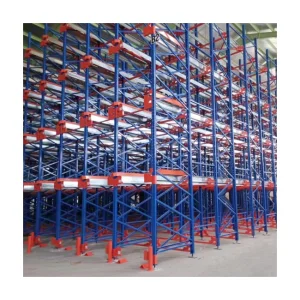
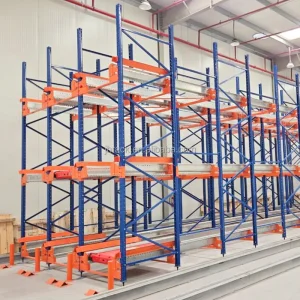
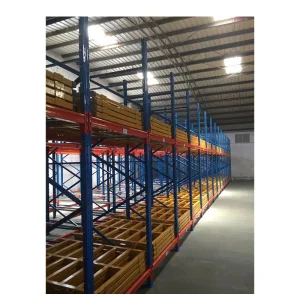
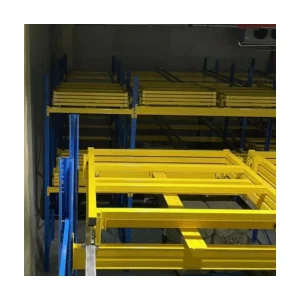
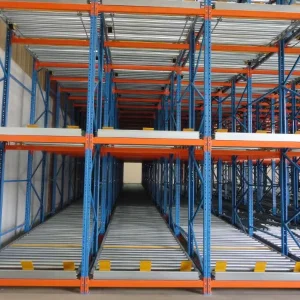
For cold storage and bulk distribution centers in Tokyo, high-density radio shuttle racking maximizes space utilization. By using remote-controlled shuttles to transport pallets within deep storage lanes, facilities minimize aisle requirements and optimize temperature control.
Our shuttle lanes are built with heavy-duty guide rails and precise vertical alignment. This structural accuracy ensures smooth shuttle movement under heavy loads, providing stable operation for automated, high-density storage facilities.
How Jinhui storage systems solve physical space and structural safety challenges in the Kanto region.
We supplied hot-dip galvanized racking systems for a cold-chain storage facility near Toyosu. The anti-corrosion finish protects the structural steel from moisture and temperature fluctuations, ensuring long-term durability in cold-storage environments.
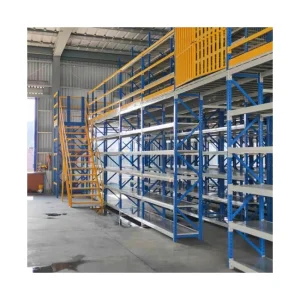
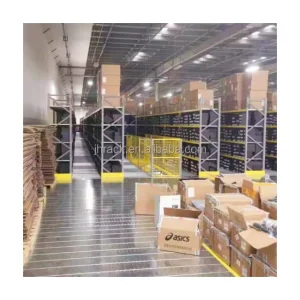
We designed and installed a multi-tier mezzanine floor with integrated longspan shelving for an e-commerce fulfillment center in Kawasaki. This multi-level configuration optimized manual pick zones and maximized vertical space utilization within the building envelope.
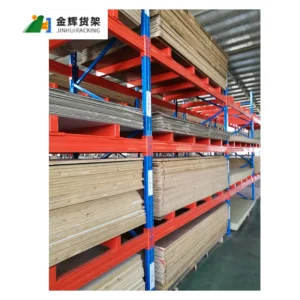
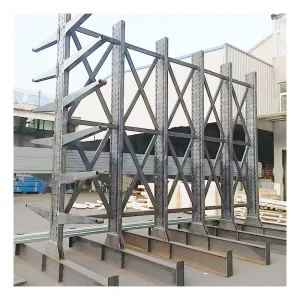
We delivered heavy-duty structural steel cantilever systems to an industrial machinery warehouse in Ota-ku. Engineered for heavy loads, these single and double-sided arms support long steel profiles and heavy equipment components safely.
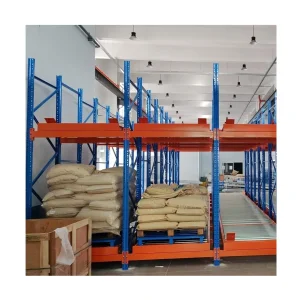
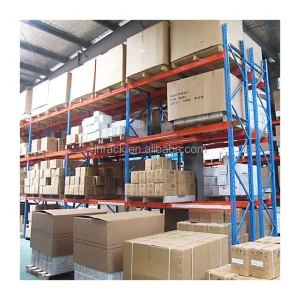
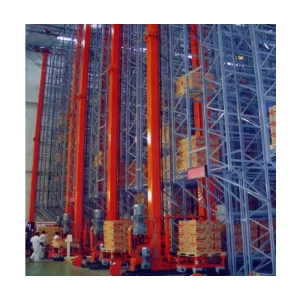
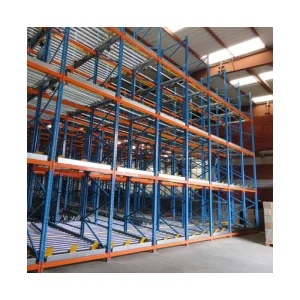
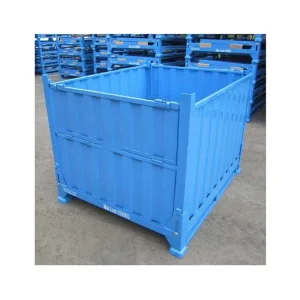
A full range of industrial-grade storage solutions, dynamic flow systems, and mezzanines engineered for Tokyo's commercial and industrial sectors.
Addressing the technical, structural, and logistical questions of Japanese buyers, procurement officers, and engineering leads.
We manufacture using structural steel that meets or exceeds the mechanical properties required by Japanese Industrial Standards. Our engineering team designs rack components, baseplates, and anchor patterns based on specific seismic load criteria for the Kanto region. We also provide full structural calculation documents to support local building approvals.
We source certified Q235B and Q355 carbon steel, which correspond to SS400 and SS490 steel grades in Japan. For surface protection, we offer high-durability electrostatic powder coating (available in custom RAL colors) as well as hot-dip galvanized finishes. Galvanized coatings are recommended for cold storage facilities and high-humidity coastal warehouses.
Production typically takes 20 to 30 days from layout approval, depending on order volume. Ocean shipping from Shenzhen or Nansha port to Tokyo Port takes about 4 to 6 days. We coordinate all container planning and load distribution to optimize shipping costs and protect structural pieces during transit.
Yes. Our engineering department uses AutoCAD and SolidWorks to create customized storage configurations based on your building dimensions, bay layouts, and handling equipment. We adjust beam lengths to fit Japanese T11 pallets and design column heights to match your material handling reach.
Our quality management system is certified to ISO 9001. A team of 46 quality control inspectors monitors the manufacturing process from raw material verification through welding quality and coating thickness. We perform load testing on every product batch and provide material traceability reports before shipment.
We supply complete installation manuals, elevation prints, and assembly drawings for every project. For complex installations, including multi-tier mezzanine floors or automated shuttle systems, we can arrange online video consultations to support your local Japanese installation crew.
Get in touch with our engineering team for customized structural designs, seismic load analysis, and competitive pricing for the Tokyo market.
 Jinhui Storage Equipment