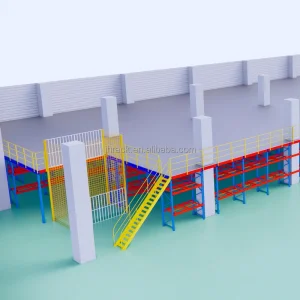
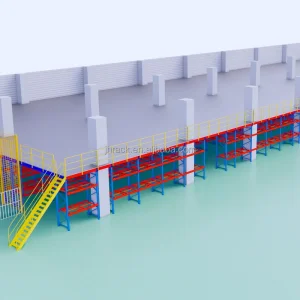
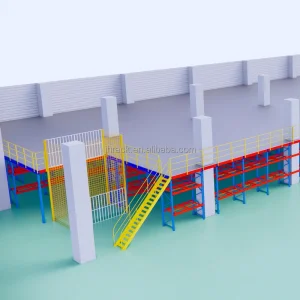
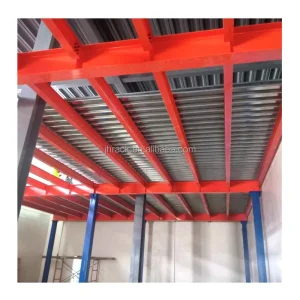
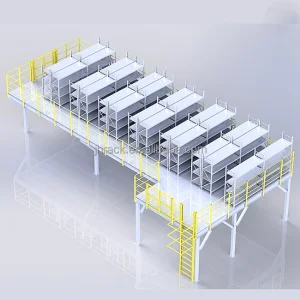
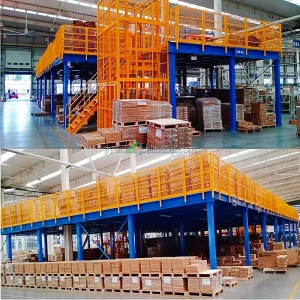
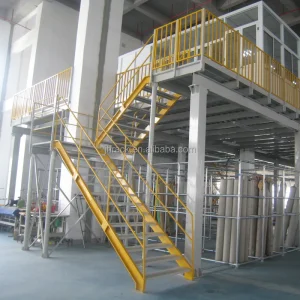
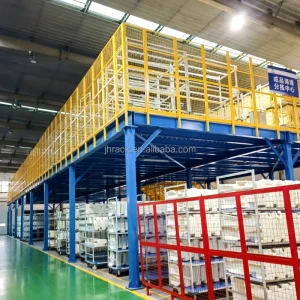
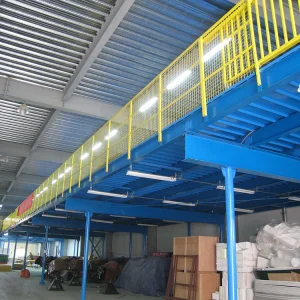
Premium customized structures engineered for heavy load applications across industrial and distribution frameworks in the New York trade zone.
Industrial Engineering Expertise
Advanced Industry 4.0 Facility
Annual Global Export Volume
Certified Quality Control
The industrial landscape in the New York metropolitan area—encompassing New York City’s boroughs, Long Island, and the critical logistics corridors of New Jersey—is experiencing unprecedented spatial constraints. High land acquisition costs, reaching over $350 per square foot in urban hubs, combined with strict zoning regulations, make horizontal warehouse expansions economically unviable. For third-party logistics (3PL) providers, e-commerce fulfillment centers, and manufacturing plants, optimization of the vertical envelope is the only sustainable growth model.
Modern material handling strategies require dynamic systems that convert unused ceiling clearances into structural assets. Prefabricated structural steel mezzanine platforms address this requirement, immediately doubling or tripling usable square footage without the long permit lead times and capital expenses associated with brick-and-mortar facility expansions. By introducing structural mezzanines, New York enterprises can capitalize on cubic capacity, supporting localized operations like light assembly, high-density order picking, and technical office integrations.
SEO Insight & Intent: Industrial buyers in New York search for robust, local building code-compliant mezzanine platforms. As structural systems must support dynamic warehouse loads, selecting a fabricator with deep knowledge of AISC standards and NYC Building Codes is critical to minimizing compliance delays.
Integrating a mezzanine floor system in the New York market demands adherence to rigorous structural codes. The New York City Department of Buildings (DOB) regulates mezzanine installations under Section BC 505 of the NYC Building Code. This stipulates that the aggregate area of a mezzanine within a room cannot exceed one-third (33.3%) of the floor space in which it is situated, except in specific industrial settings equipped with approved fire-suppression systems, where it may extend to one-half (50%) of the floor area.
Structures must be certified to withstand localized ground acceleration profiles according to USGS seismic hazard maps for the northeastern United States.
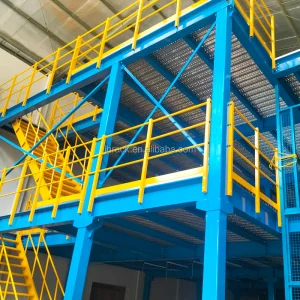
Integrated handrails, kicking plates, and spring-loaded safety gates configured to prevent workplace injuries in multi-tier warehouse environments.
All load-bearing members must utilize structural steel certified under ASTM A36 or ASTM A572 Grade 50 standards to guarantee yield and tensile limits.
From an structural engineering perspective, mezzanine design requires a precise understanding of dead loads (the self-weight of the steel structure) and live loads (dynamic storage weight, equipment, and pedestrian traffic). Typical industrial mezzanines are engineered for a live load rating ranging from 125 PSF (pounds per square foot) for light assembly to upwards of 250 PSF or higher for heavy pallet storage. Dongguan Jinhui Storage Equipment Co., Ltd. customizes each platform to ensure total alignment with both New York's municipal building parameters and rigorous federal OSHA mandates, ensuring safe and code-compliant installations.
Structural platforms are not a single-type solution; they require design modifications based on operational tasks. Below, we examine the typical structural configurations deployed across primary industrial sectors:
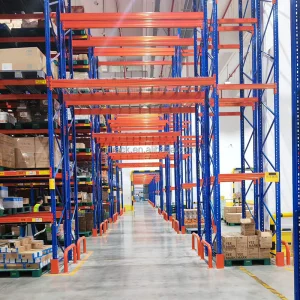
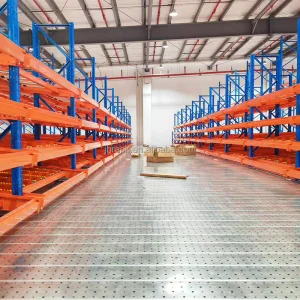
In high-velocity fulfillment operations, time-to-market is the primary metric. Multi-tier mezzanine rack systems utilize integrated carton flow lanes and rack-supported structures. These setups optimize inventory accessibility by leveraging FIFO (First-In, First-Out) inventory dynamics. By pairing carton flow lanes with continuous overhead platforms, warehouses can separate replenishment activities from order-picking routes, reducing picker path travel times by up to 40%.
Cold storage facilities feature high operating costs per cubic meter due to refrigeration energy consumption. In these environments, Maximizing space efficiency is crucial. Galvanized steel mezzanine systems resist rust and moisture degradation down to sub-zero temperatures. The open mesh steel grating option ensures optimal airflow from overhead HVAC evaporators, maintaining uniform cold air distribution and preventing micro-climate heat pockets.
Heavy machinery manufacturing, tooling facilities, and automotive assembly plants require high-strength platforms designed to handle massive static weights and dynamic equipment vibrations. Custom-engineered structural columns with wide-flange beams (I-beams) provide the necessary stability to resist structural fatigue. These platforms support CNC setups, clean-room enclosures, and mechanical units above the manufacturing floor, freeing up ground-level space for assembly line processes.
Bulk storage attic platforms are configured to store slow-moving SKUs, seasonal goods, and packaging materials. Longspan shelving and attic mezzanines provide flexible layouts without restricting ground-level forklift traffic. By using wide-column configurations (clear-span layouts up to 30 feet), forklifts can safely move underneath, while the upper deck supports high-density hand-stack storage.
The industrial sector is transitioning toward highly automated environments. The design and implementation of mezzanine platforms are shifting to support these technological advances. Key trends shaping the future of industrial mezzanine flooring systems include:
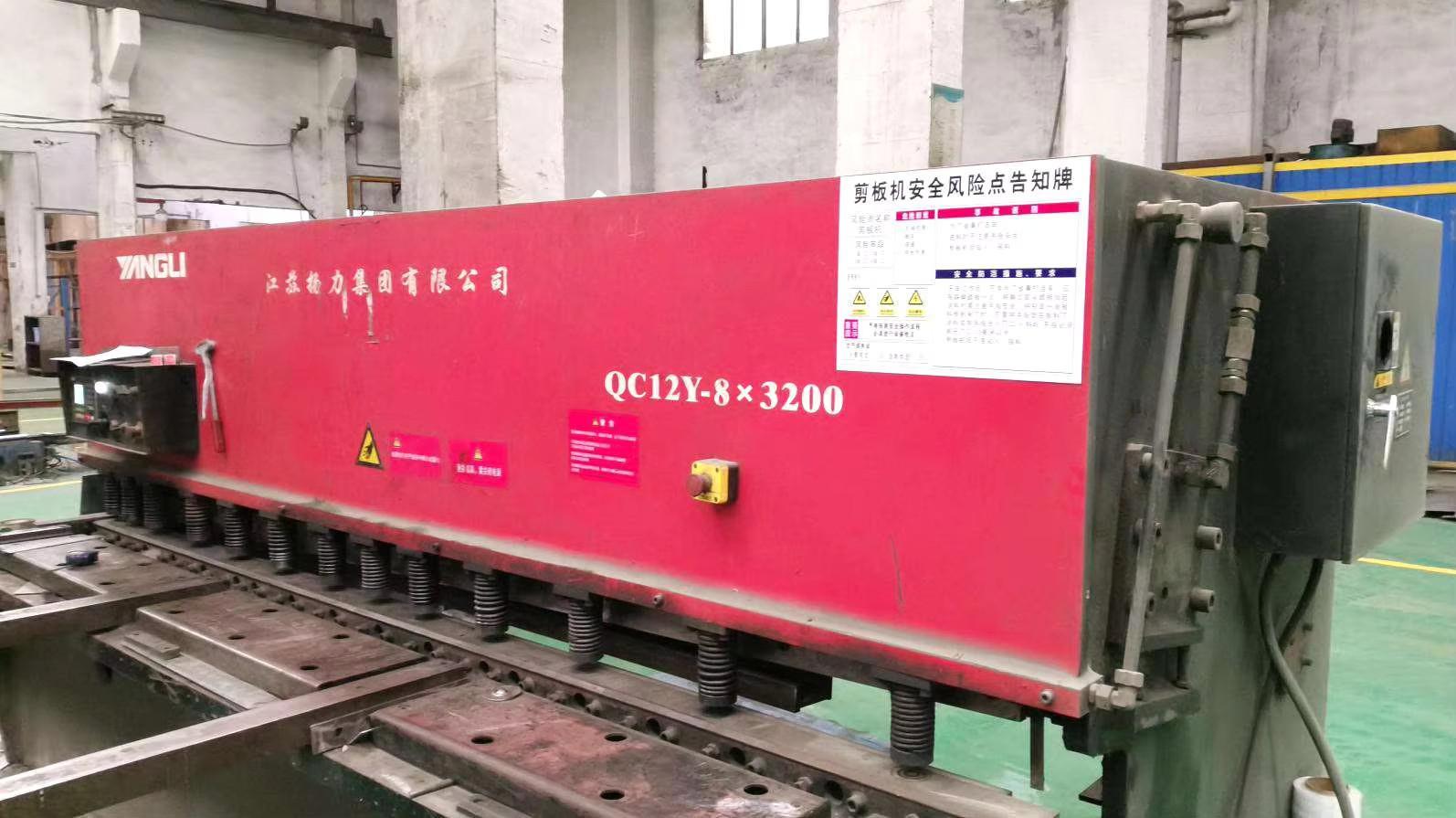
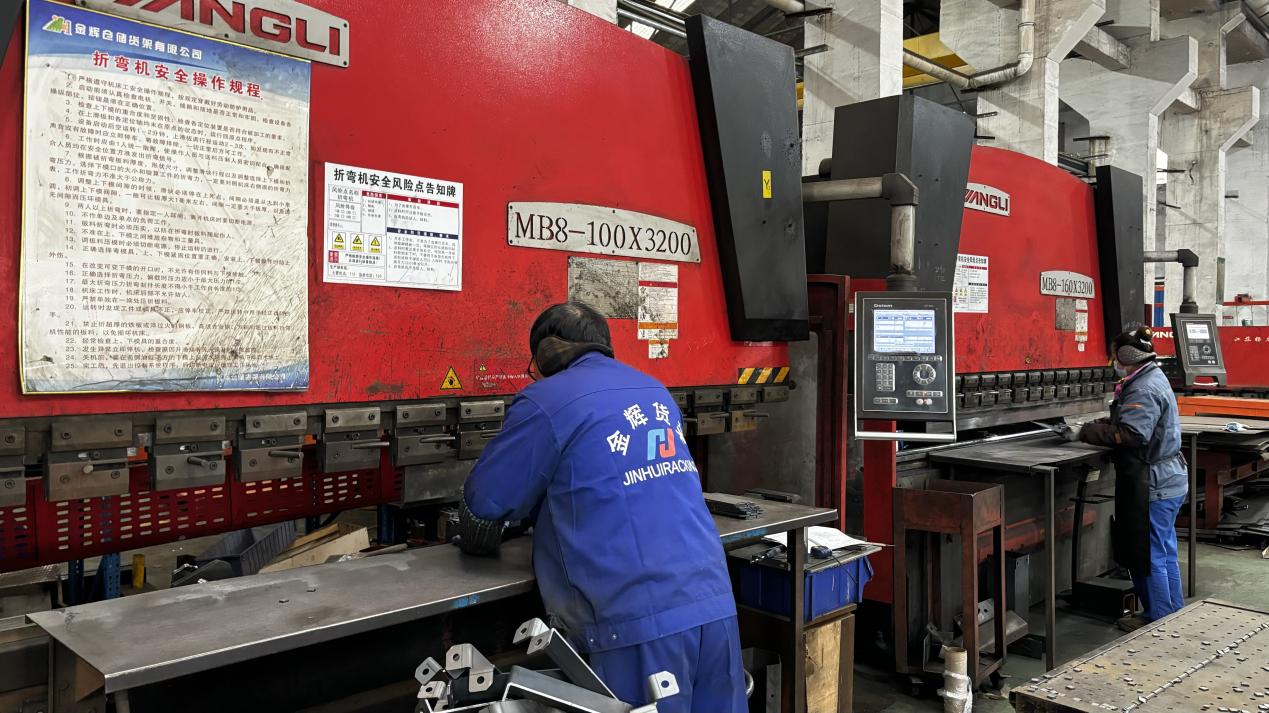
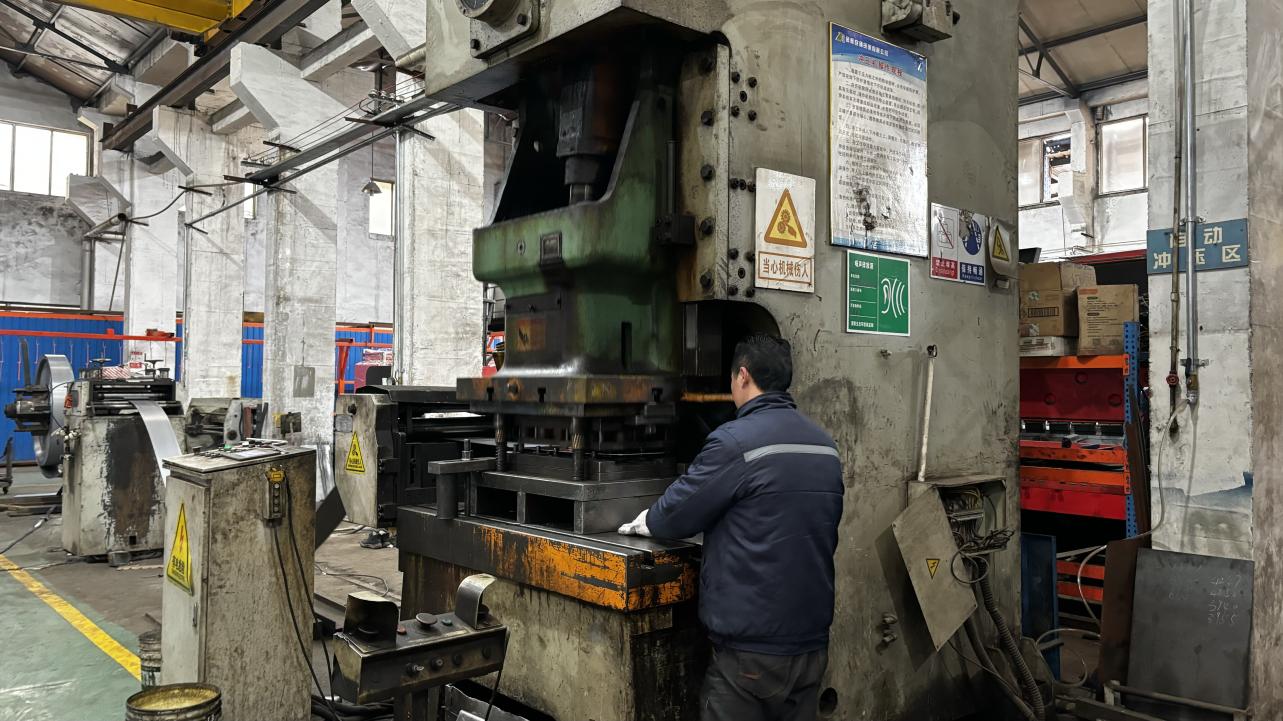
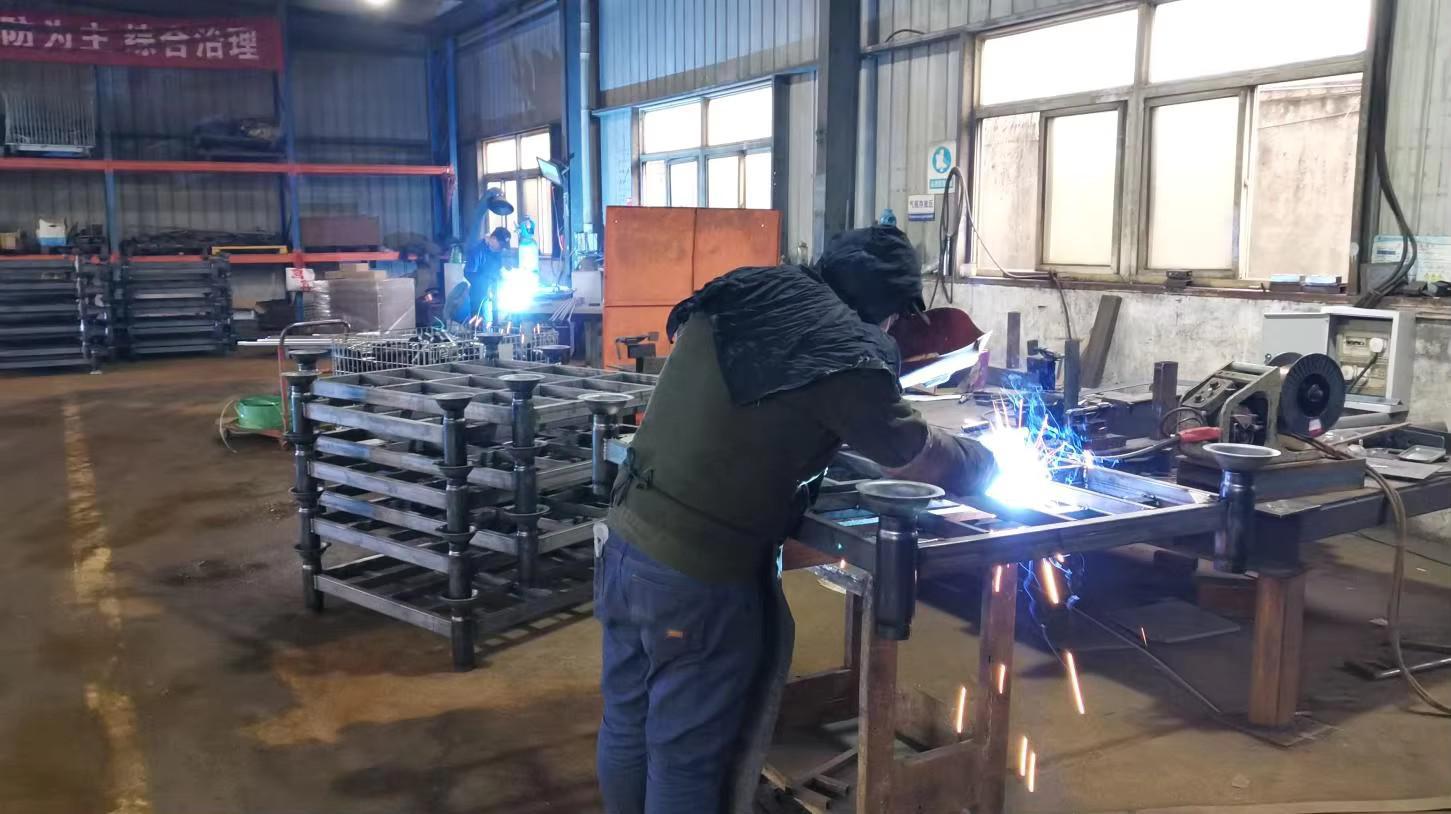
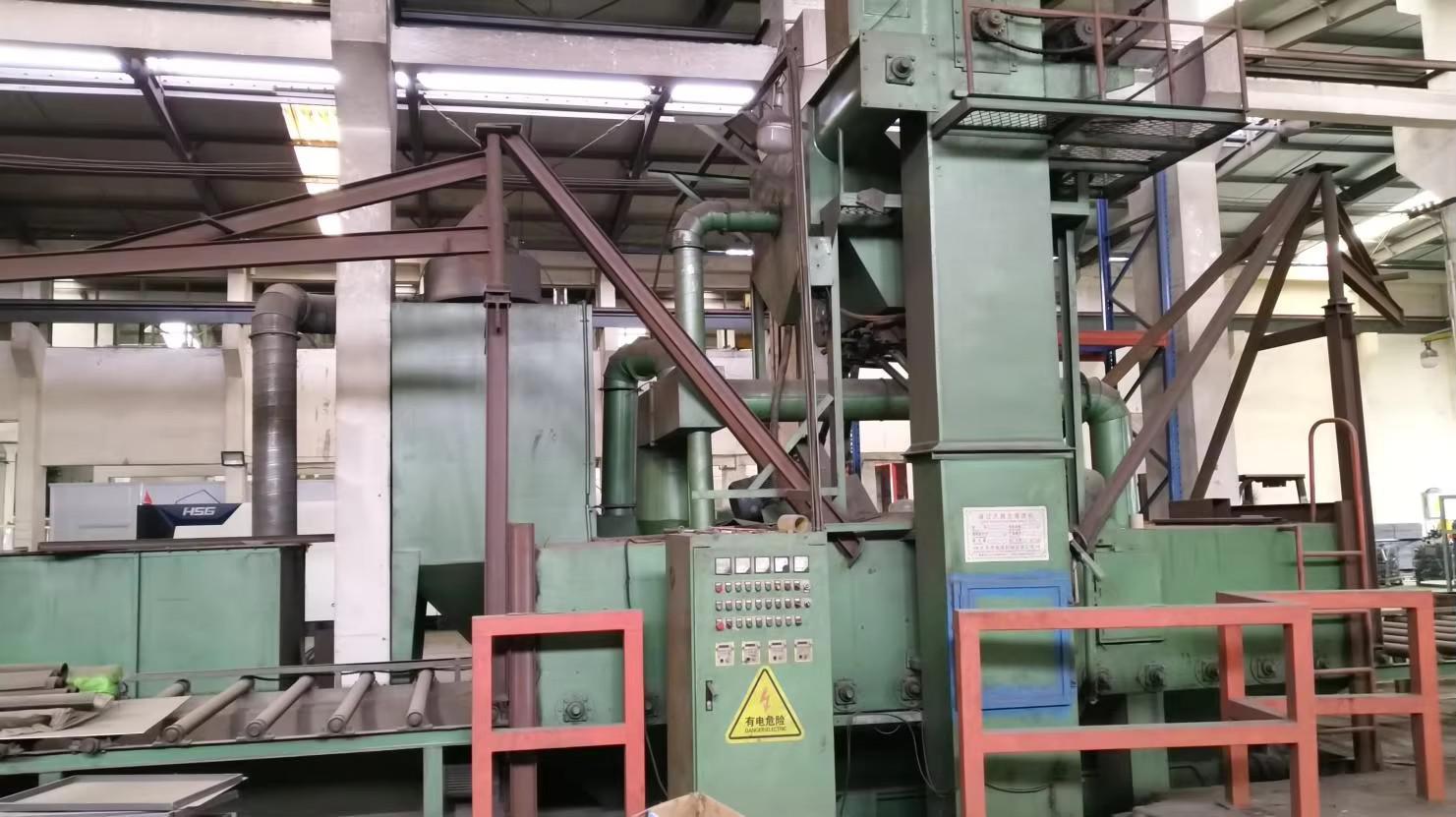
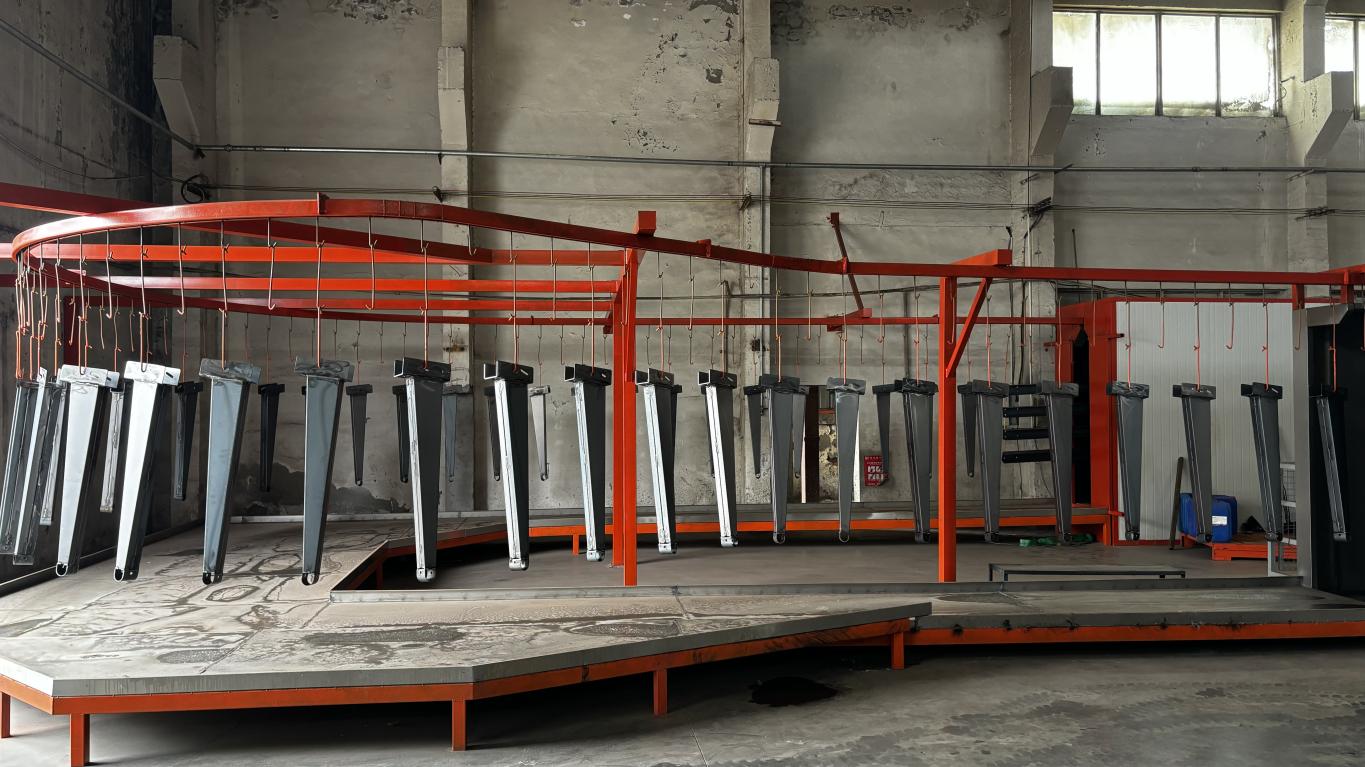
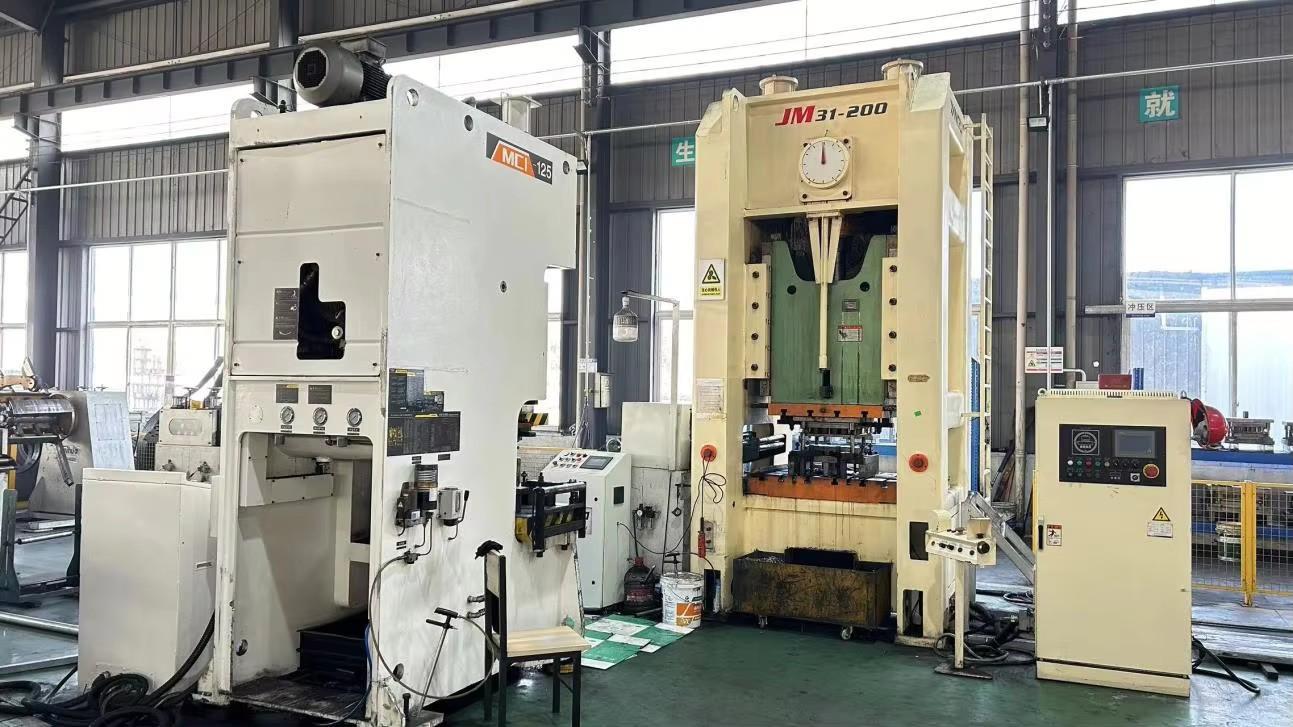
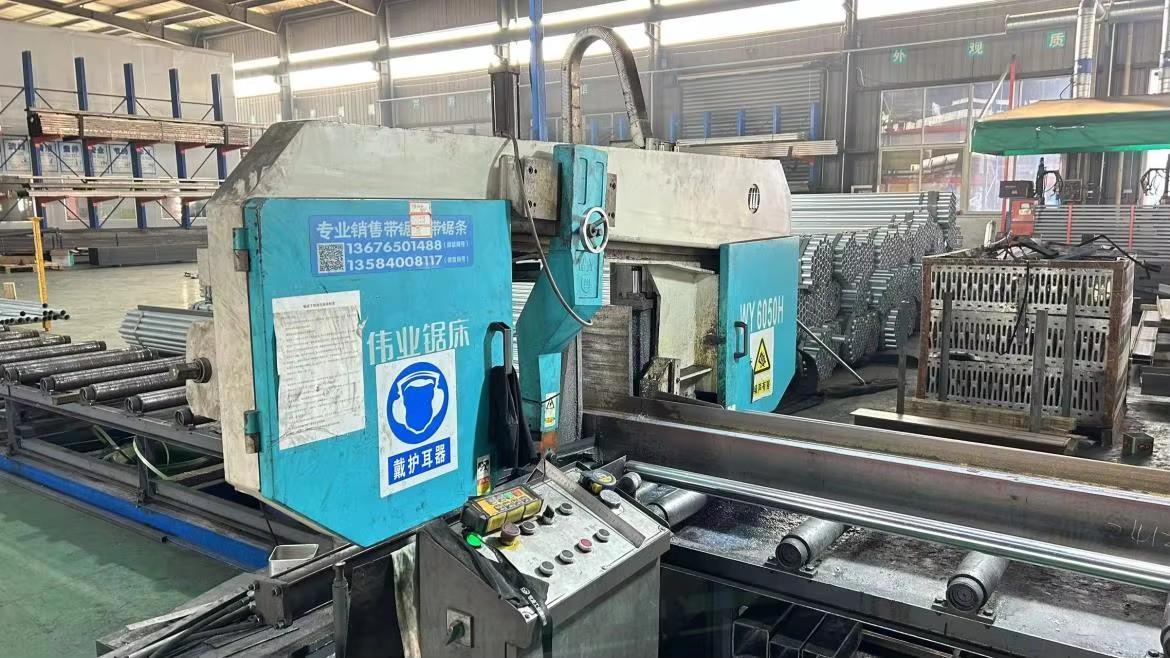
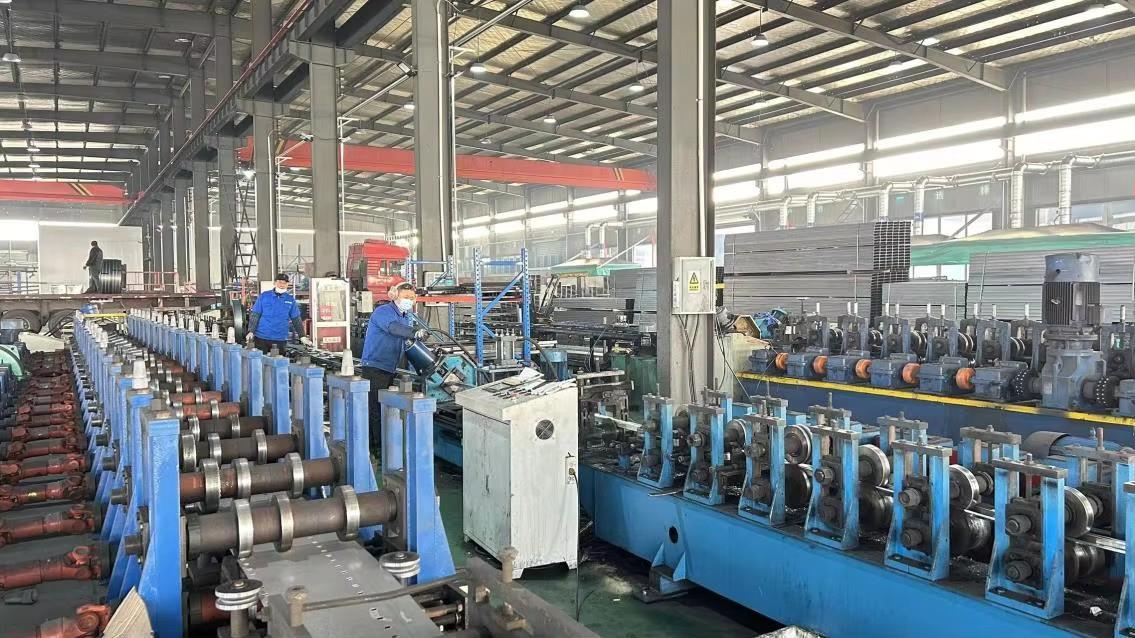
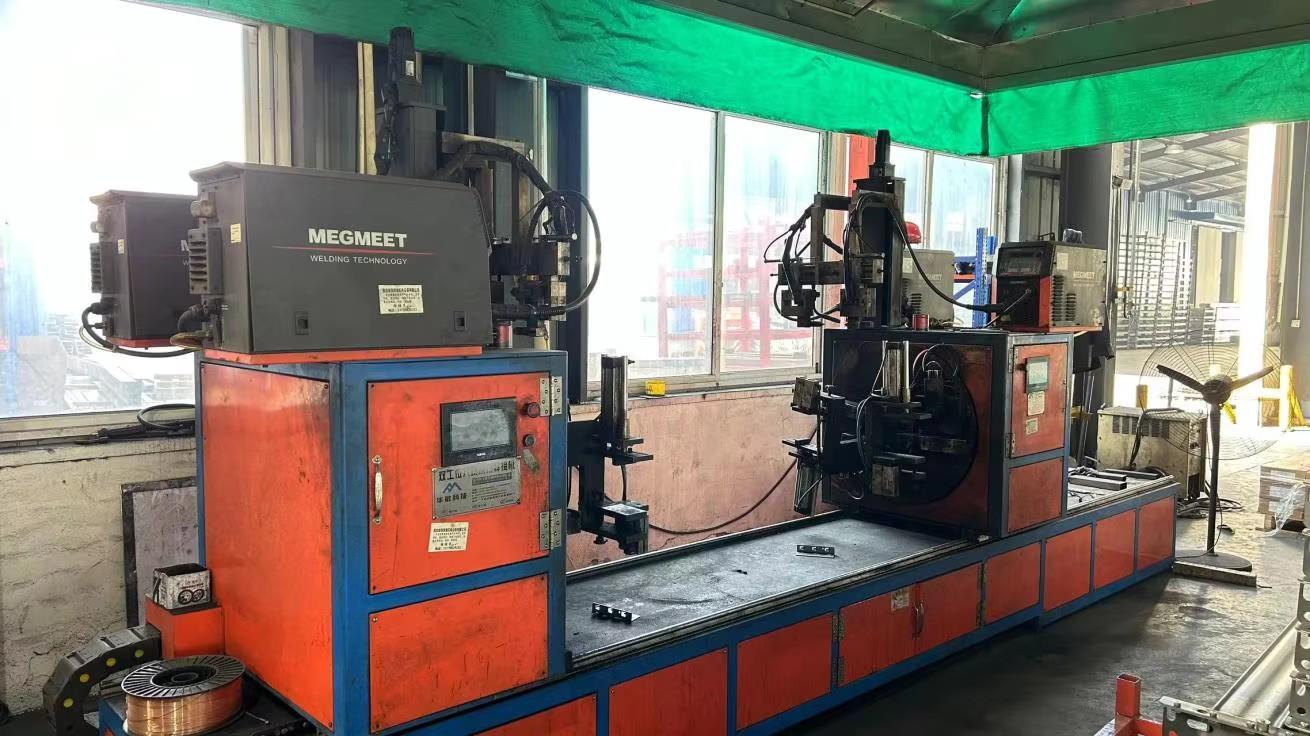
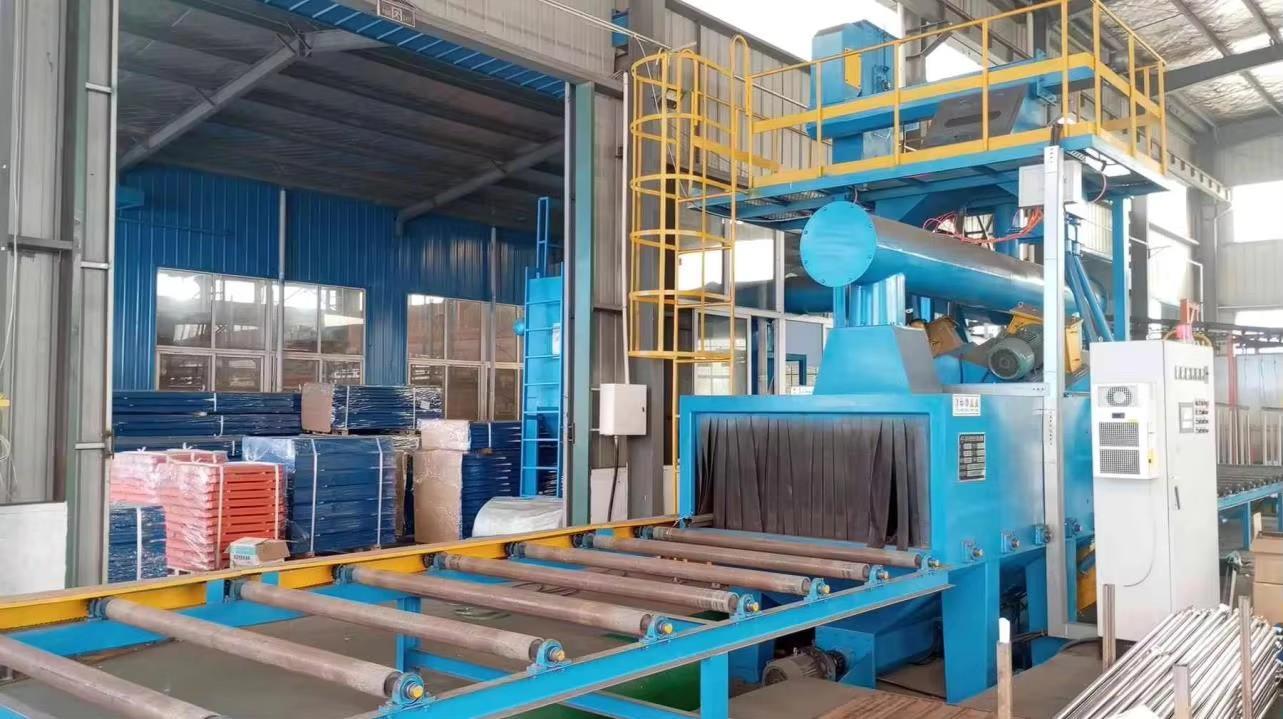
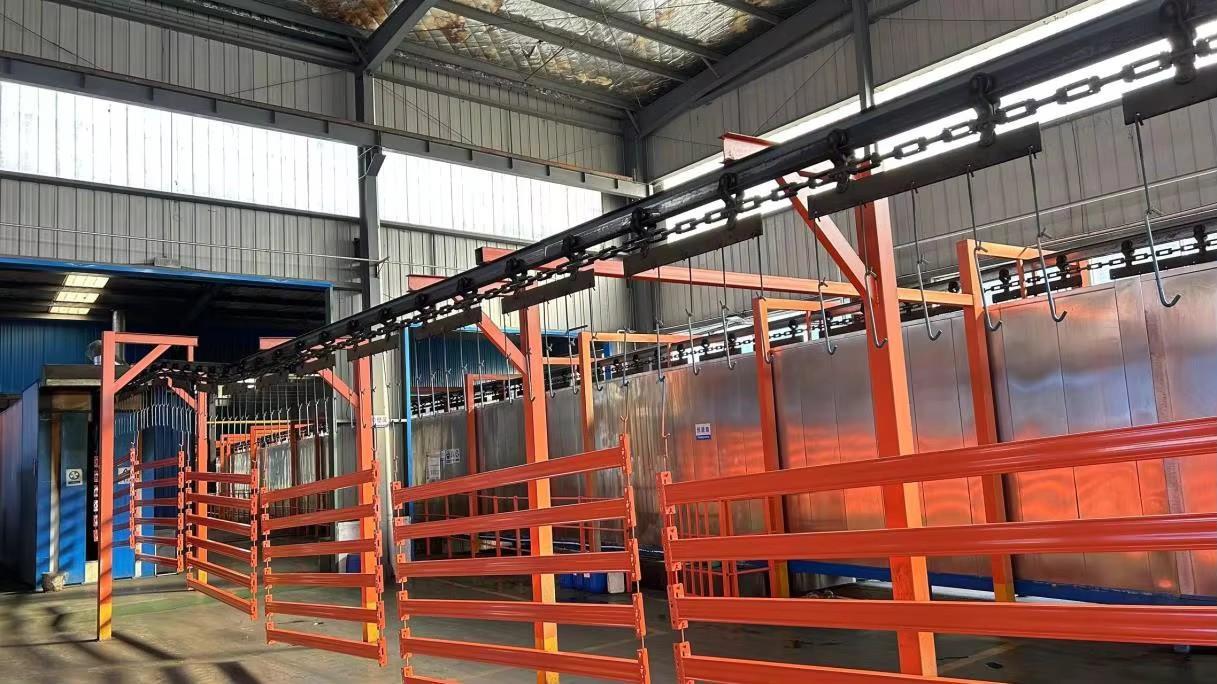
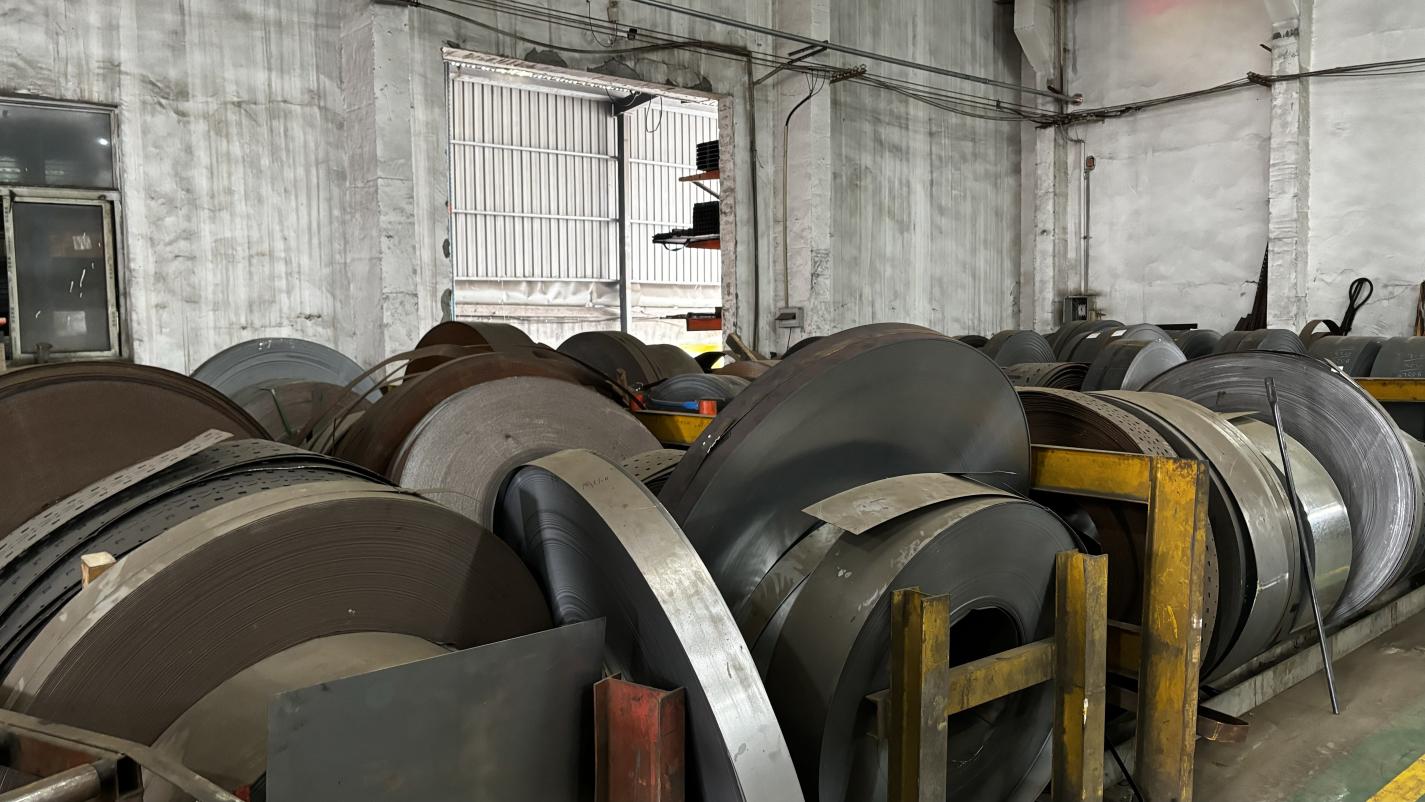
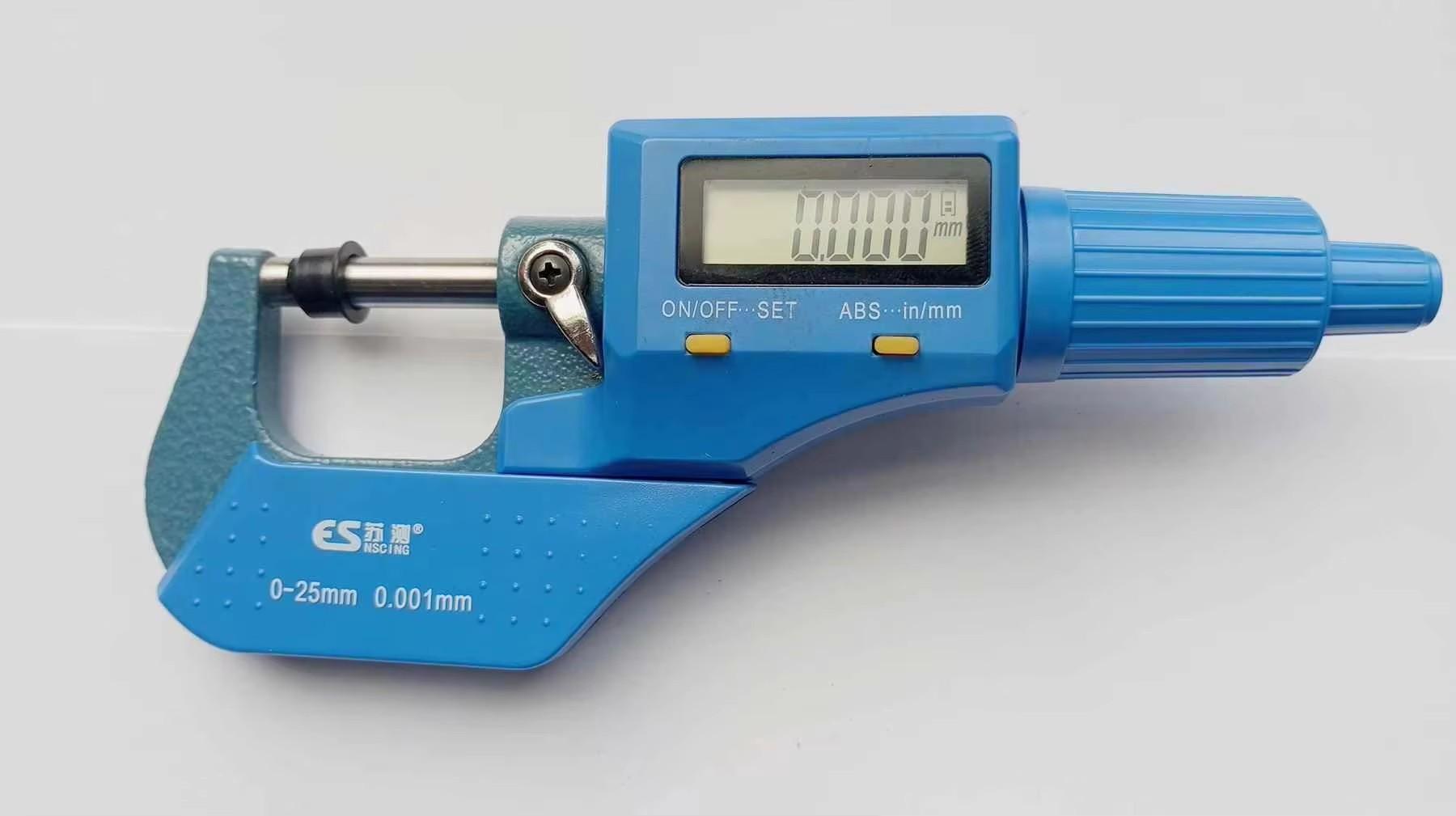
Dongguan Jinhui Storage Equipment Co., Ltd. operates at the intersection of structural engineering and advanced fabrication technology. Operating from an 18,600 square meter manufacturing plant in Dongguan, China, our production lines utilize CNC high-precision laser cutters, robotic welding systems, and fully automated electrostatic powder-coating lines. This level of automation ensures consistent component tolerance, matching structural plans to within +/- 1mm.
We source raw materials from premier domestic steel mills, utilizing high-quality Q235B and Q355B structural steel to guarantee performance standards equivalent to ASTM A36 and ASTM A572. Our 980 supply chain partners ensure cost-effective raw material procurement, protecting clients from raw material price volatility. With an annual export volume of USD 16 million and structural projects delivered across 50 countries, Jinhui combines cost-effective Chinese manufacturing with compliance to American standards, including AISC, RMI, and local building codes.
A transparency showcase of our step-by-step manufacturing and quality inspection processes, ensuring structural reliability before shipment.
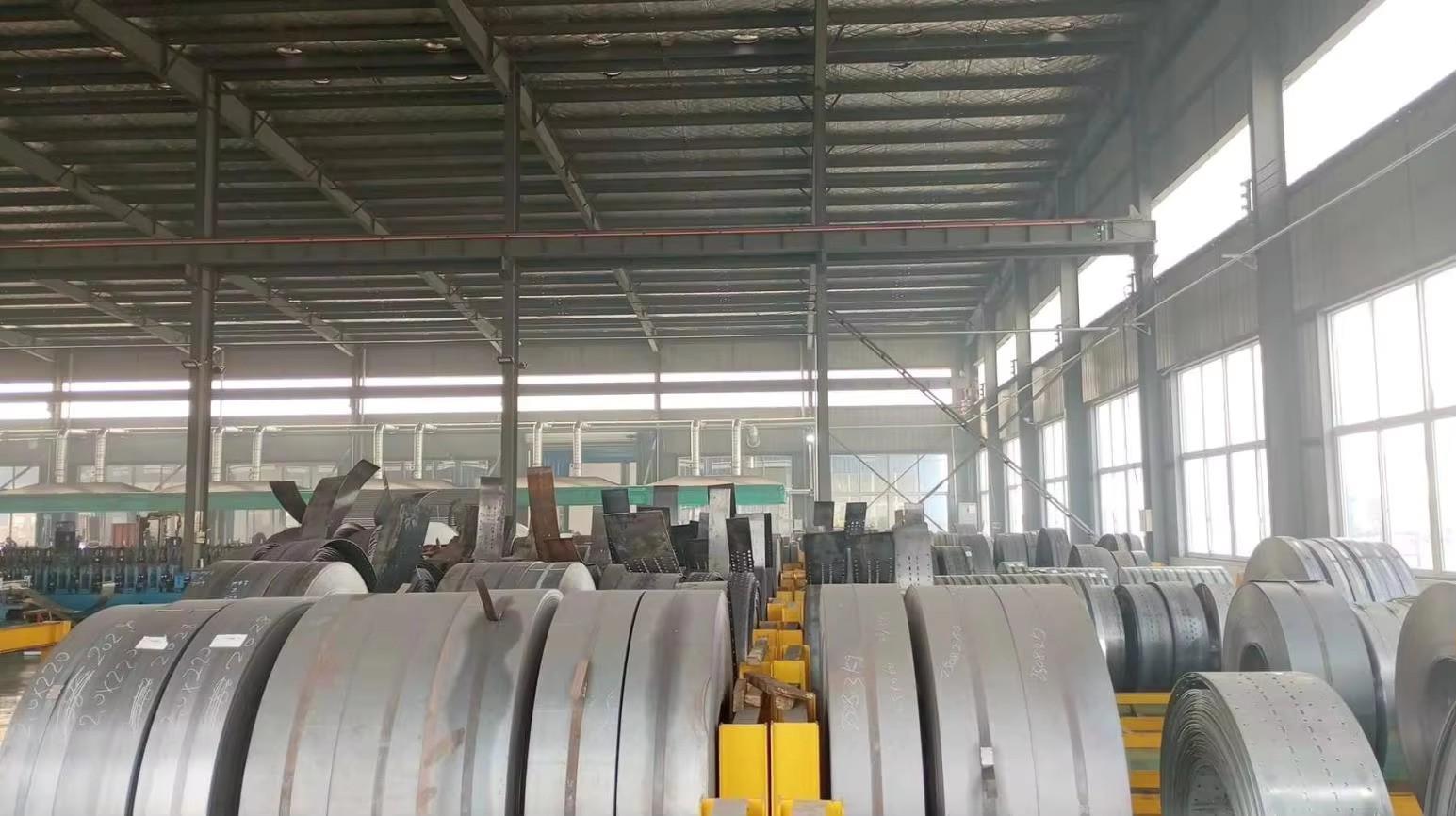
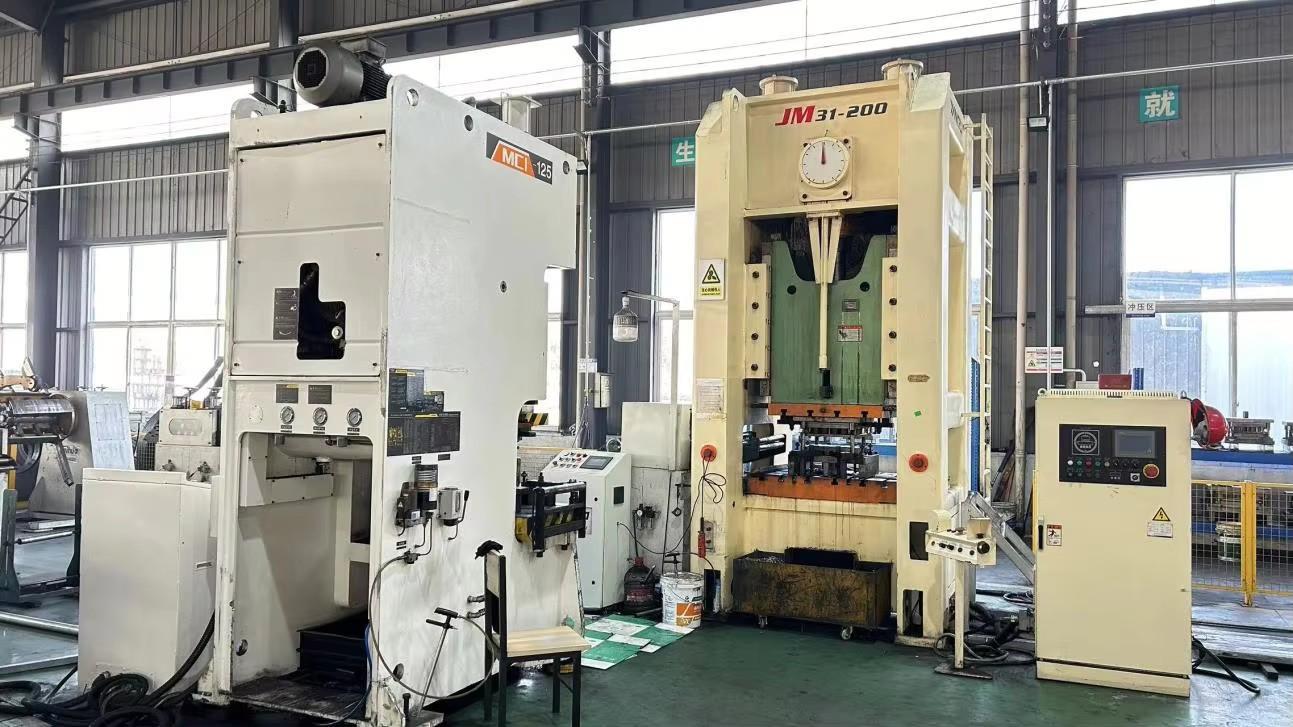
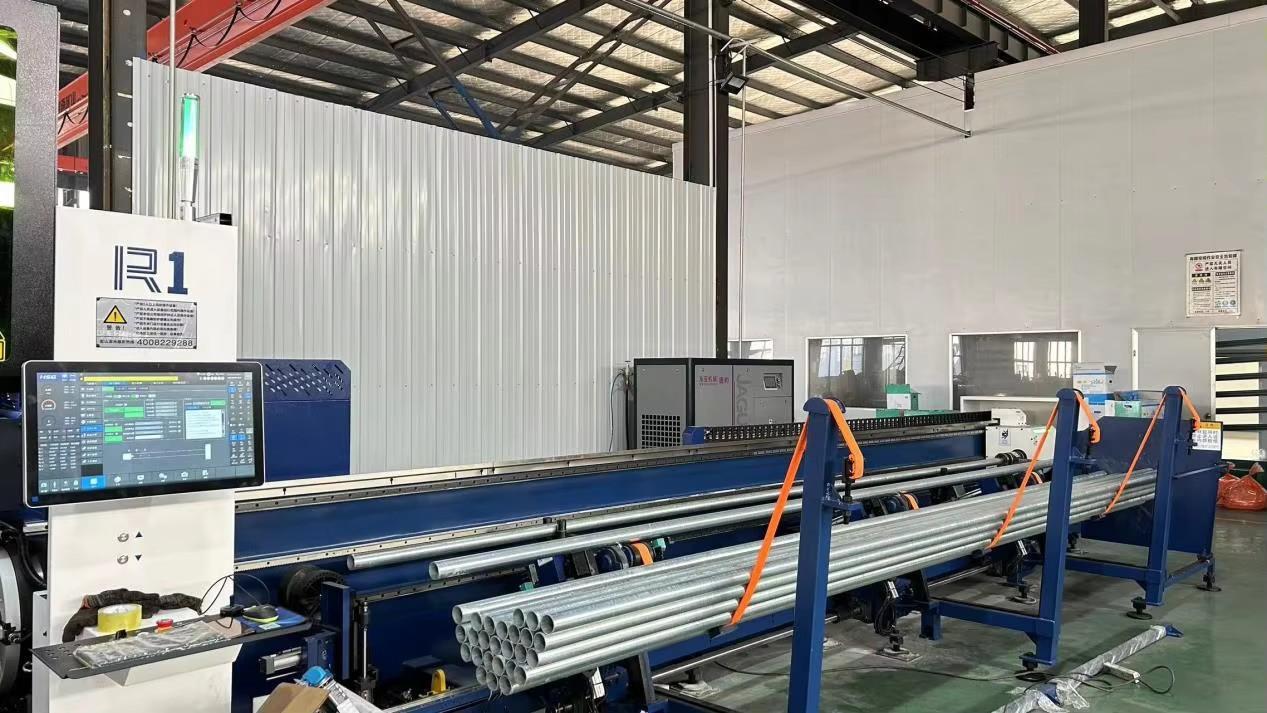
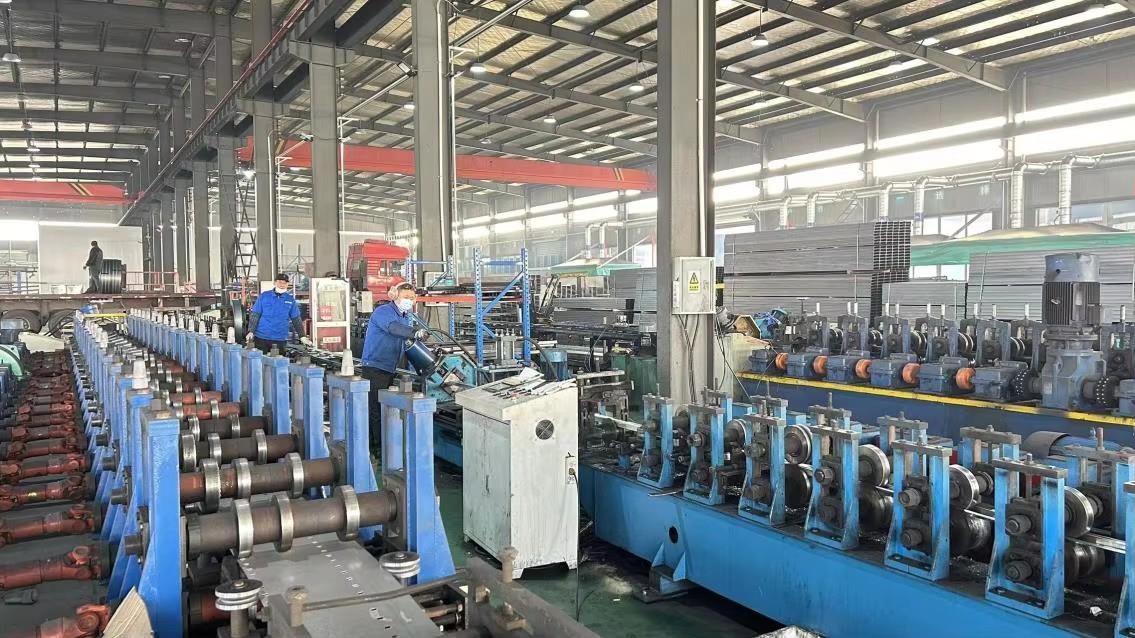
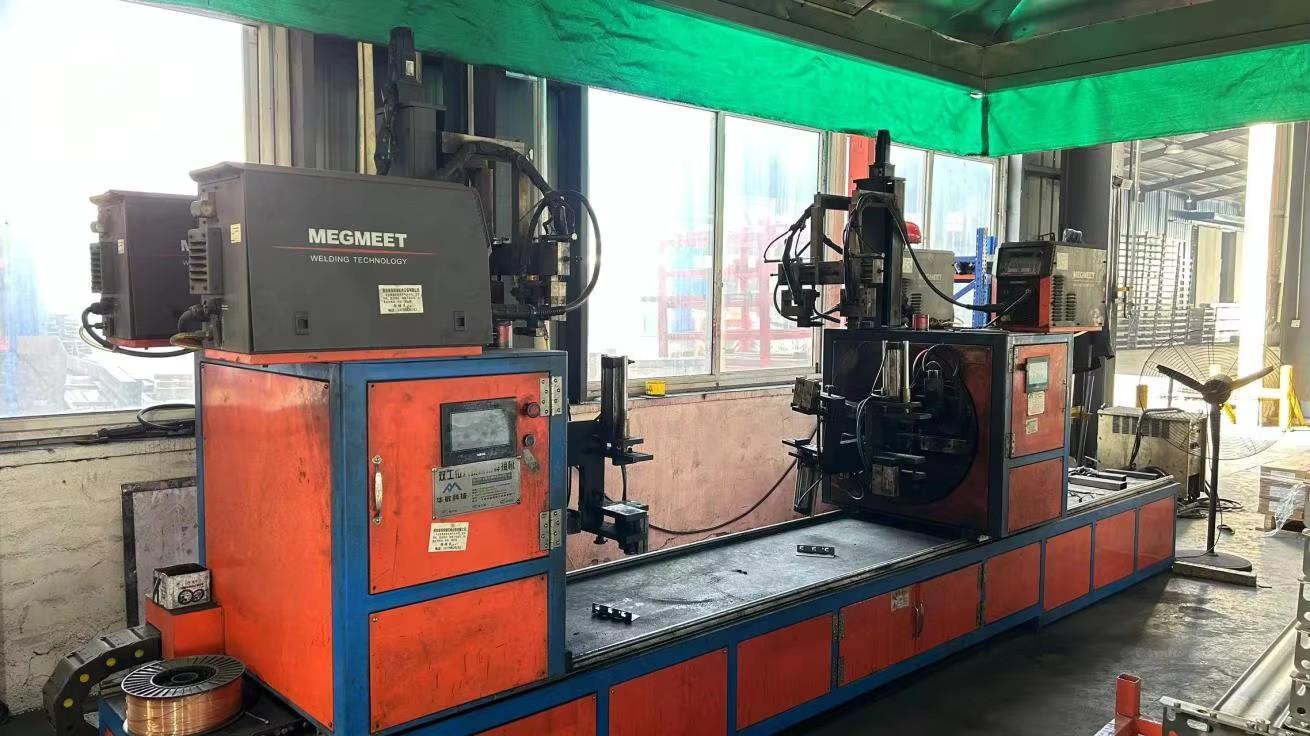
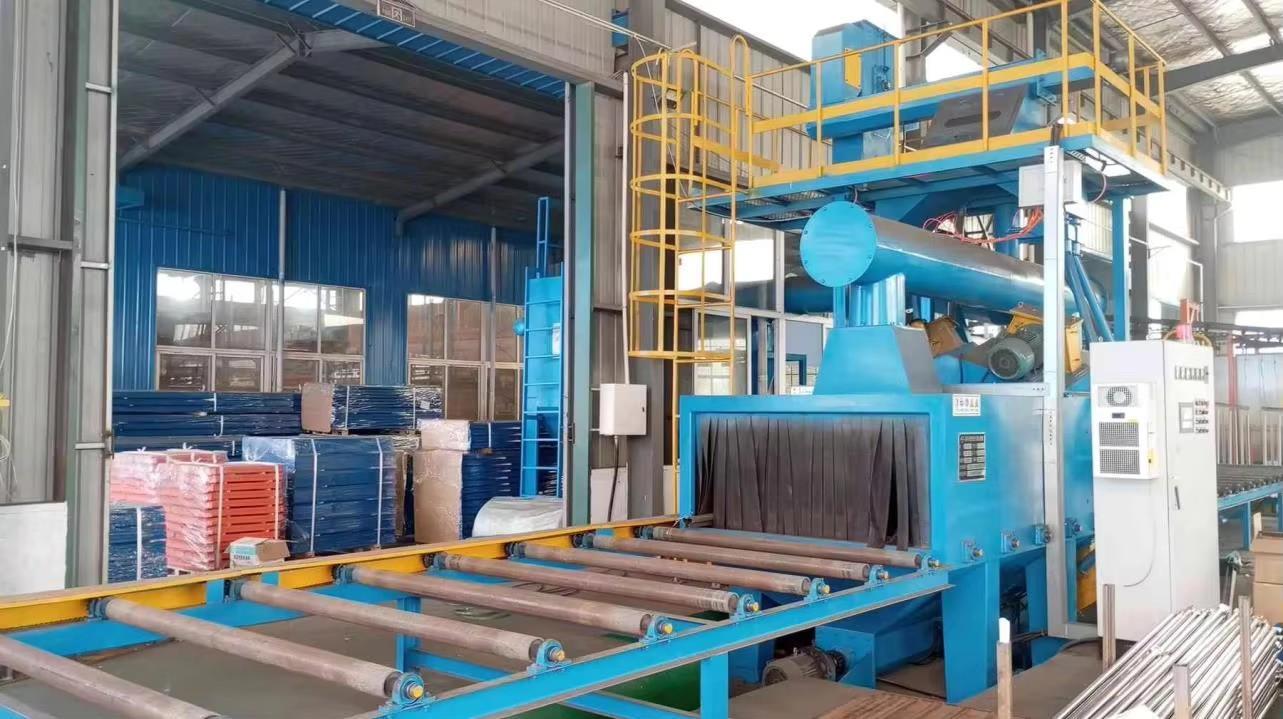
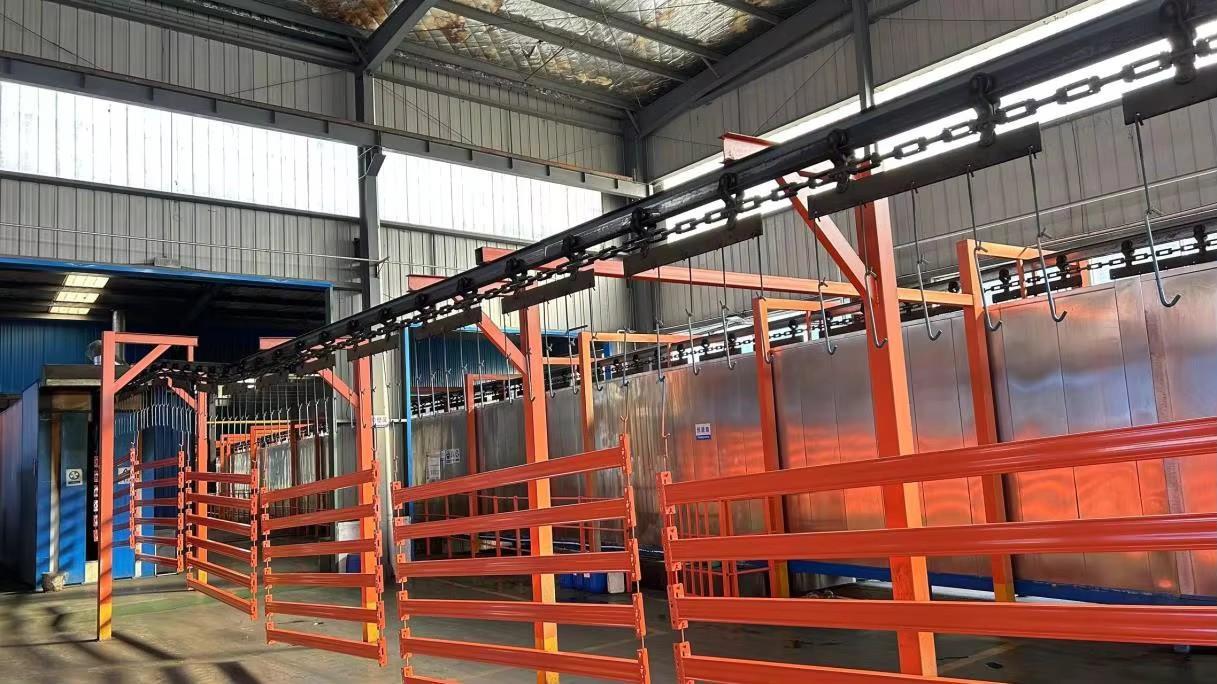
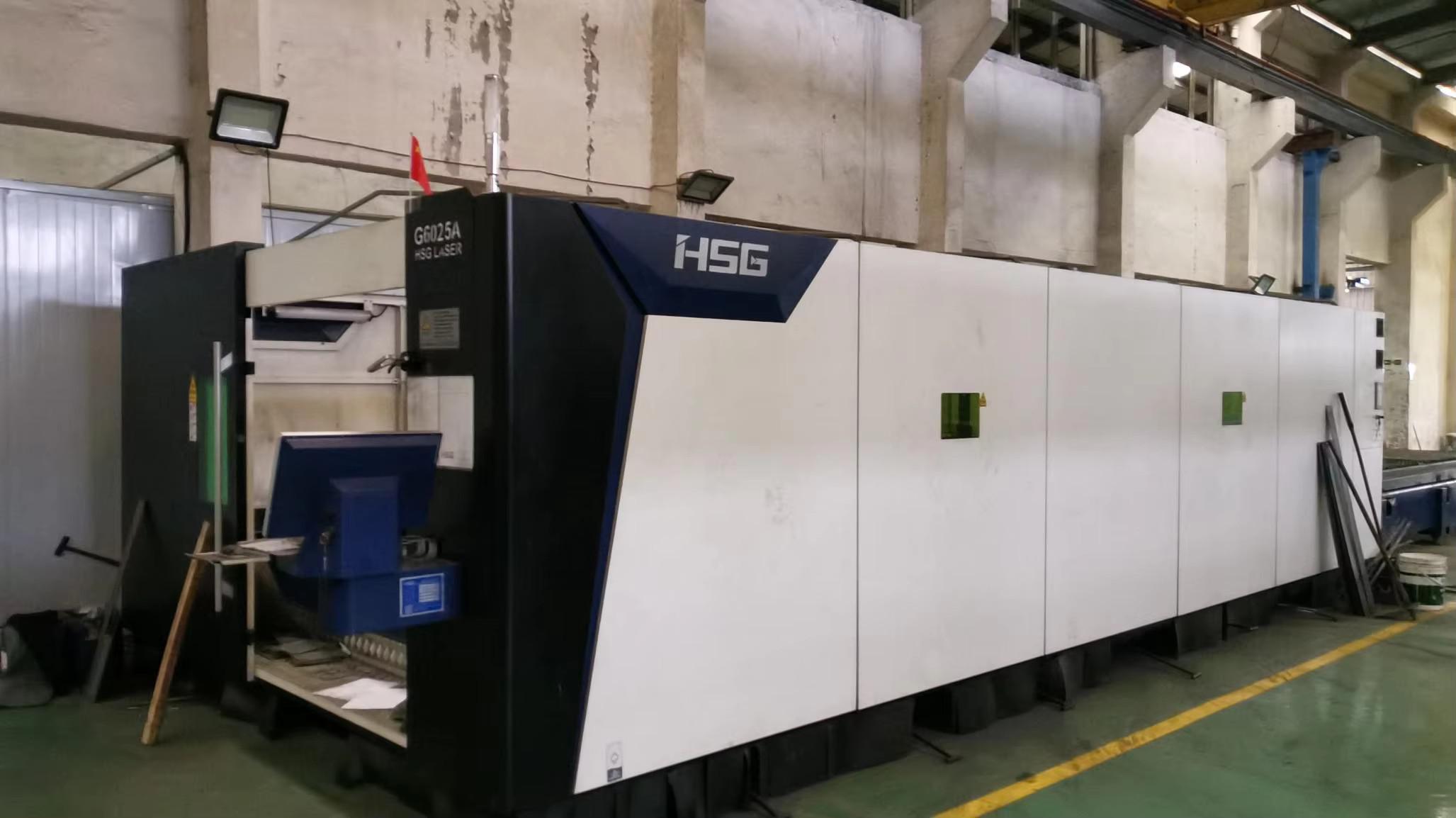
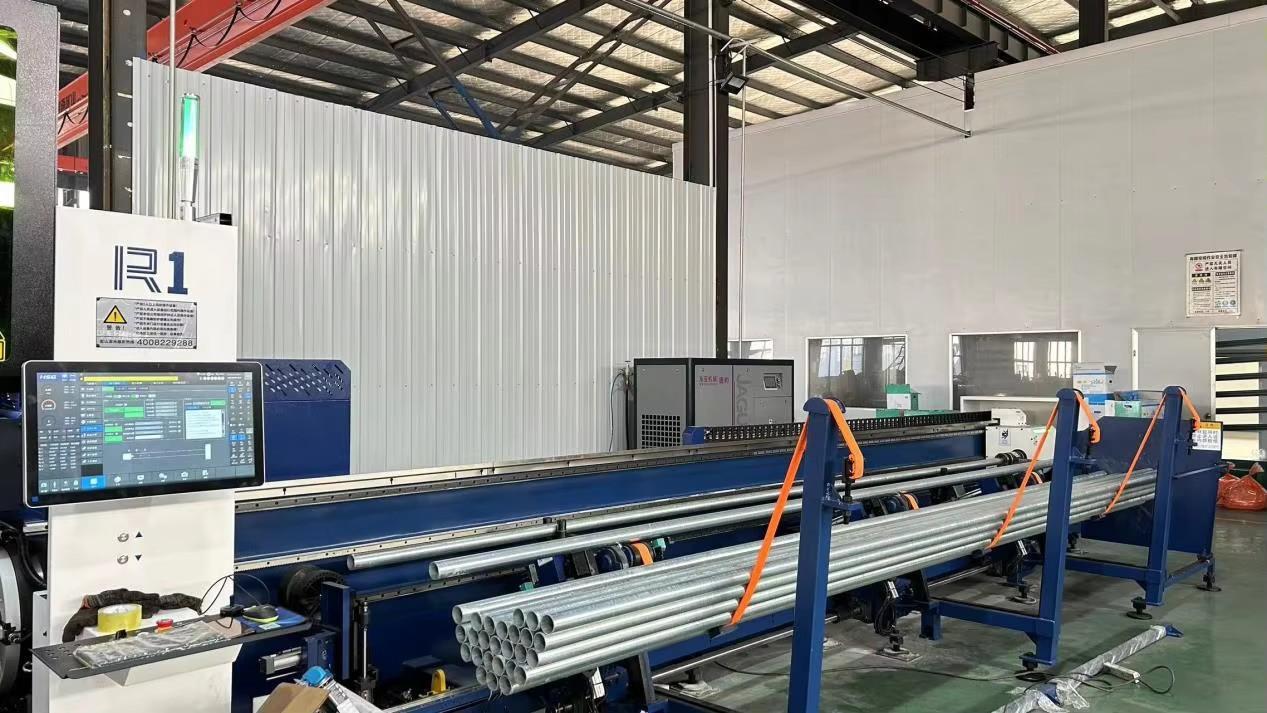
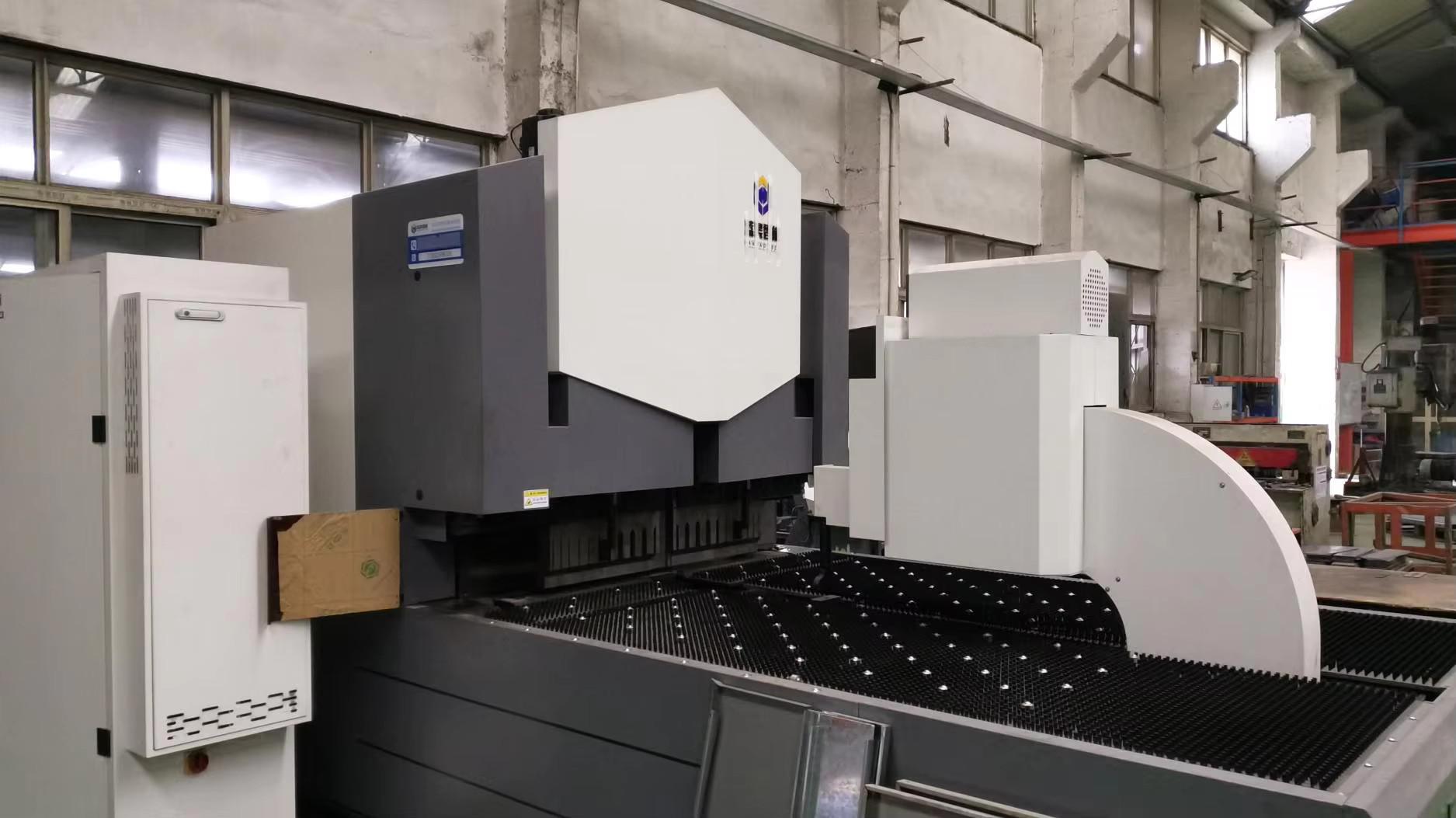
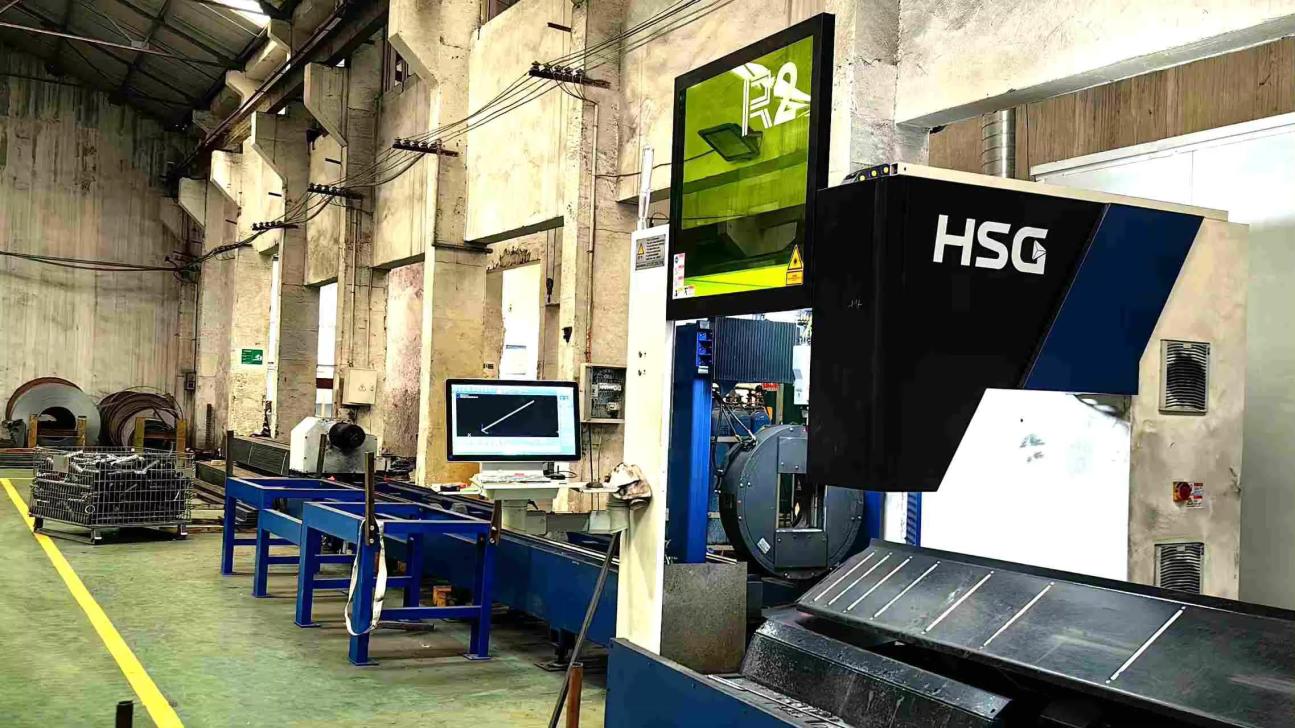
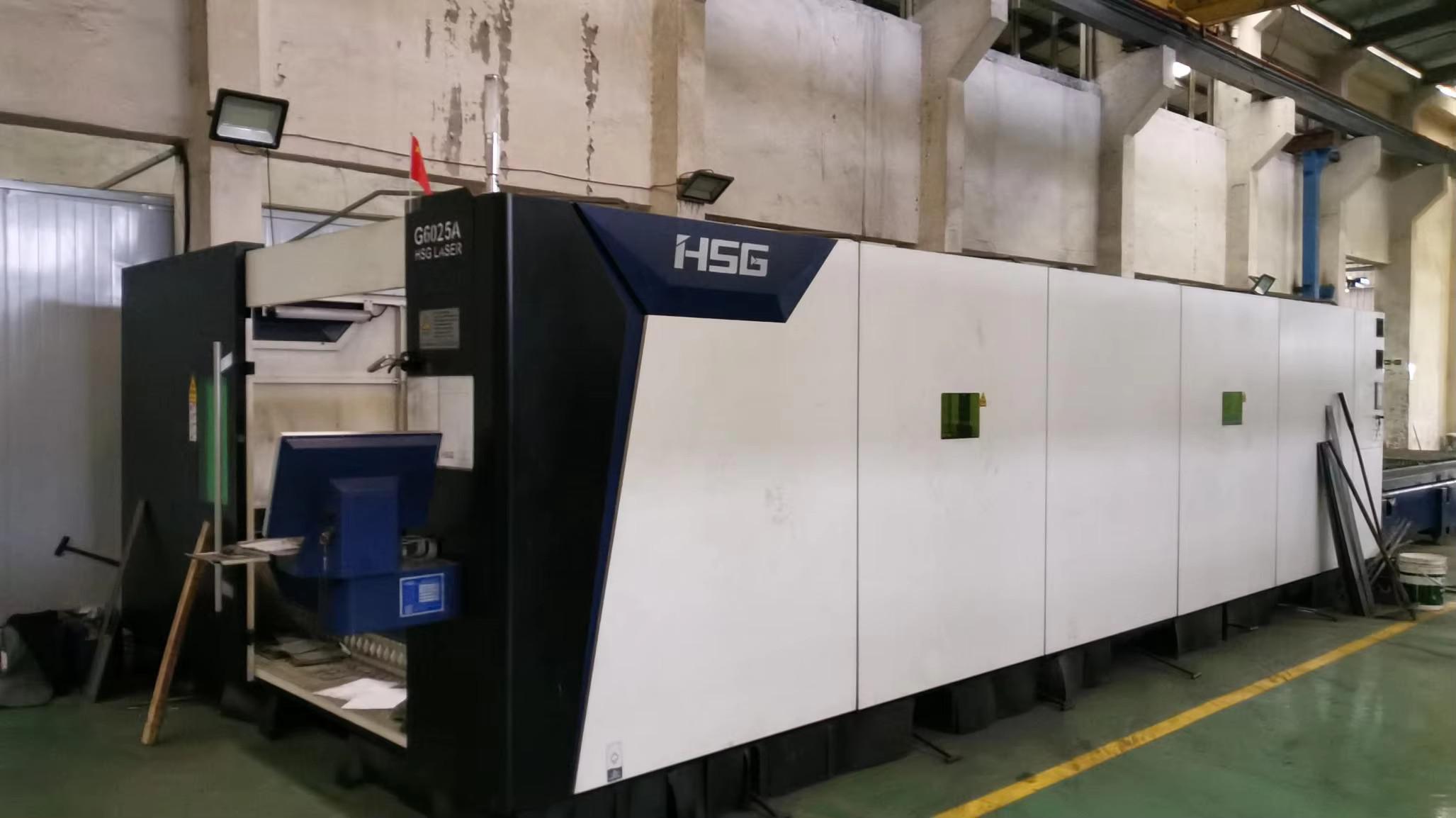
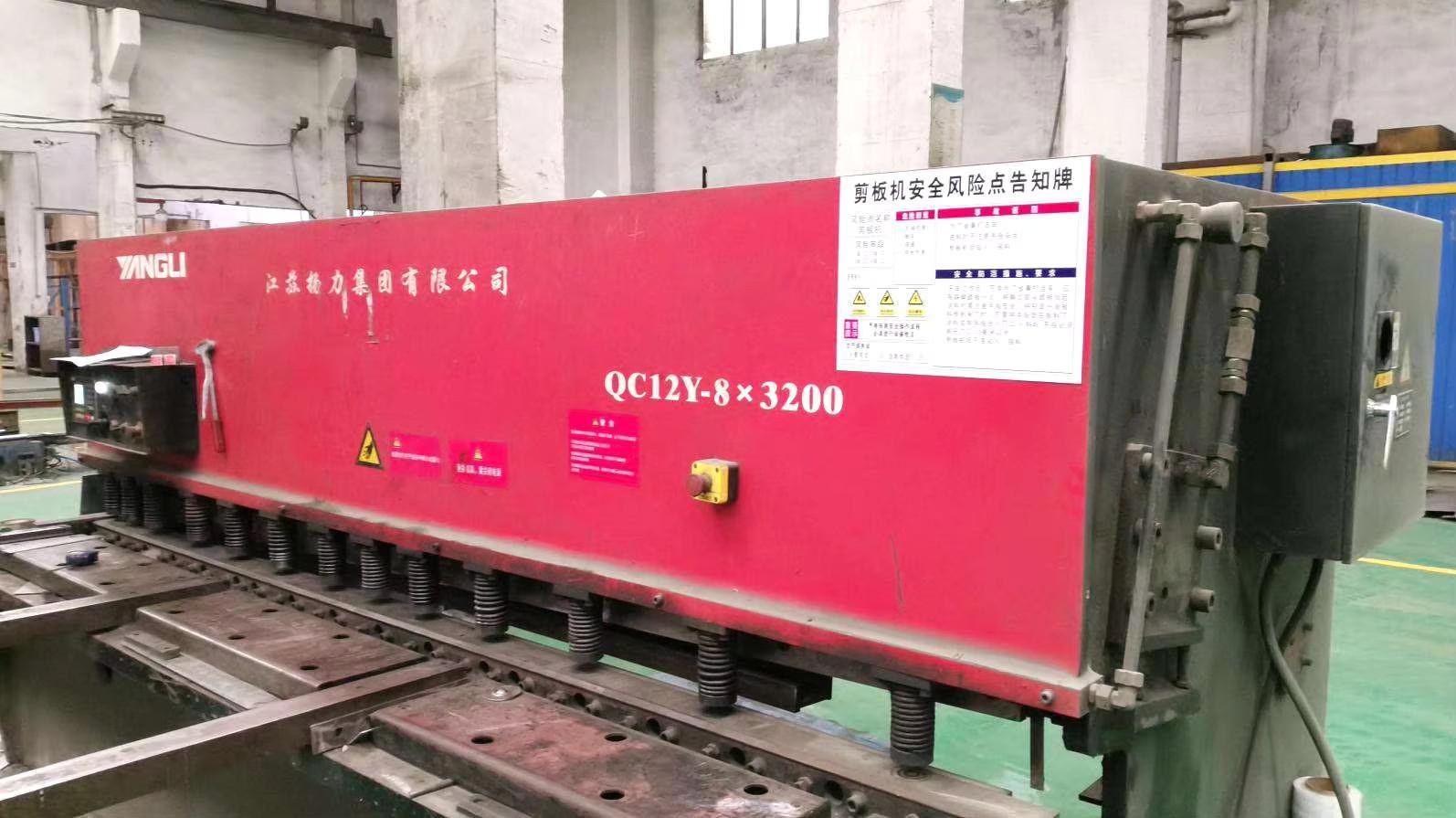
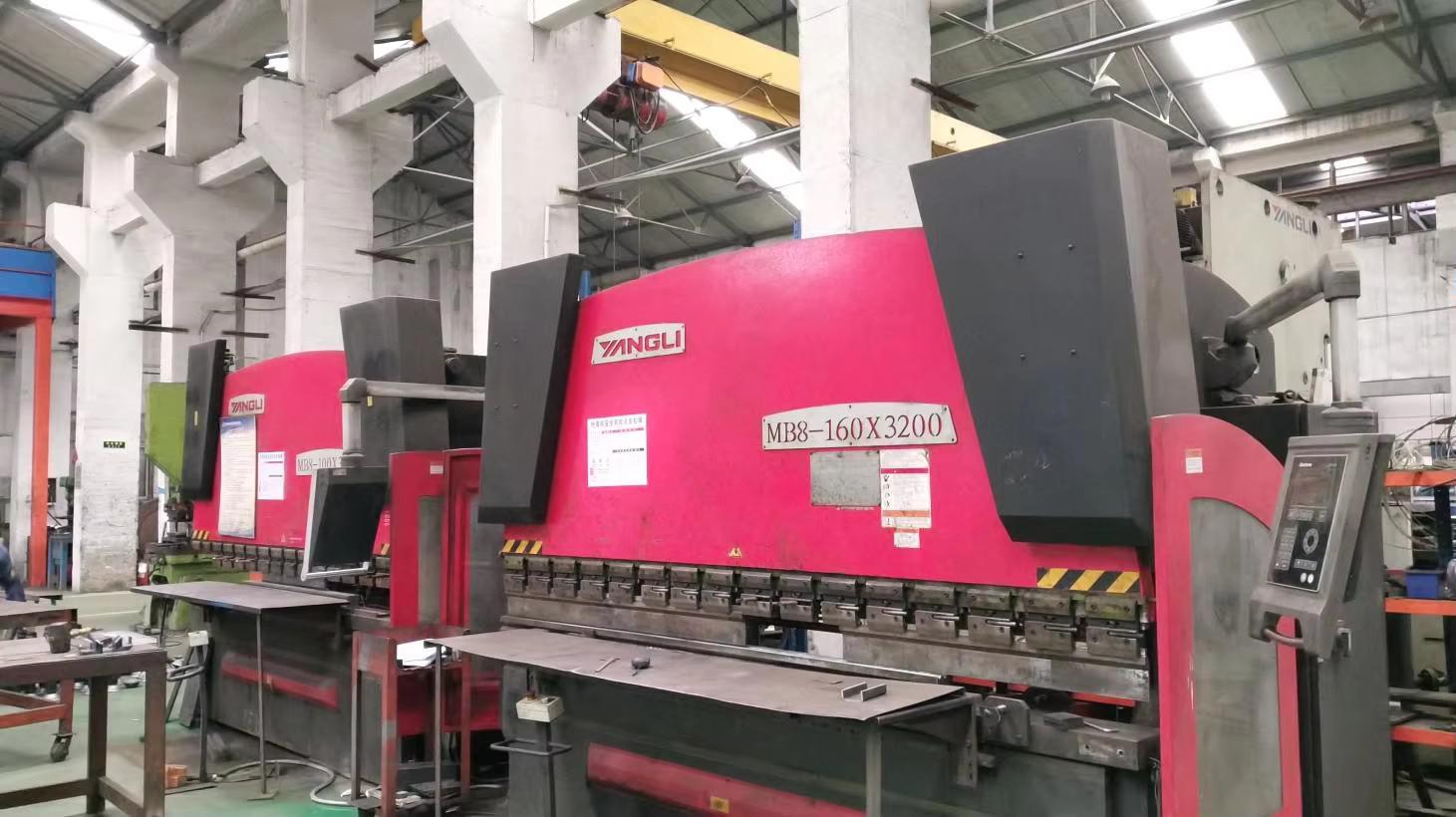
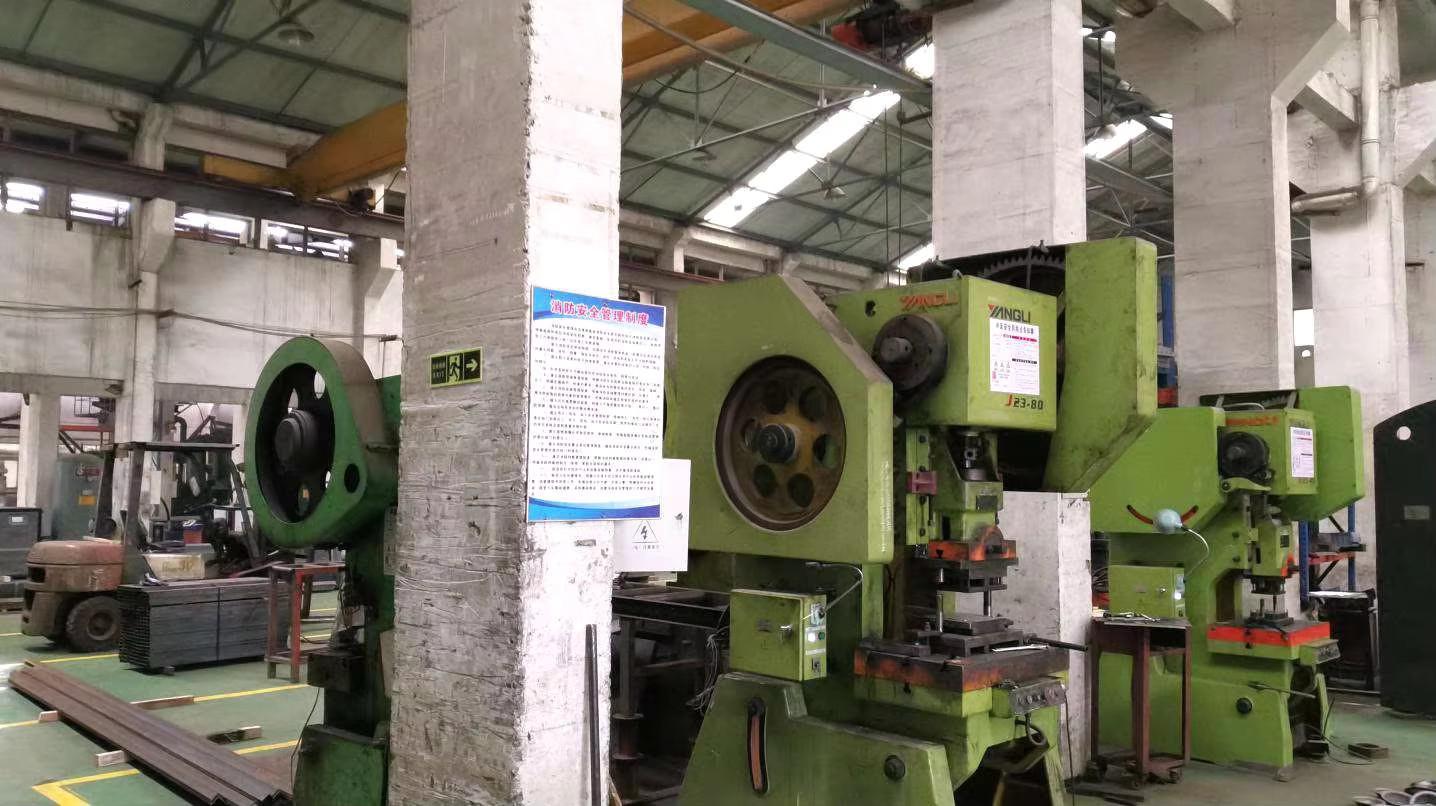
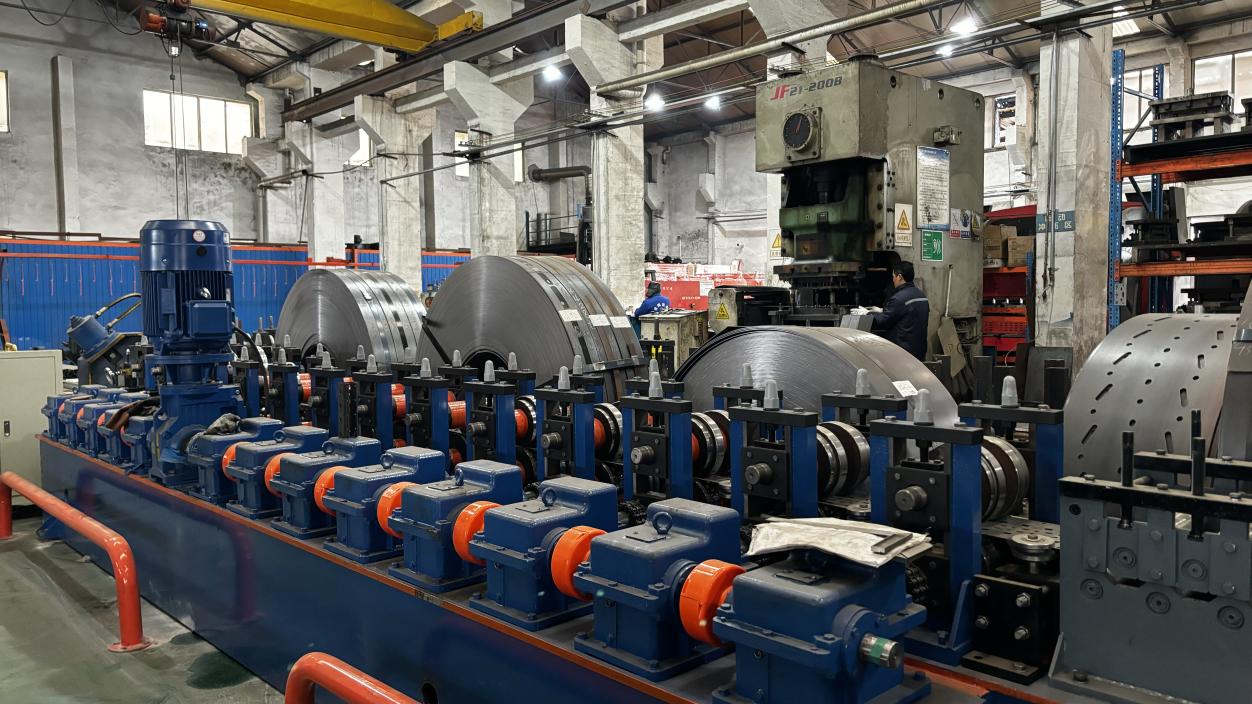
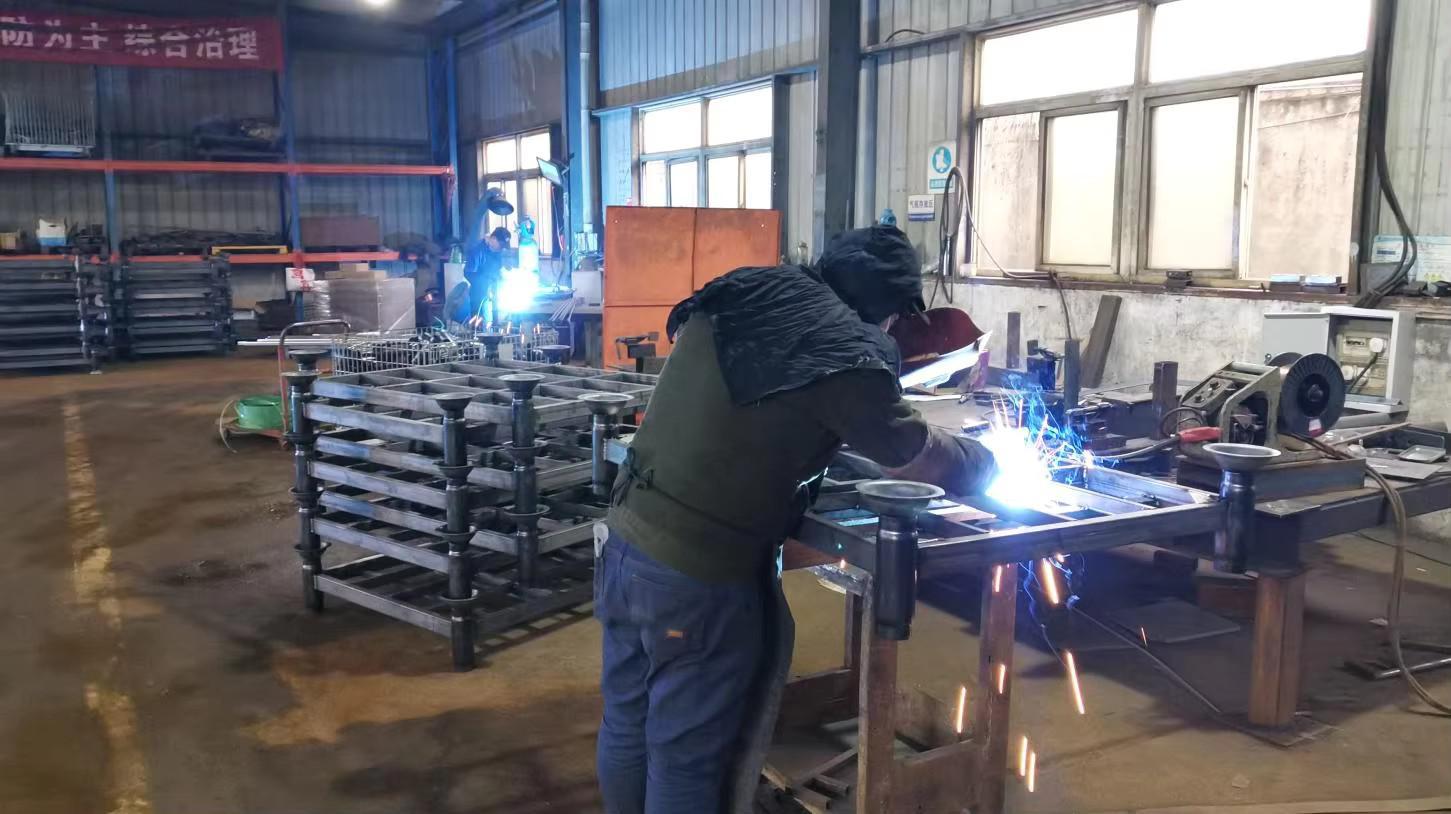
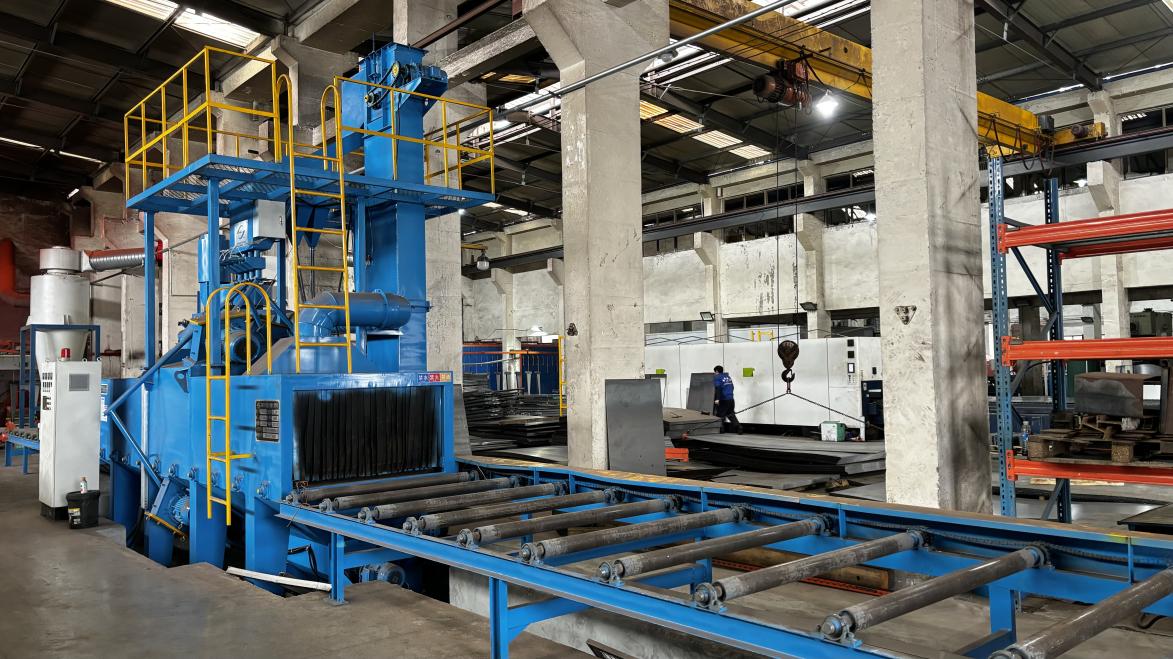
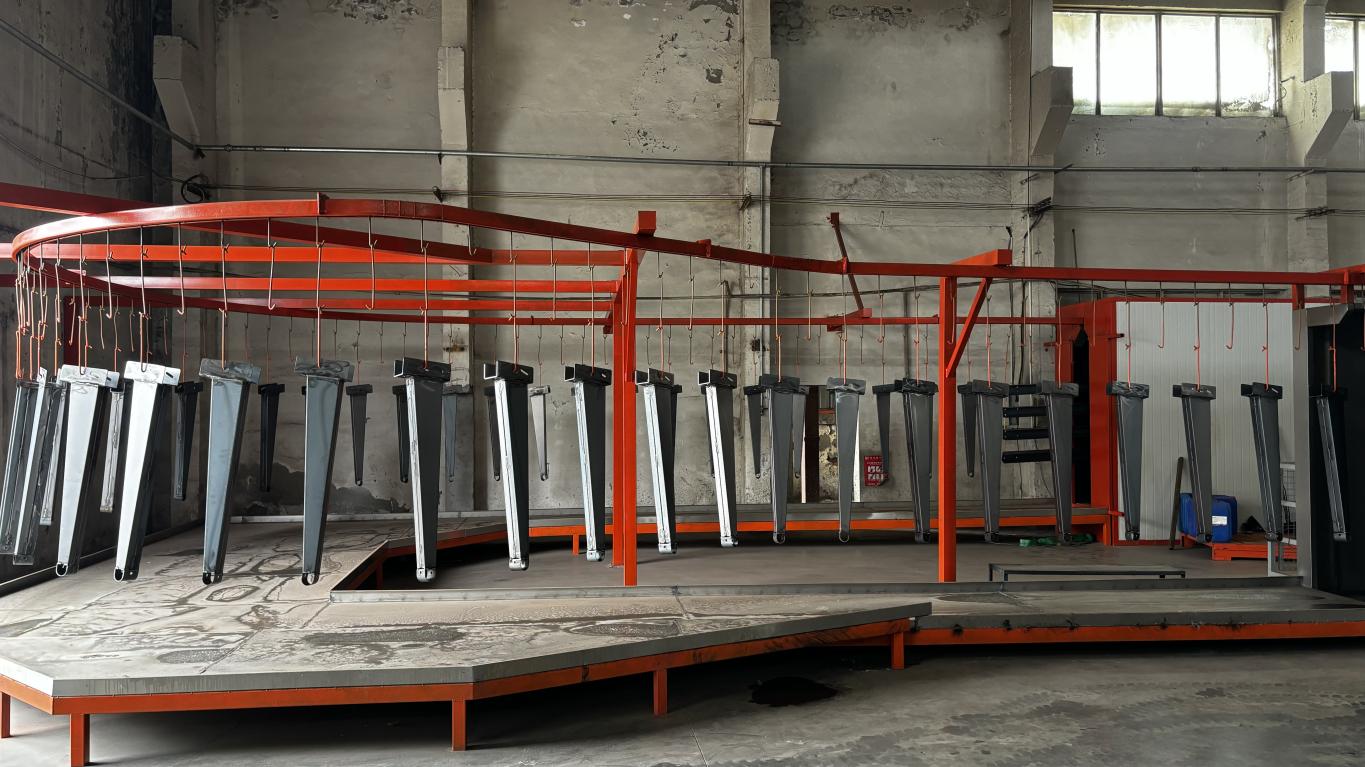
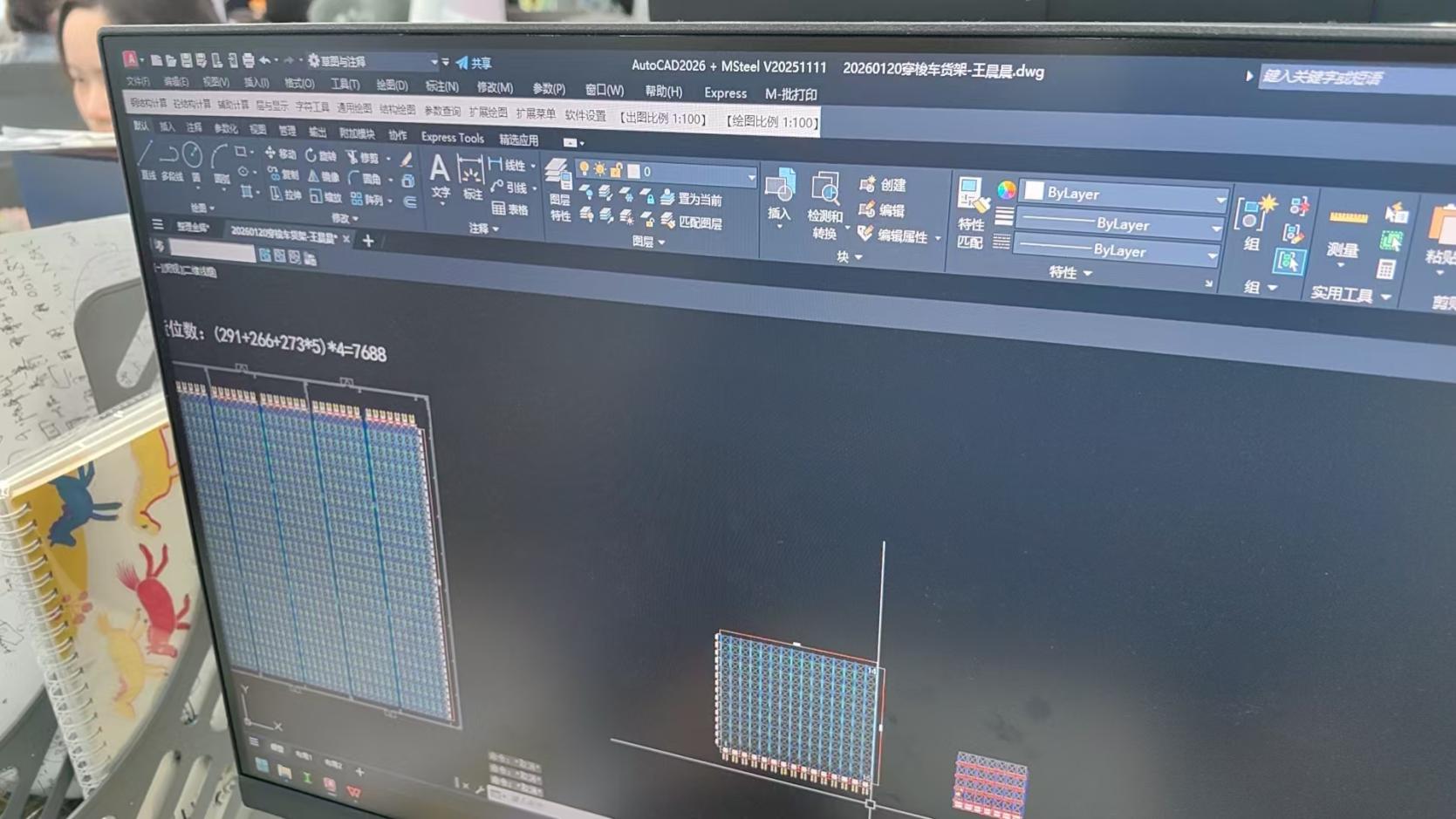


For industrial purchasing agents located in New York, selecting an offshore manufacturer is a balance of price advantages and delivery timelines. While local distributors offer fast delivery times, their markups can exceed 40-60% compared to direct-from-factory purchasing. Jinhui bridges this gap with comprehensive export services:
Engineered storage platforms and racking combinations designed to maximize warehouse efficiency in the New York trade region.
Crucial guidance on installation codes, permitting, engineering configurations, and global trade economics.
 Jinhui Storage Equipment