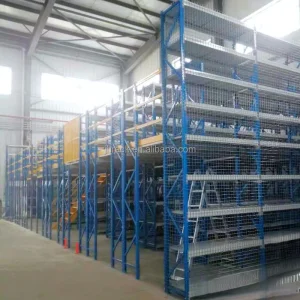
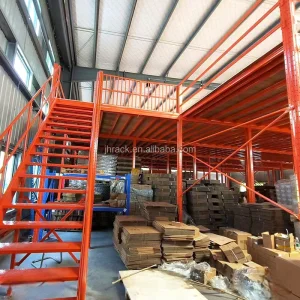
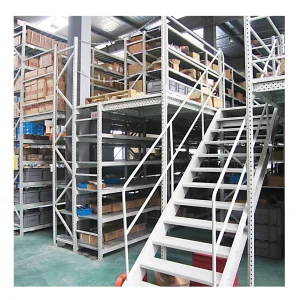
Engineered for maximum vertical cube space utilization and robust heavy-duty storage performance in Seoul metropolitan industrial complexes
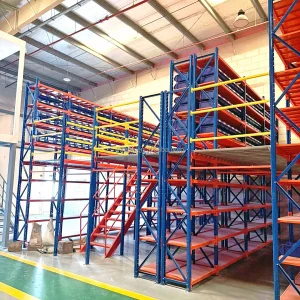
An Analysis of Multi-tier Racking in the Seoul Metropolitan Area and Global Supply Chains
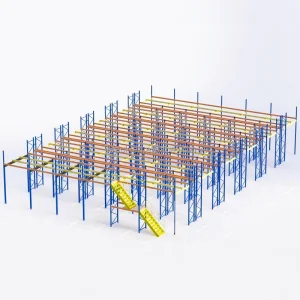
The Seoul Metropolitan Area, encompassing Seoul, Incheon, and Gyeonggi-do, constitutes the economic heart of South Korea. With land values in industrial districts like Gimpo, Yongin, and Gasan Digital Complex escalating rapidly, logistics providers face intense pressure to optimize every cubic meter of warehouse volume. Horizontal expansion is financially prohibitive; vertical density via advanced Multi-tier Racking Systems is no longer just an option—it is a critical structural necessity.
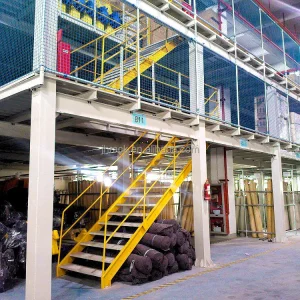
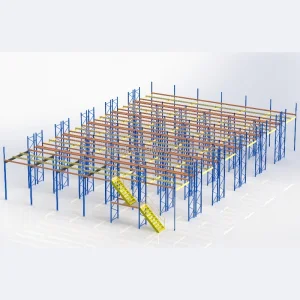
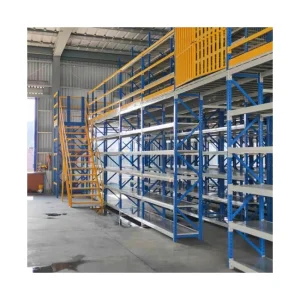
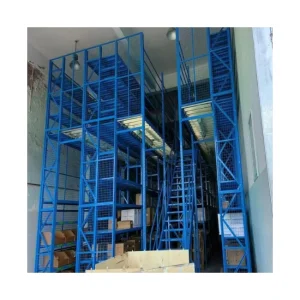
Traditional single-level warehousing configurations waste up to 60% of overhead building volume. High-precision heavy-duty mezzanine floors act as modular multi-level steel structures, converting empty vertical space into highly productive storage zones. Whether utilized for picking lanes, bulk pallet staging, or integrated sorting mechanisms, these structures allow e-commerce and pharmaceutical companies to double or triple their square footage within the same physical footprint.
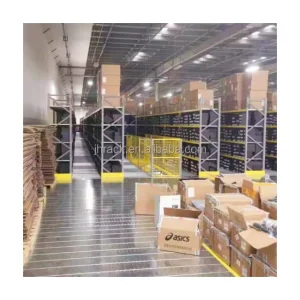
Across the globe, the rapid shift towards rapid delivery models has forced warehouses closer to urban centers where land prices are high. From Hamburg to New York, and Seoul to Tokyo, urban micro-fulfillment centers (MFCs) rely on multi-tier structural design to balance high SKU density with picking efficiency. Modern steel mezzanine systems are engineered to facilitate rapid pick-pack operations, featuring modular stairs, heavy-duty cargo lifting platforms, and integration pathways for conveyor belts and automated mobile robots (AMRs).
Furthermore, international logistics developers are standardizing structural components to guarantee compliance across multiple legal jurisdictions. Standard certifications such as EN 15512, RMI, and South Korea's KBC (Korean Building Code) are critical for large multinational corporations planning complex distribution channels.
Custom-engineered modular mezzanines optimized for cold chains, heavy industrial parts, and administrative offices
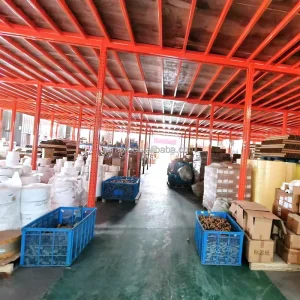
Combining Jinhui's State-of-the-Art Steel Production with Local Seoul Compliance Standards
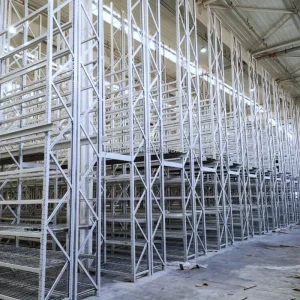
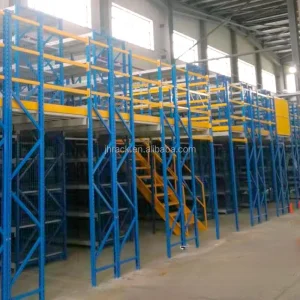
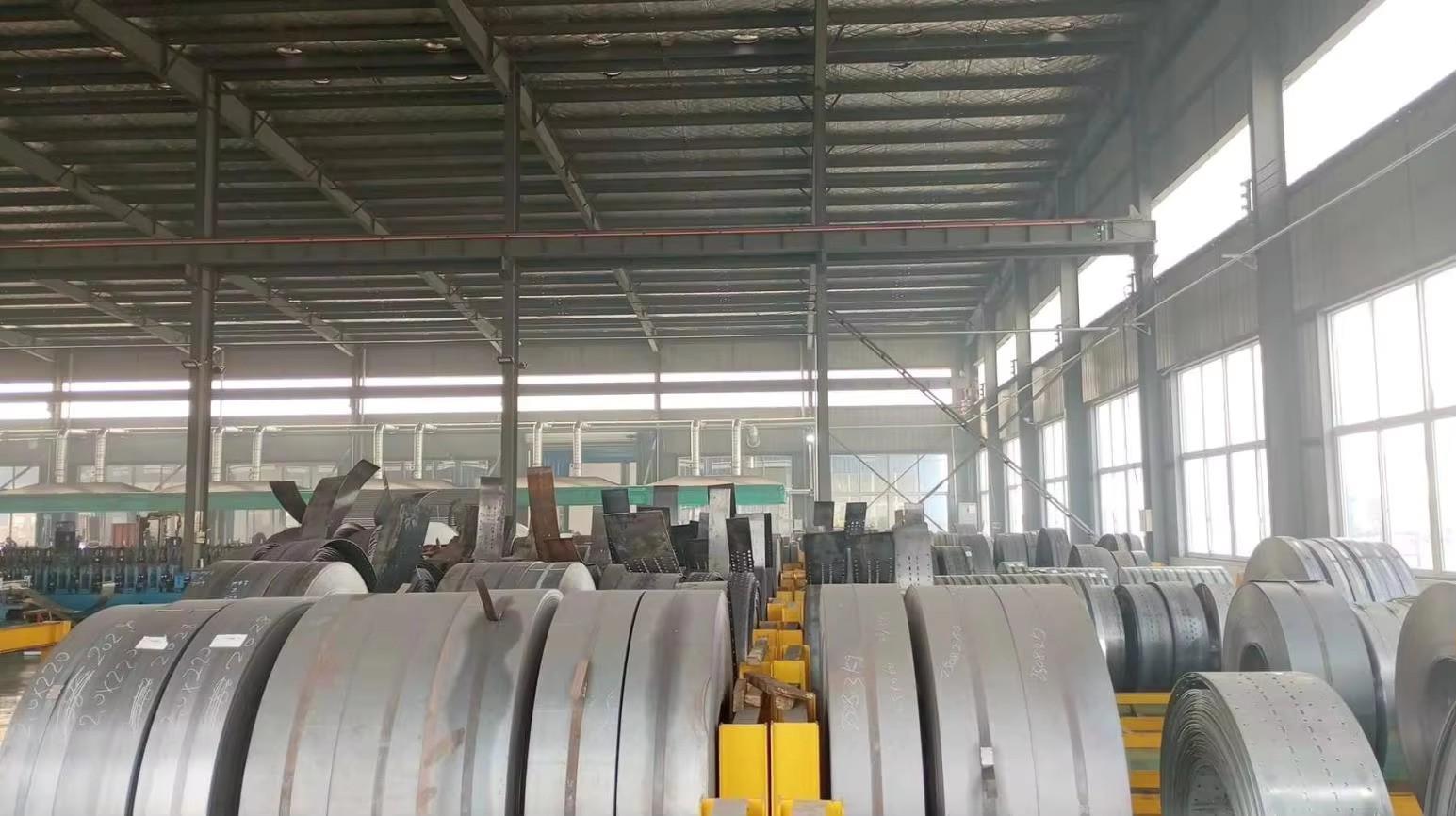
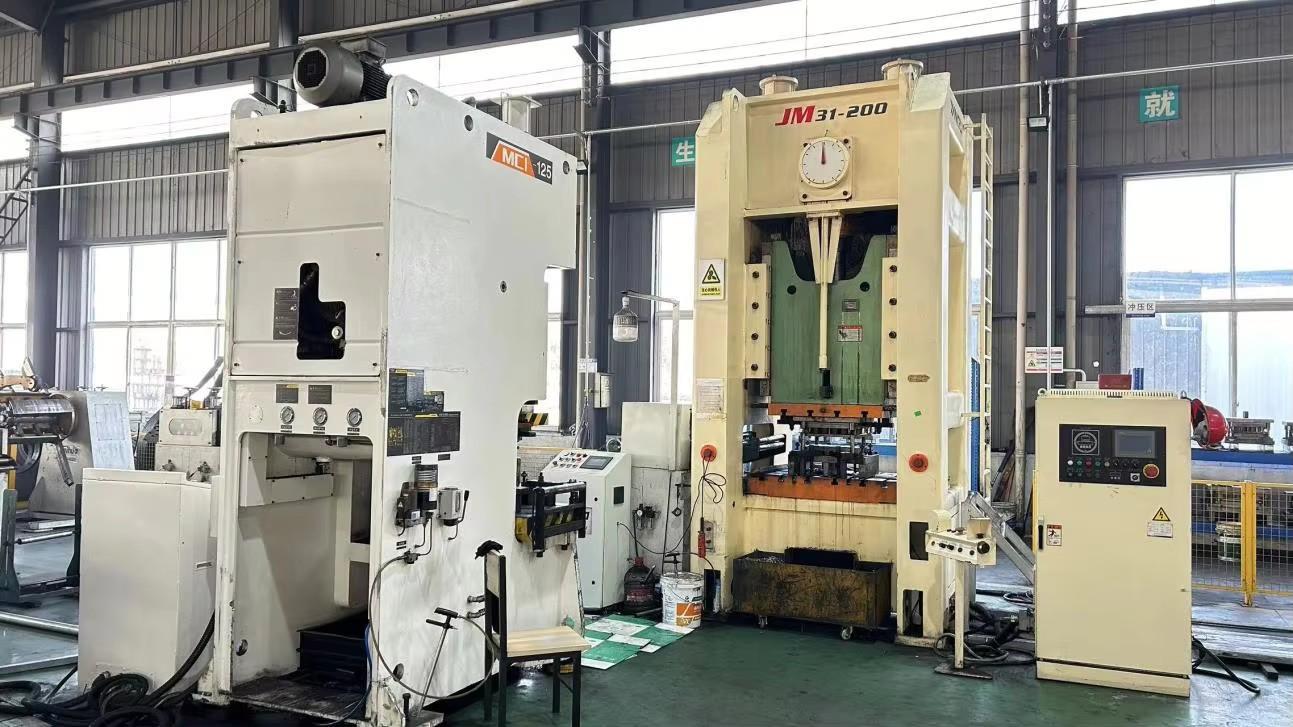
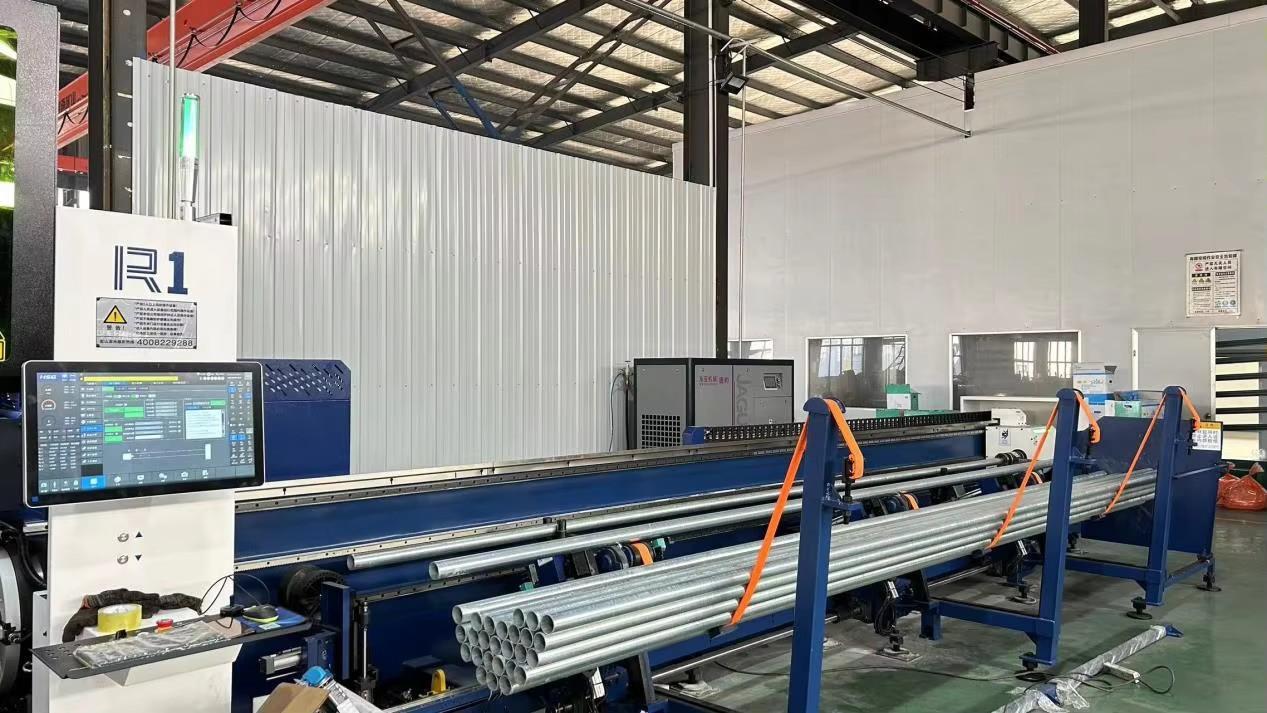
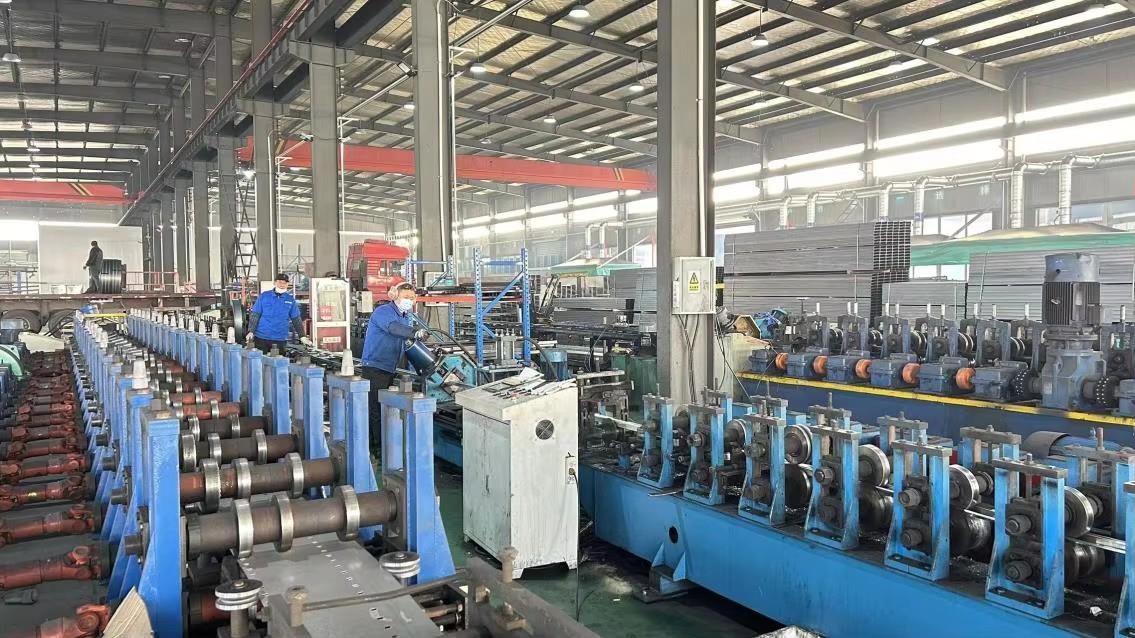
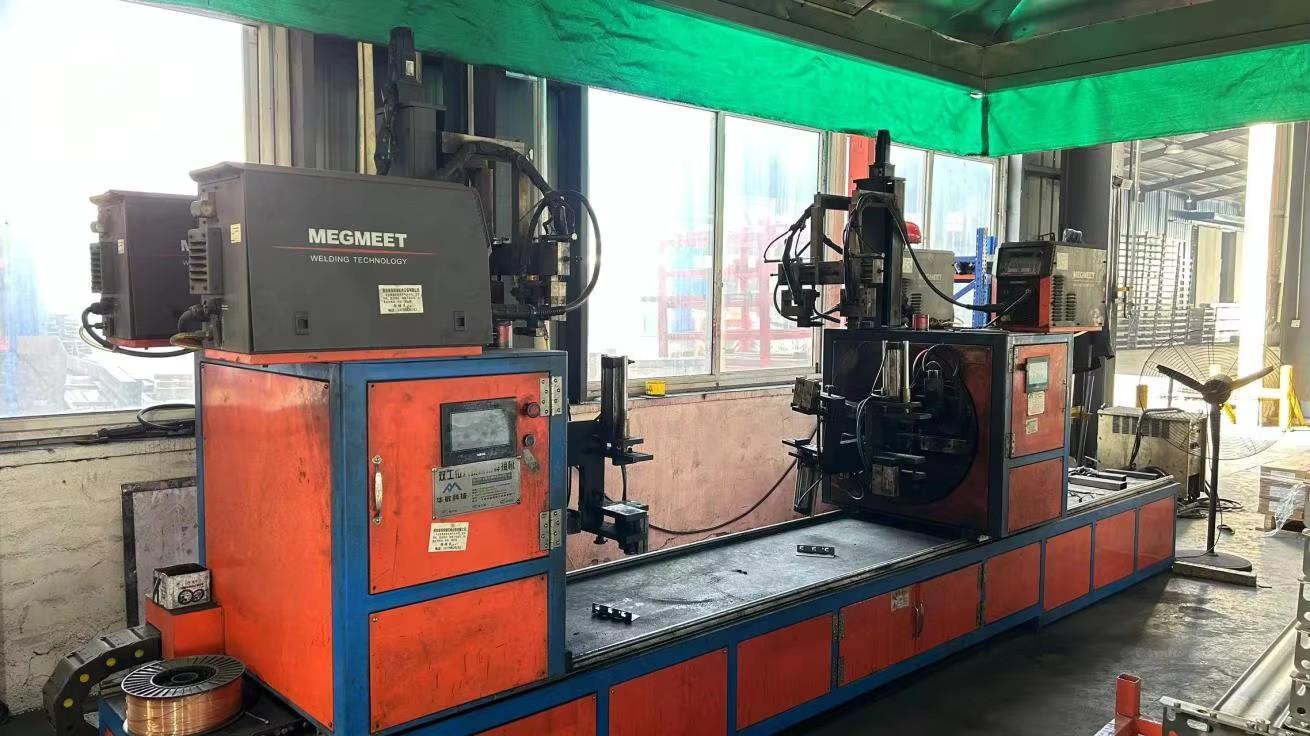
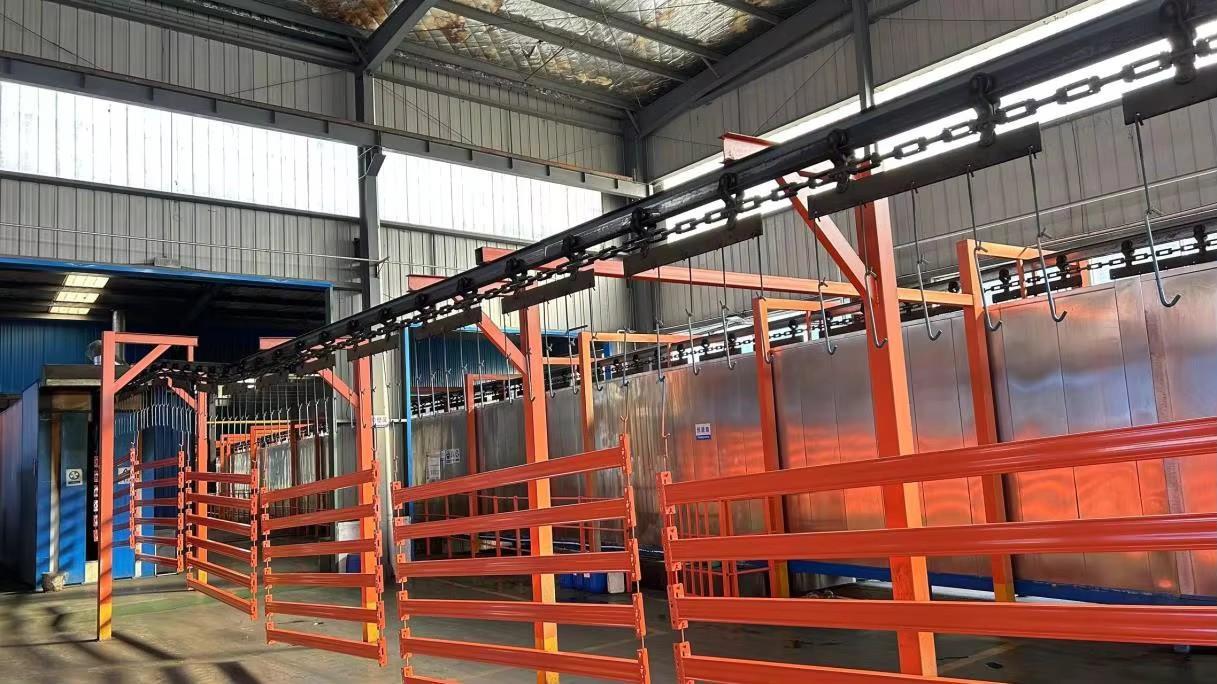
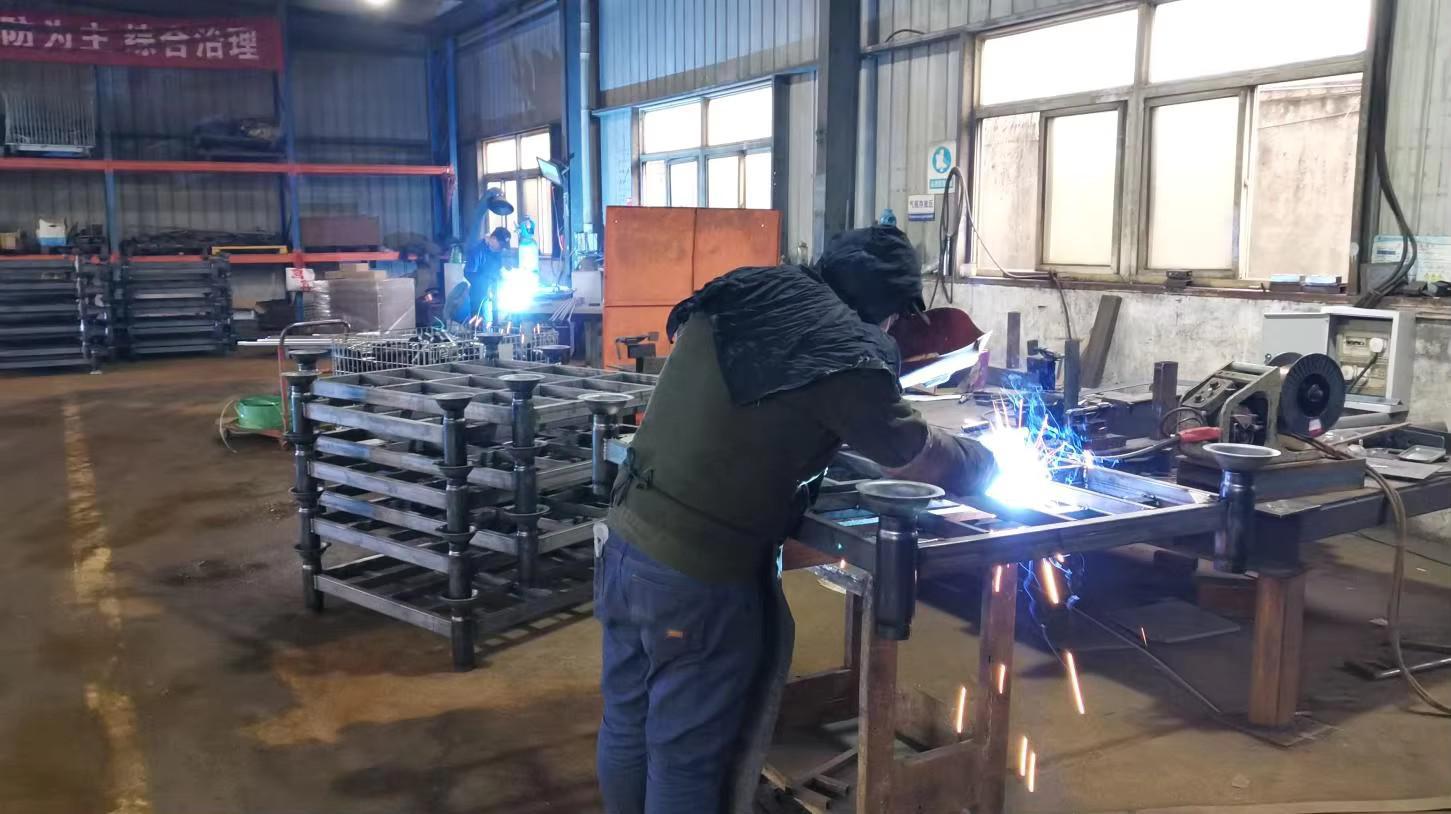
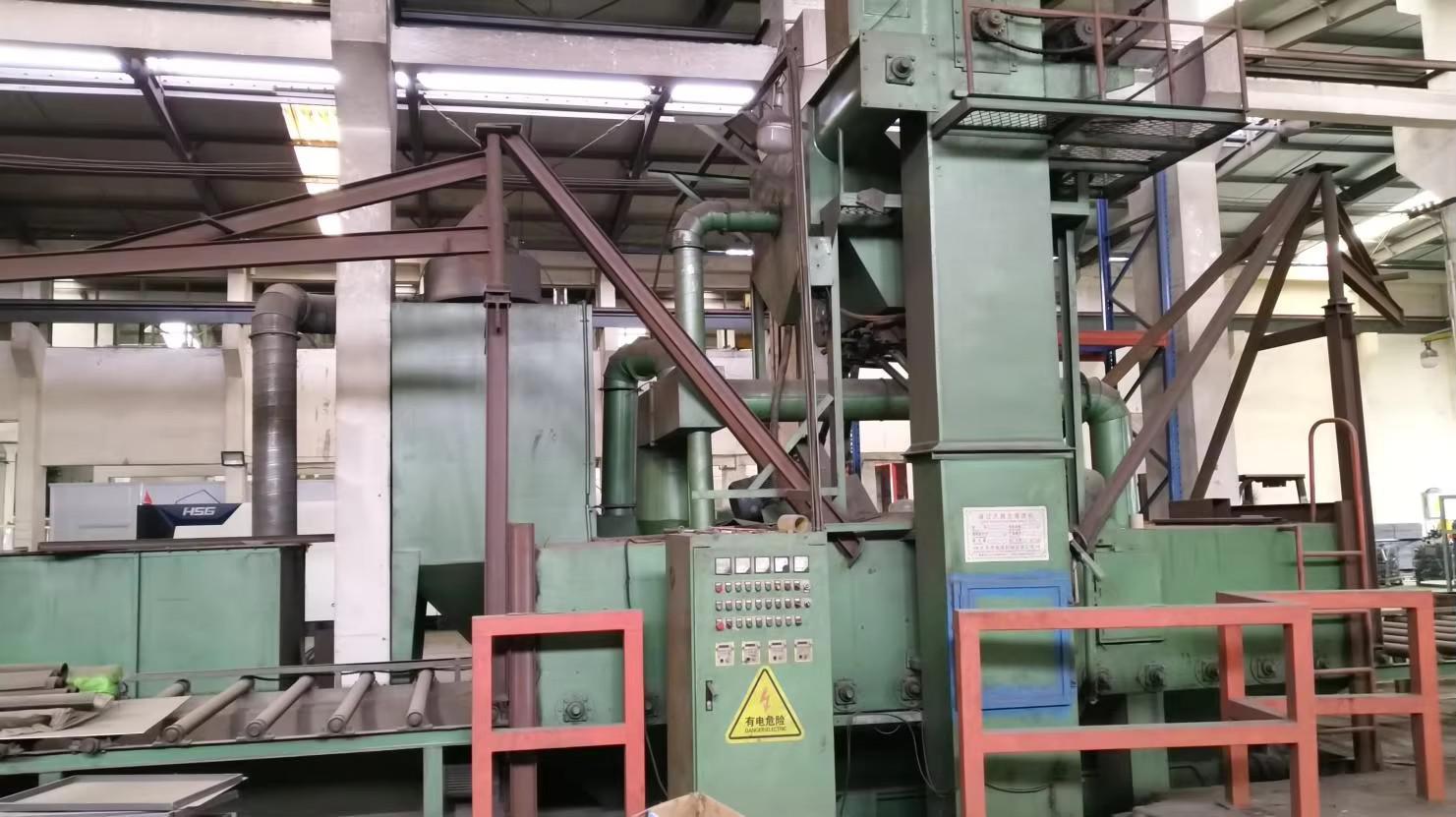
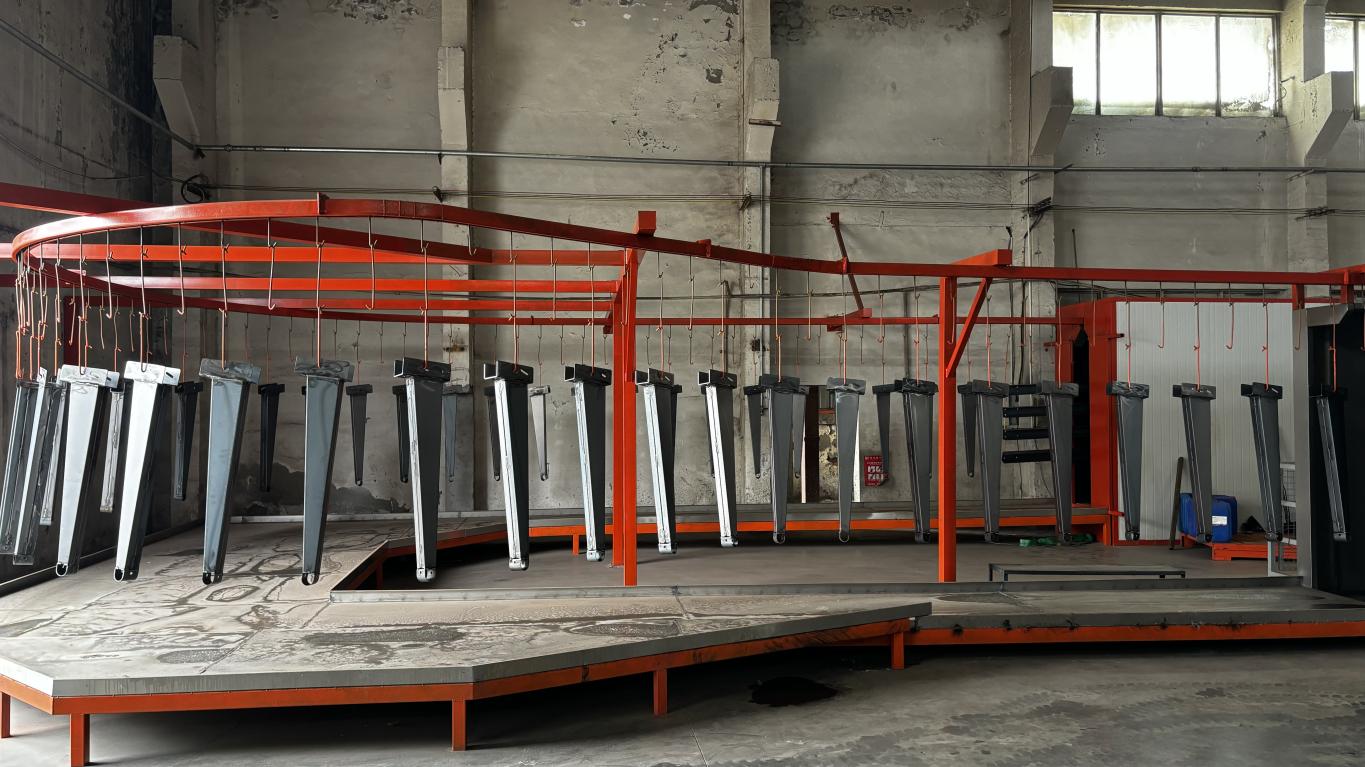
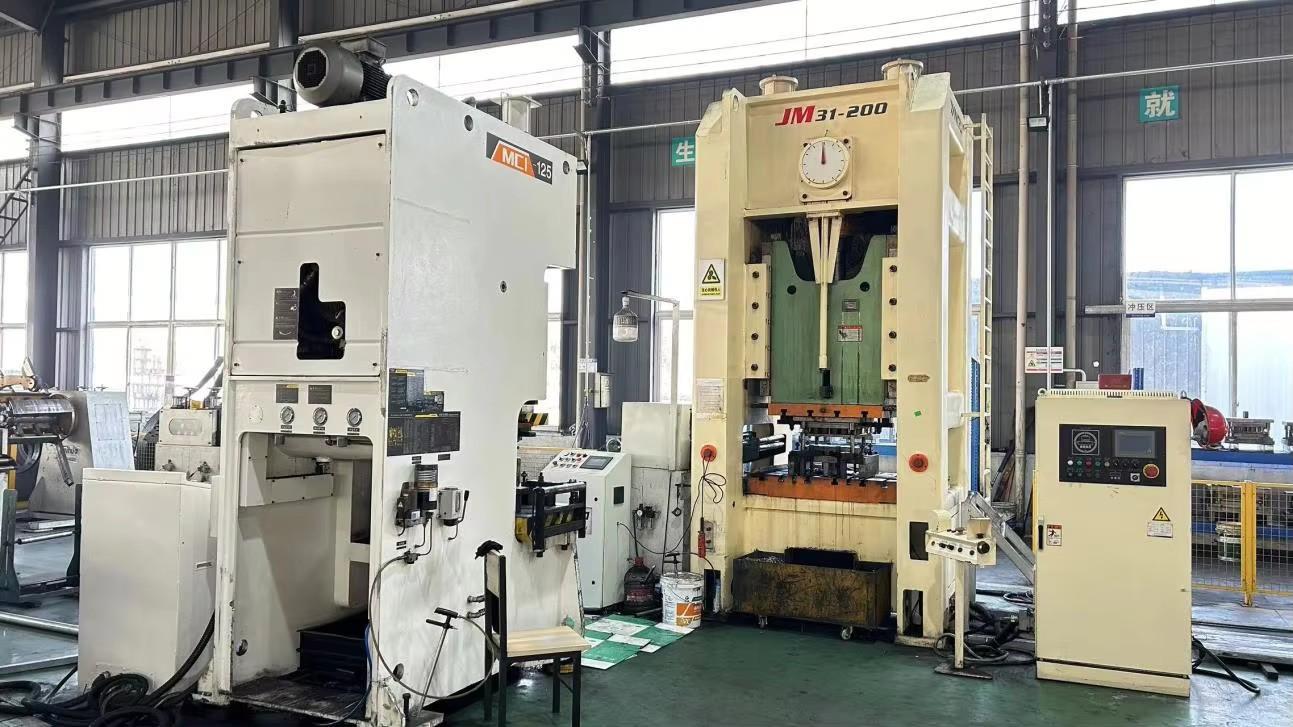
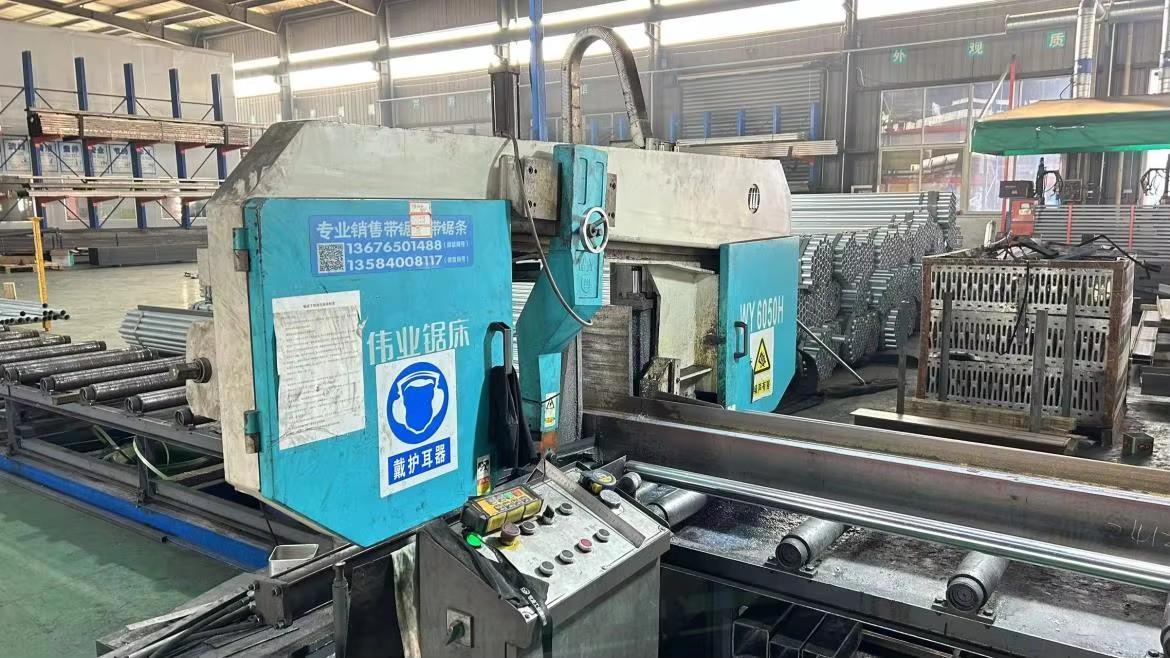
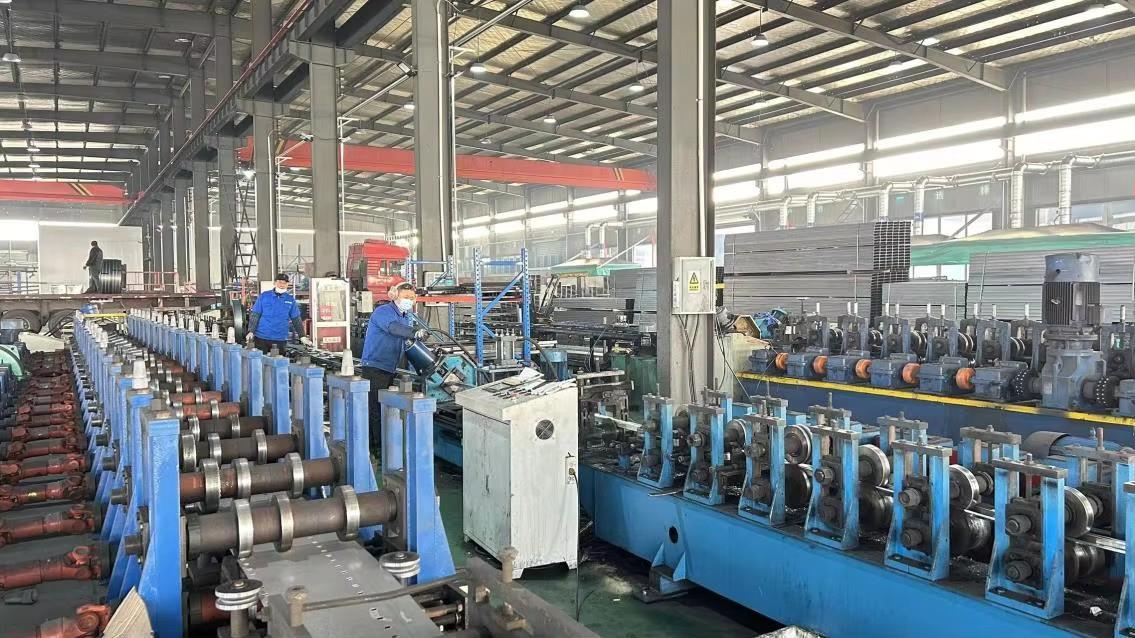
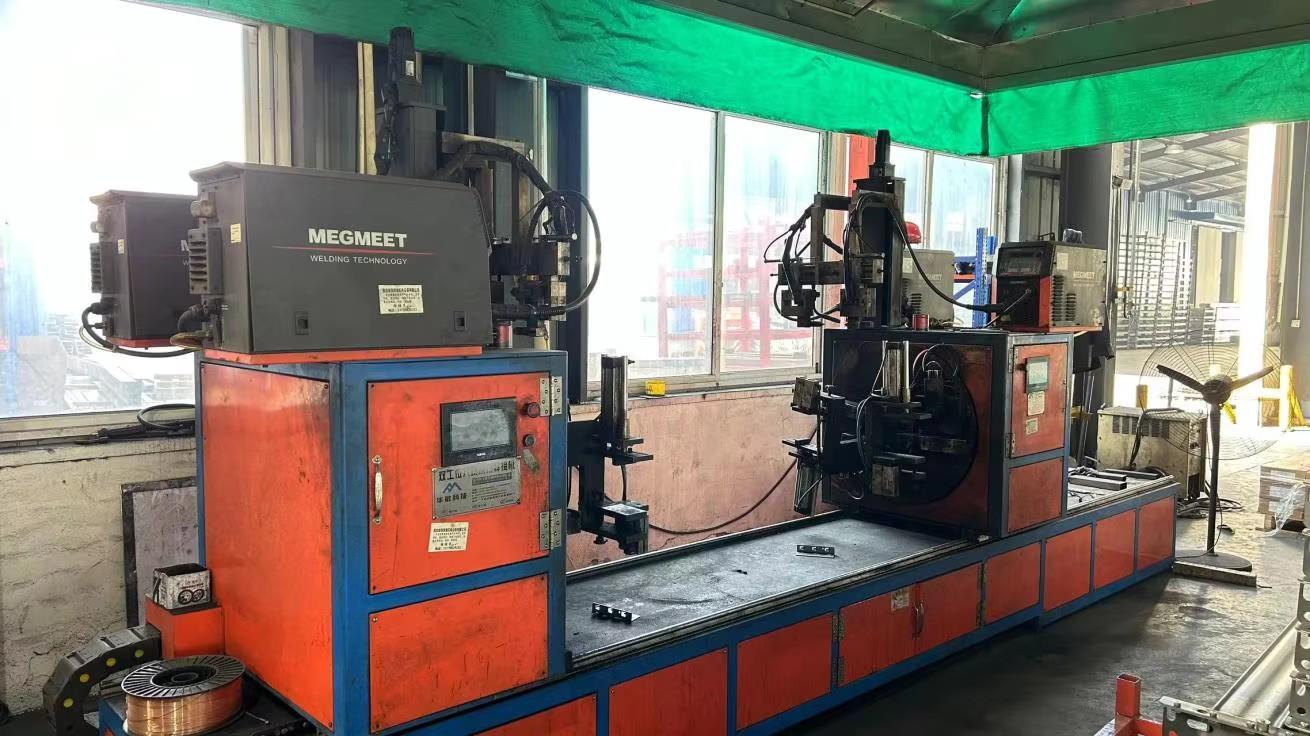
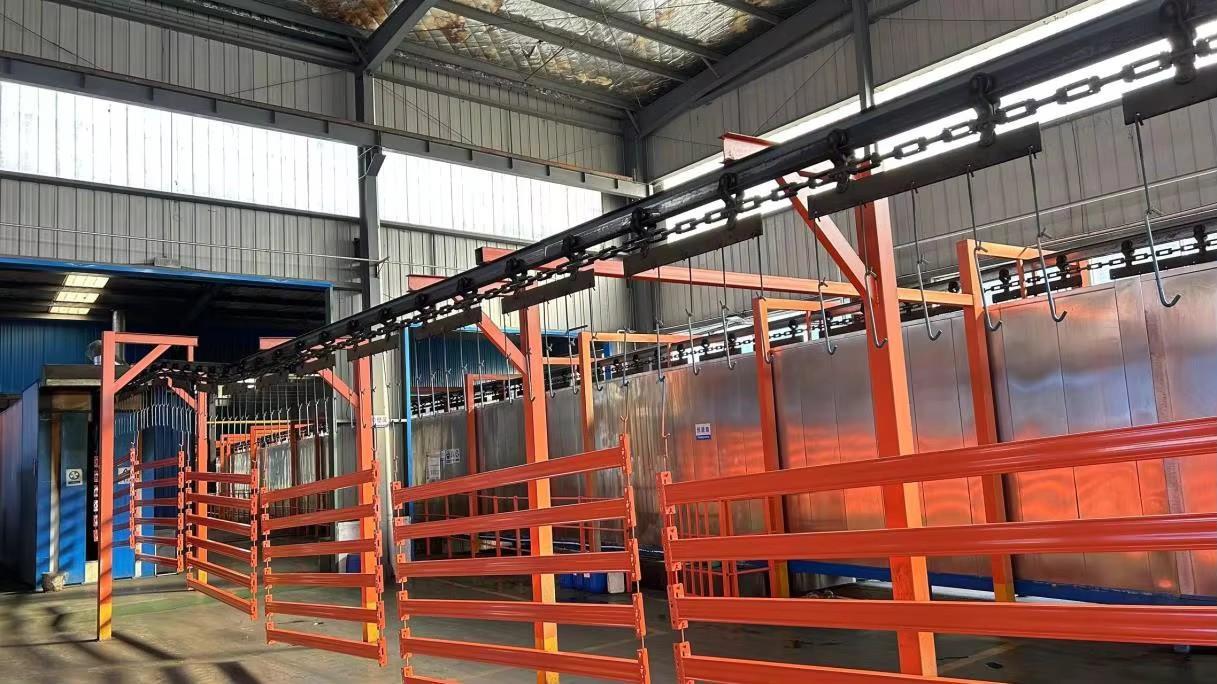
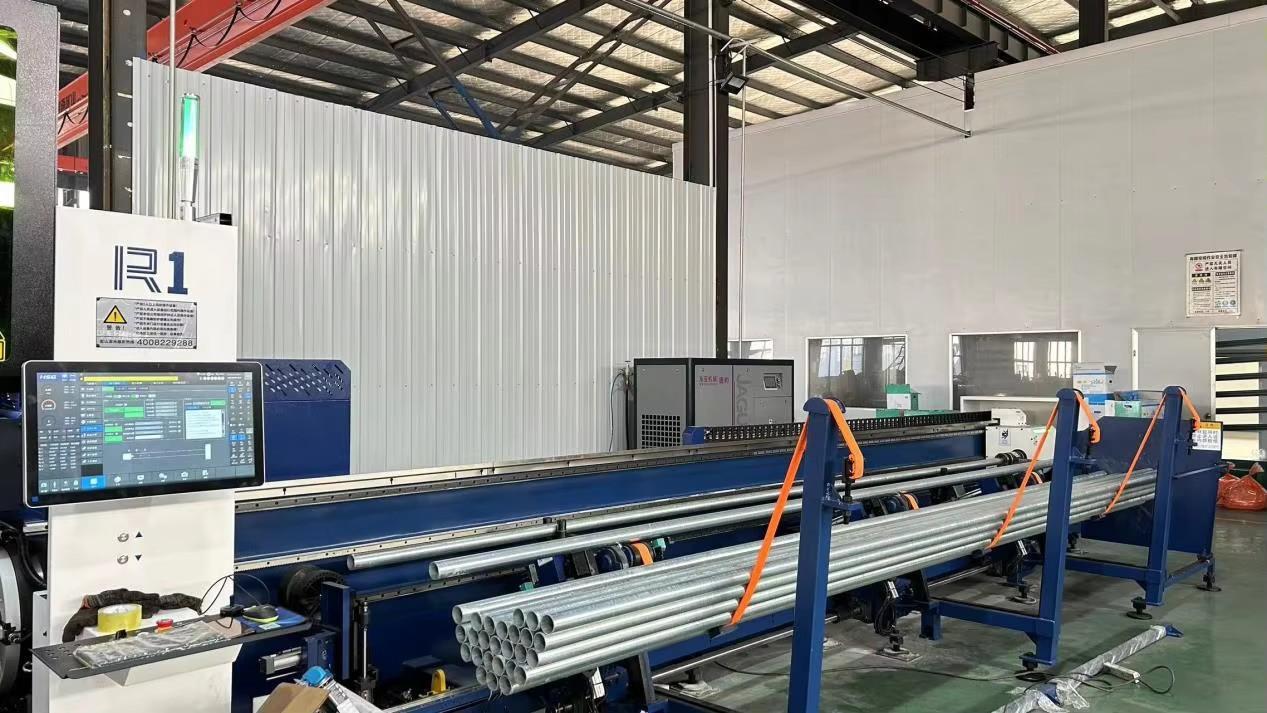
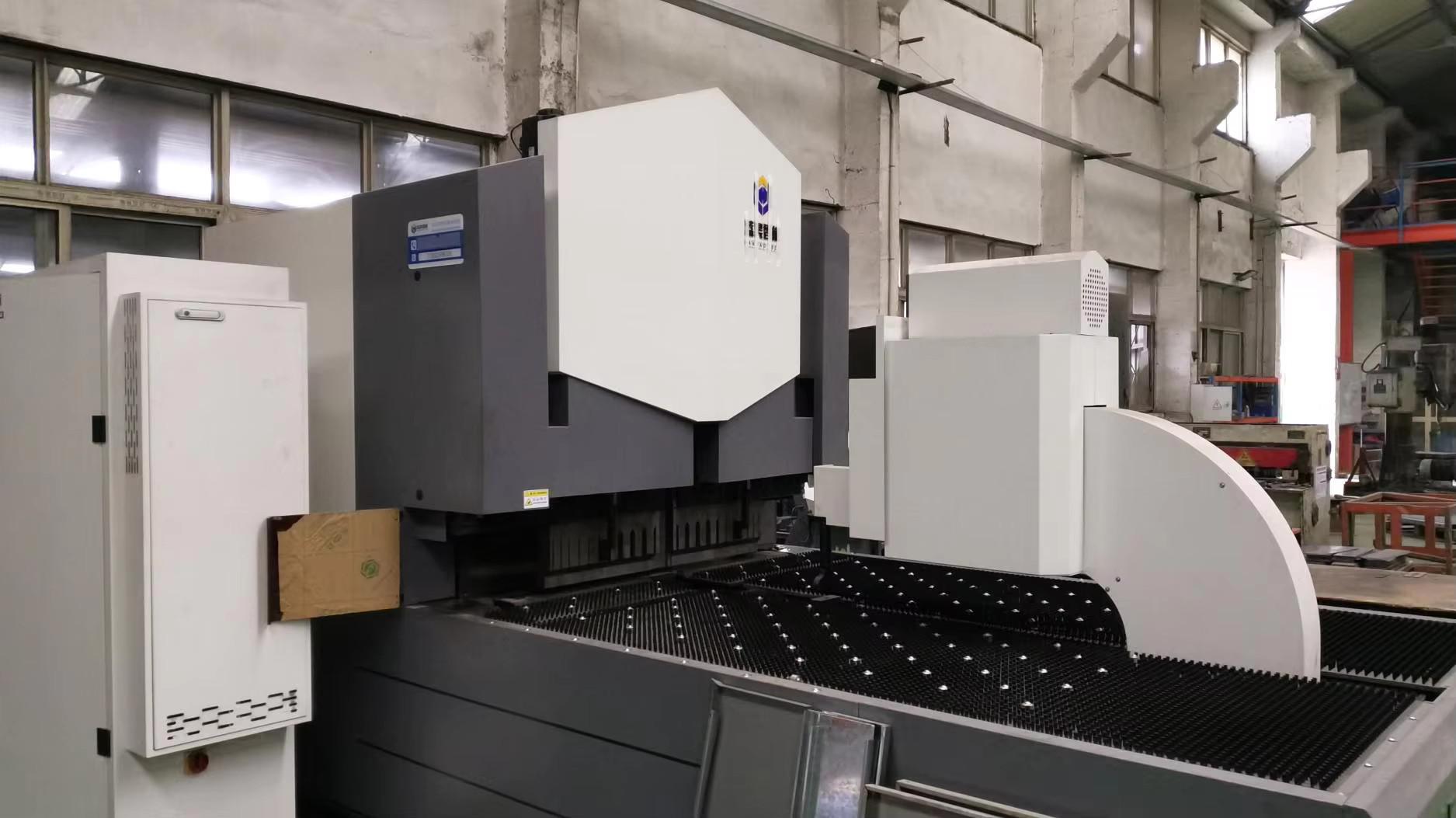
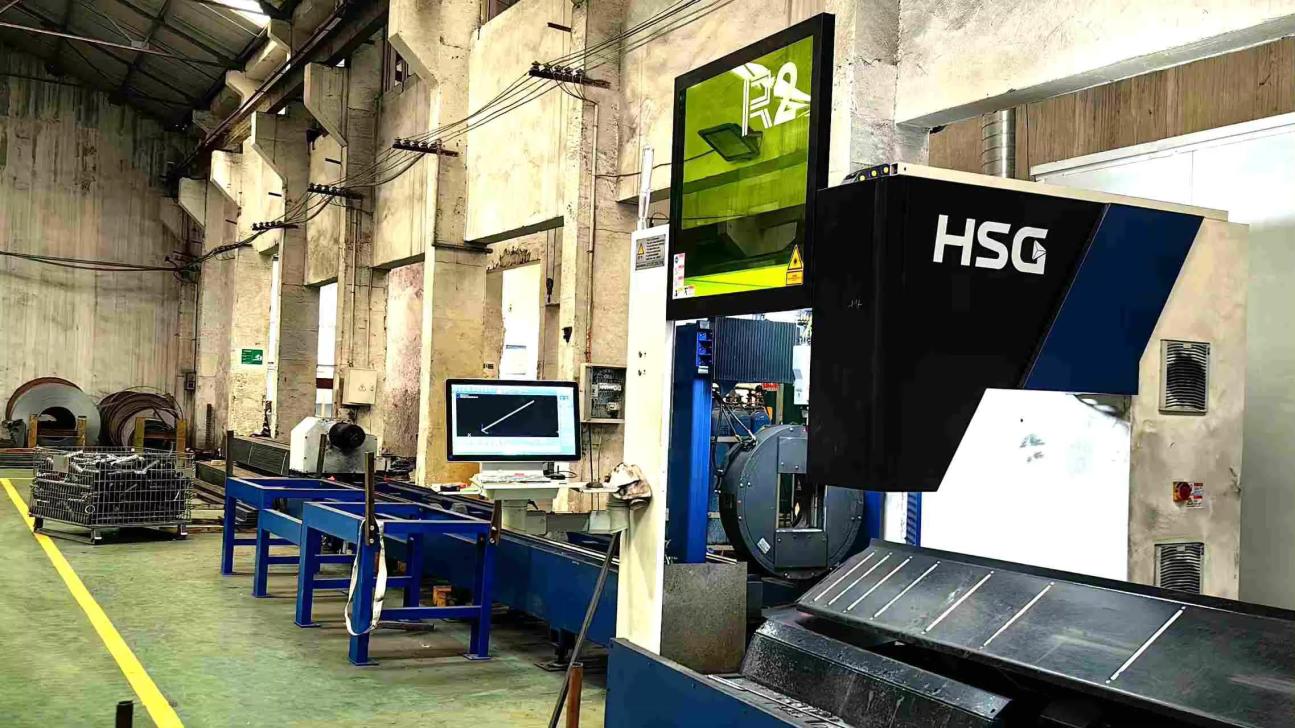
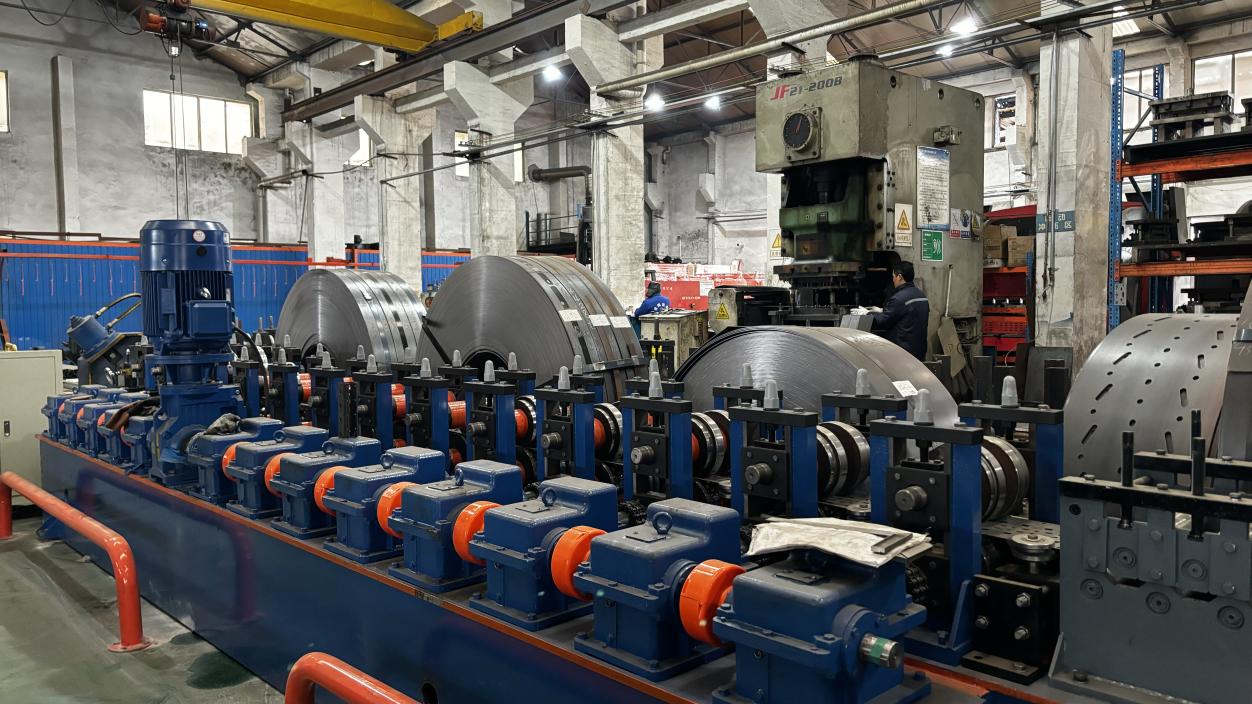
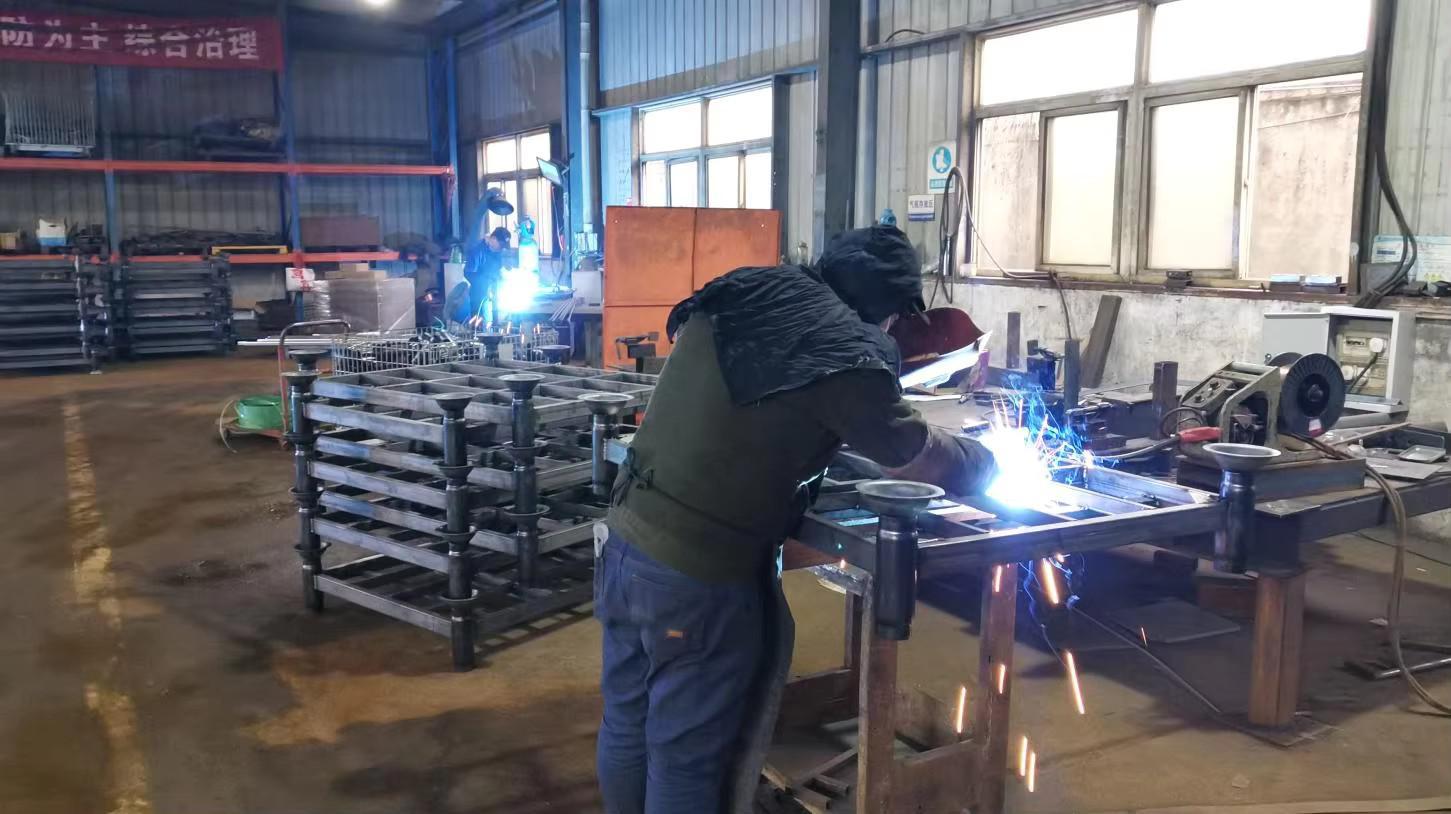
For South Korean buyers and global engineering contractors, procurement efficiency boils down to cost-to-performance ratio and production lead time. China's industrial manufacturing infrastructure offers unparalleled advantages. At Dongguan Jinhui Storage Equipment Co., Ltd., we utilize highly optimized roll-forming machinery, automated powder coating systems, and precision robotic welding arms to produce structural components at a fraction of the cost of localized European or South Korean steel mills.
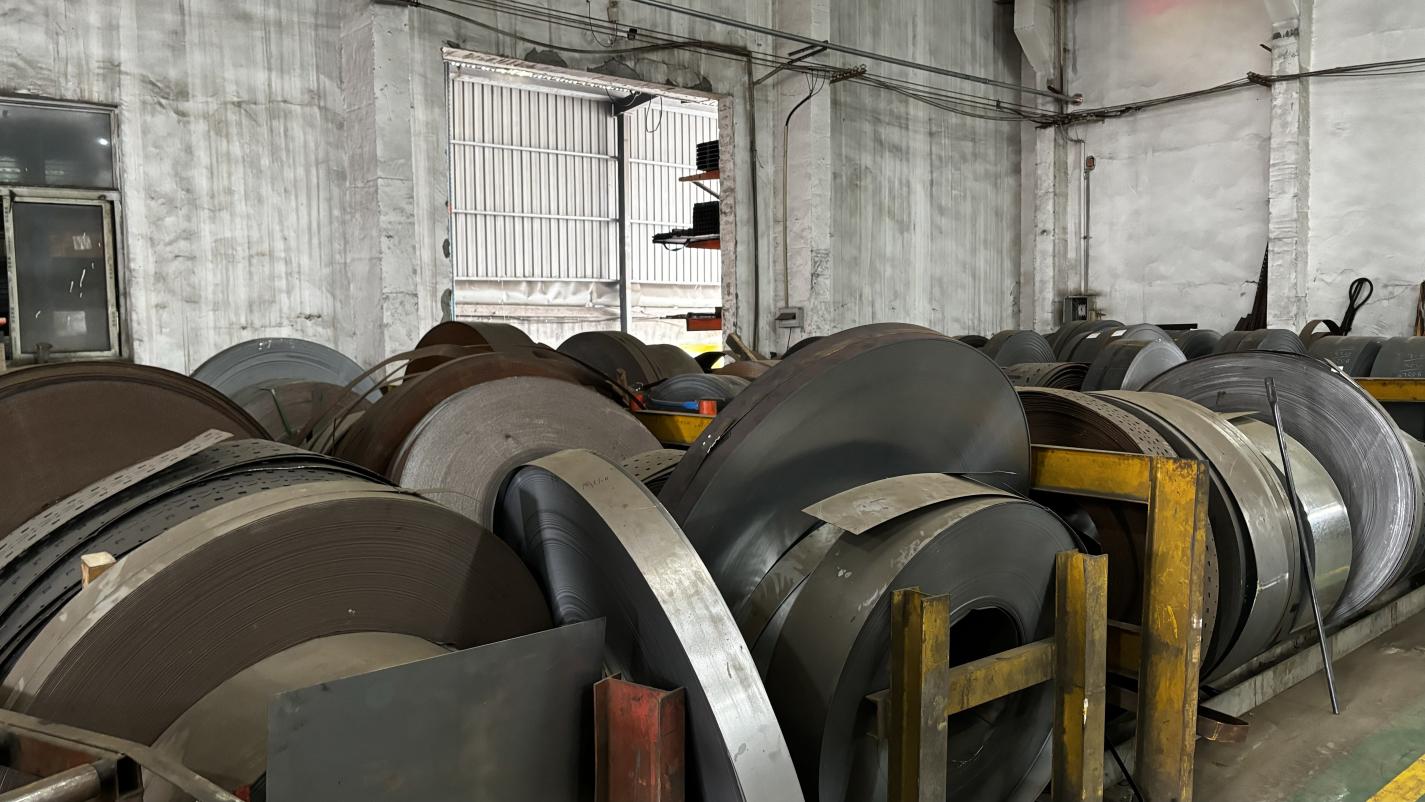
Supported by more than 980 stable supply chain partners, we secure high-grade raw steel (Q235B and Q345B) at highly competitive market rates. This reliable material sourcing shielding our clients from price volatility and guarantees consistent structural integrity. Our advanced production technology allows us to handle large-scale custom project schedules within weeks, whereas local manufacturers may require months.
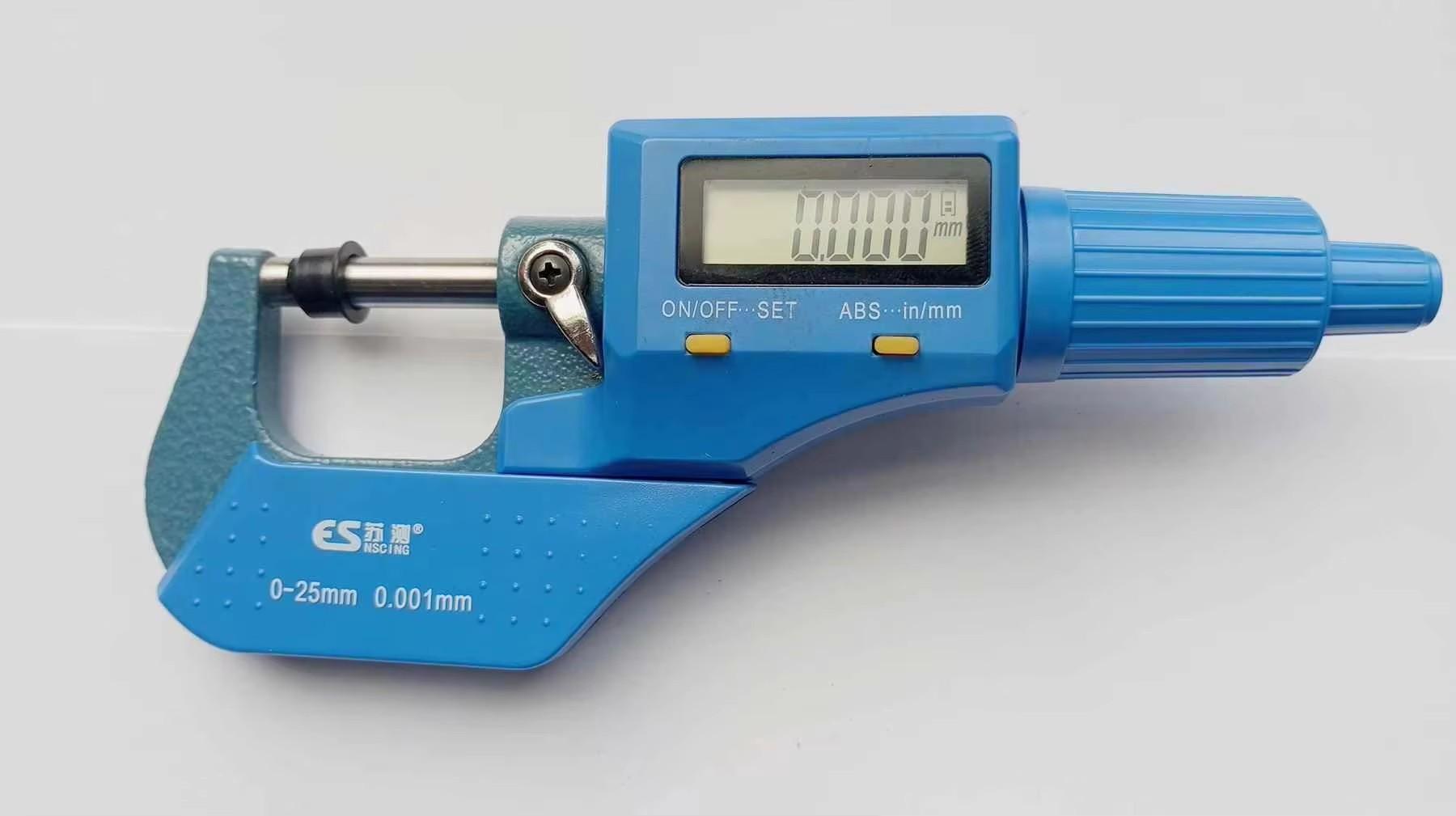
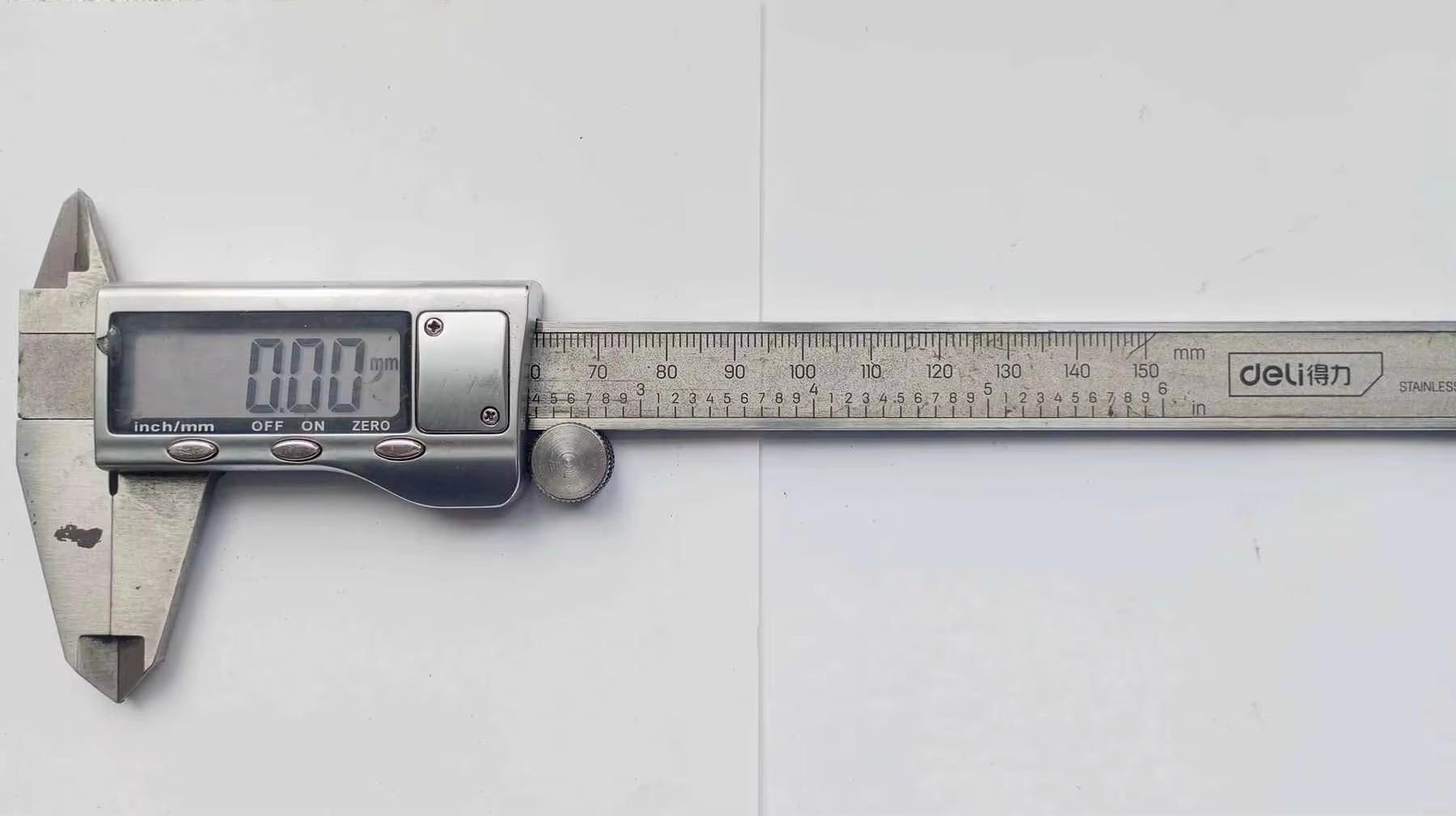
Sourcing internationally demands rigorous quality assurance. Our manufacturing facility operates under the global ISO 9001 quality management framework. Jinhui enforces an internal zero-defect tolerance standard managed by a dedicated QA team of 46 professional inspectors. Every structural beam, upright column, and decking panel undergoes dimensional checks, welding strength analysis, and coating thickness measurement prior to container packing.
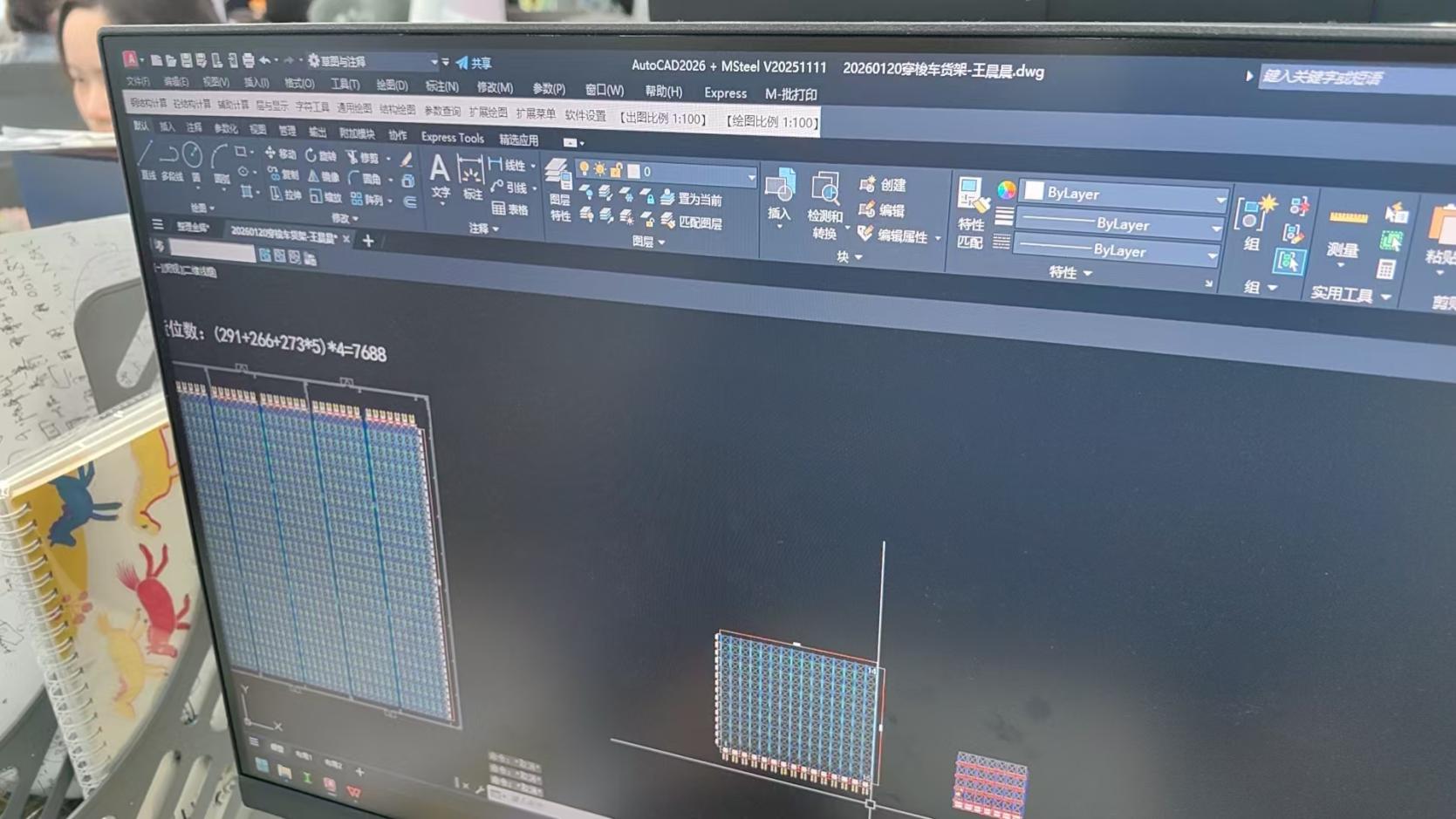
When engineering racking platforms destined for South Korea, we closely analyze localized seismic parameters, fire exit codes, and load distribution constraints. This guarantees that every shipped rack platform meets or exceeds the local structural requirements of Seoul's building control bureaus. Our engineering division utilizes advanced CAD and 3D FEA (Finite Element Analysis) software to custom design mezzanines for any specified warehouse layout.
Uniformly distributed loads (UDL) customizable from 300 kg/sqm up to 1,500 kg/sqm to accommodate heavy industrial tooling and high-density pallet storage.
Engineered baseplates, heavy bracing, and premium grade bolts designed to absorb seismic activity, ensuring safe operations in Northeast Asian logistics centers.
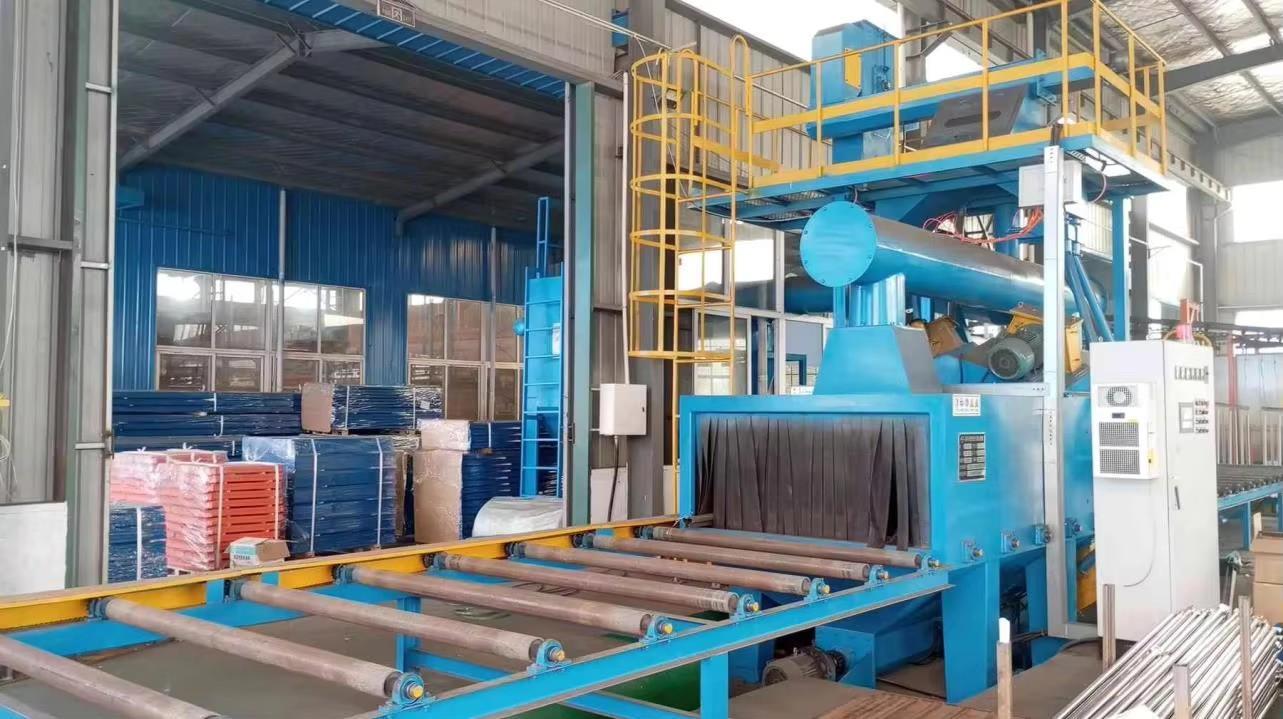
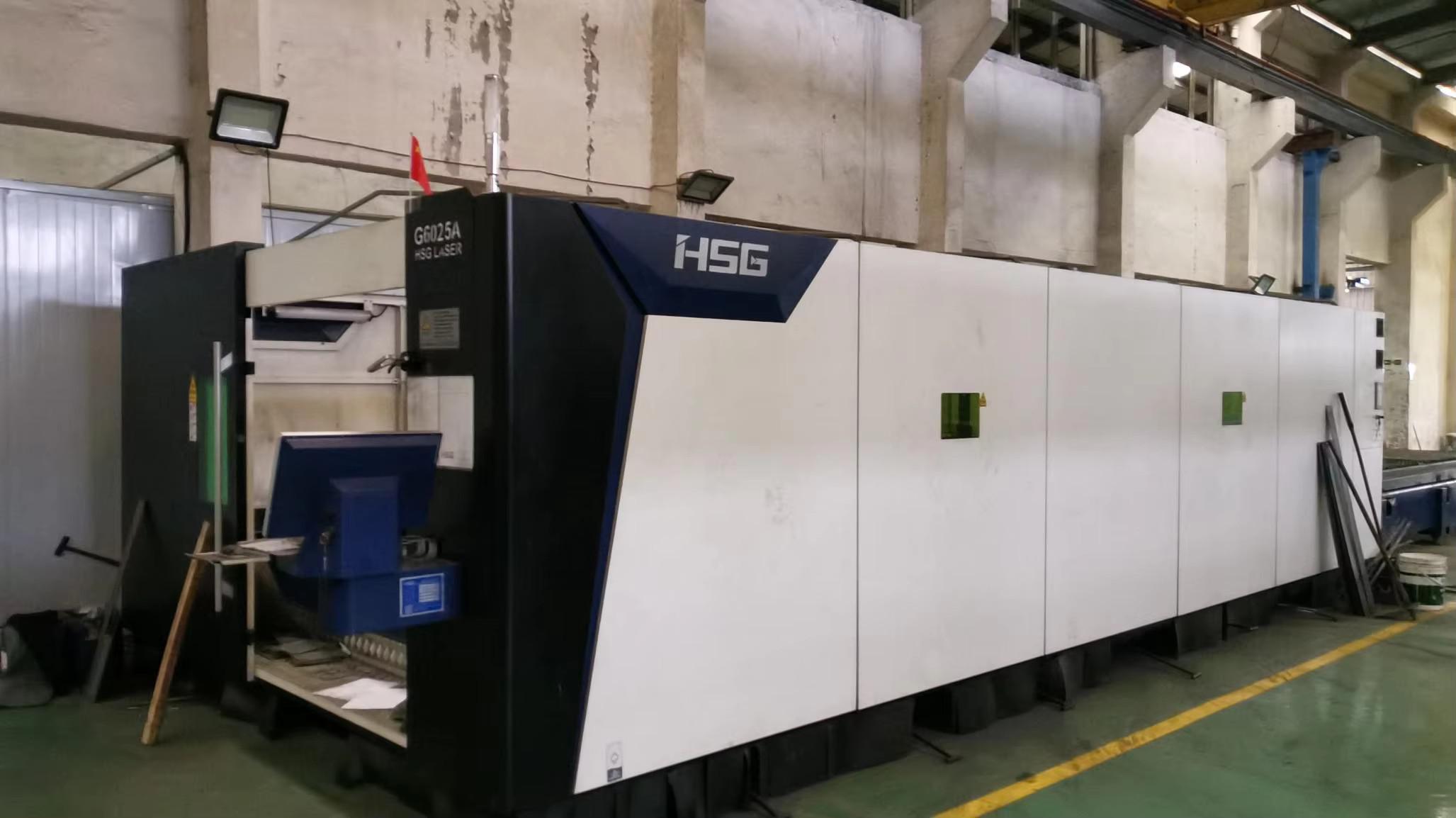
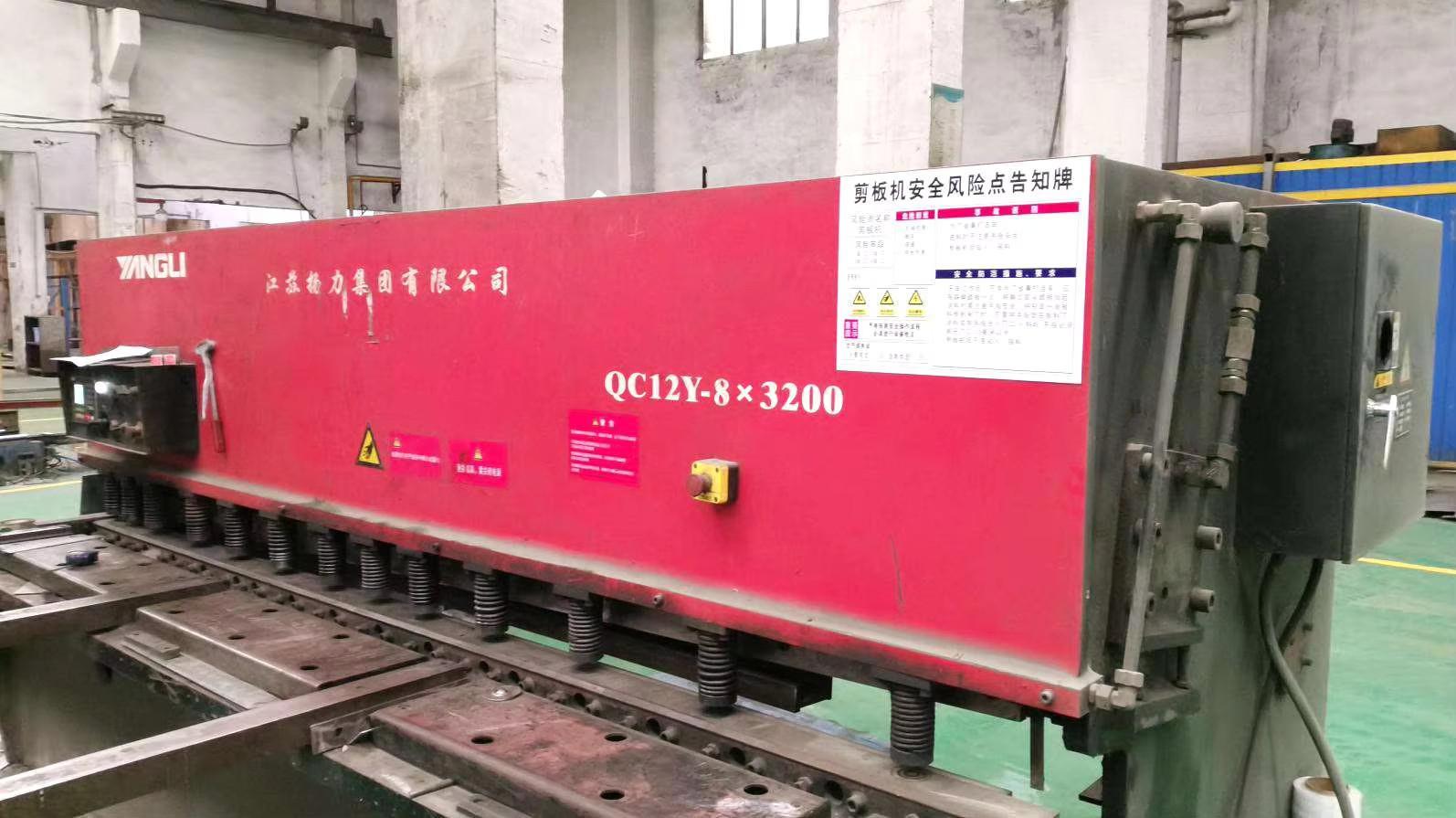
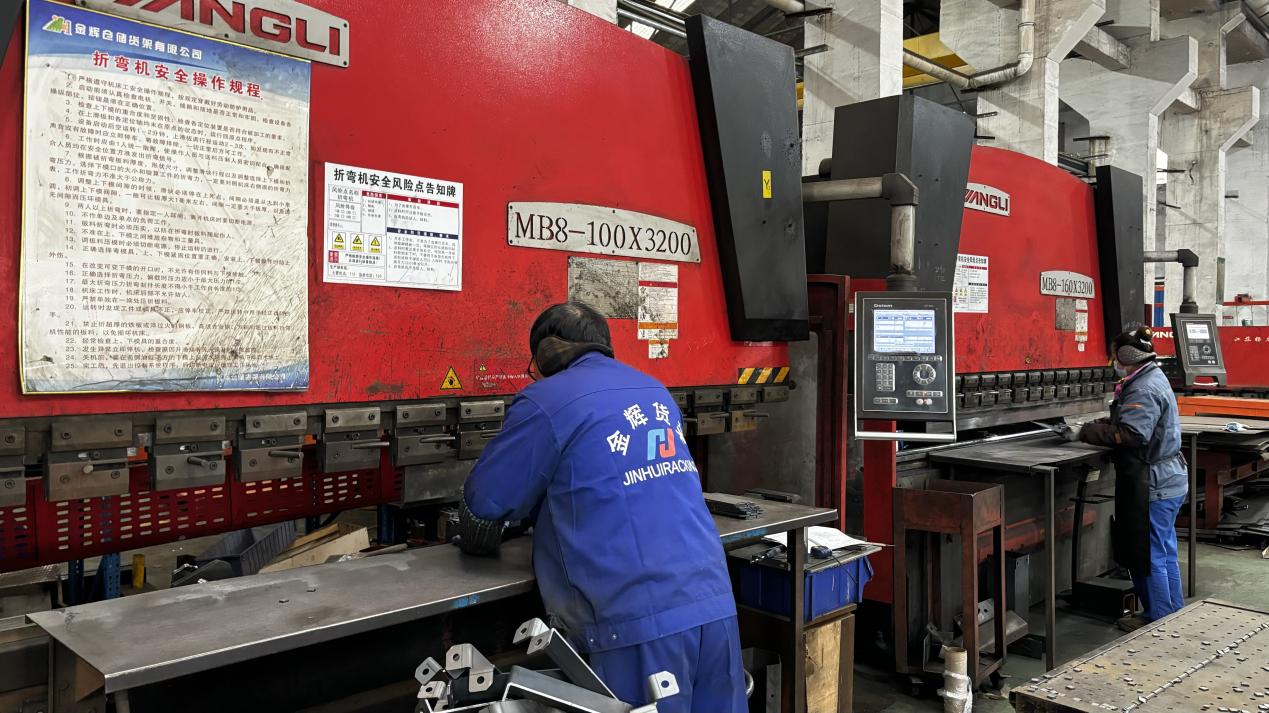
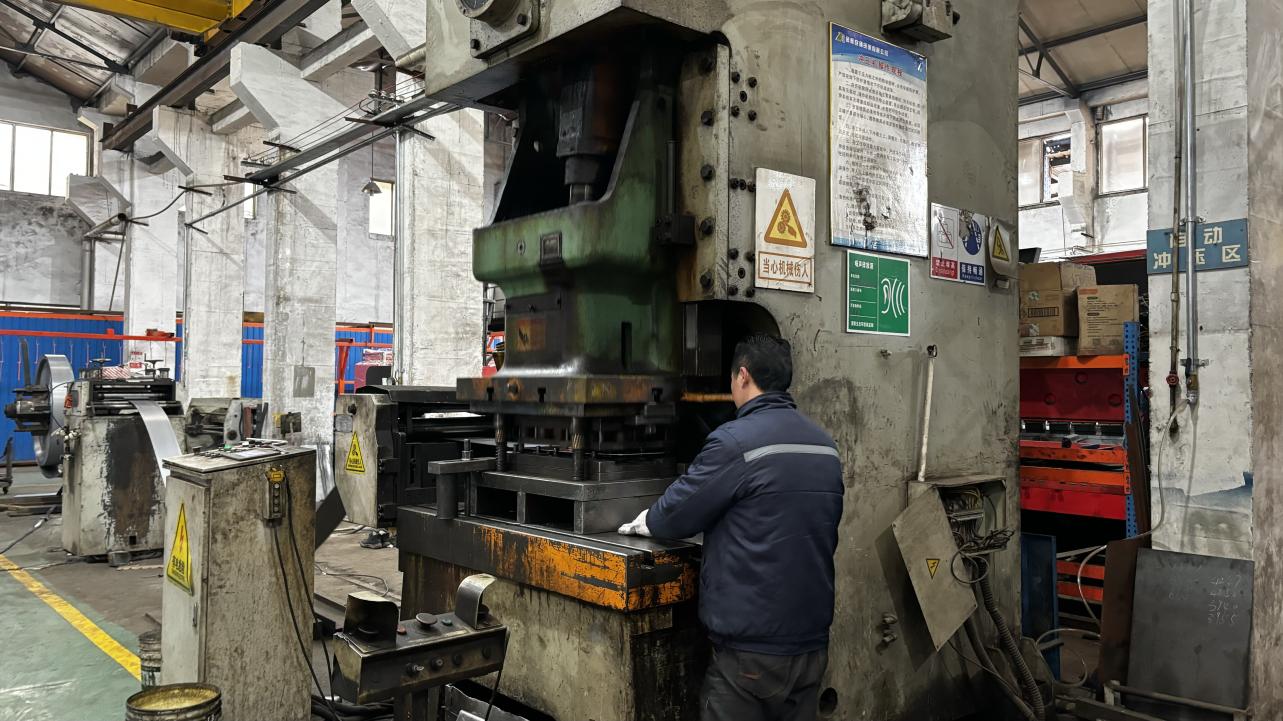
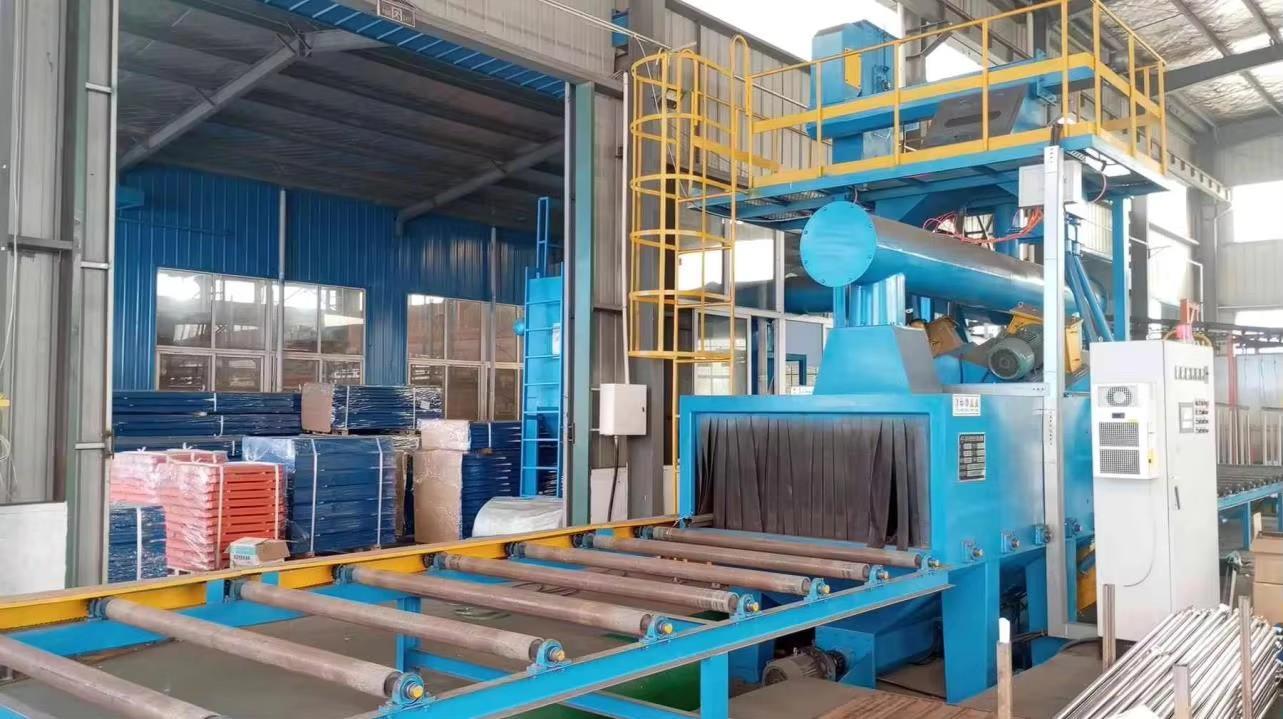
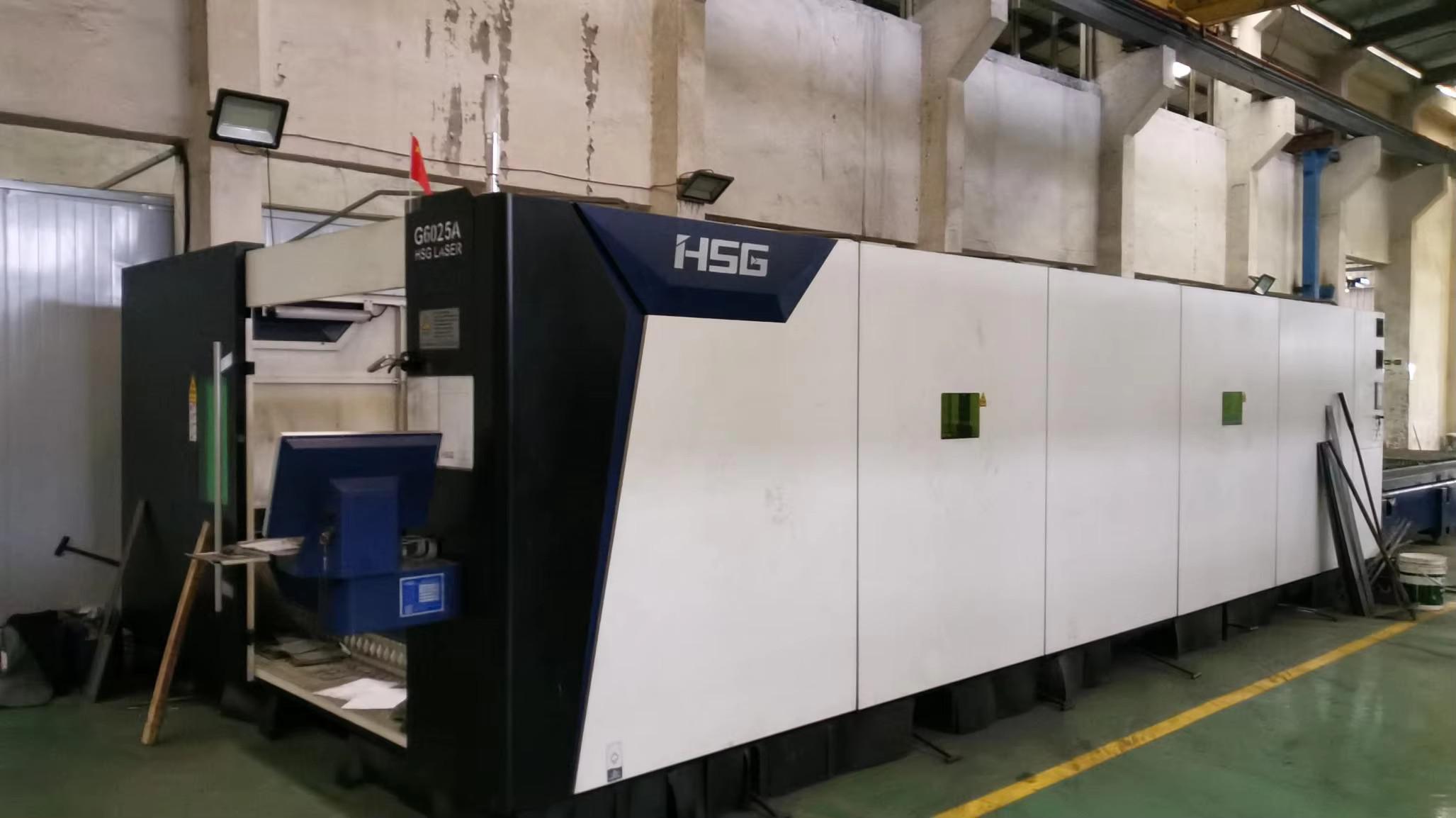
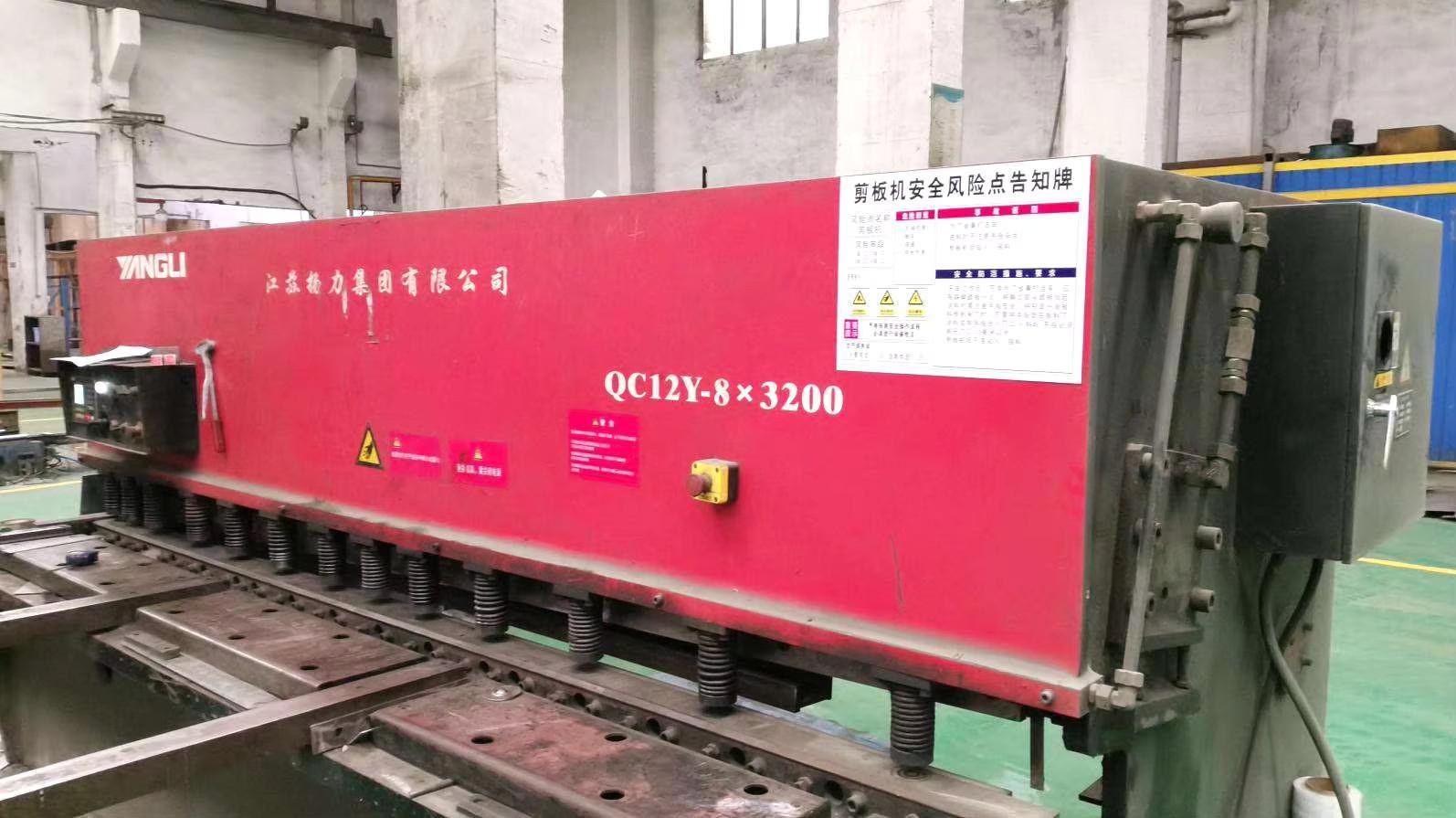
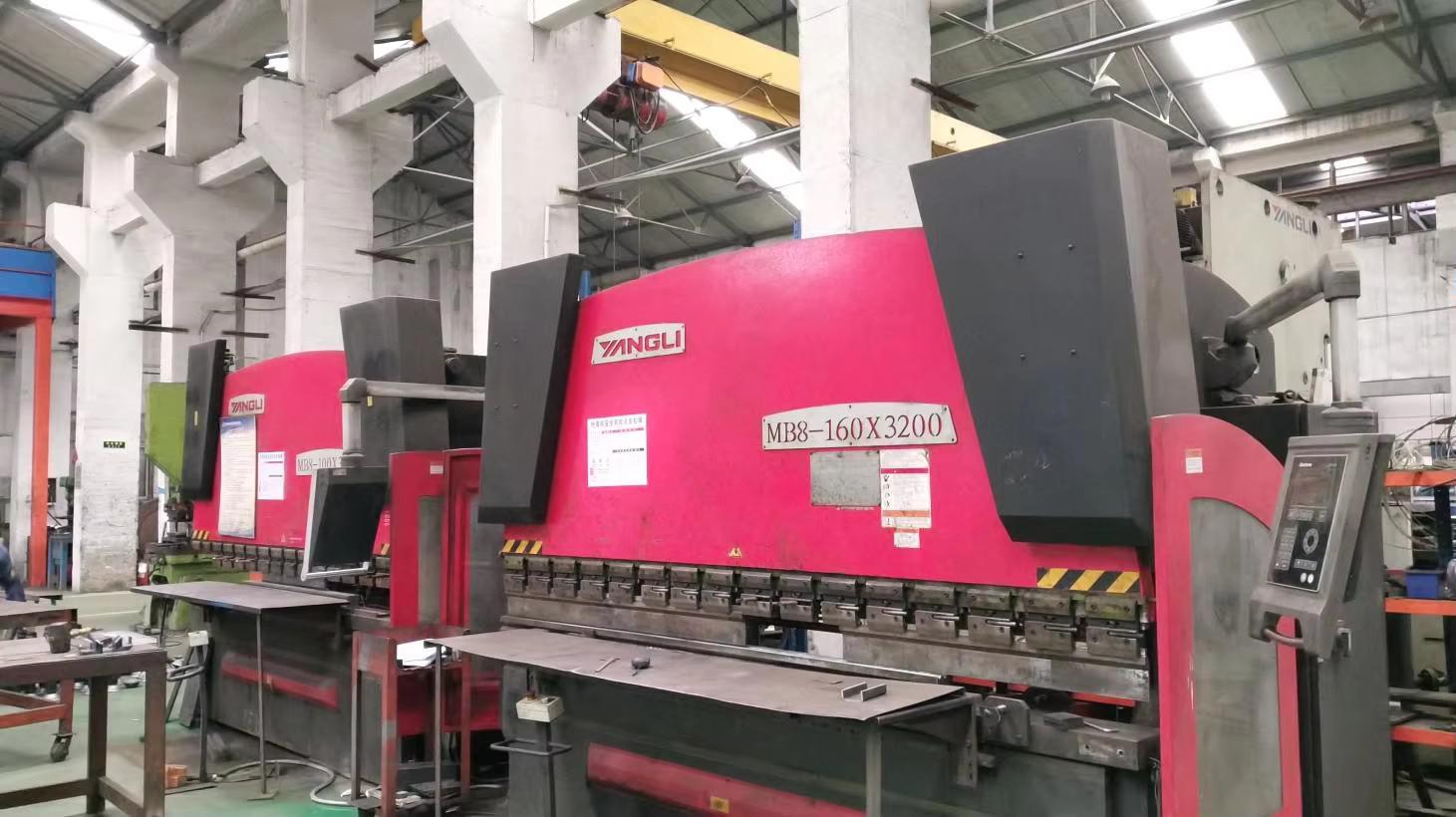
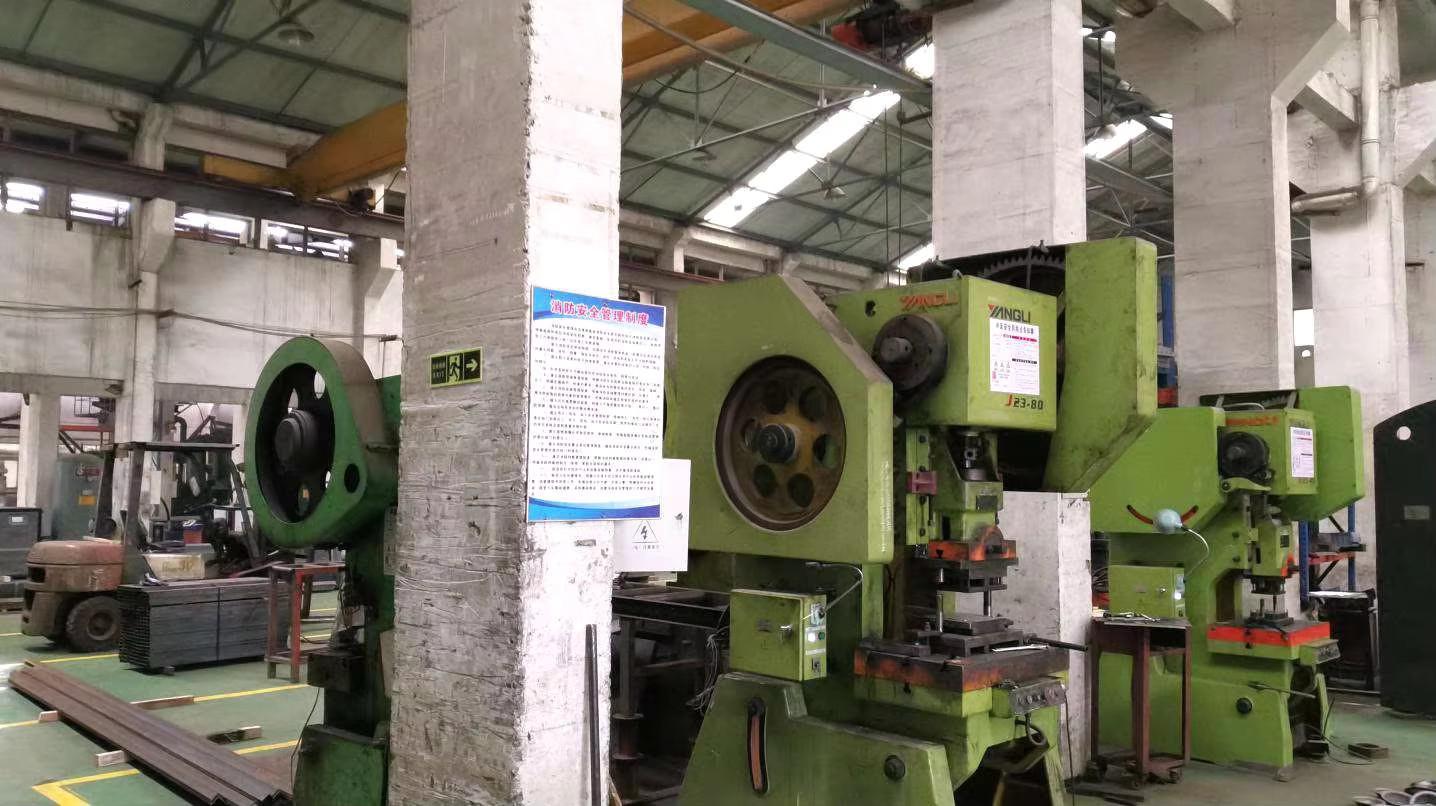
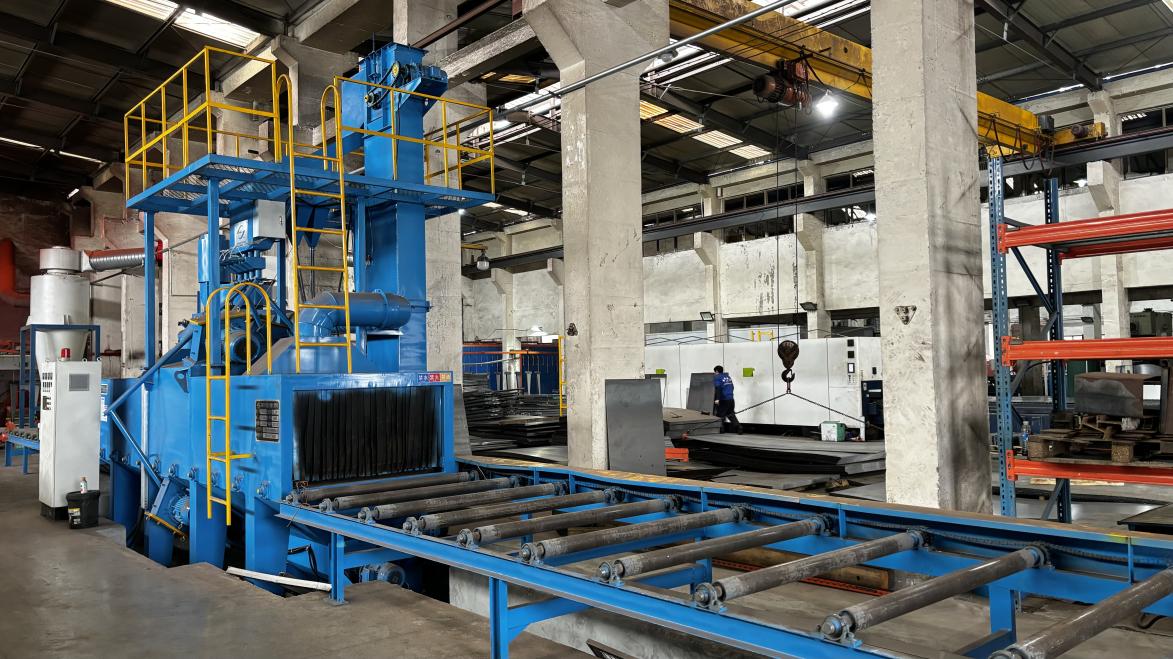
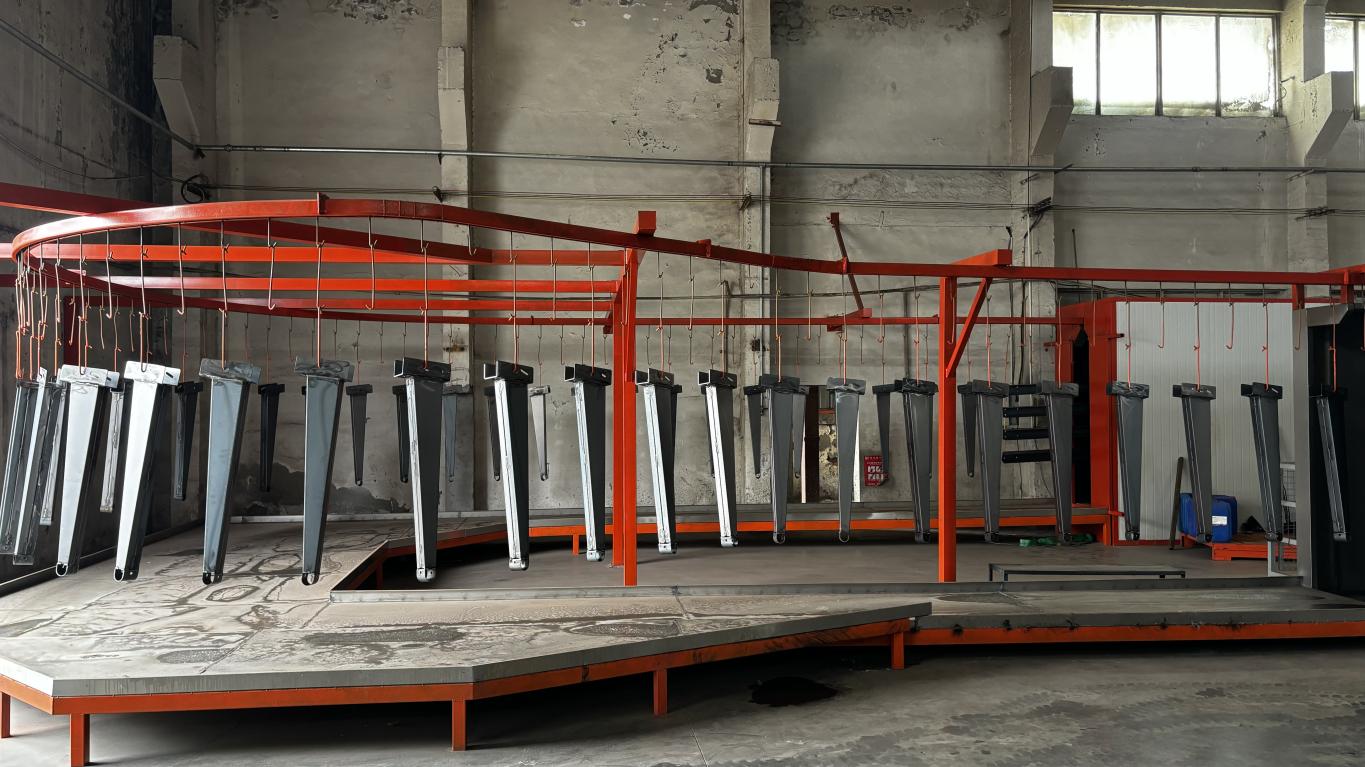
Visual tour of our state-of-the-art manufacturing plant in Dongguan, China

Unlocking Next-Generation Automation and High-Density Smart Logistics
Modern warehouse logistics is shifting from static storage to dynamic distribution. Standard steel mezzanines are evolving to accommodate advanced robotic picking systems. Multi-tier racking layouts now incorporate smooth resin-coated flooring overlays and flat-head structural bolts to facilitate the uninterrupted movement of Autonomous Mobile Robots (AMRs). By routing goods along a structural mezzanine floor directly into an Automated Storage and Retrieval System (AS/RS), warehouses optimize vertical spacing while reducing manual transit times.
Additionally, modern structural mezzanine plans include dedicated pathways for heavy vertical lifts and multi-level spiral conveyors, making it simple to transfer packages between picking levels and ground-level dispatch docks.
South Korea and surrounding East Asian industrial markets operate under unique environmental and seismic constraints. Industrial storage racking must be built to withstand seismic events without structural compromise. At Jinhui, our R&D engineers develop bespoke heavy-duty column profiles and reinforced diagonal bracing patterns designed to distribute dynamic shock waves safely into the building concrete floor.
Furthermore, sustainability has become a core procurement metric. Our electrostatic powder spray lines utilize lead-free, non-toxic powder coatings that emit zero volatile organic compounds (VOCs). This matches the green procurement directives of global consumer brands and environmentally conscious logistics developments in Seoul and beyond.
Heavy duty multi-tier structures custom manufactured and ready for export to Seoul and worldwide
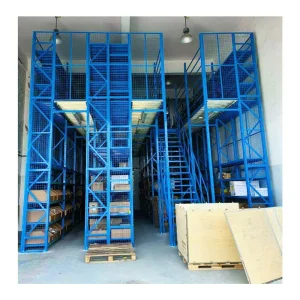
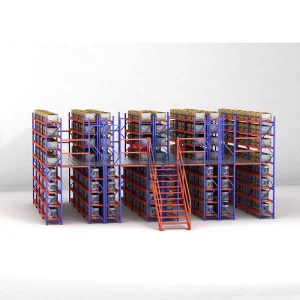
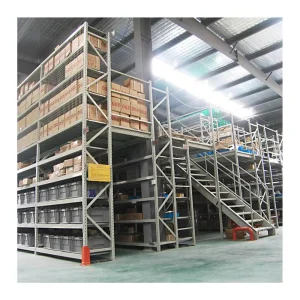
Essential guidance for industrial buyers, site managers, and global procurement directors
Load calculations depend on structural columns, primary/secondary beams, and deck thickness. Jinhui engineers utilize FEA (Finite Element Analysis) to evaluate dead loads (the weight of the structure itself) and live loads (forklift movement, pallet weight, automated equipment, and pickers). Standard designs range from 300 kg/sqm for light picking platforms to over 1,500 kg/sqm for heavy manufacturing floors.
Yes. When manufacturing for projects in Seoul or Gyeonggi-do, we modify designs to incorporate critical fire suppression pathways. This includes mesh panels for smoke dissipation, spacing for sprinkler line integration, anti-slip perforated steel stairs, and structural exits in compliance with Korean Building Code (KBC) safety standards.
Production typically takes 15 to 25 days depending on the size of the project. Transit time from Dongguan to Seoul (via the Port of Incheon or Port of Busan) is only 3 to 5 days. Our export logistics team coordinates customs clearance, certificates of origin, and tax document support to minimize import friction at South Korean ports.
Absolutely. We operate a highly active engineering division with 68 R&D engineers. We regularly design, mock-up, and manufacture custom structural configurations. Whether you require specific dynamic load requirements, paint coatings, non-standard sizing, or specialized access systems, we can engineer custom platforms to fit your building layout.
Get in touch with our engineering consulting team to receive a free CAD design and manufacturing quote for your project.
Send Inquiry Now Jinhui Storage Equipment