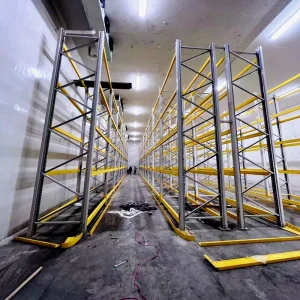
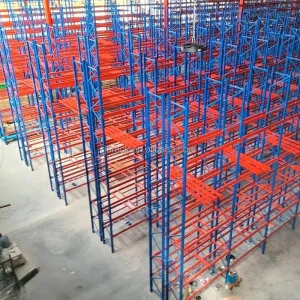
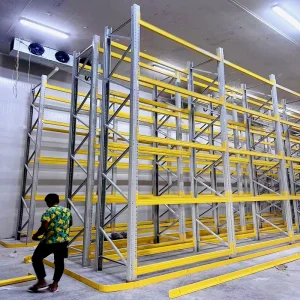
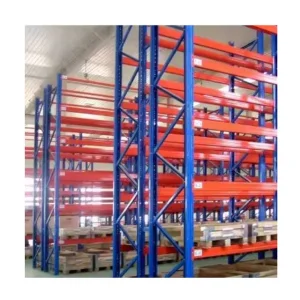
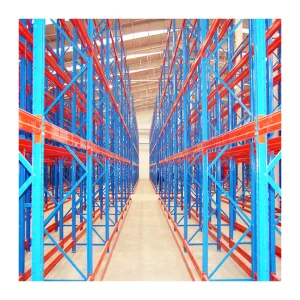
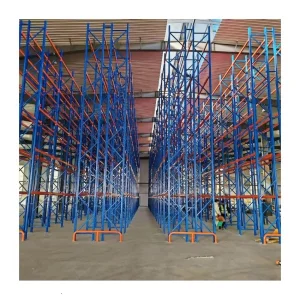
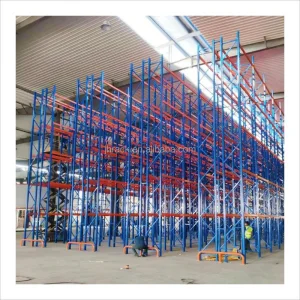
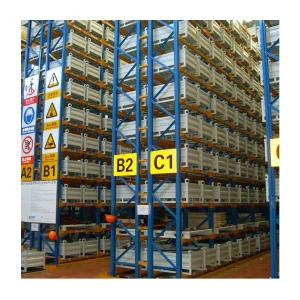
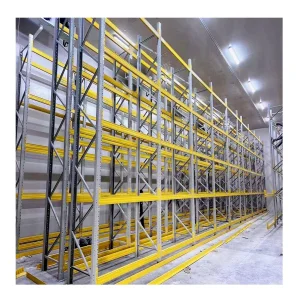
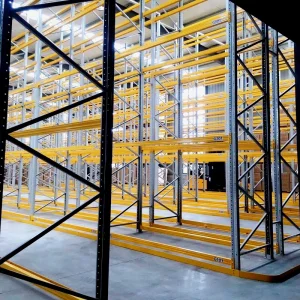
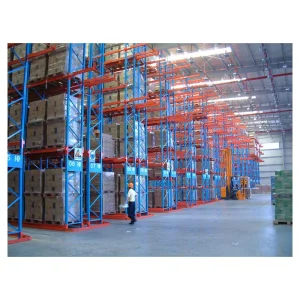
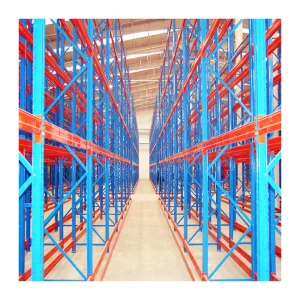
Discover our primary heavy-duty very narrow aisle racking systems designed to maximize vertical space and dramatically lower floor space footprints.
The Seattle industrial market, encompassing the vital shipping corridors of the Kent Valley, Tukwila, SeaTac, and the Port of Seattle (NWSA), is operating under unprecedented supply constraints. Fueled by regional e-commerce giants, aerospace manufacturing, and maritime trade, lease rates for standard industrial properties have reached historic highs. Warehouse operators in Western Washington face a critical challenge: expansion is structurally constrained by the region's geography, wedged between the Puget Sound and the Cascade Mountains. Consequently, physical warehouse expansion is rarely viable.
This geographic pressure makes high-density storage solutions not just a cost-benefit preference, but an operational imperative. Very Narrow Aisle (VNA) racking systems optimize vertical cubic volume without expanding the warehouse footprint. By reducing aisle widths from standard selective racking margins of 10.5–12 feet down to 5–6.5 feet, VNA configurations reclaim up to 40% to 50% of wasted aisle floor space. This spatial efficiency translates to a significantly lower cost-per-pallet position. This density is essential for distribution centers adjacent to major Pacific Northwest arterial corridors (I-5 and I-90).
Seattle is located within a highly active tectonic zone, characterized by the Cascadia Subduction Zone and local faults. Industrial steel storage racks are classified as building-like structures under the International Building Code (IBC) and ASCE 7. Consequently, any warehouse storage system installed in King, Pierce, or Snohomish counties must be engineered to withstand lateral seismic forces corresponding to Seismic Design Category D, E, or F.
| Engineering Parameter | Standard Selective Racking | VNA Racking System (Seattle Compliant) | Required Verification / Standards |
|---|---|---|---|
| Typical Aisle Width | 10.5 ft - 12 ft (3.2m - 3.6m) | 5.0 ft - 6.5 ft (1.5m - 1.9m) | Forklift Specification Match |
| Base Plate Size & Anchoring | Standard 4"x4" with single anchor | Heavy-Duty enlarged seismically rated plates | ASCE 7, Seismic Category D/E/F |
| Frame Bracing Profile | Standard light-gauge bracing | Reinforced structural channels / tubular bracing | ANSI MH16.1 (RMI Standard) |
| Max Practical Height | 30 ft (9.1m) | Up to 50+ ft (15.2m+) | High-Rack Fire Protection Code (NFPA 13) |
For a VNA system, where heights frequently exceed 30 feet, seismic safety calculations must be meticulously verified. The heightened center of gravity of loaded pallets stored at elevated levels increases overturning moments during seismic events. Dongguan Jinhui Storage Equipment Co., Ltd. designs its Seattle-destined rack systems with high-strength structural grade steel (such as Q355B, equivalent to ASTM A1011). We utilize thicker material profiles, heavy-duty base plates with multiple anchoring points, and specialized dual-weld beam connectors. These specifications ensure structural integrity and compliance with RMI (Rack Manufacturers Institute) and local Washington State building code requirements.
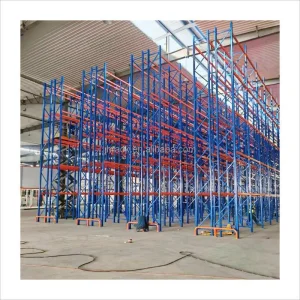
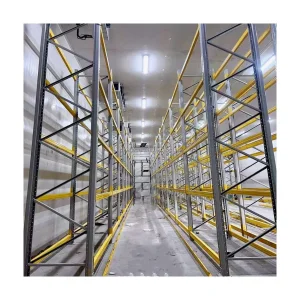
Heavy-duty structural storage configurations optimized for maritime transport, aerospace components, and regional distribution centers.
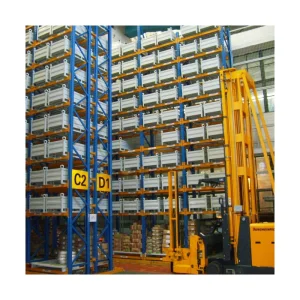
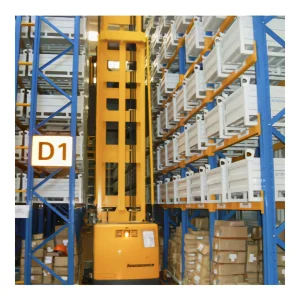
Very Narrow Aisle installations require dedicated lateral guidance systems to prevent forklifts from colliding with rack structures. Because clearance tolerances between the VNA truck and the pallet face are typically as narrow as 4 to 6 inches, manual steering inside the aisle is not possible. Operators have two main guidance options:
Mechanical guide rails consist of heavy structural steel angles (e.g., L100x100mm or L120x80mm) anchored directly to the concrete floor at the base of the uprights. The VNA truck is equipped with low-mounted guide rollers that run against these steel rails. This physical barrier provides positive mechanical alignment, protecting the rack faces from low-level impacts.
A wire guidance system utilizes a thin copper wire embedded in a shallow slot cut directly into the center of the concrete floor. The wire emits a low-frequency radio signal tracked by sensors mounted on the VNA truck. Once the truck enters the aisle, the control system takes over the steering automatically. Wire guidance eliminates the physical obstructions of steel guide rails, simplifies floor maintenance, and reduces hazards at the entry point of the aisles. However, this system requires a highly flat floor surface (typically compliant with DIN 15185 or ASTM E1155 Superflat classifications) to ensure the vehicle sensors remain properly aligned.
As the height of a VNA system increases, the tolerance for floor unevenness drops significantly. A minor deviation of 1/8 inch at floor level can amplify to a tilt of several inches at a top rack height of 40 feet. This level of sway can result in pallets hitting structural frames during placement or retrieval. Therefore, before installing VNA racking in a Seattle facility, we recommend conducting a comprehensive floor flatness survey. Floors must meet minimum FF (Floor Flatness) and FL (Floor Levelness) values or conform to international DIN 15185 tolerances. When necessary, we can supply shims and custom seismic base plates to help level the upright frames.
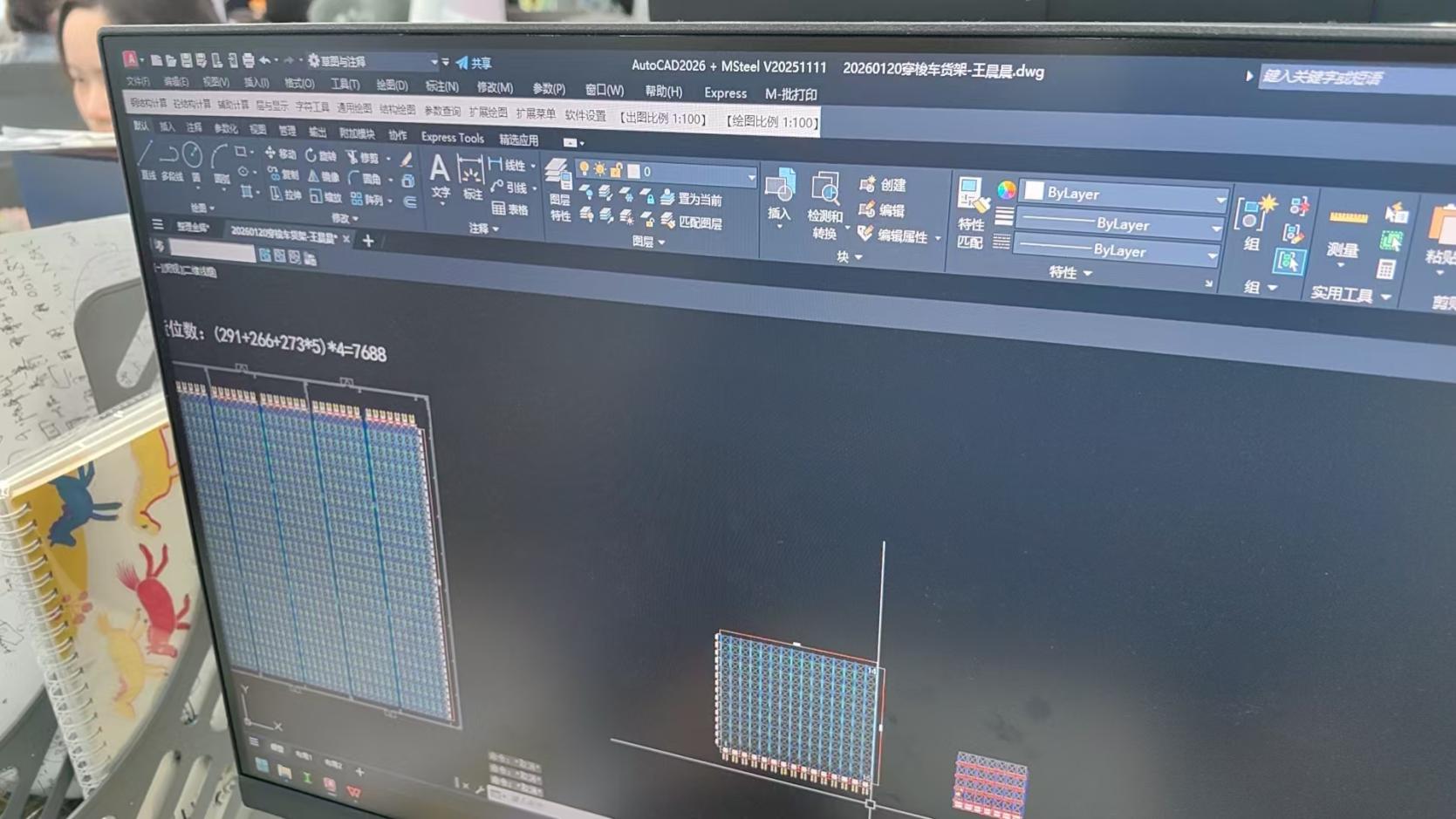
Our comprehensive production flow ensures structural reliability, tight dimensional tolerances, and high-performance powder coatings.
Established in 2017, Jinhui Storage Equipment Co., Ltd. operates a state-of-the-art 18,600 square meter manufacturing facility in China. Our facility features advanced automatic production lines, precision laser cutting machines, CNC punching equipment, and robotic welding systems. We source structural steel directly from leading mills, verifying chemical composition and mechanical properties to ensure reliable performance under heavy loads. With 14 years of industry experience and 8 years of export experience, we design and deliver reliable warehouse storage systems to customers across North America, Europe, and Asia.
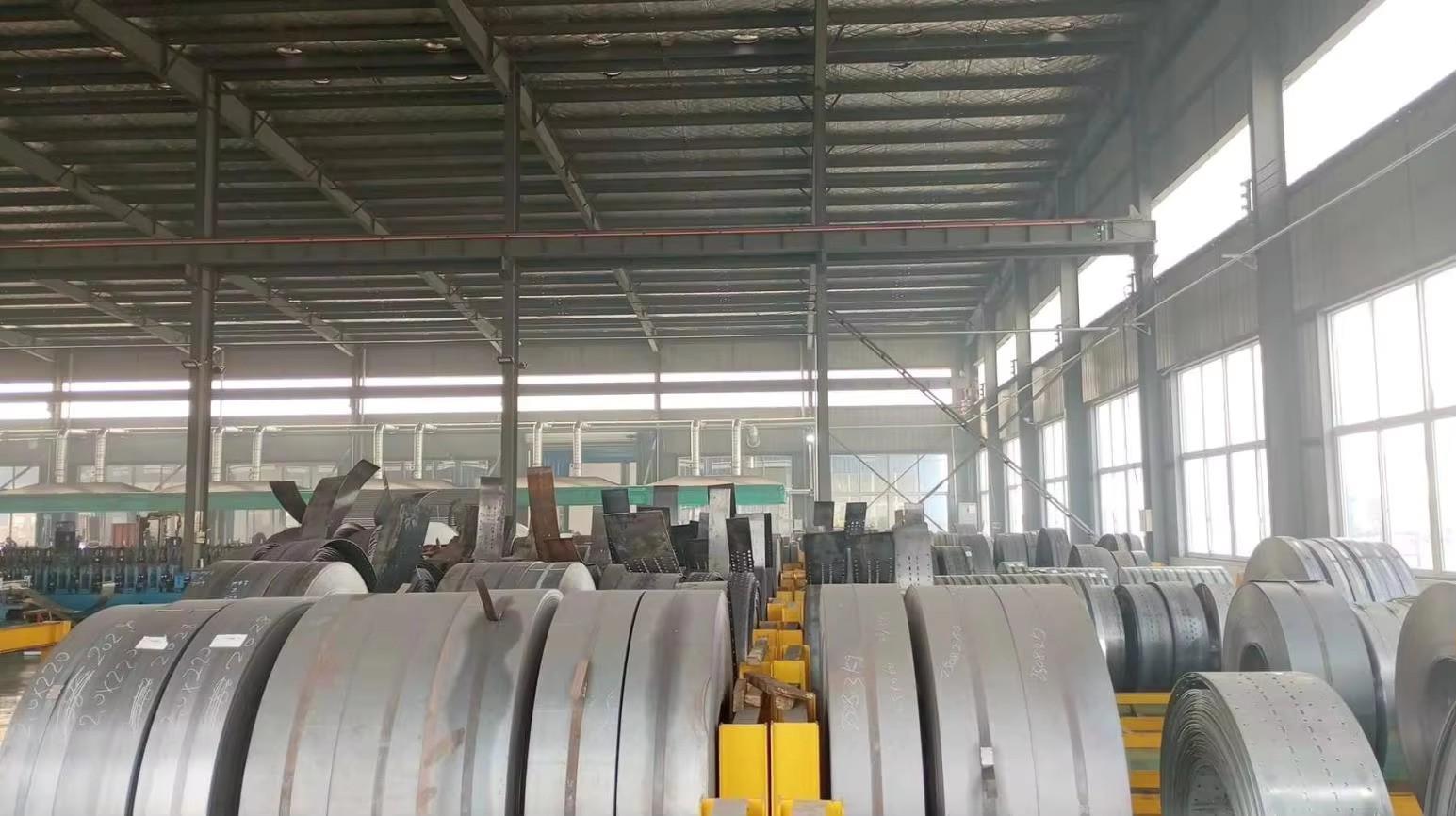
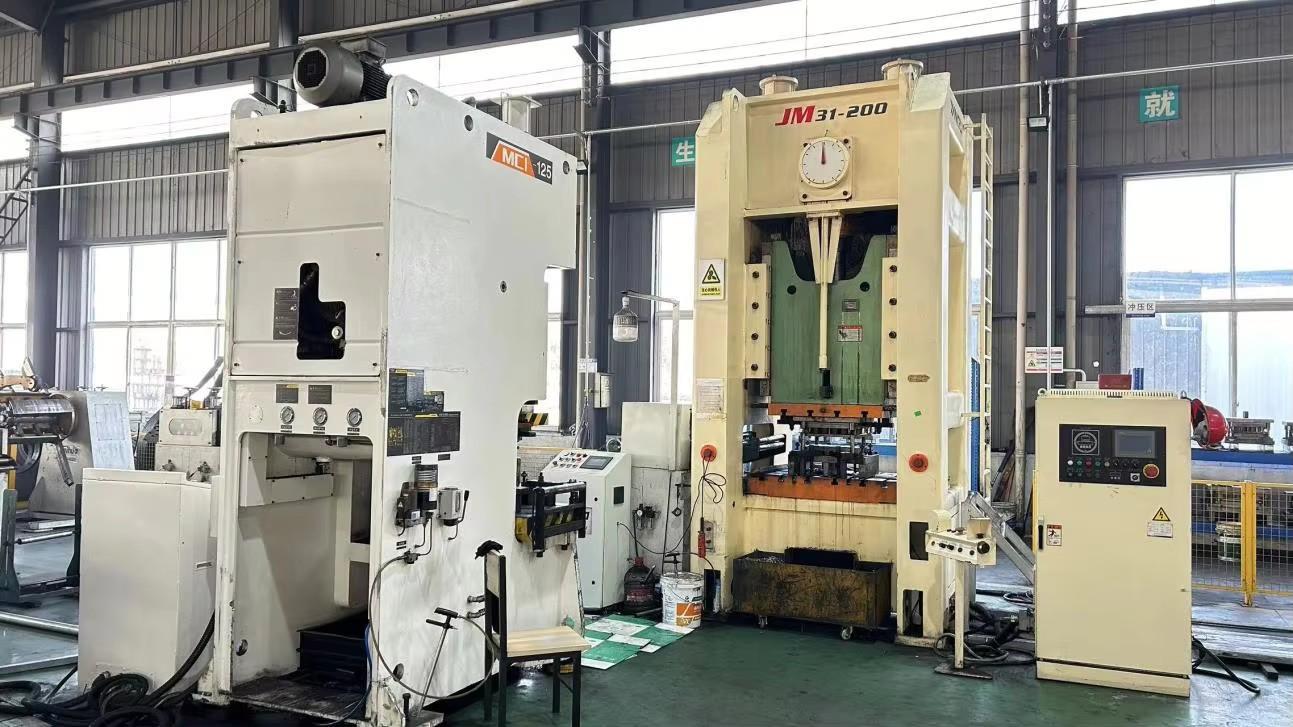
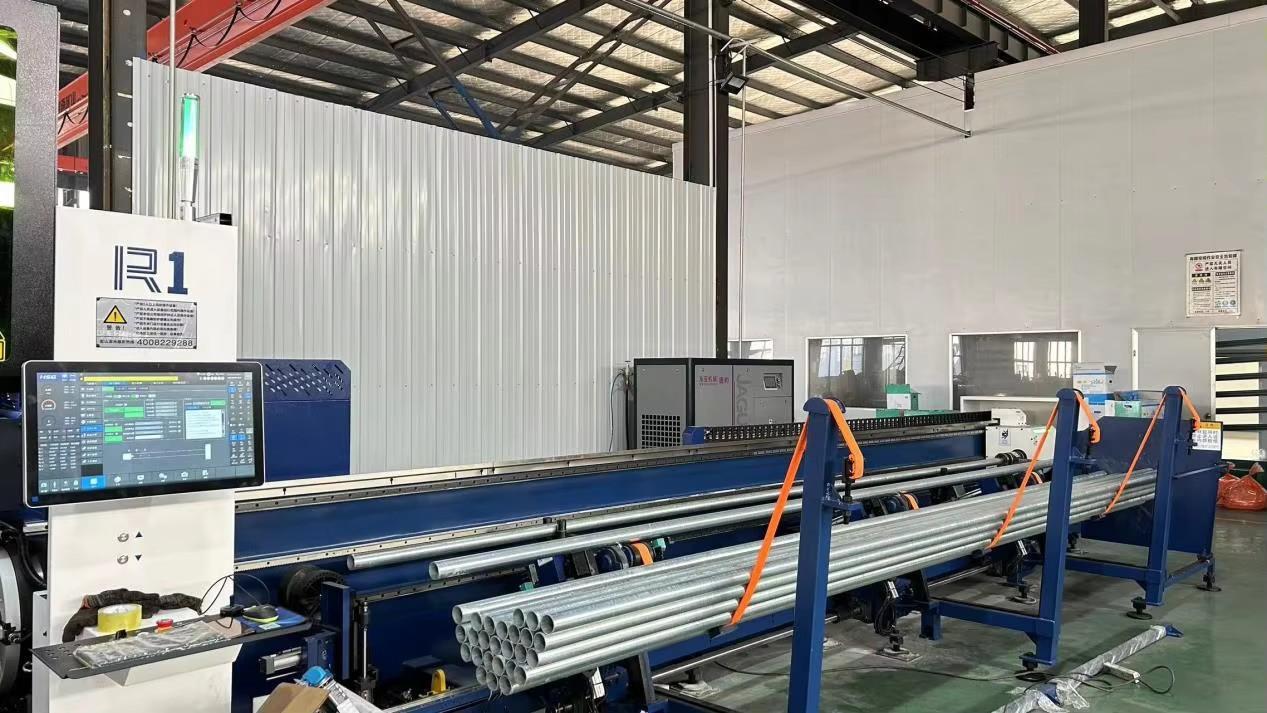
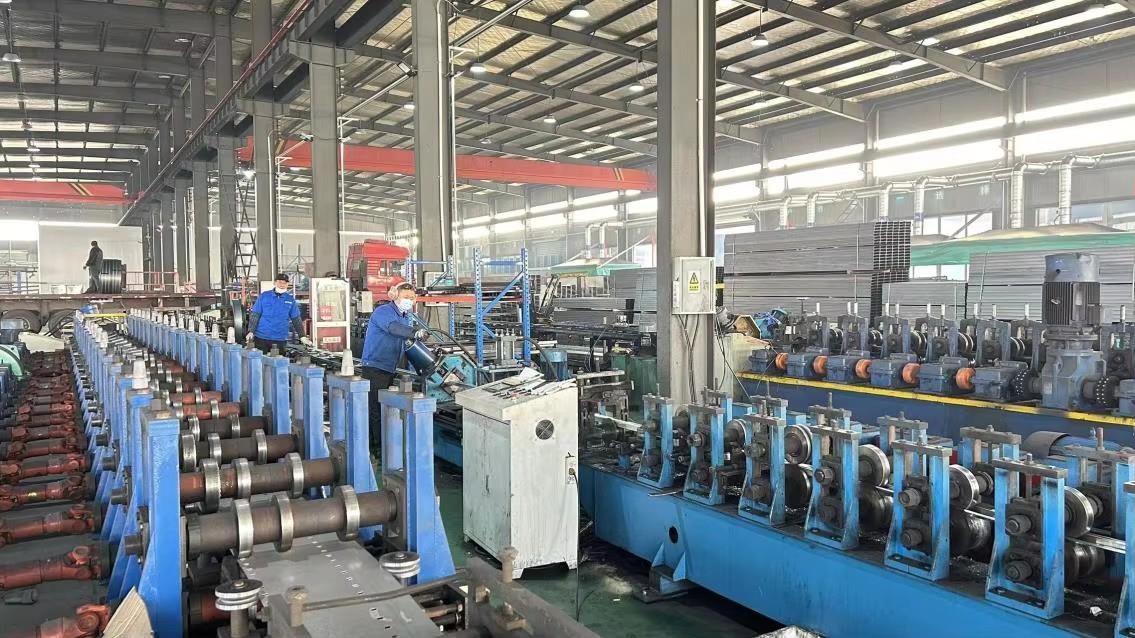
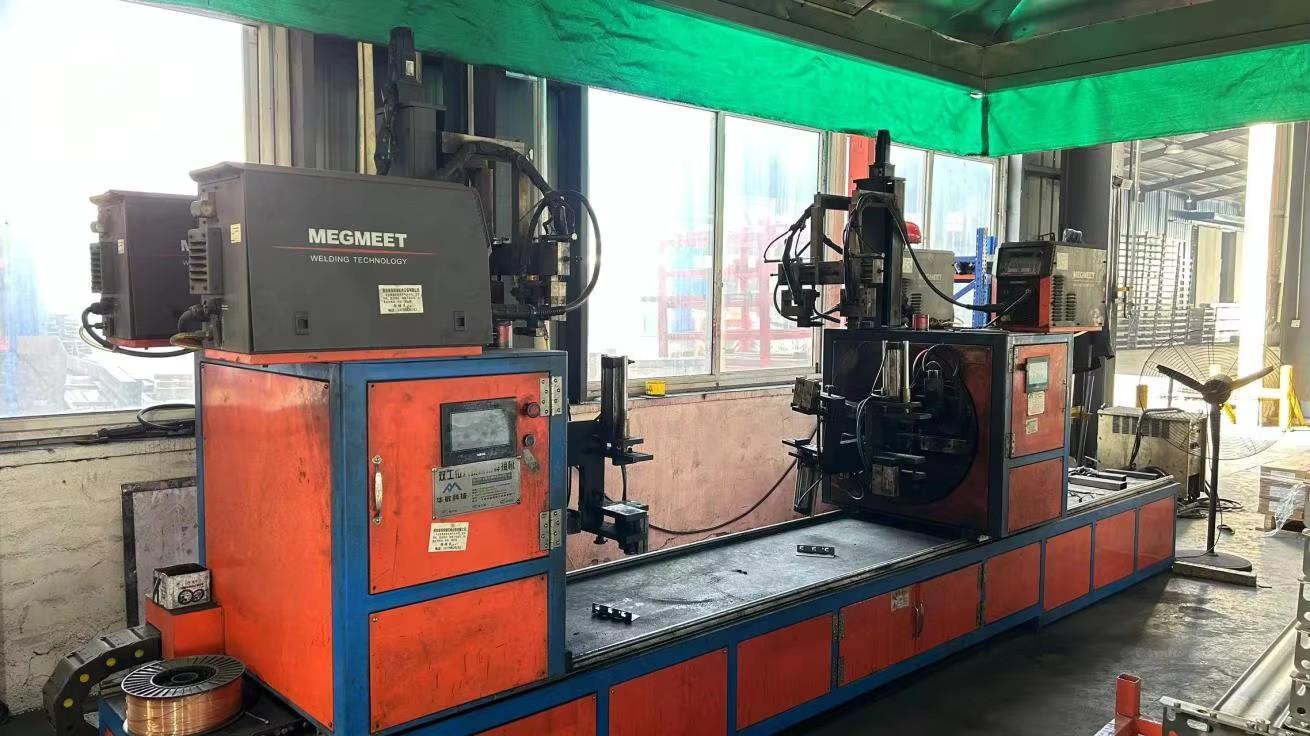
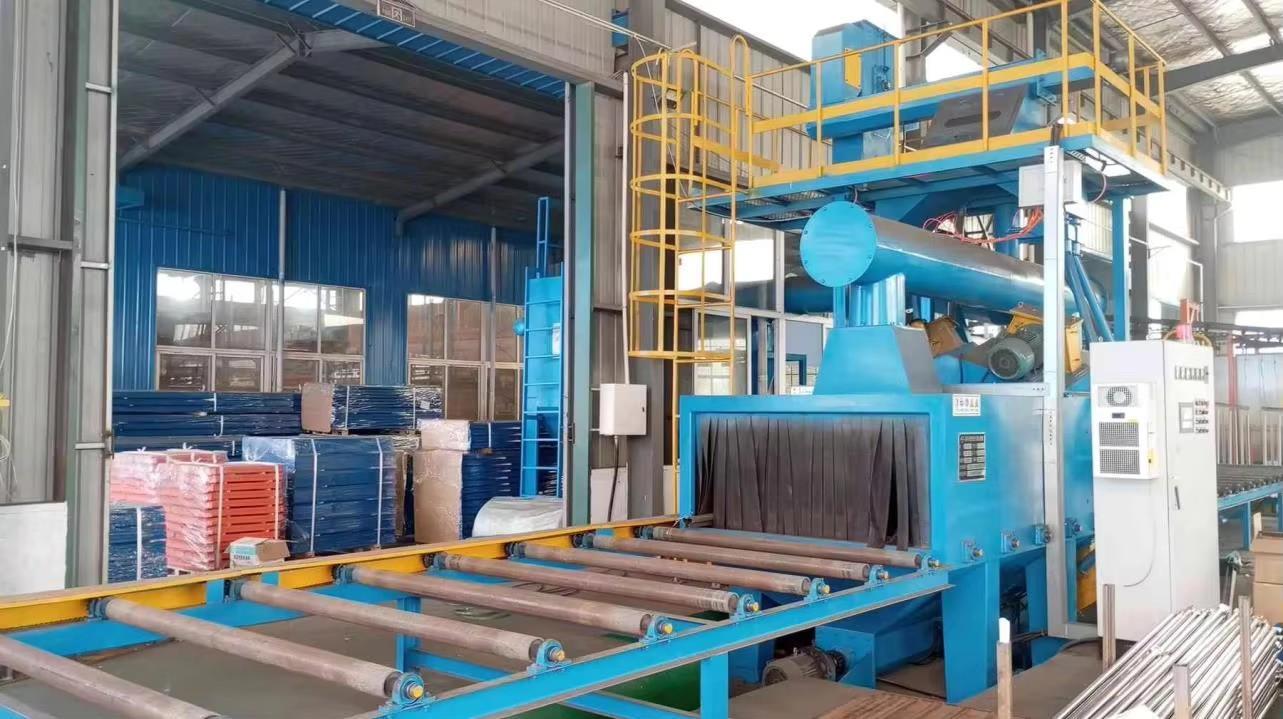
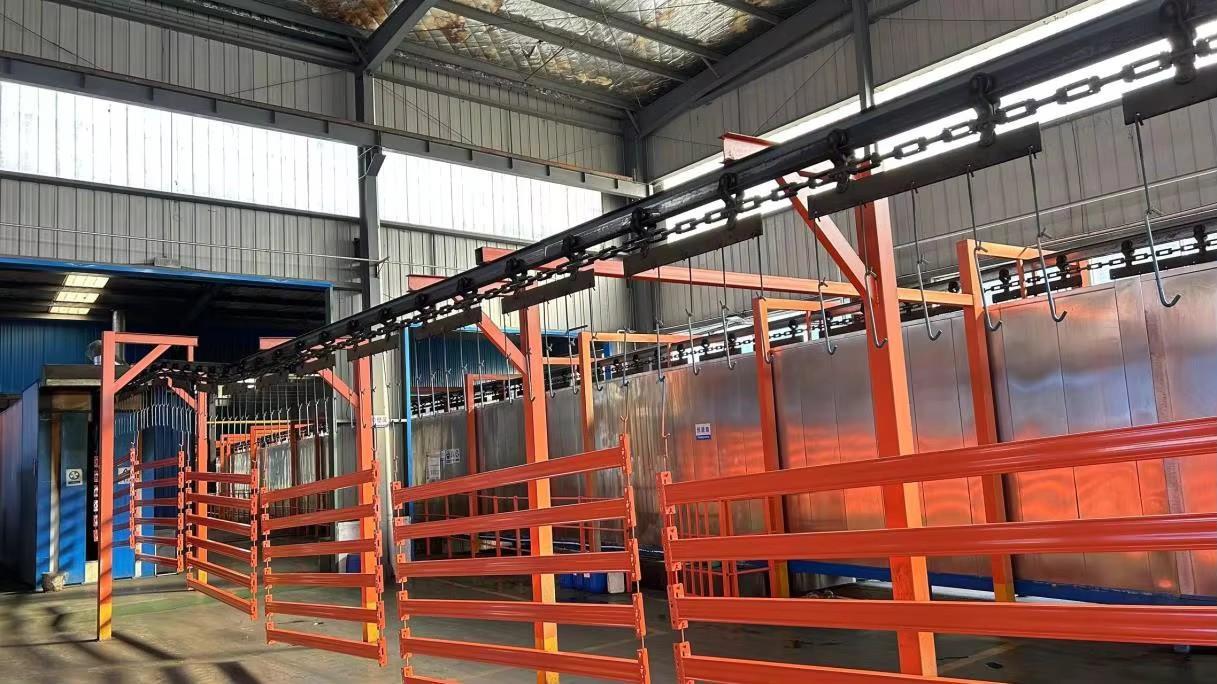
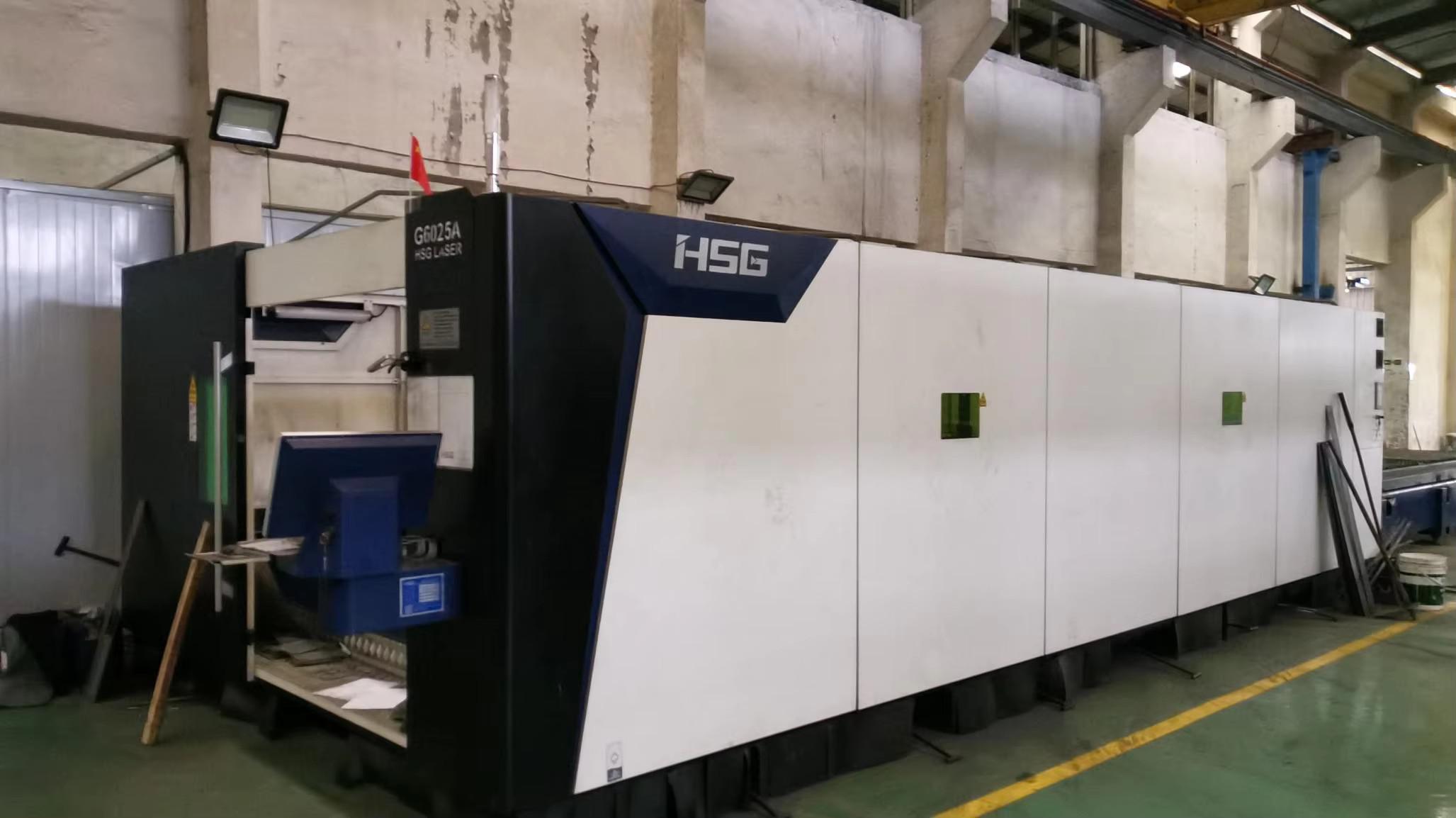
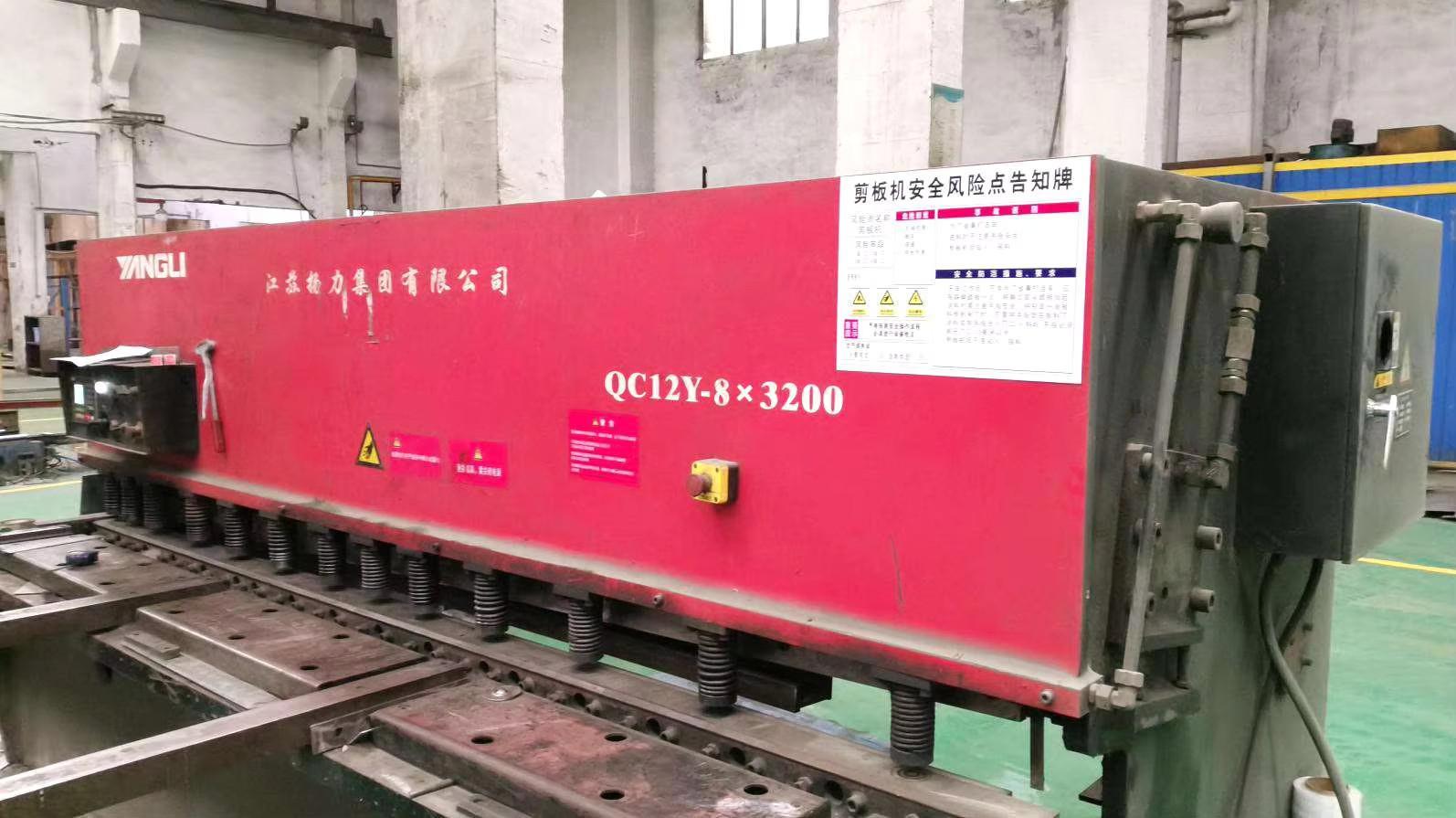
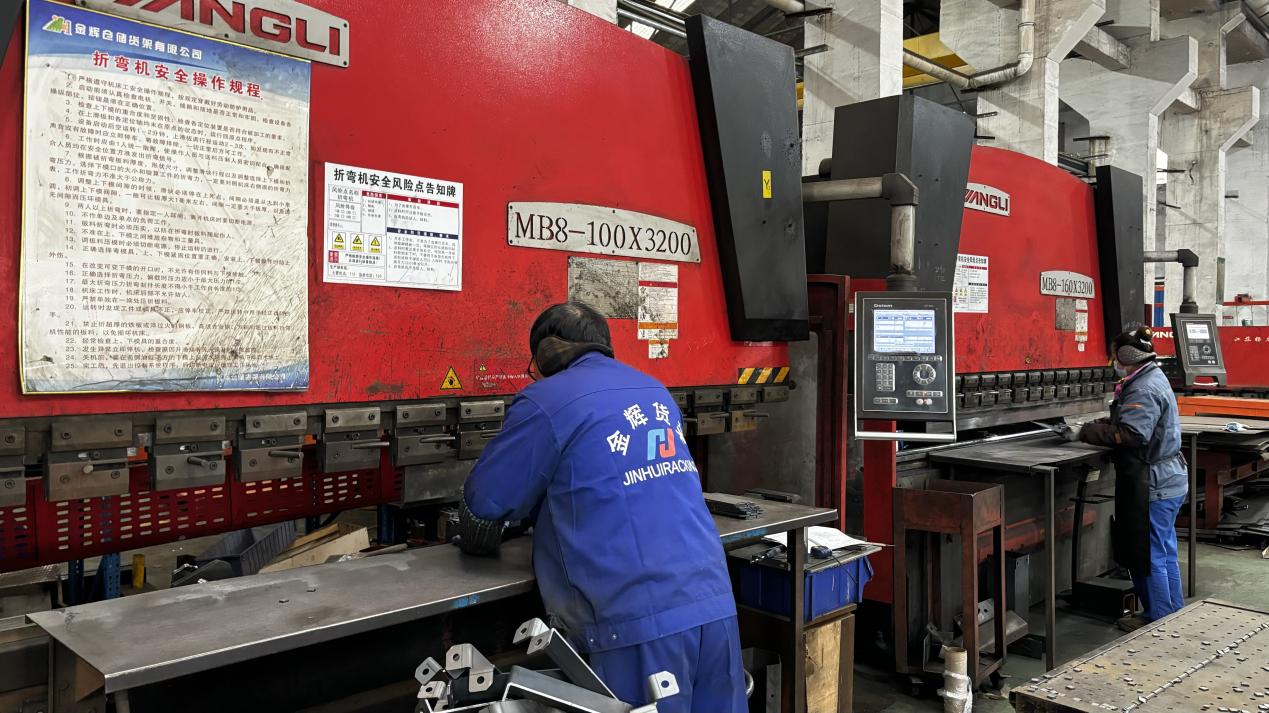
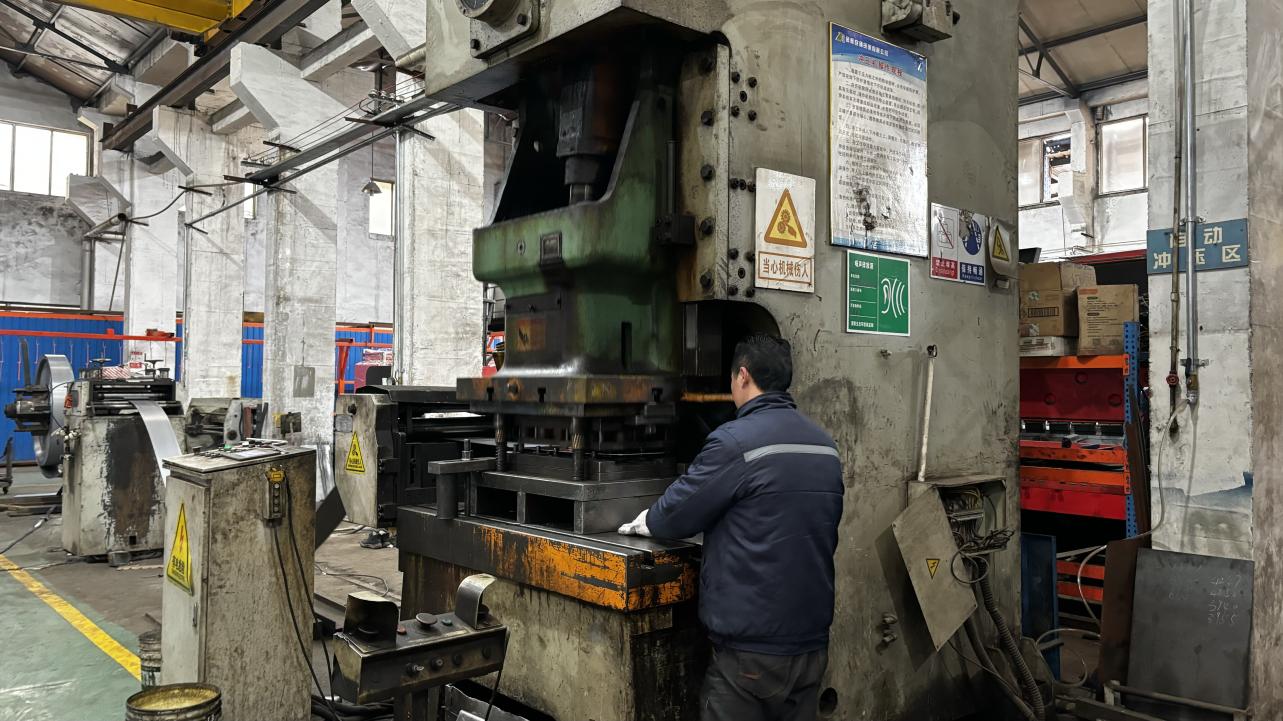
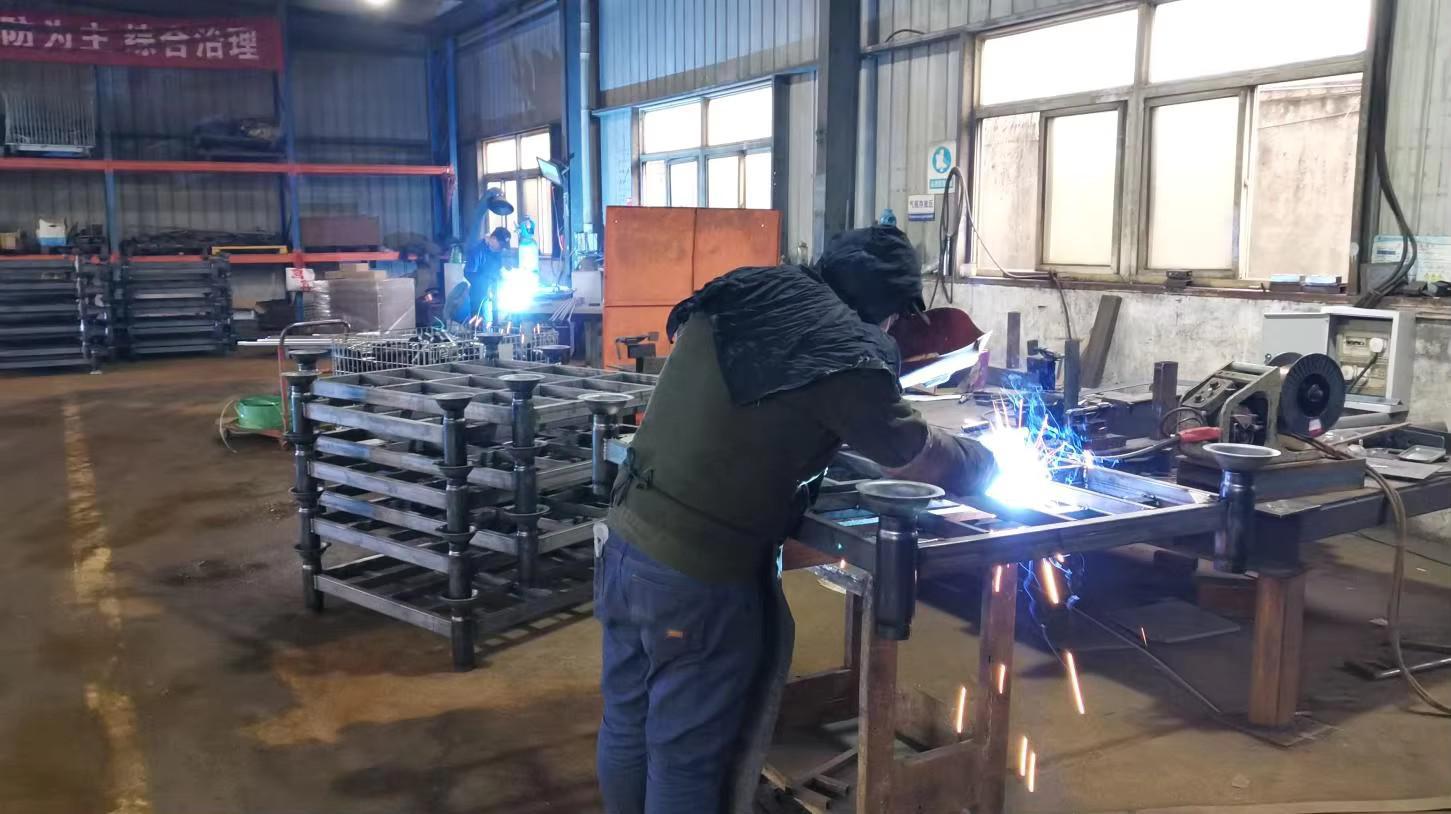
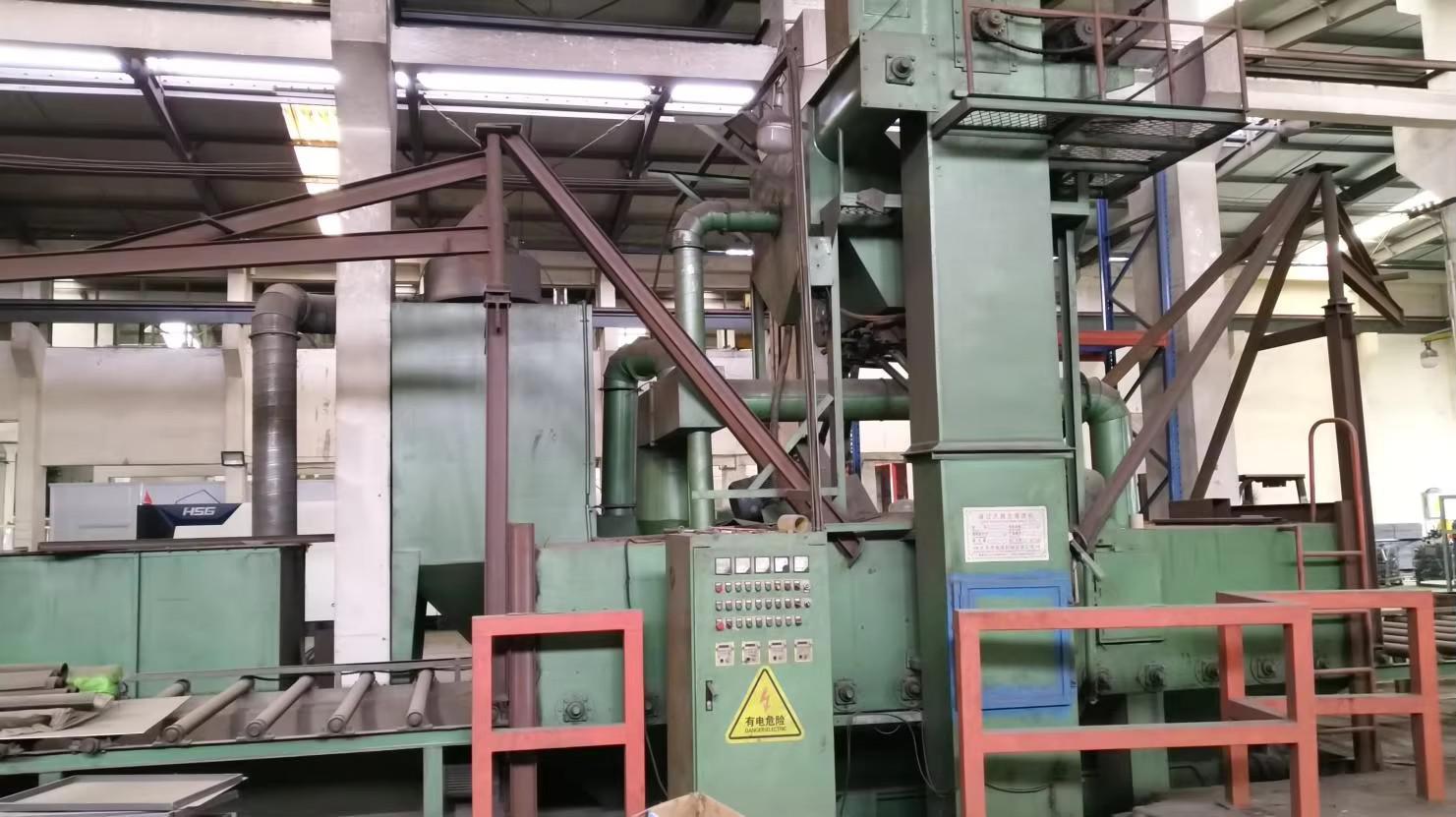
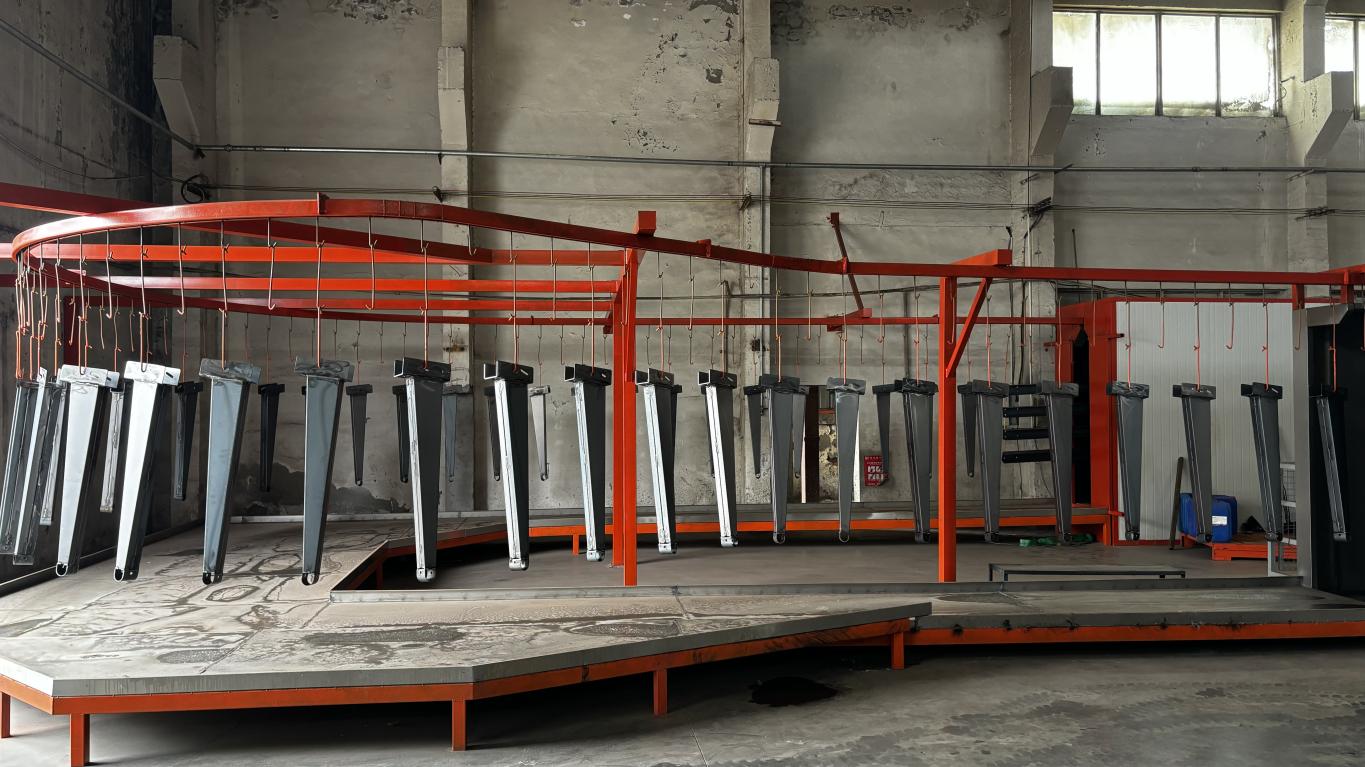
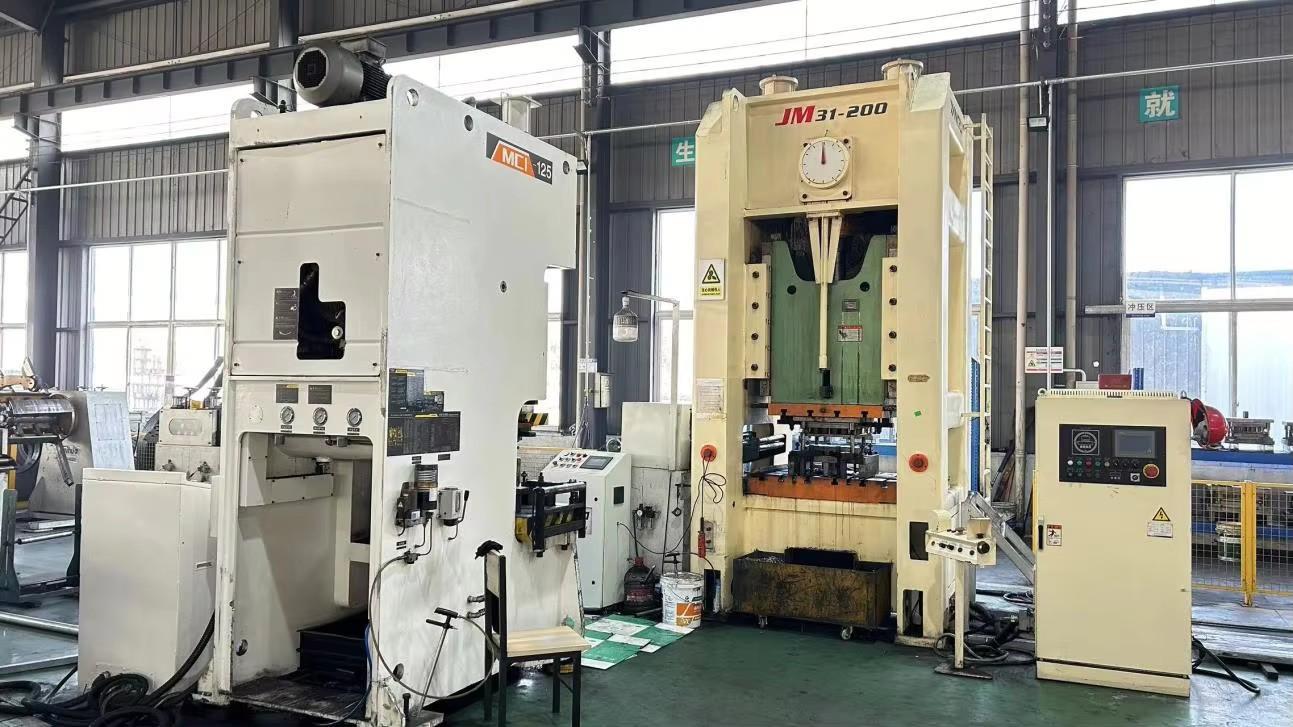
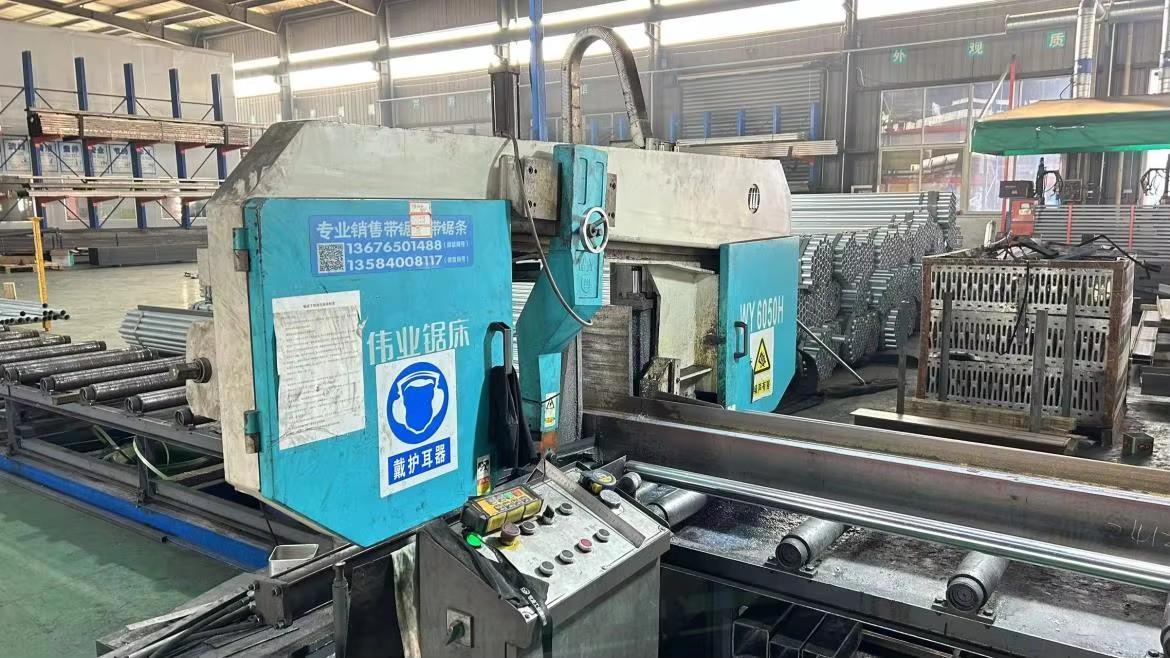
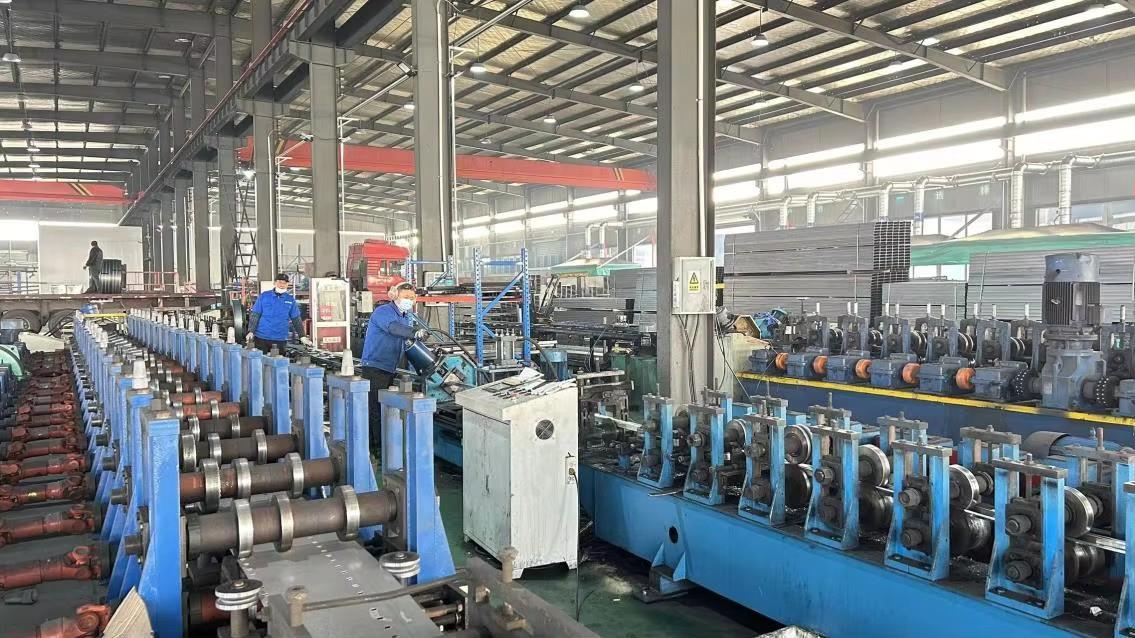
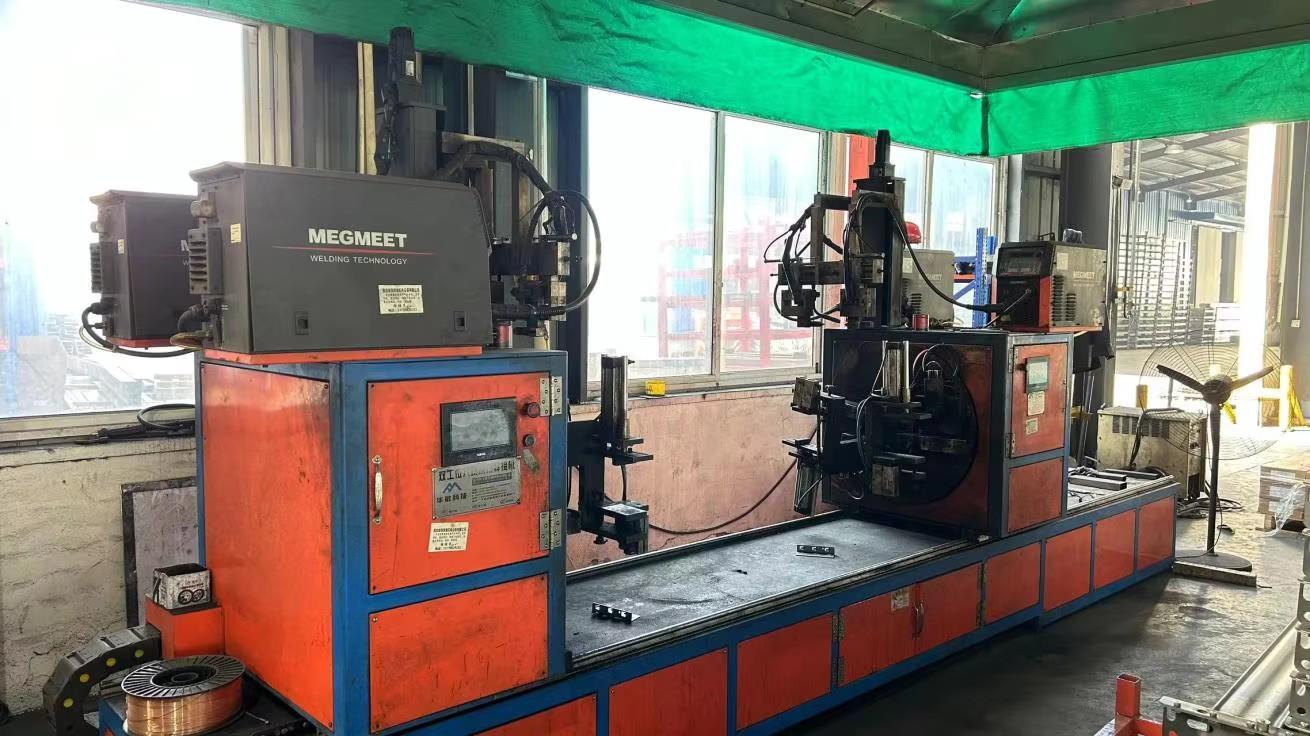
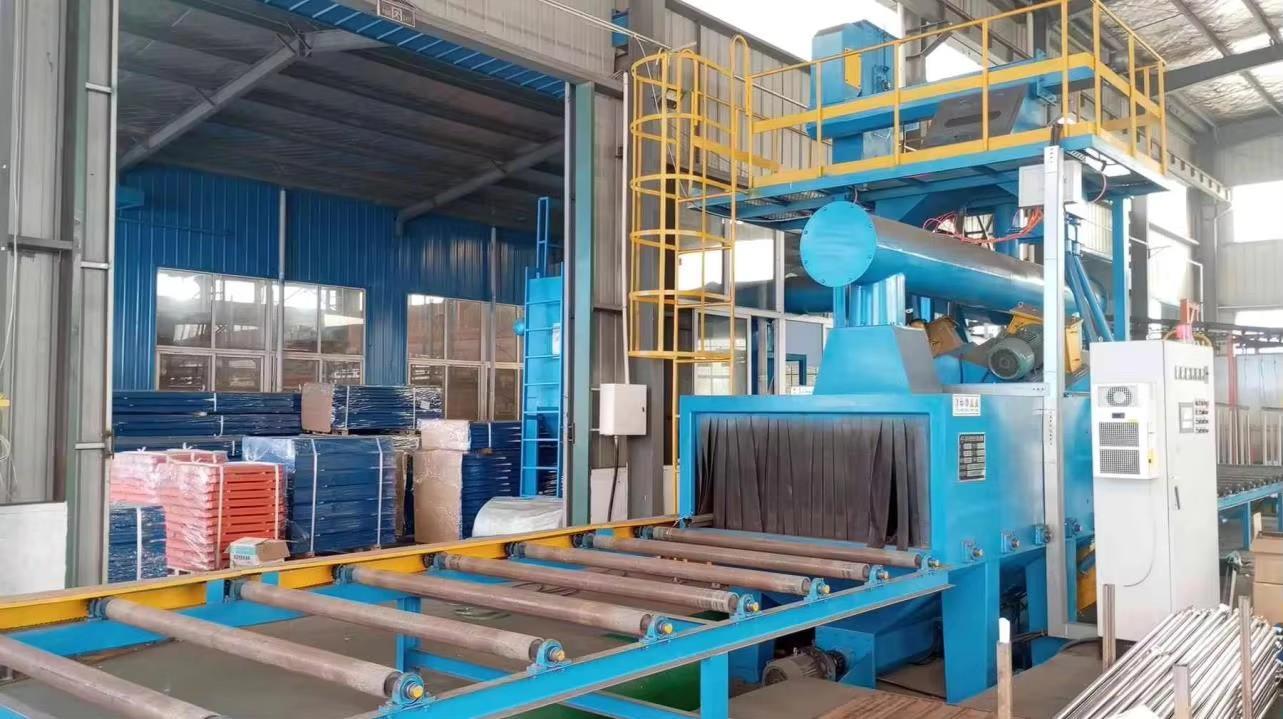
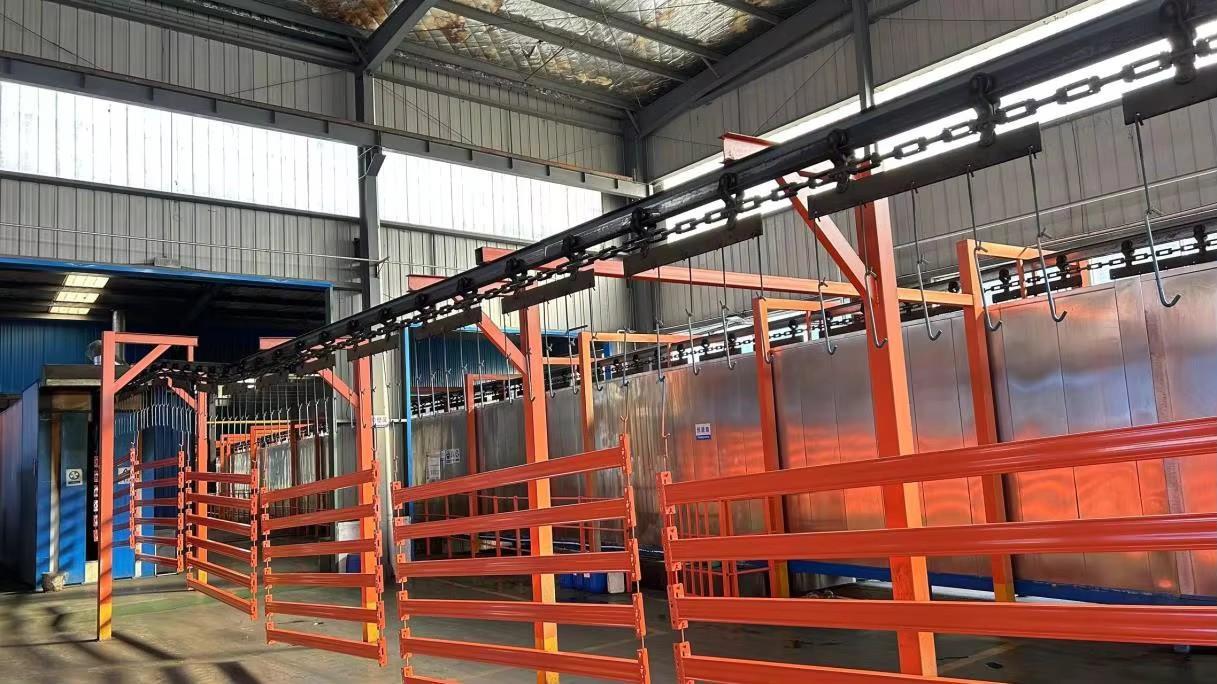
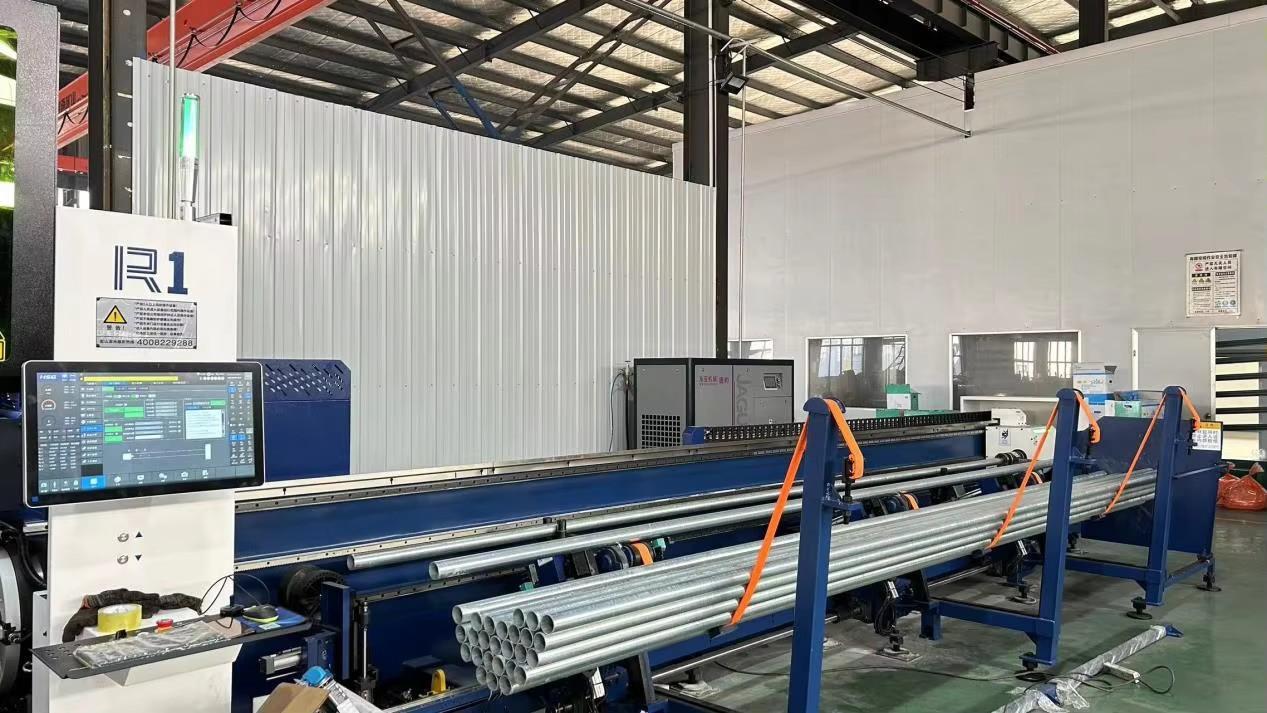
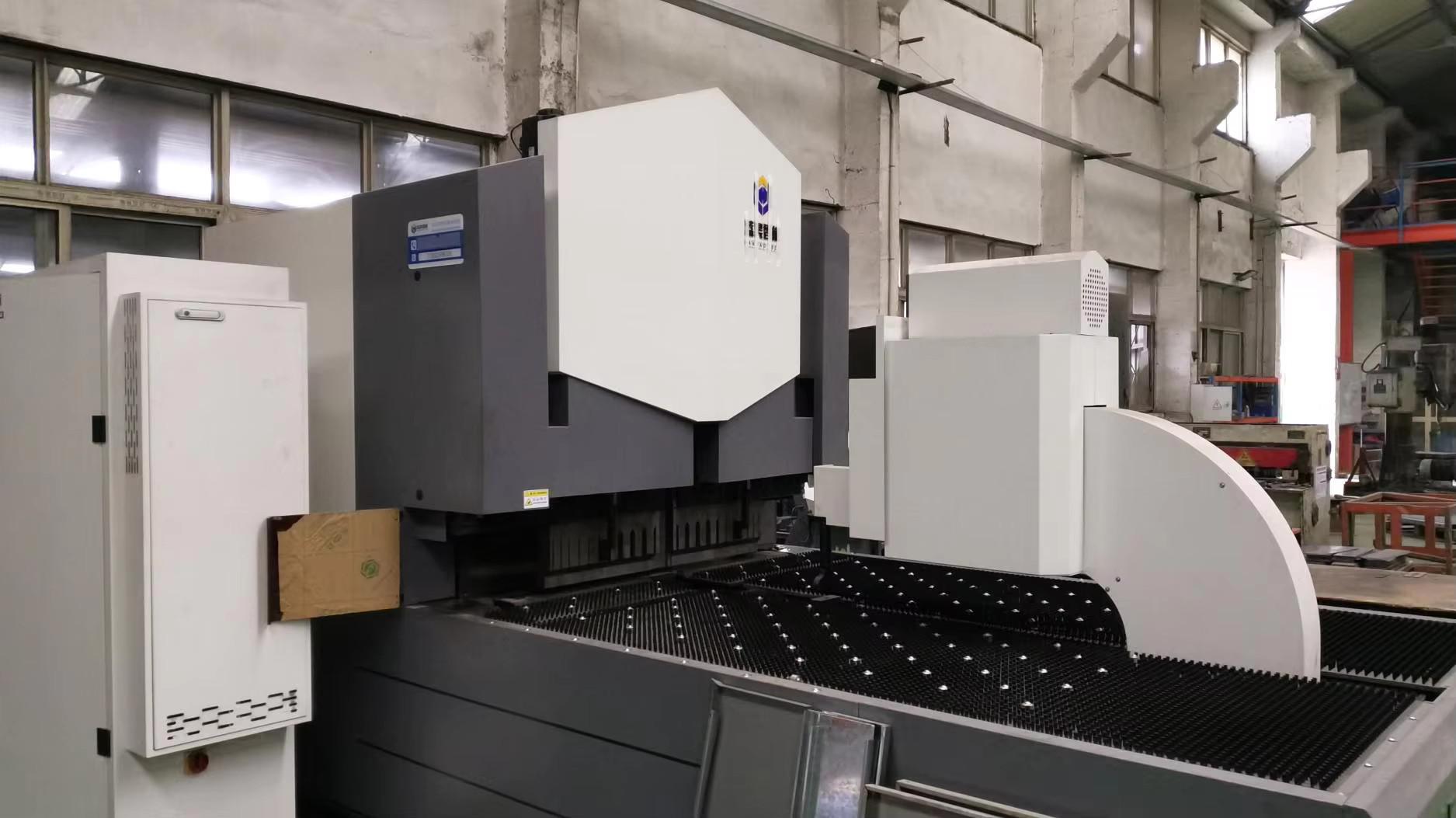
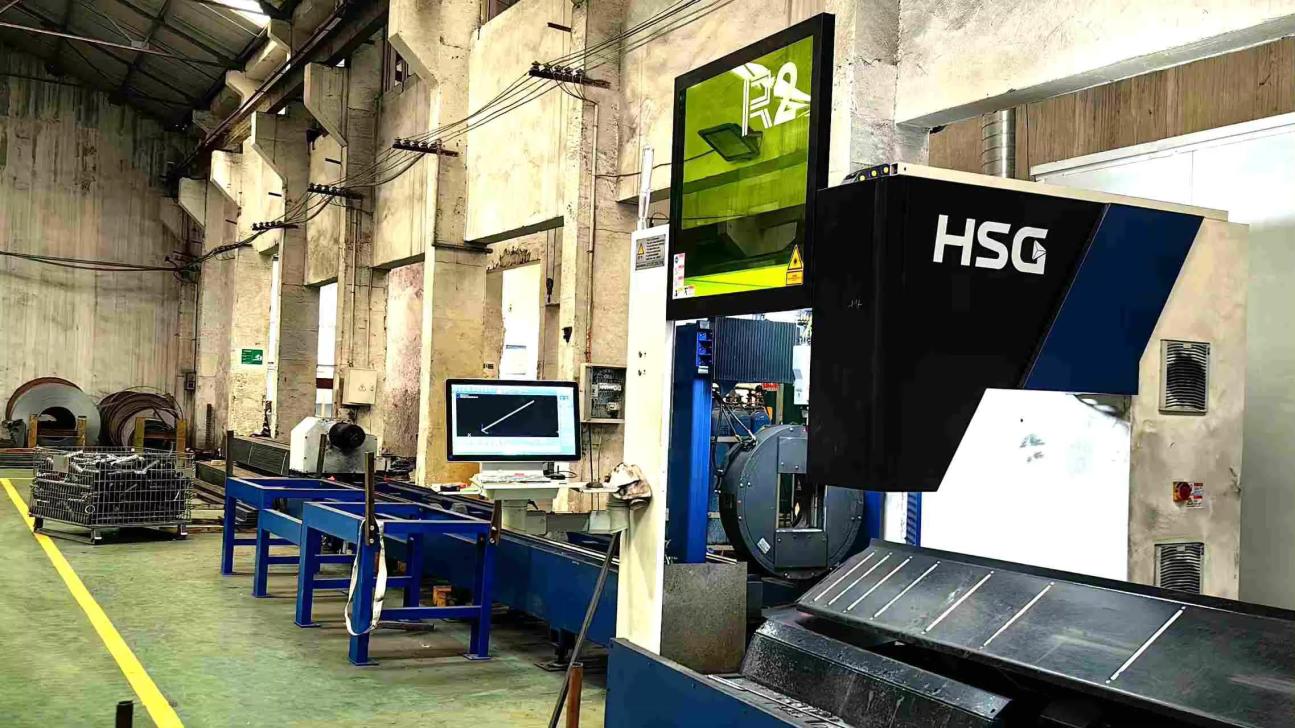
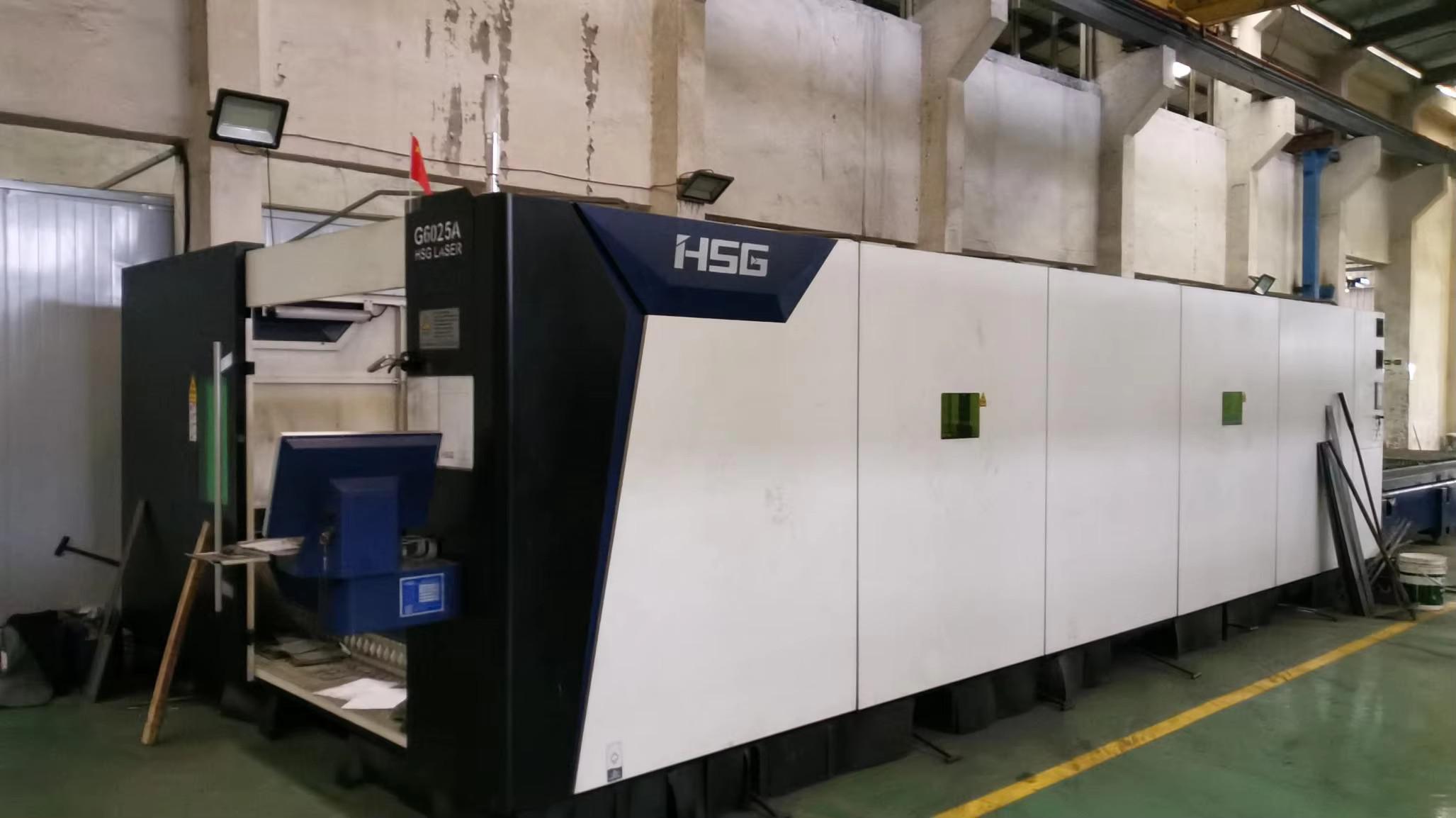
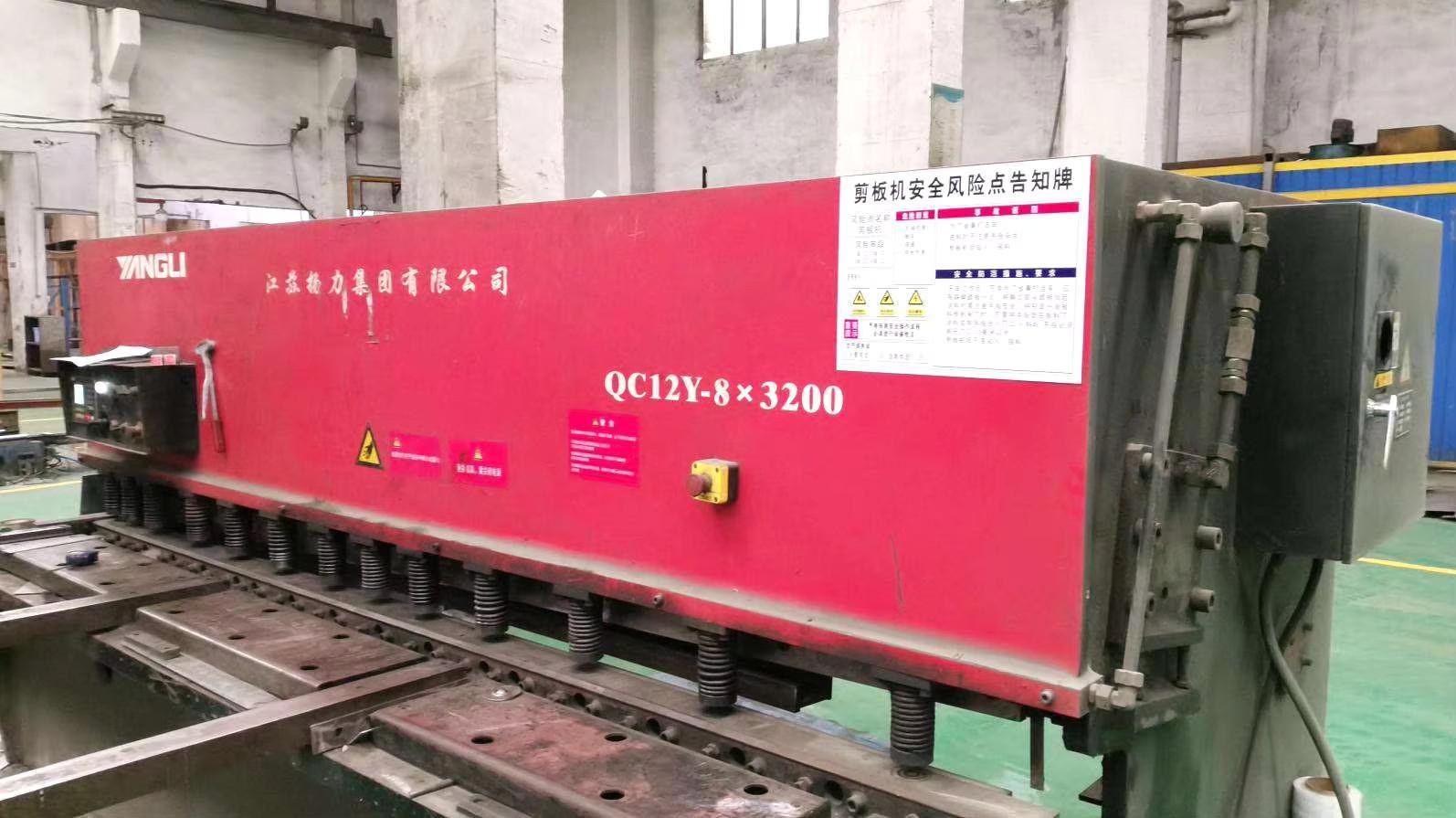
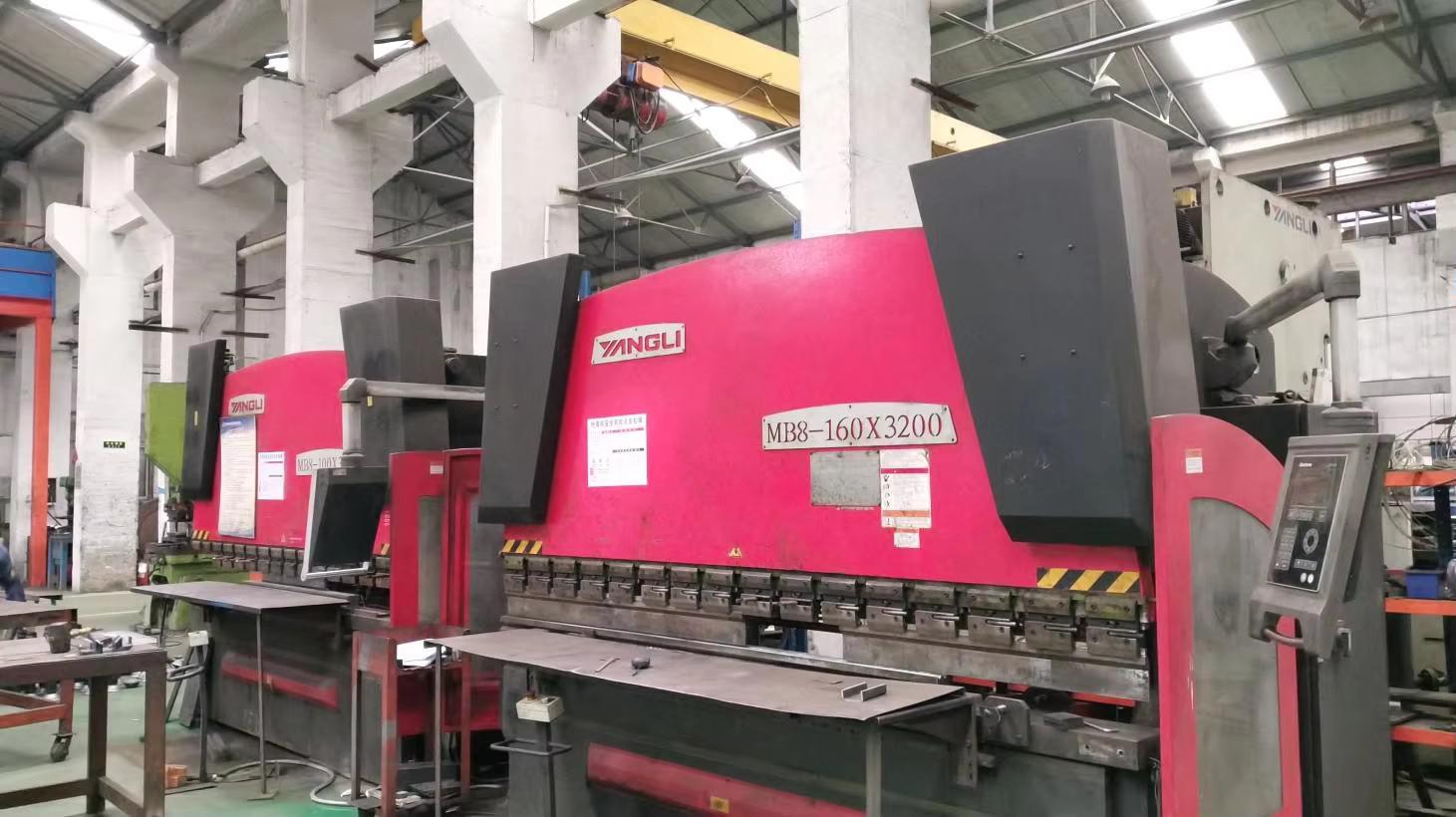
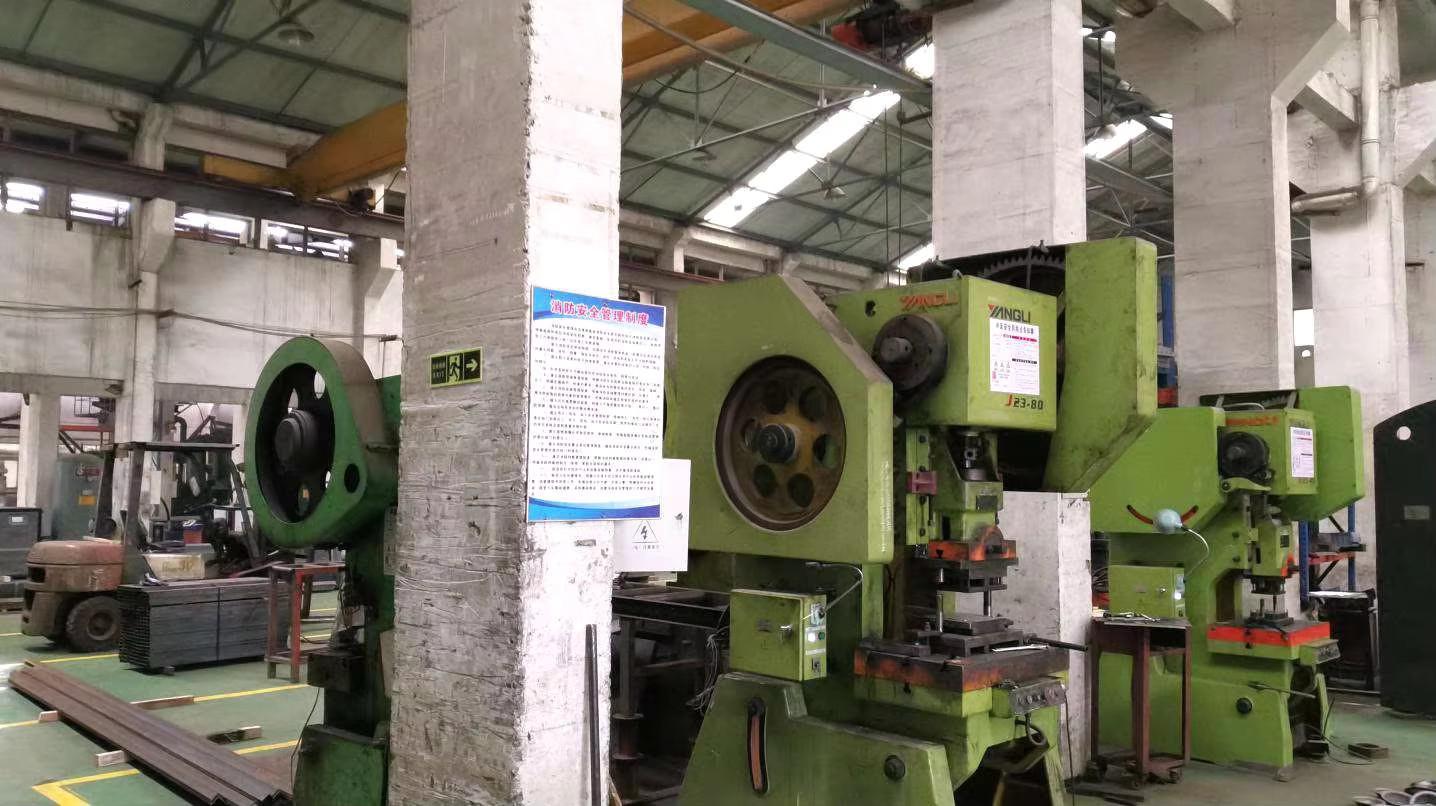
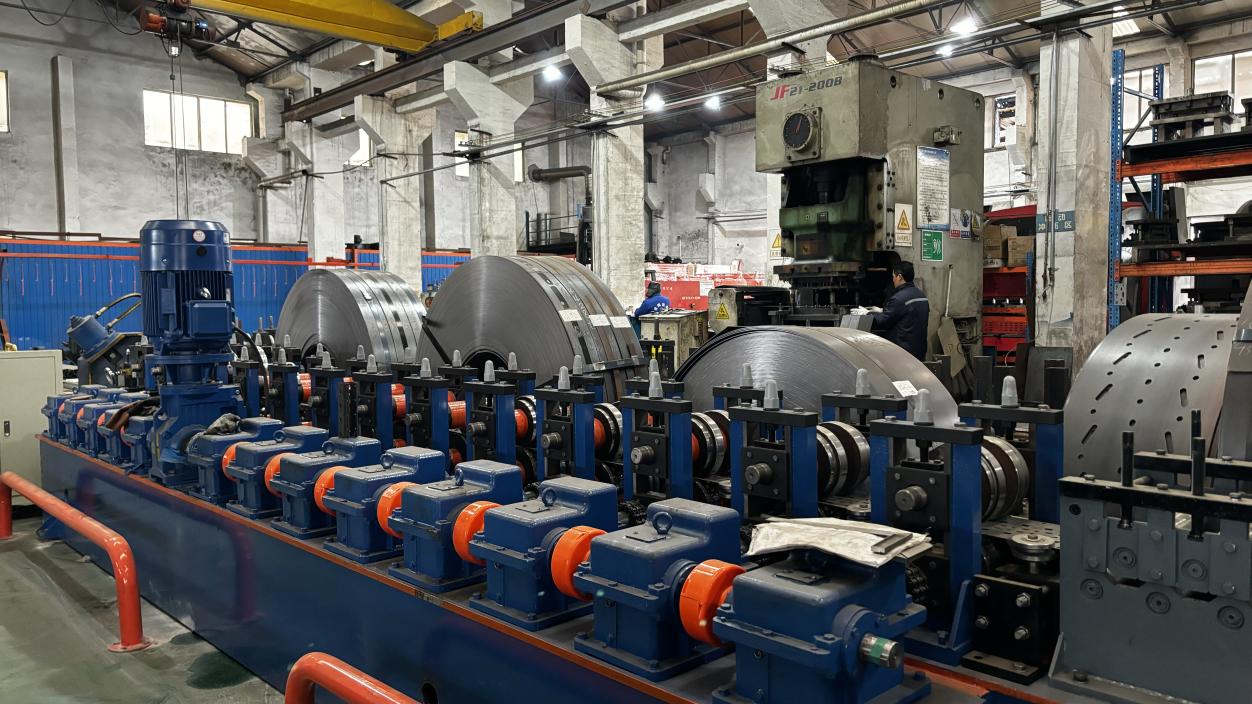
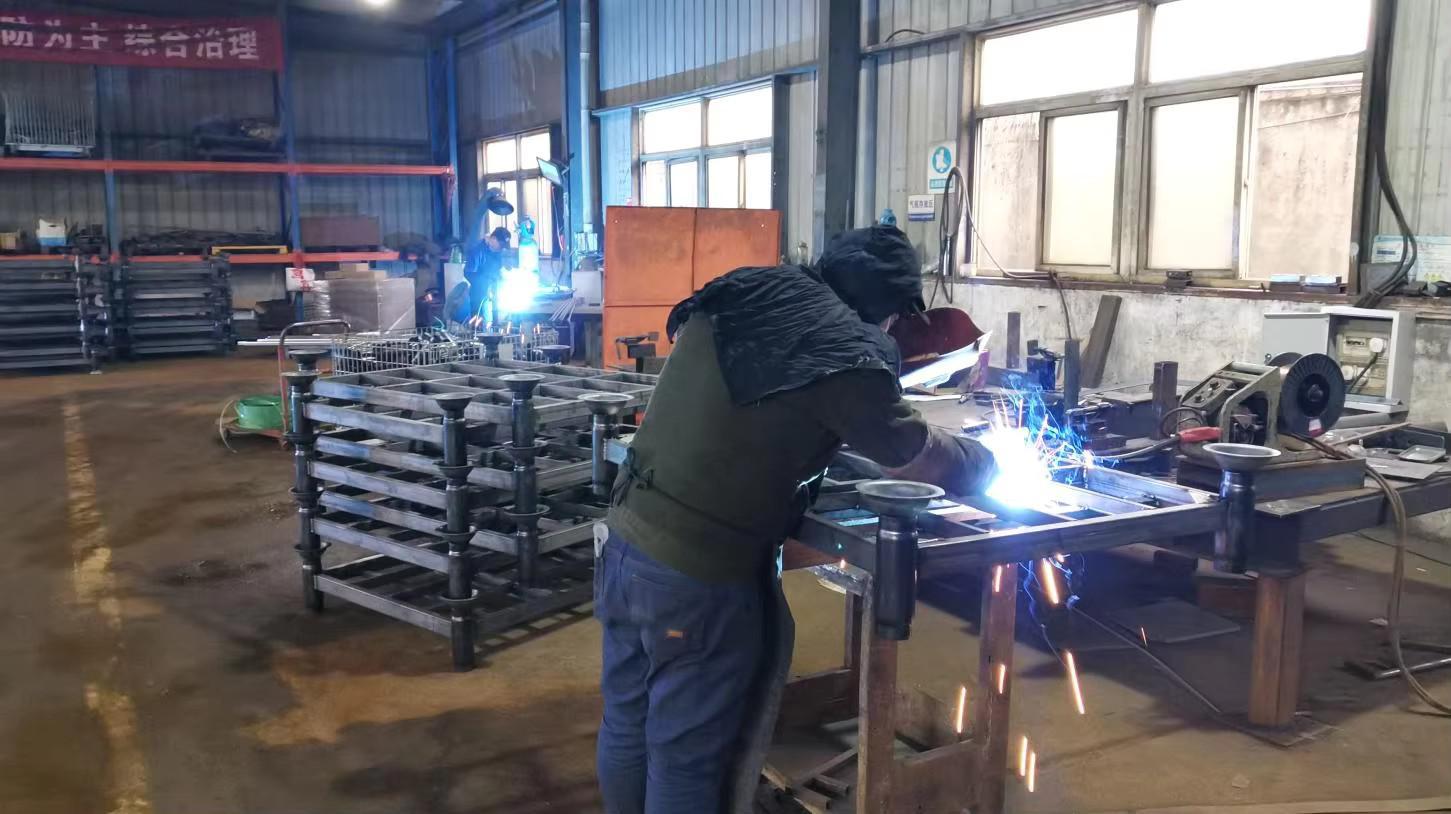
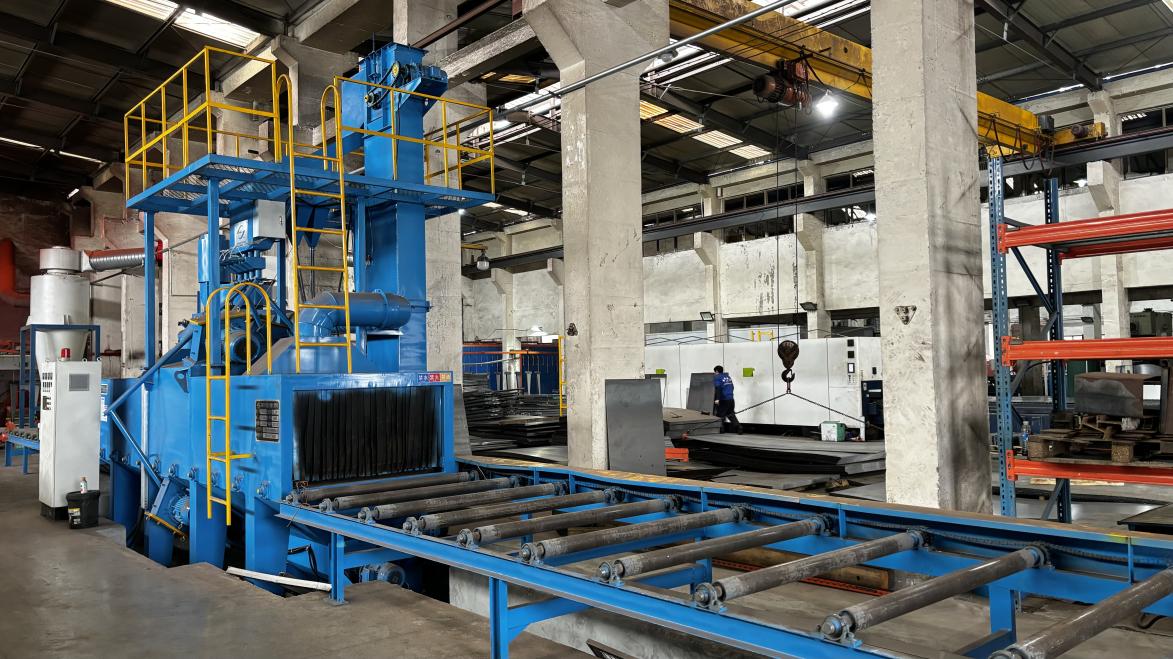
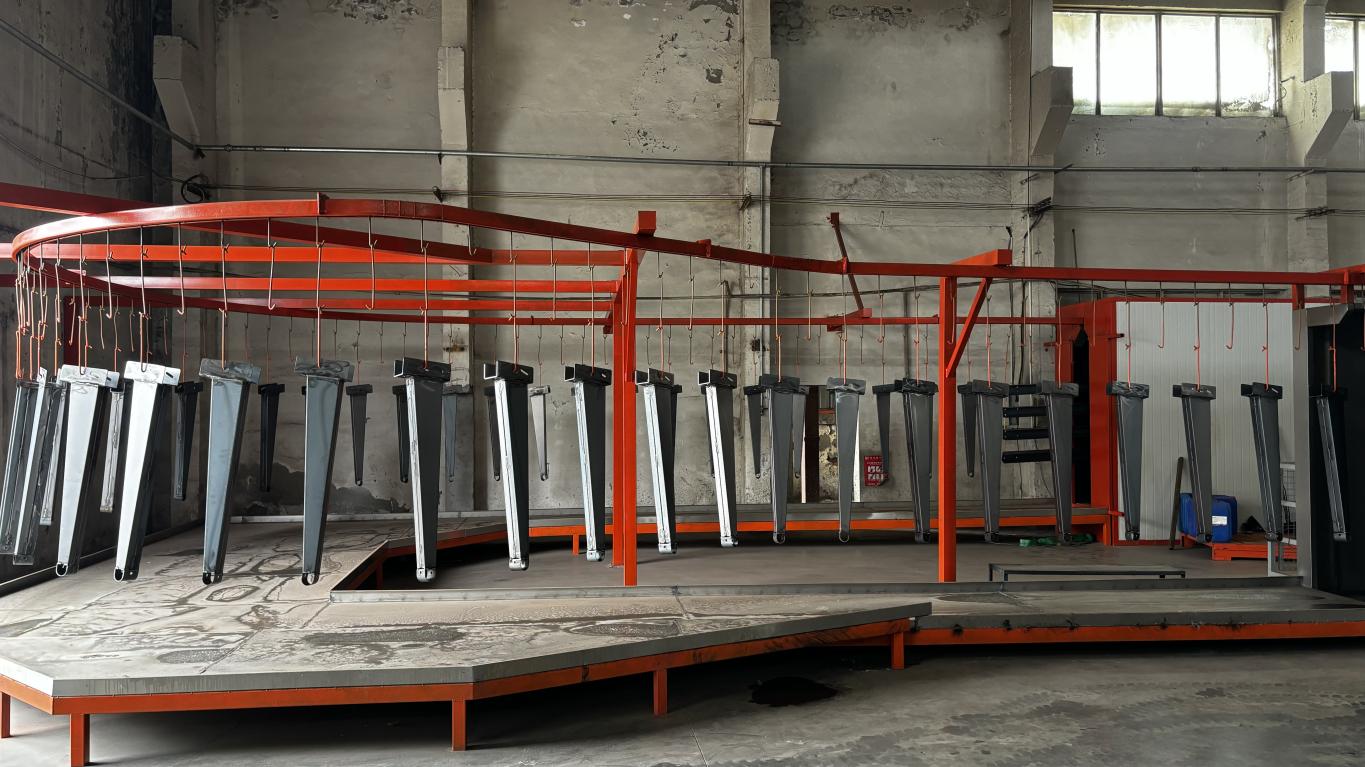
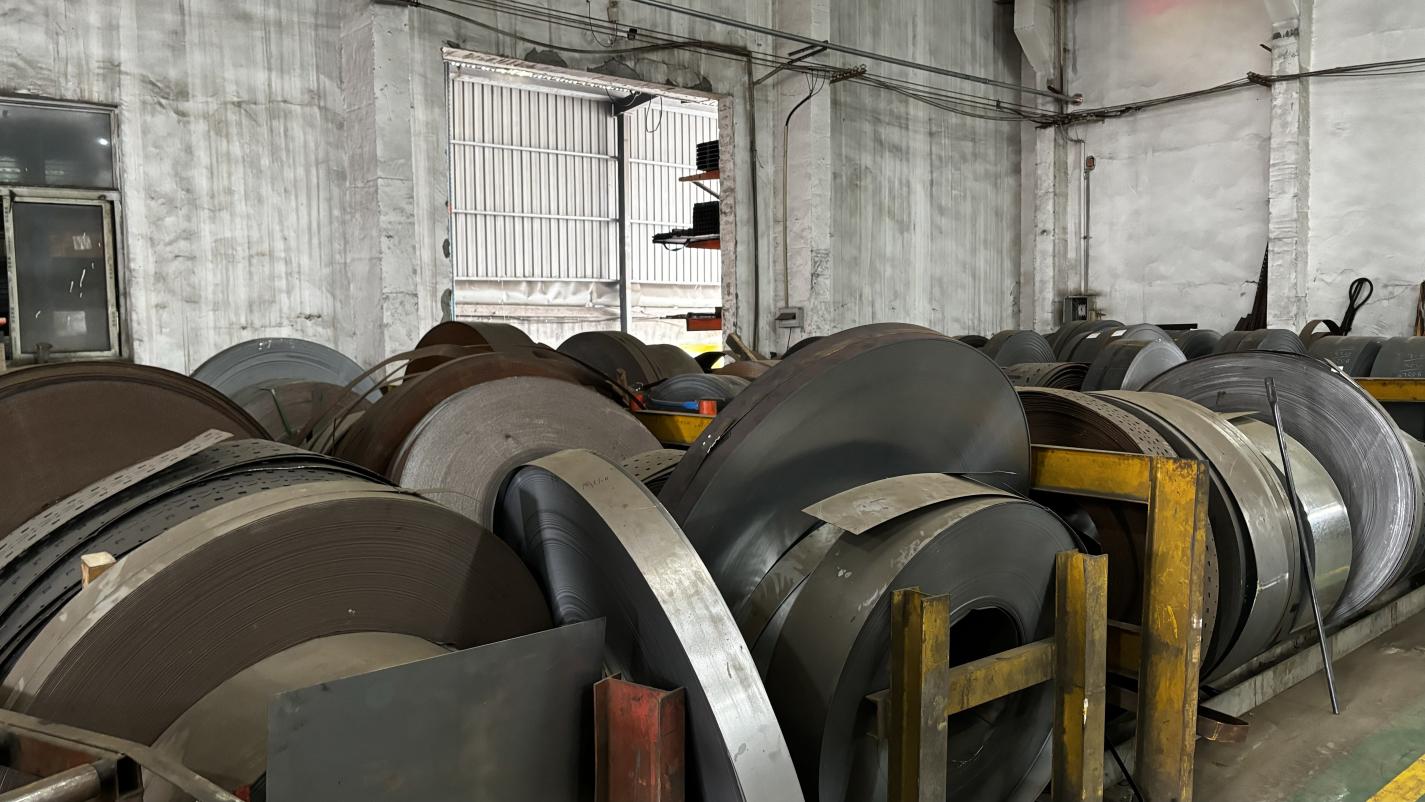
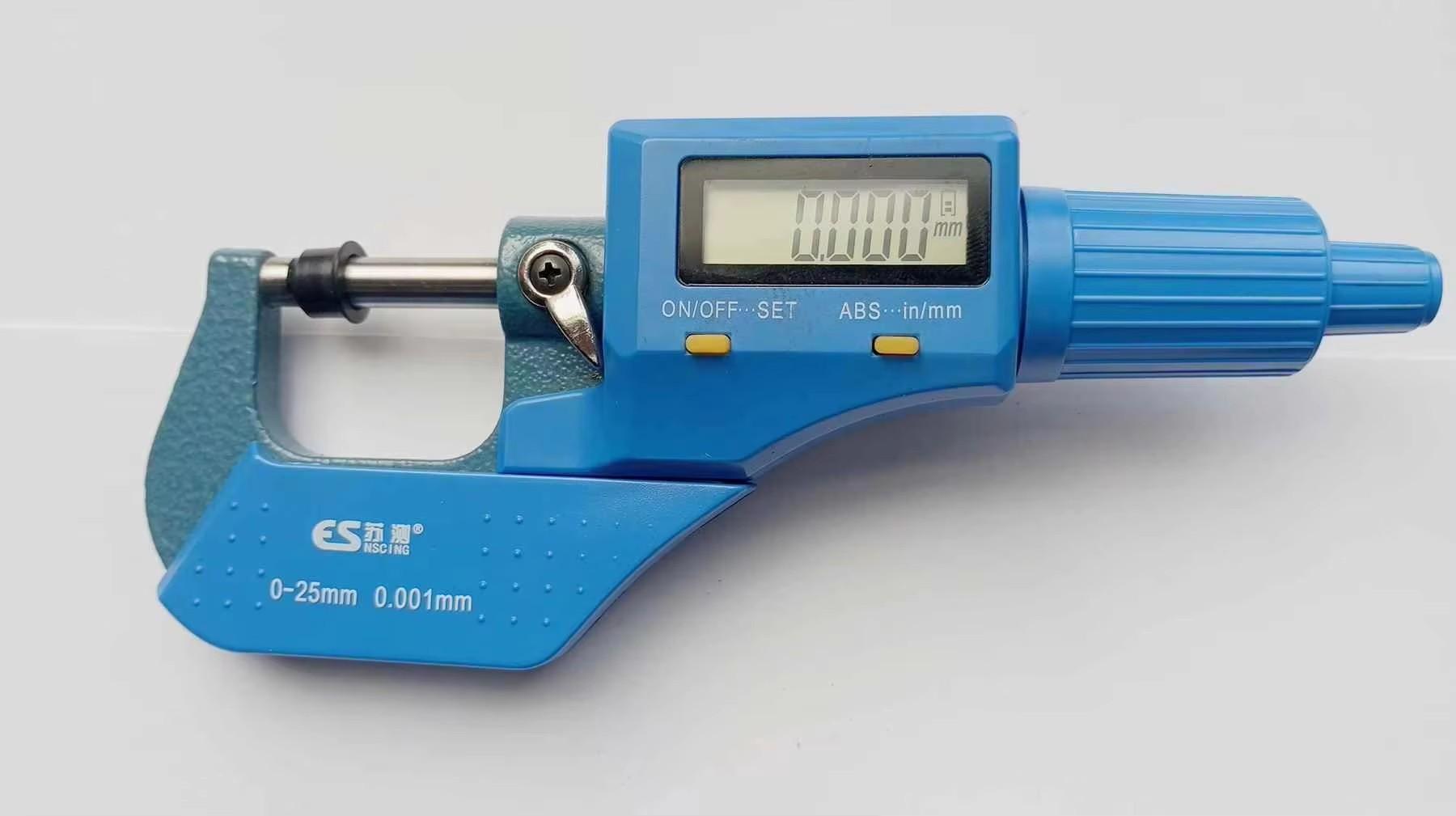
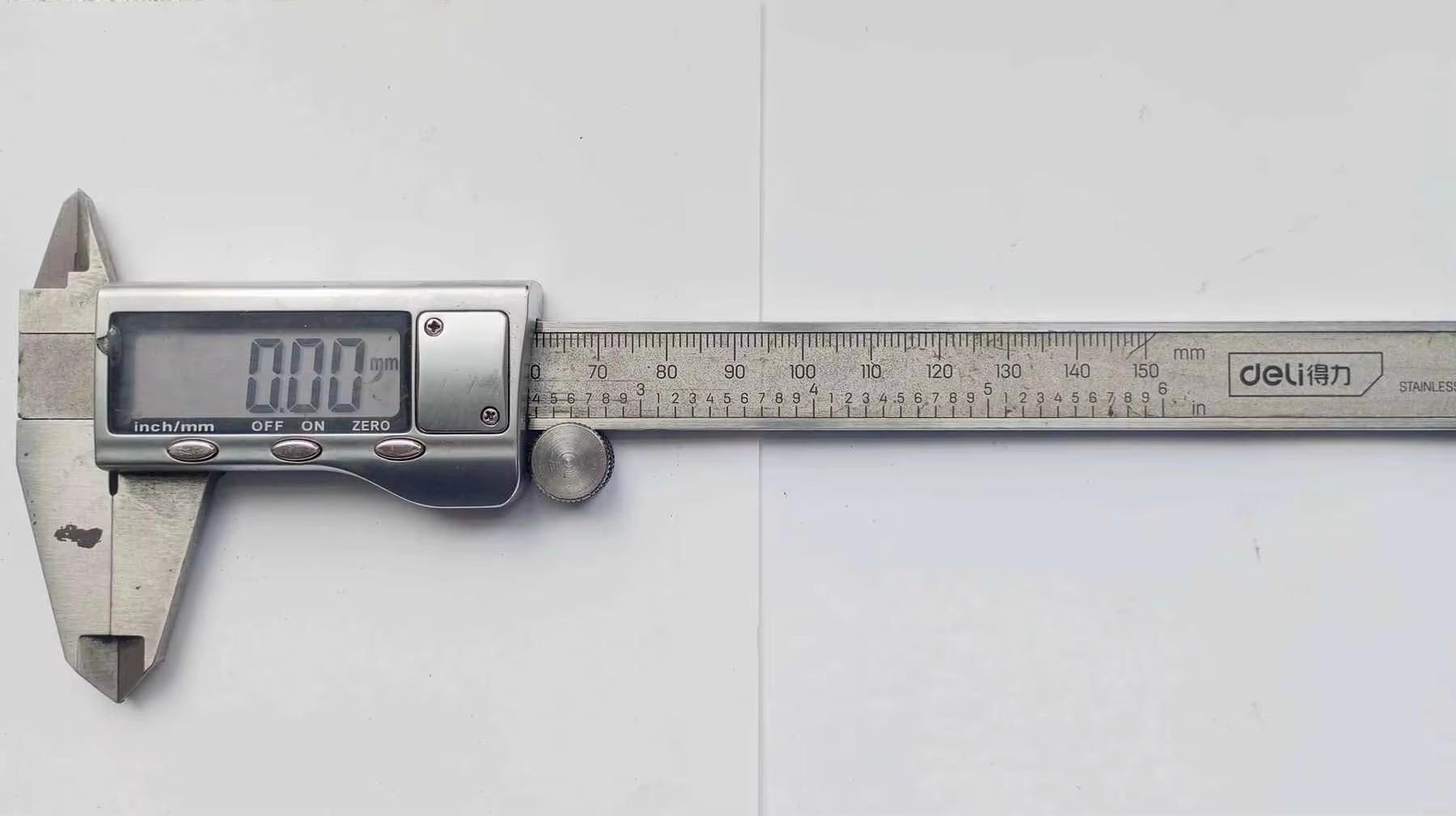
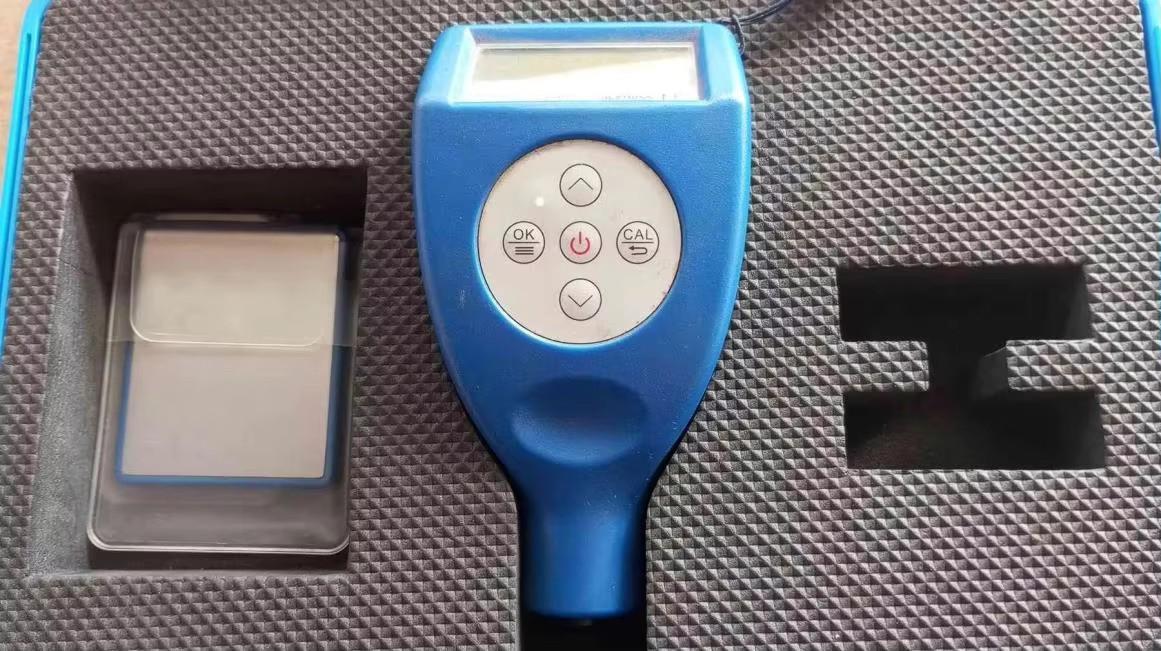
Our quality control process is managed by 46 dedicated inspectors under an ISO 9001 certified framework. The raw materials inspection phase evaluates steel coil thickness and chemistry. Throughout the cold-forming, punching, welding, and painting processes, our QA team monitors dimensions using high-precision micrometers and vernier calipers. Our coating thickness testing ensures the powder coat layer provides corrosion resistance, which is especially important in humid maritime environments like Seattle.
Importing large-scale structural metal systems into the United States requires reliable shipping coordinates and clear regulatory compliance. Jinhui manages the entire export process directly from our production facility to the Port of Seattle. We handle all logistics, including ocean freight bookings and customs clearance, offering FOB, CIF, or full DDP (Delivered Duty Paid) delivery terms. This direct factory-to-site approach reduces middleman markup, providing Seattle warehouse managers with pricing and control over their lead times.
Each container is packed using heavy-duty wood-free pallets and protective wrapping to prevent metal-on-metal abrasion during sea transit. Structural columns and beam elements are color-coded and packed to match the assembly drawings. Our shipping documentation includes certified structural steel test reports and detailed load capacity rating plates, which simplify local building permit inspections in Washington State.
Answers to common engineering and regulatory questions regarding Very Narrow Aisle rack installations in Seattle.
Select from our range of structural components, heavy-duty racking assemblies, and safety accessories built for industrial warehouses.
Get in touch with our R&D engineers today. We provide full layout design services, engineering calculations, and door-to-door delivery to the Seattle metropolitan area.
Send Inquiry Now Jinhui Storage Equipment