Engineered for Austrian logistical sites requiring maximum vertical utilization, optimal safety, and rapid access speeds.
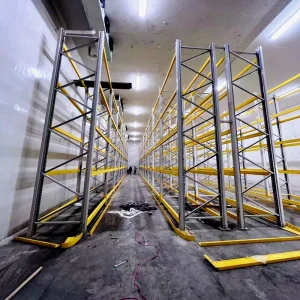
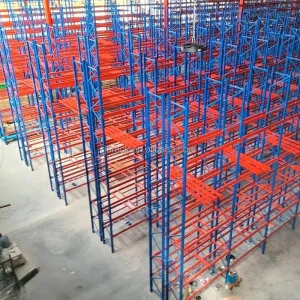
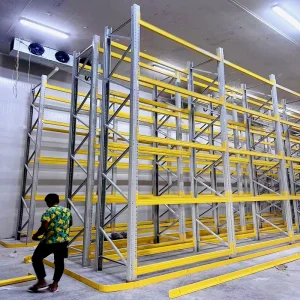
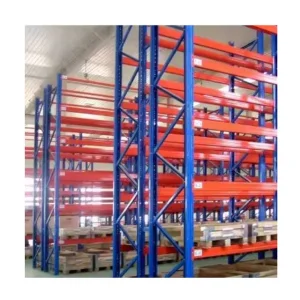
Austria's position as a central European logistics hub bridging Western and Eastern European supply chains demands highly optimized, high-density storage frameworks. The country's key industrial regions, including the manufacturing clusters around Linz, Graz, Steyr, and the metropolitan Vienna area, face a common, pressing operational constraint: soaring industrial real estate prices and limited spatial availability.
Consequently, traditional wide-aisle pallet storage setups are rapidly transitioning to Very Narrow Aisle (VNA) configurations. By shrinking aisle widths to as little as 1.5 to 1.8 meters, VNA configurations allow Austrian distribution hubs and production centers to expand vertically up to 15 meters. This structural shift effectively doubles storage volume capacities within identical physical footprints.
Operating a vertical warehousing structure in Alpine territories and surrounding areas requires strict adherence to European safety and load calculations. Facilities must meet stringent European standards, notably EN 15635 (Steel static storage systems - Application and maintenance of storage equipment) and FEM 10.2.02. These guidelines require high tolerances for frame upright alignment, high-strength structural welding, and advanced safety barriers to resist forklift collisions, forming the basis of all VNA designs optimized for the Austrian market.
Geographical Transit Focus: Seamless connection between major Baltic-Adriatic and Danube transport corridors.
Industry Safety Standards: Non-negotiable adherence to Austrian ÖNORM EN 15635 for annual rack inspections and safety ratings.
Automation Readiness: High demand for integration with automated guided vehicles (AGVs) and high-lift VNA turret trucks.
"With land costs in Lower Austria and Upper Austria climbing steadily, warehouses cannot afford horizontal expansions. Going vertical with VNA technology is the only viable path to remain competitive."
How Austrian manufacturing divisions, logistics hubs, and global networks leverage precision-engineered VNA racking.
Graz's active automotive manufacturing industry relies on VNA racking to store thousands of high-density components. Guided systems, either floor rails or wire-guided arrays, ensure safety and eliminate forklift collision risks inside very narrow aisles.
In temperature-controlled warehouses, heating or cooling costs are directly proportional to volume. Jinhui's high-grade galvanised pallet racks maximize volume density, reducing operating utility costs for Austrian pharmaceutical firms.
With quick turnaround times driving e-commerce, selective VNA racking allows 100% immediate selectivity for every pallet location. This keeps inventory accurate and retrieval times low for high-velocity distribution centers.
Dongguan Jinhui Storage Equipment Co., Ltd. represents the standard of precision and reliability in modern racking production. Operating from our state-of-the-art facility of over 18,600 square meters, we combine automated precision and scalable capacity to deliver cost-effective racking systems worldwide.
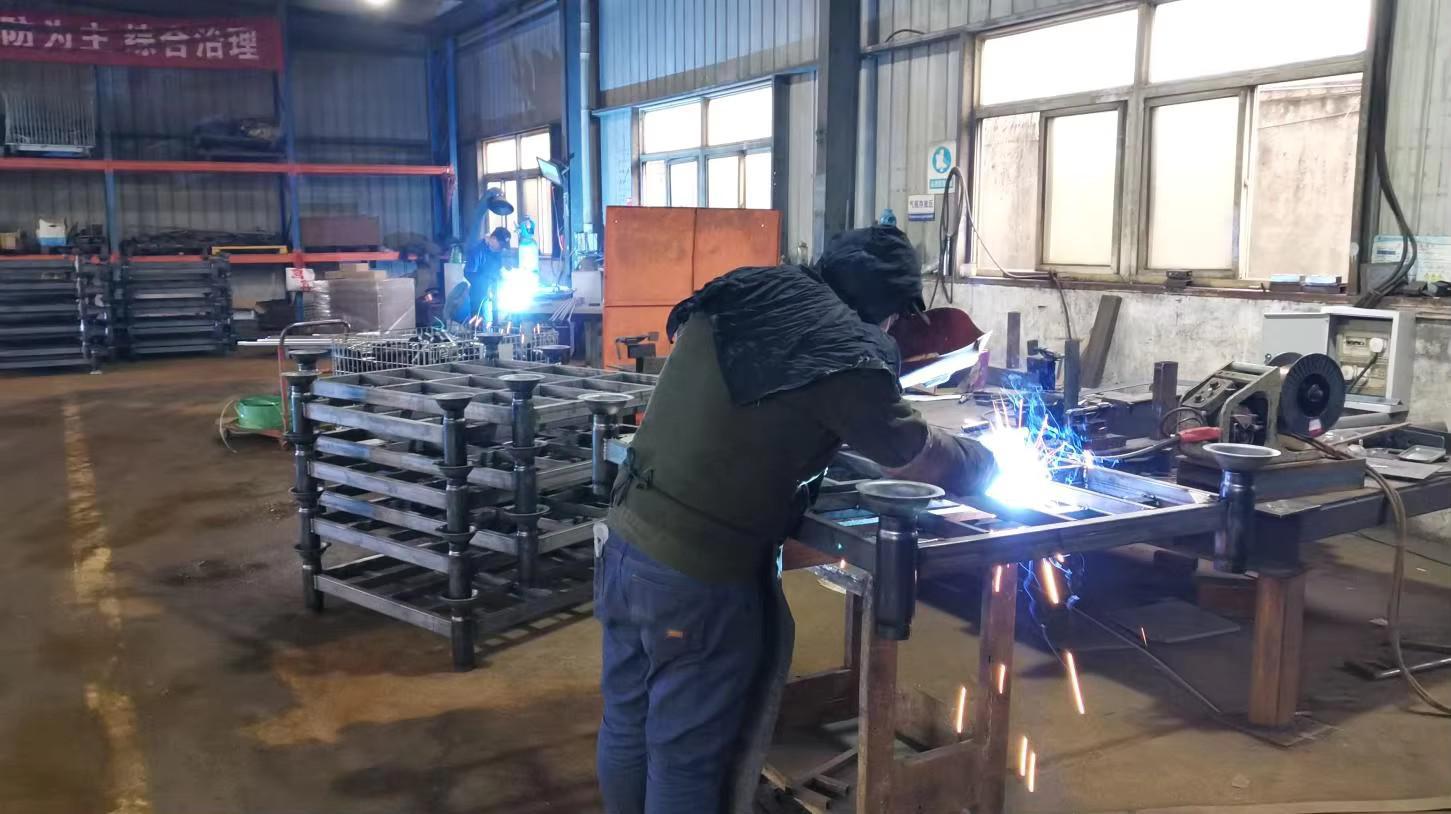
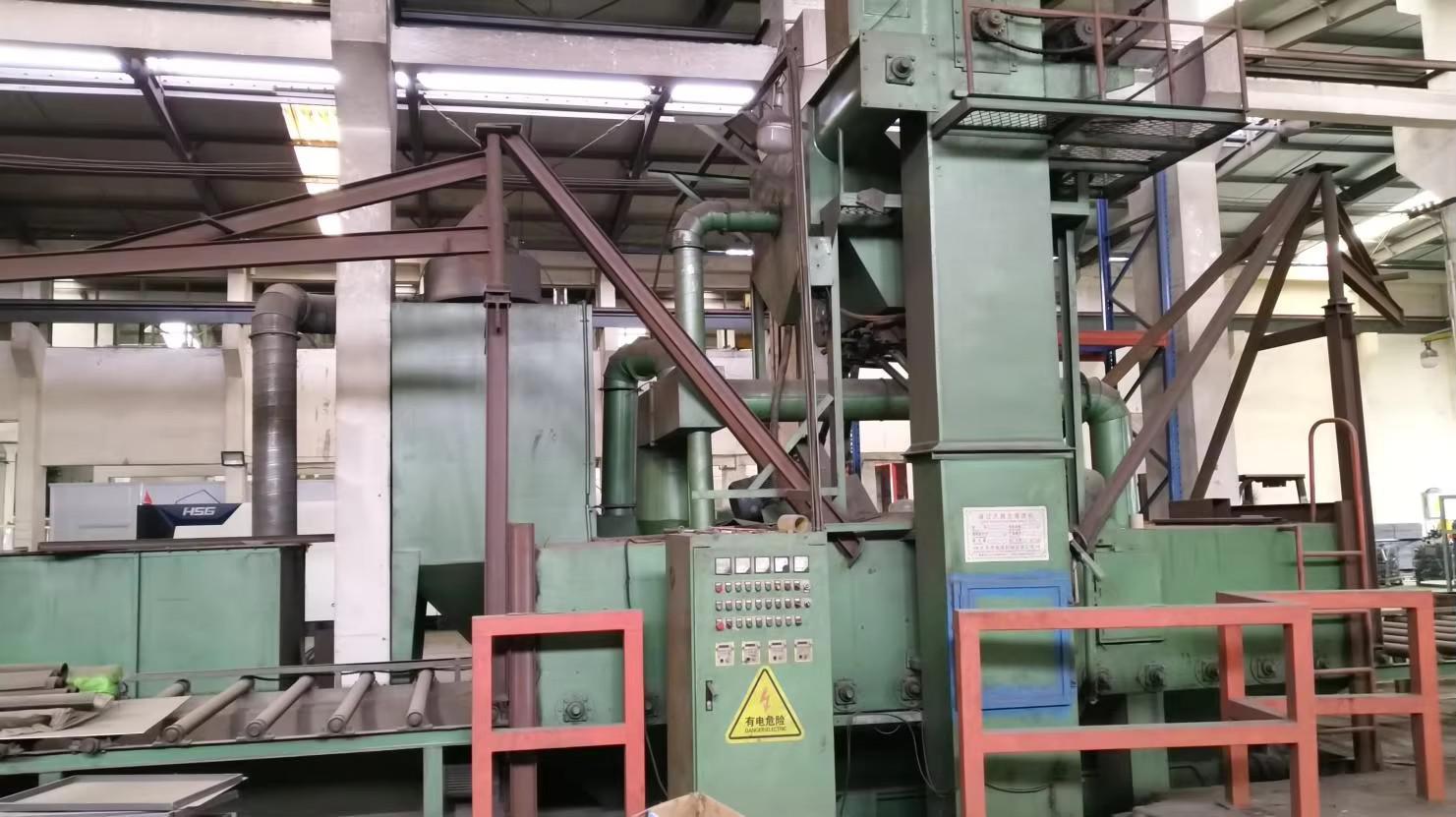
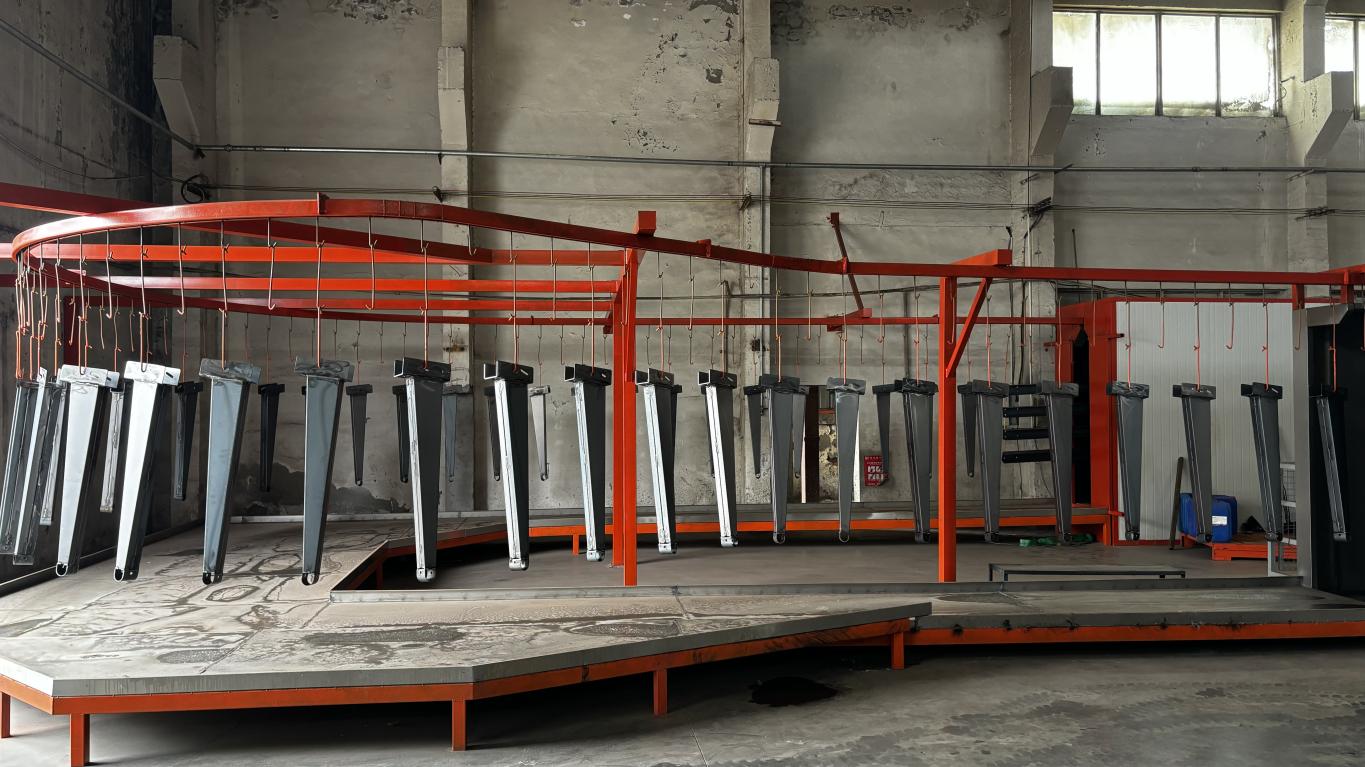
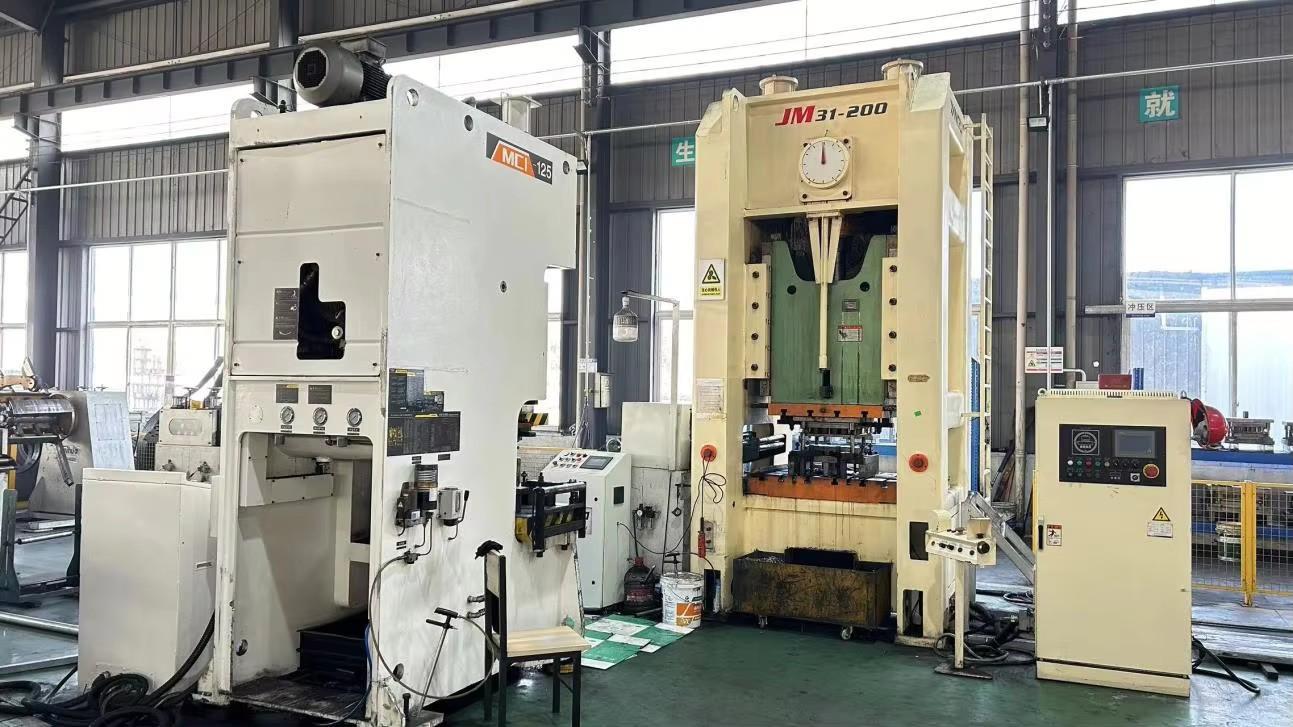
Our production environment is equipped with advanced automated production lines, precision laser cutting systems, CNC punching machinery, automated robotic welding systems, and fully integrated electrostatic powder coating lines. By eliminating manual welding deviations, we guarantee that every upright, beam, and diagonal brace complies with structural tolerances down to the millimeter.
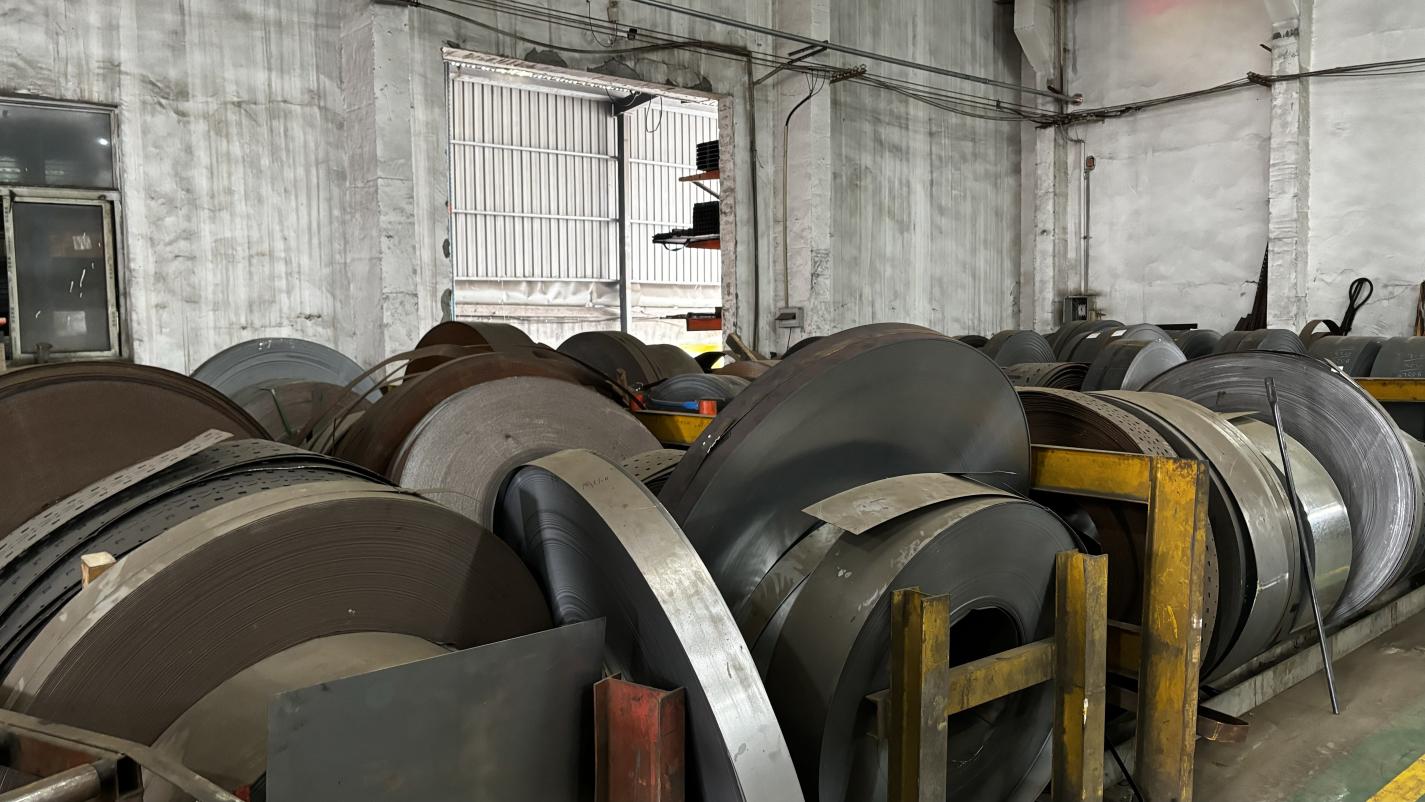
With an annual export value of approximately USD 16 million, Jinhui possesses 8 years of export experience and 14 years of design and manufacturing experience. We rely on a robust network of over 980 supply chain partners, securing our steel raw material pipeline to protect customers from global price fluctuations and logistics delays. From design to delivery, Jinhui ensures your project stays on schedule.
Our production floor integrates technology and quality inspections to ensure all manufactured steel frames satisfy high structural loading specifications.
Jinhui's manufacturing steps combine raw materials, automated fabrication, and quality control.
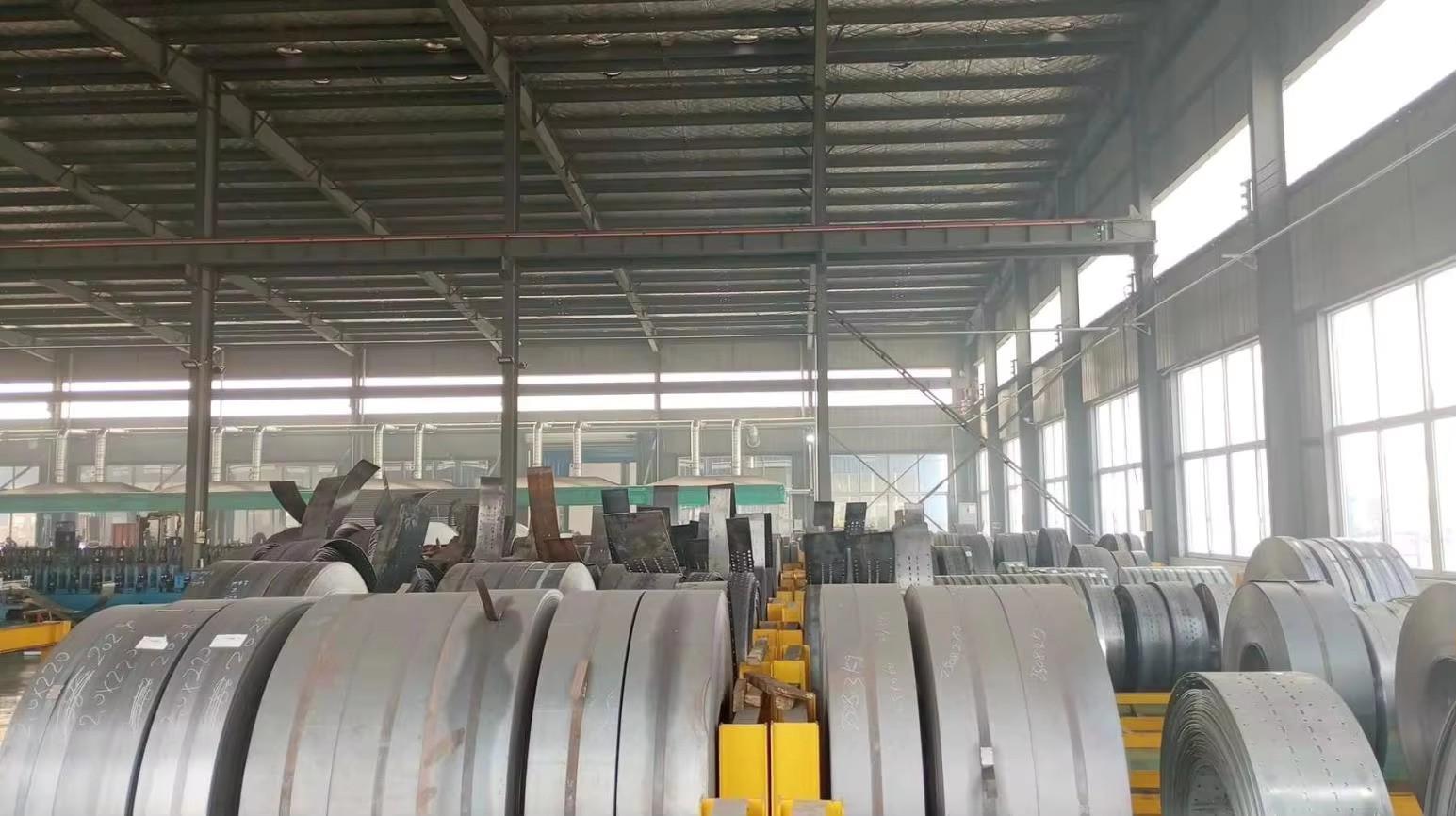
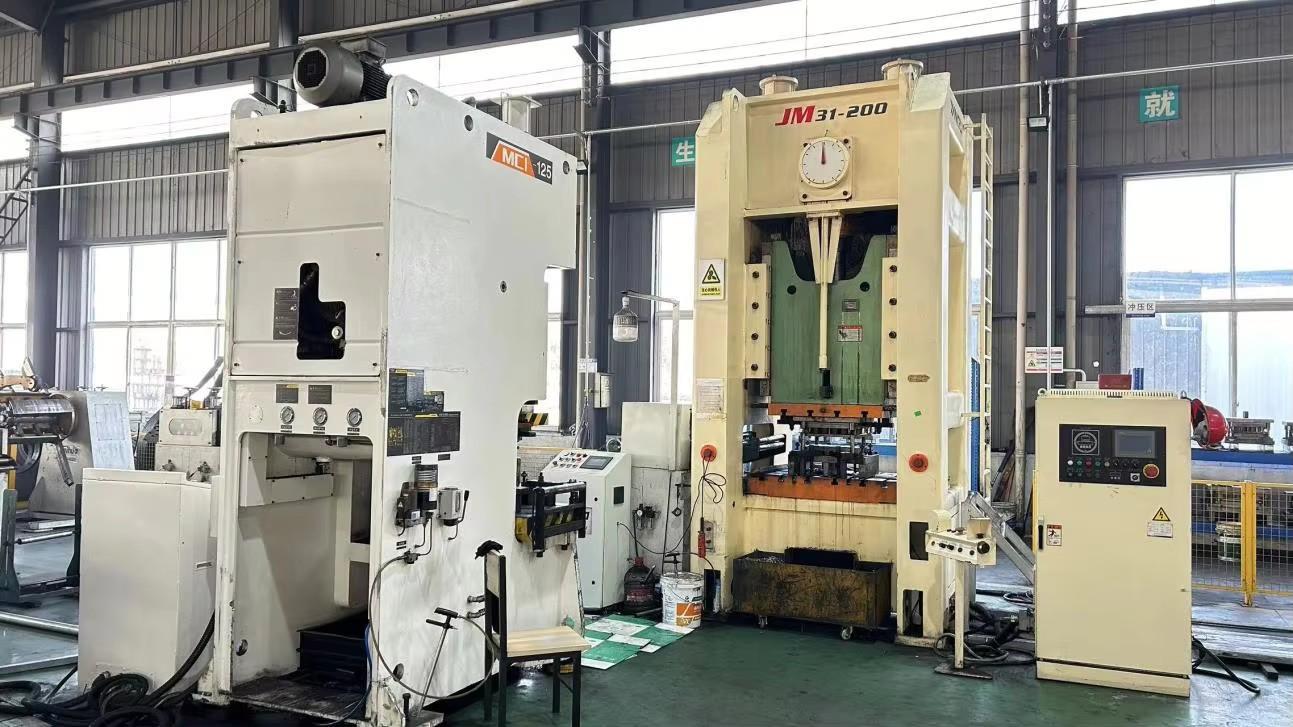
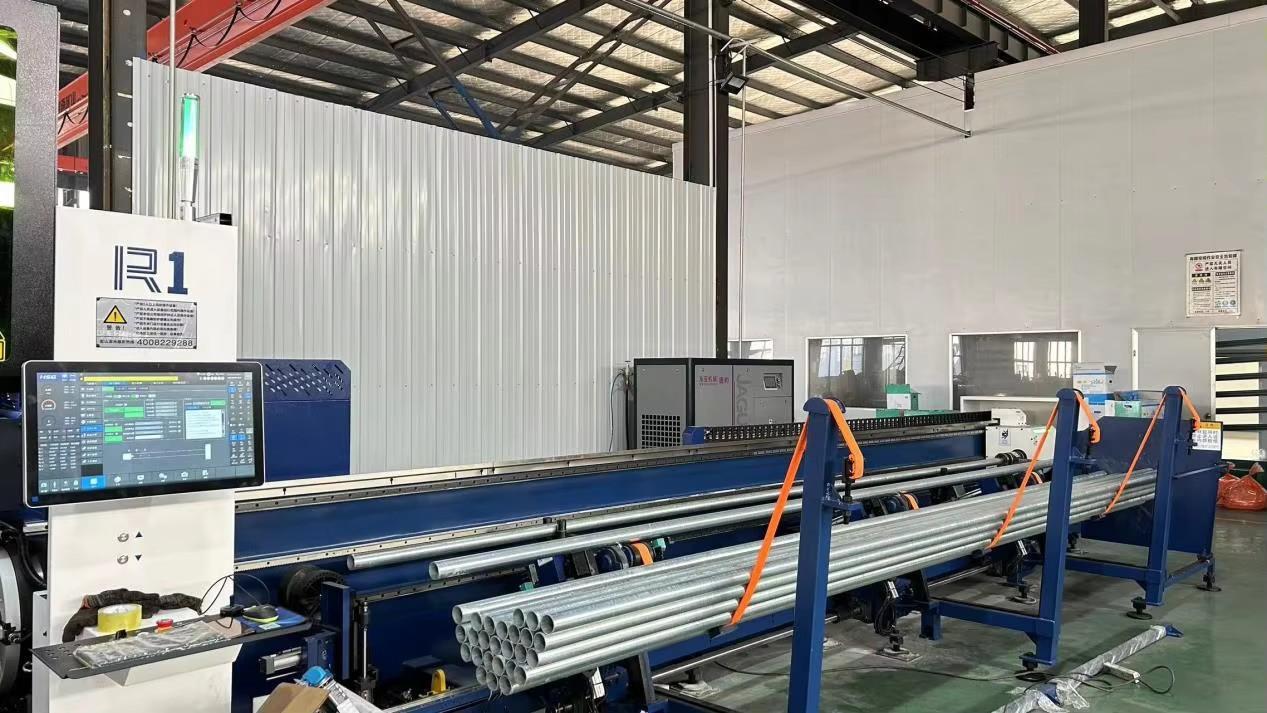
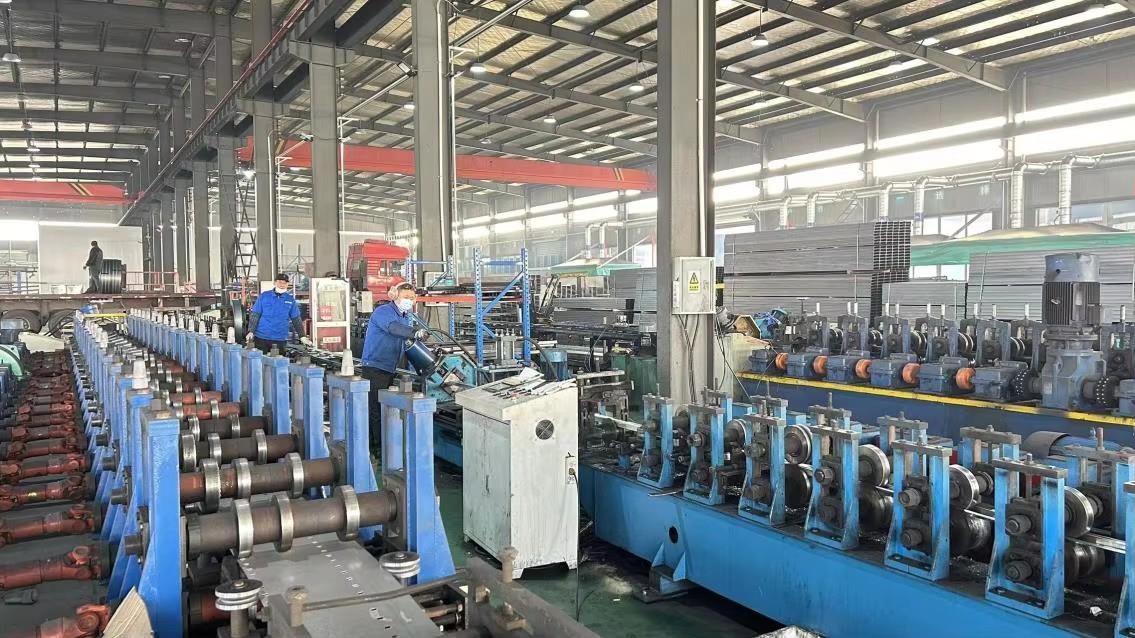
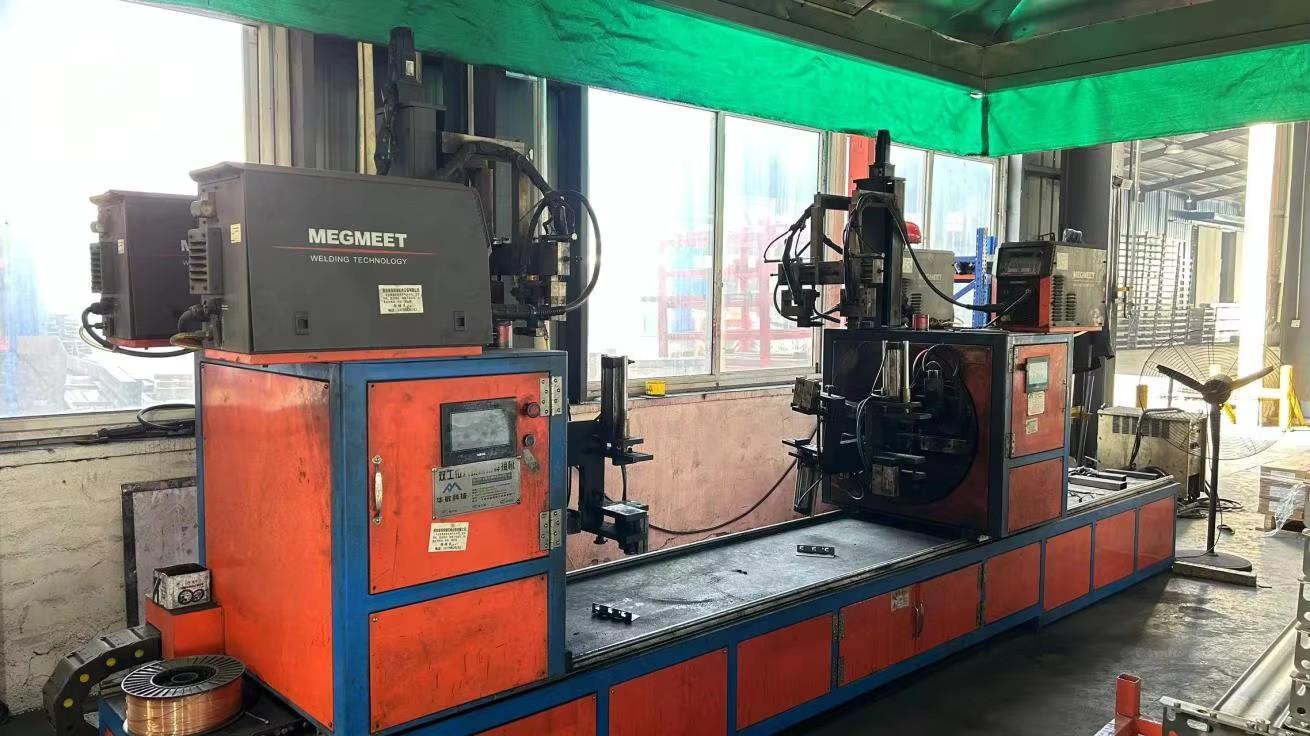
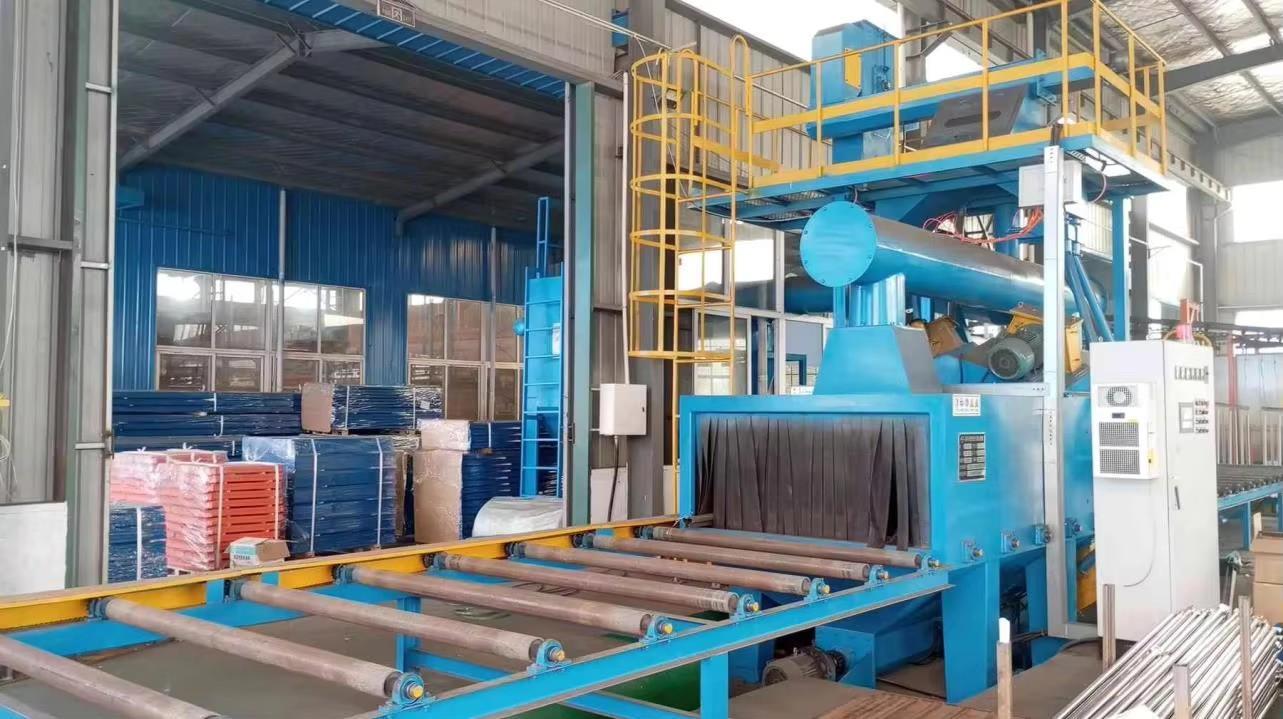
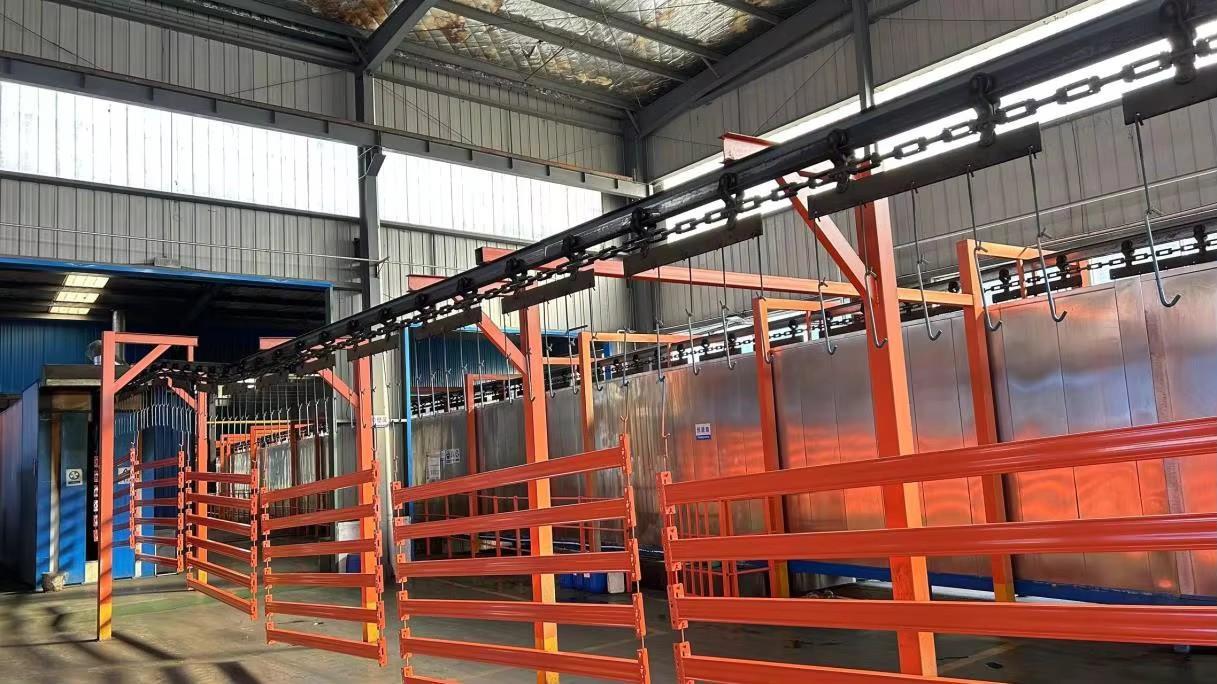
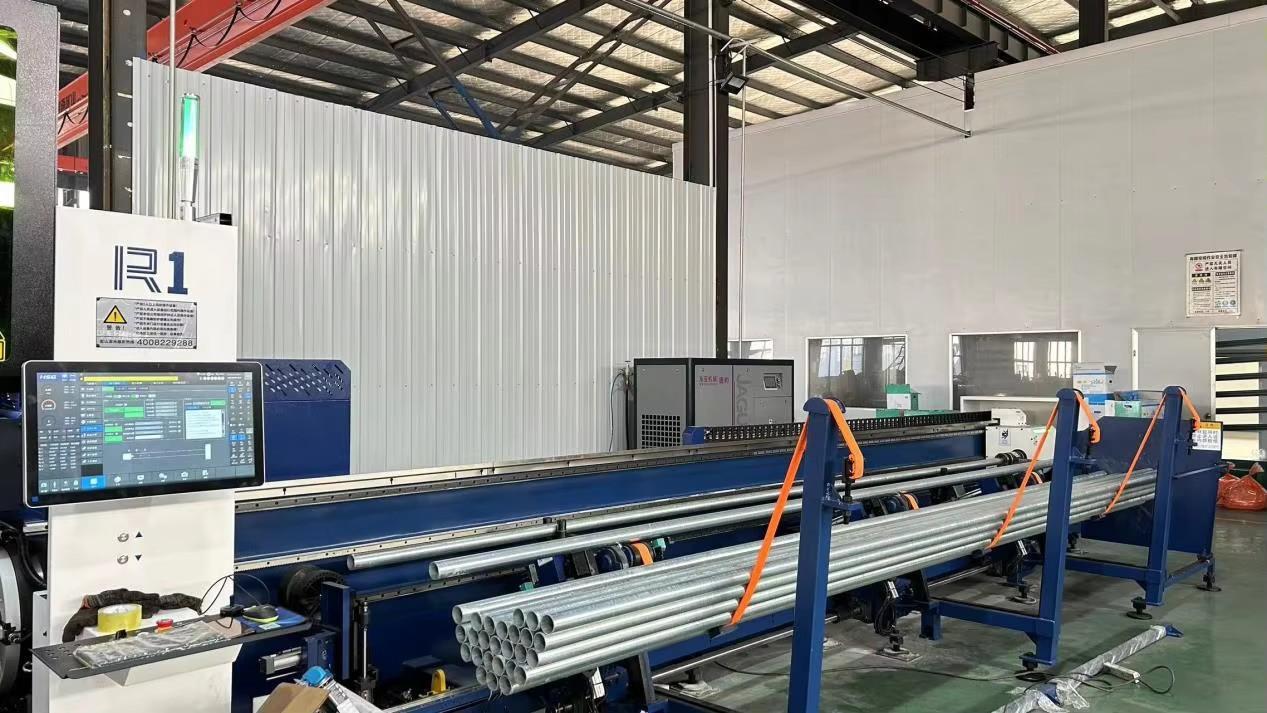
A closer look at the equipment in our 18,600㎡ manufacturing facility.
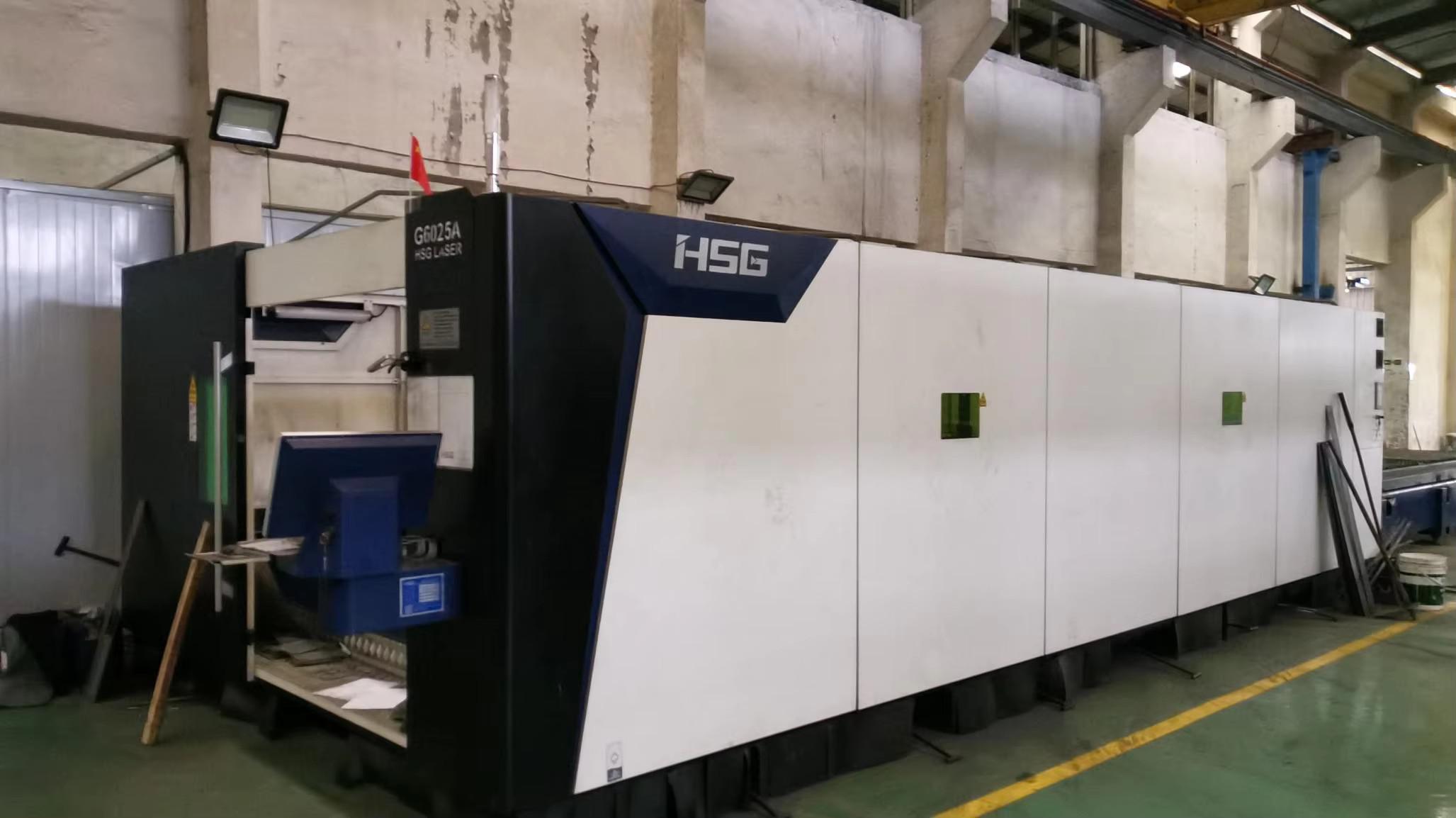
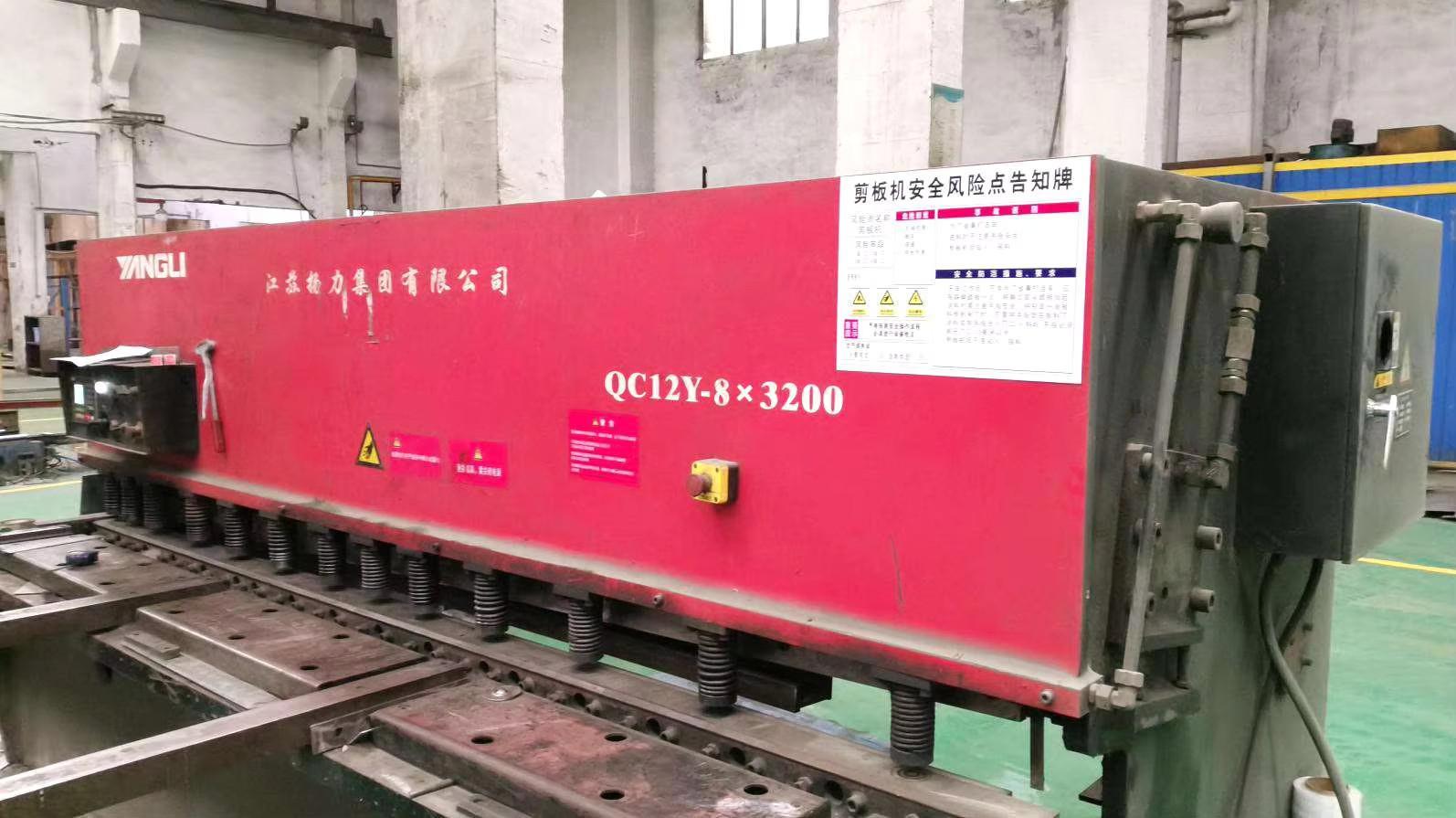
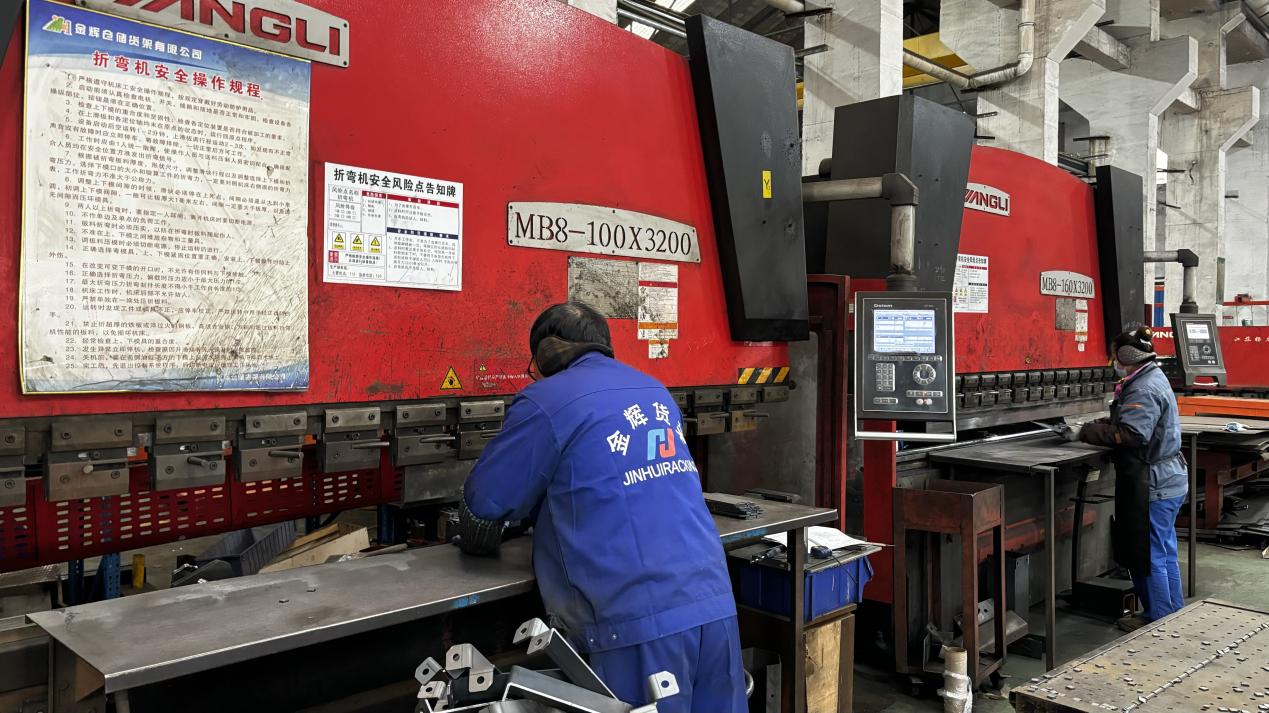
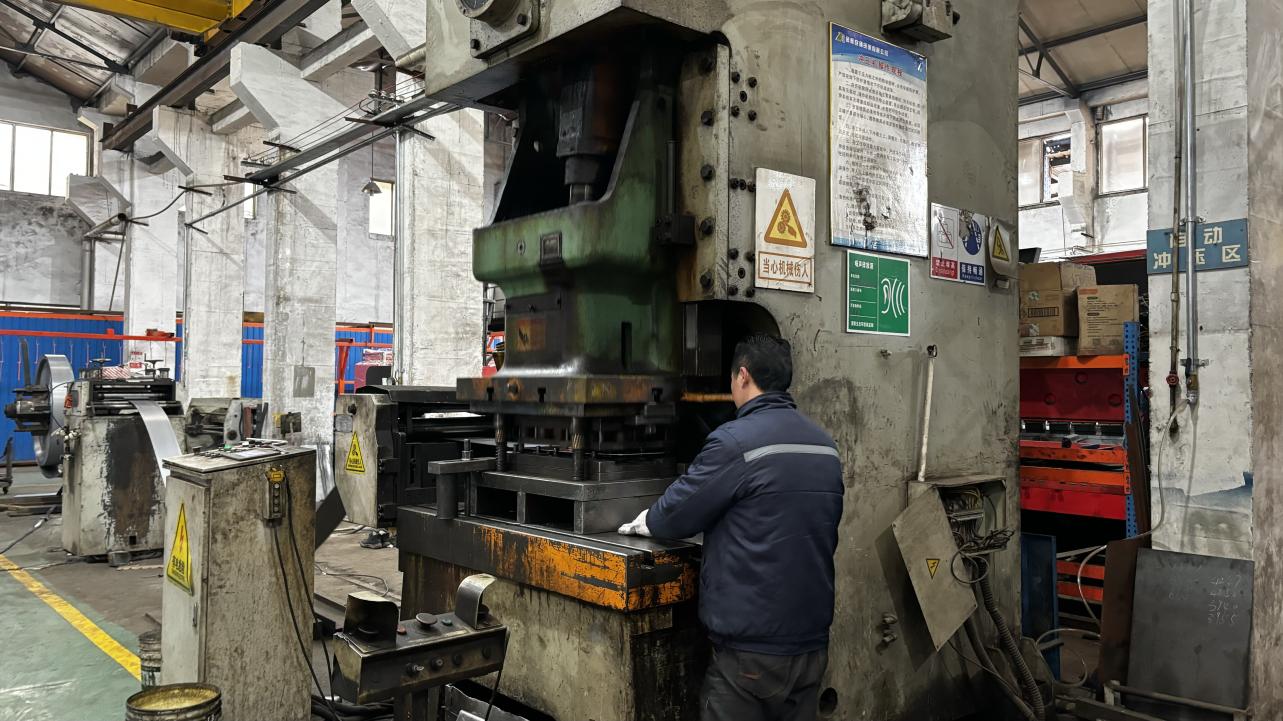
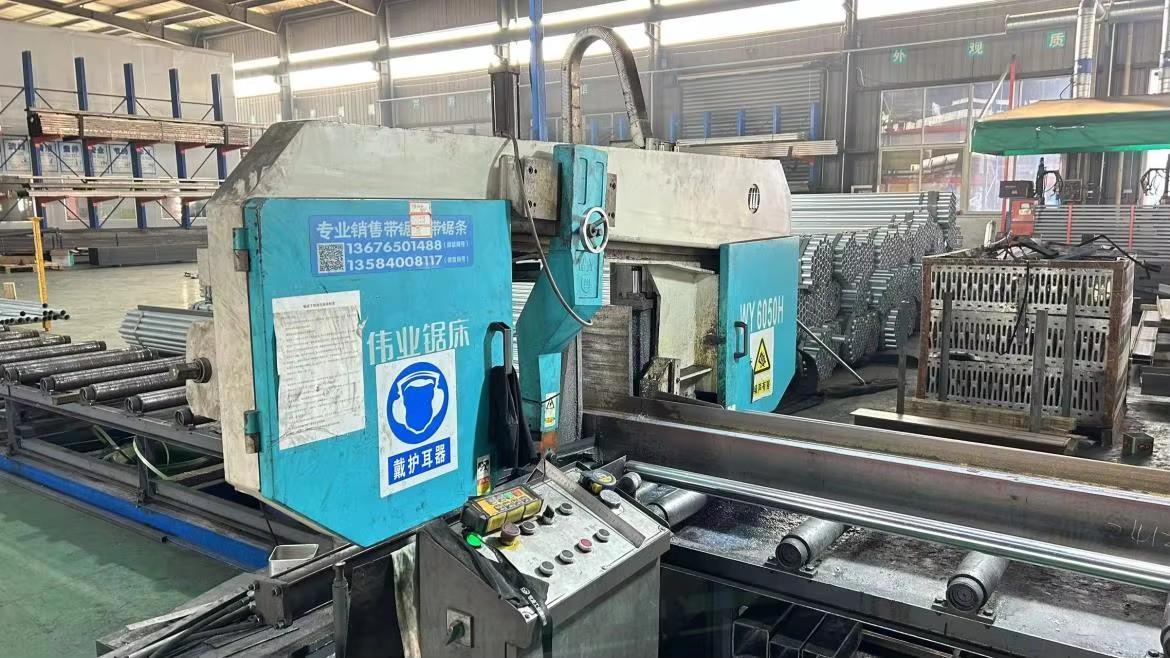
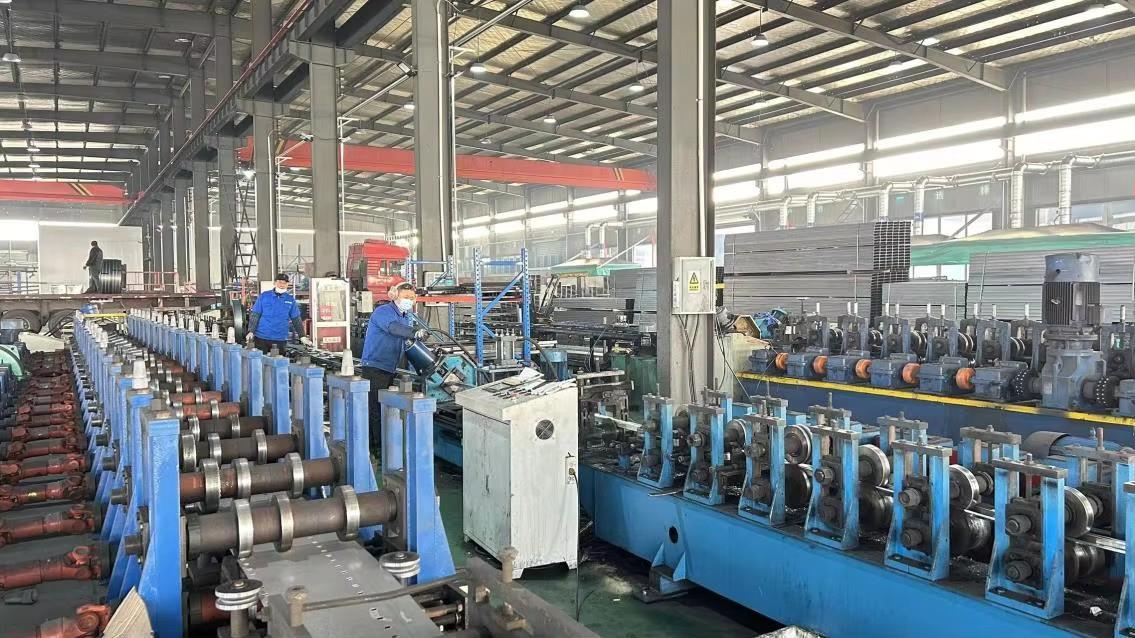
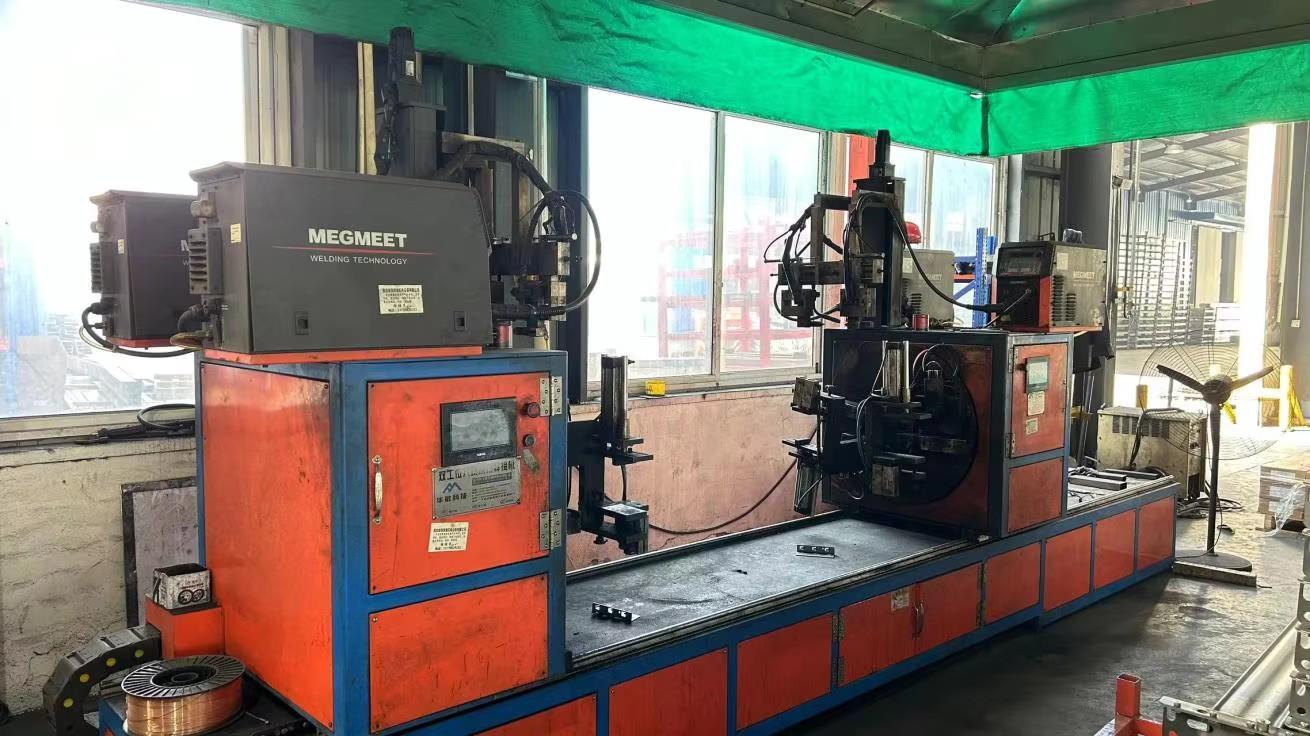
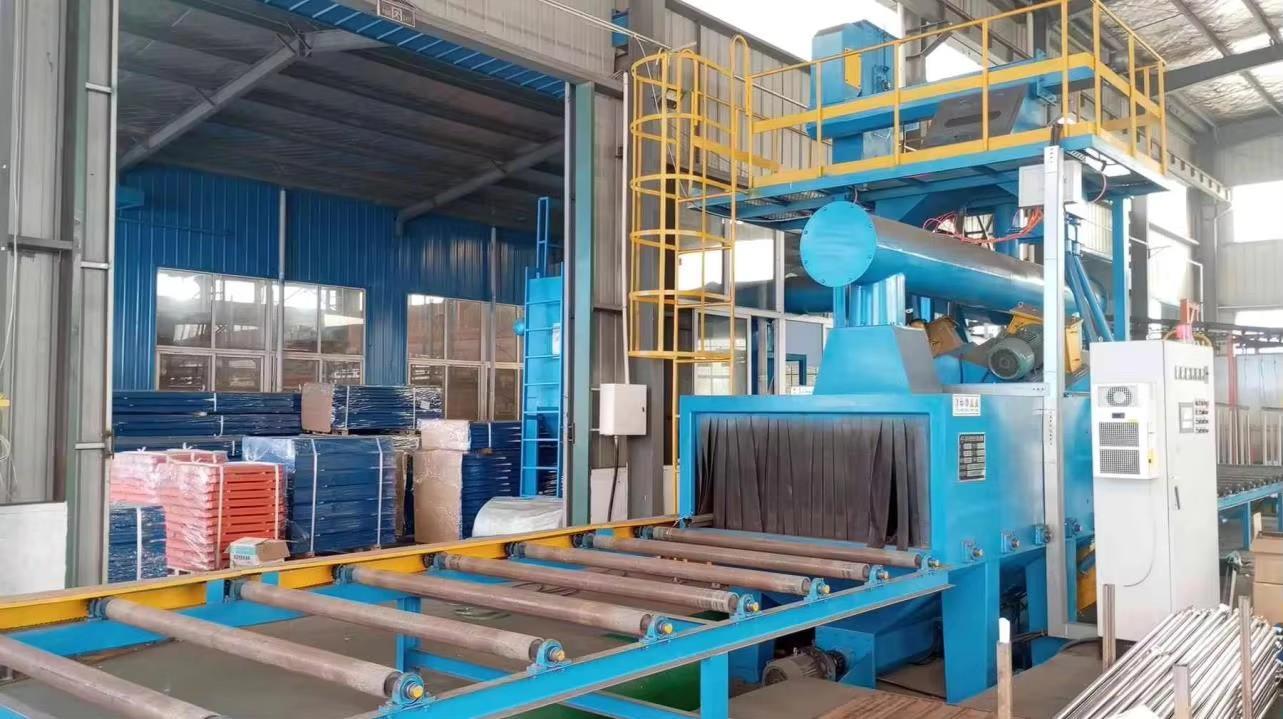
Under ISO 9001 certification, Jinhui implements a rigorous inspection process. Quality control is managed by 46 structural inspectors who inspect every batch, from raw materials to final packaging. Standard procedures include checking load capacities, dimensions, coating thickness, and weld strength before shipping.
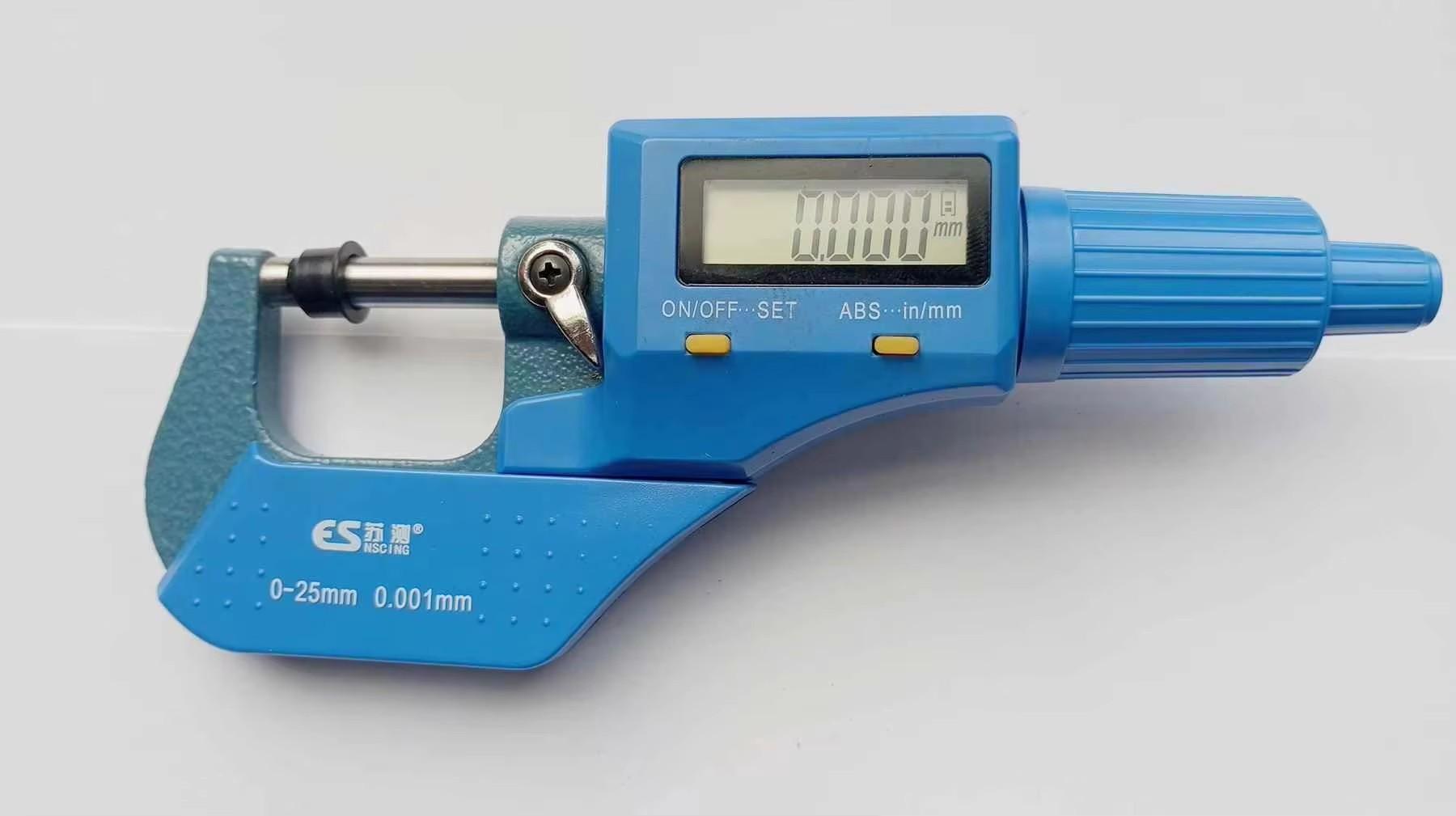
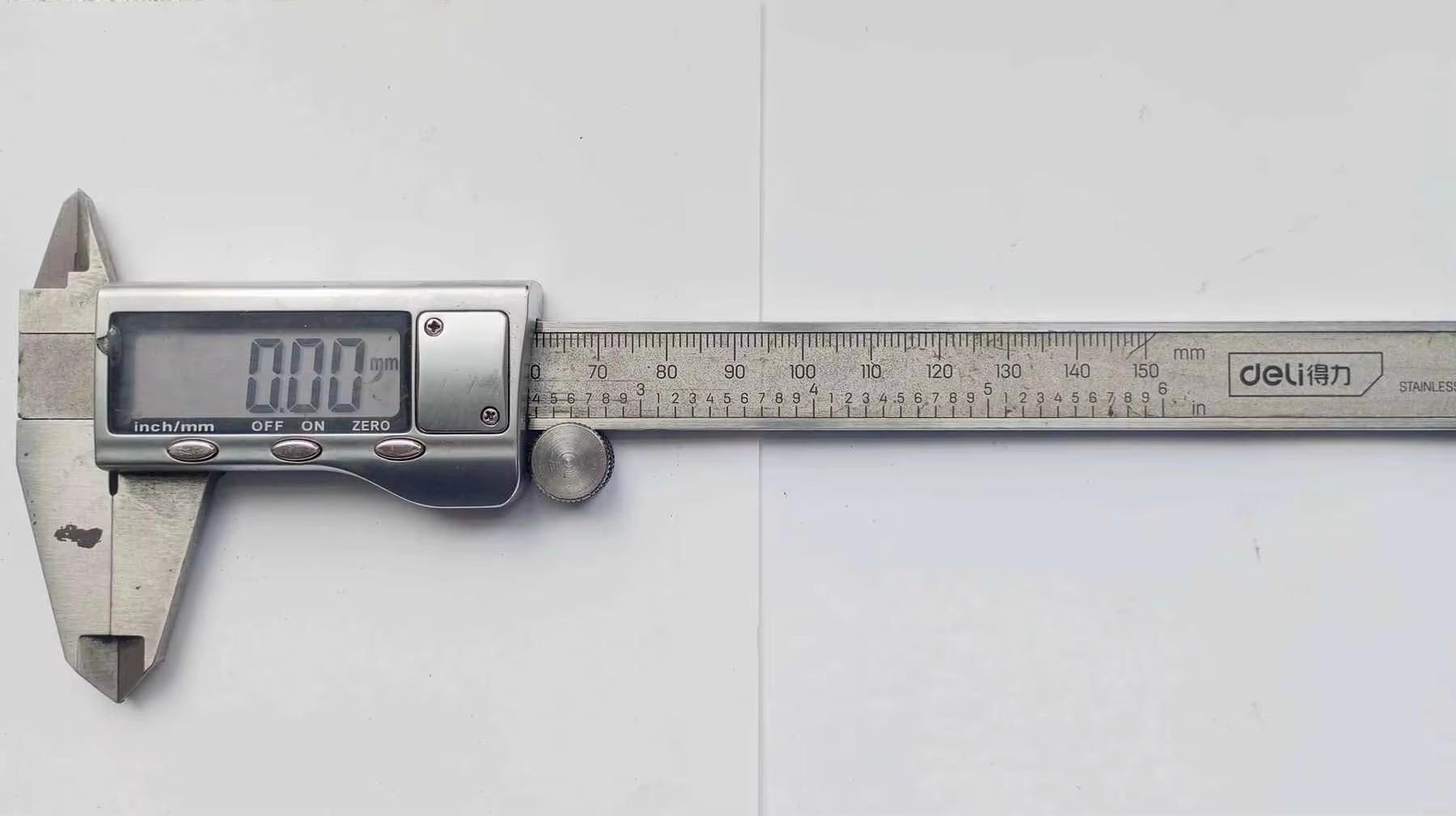
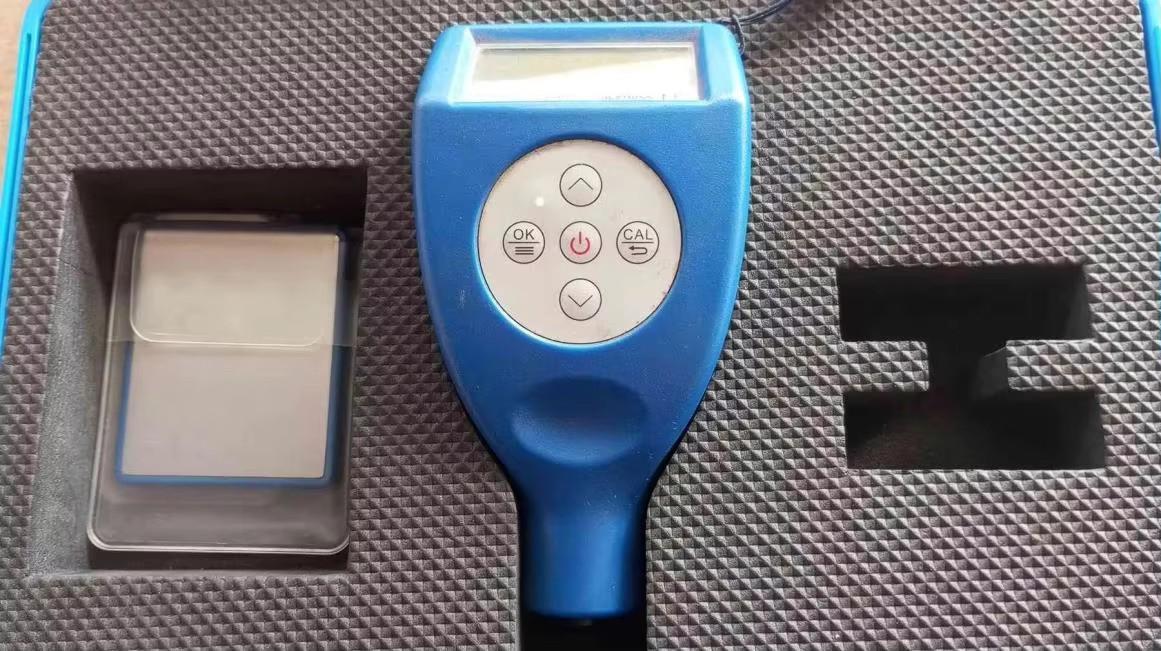
To meet high safety standards, we utilize precise measuring tools. This includes micrometer systems to check steel coil raw thickness, vernier calipers for structural pitch alignment, and digital thickness gauges to verify powder coat thickness. This testing process guarantees consistent structural performance under demanding warehouse environments.
Notice on Material Compliance: Steel materials are sourced from high-quality state mills, and mill test certificates are provided for every container shipped to Austria or European transit centers.
Explore our diverse range of heavy-duty, high-capacity, and space-saving VNA configurations.
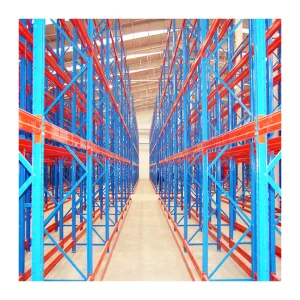
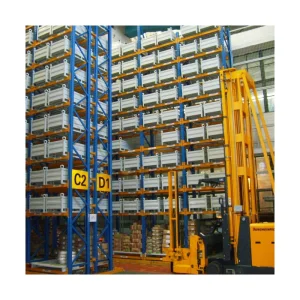
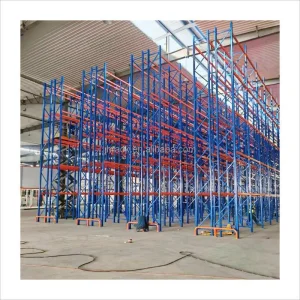
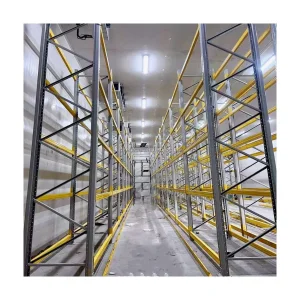
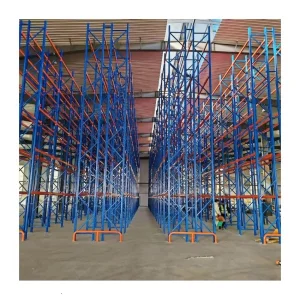
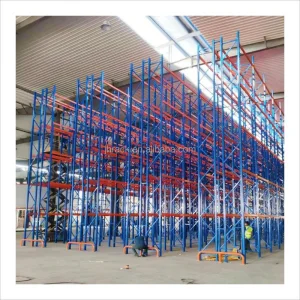
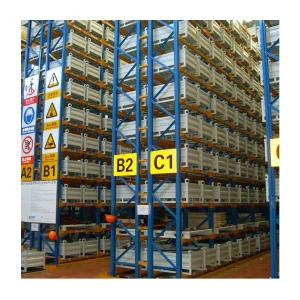
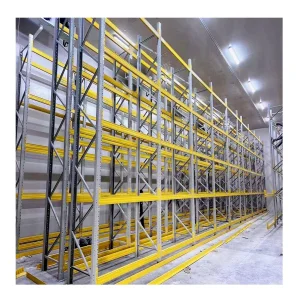
VNA systems require precise load calculations to handle physical stresses over time.
Designing a Very Narrow Aisle (VNA) system requires analyzing structural tolerances and load capacities. Unlike standard selective racking systems, a VNA racking installation operates near vertical height limits. Consequently, small installation misalignments can magnify structural stresses at higher levels.
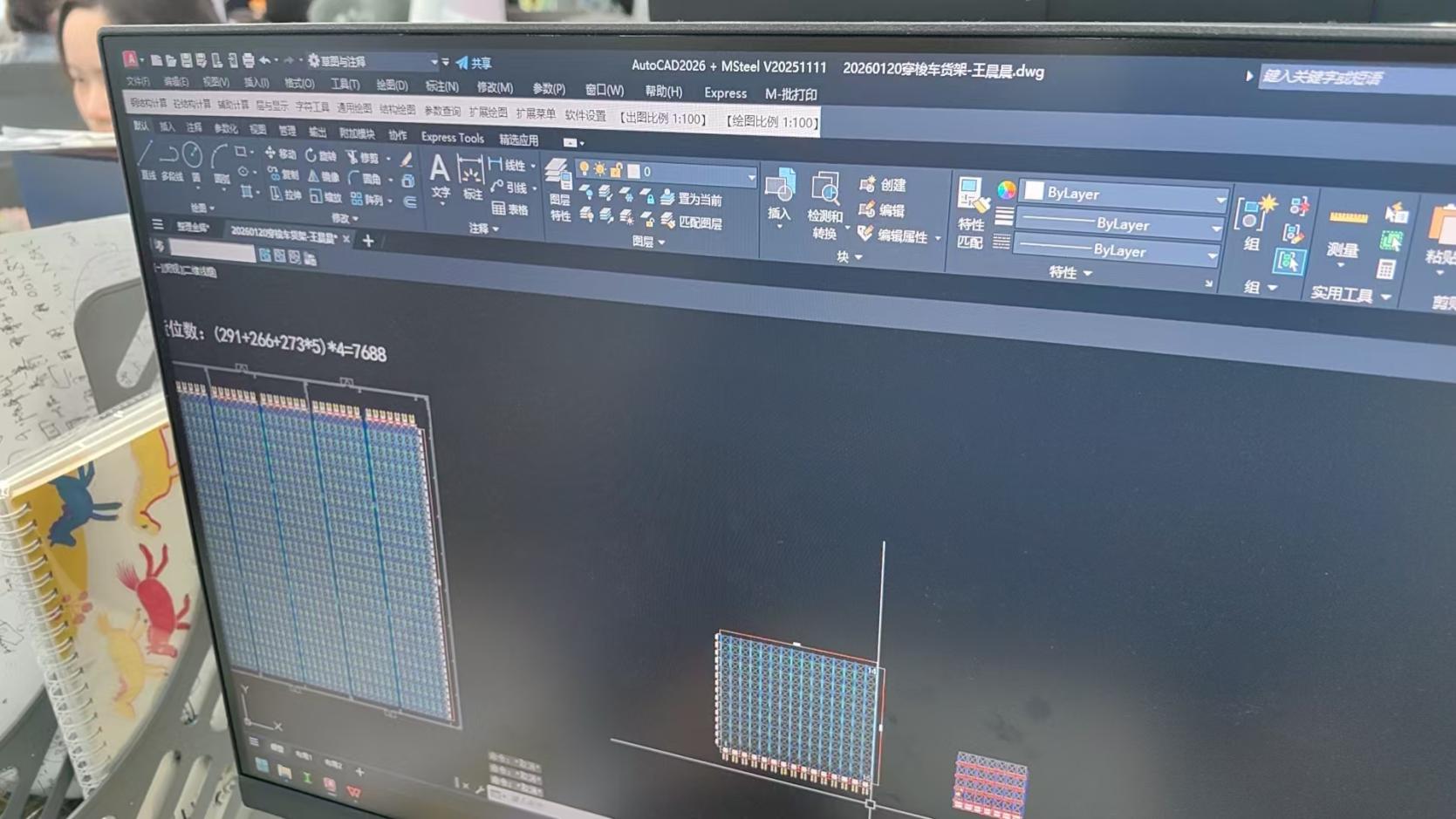
Our team of 68 R&D engineers utilizes advanced CAD software to design custom structural systems tailored to client requirements. We carefully evaluate critical stress factors:
Last year, our team completed 126 customized configurations and structural upgrades, demonstrating our ability to handle complex project layouts and engineering specifications.
To ensure long-term stability and pass safety inspections, VNA racking systems must include integrated protection components:
High-thickness steel profiles anchored to the floor protect uprights from forklift damage.
Compatible with modern AGVs and wire-guided steering arrays to keep vehicles centered.
Top ties and horizontal frame links improve structural rigidity and minimize swaying.
Critical structural and logistics planning information for Austrian buyers.
Get in touch with our design engineers today for a free warehouse structural analysis and CAD drawing proposal tailored to your site requirements.
Send Inquiry Now Jinhui Storage Equipment