As the epicenter of Japan’s manufacturing belt (Chukyo Metropolitan Area), Nagoya and Aichi Prefecture represent the absolute pinnacle of high-volume, precision logistics. The region is characterized by an extensive network of automotive assembly lines (Toyota Group), aerospace manufacturing nodes, and bustling maritime operations through the Port of Nagoya. In this environment, storage infrastructure cannot simply act as passive containment; it must serve as a high-speed buffer integrated with the Toyota Production System (TPS).
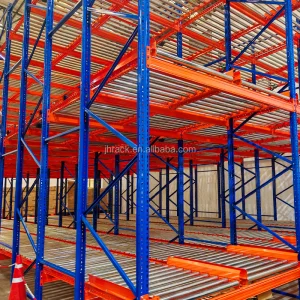
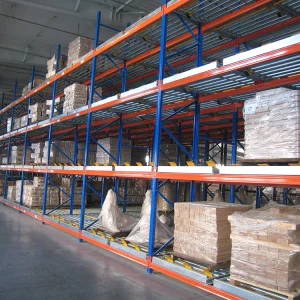
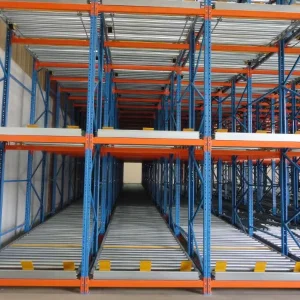
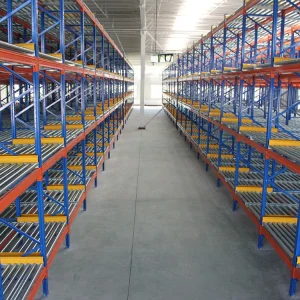
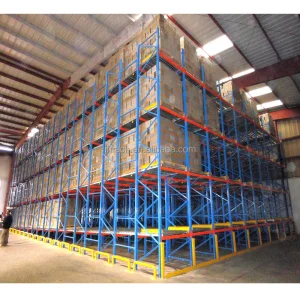
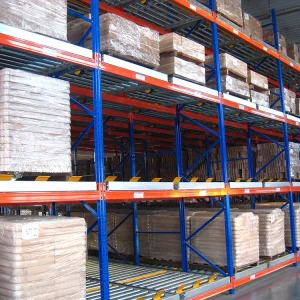
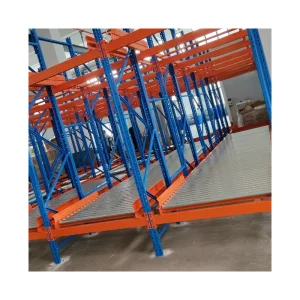
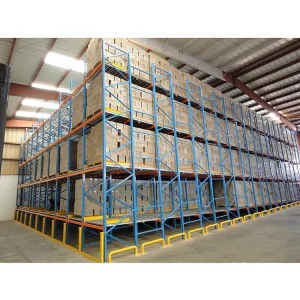
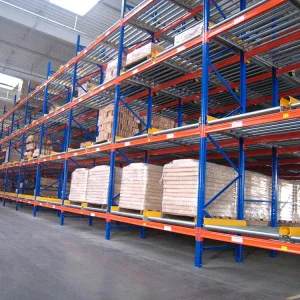
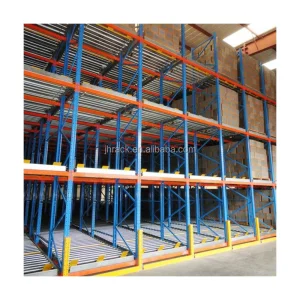
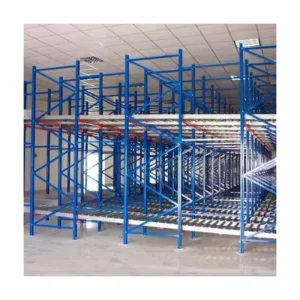
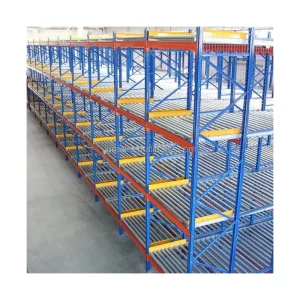
With real estate costs rising and the Japanese warehousing labor market facing ongoing constraints, logistics facilities must maximize density while ensuring strict safety compliance. Pallet Flow Racking systems solve these issues by providing a dynamic First-In, First-Out (FIFO) material flow. Gravity-driven lanes reduce travel distances for forklifts, minimize fuel consumption, and eliminate dedicated retrieval aisles. For Nagoya’s Tier-1 automotive component suppliers, implementing our custom gravity racks yields a critical competitive edge.
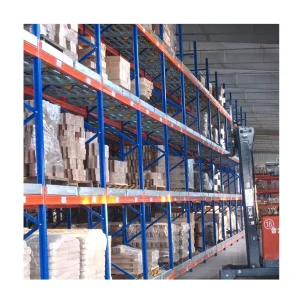
Maximised Density: Eliminates forklift aisles, allowing up to 60% more storage volume on the same floor plate.
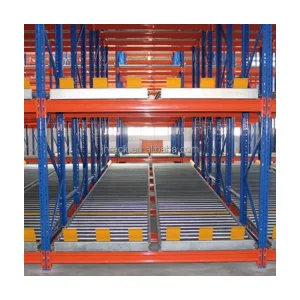
Lean Assembly Lines: Gravity flow rollers feed assembly modules continuously, ensuring parts reach workstations in the exact sequence required.
Decoupled Operations: Loading is completely separated from pick cycles, minimizing collision risks and increasing worker throughput.
Nagoya's proximity to active fault zones means structural safety is paramount. Our racking systems feature reinforced upright frames, wider baseplates, dual floor anchors, and high-yield structural steel (comparable to SM490). We run comprehensive Finite Element Analysis (FEA) models to ensure structural stability during dynamic seismic events.
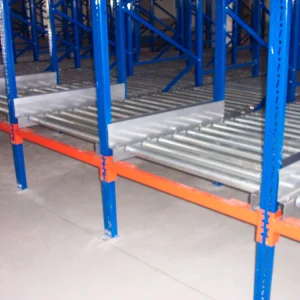
Uncontrolled gravity flow poses serious workplace hazards. Our flow tracks use magnetic and centrifugal speed controllers (brake rollers) placed at regular intervals. This ensures pallets glide at a controlled, safe speed of 0.25 to 0.3 meters per second, regardless of pallet weight variations (from 200kg to 1500kg).
Accumulated dynamic line pressure makes pallet retrieval dangerous. We integrate heavy-duty mechanical separators at the picking face. This mechanism decouples the front pallet from the row behind it, relieving back pressure so forklift operators can extract the target pallet smoothly and safely.
Dongguan Jinhui Storage Equipment Co., Ltd. operates a modern 18,600 square meter factory in China. Equipped with fully automated roll-forming lines, advanced laser cutters, robotic welding stations, and a state-of-the-art electrostatic powder coating plant, we deliver precision-made rack components globally. Our rigorous testing regime is managed by 46 dedicated QC inspectors, covering raw materials, weld penetration, and final coating thickness to guarantee reliable, long-term performance.
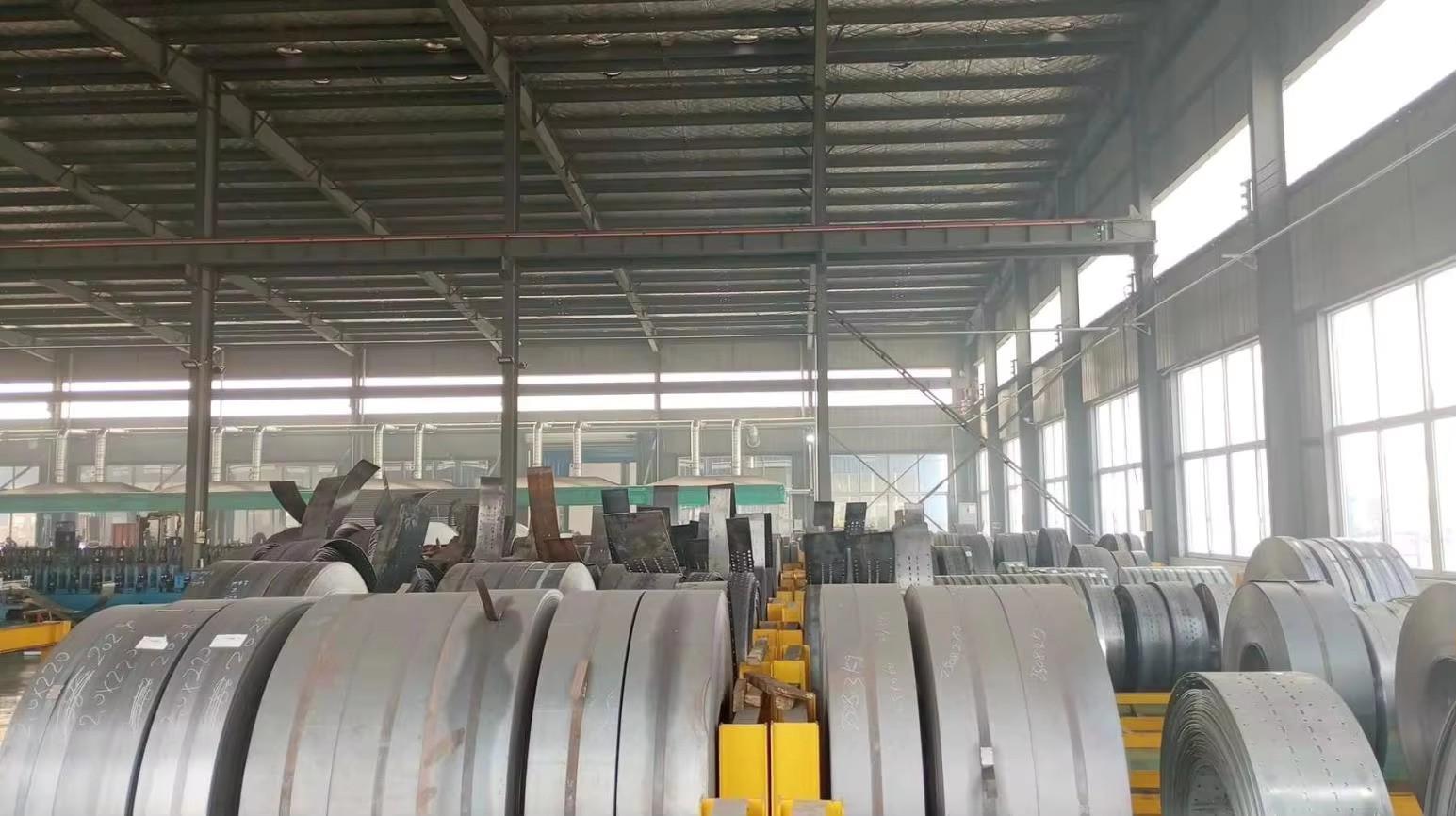
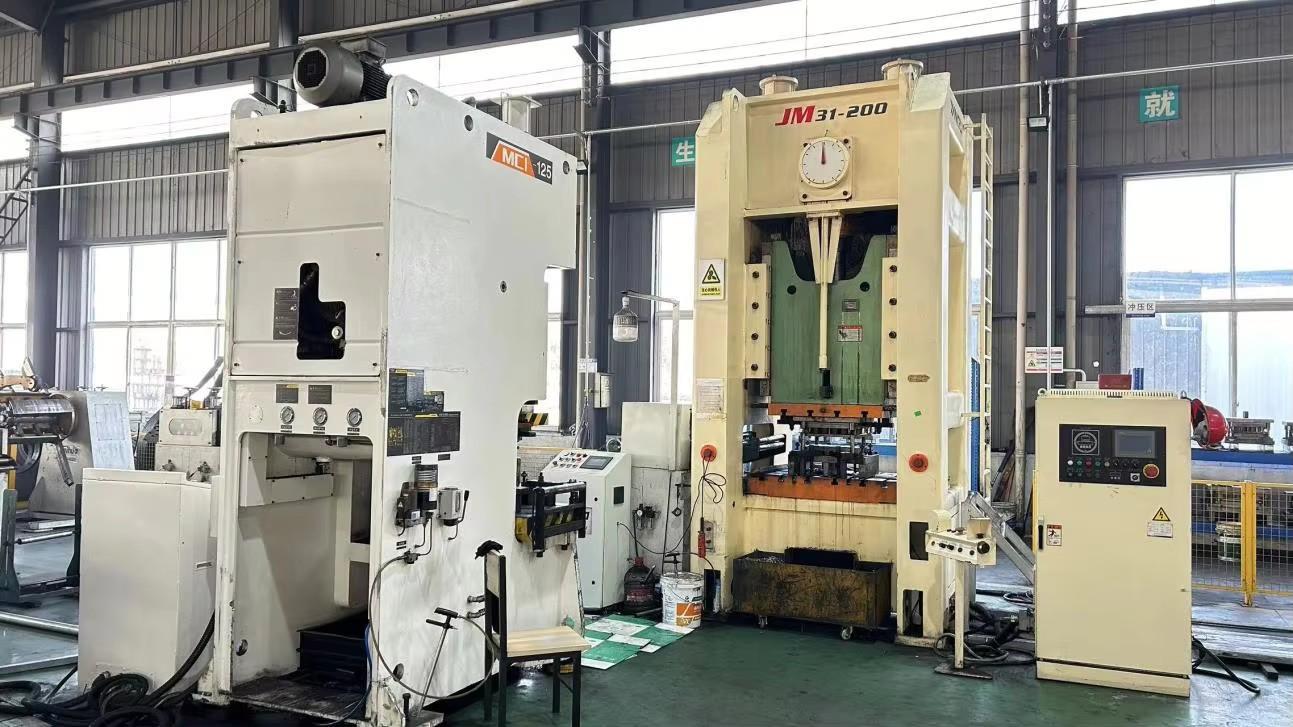
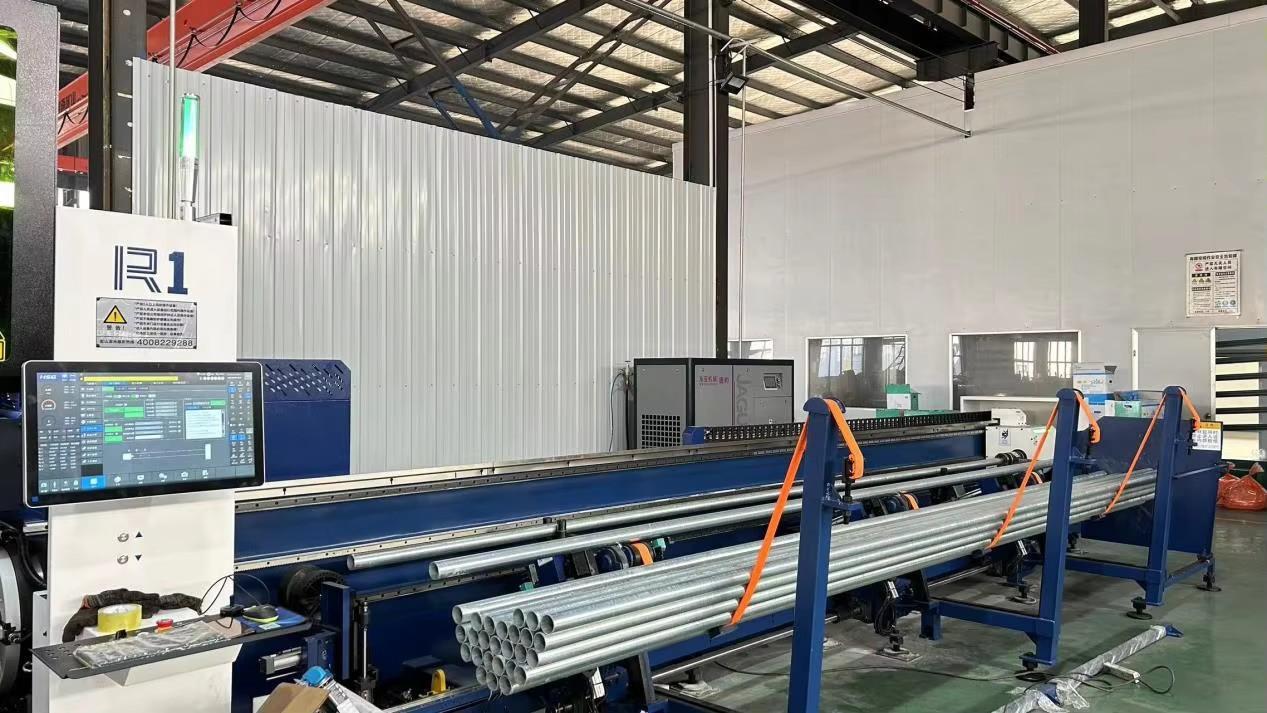
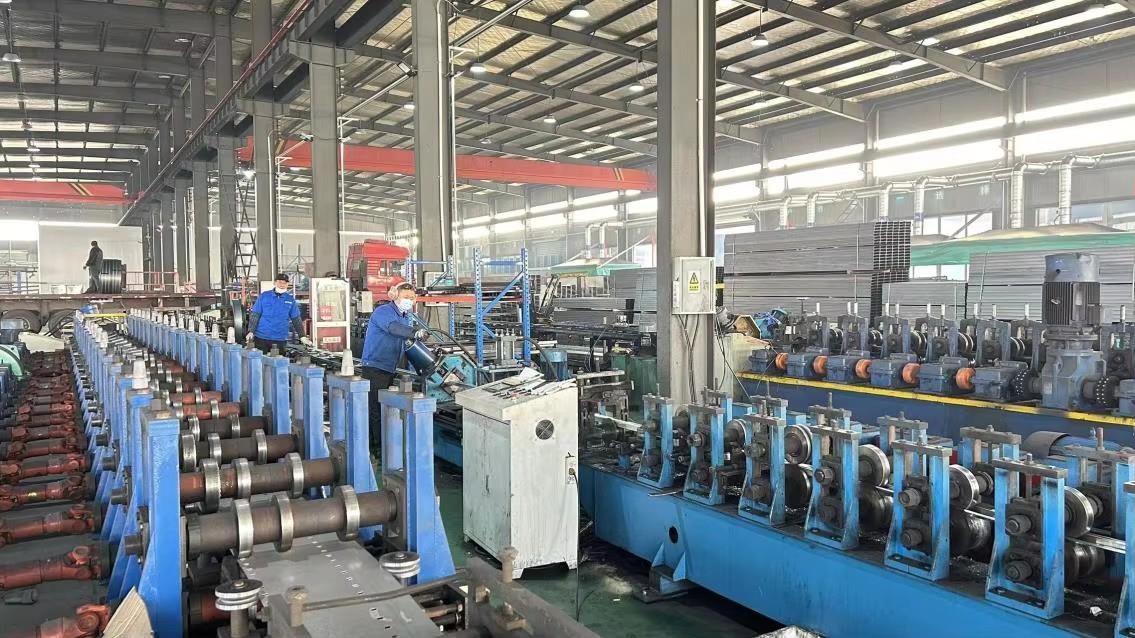
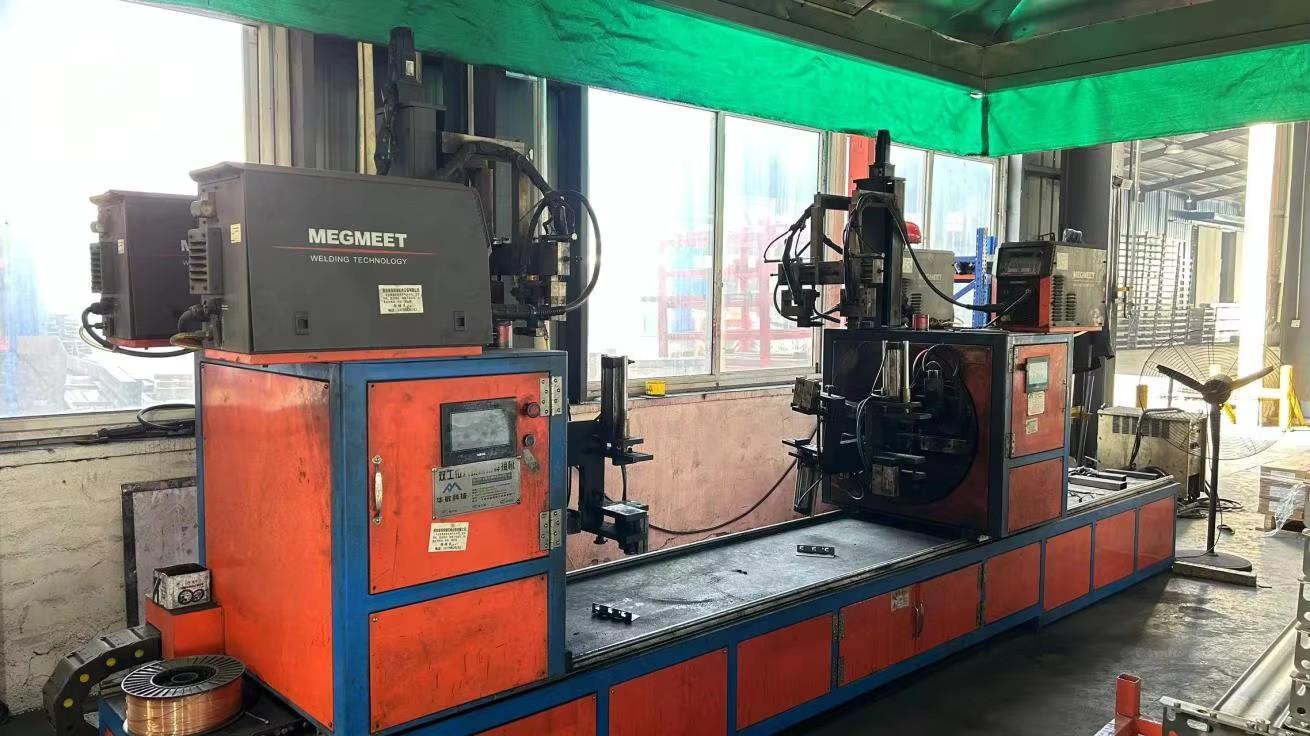
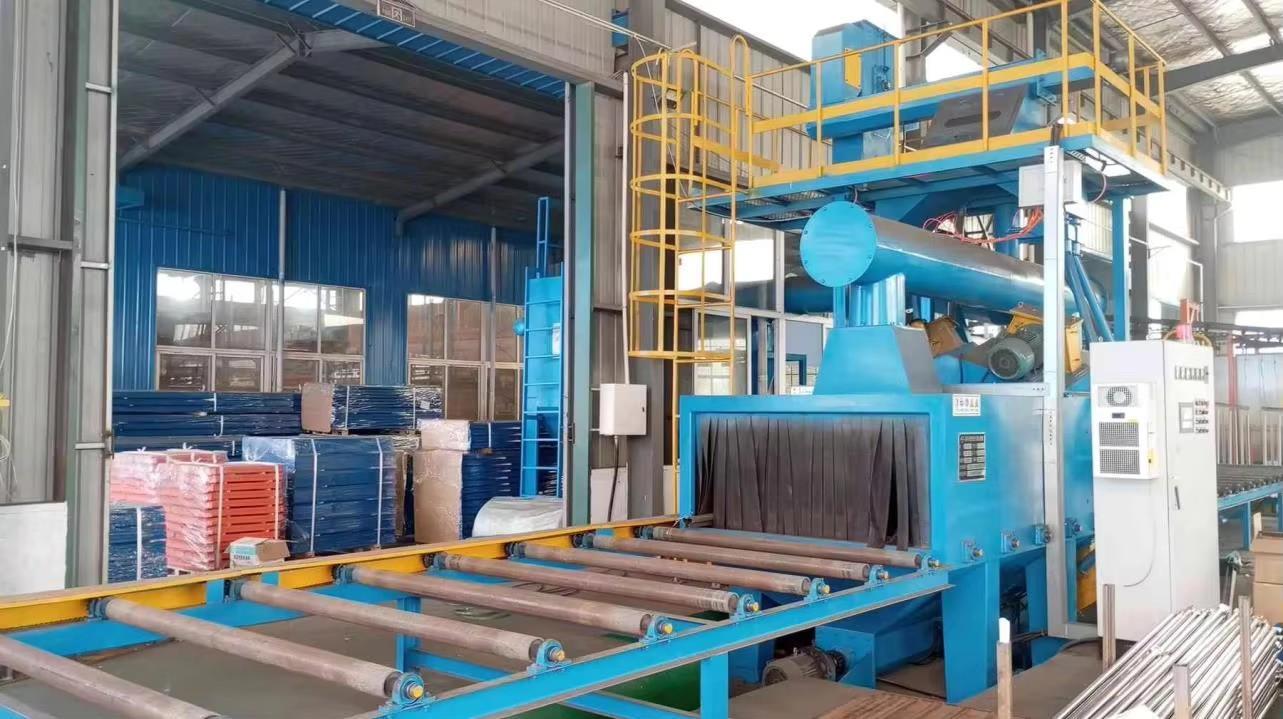
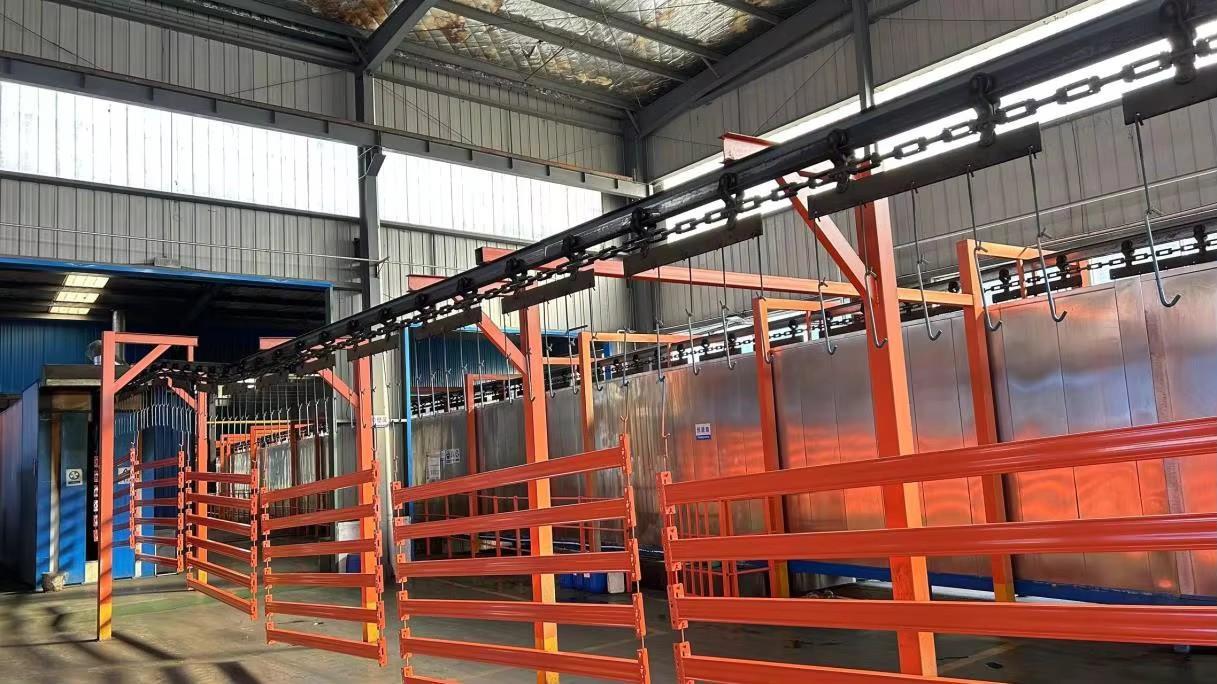
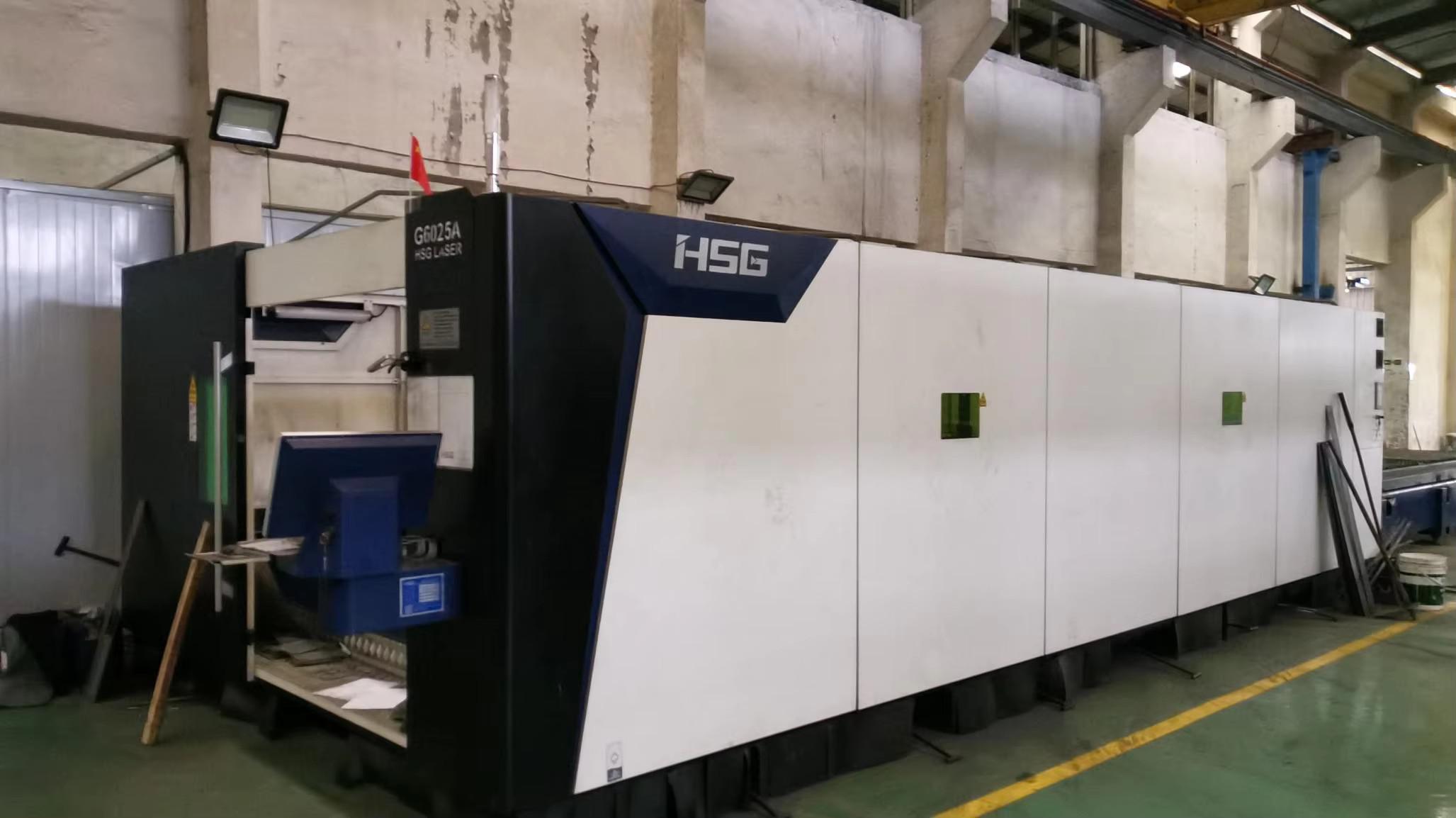
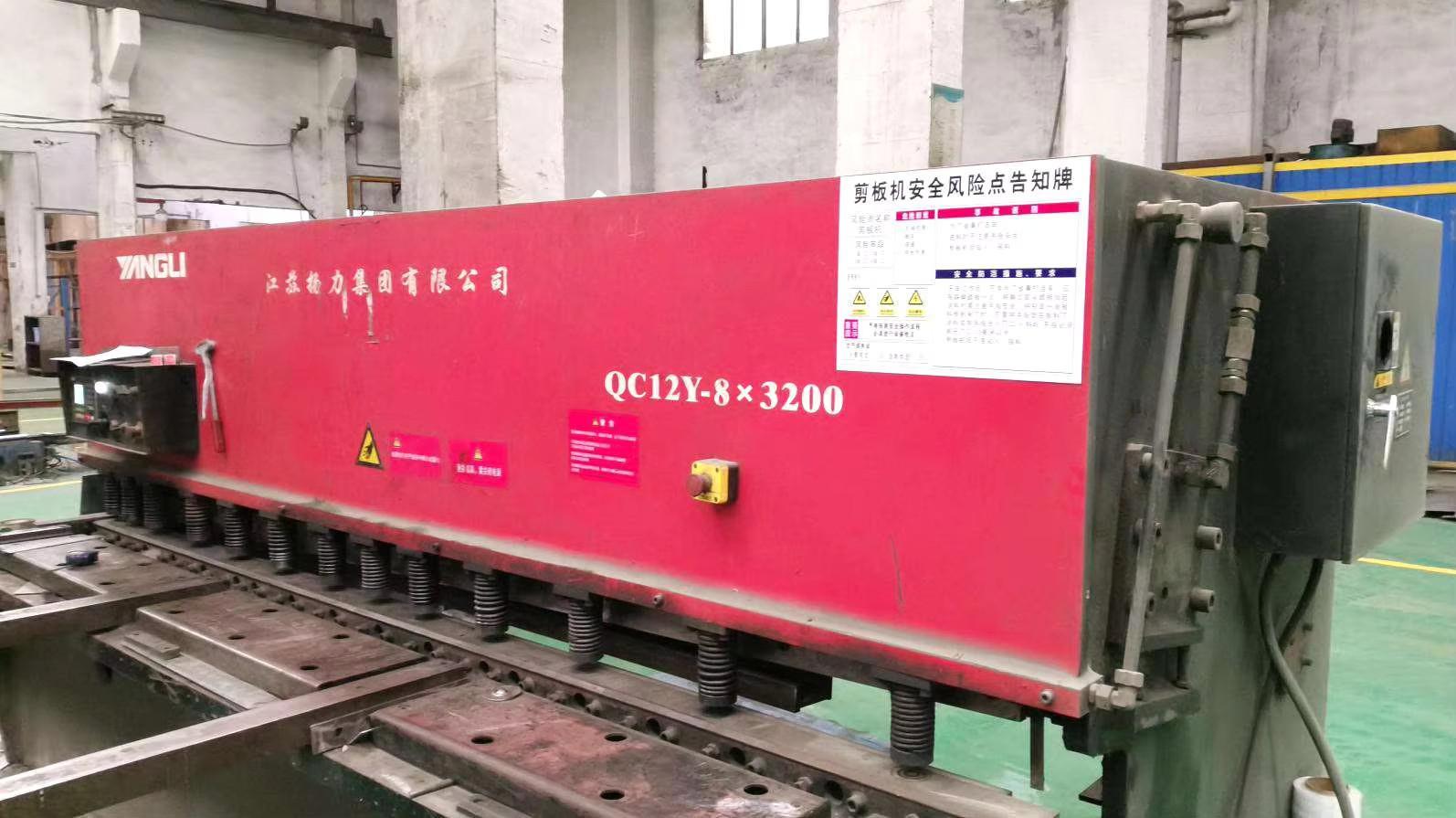
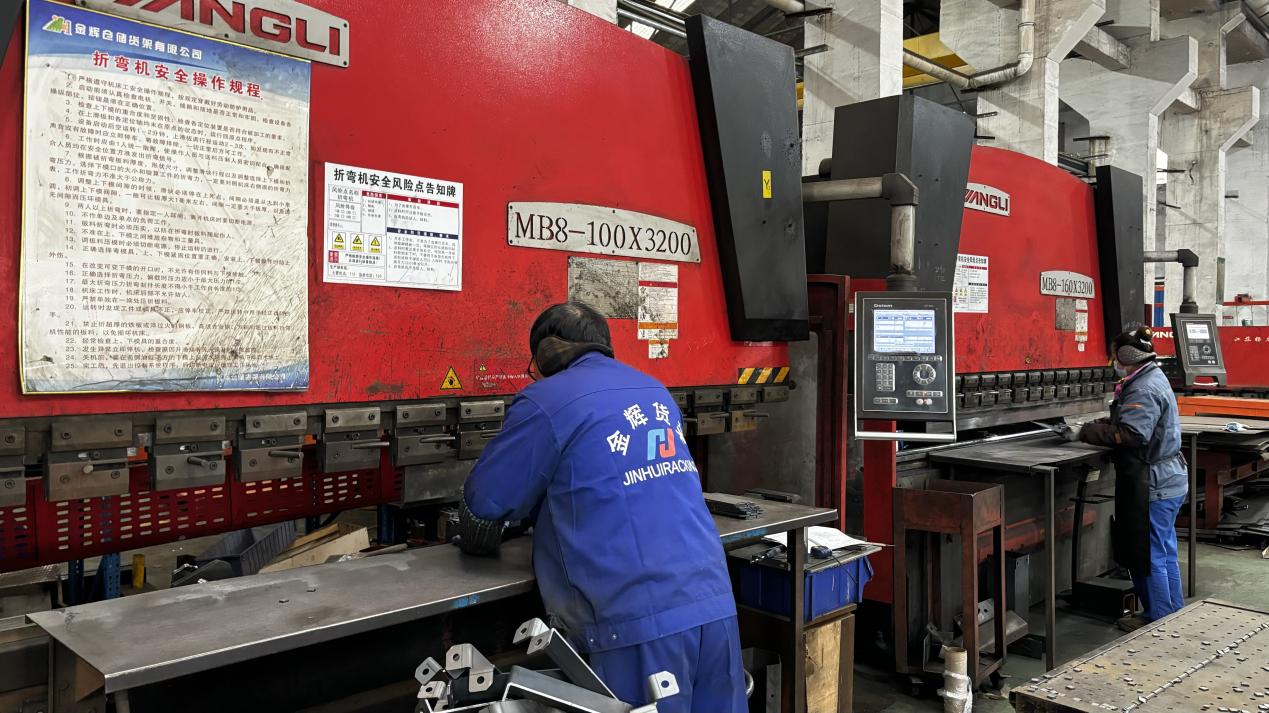
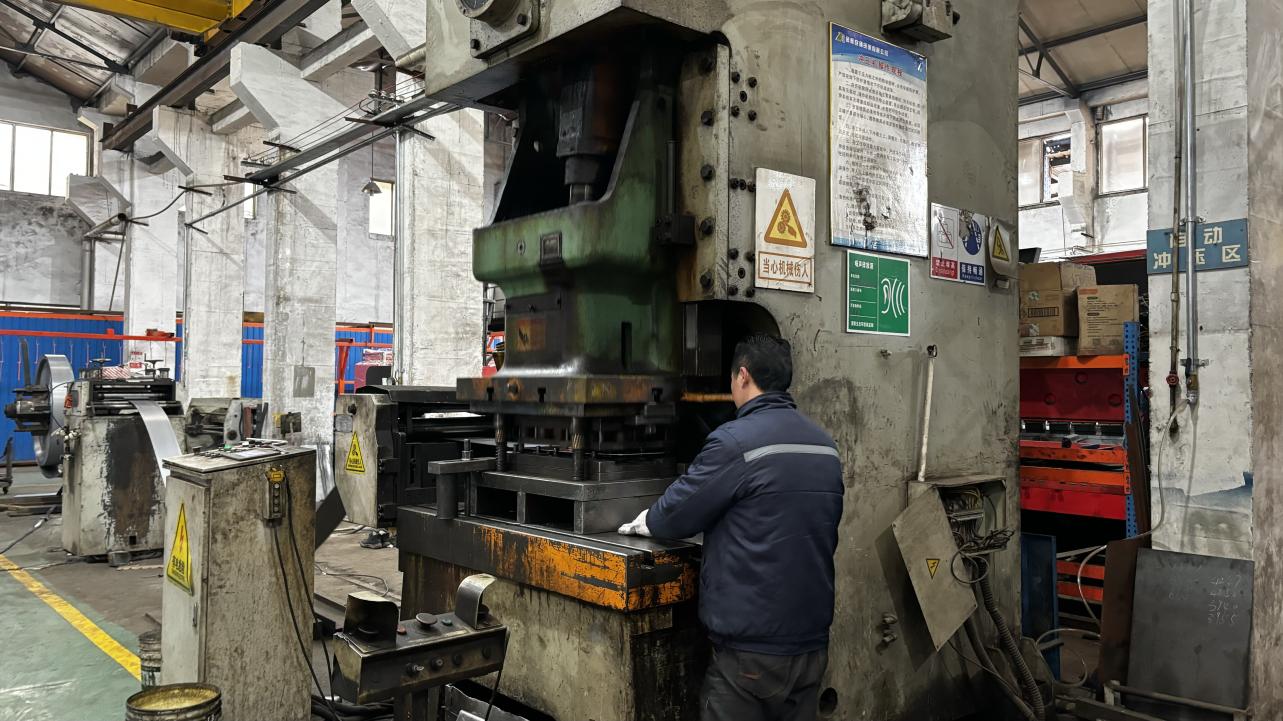
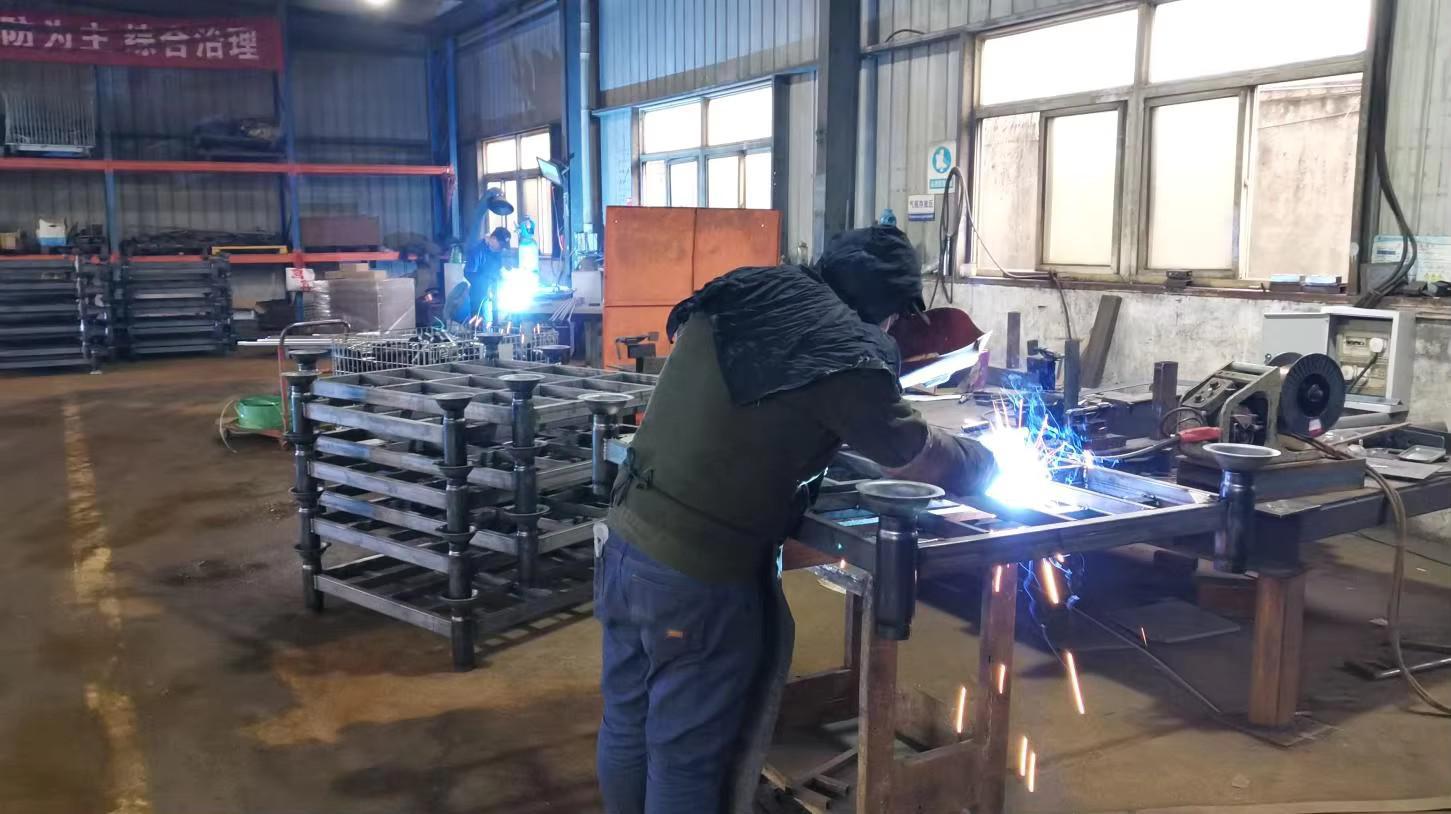
By controlling all fabrication steps in-house—from laser profiling to raw material inspection—we bypass intermediary delays. This vertically integrated supply chain enables us to offer competitive pricing and reliable lead times to clients across Japan, backed by over 980 supply chain partners.
Sourcing large industrial steel systems globally requires rigorous logistics planning. Jinhui bridges the gap between high-precision Chinese fabrication and local Japanese standards. Located near key Southern China ports, we coordinate weekly maritime shipments directly to the Port of Nagoya, keeping transit times under 10-15 days.
We work with experienced Japanese racking installation teams to ensure our systems comply with all local structural regulations. Our engineering office provides detailed AutoCAD and 3D structural drawings, and can modify rack geometry to fit standard Japanese plastic or wooden pallets (e.g., T11 1100x1100mm) without compromising flow lane integrity.
 Jinhui Storage Equipment