Explore our flagship high-performance push-back systems tailored for modern New Zealand industrial facilities.
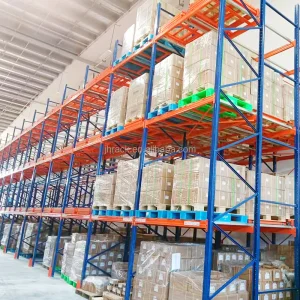
Adapting to limited commercial footprints, sky-high land values, and strict structural seismic conditions.
The industrial sector in New Zealand—ranging from the fast-paced logistics hubs of Auckland's South Corridor (Wiri, Penrose, East Tamaki) to the expanding trade precincts in Christchurch (Hornby, Rolleston)—is undergoing structural transformations. Commercial real estate yields have tightened, and the cost of industrial land has hit unprecedented historical highs. To maintain thin margins, Kiwi businesses must shift from horizontal footprint expansion to dynamic vertical optimization. High-density storage is no longer optional; it is a vital competitive advantage.
Furthermore, New Zealand sits along the Pacific Ring of Fire. This geographical reality makes structural integrity a critical priority. Warehouse designers and structural engineers must navigate rigorous regulatory demands, specifically NZS 1170.5 (Structural Design Actions - Earthquake Actions) and AS 4084 (Steel Storage Racking). In regions like Wellington or Canterbury, seismic factors can amplify design loads by up to 2-3 times. Standard structural racking designs fail under these conditions, demanding specialized engineering calculations, high-tensile steel, and custom-designed baseplates.
For industries dealing with cold storage, dairy, food, and beverage distribution (crucial sectors for the NZ economy), the spatial footprint is incredibly expensive. Running a sub-zero freezer room in Tauranga or Auckland incurs massive energy overheads. By adopting Push-Back Racking, operations can expand their storage capacity by up to 75% compared to standard selective racking.
The physics, geometry, and design principles behind high-performance push-back systems.
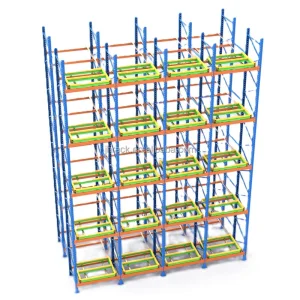
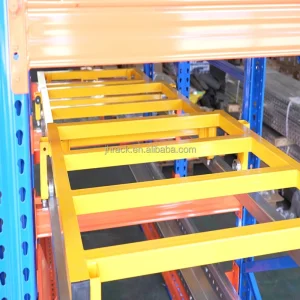
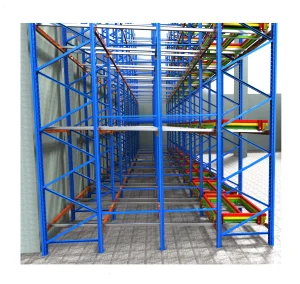
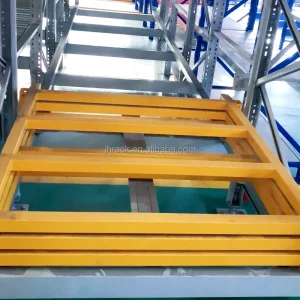
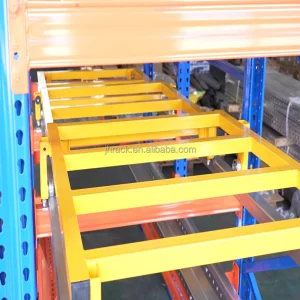
Push-back racking operates on a dynamic, gravity-flow cart-on-track system. In a Last-In, First-Out (LIFO) configuration, nested carts slide along inclined rails mounted inside the racking framework. When a forklift operator places the first pallet on the top cart, the subsequent pallet pushed in moves the first pallet back, exposing the next nested cart below. This process repeats for up to 2 to 6 pallets deep.
The Physics of Controlled Gravity: The rail slope is critical. It must be steep enough (typically 2.5% to 3.5% grade) to allow pallets to roll smoothly to the aisle face under gravity, yet shallow enough to prevent runaway acceleration. If the incline is miscalculated, the carts can bind or travel too quickly, posing safety risks. Our engineering uses advanced finite element analysis (FEA) to calculate the precise friction coefficient and slope. We adjust for different pallet weights and environmental temperatures, which is especially important in cold-storage freezers where greases and bearings perform differently.
The Future: Automation and IoT Integration: The future of push-back racking lies in smart monitoring and automation. We are currently developing sensor-enabled track profiles. These systems monitor load dynamics and cart alignment in real-time, sending alerts to warehouse managers before any mechanical wear causes a jam.
A trusted global manufacturing partner delivering robust, high-precision industrial racking systems.
Established in 2017, Jinhui Storage has built a reputation for engineering excellence. Operating from our advanced 18,600 square meter manufacturing facility, we produce custom industrial storage solutions for logistics hubs worldwide. Our operations integrate advanced manufacturing technologies—including robotic welding stations, precision laser profiling, and automated powder-coating lines—to deliver systems that meet international safety standards. With 14 years of industry experience and 8 years of global export expertise, we deliver robust solutions to our clients in Australia, New Zealand, North America, and Europe.
Ensuring complete structural safety and compliance within New Zealand's unique seismic environment.
When importing and installing racking systems in New Zealand, structural safety is the top priority. The primary standard for steel storage racks is AS 4084:2023 (which updates the previous AS 4084:2012 standard). It sets strict design parameters for cold-formed steel storage structures. In New Zealand, compliance also requires conforming to NZS 1170.5:2004, which governs structural design actions for earthquakes. This means that racking cannot be treated simply as shelving; it must be designed with the same structural engineering principles as the warehouse building itself.
To meet these standards, our engineering team performs comprehensive seismic structural calculations. We review the local soil profiles (Class A to E), design ductility factors (kp), and target site hazard coefficients. Standard light-gauge uprights are often insufficient for the lateral shear forces generated in seismic zones like Wellington or Christchurch. We address this by using thicker Q235B and Q355B structural steel, wider baseplates with double anchoring, and heavy-duty bracing.
Our compliance documentation supports your local building consent process (Producer Statement 1 / PS1 documentation). This speeds up approvals with local councils (such as the Auckland Council or Christchurch City Council). We partner with local New Zealand structural engineers who review and sign off on our calculations. This ensures that when our high-density push-back racking arrives at your facility, it is fully compliant, safe, and ready for inspection.
| Racking Spec / Parameters | Standard Global Design | NZ Seismic Optimized (AS4084 & NZS 1170.5) | Operational Benefit |
|---|---|---|---|
| Steel Grade | Q235 Carbon Steel | Q355B High-Tensile Structural Steel | Higher yield strength under sudden dynamic loads |
| Baseplate Design | 100x80x4mm Standard | 150x120x8mm Heavy Duty (Dual Anchor slots) | Distributes overturning shear force to the slab |
| Upright Profile | Standard roll-formed open section | Reinforced thick-walled profile with structural box inserts | Resists torsional buckling during seismic movements |
| Connector Locks | 3-claw spring safety pin | 5-claw heavy-duty locking pins (seismic certified) | Prevents beam dislodgement under violent upward forces |
A look at the advanced production machinery and strict quality control behind our systems.
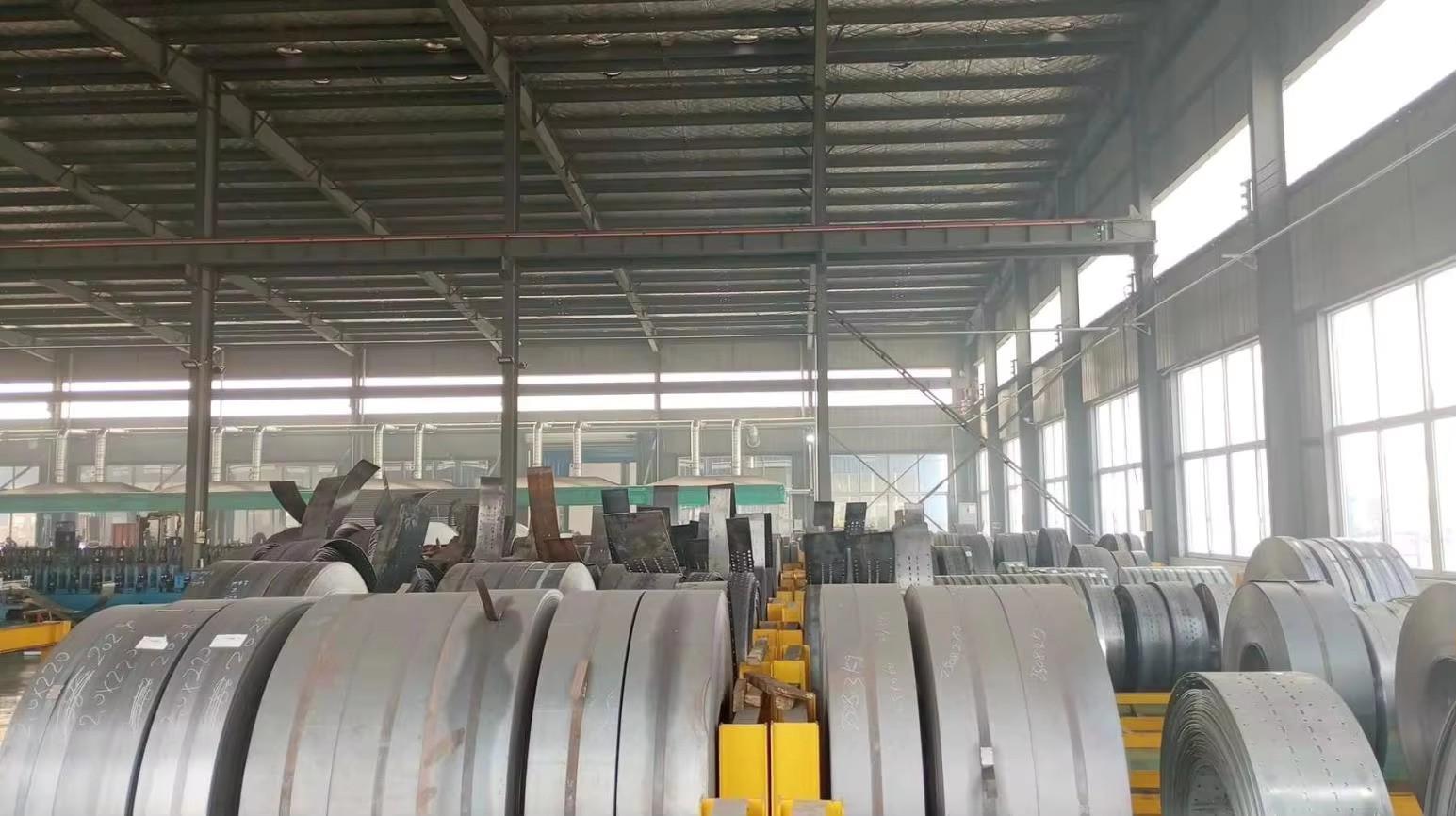
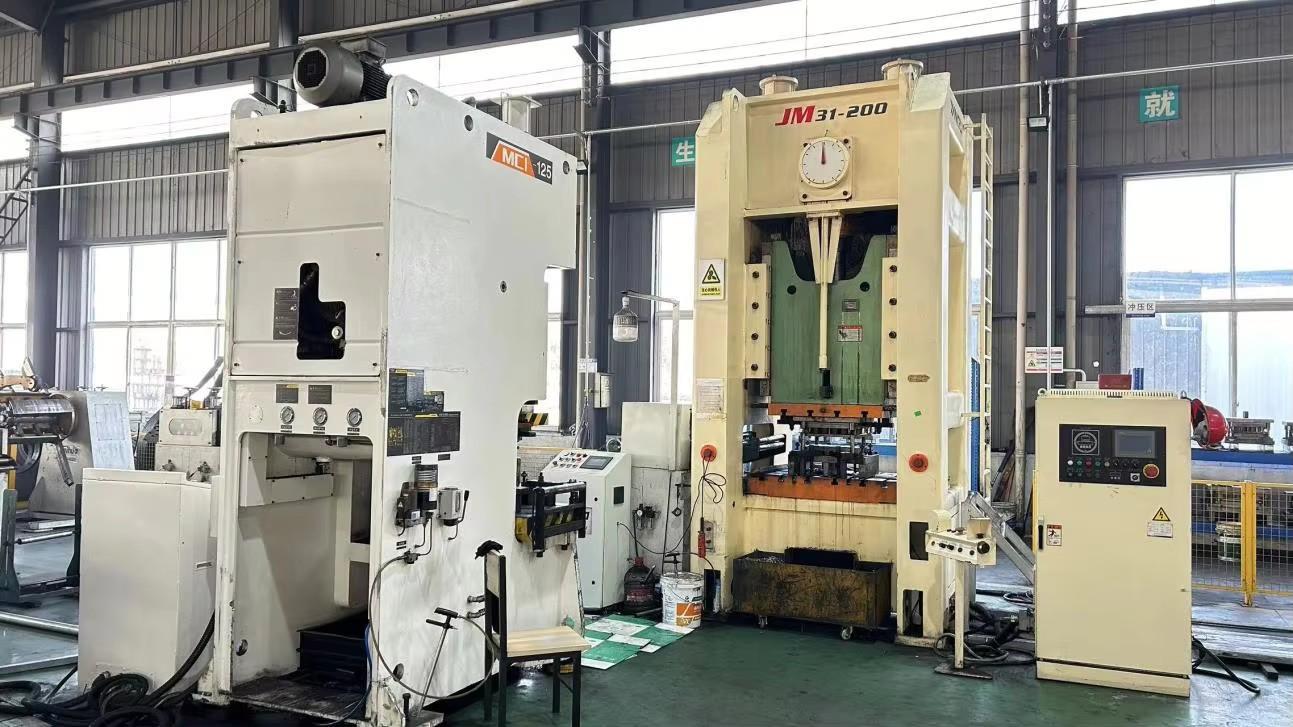
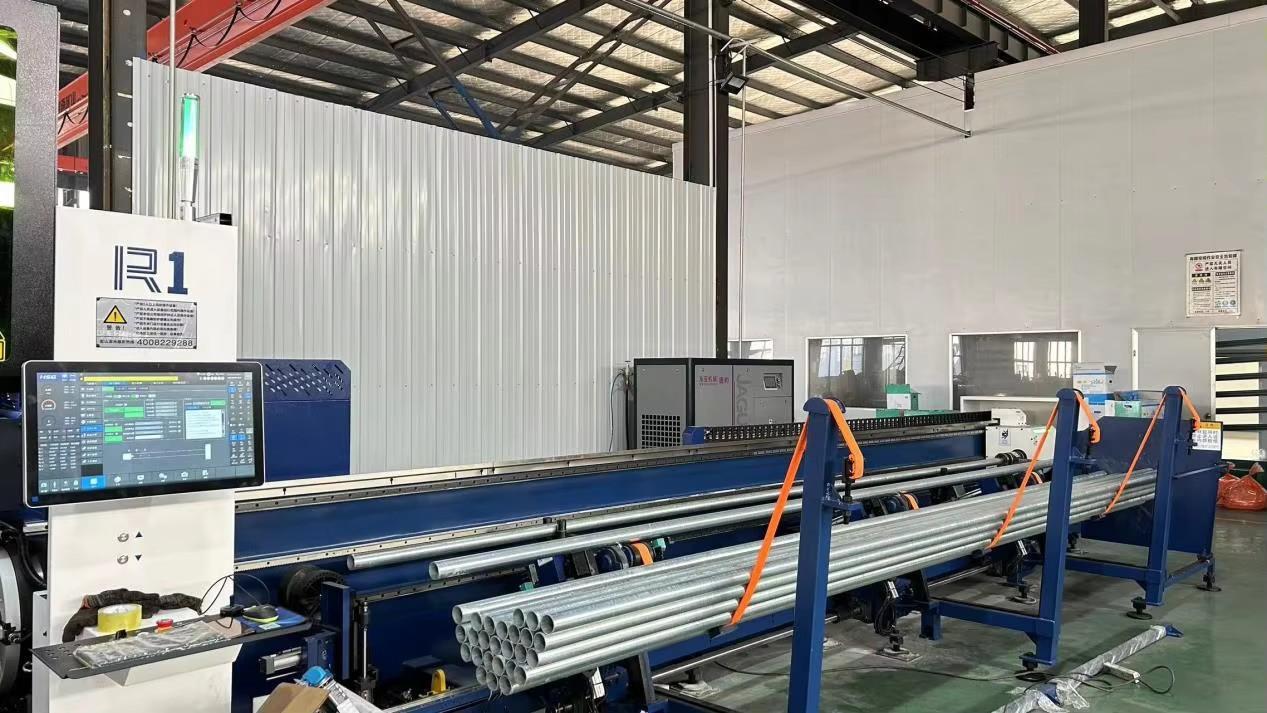
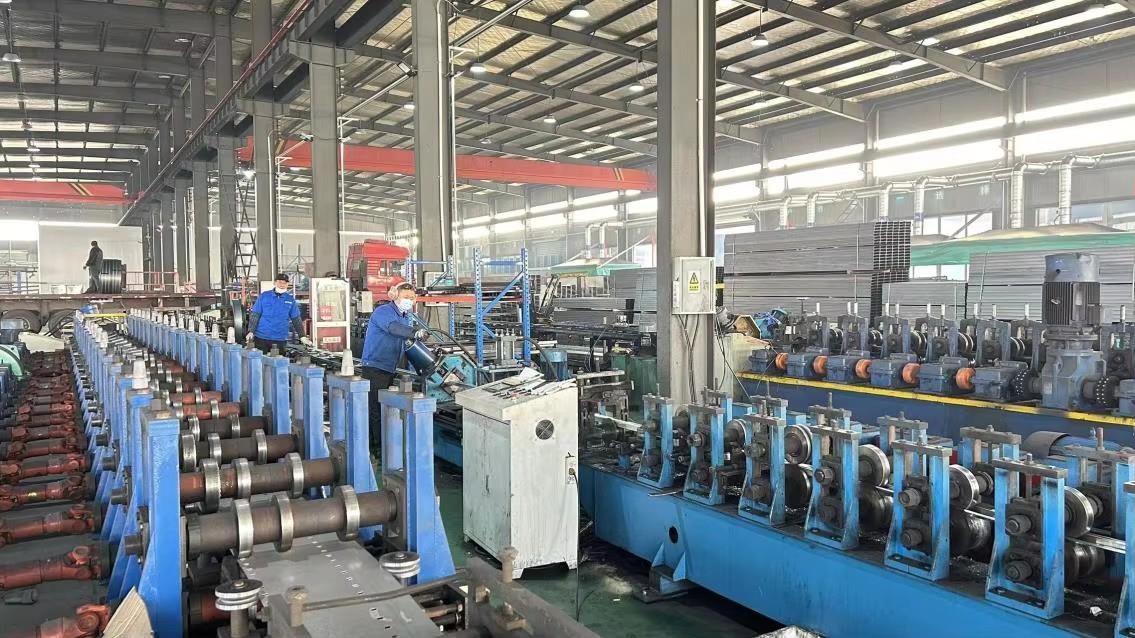
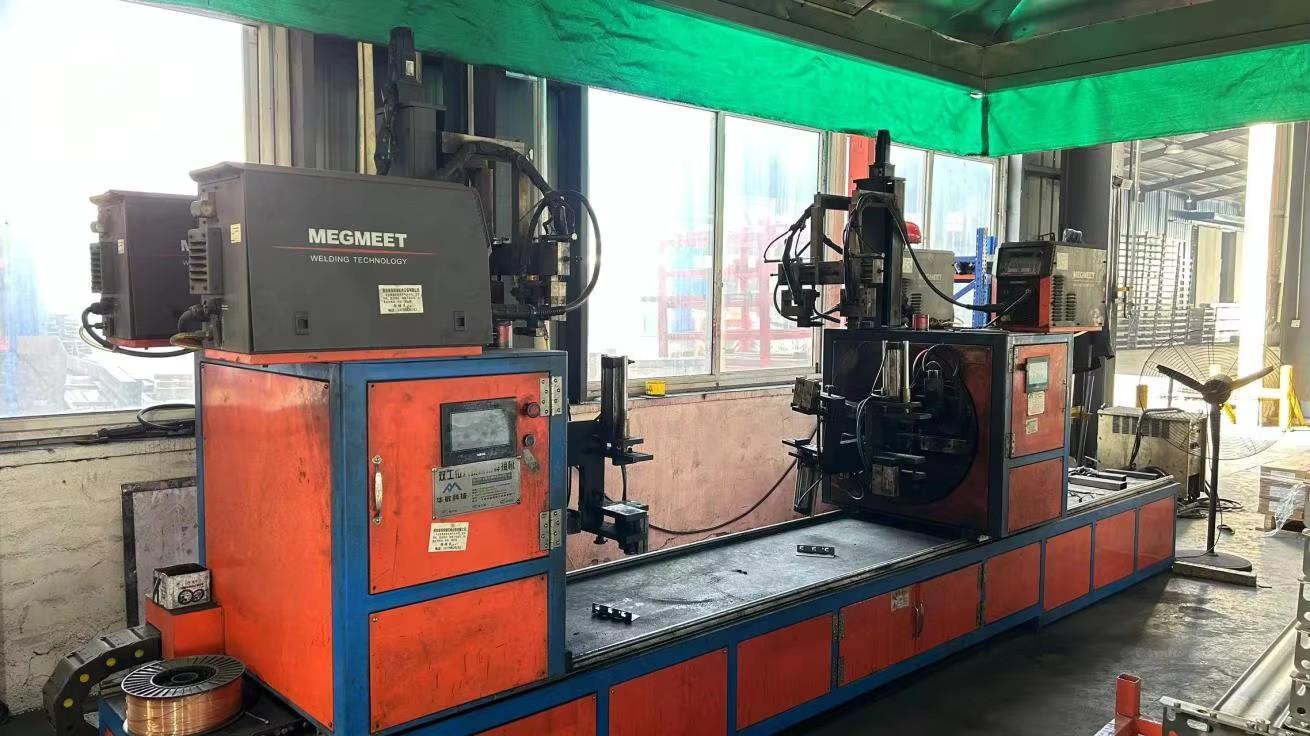
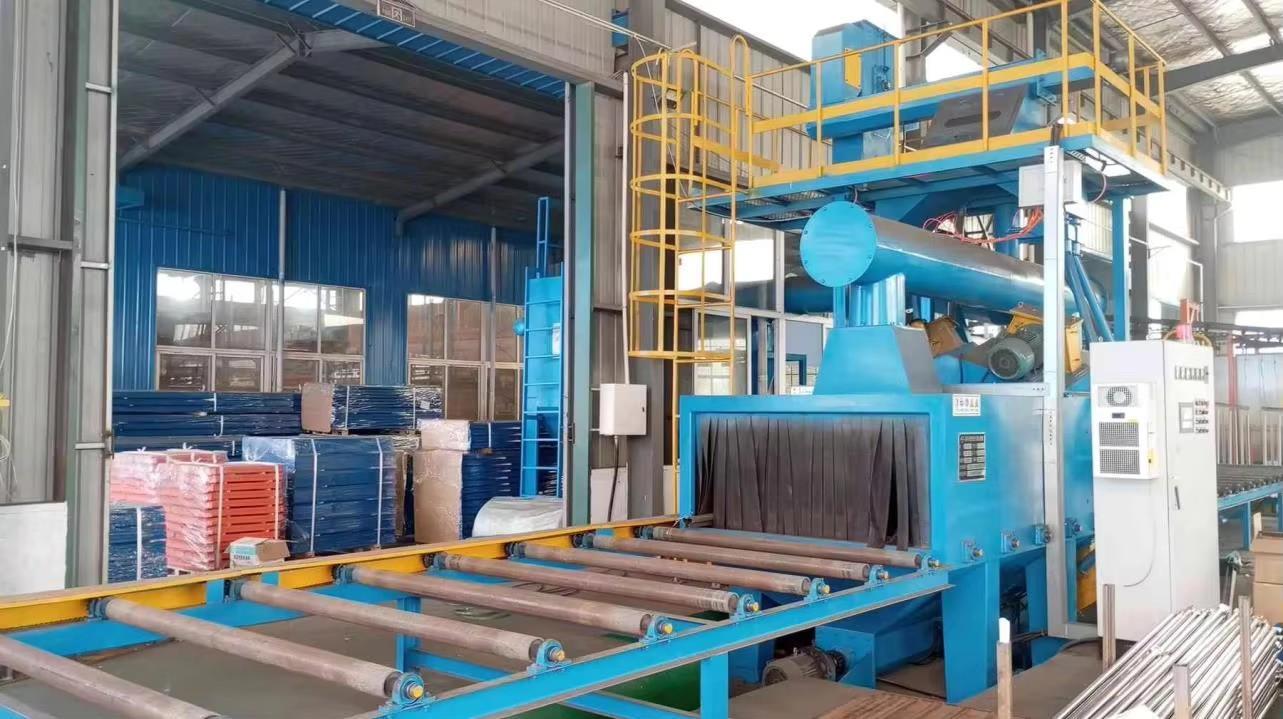
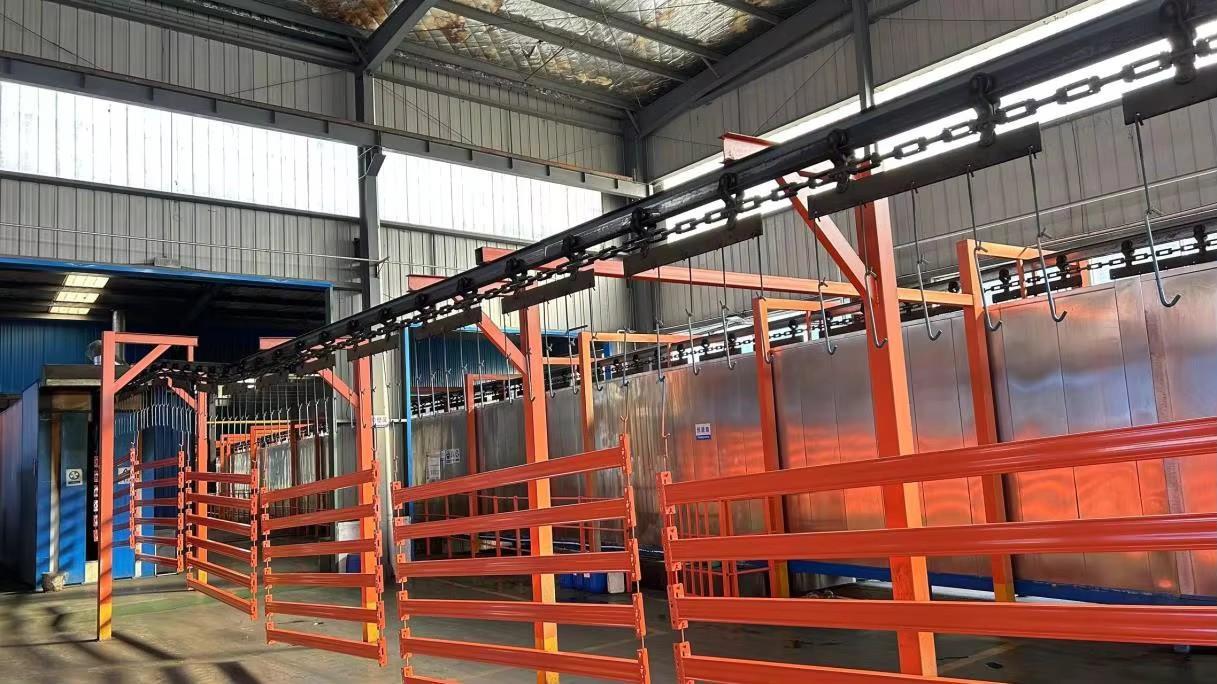
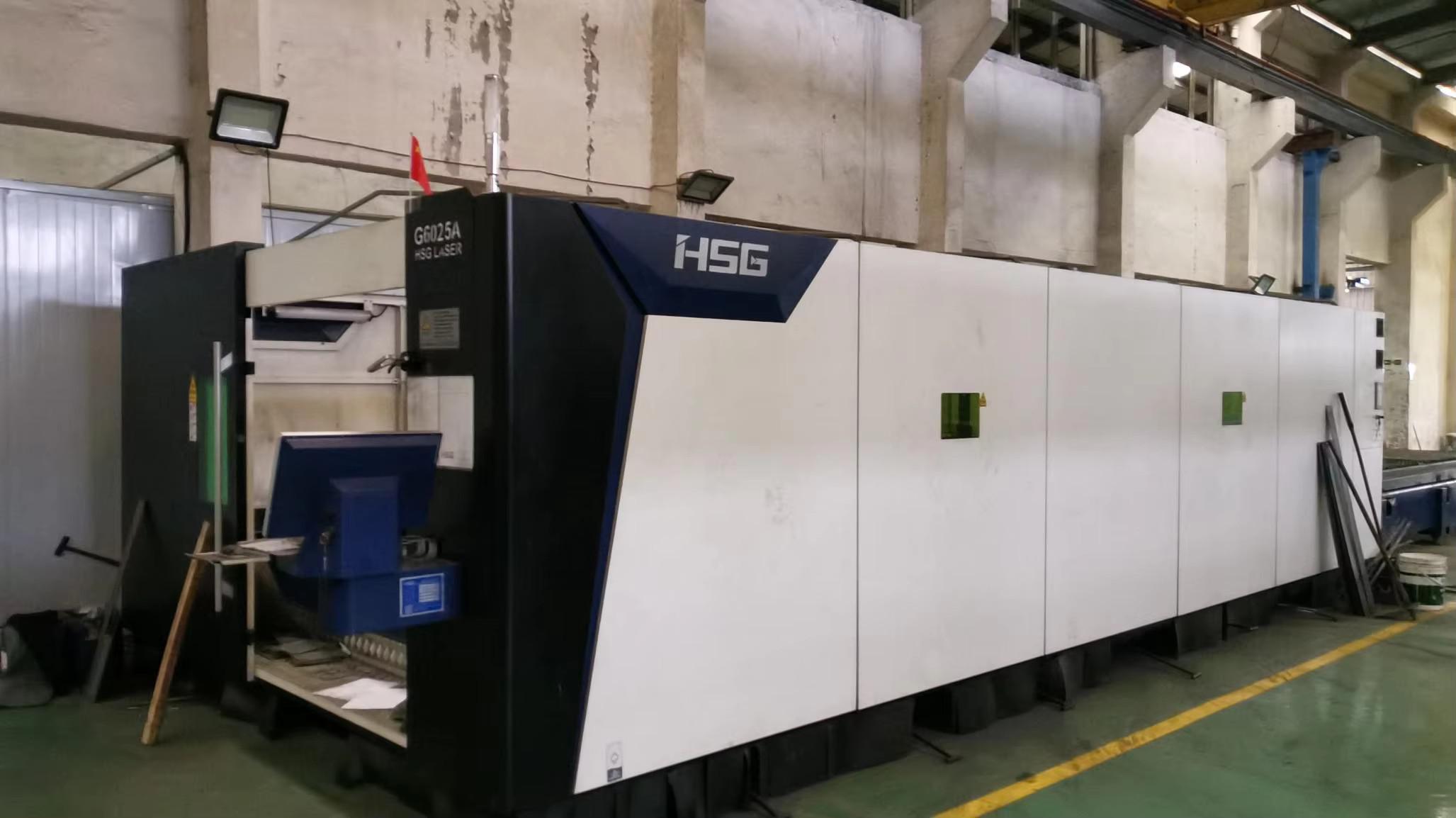
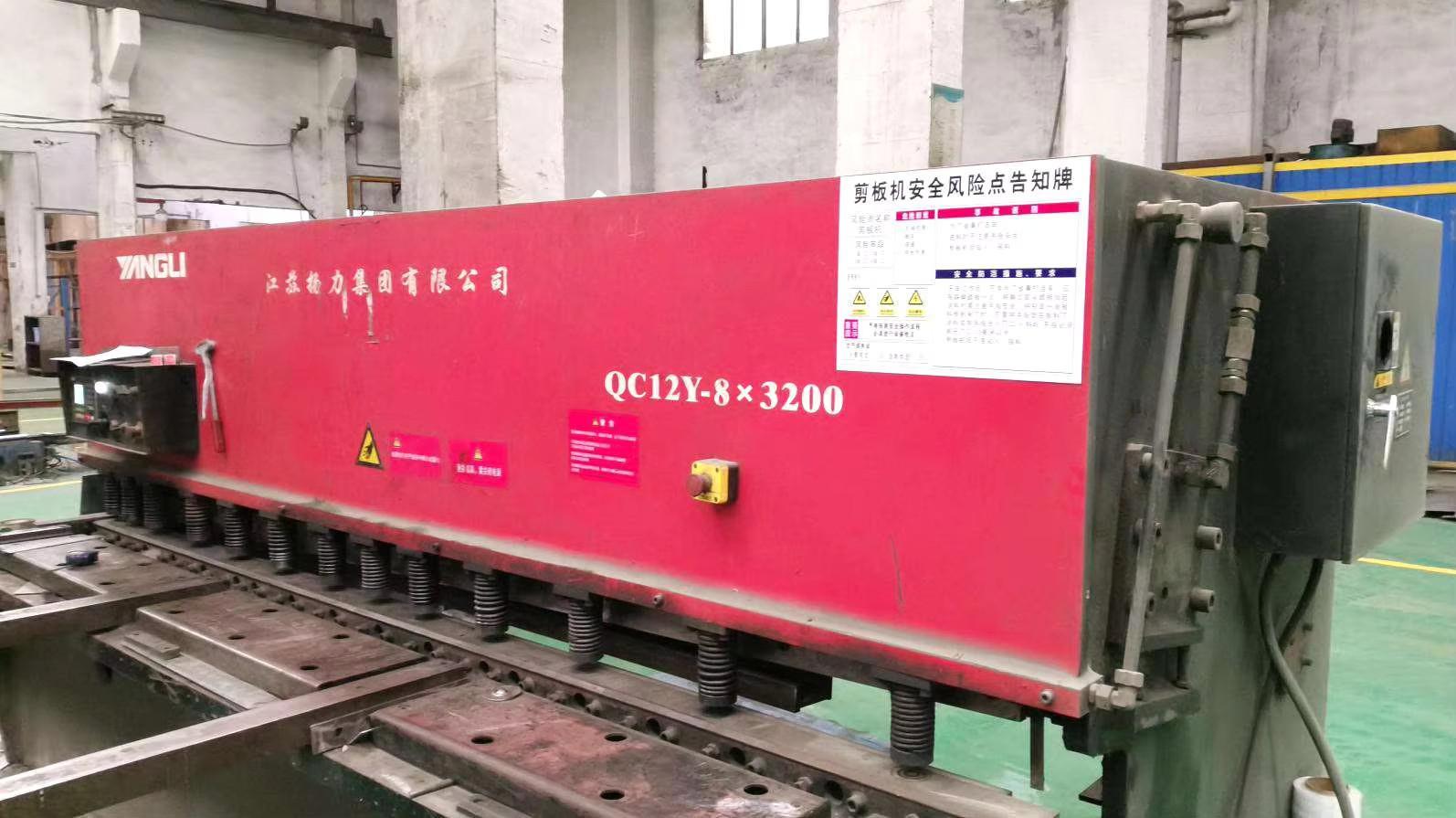
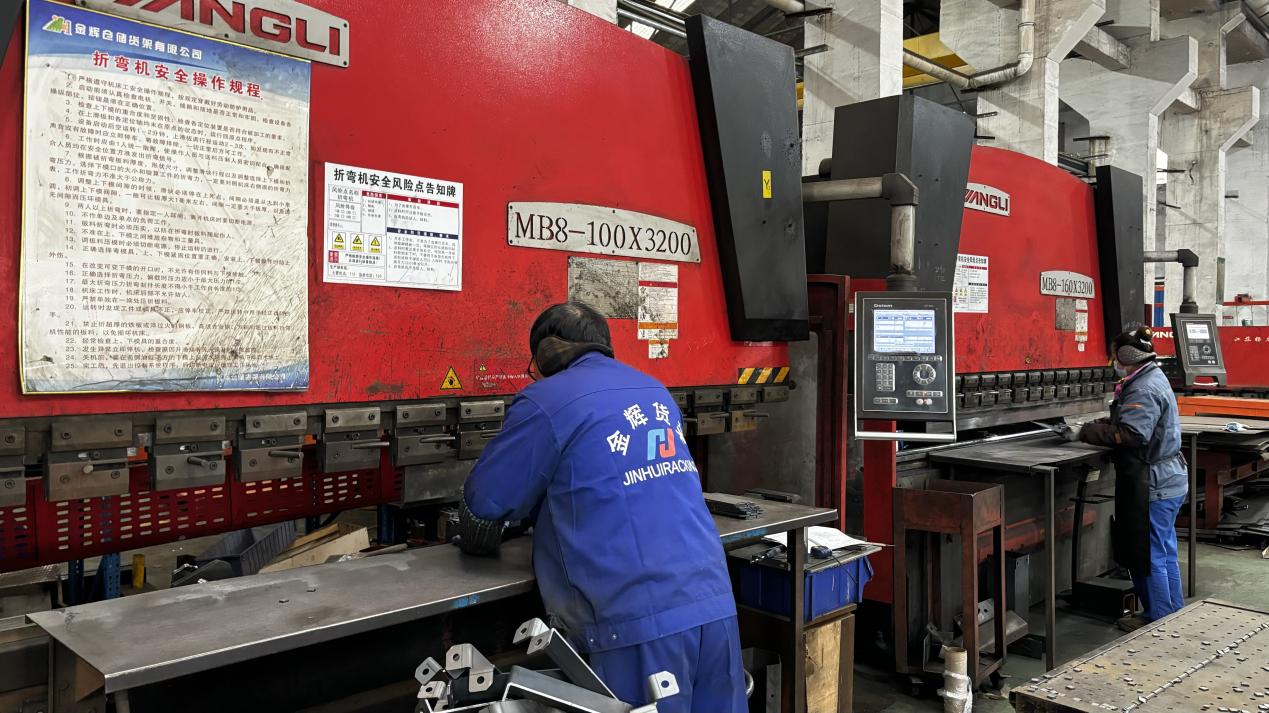
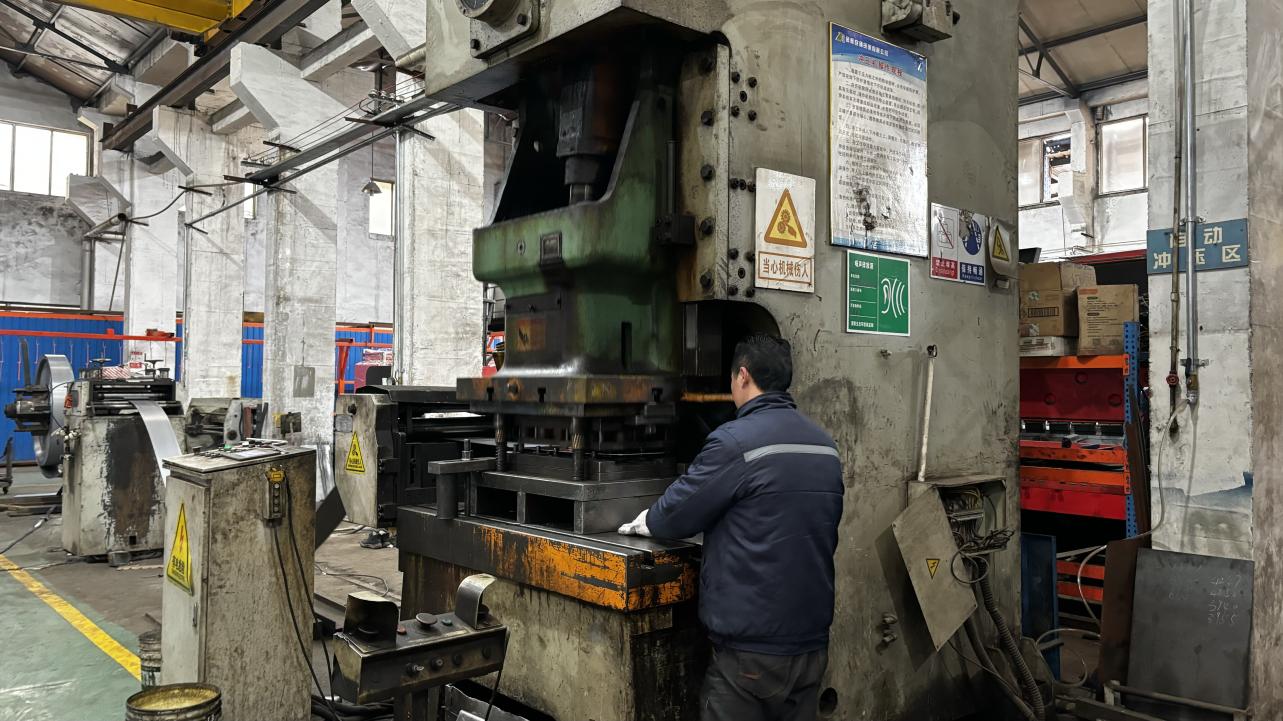
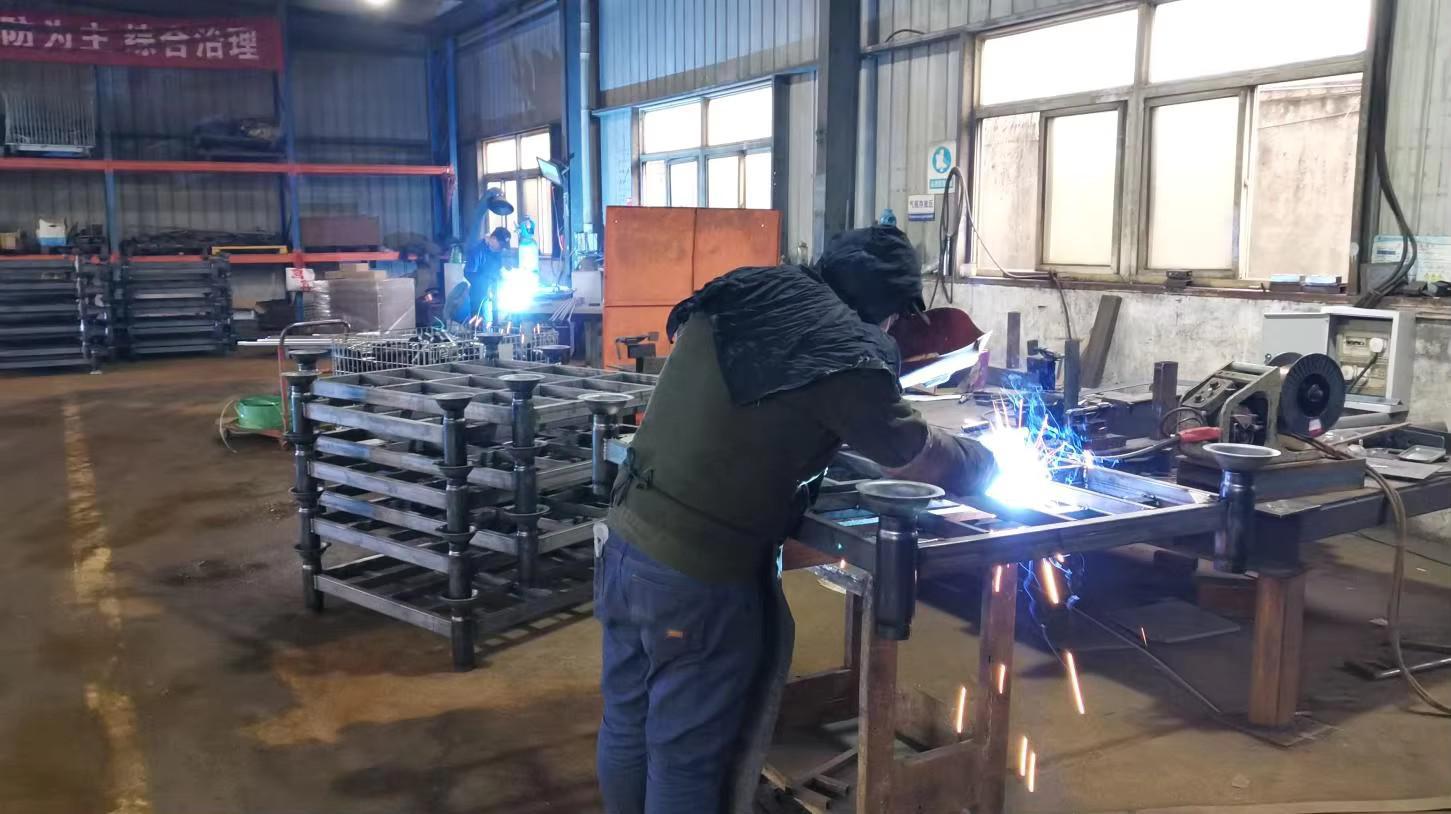
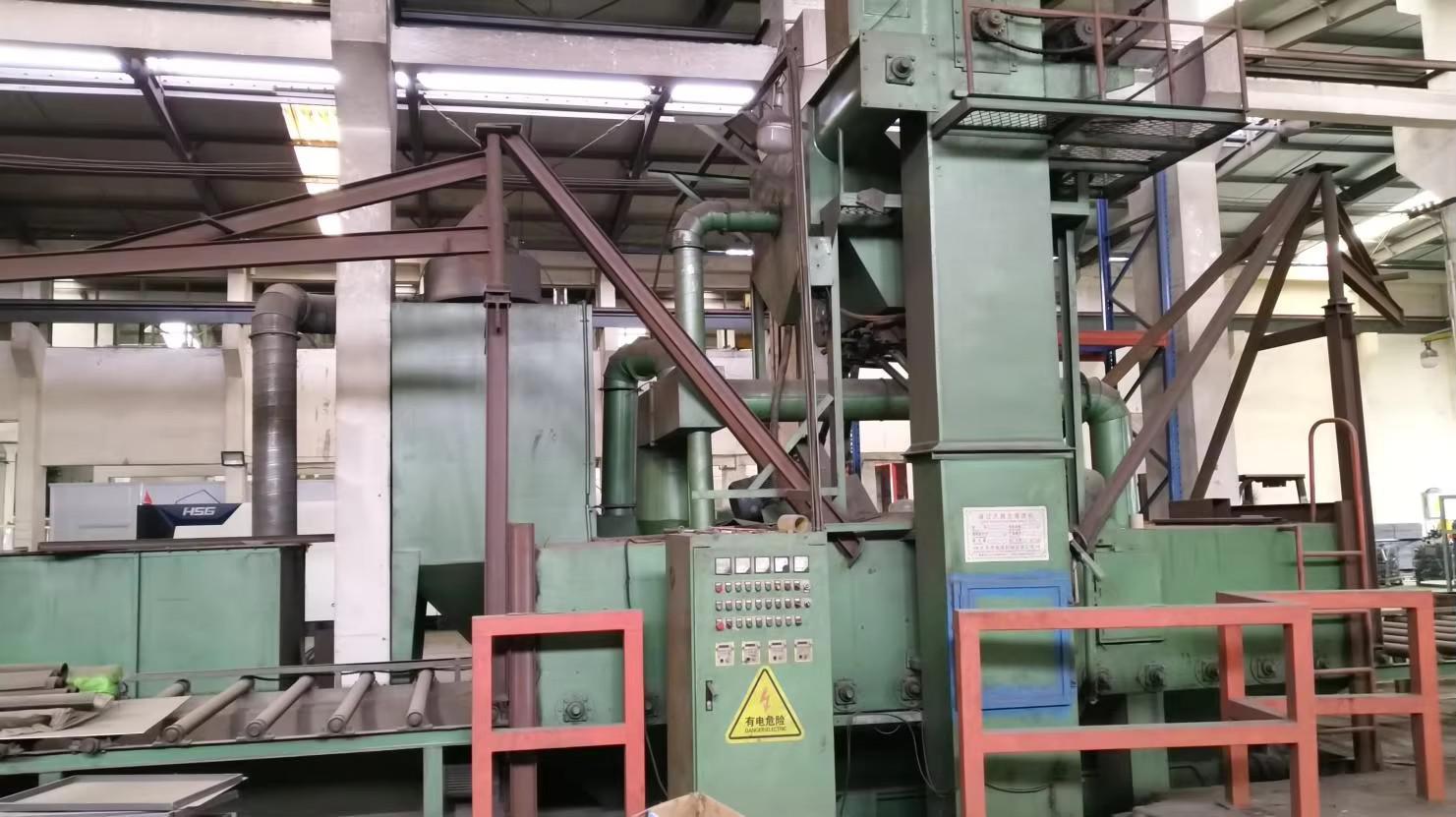
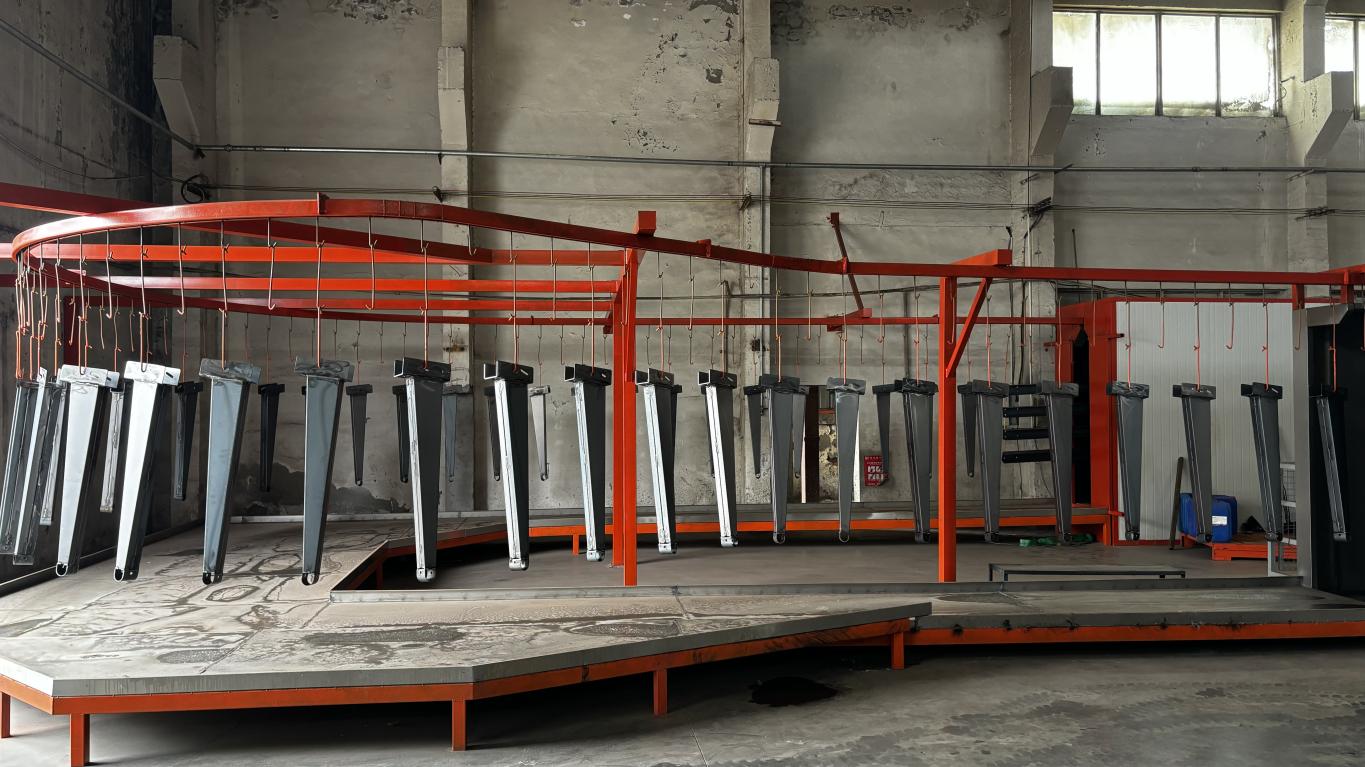
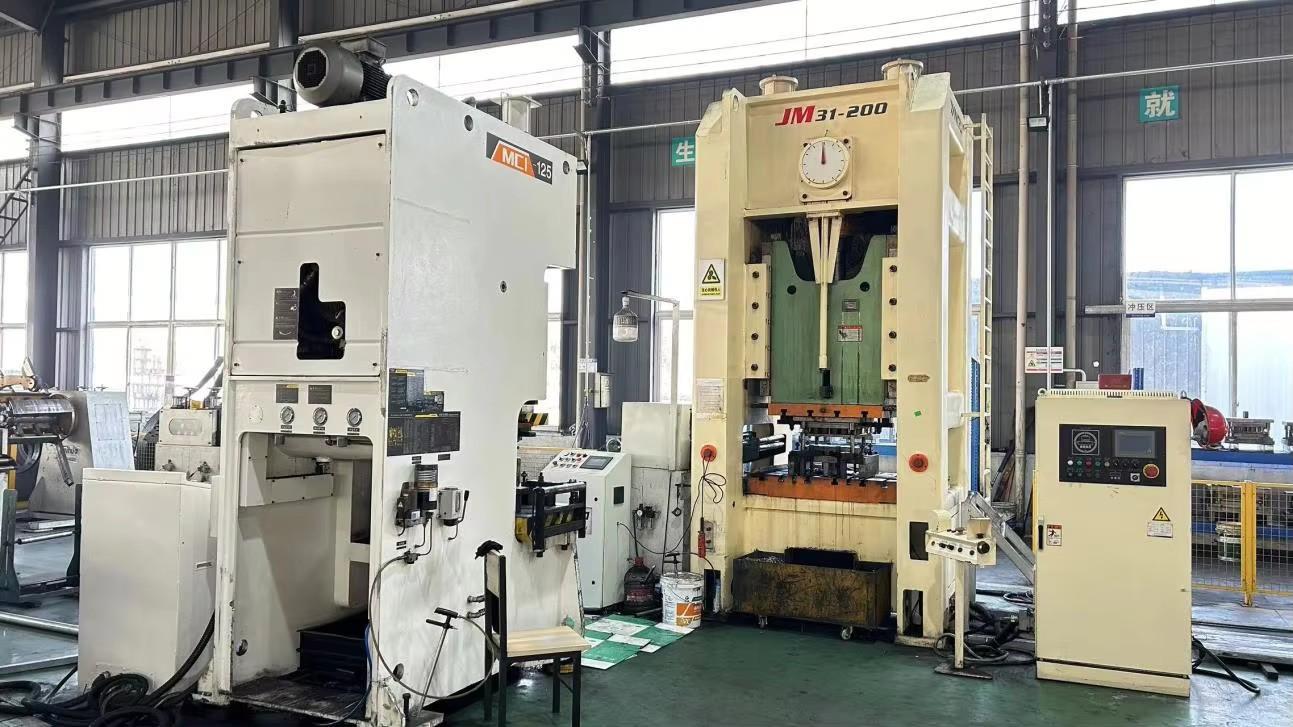
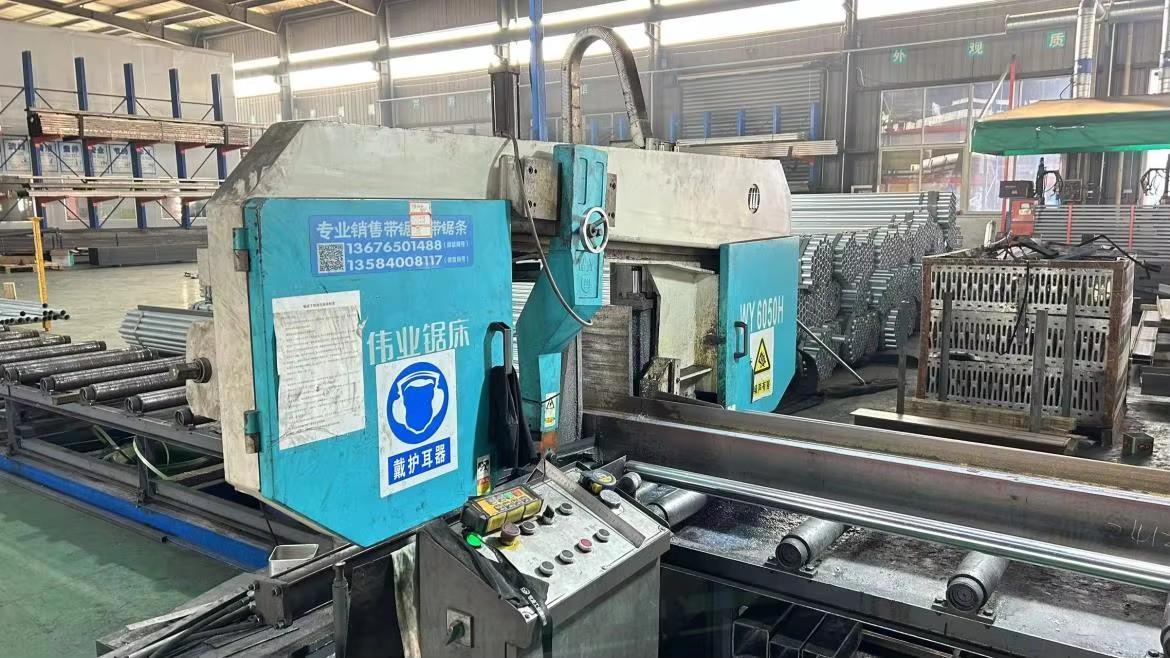
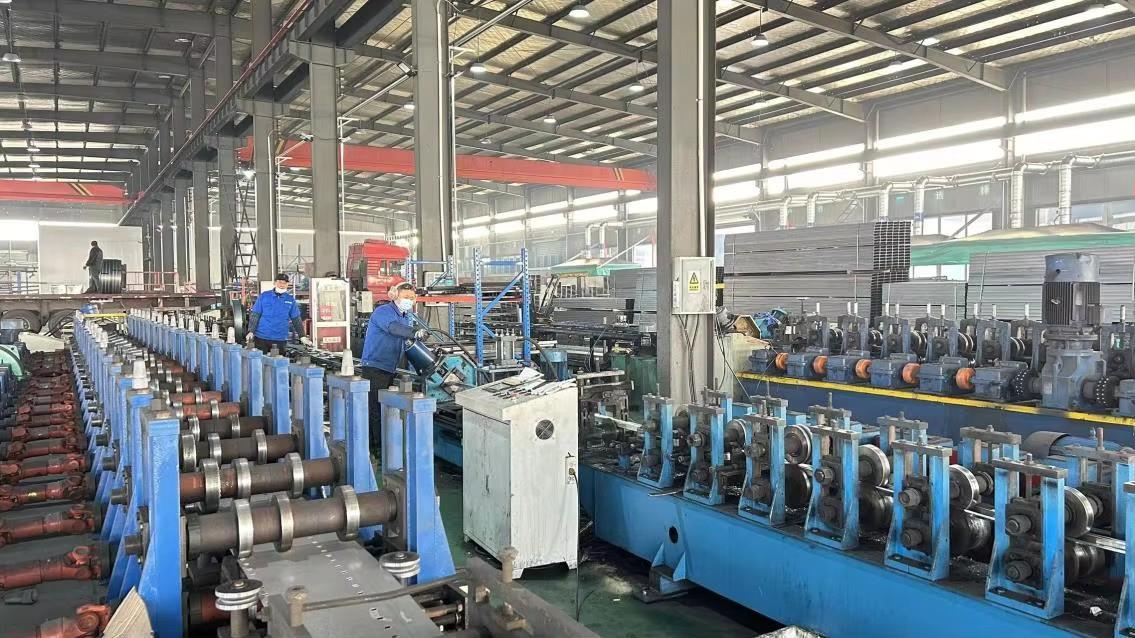
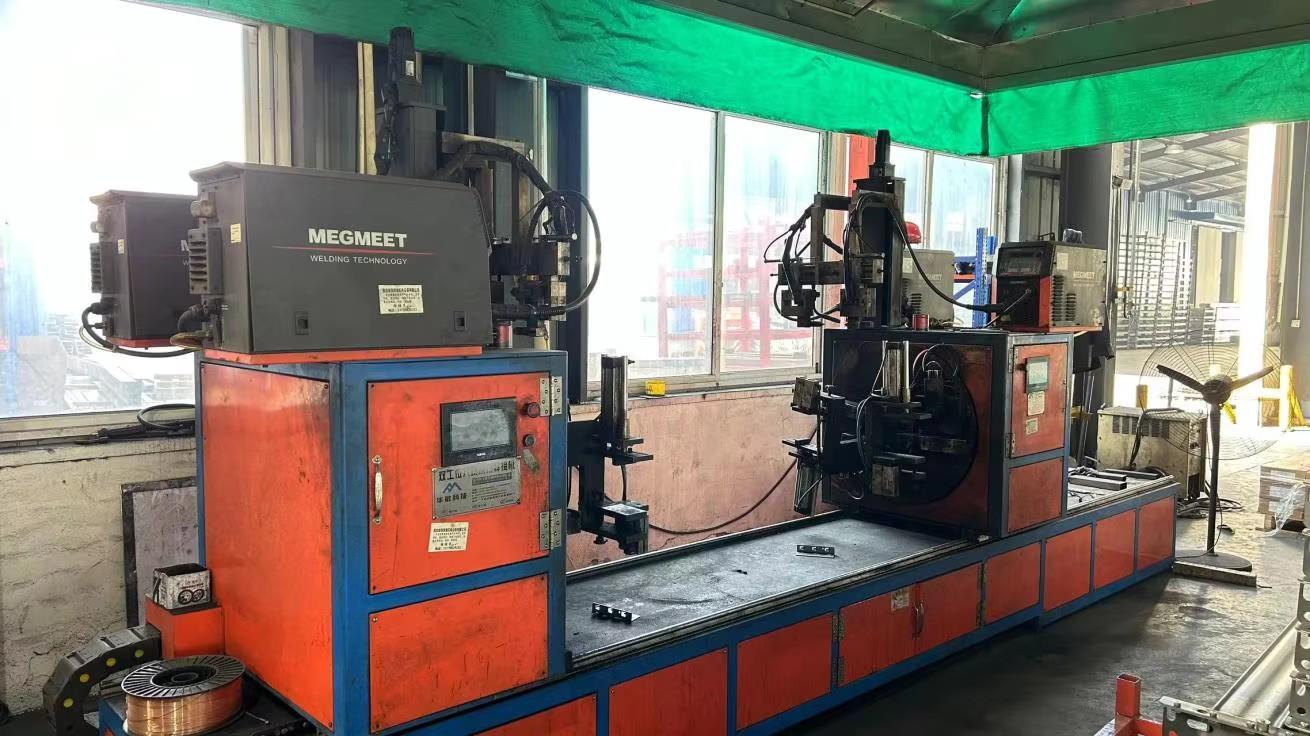
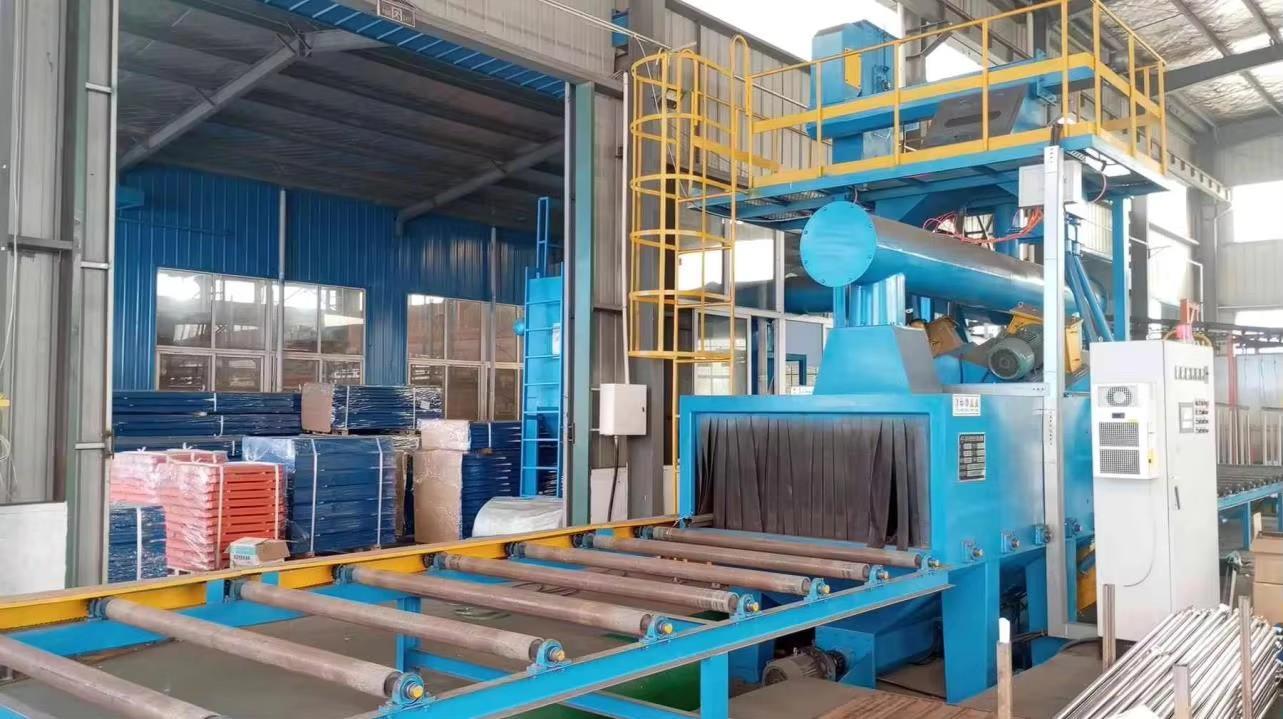
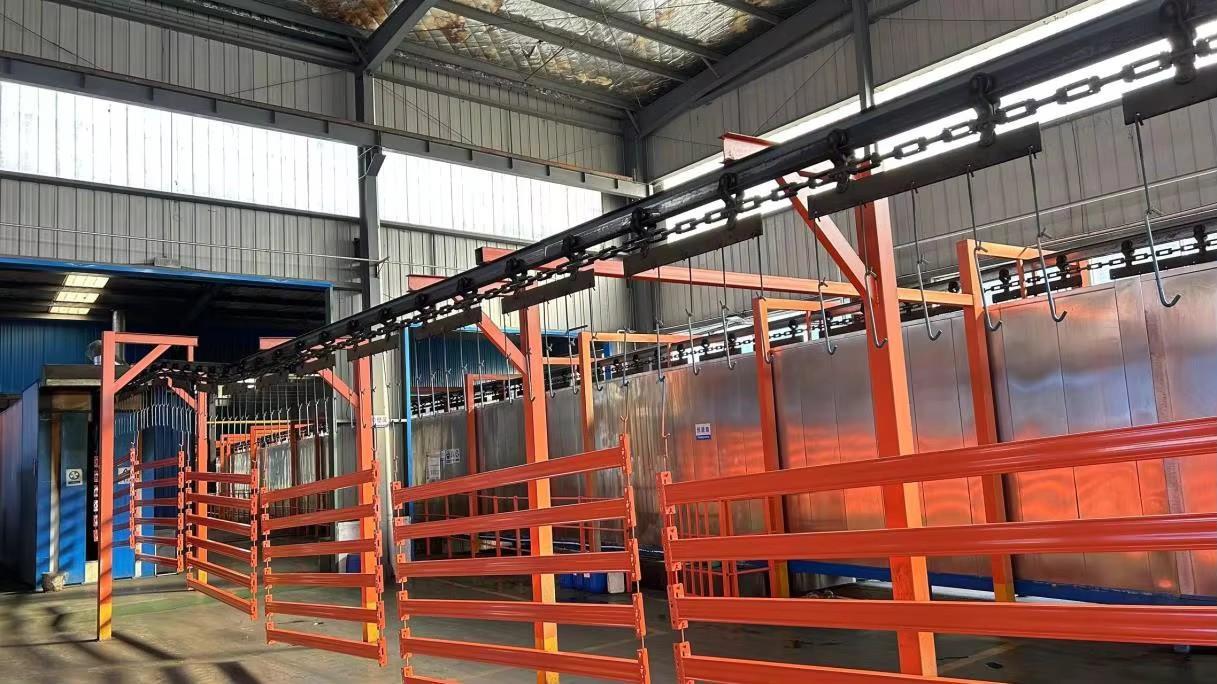
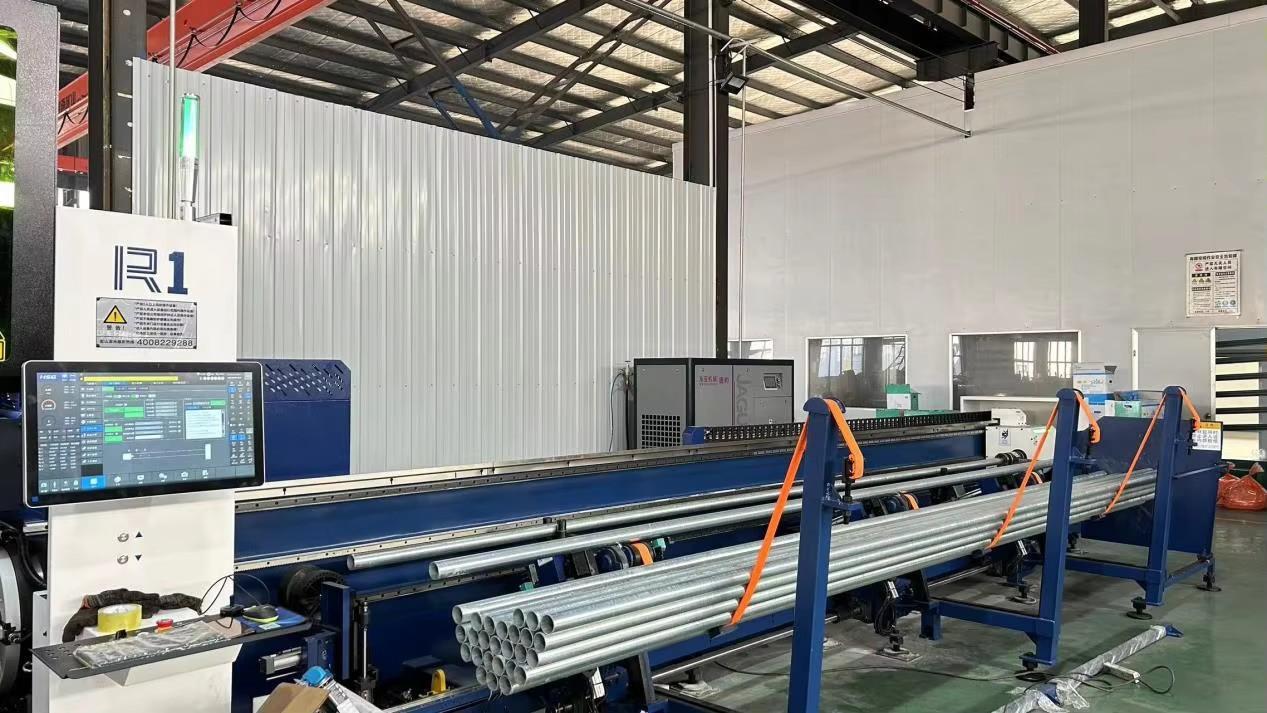
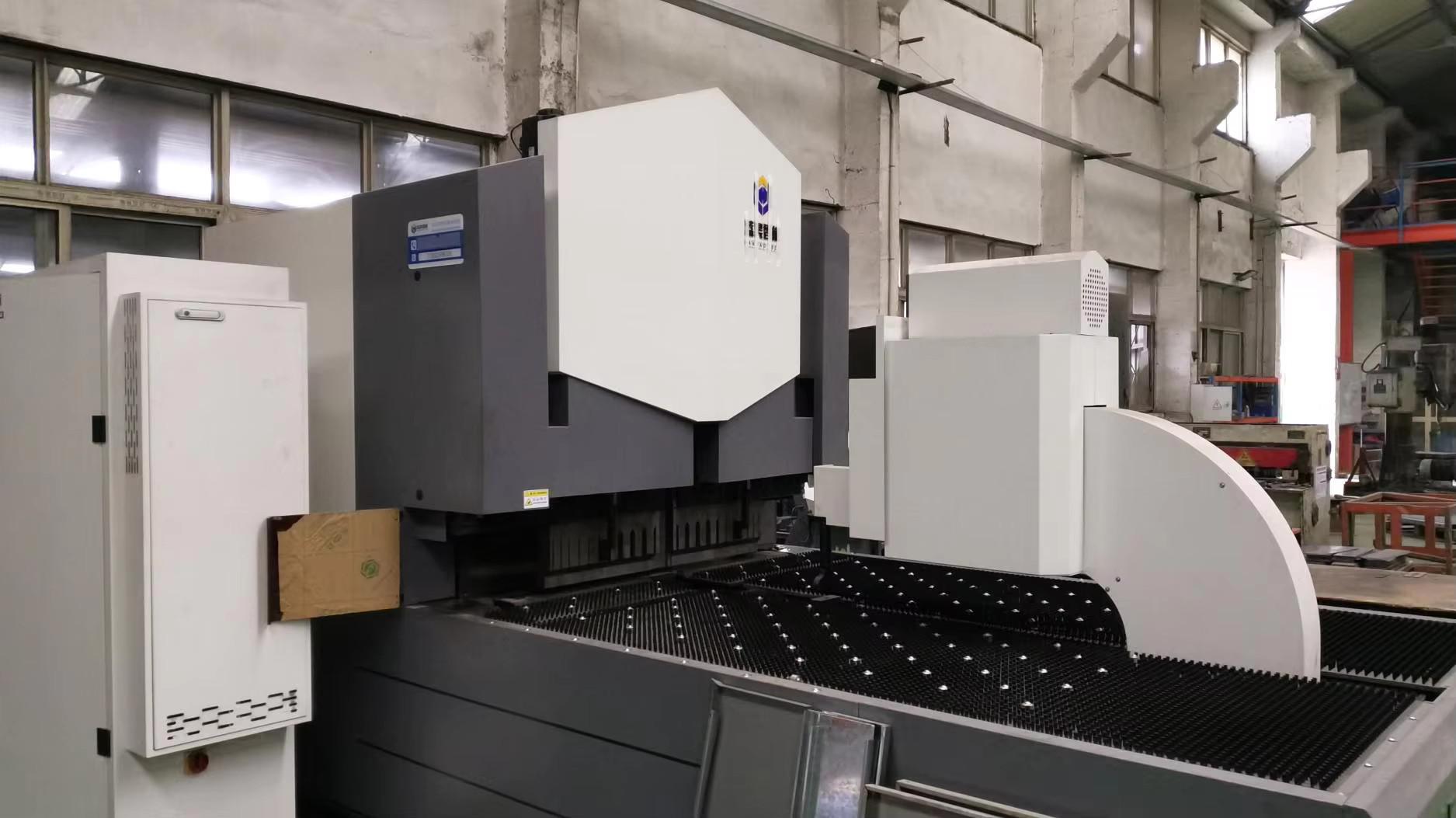
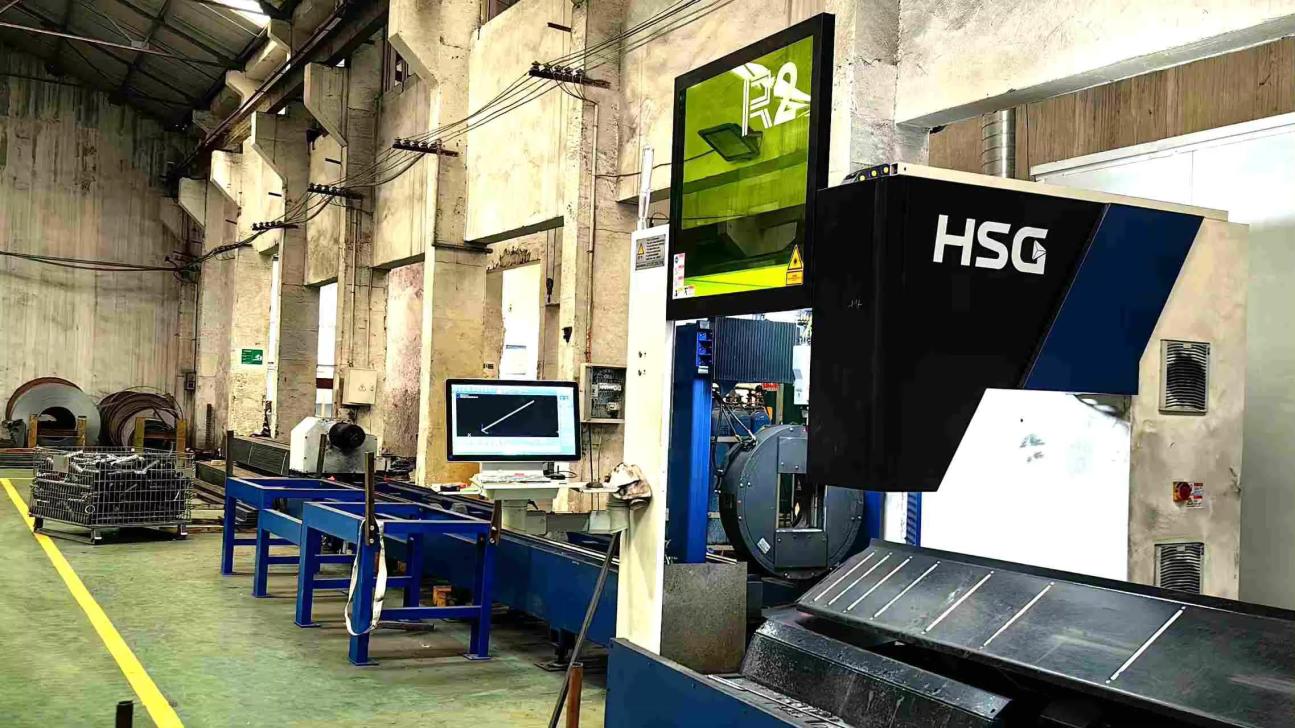
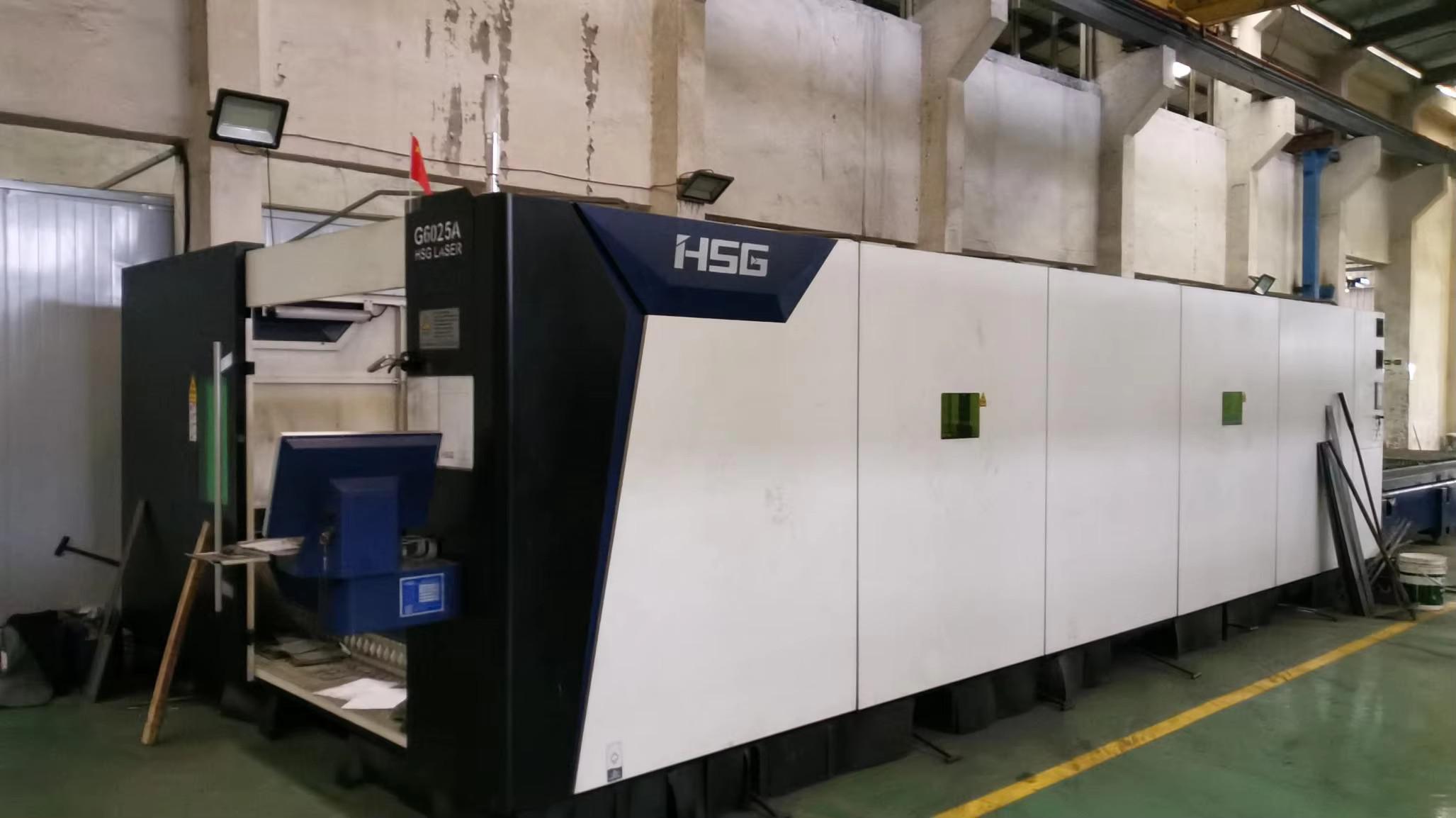
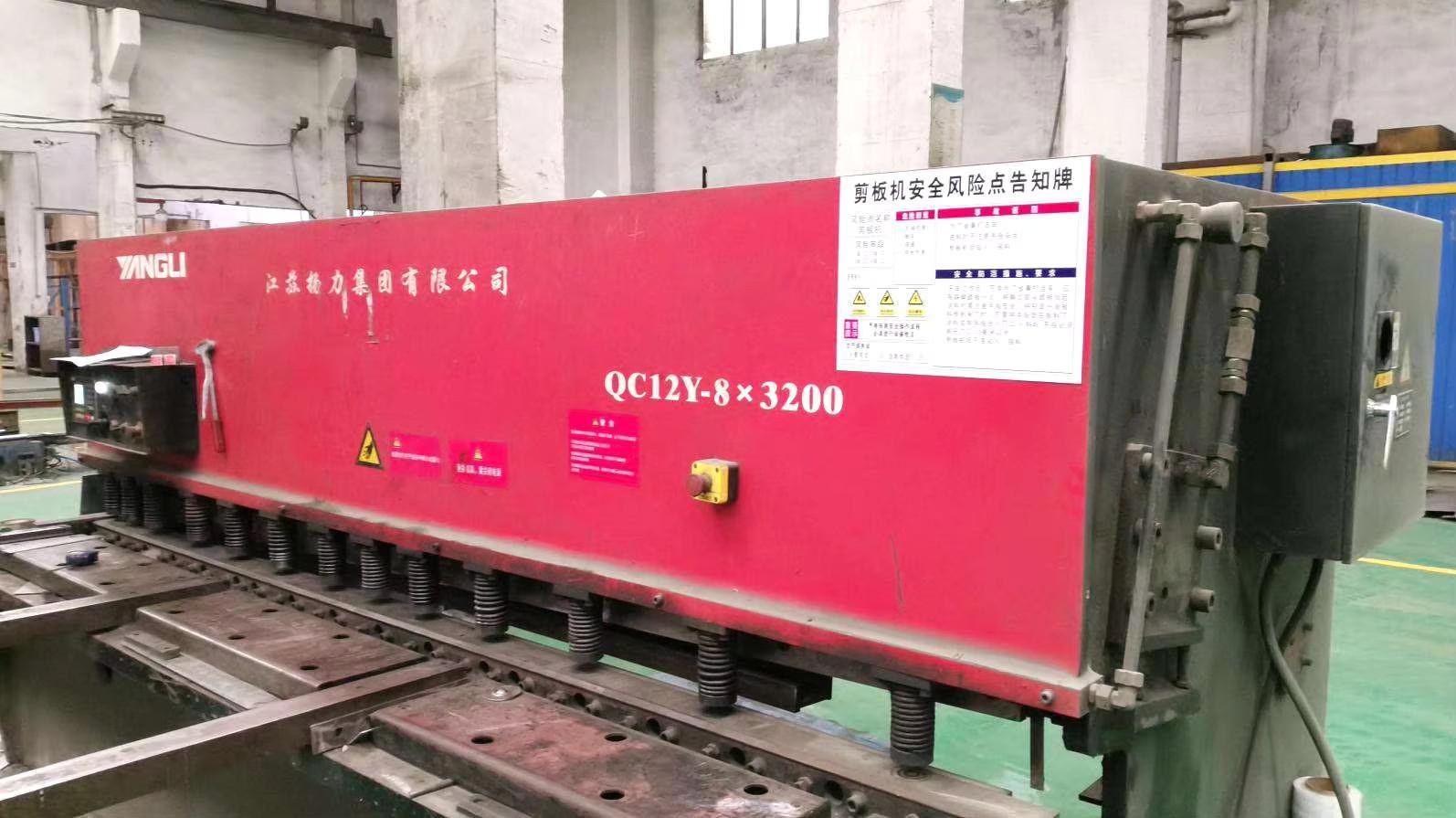
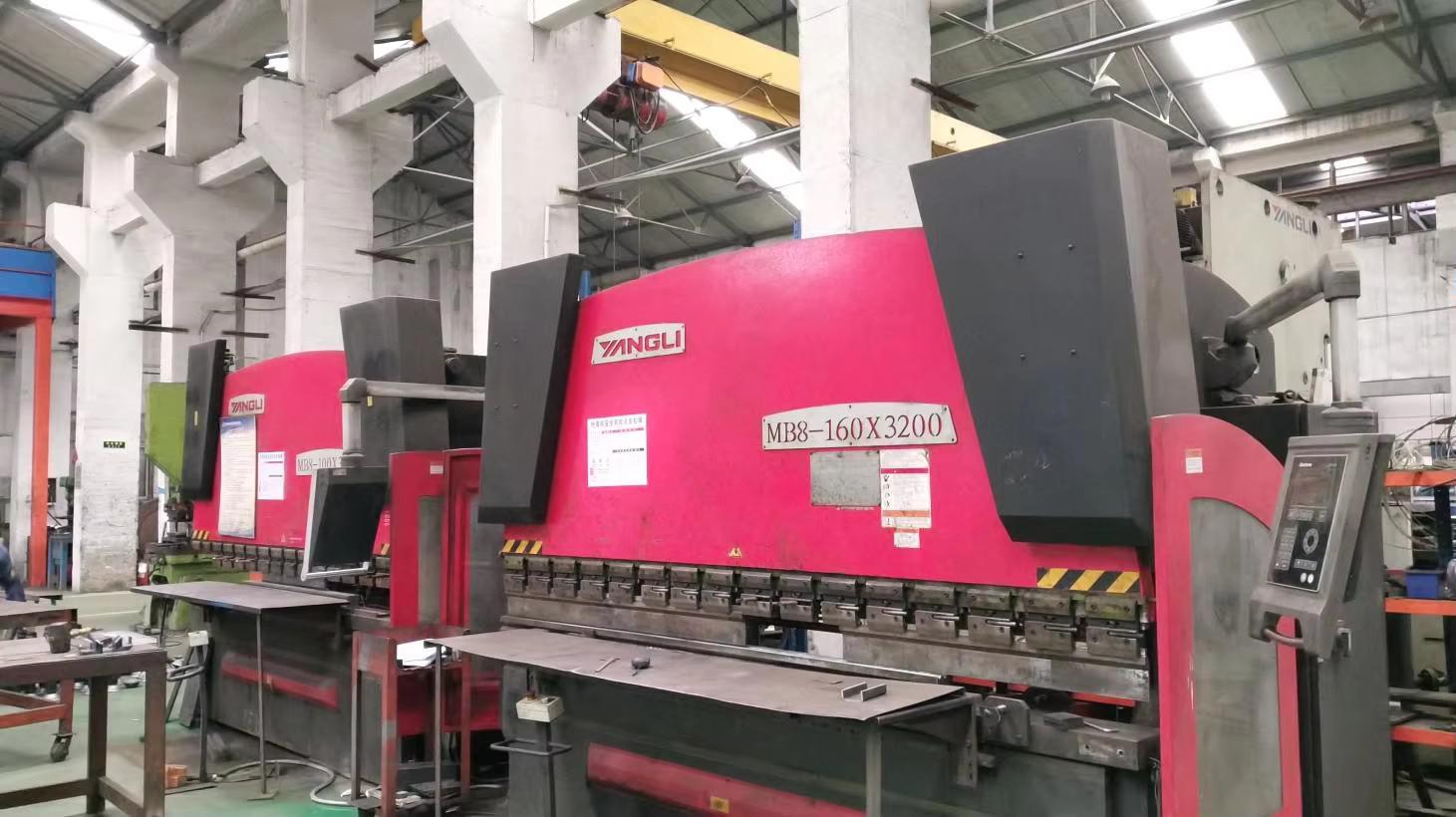
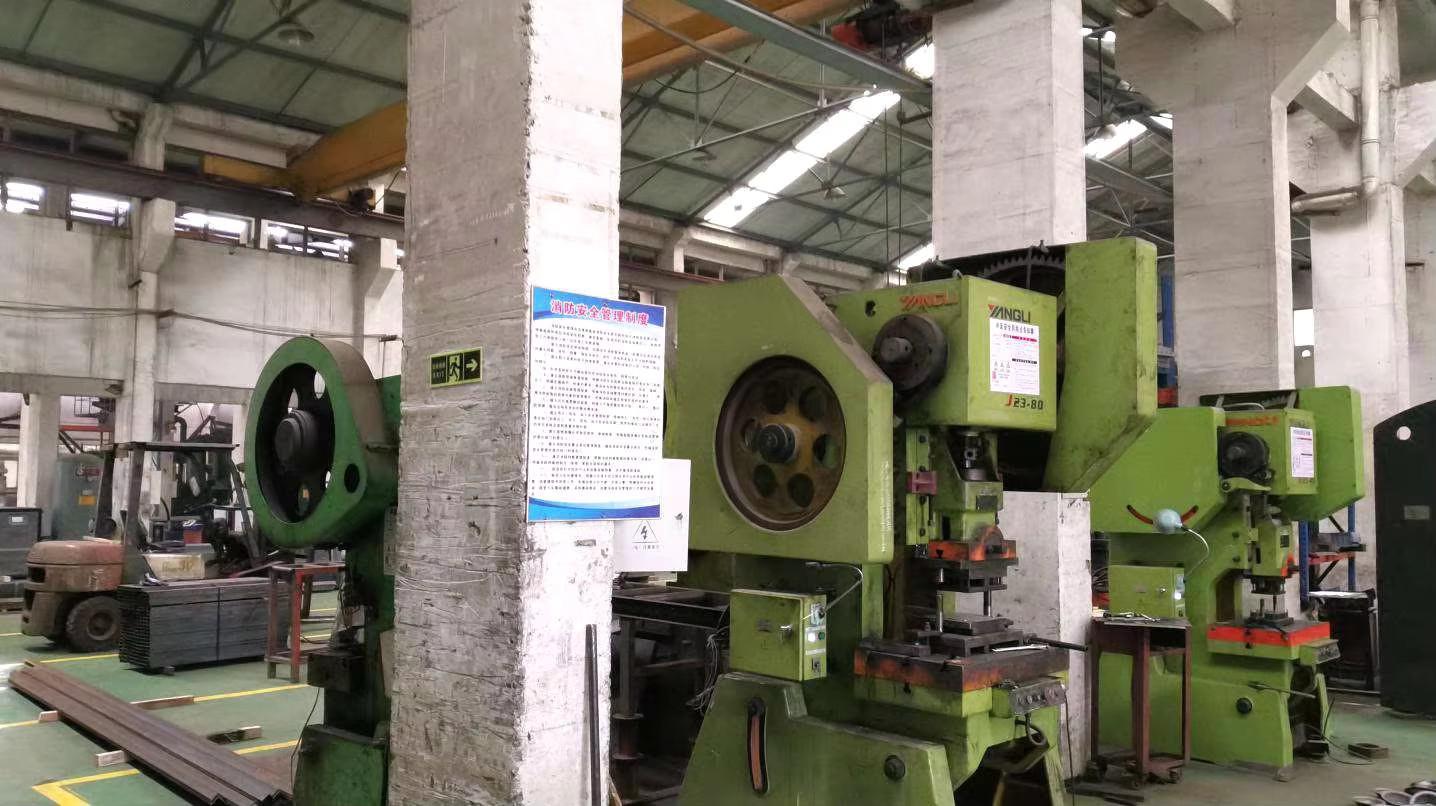
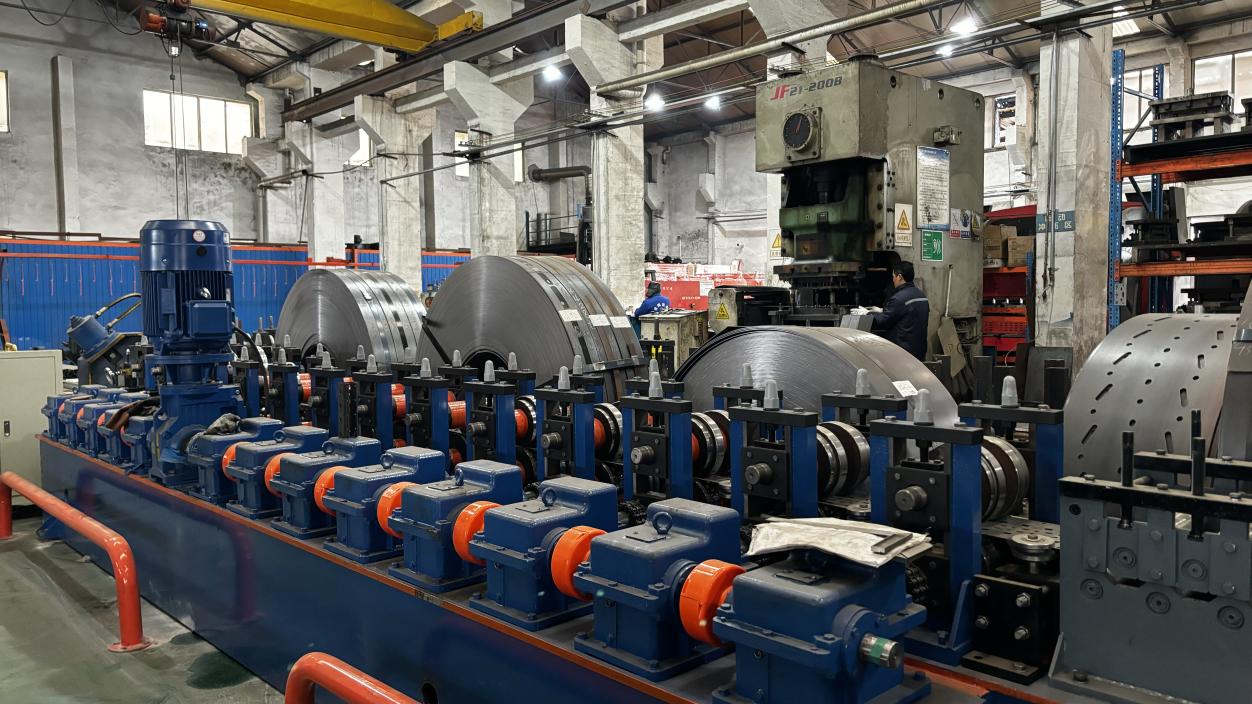
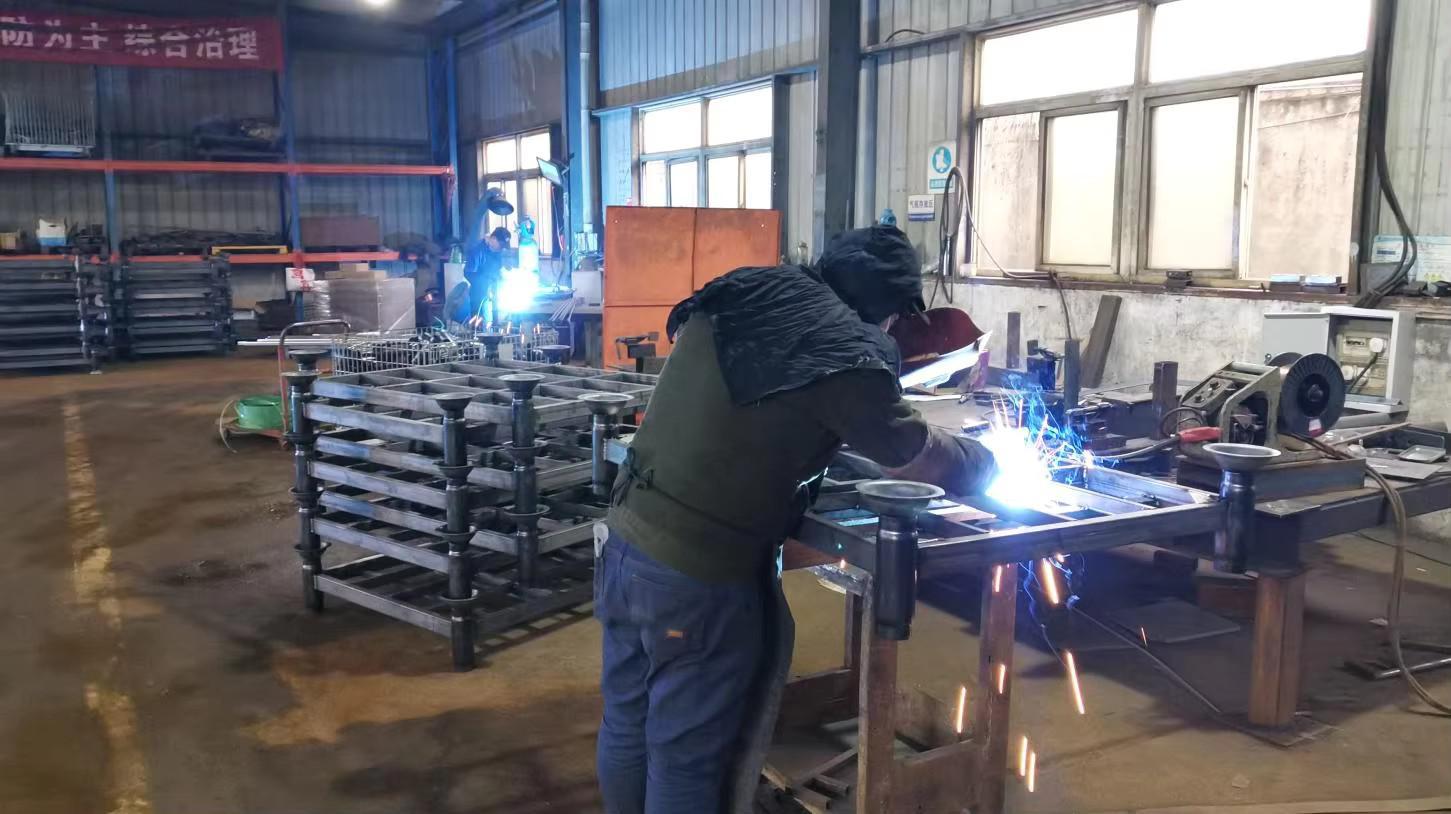
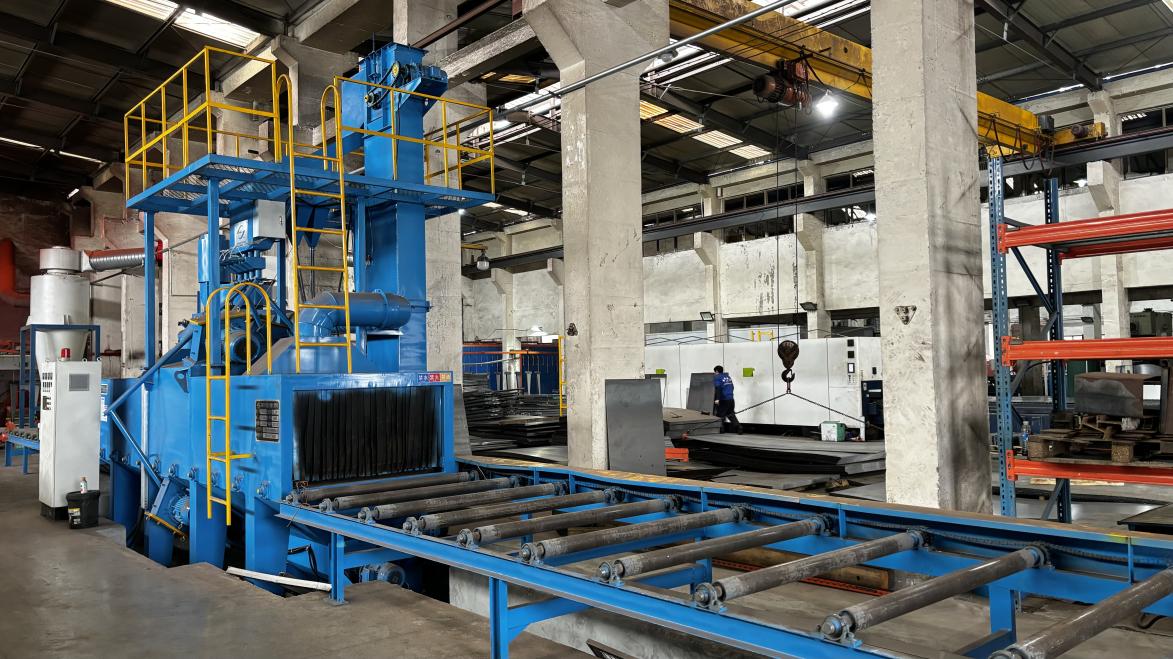
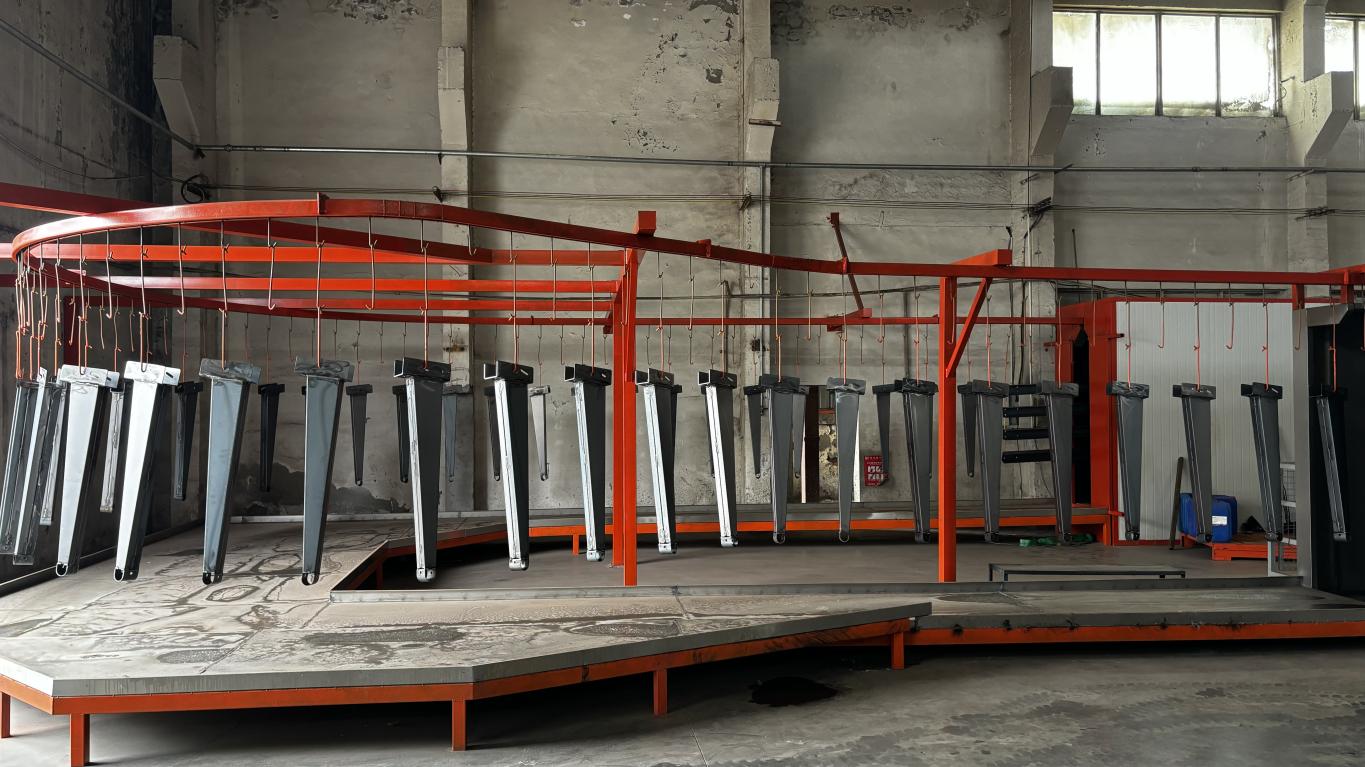
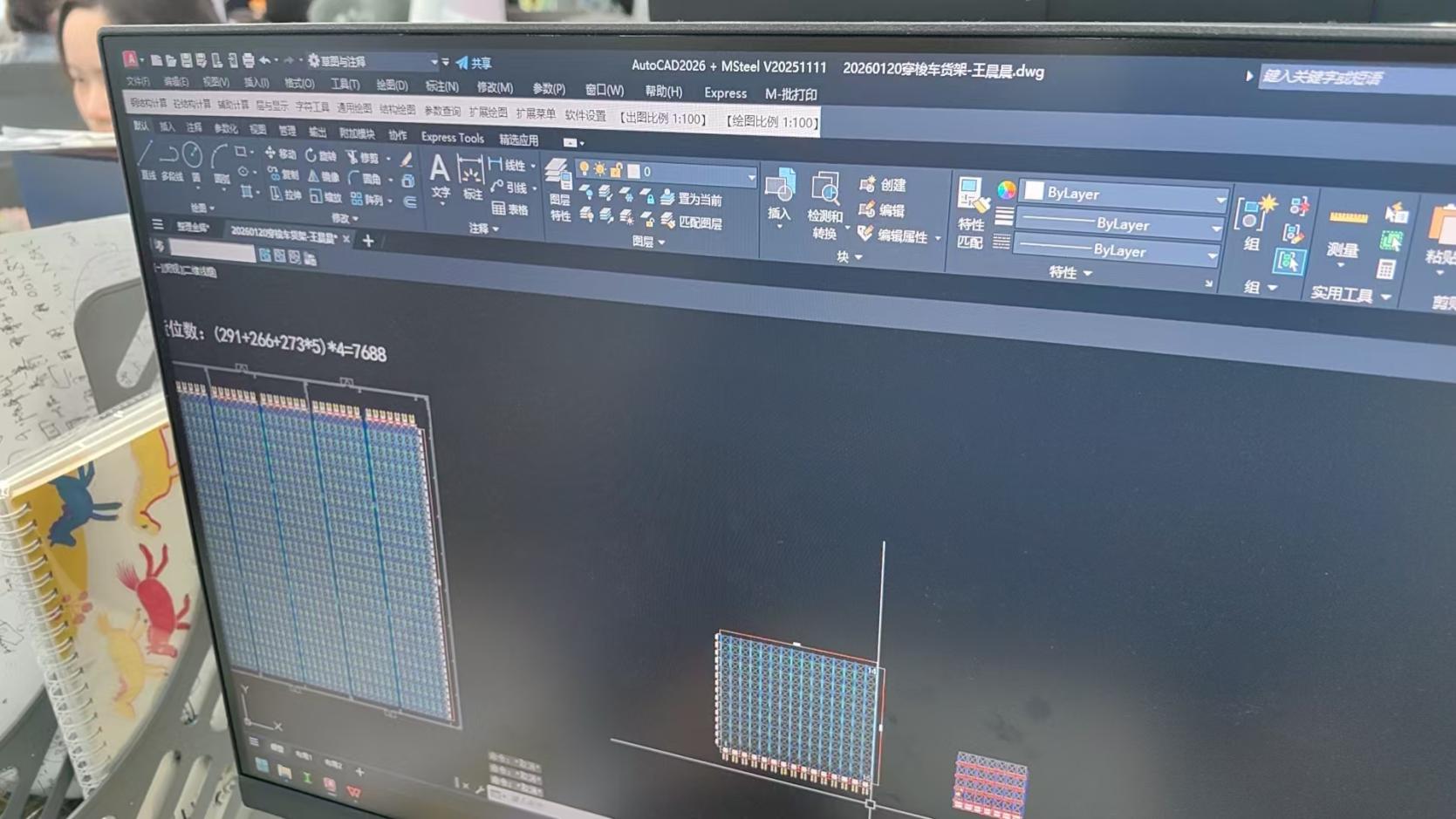
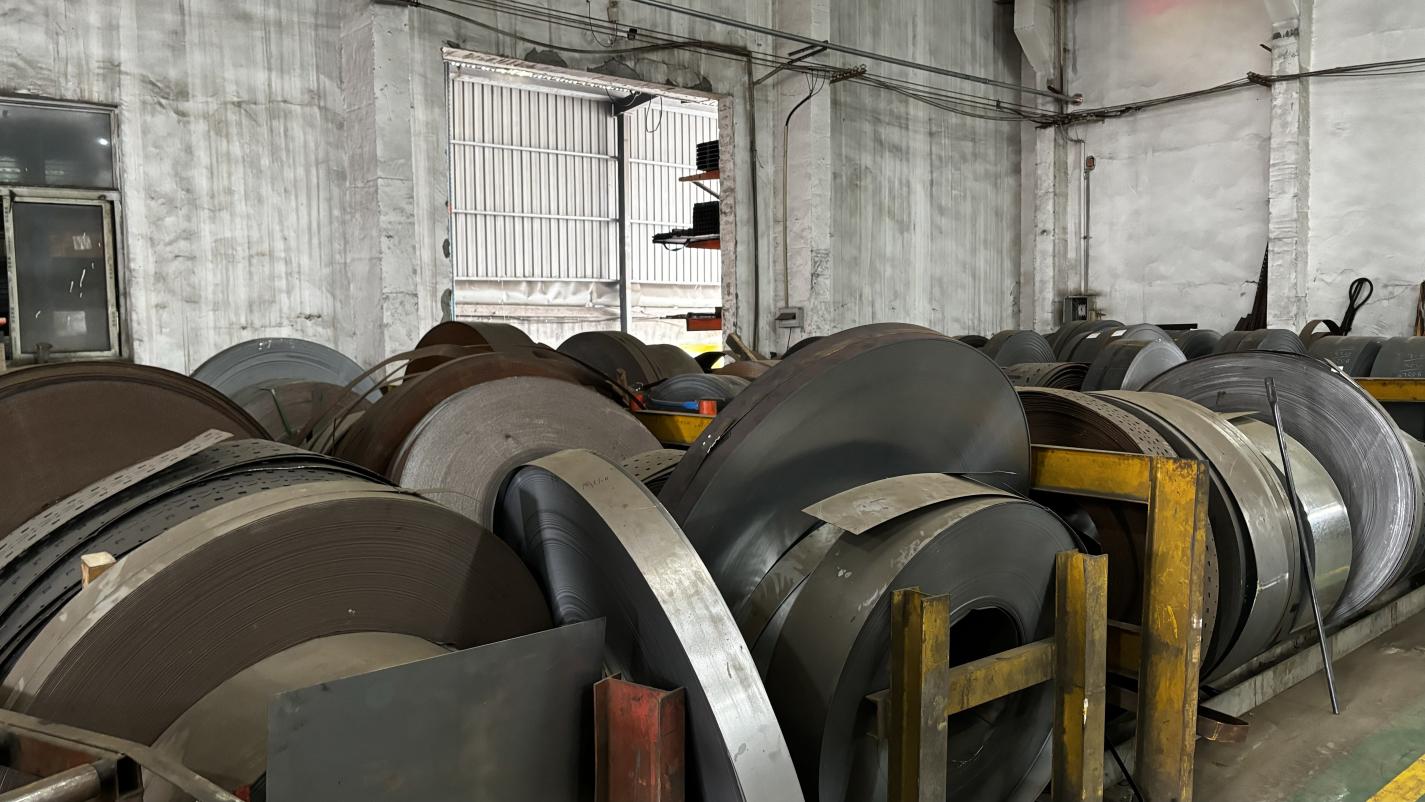
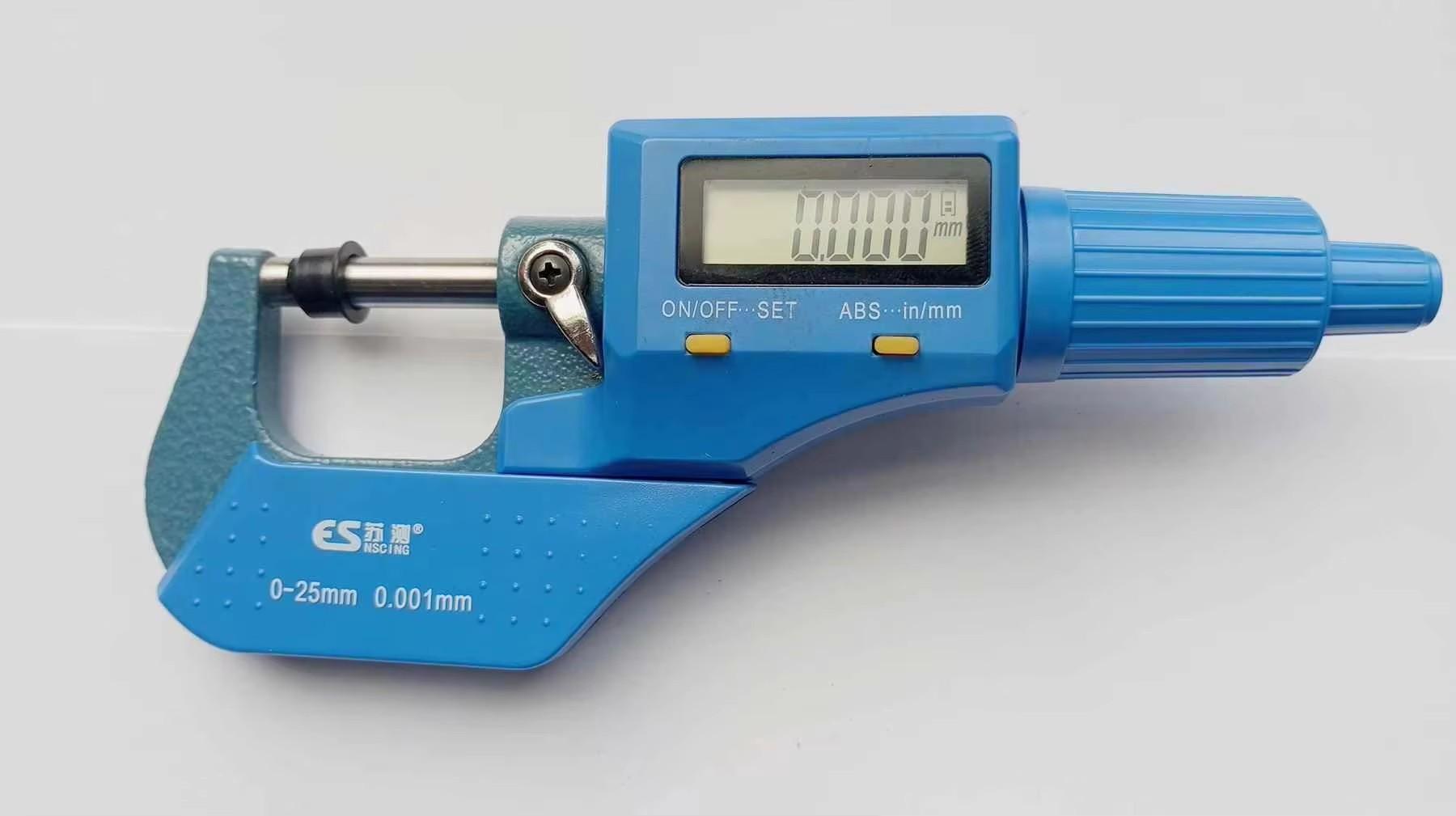
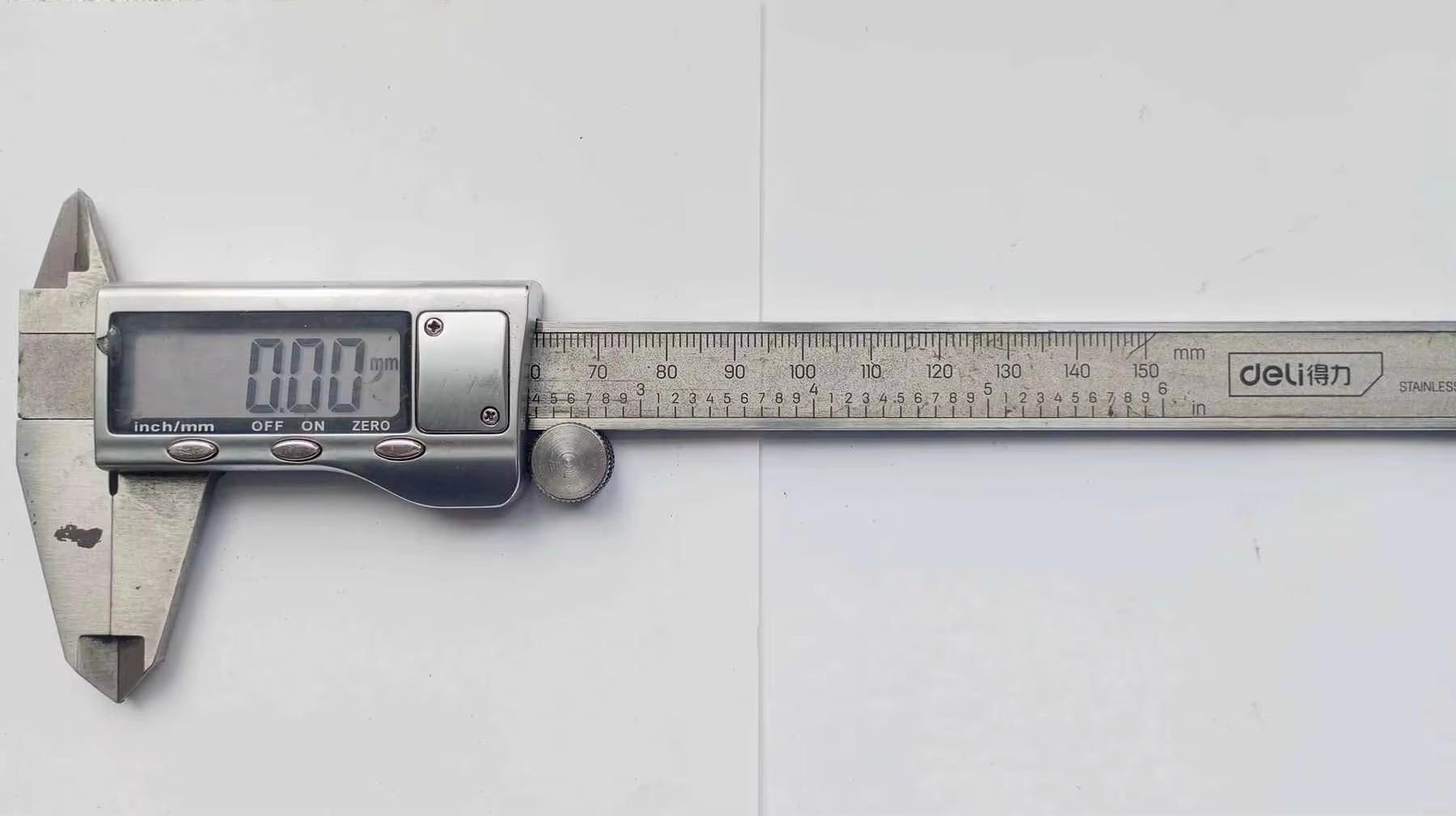
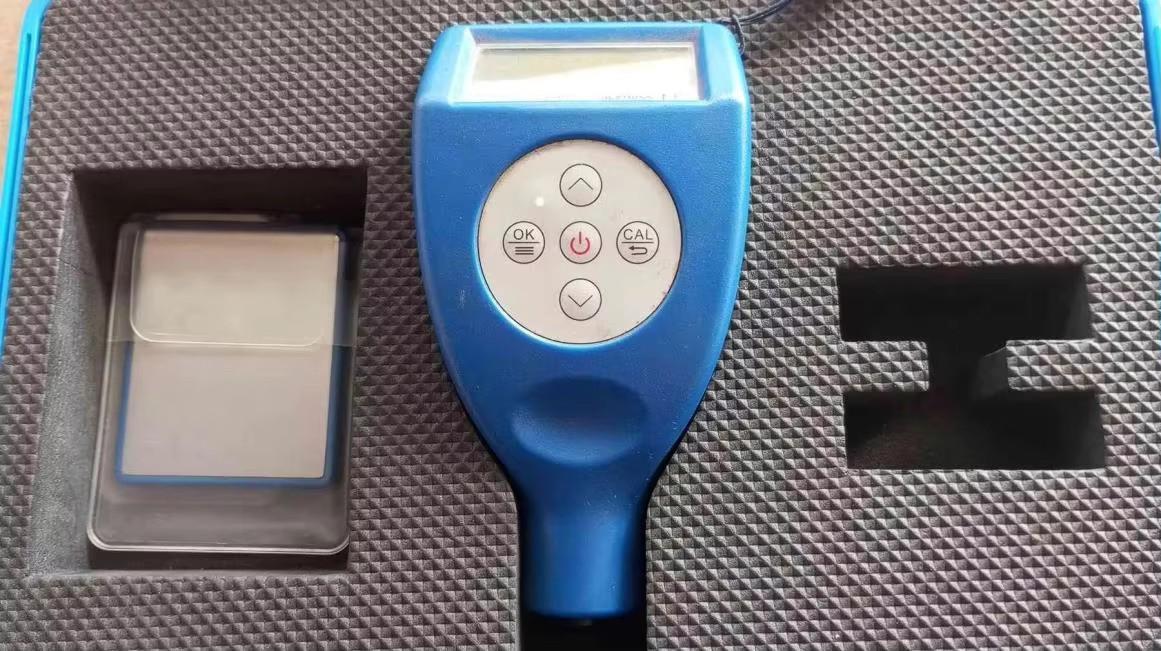
Streamlined supply chain integration from our automated manufacturing floor to your Kiwi facility.
Sourcing racking directly from a certified Chinese manufacturer like Dongguan Jinhui Storage Equipment Co., Ltd. offers a strong balance of cost and performance. Our advanced production processes minimize material waste, lower labor costs, and maintain high consistency across production runs. For New Zealand procurement managers, buying factory-direct yields substantial budget savings compared to local distributors, while maintaining complete control over design customization.
Our facility is optimized for high-volume manufacturing, supported by 980 supply chain partners. This ensures a steady supply of raw materials and enables reliable production scheduling. Our 68 design and R&D engineers specialize in developing customized OEM/ODM storage configurations tailored to your warehouse layout, payload requirements, and material handling equipment.
Managing international logistics can be complex, but Jinhui streamlines this process. We manage the entire supply chain, including container loading, export clearance, and ocean freight to major New Zealand ports such as Tauranga, Auckland (Waitematā), Lyttelton, and Wellington.
We use specialized packaging techniques to protect structural members during sea transport. Upright frames and beams are bundled with steel strapping, wrapped in heavy-duty protective film, and fitted with corner guards. This ensures your systems arrive in pristine condition, ready for assembly. We also provide clear documentation to simplify custom clearance, ensuring a smooth delivery to your site.
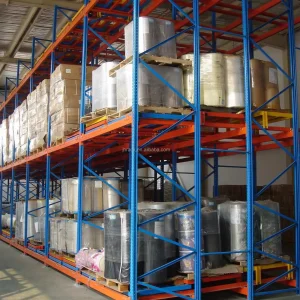
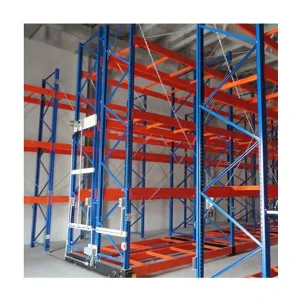
Explore our range of heavy-duty push-back configurations designed for high-density warehouse storage.
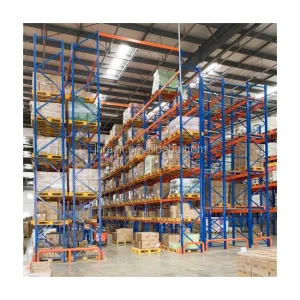
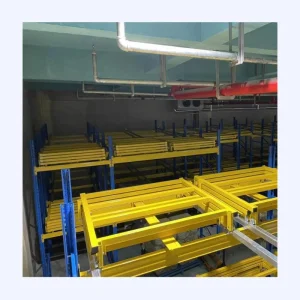
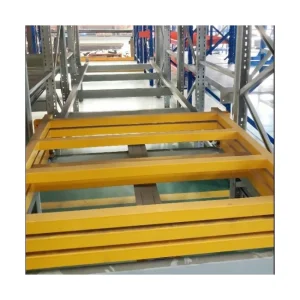
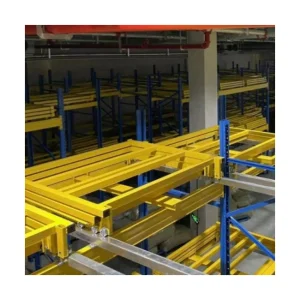
A structured approach for engineering and operations managers to ensure successful integration.
For engineering leads and procurement managers, purchasing industrial racking systems requires careful consideration of structural specs, compliance, and logistics. A minor oversight can lead to building consent delays, installation issues, or operational inefficiencies.
We advise beginning with a detailed warehouse floor and elevation plan. Document all building columns, slab expansion joints, overhead fire sprinkler heights, and local council restrictions. Make sure to specify your exact forklift model, minimum turning aisle width, and maximum lift height. Push-back systems require precise interaction between forklift masts and the nesting carts to prevent collisions and cart damage.
Next, evaluate the structural characteristics of your floor slab. Verify the slab depth, concrete strength class (typically 30-40 MPa), and reinforcing mesh layouts to ensure the slab can support the high concentrated loads beneath the rack baseplates. Jinhui's engineering department supports clients by reviewing these parameters, providing custom drawings, and optimizing baseplate anchor positions to meet local seismic codes.
Expert answers to common questions about engineering, safety, and importing push-back racking.
Get in touch with our engineering team for a customized layout, seismic compliance consultation, and a direct manufacturing quote.
Send Inquiry Now Jinhui Storage Equipment