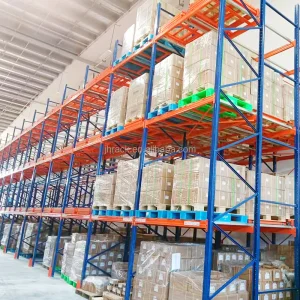
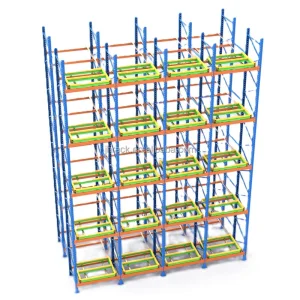
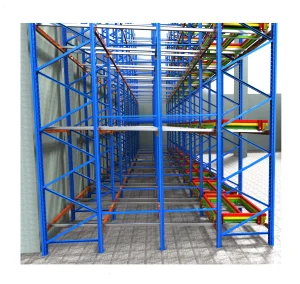
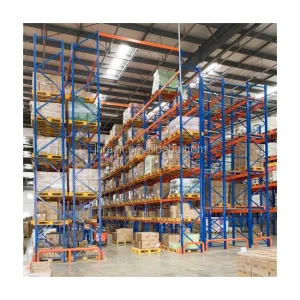
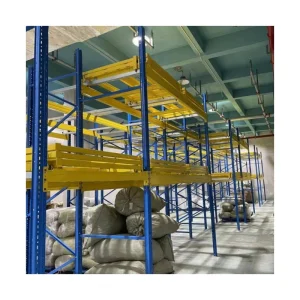
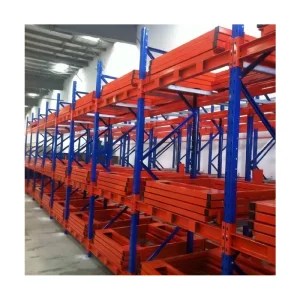
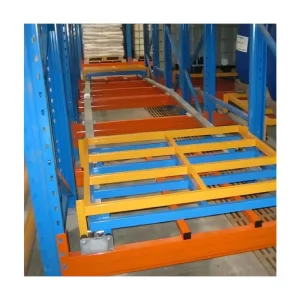
Explore our flagship configurations engineered for maximum density and low-maintenance operational safety in dynamic cold chains and retail distribution centers.
The logistics and supply chain sector in the Philippines is undergoing an unprecedented structural transformation. Driven by the rapid expansion of e-commerce channels (such as Lazada, Shopee, and TikTok Shop), alongside a massive growth in the domestic cold chain infrastructure for food processing and pharmaceuticals, warehouse spaces in prime industrial zones—including Metro Manila, CALABARZON (Cavite, Laguna, Batangas), Central Luzon (Bulacan, Pampanga), Cebu, and Davao—have reached premium valuations. Industrial land prices are surging, forcing operations directors and logistics developers to abandon traditional horizontal storage models and transition towards high-density vertical solutions.
Furthermore, the geographic realities of the Philippines as an archipelagic nation present distinct logistical hurdles. High freight costs between islands make centralized logistics hubs critical. These hubs must maximize their cubic capacity to reduce overhead. As the Philippine Cold Chain Association (CCAP) highlights, the demand for temperature-controlled storage continues to grow at an annual rate of 8-10%, which places severe pressure on energy usage. Because cooling a warehouse is highly energy-intensive, maximizing storage density is directly linked to operational profitability. High-density racking configurations, such as Push-Back pallet racks, are no longer just an option—they are a financial necessity to limit the footprint and air volume that must be chilled.
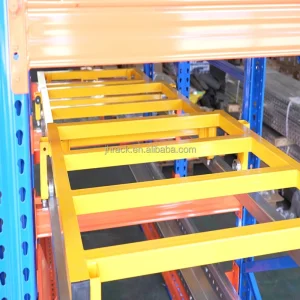
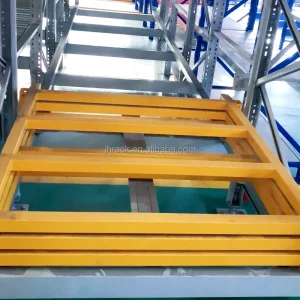
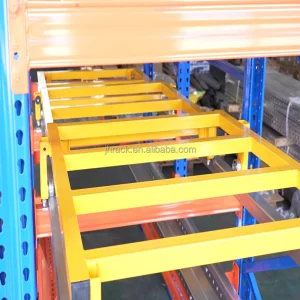
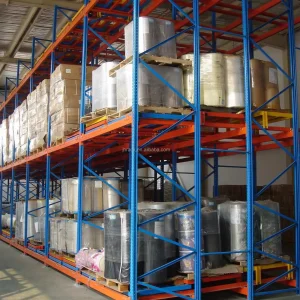
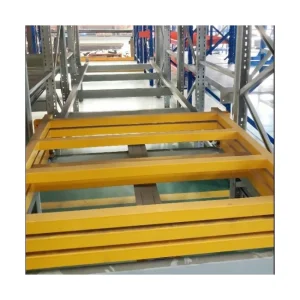
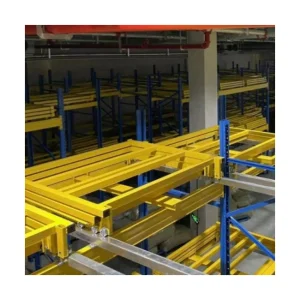
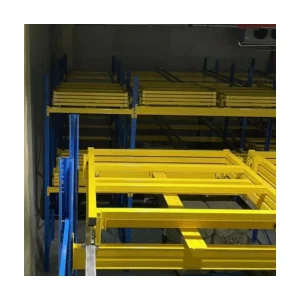
A Push-Back racking system represents a highly sophisticated design of dynamic storage engineering. Operating on a Last-In, First-Out (LIFO) inventory flow, the system utilizes a nested series of wheeled carts that glide along inclined steel tracks mounted inside structural or roll-formed racking profiles. When a forklift operator deposits a pallet onto the top cart, the next incoming pallet pushes that first cart backward along the sloped rails, exposing the next nested cart underneath. This nested-cart dynamic can comfortably support storage depths ranging from 2-deep up to 6-deep configurations.
Compared to alternative storage models, Push-Back racking provides unique operational trade-offs that make it ideal for high-throughput industries:
| Racking System Type | Space Utilization Ratio | SKU Selectivity Level | Forklift Entry Required | Primary Inventory Flow |
|---|---|---|---|---|
| Selective Pallet Racking | Low (approx. 40-45%) | 100% (High Access) | No (Aisle only) | FIFO / LIFO compatible |
| Push-Back Pallet Racking | High (approx. 70-75%) | Moderate (per lane SKU) | No (Dynamic carts) | LIFO (Last-In, First-Out) |
| Drive-In Racking | Very High (approx. 80%) | Low (Strict batching) | Yes (High risk of impact) | LIFO |
| Pallet Flow Racking | Very High (approx. 85%) | Low (Dedicated lanes) | No (Gravity rollers) | FIFO (First-In, First-Out) |
The primary engineering benefit of the Push-Back system lies in its ability to combine the density of Drive-In systems with the selectivity of selective racking. Because each lane operates independently, forklift drivers do not have to enter the physical racking structure to retrieve pallets. This drastically minimizes structural collision risks, decreases cycle times, and improves overall workplace safety. The forklift operator remains in the main access aisle, handling loading and unloading from a single, safe interface.
Designing and erecting warehouse storage systems in the Philippines demands stringent structural engineering due to the country's geographical location along the Pacific Ring of Fire. Racking structures must be calculated and constructed to survive severe seismic forces and comply fully with the National Structural Code of the Philippines (NSCP). Failing to account for local Peak Ground Acceleration (PGA) values can result in catastrophic structural collapses during seismic events, threatening lives and causing massive product loss.
To meet these strict requirements, Jinhui utilizes high-tensile structural steel (primarily Q235B and Q355B cold-rolled steel). We employ state-of-the-art Finite Element Analysis (FEA) software to simulate seismic loads in key Philippine regions such as Metro Manila, Bulacan, and Batangas. Our structural designs feature heavy-duty baseplates, oversized anchor bolts, and specialized K-bracing or X-bracing configurations. We engineer the structural columns with unique thickness profiles and optimized structural nodes to absorb dynamic shear forces without yield failure. This ensures that the dynamic carts in the Push-Back system remain secure on their tracks even under structural movement.
Your Trusted Global Partner in Industrial Warehousing Innovation, Delivering High-Performance Storage Solutions Since 2017.
Established in 2017, Dongguan Jinhui Storage Equipment Co., Ltd. has developed into a premier manufacturer specializing in high-performance warehouse storage solutions and industrial racking systems. Based in China's manufacturing heartland, our state-of-the-art production facilities span over 18,600 square meters. We leverage advanced automatic production lines, precision laser cutting machines, CNC punching equipment, robotic welding systems, and fully integrated powder coating lines to maintain absolute control over product quality and supply chain reliability.
Jinhui’s engineering and manufacturing capabilities support a massive international footprint, generating an annual export revenue of approximately USD 16 million across more than 50 countries. We have built 8 years of export experience alongside 14 years of deep industry expertise, enabling us to manage complex trade operations, provide technical design services, and deliver turn-key warehousing projects for distributors, logistics firms, retail groups, and industrial plants worldwide.
Our quality assurance protocol operates under a strict ISO 9001 certified management system. Prior to shipping, every batch of cold-rolled profiles, upright frames, box beams, and push-back carts undergoes comprehensive testing. This includes load capacity tests, dimensional tolerance inspections, coating thickness measurements, and welding strength checks. Jinhui employs 46 experienced inspectors dedicated exclusively to quality control, supported by 68 R&D engineers who deliver tailored OEM & ODM solutions. Last year alone, our engineering team introduced 126 new products and upgraded storage designs, ensuring our clients receive cutting-edge, future-proof warehousing systems.
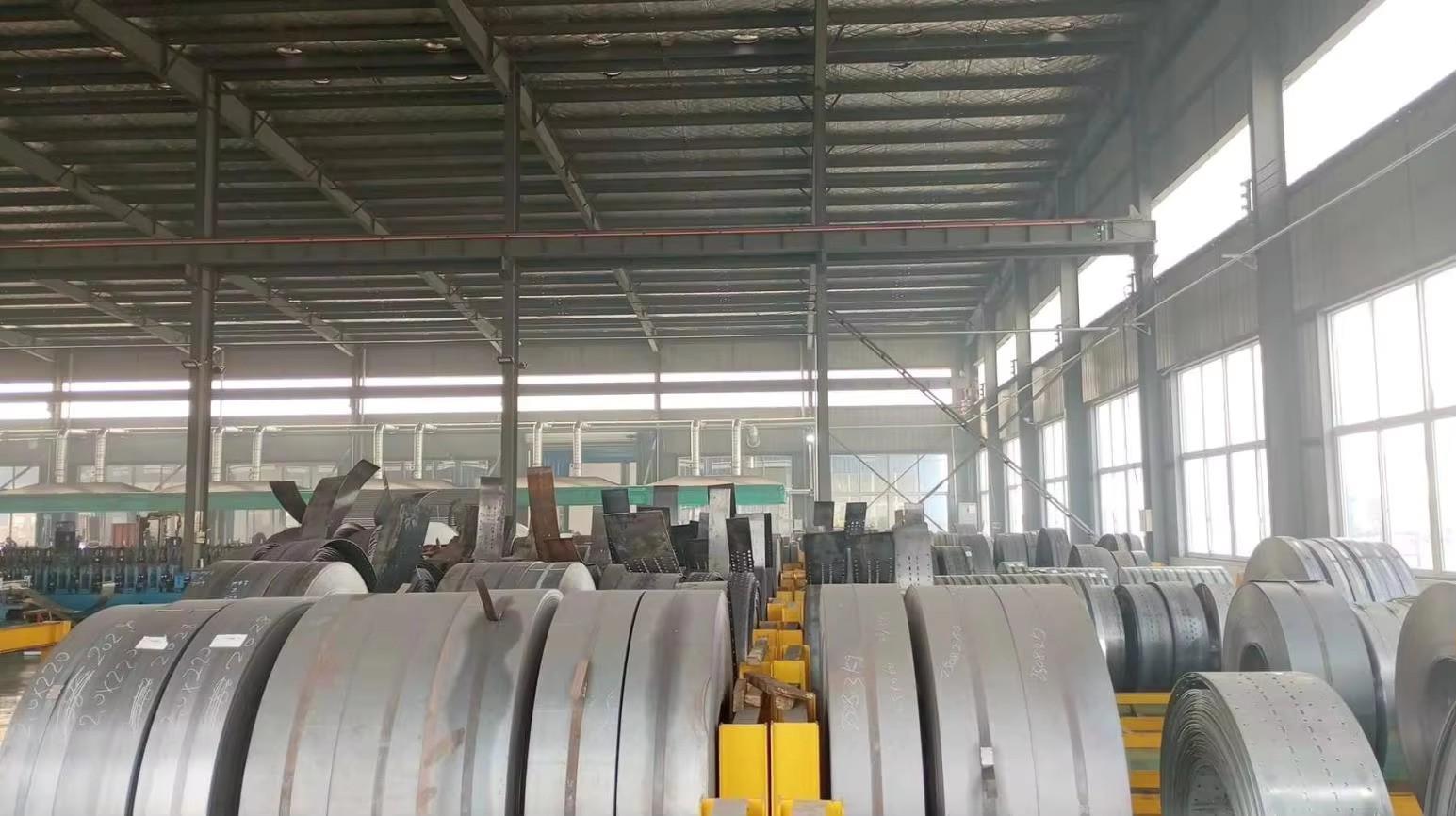 Raw Material Processing
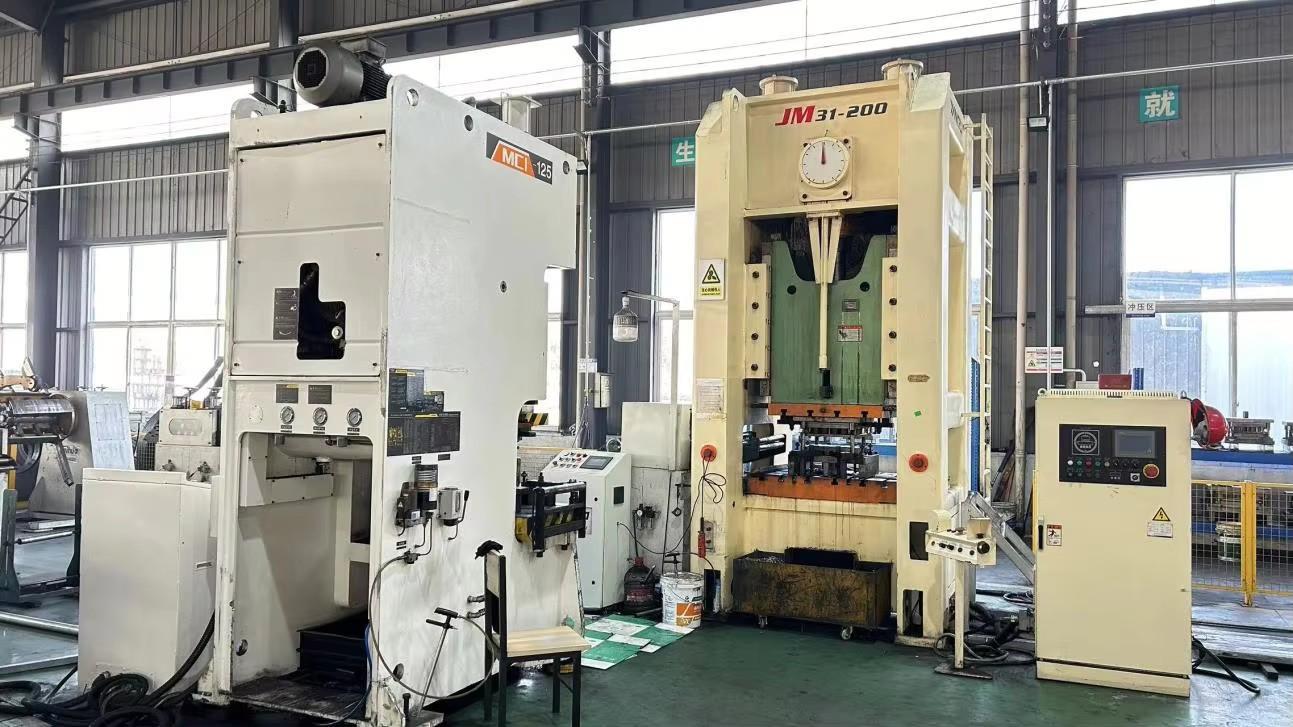 Heavy Duty Pressing
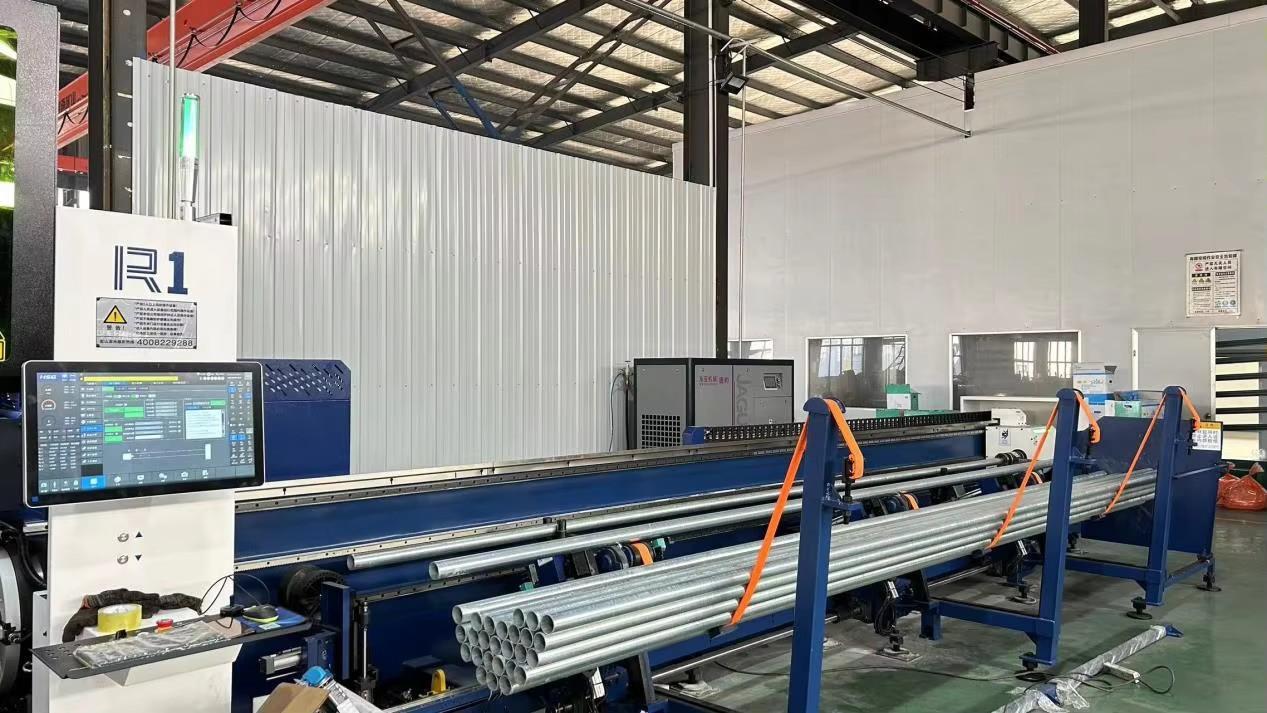 Precision Profile Cutting
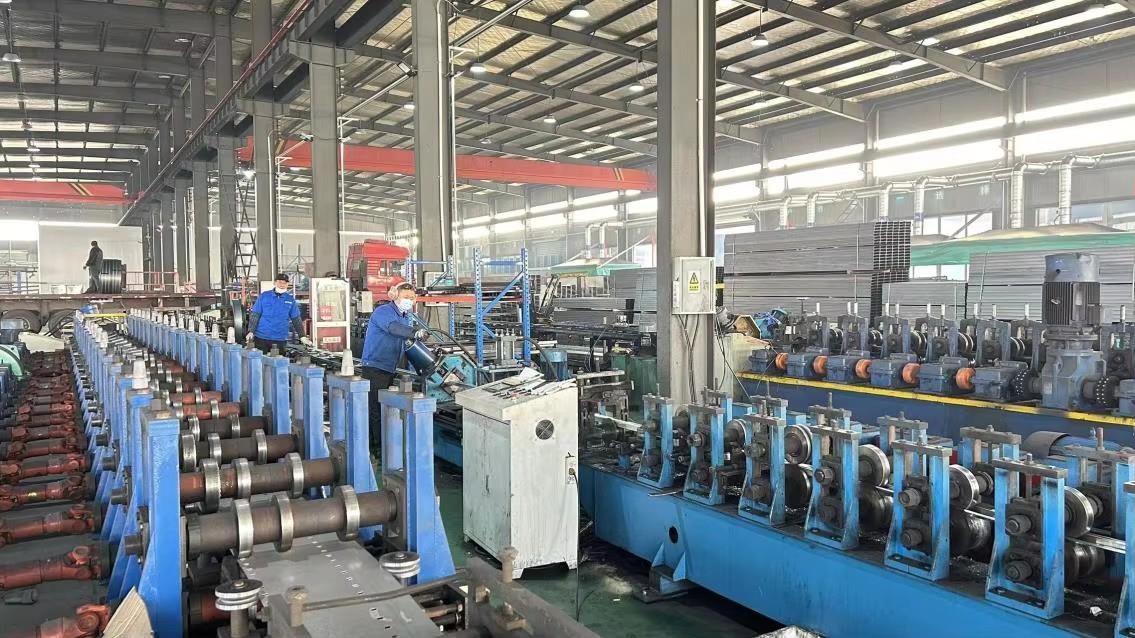 Bending and Forming
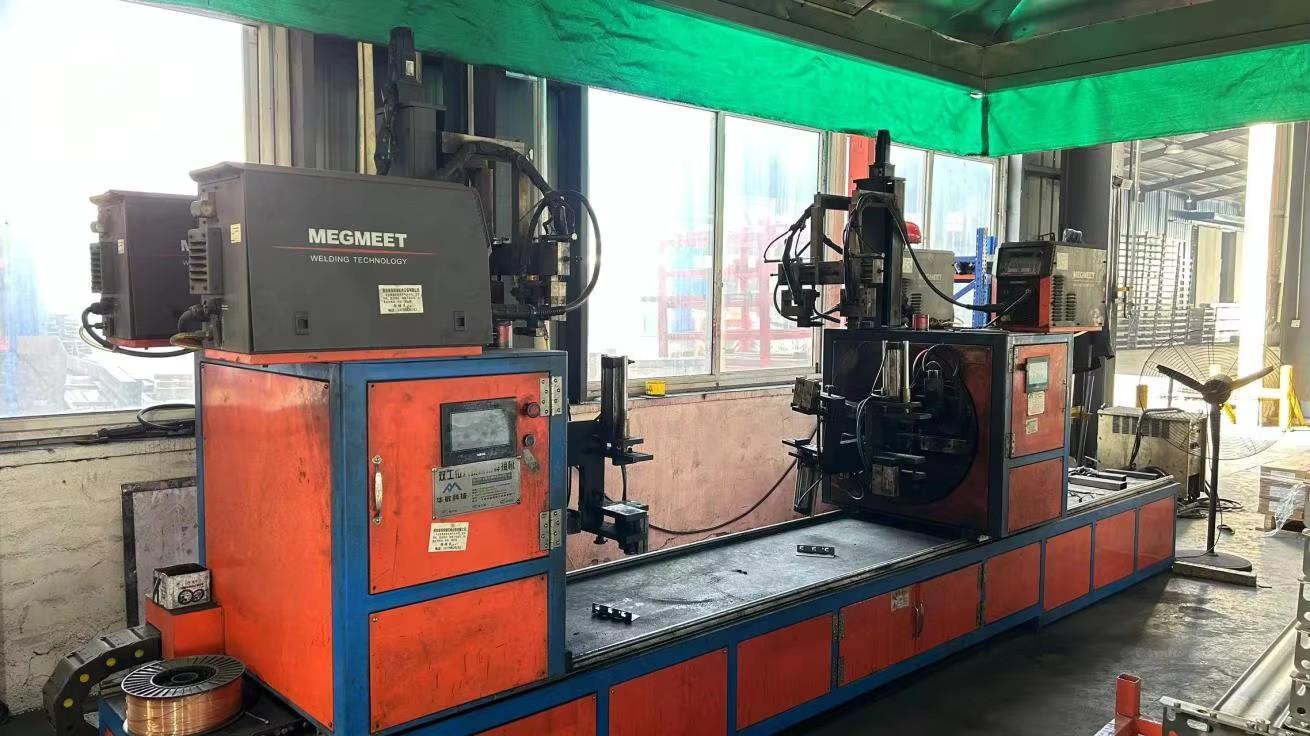 Automatic Robotic Welding
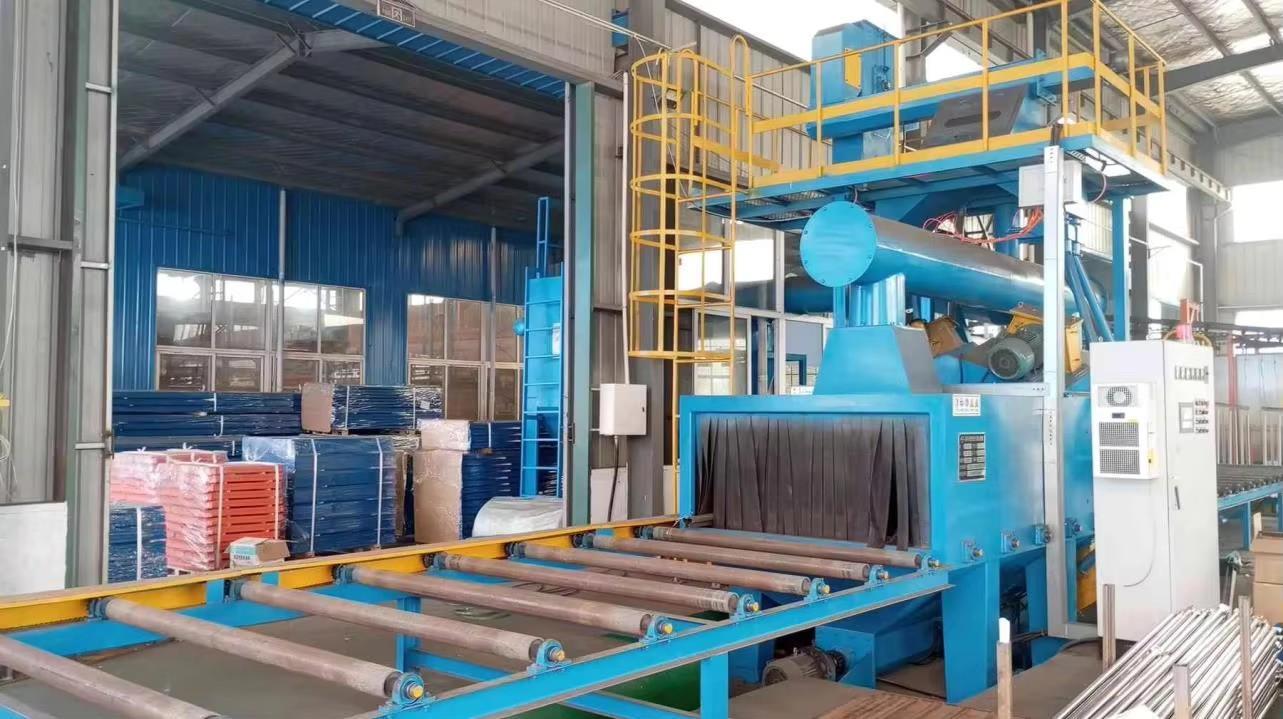 Surface Polishing Machine
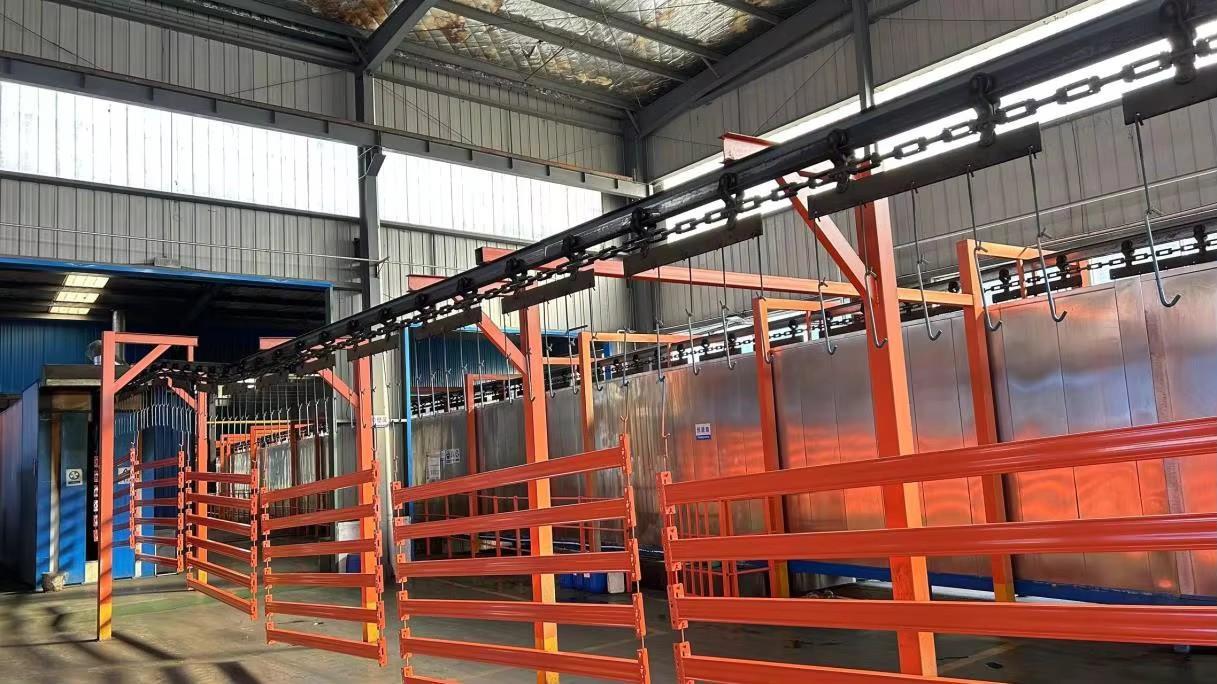 Electrostatic Powder Coating
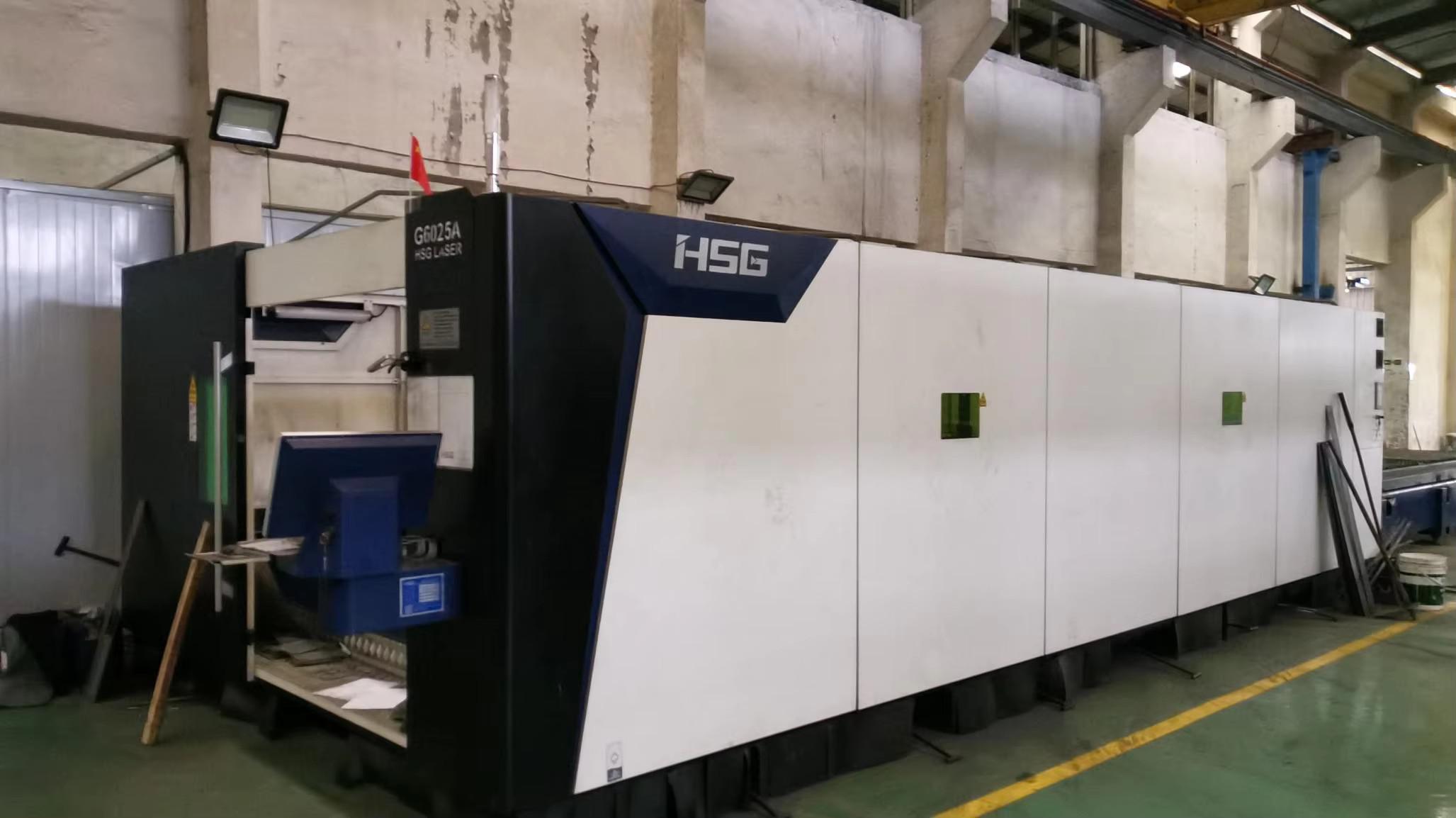 Structural Steel Cutting
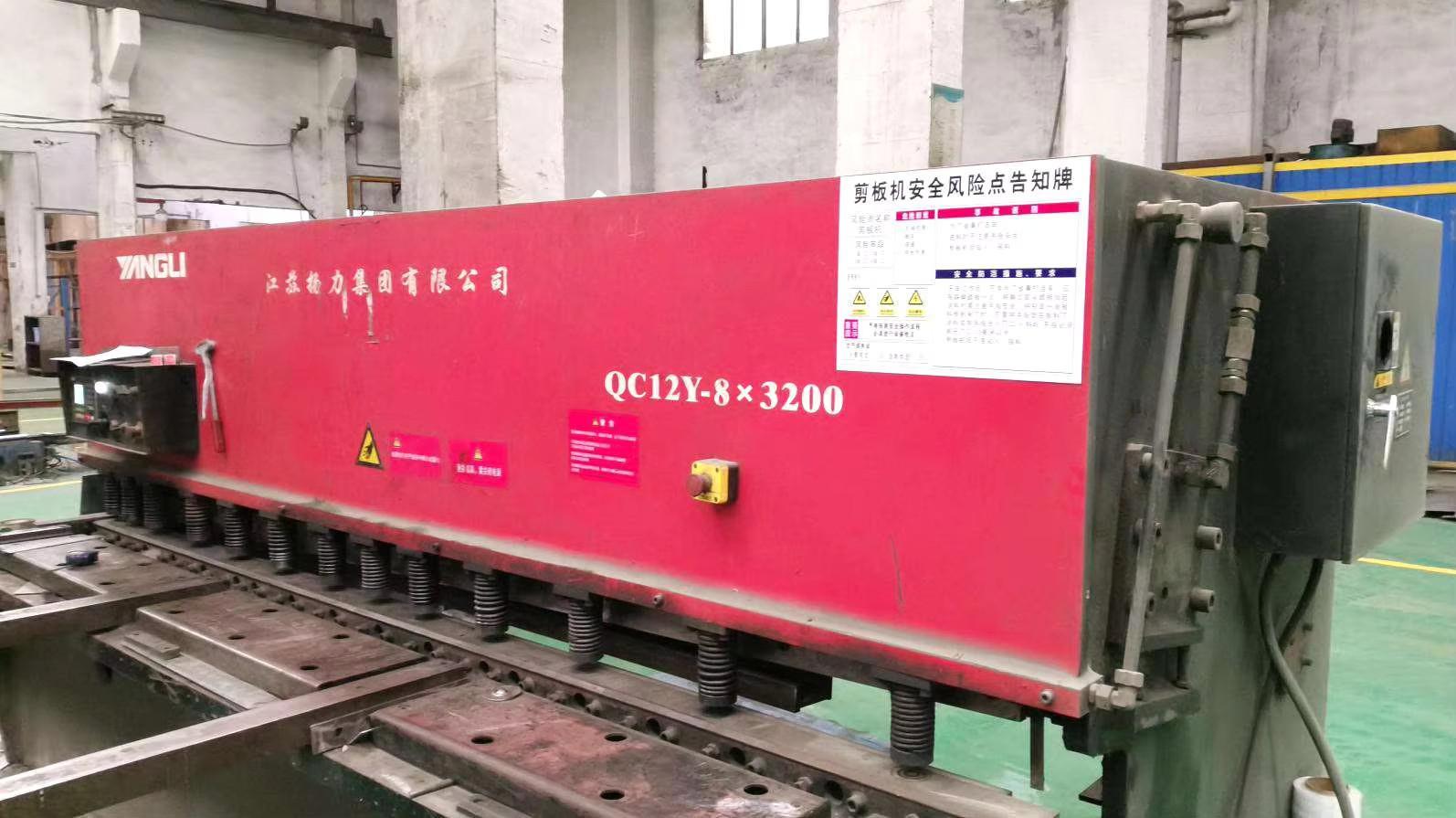 High-Speed Plate Shearing
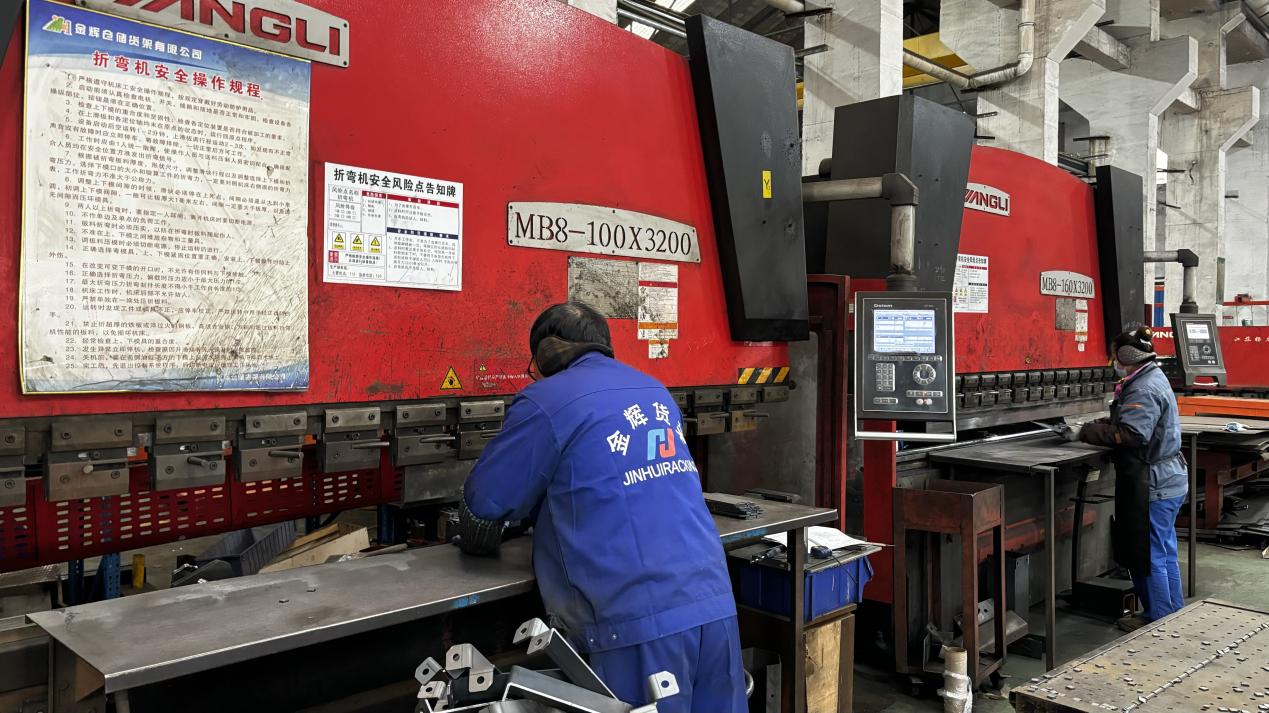 CNC Plate Bending
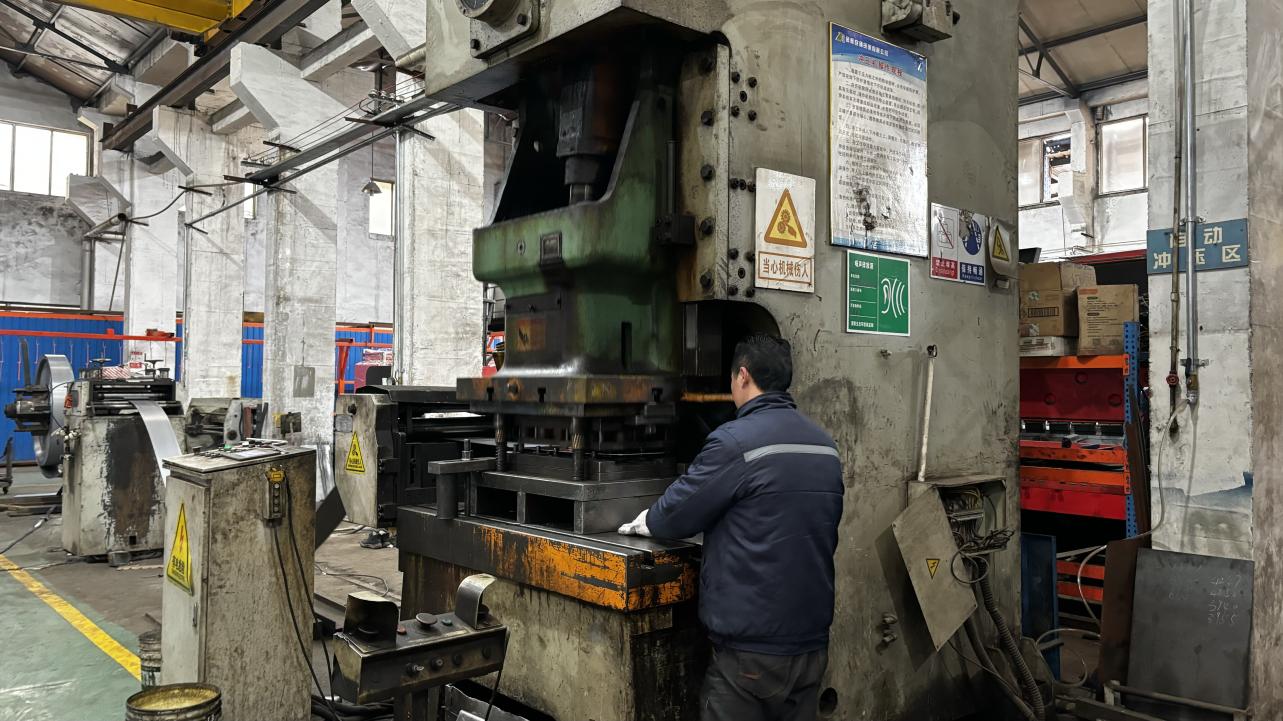 Automated Cold Punching
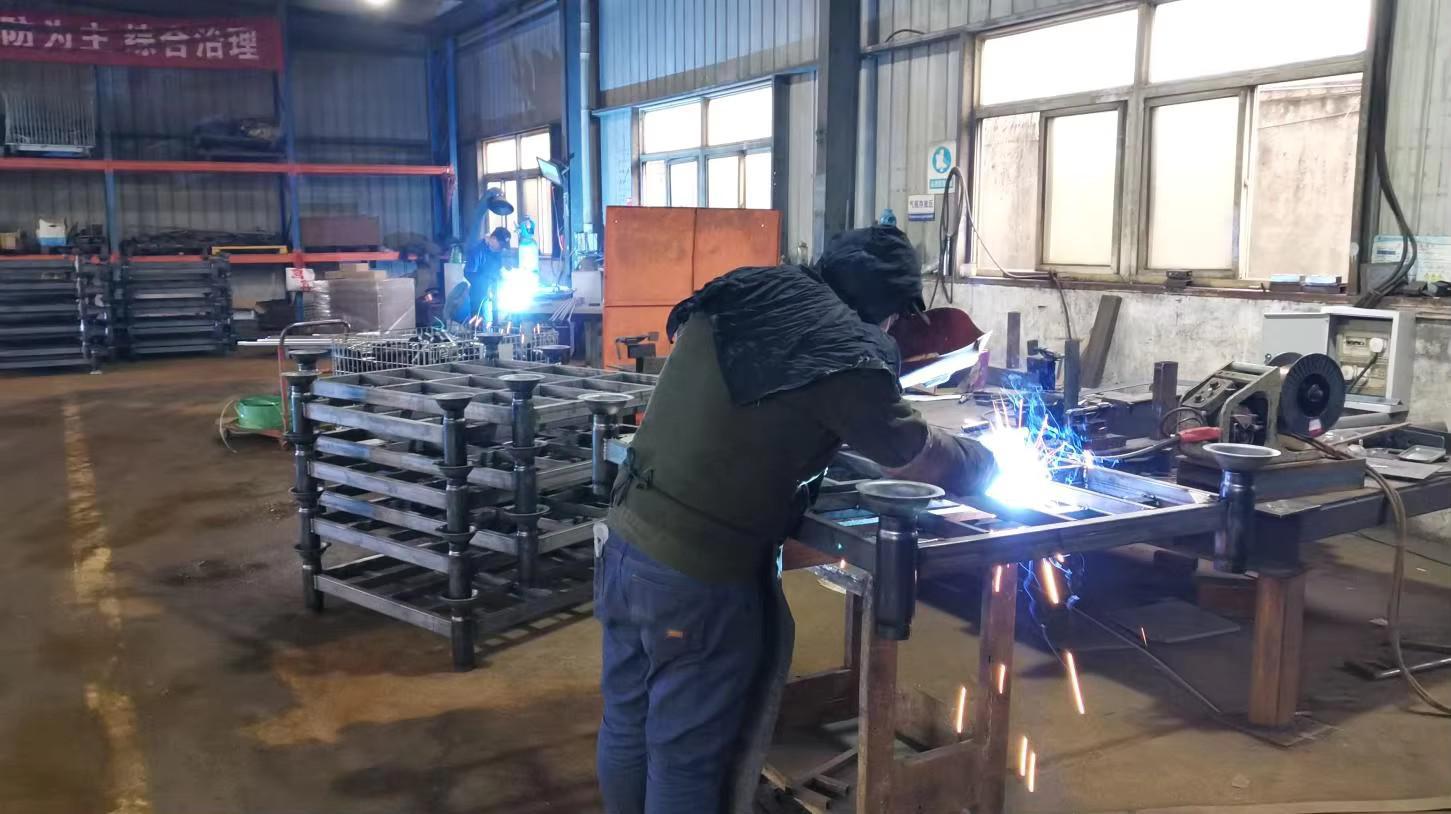 Structural Fusion Welding
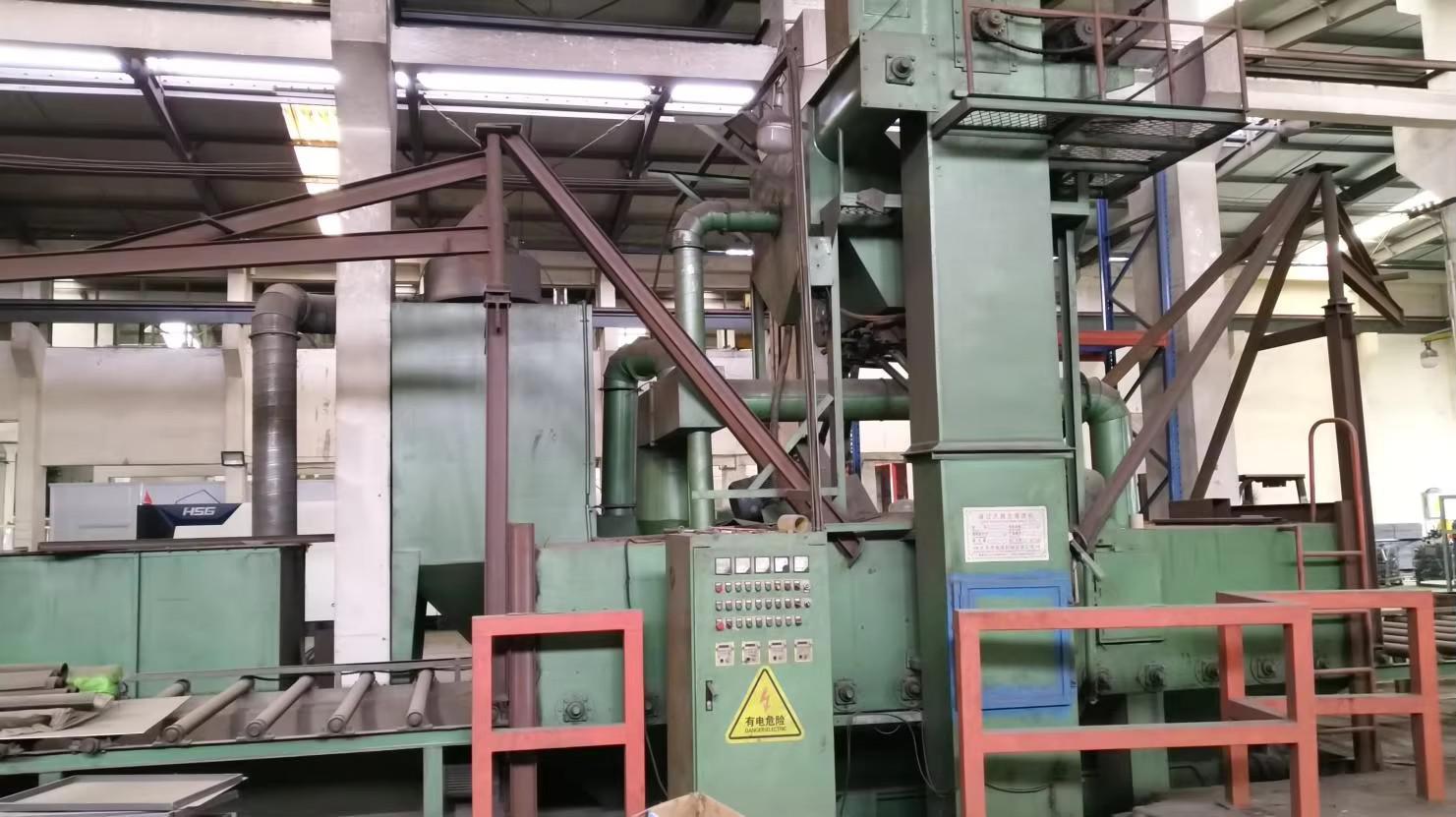 Shot Blasting Derusting
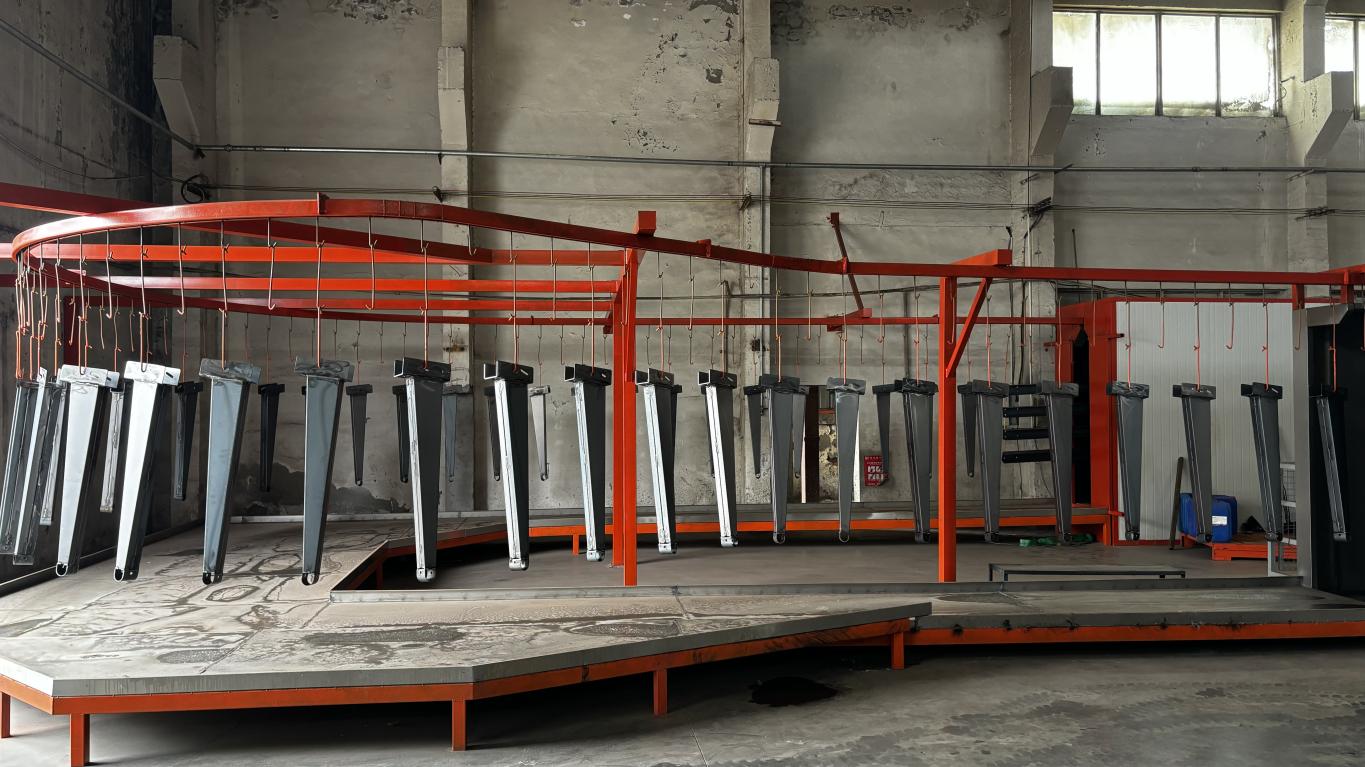 Final Coating Inspections
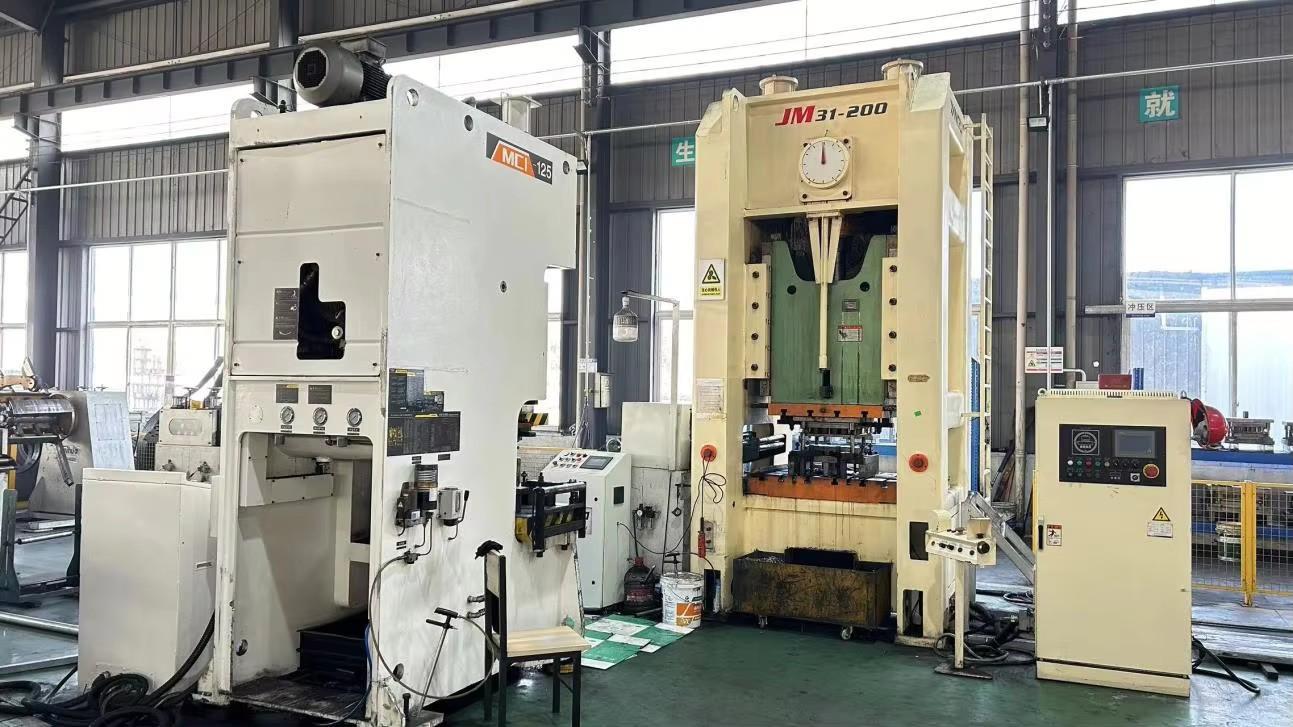 Heavy Punch Pressing
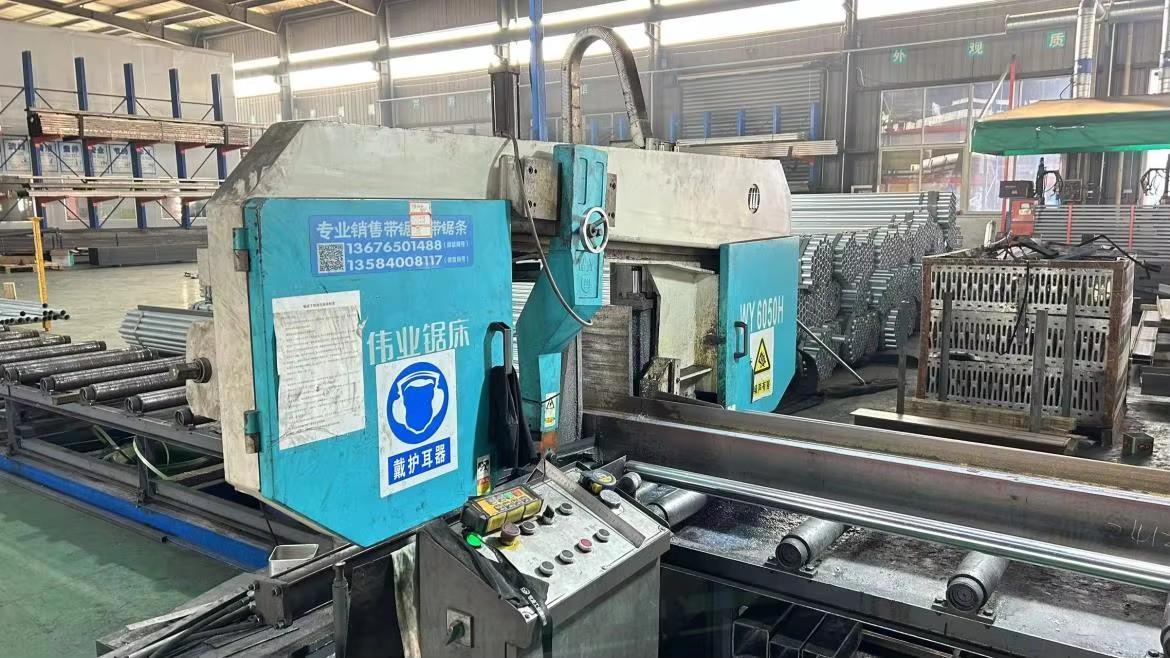 CNC Band Sawing Machine 1
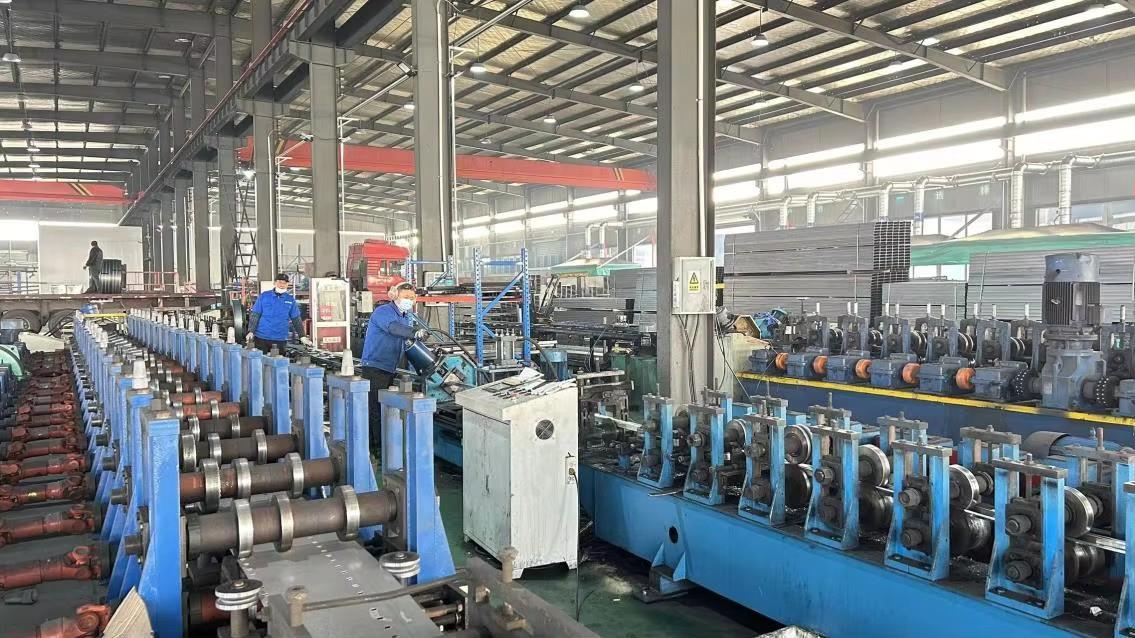 CNC Band Sawing Machine 2
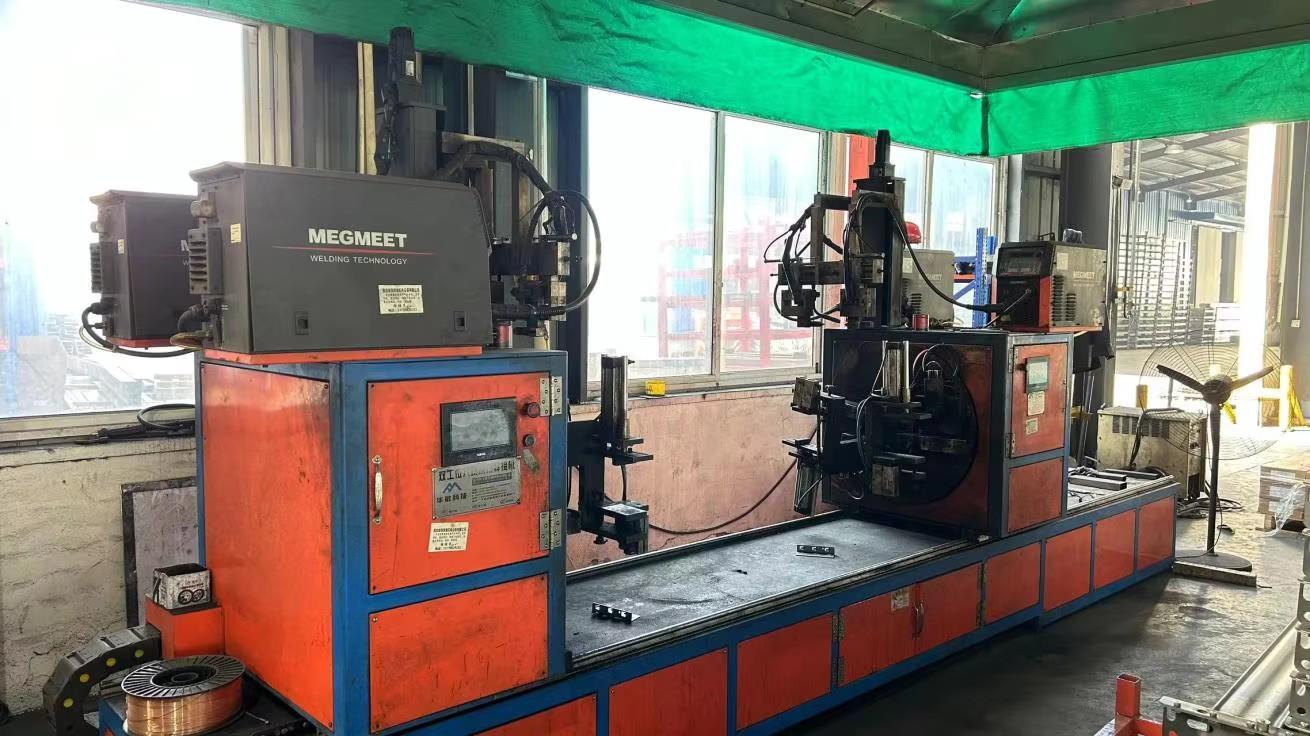 Robot Rail Arm Welder
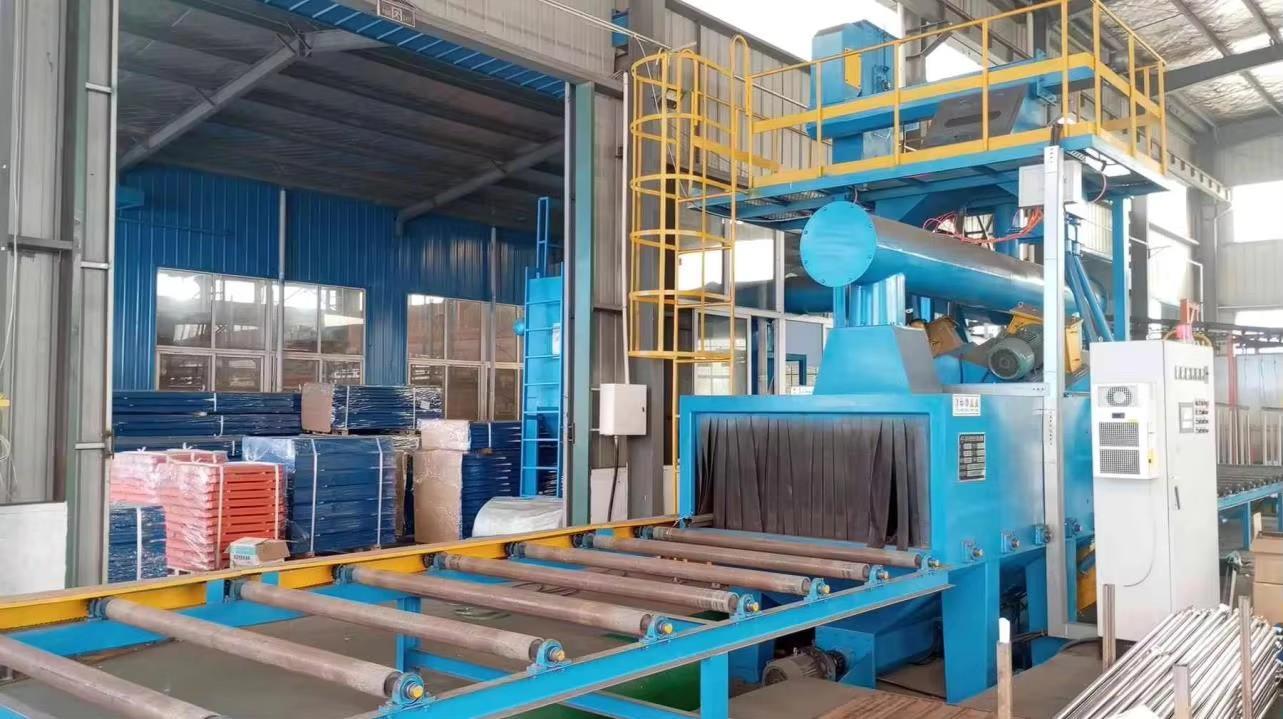 Rotary Polishers
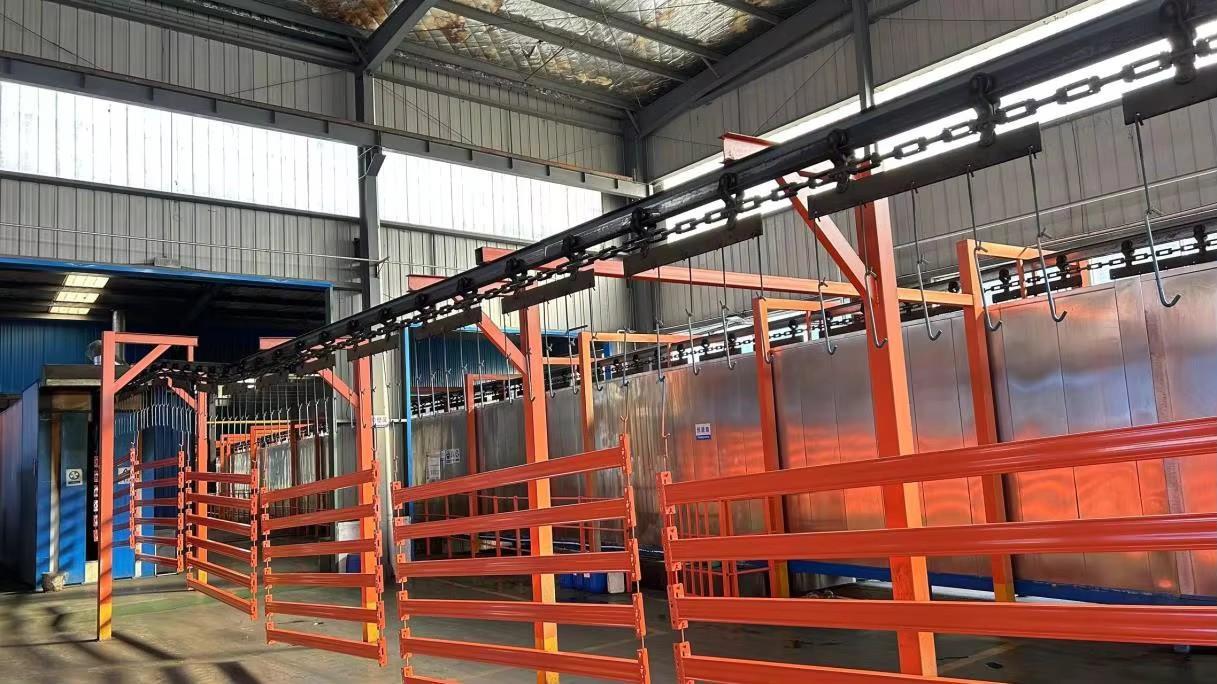 Advanced Curing Oven Line
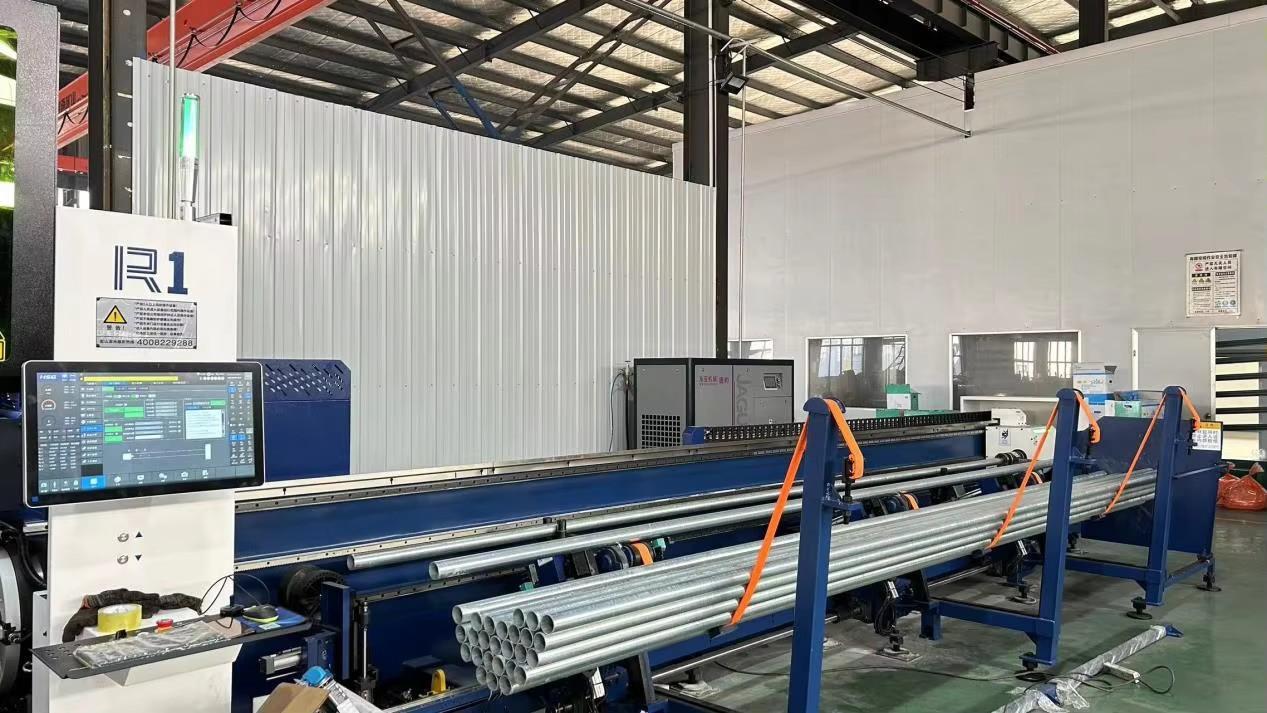 Fiber Laser Cutting Machine
 Heavy Duty Flame Cutter
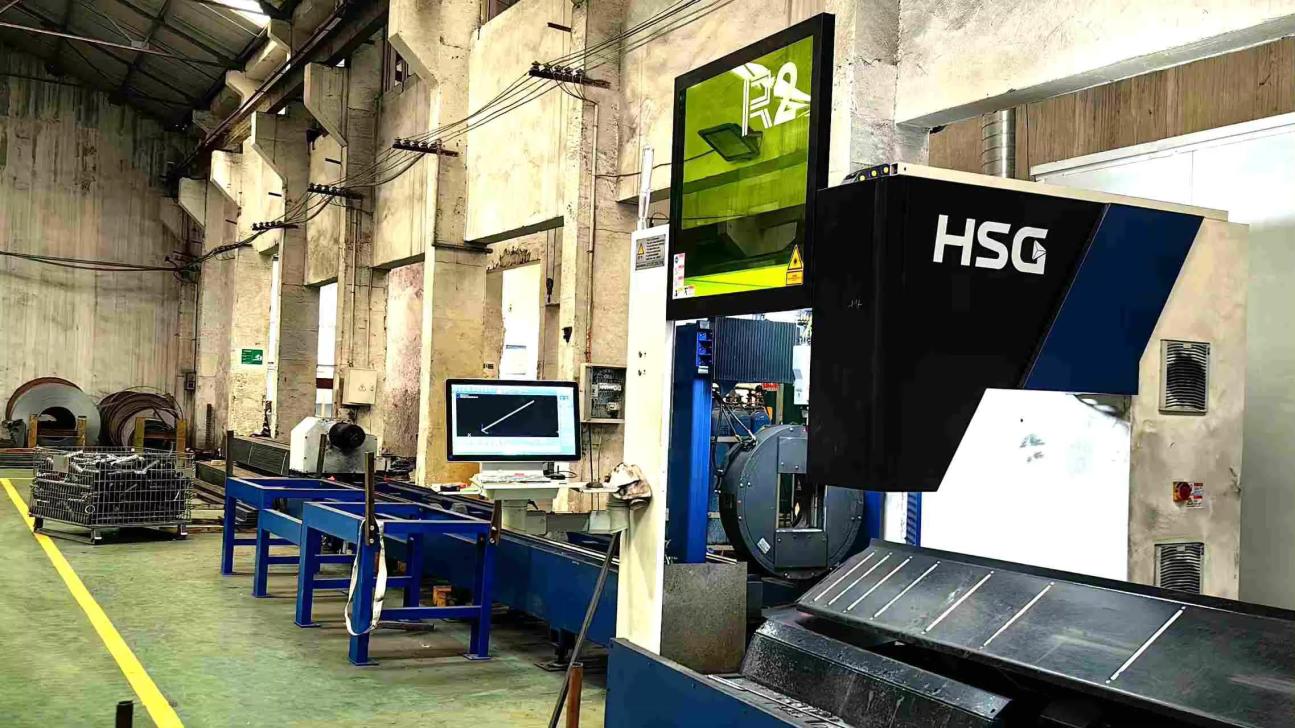 Automatic Tube Cutting
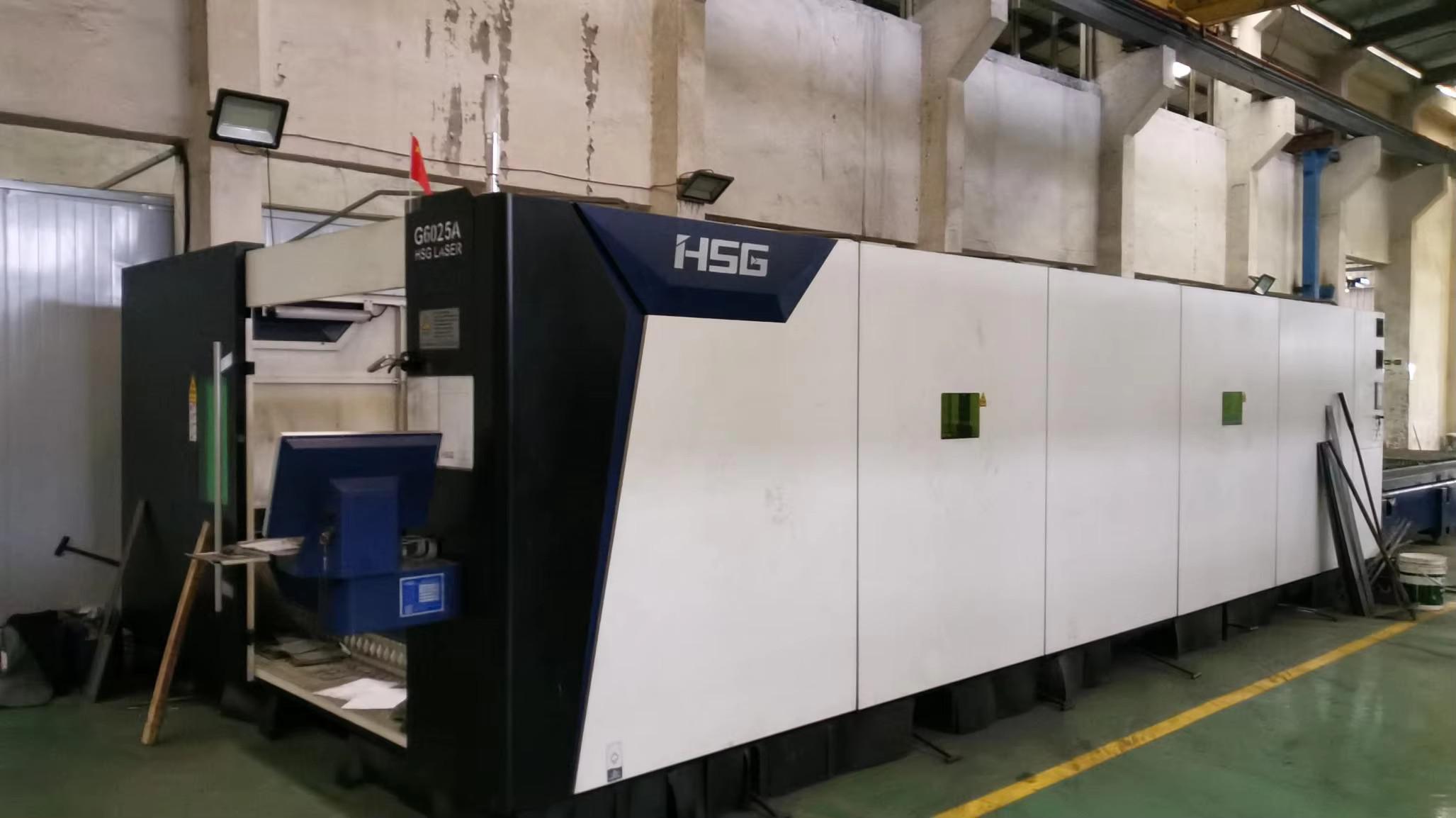 Gantry Type Laser Cutter
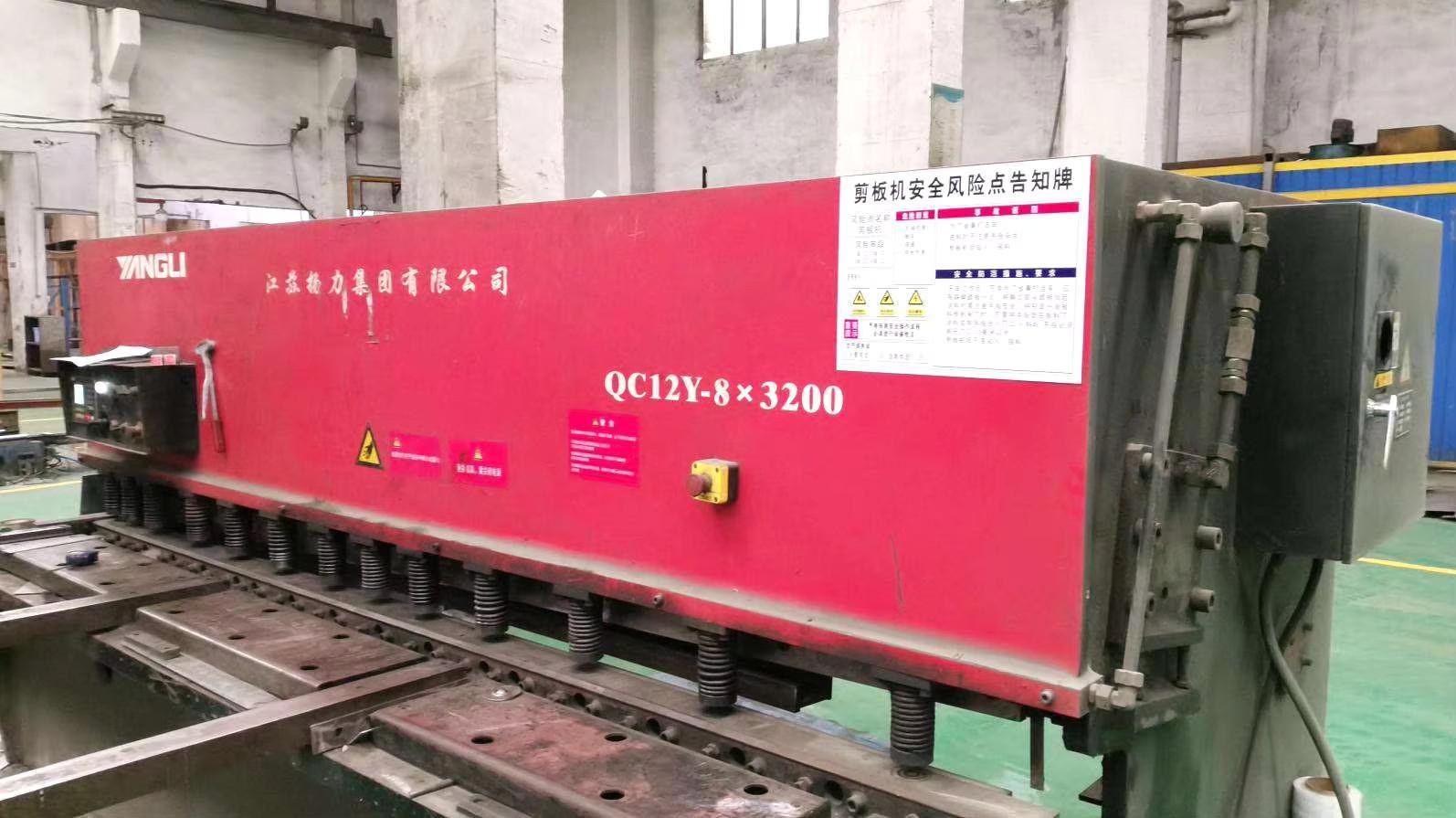 Shearing & Sizing Machine
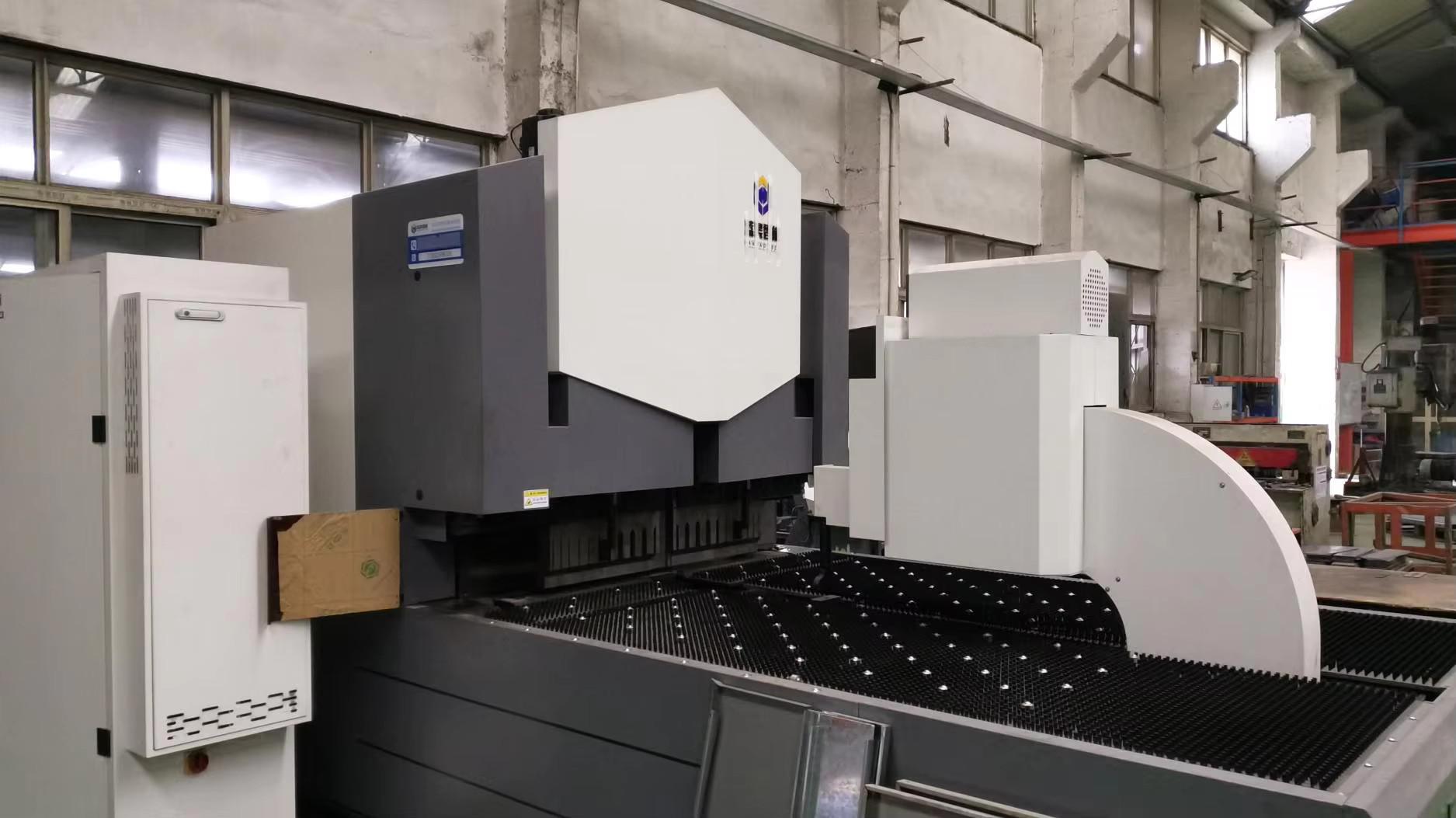
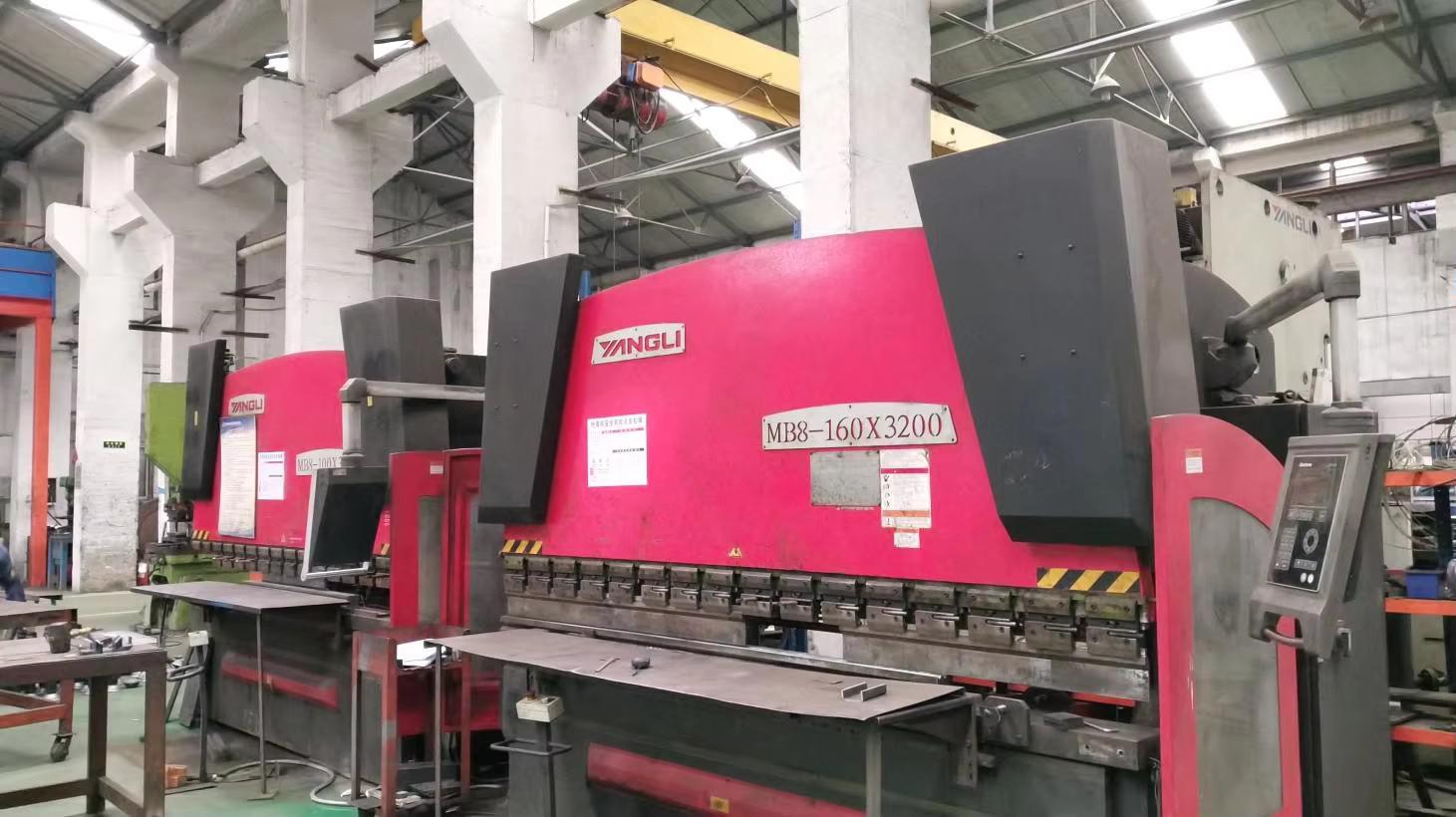 Multi-Angle Press Brake
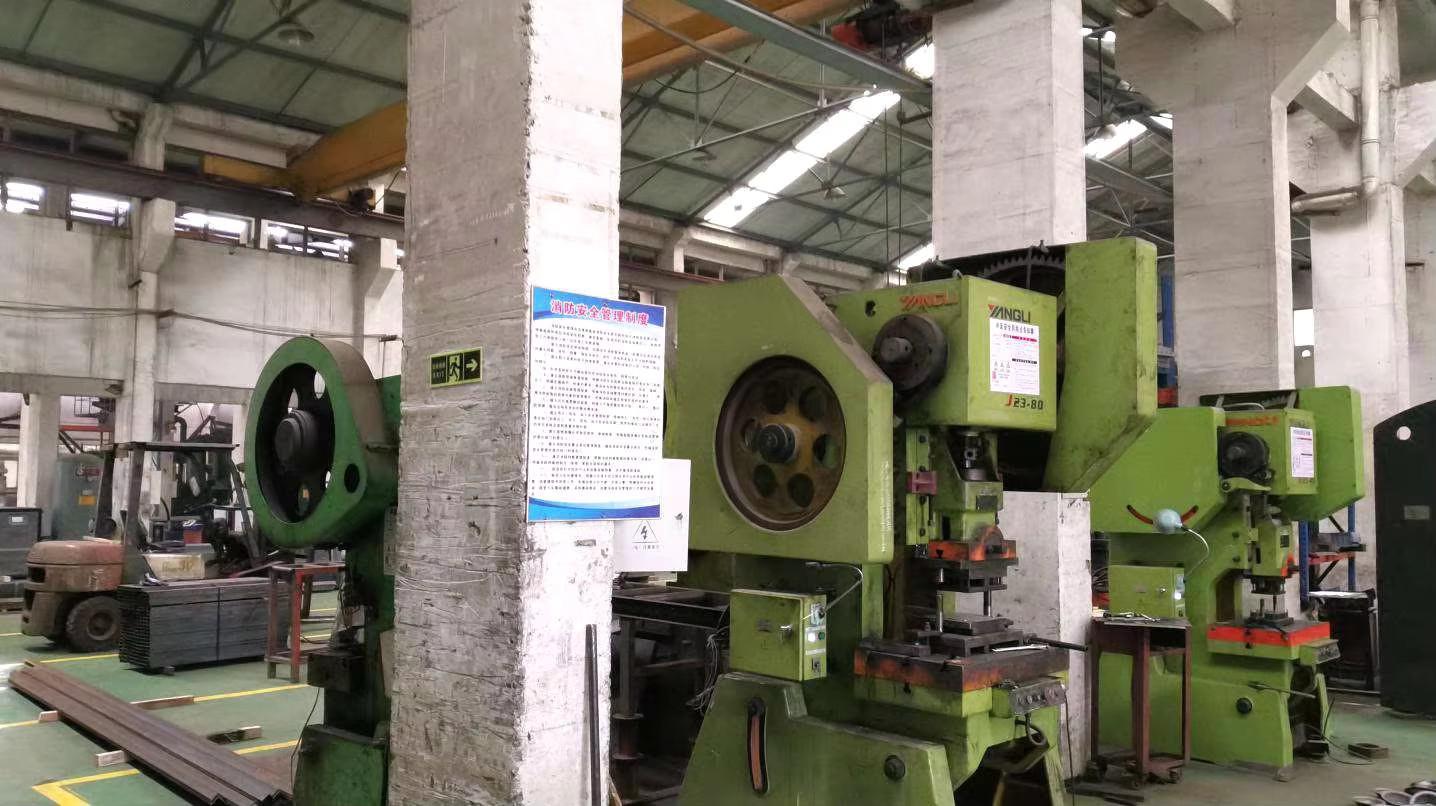 Standard Frame Hole Punch
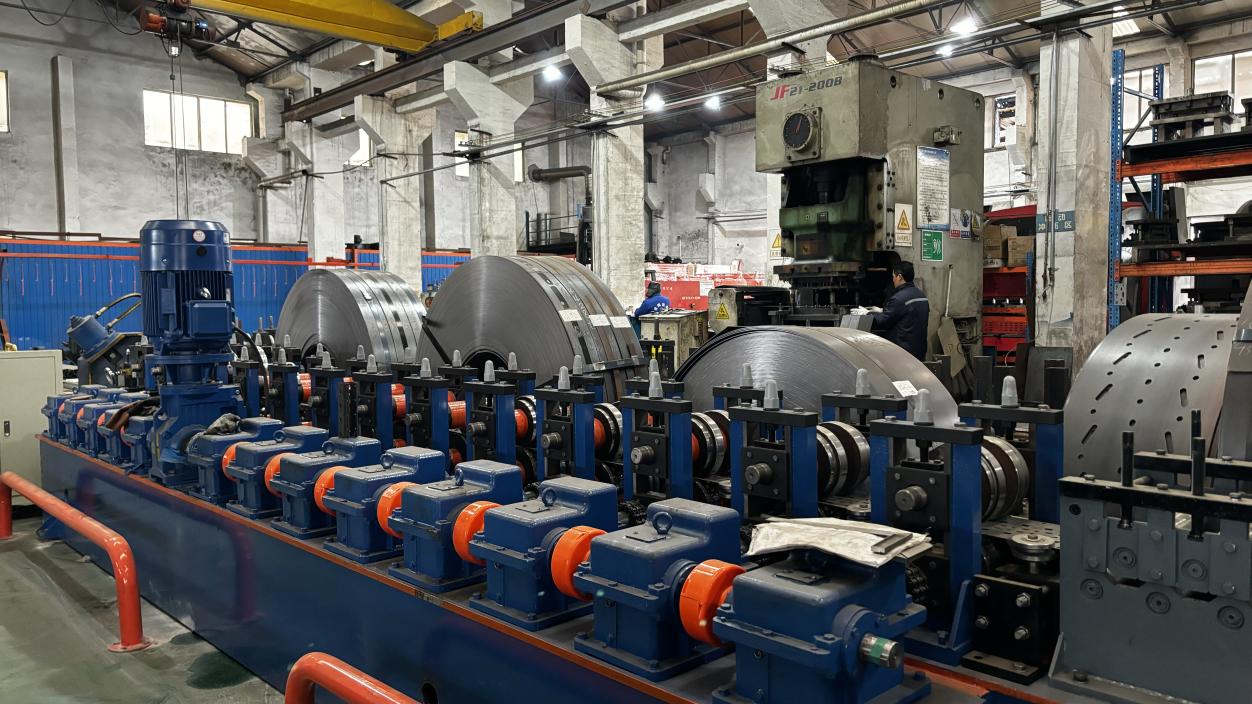 Continuous Punching Line
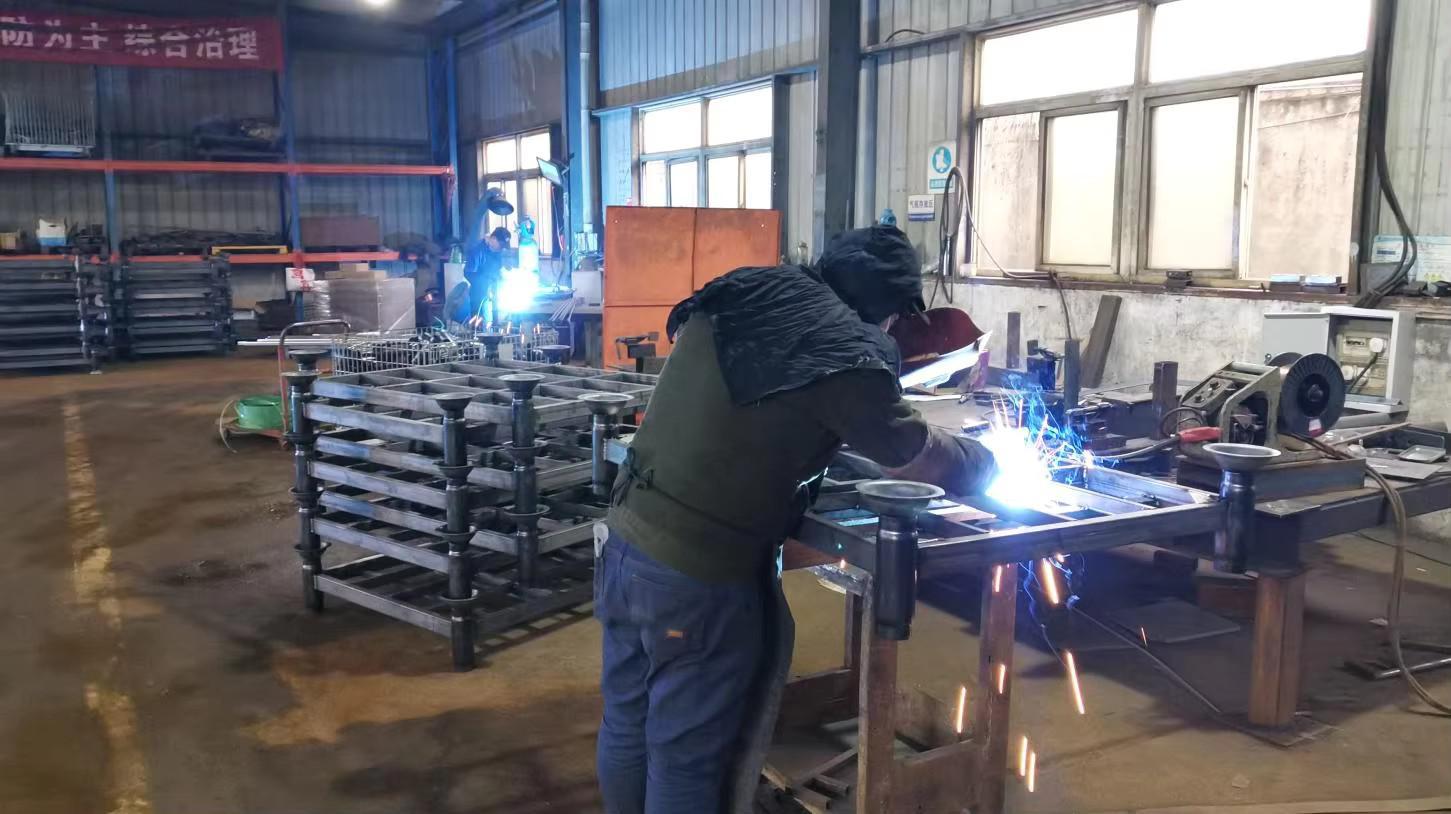 Gas Shielded Arc Welder
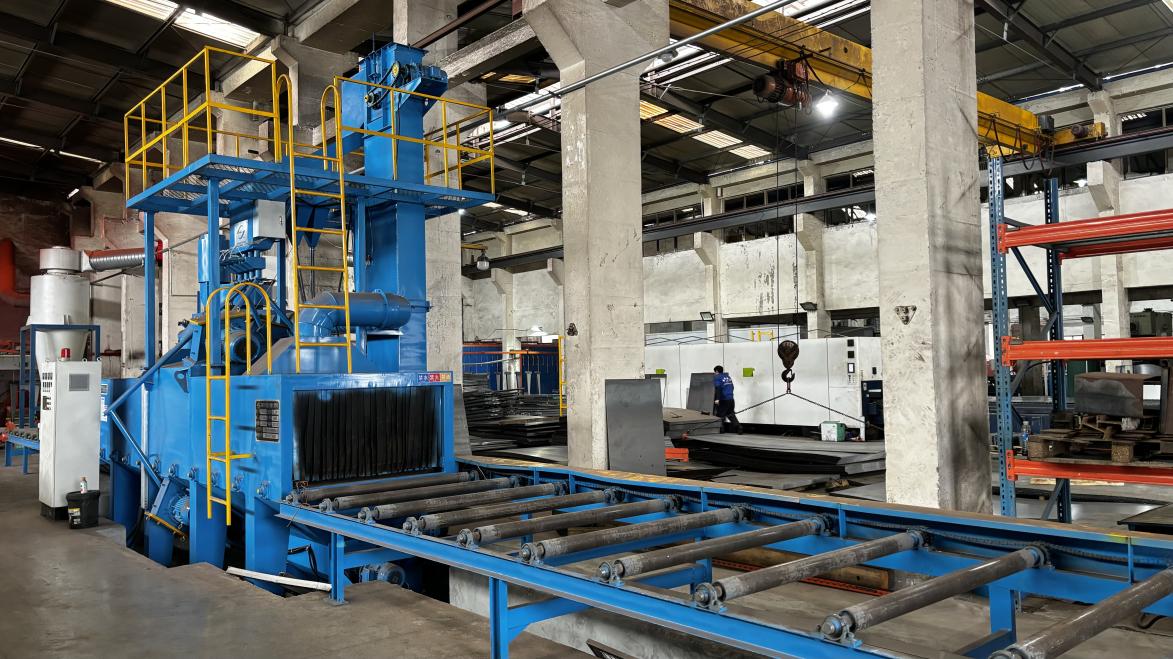 Wheel Shot Blaster
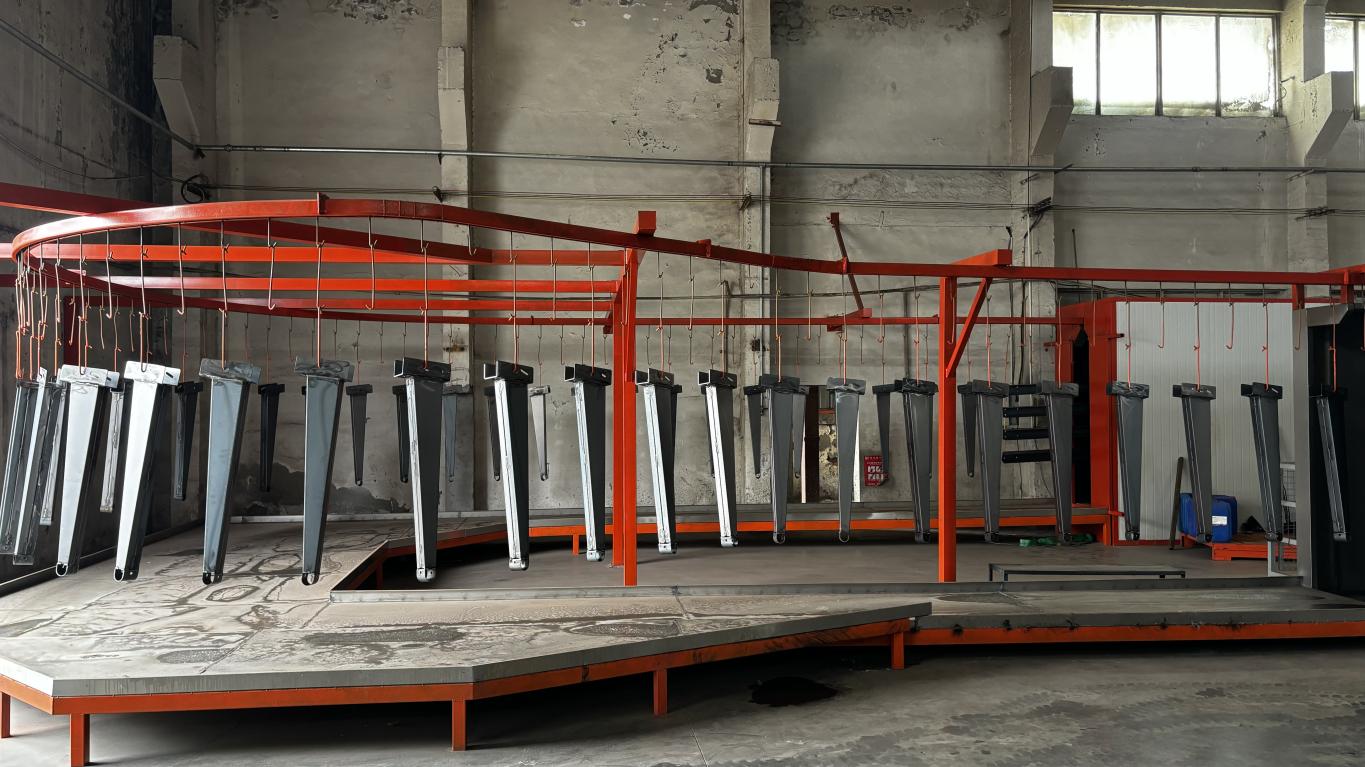 Continuous Spray Booth
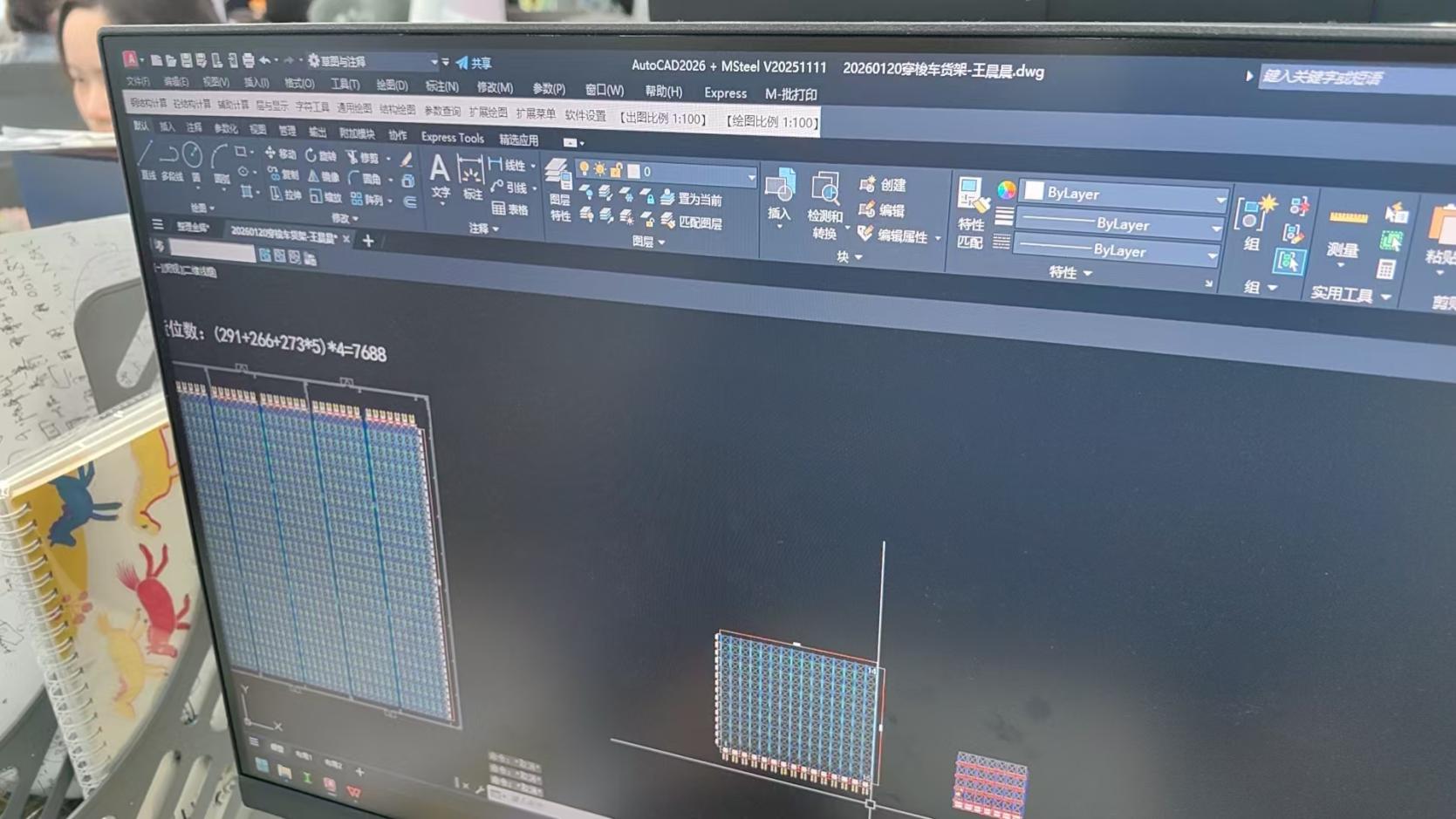 3D CAD Layout Design
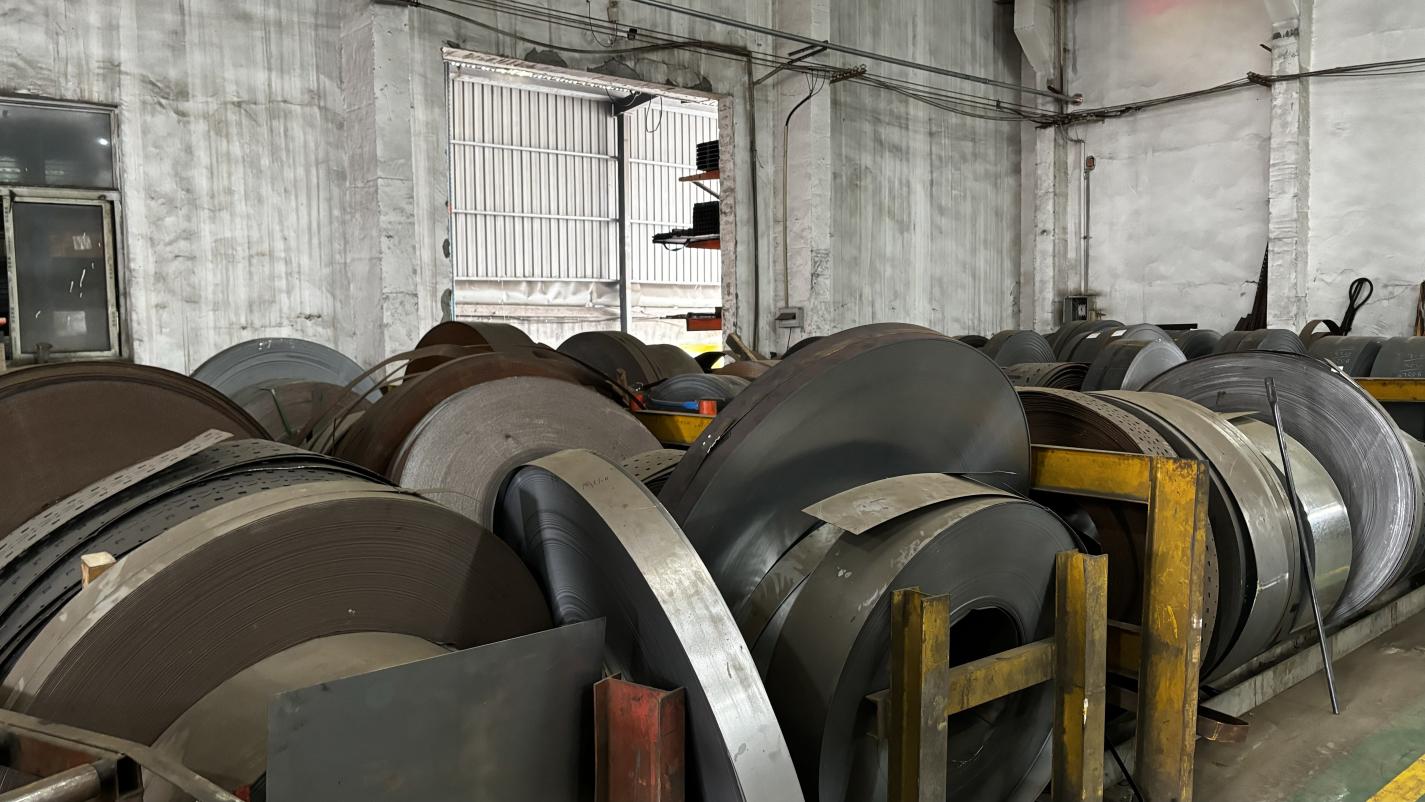 Spectral Material Inspection
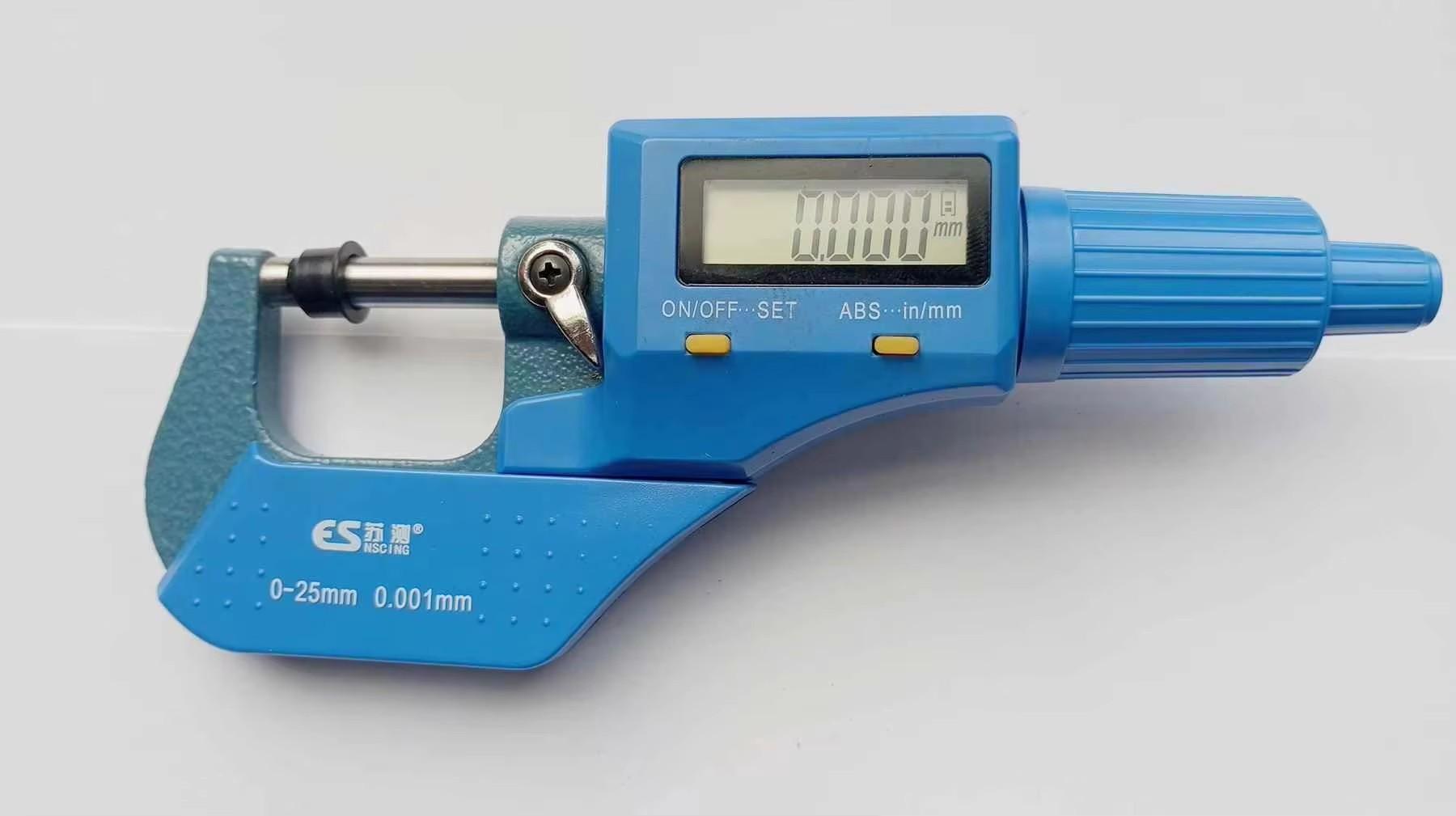 Digital Micrometer Thickness
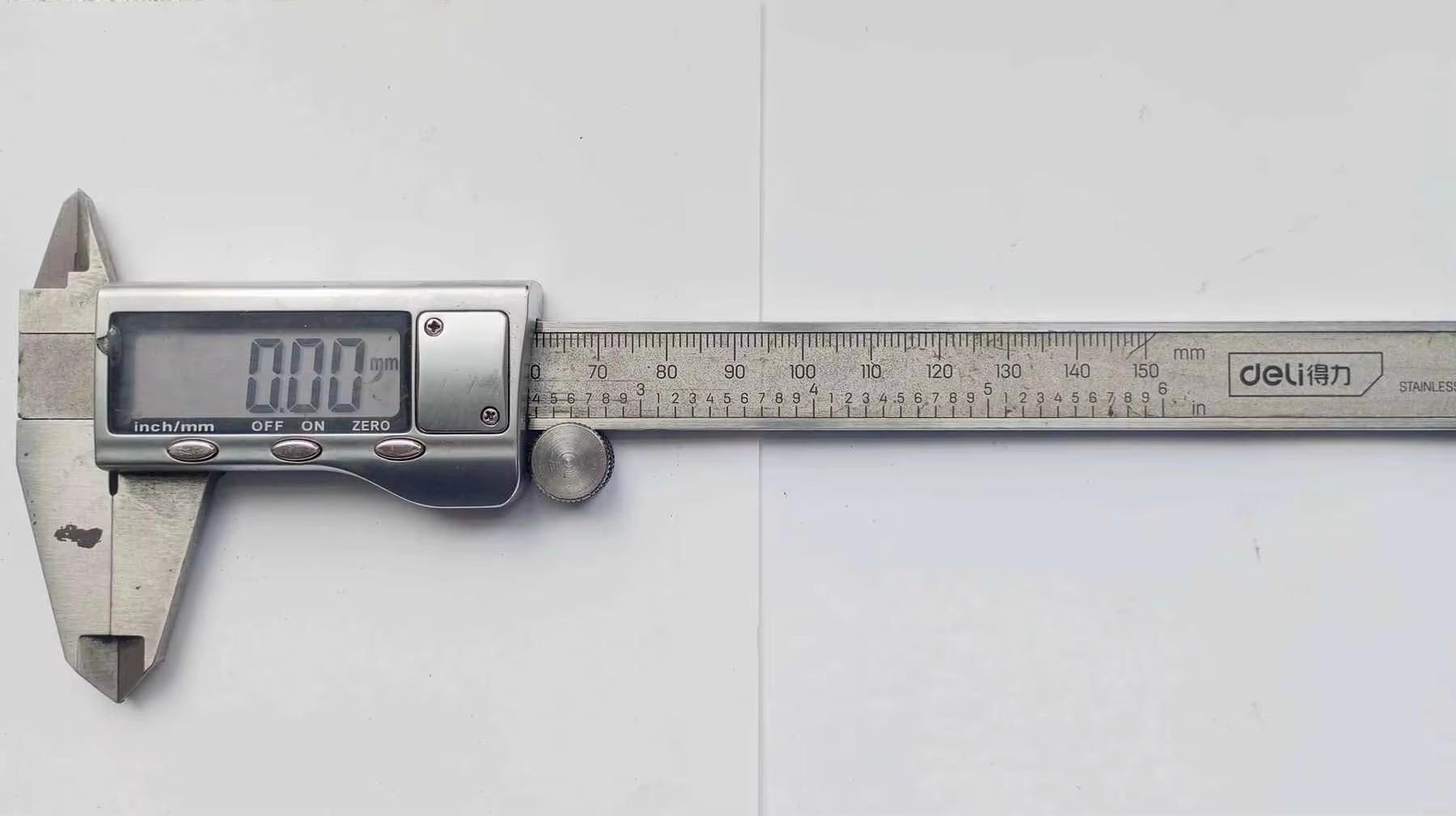 Precision Caliper Dimensioning
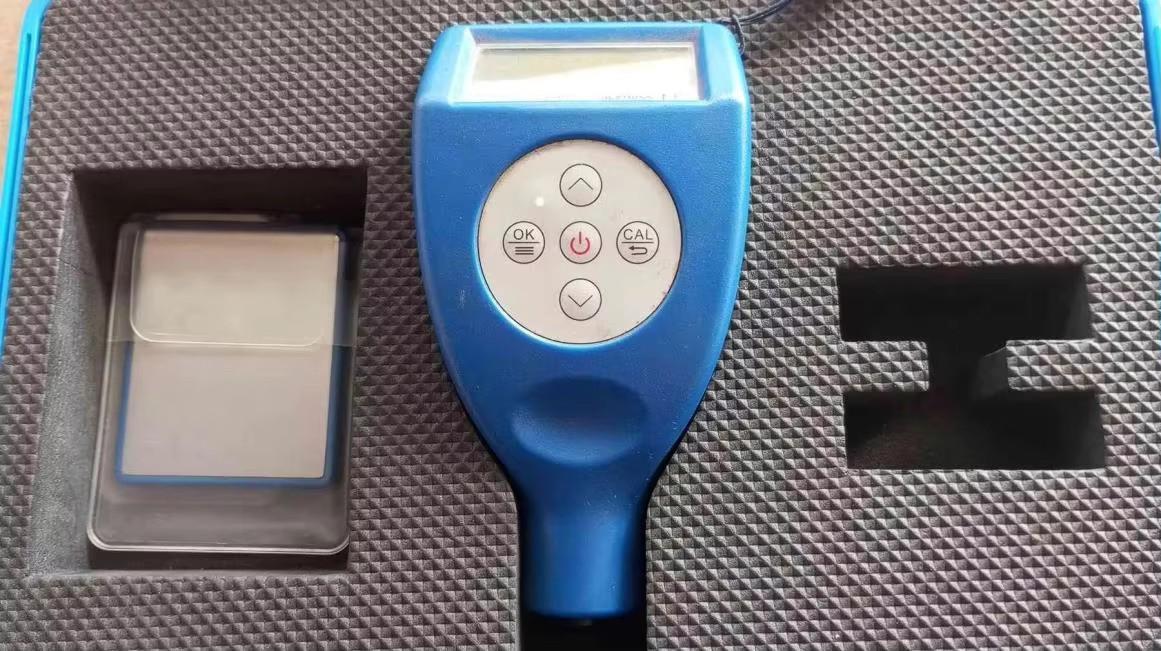 Ultrasonic Coating Thickness
Sourcing large industrial steel structures from international manufacturers requires clear operational coordination. At Jinhui, we have optimized our supply chain and shipping workflows specifically for the Philippine market. Our strategic location near primary shipping ports allows us to process and pack ocean freight containers for direct transport to Manila (North Harbor / South Harbor), Batangas, and Cebu Port terminals.
We supply complete customs documentation packages designed to expedite clearances and minimize demurrage risks. Each shipment is dispatched with standardized Bill of Lading, Commercial Invoices, detailed Packing Lists, Mill Test Certificates, and crucial Certificate of Origin documentation (such as Form E to facilitate preferential tariff treatments under the ASEAN-China Free Trade Area). For domestic transport and structural installation across Luzon, Visayas, and Mindanao, Jinhui collaborates with licensed local engineering crews. This guarantees that on-site assembly, anchor alignment, leveling, and structural sign-offs comply fully with the strict provisions of the National Building Code of the Philippines.
Review our specialized high-capacity storage racks, designed to withstand coastal environments, maximize warehouse space, and streamline logistics operations.
As the Philippine logistics industry evolves, companies are moving beyond simple manual racking systems toward semi-automated and fully automated warehouse management. By combining traditional Push-Back racking structures with advanced IoT monitoring, barcode tracking, and automated forklifts, logistics operators can achieve significant increases in picking accuracy and inventory control.
Our Push-Back racking systems are designed to integrate seamlessly with standard Warehouse Management Systems (WMS). Operators can install RFID tags on the dynamic carts to monitor inventory movement and lane occupancy in real time. This minimizes manual tracking errors and prevents forklift operators from attempting to load pallets into filled lanes. Additionally, the smooth, controlled incline angle of Jinhui's rails reduces vibrations, protecting delicate inventory such as consumer electronics or pharmaceutical products from physical damage during movement.
Get professional, technical answers to common questions about implementing dynamic push-back racking systems in the Philippines.
Our standard Push-Back racking systems support pallet weights up to 1,500 kg per pallet. For heavier or specialized loads, our R&D engineering team can custom-design reinforced dynamic carts and structural steel columns to safely accommodate your operational needs.
We use advanced FEA (Finite Element Analysis) to evaluate dynamic loads under seismic forces. All structural racking designed for installation in the Philippines complies with the National Structural Code of the Philippines (NSCP) and features heavy-duty baseplates, high-tensile anchor bolts, and specialized diagonal bracing systems.
We offer specialized electrostatic powder coating finishes and hot-dip galvanized (HDG) coatings. These coatings provide excellent protection against moisture and low temperatures, preventing rust formation and structural degradation in cold storage and high-humidity coastal facilities in the Philippines.
No specialized forklift equipment is required. Push-Back racking works with standard counterbalanced and reach forklifts. Because the forklift operator only accesses the face of the racking system and does not drive inside the structure, risk of rack damage is significantly reduced compared to Drive-In racking.
Manufacturing typically takes 20 to 30 days depending on system complexity and project volume. Direct shipping from our factory to the Port of Manila or Batangas Port takes 7 to 12 days. On-site installation is completed by our local engineering partners, with timelines determined by the overall size of the facility.
Yes. Jinhui's dedicated team of 68 R&D engineers provides comprehensive CAD layouts, 3D structure designs, dynamic capacity calculations, and custom engineering drawings. These services are tailored to maximize your specific warehouse floor plan, structural height, and load configurations.
Consult with Jinhui's structural engineers today. Let us design custom, high-density Push-Back racking systems tailored to your facility's requirements and seismic zones in the Philippines.
 Jinhui Storage Equipment