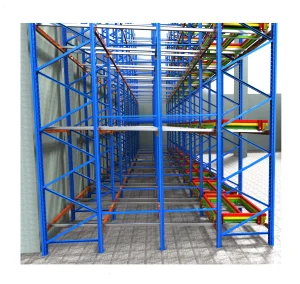
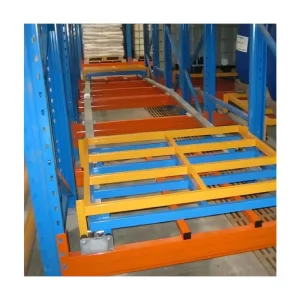
Engineered to maximize warehouse storage capacity while reducing structural load footprints. Discover our initial four heavy-duty configurations customized for high-volume Moscow operations.
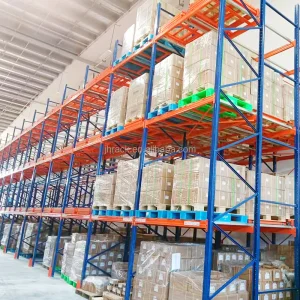
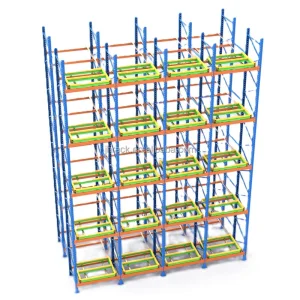
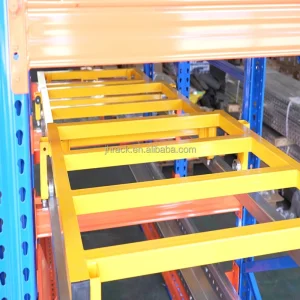
An Analytical Whitepaper on Eastern Europe's Most Demanding Warehouse Ecosystem
Moscow and the surrounding Moscow Oblast region serve as the primary distribution nexus of Russia and Eastern Europe. With massive Class A warehouse hubs situated along key transit arteries such as the MKAD, A-107, and Central Ring Road (CKAD), logistics providers face an intense dual challenge: extremely high real estate acquisition costs and the critical need to maintain high inventory density.
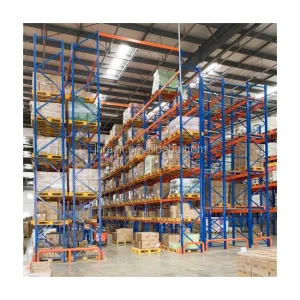
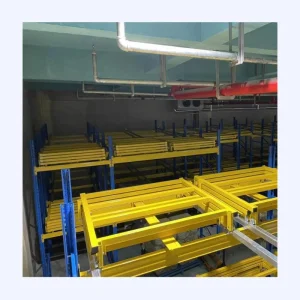
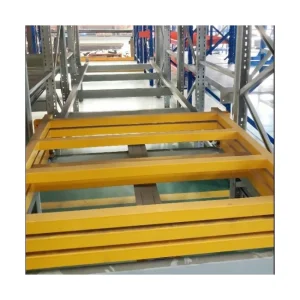
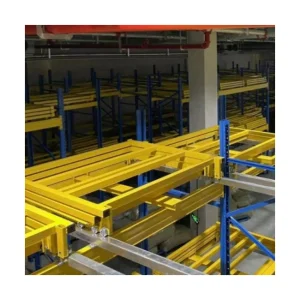
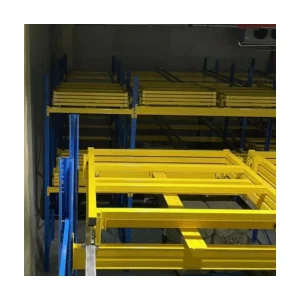
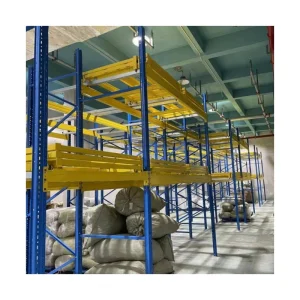
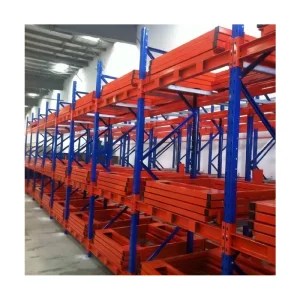
As global supply routes undergo structural shifts, Moscow's distribution hubs are adapting to manage volatile supply cycles. Conventional selective racking systems, which reserve up to 60% of warehouse floor areas for forklift aisles, are proving economically unviable. Push-back racking systems, utilizing nested sliding carts on inclined tracks, reduce aisle demand by up to 75% compared to selective setups, providing a highly efficient First-In, Last-Out (FILO) operational paradigm.
Moreover, Moscow’s severe climatic winter conditions demand storage infrastructure capable of maintaining physical integrity under extreme thermal fluctuations, particularly in pharmaceutical, fresh grocery, and cold chain distribution centers (operating at -25°C). The demand for high-tensile structural steel (like Q235B and Q355) optimized with anti-corrosive powder coatings is at an all-time high.
How Modern Distribution Centers Balance Volatility, Capital Expenditures, and Throughput Metrics
Global supply chain managers are shifting from high-selectivity/low-density platforms to hybrid dynamic systems. Push-back racking bridges the gap by offering more SKU selectivity than Drive-In racks while achieving similar volumetric density.
Global regulatory bodies (RMA, FEM, EN 15512) have imposed stricter standards on dynamic warehouse systems. Our structures use high-grade roll-formed steel and welded frame structures engineered to withstand seismic movements and forklift collisions.
Cold chain facilities represent the highest operational cost per square meter. In Moscow and worldwide, push-back racking minimizes air volume requirements within cold rooms, substantially reducing electricity usage.
A Global Manufacturing Force of Industrial Steel Storage Solutions Since 2017
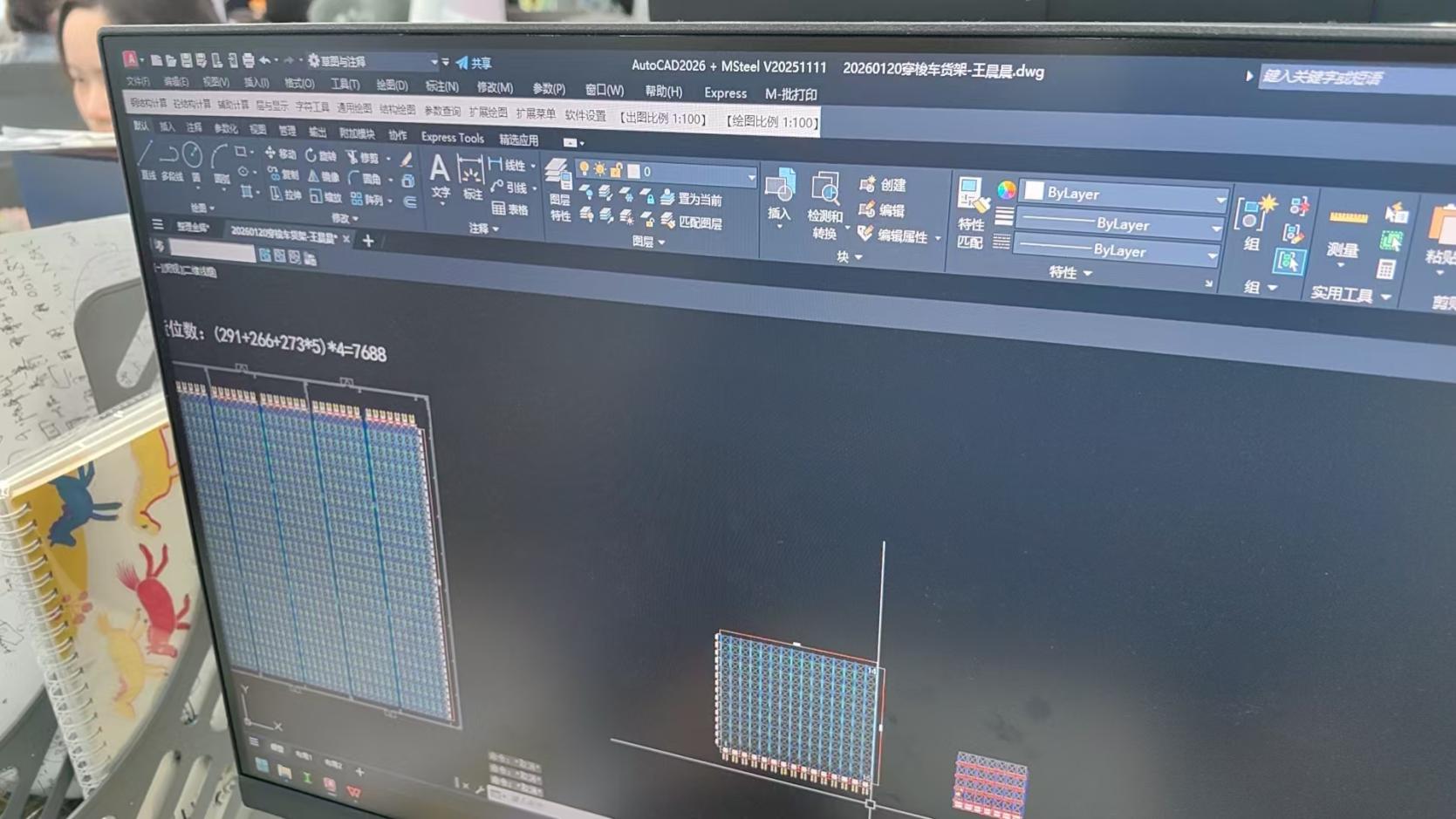
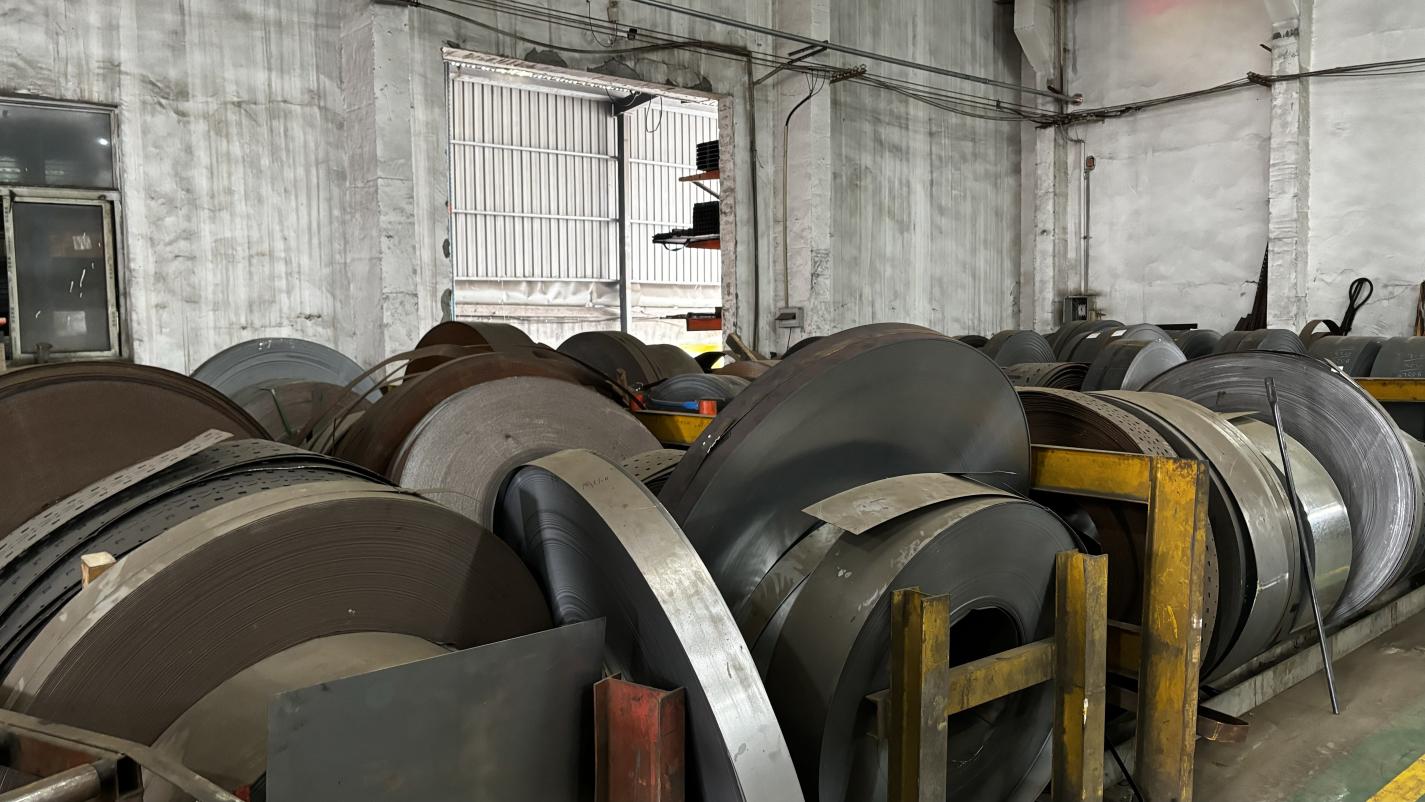
Our manufacturing facility covers over 18,600 square meters, equipped with advanced automatic production lines, precision laser cutting machines, CNC punching equipment, robotic welding systems, and powder coating lines. With strict production management and continuous innovation, we provide reliable and cost-effective storage solutions for customers across different industries.
A transparent look inside our state-of-the-art facility showcasing CNC steel forming, continuous robotic welding, and automated surface treatment.
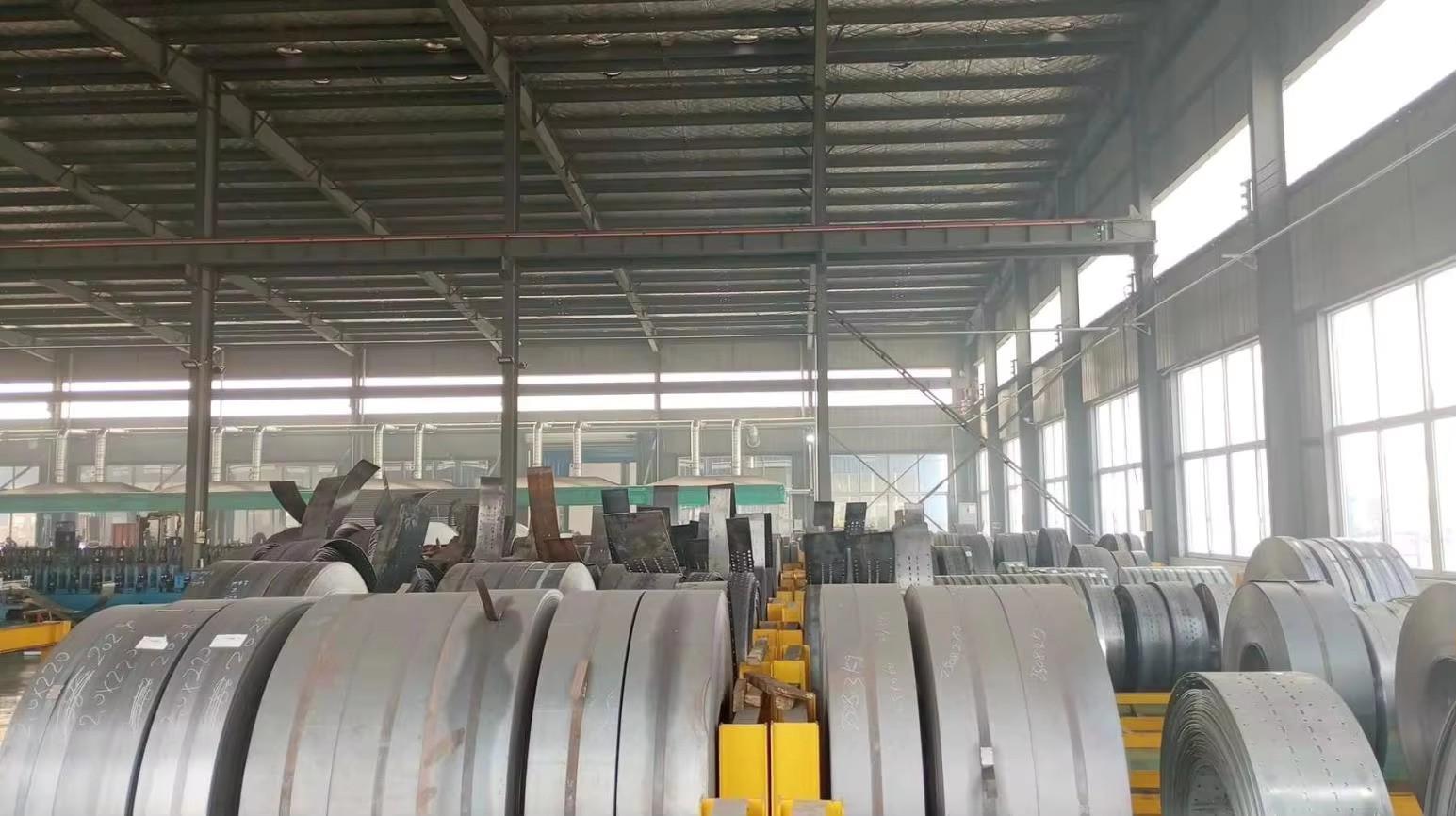
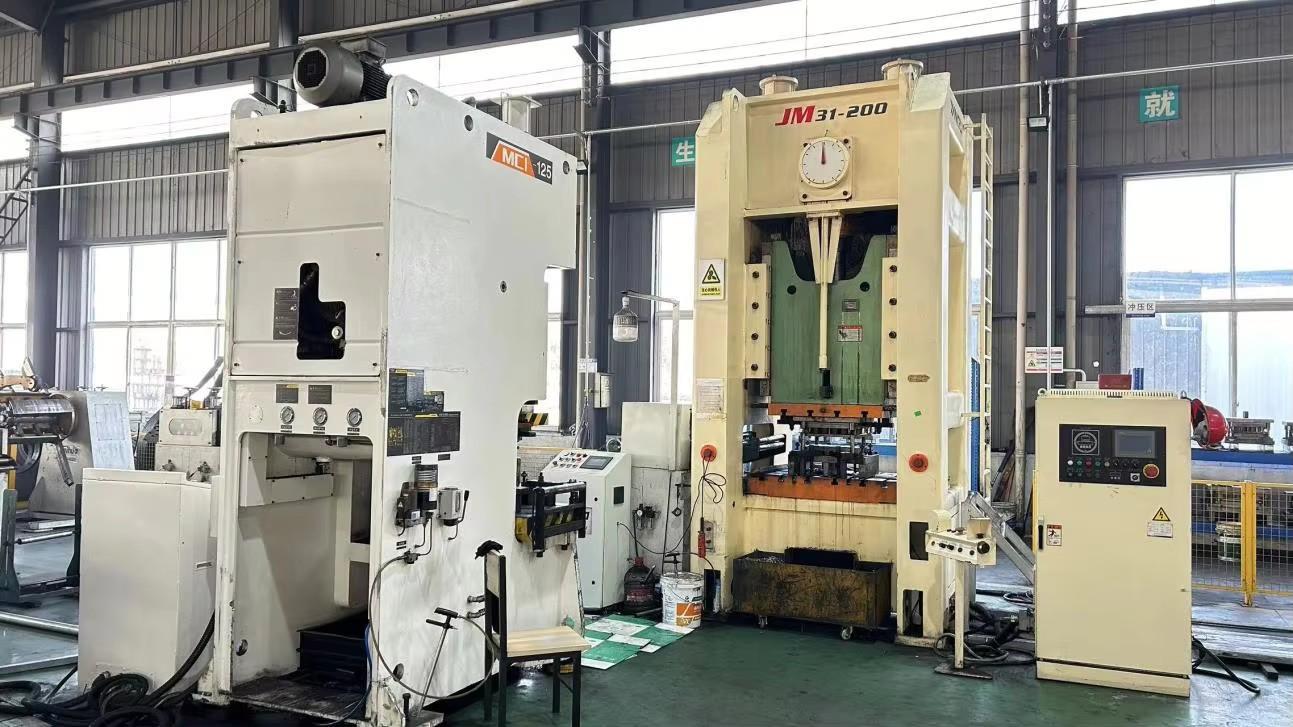
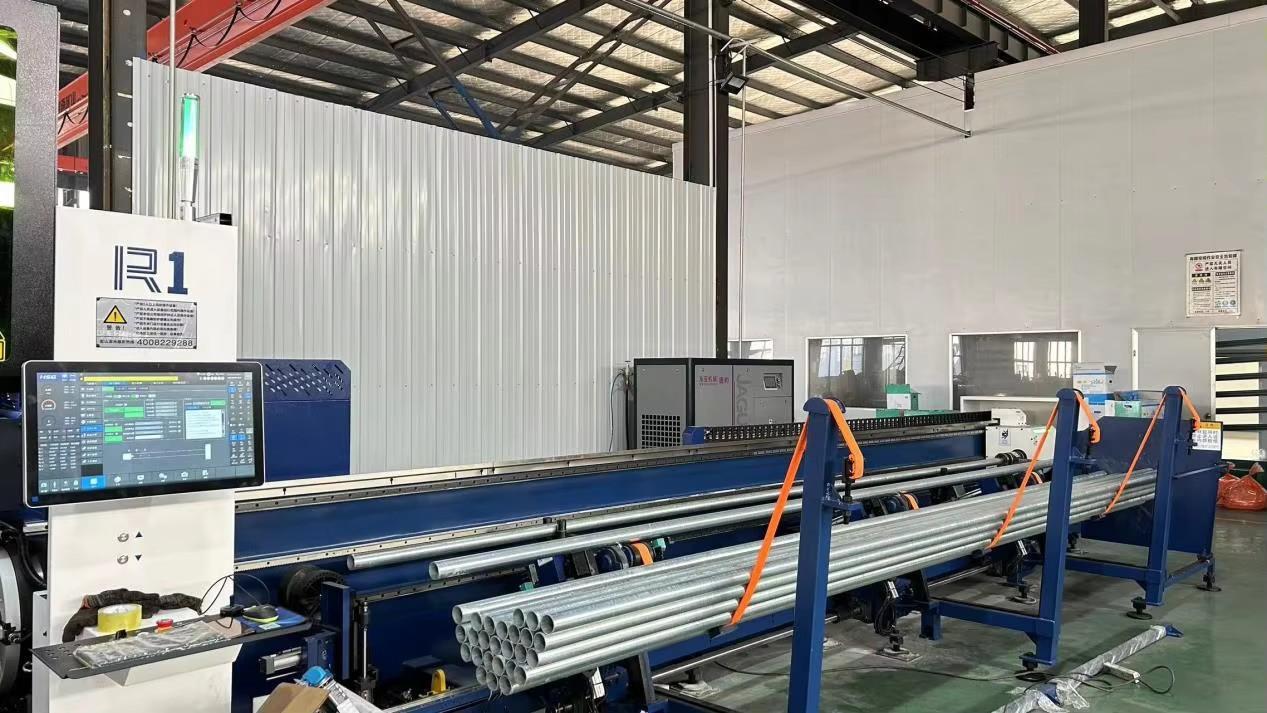
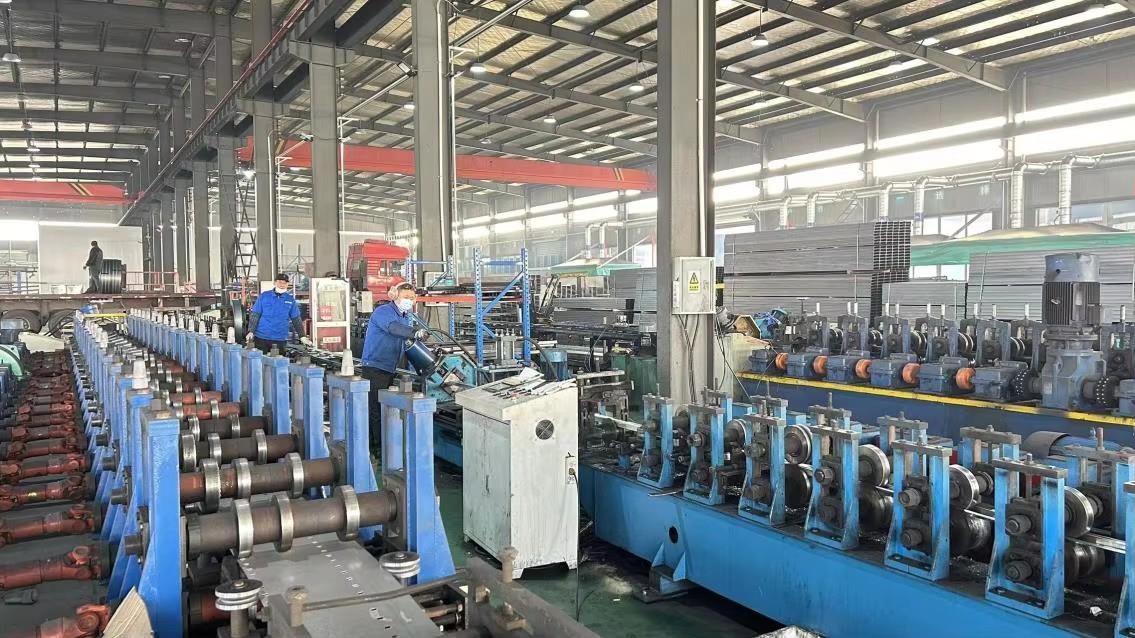
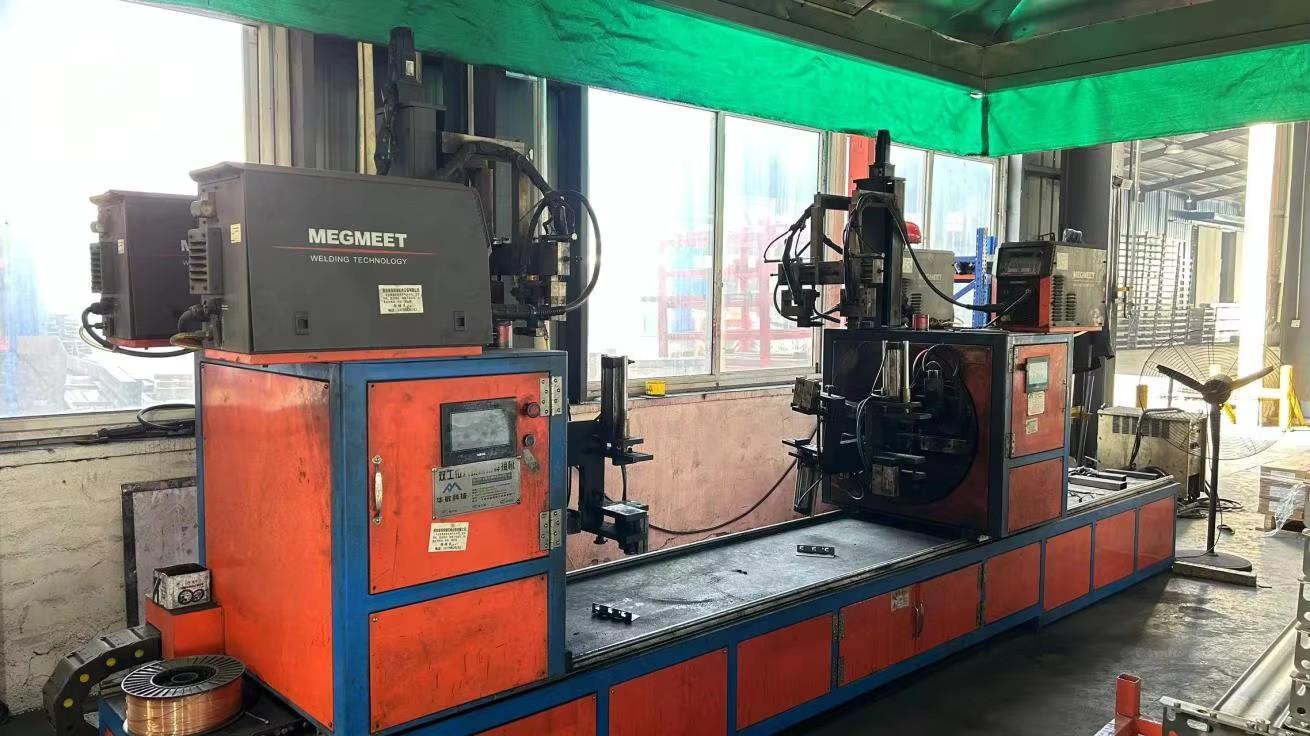
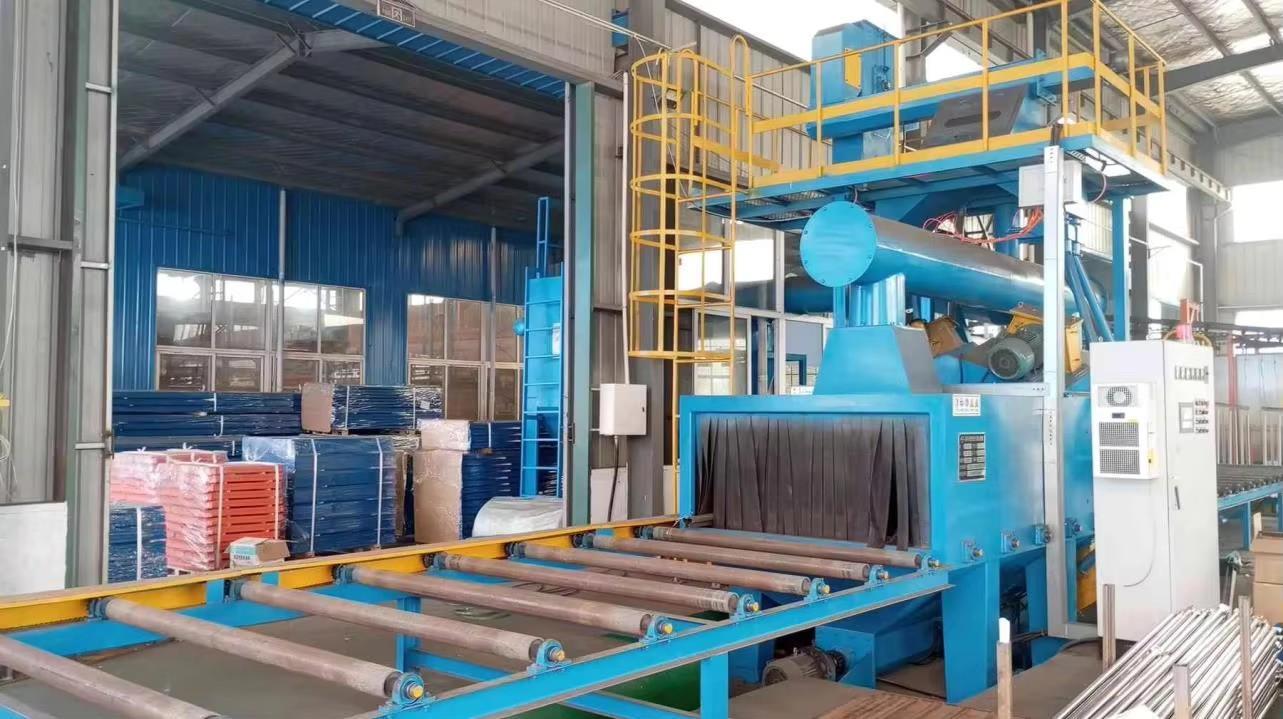
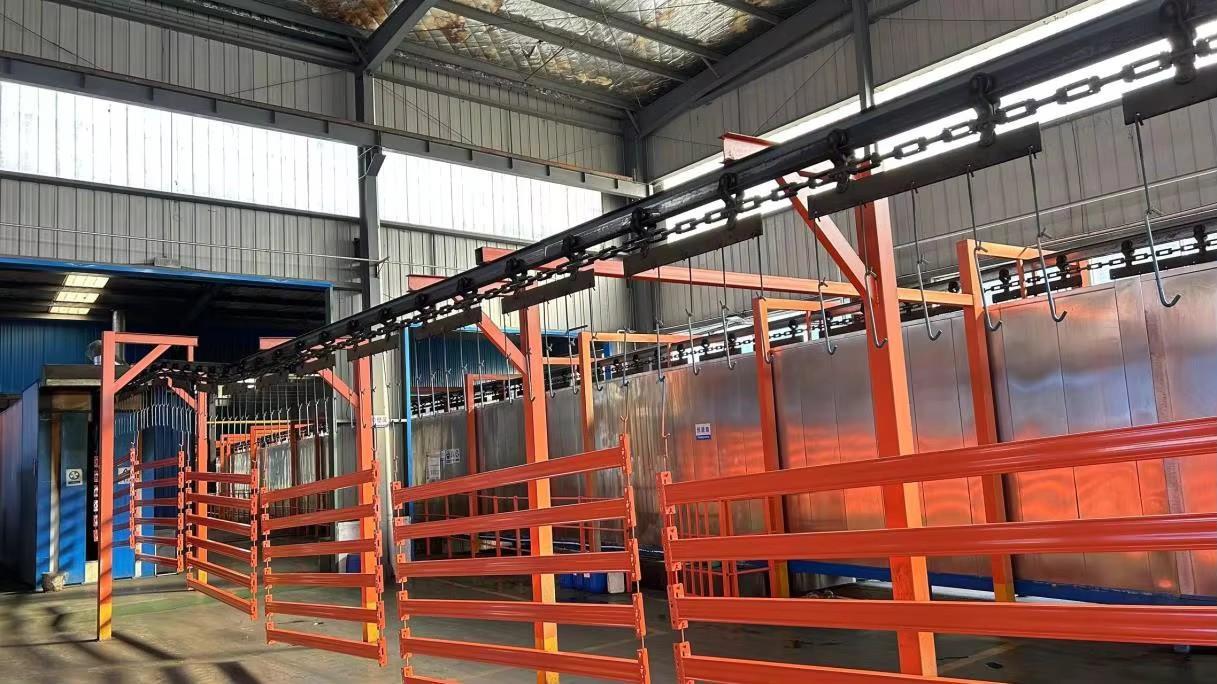
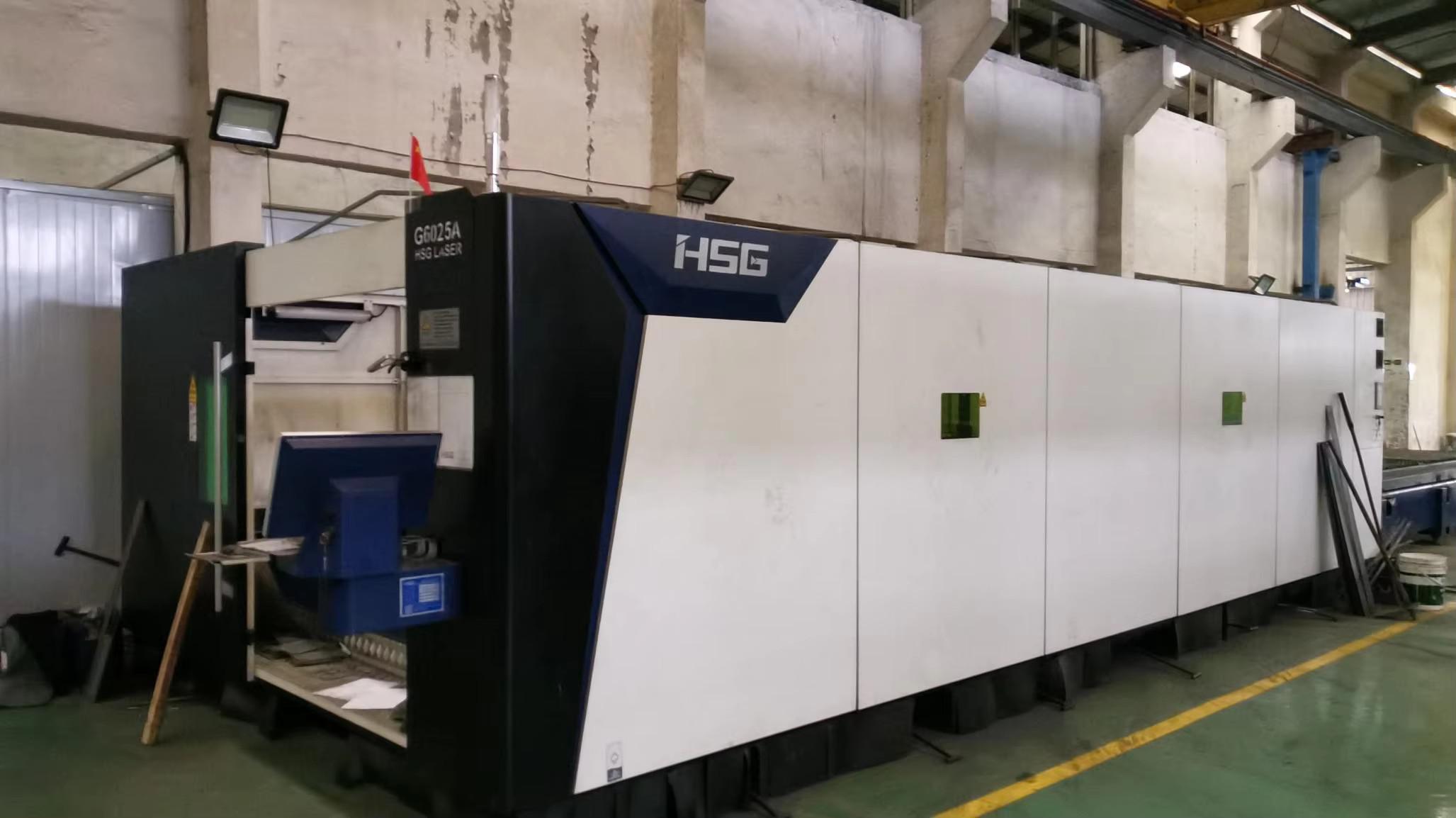
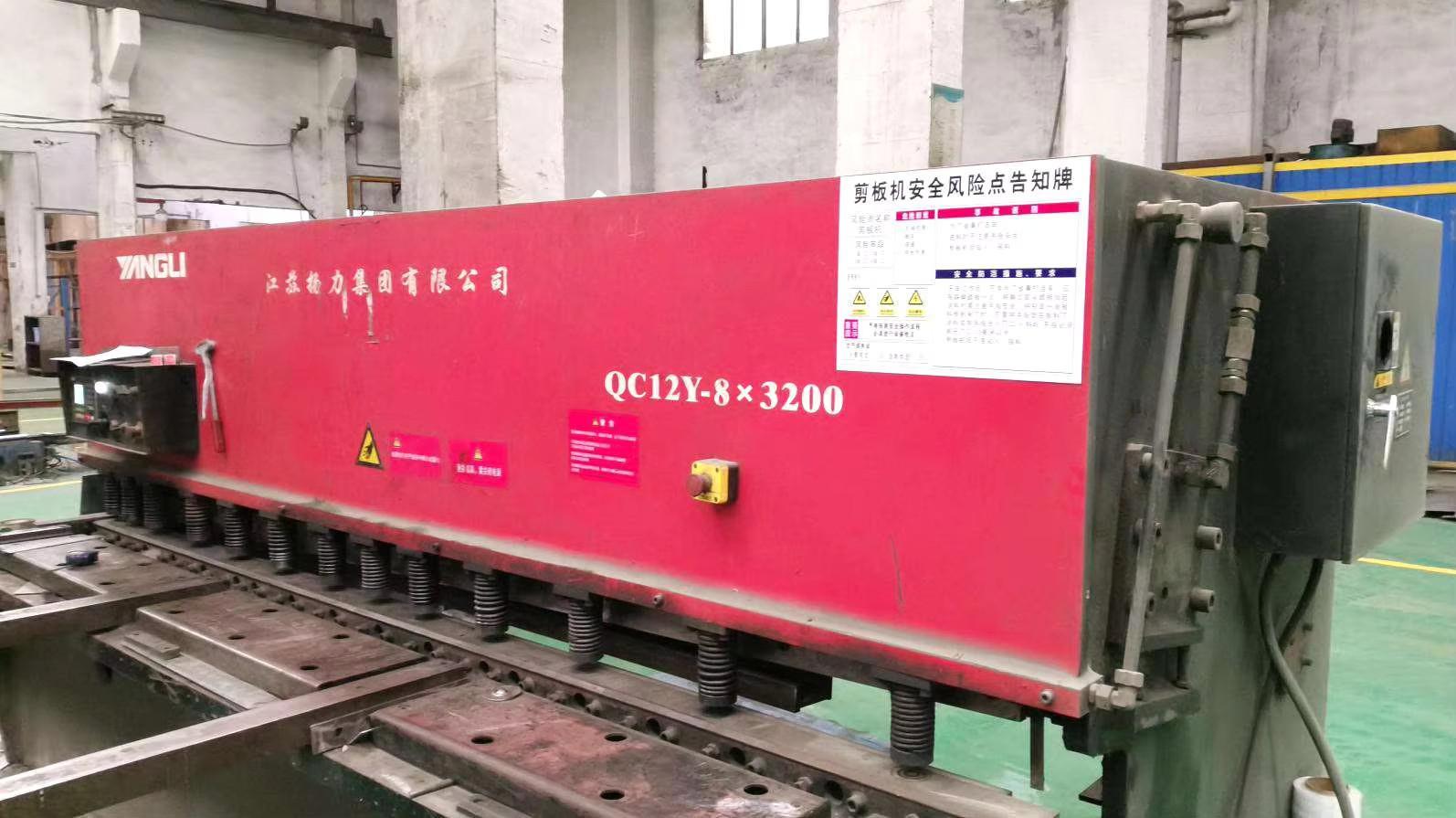
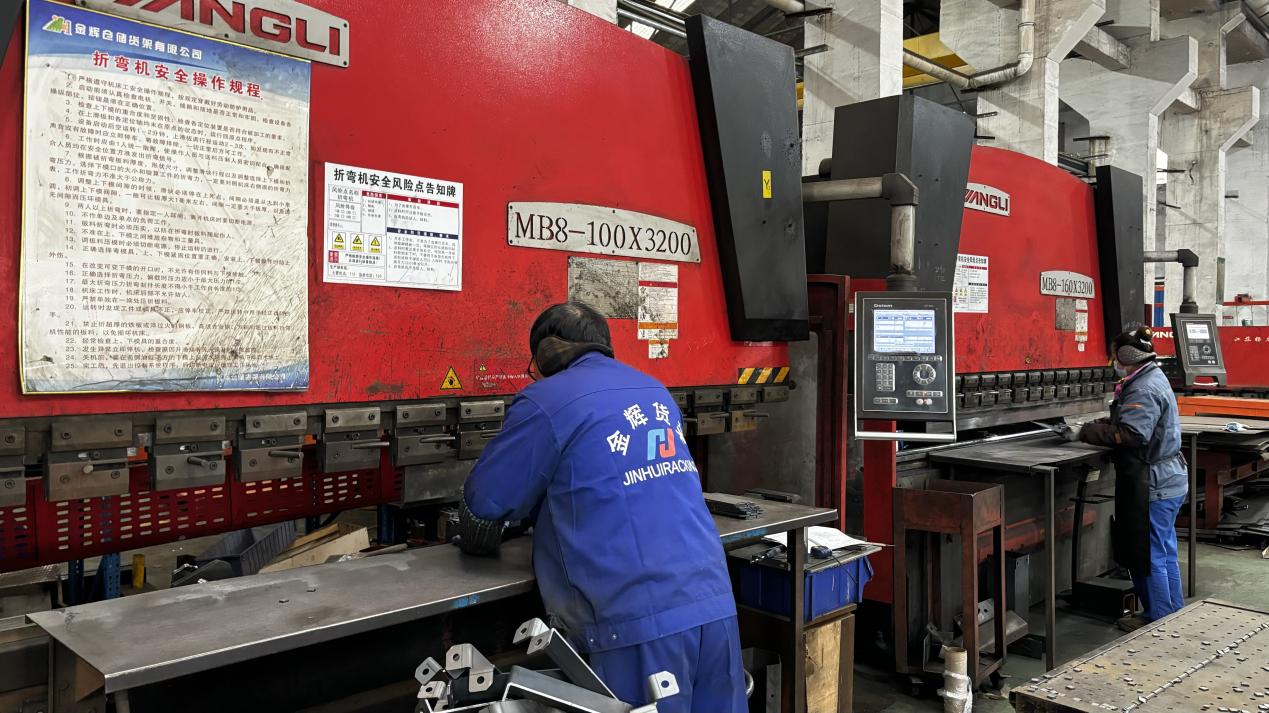
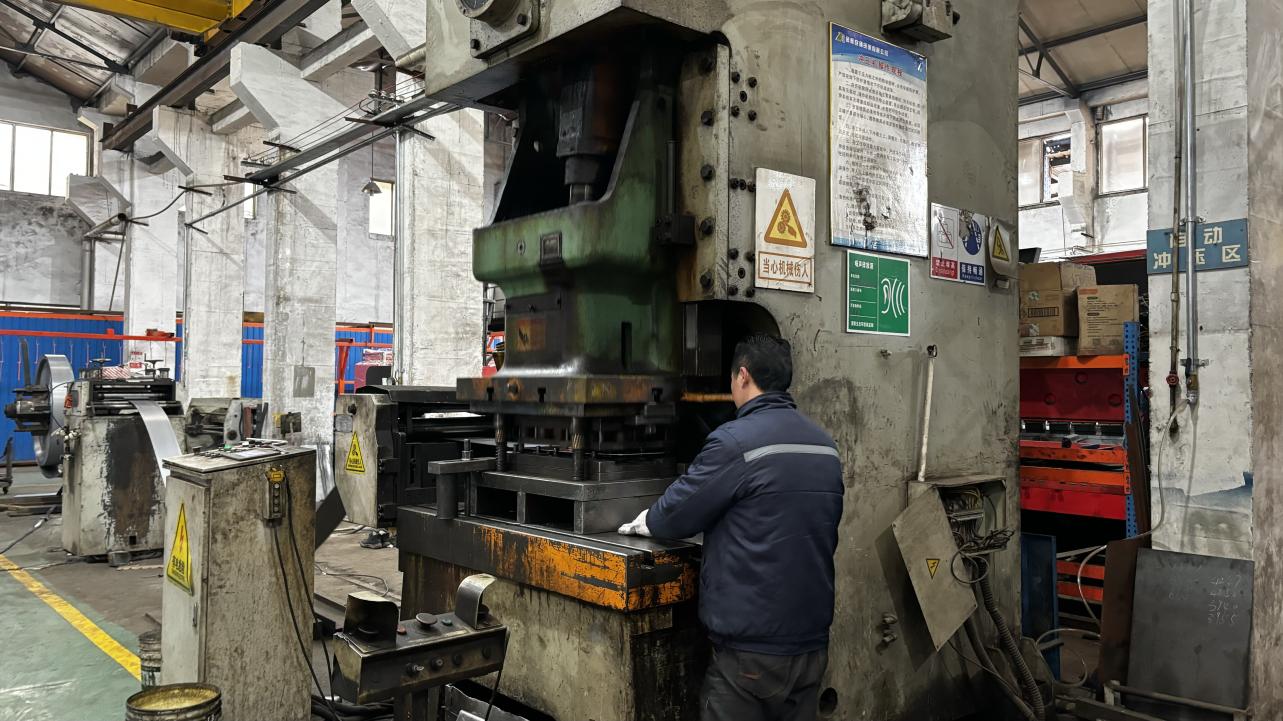
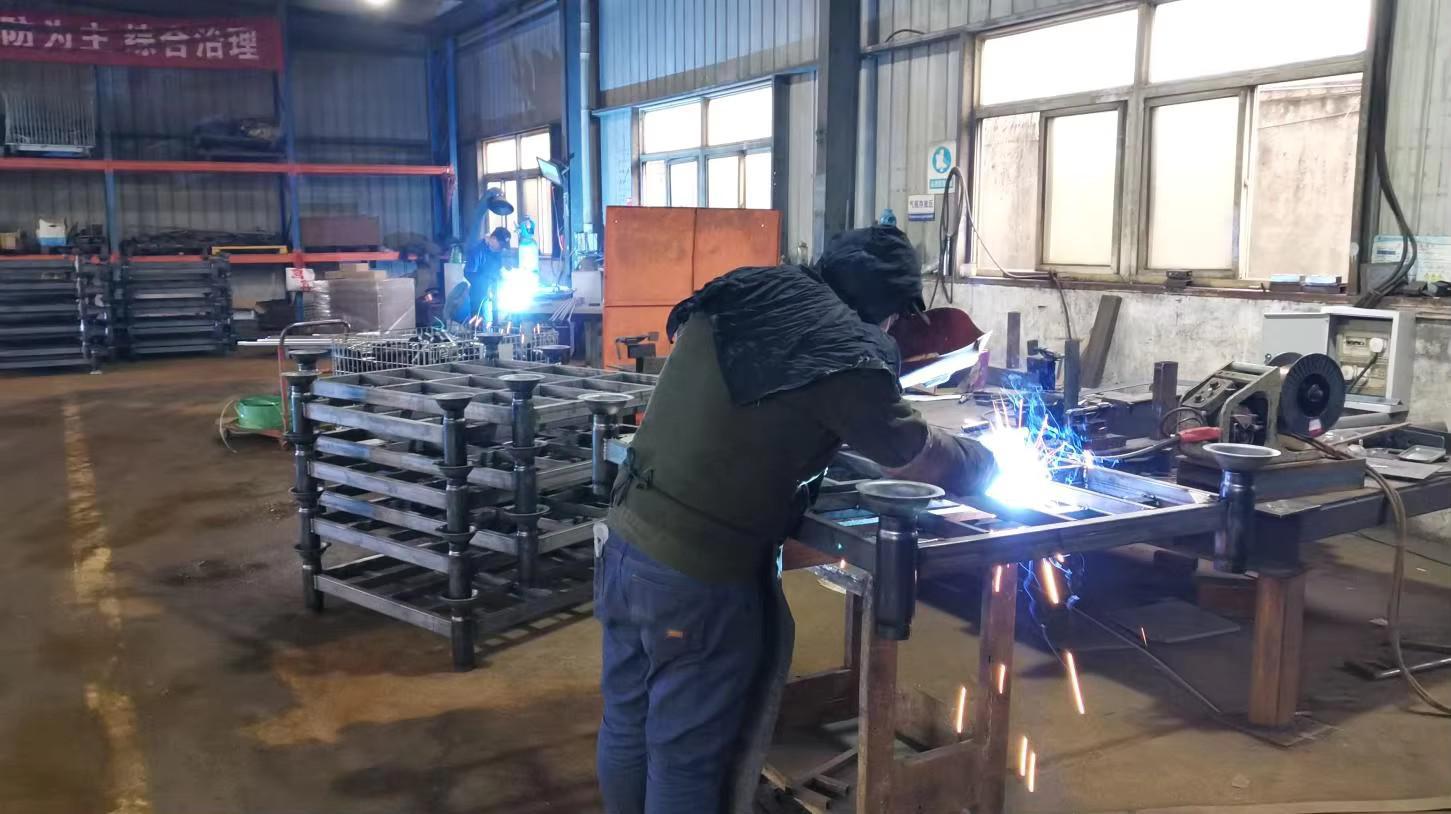
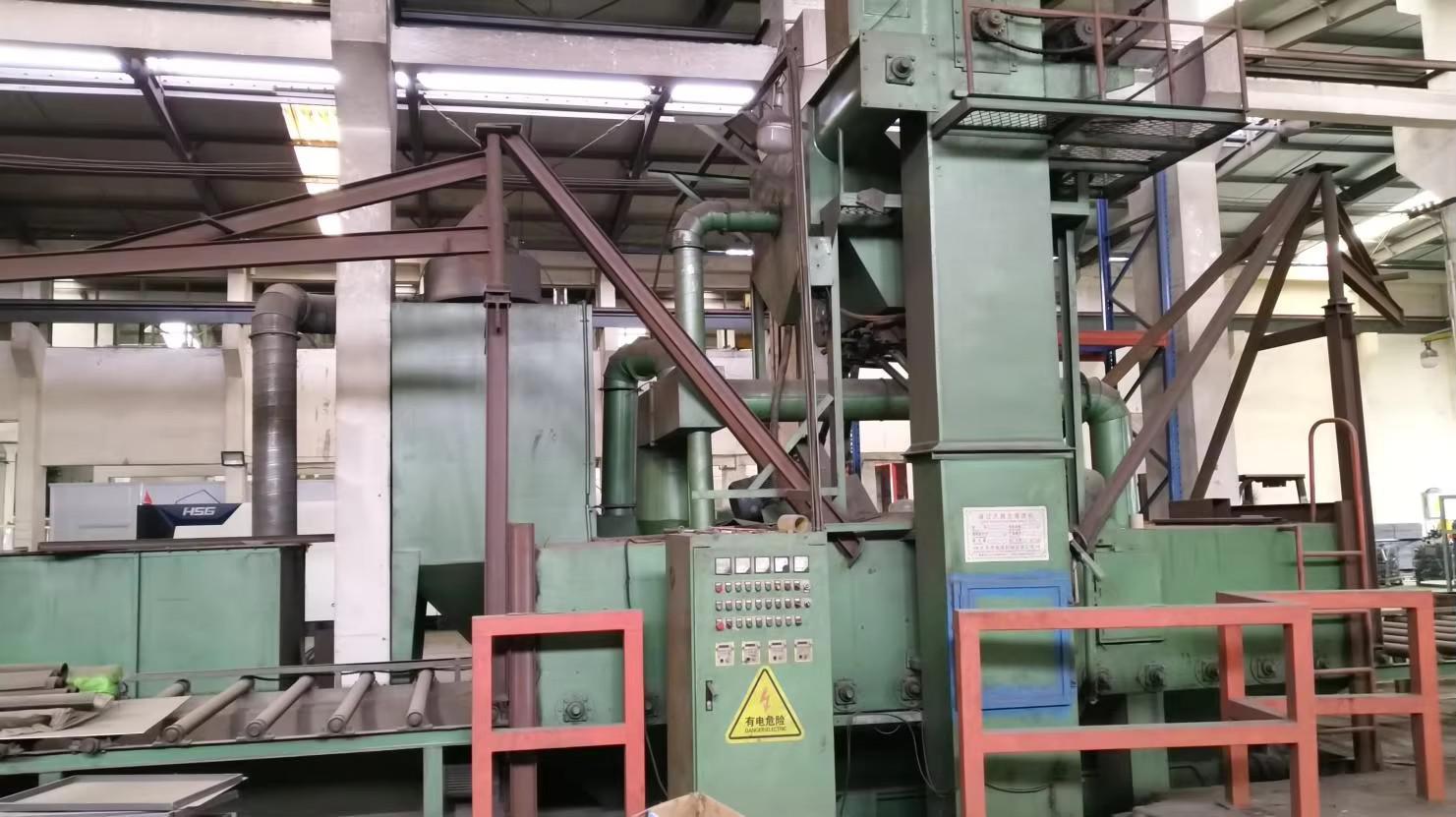
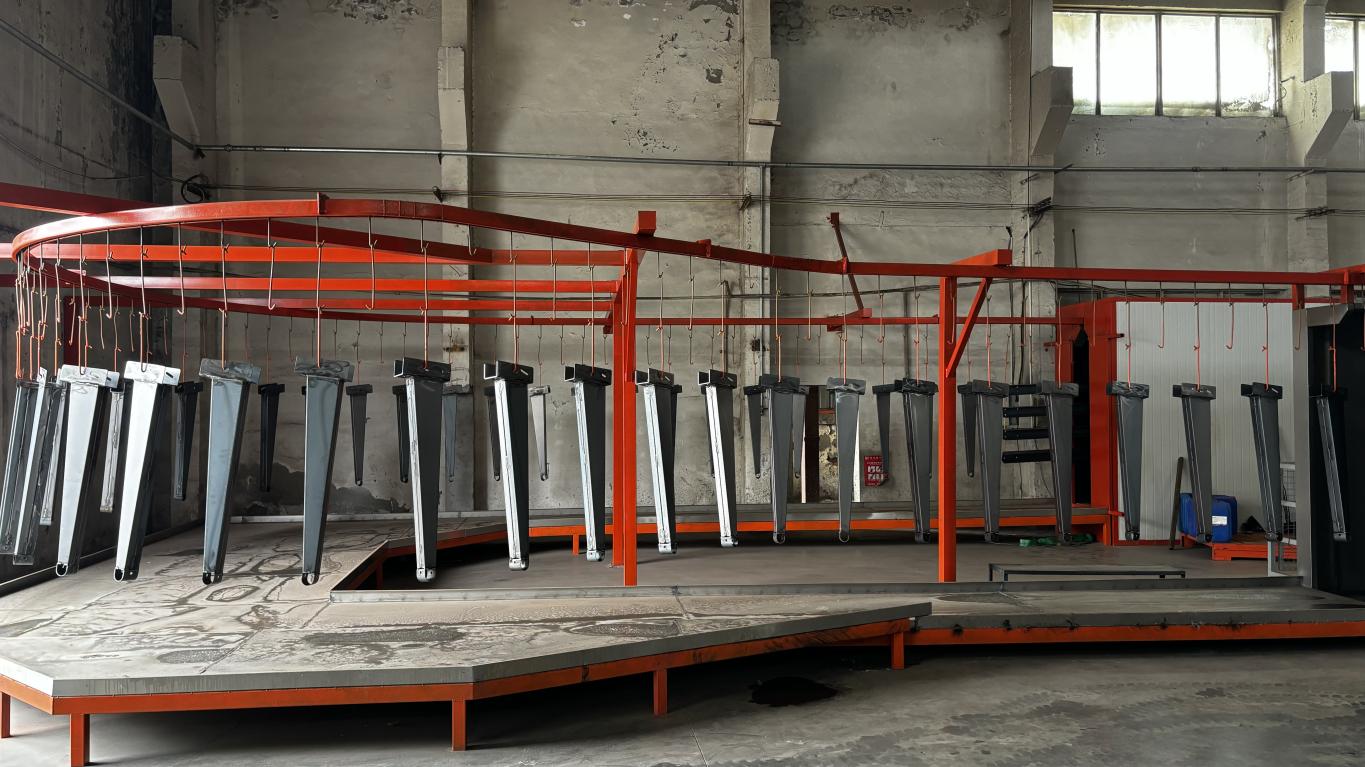
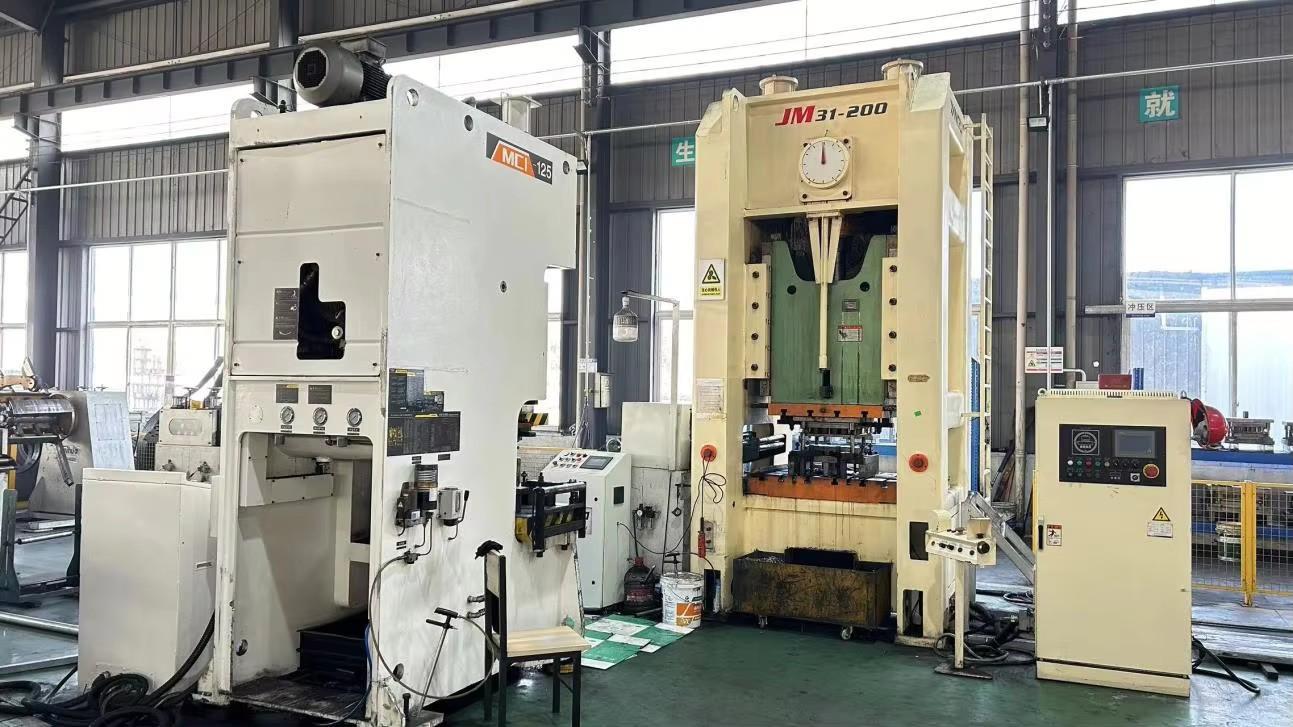
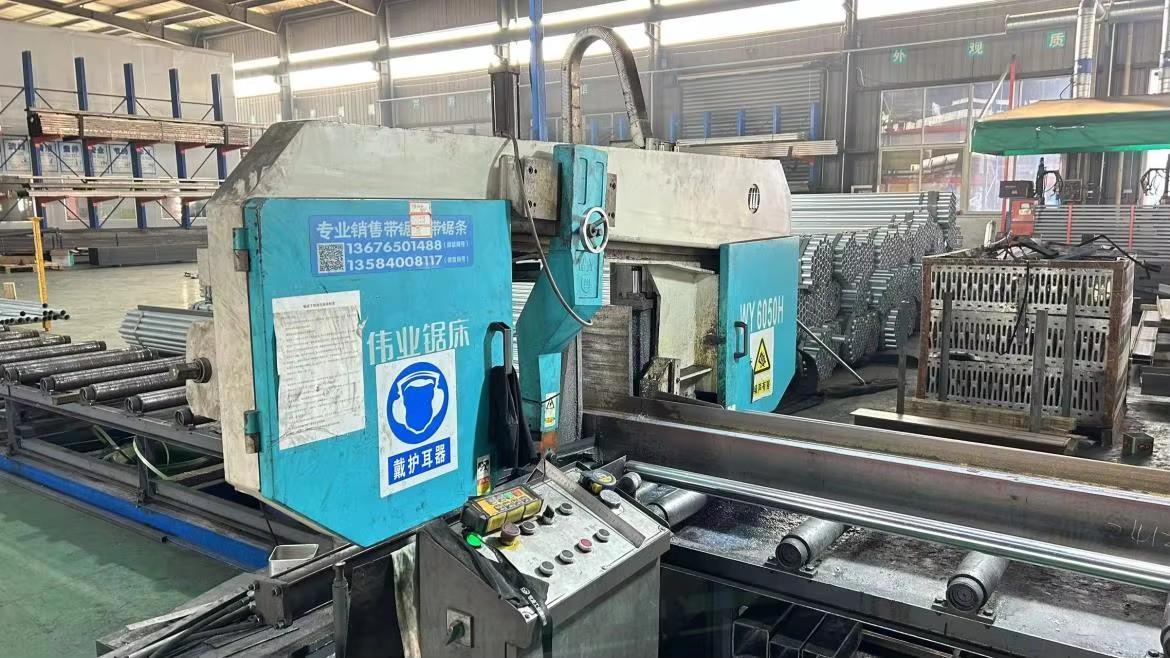
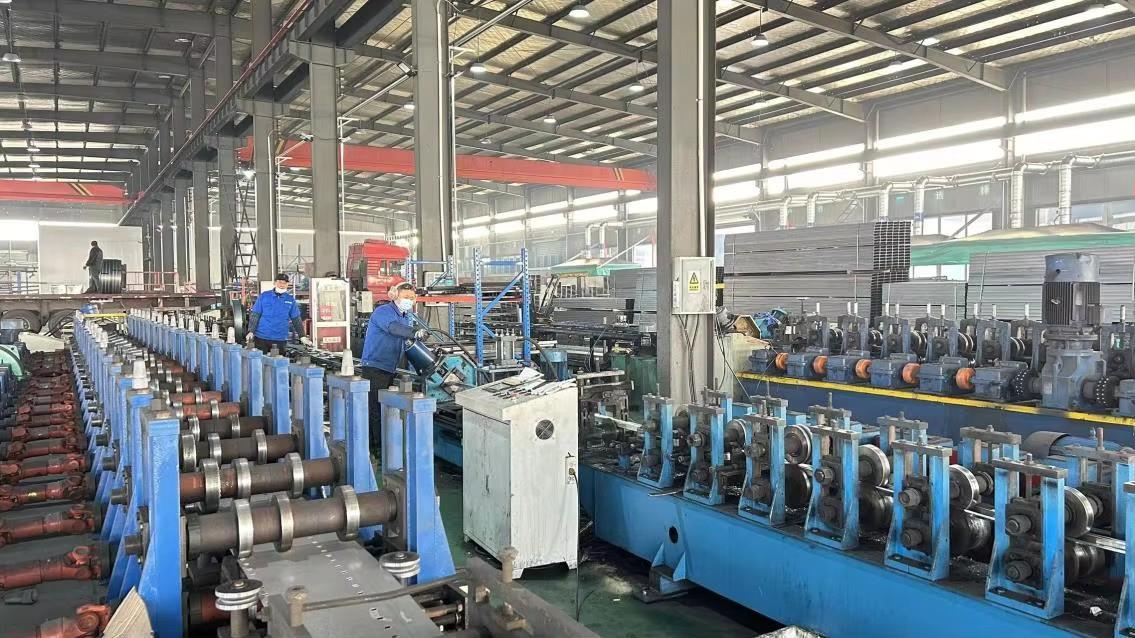
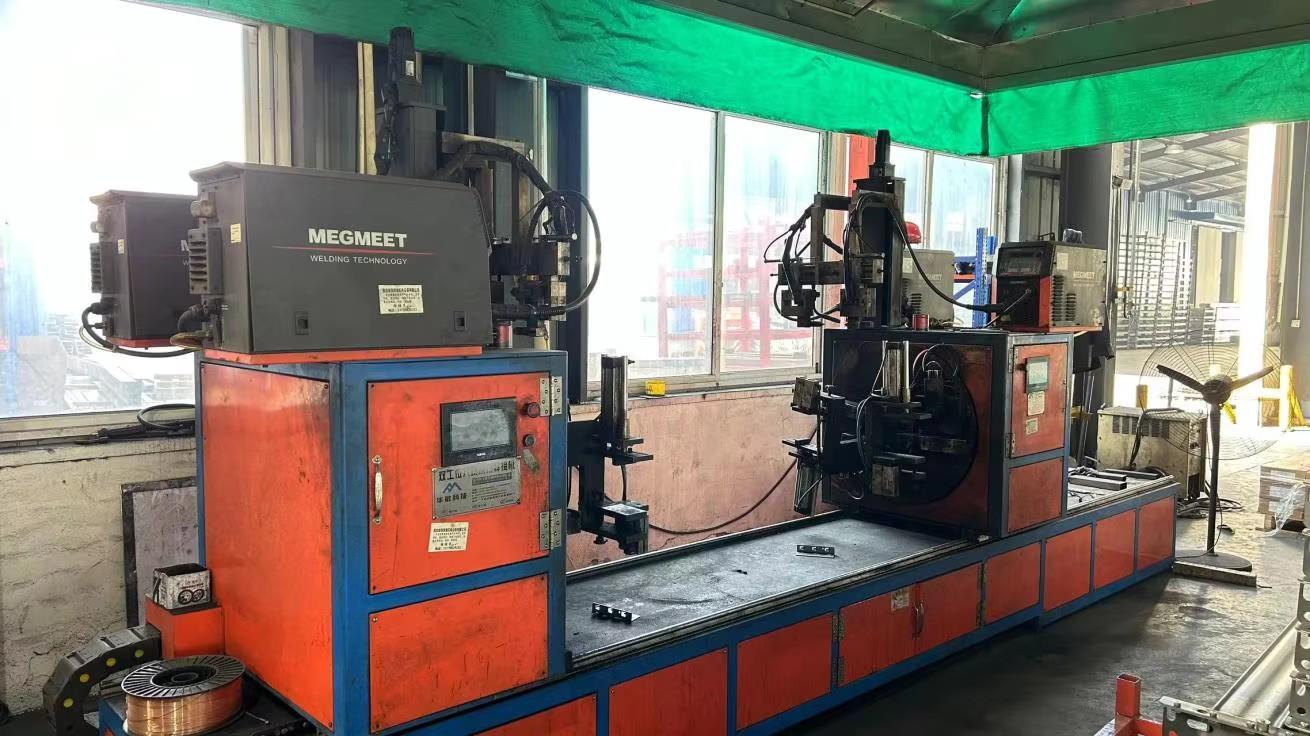
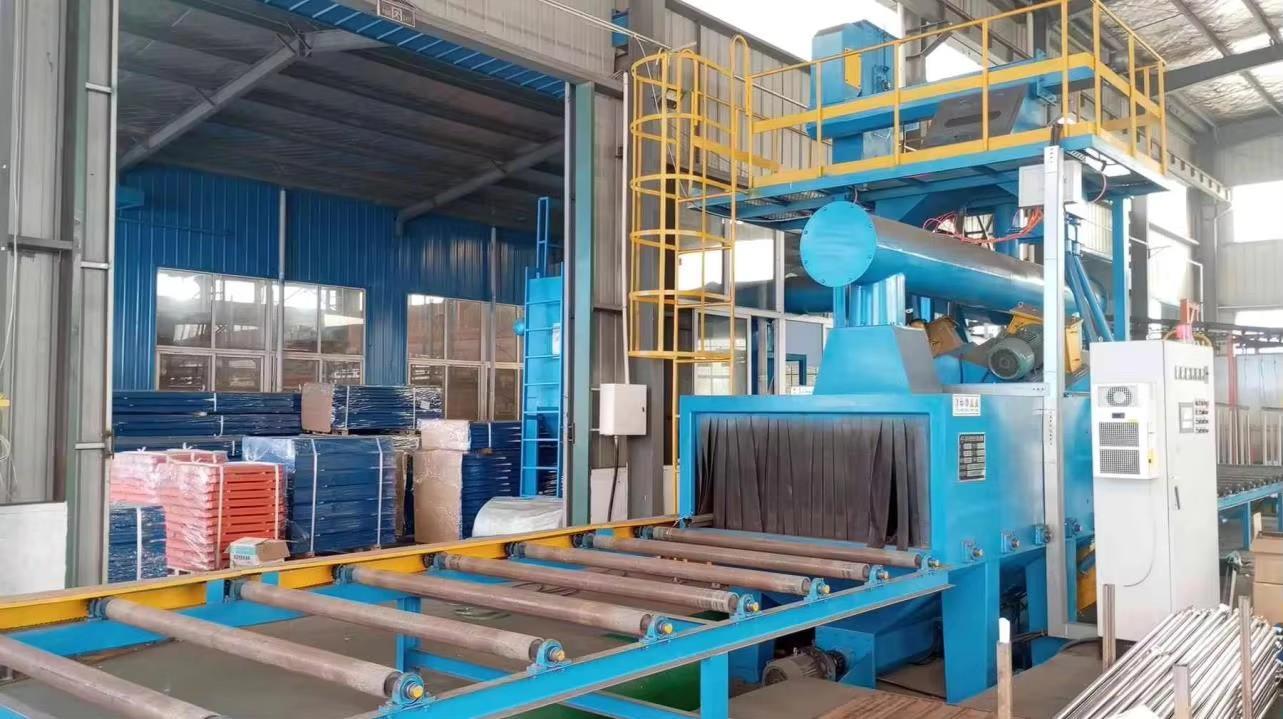
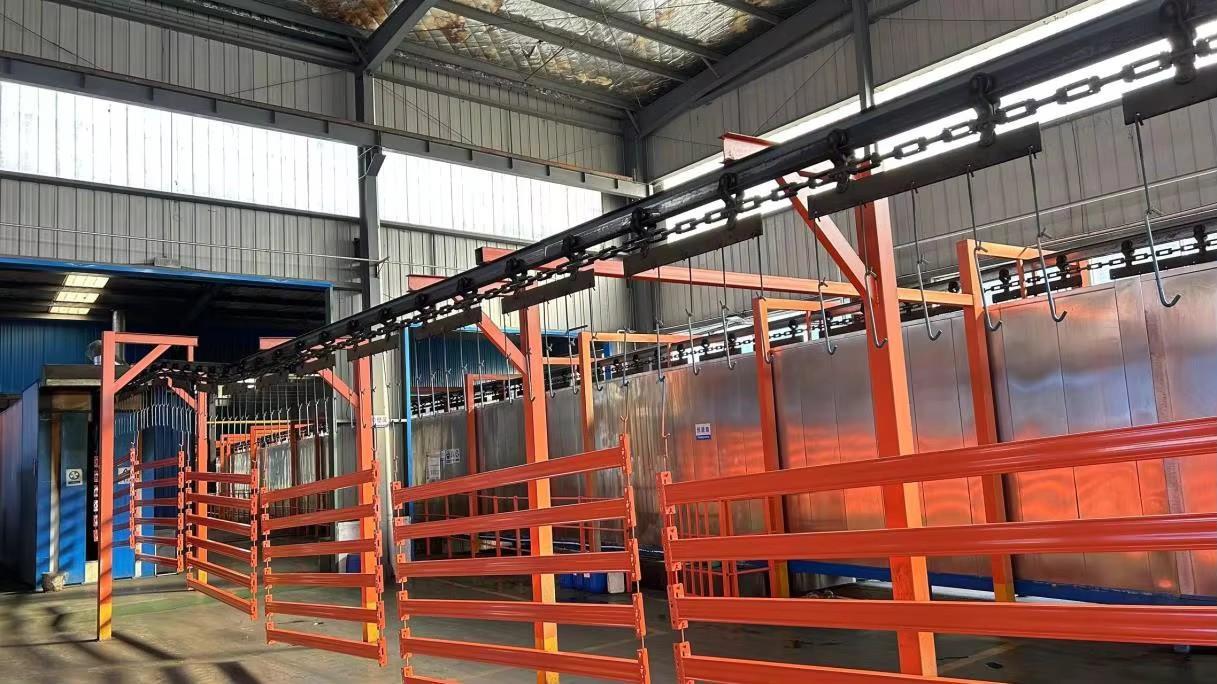
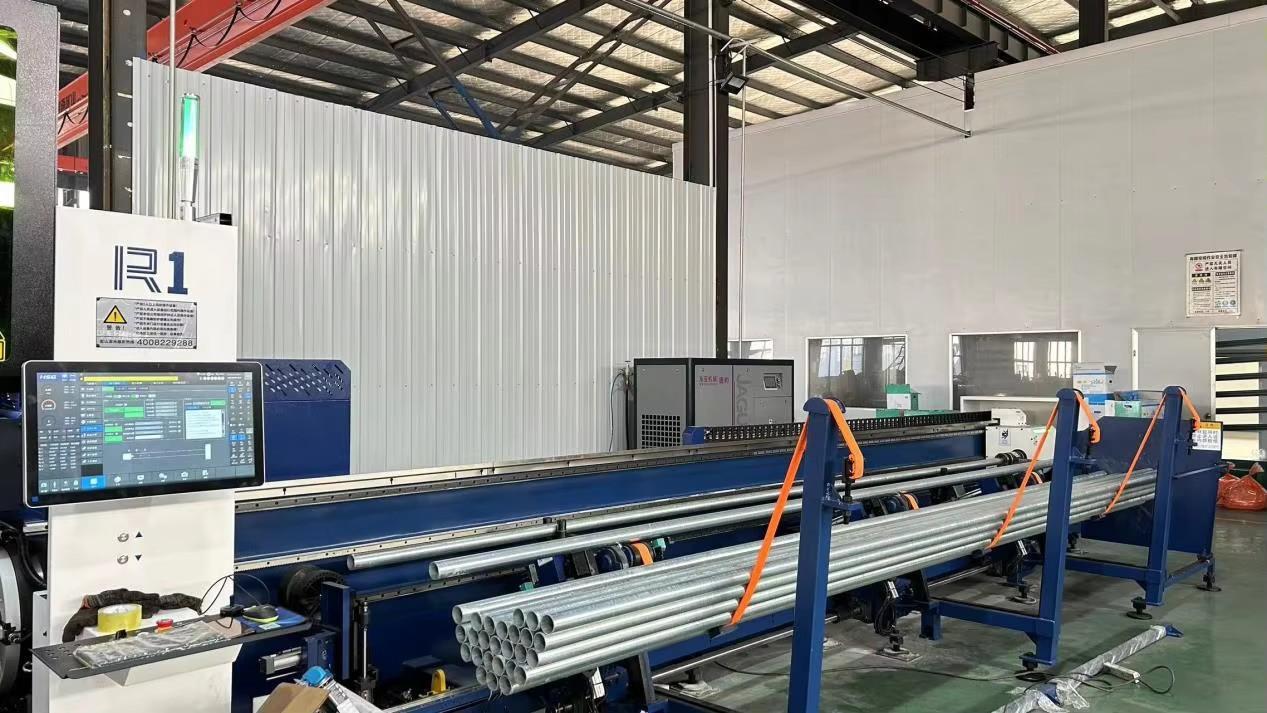
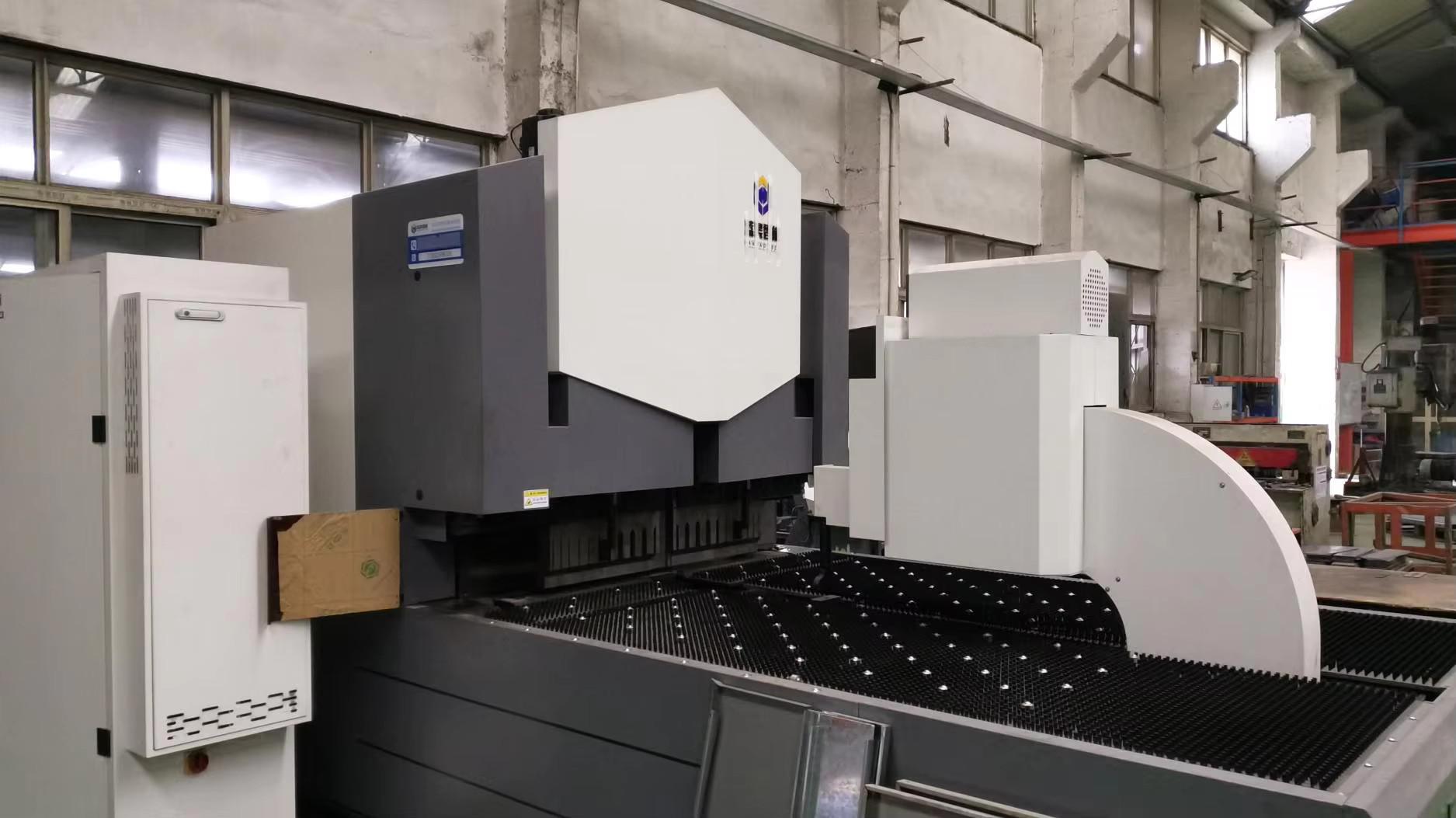
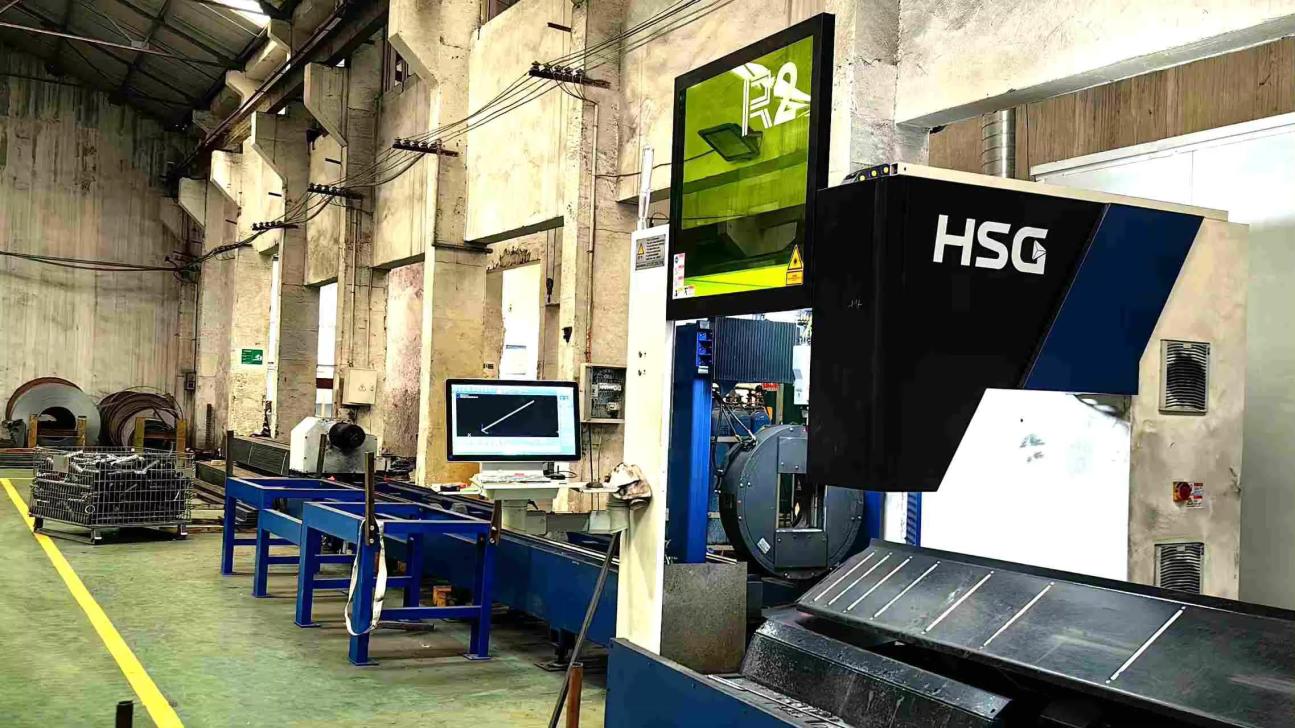
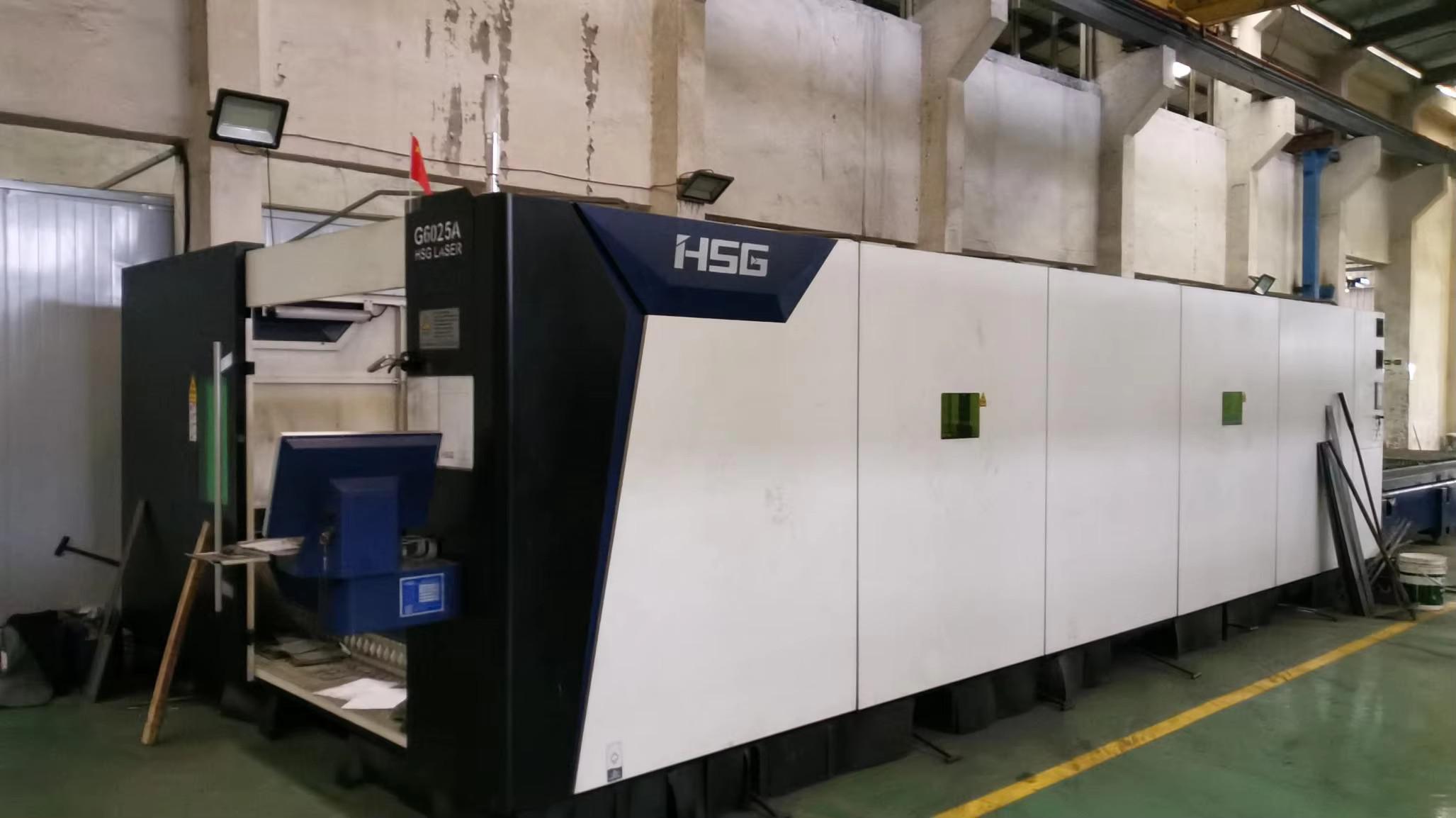
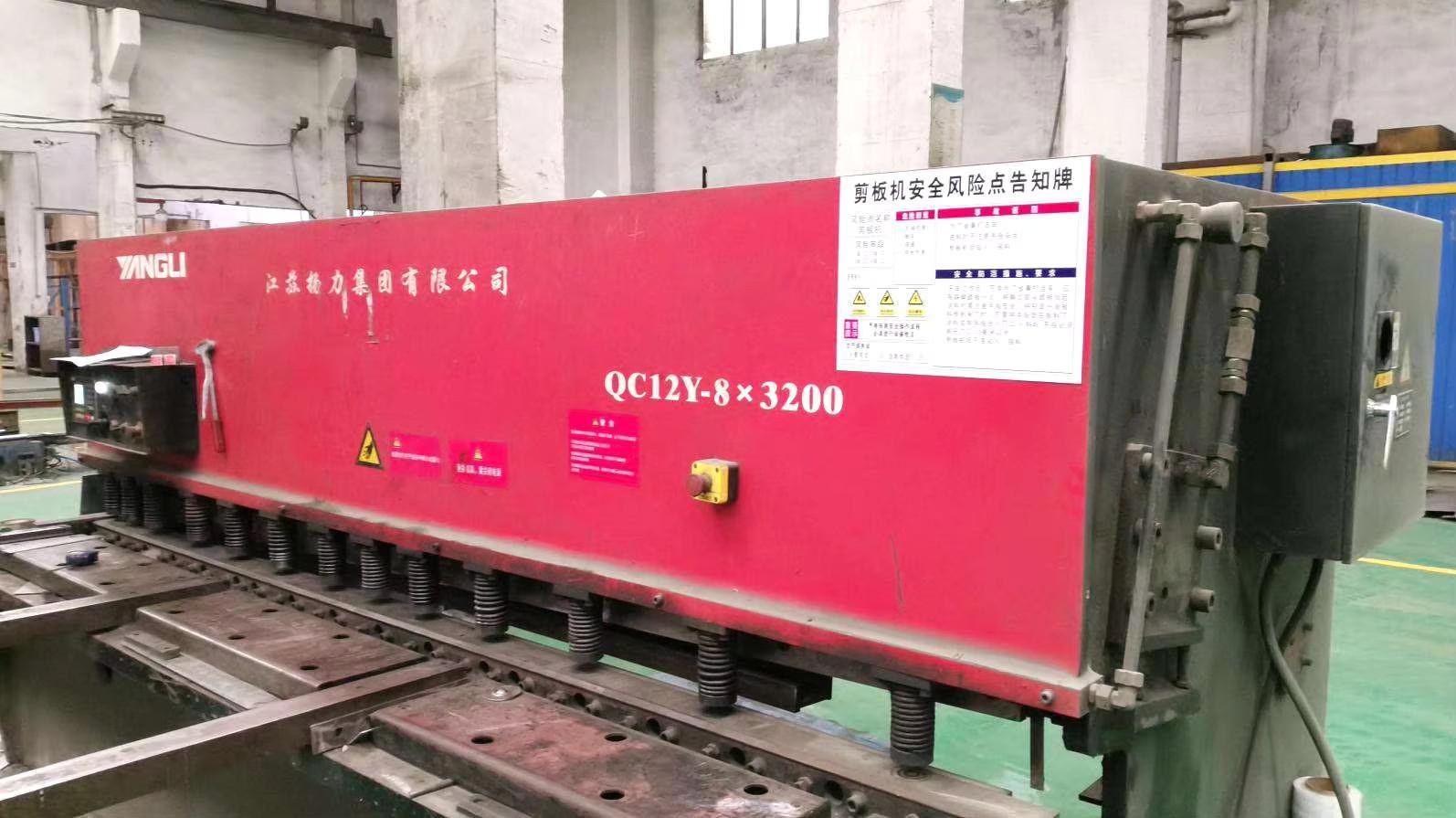
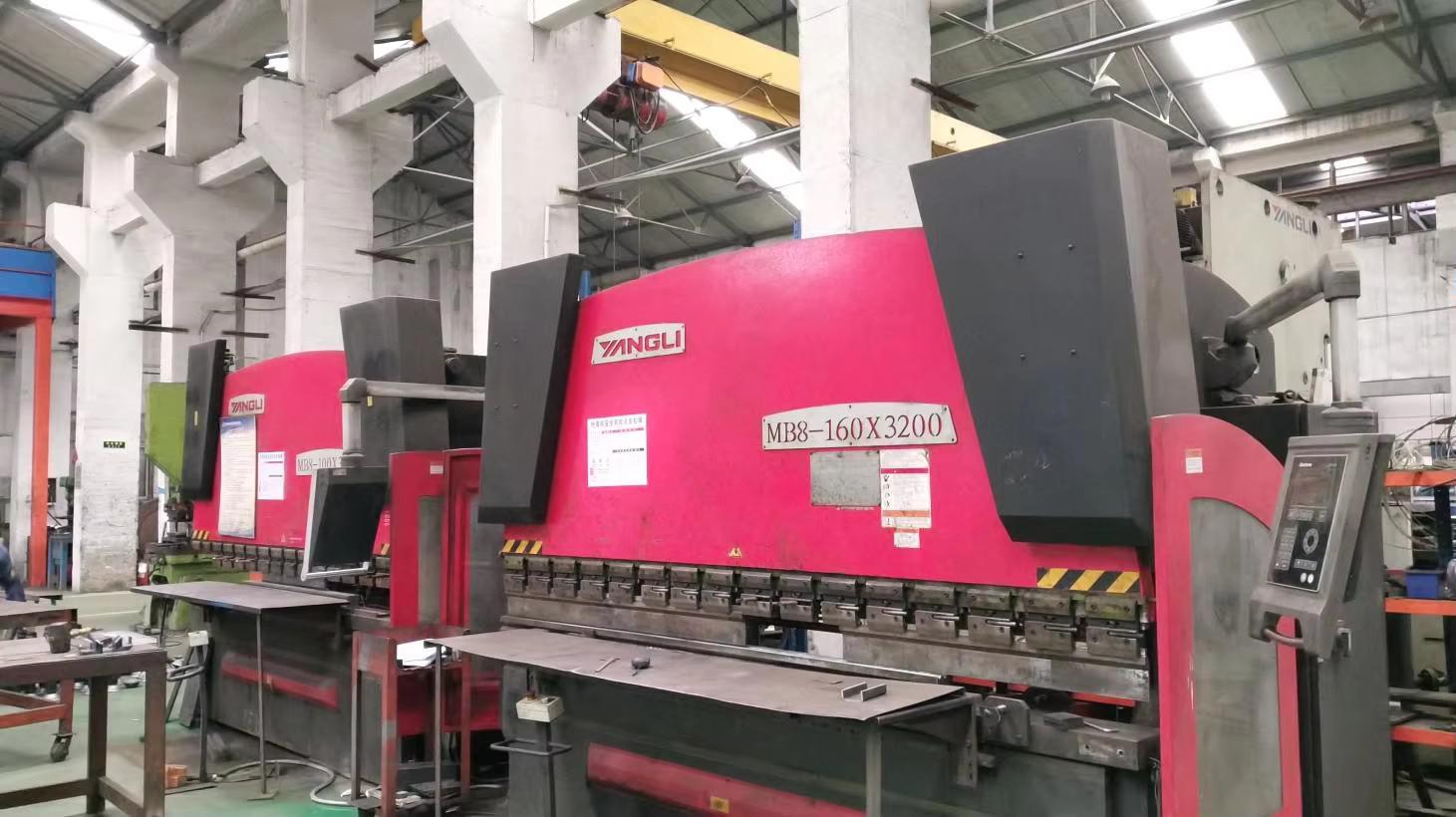
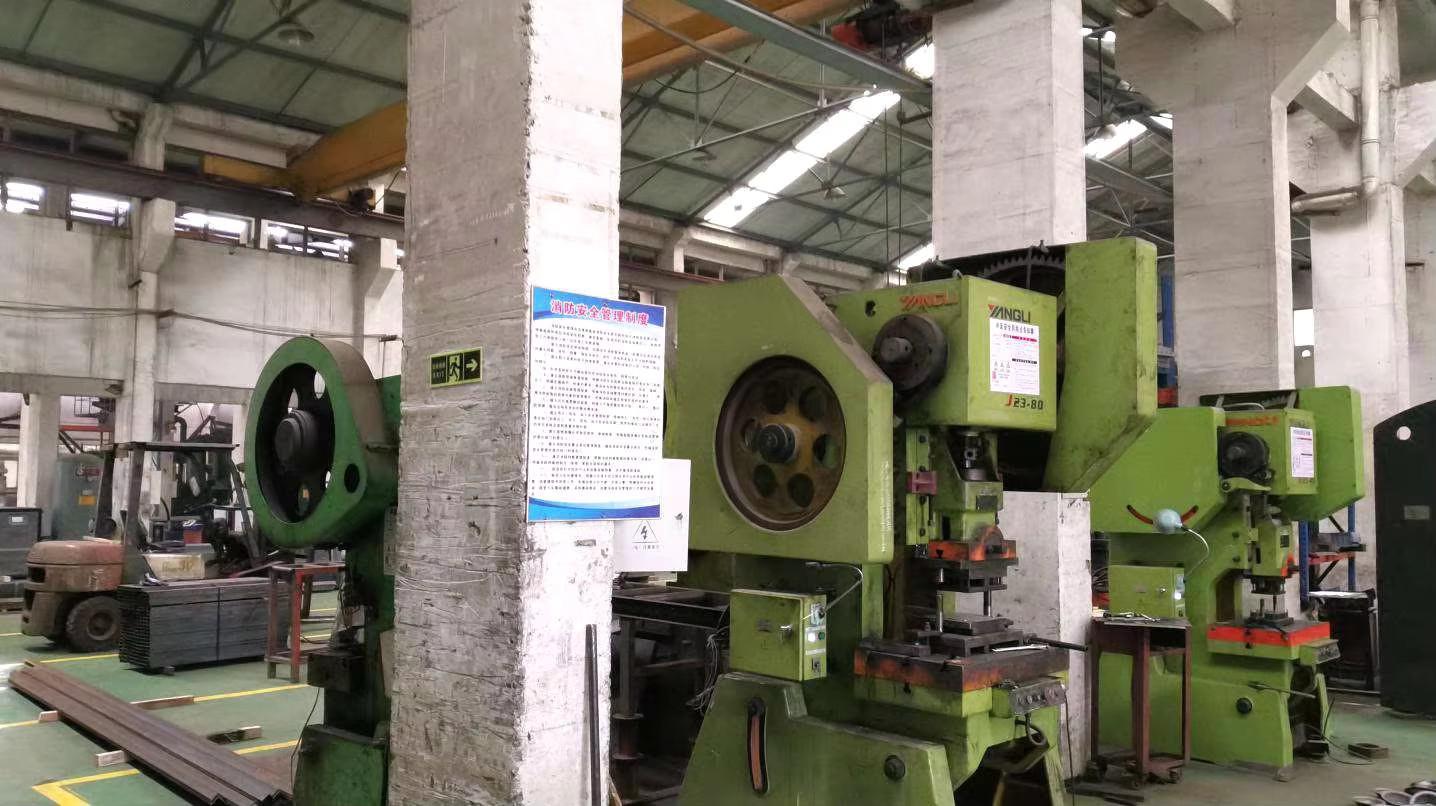
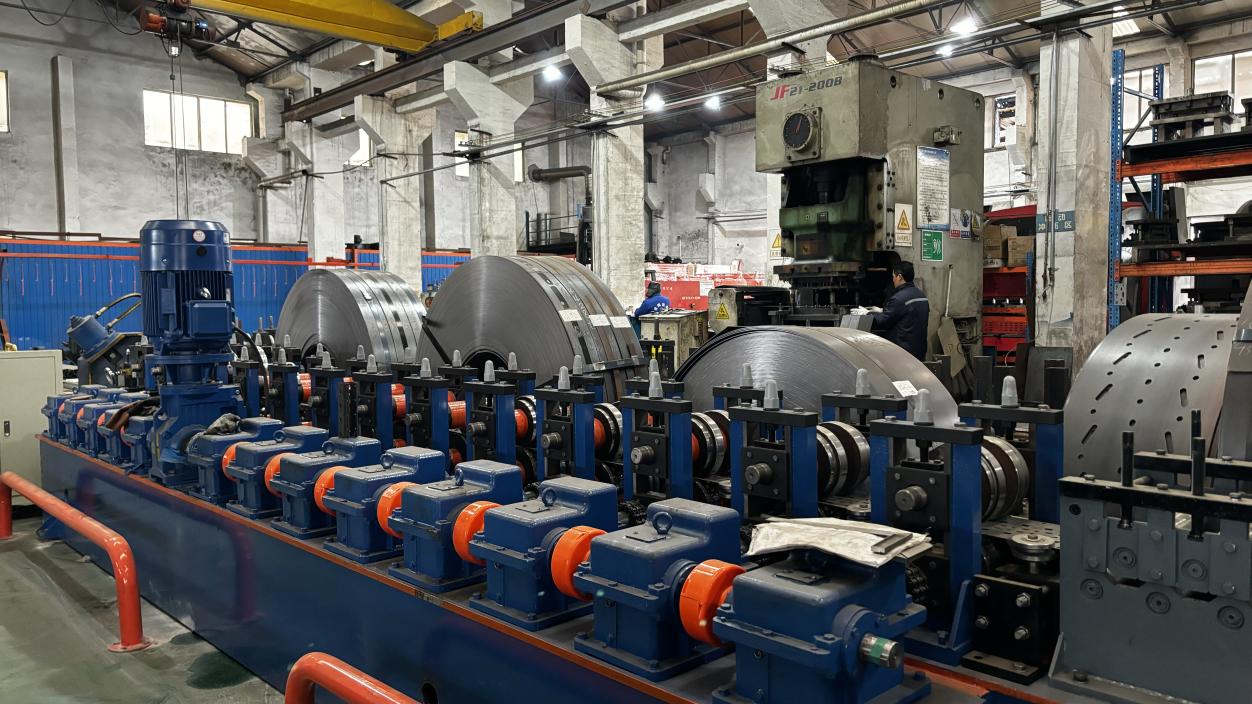
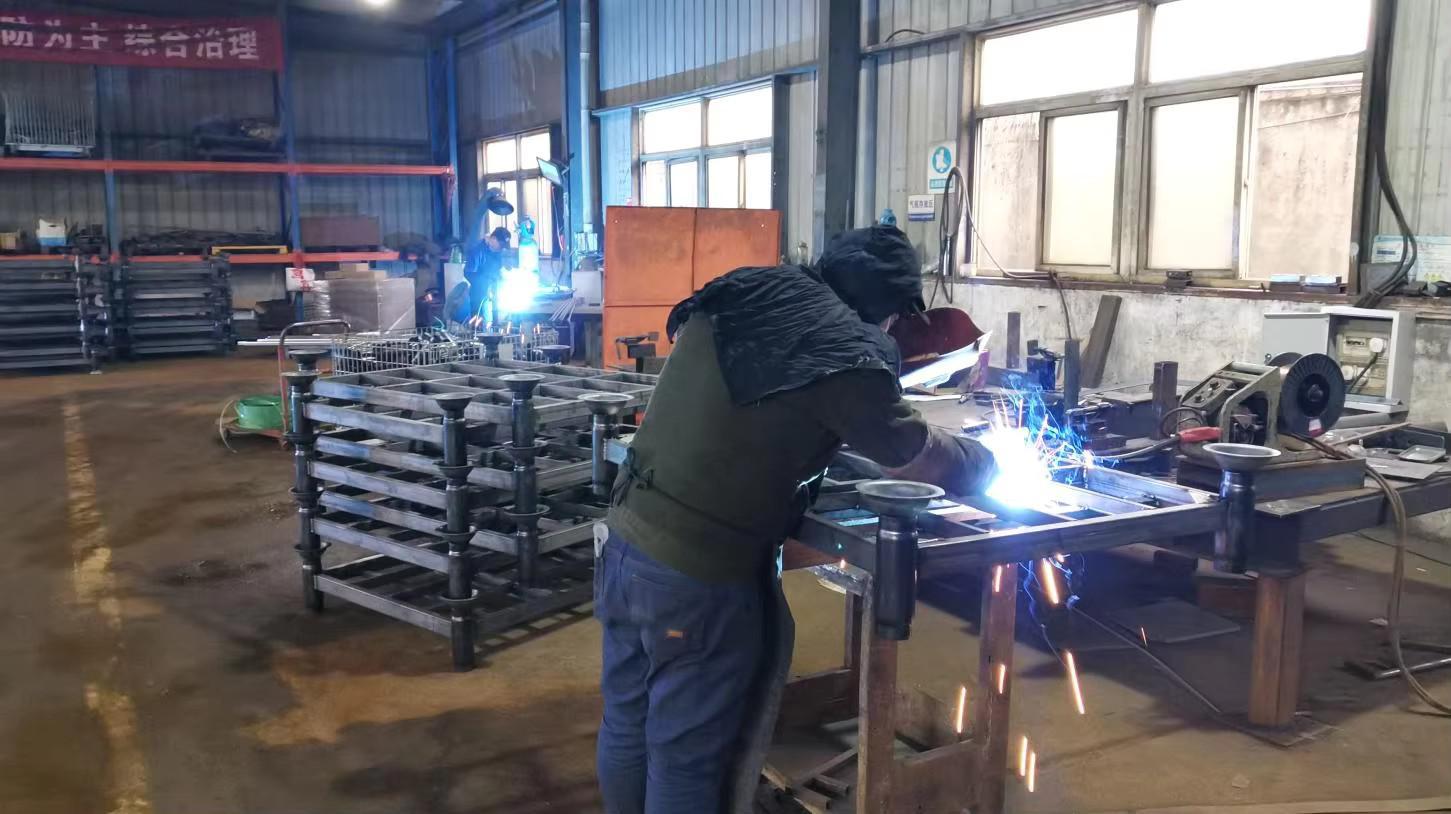
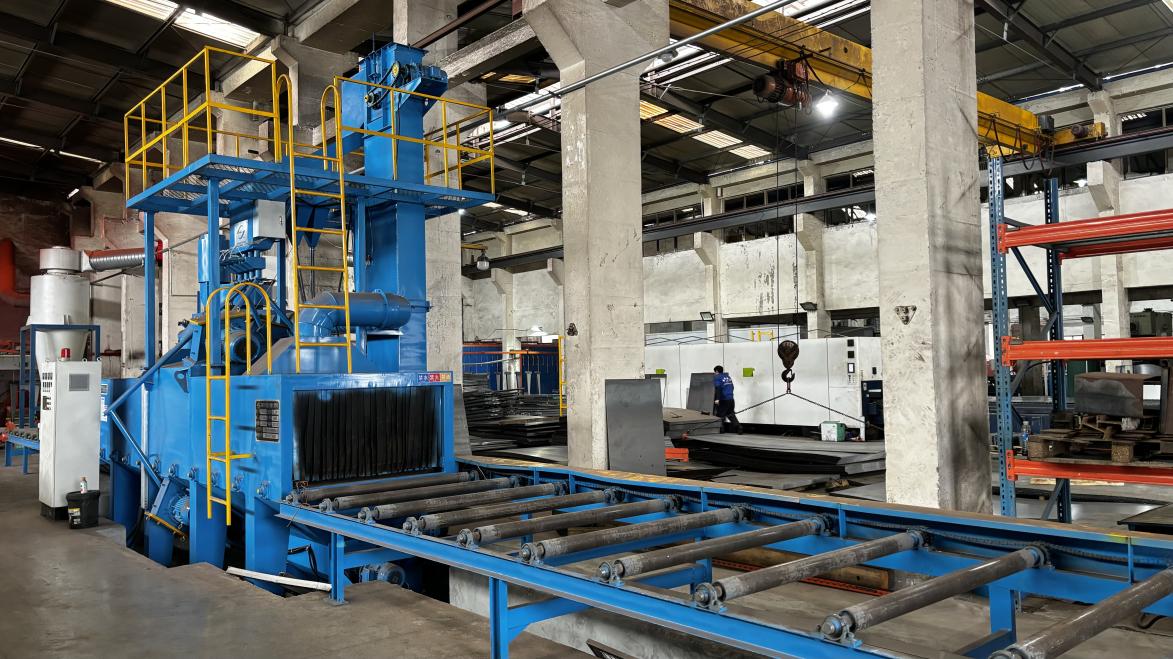
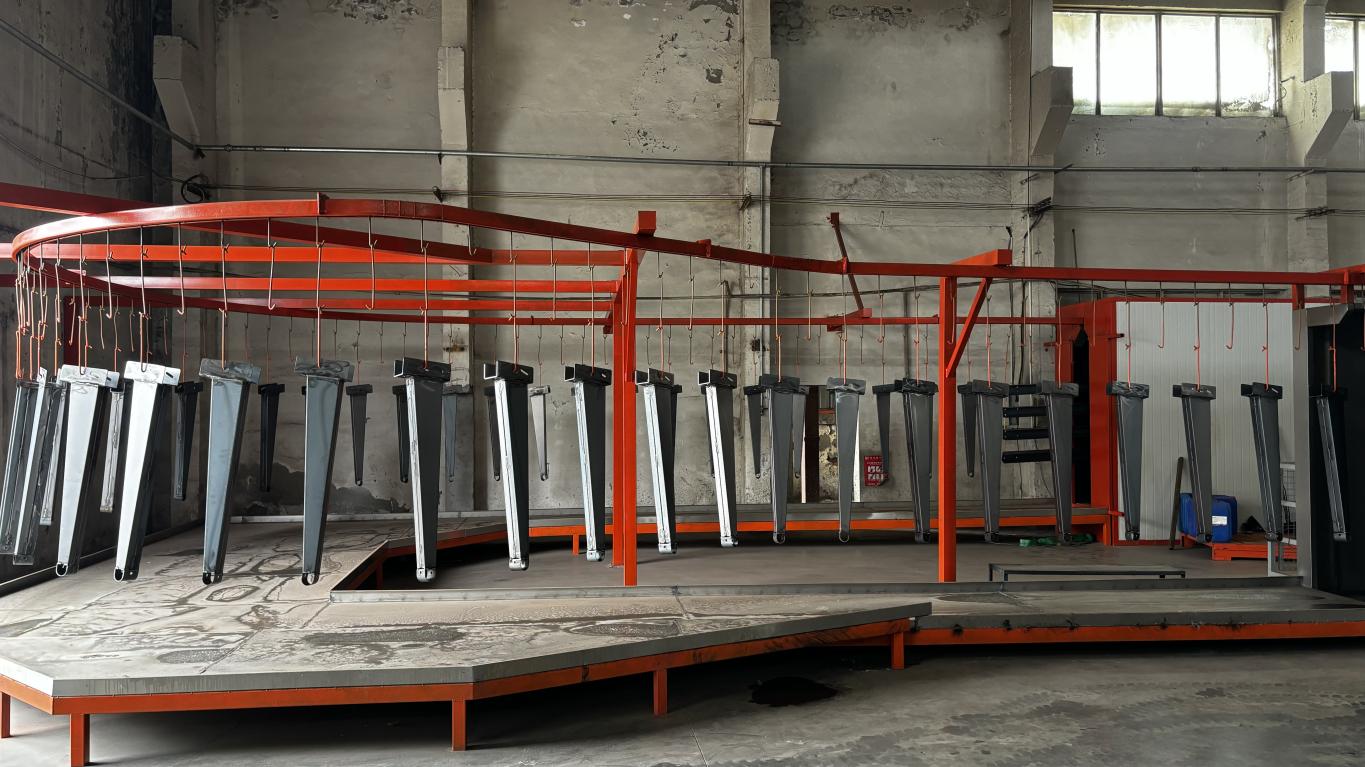
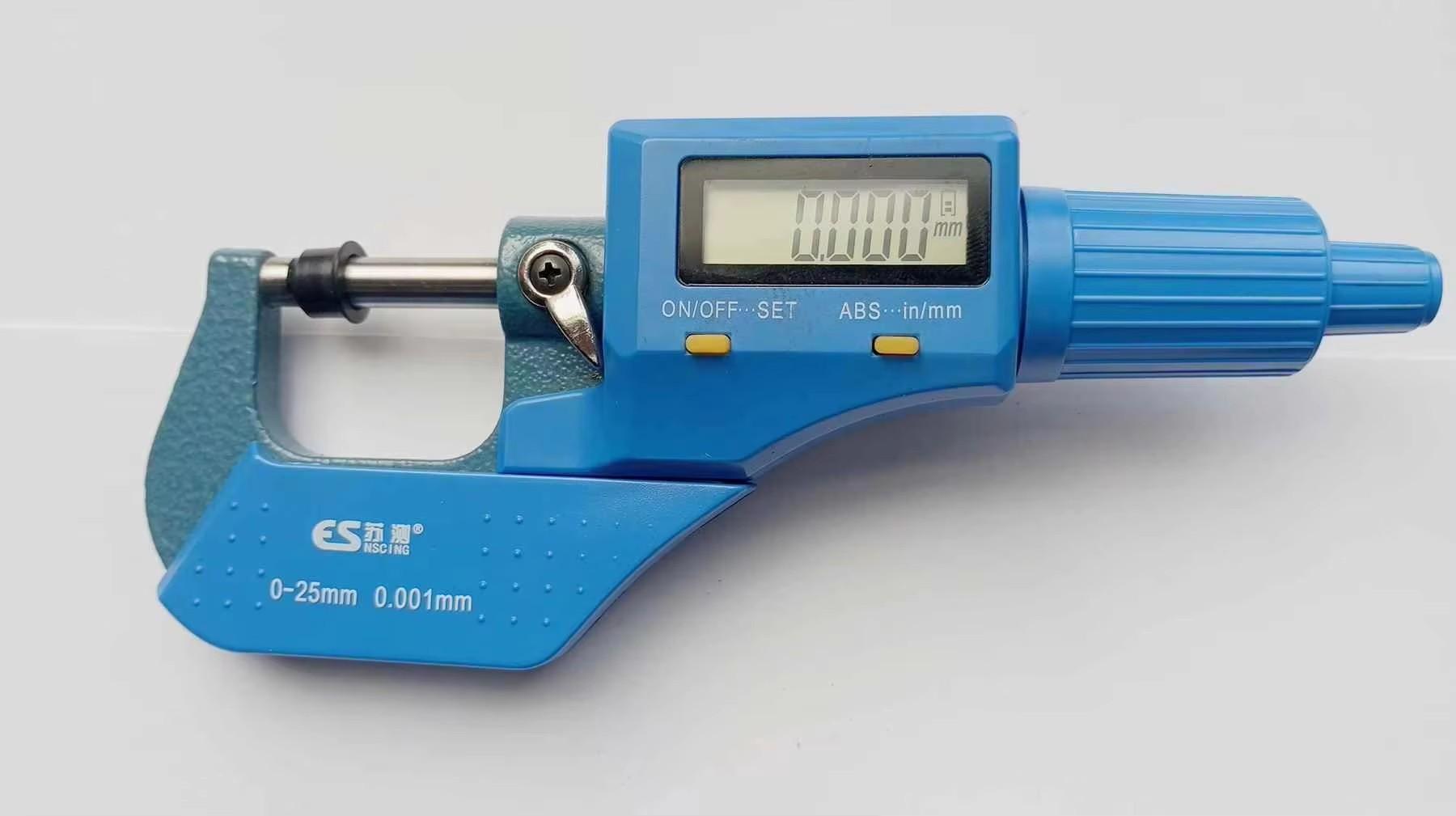
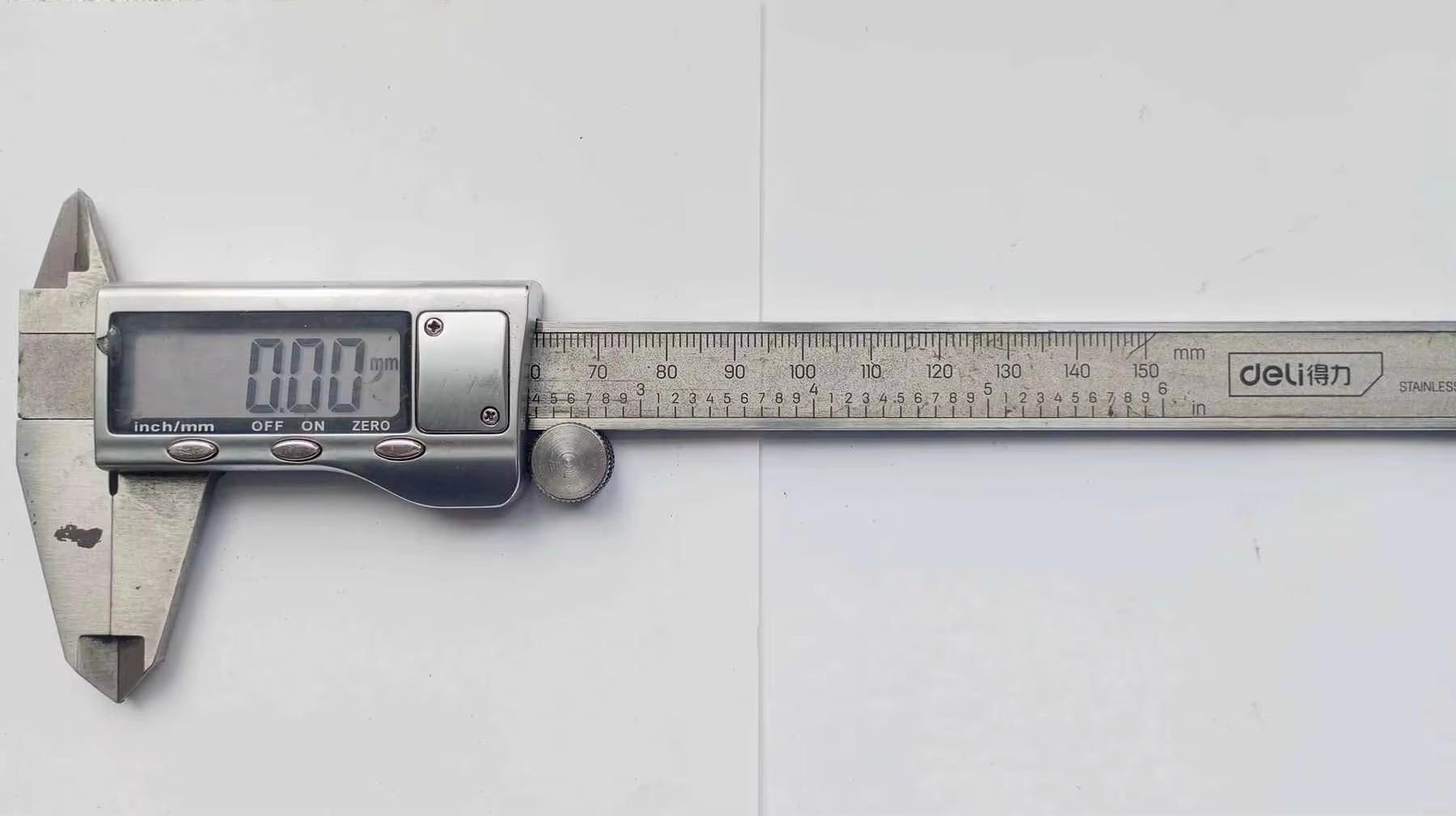
How Jinhui ensures 100% load reliability. Our QC department executes micrometer checks, laser coating thickness tests, and welding strength checks on every batch.

Case Studies of Engineering Integrations Across Strategic Moscow Logistics Sectors
Implemented a 4-deep dynamic push-back system utilizing corrosion-resistant Q235B cold rolled steel in a -25°C cold storage facility. Increased storage density by 82% while optimizing cold-air circulation.
Configured nested cart lines to handle bulk overflow SKU inventories. Optimized the First-In, Last-Out logic to match shipping schedules, accelerating throughput by 35% during high-demand retail cycles.
Integrated strict batch-control storage lanes with specialized safety brake buffers on dynamic rails to guarantee zero-spill operation of liquid medicinal pallets under high-frequency handling.
Explore the full range of ODM & Customized storage systems engineered to meet international safety and loading capacity guidelines.
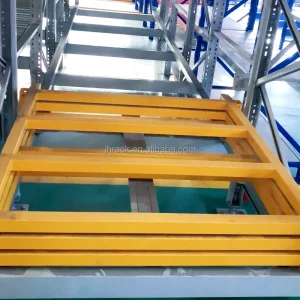
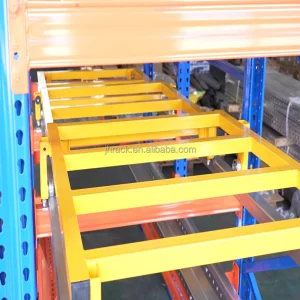
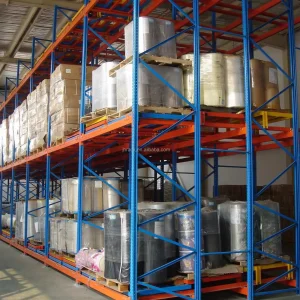
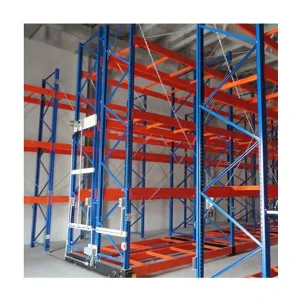
How Quality Inspectors & Supply Chain Managers Assess Heavy-Duty Dynamic Pallet Flow Safety
For global logistics procurement teams sourcing from Chinese manufacturing facilities, validating compliance with internationally recognized structural standards is vital. Our engineering process strictly complies with the Australian Storage Racking Standard AS4084-2012, European Standard EN 15512, and American RMI specifications.
During factory acceptance tests (FAT), our inspectors use precision Vernier Calipers and Thickness Gauges to verify mechanical clearances. The load test simulates static and dynamic deflection to guarantee that the racking system performs within acceptable structural tolerances under maximum load capacities (exceeding 1500kg per pallet position).
Additionally, custom protective barriers (including column guards, pallet safety back-stops, and row-spacers) are designed to withstand structural impacts, mitigating risk and protecting warehouse personnel in high-velocity environments.
In-depth structural and operational answers for procurement directors, warehouse managers, and site safety officers.
Get in touch with our team of technical racking designers to receive a free CAD layout proposal and factory-direct quote.
Send Inquiry Now Jinhui Storage Equipment