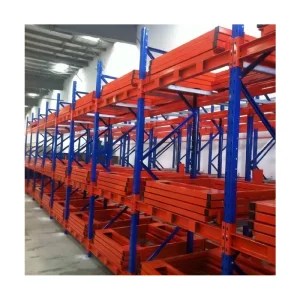
Direct supply of high-performance configurations engineered to withstand the demanding load cycles of midwestern logistics hubs.
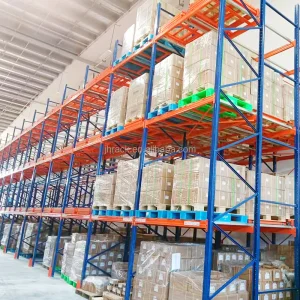
Analyzing localized economic factors, structural compliance, and high-efficiency technical routes for modern warehouse operations.
The Chicago metropolitan area, historically and strategically positioned as the premier freight and transportation epicenter of North America, is facing a transformative shift in warehouse dynamics. Centered around O’Hare International Airport, the major inland ports of Joliet and Elwood, and the extensive network of Class I railroads, Chicagoland serves as the arterial pathway for millions of tons of domestic and international goods.
However, this structural prominence has led to critical challenges: prime industrial real estate in areas like Elk Grove Village and the I-80 corridor is scarce, pushing lease rates to historic heights. To offset escalating operating costs, third-party logistics (3PL) providers, cold storage operators, and heavy-duty manufacturing centers must dramatically increase their volumetric storage efficiency.
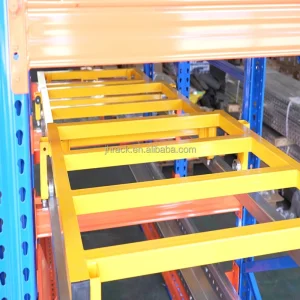
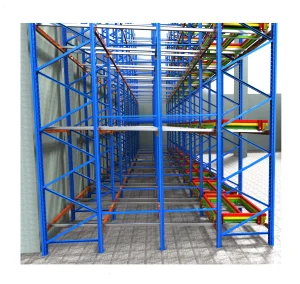
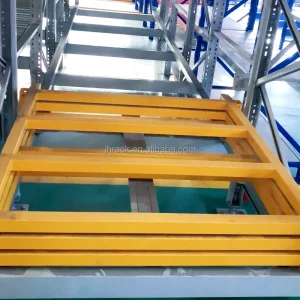
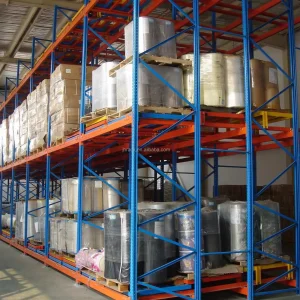
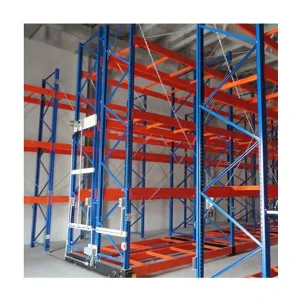
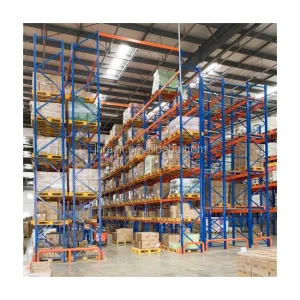
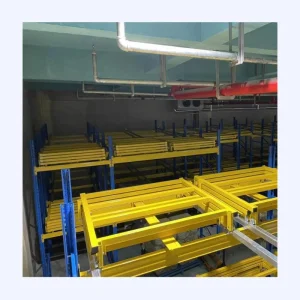
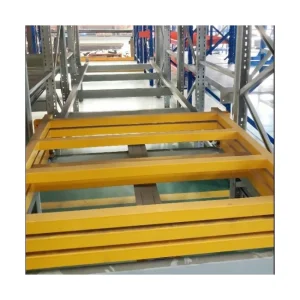
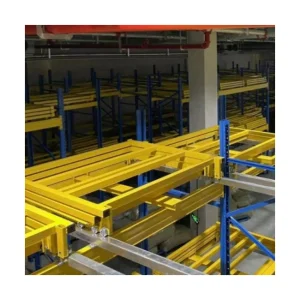
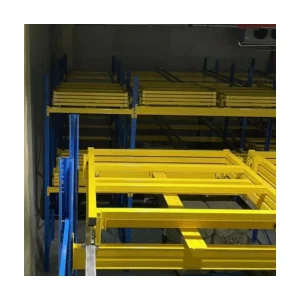
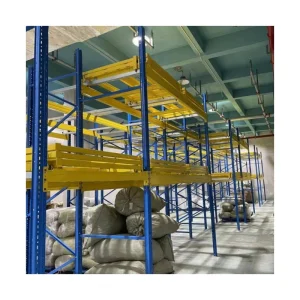
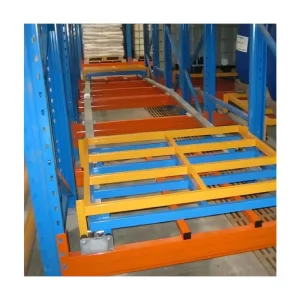
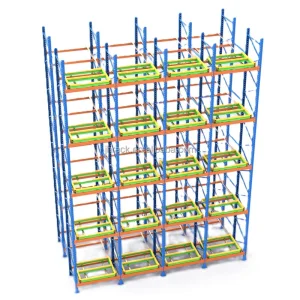
Unlike conventional selective racking systems, which require extensive aisle networks and restrict land utilization to roughly 40-50%, Push-Back Pallet Racking Systems offer an optimal solution. By storing pallets 2 to 6 deep on nested carts that slide via gravity along inclined steel tracks, push-back racking bridges the gap between deep-lane storage systems (like Drive-In racking) and high-accessibility selective structures. It maximizes warehouse capacity by up to 90% while maintaining individual lane accessibility—a critical requirement for Chicago’s high-velocity logistics market.
Understanding the mechanical and structural mechanics of push-back systems is key to ensuring operational safety and long-term durability. The system operates on a LIFO (Last-In, First-Out) inventory control sequence.
| Parameters & Features | Standard Specifications (Q235B / Q355B Steel) | Heavy Duty Engineered Customization |
|---|---|---|
| Pallet Depth Options | 2-deep, 3-deep, 4-deep lanes | 5-deep to 6-deep custom heavy-flow lanes |
| Standard Capacity (per Pallet) | 1,000 kg to 1,500 kg (2,200 lbs to 3,300 lbs) | Up to 2,000 kg (4,400 lbs) for heavy industrial tooling |
| Material Structural Code | SS400, Q235B Cold Rolled, Australian Standard compliant | ASTM A36, Q355B High-Tensile Structural steel channels |
| Finishing Treatment | Electrostatic Powder Coated (60-80 microns thickness) | Hot-Dip Galvanized (for cold storage & sub-zero conditions) |
| Compliance Certifications | ISO 9001:2015, CE compliance | RMI (Rack Manufacturers Institute) and ANSI MH16.1 alignment |
Chicago has some of the most stringent building safety and fire codes in the United States. Sourcing high-density storage solutions from international manufacturers requires deep understanding of localized compliance pathways:
Founded in 2017 with an 18,600+ square meter state-of-the-art facility, Jinhui combines advanced automation with precision testing to export superior racking worldwide.
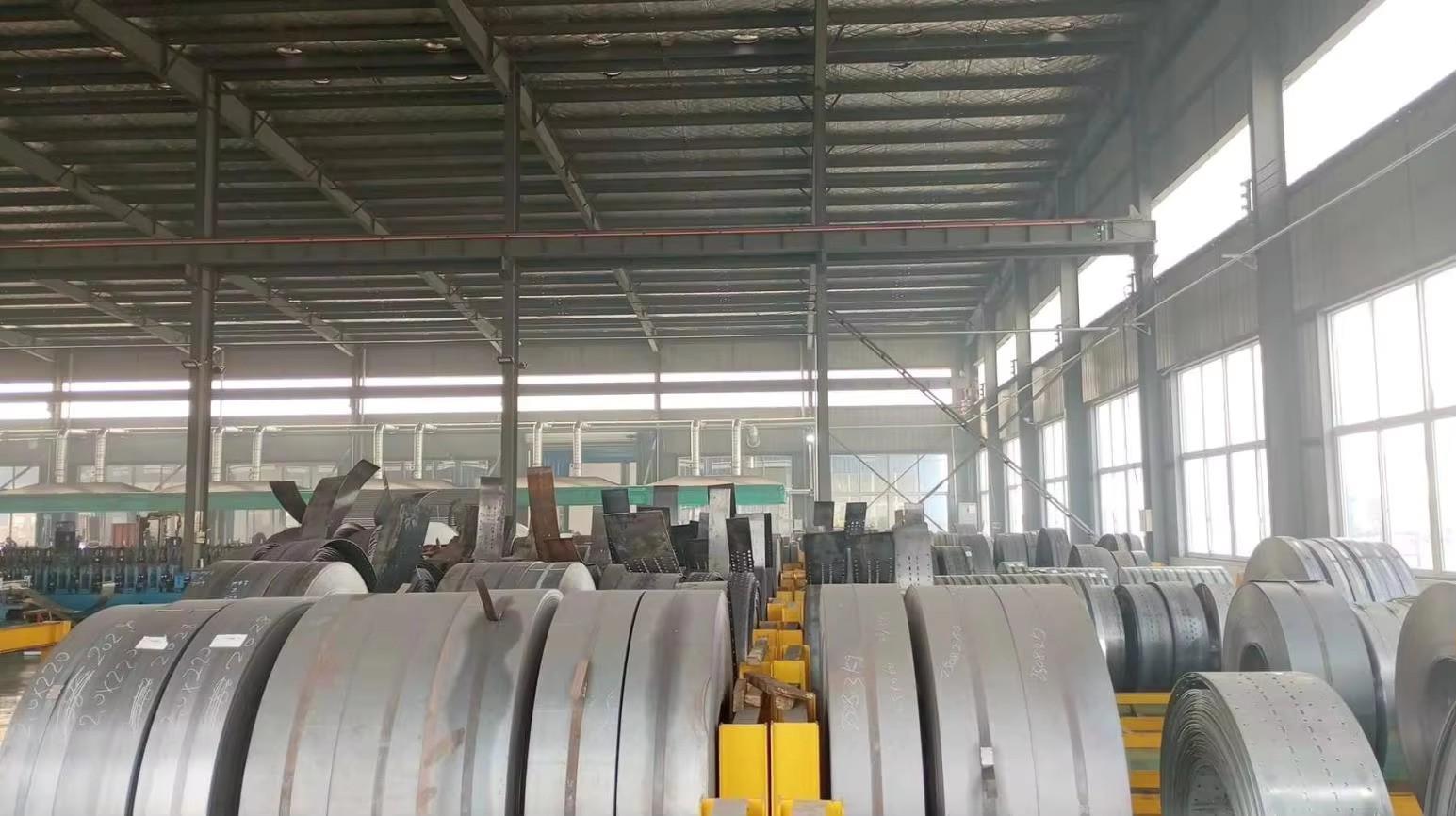
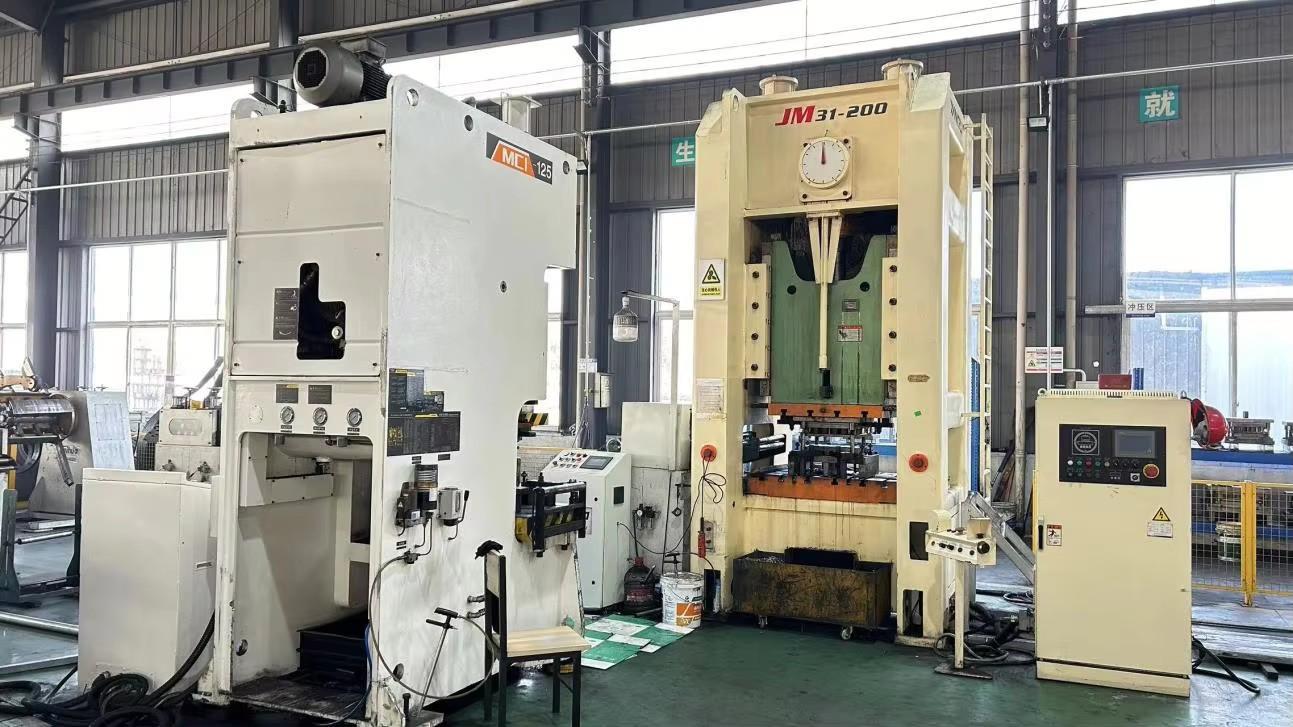
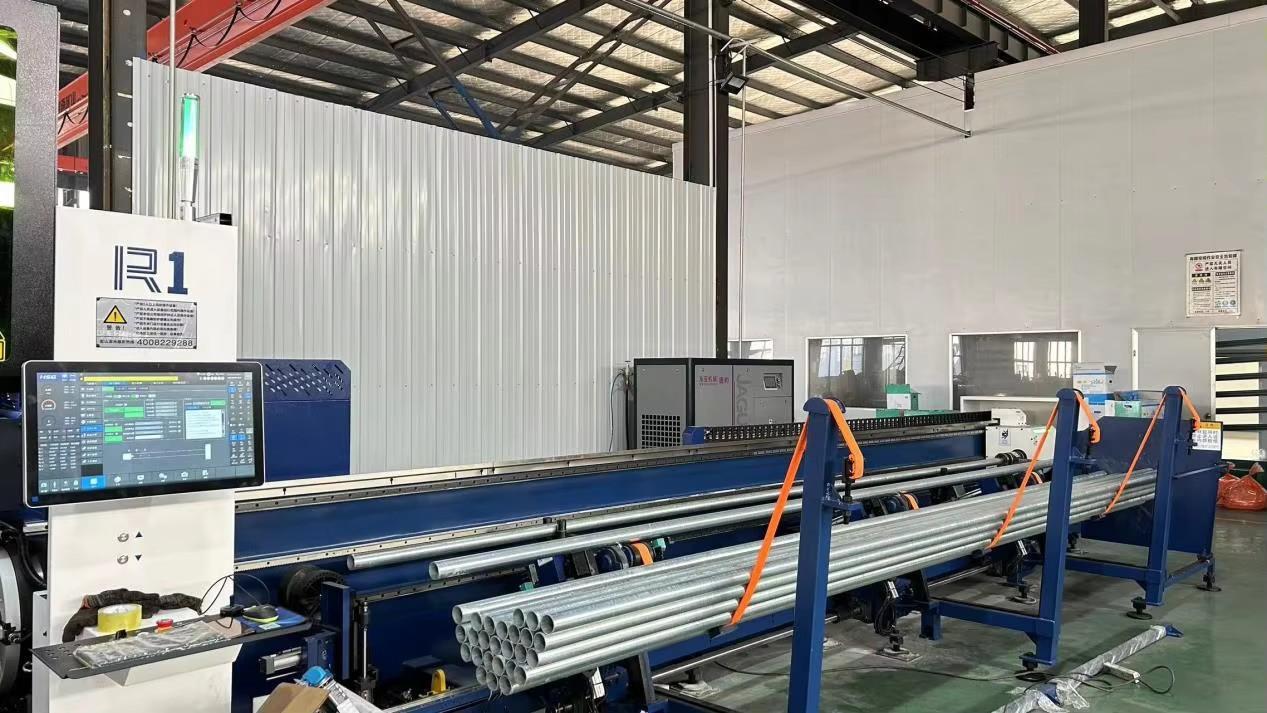
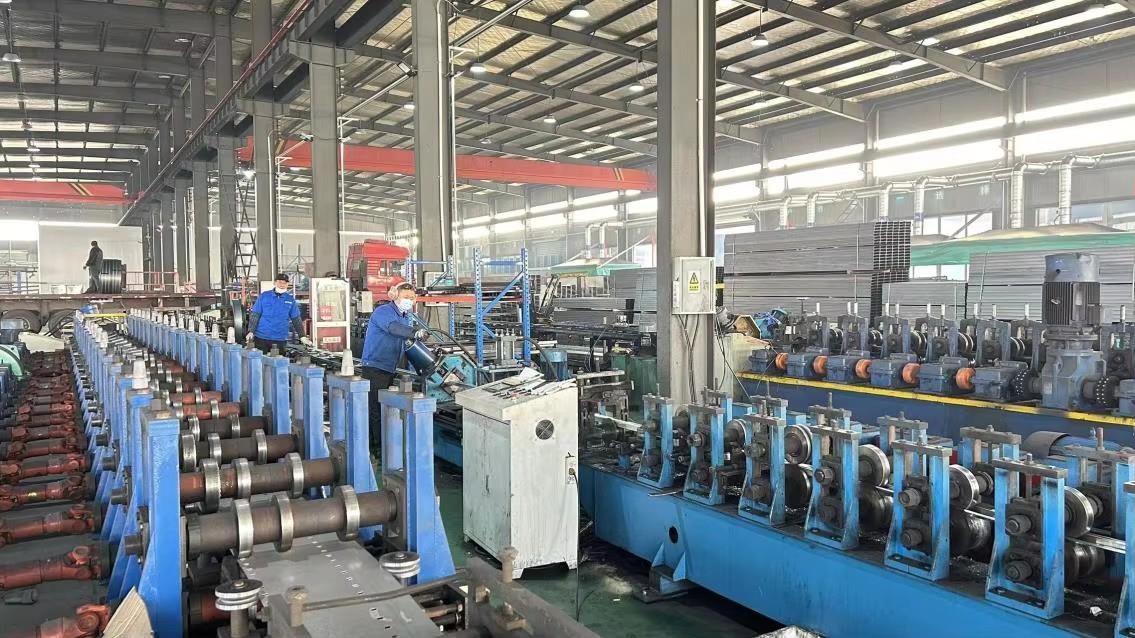
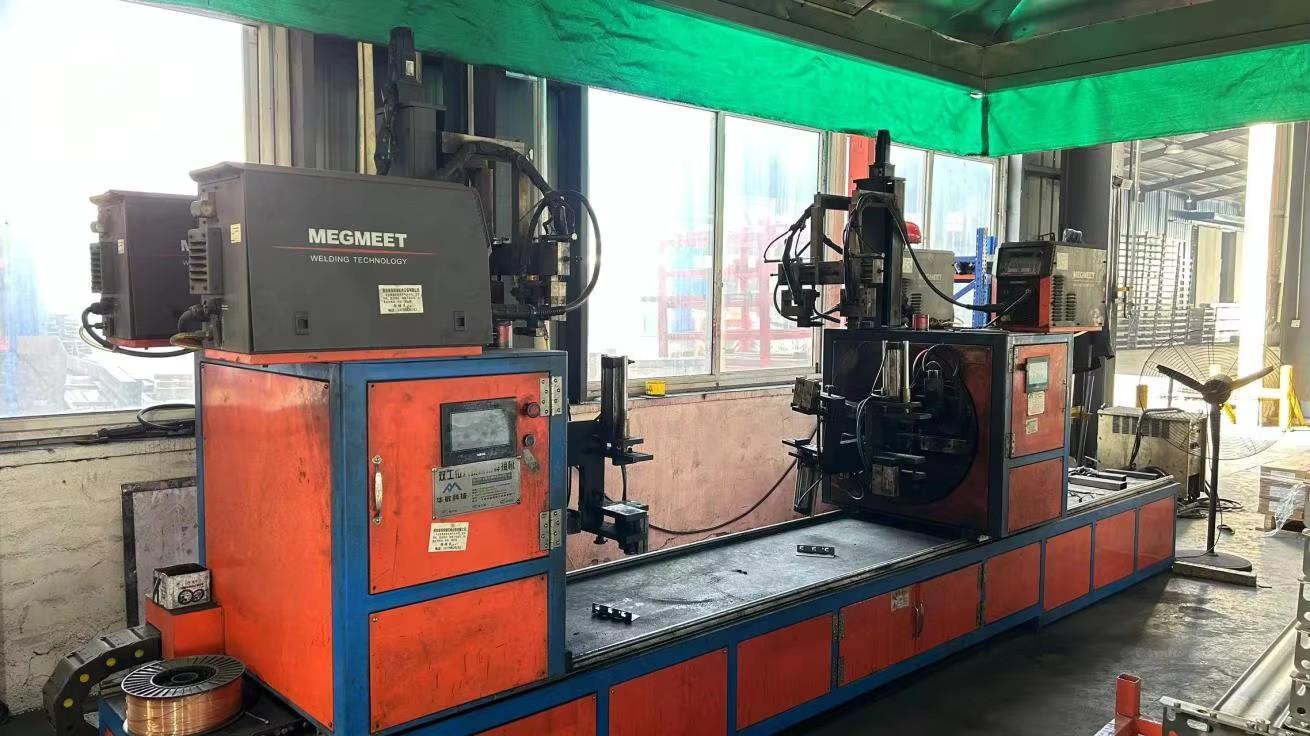
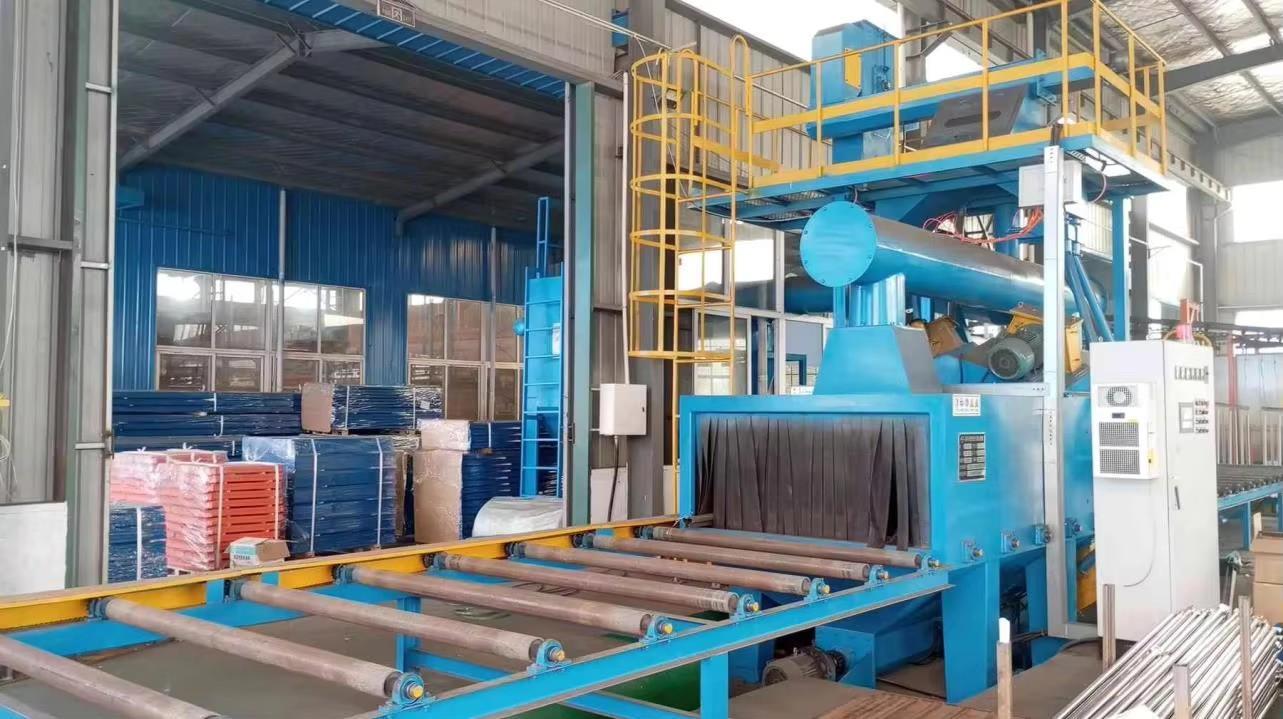
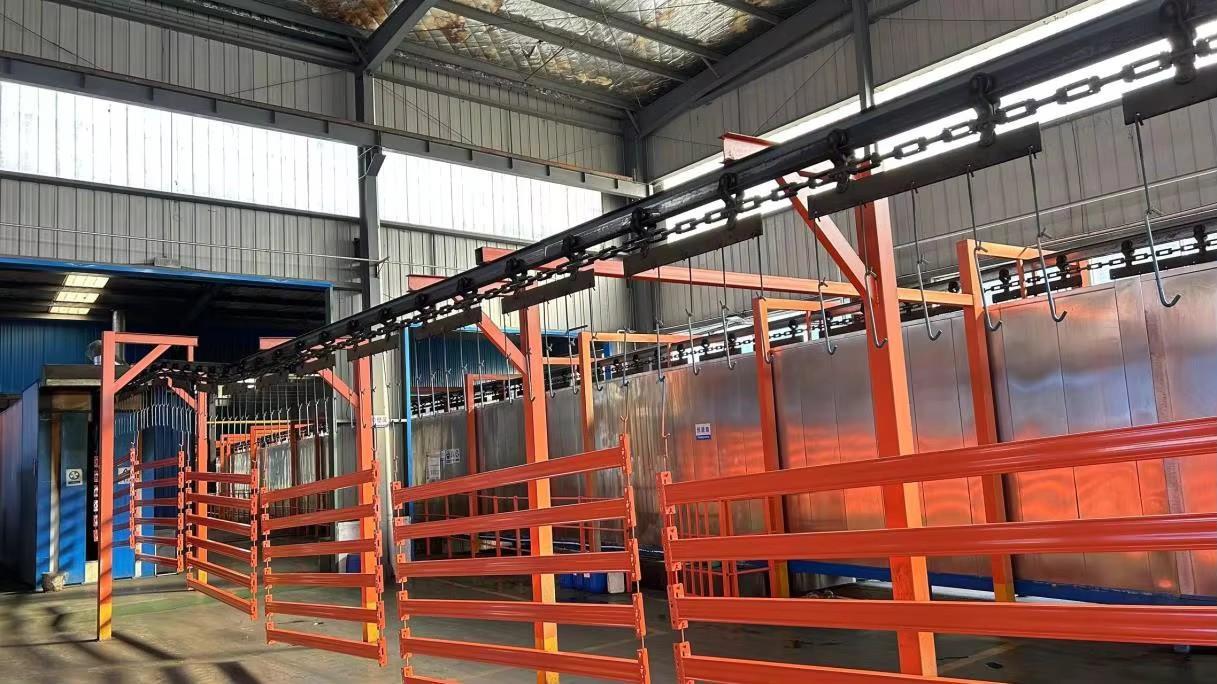
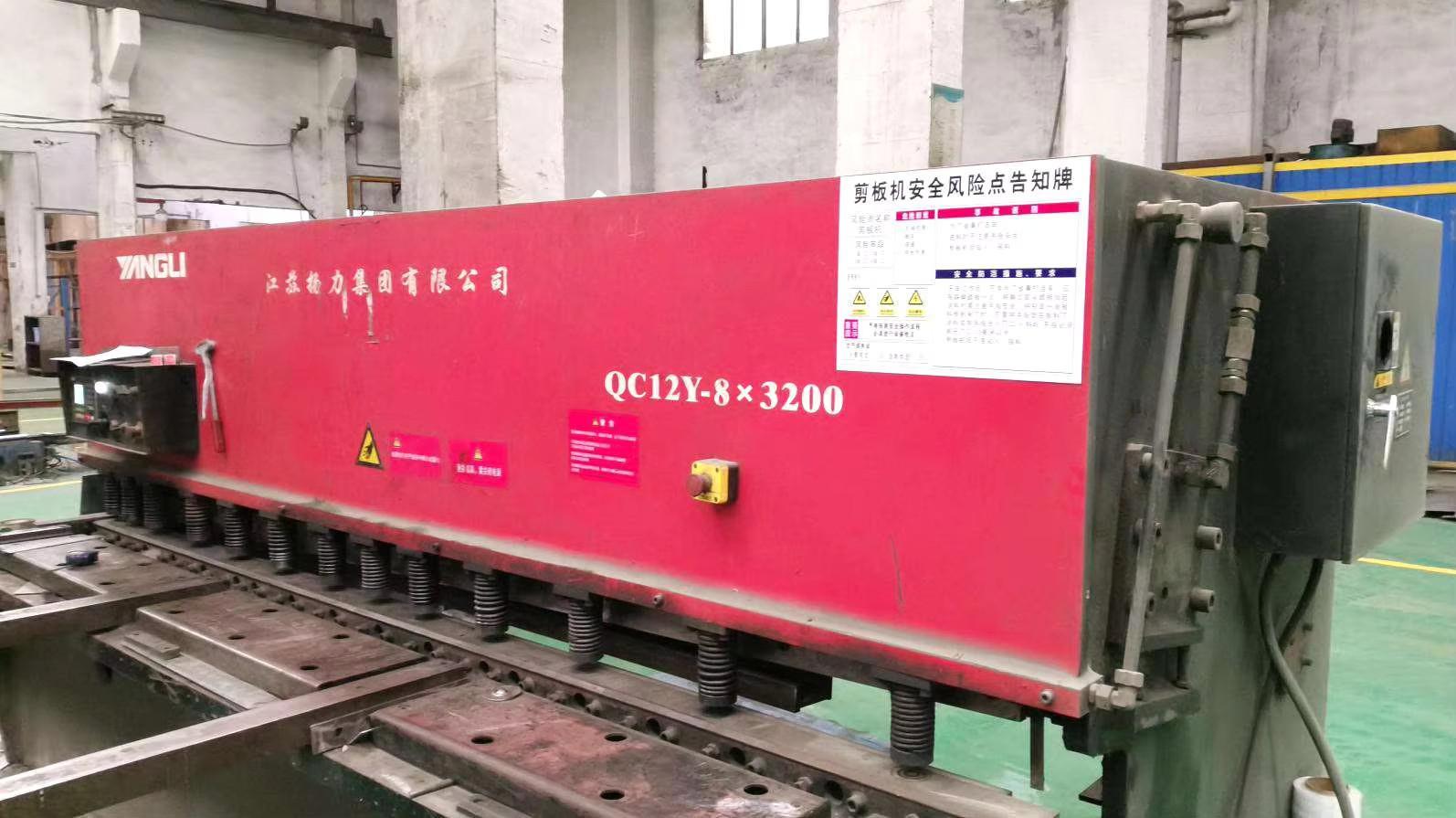
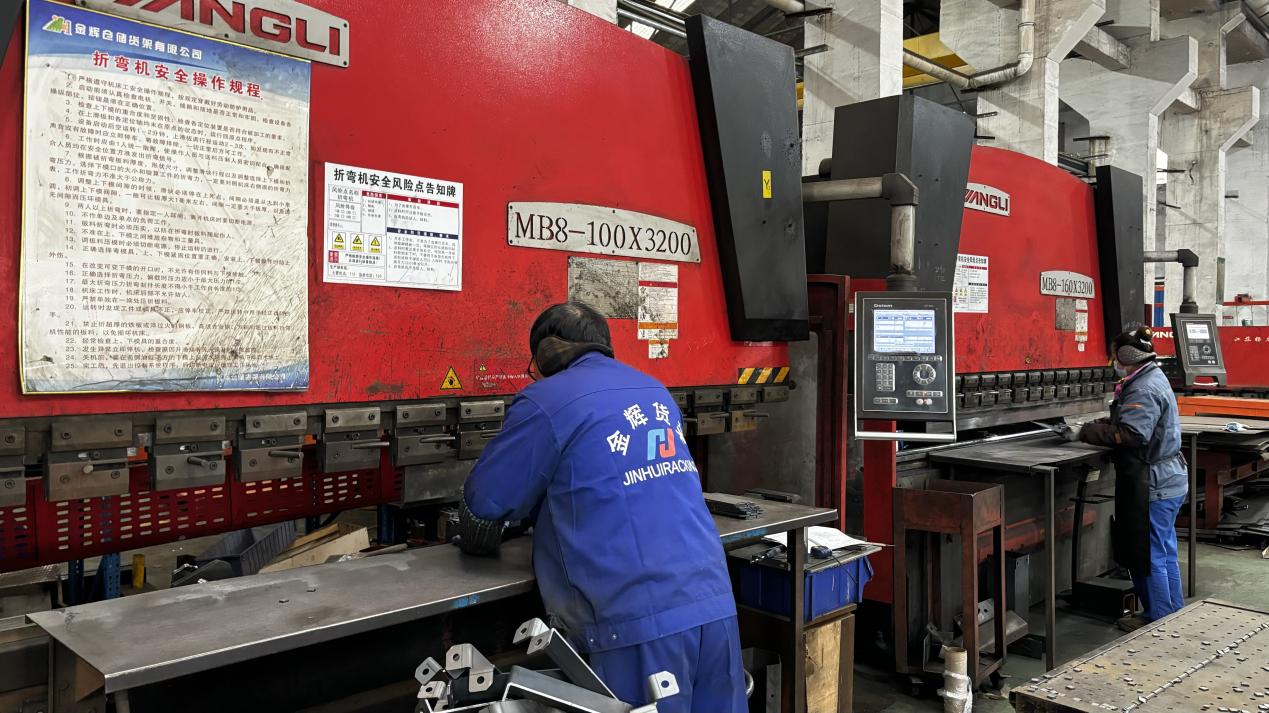
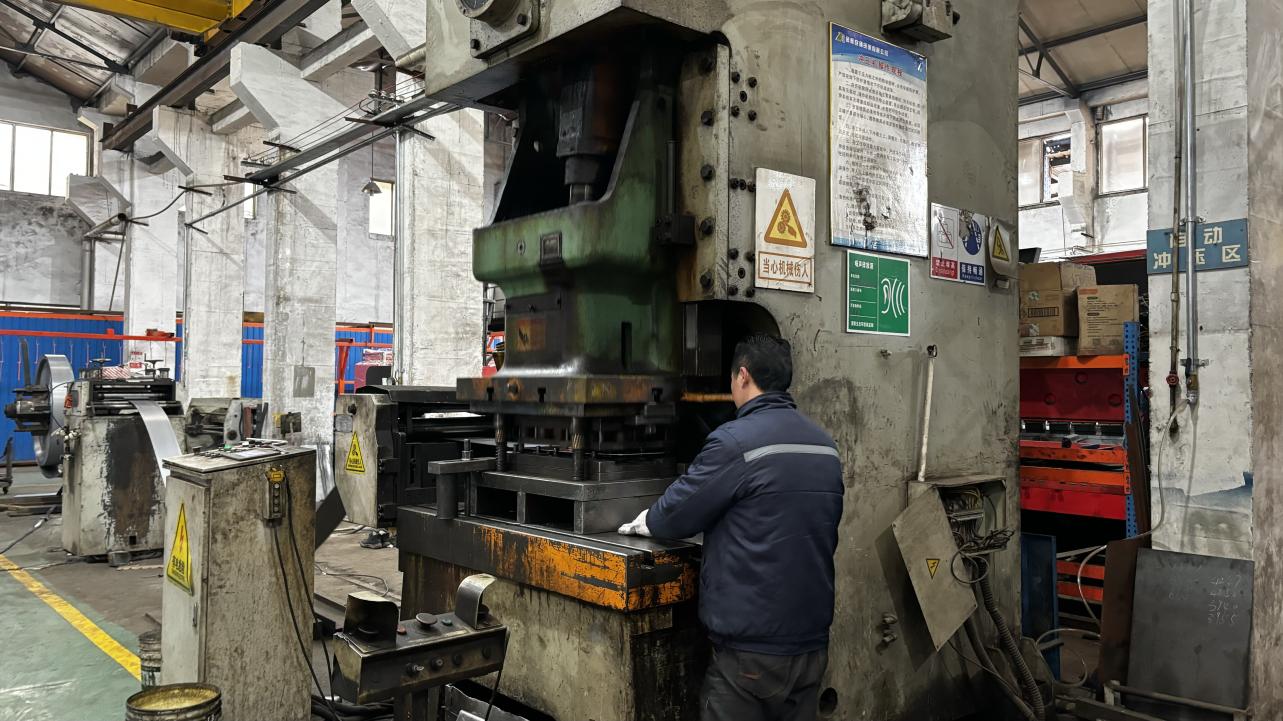
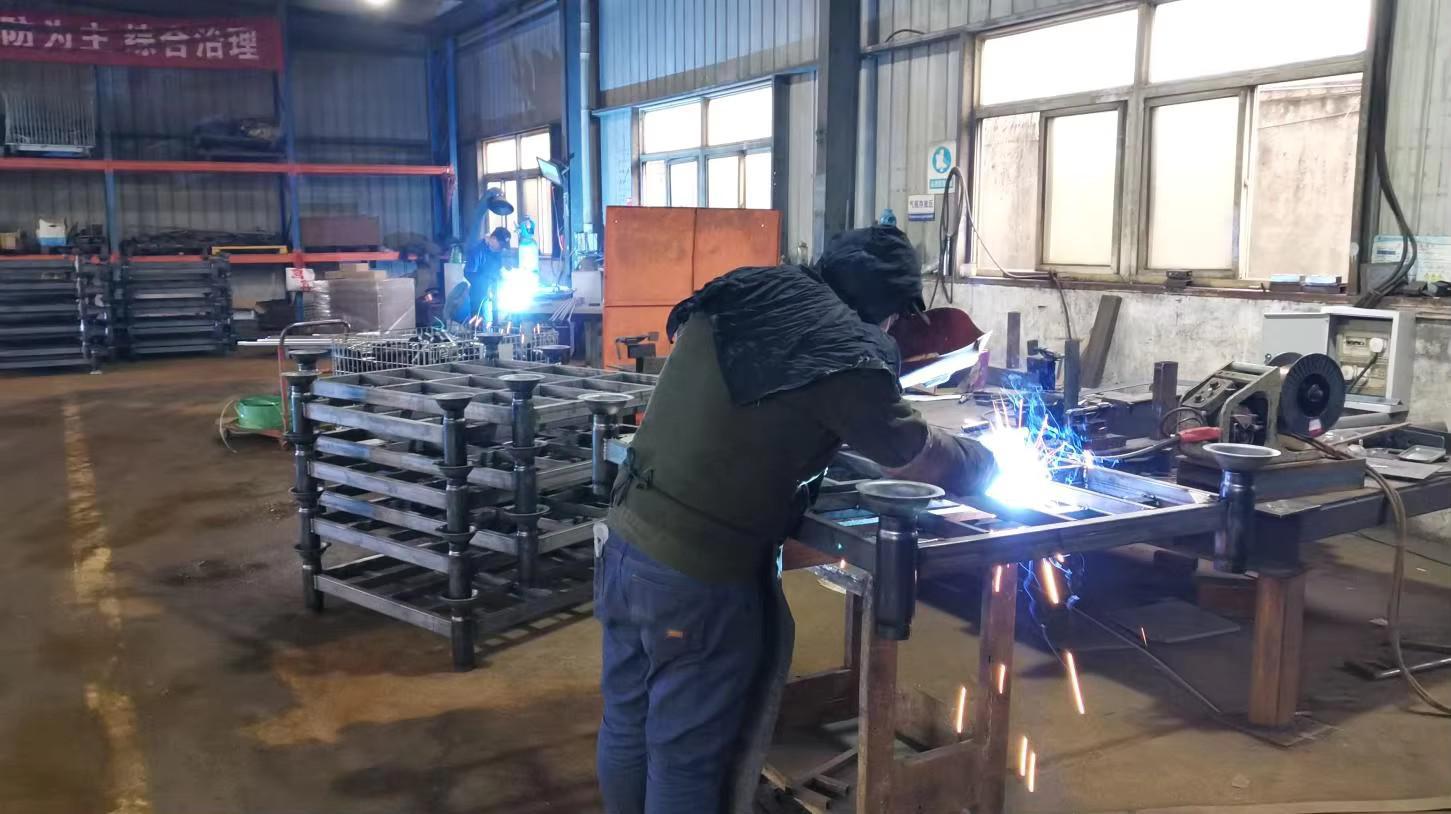
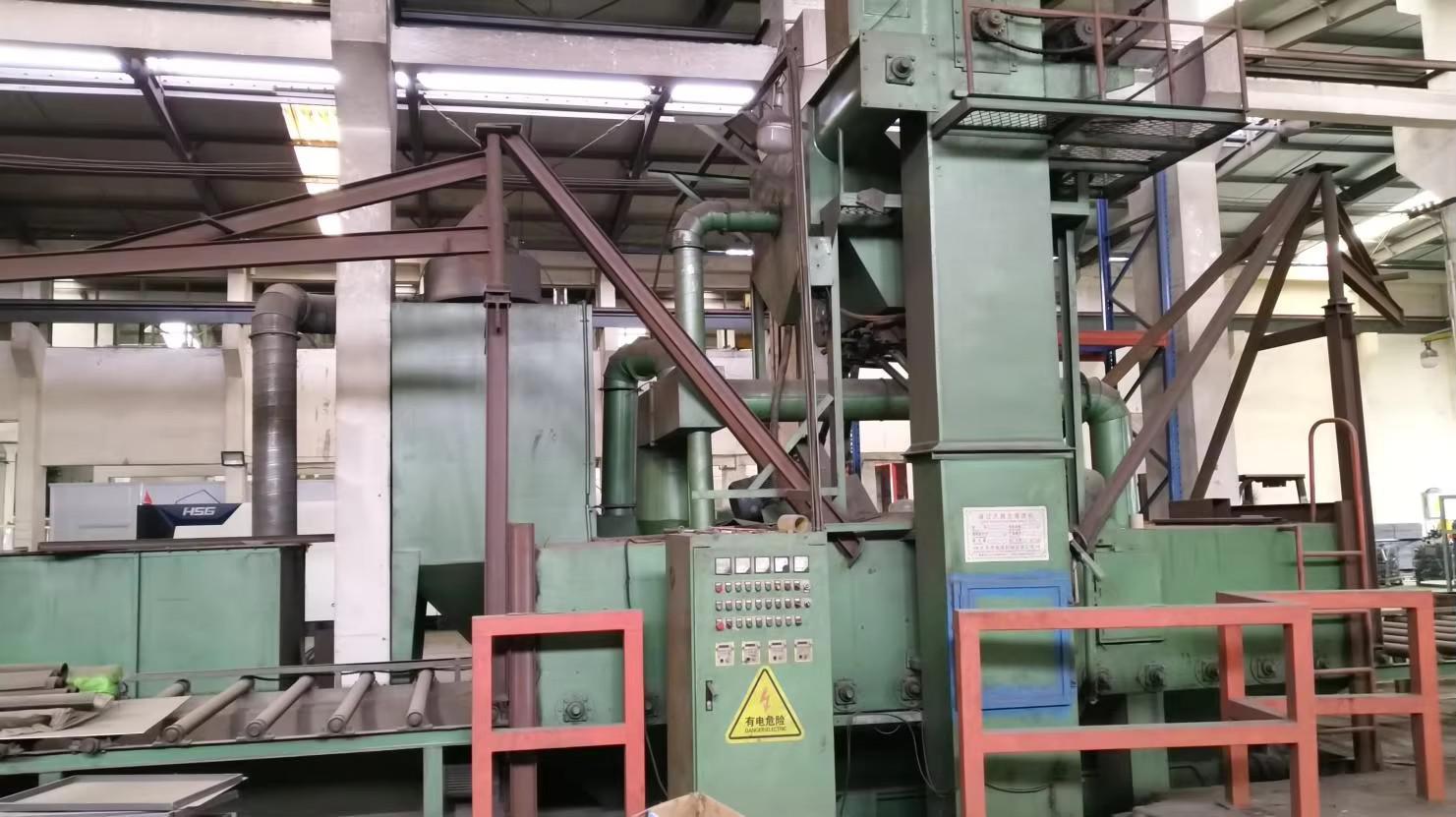
At our manufacturing facilities, stability and structural safety are built into every production step. Because push-back systems carry continuous dynamic loads (with heavy pallets shifting every time stock is extracted or loaded), safety margin calculations are critical.
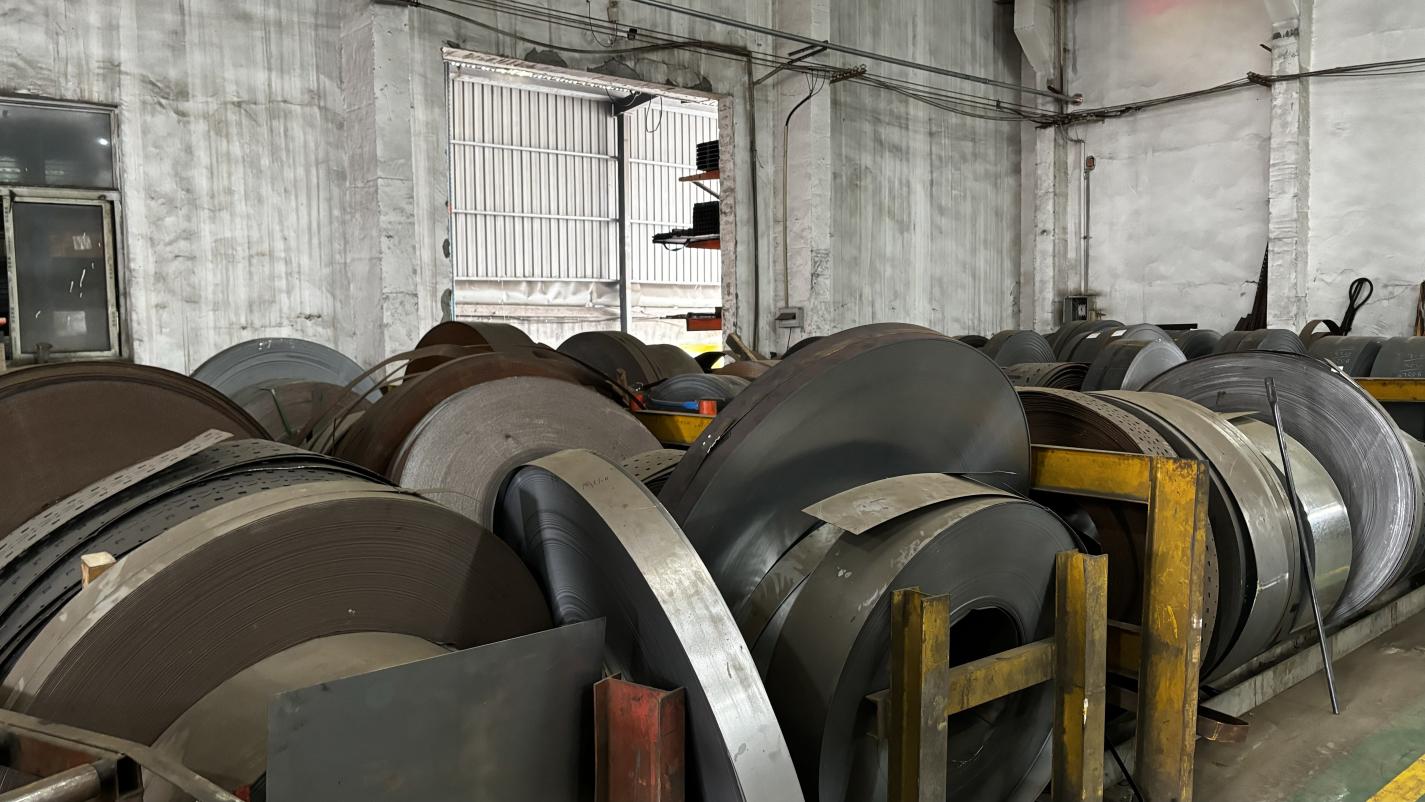
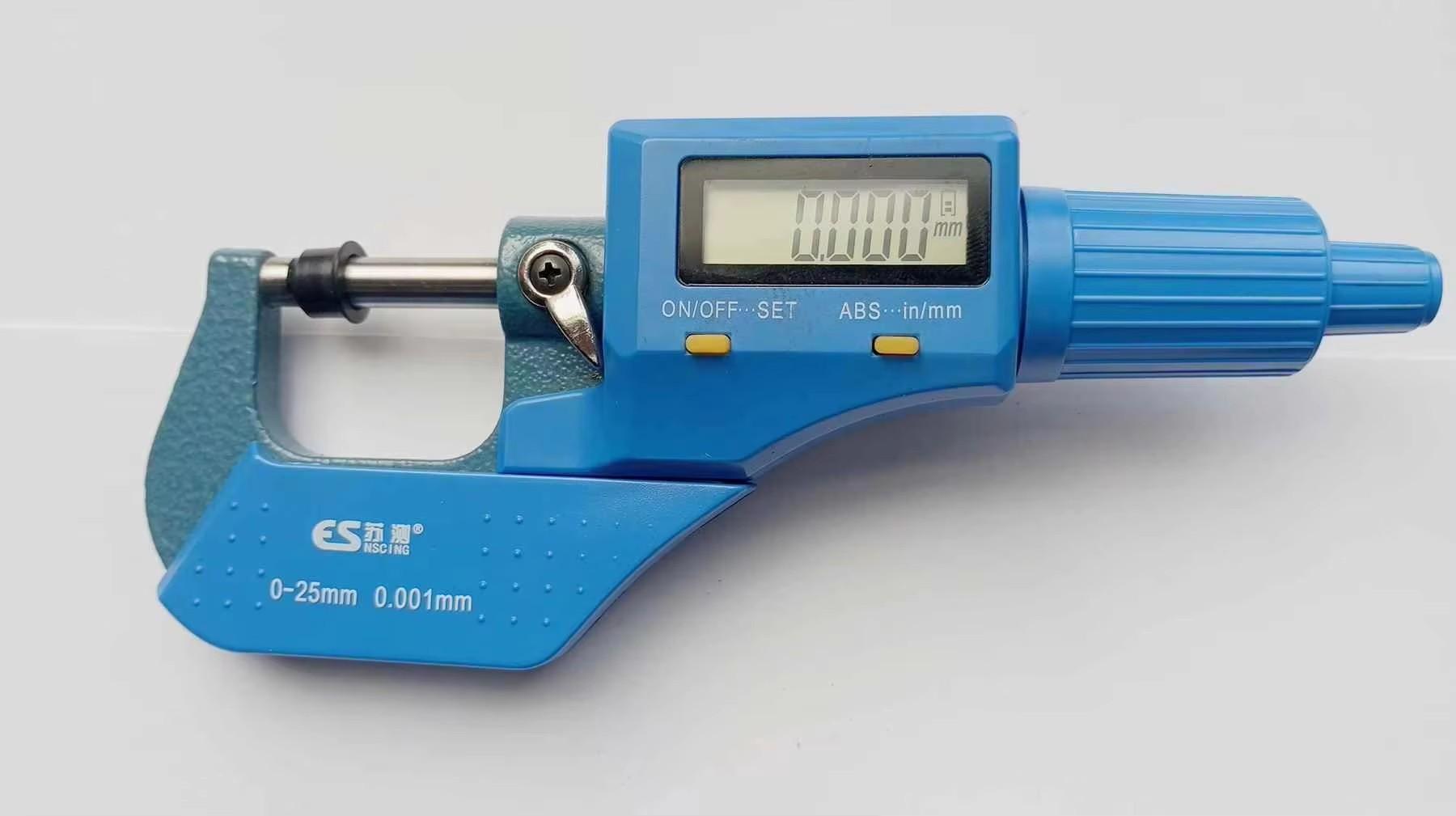
Our QC testing framework utilizes precision gauges and specialized software modeling. Under our ISO 9001 certified program, raw material steel coils are first verified for chemical composition and tensile strength. Once profile forming is complete, our engineering team performs:


With an annual export volume reaching $16 million and customers in over 50 countries, we are highly experienced in trans-Pacific logistics. For our Chicago clients, shipping is handled via major West Coast ports (with intermodal rail transport straight to Chicago terminals) or directly via all-water routes to Gulf or East Coast ports:
Explore our industrial-grade storage configurations designed for logistics centers, cold chain hubs, and heavy manufacturing warehouses.
Providing expert answers to complex engineering, layout, compliance, and international shipping queries.
 Jinhui Storage Equipment