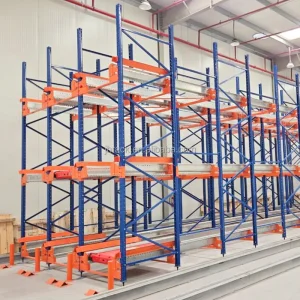
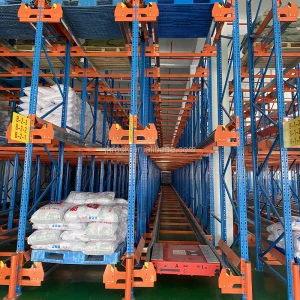
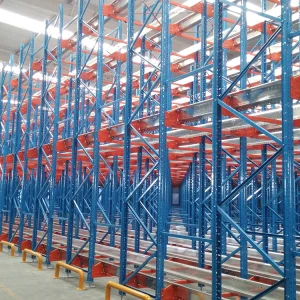
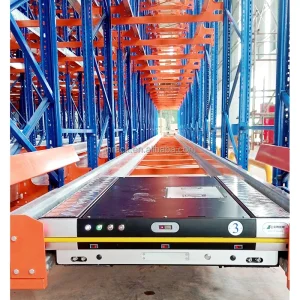
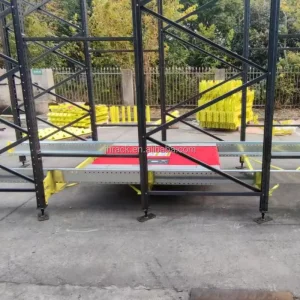
Engineered to handle extreme configurations, high-density space conservation, and rapid throughput in seismically active industrial environments.
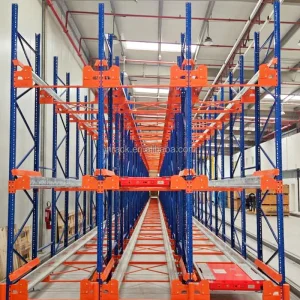
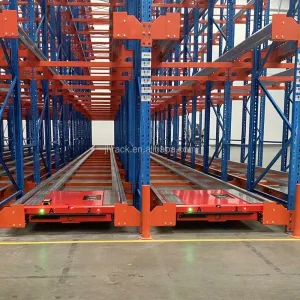
The Japanese warehousing industry is undergoing a structural transformation. Driven by the critical "2024 Logistics Overtime Regulations (2024年問題)", which restrict truck driver overtime hours, companies are forced to maximize regional distribution center throughput. Concurrently, Japan's land scarcity, especially in metropolitan Kanto (Tokyo Bay) and Kansai (Osaka Bay) zones, has elevated real estate pricing to historic heights.
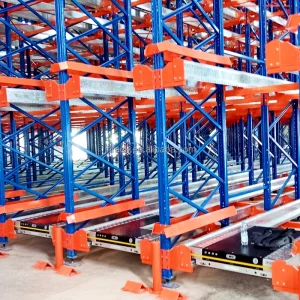
To survive, modern Japanese storage spaces are shifting from traditional selective racking to high-density semi-automated systems. Radio Shuttle Racking stands out as the most versatile system for local operators. By eliminating driving aisles, shuttle racking systems increase storage footprint capacity by up to 80% compared to standard configurations.
Moreover, Japanese warehouses demand strict engineering compliance. Structures must pass the stringent seismic design guidelines set by the Building Standards Act of Japan and satisfy calculations that withstand high peak ground acceleration (PGA). Jinhui designs its systems specifically to match these heavy-duty Japanese requirements.
Our specialized engineering calculations factor in dual-directional bracing, dynamic load-bearing anchor plates, and cold-formed high-tensile upright steel columns to sustain severe ground motions in earthquake-prone zones like Japan.
Shuttle batteries and sensor clusters are certified to perform continuously in temperatures down to -30°C, typical of seafood and agriculture distribution centers in Hokkaido and Kobe Ports.
Global Industrial Excellence & High-Precision Rack Manufacturing
Dongguan Jinhui Storage Equipment Co., Ltd. is a premium industrial manufacturer specializing in state-of-the-art warehouse storage solutions and smart industrial racking systems. Founded in 2017, Jinhui has steadily built a solid reputation for offering high-integrity steel racking and custom automated storage solutions to a global clientele spanning over 50 countries, including distributors, heavy logistics firms, and industrial factories across Japan.
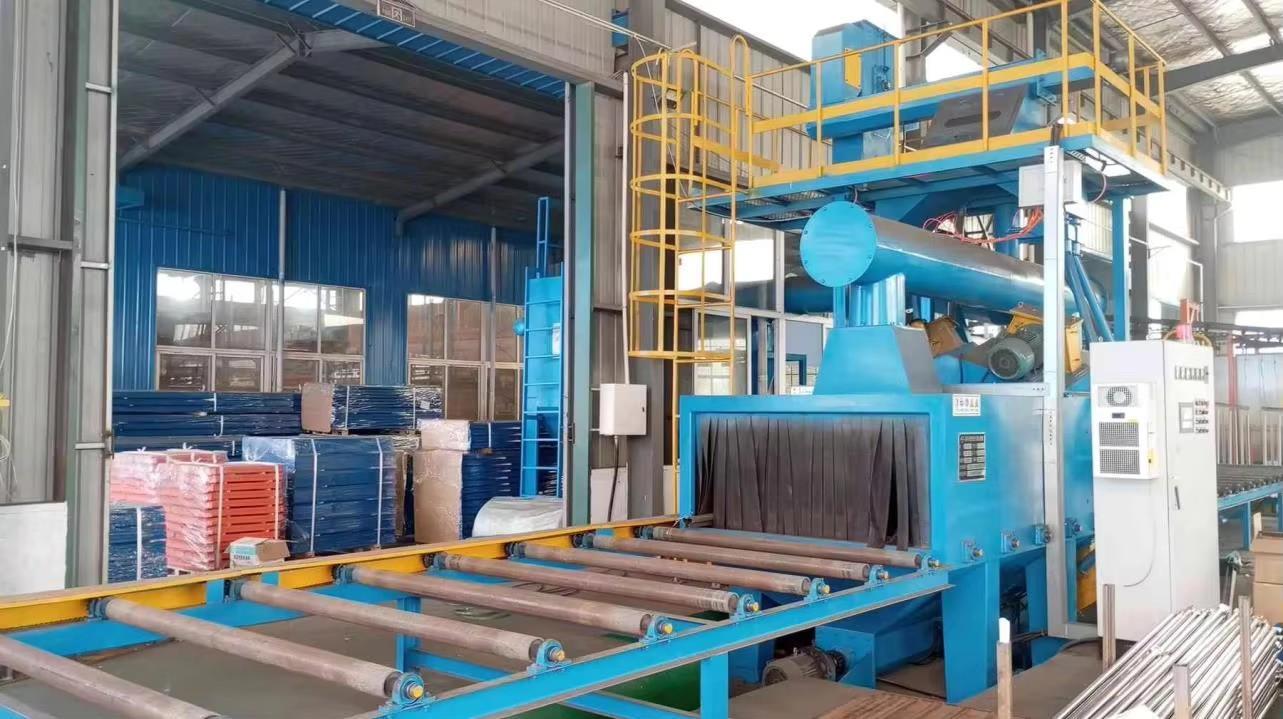
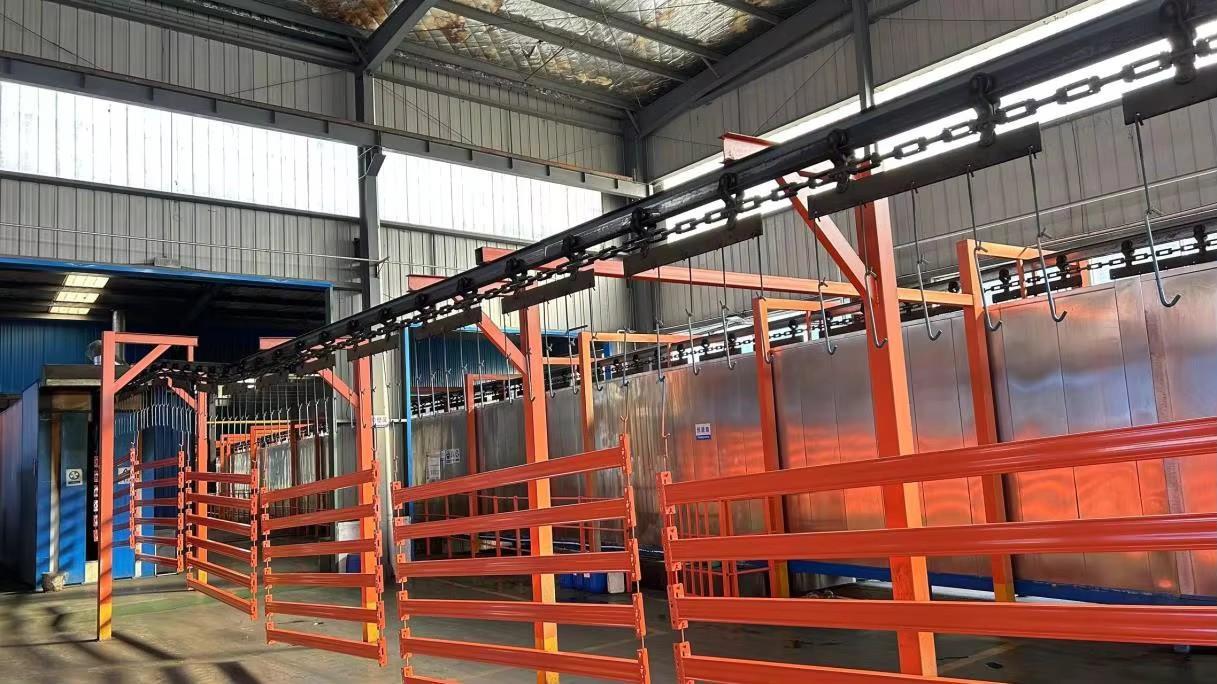
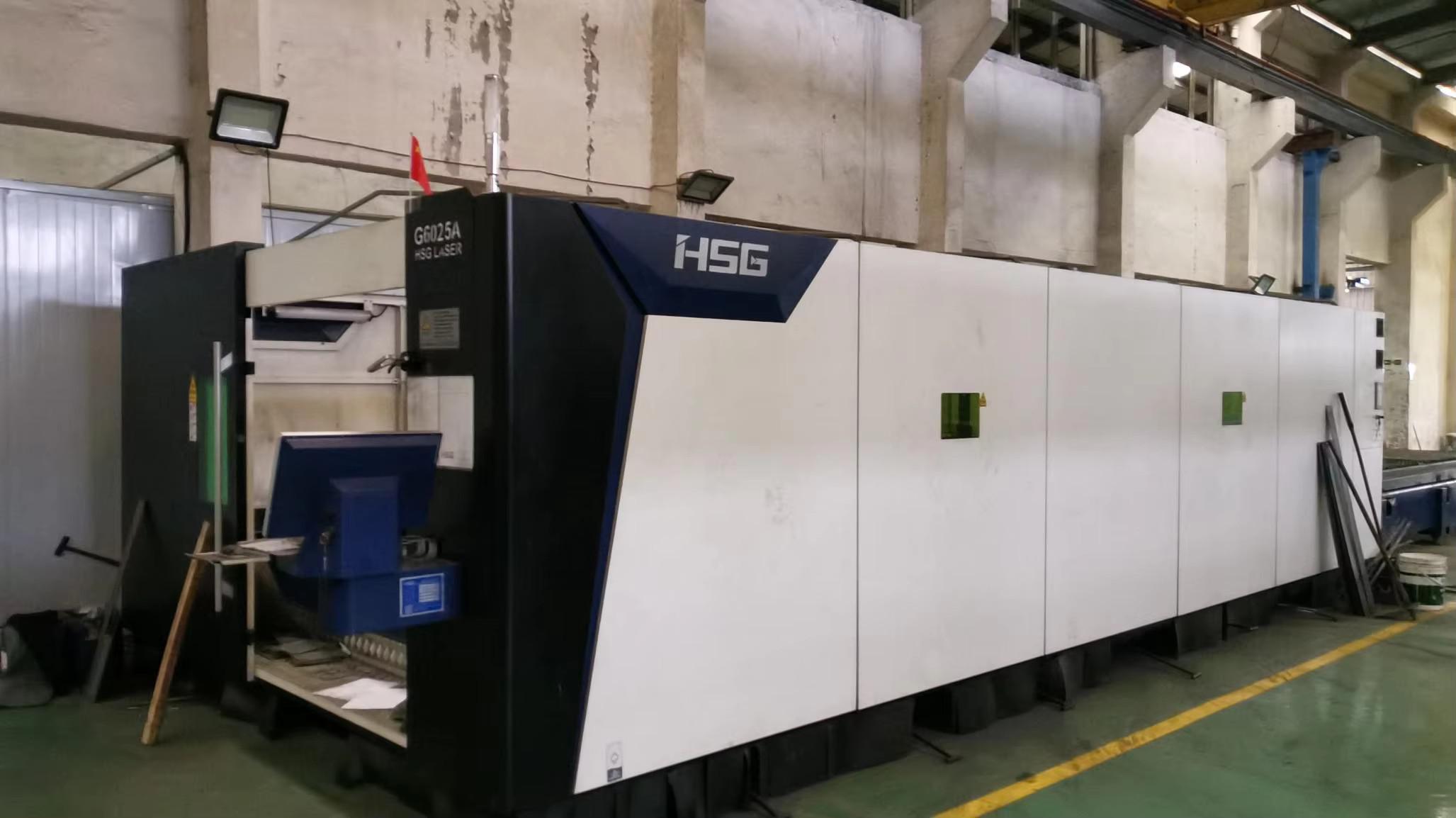
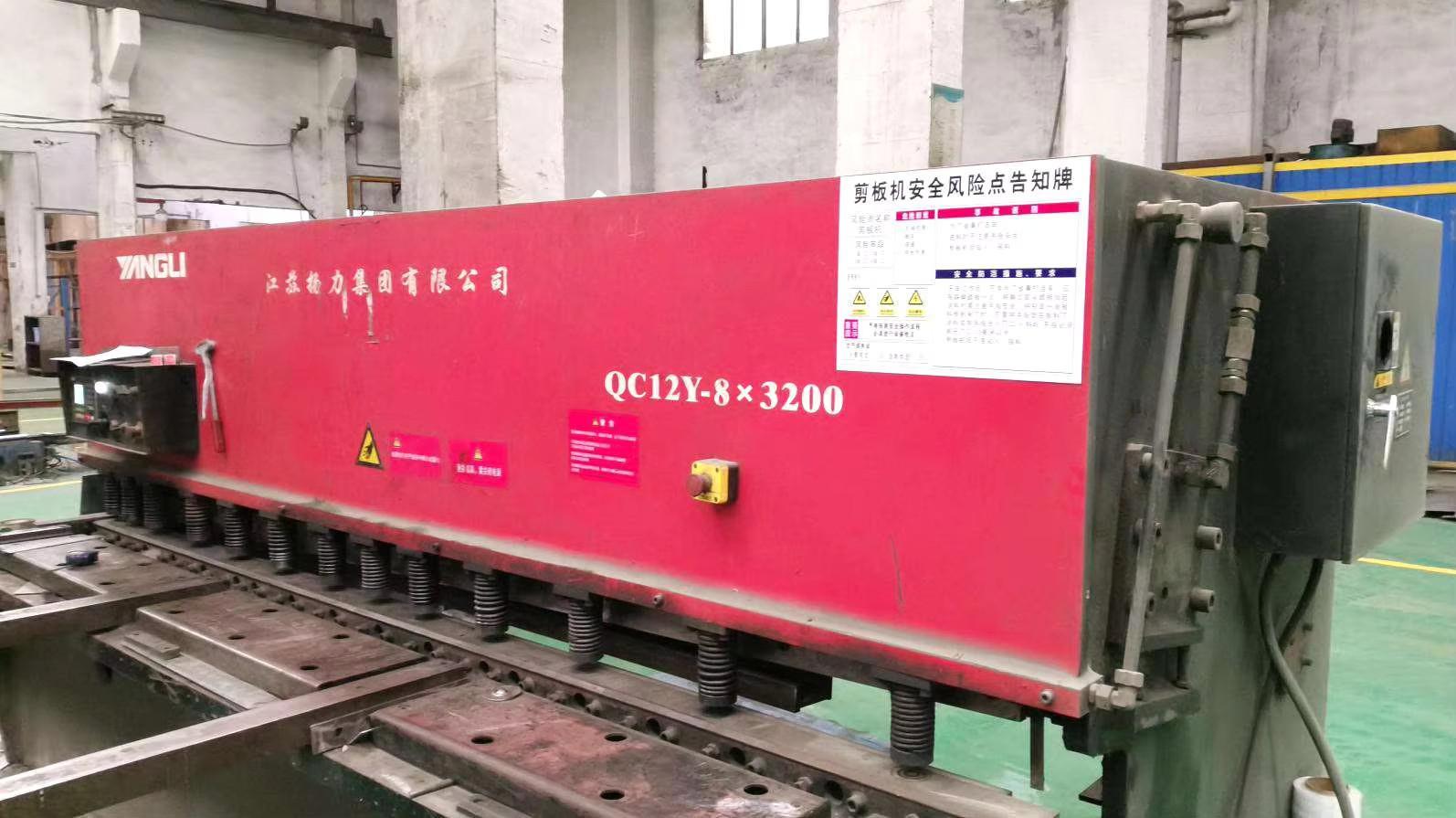
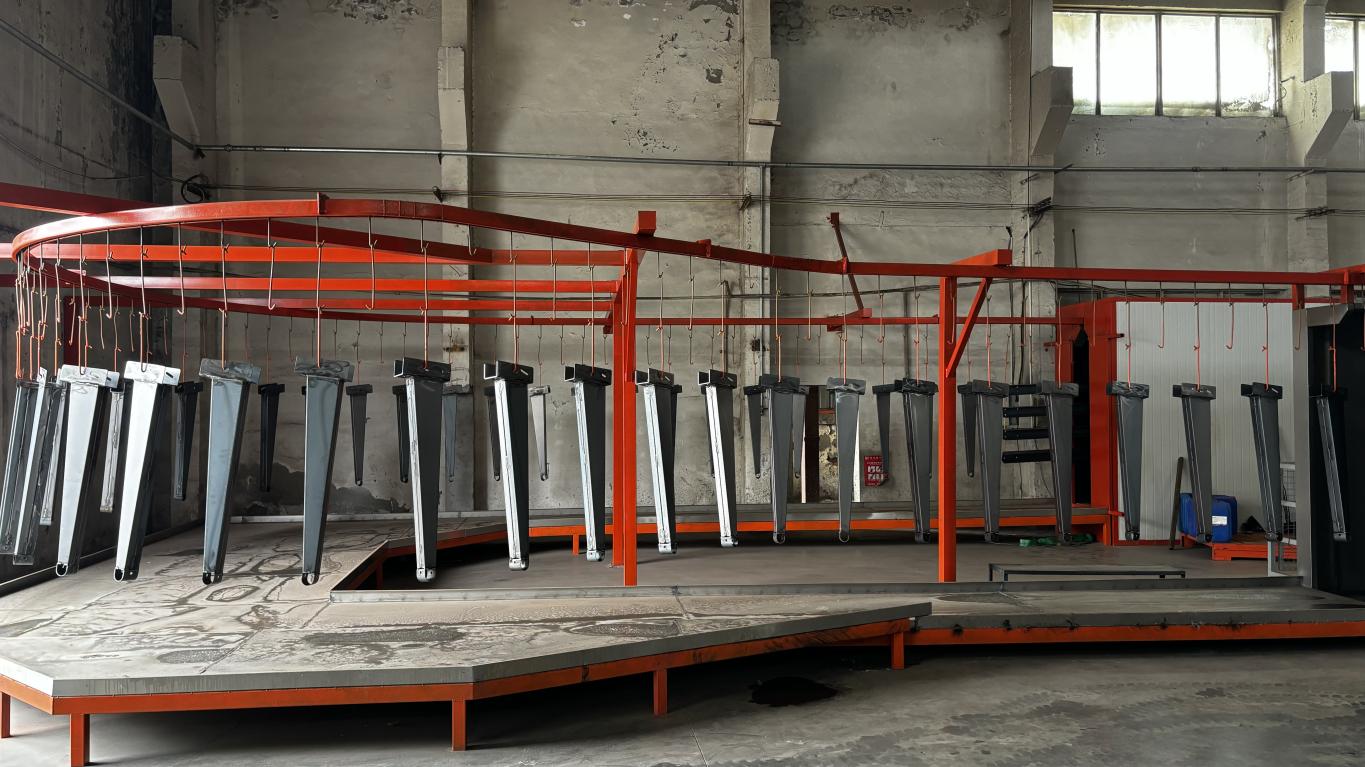
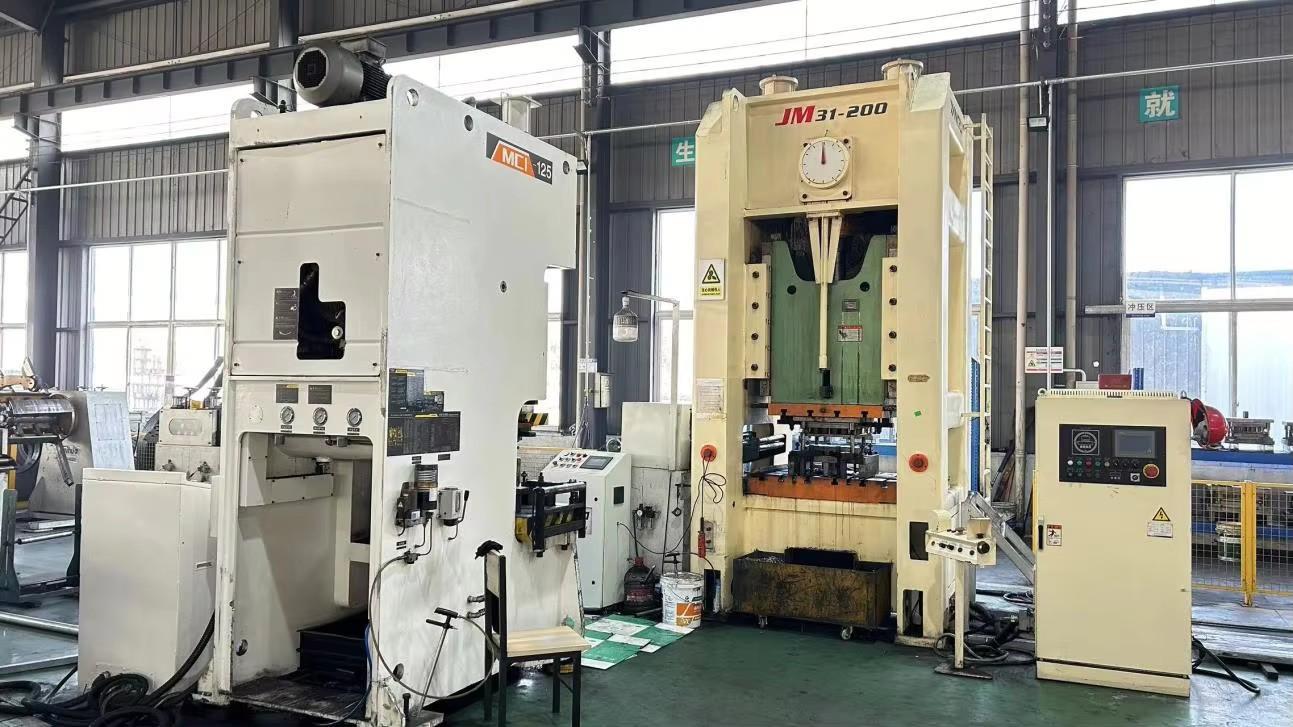
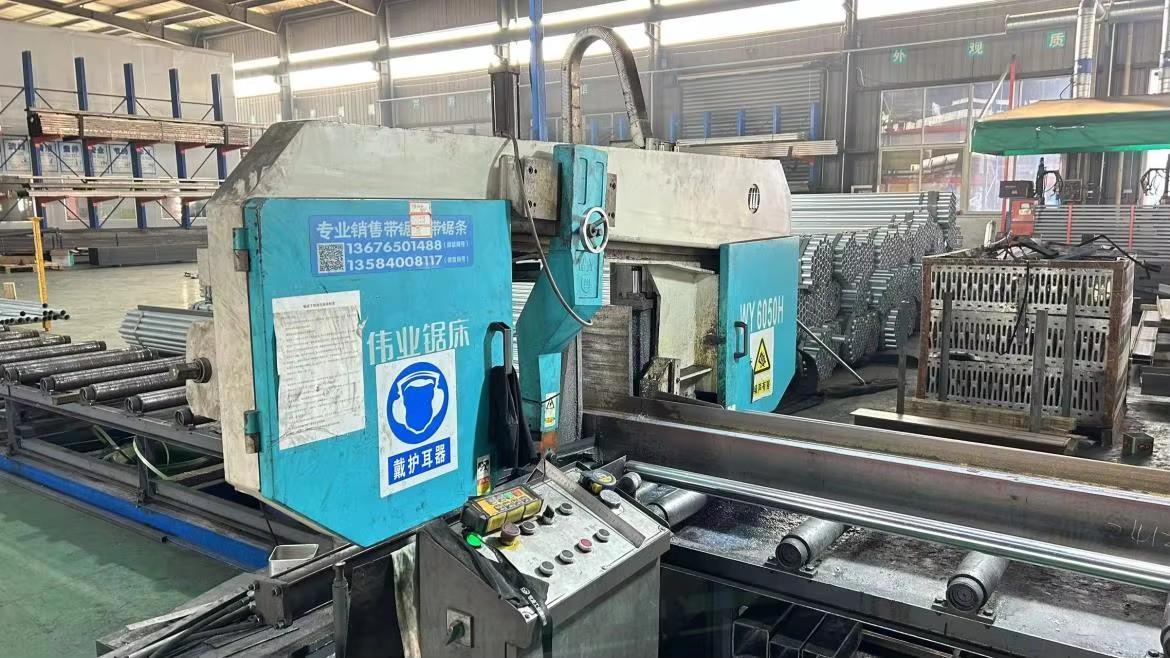
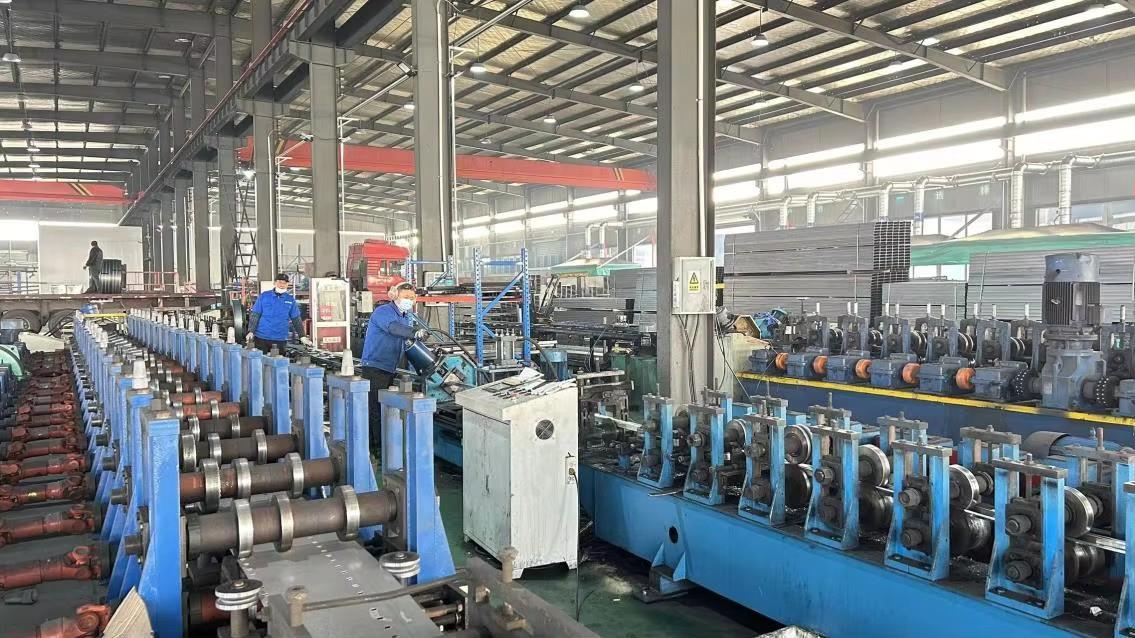
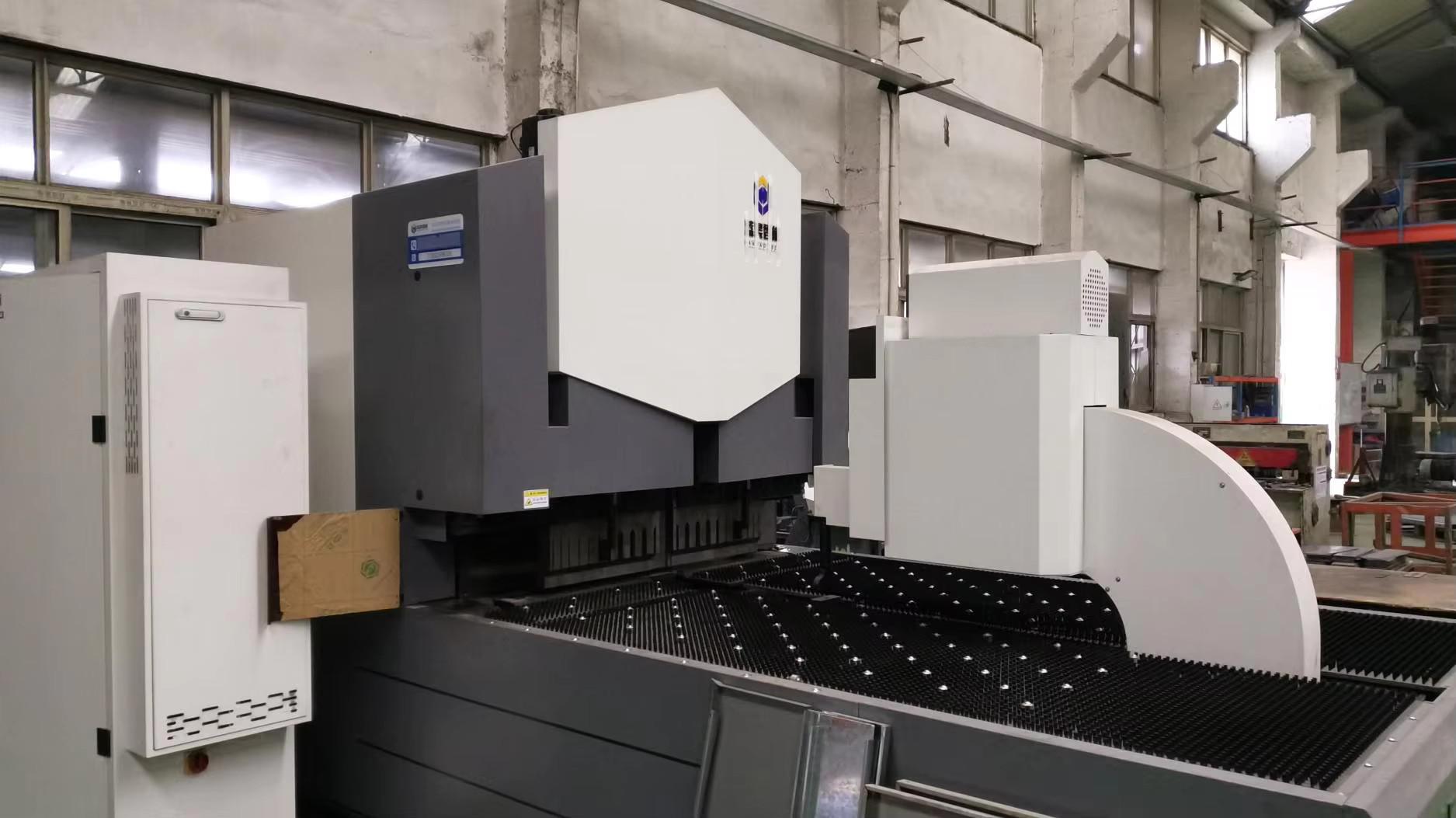
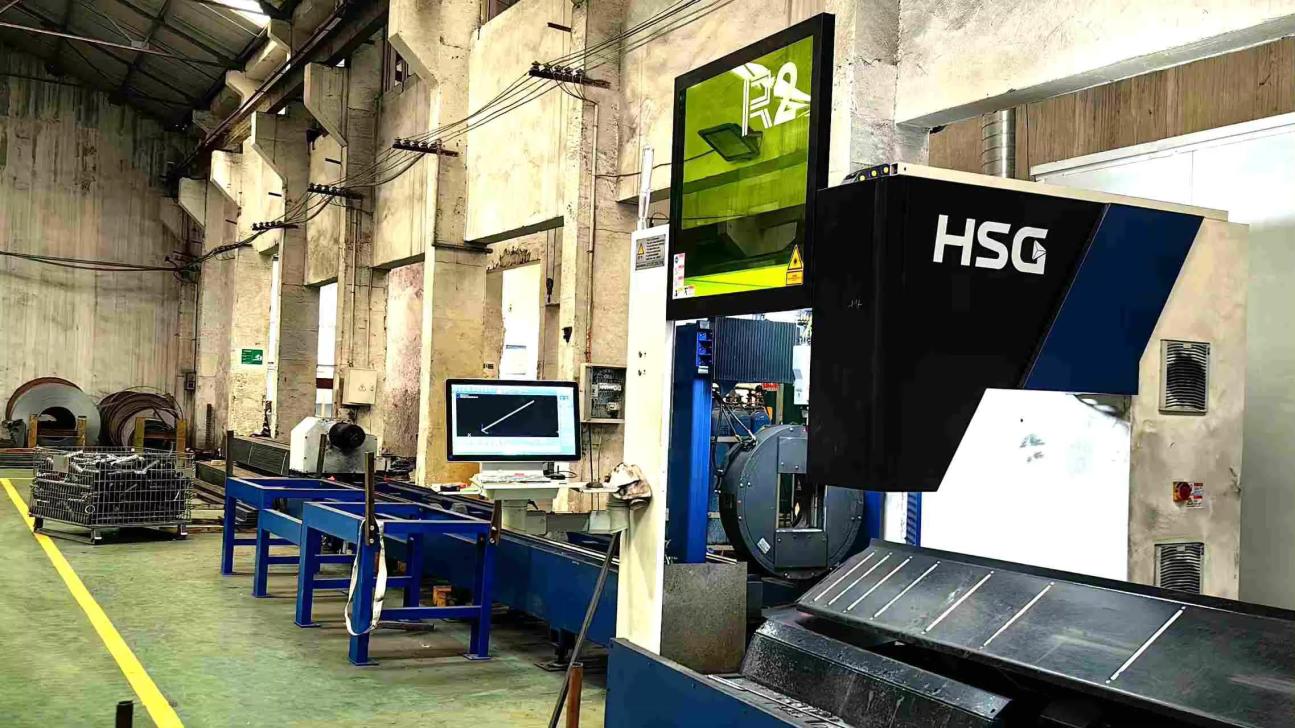
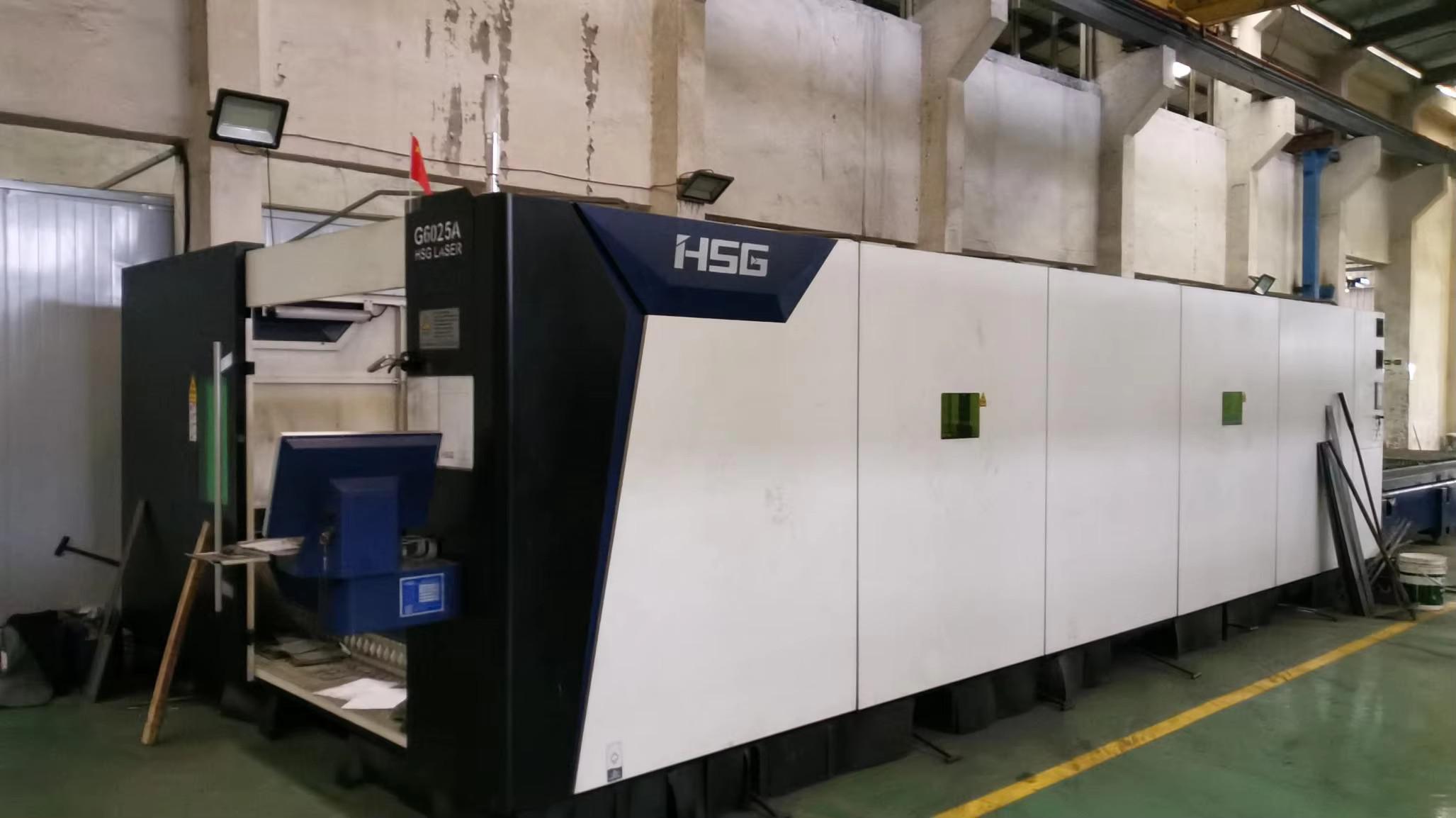
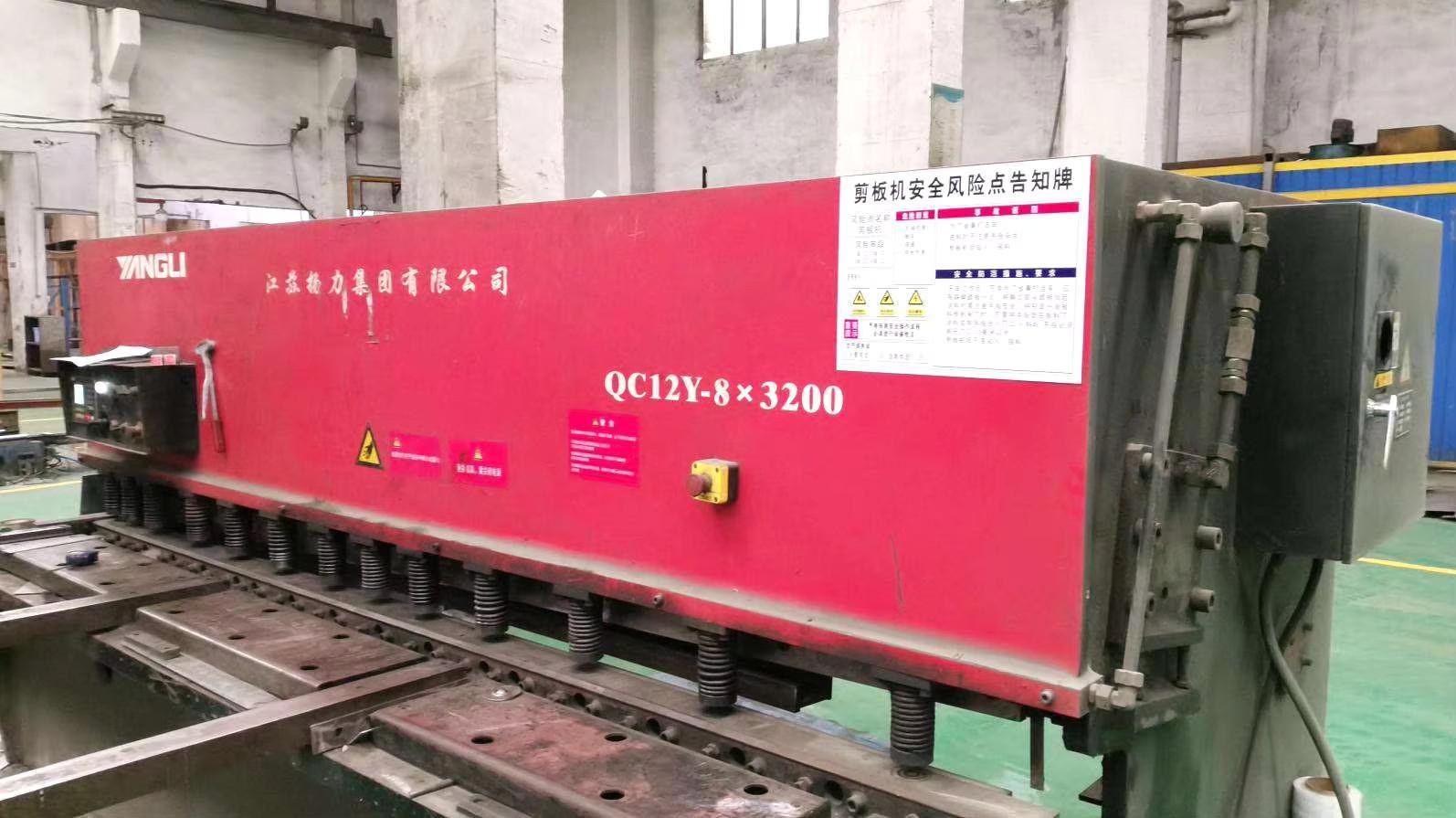
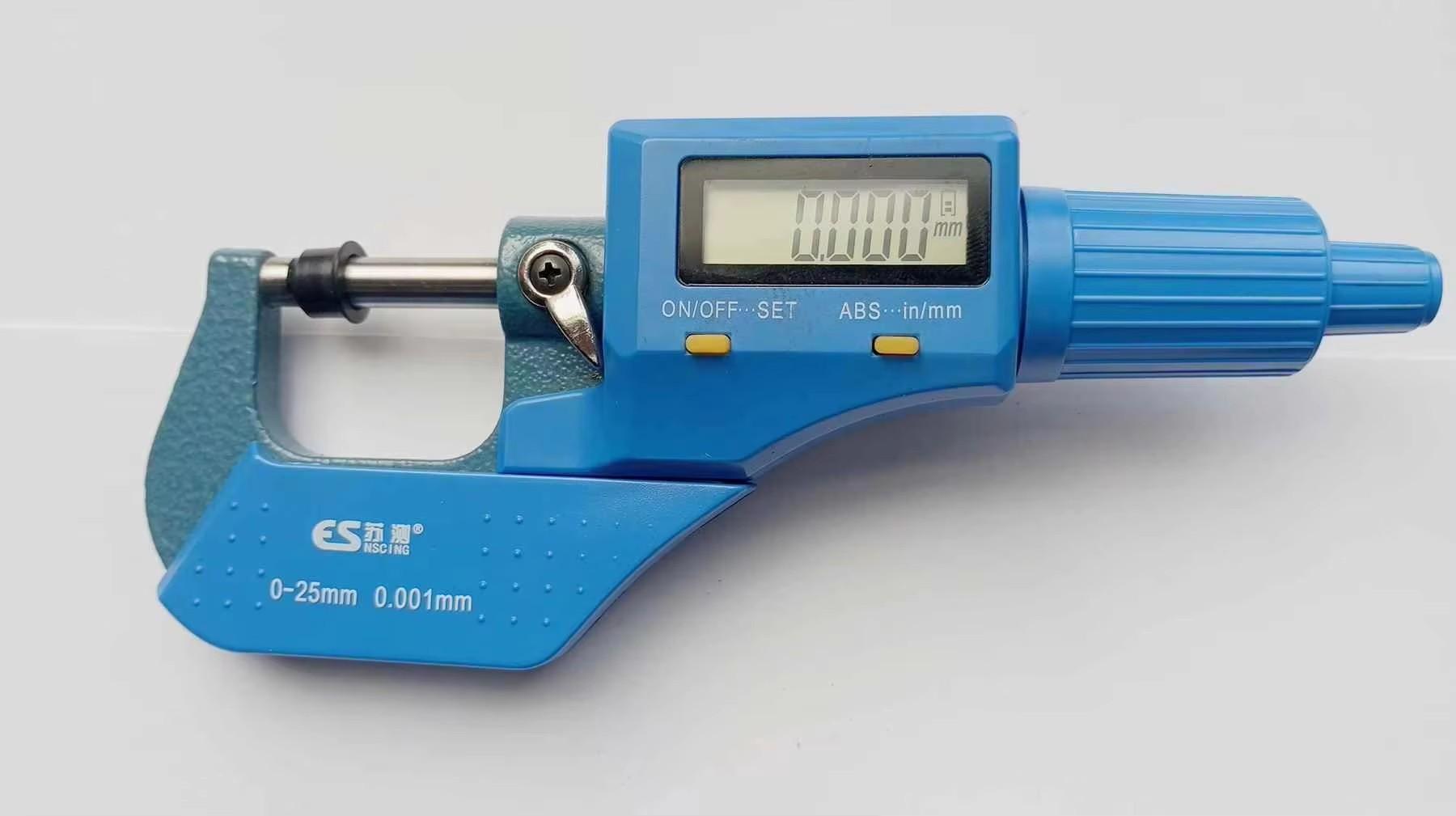
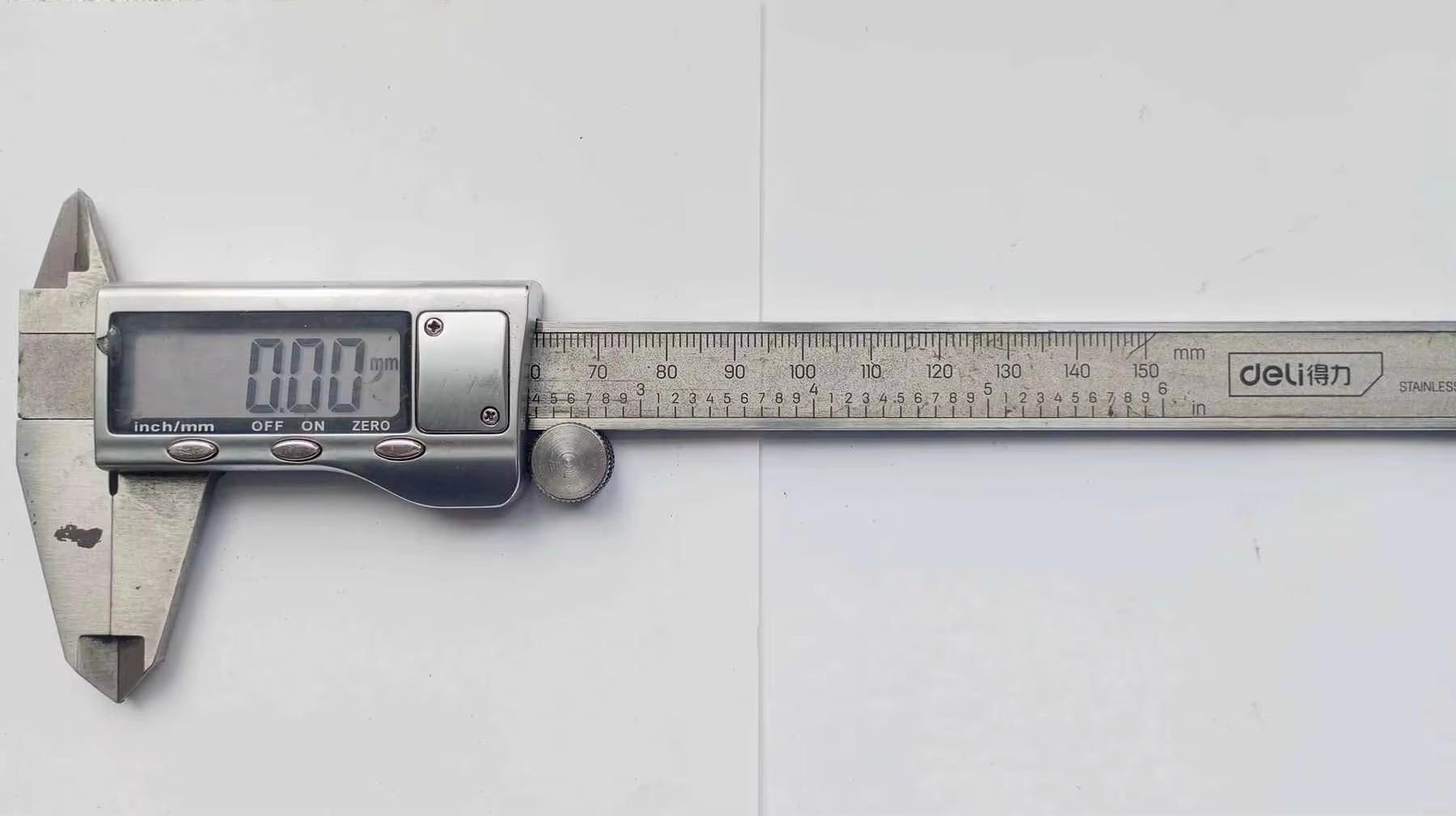
Our production hub spans an expansive 18,600 square meters, utilizing cutting-edge manufacturing equipment. We employ advanced automatic roll-forming production lines, precision high-power laser cutters, multi-station CNC punching machines, heavy-duty robotic welding units, and electrostatic powder coating complexes. Because automated shuttle systems require minimal structural tolerances, our robotic fabricators guarantee that rails are formed to millimeter accuracy, ensuring smooth, jam-free runner operation.
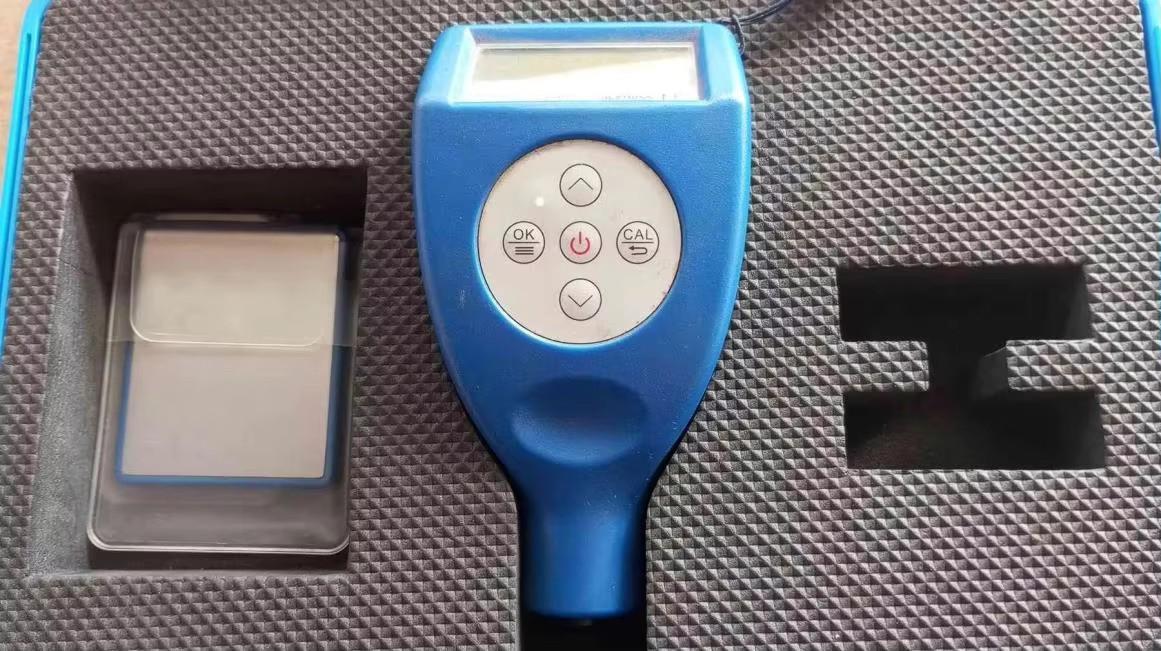
Through robust supply chain integration, Jinhui partners with over 980 suppliers, sourcing high-tensile structural steel (equivalent to Japanese JIS SS400 or higher grade Q355B) at highly competitive prices. We manage quality checks strictly through an ISO 9001 certified program, subjecting our steel to thorough dynamic loading, weld thickness testing, and powder coat impact checks before ocean dispatch.
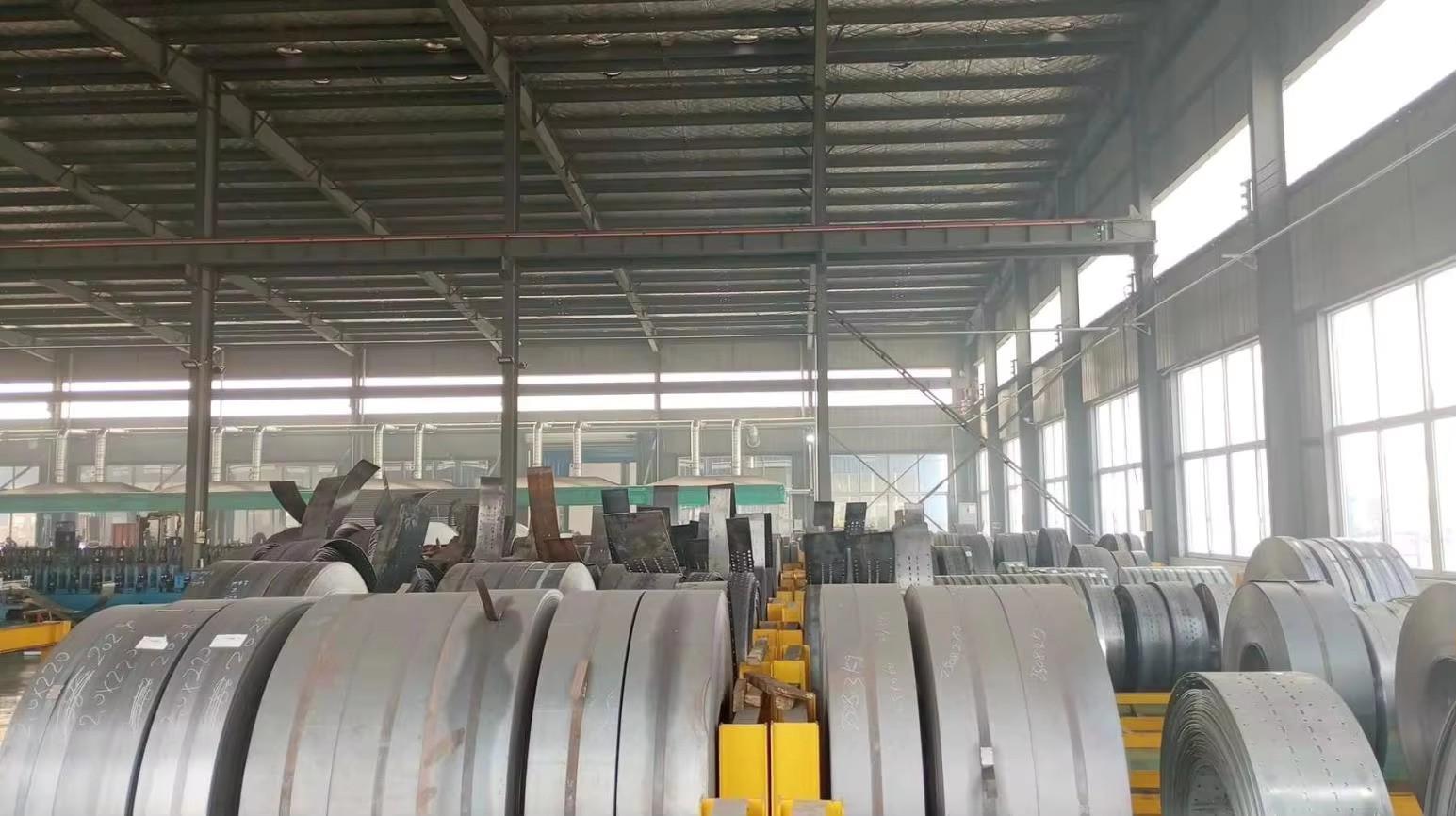
Observe the structural journey of our steel: from hot-rolled raw coils to high-durability automated shuttle rails.
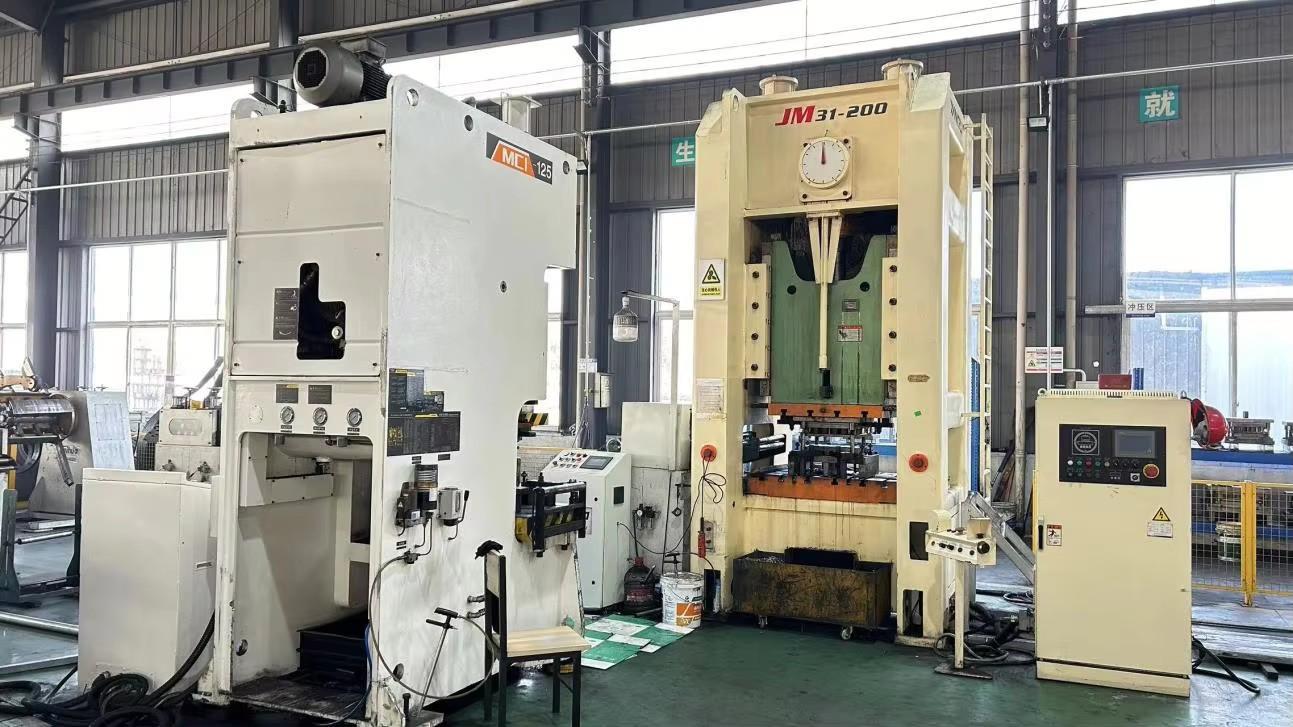
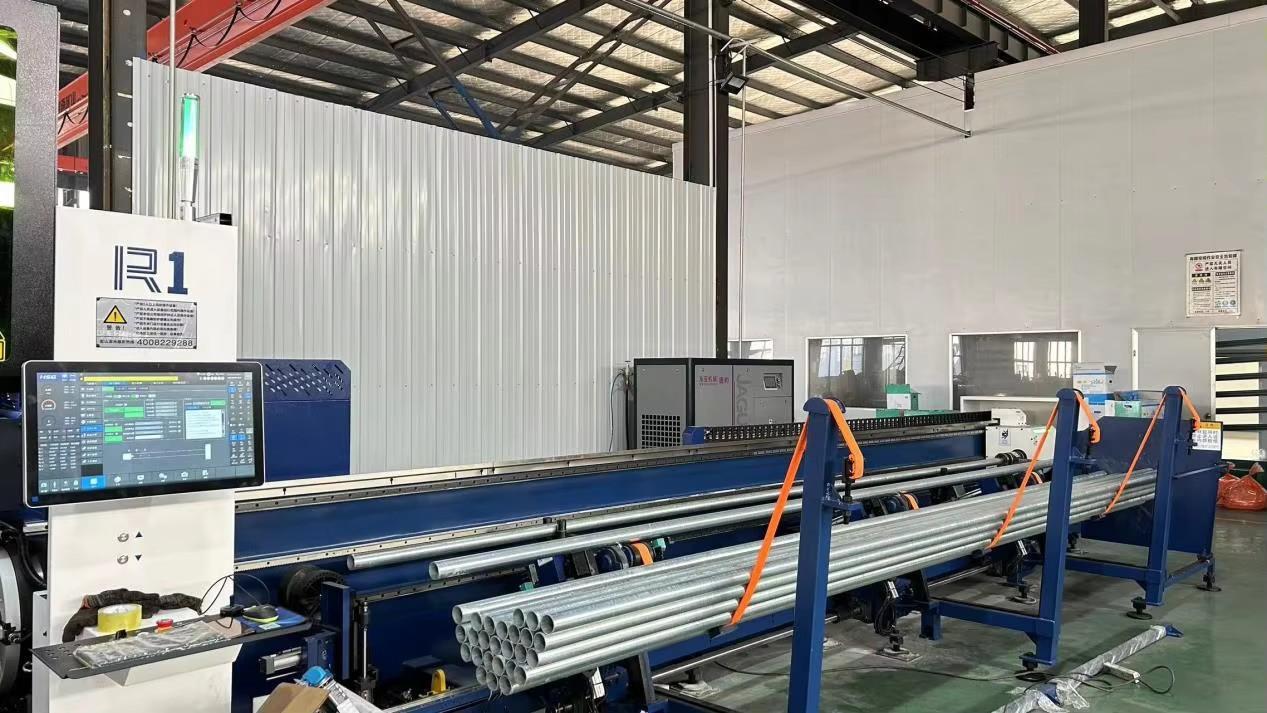
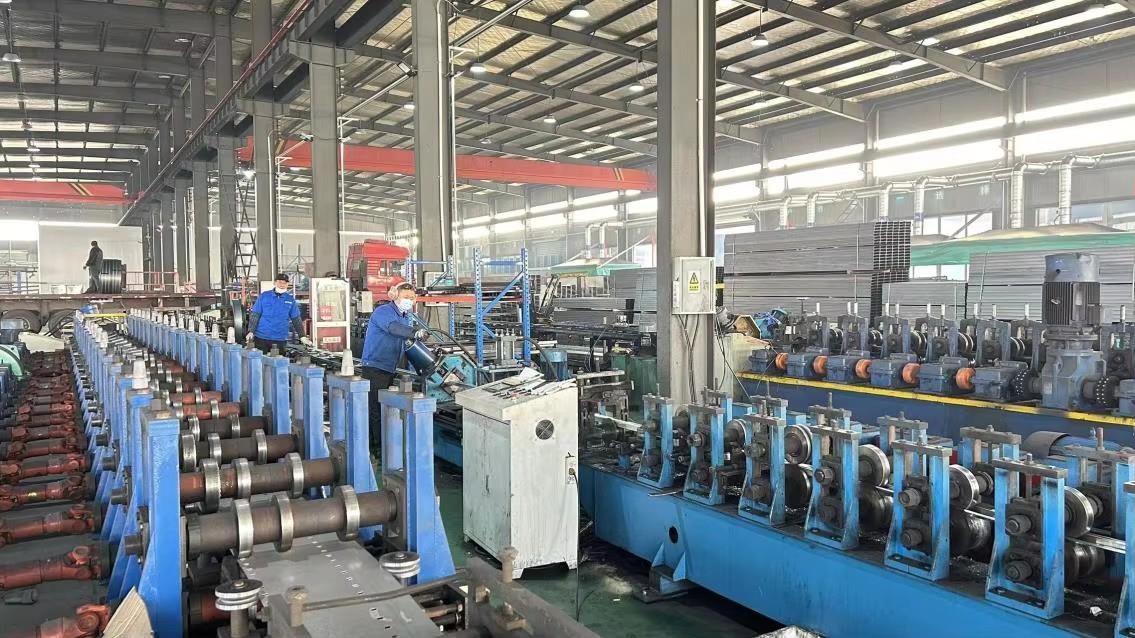
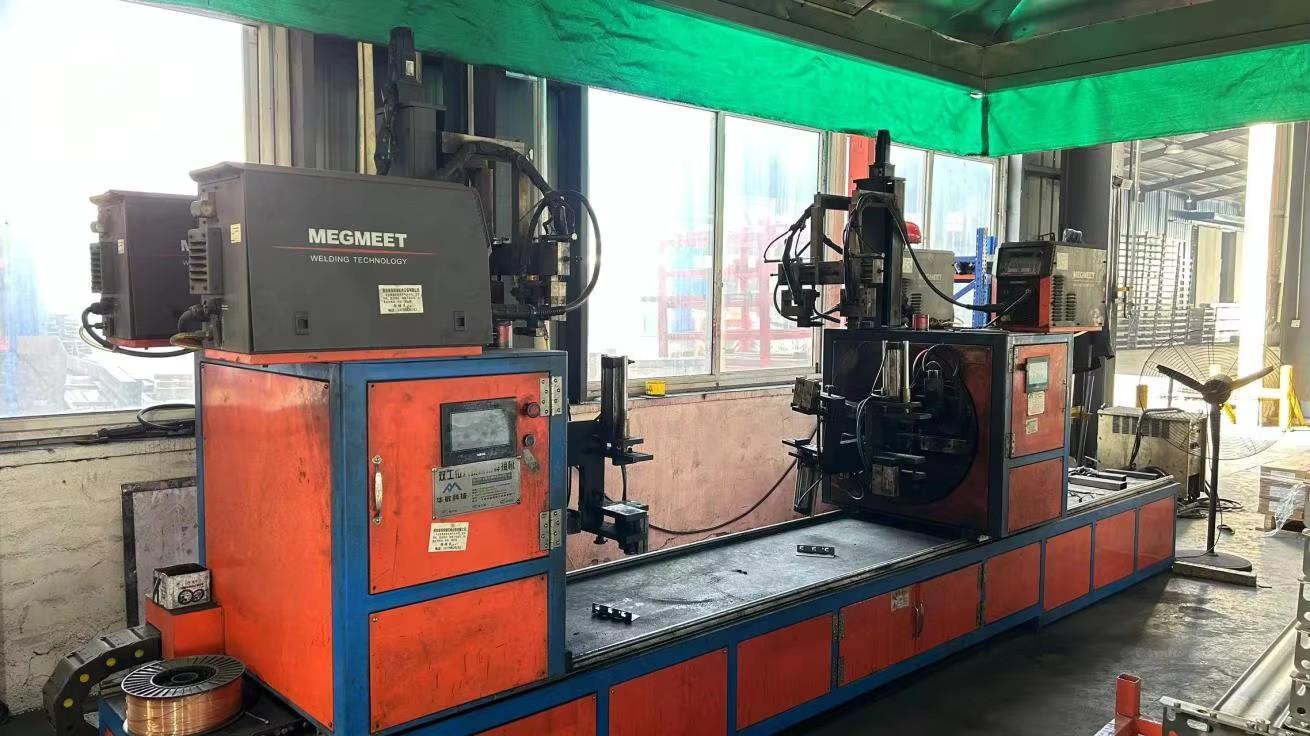
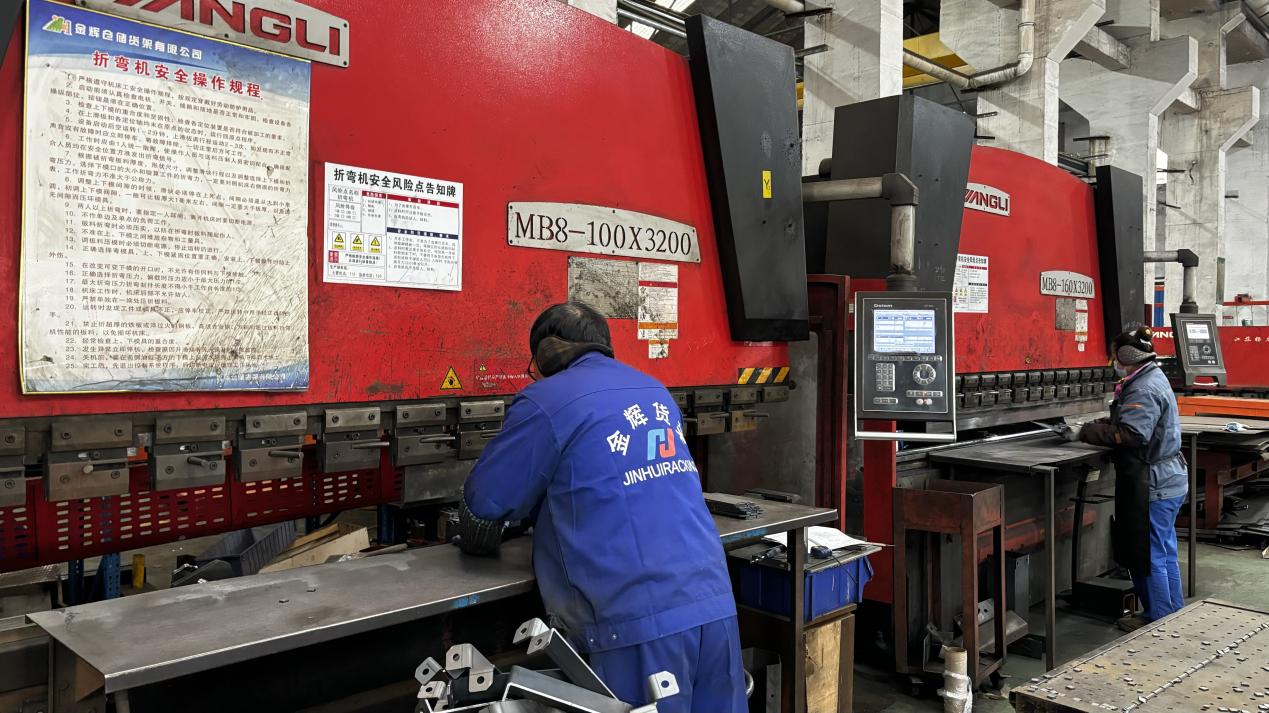
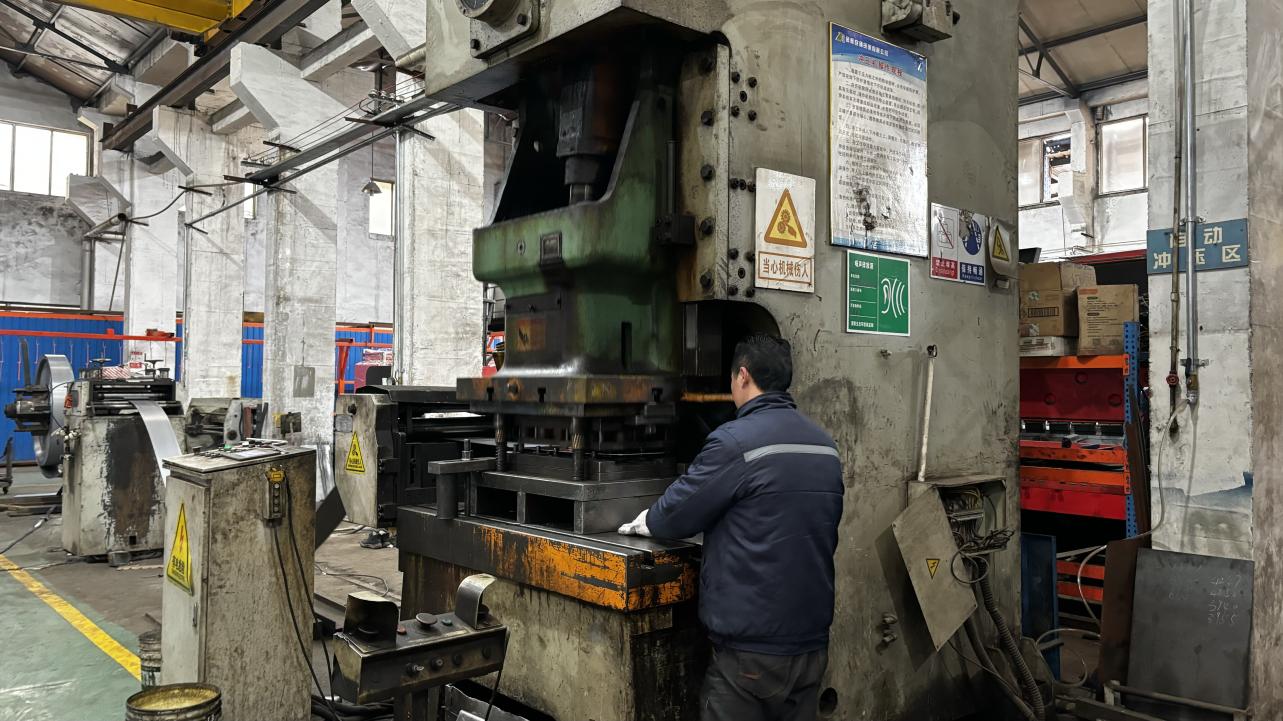
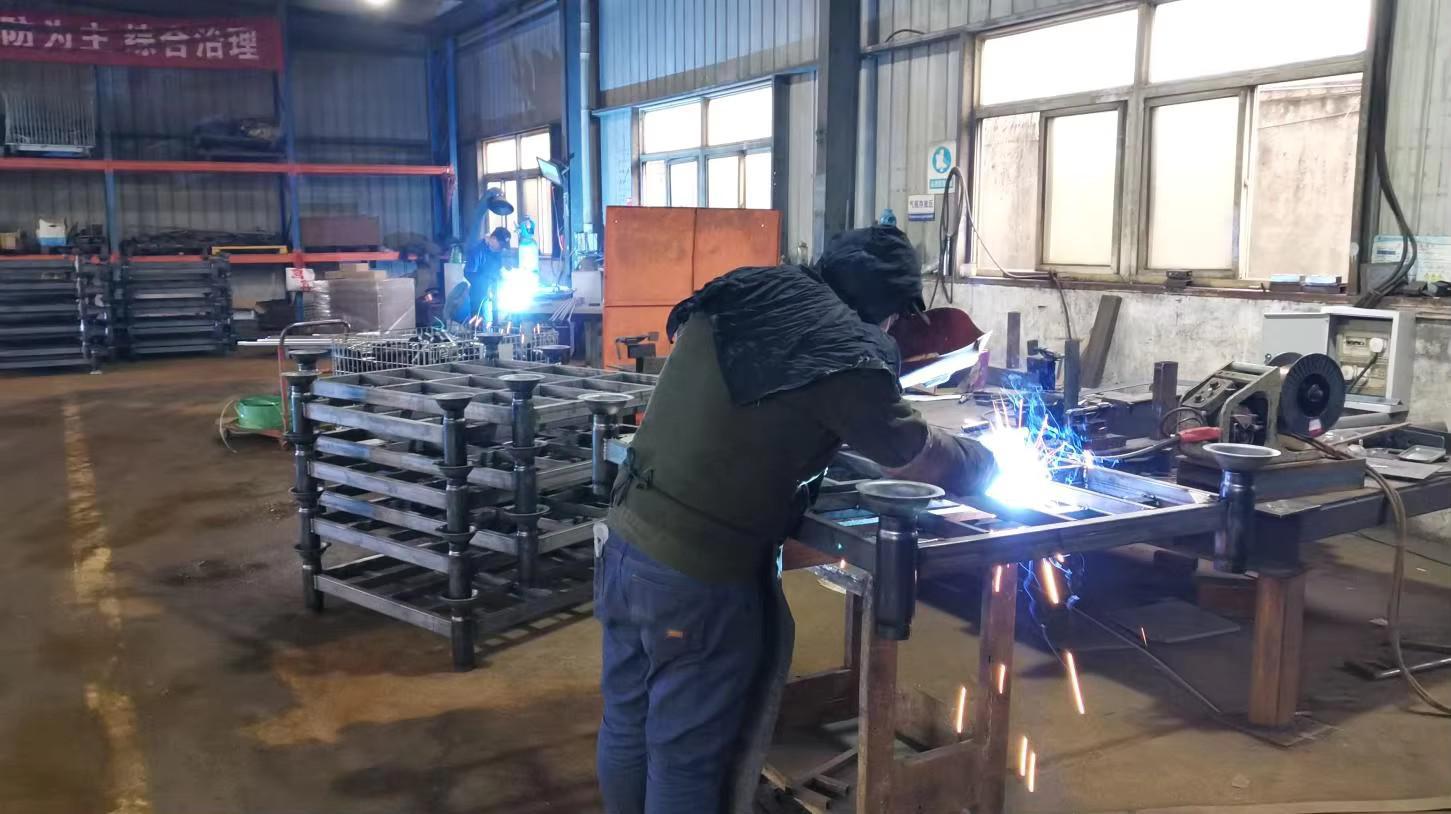
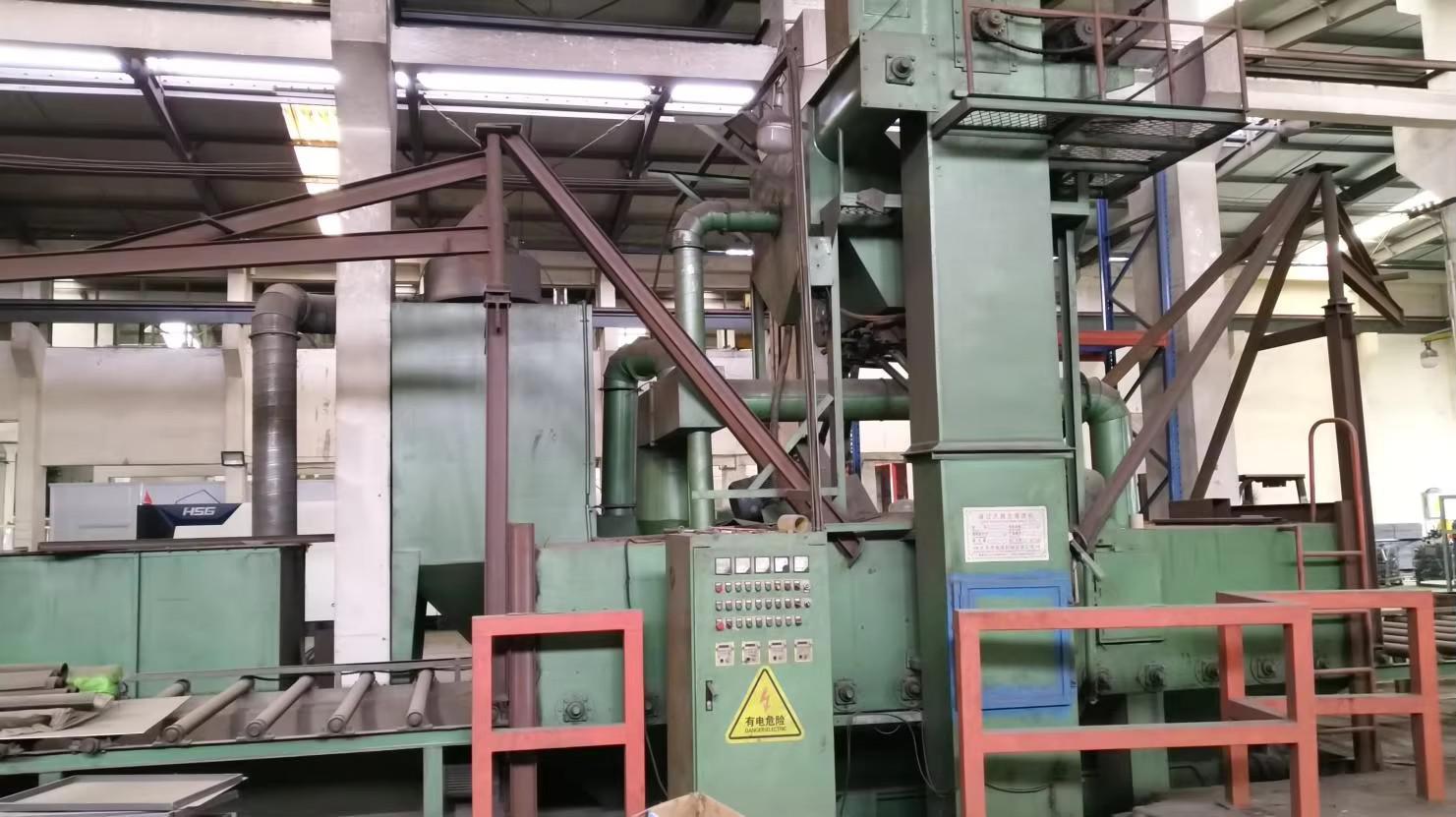
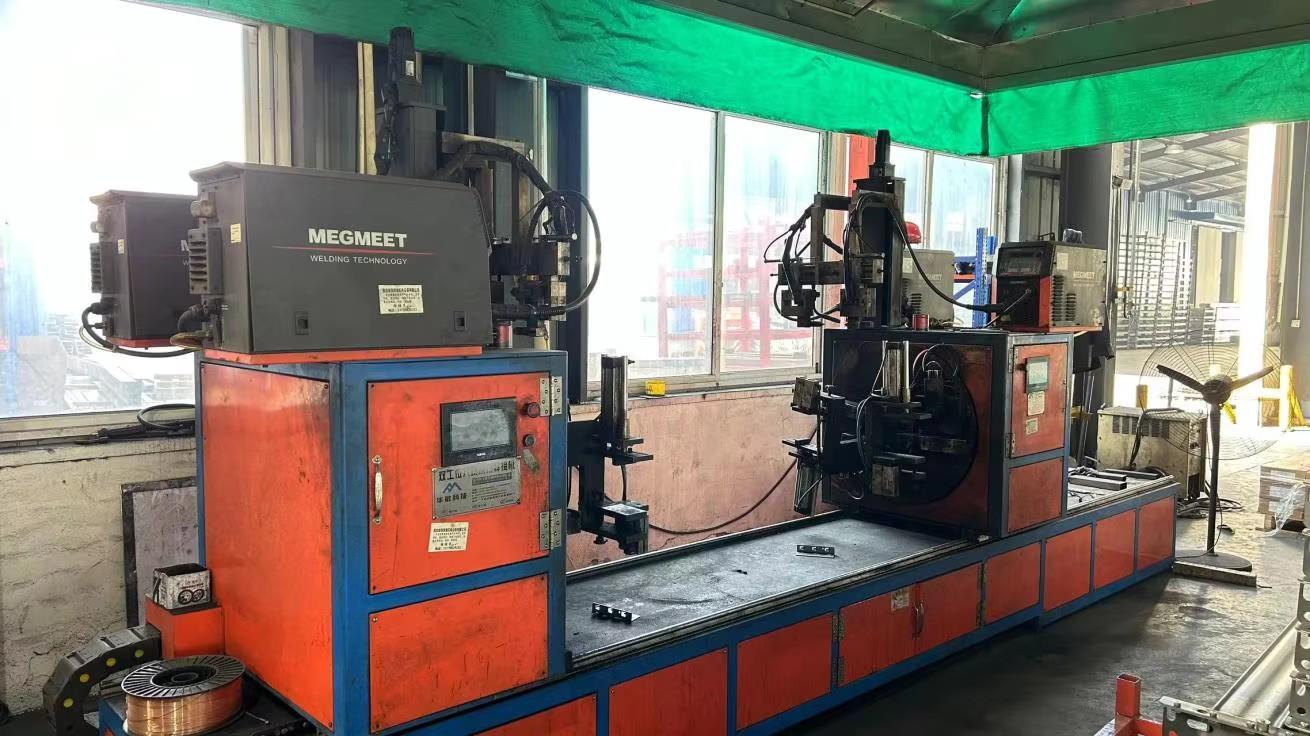
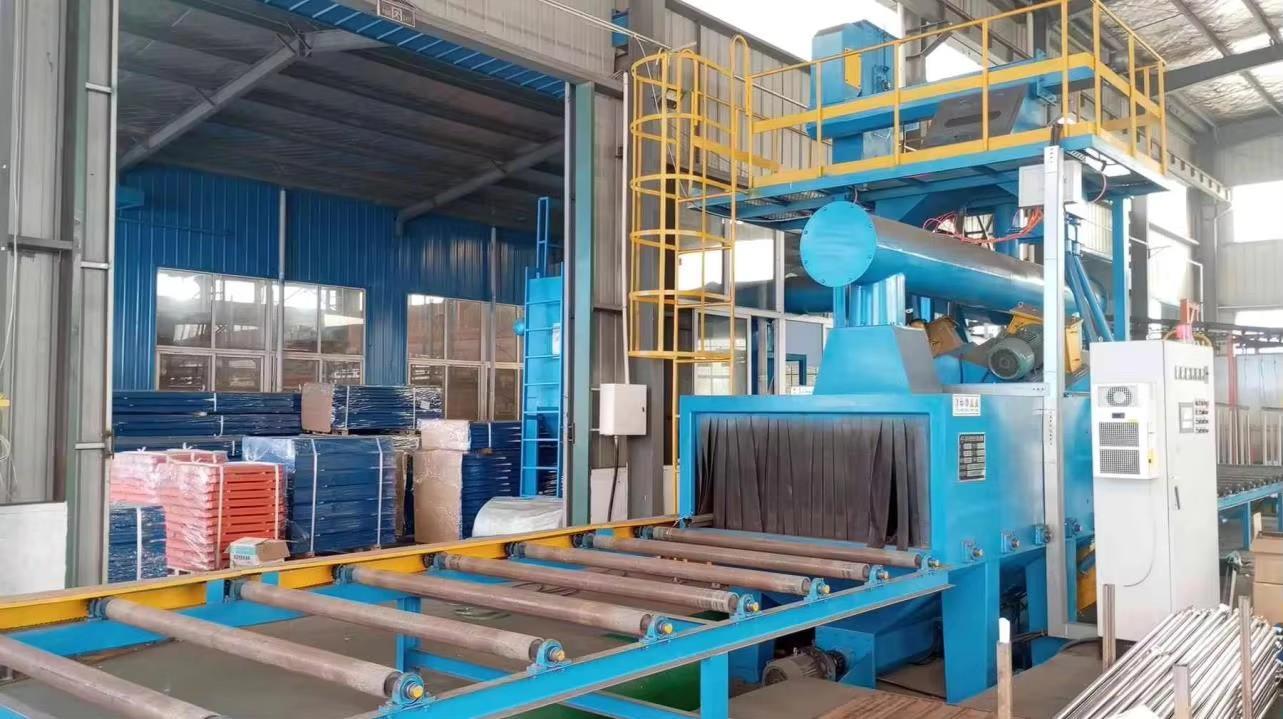
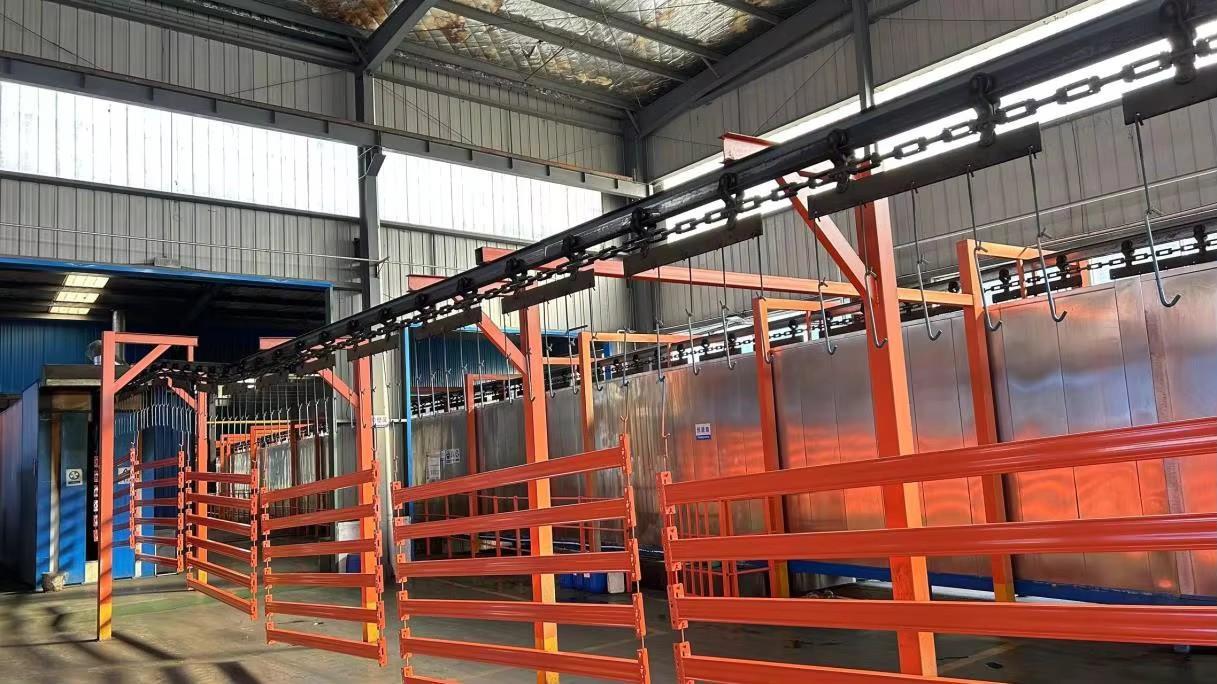
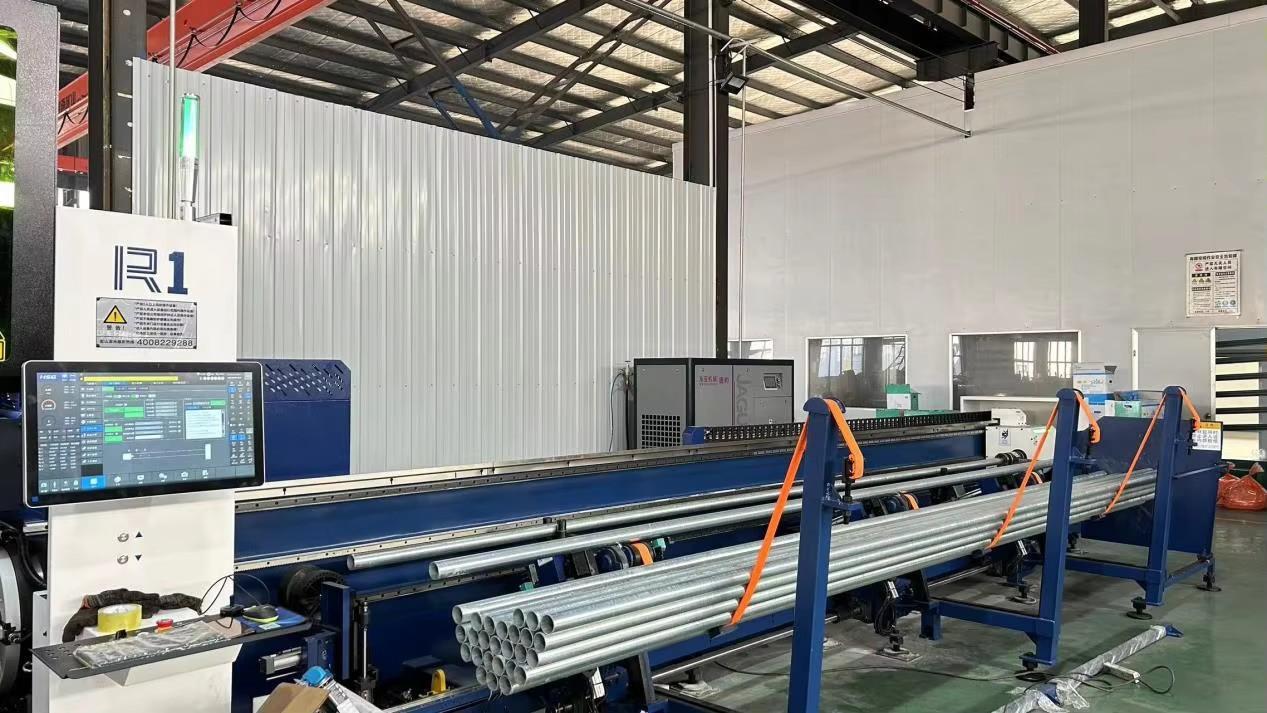
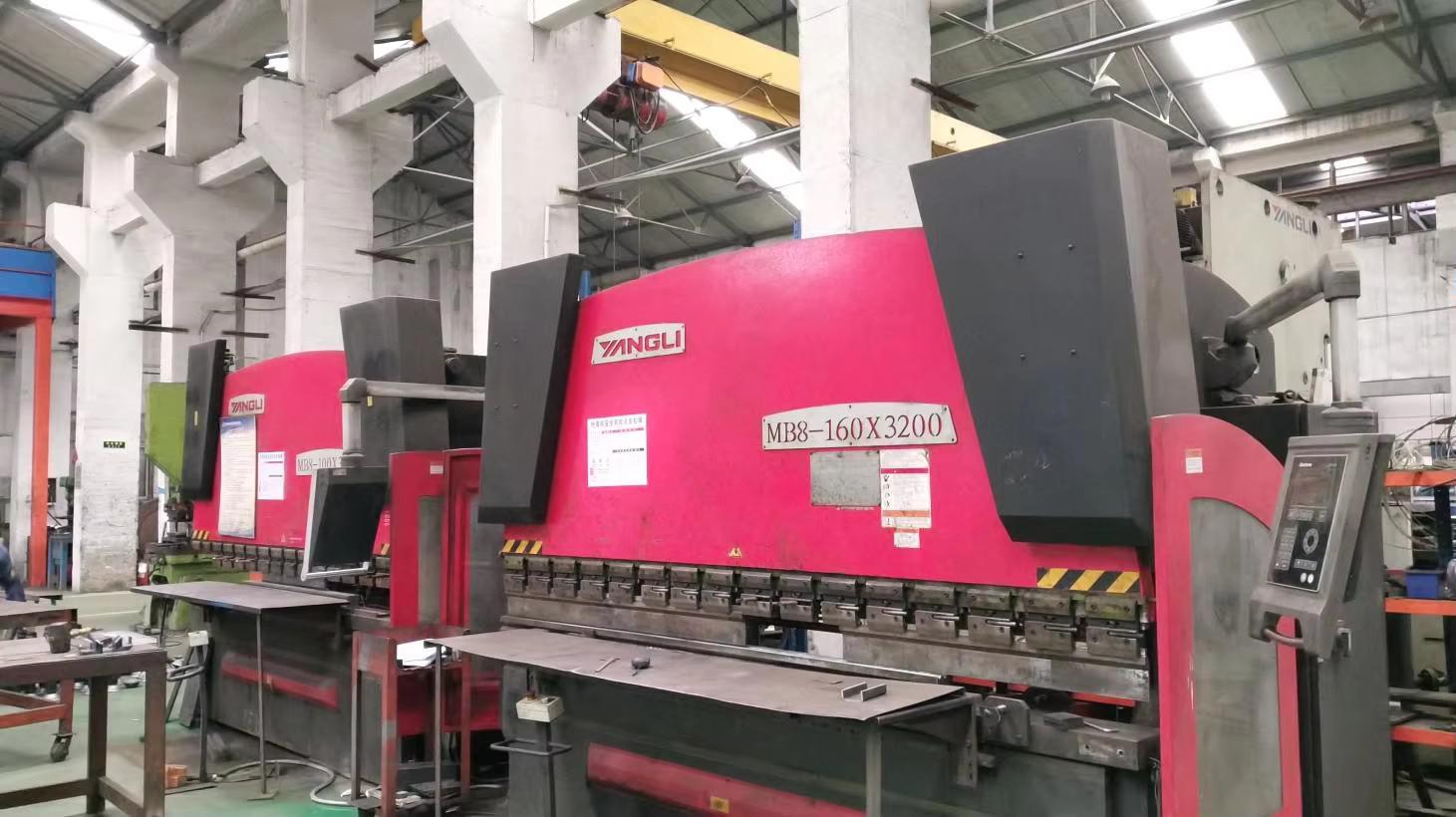
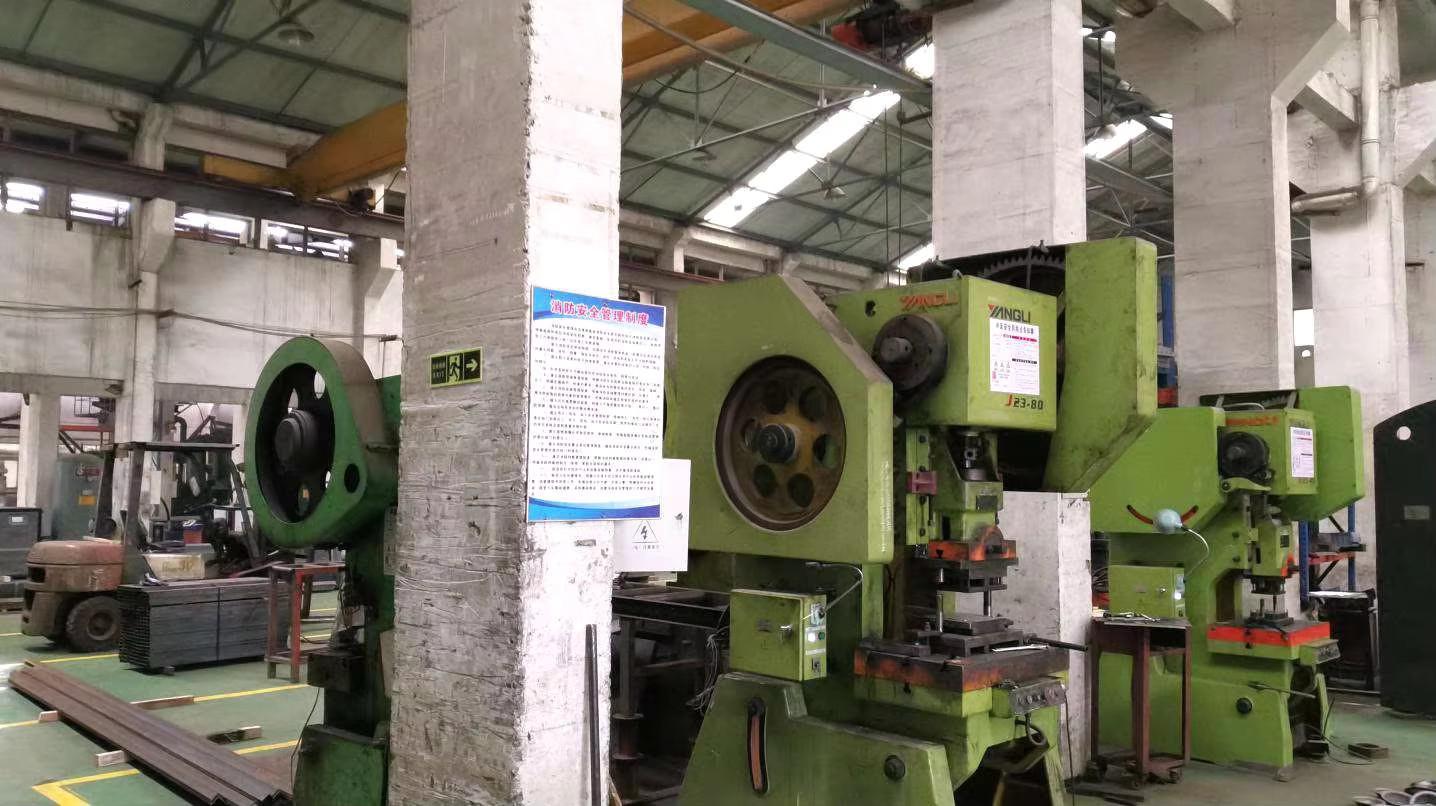
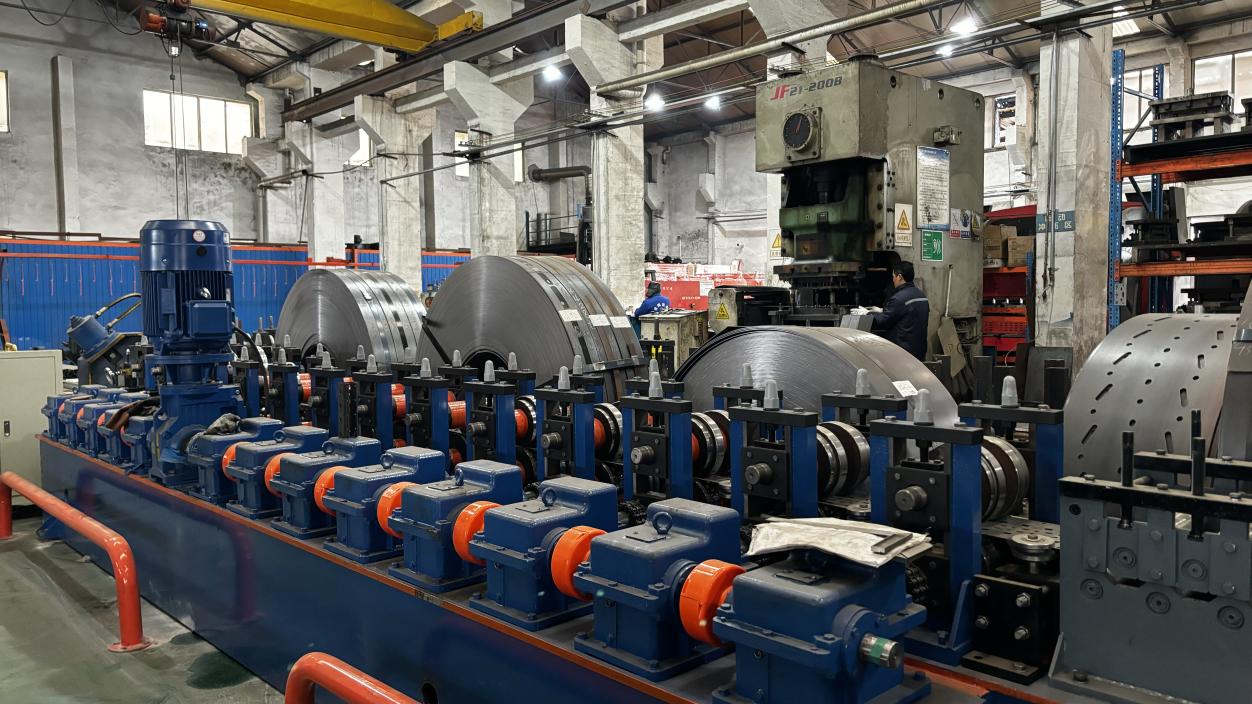
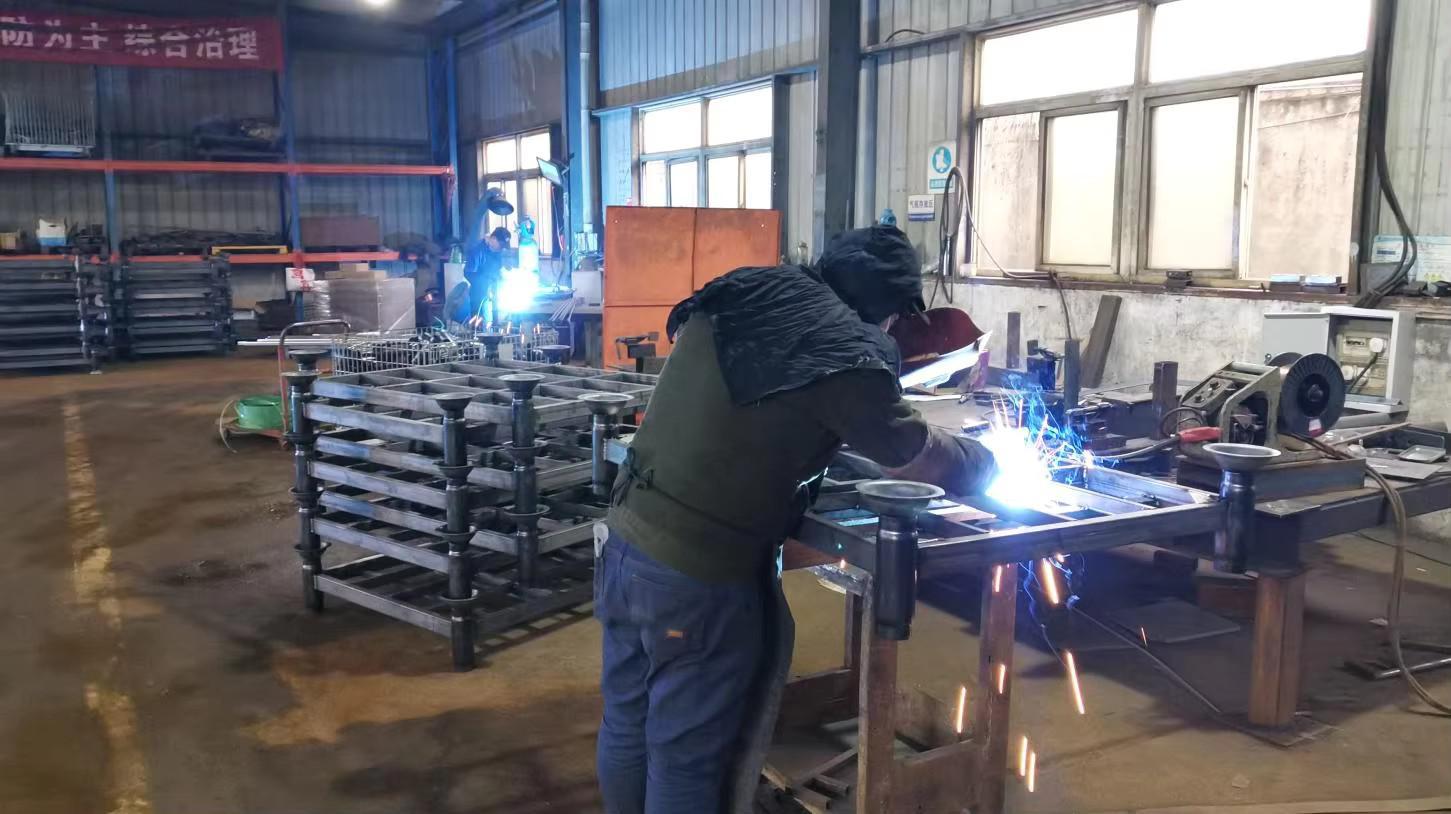
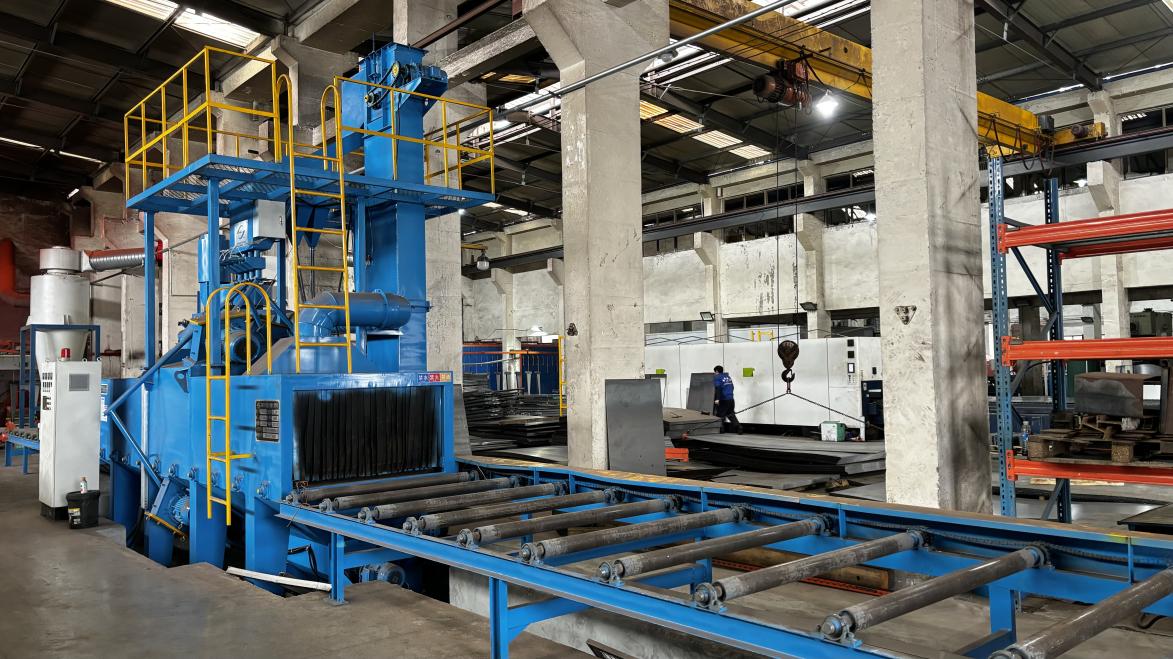
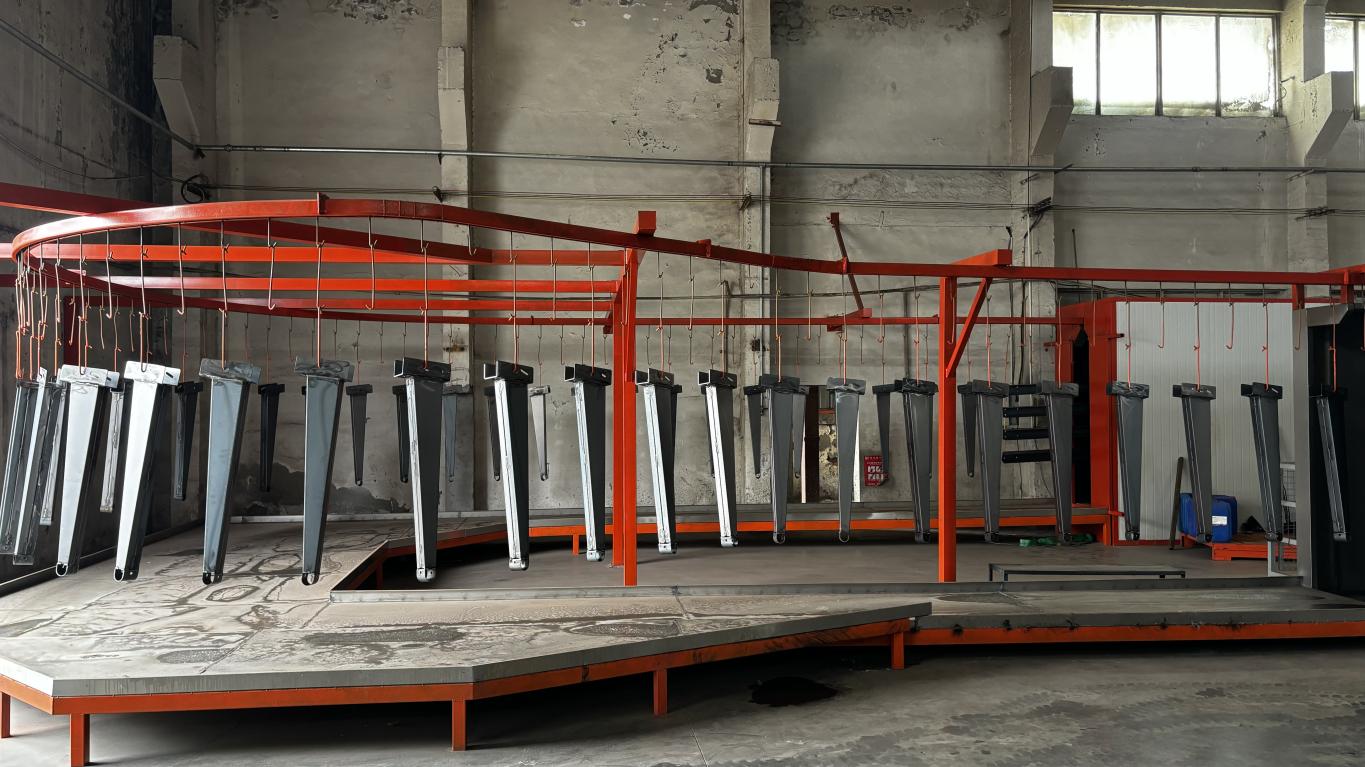
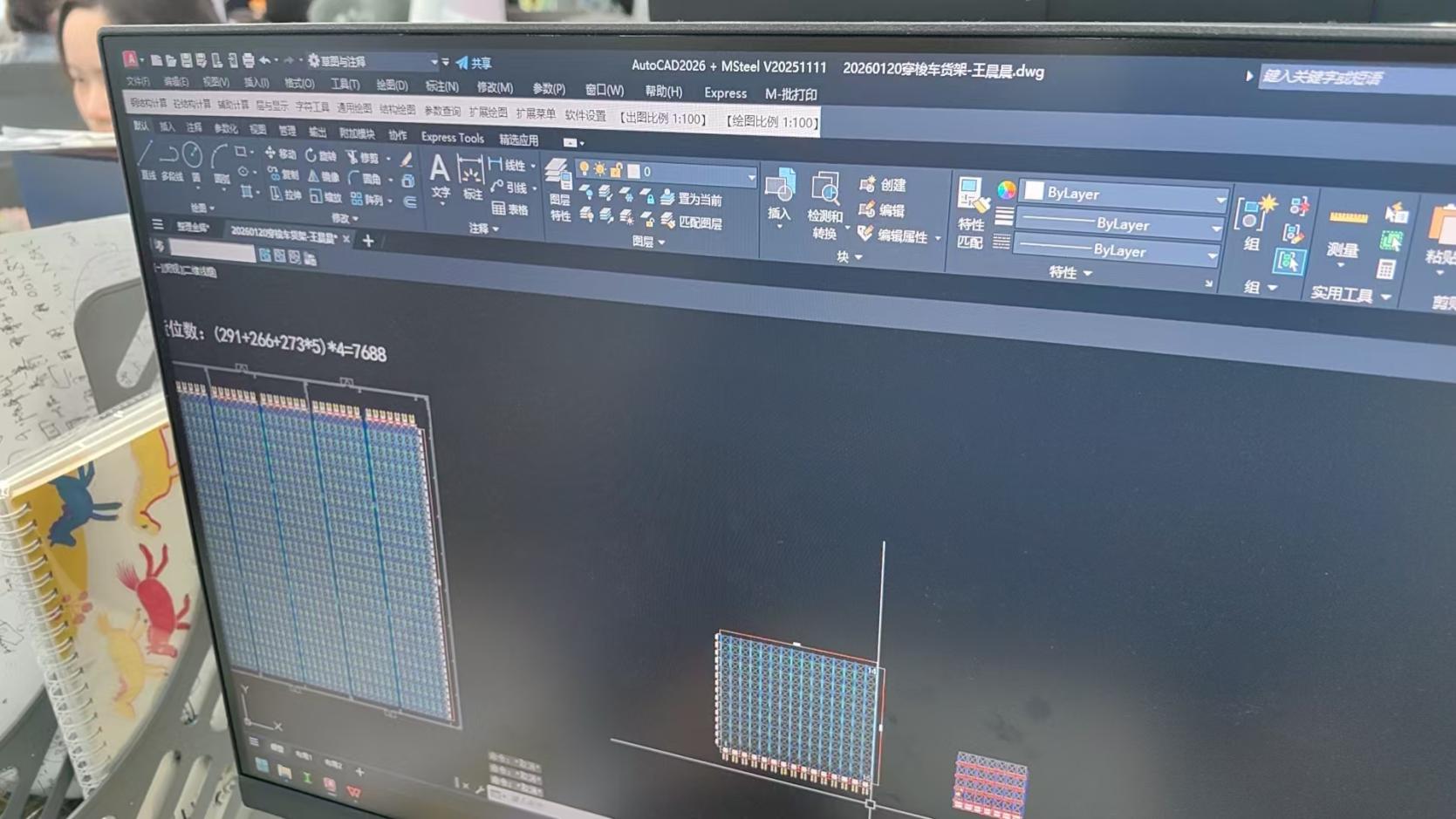
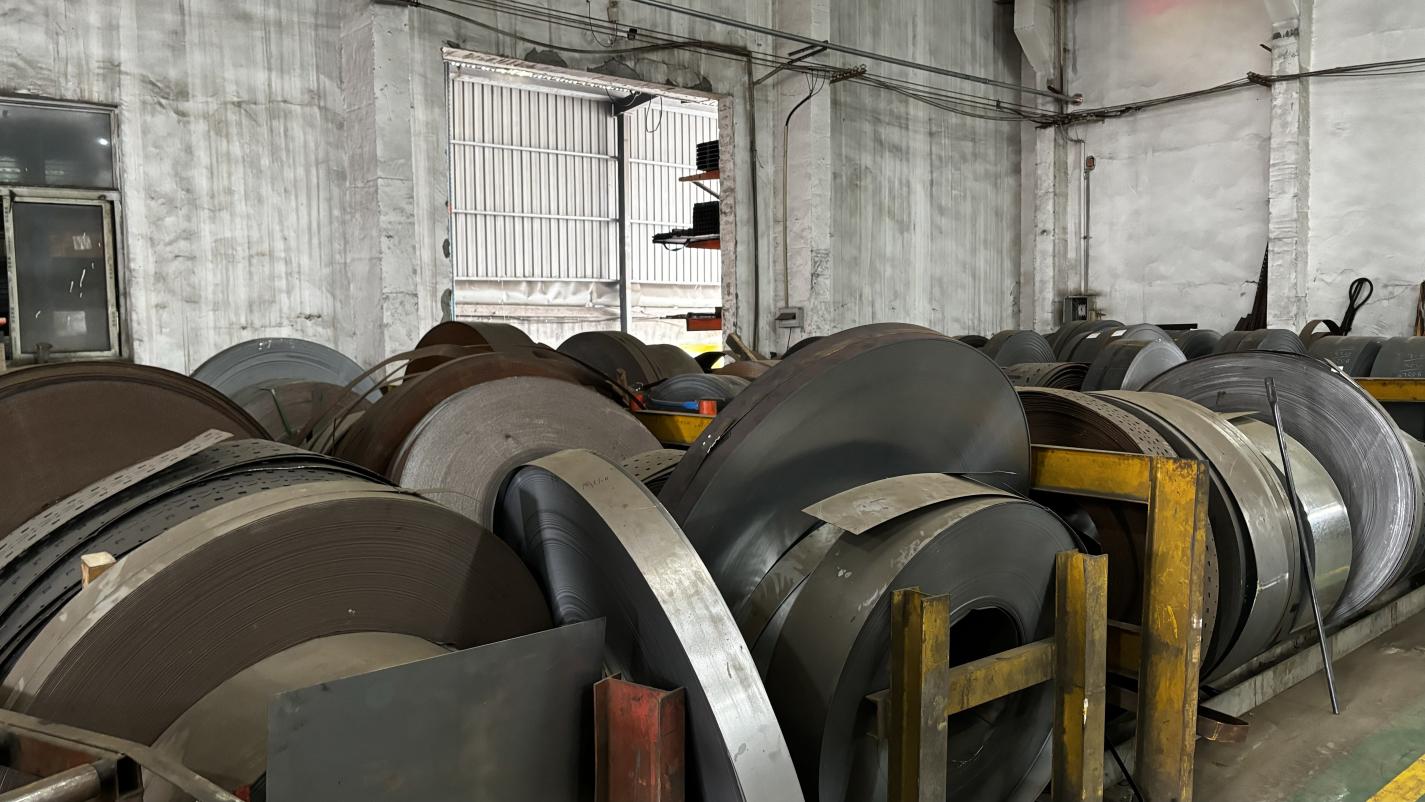
Installing racking systems in Japan requires strict seismic engineering. Traditional drive-in racking is prone to safety issues during major tremors because they lack horizontal beams. In contrast, Radio Shuttle Racking relies on a dynamic, braced skeletal design that performs exceptionally well during seismic activities.
At Jinhui, we run Finite Element Method (FEM) analysis using localized data from previous seismic events in Japan to calculate dynamic load distribution. Our system configurations for Japan feature:
Engineered to meet JIS G3101 (Rolled Steel for General Structure) standard parameters and compliant with regional municipal fire prevention laws.
Request Engineering DataDiscover our range of automated high-density storage systems, customized to optimize warehousing efficiency.
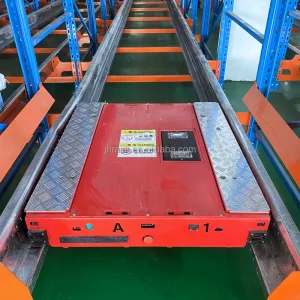
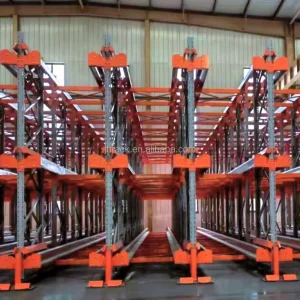
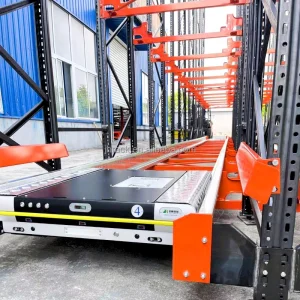
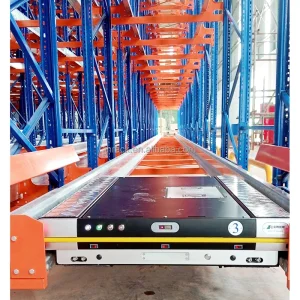
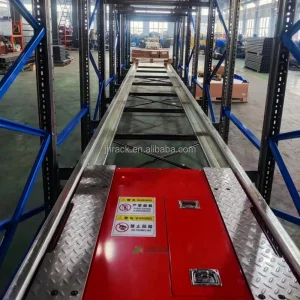
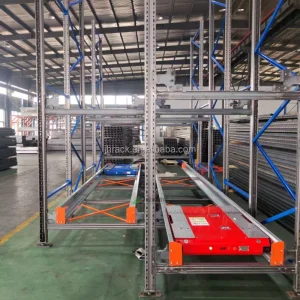
In the digital logistics era, smart technology is no longer optional. Worldwide, warehouses are adopting Autonomous Mobile Robots (AMRs) and AGVs that work alongside high-density shuttle racking systems. These integrations connect radio shuttle carts to central Warehouse Control Systems (WCS) via 5G and Wi-Fi networks. This allows managers to dispatch automated shuttles in real-time, helping streamline high-volume operations.
For Japanese warehouse operators and worldwide supply chain distributors, procurement strategies must balance high structural standards with budget realities. Standard domestic manufacturing in Japan often incurs significant premiums due to local fabrication and labor costs. Sourcing structural steel from Jinhui in Dongguan, China, presents a strategic cost-benefit alternative:
Radio shuttle systems are highly effective across key Japanese industrial sectors:
1. Food Processing and Cold Chain: High electricity costs in Japan make refrigeration expensive. High-density shuttle systems maximize space utilization in cold storage, significantly reducing energy costs per pallet position.
2. Automotive Parts Distribution: Automobile manufacturers near Nagoya and Hiroshima use high-density shuttle racking to store large batches of components under LIFO (Last-In, First-Out) configurations, keeping production lines supplied just-in-time.
3. E-commerce Micro-Fulfillment: High-density shuttle lines in urban hubs allow third-party logistics (3PL) companies to buffer fast-moving consumer goods close to consumers, facilitating same-day deliveries across large metropolitan areas.
Common technical questions from Japanese engineers and procurement officers regarding Radio Shuttle Systems
 Jinhui Storage Equipment