Direct-from-factory engineered steel systems designed to optimize vertical density under strict Southern California structural codes.
Understanding how industrial density, astronomical land costs, and seismic compliance shape modern warehousing requirements in the Los Angeles metro region.
The Greater Los Angeles region stands as one of the most critical supply chain corridors globally. Home to the Port of Los Angeles and the Port of Long Beach, this gateway manages over 35% of all waterborne container imports entering the United States. Consequently, the demands placed upon localized warehouse infrastructure are extraordinarily unique. Real estate availability remains at historically tight vacancy margins, driving the average price per square foot to premium heights. Industrial operators, e-commerce giants, and logistics firms cannot afford wasted space; they must build upwards rather than outwards.
Vertical density, however, introduces engineering complexity. Southern California is situated within highly active tectonic zones, governed by rigorous structural codes designed to withstand major seismic events. Any industrial pallet rack or heavy-duty steel shelving system must comply with localized building standards, specifically the Los Angeles Building Code (LABC), California Building Code (CBC), and the Structural Engineering Standards set by the Rack Manufacturers Institute (RMI). Implementing standard, unengineered storage solutions in these zones presents immense compliance risks and catastrophic liability.
This is where structural engineering expertise intersects with global manufacturing capability. Partnering with a manufacturer that possesses deep proficiency in high-strength materials, advanced finite element analysis (FEA), and strict compliance testing is crucial for ensuring safe, durable, and legally compliant storage configurations in Southern California.
Ensuring structural integrity under seismic accelerations typical of the San Andreas and Newport-Inglewood fault lines.
Racking systems in Southern California must be engineered to withstand lateral forces. Storage systems are categorized as nonbuilding structures under the International Building Code (IBC) and ASCE 7. Calculations require specific focus on parameters such as the Seismic Design Category (typically D, E, or F in Southern California) and the Importance Factor (I). To obtain necessary municipal building permits in LA County, structural calculations must be signed and sealed by a registered California Professional Engineer (PE).
Integrating industrial capacity with engineering expertise to deliver robust racking systems globally.
Dongguan Jinhui Storage Equipment Co., Ltd. is a professional manufacturer specializing in warehouse storage solutions and industrial racking systems in China. Since its establishment in 2017, the company has been dedicated to providing high-quality storage equipment for warehouses, factories, logistics centers, supermarkets, and distribution facilities worldwide.
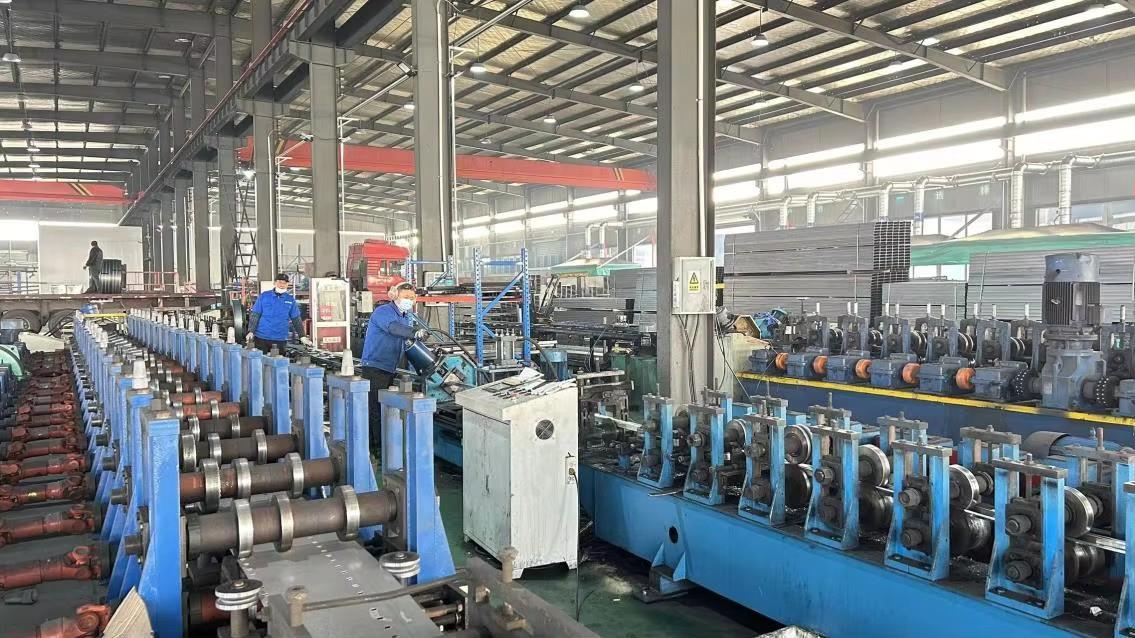
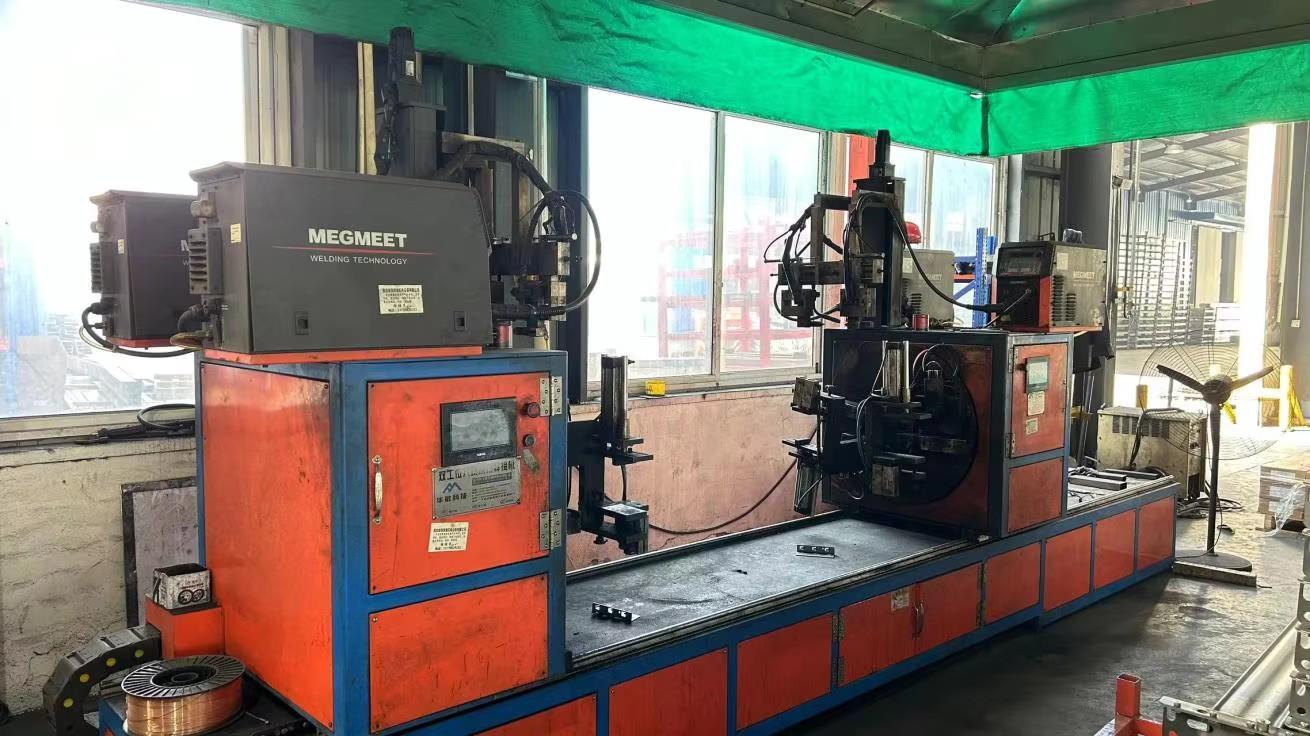
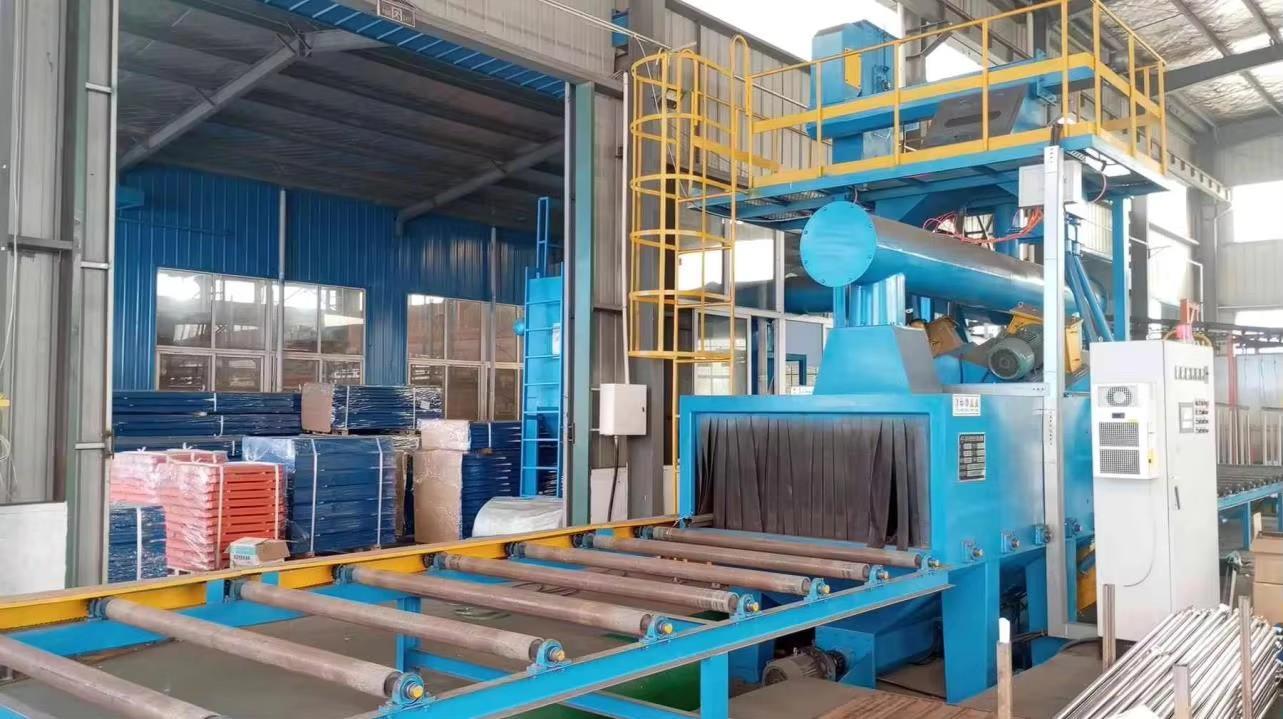
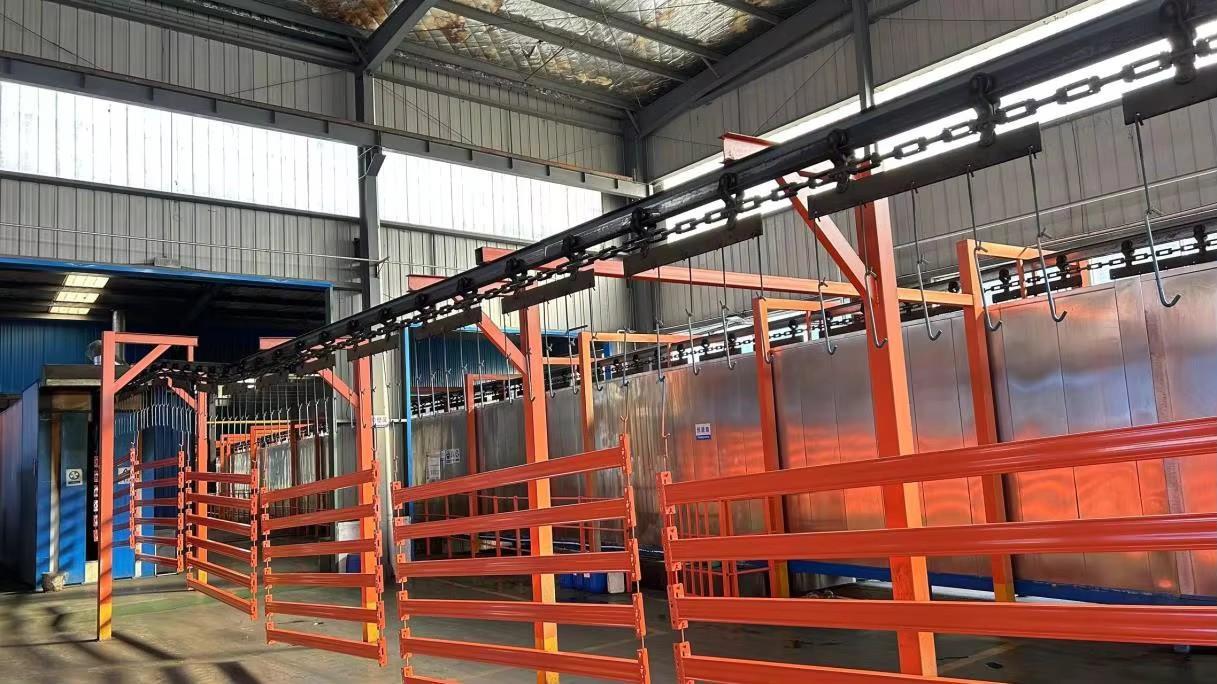
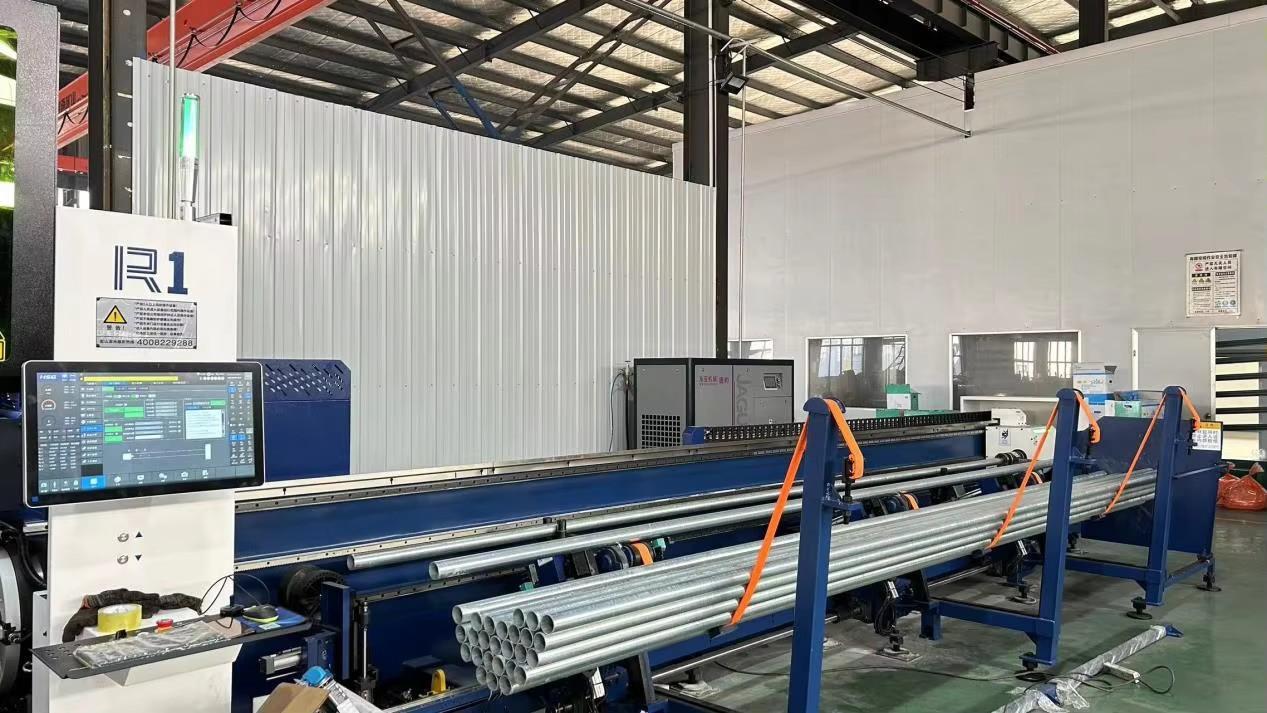
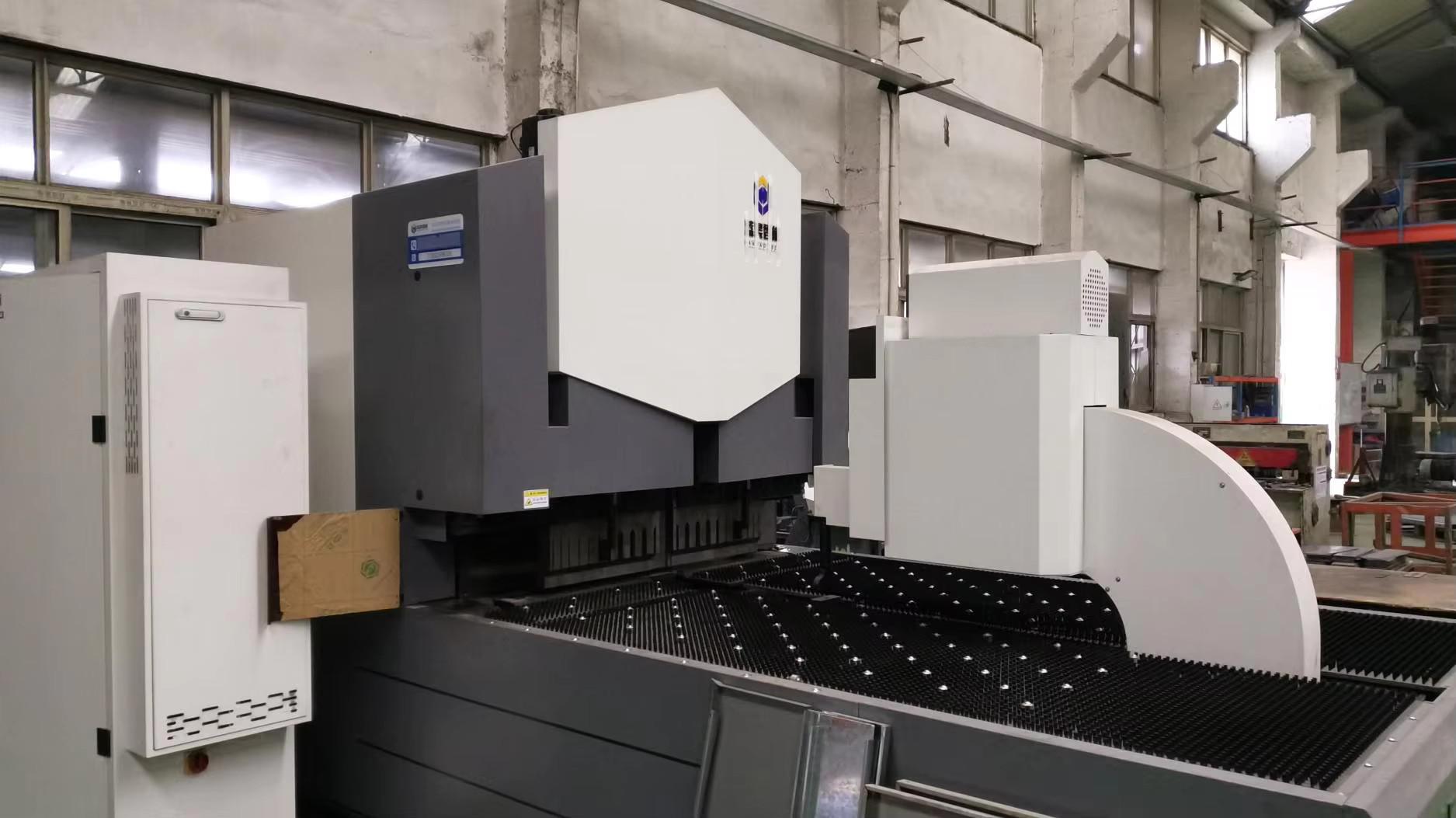
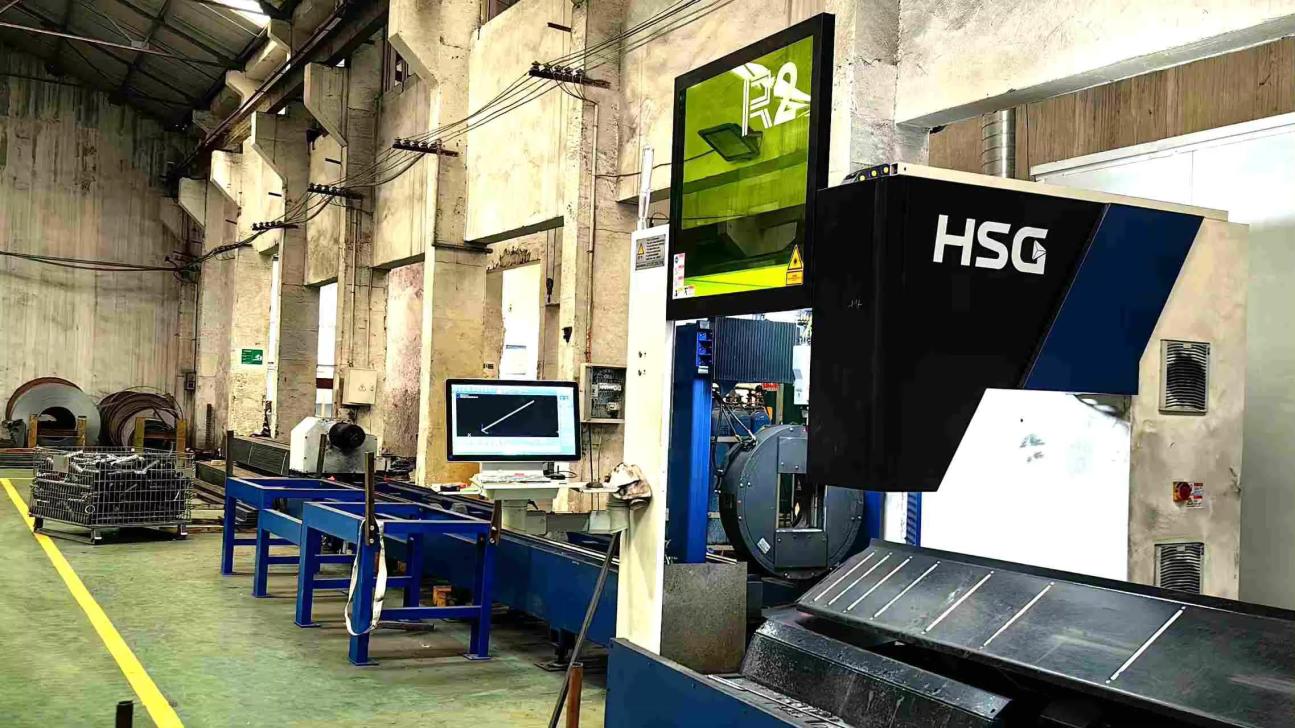
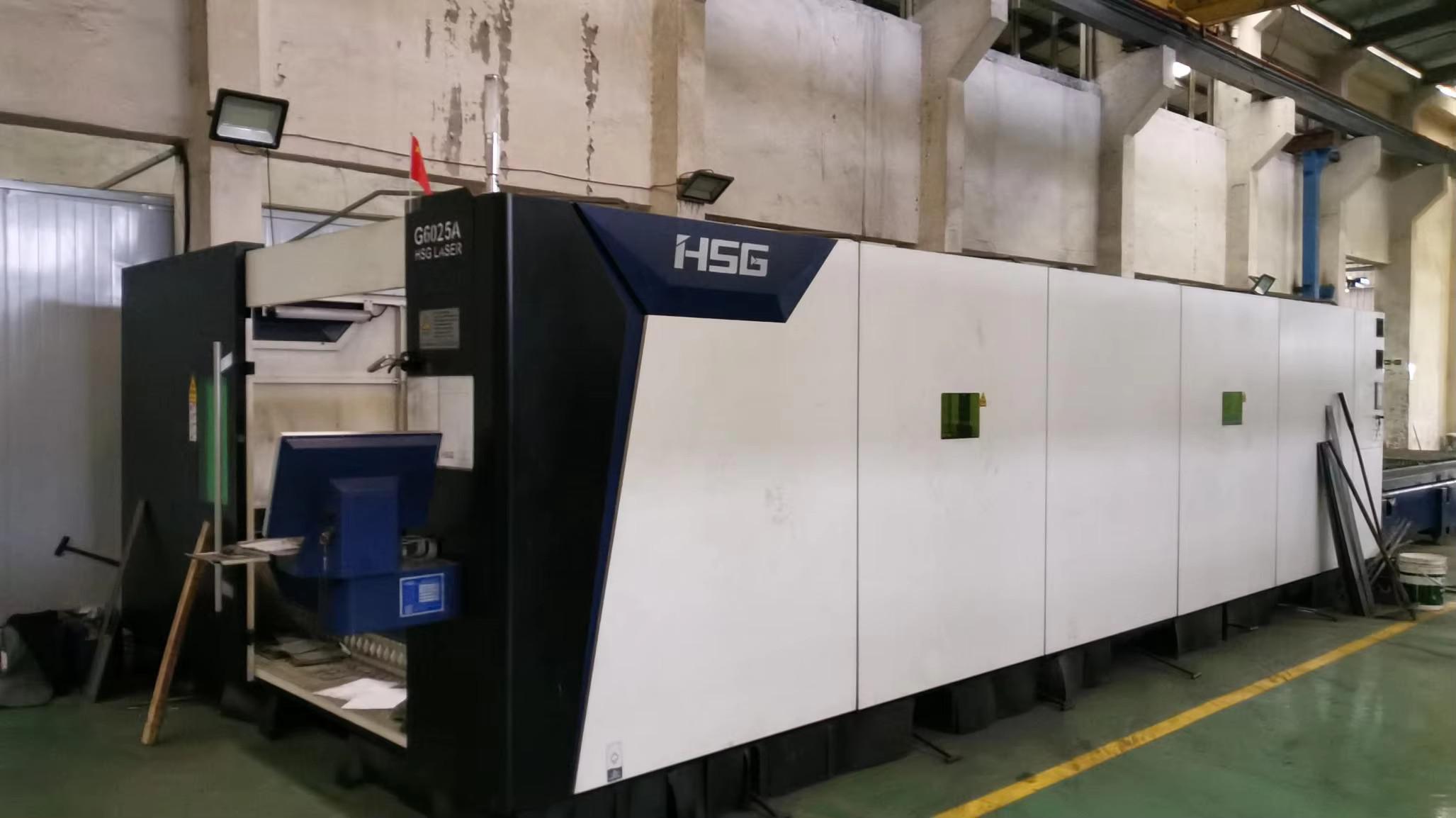
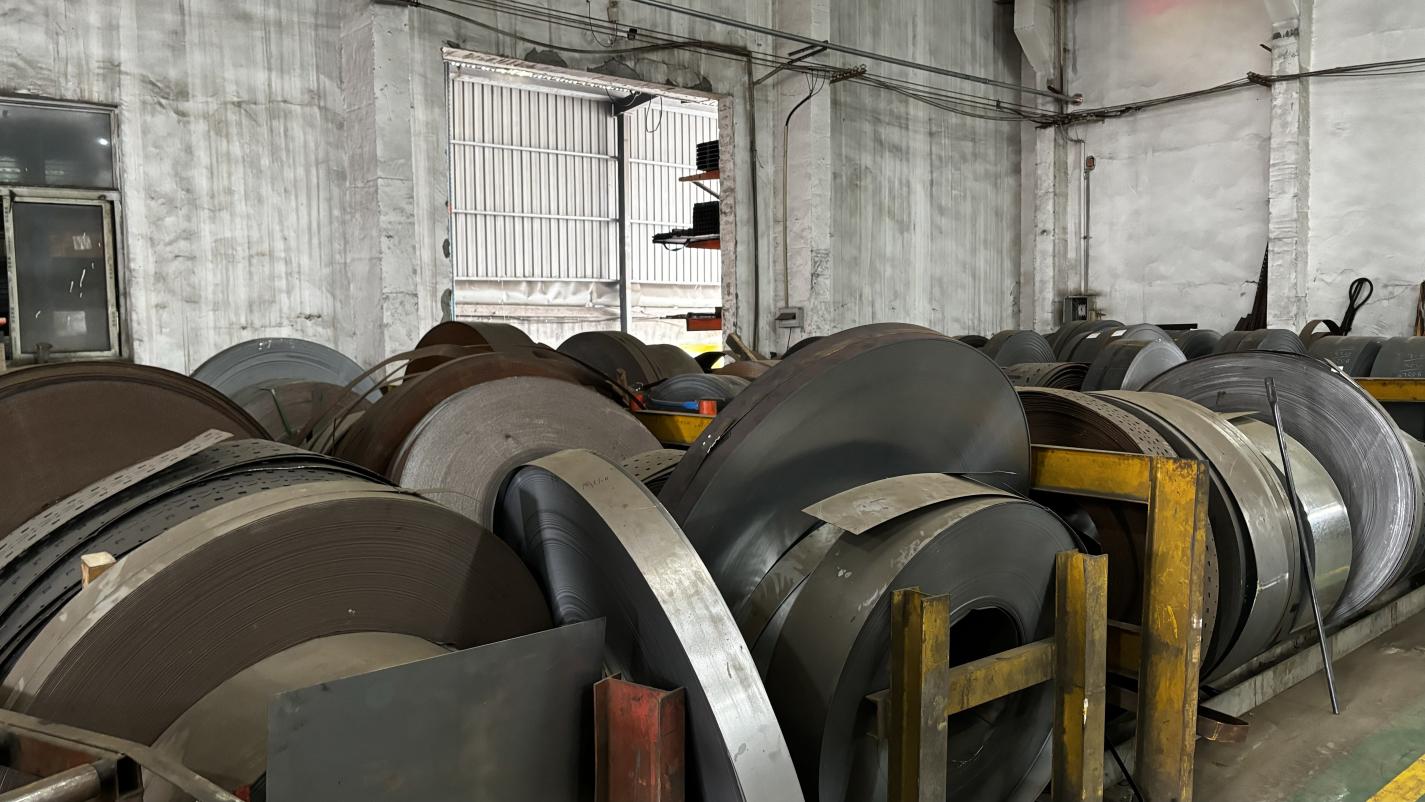
Our manufacturing facility covers over 18,600 square meters, equipped with advanced automatic production lines, precision laser cutting machines, CNC punching equipment, robotic welding systems, and powder coating lines. With strict production management and continuous innovation, we provide reliable and cost-effective storage solutions for customers across different industries.
Jinhui offers a comprehensive range of products including selective pallet racks, heavy-duty warehouse racking, longspan shelving, mezzanine floor systems, drive-in racks, cantilever racks, mobile shelving, steel platforms, wire mesh containers, and customized storage solutions. Every product is designed to maximize warehouse efficiency, improve space utilization, and enhance operational safety.
With an annual export revenue of approximately USD 16 million, our products are exported to more than 50 countries and regions. We have accumulated 8 years of export experience and 14 years of industry experience, serving customers with professional technical support and efficient international trade services.
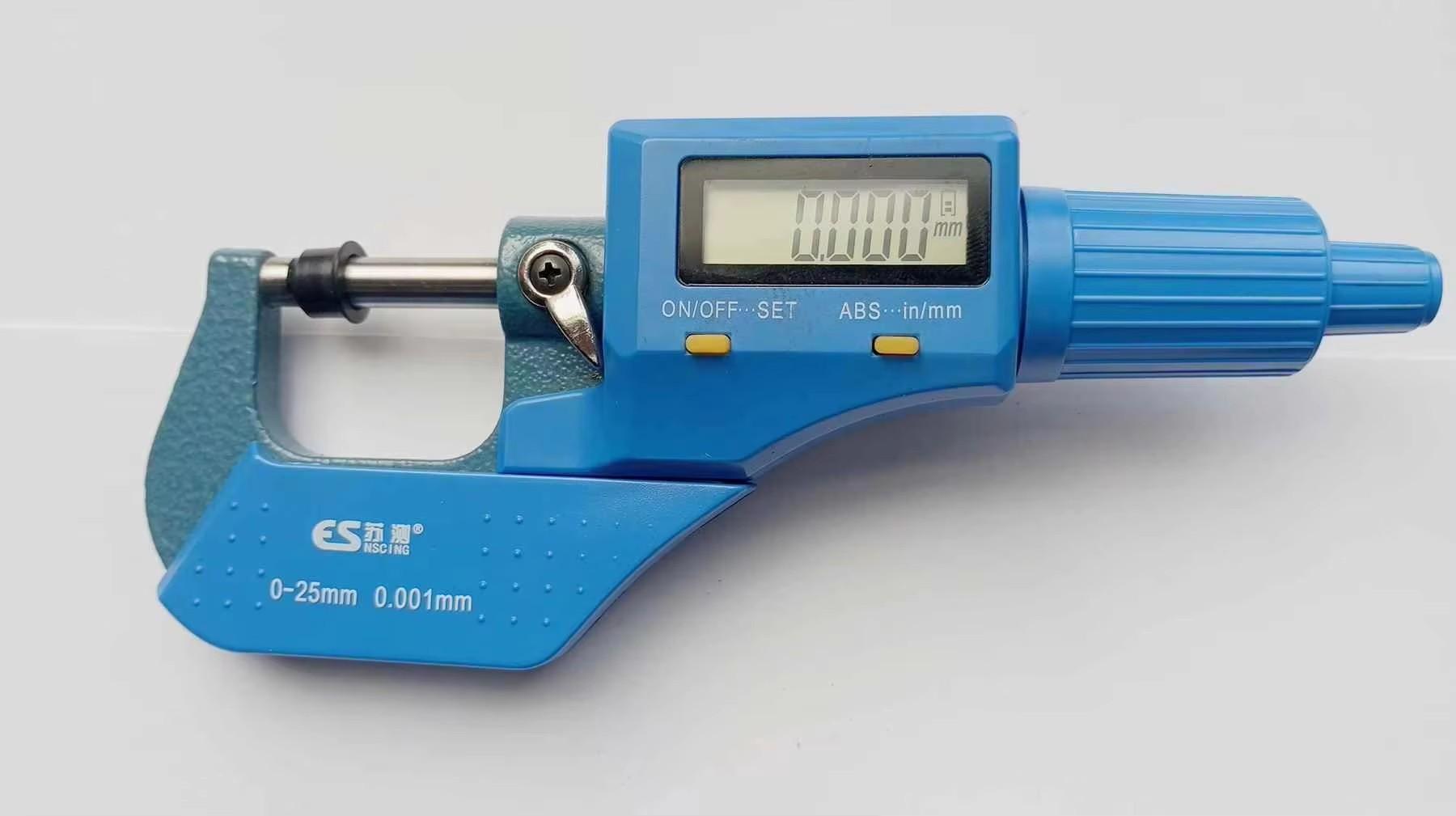
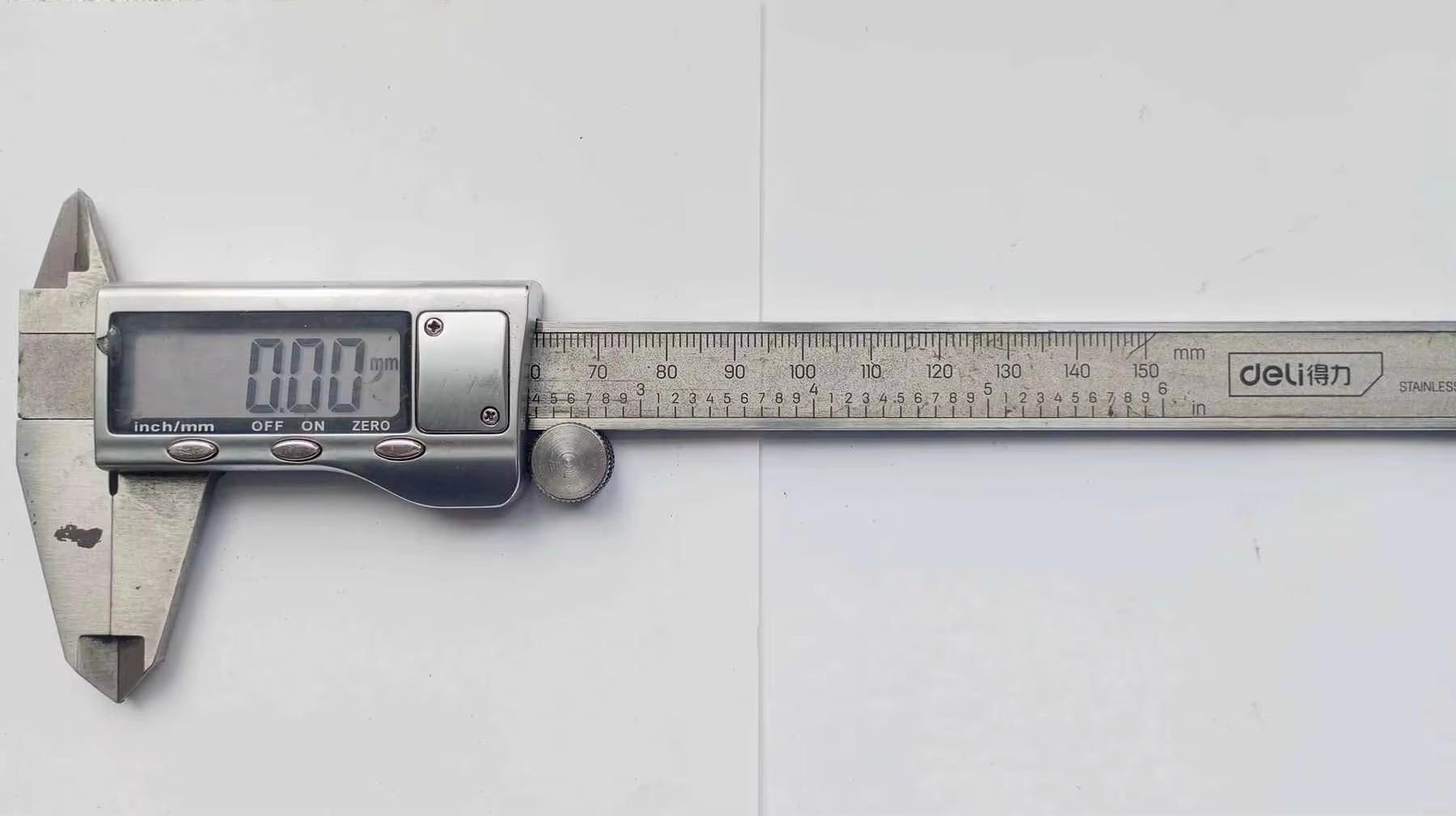
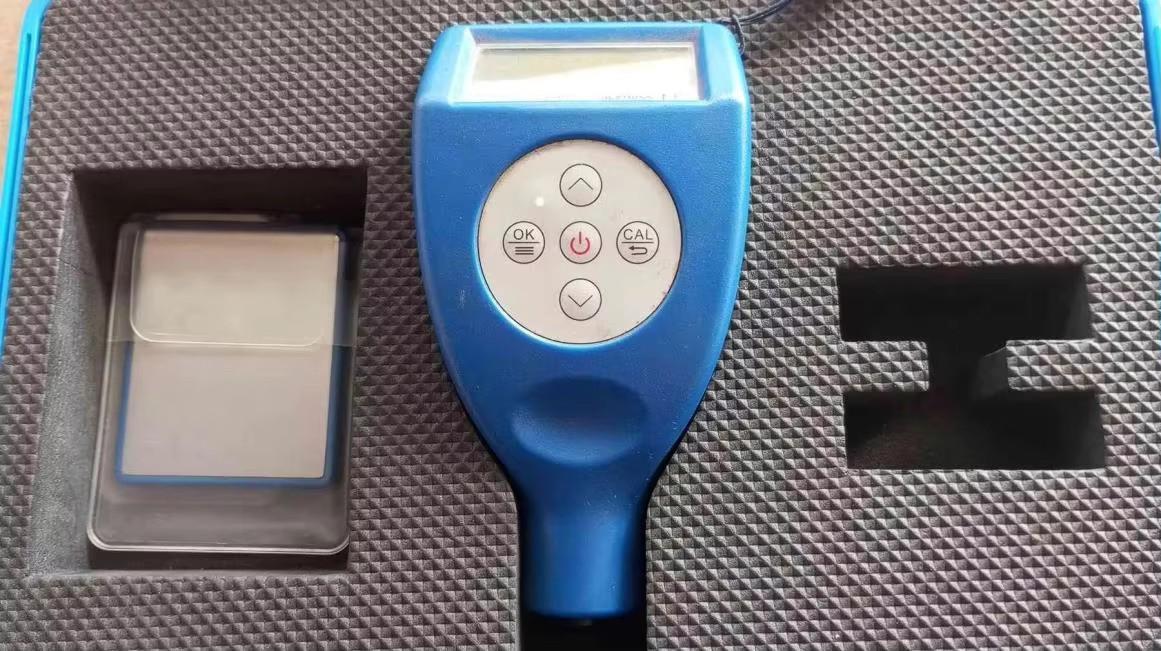
Quality is the foundation of our business. Our factory operates under a strict quality management system with ISO 9001 certification. Every production process is monitored carefully, and finished products undergo load capacity testing, dimensional inspection, coating thickness measurement, and welding strength inspection before shipment. Our professional quality control team consists of 46 experienced inspectors, ensuring consistent product quality and customer satisfaction. Supported by over 980 supply chain partners, we maintain stable material sourcing and efficient production schedules, allowing us to deliver projects on time while maintaining competitive pricing.
Our major customers include warehouse solution distributors, logistics companies, industrial manufacturers, retailers, wholesalers, engineering contractors, and e-commerce fulfillment centers across Europe, North America, Southeast Asia, Australia, South America, and the Middle East. Jinhui has established a strong research and development team with 68 R&D engineers, providing OEM & ODM customized solutions based on warehouse layout, load requirements, and operational needs. Last year, our engineering team successfully launched 126 new products and upgraded storage solutions, demonstrating our continuous commitment to innovation.
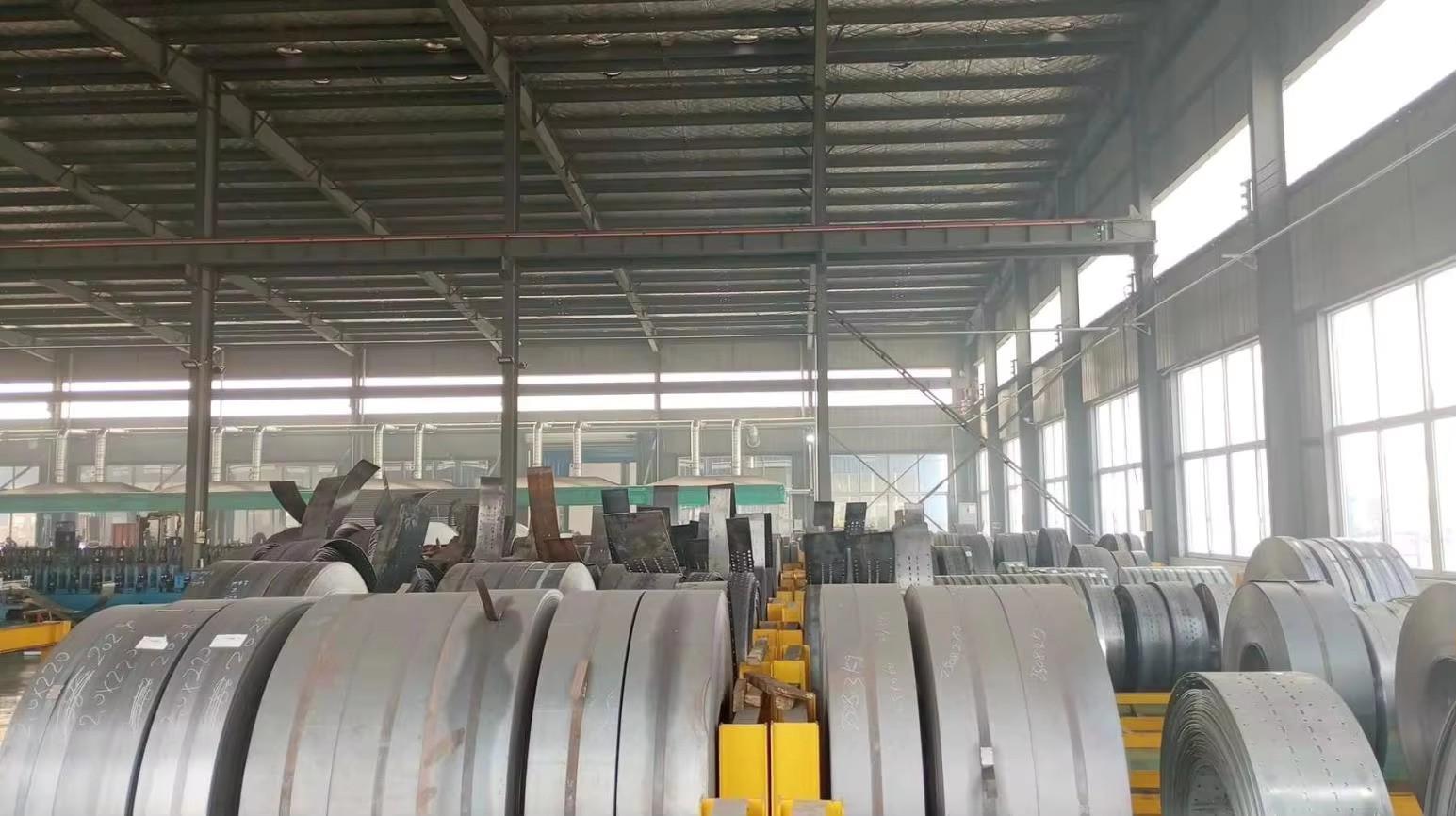
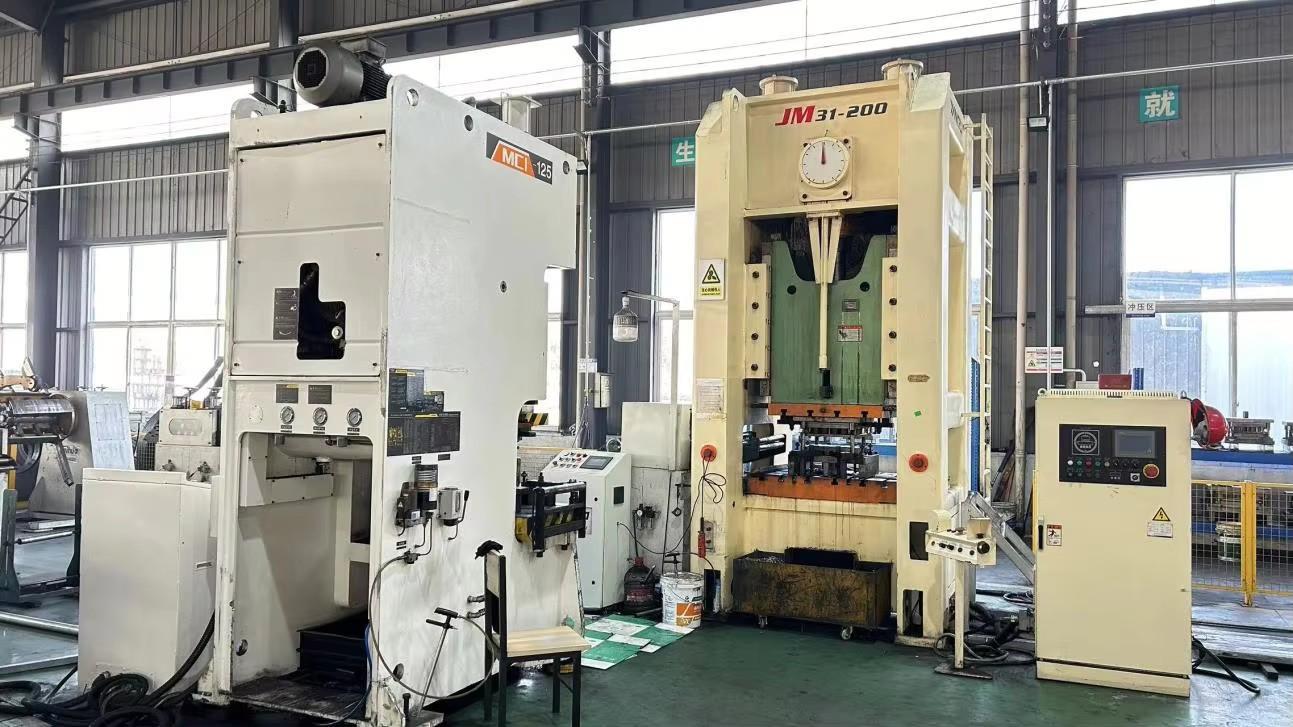
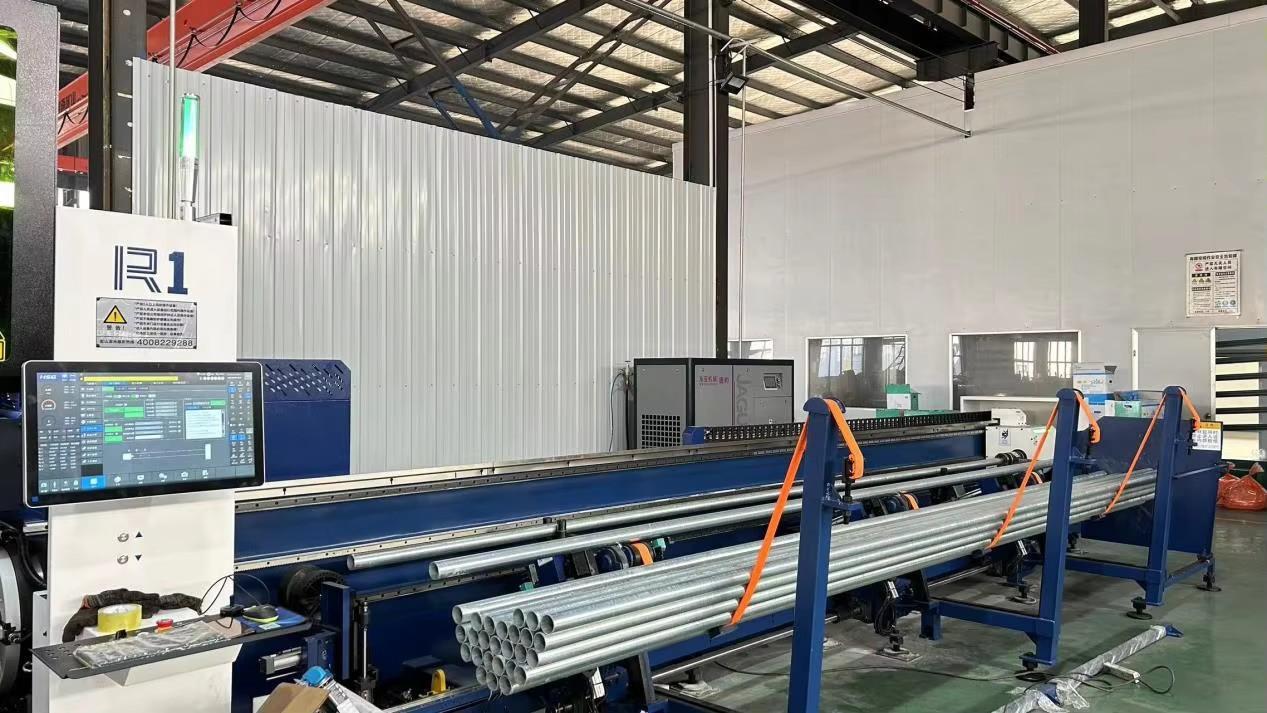
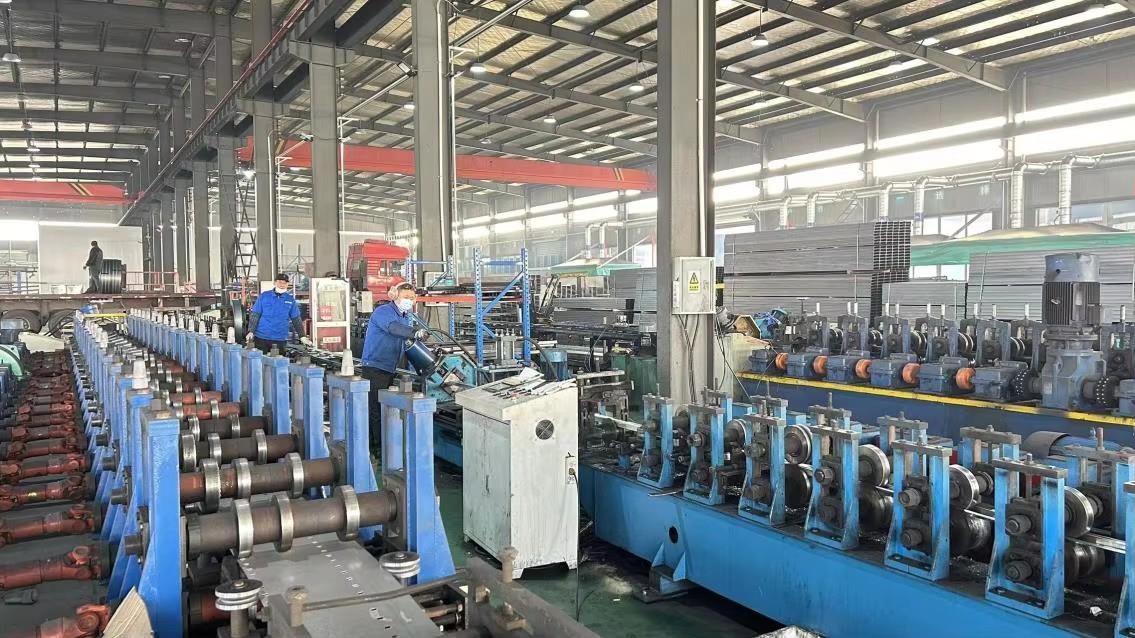
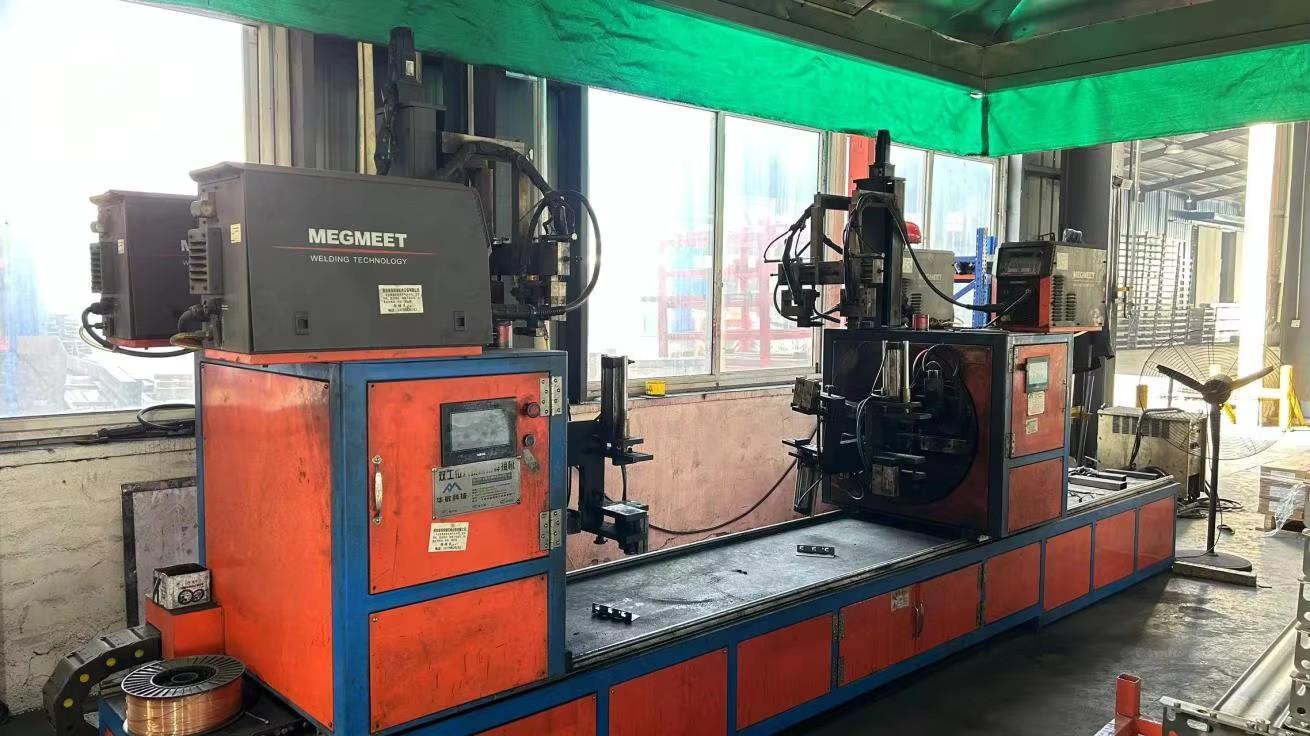
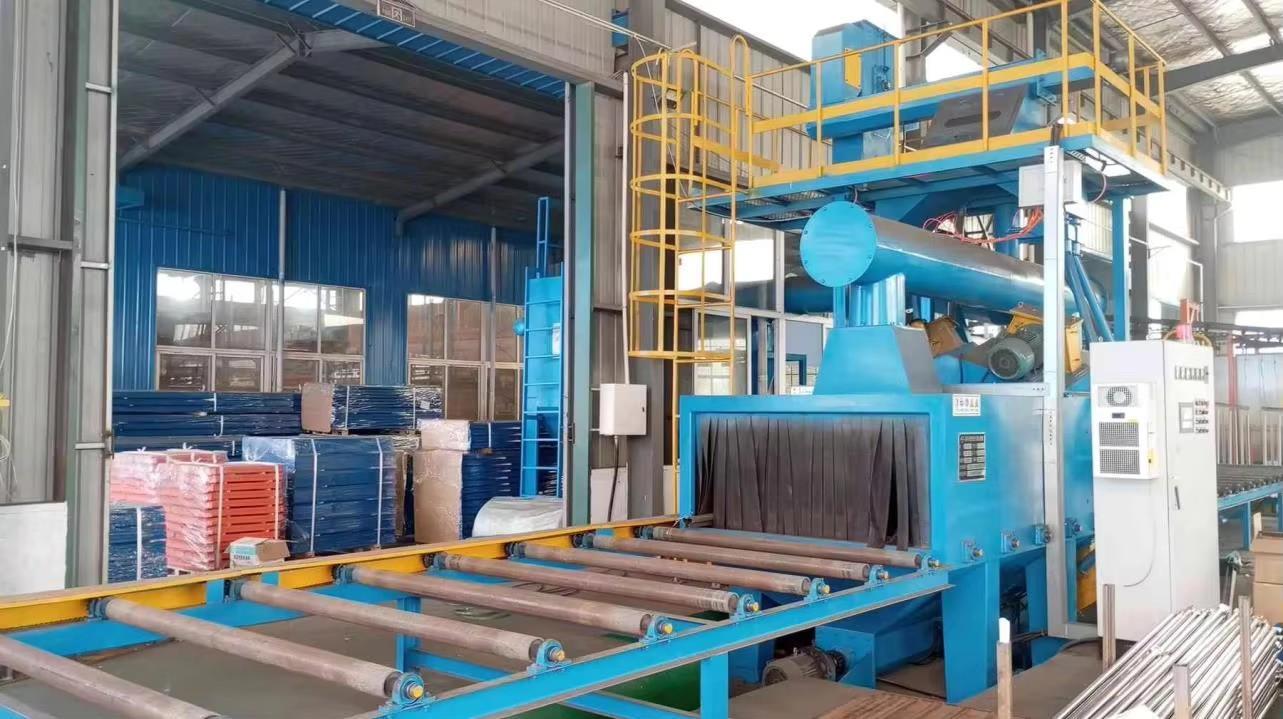
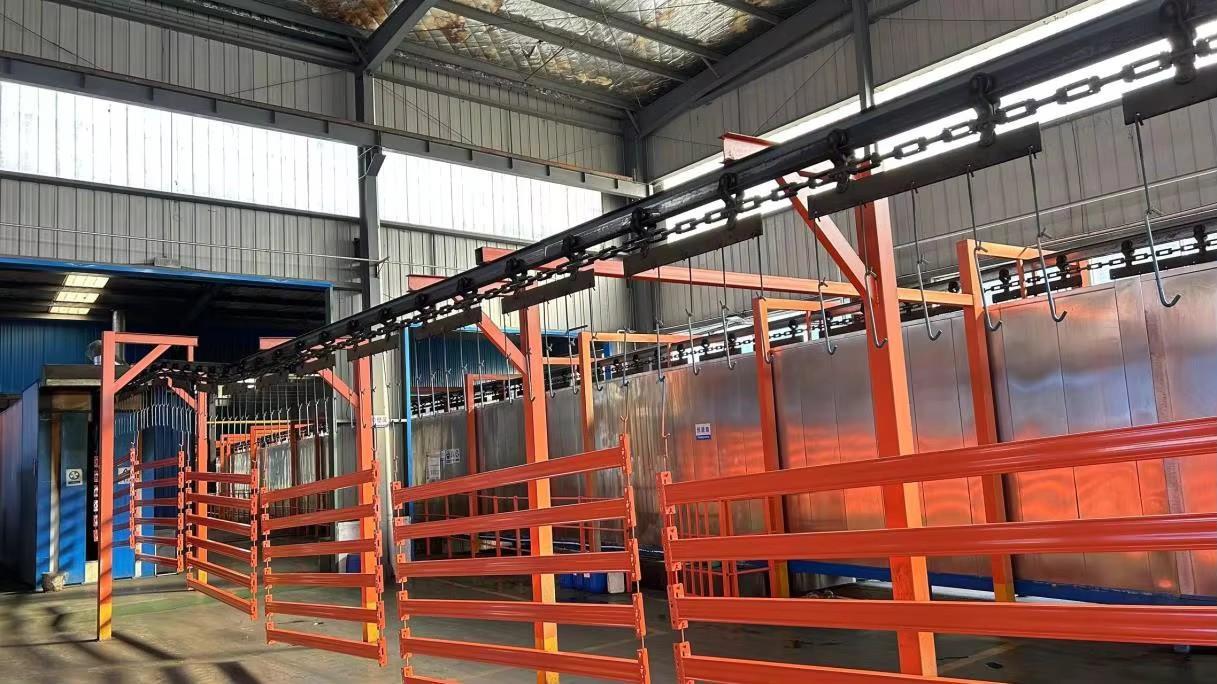
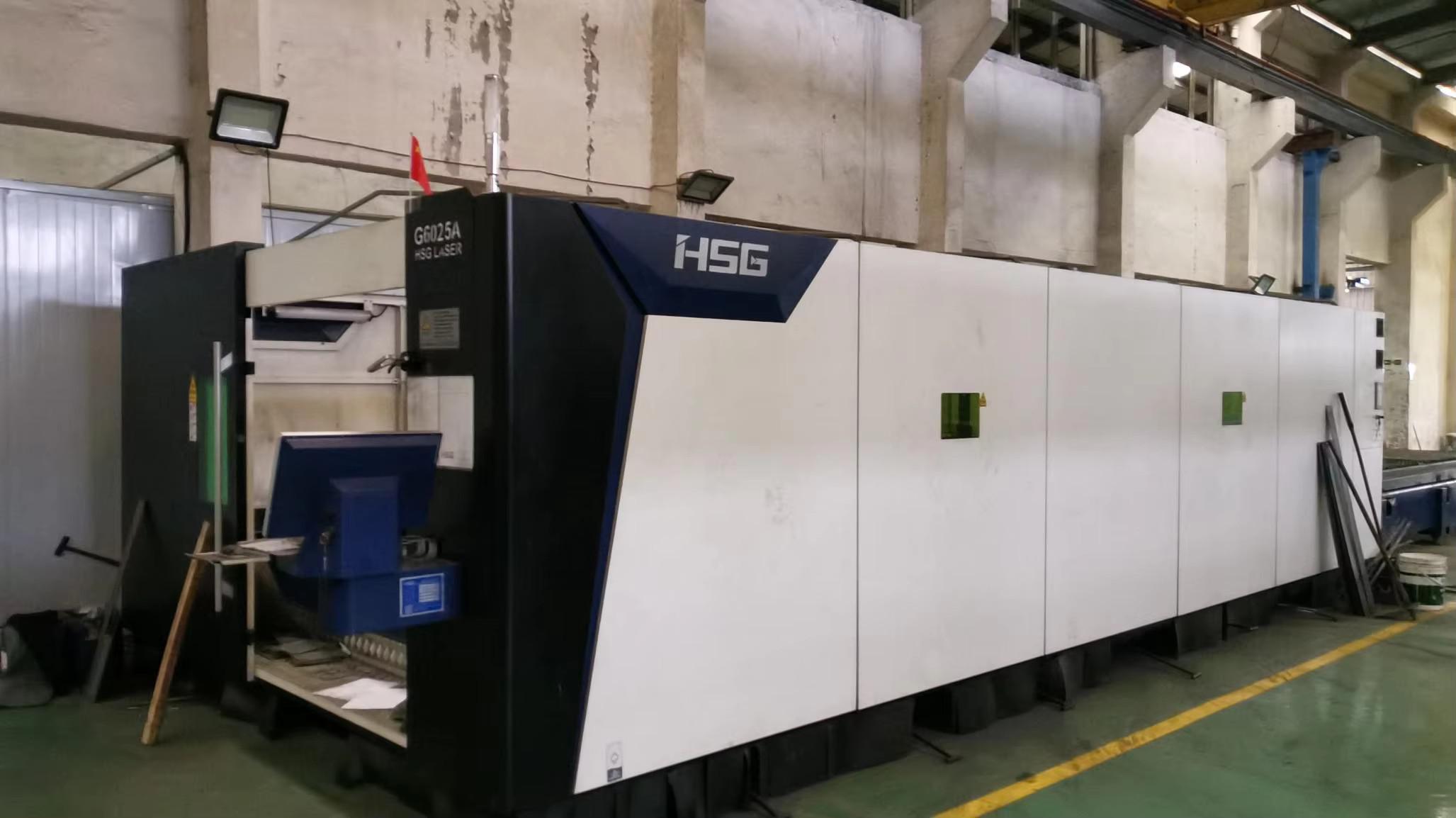
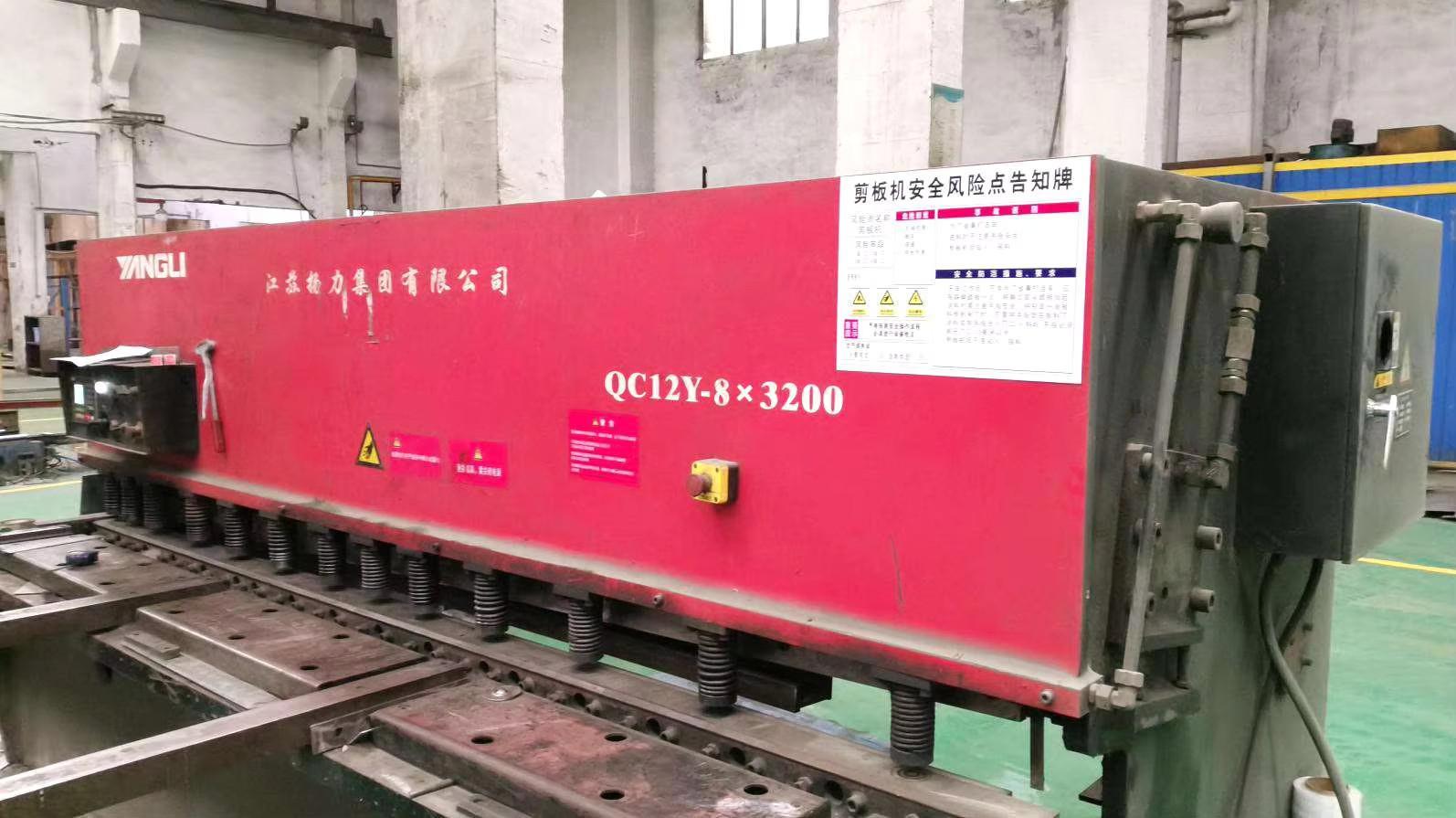
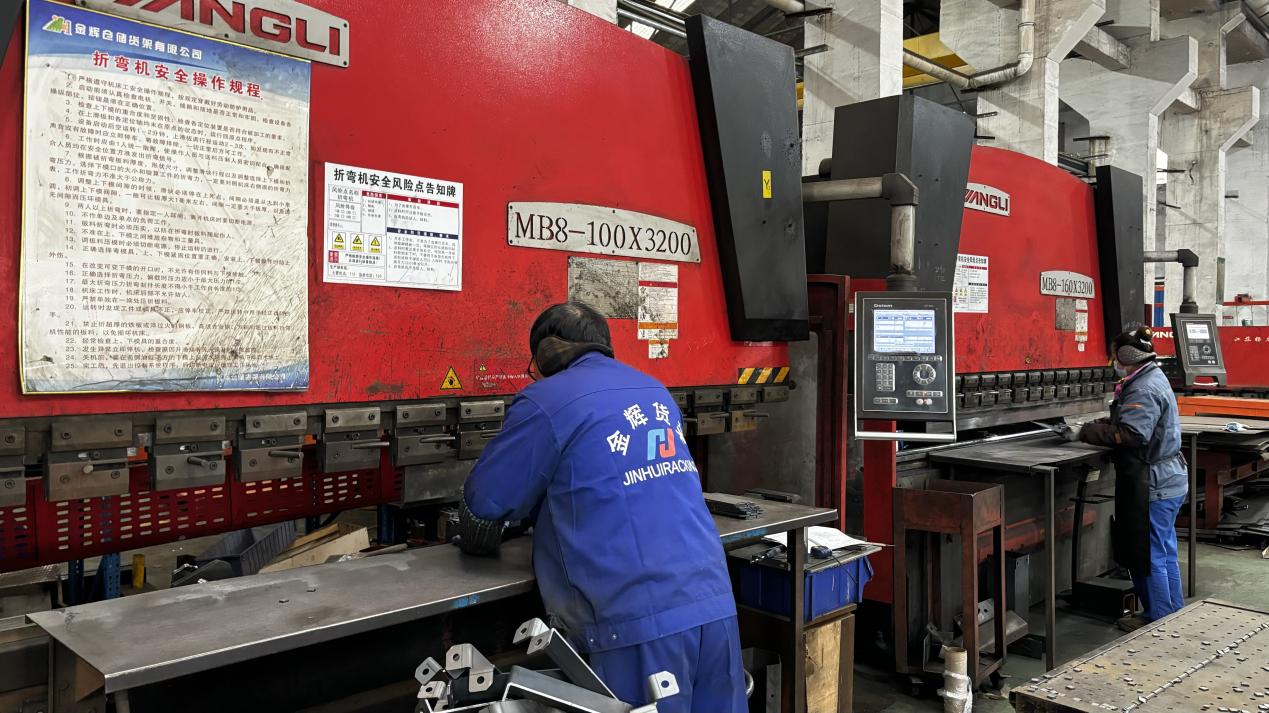
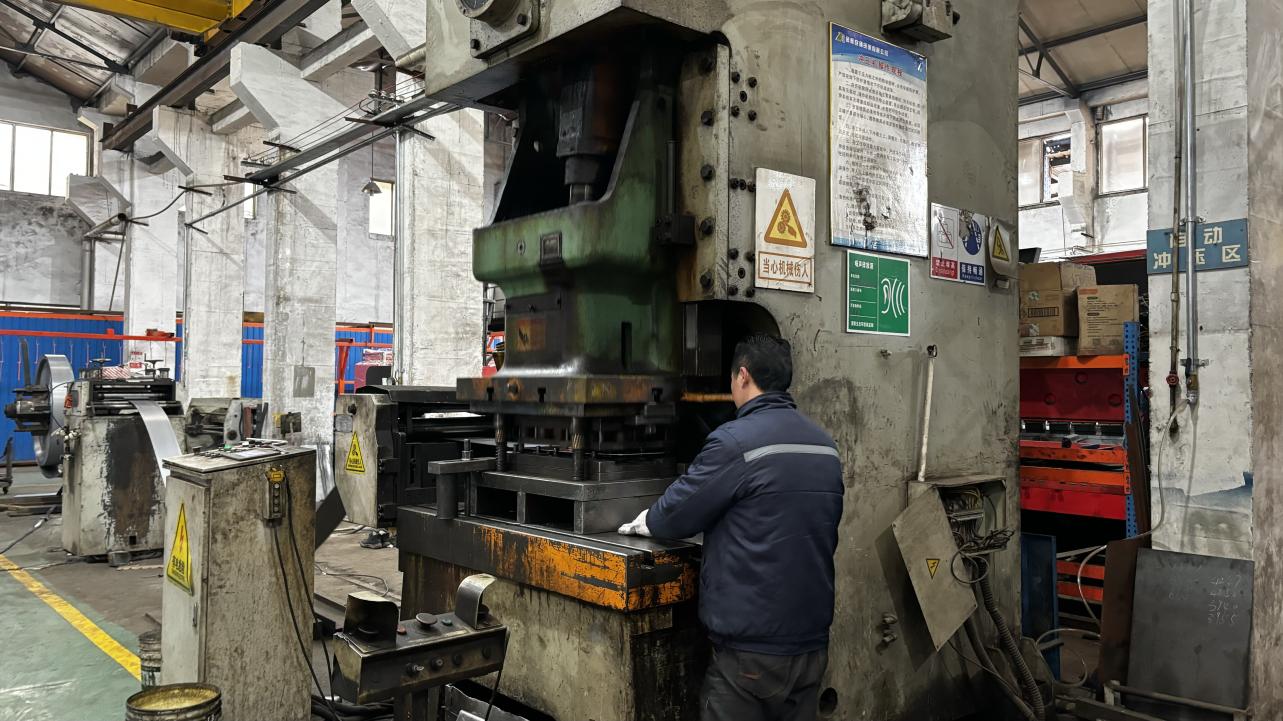
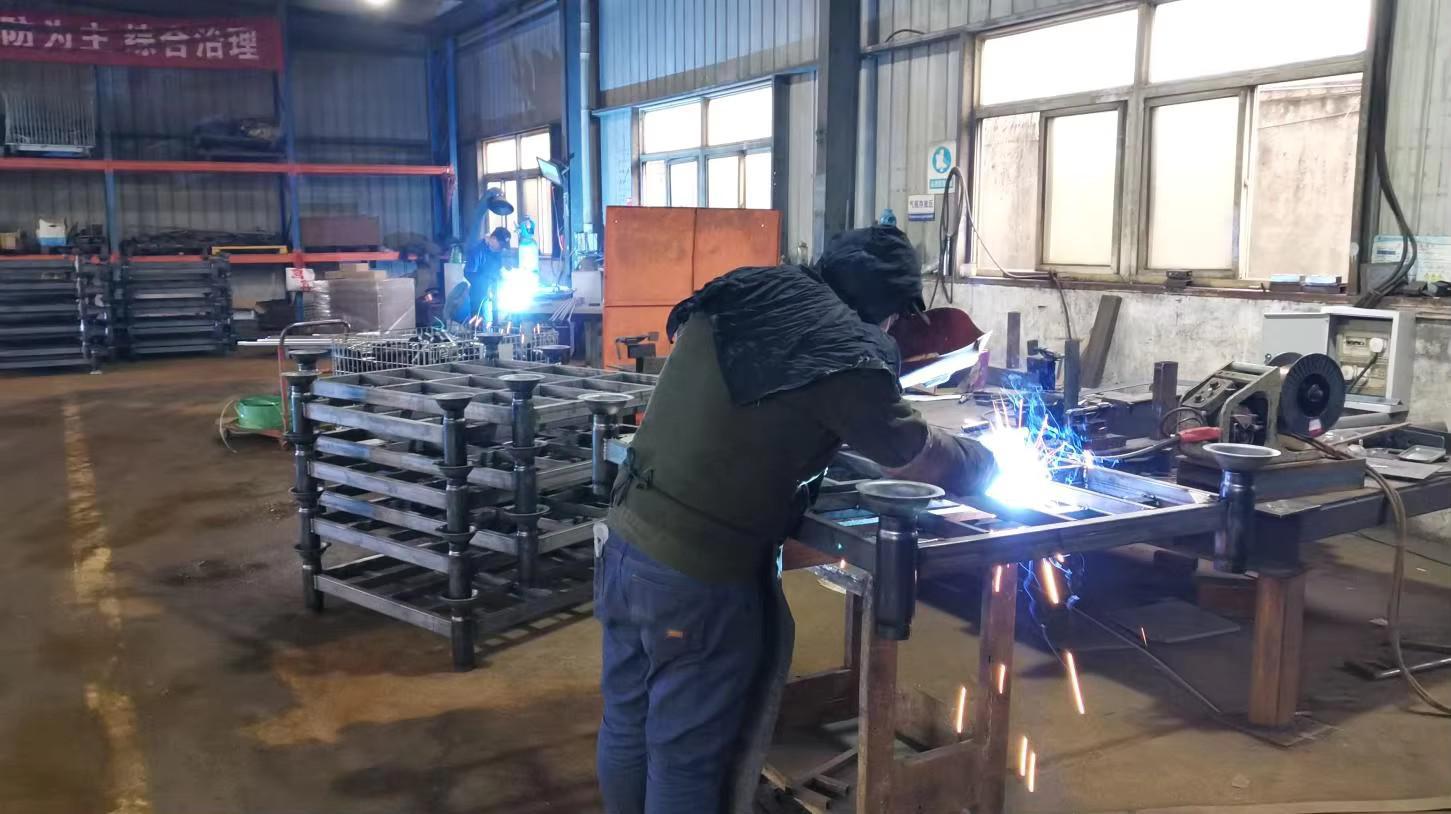
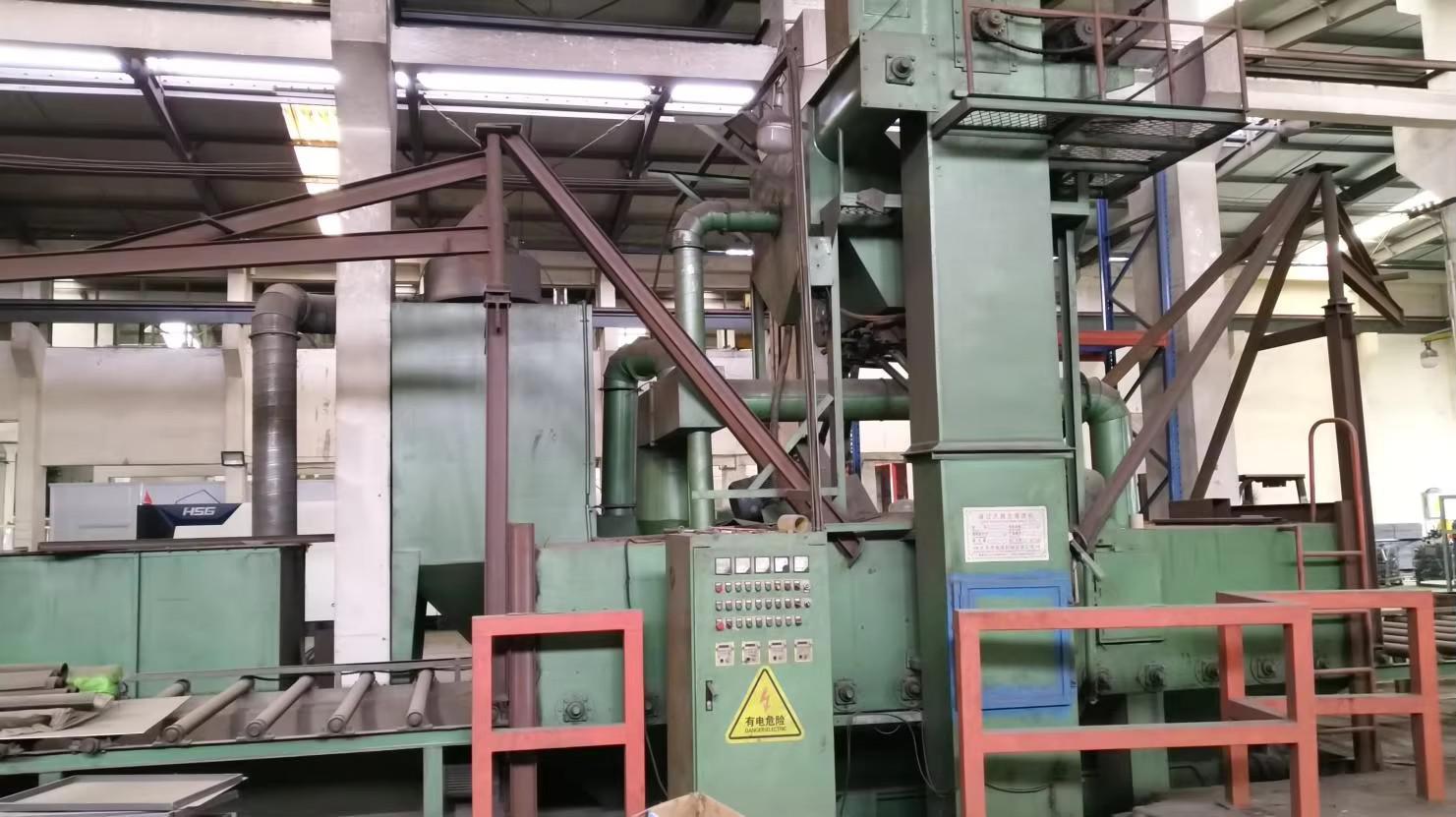
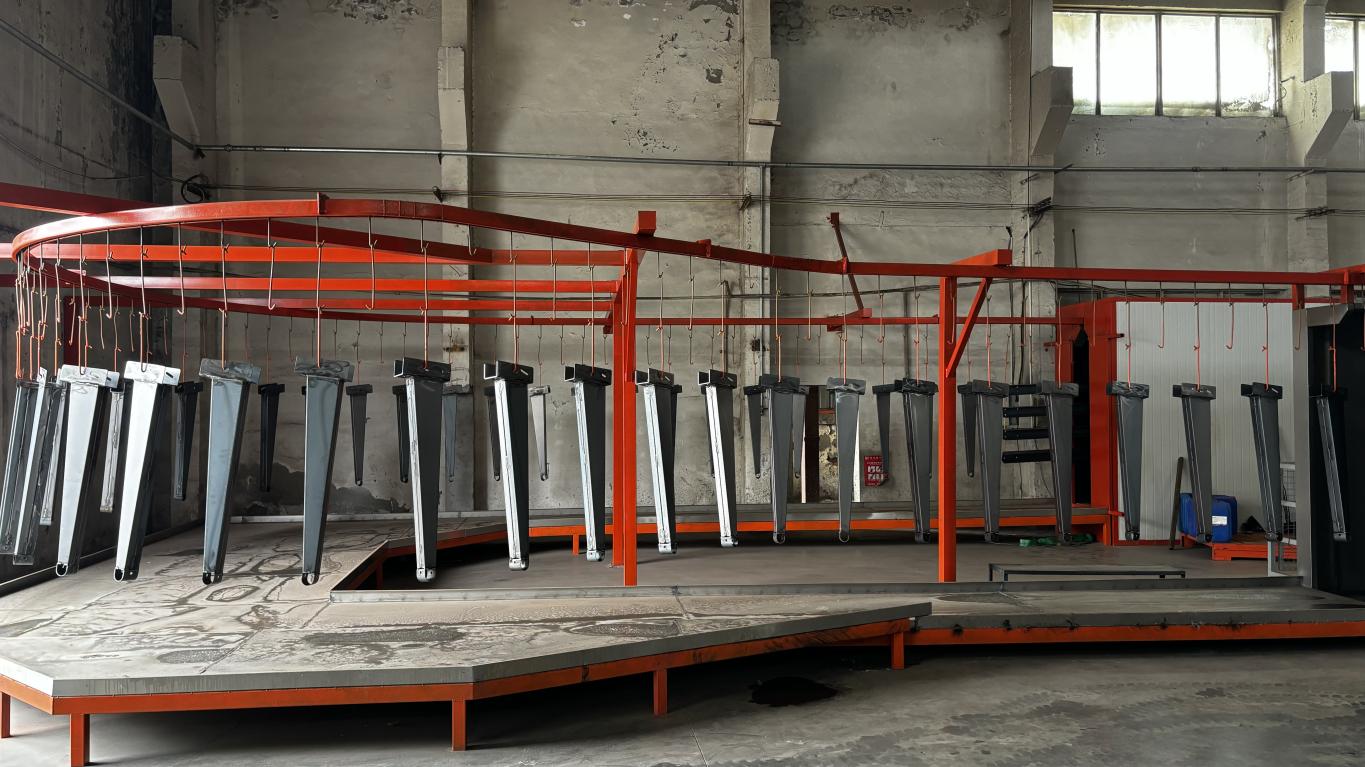
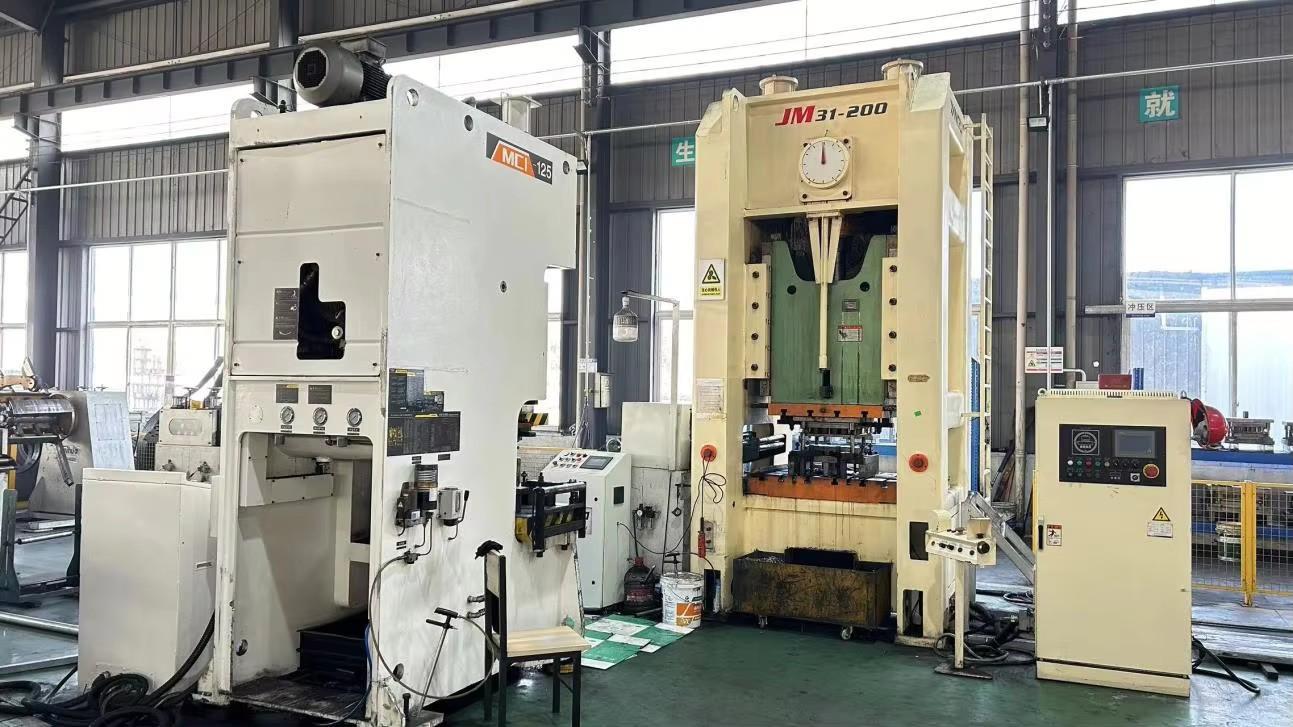
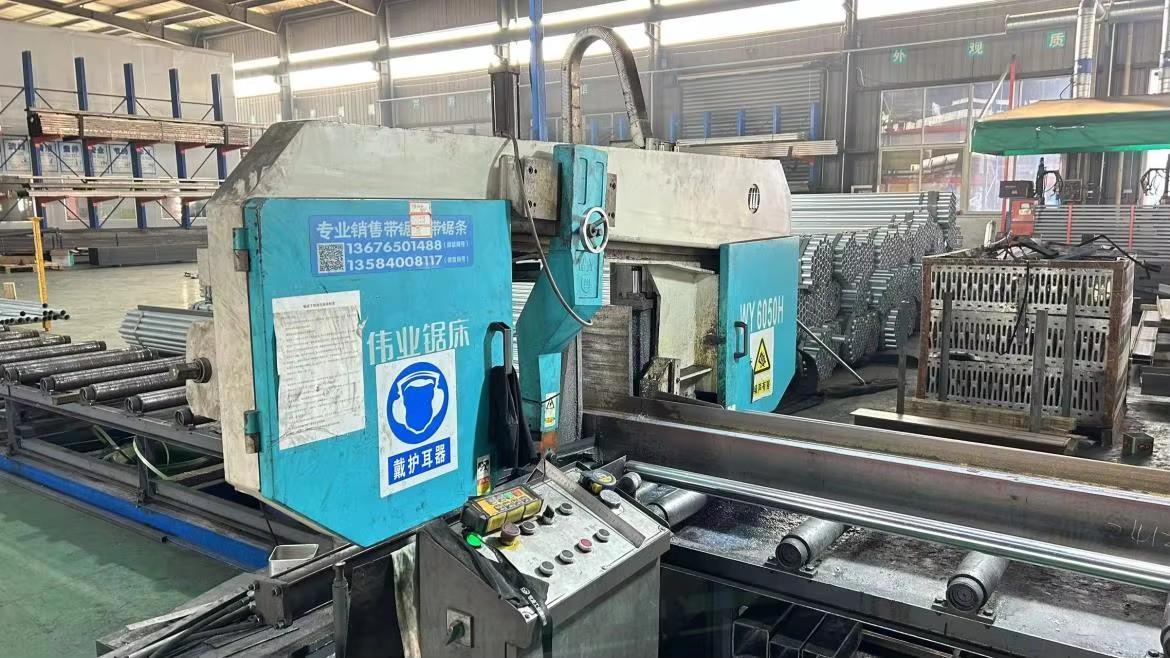
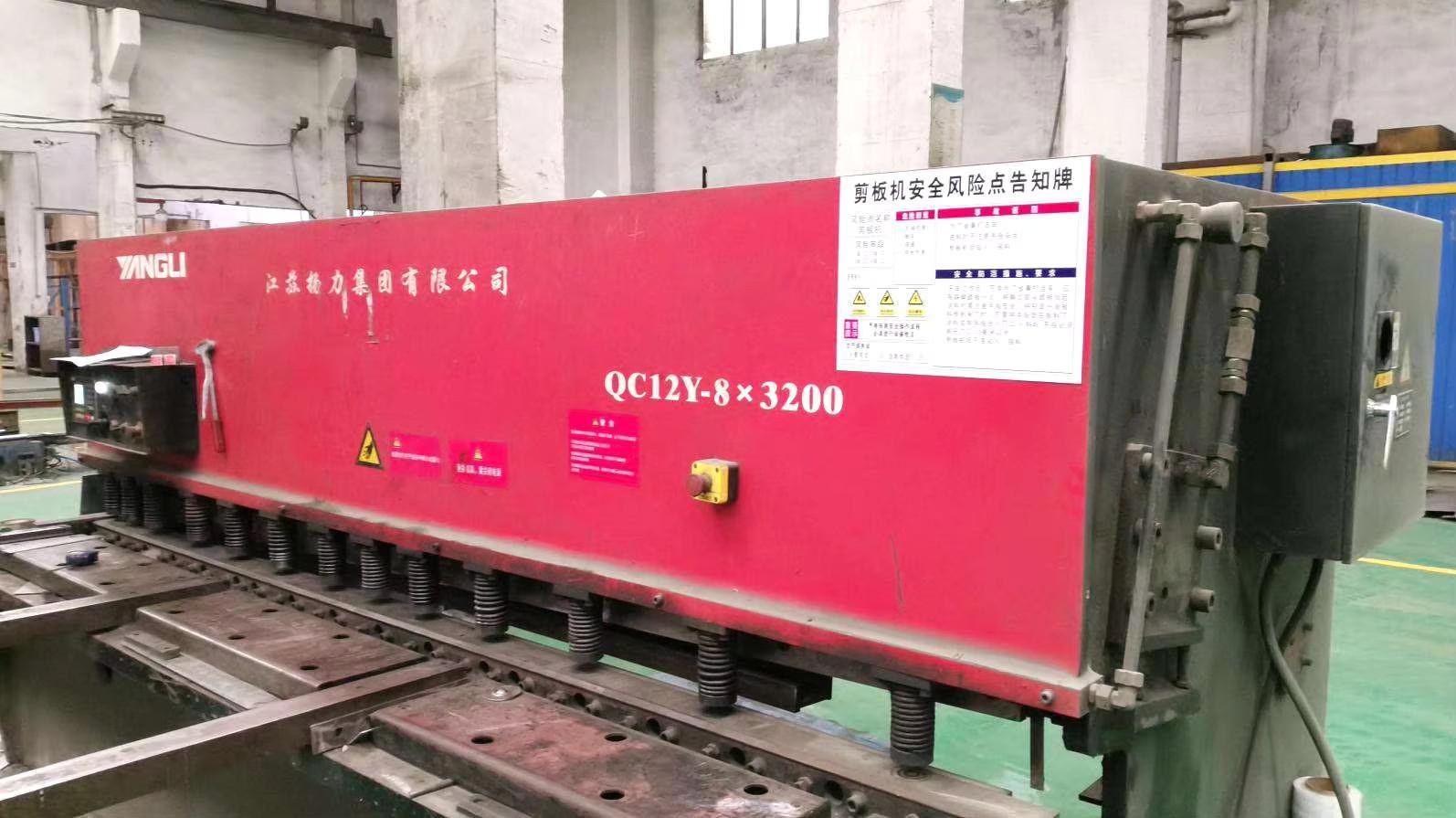
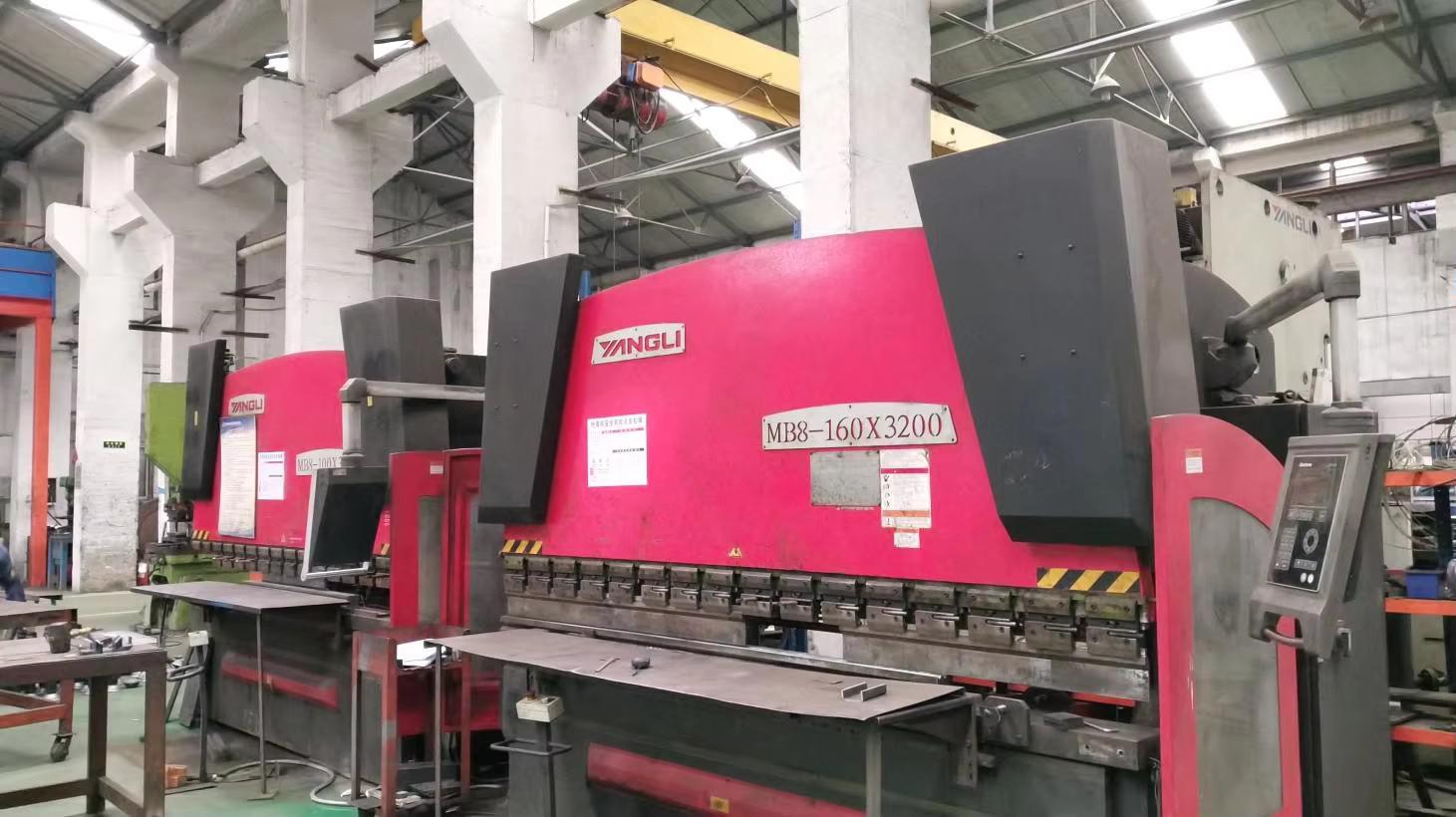
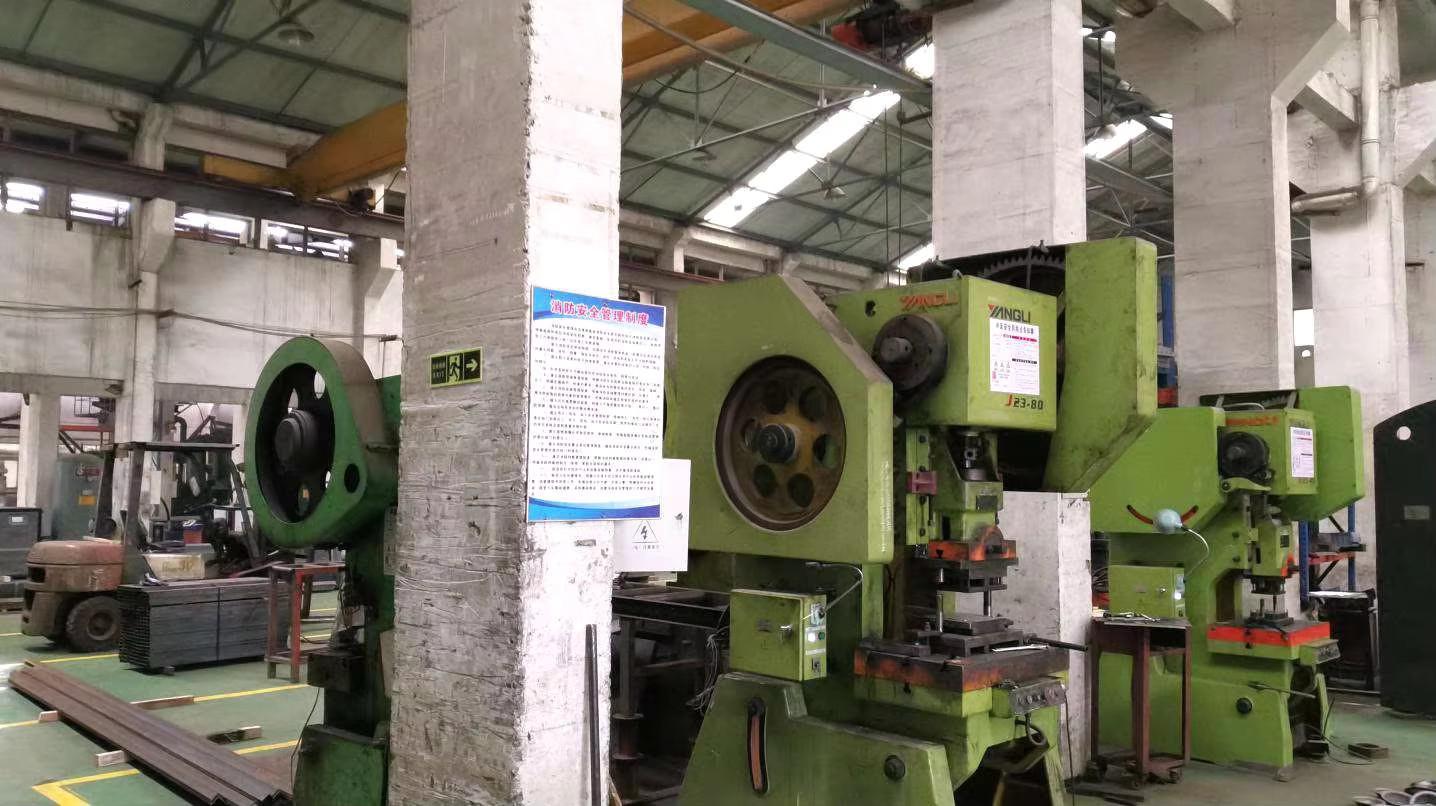
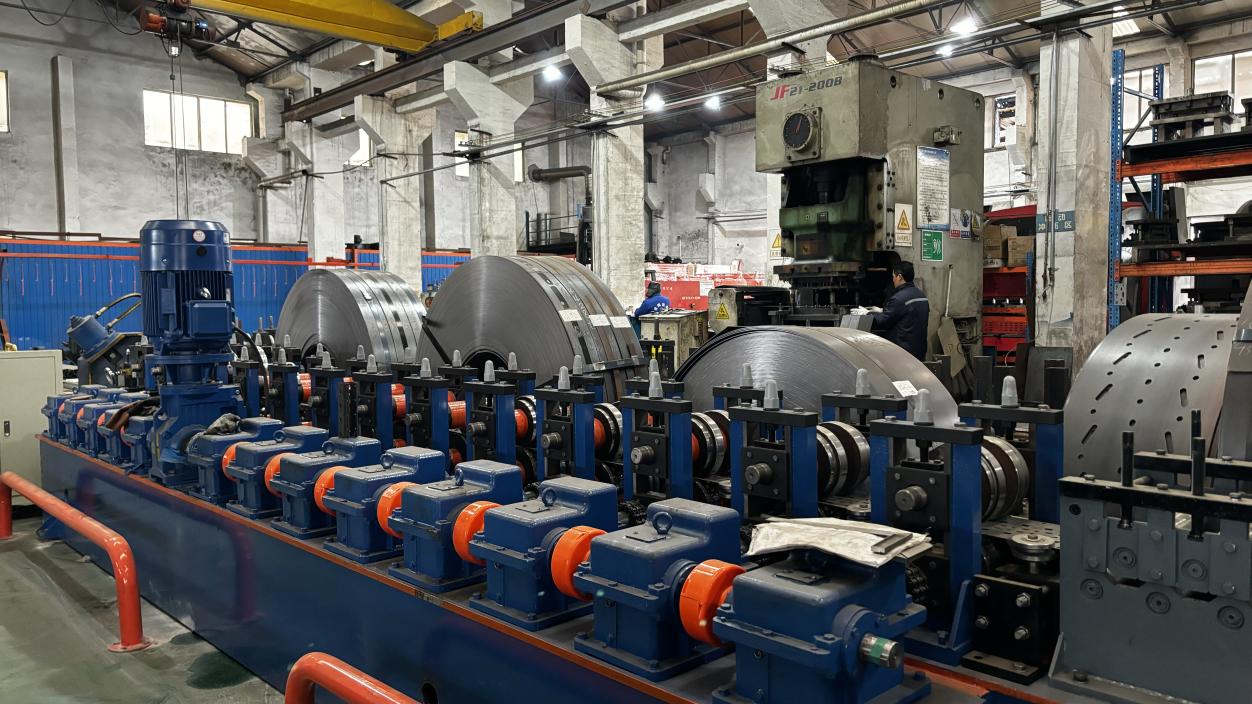
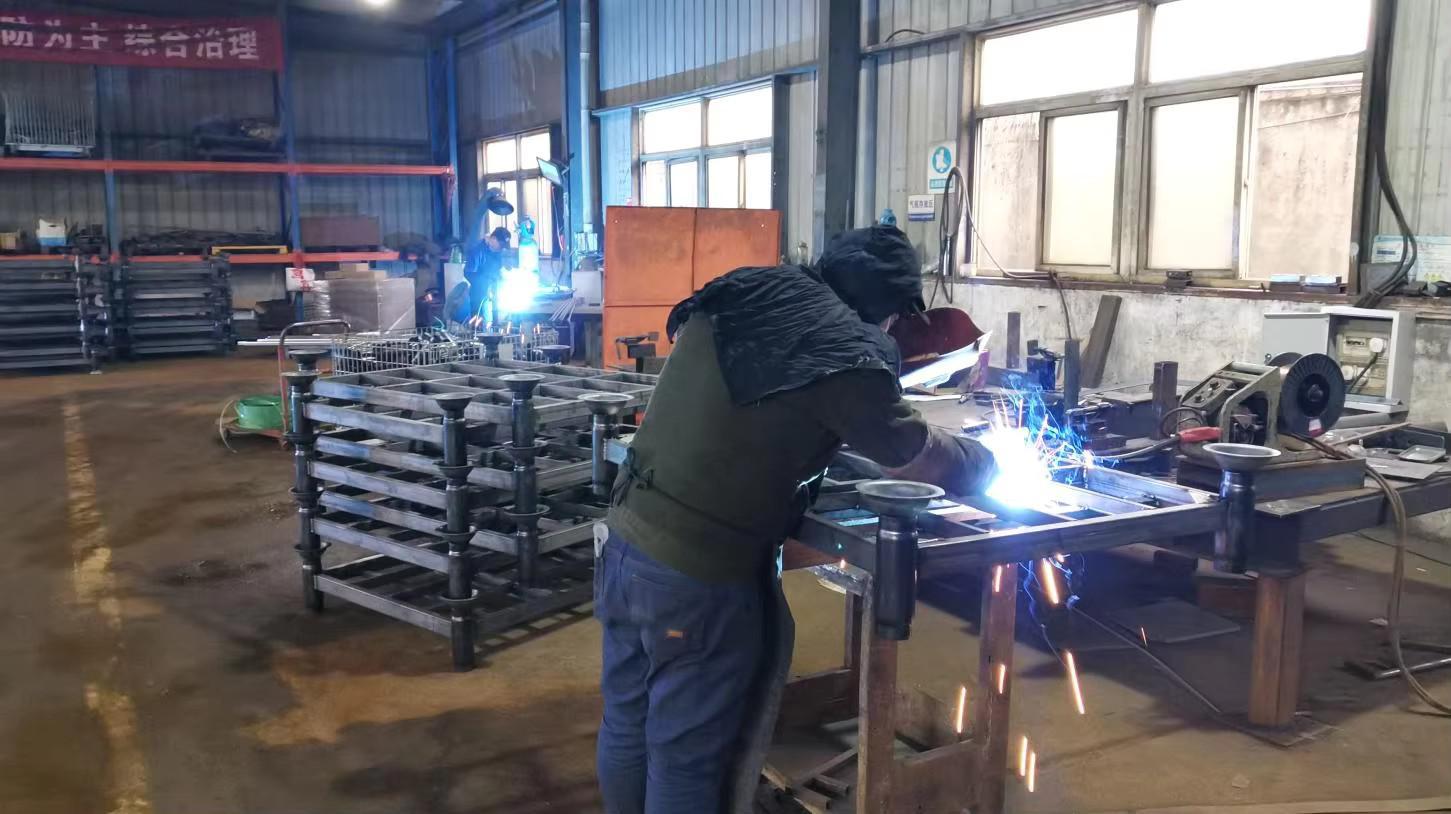
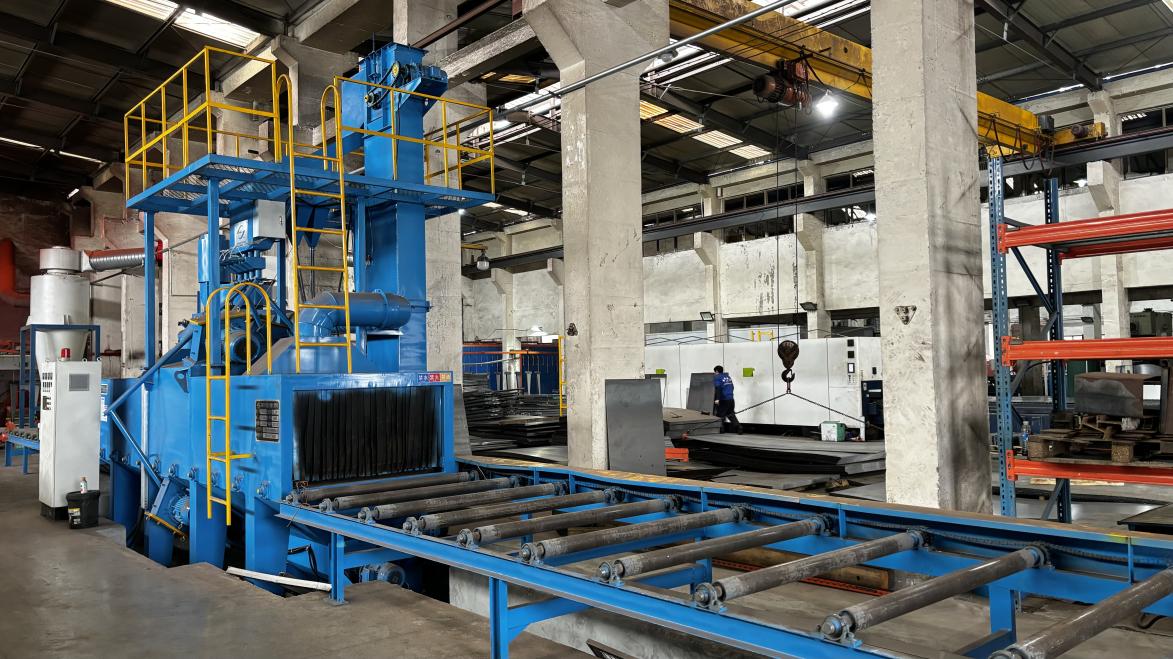
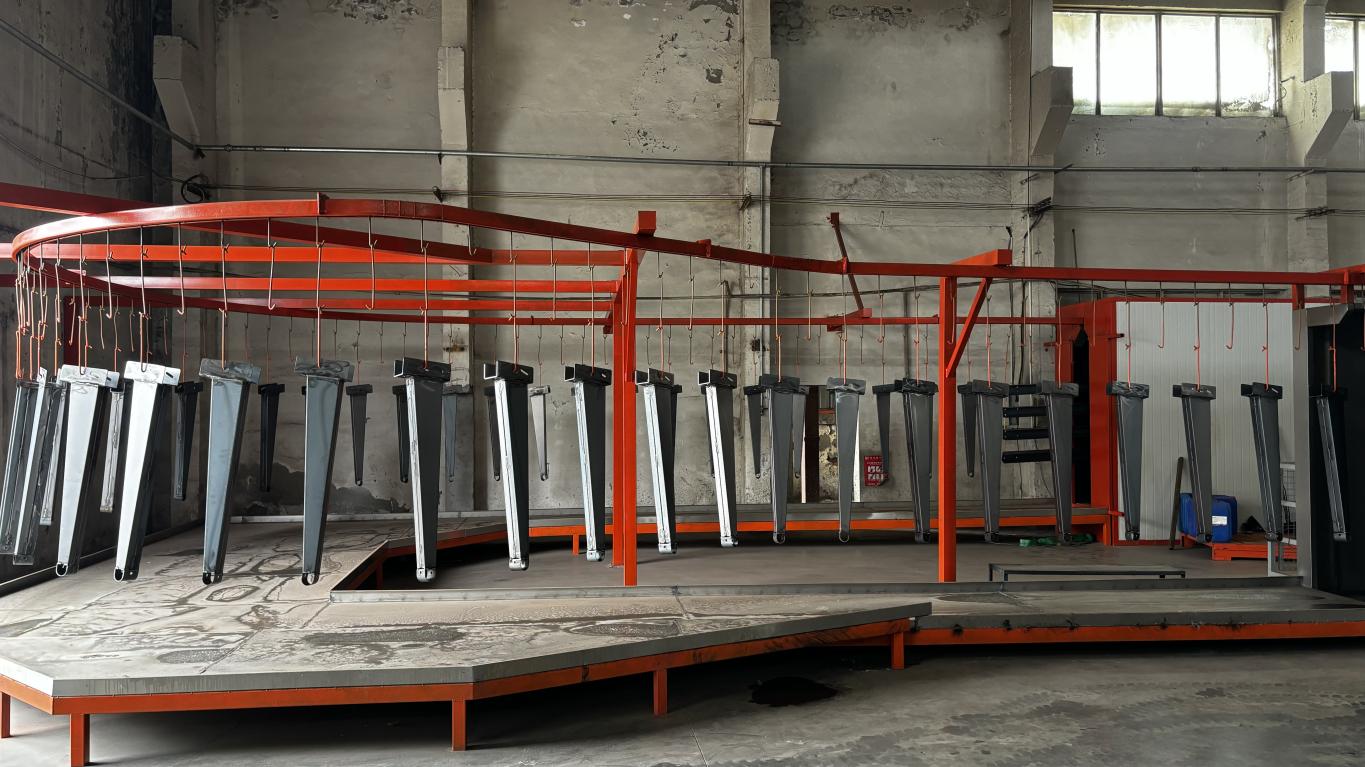
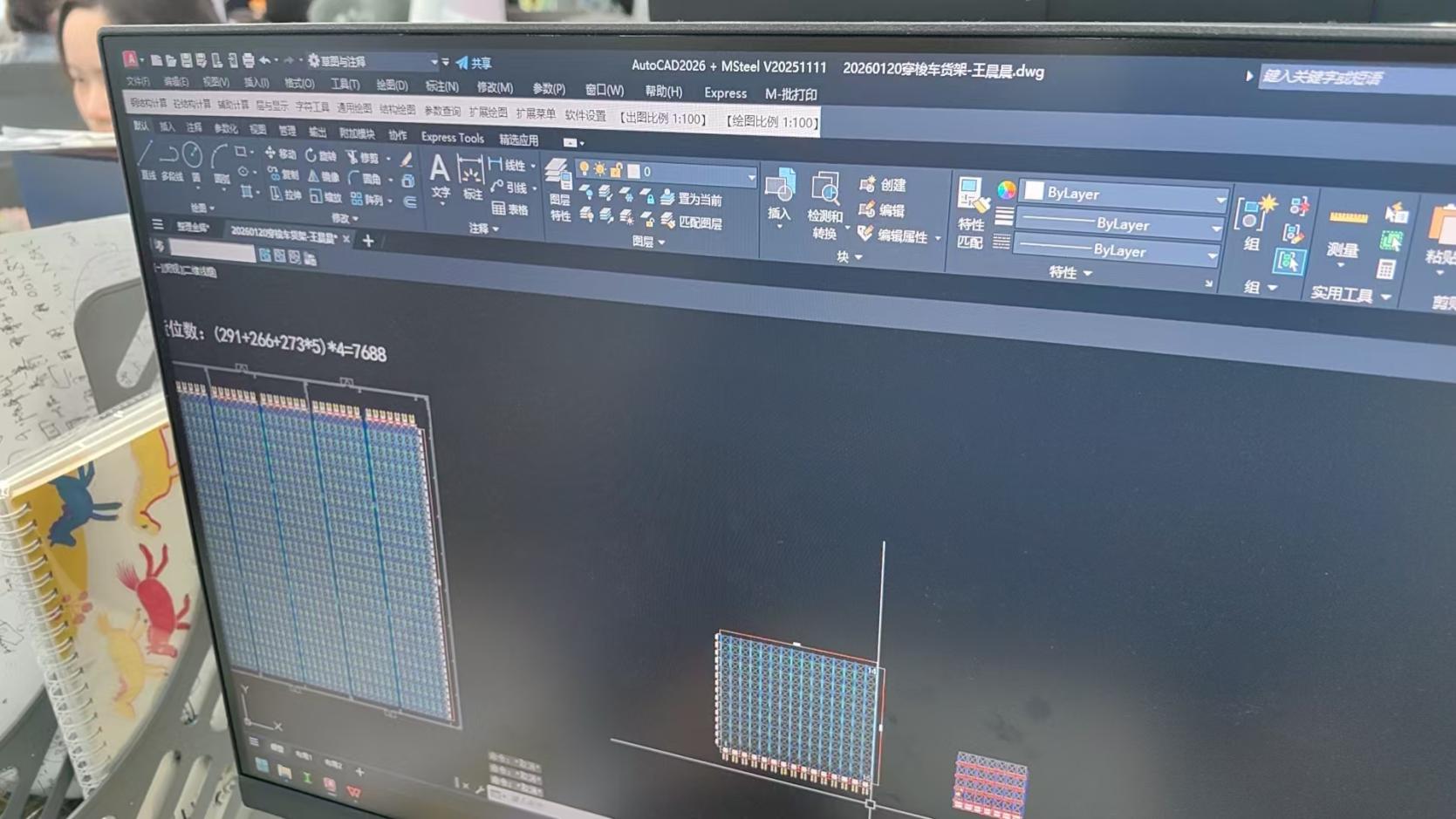
How direct container shipping from Shenzhen/Guangzhou ports to the Port of Los Angeles minimizes regional supply chain constraints.
In the post-pandemic industrial landscape, supply chain velocity is a vital competitive metric. By operating large-scale manufacturing facilities in Dongguan—adjacent to the major shipping corridors of Shenzhen and Guangzhou—Jinhui ensures optimized logistics pipelines. A typical ocean freight route from Shenzhen to the Port of Los Angeles spans approximately 14 to 18 days. This geographic proximity enables rapid supply pipelines for critical infrastructure developments in Southern California, bypassing standard multi-tier middleman margins.
Furthermore, local installation parameters are supported by comprehensive engineering documentation. Every component shipped is meticulously labeled, aligned with CAD layouts provided by our R&D team. This detailed documentation facilitates straightforward assembly, allowing local mechanical installers in California to execute projects efficiently. Ultimately, this reduces downtime and accelerates the timeline for receiving certificates of occupancy.
Next-generation rack systems engineered for automation, AGV operations, and structural performance.
As logistics complexes transition toward high-density automation, the physical requirements for steel storage configurations are evolving. Autonomous Guided Vehicles (AGVs) and Automated Storage and Retrieval Systems (ASRS) demand extremely tight fabrication tolerances. Standard roll-formed steel columns can experience structural deflection, leading to potential tracking alignment issues for automated shuttles. Jinhui is addressing this shift through the integration of heavy-duty structural steel shapes and automated manufacturing processes.
Our upcoming engineering cycle focuses on integrating IoT-driven load monitoring arrays directly within structural uprights. By using smart sensors, facility operators can monitor structural stresses in real time via centralized dashboards. This capability provides early indicators of load fatigue or damage from forklift collisions. Additionally, our R&D division is optimizing cold-formed profile geometries, improving structural strength while minimizing overall raw material weight.
High-performance warehouse storage solutions designed for optimal spatial efficiency and durability.
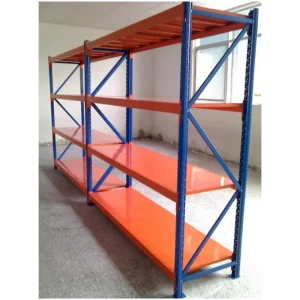
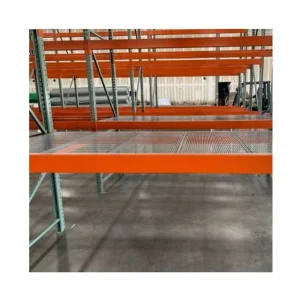
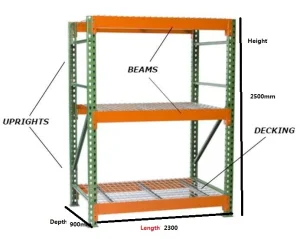
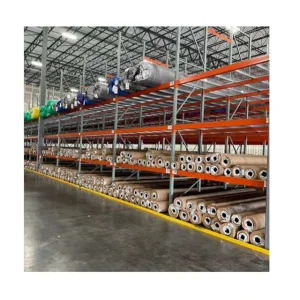
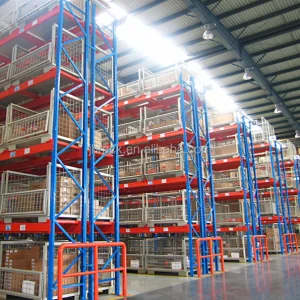
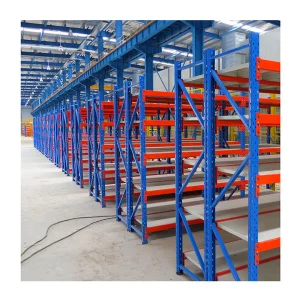
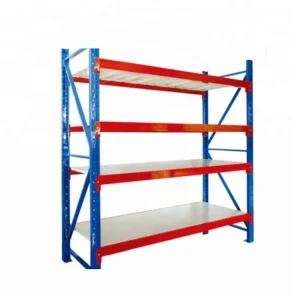
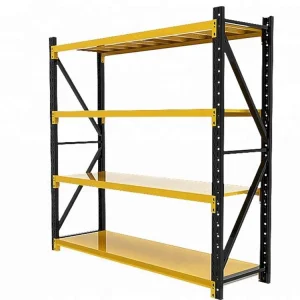
Explore our comprehensive industrial inventory, configured to meet global safety standards:
Expert insights on industrial storage, structural safety, and seismic compliance regulations in Los Angeles.
 Jinhui Storage Equipment